You know that feeling when you finally find the simple window treatment idea that looks exactly right for your space, but you have no idea how to pull it off? Window treatments feel like they should be simple, but they’re the one thing that can make or break a room’s design. We’ve scrolled through hundreds of looks to find what’s truly working right now.
We filtered through hundreds of options to bring you these 32 curated ideas, covering everything from airy modern sheers and classic pleated drapes to textured Roman shades and playful valances. After analyzing what people are actually saving, it’s clear the 2026 trend is all about ‘soft minimalism’—using textiles and light control to create a space that feels both layered and uncluttered. And stay until the end — we break down the most common mistakes that can ruin these looks.
📌 Save this to Pinterest for later — you’ll want to revisit these ideas.
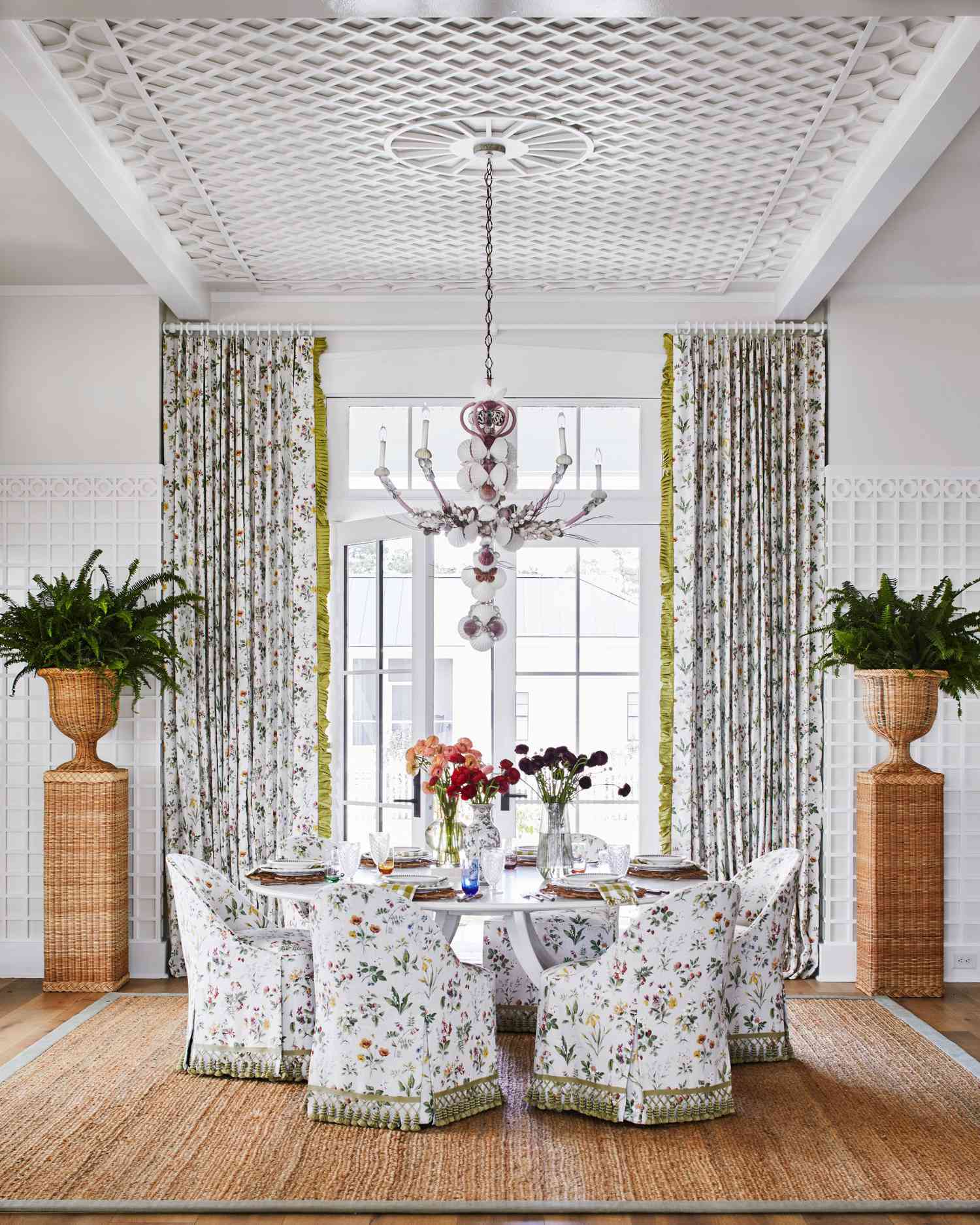
1. Whimsical Floral Drapes with a Bold Green Ruffle Trim
This look is all about confident contrast. The large-scale white and green floral pattern feels fresh and vibrant, not fussy or dated. It works because the walls and window frames are kept a clean, simple white, allowing the drapes to be the undisputed star of the show. The dark wood floor grounds the entire space, preventing the whimsical pattern from feeling like it’s floating away. The choice to use a simple white rod was smart—an ornate rod would have competed with the already-bold curtains.
💡 Designer Tip
When working with a strong pattern, scale is everything. For a large window like this one, you need a large-scale pattern to match; a tiny print would get lost and just look busy from a distance. A good rule of thumb: the main motifs in the pattern should be at least the size of your fist. Also, ensure the rod is installed at least 4-6 inches above the window frame and extends 6-10 inches on either side. This makes the window appear larger and allows the panels to stack neatly without blocking light when open.
2. Sheer White Curtains Softening Tall Arched Windows
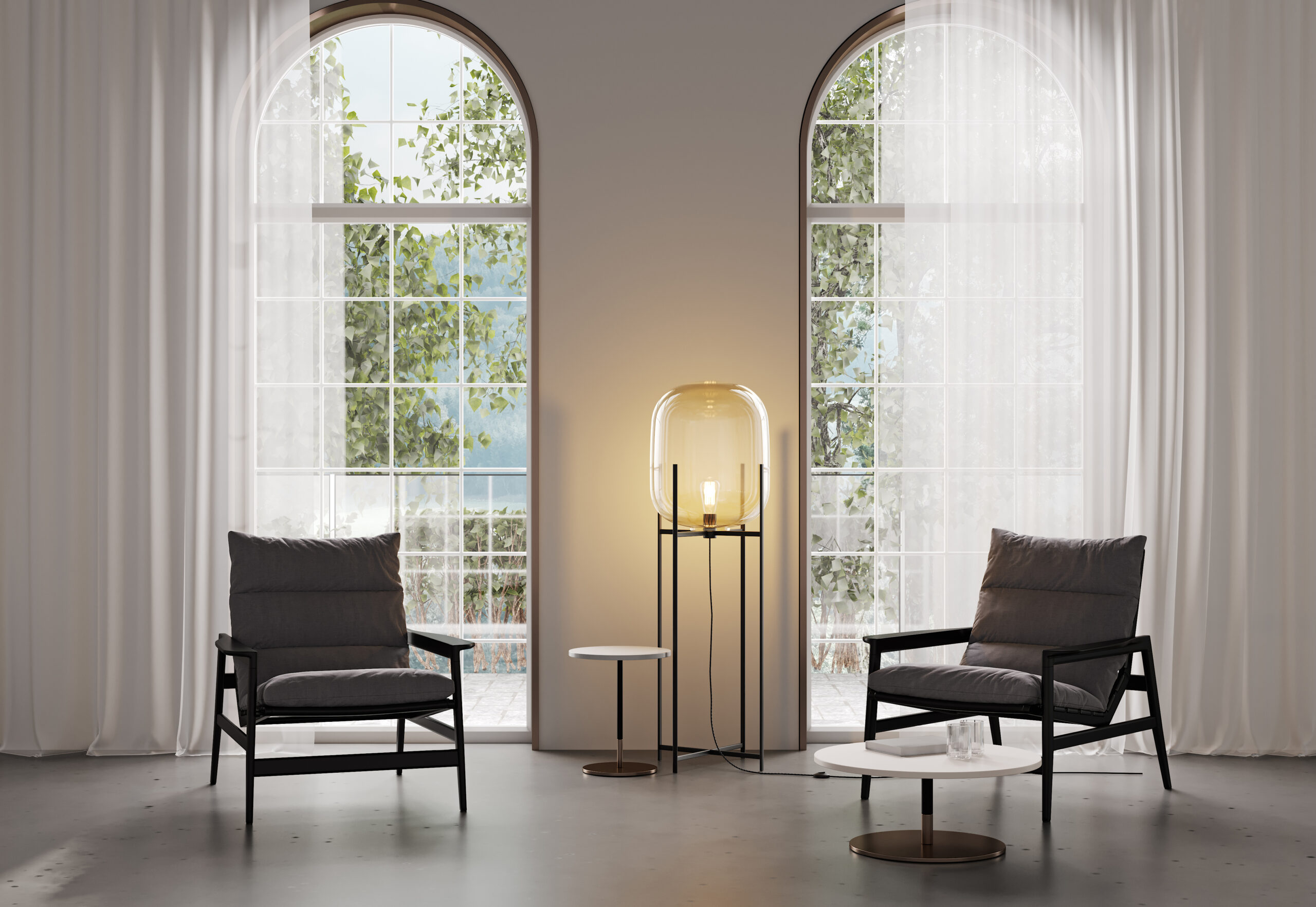
This treatment is specifically for rooms with high ceilings and architectural features worth showing off, not hiding. It requires a minimum ceiling height of 10-12 feet to get that dramatic floor-length effect without overwhelming the space. The arched windows themselves are the feature, so the curtains are just there to soften the edges. This approach would look awkward on standard 8-foot ceilings, where it would make the room feel shorter. For a similar airy vibe in a smaller room, consider the cafe curtains shown in Idea #26.
⭐ The One Thing
Let’s be honest: sheer curtains offer almost zero privacy, especially at night when the lights are on inside. This look is perfect for a living room that isn’t street-facing or for a space where privacy isn’t the primary concern. If you need to block light or prevent nosy neighbors from seeing in, you’ll need to layer these sheers with a more opaque option, like a hidden roller blind or a secondary drape. Sheer fabrics are also delicate and can snag easily, so they might not be the best choice for a high-traffic area with pets or small children.
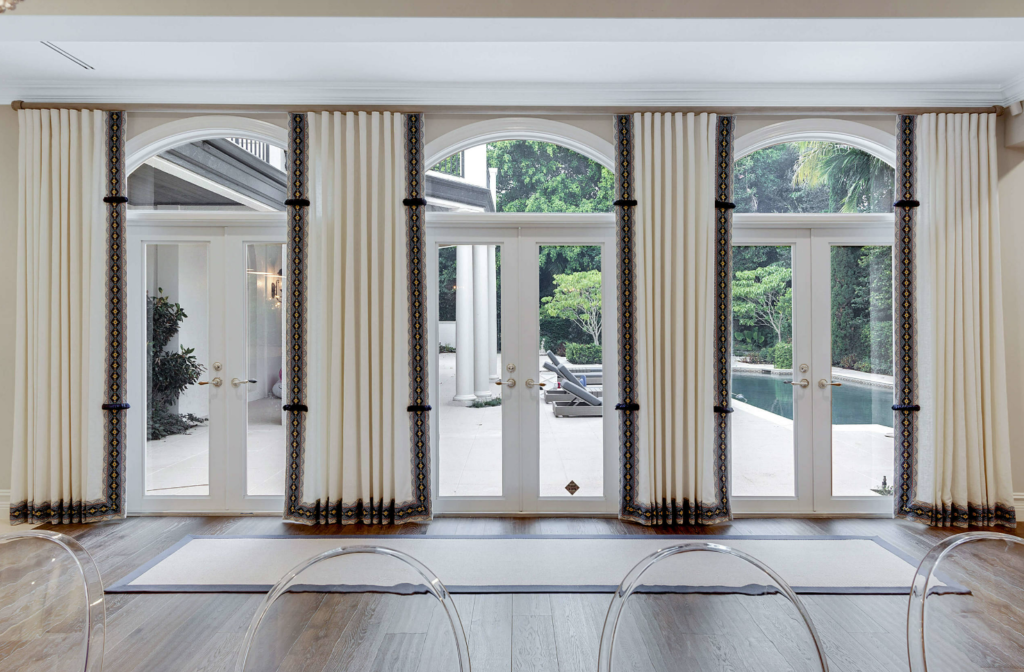
3. Pleated Cream Drapes with Geometric Trim on Arched French Doors
Recreating this polished, custom look involves several high-end elements. The cost is driven by the sheer volume of fabric and the custom details.
📏 Scale Guide
- Custom Drapes (4 panels): $1,200 – $2,500
- Decorative Trim & Application: $400 – $800
- Curtain Rod & Hardware: $300 – $600
- Rope Tie-Backs (4): $100 – $250
- TOTAL: $2,000 – $4,150
- Budget Alternative: Achieve a similar feel with ready-made cream drapes and iron-on trim for about $500 – $900.
The single most important element here is the dark geometric trim along the leading edge of the drapes. Without it, you just have plain cream curtains. That simple ribbon of pattern is what elevates the entire installation from standard to stunning. It provides a crisp, graphic line that draws your eye vertically, emphasizing the height of the doors. It also connects with the black rope tie-backs and the dark furniture in the room, proving that it’s the small, intentional details that create a truly cohesive and high-end design.
4. Recessed Sheer Drapes Alongside Floor-to-Ceiling Windows
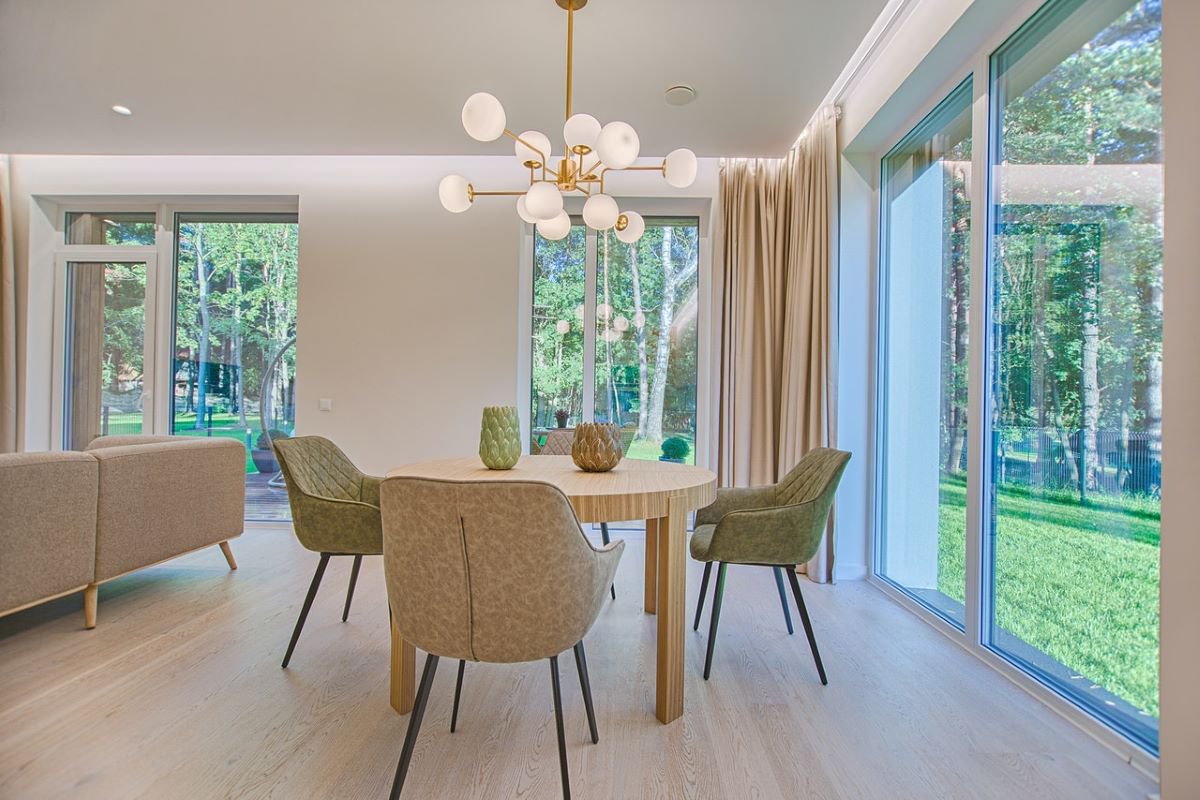
Light beige sheer drapes look stunning, but they are magnets for dust, pet hair, and smudges. To keep them looking fresh, they’ll need to be vacuumed with a soft brush attachment monthly and professionally cleaned or gently washed annually. Be careful with spot treatments, as watermarks can be very obvious on delicate sheer fabric. If you have pets or kids, consider a slightly darker taupe or gray sheer, which will be more forgiving. The biggest maintenance challenge? Getting them down from and back up into that recessed track, which often requires a tall ladder and a bit of patience.
✅ Before You Start
This look is a masterclass in proportion. The formula is approximately: 70% exposed glass + 30% soft textile. The sheers aren’t meant to cover the windows most of the time; their job is to frame the view and soften the hard edges of the window frames when pulled aside. By hanging them from a recessed track, they appear to emerge directly from the ceiling, creating an unbroken vertical line that makes the room feel incredibly tall and open. You could swap the beige for a soft white or light gray to achieve the same effect, as long as you maintain that 70/30 visual balance.
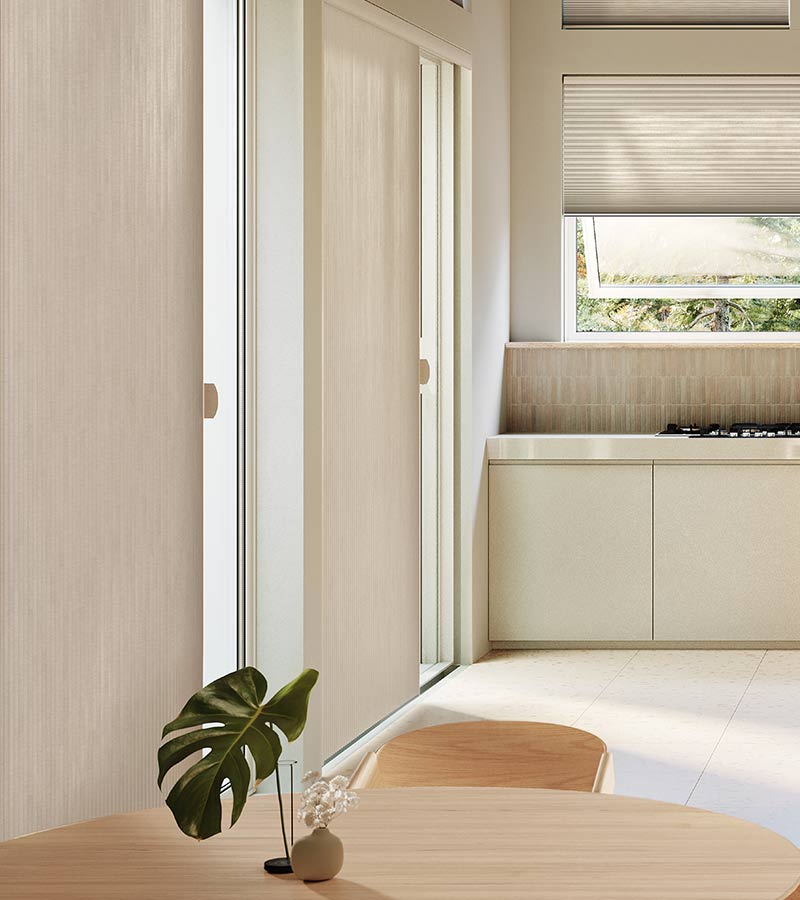
5. Modern Panel Blinds with a Wavy Line Pattern
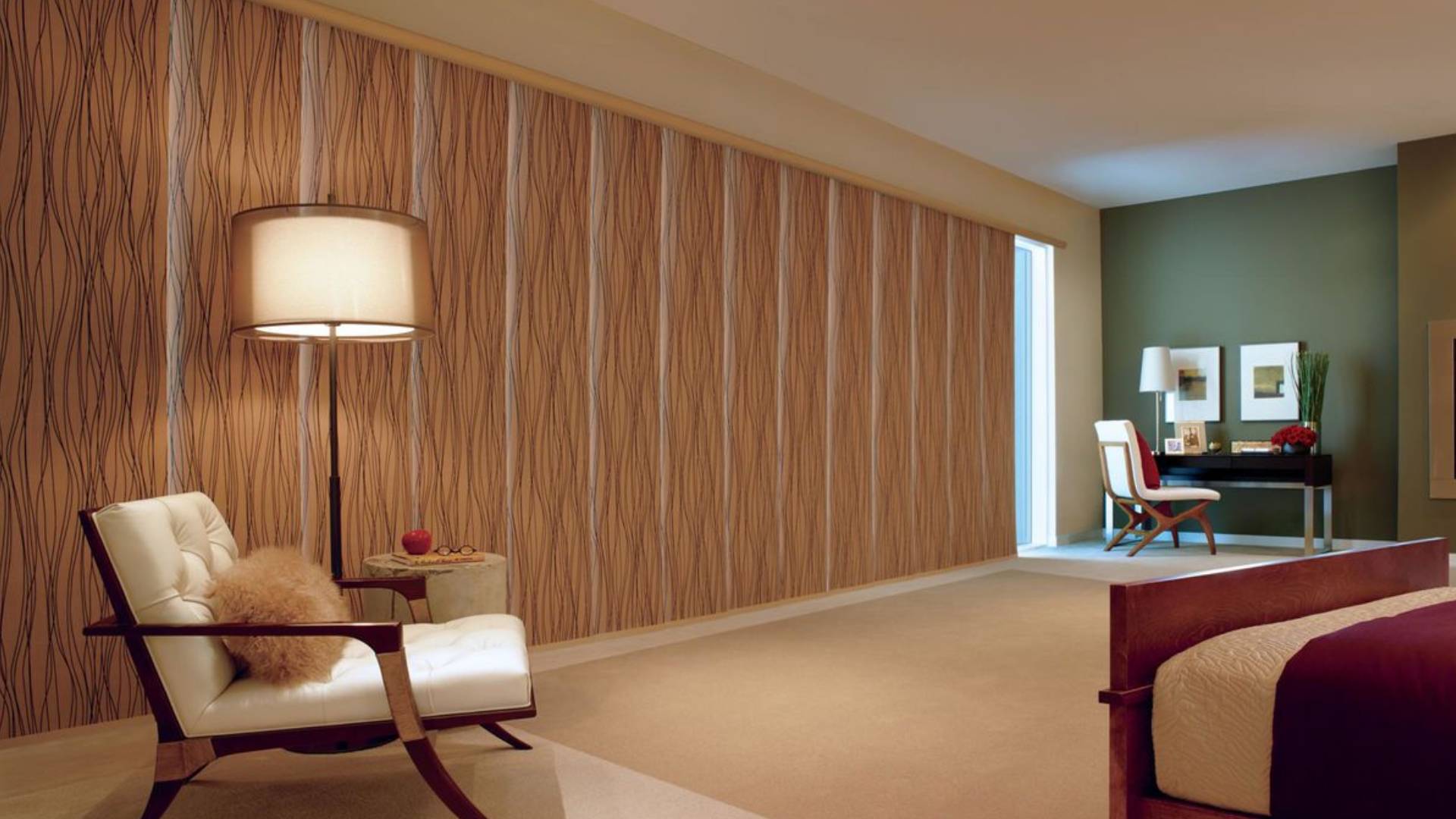
This treatment succeeds by adding texture and movement to what could be a boring, flat surface. The thin, wavy vertical lines create a subtle pattern that’s more interesting than plain panels but not so busy that it overwhelms the room. This verticality tricks the eye into seeing a taller ceiling. The panel track system itself contributes to the modern aesthetic, offering a sleek, architectural alternative to traditional drapery. It’s a perfect solution for wide windows or sliding doors where a single, massive curtain would feel too heavy. Its structure feels both clean and warm.
⚠️ Real Talk
You can get this high-impact look for much less. Instead of custom panel blinds, look at IKEA’s panel curtain system, which allows you to mix and match different fabric panels on a multi-channel track. You could find patterned panels for around $20-$30 each and the track system for under $100. For a DIY approach, you could even buy plain, inexpensive panels from a home improvement store and use fabric paint or markers to create your own subtle vertical line pattern. The key is to keep the lines thin and the color palette muted to maintain the sophisticated feel.
6. Sleek Panel Track Blinds for a Modern Sliding Door
Installing panel track blinds is a straightforward project that can transform a sliding glass door. Time Estimate: 1-2 hours. Material Cost: $150 – $500.
🎯 What Makes It Work
- Measure the width and height of your door frame. Decide if you want an inside mount or an outside mount. For outside mounts, add at least 3 inches to each side for better coverage.
- Purchase a kit with a headrail and the correct number of panels for your width.
- Install the mounting brackets for the headrail, ensuring they are level. This is the most critical step!
- Snap the headrail into the brackets.
- Attach the fabric panels to the sliders within the headrail using the provided mechanism, usually Velcro.
- Install the wand or cord for opening and closing the panels.
While panel blinds are a fantastic modern solution, be aware of the ‘stacking’ space they require. When the blinds are fully open, the panels stack together on one side. This stack can be anywhere from 15 to 30 inches wide, depending on the width of your door and the number of panels. This means a portion of your wall or window will always be covered. Make sure you have enough empty wall space next to the door to accommodate the stack without it looking cramped or blocking a light switch. This is a different consideration from drapes, which can often be pushed further off the window. Compare this to the drapery solution in Idea #13.
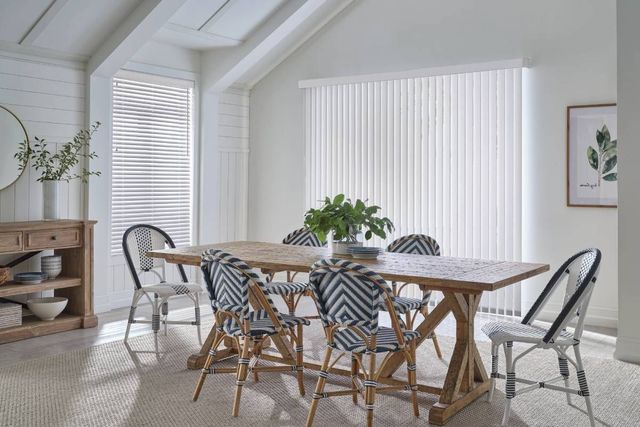
7. A Functional Mix of Horizontal and Vertical White Blinds
The key to this room isn’t one specific window treatment—it’s the unapologetic use of two different *types* of simple, white blinds in the same space. Convention says you should use matching treatments on all windows in a room. This space proves that function can (and should) trump convention. The horizontal blinds are perfect for the standard window, while the vertical slats are a practical choice for a larger opening or door. By keeping them in the same crisp white color, the look feels cohesive and intentional, not chaotic or indecisive.
🧹 Maintenance Reality
The visual recipe here is incredibly simple and adaptable. It’s 90% Uniform Color + 10% Varied Form. The overwhelming choice of white for both sets of blinds, the trim, and the surrounding decor creates a unified canvas. The subtle variation in the orientation of the slats (horizontal vs. vertical) adds a layer of quiet interest that you feel more than you notice. You could apply this same logic with another neutral—like light gray, black, or even a natural wood tone—as long as you commit to the color across the different blind styles.
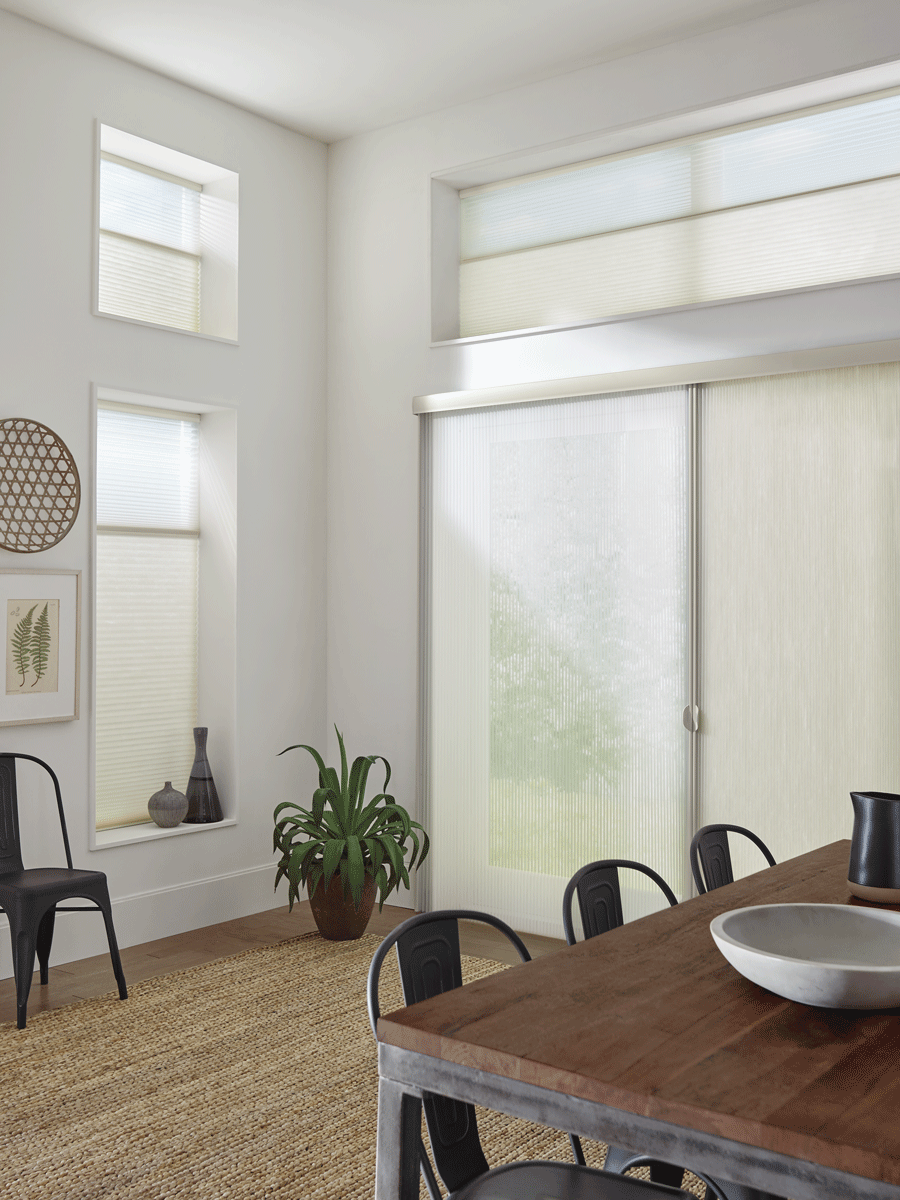
8. Understated Roller Shades for Seamless Patio Door Coverage
For a truly minimalist look with roller shades on a sliding glass door, always opt for a cassette valance. This is a sleek aluminum or fabric-wrapped box that houses the roller mechanism at the top. It completely conceals the roll of fabric when the shade is up, creating a clean, architectural finish that looks incredibly high-end. Without a cassette, the exposed roll can look a bit unfinished and clunky, detracting from the pristine, modern vibe you’re trying to achieve. It’s a small detail that makes a huge difference in the final presentation.
📐 Style Math
This idea is ideal for standard-sized sliding glass doors, typically 6 to 8 feet wide. The beauty of a roller shade is its simplicity and minimal visual footprint. However, on exceptionally wide expanses of glass (over 10-12 feet), a single, massive roller shade can be cumbersome to operate and may sag over time. For those larger applications, consider panel track blinds like in Idea #6 or floor-to-ceiling drapes as shown in Idea #21, which are better suited to covering grand-scale openings without sacrificing function or form.
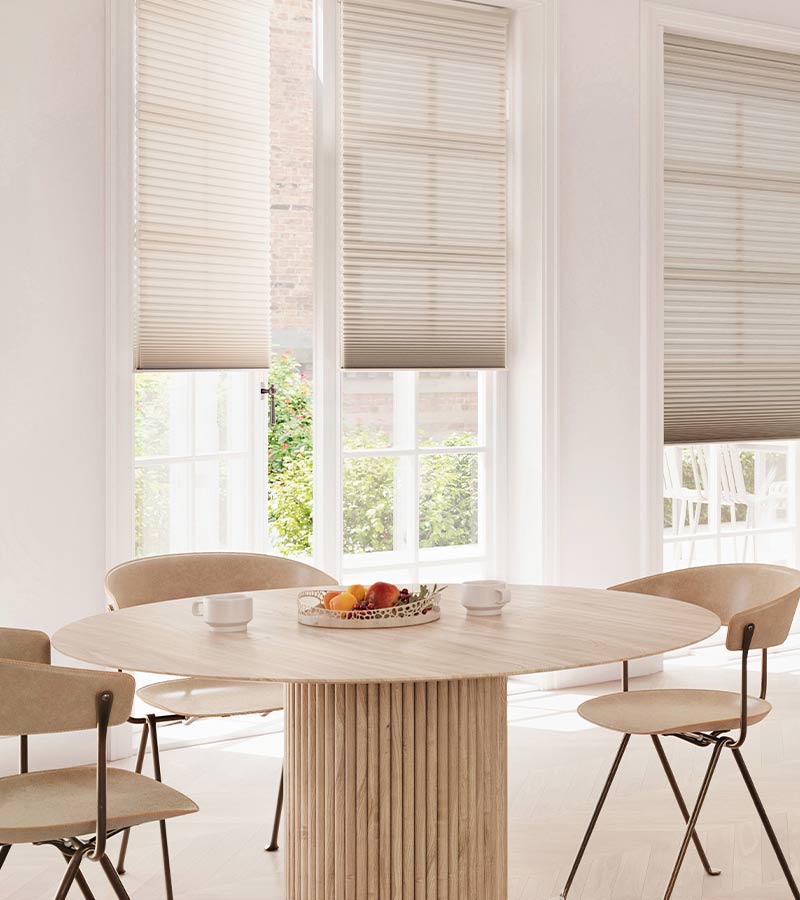
9. Ripple-Fold Drapes for Soft Movement on a Sliding Door
The magic of this window treatment is the ripple-fold header. This style of drapery is constructed with a specific snap-tape that clips into the carriers on the track, creating perfectly uniform, soft S-curves from top to bottom. It’s what gives the drapes their serene, wave-like appearance whether they’re open or closed. Unlike traditional pinch pleats or rod pockets, the ripple-fold is unabashedly modern and controlled. It glides effortlessly and always looks perfectly tailored, providing a high-end, hotel-like finish that is impossible to achieve with other heading styles.
💰 Budget Breakdown
While ripple-fold drapes look effortlessly chic, they are not a low-maintenance item. Due to the snap tape construction and the need to preserve the perfect folds, you can’t just toss them in the washing machine. Most ripple-fold drapes, especially those made of linen, wool, or blends, will require professional dry cleaning to prevent shrinking and damage. This can cost anywhere from $75 to $200 per panel, depending on the size and fabric. Lighter colors will show dust and smudges more easily, so expect to have them cleaned every 1-2 years to keep them looking their best.
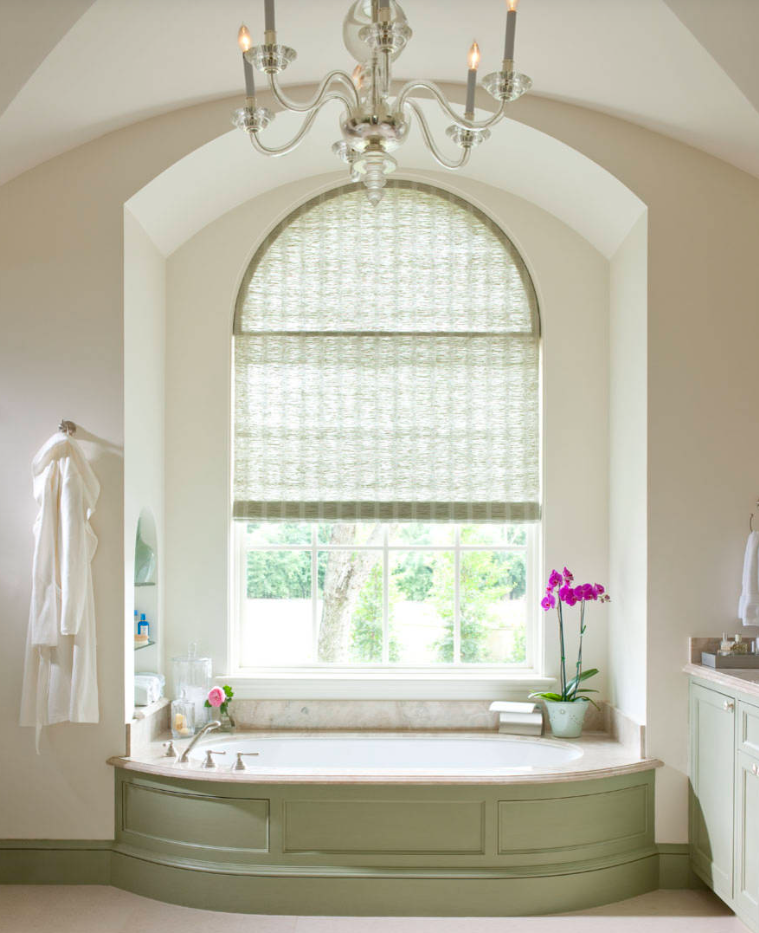
10. Textured Light Green Shade Fitted to an Arched Window
This is a clever solution for a notoriously difficult window shape. It works because the custom-fit shade honors the arch instead of fighting it. Placing a straight curtain rod above an arched window often looks awkward and hides the beautiful architectural detail. By mounting the roll-up shade within the arch, the unique shape is highlighted and becomes the focal point. The choice of a soft, textured green fabric adds a touch of color and nature-inspired calm, connecting the indoor space to the view outside and preventing the all-white recess from feeling stark.
💸 Get This Look For Less
While a custom arched shade is an elegant solution, be aware that it’s a specialty item and comes with a higher price tag than a standard rectangular shade. You’ll need a professional to measure and install it correctly, as there is zero margin for error. Also, consider functionality: this type of shade covers the top portion of the window, which can be great for blocking high sun, but it’s a fixed solution. You can’t adjust it to cover the bottom half of the window for privacy without completely obscuring the arch. It’s a commitment to a specific type of light control.
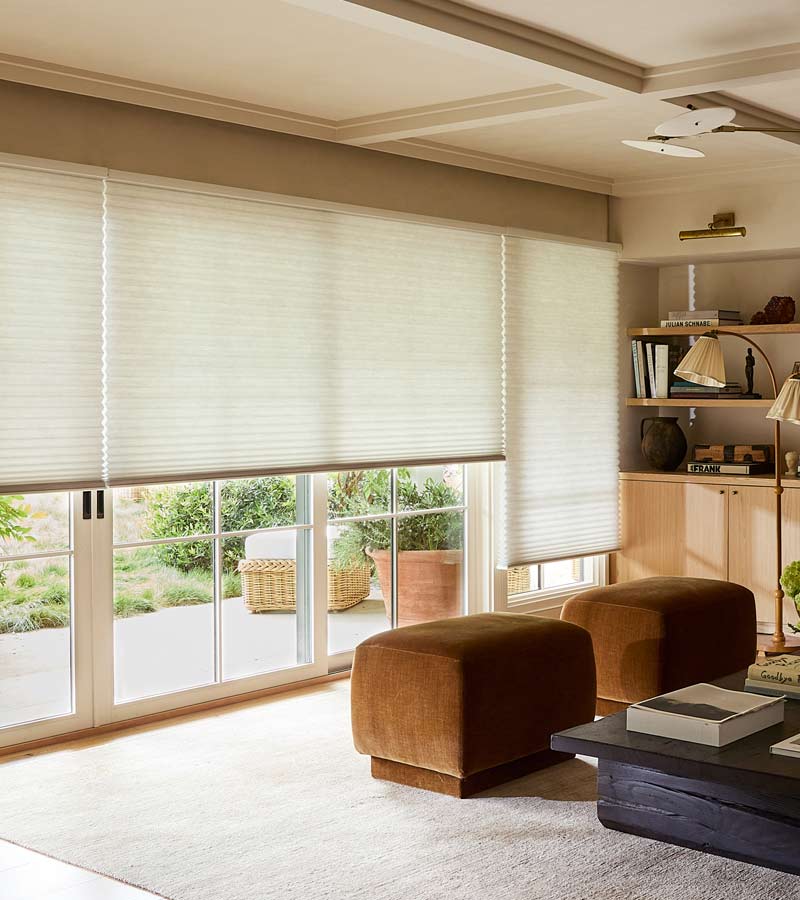
11. Smart Motorized Shades for Your Sliding Glass Door
Automating your window treatments brings a touch of luxury but comes at a price. Motorization isn’t just about the shade; it’s about the motor, power source, and remote control or hub.
🔧 How-To Brief
- Motorized Roller Shade (for sliding door): $700 – $2,000
- Power Source (Hardwired or Battery): $50 – $250
- Remote Control or Smart Hub: $75 – $300
- Professional Installation: $200 – $400
- TOTAL: $1,025 – $2,950
- Budget Alternative: A high-quality manual roller shade with a continuous-loop chain offers a similar clean look for $200 – $500.
The push for smart home integration is no longer just about fancy thermostats and speakers. Window treatments are the latest frontier in creating a truly automated and responsive living environment. The popularity of motorized shades is driven by a desire for ultimate convenience—imagine closing every shade in the house with a single voice command or having them automatically adjust based on the time of day to save energy. As we continue to integrate technology seamlessly into our homes, the idea of manually pulling on a cord or wand is starting to feel surprisingly dated. This trend has serious staying power.
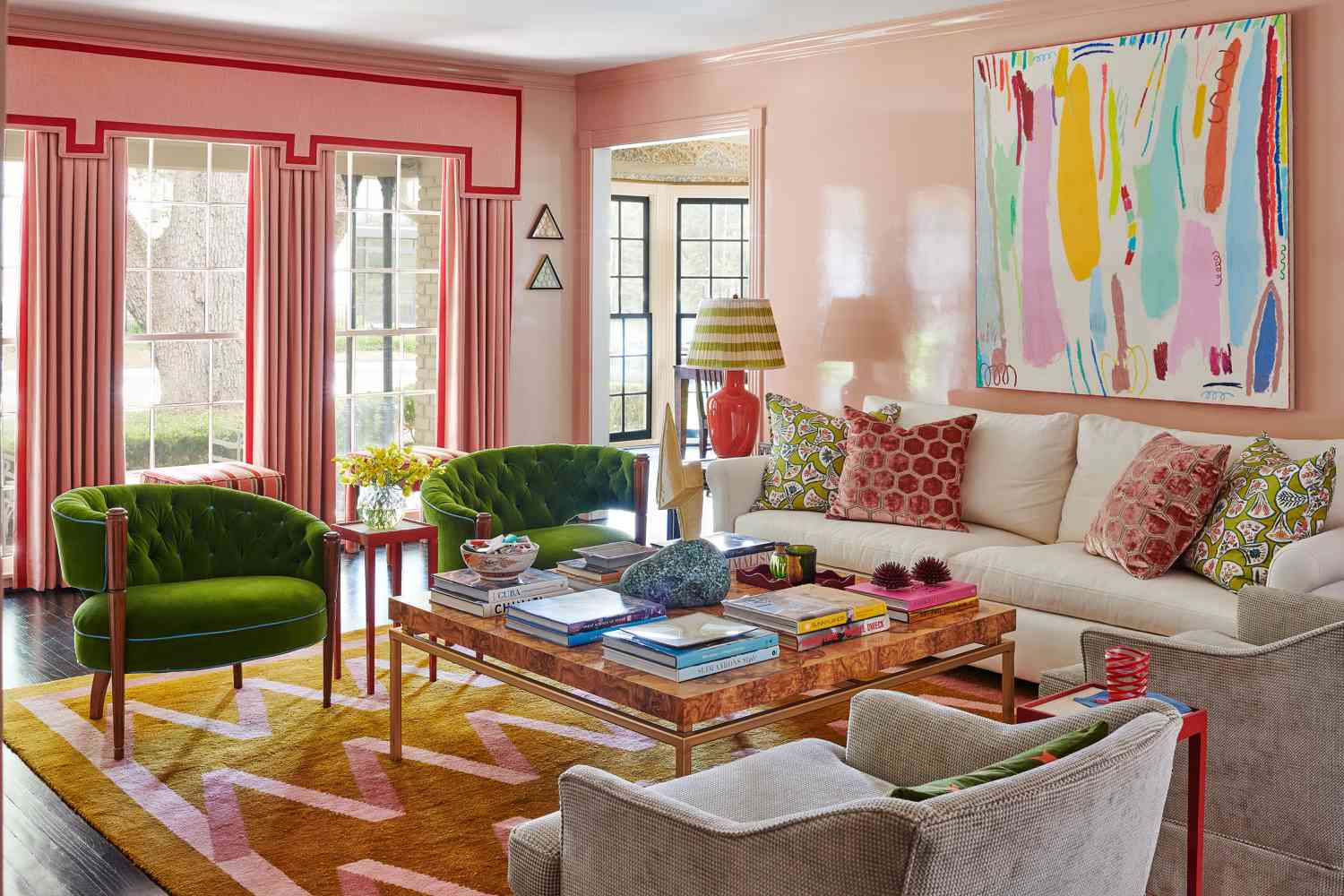
12. Playful Pink Patterned Valance and Curtains with Red Trim
This vibrant, eclectic look follows a fearless formula: 50% dominant color (pink) + 30% bold pattern (on the valance) + 15% contrasting accent color (red trim) + 5% grounding neutral (cream background). The key is that the patterns and colors are used with confidence across multiple layers. You could swap the palette entirely—imagine a navy blue base with a yellow geometric pattern and crisp white trim—and the ‘maximalist-preppy’ vibe would still work. The formula is about layering color, pattern, and solid trim in a balanced way.
🔥 Trending Context
It’s the red trim. Absolutely, unequivocally, the red trim. Without that sharp, confident border on both the valance and the curtain panels, the look would dissolve into a sea of pink. The red provides a visual boundary, a crisp edge that defines the shapes and adds a much-needed dose of graphic punch. It’s what makes the design feel intentional and curated rather than accidental and chaotic. It proves that sometimes, the most powerful element in a room is a simple, well-placed line of contrasting color.
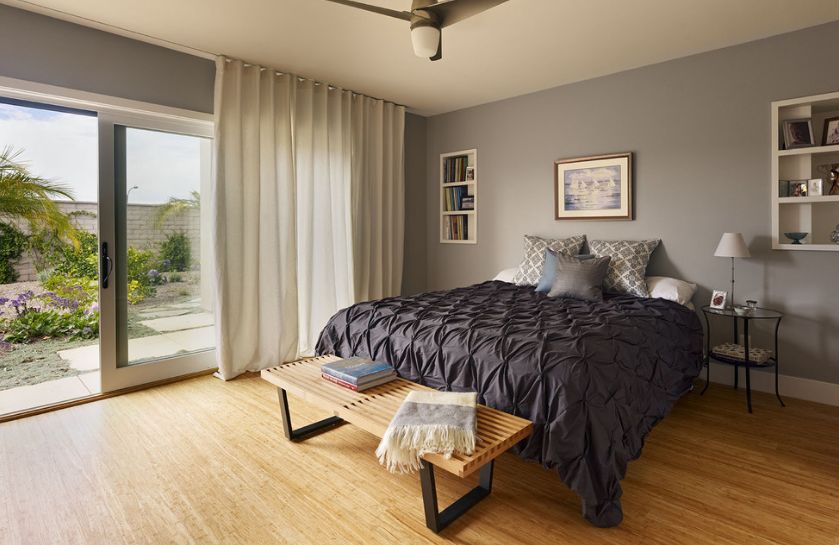
13. Ceiling-Mounted Traverse Drapes for a Sliding Door
When hanging drapes for a sliding glass door, use a traverse rod with a wand or cord control. This allows you to open and close the entire span of drapery with one simple pull, moving all the panels at once. It’s far more functional than trying to pull each panel by hand, which can be clumsy and lead to uneven folds and dirty fabric over time. For an even cleaner look as shown here, have the traverse track recessed into the ceiling. This requires planning during a renovation but results in a seamless, high-end finish where the drapes appear to float down from above.
💡 Designer Tip
This treatment works because of its simplicity and thoughtful engineering. Mounting the light-colored drapes on a ceiling track does two things: first, it creates an uninterrupted vertical line, making the room feel taller and more spacious. Second, it allows the drapes to stack completely off the glass when open, maximizing natural light and the view. The subdued color palette of gray walls, off-white drapes, and bamboo flooring creates a serene, contemporary backdrop, allowing the functionality and clean lines of the window treatment to take center stage.
14. Layered Macrame Valance and Curtains on a Wooden Window
This cozy, rustic look is all about texture playing with texture. The formula is roughly: 40% hard rustic element (the dark wood window frame) + 30% intricate texture (the macrame valance) + 30% soft texture (the light beige curtains). The success of this combination hinges on keeping the color palette extremely limited. Here, it’s just shades of wood and cream. This allows the different materials—wood, knotted cord, and woven fabric—to stand out without competing. If you introduced a strong color, the delicate balance would be lost.
⭐ The One Thing
A macrame valance is a beautiful, bohemian touch, but it’s essentially a craft project hanging in your window. This makes it a serious dust-catcher. The intricate knots and fibers will trap dust, pollen, and even kitchen grease if it’s near a cooking area. You can’t just wipe it down; it requires regular, gentle vacuuming with an upholstery brush. Deep cleaning might involve taking it down and hand-washing it, which is a delicate operation. This is a high-touch decorative item, best suited for a room where it won’t be exposed to a lot of airborne grime.
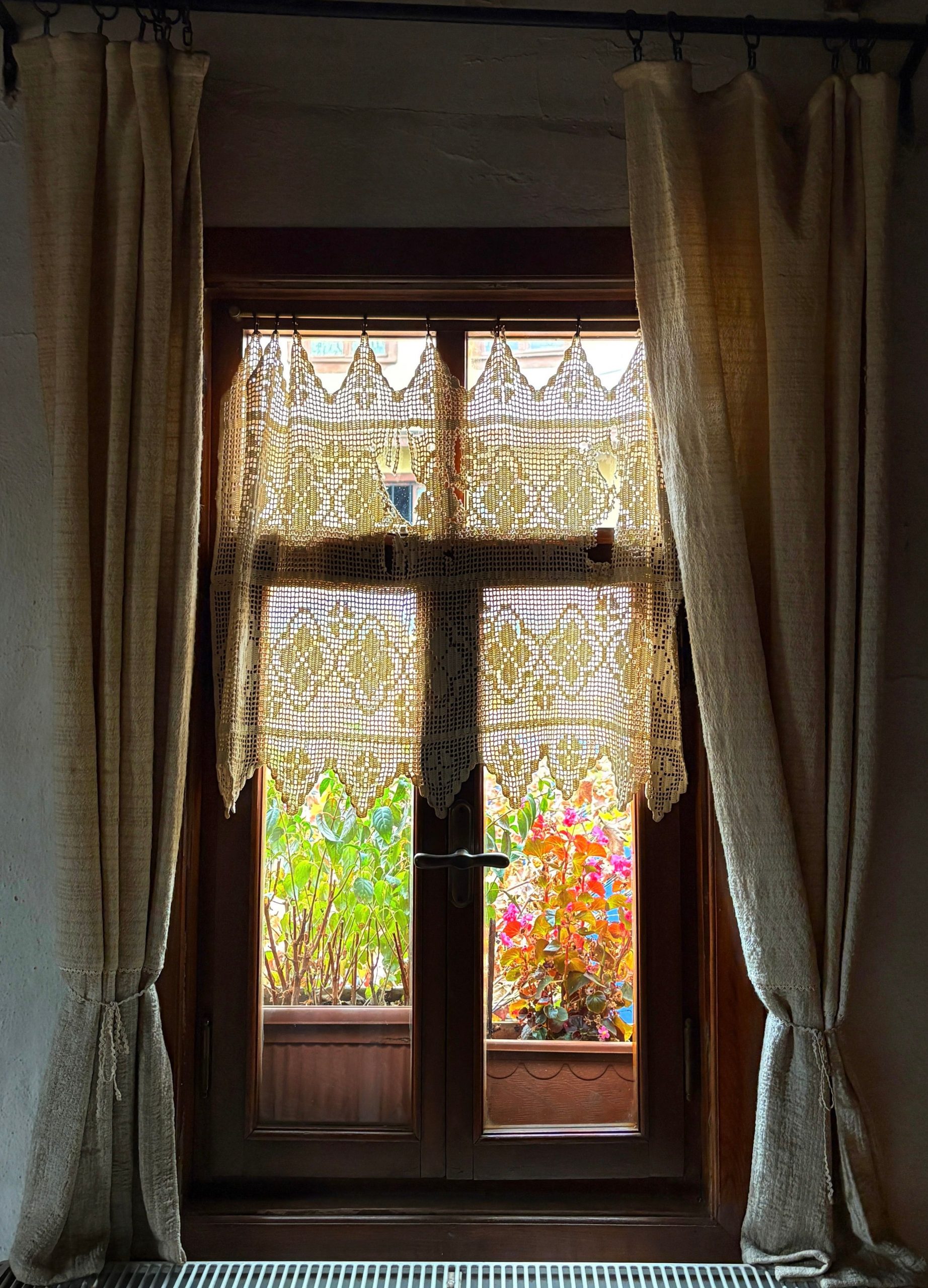
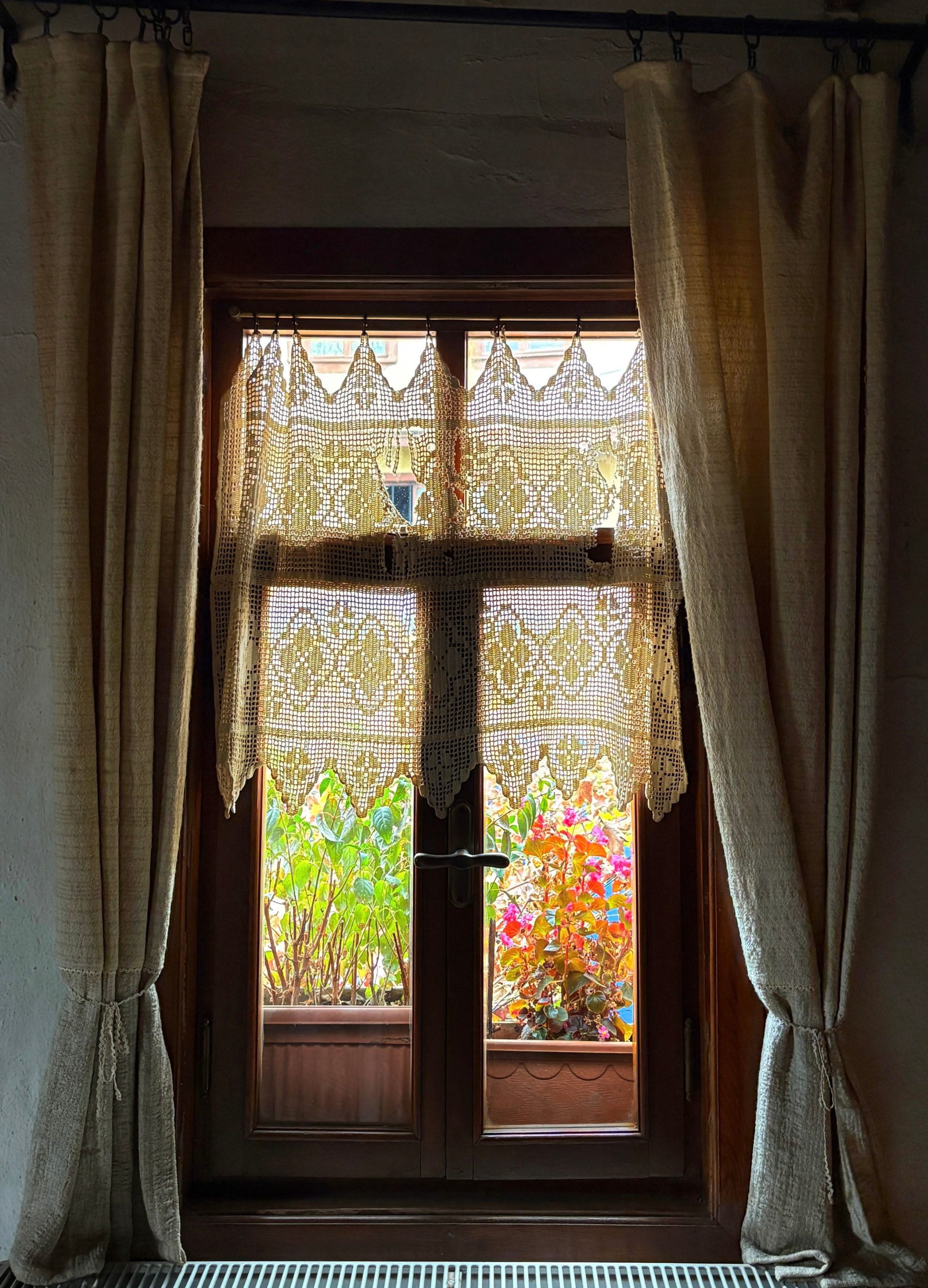
15. Rustic Window with a Crochet Valance and Tie-Back Curtains
The charm here comes from the interplay of materials and the hint of old-world craftsmanship. The dark, heavy wood of the window frame provides a strong, rustic anchor. Against this, the delicate, light-colored crochet valance offers intricate detail and a touch of softness. The simple, unlined curtains tied back loosely contribute to the relaxed, traditional feel. It works because it feels authentic and handmade, as if each piece was chosen with care over time, rather than purchased as a matching set. The view of the vibrant foliage outside completes the cozy, cabin-like atmosphere. Compare this layered rustic style with the more minimal rustic feel of Idea #14.
📏 Scale Guide
You don’t need a custom crochet piece to get this warm, rustic vibe. Search for vintage lace or crochet table runners on Etsy or at a local thrift store for under $25—they can often be repurposed as a valance. For the curtains, simple, unlined cotton or linen-blend panels from IKEA or Target will do the trick. A basic black curtain rod is inexpensive, and simple tie-backs can be made from jute rope or a scrap of fabric. The key is to embrace imperfection and focus on natural, textured materials.
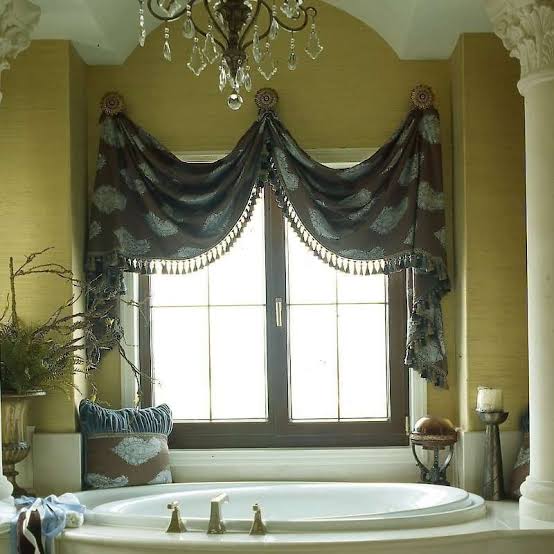
16. A Fabric Valance Hung from Decorative Medallions in a Bathroom
A valance hung on medallions (or large knobs) offers a custom look without a traditional rod. Time Estimate: 1.5 hours. Material Cost: $50 – $150.
✅ Before You Start
- First, choose your medallions. These can be oversized cabinet knobs or specialty drapery hardware. You’ll need at least two, or more for a wider window.
- Measure your window and determine the placement of the medallions. They should be installed high enough for the valance to just cover the top of the window frame.
- Lay your fabric valance flat and mark the spots where you will create holes to hang it from the medallions. These marks should correspond to your medallion placement on the wall.
- Reinforce the marked spots on the fabric and create a buttonhole or install a large grommet at each point.
- Install the medallions securely into the wall, using drywall anchors if necessary.
- Hang the valance by slipping the buttonholes or grommets over the medallions.
Using fabric window treatments in a full bathroom—one with a shower or tub—requires careful consideration. Steam and moisture can cause fabrics like cotton and linen to mildew or attract mold over time. If this is your main bathroom, you’ll need excellent ventilation. Consider using a fabric specifically designed for outdoor or bathroom use, which will be more resistant to moisture. Another option is to use this decorative treatment in a powder room or half-bath where humidity is not an issue. Otherwise, be prepared to clean the valance more frequently to keep it fresh.
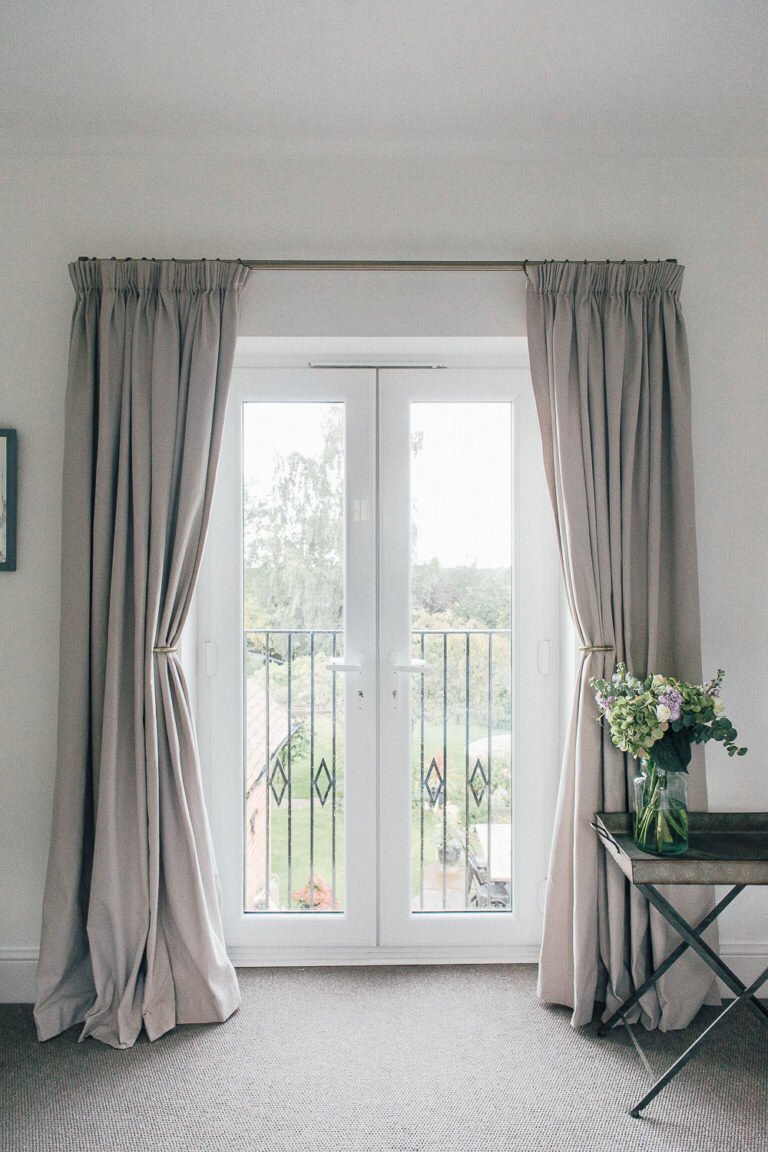
17. Simple Gathered Curtains Framing Double Doors
The most important element in this setup is the single, continuous curtain rod that extends well beyond the door frame. By using one long rod instead of two small ones, the window treatment reads as a single, cohesive gesture. It visually unites the two doors and makes the entire wall feel more integrated and expansive. Hanging the curtains high and wide like this also allows the panels to be pulled completely clear of the doors, maximizing light and providing an unobstructed view and entryway when desired. A shorter rod would have made the doors feel cramped and small.
⚠️ Real Talk
For a classic, full look like this, the golden rule is that the total width of your curtain panels should be 2 to 2.5 times the width of the area you are covering. For these double doors, the rod spans a certain width; the combined width of the beige curtains should be double that to achieve these nice, deep gathers even when partially closed. Skimping on fabric is a classic mistake that leads to sad, skimpy-looking curtains. Always buy more fabric than you think you need—that’s what creates the luxurious, full-bodied effect you see here.
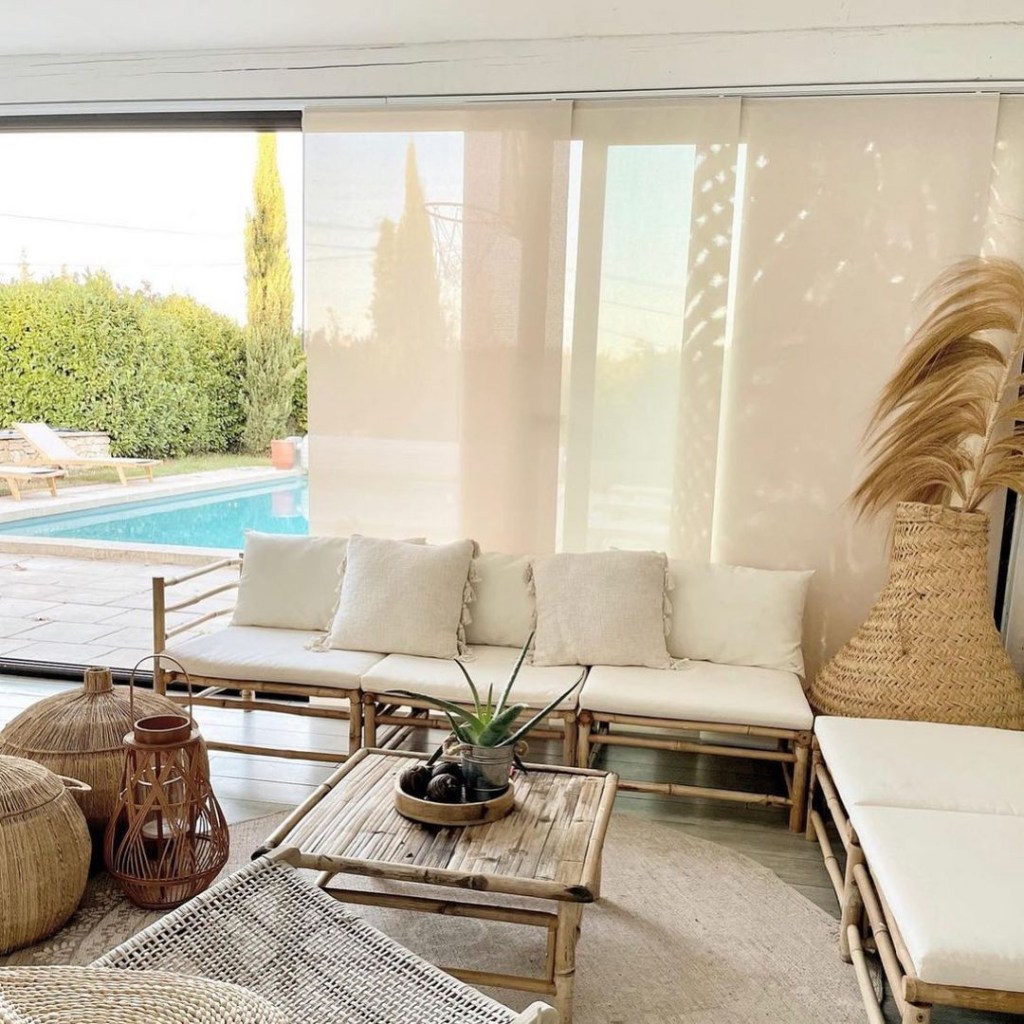
18. Airy Beige Panel Blinds on Sliding Glass Doors
This solution masterfully balances privacy, light control, and aesthetics. The translucent beige fabric of the panel blinds filters the harsh sun into a soft, warm glow, preserving the bright, airy feel of the room while obscuring the view from outside. The panel system itself, with its clean vertical lines and smooth sliding function, feels modern and sleek—a perfect match for the minimalist bamboo furniture. The color choice is key; the warm beige of the blinds harmonizes with the light-toned furniture and contrasts beautifully with the blue of the pool and green of the foliage outside.
🎯 What Makes It Work
Translucent fabric panels are beautiful, but they can be tricky to clean. Unlike hard blinds you can wipe down, these fabric panels can absorb stains and dust. For regular upkeep, use a vacuum with a soft brush attachment. For small spots, use a damp cloth with a mild soap, but test it in an inconspicuous area first to avoid water rings. For a deep clean, many panel systems allow the fabric to detach from the track. Check the manufacturer’s instructions; some can be hand-washed, while others are dry-clean only. Avoid machine washing, which can cause them to shrink or lose their shape.
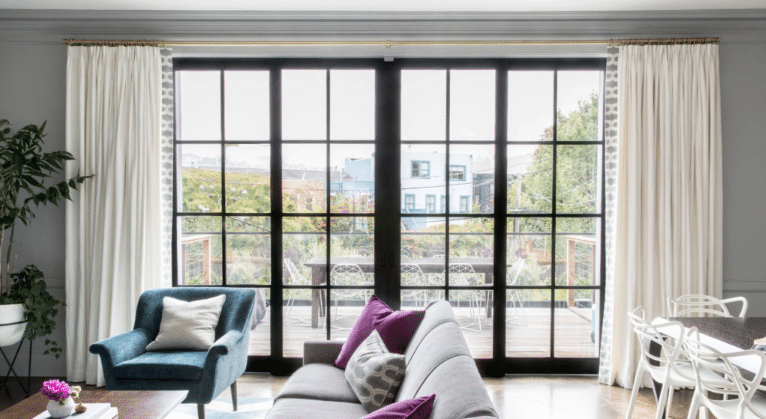
19. Layered Cream Drapes and Geometric Sheers on Black French Doors
This look is a sophisticated exercise in layering. The formula is: 40% solid opaque drapery + 40% patterned sheer + 20% bold hardware. The cream drapes provide softness and the option for total privacy. The geometric sheers add a layer of visual interest and diffuse light beautifully when the main drapes are open. The strong black and gold of the door frames and curtain rod provide the necessary structure and a touch of glamour. This balance of soft, patterned, and bold is what makes the whole composition feel so elegant and complete.
🧹 Maintenance Reality
Before you commit to this layered look, run through this quick checklist:
- Wall Space: Do you have at least 10-12 inches of empty wall space on either side of your patio doors? You need this room for the drapes to ‘stack back’ without covering the glass.
- Ceiling Height: Is your ceiling high enough to accommodate a rod hung 4-6 inches above the door frame without looking cramped?
- Depth: Do you have enough projection from the wall for a double rod or track system that can hold two layers of curtains without them bunching up? You’ll need at least 5-6 inches of clearance from the wall.
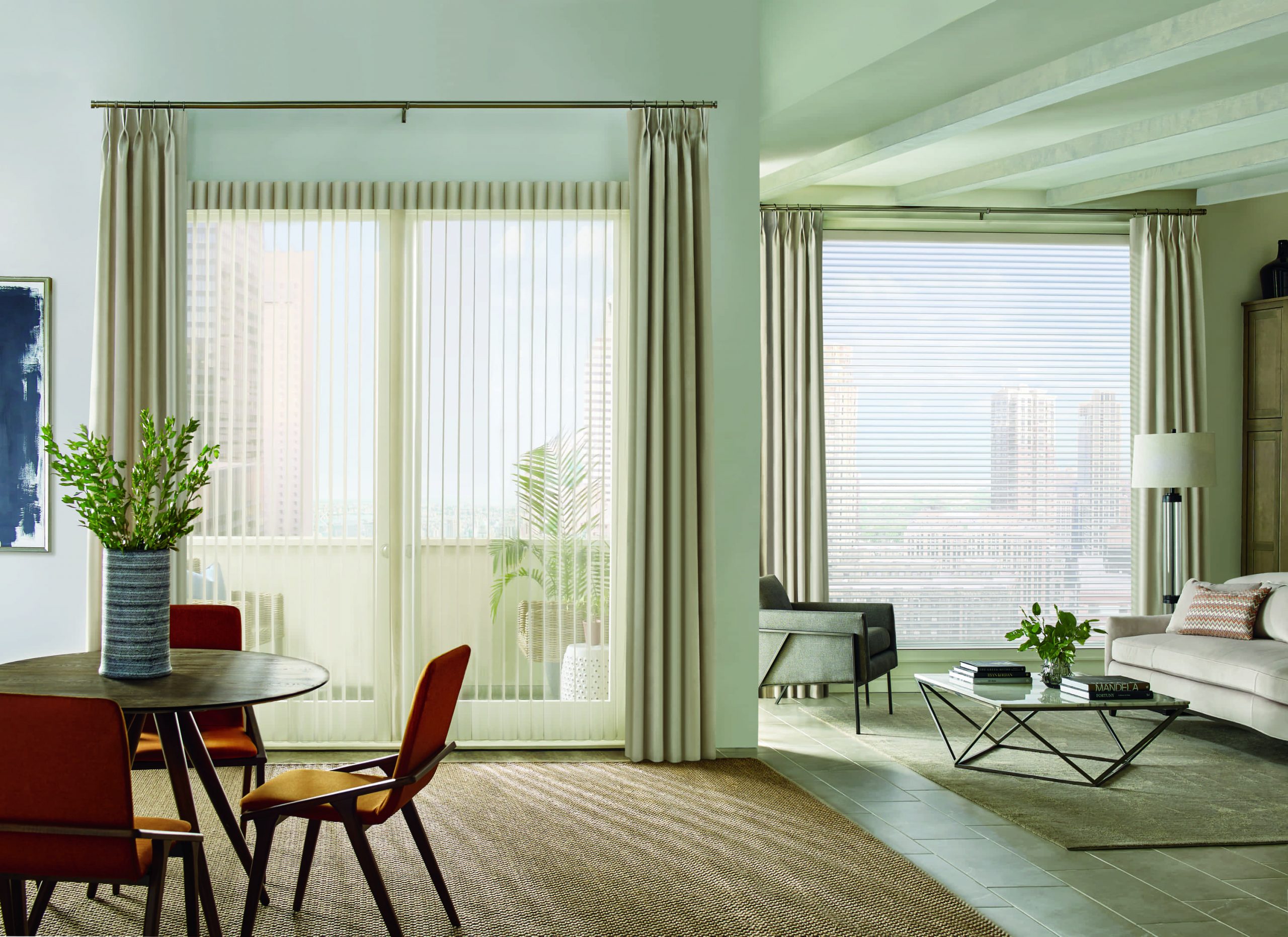
20. Coordinated Drapery and Blinds in a Modern Apartment
This room successfully navigates a common design challenge: how to treat different types of windows in the same open-plan space. The solution is coordination, not exact matching. By using the same full-length beige drapery on both the sliding door and the adjacent living room window, a strong sense of continuity is established. The underlying blinds (vertical for the door, horizontal for the window) are chosen for the specific function of each opening, but because they are both a simple, light color, they don’t clash. This creates a unified look that feels intentional and tailored to the space. The rust orange chairs add a much needed pop of color.
📐 Style Math
While this coordinated approach looks great, it can be a hassle. Drapes on a sliding glass door are constantly being pushed back and forth, meaning they are handled a lot. The light beige fabric will show dirt and oils from hands over time. Similarly, vertical blinds, while functional for doors, can be flimsy. The individual slats can break, get misaligned, or make a clacking noise in a breeze. It’s a practical look, but one that may require more frequent cleaning and occasional repairs to keep it looking sharp, especially in a high-traffic home.
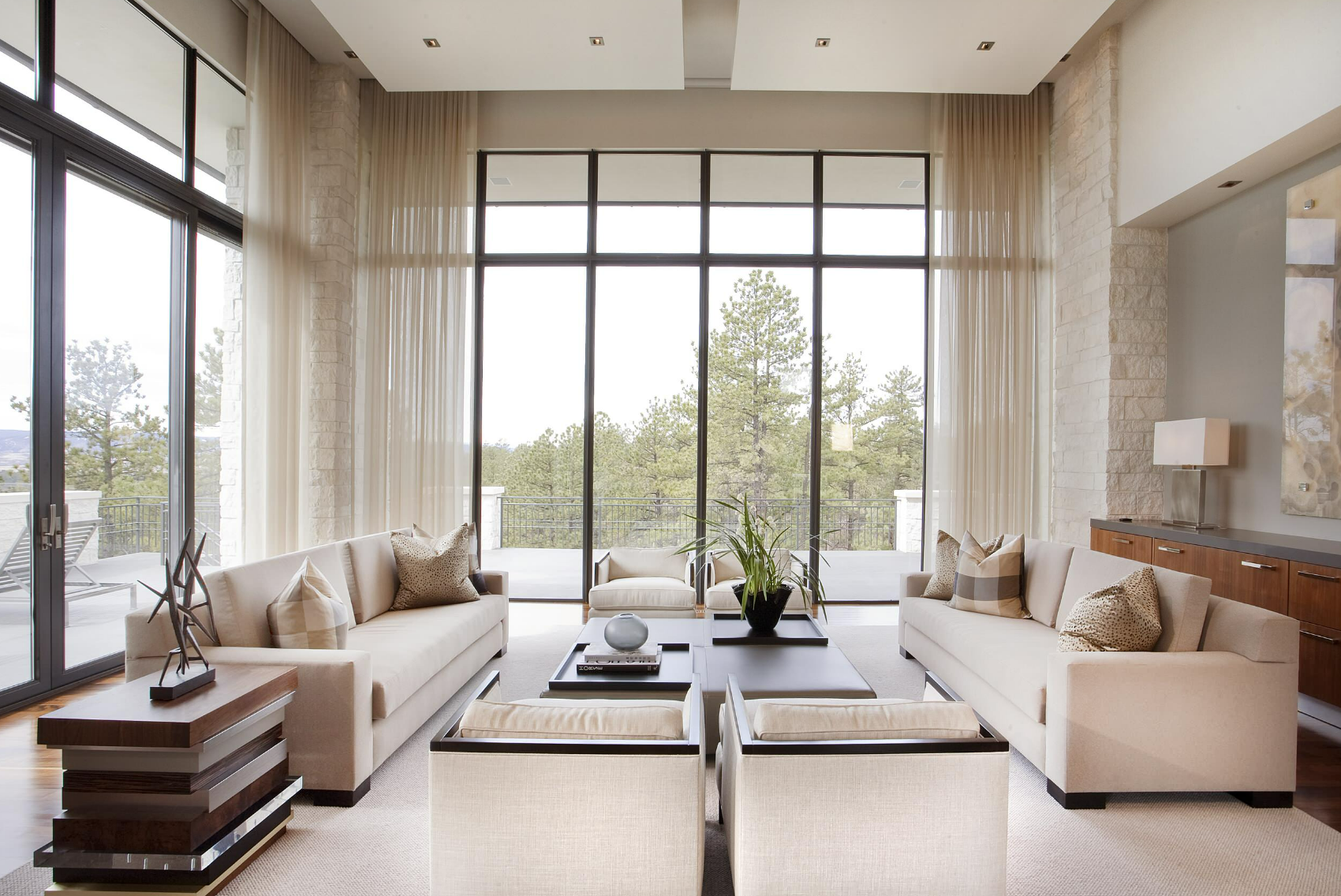
21. Sheer Drapes Enhancing Wall-to-Wall Black-Framed Windows
The single element that makes this room breathtaking is the decision to treat the entire wall of windows as one monolithic unit. Instead of breaking up the expanse with multiple smaller treatments, a single, continuous curtain track was installed from wall to wall. This allows the sheer drapes to be pulled open to frame the entire panoramic view, creating a seamless connection between the indoor and outdoor spaces. It’s a bold, architectural choice that emphasizes the scale and grandeur of the room, turning the windows themselves into the primary work of art.
💰 Budget Breakdown
When you have a stunning architectural feature like floor-to-ceiling windows, the best window treatment is often the one you barely notice. The goal is to soften, not to steal the show. Use the sheerest fabric you can find that still provides the desired level of diffusion. Mount the track directly to the ceiling, or better yet, recess it as shown in Idea #4. Most importantly, ensure the drapes are wide enough to stack completely off the glass. They should frame the view, not creep into it. Here, the drapes act like a soft-focus filter, not a barrier.
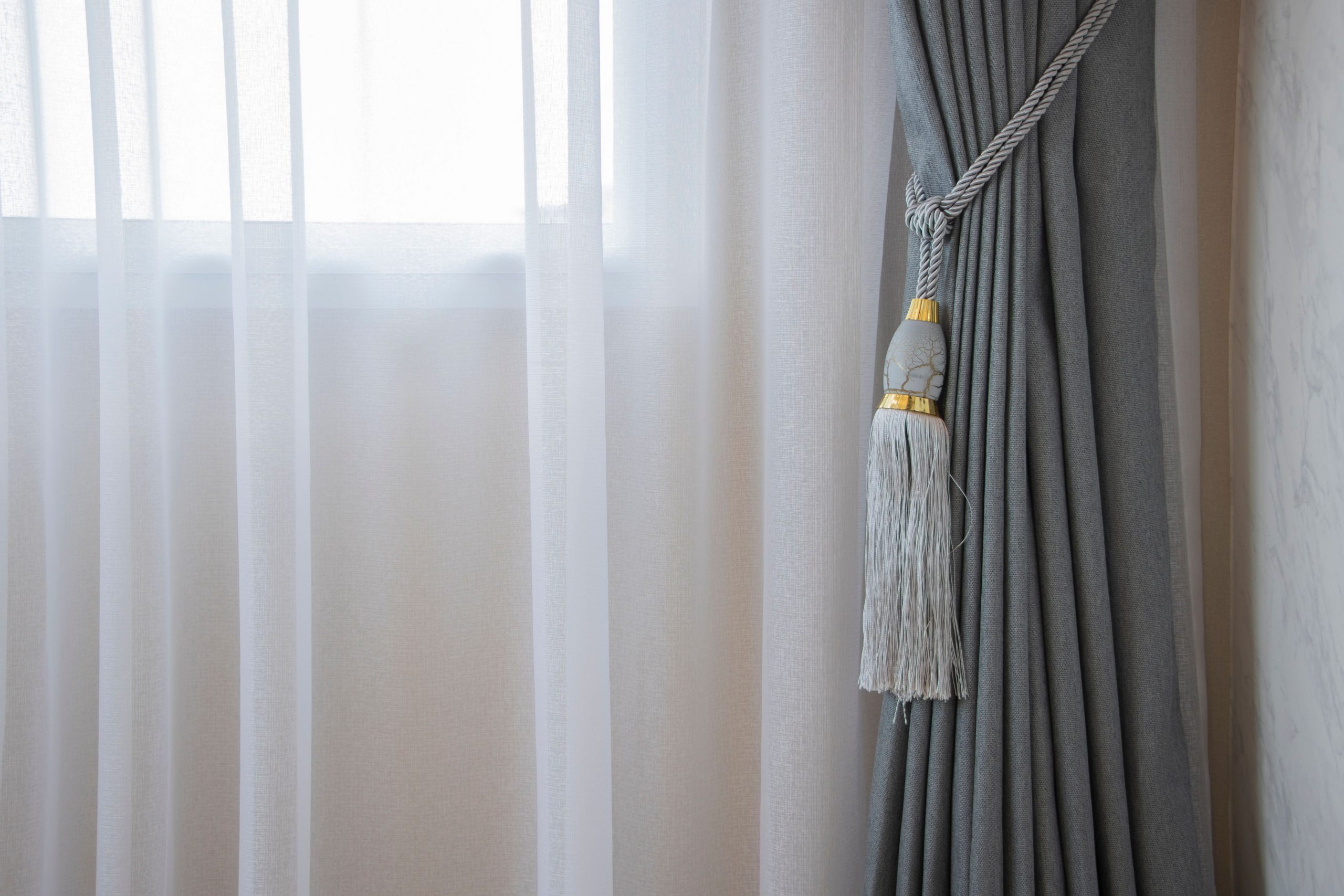
22. Layered Sheer and Textured Gray Curtains with Tassel Tieback
This classic layered treatment works because it offers the best of both worlds: light diffusion and privacy. The inner sheer curtain provides a soft, filtered light and daytime privacy, making the room feel bright and airy. The outer, heavier gray curtain adds texture, sound absorption, and the ability to block light completely when closed. The decorative rope and tassel tieback elevate the look from purely functional to intentionally elegant, adding a touch of traditional luxury to the soft, modern color palette. It’s a timeless combination that is both practical and beautiful.
💸 Get This Look For Less
Creating a perfect curtain drape with a tieback is an art. Time Estimate: 10 minutes. Material Cost: $15 – $50 (for tiebacks).
- First, install your tieback hook about one-third of the way up from the bottom of the curtain, and a few inches to the side of the window frame.
- Gather the curtain panel in your hands, starting from the leading edge.
- Sweep the fabric to the side and loop the tieback around it, hooking it in place.
- Now, artfully arrange the folds. Pull some fabric up and over the tieback, letting it blouse out slightly.
- Arrange the folds below the tieback so they fall gracefully to the floor. Don’t be afraid to fuss with it until it looks just right.
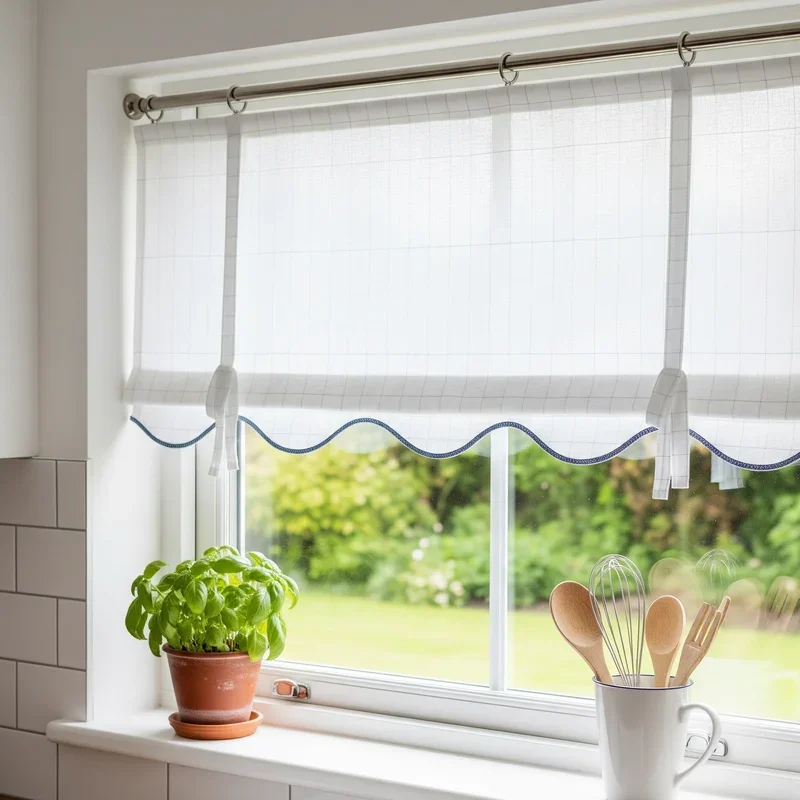
23. White Tie-Up Valance with a Blue Scalloped Edge
The blue scalloped trim is what gives this simple kitchen valance its personality and charm. Without that playful detail, it would be a plain, forgettable white shade. The scalloped edge adds a touch of whimsy and a hint of coastal or cottage style. It’s a small but powerful detail that introduces color and shape, transforming a functional window covering into a delightful decorative element. It proves you don’t need a bold pattern or a huge gesture to make a statement; sometimes, a simple, sweet trim is all it takes.
🔧 How-To Brief
In a world of minimalist roller shades and sleek blinds, there’s a growing appreciation for ‘Grandmillennial’ style—a trend that embraces traditional design elements with a fresh, modern twist. This valance is a perfect example. The tie-up style and scalloped trim feel nostalgic and charming, evoking a sense of handcrafted quality. It’s a reaction against the slick, impersonal interiors of the past decade. People are craving personality and warmth, and details like this deliver it in spades. This isn’t your grandma’s fussy valance; it’s a knowing nod to the past, updated for today.
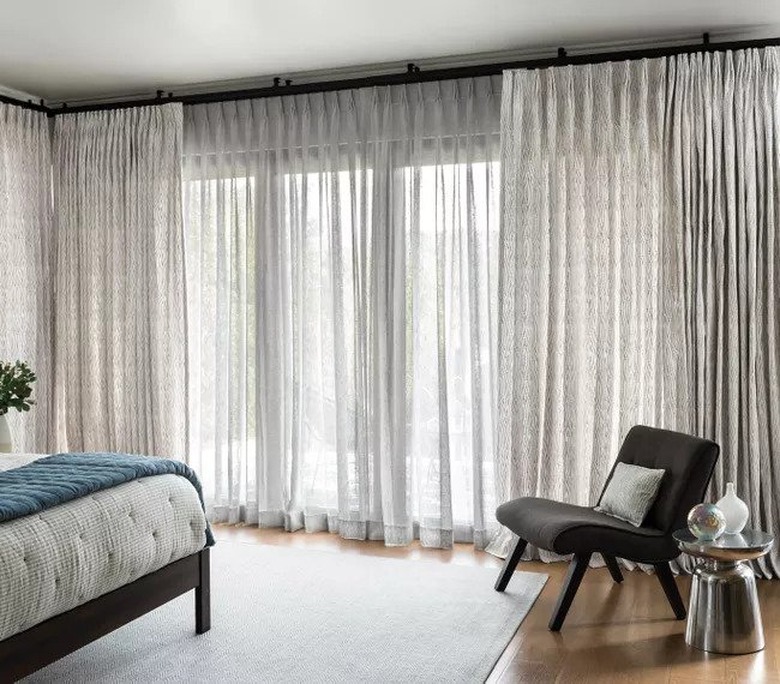
24. Layered Sheer and Textured Curtains on a Ceiling Track
You can achieve this luxurious, ceiling-mounted layered look on a budget. IKEA is your best friend here. Their VIDGA track system is affordable and can be mounted to the ceiling to hold both a sheer and a main curtain layer. Pair their simple white sheer curtains with a set of textured, linen-look drapes like the DYTÅG or AINA curtains. The total cost for a standard window could be under $200, a fraction of the price of custom drapes and hardware, but it delivers the same floor-to-ceiling elegance and modern appeal. This is the key to getting that high-end hotel look for less.
🔥 Trending Context
This floor-to-ceiling treatment is ideal for rooms with standard 8 to 9-foot ceilings, as it is a powerful tool for creating the illusion of height. By eliminating the visual break between the top of the window and the ceiling, it draws the eye upward, making the entire wall feel taller. It also works wonders in rooms that feel a bit small or boxy, as the wall-to-wall treatment can make the room feel wider. Avoid this in rooms with already very high, vaulted ceilings (12ft+), where a rod hung slightly above the window frame can feel more appropriately scaled.
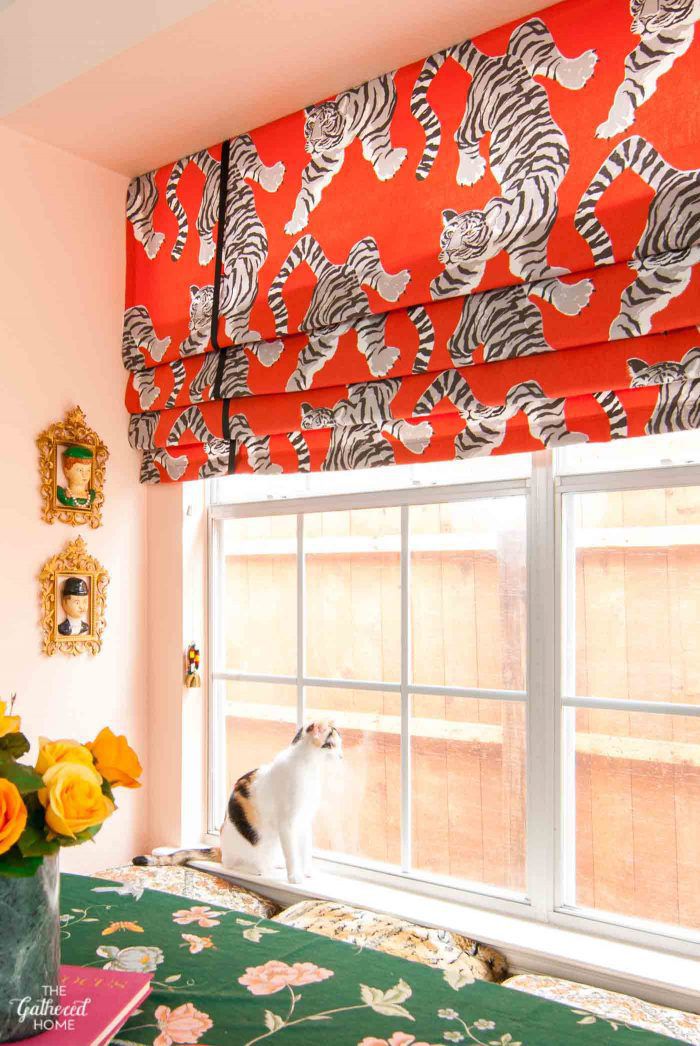
25. Bold Tiger Print Roman Shade in a Pink Room
This pairing works because it’s an expert-level lesson in color theory and confidence. The soft, dusty pink on the walls provides a warm, feminine base. The vivid orange of the Roman shade is a complementary, high-energy contrast that electrifies the space. The grey and white tiger pattern adds a layer of graphic, animal-print cool. It succeeds because it’s so unexpected and daring. The key is that the shade and the wall color share the same warm undertones, which keeps them from clashing, even at their most vibrant. The ornate gold frame nearby adds another layer of eclectic glamour.
💡 Designer Tip
A statement fabric like this is a huge commitment. While it looks incredible now, trends in patterns—especially bold animal prints—can feel dated more quickly than a solid color or a classic stripe. Are you going to love this tiger print in five years? If the answer is maybe, consider using the pattern in a less permanent way, like on pillows, while keeping the more expensive window treatment in a solid color pulled from the pattern (like orange or grey). A custom Roman shade is an investment, so be sure you’re ready to live with this bold choice for the long haul.
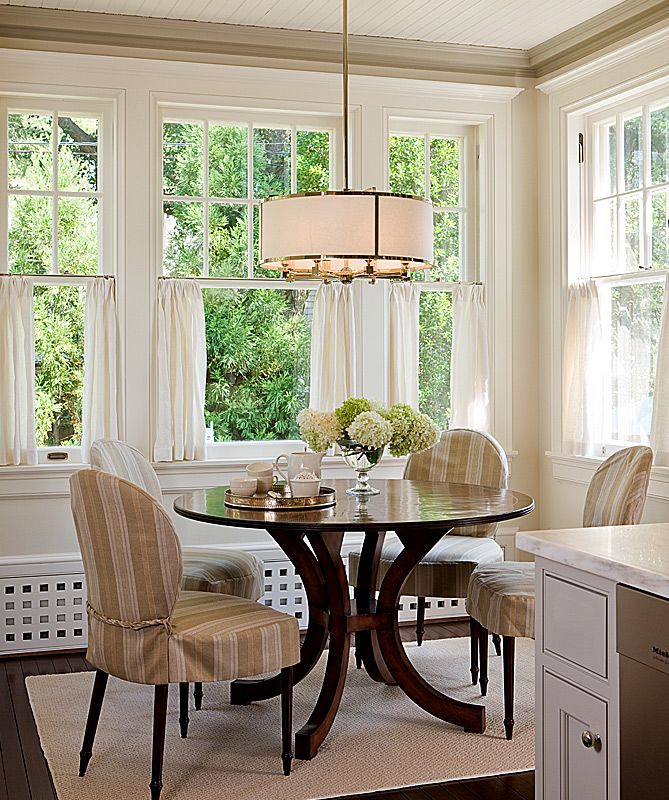
26. Simple White Cafe Curtains for a Bright Kitchen
The magic of cafe curtains is their specific placement. By covering only the bottom half of the window, they provide essential privacy from the outside world while leaving the top half completely open to let natural light pour in. This creates the perfect balance for a space like a kitchen, where you want brightness and a connection to the outdoors, but you don’t necessarily want your neighbors watching you make coffee in your pajamas. They offer a friendly, charming look that feels much less formal or heavy than full-length drapes or blinds.
⭐ The One Thing
This is one of the most budget-friendly window treatments you can do. You can create this look for less than $30 per window. All you need is a simple tension rod (which requires no drilling) and a pair of lightweight, sheer curtain panels. Stores like Target, Walmart, and IKEA sell basic sheer panels for as little as $10-$15 a pair. You can even use repurposed linen tea towels or hem a piece of scrap fabric. The beauty of the cafe curtain is its inherent simplicity and charm, which doesn’t rely on expensive materials or hardware.
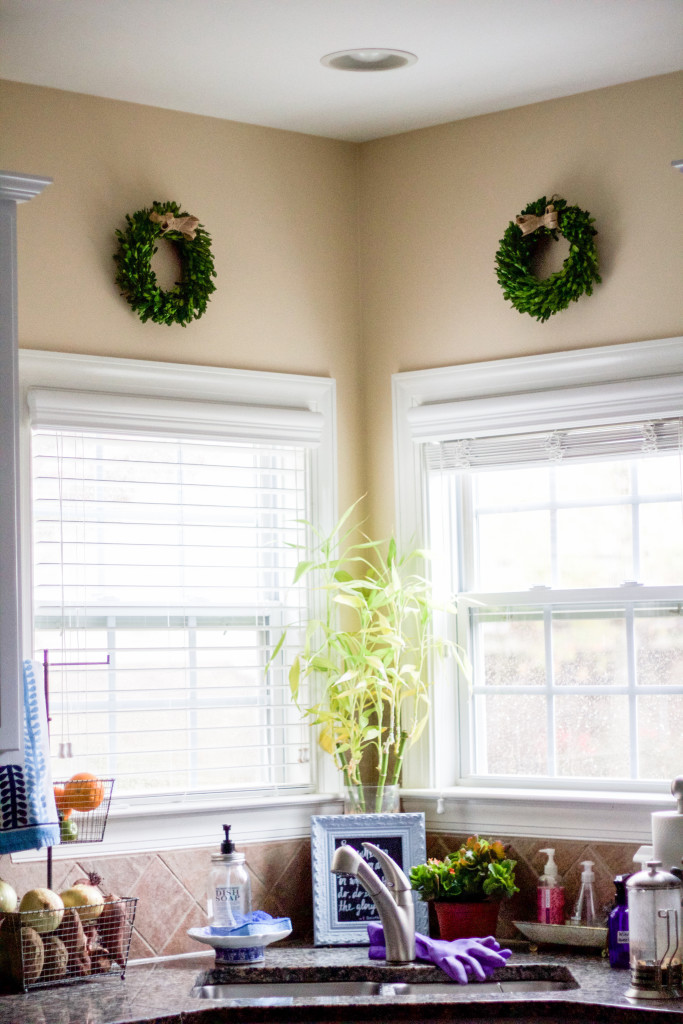
27. White Faux Wood Blinds in Corner Kitchen Windows
This is a purely functional and pragmatic choice, and its success lies in its simplicity. Faux wood blinds are a workhorse in a kitchen environment. They are incredibly durable, easy to clean, and resistant to moisture and grease—unlike real wood or fabric. By fitting them neatly inside the window frames, they maintain the clean lines of the architecture. The white color choice helps them blend seamlessly with the trim, reflecting light and keeping the corner feeling bright and open rather than cluttered. It’s a no-fuss solution that prioritizes practicality without sacrificing a clean aesthetic.
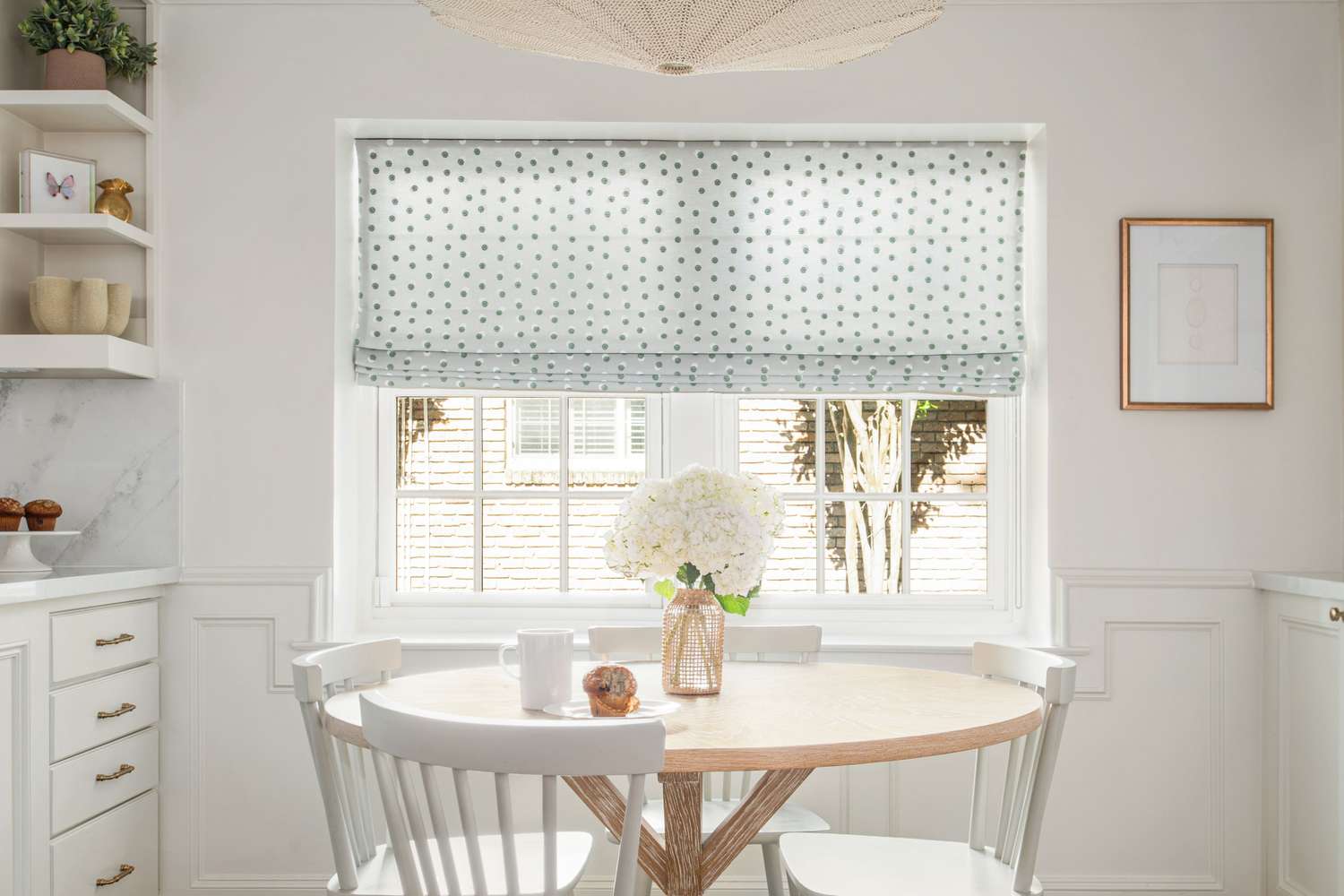
28. Green Polka Dot Roman Shade in a Cheerful Dining Nook
The formula for this fresh, happy space is simple: 80% classic neutral base + 20% playful pattern. The white wainscoting, white chairs, and white cabinetry create a crisp, clean canvas. The light wood table adds a touch of natural warmth. Against this simple backdrop, the green polka dot Roman shade can really shine. The pattern is just enough to add personality and a pop of cheerful color without overwhelming the small nook. This high ratio of neutral-to-pattern is key for keeping the look feeling light and airy, not chaotic.
✅ Before You Start
The single most important choice here is the polka dot pattern. A plain white or green shade would have been fine, but it wouldn’t have the same joyful personality. The polka dots are what infuse the space with a sense of lighthearted fun. They are classic yet playful, perfectly complementing the traditional spindle-back chairs and cottage-like wainscoting. It’s a reminder that you don’t need a huge, bold pattern to make an impact; sometimes a simple, cheerful dot is all it takes to bring a room to life. Compare this to the much bolder pattern in Idea #25.
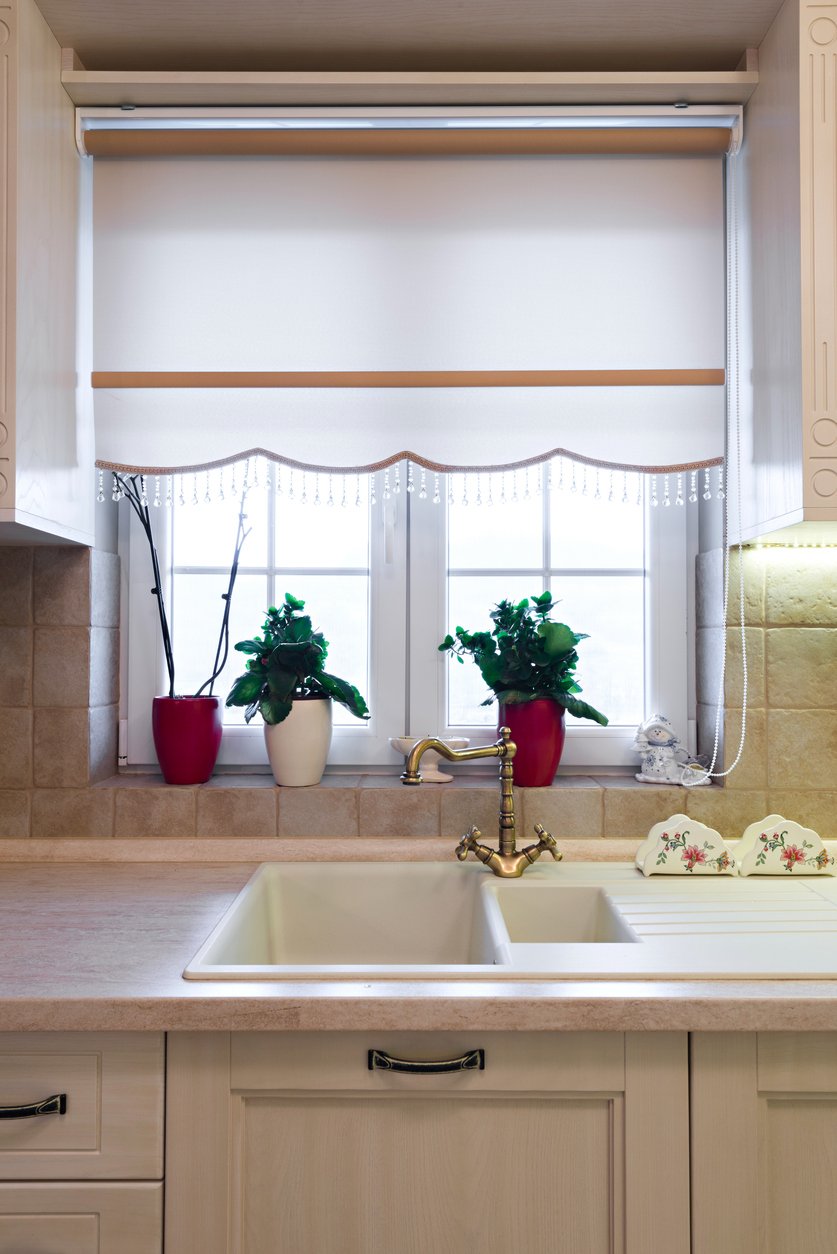
29. A Layered Roller Shade and Beaded Valance in the Kitchen
This window treatment works by successfully combining the practical with the purely decorative. The white roller shade is the workhorse, providing excellent light control and privacy with a simple, clean mechanism that’s perfect for a functional space like a kitchen. The scalloped valance with crystal beading, hung separately, is all about adding charm and personality. It doesn’t *do* anything, but it adds a touch of softness, sparkle, and traditional detail that keeps the window from feeling too utilitarian. This layering of function and frivolity creates a balanced, cozy look.
⚠️ Real Talk
That crystal beading is darling, but let’s be realistic about where it’s hanging: right over a kitchen sink. This is splash zone central. The valance and its decorative beading will inevitably get splattered with water, soap, and who-knows-what-else. This means it will need frequent and careful cleaning to prevent hard water spots on the crystals and grime build-up on the fabric. It’s a charming detail, but one that adds a not-so-charming task to your kitchen cleaning routine. This is best for a window that isn’t directly behind a sink.
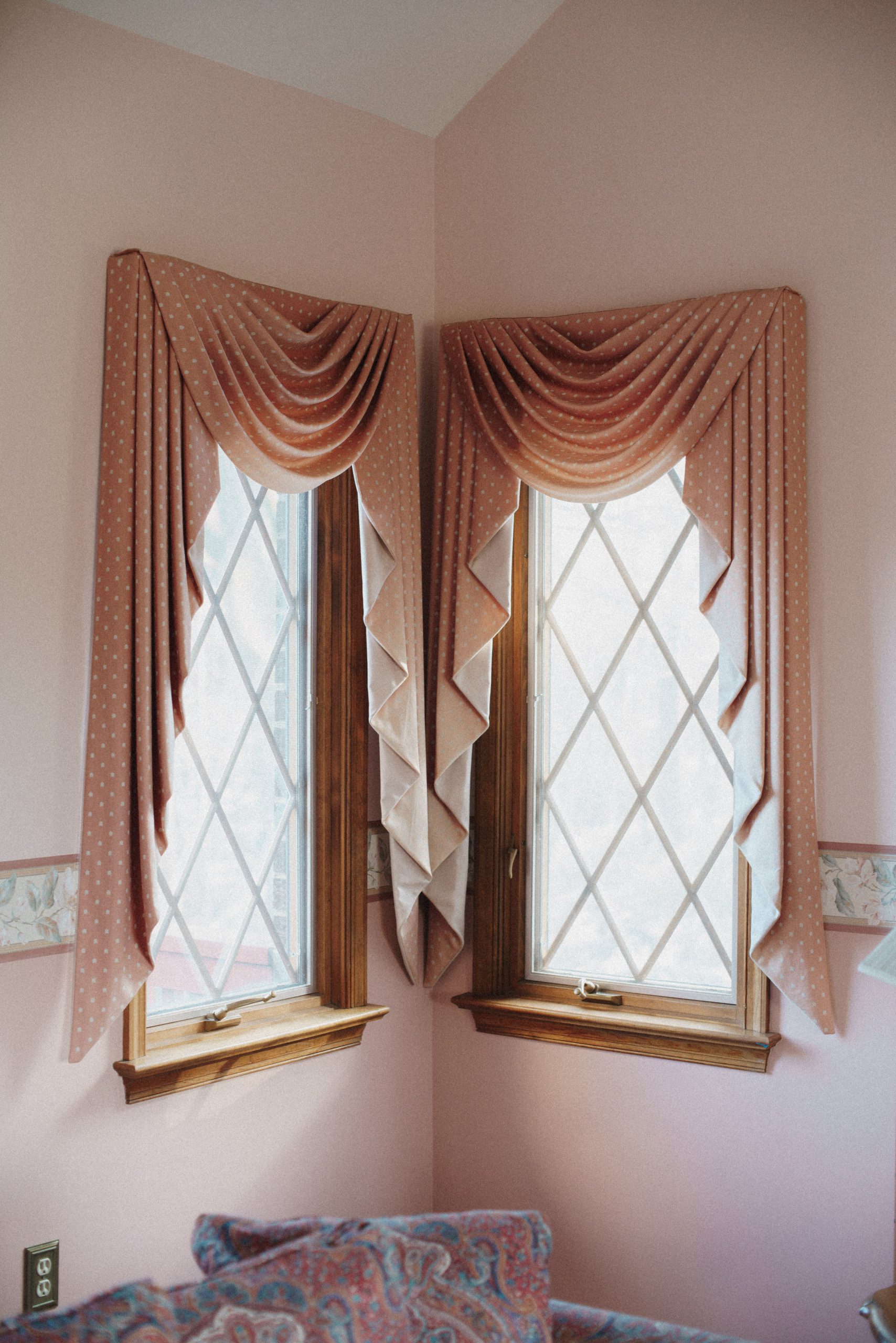
30. Pink Polka Dot Swags on Diamond-Grille Corner Windows
This is a masterclass in soft, traditional, feminine style. The visual formula is approximately: 50% soft color (the pale pink walls and pink fabric) + 30% traditional architectural detail (the wooden frames and diamond grilles) + 20% classic pattern (the polka dots and floral border). The key to this look’s success is its commitment. It doesn’t shy away from being ornate and sweet. The draped swags echo the curves of the floral border, and the polka dots provide a simple, playful counterpoint to the more rigid geometry of the window grilles.
🎯 What Makes It Work
This elaborate, draped treatment is best suited for small to medium-sized windows in a room with a specific, traditional theme, like a cottage-style bedroom or a classic nursery. The multiple swags, tails, and gathered fabric take up significant visual space. On a very large window, this much fabric could feel overwhelming and heavy. On a very small window, it could completely swallow the frame and block too much light. It relies on the ‘Goldilocks’ principle: the window needs to be just the right size to support the volume of the treatment without being consumed by it.
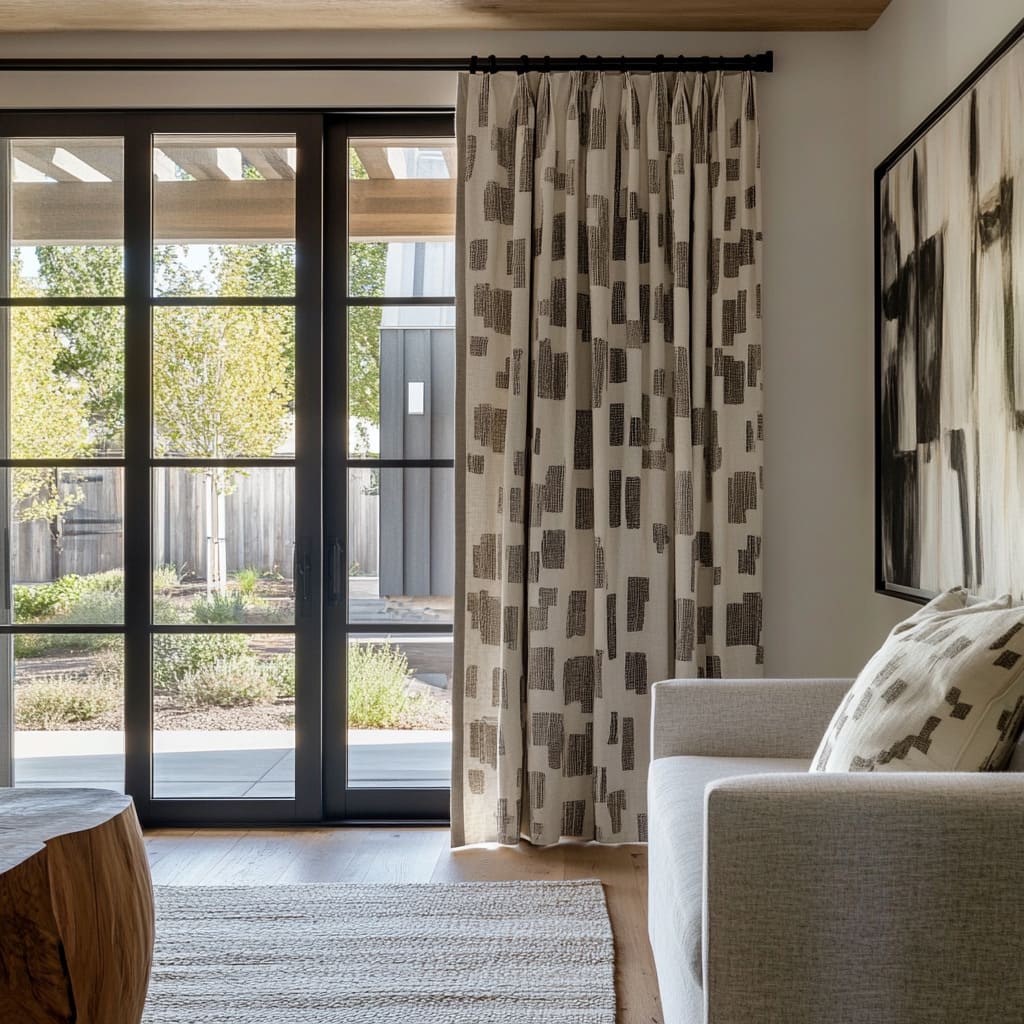
31. Modern Patterned Drapery on a Black Rod Over a Sliding Door
This treatment feels so serene and modern because of the careful balance of pattern, color, and texture. The drapery fabric has a scattered, abstract rectangular pattern that is interesting up close but reads as a subtle texture from a distance. The color palette is tightly controlled—beige, brown, black, and gray—creating a calming, earthy feel. The bold, black curtain rod provides a strong graphic line that anchors the soft fabric and directly ties in with the black frame of the sliding glass door, making the whole installation feel cohesive and intentional.
🧹 Maintenance Reality
Before you opt for patterned drapes, take stock of the other patterns in your room. Here’s a quick checklist:
- Existing Patterns: Look at your rugs, pillows, and artwork. Will this new pattern compete or complement what you already have? A good rule is to mix pattern scales: a large-scale curtain pattern works best with smaller-scale patterns elsewhere.
- Color Palette: Does the pattern’s color palette feature at least two colors already present in your room? This is key to making it feel integrated, not random.
- Room Vibe: Is the pattern in line with the overall mood? A geometric pattern like this one reinforces a modern aesthetic. A floral would create a completely different feel.
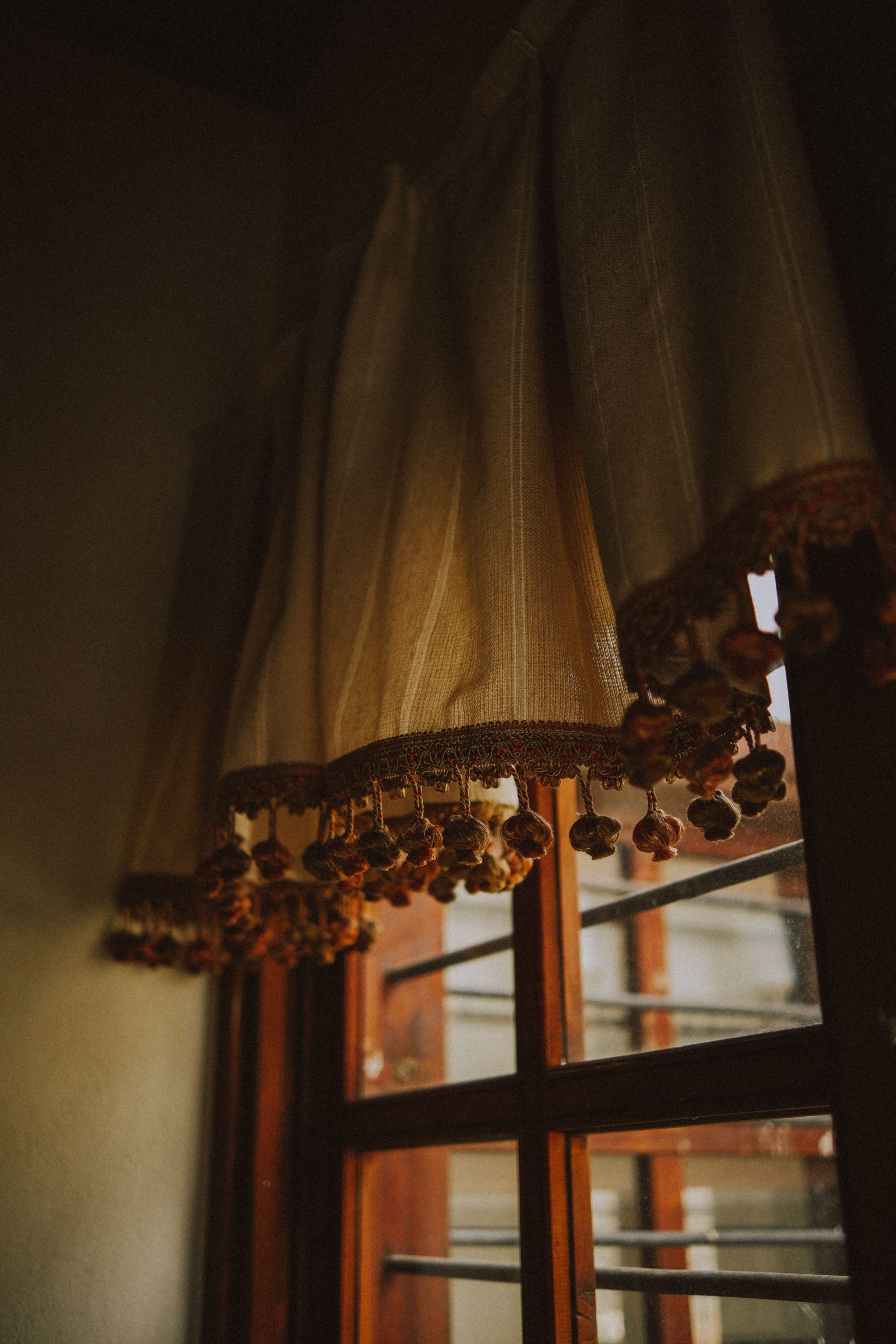
32. Textured Rod Pocket Valance with Ornate Tassel Trim
That intricate tassel trim is where the money is. While the valance fabric itself might be simple, this kind of detailed decorative trim is often sold by the yard and can be surprisingly expensive.
📐 Style Math
- Valance Fabric (Linen or Cotton): $30 – $60
- Ornate Tassel Trim (3-4 yards): $75 – $200
- Simple Curtain Rod: $20 – $40
- Labor/Sewing (if not DIY): $50 – $100
- TOTAL: $175 – $400
- Budget Alternative: Find a simpler, less dense tassel trim online, or look for a valance with the trim already attached from a budget home goods store for under $50.
The tassel trim is, without a doubt, the element that defines this window treatment. The valance itself is a simple swatch of light-colored fabric. The dark wood window frame is classic but plain. It is the ornate, multi-colored tassel fringe that brings all the drama, texture, and old-world character. It adds a layer of richness and craftsmanship that elevates the entire look from simple to sophisticated. If you removed the trim, the valance would be visually lost against the wall. That fringe is doing all the heavy lifting.
Ready to Frame Your View?
Window treatments are more than just functional; they’re the finishing touch that pulls a whole room together. Whether you’re drawn to the airy simplicity of sheer panels or the bold statement of a patterned shade, the perfect option for your home is right here in these ideas. Don’t be afraid to layer textures, play with patterns, or prioritize the clean lines of a modern blind.
Now that you’re armed with inspiration, head over to Pinterest and start creating a board for your project. Save your favorite looks from this article and begin to visualize how they’ll transform your own space. Happy decorating!