White bedrooms remain one of the most searched interior styles on Pinterest in 2026, especially among Americans looking to create calm, versatile spaces that feel both timeless and current. Whether you’re renovating a primary suite or refreshing a guest room, white serves as the ultimate neutral canvas—allowing you to layer textures, experiment with accents, and adapt your space as trends shift. This guide walks through white bedroom ideas that blend modern aesthetics with practical living, from layered linens to statement lighting. You’ll find inspiration that works across climates, budgets, and personal styles, all rooted in what’s resonating with real homeowners right now.
1. Soft White Walls with Layered Linen Bedding
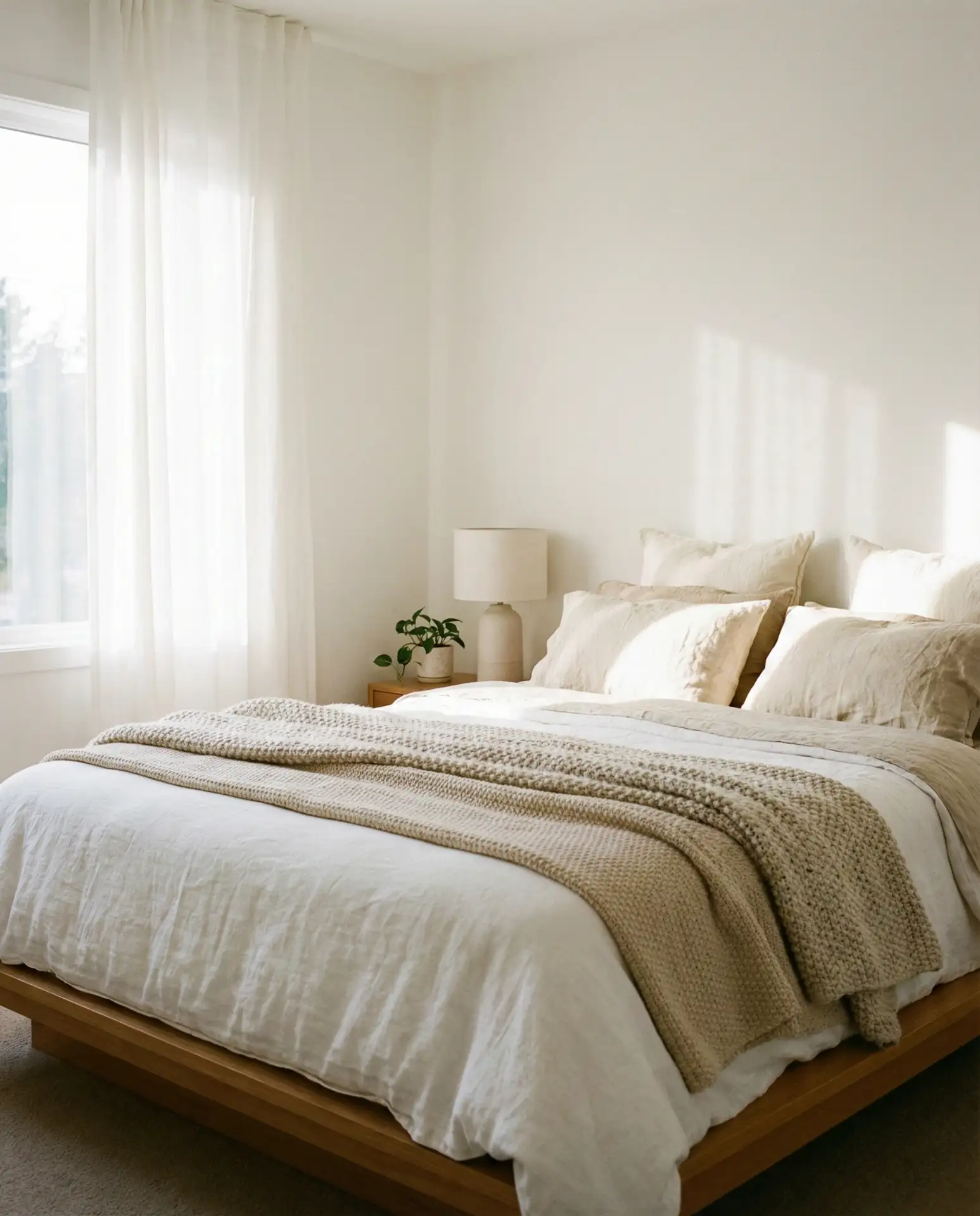
This approach centers on texture rather than color, using off-white paint and multiple layers of linen in varying weights. The look feels cozy without being heavy, making it ideal for year-round comfort in climates from the Pacific Northwest to the humid South. Linen naturally wrinkles, which adds to the lived-in, organic aesthetic that’s trending away from overly styled interiors. Pair with a low-profile platform bed and minimal nightstands to let the textiles take center stage.
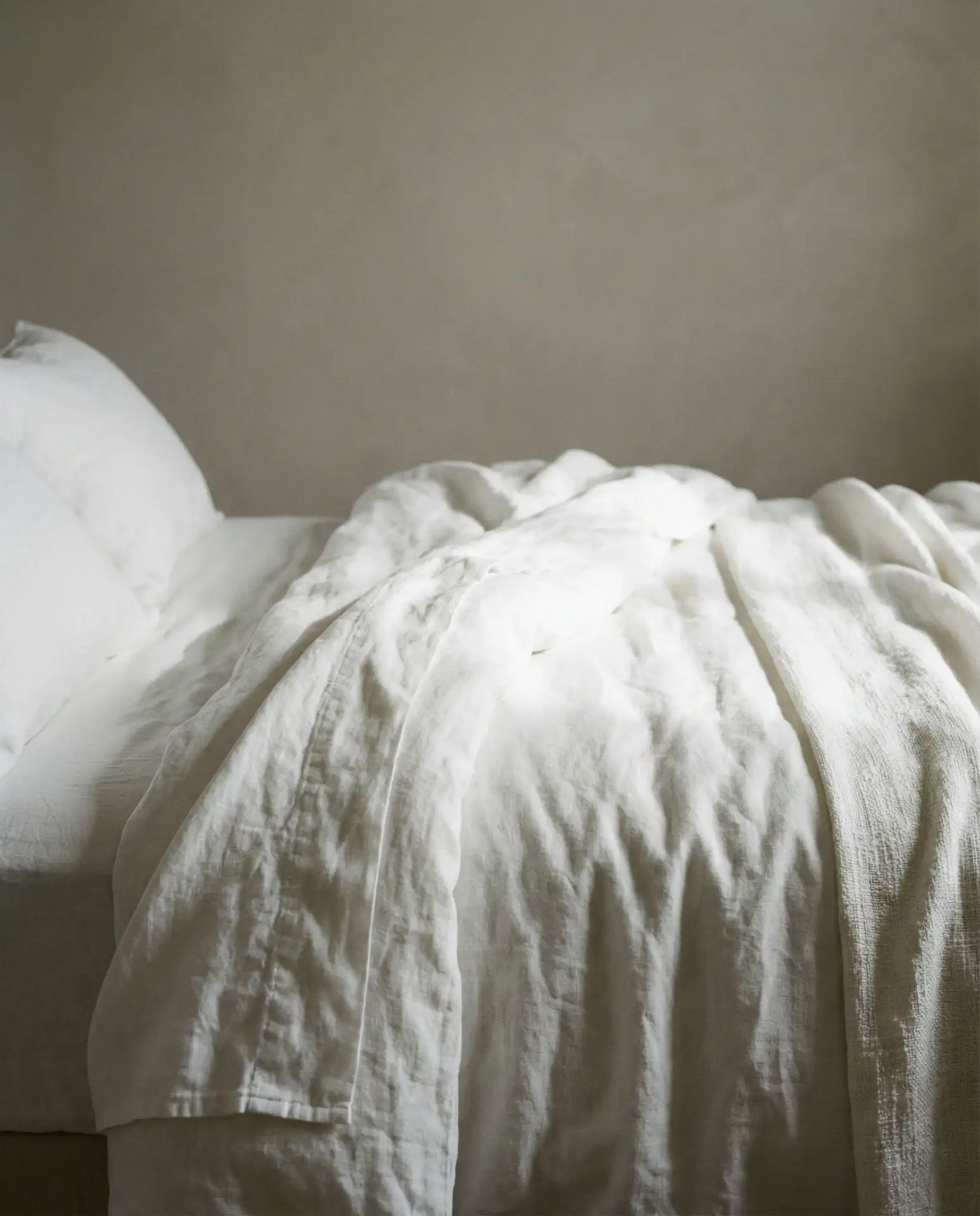
One common mistake is choosing a single flat white sheet set and expecting it to deliver that Pinterest-worthy depth. Real layering means mixing a waffle-weave coverlet with a smooth duvet and adding a chunky knit throw at the foot of the bed. This creates visual interest even when everything stays within the same tonal family, and it’s forgiving if you prefer not to make your bed perfectly every morning.
2. White and Navy Blue Coastal Retreat
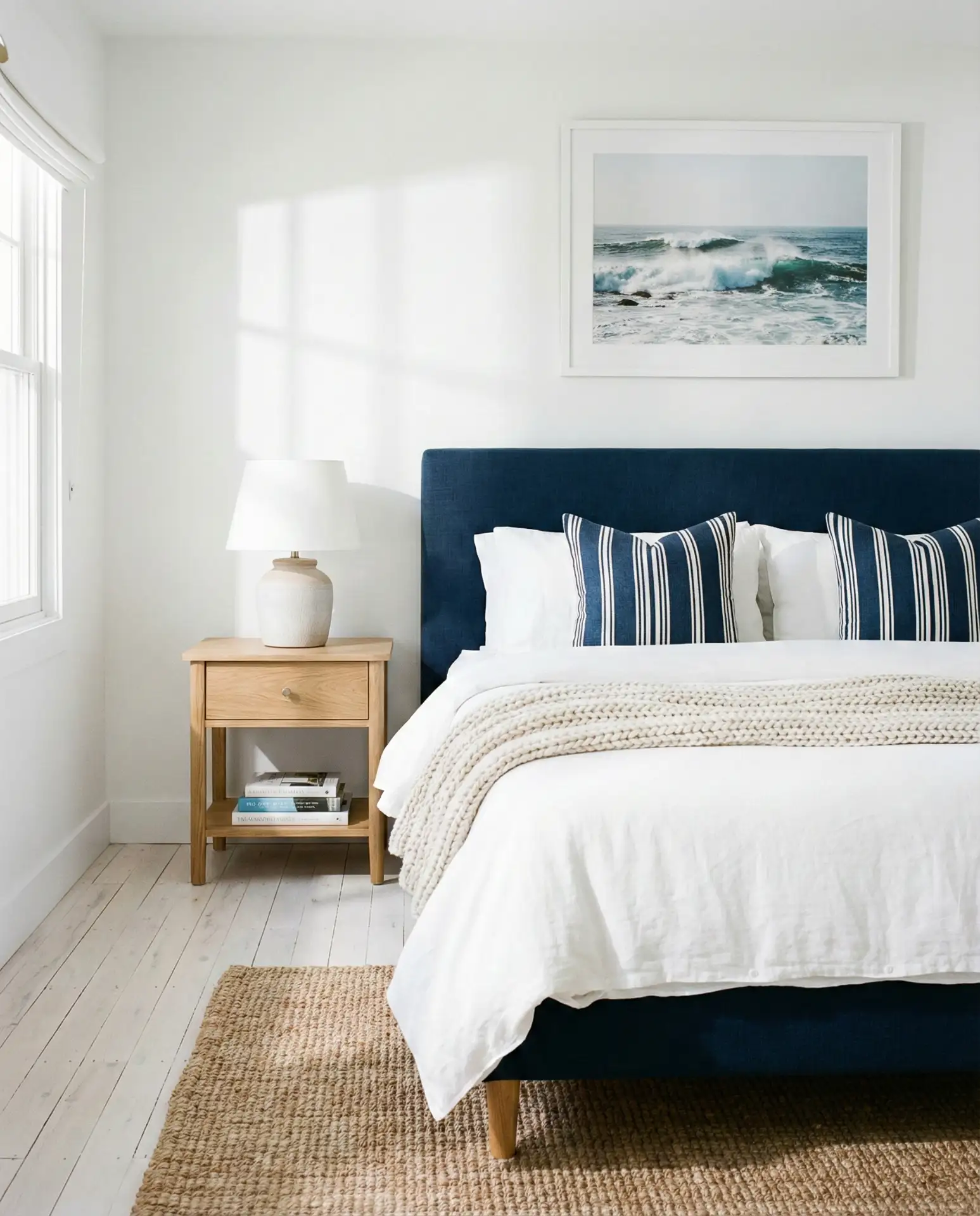
Crisp white and navy blue pairings evoke a New England or California coastal vibe, especially when you bring in striped textiles and natural wood tones. This palette works beautifully in homes near water but also translates well to landlocked bedrooms that want a breezy, nautical feel. Keep walls and larger furniture pieces white, then introduce navy blue through an upholstered headboard, accent pillows, or a vintage rug. The contrast is clean without feeling cold.
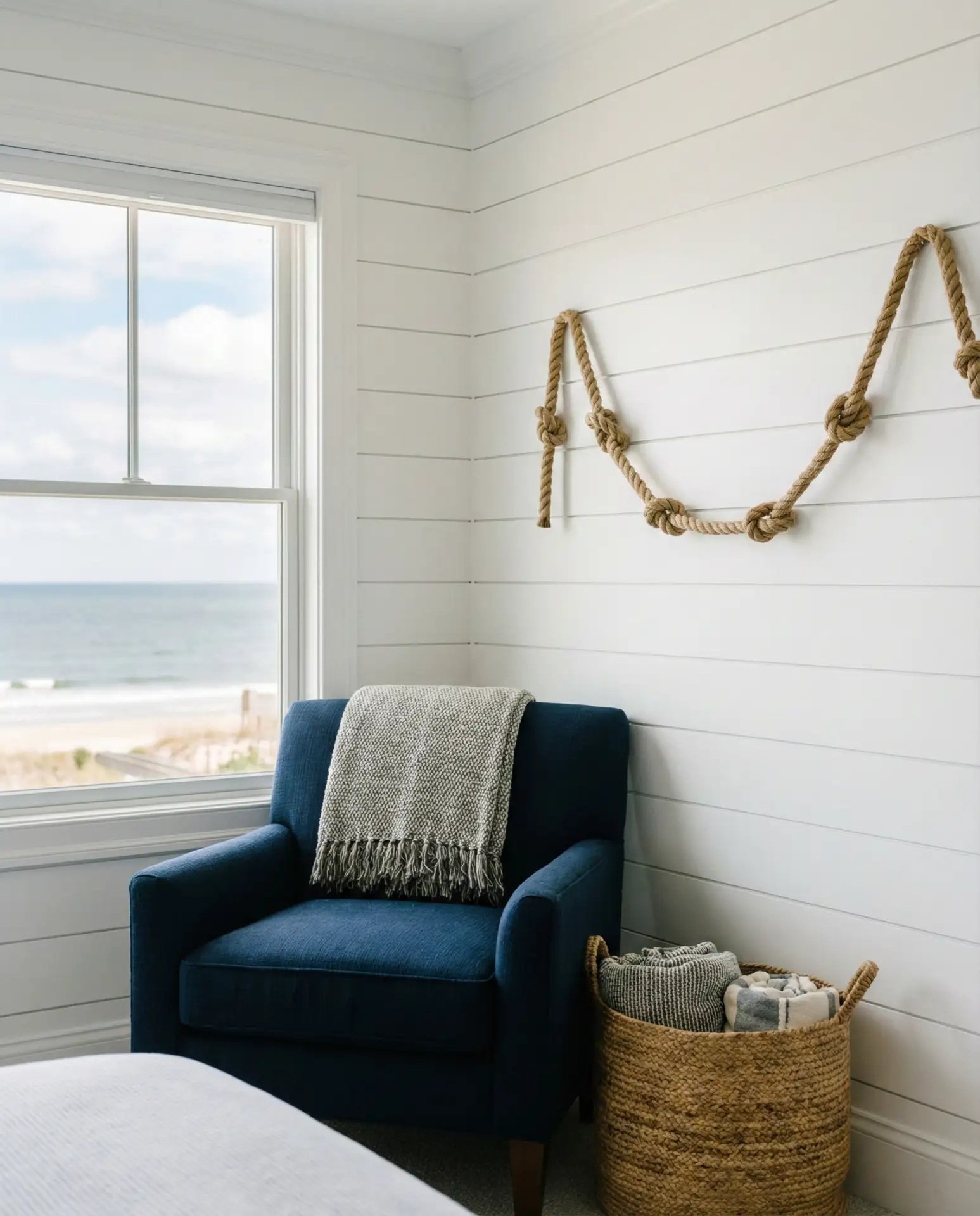
This scheme works best in bedrooms with good natural light, particularly those facing east or south. The navy grounds the space and prevents it from feeling too stark, while white keeps the room from closing in. In smaller bedrooms, limit navy to textiles and smaller accents to maintain an open feel, and consider using it on just one wall if you’re painting.
3. Minimalist White and Black Contrast
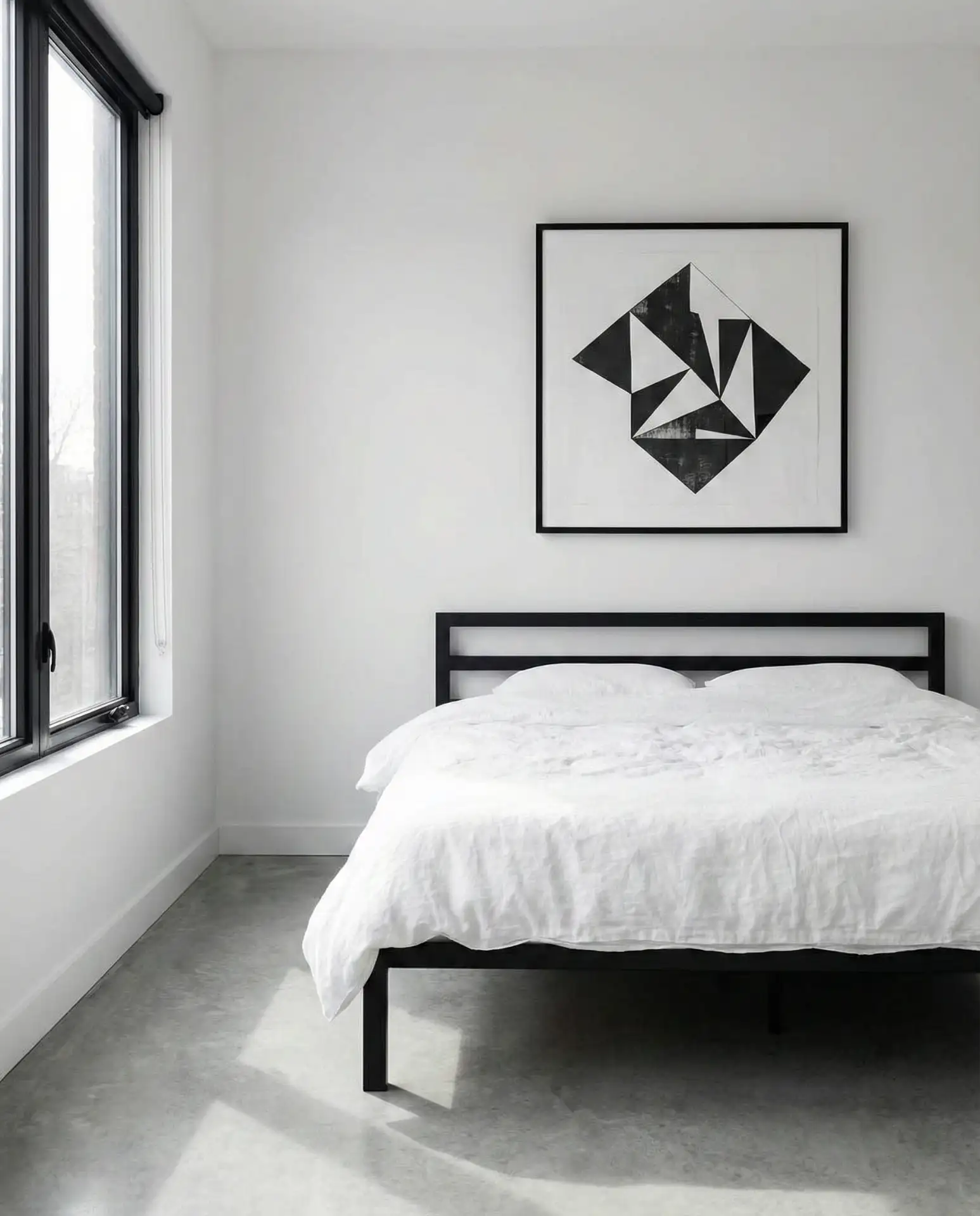
A black and white bedroom leans into graphic simplicity, using sharp lines and intentional negative space. This look suits urban lofts and modern homes where architectural details are minimal and the goal is a gallery-like calm. Black window frames, a matte black bed frame, or even a single piece of black artwork can anchor an otherwise all-white room. The key is restraint—too much black tips the balance and loses the airiness.
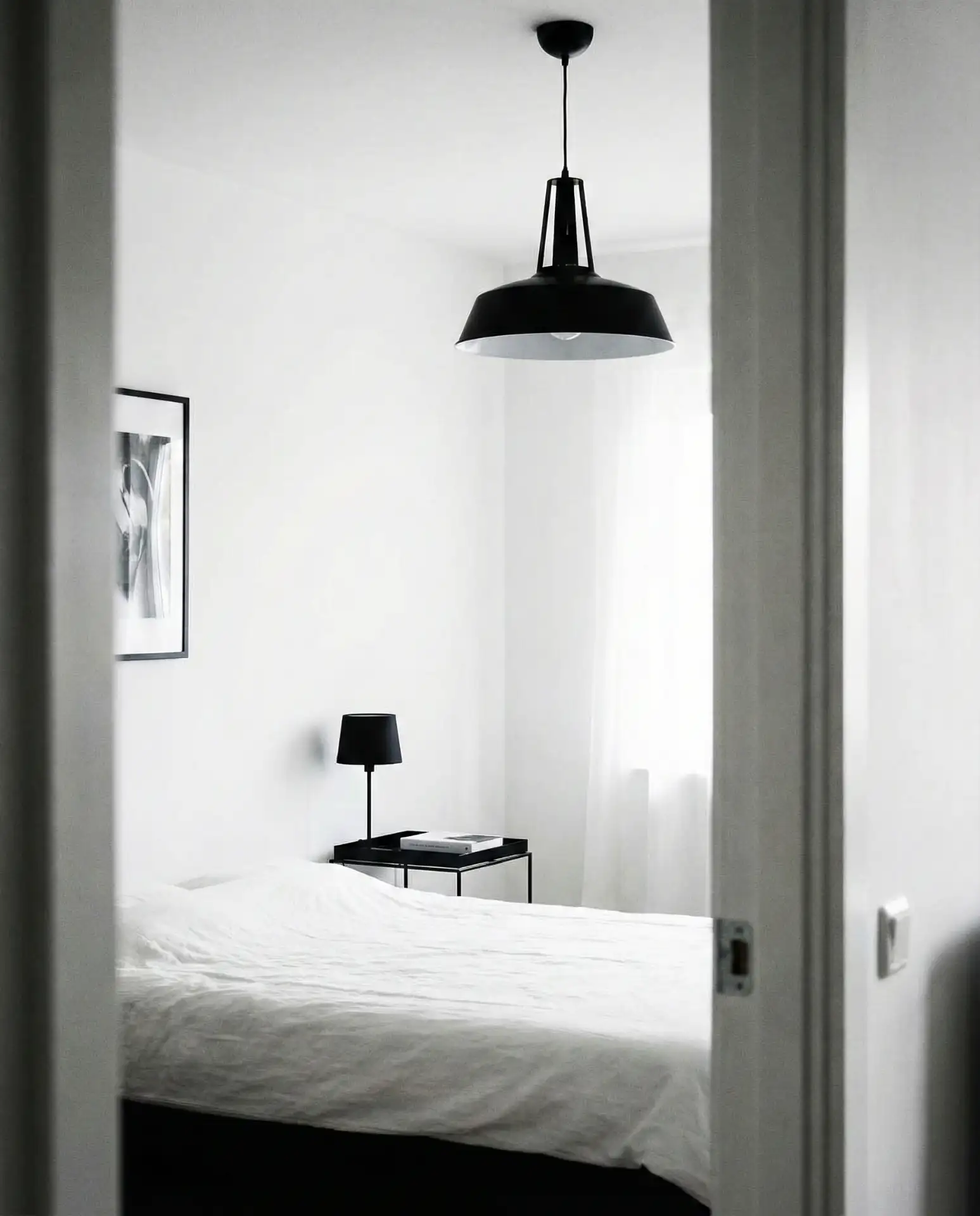
Many homeowners find that a 90/10 ratio works better than 50/50—keep 90 percent of surfaces white and use black as punctuation. This prevents the room from feeling too stark or cold, which is a common complaint when people go all-in on monochrome without enough texture or warmth to soften the edges.
4. White and Sage Green Botanical Calm
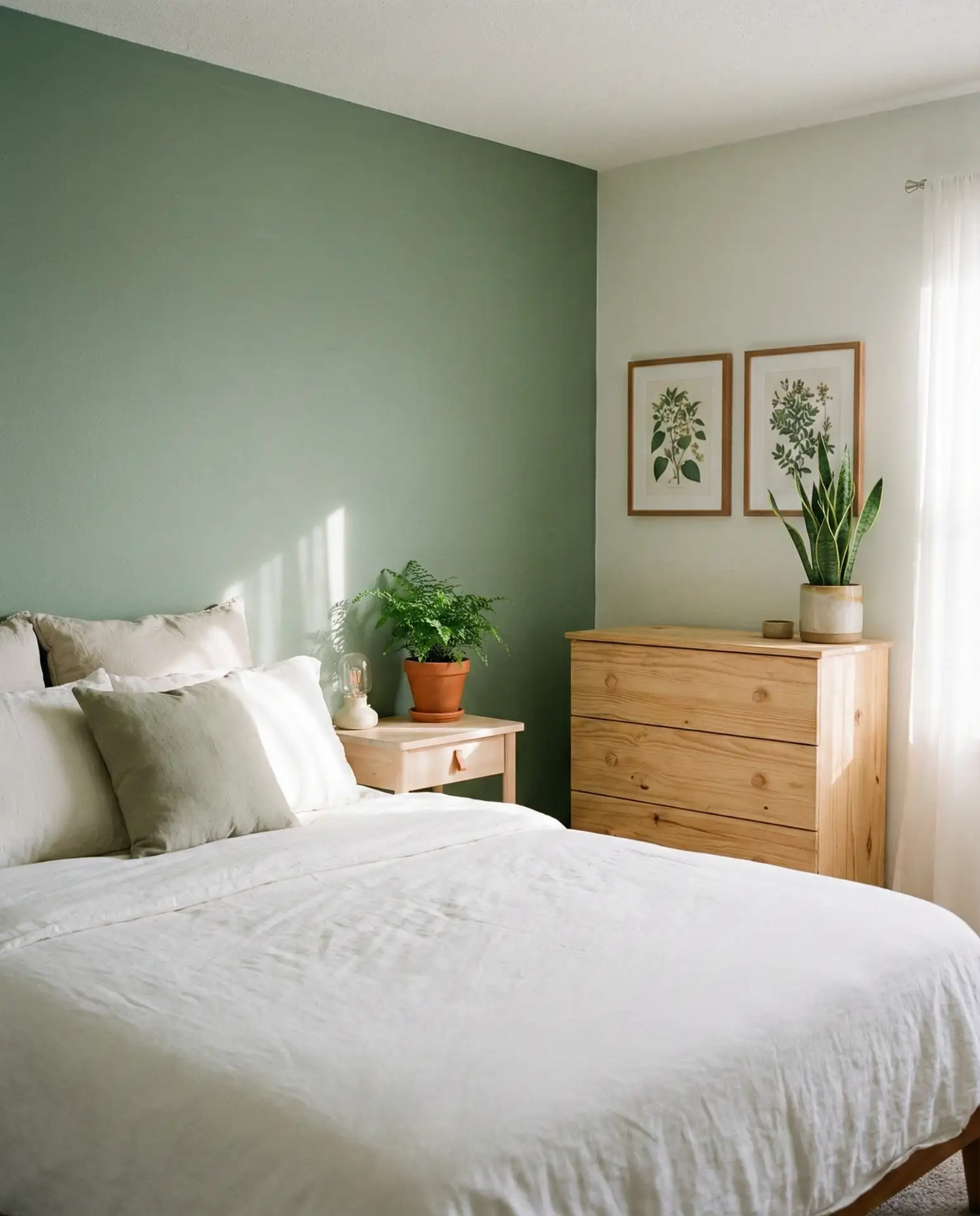
Pairing white with sage green taps into the ongoing obsession with biophilic design and earthy tones. This combination feels grounded and restful, especially when you incorporate live plants, dried eucalyptus, or botanical prints. Green and white bedrooms are particularly popular in the South and Southwest, where indoor-outdoor living is part of the lifestyle. Use sage on an accent wall, in bedding, or through vintage furniture pieces.
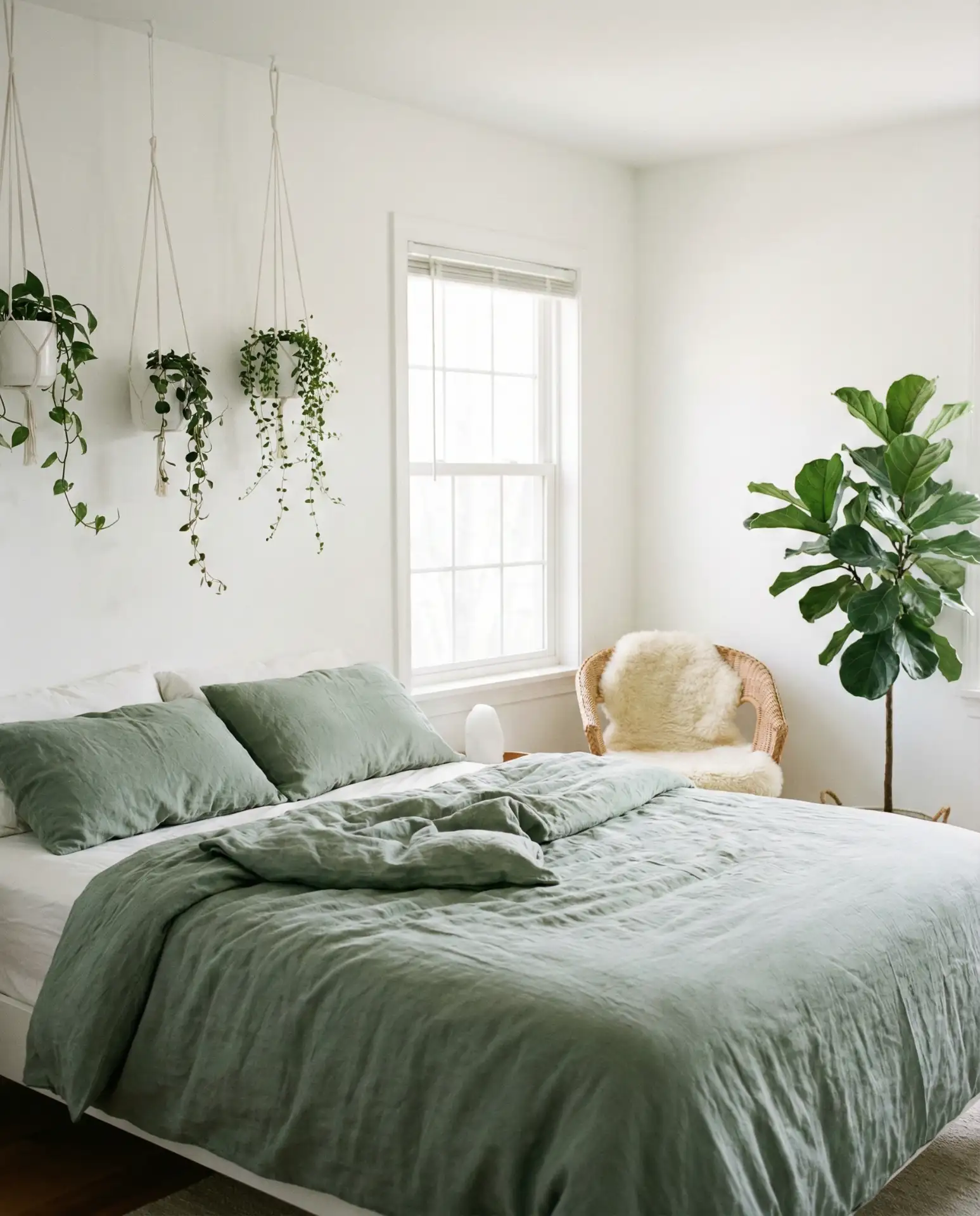
A designer I spoke with recently mentioned that clients often underestimate how much a single wall color can shift the mood of a room. She’s seen sage green transform sterile white bedrooms into spaces that feel intentionally curated and connected to nature, without requiring a full renovation or major furniture changes.
5. All-White Scandinavian Simplicity
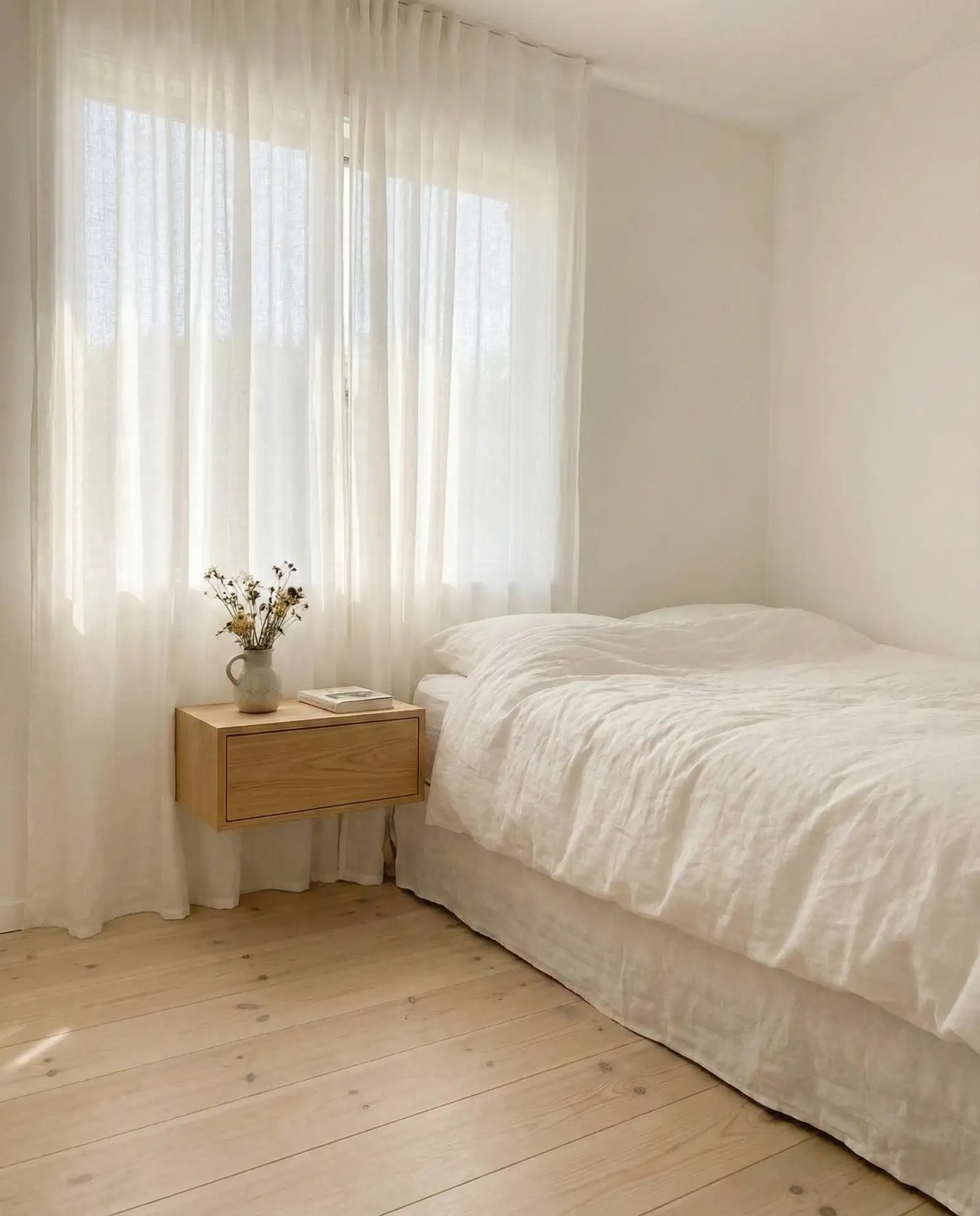
True Scandinavian design relies on an all-white palette punctuated by light wood, simple textiles, and excellent natural light. This approach is less about sterile minimalism and more about creating a space that feels open, functional, and quietly beautiful. Cozy elements like sheepskin throws, wool blankets, and candles prevent the room from feeling clinical. The look works especially well in northern climates where maximizing daylight is essential.
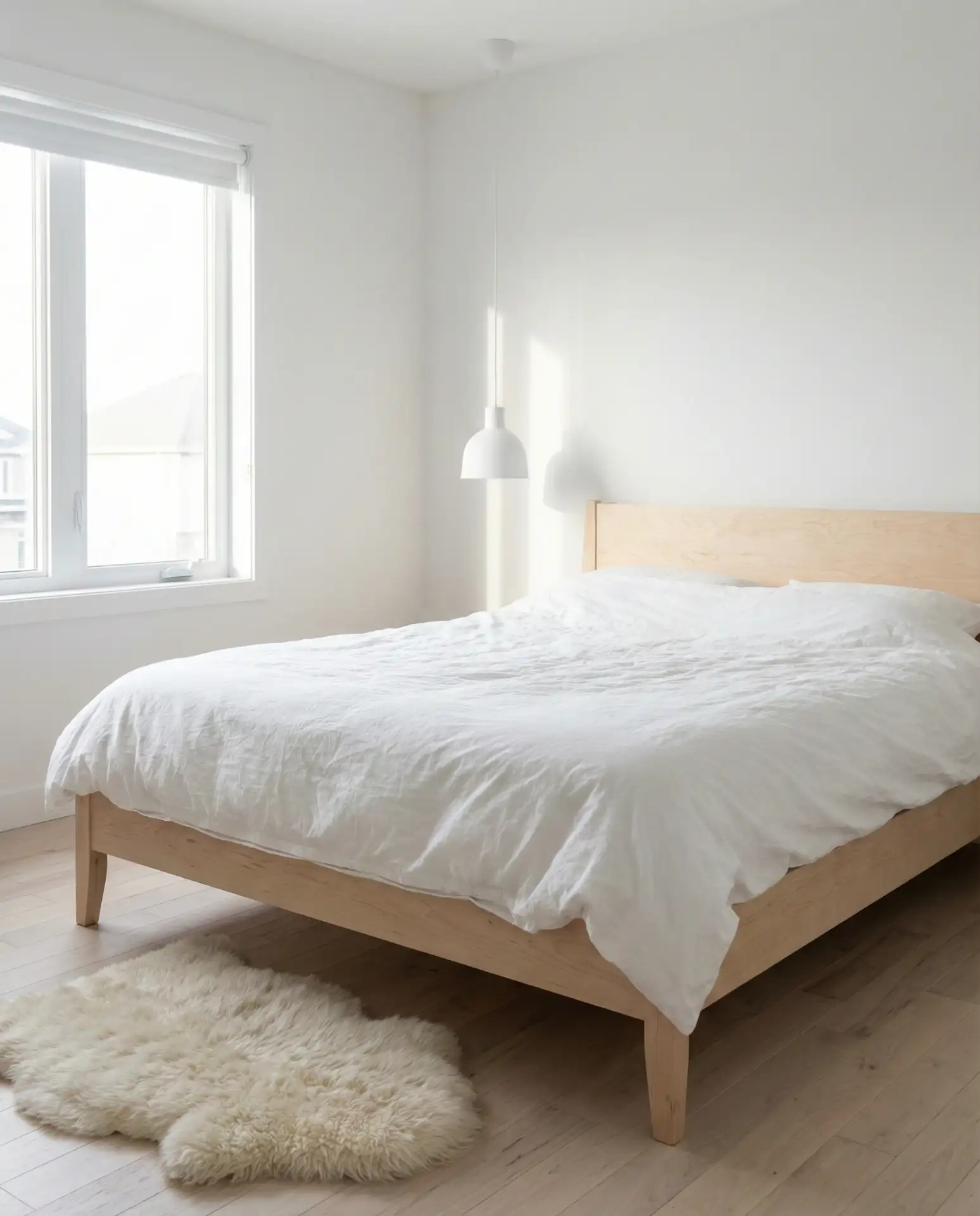
Budget-conscious homeowners often gravitate toward this style because it doesn’t require expensive furniture or complex layering. A quality white duvet, a simple wood bed frame, and good lighting can deliver the look for under $800, making it one of the most accessible white bedroom ideas for renters and first-time buyers.
6. White and Blush Pink Romance
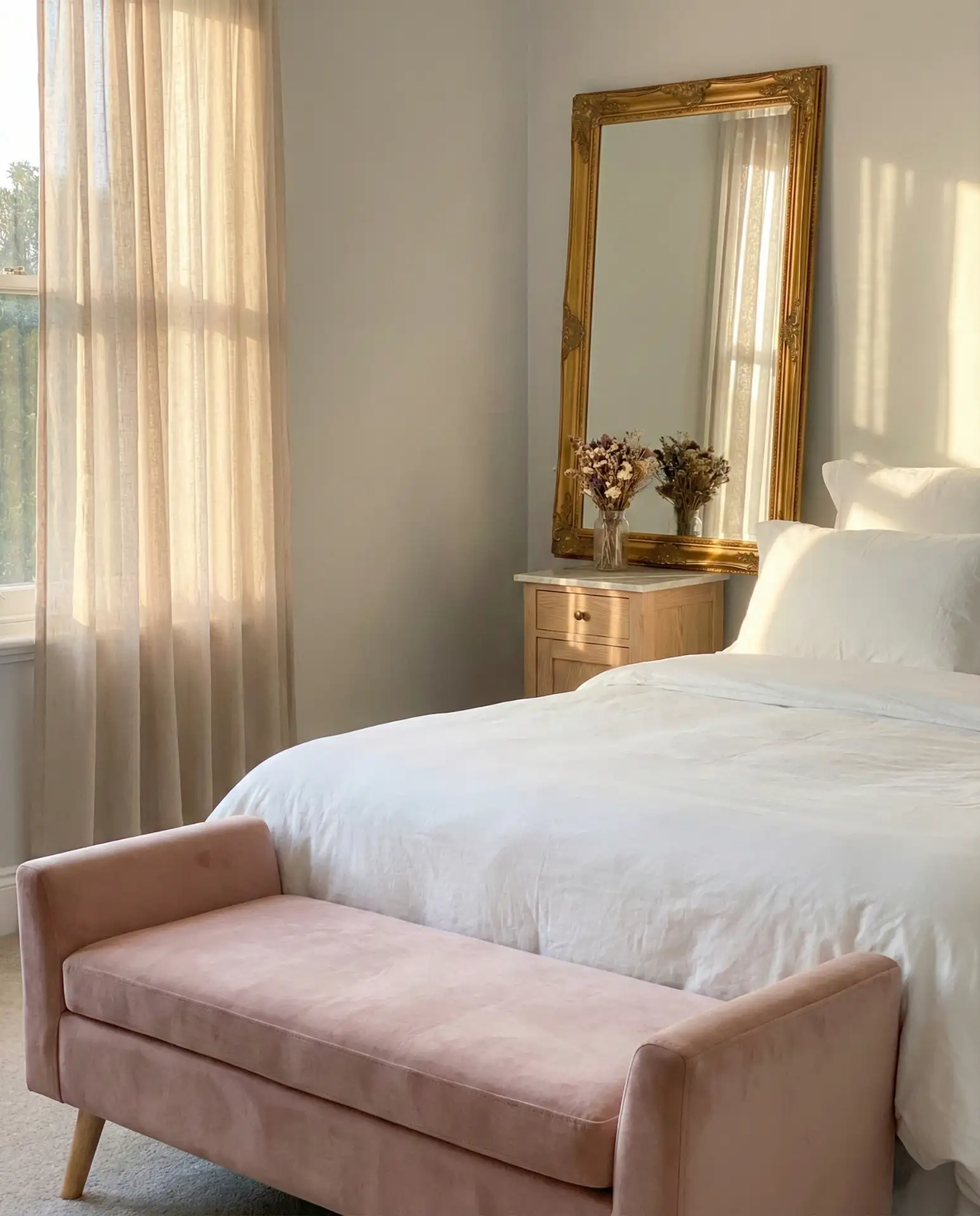
Soft pink and white combinations have evolved beyond the traditionally feminine bedroom into something more sophisticated and versatile. Dusty blush, terracotta pink, and muted rose tones all pair beautifully with white walls and linens, creating a warm, enveloping atmosphere. This palette is especially popular in primary bedrooms where the goal is relaxation and comfort. Layer in brass or gold fixtures to enhance the warmth without adding visual clutter.
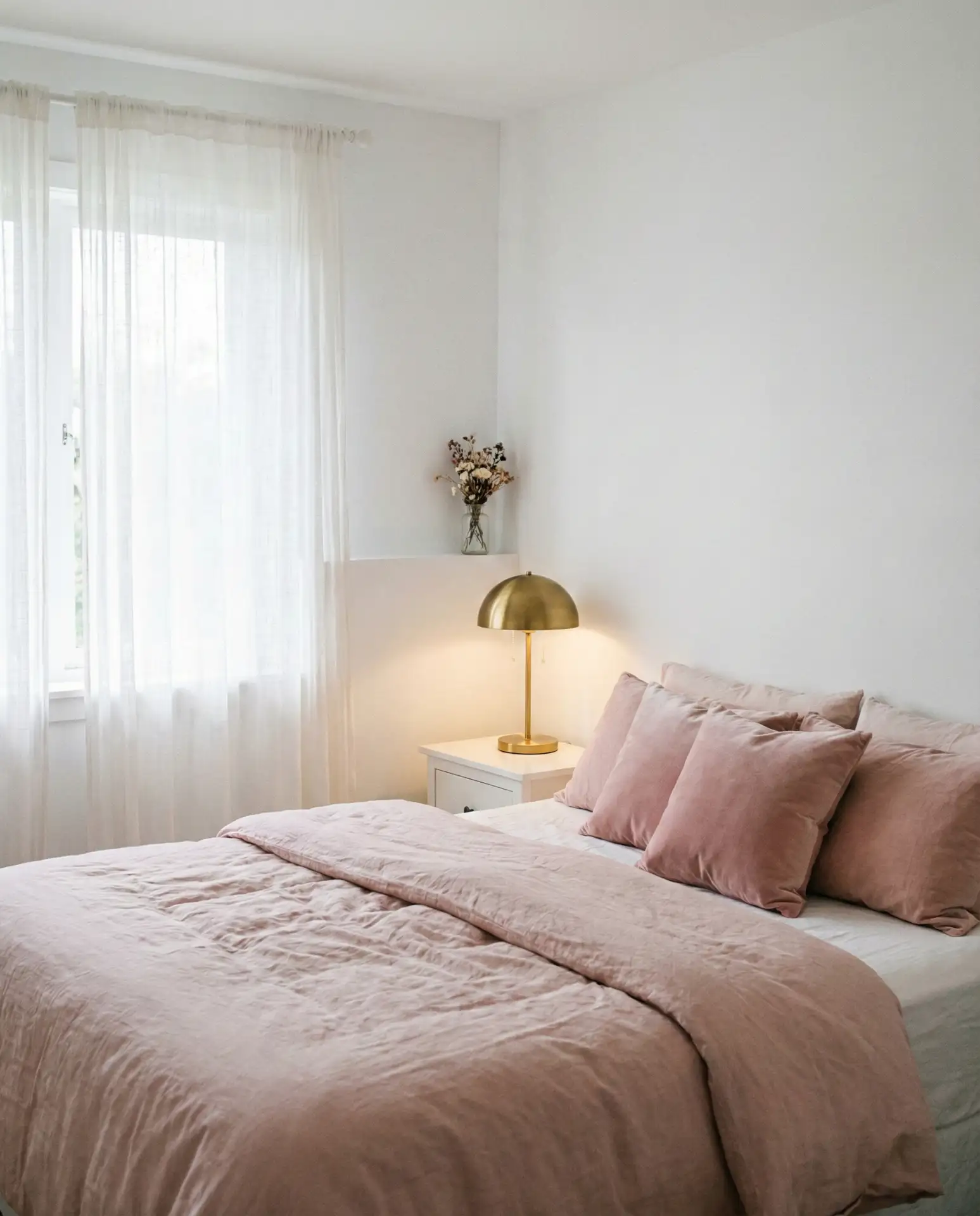
Real homeowners report that this combination works surprisingly well in both traditional and contemporary spaces. The key is keeping the pink muted and using it in textiles rather than on walls, which allows you to swap out the look seasonally or as trends shift without repainting.
7. White Bedroom with Warm Beige Accents
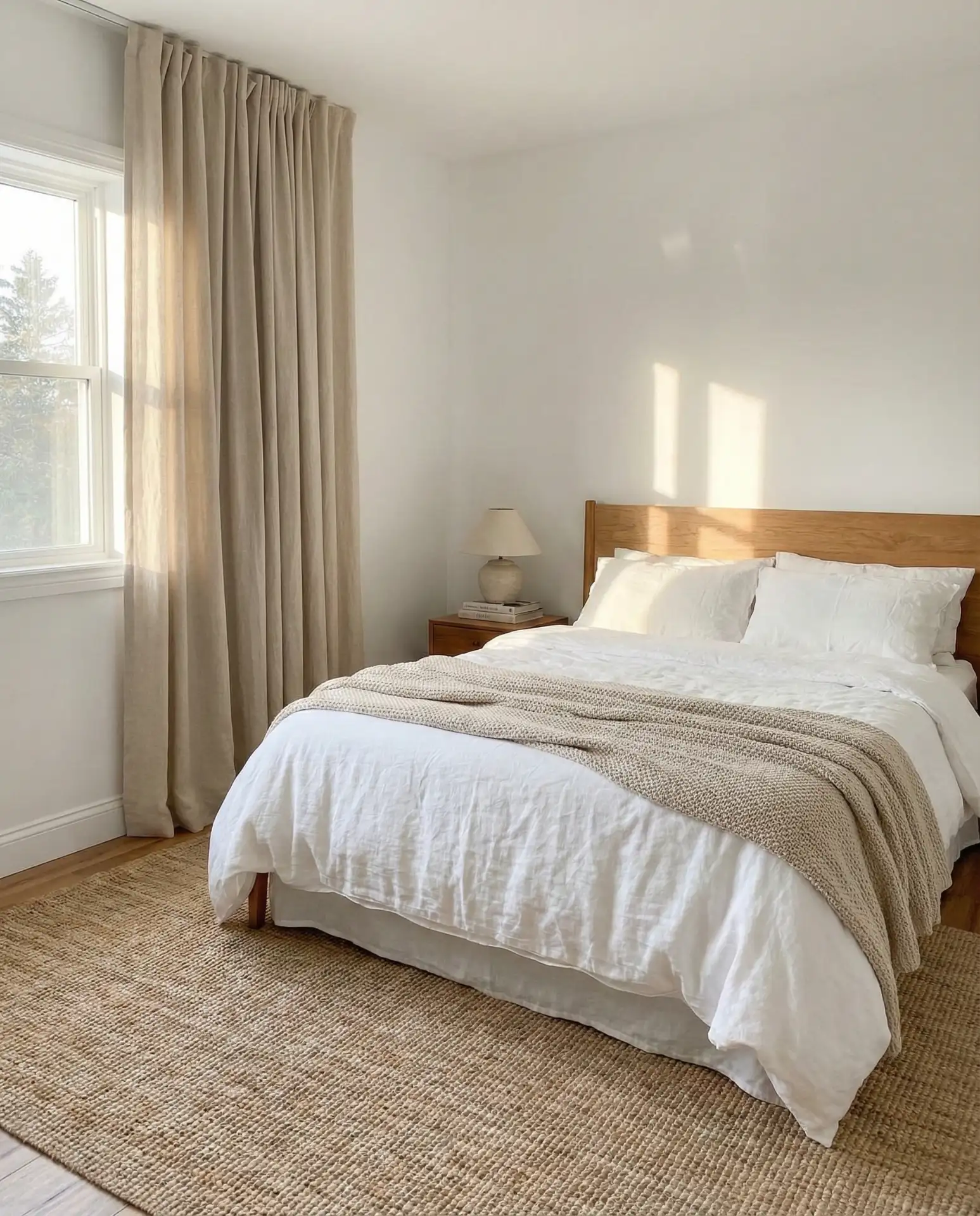
Layering beige and white creates a neutral foundation that feels warmer and more lived-in than pure white alone. This palette is incredibly forgiving and works across a range of styles, from farmhouse to contemporary. Use beige in natural materials—linen curtains, jute rugs, and rattan furniture—to keep the look grounded. The combination is especially popular in the Midwest and Southeast, where homeowners want comfort without sacrificing style.
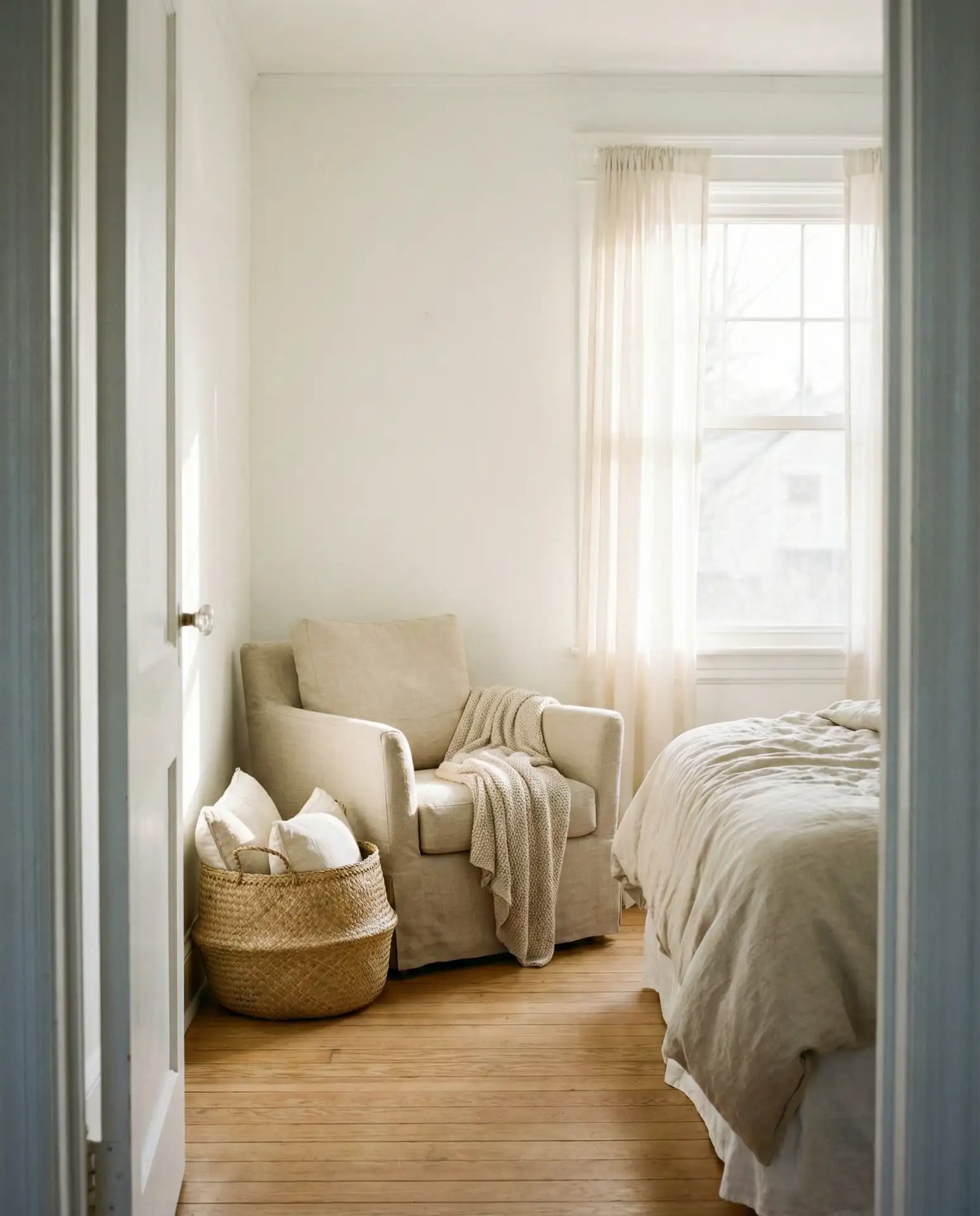
This palette works best in rooms with ample natural light, as too little can make beige look muddy or dull. If your bedroom faces north or has small windows, stick to lighter beige tones and increase artificial lighting with warm-toned bulbs to maintain the inviting quality.
8. White and Charcoal Grey Modern Edge
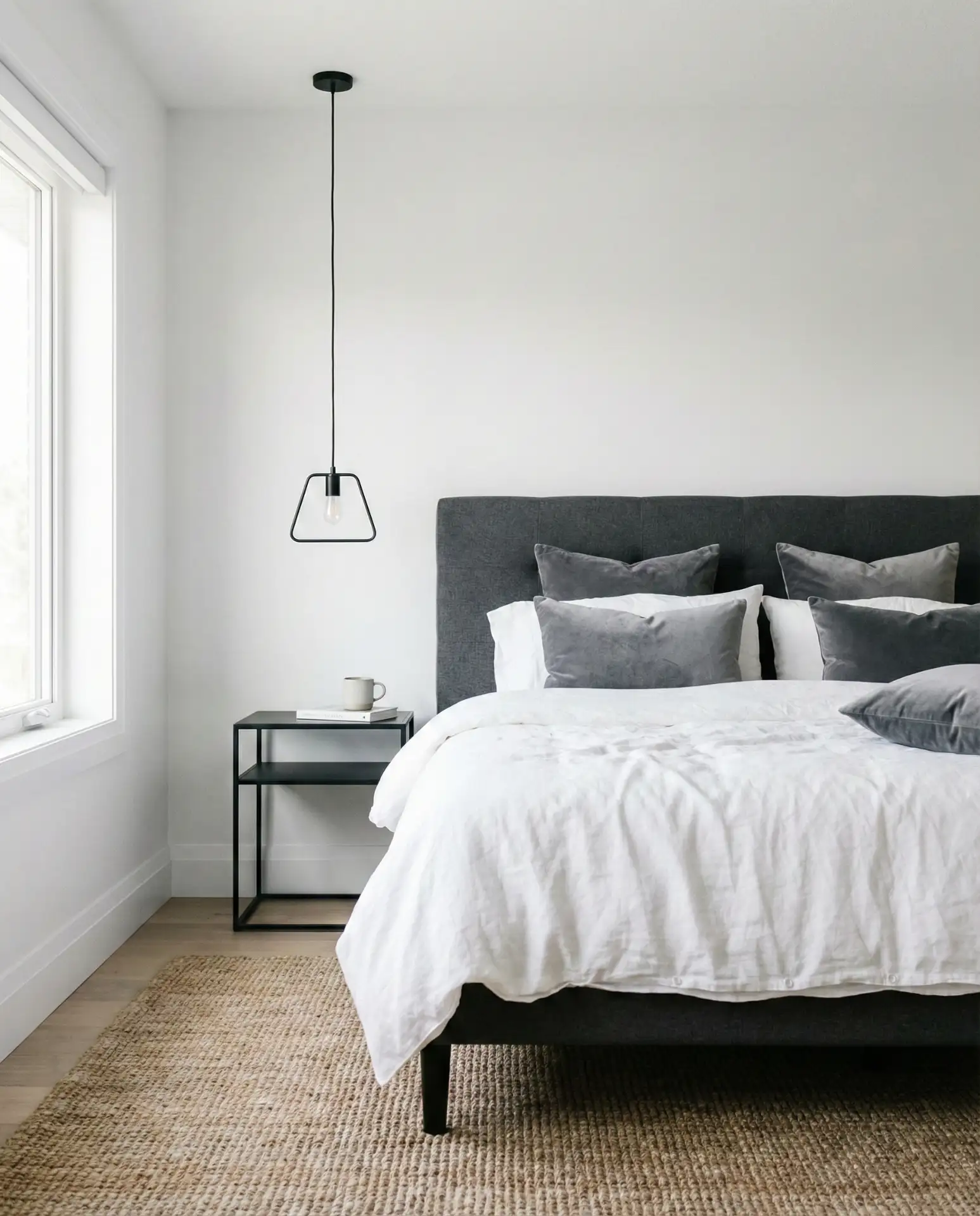
Pairing white with deep grey and white tones creates a sophisticated, hotel-inspired aesthetic that feels polished and intentional. This combination works beautifully in modern homes with clean lines and minimal ornamentation. Use charcoal on an accent wall, in bedding, or through upholstered furniture to add weight and contrast. The look is particularly popular in urban apartments and lofts where a refined, gender-neutral palette is desired.
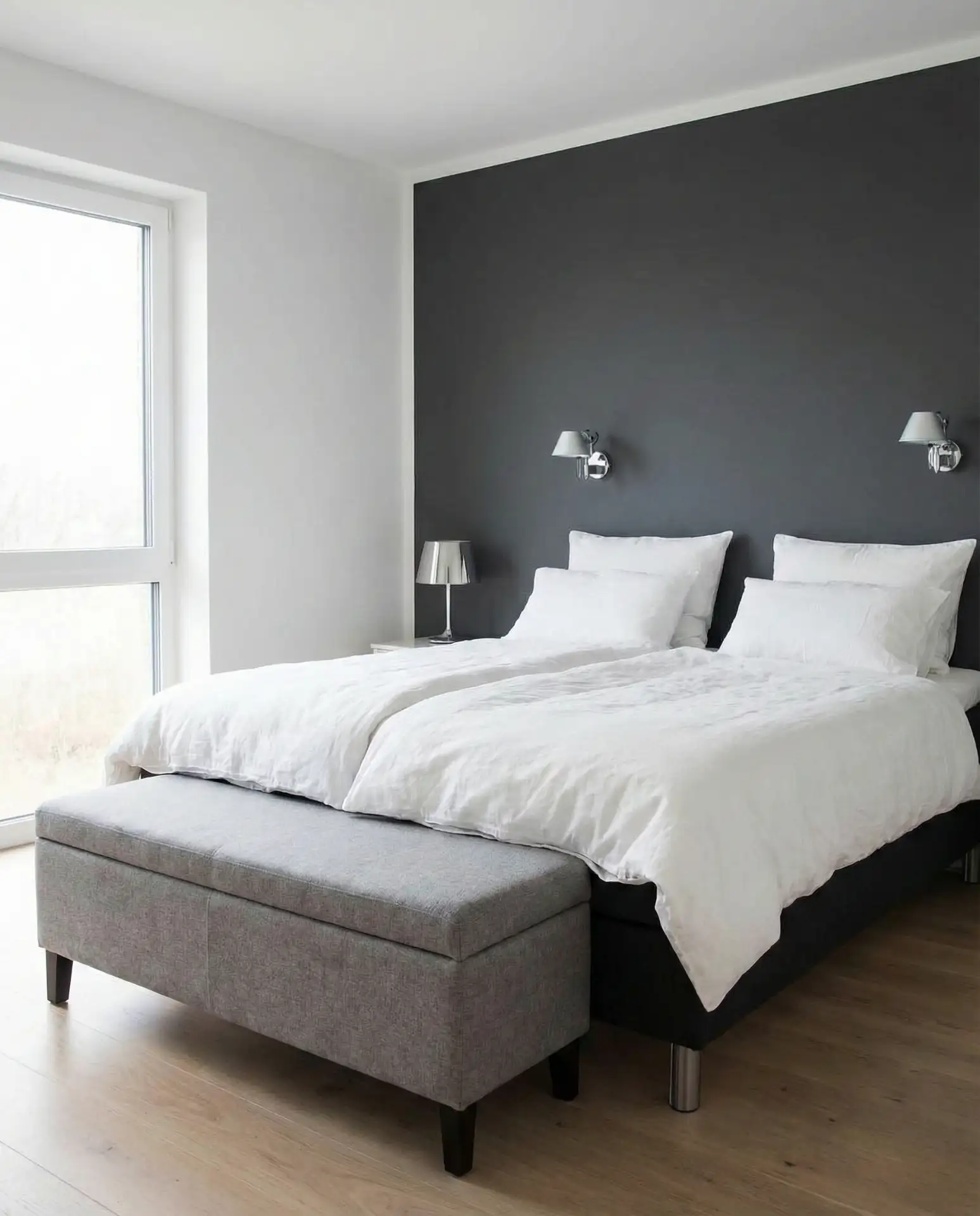
One designer noted that clients initially worry grey will make a bedroom feel cold, but when balanced with warm white and natural textures like wool or linen, the result is surprisingly cozy. The key is avoiding cool-toned greys and opting for warmer, softer charcoals that have a bit of brown or taupe in them.
9. White Bedroom with Natural Wood Warmth
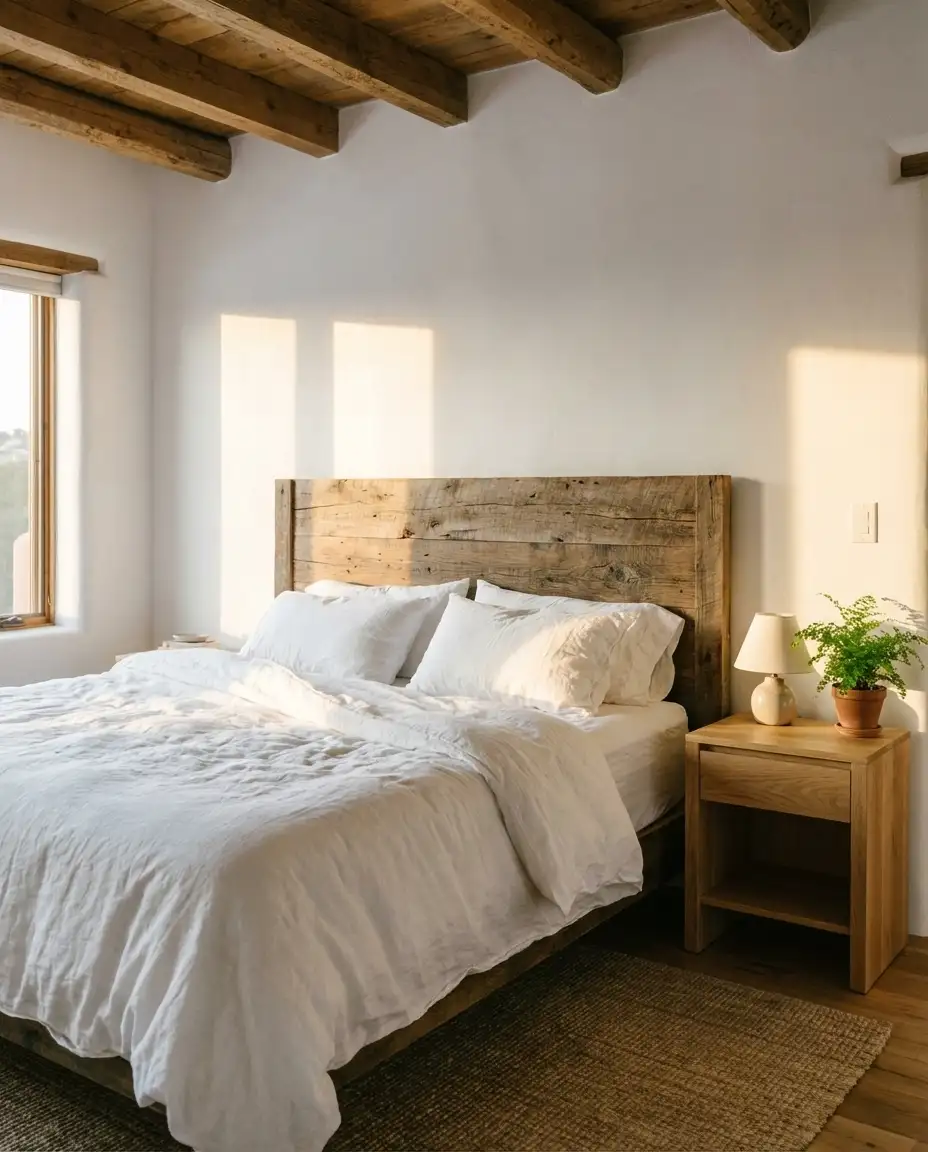
Introducing brown and white through natural wood furniture and architectural elements keeps a white bedroom from feeling sterile. This approach works across almost every design style, from rustic to Scandinavian to mid-century modern. Use reclaimed wood for a headboard, or bring in vintage wood nightstands to add character. The warmth of the wood grain creates visual interest and makes the space feel more grounded and personal.
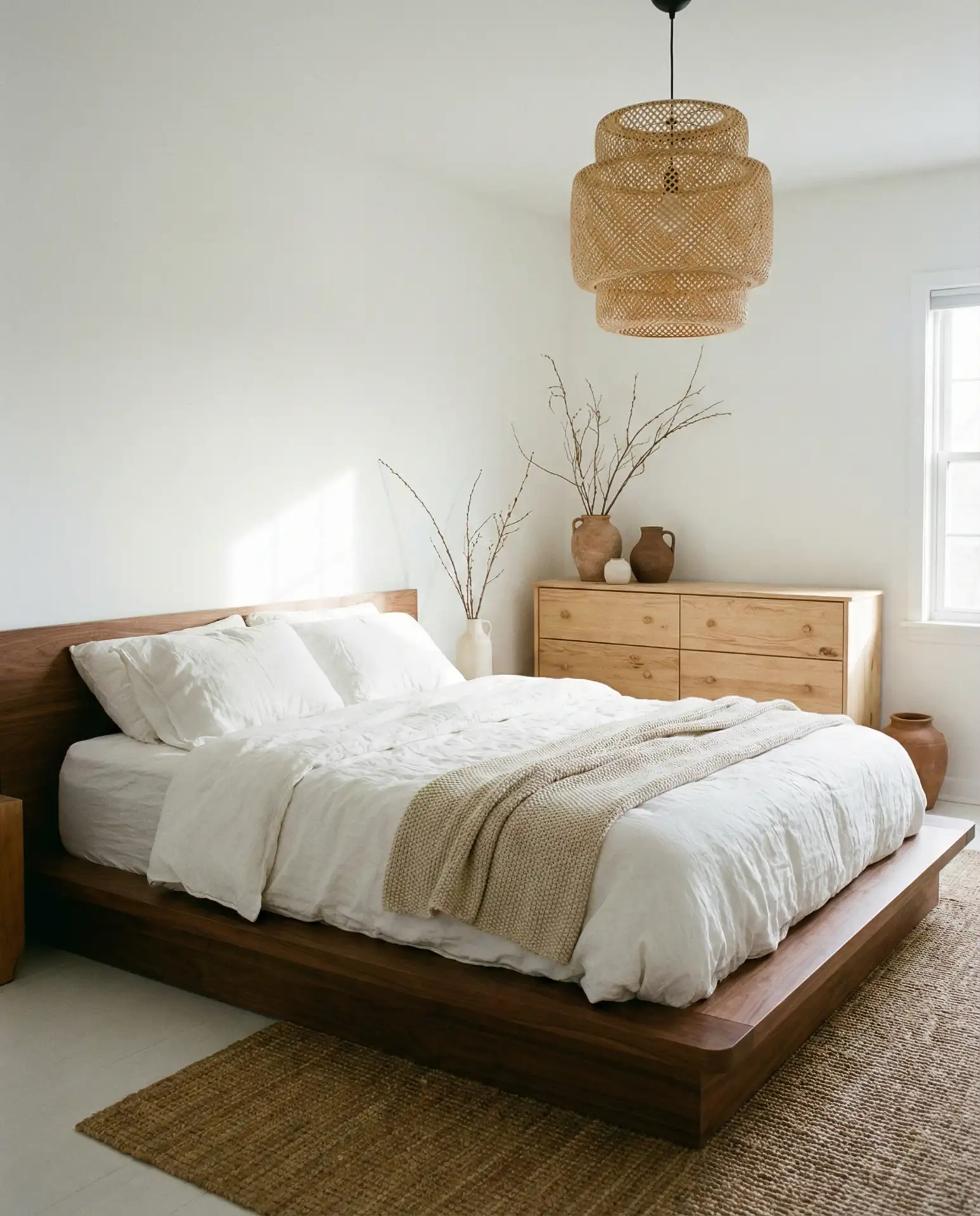
In the Pacific Northwest and Colorado, this style is especially common because it mirrors the natural surroundings and brings the outdoors in. Even in urban settings, adding wood tones creates a retreat-like quality that helps separate the bedroom from the rest of the home’s more public spaces.
10. White and Soft Blue Serenity
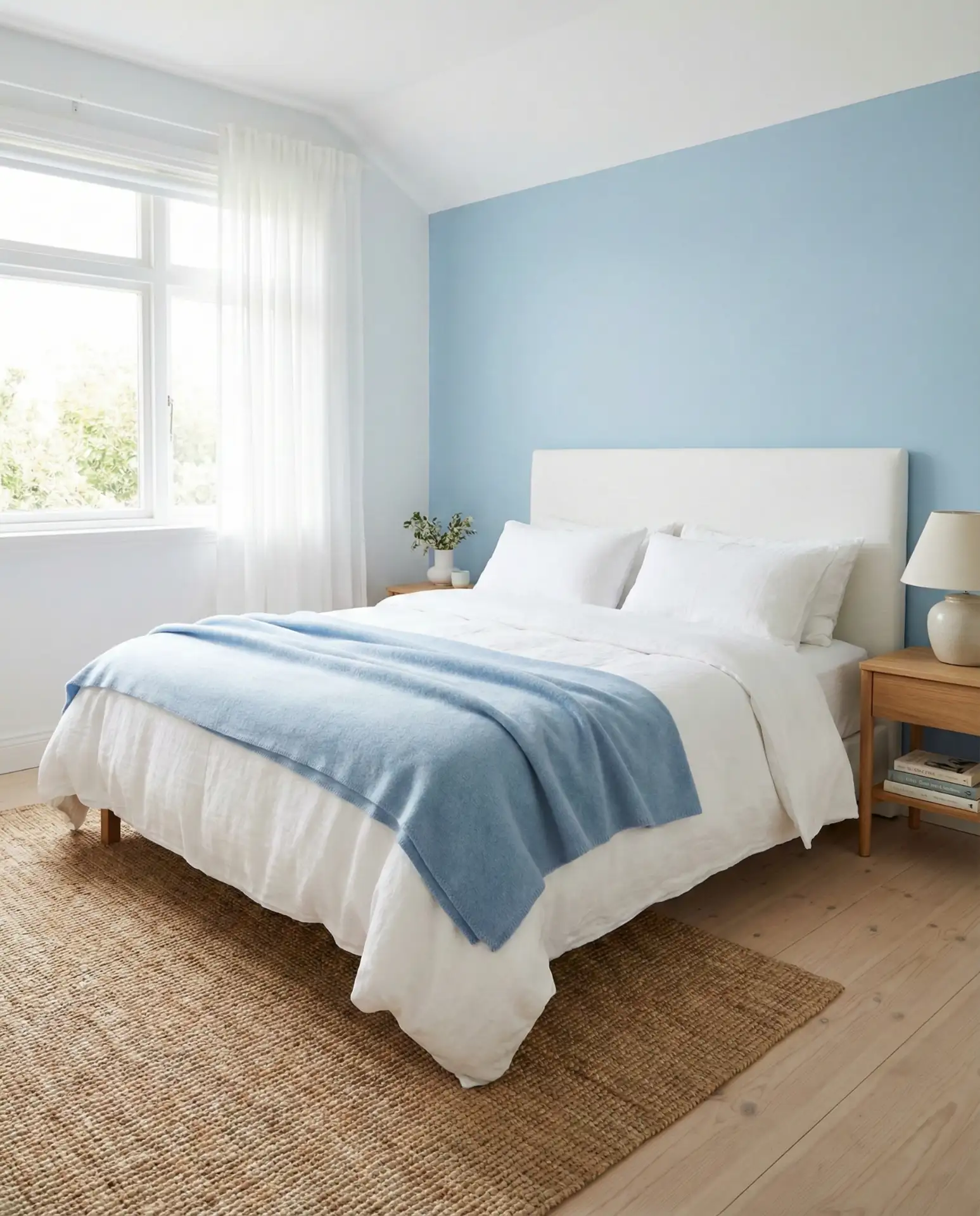
Soft blue and white bedrooms evoke a sense of calm and tranquility, making them ideal for anyone seeking a restful sleep environment. Pale sky blue, powder blue, and even light blue work beautifully with white walls and linens. This palette is timeless and works in both coastal and inland homes. Introduce blue through an accent wall, bedding, or artwork to keep the look fresh and airy.
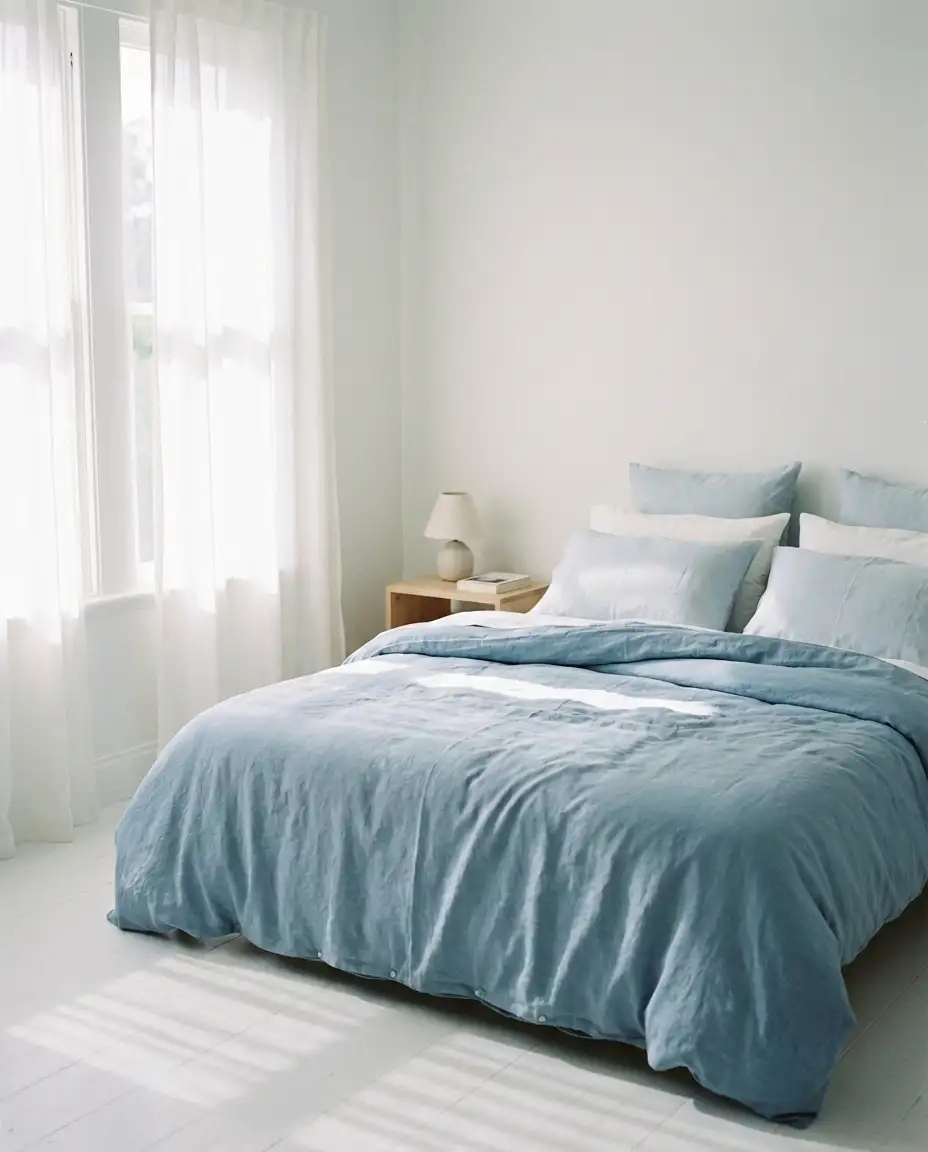
Avoid the common mistake of choosing a blue that’s too saturated or cool-toned, which can make the room feel icy rather than calming. Stick to blues with a slight grey or green undertone, and test paint samples in your bedroom’s specific lighting conditions before committing to a full wall.
11. White Bedroom with Cream Layering
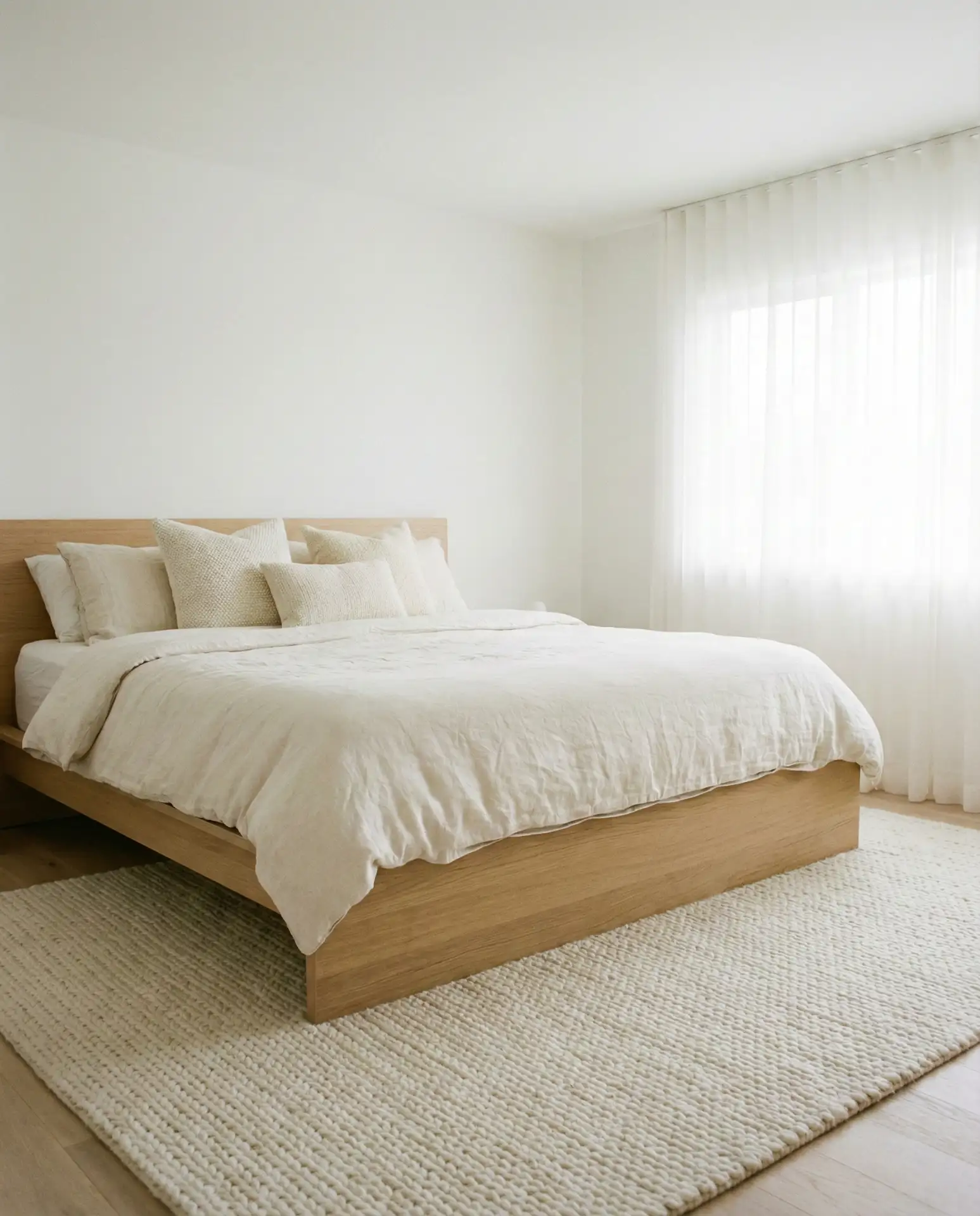
Layering cream and white creates a tonal, monochromatic look that feels intentional and sophisticated. This approach relies on subtle variations in shade and texture to create depth without introducing bold color. Use cream in bedding, curtains, or an area rug, and keep walls bright white. The result is a bedroom that feels warm and inviting without being visually busy, perfect for minimalists who still want some softness.
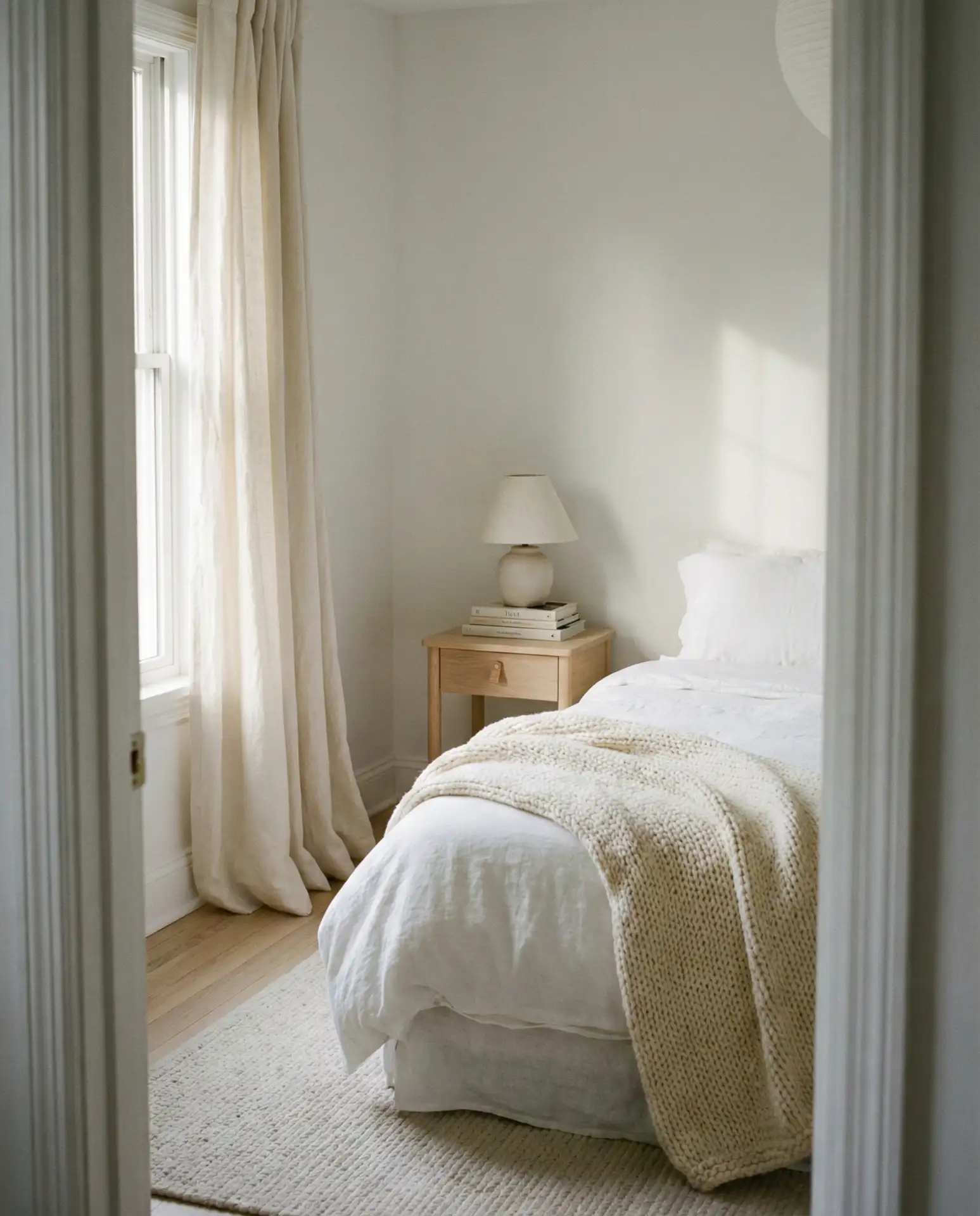
This palette is budget-friendly because you can source cream textiles from a wide range of retailers without worrying about exact color matching. The slight variations in tone actually enhance the look rather than detracting from it, making it a forgiving choice for DIY decorators.
12. White and Teal Accent Pop
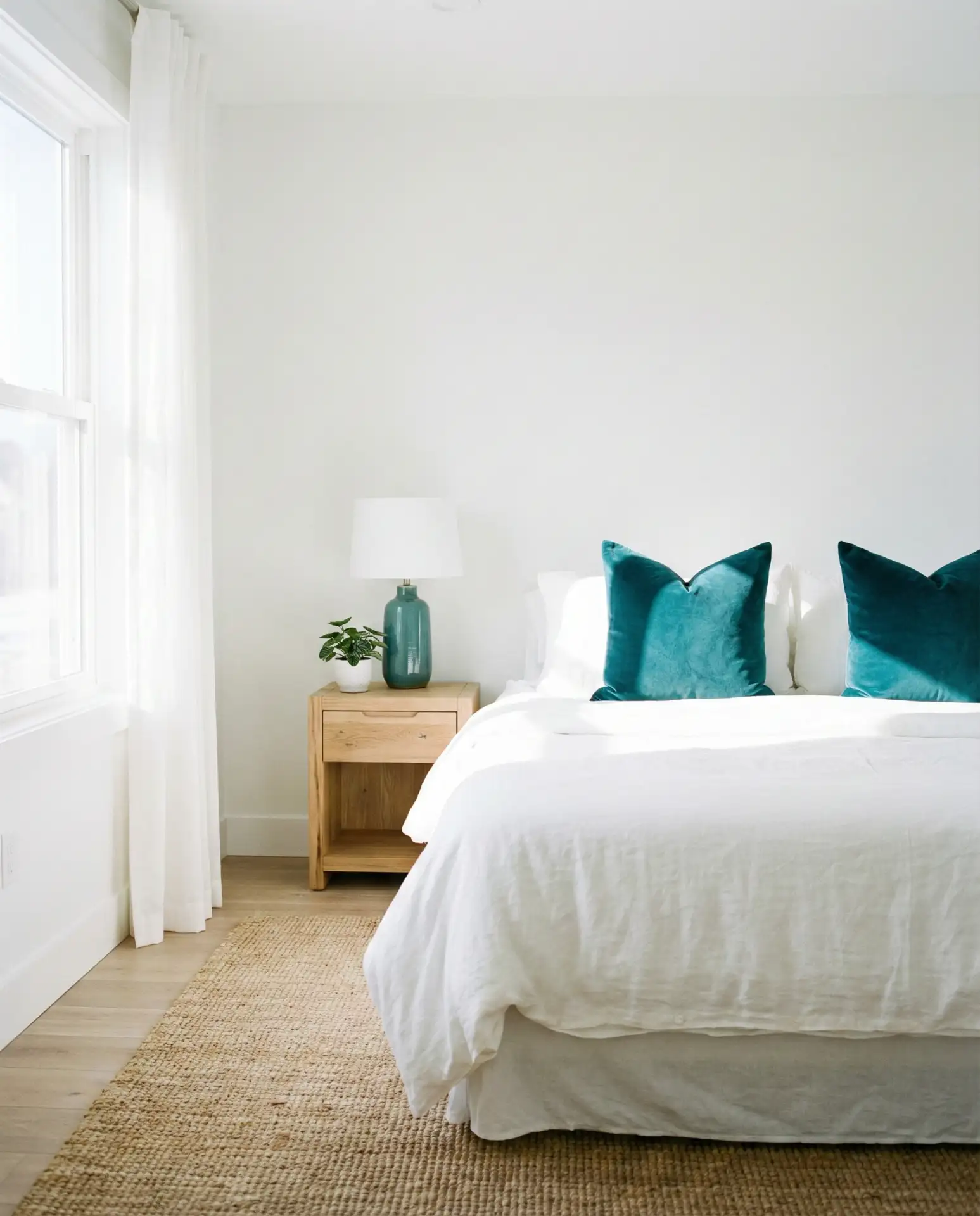
A teal and white bedroom brings energy and personality without overwhelming the space. This combination works especially well in guest bedrooms or kids’ rooms where you want something more playful but still sophisticated. Use teal sparingly—in artwork, throw pillows, or a single accent chair—to let the white remain the dominant tone. The look is fresh and contemporary, with enough color to feel intentional.
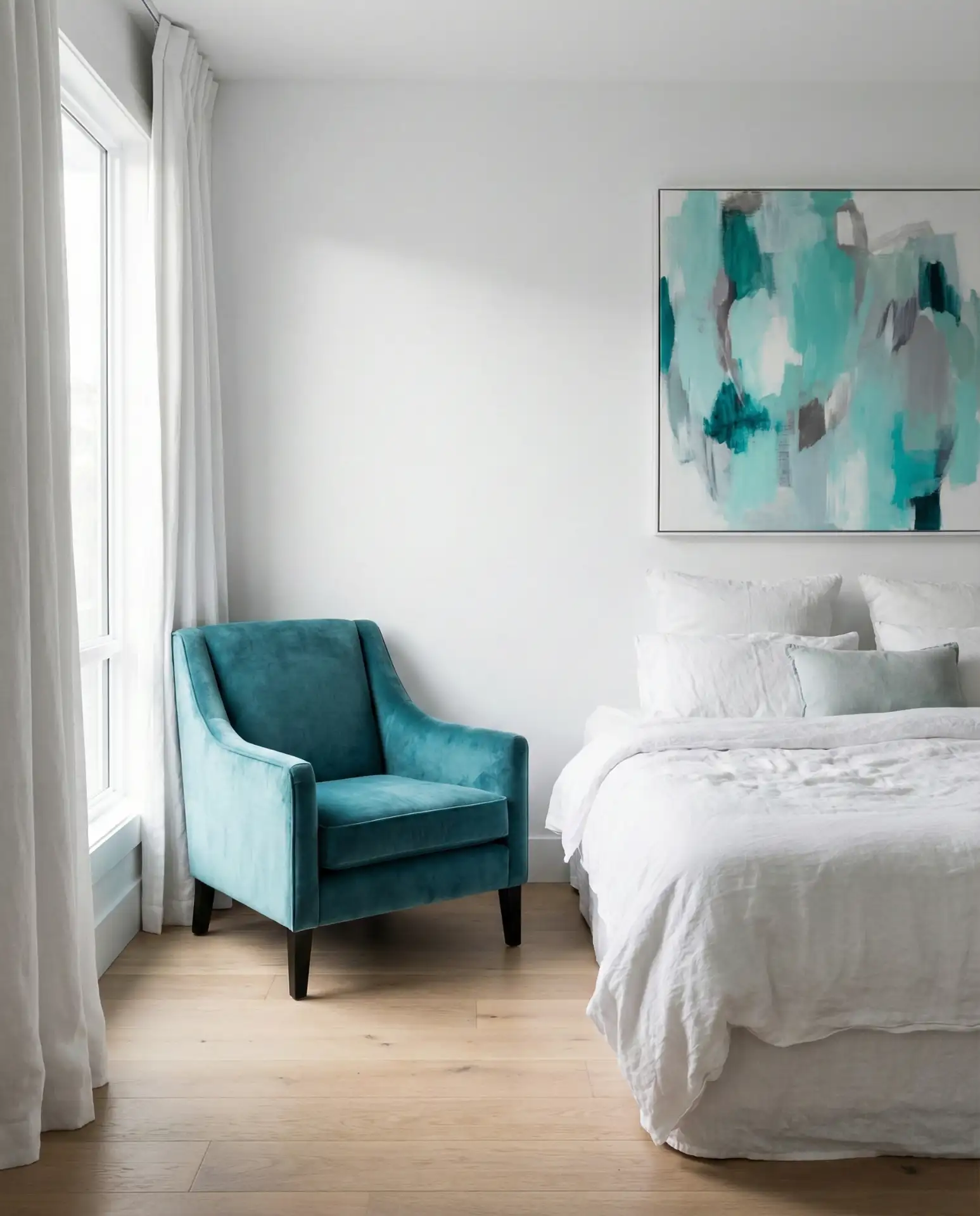
Homeowners often swap out teal accents seasonally, switching to warmer tones in fall and winter and bringing the teal back in spring and summer. This flexibility is one of the reasons accent-based color schemes are so popular—they allow you to refresh the room without major investment or effort.
13. White Bedroom with Gold Hardware
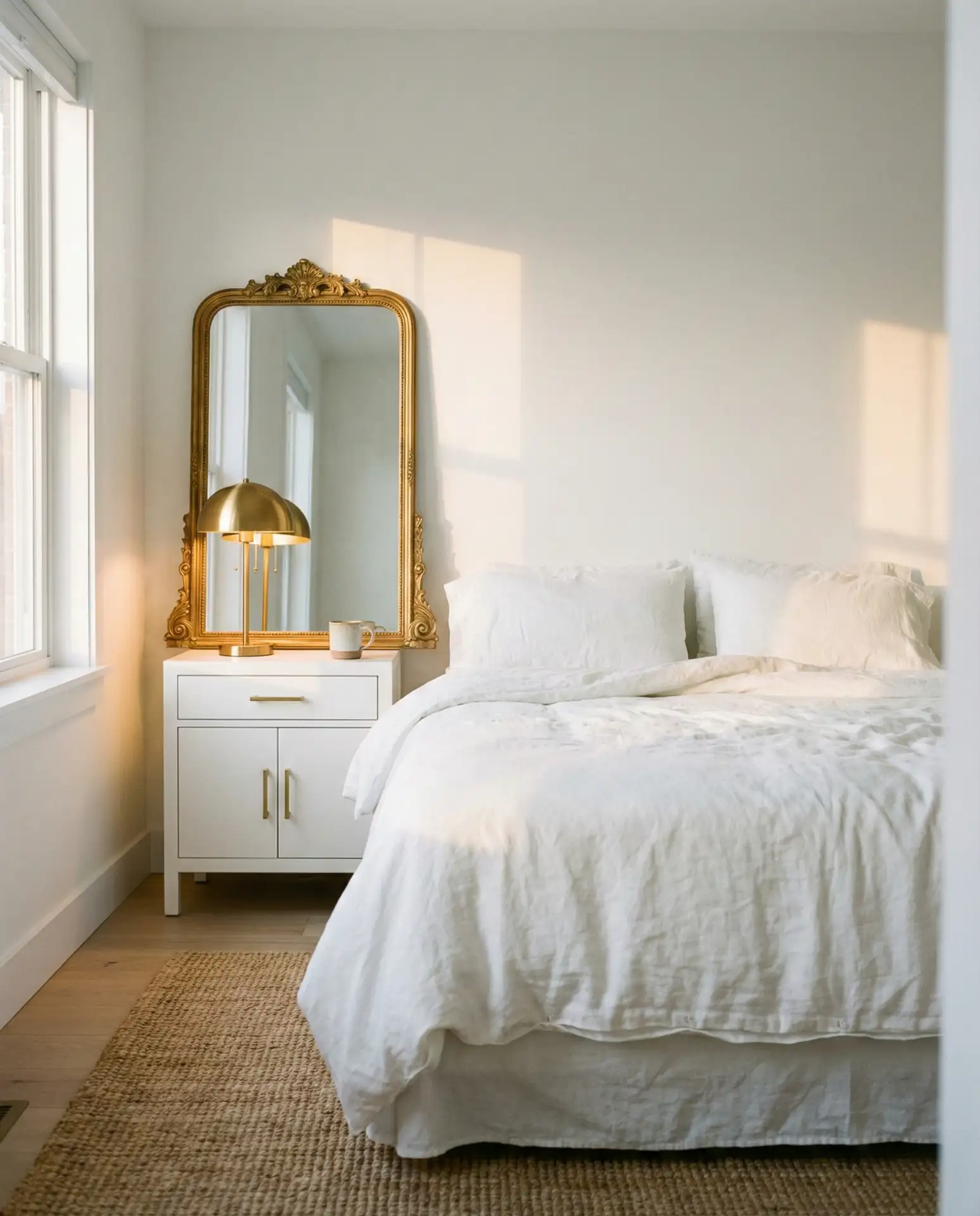
Adding gold and white touches through hardware, lighting, and accessories elevates a white bedroom into something more luxurious and polished. Brushed gold or brass drawer pulls, mirror frames, and light fixtures catch the light and add warmth. This approach is popular in traditional and transitional homes but also works in modern spaces when the gold is kept minimal and matte. The key is restraint—too much gold can feel heavy or dated.
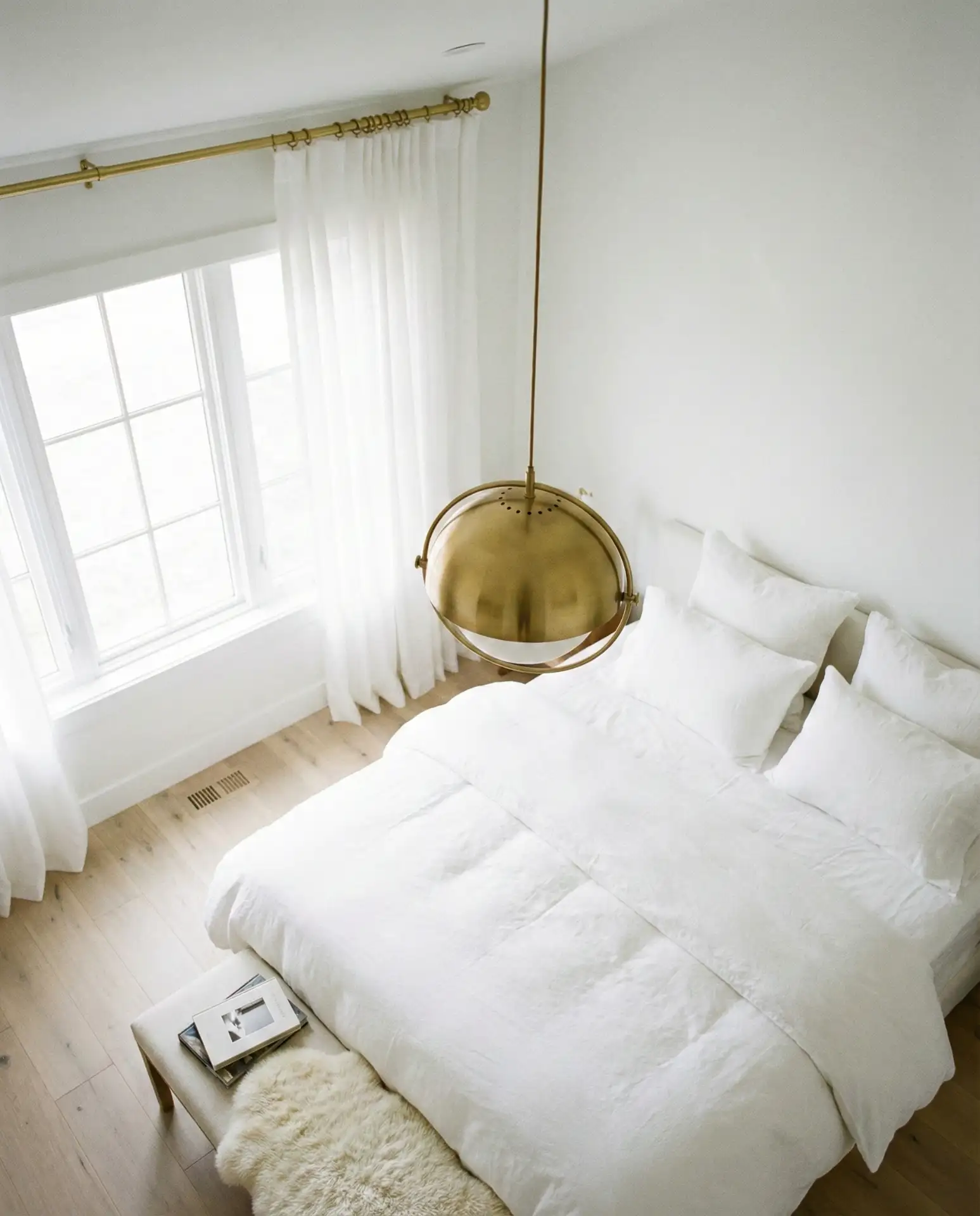
Expert designers recommend mixing gold finishes—pair brushed brass with polished gold or antique brass to create visual interest and avoid the overly matchy-matchy look that can feel staged. This layered approach mirrors how metals naturally vary in real homes over time.
14. White and Deep Purple Drama
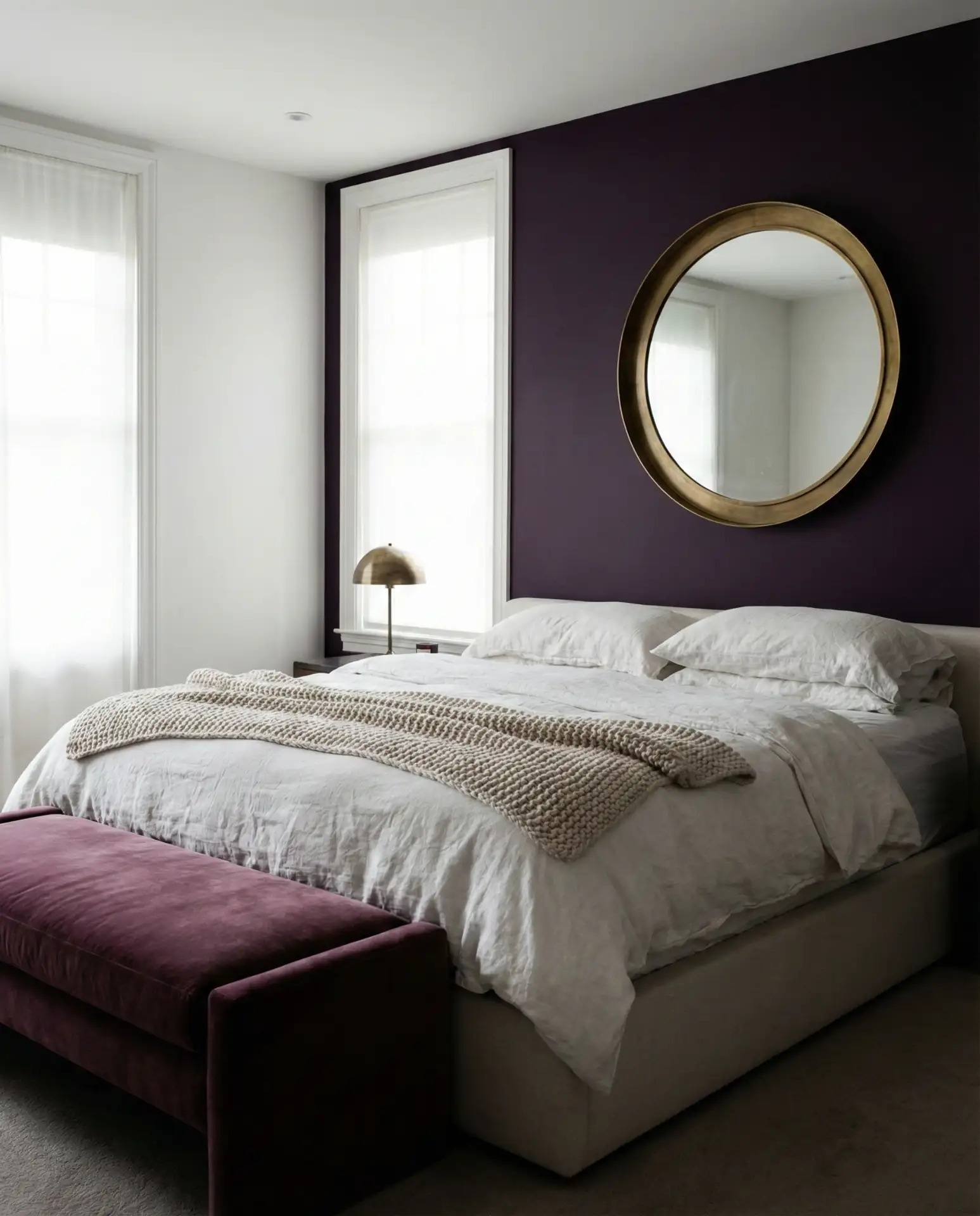
Pairing white with purple and white creates a bedroom that feels bold and unexpected without being overwhelming. Deep eggplant, plum, or mauve work beautifully against bright white walls and linens. This palette is especially popular in eclectic and maximalist spaces where personality takes precedence over neutrality. Use purple in textiles, artwork, or an accent wall to anchor the room and create a focal point.
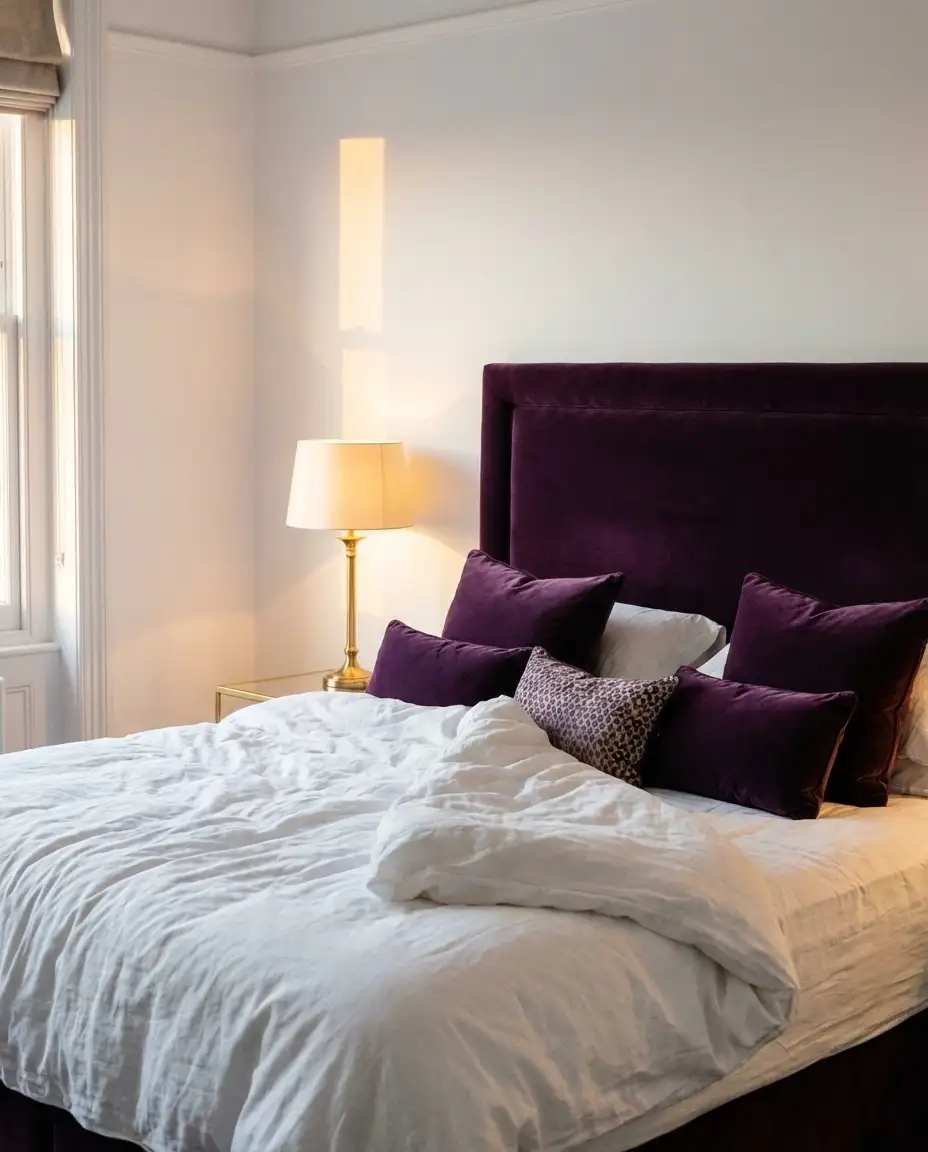
This combination works best in bedrooms with high ceilings or good natural light, as the deep purple can make smaller, darker rooms feel closed in. If you’re working with limited space, use purple in smaller doses and keep the ceiling and three walls white to maintain openness.
15. White Bedroom with Light Grey-Pink Undertones
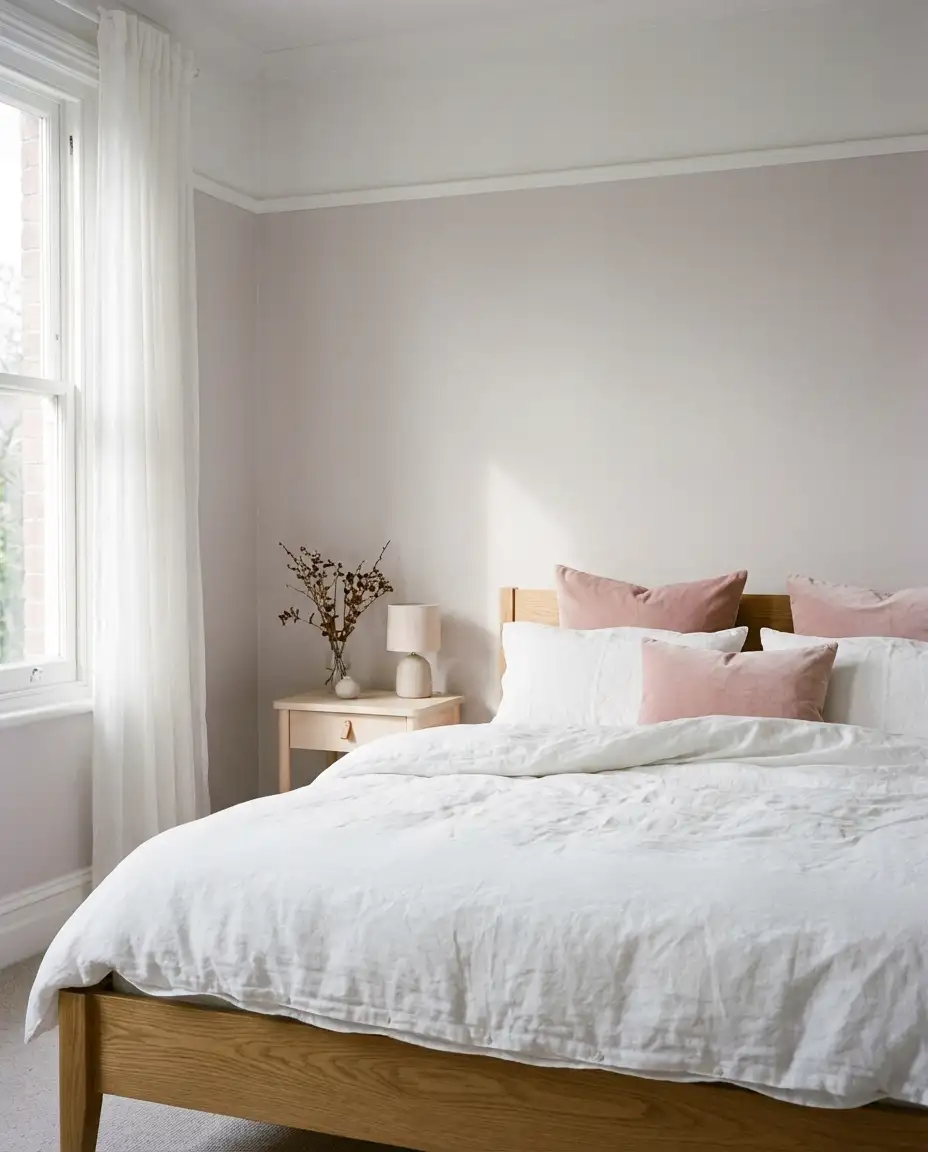
Soft light grey-pink tones create a neutral base that’s warmer and more interesting than pure grey. This color works beautifully on walls or in bedding, especially when paired with bright white trim and linens. The look is subtle and calming, perfect for primary bedrooms where you want a soothing palette that still has some personality. It’s also incredibly versatile, working with both warm and cool accent colors.
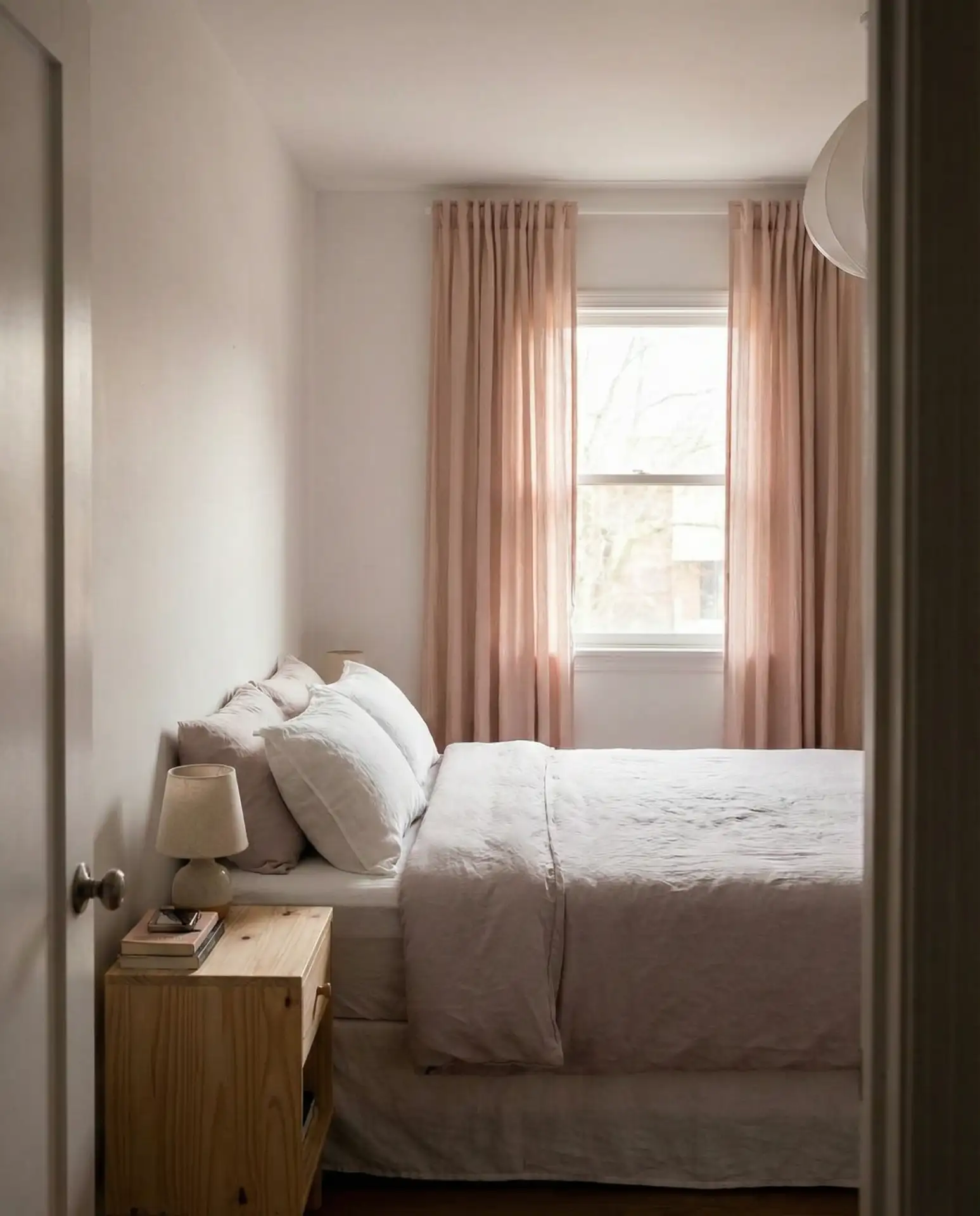
A homeowner in Portland mentioned that she initially worried this color would feel too feminine, but once installed, it became a favorite neutral that guests consistently compliment. The pink undertone adds warmth without reading as overtly pink, making it a comfortable choice for shared bedrooms.
16. White and Warm Yellow Sunshine
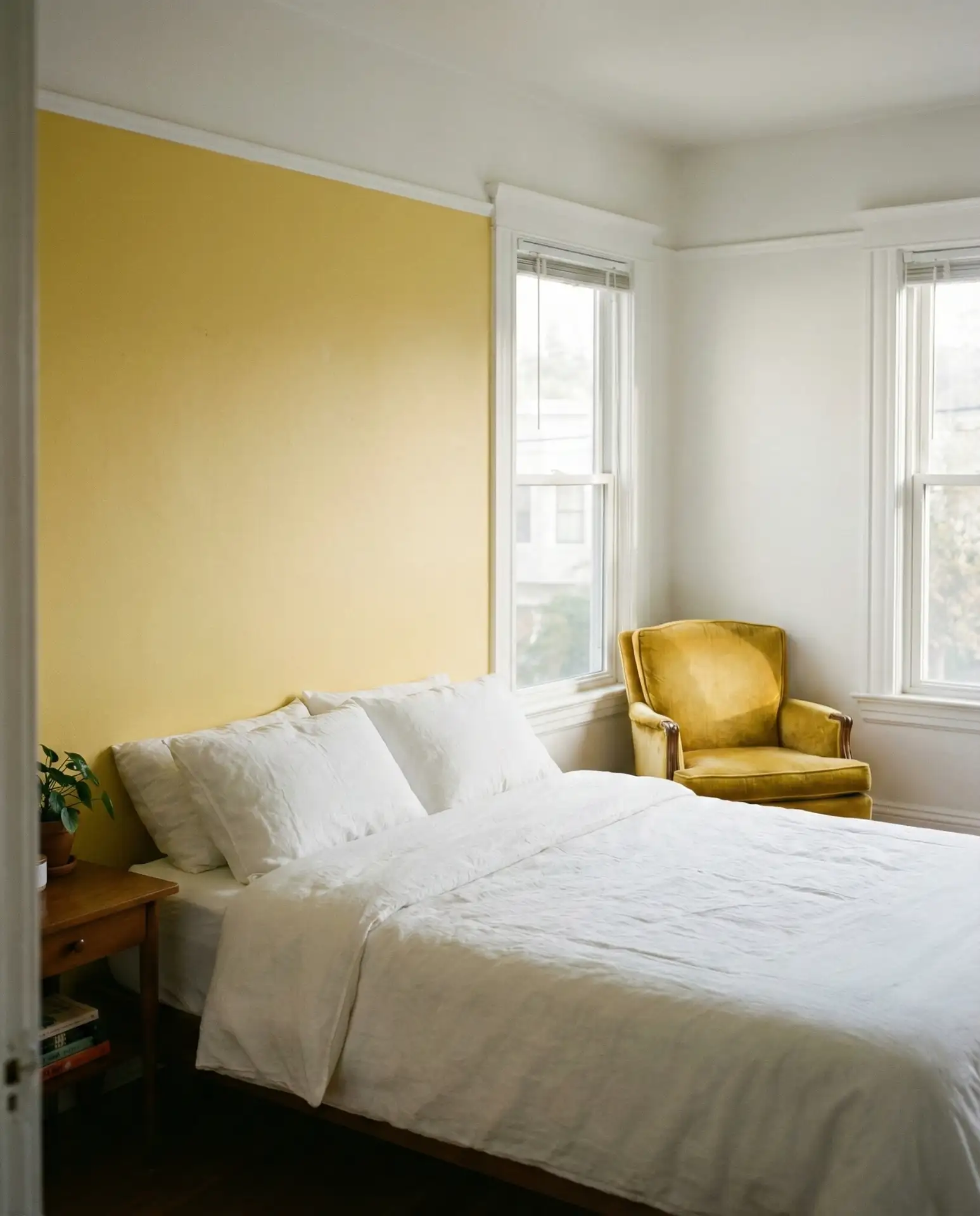
Soft yellow and white combinations bring warmth and cheer, especially in bedrooms that lack natural light or face north. Buttery yellows, pale mustard, and soft goldenrod tones all work beautifully with white walls and linens. This palette is particularly popular in farmhouse and cottage-style bedrooms, where the goal is comfort and a sense of home. Use yellow in textiles, accent walls, or vintage furniture to keep the look grounded.
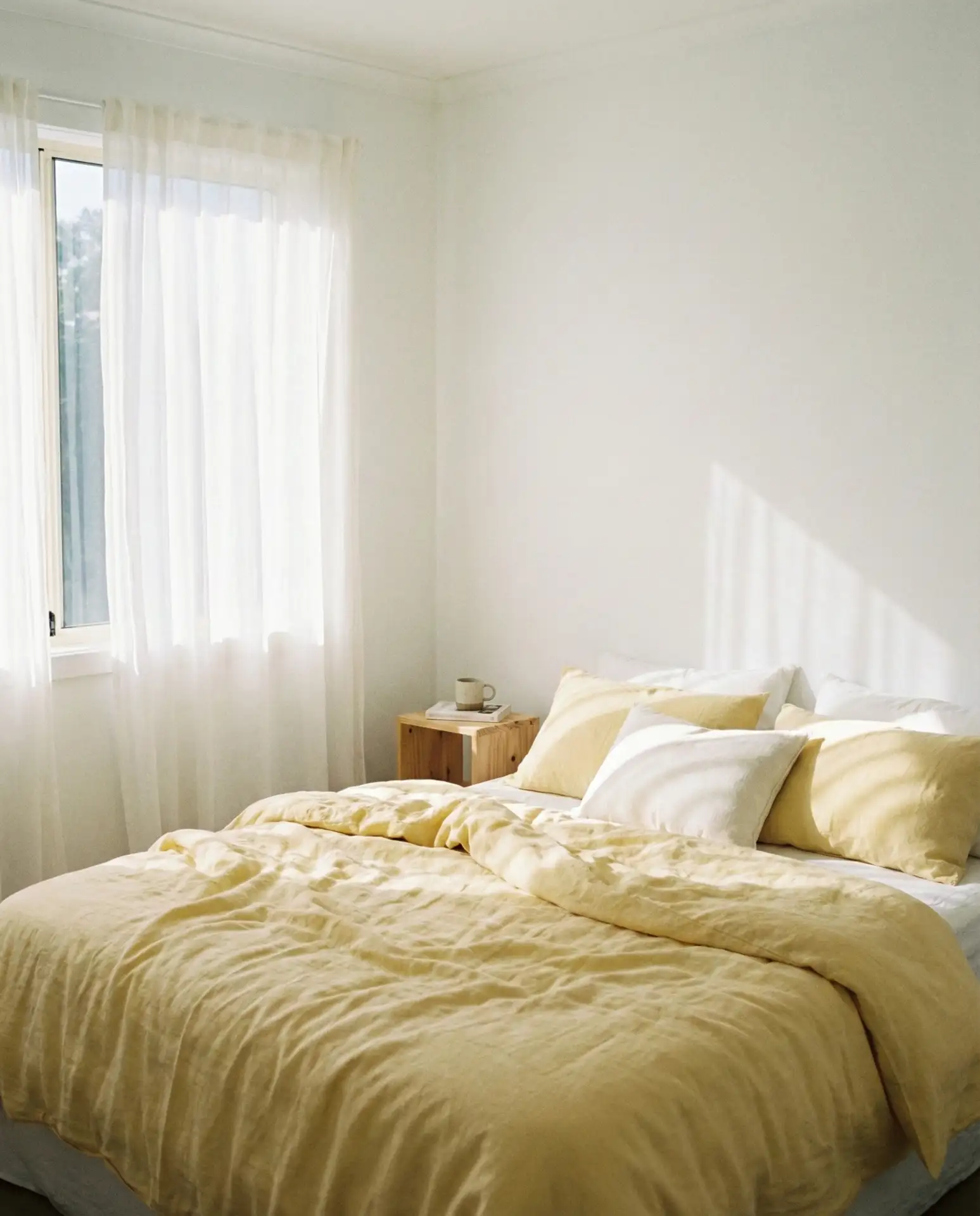
This palette is budget-friendly because soft yellows are easy to find in secondhand and vintage markets, and they pair well with existing white furniture without requiring a full room refresh. A few well-chosen yellow pieces can completely shift the mood of a white bedroom.
17. White Bedroom with Statement Lighting
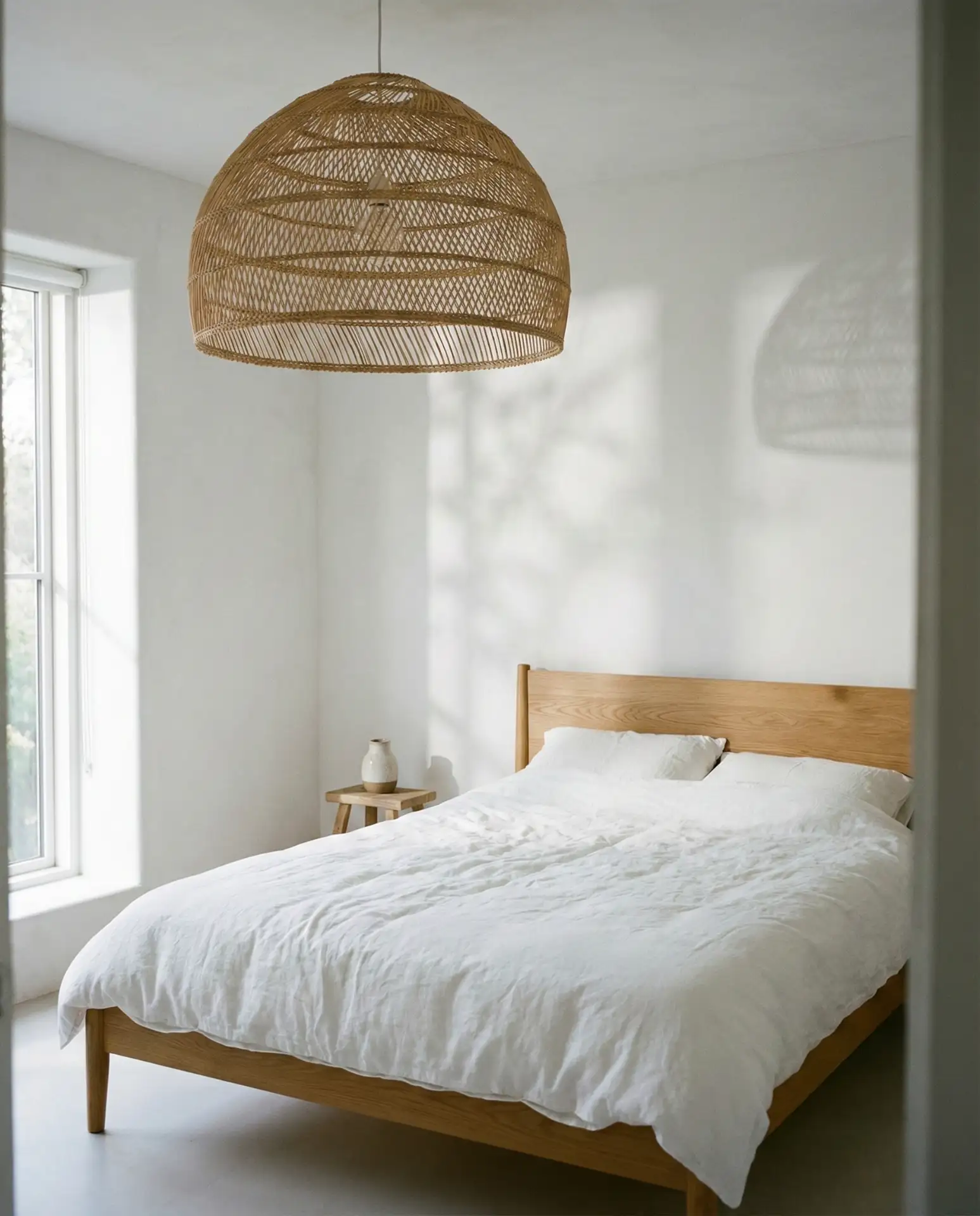
In an all-white bedroom, lighting becomes a focal point and functional necessity. A dramatic chandelier, sculptural pendant, or oversized floor lamp can define the space and add personality without introducing color. This approach is especially effective in modern and minimalist bedrooms where the architecture is clean and the furniture is understated. Choose fixtures with interesting shapes or materials like rattan, brass, or blown glass.
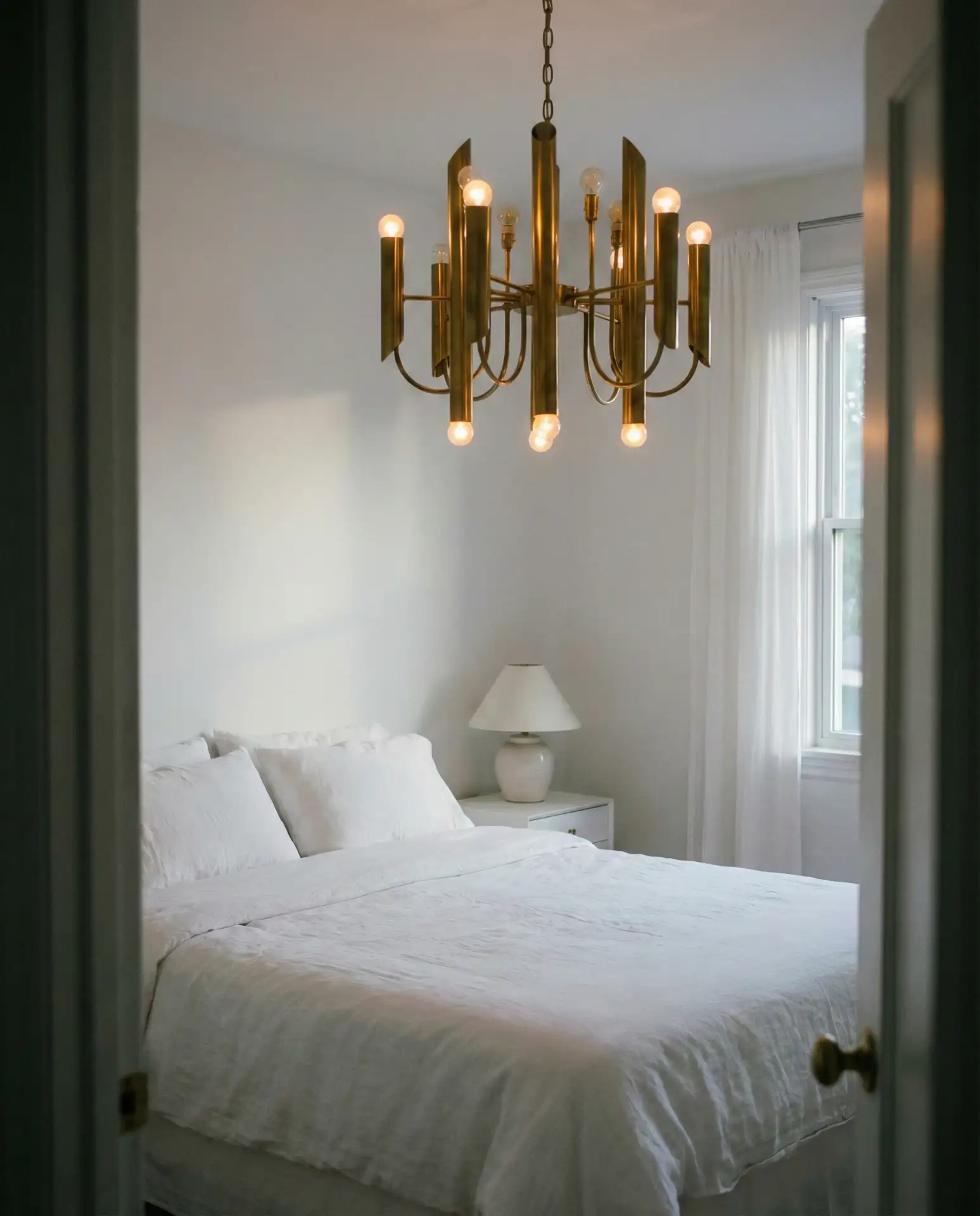
Real homeowners often underestimate the impact of lighting on a white bedroom’s overall feel. A well-chosen fixture can make the difference between a room that feels flat and one that feels intentionally designed, and it’s one of the easiest updates to make without major construction or investment.
18. White and Burnt Orange Energy
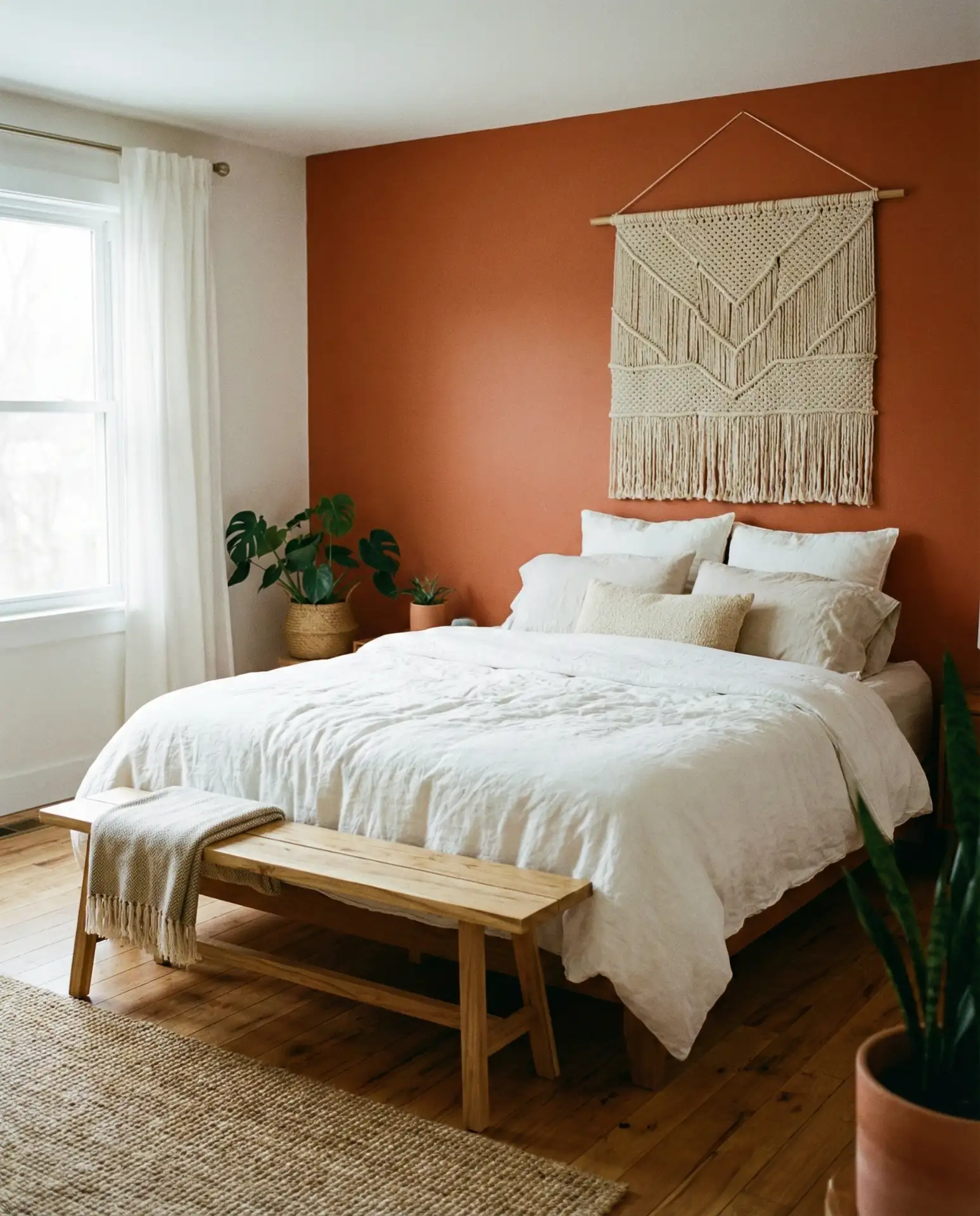
Pairing white with red and white-adjacent burnt orange or terracotta brings warmth and a touch of the Southwest into the bedroom. This palette feels earthy and grounded, especially when combined with natural materials like clay, wood, and linen. Use burnt orange in textiles, pottery, or accent walls to create a focal point without overwhelming the space. The look is particularly popular in California, Arizona, and New Mexico.
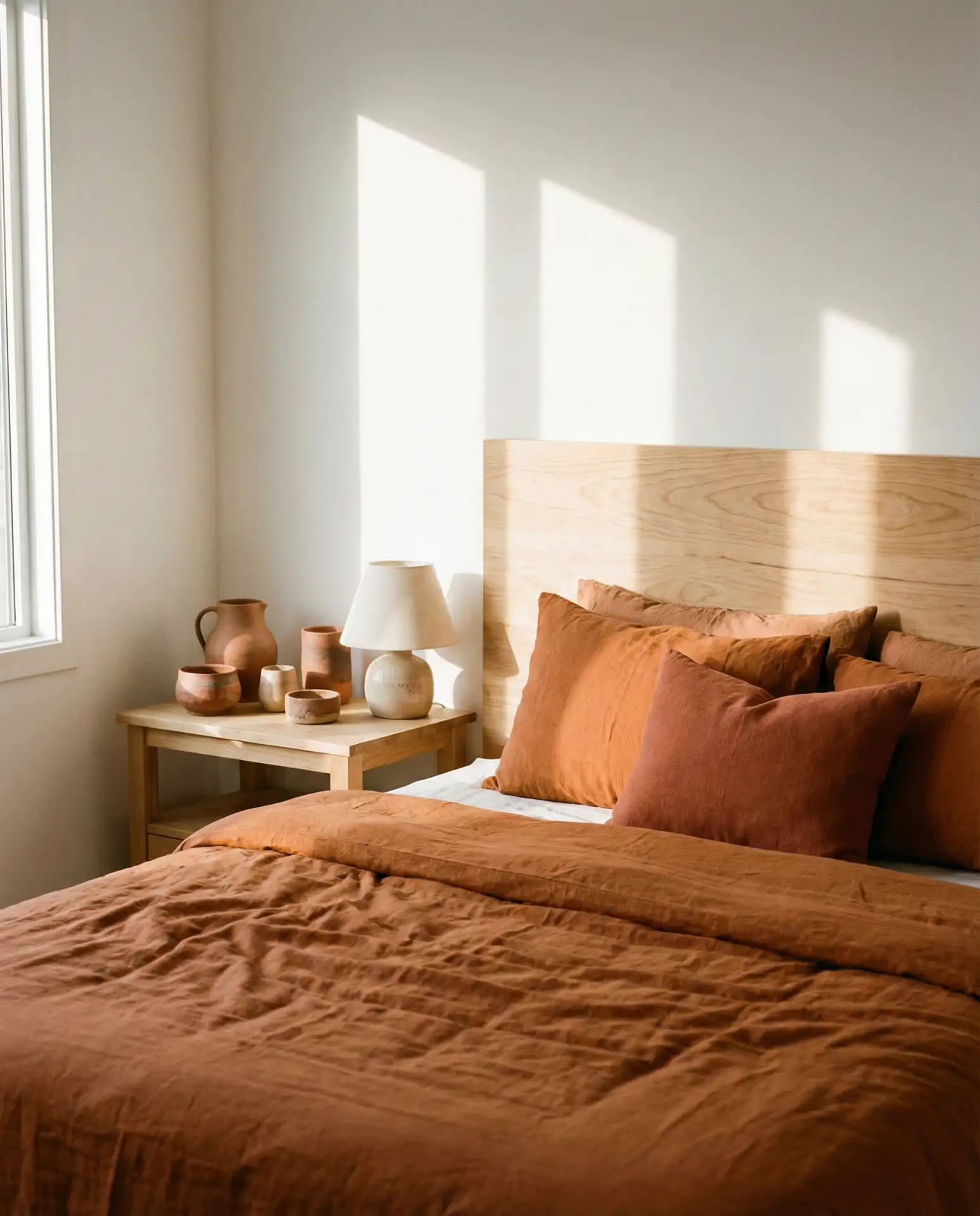
Avoid pairing this palette with cool-toned whites, which can make the orange look muddy. Stick to warm whites with a slight ivory or cream undertone to enhance the earthy, cohesive feel and keep the room from feeling disjointed.
19. White and Taupe Sophistication
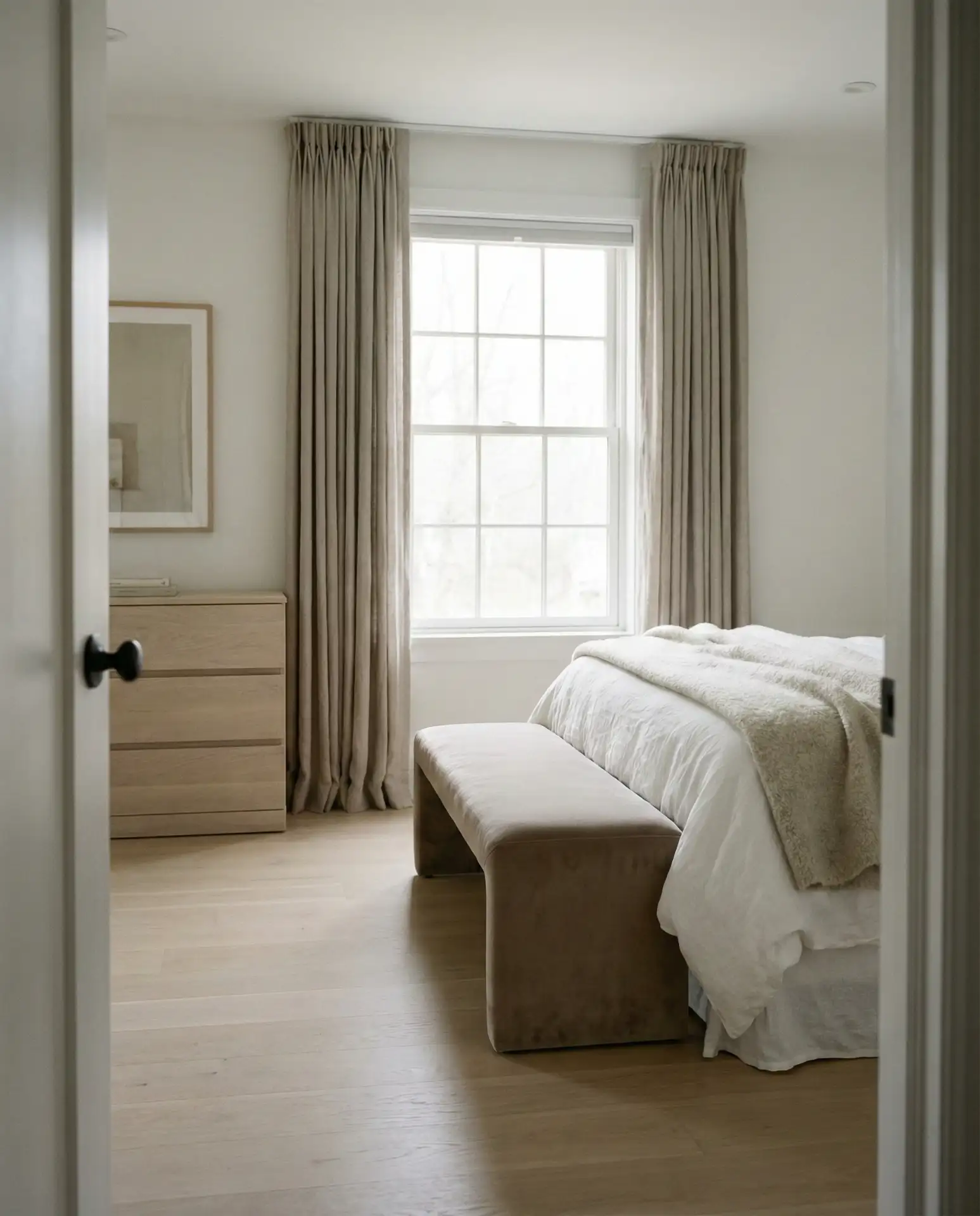
Layering white with grey and taupe tones creates a neutral palette that’s warmer than grey but more refined than beige. This combination is incredibly versatile and works in both traditional and contemporary spaces. Use taupe in upholstered furniture, area rugs, or window treatments to add depth and visual interest. The look is timeless and sophisticated, perfect for homeowners who want a calming bedroom that won’t feel dated in a few years.
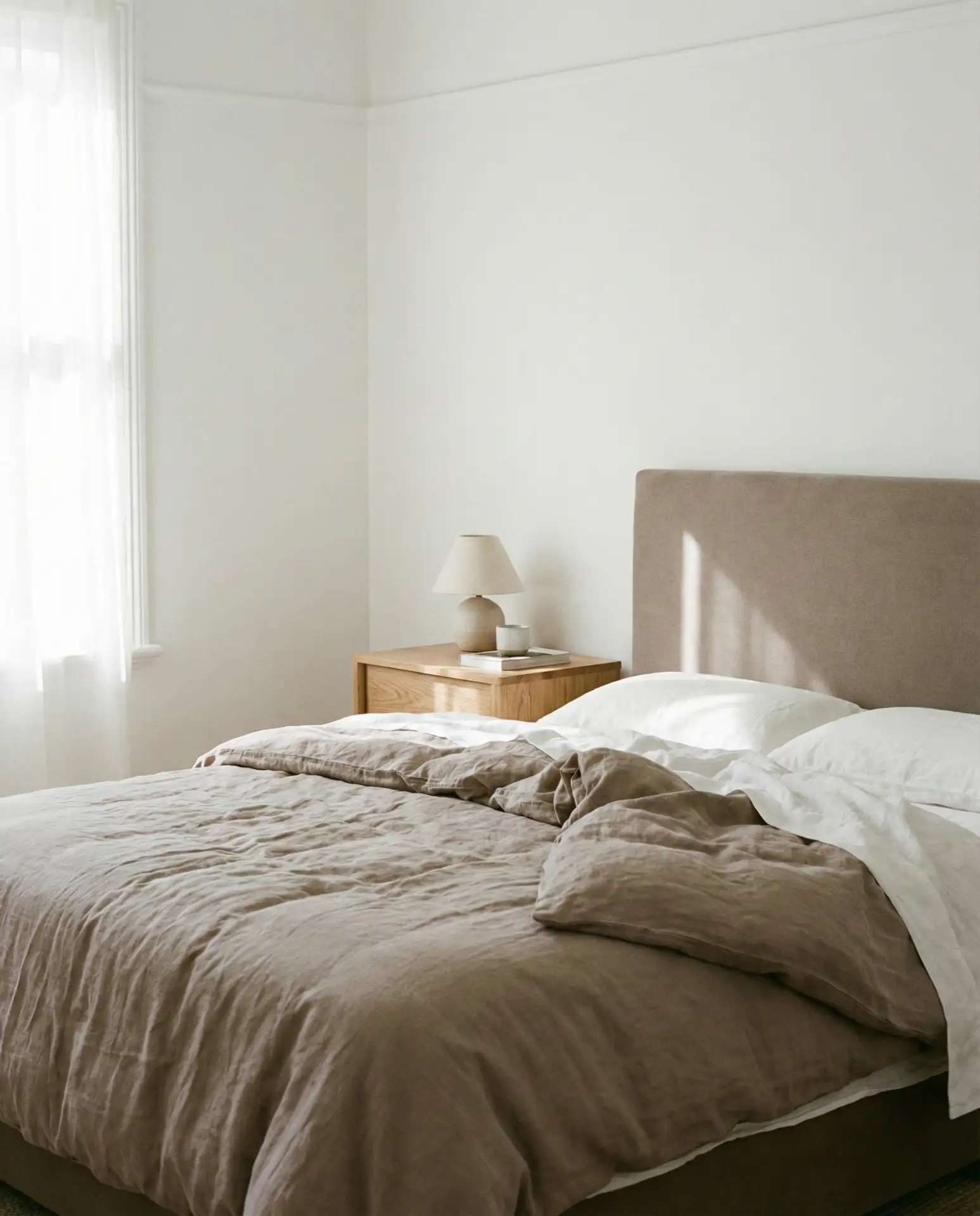
One common mistake is assuming taupe is always warm. Some taupes lean cool and can feel dingy against the wrong white. Test samples together and aim for taupes with a slight greige (grey-beige) quality that bridges both warm and cool tones for maximum flexibility.
20. White Bedroom with Textured Wallpaper
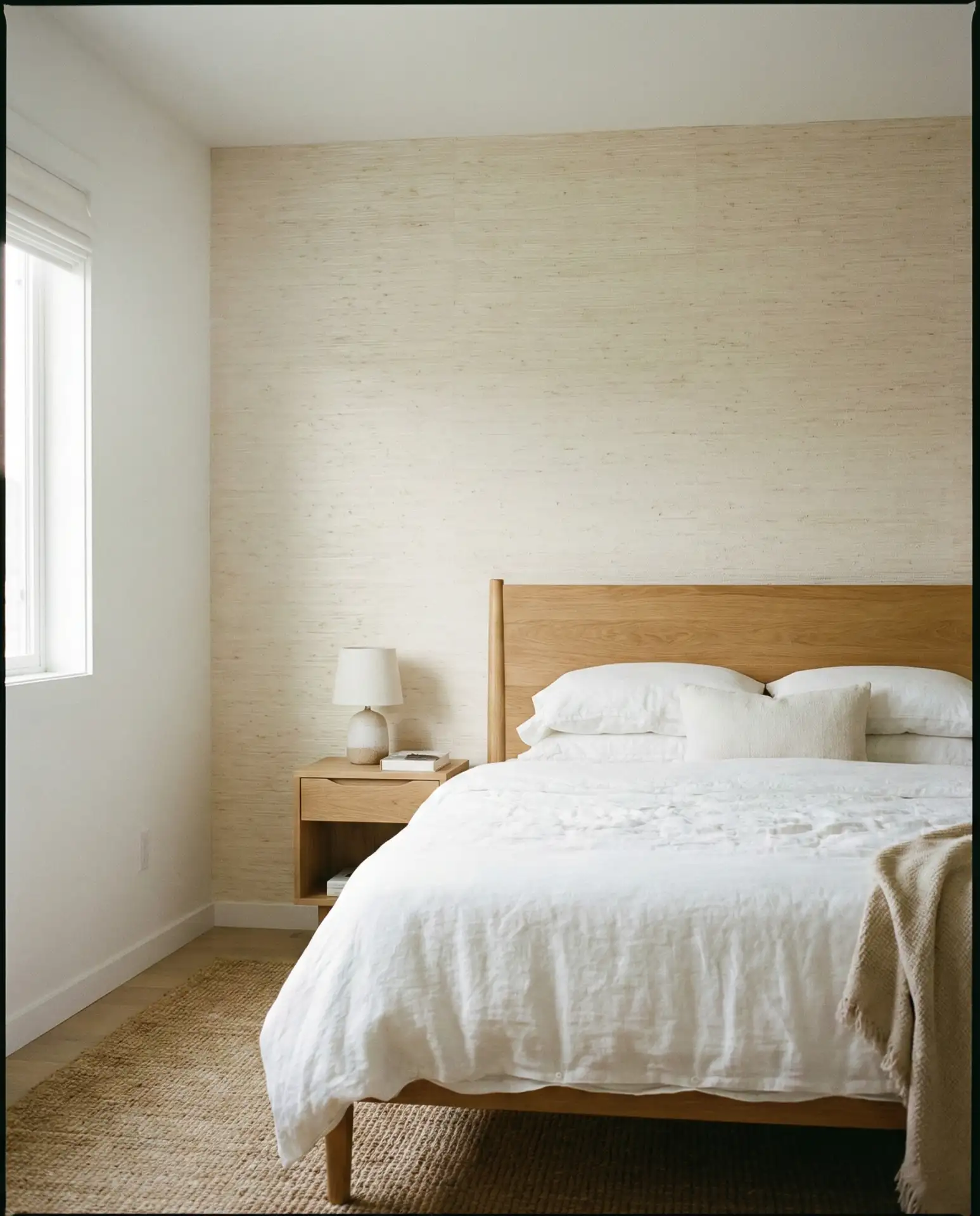
Adding textured white or off-white wallpaper creates dimension without introducing color, making it ideal for aesthetic bedrooms that want visual interest while staying neutral. Grasscloth, linen-textured paper, or subtle geometric patterns all work beautifully. This approach is especially effective on a single accent wall behind the bed, where it can serve as a soft focal point. The texture catches light throughout the day, creating subtle shifts in appearance.
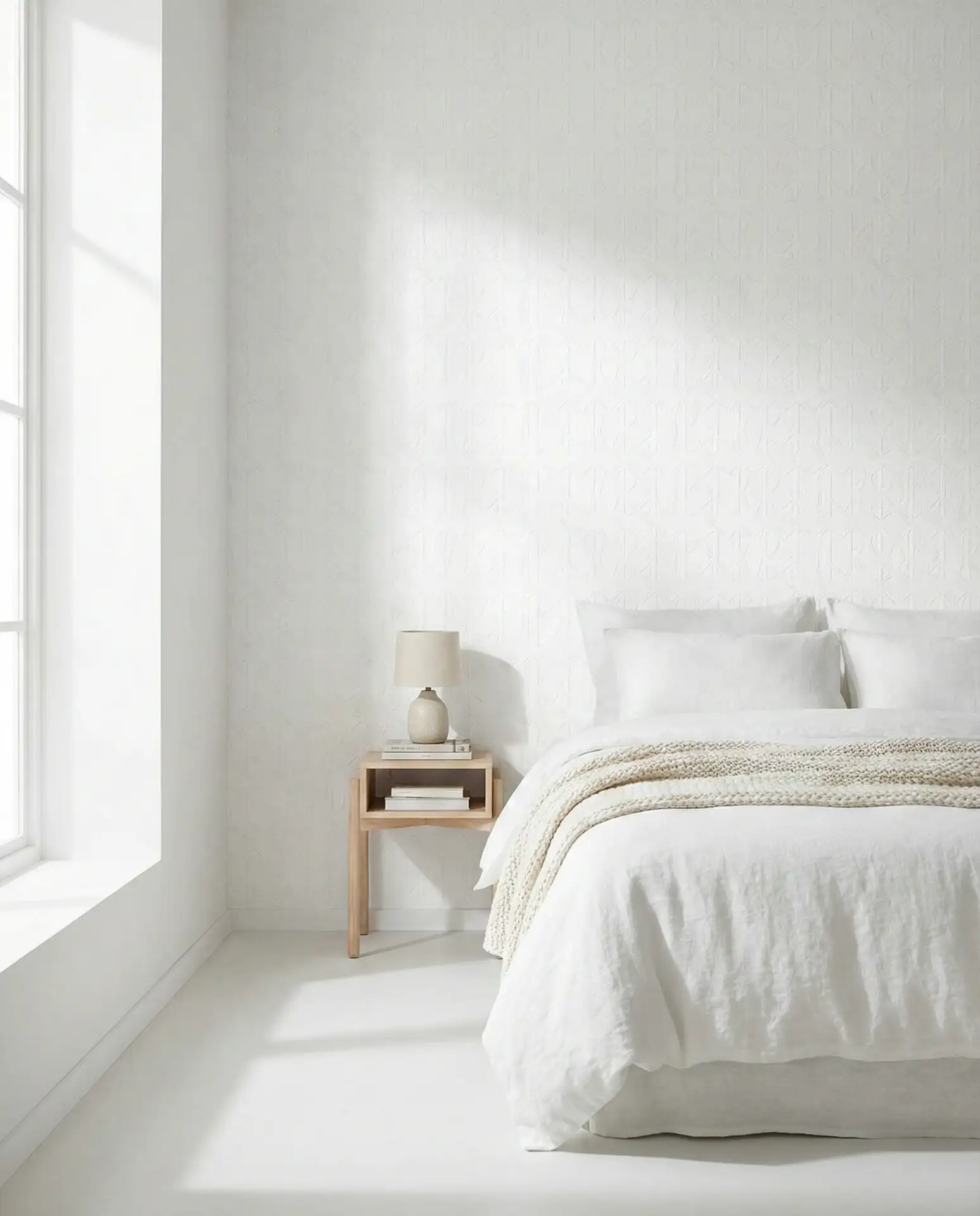
Textured wallpaper works best in bedrooms with good natural light, as the shadows and highlights bring the texture to life. In darker rooms, consider adding sconces or directional lighting to enhance the effect and prevent the wallpaper from looking flat or dull.
21. White and Charcoal Grey Bedding Layers
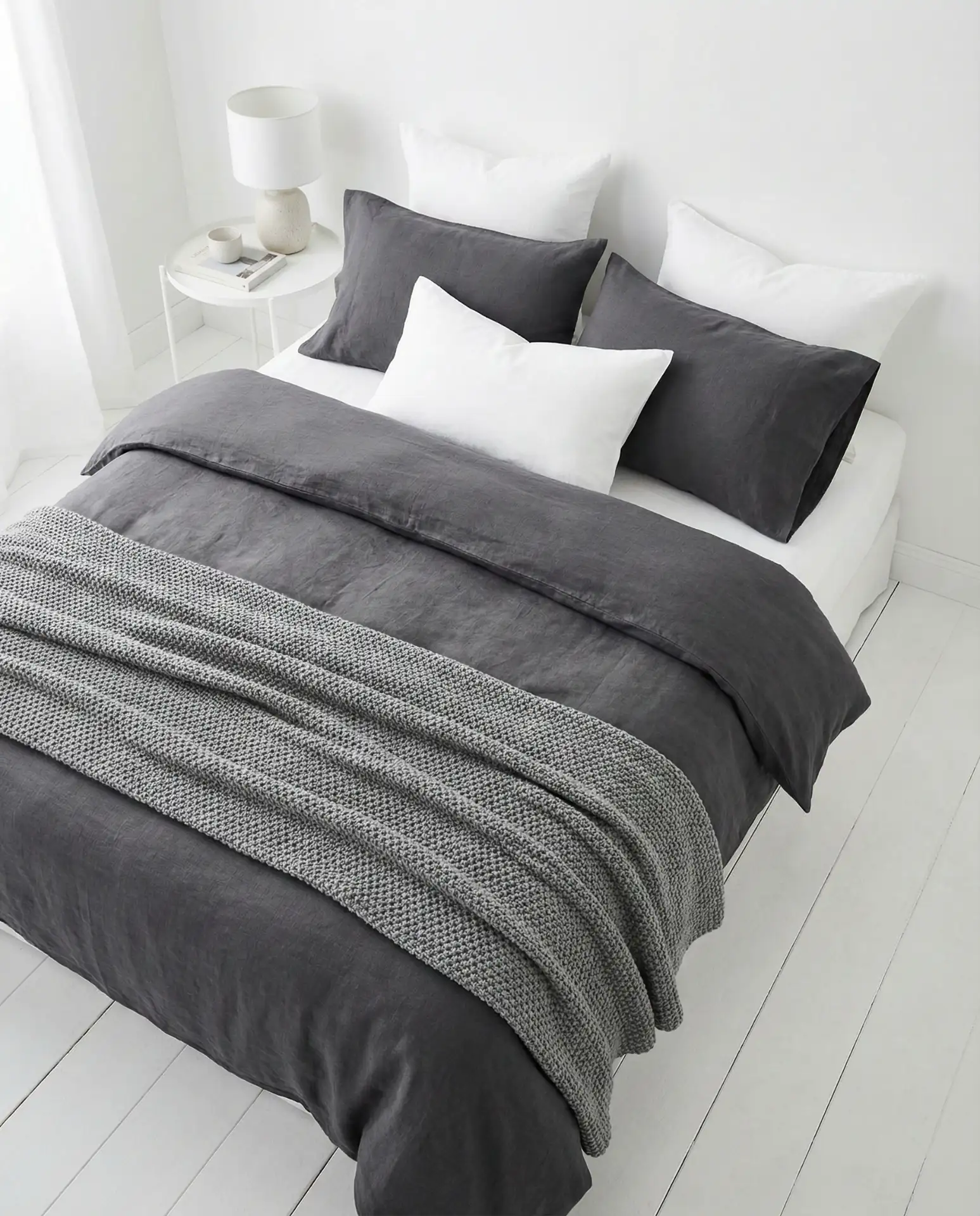
Layering grey-pink-free charcoal grey bedding with white sheets and pillowcases creates a hotel-inspired aesthetic that feels clean and intentional. This combination is especially popular in urban bedrooms where a polished, gender-neutral palette is desired. Use high-quality cotton or linen in both colors to enhance the luxurious feel, and keep the walls white to maintain brightness. The contrast is striking without being harsh.
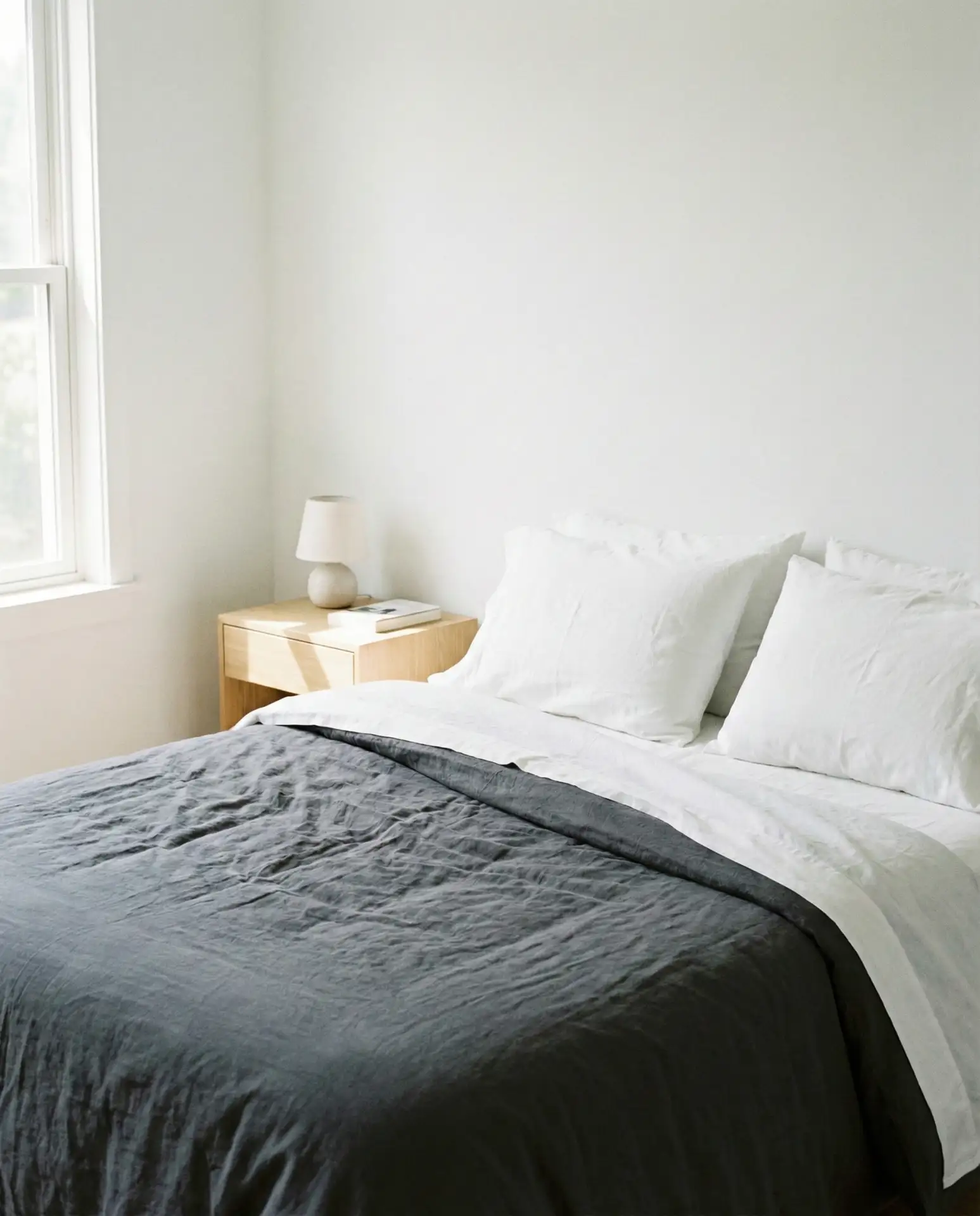
A friend who recently renovated her guest bedroom mentioned that this color scheme is incredibly low-maintenance—stains and wear are less visible on darker bedding, and the white walls keep the room feeling fresh and bright. It’s a practical choice for high-use spaces.
22. White Bedroom with Black Window Frames
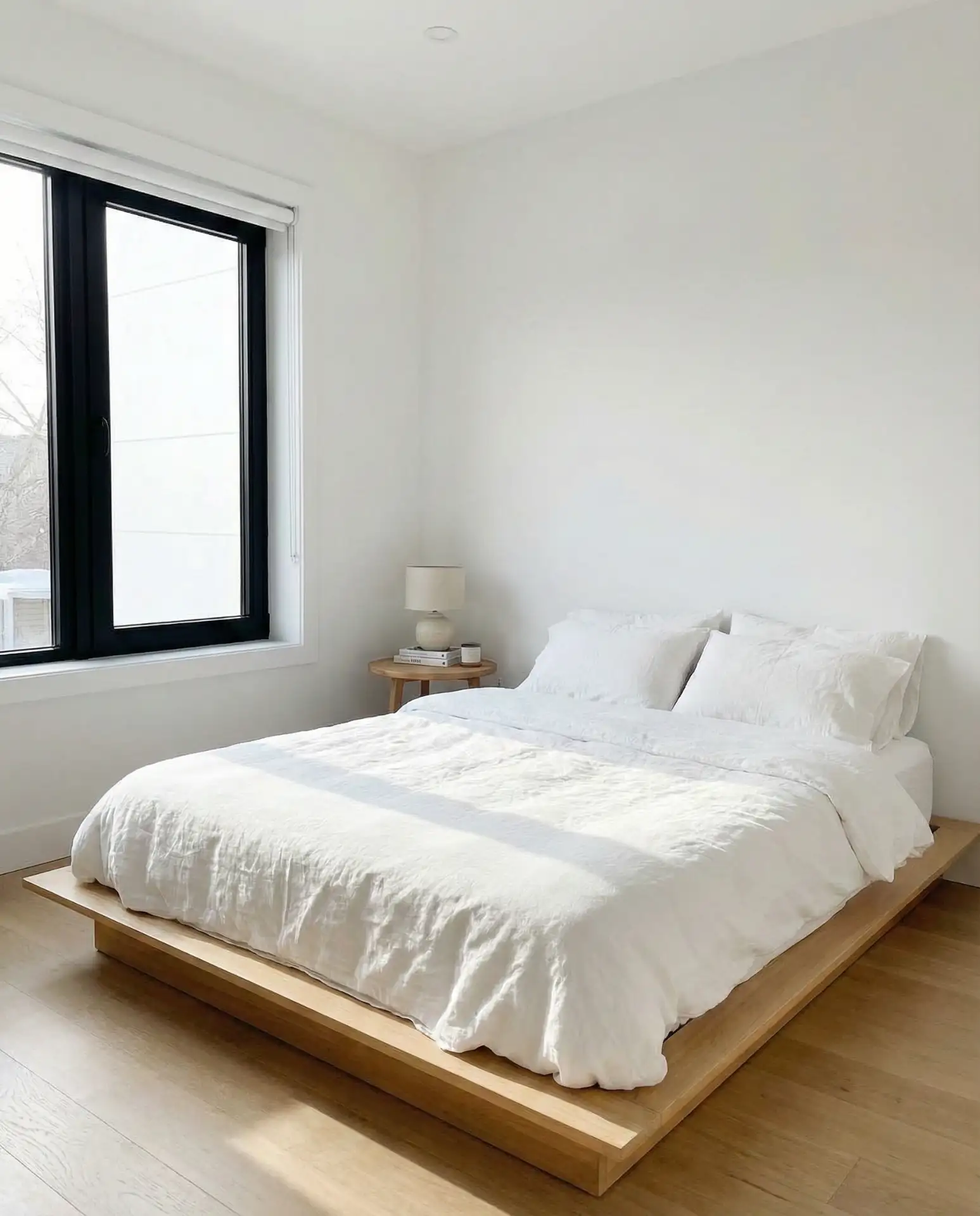
Pairing white walls with black and white window frames creates an architectural moment that feels both classic and contemporary. This detail is especially impactful in bedrooms with large or multiple windows, where the frames become a defining feature. The contrast draws the eye outward and frames views like living artwork. This approach works beautifully in both modern and traditional homes.
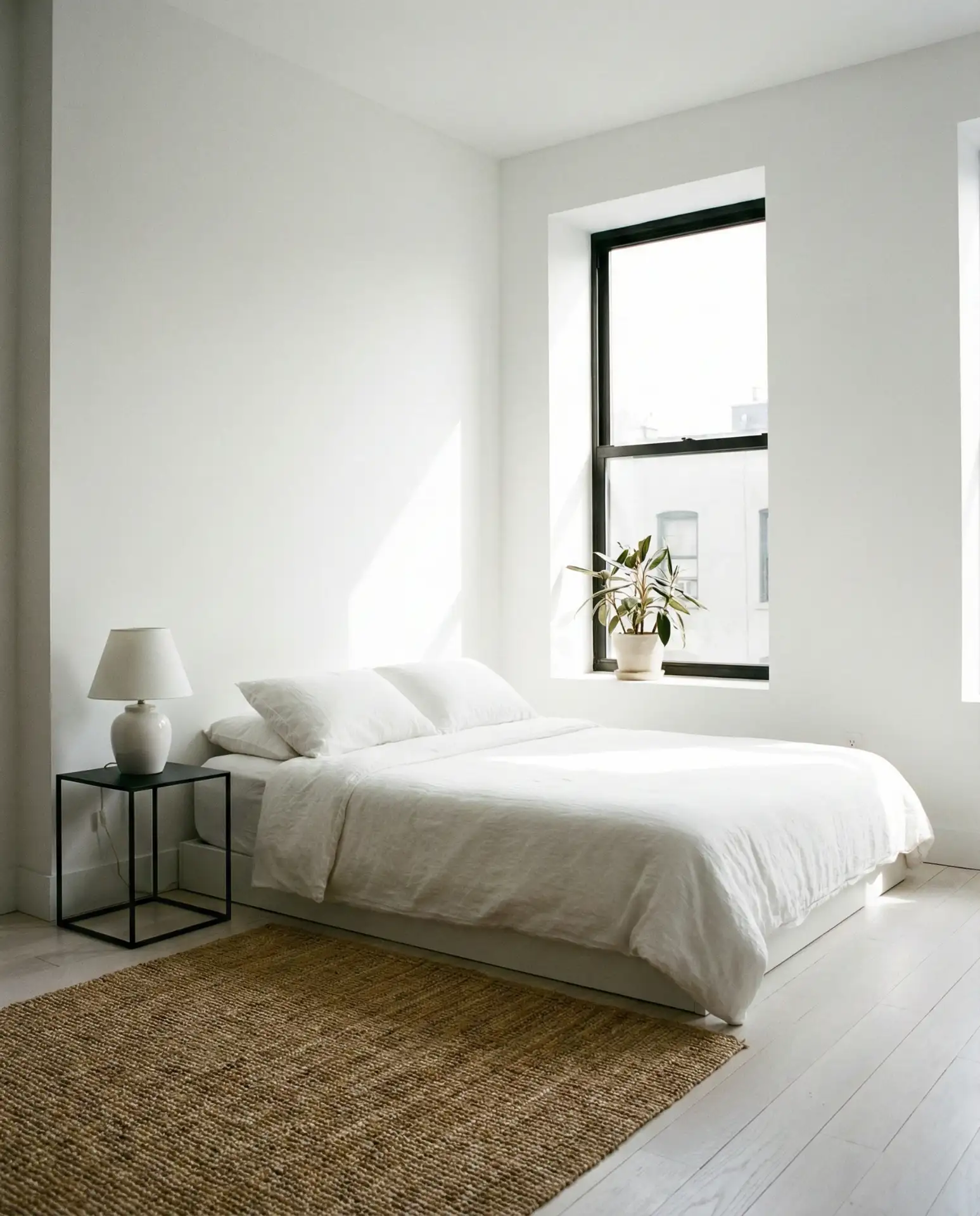
This design choice is popular in regions with beautiful natural views—California, the Pacific Northwest, and New England—where the window frames act as a literal frame for the landscape. Even in urban settings, the contrast makes the bedroom feel intentionally designed and thoughtfully detailed.
23. White and Multi-Color Eclectic Mix
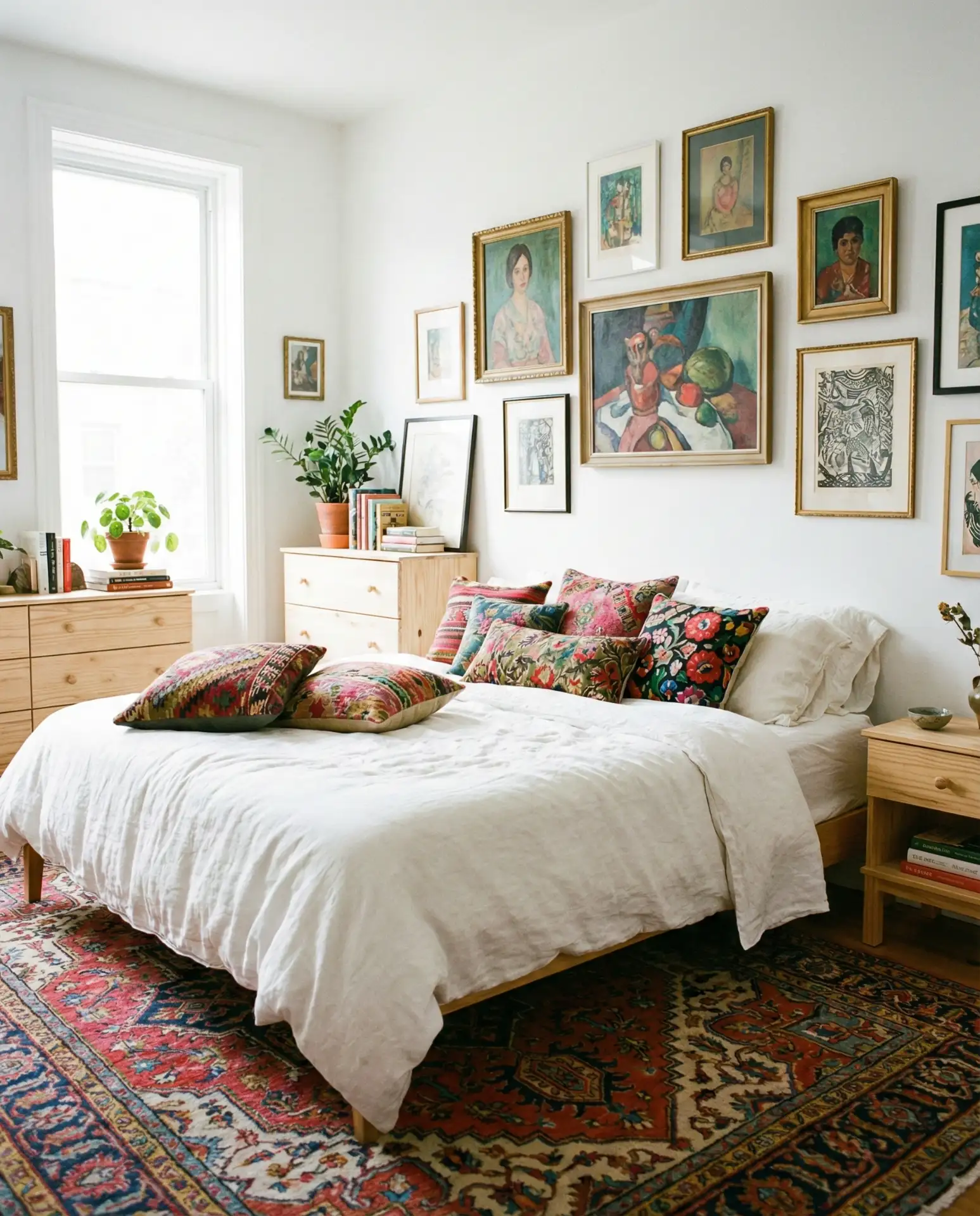
Using white as a base allows you to layer in multiple color accents without the room feeling chaotic or overwhelming. This approach is perfect for eclectic and bohemian bedrooms where personality and collected objects take center stage. Mix textiles in different hues—blue and green, pink, and yellow—and let white walls and linens act as the unifying element. The key is balancing the colors so no single tone dominates.
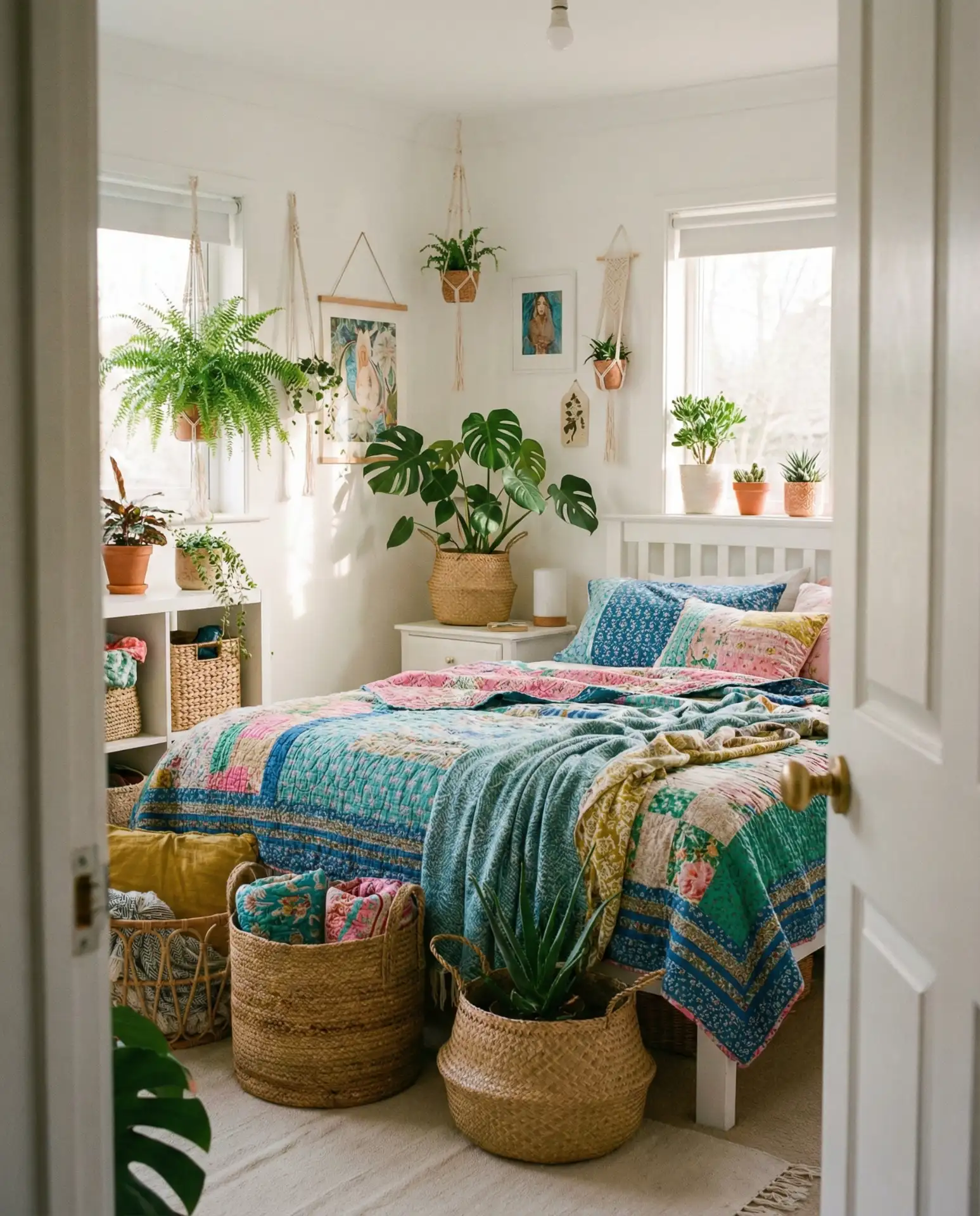
Homeowners who love this style often describe it as the most personal and comfortable bedroom approach because it allows for constant evolution. As you find new pieces or your tastes shift, you can easily swap out textiles and accessories without needing to repaint or make structural changes.
Conclusion
These white bedroom ideas for 2026 offer something for every style and budget, from minimalist Scandinavian simplicity to bold eclectic mixes. The beauty of a white foundation is its flexibility—you can refresh the look with new textiles, swap out accent colors, or layer in new textures without starting from scratch. Share your favorite approach in the comments below, and let us know which combination you’re planning to try in your own space.