In 2026, tiny bedrooms are having a major moment—especially for renters, first-time homeowners, and anyone embracing downsized living across American cities and suburbs. Pinterest is flooded with searches for clever layouts, storage hacks, and dreamy aesthetics that prove small doesn’t mean sacrificing style or comfort. Whether you’re furnishing a studio apartment in Brooklyn, a kids’ room in a suburban ranch, or a cozy retreat in a Southern bungalow, the right design choices can transform even the tiniest space into a serene, functional sanctuary. This guide brings you fresh, actionable ideas that blend smart planning with real-world style—no fluff, just inspiration you can actually use.
1. Dark Cozy Walls That Expand the Space
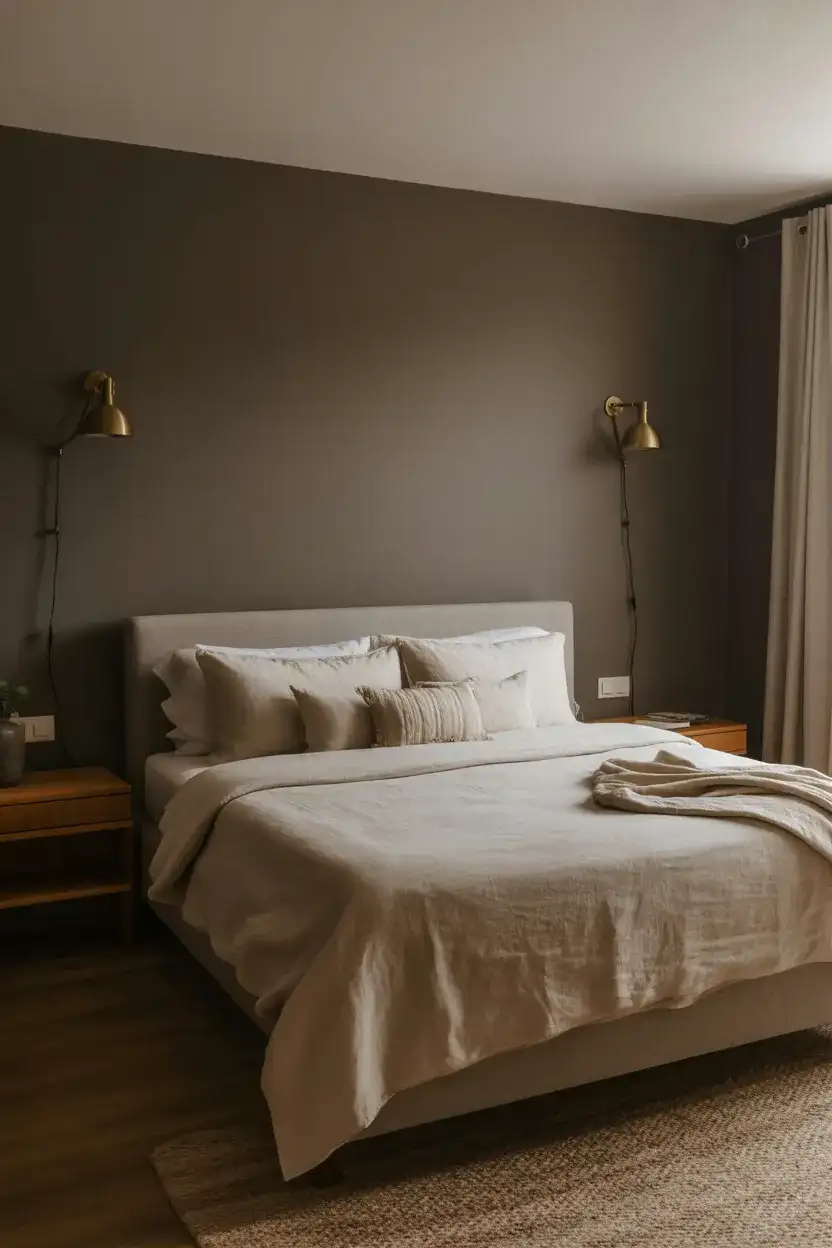
Painting a tiny bedroom in deep, moody tones like charcoal, navy, or forest green might sound counterintuitive, but it actually makes walls recede and creates a cozy aesthetic cocoon. The trick is pairing dark paint with warm lighting—think brass sconces or Edison bulbs—and light-colored bedding to keep things from feeling cave-like. This approach works especially well in couples’ bedrooms where intimacy and warmth are priorities, and it’s been trending hard on Pinterest for 2026.
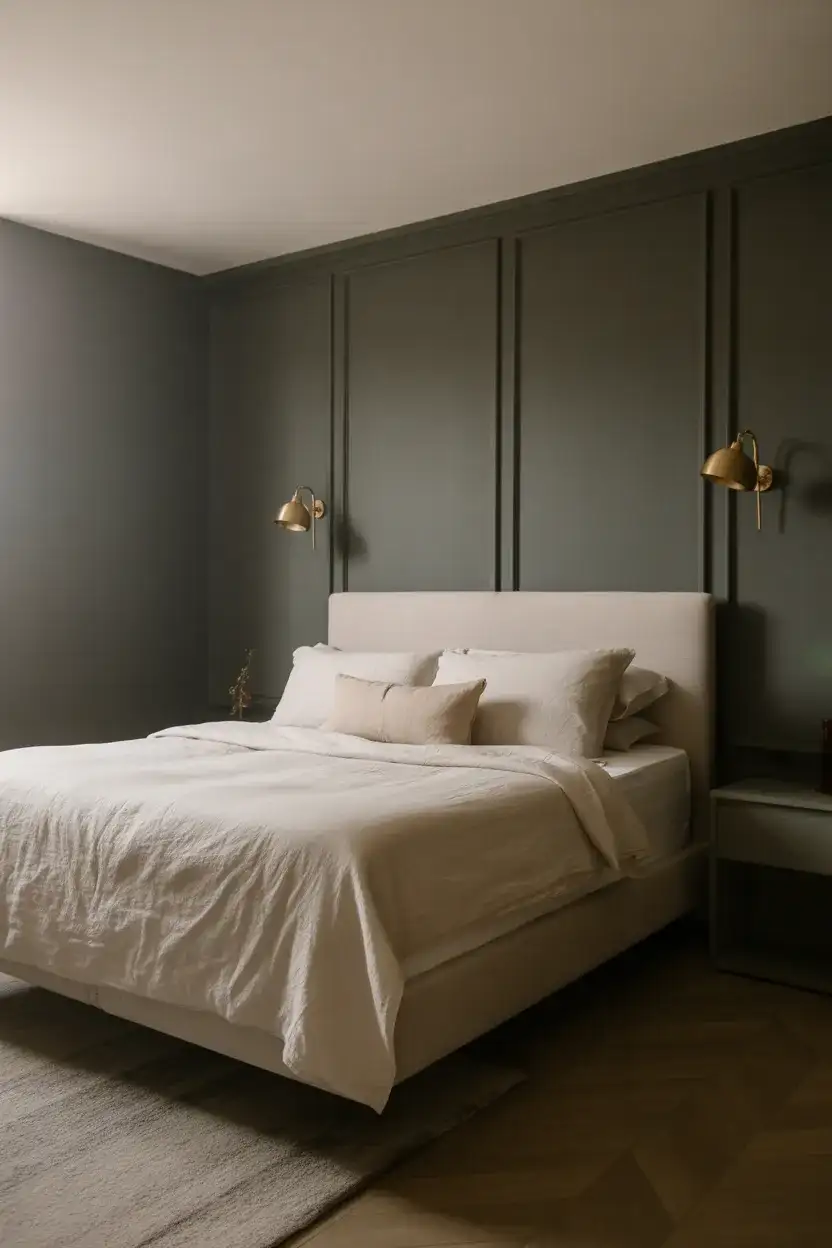
Where this works best: apartments with limited natural light, where leaning into the darkness creates a restful vibe rather than fighting it. Many renters in cities like Chicago and Seattle are embracing this look because it hides imperfections and makes mismatched furniture feel more cohesive. Just keep artwork and decor light in tone to maintain balance.
2. Built-In Wardrobe With Sliding Doors
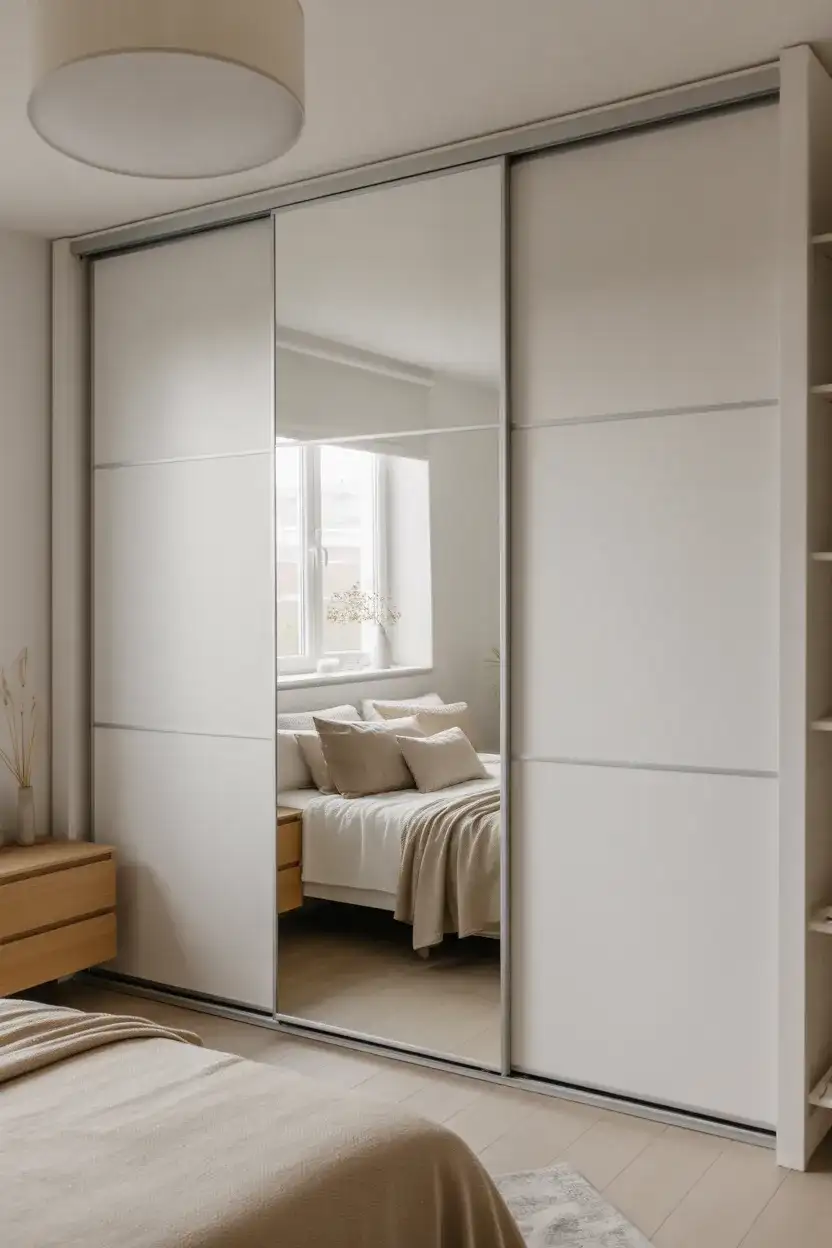
A floor-to-ceiling wardrobe with sliding mirrored or frosted glass doors is a game-changer in a tiny bedroom, especially when you’re working with awkward angles or zero closet space. Sliding doors save the swing clearance that traditional doors demand, and mirrored panels visually double the room. Custom or semi-custom options from IKEA PAX systems let you tailor shelf heights, hanging rods, and drawer inserts to fit your exact needs without breaking the bank.
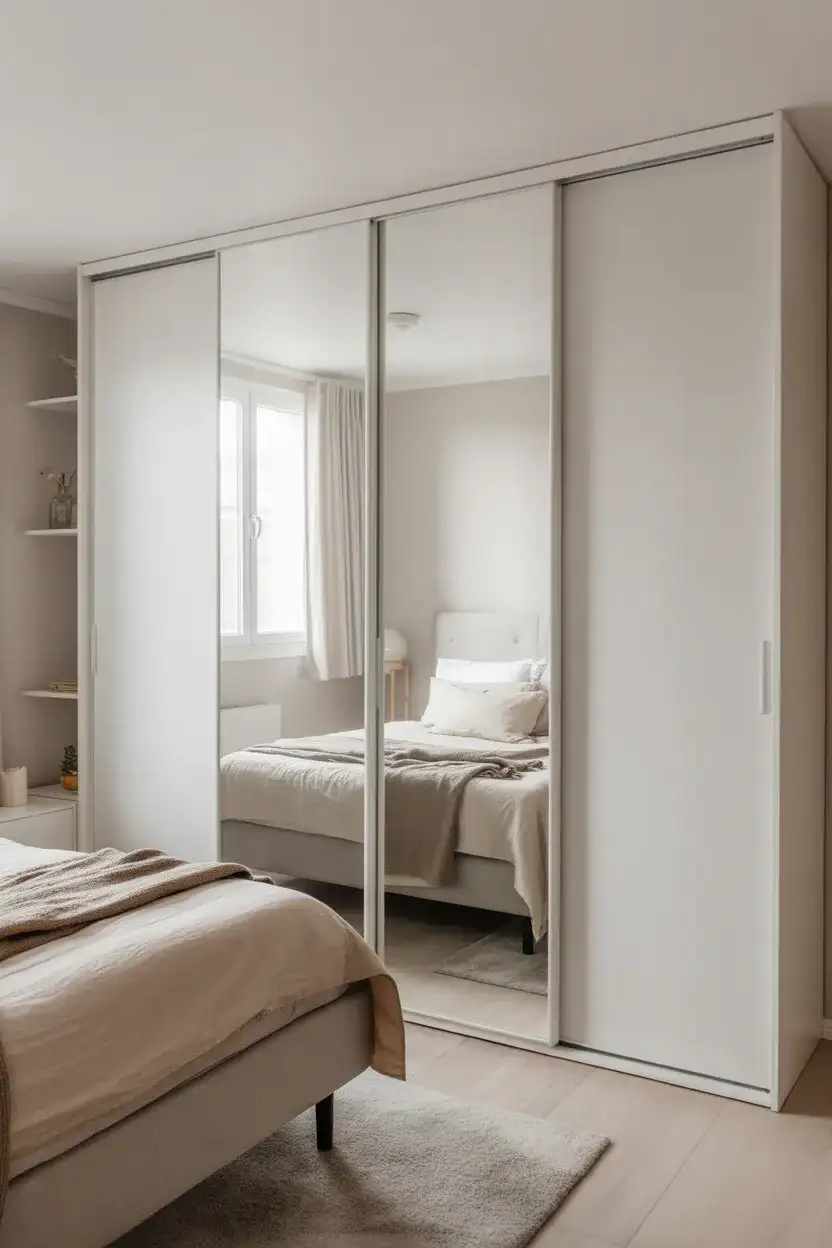
Budget angle: IKEA’s PAX wardrobe frames start around $200, and you can add custom fronts or even DIY painted plywood doors to keep costs under $600 total. That’s a fraction of what custom carpentry runs, and you get modular flexibility to reconfigure as your storage needs change. Many American renters install these, knowing they can disassemble and take them to the next apartment.
3. Lofted Bed Over Desk Zone
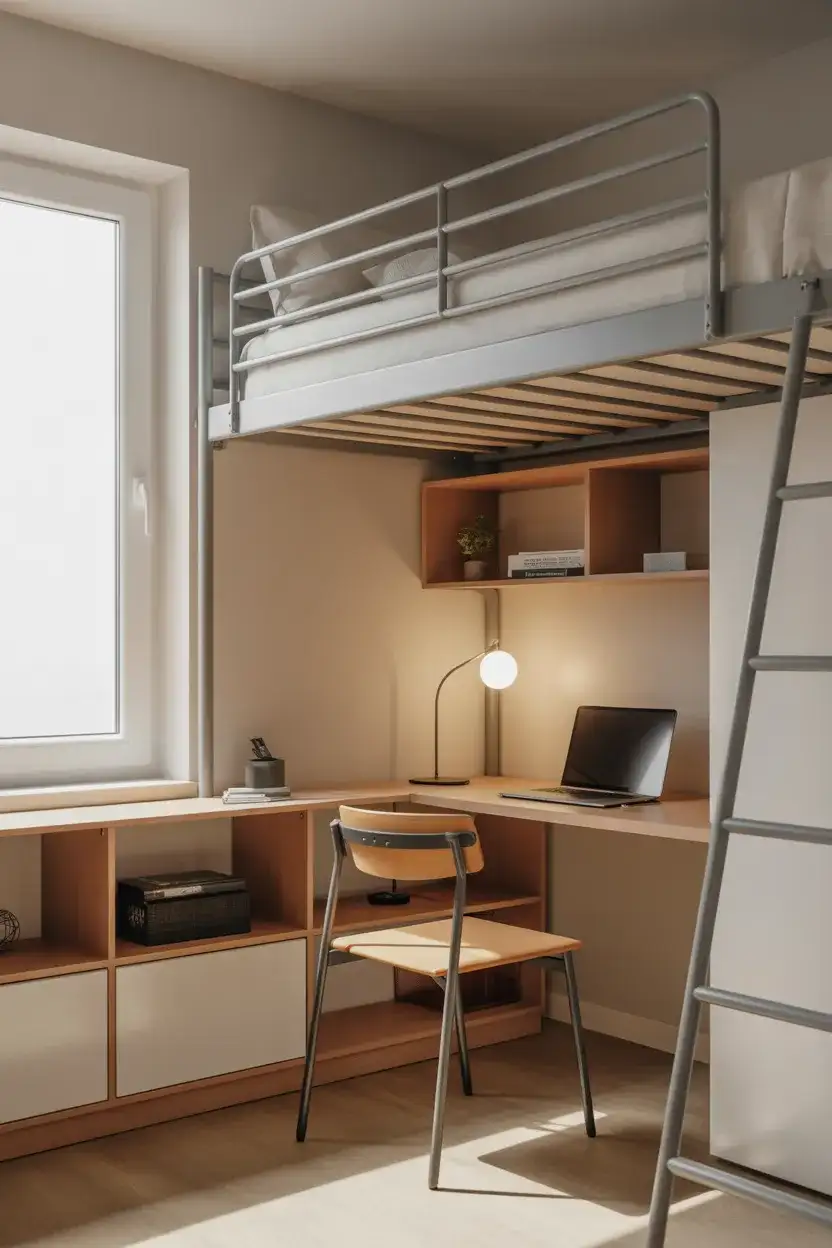
Elevating the bed on a sturdy loft frame opens up precious floor space underneath for a compact desk setup—perfect for remote workers, students, or anyone who needs a home office in a super tight footprint. This layout is especially popular in studio apartments and children’s rooms, where vertical space is underutilized. Just make sure the ceiling height is at least 8 feet so you don’t feel cramped when sitting up in bed, and invest in a quality ladder or stair unit for safe, comfortable access.
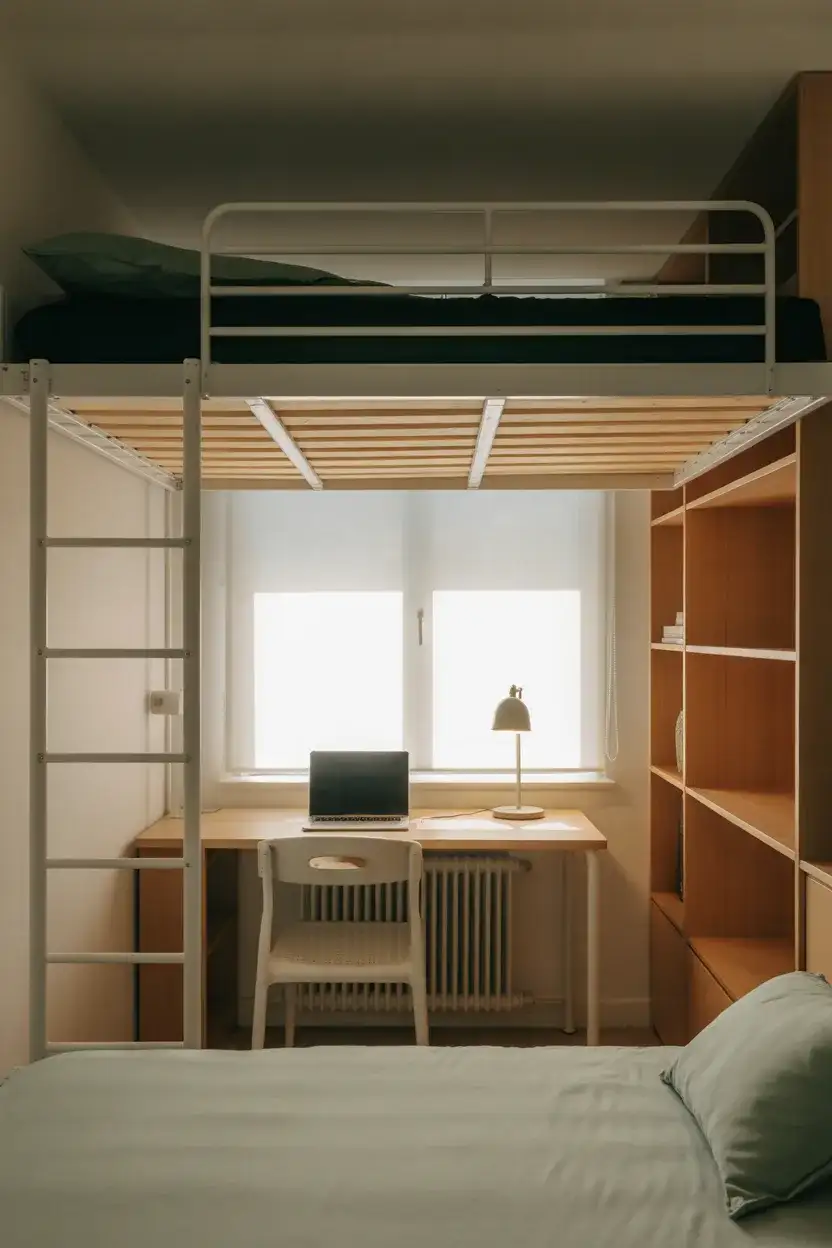
Common mistake: choosing a flimsy loft that wobbles or creaks. Invest in a solid wood or welded steel frame rated for adult weight, even if it’s for a kid—cheap particleboard units rarely last more than a year of daily use. Also, consider blackout curtains or a light canopy around the loft to create privacy and block morning light if you’re a late sleeper.
4. Murphy Bed With Fold-Down Desk
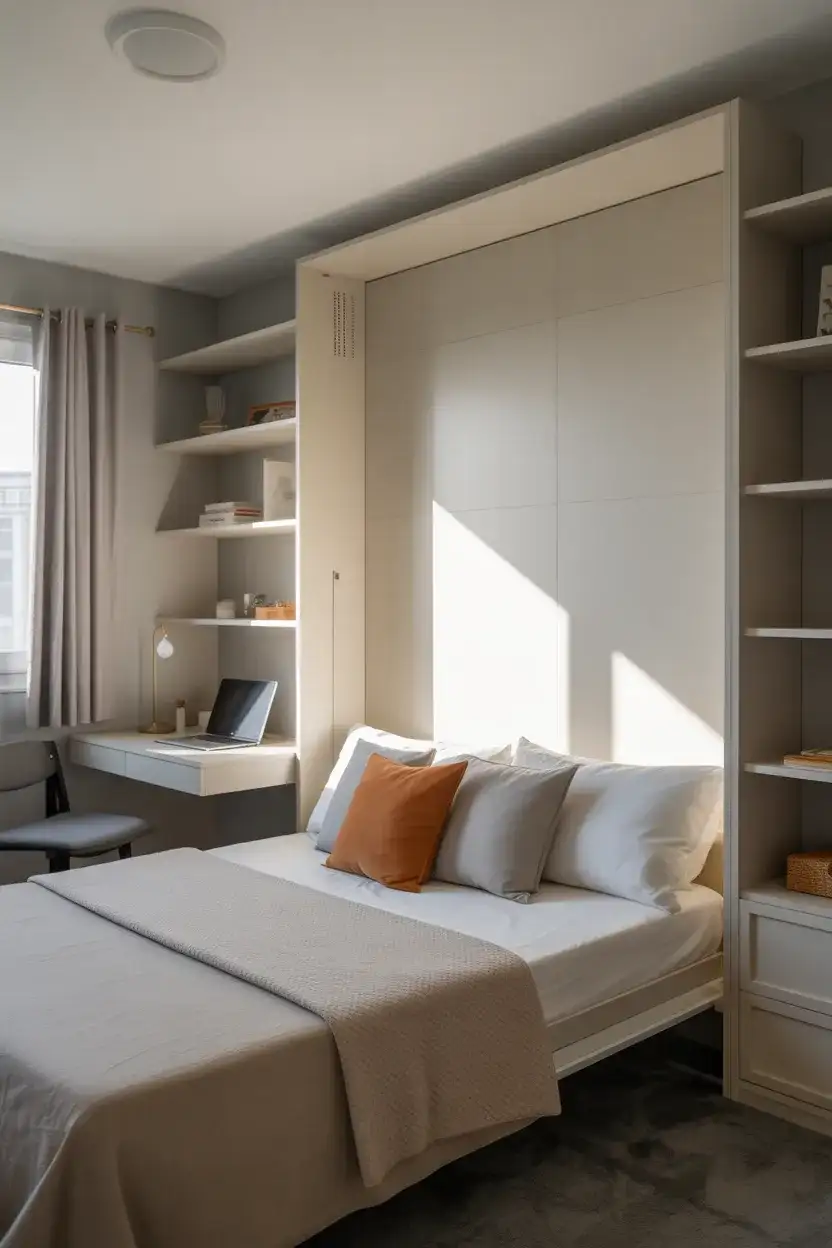
A wall-mounted Murphy bed that folds up to reveal a desk surface is the ultimate multitasker for extremely small spaces, like micro-studios or guest rooms that double as home offices. During the day, you work at the desk; at night, you fold it up and pull the bed down. Modern Murphy systems come with integrated shelving, built-in lighting, and hydraulic lifts that make the transition effortless—no wrestling with springs like your grandparents did.
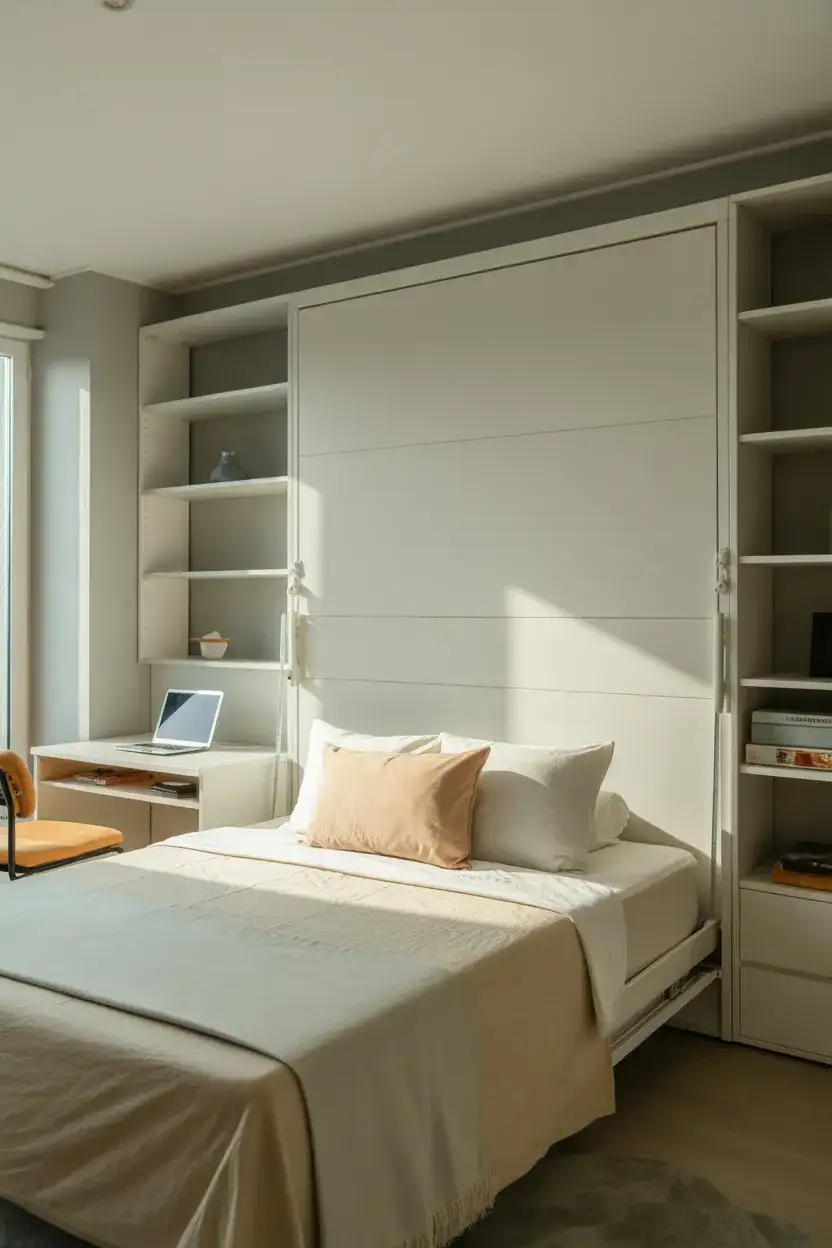
Expert-style commentary: designers recommend units with a mattress depth of 10–12 inches max to ensure smooth folding. Thicker pillow-tops can jam the mechanism or require extra clearance. Also, anchor the unit to wall studs, not just drywall—this is crucial for safety and longevity, especially in earthquake-prone regions like California.
5. Under-Bed Drawer Storage for Couples
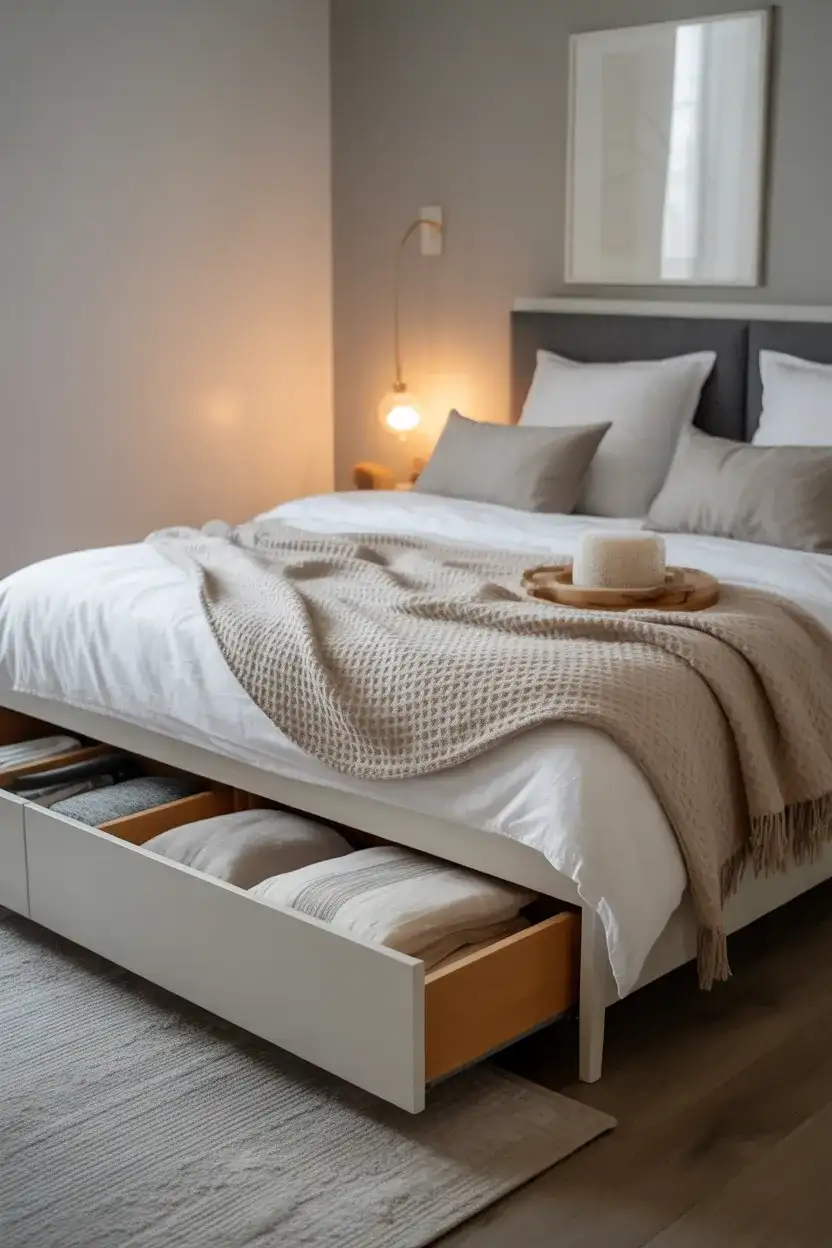
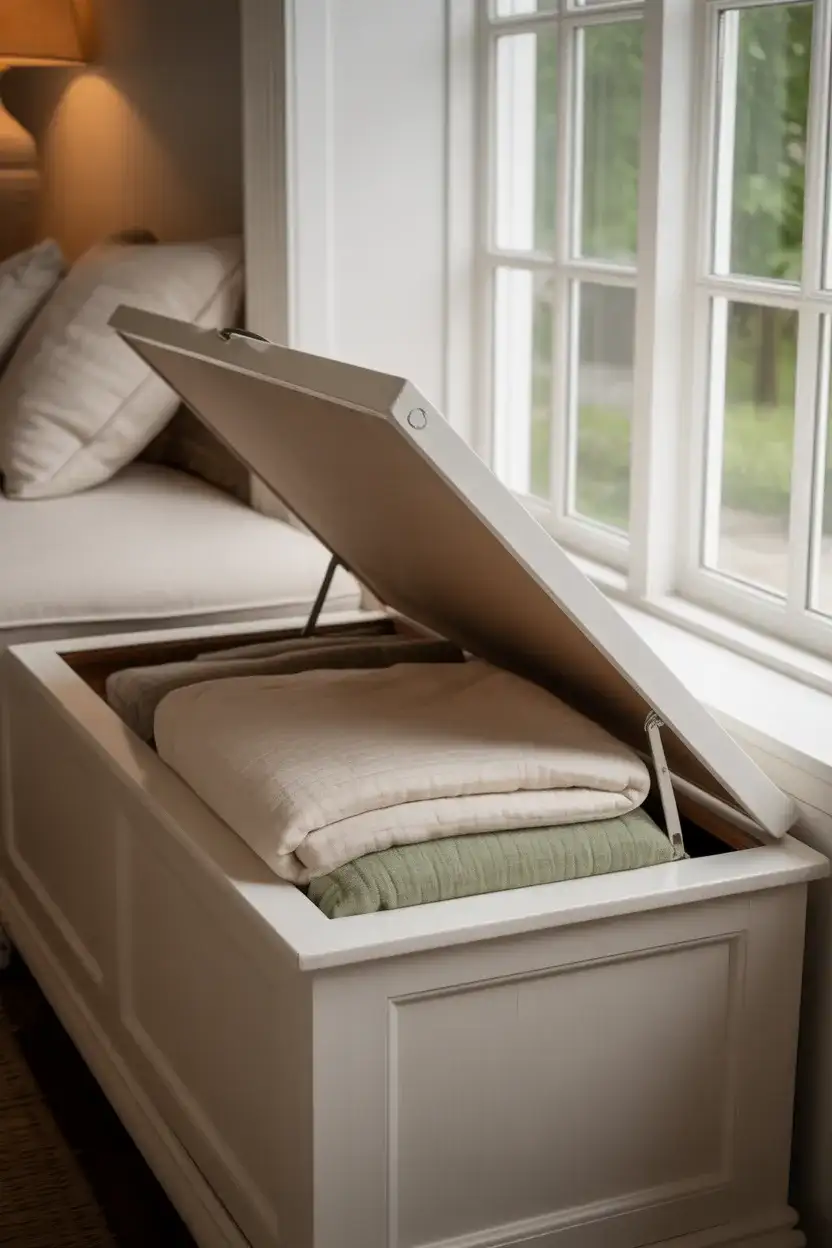
Platform beds with built-in drawers underneath are a lifesaver for couples sharing a tiny bedroom with minimal closet space. These drawers are perfect for storing out-of-season clothes, extra linens, shoes, or gym gear—things you need but don’t access daily. Look for beds with smooth glide hardware and drawer dividers so you’re not rummaging through a chaotic pile. This setup keeps clutter hidden and surfaces clear, which is essential for maintaining a cozy, relaxing vibe.
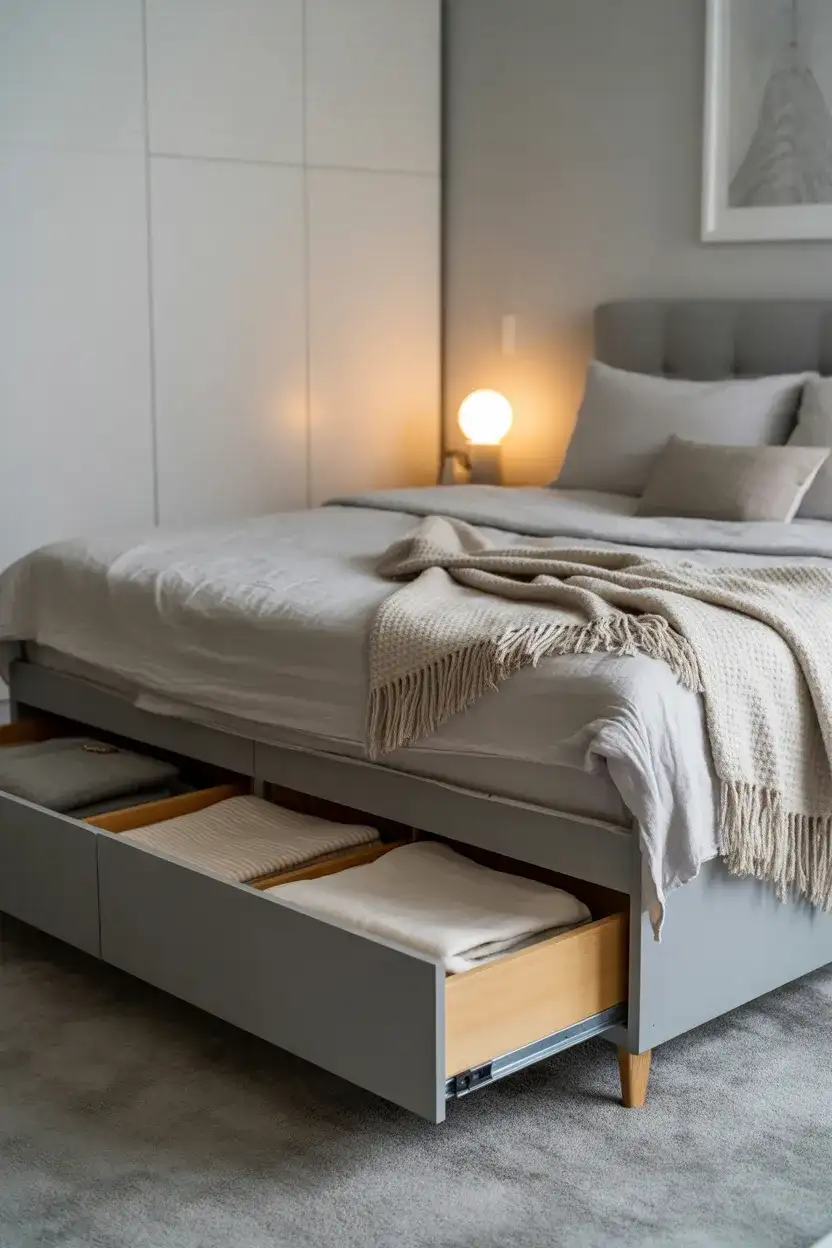
Real homeowner behavior: many couples assign one drawer per person to avoid morning chaos. It sounds simple, but this small organizational tweak prevents arguments over misplaced items and keeps the system sustainable long-term. Cedar drawer liners are also popular for protecting woolens from moths without adding bulk.
6. Floating Nightstands to Open Floor Space
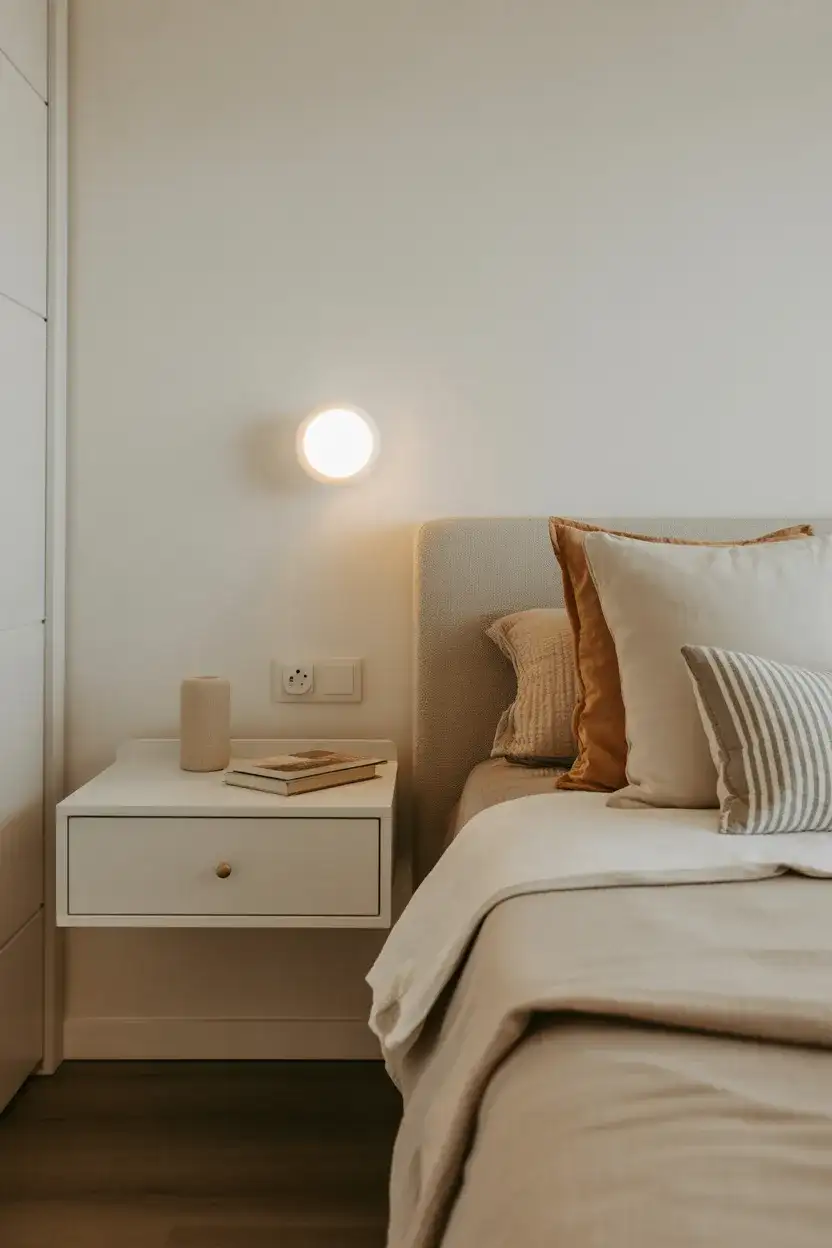
Wall-mounted floating nightstands eliminate bulky legs and free up floor space, making a tiny bedroom feel airier and easier to navigate. They’re especially useful in narrow rooms where every inch counts, and they create a modern, streamlined look that pairs beautifully with aesthetic minimalist styles. Install them at mattress height or slightly higher, and choose models with a small drawer or cubby to corral phone chargers, reading glasses, and late-night essentials.
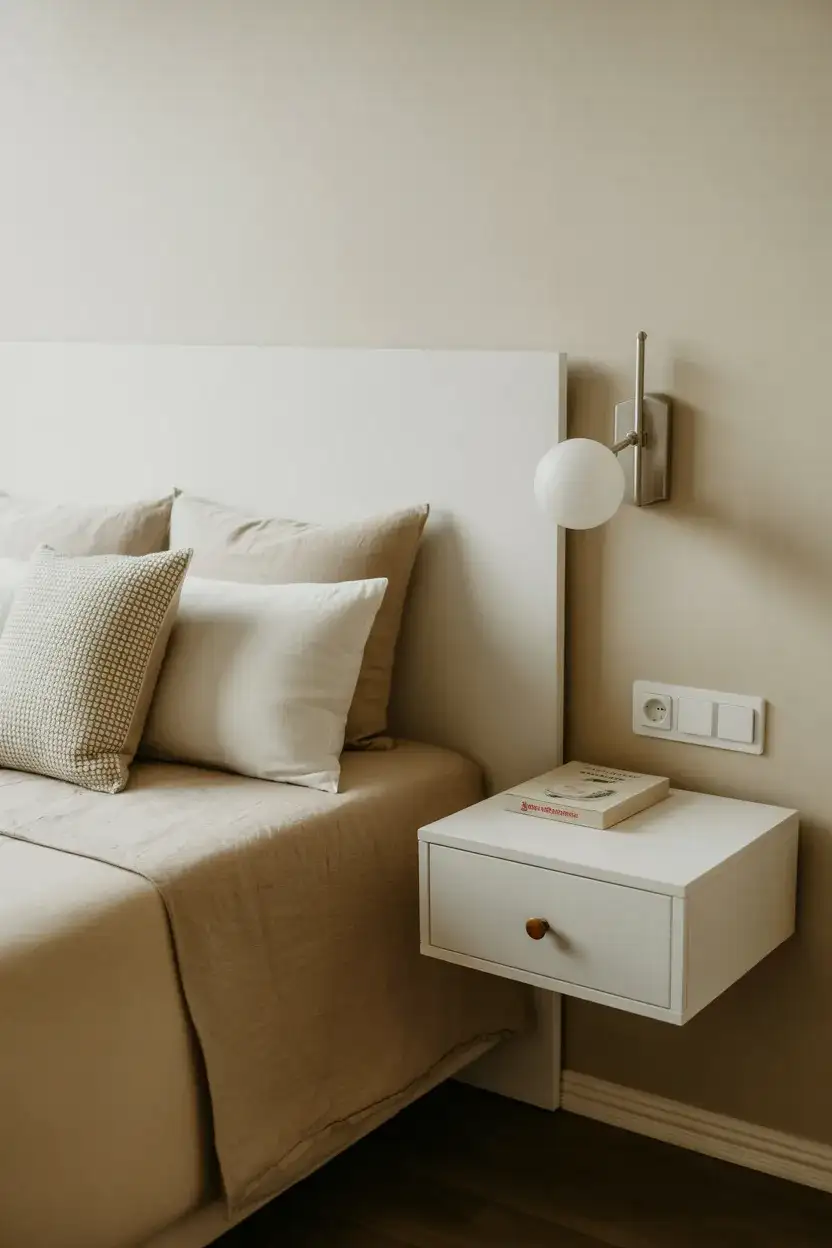
Practical insight: use a stud finder and heavy-duty wall anchors rated for at least 50 pounds to ensure your nightstand doesn’t sag or pull away from the wall. If you’re renting and can’t drill, adhesive-mount shelves exist but are best for lightweight decor only—not lamps or stacks of books.
7. Vertical Shelving for Extra Storage
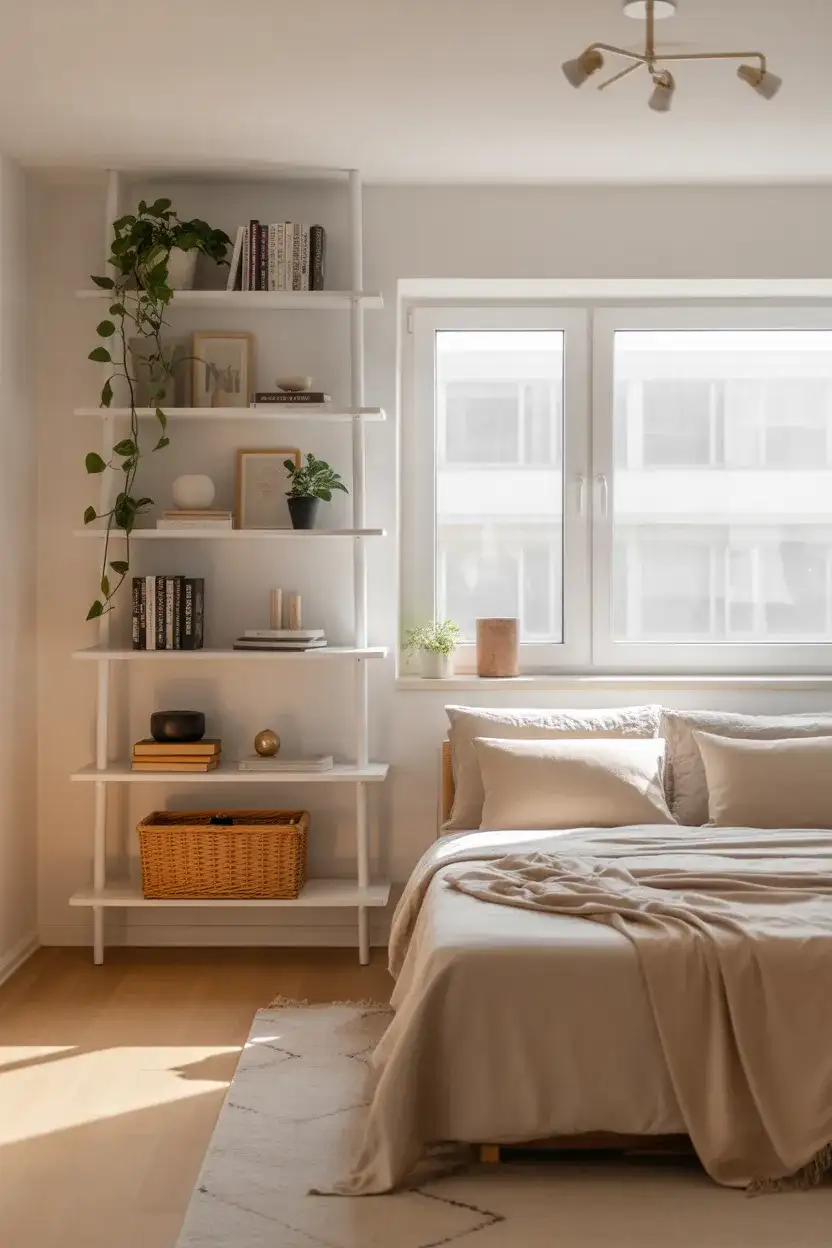
Installing tall, narrow shelving units—think floor-to-ceiling ladder shelves or IKEA BILLY bookcases—makes the most of vertical real estate in a tiny bedroom. These units provide extra storage for books, plants, baskets of accessories, and decorative objects without hogging floor space. In children’s rooms, they’re perfect for toy bins and school supplies; in adult spaces, they showcase personal style while keeping clutter contained. Paint them the same color as your walls for a built-in look, or choose natural wood for warmth.
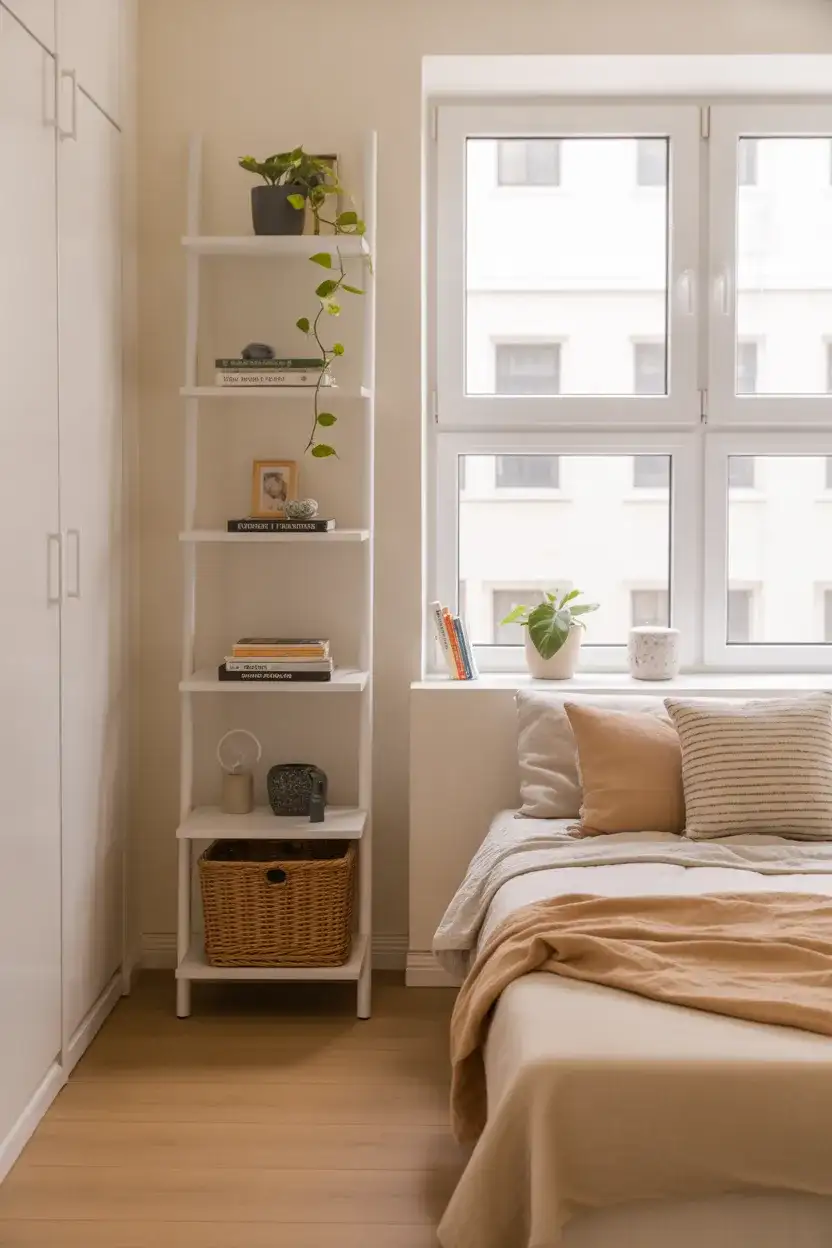
American lifestyle context: in Midwest ranch homes and Southern bungalows, ceilings are often only 7–8 feet, so standard 6-foot bookcases work great without overwhelming the room. In newer West Coast condos with 9–10 foot ceilings, floor-to-ceiling units really shine and draw the eye upward, making the space feel taller.
8. Bunk Beds for Two Sisters
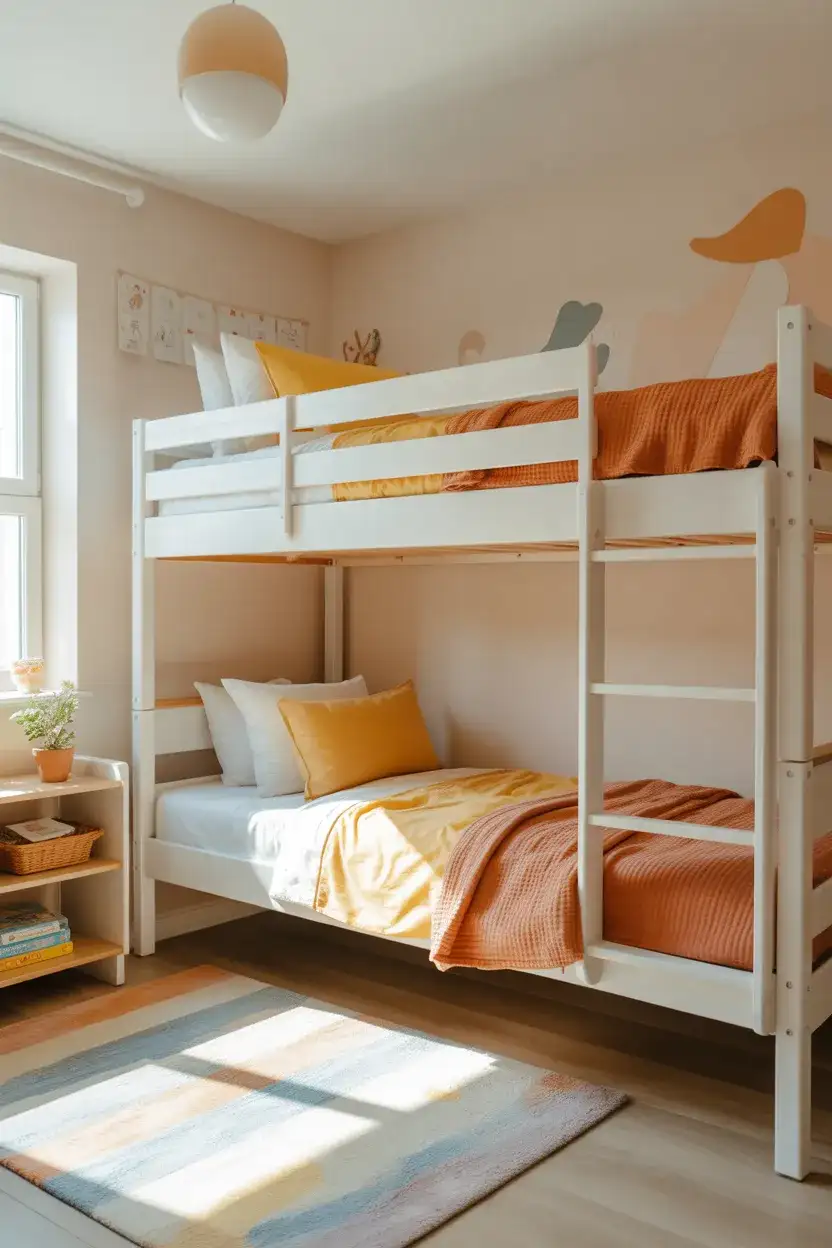
A classic bunk bed is the go-to solution for 2 sisters sharing a tiny bedroom, freeing up floor space for dressers, desks, or a shared play area. Modern bunk designs come in solid wood, metal, or hybrid frames with safety rails, built-in ladders, and even attached storage drawers. Choose twin-over-twin for younger kids or twin-over-full if one sibling is older and needs more sleeping space. Personalize each bunk with different bedding, string lights, or clip-on shelves so each sister has her own mini zone.
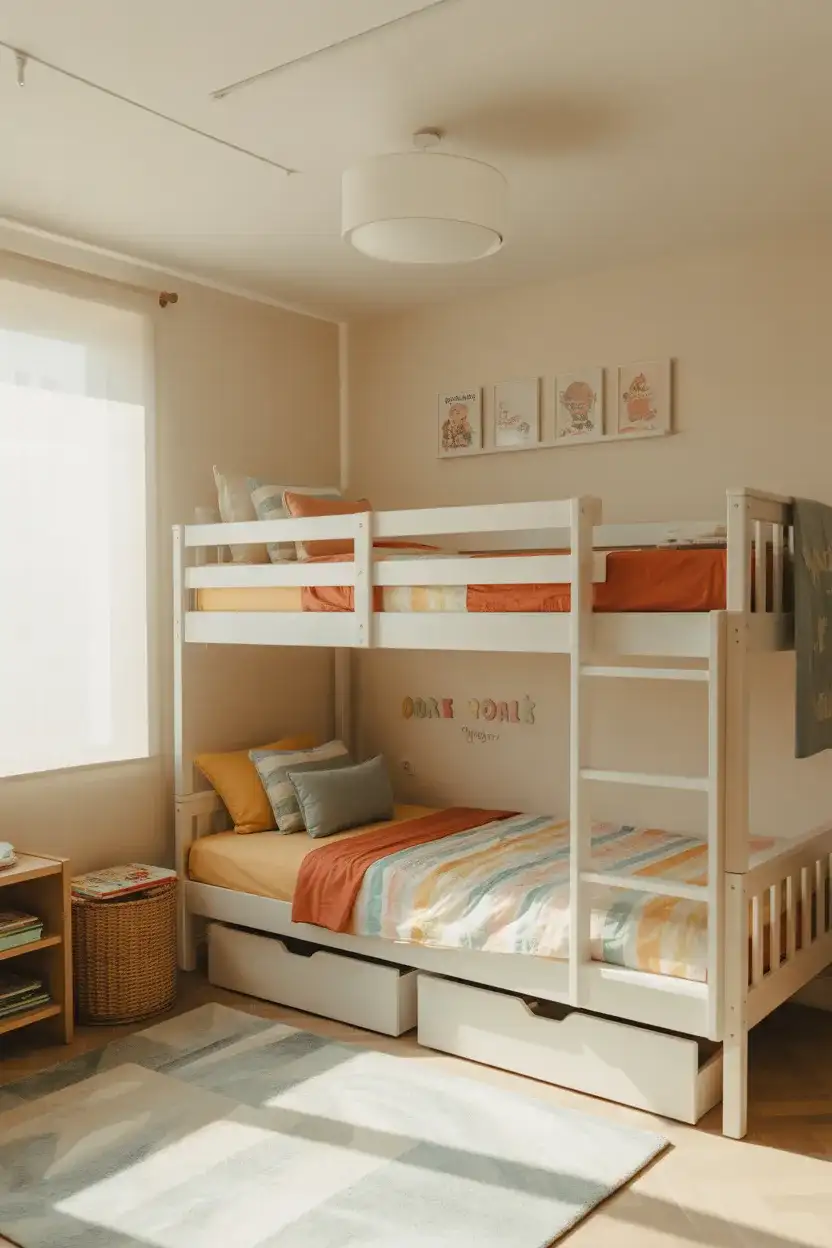
Micro anecdote: one family in Austin painted each bunk’s interior a different soft pastel—mint for the top, blush for the bottom—giving each sister a sense of ownership without clashing colors. It’s a simple DIY that made a huge difference in reducing bedtime squabbles.
9. Pink Accent Wall for a Cheerful Vibe
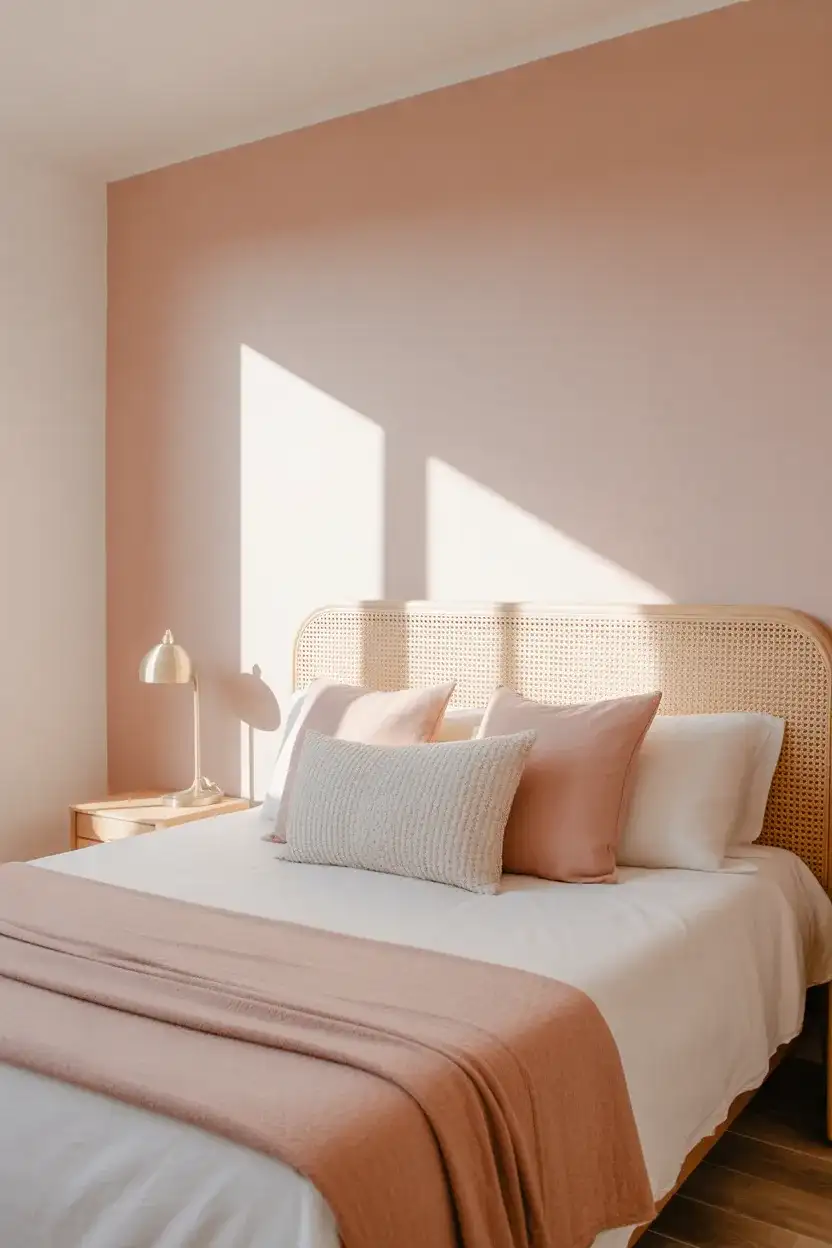
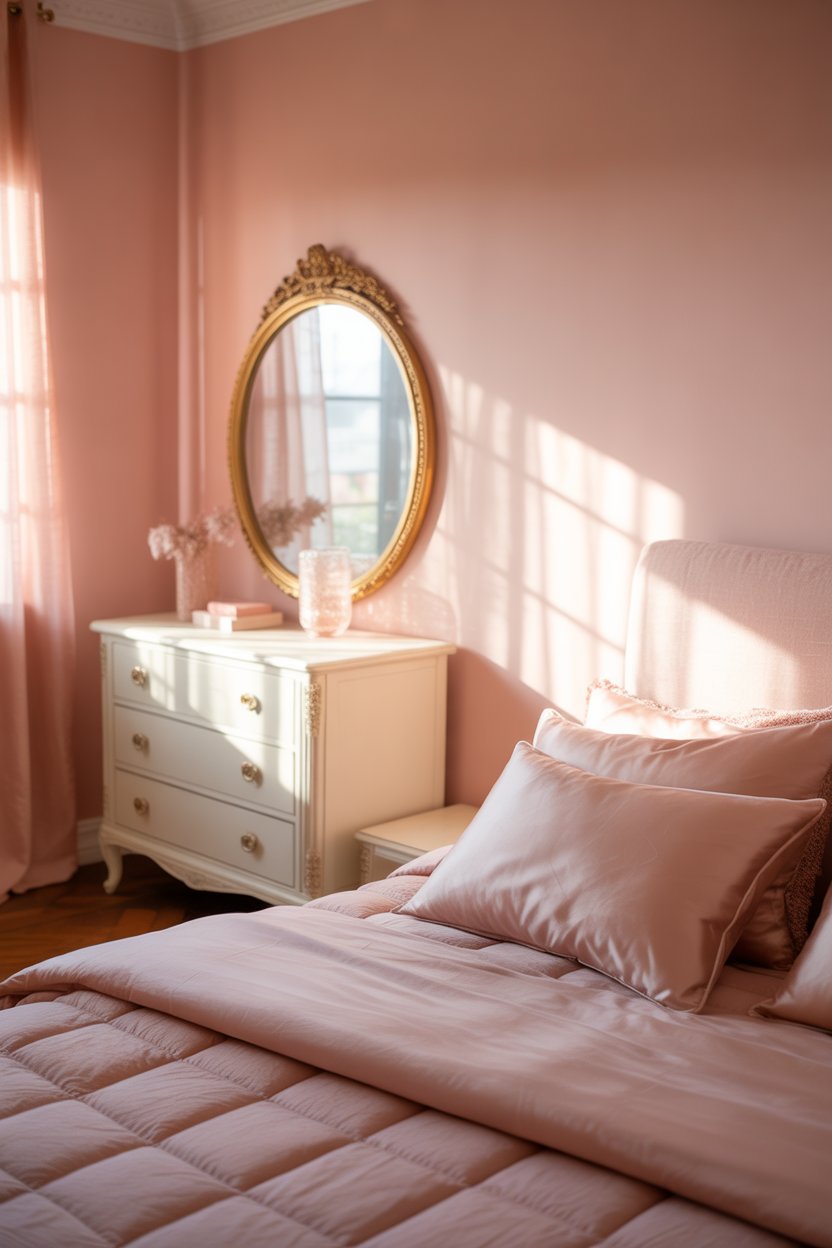
A soft pink accent wall—think blush, dusty rose, or terracotta pink—adds warmth and personality to a tiny bedroom without overwhelming it. This works beautifully in children’s rooms, teen spaces, or even adult bedrooms aiming for a cozy, elegant feel. Pair it with white trim, natural wood furniture, and brass or gold accents for a sophisticated look that feels collected, not cutesy. The rest of the walls can stay white or cream to keep the room bright and open.
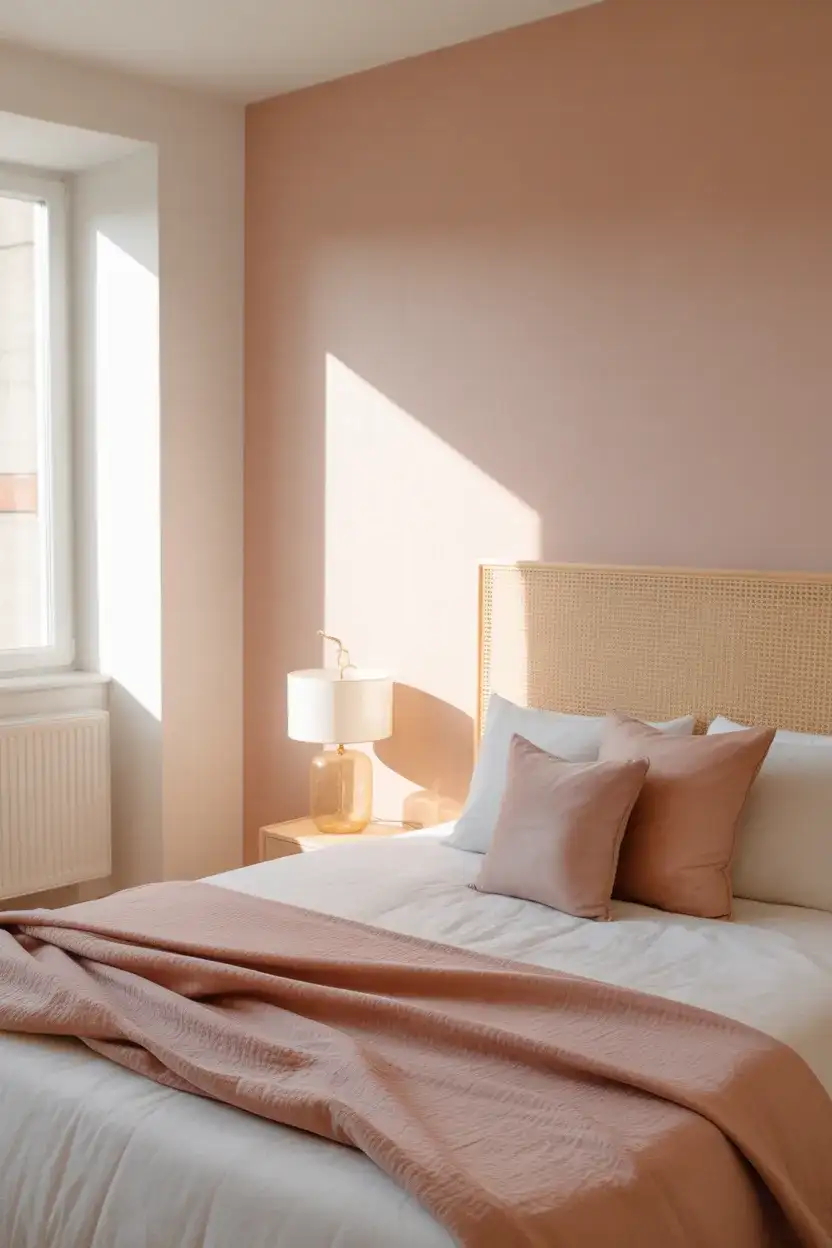
Where it works best: south-facing rooms that get strong natural light, where pink tones stay soft and rosy rather than turning too orange or washed out. In north-facing spaces, opt for a warmer blush with peachy undertones to counteract the cooler light. Test paint samples on poster board and move them around the room at different times of day before committing.
10. IKEA Small Spaces Modular System
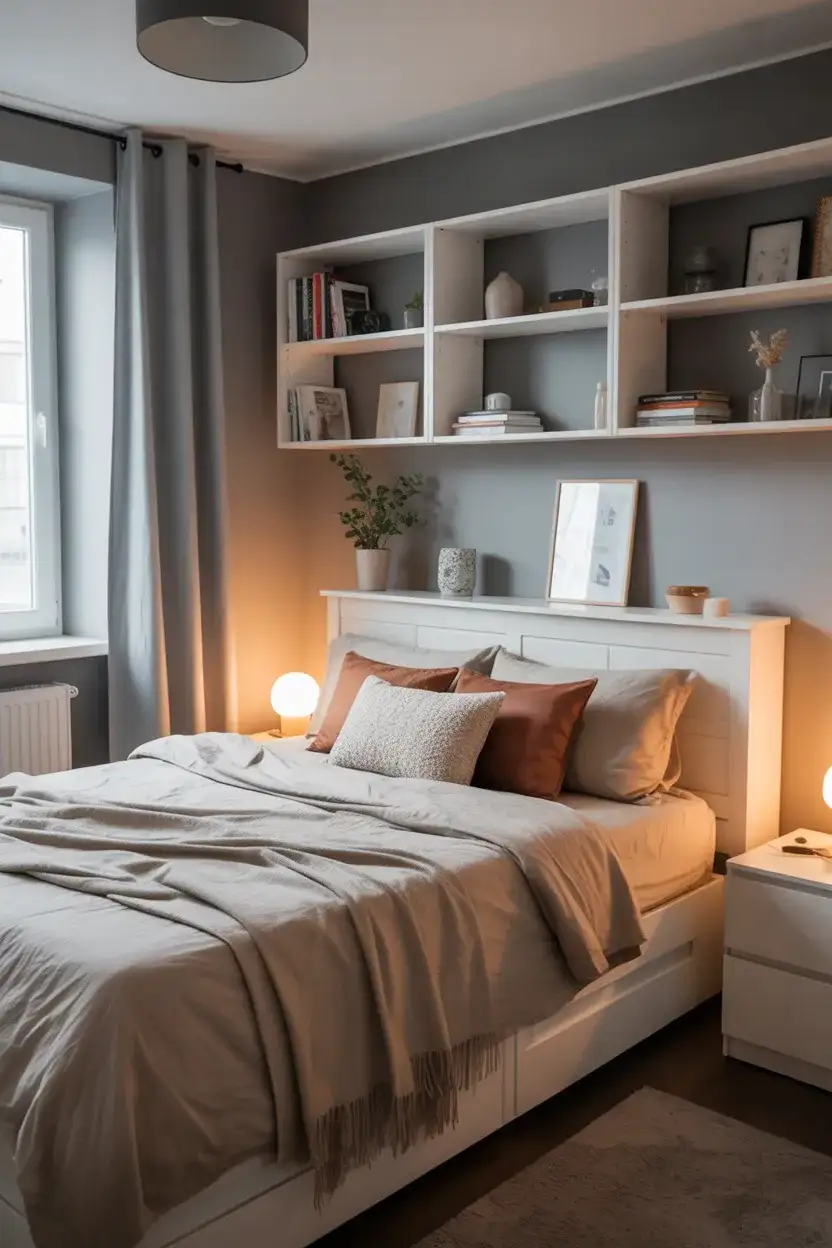
IKEA’s small spaces collections—like PLATSA, NORDLI, and BRIMNES—are designed specifically for compact living, offering modular storage, beds with built-in drawers, and customizable shelving that adapts to your room’s dimensions. The beauty of these systems is that you can start small and add modules over time as your needs change, and everything is designed to fit together seamlessly. Most pieces come in white, black, or light wood finishes that blend with any decor style, from cozy and simple to sleek and modern.
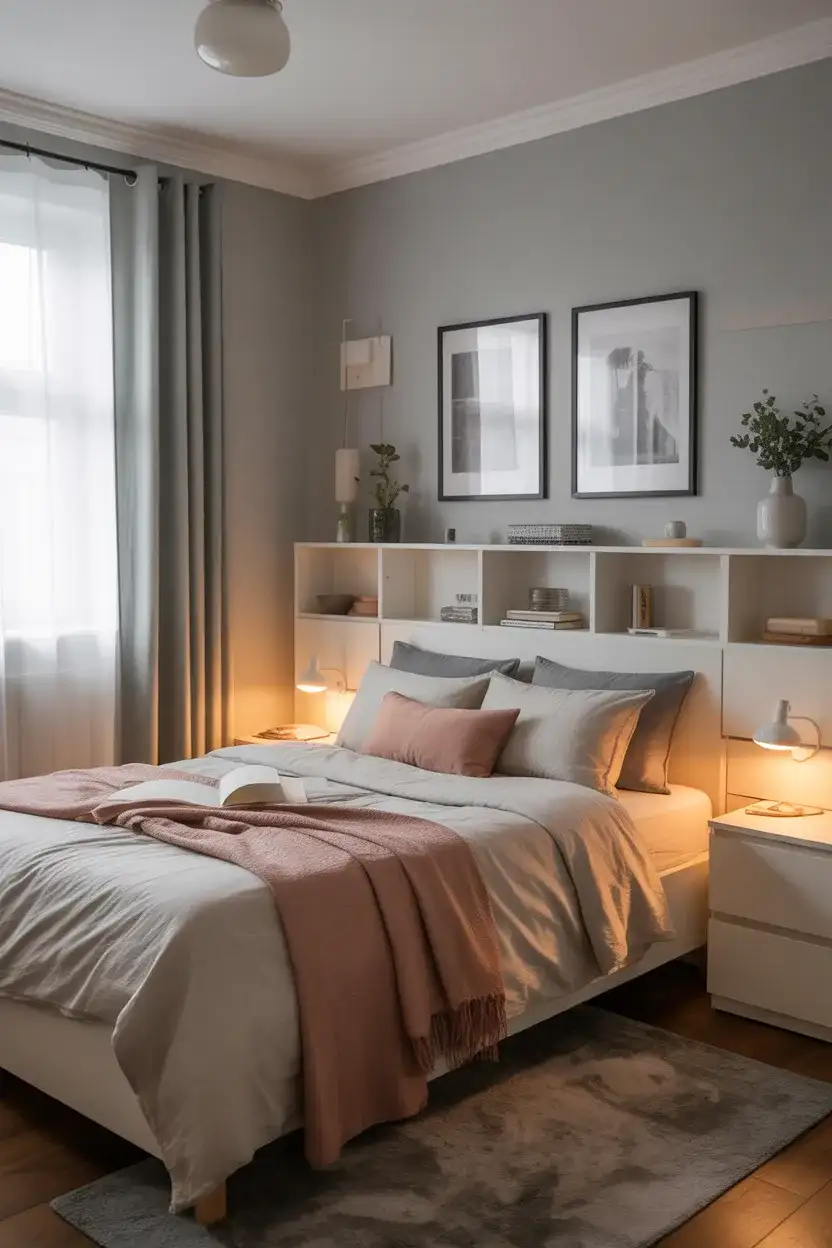
Budget angle: a complete IKEA bedroom setup—bed frame with storage, wardrobe, nightstand, and shelving—can run as low as $800–$1,200, making it one of the most affordable ways to furnish a small space without sacrificing function. Assembly takes a weekend, but the modular nature means you can reconfigure or expand as your living situation evolves.
11. Long Narrow Layout With Bed Against the Wall
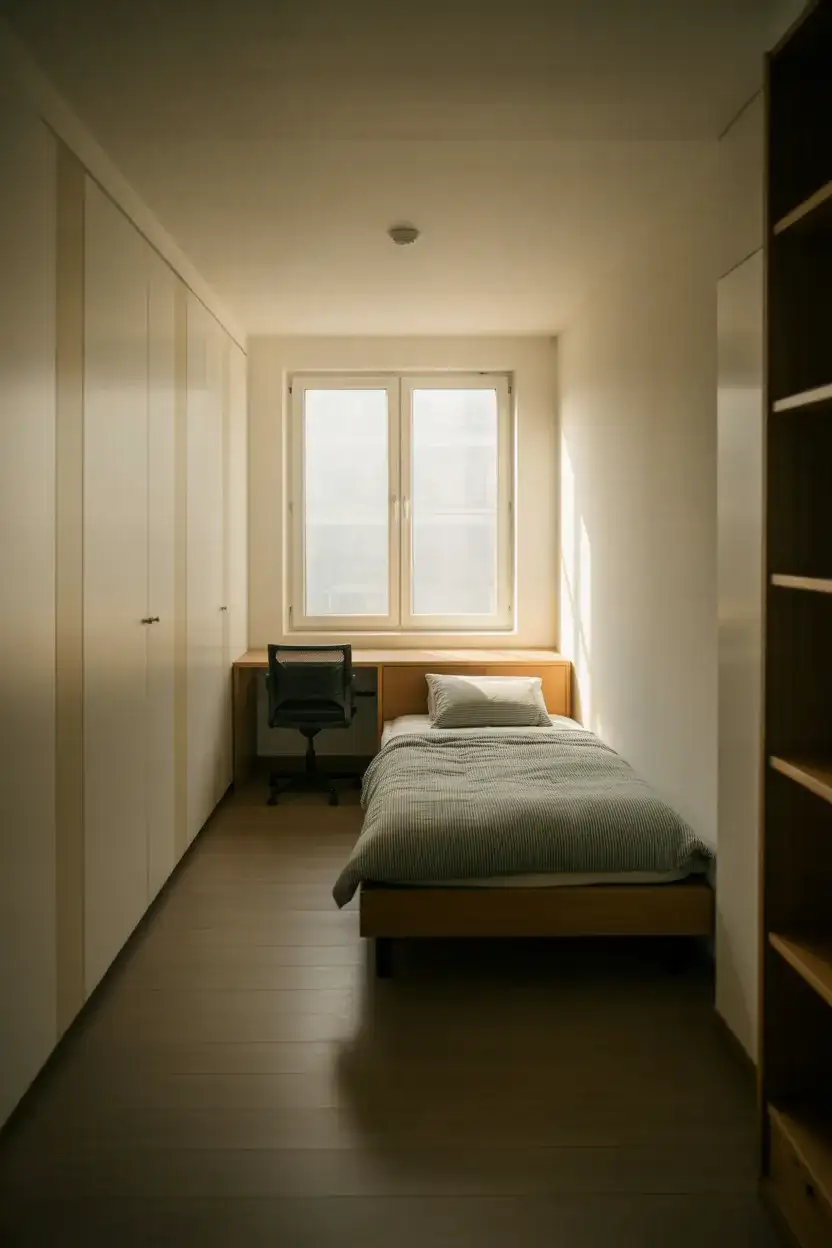
In a long, narrow bedroom, pushing the bed against one long wall creates a clear walkway down the opposite side and prevents the space from feeling claustrophobic. This layout works especially well in older rowhouses, converted lofts, and shotgun-style apartments common in cities like New Orleans and Philadelphia. Place a narrow console or desk along the foot of the bed, and hang a large mirror or horizontal artwork on the wall opposite to visually widen the space.
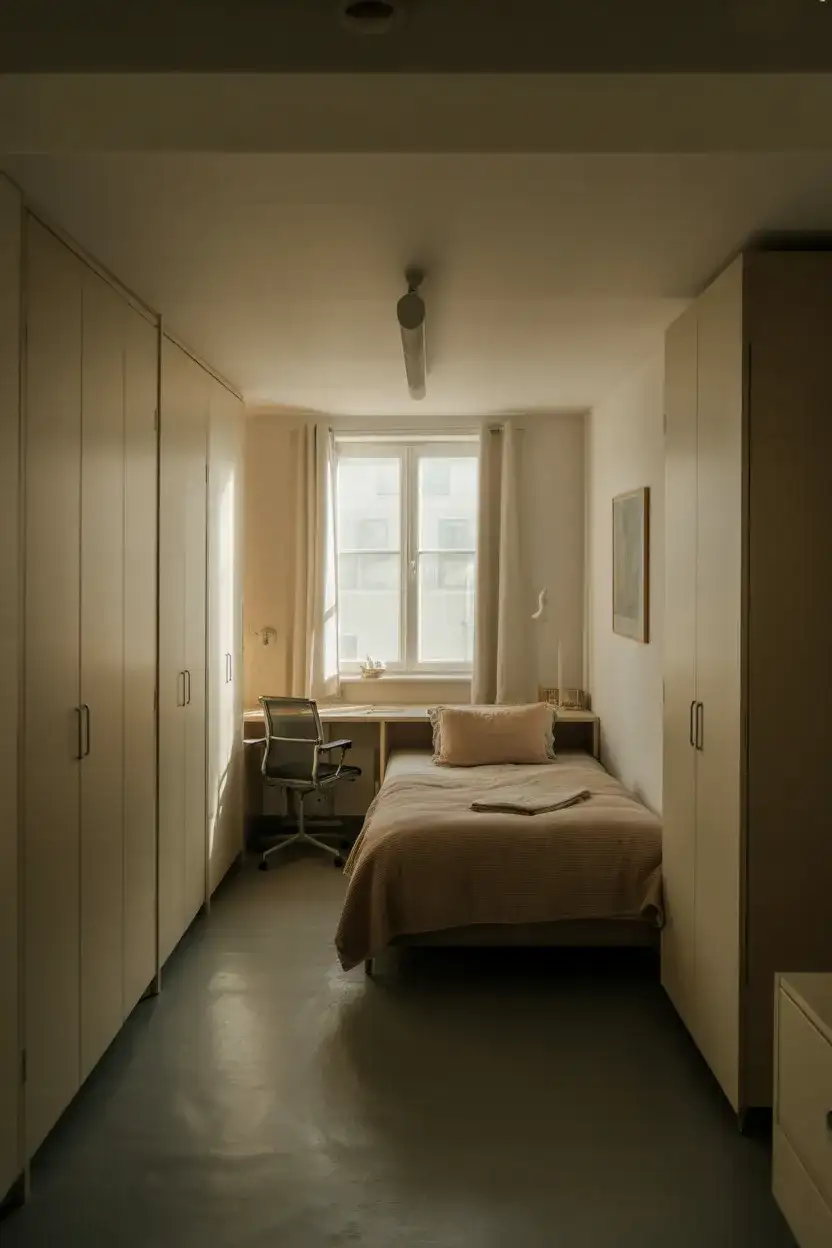
Practical insight: if your bed backs up to a wall with a window, use blackout Roman shades or cellular blinds that mount inside the window frame so they don’t interfere with your headboard. A fabric headboard with an integrated shelf or reading lights keeps bedside essentials within reach without needing nightstands that narrow the walkway.
12. Queen Bed With Minimal Frame
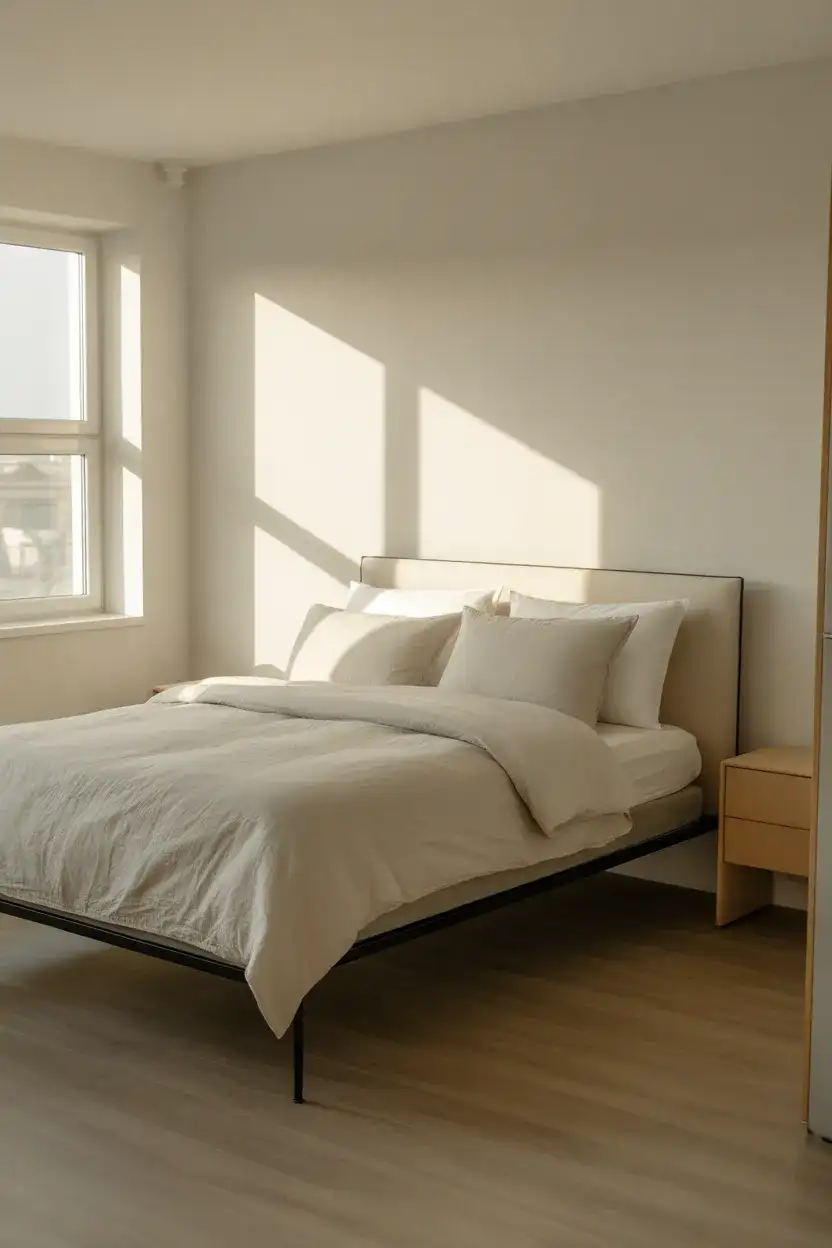
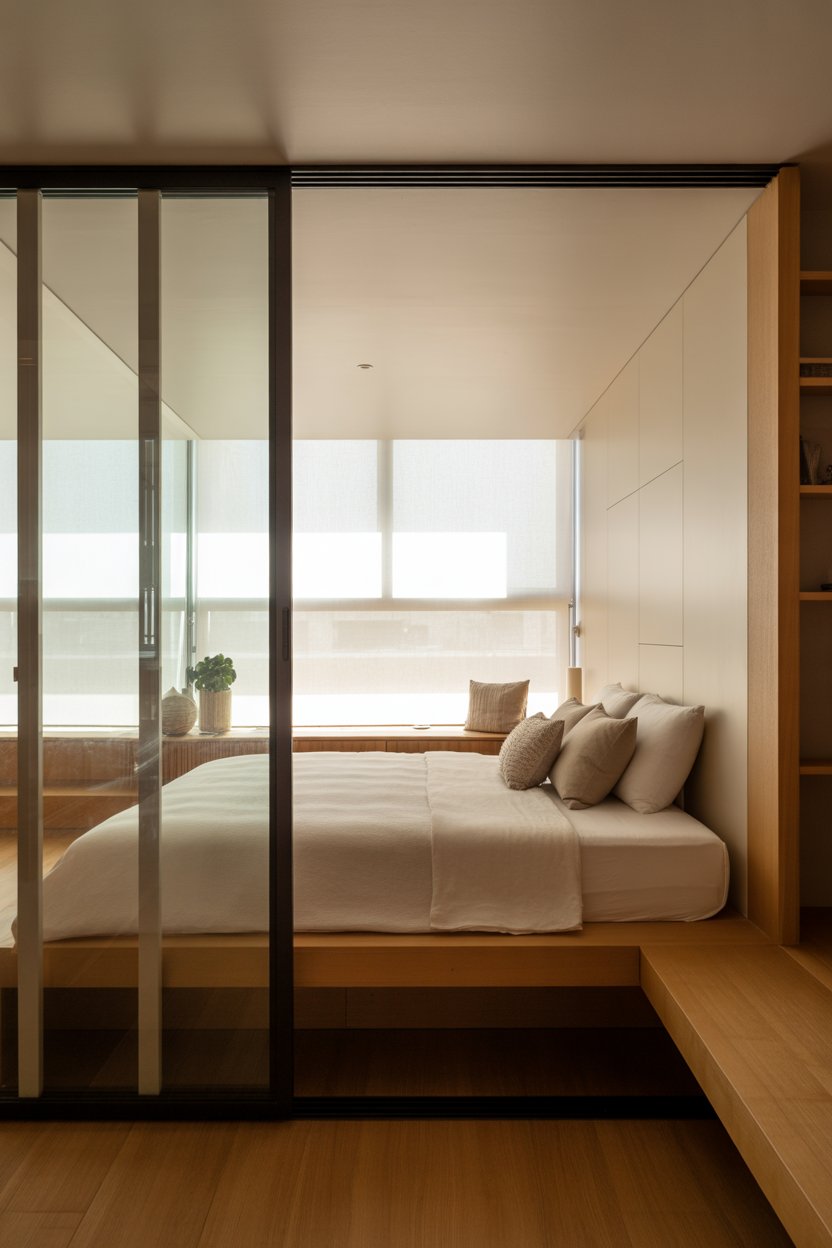
A low-profile queen bed with a simple platform frame takes up less visual space than a chunky four-poster or upholstered headboard, making it ideal for tiny bedrooms where every inch counts. Look for frames with slim metal legs or a floating design that exposes the floor beneath, tricking the eye into seeing more square footage. Pair it with crisp white bedding and one or two throw pillows—no more—to maintain a cozy, simple aesthetic that feels intentional, not cluttered.
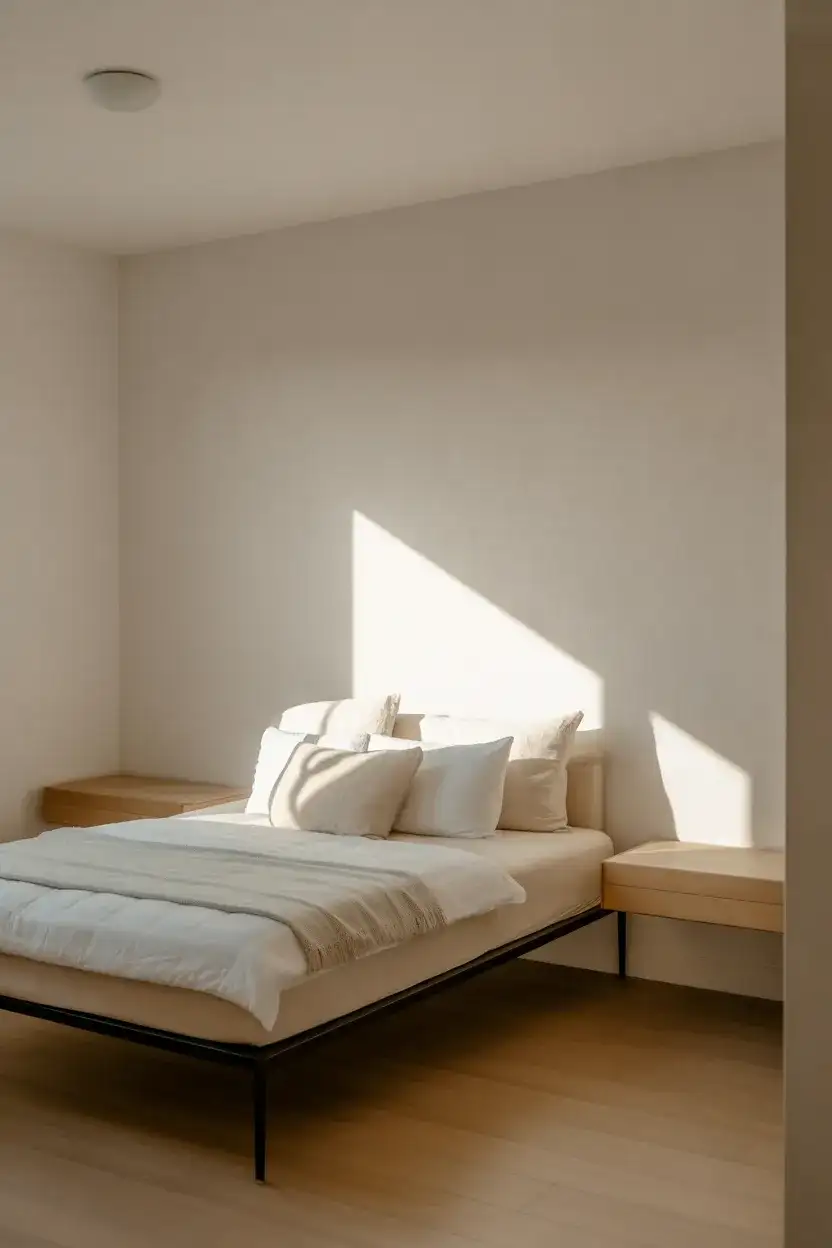
Common mistake: choosing a bed frame with built-in storage that’s too tall, raising the mattress to an awkward sofa height and making the room feel cramped. If you need under-bed storage, opt for a frame that lifts the mattress only 12–14 inches off the floor and use low-profile bins or drawers that slide smoothly without sagging.
13. Corner Desk Nook for Homework or Remote Work
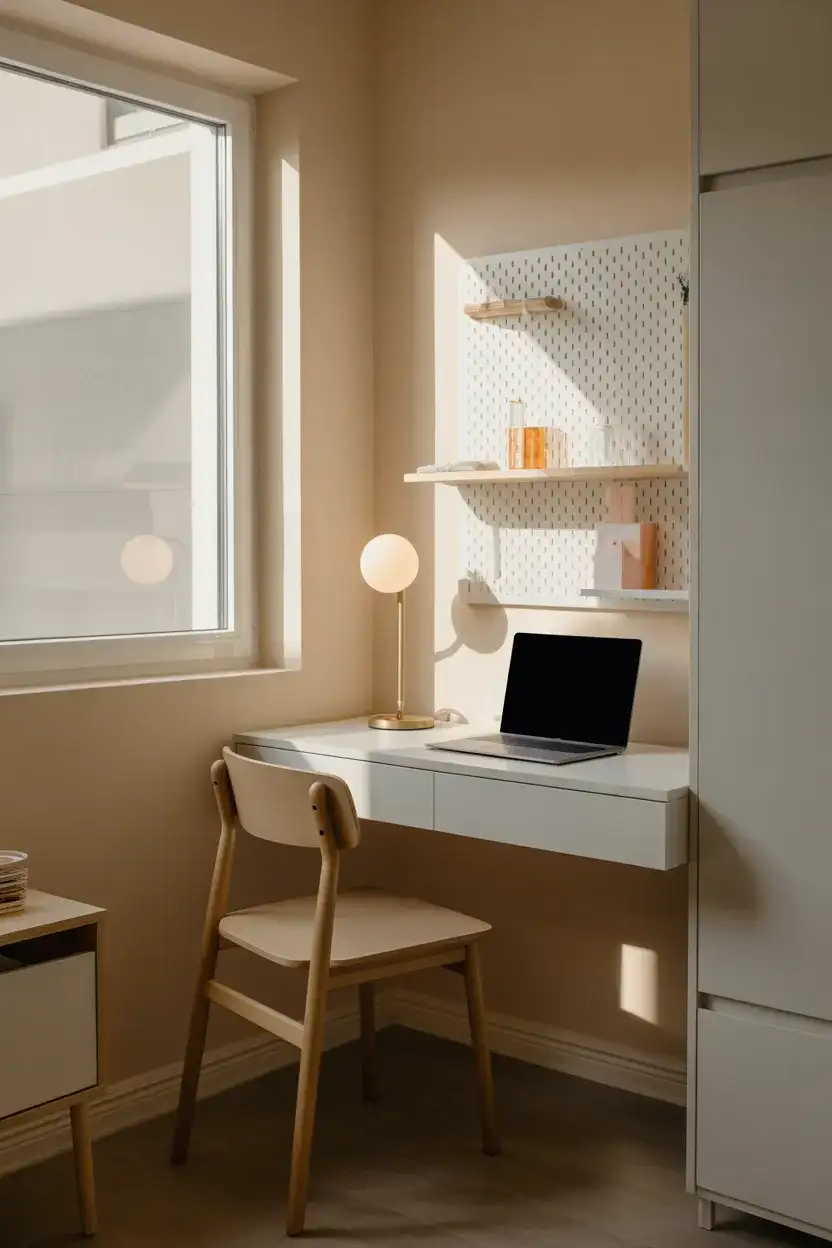
Tucking a compact desk into a corner maximizes usable space in a tiny bedroom without blocking pathways or natural light. A simple L-shaped or floating corner desk paired with a slim chair creates a functional work zone that’s perfect for students, remote workers, or anyone who needs a dedicated spot for laptop tasks. Add a wall-mounted organizer, pegboard, or floating shelves above the desk to keep supplies within reach but off the work surface.
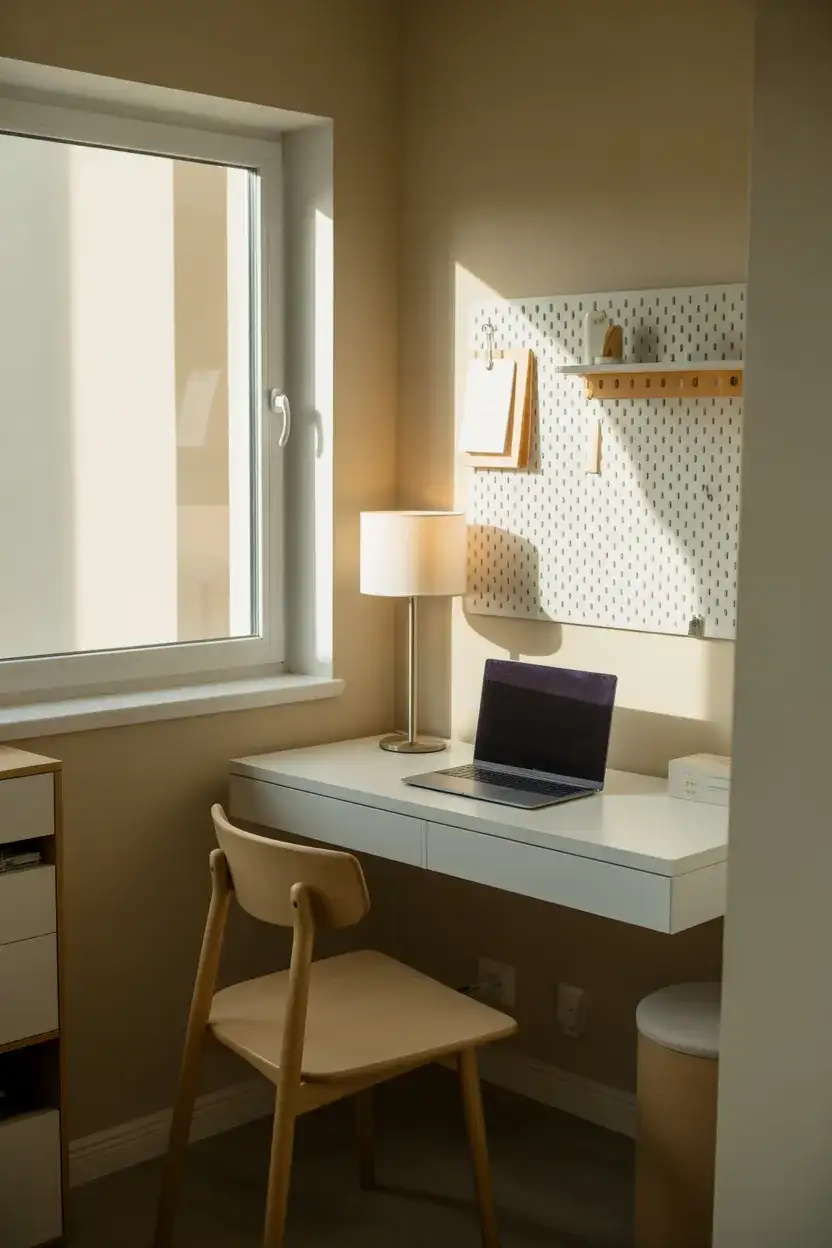
Real homeowner behavior: many people position their desk to face the wall rather than the bed to create a mental boundary between work and rest. It’s a small shift that helps with focus during the day and makes it easier to unwind at night without staring at your to-do list.
14. Cozy Elegant Canopy With Sheer Drapes
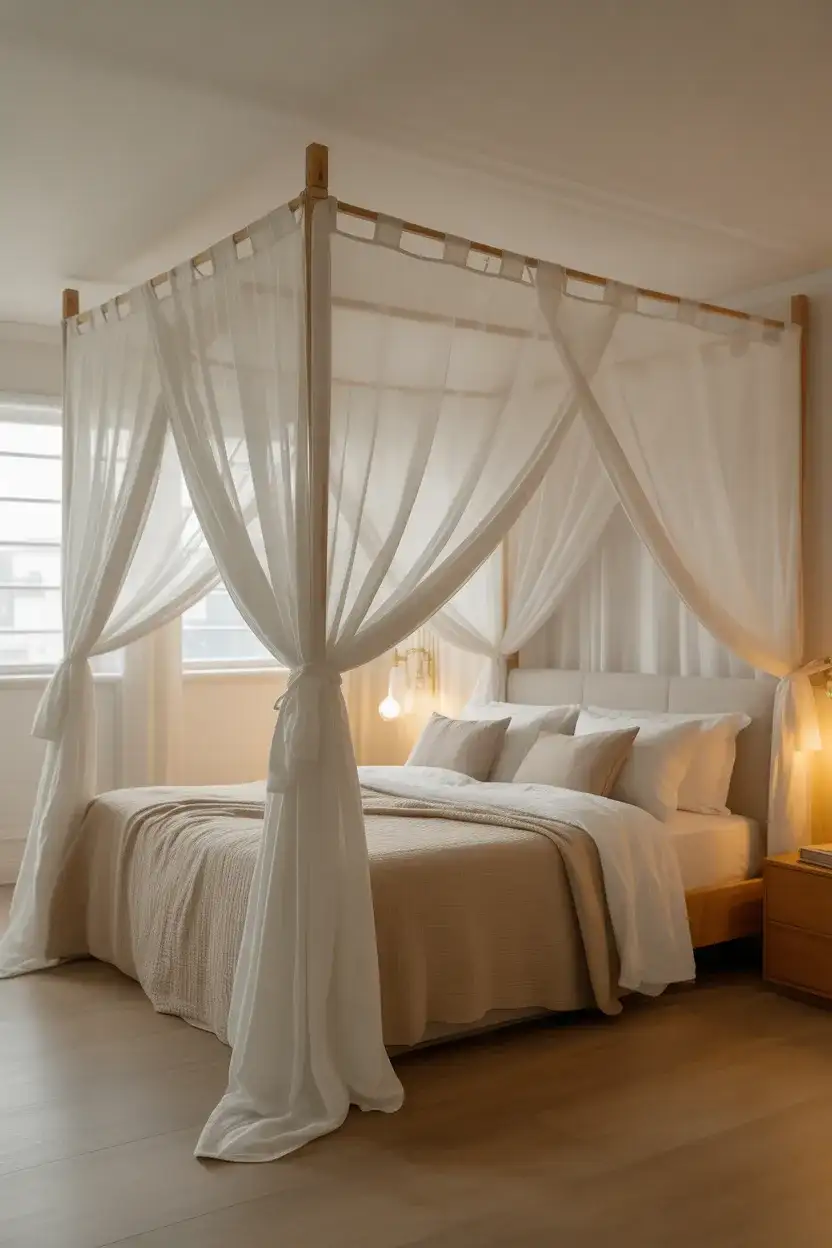
A lightweight canopy made from sheer white or cream fabric adds a dreamy, romantic layer to a tiny bedroom without taking up physical space. Hang it from a ceiling-mounted hoop or simple curtain rod above the bed, and let the drapes pool gently on either side. This setup creates a cozy, elegant focal point, softens hard edges, and makes even a small room feel like a boutique hotel retreat. It’s especially effective in couples’ bedrooms aiming for intimacy and warmth.
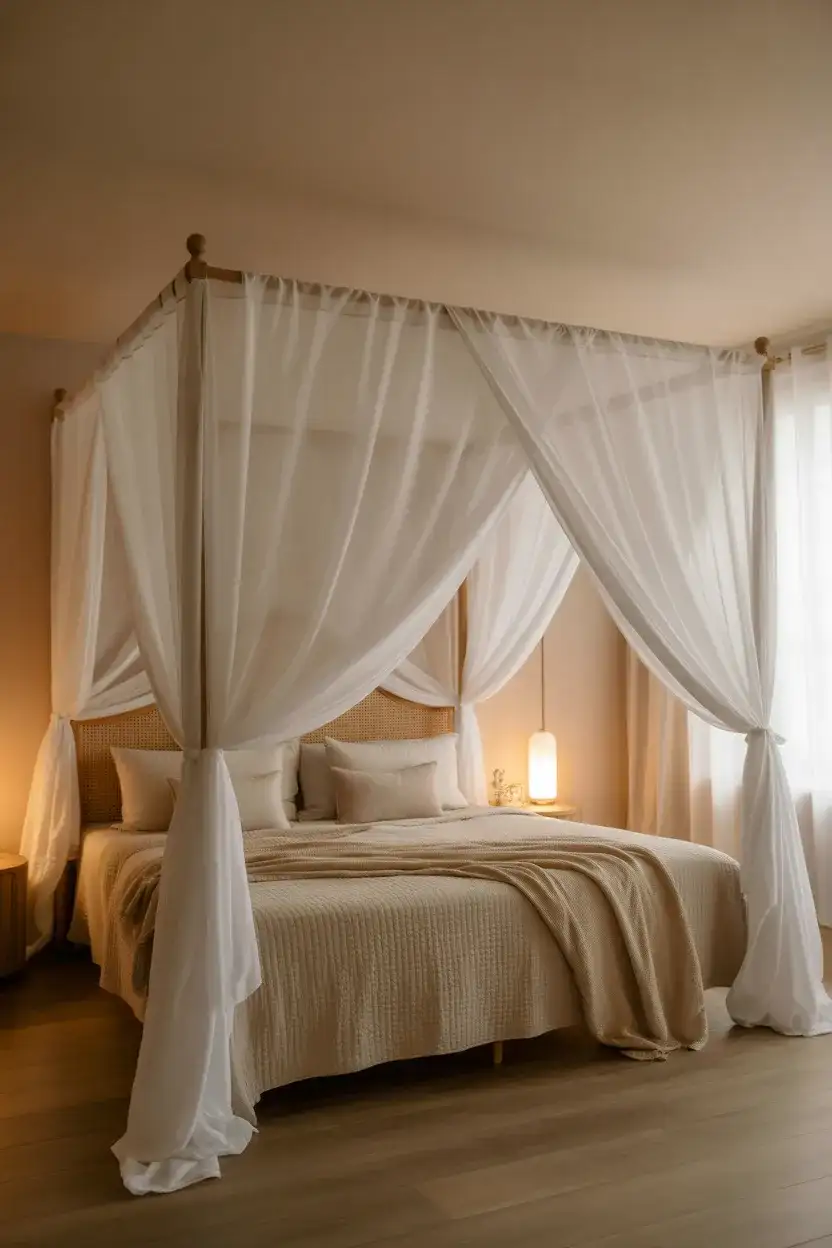
Expert-style commentary: use a tension rod or adhesive ceiling hook if you’re renting and can’t drill. Sheer voile or cotton muslin work best—they’re lightweight, inexpensive, and easy to wash. Avoid heavy blackout fabrics, which overwhelm small spaces and trap heat.
15. Bloxburg-Inspired Minimalist Gaming Setup
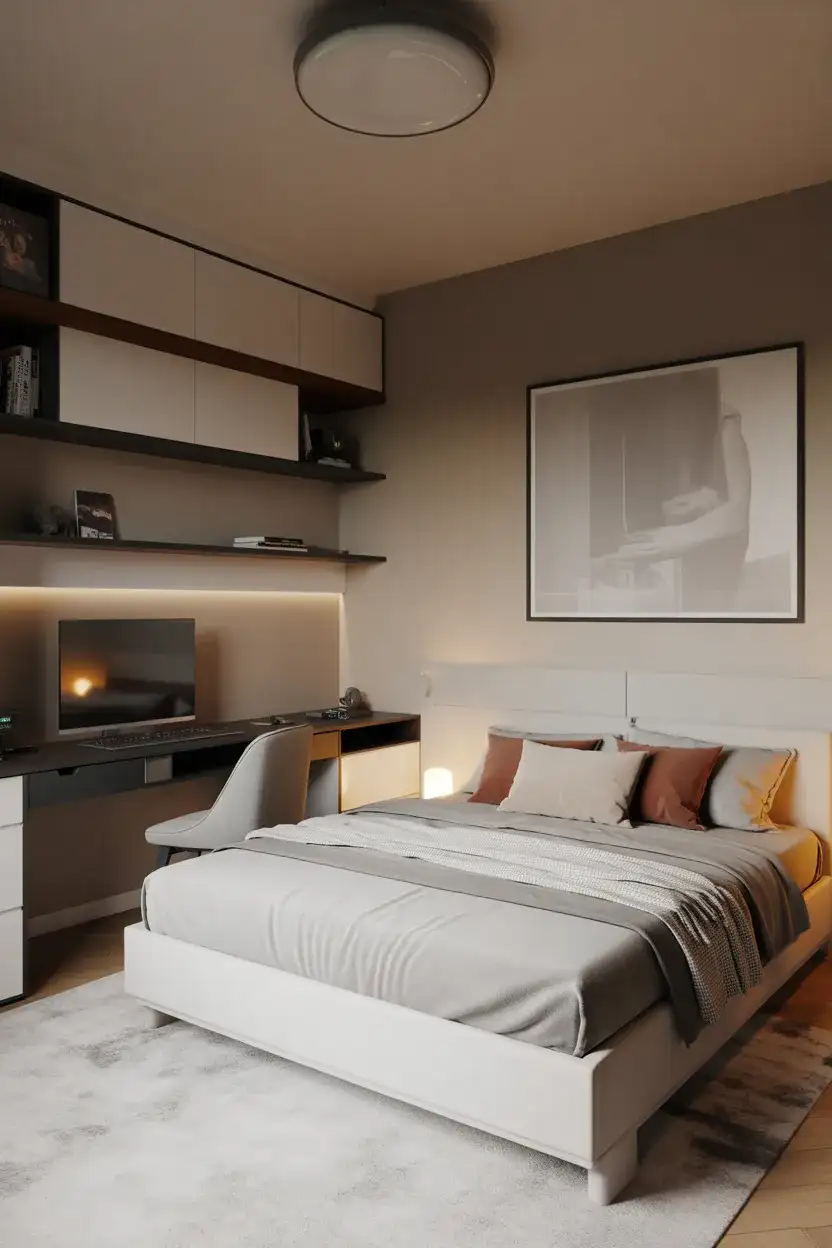
Taking design cues from Bloxburg builds—the popular Roblox game known for clean, modern interiors—this approach combines a low platform bed, floating shelves, LED strip lighting, and a compact gaming desk in neutral tones. The aesthetic is sleek, uncluttered, and functional, with everything you need for gaming, streaming, or content creation without the visual chaos. White walls, black accents, and pops of neon or pastel keep it youthful and fresh, perfect for teens or young adults in tiny bedrooms.
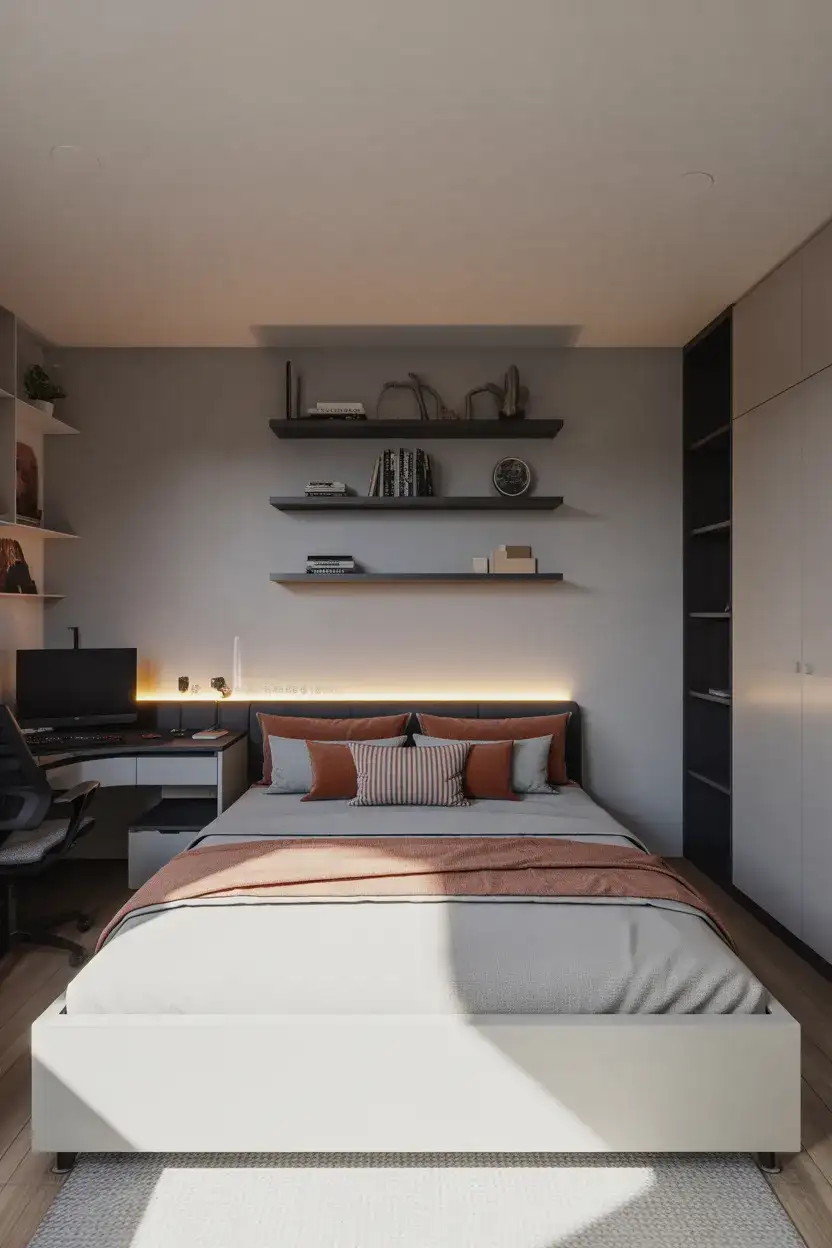
American lifestyle context: this style is hugely popular among Gen Z renters in college towns and first apartments, where budget and space are limited but personal expression matters. It’s easy to recreate with furniture from Target, Amazon, and IKEA, and the neutral base allows for quick updates with new LED colors or poster swaps.
16. Minecraft-Themed Kids Room With Storage Cubes
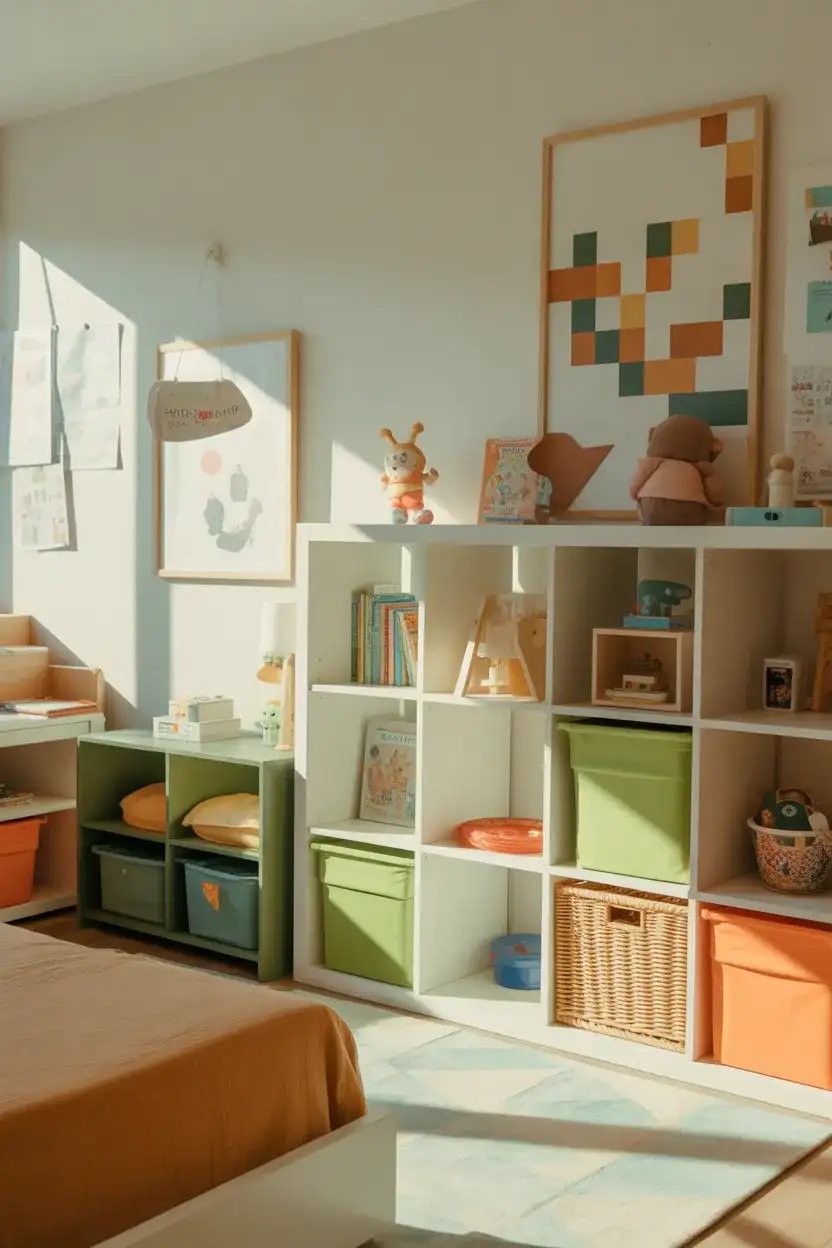
Inspired by Minecraft, this playful children’s bedroom uses cube storage bins, pixelated wall decals, and blocky furniture to create a cohesive theme that’s both fun and highly functional. Open cube shelving systems like the IKEA KALLAX hold fabric bins for toys, books, and craft supplies, keeping clutter at bay while staying on-theme. Use earth tones—greens, browns, and grays—mixed with pops of blue and red to mimic the game’s palette without overwhelming the small space.
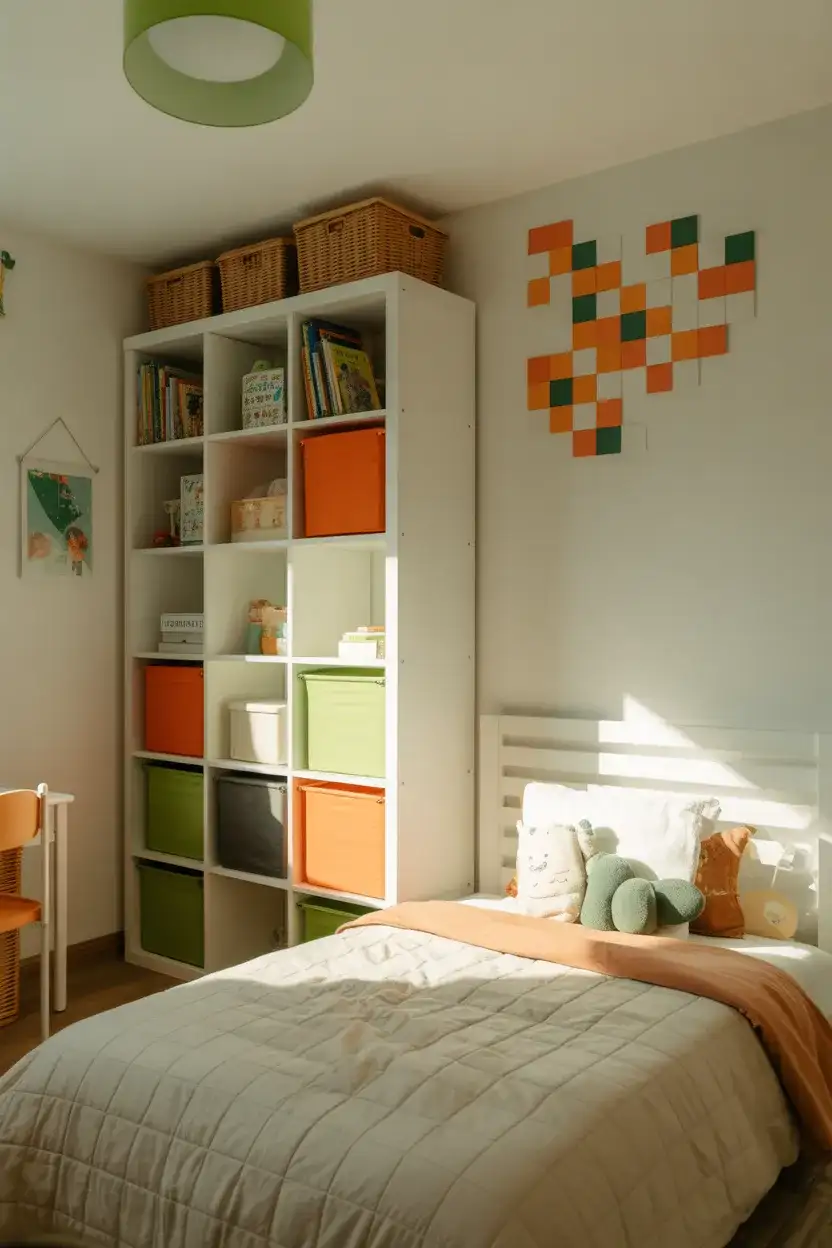
Micro anecdote: one mom in Denver used removable wall decals so her son could “redesign” his room as his interests evolved—Minecraft this year, maybe space or dinosaurs next. It’s a low-commitment way to let kids express themselves without repainting every time.
17. Very Cozy Reading Nook With Floor Cushions
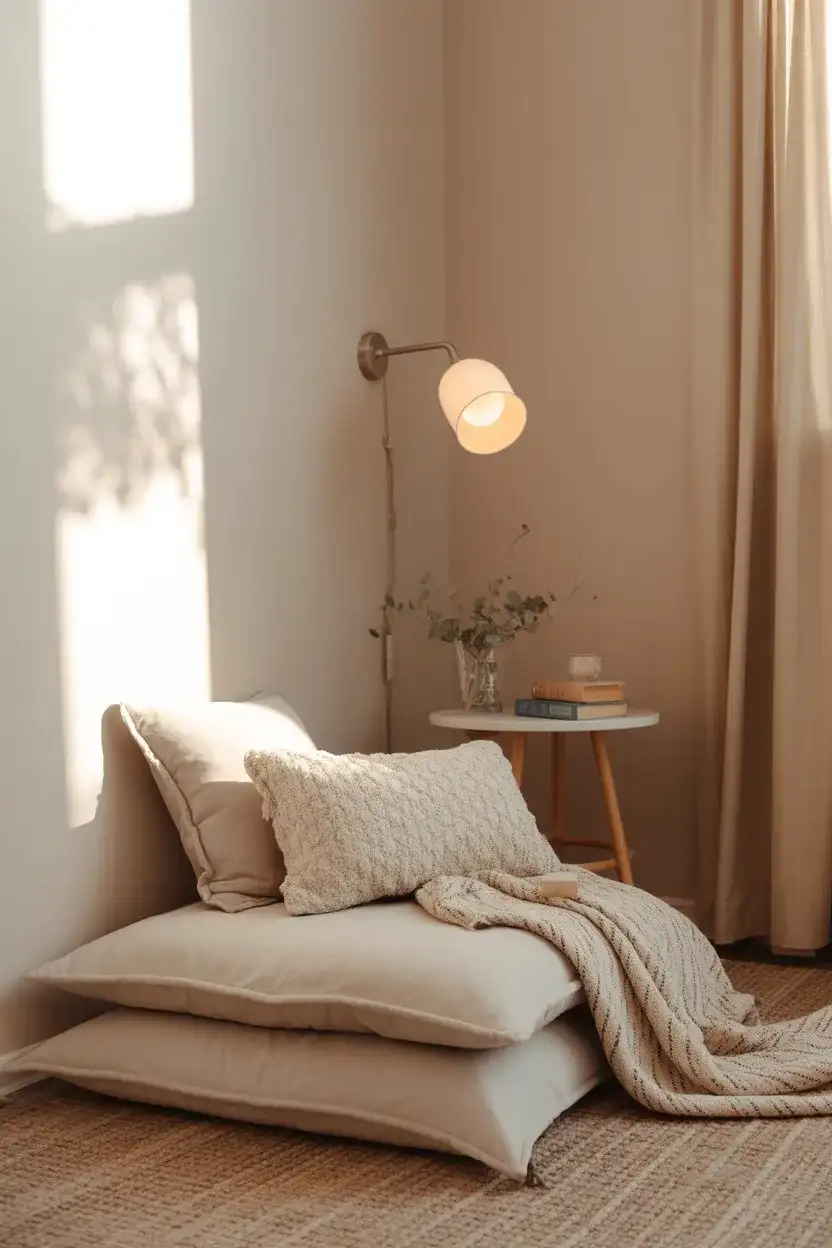
Carving out a very cozy reading nook in a tiny bedroom doesn’t require a full armchair—just a corner with layered floor cushions, a soft throw blanket, and a small side table for books and tea. This low-to-the-ground setup saves visual space, feels relaxed and bohemian, and can easily be tucked away when you need the floor for other activities. Add a wall-mounted reading light or clip-on lamp so you’re not straining your eyes, and keep a small basket nearby for your current book rotation.
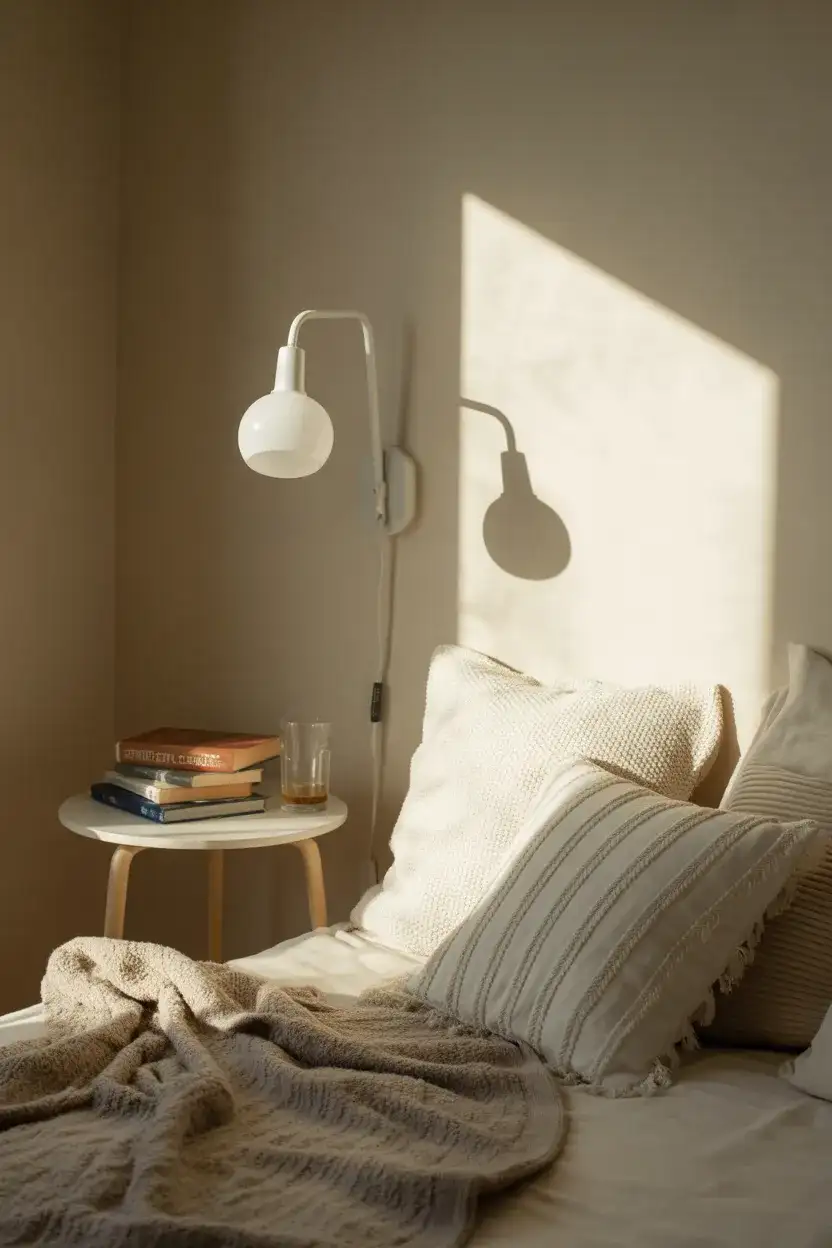
Where it works best: rooms with a bay window or unused corner, especially in older homes with architectural quirks like angled walls or alcoves. The nook becomes a mini retreat within the bedroom, giving you a separate zone to unwind without needing a separate room.
18. Couples Cozy Headboard With Integrated Lighting
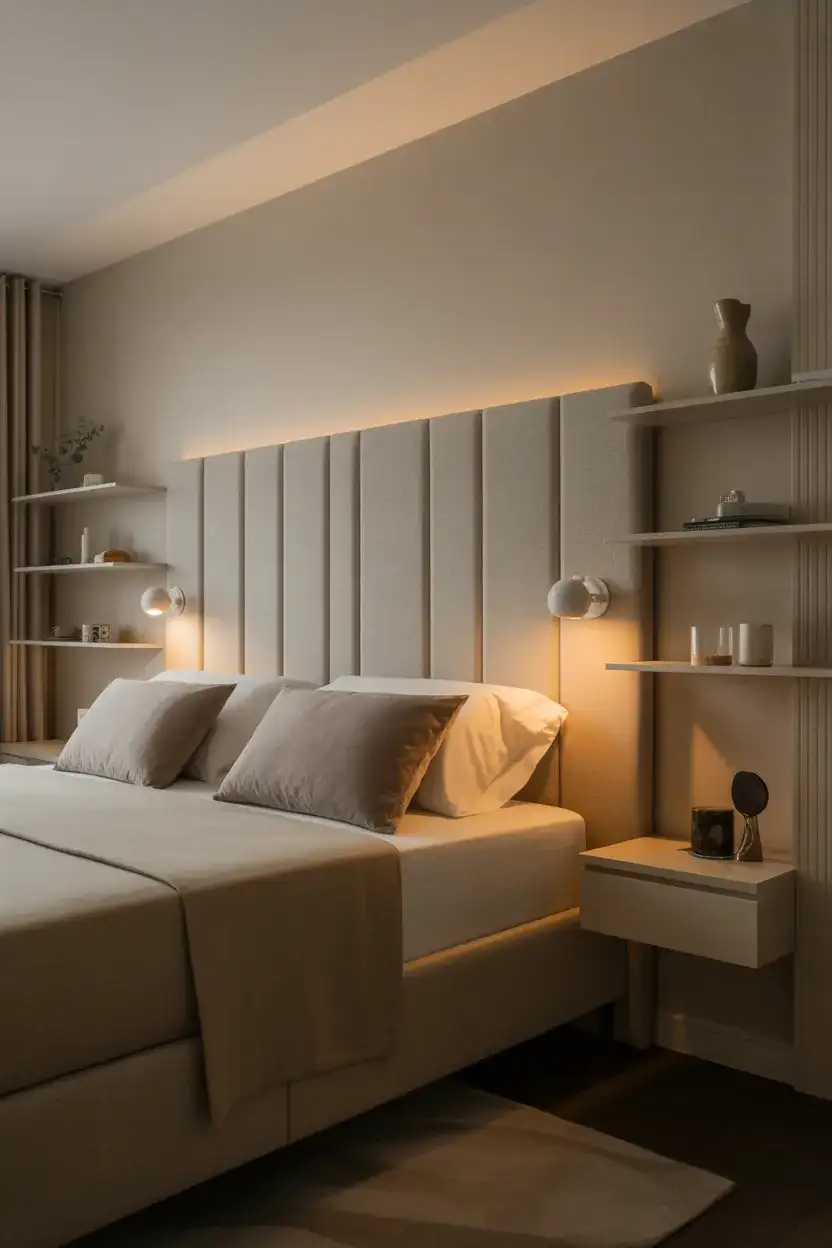
A padded upholstered headboard with built-in reading lights or sconces eliminates the need for bulky nightstands and creates a clean, hotel-inspired look in a couple’s cozy bedroom. Choose a headboard with storage cubbyholes or floating shelves on either side to hold phones, glasses, and books—keeping everything within arm’s reach without cluttering the floor. Soft linen or velvet upholstery in neutral tones adds warmth and texture, making the bed the undeniable focal point of the room.
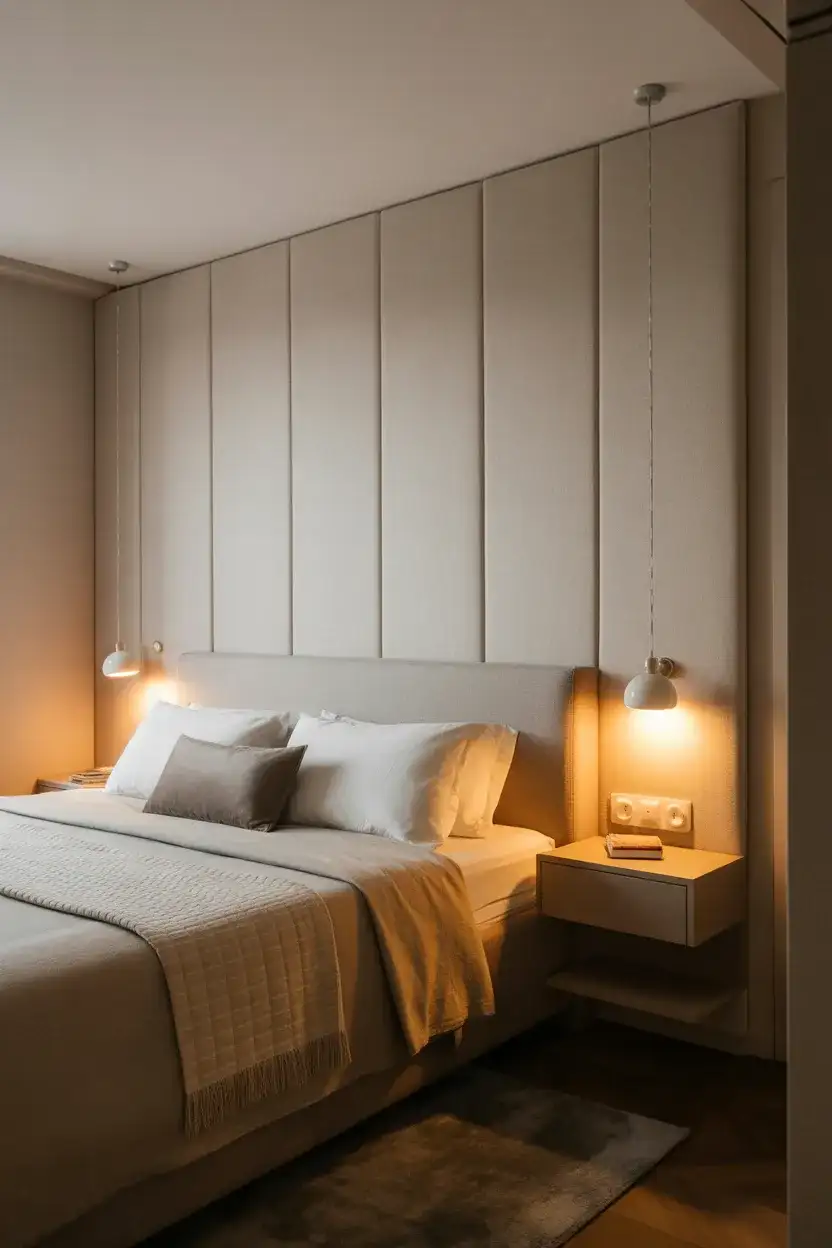
Practical insight: if you’re handy, you can DIY this by mounting a simple plywood headboard to the wall, padding it with foam and batting, wrapping it in fabric, and attaching plug-in sconces on either side. Total cost can stay under $200, and it’s fully customizable to your exact mattress width and ceiling height.
19. Super Compact Closet Organizer System
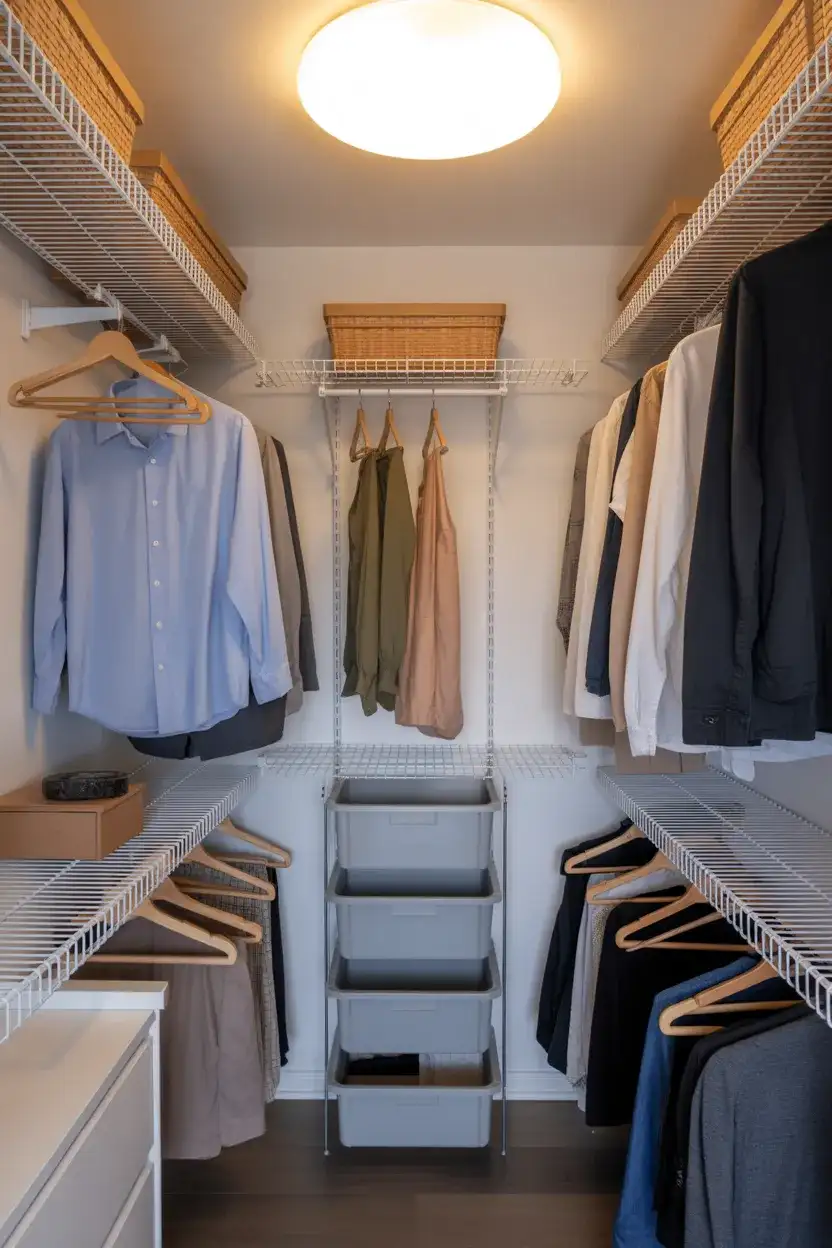
Maximizing a super small closet with a custom organizer system—double hanging rods, shelf dividers, and pull-out bins—transforms wasted vertical space into a highly efficient storage zone. This is crucial in tiny bedrooms where the closet is your only built-in storage, and every cubic inch matters. Adjustable wire or laminate systems from brands like ClosetMaid or Rubbermaid are budget-friendly and can be reconfigured as your wardrobe changes. Use slim velvet hangers to save even more space, and hang a shoe organizer on the back of the door for accessories or cleaning supplies.
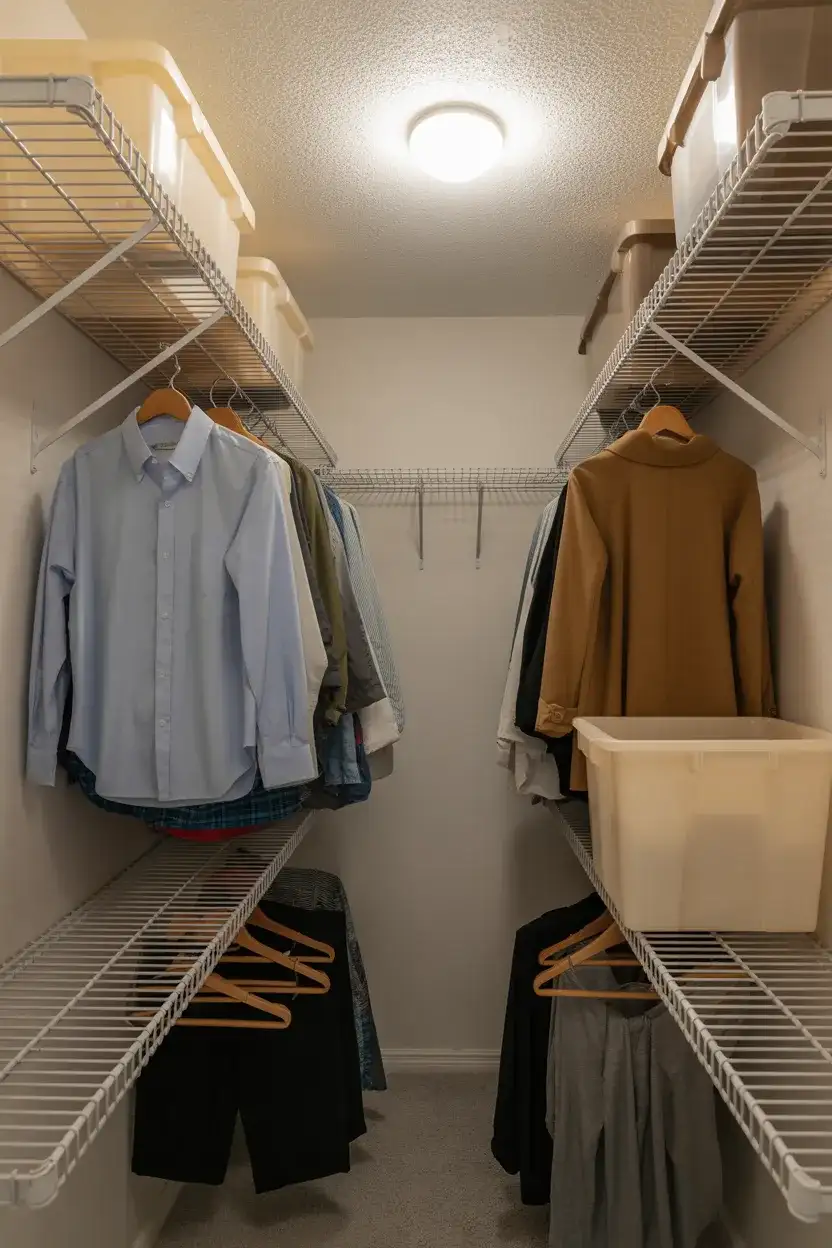
Common mistake: over-stuffing the closet once you’ve installed a new system, negating all the organizational gains. Embrace a capsule wardrobe approach—keep only what you wear regularly, and store out-of-season items under the bed or in labeled bins on the top shelf. This keeps your closet functional and makes getting dressed faster.
20. Aesthetic Wall Collage With Personal Photos
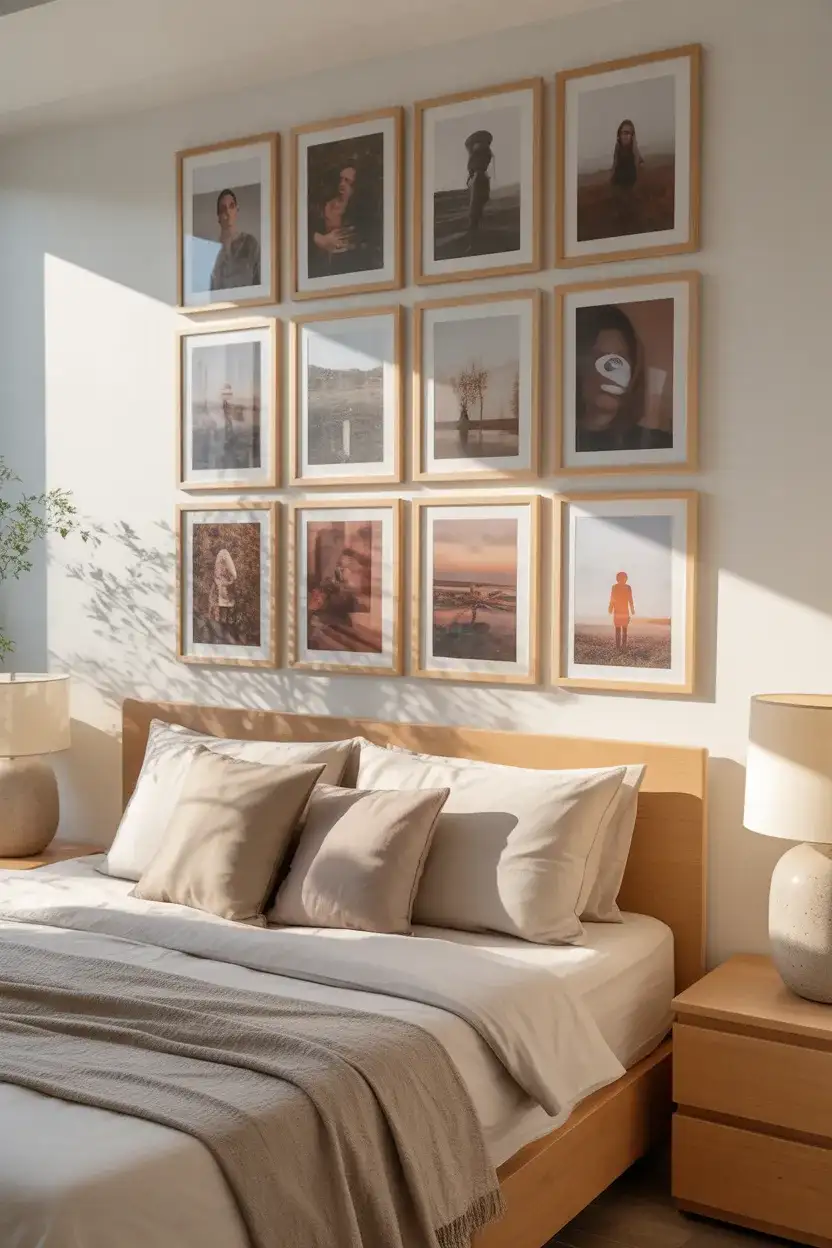
Creating an aesthetic gallery wall or photo collage adds personality to a tiny bedroom without taking up any floor space. Use a mix of frames, prints, and personal photos arranged in a loose grid or organic cluster, and keep the color palette cohesive—black frames on white walls, or natural wood frames for a warmer vibe. This works especially well above the bed or along a narrow wall, transforming blank space into a curated display that tells your story and makes the room feel lived-in and loved.
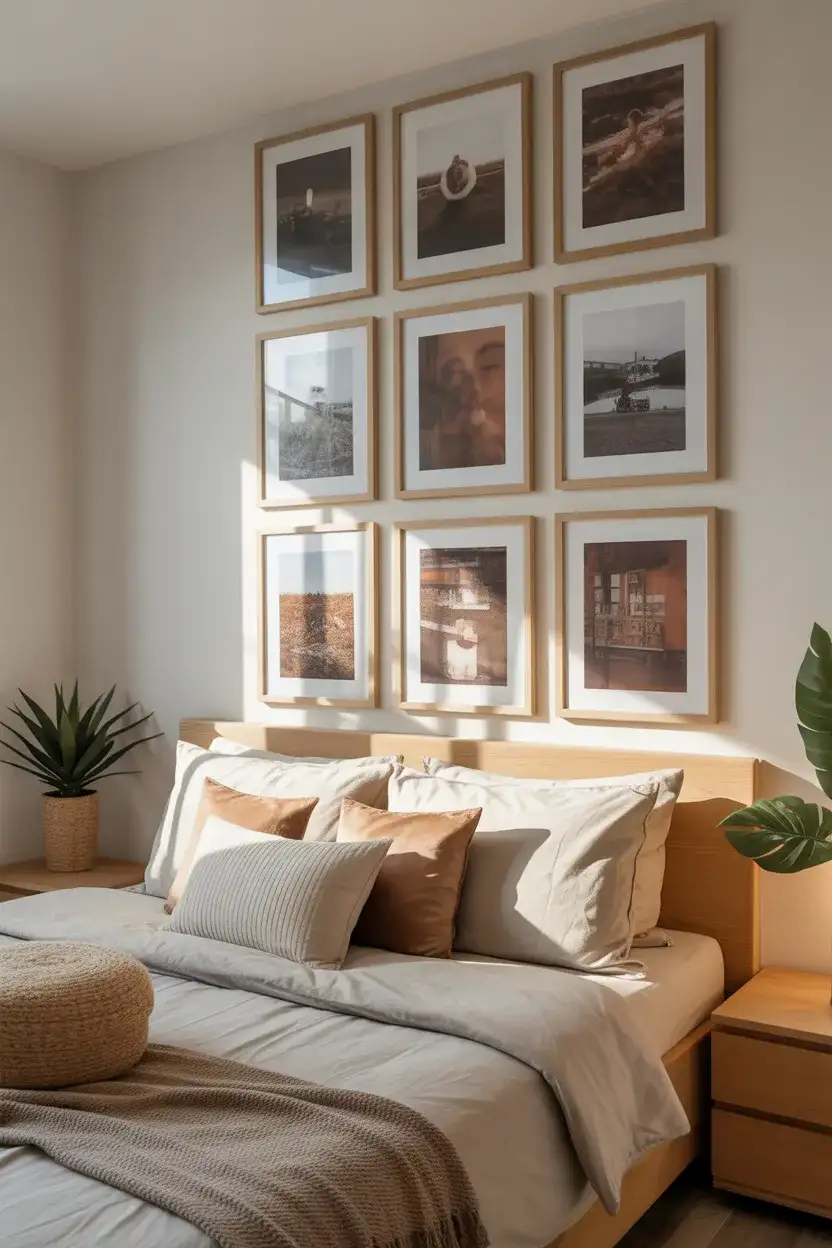
Real homeowner behavior: many people start with removable adhesive strips like Command strips to test their layout before committing to nail holes—a renter-friendly approach that also makes future rearranging easy. Print your favorite digital photos at a local pharmacy or online service like Shutterfly, which often runs sales for under $10 for a set of prints.
21. Cozy Simple Platform Bed on Rug
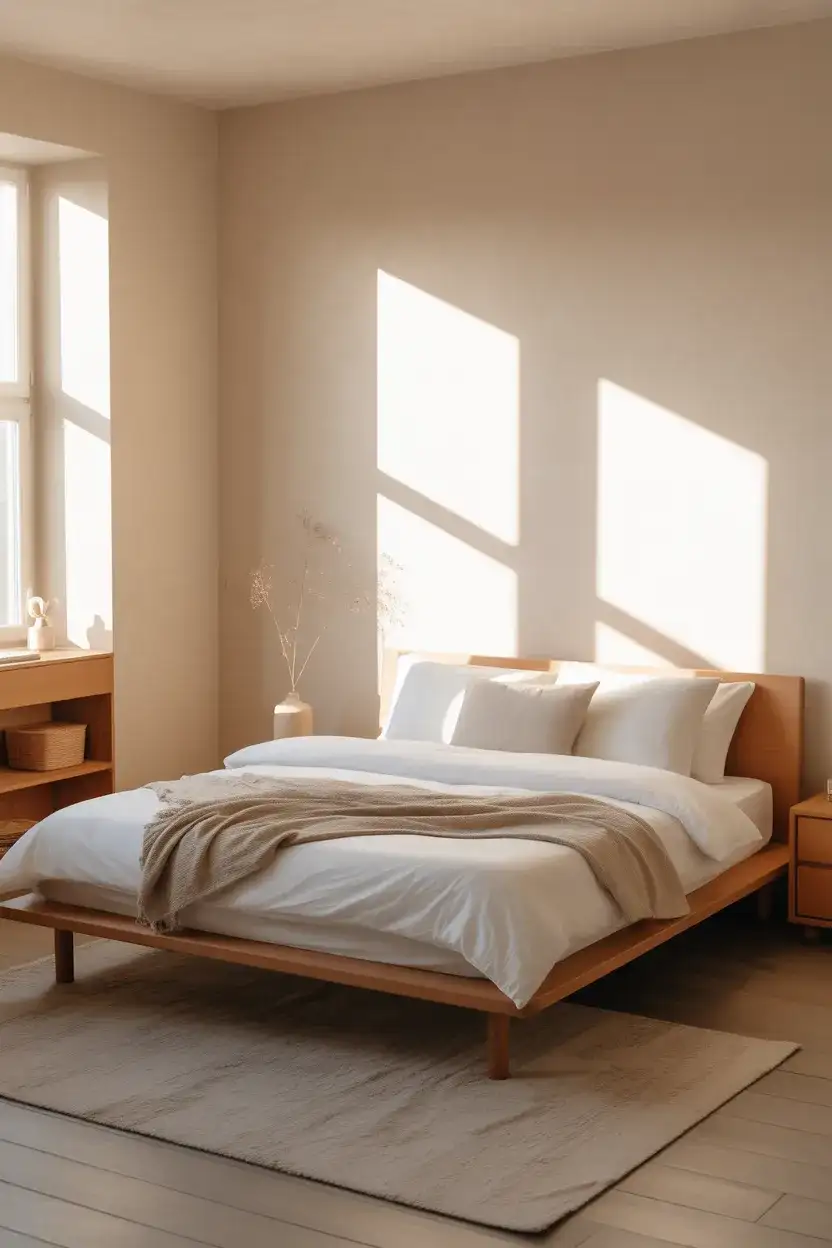
A low platform bed placed on a soft area rug defines the sleeping zone in a tiny bedroom and adds warmth underfoot when you get up in the morning. This cozy, simple setup works beautifully in studio apartments or rooms with cold hardwood or tile floors, and the rug acts as a visual anchor that makes the bed feel intentional rather than randomly placed. Choose a rug slightly larger than the bed footprint—at least 6–8 inches extending on each side—and stick to neutral or muted tones that won’t compete with bedding.
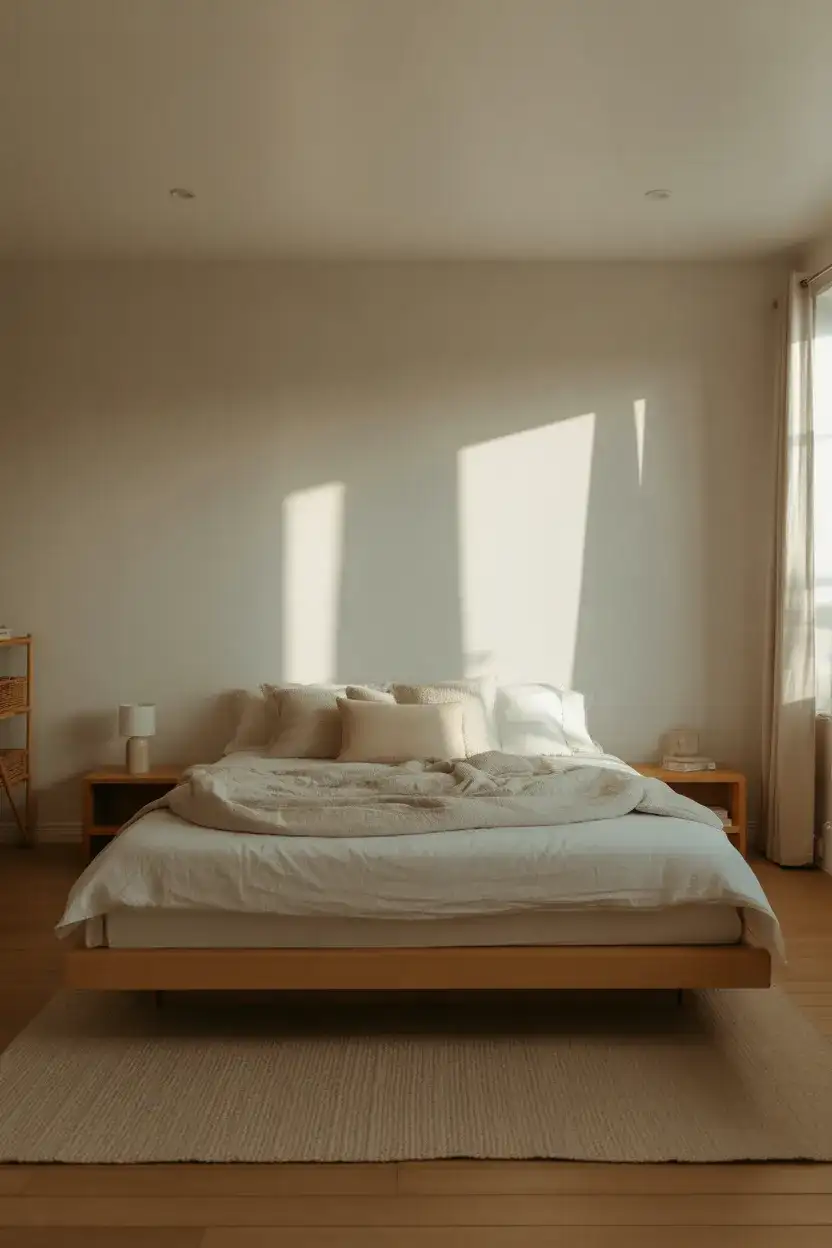
Budget angle: affordable jute or flatweave cotton rugs start around $50–$100 at stores like Target, IKEA, or Rugs USA, and they’re durable enough for high-traffic bedroom use. Skip plush high-pile rugs in very small spaces—they can make the room feel smaller and are harder to clean.
22. Cozy Relaxing String Lights and Soft Textiles
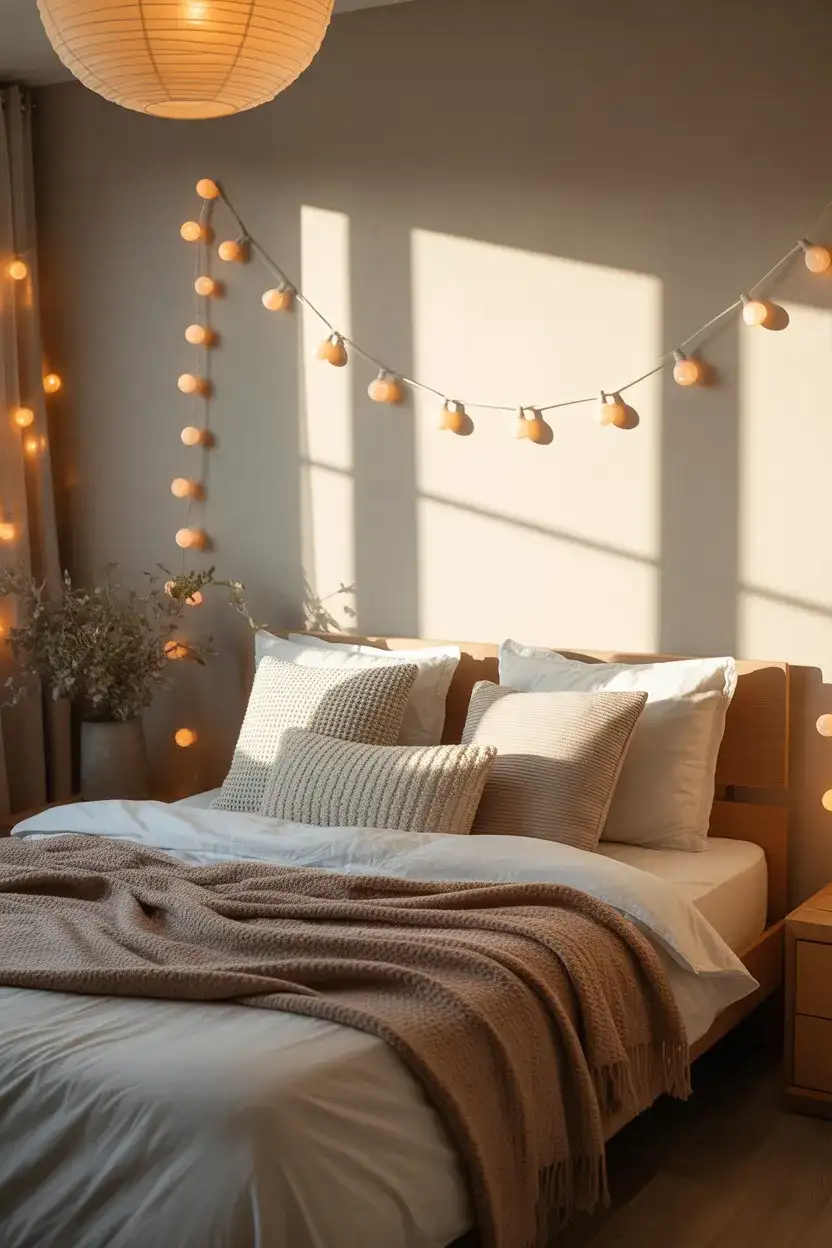
Draping warm-toned string lights around the headboard or along the ceiling perimeter creates a cozy, relaxing ambiance that transforms a tiny bedroom into a soothing retreat. Pair them with layers of soft textiles—chunky knit throws, linen duvet covers, velvet pillows—to build a tactile, inviting space that feels like a hug after a long day. This low-cost, high-impact approach is a favorite on Pinterest for 2026, especially among renters who can’t install permanent fixtures. Battery-operated or plug-in LED strings work equally well, and dimmer switches let you adjust the mood.
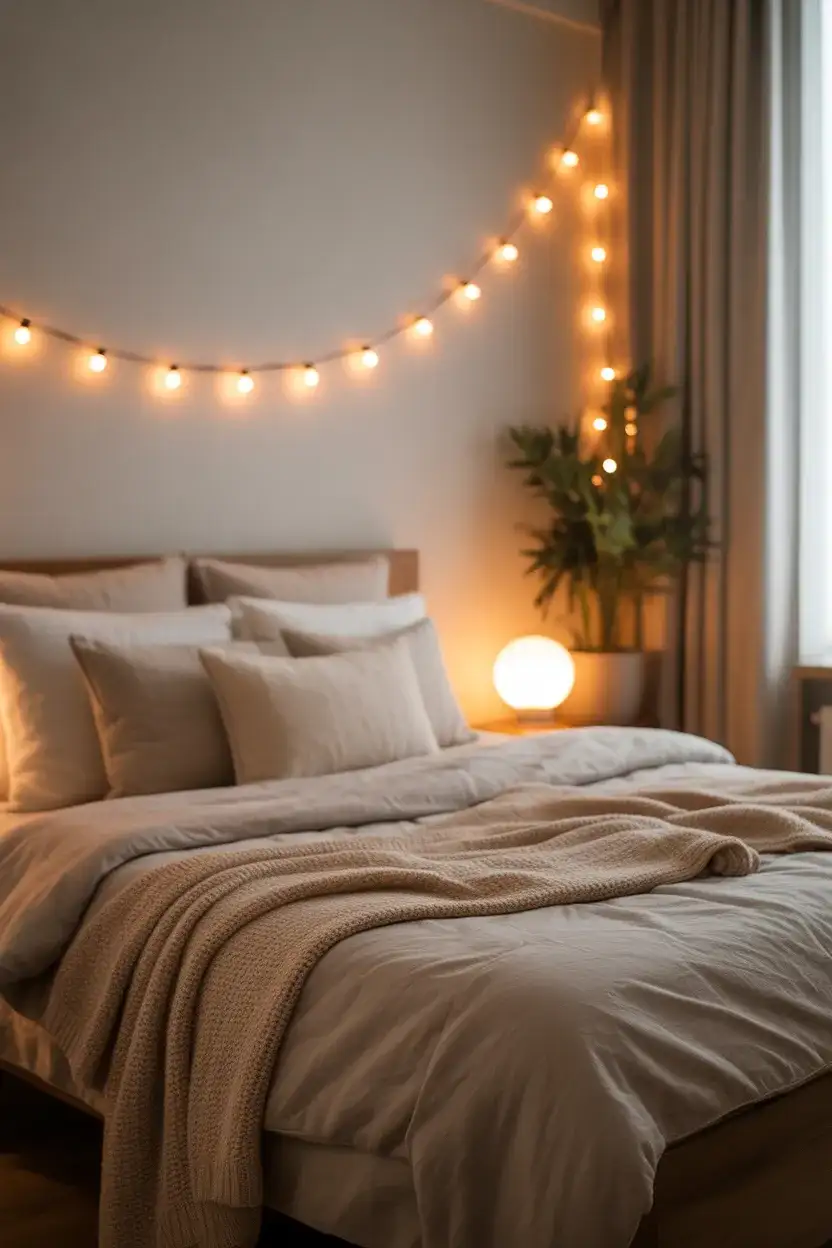
Expert-style commentary: choose warm white or amber LED string lights over cool white to avoid a clinical feel. The color temperature should be around 2700K–3000K for maximum coziness. Also, battery-powered lights with timers are great for bedrooms—they turn off automatically so you’re not fumbling in the dark or wasting electricity.
Conclusion
Whether you’re furnishing a studio for the first time, updating a kids’ room, or carving out a peaceful retreat for yourself, these 22 tiny bedroom ideas prove that smart design beats square footage every time. Try one, mix and match, or adapt them to your unique space—and don’t forget to share your results in the comments below. We’d love to see how you’ve made your small bedroom work for you.