Small Entryway Ideas 2026: 23 Creative Storage & Design Solutions for Compact Spaces

Small entryways are the unsung heroes of American homes, especially as more families embrace city living and compact floor plans. Whether you’re working with a cramped apartment hallway or a narrow foyer that opens straight into your living space, that first impression matters. Pinterest searches for small entryway solutions have surged as homeowners look for smart ways to maximize function without sacrificing style. In this guide, you’ll discover fresh ideas for 2026 that blend storage, personality, and practical design—all tailored to real spaces where every square foot counts.
1. Slim Console with Hidden Shoe Storage

When your apartment entrance barely fits a doormat, a wall-mounted console with concealed compartments becomes essential. These streamlined pieces tuck shoes behind flip-down panels or sliding doors while providing a landing spot for keys and mail. The design keeps your narrow space from feeling cluttered, and the visual lightness of a floating shelf makes the area feel larger than it actually is. 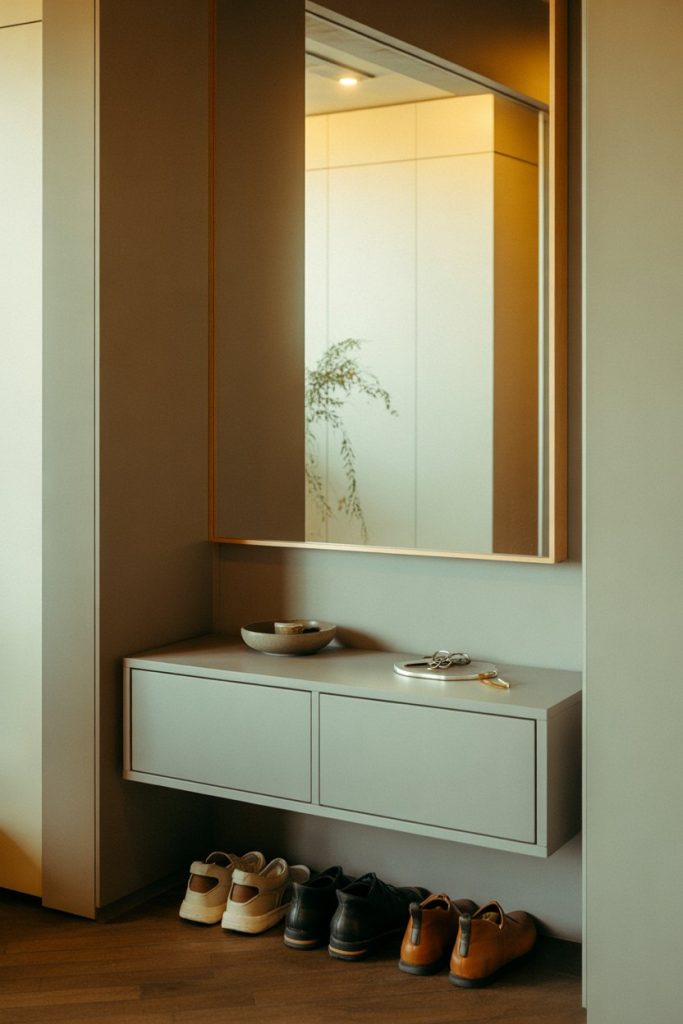
The trick is choosing a console no deeper than ten inches—anything bulkier will make you feel like you’re squeezing past furniture every time you come home. Look for models with soft-close hinges to avoid that loud slam when kids rush out the door. If your walls allow it, install the console at hip height so it doubles as a spot to rest grocery bags while you unlock the door.
2. Vertical Coat Hooks on Shiplap
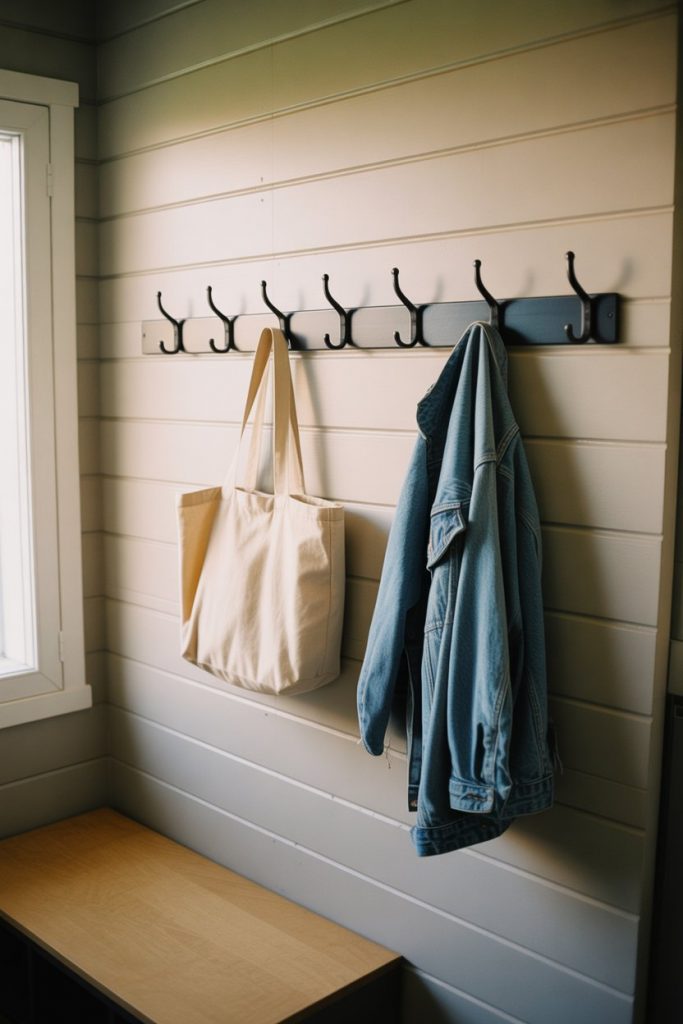
Classic farmhouse shiplap paired with sturdy metal coat hooks turns a blank wall into a hardworking drop zone. This approach works especially well in homes across the Midwest and South, where mudrooms aren’t always part of the original floor plan. Four to six hooks spaced evenly allow family members to claim their own spot without jackets piling up on a single peg.
Southern homeowners often add a small bench underneath for pulling off boots after yard work, while city dwellers might skip the bench to preserve walking space. The shiplap adds texture without color, so it plays nicely with whatever paint scheme you choose for adjacent rooms. Just make sure your hooks are rated for at least ten pounds each—winter coats are heavier than you think.
3. Corner Ladder Shelf with Baskets
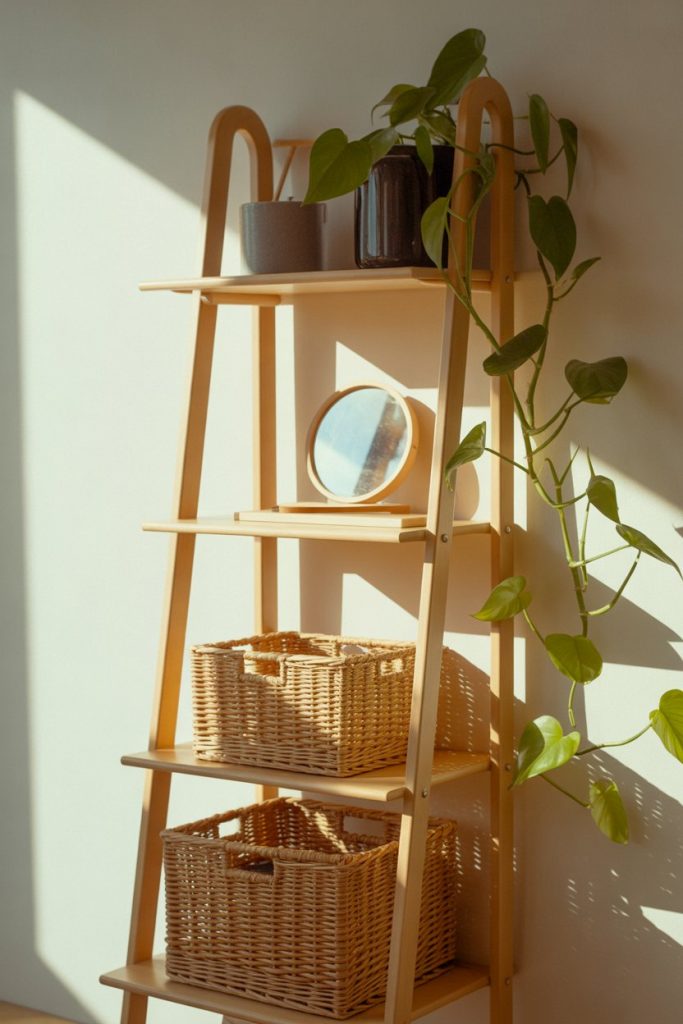
A leaning ladder shelf wedged into a corner uses vertical space without demanding floor footage. The tiered design offers spots for storage baskets, a small mirror, and a trailing pothos that softens the geometry. It’s a go-to solution for renters who can’t drill into walls or homeowners who want flexibility to rearrange on a whim.
My neighbor tried this after moving into a prewar walkup with no closet by the door. She keeps dog leashes in the bottom basket and sunglasses in the top one. Within a week, her morning routine got faster because everything had a designated home. The only downside? If you have curious cats, they’ll treat the ladder like a jungle gym.
4. Built-In Bench with Cubbies Below

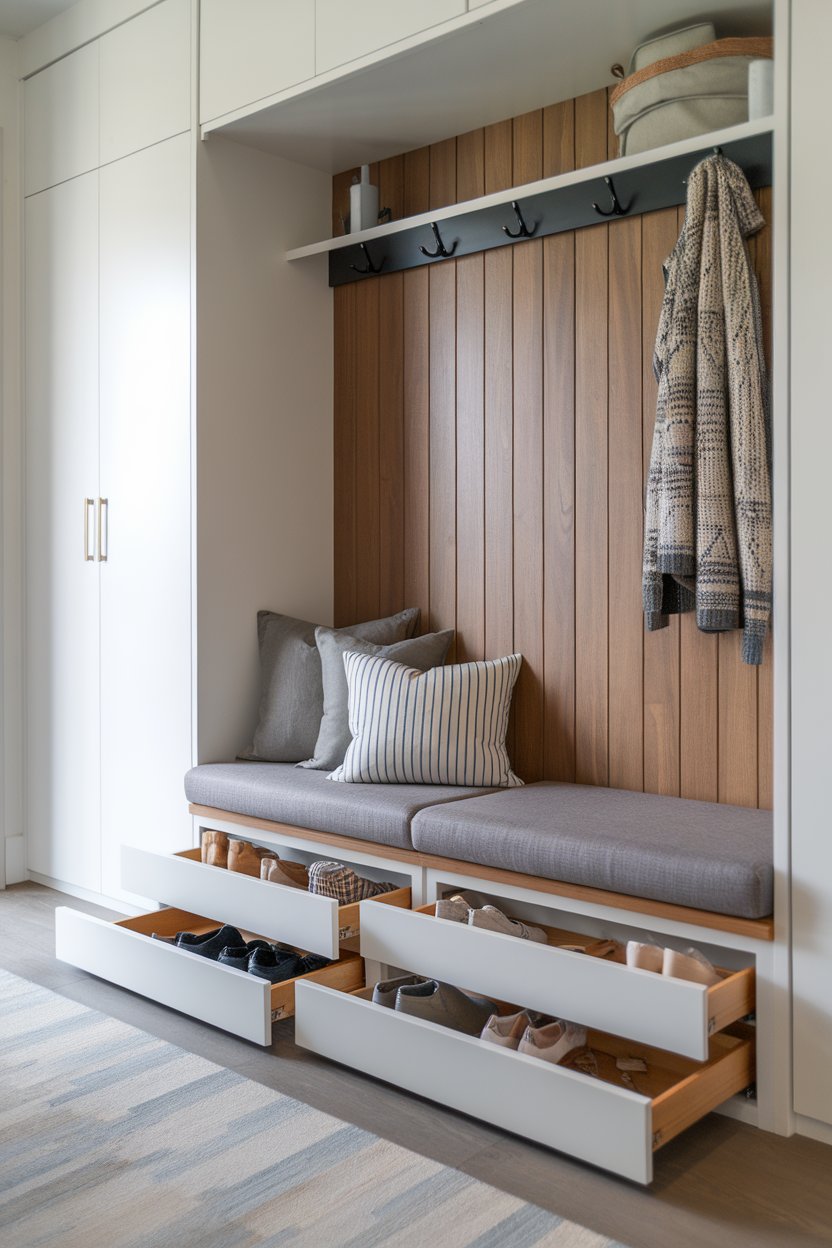
Carving out a nook for a bench with integrated cubbies turns wasted wall space into a launch pad for the whole household. Each family member gets a labeled cubby for shoes, and the cozy cushioned seat makes tying laces less awkward. This setup shines in homes where the front door opens directly into the main living area and you need to establish a functional boundary.
This arrangement works best in ranch-style homes or split-level layouts where the entry is part of a larger open plan. Families with young kids appreciate the low seat height, and guests feel invited to sit rather than awkwardly hopping on one foot to remove shoes. If you’re building from scratch, add a small drawer under the seat for dog waste bags or spare house keys.
5. Floating Shelf with Minimalist Hooks
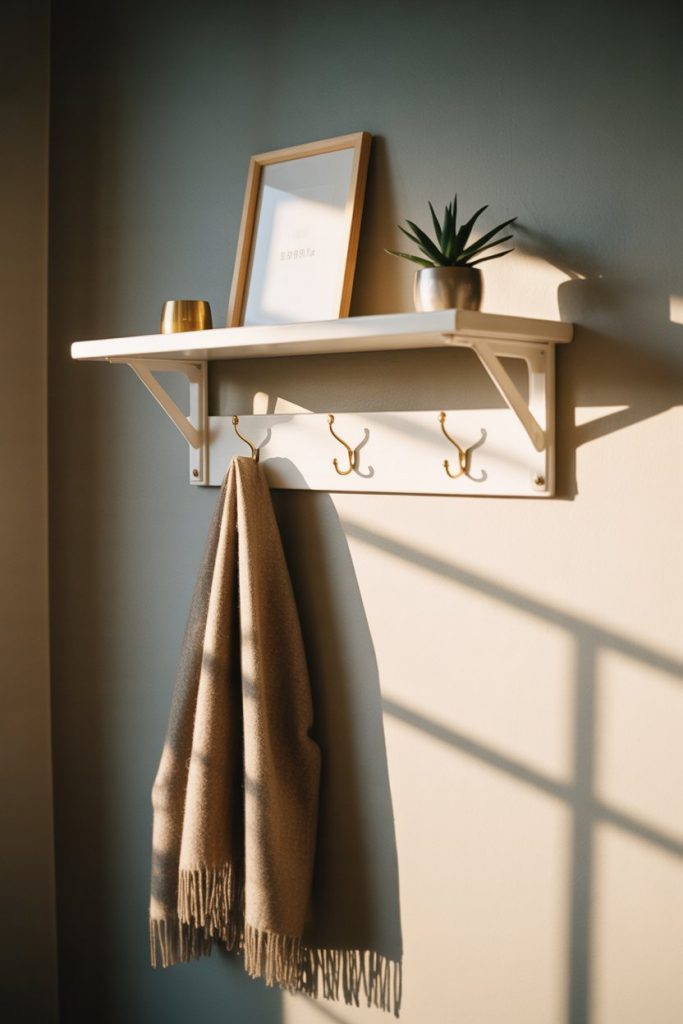
A single floating shelf paired with understated metal hooks delivers modern restraint without sacrificing utility. The horizontal line of the shelf acts as a visual anchor in narrow hallways, while the hooks below keep outerwear off the floor. This design avoids the top-heavy look that comes from mounting shelves too high or piling on too many decorative objects.
Interior designers often recommend keeping the shelf at eye level and limiting objects to three or fewer items—a sculptural vase, a small tray, and maybe one piece of art. The restraint keeps the space from looking busy, which is critical when you’re dealing with a tight corridor that leads to multiple rooms. The key is resisting the urge to treat the shelf like a catch-all for mail and receipts.
6. Pegboard Wall with Movable Accessories
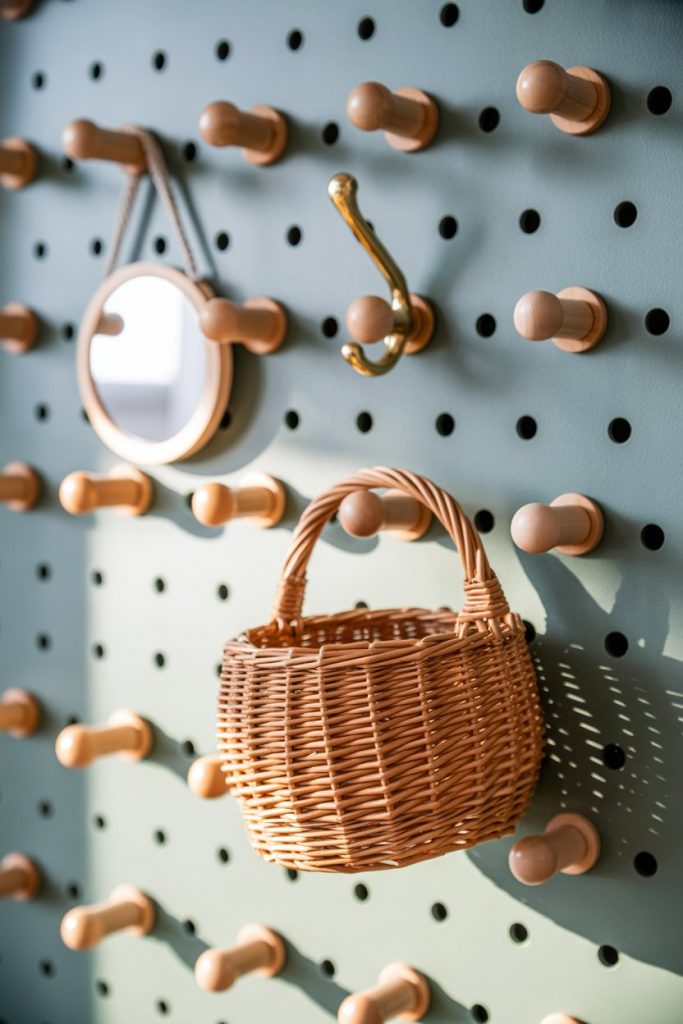
Industrial pegboard painted in a soft neutral gives you the freedom to rearrange hooks, shelves, and baskets as your needs evolve. This budget-friendly option costs around thirty dollars for a four-by-eight-foot sheet, and you can cut it to fit any awkward alcove. The grid pattern adds subtle texture, and the flexibility means you’re never locked into one configuration.
Hardware stores sell pegboard accessories in packs of ten, so you can gradually add shelves or hooks without a big upfront investment. If you’re handy, frame the pegboard with one-by-two trim to give it a more finished look. The affordability makes this ideal for first-time homeowners or anyone furnishing a rental, since you can take the board with you when you move.
7. Narrow Console with Decorative Tray
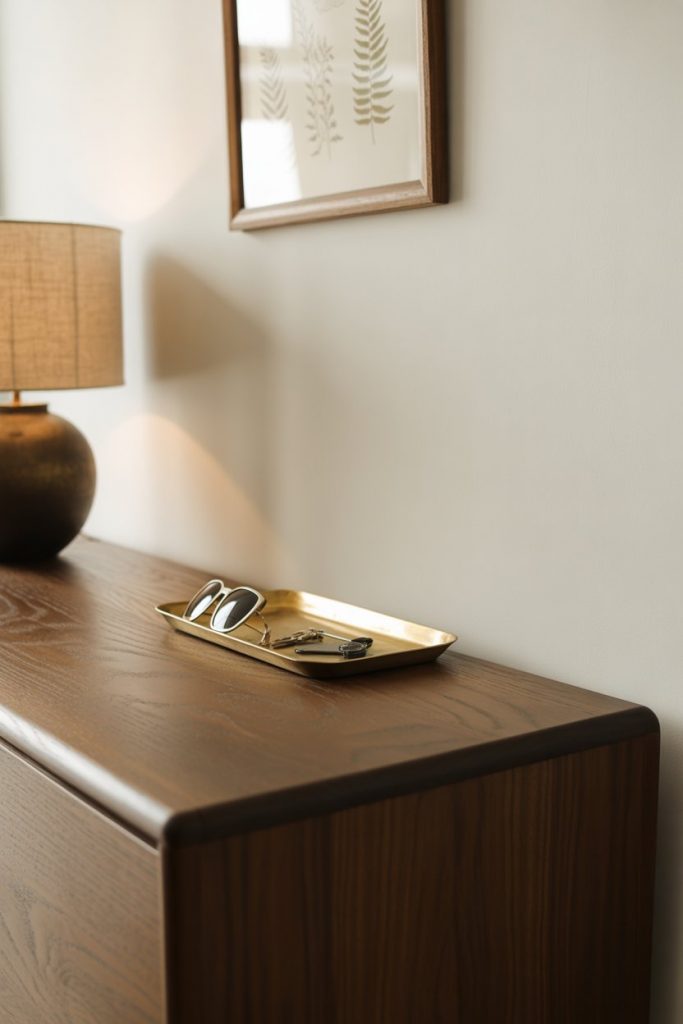
A slender console table paired with a decorative tray creates a dignified landing zone for everyday essentials. The tray corrals keys, sunglasses, and wallets so they don’t migrate across the surface, and the table’s legs keep the floor underneath clear for shoes or bags. This approach appeals to anyone who wants their apartment entrance door to feel intentional rather than improvised.
Most people underestimate how quickly a console becomes a dumping ground for takeout menus and loose change. Setting a rule—only items in the tray stay on the table—helps maintain order. If your household includes multiple people, consider getting a divided tray so everyone has their own compartment. It sounds fussy, but it actually prevents the daily “where are my keys” scramble.
8. Two-Tier Shoe Rack with Cushioned Top
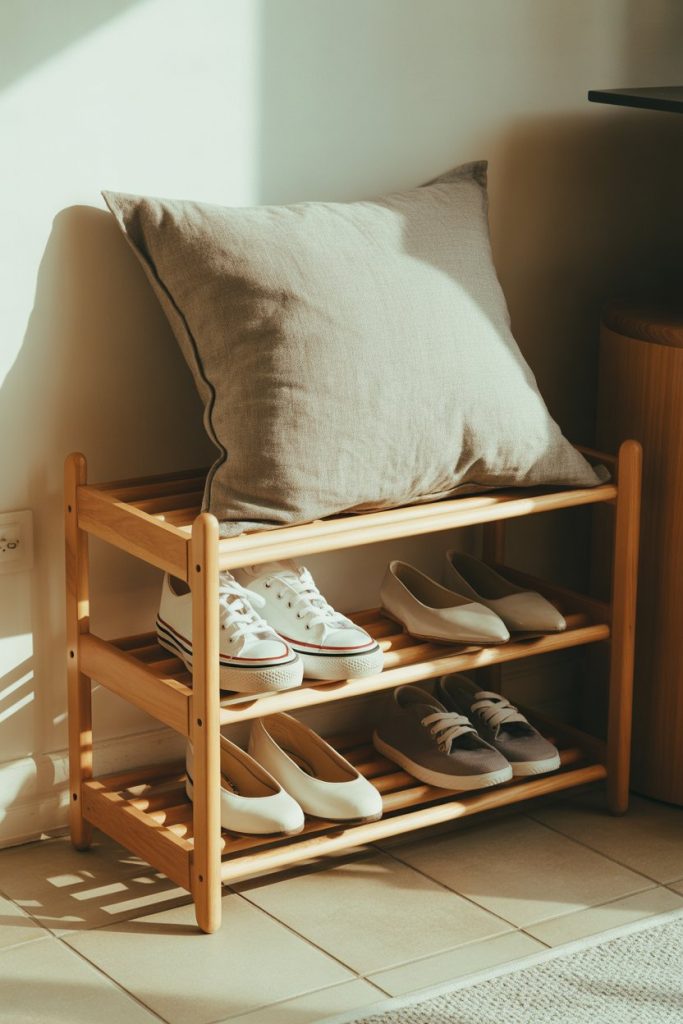
A compact shoe rack topped with a padded cushion serves double duty: shoe storage below and a perch for pulling on boots above. The two-tier design keeps everyday footwear visible and accessible, which matters when you’re rushing out the door. This piece fits neatly beside a front door without blocking the swing, making it a practical choice for tight quarters.
The most common mistake is buying a rack that’s too shallow for adult shoes, which forces you to angle footwear awkwardly or leave pairs sticking out. Measure your largest pair of sneakers before shopping, and add an inch to ensure everything sits flat. If you live in a rainy climate, line the bottom of each tier with a rubber mat to catch drips and protect the finish.
9. Gallery Wall with Ledge Shelf
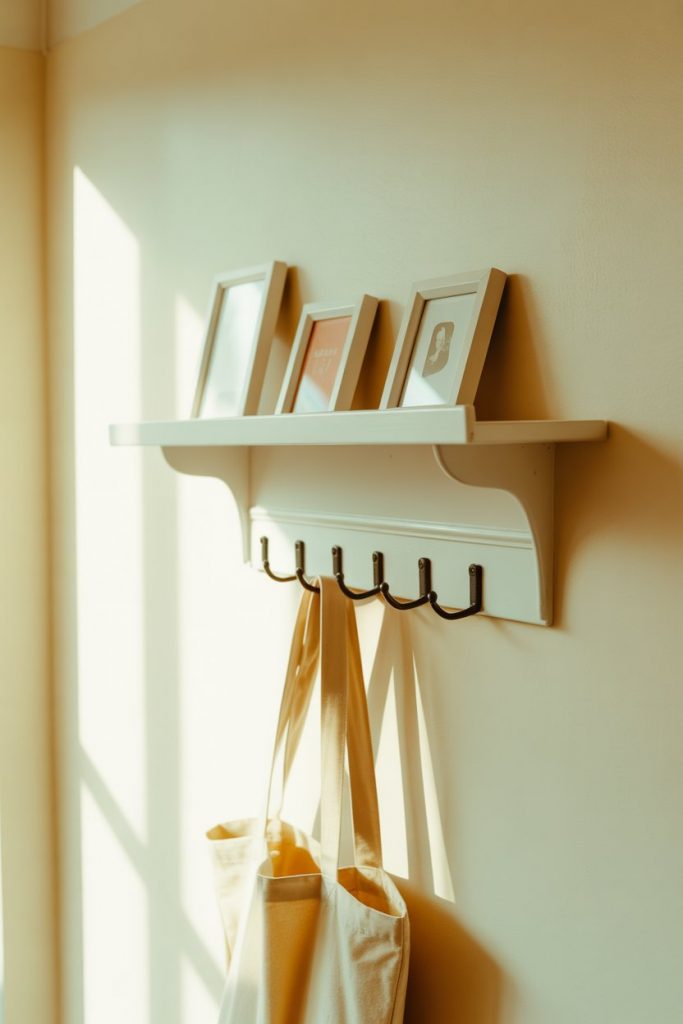
A picture ledge mounted above a row of hooks turns your entry into a mini gallery that rotates with the seasons. The ledge eliminates nail holes and lets you swap frames or propped prints whenever the mood strikes. This setup works beautifully in apartment spaces where you want personality without permanent alterations, and it gives renters the freedom to refresh their look without tools.
The ledge should be deep enough to prevent frames from toppling forward—aim for at least four inches. If you’re hanging family photos, stick to simple black or white frames so the focus stays on the images rather than mismatched borders. Swapping out prints for the holidays takes less than five minutes, which makes this an easy way to keep your entry feeling current without a full redesign.
10. Woven Basket Wall for Keys and Mail
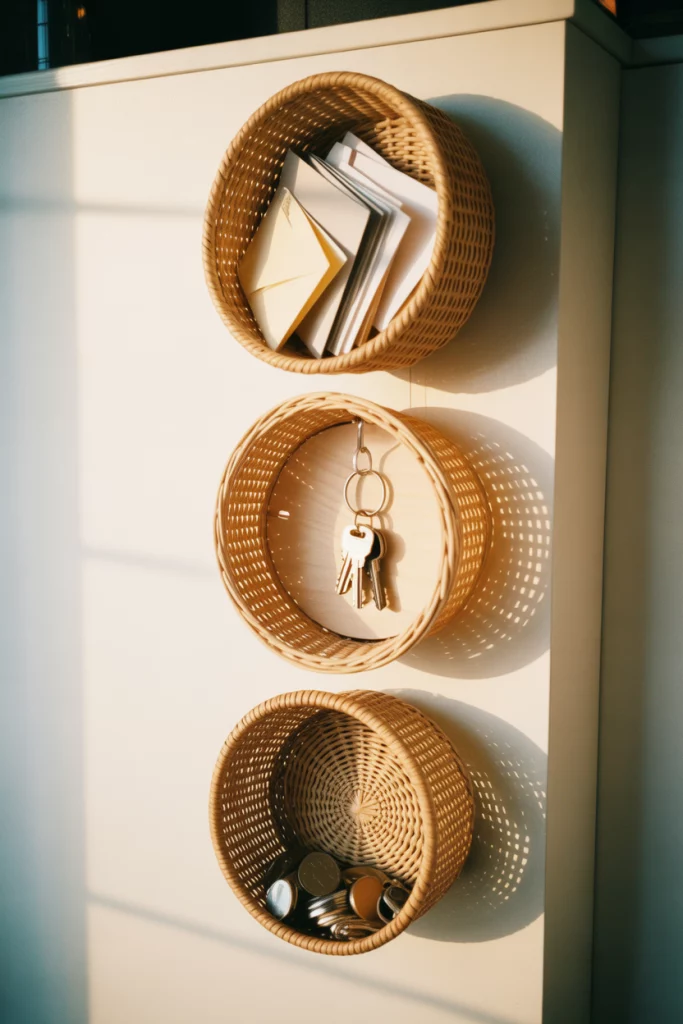
A trio of shallow woven baskets mounted on the wall brings warm texture and corrals the small stuff that tends to scatter. One basket for mail, one for keys, and one for odds and ends like hand sanitizer or reusable shopping bags. The natural fiber adds a boho softness that contrasts nicely with hard surfaces, and the open weave keeps contents visible so nothing gets forgotten.
This style has deep roots in Southwestern and West Coast homes, where natural materials and relaxed aesthetics are part of the regional vernacular. The baskets work equally well in desert climates and coastal cottages, adapting to whatever color palette you’re working with. Just make sure the mounting hardware is rated for the weight of a full basket—drywall anchors alone won’t cut it if you’re planning to load these up.
11. Tall Cabinet with Mirror Door
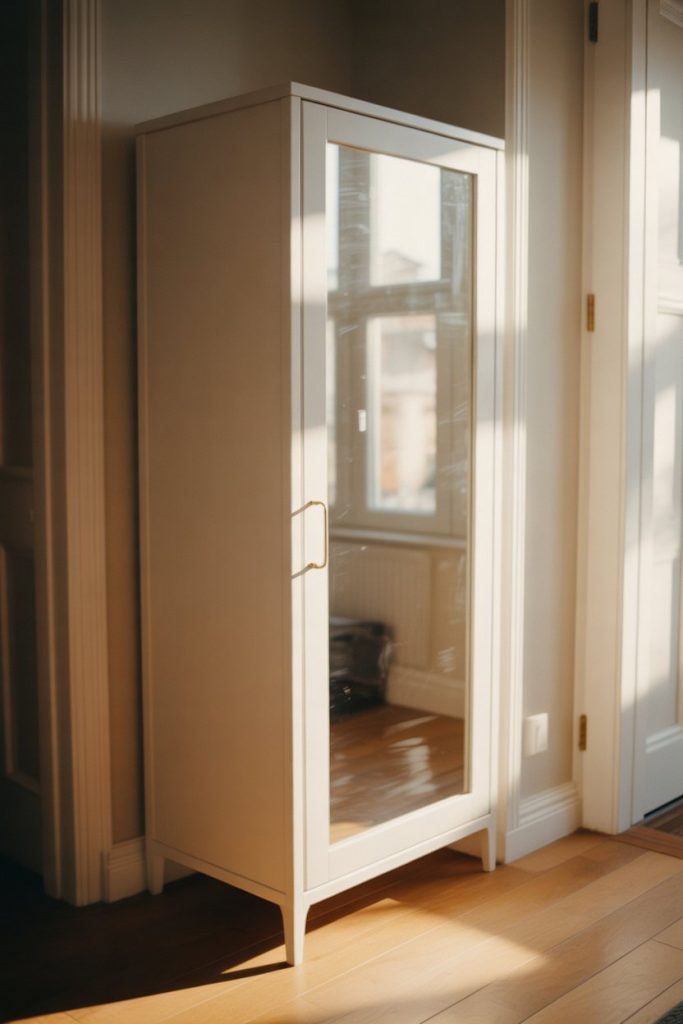
A floor-to-ceiling cabinet with a mirrored door hides clutter while visually expanding your narrow hallways entrance home decor. The interior holds off-season accessories, extra linens, or cleaning supplies, and the reflective surface bounces light around the space. This option is especially smart in stairs entry hall front doors layouts where wall space is limited and every inch counts.
A friend in Brooklyn installed one of these after her landlord finally allowed it, and she said the mirror changed everything—her hallway went from cave-like to airy overnight. She keeps winter scarves and spare umbrellas inside, and the mirror gives her a last-minute outfit check before heading out. The only catch is making sure the door opens away from foot traffic so no one walks into their own reflection.
12. Fold-Down Wall Desk for Small Spaces
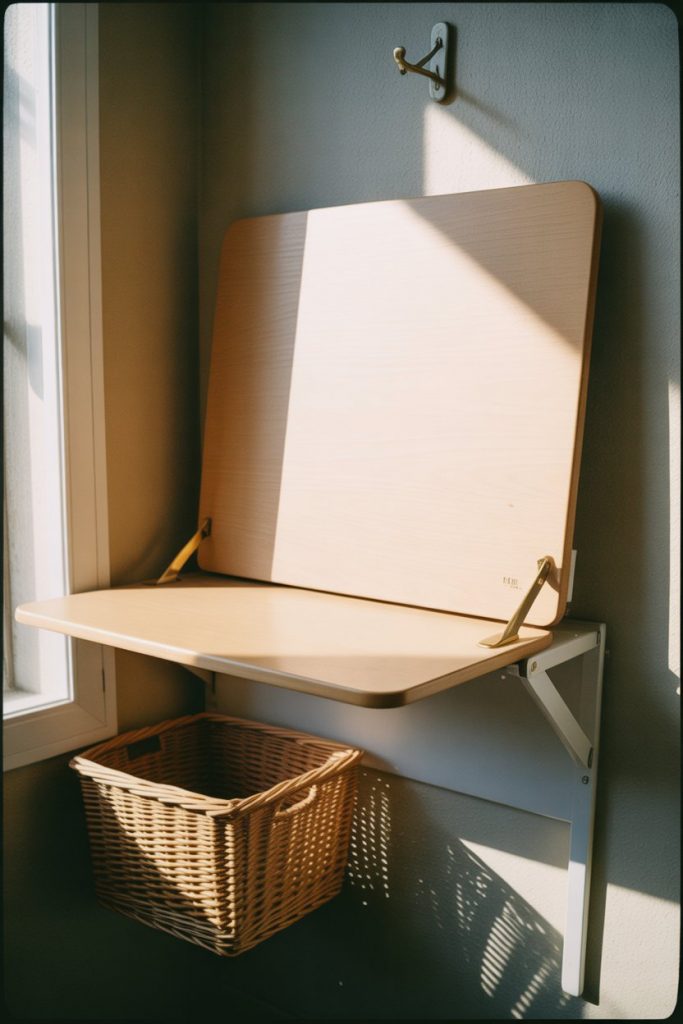
A fold-down desk hinged to the wall creates a super compact spot for sorting mail or setting down grocery bags. When closed, it reads as a slim panel or shelf; when open, it provides a temporary surface without eating up permanent floor space. This solution shines in extra tight entryways where even a skinny console feels like too much.
The folding mechanism means you only deploy the desk when you need it, which keeps the pathway clear during busy mornings when everyone’s rushing out. Some models include a small lip or groove to prevent items from sliding off, which is worth seeking out if you plan to use it for writing or laptop work. Mounting it at a comfortable standing height makes it more versatile than a seated desk.
13. Runner Rug with Bold Pattern
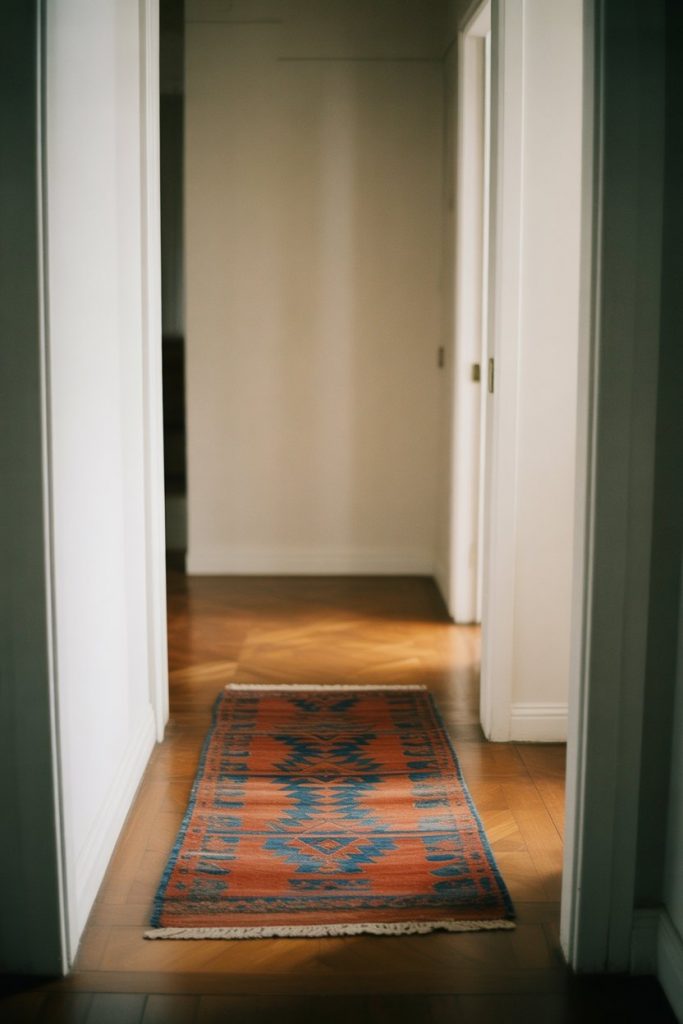
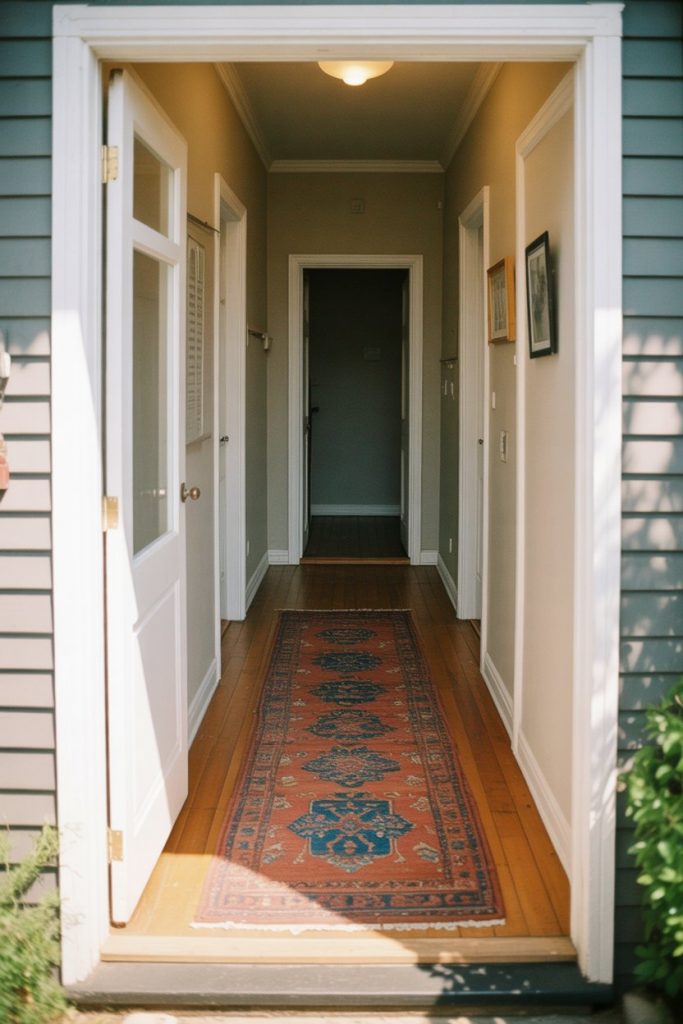
A colorful runner grounds your entry and protects flooring from the daily wear of shoes and bags. Bold geometric or vintage-inspired patterns hide dirt better than pale neutrals, which is a practical consideration in households with kids or pets. The rug also defines the entry as its own zone, even when it flows directly into the living room.
In the Pacific Northwest, where rain and mud are constants, a washable runner is almost mandatory. Families in drier climates like Arizona might choose a low-pile wool option that feels good underfoot. Either way, look for a rubber backing to prevent slipping—nothing undoes the welcoming vibe of a pretty rug like someone catching a toe and stumbling into the coat closet.
14. Wall-Mounted Mail Organizer with Chalkboard
A tiered mail sorter paired with a small chalkboard panel keeps paperwork corralled and grocery lists handy. The vintage industrial vibe adds character to a plain wall, and the multiple slots let you separate bills, school notices, and catalogs. This approach appeals to anyone juggling a busy household where storage for paper clutter is a daily need.
My sister installed one of these after her kitchen counter became a mountain of school permission slips and coupon mailers. She says the chalkboard is the real MVP because she can jot down reminders without hunting for her phone. Her kids know to check the board before asking if they can have friends over, which cut down on repeat questions. It’s such a small thing, but it streamlined their mornings considerably.
15. Slim Coat Tree with Umbrella Stand Base
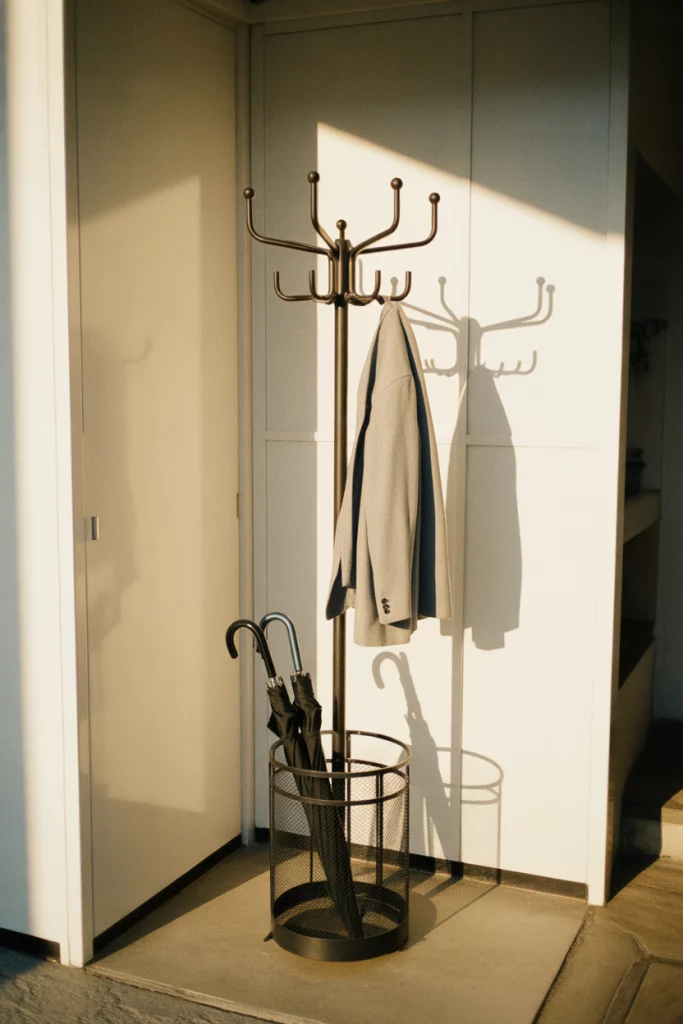
A freestanding coat tree with an integrated umbrella tray occupies minimal square footage while handling outerwear for the whole household. The vertical structure keeps jackets off the floor, and the weighted base prevents tipping when you yank off a heavy winter parka. This piece works well in homes where wall-mounting isn’t an option or the layout makes a coat closet impractical.
This setup is ideal near side entrances or back doors where families actually come and go, rather than the formal front entry that guests use. It’s also a good choice for basements converted into living spaces or guest suites where you need coat storage away from the main floor. Just make sure the base is wide enough to provide stability—cheap models with narrow bases topple over if you hang more than two coats.
16. Glass-Front Cabinet for Display and Storage
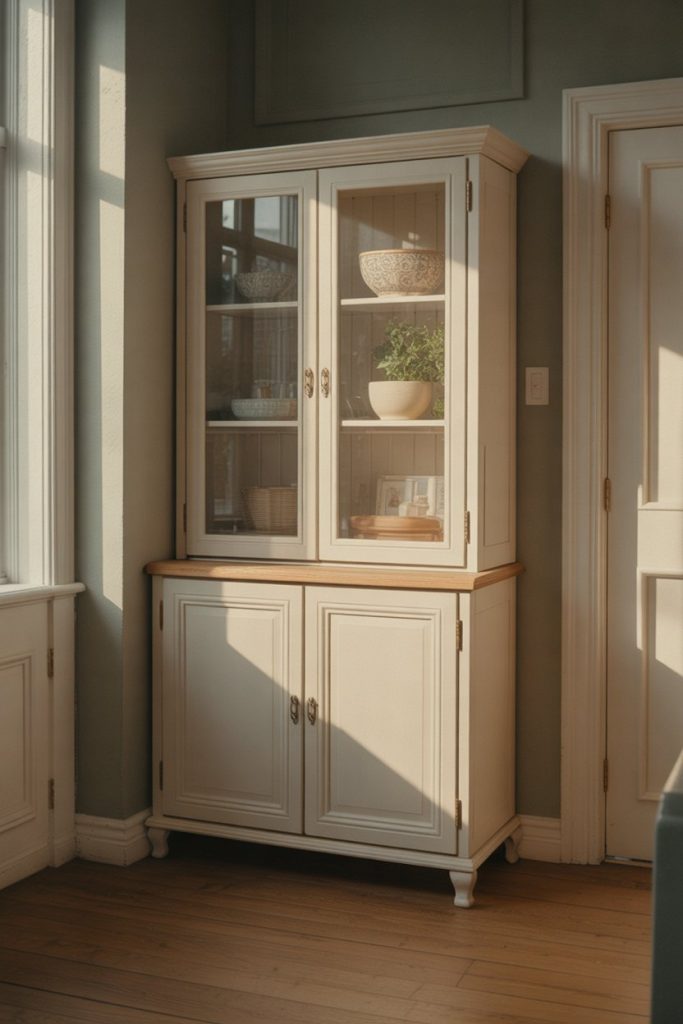
A cabinet with glass panels lets you showcase a few favorite objects while keeping everyday mess hidden behind solid doors below. The transparency adds visual interest without clutter, and the mix of open and closed storage gives you flexibility. This piece suits entryways that double as transitional zones between the living room front doors entrance, where you want beauty and function in equal measure.
Designers often recommend placing statement pieces like pottery or art books behind the glass, while stashing the unglamorous stuff—dog leashes, spare lightbulbs, reusable shopping bags—in the opaque lower section. The curated display creates the illusion of an intentional collection, even if you’re only showing three items. It’s a subtle way to elevate the entry without making it feel like a museum.
17. DIY Plywood Bench with Painted Base
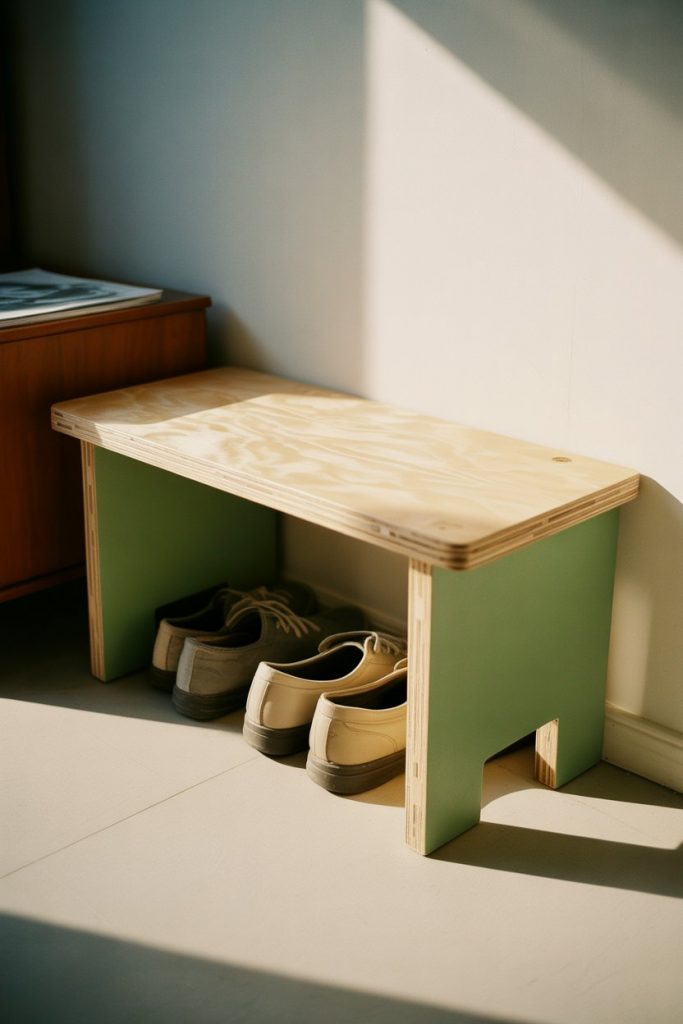
A handmade bench built from plywood and two-by-fours costs under fifty dollars if you have basic tools, making it accessible for budget-conscious homeowners. Paint the base in a bold accent color and leave the seat natural for a Scandinavian-meets-DIY aesthetic. The low profile suits compact spaces, and the sturdy construction means it won’t wobble when multiple people sit down to remove shoes.
Lumber prices fluctuate, but even during spikes, plywood remains one of the most affordable options for furniture projects. If you’re new to woodworking, this is a forgiving first build—the clean lines hide minor imperfections, and a coat of paint smooths over rough edges. Sand the seat thoroughly before finishing to avoid splinters, and consider adding furniture pads to the legs so the bench doesn’t scuff your floors.
18. Vintage Trunk as Dual-Purpose Storage
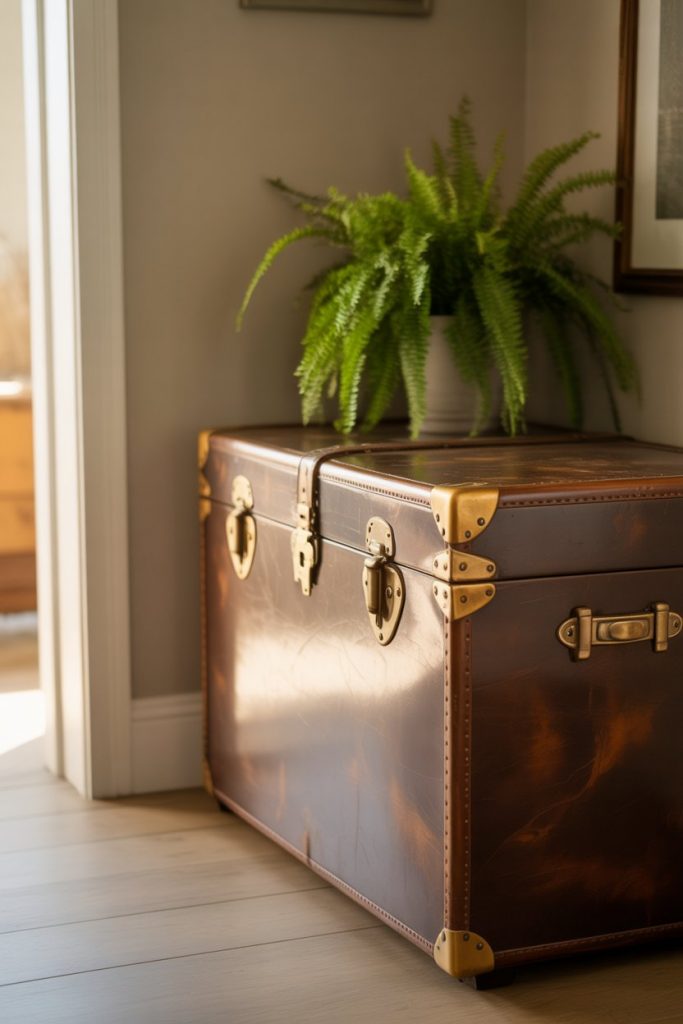
An old steamer trunk or military footlocker provides storage with character that you can’t get from mass-produced furniture. The hinged lid hides seasonal items like winter scarves or beach towels, and the flat top serves as a surface for a table lamp or small plant. This approach appeals to anyone drawn to farmhouse or eclectic styles where history and patina add warmth.
People tend to forget about the trunk after the initial setup and never actually open it, so it becomes a time capsule of whatever you stashed inside. Set a recurring reminder to rotate the contents seasonally—swap out flip-flops for mittens, or beach towels for throw blankets. The ritual keeps the trunk functional instead of purely decorative, and it forces you to reassess what you’re actually storing.
19. Mounted Bike Rack with Storage Below
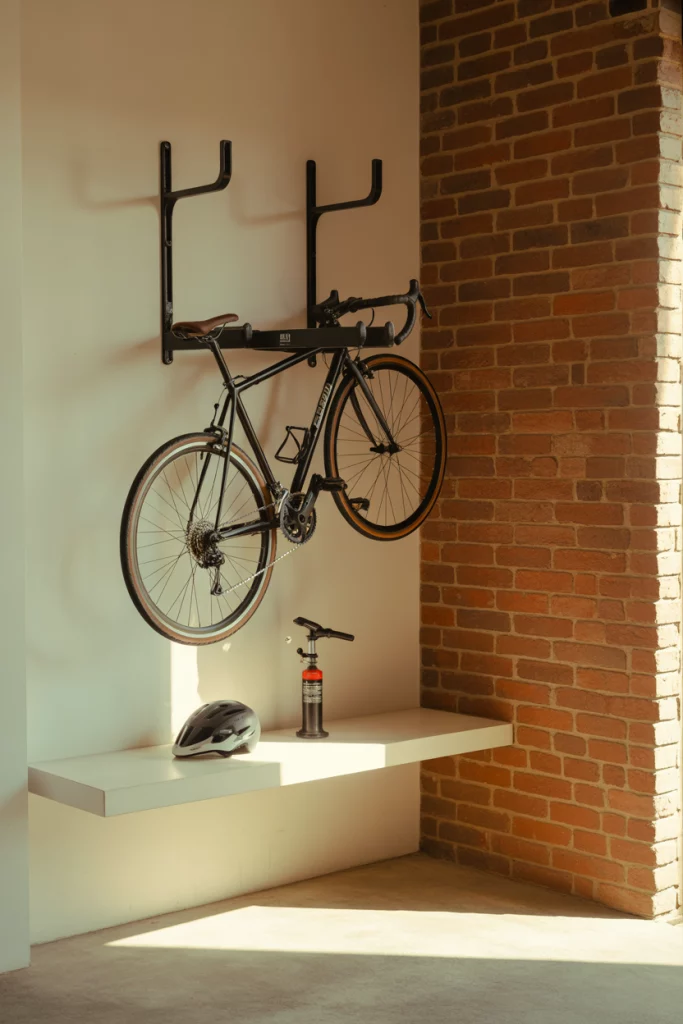
A wall-mounted bike rack paired with a low storage shelf turns a narrow entry into a cyclist’s launch pad. The bike hangs vertically to save floor space, and the shelf below holds helmets, pumps, and repair kits. This setup is common in urban apartments where bike parking isn’t available in the building and bringing your ride inside is the only secure option.
The biggest mistake is mounting the rack too high, which makes lifting a heavy bike awkward and risky. Position the rack so the top tube sits at shoulder height or slightly below, allowing you to hoist the bike with your legs rather than straining your arms. If your entry doesn’t have studs where you need them, use heavy-duty toggle bolts rated for at least fifty pounds. Bikes are heavier than they look, and sloppy installation will end with a crashed bike and drywall damage.
20. Floating Shelf with Hooks and Small Drawer

A floating shelf that combines open hooks with a discreet drawer offers the best of both worlds: visible storage for coats and bags, hidden storage for clutter. The drawer tucks away dog waste bags, spare change, or chapstick—things you need near the front door but don’t want on display. This hybrid piece keeps your entry functional without looking like a junk drawer exploded on the wall.
This configuration is especially smart in condos or townhomes where the entryway is also the main artery to the kitchen and living spaces. The drawer keeps visual chaos in check while still giving everyone quick access to essentials. It’s the kind of feature that seems minor until you live with it, and then you wonder how you ever managed without a place to toss receipts and hair ties within arm’s reach of the door.
21. Arched Alcove with Built-In Seating
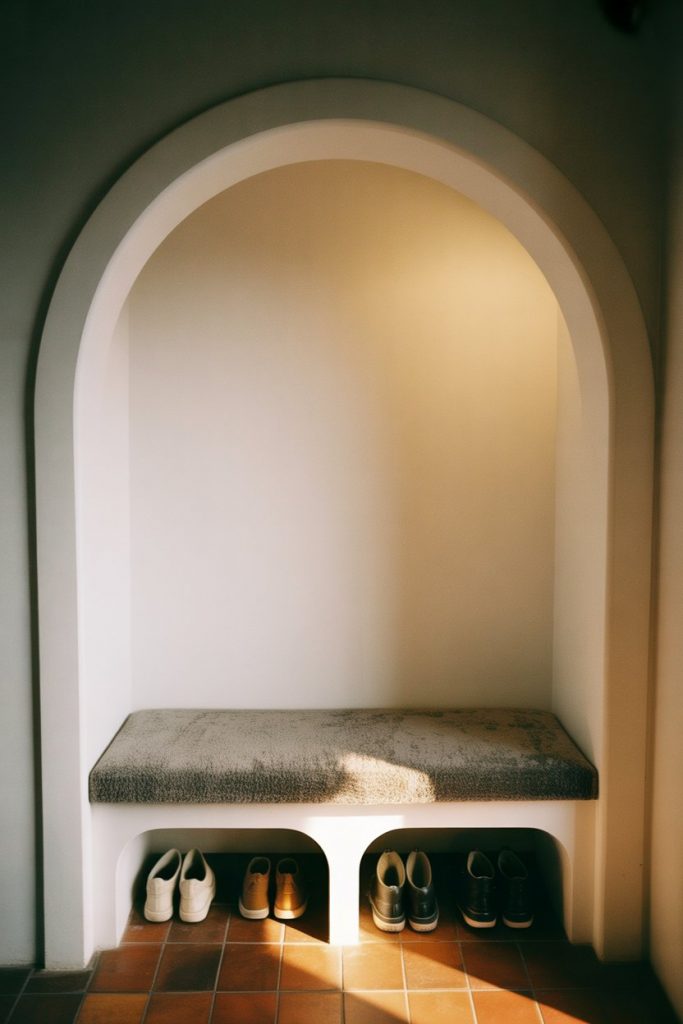
If you’re renovating or building new, consider carving an arched niche into a blank wall for a built-in bench with cubbies. The architectural detail adds elegance that feels permanent and intentional, while the seating makes the cozy entry more inviting. This approach is most common in Spanish Colonial or Mediterranean-inspired homes, but it translates beautifully to contemporary spaces when executed with clean lines.
The alcove creates a micro-room within the larger entry, which gives the space structure even if it’s open to the rest of the house. Interior architects note that the arch draws the eye upward, making the ceiling feel taller and the space more generous. If you’re going this route, plan the dimensions carefully—an alcove that’s too shallow feels cramped, while one that’s too deep starts to feel like a hallway rather than a feature.
22. Modular Cube Storage with Mix of Open and Closed Bins

A grid of modular cubes lets you customize storage based on what your household actually needs. Some cubes get fabric bins for hiding toys or pet supplies, others stay open for displaying books or plants, and a few might hold shoe storage boxes. The flexibility means the system grows with you, and the uniform grid brings order to a space that could easily feel chaotic.
Cube systems range from twenty dollars for a basic unit to several hundred for solid wood designs, so there’s an option for nearly every budget. The key is resisting the urge to fill every cube immediately—leaving some open creates visual breathing room and gives you space to expand as needs change. If you have young kids, assign each child a colored bin so they can easily identify their own storage spot, which cuts down on the daily scramble to find backpacks and shoes.
Conclusion
Small entryways don’t have to sacrifice style for function, and the best solutions often combine both in ways that feel uniquely yours. Whether you’re drawn to modern minimalism, farmhouse warmth, or eclectic boho layers, the ideas here offer a starting point for transforming that first impression. Try one approach, adjust it to fit your space, and share your results in the comments below—other readers would love to see how you made it work.