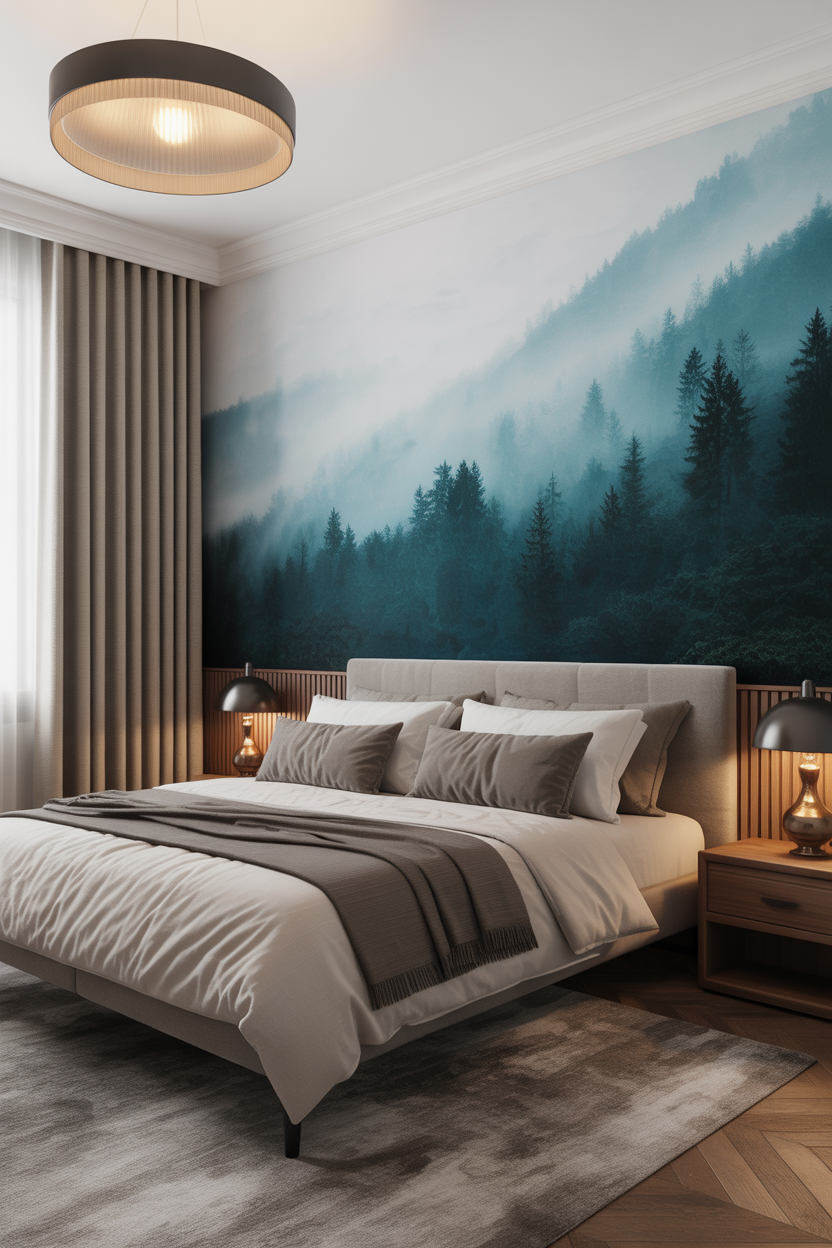
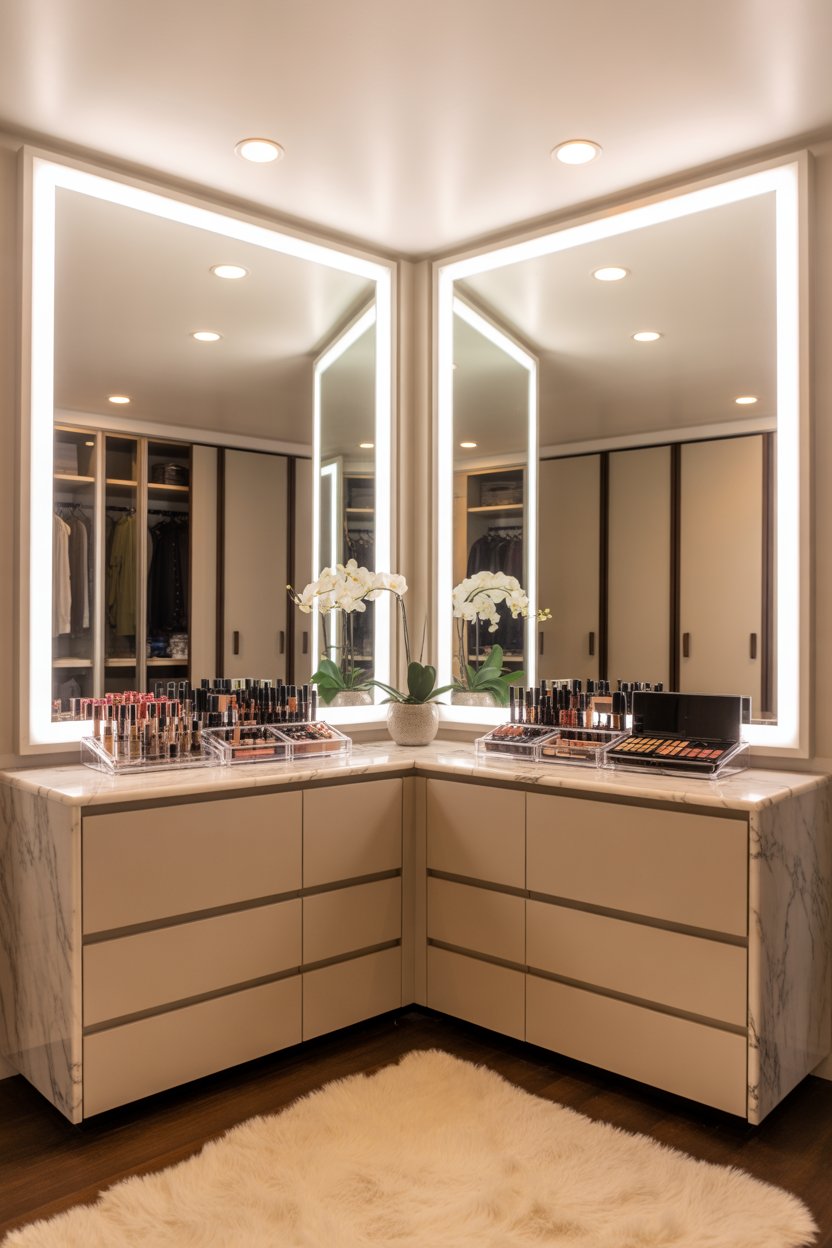
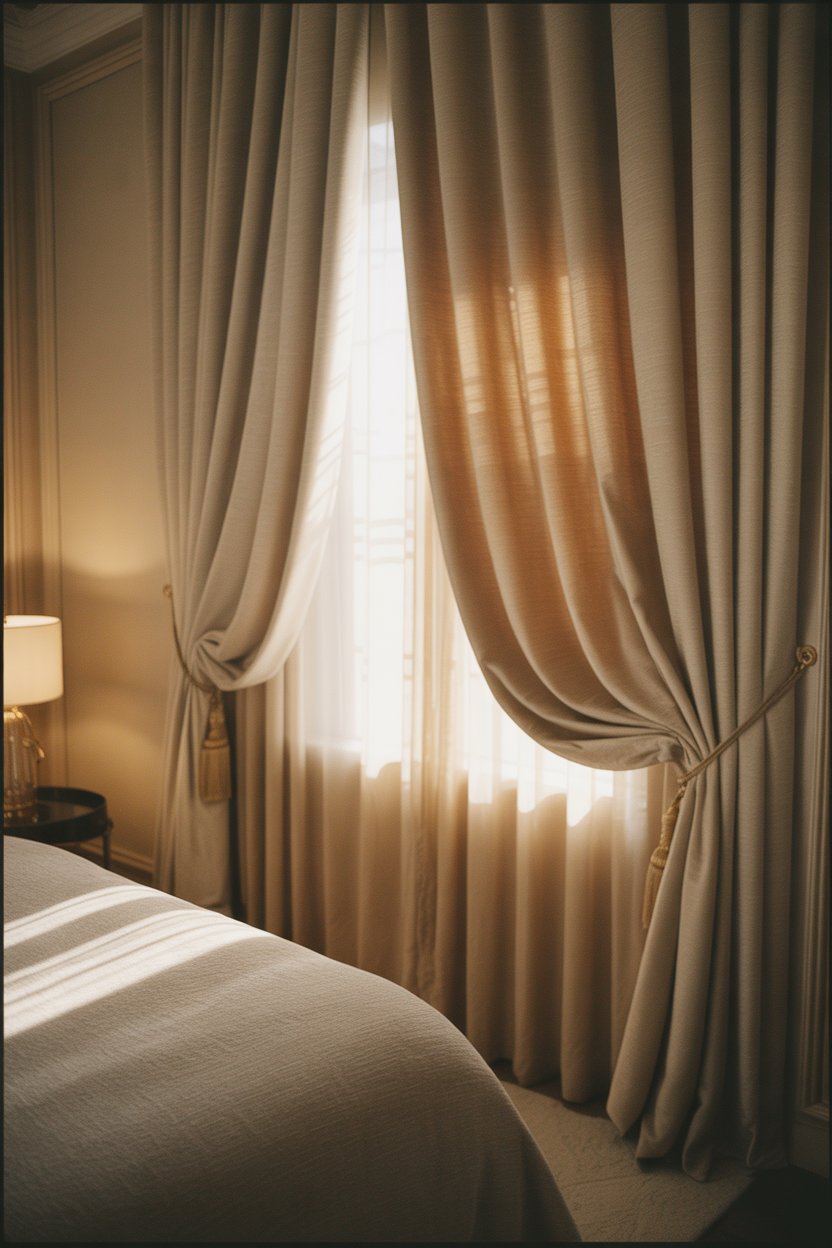
Small bedroom layouts are shaping up to be one of the most searched home design topics in 2026, especially among Americans looking to maximize every inch of their space without sacrificing style or comfort. Whether you’re furnishing a cozy apartment, redesigning a teen’s room, or figuring out how to fit a queen bed into a 10×10 footprint, the challenge is real—and Pinterest is flooded with people hunting for visual inspiration that actually works. This article walks you through smart, stylish layout ideas that balance function, flow, and a little bit of design magic, all tailored to how we actually live today.
1. Floating Desk Under the Window
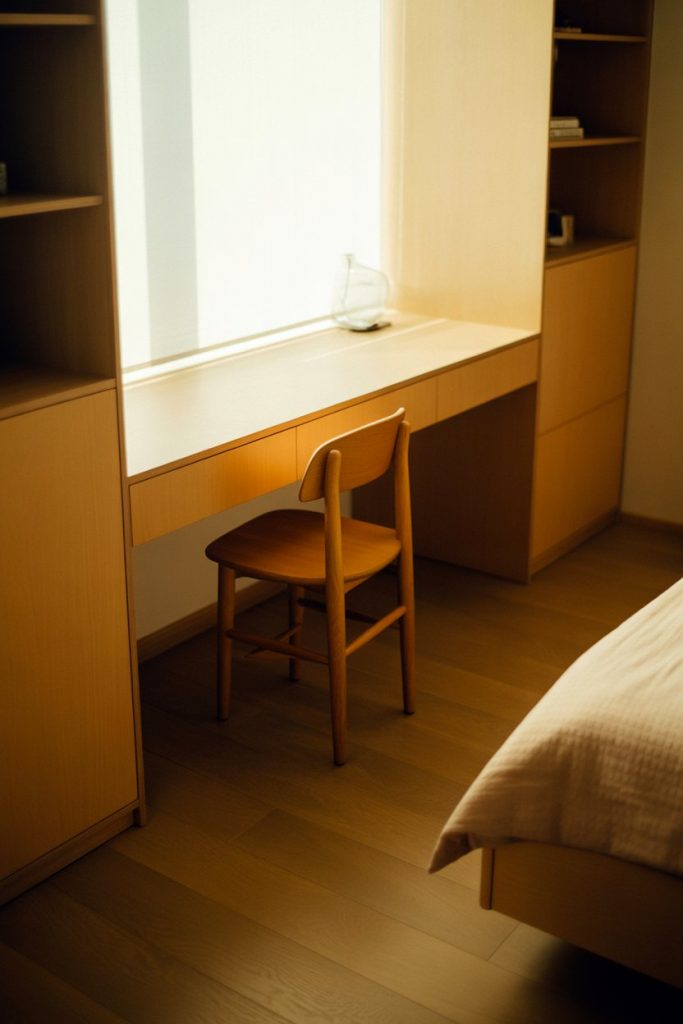
A small bedroom layout with a desk doesn’t have to eat up floor space. Mounting a slim floating desk directly beneath a window creates a bright, airy workspace that feels separate from the sleeping zone. This setup is especially popular in small apartments where natural light is limited and every square foot counts. The desk can double as a vanity or study nook, and you can tuck a low-profile chair underneath when not in use. 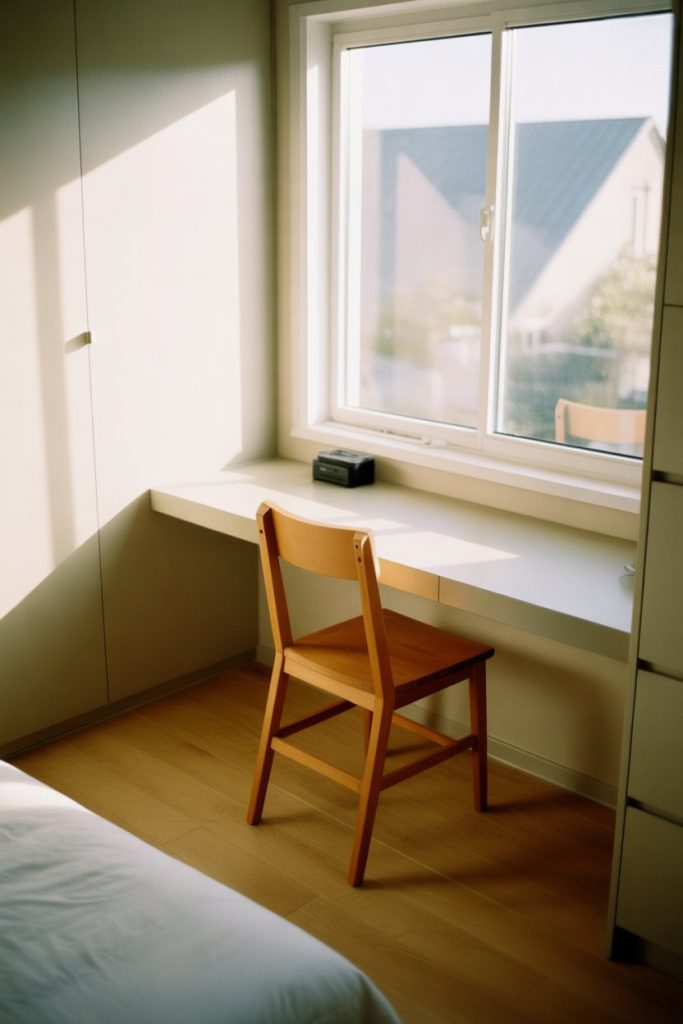
This layout works best in bedrooms with good window placement and at least 36 inches of wall width. It keeps the center of the room open, making the space feel larger than it is. If you’re working from home or need a dedicated spot for makeup application, this dual-purpose setup eliminates the need for separate furniture pieces and keeps clutter off your nightstand.
2. Queen Bed Against the Longest Wall
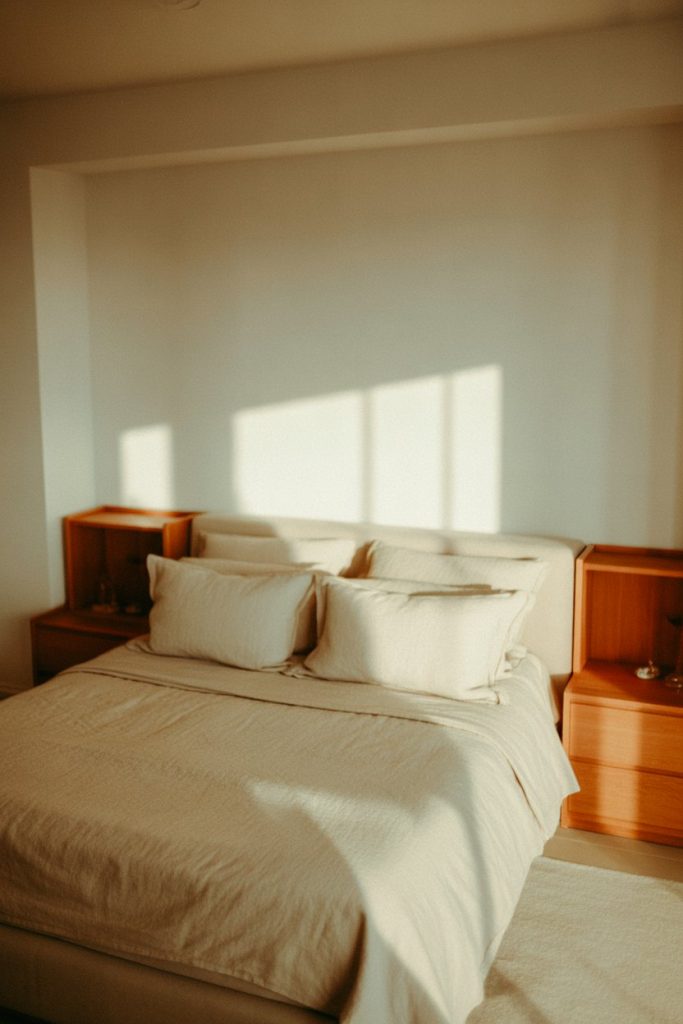
Placing a queen bed against the longest wall is layout 101, but it’s popular for a reason. This furniture placement strategy anchors the room visually and leaves enough space on either side for nightstands or small dressers. In a 10×12 bedroom, this setup ensures you’re not cramming the bed into a corner or blocking pathways, which is a common mistake in tight quarters. 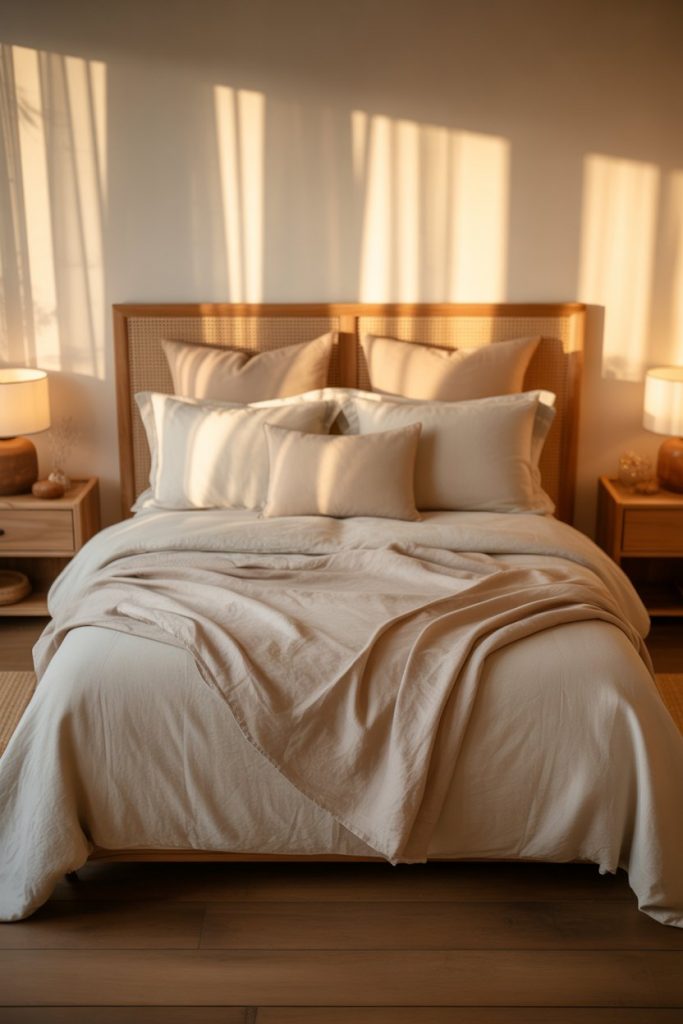
One thing to watch out for: leaving at least 24 inches of clearance on each side of the bed. Anything less makes it awkward to change sheets or access storage drawers underneath. This layout also works well for couples who need equal access to both sides of the bed, and it keeps the room feeling symmetrical without requiring fancy design skills.
3. Corner Desk With Wardrobe Combo
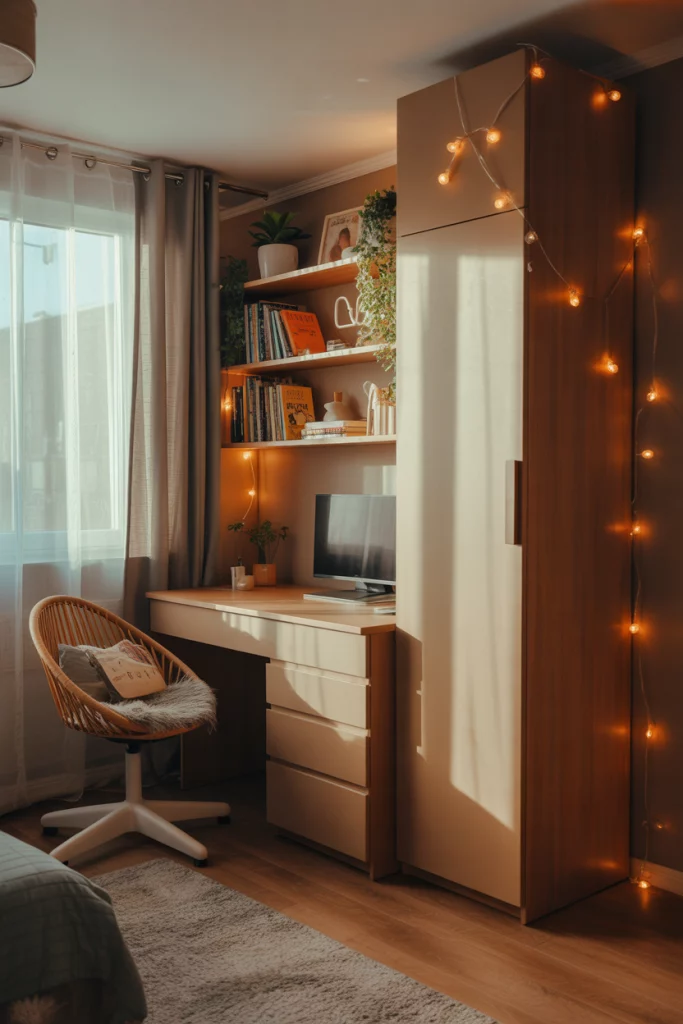
If you need a desk and wardrobe in a small bedroom, consider placing them in an L-shape along two adjacent walls. This creates a mini work-and-storage zone that doesn’t interrupt the flow around the bed. It’s a go-to solution for teens who need homework space and a place to hang school uniforms or hoodies without piling everything on a chair. 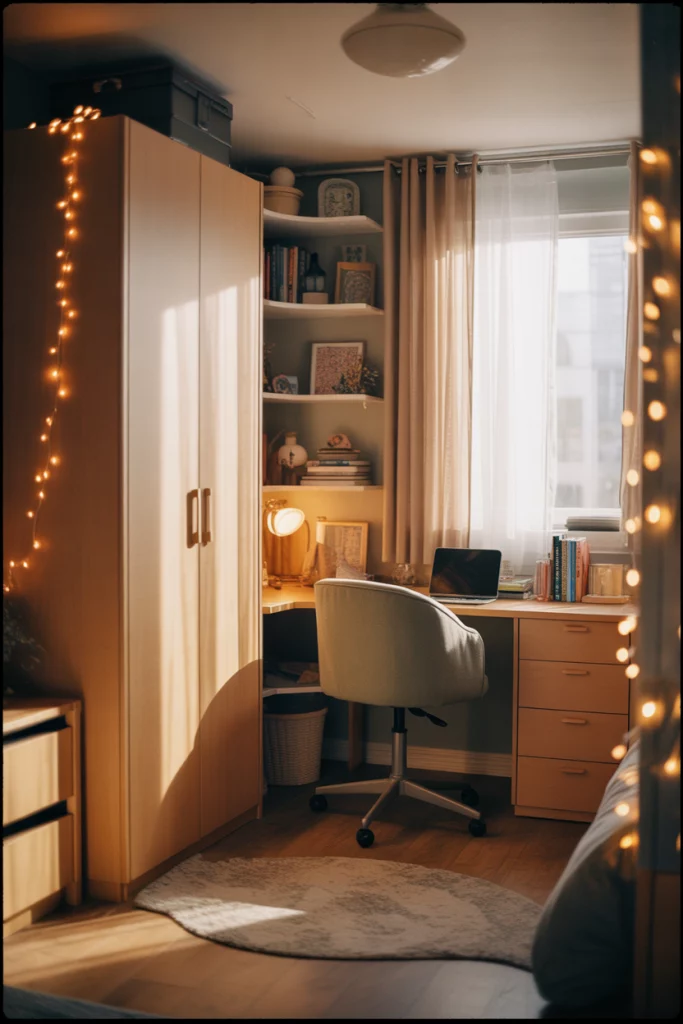
Budget-wise, you can often find modular desk-and-wardrobe combos at IKEA or Target for under $400 total. The key is choosing pieces with similar finishes so they feel cohesive rather than like random castoffs. This layout keeps the bed area open and gives the room two distinct functional zones, which is especially helpful in shared spaces or studio-style living.
4. Bed With Built-In Closet Behind
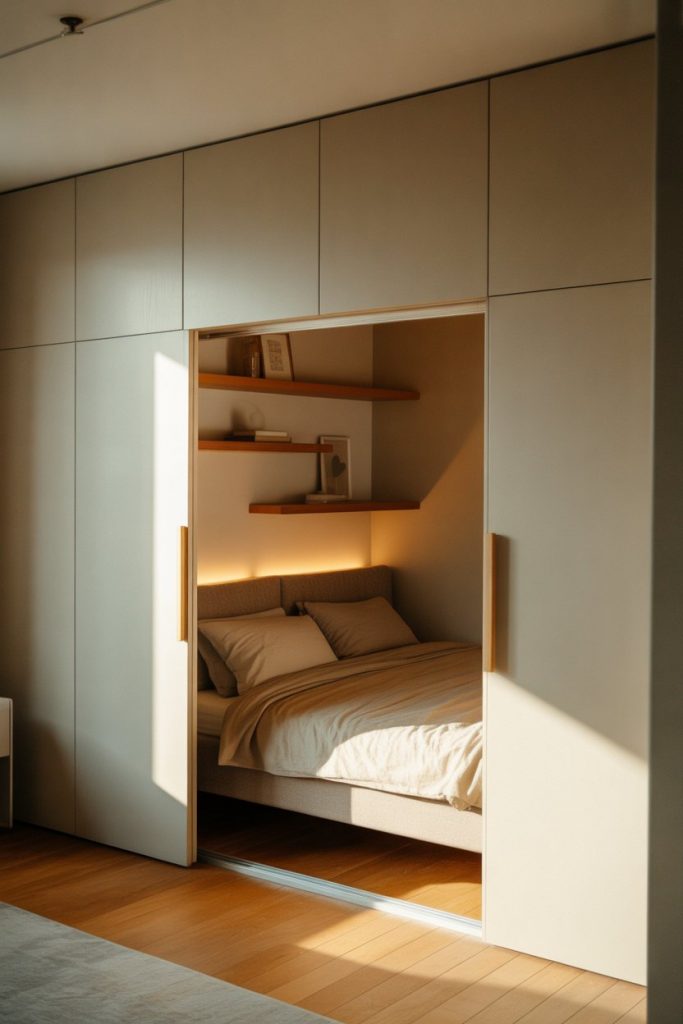
A built-in closet that wraps around the headboard is a clever way to add storage without taking up extra floor space. This plan works beautifully in bedrooms with awkward alcoves or where a traditional closet door would swing into traffic areas. The look is sleek, custom, and surprisingly achievable with prefab systems from brands like California Closets or even DIY kits from The Container Store. 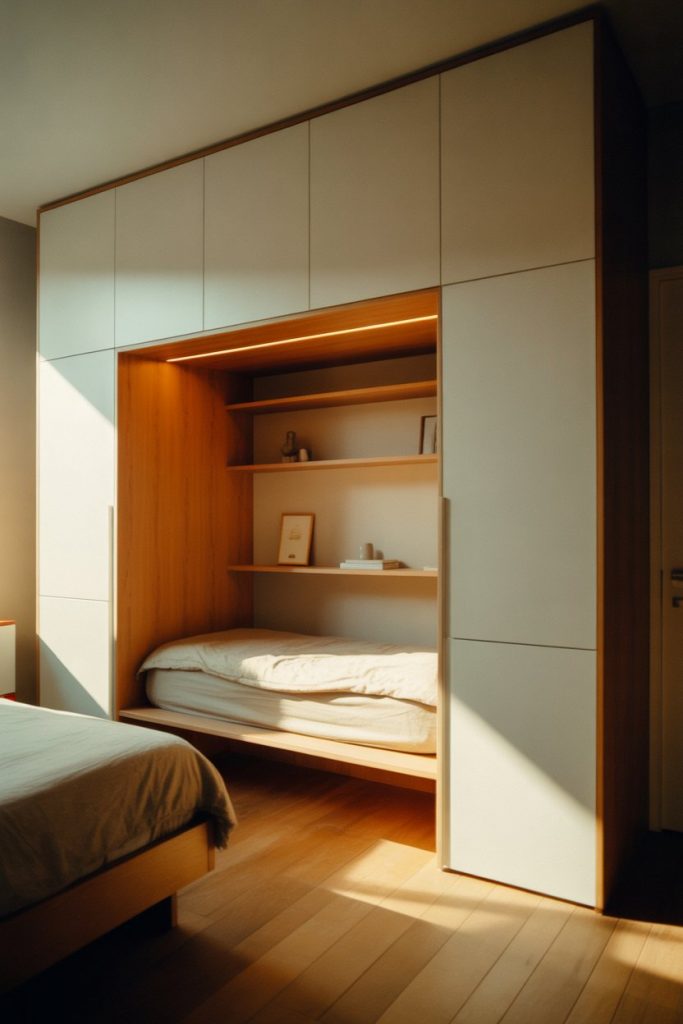
In cities like New York or San Francisco, where closet space is practically a luxury, this layout can boost resale value and make a 10×10 bedroom feel twice as functional. You also eliminate the need for a bulky dresser, freeing up room for a chair, a small desk, or even just better traffic flow. Just be sure to measure carefully—headboards with integrated storage need at least 18 inches of depth behind the mattress.
5. Twin Bed With Rolling Dresser Underneath
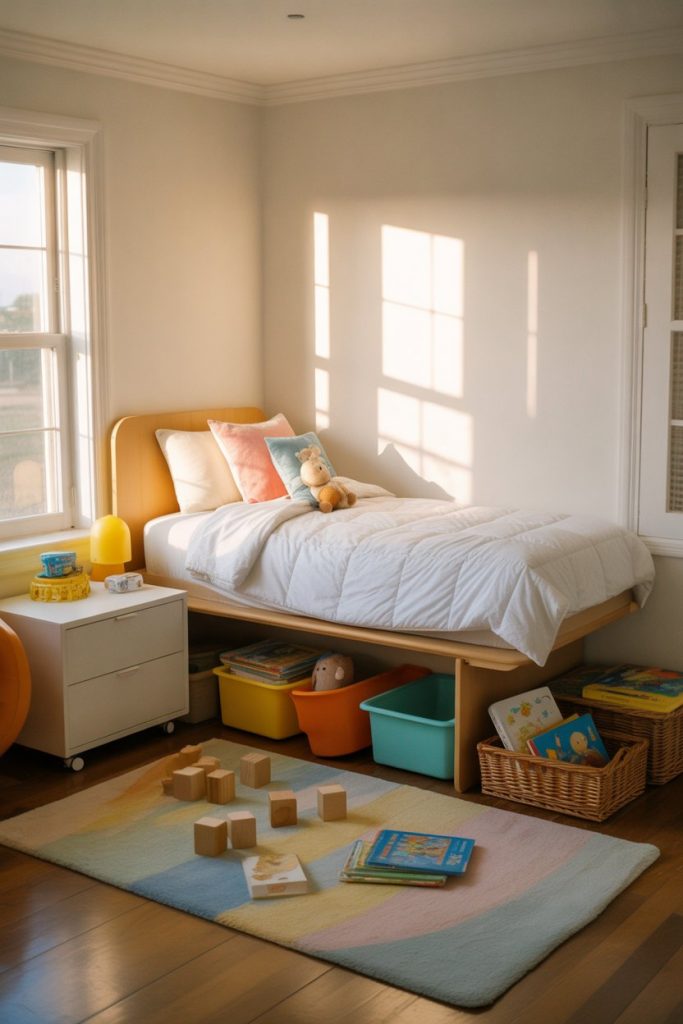
For a single bed or twin bed setup, consider a lofted frame with a low-profile dresser that rolls underneath. This is a lifesaver in kids’ rooms or guest bedrooms where you need flexible storage that doesn’t dominate the space. The dresser can be pulled out for use, then tucked away to keep pathways clear—perfect for active households where floor space doubles as play space. 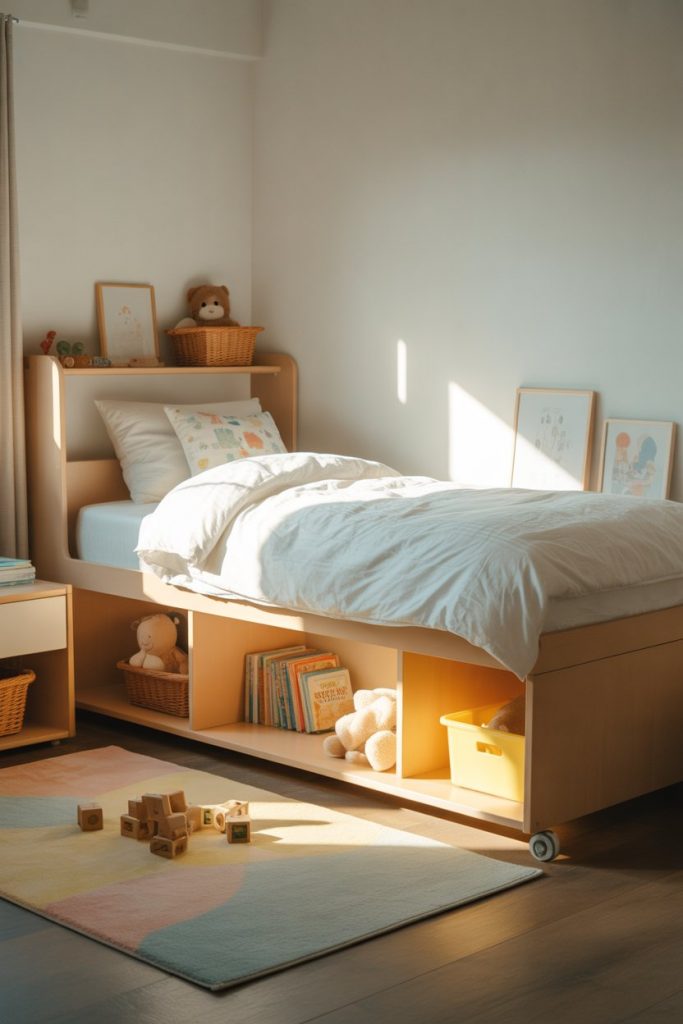
A common mistake here is choosing a dresser that’s too tall—it should clear the bed frame by at least 2 inches and have wheels rated for carpet or hardwood, depending on your flooring. This layout is also popular in college dorms and micro-apartments, where every piece of furniture needs to earn its keep. Plus, it’s one of the easiest setups to reconfigure as needs change over time.
6. Minimalist Platform Bed With Under-Bed Storage
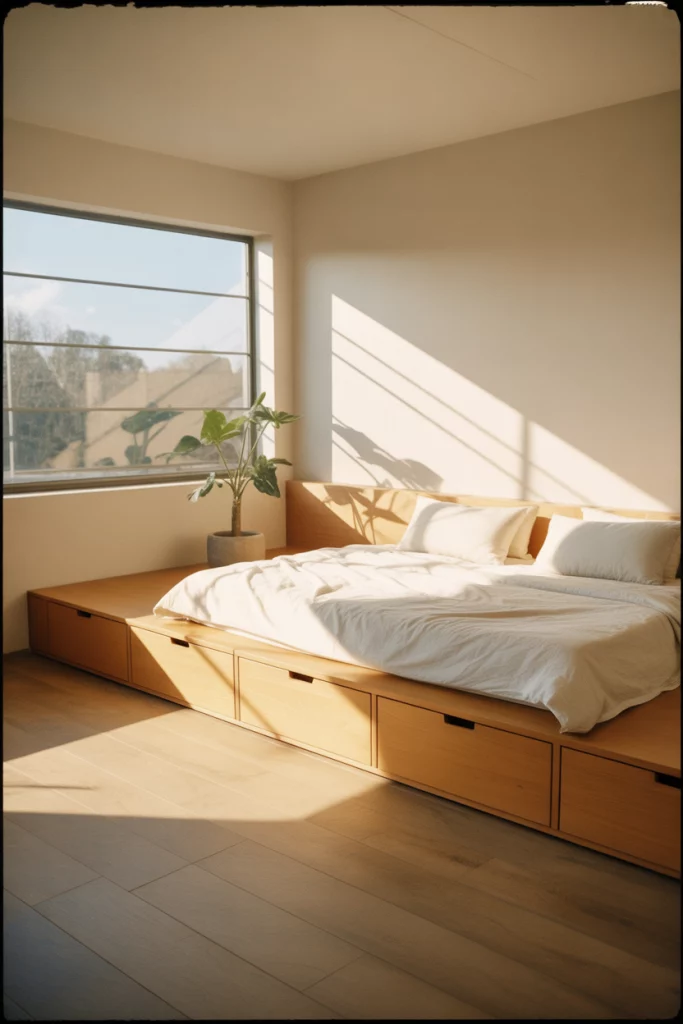
A low-profile platform bed with built-in drawers underneath is the definition of minimalist efficiency. This furniture placement eliminates the need for a separate dresser or under-bed bins, keeping the room visually calm and clutter-free. It’s especially popular in Scandinavian-inspired layouts where the goal is to own less but make every item count. 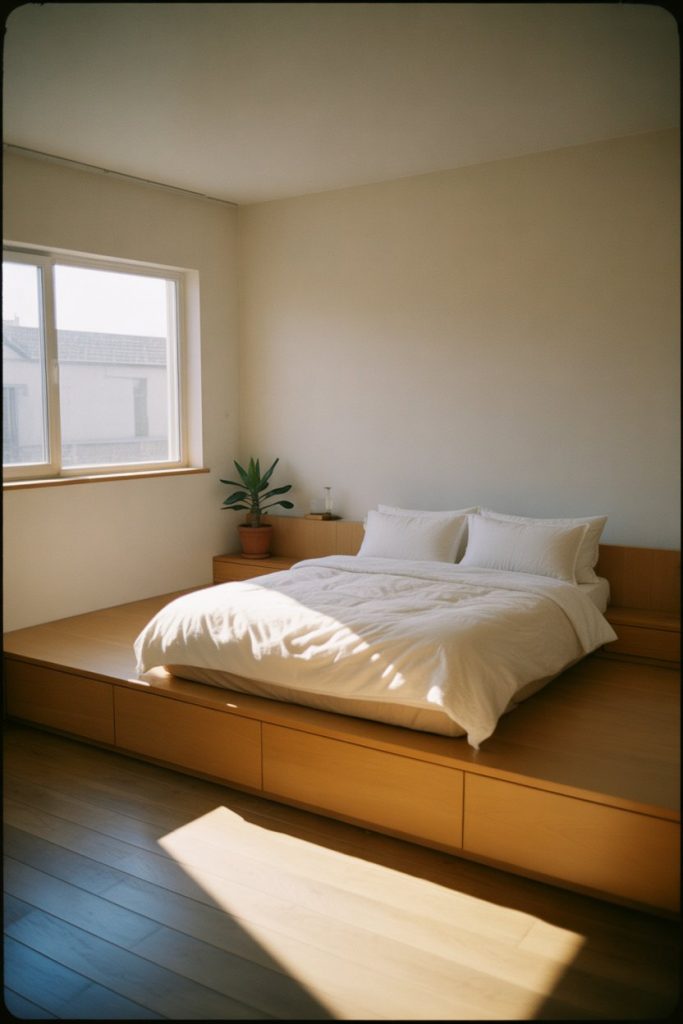
In real homeowner behavior, people tend to overfill under-bed storage and then never access it. To avoid this, use drawer dividers or labeled bins so you can actually find what you need without unpacking everything. This layout works best in bedrooms where you don’t have room for a full dresser but still need organized storage for off-season clothes, extra bedding, or shoes.
7. Murphy Bed With Fold-Down Desk
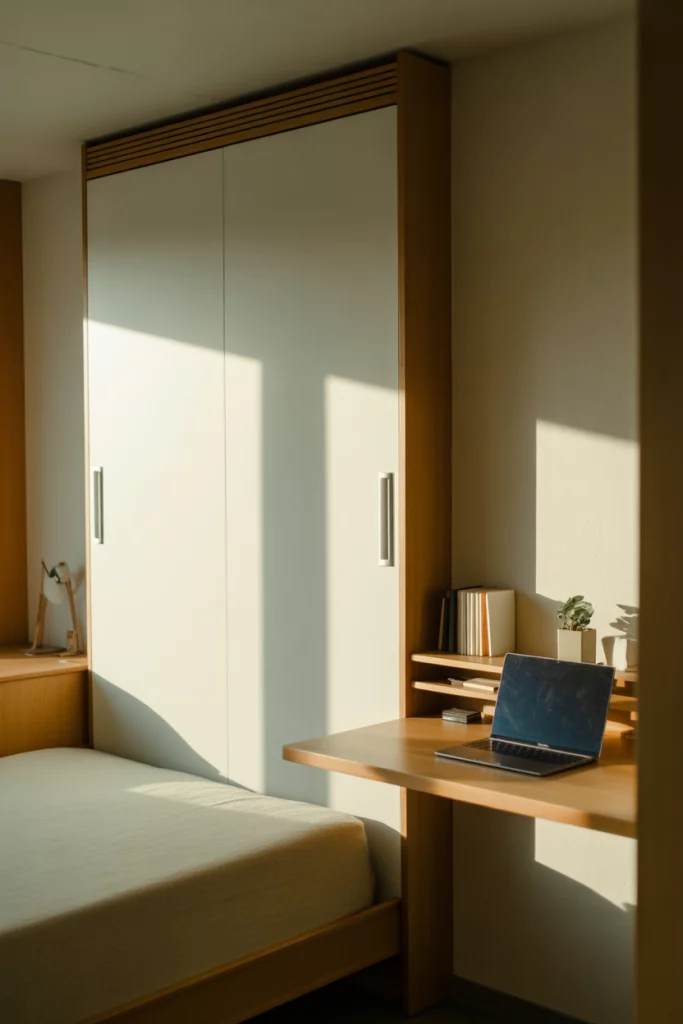
A Murphy bed with an attached fold-down desk is the ultimate space-saver for small apartments or studios. By day, the room functions as a home office; by night, the bed folds down and the desk tucks away. This hybrid setup is gaining traction in cities where rent per square foot is astronomical and every room needs to multitask. 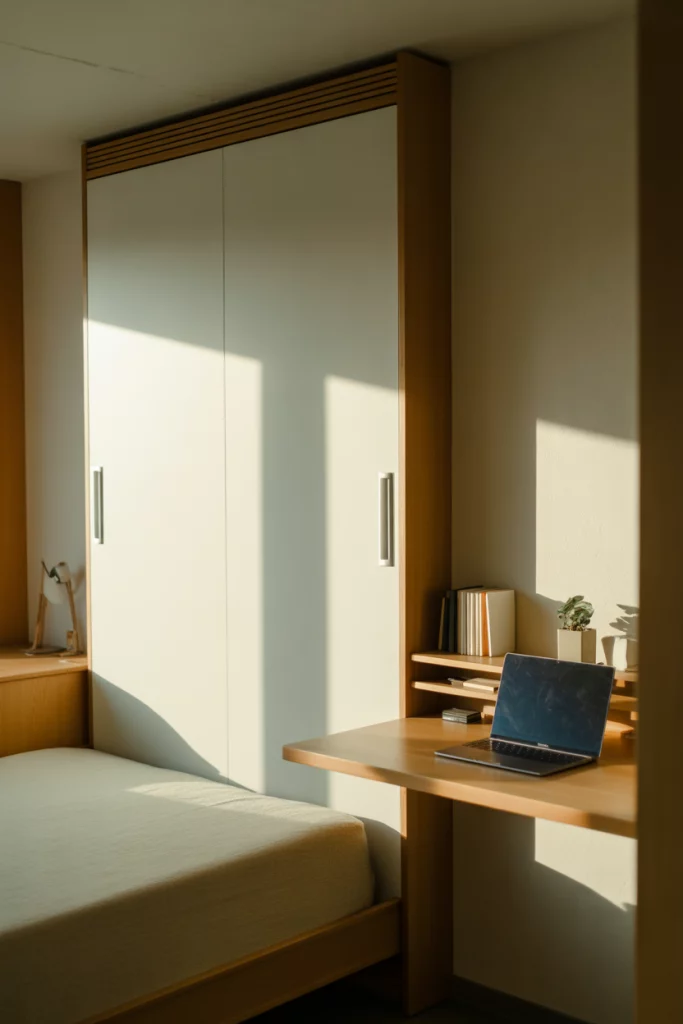
Where it works best: in guest rooms that double as offices or in one-bedroom apartments where the bedroom needs to serve multiple functions. Prices range from $1,500 for basic DIY kits to $5,000+ for custom installations, but the payoff in usable square footage is hard to beat. Just make sure the bed is easy to operate—some older models require serious muscle and aren’t practical for daily use.
8. Double Bed With Dresser as Nightstand
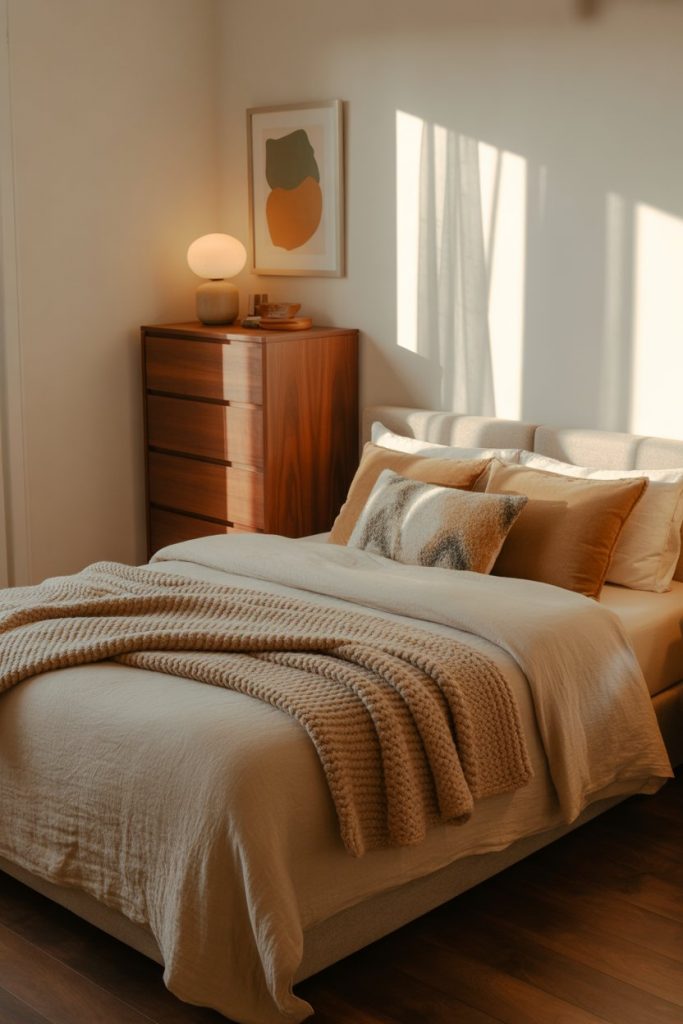
Using a narrow dresser as a bedside table next to a double bed is a smart move when you need more storage than a typical nightstand can offer. This layout works especially well for couples who share a small bedroom and need drawers for personal items, charging stations, and everyday essentials without adding bulk. 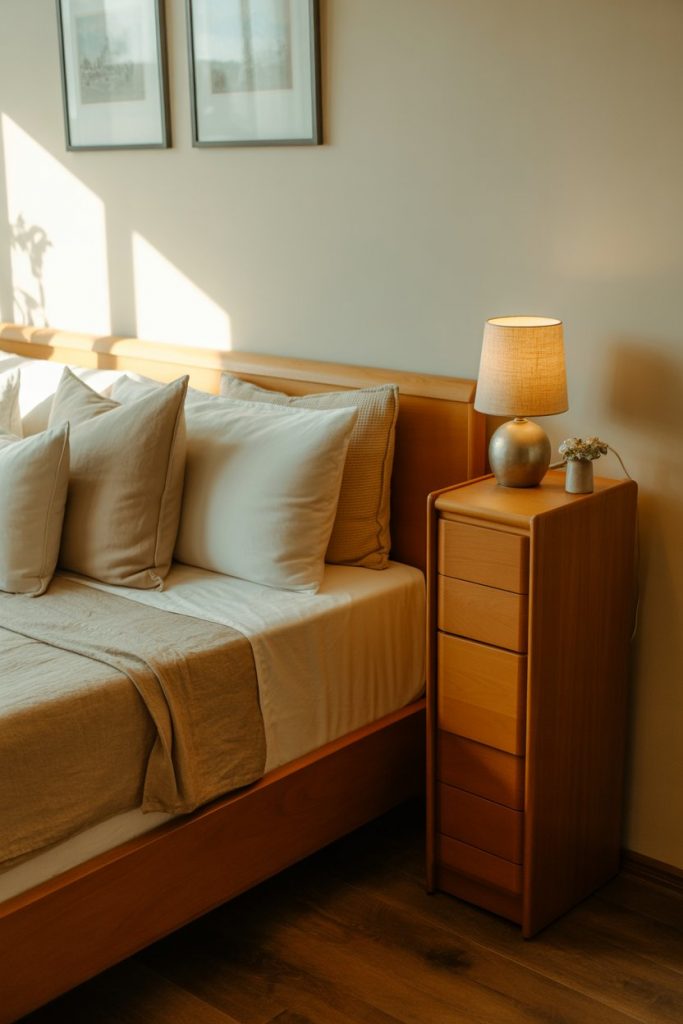
One practical insight: choose a dresser that’s roughly the same height as your mattress top (around 24 to 30 inches) so it feels proportional and functional. This setup eliminates the need for a separate dresser across the room, which can make a small bedroom feel overcrowded. It’s also easier to access your phone, glasses, or water bottle in the middle of the night when everything is at arm’s reach.
9. Feng Shui Bed Placement Away From Door
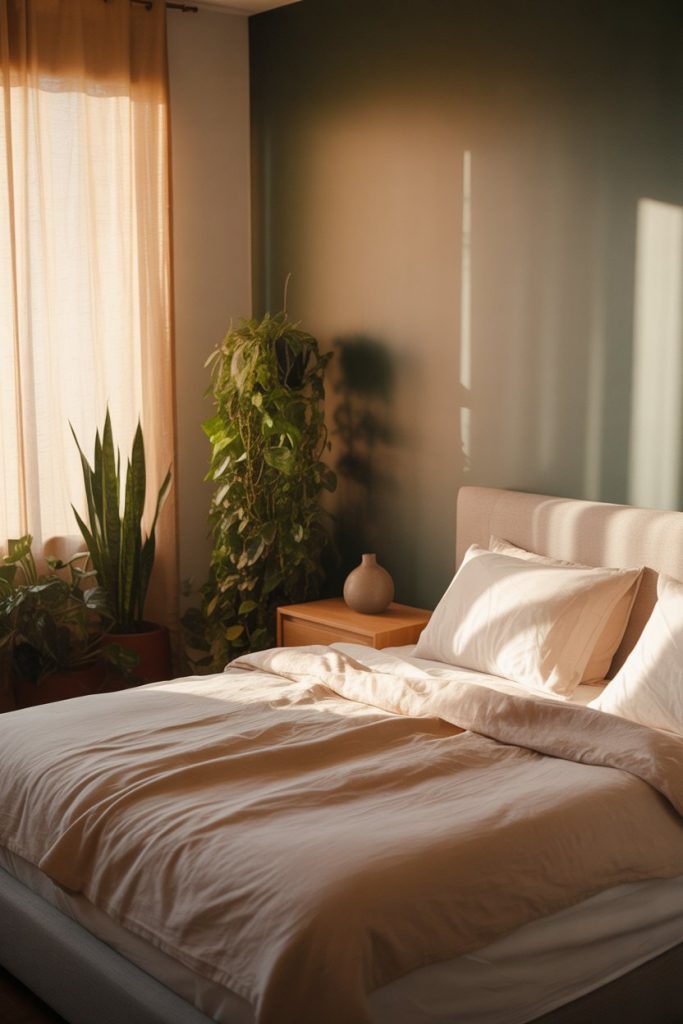
In feng shui, the bed should be positioned diagonally across from the door, not directly in line with it. This so-called “commanding position” is believed to promote better sleep and a sense of security. While some people dismiss feng shui as superstition, others swear by it—and there’s no denying that avoiding direct sightlines to the door can create a cozier, more private sleeping nook. 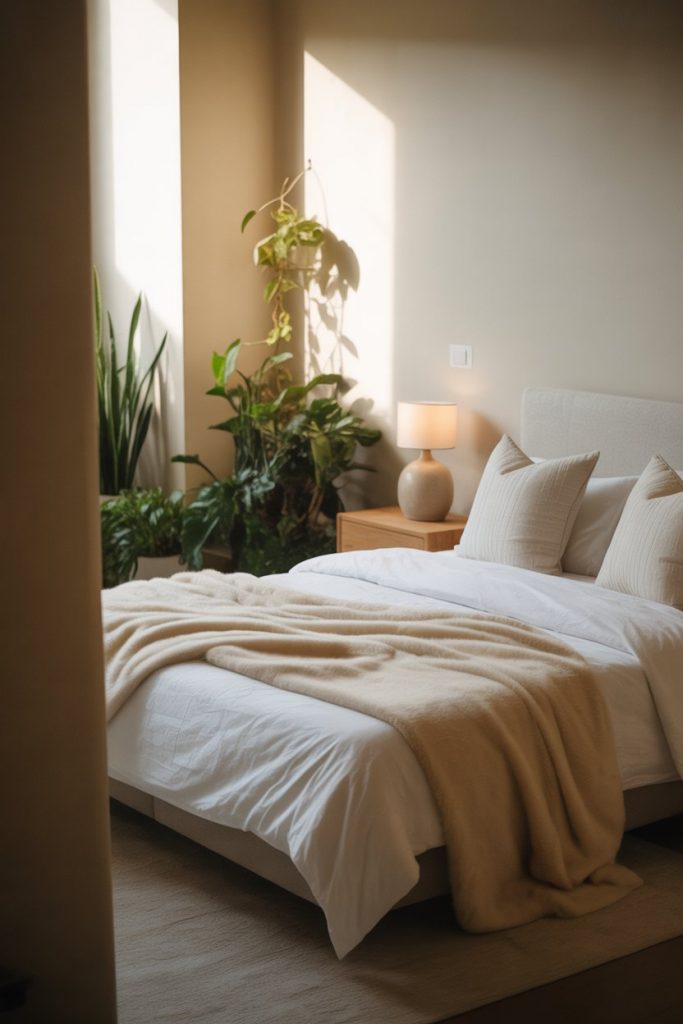
This layout is common in West Coast homes where wellness and mindful design are part of the lifestyle, but it can work anywhere as long as you have enough wall space. One micro anecdote: a designer friend in Portland told me she always positions beds this way—not because she’s into feng shui, but because it just feels more intentional and less like furniture was shoved wherever it fit.
10. Side-by-Side Twin Beds With Shared Nightstand
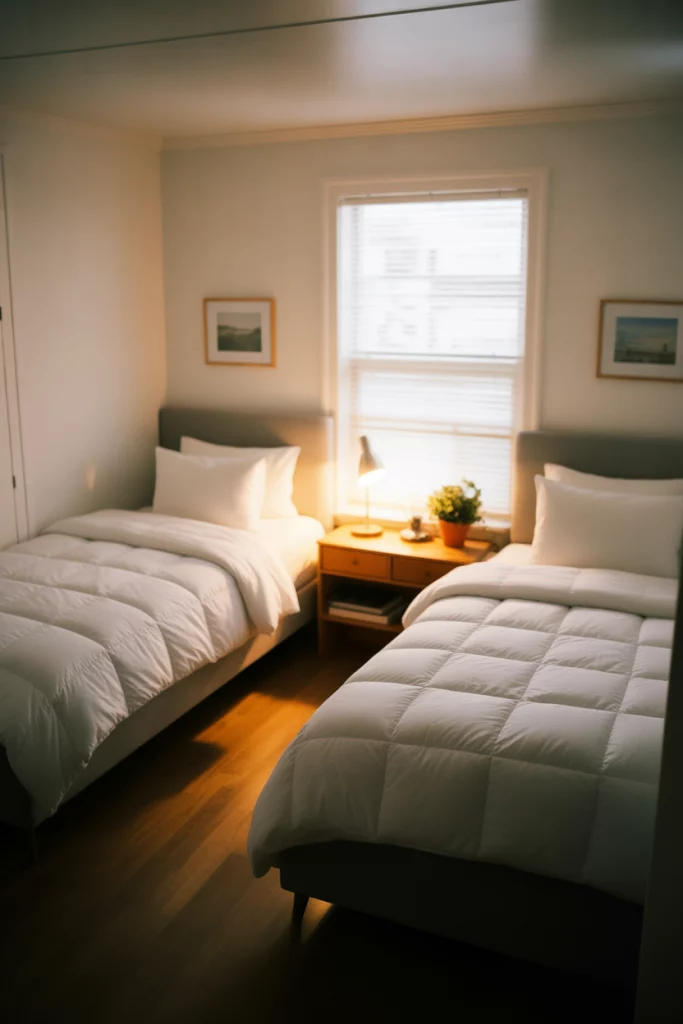
If you’re working with 2 beds in a small bedroom—think guest rooms or kids’ rooms—placing them side by side with a single nightstand in between saves space and creates symmetry. This plan is especially useful in 10×10 bedrooms where two separate nightstands would crowd the layout and make the room feel chopped up. 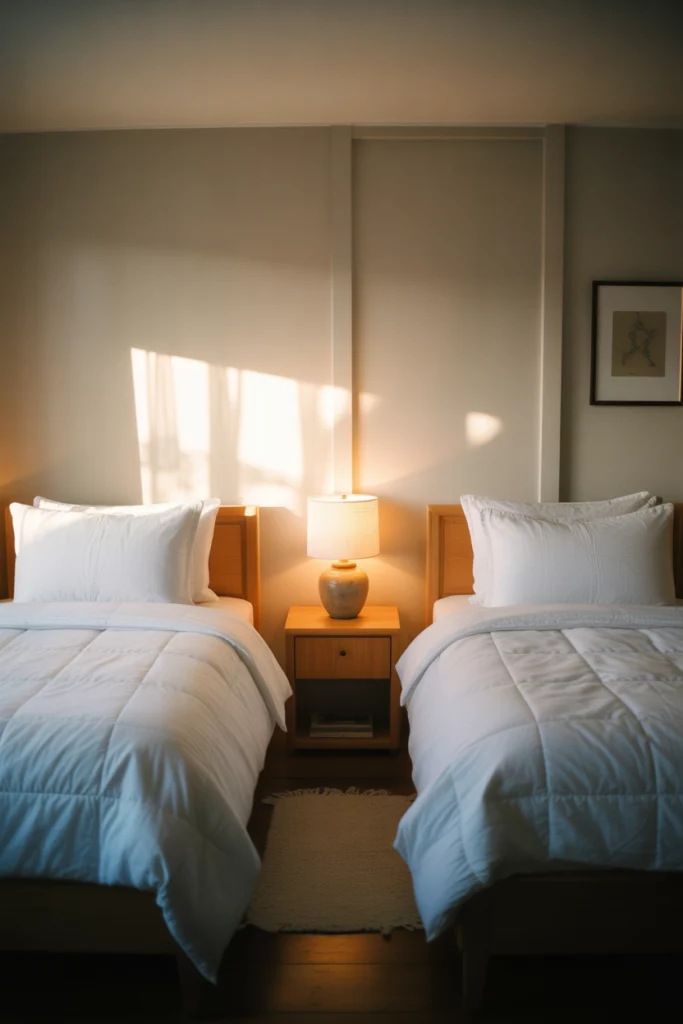
Where it works best: in vacation homes, Airbnb rentals, or kids’ rooms where siblings share space but need their own sleeping zones. The shared nightstand should be wide enough to hold a lamp, alarm clock, and maybe a water carafe—around 18 to 24 inches is ideal. This setup also keeps the center of the room open, which makes the space feel larger and more functional.
11. Bed With Ensuite Bathroom Behind Sliding Door
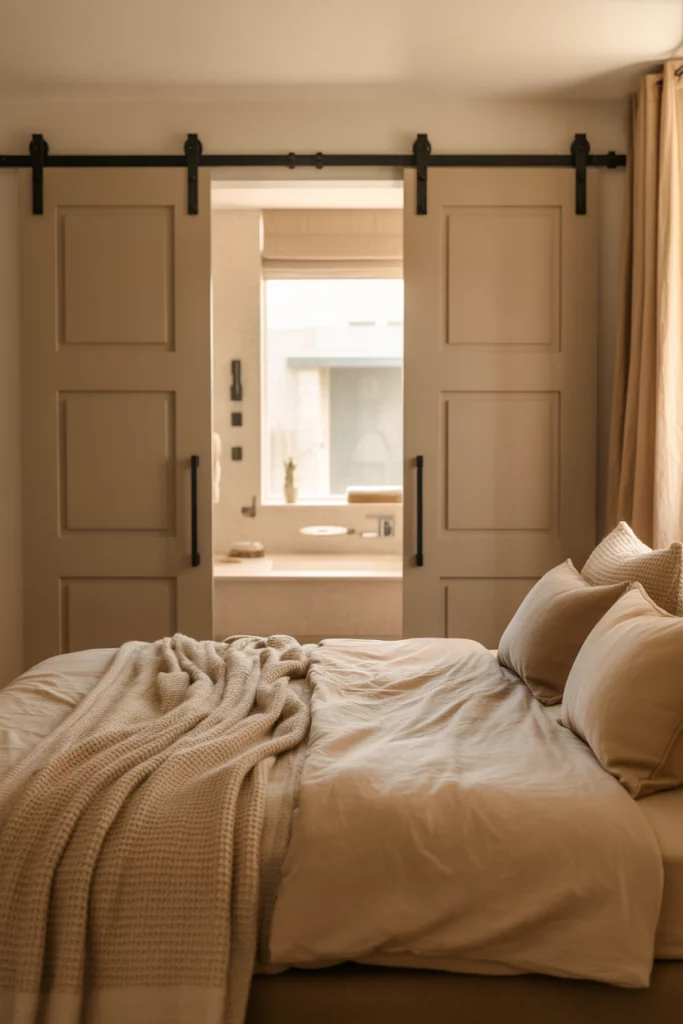
In newer apartments and condos, some small bedroom layouts include a compact bathroom tucked behind a sliding barn door or pocket door. This keeps the bathroom from taking up swing space and creates a sleek, modern look. The key is making sure the door slides smoothly and doesn’t require constant maintenance—cheap hardware can derail the whole setup, literally. 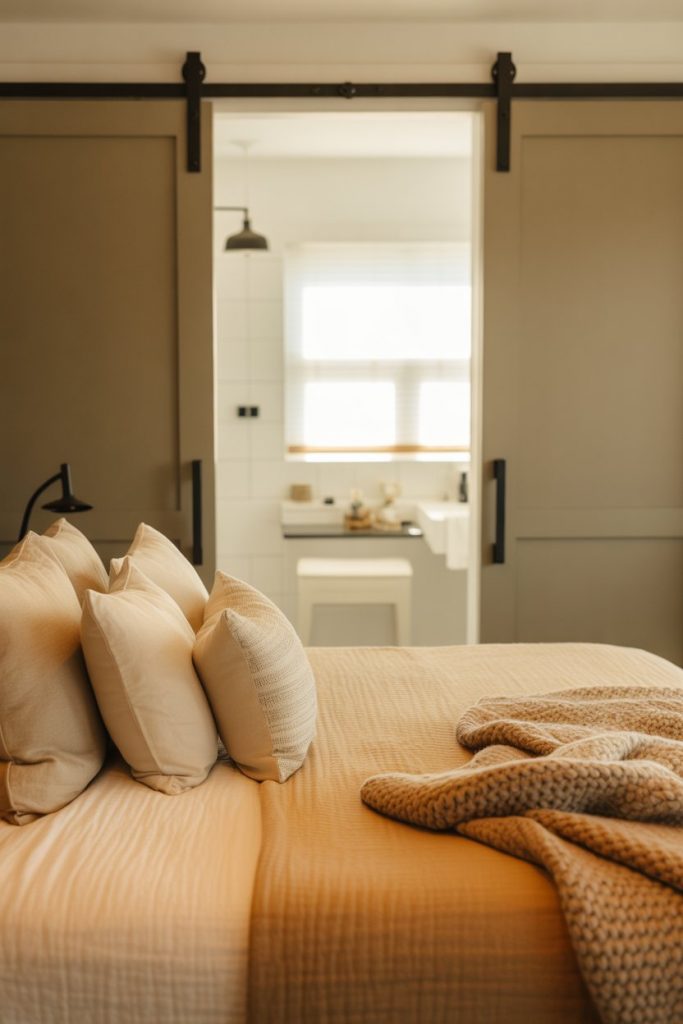
One common mistake is installing a barn door that’s too narrow—it should overlap the door frame by at least 2 inches on each side to ensure privacy and block light. This layout is especially popular in loft-style buildings and urban apartments where space is tight but design matters. Just be prepared for some noise if you’re a light sleeper and someone needs to use the bathroom at night.
12. Wall-Mounted TV Across From Bed
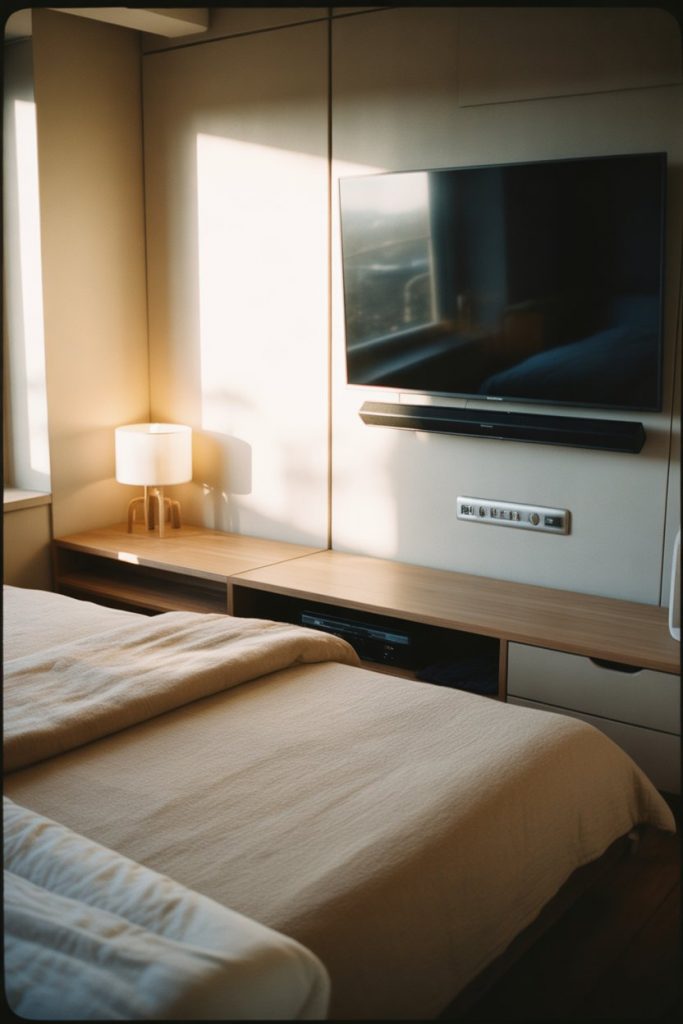
Mounting a TV on the wall across from your bed is a space-saving classic. It eliminates the need for a media console and keeps the floor clear for other furniture. In small apartments, this setup is practically a given—there’s simply no room for a traditional TV stand, and most people are streaming on a smart TV anyway. 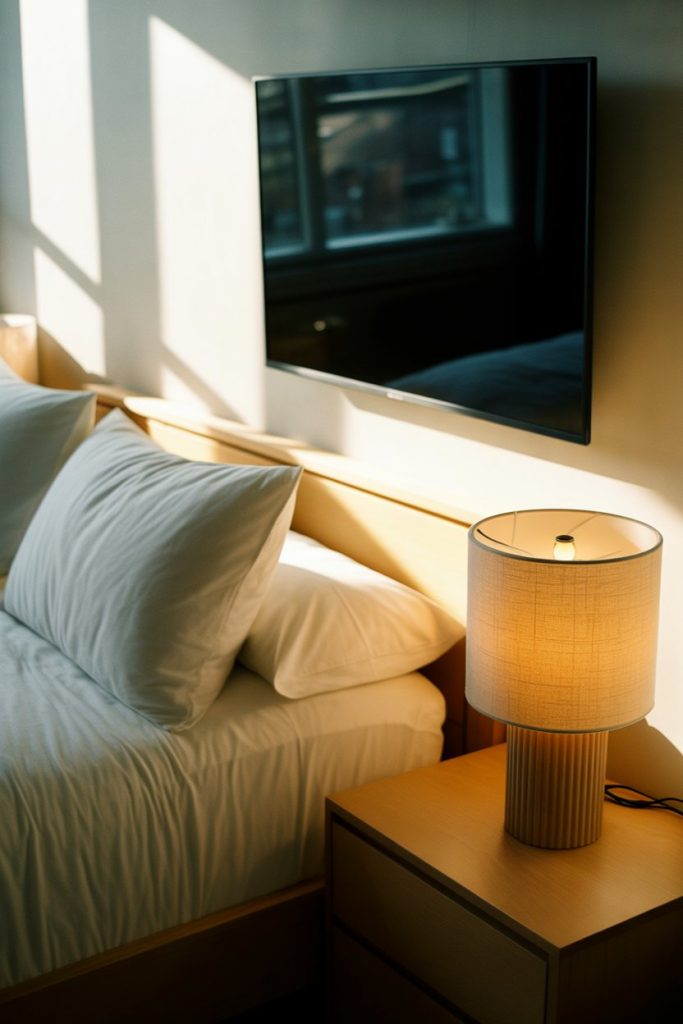
A practical insight: mount the TV at eye level when you’re sitting up in bed—usually around 42 to 48 inches from the floor to the center of the screen. And invest in a decent cable management kit so you don’t have cords dangling down the wall. This layout is a favorite among younger renters and apartment dwellers who want a streamlined look without sacrificing entertainment options.
13. Vanity Tucked Into Closet Alcove
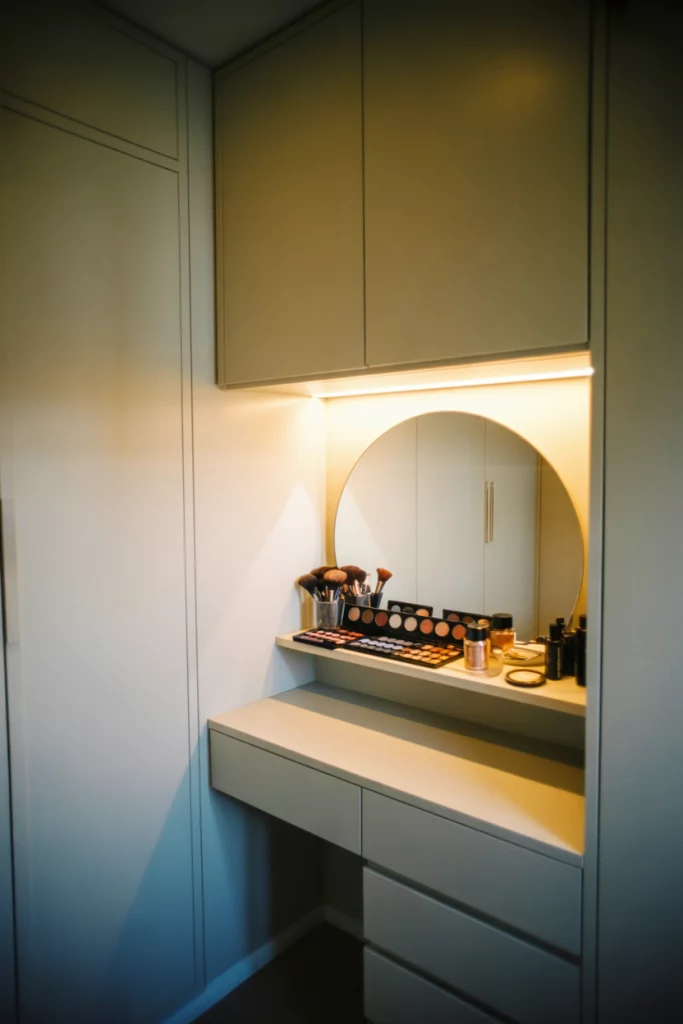
A small vanity or makeup station can fit beautifully inside a closet alcove, freeing up floor space in the main bedroom. This layout is especially popular in homes with walk-in closets or deep reach-in closets where you can carve out a dedicated beauty zone. All you need is a wall-mounted mirror, a slim table or shelf, and a stool that tucks underneath. 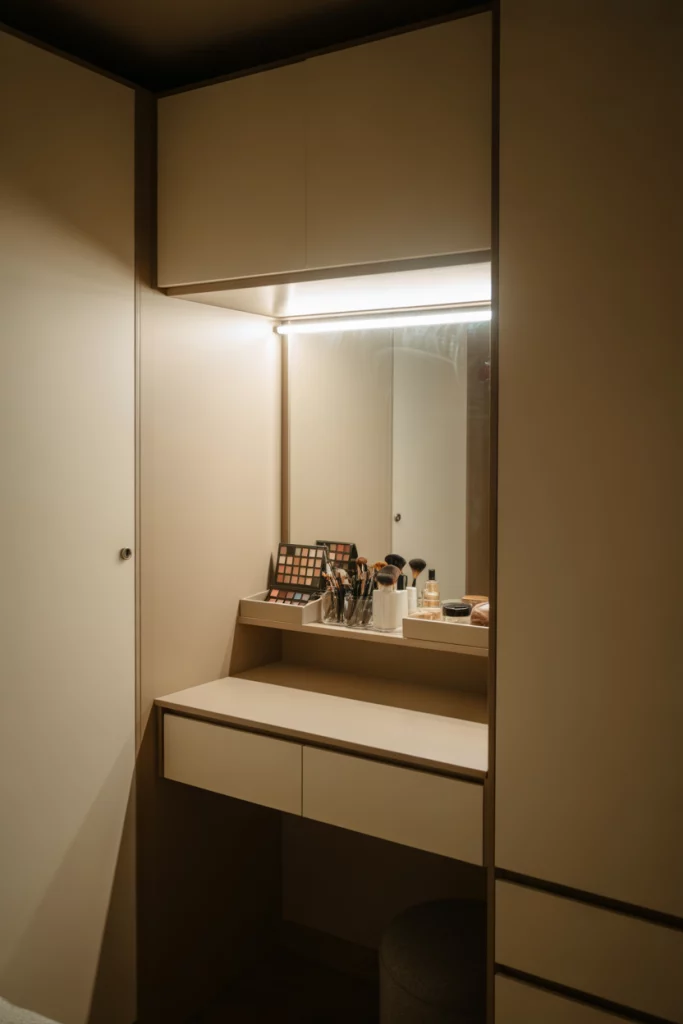
This setup works best in bedrooms where the closet has at least 24 inches of depth and good lighting—natural or artificial. It’s a clever way to add functionality without cluttering the bedroom itself, and it keeps beauty products contained and organized. One common mistake is forgetting to add an outlet nearby for hair tools or a ring light, so plan ahead during any closet remodel.
14. Lofted Bed Over Desk and Dresser
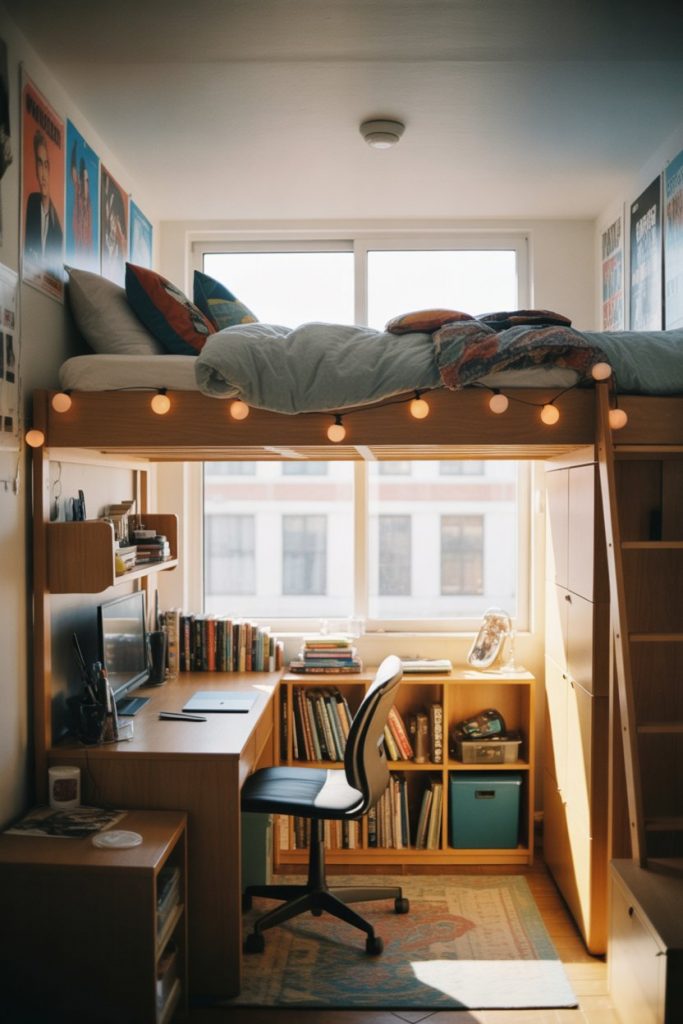
For teens or kids, a lofted bed with a desk and dresser underneath is a space-saving dream. This layout stacks sleeping, working, and storage vertically, leaving the floor open for play or hanging out. It’s especially popular in dorms, tiny bedrooms, and basement guest rooms where square footage is at a premium. 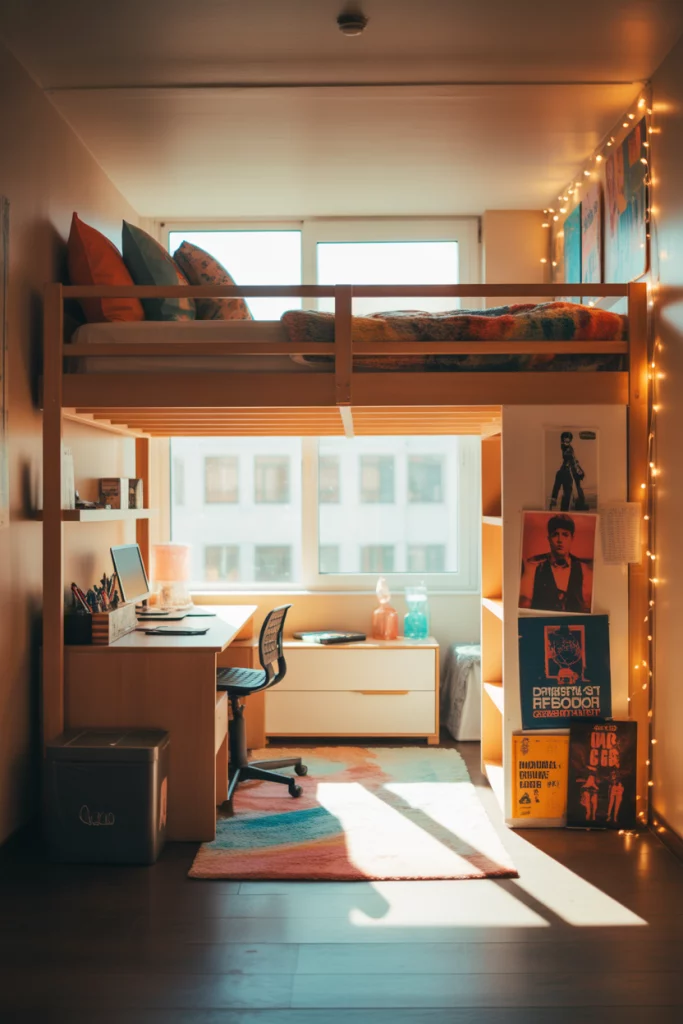
Budget-wise, you can find decent loft bed kits starting around $300, but custom built-ins can run $2,000 or more. The biggest consideration is ceiling height—you need at least 8 feet total, ideally more, so the person in the lofted bed doesn’t feel claustrophobic. This layout is also great for resale value in family homes, since it maximizes usable space in smaller secondary bedrooms.
15. Queen Bed With Nightstands That Double as Storage
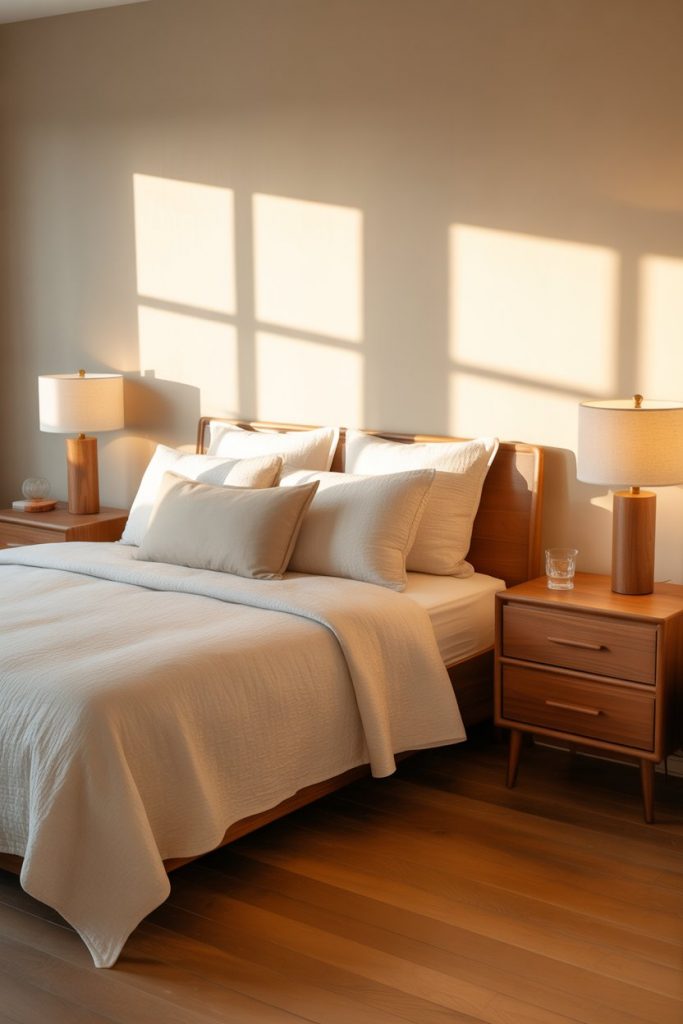
In a small bedroom layout with a queen bed, choosing nightstands with built-in drawers or shelves turns dead space into functional storage. This is especially useful for couples who need separate zones for personal items like books, chargers, or sleep masks. The key is finding pieces that are narrow enough not to crowd the bed but deep enough to hold essentials. 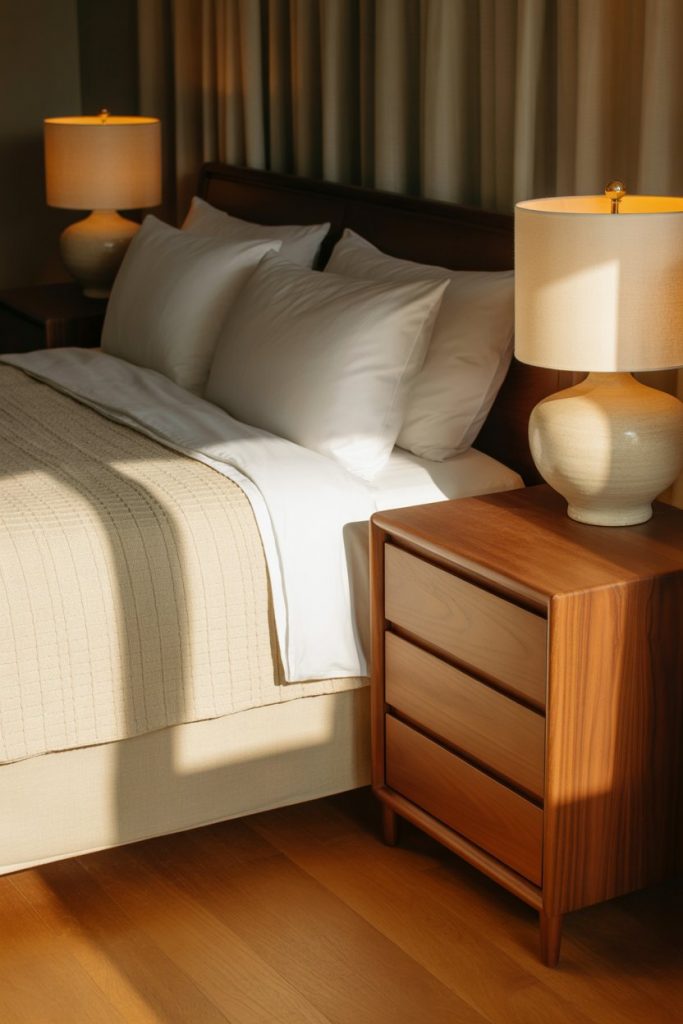
Expert-style commentary: Interior designers often recommend nightstands that are 24 to 28 inches tall and no wider than 20 inches. This keeps them proportional to the bed and leaves enough clearance for movement. And if you can find pieces with USB ports or wireless charging built in, even better—it cuts down on cord clutter and keeps the surfaces clean.
16. Bed Centered Under Window With Curtains as Headboard
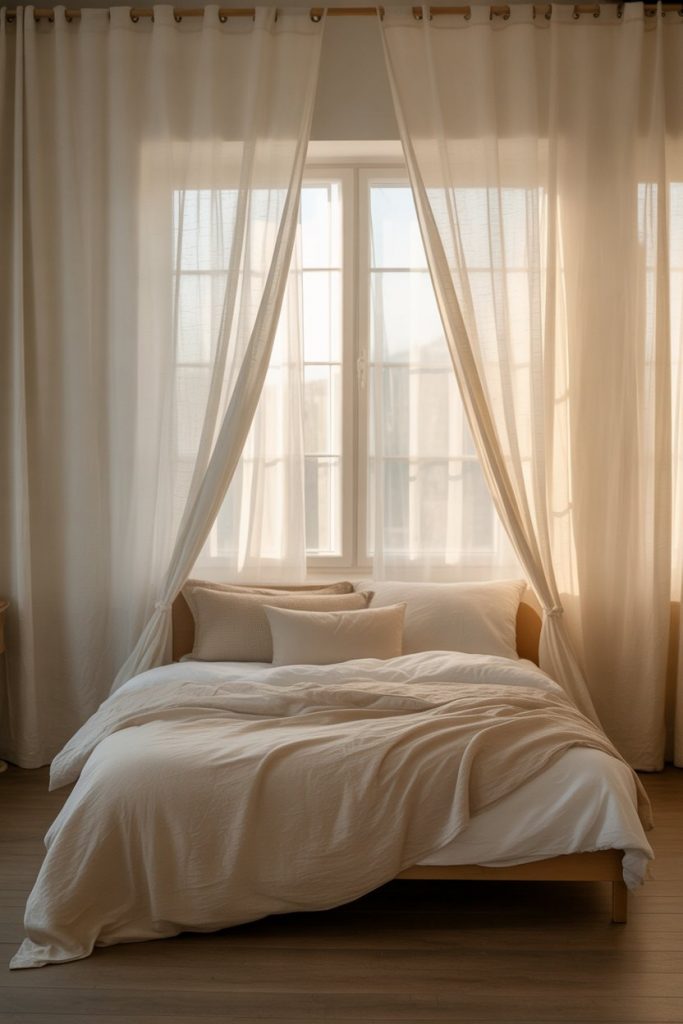
Centering a bed under a window and using floor-to-ceiling curtains as a soft headboard is a romantic, space-saving trick. This furniture placement works in bedrooms where wall space is limited or where you want to emphasize natural light. The curtains add texture and warmth without requiring a bulky upholstered headboard. 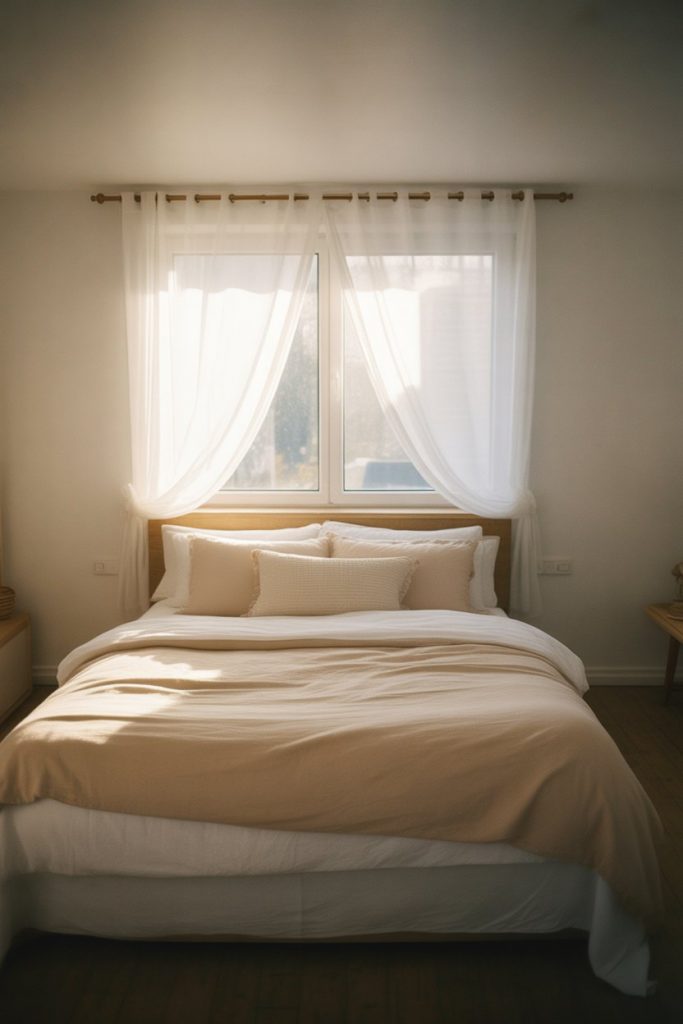
Where it works best: in bedrooms with great views or abundant natural light, especially in coastal or countryside homes. Just make sure the window is insulated well—drafty windows can make this layout uncomfortable in winter. And if privacy is a concern, add blackout shades behind the decorative curtains so you’re not on display to the neighbors.
17. Desk and Wardrobe in L-Shape Along One Wall
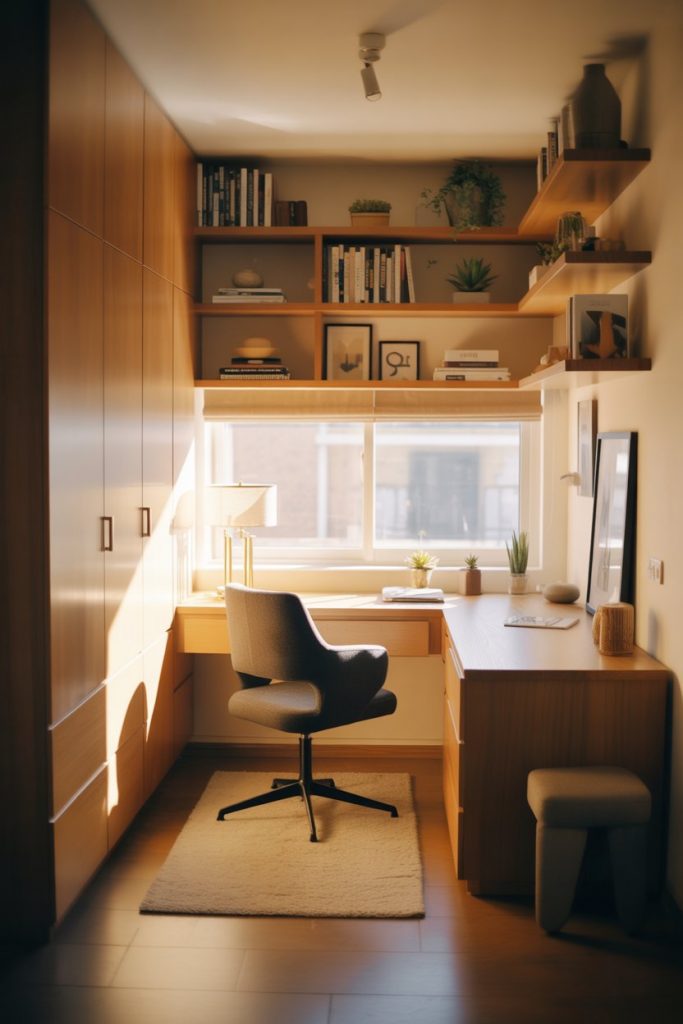
An L-shaped arrangement of desk and wardrobe along a single wall creates a compact workstation and storage zone without interrupting the rest of the room. This plan is ideal for small apartments or home offices that double as guest rooms. The L-shape makes efficient use of corner space and keeps the bed area open and uncluttered. 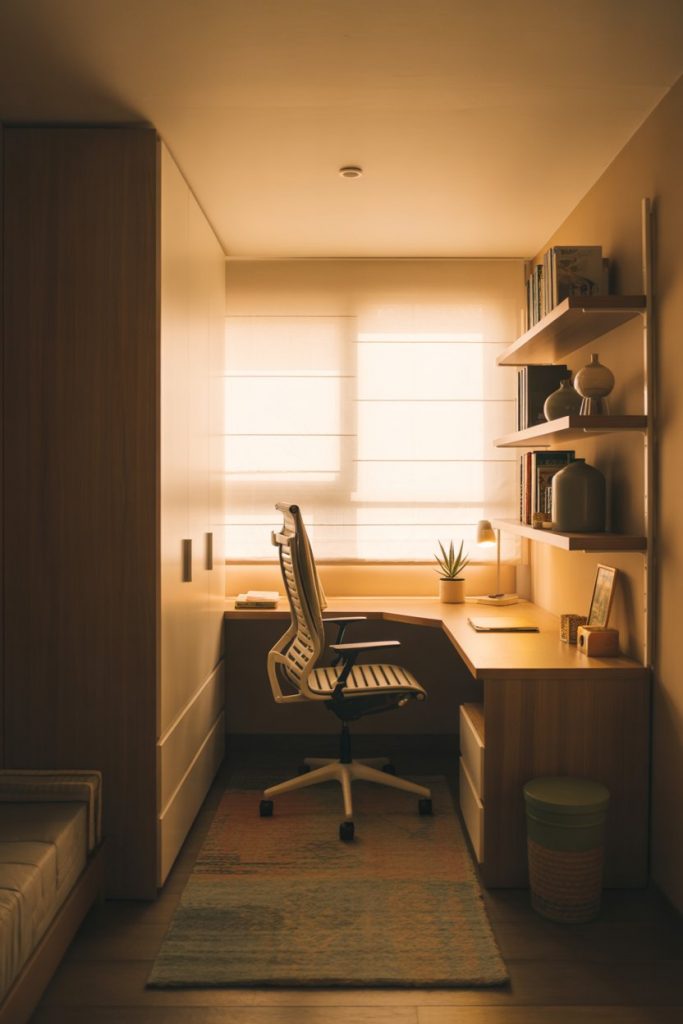
A micro anecdote: I once visited a friend’s studio in Brooklyn where she’d squeezed a full office setup into an L-shaped nook next to her wardrobe, and it worked so well I didn’t even notice it at first. The trick is choosing pieces with similar finishes and heights so the arrangement feels intentional. This layout also helps psychologically separate “work mode” from “sleep mode,” which can be tough in small spaces.
18. Bed With Headboard Storage Shelves
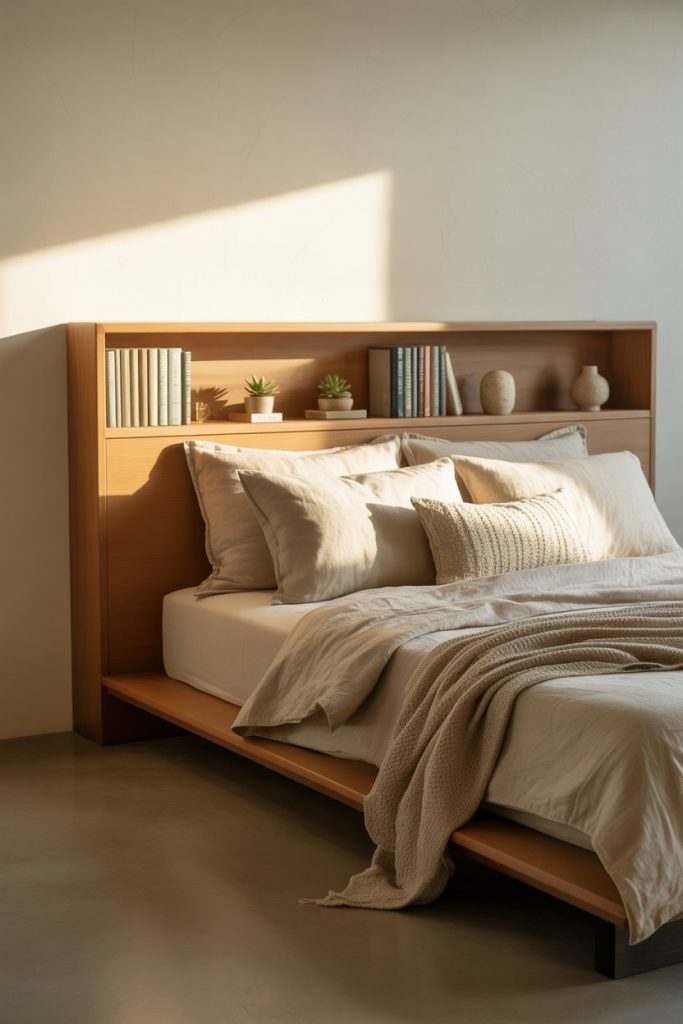
A headboard with built-in shelves or cubbies adds storage without eating into floor space. This setup is especially handy in minimalist bedrooms where you want to keep surfaces clear but still need a place for books, a water bottle, or a charging station. It’s a simple upgrade that makes a big functional difference. 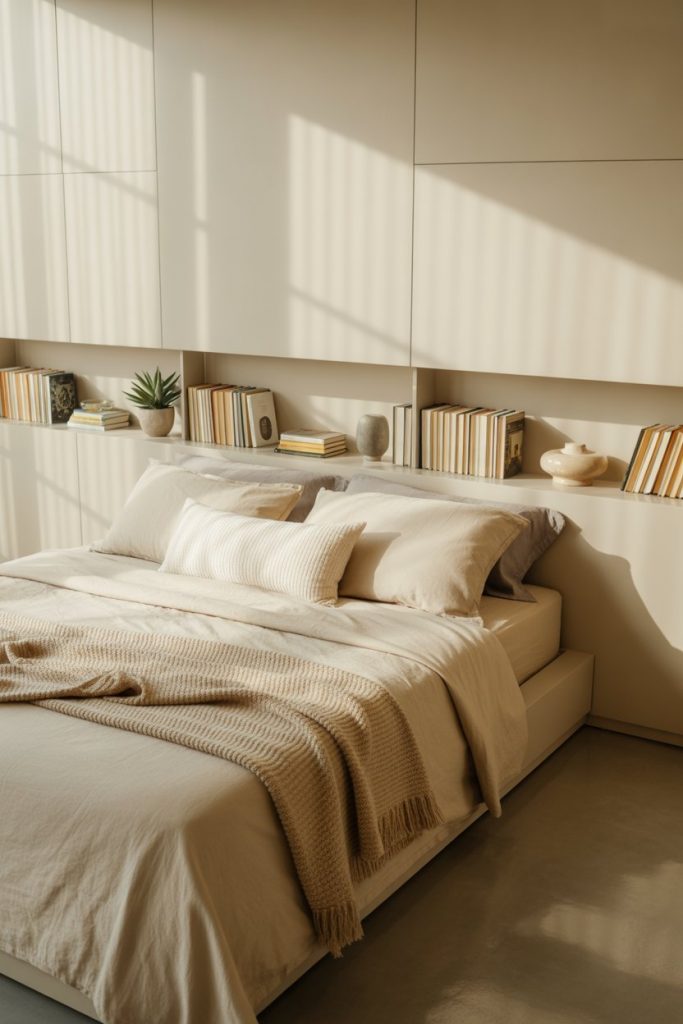
Real homeowner behavior: people tend to over-style these shelves, turning them into cluttered catch-alls. Keep it simple—one or two books, a small plant, maybe a framed photo. This layout works well in bedrooms where you don’t have room for a full bookshelf or media console, and it’s especially popular in rental apartments where built-ins aren’t an option.
19. Daybed With Trundle for Guest Rooms
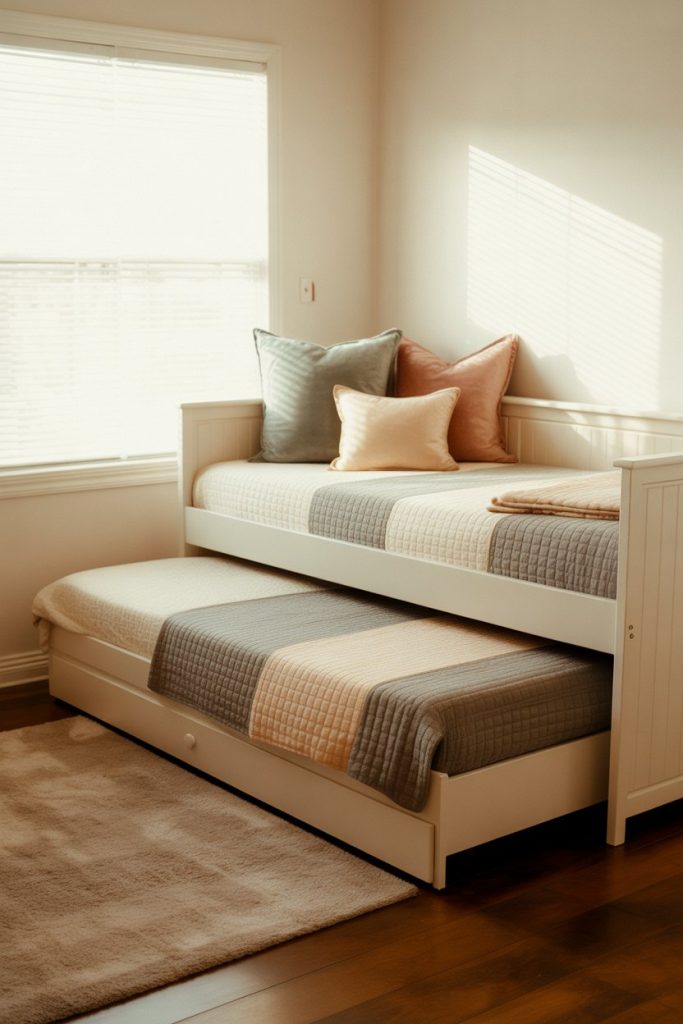
A daybed with a pull-out trundle is a versatile solution for guest rooms or kids’ rooms that need to sleep two but don’t have space for 2 permanent beds. The trundle tucks away when not in use, leaving the room open and functional for other activities. It’s a favorite in suburban homes where the guest room doubles as a craft room or home gym. 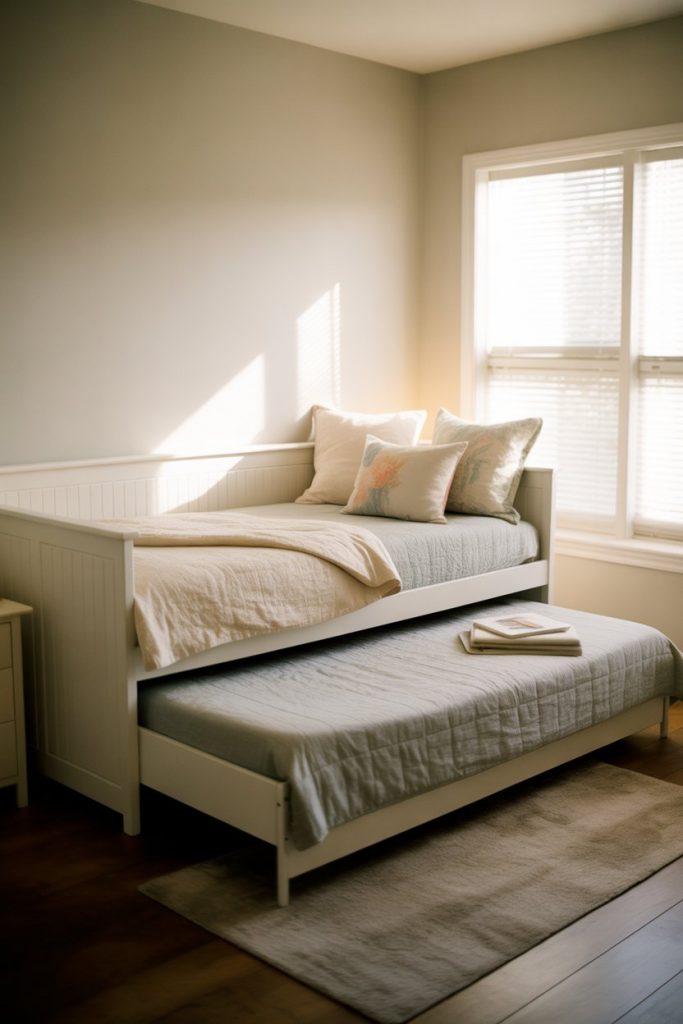
Budget angle: you can find decent daybeds with trundles starting around $400 at places like Wayfair or West Elm, though higher-end versions with better mattresses can run $1,200+. The key is choosing a trundle that rolls smoothly and doesn’t require you to move the entire daybed to pull it out. This layout is also great for kids who have frequent sleepovers or for Airbnb hosts who need flexible sleeping arrangements.
20. Bed Floating in Center With Storage on All Sides
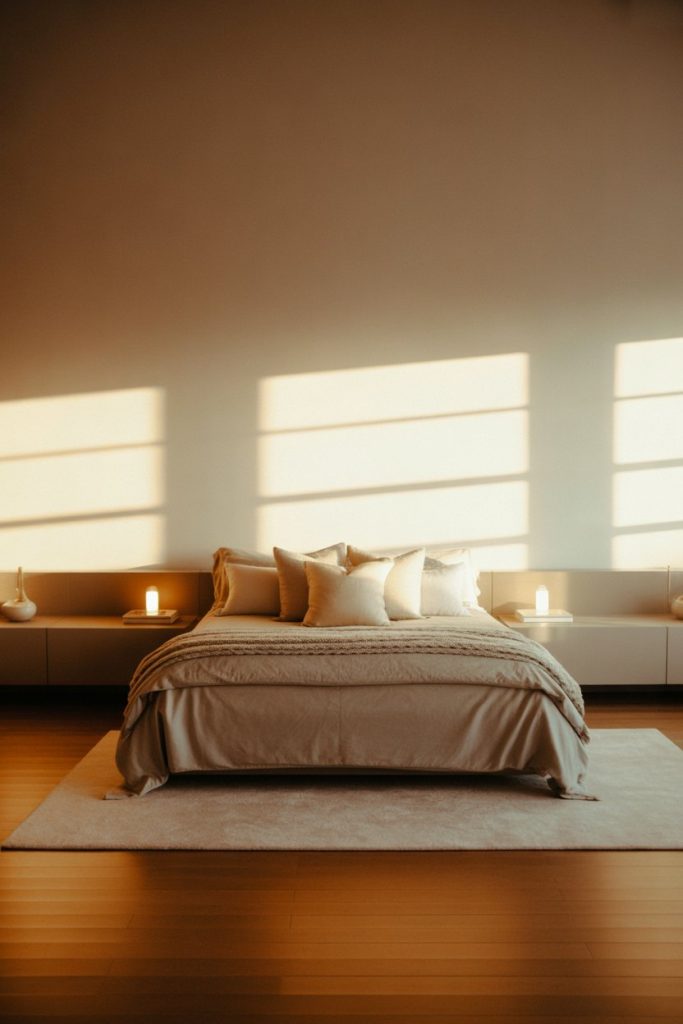
In larger 10×12 bedrooms, floating the bed in the center of the room with low storage units on all sides creates a hotel-like, luxurious feel. This furniture placement gives equal access to both sides of the bed and makes the room feel intentionally designed rather than crammed. It’s a bold choice that works best when you don’t need to maximize wall space for other furniture. 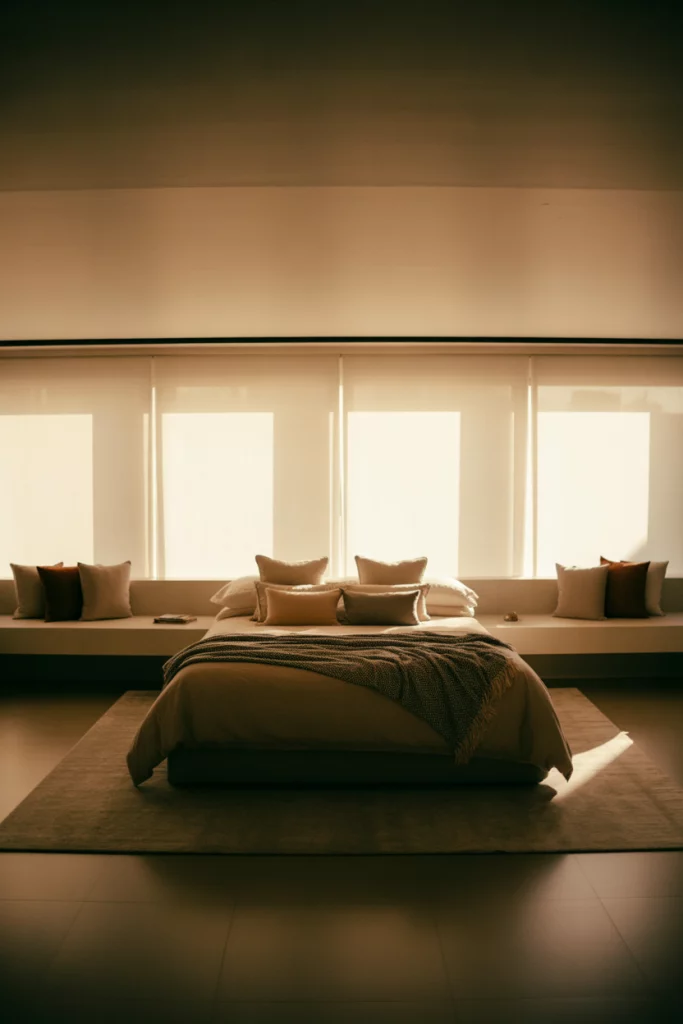
This layout is common in upscale apartments and boutique hotels, where the bedroom is large enough to support a floating arrangement without feeling cramped. One common mistake is forgetting to anchor the bed with a rug—without it, the setup can feel unmoored and awkward. And make sure you have at least 30 inches of clearance around the bed for comfortable movement.
21. Single Bed With Desk and Wardrobe on Opposite Wall
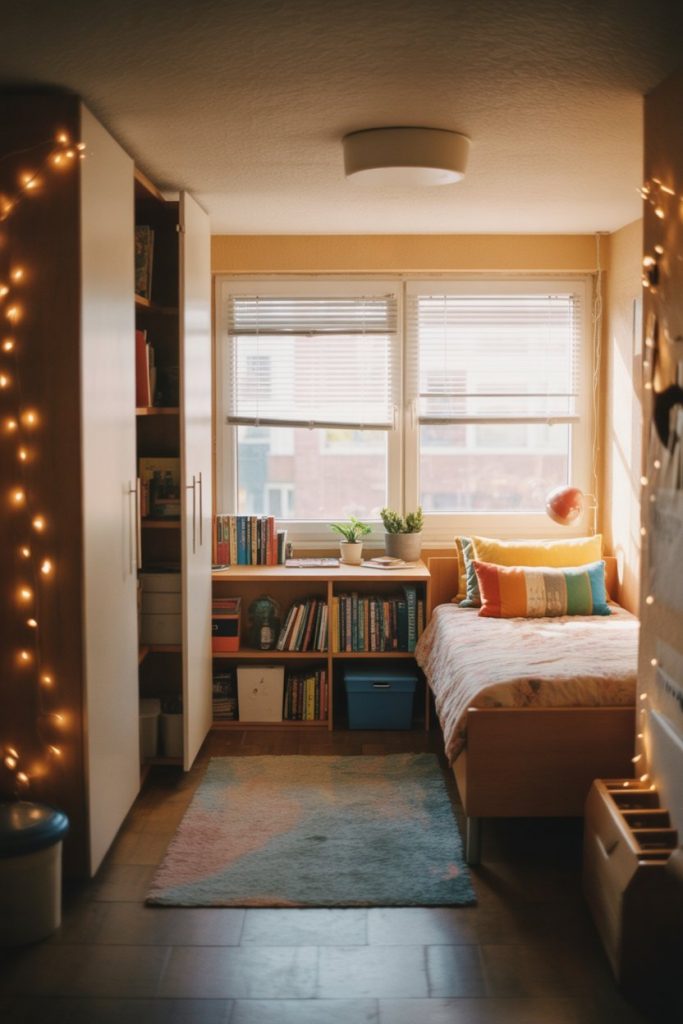
For a single bed or twin bed setup in a small bedroom, placing the bed on one wall and the desk and wardrobe on the opposite wall creates clear zones and good traffic flow. This layout works especially well for teens or young adults who need distinct spaces for sleeping, working, and getting dressed without everything feeling jumbled together. 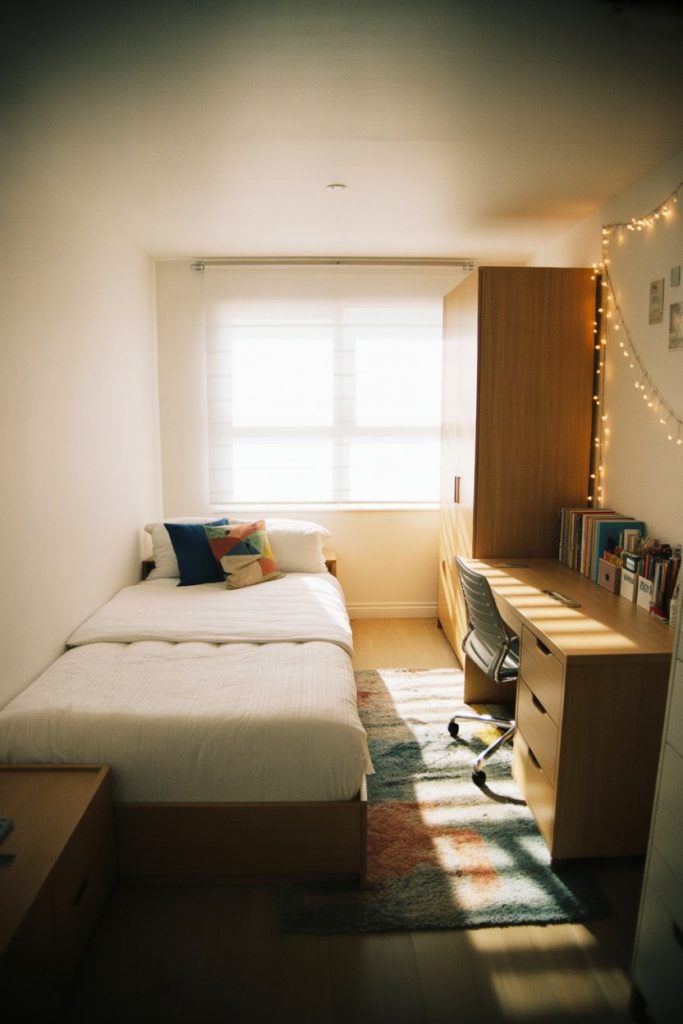
Where it works best: in narrow bedrooms or rooms with two doors where you need to keep pathways open. This layout also makes it easier to personalize each zone—one wall for sleep and relaxation, the other for productivity and storage. It’s a straightforward approach that doesn’t require any special design skills but delivers a well-organized, functional space that can grow with the occupant.
Conclusion
These 21 small bedroom layouts prove that limited square footage doesn’t have to mean limited style or function. Whether you’re working with a 10×10 footprint, squeezing in a queen bed, or figuring out how to fit a desk and wardrobe into the same space, the right layout can make all the difference. Try one of these ideas in your own home, and let us know in the comments which setup worked best for your space.