Small backyards are having a major moment in 2025, and for good reason. As home prices rise and urban living becomes the norm for millions of Americans, the ability to transform a compact outdoor space into something truly special has become both an art and a necessity. Pinterest searches for small backyard ideas have surged as homeowners seek visual inspiration that proves you don’t need acreage to create an outdoor retreat. Whether you’re working with a narrow city lot, a suburban postage stamp, or a cozy patio, this guide brings together proven ideas that balance style, function, and real-world budget considerations.
1. Layered Garden Beds with Native Perennials
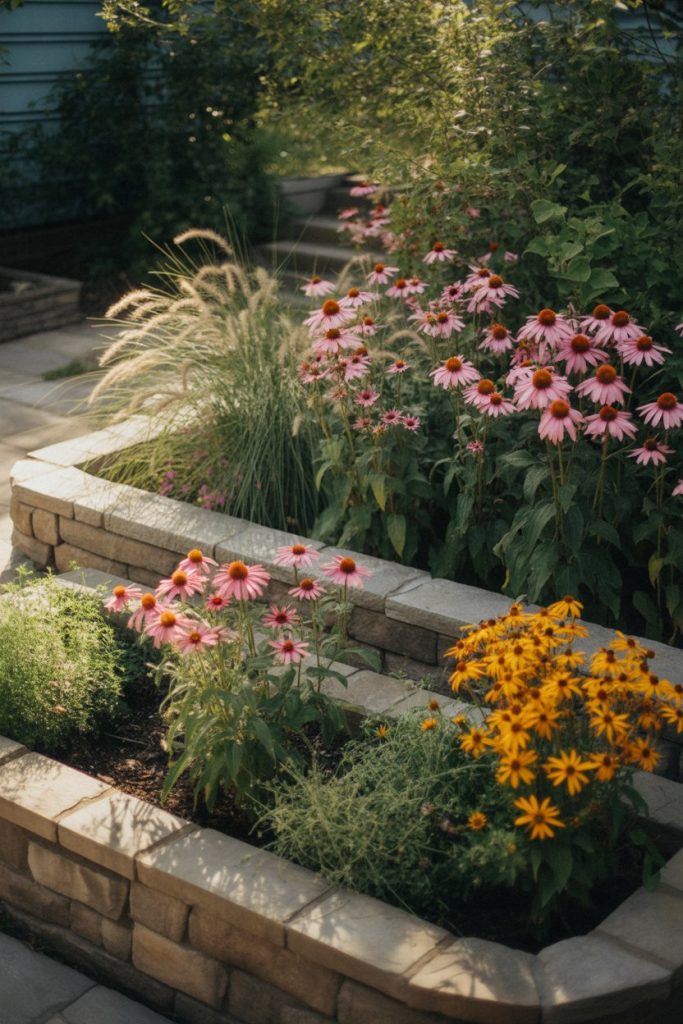
Creating depth in a small space starts with strategic plant layering that draws the eye upward and outward. A simple garden approach using tiered beds filled with native perennials transforms even the smallest yard into a lush retreat. Choose plants suited to your region—like black-eyed Susans and coneflowers in the Midwest, or lavender and sage in drier climates—and arrange them by height to create visual interest without overwhelming the space. 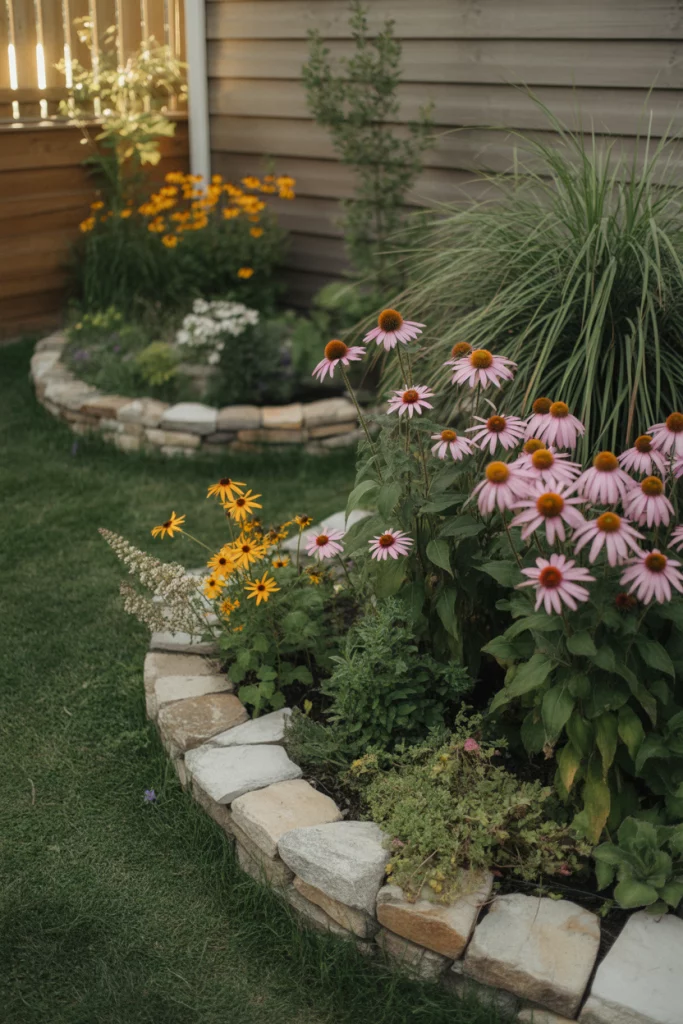
Native plants require less water and maintenance than exotic varieties, which matters when you’re managing a small space on weekends between work and family commitments. Most American gardeners find that switching to regionally appropriate plants cuts their watering time in half during summer months. The layered approach also provides year-round interest—spring blooms transition to summer fullness, then autumn seed heads that feed birds through winter.
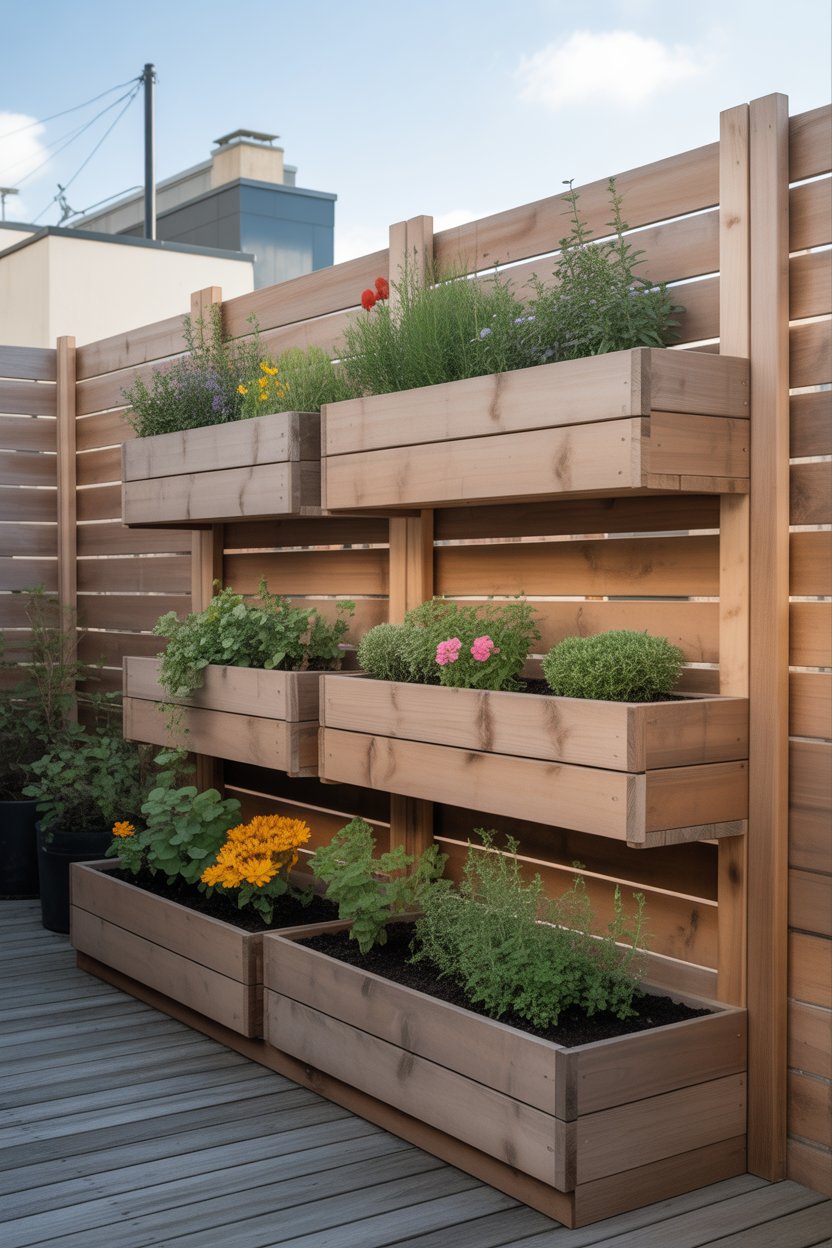
2. Vertical Herb Wall with Reclaimed Wood
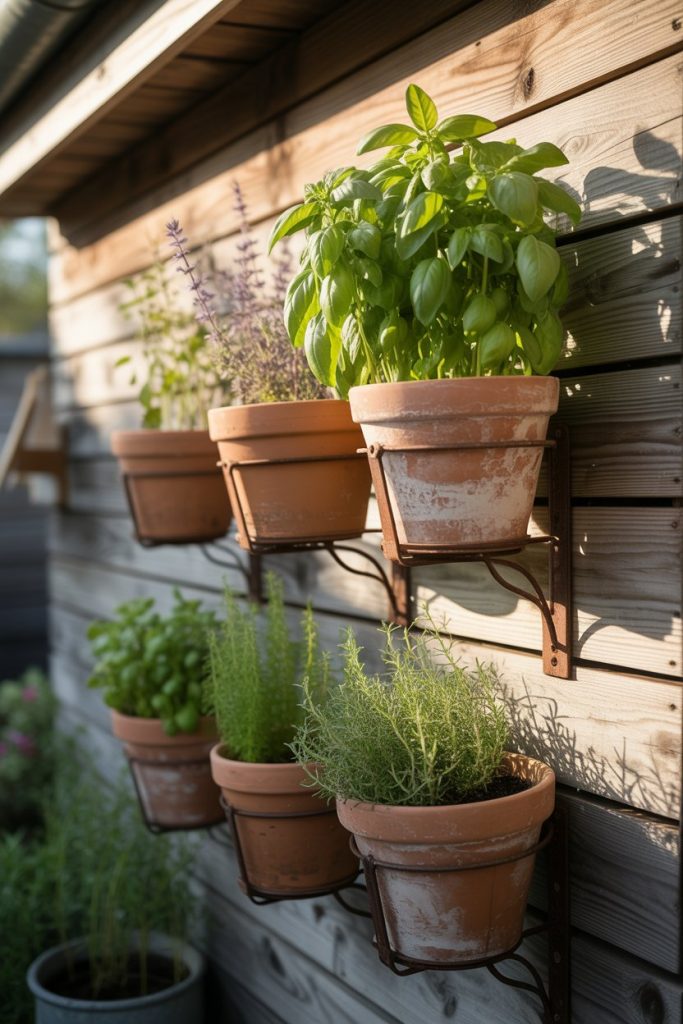
When ground space is limited, going vertical opens up entirely new possibilities for a budget transformation. A wall-mounted herb garden built from reclaimed pallet wood or weathered fence boards brings fresh cooking ingredients within arm’s reach while adding architectural interest to blank walls or fences. This design works particularly well on sunny south-facing walls where basil, thyme, and rosemary thrive in individual pockets or mounted containers. 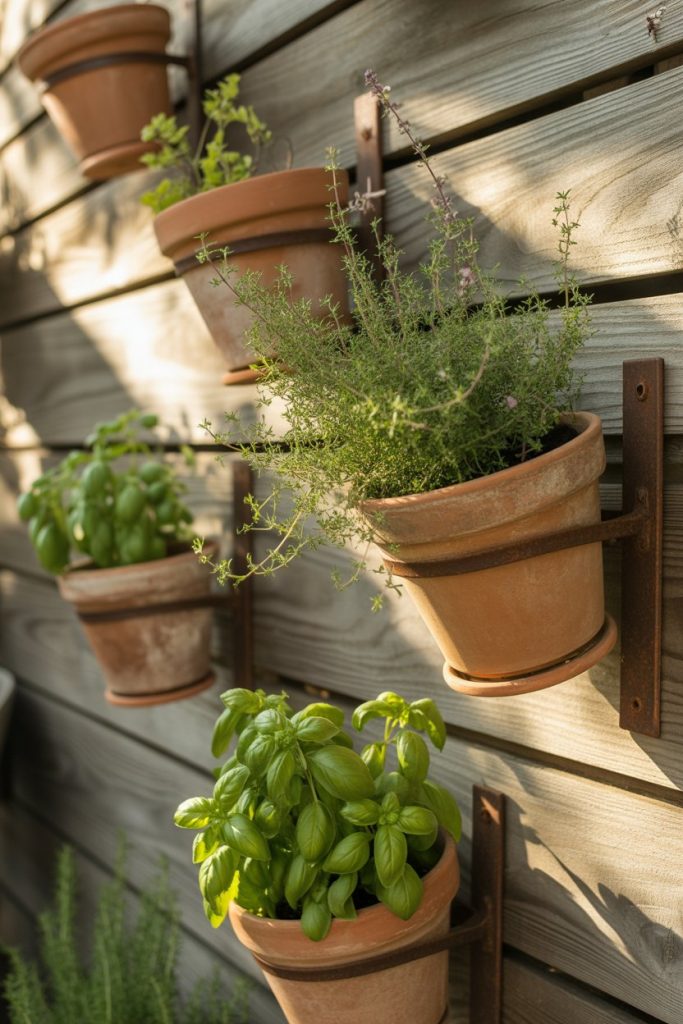
In suburban Denver and Portland, where yard sizes have shrunk but food gardening culture remains strong, vertical herb walls have become neighborhood fixtures. The beauty is in the flexibility—you can start with just three or four pots and expand as your confidence grows. A common mistake is overcrowding plants in shared containers; give each herb its own space and you’ll harvest for months instead of weeks.
3. Pea Gravel Patio with Bistro Seating
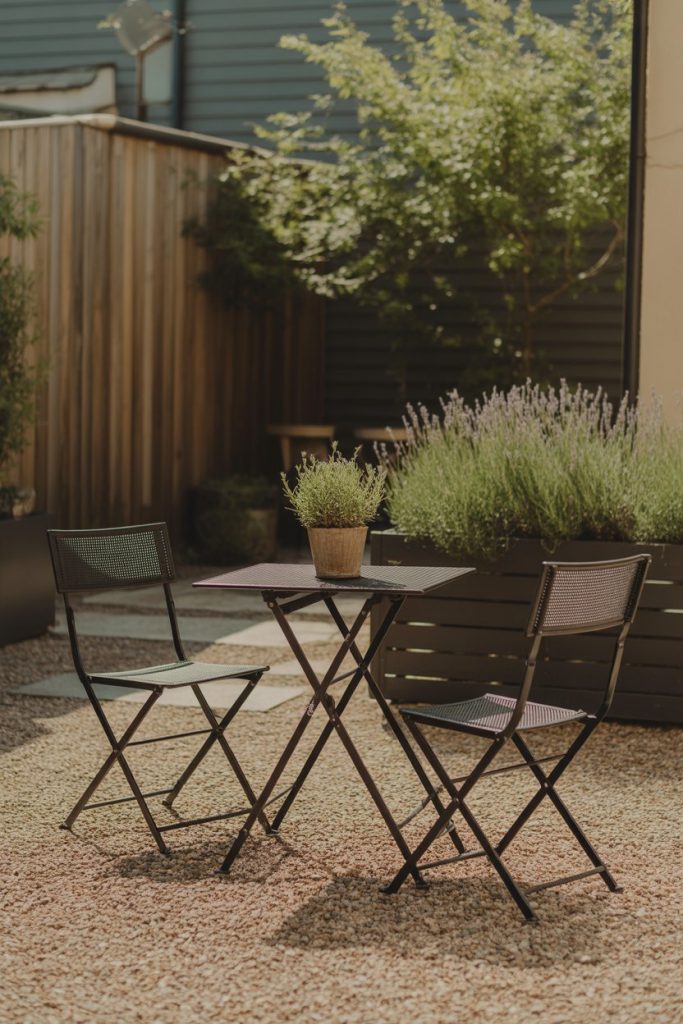
Pea gravel creates an affordable, permeable surface that feels European and elegant while solving drainage issues that plague many small yards. This simple layout typically costs a fraction of concrete or pavers—around $3 to $5 per square foot installed—and can be completed in a weekend. Edge the area with steel or treated wood, add a layer of landscape fabric, then spread 2-3 inches of gravel to create an instant outdoor room. 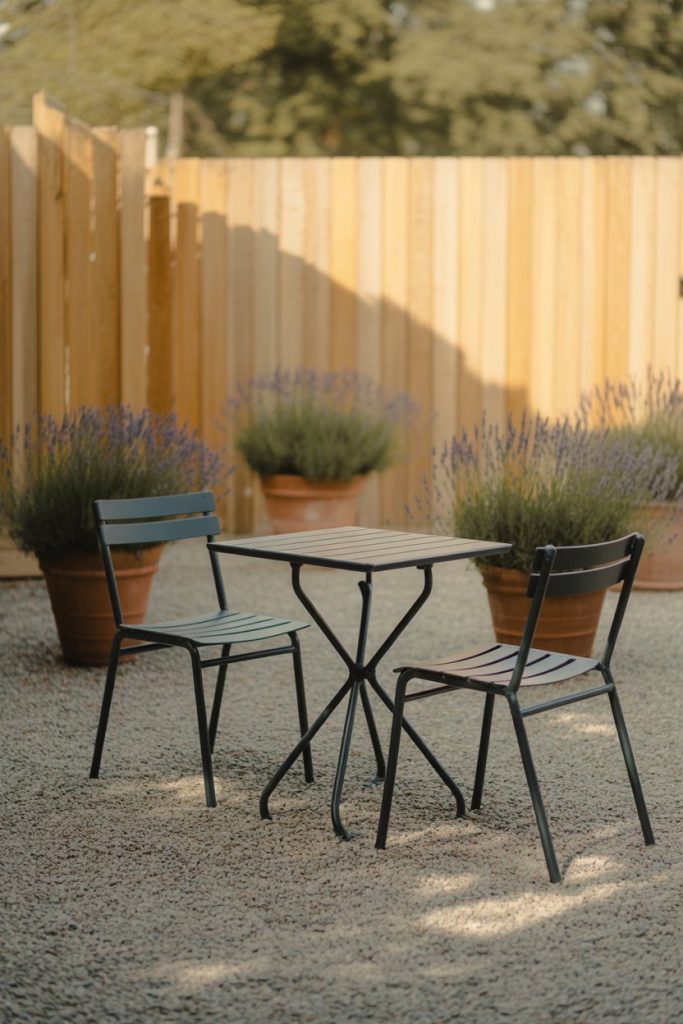
Pea gravel works beautifully in regions with hot summers because it doesn’t absorb and radiate heat like concrete. The surface naturally shifts and settles, which some homeowners love for its organic quality and others find frustrating when furniture legs sink slightly. For best results, choose gravel in the 1/4 to 1/2 inch range—smaller sizes track indoors, larger ones feel uncomfortable underfoot.
4. Corner Fire Pit with Built-In Seating
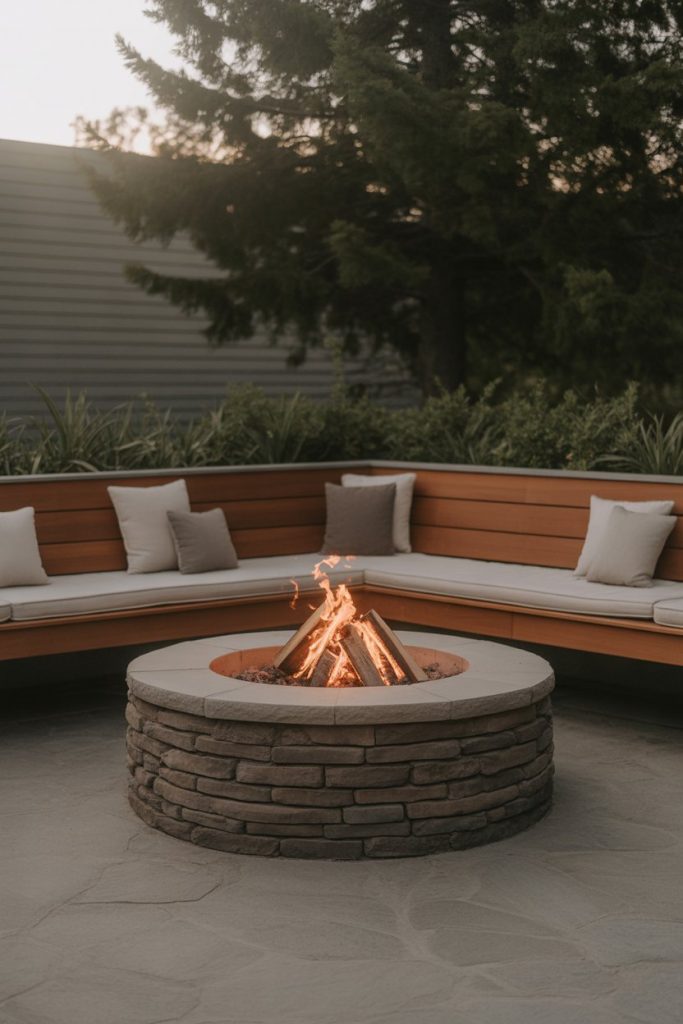
Tucking a fire pit into an underutilized corner maximizes usable space while creating a natural gathering spot that extends your outdoor season into fall and spring. Built-in L-shaped bench seating wraps the fire feature, eliminating the need for bulky movable chairs that clutter small yards. This layout works especially well in yards with existing fence corners or alongside garage walls where one or two sides are already defined. 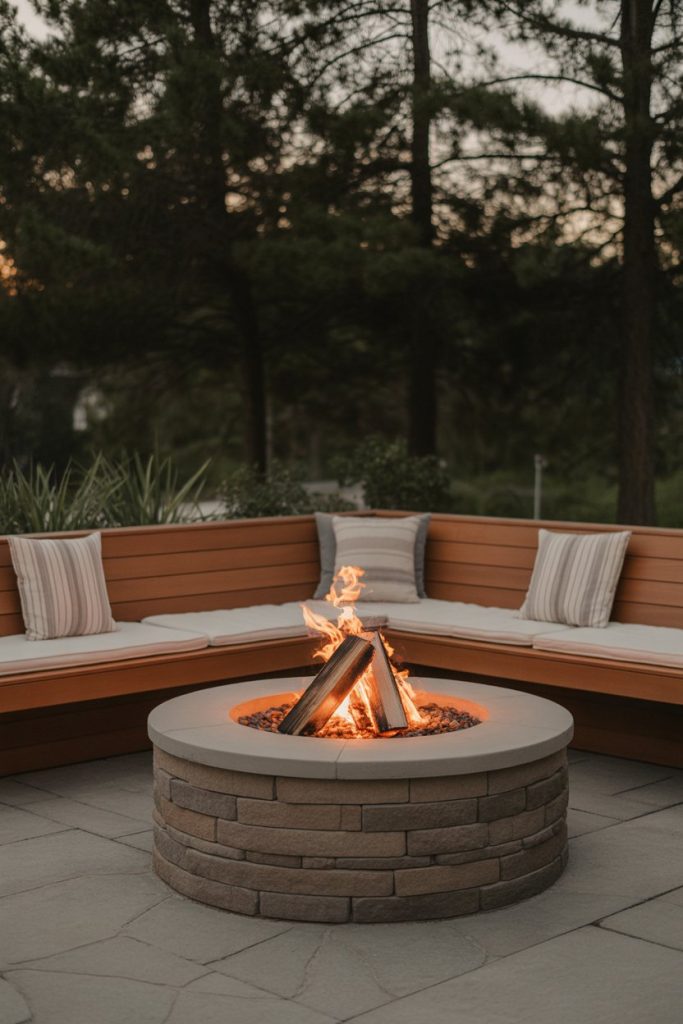
Fire pits have become standard in American backyards over the past decade, with surveys showing nearly 40% of homeowners now own one. The corner placement is smart planning—it keeps the fire away from center traffic flow and creates a defined destination within your yard. Just remember to check local regulations; some municipalities require permits for permanent fire features, while others restrict open flames during dry summer months.
5. Multi-Level Deck with Planter Borders
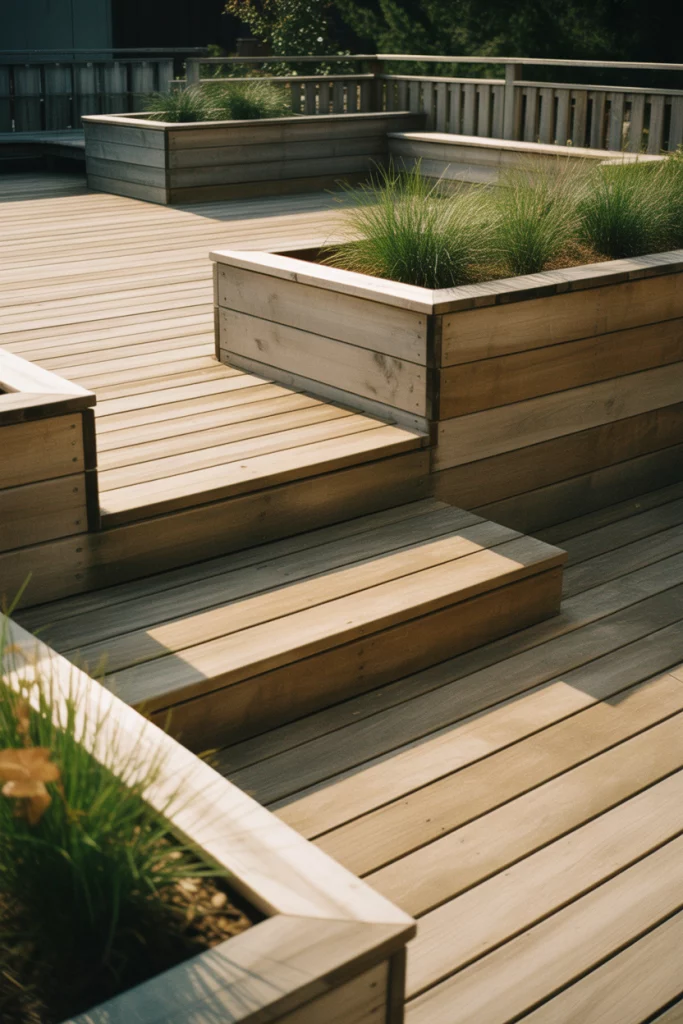
Creating elevation changes in a flat yard adds architectural drama and defines separate zones without walls or fences. A two-tier deck design with integrated planter boxes along the edges brings greenery right into the hardscape, softening the transition between built and natural elements. The upper level might hold dining furniture while the lower serves as a lounging area, effectively doubling your functional outdoor space. 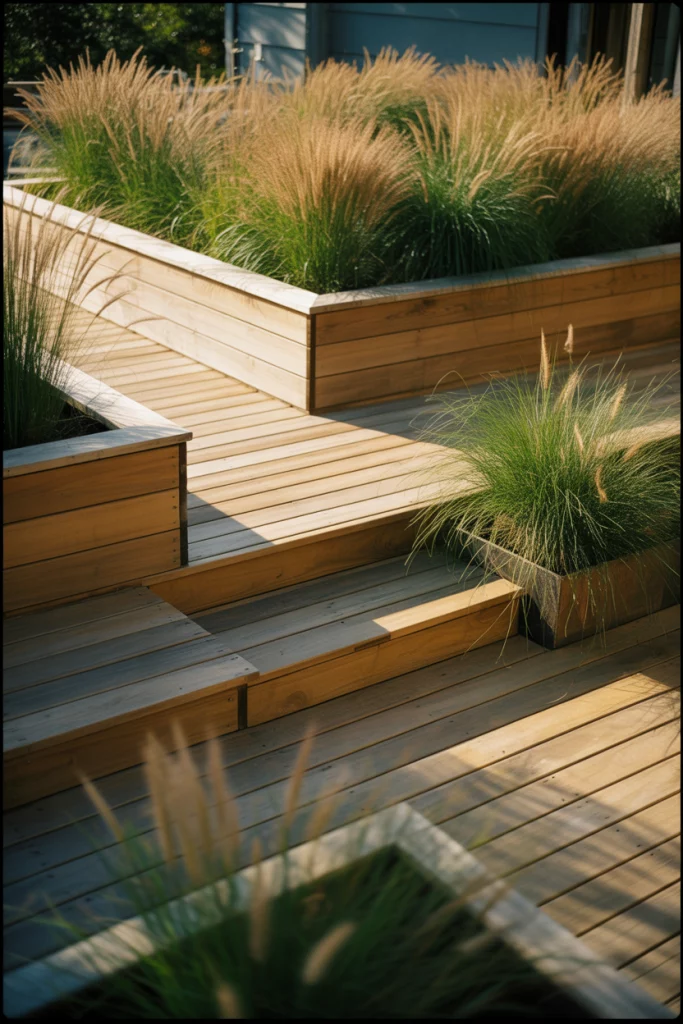
This approach works best in yards with at least 200 square feet of space, typically found in townhome communities and older suburban neighborhoods where lot sizes hover around 1,200 to 1,500 square feet. The planter borders eliminate the need for separate container gardens scattered around the deck, creating cleaner sight lines and easier maintenance. Materials matter—pressure-treated pine runs about $15 per square foot installed, while composite decking jumps to $30-40 but requires virtually no upkeep.
6. Shade Sail Canopy Over Dining Area
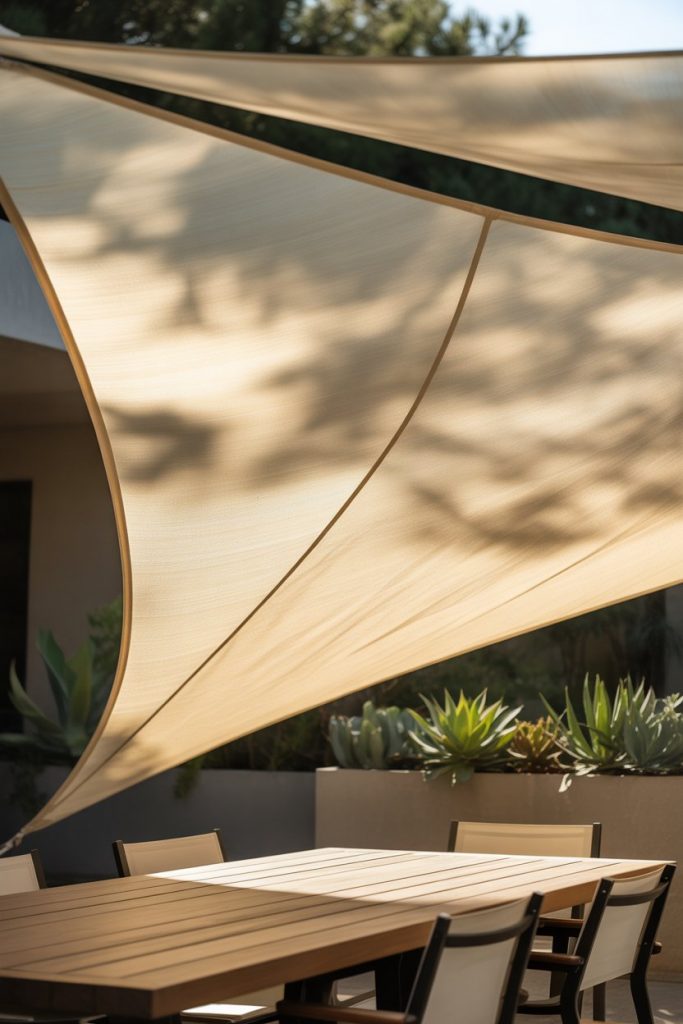
Modern shade sails provide sun protection with architectural flair, turning a blazing patio into a comfortable outdoor dining room. These tensioned fabric canopies attach to existing posts, fence corners, or the house itself, creating angled geometric shadows that shift throughout the day. The modern aesthetic pairs particularly well with contemporary homes and minimalist landscaping that emphasizes clean lines over ornamental details. 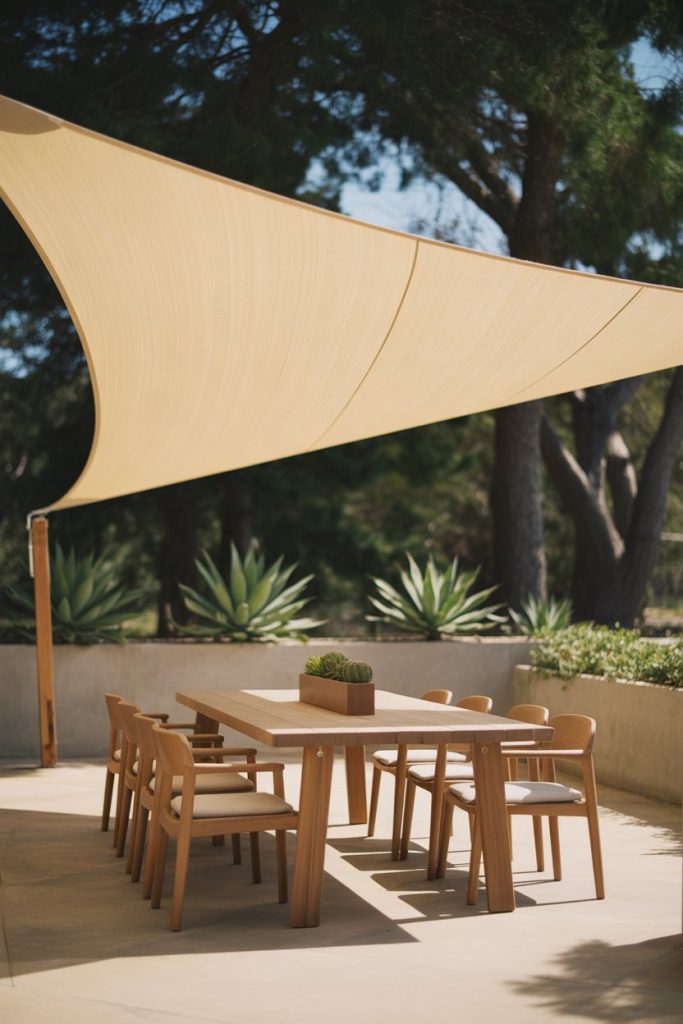
A single shade sail covering a 12×12 foot area typically costs between $200 and $600 depending on fabric quality and UV rating. That’s considerably less than a permanent pergola or roof extension, with the added benefit of easy removal before winter storms. The installation does require solid anchor points capable of handling tension—a structural post set in concrete or a wall-mounted bracket rated for at least 400 pounds per attachment point.
7. Raised Bed Vegetable Garden with Gravel Paths
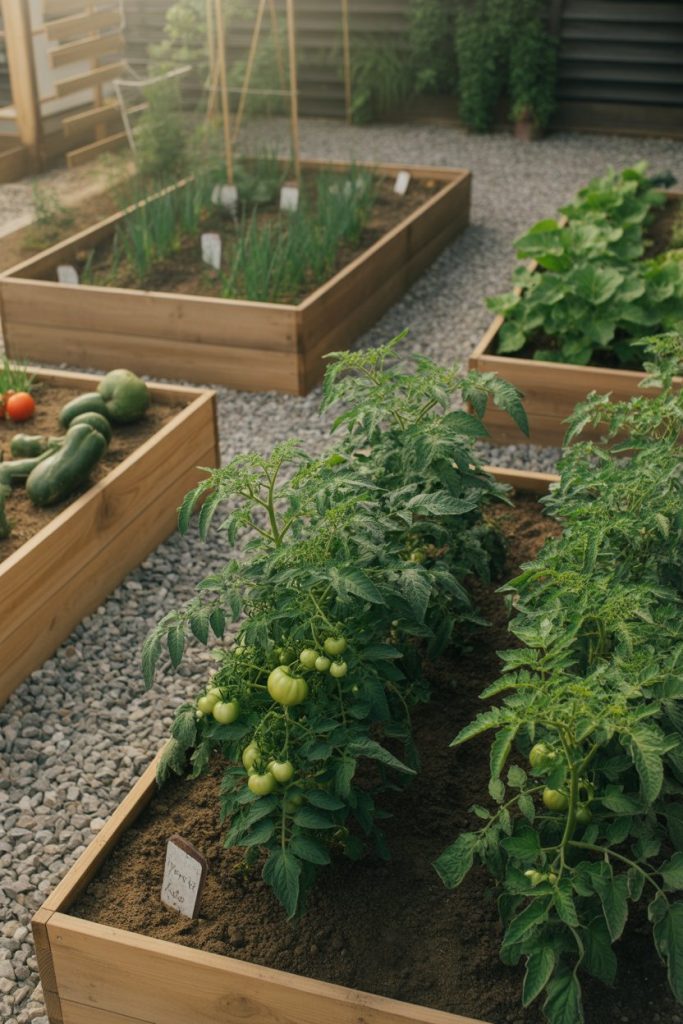
Raised beds bring vegetable gardening into reach for homeowners dealing with poor soil, limited mobility, or drainage issues. A garden composed of three or four cedar beds separated by gravel walking paths creates an organized, productive space that looks intentional rather than haphazard. Each bed can be dedicated to different crop families—tomatoes and peppers in one, lettuce and herbs in another—making crop rotation and pest management far simpler. 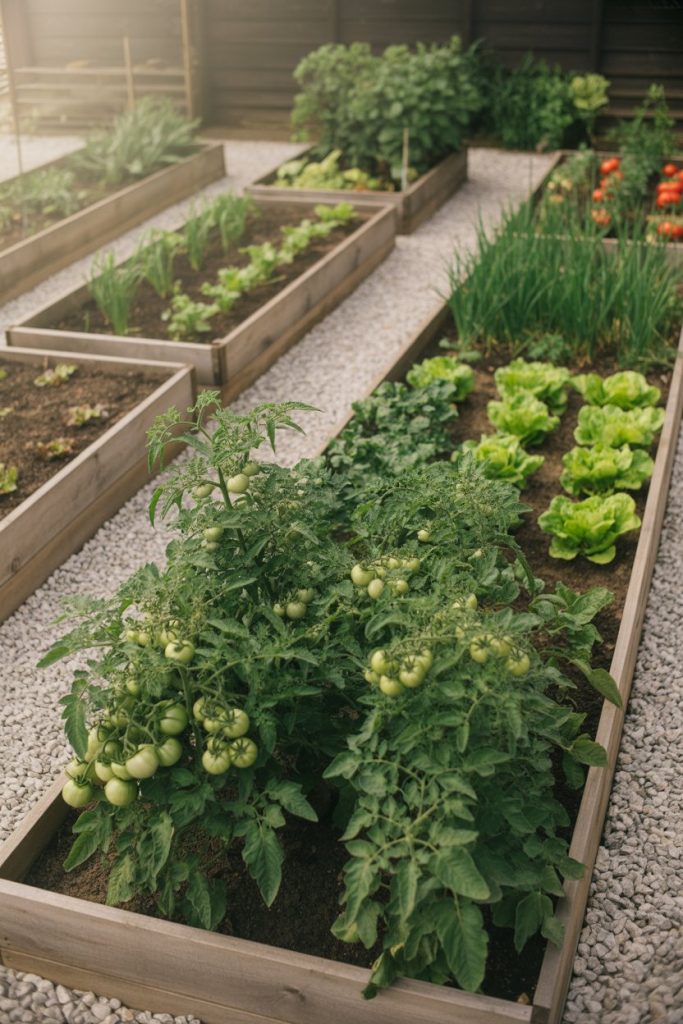
One homeowner in suburban Atlanta shared that switching from in-ground planting to raised beds reduced her weeding time by two-thirds and increased yields noticeably because she could control soil quality precisely. The beds warm up faster in spring, drain better after rain, and keep root vegetables like carrots growing straight instead of forking around rocks and clay. Standard 4×8 foot beds use about 32 cubic feet of soil mix, which runs roughly $150-200 if you’re buying bagged amendments.
8. String Light Canopy Over Seating Area
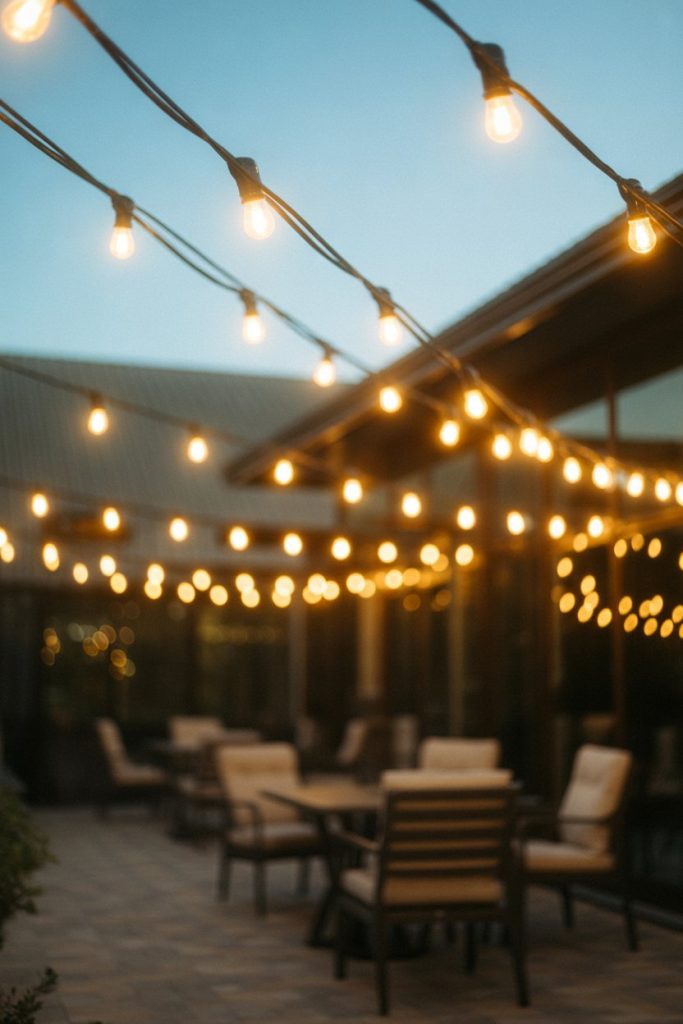
Overhead string lights transform any small backyard into an evening destination, creating ambient illumination that feels festive without overwhelming the space. The key is running lines in a grid or zigzag pattern rather than just perimeter stringing—this fills the overhead volume and makes the space feel enclosed and intimate. Edison bulbs or globe lights provide the warmest glow, while LED versions save energy and last for years without replacement. 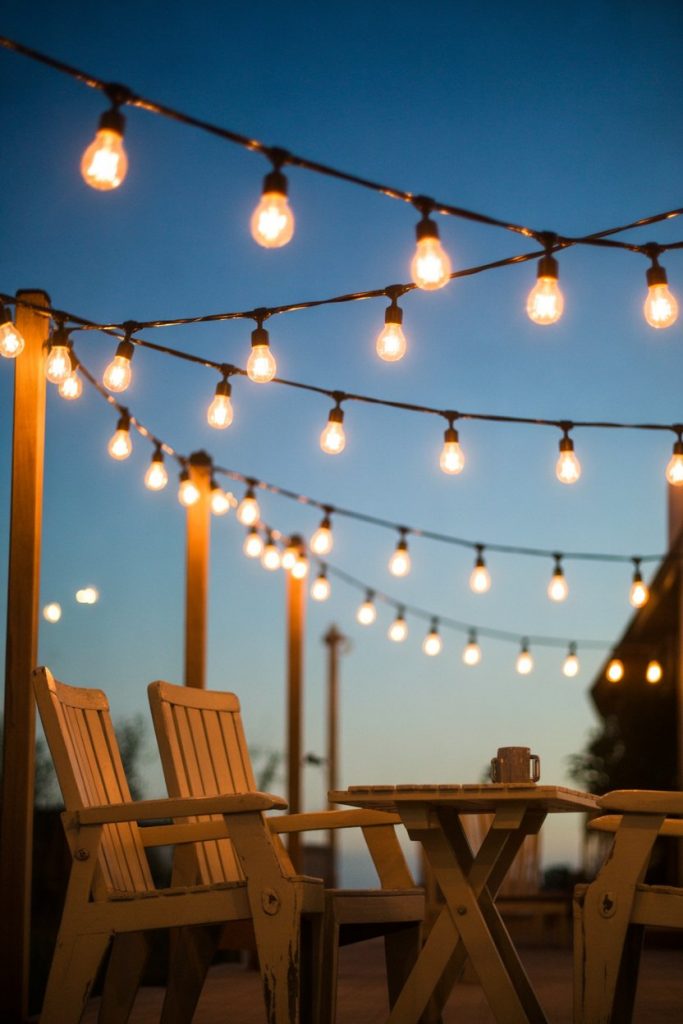
String lights have moved from wedding decor to permanent backyard fixtures across American suburbs, particularly in the Southwest and California where outdoor living extends year-round. The installation is straightforward—secure posts or use existing fence tops and pergola beams, then run weatherproof cord between them. A common mistake is using indoor-rated lights outdoors; they’ll fail within a season. Invest in UL-listed outdoor string lights, and you’ll get 5-10 years of reliable use.
9. Compact Water Feature with River Rock Basin
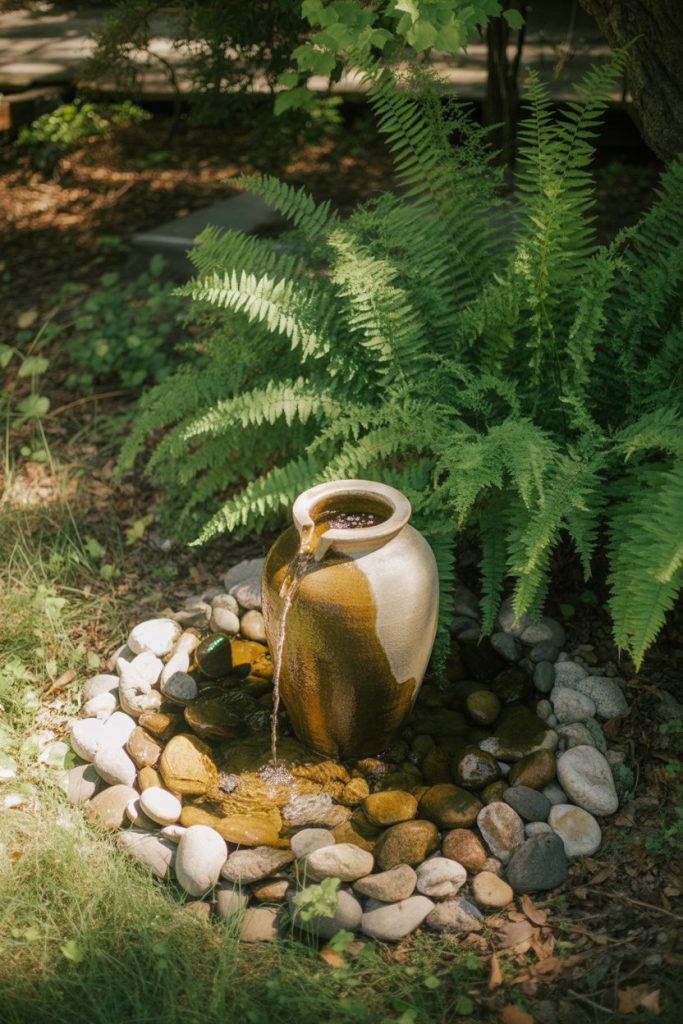
The sound of moving water adds sensory richness that makes small spaces feel larger and more secluded, masking neighborhood noise and attracting birds. A bubbling urn or small fountain set in a bed of river rocks requires minimal space—often just 2-3 square feet—while delivering maximum impact. This works beautifully in corner plantings or as a focal point near seating areas where the gentle sound enhances conversation rather than competing with it. 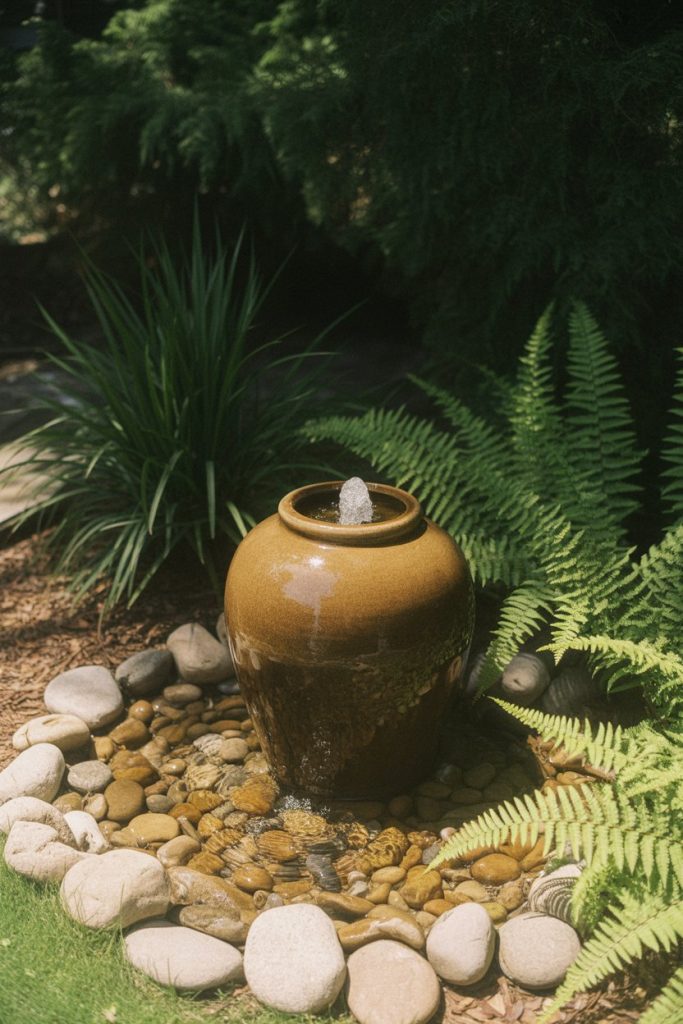
Water features work best in partial shade where evaporation is minimized and algae growth stays manageable. In hot climates like Arizona and Texas, expect to refill weekly during summer months. The recirculating pump uses minimal electricity—typically less than $5 per month—and modern solar-powered options eliminate even that cost. Position the feature where you’ll actually hear it from your favorite outdoor seat; a fountain tucked behind the garage might look nice but won’t deliver the acoustic benefit.
10. Artificial Turf Play Zone for Kids
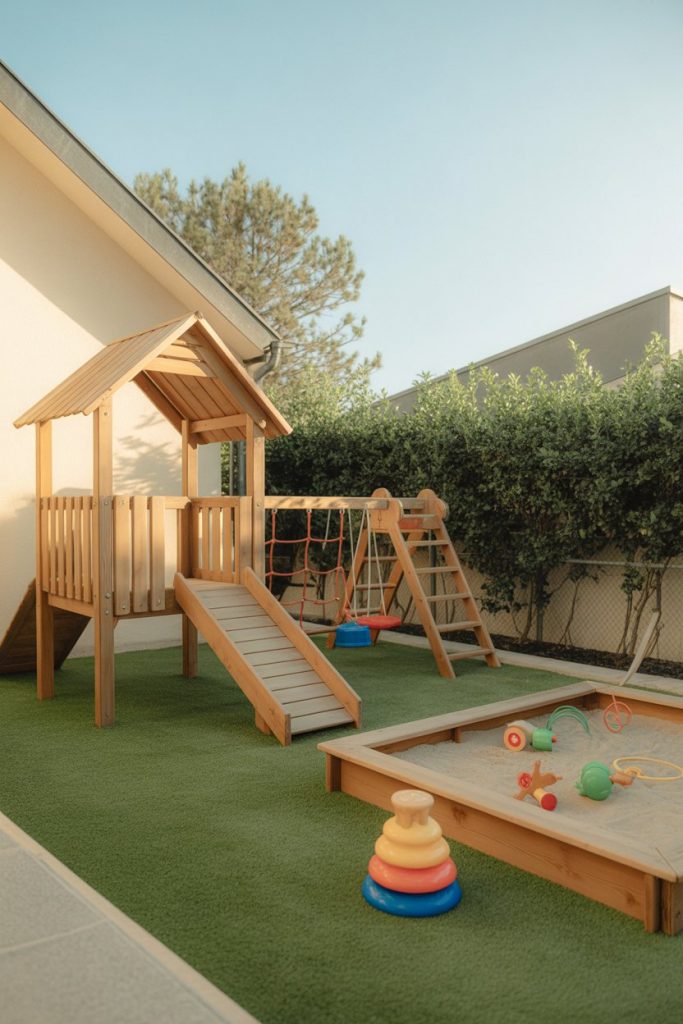
A dedicated kids play area surfaced with quality artificial turf creates a mud-free, low-maintenance zone that stays green year-round. This solution particularly appeals to families in regions with water restrictions or challenging growing conditions where maintaining natural grass requires constant effort. The turf provides cushioning for falls, drains quickly after rain, and eliminates the weekly mowing routine that eats into family time.
Artificial turf installation ranges from $5 to $20 per square foot depending on quality and infill type. The upfront cost makes some homeowners hesitate, but when you calculate years of water bills, fertilizer, and mower maintenance, the numbers often balance within 5-7 years. Choose turf with a blade height around 1.5 inches for play areas—shorter blades drain better and feel less plastic, while overly long fibers can mat down with heavy use.
11. Narrow Side Yard Transformed into Galley Garden
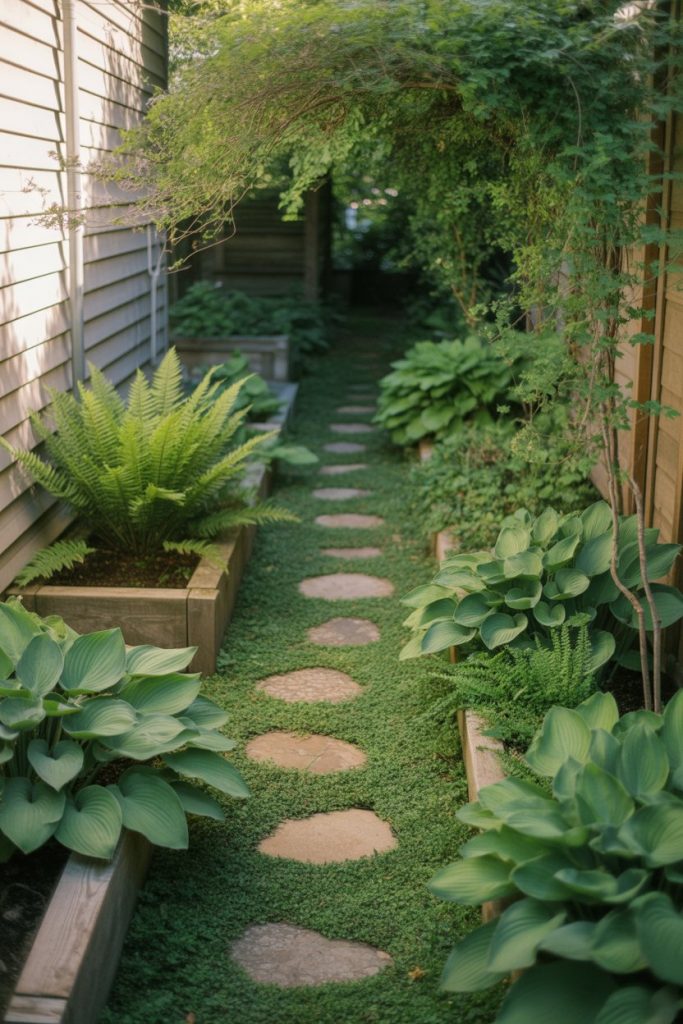
That awkward strip between your house and fence—usually 3 to 5 feet wide—can become a productive galley garden when treated like premium real estate. Line the path with raised beds or large containers on both sides, creating a walk-through experience filled with blooms, vegetables, or both. This simple approach works particularly well for shade-tolerant plants like hostas, ferns, and impatiens that thrive in the reduced light typically found in side yards. 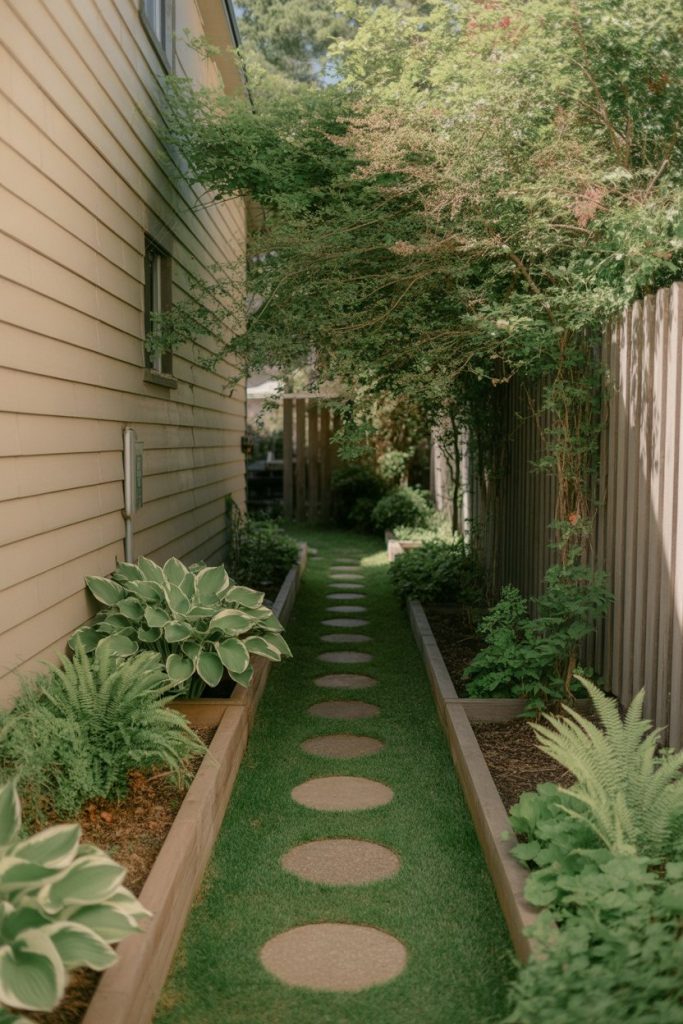
Side yards work best when you commit to a single cohesive theme rather than trying to cram in every plant you love. A neighbor might dedicate theirs entirely to shade vegetables like lettuce and kale, while another goes full ornamental with a white and green color scheme. The narrowness actually becomes an advantage—you can reach the back of beds from the path without stepping into planting areas, reducing soil compaction and making maintenance easier than traditional in-ground gardens.
12. Pergola with Climbing Vines for Privacy
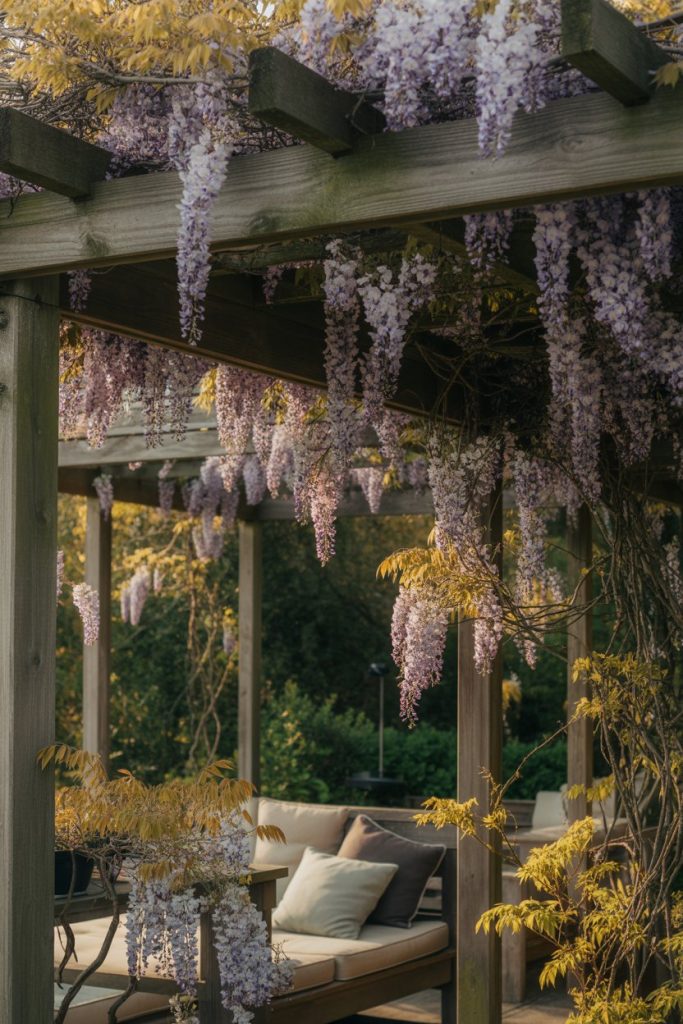
A well-placed pergola draped in climbing vines creates vertical privacy screening that feels softer and more organic than fence extensions or lattice panels. Fast-growing options like clematis, climbing roses, or trumpet vine cover the structure within a single growing season, filtering views from second-story neighbors while allowing breeze to flow through. The design transforms overhead space into a green ceiling that provides dappled shade and seasonal interest. 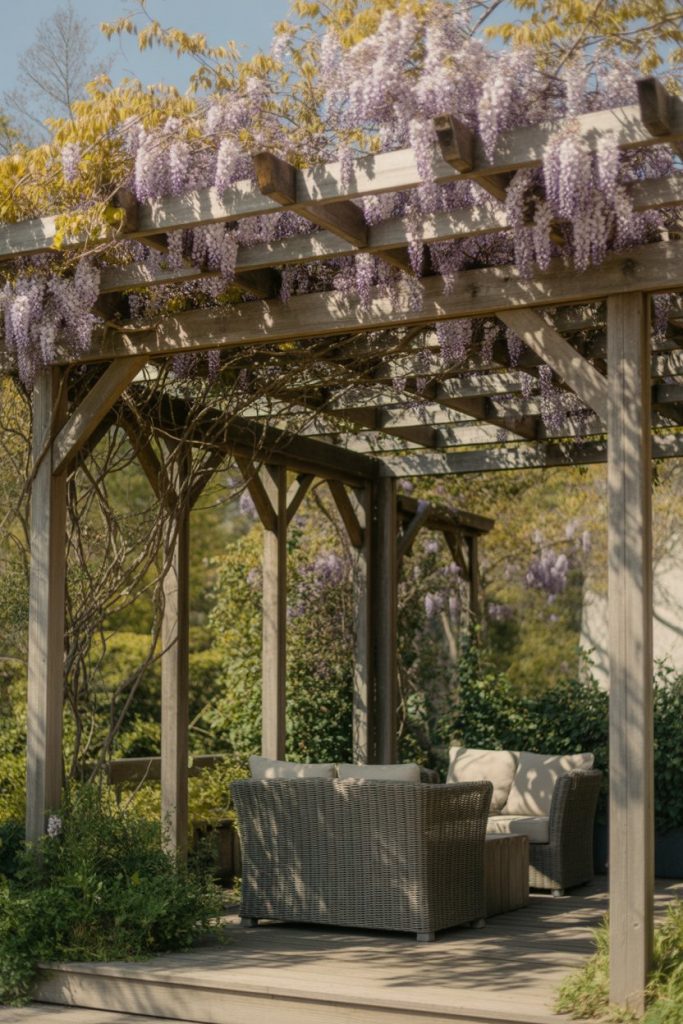
Pergolas have become standard in American backyards where privacy concerns meet aesthetic preferences—particularly in newer developments where homes sit close together. The structure itself provides immediate definition and can be built for $1,500-3,000 depending on size and materials, while the vines take time to establish but cost relatively little. Just be thoughtful about plant selection; wisteria looks spectacular but can damage structures if not pruned regularly, while clematis offers similar coverage with far less aggressive growth.
13. Sunken Seating Area with Retaining Wall
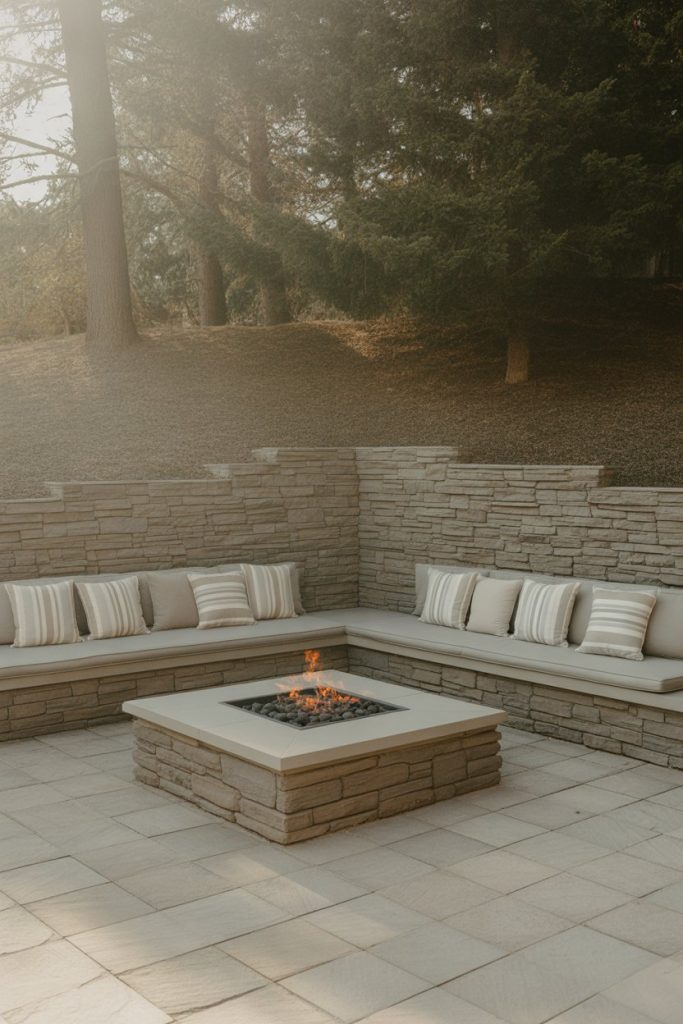
Creating a conversation pit by excavating 12-18 inches and installing a low retaining wall produces an intimate gathering space that feels protected and intentional. This layout works beautifully in sloped yards where the grade change occurs naturally, but can also be engineered in flat spaces to create visual interest. Built-in bench seating along the retaining wall eliminates furniture needs while maximizing capacity in tight quarters. 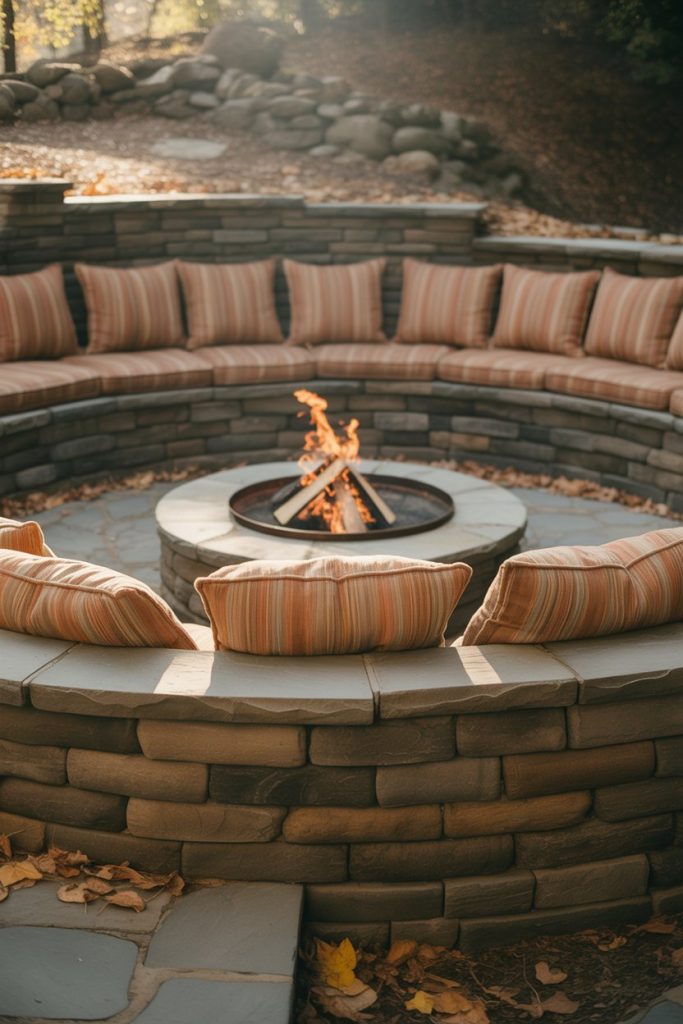
The sunken design naturally channels attention downward and inward, creating what landscape designers call “positive enclosure”—a sense of being held by the space rather than exposed in it. This psychological effect explains why homeowners consistently rate sunken seating areas as their favorite backyard feature in satisfaction surveys. Drainage is the critical technical consideration; the area needs a gravel base and possibly a French drain to prevent water pooling after heavy rain.
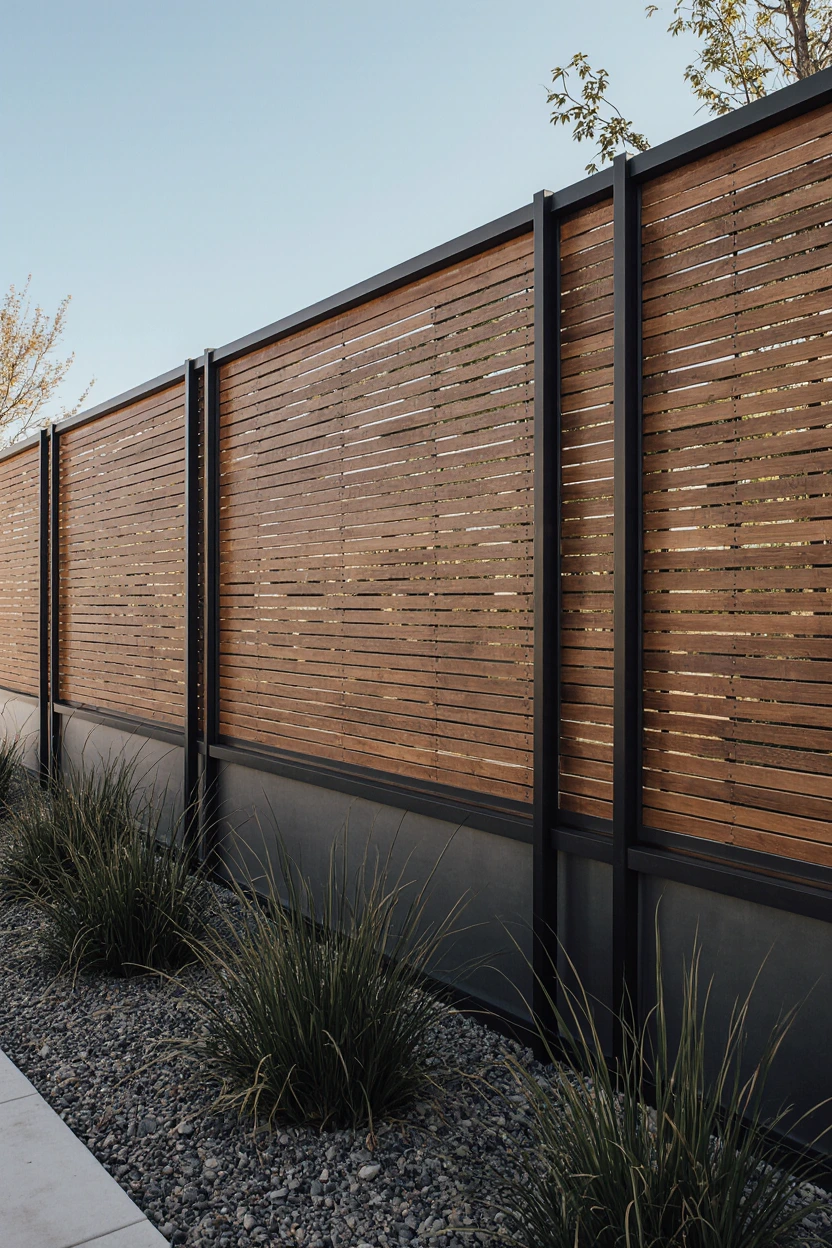
14. Hot Tub Alcove with Privacy Panels
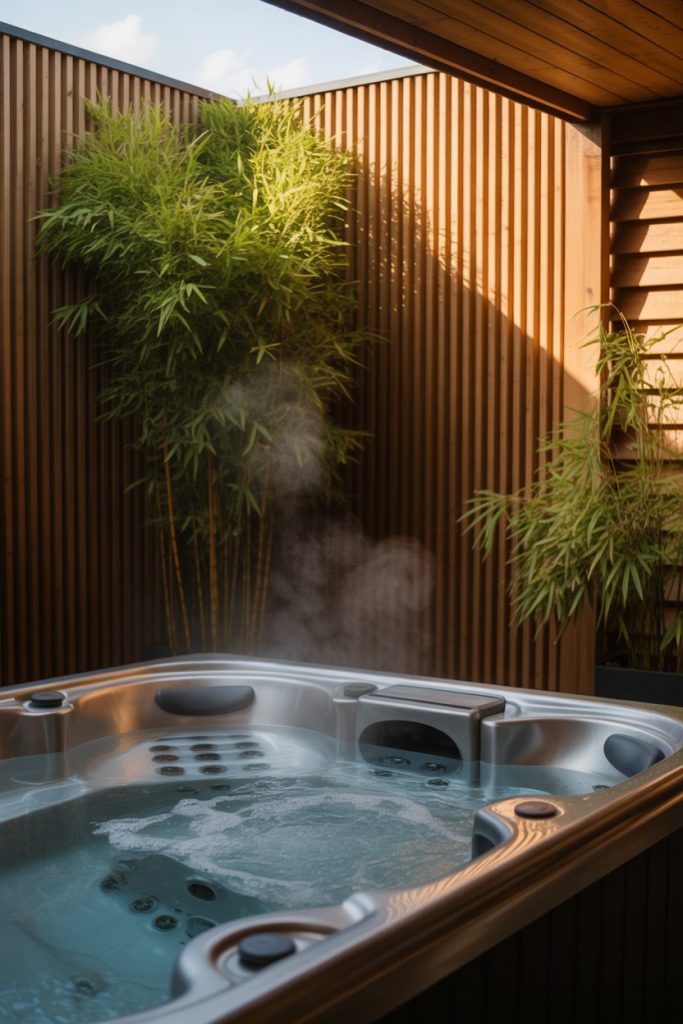
Carving out a dedicated alcove for a hot tub transforms it from a backyard afterthought into an integrated design element that provides year-round relaxation. Vertical privacy screens—whether cedar slats, bamboo panels, or living green walls—create enclosure without the visual weight of solid fencing. The modern approach incorporates the screens as architectural features rather than trying to hide the tub entirely, acknowledging it as part of your outdoor living suite. 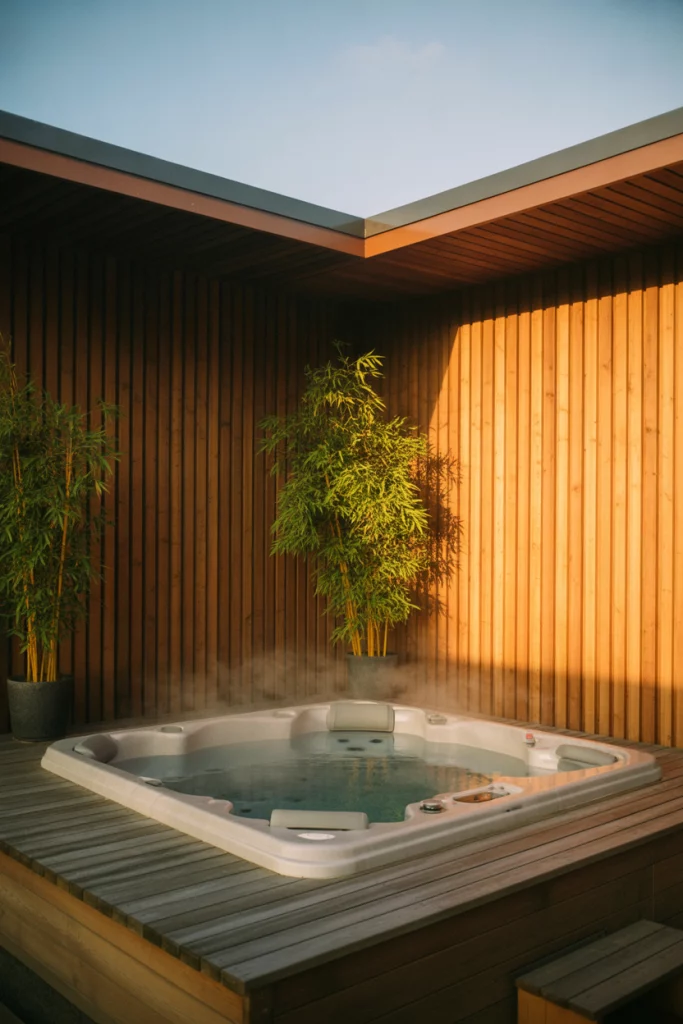
Hot tub ownership has climbed steadily across the U.S., with roughly 20 million households now owning one according to industry data. The privacy panels address the main hesitation people have about placement—feeling exposed while using it. Most municipalities require electrical permits and specific setbacks from property lines, so check regulations before installation. A 6-person tub needs about 80 square feet of deck space including access area, which fits comfortably in even modest backyards.
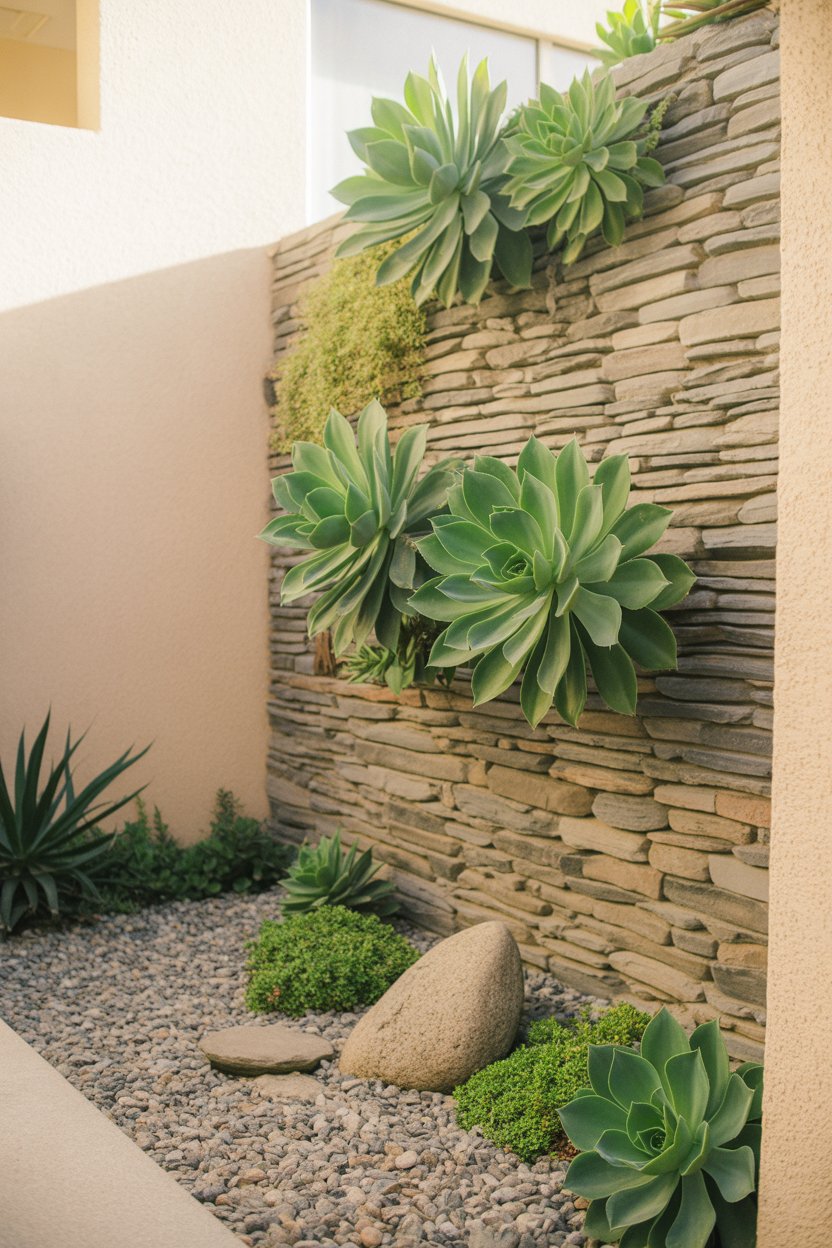
15. Gravel Garden with Drought-Tolerant Plants
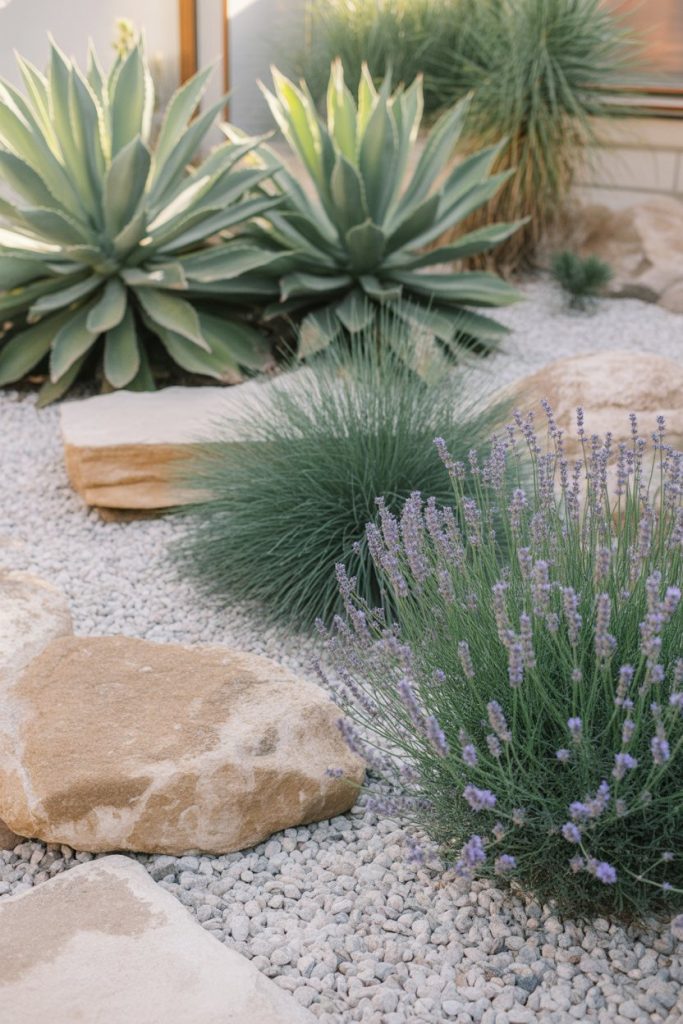
Replacing traditional lawn with a gravel garden planted with succulents, ornamental grasses, and Mediterranean herbs creates a low-water landscape that thrives on neglect. This approach has moved from xeriscaping necessity in the Southwest to design choice nationwide as homeowners seek alternatives to high-maintenance turf. The garden requires minimal irrigation once established—often just monthly deep watering during the hottest months—while providing year-round color and texture. 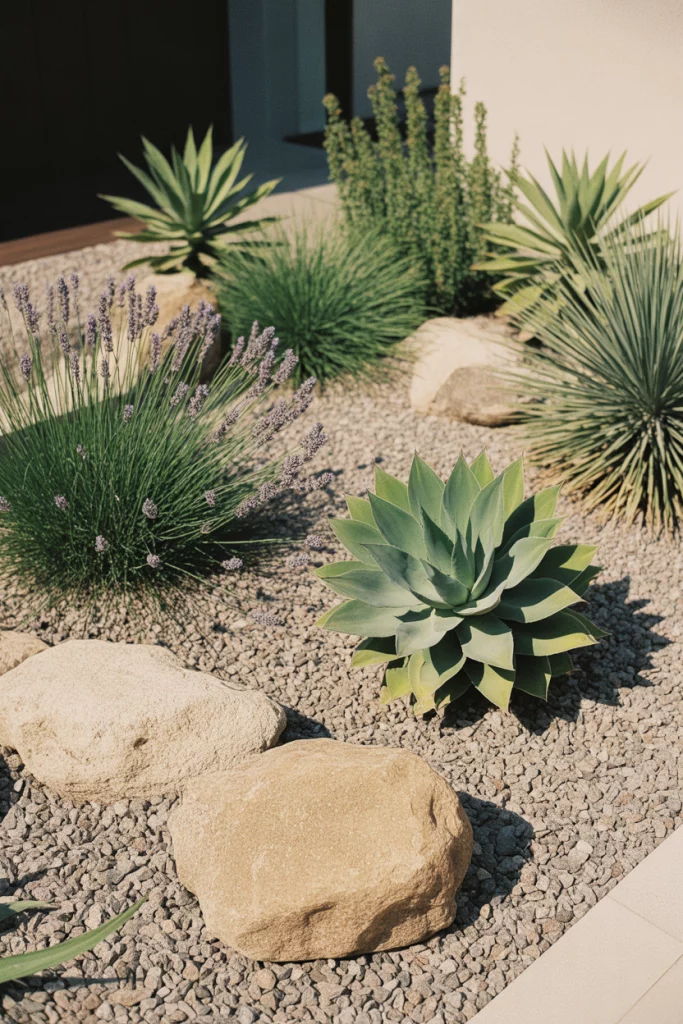
What surprises many homeowners is how much visual interest a gravel garden provides compared to flat green lawn. The varied plant heights, silver-blue foliage tones, and seasonal bloom cycles create constantly changing views. Installation costs roughly $4-8 per square foot including landscape fabric, gravel, and plants—comparable to sod but with dramatically lower ongoing costs. The main shift is mental: accepting that a beautiful yard doesn’t require continuous green carpet edge to edge.
16. Composite Deck with Built-In Planters and Lighting
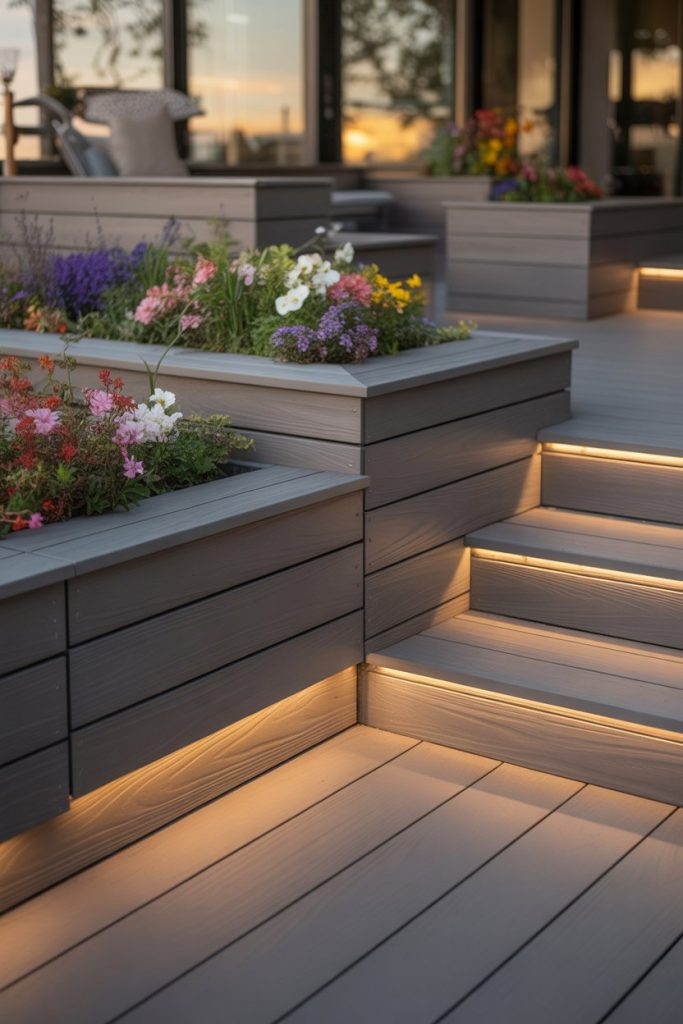
Integrating planters and low-voltage lighting into deck construction from the start creates a cohesive outdoor room that functions beautifully day and night. Built-in planter boxes along railings or as deck-level features eliminate the scattered container look while providing permanent homes for seasonal color or edibles. LED strip lighting tucked under railing caps or stair nosings adds safety and ambiance without cluttering the space with solar stakes or visible fixtures. 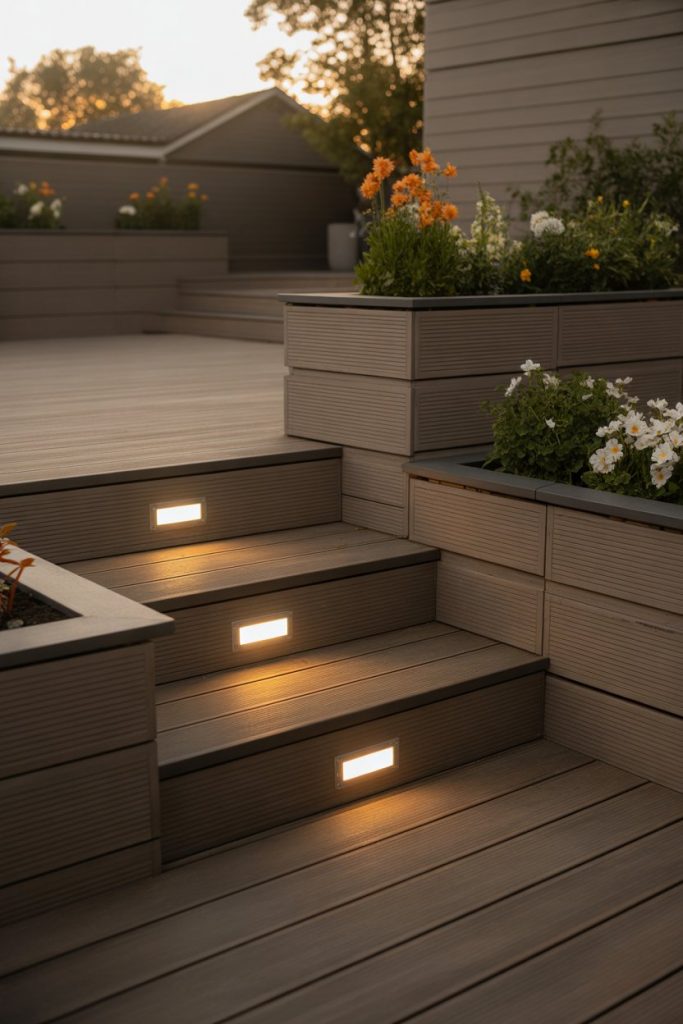
Composite decking material like Trex or TimberTech costs more upfront but never needs staining or sealing, which appeals to time-strapped homeowners who’d rather spend weekends enjoying their deck than maintaining it. The built-in features add roughly 20-30% to project costs but deliver professional results that separate DIY-looking spaces from designer-quality outdoor rooms. In coastal areas and humid climates where wood decking deteriorates quickly, composite materials last 25-30 years with virtually no upkeep beyond occasional washing.
17. Outdoor Dining Nook with Bench Seating
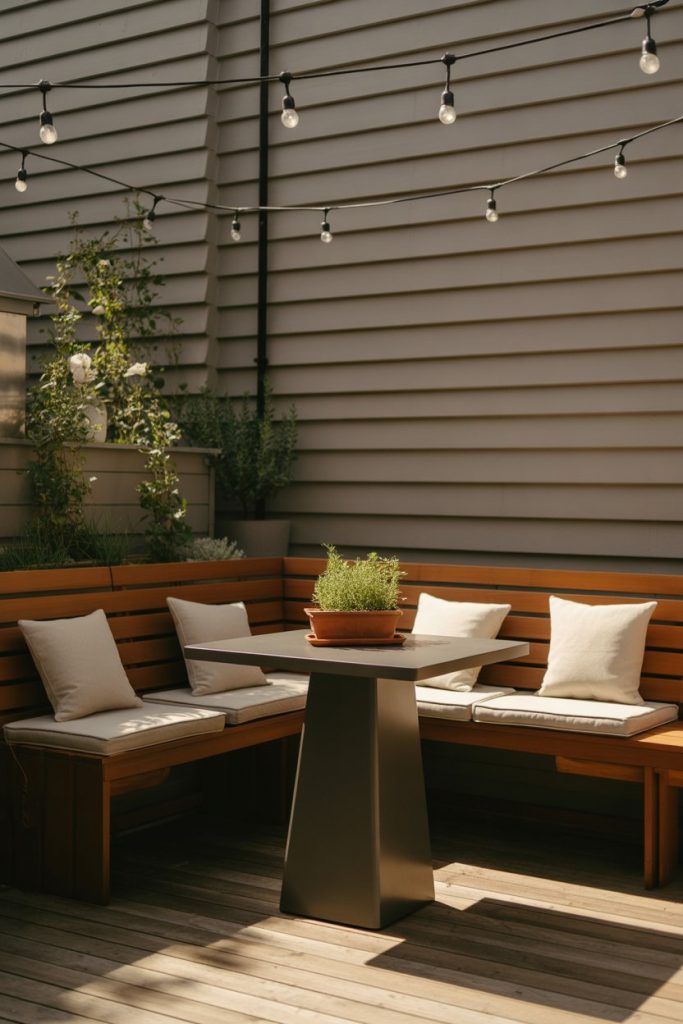
A dedicated dining area with L-shaped built-in benches maximizes seating capacity while using less floor space than individual chairs. This configuration works particularly well in small backyard corners or along fence lines where the benches can tuck against existing boundaries. Add a narrow table with pedestal base rather than four legs, and you’ve created a breakfast nook that seats six in the footprint typically occupied by four chairs. 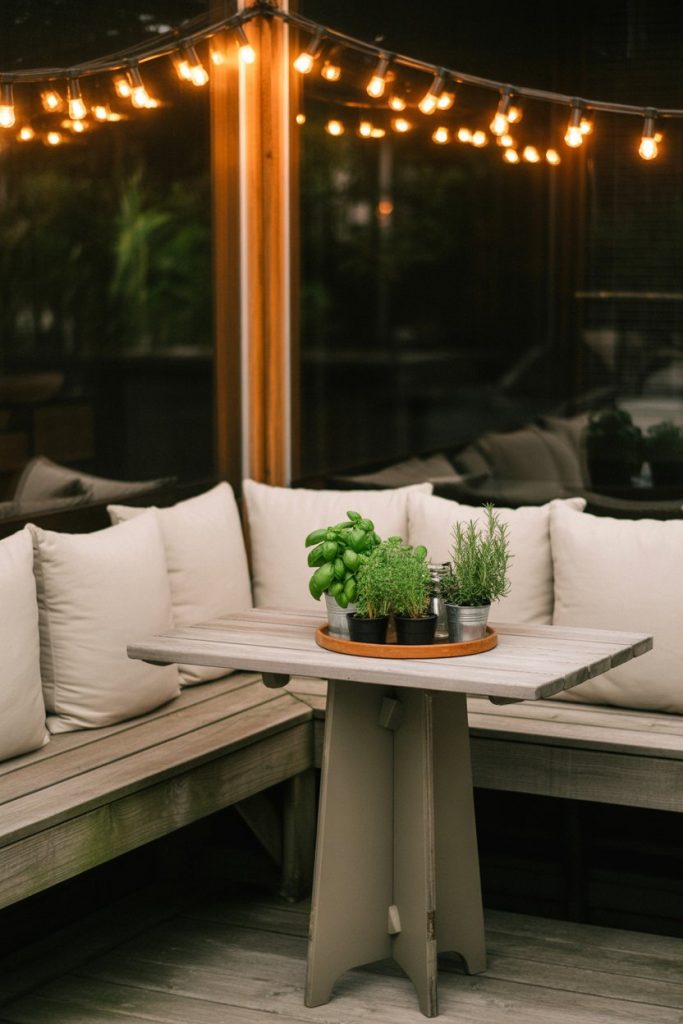
Built-in benches solve the chronic problem of outdoor furniture that needs constant repositioning and seasonal storage. The seats can include hinged lids covering storage compartments for cushions, toys, or garden tools—a practical detail that keeps clutter out of sight. This setup appears frequently in Pacific Northwest backyards where rain makes cushion storage essential, and in urban row house gardens where every square foot counts. Add weather-resistant cushions in removable covers and you’re set for easy cleaning and seasonal swaps.
18. Living Wall with Vertical Planting System
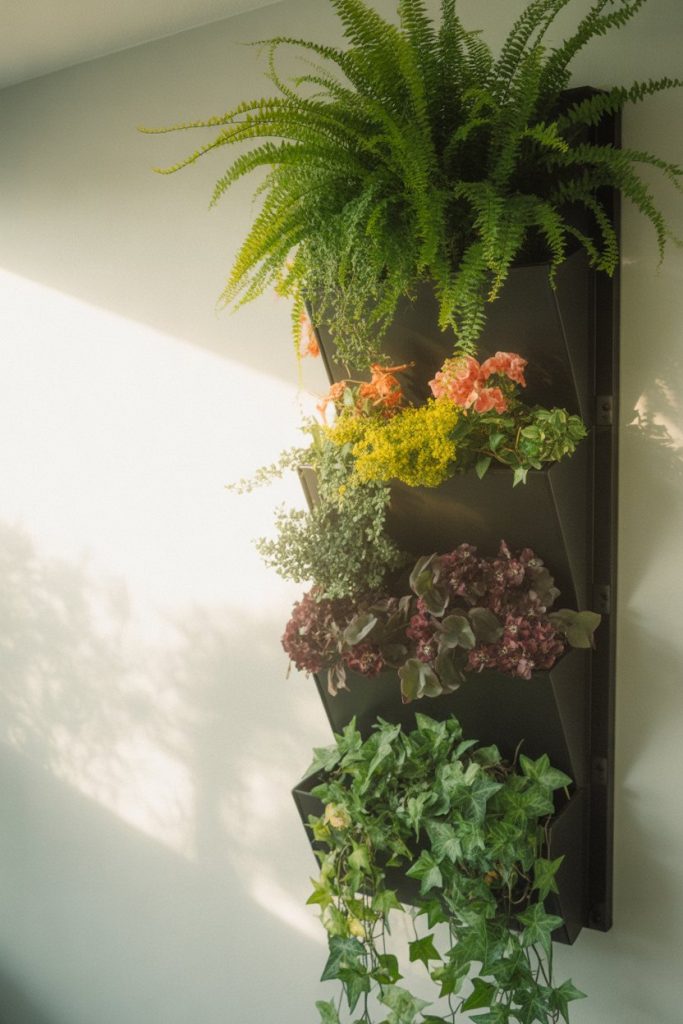
Vertical gardens using modular pocket systems or stacked planters bring lush greenery to fence lines and blank walls without consuming precious ground space. These systems work particularly well for renters or anyone wanting flexibility, as most designs hang or mount without permanent installation. Fill pockets with trailing plants like petunias and ivy, compact vegetables like lettuce and strawberries, or create an entire wall of succulents for a striking modern installation. 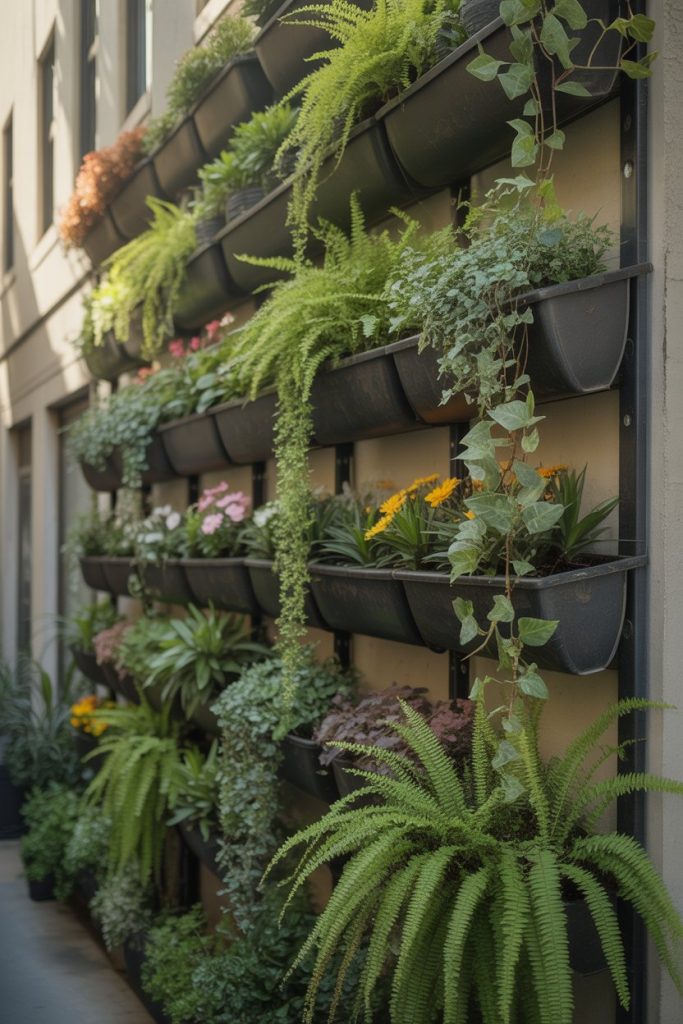
Vertical systems range from $50 DIY pallet projects to $500+ commercial installations, making this accessible at virtually any budget level. The challenge is irrigation—these dry out faster than ground-level gardens and require consistent watering, especially during summer. Drip irrigation systems solve this but add complexity and cost. One practical approach is clustering drought-tolerant plants like sedums and sempervivums that forgive occasional neglect, saving high-water plants for easier-to-reach containers.
19. Compact Pool with Deck Surround
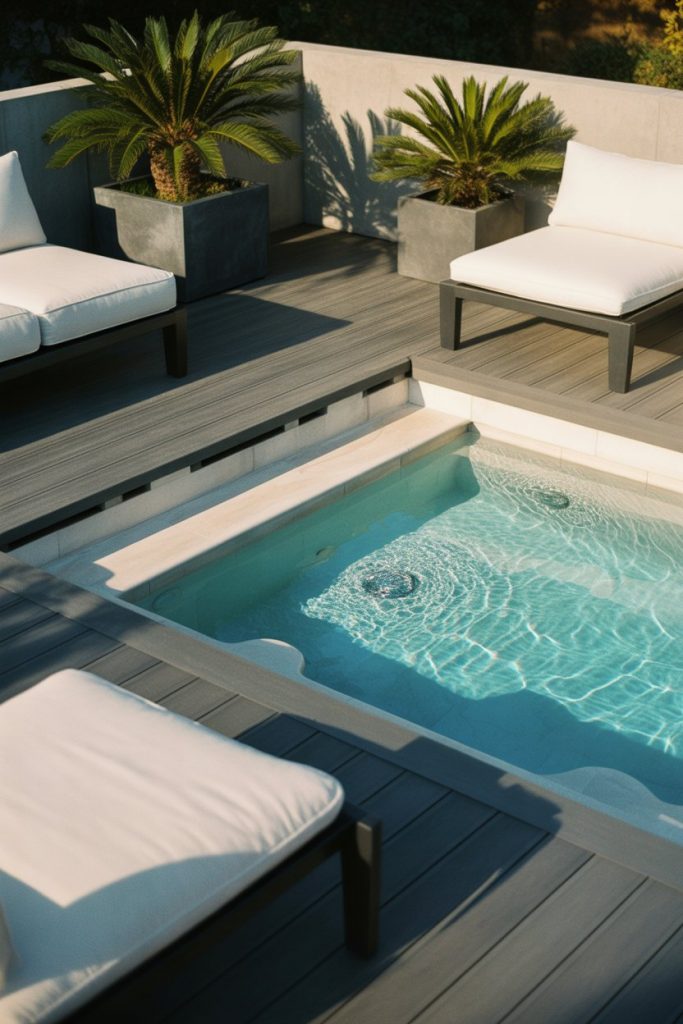
Plunge pools and swim spas have revolutionized backyard water features for homeowners with limited space, delivering the cooling relief and exercise benefits of traditional pools in roughly 150-200 square feet. These compact designs fit into yards where full-size pools never would, typically measuring 8×15 feet or smaller. Surrounding the pool with composite decking creates an integrated look while providing dry lounging space and easy access for maintenance. 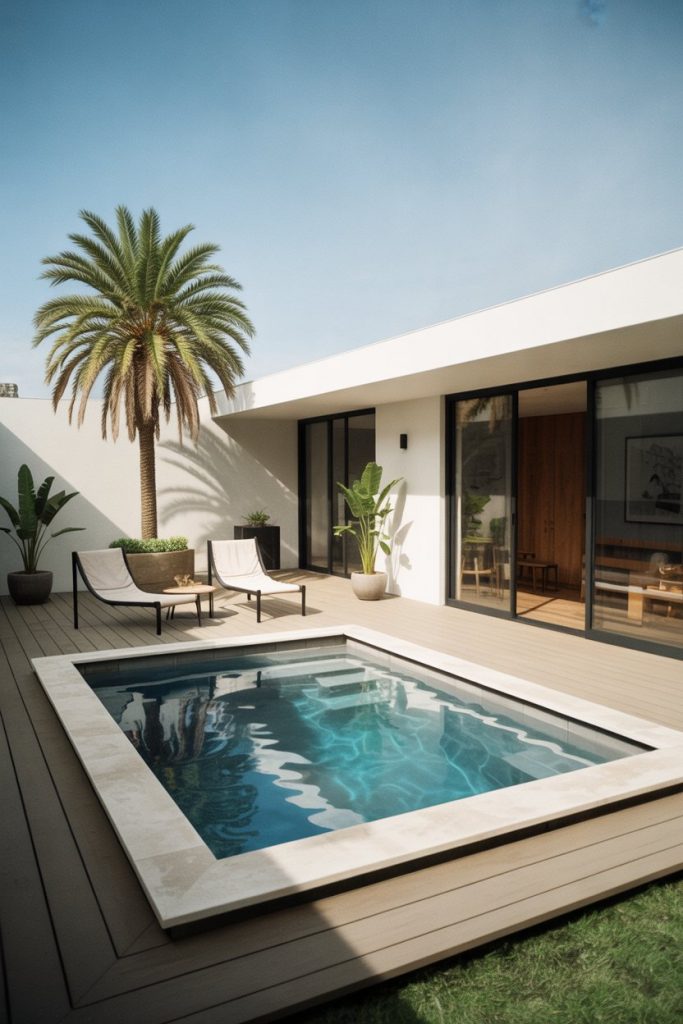
Swim spas with current jets cost $20,000-40,000 installed, while simpler plunge pools start around $15,000—substantial investments but a fraction of traditional in-ground pool costs that often exceed $60,000. Many homeowners find the smaller water volume easier to heat and maintain, with chemical costs running 40-50% less than standard pools. The compact footprint leaves room for other backyard elements rather than dominating the entire space, which matters when you’re balancing multiple outdoor living needs.
20. Zen Garden with Raked Gravel and Boulders
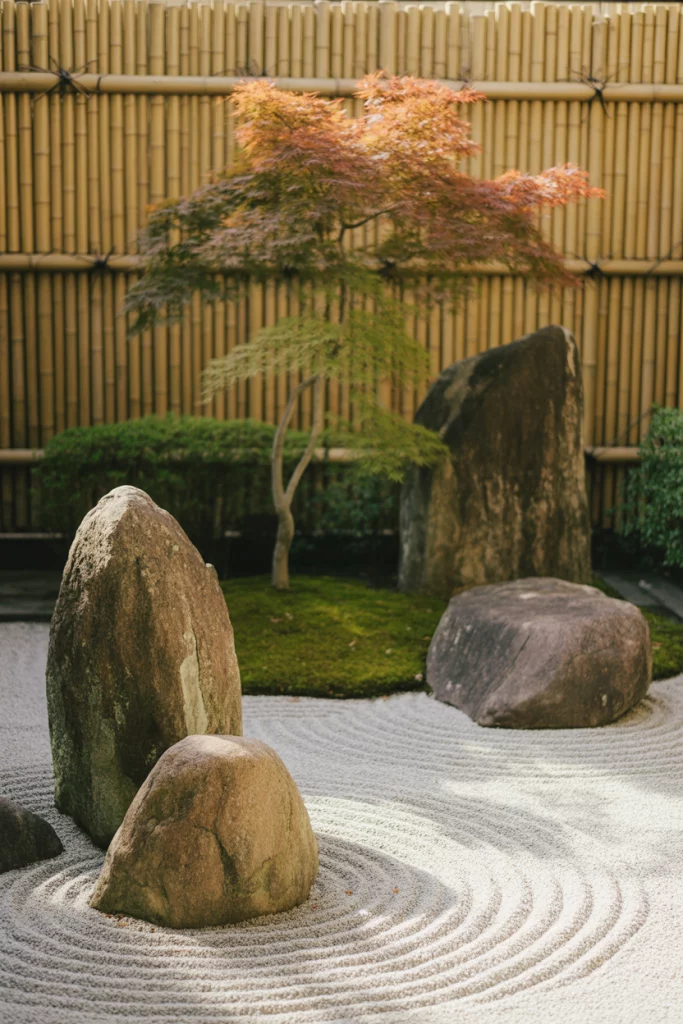
Japanese-inspired zen gardens bring contemplative calm to small spaces through carefully arranged rocks, raked gravel patterns, and minimal plantings. This low-maintenance approach eliminates traditional gardening chores while creating a visually striking focal point that changes with light and shadow throughout the day. A simple design might include three or five large boulders placed according to triangular composition principles, surrounded by fine pea gravel raked into flowing patterns. 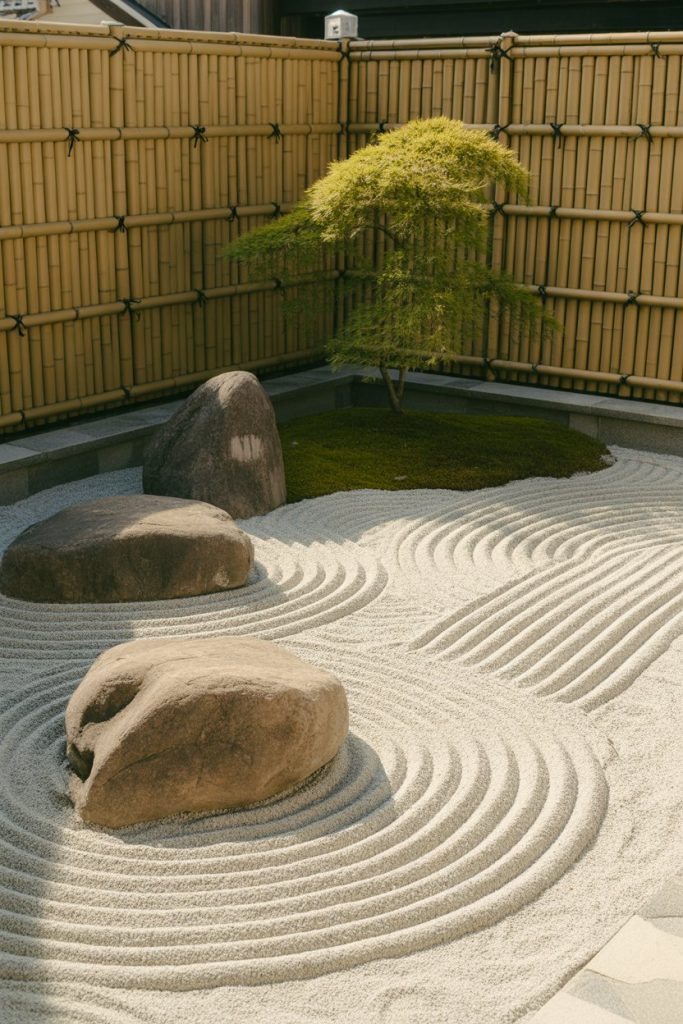
The minimalist aesthetic appeals particularly to homeowners seeking respite from visual clutter and endless to-do lists—a place that requires virtually no maintenance beyond occasional raking to refresh patterns. In urban settings from Seattle to Boston, these gardens provide meditative spaces that buffer against noise and chaos. The initial installation requires edging to contain gravel and selecting quality boulders with interesting shapes and weathering, but ongoing care is minimal compared to traditional plantings.
21. Container Garden on Casters for Flexibility
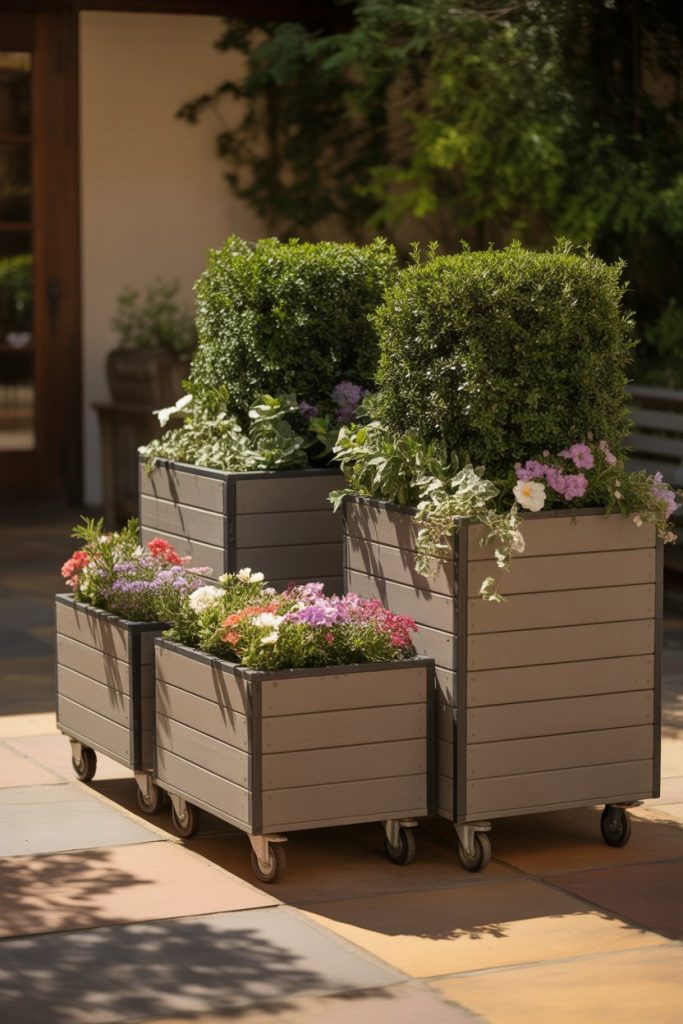
Large planters mounted on heavy-duty casters create a movable garden that adapts to changing needs throughout the season, following sun patterns or clearing space for gatherings. This approach works beautifully for renters or anyone who values flexibility over permanence. Cluster pots of varying heights—tall columnar evergreens, mid-height flowering shrubs, and low trailing plants—to create portable privacy screens or define temporary outdoor rooms. 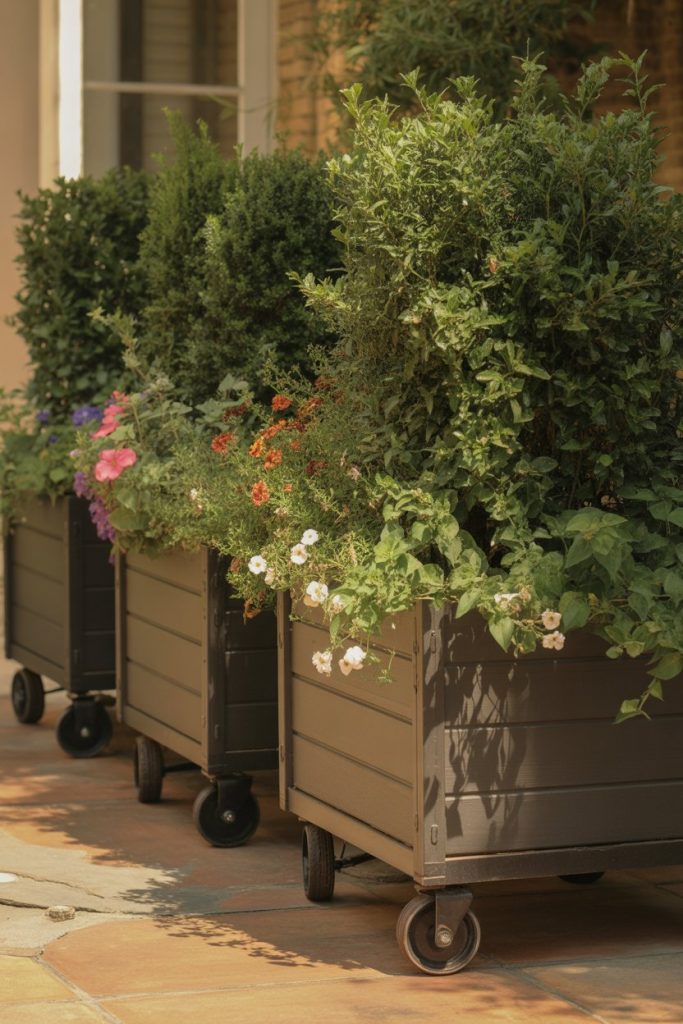
Mobility transforms how you use outdoor space—roll planters together to form a wall for afternoon shade, then separate them for evening circulation. This solves the common problem of beautiful plants in the wrong location; instead of transplanting or accepting suboptimal placement, simply move containers to follow seasonal sun patterns or create space for specific activities. Use planters at least 18 inches wide and deep for stability, and choose locking casters rated for at least twice the loaded weight you expect.
Conclusion
Small backyards aren’t limitations—they’re opportunities to create highly personal outdoor spaces that reflect how you actually live. Whether you’re drawn to the productive appeal of raised bed gardens, the relaxing ambiance of a fire pit corner, or the modern clean lines of a gravel landscape, the key is choosing ideas that match your lifestyle and maintenance preferences. We’d love to hear which concepts resonate with your space and what challenges you’re working with. Share your thoughts and questions in the comments below, and let’s continue the conversation about making the most of every square foot you have.