Rock gardens are having a major moment in 2025, and American homeowners are turning to Pinterest in droves for inspiration on how to blend natural stone with low-maintenance plants and creative hardscaping. Whether you’re working with a sloped backyard, a sunny front yard, or a compact urban space, rock garden landscaping offers texture, dimension, and year-round visual interest without the upkeep of traditional lawns. This guide walks you through fresh ideas that mix modern design with timeless natural beauty, helping you create a landscape that feels grounded, intentional, and uniquely yours. From zen-inspired courtyards to bold lava rock borders, these concepts are designed to work with real-world budgets and climates across the U.S.
1. Succulent and River Rock Front Yard Display
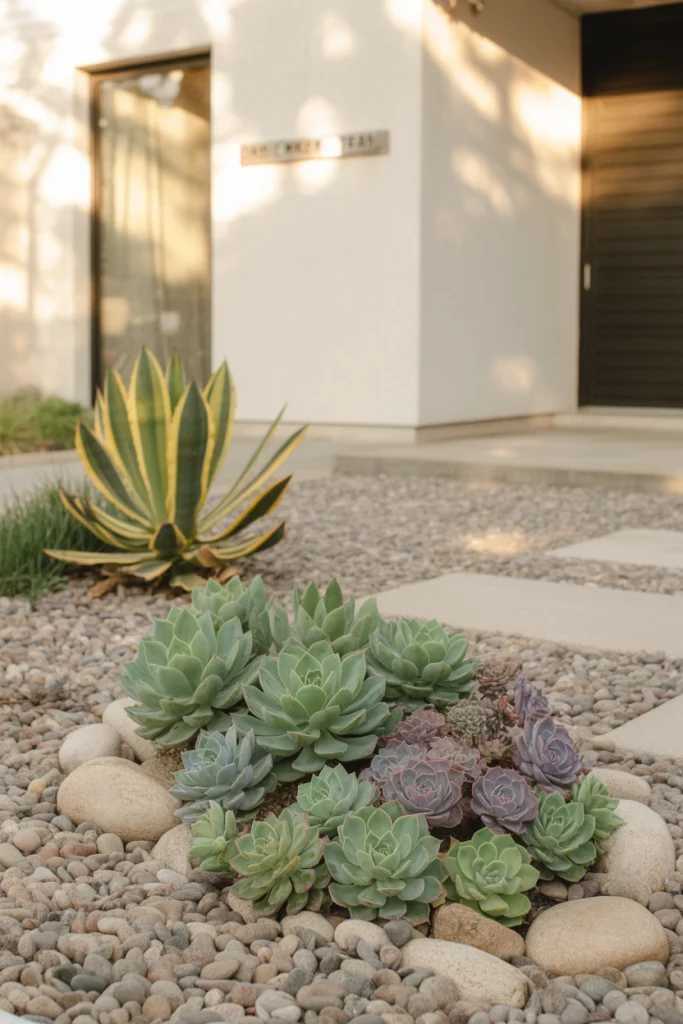
This idea transforms a traditional front yard into a drought-tolerant showcase by pairing succulent rosettes with smooth river stones in varying shades of gray and tan. The contrast between fleshy foliage and polished rock creates a clean, contemporary look that’s especially popular in California, Arizona, and Texas. Layer different succulent varieties at varying heights to add depth, and use the river rock as a natural mulch that helps retain soil moisture while reflecting light back onto the plants. 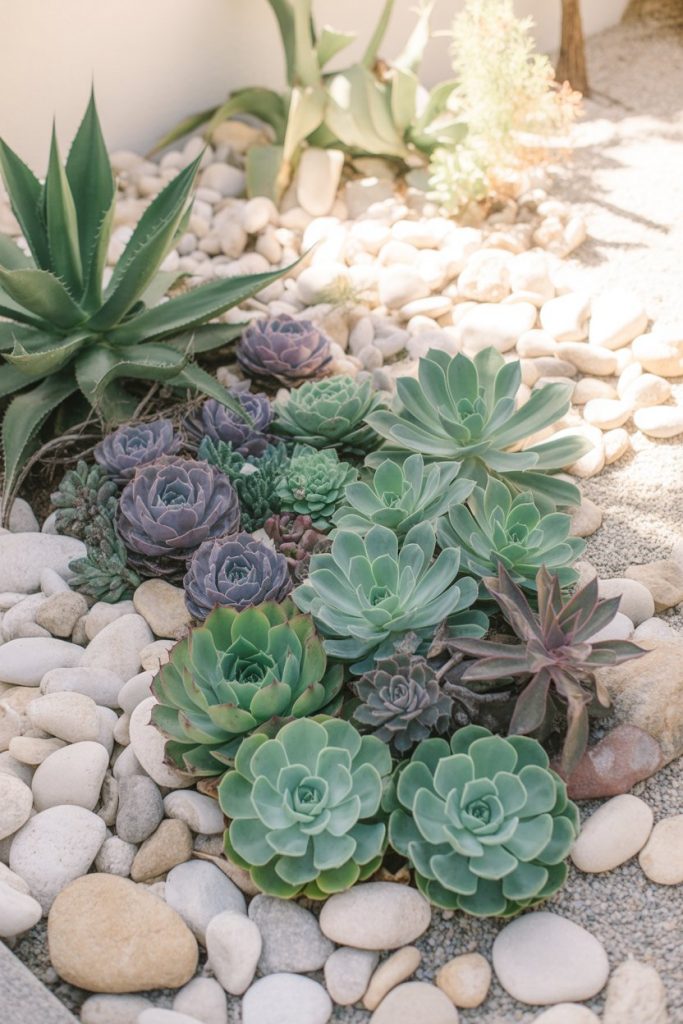
This setup works beautifully in regions where water conservation is a priority, and it’s become a go-to for homeowners who want curb appeal without weekly mowing or fertilizing. The river rock also helps prevent weeds, cutting down on maintenance time. If you’re in a cooler climate, consider using cold-hardy succulents like sempervivum, which can survive freezing temperatures and still deliver that sculptural, architectural look year-round.
2. Painted Rock Garden Borders with Native Plants
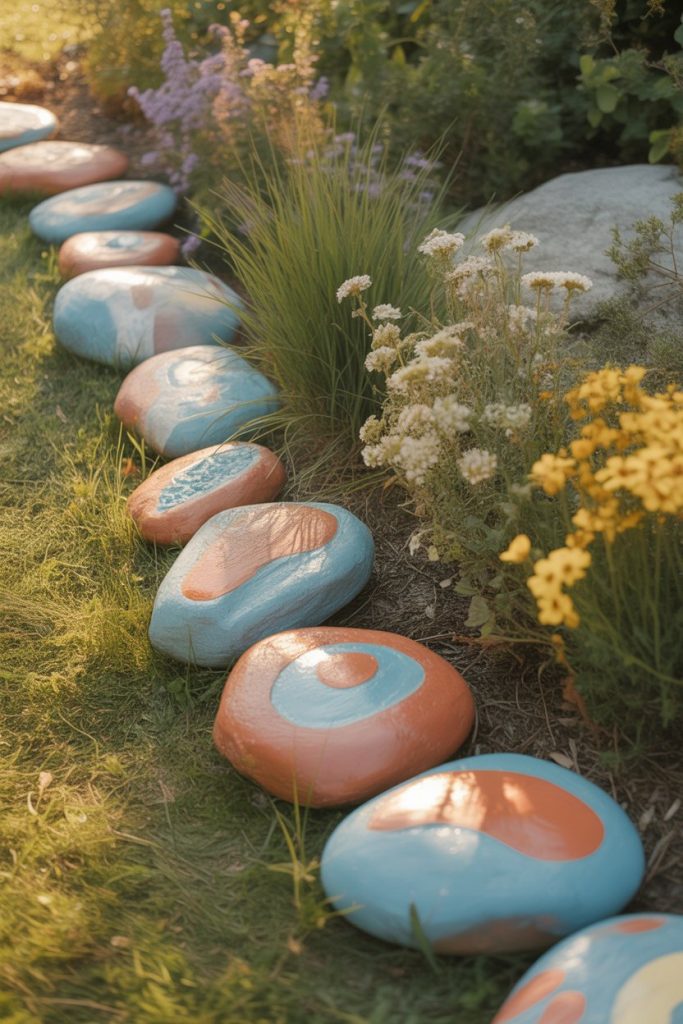
Adding personality to your rock garden doesn’t require expensive materials—sometimes a few cans of outdoor paint and a creative eye are all you need. Painted rocks in soft pastels or bold geometric patterns can outline planting beds or define pathways, turning functional elements into artistic focal points. This approach is especially popular in backyard spaces where families want to add whimsy without permanent installation, and it’s a weekend project that kids can help with too. 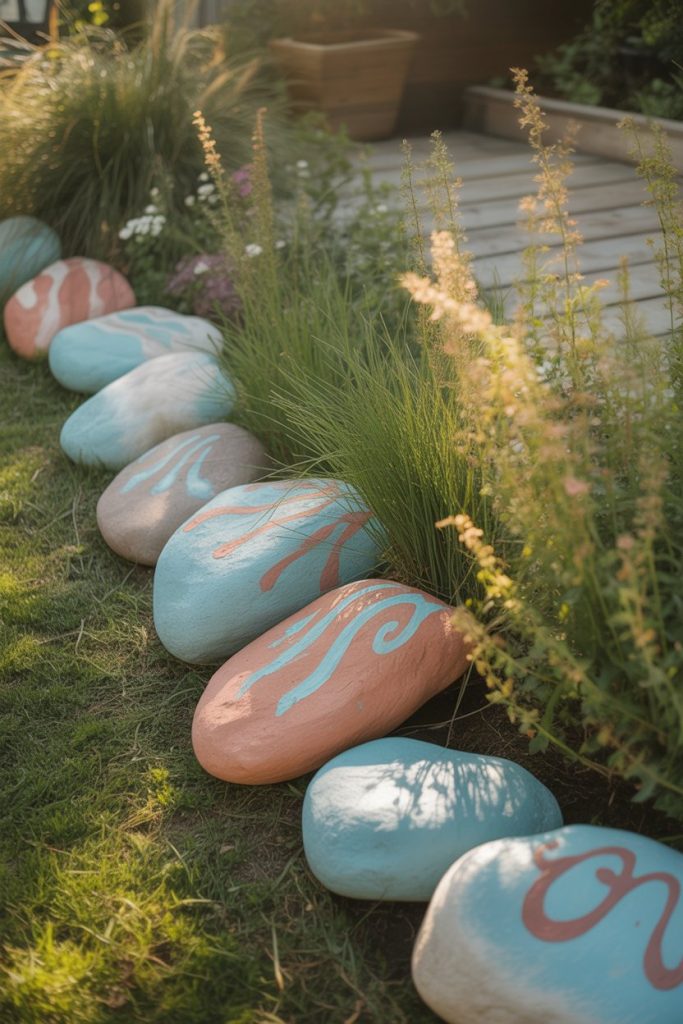
Where it works best: suburban backyards with casual, family-friendly vibes, especially in the Midwest and Southeast where painted rocks have become a community art trend. Choose exterior-grade acrylic paint and seal with a UV-resistant topcoat to keep colors vibrant through summer heat and winter freeze. Pair painted stones with hardy native plants that can handle your region’s climate, creating a low-maintenance garden that still feels personalized and alive.
3. Japanese Zen Garden with White Gravel and Stepping Stones
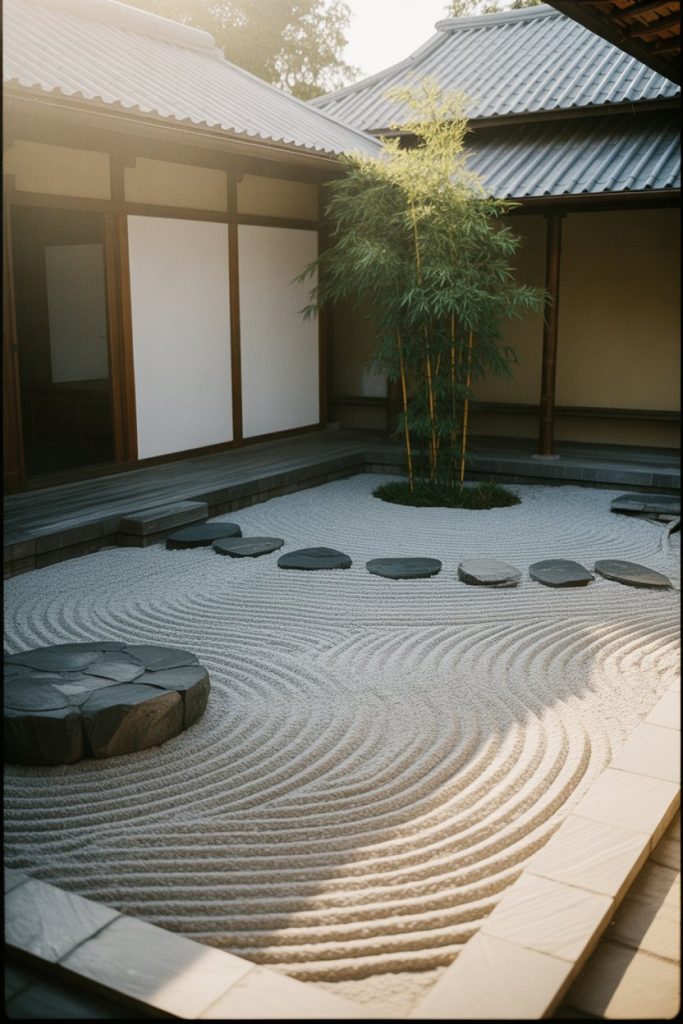
A Japanese-inspired rock garden brings meditative calm to any yard, using raked white gravel to symbolize flowing water and carefully placed stones to represent islands or mountains. This zen aesthetic has deep roots in traditional garden design but translates beautifully to modern American homes, especially in Pacific Northwest and Northern California landscapes. The minimalist palette and intentional spacing encourage mindfulness and create a serene outdoor retreat. 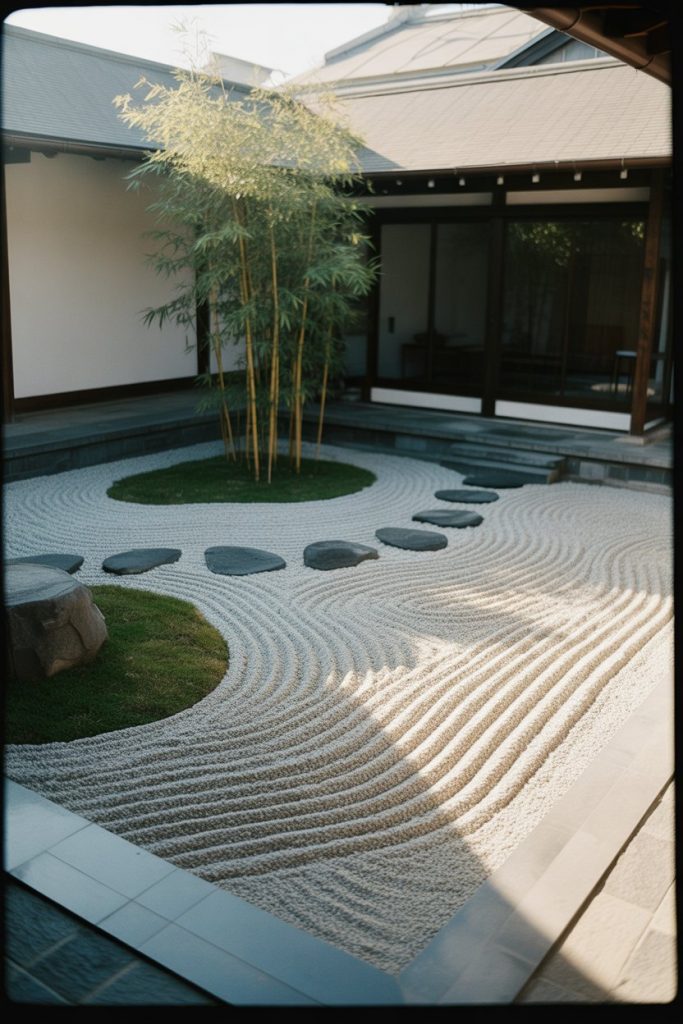
One common mistake is choosing gravel that’s too fine or too coarse—pea gravel around ⅜ inch works best for raking clean patterns that hold their shape. This style requires regular maintenance to keep the gravel smooth and free of leaves, but many homeowners find the ritual of raking meditative in itself. Consider adding a simple bamboo fence or a single Japanese maple to frame the space and enhance the sense of enclosure and tranquility.
4. Large Boulder Accents in Sloped Backyards
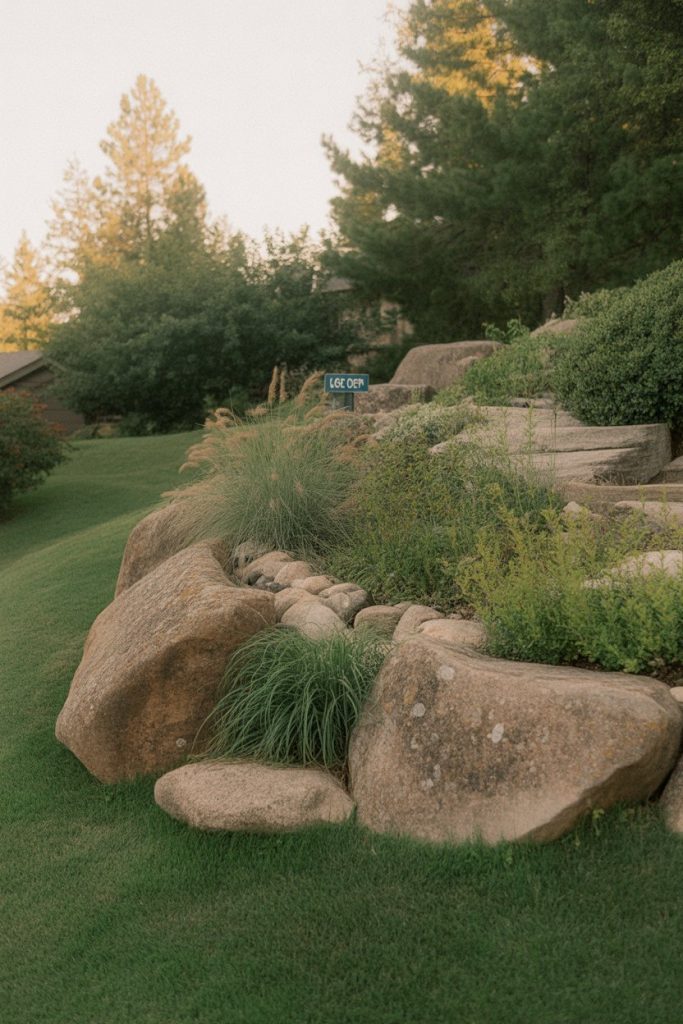
If you’re dealing with a challenging slope, large boulders can be both functional and dramatic, acting as natural retaining elements while adding sculptural presence. Strategically placed rocks help slow water runoff, prevent erosion, and create terraced planting pockets where soil can settle and support plants for hillside gardens. This approach is especially effective in Colorado, Utah, and other mountainous regions where native stone is readily available and blends seamlessly with the surrounding landscape. 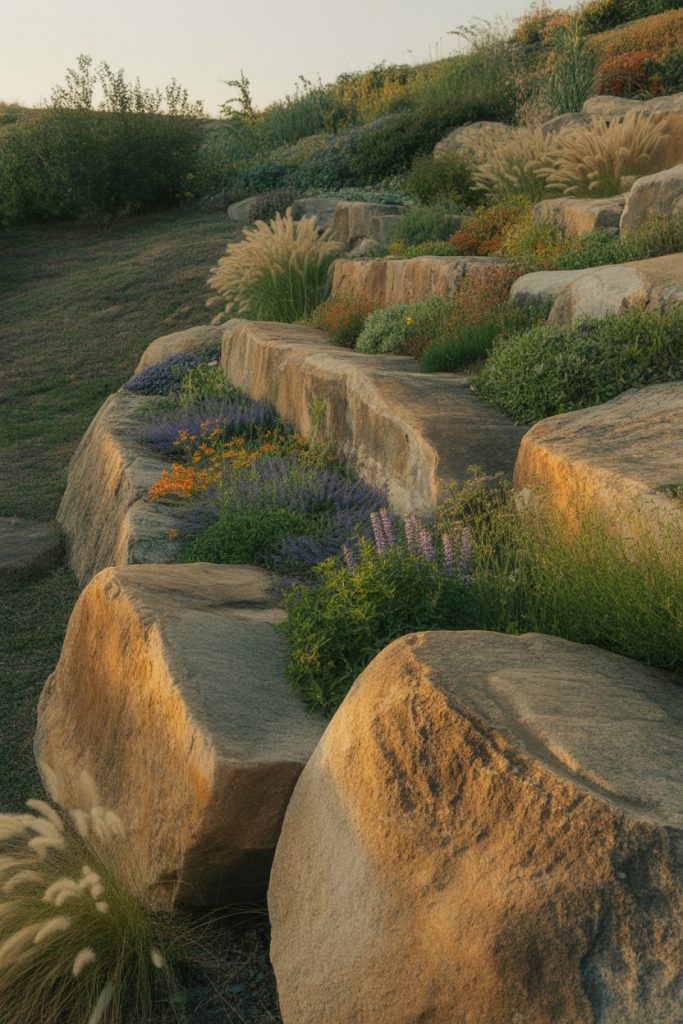
Practical insight: when sourcing boulders, look for local stone yards or landscape supply centers that sell by the ton—this is almost always cheaper than buying individual decorative rocks from a garden center. Have a professional deliver and place boulders over 200 pounds, as improper positioning can lead to shifting or drainage issues. Plant low-water perennials like lavender, sage, or ornamental grasses around the base of each boulder to soften the hardscape and tie the design together.
5. Modern Black Lava Rock Borders
For a bold, contemporary look, black lava rock creates striking contrast against green foliage and lighter hardscaping. This volcanic stone is lightweight, porous, and retains heat, making it ideal for modern desert landscapes or minimalist urban gardens. Use it to define planting beds, edge pathways, or create a dramatic dry creek bed that channels rainwater away from your home’s foundation.
Budget angle: lava rock typically costs between $60 and $100 per cubic yard, which is mid-range compared to river rock or decorative gravel. A little goes a long way because of its visual weight and texture. In hot climates like Arizona and Nevada, the heat-retaining properties can actually help warm-season plants thrive, but in cooler regions, this same trait might stress cold-loving varieties, so choose your plant pairings carefully.
6. Natural Stone Pathways Through Backyard Rock Gardens
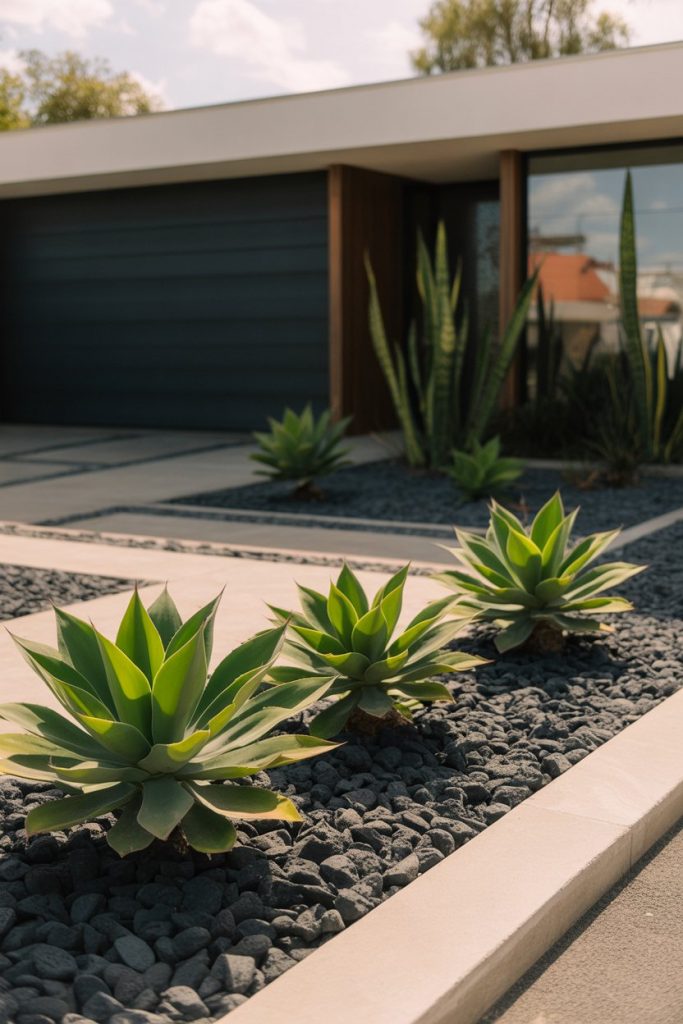
A winding path made from irregular natural flagstone or fieldstone invites exploration and connects different zones in your backyard rock garden. Unlike uniform pavers, natural stone has organic edges and varied coloring that blend beautifully with surrounding plantings and boulders. This design element works across all regions but feels especially at home in New England and the Mid-Atlantic, where fieldstone has been used in landscape design for centuries. 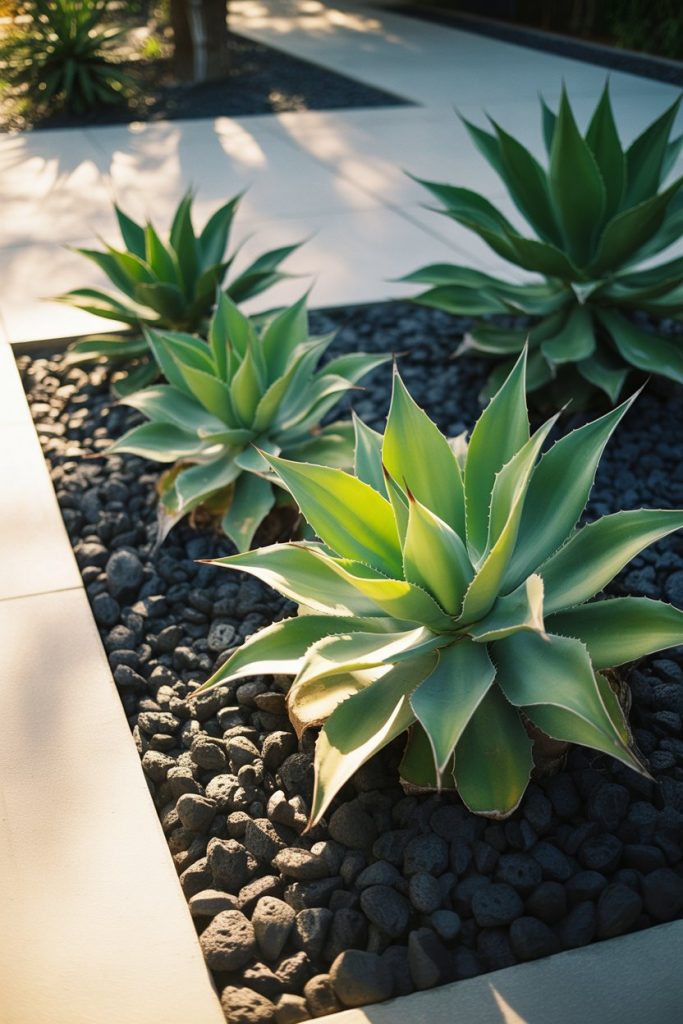
Real homeowner behavior: most people start by laying stones directly on soil, but this often leads to shifting and weed growth. A better approach is to excavate 2–3 inches, lay landscape fabric, add a base layer of crushed gravel, and then set stones on top with polymeric sand or fine gravel in the joints. This extra effort up front saves hours of maintenance later and keeps your pathway looking intentional and well-crafted for years.
7. Front Yard Ideas Cheap: Gravel and Repurposed Stone
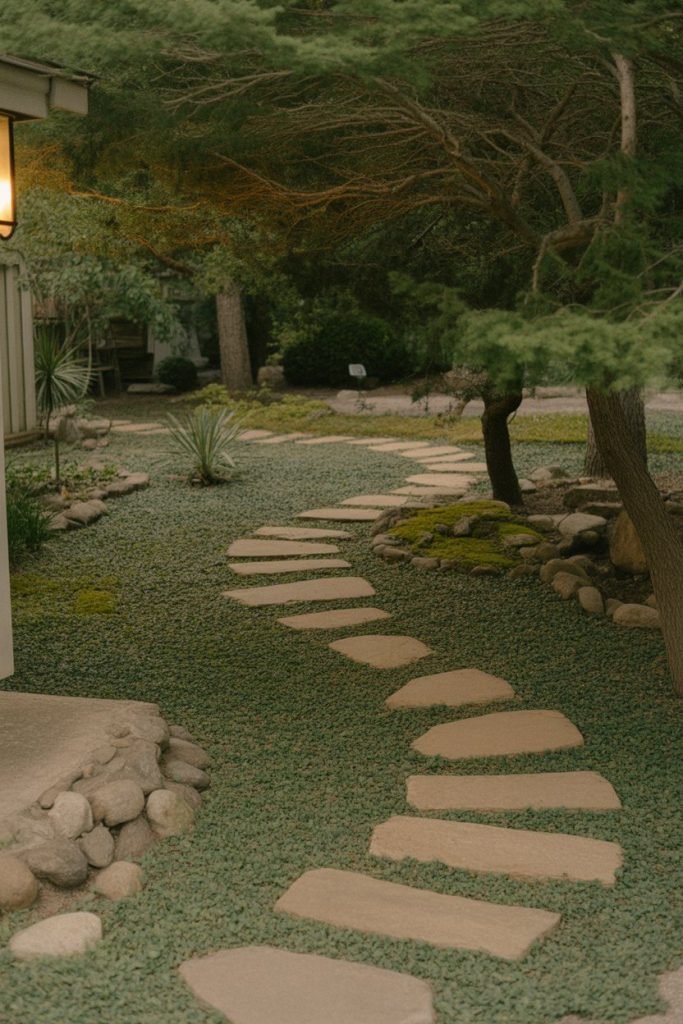
You don’t need a big budget to create a stunning rock garden—many front yard ideas cheap rely on bulk gravel, repurposed concrete chunks, or salvaged stone from local sources. Check Craigslist, Facebook Marketplace, or community demo projects for free or low-cost materials, and combine them with inexpensive groundcovers like creeping thyme or sedum. This resourceful approach is popular among younger homeowners and DIY enthusiasts who want high impact without high costs. 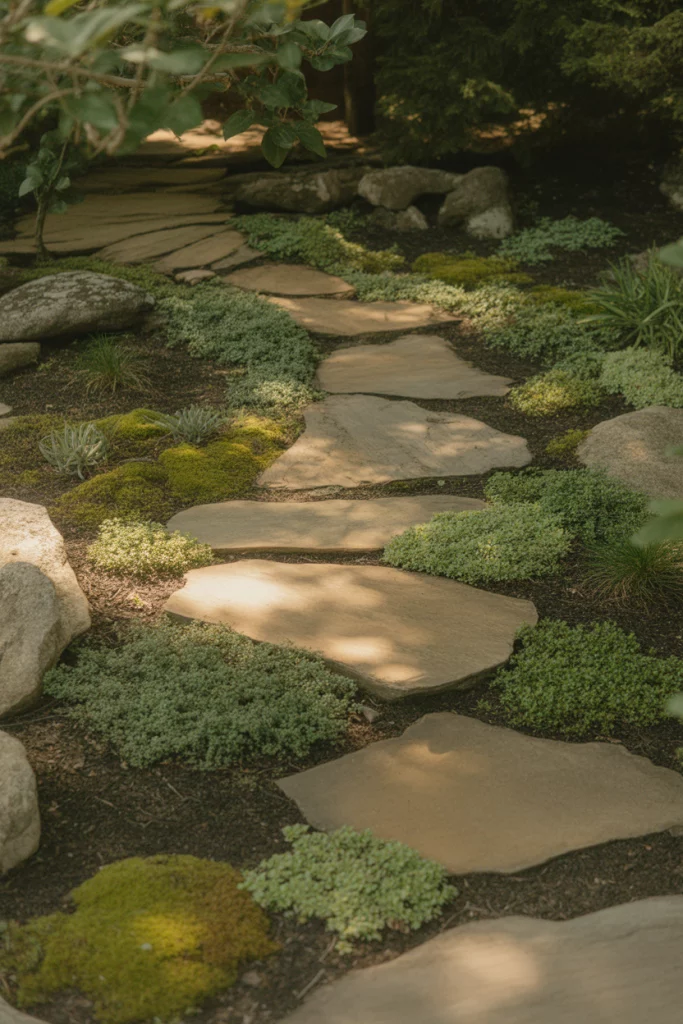
Expert-style commentary: the key to making inexpensive materials look intentional is thoughtful placement and repetition. Use the same type of gravel throughout to create visual unity, and cluster repurposed stones in groups of three or five rather than scattering them randomly. Add a few anchor plants like ornamental grasses or dwarf conifers to give the design structure, and suddenly your budget-friendly rock garden looks like it was designed by a professional.
8. Backyard Ideas Water Fountains with River Rock Surrounds
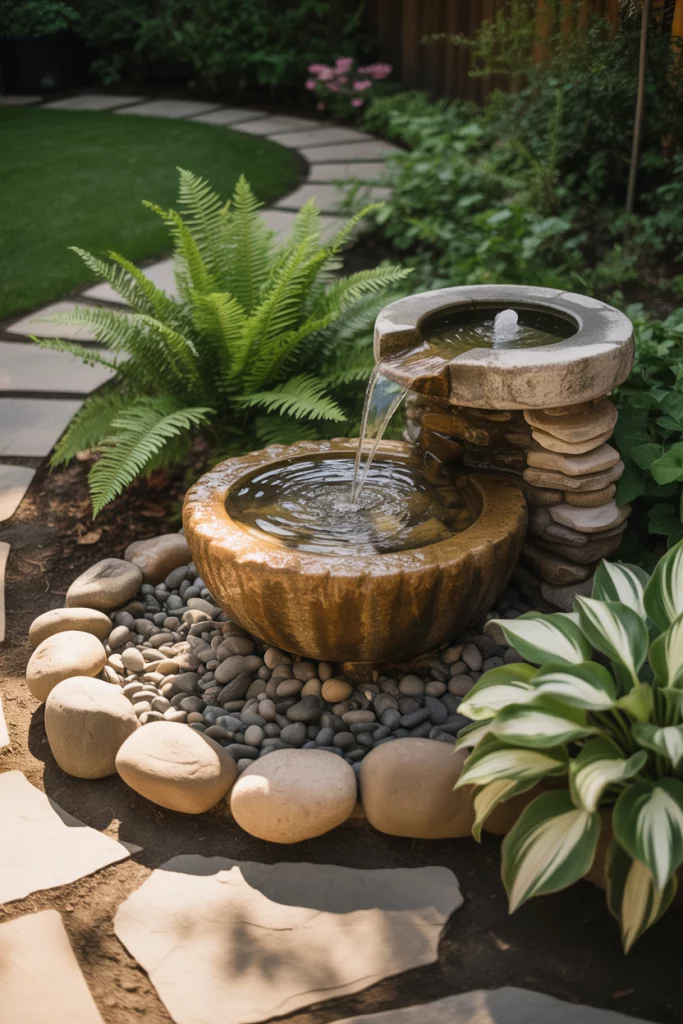
Incorporating a water feature into your rock garden adds sound, movement, and a sense of tranquility that static plantings can’t provide. Backyard ideas water fountains work beautifully when surrounded by smooth river rock, which echoes the natural streambed aesthetic and helps integrate the fountain into the broader landscape. This combination is especially appealing in hot, dry climates where the sound of water offers psychological cooling and attracts beneficial wildlife like birds and butterflies. 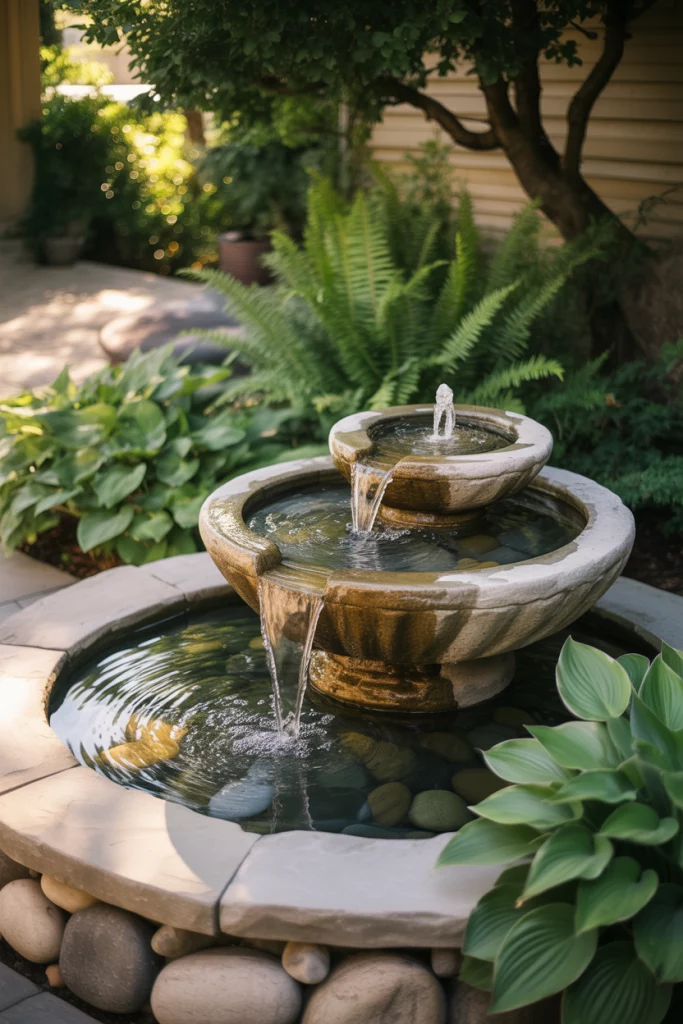
Micro anecdote: a landscape designer in Georgia shared that her clients were initially worried about fountain maintenance, but after installing a simple recirculating pump and filter system, they found upkeep took less than five minutes a week. The key is sizing the pump correctly and using a mesh cover under the river rock to keep debris out of the reservoir, ensuring clean water flow and extending the life of your equipment.
9. Backyard Ideas Concrete Pavers and Stone Combinations
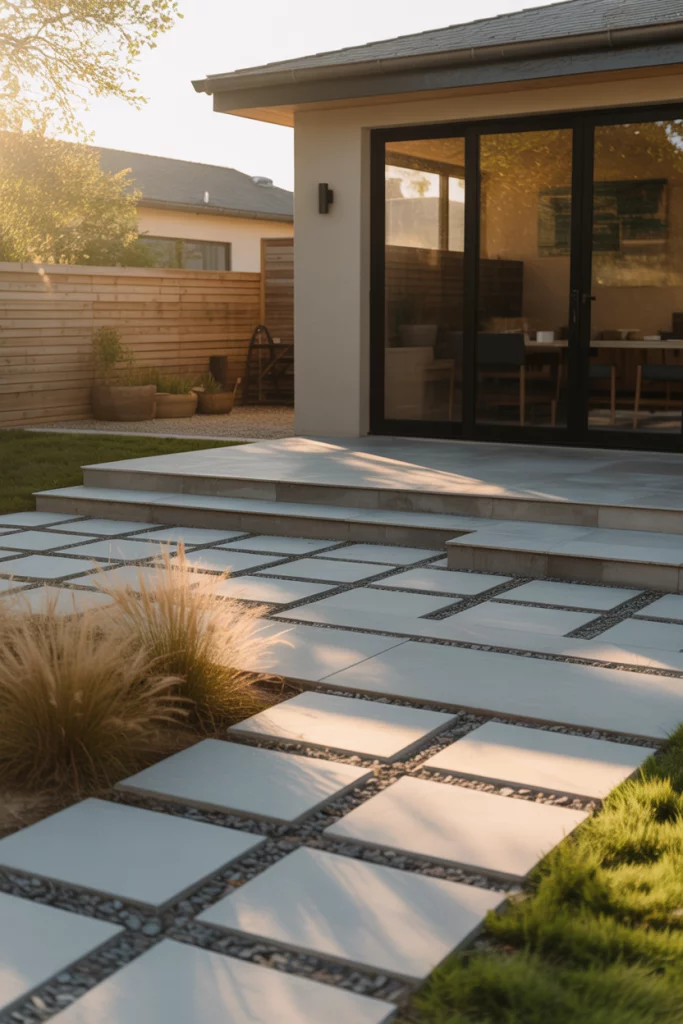
Mixing backyard ideas concrete pavers with natural stone creates a modern, layered look that balances affordability with visual interest. Use large-format pavers for primary pathways or patios, then fill gaps with crushed stone or pebbles to soften the geometric lines. This hybrid approach is popular in contemporary suburban landscapes across the Sunbelt, where homeowners want clean, usable outdoor spaces that still feel connected to nature. 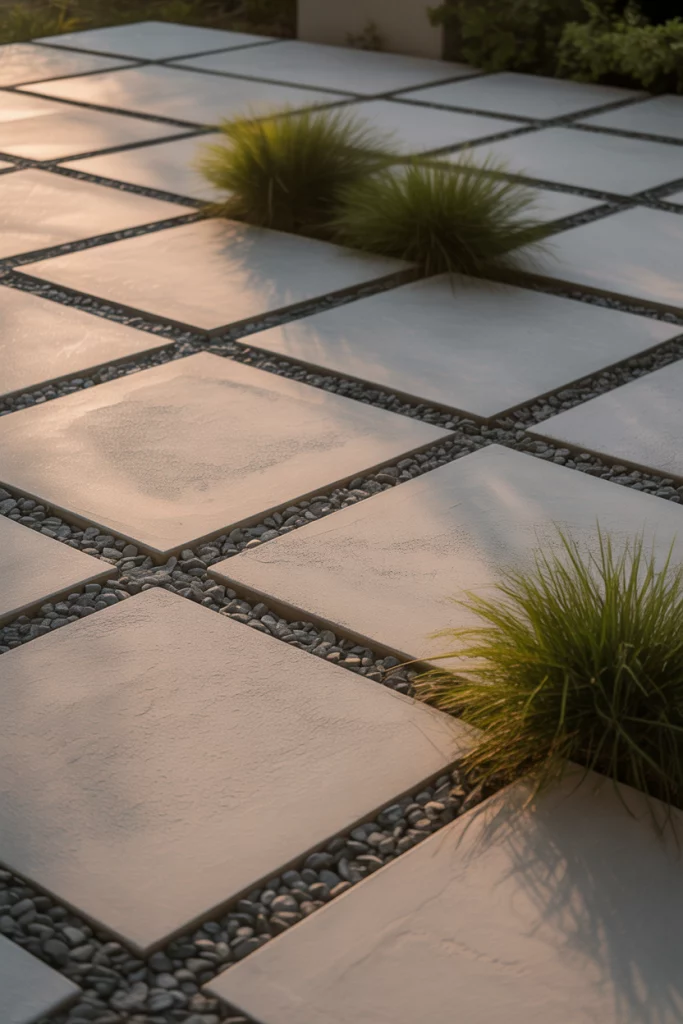
Where it works best: flat or gently sloping yards in urban and suburban settings, particularly in Texas, Arizona, and Southern California. The concrete provides a stable surface for furniture and grilling, while the stone infill adds texture and drainage. Choose pavers with a slightly rough finish to prevent slipping when wet, and consider adding LED strip lighting between pavers for nighttime ambiance and safety.
10. Rock Garden Design with Pots and Planters
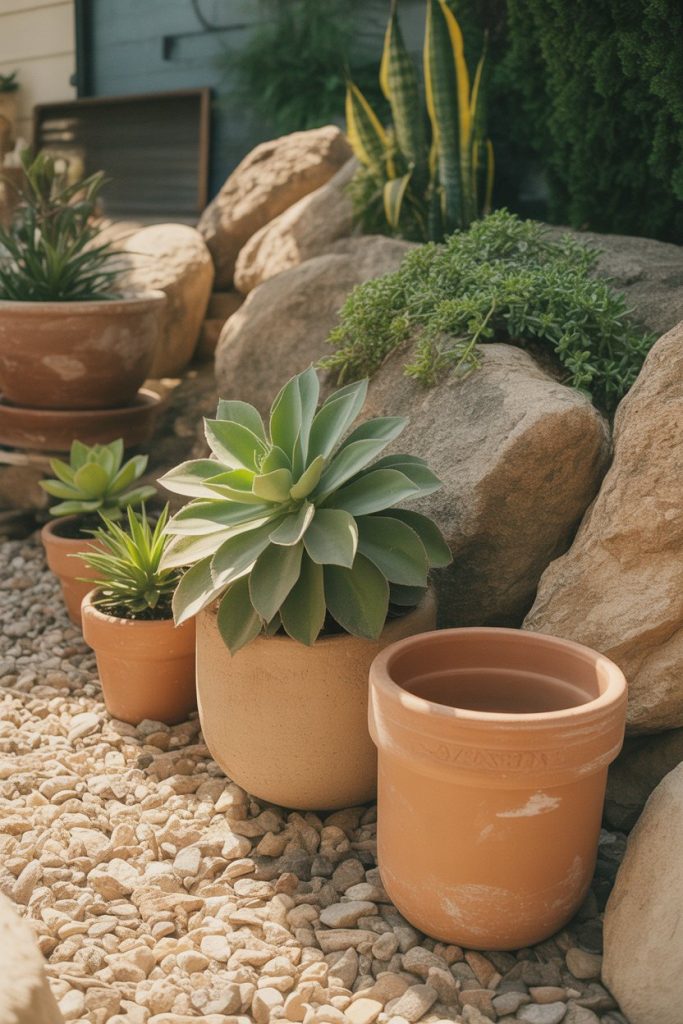
Elevate your rock garden by incorporating design elements like ceramic pots planters filled with succulents, ornamental grasses, or flowering perennials. This layered approach adds height variation and allows you to introduce color and texture that might not naturally thrive in your soil conditions. Grouping pots of different sizes among boulders and gravel creates focal points and makes the space feel curated rather than random. 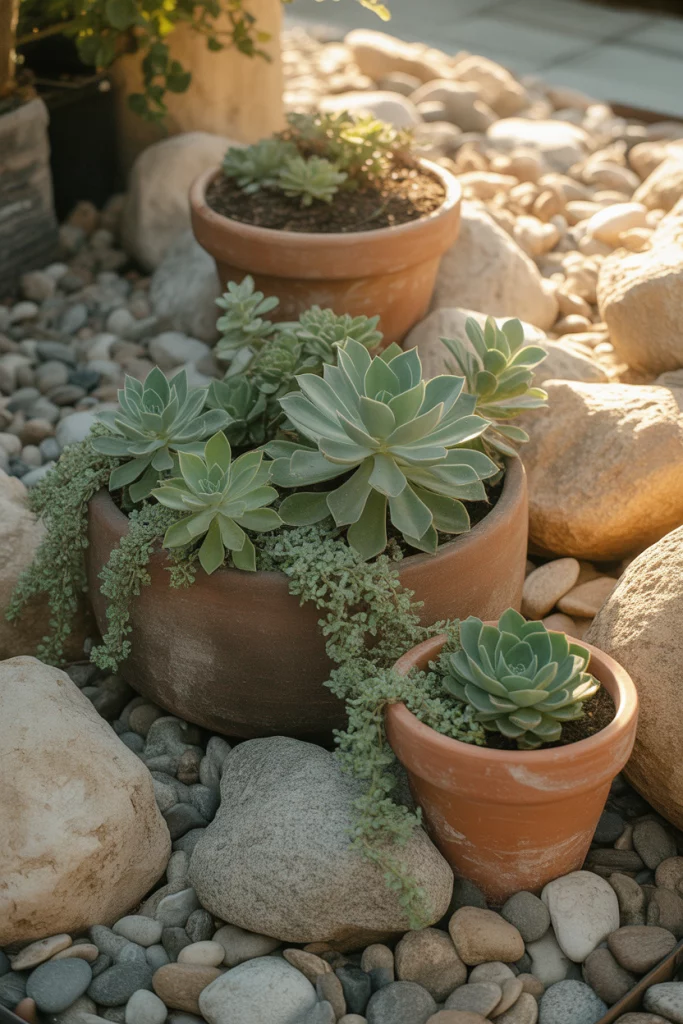
Practical insight: use containers to test plant choices before committing to in-ground planting, especially with expensive or unfamiliar species. Pots also give you flexibility to rearrange your design seasonally or bring tender plants indoors during winter. In rock gardens, containers help break up large expanses of stone and prevent the space from feeling too austere or monochromatic, which is a common pitfall in minimalist landscape design.
11. Backyard Ideas DIY Projects with Stacked Stone Walls
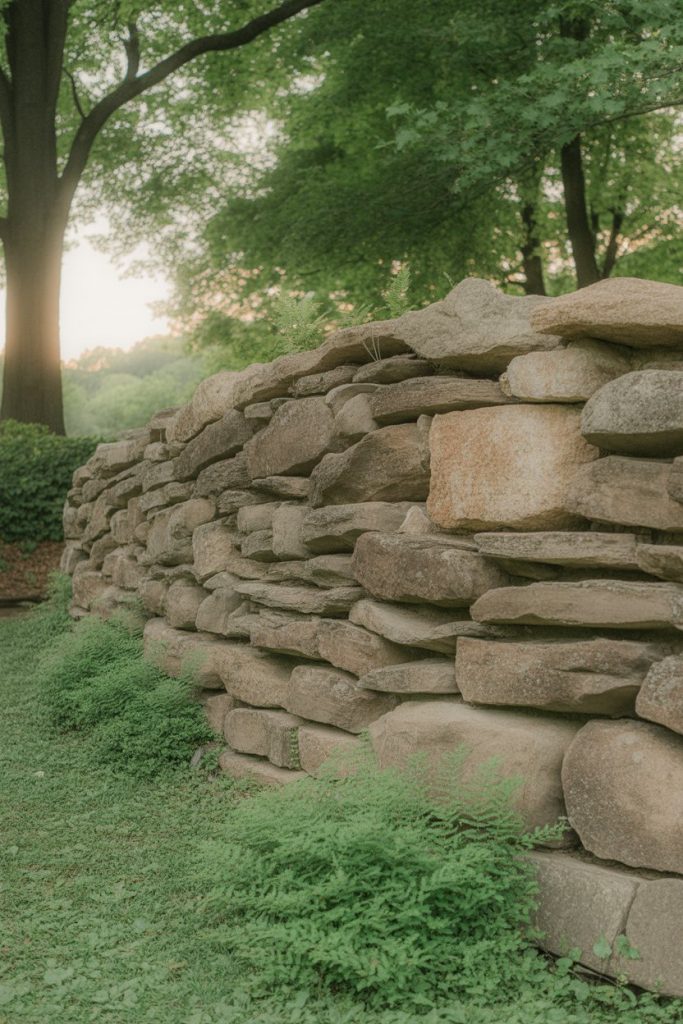
Building a low stacked stone wall is one of the most rewarding backyard ideas DIY projects, requiring patience and physical effort but no mortar or specialized tools. These walls can define garden beds, create seating areas, or add vertical interest to flat yards. Use locally sourced fieldstone or flat-sided flagstone, and plan for a slight backward lean (batter) to ensure long-term stability. 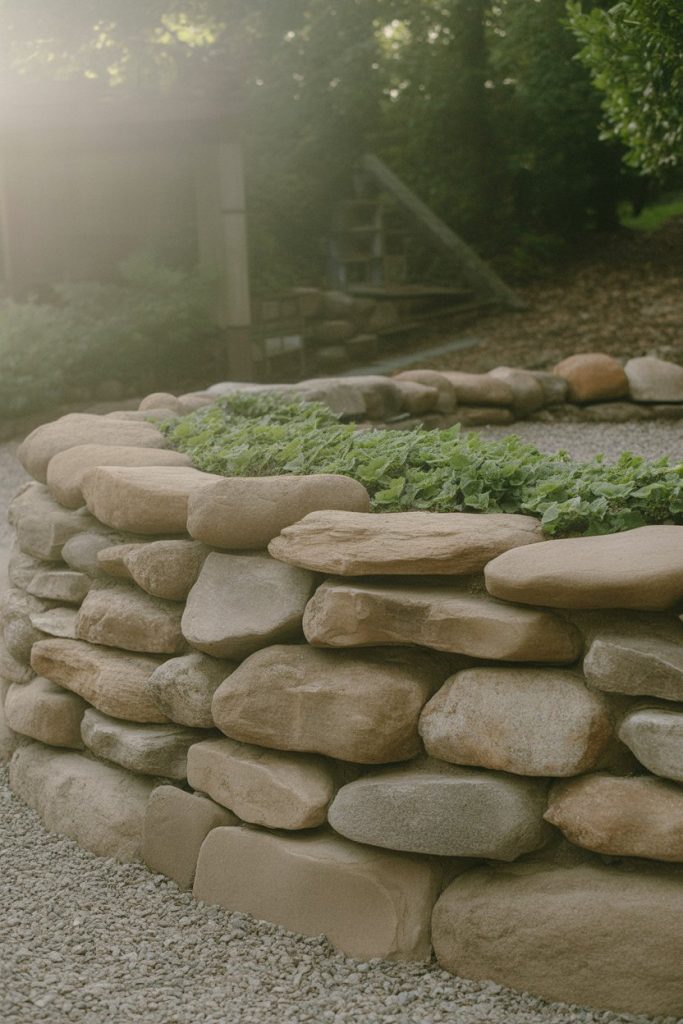
Common mistakes and how to avoid them: many first-time builders stack stones vertically, which leads to eventual collapse. Instead, set each stone so vertical joints don’t align with the ones below (think brick-laying pattern), and use larger, flatter stones as your base course. Backfill with gravel for drainage, and cap the wall with your most attractive stones. Even a wall just 18 inches tall can transform a sloped yard into usable, visually compelling outdoor space.
12. Backyard Ideas Small Spaces with Vertical Rock Features
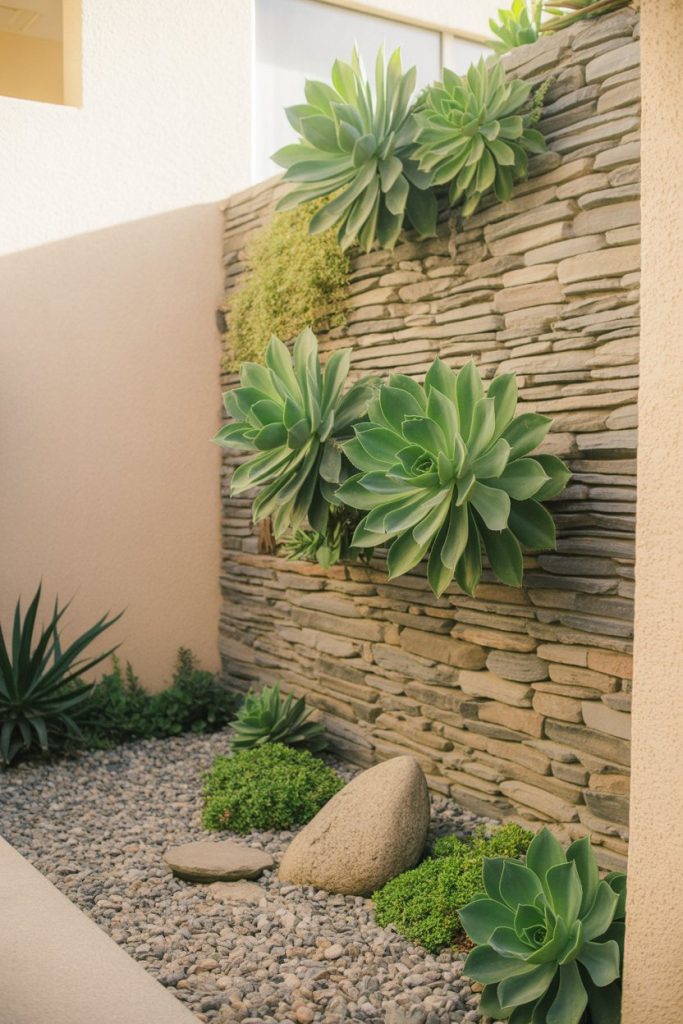
When working with backyard ideas small spaces, think vertical by incorporating stacked boulders, tiered planters, or a corner rock waterfall. Vertical elements draw the eye upward, making compact yards feel more expansive while maximizing planting area in a small footprint. This approach is especially popular in urban townhomes and condos with courtyard-style outdoor spaces. 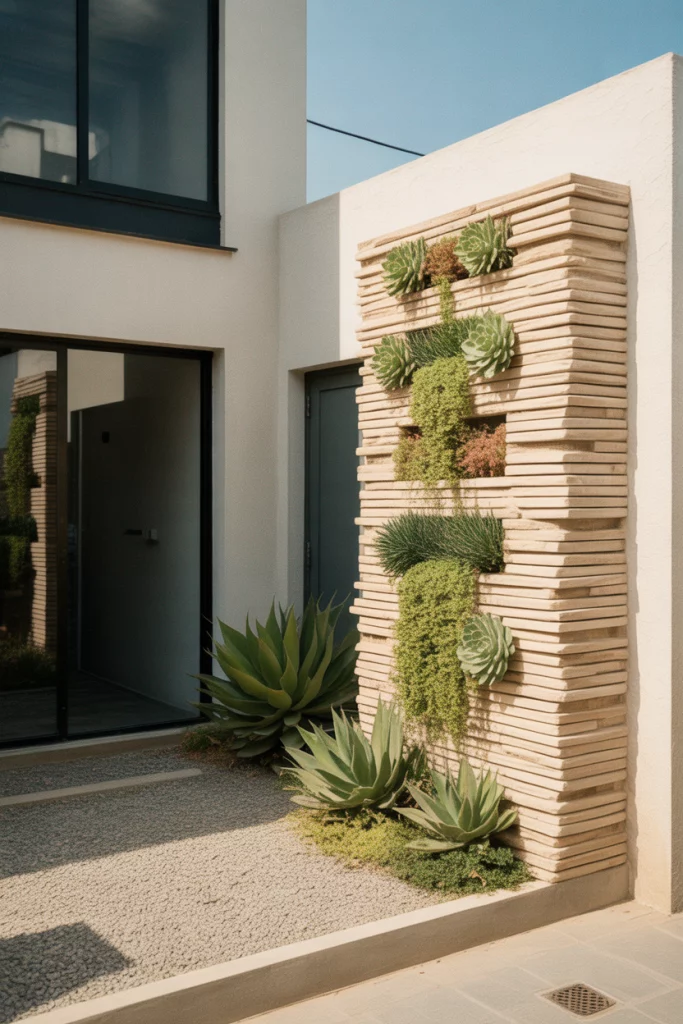
American lifestyle context: as more millennials and Gen Z buyers opt for condos and townhomes in metro areas like Seattle, Portland, and Denver, vertical rock gardens have become a way to bring nature into limited outdoor spaces. Adding a simple uplighting fixture at the base of your rock feature creates dramatic nighttime appeal and extends the hours you can enjoy your outdoor sanctuary. Pair with drought-tolerant plants to keep maintenance minimal.
13. Desert Modern with Cactus and Lava Rock
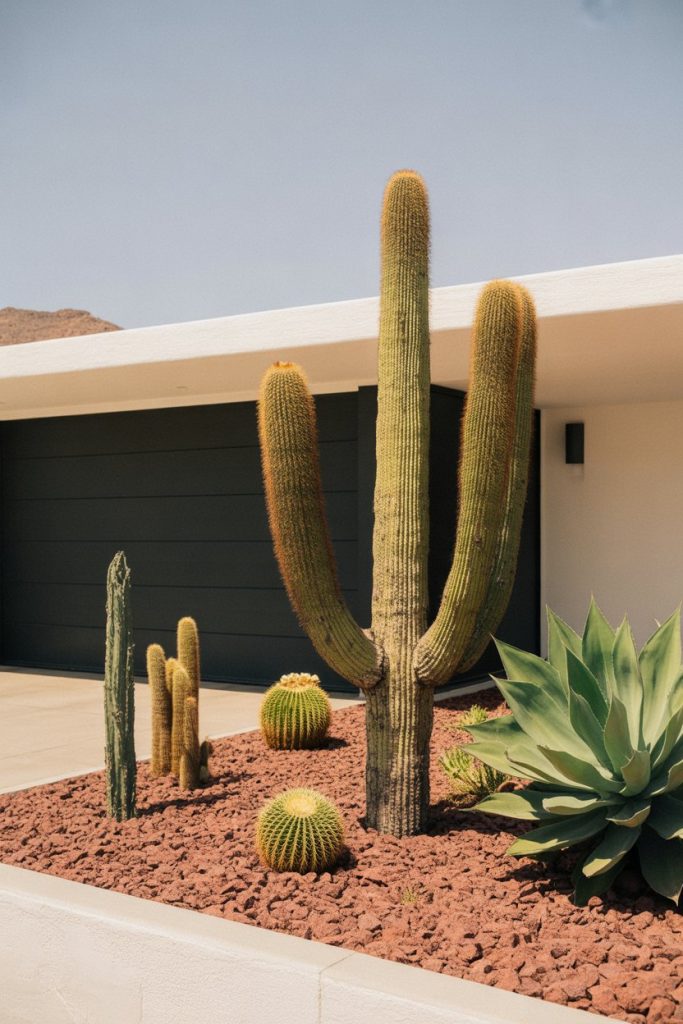
Embrace the raw beauty of the Southwest with a modern desert rock garden featuring columnar cacti, agave, and chunky lava rock. This style celebrates arid landscapes rather than fighting them, using heat-loving plants for gardens that thrive in full sun and require minimal irrigation. The textural contrast between spiky succulents and volcanic stone creates a bold, graphic composition that photographs beautifully—perfect for Pinterest-savvy homeowners. 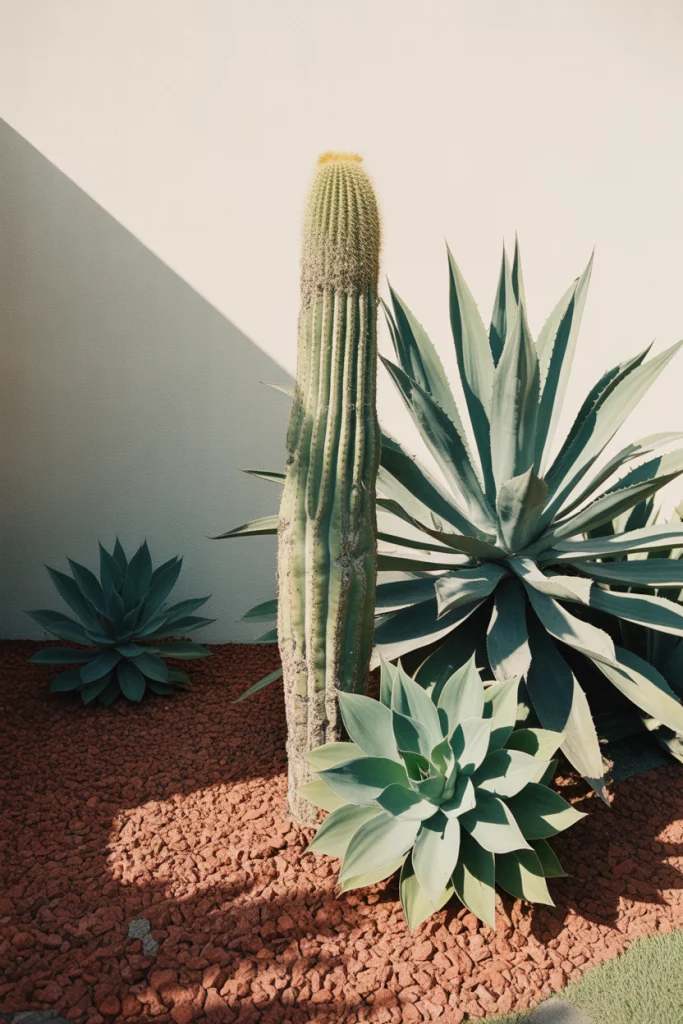
Budget angle: while mature cacti can be pricey, starting with smaller specimens and letting them grow over a few years is far more affordable and gives you the satisfaction of watching your garden mature. Lava rock is cost-effective and long-lasting, and unlike organic mulches, it never needs replacement. This combination delivers a high-impact, low-maintenance landscape that stays beautiful year-round without seasonal replanting or heavy water bills.
14. Cottage Garden Meets Rock: Soft Plants with Stone Edges
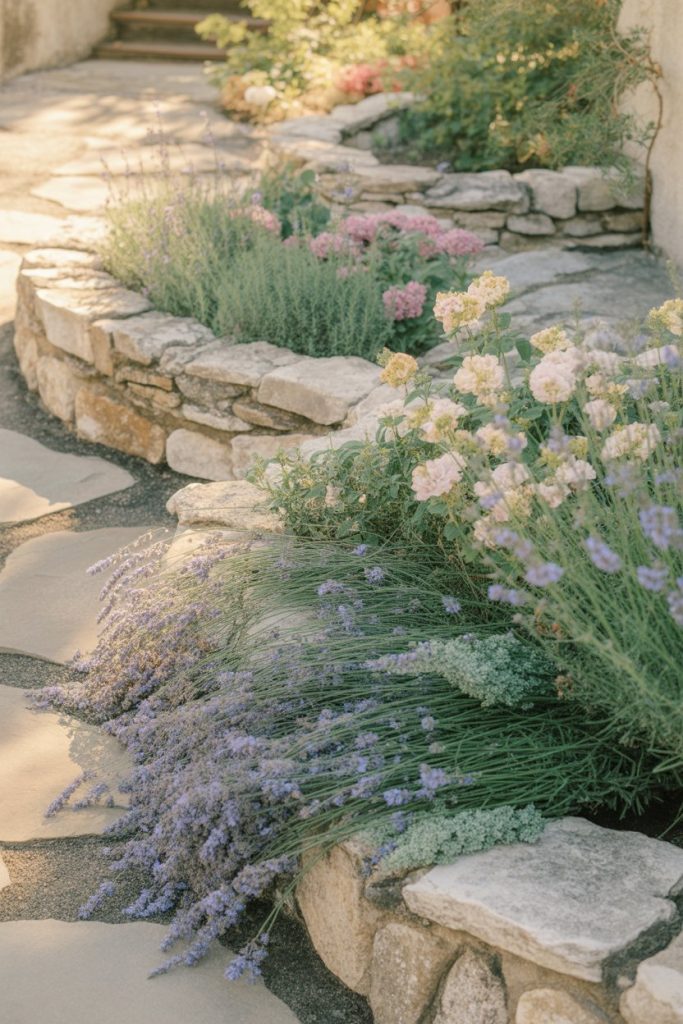
Blending the informal charm of a cottage garden with structured rock borders creates a romantic, layered landscape that appeals to homeowners who want color and abundance without the formality of traditional perennial beds. Use natural fieldstone or weathered limestone to edge planting areas, then fill with billowing perennials like catmint, salvia, and Russian sage. This style works beautifully in temperate climates across the Midwest, Northeast, and Pacific Northwest. 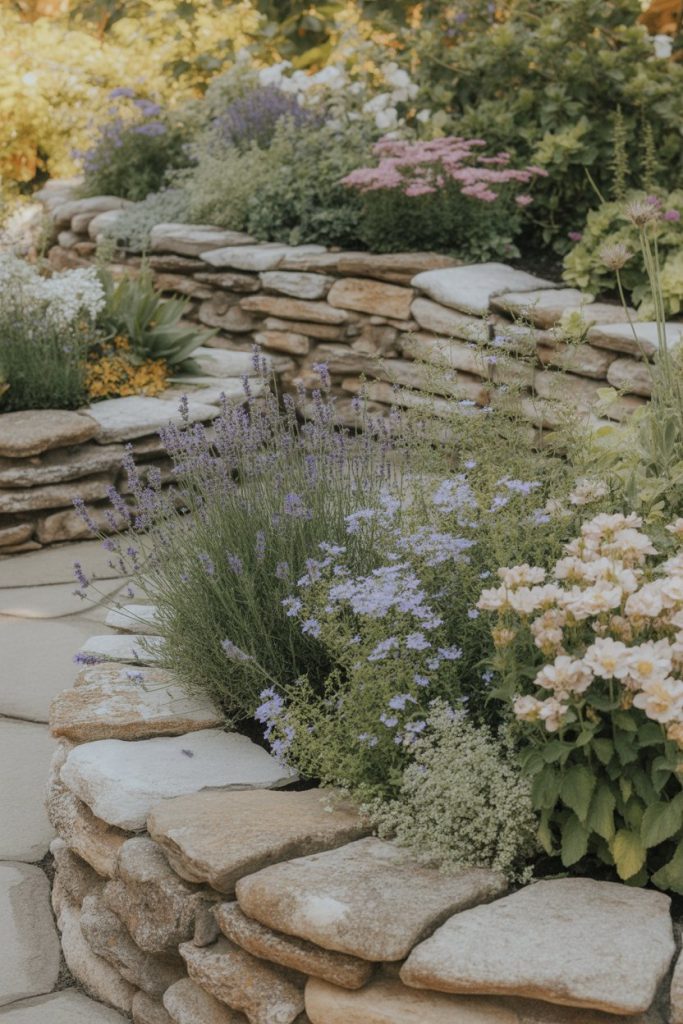
Real homeowner behavior: many gardeners worry that rock gardens and soft plantings don’t mix, but the stone actually provides the structure that allows cottage-style plants to spill and sprawl without looking messy. The rocks also retain daytime heat and release it slowly at night, which can extend the blooming season for heat-loving perennials. Just make sure to leave planting pockets with good soil depth—at least 12 inches—so roots can establish and plants can reach their full potential.
15. Asian-Inspired Courtyard with Bamboo and River Stone
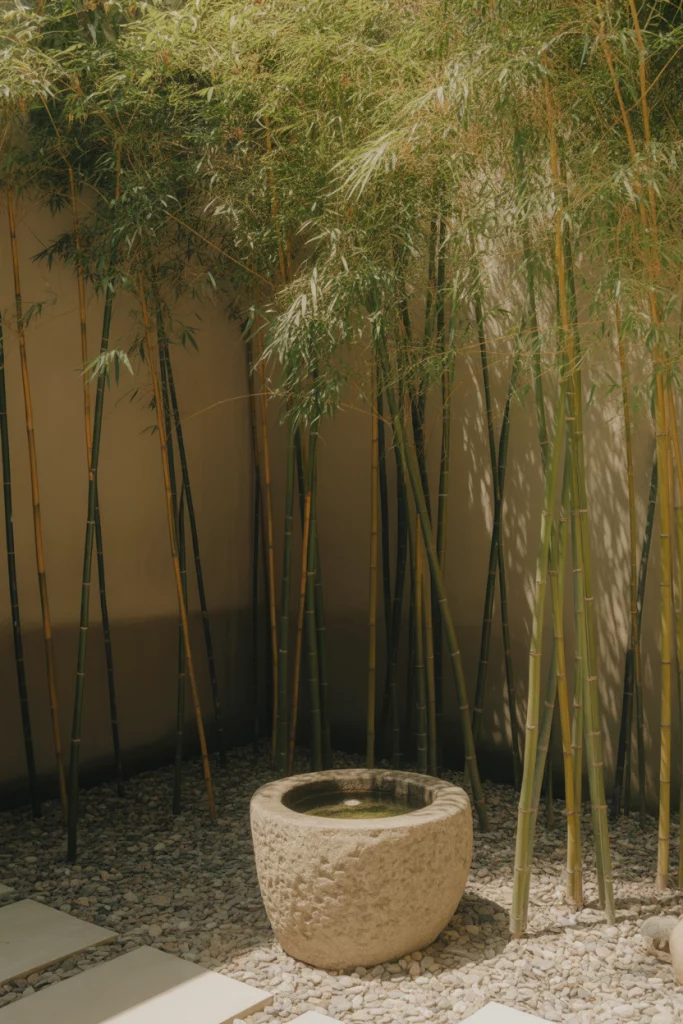
Channel the elegance of Japanese and Chinese garden traditions by pairing clumping bamboo with smooth river stone in a private courtyard or side yard. The upright lines of bamboo contrast beautifully with the horizontal flow of raked gravel or pebbles, creating a dynamic yet peaceful composition. This style is particularly popular in California and the Pacific Northwest, where mild winters allow bamboo to thrive and the aesthetic aligns with regional design sensibilities. 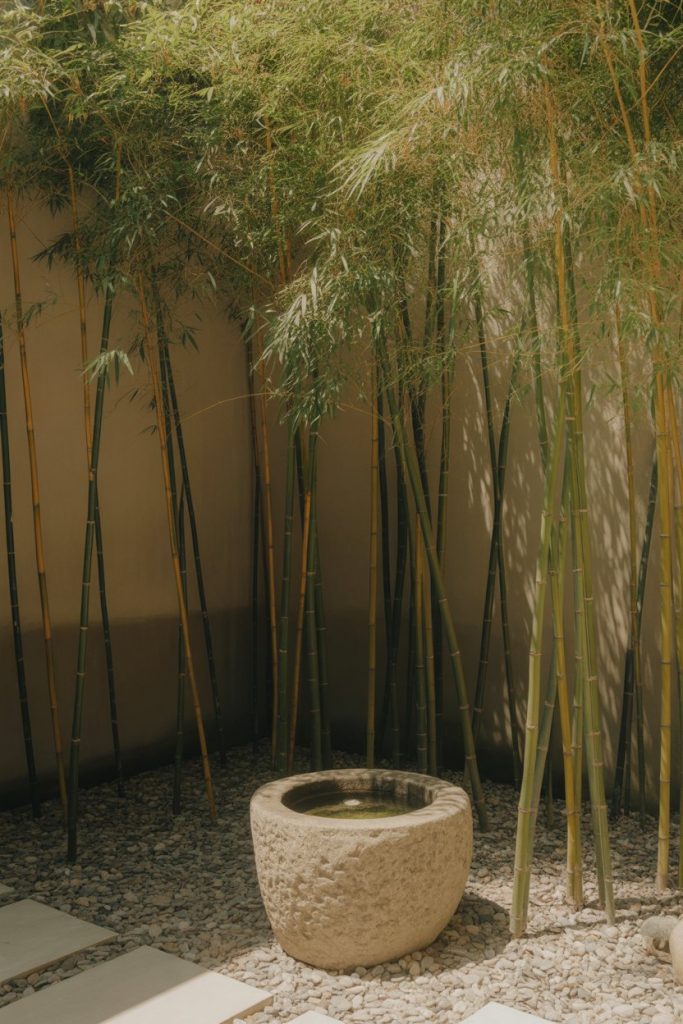
Expert-style commentary: choose clumping bamboo varieties like ‘Fargesia’ over running types to avoid aggressive spreading, which can become a maintenance nightmare and even invade neighboring properties. Pair bamboo with shade-tolerant groundcovers like mondo grass or ferns in the understory, and use river stone as a top dressing to suppress weeds and retain moisture. The result is a low-maintenance, high-impact garden that feels like an urban retreat.
16. Front Yard Xeriscaping with Mixed Stone Sizes
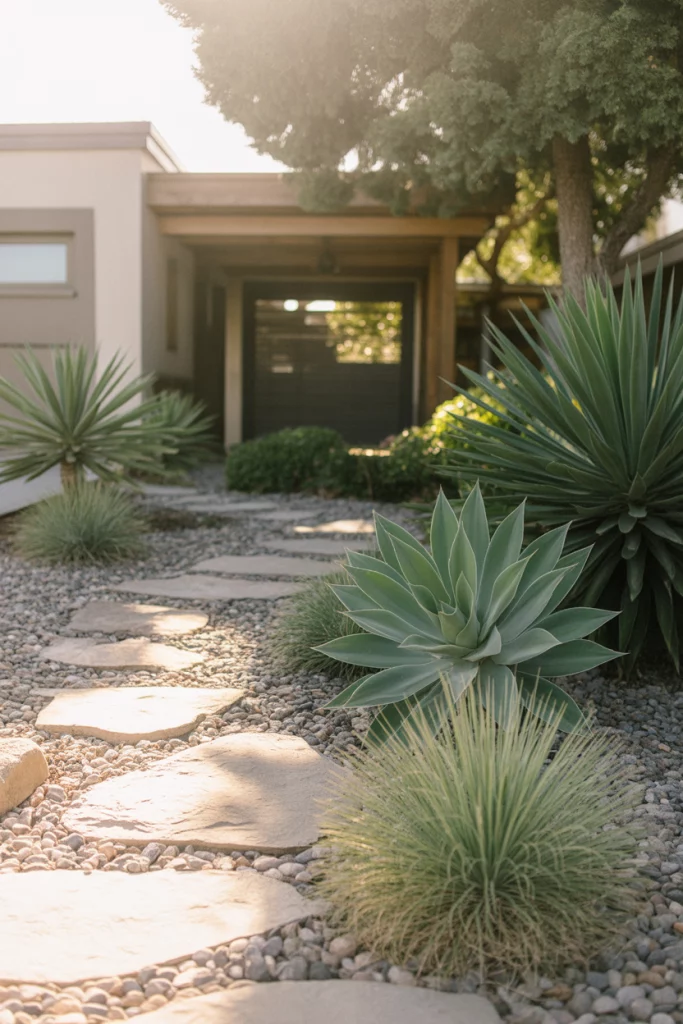
Xeriscaping isn’t just for the desert—this water-wise approach to front yard landscaping works anywhere by layering different stone sizes (from boulders to pea gravel) with drought-tolerant plants for textured, low-maintenance curb appeal. Use large accent rocks as focal points, medium cobbles for borders, and fine gravel as mulch. This multi-scale approach creates visual interest and reduces water use by up to 70 percent compared to traditional lawns. 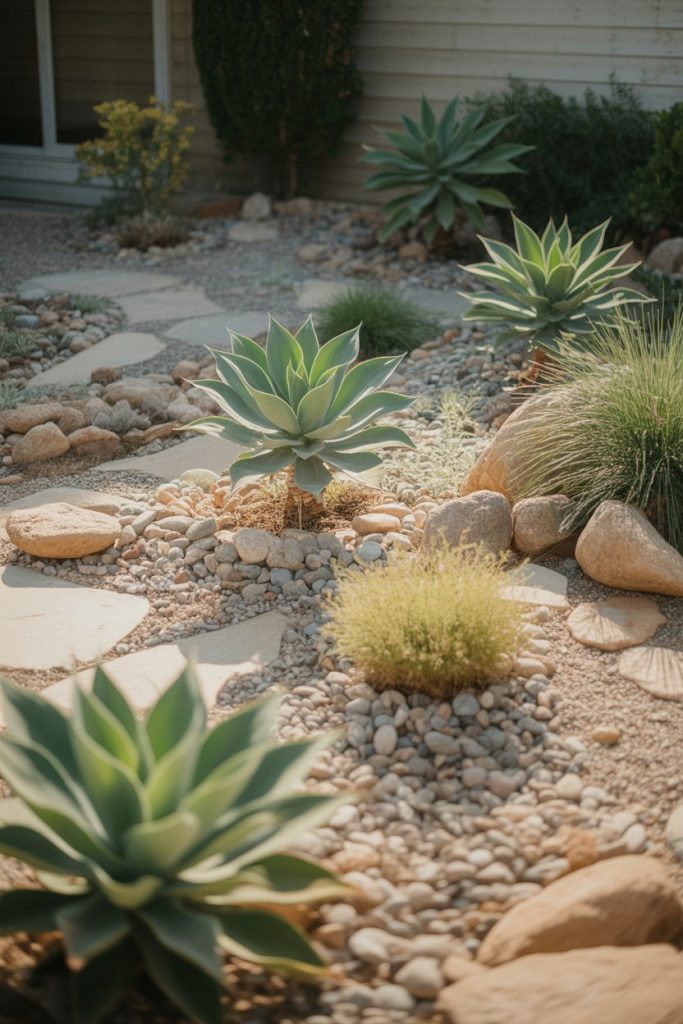
Where it works best: any region facing water restrictions or rising utility costs, from California and Nevada to Texas and Colorado. Many municipalities now offer rebates for lawn removal and xeriscape installation, making this an economically smart choice. Choose native or regionally adapted plants that can handle your specific climate extremes, and group them by water needs (hydrozoning) to maximize efficiency and plant health.
17. Rustic Mountain Style with Fieldstone and Evergreens
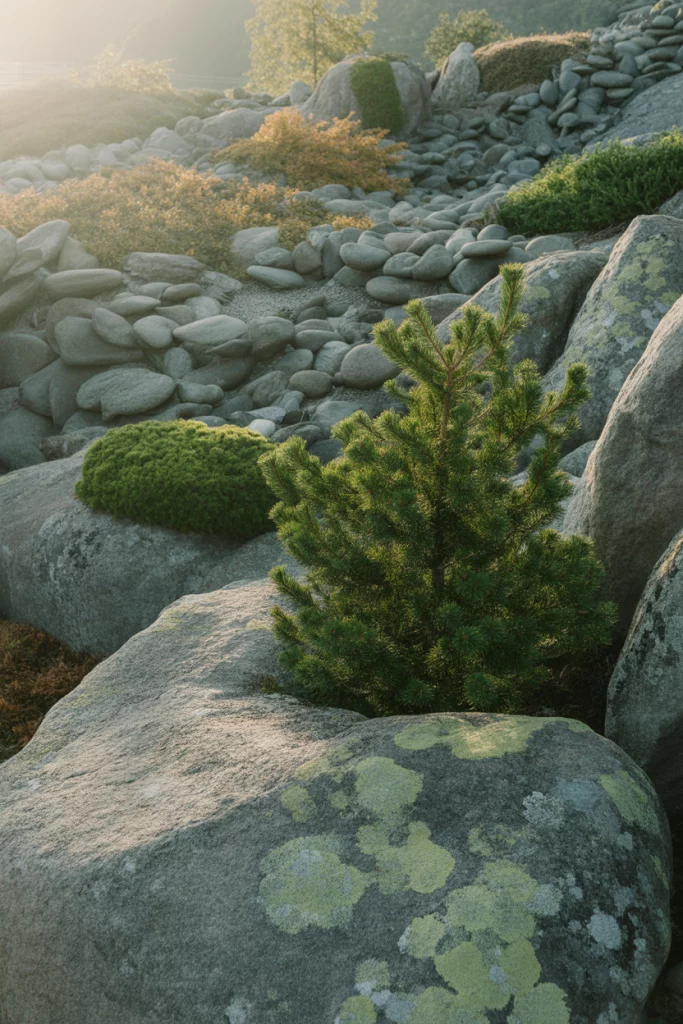
Capture the rugged beauty of alpine landscapes by combining weathered fieldstone with evergreen shrubs and conifers. This natural approach works especially well on slope sites where erosion control is a concern, as the rocks help anchor soil and the deep-rooted evergreens provide year-round stability. Think juniper, dwarf pine, and blue spruce paired with lichen-covered boulders for an authentic mountain aesthetic. 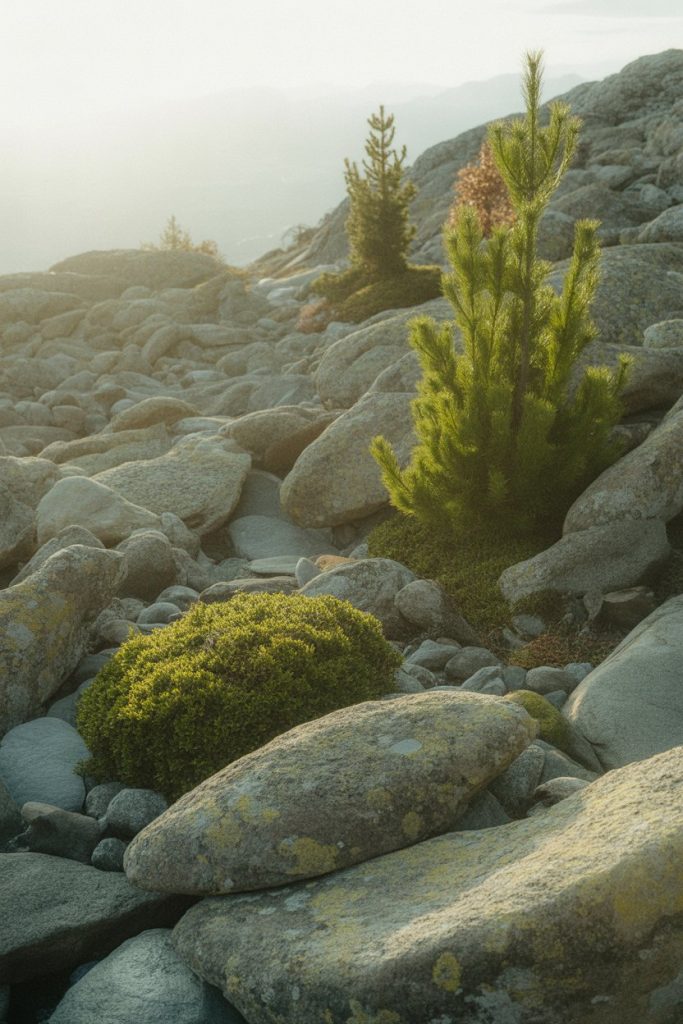
Micro anecdote: a homeowner in Montana mentioned that after installing a fieldstone rock garden with native evergreens, they noticed deer and elk stopped browsing their yard as heavily, likely because the dense, prickly plantings offered less appealing forage. This unintended benefit helped protect other landscape plants and reduced the need for fencing. Fieldstone also provides habitat for beneficial insects and small wildlife, contributing to a healthier, more biodiverse yard ecosystem.
18. Mediterranean Villa Garden with Gravel and Terra Cotta
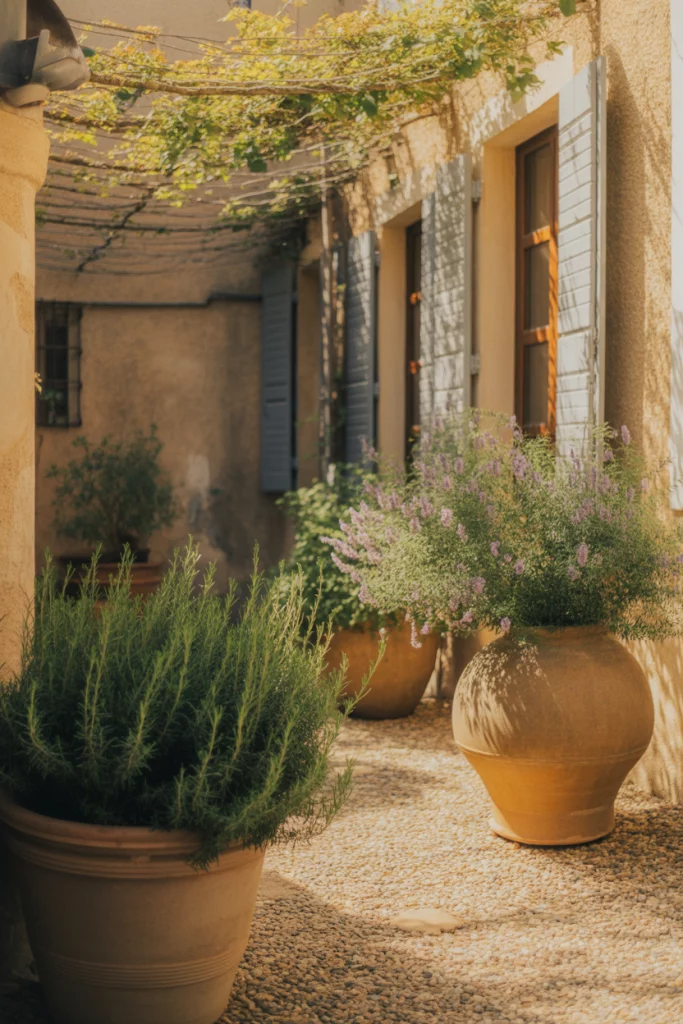
Bring the warmth of the Mediterranean to your backyard with honey-colored gravel, pots planters in terra cotta, and heat-loving plants like rosemary, lavender, and santolina. This style evokes Italian and Spanish courtyard gardens, where stone and drought-tolerant plantings create a lush yet low-water landscape. Use limestone gravel to echo the pale stone of Mediterranean architecture, and add a simple fountain or olive jar for authentic charm. 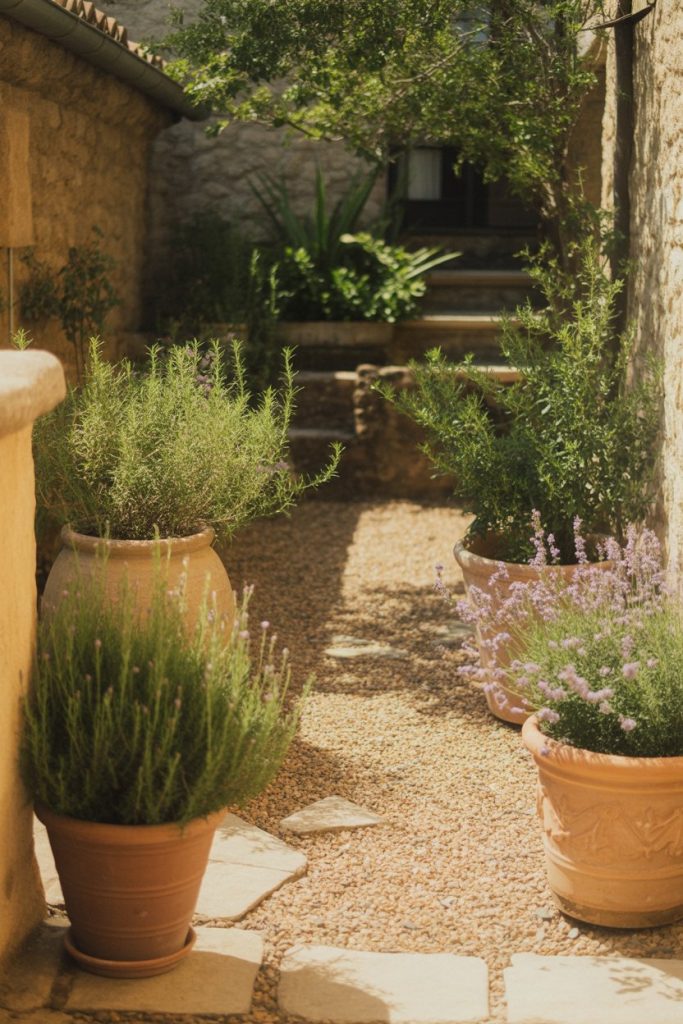
American lifestyle context: this style has become hugely popular in California wine country and the Southwest, where the climate naturally supports Mediterranean plants and the aesthetic aligns with regional architecture. It’s also a favorite among retirees who want beautiful outdoor spaces without the physical demands of lawn care or extensive irrigation. Terra cotta pots help regulate soil temperature and allow roots to breathe, making them ideal for herbs and perennials in hot, dry climates.
19. Moonlight Garden with White Stone and Night-Blooming Plants
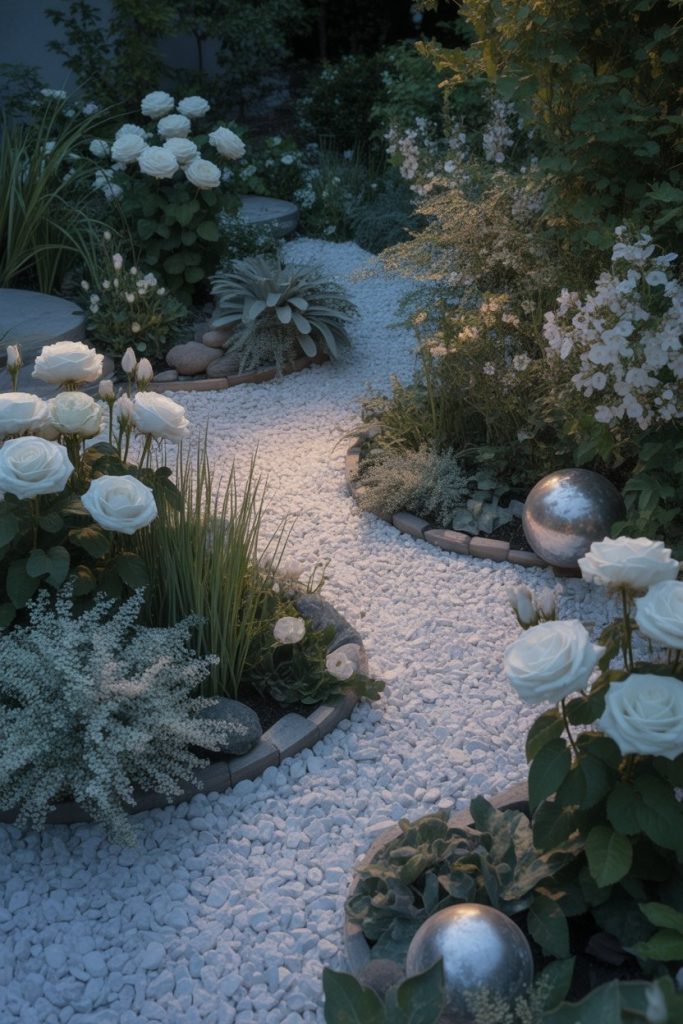
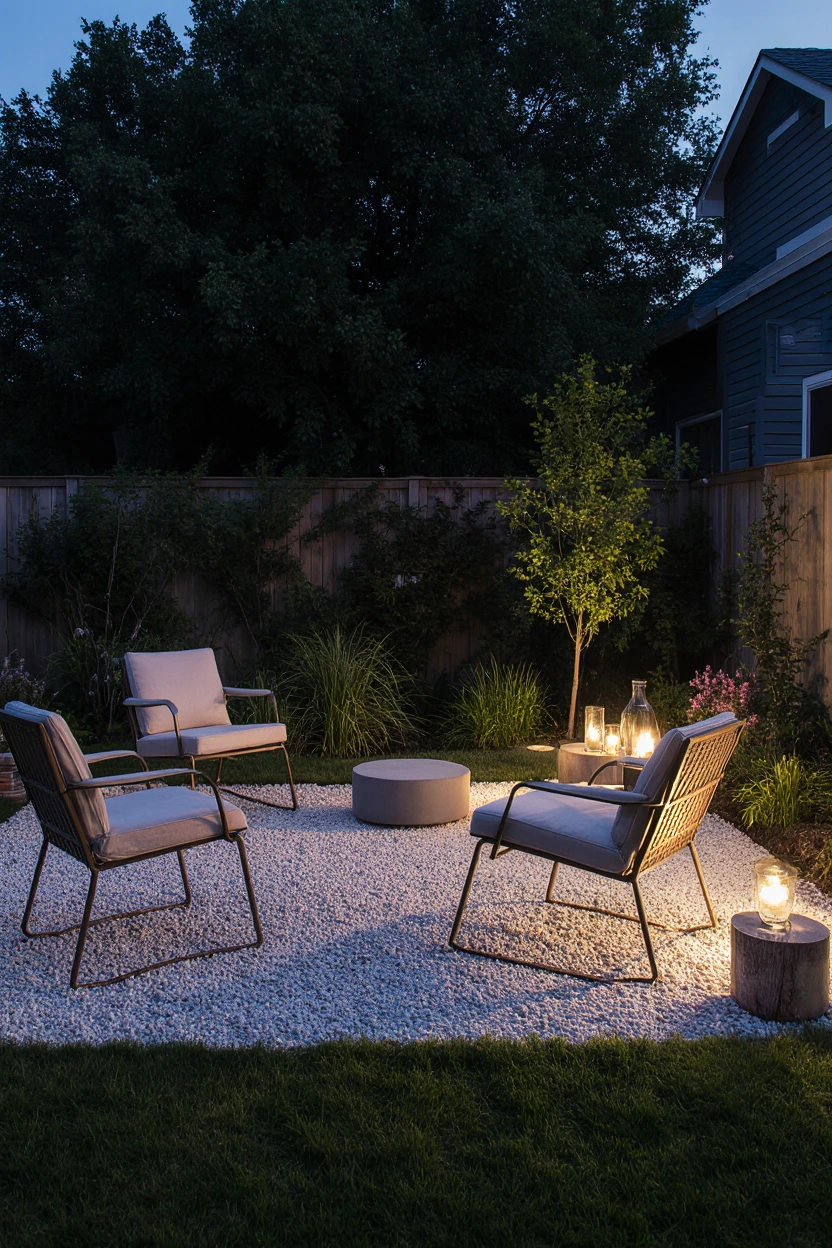
Design a rock garden that comes alive after dark by combining white gravel or crushed marble with pale-flowering plants that reflect moonlight and release fragrance in the evening. This sensory approach is perfect for homeowners who enjoy entertaining outdoors or simply want a peaceful retreat for late-night relaxation. Add night-blooming jasmine, white petunias, or moonflower vines to enhance the after-hours experience. 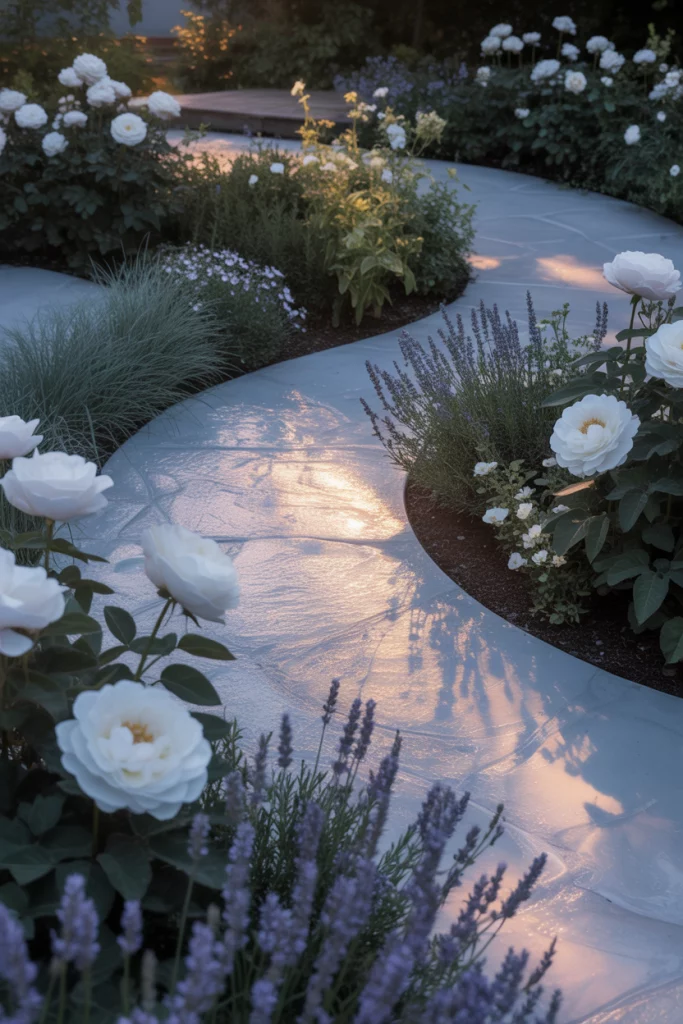
Practical insight: white stone reflects up to 50 percent more light than darker materials, making pathways safer at night and reducing the need for extensive landscape lighting. This can be a game-changer in yards with limited electrical access or for homeowners who prefer a more natural, low-tech approach to outdoor lighting. Pair with solar path lights or low-voltage LED fixtures to highlight key features without overwhelming the subtle beauty of moonlit stone and blooms.
20. Edible Rock Garden with Herbs and Stone Terraces
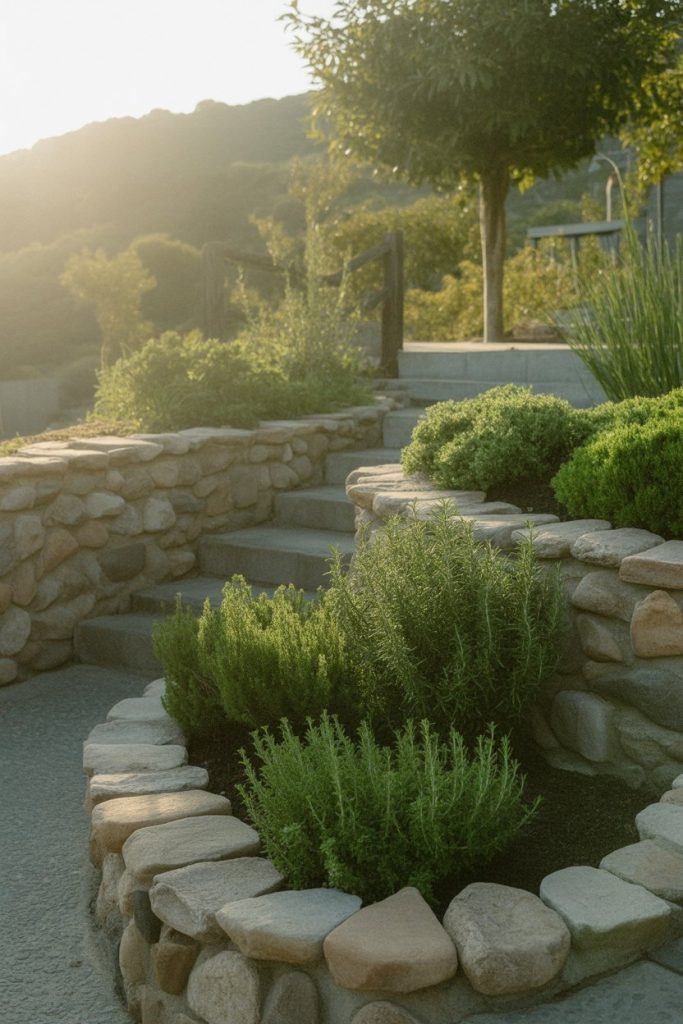
Turn your rock garden into a productive landscape by creating stone-edged terraces for culinary herbs and edible perennials. This approach combines the beauty of ornamental rock work with the practicality of homegrown ingredients, appealing to food-focused homeowners and urban gardeners. Use natural flagstone or stacked slate to build low walls, then fill terraces with thyme, oregano, sage, and alpine strawberries. 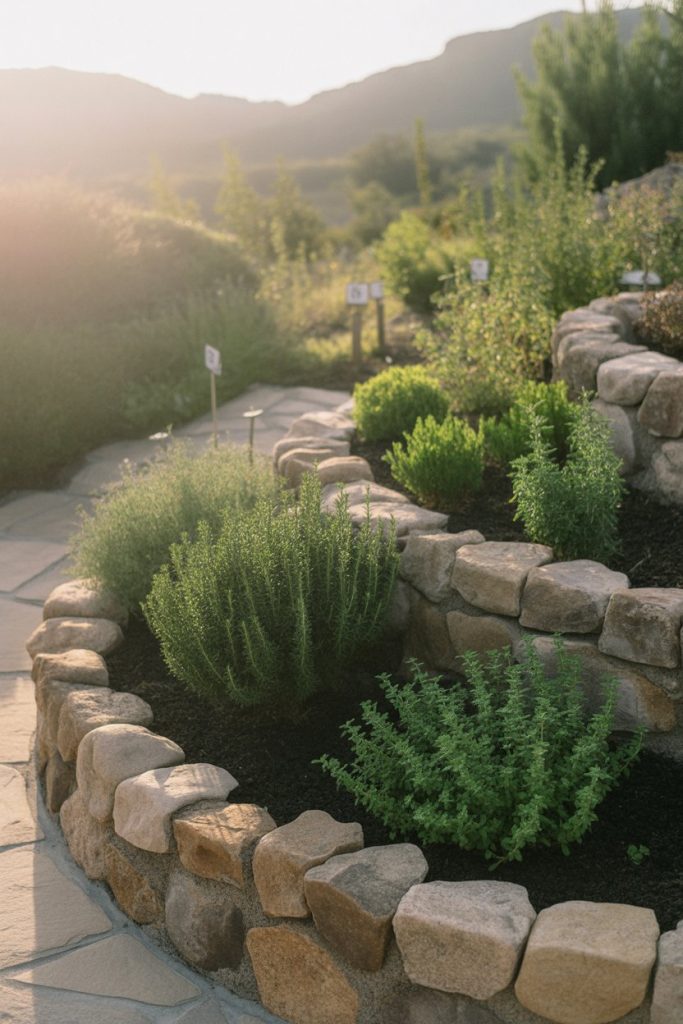
Common mistakes and how to avoid them: many gardeners plant herbs in soil that’s too rich or water-retentive, leading to weak growth and poor flavor. Most Mediterranean herbs prefer lean, well-drained soil—exactly what rock gardens naturally provide. The stone terraces warm the soil in spring, extending the growing season, and the excellent drainage prevents root rot even during heavy rains. This is one case where what looks beautiful also happens to create ideal growing conditions for your plants.
21. Minimalist Zen Retreat with Gravel and Single Specimen Stone
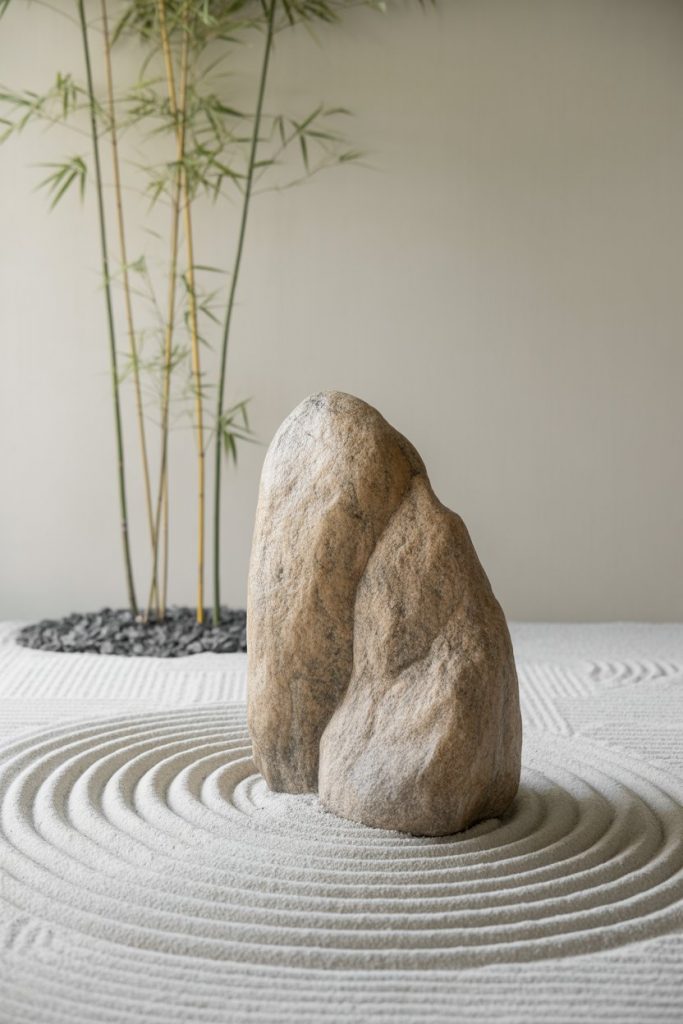
Embrace radical simplicity by centering your zen rock garden around one exceptional specimen stone surrounded by carefully raked gravel and minimal plantings. This ultimate expression of Japanese design philosophy uses negative space as a design element, creating a meditation-friendly landscape that feels expansive despite modest dimensions. Choose a stone with interesting shape, color, or texture, and position it using the rule of thirds for maximum visual impact. 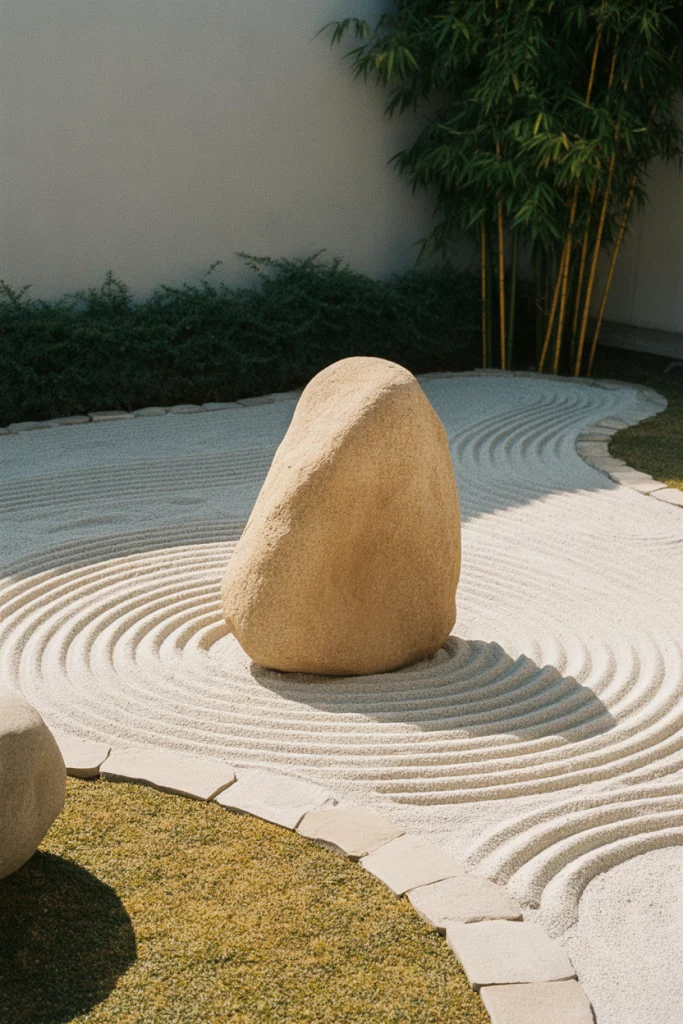
Expert-style commentary: the power of this design lies in restraint—resist the urge to fill empty space or add unnecessary elements. In Zen philosophy, the empty areas (ma) are as important as the filled ones, providing visual rest and encouraging contemplation. This approach works beautifully in small urban yards or as a focal point visible from a window, offering a daily reminder to slow down and appreciate simplicity. Maintain clean gravel patterns weekly, and the garden becomes a moving meditation practice in itself.
Conclusion
Which of these rock garden ideas speaks to your landscape goals and climate? Whether you’re drawn to bold desert drama, serene Japanese simplicity, or cottage charm with stone structure, there’s a rock garden style that can transform your outdoor space into something both beautiful and sustainable. Share your favorite concept in the comments below, or let us know if you’ve tried any of these approaches in your own yard—we’d love to hear what worked and what surprised you along the way.