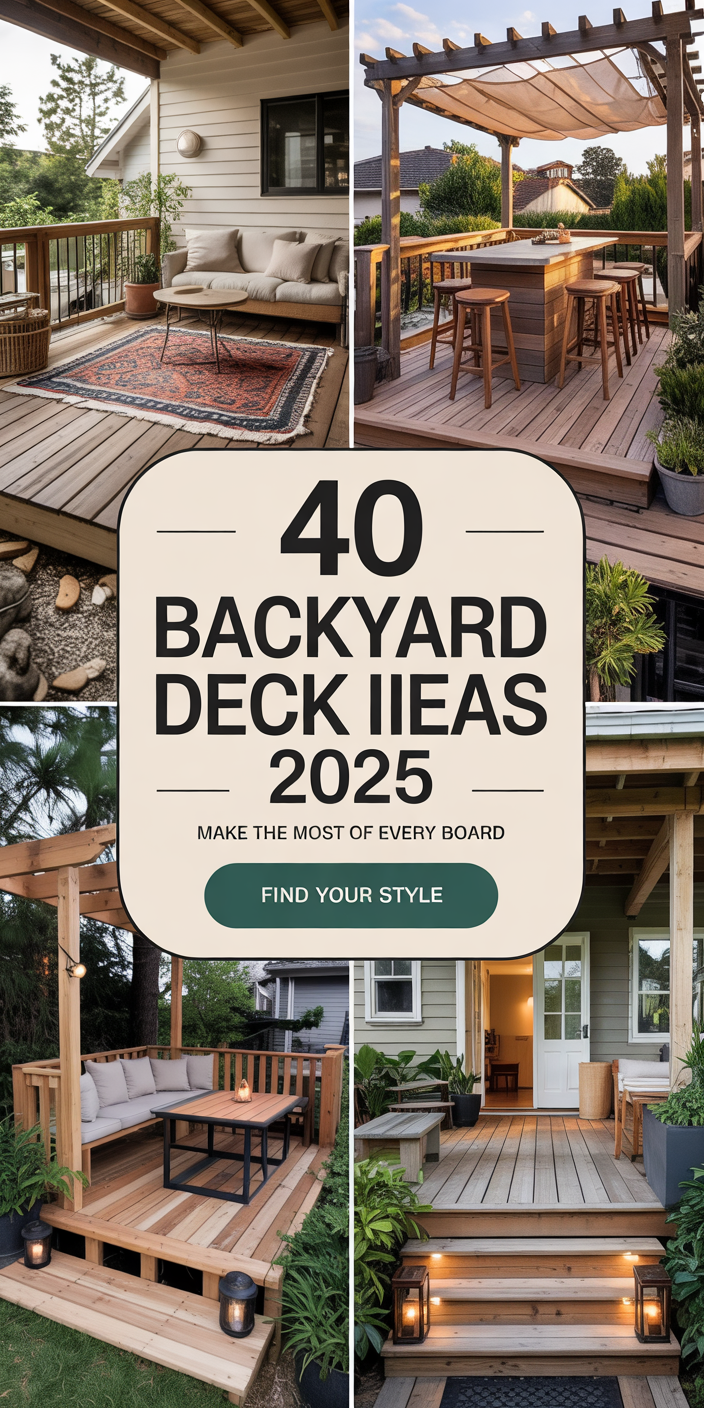
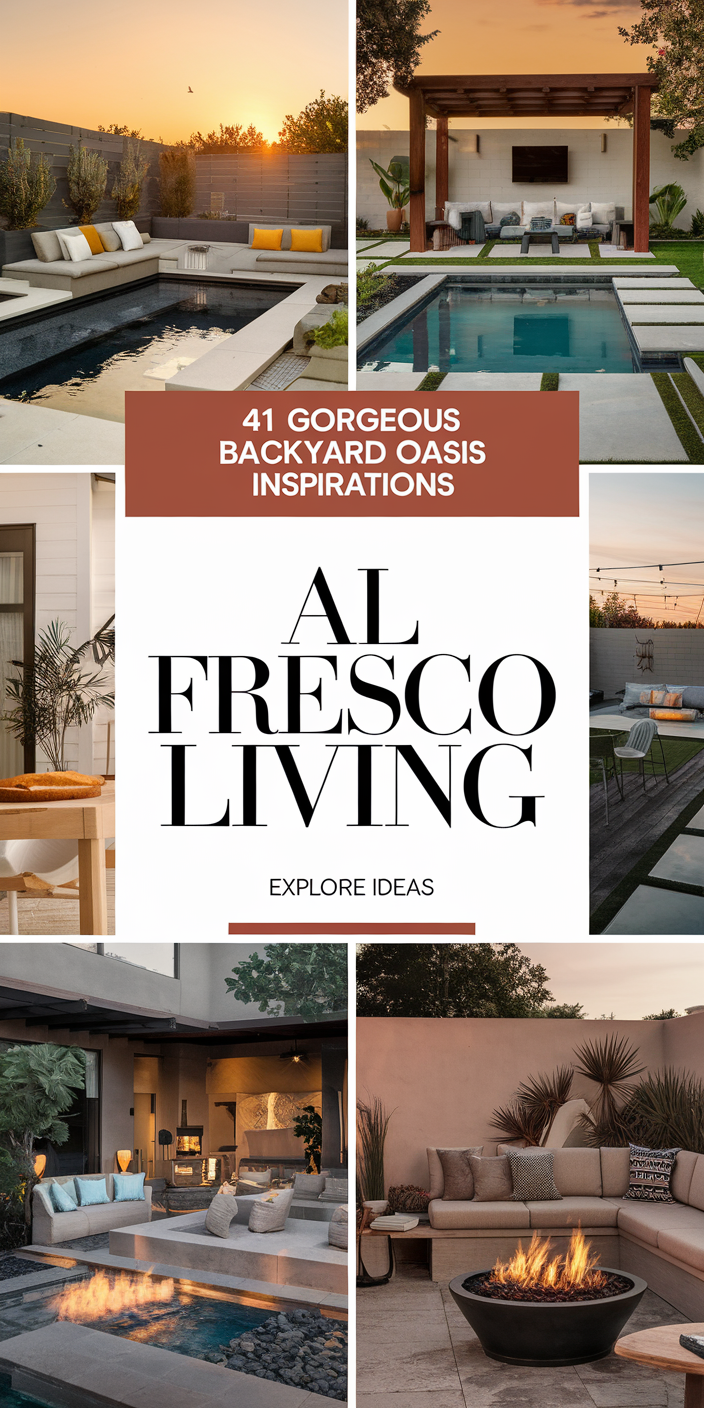
Patio decorating is taking center stage in 2026 as Americans rethink outdoor living spaces with fresh eyes and creative budgets. Whether you’re working with a tiny apartment balcony or a sprawling backyard retreat, Pinterest boards are overflowing with inspiration that balances style, function, and personality. From coastal-inspired nooks to festive seasonal setups, these ideas reflect how we’re bringing the comforts of indoor living outside. This guide walks you through distinctive patio decorating concepts that feel approachable, modern, and perfectly suited to the way we live now.
1. Layered Textile Oasis for Small Spaces
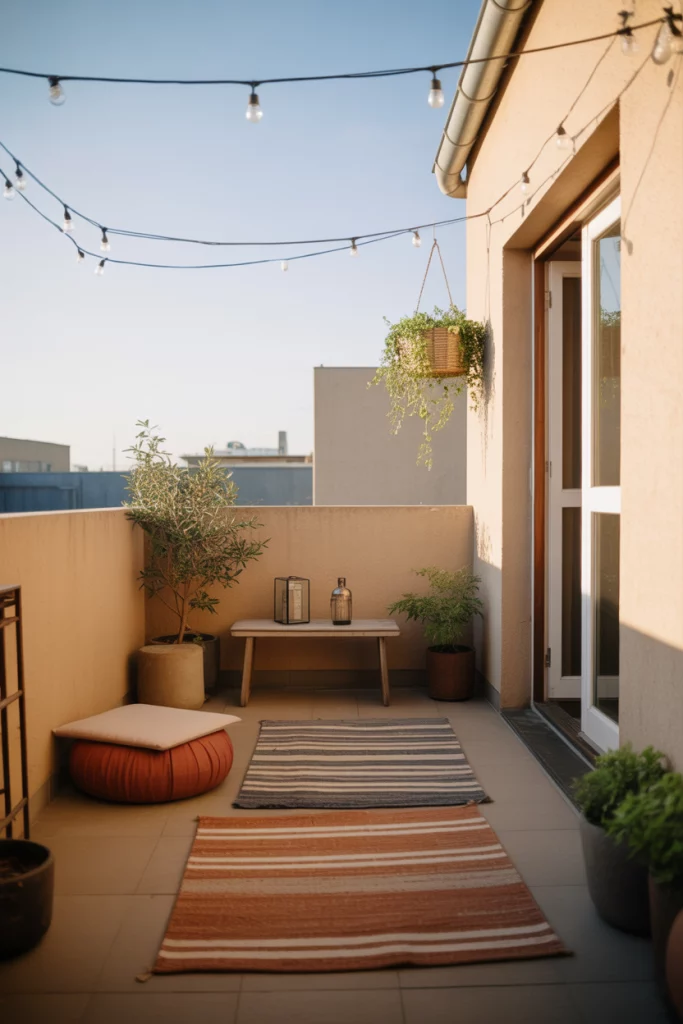
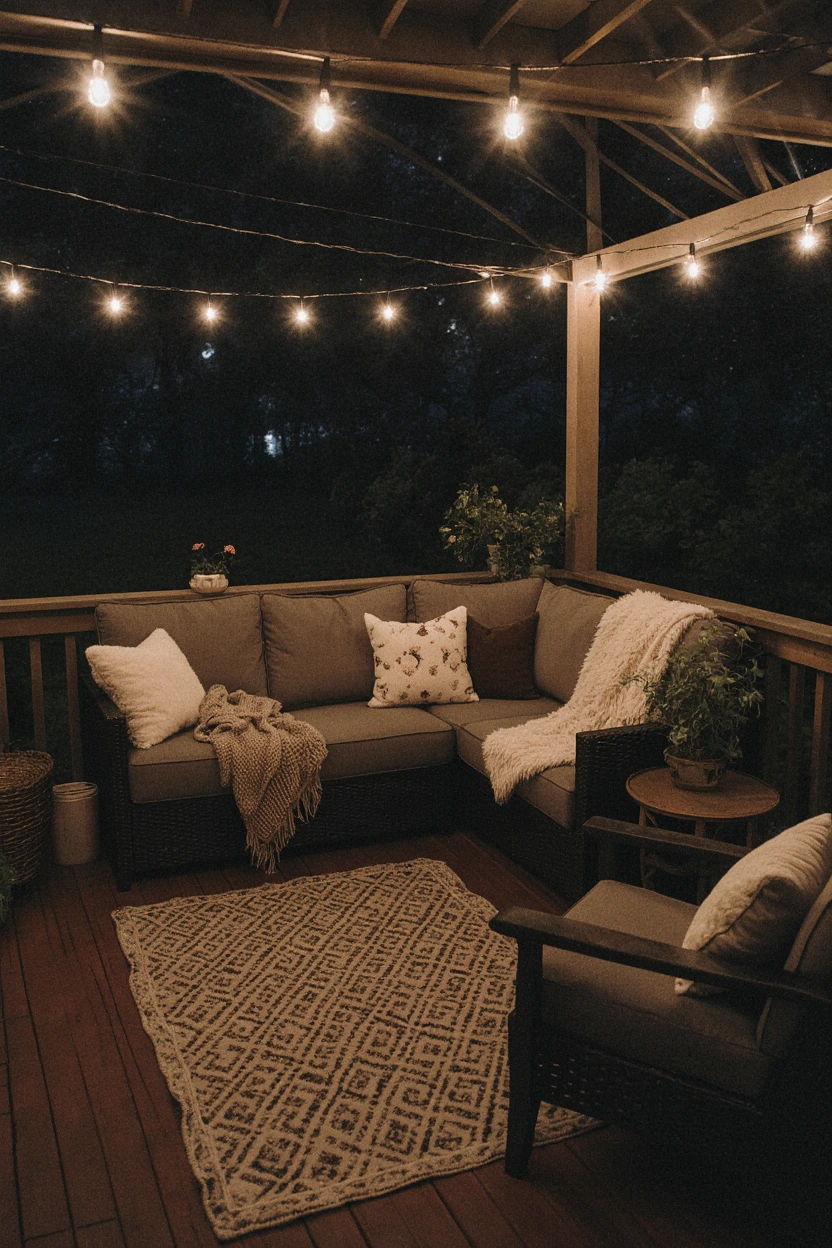
Transform a small apartment balcony into a cozy retreat by layering outdoor rugs, floor cushions, and weather-resistant throw pillows in complementary tones. This approach works beautifully on small space patios where traditional furniture feels cramped. Use a low-profile wooden bench or folding chairs that can be tucked away when not in use, and add a hanging lantern or string lights overhead to create intimacy without overwhelming the footprint. 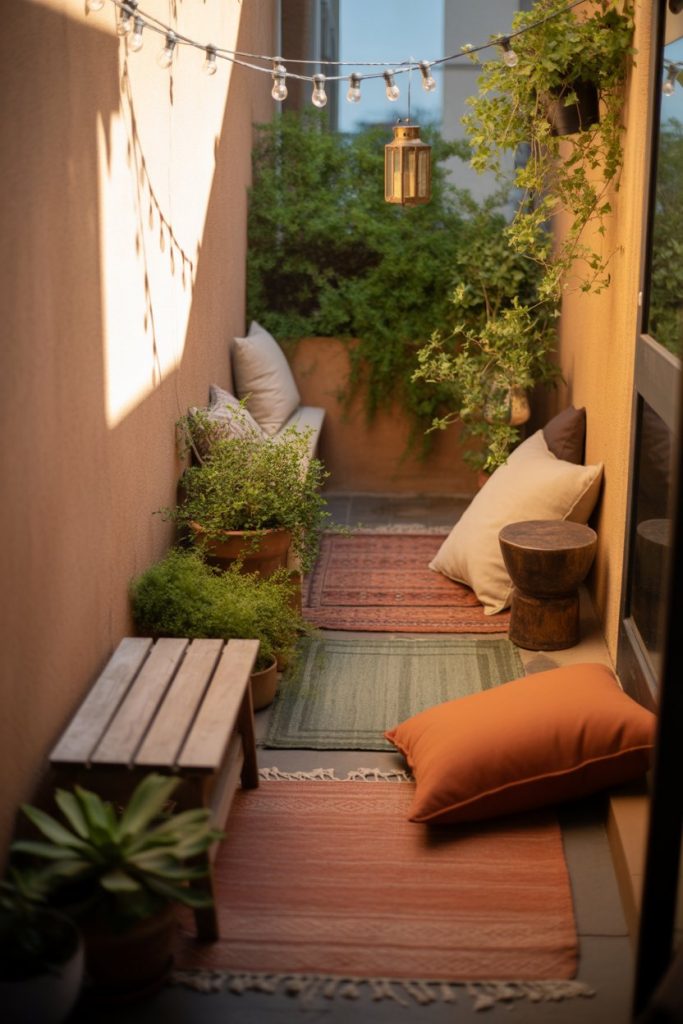
Where it works best: Urban apartments in cities like Portland, Austin, or Brooklyn where outdoor square footage is limited but residents crave personalized outdoor zones. The layered textile approach adds warmth and visual interest without requiring permanent installations, making it ideal for renters who want to avoid lease complications while still enjoying a stylish, functional patio.
2. Holiday-Ready Evergreen Corner
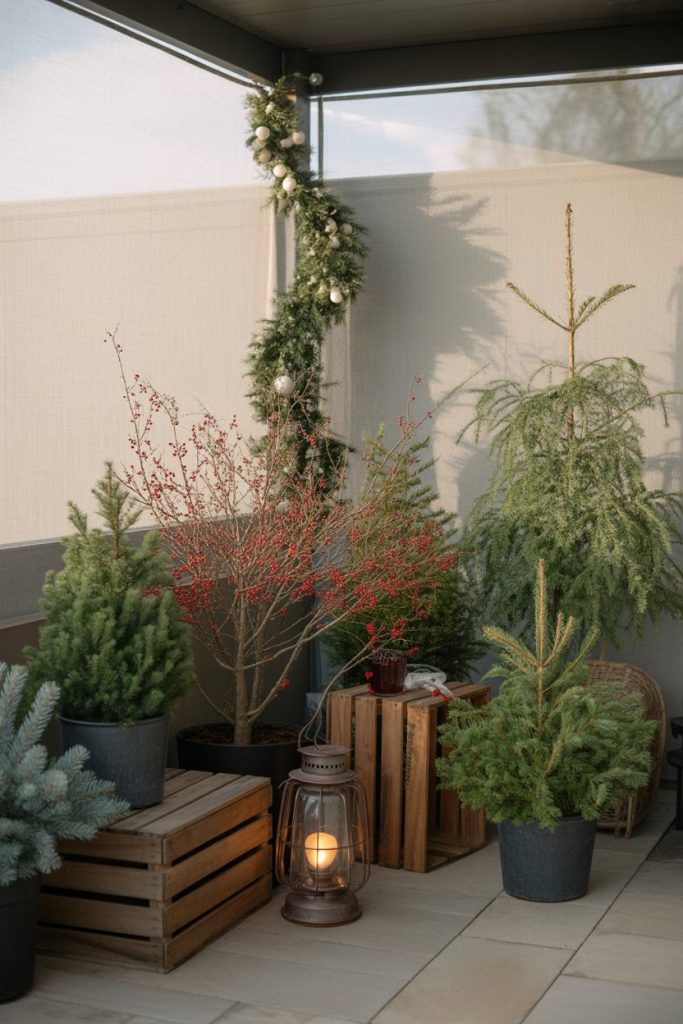
A Christmas-themed patio doesn’t have to wait until December. Create a year-round evergreen corner with potted conifers, winterberry shrubs, and seasonal accents that shift with the calendar. In warmer months, swap ornaments for citrus garlands or dried florals. This setup thrives in covered patios where plants receive indirect light and protection from harsh afternoon sun, especially across the Southwest and Southeast regions. 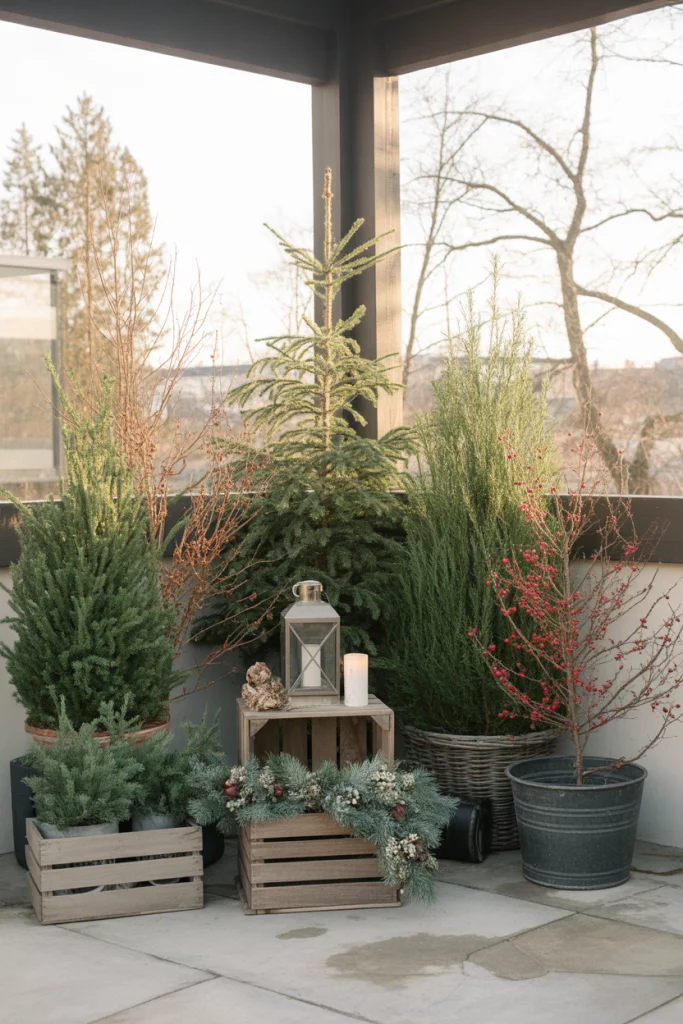
Practical insight: Use galvanized metal containers or ceramic pots with drainage holes to prevent root rot. Evergreens like dwarf Alberta spruce or boxwood require minimal pruning and adapt well to container life. Rotate decorative elements monthly to keep the vignette fresh without replanting, and consider adding a small outdoor timer for string lights to automate ambiance during evening gatherings.
3. Screened-In Dining Pavilion
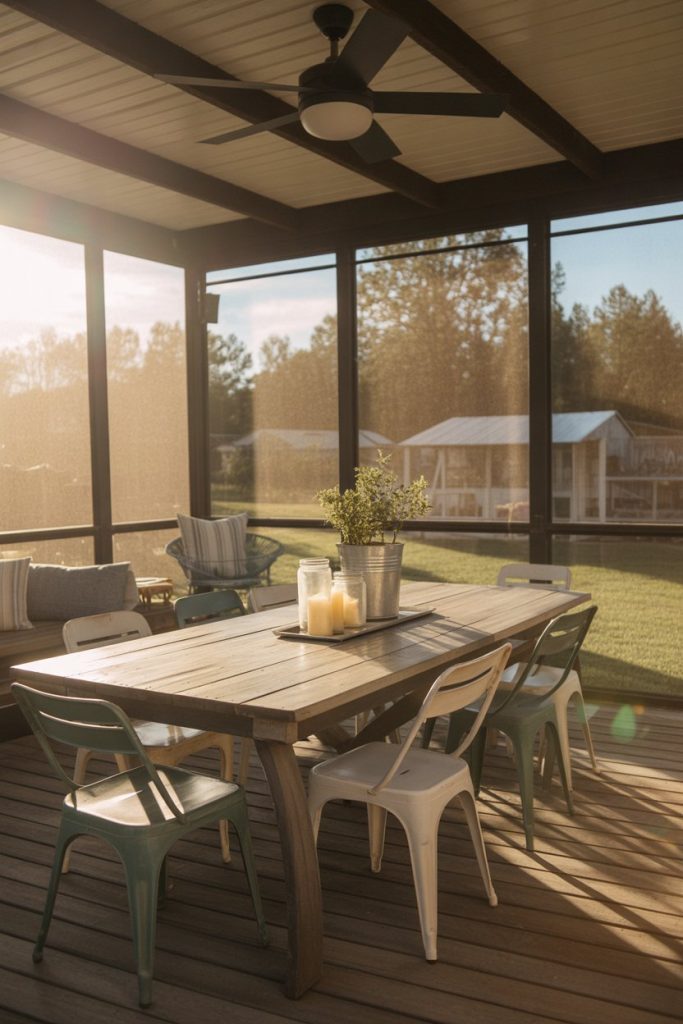
A screened in patio offers the best of both worlds—fresh air without the bugs. Anchor the space with a reclaimed wood dining table, mismatched chairs for character, and an overhead ceiling fan for air circulation. Incorporate farmhouse details like galvanized planters, mason jar candle holders, and a vintage market sign. This style resonates across the Midwest and South, where outdoor dining extends well into fall. 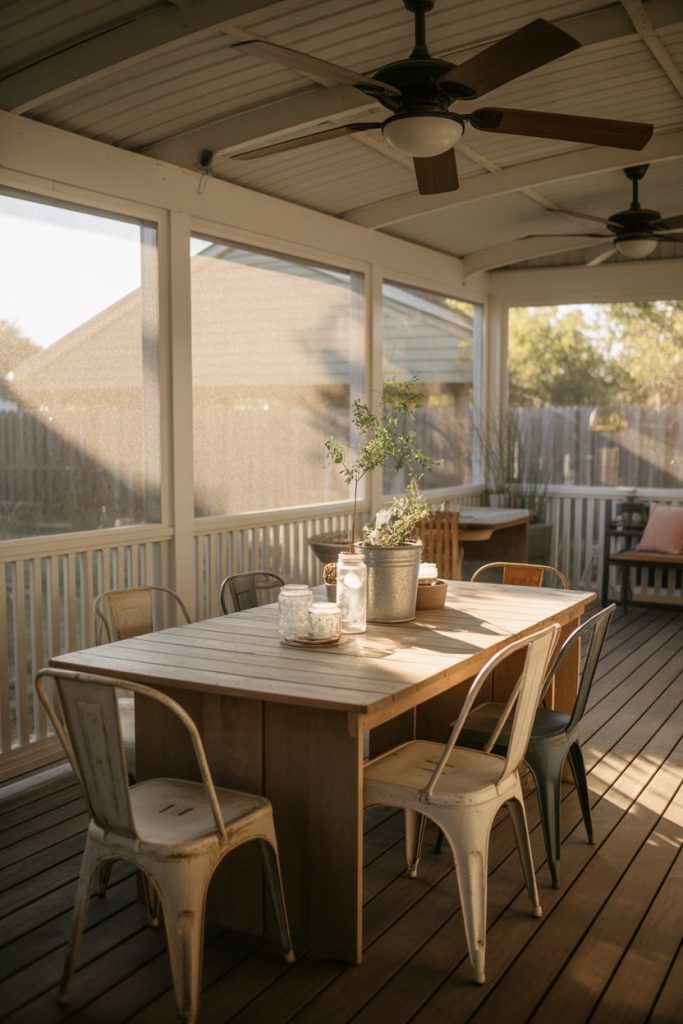
Expert-style commentary: Designers recommend Benjamin Moore’s “White Dove” or Sherwin-Williams’ “Accessible Beige” for screen frames to maintain brightness while preventing harsh glare. Install dimmer-compatible Edison bulb fixtures for adjustable lighting, and choose outdoor-rated table linens in performance fabrics that resist fading. A screened patio extends your usable square footage by an average of four months annually in temperate climates.
4. Bohemian Tapestry Backdrop
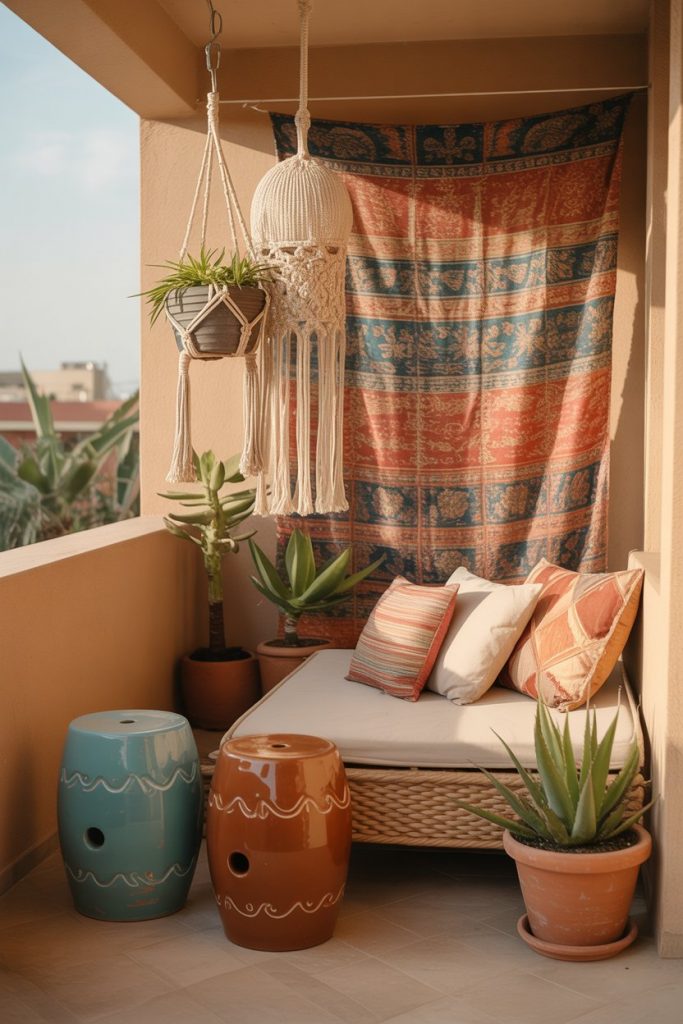
Hang a weather-resistant tapestry or outdoor curtain panel to create a bohemian focal wall on an otherwise plain patio. Pair it with colorful ceramic stools, macramé plant hangers, and a low-slung daybed piled with pillows. This design approach works especially well on apartment balconies where you need vertical interest without drilling into building exteriors. Choose fade-resistant fabrics treated for UV protection to maintain vibrancy through multiple seasons. 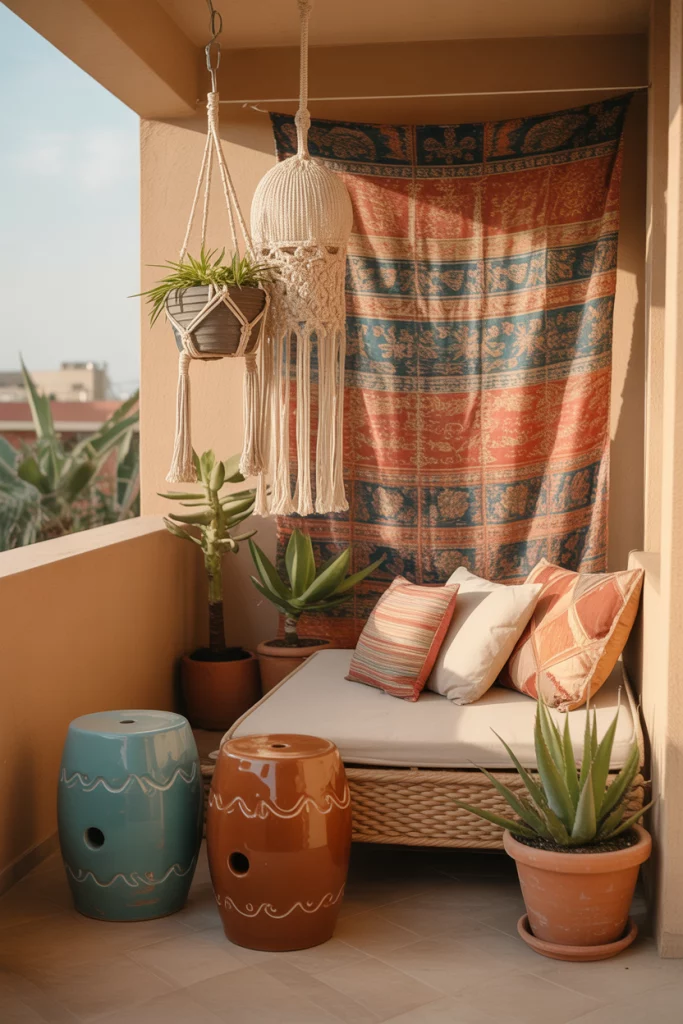
Real homeowner behavior: Many renters use tension rods or removable adhesive hooks rated for outdoor use to hang tapestries without damaging walls. Layer multiple textiles in complementary patterns rather than matching sets—this creates the eclectic, collected-over-time vibe central to bohemian style. Rotate textiles seasonally to refresh the space without major investment.
5. Concrete Slab Transformation
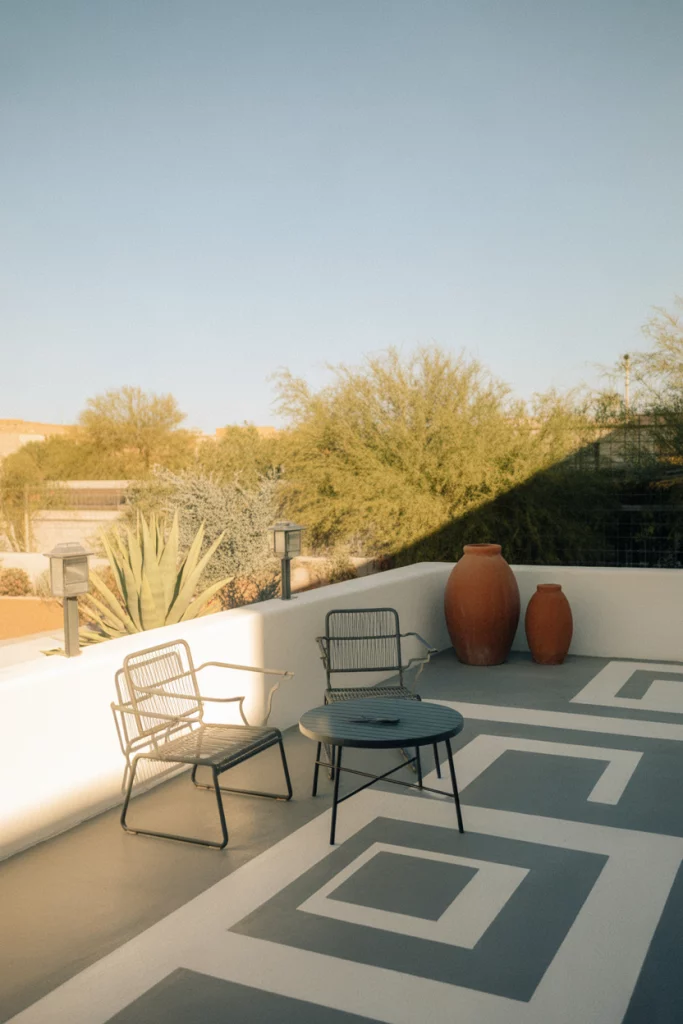
Turn a bare concrete patio into a design statement by painting it with outdoor floor paint in geometric patterns or faux tile designs. Add outdoor furniture with clean lines, a few oversized planters, and solar pathway lights along the perimeter. This budget-friendly upgrade breathes life into builder-grade patios common in suburban developments across Arizona, Nevada, and Southern California. 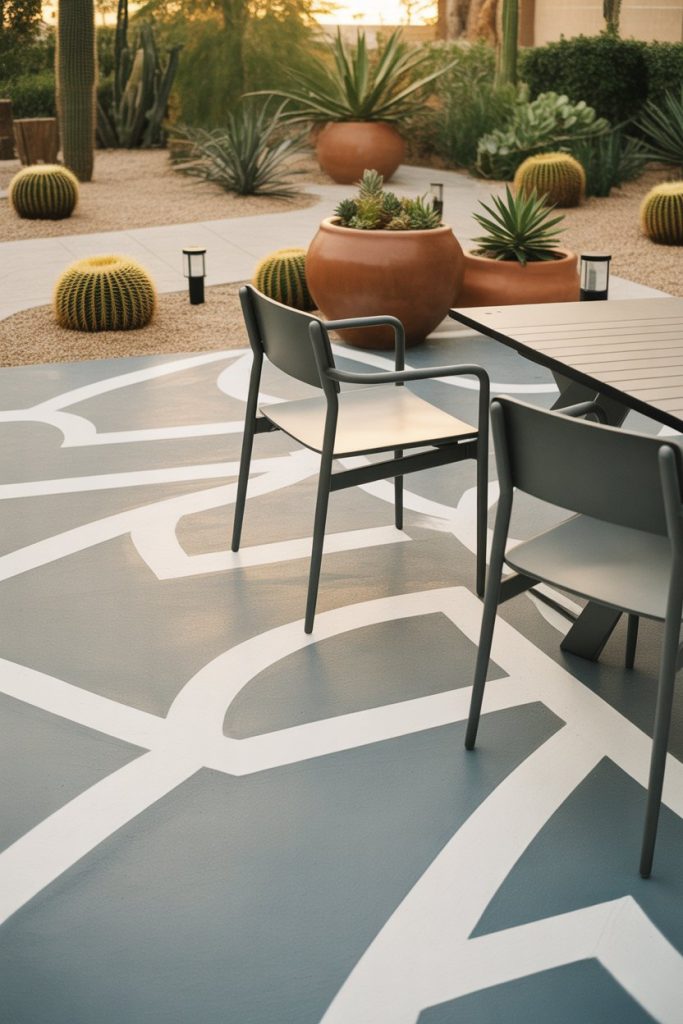
Budget angle: A gallon of outdoor concrete paint costs $30–$50 and covers up to 400 square feet. Use painter’s tape and stencils to create professional-looking patterns without hiring contractors. Seal the painted surface with a clear acrylic sealer to extend durability, and expect to refresh high-traffic areas every 18–24 months depending on climate exposure and foot traffic.
6. Tropical Container Garden
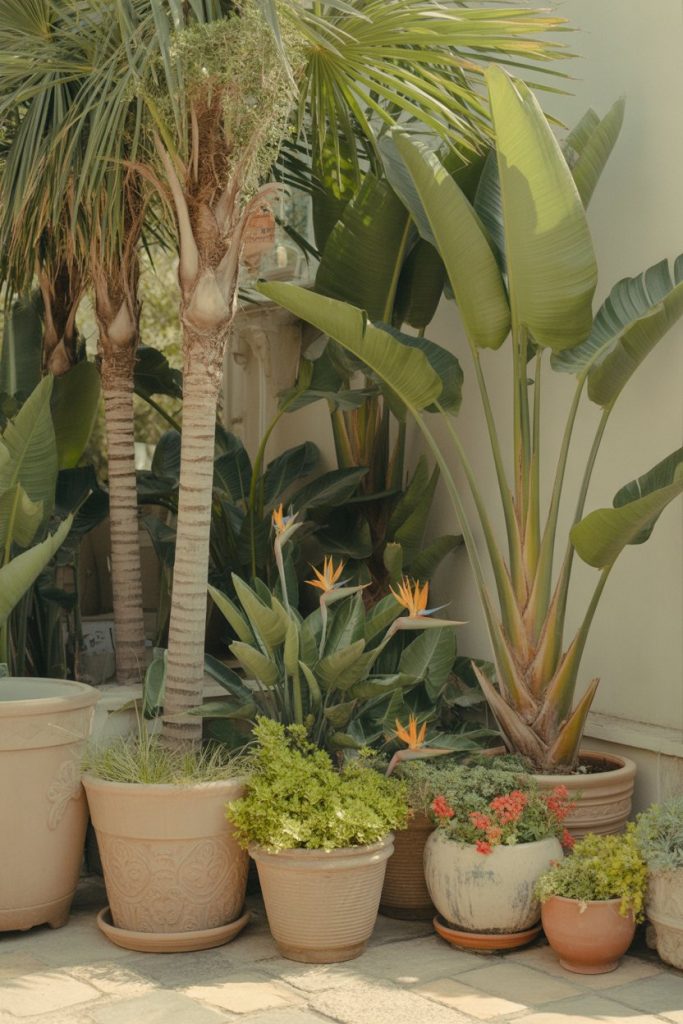
Bring tropical vibes to non-tropical climates by clustering container-grown palms, elephant ears, and bird of paradise around your patio perimeter. Use plants in varying heights and textures, and underplant with coleus or caladiums for pops of color. This approach thrives on backyard patios with southern or western exposure, where heat-loving species receive adequate sunlight without scorching. 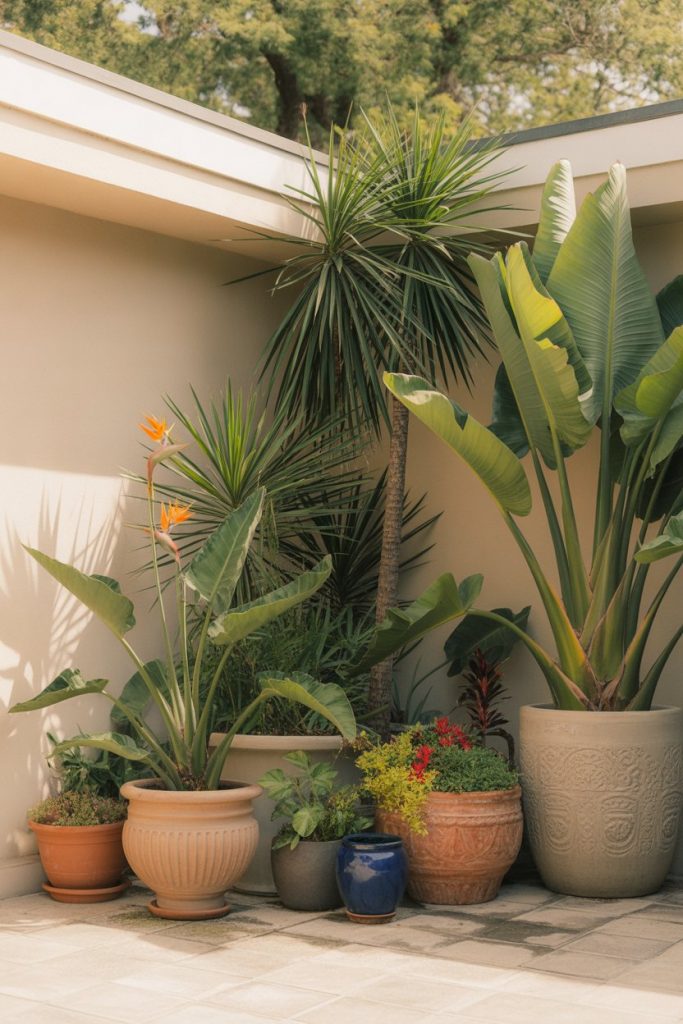
American lifestyle context: In Midwestern and Northeastern states, these tropical containers move indoors for winter, serving double duty as houseplants. Choose wheeled plant caddies for easier seasonal transitions, and select hardy varieties like parlor palm or ZZ plant that tolerate indoor conditions. This flexibility appeals to renters and homeowners who want bold style without permanent landscaping commitments.
7. Rustic Pergola with Climbing Vines
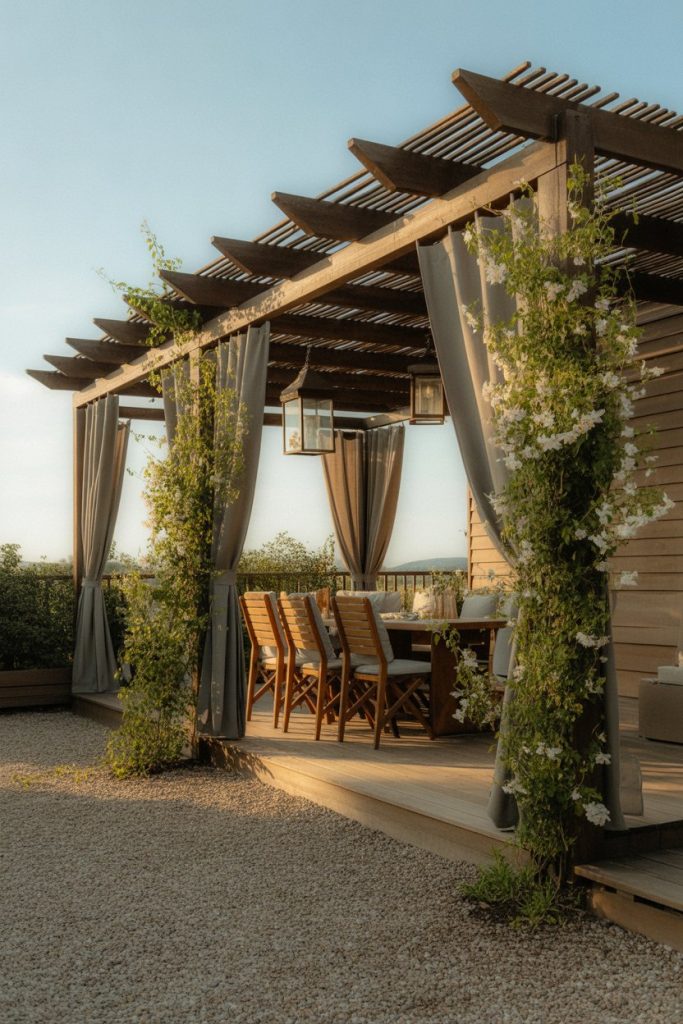
A rustic cedar or pine pergola provides architectural structure while supporting climbing plants like clematis, honeysuckle, or jasmine. Install outdoor curtains on side panels for adjustable shade and privacy. This design works beautifully on large patios where you need to define separate zones for dining, lounging, and conversation without building permanent walls. 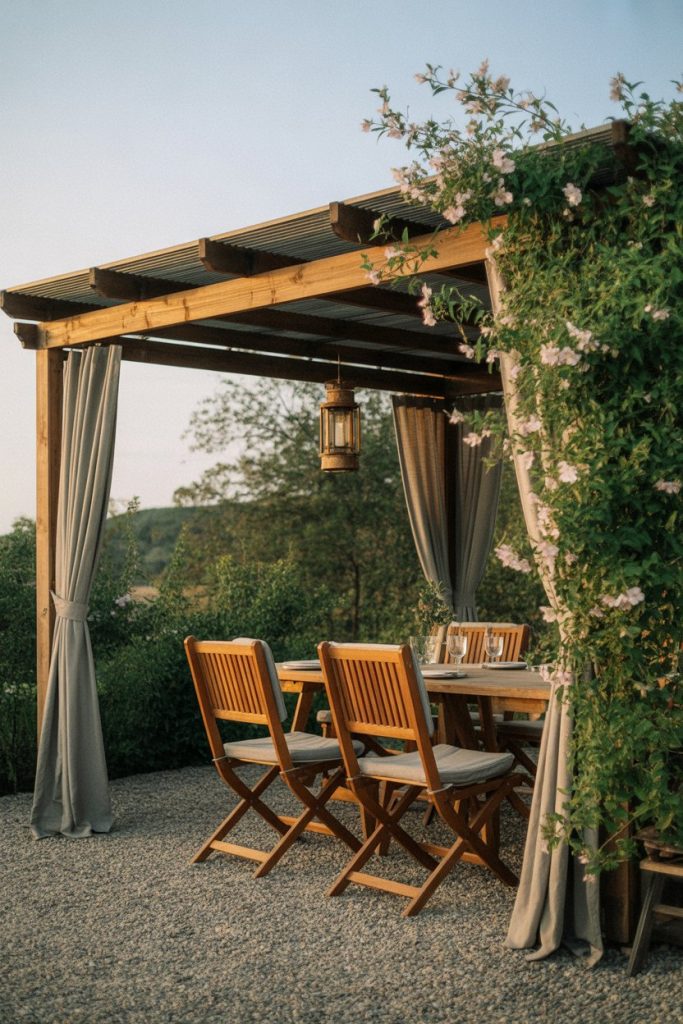
Common mistakes and how to avoid them: Many homeowners underestimate the weight of mature vines. Anchor pergola posts in concrete footings at least 18 inches deep, and use galvanized hardware rated for outdoor exposure. Choose fast-growing but manageable climbers like ‘Jackmanii’ clematis rather than aggressive species like wisteria, which can damage structures. Prune annually to maintain airflow and prevent pest problems.
8. Front Porch Container Clusters
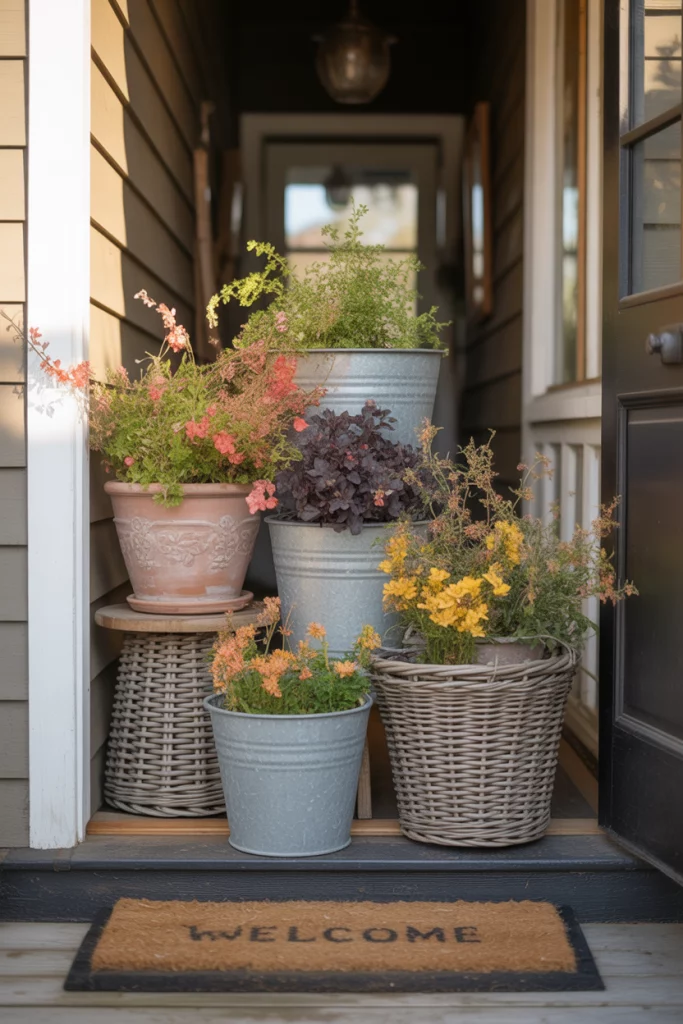
Elevate your front porch with asymmetrical groupings of planters in varying heights, materials, and textures. Mix galvanized metal, glazed ceramic, and natural fiber baskets for visual interest. Plant seasonal blooms like petunias in spring, zinnias in summer, and ornamental kale in fall. This approach works on narrow apartment cheap porches where space is tight but curb appeal matters. 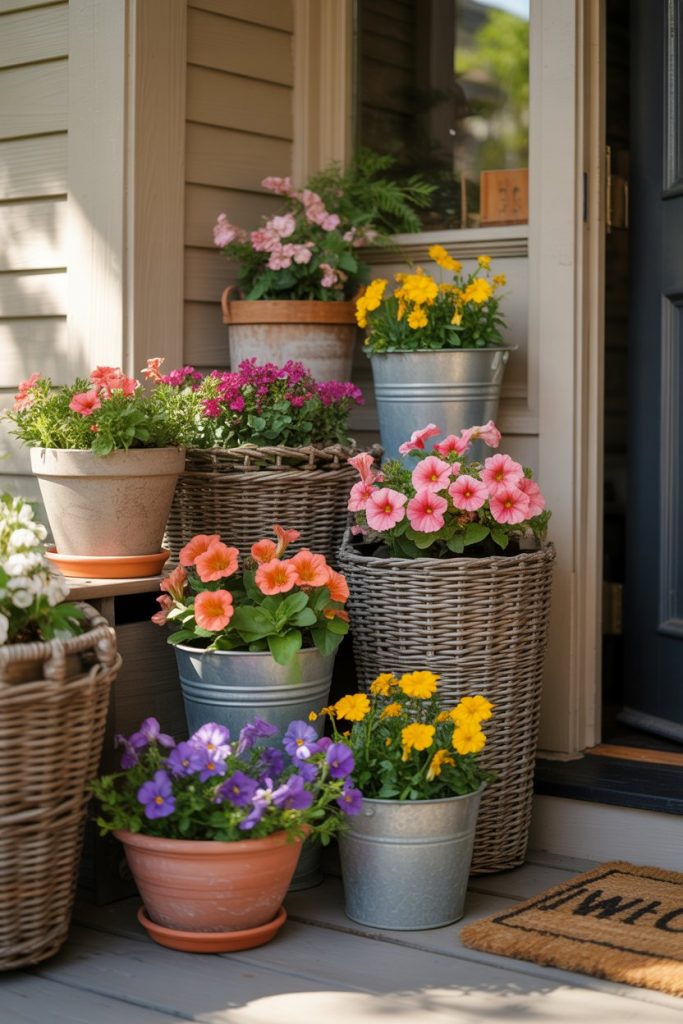
Micro anecdote: A reader in Charleston rotates her porch containers every six weeks, swapping out tired blooms for fresh stock from the farmers market. She stores extras in a shaded side yard, creating a rotating display that always looks magazine-ready. This simple habit keeps her porch photo-worthy without the expense of constant replanting.
9. Cozy Backyard Fire Pit Circle
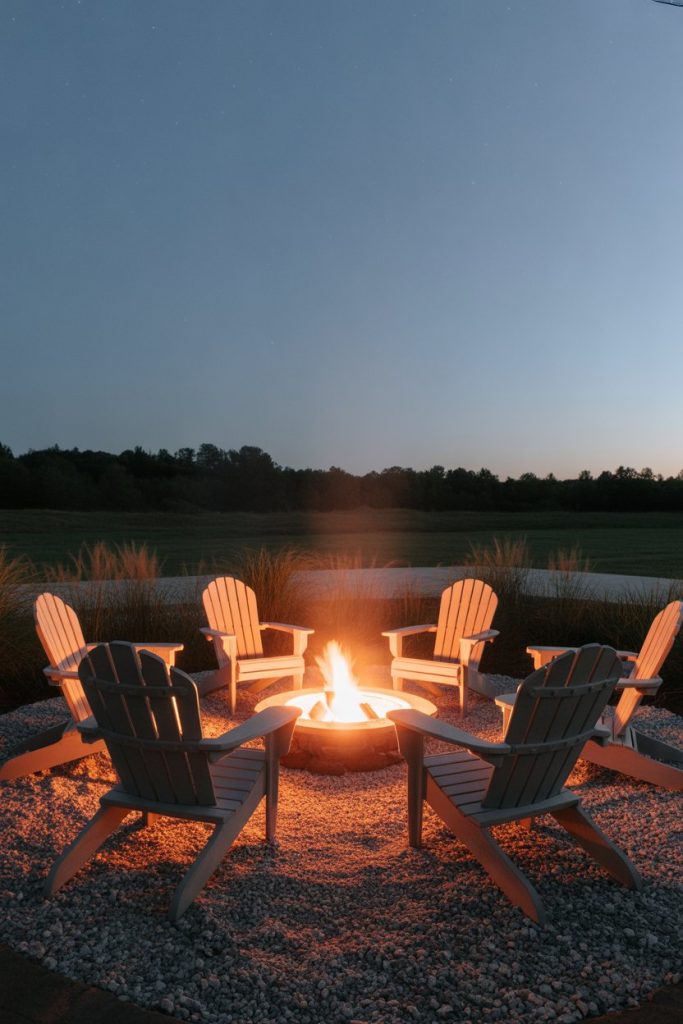
Arrange Adirondack chairs or curved benches around a sunken fire pit to create a cozy back gathering spot that extends patio season into cooler months. Use pea gravel or decomposed granite for flooring, and plant low-maintenance native grasses around the perimeter. This setup thrives in Rocky Mountain and Pacific Northwest backyards where evenings cool down even in summer. 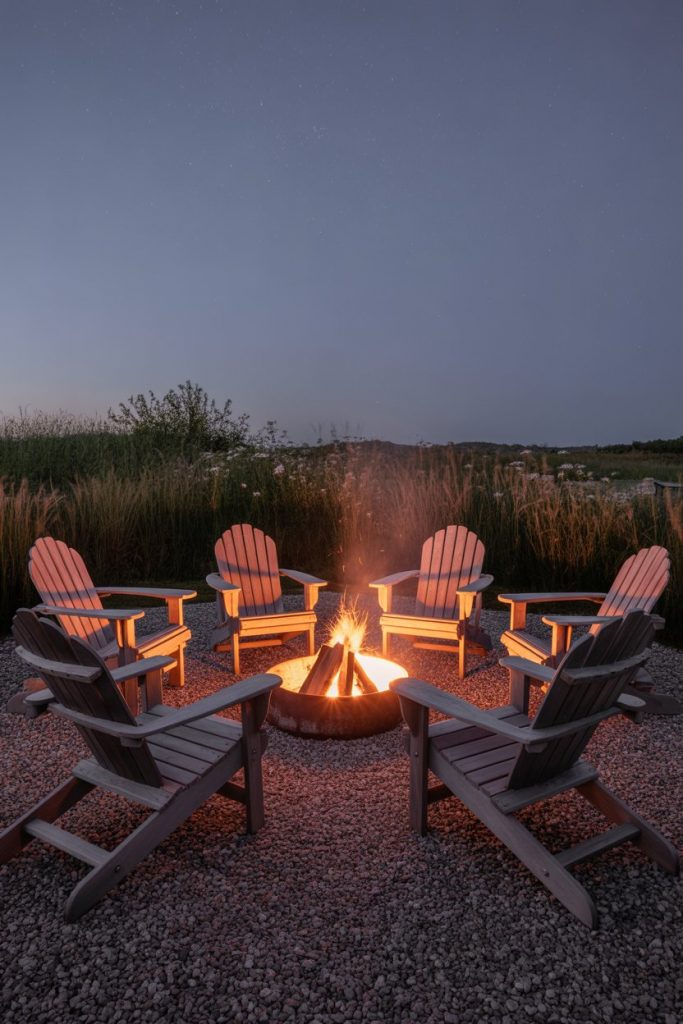
Where it works best: Suburban and rural properties with setback requirements that allow open flames. Check local fire codes before installation—many municipalities require 10–15 feet clearance from structures. Propane or natural gas fire features offer convenience and cleaner burns than wood, though traditional wood fires provide authentic ambiance. Include a fire extinguisher and sand bucket within reach for safety compliance.
10. Indoor-Outdoor Sliding Wall
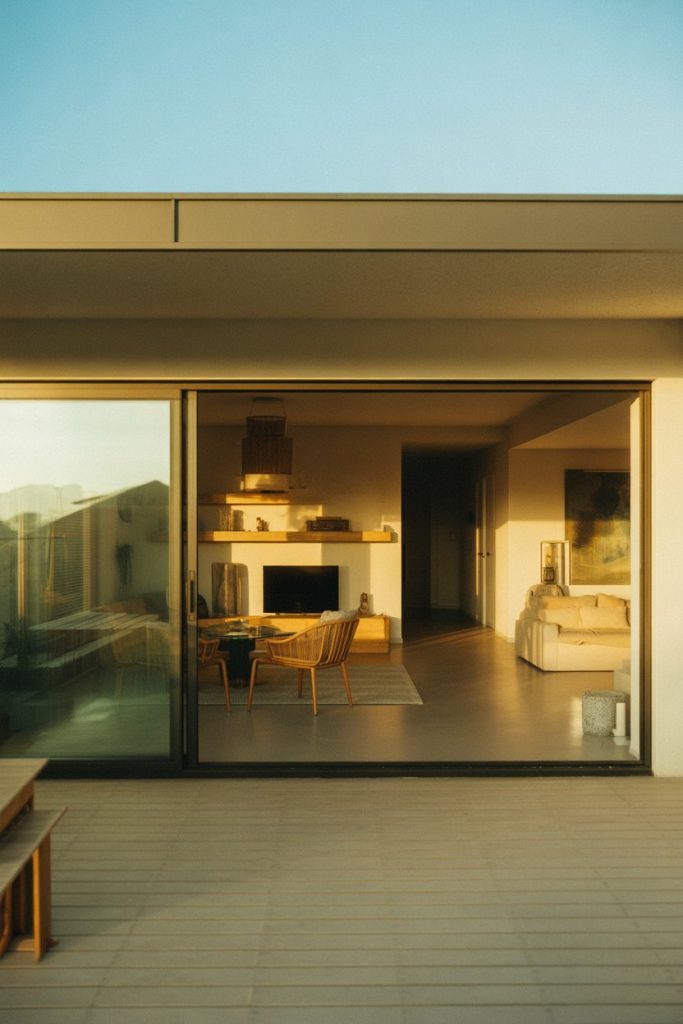
Install accordion glass or sliding panels to blur the line between indoor living spaces and your patio. Coordinate flooring materials—luxury vinyl plank works well on both sides—and repeat paint colors to create visual continuity. This high-impact renovation suits condo owners and single-family homes in temperate climates where year-round outdoor access justifies the investment. 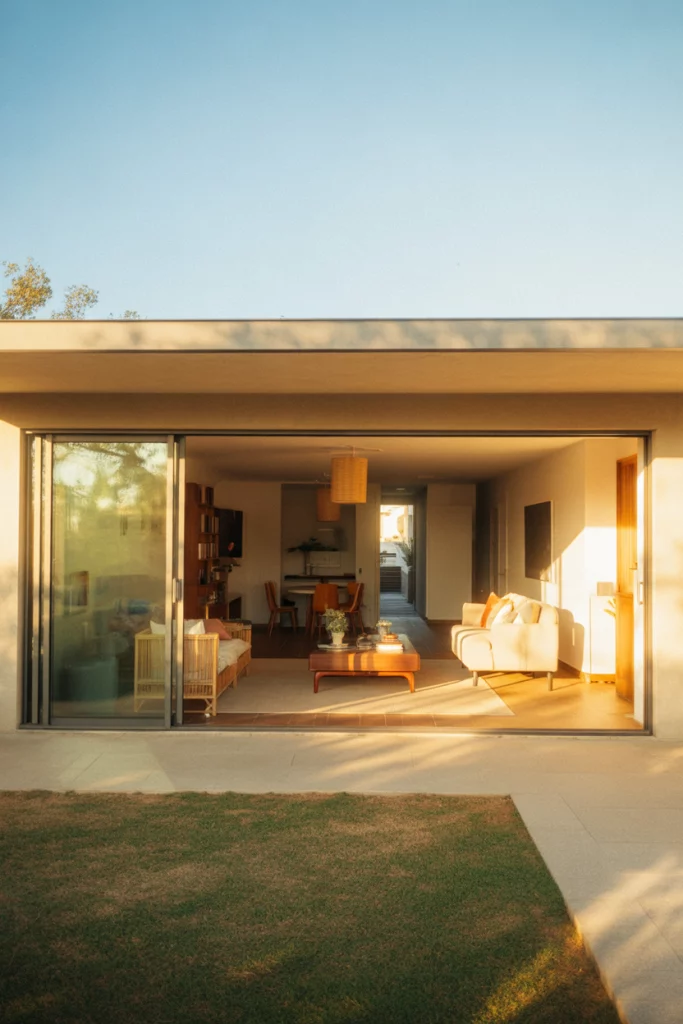
Budget angle: While professional installation runs $5,000–$15,000 depending on opening width, the added home value and lifestyle upgrade often justify the expense in markets like San Diego, Miami, or Austin where outdoor living is a major selling point. Alternatively, widescreen retractable screens ($1,200–$3,000) offer a more accessible option that still enhances flow without structural modifications.
11. Apartment Balcony Vertical Garden
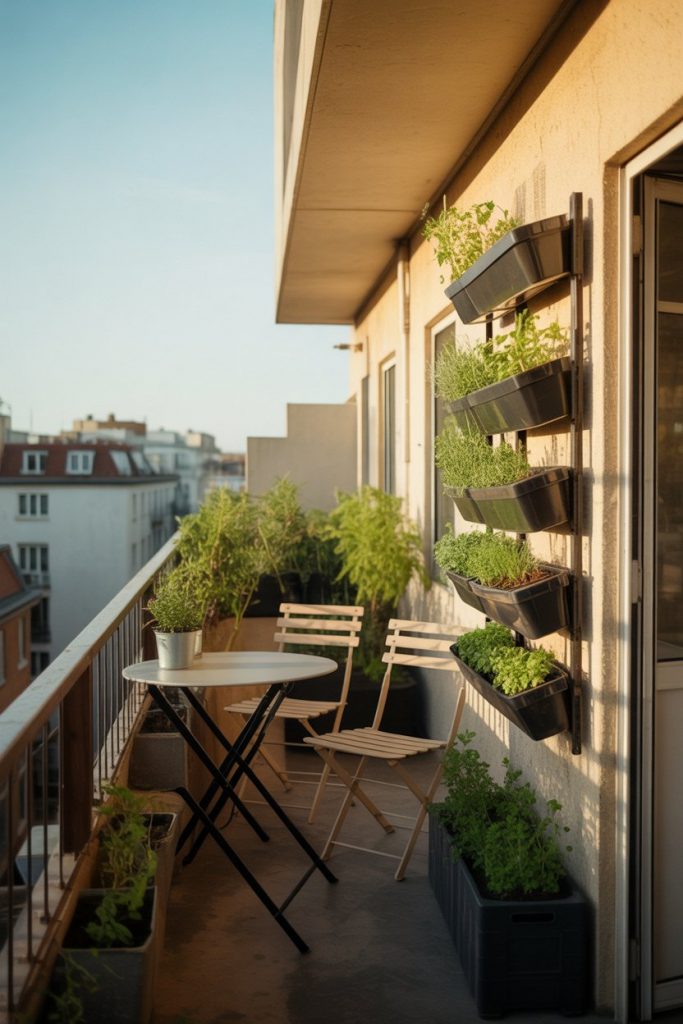
Maximize limited apartment balcony space with vertical planters, wall-mounted pockets, or tiered shelving units. Grow herbs, lettuces, and compact flowers in these vertical systems. Pair with a small bistro set and a folding side table for morning coffee. This solution appeals to urban dwellers in high-rises from Chicago to Seattle who want greenery without sacrificing floor space. 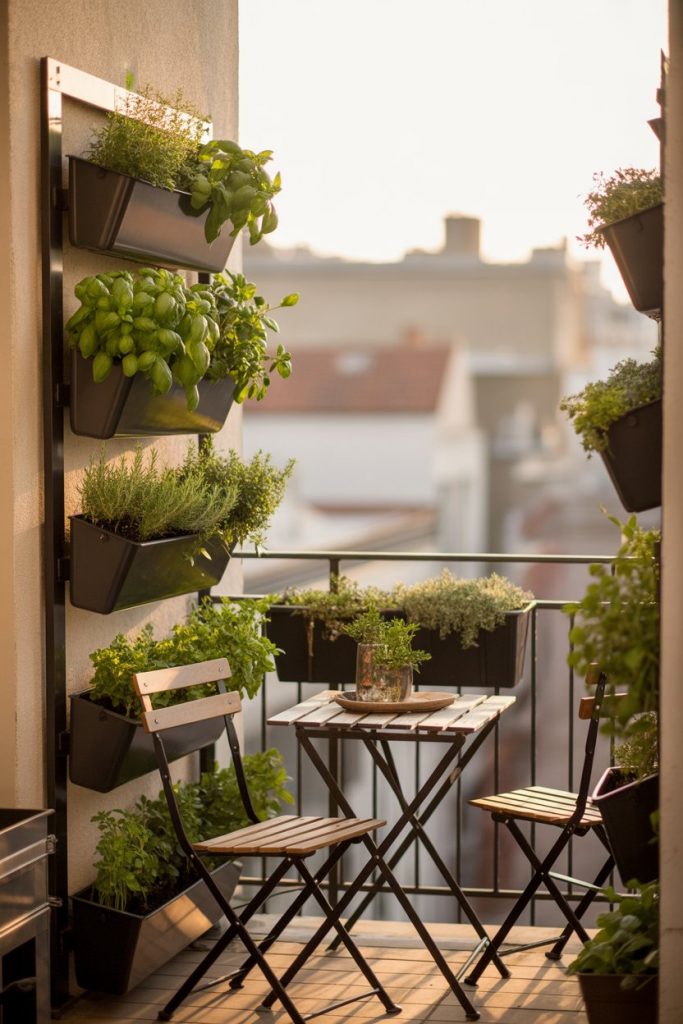
Practical insight: Choose self-watering vertical systems with built-in reservoirs to reduce maintenance, especially if you travel frequently. Rotate crops every 4–6 weeks for continuous harvests, and select compact varieties like ‘Tumbling Tom’ tomatoes or ‘Spicy Globe’ basil bred specifically for container culture. Position vertical gardens where they receive 6+ hours of direct sun for productive vegetable growth.
12. Colorful Tile Accent Wall
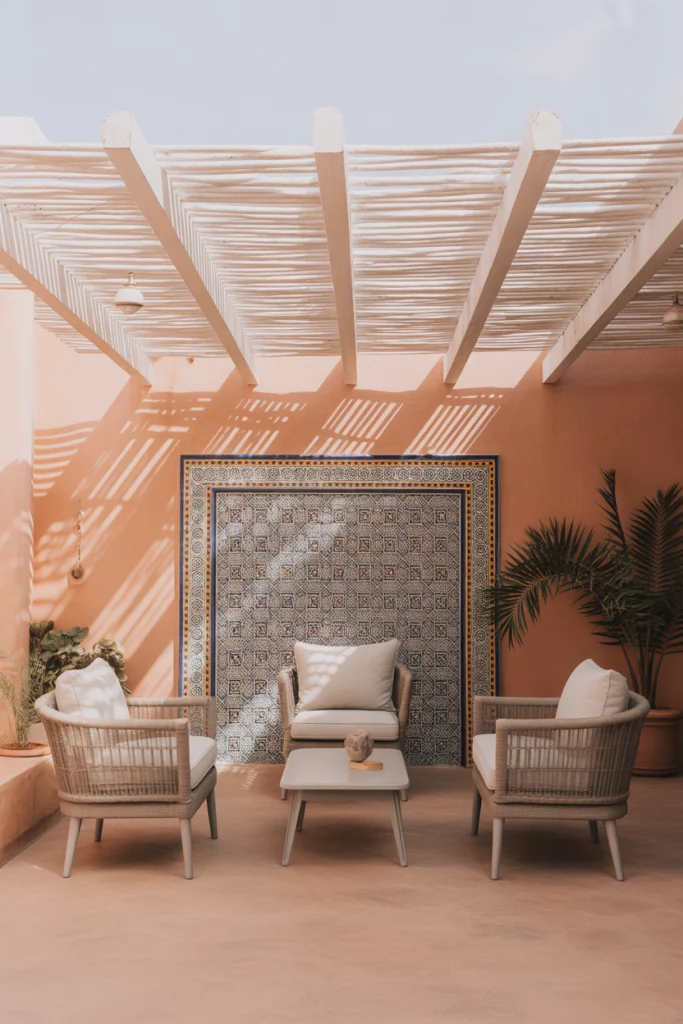
Create a stunning focal point by tiling one patio wall in vibrant colorful patterns—think Moroccan zellige, Spanish talavera, or Portuguese azulejo designs. Keep surrounding elements neutral to let the tile shine. This works beautifully on covered patios where the tile is protected from freeze-thaw cycles, particularly in Mediterranean-climate regions like coastal California. 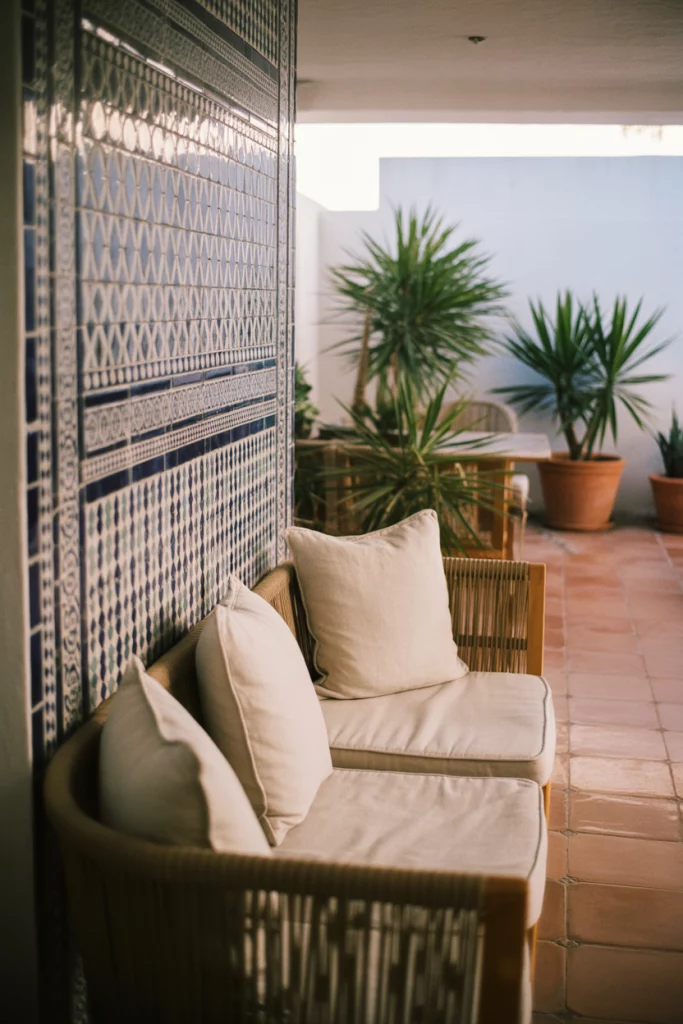
Expert-style commentary: Interior designers recommend limiting bold tile to 8–12 square feet to avoid overwhelming smaller patios. Use outdoor-rated thin-set mortar and epoxy grout for durability, and seal porous tiles annually to prevent staining. This accent wall treatment costs $15–$40 per square foot installed but delivers significant visual impact and Instagram-worthy appeal that elevates the entire outdoor space.
13. Farmhouse Potting Bench Station
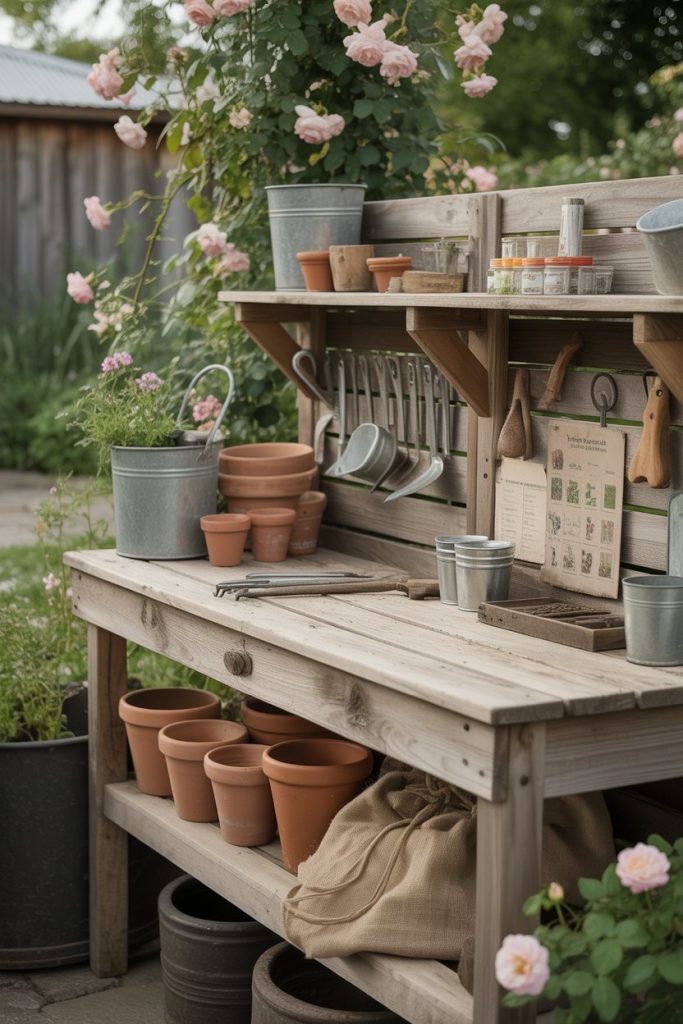
Repurpose a vintage workbench or install a new cedar potting station as both functional workspace and farmhouse decor. Add galvanized tool caddies, terra cotta pots in graduated sizes, and open shelving for supplies. This setup works on backyard patios near garden beds or along side yards where you need a dedicated zone for planting, repotting, and seasonal maintenance. 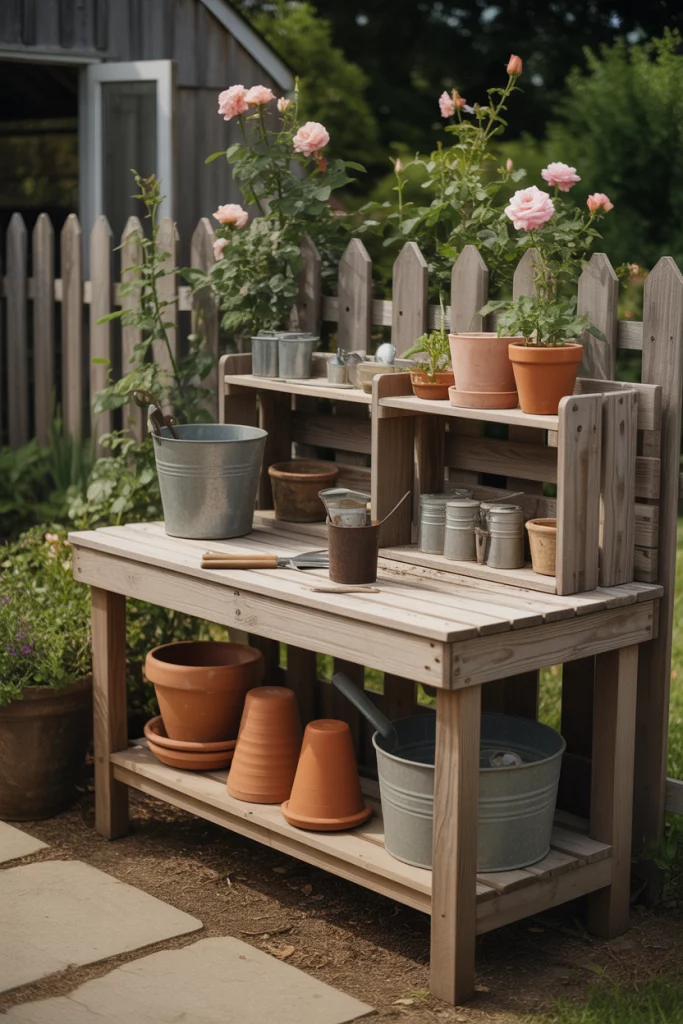
Real homeowner behavior: Gardeners often position potting benches near outdoor faucets to minimize hose dragging and water mess. Add a gravel or paver base underneath to manage drainage, and install a small roof overhang to protect tools and soil from rain. Many homeowners paint benches in sage green, dusty blue, or barn red to complement garden plantings while maintaining that signature farmhouse aesthetic.
14. Minimalist Zen Meditation Space
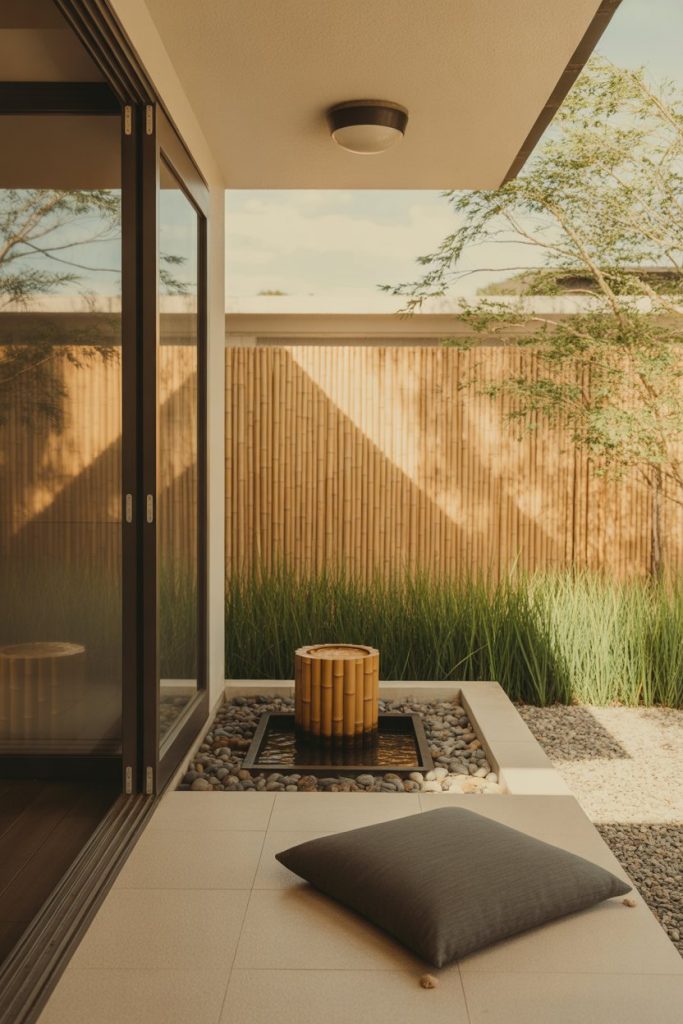
Carve out a cozy meditation corner with a single floor cushion, a small water feature, and carefully placed river rocks. Use bamboo screens for privacy and plant low-maintenance species like Japanese forest grass or black mondo grass. This approach suits small space patios where simplicity and intentionality take precedence over furniture volume. 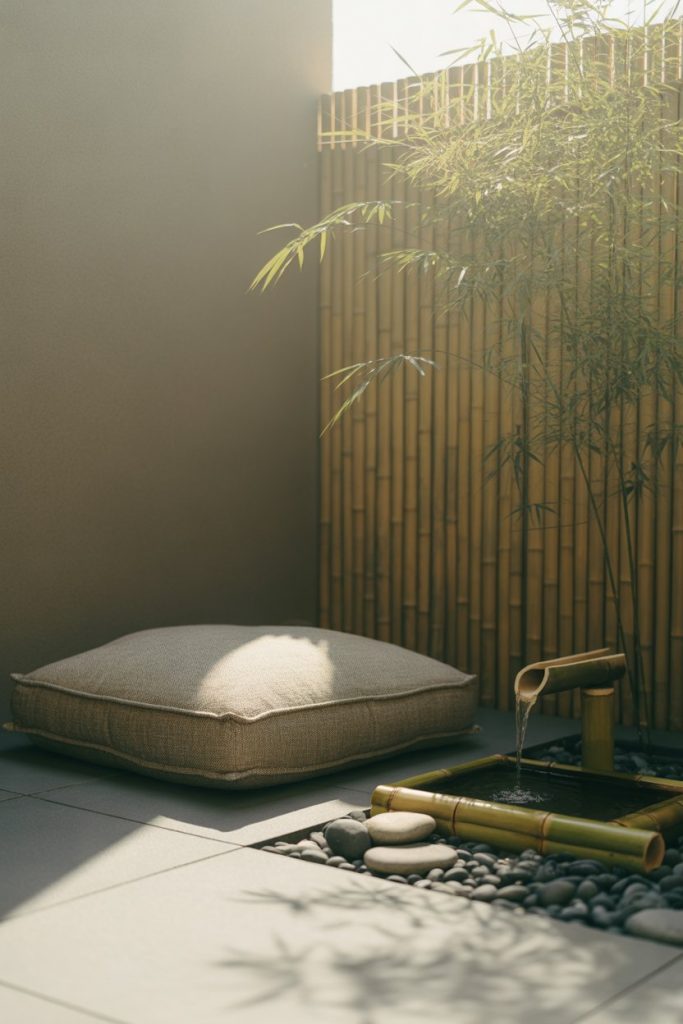
Where it works best: Urban and suburban settings where outdoor noise requires intentional sound masking. The gentle burble of a water feature helps block traffic sounds and neighbor conversations. Position this zone in the quietest corner of your patio, ideally facing away from street views. Solar-powered fountains eliminate electrical cords and reduce installation complexity for apartment renters.
15. Outdoor Movie Theater Setup
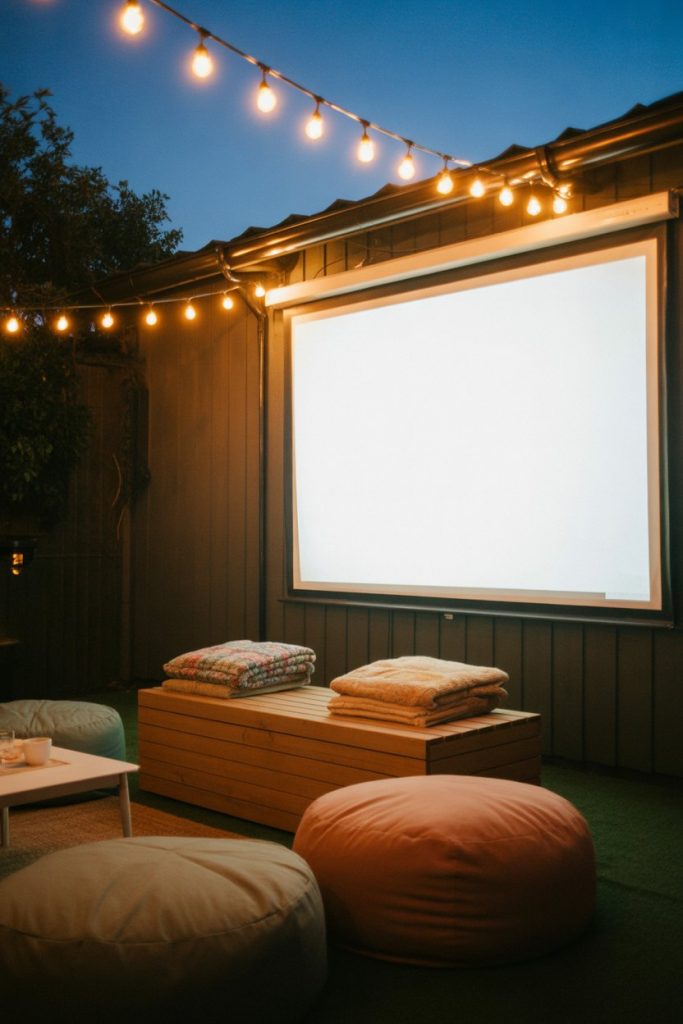
Mount a weatherproof projector screen or hang a white sheet against a patio wall, add floor seating with outdoor bean bags or poufs, and string café lights overhead. This transforms any backyard into an entertainment venue for summer movie nights. Keep a storage bench nearby with blankets for cool evenings. This setup thrives in suburban neighborhoods where backyards offer privacy and space. 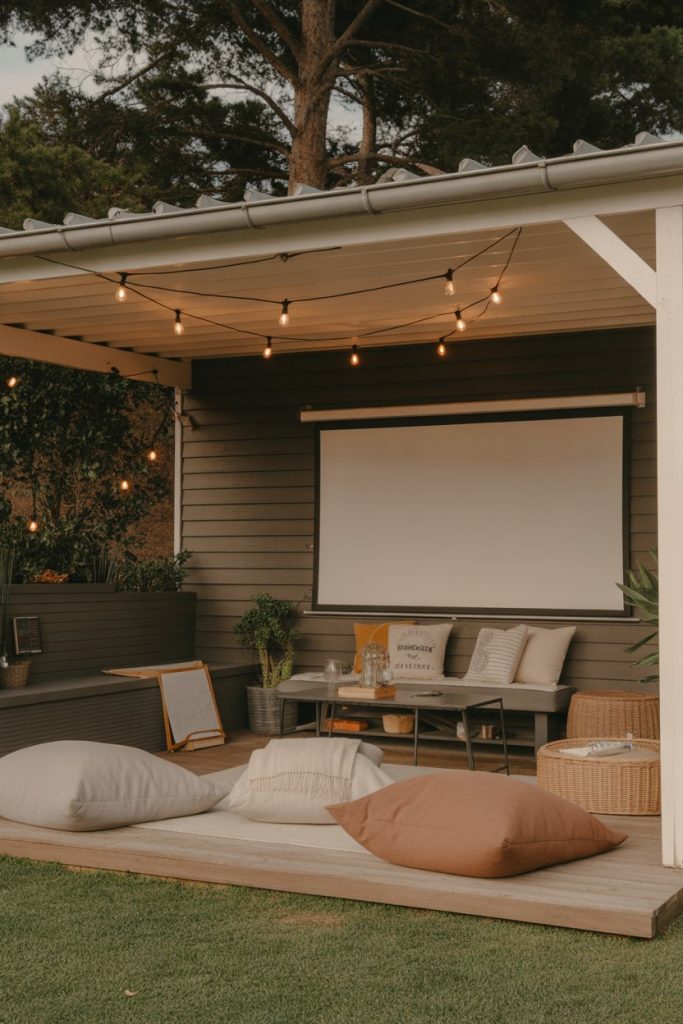
Practical insight: Invest in a projector with at least 3,000 lumens for visibility during dusk hours, and choose one with Bluetooth connectivity for wireless speaker pairing. Mount screens at least 8 feet wide for comfortable group viewing, and test sound levels to ensure you’re not disturbing neighbors. Many homeowners schedule regular Friday movie nights throughout summer, creating community traditions that strengthen neighborhood bonds.
16. Coastal Rope and Driftwood Accents
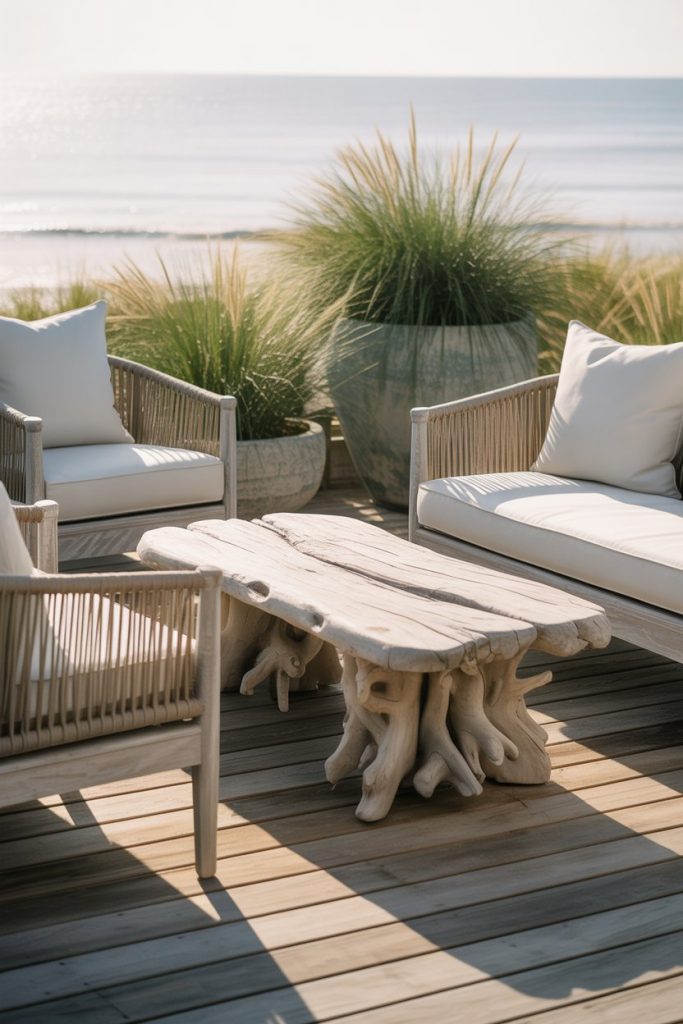
Channel beachside vibes with outdoor furniture featuring rope details, driftwood coffee tables, and coastal plantings like sea oats or blue fescue. Use a palette of whites, blues, and sandy neutrals. This aesthetic works beautifully on front porches and patios in coastal states from Maine to Florida, as well as lakeside properties across the Midwest. 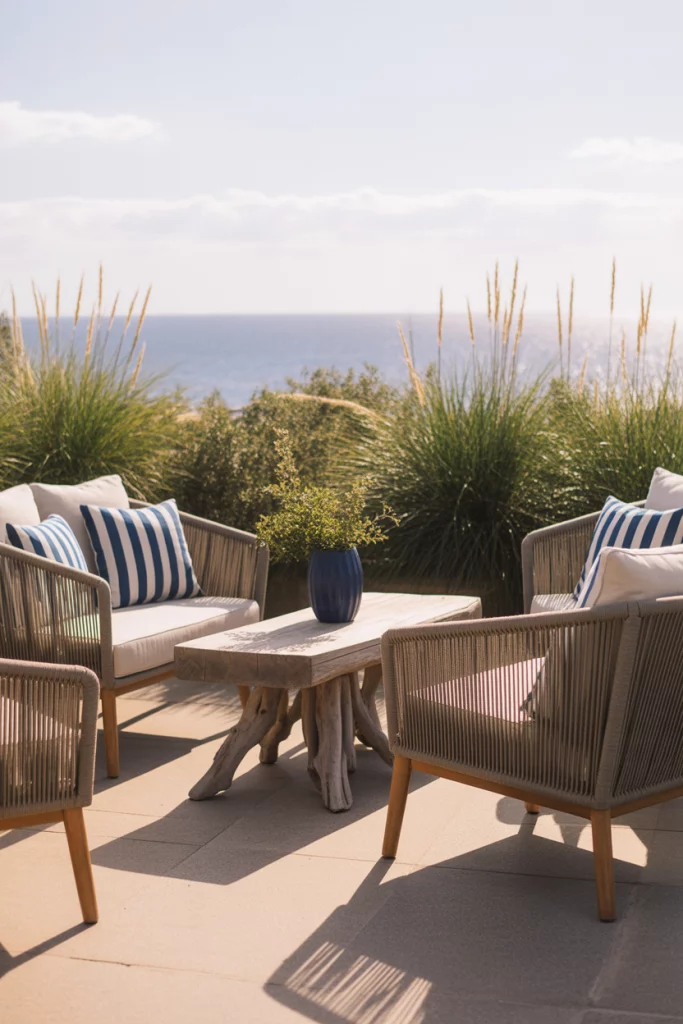
American lifestyle context: Coastal style appeals beyond actual waterfront properties—it’s popular in suburbs where homeowners want to evoke vacation relaxation in everyday spaces. Use marine-grade rope that won’t fray or mildew, and seal driftwood pieces with clear polyurethane to prevent splintering. This low-maintenance aesthetic requires occasional rinsing but withstands salt air, humidity, and sun exposure better than many decorative styles.
17. Herb Spiral Kitchen Garden
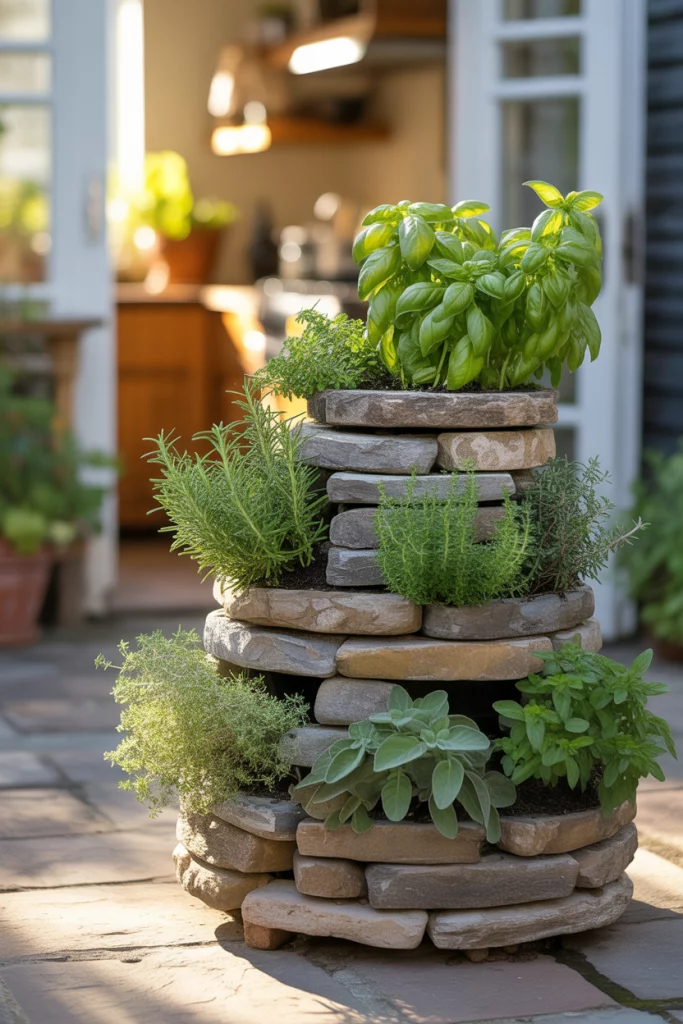
Build a raised spiral planter near your patio to grow culinary herbs at different moisture and sun levels. Plant Mediterranean herbs like rosemary and thyme at the sunny top, and moisture-loving parsley and cilantro at the base. This functional outdoor feature works on apartment cheap patios when built in a compact 4-foot diameter, and scales up for larger suburban yards. 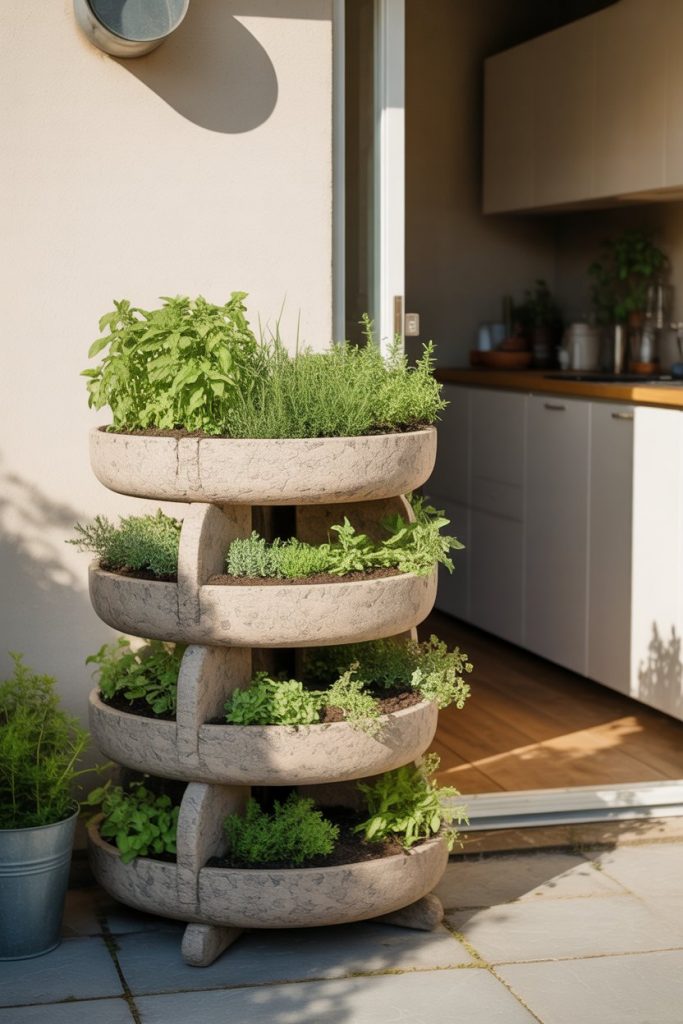
Budget angle: Construct a basic herb spiral for $50–$150 using reclaimed bricks, broken concrete chunks (urbanite), or landscape stones. The vertical design provides excellent drainage and microclimate variation in just a few square feet. Harvest regularly to encourage bushy growth, and expect to replace annual herbs like basil each spring while perennials like sage return year after year. This setup pays for itself in a single season when compared to grocery store herb prices.
18. String Light Canopy Overhead
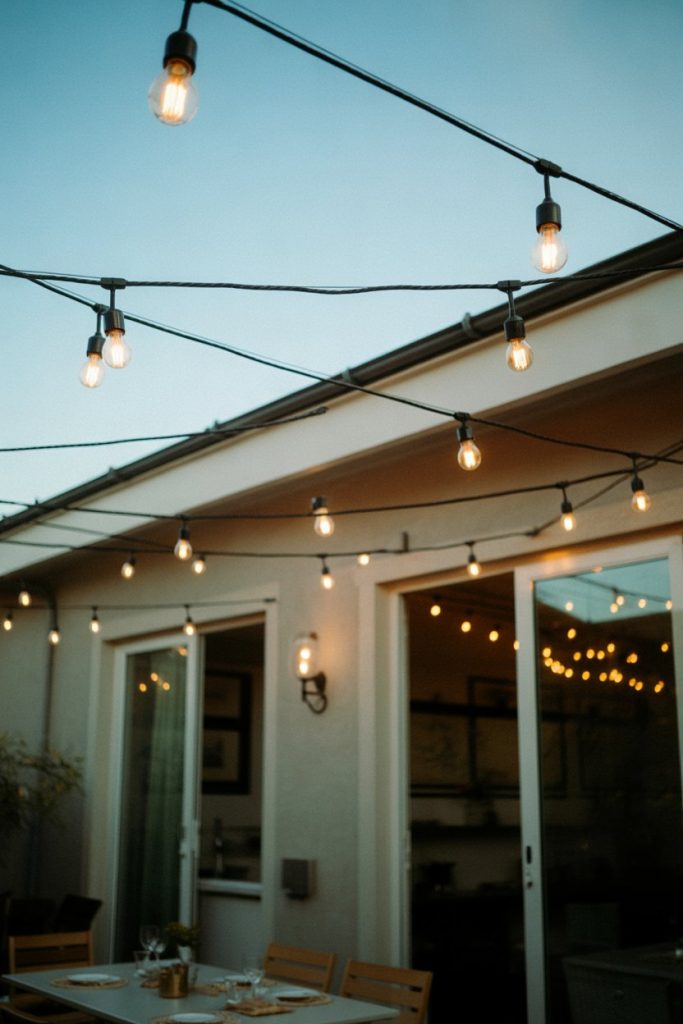
Crisscross multiple strands of Edison bulb string lights across your patio ceiling for a cozy glow that extends usable hours into evening. Use heavy-duty outdoor extension cords and secure lights to pergola beams, fence posts, or wall-mounted hooks. This simple upgrade works on virtually any outdoor space from condo balconies to expansive backyard terraces. 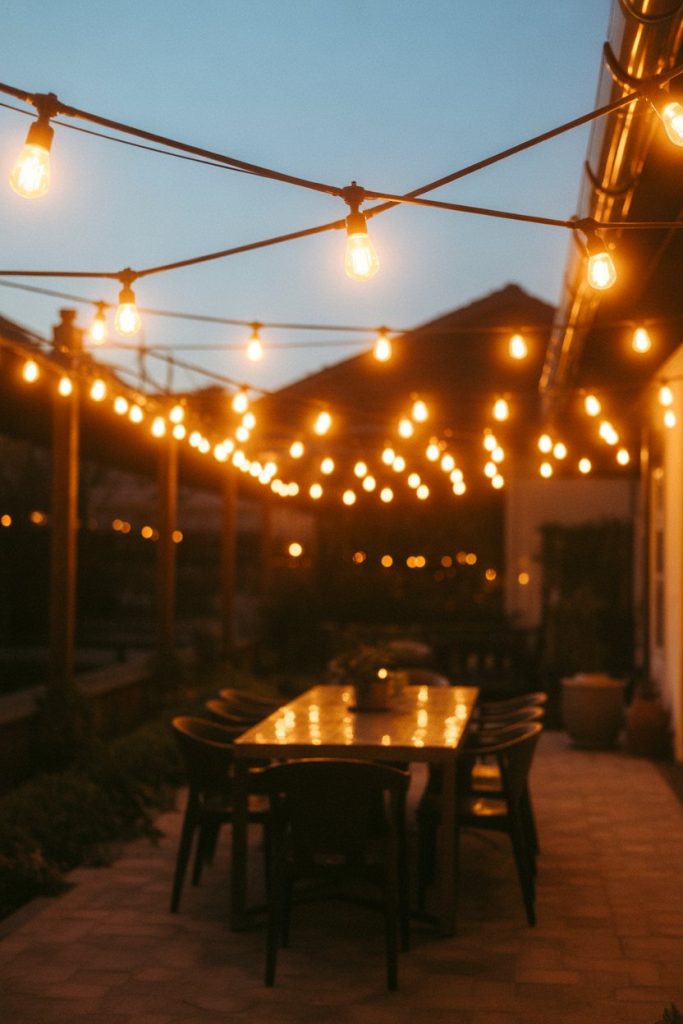
Common mistakes and how to avoid them: Many homeowners overload circuits by connecting too many light strands in series. Follow manufacturer guidelines (typically 3–5 strands maximum per outlet), and use outdoor-rated GFCI outlets for safety. Choose LED bulbs that consume less electricity and stay cooler than incandescent options. Install lights on a timer or smart plug to automate on/off cycles and reduce energy waste.
19. Outdoor Bar Cart Station
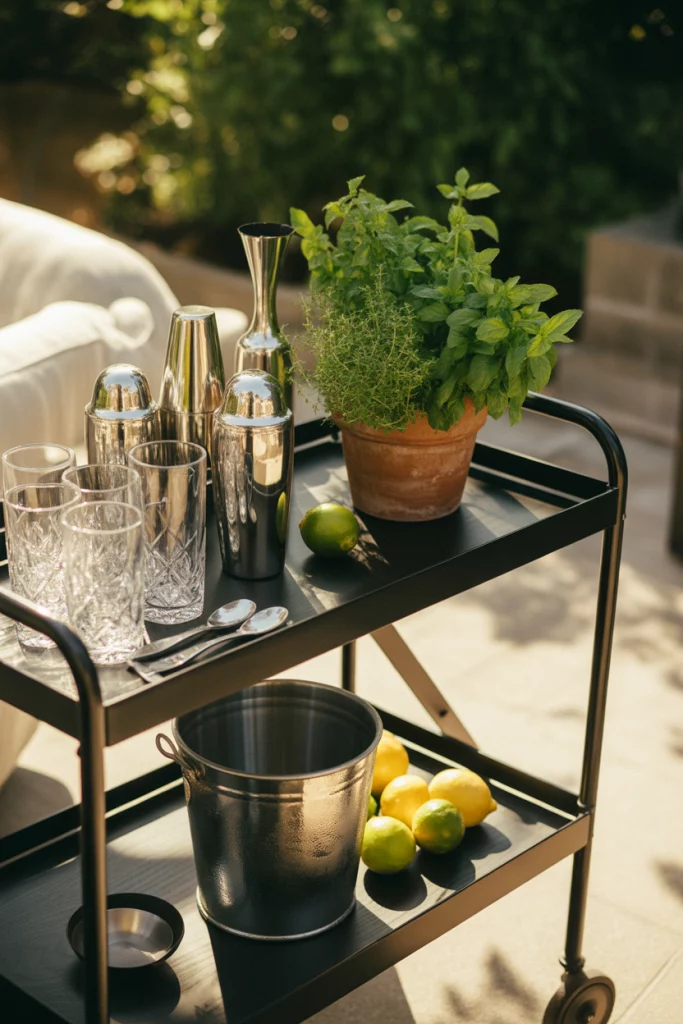
Set up a mobile bar cart with weather-resistant finishes as a beverage station for entertaining. Stock it with outdoor glassware, cocktail supplies, and a small ice bucket. This works beautifully on large patios where you host frequently, and tucks into corners on small apartment balconies when not in use. Roll it indoor during inclement weather to protect contents. 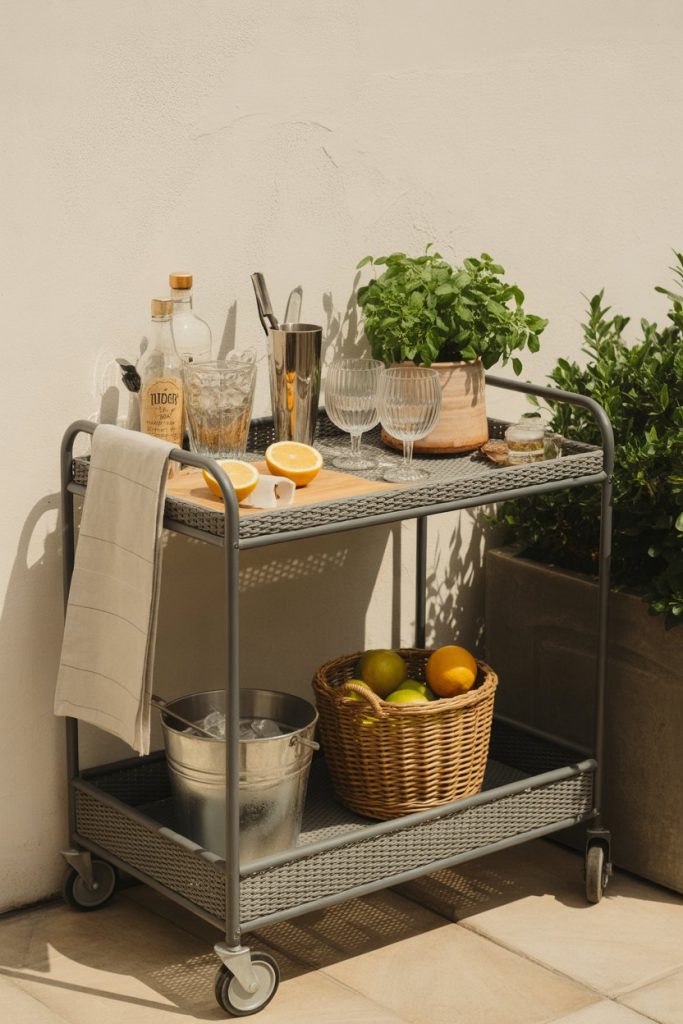
Micro anecdote: A Denver homeowner keeps her bar cart stocked with local craft gin, tonic, and fresh herbs from her patio garden. During weekend gatherings, guests help themselves to drinks while she manages the grill, reducing host workload. She rotates seasonal syrups—lavender in spring, peach in summer, apple in fall—to keep offerings interesting throughout the year.
20. Sustainable Reclaimed Material Build
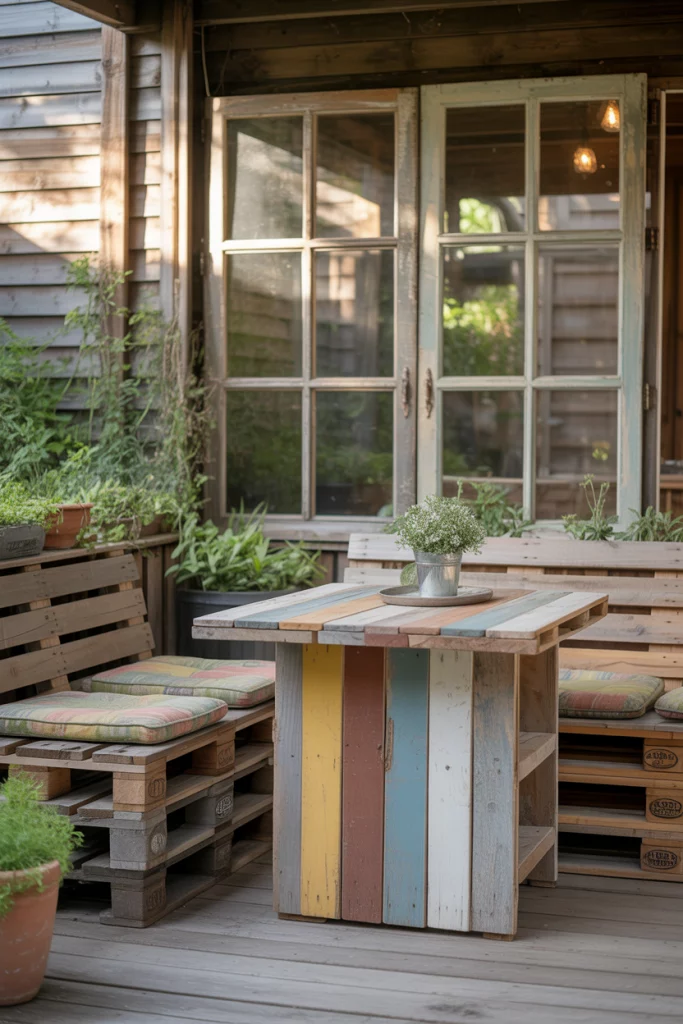
Use reclaimed wood pallets, salvaged doors, or vintage windows to build patio furniture, planters, or privacy screens. This rustic approach appeals to eco-conscious homeowners and adds character through imperfections and patina. Source materials from architectural salvage yards, Habitat for Humanity ReStores, or online marketplaces. This trend resonates strongly in Pacific Northwest, New England, and Great Lakes regions with active salvage communities. 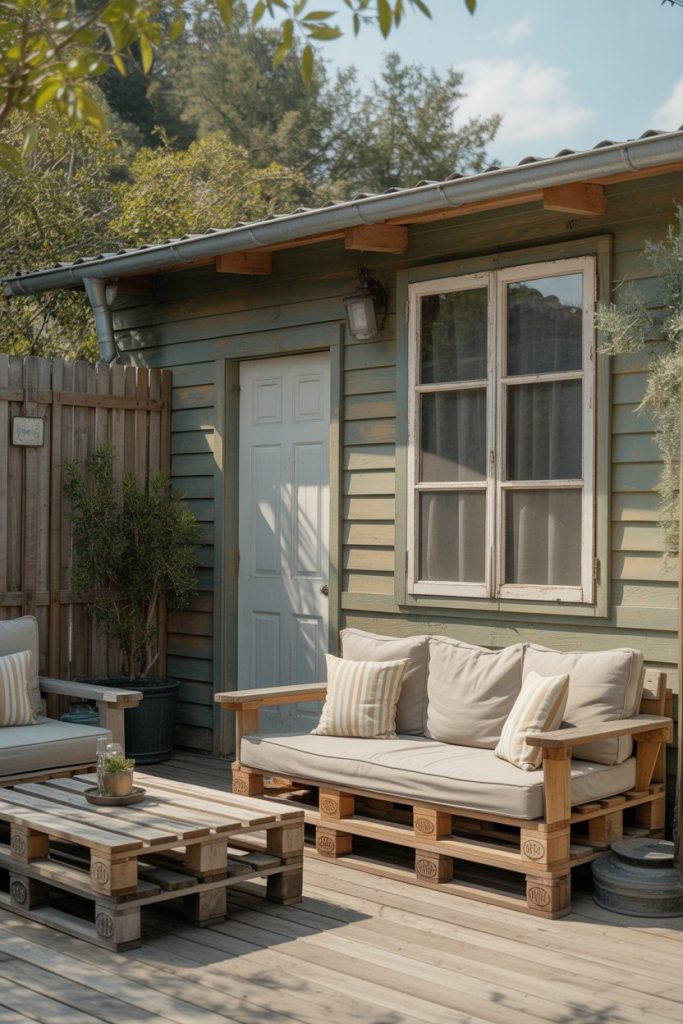
Expert-style commentary: Before using reclaimed materials outdoors, treat them with wood preservative or exterior stain to extend longevity. Inspect carefully for nails, splinters, or rot that could pose safety hazards. Sand rough surfaces and seal cut ends to prevent moisture infiltration. While reclaimed builds require more prep work than buying new, they deliver one-of-a-kind pieces with stories and sustainability credentials that mass-produced furniture can’t match.
21. Multi-Season Flexible Layout
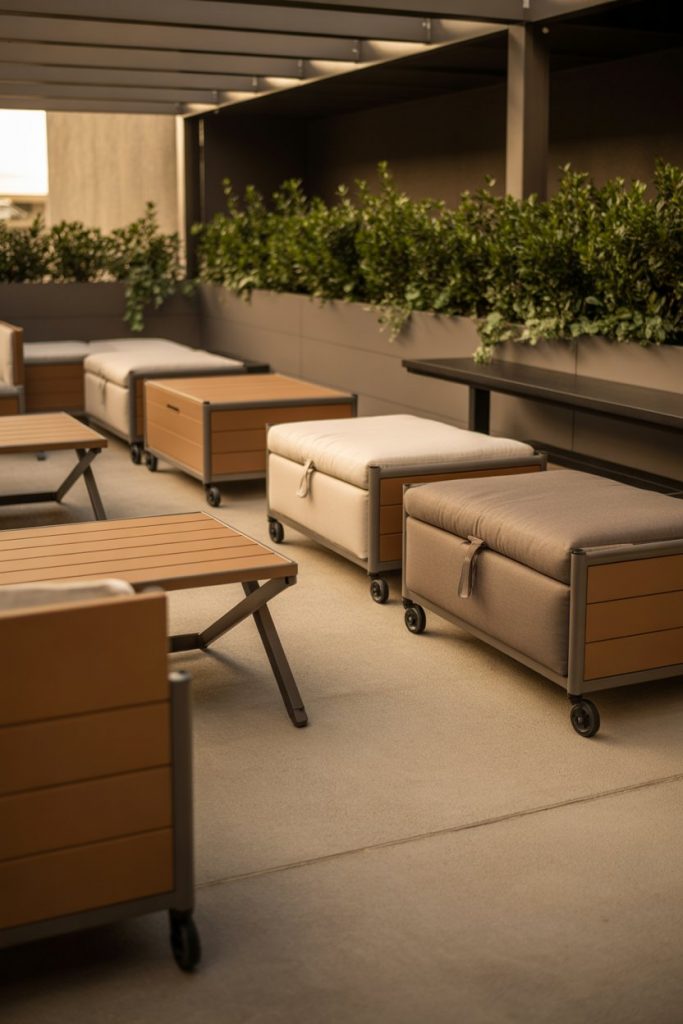
Design your patio with modular furniture that adapts to seasonal needs—ottomans that store cushions, tables that fold flat, and planters on casters. In summer, spread elements wide for entertaining; in winter, consolidate them into a compact cozy zone. This flexibility matters on screened in porches and covered patios where you want year-round function without constant furniture rotation or storage headaches. 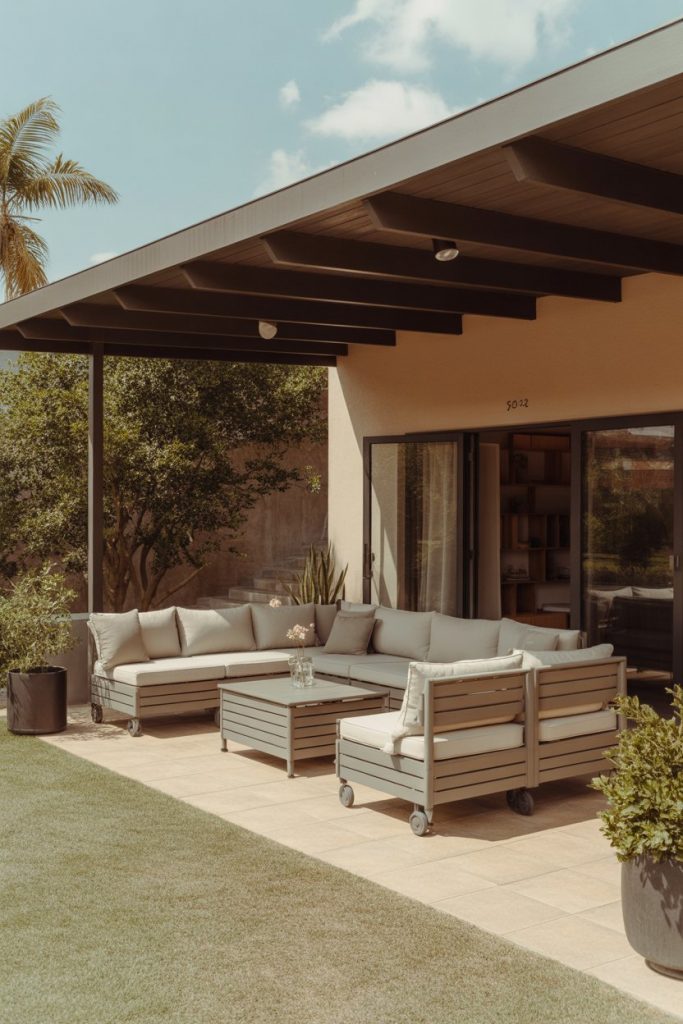
Real homeowner behavior: Families with children often reconfigure patios multiple times per season—expanding for birthday parties, condensing for daily use, and clearing entirely for kids’ activities. Invest in high-quality casters rated for outdoor use (stainless steel or hard rubber wheels), and choose furniture with lift-and-lock mechanisms that stay secure when positioned. This adaptability extends the functional life of your outdoor investment and keeps spaces feeling fresh without buying new pieces each year.
Conclusion
These patio decorating ideas for 2026 reflect our evolving relationship with outdoor spaces—they’re not just seasonal additions but extensions of our daily living that deserve thoughtful design and personal touches. Whether you’re working with a shoestring budget on a rental balcony or investing in a permanent backyard transformation, the key is choosing elements that genuinely fit your lifestyle and climate. Which of these ideas resonates with your space? Share your favorite patio transformations or questions in the comments below—we’d love to hear how you’re bringing these trends to life in your own home.