Office desks are no longer just utilitarian workstations—they’ve become a central design element in American homes, reflecting personal style, productivity needs, and the evolving nature of remote and hybrid work. With Pinterest searches for workspace inspiration reaching new heights, more people are seeking creative ways to transform their home offices into spaces that inspire focus, creativity, and comfort. Whether you’re furnishing a dedicated office, a corner nook, or even a work cubicle, the desk you choose sets the tone for your entire workday. In this guide, we’ll explore office desk ideas that blend functionality with aesthetic appeal, giving you plenty of inspiration to create a workspace that feels uniquely yours.
1. Minimalist White Desk with Gold Hardware
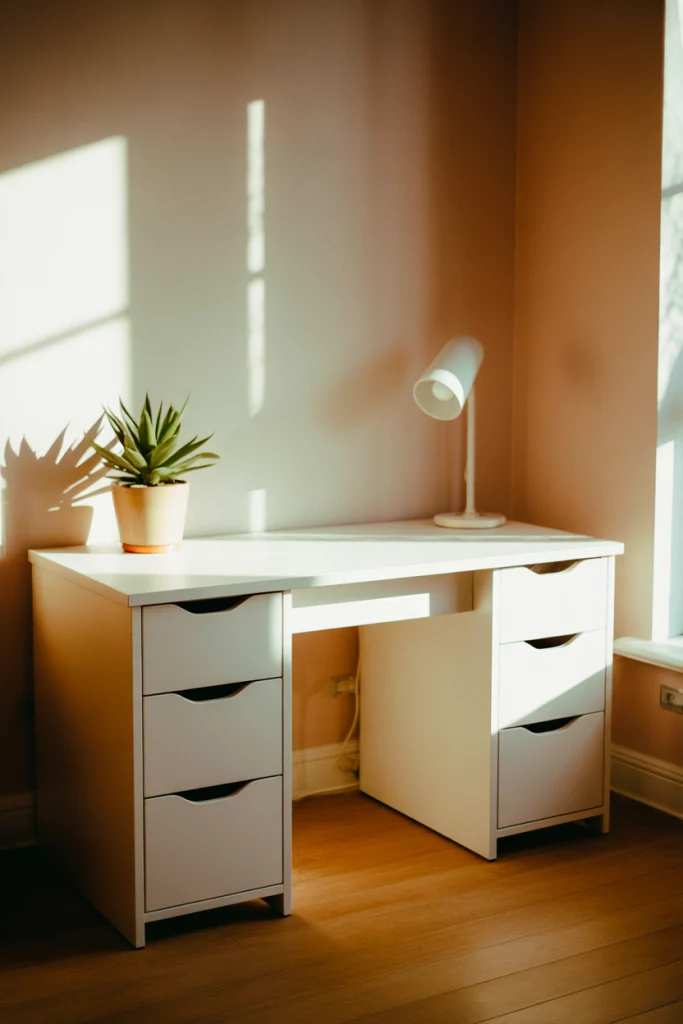
A white desk with delicate gold or brass drawer pulls brings a clean, airy feel to any home office, making it perfect for smaller rooms or apartments where light and space are premium. This modern approach to office desk design pairs beautifully with natural wood flooring and soft textiles, creating a workspace that feels both professional and inviting. The simplicity of the color palette allows you to personalize with plants, artwork, or colorful accessories without overwhelming the senses. 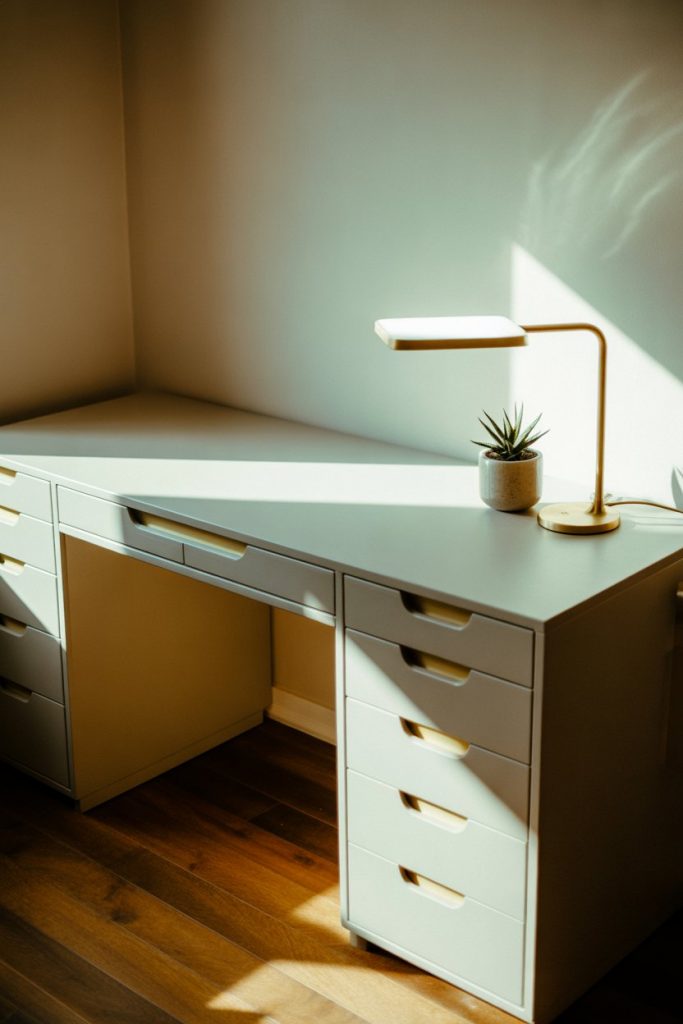
This setup works best in bedrooms or multipurpose spaces where the desk needs to blend seamlessly with existing furniture rather than dominate the room. The white surface also reflects light beautifully during morning work sessions, reducing the need for additional overhead lighting. If you’re concerned about keeping a white desk pristine, opt for a matte finish that hides fingerprints and minor scuffs better than glossy surfaces, and keep a microfiber cloth handy for quick daily wipes.
2. Rustic Wooden Desk with Live Edge
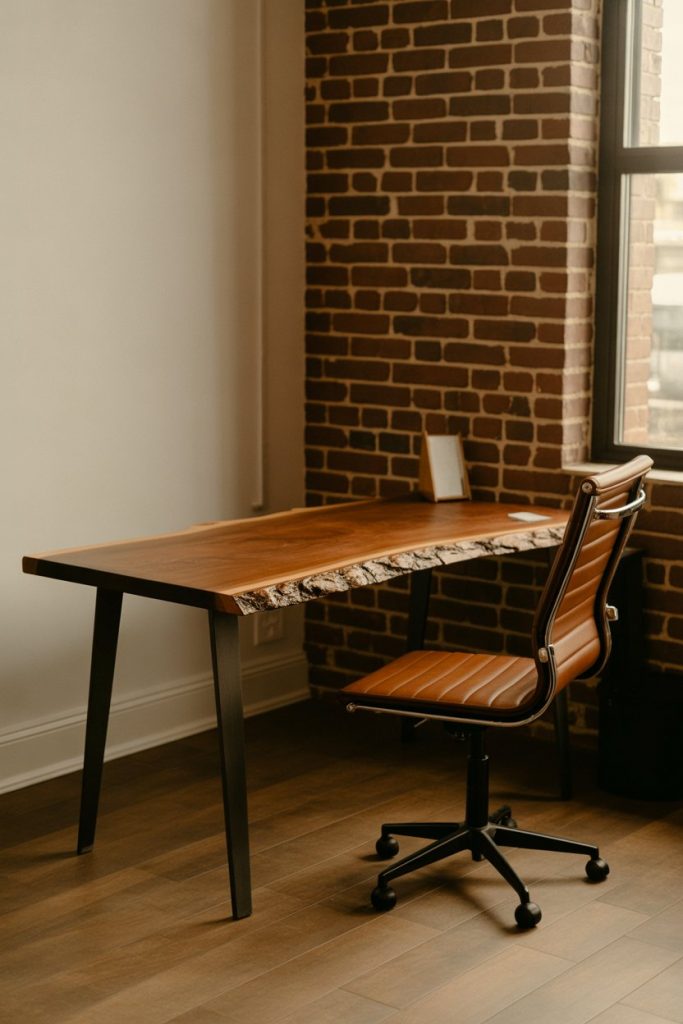
Nothing brings warmth and character to a workspace quite like a wooden desk with a live edge that preserves the natural curves and textures of the tree. This organic style has become increasingly popular among Americans who want to bring a touch of nature indoors, especially in states like Colorado, Oregon, and Vermont where outdoor living is deeply valued. The unique grain patterns and imperfections make each desk a one-of-a-kind statement piece that tells a story. 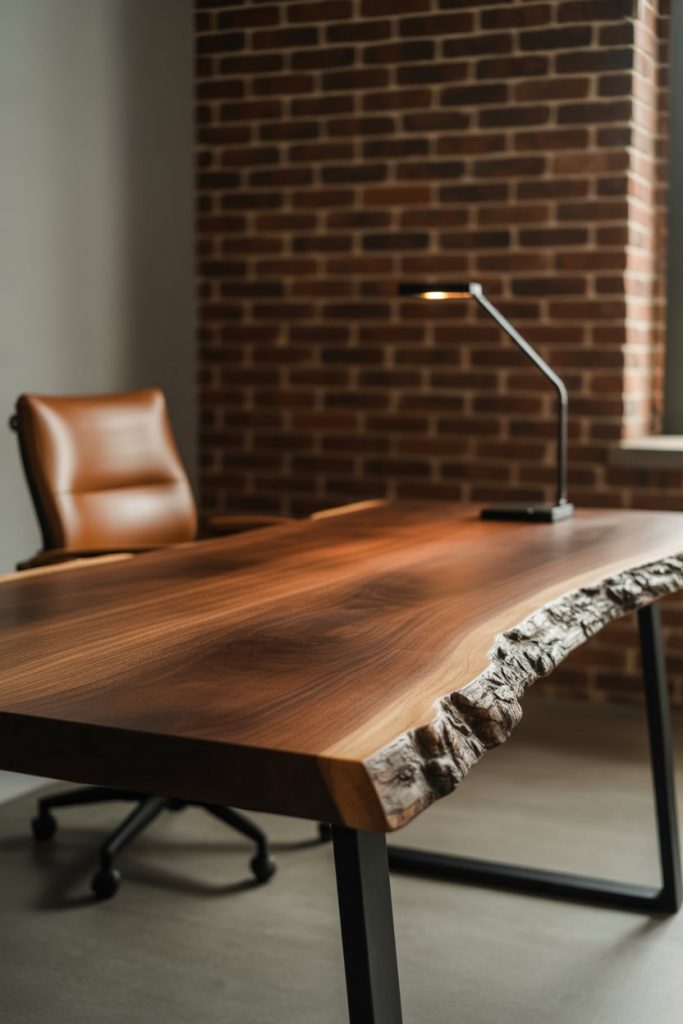
Many homeowners pair these desks with mid-century or industrial-style chairs to balance the rustic wood with sleeker elements. A common mistake is choosing a live edge that’s too thick or heavy for the room—if your office is compact, look for slimmer profiles (around 1.5 to 2 inches thick) that still offer the natural aesthetic without overwhelming the space. These desks also require occasional oiling to maintain their finish and prevent cracking over time.
3. Floating Corner Desk with Built-In Storage

When floor space is limited, a corner built in desk that floats against the wall maximizes every inch while maintaining a streamlined, uncluttered appearance. This configuration is ideal for small apartments, guest bedrooms, or any area where you need to carve out a productive workspace without sacrificing mobility throughout the room. The floating design also makes cleaning underneath effortless—a practical bonus that busy professionals truly appreciate. 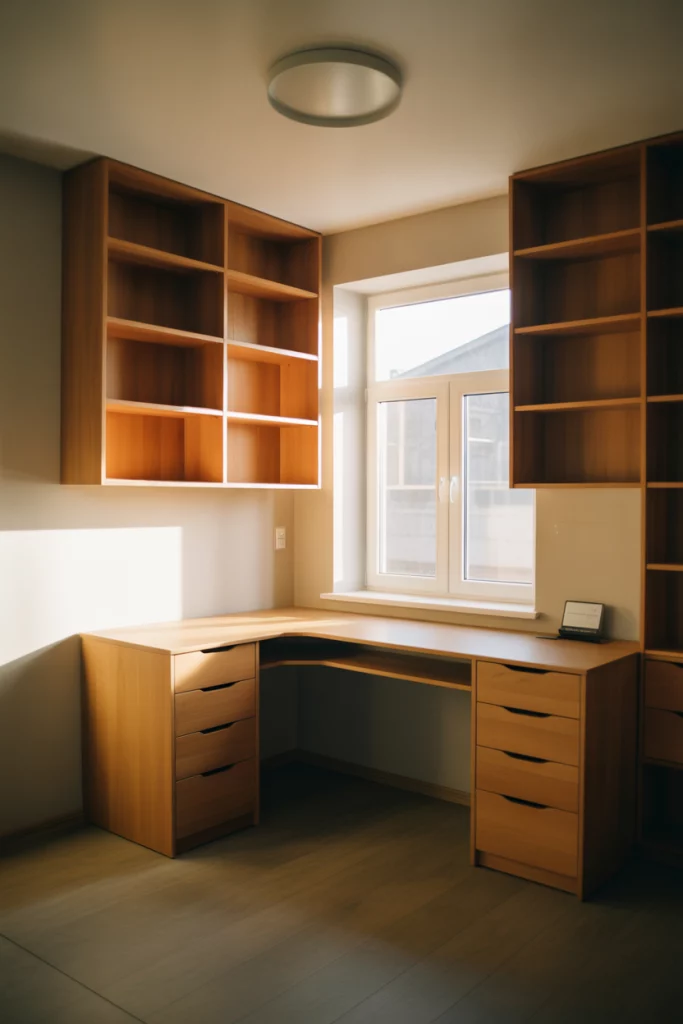
Corner desks work particularly well in suburban homes where bedrooms often feature unused corner spaces that are too small for traditional furniture. By installing floating brackets and a custom desktop, you can create a dedicated work zone that feels permanent yet doesn’t eat up precious square footage. Budget-conscious DIYers can accomplish this for under $200 using pre-cut butcher block from home improvement stores and sturdy metal brackets, making it an accessible project for most skill levels.
4. Executive Mahogany Desk with Leather Inlay
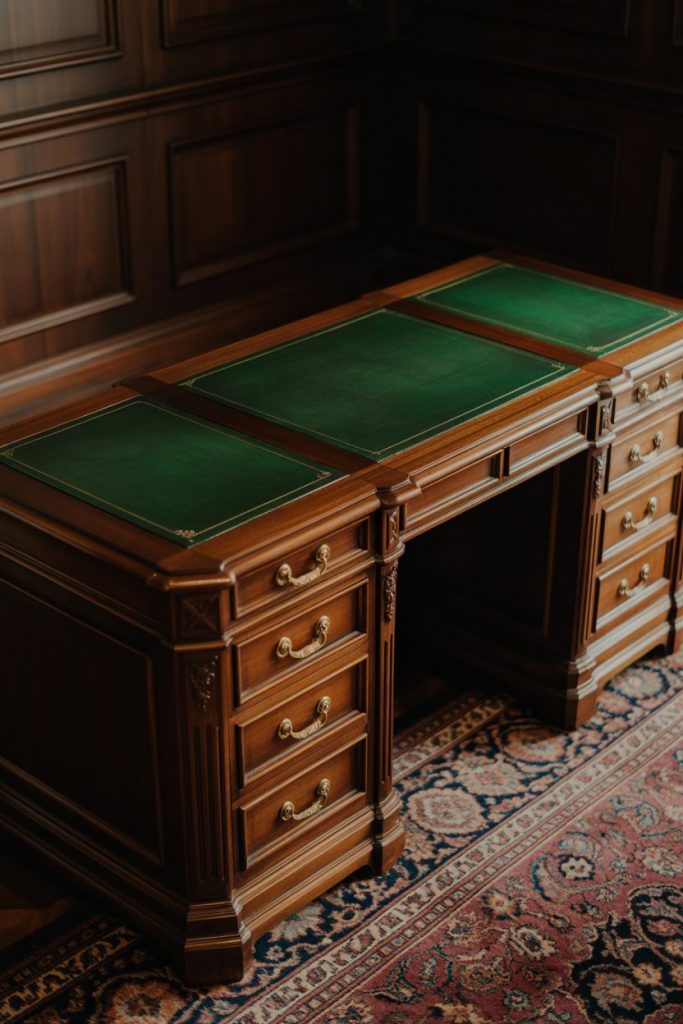
For those who want their home office to exude authority and sophistication, an executive luxury desk in rich mahogany with a tooled leather desktop insert makes a powerful statement. These traditional pieces often feature ornate carved details, multiple drawers for organization, and a substantial presence that commands respect during video calls or client meetings. The deep reddish-brown tones of mahogany pair beautifully with jewel-toned textiles and brass or gold accents. 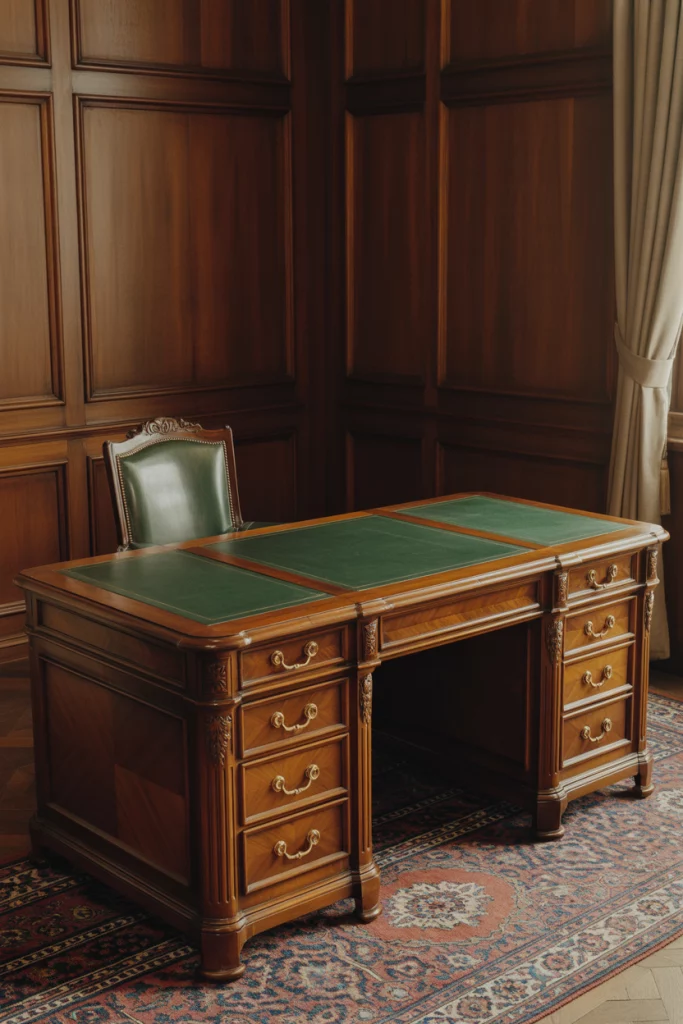
In cities like Boston, Charleston, and Philadelphia, where historic architecture and traditional design sensibilities remain strong, these desks feel right at home in brownstones and colonial-style houses. My neighbor, a lawyer who recently transitioned to remote work, found that investing in a proper executive desk transformed how seriously she took her home office—it created a psychological boundary between work and personal life that a simple table never could.
5. Industrial Pipe Desk with Reclaimed Wood
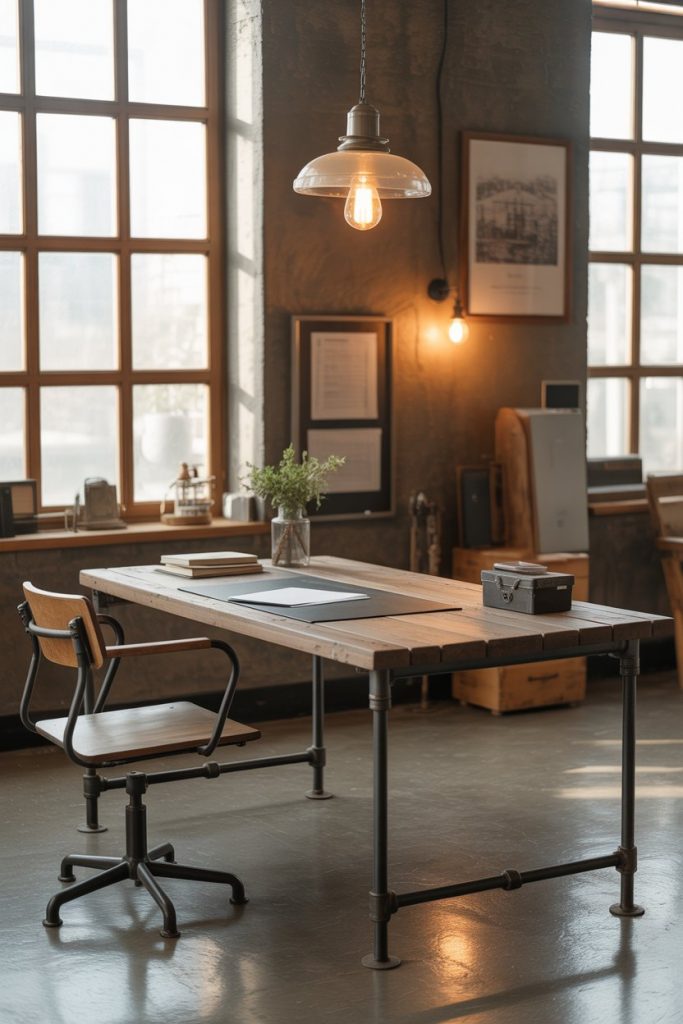
The industrial aesthetic continues to captivate Americans who appreciate the raw, honest materials and DIY spirit of this design approach. A desk constructed from black iron pipes and salvaged barn wood or reclaimed planks brings texture, history, and an unmistakable cool factor to lofts, urban apartments, and modern farmhouses. This style celebrates imperfection—scratches, nail holes, and weathering are features, not flaws. 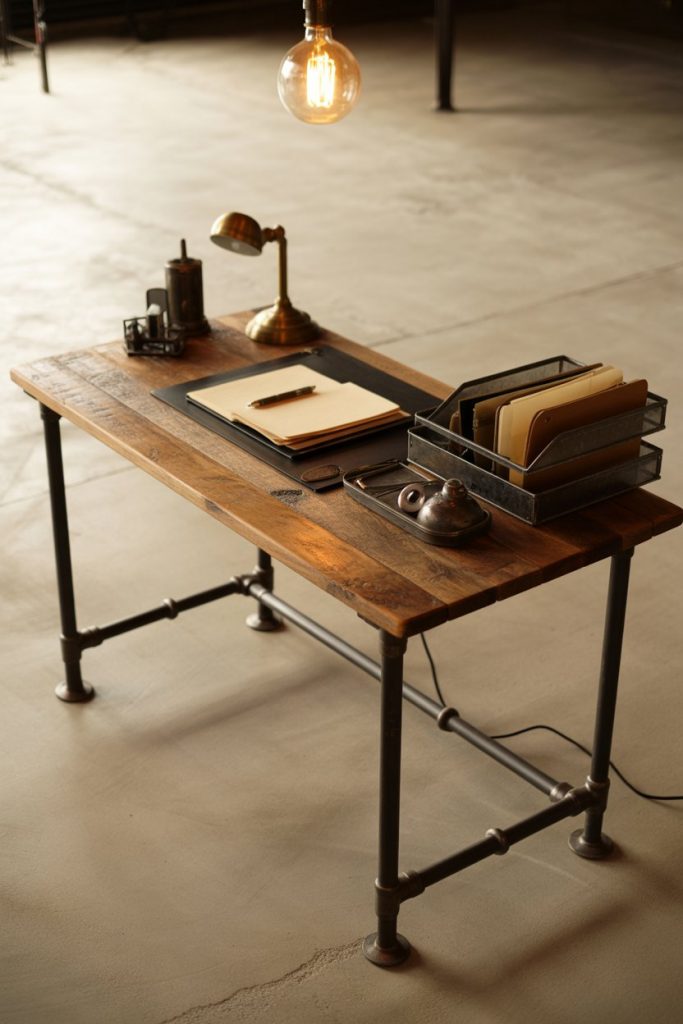
This desk style thrives in open-concept spaces with high ceilings and plenty of natural light, particularly in converted warehouses or loft apartments common in cities like Denver, Portland, and Brooklyn. The sturdy construction can support heavy monitors, books, and equipment without wobbling. One practical insight: make sure the pipes are properly threaded and secured with flange fittings—loose connections will create an unstable surface that becomes frustrating during everyday use.
6. Scandinavian Desk with Tapered Legs
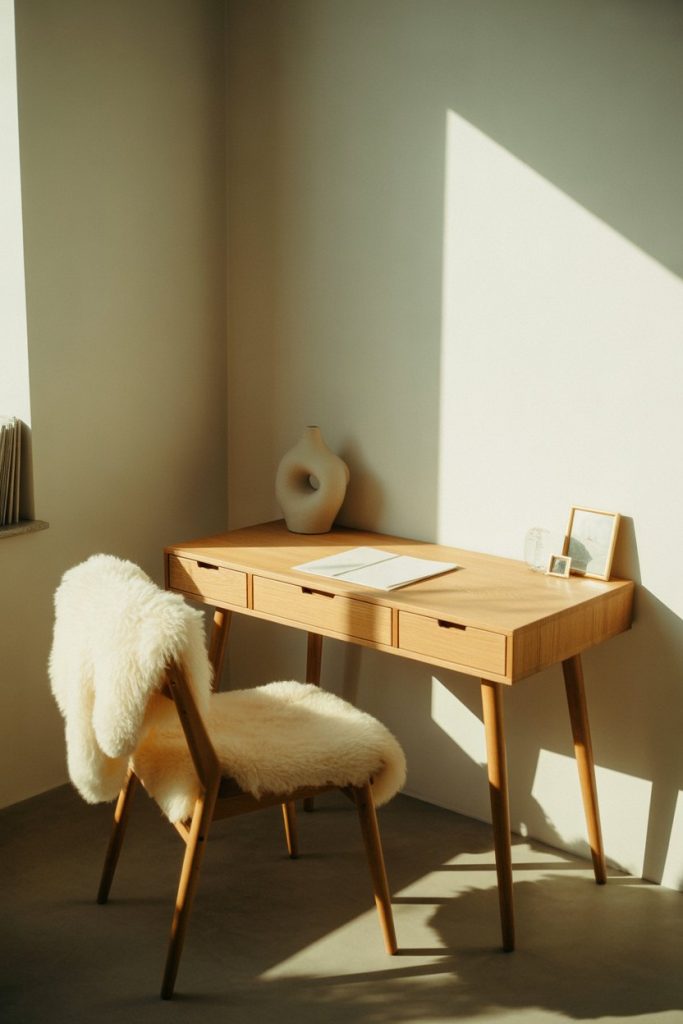
Clean lines, light woods, and functional simplicity define the Scandinavian approach to office desk design, making it a perennial favorite for Americans drawn to calm, uncluttered spaces. These desks typically feature oak or birch in natural or white-washed finishes, with slender tapered legs that create visual lightness even in compact rooms. The modern Scandinavian desk prioritizes what you need and eliminates what you don’t, often including just one or two slim drawers. 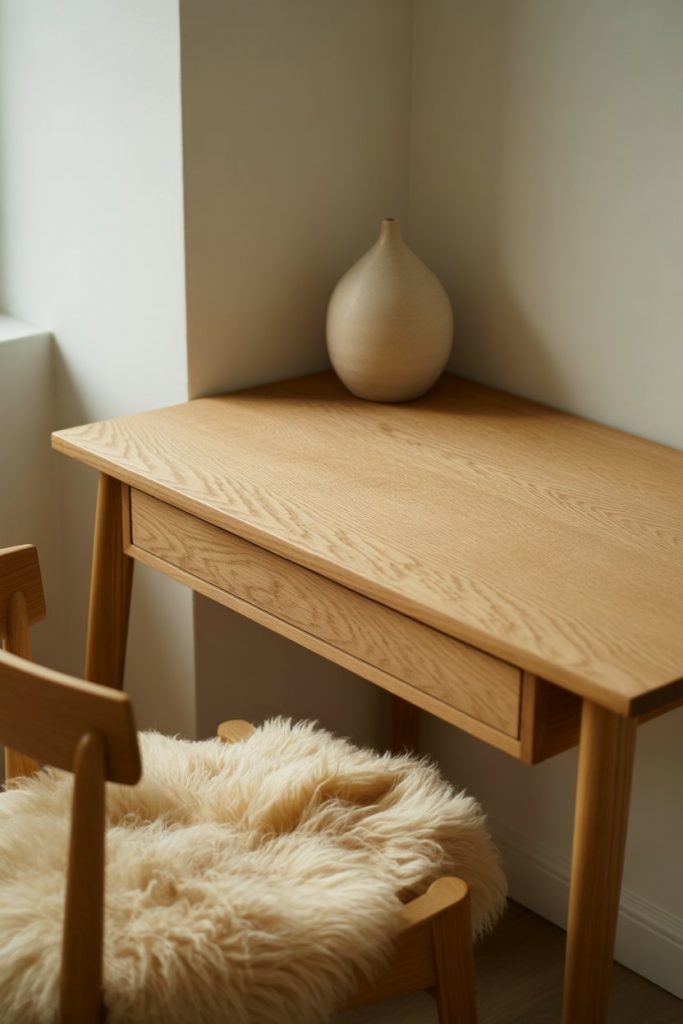
In Minnesota, Wisconsin, and other northern states with strong Scandinavian heritage, this design feels particularly resonant, but its appeal has spread nationwide thanks to the popularity of hygge culture and minimalist living. These desks pair beautifully with neutral color schemes and natural materials like linen, wool, and stone. Price-wise, you can find quality Scandinavian-inspired desks ranging from $300 for mass-market options to over $2,000 for heirloom pieces from Danish or Swedish makers.
7. Glass Top Desk with Chrome Base
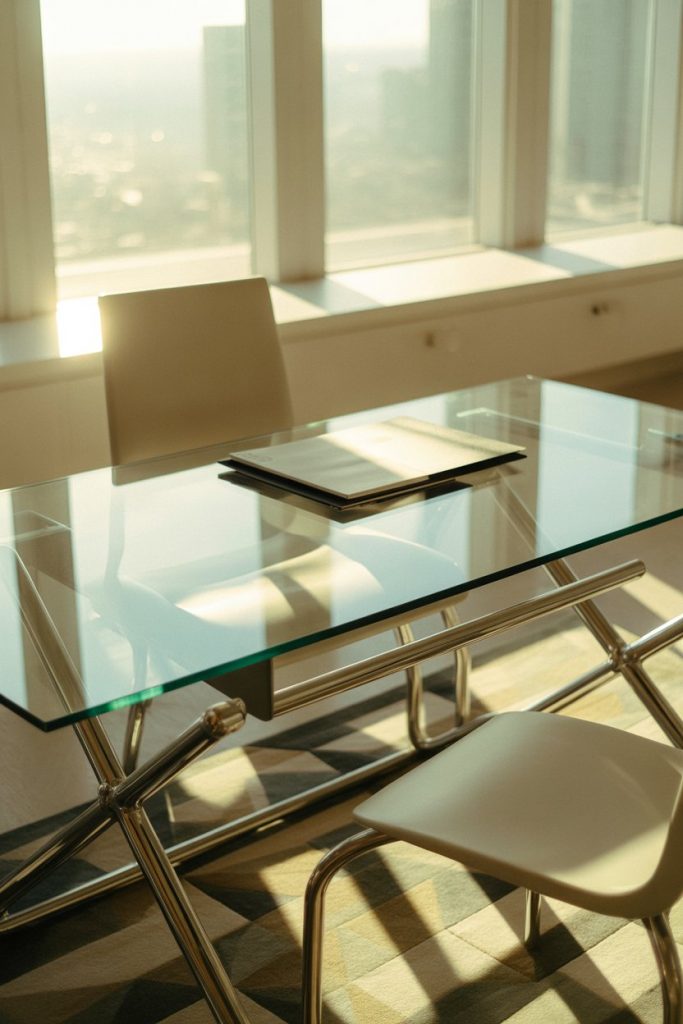
A modern glass-top desk supported by a polished chrome or stainless steel frame creates an airy, almost invisible presence that’s perfect for small spaces or contemporary home offices where you want to maintain visual flow. The transparent surface allows light to travel through the room unobstructed, making it an excellent choice for apartments with limited natural light or rooms painted in darker colors. This style communicates sophistication and contemporary taste without feeling cold or sterile. 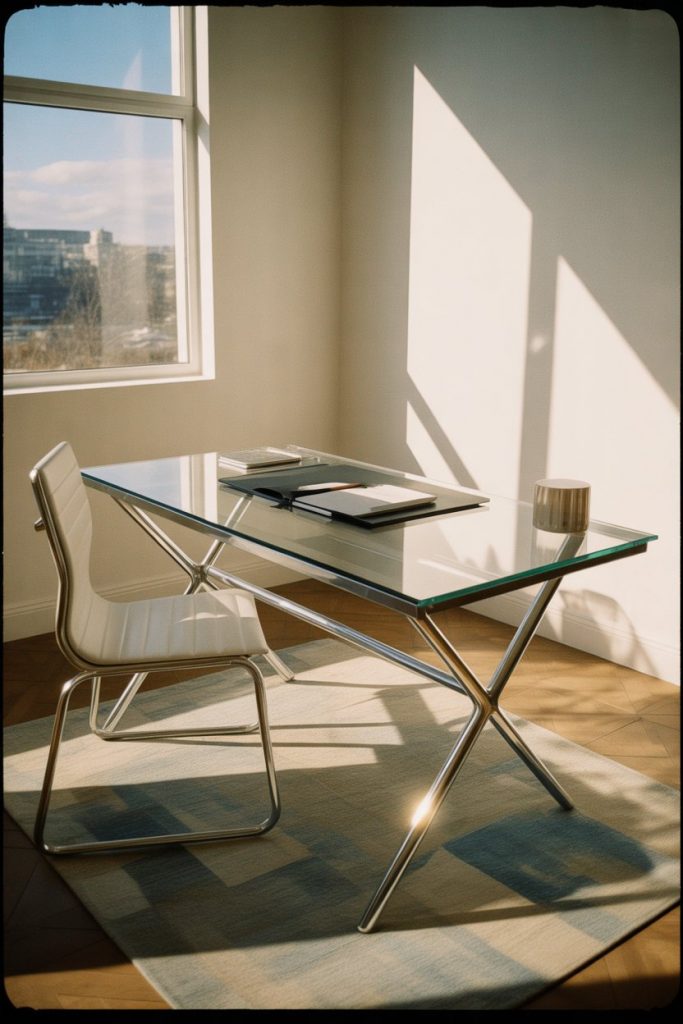
Glass desks work best in rooms with controlled temperature—extreme heat or cold can cause expansion and contraction that may affect the fit over time. They’re also surprisingly durable when made from tempered glass, though you’ll want to use coasters and desk pads to prevent scratches from keys, staplers, and other metal objects. For homes with young children or pets, this might not be the most practical choice, but for single professionals or couples, the sleek appearance is hard to beat.
8. Vintage Secretary Desk with Fold-Down Surface
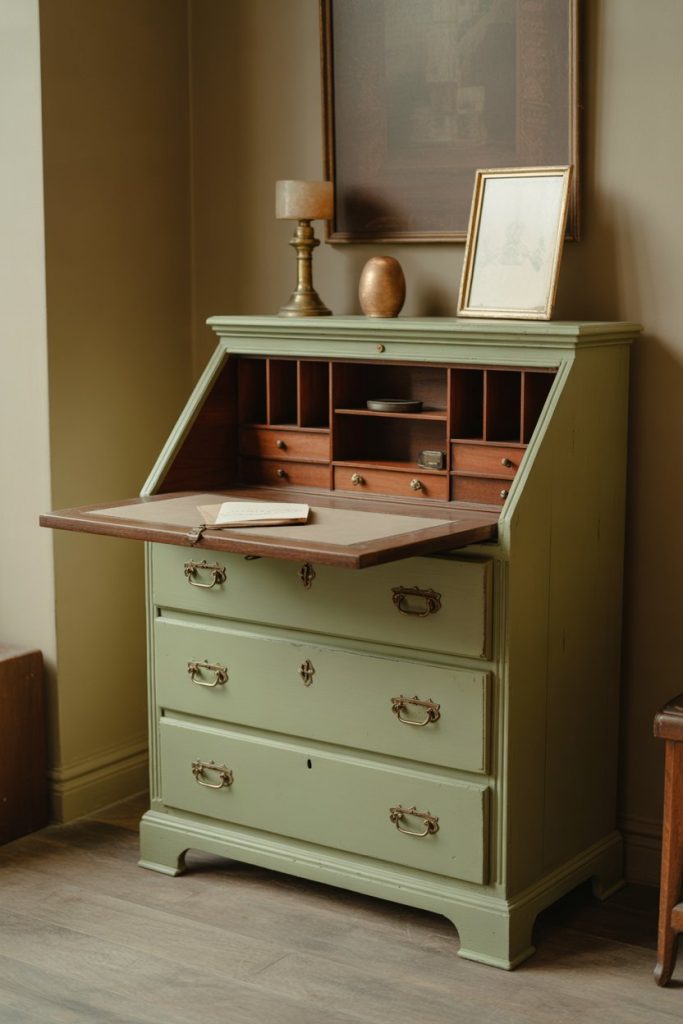
The charm of a vintage secretary desk lies in its dual nature—it functions as both a display cabinet and a compact workspace that tucks away when not in use. These pieces, often found in antique stores or estate sales across New England and the South, feature a hinged writing surface that folds down to reveal cubbies, small drawers, and letter slots perfect for organization. The exterior might showcase painted finishes, carved details, or beautiful wood veneers that add instant character to any room. 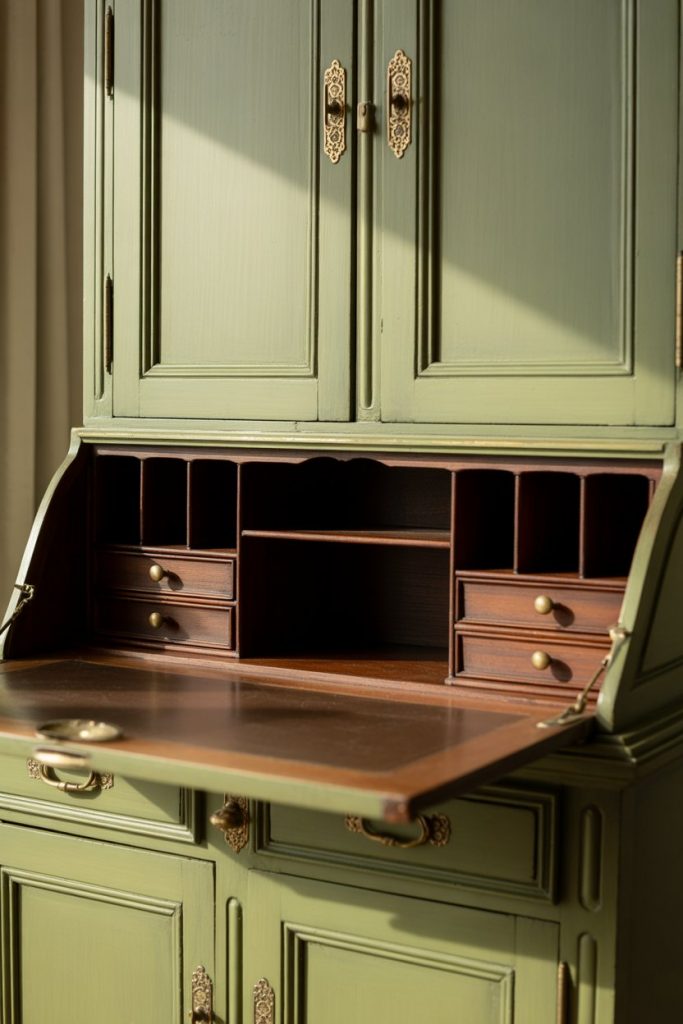
These desks are ideal for formal living rooms, entryways, or bedrooms where you need occasional workspace but don’t want a permanent office setup. A homeowner in Charleston told me she uses her grandmother’s secretary desk for paying bills and writing thank-you notes—it brings a ritual quality to these tasks that a modern desk simply doesn’t offer. Just be aware that the writing surface is typically smaller than contemporary desks, so it’s best suited for laptop work or paperwork rather than sprawling creative projects.
9. Curved Modern Desk with Soft Edges
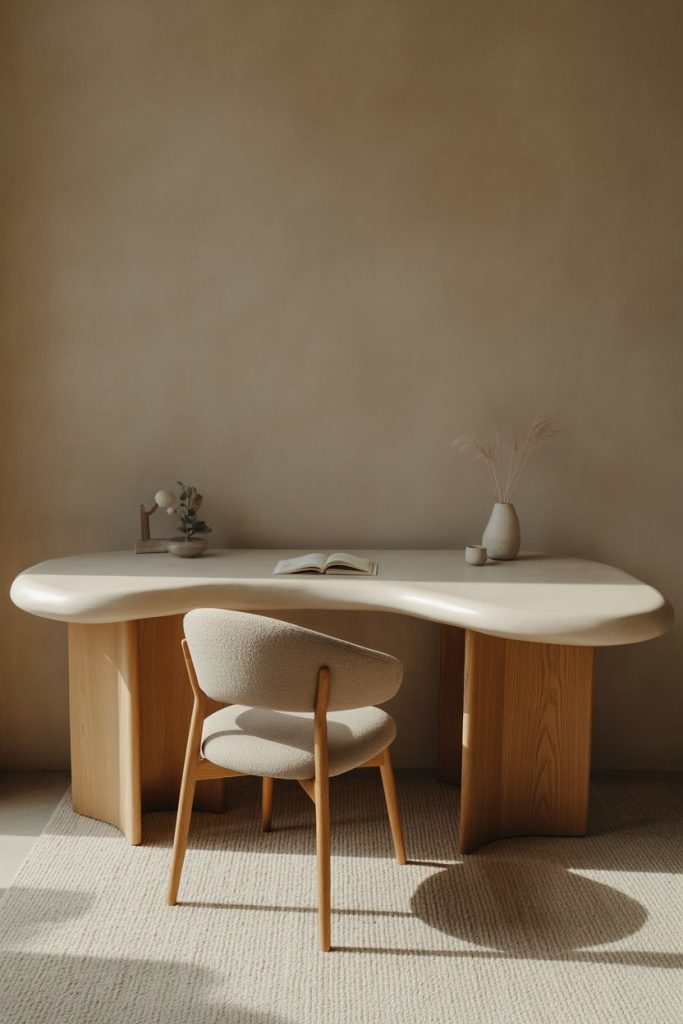
The resurgence of curved furniture has brought flowing, organic shapes back into American home offices, offering a refreshing alternative to the sharp angles that have dominated for years. A desk with rounded corners and gentle curves feels more approachable and comfortable, reducing the visual harshness of a workspace while maintaining full functionality. This design trend aligns with the broader movement toward softer, more nurturing interior spaces that prioritize well-being. 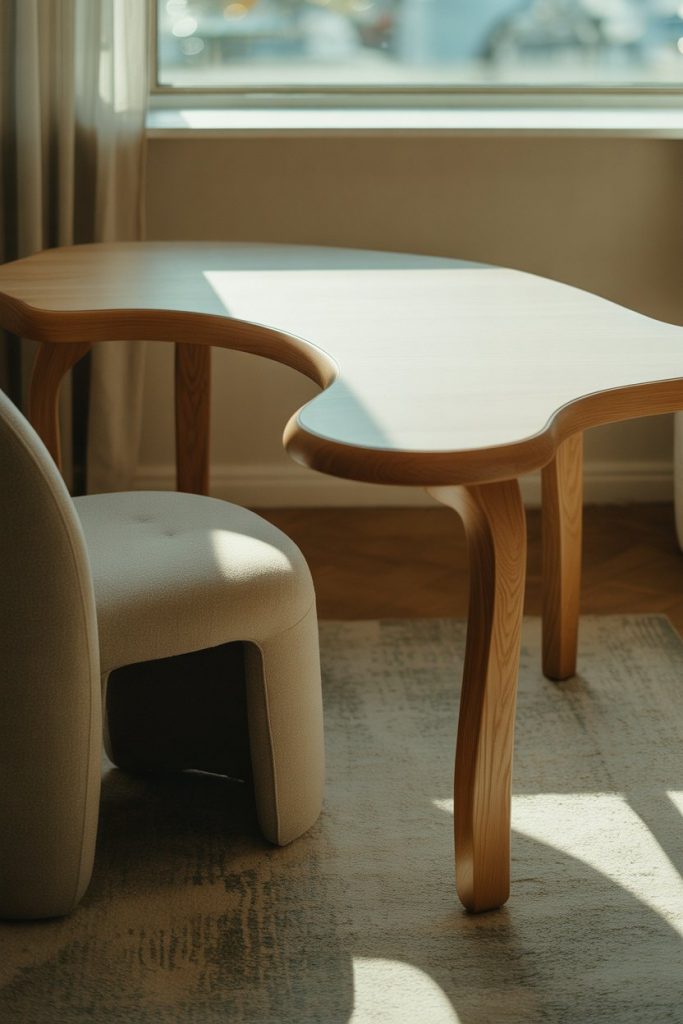
Curved desks work particularly well in open-plan homes where the office area flows into living spaces—the softer lines help the workspace feel less corporate and more integrated with the rest of the home. They’re also safer in households with active children, eliminating the sharp corners that can cause injuries. Where this style truly shines is in smaller rooms where traditional rectangular desks can feel boxy and confining; the curves create a sense of movement and spaciousness that straight edges simply can’t achieve.
10. Standing Desk with Adjustable Height
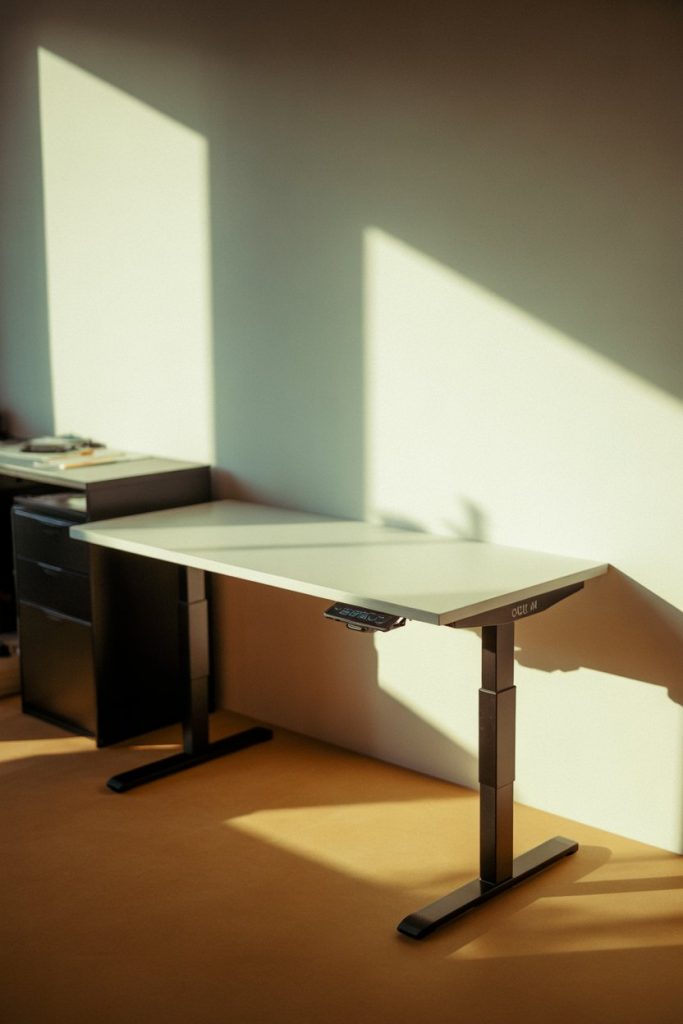
Health-conscious Americans have embraced adjustable standing desks as a way to combat the sedentary nature of desk work, and these pieces now come in styles ranging from sleek modern to warm traditional. The ability to alternate between sitting and standing throughout the day can reduce back pain, improve circulation, and boost energy levels—practical benefits that have made these desks popular from Silicon Valley to Manhattan. Many models include programmable height presets and quiet electric motors. 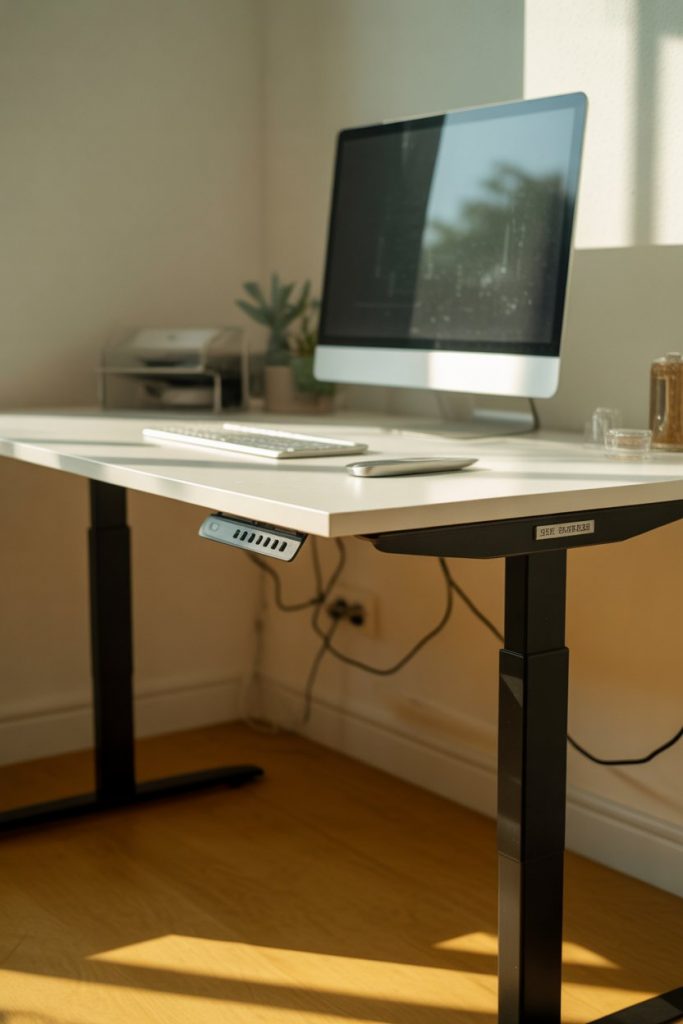
When shopping for a standing desk, stability at full height is crucial—cheaper models can wobble when extended, which becomes distracting during typing or video calls. Look for desks with dual motors and sturdy steel frames that can support at least 150 pounds. A common mistake is raising the desk too high; your elbows should form a 90-degree angle when typing, and your monitor should be at eye level. Many users find that starting with just 20-30 minutes of standing per day and gradually increasing prevents fatigue and allows the body to adapt comfortably.
11. Narrow Console Desk for Small Spaces
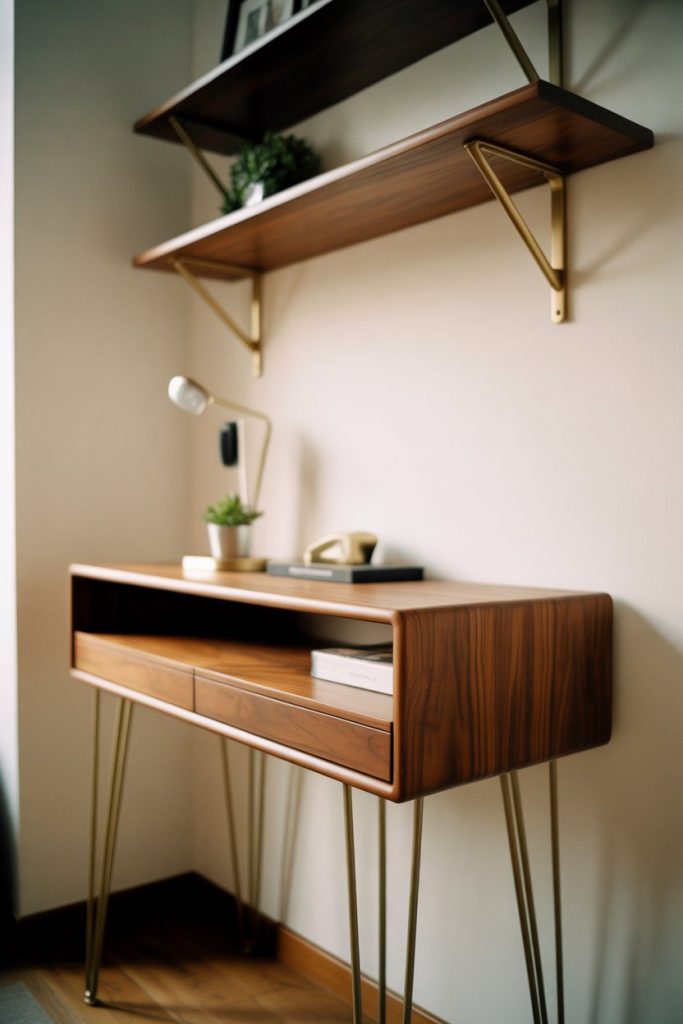
In studio apartments and tiny homes across cities like San Francisco, New York, and Seattle, every square foot counts, making narrow console-style desks an ingenious solution for creating a functional workspace. These slender desks, typically 12 to 18 inches deep, can fit against hallway walls, behind sofas, or in bedroom alcoves without disrupting traffic flow or overwhelming the room. Despite their compact footprint, they provide ample surface area for a laptop, lamp, and a few essential accessories. 
Expert organizers recommend pairing narrow desks with wall-mounted storage solutions to compensate for the limited desktop space—floating shelves, pegboards, or magnetic strips keep supplies within reach without cluttering the work surface. This configuration is particularly effective for people who work primarily on laptops and don’t need space for extensive paperwork or multiple monitors. Prices for quality console desks range from $150 to $600, making them an affordable option for first apartments or guest room offices.
12. Dual-Sided Desk for Shared Workspaces
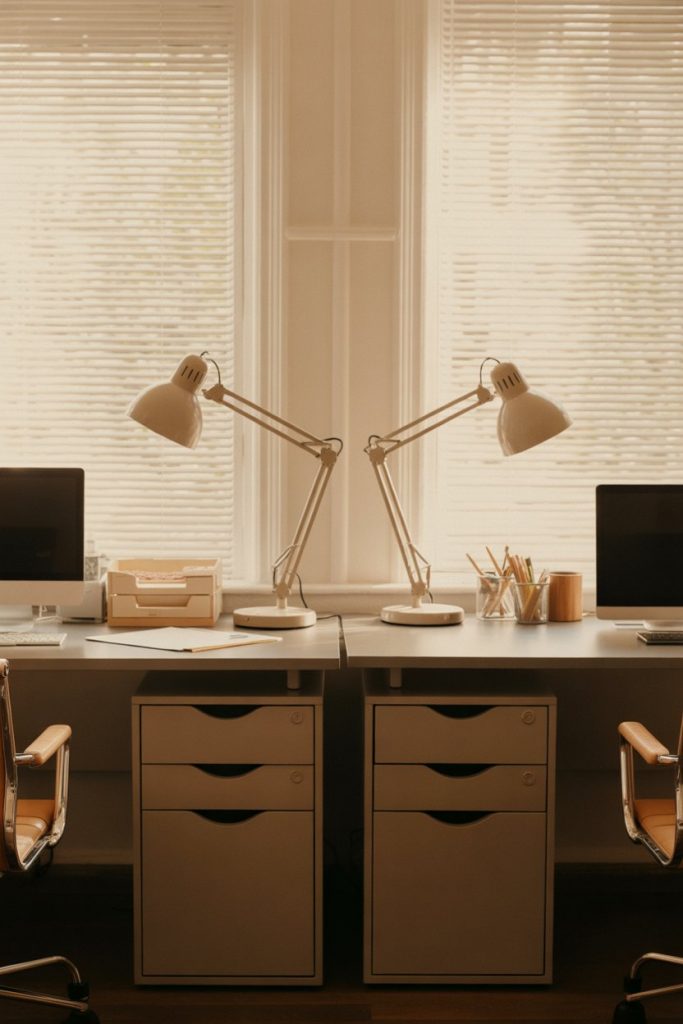
As more couples and roommates work from home, dual-sided desks that accommodate two people facing each other or back-to-back have become increasingly popular solutions for shared offices. This setup maximizes floor space while providing each person with dedicated work area and storage. The collaborative arrangement can foster a sense of companionship during long work days, though it requires consideration of noise levels, lighting needs, and personal work styles. 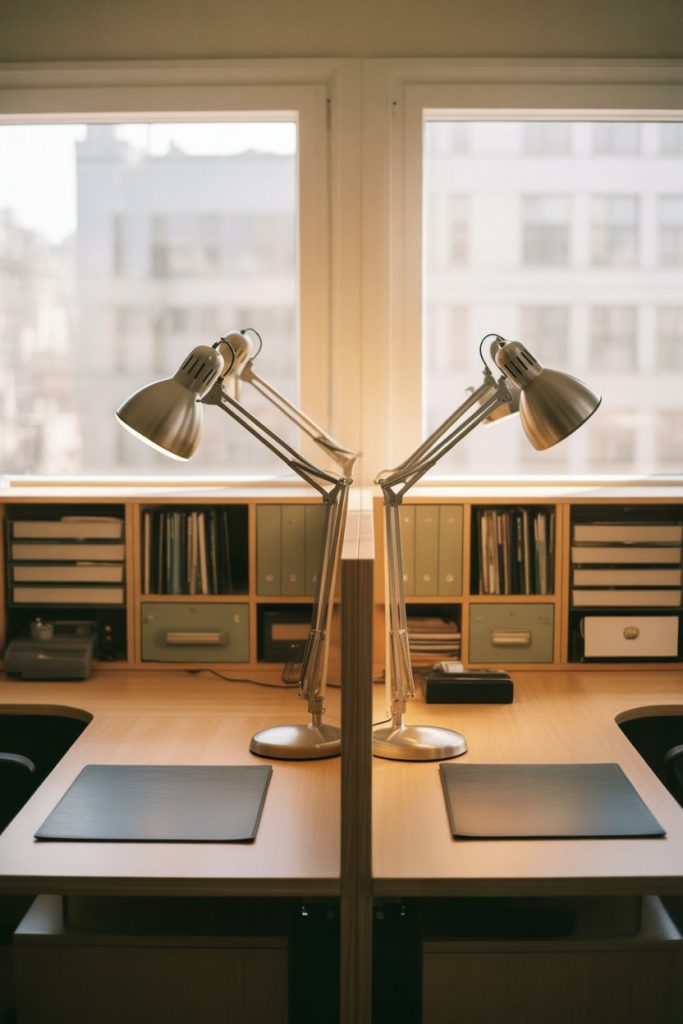
In my own neighborhood, a couple who both freelance from home installed a long dual-sided desk in their spare bedroom and say it’s transformed their workday—they appreciate being in the same room without feeling isolated, yet have enough separation to take calls without disturbing each other. The key is ensuring adequate legroom on both sides and choosing a desk depth (at least 48 inches total) that prevents the space from feeling cramped. Cable management becomes doubly important with two users, so plan for power strips and cord organizers from the start.
13. Farmhouse Desk with Distressed Finish
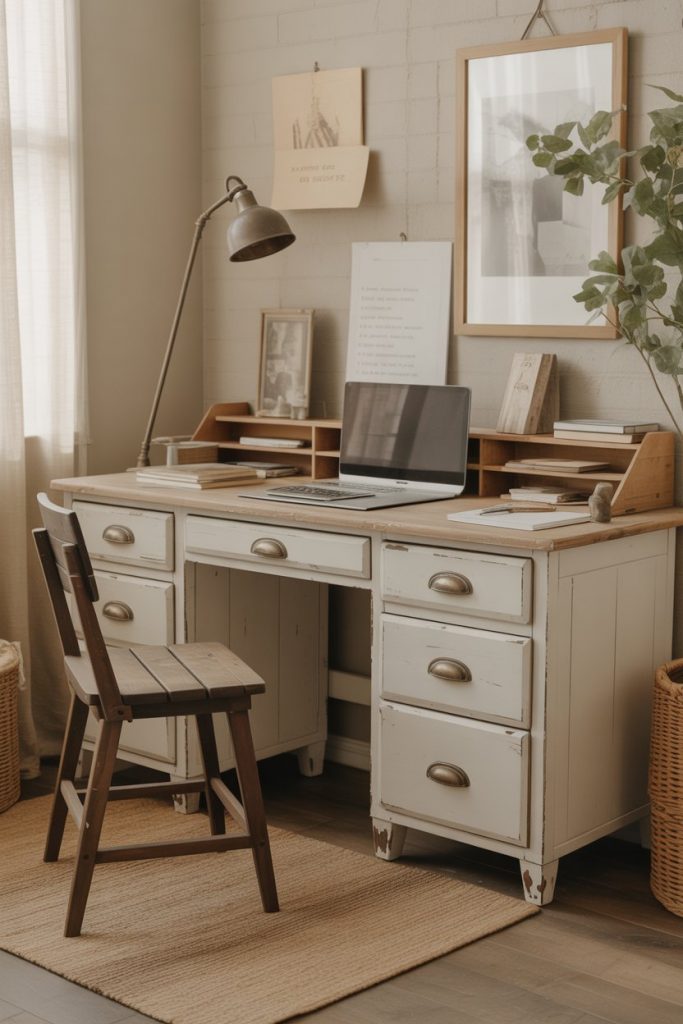
The enduring appeal of farmhouse style has made distressed wooden desks with weathered finishes a staple in American homes, especially in rural areas and suburbs where casual, lived-in decor feels most authentic. These desks often feature chunky proportions, visible wood grain, and finishes in soft whites, grays, or natural tones that show deliberate wear and aging. The aesthetic communicates comfort, approachability, and a connection to simpler times. 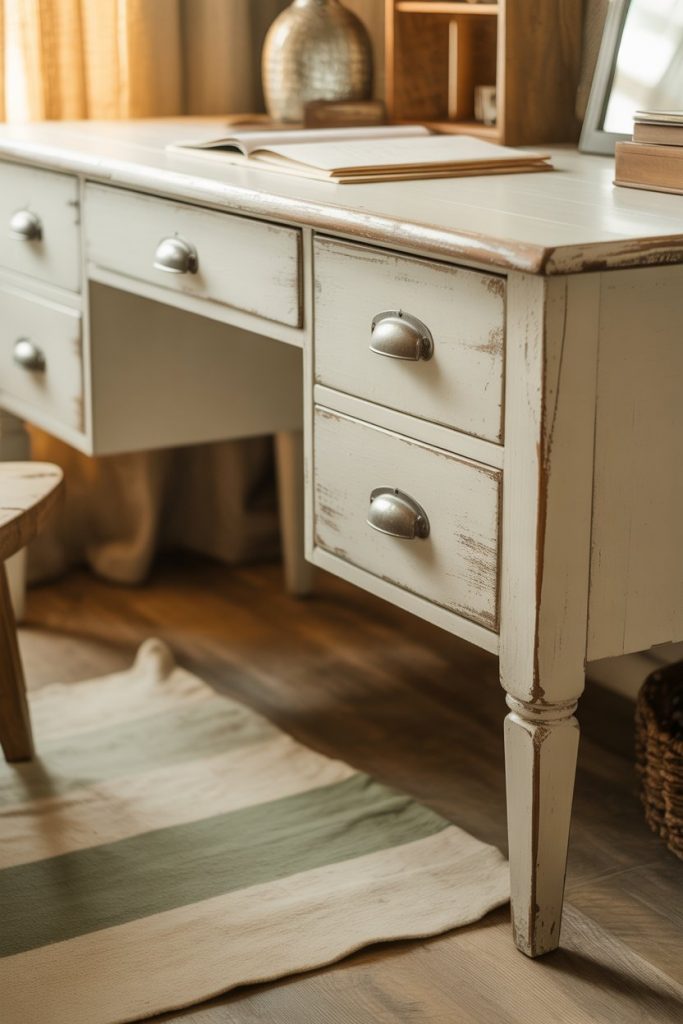
Farmhouse desks pair beautifully with shiplap walls, exposed beams, and other elements common in renovated barns or new construction with country-inspired details. They work equally well in traditional homes where mixing styles creates an eclectic, collected-over-time feel. Budget-savvy shoppers can find affordable farmhouse desks at retailers like Target and Wayfair starting around $250, though custom pieces from local furniture makers in states like Texas, Tennessee, and the Carolinas often feature superior craftsmanship and authentic reclaimed materials worth the higher investment.
14. Compact Desk with Built-In Cable Management

The tangle of charging cables, monitor cords, and peripheral wires that plague modern workspaces has inspired designs that incorporate thoughtful cable management directly into the desk structure. These clever pieces include features like grommets, hidden channels, under-desk trays, and rear cutouts that keep technology organized and out of sight. This attention to detail creates a cleaner, more professional appearance that photographs beautifully—an important consideration for anyone who shares their workspace on social media or uses it as a backdrop for video meetings. 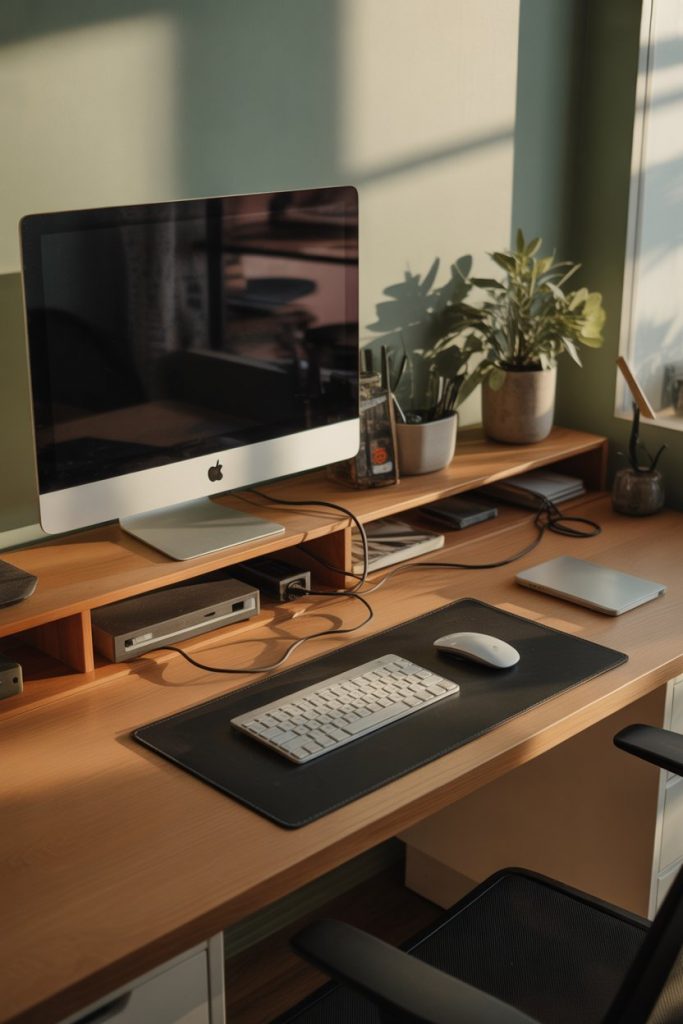
Where this desk style really excels is in professional home offices where clients might visit via video chat—the polished appearance signals competence and attention to detail. Common mistakes include routing cables too tightly, which can damage cords over time, or failing to leave enough slack for adjusting monitor positions. When setting up, run cables loosely and use velcro ties rather than zip ties, which are harder to adjust as your technology needs change. This flexibility is particularly valuable given how frequently we upgrade phones, tablets, and other devices.
15. Art Deco Desk with Geometric Details
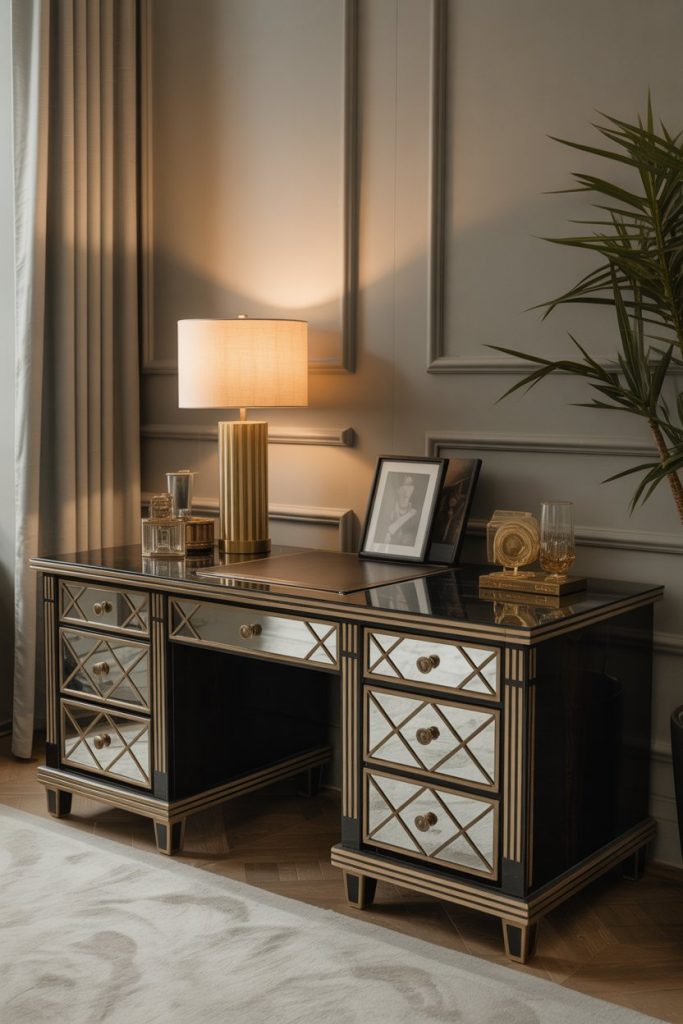
The glamorous drama of Art Deco design—think bold geometric patterns, rich materials, and metallic accents—brings theatrical elegance to home offices for those who want their workspace to make a statement. These desks often feature materials like black lacquer, mirrored surfaces, brass inlays, or marble accents arranged in symmetrical patterns that draw the eye. The style evokes the opulence of the roaring twenties and works beautifully in apartments with vintage architecture or homes where maximalist decor sets the tone. 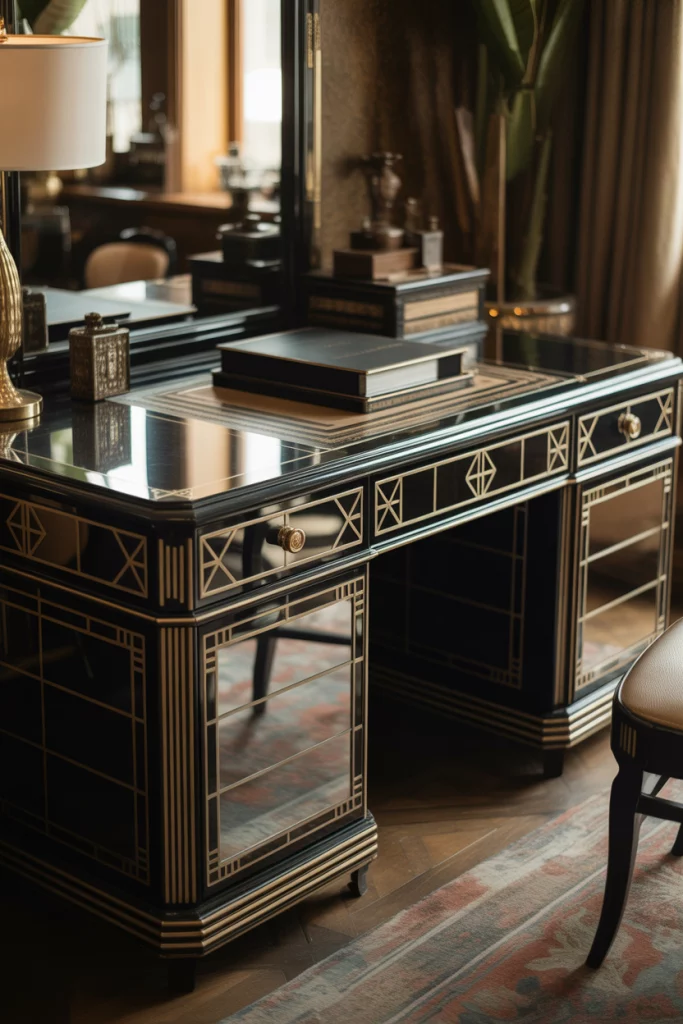
Art Deco desks are particularly stunning in cities with significant 1920s and 1930s architecture like Miami, Chicago, and Los Angeles, where they complement building details like terrazzo floors and geometric tilework. These pieces command attention and work best as focal points in dedicated offices rather than tucked into multipurpose rooms. Authentic vintage Art Deco desks can cost thousands, but contemporary reproductions offer the look for $800 to $2,000, making the style accessible to more design enthusiasts who appreciate its distinctive flair.
16. Minimalist Desk for Cubicle Personalization
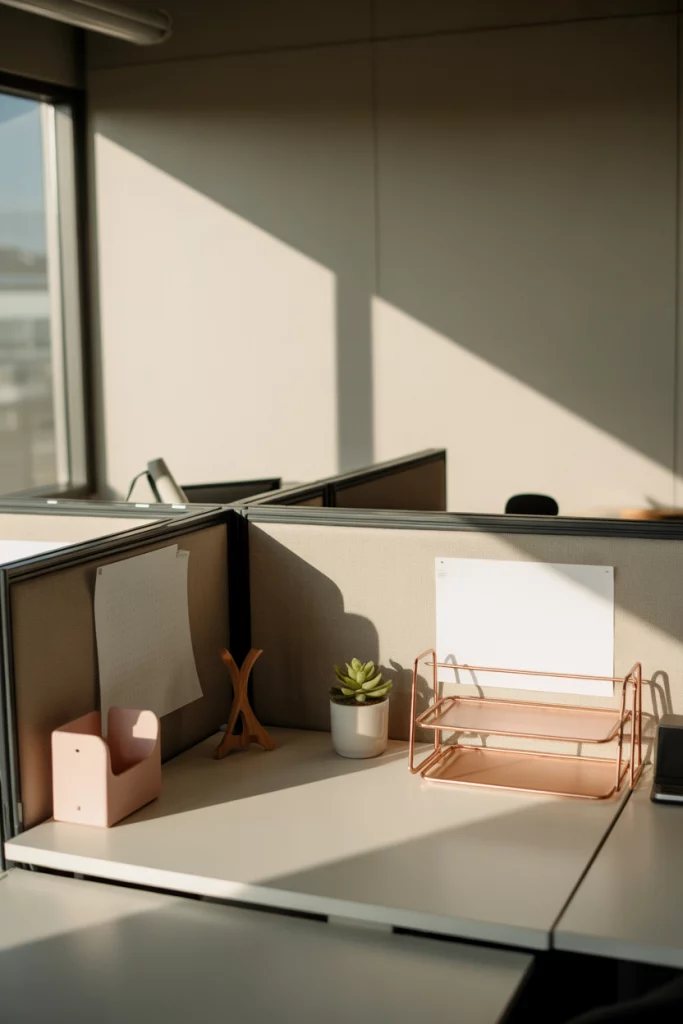
For Americans who work in traditional office environments, bringing personal style into decor for work cubicle spaces remains important for mental well-being and productivity. A carefully chosen desk accessory or organizational system designed for decor for work cubicle women or anyone wanting to personalize their space can transform a generic workspace into something that feels more like your own. Small desk items with modern or aesthetic appeal—like marble pen holders, geometric organizers, or plants in sleek pots—make cubicle life more bearable. 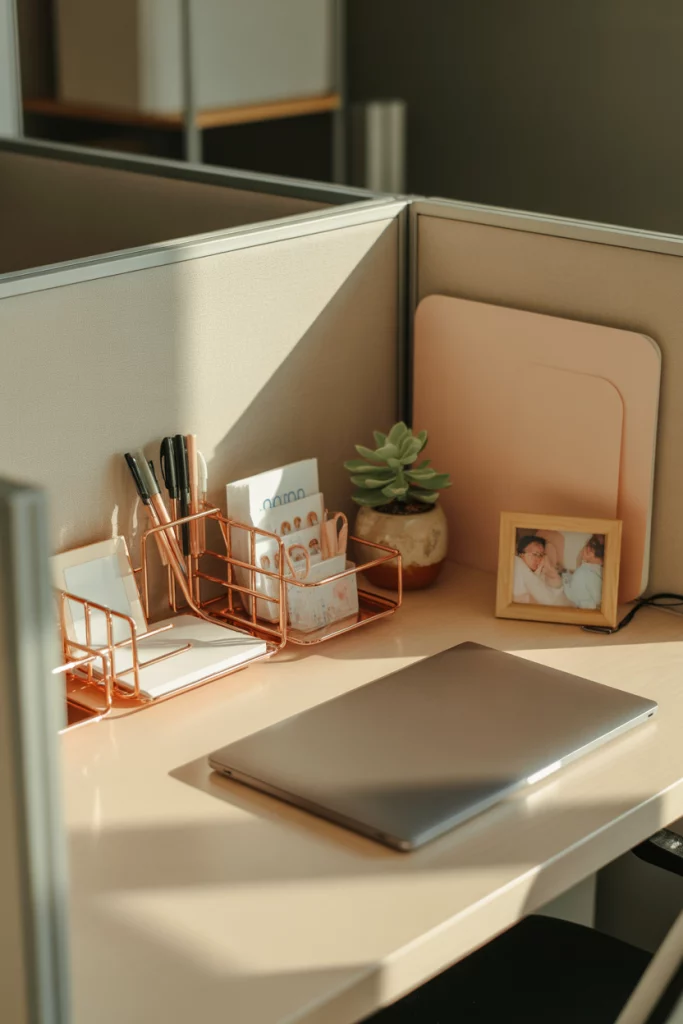
Workplace policies often restrict what you can attach to cubicle walls or how you can modify the space, so removable accessories that sit on the desk surface offer the most flexibility. Think about incorporating items that serve dual purposes—a beautiful ceramic cup holds pens while adding color, or a small bulletin board covered in fabric coordinates with your style while keeping important notes visible. Avoid the mistake of over-cluttering; even in a cubicle, less is often more when it comes to creating a calming, focused environment that helps you do your best work.
17. Trestle Desk with Architectural Presence
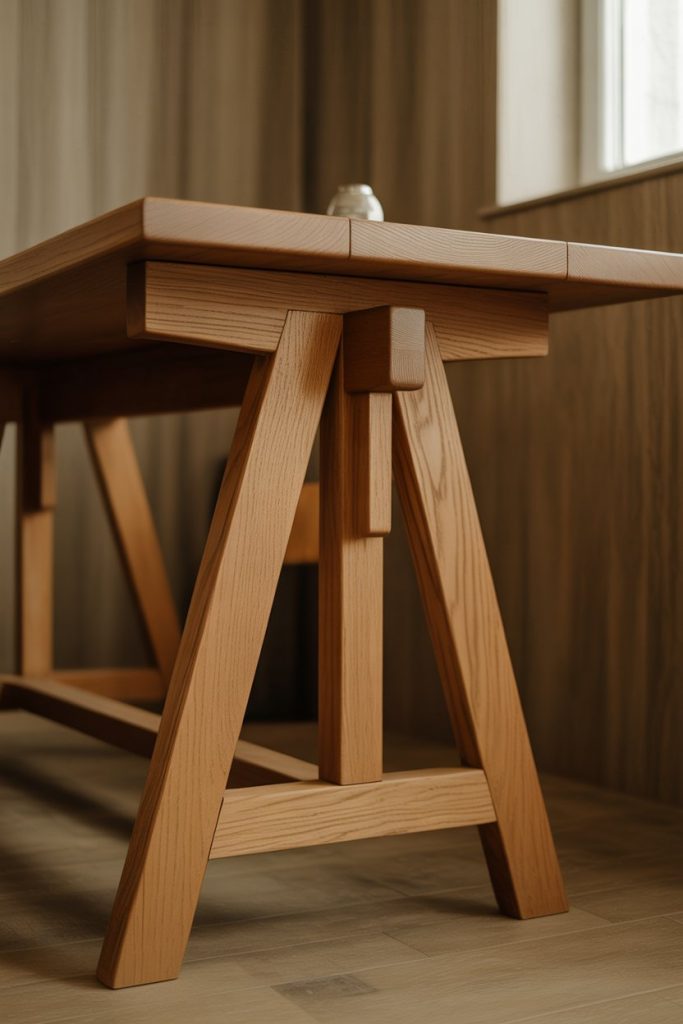
The sturdy, architectural form of a trestle desk—with its distinctive A-frame supports and substantial top—brings a sense of permanence and craftsmanship to home offices that value traditional construction methods. Originally designed for heavy-duty work, modern trestle desks balance that structural heritage with refined finishes and proportions suitable for residential spaces. This style works particularly well in rooms with high ceilings or period details where the desk’s strong lines complement rather than compete with the architecture. 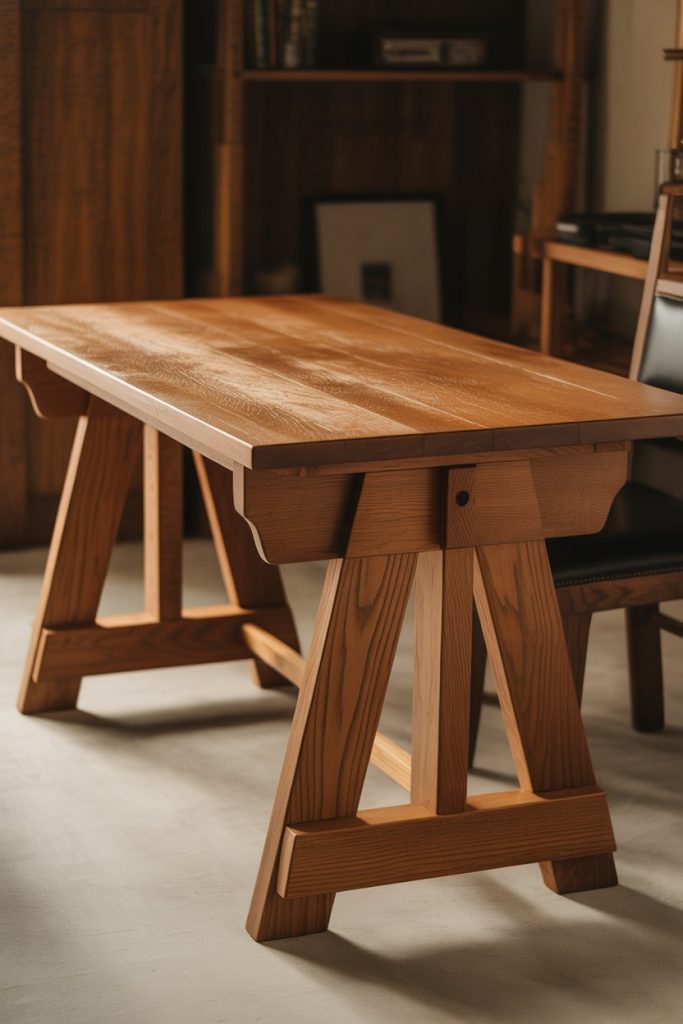
Trestle desks shine in converted historic buildings—former schools, churches, or industrial spaces—where their honest construction feels contextually appropriate. The open space beneath the desk (no drawers or cabinets to impede legroom) makes them comfortable for long work sessions and easy to pair with various seating options. One practical consideration: the horizontal support beam that connects the trestle legs typically sits low, so ensure there’s adequate clearance if you plan to use a keyboard tray or footrest, which some users find necessary for proper ergonomics during extended typing sessions.
18. Bohemian Desk with Global Influences
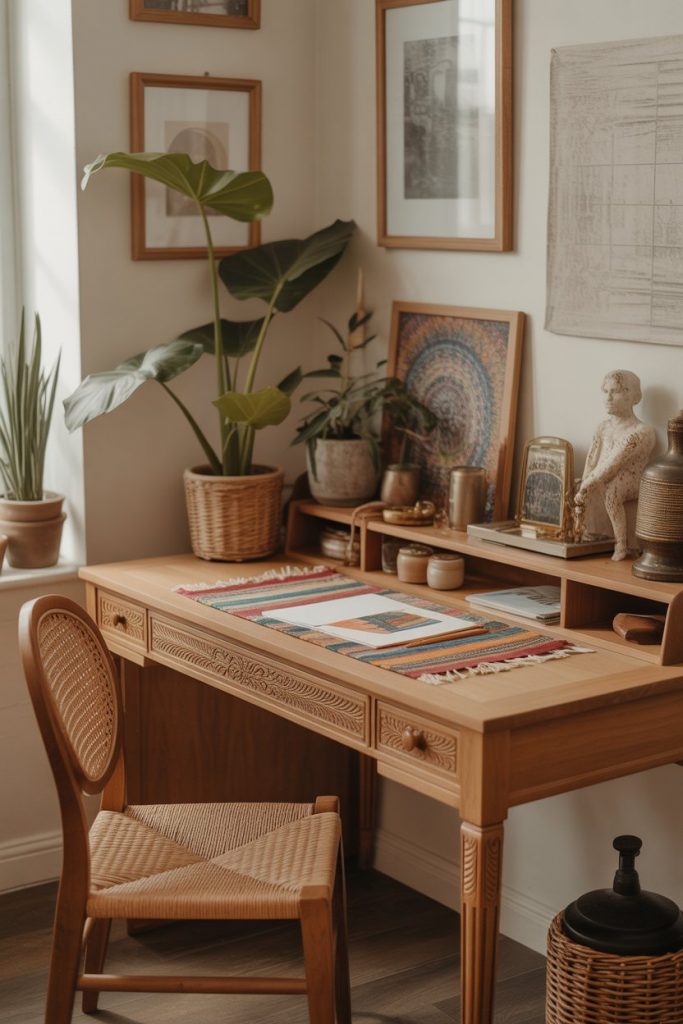
For creative professionals and free spirits, a desk that incorporates global textiles, carved wood details, and eclectic accessories creates a workspace that feels like an inspiration in itself. This approach might combine a vintage rattan desk with Moroccan-patterned textiles, handwoven baskets for storage, and collected treasures from travels or local artisan markets. The aesthetic celebrates pattern, texture, and the beautiful imperfections of handmade objects. 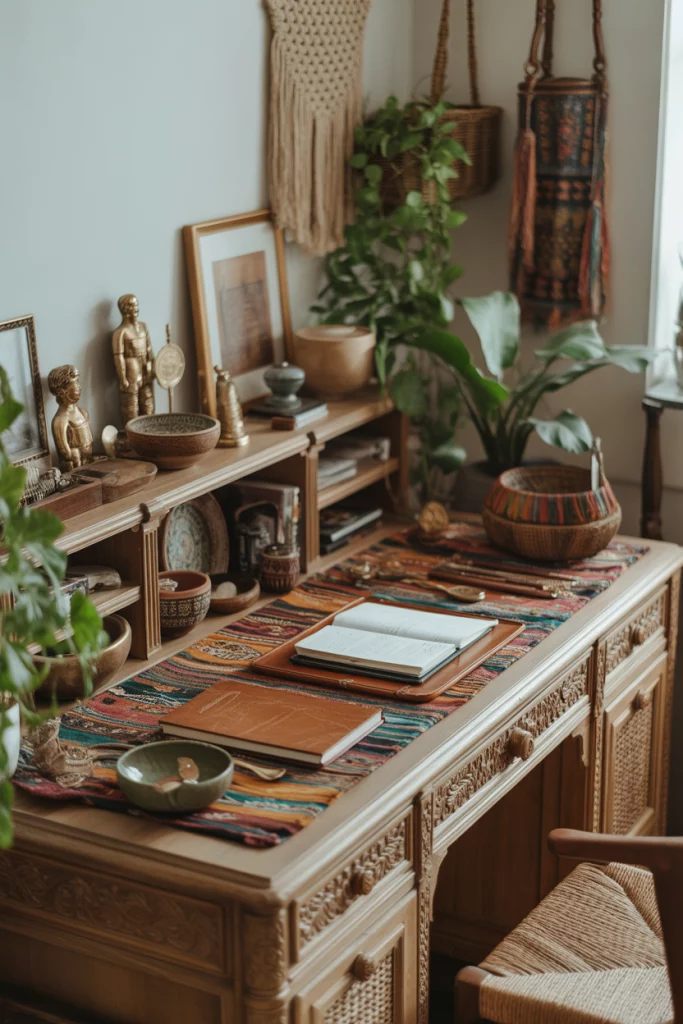
This style thrives in neighborhoods and cities known for artistic communities—places like Santa Fe, Asheville, Portland, and Austin—where there’s an established appreciation for handcrafted goods and individual expression. The key to pulling off bohemian style without creating chaos is grounding the eclectic elements with a cohesive color palette or material story. If you’re drawn to this aesthetic but worried about it feeling too busy, start with a simple wooden desk and layer in global elements gradually, allowing the collection to evolve organically as you find pieces that truly speak to you.
19. Sleek Black Desk for Dramatic Contrast
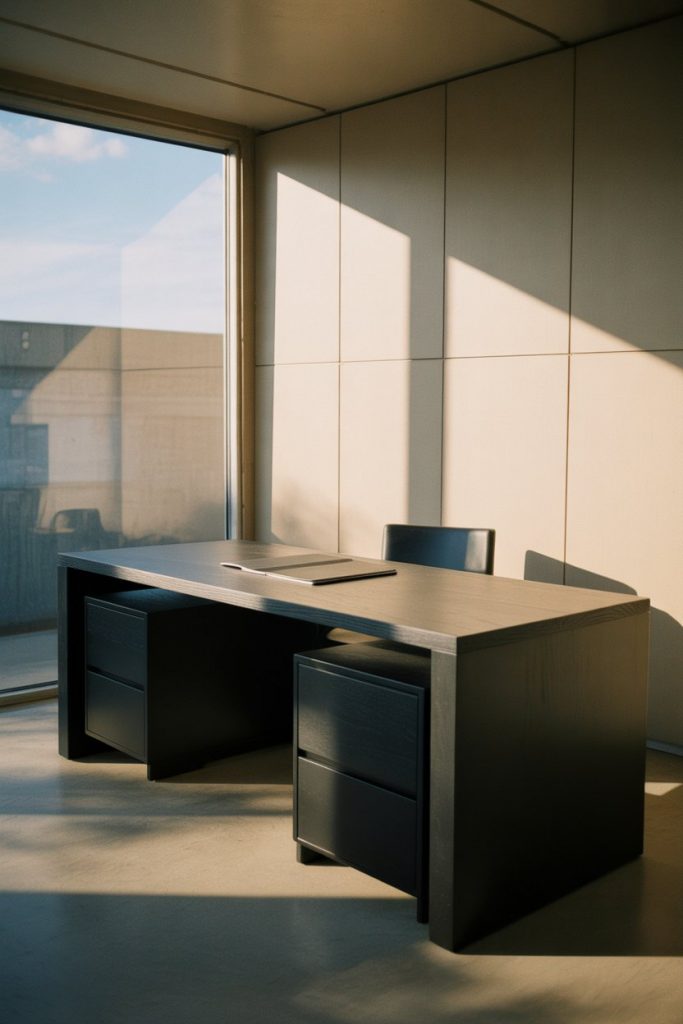
A black desk makes a bold, sophisticated statement in modern or contemporary spaces, offering dramatic contrast against light walls and creating visual weight that anchors the room. Whether matte or glossy, luxury black surfaces convey seriousness and focus—qualities that can actually enhance productivity by creating a psychological boundary between work and leisure. This color choice works particularly well in minimalist spaces where the desk becomes a sculptural element in an otherwise neutral environment. 
Black desks photograph beautifully and are popular among influencers and content creators who showcase their workspaces online—the color provides a neutral backdrop that makes colorful objects pop while maintaining a cohesive, designed look. However, black surfaces show dust and fingerprints more readily than lighter colors, so daily maintenance with microfiber cloths becomes part of the routine. They also tend to absorb rather than reflect light, so positioning near windows or supplementing with good task lighting prevents the workspace from feeling cave-like, especially during winter months in northern states with shorter daylight hours.
20. Convertible Desk That Doubles as Dining Table
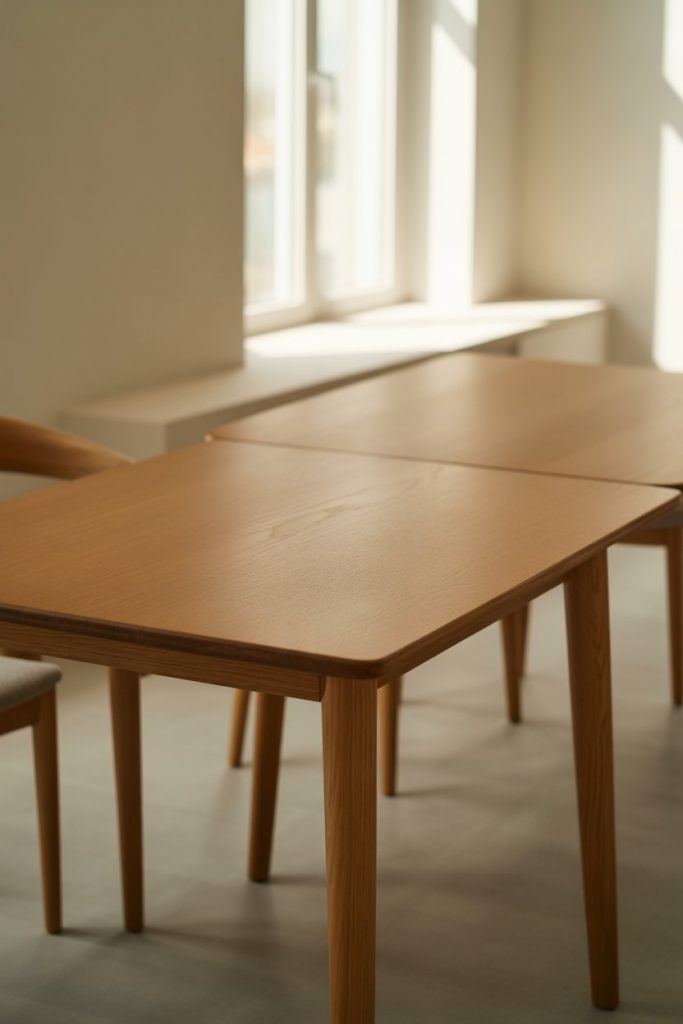
In tiny apartments and small homes where every piece of furniture must work overtime, desks that convert to dining tables—or vice versa—represent smart, practical design. These hybrid pieces typically feature clean, simple designs without obvious office elements like cable grommets or keyboard trays, allowing them to transition seamlessly between functions. The setup works particularly well for single people or couples living in urban areas where separate dining and office spaces simply aren’t feasible. 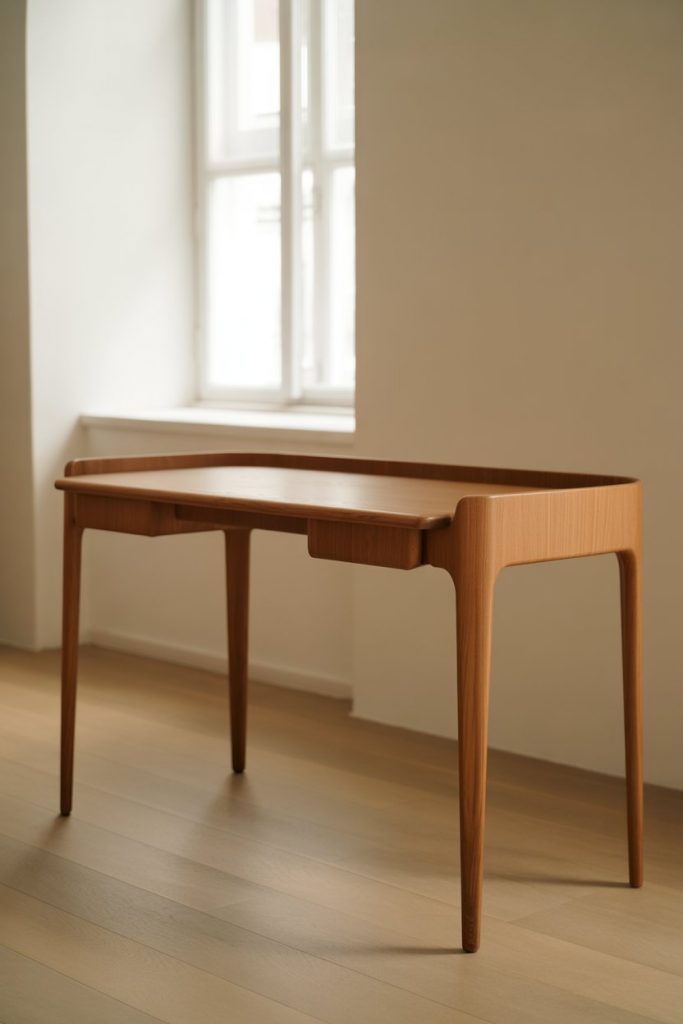
The challenge with convertible furniture is maintaining the discipline to actually clear the surface for its secondary function—too many owners intend to use the desk for meals but end up eating elsewhere because transitioning takes effort. Combat this by keeping a nearby basket or cabinet where work items can be quickly stashed. In cities like New York, San Francisco, and Boston where apartment sizes are notoriously small and rents are high, these space-saving solutions aren’t just clever—they’re essential for maintaining separate mental zones for work and relaxation within limited square footage.
21. Natural Edge Desk with Resin Accents
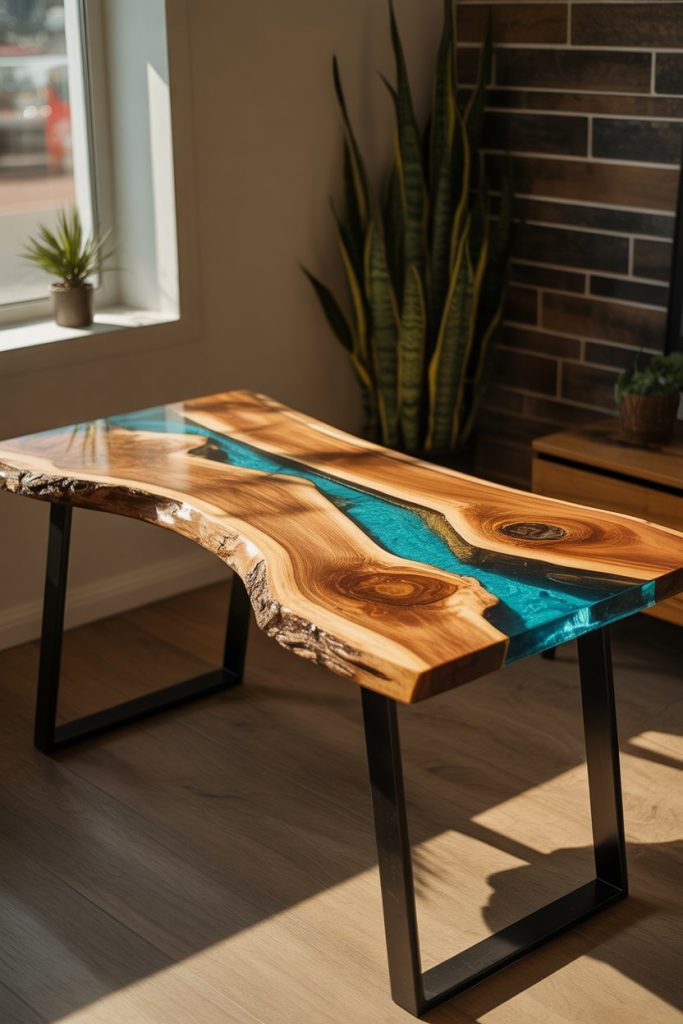
The contemporary fusion of natural wood with colorful resin creates stunning designs that function as both workspace and art piece, appealing to Americans who want their office furniture to reflect creativity and individuality. These custom or semi-custom pieces preserve the organic edge of the wood while filling voids, cracks, or rivers in the grain with translucent resin in colors ranging from ocean blues to warm ambers. The result is a one-of-a-kind surface that becomes a conversation starter and a source of daily inspiration. 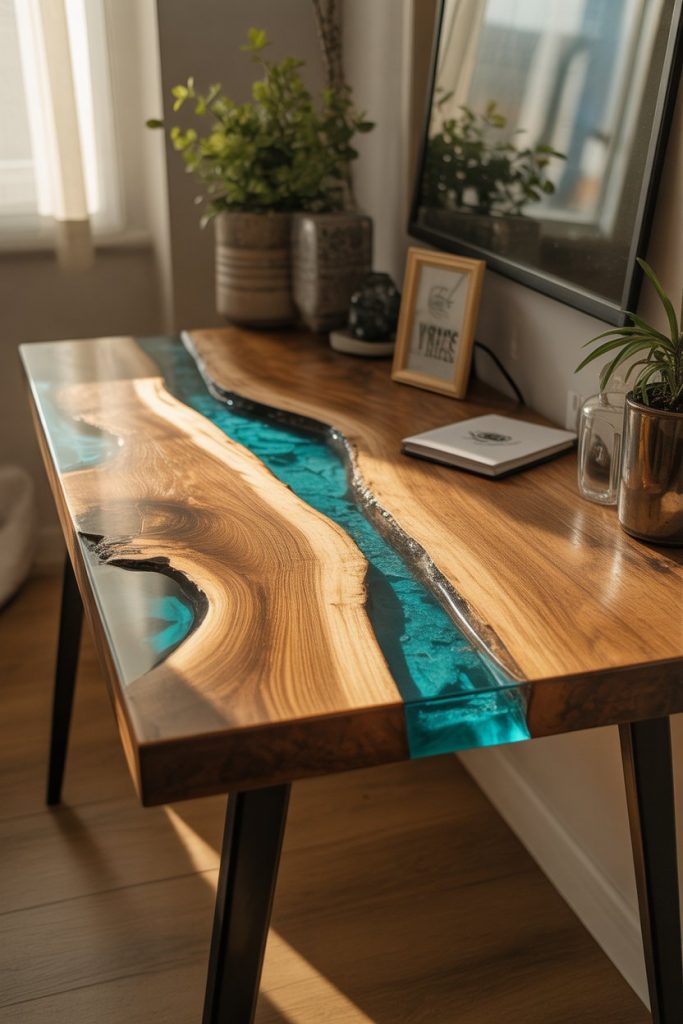
These statement desks work best in dedicated offices or creative studios where they can be appreciated as the focal point they deserve to be. Local woodworkers and artisan furniture makers across the country have embraced this trend, with particularly strong communities in the Pacific Northwest, Colorado, and North Carolina. Prices vary widely depending on wood species and complexity—expect to invest $1,200 to $5,000 or more for quality pieces. The resin surface is durable and easy to clean, but avoid placing extremely hot items directly on it, as heat can cause cloudiness or damage to the glossy finish over time.
Conclusion
Creating a workspace that truly serves your needs while reflecting your personal style is an investment in both productivity and well-being. Whether you’re drawn to minimalist modern designs, warm wooden pieces, or dramatic statement desks, the perfect office setup is one that makes you actually want to sit down and work. We’d love to hear which of these ideas resonated with you most—share your favorite office desk style or your own workspace setup in the comments below, and let’s continue the conversation about creating beautiful, functional places to work from home.