Master bathrooms are no longer just functional spaces — they’ve become personal sanctuaries where Americans start and end their days. As we move into 2026, Pinterest boards are filling with bold color choices, spa-inspired layouts, and clever storage solutions that work for every budget and square footage. Whether you’re renovating a sprawling ensuite or refreshing a compact powder room, this year’s trends balance beauty with real-world livability. You’ll find ideas here that range from serene neutral palettes to dramatic dark finishes, each designed to make your bathroom feel like a purposeful retreat.
1. Spa-Inspired Neutral Retreat
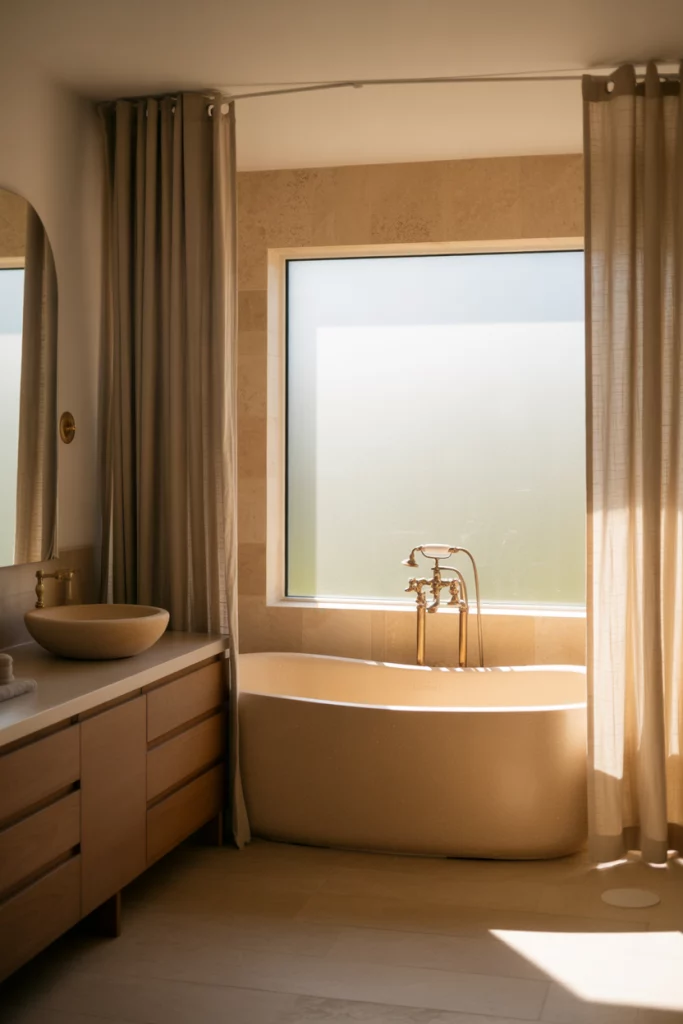
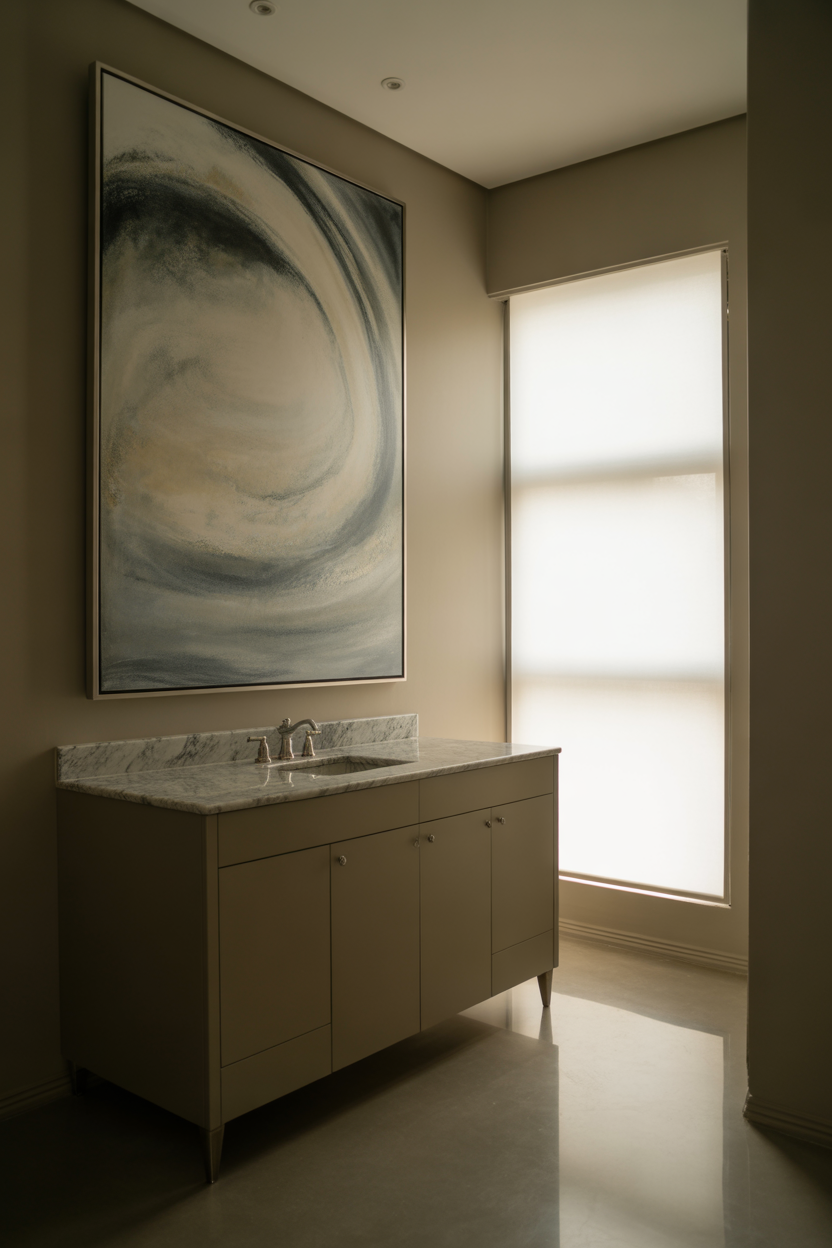
Transform your master bathroom into a calming spa escape using soft beiges, warm taupes, and natural stone textures. This approach works especially well in ensuite layouts where you want a seamless flow from the bedroom. Layer in organic materials like teak bath mats, linen towels, and brushed brass fixtures to create that resort-style warmth. The neutral palette keeps the space feeling open and timeless, while carefully chosen textures prevent it from reading as bland. 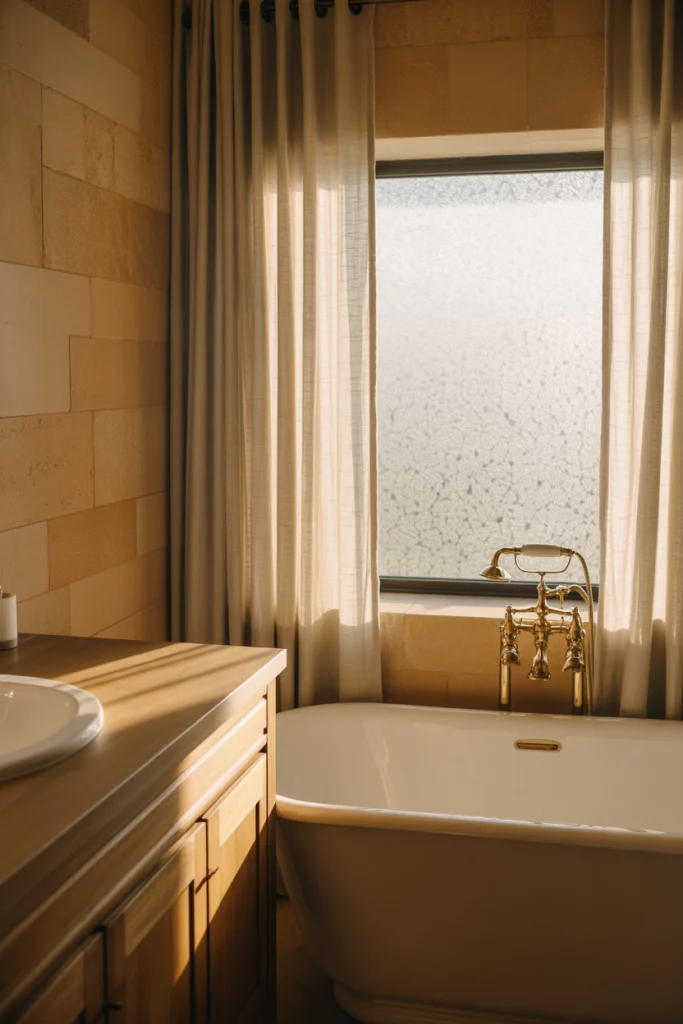
This works best in homes where the bedroom already leans toward calm, earthy tones — extending that palette into the bath creates a cohesive suite. Many homeowners add a small wooden stool or bench near the tub, which becomes the perfect spot for a stack of folded towels or a potted plant. Skip the urge to over-accessorize; in spa-style spaces, restraint is what makes the design feel intentional rather than cluttered.
2. Bold Blue Accent Wall
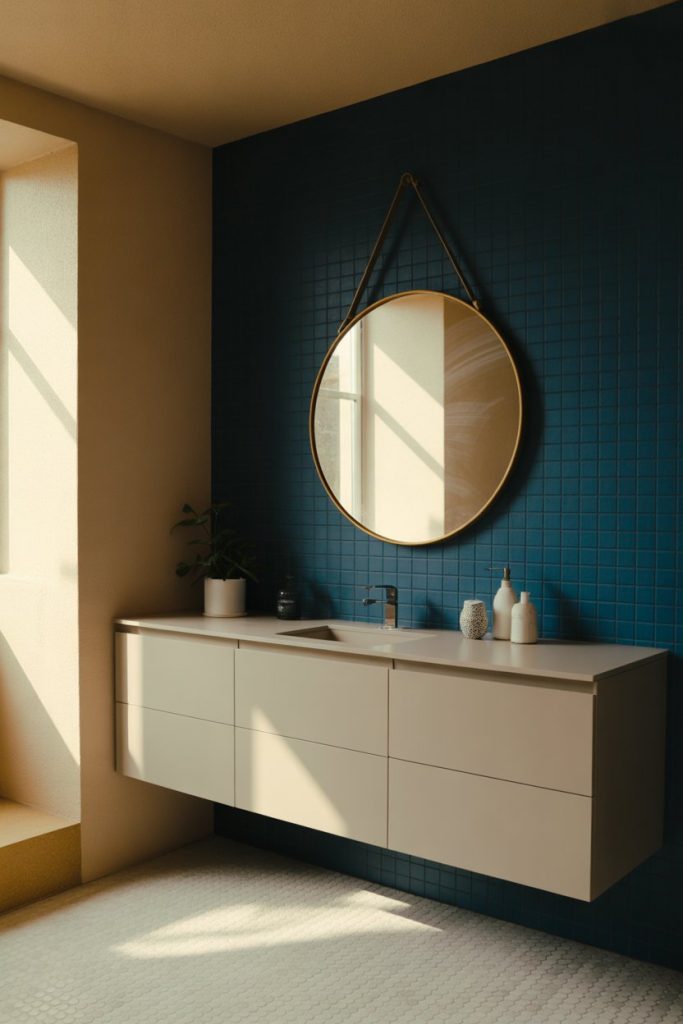
A single blue accent wall behind the vanity or tub instantly elevates a modern bathroom without overwhelming the space. Choose deeper shades like navy or teal for drama, or softer sky blues if you want something more serene. Pair it with white subway tile, chrome fixtures, and light wood cabinetry to keep the look balanced. This trick works particularly well in small full bathrooms where you want personality but can’t afford to make every surface bold. 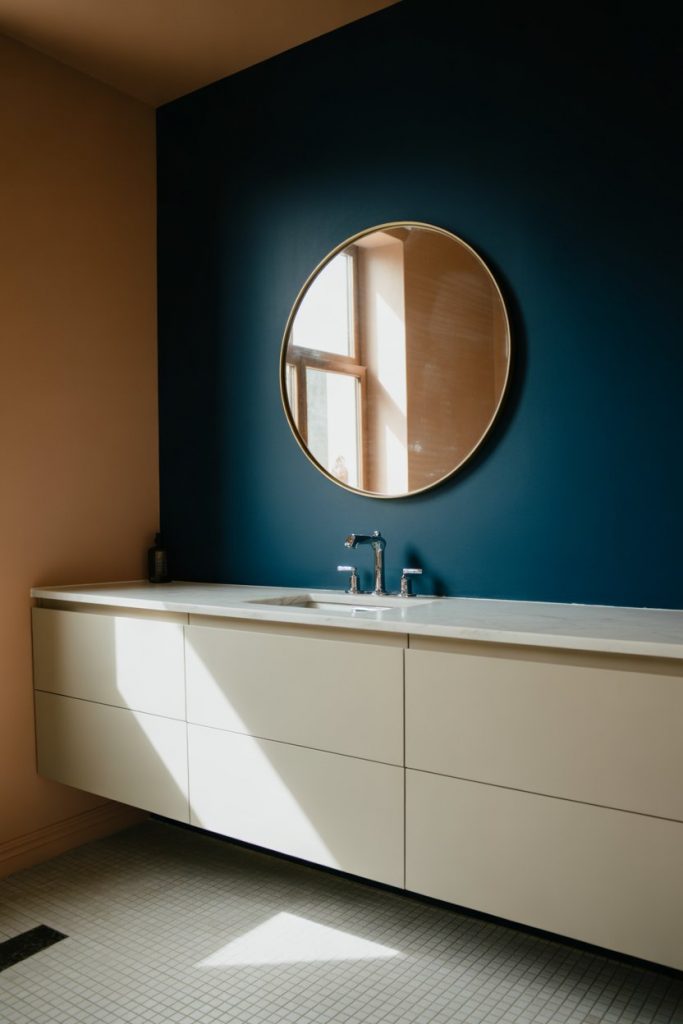
Budget-conscious renovators love this approach because paint is one of the most affordable ways to create impact. A gallon of quality bathroom paint runs around $40 to $60, and you can complete the project in a weekend. Just make sure to use a paint formulated for high-humidity spaces — regular interior paint will peel or mildew within months in a bathroom environment.
3. Green Botanical Oasis
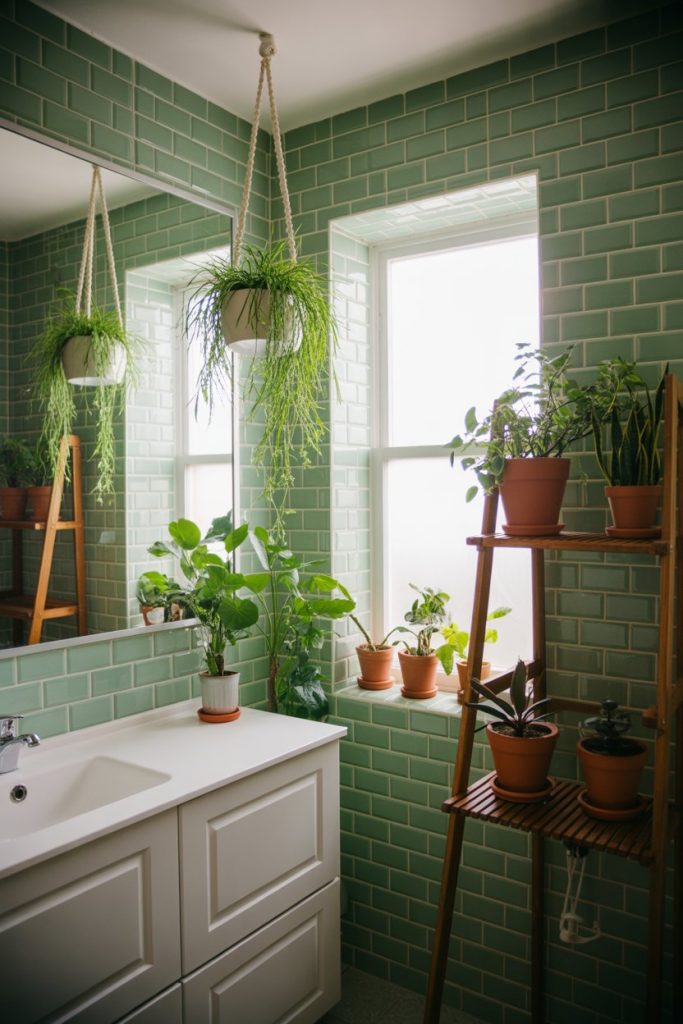
Bring the outdoors in by designing a green bathroom filled with plants, natural light, and earthy textures. Think potted ferns on floating shelves, trailing pothos near the window, and maybe even a small fiddle leaf fig in the corner if you have the ceiling height. Combine this with neutral tile in soft whites or creams, and add rustic wood accents through the vanity or mirror frame. The result feels fresh, alive, and completely on-trend for 2026. 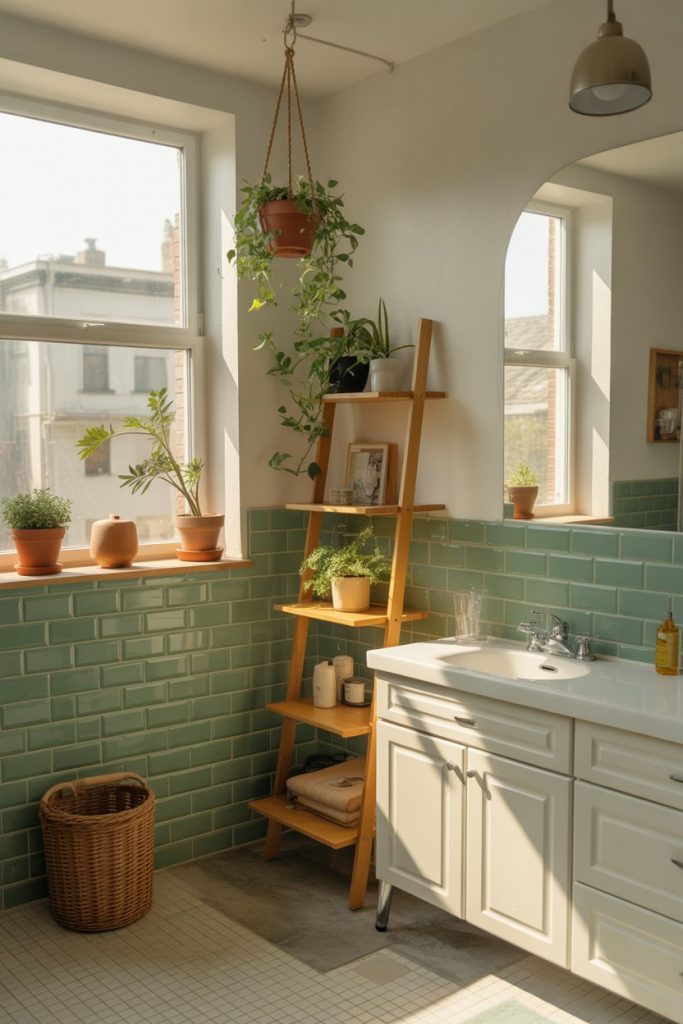
Real homeowners often worry about humidity killing their plants, but bathrooms are actually ideal for moisture-loving varieties like ferns, orchids, and peace lilies. A designer in Portland once told a client to think of bathroom plants as both decor and air purifiers — they soften hard surfaces and genuinely improve the room’s atmosphere. Just avoid placing them directly in the shower spray or on surfaces that get soaked daily.
4. Black and White Classic
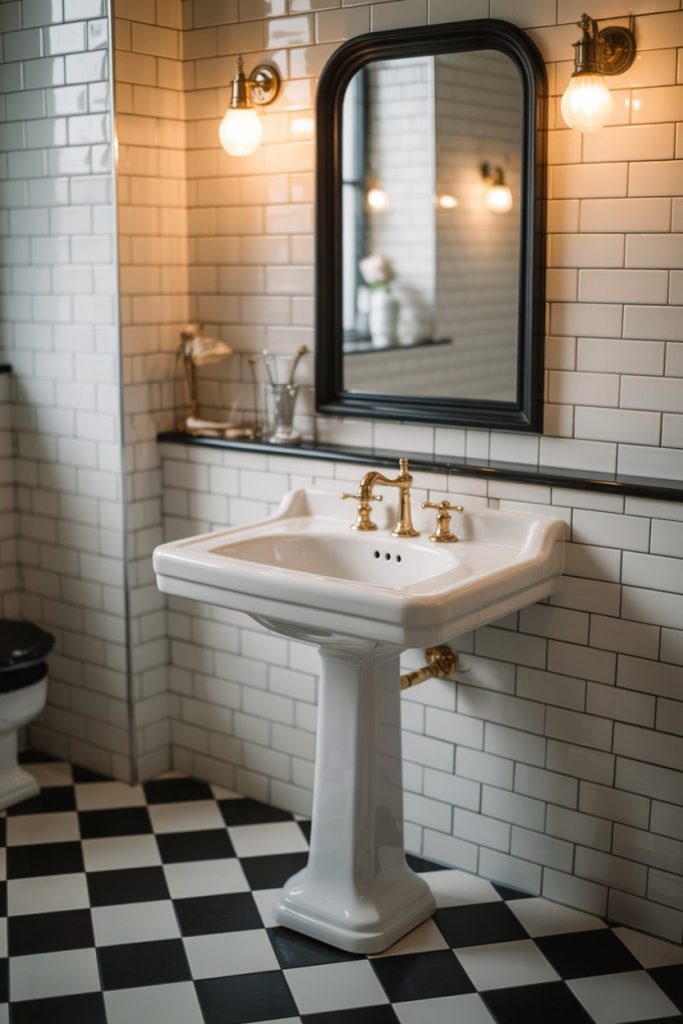
The timeless black and white palette never fades, and in 2026 it’s being reimagined with softer edges and warmer metals. Try white marble-look tile with black grout for definition, or classic checkerboard floors paired with matte black fixtures. This scheme works beautifully in guest bathrooms where you want something elegant but not overly personal. Add brass or gold hardware to warm up the contrast and keep it from feeling too stark. 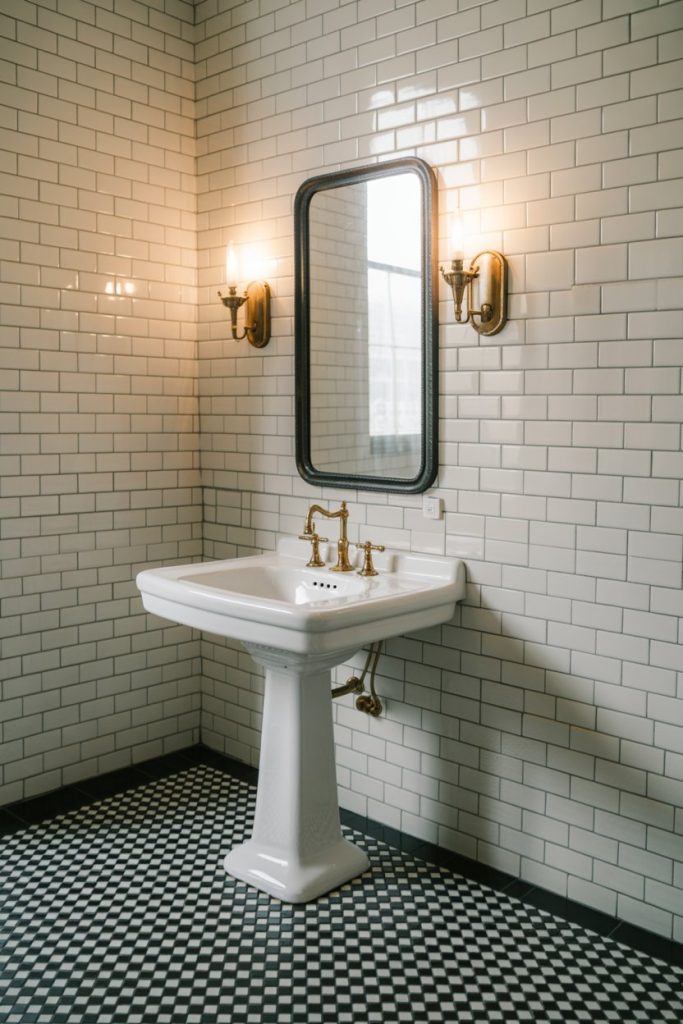
A common mistake is going too cold with this palette — all chrome and stark white can feel clinical. Instead, layer in texture through woven baskets, linen hand towels, and maybe a small upholstered stool. These touches make the space feel curated rather than cookie-cutter, and they’re easy to swap out if you want to refresh the look down the road.
5. Cozy Pink Powder Room
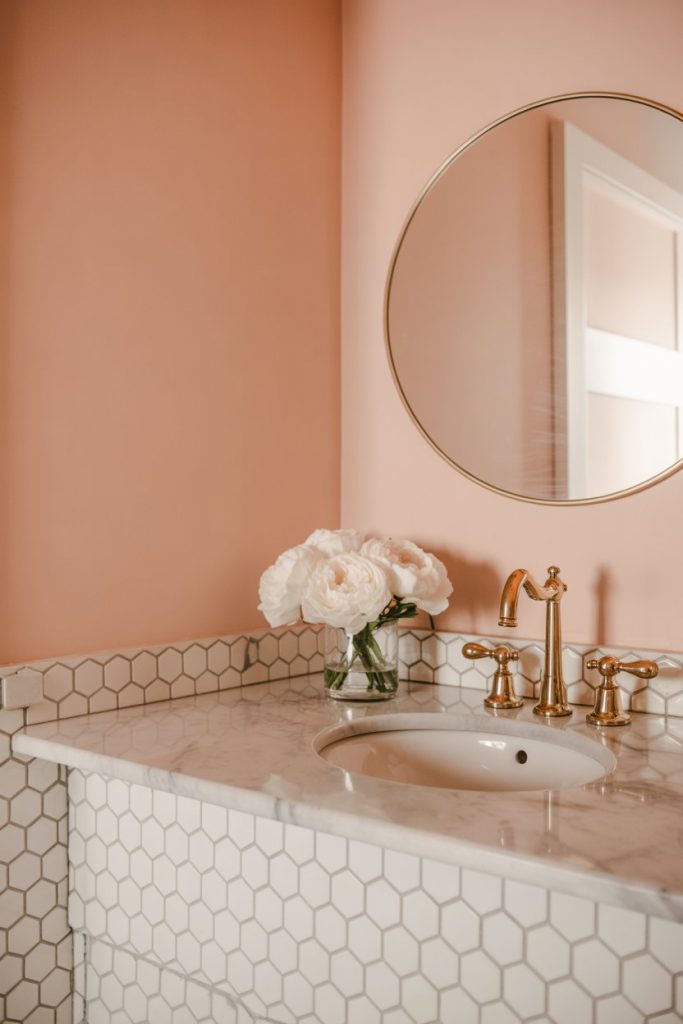
Soft pink tones are having a major moment, especially in half baths where you can take more creative risks. Think blush tiles, rosy wallpaper, or even a painted vanity in dusty rose paired with white fixtures and gold hardware. This palette feels feminine without being overly sweet, and it photographs beautifully for those Pinterest-worthy reveals. It’s a smart choice for cute powder rooms that guests will actually remember. 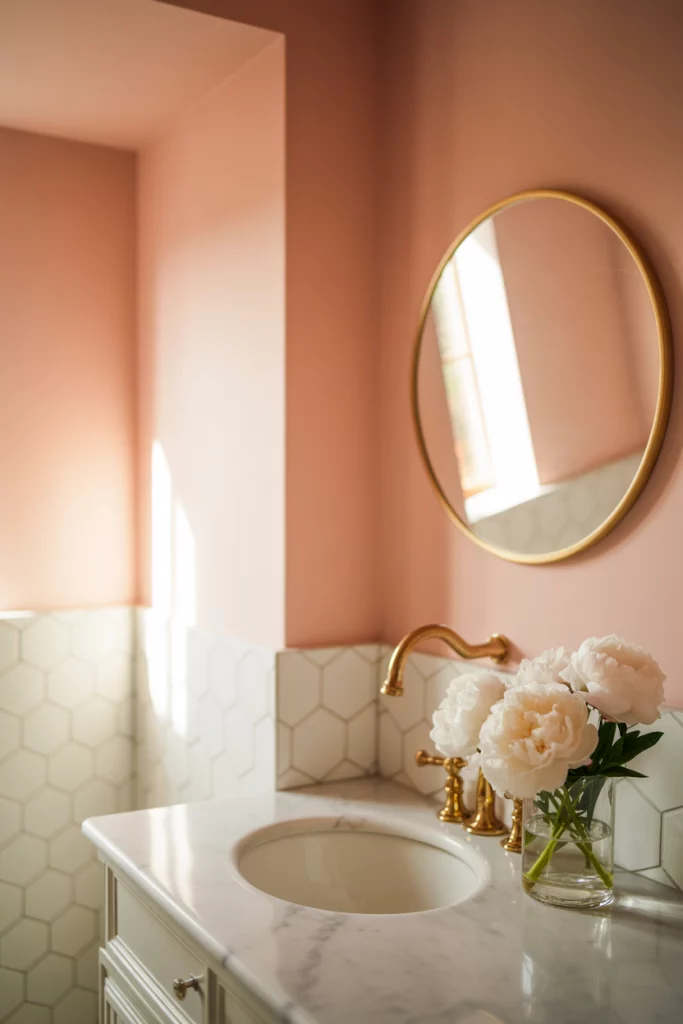
Where it works best: in homes with traditional or transitional style, where a touch of color adds personality without clashing with the rest of the house. Many homeowners use the powder room as their “bold choice” space since it’s small and guests-only. If pink feels too committed, try it in removable wallpaper first — you can always paint over it if you change your mind in a year or two.
6. Industrial Grey Concrete Look
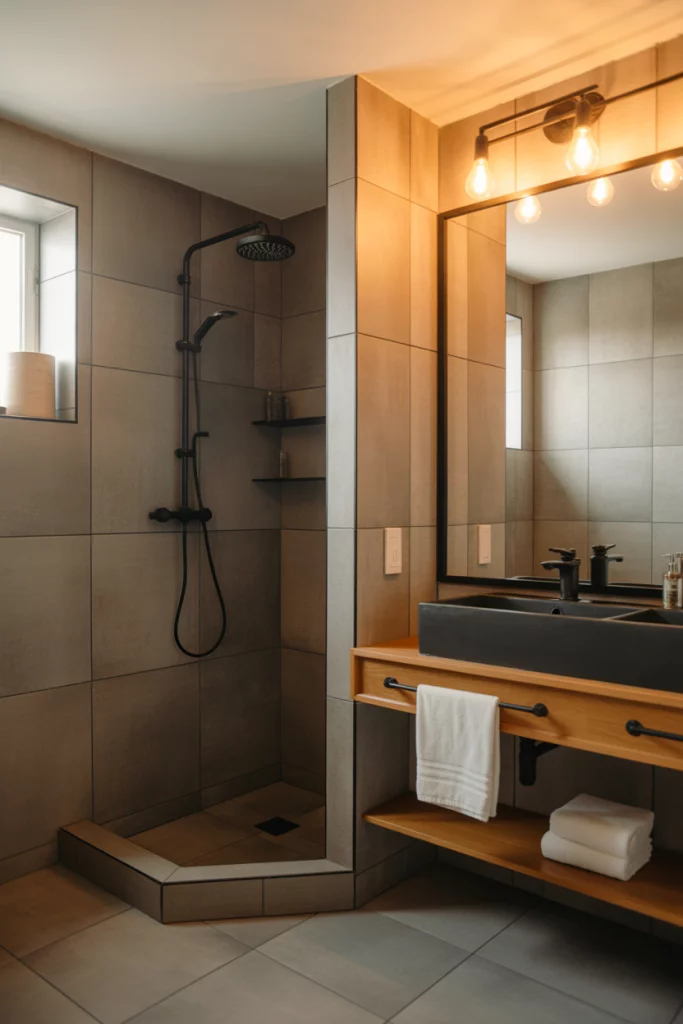
The raw, industrial vibe of grey concrete-style tile brings an urban edge to modern bathrooms. Pair large-format grey porcelain with matte black fixtures, open shelving, and Edison bulb lighting for a loft-inspired aesthetic. This look is particularly striking in primary bathrooms where you have the square footage to let the materials breathe. Keep accessories minimal — a single plant, a stack of white towels, maybe a sculptural soap dispenser.
This style appeals to homeowners in cities like Chicago, Denver, and Seattle, where industrial architecture is part of the local design language. It also tends to age well because the materials hide wear and water spots better than glossy white surfaces. Just be aware that large-format tiles require a perfectly level subfloor — installation costs can run higher if your existing floor needs significant prep work.
7. Small Space Vertical Storage
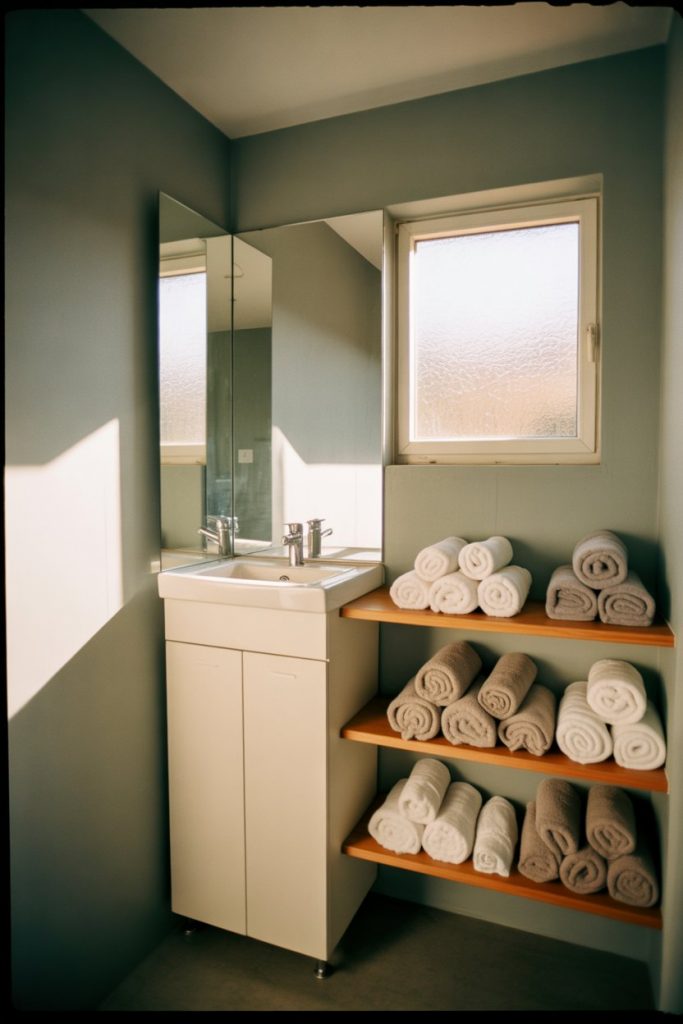
In tiny or small spaces, going vertical is the key to maximizing every inch. Install tall, narrow cabinets that reach the ceiling, use floating shelves above the toilet, and consider a recessed medicine cabinet to save precious wall space. Choose light colors like white or soft grey to keep the room from feeling cramped. Even a small half bath can feel functional and stylish when you think upward instead of outward. 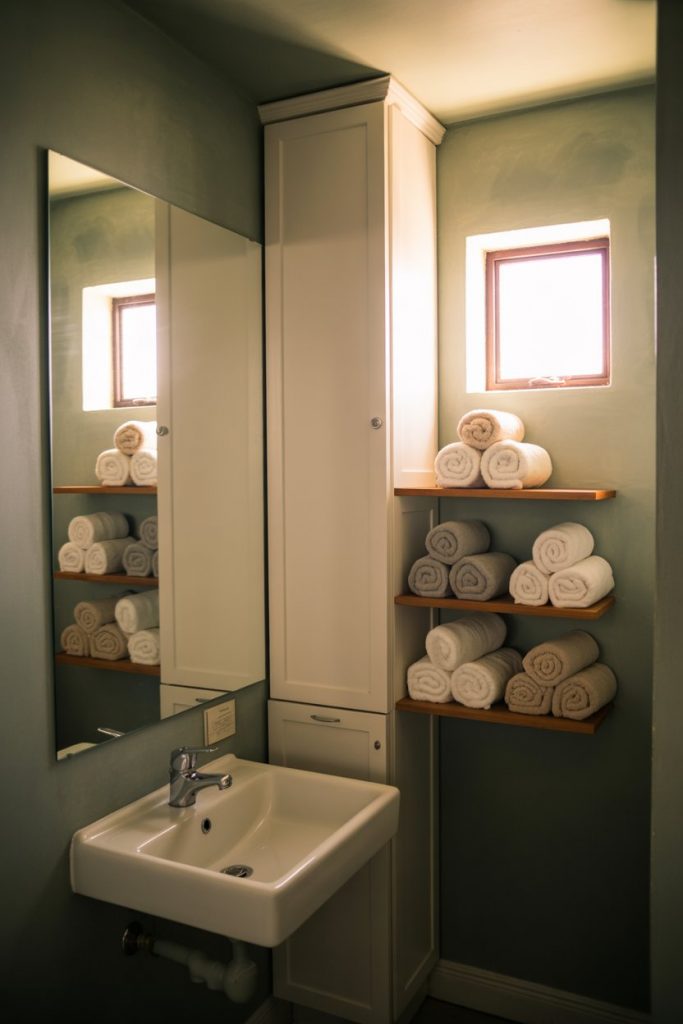
A practical insight: the average American bathroom is around 40 square feet, so most of us are working with tight quarters. Over-the-toilet storage units from retailers like Target or IKEA cost between $60 and $150 and can instantly double your storage capacity. Just measure carefully before buying — ceiling heights vary, and you don’t want a unit that blocks your light fixture or feels visually top-heavy.
8. Dark Moody Elegance
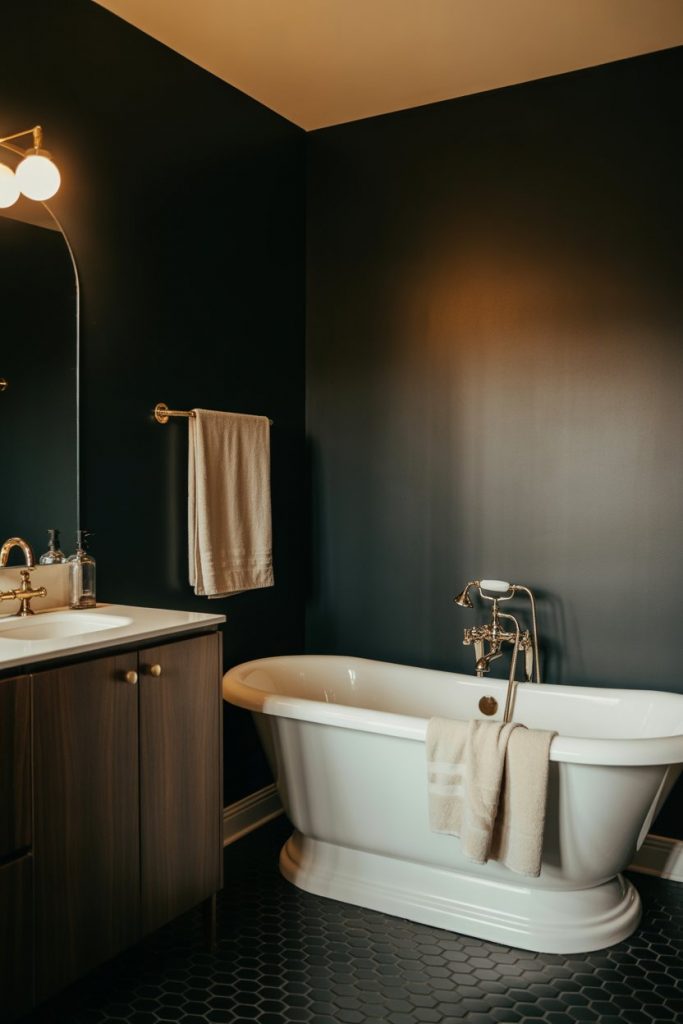
Embrace the drama of a dark bathroom by layering charcoal walls, black tile, and deep wood tones. This approach works surprisingly well in ensuite layouts where you want a cocoon-like, intimate atmosphere. Balance the darkness with plenty of warm lighting — think brass sconces, pendant lights, and even LED strips under floating vanities. Add white or cream accents through towels and bath linens to prevent the space from feeling cave-like. 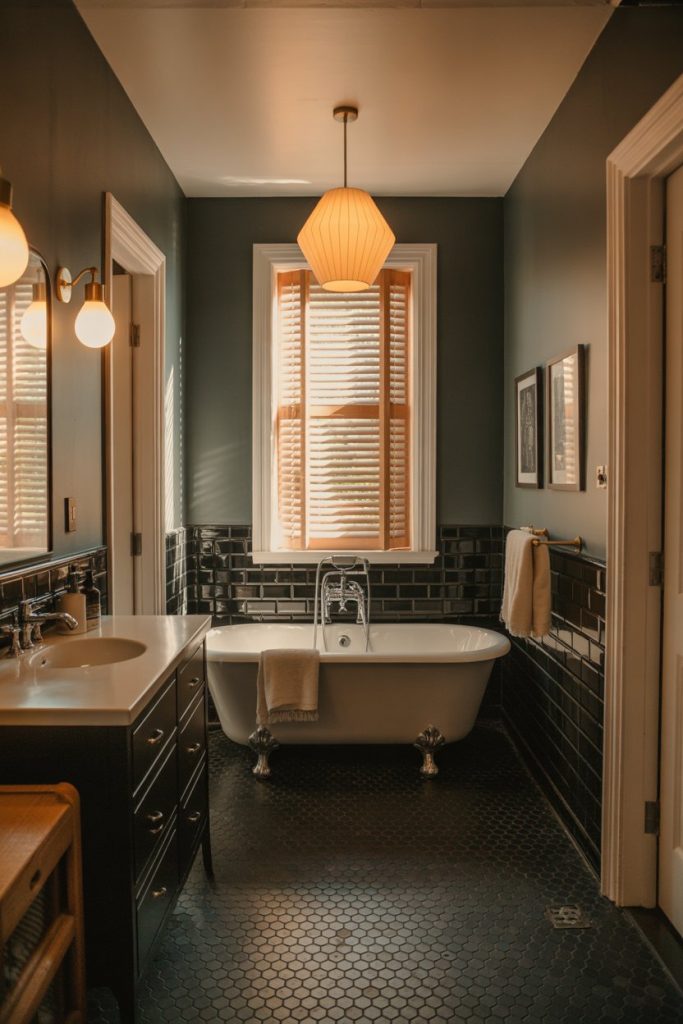
This trend is especially popular in the Pacific Northwest and Northeast, where darker, moodier interiors align with the regional aesthetic. It’s also a favorite among empty nesters who are renovating their master suite and want something more sophisticated than the builder-grade beige they’ve lived with for years. One common mistake: skimping on lighting. Dark surfaces absorb light, so you’ll need more fixtures than you think to keep the space functional for morning routines.
9. Rustic Farmhouse Charm
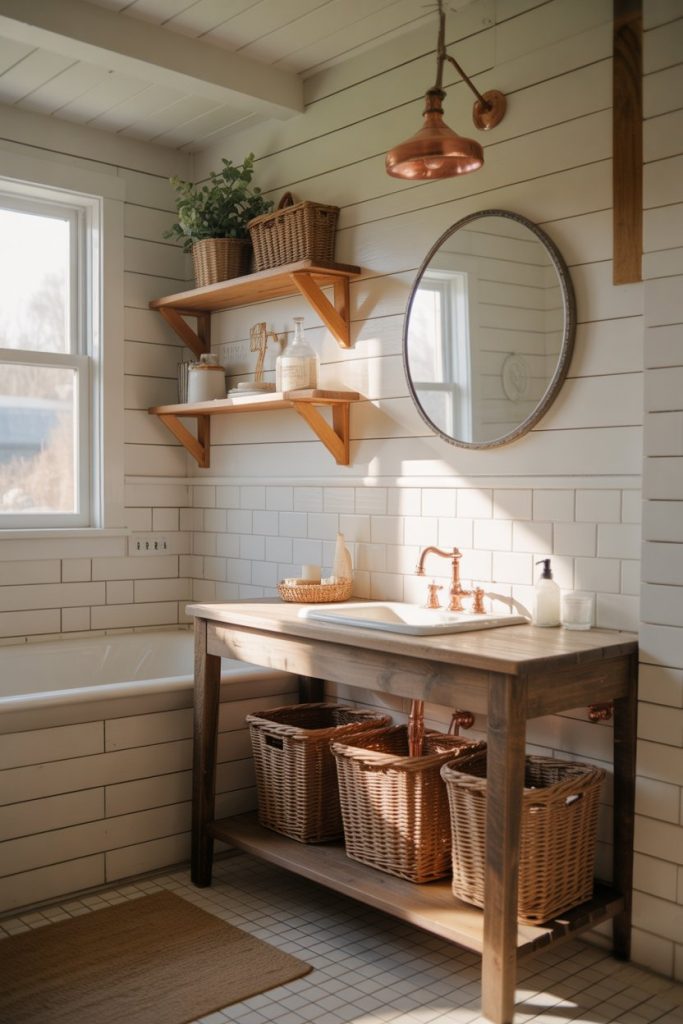
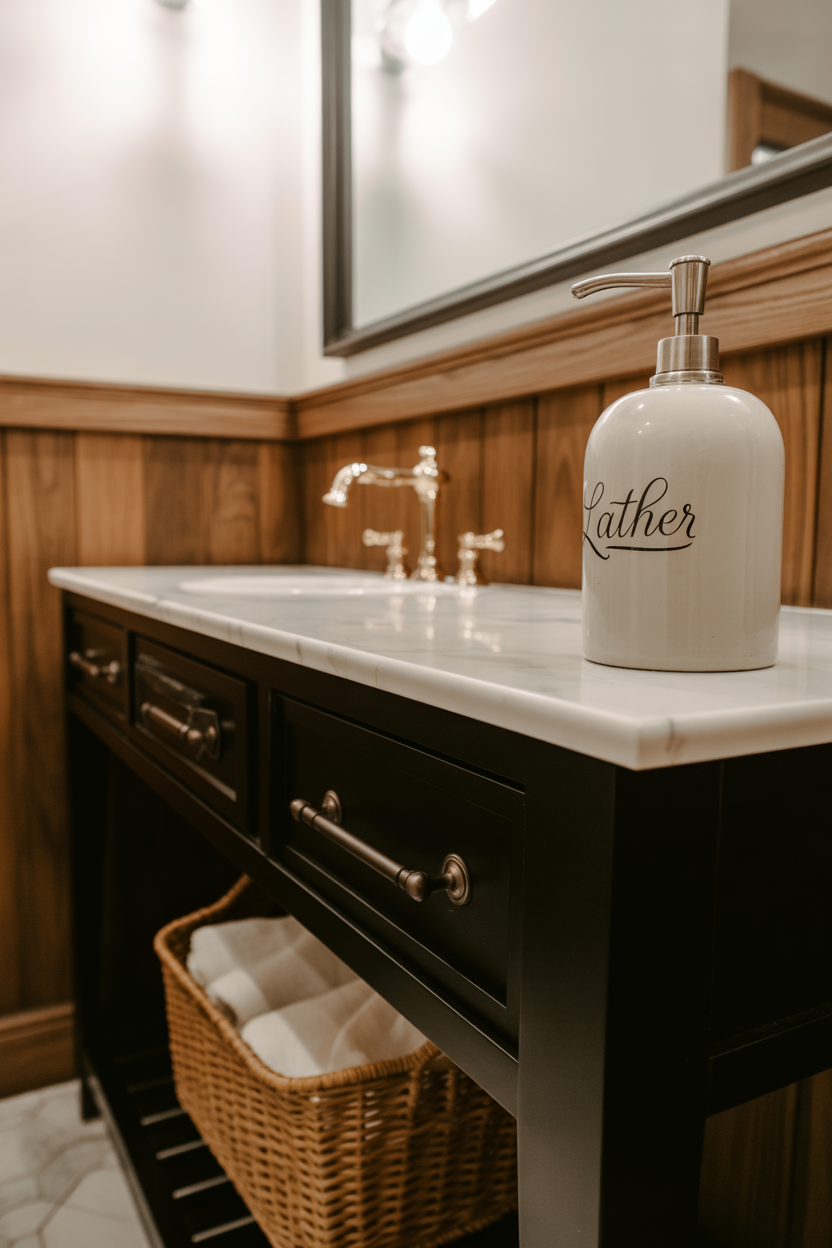
Channel rustic warmth with reclaimed wood accents, shiplap walls, and vintage-inspired fixtures. A barn door sliding into the bathroom, open shelving made from salvaged lumber, and a copper or bronze faucet all contribute to this lived-in, cozy aesthetic. Pair these elements with white subway tile and neutral paint colors to keep it from feeling too themed. This style is perfect for guest bathrooms in homes with farmhouse or cottage architecture. 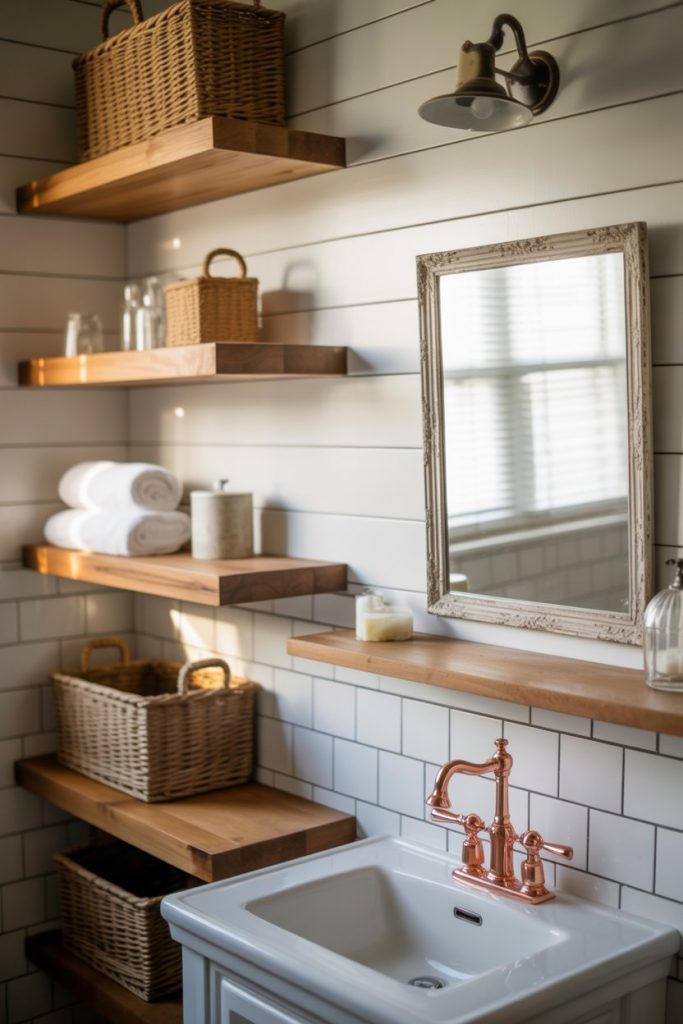
Where it works best: rural and suburban homes, especially in the South and Midwest where farmhouse style is deeply rooted in local culture. Homeowners love that this look can be achieved on a budget — you can find reclaimed wood at salvage yards or even make your own distressed finishes with new lumber and some sandpaper. Just avoid going overboard with the “Live Laugh Love” signage; real rustic style is about materials and craftsmanship, not mass-market decor.
10. Jack and Jill Shared Layout
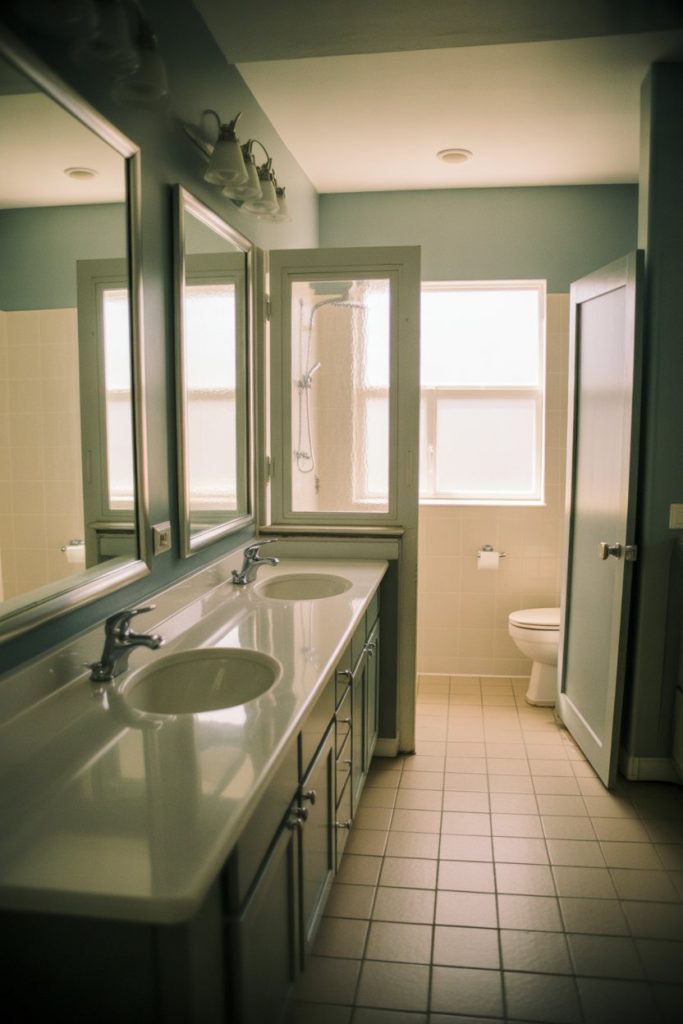
A Jack and Jill bathroom that connects two bedrooms requires smart zoning to give each user a sense of privacy. Install double sinks with separate mirror and storage areas, and consider pocket doors or even separate toilet compartments. Keep the decor neutral so it appeals to different tastes and ages — think whites, greys, and natural wood tones. This setup is especially popular in homes with kids or frequent guests who need their own space but can share a shower and tub. 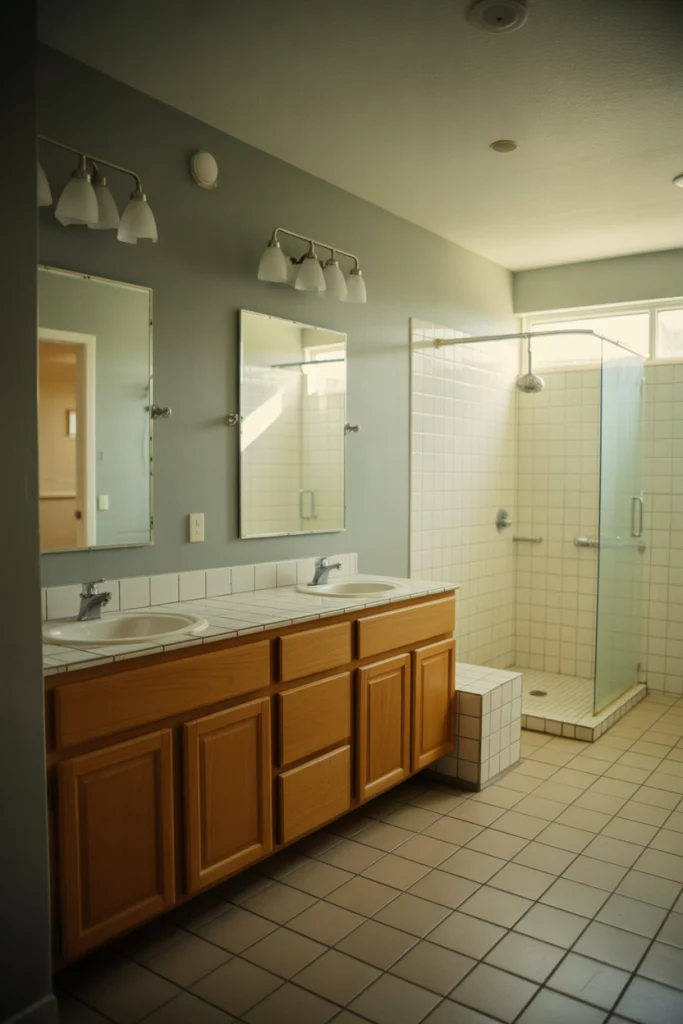
A friend who’s a real estate agent in Texas mentioned that Jack and Jill bathrooms are a huge selling point for families — they maximize function without the cost of adding a full second bathroom. Just make sure each side has adequate storage and lighting. Teenagers especially appreciate having their own drawer space and mirror time, even if they’re technically sharing the room.
11. Minimalist Modern White

A clean, all-white modern bathroom feels like a blank canvas where every element gets to shine. Use different textures — glossy subway tile, matte white paint, marble countertops — to add depth without introducing color. Chrome or brushed nickel fixtures keep the look crisp and contemporary. This approach is ideal for small full bathrooms where you want to maximize light and create the illusion of more space. 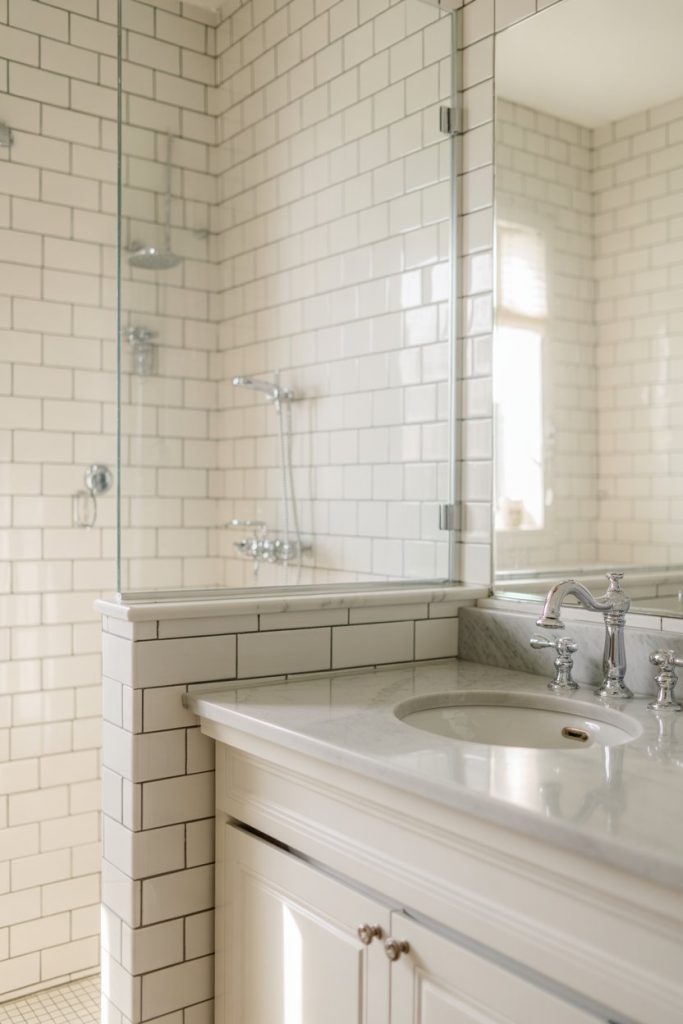
The all-white bathroom is a staple in American homes from California to Connecticut, partly because it feels universally appealing and never goes out of style. However, expert designers warn against using only one finish — mixing glossy tile with matte paint and natural stone gives the eye something to latch onto. Otherwise, you risk creating a space that feels more sterile than serene.
12. Playful Bloxburg-Inspired Design
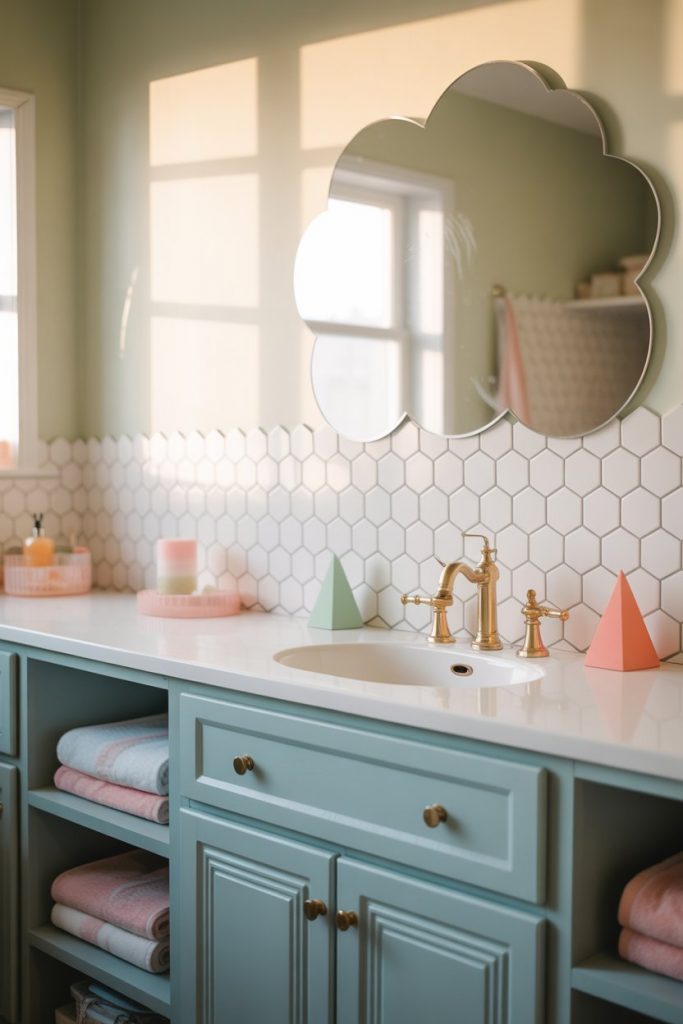
If you’ve spent time on Roblox or Pinterest, you’ve seen Bloxburg-style bathrooms — clean lines, pastel accents, and a touch of whimsy. Translate this into real life with soft pink or blue accents, geometric tile patterns, and cute accessories like a cloud-shaped mirror or novelty soap dispensers. This playful approach works beautifully in kids’ bathrooms or half baths where you’re not worried about timeless resale value. Keep the base white so you can swap out accents as tastes evolve. 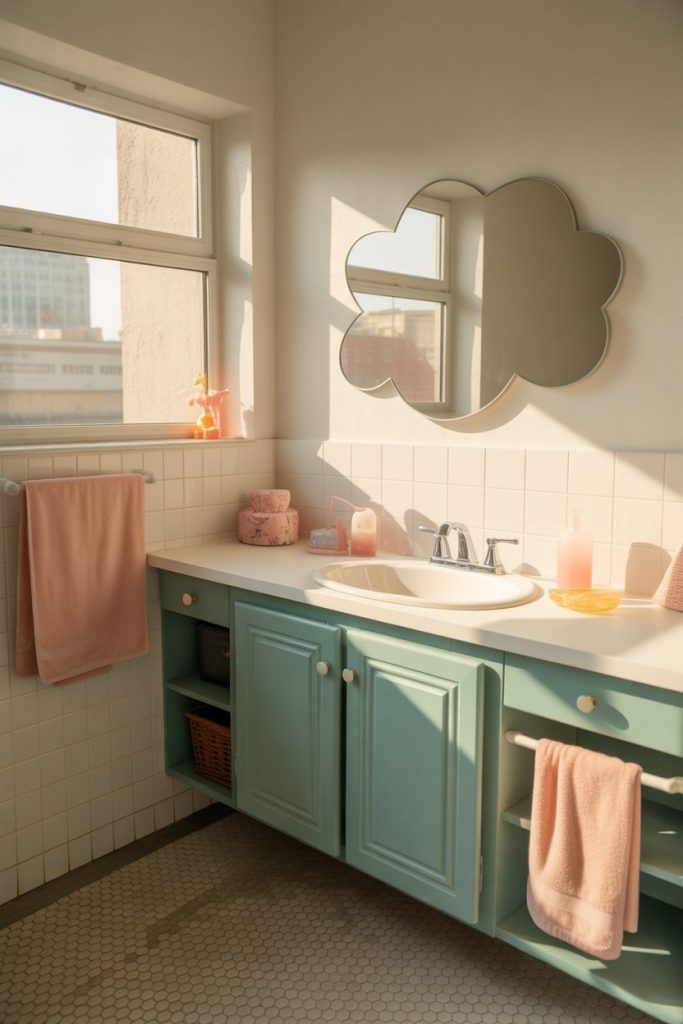
Real homeowner behavior: parents often let their kids pick one or two elements for their bathroom, which builds buy-in and makes the space feel truly theirs. A 10-year-old might choose a funky shower curtain or colorful bath mat, and those are easy (and inexpensive) to replace when they outgrow the look. Just avoid permanent installations in trendy colors unless you’re prepared to live with them for a while.
13. Toca Boca Whimsical Touch
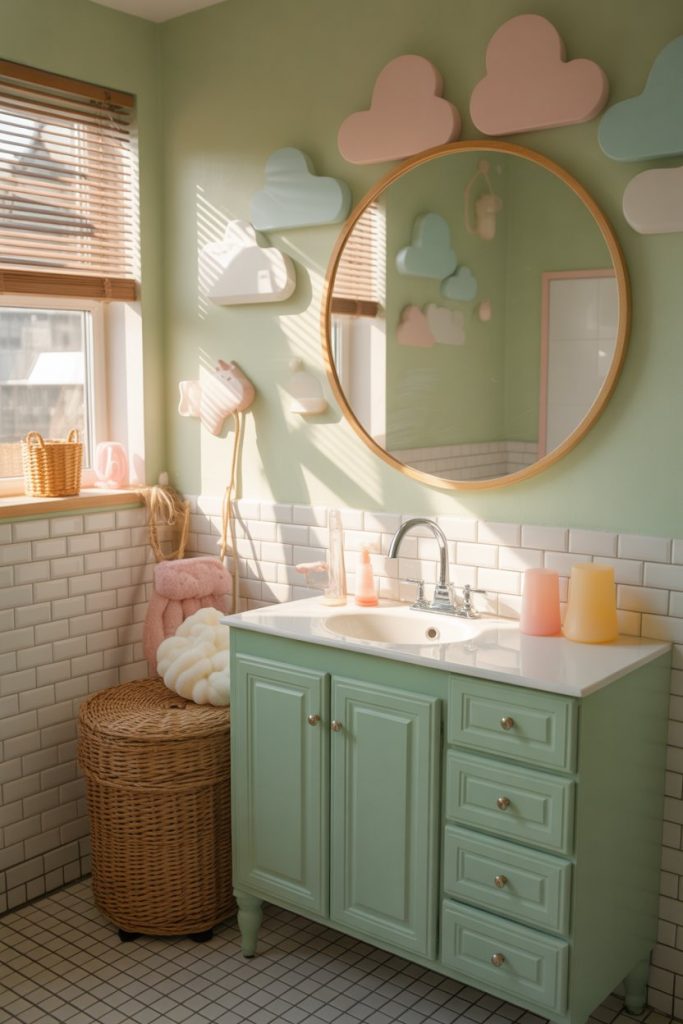
Inspired by the playful aesthetics of Toca Boca games, this style leans into soft pastels, rounded edges, and cheerful decor. Think a pink or mint-green vanity with round knobs, circular mirrors, and wall hooks shaped like little characters or clouds. This works especially well in kids’ guest bathrooms where function meets fun. Balance the playfulness with white tile and simple fixtures so the room doesn’t feel too cartoonish. 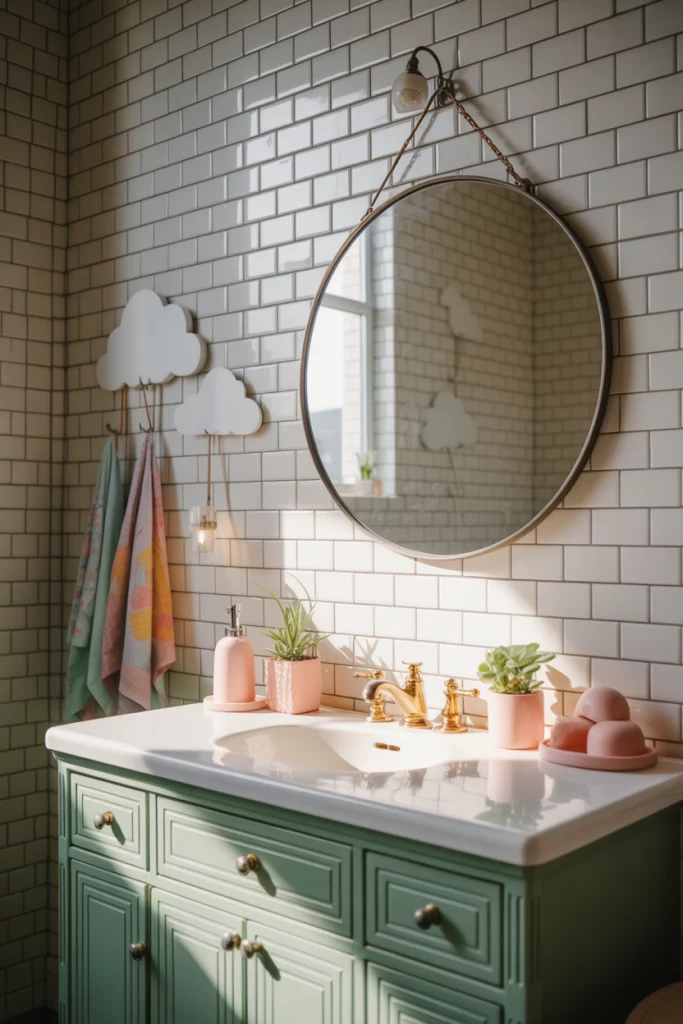
Where it works best: in homes with young children who want their bathroom to feel special and age-appropriate. It’s also a smart choice for a powder room if you want to inject personality without affecting the rest of your home’s design. The key is restraint — pick two or three playful elements and keep everything else classic so the space doesn’t feel like a theme park.
14. Luxe Primary Suite Spa
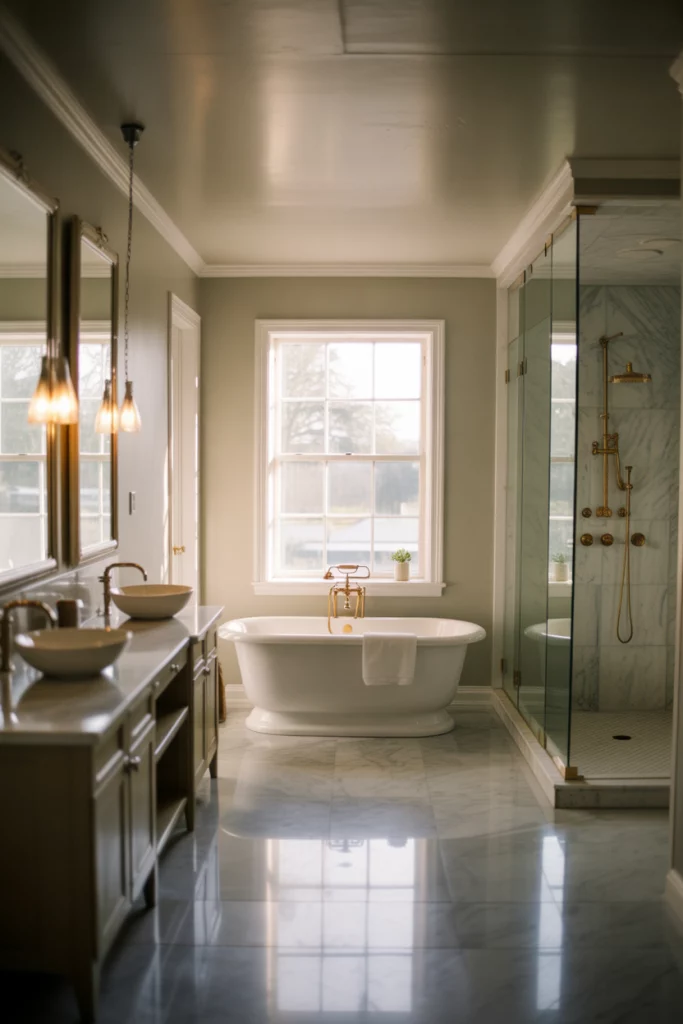
Your primary bathroom deserves the full spa treatment: a soaking tub, a walk-in shower with multiple showerheads, heated floors, and plenty of natural light. Stick with neutral tones like warm greys, soft whites, and natural stone to create a calming retreat. Add a built-in bench in the shower, a linen closet for extra towels, and maybe even a small sitting area if space allows. This is the bathroom equivalent of a five-star hotel suite. 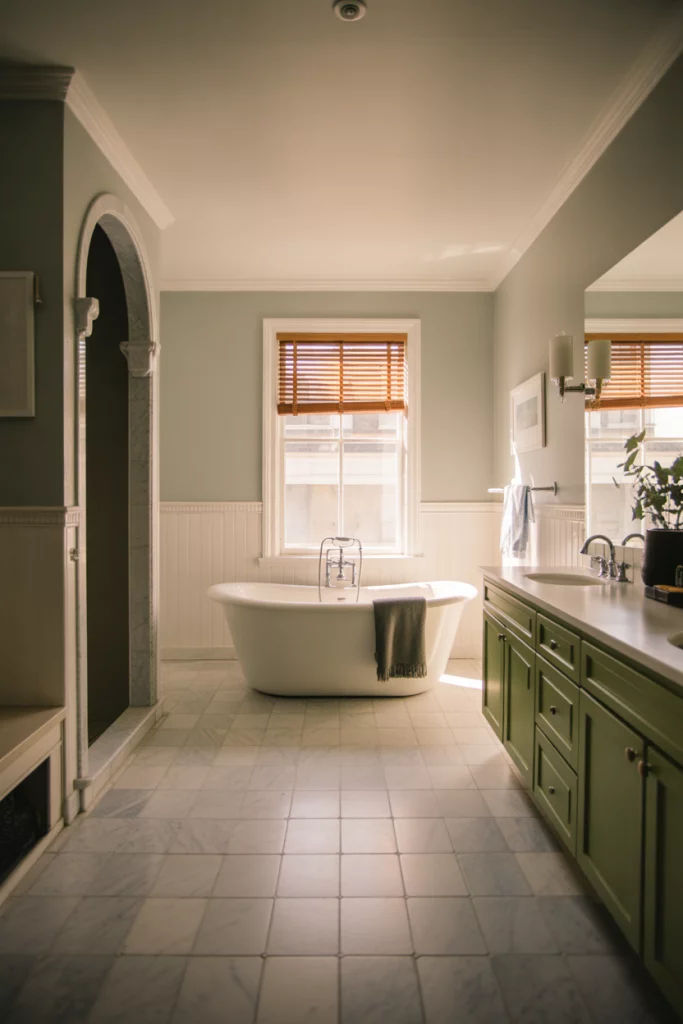
From a budget perspective, a true luxury primary bathroom renovation can run anywhere from $25,000 to $75,000 depending on your location and finishes. Heated floors alone add $10 to $20 per square foot. But homeowners consistently report that upgrading their master bath is one of the most personally rewarding projects — you use it every single day, and the quality-of-life improvement is immediate and tangible.
15. Smart Storage for Small Half Baths
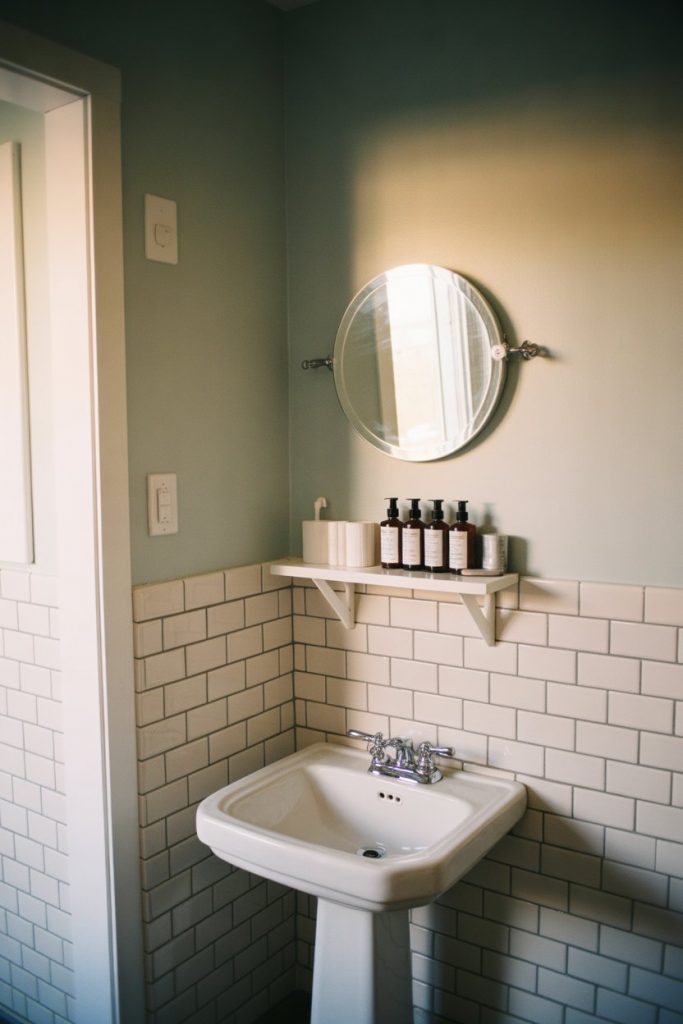
A small half bath doesn’t need to feel cramped if you maximize every surface. Install a corner sink to free up floor space, add a narrow cabinet or floating shelf, and use the back of the door for hooks or a slim organizer. Keep colors light — white, soft grey, or pale blue — to make the space feel larger. Even tiny powder rooms can feel polished and functional with the right layout. 
A practical insight from contractors: the standard powder room is just 20 square feet, which means every inch counts. Swapping a traditional vanity for a pedestal or wall-mounted sink can reclaim up to 8 inches of floor space, making the room feel dramatically more open. Many homeowners also skip the traditional medicine cabinet in favor of a large mirror, then add a slim rolling cart for extra storage that can tuck into a nearby closet when not in use.
16. Mixed Metals Modern Glam
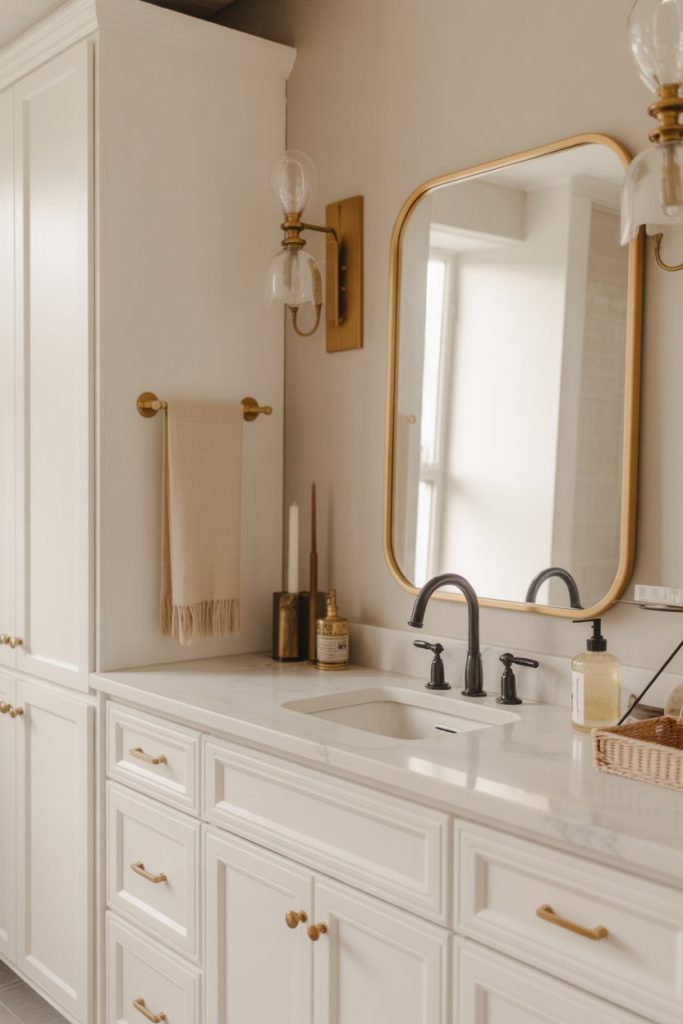
Don’t be afraid to mix black matte fixtures with brass or gold accents in a modern bathroom. This layered approach adds visual interest and keeps the space from feeling too matchy-matchy. Try black faucets with a gold-framed mirror, or brass cabinet pulls against white shaker-style vanity doors. The key is to repeat each finish at least twice so it looks intentional rather than random. This trend is especially popular in primary and ensuite bathrooms where you want a designer look. 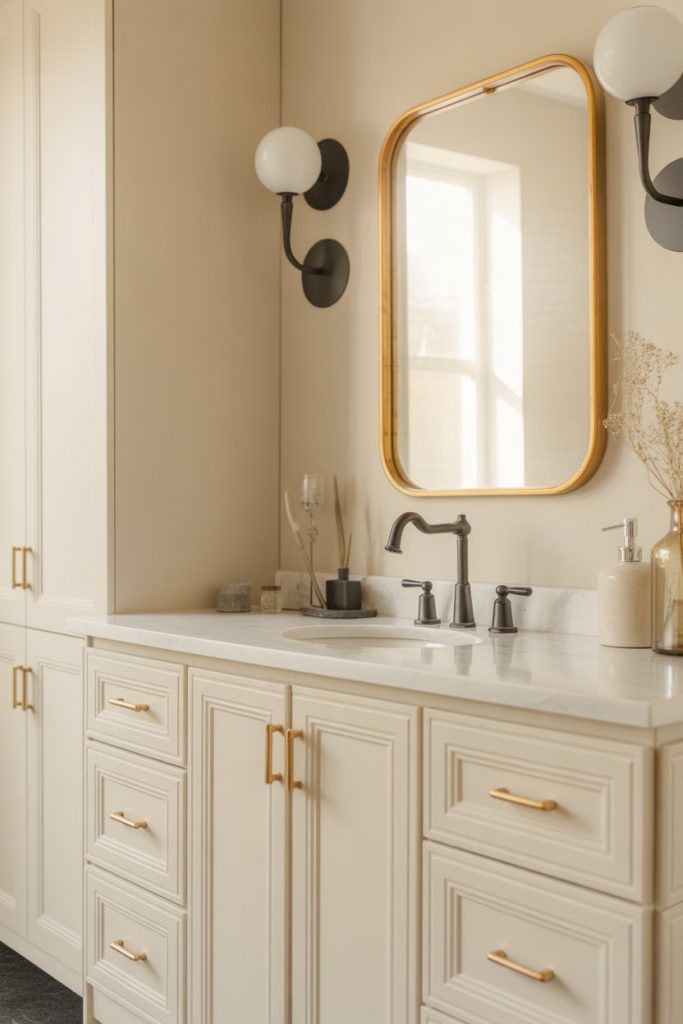
A common mistake is mixing too many finishes — stick to two or three max. For example, matte black plumbing fixtures, brushed brass hardware, and polished chrome accents would feel chaotic. Instead, choose black and brass, or chrome and gold, and carry those finishes throughout the room. Interior designers often recommend treating your finish choices like a capsule wardrobe: cohesive, intentional, and easy to coordinate.
17. Earthy Green and Wood Combo
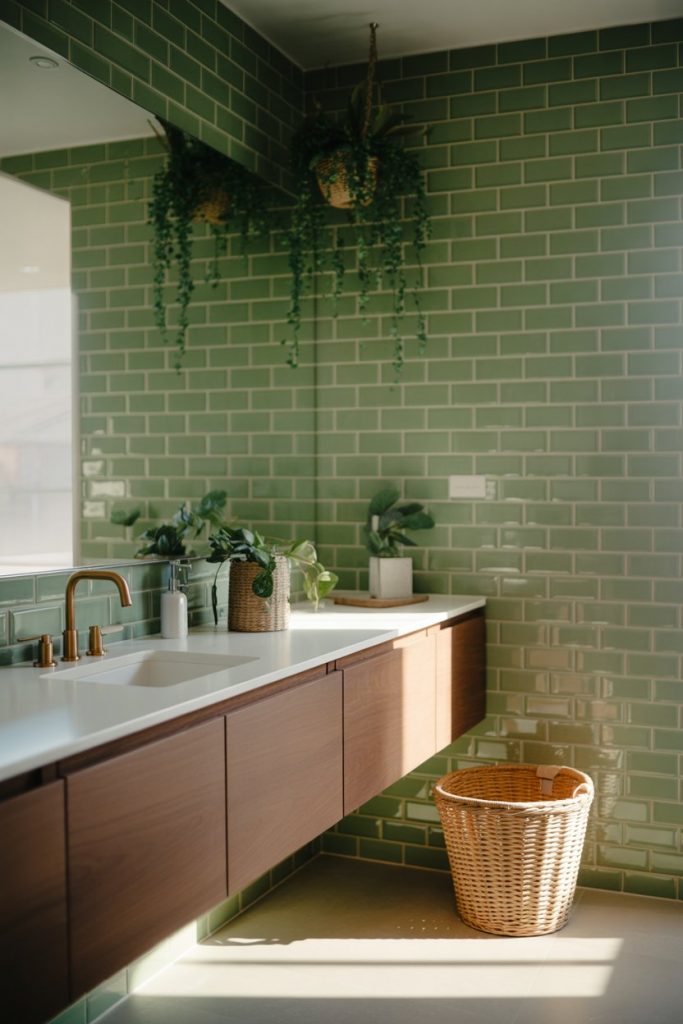
Combine green tile or paint with natural wood elements for an organic, grounded aesthetic. Sage or olive green walls paired with a teak or walnut vanity create a spa-like feel that’s also distinctly modern. Add plants, woven baskets, and neutral linens to reinforce the natural theme. This palette works beautifully in ensuite bathrooms where you want to wake up feeling refreshed and connected to nature. 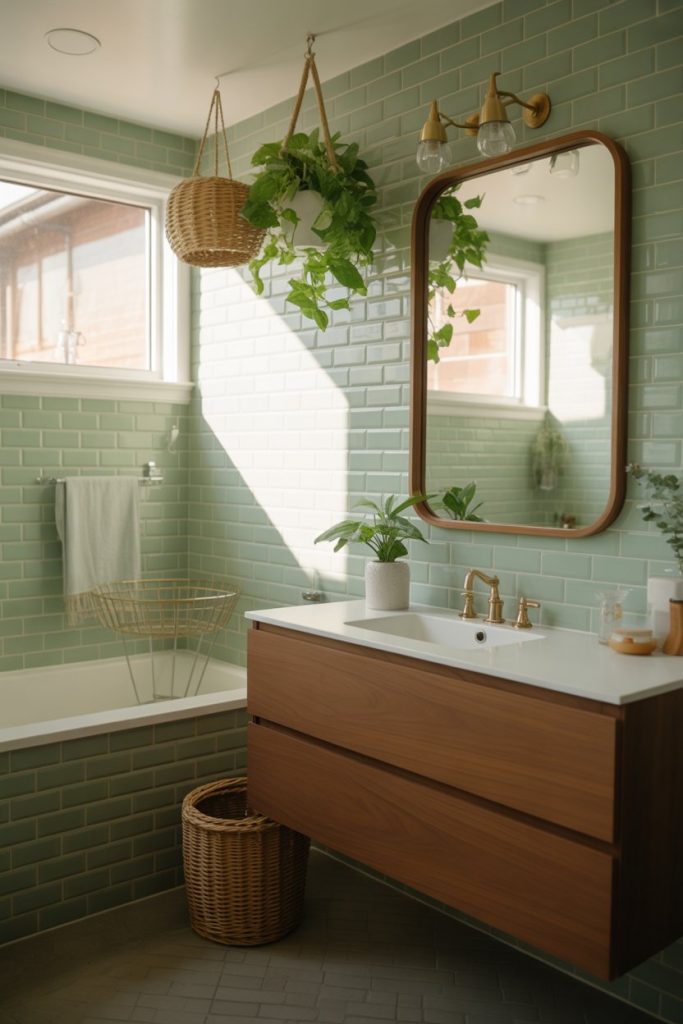
This color combination is trending especially hard in the Pacific Northwest and Northern California, where bringing the outdoors in is practically a design mandate. Homeowners in these regions often pair green bathrooms with large windows or skylights to maximize natural light. Just be mindful of undertones — cool greens can feel clinical, while warmer olives and sages create that soothing, earthy vibe you’re after.
18. Statement Lighting Drama
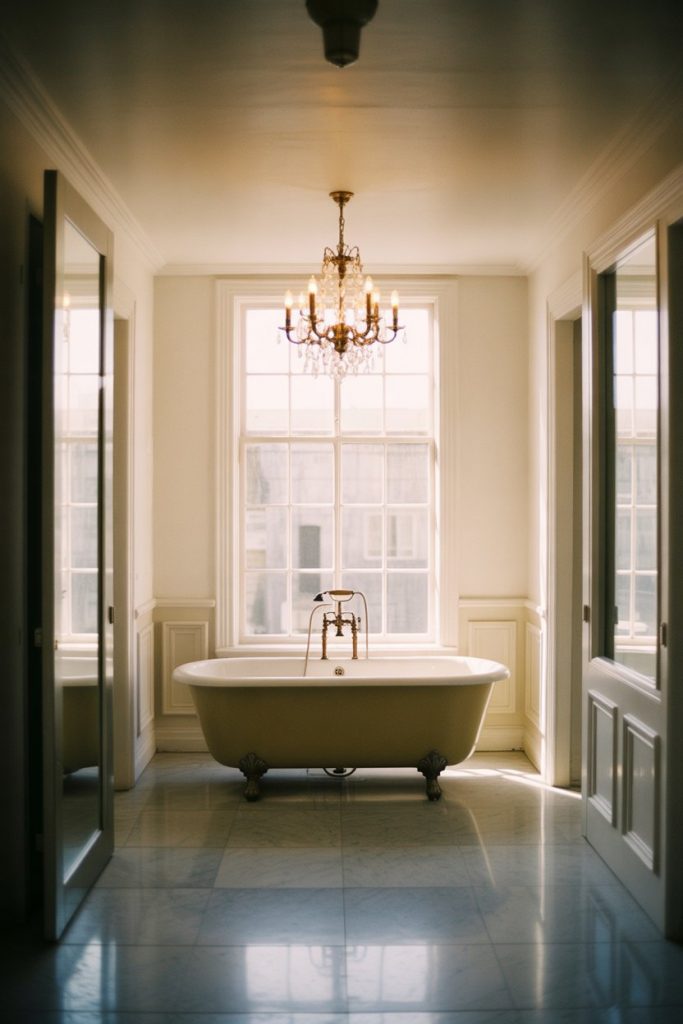
Swap out boring builder-grade fixtures for a statement chandelier or sculptural pendant light. This works particularly well in master bathrooms with high ceilings or over a freestanding tub. Choose a finish that complements your overall palette — brass for warmth, matte black for modern edge, or crystal for traditional elegance. The lighting becomes both functional and a piece of art. Just make sure it’s rated for damp or wet locations depending on placement. 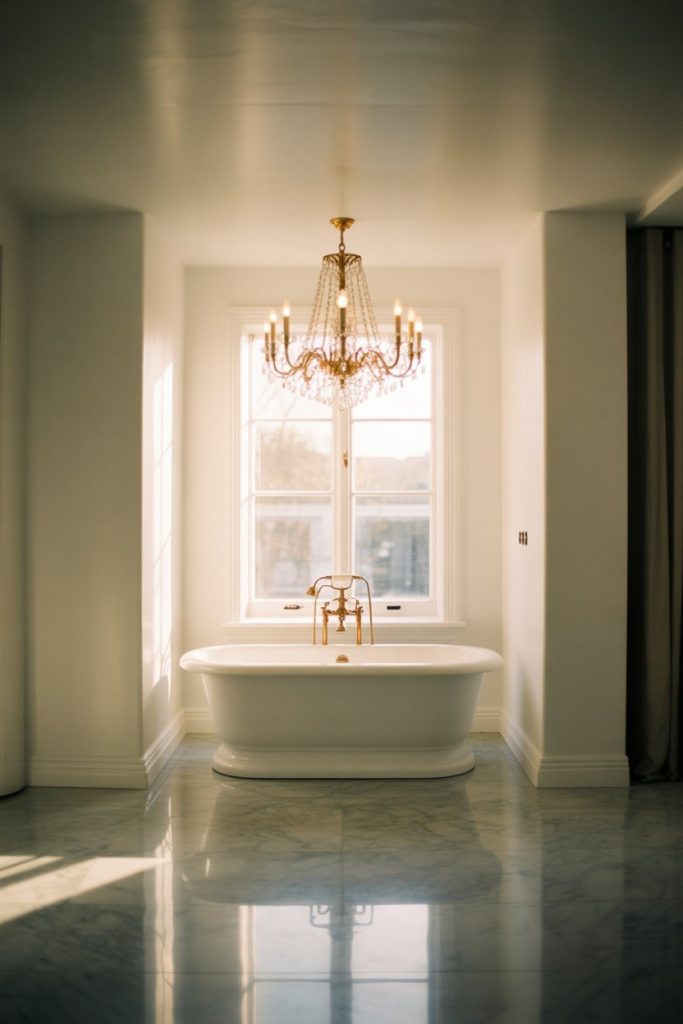
From a practical standpoint, most decorative ceiling fixtures run between $150 and $600, though true statement pieces can go much higher. Installation is usually straightforward if you already have a ceiling junction box, but if you’re adding a fixture where none existed, factor in electrical work. Many homeowners find this single upgrade transforms the entire feel of the room — it’s like jewelry for your bathroom.
19. Vintage-Inspired Guest Retreat
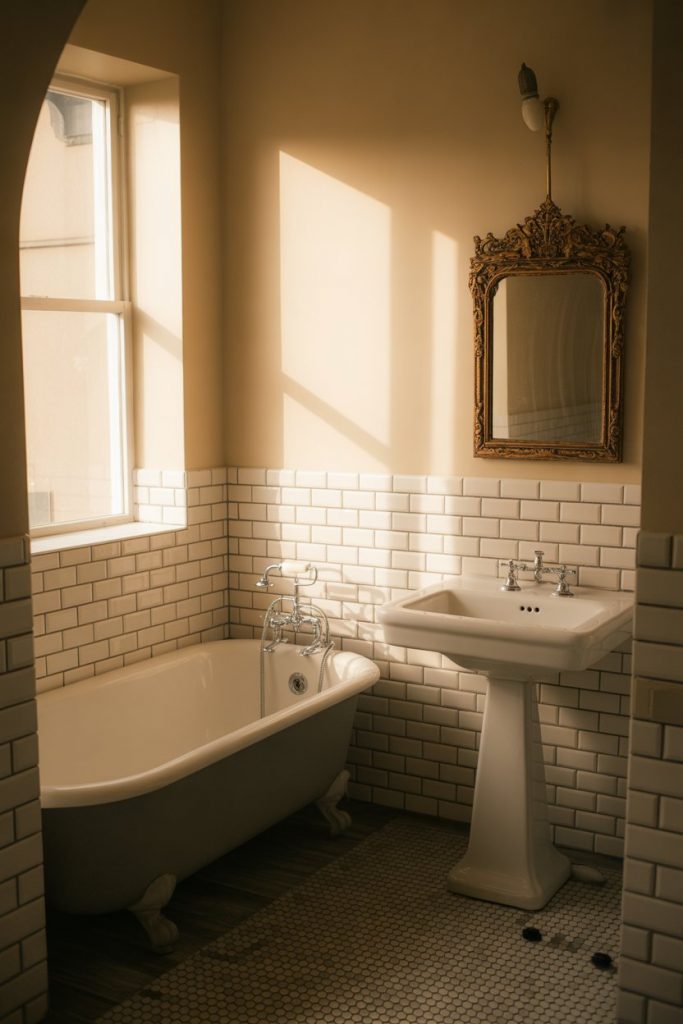
Create a charming guest bathroom with vintage finds like a clawfoot tub, antique mirror, or salvaged vanity. Mix these pieces with fresh white subway tile and neutral paint to keep the space from feeling dated. Add period-appropriate details like cross-handle faucets, hexagon floor tile, and a vintage-style medicine cabinet. This approach is perfect for older homes where you want to honor the architecture while still providing modern comfort. 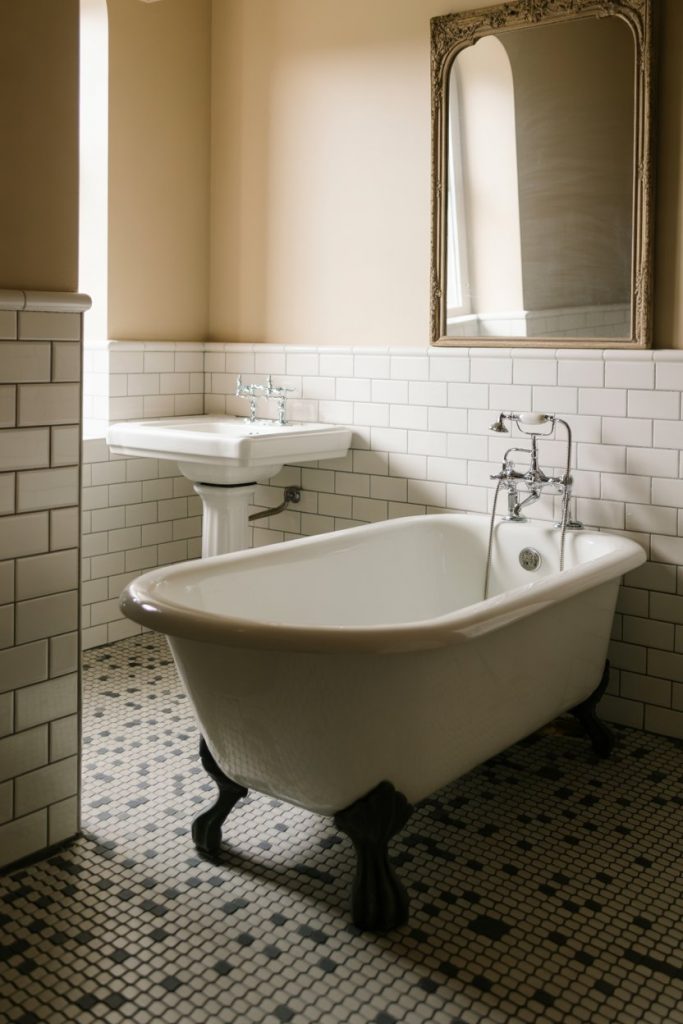
Real homeowners in cities with lots of historic housing stock — think Boston, Charleston, or San Francisco — often find vintage fixtures at architectural salvage shops for a fraction of what new reproduction pieces cost. A salvaged clawfoot tub might run $300 to $800 and just needs refinishing, while a brand new one can easily top $2,000. Plus, there’s something special about using a piece with history; it gives the room character that new construction can’t replicate.
20. Open Shower Walk-In Design
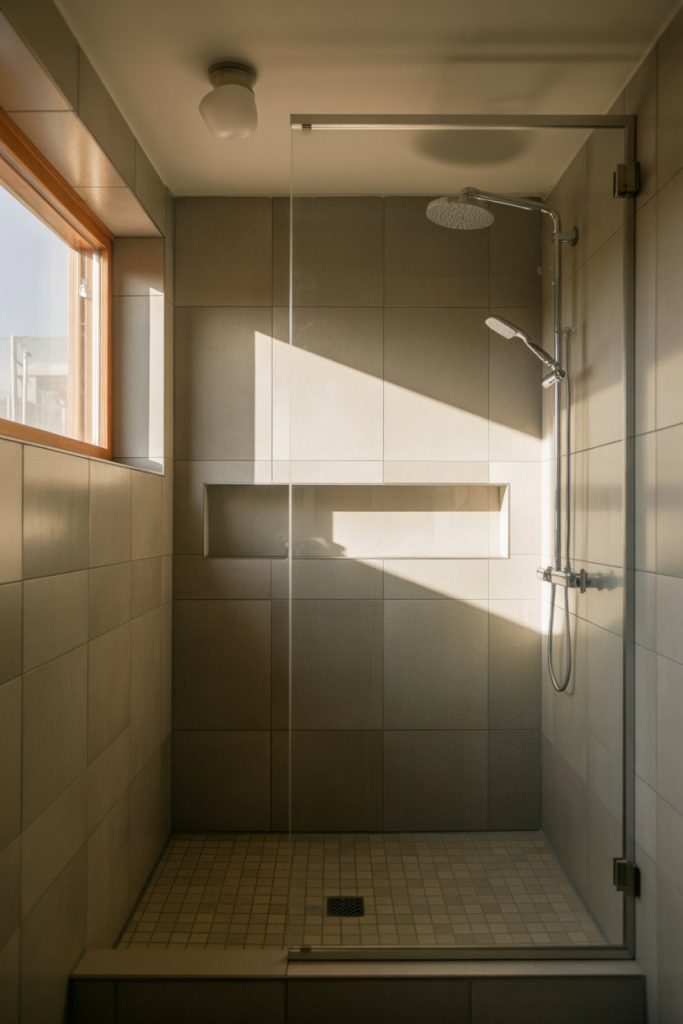
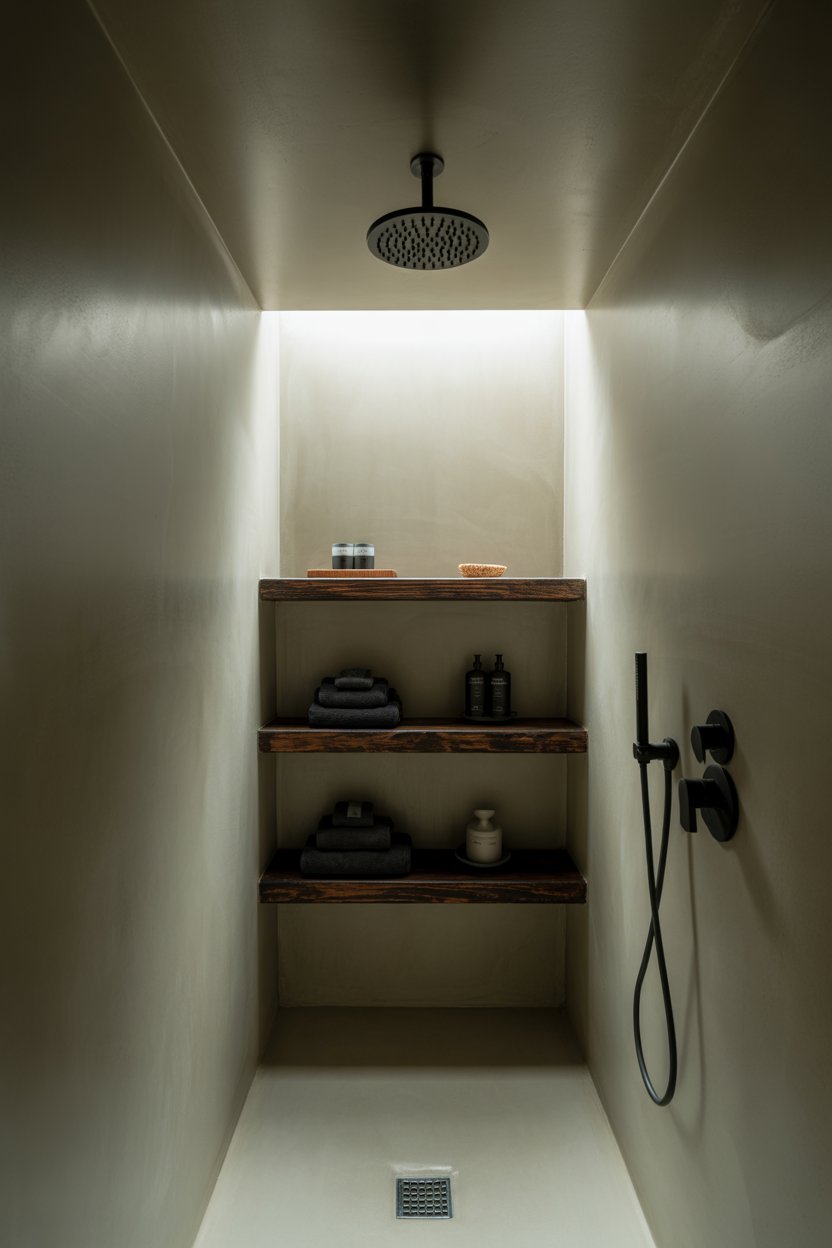
An open, barrier-free walk-in shower creates a seamless, modern look that’s also incredibly practical for aging in place. Use large-format grey or neutral tile on both the floor and walls to minimize grout lines, and install a linear drain for a clean, streamlined appearance. A fixed glass panel or even no barrier at all keeps sightlines open and makes small full bathrooms feel much larger. Add a built-in niche for storage and a rainfall showerhead for that spa experience. 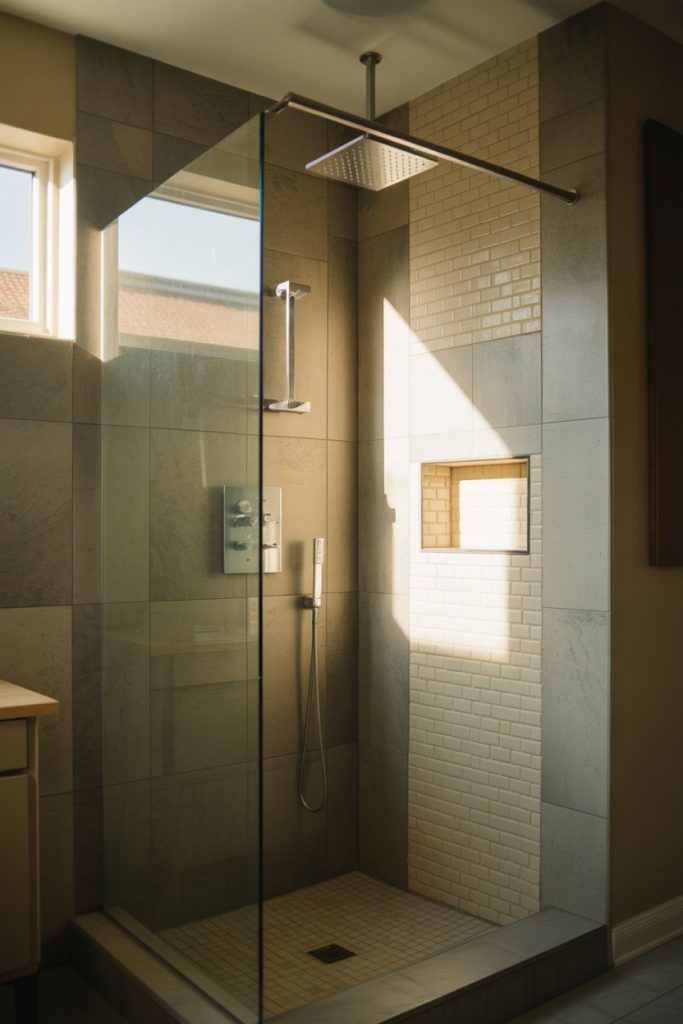
Expert contractors note that curbless showers require careful planning — the entire bathroom floor needs to slope toward the drain, which means raising the rest of the floor or lowering the shower pan. This can add $1,500 to $3,000 to your project, but the result is worth it for both aesthetics and long-term functionality. Many homeowners appreciate that this design works beautifully now and will continue to serve them as they age.
21. Texture-Rich Neutral Layers
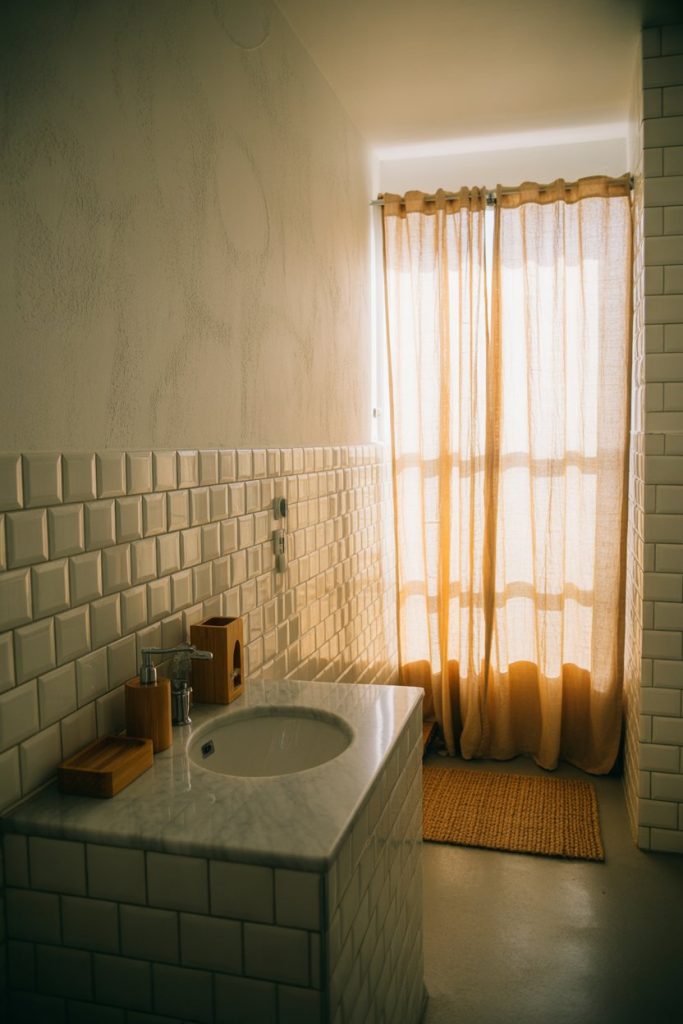
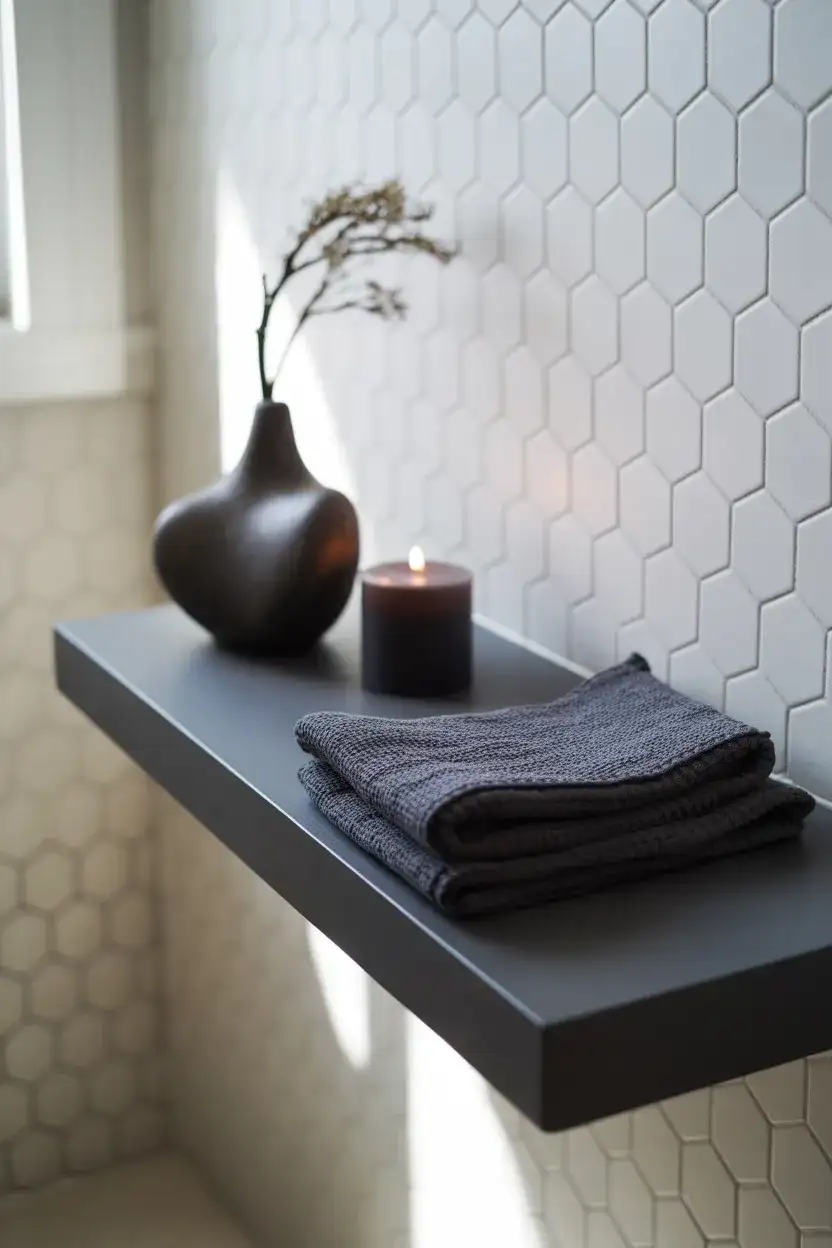
Create depth in a neutral bathroom by layering different textures: matte white paint, glossy subway tile, honed marble counters, and linen window treatments. Add tactile elements like a chunky knit bath mat, wooden tray, or ceramic soap dispenser. This approach keeps the space feeling warm and curated rather than flat and boring. It’s perfect for modern master bathrooms where you want sophistication without relying on bold color. 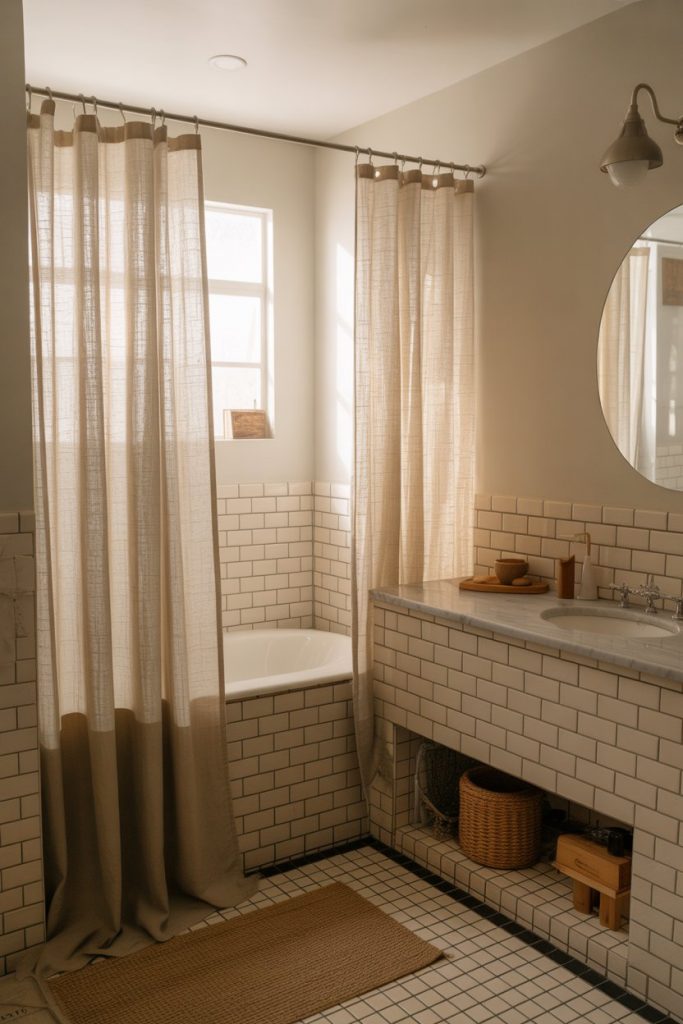
Where it works best: in homes where the overall aesthetic leans minimalist or Scandinavian, and in bathrooms with great natural light that can show off the subtle variations in texture. The secret is to touch and feel samples in person before buying — what looks identical in photos can have vastly different tactile qualities. A honed finish feels soft and velvety, while polished marble is cool and slick. Those differences are what make a textured neutral space feel rich instead of one-note.
Conclusion
Your master bathroom should reflect how you actually live, not just what looks good in a magazine. Whether you’re drawn to the calm of a spa retreat, the boldness of dark walls, or the practicality of smart storage, the best design is one that makes your daily routine feel a little more luxurious. Drop a comment below and let us know which of these ideas you’re planning to try — we’d love to hear what speaks to your style.