Living room lighting is stepping into a bold new era in 2026, where thoughtful design meets everyday function in ways that feel both fresh and approachable. Americans are turning to Pinterest in droves—not just for inspiration, but for real solutions to common challenges like low ceilings, awkward layouts, and the desire to create spaces that feel intentional without feeling overdesigned. Whether you’re working with a grey couch that needs the right glow, a blue accent wall begging for drama, or a Japandi-inspired retreat that craves balance, this year’s trends prove that lighting is the easiest way to transform a room without tearing down a single wall. Here are ideas that blend style, practicality, and a little bit of magic.
1. Sculptural Floor Lamps for Grey Couch Corners
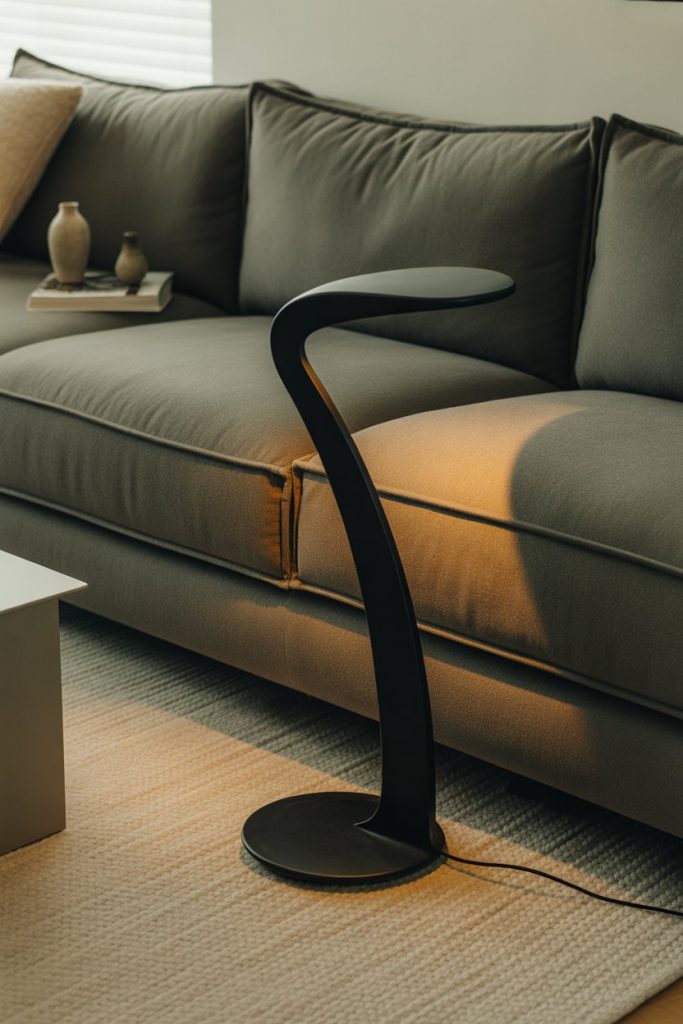
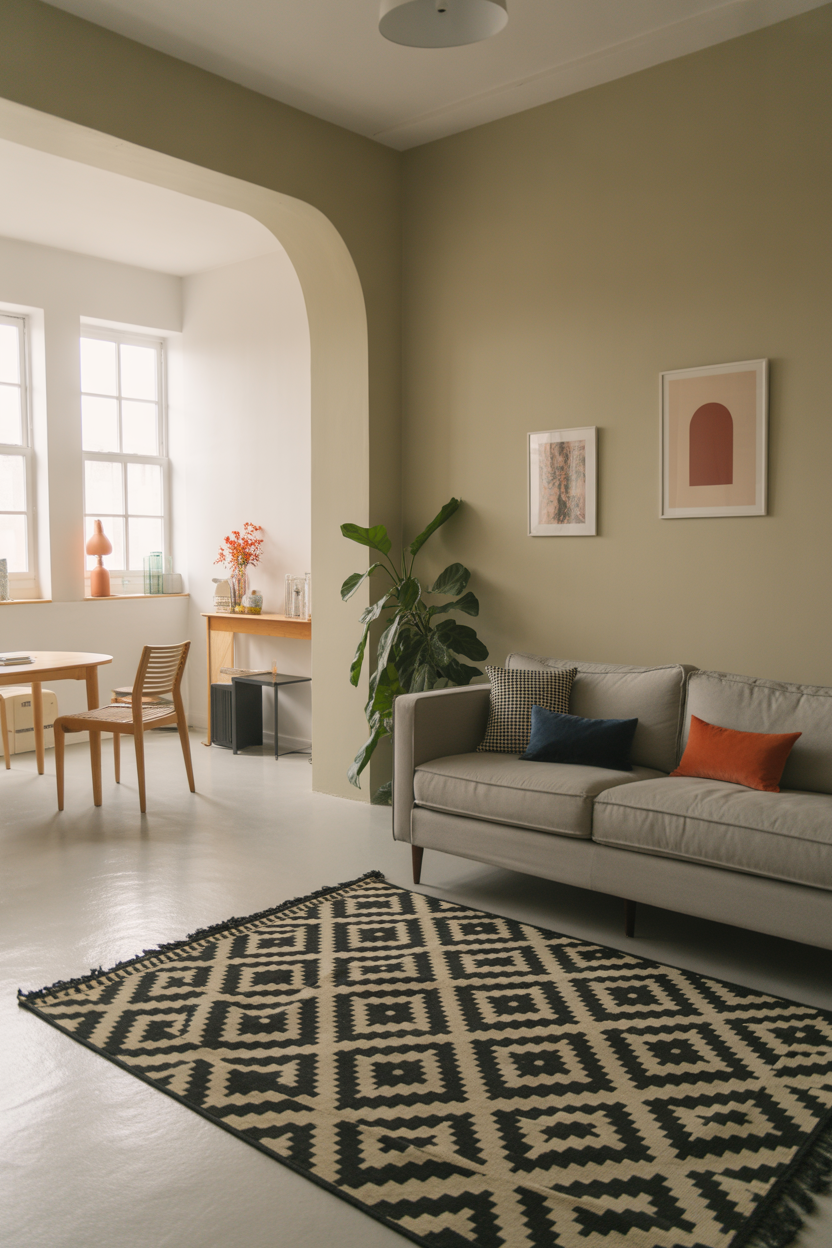
A grey couch offers a neutral foundation that practically begs for a statement lighting piece, and sculptural floor lamps deliver exactly that. These tall, architectural fixtures—think curved arms, asymmetrical bases, or matte black finishes—anchor the corner of your seating area while adding visual weight and personality. In apartment settings where overhead options are limited, a well-placed floor lamp becomes the hero, casting warm pools of light that make the space feel curated rather than generic. Pair it with layered textures—linen throws, velvet pillows—and watch the grey sofa transform from background player to centerpiece. 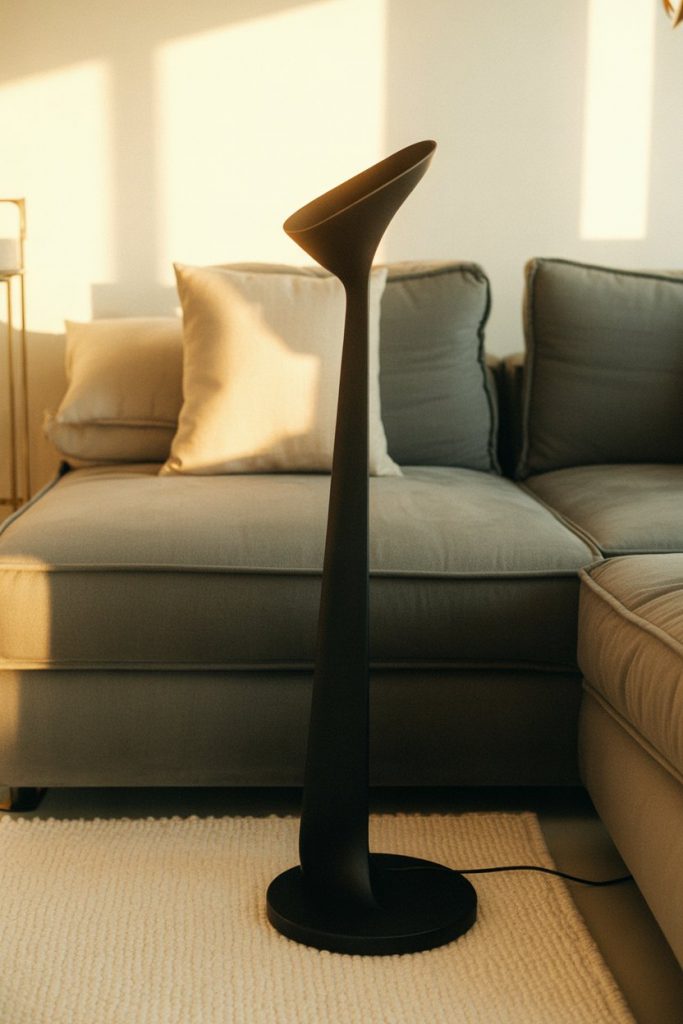
Where this works best: Open-plan living rooms in urban apartments or lofts, where you need to define zones without blocking sightlines. The lamp acts as a visual anchor, signaling “this is the reading nook” or “this is where you unwind.” It’s a small investment that delivers outsized impact, especially when you choose a design with a dimmer switch to adjust the mood from morning coffee to late-night Netflix.
2. Layered Ambient Lighting for Cosy Evenings
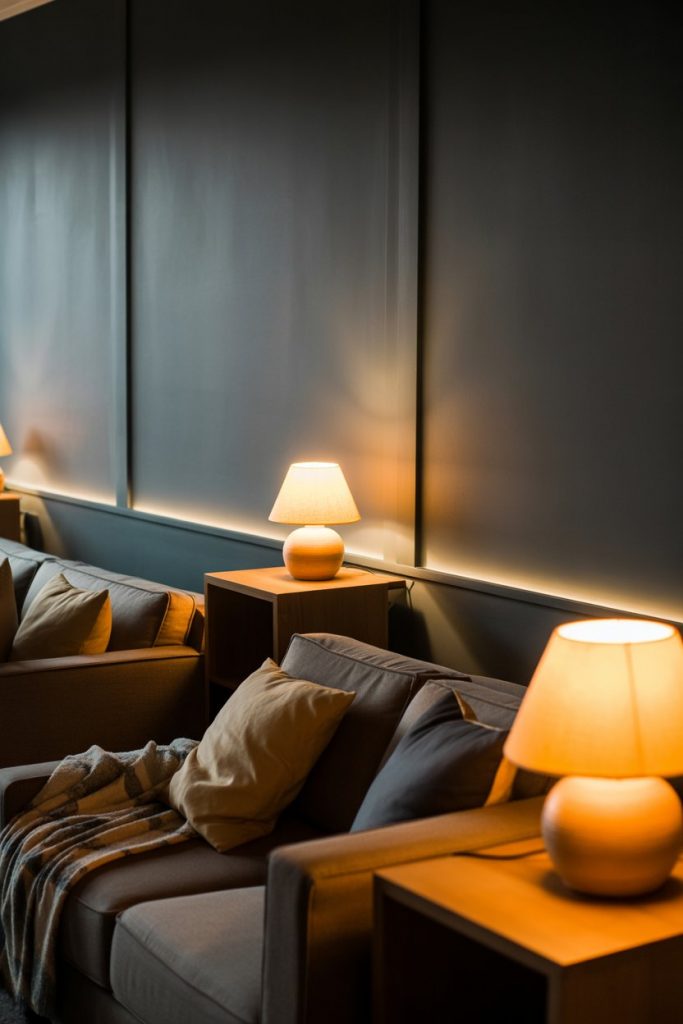
Creating a cosy living room in 2026 means mastering the art of ambient lighting—soft, indirect sources that eliminate harsh shadows and invite you to stay awhile. Think table lamps on side tables, LED strips tucked behind floating shelves, and wall sconces that wash the walls in a gentle glow. The goal is to layer multiple low-level sources rather than relying on a single overhead fixture, which can feel clinical. This approach works beautifully in homes with grey walls, where warm-toned bulbs (2700K–3000K) prevent the space from feeling cold or sterile. 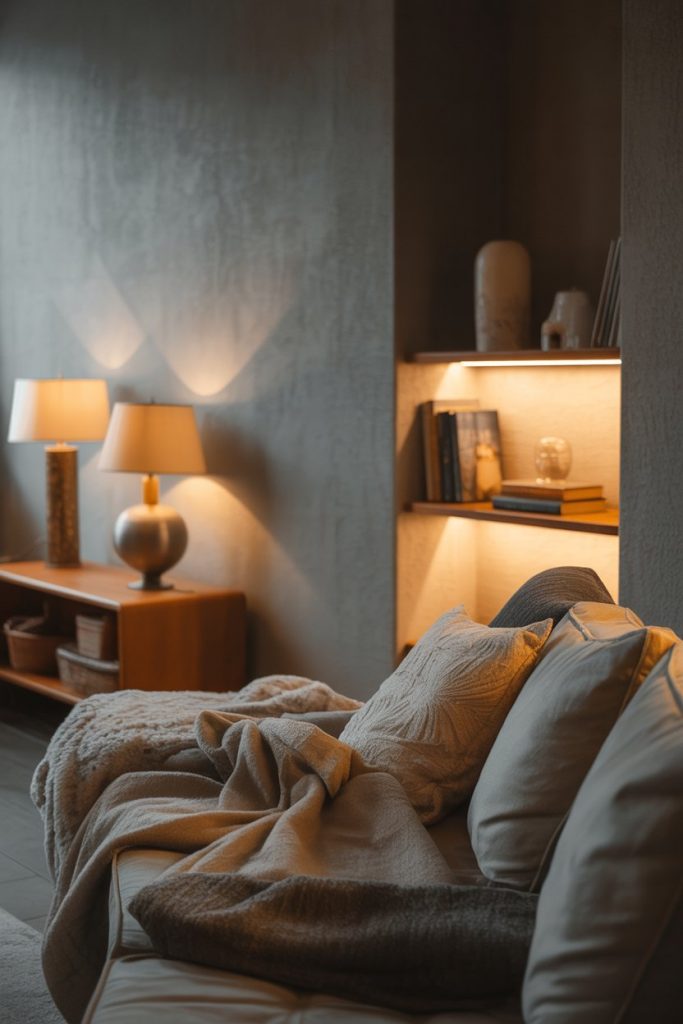
A common mistake homeowners make is using bulbs that are too bright or too blue-toned, which disrupts the cozy vibe you’re trying to build. Stick with Edison-style bulbs or dimmable LEDs in warm white, and avoid anything labeled “daylight” or “cool white.” The difference is subtle but transformative—suddenly, your living room feels like a place you never want to leave.
3. Statement Chandeliers for High Ceilings
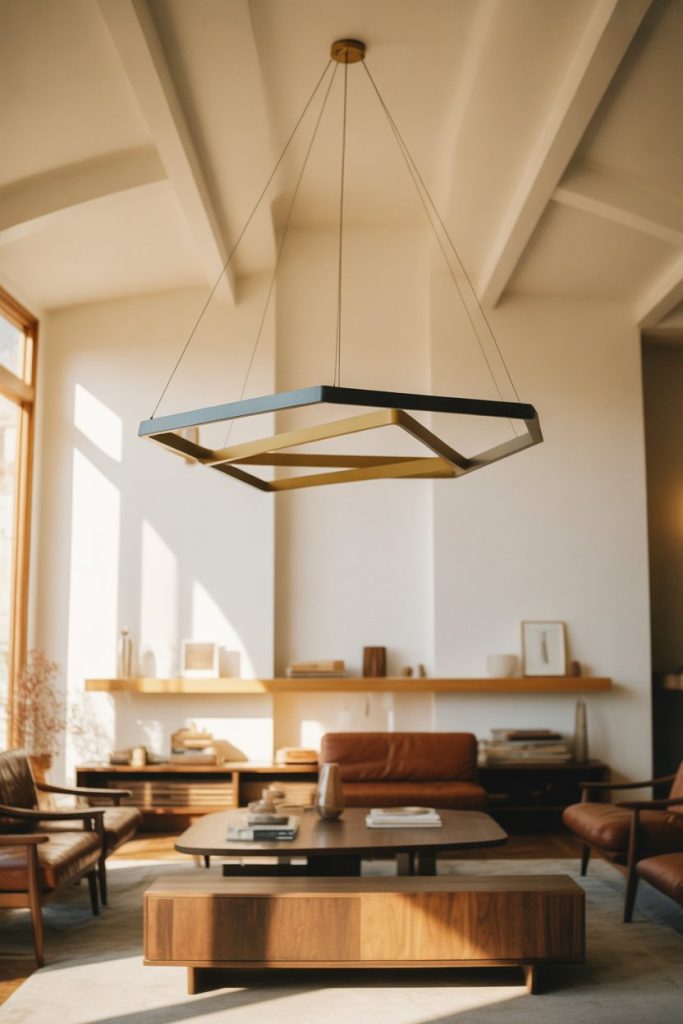
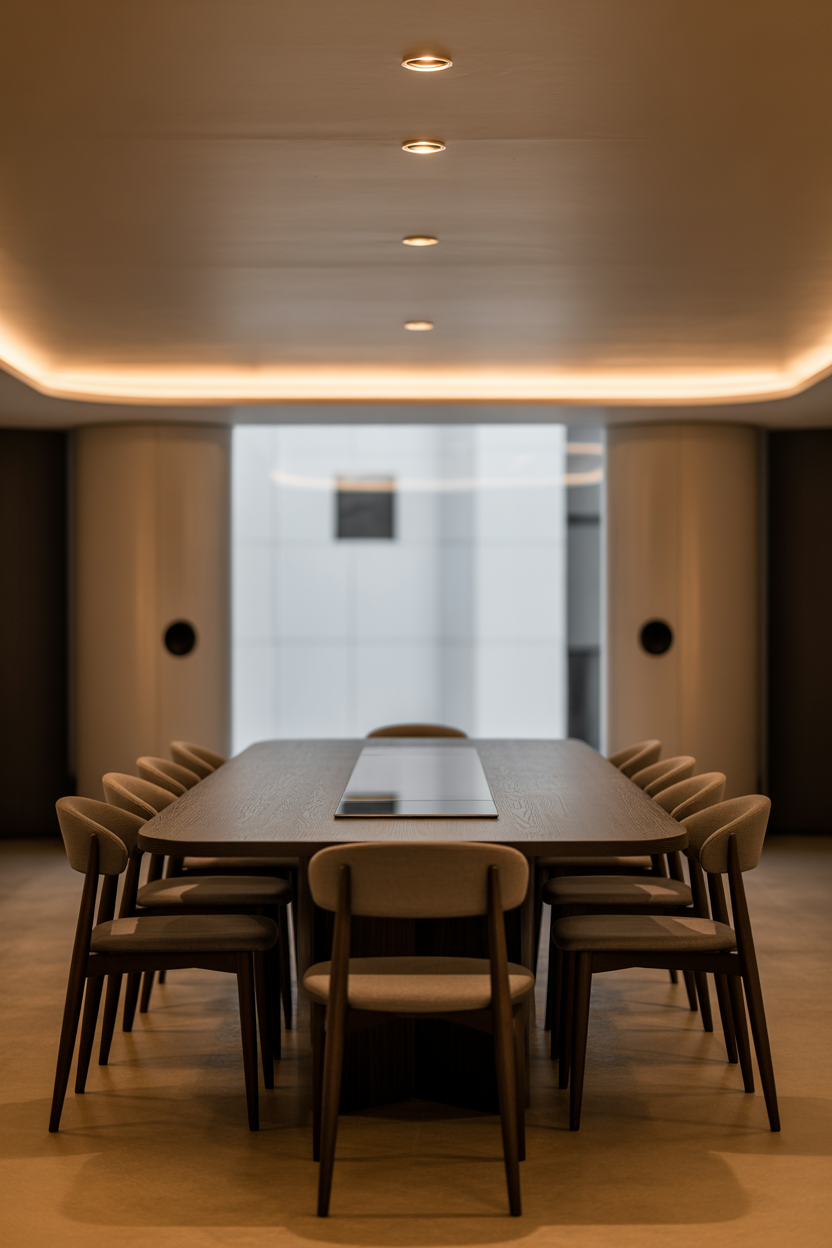
If you’re blessed with a high ceiling, don’t let it go to waste—this is your chance to hang a show-stopping chandelier that commands attention from the moment someone walks in. We’re seeing oversized geometric designs, organic shapes inspired by nature, and even multi-tiered fixtures that cascade downward like sculptural art. The key is scale: a chandelier in a room with 12-foot ceilings should be at least 30 inches in diameter to feel proportional. In mid century modern spaces, look for brass or aged bronze finishes that nod to the era’s love of warm metals. 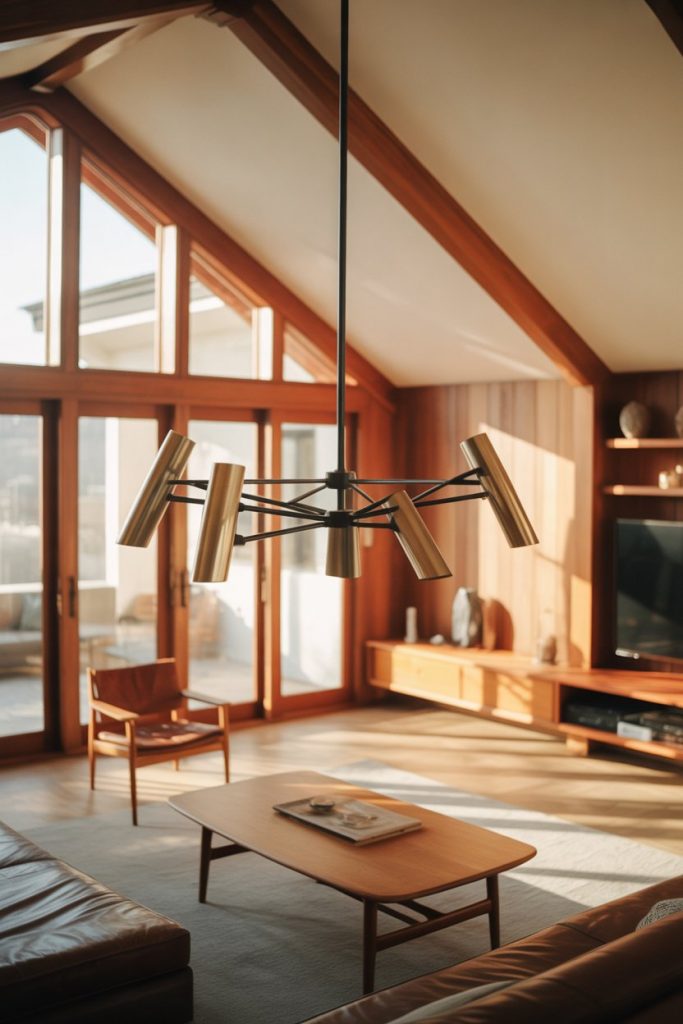
Budget tip: You don’t need to spend thousands on a designer piece. Retailers like West Elm, CB2, and even Wayfair offer statement chandeliers under $800 that look far more expensive than they are. Installation might cost an extra $200–$300 if you need an electrician to reinforce the junction box, but it’s worth it for the dramatic transformation.
4. Flush-Mount Fixtures for Low Ceiling Solutions
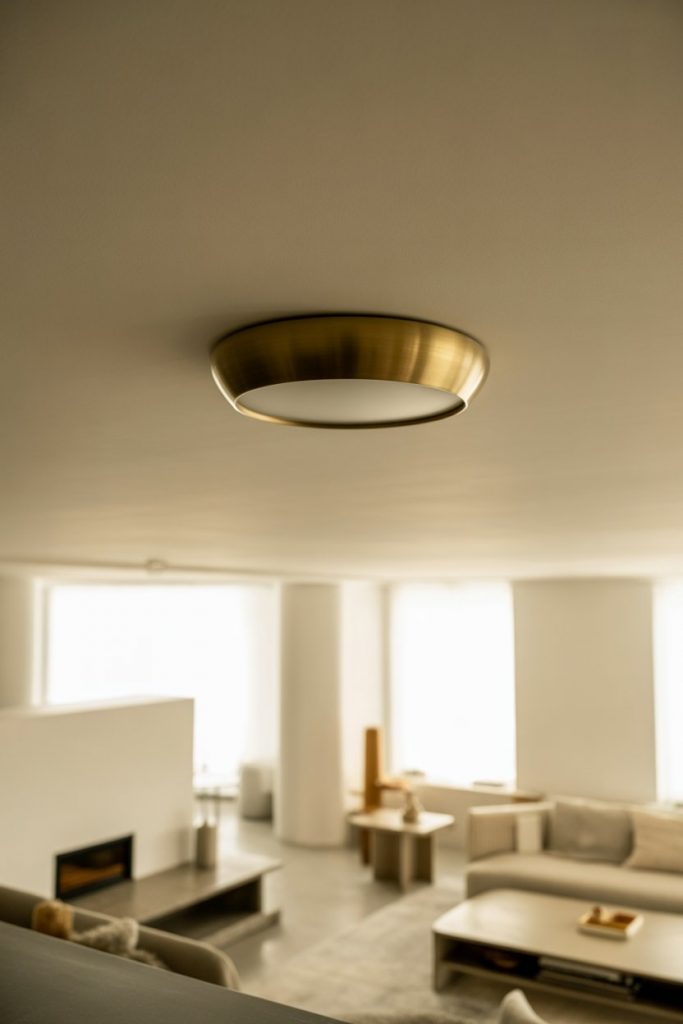
Low ceilings don’t mean boring lighting—in fact, fixtures low ceiling spaces demand have evolved into sleek, design-forward options that sit close to the ceiling without sacrificing style. Flush-mount and semi-flush fixtures now come in everything from minimalist glass globes to textured metal drums, offering plenty of personality without stealing precious headroom. In apartment living rooms with 8-foot ceilings, these fixtures provide essential overhead illumination while keeping the room feeling open and uncluttered. Pair them with task lighting (floor lamps, table lamps) to avoid the dreaded single-source syndrome. 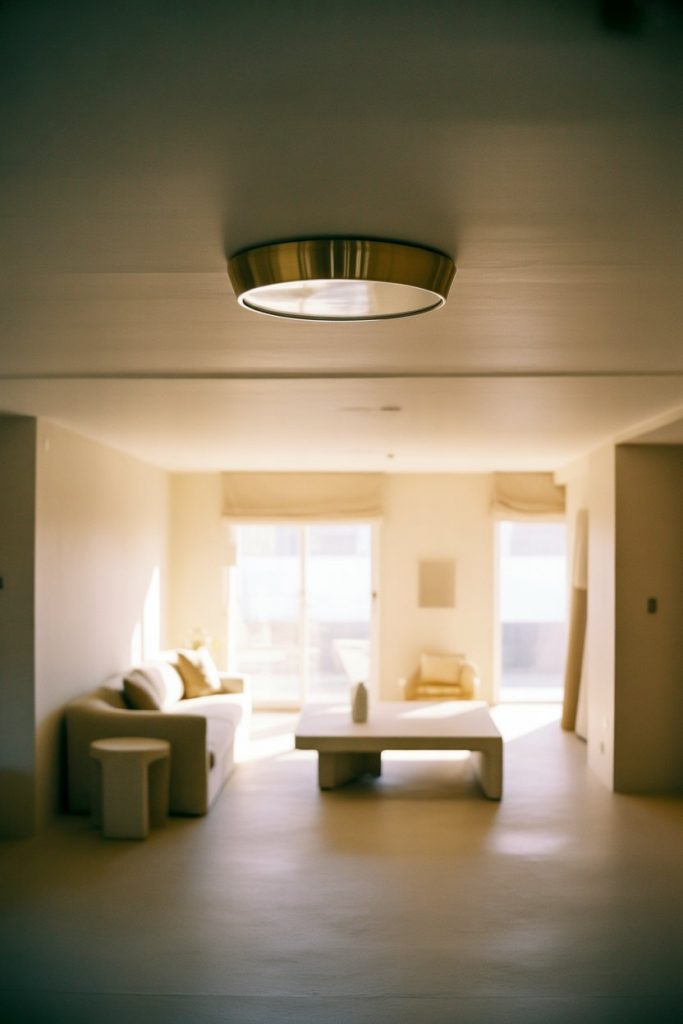
Real homeowner behavior: People often skip the dimmer switch on ceiling fixtures, assuming it’s not worth the hassle. Big mistake. A dimmer lets you adjust the brightness based on the time of day and activity, turning a functional fixture into a mood-setter. It’s a $30 upgrade that pays dividends every single evening.
5. Japandi-Inspired Paper Lanterns
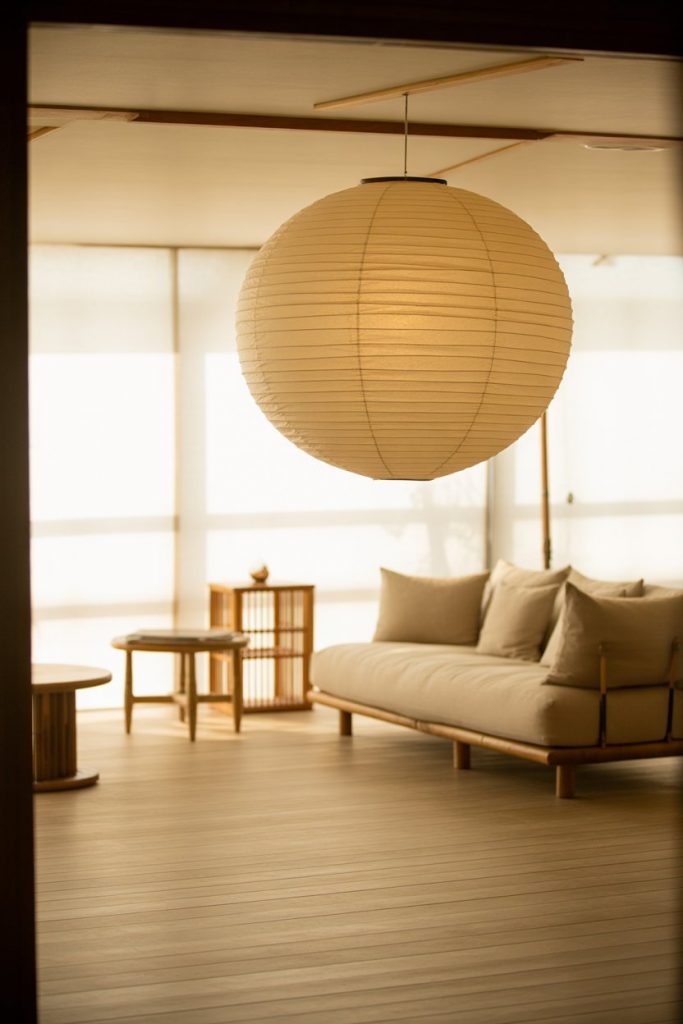
The Japandi aesthetic—a marriage of Japanese minimalism and Scandinavian warmth—has taken American interiors by storm, and lighting is where it shines brightest. Paper lanterns, whether round orbs or elongated cylinders, diffuse light in the softest, most flattering way imaginable. Hang them in clusters at varying heights for a dynamic, layered look, or use a single large lantern as a focal point. The colors stay muted—whites, creams, natural fibers—allowing the form and glow to do the talking. In living rooms with wood floors and minimal furniture, these lanterns reinforce the serene, uncluttered vibe that defines Japandi style. 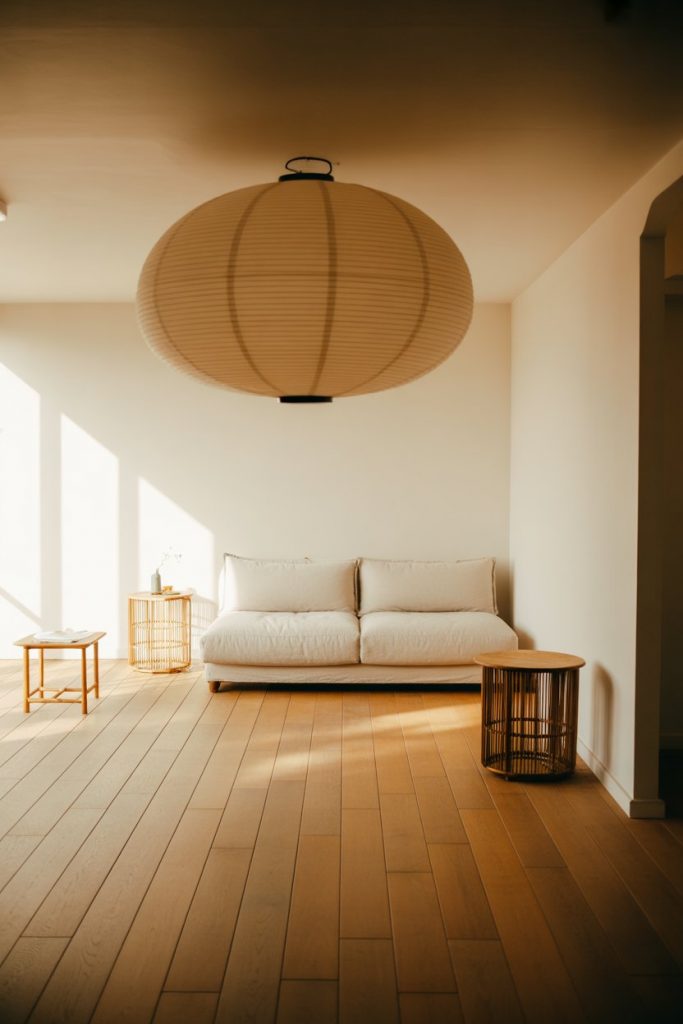
Practical insight: Paper lanterns are shockingly affordable—quality options run $40–$120—and they’re easy to install yourself if you have an existing ceiling hook or pendant cord. The downside? They collect dust, so plan to wipe them down every few months with a dry microfiber cloth. It’s a small price to pay for that zen-like glow.
6. Arc Lamps Over Blue Couches
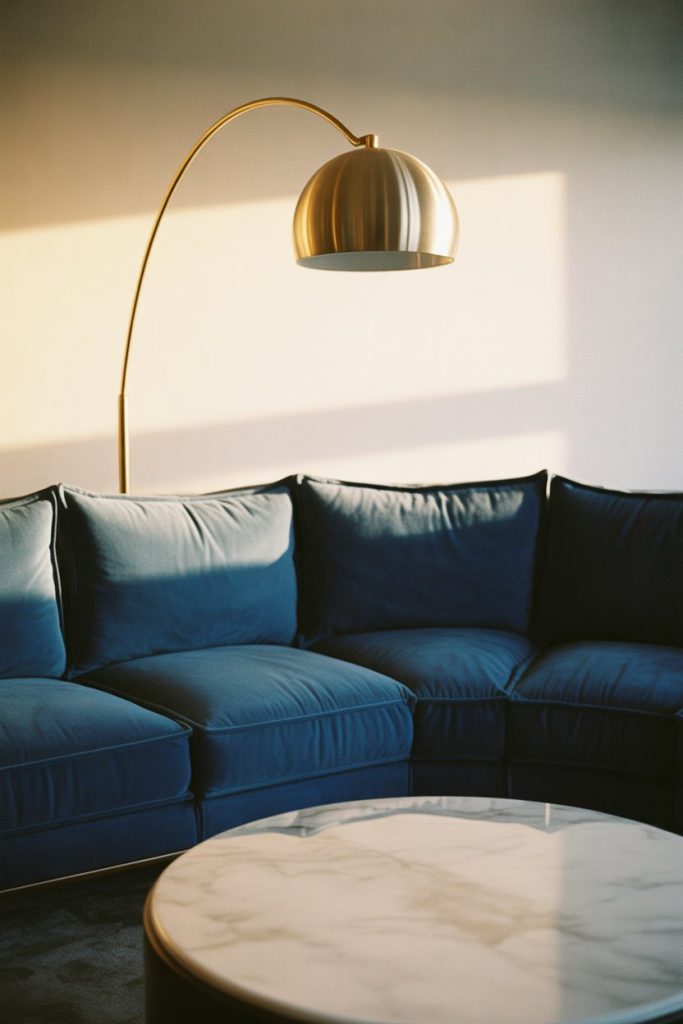
A blue couch—whether navy, cobalt, or powder blue—becomes even more striking when paired with an arc lamp that sweeps overhead like a modern sculpture. These dramatic fixtures extend from a heavy base, curving gracefully to position the light source directly where you need it: over the seating area, a side table, or even a reading nook. The beauty of an arc lamp is that it mimics the effect of a pendant or chandelier without requiring any hardwiring. In living rooms with colors that skew cool-toned, choose a brass or gold arc lamp to inject warmth and prevent the space from feeling too icy. 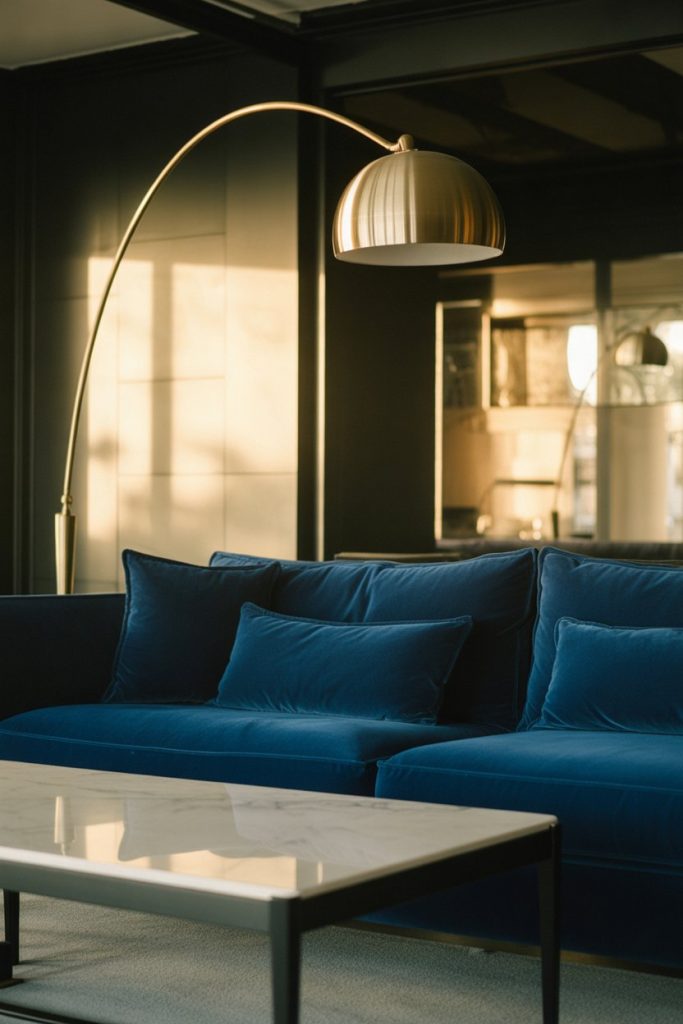
Where it works best: Corner seating arrangements or L-shaped sectionals where you want to define the space without blocking the view. Arc lamps also work wonders in apartments where you can’t install ceiling fixtures—just plug it in, position the base, and you’re done. Bonus points if you add a dimmer plug for easy mood adjustments.
7. Farmhouse Edison Bulb Pendants
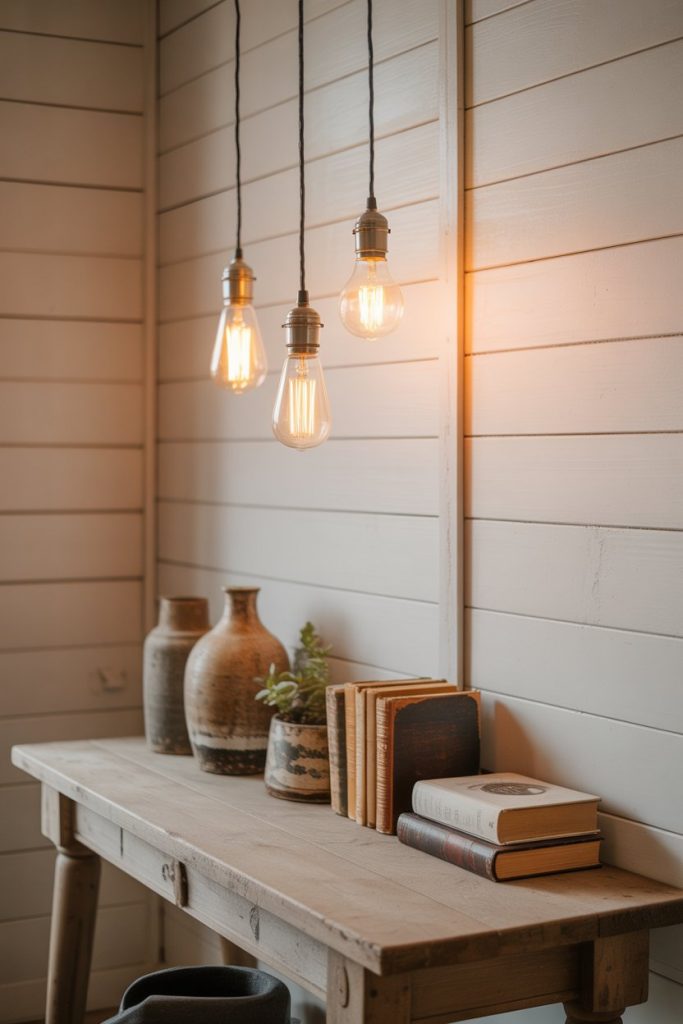
The farmhouse trend refuses to die, and for good reason: it’s approachable, warm, and endlessly adaptable. Edison bulb pendants—those exposed-filament beauties suspended from simple cords—bring instant character to living rooms that crave a rustic, lived-in feel. Hang them in a row over a console table, or cluster three at varying heights in an open corner. The amber glow of Edison bulbs is inherently flattering, casting a vintage-inspired warmth that pairs beautifully with reclaimed wood beams, shiplap walls, or even modern furniture that needs a little softening. 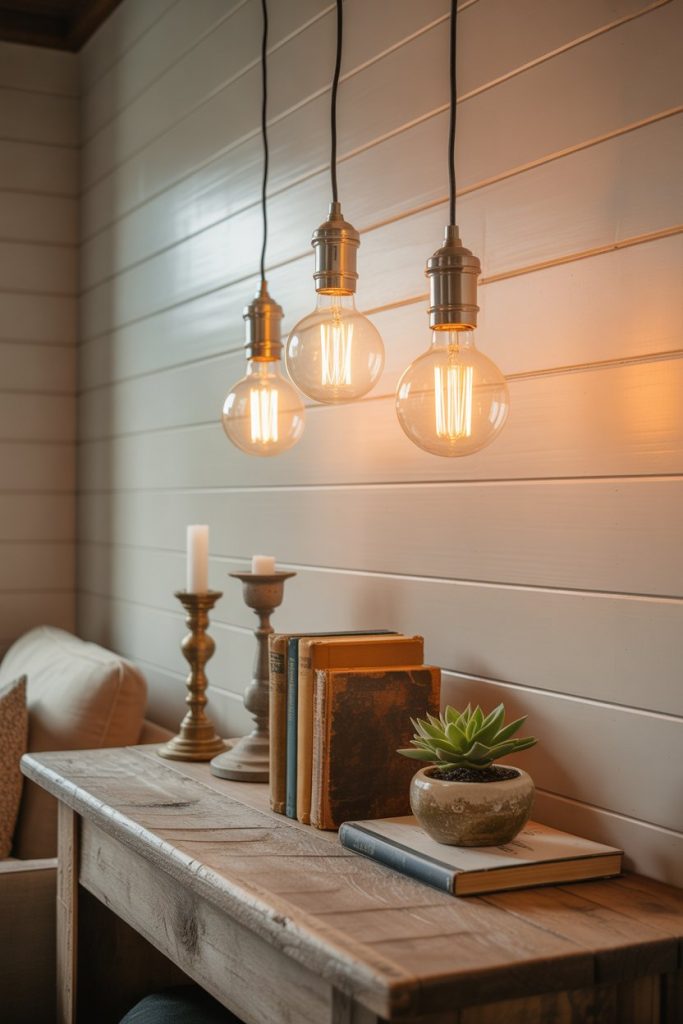
A neighbor of mine installed these in her living room last year, and guests always ask where she got them. The answer? A mix of Rejuvenation and Etsy—high-low shopping at its finest. She spent about $150 total and did the installation herself over a weekend. The key is making sure the cord length is adjustable so you can customize the drop to fit your space.
8. Recessed Lighting Plans for Clean Ceilings
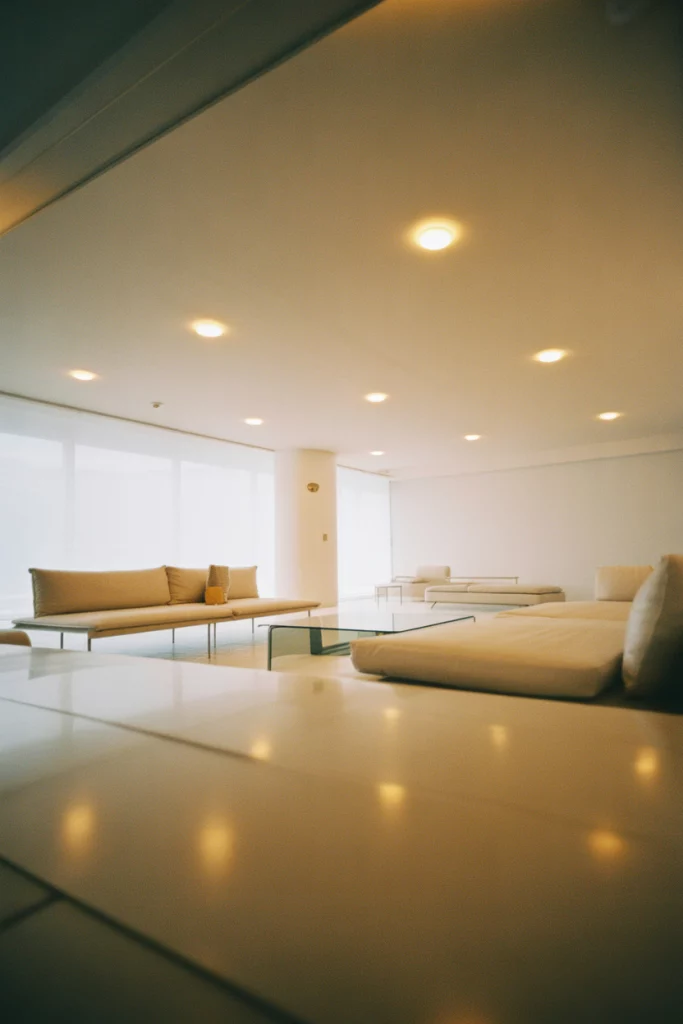
A smart plan for living room lighting in 2026 starts with recessed lights—those unobtrusive cans that disappear into the ceiling while delivering broad, even illumination. The latest trend is using narrow-beam trims to highlight specific areas (artwork, a bookshelf, an accent wall) rather than flooding the entire room with uniform brightness. In modern homes with ceiling heights of 9–10 feet, spacing recessed lights 4–6 feet apart ensures you avoid dark spots while maintaining a clean, minimalist look. Dimmers are non-negotiable here; they transform functional task lighting into customizable ambiance. 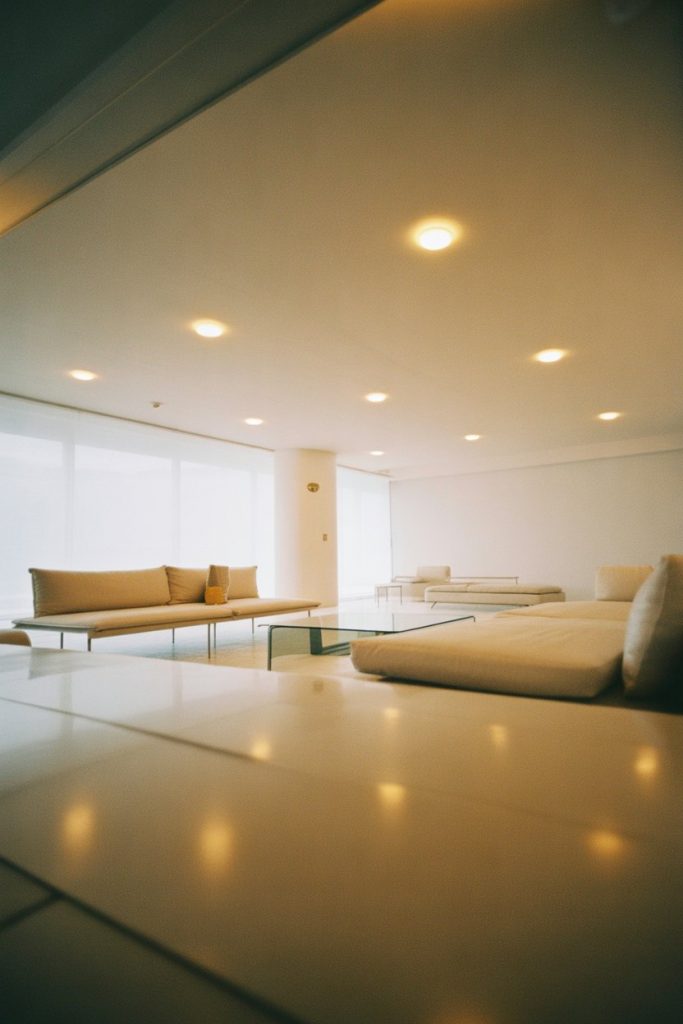
9. Green Velvet Sofas With Brass Task Lamps
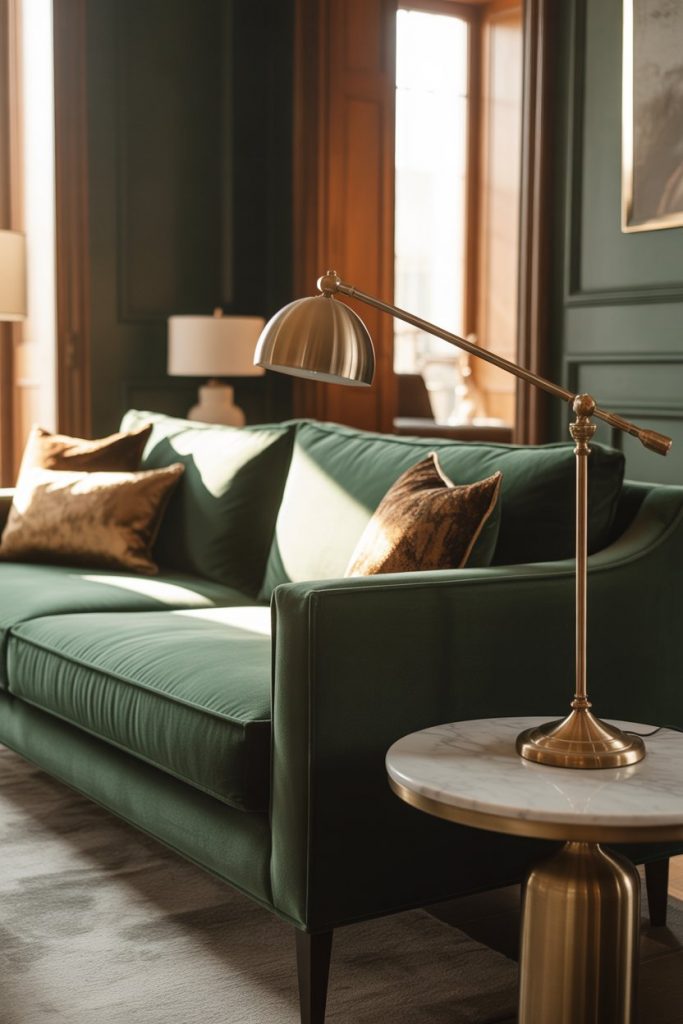
A green velvet sofa is a bold choice that demands equally considered lighting, and brass task lamps deliver the perfect counterpoint. These adjustable, swing-arm fixtures—whether mounted on the wall or placed on a side table—offer focused light for reading or working while their warm metallic finish complements the richness of green upholstery. In living rooms with moody paint colors (think charcoal, deep teal, or forest green), brass adds a luxe touch that prevents the space from feeling too dark or heavy. The combination reads sophisticated without veering into stuffy territory. 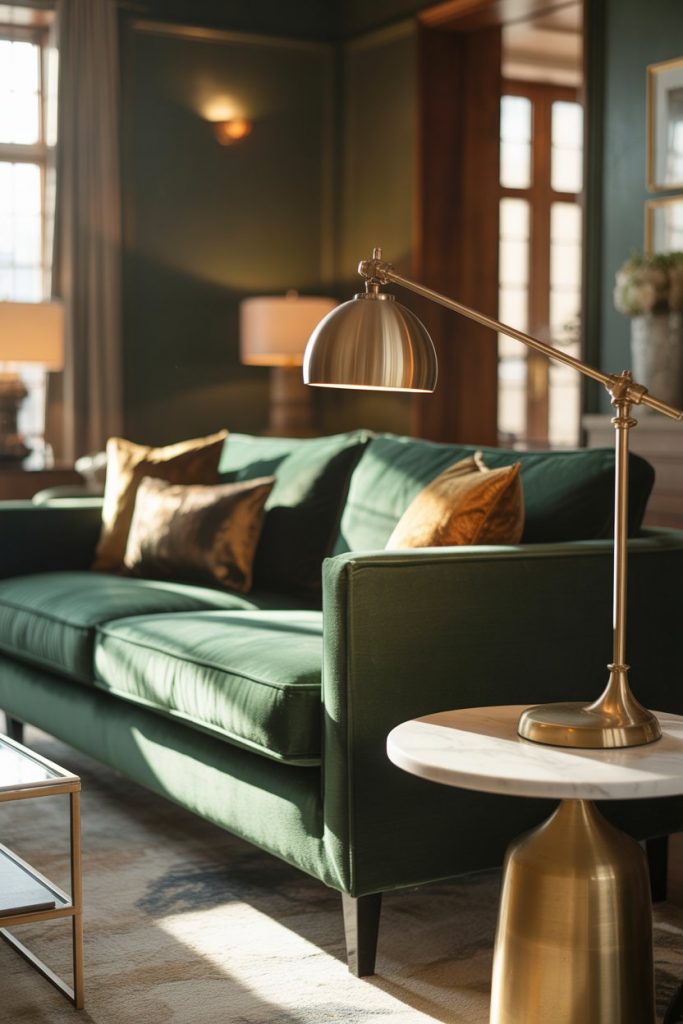
American homeowners in the Northeast and Pacific Northwest particularly gravitate toward this pairing—it suits the grey, overcast days by creating an interior that feels warm and enveloping. Look for task lamps with adjustable brightness settings so you can dial down the intensity for evening relaxation or ramp it up for detail work.
10. Scandinavian Minimalist Pendants
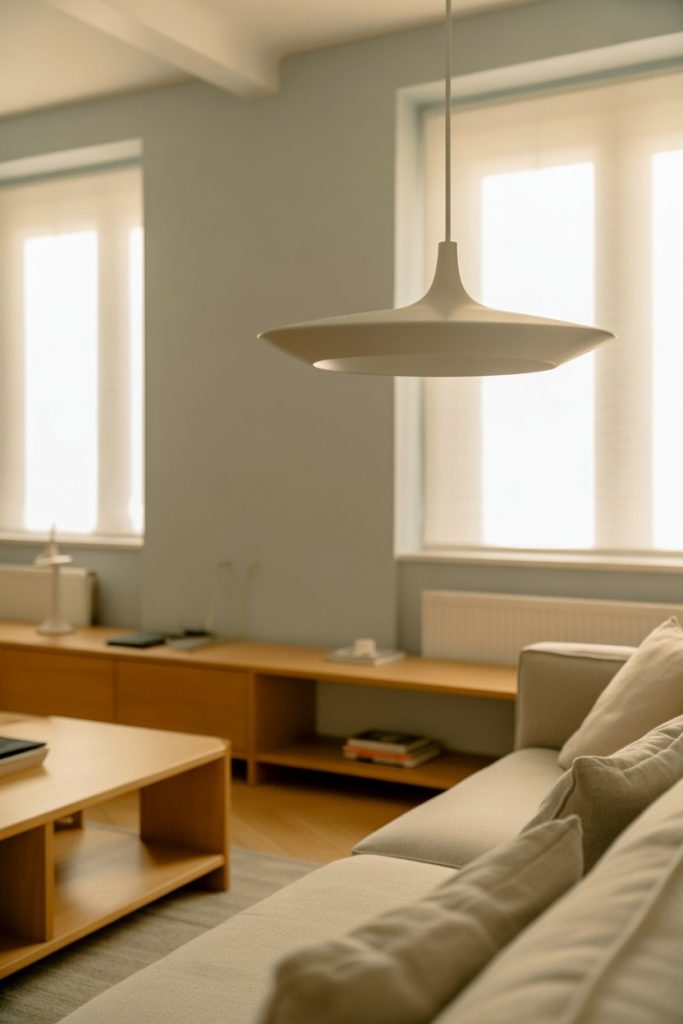
The Scandinavian approach to lighting is all about simplicity, functionality, and natural materials—qualities that American design lovers have embraced wholeheartedly. Minimalist pendants in matte white, pale grey, or natural wood dominate this aesthetic, often featuring clean lines and no unnecessary ornamentation. These fixtures work especially well in living rooms with grey walls or white shiplap, where they reinforce the airy, uncluttered feel that defines Scandi style. Hang them over a coffee table or in a corner reading nook, and let their understated elegance do the talking. 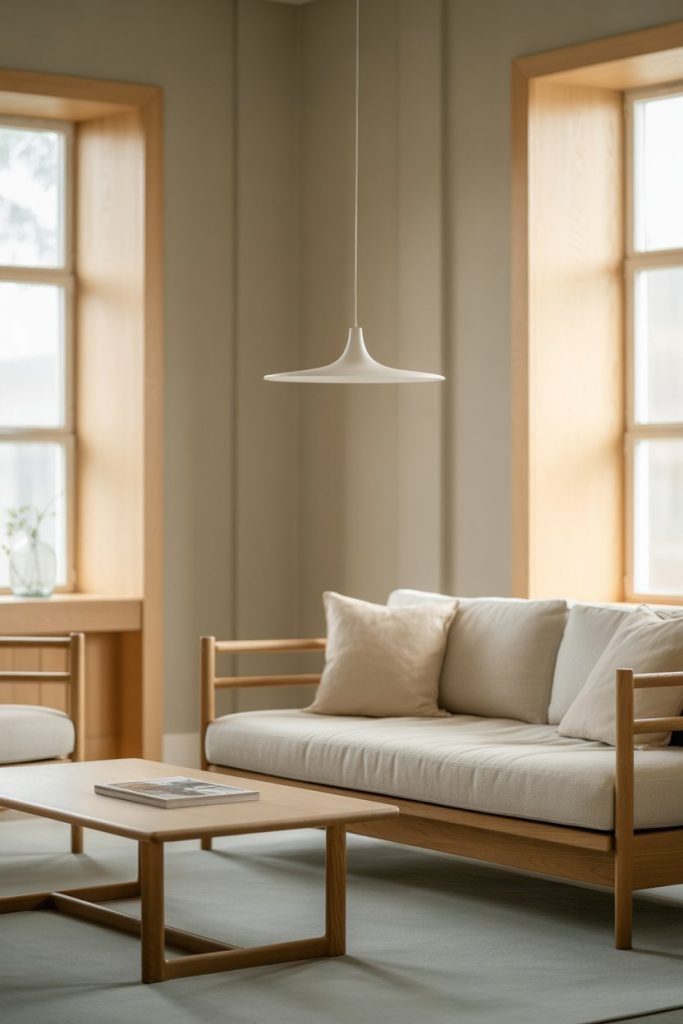
Practical insight: Scandinavian design prioritizes natural light, so these pendants are meant to supplement—not replace—daylight. Position them near windows or in corners where natural light doesn’t quite reach. During the short winter days common in the upper Midwest, this layered approach keeps the room feeling bright and welcoming even when the sun sets at 4:30 PM.
11. Moody Ambient Lighting With Dimmer Control
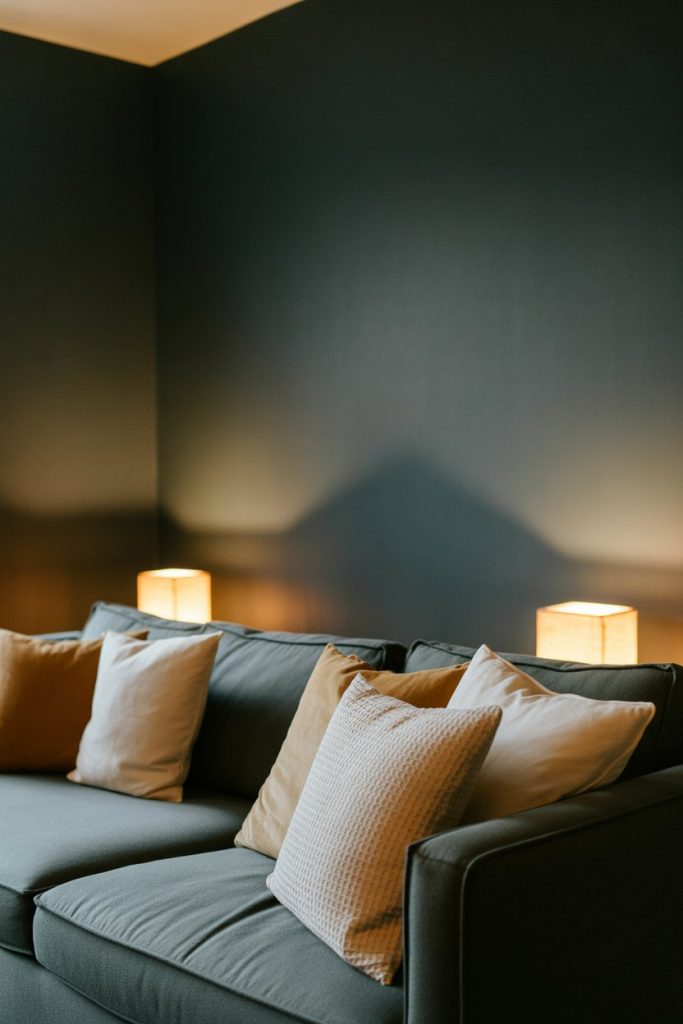
The moody living room trend—characterized by dark walls, rich textures, and dramatic contrasts—requires lighting that’s equally intentional. Ambient sources like dimmable wall sconces, LED strips behind furniture, and low-wattage table lamps create layers of warm glow without harsh overhead brightness. In spaces with grey sofa or deep-toned upholstery, dimmer controls are essential; they let you adjust the lighting from functional daytime brightness to intimate evening glow with a simple twist. This isn’t just about aesthetics—it’s about controlling the emotional temperature of the room. 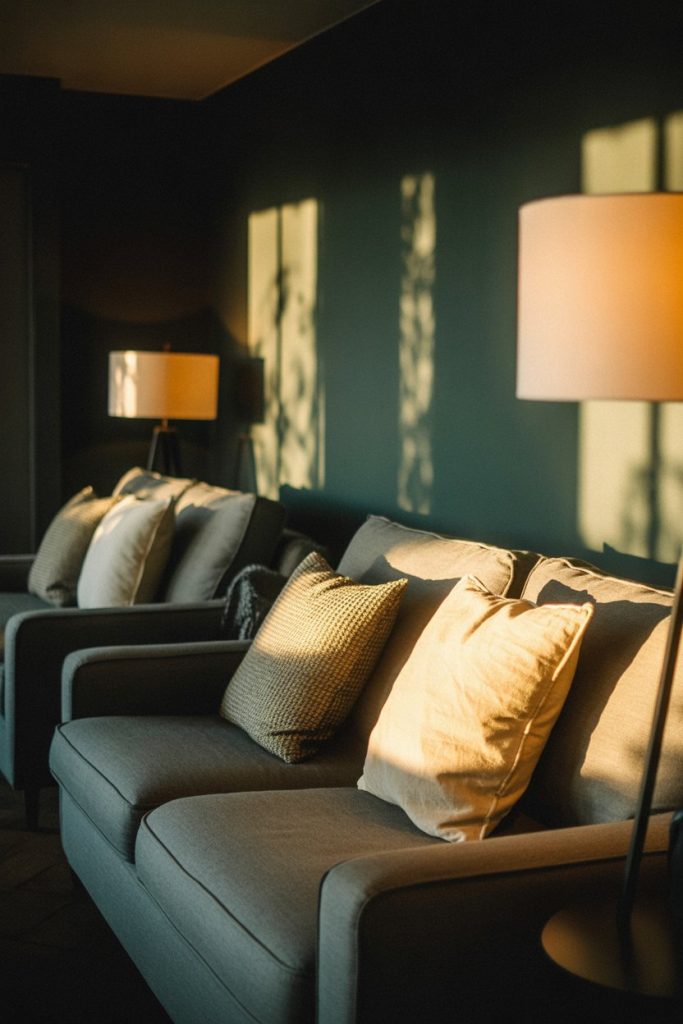
Real homeowner behavior: People often install dimmer switches only on ceiling fixtures, forgetting that table lamps and floor lamps benefit just as much. Plug-in dimmers (available for under $20) let you control any lamp without rewiring, making it easy to fine-tune the brightness of every light source in the room. It’s a game-changer for creating that perfect moody vibe.
12. Mid Century Modern Tripod Floor Lamps
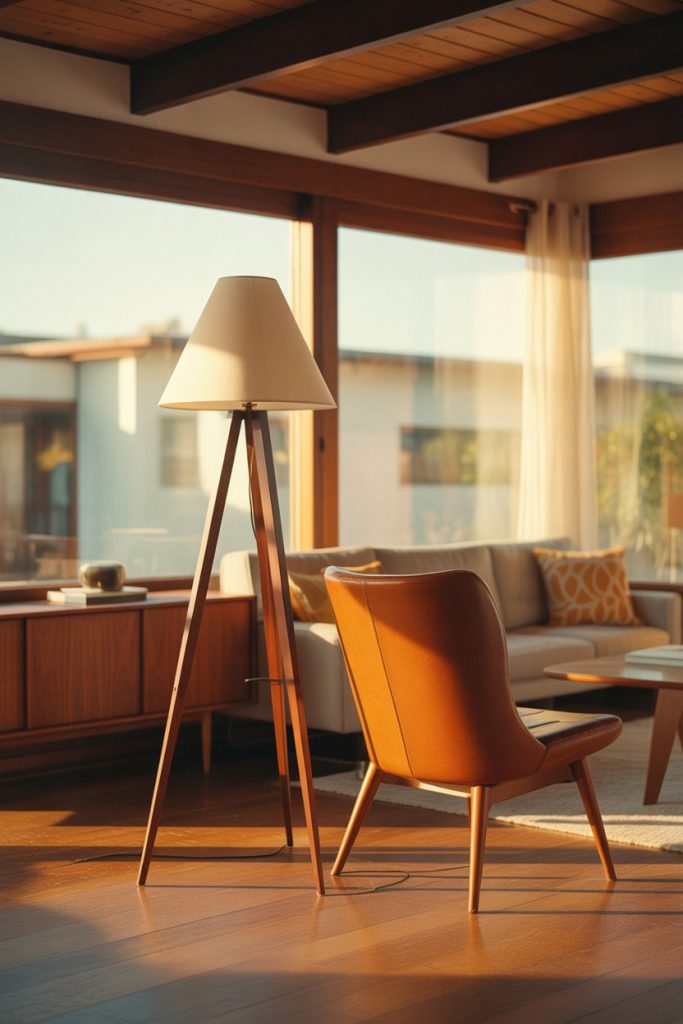
Few lighting styles feel as timelessly cool as mid century modern, and tripod floor lamps are the poster child for this era’s design ethos. With their splayed wooden legs and conical or drum shades, these lamps bring instant retro charm to any living room. They work beautifully in apartment settings where you need portable, impactful lighting that doesn’t require installation. Place one beside a vintage-inspired armchair or next to a credenza stacked with design books, and you’ve got a vignette that looks straight out of a 1960s Palm Springs home. 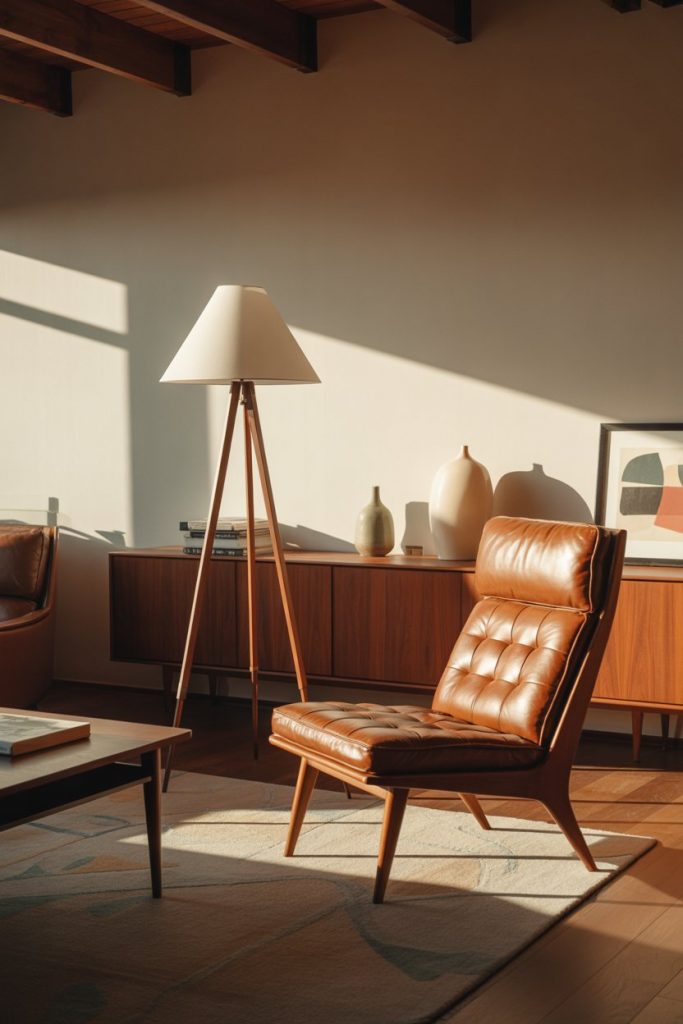
Where it works best: Living rooms with low to medium ceilings (8–9 feet) where a tall floor lamp fills vertical space without overwhelming the room. These lamps also work in corners or beside sofas where you need adjustable, directional light. Look for versions with three-way bulbs so you can toggle between low, medium, and high brightness depending on the time of day.
13. Ceiling Lights for 2025 Trends
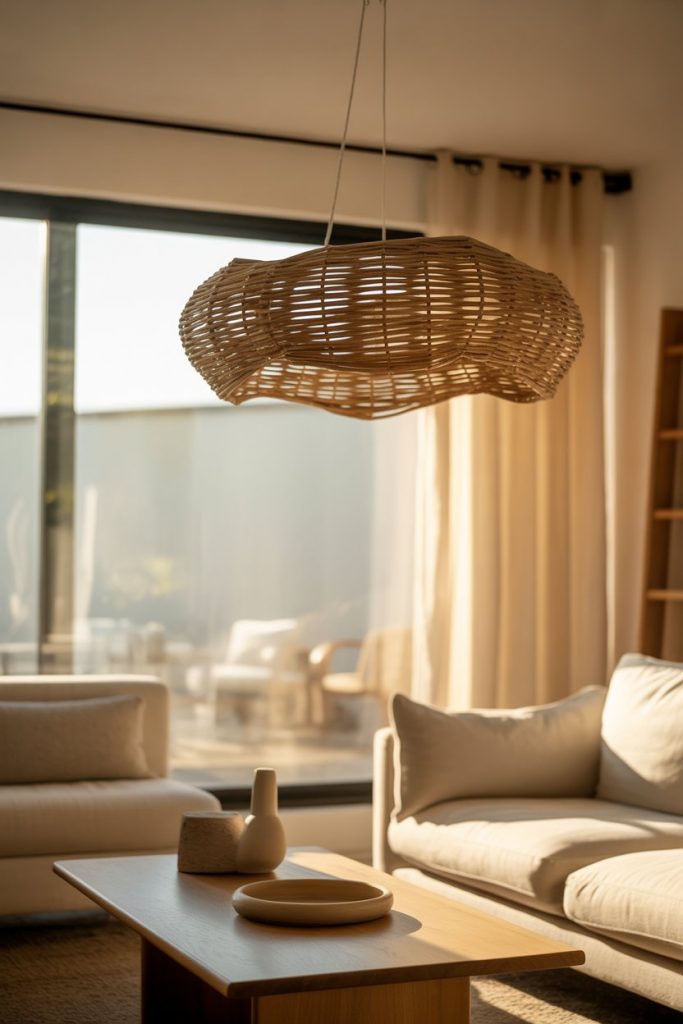
The ceiling 2025 lighting trends we’re seeing spill beautifully into 2026, emphasizing organic shapes, mixed materials, and a return to craftsmanship. Think woven rattan shades, hand-blown glass globes, and sculptural metal fixtures that double as functional art. These designs move away from the ultra-minimal, builder-grade options of the past decade, instead celebrating texture and individuality. In living rooms with neutral colors and minimal decor, a statement ceiling fixture becomes the focal point—the piece that guests notice and remember. 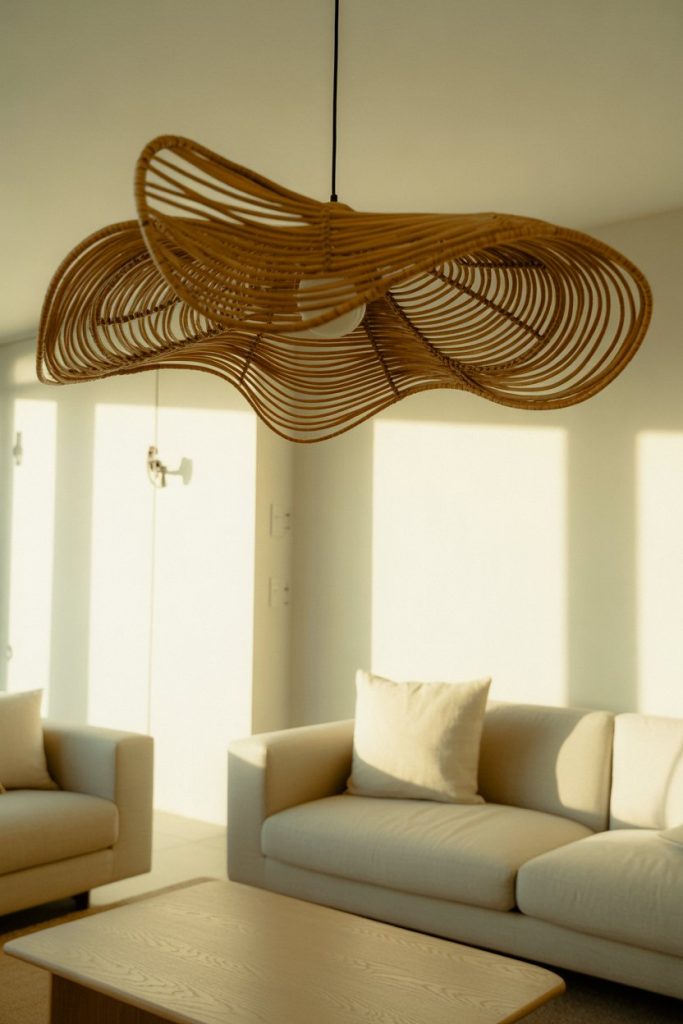
A lighting designer once told me that the ceiling is the most overlooked surface in a room—we focus on walls, floors, and furniture, forgetting that the ceiling is just as visible. By choosing a fixture with texture and dimension, you draw the eye upward and make the entire space feel more considered and complete.
14. Lamps Ideas for Reading Nooks
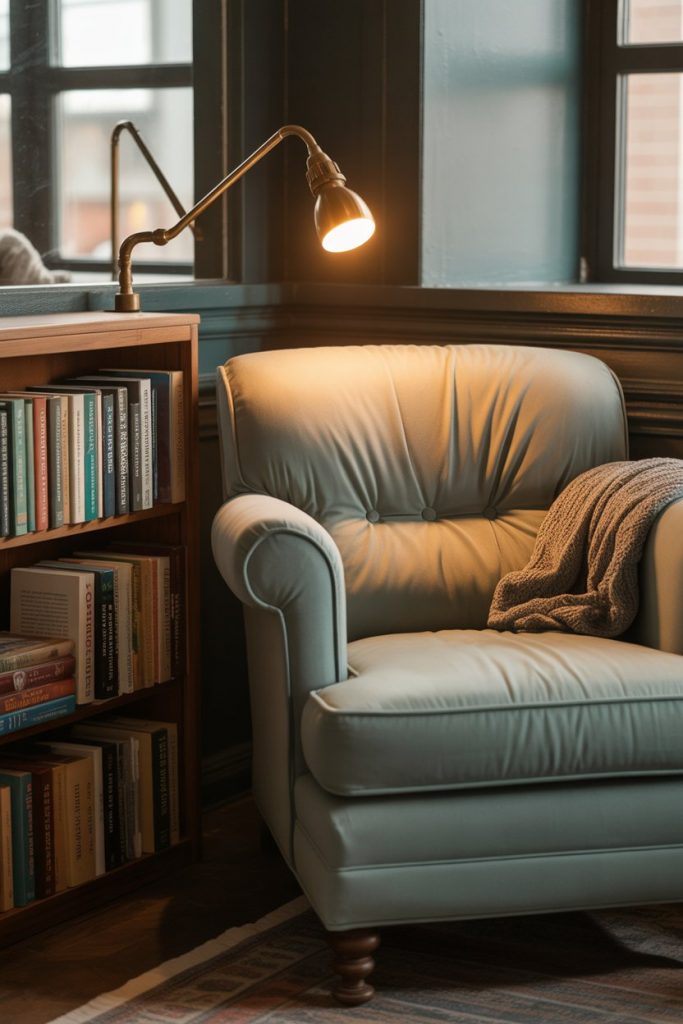
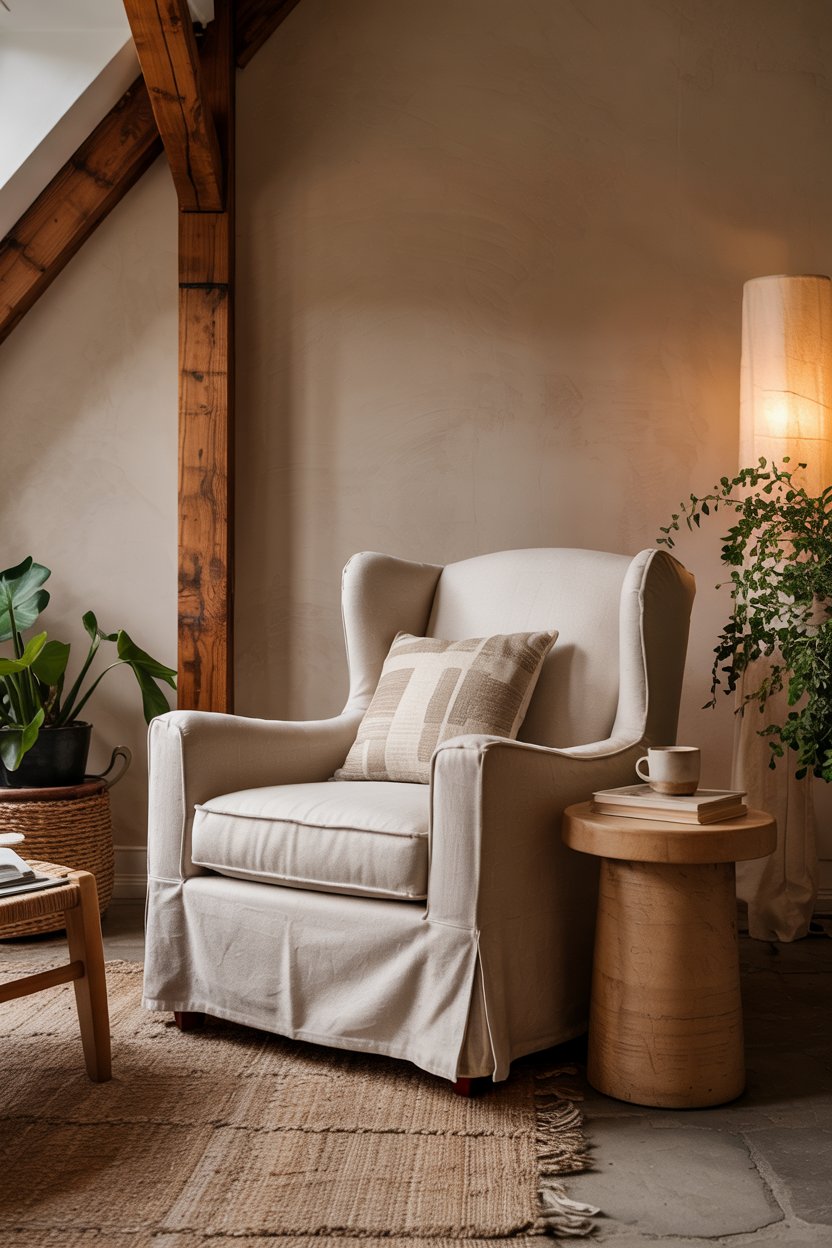
When it comes to ideas lamps, reading nooks demand fixtures that combine focused illumination with cozy aesthetics. Adjustable swing-arm wall lamps, arched floor lamps, and even clip-on task lights all serve this purpose beautifully. The key is positioning the light source slightly above and behind your shoulder to minimize glare and shadows on the page. In apartment living rooms where space is tight, a wall-mounted lamp frees up floor space while delivering the precise lighting you need for hours of comfortable reading. 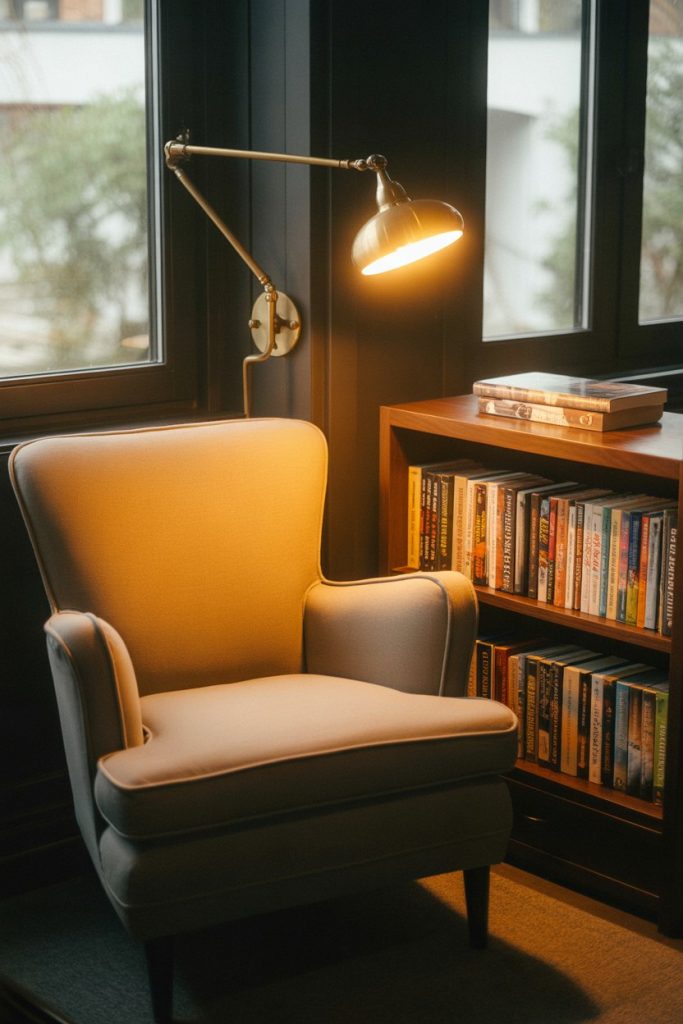
Common mistake: Using a lamp with a shade that’s too opaque, which blocks the light you need for reading. Look for shades in linen or frosted glass that diffuse light gently while still providing adequate brightness. A 60-watt equivalent LED bulb in warm white (2700K) hits the sweet spot between cozy and functional.
15. Modern Minimalist Ceiling Fixtures
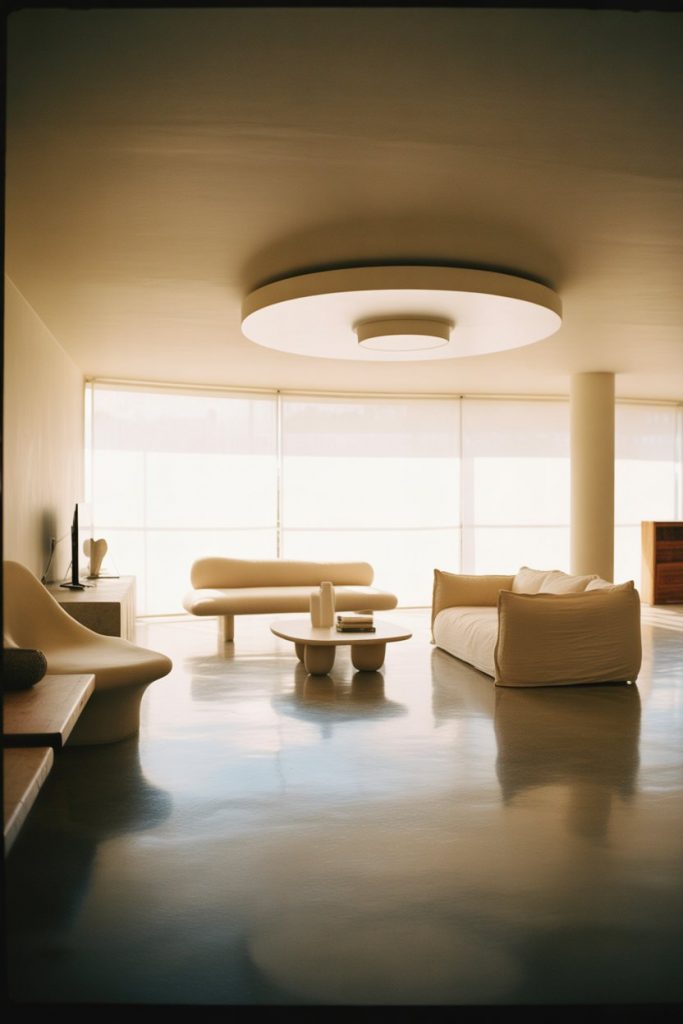
The ideas ceiling modern minimalist movement strips away excess, leaving only clean lines, geometric forms, and a focus on quality materials. Fixtures like slim LED panels, floating disc lights, and linear bars create a streamlined look that suits contemporary living rooms with floors in polished concrete or light hardwood. These designs don’t shout for attention; instead, they provide even, efficient illumination that lets your furniture and decor take center stage. In open-concept homes, minimalist ceiling fixtures help maintain visual continuity across living, dining, and kitchen areas.
Budget angle: Minimalist doesn’t mean expensive. Retailers like IKEA, Target, and Amazon offer LED ceiling fixtures under $100 that deliver on both style and function. The real investment is in the bulbs—opt for high-CRI (Color Rendering Index) LEDs that accurately render colors and make your space feel vibrant rather than washed out.
16. Wood Beam Accent Lighting
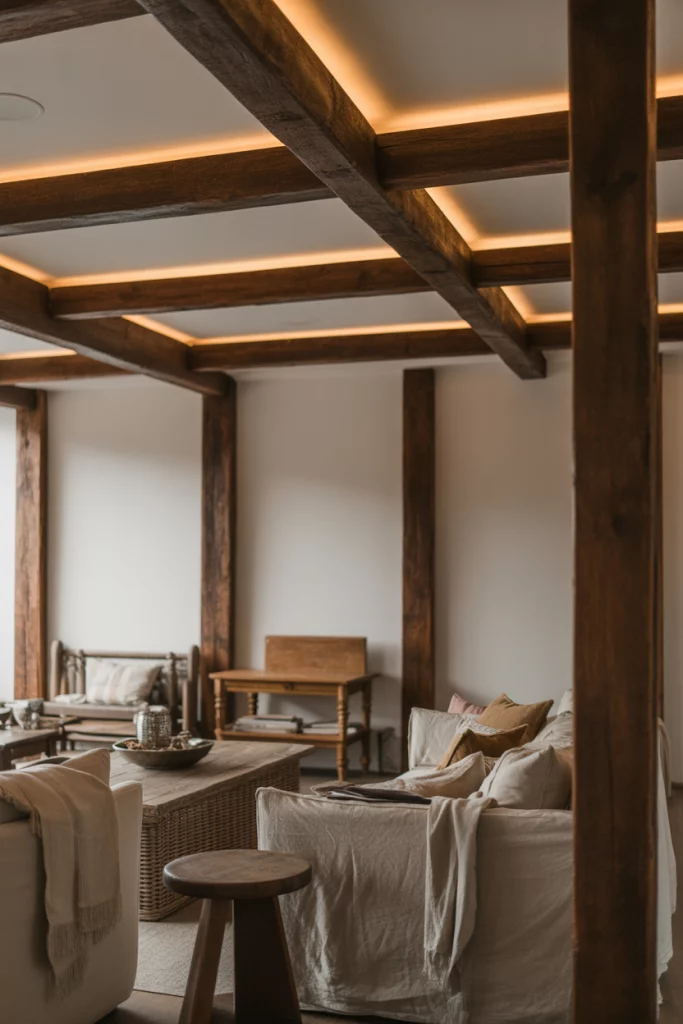
Exposed wood beams are having a major moment, and lighting them properly transforms them from architectural detail to showstopper. LED strip lights installed along the top or sides of beams create a soft uplight that highlights the grain and texture while adding depth to the ceiling. This technique works especially well in farmhouse or rustic-modern living rooms where the beams are stained in warm tones. You can also mount small track lights or adjustable spotlights to the beams themselves, directing light downward onto seating areas or artwork. 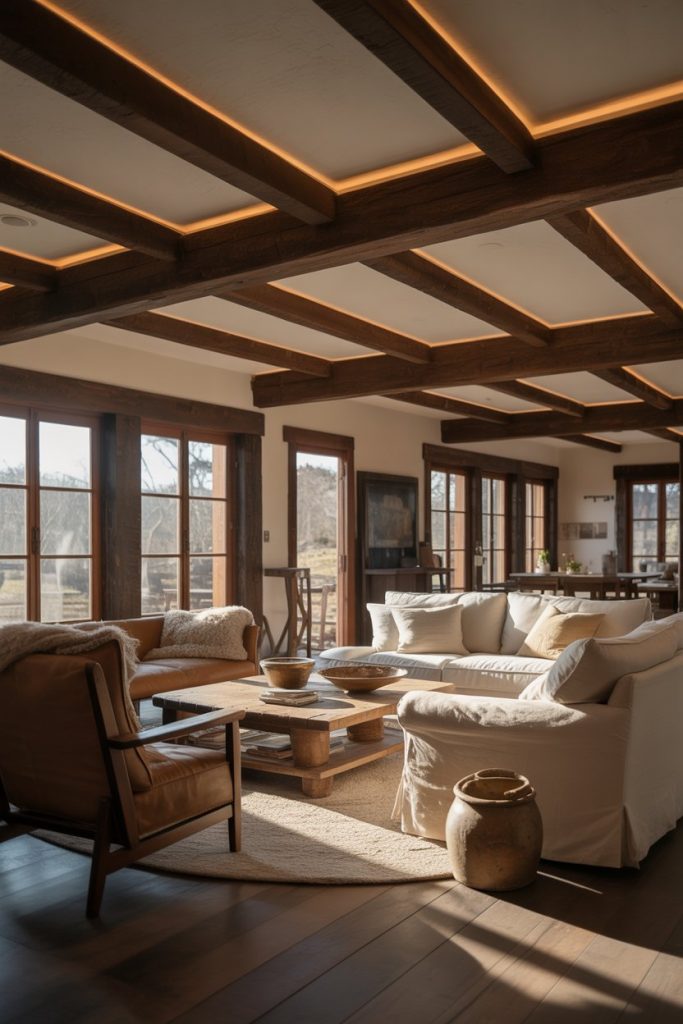
Where it works best: Vaulted ceilings or open-concept spaces where the beams span long distances. The uplighting effect makes the ceiling feel taller and more dramatic, especially in rooms with high ceiling heights of 12 feet or more. It’s a subtle upgrade that dramatically enhances the architectural character of the space.
17. Chandelier Fixtures for Formal Living Rooms
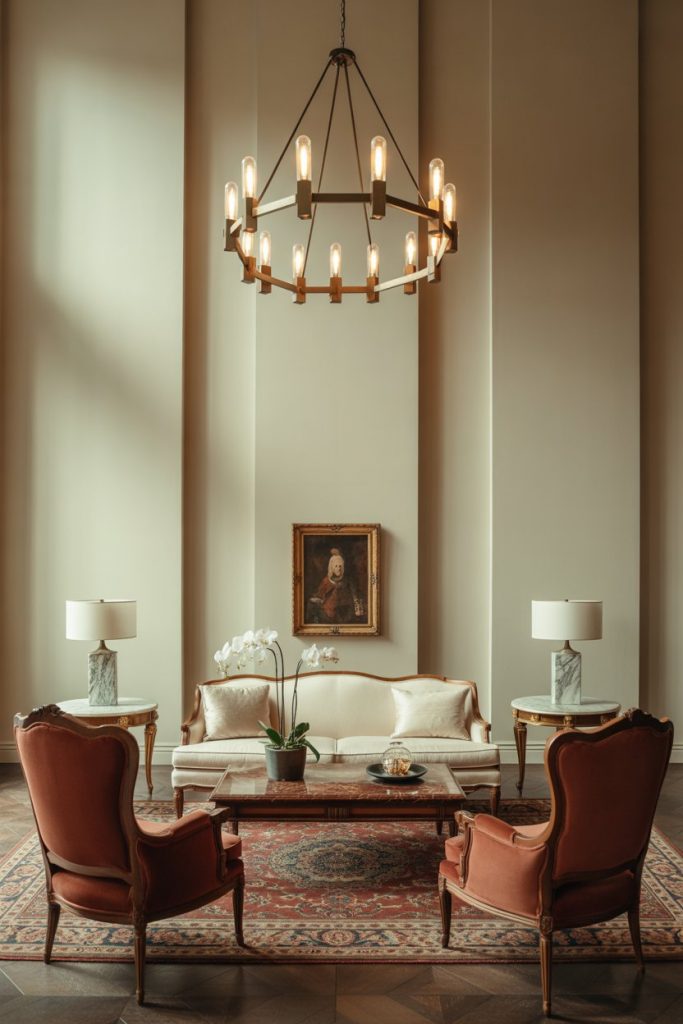
Traditional living rooms—those with defined walls, formal furniture arrangements, and a sense of occasion—still call for ceiling chandeliers that command respect. We’re seeing a shift toward less ornate, more sculptural designs: linear chandeliers with exposed bulbs, tiered metal fixtures, and even modernized crystal options that nod to classic elegance without feeling dated. In homes with high ceiling heights, the chandelier should hang low enough to feel present (typically 7 feet from the floor) but not so low that it interrupts sightlines or makes the room feel cramped. 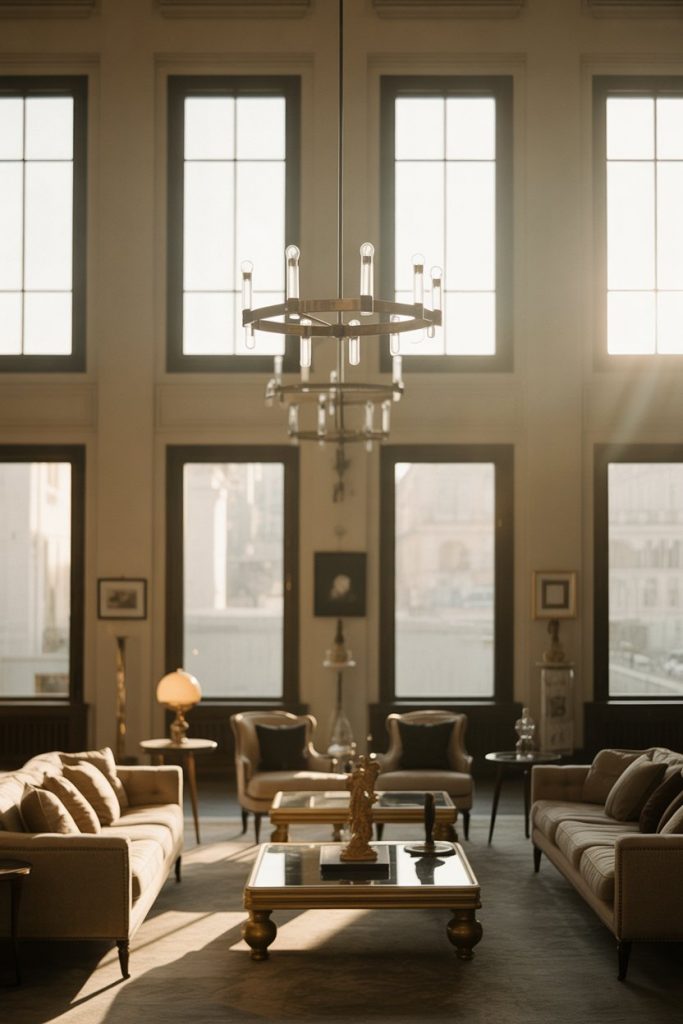
Practical insight: If you’re retrofitting a chandelier into a room that previously had a standard flush-mount, have an electrician check the junction box’s weight capacity. Many older boxes can only support 50 pounds, but modern chandeliers (especially those with multiple tiers) can weigh 75 pounds or more. Reinforcing the box costs about $150–$200 but prevents disaster down the line.
18. Blue Accent Walls With Directional Spotlights
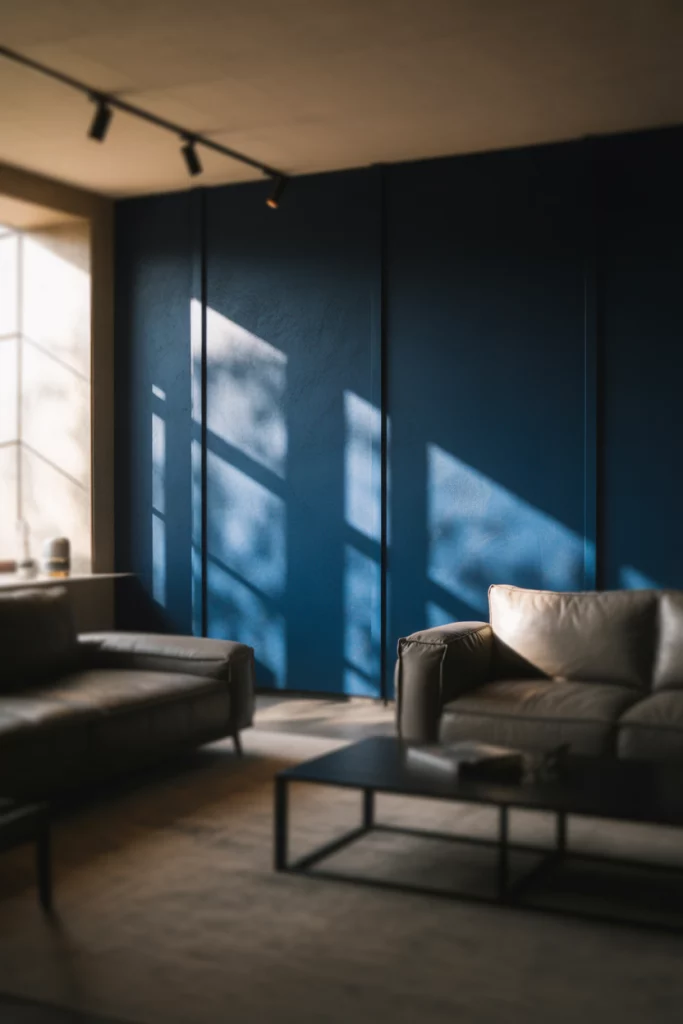
A blue accent wall—whether navy, midnight, or teal—deserves lighting that enhances its richness and depth. Directional spotlights or adjustable track lights positioned to graze the wall at an angle bring out the color’s saturation while adding drama and dimension. This technique, called wall washing, works especially well in living rooms with textured finishes (think Venetian plaster or grasscloth wallpaper) where the interplay of light and shadow creates visual interest. Pair this with ambient lighting from table lamps or floor lamps to keep the room balanced and inviting. 
Real homeowner behavior: Many people make the mistake of positioning spotlights perpendicular to the wall, which flattens the color and eliminates shadows. Instead, angle the lights at 30–45 degrees to create that beautiful wash effect. Adjustable fixtures from Halo or Lithonia start around $40 per head and can be repositioned as your tastes evolve.
19. Cosy Corner Lighting With String Lights

String lights aren’t just for patios and dorm rooms—when used thoughtfully, they add a layer of cosy warmth to living rooms that feels both casual and intentional. Drape them along a bookshelf, weave them through a ladder-style blanket rack, or string them above a window frame for a soft, twinkling backdrop. The key is choosing warm white bulbs (avoid multicolor or cool white) and keeping the installation tidy—sagging cords or tangled wires undermine the effect. In apartment living rooms where permanent fixtures aren’t an option, string lights offer an easy, renter-friendly way to add personality and glow. 
Where it works best: Casual, eclectic living rooms with lots of texture—think macramé wall hangings, layered rugs, and vintage finds. String lights reinforce that collected, lived-in vibe without overpowering the space. Battery-operated options from brands like Brightech or Twinkle Star eliminate the need for outlets and make installation a breeze.
20. Floor Lamp Strategies for Grey Walls
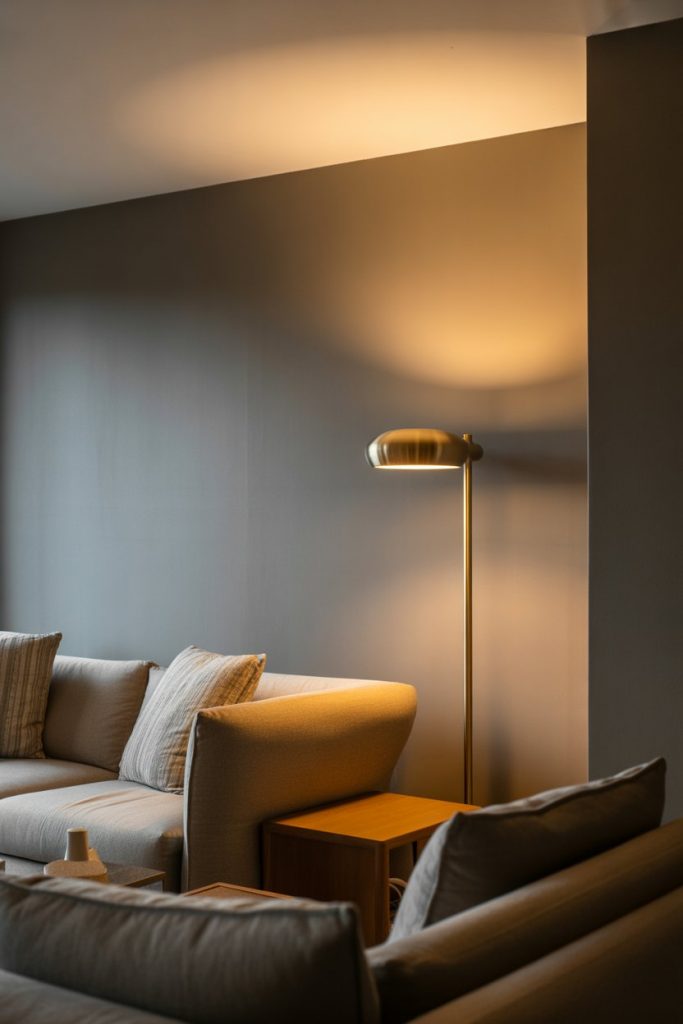
Living rooms with grey walls can sometimes feel cold or flat, but the right floor lamp strategy fixes that instantly. Choose lamps with warm-toned shades (linen, amber glass, or brass) and position them in corners or beside seating to create pockets of inviting light. Uplighting floor lamps—those that direct light toward the ceiling—are especially effective, bouncing warmth off the grey surface and making the entire room feel brighter. In smaller apartment spaces, a single well-placed floor lamp can eliminate the need for multiple task lights, simplifying your setup while maximizing impact. 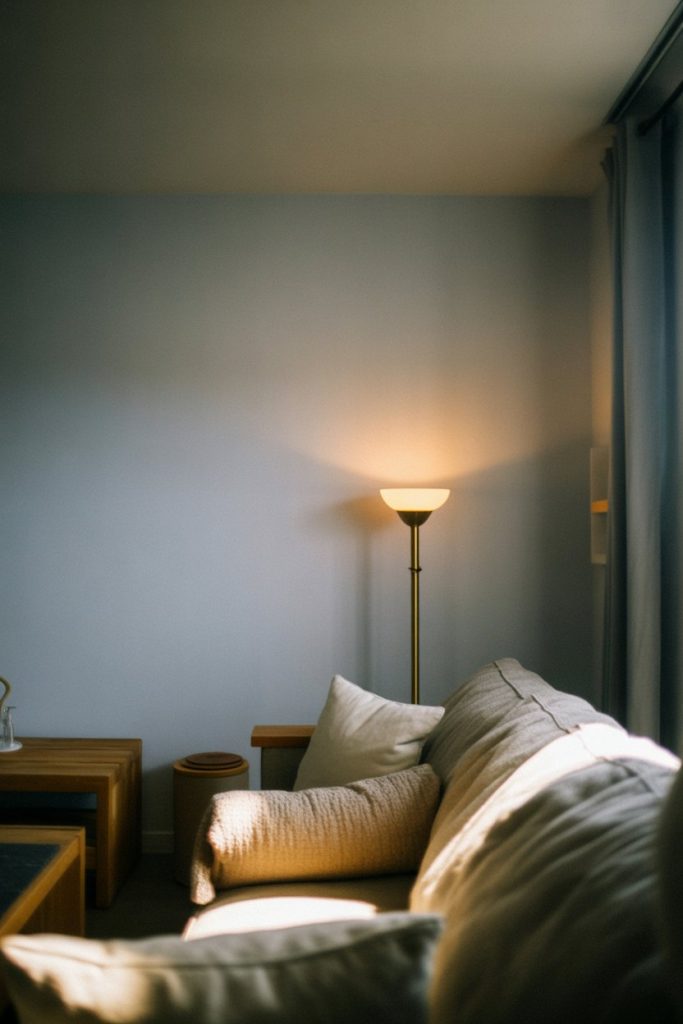
A designer friend swears by the “triangle rule” for lamp placement: position three light sources (two floor lamps and a table lamp, for example) in a triangular formation around the room to ensure even, balanced illumination. It sounds fussy, but it works—your living room instantly feels more polished and intentional.
21. Smart LED Systems for Customizable Colors
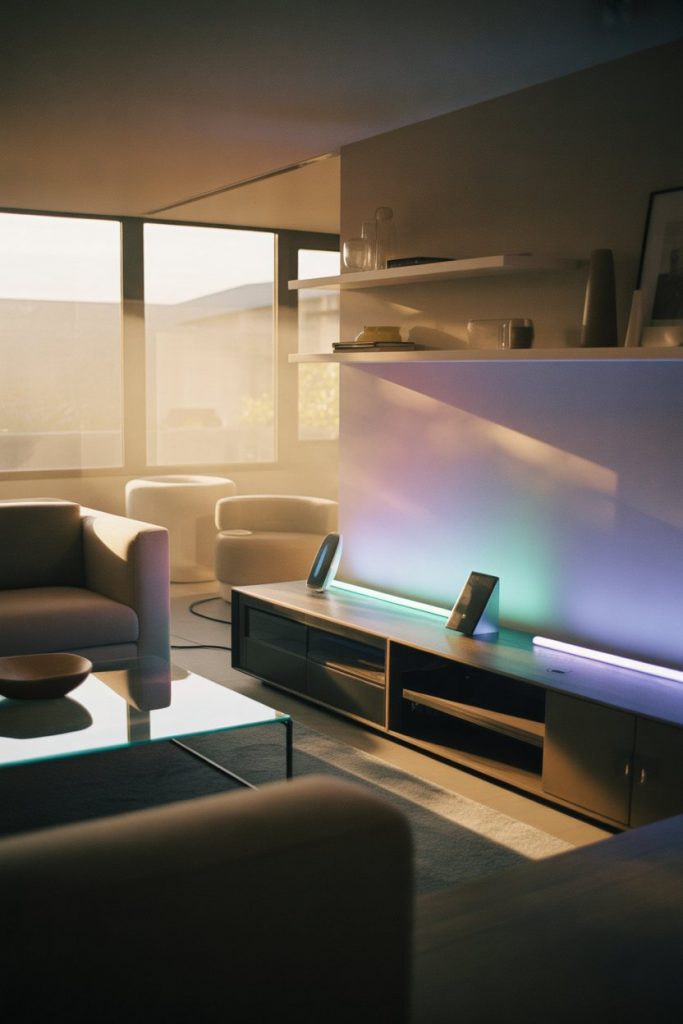
Smart LED systems like Philips Hue or LIFX have evolved from tech novelty to essential design tool, offering millions of colors and the ability to program scenes, schedules, and color temperatures from your phone. In living rooms where versatility matters—maybe you host game nights, movie marathons, and quiet reading sessions all in the same space—smart lighting adapts to every scenario. Set a “focus” scene with cool white light for daytime productivity, a “relax” scene with warm amber tones for evening unwinding, or even a “party” mode with color-changing effects. The initial investment (around $200–$300 for a starter kit) pays off in the sheer flexibility and control you gain. 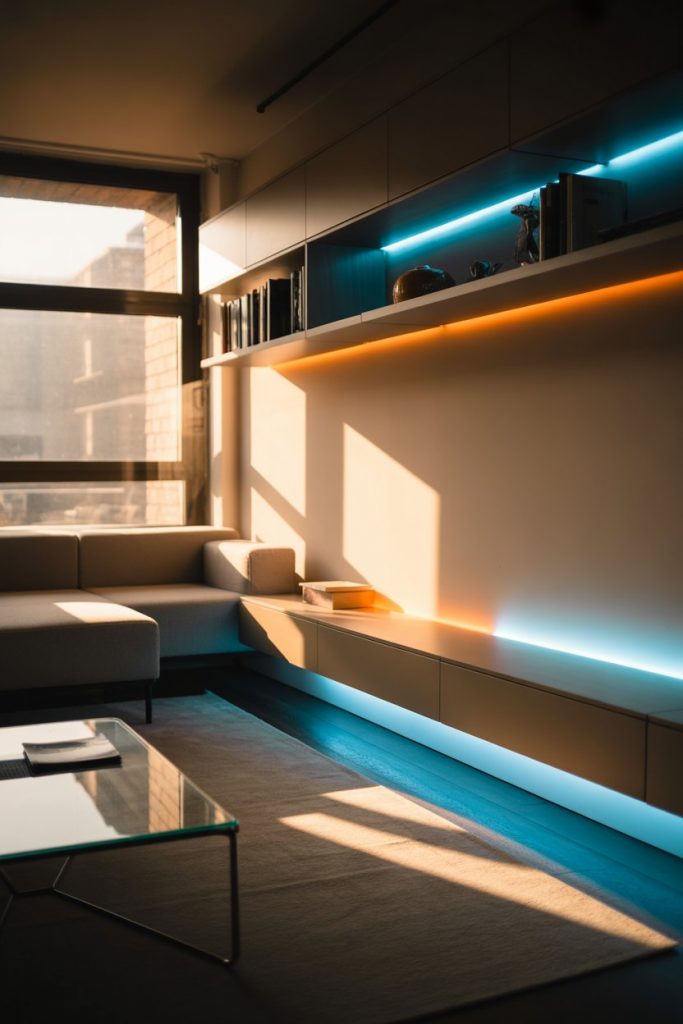
Expert-style commentary: The biggest advantage of smart systems isn’t the color-changing gimmick—it’s the ability to fine-tune color temperature and brightness to match the natural light cycle. Set your lights to mimic the sun’s progression (cooler in the morning, warmer in the evening) and you’ll notice a real improvement in your circadian rhythm and overall mood. It’s lighting that works with your biology, not against it.
Conclusion
These ideas prove that living room lighting in 2026 is less about following rigid rules and more about creating spaces that feel personal, functional, and genuinely inviting. Whether you’re drawn to the simplicity of Scandinavian pendants, the drama of a statement chandelier, or the cozy glow of layered ambient sources, the right lighting makes all the difference. What’s your favorite approach? Drop a comment below and let’s talk about what’s working (or not working) in your space.