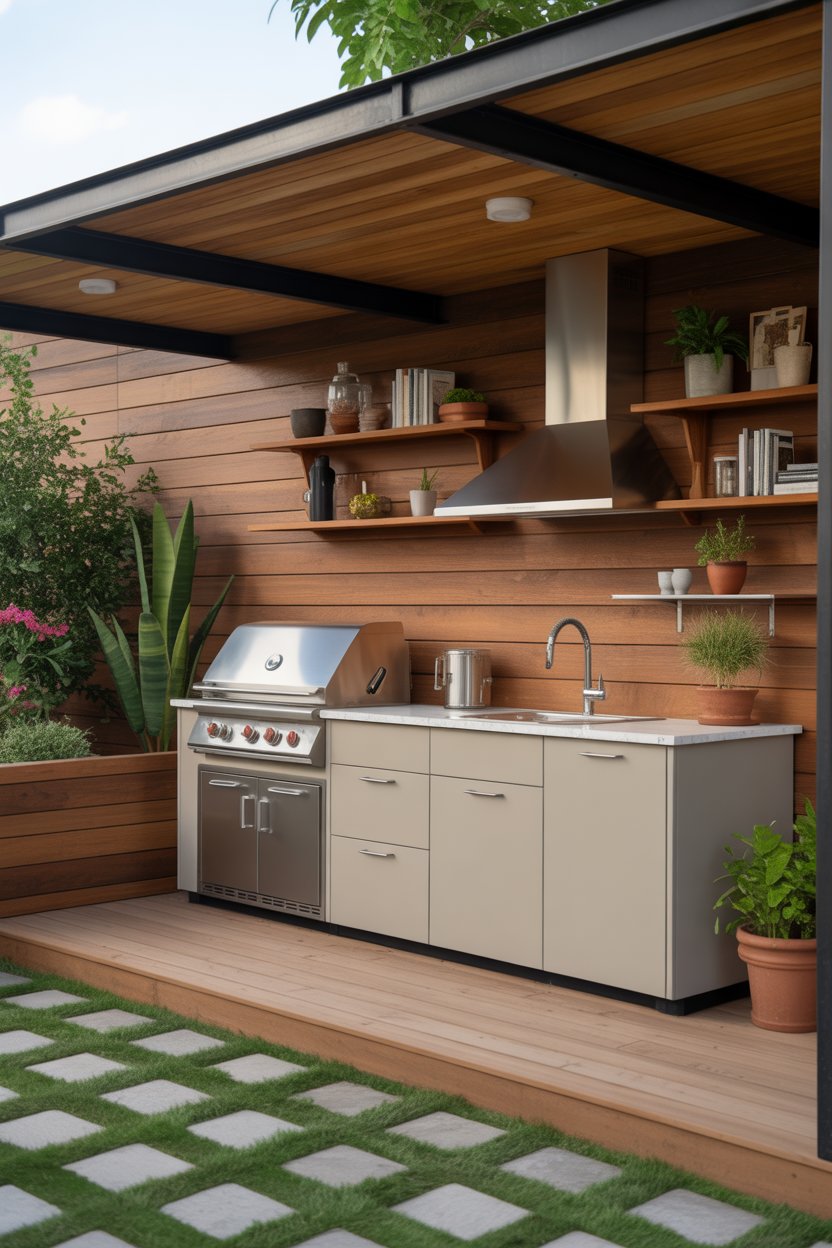
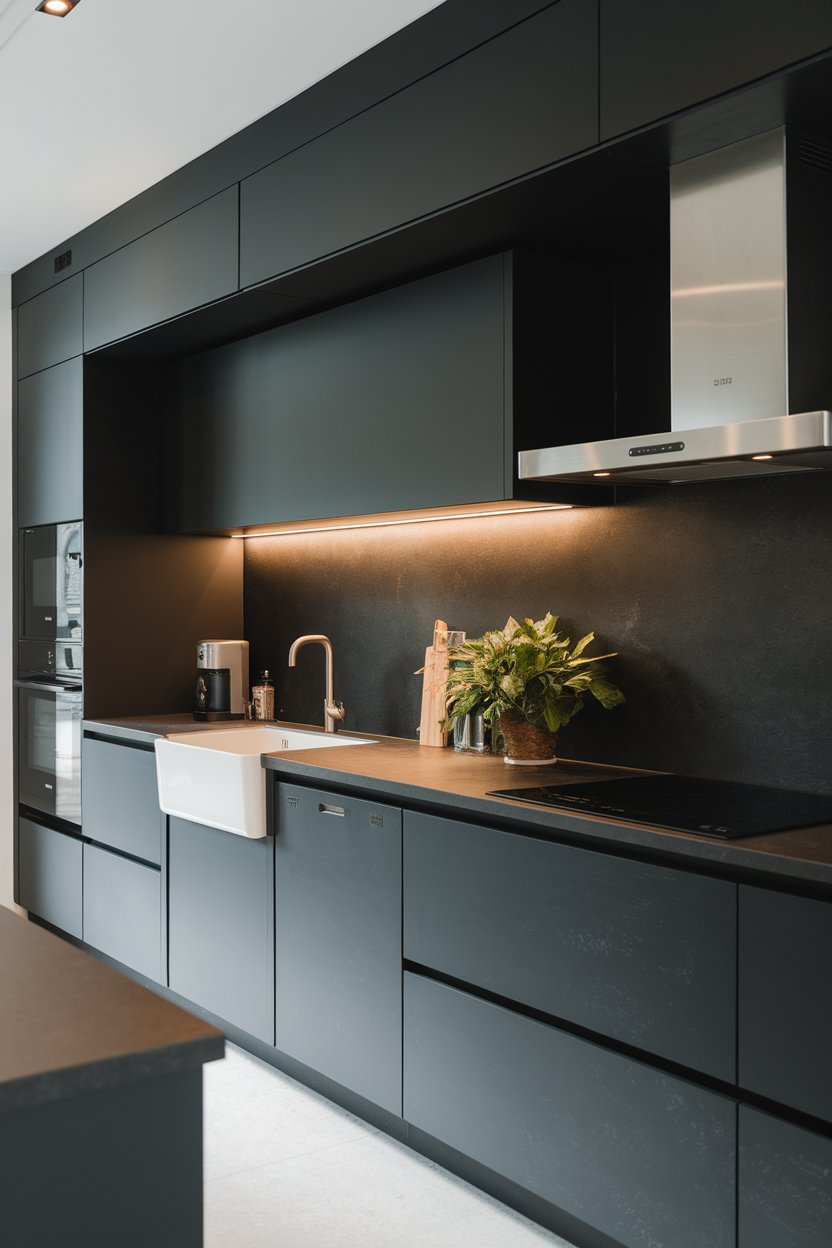
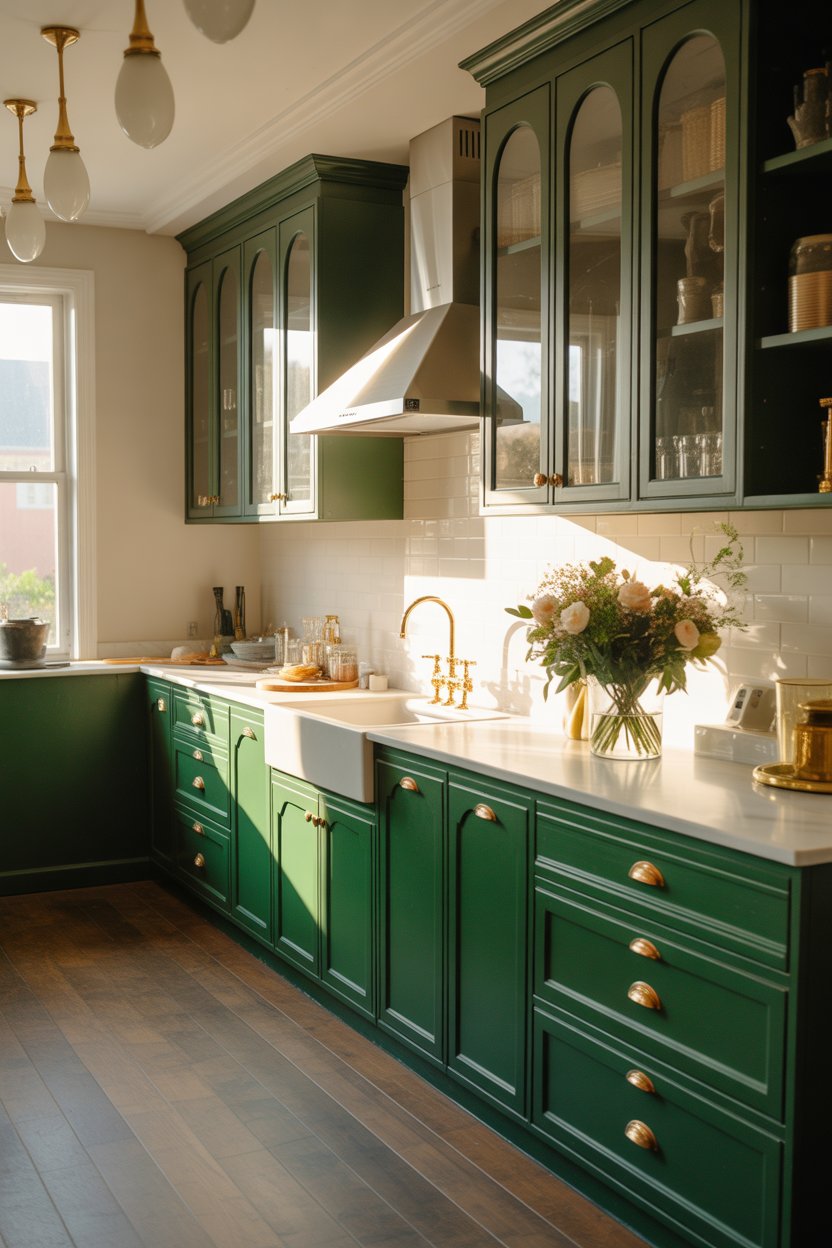
Kitchen floors are having a major moment in 2026, and Pinterest boards are overflowing with inspiration as homeowners search for that perfect blend of beauty, durability, and personality underfoot. Whether you’re planning a full renovation or simply dreaming about what’s possible, the floor sets the tone for your entire kitchen—it’s the foundation that ties together cabinets, countertops, and your daily life. From bold patterns that make a statement to natural materials that bring warmth, this year’s trends offer something for every style and budget. We’ve gathered inspiring ideas that reflect what’s resonating with American homeowners right now, complete with practical insights to help you make the right choice for your space.
1. Classic Checkered Kitchen Floor Revival
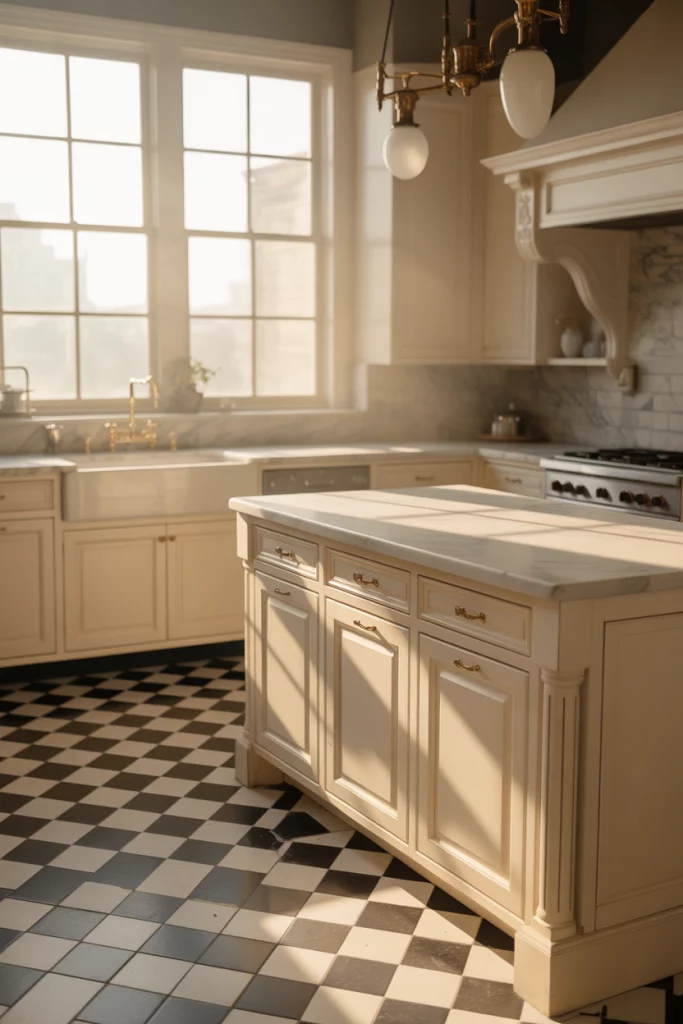
The timeless appeal of a checkered kitchen floor is making a strong comeback, particularly in homes that blend vintage charm with modern functionality. This black and white pattern works beautifully in both compact city kitchens and spacious suburban homes, offering visual interest without overwhelming the space. The geometric precision creates a sense of order while adding personality, and it’s surprisingly forgiving when it comes to hiding everyday spills and scuffs that are inevitable in a high-traffic kitchen. 
One common mistake homeowners make is choosing tiles that are too small for their space, which can make the pattern feel busy rather than bold. For most kitchens, 12-inch tiles strike the perfect balance, creating clear definition without visual chaos. If you’re working with a smaller kitchen, consider limiting the checkered pattern to a specific zone—like the area in front of the sink or stove—while using solid tiles elsewhere to maintain breathing room in the design.
2. Warm Terracotta Tile Underfoot
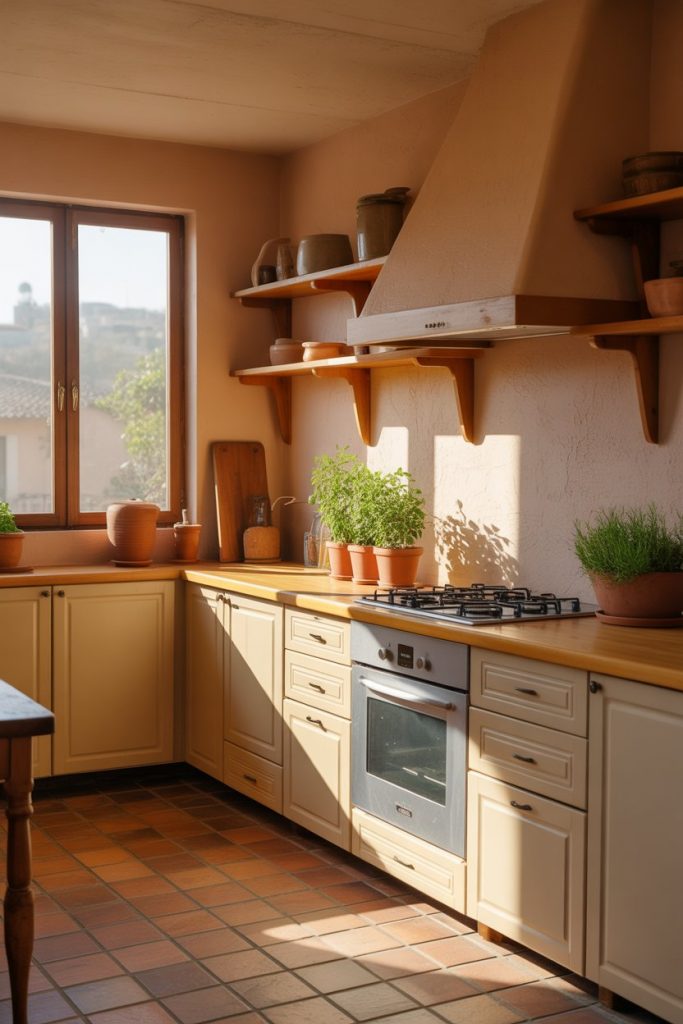
There’s something deeply inviting about terracotta flooring that speaks to our desire for warmth and authenticity in the kitchen. These earthy, clay-based tiles bring an organic quality that works equally well in Southwest-inspired homes and modern farmhouse designs. The natural variation in color—from soft peachy tones to deeper rust shades—means no two floors look exactly alike, giving your kitchen a handcrafted feel that mass-produced materials simply can’t replicate. 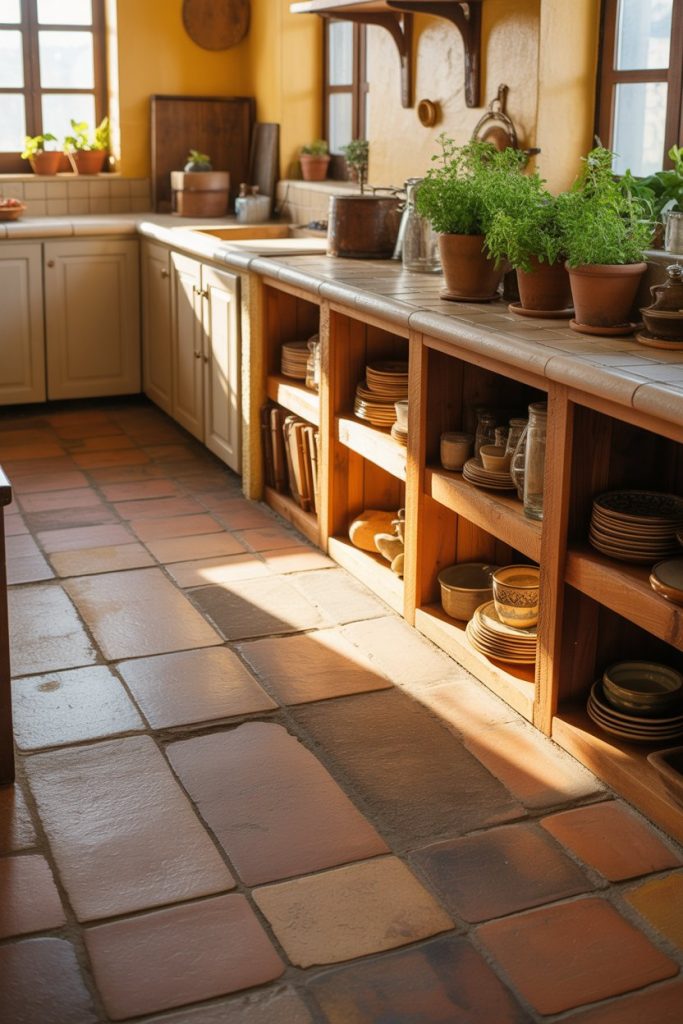
Terracotta works best in kitchens where you want to create a lived-in, welcoming atmosphere rather than a sleek, minimalist look. In the Southwest and California, these tiles are particularly popular because they help keep spaces cool during hot months while adding regional authenticity. The porous nature of terracotta means you’ll need to seal it properly—most professionals recommend resealing every 12 to 18 months to prevent staining and maintain that beautiful matte finish that makes these tiles so appealing.
3. Sophisticated Terrazzo Makes a Statement
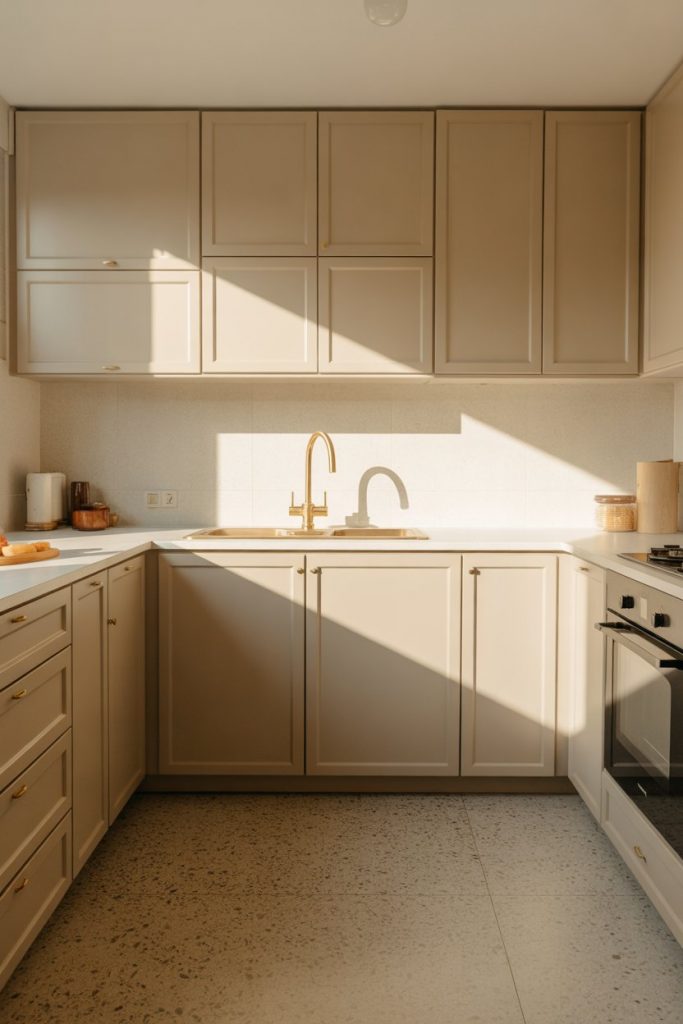
Once reserved for mid-century commercial buildings, terrazzo has evolved into one of the most sought-after flooring choices for contemporary American kitchens. This composite material—featuring chips of marble, quartz, or glass set in cement or resin—offers endless customization in terms of color and pattern. The speckled appearance adds visual texture without demanding attention, making it an ideal backdrop for kitchens where you want other elements, like colorful cabinets or statement lighting, to shine. 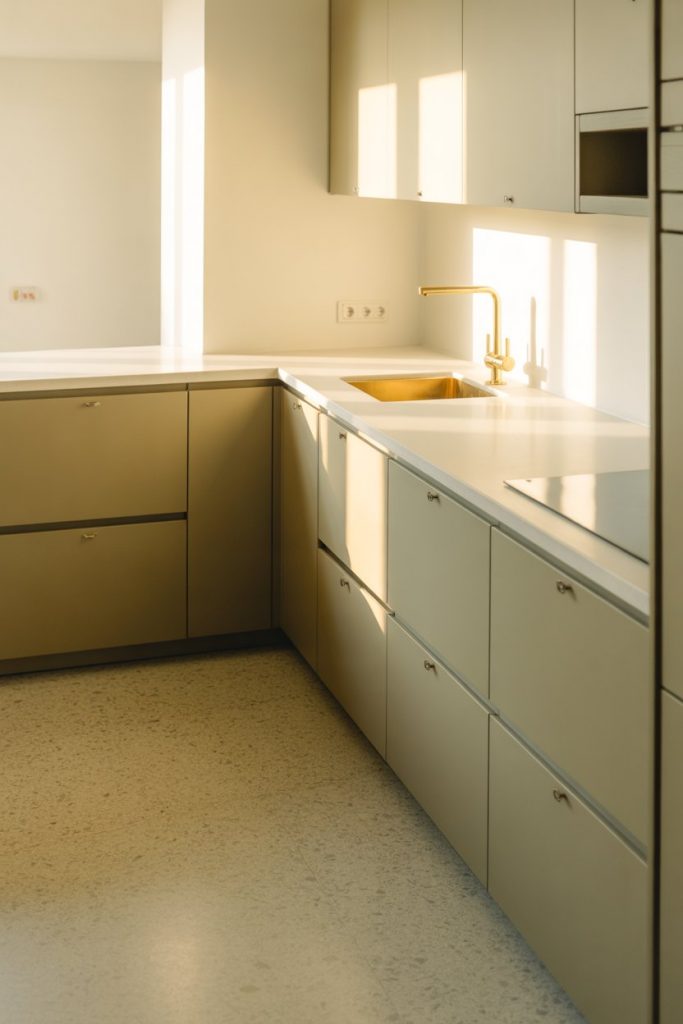
A designer I spoke with recently noted that terrazzo’s durability is one of its biggest selling points for families—it can last 40 years or more with minimal maintenance, making the upfront investment worthwhile. The surface is naturally slip-resistant and incredibly hard-wearing, standing up to dropped pans, spills, and the constant foot traffic that defines kitchen life. While it’s pricier than ceramic tile, typically ranging from $15 to $30 per square foot installed, many homeowners view it as a long-term investment that adds genuine value to their home.
4. Natural Stone Brings Organic Beauty
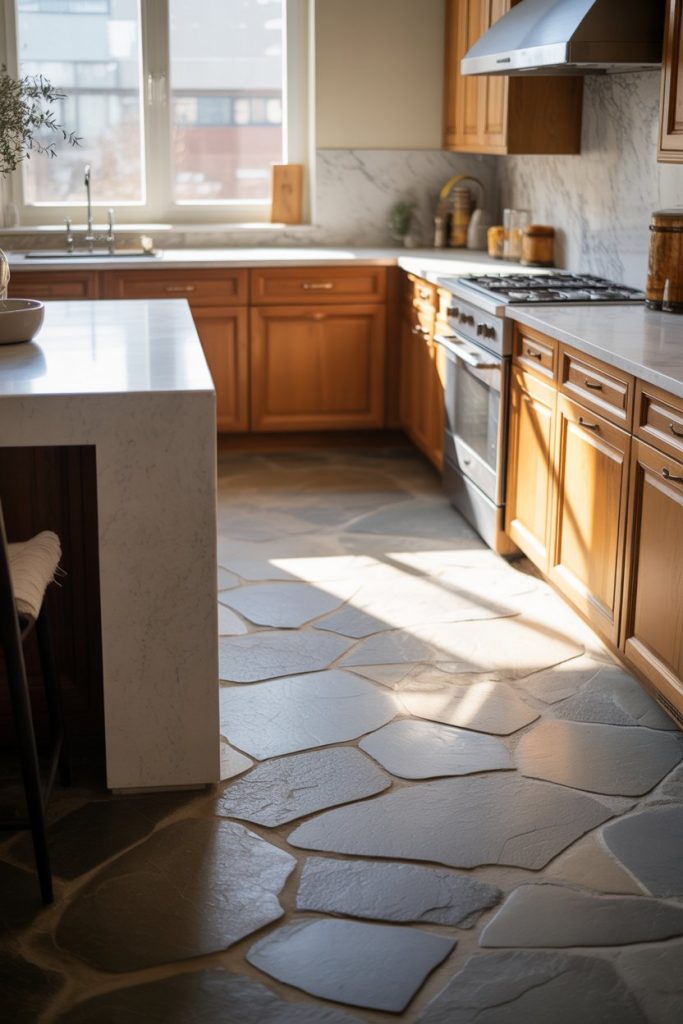
The movement toward stone flooring in kitchens reflects a broader desire to bring natural materials into our daily spaces. Whether it’s limestone, slate, or travertine, these materials offer unique veining and color variations that make your floor a true one-of-a-kind feature. Stone floors develop a patina over time, actually becoming more beautiful as they age—a quality that appeals to homeowners tired of materials that show wear in less flattering ways. 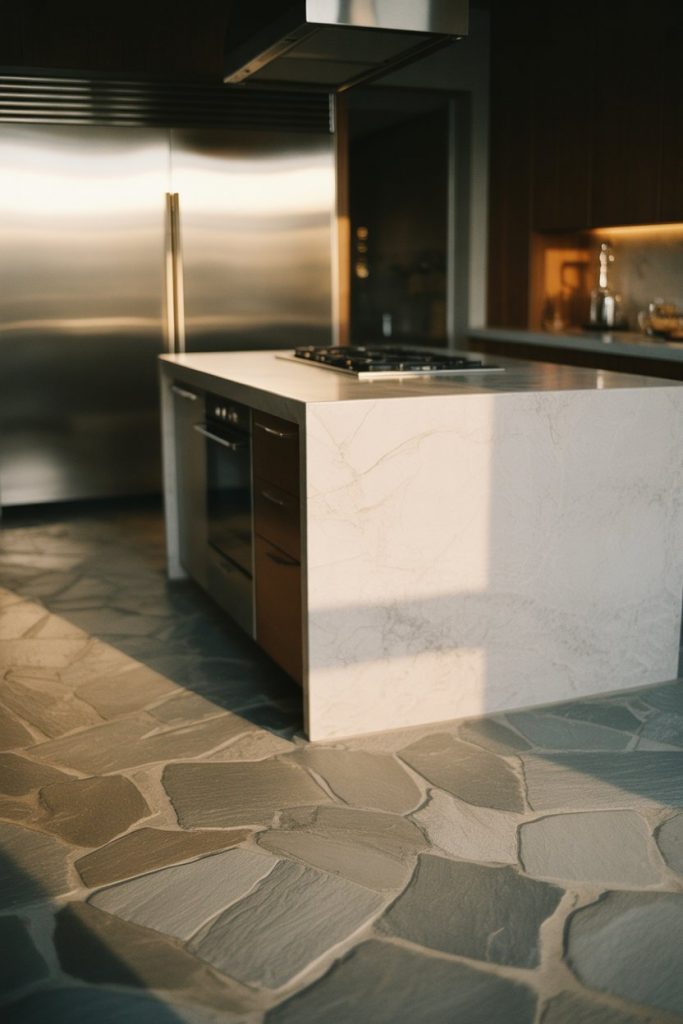
Real homeowners often underestimate how cold stone can feel underfoot, especially in northern climates during winter months. This is why radiant floor heating has become almost standard when installing stone in kitchens—it transforms what could be an uncomfortable surface into a cozy luxury. The combination of natural stone with underfloor heating does add to your budget, but it creates an experience that elevates your daily routine, turning your kitchen into a space you actually want to spend time in barefoot on a Saturday morning.
5. Herringbone Pattern Adds Dynamic Movement

The herringbone pattern has transcended trend status to become a true classic in kitchen design, offering a sophisticated alternative to straight-laid tiles. This V-shaped weaving pattern works with virtually any material—from wood-look tile to natural stone—and creates a sense of movement that draws the eye through the space. The angled layout makes rooms feel larger and more dynamic, which is particularly valuable in kitchens where you want to maximize the perception of space. 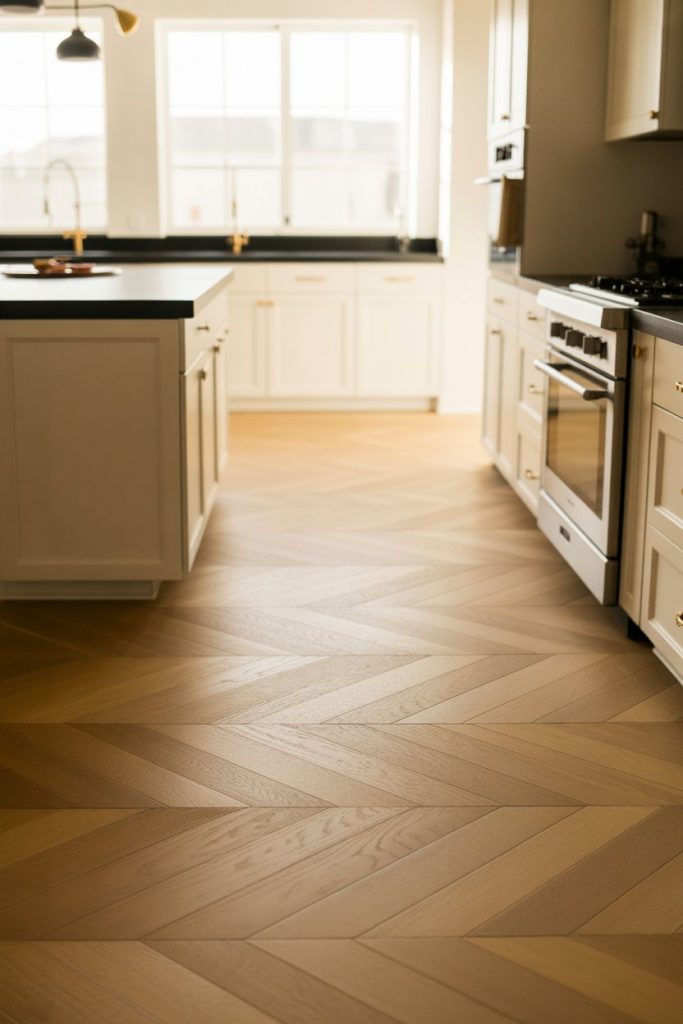
In the Pacific Northwest and Northeast, where traditional craftsmanship is highly valued, herringbone floors signal attention to detail and quality. The pattern does require more labor to install—expect to pay 20-30% more than standard tile installation—but the visual impact justifies the investment for most homeowners. One practical consideration: the busy pattern can make it harder to spot crumbs and small spills, so you’ll want to commit to regular sweeping if you go this route.
6. Bold Black Floors Create Drama
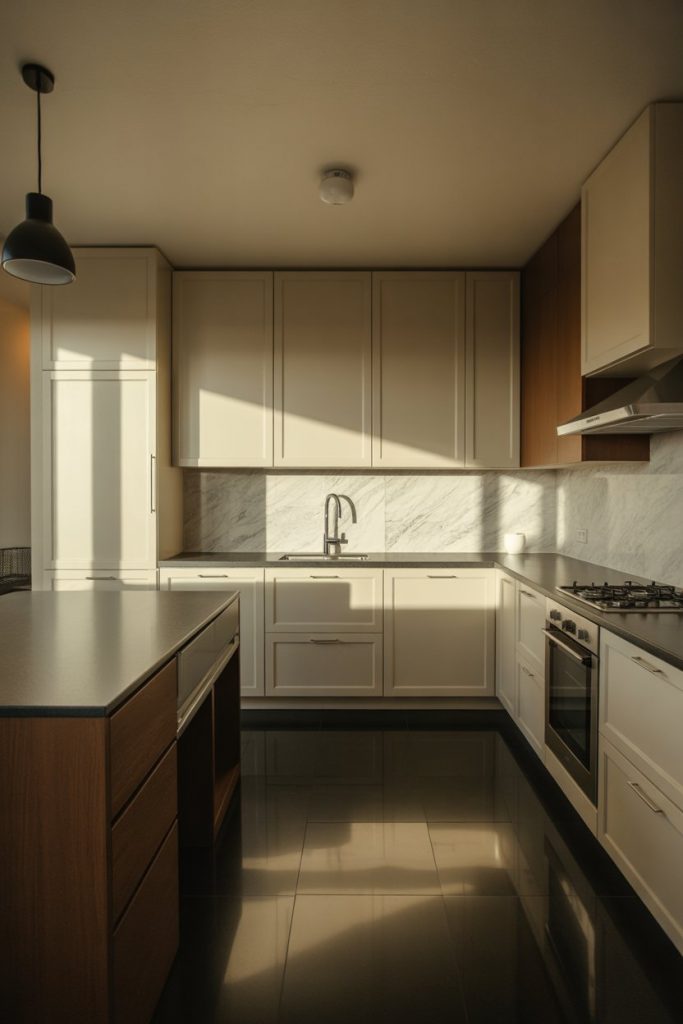
A black kitchen floor is a bold choice that creates instant drama and sophistication, serving as a striking foundation for lighter cabinetry and metallic accents. This look works especially well in modern and industrial-style kitchens where contrast is part of the design language. Dark flooring has the practical advantage of hiding dirt and wear better than lighter options, though it will show dust and pet hair more readily—a tradeoff worth considering based on your household. 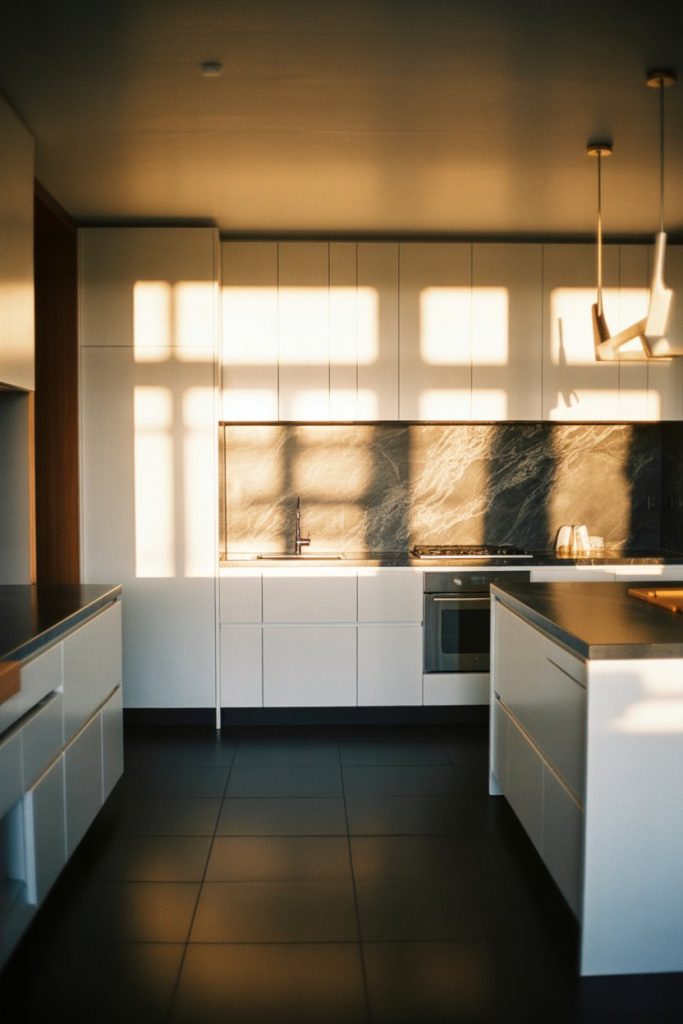
Where black floors work best is in kitchens with abundant natural light—without it, the space can feel cave-like rather than sophisticated. Southern California and Florida homeowners often embrace this look because their generous windows provide the brightness needed to balance the dark flooring. Consider your lighting plan carefully: a combination of recessed ceiling lights, under-cabinet lighting, and statement pendants will ensure your dramatic floor enhances rather than diminishes your kitchen’s functionality and mood.
7. Versatile Vinyl Plank Solutions
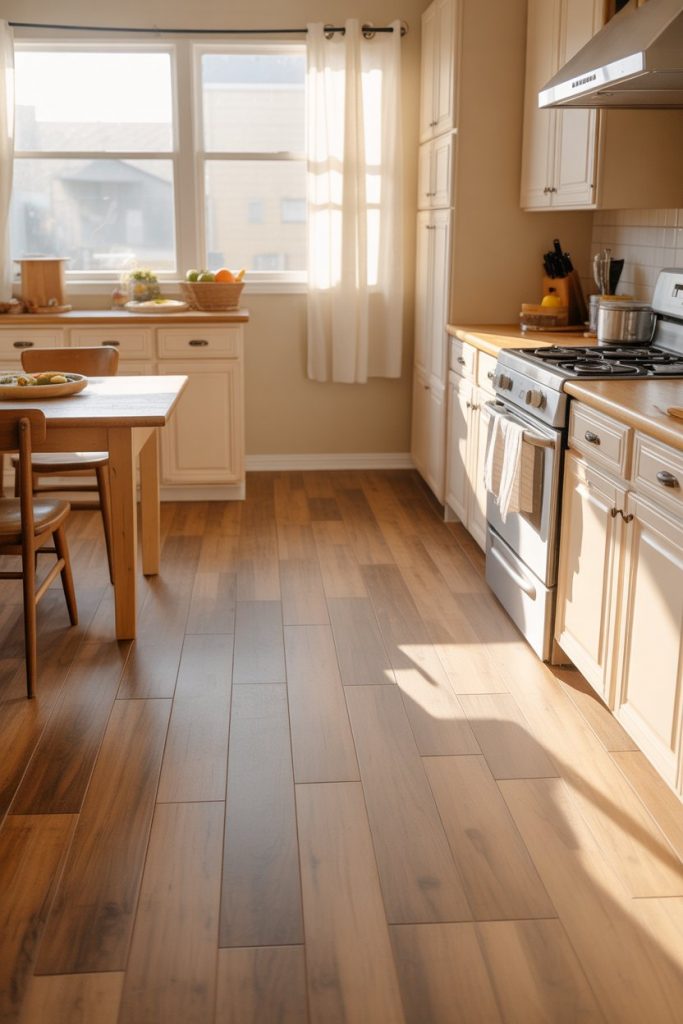
Modern luxury vinyl plank flooring has evolved far beyond its humble origins, now offering realistic wood and stone looks that fool even discerning eyes. For families with kids, pets, or concerns about water damage, vinyl provides a practical solution without sacrificing style. The waterproof properties make it ideal for kitchens where spills are inevitable, and the softer surface is noticeably more forgiving on feet and backs during long cooking sessions compared to hard tile or stone. 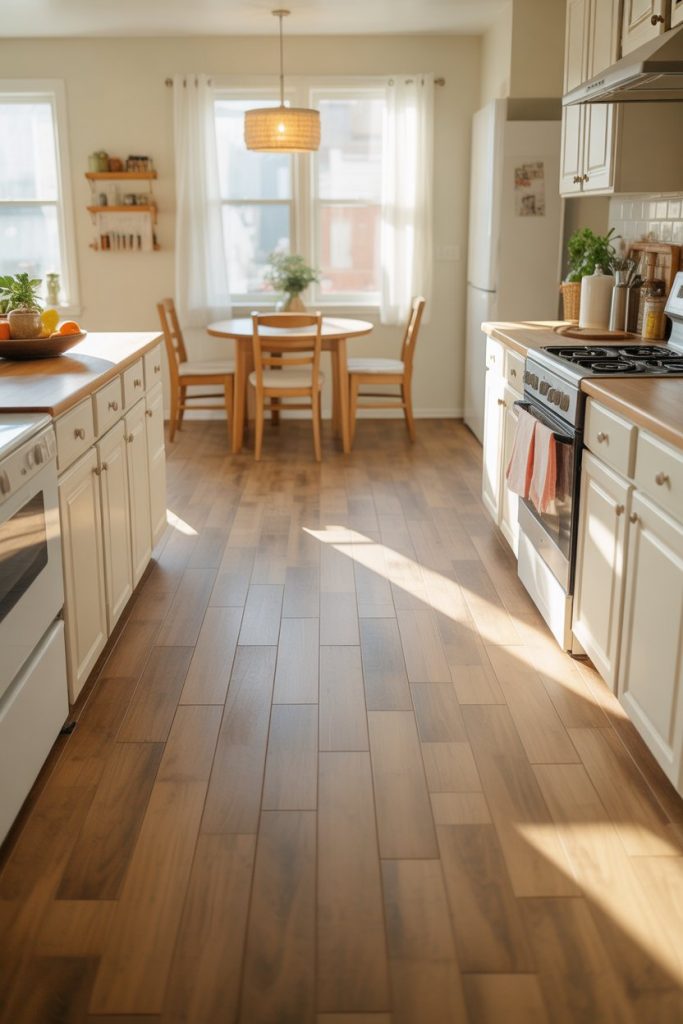
My neighbor recently installed luxury vinyl in her kitchen and admitted she was skeptical at first, worried it would look cheap or fake. Six months later, she can’t stop recommending it—the floor has survived multiple wine spills, a dropped cast iron pan, and her golden retriever’s enthusiasm without a single mark. The price point is another major draw, typically ranging from $3 to $7 per square foot installed, making it accessible for homeowners working with tighter budgets who still want a beautiful, durable kitchen floor.
8. Timeless White Tile Brightness
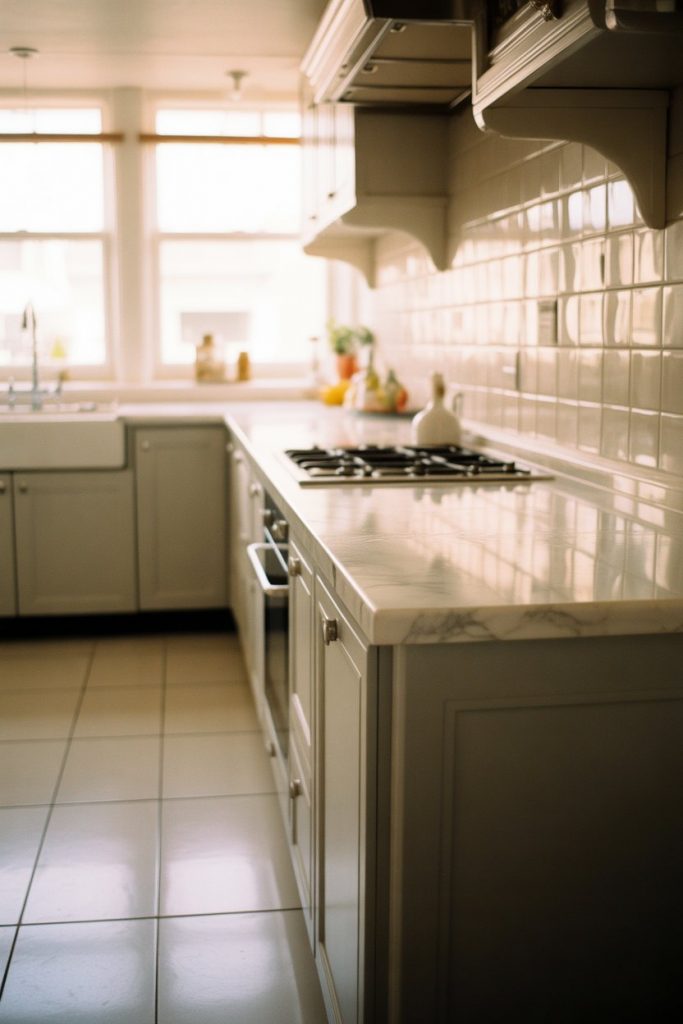
There’s a reason white tile remains eternally popular in kitchen design—it creates a clean, bright foundation that makes spaces feel larger and more open. Whether you choose glossy subway tiles, matte porcelain squares, or textured ceramics, white flooring reflects light beautifully and provides a neutral canvas for evolving décor. This classic choice works in every style from farmhouse to minimalist, adapting to your changing tastes over the years without requiring replacement. 
The practical reality of white floors is that they do show dirt, grime, and grout discoloration more readily than darker options—this is the honest truth that designers sometimes gloss over. However, this visibility can actually be an advantage because it encourages regular cleaning, keeping your kitchen more hygienic overall. To minimize maintenance, choose larger format tiles to reduce grout lines, and opt for a light gray grout rather than bright white, which will show less discoloration over time while maintaining the overall bright aesthetic.
9. Elegant Limestone Flooring
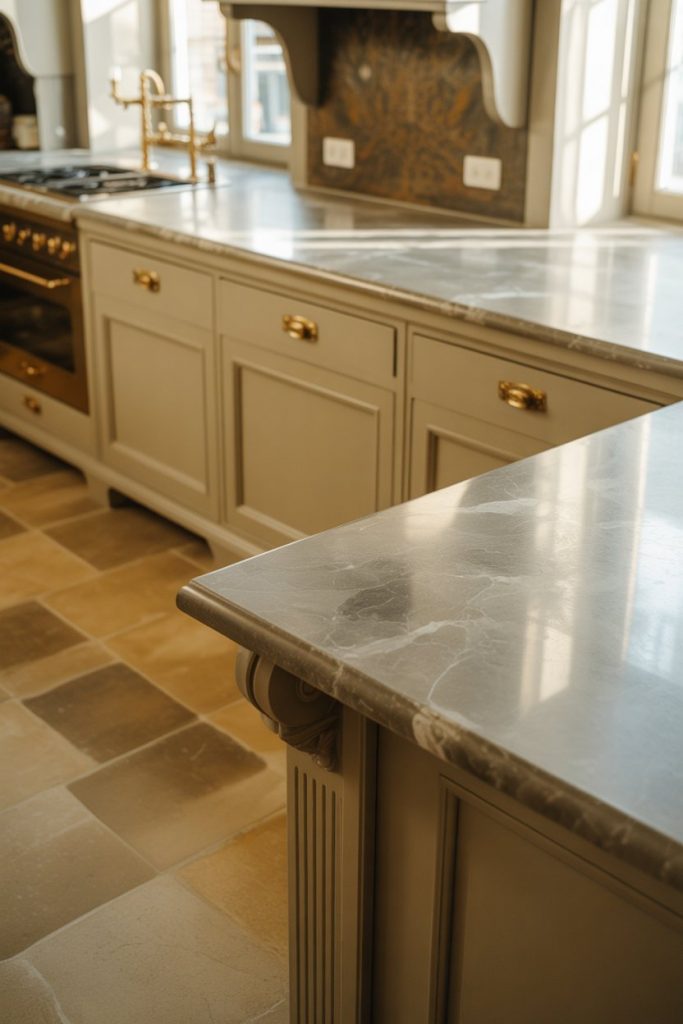
The soft, understated beauty of limestone brings a sense of European elegance to American kitchens, particularly in homes with traditional or transitional design. This natural stone typically comes in creamy beiges, warm grays, and soft taupes that work beautifully with both warm and cool color palettes. The slightly porous surface develops character over time, recording the history of your home in subtle ways that many homeowners find appealing rather than problematic. 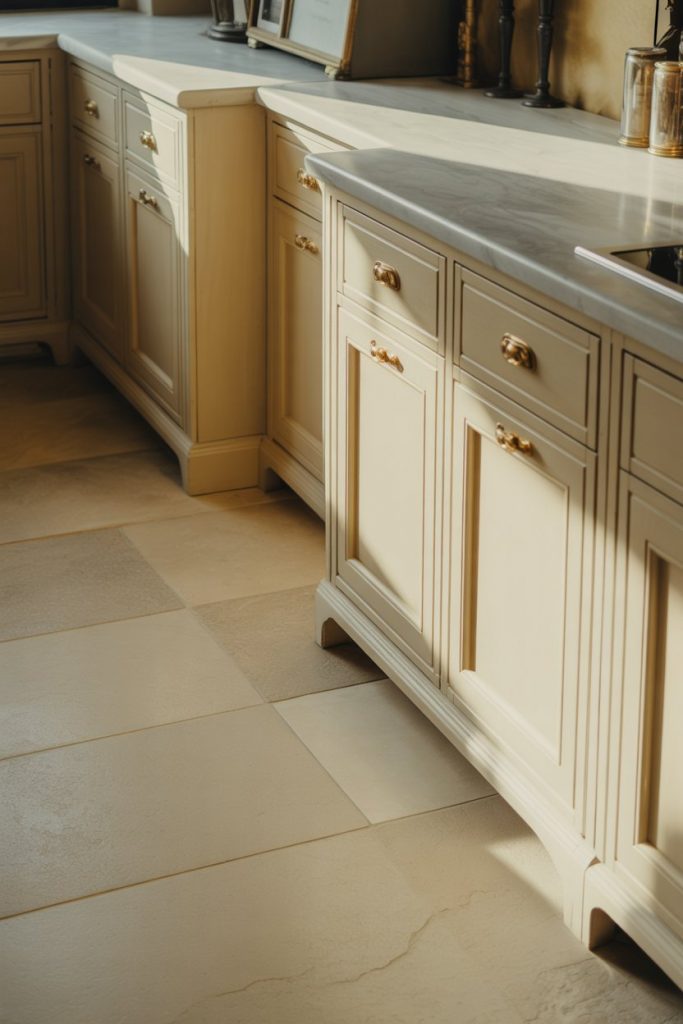
Limestone works best in homes where a formal, refined aesthetic is the goal—think French country estates or English manor-inspired kitchens. The material is softer than granite or marble, making it more susceptible to scratching and etching from acidic substances like lemon juice or vinegar. Budget-wise, expect to invest $10 to $20 per square foot for quality limestone tiles, plus professional sealing upon installation and annual resealing to protect your investment and maintain that coveted soft matte finish.
10. Rustic Brick Flooring Character
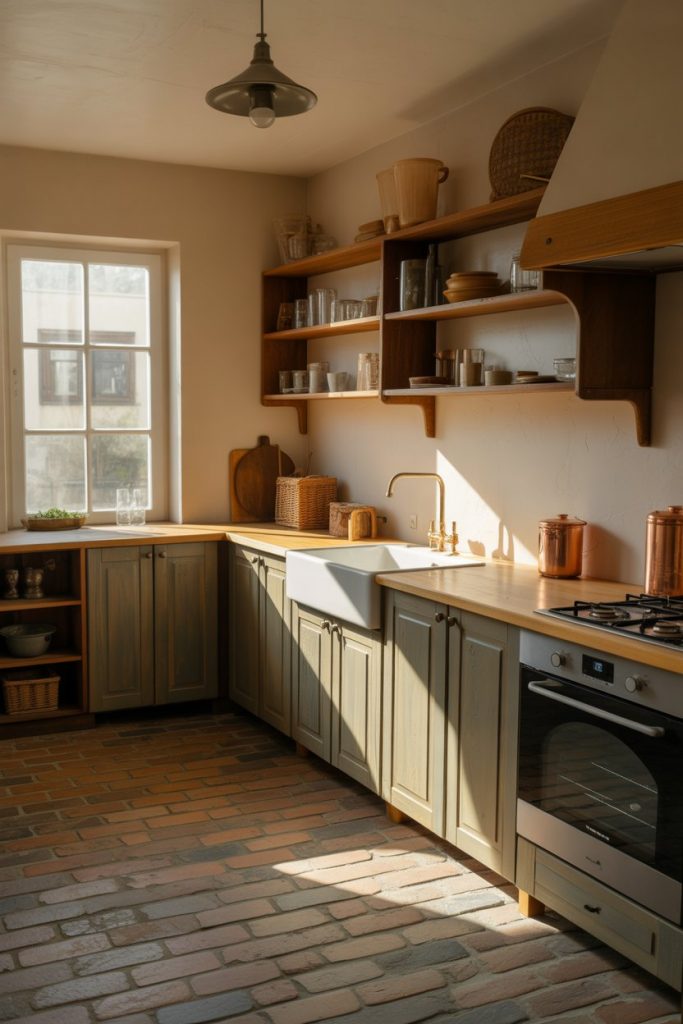
Traditional brick flooring brings instant warmth and historical character to kitchens, evoking the feeling of centuries-old European homes. The textured surface and earthy red-brown tones create a cozy, grounded atmosphere that’s particularly popular in farmhouse and cottage-style kitchens. Modern thin brick tiles offer the look of authentic brick without the structural challenges, making this aesthetic accessible even in apartments and condos where traditional brick pavers wouldn’t be feasible. 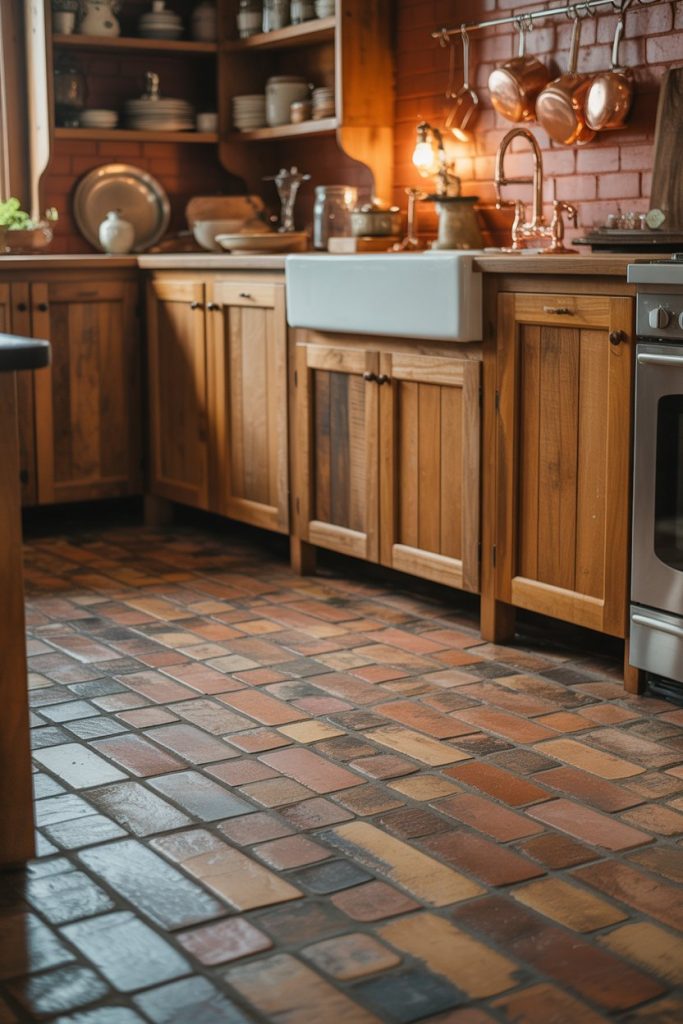
In the Mid-Atlantic and New England states, brick floors connect to regional architectural heritage, making them feel authentic rather than trendy. The uneven surface of genuine brick can be challenging to keep clean—crumbs tend to settle in the crevices between bricks—and the material can be hard on dropped dishes. If you love the look but worry about practicality, consider using brick-look porcelain tile, which captures the visual warmth while offering a smoother, more maintenance-friendly surface that’s easier to live with day-to-day.
11. Trendy Checkerboard Patterns
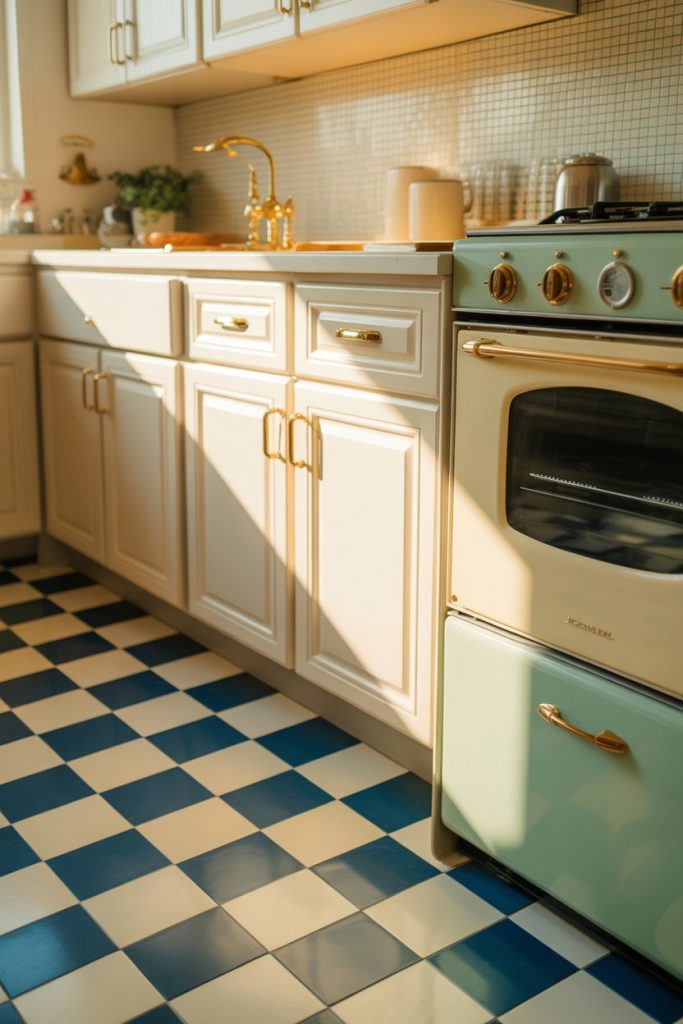
The checkerboard pattern continues to captivate homeowners looking for vintage charm with a contemporary twist, particularly when executed in unexpected color combinations beyond traditional black and white. Think navy and cream, sage green and terracotta, or charcoal and warm gray—these fresh interpretations feel current while honoring the classic geometric design. The bold grid creates strong visual structure that can actually make oddly shaped kitchens feel more balanced and intentional. 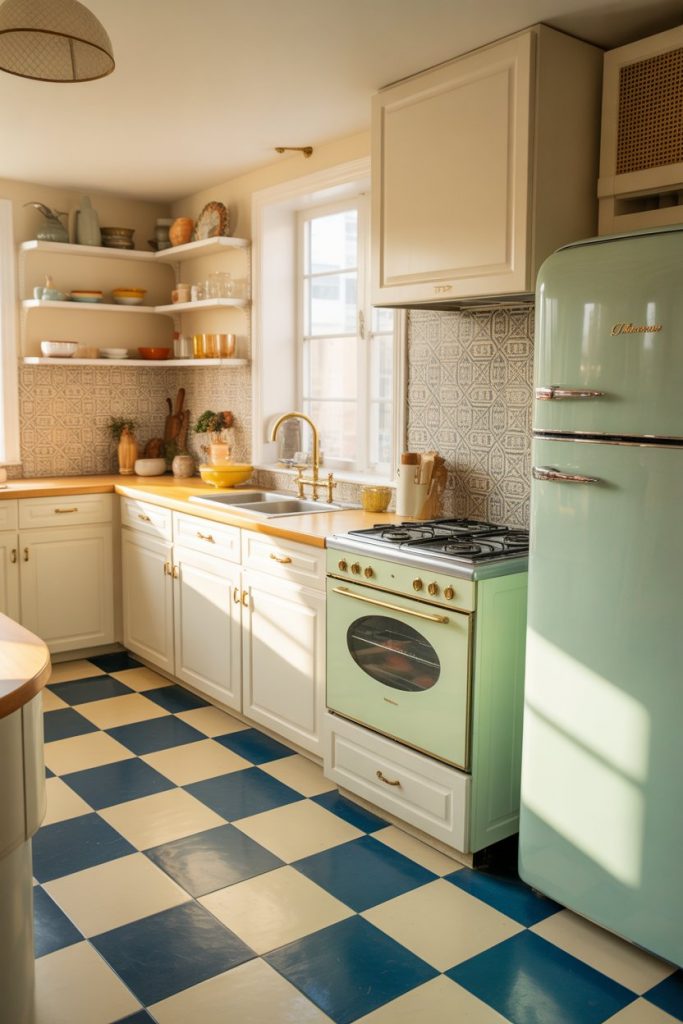
Expert designers often recommend balancing a bold checkerboard floor with simpler elements elsewhere—if your floor is making a statement, keep cabinets, backsplash, and countertops relatively understated. The pattern naturally draws the eye downward, which can make ceilings feel higher and rooms more spacious. Installation is straightforward with modern tiles, but achieving perfectly aligned corners and edges requires a skilled professional, so this isn’t the project to tackle as your first DIY tile job if you want results that look professionally polished.
12. Natural Slate Texture and Depth
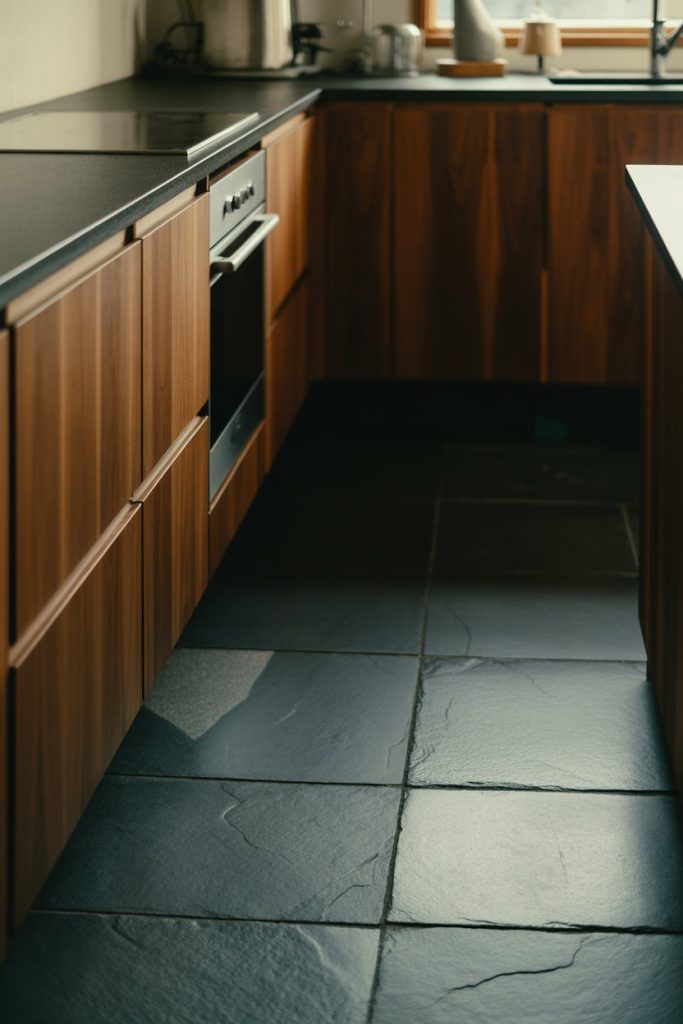
The layered, textured surface of slate flooring brings organic depth and subtle color variation that adds sophistication to any kitchen. Available in shades ranging from charcoal and deep blue to green-gray and purple-tinged browns, slate offers more visual interest than solid-colored tiles while maintaining a grounded, earthy feel. The natural cleft surface provides excellent slip resistance—a genuine safety advantage in a room where water and cooking oils are常facts of life. 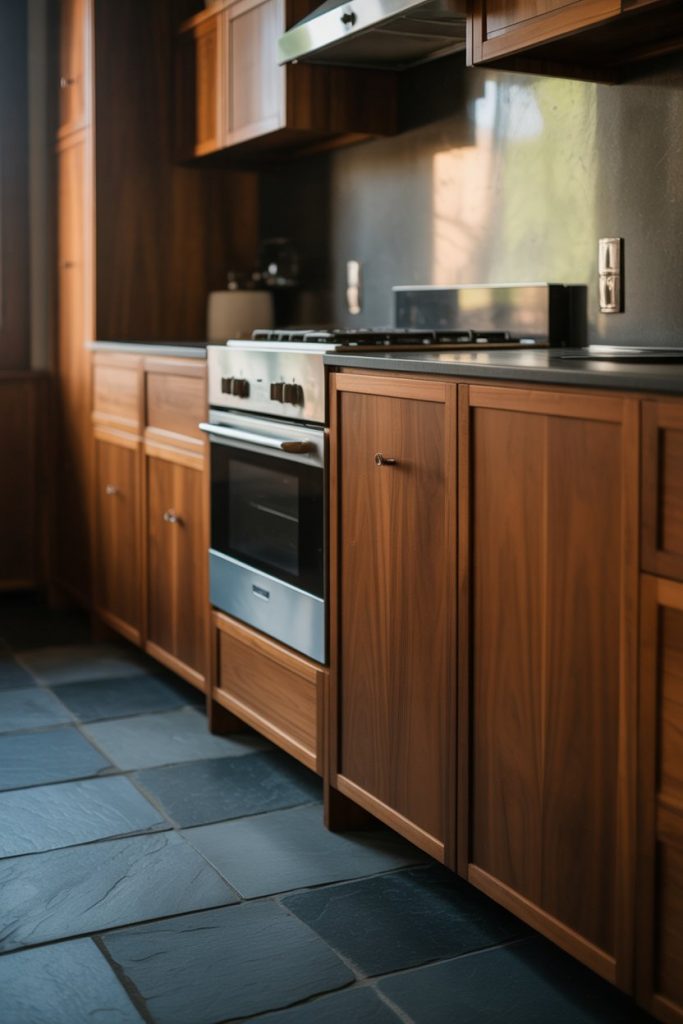
Slate performs exceptionally well in active households because its textured, multi-toned surface disguises wear, scratches, and daily grime better than most flooring materials. The material does require sealing to prevent staining and water absorption, typically every one to two years depending on traffic. Regional pricing varies, but expect to pay between $8 and $15 per square foot installed—a mid-range investment that delivers high-end visual impact and decades of durability when properly maintained.
13. Painted Floor Creativity on a Budget
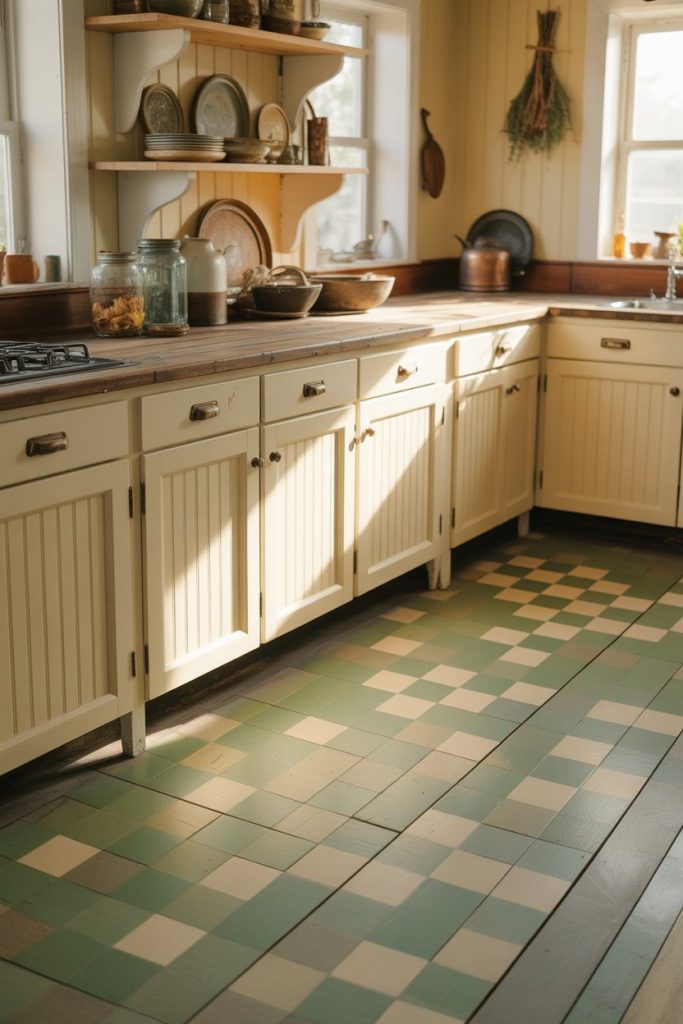
A painted kitchen floor represents one of the most budget-friendly ways to completely transform your space, offering endless creative possibilities from bold geometric patterns to subtle faux finishes. This approach works best over existing wood floors or concrete subfloors, using specialized floor paint and multiple protective topcoat layers to ensure durability. The DIY-friendly nature of painted floors appeals to homeowners who want to experiment with color and pattern without the commitment or expense of permanent tile installation. 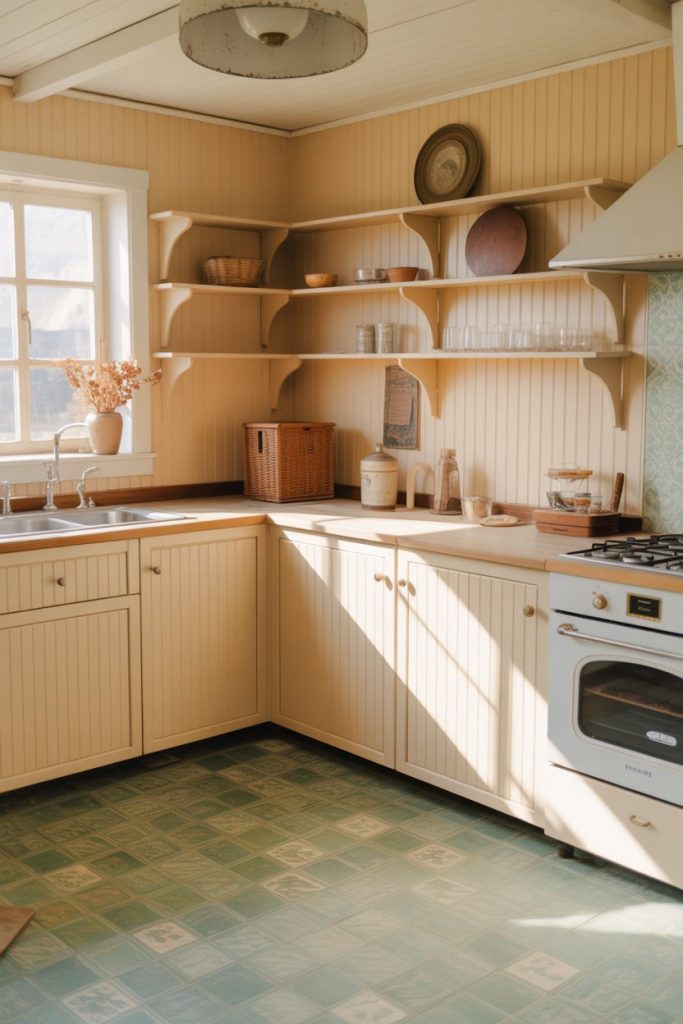
A friend in Vermont painted her kitchen floor in a custom diamond pattern three years ago, and with proper care—including annual resealing and avoiding harsh cleaners—it still looks remarkably fresh. The key to longevity is surface preparation: thorough cleaning, light sanding, and quality primer make the difference between a paint job that chips within months and one that lasts years. Material costs are minimal, typically under $200 for paint and supplies in an average kitchen, making this an accessible option for renters or homeowners planning to renovate fully in a few years.
14. Sophisticated Beige Tile Warmth
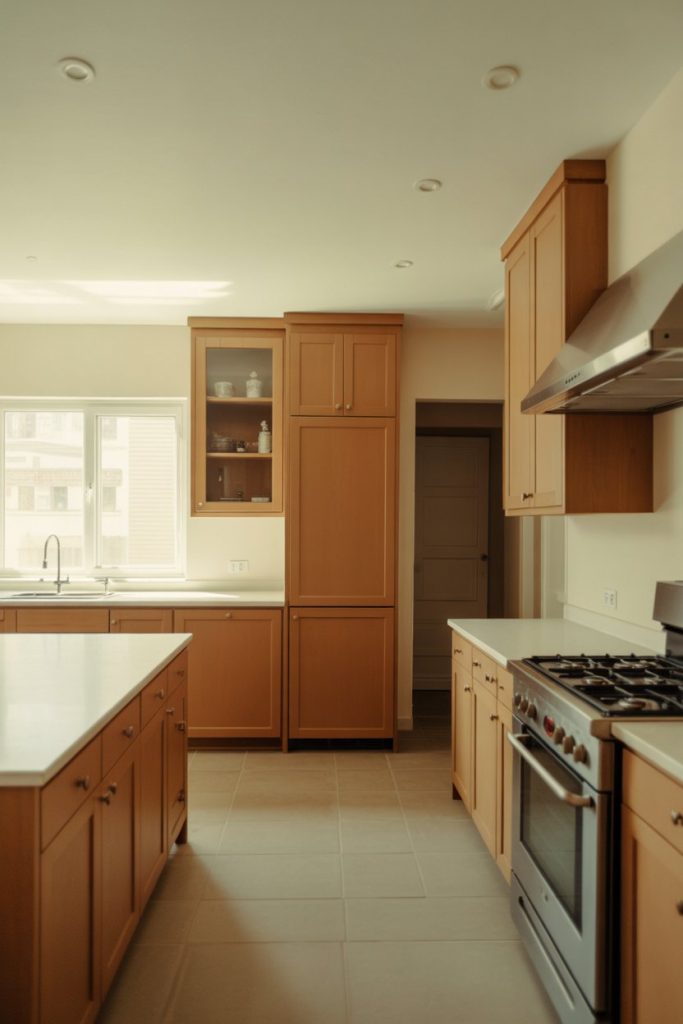
The enduring appeal of beige tile lies in its ability to bring warmth without overwhelming a space, creating a neutral foundation that works with virtually any cabinet color or design style. Modern beige tiles move beyond the builder-grade basics of decades past, now available in rich textures, subtle patterns, and sophisticated finishes that add depth. This versatile choice particularly suits open-concept homes where the kitchen flows into living areas, providing visual continuity without forcing all spaces to match exactly. 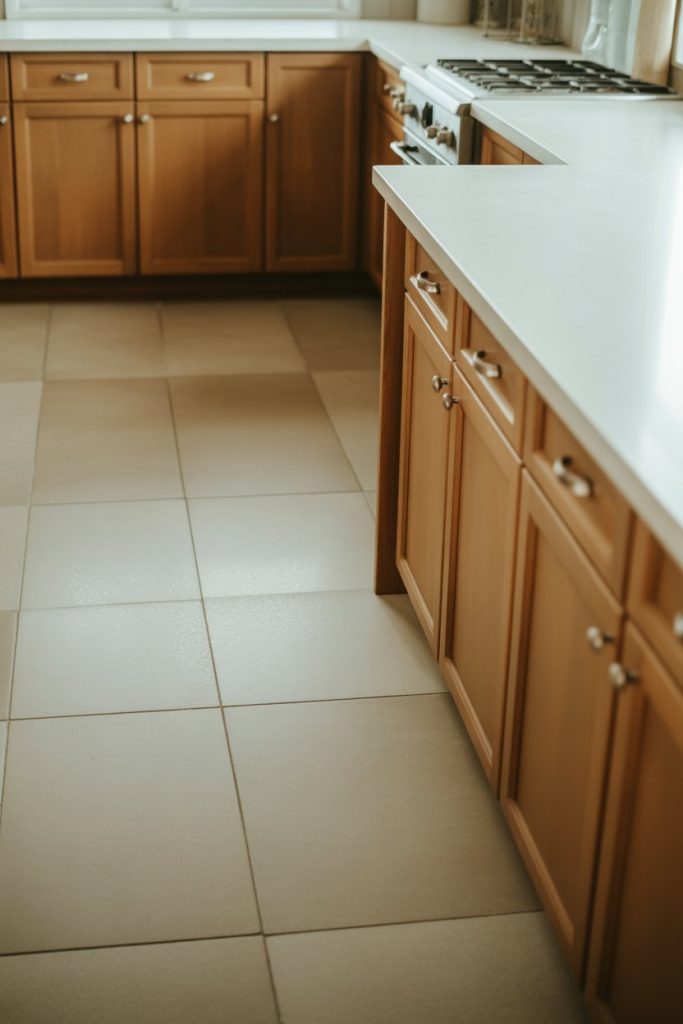
Where beige tile really shines is in homes with abundant natural wood elements—the warm neutral tone complements oak, walnut, and maple beautifully without competing for attention. In the South and Southwest, where heat is a concern, beige tile in matte or honed finishes stays cooler underfoot than darker options while maintaining its fresh appearance despite intense sunlight exposure. The forgiving color makes it harder to see dust and minor scratches, which translates to a floor that looks cleaner between maintenance sessions—a practical advantage that busy families genuinely appreciate.
15. Current Kitchen Flooring Trends
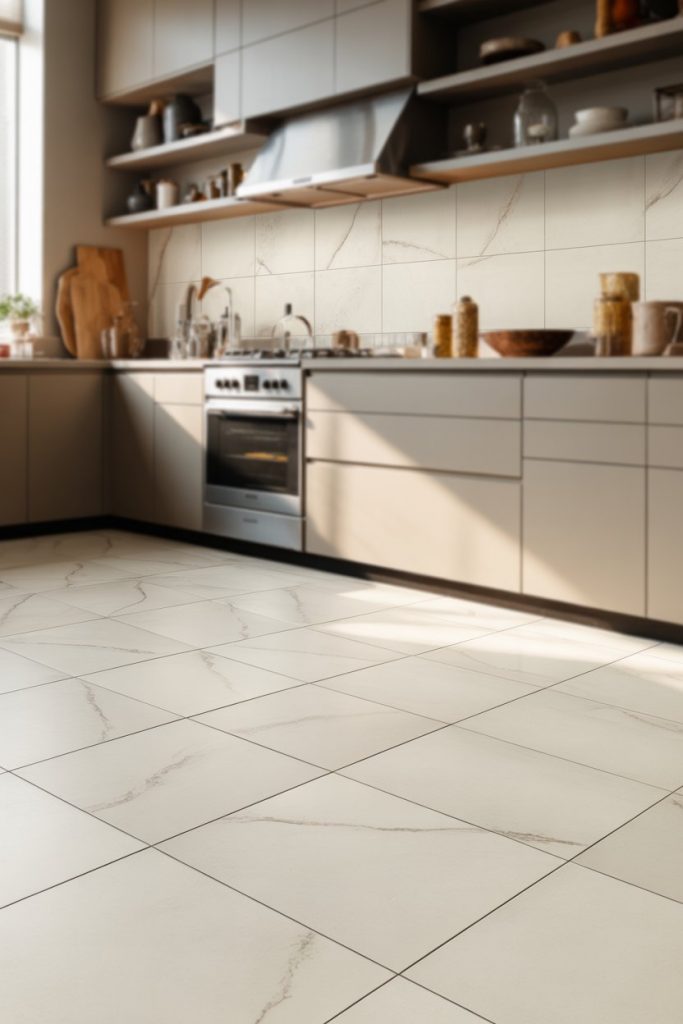
Understanding the trends shaping kitchen floors in 2026 helps homeowners make informed choices that balance contemporary style with lasting appeal. Large-format tiles—think 24×24 inches or even larger—continue to gain popularity, creating seamless looks with fewer grout lines. Natural materials and organic patterns dominate, reflecting our collective desire for spaces that feel authentic and connected to the environment. Texture has become equally important as color, with homeowners gravitating toward surfaces that offer visual and tactile interest. 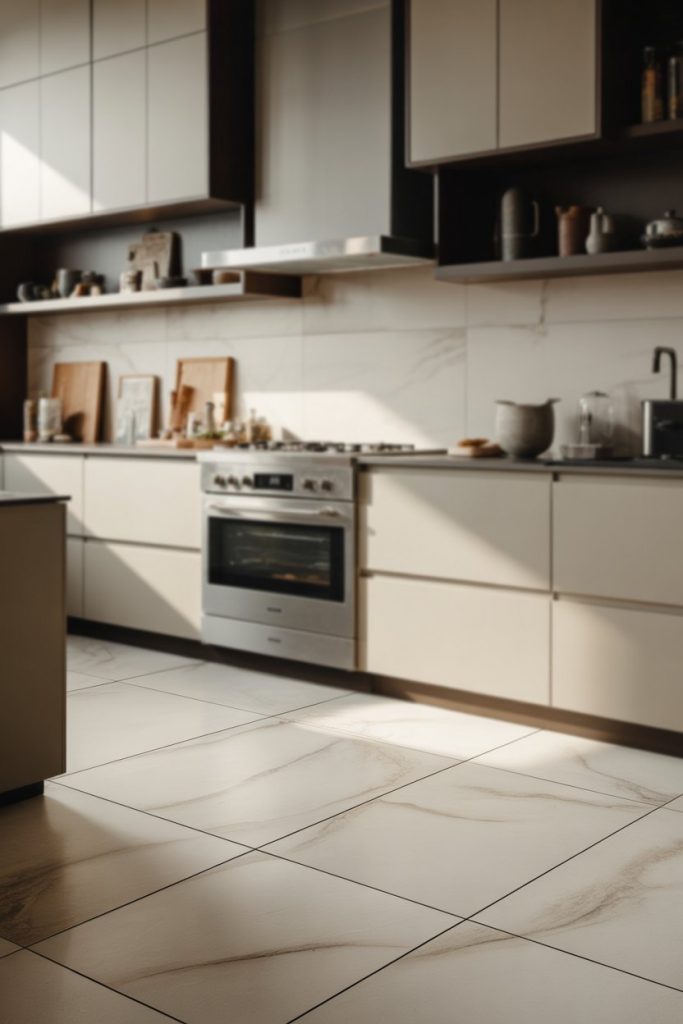
Practical insights from flooring professionals reveal that durability and easy maintenance now rank alongside aesthetics in homeowner priorities—people want floors that look beautiful but don’t demand constant attention. Sustainability has entered the conversation too, with recycled tile materials and sustainably harvested wood alternatives gaining market share. These trends aren’t fleeting fads but rather reflect genuine shifts in how Americans think about their homes, valuing longevity, authenticity, and environmental responsibility alongside visual appeal.
16. Innovative Tile Design Possibilities
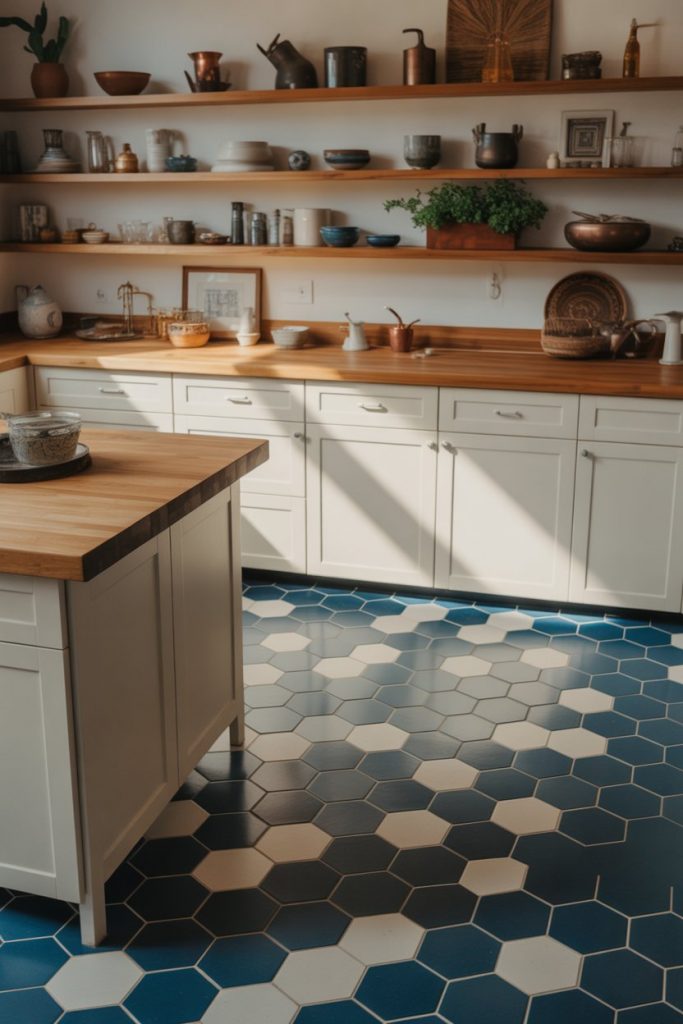
The world of tile design has exploded with creative possibilities, moving far beyond simple squares and rectangles to include hexagons, arabesques, fish scales, and custom geometric patterns. Digital printing technology now allows tiles to mimic virtually any material—from weathered wood to exotic marble—with remarkable realism. This design flexibility empowers homeowners to create truly personalized kitchens that reflect their unique aesthetic vision, whether that’s bohemian eclectic, sleek contemporary, or anything in between. 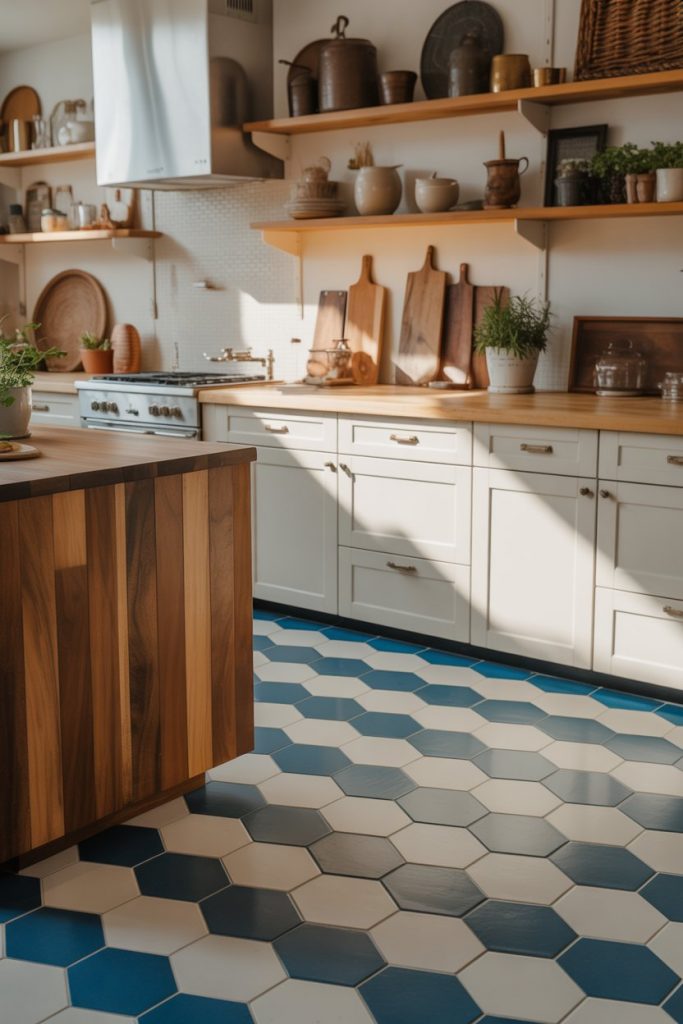
Installation complexity increases with intricate patterns, which directly impacts your budget—expect to pay 30-50% more for labor when working with unusual shapes or complex layouts compared to standard rectangular tiles. However, this investment can eliminate the need for additional decorative elements since your floor becomes the focal point. For smaller kitchens, designers often recommend limiting bold tile patterns to a specific zone, like a kitchen island surround, while using simpler tiles in the main work areas to prevent visual overwhelm.
17. Rich Dark Tile Sophistication
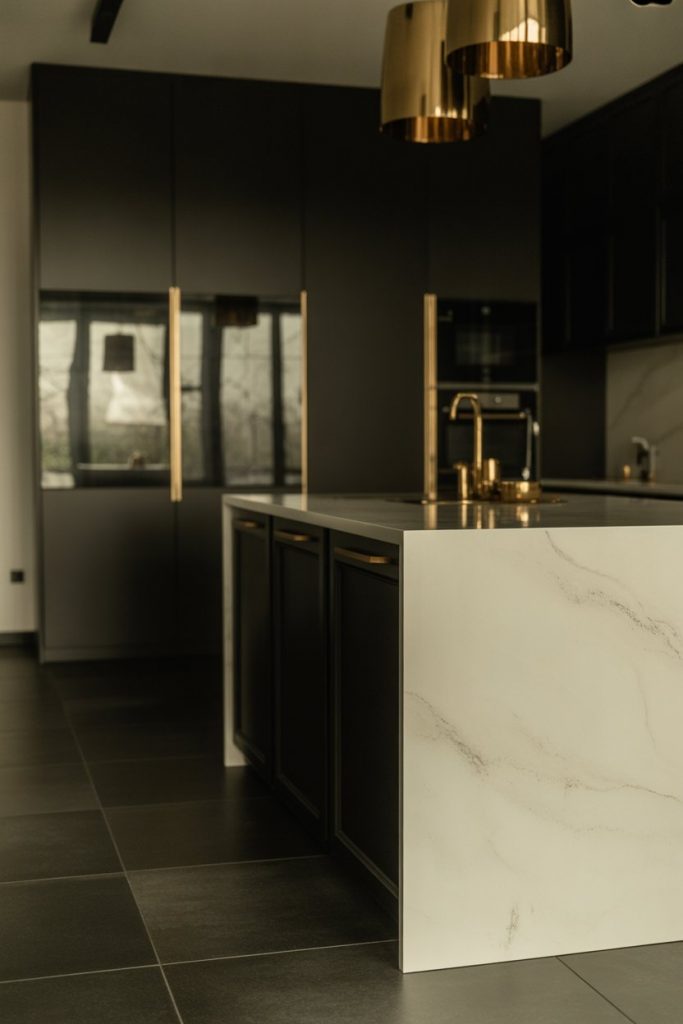
Deep, dark tile in shades of charcoal, espresso, and midnight blue brings a level of sophistication and moodiness to kitchens that lighter options can’t match. These dramatic floors work particularly well in kitchens with contrasting light cabinetry, creating a high-impact design that photographs beautifully—one reason they’re so prevalent on Pinterest. The dark surface visually grounds the space and provides a striking backdrop for metallic finishes like brass or copper that really pop against the shadowy backdrop. 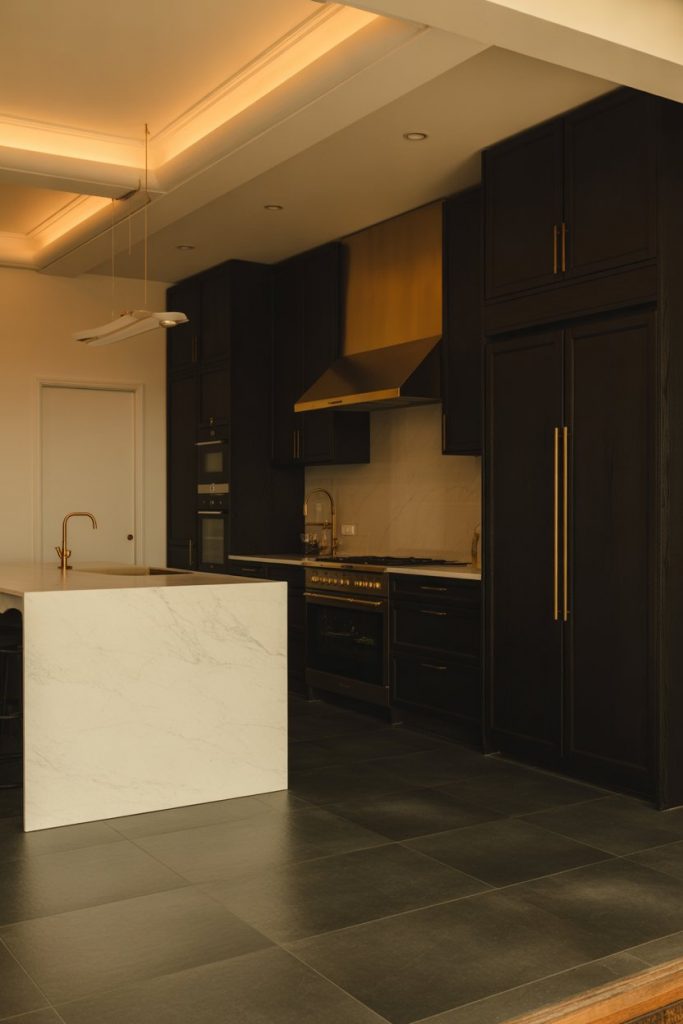
One common mistake with dark floors is underestimating how much they show dust, water spots, and pet hair—you’ll notice these imperfections more than you would on medium-toned floors. This doesn’t mean dark tiles aren’t worth it, but it does mean you need to be realistic about your cleaning habits and lifestyle. In urban lofts and modern homes across cities like Chicago, Seattle, and Austin, dark tile has become almost expected in high-style kitchens, where the dramatic aesthetic aligns with the overall design language of industrial-chic or contemporary luxury.
18. Terazzo Variations and Styles
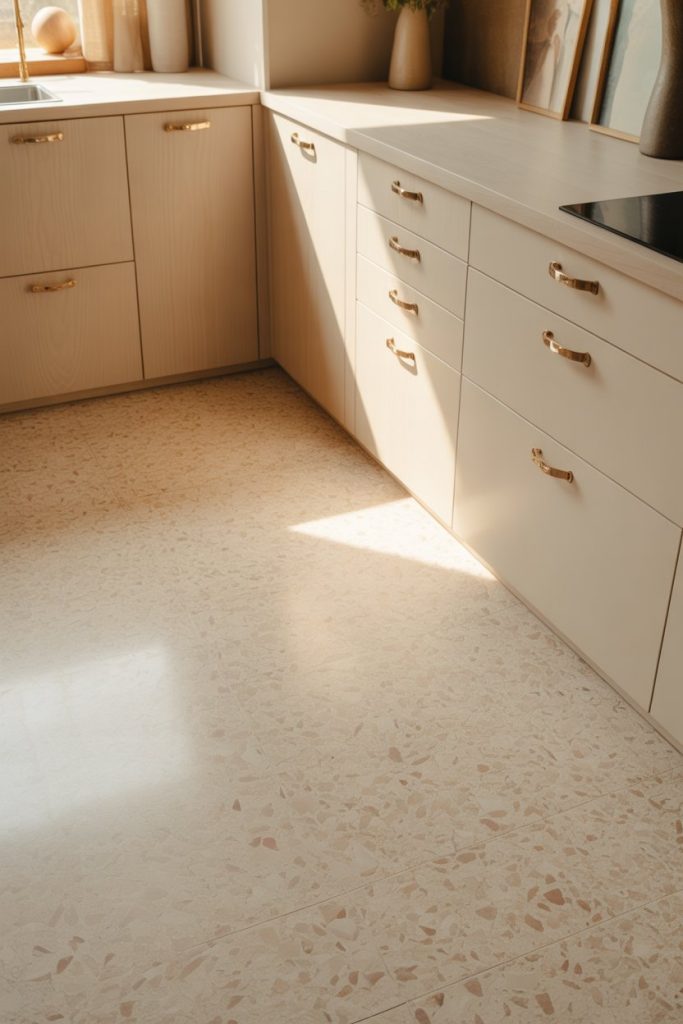
The spelling variation “terazzo” often appears in searches, but whether spelled terrazzo or terazzo, this material continues to evolve with fresh interpretations that go beyond the classic mid-century look. Contemporary versions might feature larger aggregate chips for a chunkier, more artistic appearance, or monochromatic palettes that read as subtle rather than busy. Some manufacturers now offer terrazzo in warm, earthy tones rather than the traditional cool grays and whites, expanding its versatility across different design styles.
Where terrazzo truly excels is in creating custom, one-of-a-kind floors that can incorporate meaningful elements—some homeowners even include colored glass chips that match their wedding colors or favorite artwork. The seamless installation method, when poured rather than tiled, eliminates grout lines entirely, creating a continuous surface that’s not only beautiful but also incredibly easy to keep clean. While the upfront cost is higher than many alternatives, the virtually maintenance-free nature and extraordinary longevity make it a smart long-term investment for homeowners planning to stay in their homes for decades.
19. Kitchen Floor Ideas for Every Style
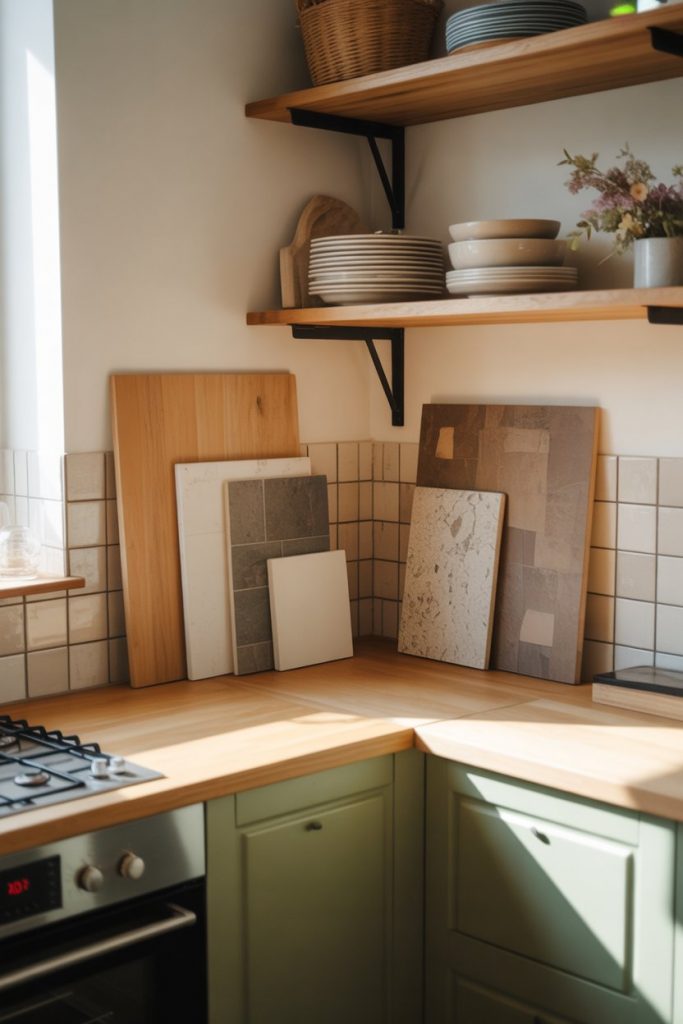
Generating compelling ideas for kitchen floors means considering how different materials, patterns, and colors can transform the same basic space into vastly different aesthetic experiences. A compact galley kitchen might feel entirely different with painted checkerboard floors versus natural oak planks, even if nothing else changes. The beauty of focusing on flooring first is that it often clarifies other design decisions—once you commit to dramatic black tile, for instance, you might find yourself naturally gravitating toward lighter cabinets and metallic accents that complement that bold choice.
Real homeowners consistently report that browsing floor options helped them crystallize their overall kitchen vision in ways that starting with cabinets or countertops didn’t. The floor is the largest continuous surface in most kitchens, so it has outsized impact on the space’s mood and character. Don’t rush this decision—order samples, place them in your actual kitchen at different times of day to see how natural and artificial light affects their appearance, and live with them for at least a week before committing to ensure the choice feels right in your daily life.
20. Comprehensive Kitchen Floor Plans
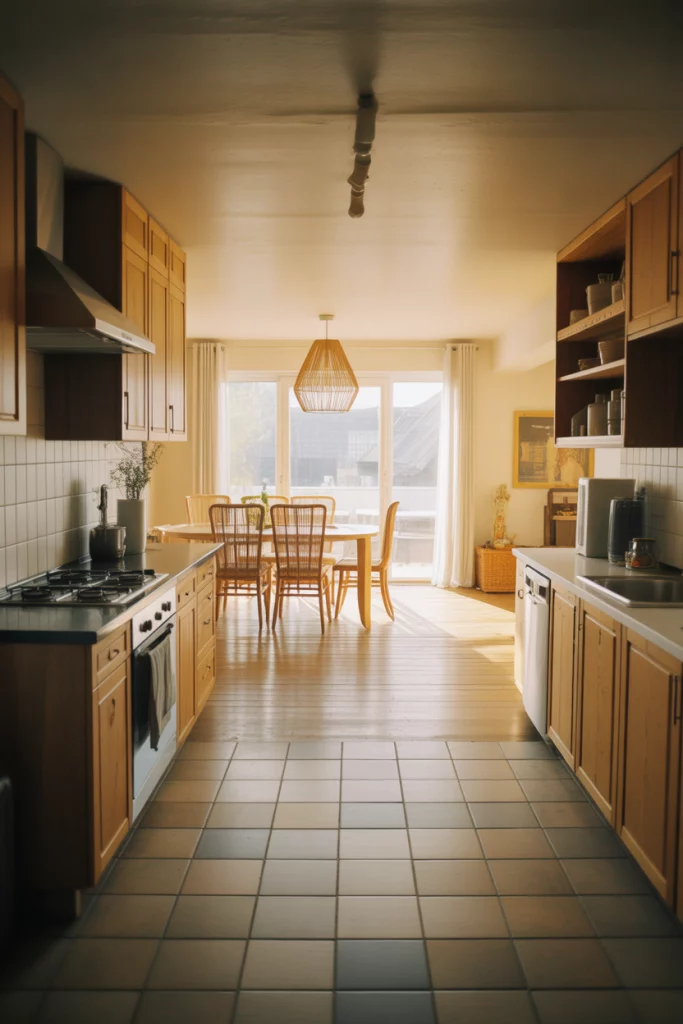
Thoughtful kitchen floor plans account for more than just layout—they consider traffic patterns, where water exposure is highest, and how different flooring zones might serve specific functional needs. Some homeowners use durable tile in the main cooking and cleaning zones while transitioning to warmer wood or luxury vinyl in dining or sitting areas within the larger kitchen space. This zoning approach isn’t just aesthetic; it’s strategic, placing the most hard-wearing materials exactly where they’ll face the most abuse. 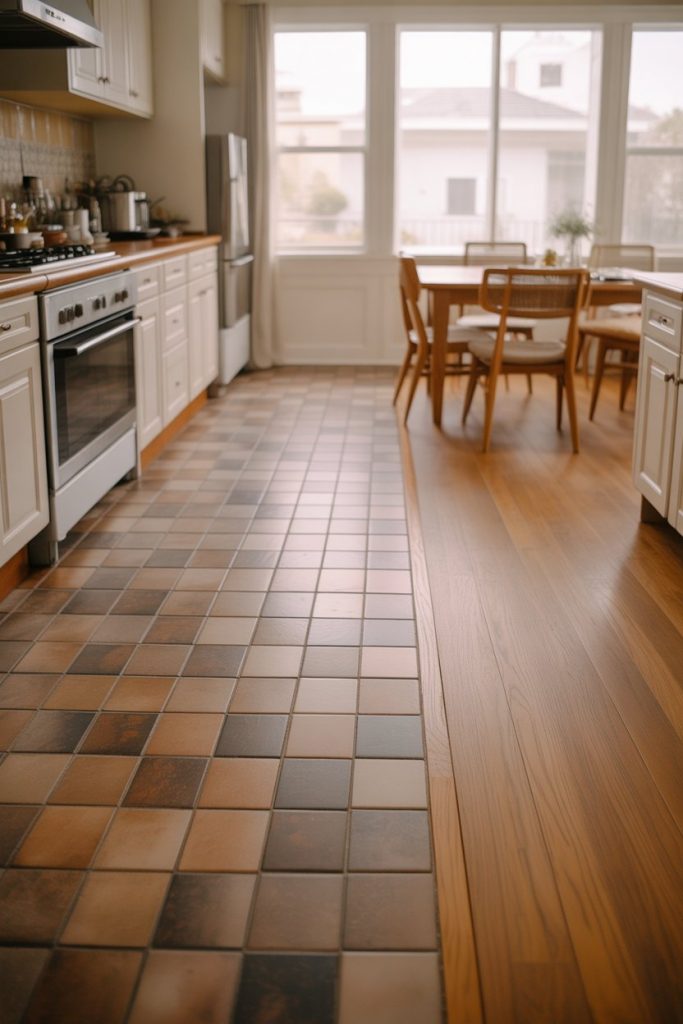
A practical insight from contractors is that transition strips between different flooring materials can be tripping hazards and visual interruptions if not planned carefully—wherever possible, choose materials of similar thickness and use subtle, low-profile transitions. In open-concept homes common across newer American construction, the kitchen floor needs to relate visually to adjacent living spaces without necessarily matching exactly. Consider running flooring materials in the same direction throughout connected spaces to create visual flow, even when using different materials in different rooms.
21. Creative Kitchen Tile Ideas
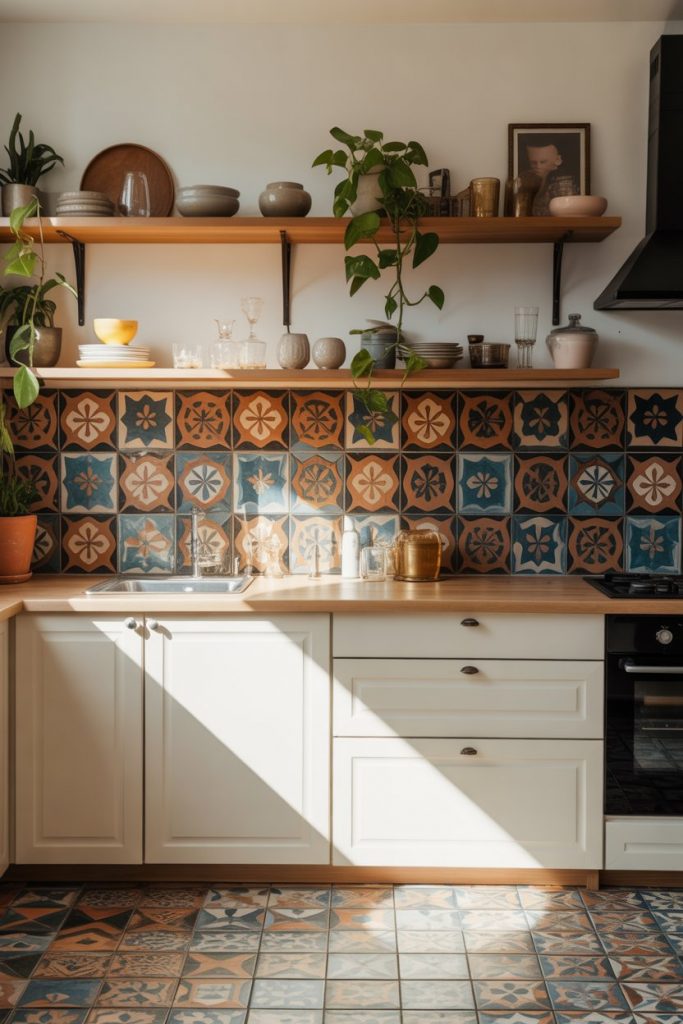
Ideas tile encompasses an enormous range of possibilities, from classic subway tiles rotated into vertical stacks to Moroccan-inspired zellige tiles with handmade irregularities that add soul and character. The key is matching your tile choice to your lifestyle and design goals—glossy tiles reflect light beautifully but show water spots, while matte finishes hide imperfections but can be harder to clean thoroughly. Mixing tile sizes, shapes, or even materials within the same floor creates visual zones and can help define separate functional areas in open kitchens. 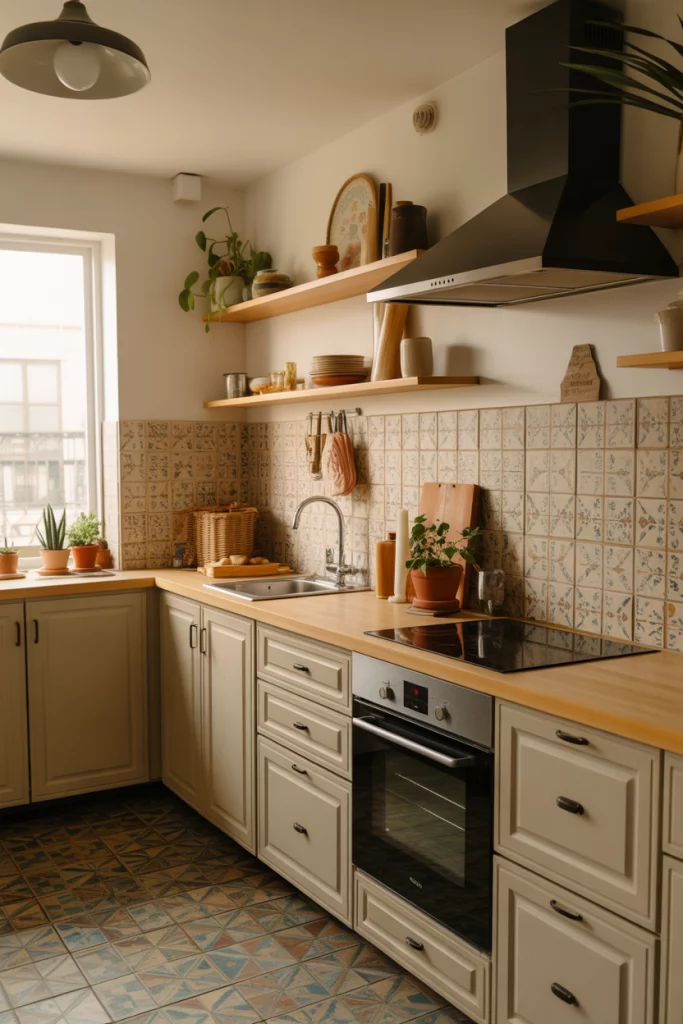
Budget considerations vary wildly in the tile world—you can find perfectly serviceable ceramic tiles for $2 per square foot, while hand-painted artisan tiles might run $40 per square foot or more. The installation cost often exceeds material cost, particularly for complex patterns or small-format tiles that require more labor. Many savvy homeowners splurge on special tiles for a small accent area—perhaps a runner in front of the sink or a patterned zone under a kitchen island—while using affordable basics elsewhere, creating visual interest without breaking the budget.
22. Timeless Kitchen Design Elements
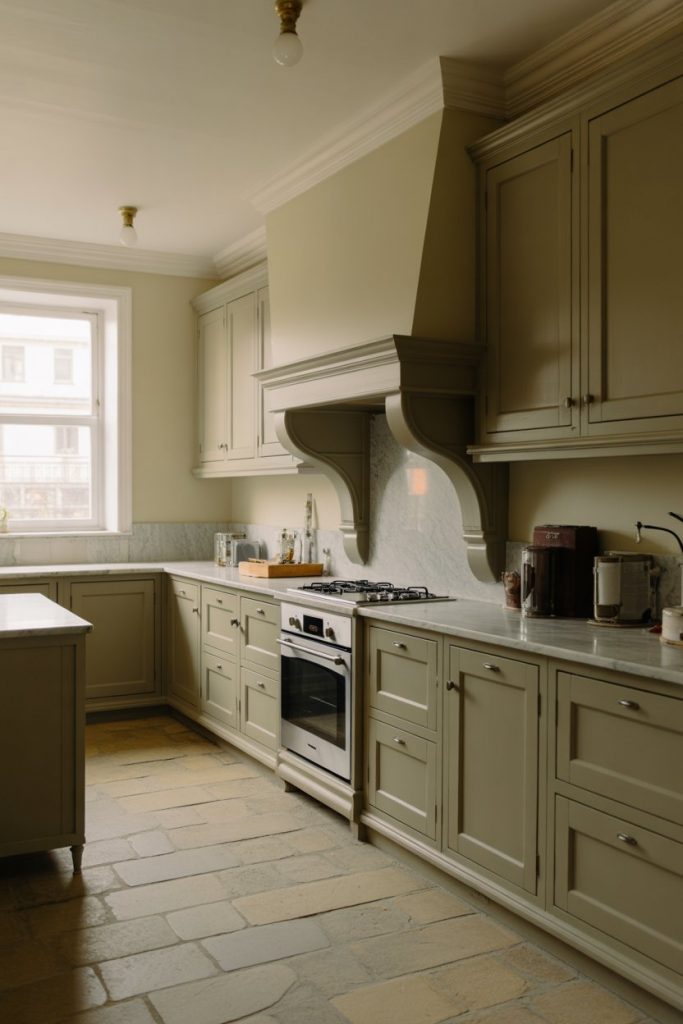
Creating a kitchen that feels current without being trendy requires balancing on-trend elements with timeless foundations, and your floor choice plays a crucial role in this equation. Classic materials like hardwood, natural stone, and simple white tile have endured for generations because they provide beautiful, neutral foundations that adapt to changing styles around them. Even when incorporating trendier choices like terrazzo or bold patterns, grounding them with classic design principles—symmetry, quality materials, thoughtful proportions—ensures your kitchen won’t feel dated in five years. 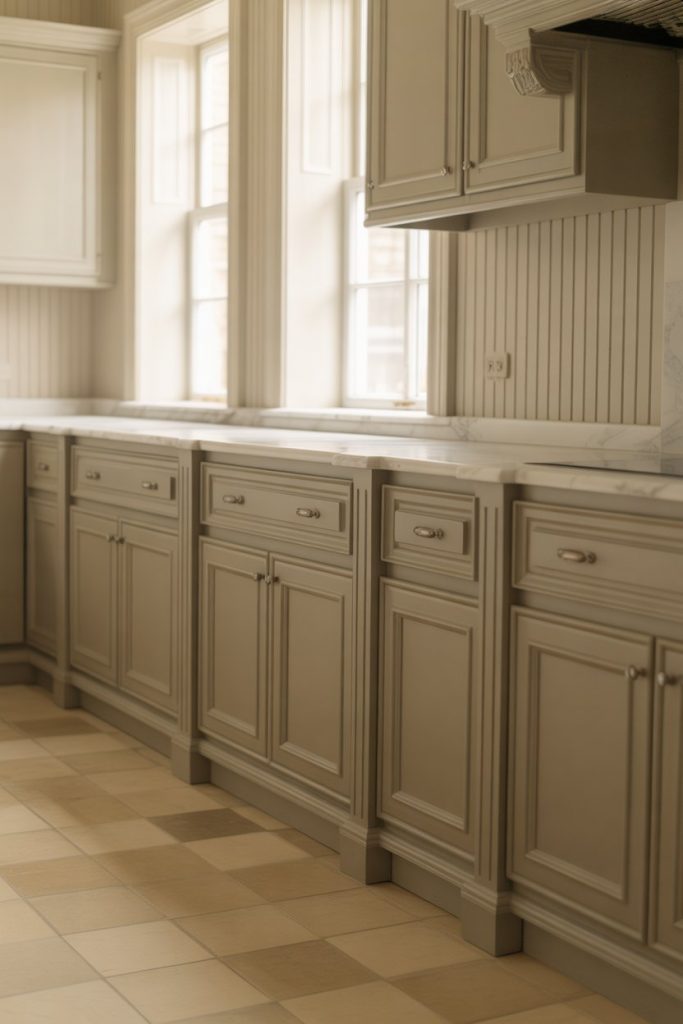
The American lifestyle increasingly values kitchens as gathering spaces rather than purely functional rooms, which should inform flooring decisions—comfort underfoot matters when you’re standing at the island chatting with friends over wine. Consider how your floor will look not just pristine and new, but also after years of real life—some materials age beautifully, developing character, while others simply look worn. The best kitchen floor is one that serves your daily needs, reflects your personal style, and will still make you happy when you walk into the room five, ten, or twenty years from now.
Conclusion
We’d love to hear which of these kitchen floor ideas resonated with you most, or if you have additional insights from your own renovation experience. Drop a comment below sharing your favorite flooring choice or any questions you have as you plan your own kitchen transformation—this community is full of people who’ve been exactly where you are now and have valuable wisdom to share.