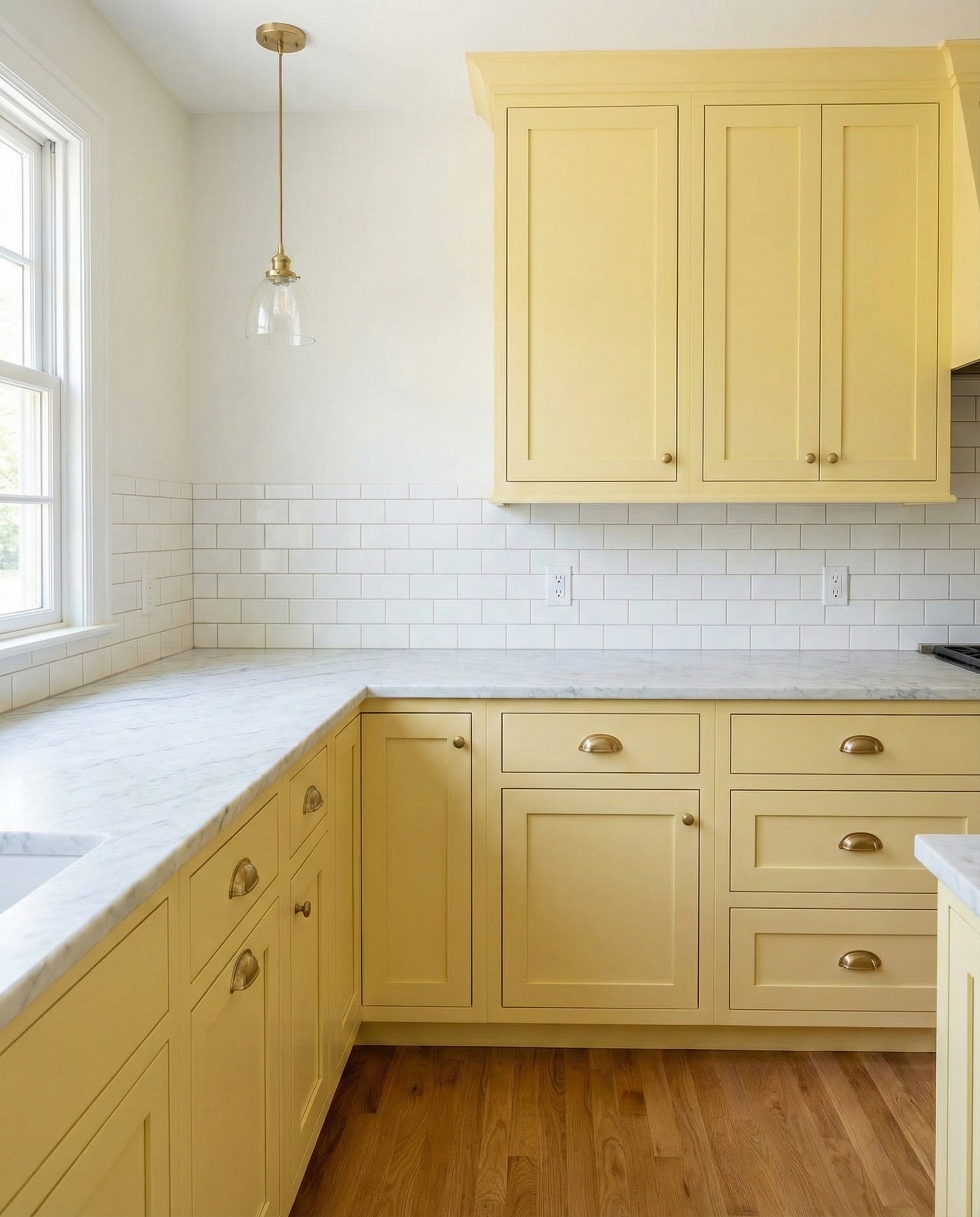
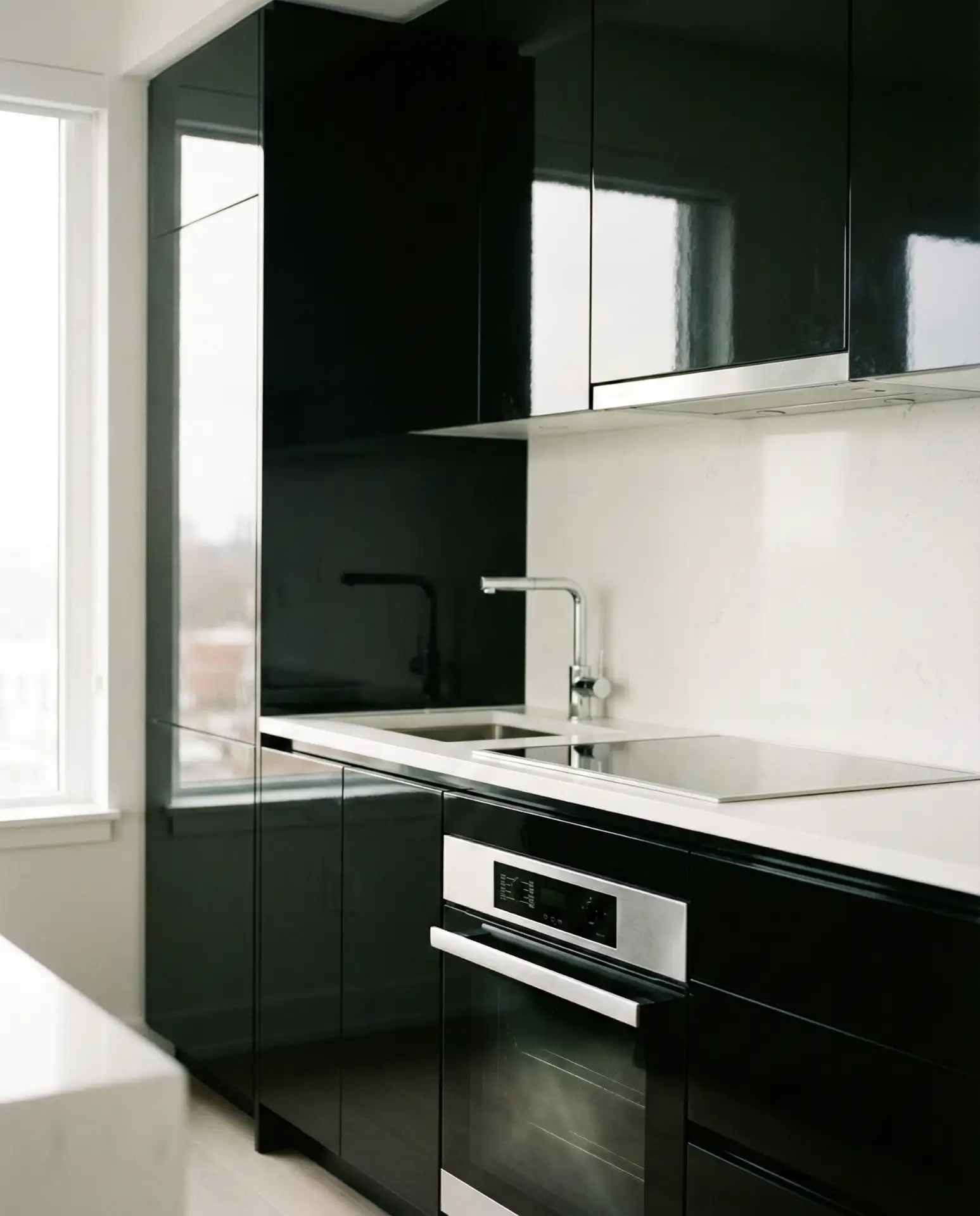
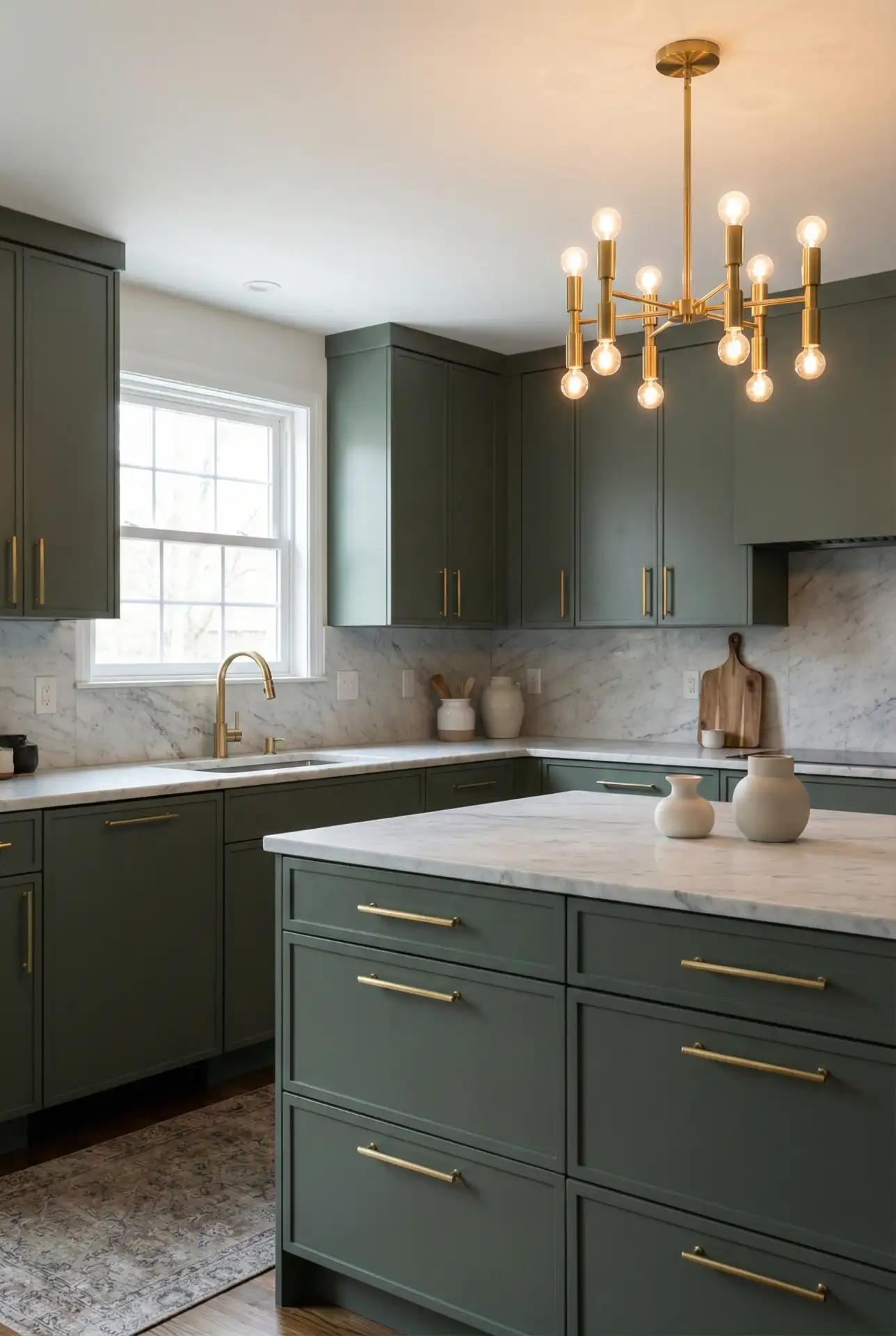
Kitchen cabinet organization has become one of the most searched home topics on Pinterest in 2026, and it’s easy to see why. American homeowners are craving systems that actually work—solutions that blend beauty with function and adapt to real life, whether you’re cooking for two or feeding a family of six. From small space hacks to clever drawer dividers and open shelving displays, the right setup can transform a cluttered cabinet into a calming, efficient zone. This article walks you through beautifully practical ideas that speak to how we really live and cook today.
1. Pull-Out Drawer Organizers for Deep Cabinets
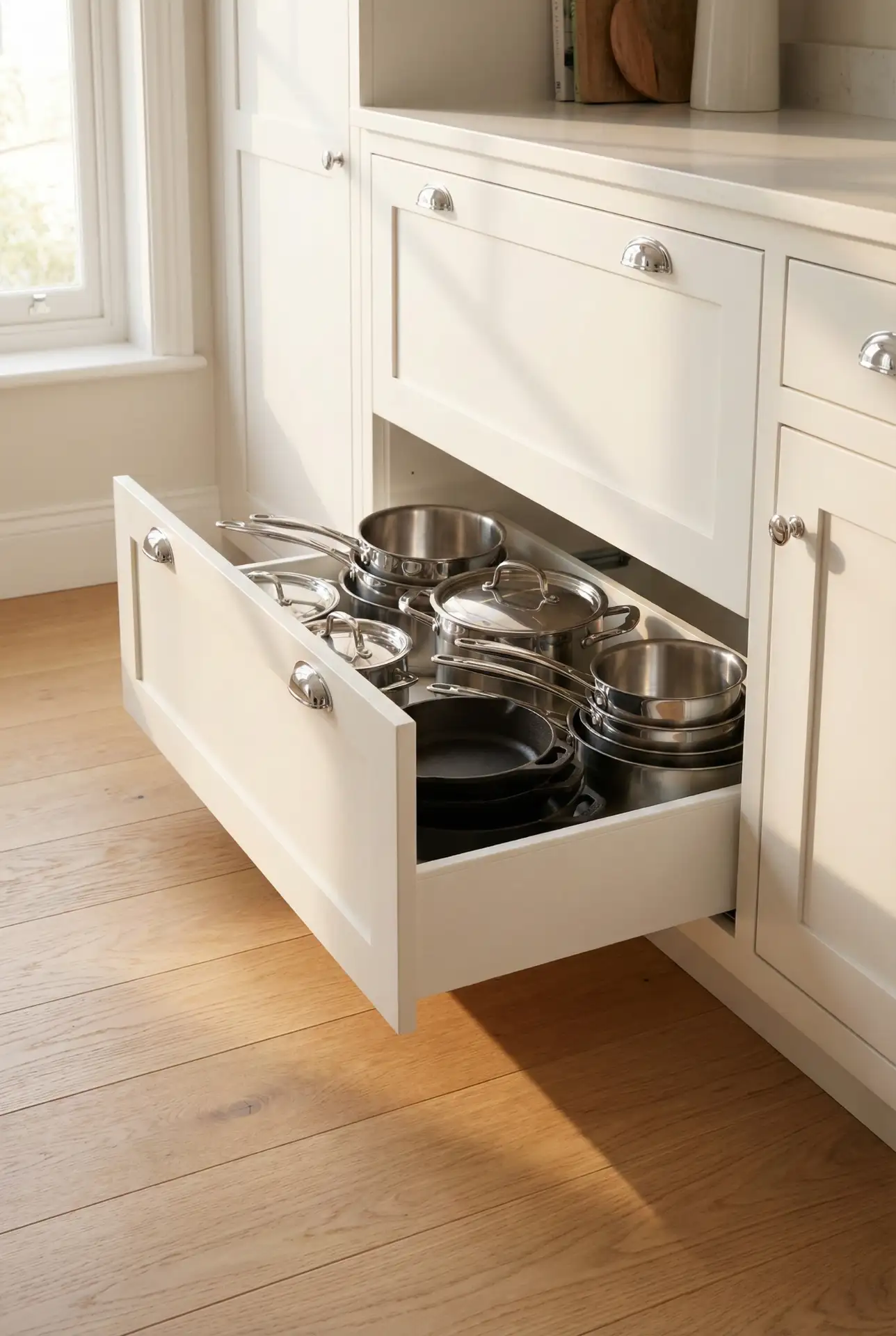
Deep storage drawers are a blessing and a curse—they hold a ton, but items get lost in the back. Installing pull-out drawer organizers solves this instantly. You can see everything at a glance, from mixing bowls to pots and pans, without kneeling on the floor and excavating. These systems work especially well in lower cabinets where vertical space is underutilized. 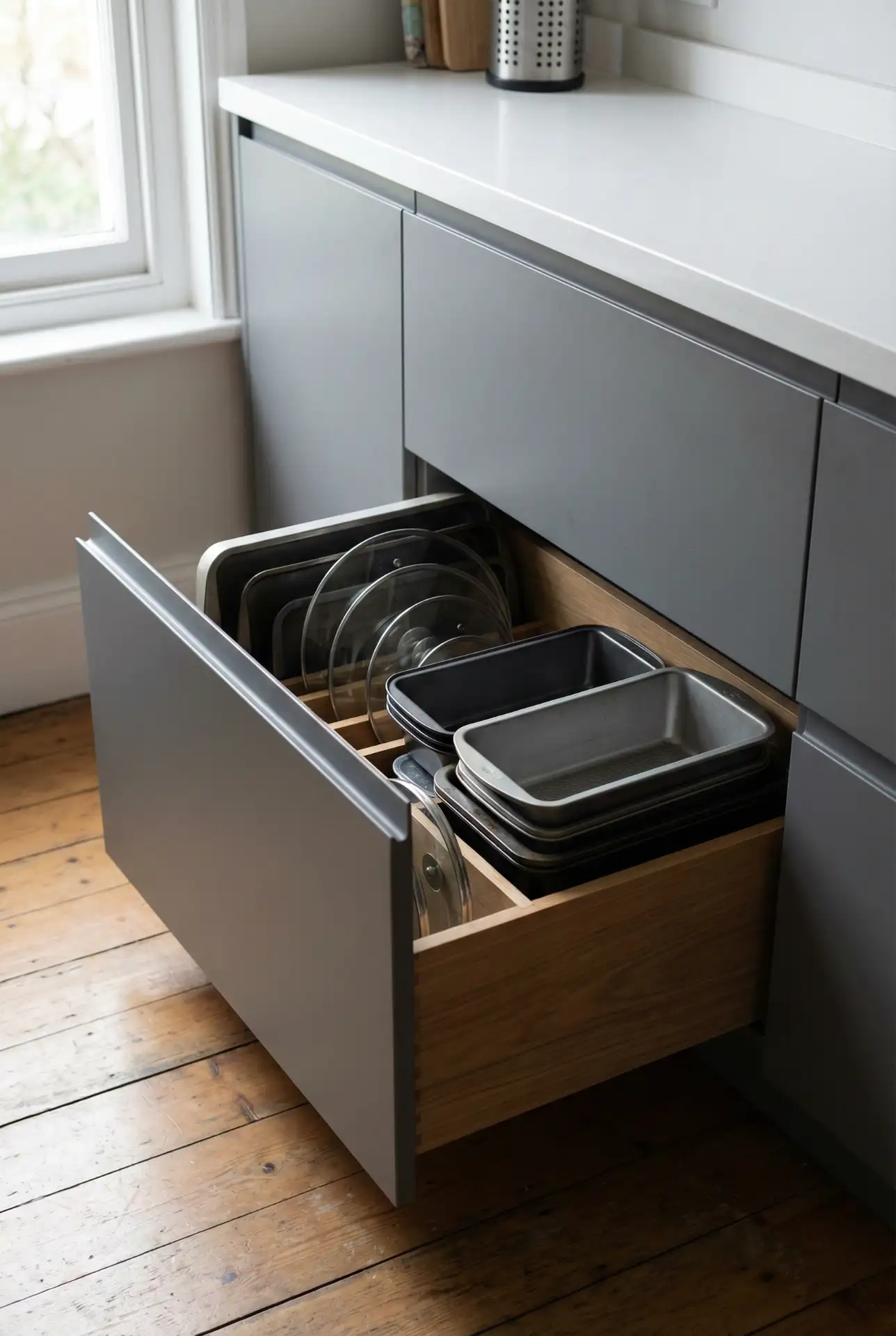
Overstuffing these drawers might ruin the glide mechanism over time. Periodically redistribute weight, and do not stack a heavy cast iron piece on top of smaller, more delicate pieces. If you’re a renter, seek out tension-based organizers that don’t need to be permanently installed—those suckers are more stable than they have any right to be and won’t cause you to lose your security deposit.
2. Corner Cabinet Lazy Susan Systems
Corner cabinets are notoriously unwieldy and serve as a black hole of old Tupperware lids and expired spices. A lazy Susan system—whether a single round tier or double-decker model—can turn that useless space into rotating storage. Good for spices, oils, and canned goods—or counteracting the mess in your cleaning supplies. The spin-to-find method also saves you time and minimizes food waste. 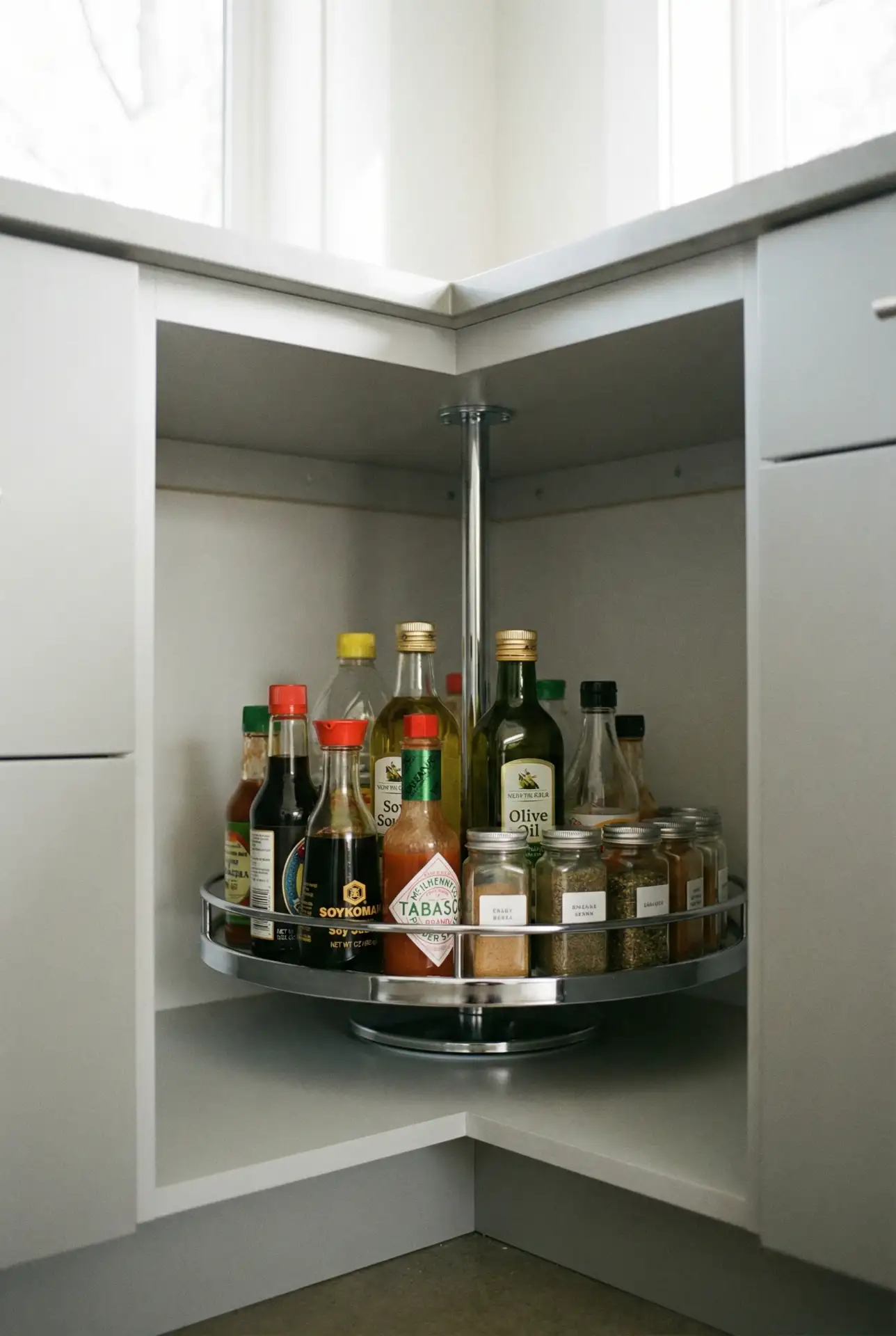
\n In the ranch-style homes of the Midwest and Southwest, corner cabinets reign supreme—and lazy Susans are fast becoming a go-to retrofit. Because they work best when items are categorized, you can spin around and around forever searching for one particular jar of paprika. The less expensive plastic models are usually about twenty bucks; if you customize the thing in wood, it probably adds up to more than a hundred.
3. Vertical Plate Racks for Easy Access
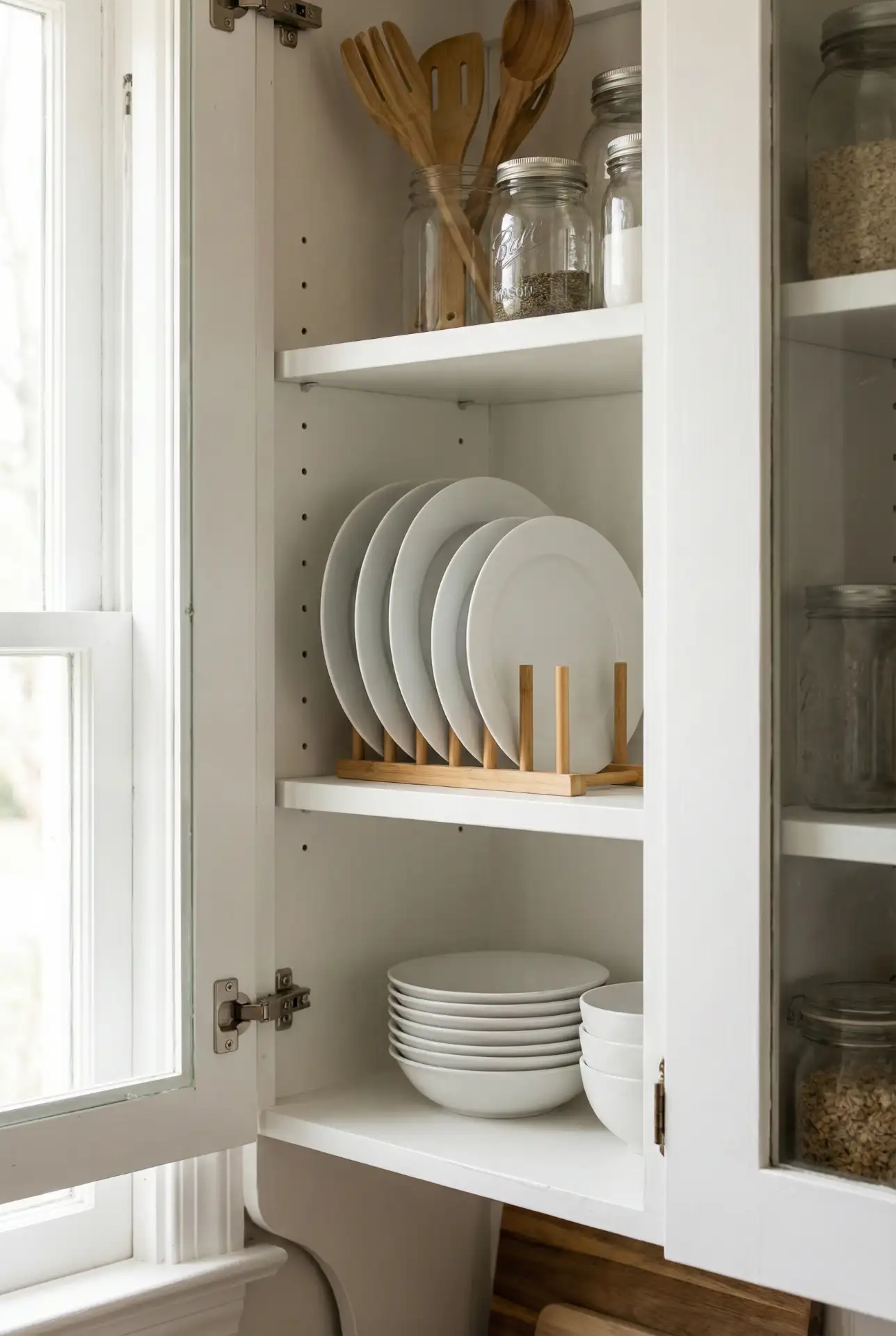
Piling plates flat can lead to chipped edges and daily irritation. Tall, vertical plate racks allow you to slide out just what you need and nothing more, without toppling the entire stack. They’re a game-changer for stuff like dinner plates, salad plates, and even cutting boards. There is a variety of models that are adjustable, meaning they fit closely within cabinets with different widths. 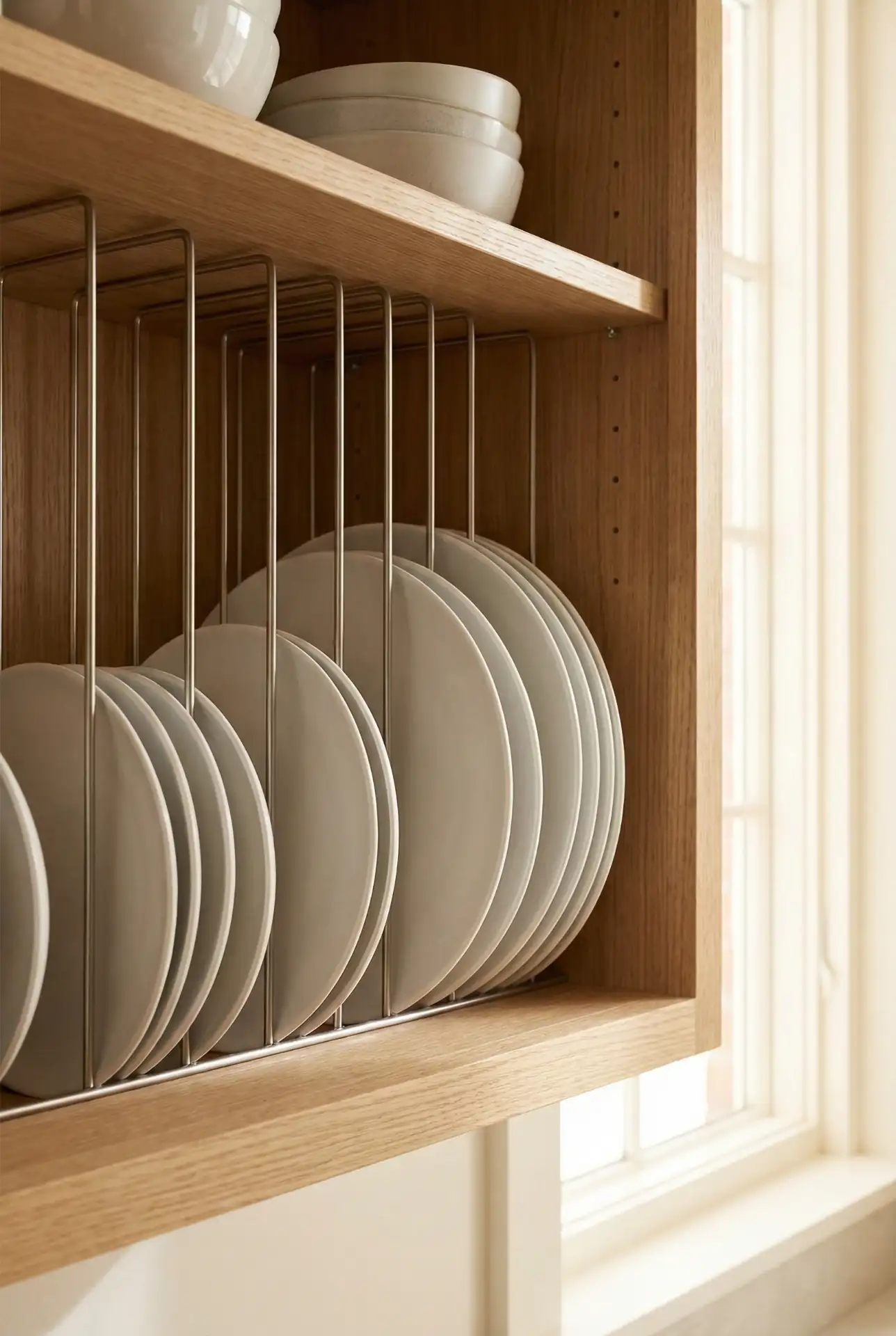
This is the best configuration for cabinets located near the dishwasher or sink to reduce the number of steps when unloading. It’s particularly popular in urban apartments with less space to spare. My neighbor put one in her galley kitchen, saying it cut her morning routine time in half—no more digging through a teetering tower of ceramics before she’d even made her coffee.
4. Tiered Shelf Risers for Canned Goods
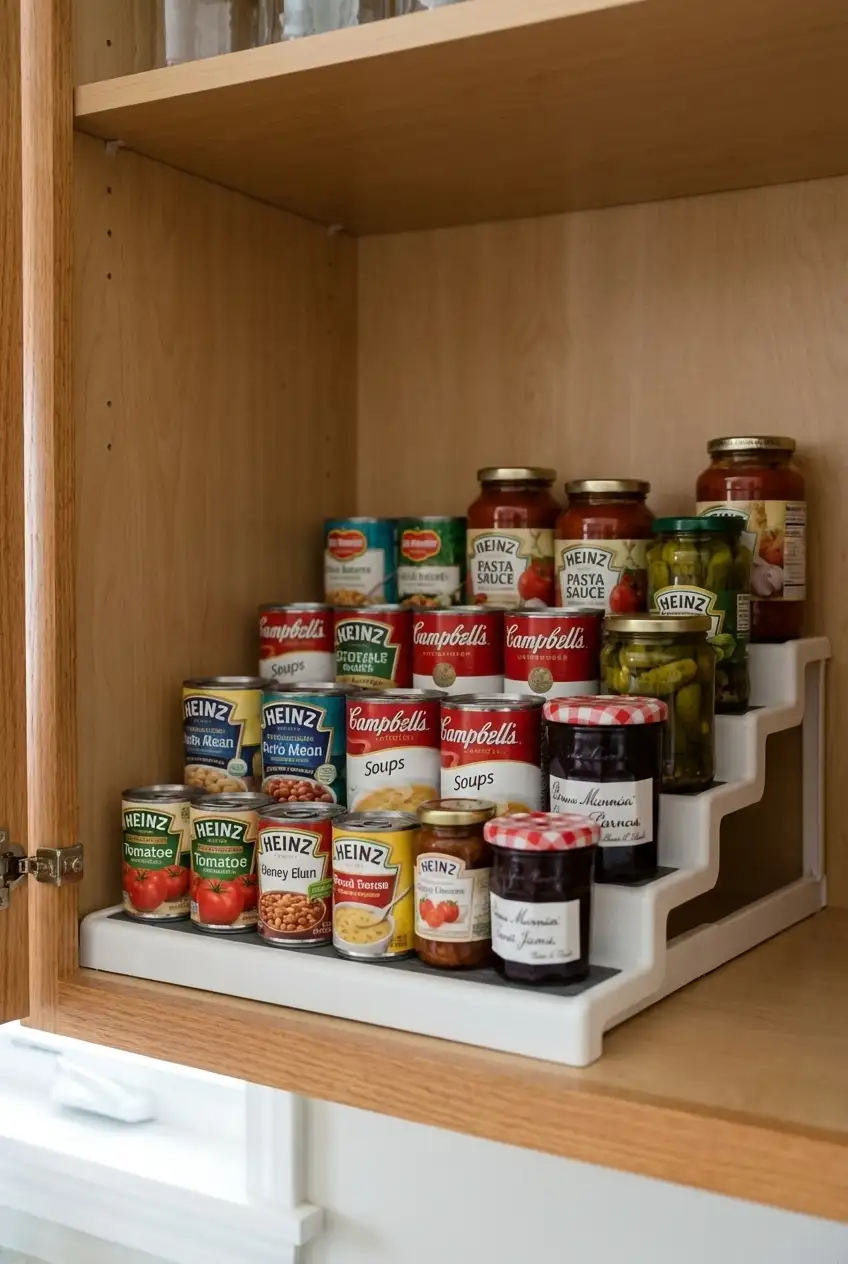
Tiered shelf risers are the easiest solution for turning food storage chaos into a thing of the past. They stack in neat layers within cupboards, allowing you to identify every can, jar, or box without shifting a single can. This is especially handy in pantry cabinets or cupboards where things can get lost in the depth. Not having to repurchase the same canned tomatoes because you forgot what was lurking in the back. 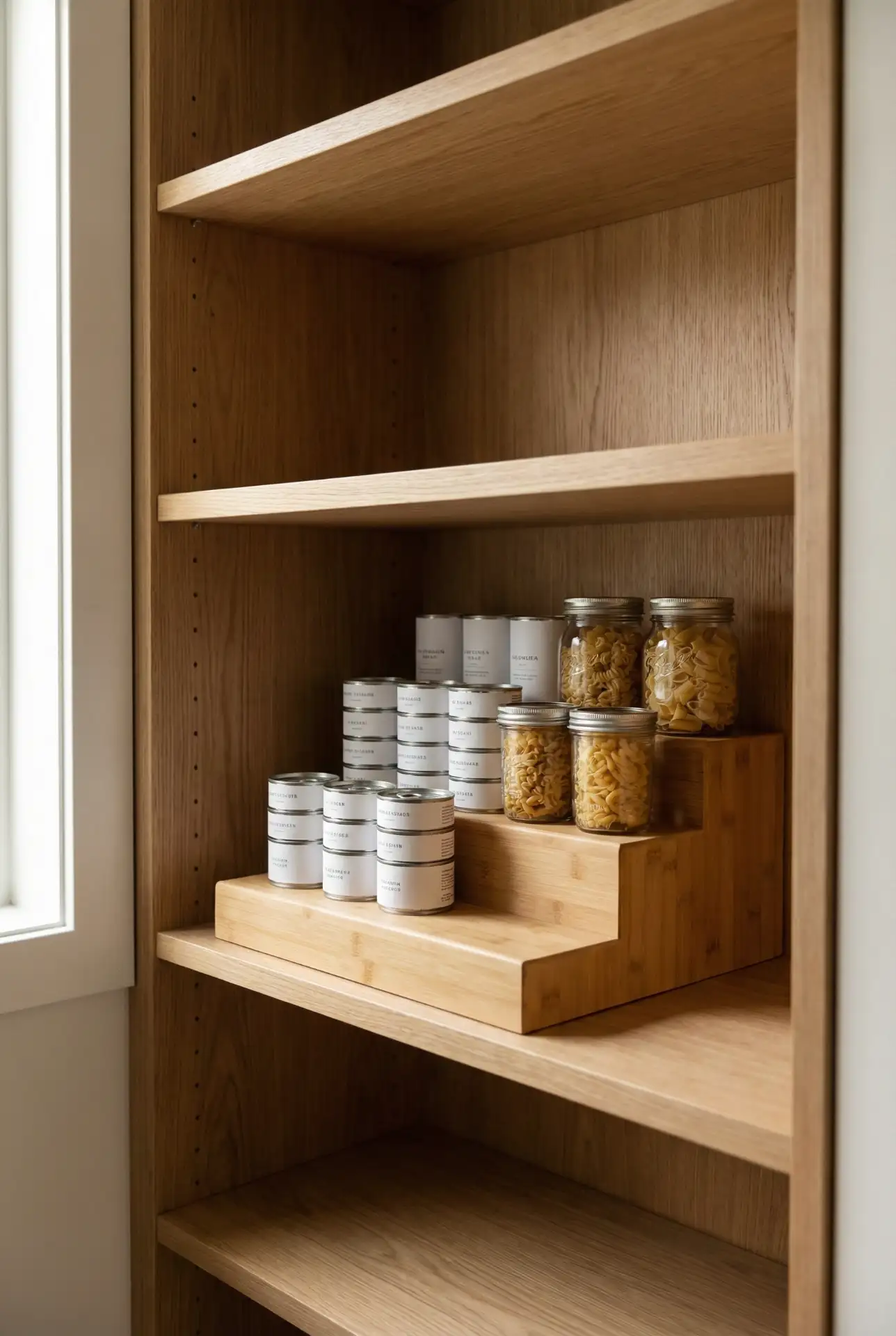
Expert organizers recommend measuring your shelf height before buying—some risers are too tall for standard cabinets and end up wasting vertical space. Expandable models are a safer bet. In terms of budget, you can find sturdy acrylic or bamboo risers for under fifteen dollars, making this one of the most cost-effective upgrades you can make.
5. Under-Shelf Hanging Baskets
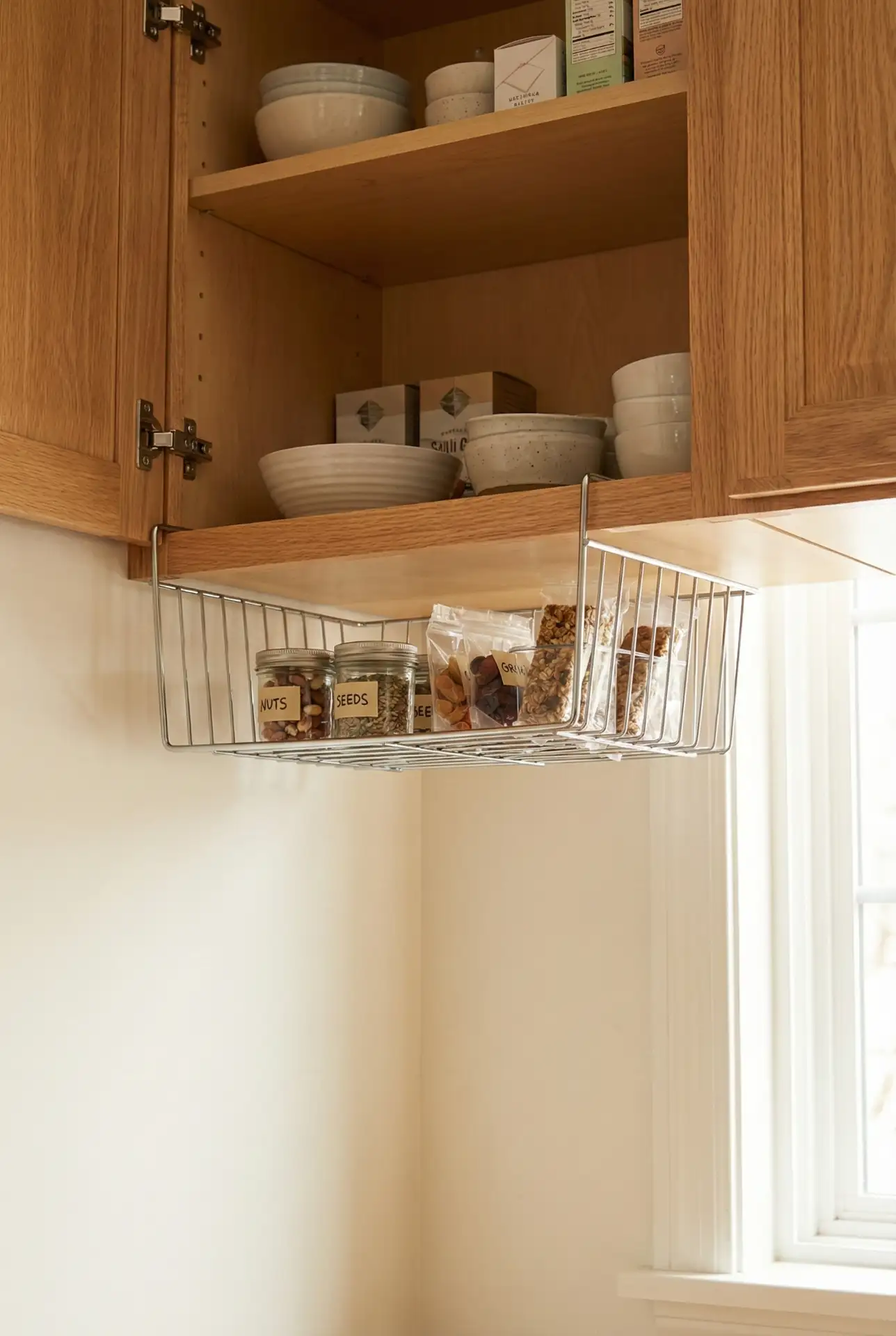
Under-shelf hanging baskets clip onto existing shelves, instantly creating extra storage without any tools. They’re perfect for lightweight items like tea bags, snack bars, or napkins—things you want nearby but don’t need prime real estate for. This trick works beautifully in upper cabinets where vertical space often goes unused. 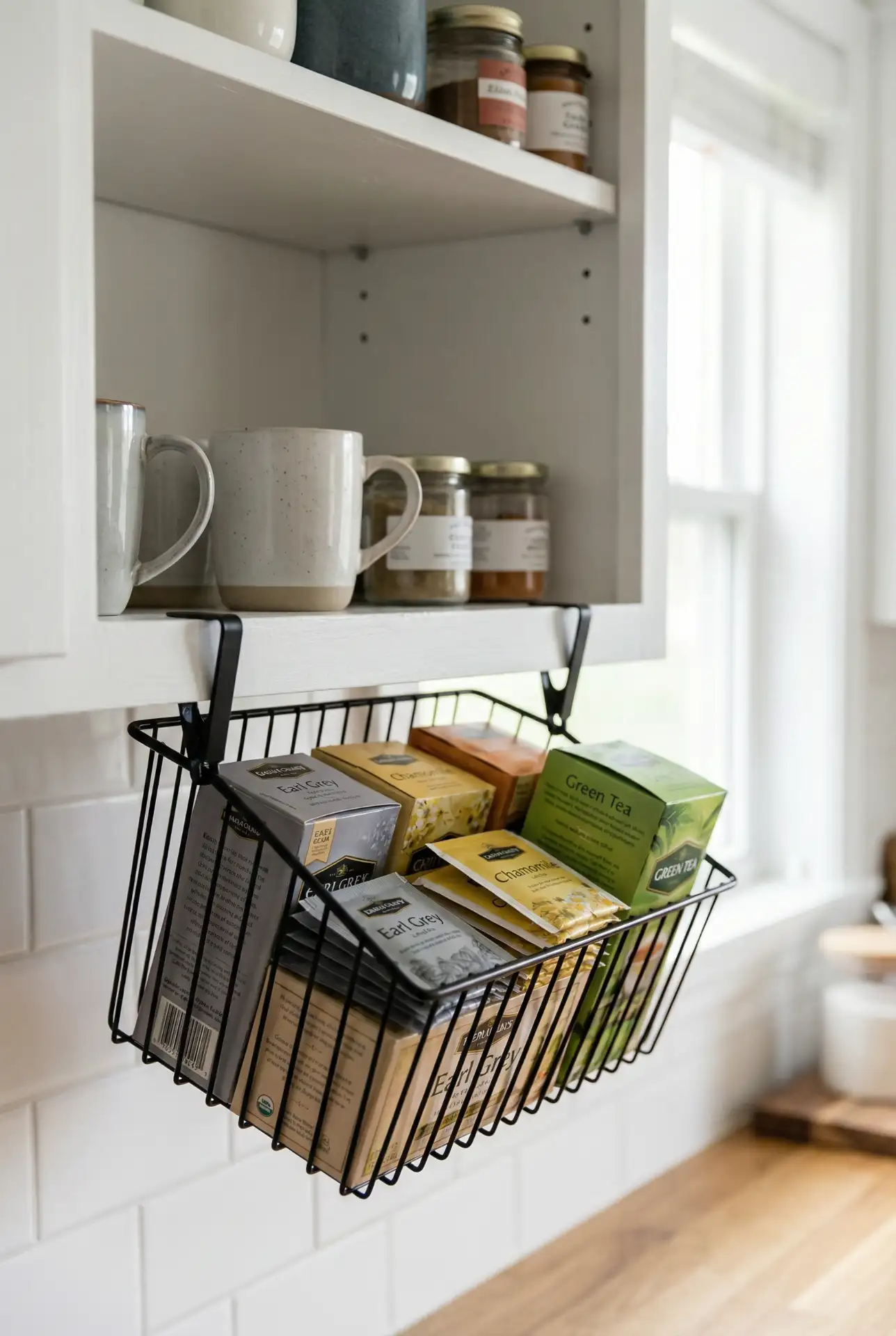
A common error is to overload these baskets, leading them to either sag or fall out. Confine yourself to something that weighs no more than a pound or so. These have a local cult following among real homeowners in rental kitchens where permanent shelving won’t do the trick—they leave no marks and come right along with you when your lease is up.
6. Pegboard Inserts for Pot and Pan Lids
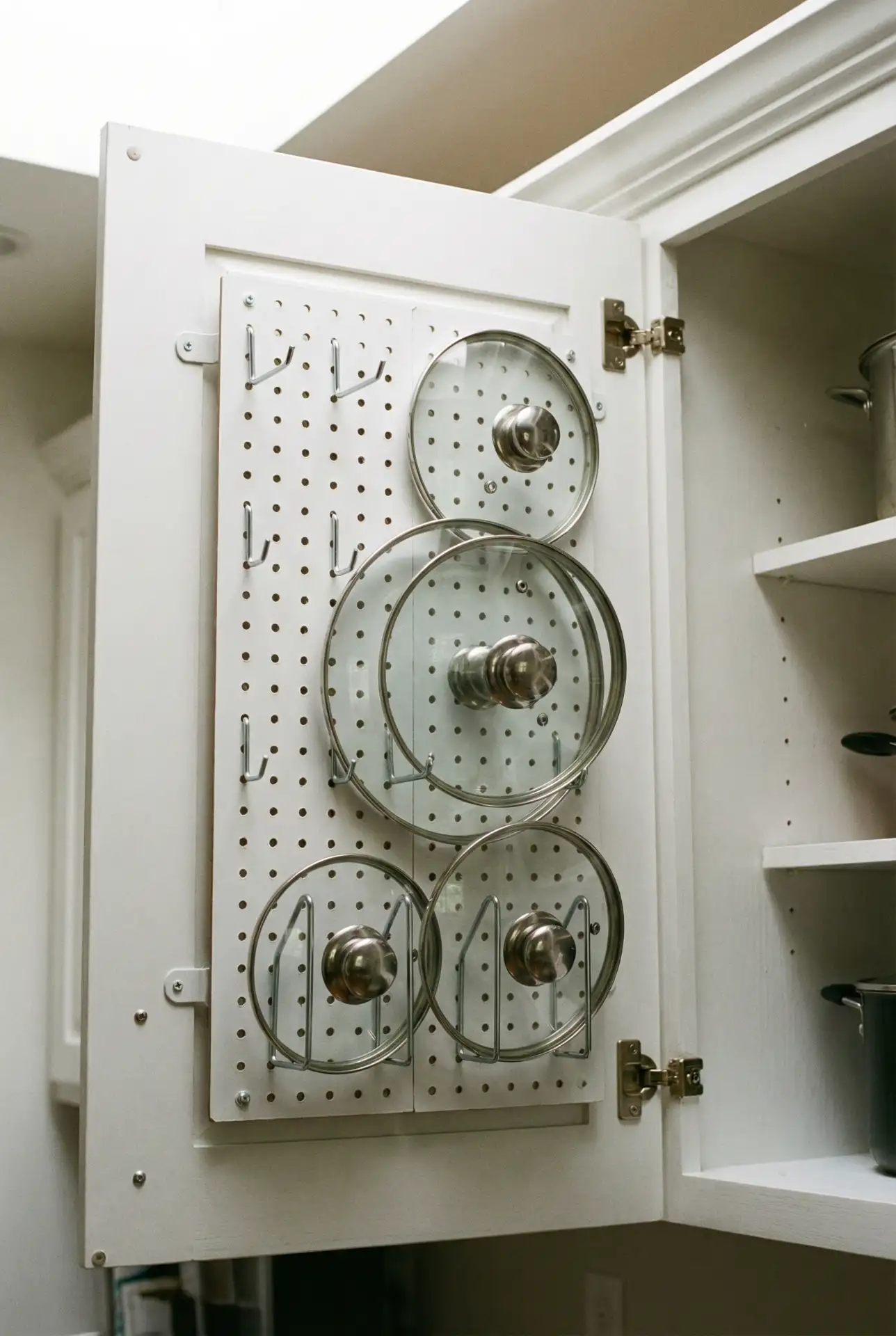
Lid storage is an ongoing pain point for most kitchens. Pegboard inserts—custom-cut to fit inside cabinet doors or on the sidewalls of cupboards—enable hanging lids vertically with pegs that can be configured for light and dark pots. This makes it so pots, pans, and lids won’t slide around loose, and you can use that cabinet shelf for the pots instead. It’s a very DIY-friendly answer, and for something so spare and organic, it looks remarkably polished. 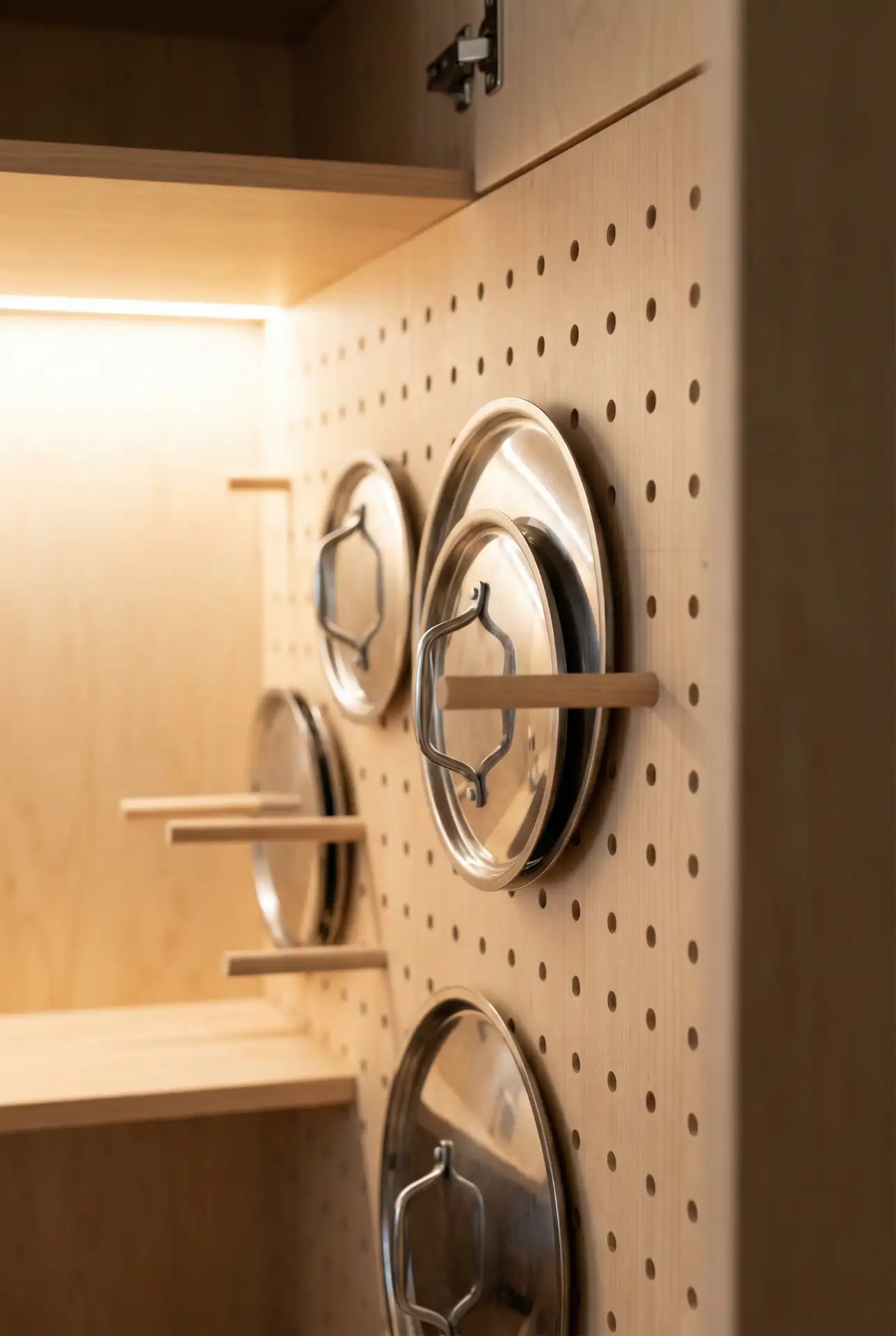
It’s perfect for cabinets near the stove, too—you can avoid rummaging around for a lid mid-cooking.”’ In the cast-iron-makes-the-kitchen phenomenon of Southern cooking, pegboard systems have emerged as a staple for wrangling unwieldy, heavy lids that would otherwise dominate drawer space. Installation takes around 20 minutes, and in most cases all you need is a drill and a few screws.
7. Clear Stackable Bins for Snack Items
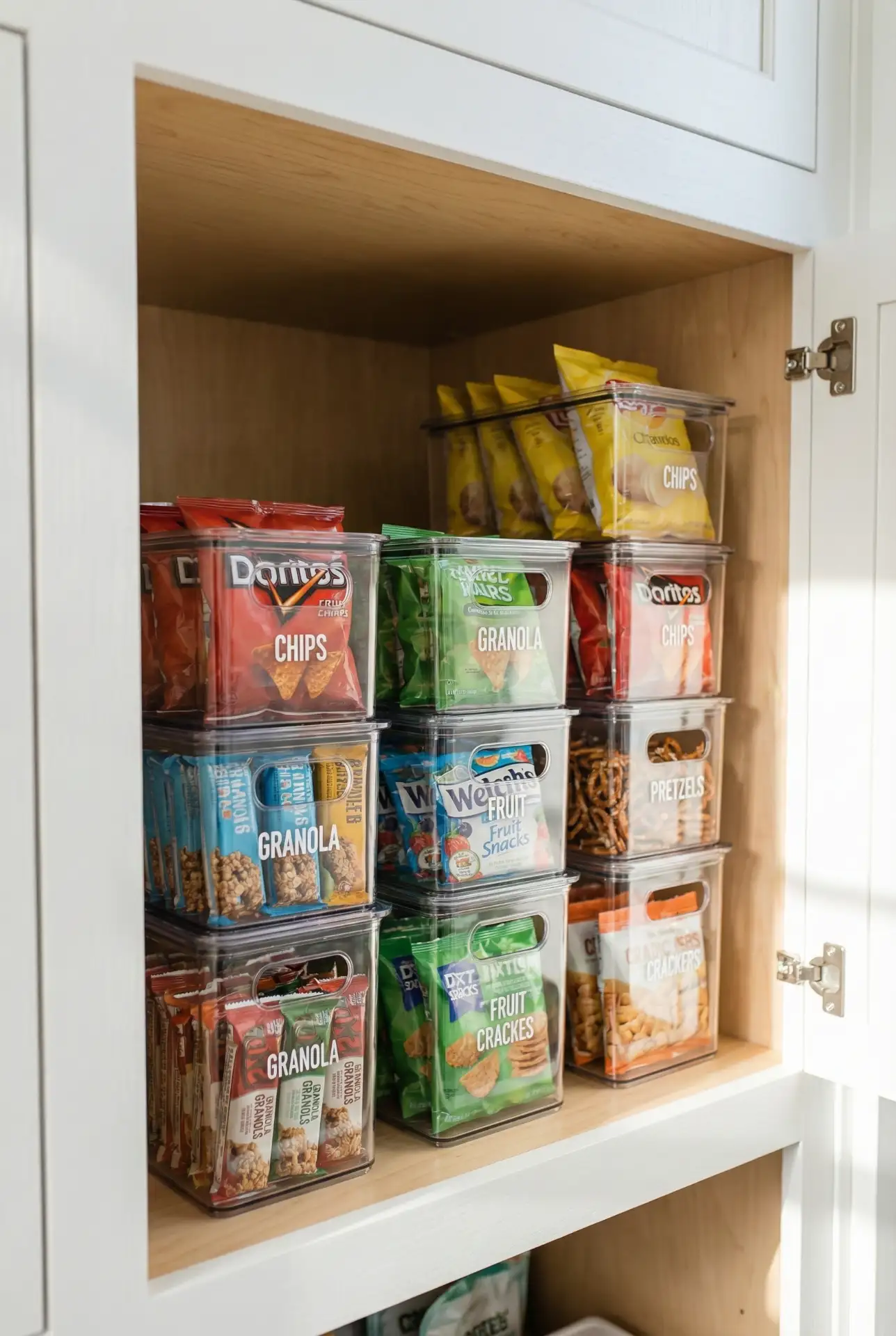
Clear stackable bins bring order to the snack chaos that plagues most American households. Group chips, granola bars, popcorn, and crackers into separate bins, then stack them in a pantry or deep cupboard. The transparency means kids (and adults) can see what’s available without pulling everything out. It’s a simple system that actually gets used. 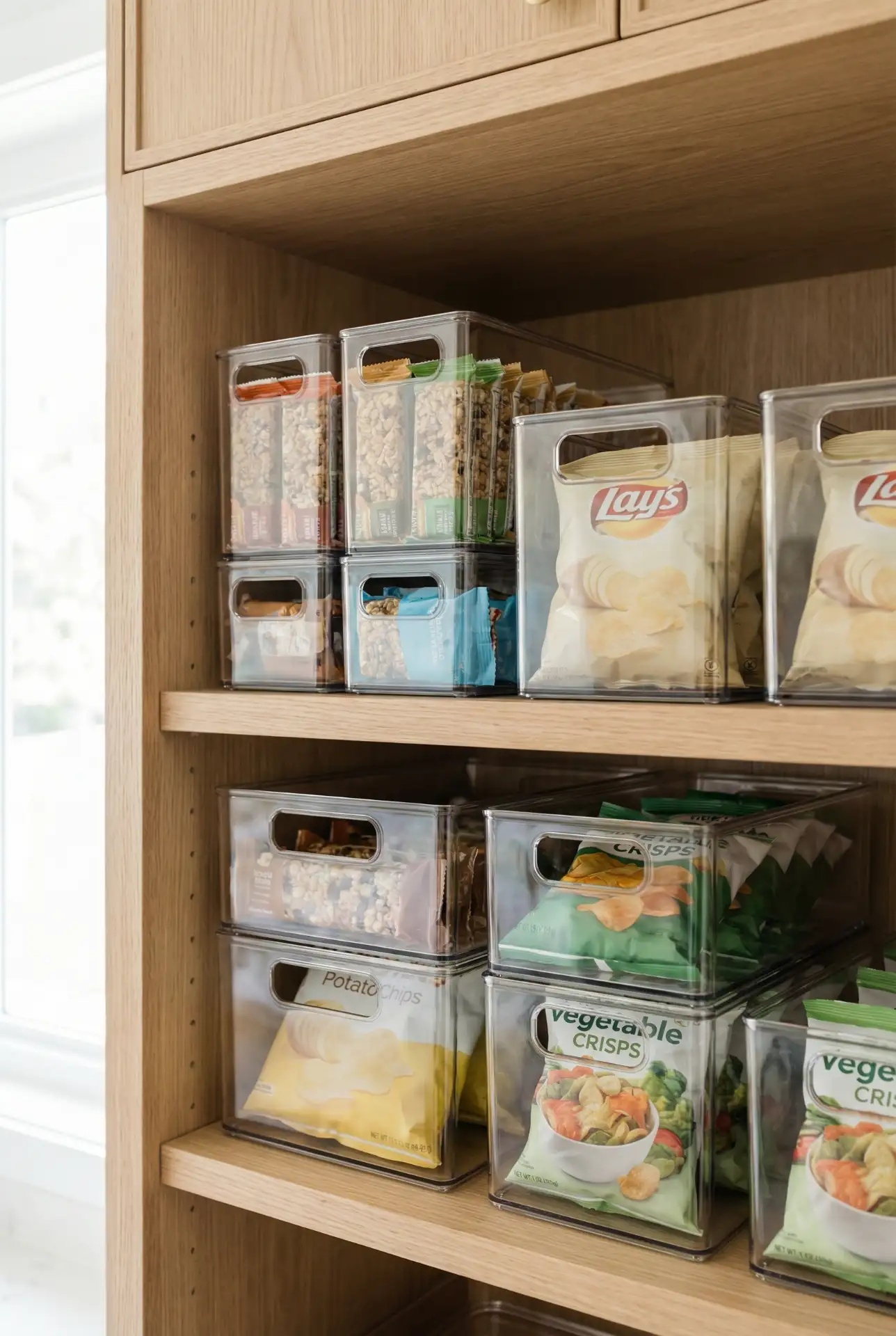
In crowded family kitchens, particularly in the suburbs of much of the Sun Belt, these bins reduce the “What snacks do we have?” question by about ninety percent. Label the front with a label maker if you’re feeling ambitious, but let’s be real: the visibility does 90 percent of the job. Cheaper disposable budget bins from big box stores are usually around ten dollars for four.
8. Slide-Out Spice Rack Inserts
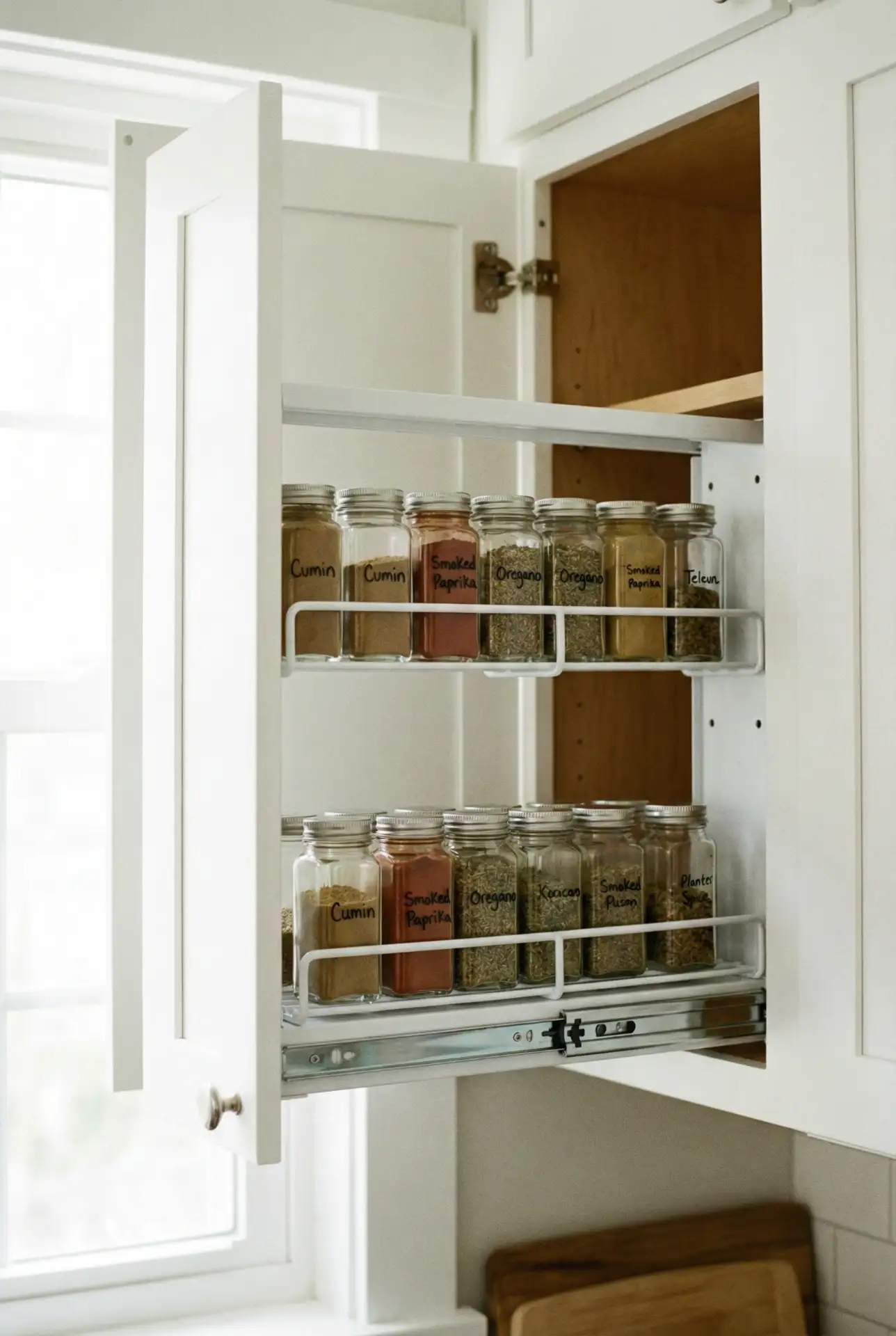
A slide-out shelf spice rack turns a narrow cabinet—typically only six inches wide—into a storage column that keeps all the essentials in plain sight. These vertical pull-outs feature dozens of spice jars arranged three deep in tiered rows and remain visible at all times. No more rummaging through a chaotic drawer or forgetting you already have cumin. 6. Add Customizing Touch It’s one of those upgrades that feels personal but really only takes an afternoon. 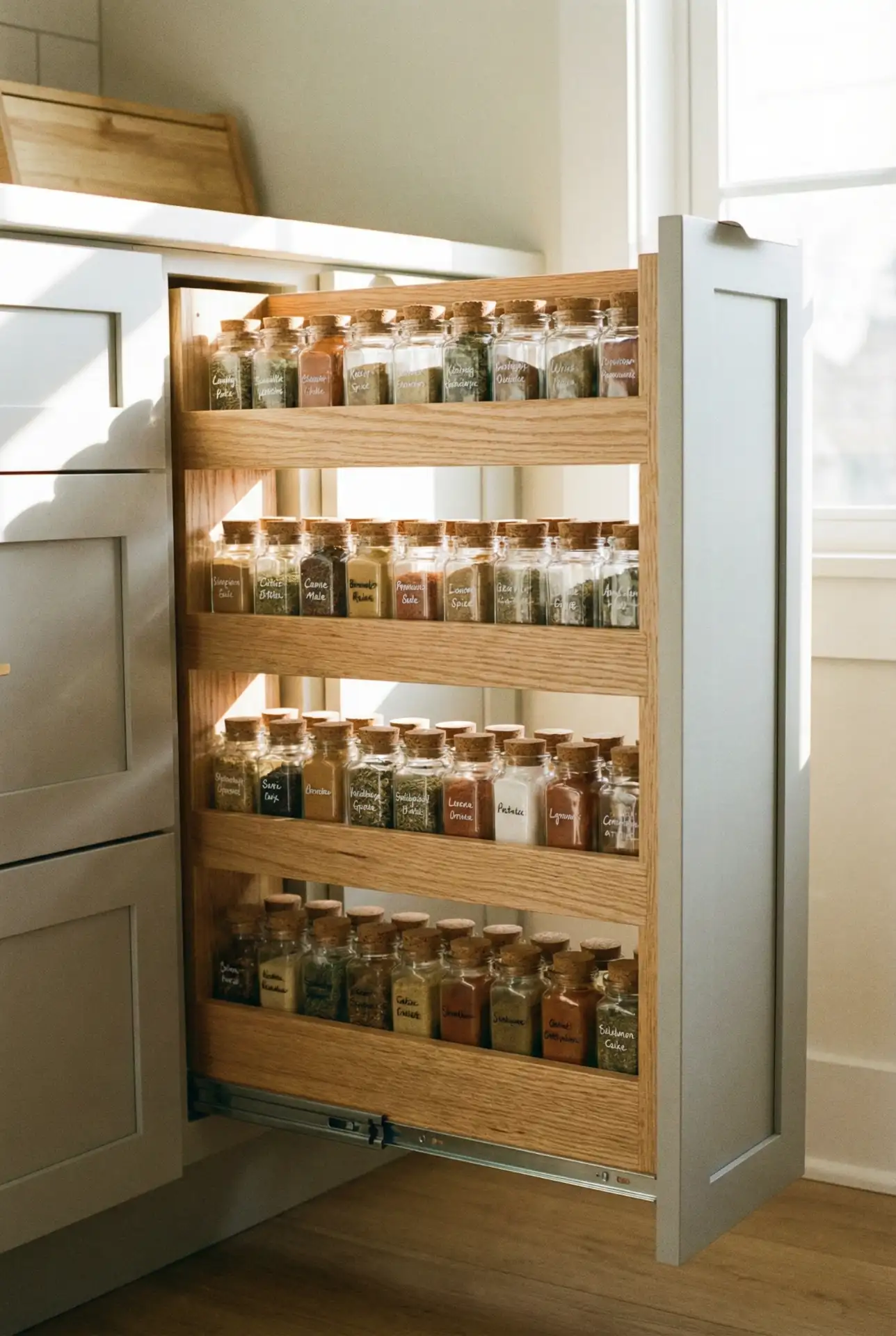
One friend had this installed in her galley kitchen in Brooklyn and reported it freed up an entire drawer for utensils. The secret is to measure your cabinet width carefully—most models are adjustable, but not infinitely so. Size and glide quality vary, and depending on materials and the smoothness of their ride, prices range from fifty to a hundred fifty dollars.
9. Drawer Dividers for Utensils and Tools
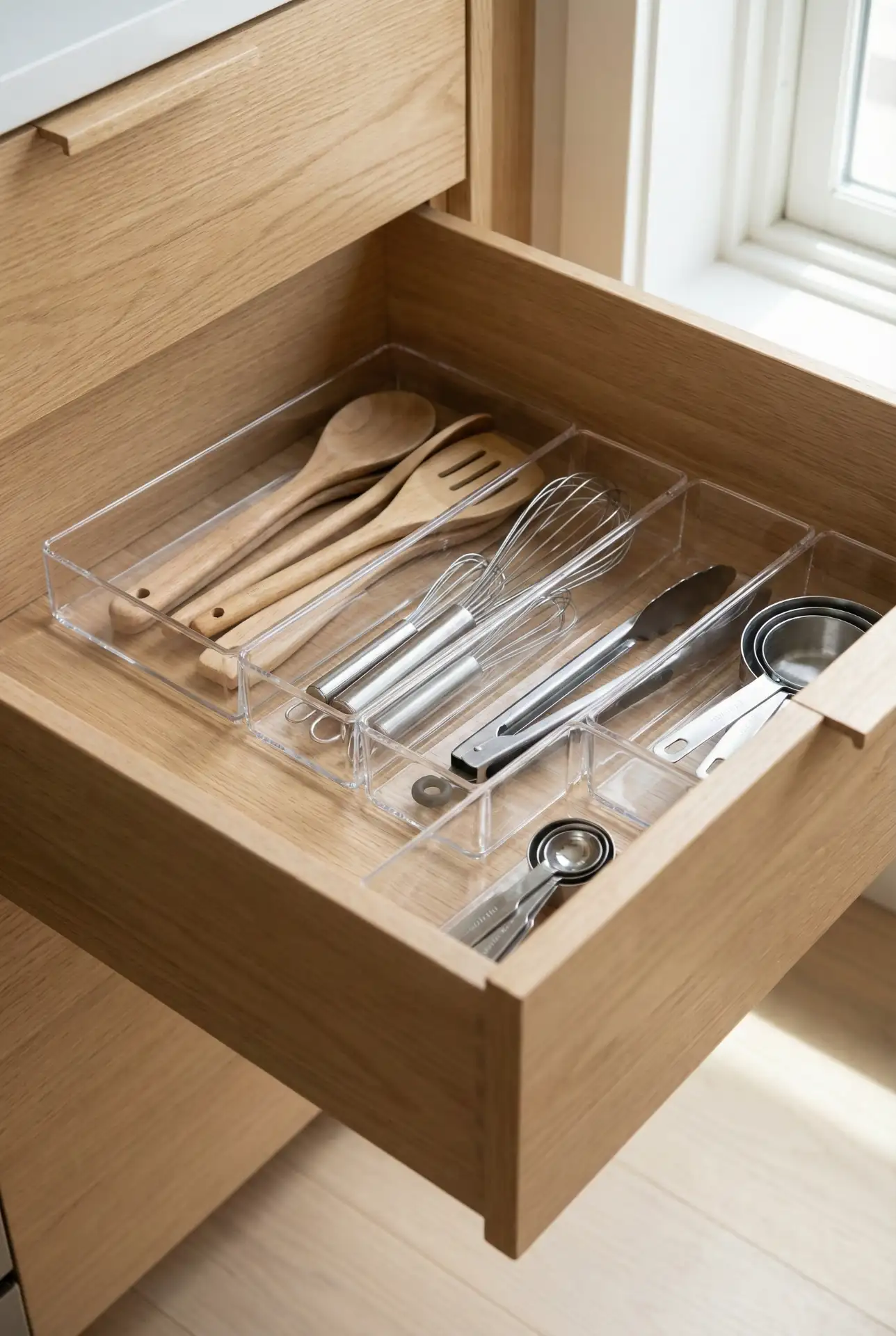
Divider drawers are the workhorse of an organized kitchen. Rather than the usual jangled nest of spatulas, whisks, and measuring spoons, dividers establish clear zones for each category. Bamboo or Acrylic Inserts Made to measure for a standard drawer size but can be cut down. They are particularly useful in small-space kitchens where every tool requires a home. 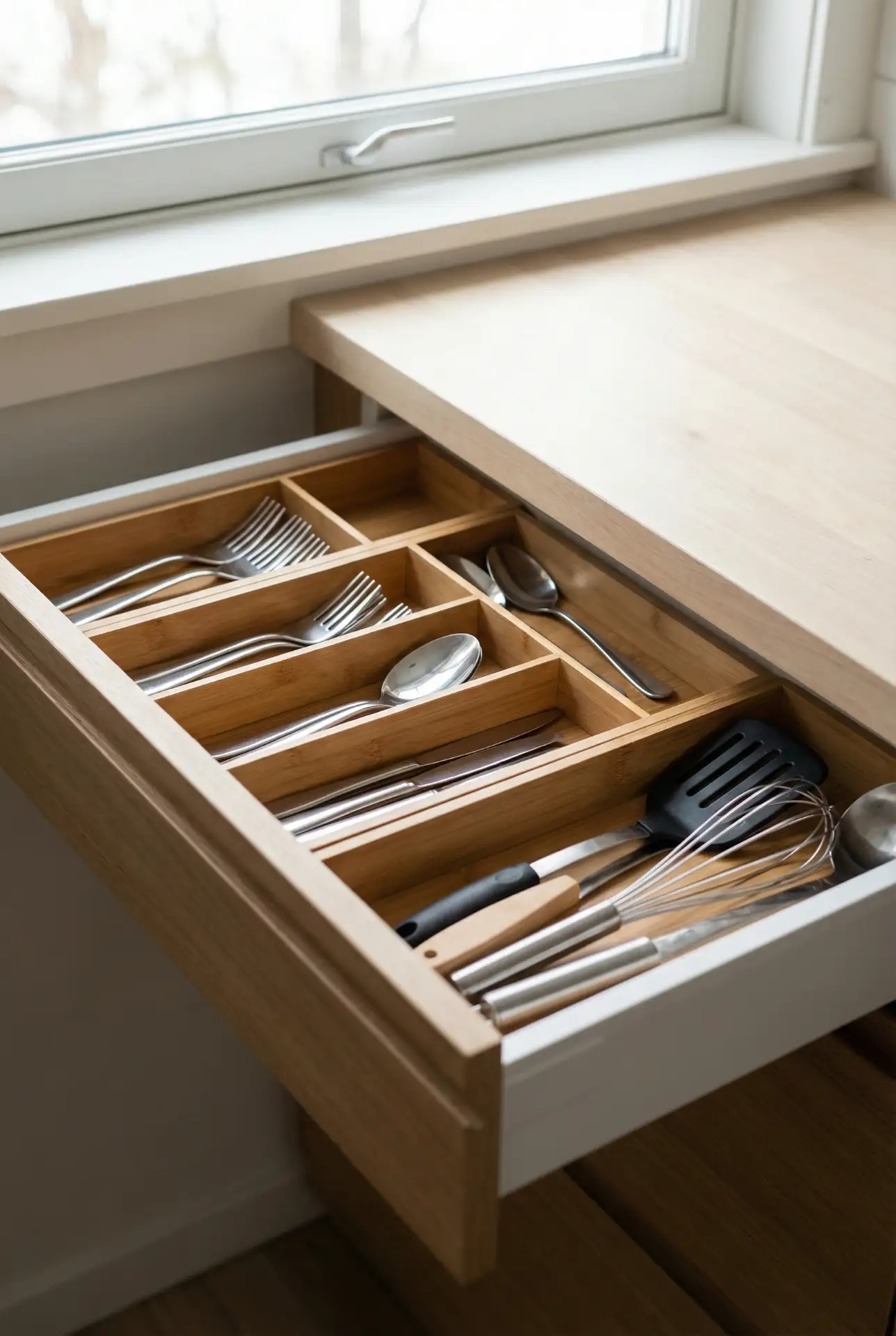
Real talk: measure your drawer depth before purchasing—some dividers are too shallow and the items tip over, and others are too deep and you waste vertical space. Extendable trays are forgiving and adapt to fit odd-sized drawers. A friend in Portland swears by spring-loaded dividers that adhere with no adhesive, making them a plus for renters.
10. Open Shelving with Labeled Baskets
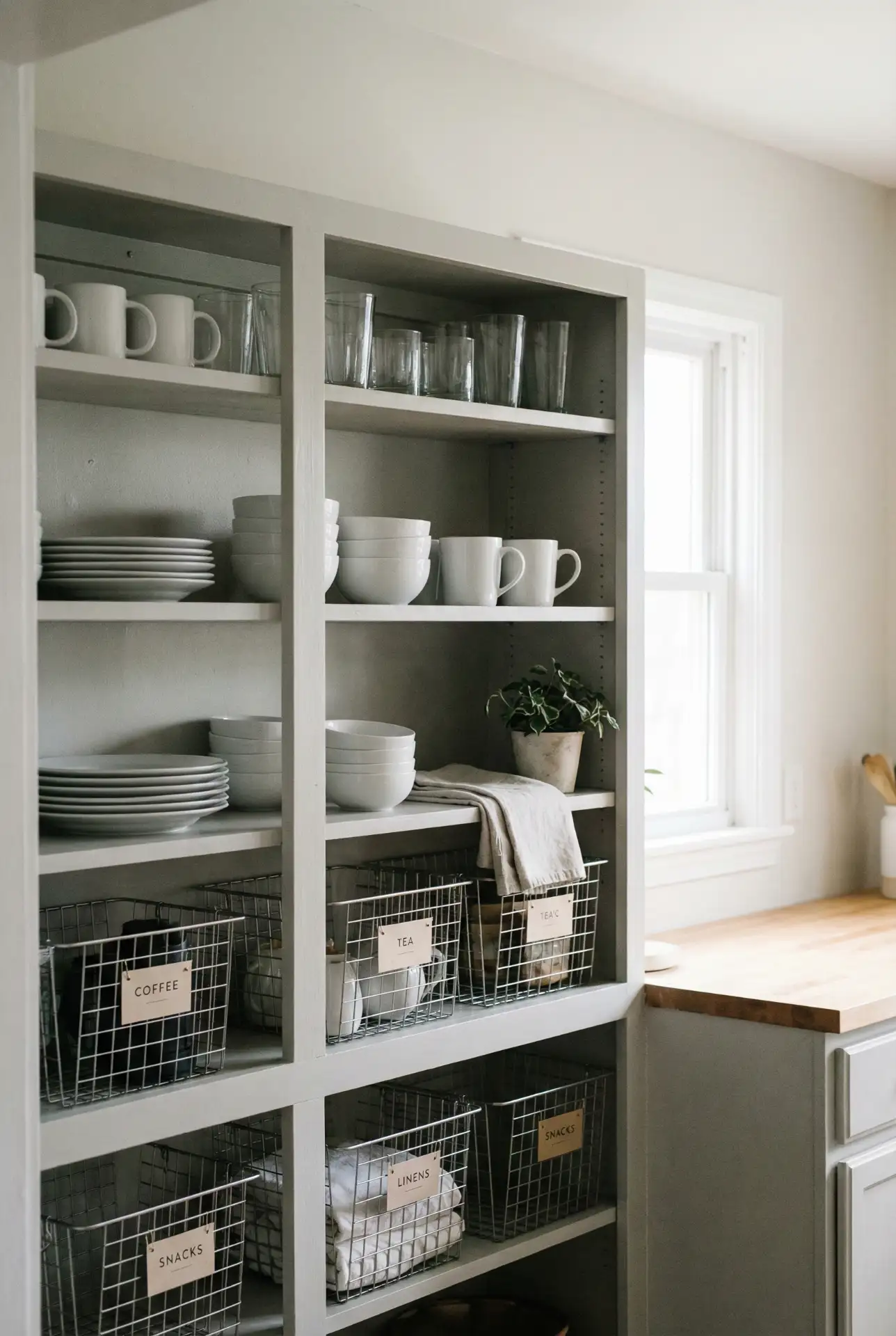
Open shelving has literally taken over Pinterest for a reason—it’s visually light, accessible, and requires you to keep your stuff tidy. When floating shelves are combined with labeled, woven, or wire baskets by category (baking supplies, coffee station, breakfast items), you achieve the best of both worlds: looks and utility. This strategy is great for apartment kitchens where above cabinets can seem oppressive. 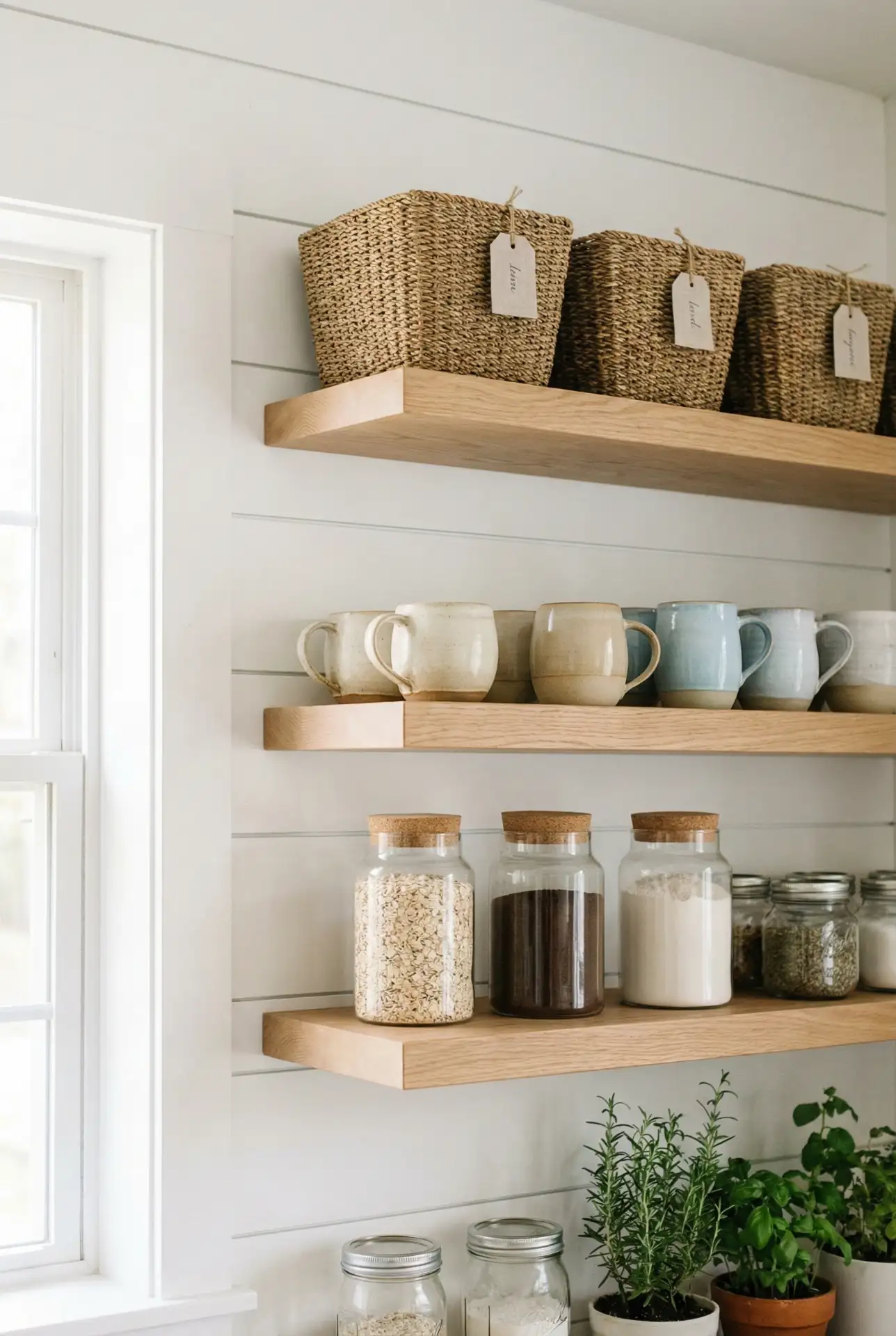
Where it works best: Kitchens with high ceilings or awkward wall space that standard cabinets don’t fill. From the California coast to the Carolina shore, open shelving is a signature look in many coastal homes. Just be real with yourself about who you are and how much dust you can expect—if you’re not a cook and live in a dry climate, cleaning doesn’t have to be for now. If you fry food every day, wipe down the shelves at least once a week.
11. Over-the-Door Organizers for Cleaning Supplies
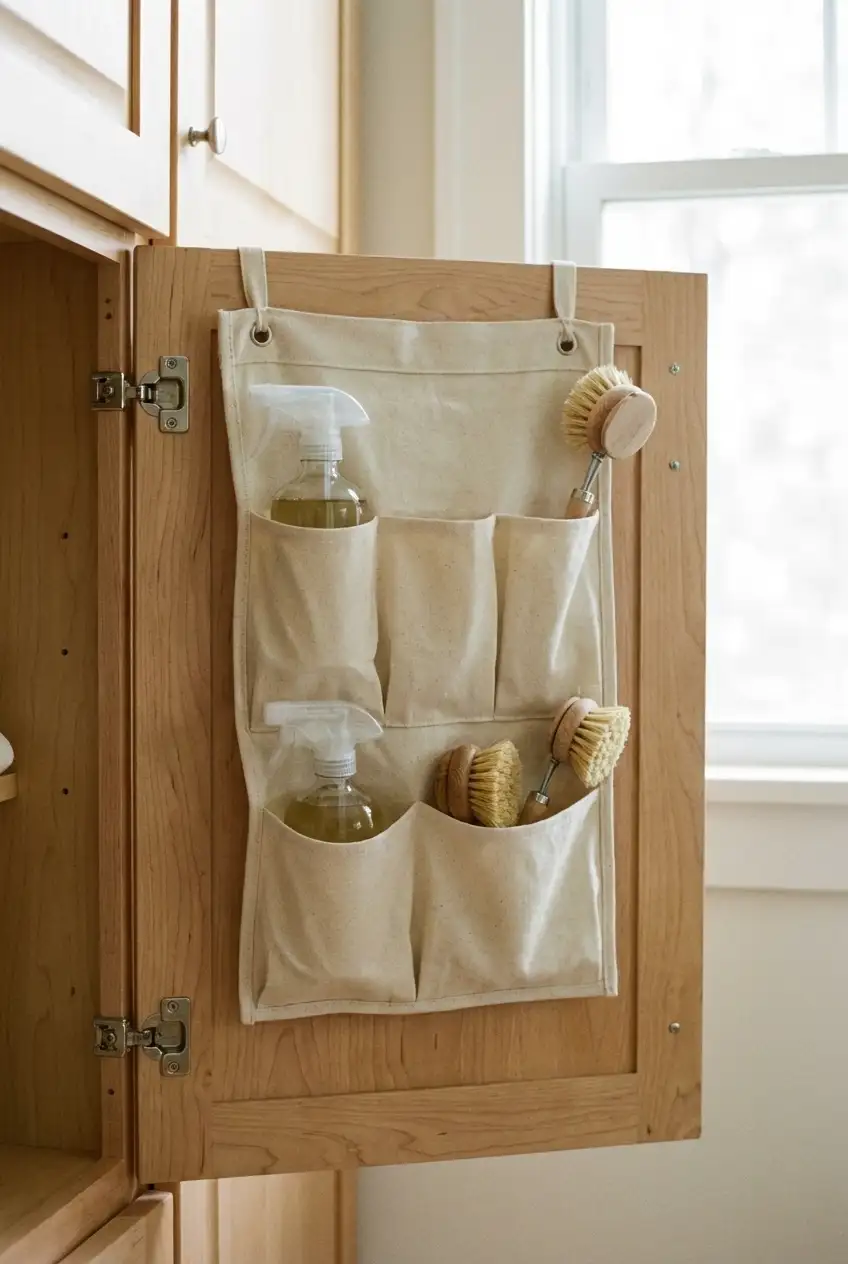
The back of a cabinet door is prime real estate that most people ignore. Over-the-door organizers—whether mesh pockets or wire racks—are perfect for storing dish soap, sponges, garbage bags, and cleaning sprays. This keeps the interior of your cupboards free for dishes or food, and everything you need for quick cleanup is right where you need it. 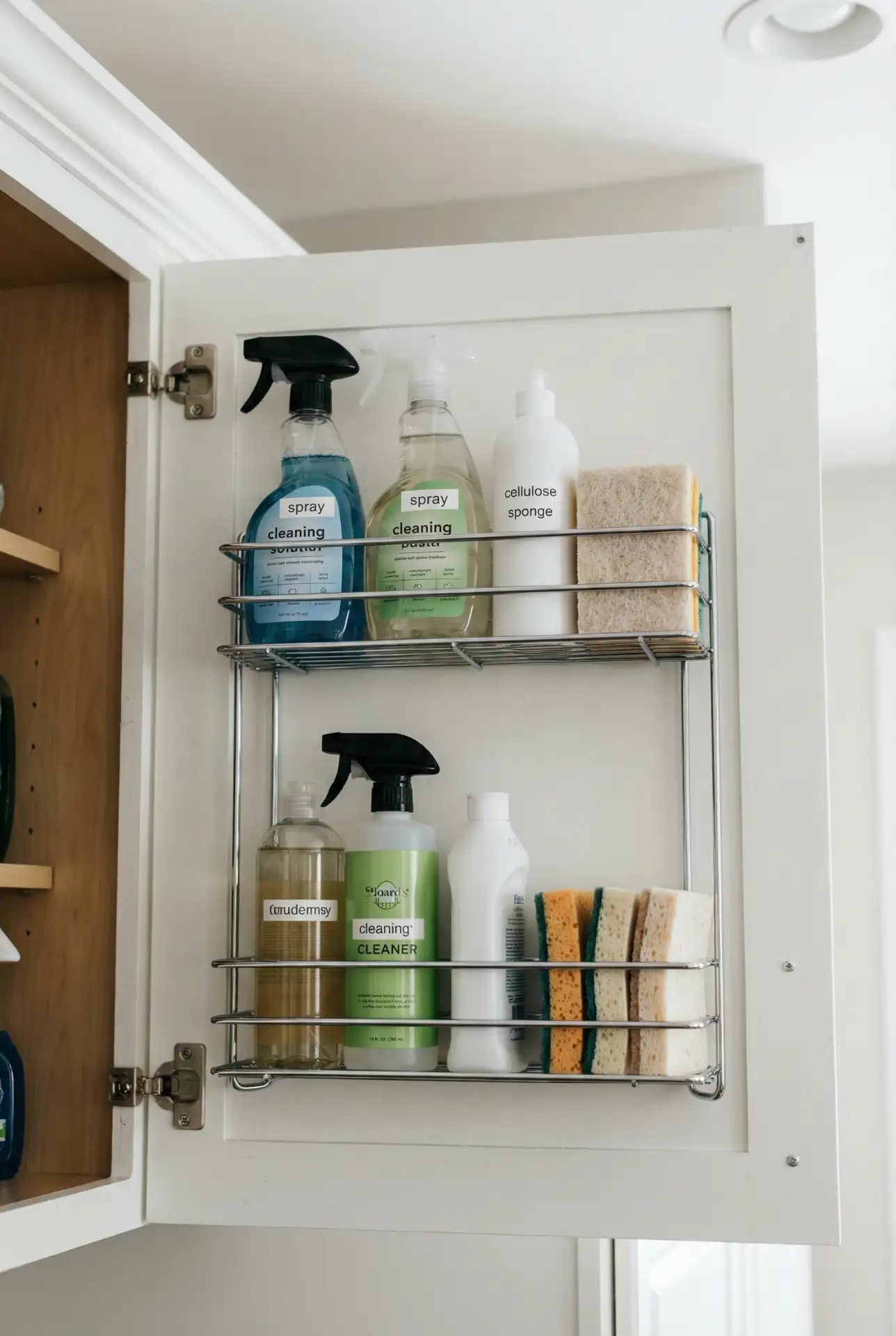
One frequent mistake people make is selecting organizers that are too heavy for the hinges, causing the door to sag over time. Keep with the light stuff, and spread out the weight. They’re also a godsend in rental apartments—no screws, and they come off clean when you move.
12. Tall Pull-Out Pantry for Dry Goods
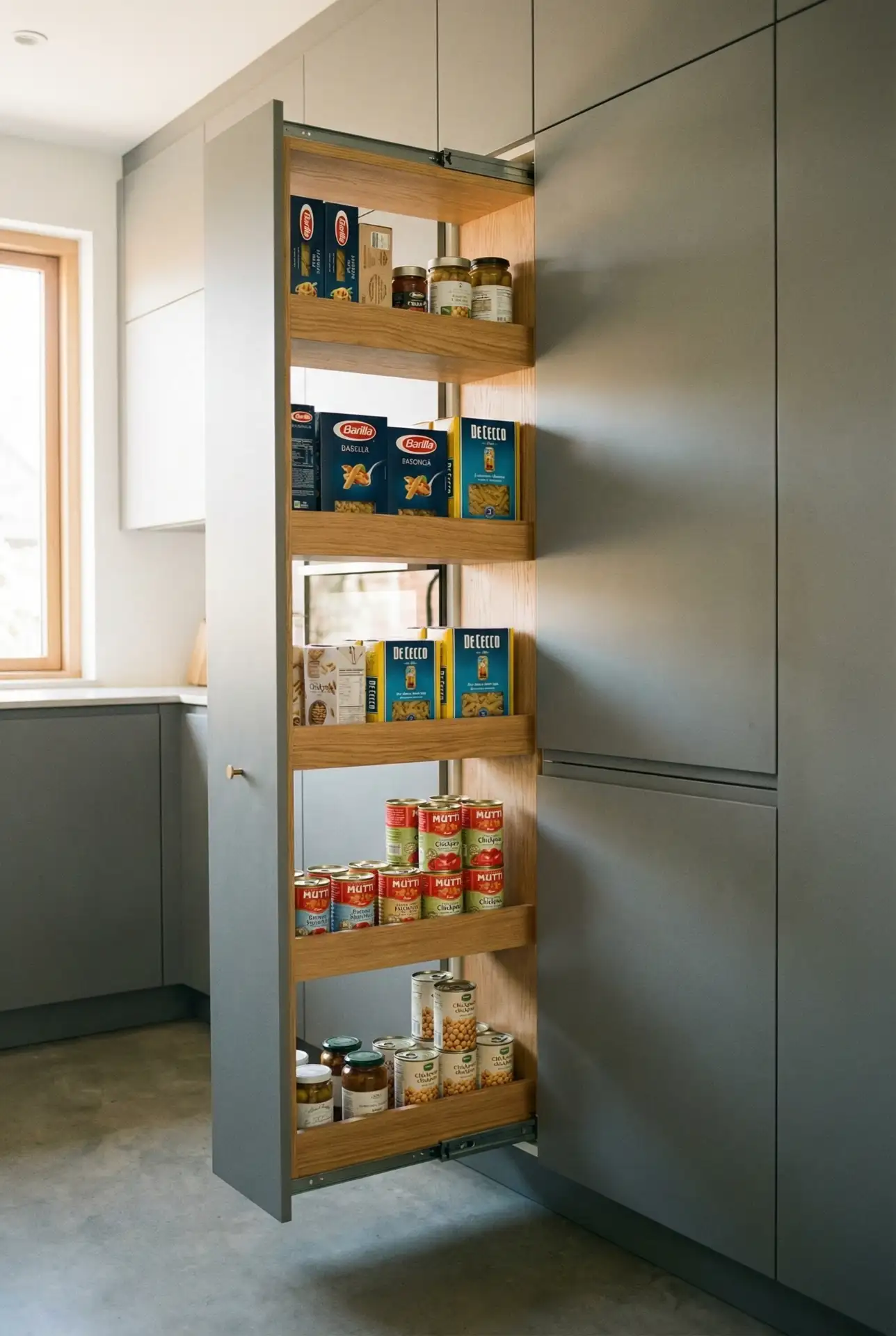
A tall pull-out pantry is a skinny cabinet that pulls out to show off several shelves stocked with pasta, rice, canned beans, and baking staples. It’s a dream for anyone who has ever lost a bag of flour in the far reaches of the back of a deep cabinet. These systems use vertical space to its fullest, so you can check stock with a passing glance and never again wonder what all else is collecting dust in the back. 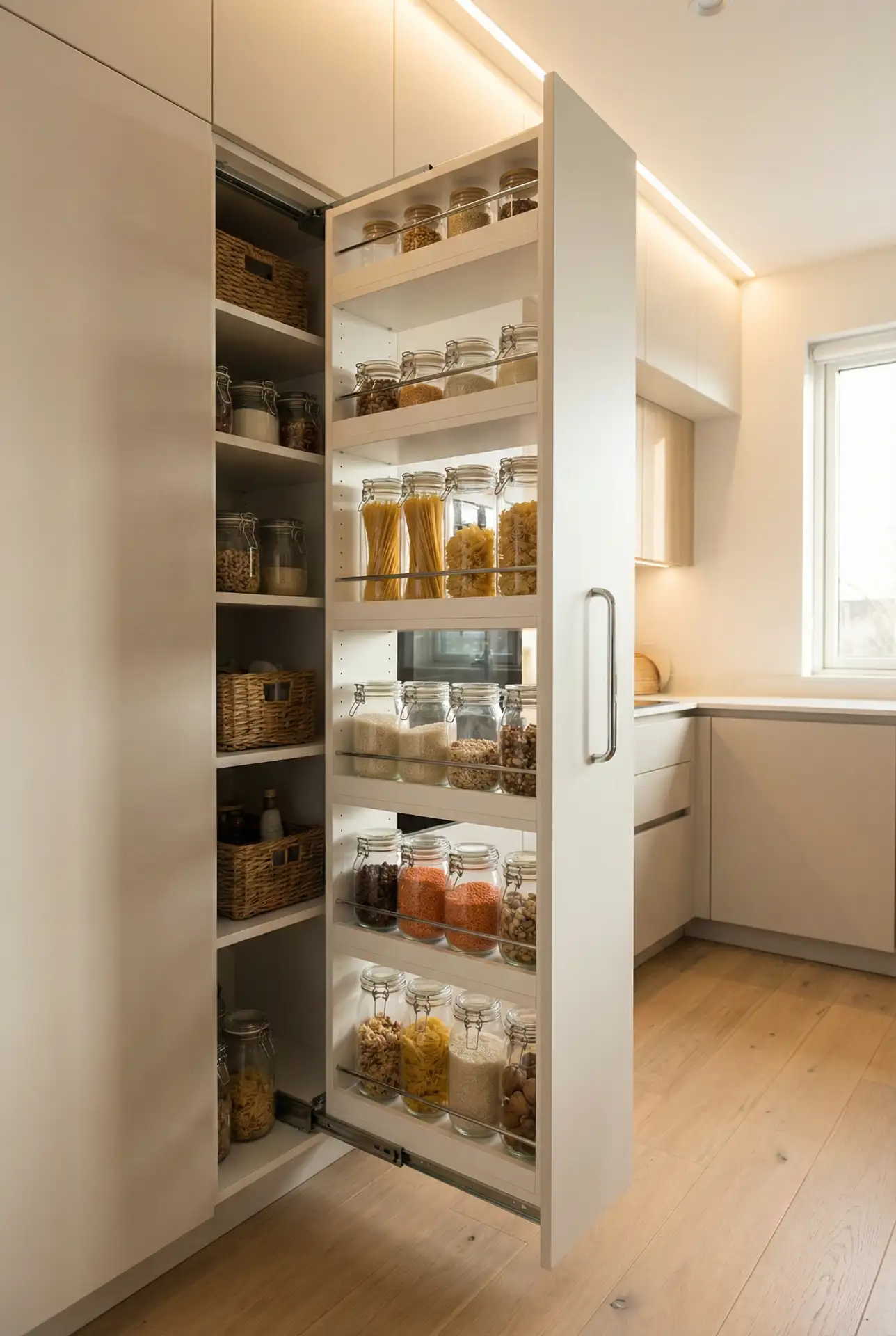
They work best in a kitchen with a same-wall pantry or beside the fridge. They are being included as a standard feature in new construction homes throughout Texas and Arizona. It’s an investment, ranging from a couple hundred dollars to well over a thousand depending on size and how much money you want to throw into the hardware rabbit hole, but for convenience it’s hard to oversell.
13. IKEA Modular Insert Systems
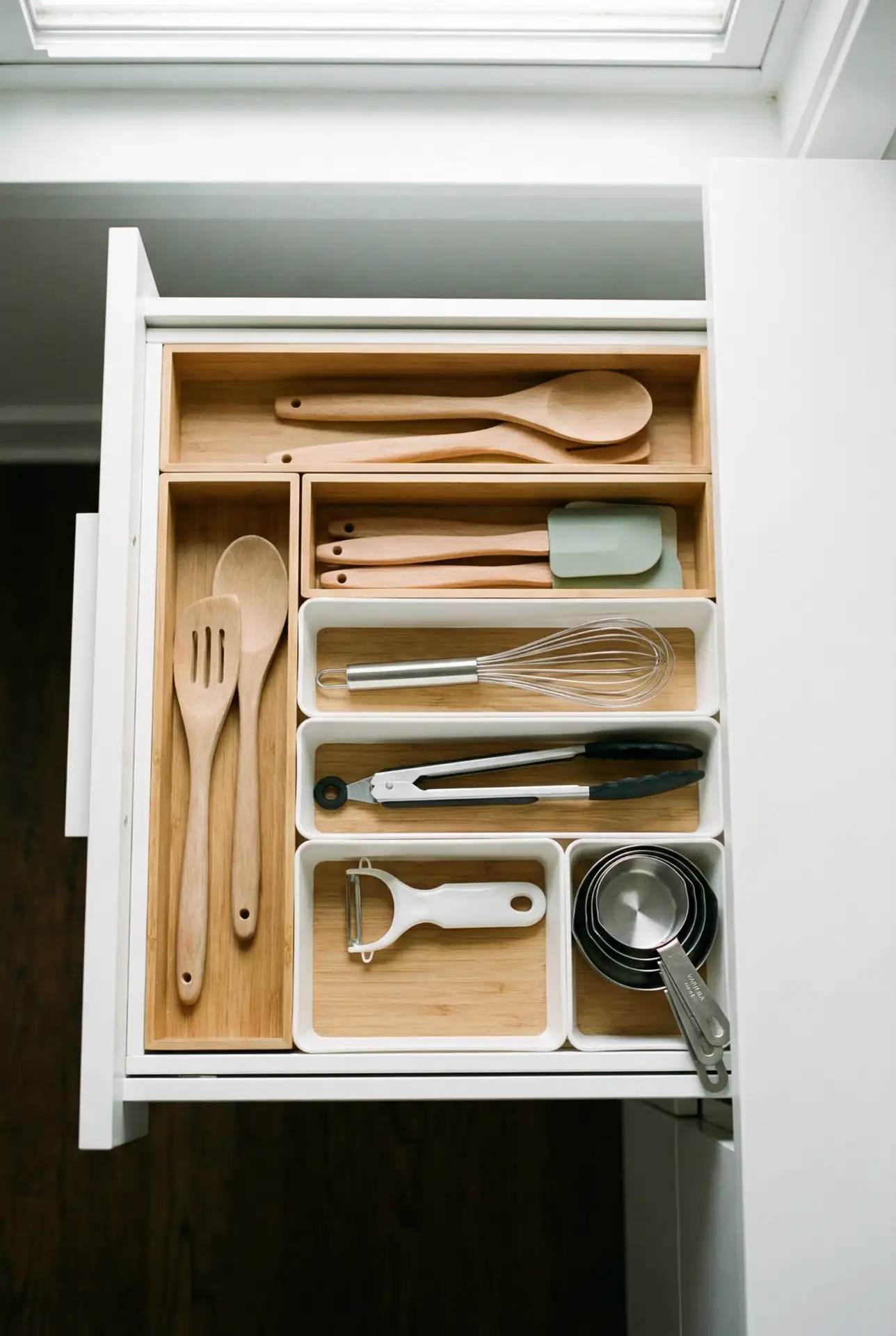
IKEA has nailed the affordable, customizable cabinet-organization game. Their modular insert systems—which include drawer dividers, pull-out trays, and shelf risers—are engineered to fit into standard cabinet sizes and can be customized to meet your specific needs. Whether it’s pots and pans or cups and plates, there’s a modular solution to fit that snaps together without permanent installation. 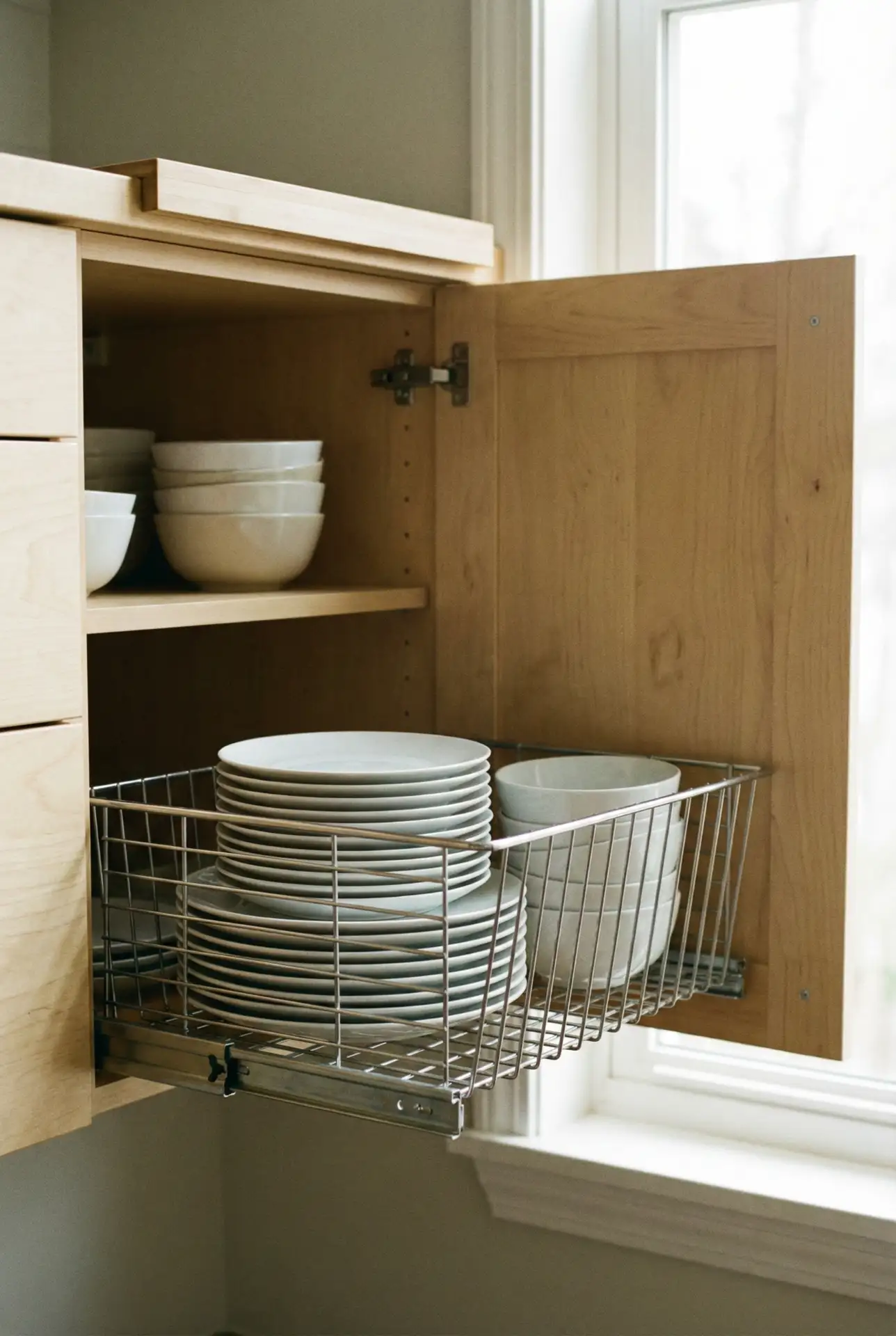
“These are great because they’re renter-friendly—they can be a nice, less expensive alternative to customizing an entire window—and budget-friendly since most inserts are under thirty bucks. They’re also readily available, so swapping to or adding a piece later is easy. In cities that have them (like Atlanta or Seattle), these systems have become a go-to starter kit for new homeowners.
14. Glass Jar Storage for Bulk Items
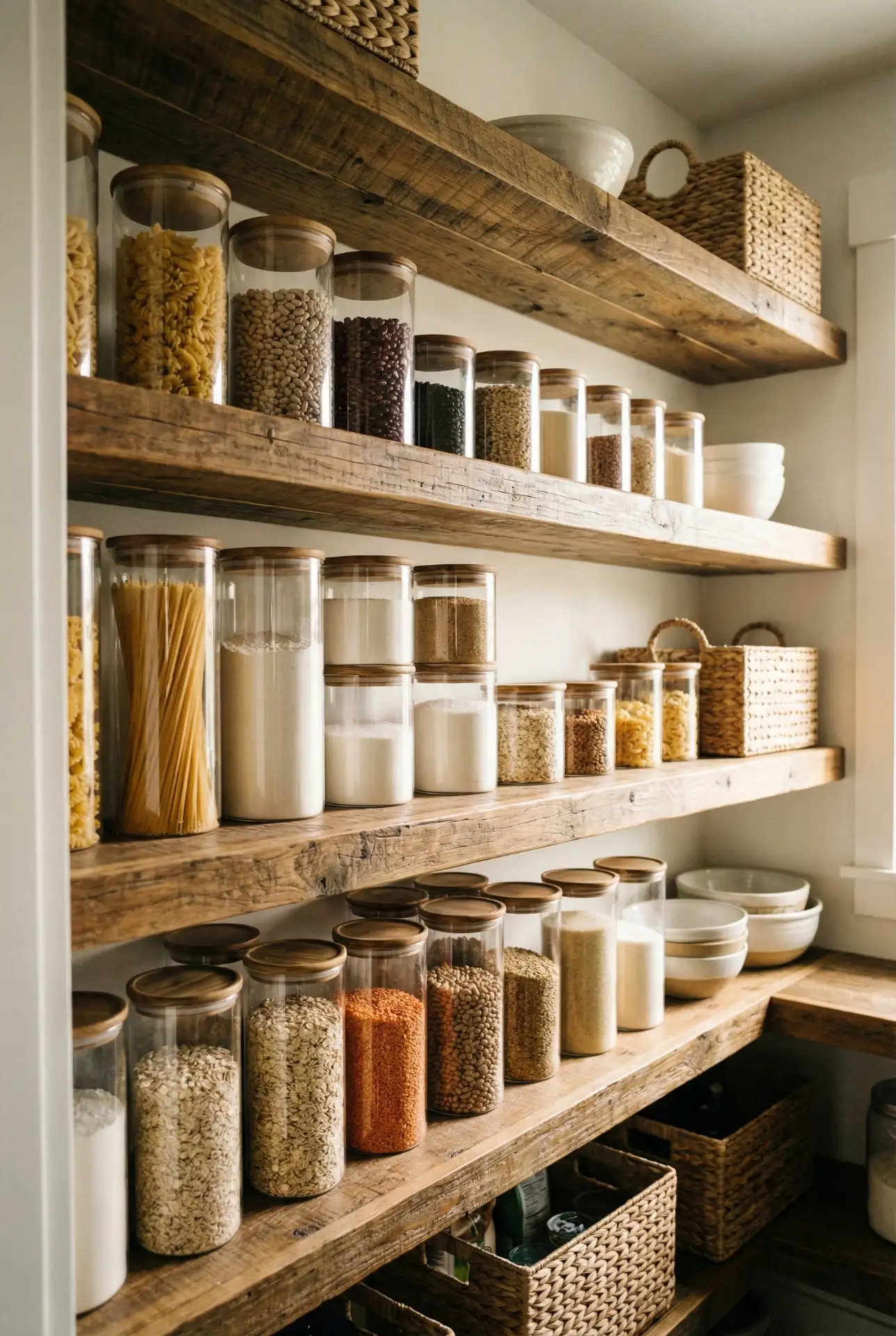
Glass jars bump up the cabinet organization from functional to lovely. Pour flour, sugar, oats, coffee, and pasta into matching glass containers with secure lids, and all of a sudden your pantry is what you might see in a magazine. Design aside, glass keeps food fresher longer and (maggots, anyone?) punishes pests—not to mention, it makes it easy to see when you’re running low on staples. 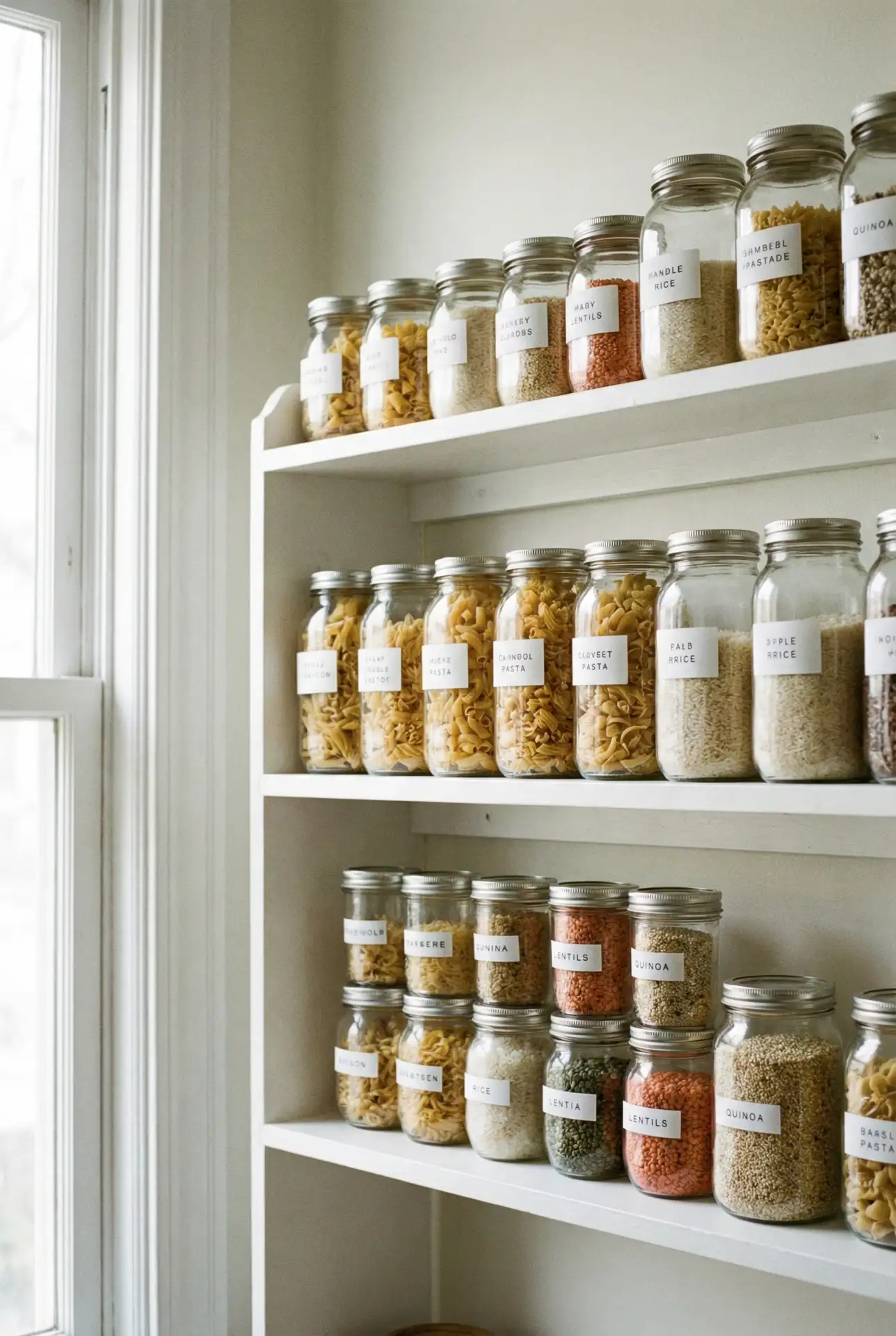
This approach is especially popular in health-conscious households and among people who buy from bulk bins to reduce plastic waste. A colleague switched to glass jars last year and said it changed her cooking habits—she could actually see what ingredients she had, which led to less waste and more creative meals. Budget-friendly sets start around thirty dollars for six jars.
15. Magnetic Knife Strip Inside Cabinet Doors
A magnetic knife strip mounted inside a cabinet door is a sleek, space-saving alternative to bulky countertop knife blocks. It keeps blades accessible and safe, out of reach of kids but right where you need them. This setup frees up counter space and works beautifully in small-space kitchens where every inch of countertop is precious. 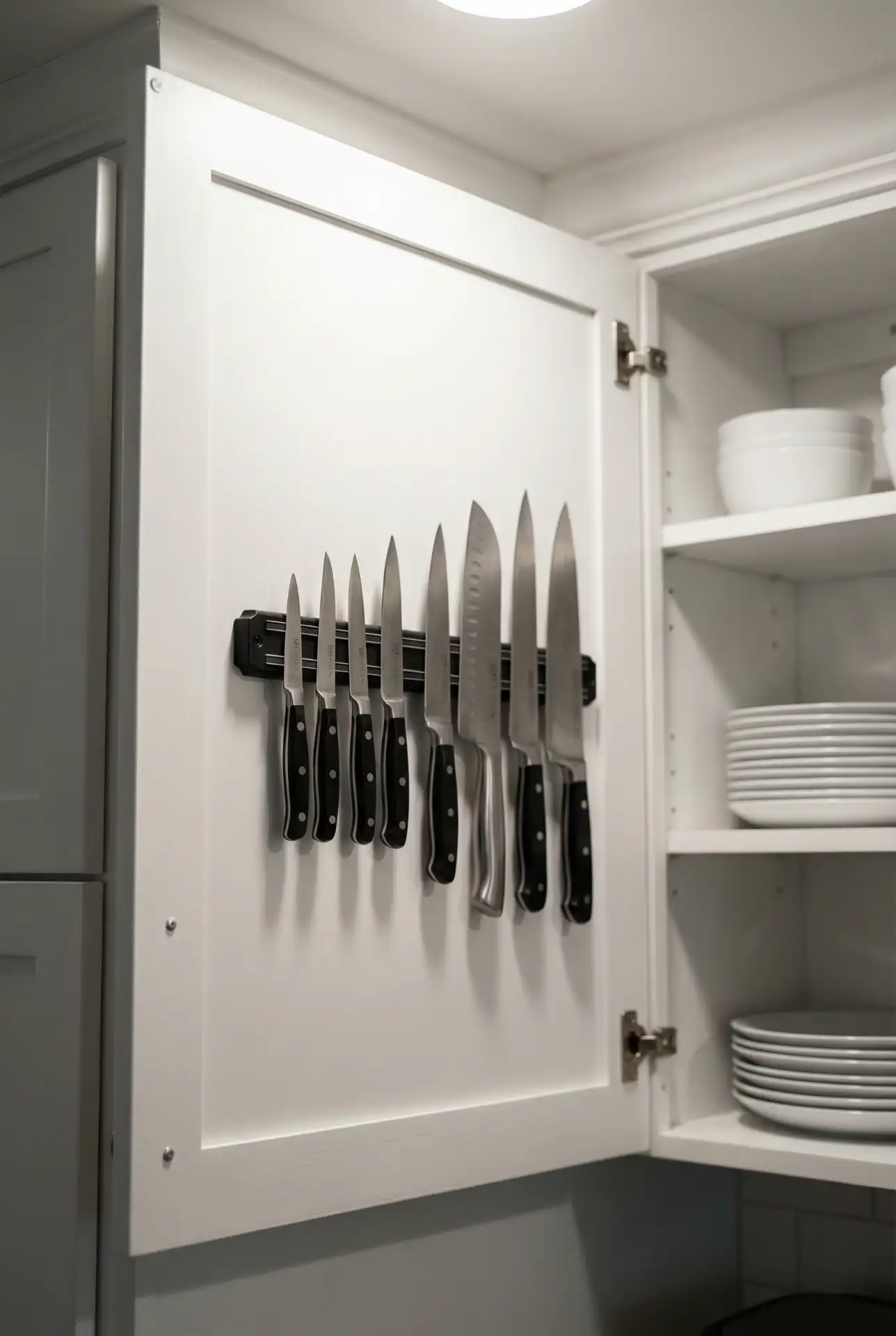
Where it works best: in cabinets adjacent to your primary prep area. In urban apartments with galley kitchens, this trick is a staple. Installation requires just adhesive strips or a couple of screws, and the magnetic hold is strong enough for even heavy cleavers. Just make sure the cabinet door swings freely without hitting the blades.
16. Stackable Can Addicts for Soda and Beverages
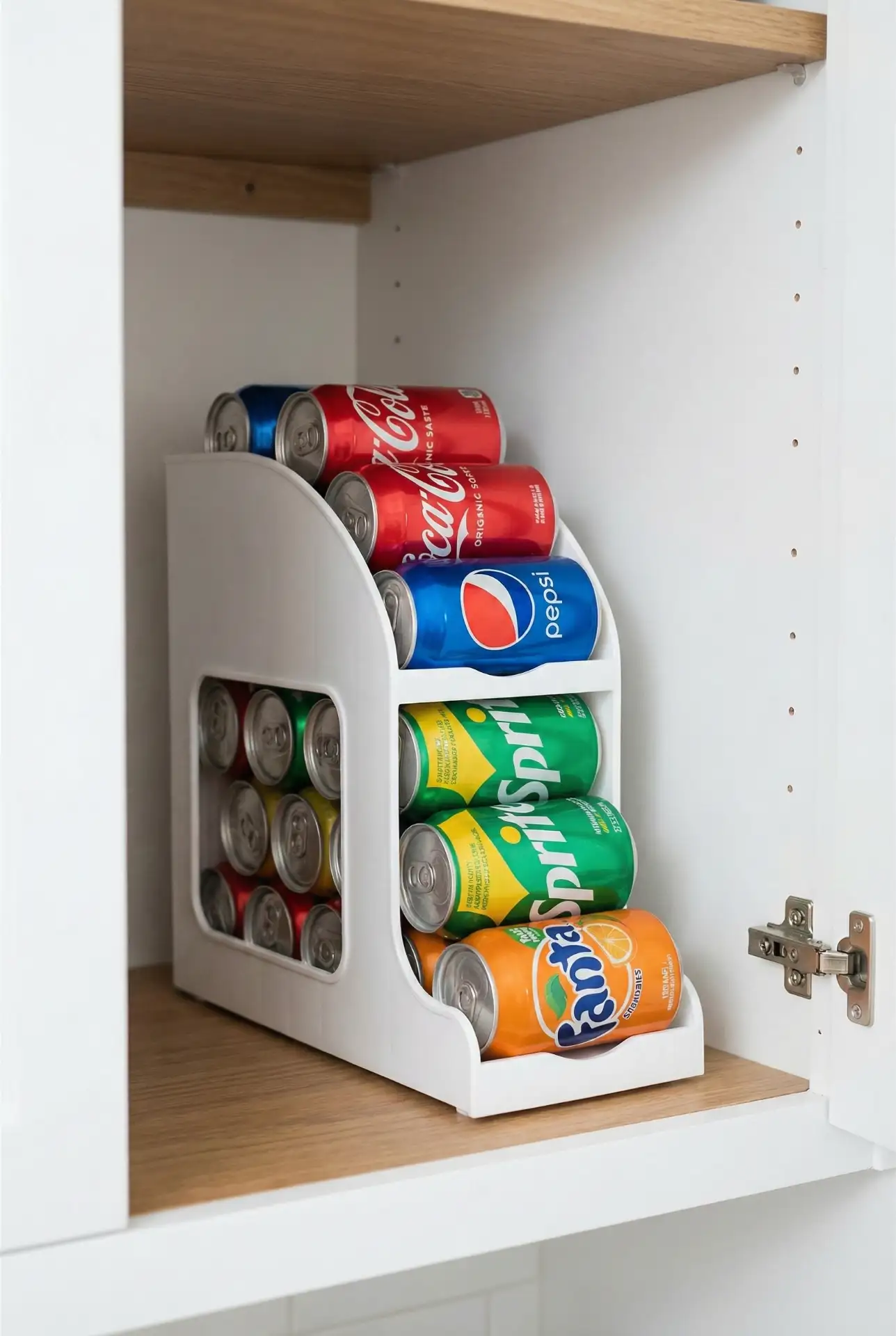
Stackable can dispensers are a refrigerator-only game, but they also work in deep cupboards for room-temp drinks. These angled racks keep cans in a gravity-feed system; you clutch one from the front, and the next one scoots forward. It’s efficient, space-saving, and makes restocking following a grocery run almost satisfying. 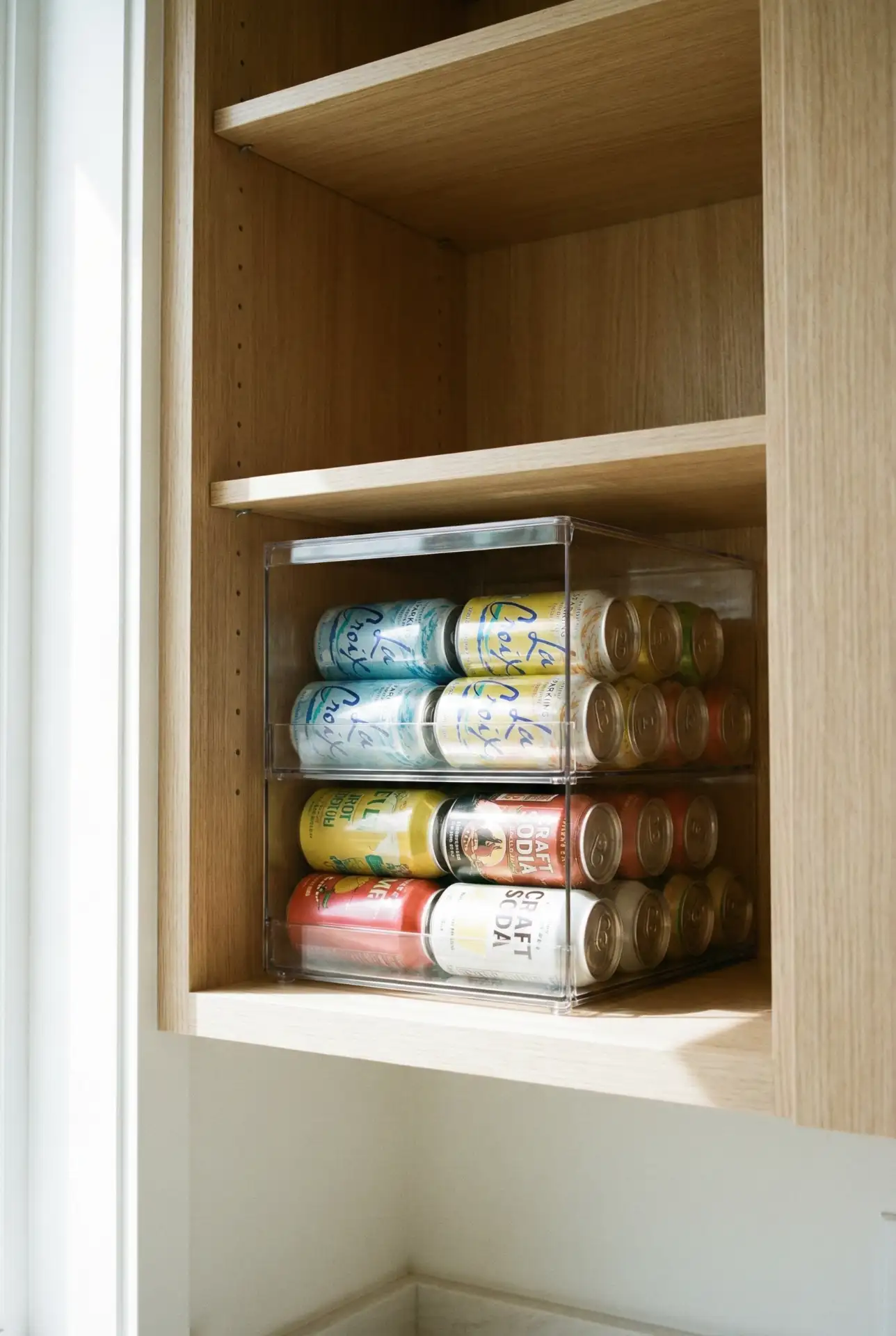
Practical insight: measure can diameter before buying—some dispensers are sized for standard twelve-ounce cans but won’t fit slim or tall cans. In homes with teens or frequent entertaining, these dispensers prevent the fridge from becoming a chaotic jumble of loose cans. Budget options start around twelve dollars, while heavy-duty models run closer to thirty.
17. Adjustable Shelf Heights for Varied Storage
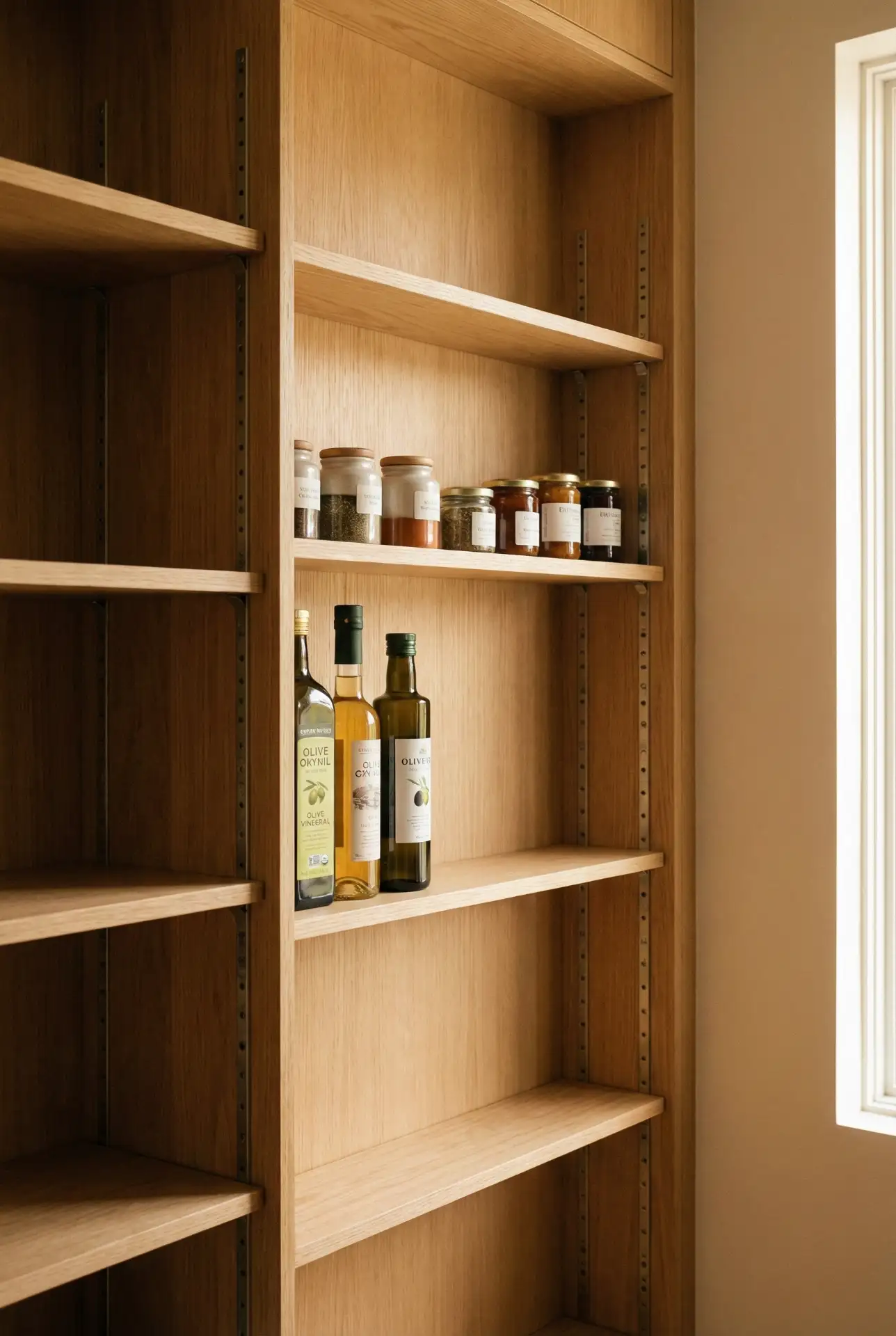
Many cabinets come with fixed shelves that don’t accommodate tall items like cereal boxes or large pitchers. Installing adjustable shelf pins or tracks lets you customize shelf heights to fit your actual needs. This flexibility is especially useful in cupboards where one shelf might hold short spice jars and another needs space for a stand mixer. 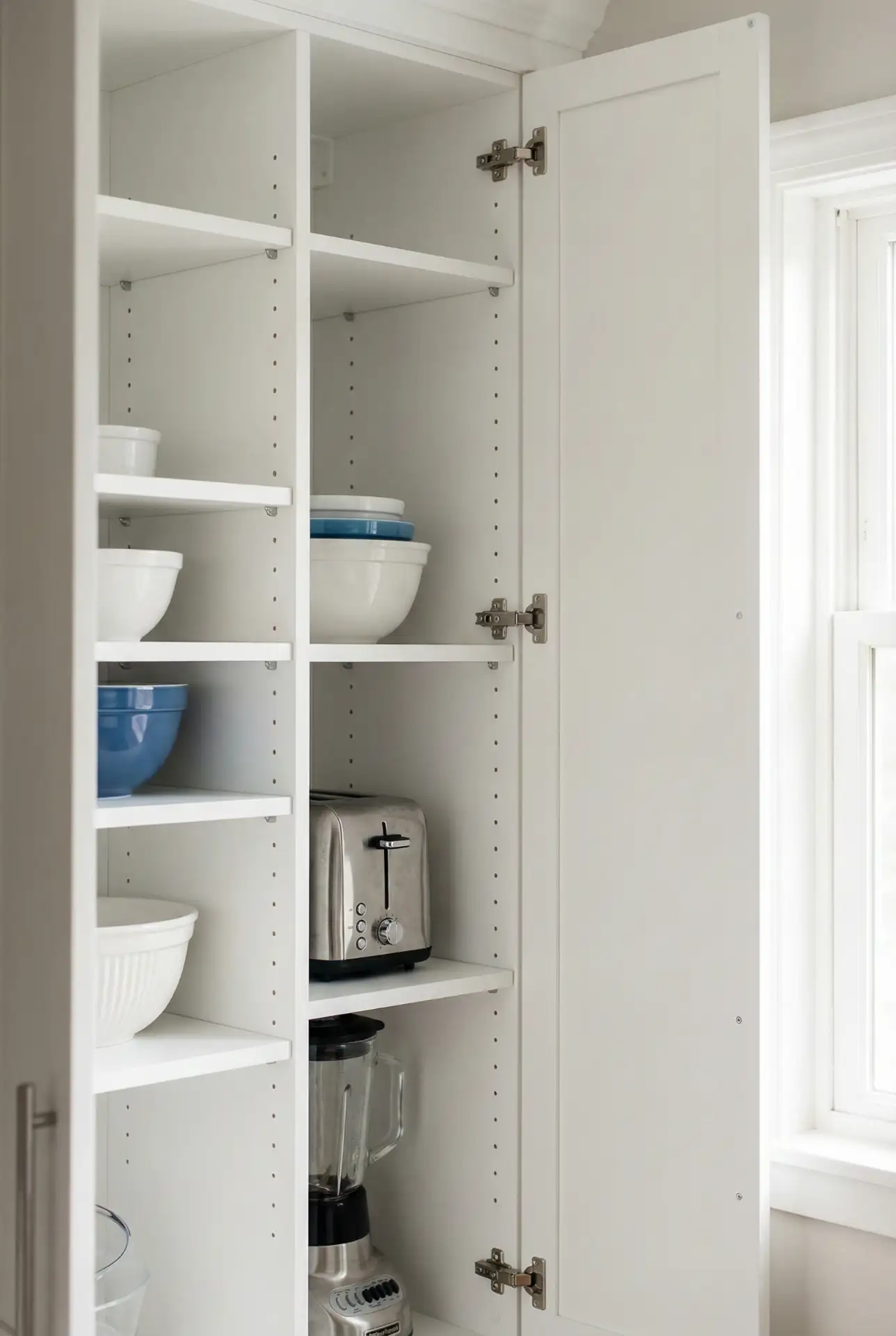
This is a budget-friendly DIY project—shelf pins cost just a few dollars, and installation requires a drill and some measuring. Real homeowners appreciate the ability to reconfigure shelves as needs change, like when switching from baby bottles to juice boxes or adding holiday serving ware to the rotation.
18. Drawer Inserts for Tea and Coffee Pods
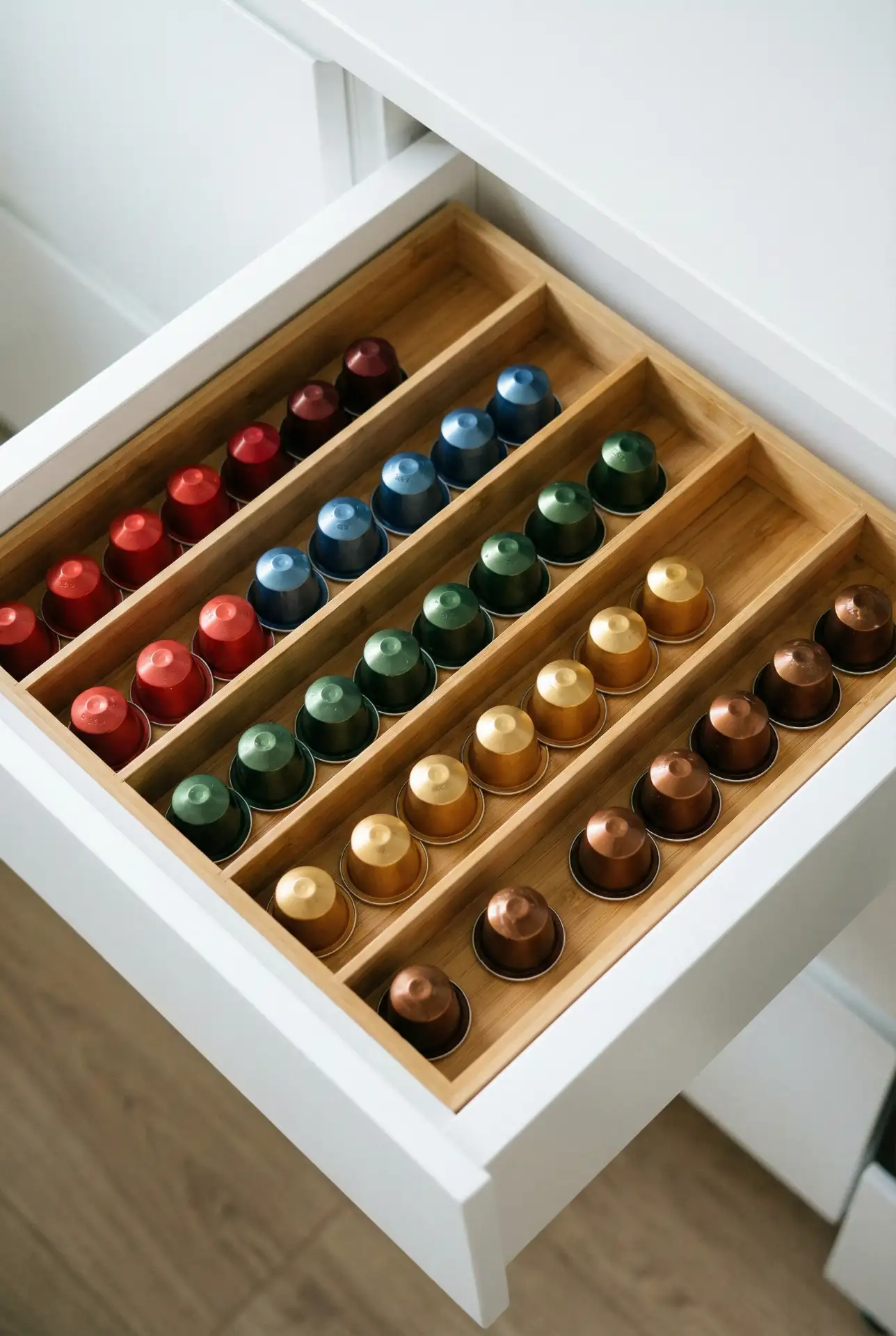
If you drink coffee or tea, custom drawer inserts for pods and bags will help ensure a smooth morning routine. This tray separates K-cups, espresso pods, or tea sachets into their own sections, easily visible at a glance. Never again will you have to rummage through a messy box or drawer to find your favorite flavor. It is a small upgrade that feels different every day. 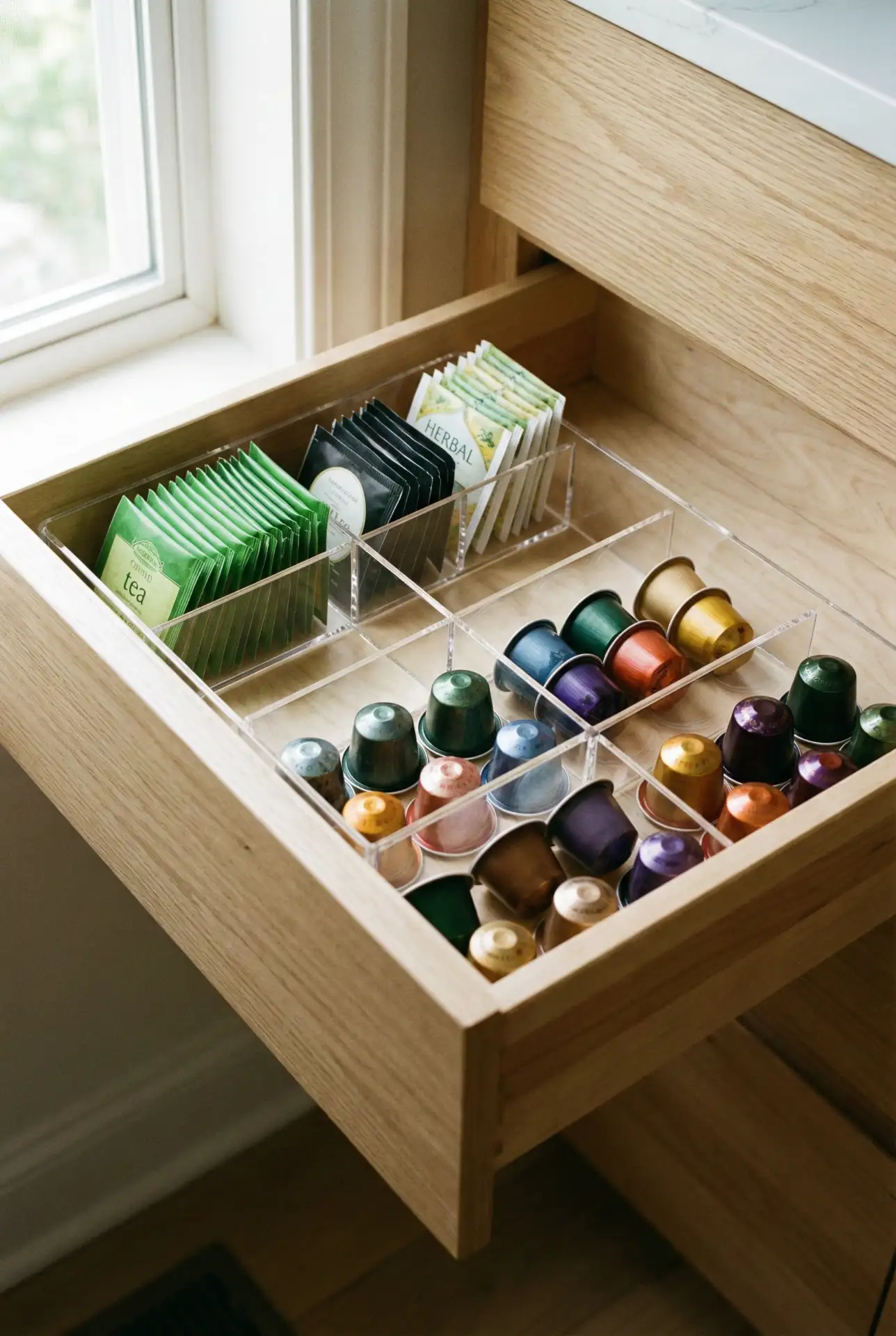
Expert organizers recommend placing this drawer near your coffee maker for maximum efficiency. In busy households, especially those with multiple coffee drinkers, this setup prevents the “where’s my favorite flavor?” morning scramble. Budget inserts start around fifteen dollars, and many are expandable to fit various drawer sizes.
19. Hooks Inside Doors for Measuring Cups and Aprons
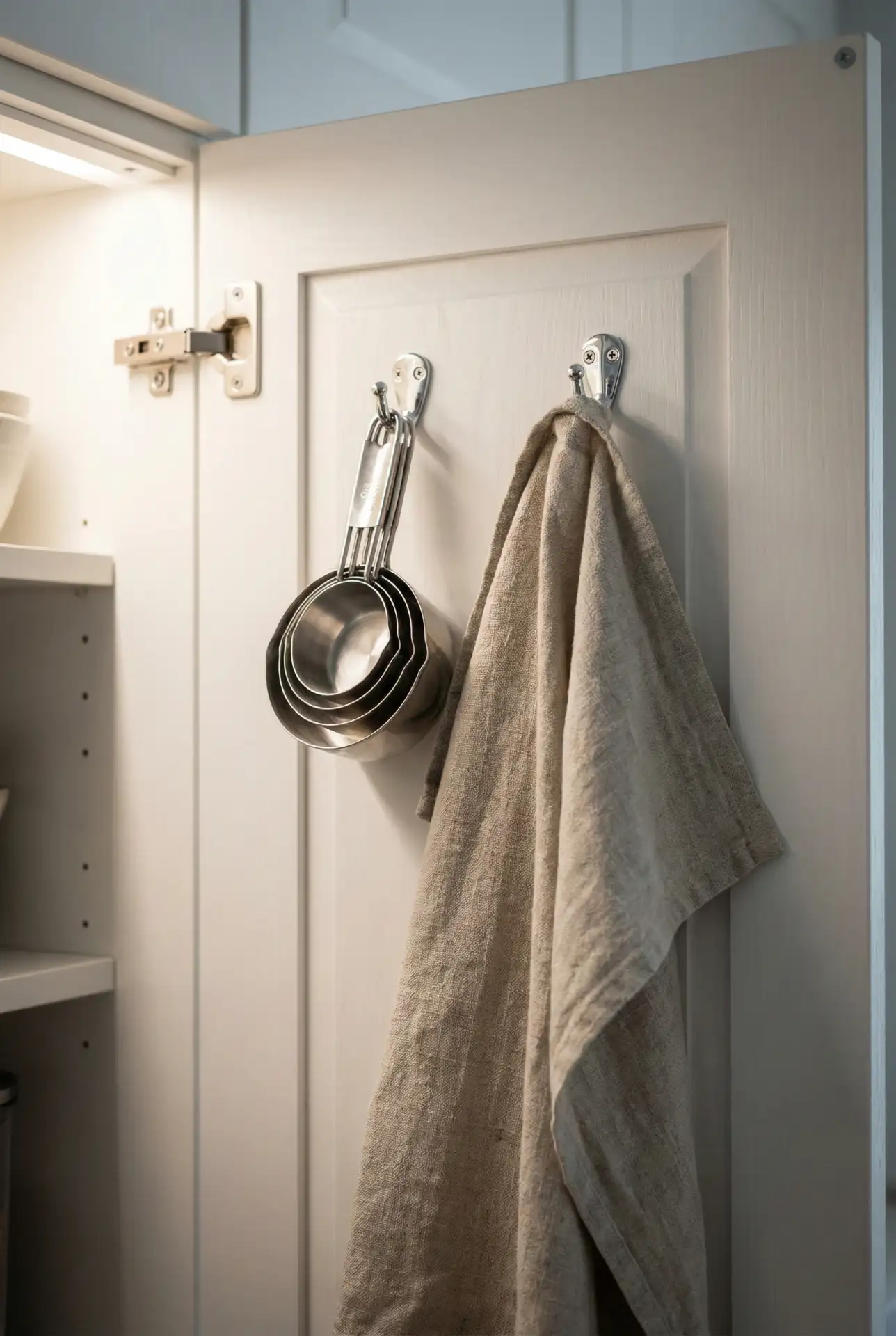
Adhesive or screw-in hooks on the inside of cabinet doors are a simple fix for items that don’t fit neatly in drawers. Hang measuring cups, potholders, aprons, or even dish towels. This trick makes use of vertical space you’re not currently using and keeps frequently grabbed items within easy reach. 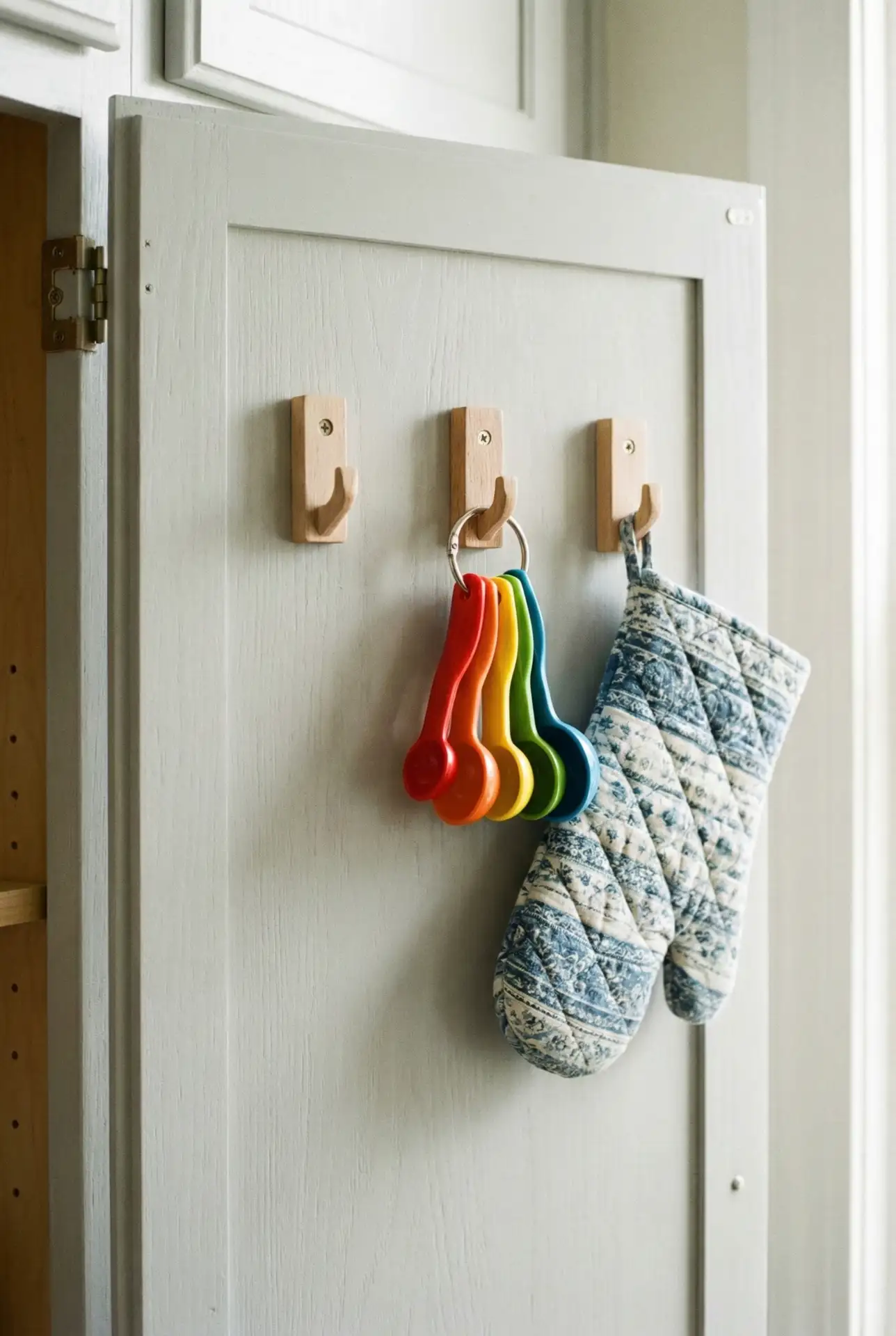
This method is favored in small-space kitchens and apartments with limited drawer space. A neighbor put these in her rental and said they changed the way she uses her kitchen—no more rummaging through overstuffed drawers. If you’re a renter and can’t put holes in your doors, Command hooks are an alternative.
20. Pull-Out Cutting Board Storage Above Drawers
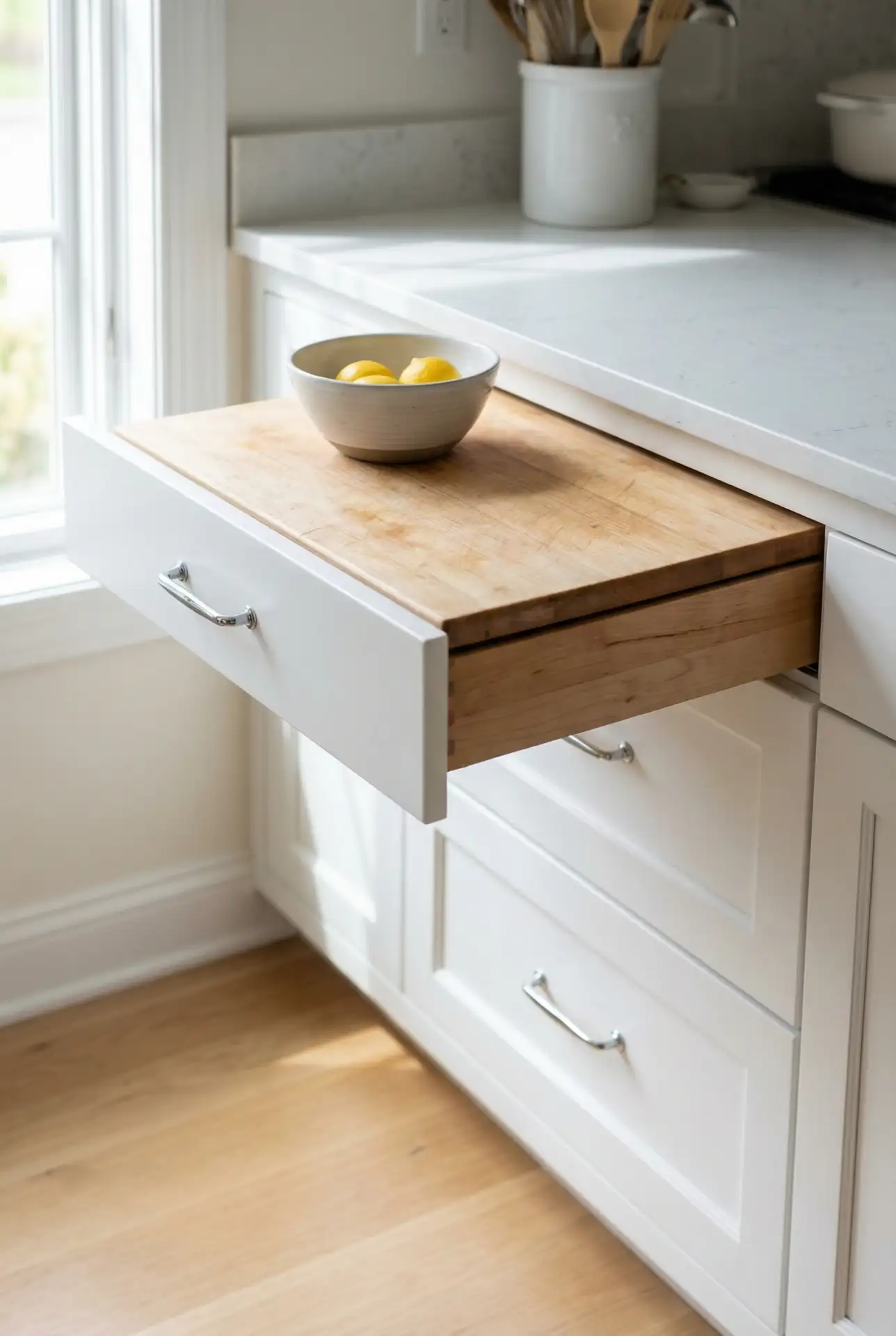
A pull-out cutting board slot above a drawer is a smart use of wasted space. Slide it out for a little bit of extra prep space during whatever you’re cooking, then slide it back in. It keeps cutting boards within reach without being in sight, and many models can accommodate more than one board at a time. 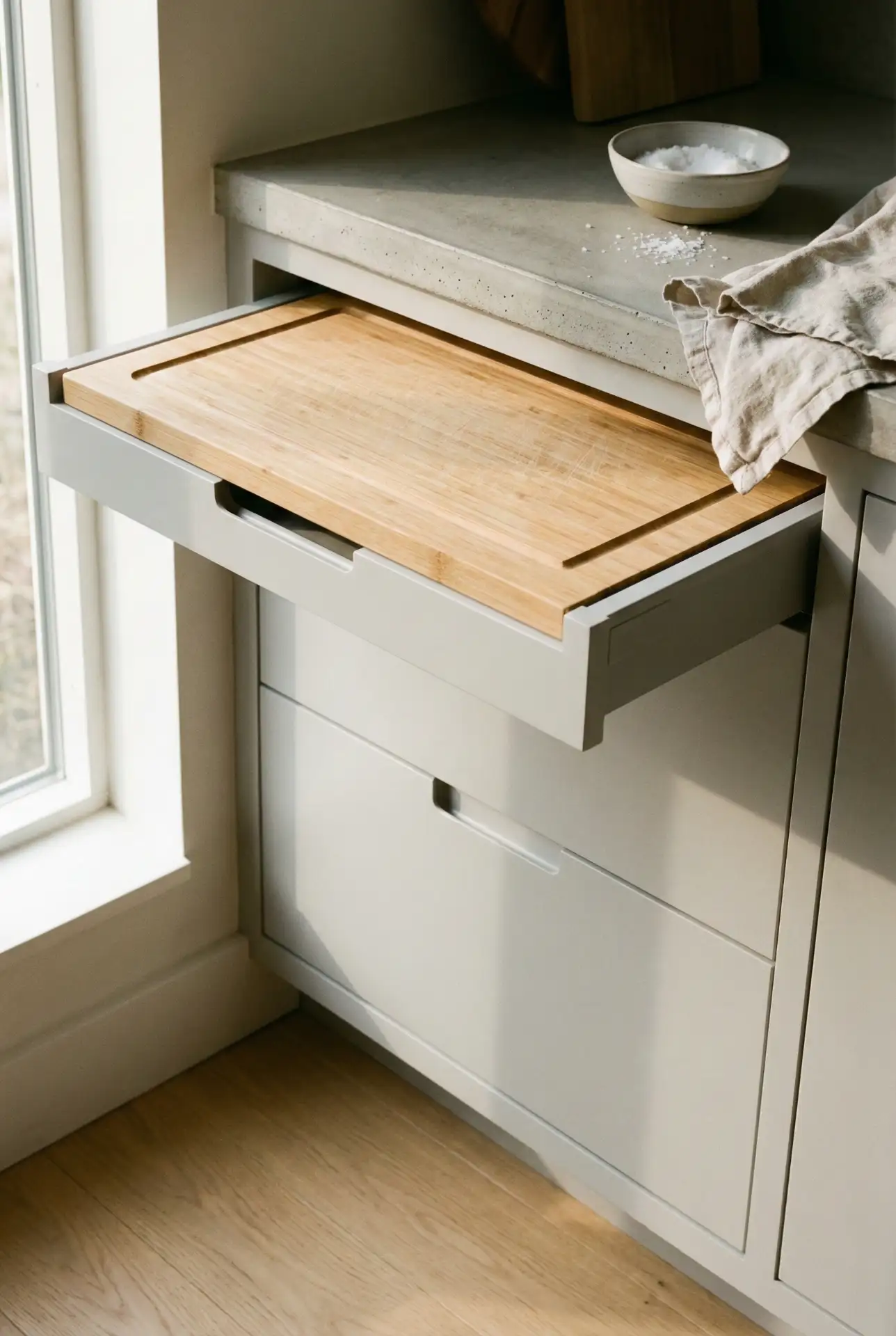
Where it works best: By the sink or main prep space. In those with little counter space, which is often the case in old houses and apartments in cities, this feature is a game changer. Installation is fairly complicated and possibly requires a handyman, but for serious home chefs, it’s worth the hassle.
21. Indian-Style Spice Drawer with Custom Dividers
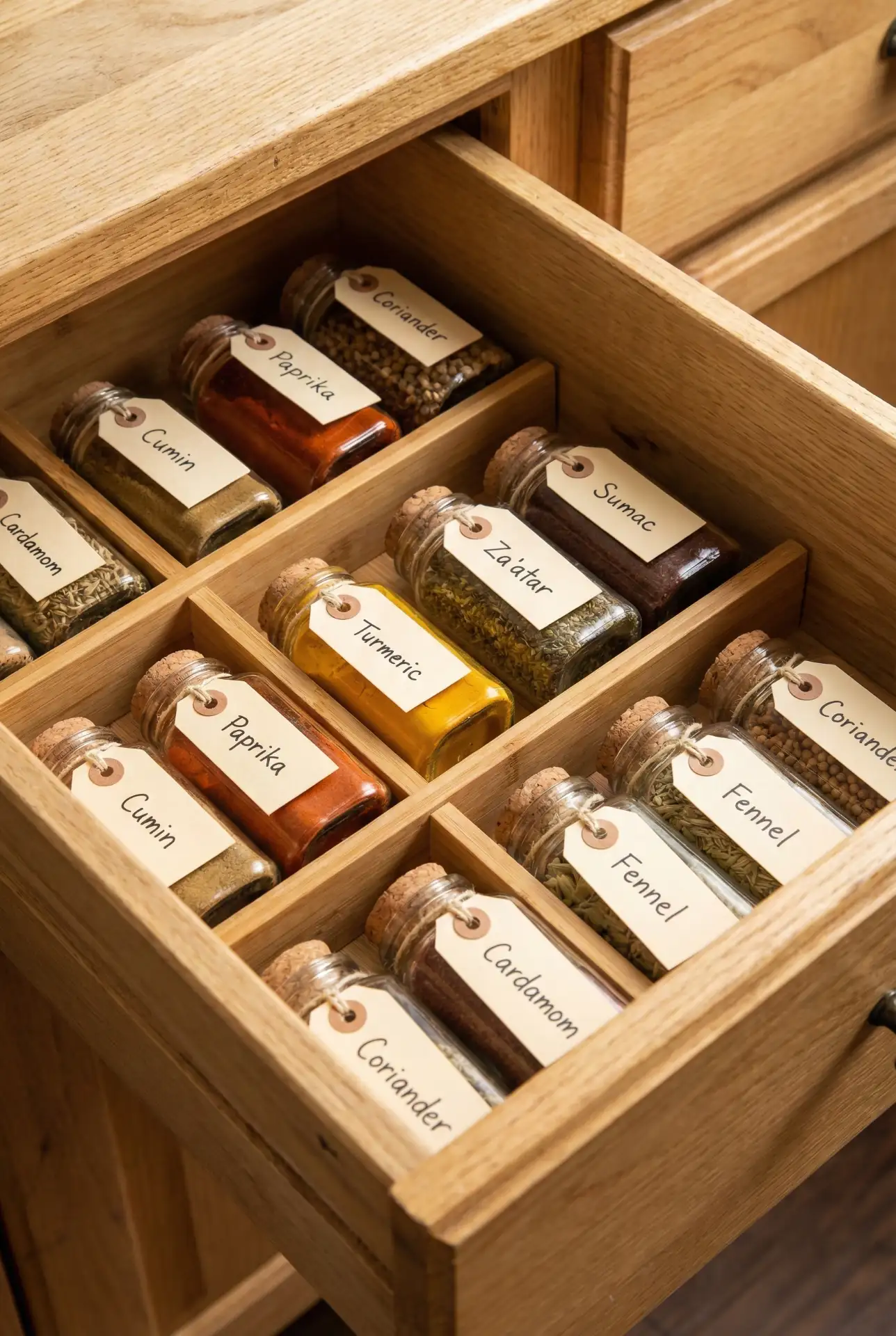
There are frequently a dozen or more spices involved in Indian cooking, and keeping them organized is key. Shallow open drawers with custom dividers or stepped inserts allow you to store spice jars right-side-up with labels clearly visible. This arrangement is useful for any cuisine with a wide, varied spice palette, from Middle Eastern cooking to Thai. 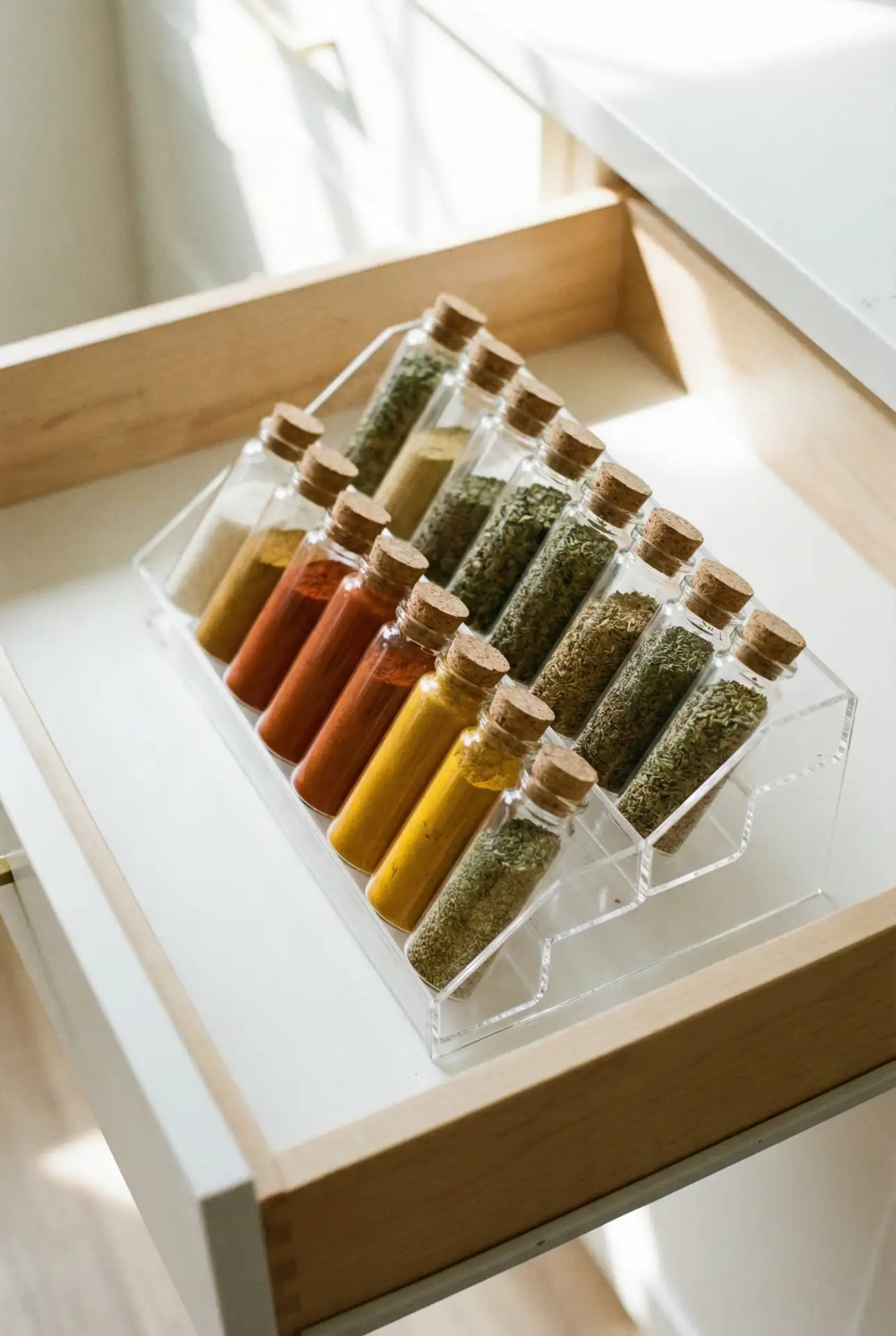
Indian-American homes across places like Houston, Chicago, and the Bay Area accept this as something of a given drawer situation. The secret is using jars that are the same size, so they’ll fit neatly in the dividers. The budget DIY versions can be constructed with foam core or cardboard, while custom acrylic inserts are priced at about 40 dollars.
22. Wire Basket Pull-Outs for Produce Storage
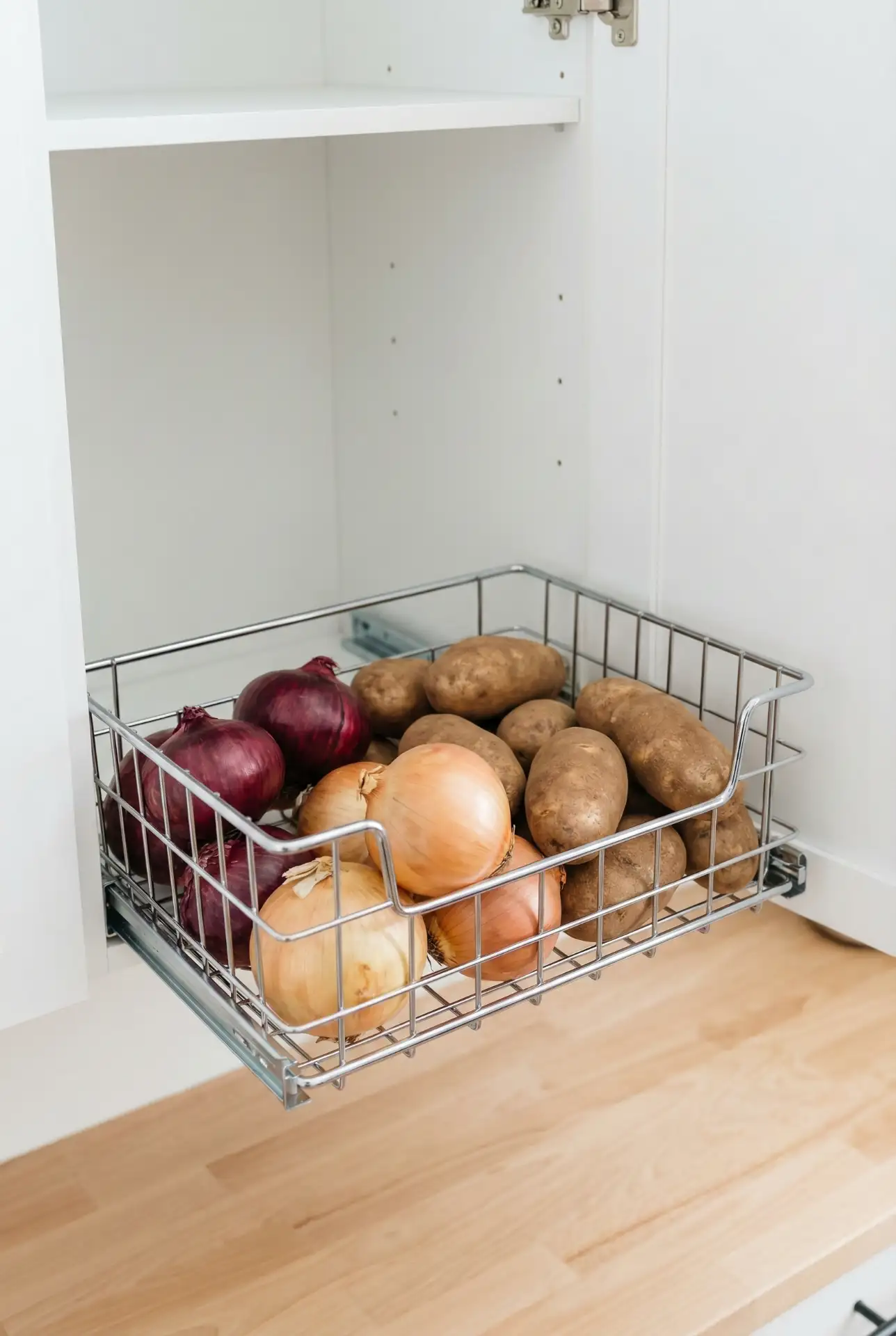
Wire basket pull-outs: Useful for onions, potatoes, garlic, and other produce items that don’t require refrigeration. The open construction provides airflow and also retains moisture, so rinsed produce can stay fresh longer. These baskets also slide out like drawers, so it’s easy to see what you have, and nothing can sprout tendrils at the back of a dark cupboard. 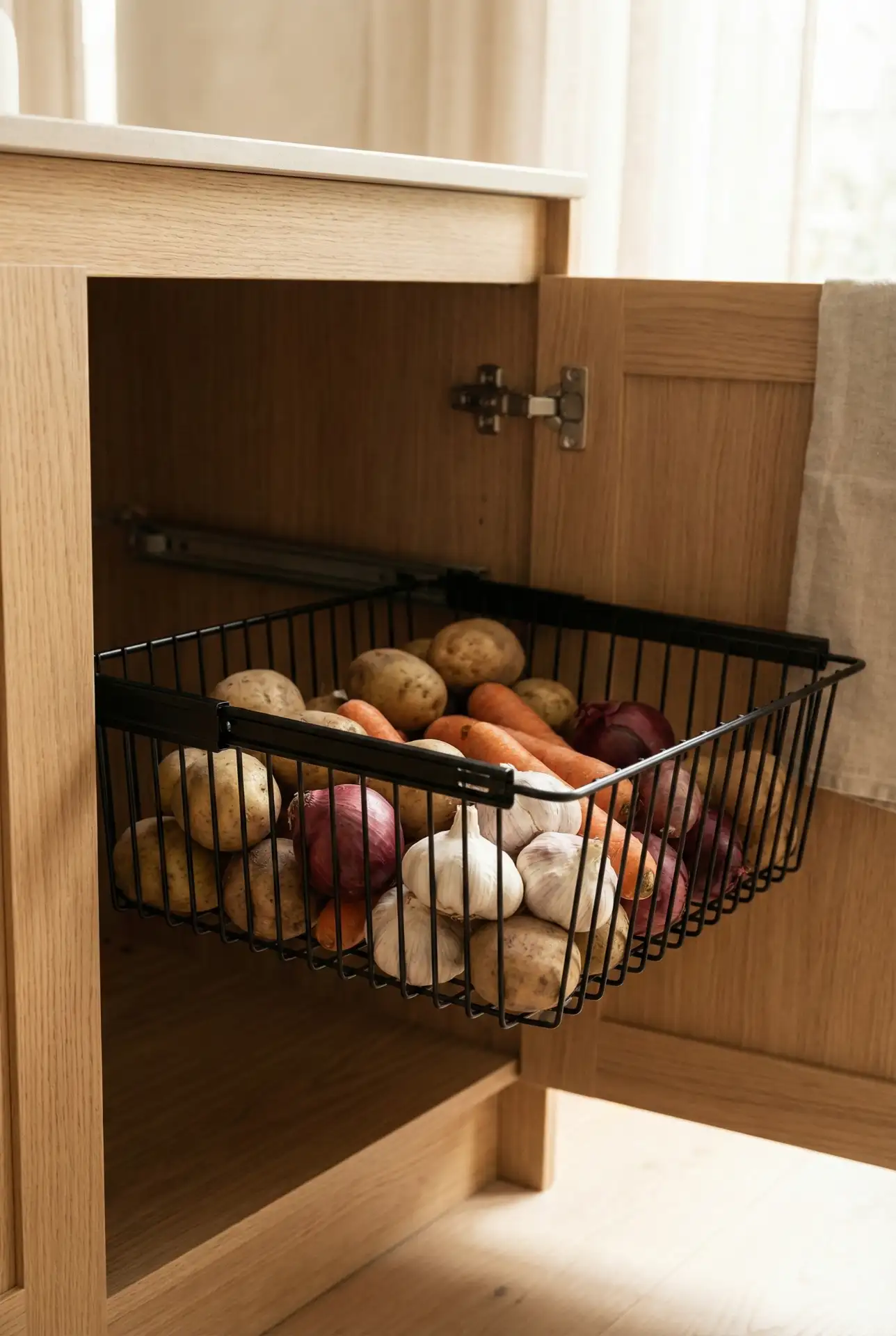
A design mistake is to have these too far from the cooking zone, and this would be a waste. Put them in the base cabinets around your stove or prep area for even more convenience. These baskets are a necessity now in rural and suburban kitchens, where people buy produce in bulk. Baskets are available in three to five sizes and priced between 30 and 75 dollars based on size and finish.
The bottom line
Organizing your kitchen cabinets doesn’t have to be fussy or expensive—just organized in a way that works for the way you actually cook and live. Whether you have a crooked apartment galley or a giant suburban kitchen worthy of the BLT Prime team pulling pork inside, there’s a framework here that can help make every moment even more fun. Pick one thing and go with it, see how you like it, then expand. What’s your biggest cabinet challenge? Leave your thoughts in the comments—we’d love to hear what’s working (or not working) in your kitchen!