As we move into 2026, parents across America are rethinking how kids’ bedrooms should look and feel—not just as places to sleep, but as spaces that grow, inspire, and adapt. Pinterest boards are overflowing with searches for kids room ideas 2026, reflecting a shift toward rooms that blend playfulness with function, sustainability with style. Whether you’re designing a nursery, updating a tween’s hideaway, or carving out a creative corner in a small apartment, this year’s trends offer something for every family. From nature-inspired palettes to smart storage hacks, these ideas will help you create a room your child will love—and one that works for real life.
1. Earthy Neutrals with Pops of Terracotta
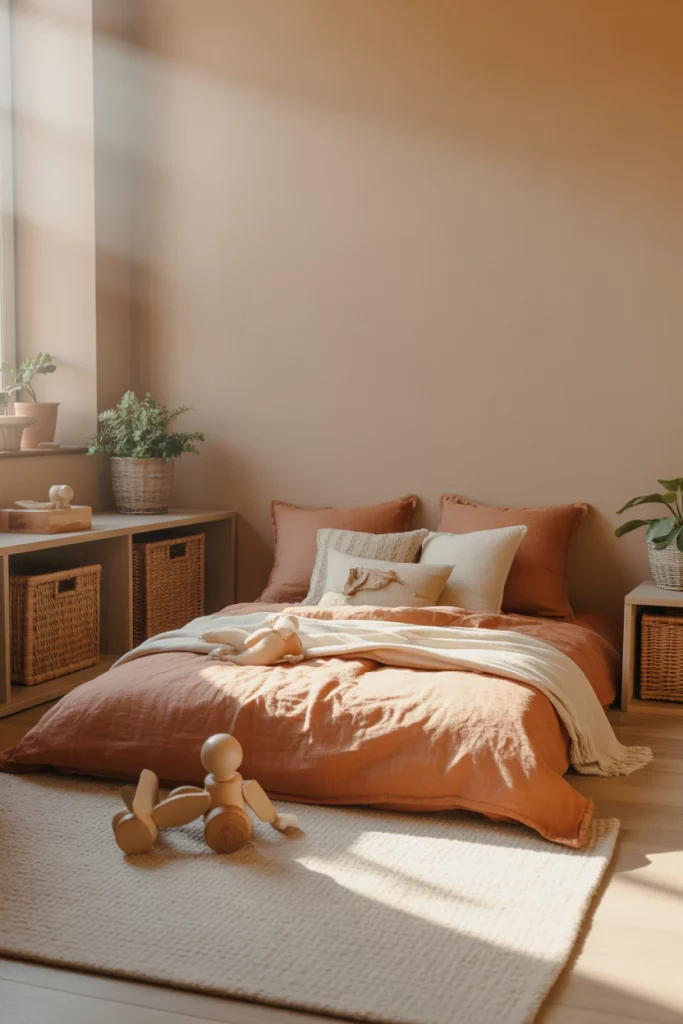
Soft beige walls paired with warm terracotta accents create a calming foundation that works beautifully in a modern kids room. This palette feels grounded and timeless, avoiding the overly saccharine tones that can date a space quickly. Add woven baskets, a low wooden bed frame, and clay planters to complete the look. It’s especially popular in sun-drenched California homes where natural light enhances the warmth.
Parents love this scheme because it grows with the child—what works for a toddler still feels sophisticated for a preteen. One designer noted that terracotta tones pair beautifully with both pastels and deeper jewel tones, making future updates easy. It’s also forgiving with spills and scuffs, a must for high-traffic rooms.
2. Montessori-Inspired Floor Beds
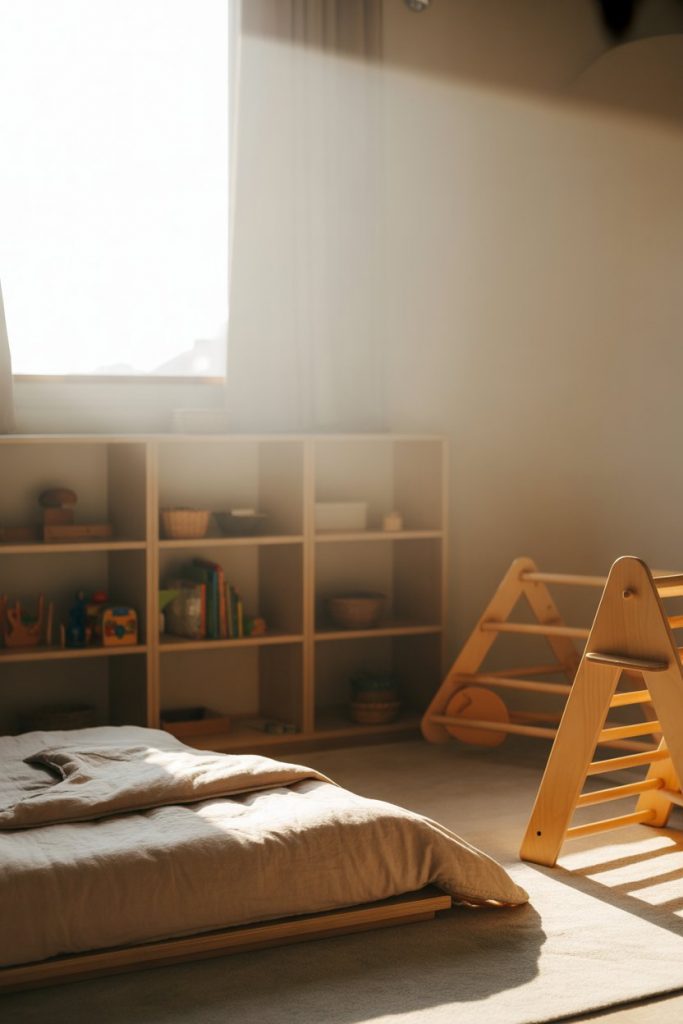
The Montessori approach to kids bedroom ideas continues to gain traction, with floor beds at the center of the philosophy. These low-profile frames encourage independence, allowing even toddlers to climb in and out safely. Pair with open shelving at kid height and a neutral color scheme to create a space that feels calm and empowering.
Where it works best: Small bedrooms and shared spaces where maximizing floor area is essential. The absence of a bulky bed frame opens up room for play, and parents appreciate the safety factor—no one’s tumbling off a high mattress in the middle of the night.
3. Built-In Reading Nooks
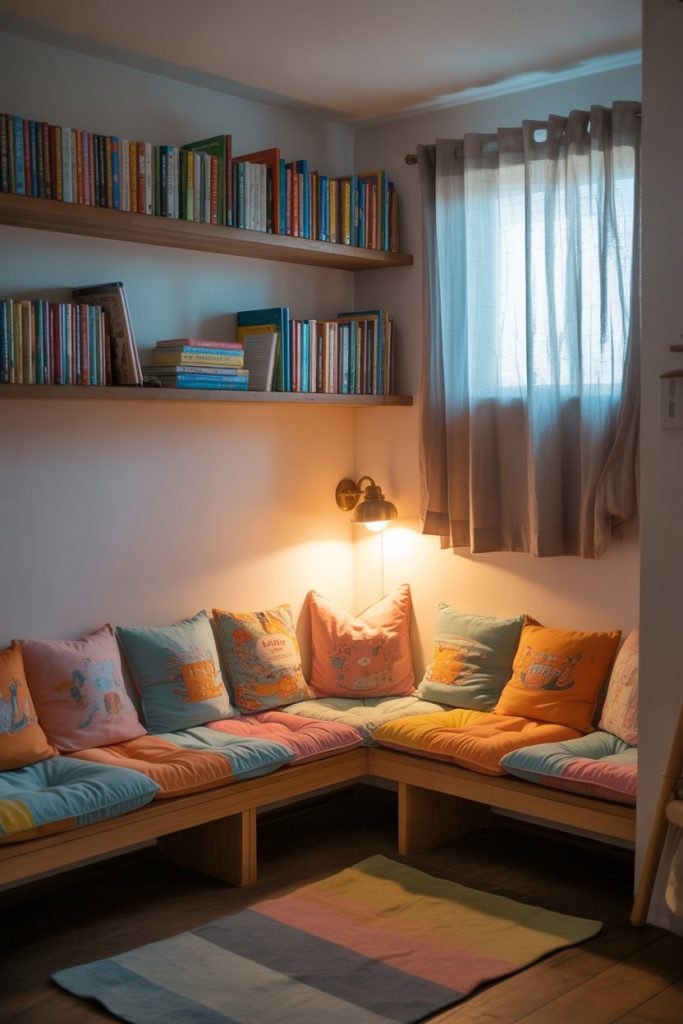
A dedicated reading corner with built-in cushioned seating and floating bookshelves turns any awkward alcove into a cozy kids room focal point. Install LED strip lighting under the top shelf for evening story time, and add a soft throw for texture. This idea works especially well in homes with architectural quirks—bay windows, eaves, or unused closet spaces.
One mom in Portland transformed a 3-by-4-foot closet into a hideaway reading spot for her daughter, complete with fairy lights and a beanbag. The result? A space her child retreats to daily, even when the iPad is an option.
4. Chalkboard or Magnetic Walls
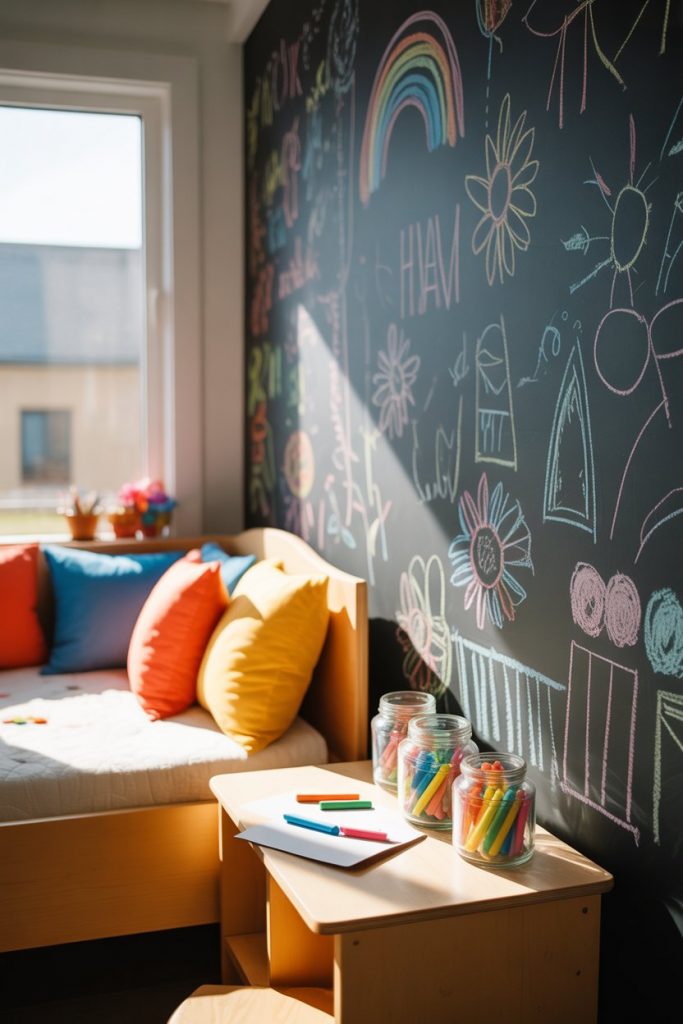
Designating one wall for creativity—whether with chalkboard paint or a magnetic surface—turns a kids room design into an ever-changing gallery. This trend is especially strong among families who want to avoid clutter from endless art projects. The wall becomes the art, and cleanup is as simple as an eraser or a quick wipe-down.
Budget angle: Chalkboard paint costs around $15–$25 per quart and covers approximately 100 square feet, making it one of the most affordable transformations you can tackle in a weekend. Magnetic primer adds another $20–$30 but doubles the wall’s functionality.
5. Canopy Beds with Sheer Drapes
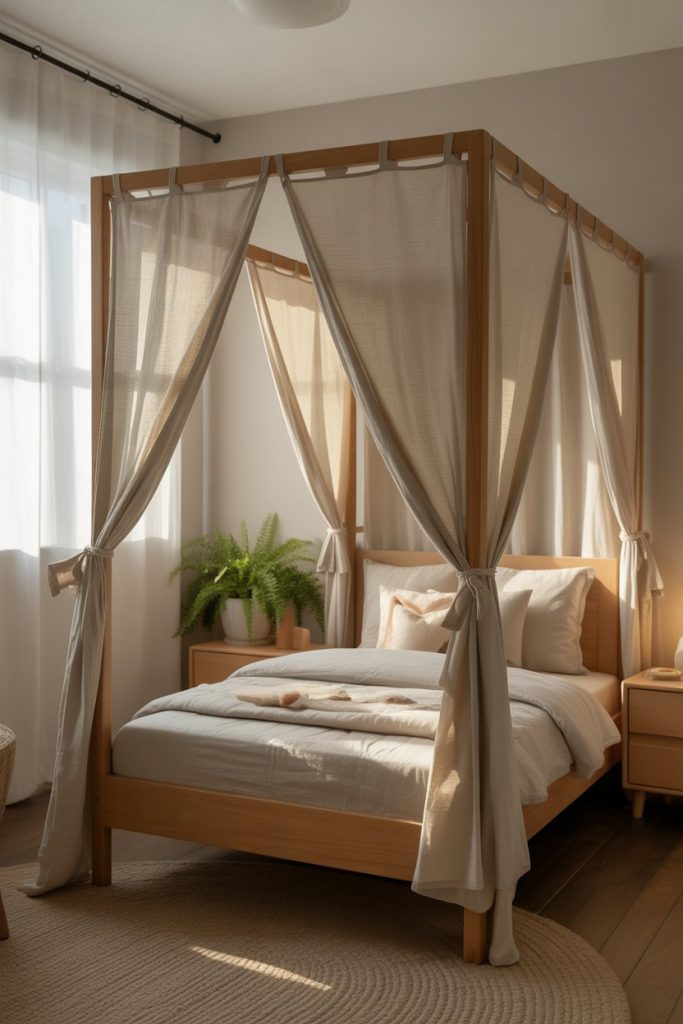
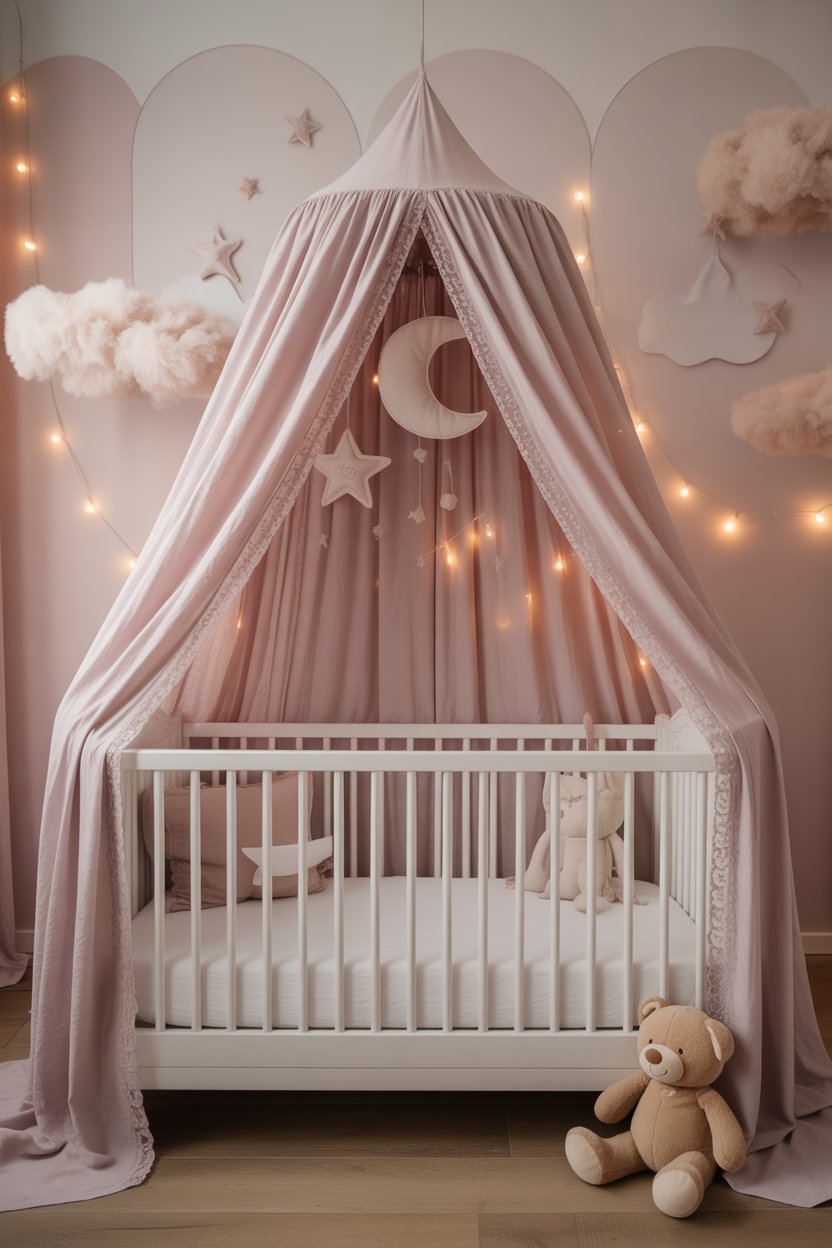
Light, airy canopy beds are making a comeback in stylish kids room settings, especially for little ones who crave a sense of enclosure without the heaviness of traditional four-posters. Opt for linen or cotton drapes in soft white, blush, or sage green. The effect is dreamy without being overly fussy.
Practical insight: Choose machine-washable fabrics and avoid anything too long or trailing, which can become a tripping hazard. Many parents opt for tie-backs that can be adjusted as the child grows, transitioning from a toddler’s cocoon to a tween’s sophisticated retreat.
6. Vertical Storage Solutions
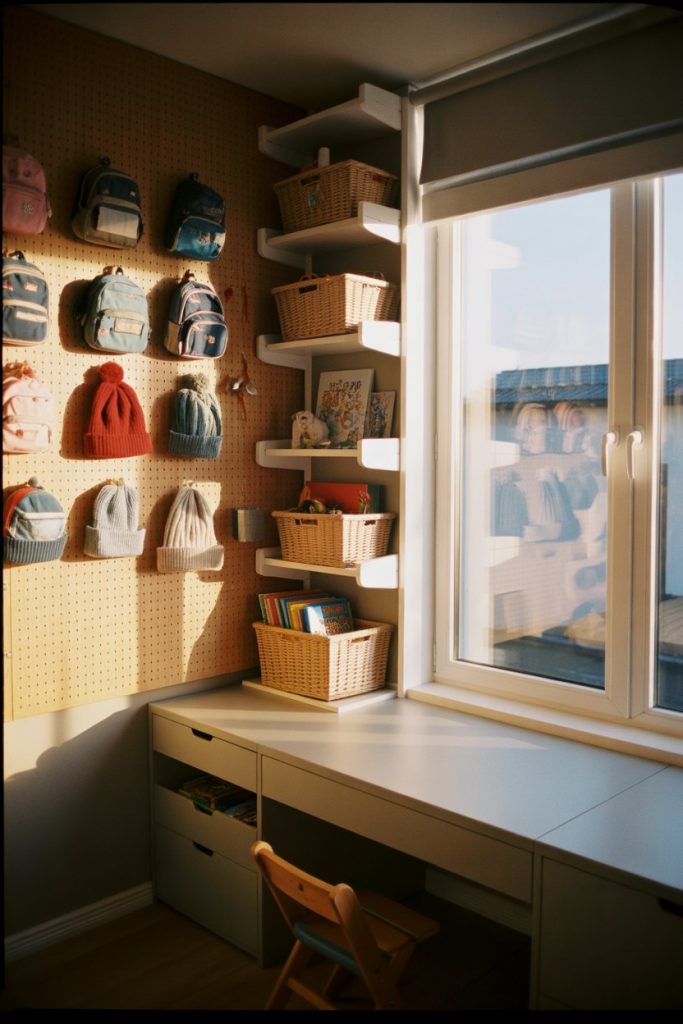
When floor space is limited, going vertical is the smartest move for a small kids room. Wall-mounted cubbies, pegboards, and ladder shelves keep toys and books organized without eating into play areas. This approach is especially popular in urban apartments where every square foot counts.
Real homeowner behavior: Families who adopt vertical storage report that kids are more likely to put things away when the system is visible and accessible. One Brooklyn mom installed a simple pegboard system for under $50, and her six-year-old now organizes his own school supplies.
7. Nature-Themed Murals
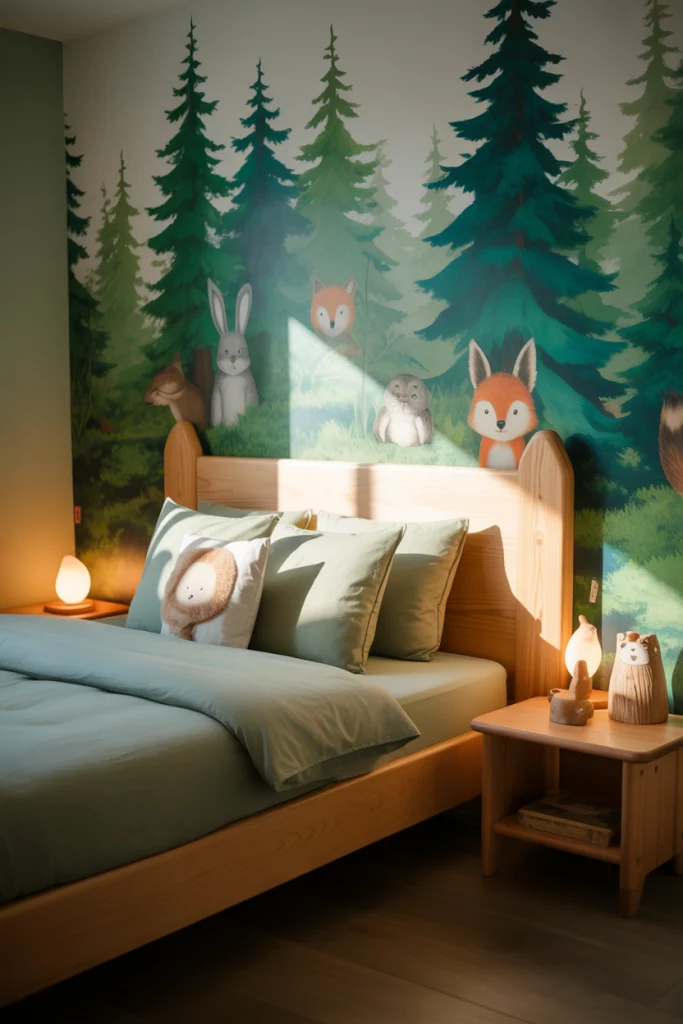
Hand-painted or peel-and-stick murals featuring forests, mountains, or underwater scenes bring the outdoors into a creative kids room. These designs are especially popular in regions like the Pacific Northwest, where families want to echo the natural beauty outside. Look for non-toxic, low-VOC paints or removable wallpapers that won’t damage rental walls.
Expert-style commentary: Interior designers recommend choosing murals with muted, painterly styles rather than hyper-realistic prints, which can feel overwhelming in a small room. The goal is to create a backdrop that sparks imagination without competing for attention.
8. Modular Furniture That Grows
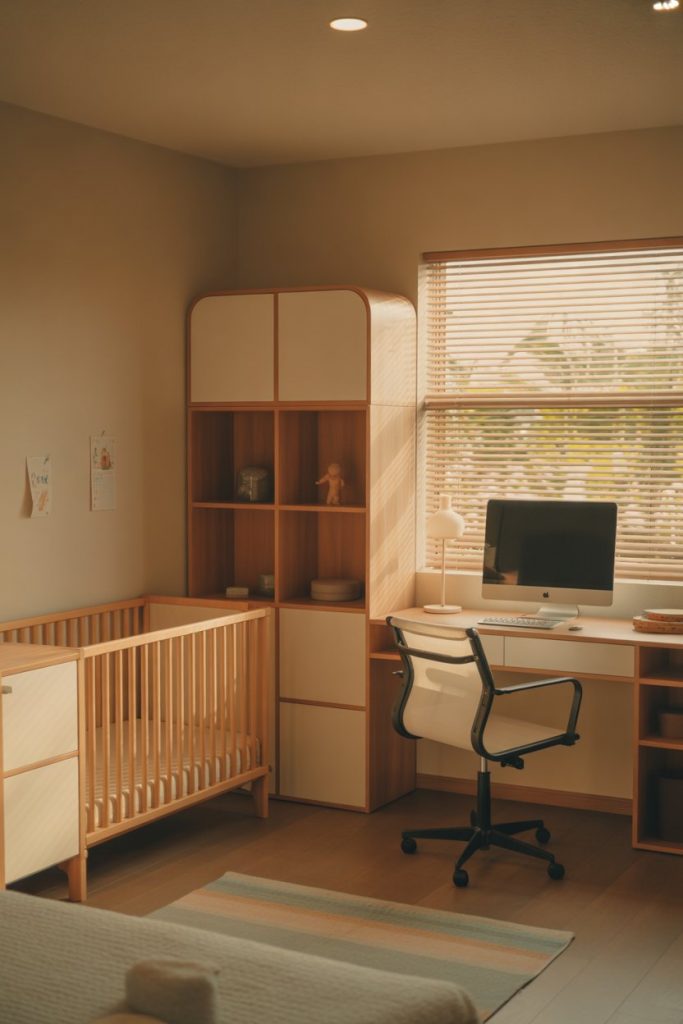
Investing in modular pieces—like cribs that convert to toddler beds or desks with adjustable heights—makes financial and environmental sense for a functional kids room. Brands are increasingly designing furniture that adapts to multiple stages, reducing the need for constant replacements. This trend resonates strongly with American families focused on sustainability.
Where it works best: Homes where siblings will eventually share furniture, or families planning to stay in one place for years. Modular systems also simplify moves—disassemble, pack, and reconfigure in the new space without buying anything new.
9. Gallery Walls of Kids’ Artwork
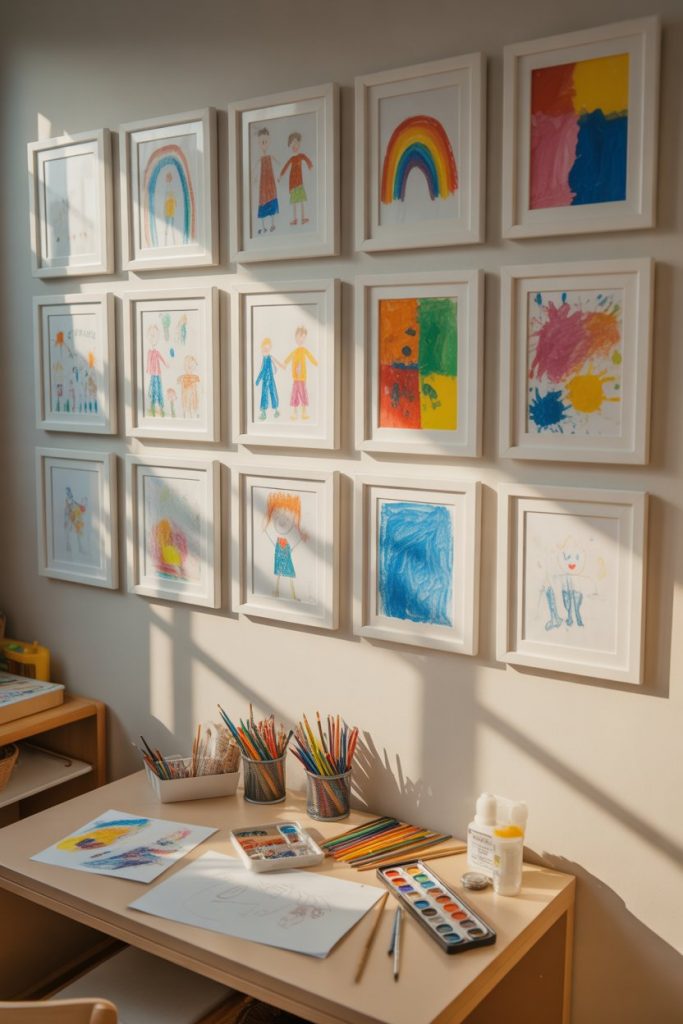
Instead of hiding drawings in a folder, create a rotating gallery wall that celebrates your child’s creativity in a personalized kids room. Use matching frames with easy-open backs, or install a simple wire grid with clips. This approach turns clutter into décor and gives kids a sense of pride in their space.
Common mistakes and how to avoid them: Don’t over-curate. Let your child choose which pieces to display, even if they’re abstract scribbles. Swap out art every few weeks to keep the wall fresh and prevent visual overload.
10. Under-Bed Storage Drawers
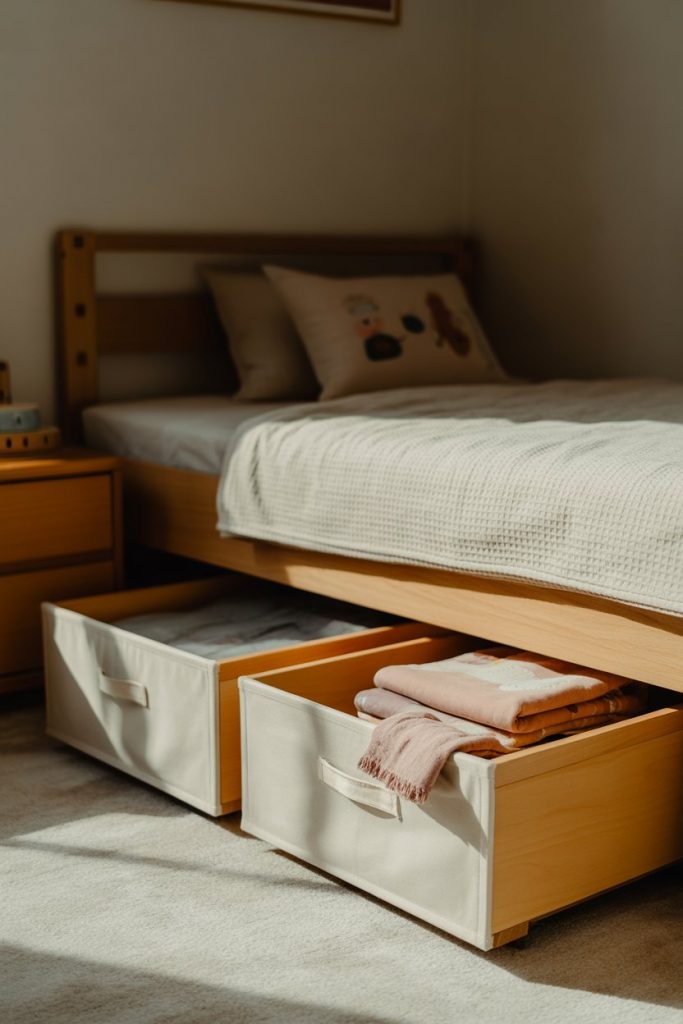
Rolling drawers beneath the bed are a game-changer for organized kids room setups, especially in homes without large closets. These low-profile units are perfect for storing out-of-season clothes, extra bedding, or bulky toys. Opt for soft-close mechanisms to avoid pinched fingers.
Budget angle: Pre-made under-bed storage starts around $25–$40 per drawer, but you can DIY rolling bins using crates and casters for under $15 each. Either way, it’s a small investment that yields massive returns in square footage.
11. Soft Arch Doorways
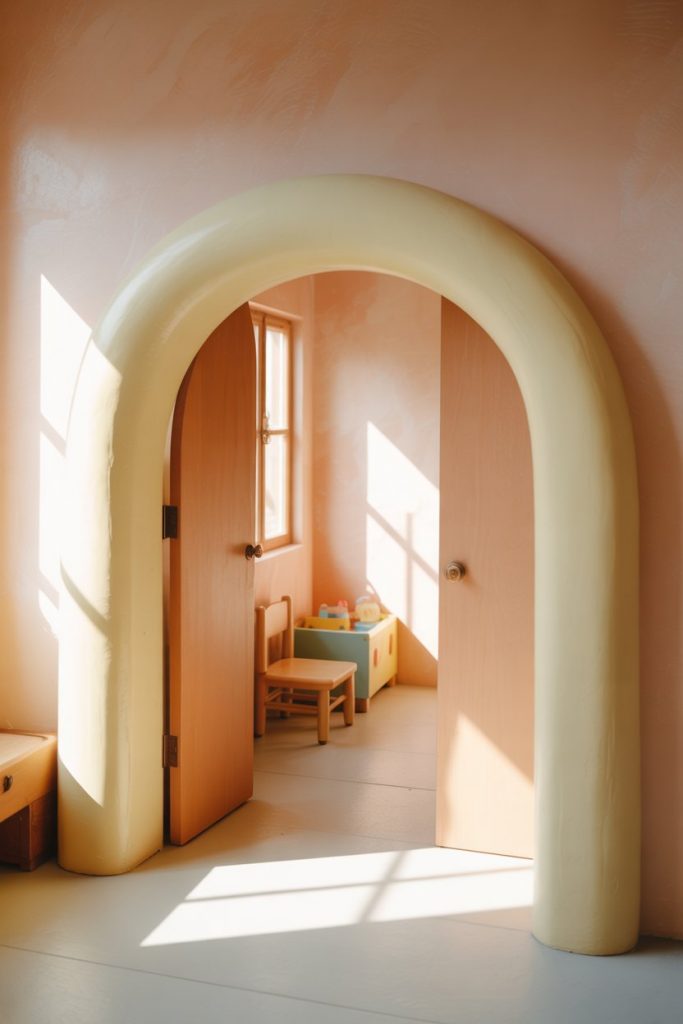
Rounded archways—whether structural or created with paint—add a playful, organic touch to a kids room 2026 aesthetic. This architectural detail softens the space and pairs beautifully with earthy tones and natural materials. It’s a subtle nod to Mediterranean and Southwestern design trends that have surged in popularity.
One San Diego family painted a faux arch around their daughter’s doorway using painter’s tape and two shades of the same color—it took an afternoon and cost less than $30, but transformed the entire hallway.
12. Loft Beds with Play Spaces Below
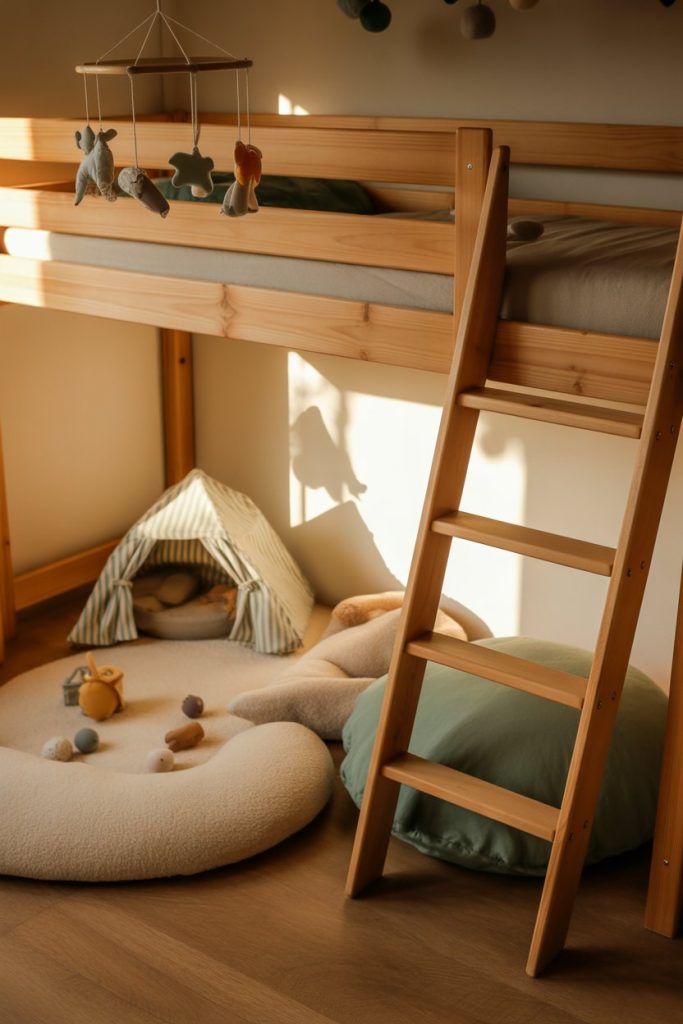
Elevating the bed creates a dual-purpose zone in a compact kids room, with the area underneath serving as a reading nook, art station, or even a mini playhouse. This layout is ideal for kids over six who can safely navigate a ladder and for rooms where maximizing vertical space is critical.
Practical insight: Measure ceiling height carefully—you’ll need at least 8 feet to comfortably accommodate a loft bed without the space feeling cramped. Add a low-profile mattress to gain a few extra inches of headroom above the bed.
13. Bold Accent Ceilings
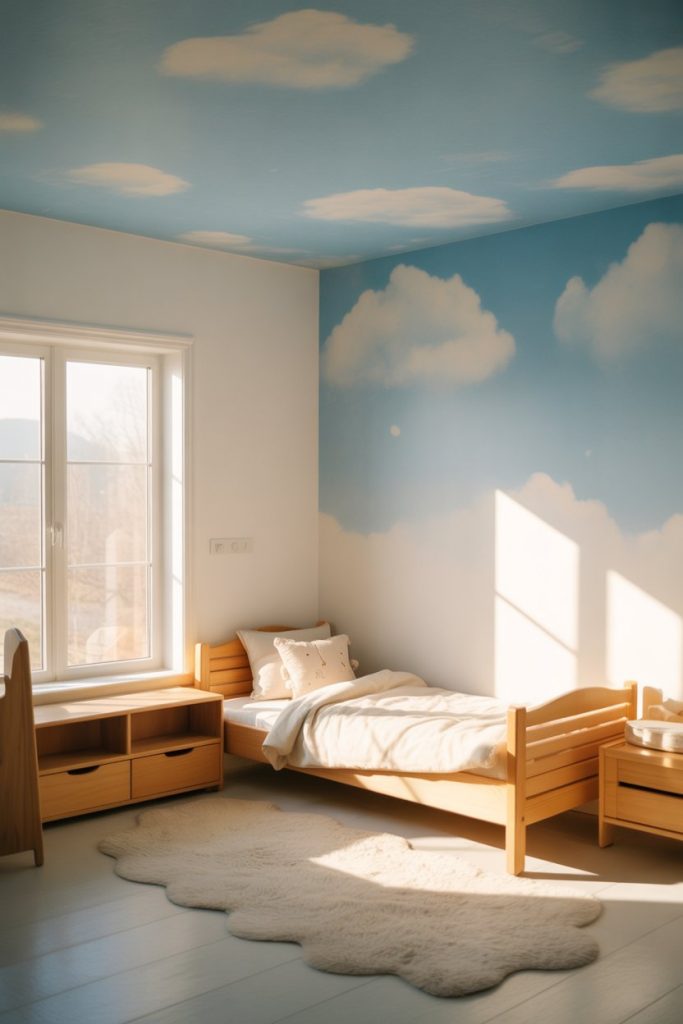
Painting the ceiling in a vibrant kids room palette—think sky blue, soft pink, or even a mural of clouds and stars—draws the eye up and makes the room feel larger. This unexpected design choice is gaining traction as parents look for ways to add personality without overwhelming wall space needed for storage and art.
Where it works best: Rooms with good natural light, where the ceiling color won’t darken the space. It’s also a smart choice in rentals—landlords rarely object to ceiling paint, and it’s easier to repaint than a full room if you move.
14. Open Wardrobe Systems
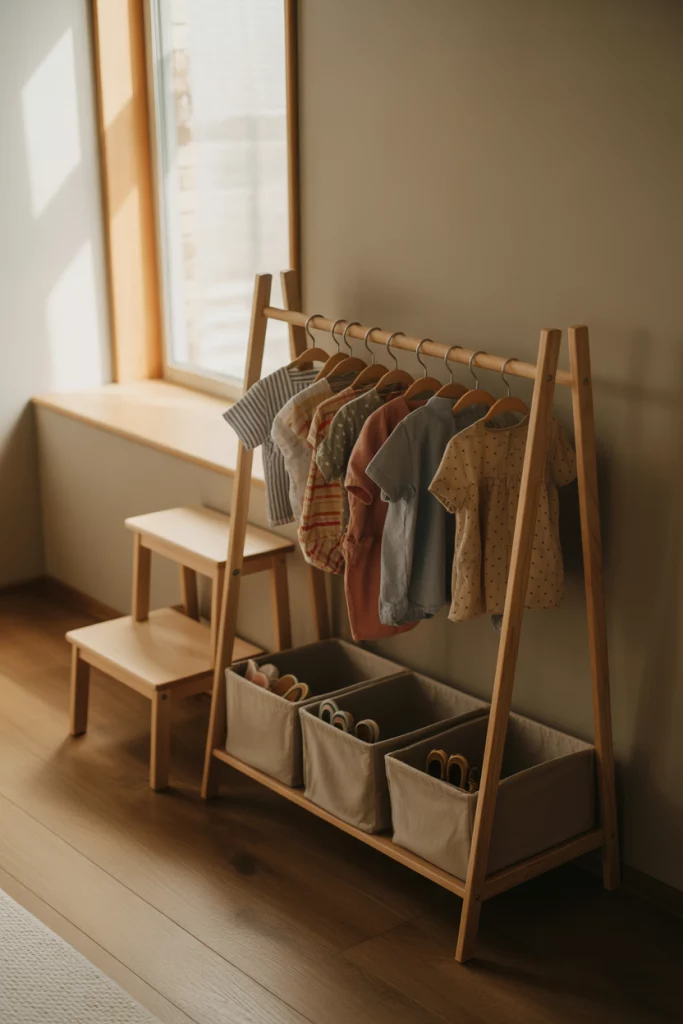
Replacing bulky dressers with open clothing racks and labeled bins encourages independence in a tidy kids room. Kids can see and access their clothes easily, which often leads to better self-dressing habits and less morning chaos. Choose low rods and baskets within arm’s reach for younger children.
Real homeowner behavior: Many families report that open systems reduce the “I can’t find it” meltdowns because everything is visible. One Austin mom switched to this setup and noticed her four-year-old began choosing his own outfits without prompting.
15. Sustainable Cork Flooring
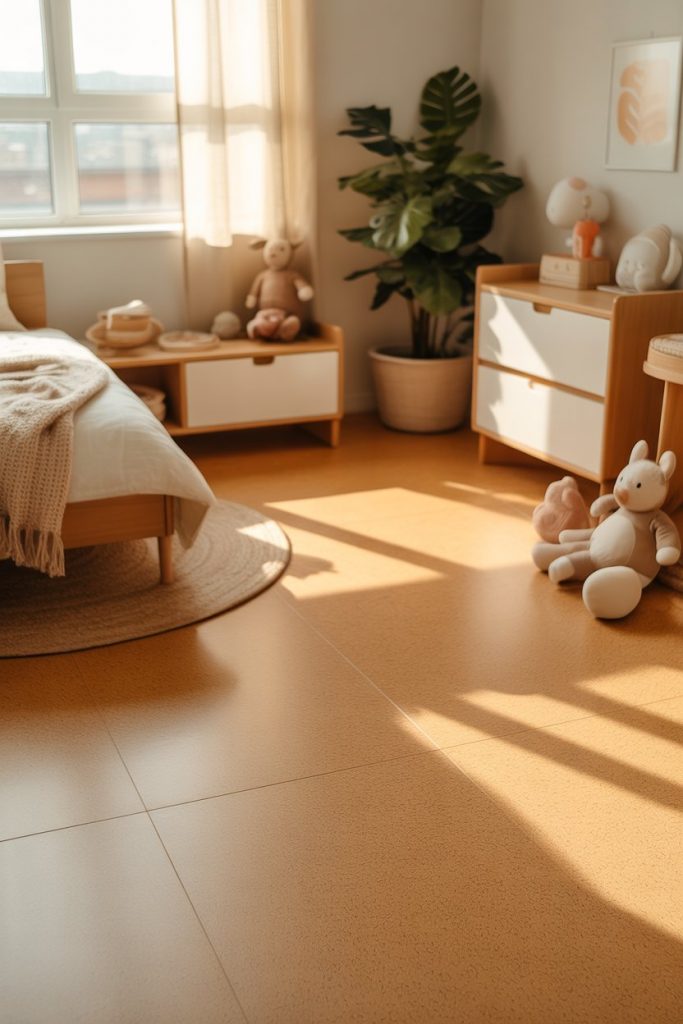
Cork is emerging as a top flooring choice for eco-friendly kids room designs due to its warmth, sound absorption, and renewable nature. It’s softer underfoot than hardwood, making it gentler on toddlers learning to walk, and it’s naturally antimicrobial—a plus for families concerned about allergens.
Budget angle: Cork flooring ranges from $3 to $8 per square foot installed, comparable to mid-range laminate but with better environmental credentials. It’s also durable enough to withstand spills, scuffs, and the occasional toy car collision.
16. Theme-Free Color Blocking
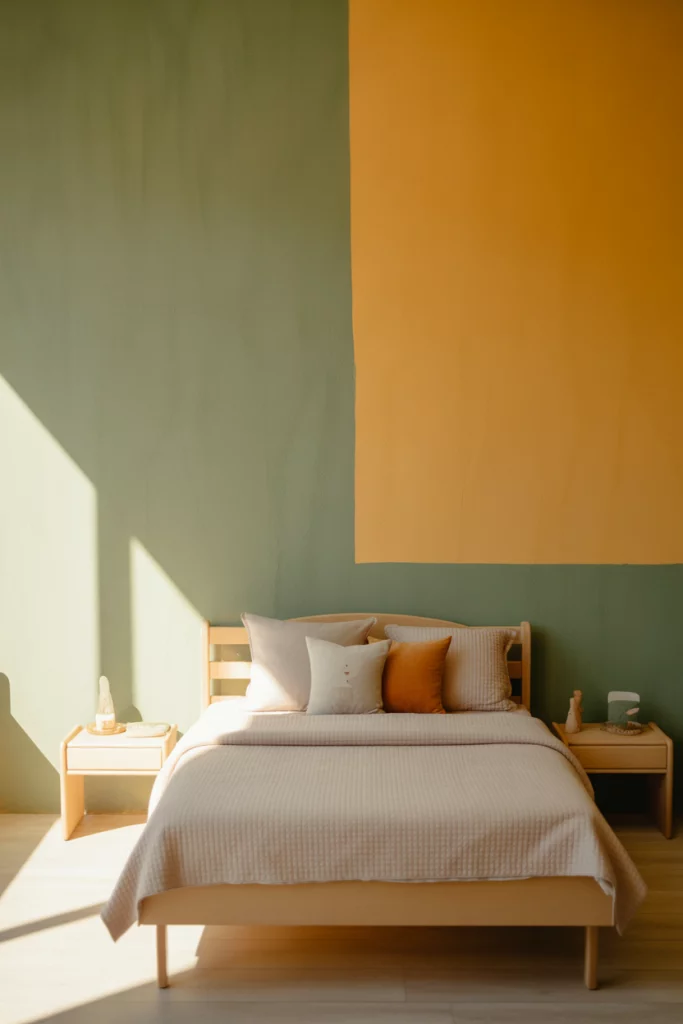
Instead of committing to a dinosaur or princess theme, modern kids room ideas favor bold geometric color blocks that feel playful yet sophisticated. Paint one wall in two or three complementary tones divided by clean lines, or use tape to create abstract shapes. This approach grows with the child and is easy to update.
Expert-style commentary: Designers recommend choosing colors from the same tonal family to avoid visual chaos. A muted teal paired with soft coral, for example, feels cohesive rather than jarring, and both shades can anchor future décor changes.
17. Corner Desks for Homework Zones
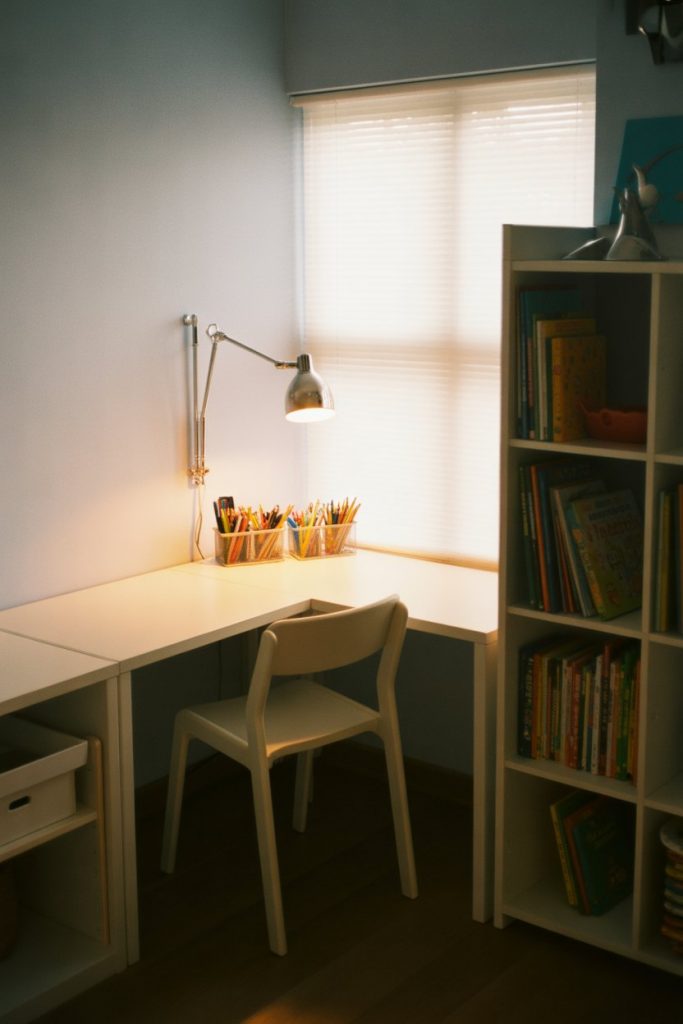
Tucking a desk into an unused corner maximizes space in a functional kids bedroom while creating a dedicated study area. L-shaped or triangular desks fit snugly into tight spots, and wall-mounted task lighting keeps the work surface bright without taking up room on the desk itself.
Common mistakes and how to avoid them: Don’t skimp on chair quality. A supportive, adjustable chair prevents slouching and fatigue, especially as kids spend more time on homework and screens. Look for ergonomic models designed for growing bodies.
18. Vintage Finds and Thrifted Furniture
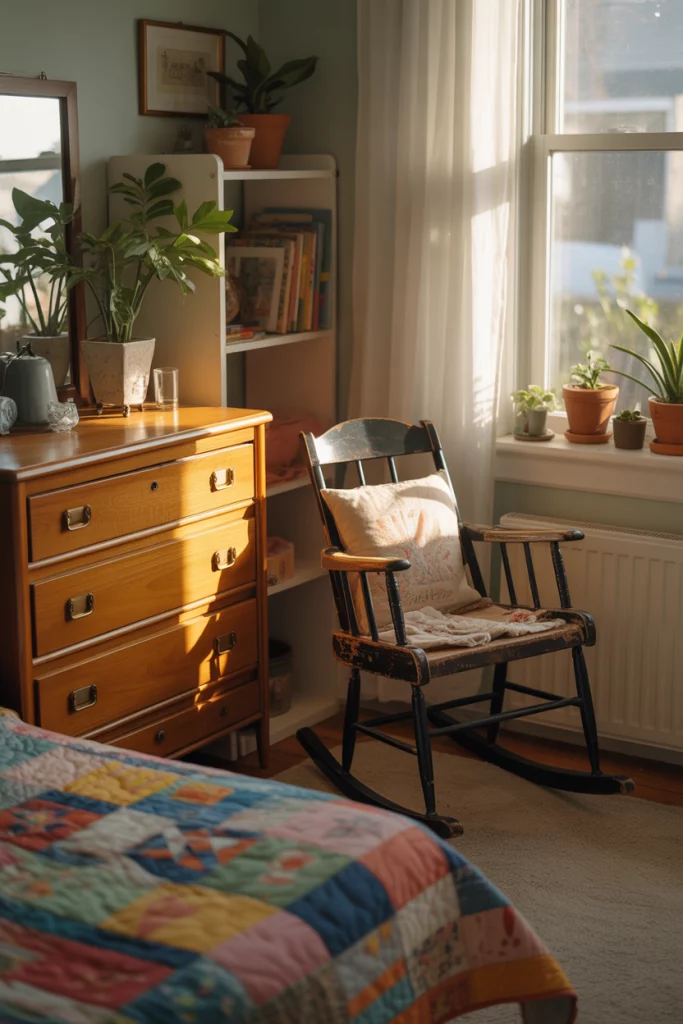
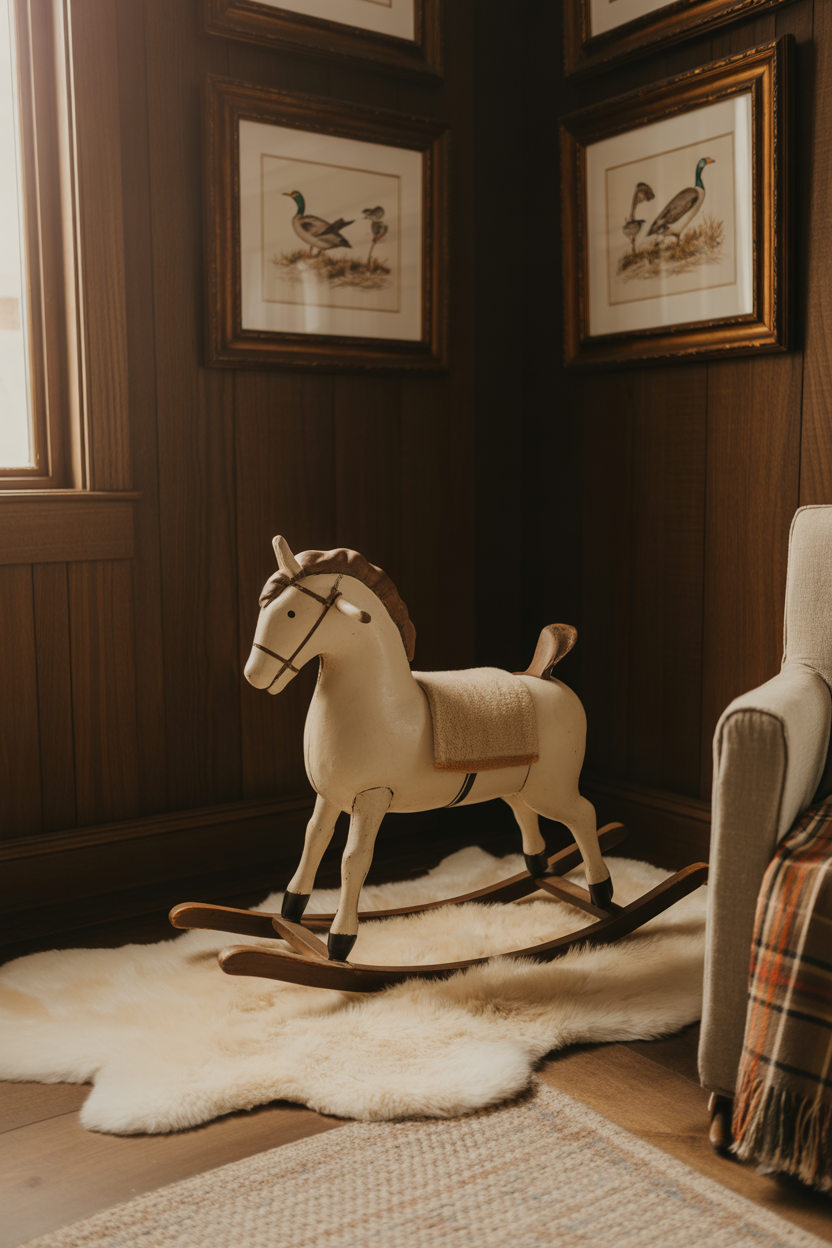
Mixing secondhand pieces into a unique kids room adds character and sustainability in one swoop. A refinished mid-century dresser or a vintage rocking chair brings warmth and history that mass-produced furniture simply can’t match. Plus, thrifting teaches kids about reuse and creativity.
One Philadelphia mom furnished her son’s room almost entirely from estate sales and Facebook Marketplace, spending under $300 total. The mismatched pieces—painted in coordinating colors—give the room a collected, personal feel that catalog showrooms can’t replicate.
19. Soft Lighting Layers
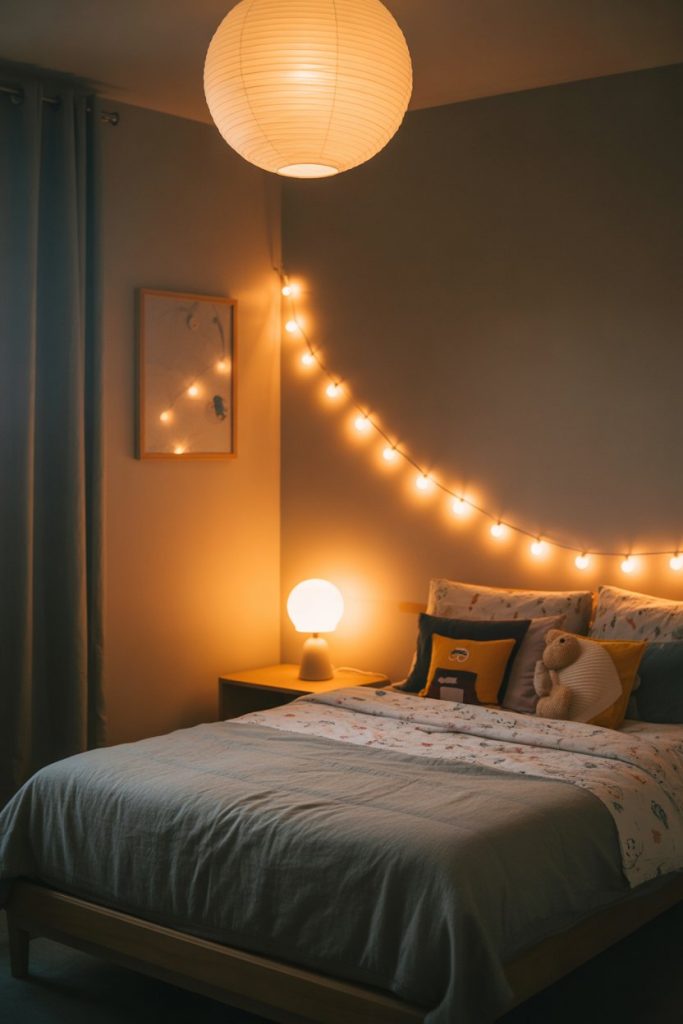
Combining overhead lights, task lamps, and ambient sources like string lights or salt lamps creates a cozy kids room atmosphere that adapts to different activities. Dimmers are key—they allow you to transition from bright playtime to calm bedtime without switching rooms.
Practical insight: Install dimmer switches on overhead fixtures for around $15–$25 each—it’s a simple DIY project that dramatically improves room versatility. Pair with warm-toned LED bulbs (2700K–3000K) to avoid the harsh, clinical feel of cooler whites.
20. Pet-Friendly Zones
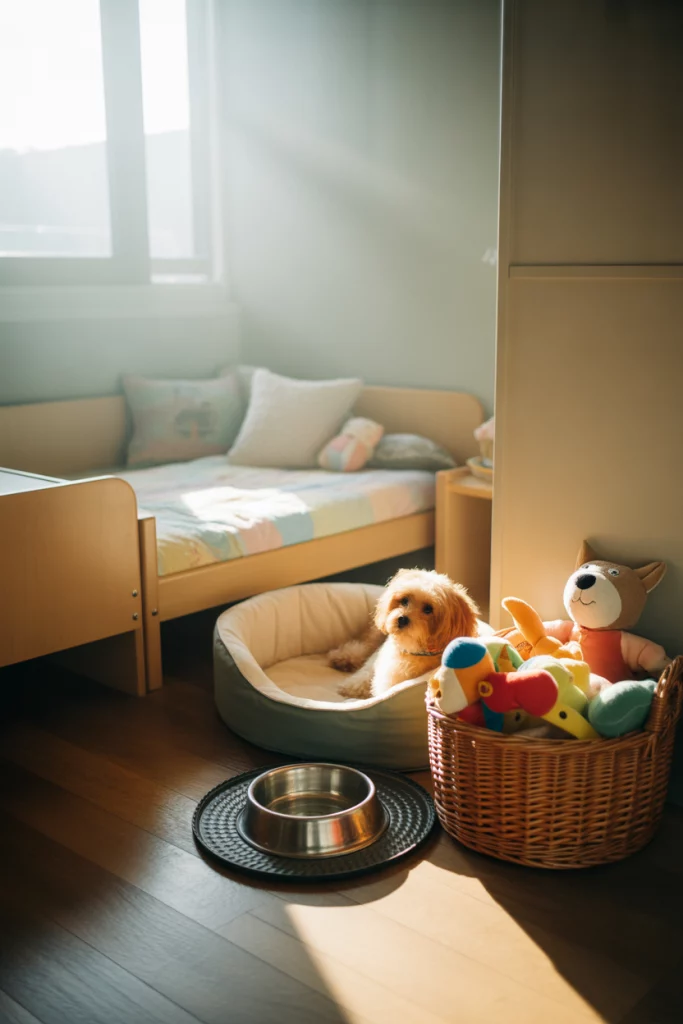
If your family has a dog or cat, integrating a pet nook into the kids room design 2026 can be both practical and adorable. A small pet bed tucked under a bench or a feeding station in a corner keeps furry friends close while teaching kids responsibility and empathy.
Where it works best: Larger bedrooms where a dedicated pet corner won’t intrude on play space, or in homes where the family pet already gravitates toward the child’s room at night. It reinforces the bond and can ease bedtime anxieties.
21. Convertible Play Tables
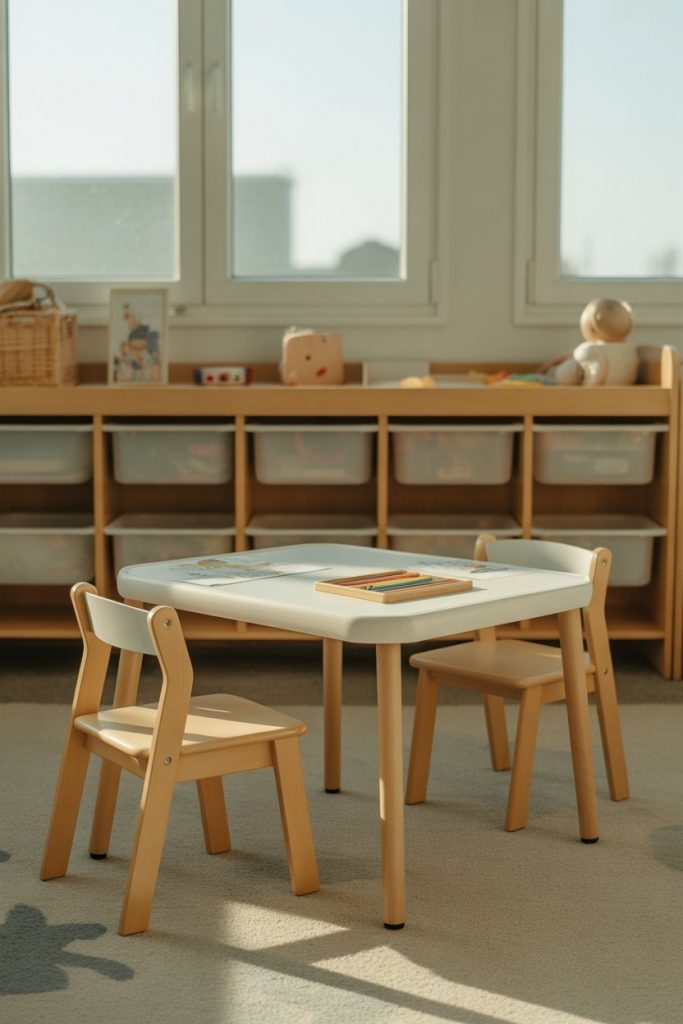
Tables that flip from a smooth surface for crafts to a textured top for LEGO or train tracks are a smart addition to any versatile kids room. These multi-use pieces eliminate the need for separate activity zones and can be stored away or used as regular tables as kids age out of certain toys.
Real homeowner behavior: Parents love that these tables corral mess into one area. Instead of LEGO bricks migrating across the entire room, they stay confined to the table surface, making cleanup faster and reducing the dreaded barefoot-brick encounters.
22. Personalized Name Displays
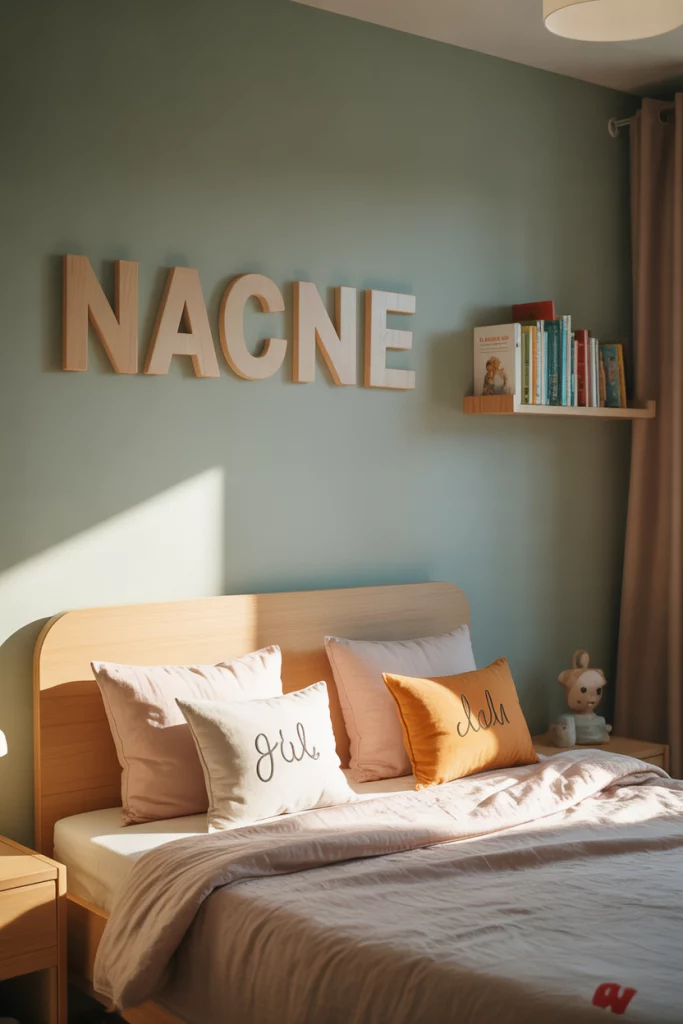
Whether it’s wooden letters, neon signs, or hand-painted typography, displaying a child’s name makes a personalized kids room feel truly theirs. This trend is especially popular on Pinterest, where custom name art is endlessly pinned and reimagined. Choose a style that complements the room’s overall aesthetic—rustic, modern, whimsical, or minimalist.
Budget angle: DIY name displays can be made for under $20 using craft store letters and paint, while custom neon signs range from $80 to $200 depending on size. Either way, it’s a focal point that makes kids feel seen and celebrated in their own space.
Conclusion
Now it’s your turn—what ideas are you most excited to try in your child’s room? Whether you’re tackling a full redesign or just refreshing a corner, we’d love to hear about your plans, challenges, or favorite finds in the comments below.