Grey has quietly become the defining neutral of American interiors, and in 2026 it’s showing up on Pinterest boards everywhere—from sun-filled California bungalows to cozy New England brownstones. What makes it so enduring is how effortlessly it pairs with almost any color, texture, or style. Whether you’re starting a full renovation or just refreshing your sofa cushions, a grey living room gives you the ultimate blank canvas. In this article, we’ve rounded up 22 fresh, real-world ideas to help you find the version of grey that feels unmistakably like you.
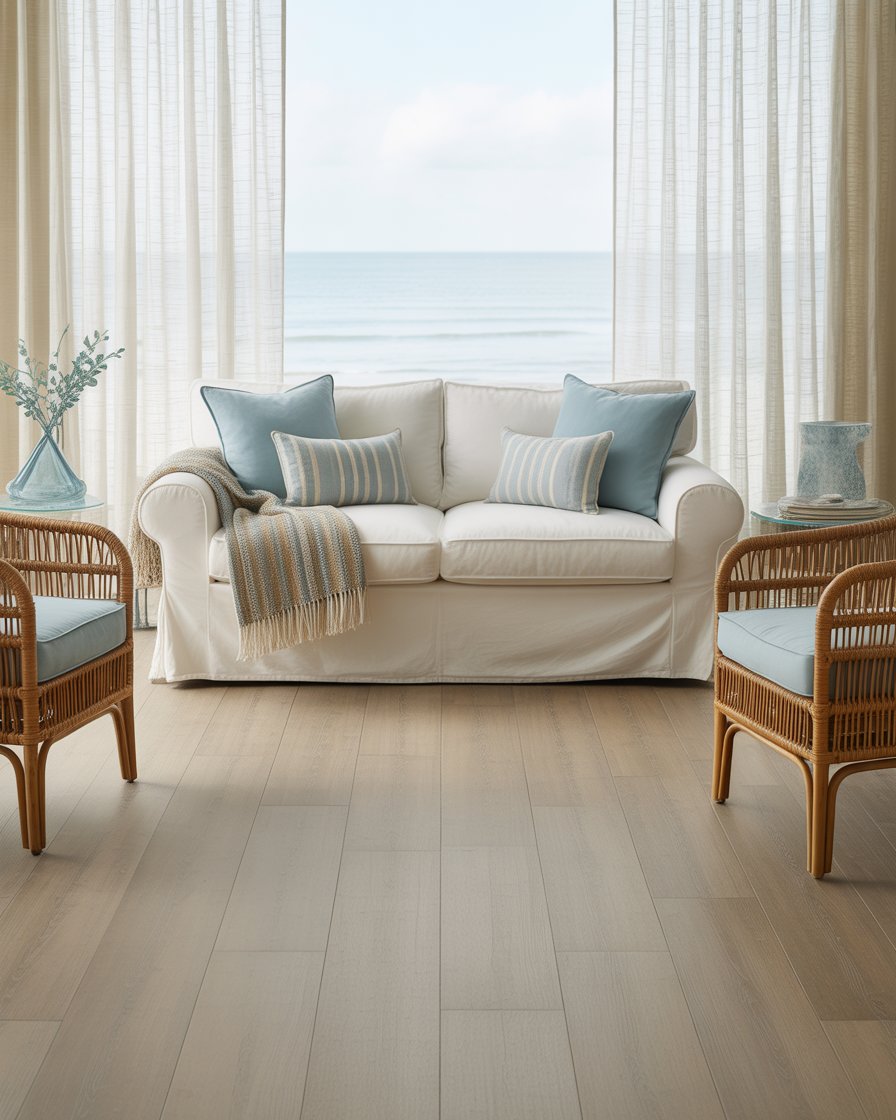
1. Soft Grey Walls with Warm White Accents
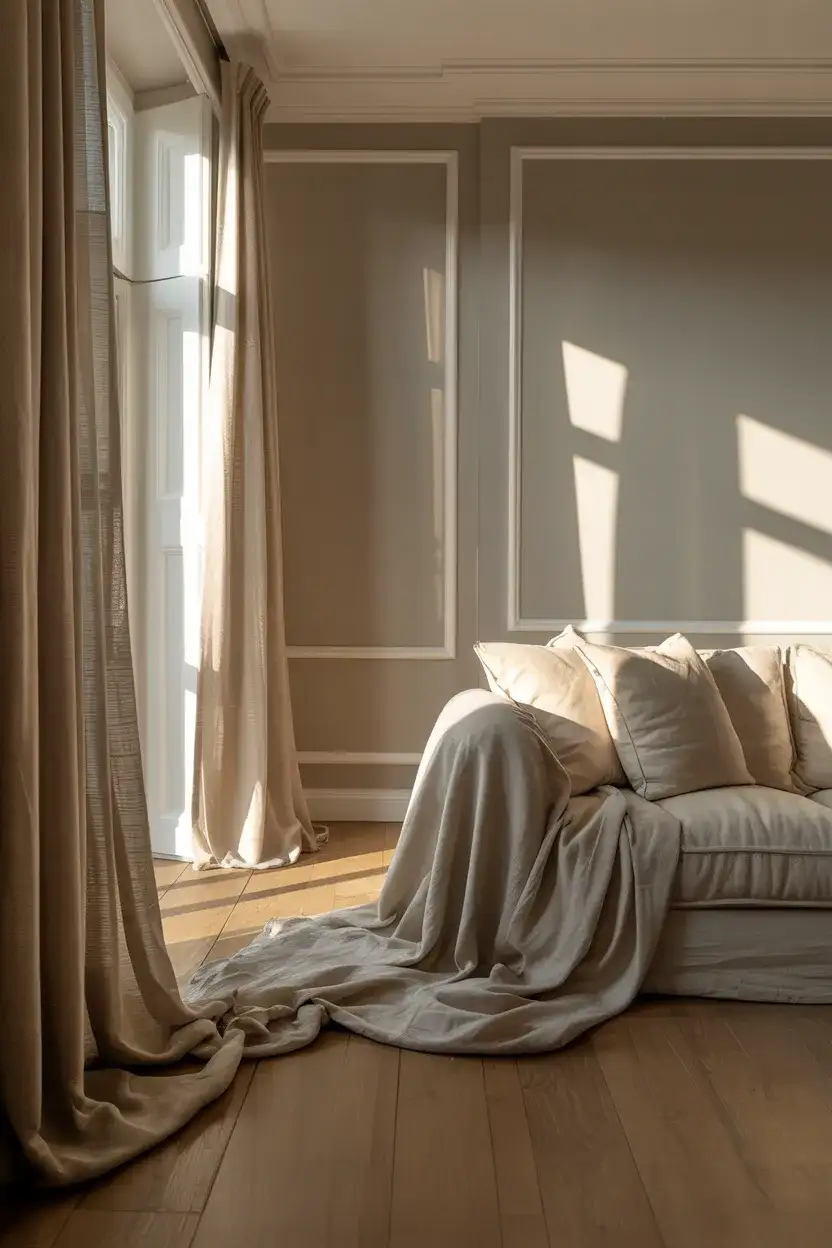
There’s something almost meditative about a living room wrapped in soft, warm grey—the kind that reads almost lavender in morning light and purely neutral by afternoon. This is the classic foundation of grey living room ideas, and in 2026 it’s being refreshed with cream and warm white moldings, linen drapery, and whitewashed oak flooring. The result feels effortlessly airy without going cold or sterile. It’s a palette that photographers love and homeowners return to again and again.
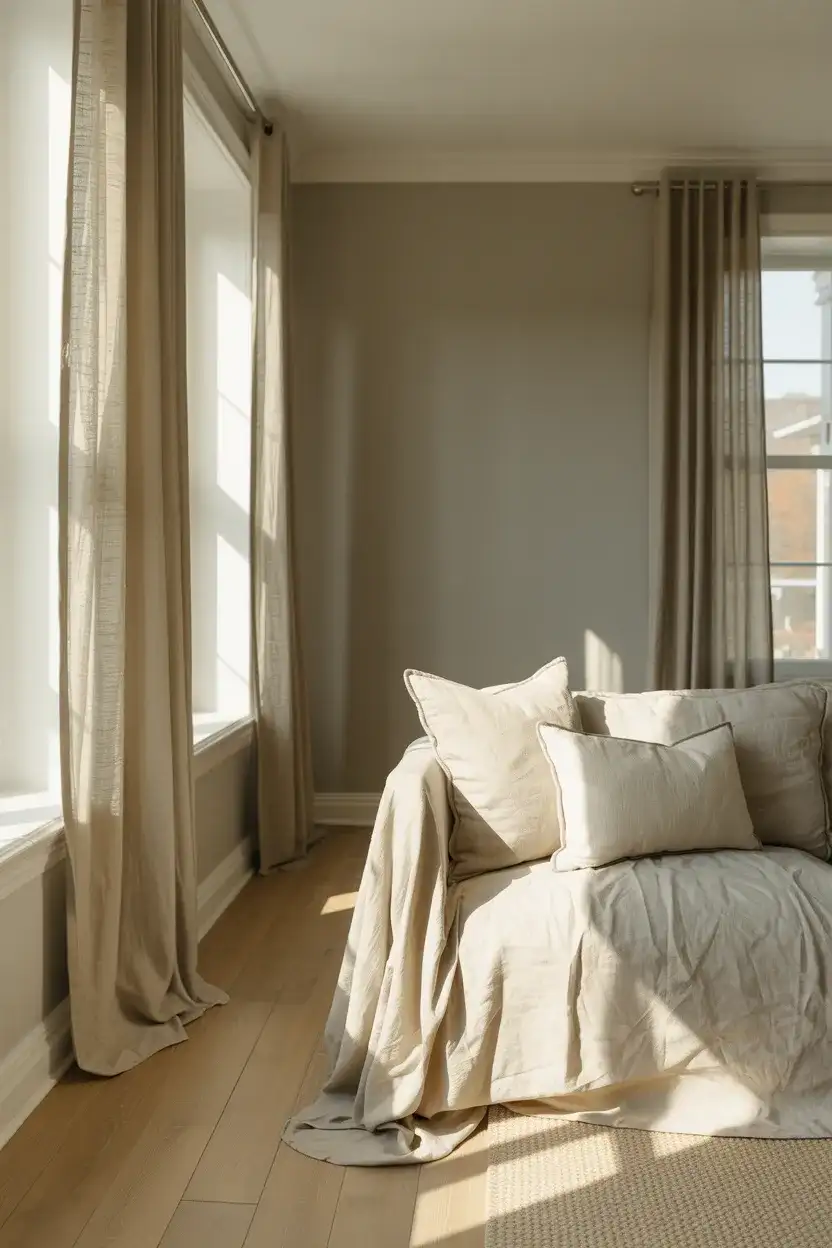
This palette works especially well in rooms with limited natural light because warm grey reflects just enough brightness without the harshness of pure white. If you’re shopping on a budget, the good news is that paint does most of the heavy lifting here—a gallon of the right grey, somewhere around $45–$70, completely transforms the feeling of a space before you touch a single piece of furniture. Benjamin Moore’s Gray Owl and Sherwin-Williams’ Accessible Beige are perennial favorites for exactly this look.
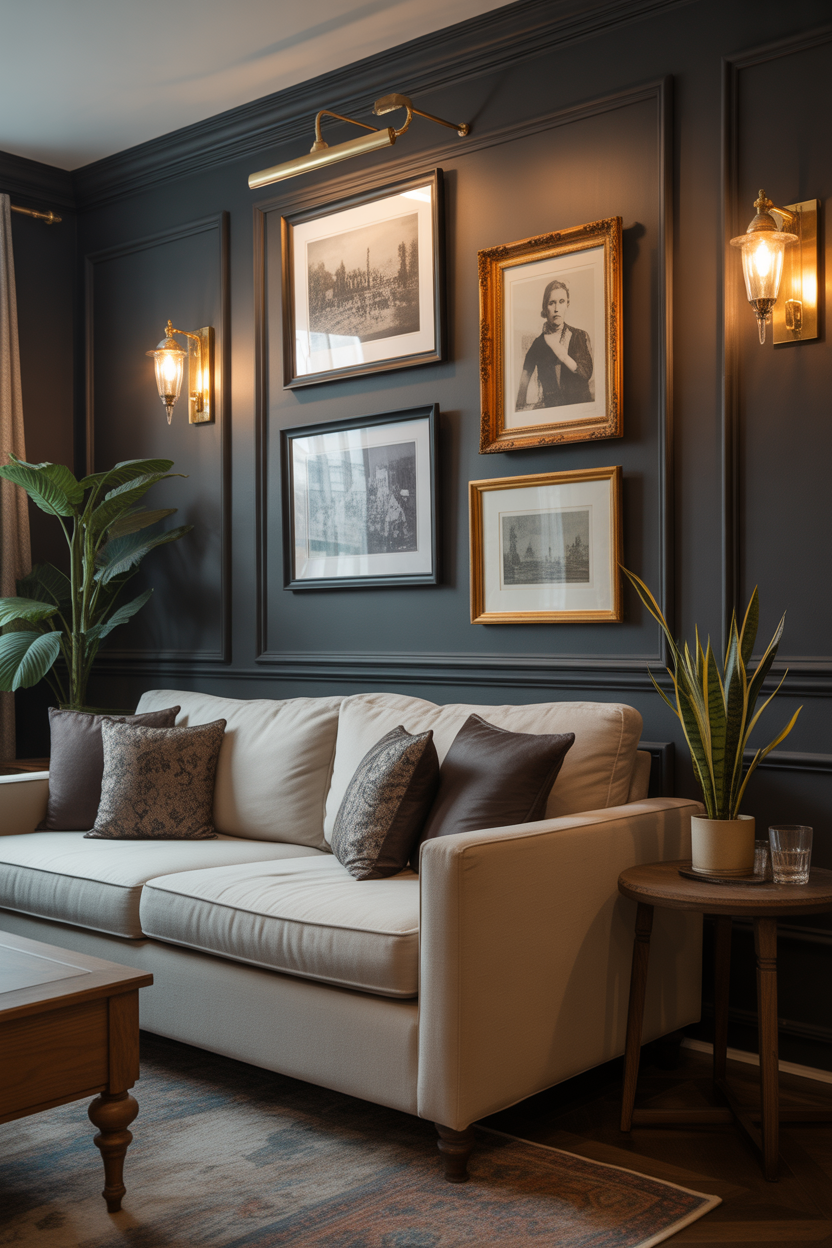
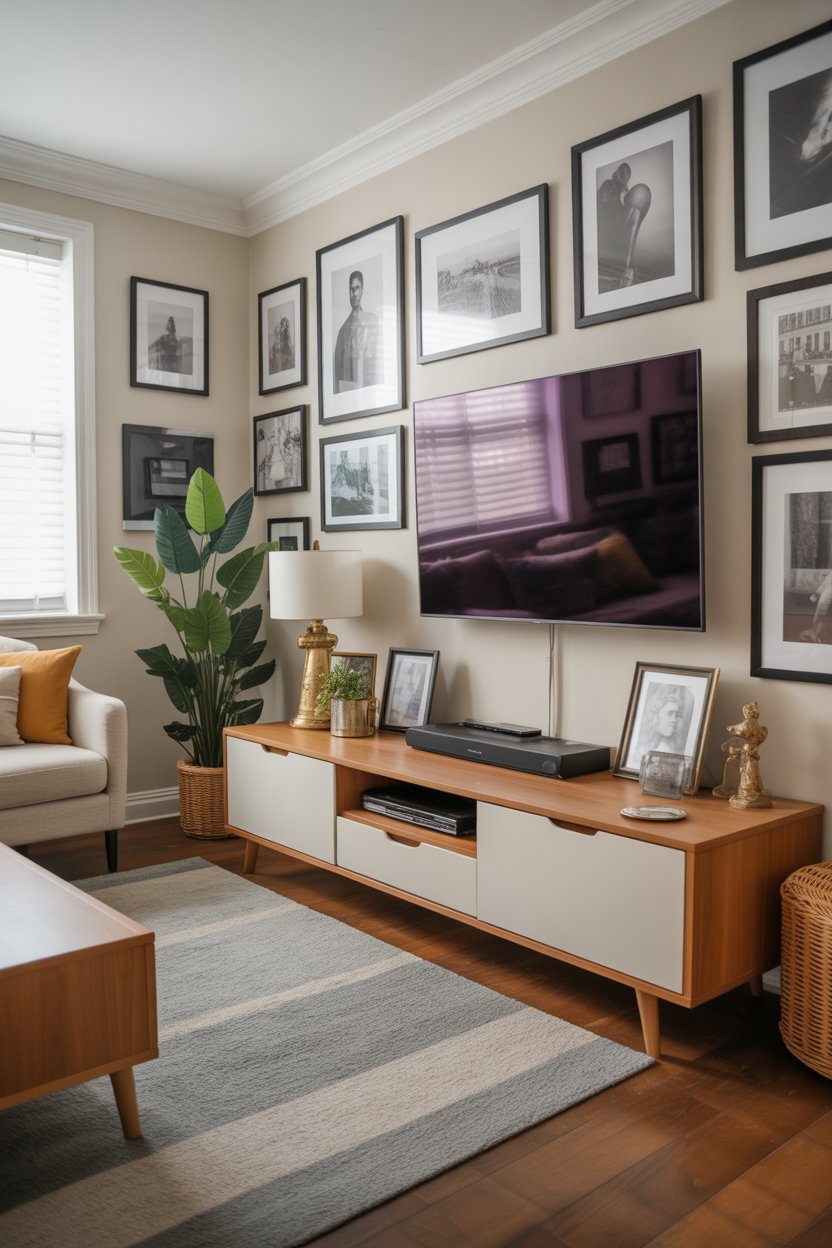
2. Black and Grey Contrast Living Room
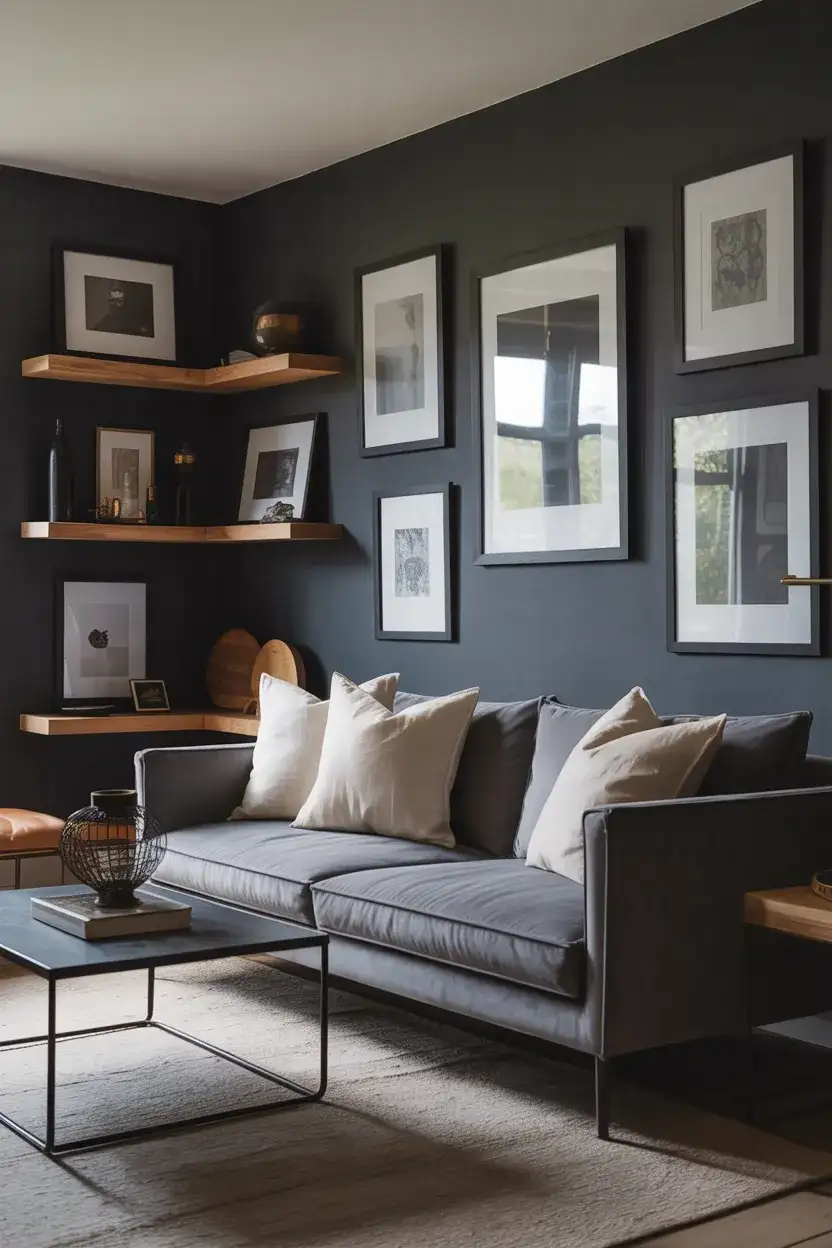
Bold contrast is having a real moment, and the black and grey combination is one of the most dramatic ways to bring edge into a living room without committing to an all-dark interior. Think charcoal grey walls anchored by matte black frames, iron coffee table legs, and dark hardware throughout. Woven in with ideas and color schemes that incorporate natural wood and off-white linen, this palette manages to feel sophisticated rather than severe. It photographs beautifully—which is probably why it keeps going viral on Pinterest.
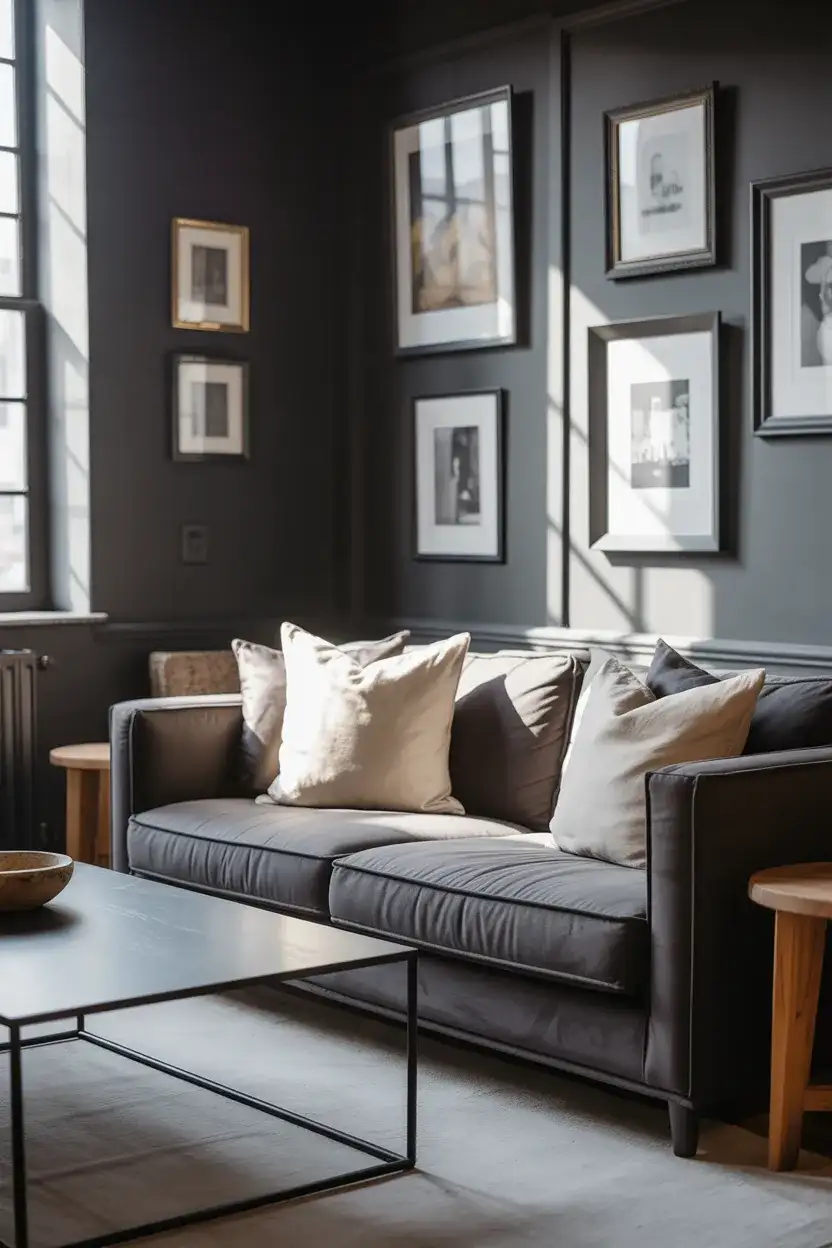
One common mistake people make with this palette is forgetting to add warmth. Pure black and cool grey together can tip into office-like territory fast. The fix is simple: layer in natural textures—a jute rug, a woven throw, and a wood tray on the coffee table. These organic elements soften the contrast and keep the room feeling like a home rather than a showroom. Balance is everything here, and it’s easier to achieve than it looks.
3. Beige and Grey Layered Warmth
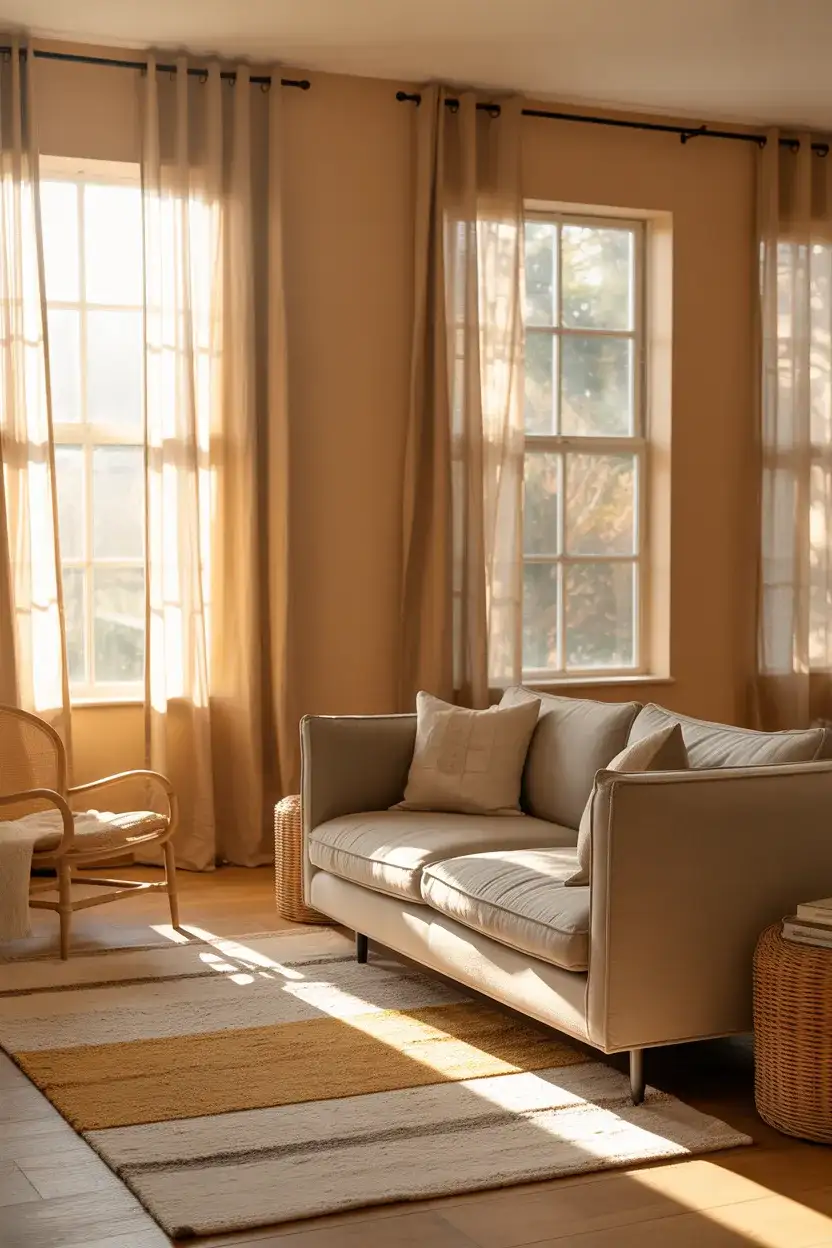
The beige and grey combination has officially replaced the all-greige trend of the last decade—and for good reason. Where greige can feel muddy and indecisive, a deliberate layering of warm beige and cool grey creates a living room that feels both grounded and elevated. Picture a dove-grey sofa positioned over a sand-toned wool rug, with walls painted in a warm mid-tone that bridges the two. It’s endlessly adaptable and reads as genuinely grown-up without being stiff or formal.
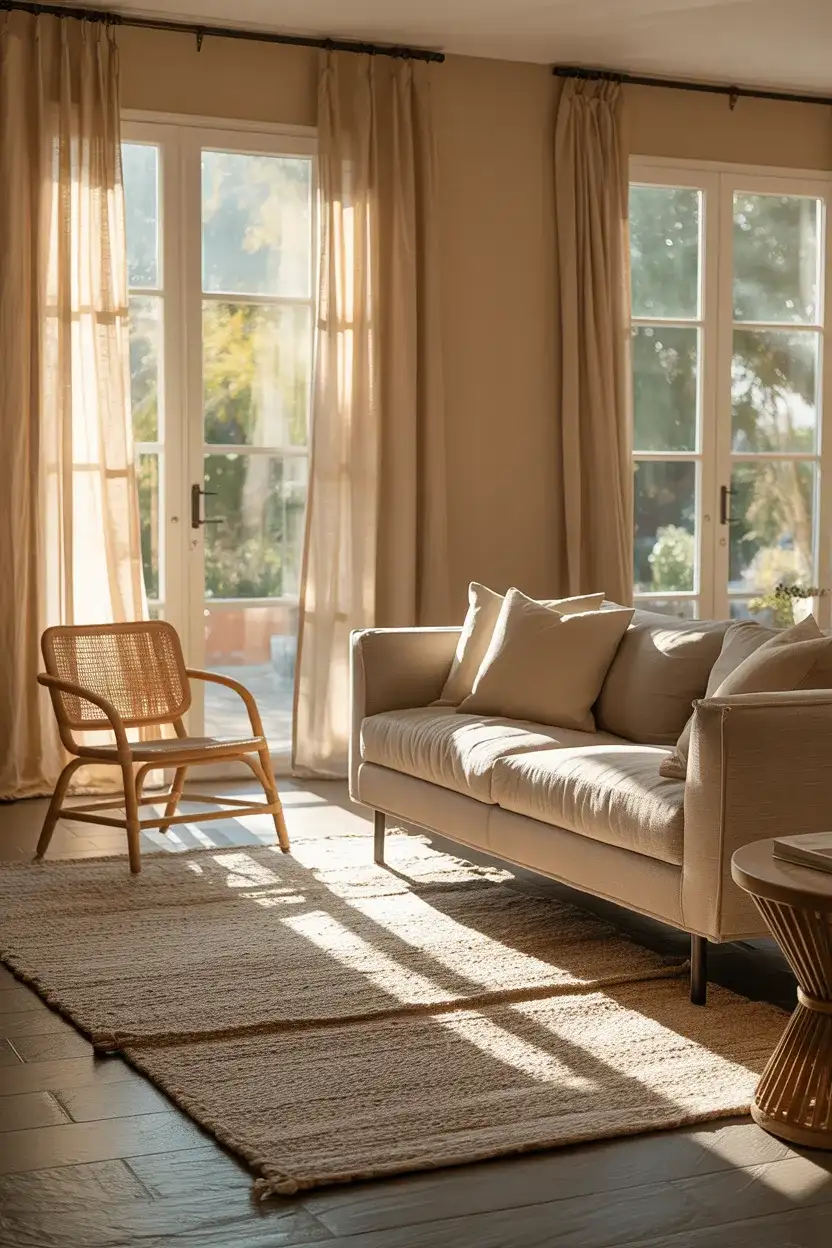
Interior designers often recommend this combination for open-plan American homes where the living room flows directly into a kitchen or dining area—the warmth of the beige grounds the space while grey keeps it from feeling too heavy. A Chicago-area designer noted that this is her most-requested palette for young families who want a room that’s stylish enough for adults and livable enough for kids. The materials almost hide everyday wear, which is a genuine practical win.
4. Cozy Grey Living Room with Layered Textiles
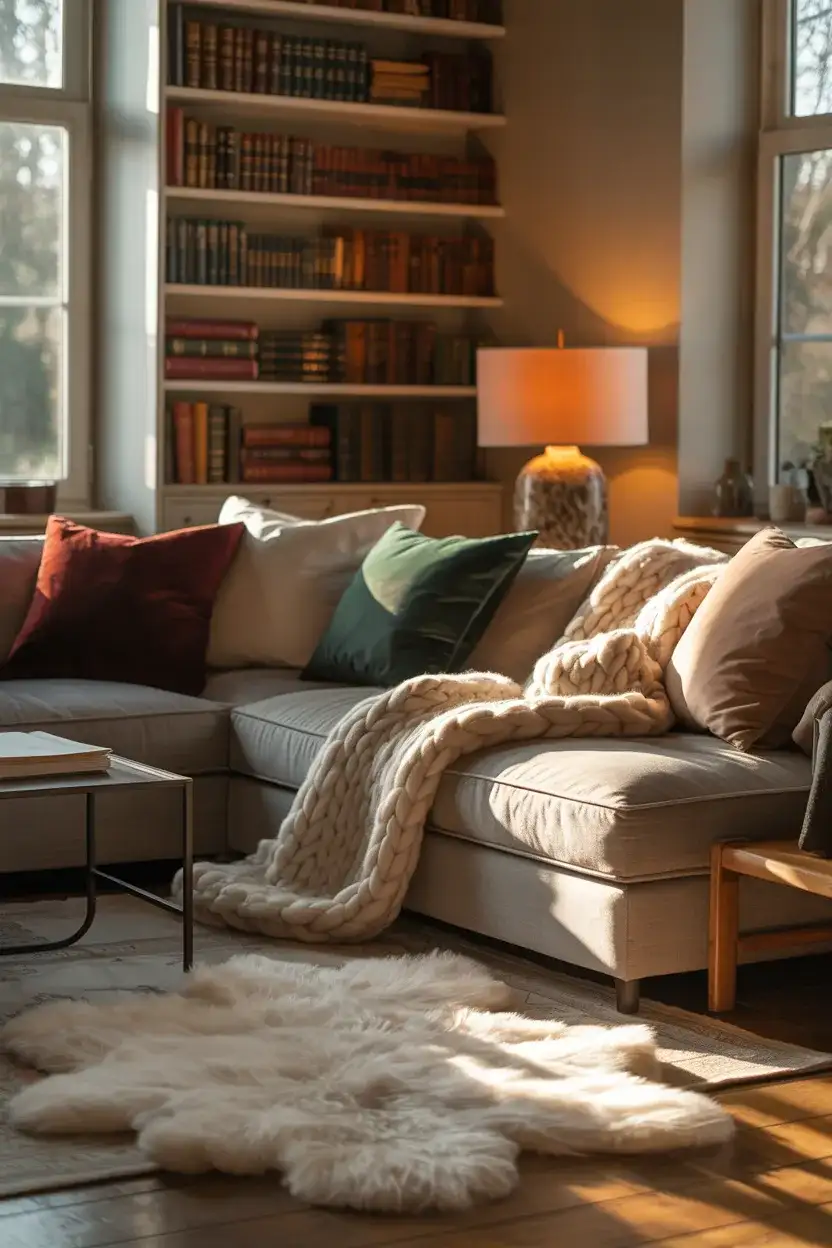
A cozy grey living room isn’t about any single piece of furniture—it’s about layers. Think chunky knit throws piled on a grey sectional, a sheepskin accent on a worn leather chair, and a stack of coffee table books beneath a ceramic lamp with a warm-toned bulb. This is the look that performs best in colder climates and that Pinterest users in the Pacific Northwest and New England return to every autumn. The grey palette here acts as a calming base that lets all those rich textures do the talking.
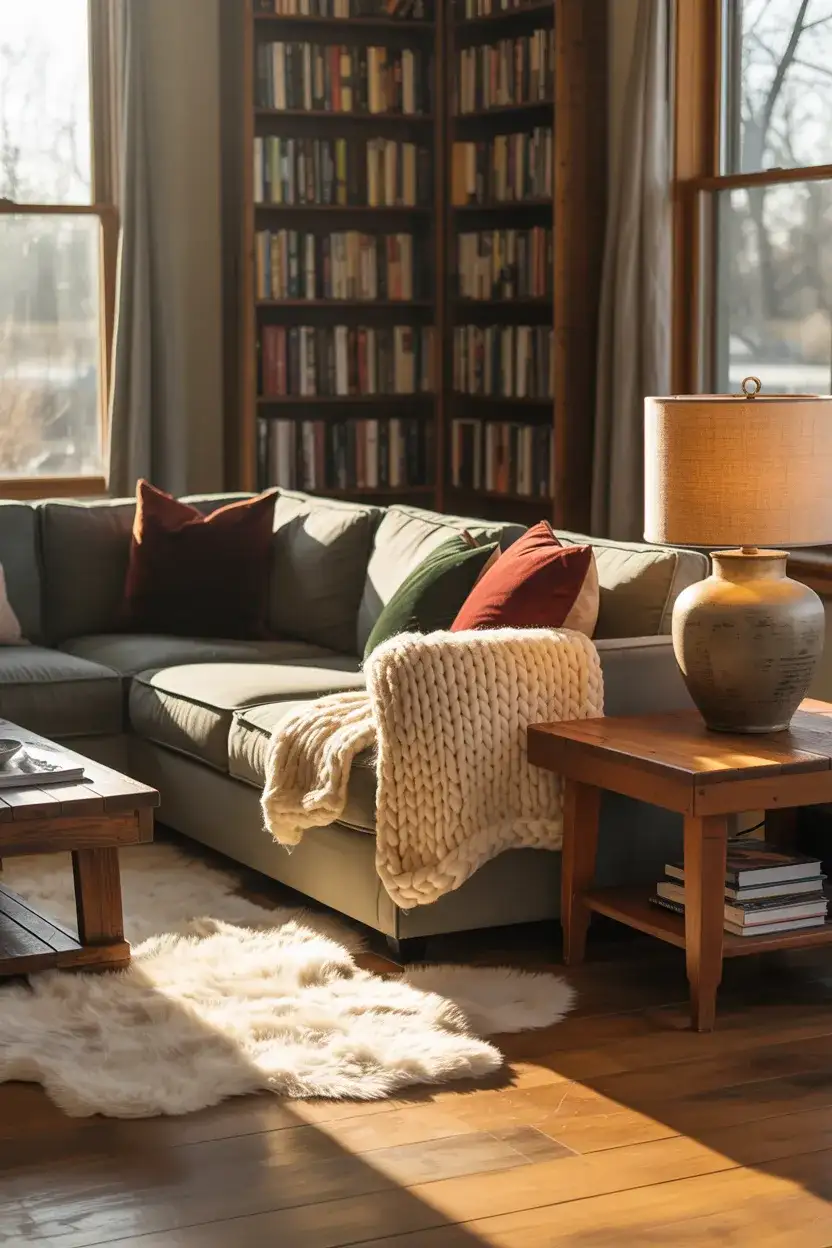
Real homeowners who’ve embraced this style tend to start with one great grey sofa and build outward, adding textiles one at a time rather than buying a matching set. This gradual layering actually produces a more authentic, lived-in feel than anything you’d put together in one shopping trip. The trick is varying the scale of your patterns—combine a chunky knit with a tight herringbone weave and a smooth velvet for a tactile mix that looks intentional rather than accidental.
5. Sage Green and Grey Nature-Inspired Living Room
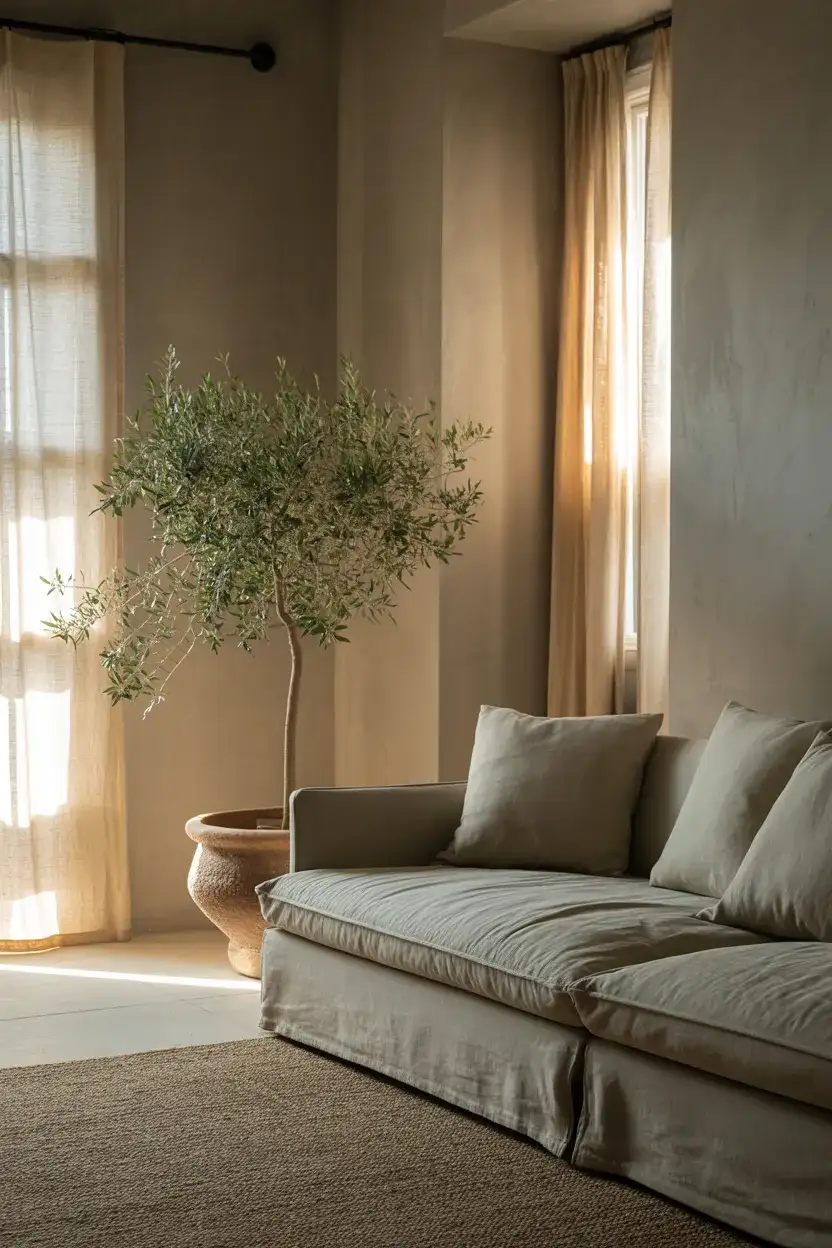
Of all the color combinations trending right now, sage green paired with grey might be the most quietly beautiful. The muted, dusty quality of sage plays perfectly against a mid-tone grey—neither color fights for dominance, and together they create something that feels genuinely organic. You might see this palette expressed through a sage linen sofa against grey walls or grey upholstery against a sage accent wall layered with botanical prints. Either way, the mood is calm, grown-up, and deeply connected to the natural world.
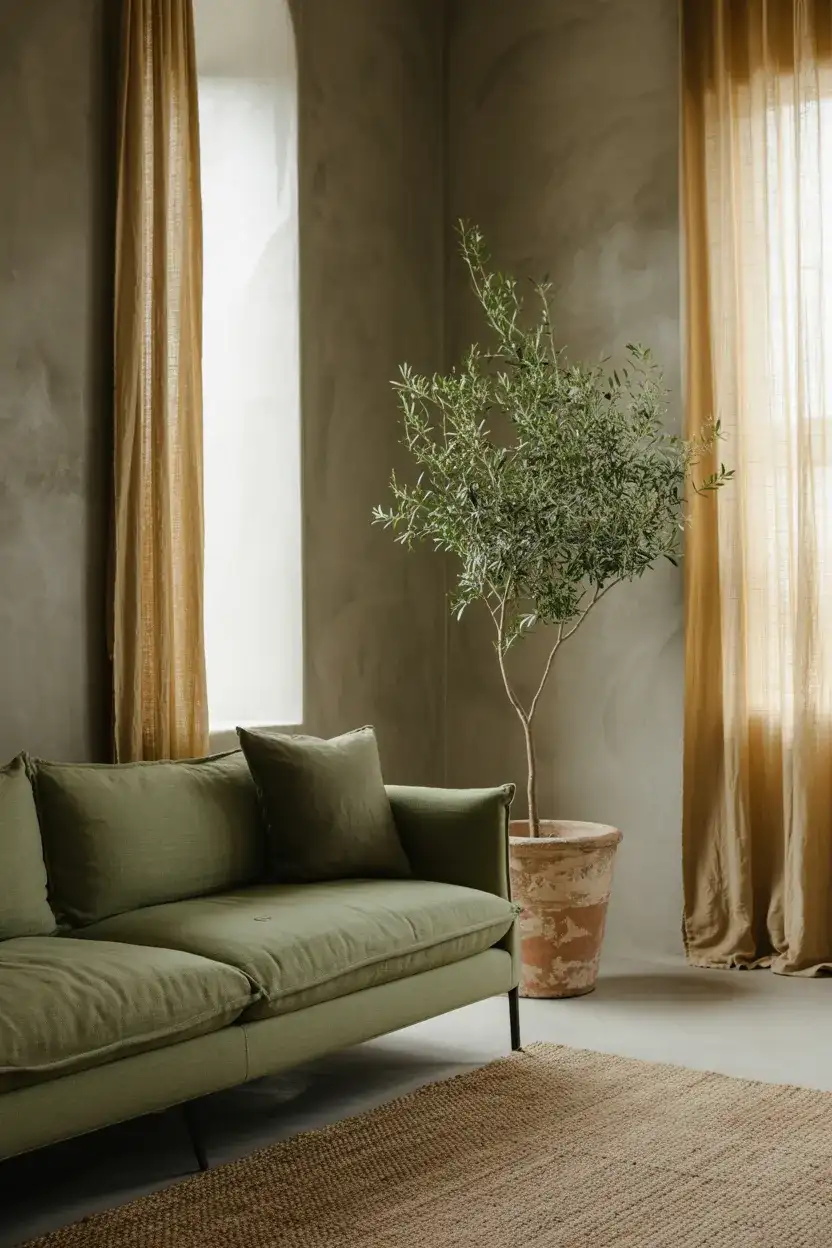
This pairing works best in rooms that get decent natural light—the grey needs that brightness to keep from looking flat, and the sage needs daylight to show its true dusty green rather than turning brownish. Where it really shines is in West Coast homes and mountain retreats where bringing the outdoors in is a lifestyle priority, not just an aesthetic one. Add a few living plants and unfinished wood accents, and the whole room feels like it’s breathing.
6. Dark Grey Moody Statement Living Room
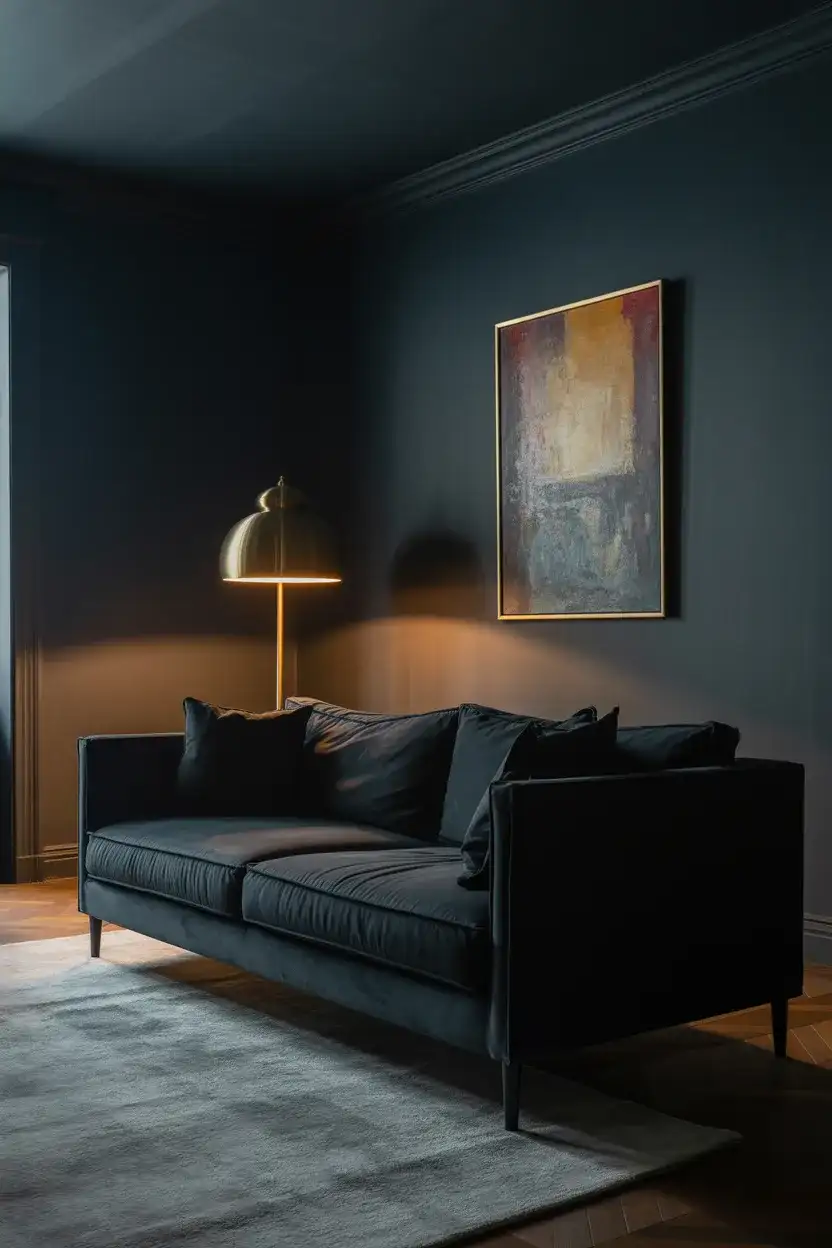
Going dark with grey is one of those decorating decisions that takes a little courage but pays off enormously. A deep charcoal or graphite on all four walls—and sometimes the ceiling—creates the kind of enveloping, intimate atmosphere that makes a living room feel like a true retreat from the world. This is the palette of boutique hotels and design-forward apartments, and it’s increasingly showing up in American homes as homeowners feel more confident pushing past safe neutrals. Pair it with dark blue velvet cushions for a particularly rich, layered look.
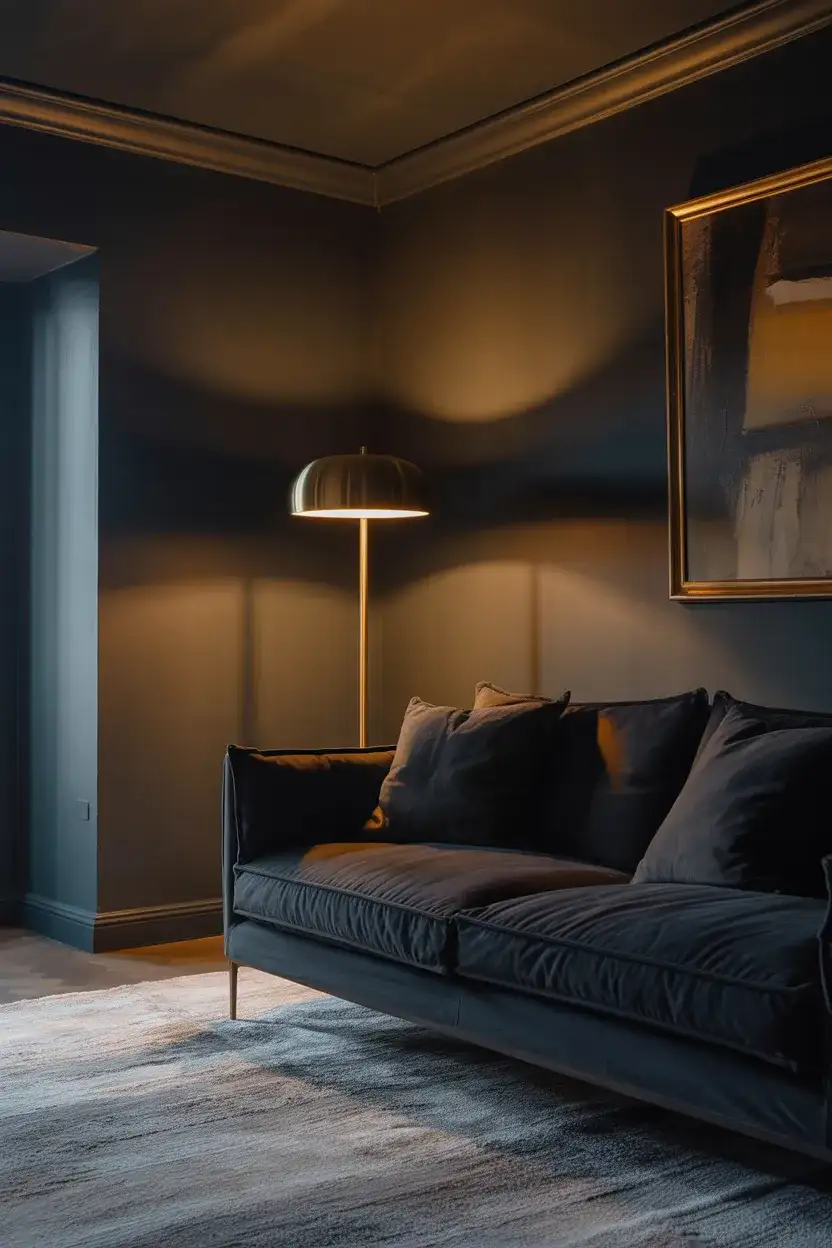
The biggest mistake people make when going dark is under-lighting the room. Dark walls absorb light, so you need more of it—and the right kind. Layer multiple light sources: a floor lamp, sconces, table lamps, and maybe some warm LED strips behind the TV or under a console. A designer whose work often appears in Atlanta Homes & Lifestyles magazine puts it plainly: “Dark rooms aren’t dark because of the walls—they’re dark because people forget to light them properly.”
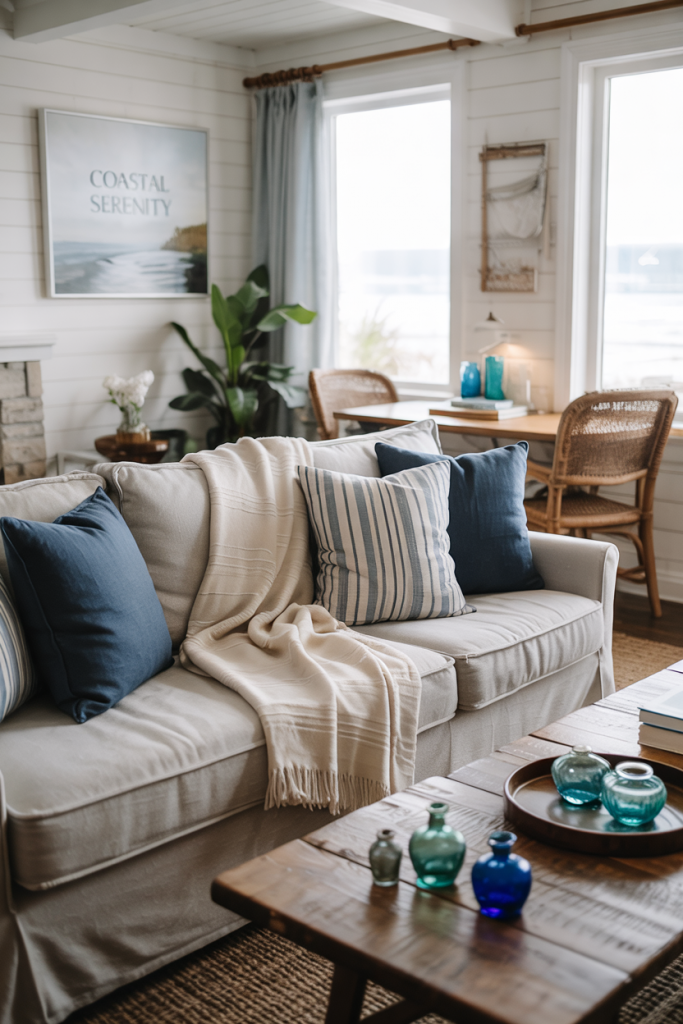
7. Blue and Grey Coastal Living Room
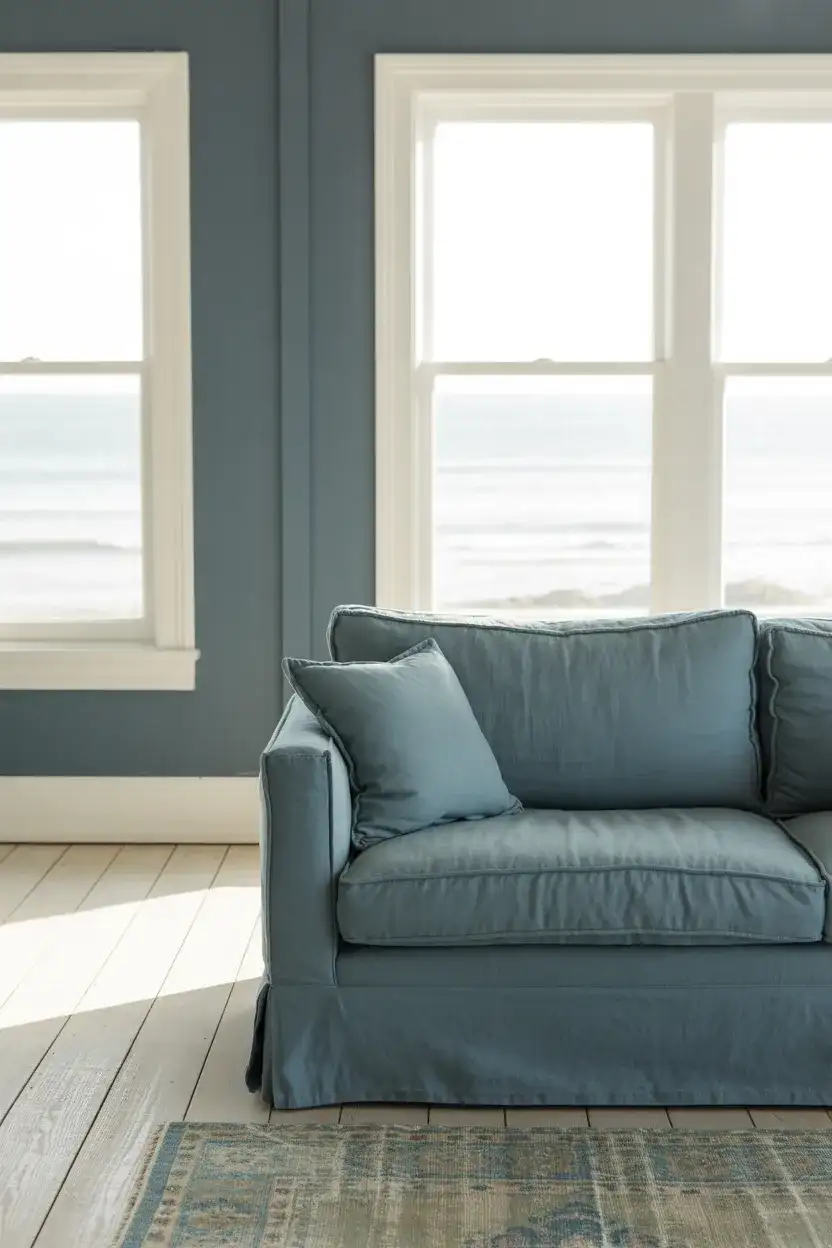
The blue and grey combination has deep roots in coastal American design, and in 2026 it’s moved well beyond the nautical clichés of rope accents and anchor motifs. Today’s version is sophisticated: slate grey walls paired with dusty blue upholstery, a worn Persian rug in ocean-washed tones, and white-painted trim that brightens everything without feeling overly beachy. This palette speaks directly to the American love of calm, unpretentious living spaces that still look genuinely considered. It works from Maine to Malibu.
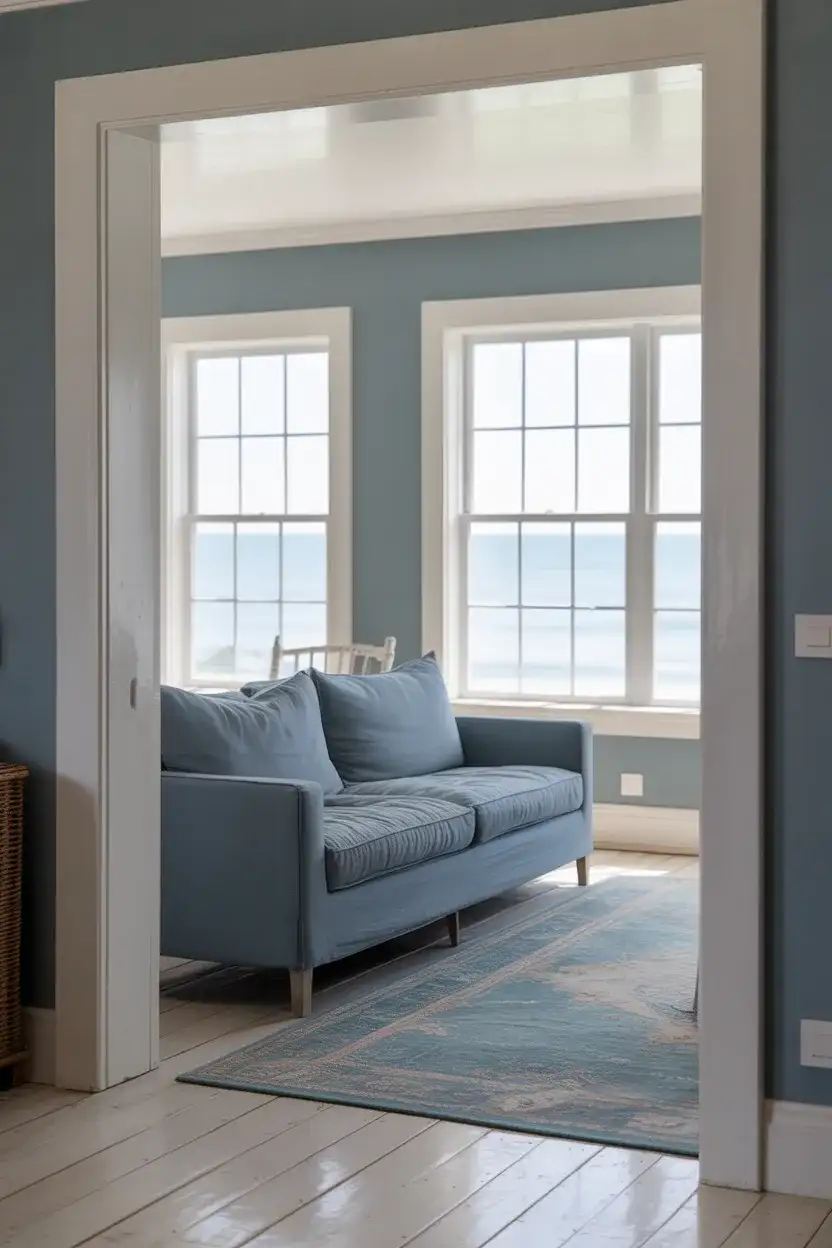
A couple who renovated their Cape Cod cottage described this exact palette as the one that finally made their living room feel “like the house wanted to be.” They kept the structure simple—grey walls, blue sofa—and let the ocean light do the rest. This approach is a good reminder that sometimes restraint is the most powerful design tool you have. You don’t need to fill every surface; the negative space in a blue-grey room is part of what makes it so peaceful.
8. Brown and Grey Earthy Organic Living Room
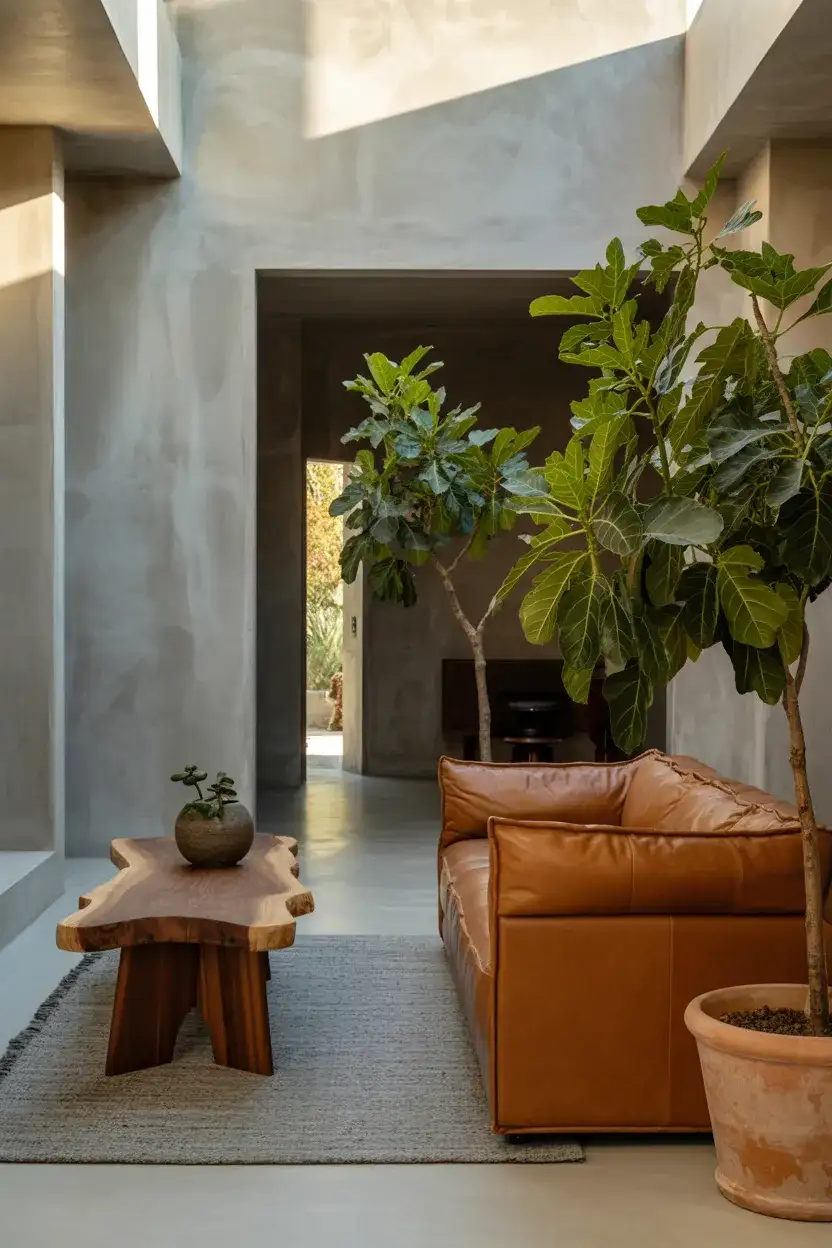
If you’ve been sleeping on the brown and grey pairing, 2026 is the year to reconsider. Far from the dated chocolate-brown rooms of the early 2000s, this modern take uses warm earthy browns—think raw umber, raw sienna, and walnut—layered against cool grey to create spaces that feel grounded and genuinely organic. A grey plaster wall behind a live-edge walnut console, a caramel leather sofa on a grey wool rug—this is the palette of the biophilic design movement, brought into an everyday American living room.
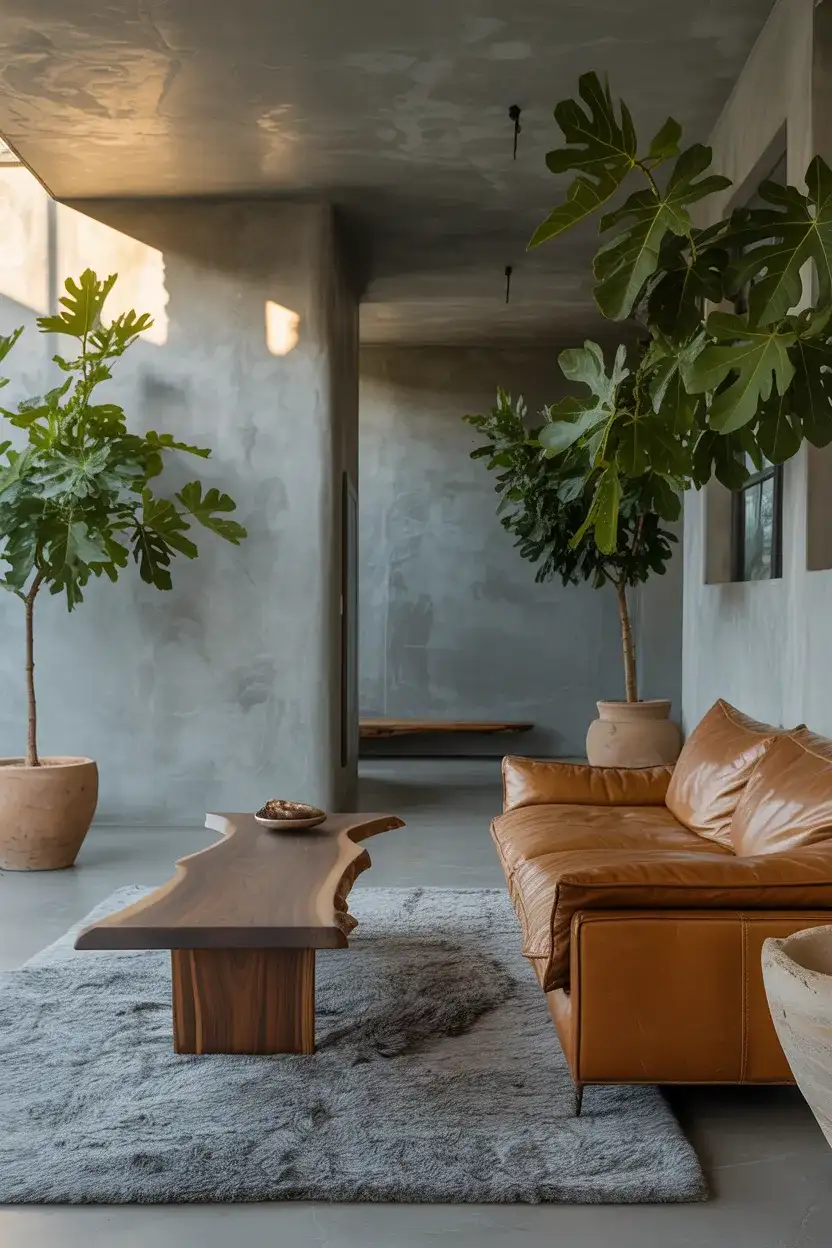
This palette is particularly well-suited to homes with existing exposed wood beams, brick fireplaces, or stone features—the grey acts as a modern frame that makes those natural materials look intentional rather than dated. Where it works best is in craftsman bungalows, mountain cabins, and converted industrial spaces where the architecture already has character. The earthy tones do the cozy work; the grey keeps the whole thing from tipping into rustic-overload territory.
9. White and Grey Minimalist Living Room
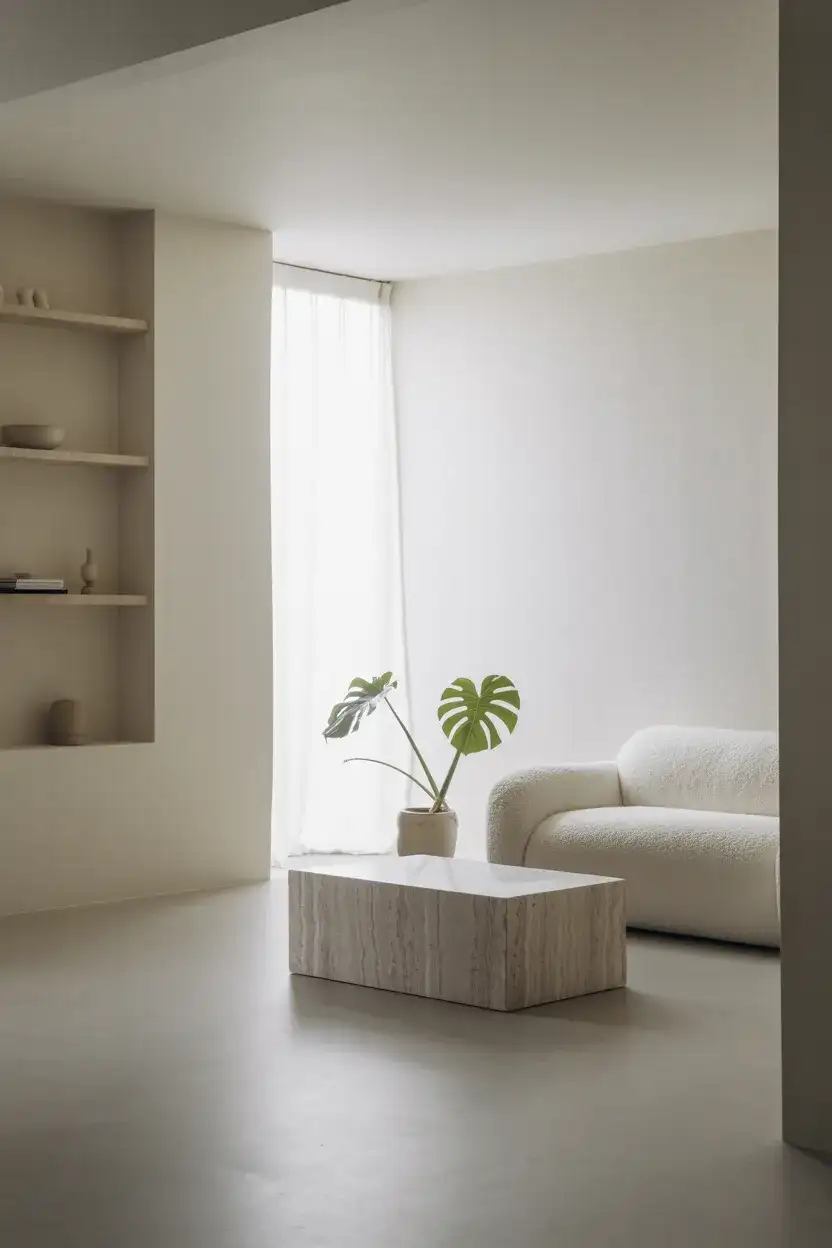
The white and grey minimalist living room is the backbone of a certain kind of American aesthetic—clean, calm, and deeply intentional. It’s the palette that shows up in loft apartments in Brooklyn, modern builds in Austin, and renovated condos in Chicago’s West Loop. The key to making it work is restraint in furniture and richness in materiality: think a grey concrete-finish coffee table, a white boucle sofa, and white oak shelving with carefully curated objects. Less really is more here, and every single piece needs to earn its place.
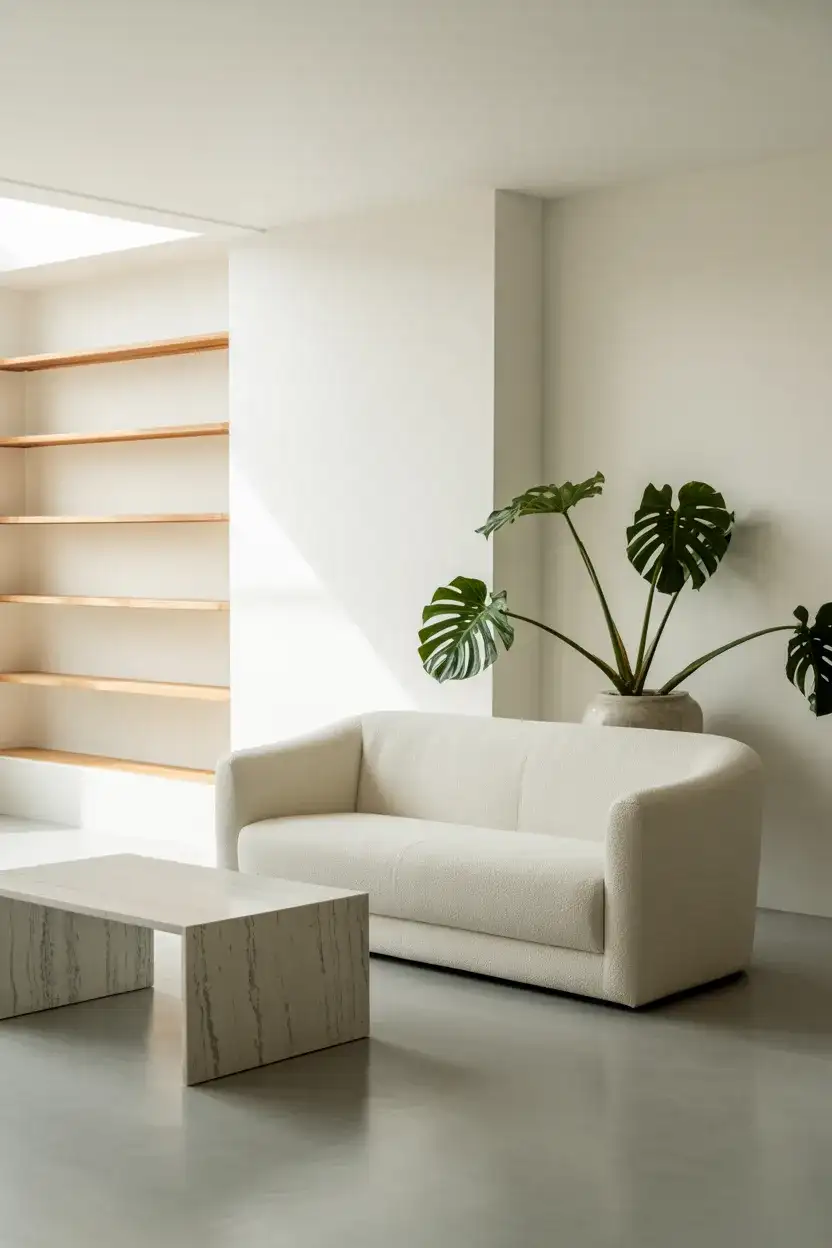
The most common mistake in minimalist grey-and-white rooms is choosing whites and greys that don’t actually coordinate—a stark cool white next to a warm greige reads as a mismatch. Before painting, hold your swatches next to your sofa and flooring in actual daylight, not just overhead light. Real homeowners who’ve done this palette successfully will tell you: the swatch always looks different on the wall, and always test a large painted sample before committing to the full room.
10. Navy Blue and Grey Sophisticated Living Room
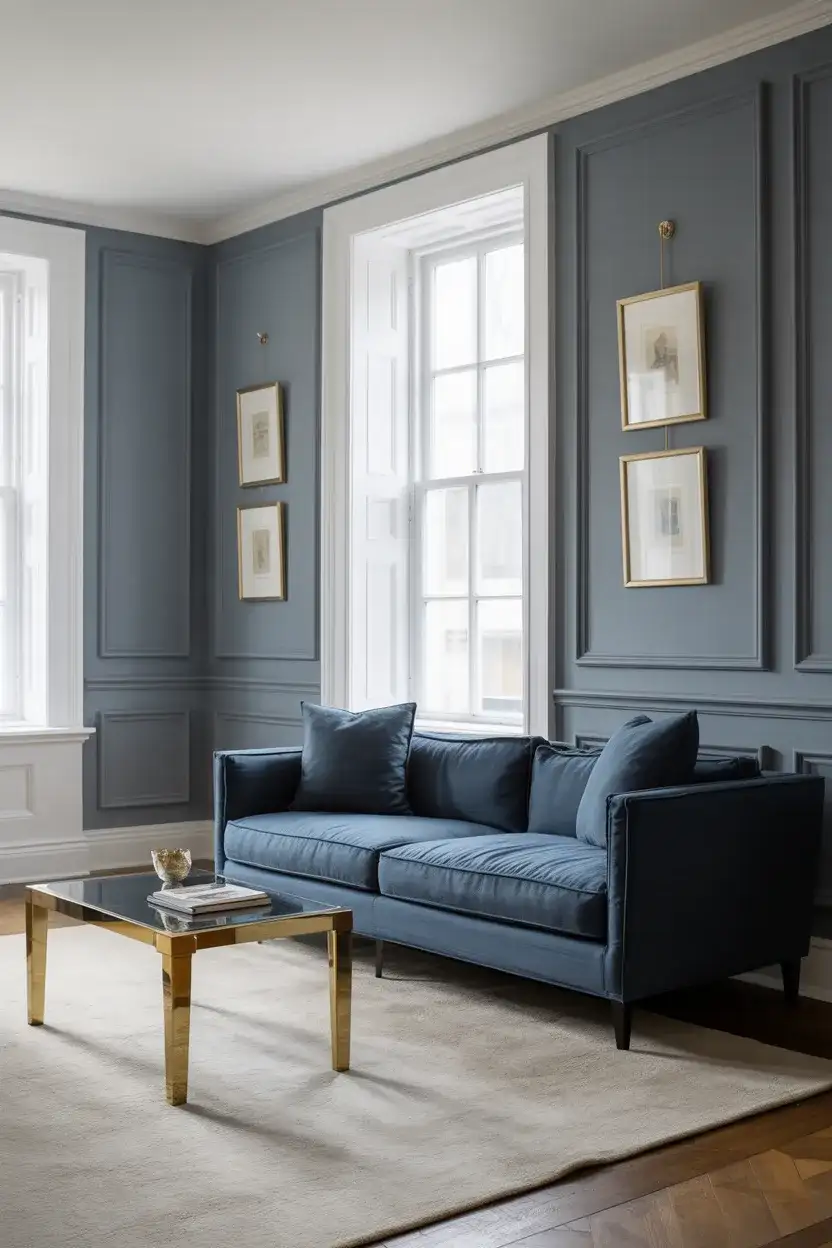
There’s a quiet authority to the navy blue and grey pairing that few other color combinations can match. Navy brings depth and gravitas; grey softens and modernizes. Together they create a living room that feels both classic and current—the kind of space that reads as genuinely sophisticated without trying too hard. A navy linen sofa against a grey feature wall, complemented by brass hardware and white trim, hits all the notes of traditional American prep style filtered through a contemporary lens. It’s especially popular with homeowners in their 30s and 40s who want polish without pretension.
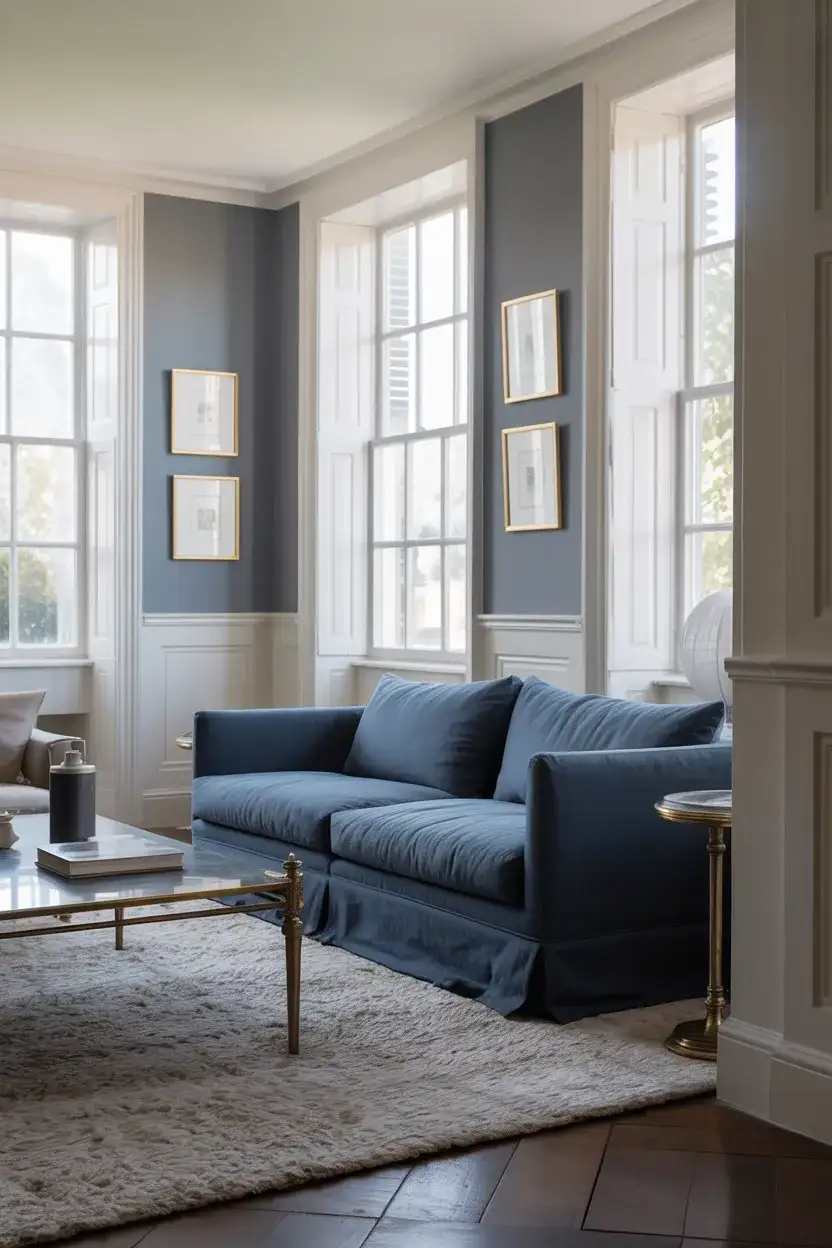
An interior designer based in Boston—whose portfolio is heavy on traditional New England homes—describes navy and grey as “the modern gentleman’s palette.” It works equally well in formal sitting rooms and relaxed everyday spaces, which makes it unusually versatile. If you want to dip a toe in before fully committing, try navy cushions and a grey rug first. You’ll know within a week whether you’re ready to go all in on the walls.
11. Modern Grey Living Room with Clean Lines
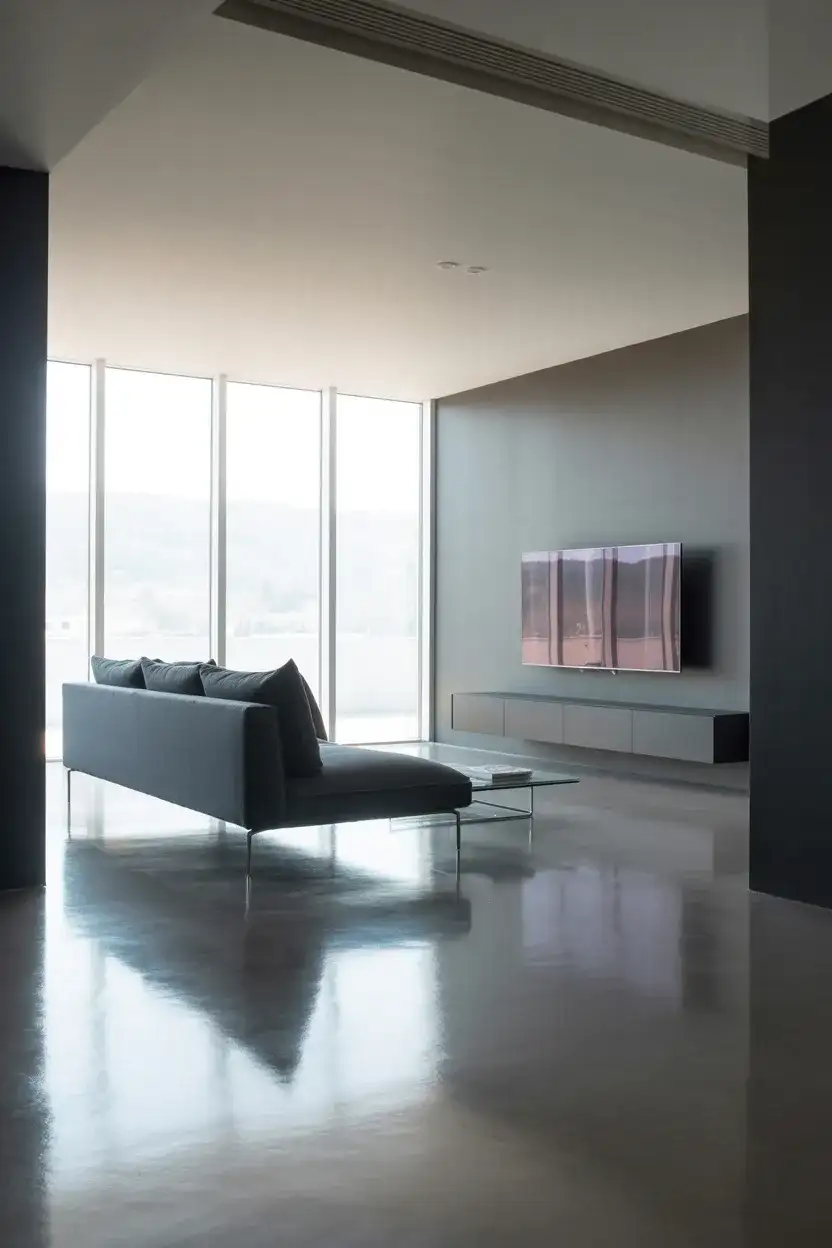
The modern grey living room in 2026 is defined less by any single shade of grey and more by an architectural approach to the space itself. Clean horizontal lines, flush cabinetry, furniture with slender profiles, and a total absence of visual clutter—this is grey as a functional design language. The palette spans from light dove to deep steel, and what unifies all these ideas is a commitment to intentionality. Every object visible in the room has been chosen, not just accumulated. It’s a way of living that prioritizes peace over personality—though the two aren’t mutually exclusive.
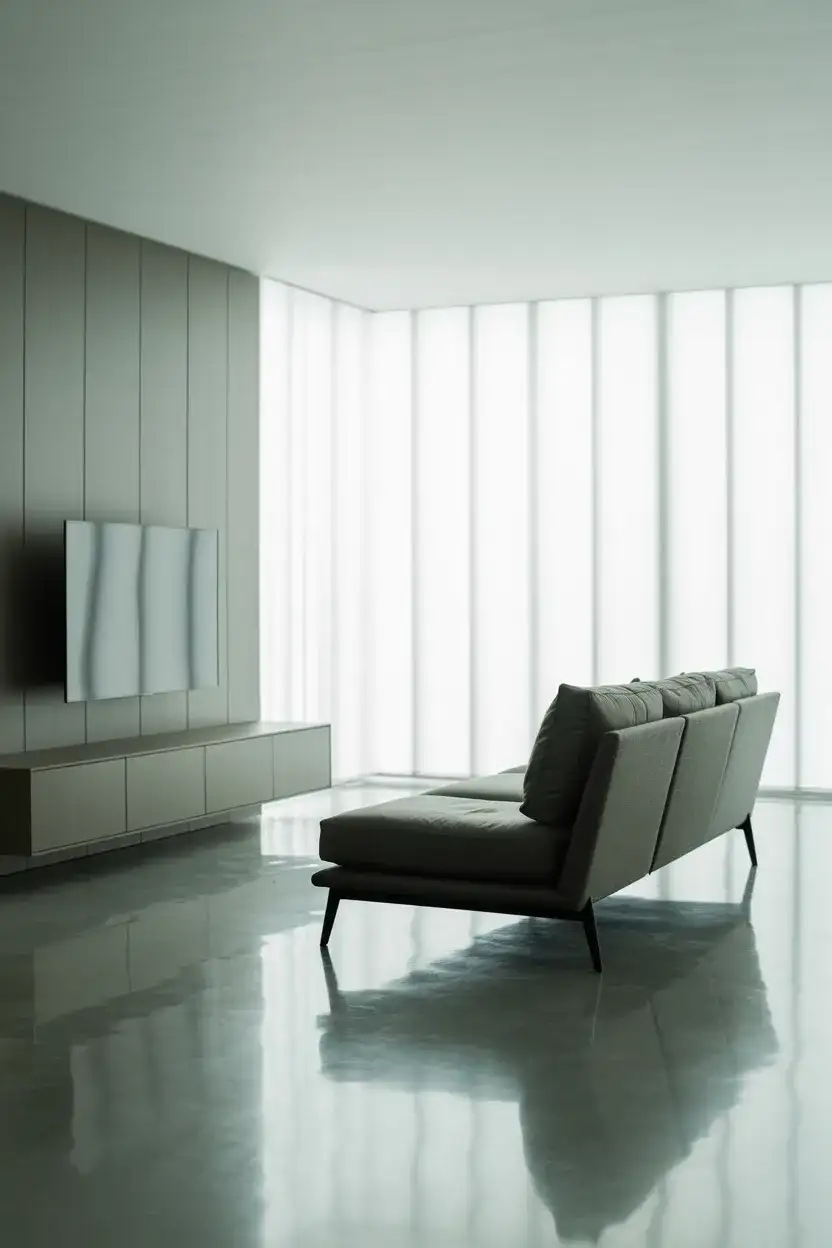
This aesthetic performs particularly well in new construction homes—the flat walls and open floor plans that characterize American builds after 2010 are practically made for it. Avoid the trap of buying “modern-looking” furniture from big-box stores without checking proportions first. In a truly modern grey room, scale matters enormously; an oversized sofa in a clean-lined space will kill the vibe instantly. Measure twice, order once—and always request fabric samples before committing.
12. Light Grey Living Room with Natural Wood
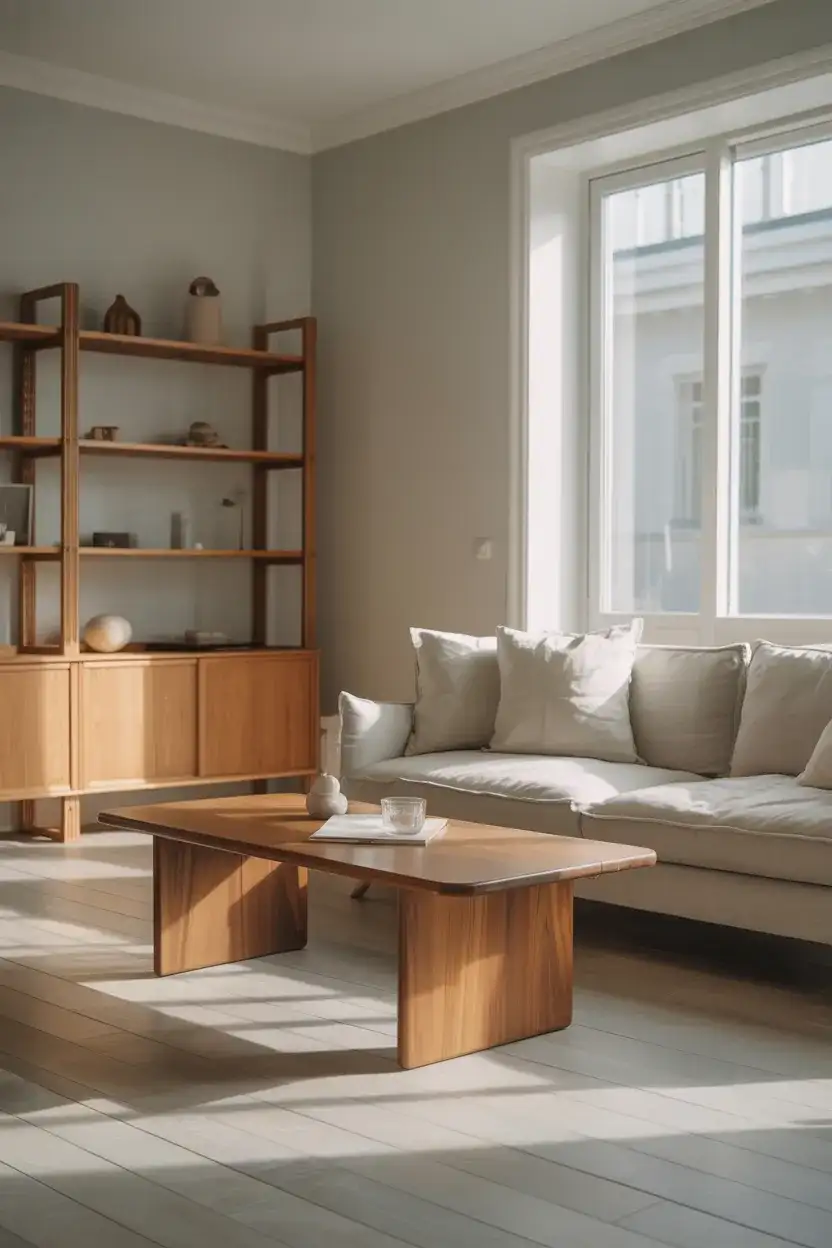
A light grey living room warmed by natural wood is one of the most universally appealing combinations in residential design right now—and it’s not hard to understand why. The grey keeps everything fresh and contemporary; the wood keeps it warm and human. This is the Scandinavian-influenced palette that has settled comfortably into the American mainstream, and in 2026 it’s being expressed through blonde oak shelving, honey-toned walnut coffee tables, and pale ash floors beneath the lightest possible grey walls. The overall effect is airy, calm, and genuinely inviting.
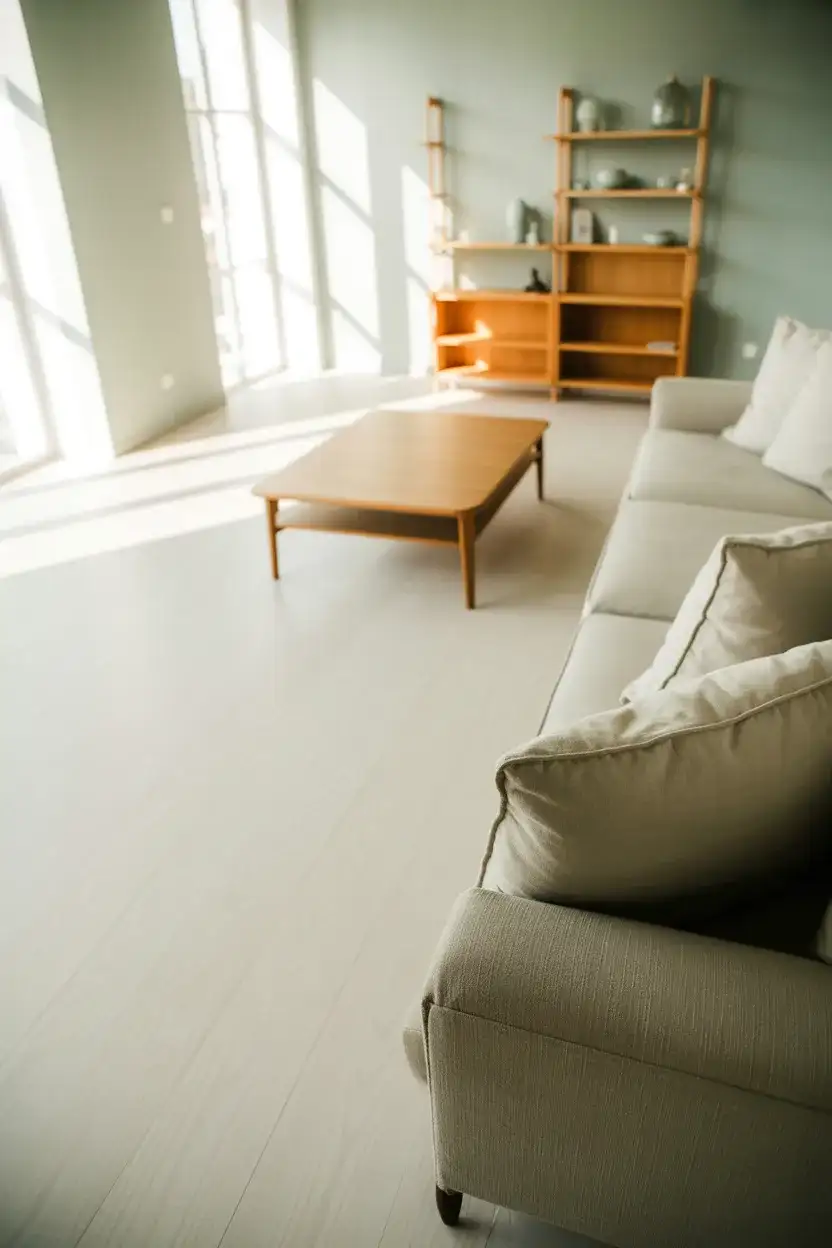
This palette is exceptionally forgiving with existing flooring. If you have light hardwood or bamboo floors already—common in American homes built in the 1990s and 2000s—painting walls in a warm light grey instantly makes those floors look like a design choice rather than a leftover. It’s one of the highest-impact, lowest-cost updates you can make to a living room. Start with the walls, bring in one good wood piece, and you’ll see the transformation almost immediately.
13. Grey Decor with Metallic Accents
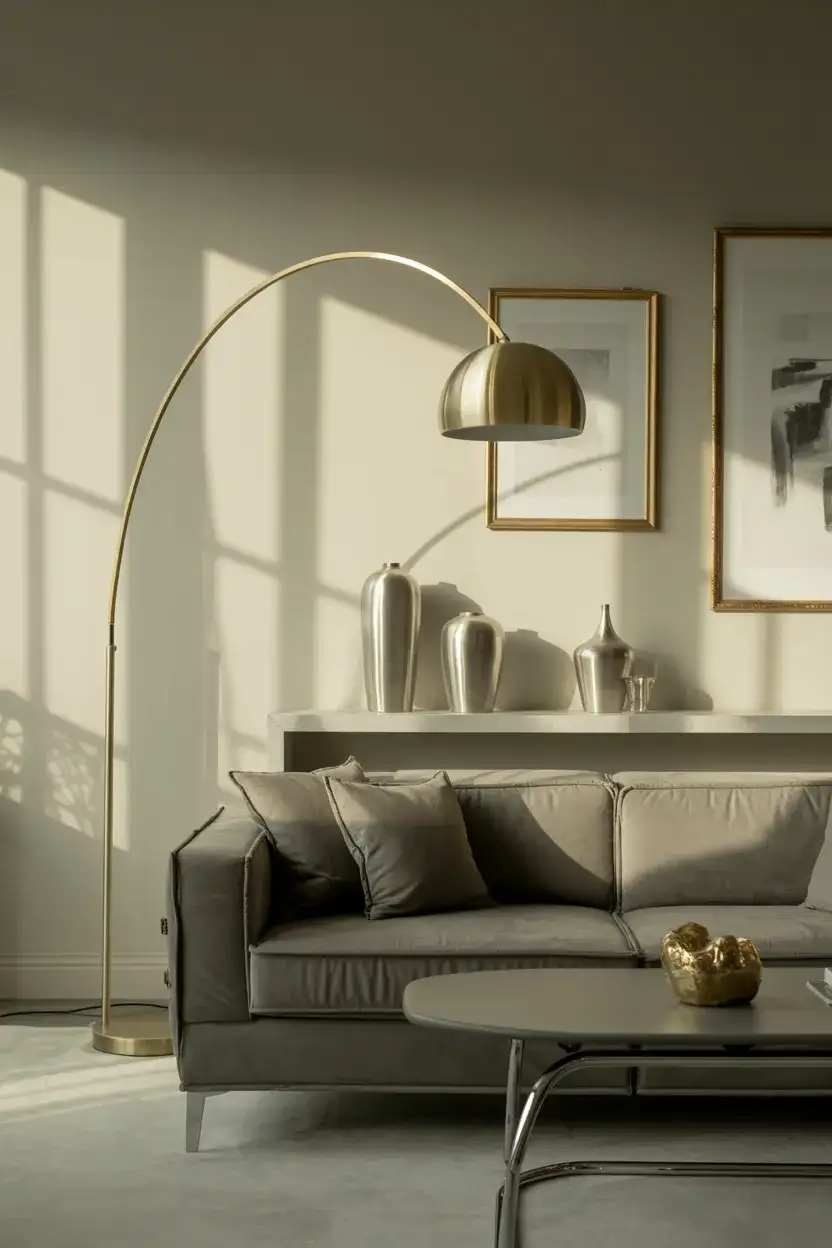
Grey decor with metallic accents is the living room approach for people who want glamour without glitz. Rather than going all-in on gold or silver, this style uses metal as punctuation—a brass floor lamp here, a set of brushed steel bookends there, and a chrome-legged side table catching afternoon light. The grey base keeps everything anchored and prevents the metallics from reading as flashy. In 2026, mixed metals are fully accepted in interior design, so don’t feel obligated to stick to one finish. The room actually looks more collected and interesting when you combine warm and cool metals thoughtfully.
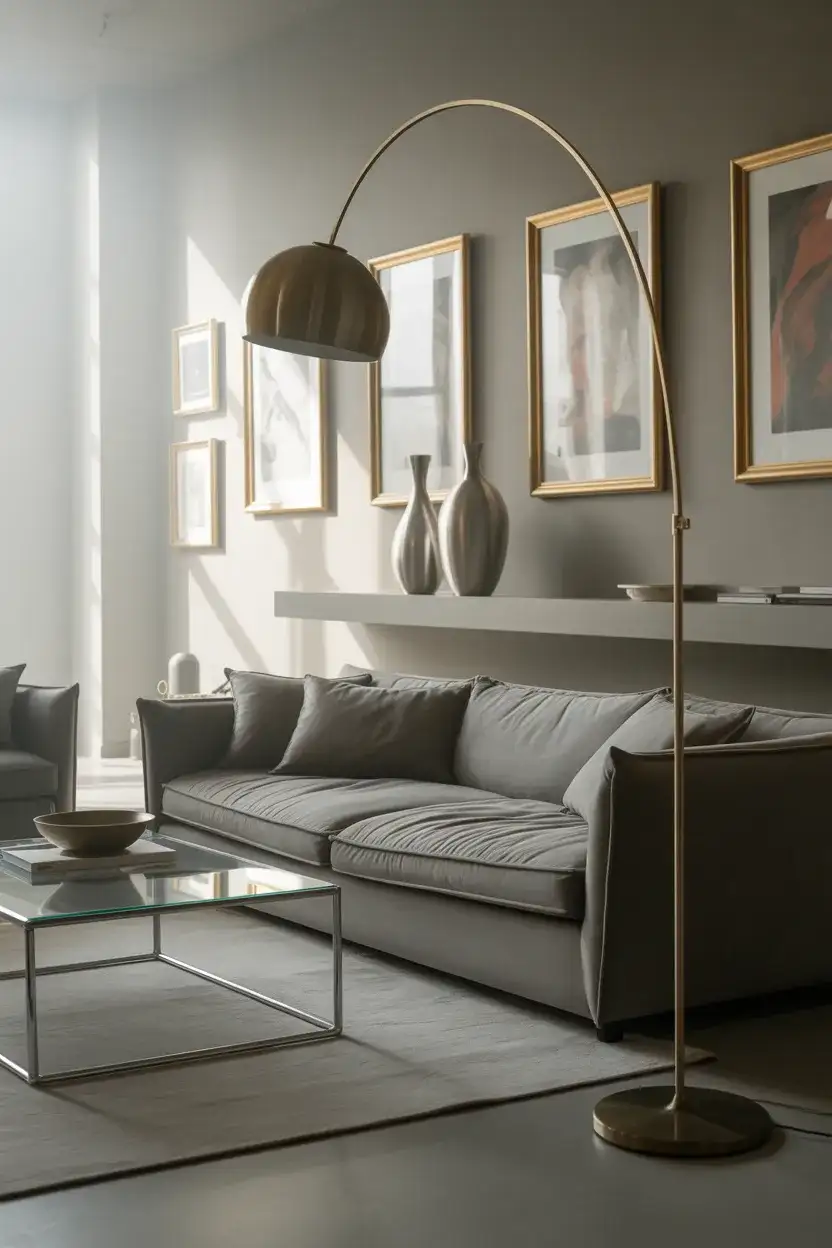
A practical note for anyone shopping for metallic accents on a budget: thrift stores and estate sales are genuinely the best places to find well-made vintage brass and chrome pieces. A $12 brass lamp base rewired with a modern cord looks identical to a $300 designer piece in the right context. American homeowners who have embraced this approach often describe their living rooms as “curated over time” rather than assembled in a single shopping spree—and that makes all the difference in how the room feels.
14. Cream and Grey Soft Romantic Living Room
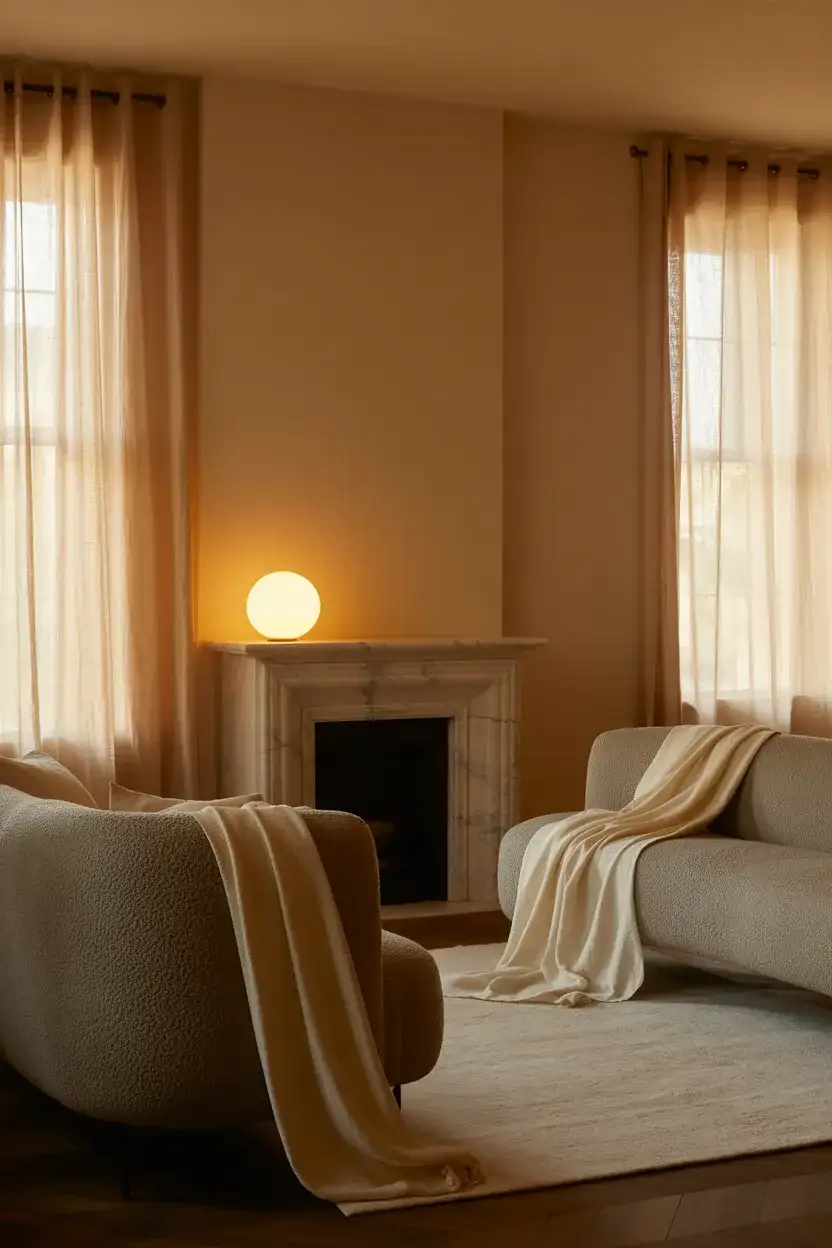
The cream and grey living room is quietly one of the most romantic color combinations in interior design—soft, diffused, and deeply welcoming. This palette reads as feminine without being precious and classic without being boring. Imagine cream-toned walls with the faintest warmth, a grey bouclé sofa that practically invites you to curl up, and layers of ivory and off-white textiles throughout. In the evening light, especially with candles or warm lamp glow, this room feels like something from a Nancy Meyers film—and that’s not an accident; Americans are deeply drawn to that kind of aspirational softness.
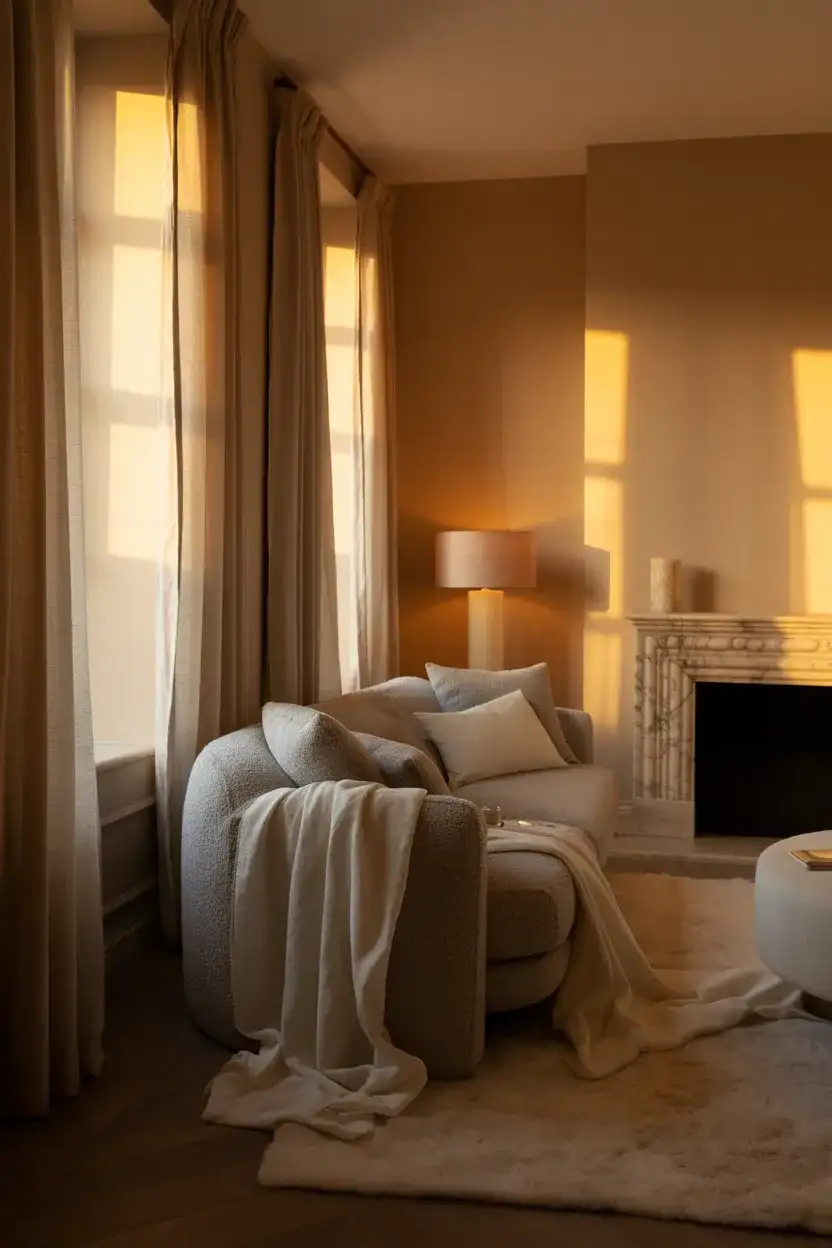
This palette is particularly well-suited to older homes with original plaster walls, ornate moldings, or decorative fireplace surrounds—architectural details that often get painted out in renovations but are actually extraordinary assets in a cream-and-grey room. If you’re working with a 1920s or 1930s house, lean into the bones of the building. The architectural character does the heavy lifting while your soft palette provides the perfect contemporary update.
15. Pink and Grey Playful Modern Living Room
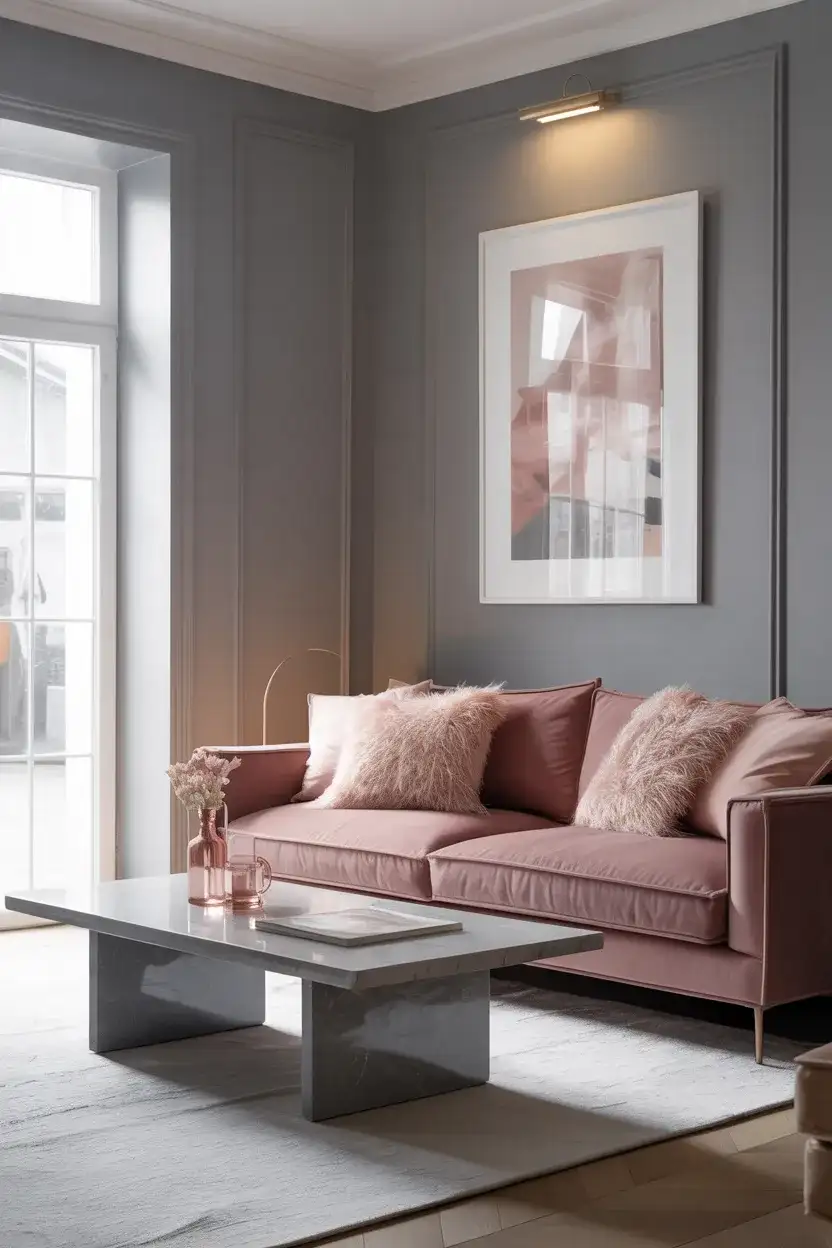
Don’t let anyone tell you pink and grey is a nursery color scheme—in the right hands, it’s one of the most design-forward palettes in contemporary American interiors. The trick is choosing the right pink: dusty rose, terracotta pink, or muted blush rather than candy pink. Against a cool or mid-tone grey, these earthy pinks read as sophisticated and warm. This is a combination that works beautifully in apartments and smaller living spaces where you want personality without overwhelming scale. It photographs brilliantly and translates directly from Pinterest board to real room.
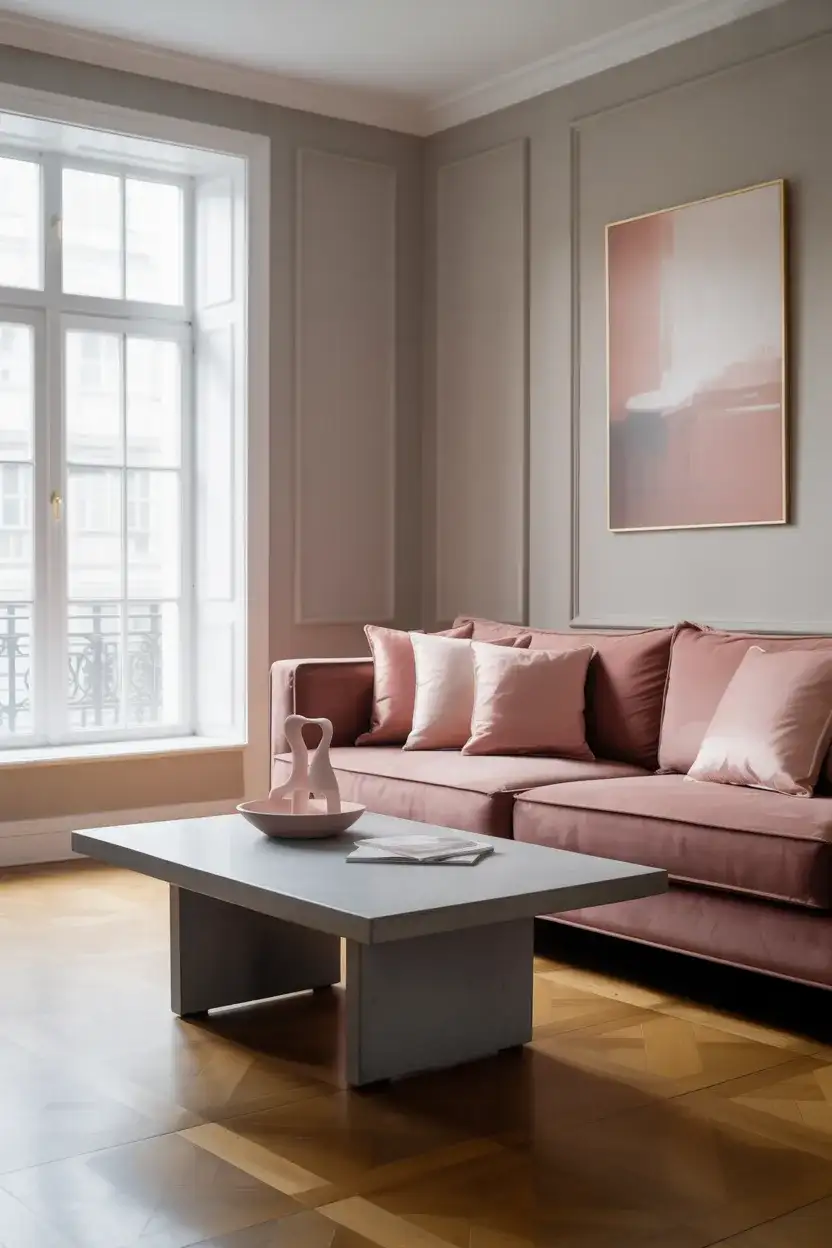
If you’re worried about pink feeling too bold as a permanent commitment, start with soft furnishings and art before touching the walls. A blush cushion and a dusty rose throw are genuinely reversible decisions—and they’ll tell you immediately whether your gut reaction to the color combination is excitement or discomfort. Most people find within a few days that the pink-grey pairing is far more livable than they expected. Then the walls start looking like a great idea.
16. Navy and Grey Library-Inspired Living Room
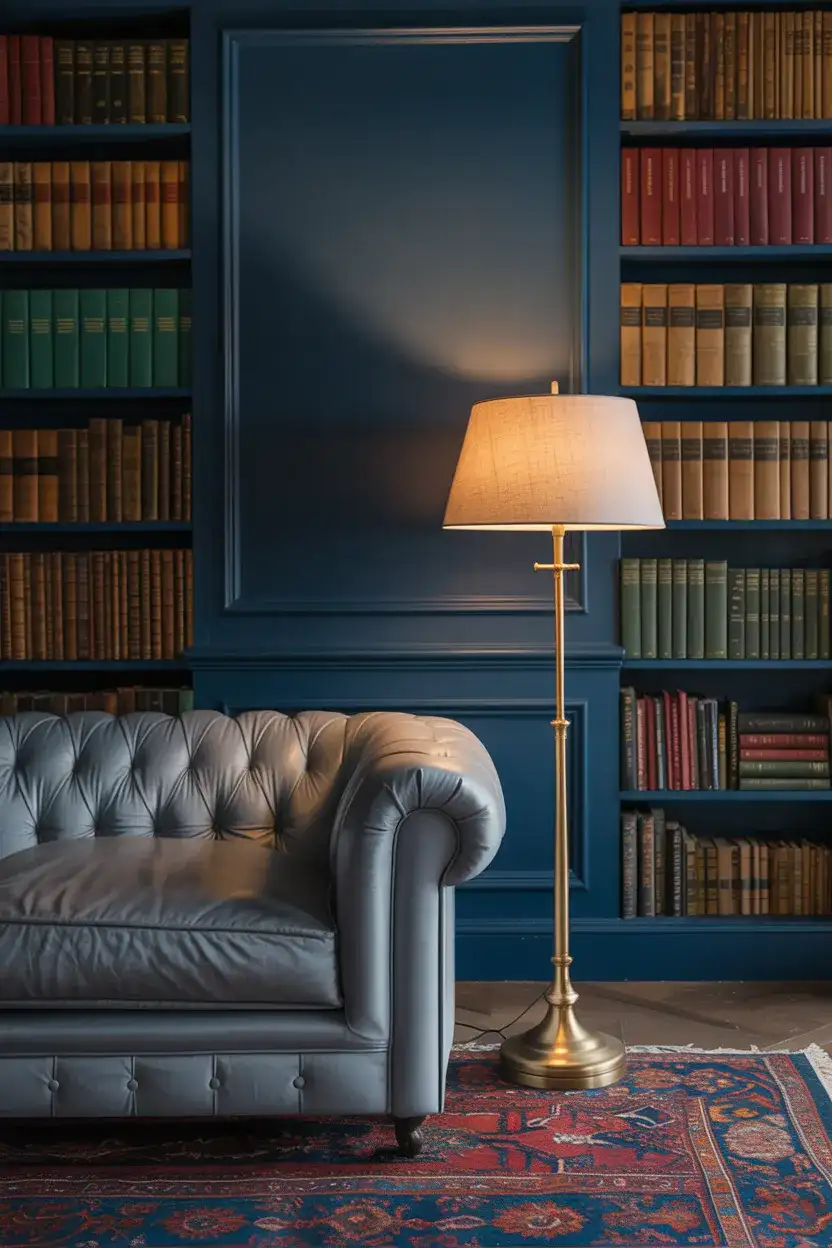
A navy and grey living room styled as a private library is one of the most aspirational interiors circulating on Pinterest right now—and it’s far more achievable than it looks. The foundation is a deep grey or navy accent wall behind floor-to-ceiling bookshelves, painted in the same dark tone to create a seamless built-in effect. Layer in a plush grey velvet sofa, warm brass reading lamps, and a Persian rug with deep jewel tones, and you have a room that feels like it belongs to someone with both good taste and a lot of great books. This is the dream room for bibliophiles and design lovers alike.
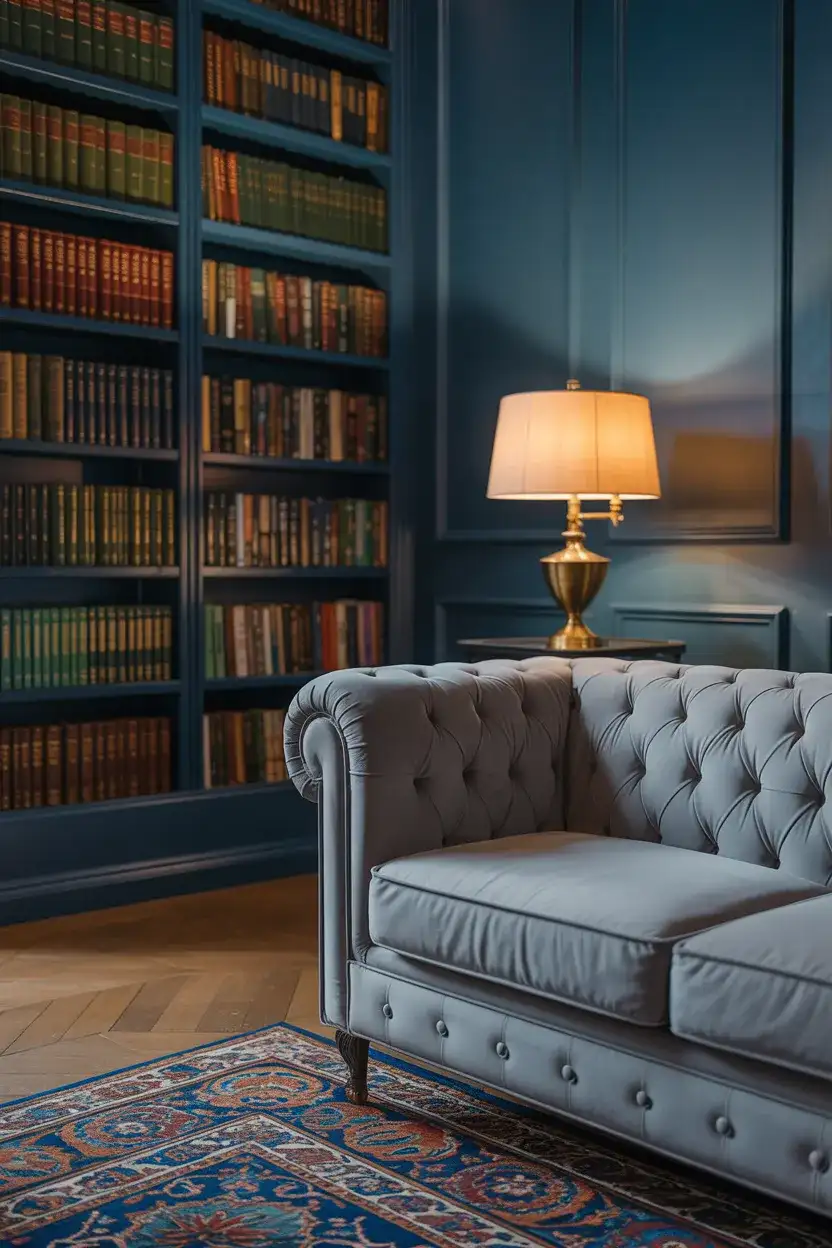
Built-in bookshelves painted in the same dark tone as the wall are an excellent value-add in American homes—real estate agents consistently note that well-executed built-ins increase both buyer appeal and perceived square footage. If a full build-out isn’t in the budget, IKEA’s Billy bookcases painted to match the wall color achieve a very similar effect for a fraction of the cost. The illusion of built-in depends far more on paint than on the actual construction of the shelving.
17. Yellow and Grey Energetic Living Room
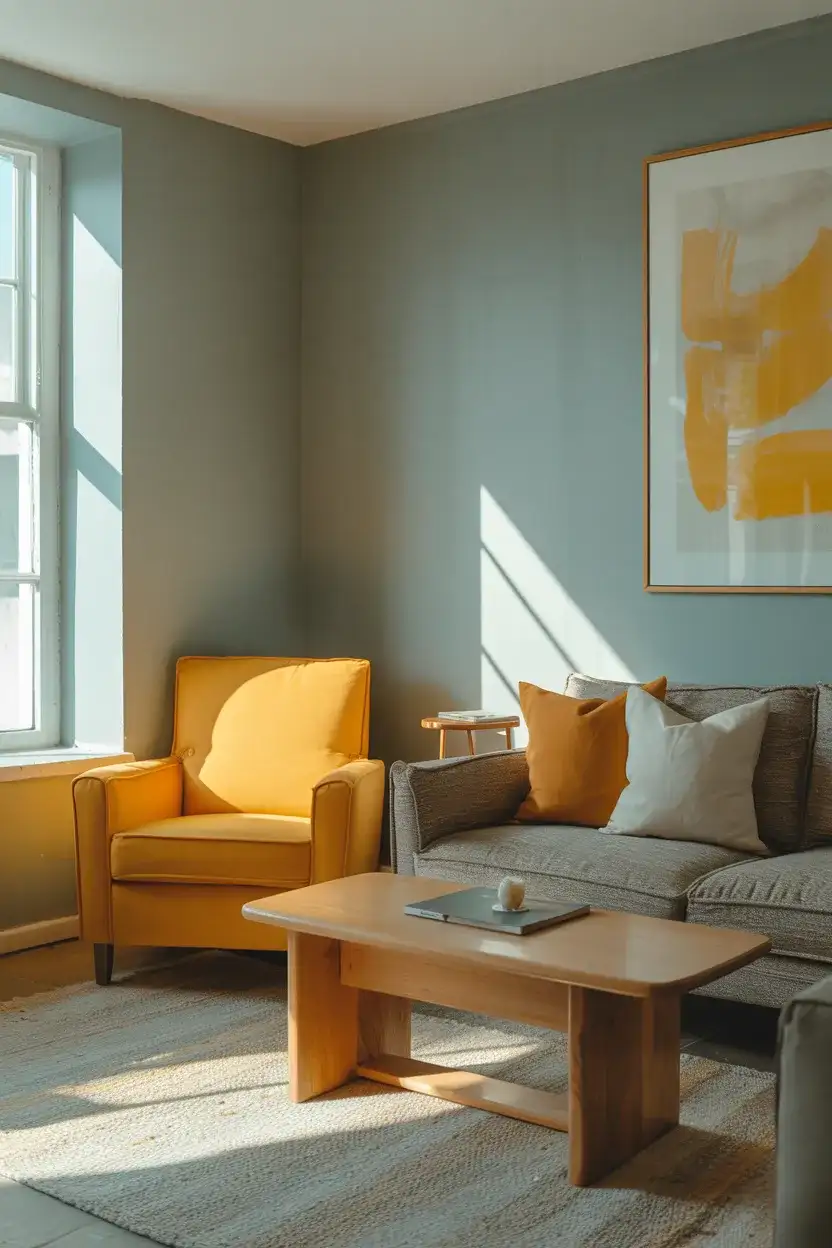
The yellow and grey combination might seem like an unexpected one—cool neutrality meets bright optimism—but it’s a pairing that interior designers have championed for years, and for good reason. Cool grey grounds the yellow and prevents it from being overwhelming; warm yellow lifts the grey and prevents it from feeling cold or depressing. In 2026, this palette is being expressed in more muted forms than the sharp mustard-and-slate combinations popular a few years back. Think golden ochre cushions on a grey sofa or a marigold armchair against dove-grey walls. The energy is warm, welcoming, and genuinely joyful.
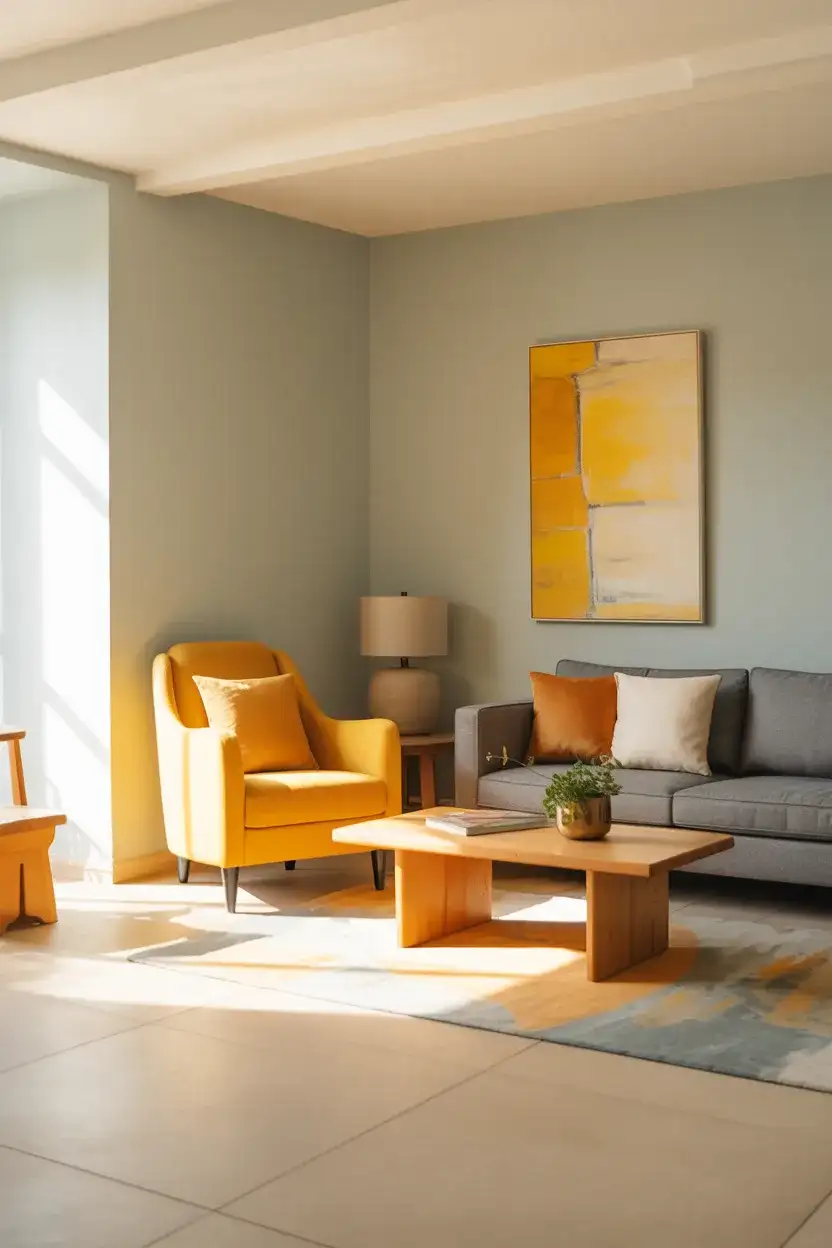
This combination works beautifully in rooms that face north or receive limited direct sunlight—the yellow injects warmth and brightness that the light can’t provide on its own. It’s particularly well-suited to living rooms in apartment buildings where window size or orientation is out of your control. Even a single yellow accent chair in a grey room changes the feeling of the space completely. Start there and see how the room responds before adding more color.
18. Teal and Grey Jewel-Tone Living Room
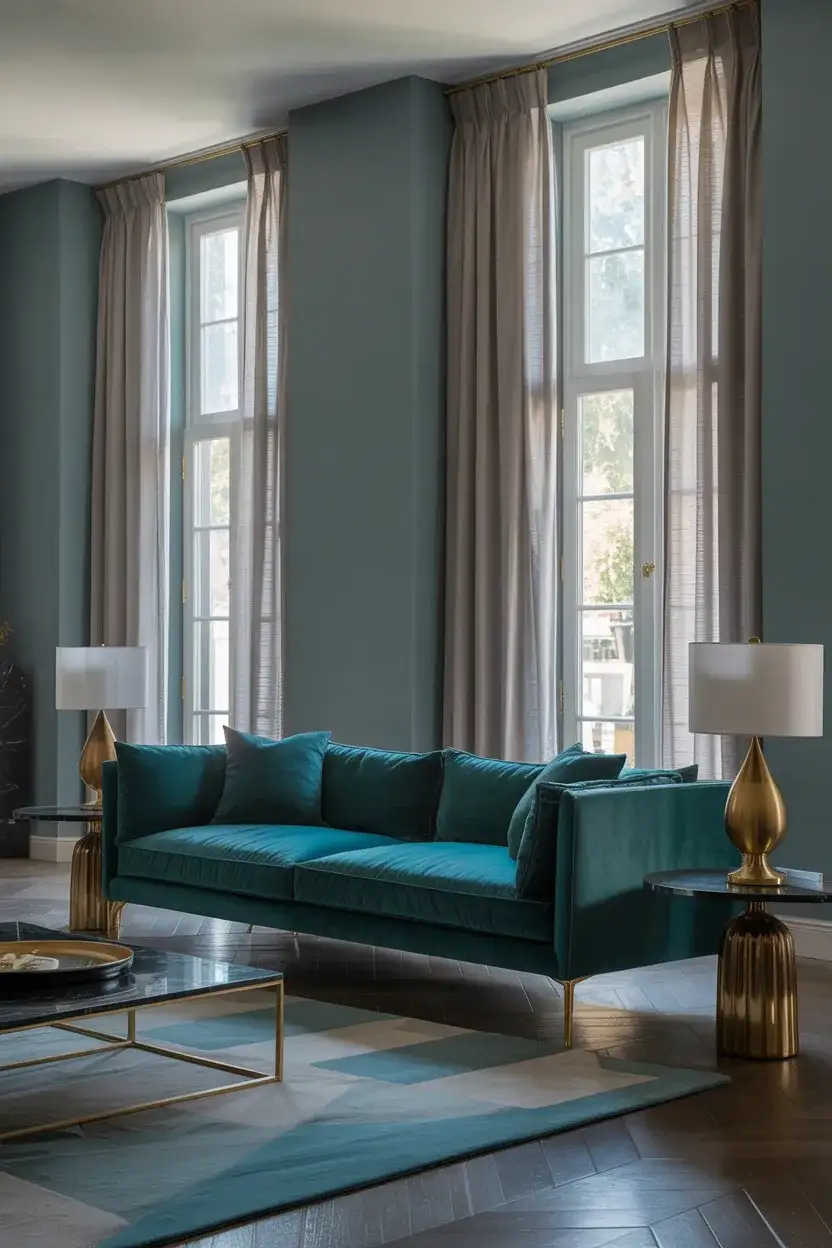
If you want your grey living room to feel genuinely distinctive, teal and grey is the combination that consistently turns heads. Teal—that perfect intersection of blue and green—brings a richness to grey that few other accent colors can match. A teal velvet sofa against grey walls is the kind of pairing that stops people mid-conversation to ask where you bought the sofa. The two colors share cool undertones, which gives the room a natural coherence even before you’ve added any other elements. This is the palette for people who want sophistication with a little surprise built in.
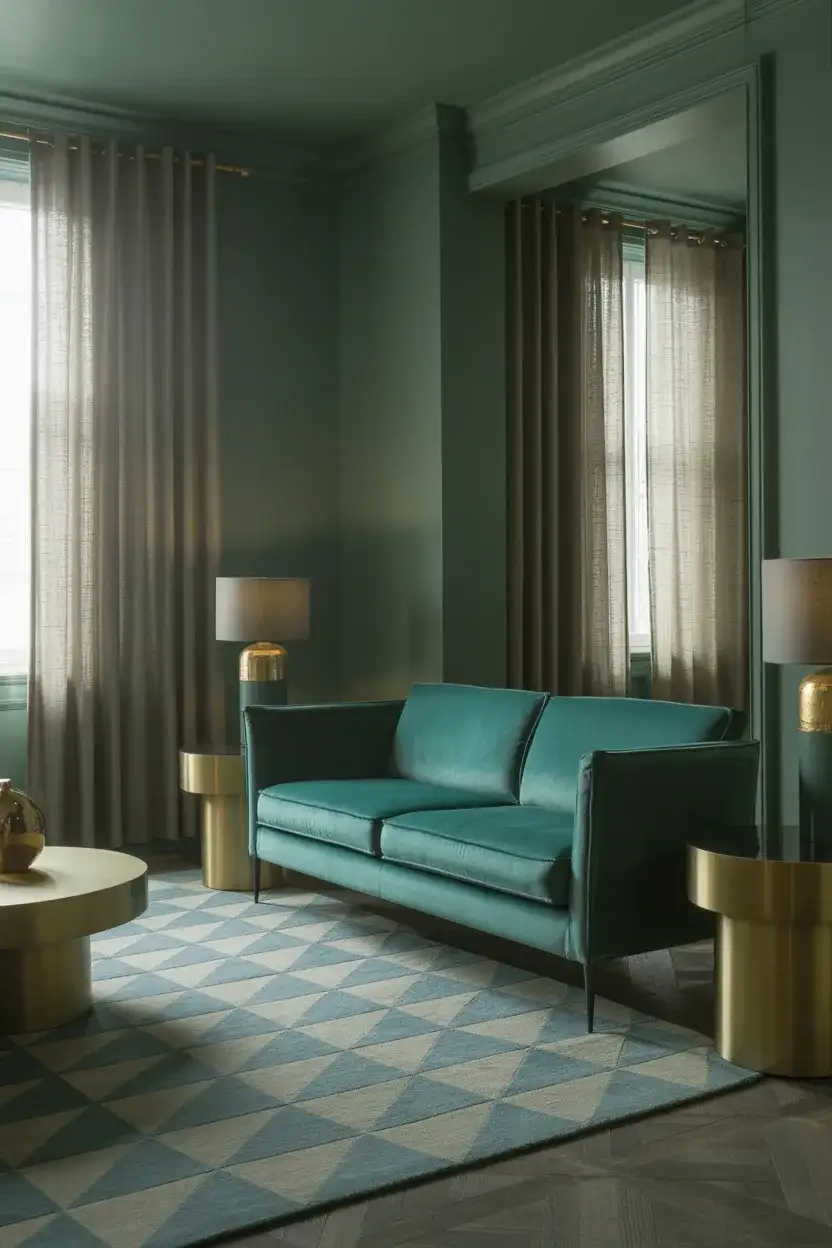
One thing worth knowing about teal upholstery: it tends to look dramatically different under artificial versus natural light. Under warm incandescent bulbs, teal pulls more green; under daylight-balanced LEDs, it reads more blue. Before buying a teal sofa, look at fabric samples in your actual room lighting conditions—ideally at several points throughout the day. The difference can be significant, and it’s the kind of detail that experienced designers always flag when working with jewel-tone fabrics.
19. Purple and Grey Moody Glam Living Room
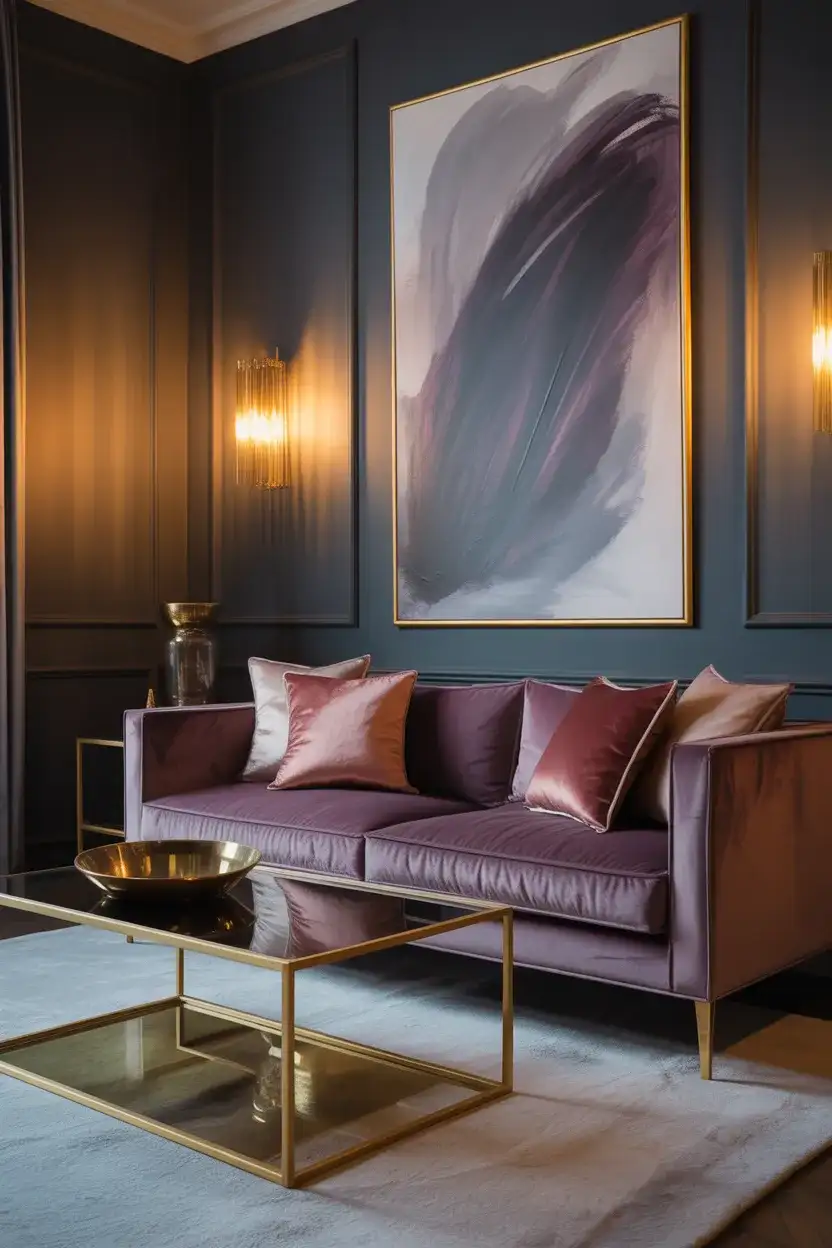
Pairing purple and grey in a living room requires a confident hand, but the results are genuinely stunning when the proportions are right. The key is choosing a purple that shares grey’s cool, desaturated quality—amethyst, plum, or dusty mauve rather than bright violet or lavender. Against a deep or mid-tone grey, these muted purples create a moody, glamorous atmosphere that feels both dramatic and livable. This is the palette for people who take their interiors seriously and want a room that feels like no one else’s. In the right light—especially candlelight—it’s extraordinary.
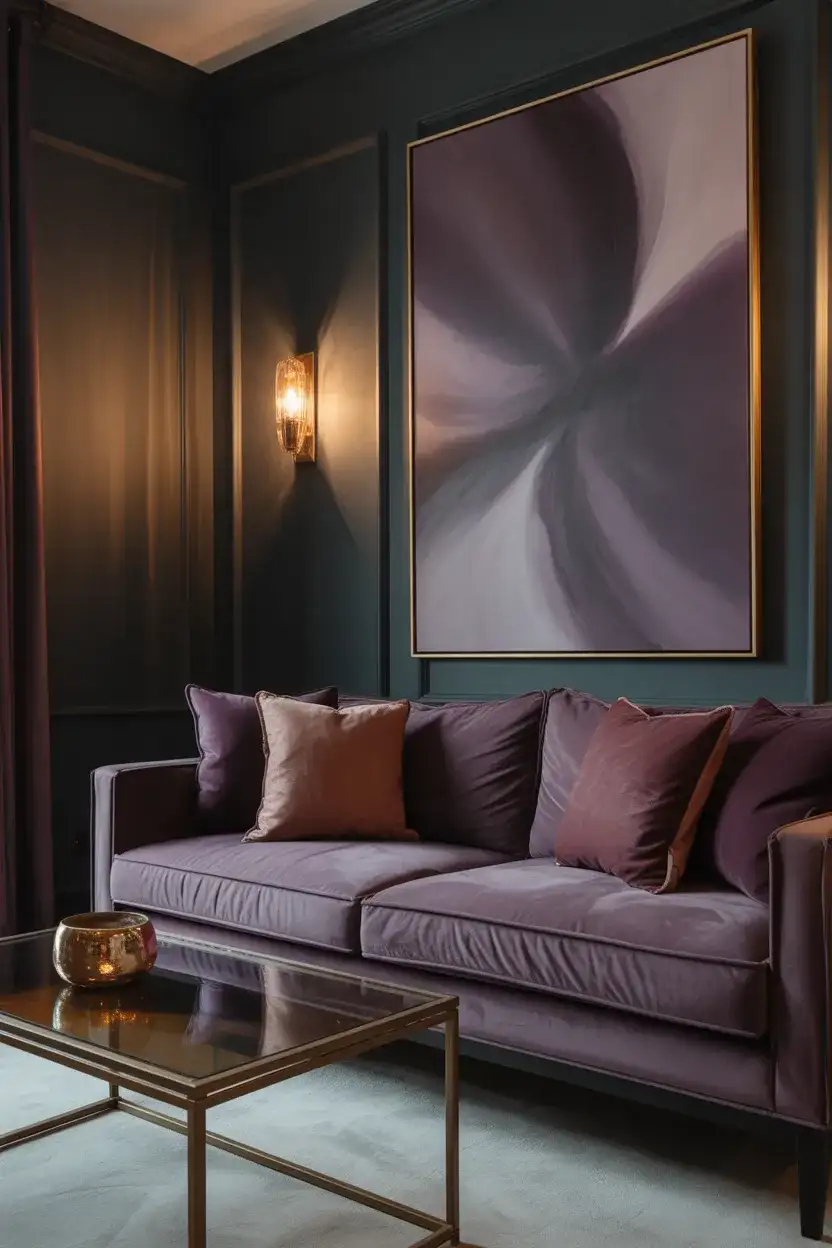
This is a palette that benefits enormously from dimmable lighting—the room reads very differently at full brightness versus 40 percent. Invest in smart bulbs or dimmable fixtures early in the process, because adjusting light levels is how you toggle between daytime functionality and evening atmosphere without changing anything about the room itself. It’s the most underrated upgrade in any moody, color-forward interior, and it costs far less than a new sofa.
20. Burgundy and Grey Rich Winter Living Room
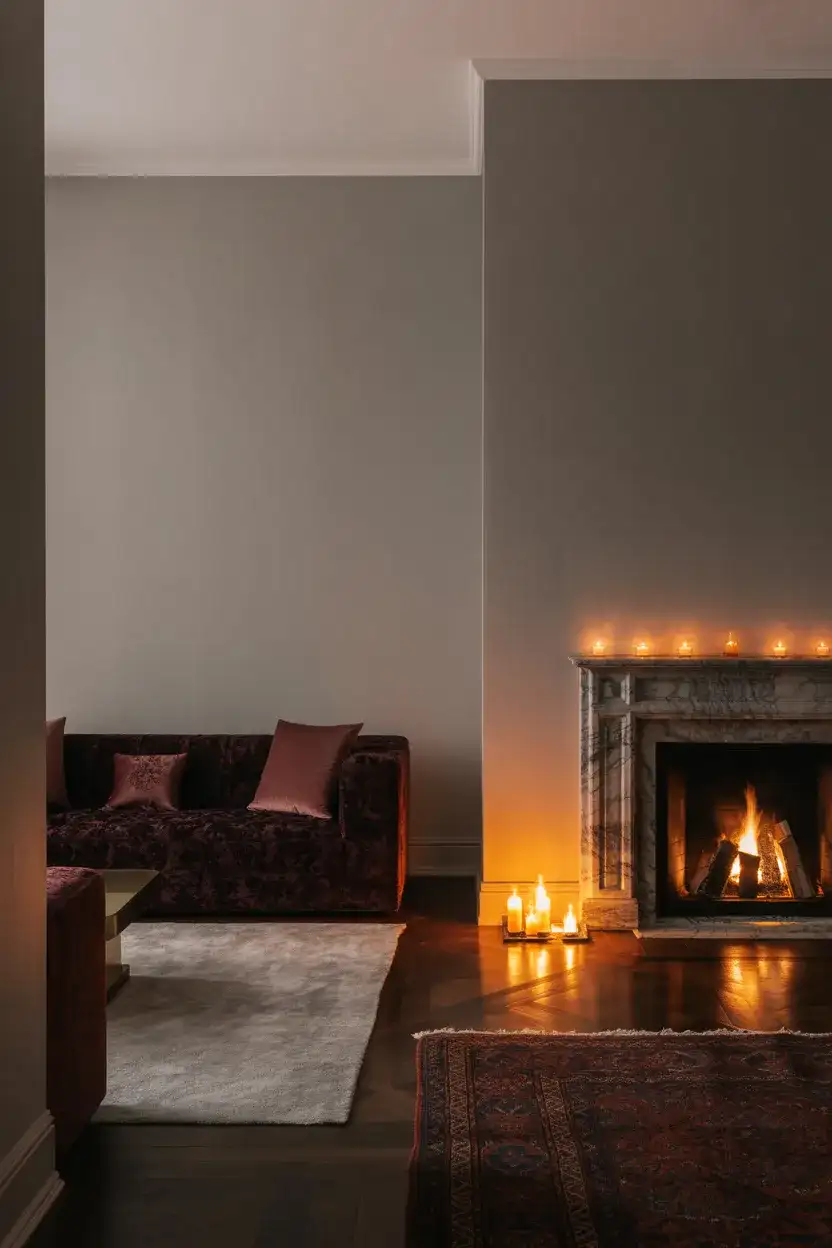
Few combinations feel as deeply appropriate for autumn and winter as burgundy and grey. The deep, wine-rich tones of burgundy bring a warmth and richness that grey alone can never achieve, while the grey keeps the palette from tipping into overpowering territory. This is the living room that feels best when it’s cold outside—a fireplace is mandatory, candles are preferred, and a grey wool throw and burgundy velvet cushions are always within reach. It’s a palette that Americans in colder regions gravitate toward instinctively, and it works equally well in a Victorian row house or a mid-century ranch.
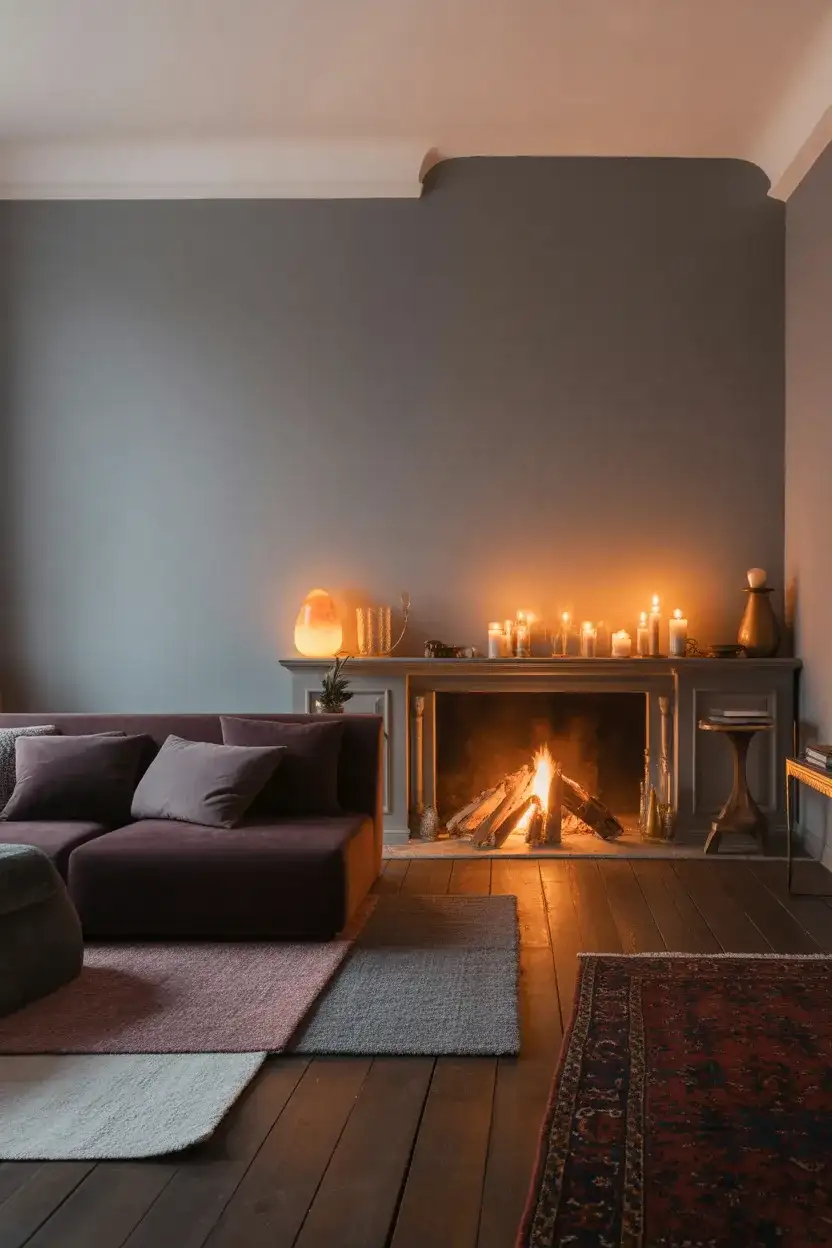
In terms of real American living habits, this is the palette that people consistently say makes their home feel like the most welcoming place to return to after a difficult day. There’s a psychological warmth to deep reds and burgundies that decorators have long recognized—they stimulate the senses just enough to feel energizing without being agitating. Paired with grey’s calming neutrality, the combination genuinely produces a room that is both stimulating and restful at the same time. That’s a rare and valuable thing.
21. Royal Blue and Grey High-Contrast Living Room
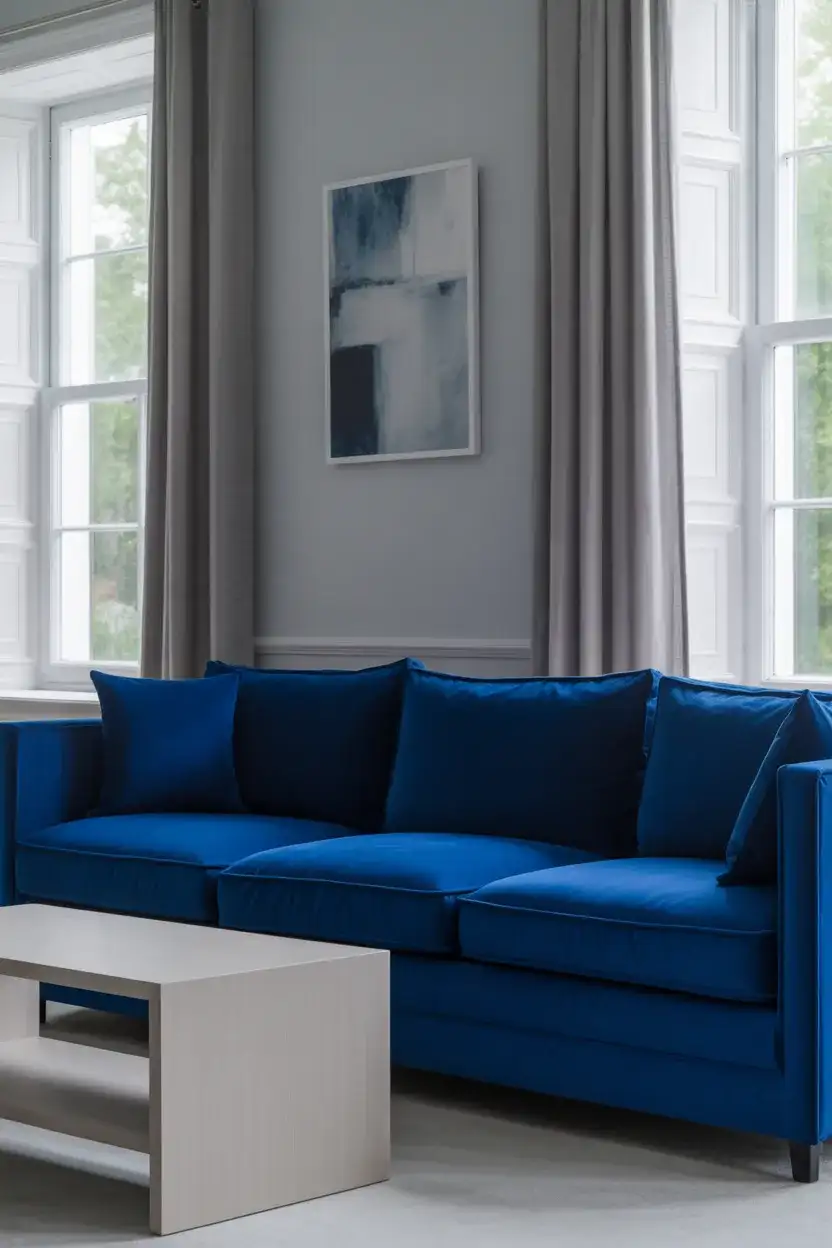
A royal blue accent in a grey living room is one of those combinations that looks more expensive than it is. Royal blue has the same jewel-tone richness as navy but with more brightness and vibrancy—it doesn’t absorb light the way navy can, which means a royal blue sofa or feature wall actually illuminates the surrounding grey rather than darkening it. This is the palette of maximalist modernism: bold, confident, and completely unforgettable. In 2026, it’s appearing in living rooms that mix mid-century silhouettes with contemporary color bravery, and the results are consistently spectacular.
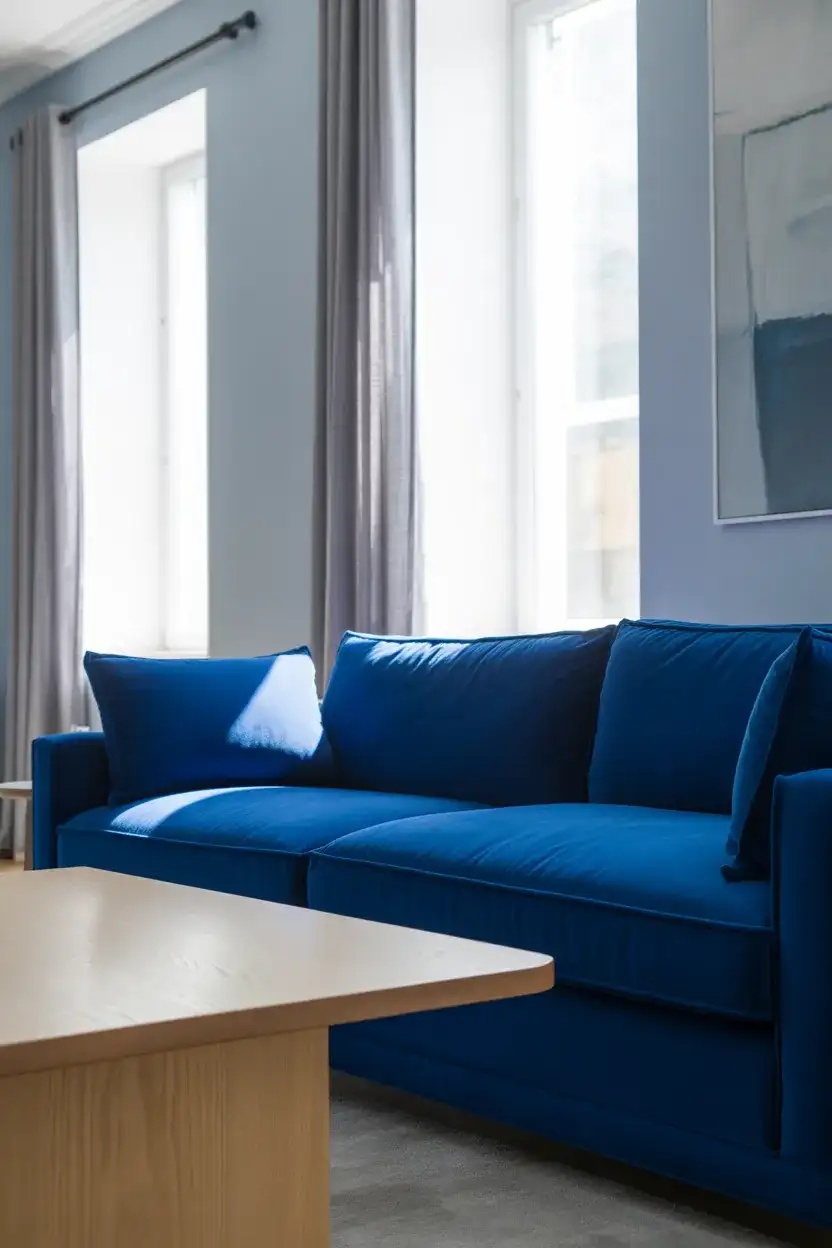
If you’re drawn to this palette but nervous about the boldness, consider using royal blue through accents and a single statement piece rather than going all in immediately. A royal blue armchair in a grey room already makes the room feel considered and confident—you don’t need to commit to a full sofa before you know the combination works in your specific light conditions. Give yourself two weeks to live with the chair before deciding if you want to layer in more blue.
22. Green and Grey Botanical Living Room
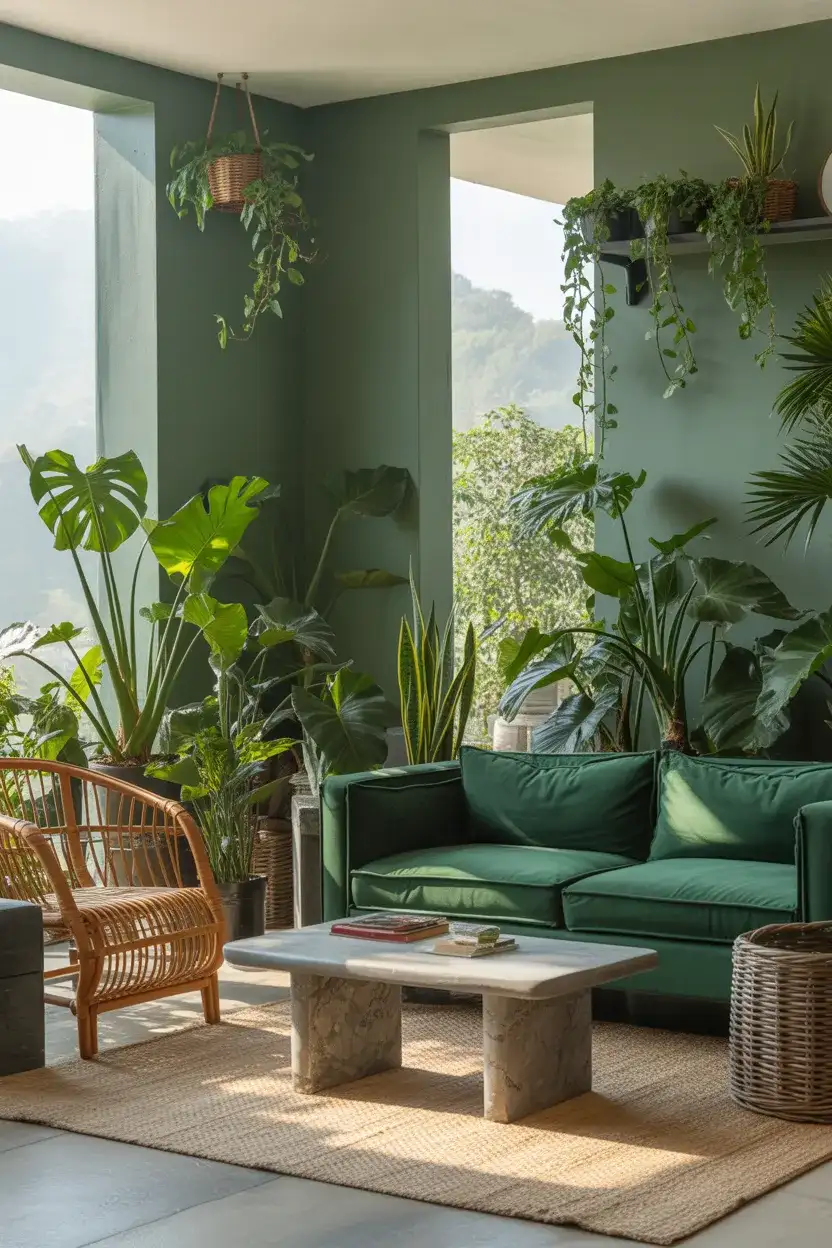
Closing out this collection with one of the most enduring combinations in modern American interior design: green and grey. But not just any green—the deep, botanical greens that are dominating design conversations in 2026. Forest green, hunter green, and jungle green—all of them read as rich and sophisticated against a cool grey base. This is the black-and-white-adjacent pairing in terms of timelessness, but with considerably more life and personality. A green and grey living room says something specific about the person who lives there: they appreciate nature, they value calm, and they’re not afraid of a little depth.
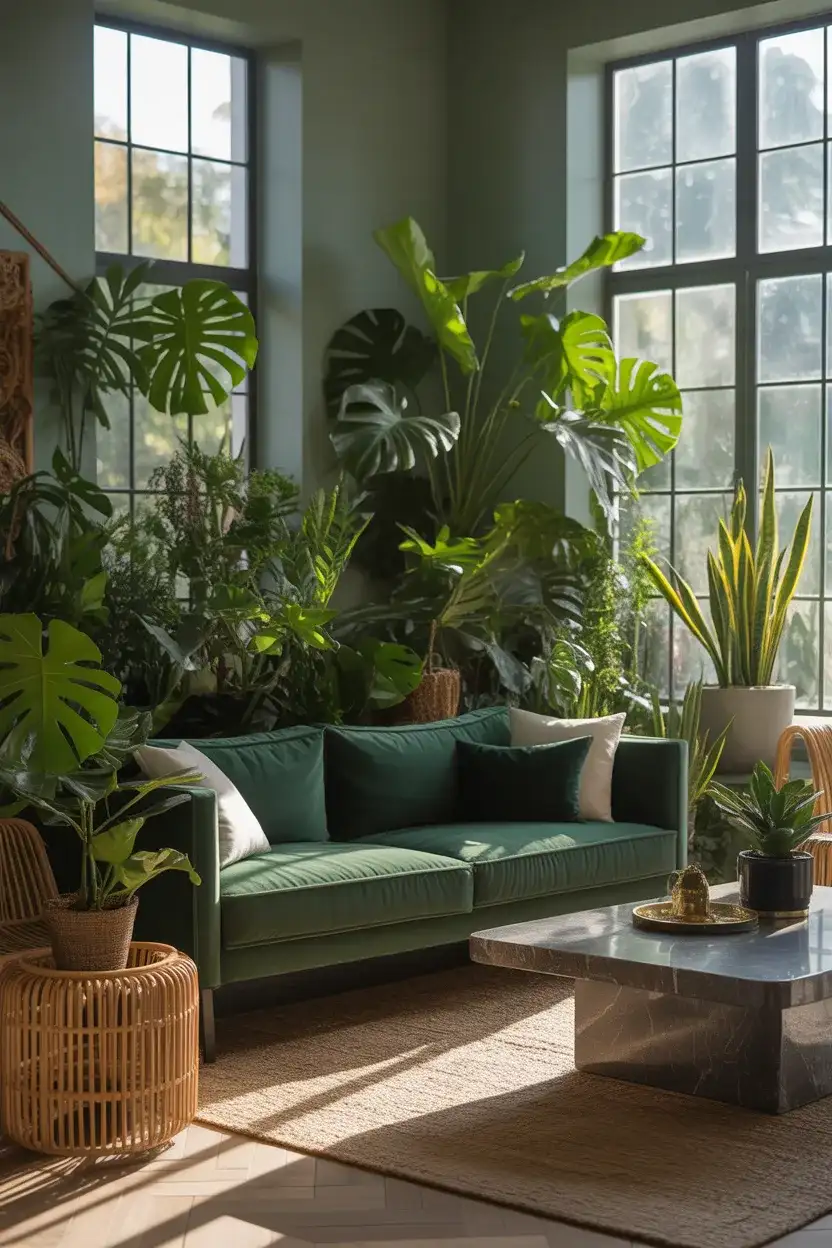
The green-and-grey pairing is experiencing a particular surge in popularity among American millennials and younger Gen X homeowners who are investing seriously in houseplants as part of their interiors. When your plants become part of the design palette—when the green of a monstera or fiddle-leaf fig actually coordinates with the green in your cushions or on your walls—the whole room achieves a coherence that goes beyond decoration and starts to feel like an intentional environment. That’s the ultimate goal of any living room, whatever the palette.
Conclusion
Grey is endlessly generous as a starting point, but what really makes any of these rooms come alive is the personal layer—the art you choose, the books you leave out, and the lamp you inherited and repainted. We’d genuinely love to hear which of these ideas resonated with you or how you’ve done grey work in your own home. Drop a comment below and let the conversation begin.