Flower gardens are having a renaissance in 2026, driven by a wave of homeowners craving outdoor spaces that feel personal, lush, and alive. Americans are turning to Pinterest in droves for visual inspiration that goes beyond basic beds of petunias—they want cutting gardens, moody cottagecore aesthetics, and designs that work whether you’re renting an apartment balcony or own a sprawling backyard. This guide walks you through creative flower garden ideas that blend beauty with real-world practicality, from whimsical Animal Crossing-inspired plots to wildflower meadows and dahlia-filled cutting gardens. Whether you’re sketching your dream layout or simply looking for a fresh spring refresh, these ideas will help you build a garden that feels entirely your own.
1. Cottagecore Wildflower Meadow
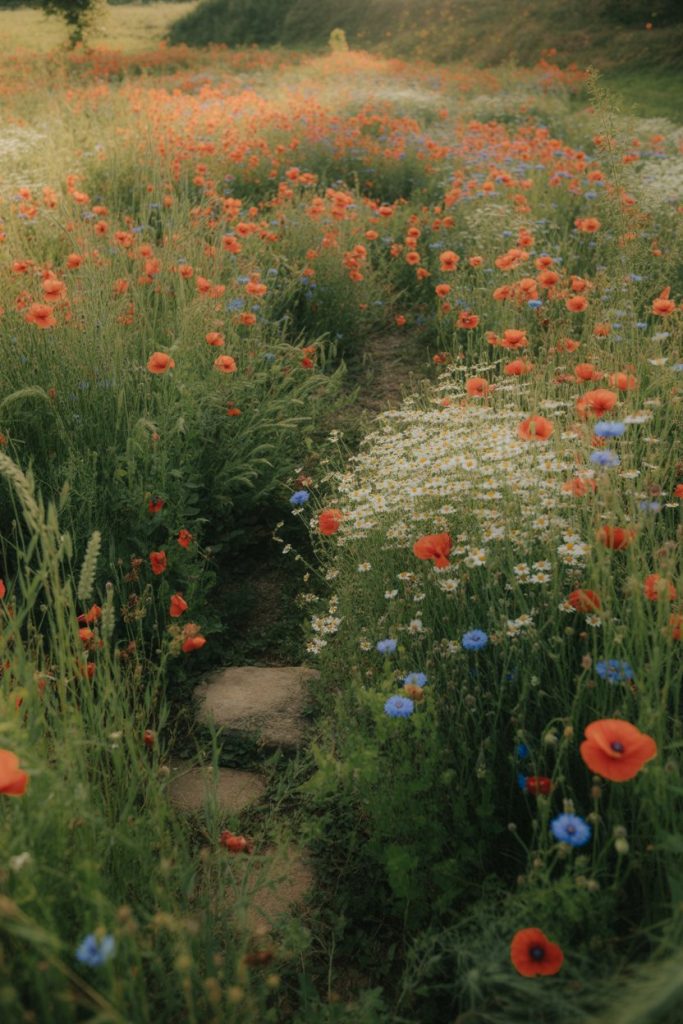
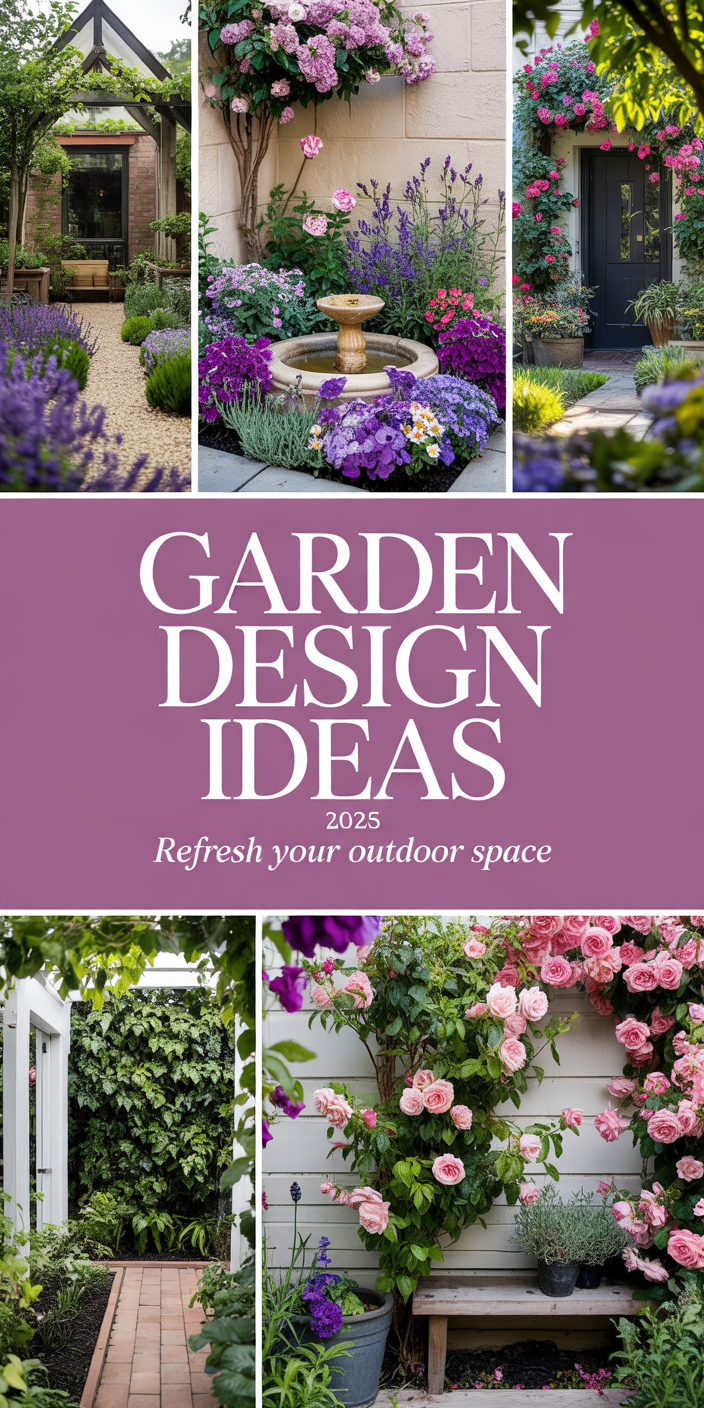
This idea embraces the wild and untamed beauty of a cottage-style garden, where blooms spill over pathways and self-seed year after year. Think drifts of poppies, cornflowers, and chamomile that evoke the English countryside but thrive in American climates. It’s perfect for anyone who loves the aesthetic of a garden that looks effortless, even though it requires thoughtful plant selection. This approach works especially well in suburban yards where neighbors appreciate a softer, less manicured look. 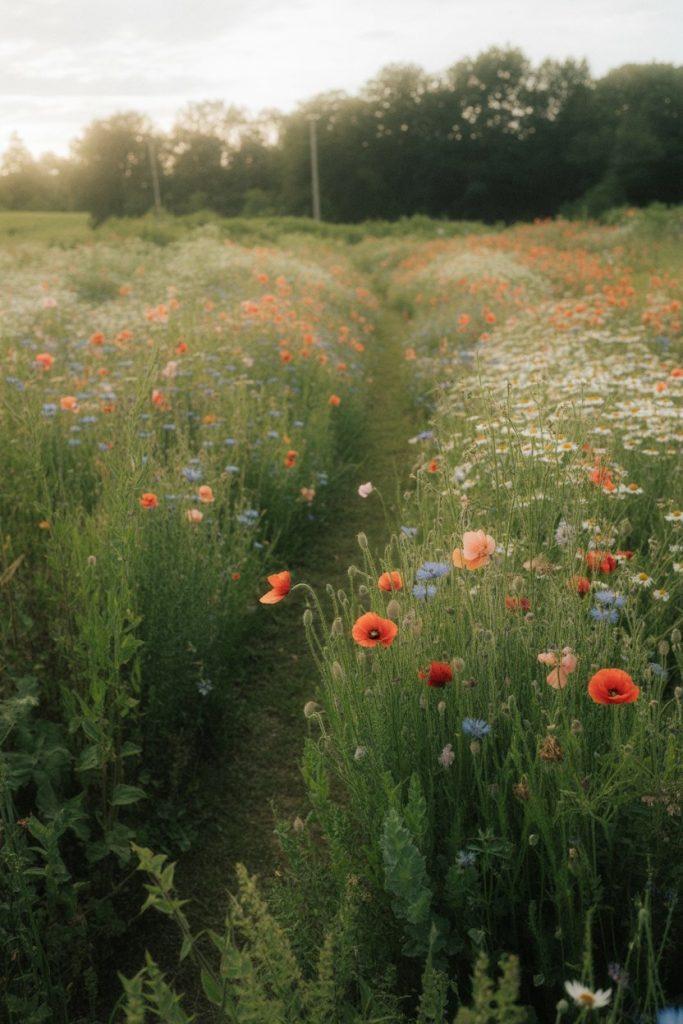
One common mistake is planting a wildflower meadow and expecting it to look perfect in year one—these gardens need at least two seasons to establish and fill in. Start with a mix designed for your USDA zone, and resist the urge to mow or tidy too early in spring. Let the flowers set seed, and you’ll be rewarded with a self-sustaining display that feels both timeless and deeply personal.
2. Animal Crossing-Inspired Garden Layout
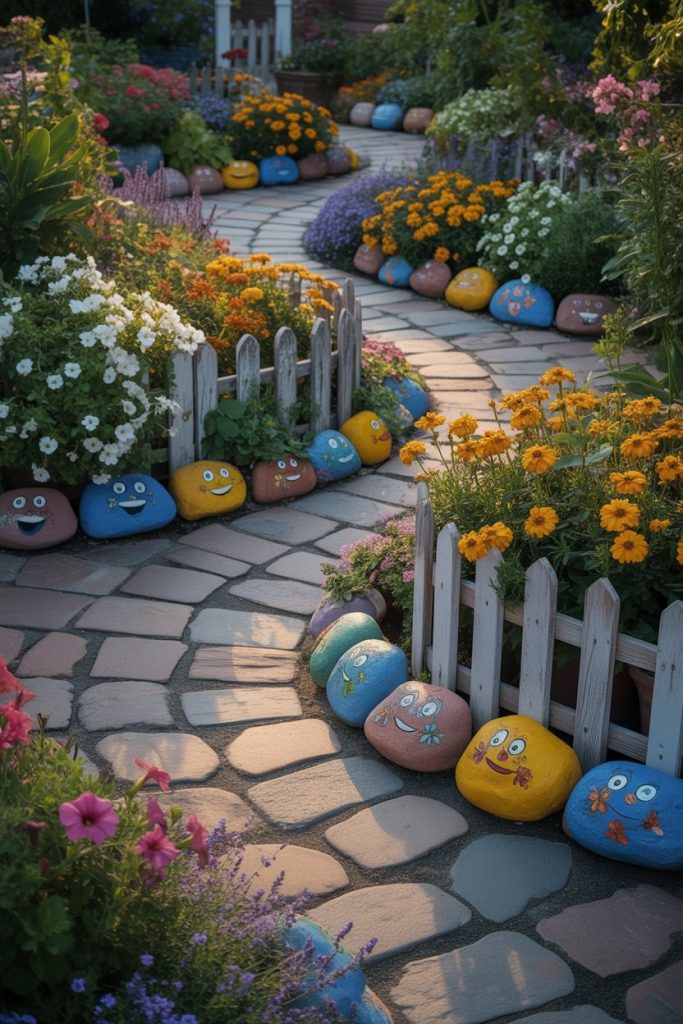
If you’ve spent hours designing your island in Animal Crossing, why not bring that same playful creativity into your real-world garden? This idea focuses on creating distinct “zones” with winding paths, clusters of flowers by color, and charming DIY elements like painted rocks or handmade signs. The layout mimics the whimsical, organized chaos of the game, where every corner holds a surprise. It’s especially popular with millennials and Gen Z homeowners who want their outdoor spaces to feel as curated as their digital ones. 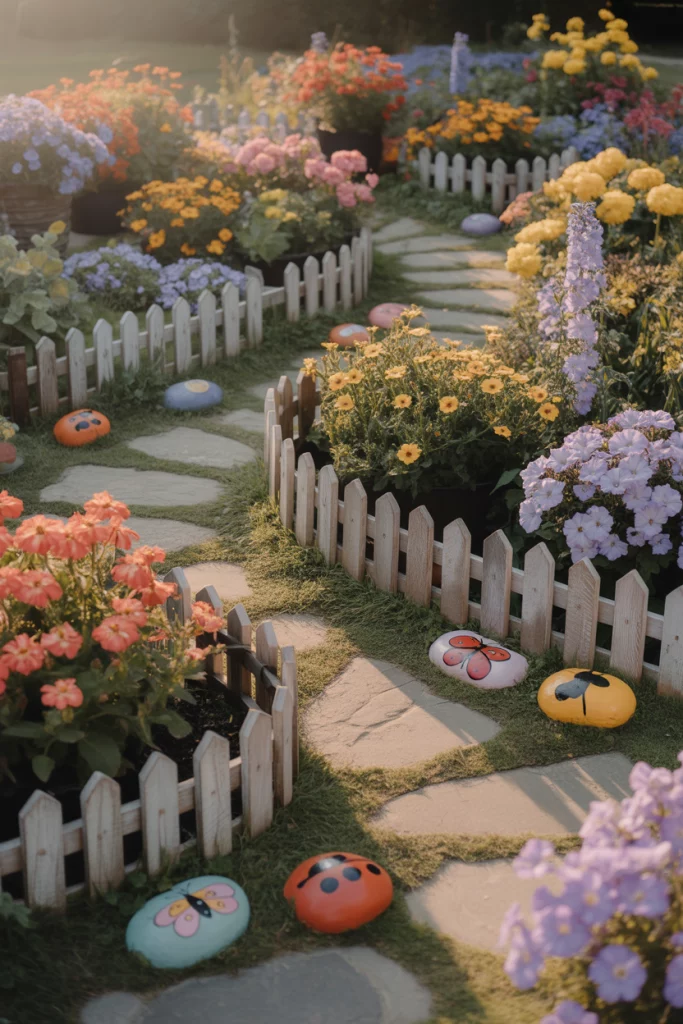
This style works best in small to medium yards where you can define spaces without overwhelming the eye. Use gravel or mulch paths to separate flower beds, and don’t be afraid to mix vegetables with ornamentals—just like in the game. The key is balance: enough structure to guide the eye, but enough spontaneity to keep it fun.
3. Moody Klimt-Inspired Palette
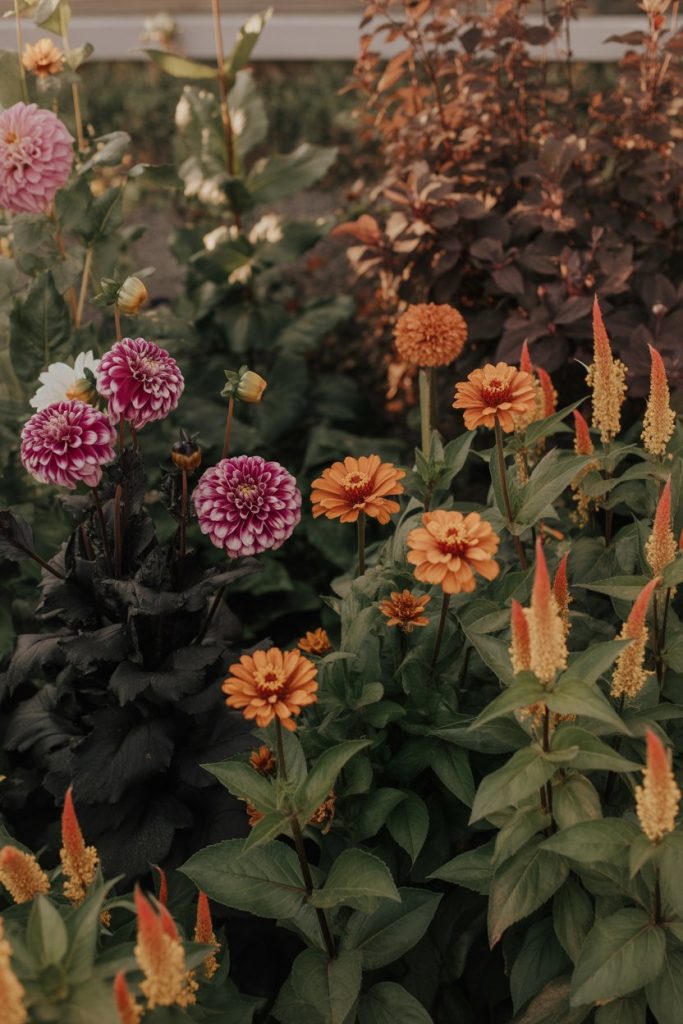
Inspired by Gustav Klimt’s paintings, this garden leans into jewel tones—deep purples, burnt oranges, and rich golds—paired with textural foliage that feels almost painterly. Think of dahlias, zinnias, and celosia arranged in layers, with grasses or bronze fennel adding movement. The inspiration comes from art, but the execution is grounded in choosing heat-tolerant, easy-care plants that deliver high drama with minimal fuss. 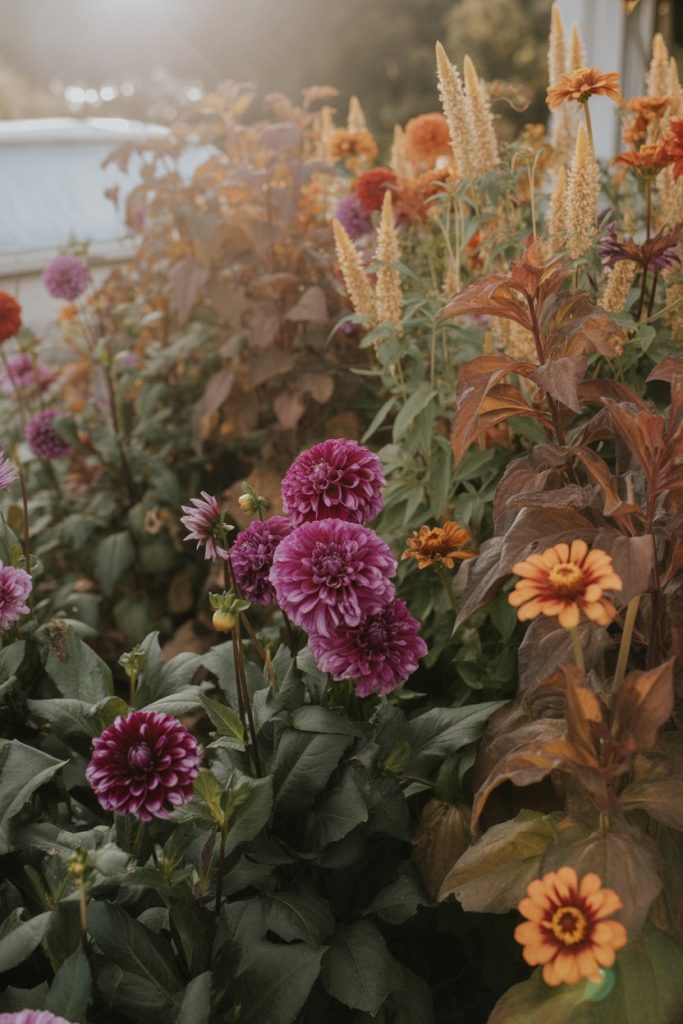
A designer I spoke with in Portland mentioned that clients often underestimate how much visual weight dark flowers carry—use them as accents rather than filling entire beds. Pair moody blooms with lighter grasses or silver foliage to prevent the space from feeling too heavy, and site this garden where it gets strong morning or late afternoon light to make the colors glow.
4. Front Yard Dahlia Display
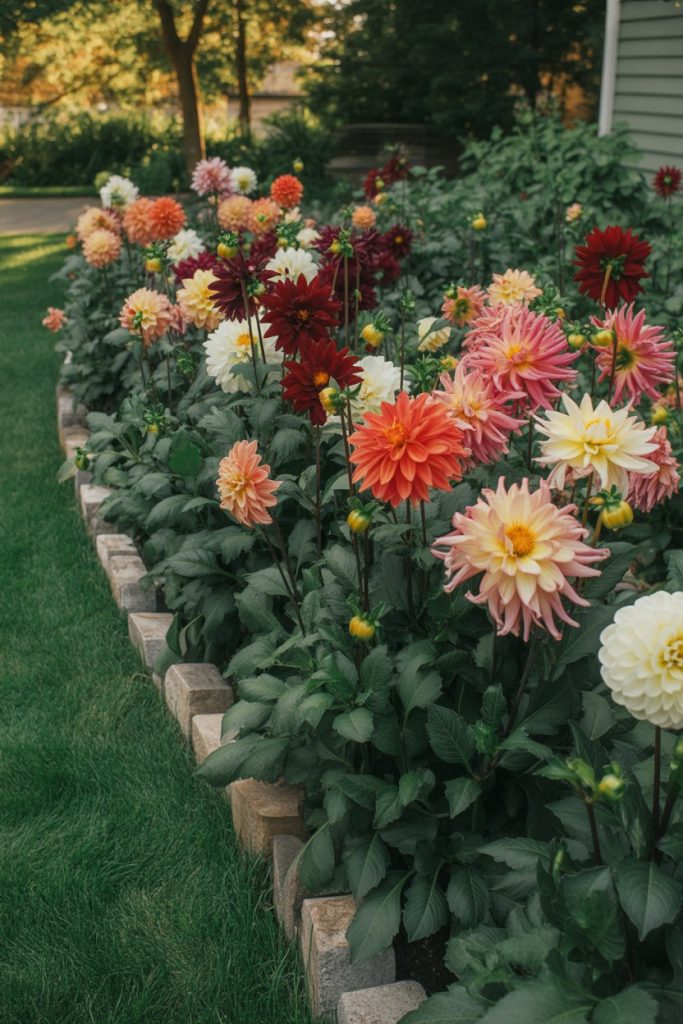
Dahlias are having a major moment, and planting them in front of house beds is a bold move that pays off in late summer curb appeal. These tubers deliver oversized blooms in nearly every color, and when planted en masse, they create a statement that’s hard to ignore. The dahlia garden trend is especially strong in the Pacific Northwest and Northeast, where cooler nights intensify the colors. This idea works whether you have a traditional foundation planting or a more modern, minimalist front yard. 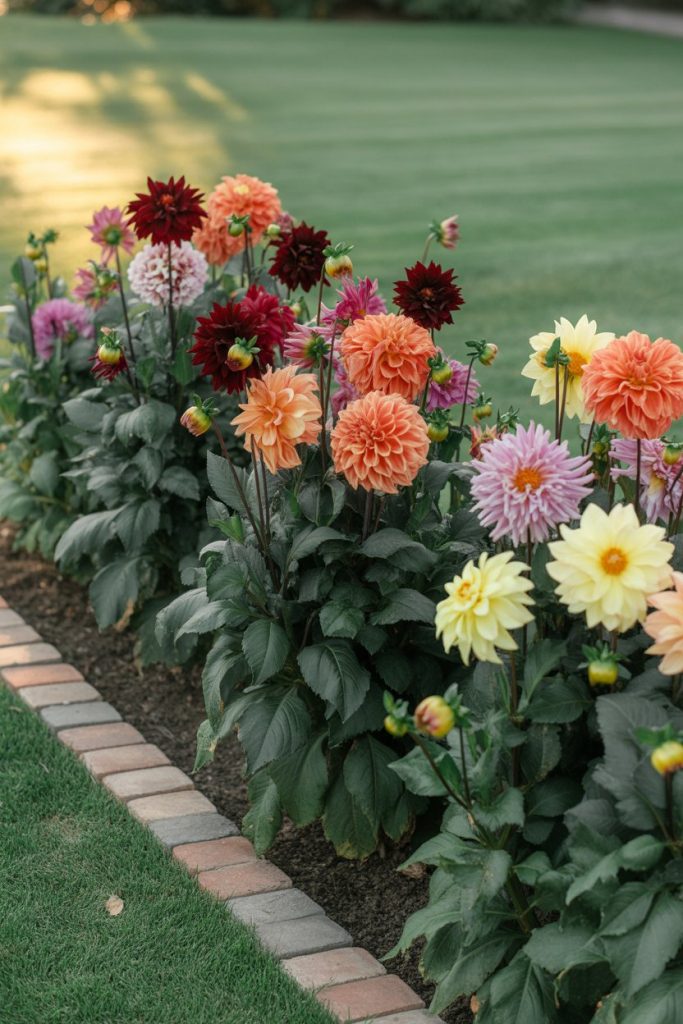
Real homeowners often make the mistake of planting dahlias too early or too deep—wait until soil temps hit 60°F and plant tubers just 4–6 inches down. Stake them early, especially the dinner-plate varieties, and deadhead religiously to keep the show going until the first frost. If you’re in a colder zone, plan to dig and store the tubers each fall.
5. Potted Flower Arrangement for Small Spaces
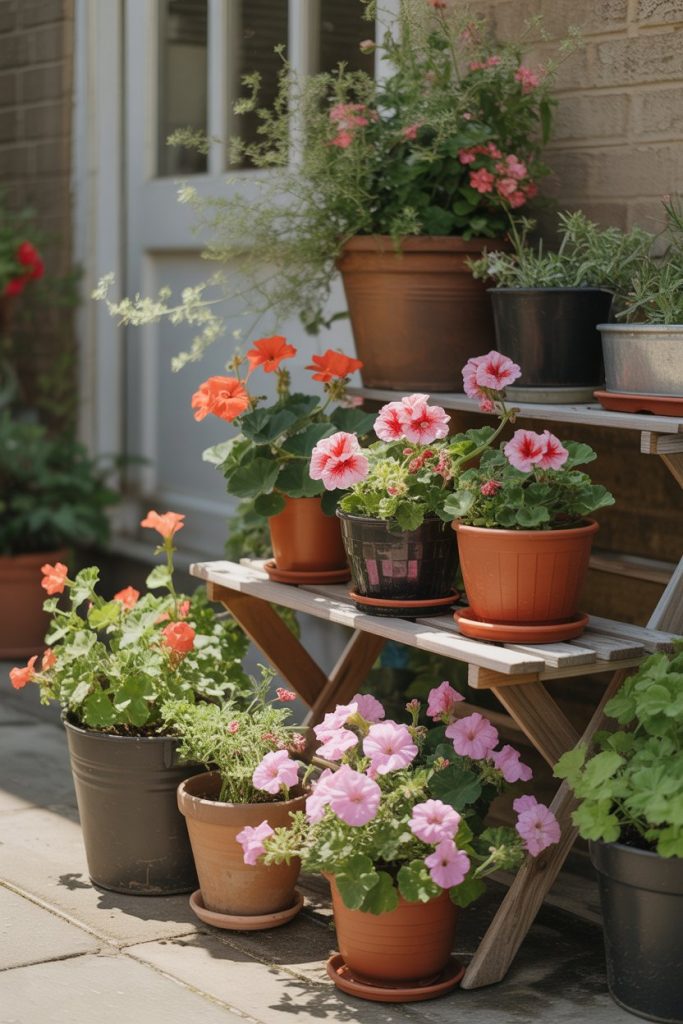
Not everyone has acreage, and that’s where potted flower gardens shine. This idea is perfect for apartment balconies, small patios, or even a sunny front stoop. Choose containers in varying heights and group them for impact—mixing geraniums, petunias, and trailing verbena creates a lush, layered look without requiring a single inch of in-ground space. The home becomes your canvas, and the flexibility to rearrange pots means you can refresh the display throughout the season. 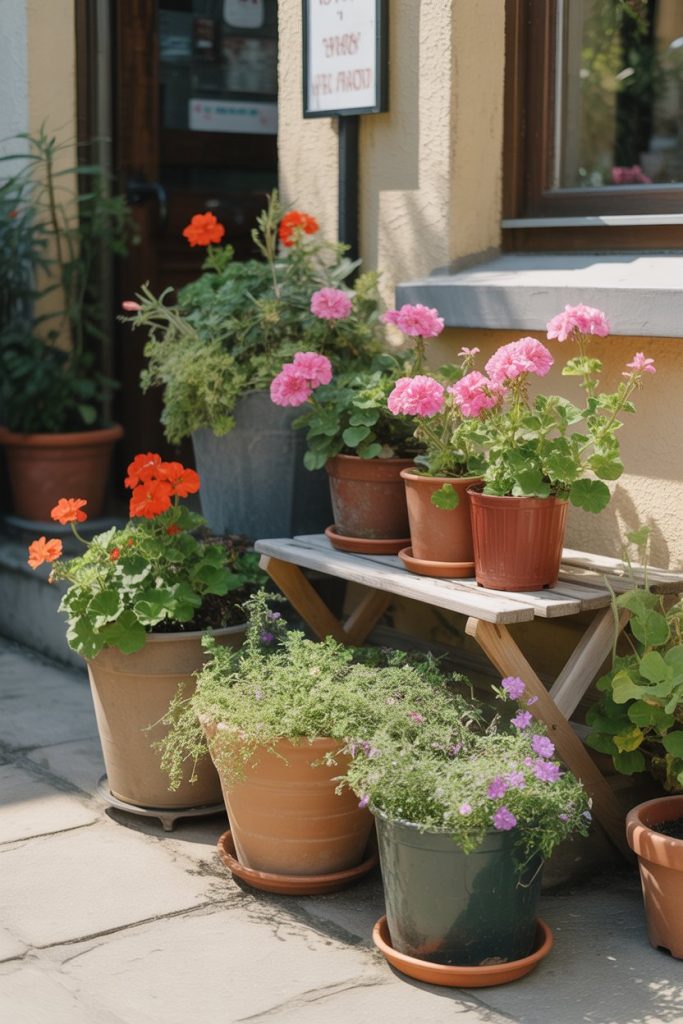
Budget-conscious gardeners love this approach because you can start with just a few pots and add more as funds allow—expect to spend $30–$60 per large container including soil and plants. Use a high-quality potting mix with slow-release fertilizer, and water daily during peak summer heat. Don’t forget drainage holes; even beautiful ceramic pots need them to prevent root rot.
6. Spring Bulb Cutting Garden
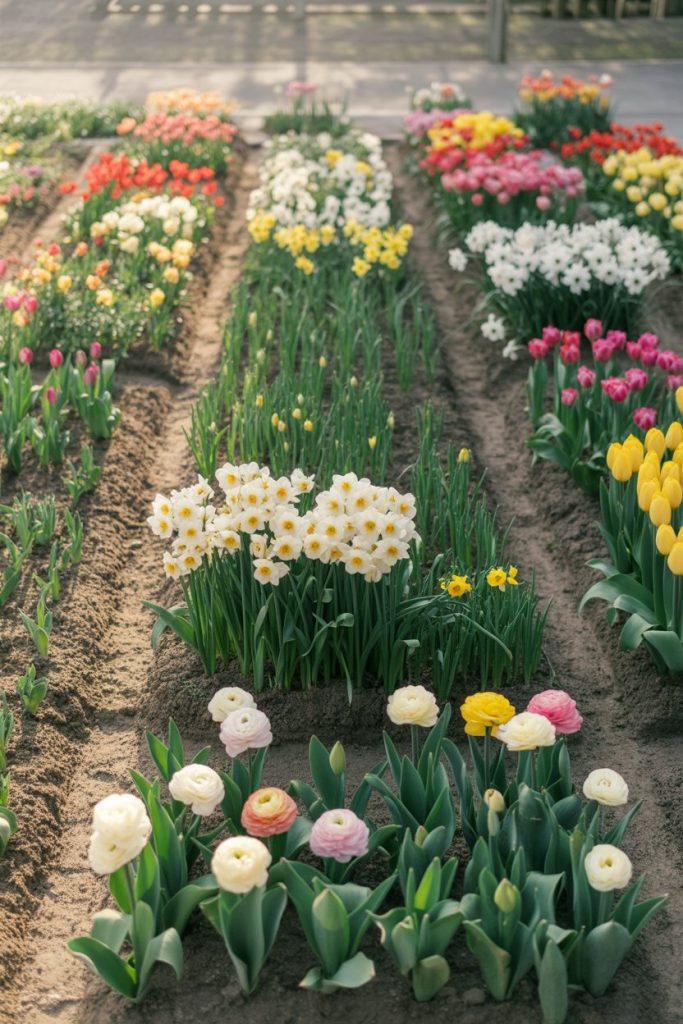
A spring cutting garden filled with tulips, daffodils, and ranunculus is one of the most rewarding projects you can start in fall. Plant bulbs in tight rows or blocks—not scattered—so you can harvest armfuls without leaving gaps. This idea is especially popular in the Midwest and Mid-Atlantic, where spring can feel fleeting and homeowners want to bring that burst of color indoors. The beautiful thing about a cutting garden is that it’s entirely utilitarian, so perfect aesthetics in the ground aren’t the goal. 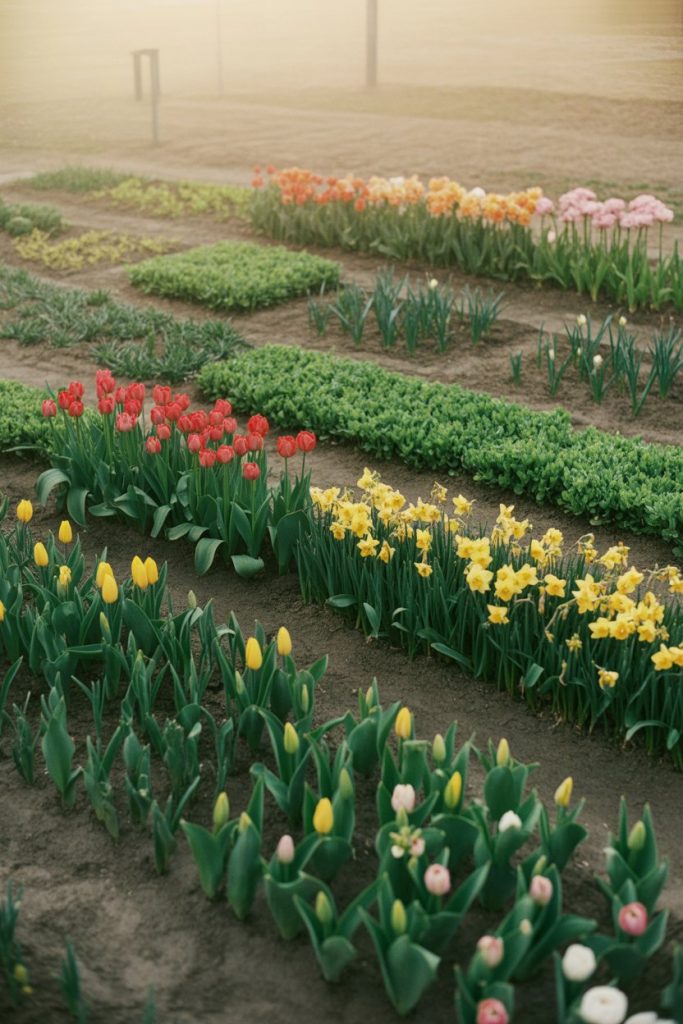
This works best in a dedicated bed or along the side yard where utility trumps ornament. Amend the soil with compost before planting, and space bulbs closer than package directions suggest—you want density. After blooms fade, let the foliage yellow naturally to feed next year’s display, even if it looks messy for a few weeks.
7. Backyard Flower Meadow with Mowed Paths
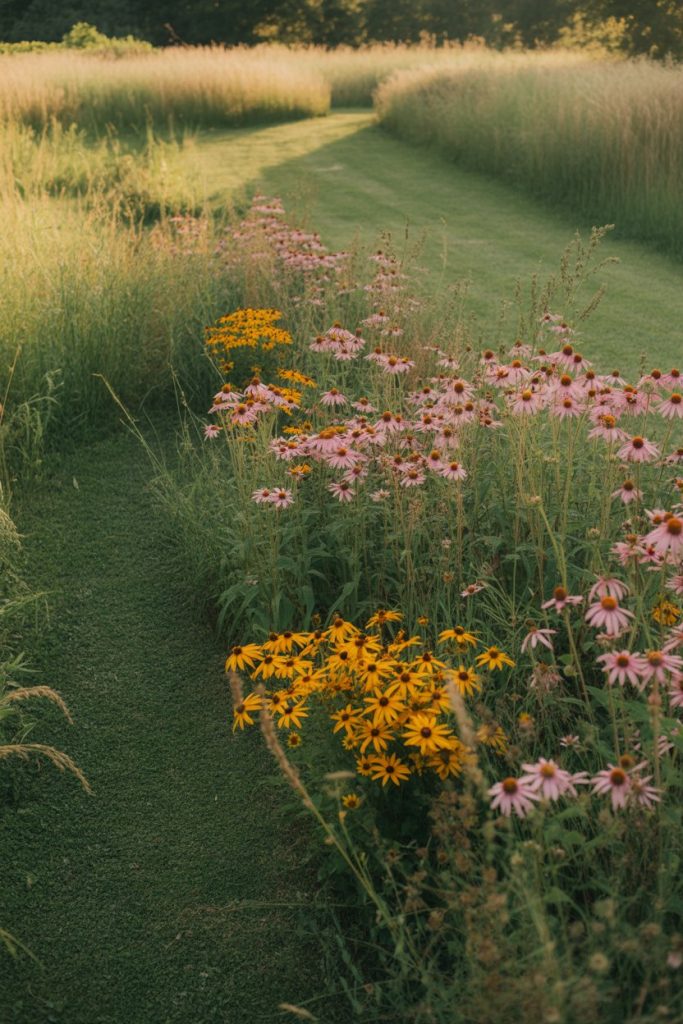
For larger properties, a backyard flower meadow with mowed paths offers the best of both worlds: wild beauty and accessible structure. Seed a section of lawn with native wildflowers, then mow winding trails through it so you can walk and enjoy the blooms up close. This design is trending in the South and Southwest, where drought-tolerant natives like coneflower and black-eyed Susan thrive with little water. It’s a smart move for anyone looking to reduce mowing time while boosting pollinator habitat. 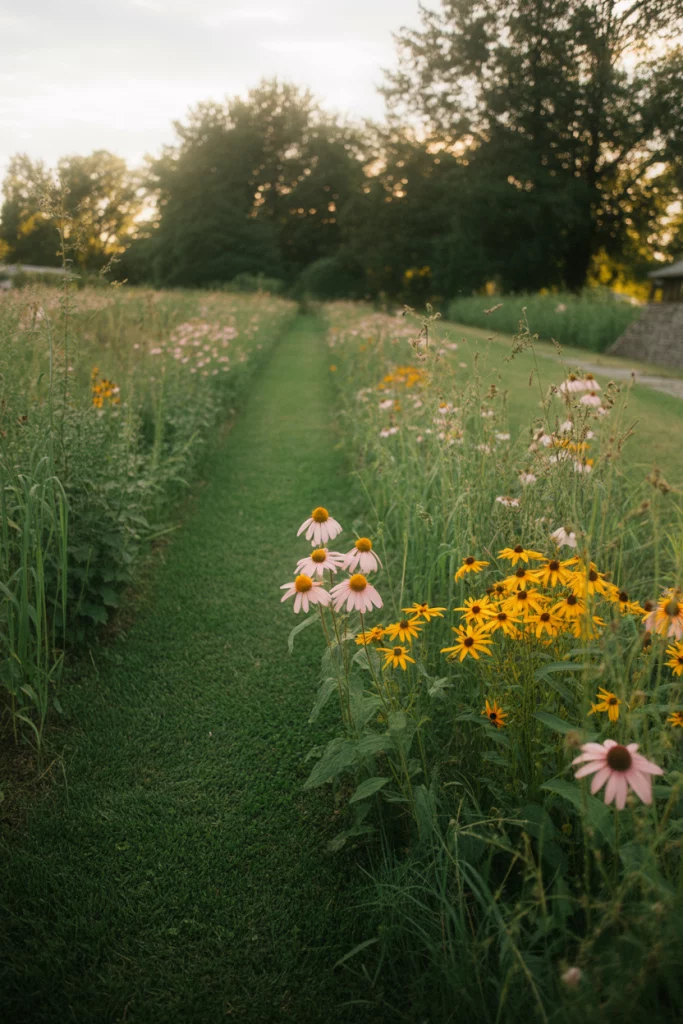
One homeowner in Tennessee told me she started with just a quarter-acre test plot and loved it so much she expanded the meadow the following year. The trick is timing your first mow—wait until after seeds have dropped in late fall, then mow the whole thing down to 4–6 inches. Paths can be mowed weekly to keep them defined, while the meadow itself needs just one or two cuts per year.
8. Illustrated Garden Plan Before You Dig
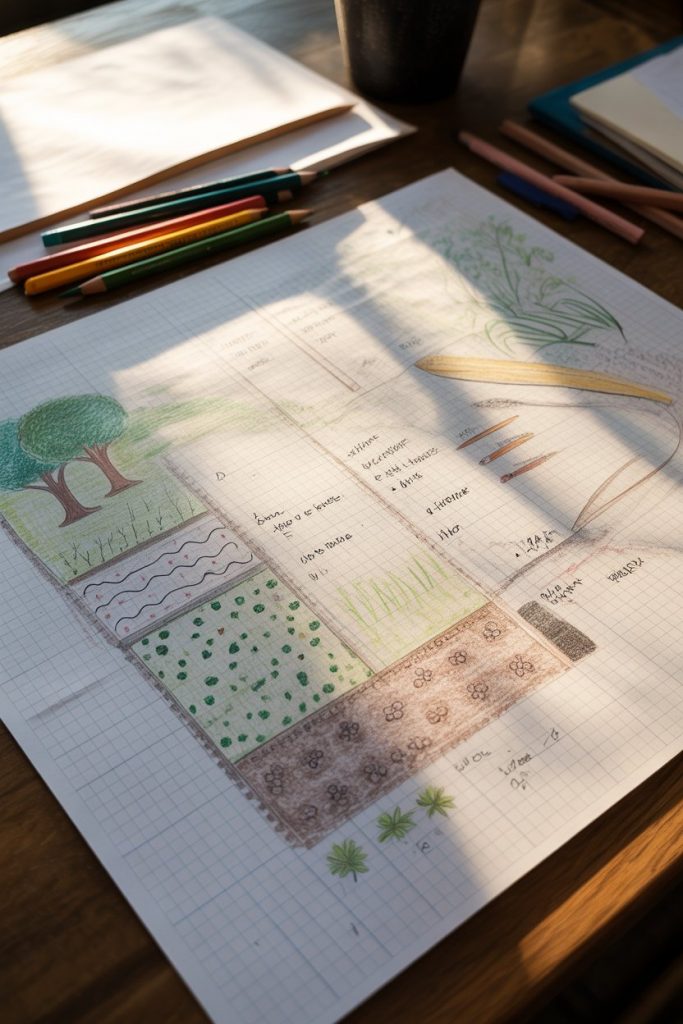
Before breaking ground, sketch an illustration of your garden layout—whether on graph paper or a digital tool—to avoid costly mistakes. This step is crucial for visualizing spacing, sun exposure, and color flow. Many gardeners skip this and end up with awkward gaps or plants that outgrow their spots. A simple drawing helps you think through bloom times, heights, and maintenance needs before you invest in plants and soil. It’s especially useful if you’re designing a mixed border or trying to incorporate vegetables and flowers together. 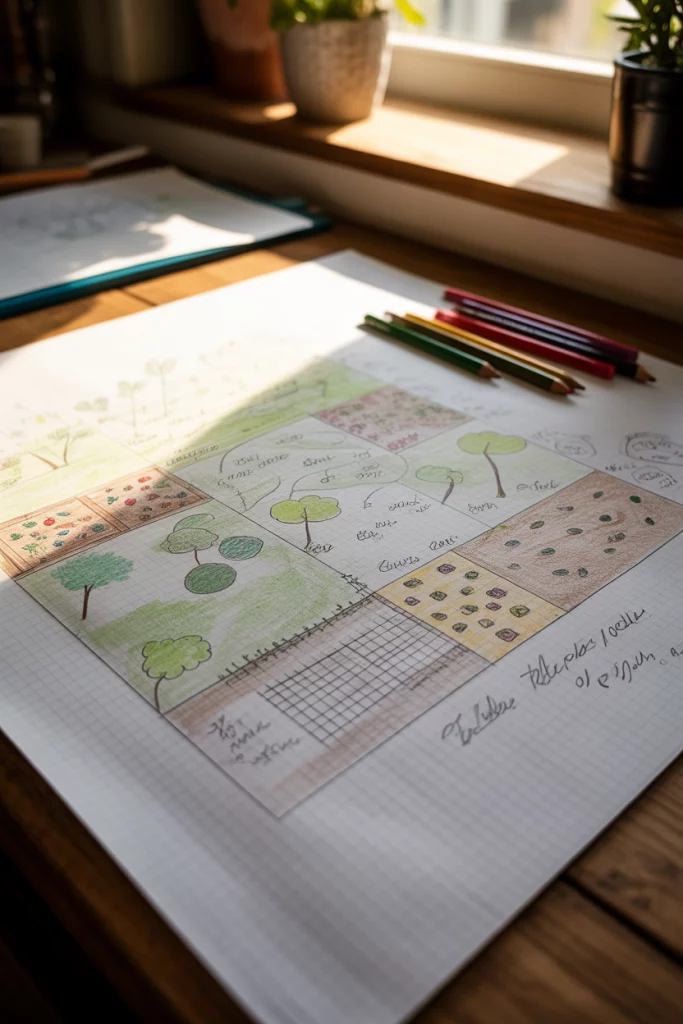
Where this works best is in new builds or when you’re converting lawn to garden beds—starting with a plan saves both time and money. Include notes on mature plant sizes, and don’t forget to map out water sources and pathways. If drawing isn’t your strong suit, apps like Procreate or even a basic spreadsheet can help you lay out the bones of your design before you commit.
9. White Flower Garden for Evening Glow
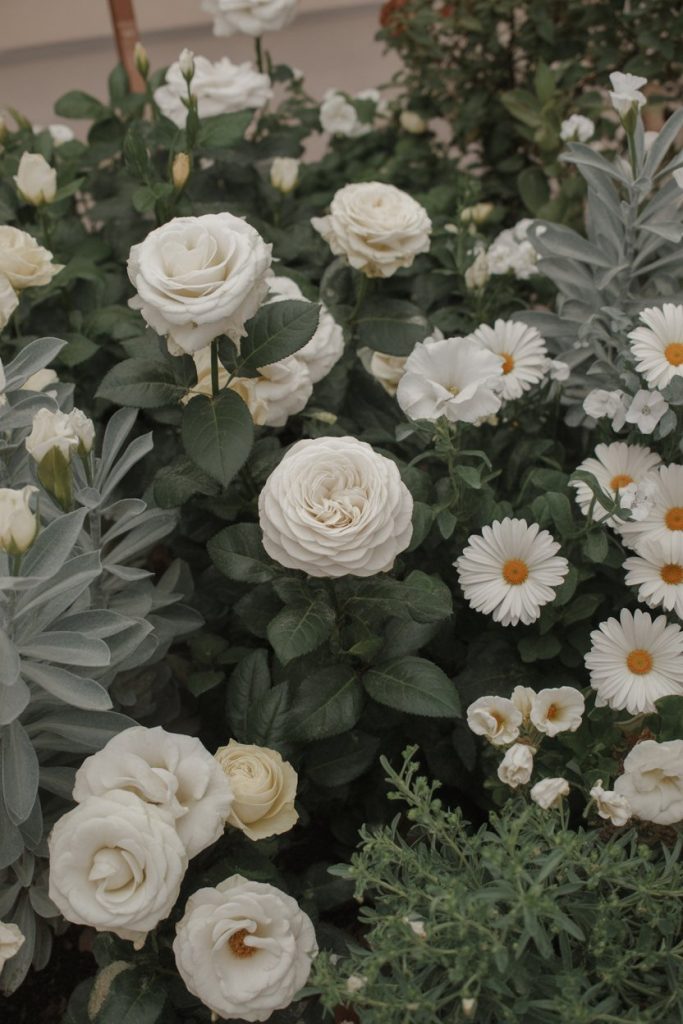
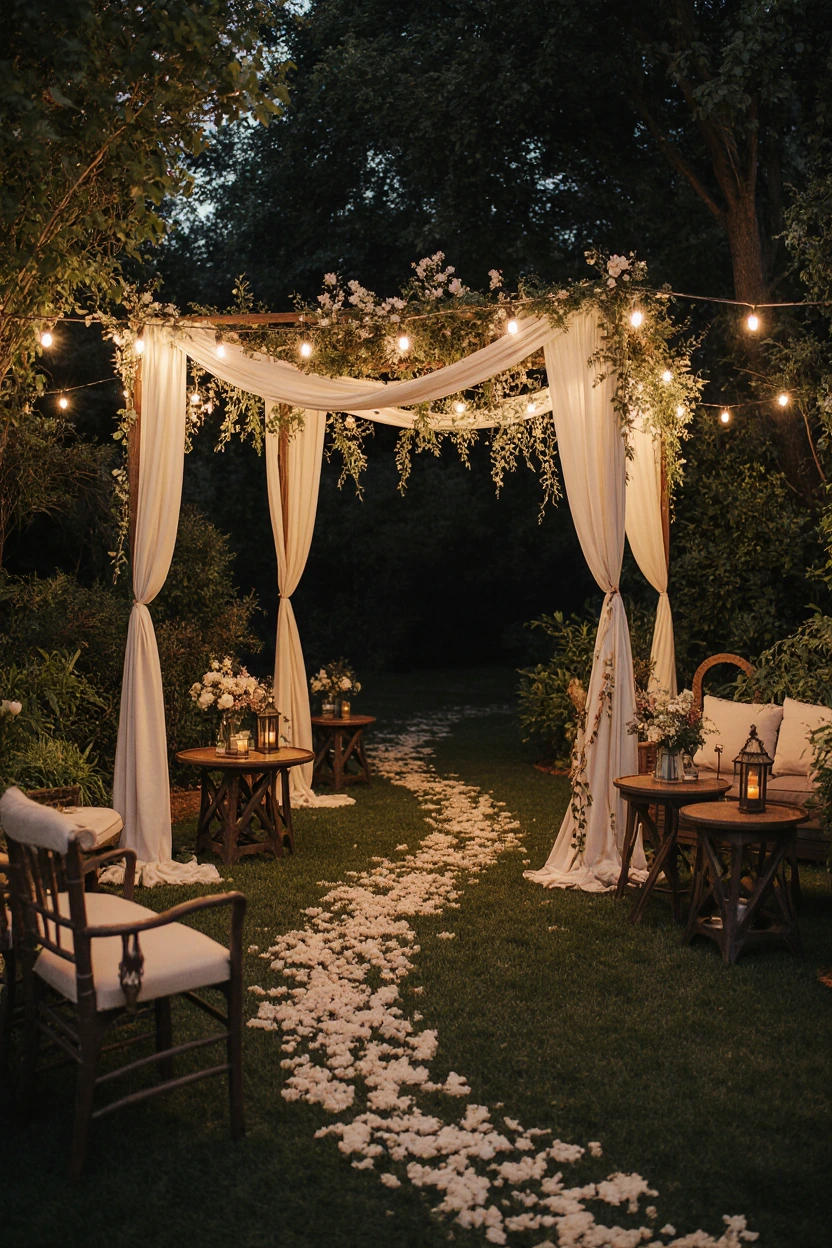
A white flower garden is a study in elegance and becomes almost luminous at dusk. Plant white roses, shasta daisies, and white petunias for a monochromatic scheme that feels formal yet calming. This aesthetic is popular in New England and the South, where evening garden parties are a tradition. The lack of color might seem limiting, but the variety in petal shapes and textures keeps it visually rich. Add silver foliage like lamb’s ear or dusty miller for contrast and depth. 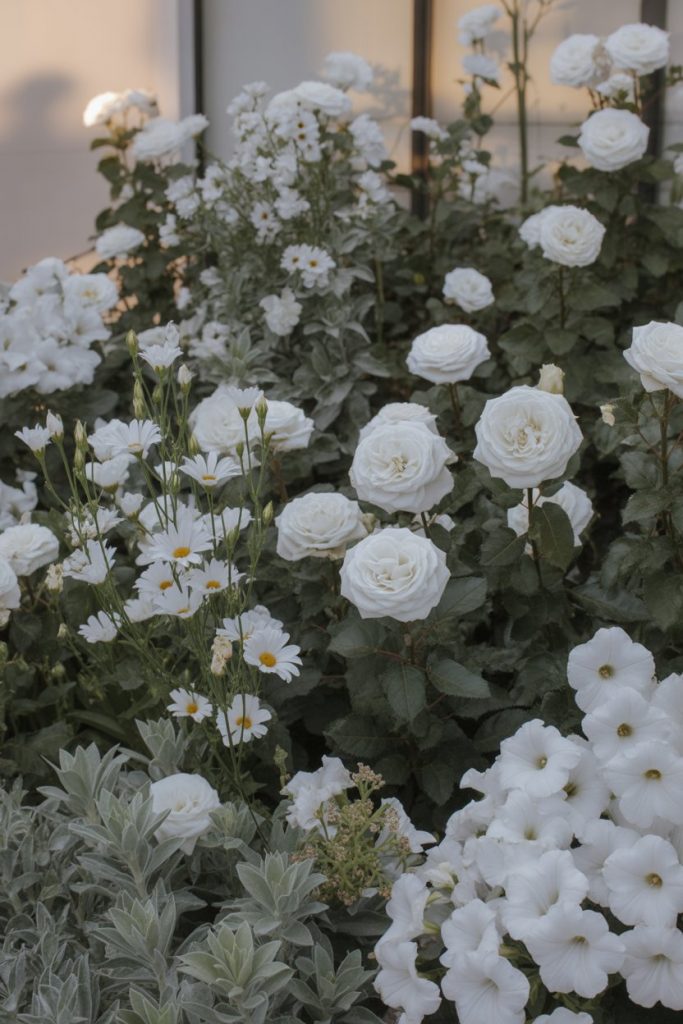
A landscape architect in Charleston mentioned that white gardens can look washed out in harsh midday sun, so site them where they’ll be enjoyed in morning or evening light. Pair blooms with dark green or purple foliage to make the whites pop, and consider adding a trellis or arbor painted in deep green or black for architectural contrast. This palette is also surprisingly forgiving—white flowers hide imperfections better than bright colors.
10. Pinterest-Perfect Photoshoot Garden
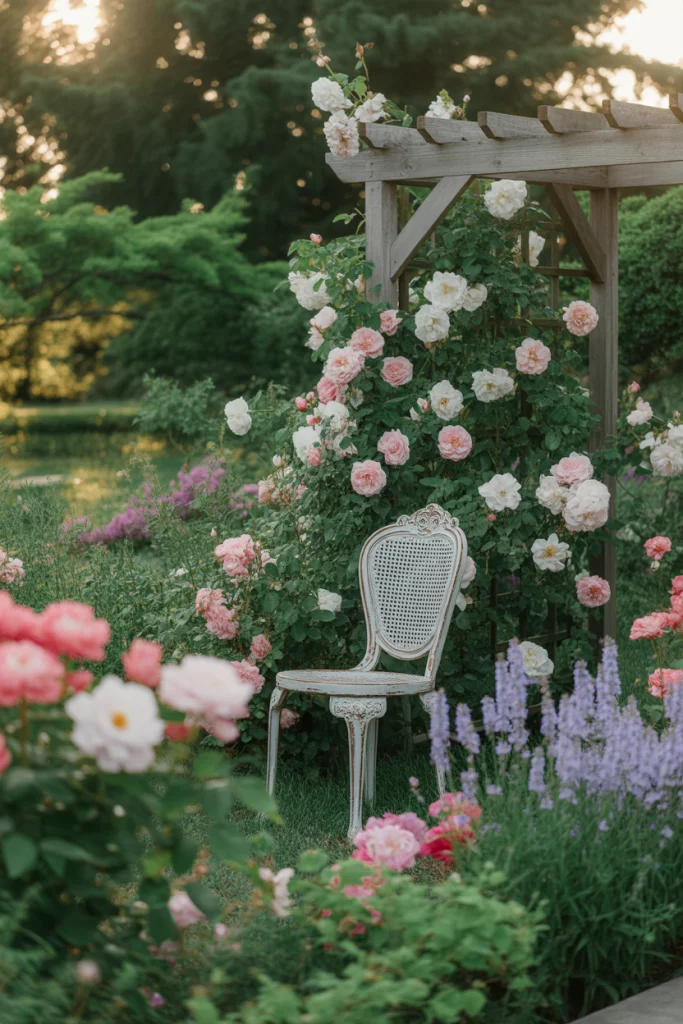
If you’re creating a garden with photoshoot potential in mind, think about backdrops, layers, and “Instagram corners” that photograph beautifully. This means planning for peak bloom overlap, choosing flowers that don’t wilt quickly in sunlight, and incorporating hardscape elements like vintage chairs or arbors. The photoshoot ideas trend is huge among younger homeowners who document their outdoor spaces for social media. Focus on creating depth—foreground flowers, mid-ground structure, and background greenery. 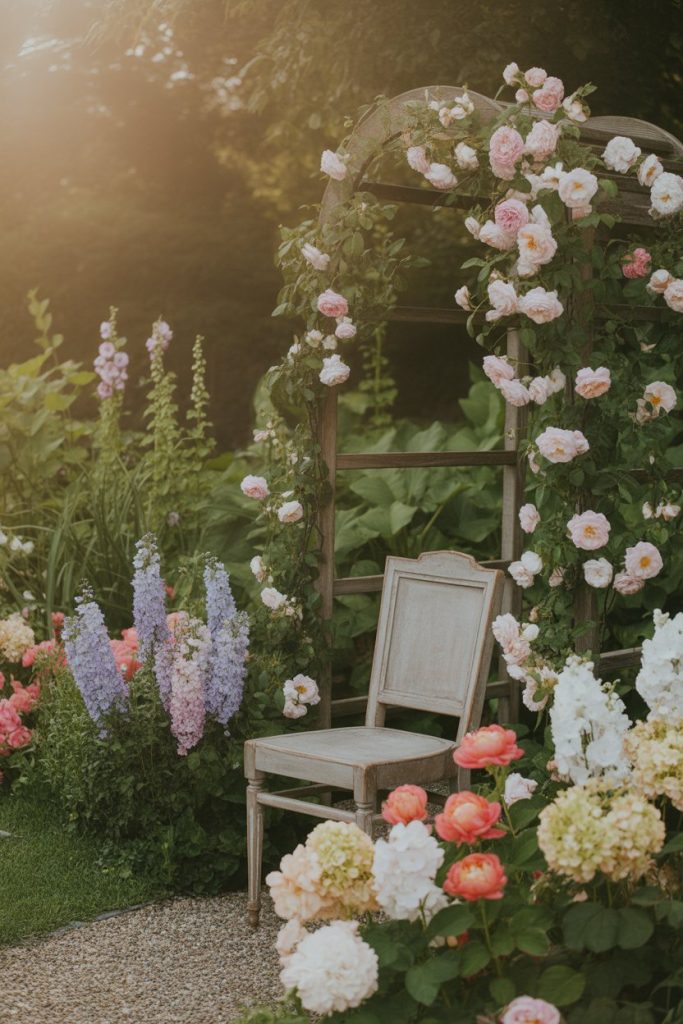
Real homeowner behavior here often involves planting for one spectacular month rather than season-long interest—and that’s okay if your goal is a killer June or September shoot. Choose focal points like a painted bench, stone birdbath, or even a simple wooden ladder draped with flowering vines. Lighting matters: early morning or late afternoon sun creates the warm, flattering glow that makes gardens look magical on camera.
11. Acnh-Inspired Flower Breeding Zones
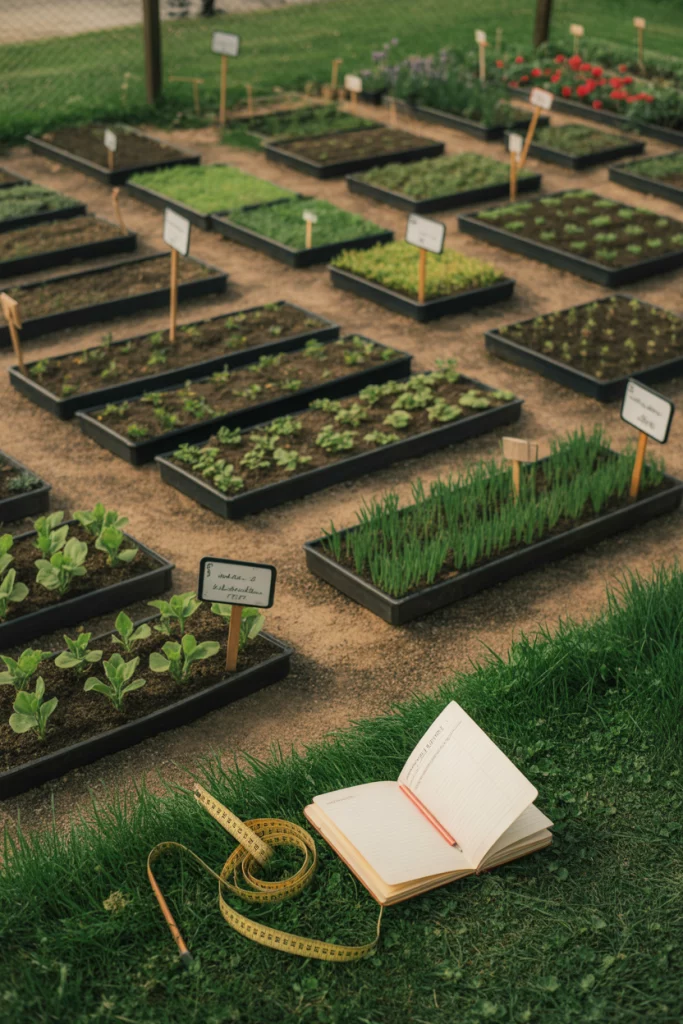
Fans of acnh (Animal Crossing: New Horizons) know the satisfaction of breeding hybrid flowers through careful placement and watering. Translate that strategy into your real garden by dedicating a small zone to experimenting with flower crosses—like breeding unusual dahlia colors or encouraging heirloom roses to self-seed. This playful ideas approach turns gardening into a mini science project. It’s low-pressure and high-reward, especially for kids or anyone who loves a bit of trial and error.
This works best in a corner of the yard you can monitor daily—consistent watering is key to encouraging blooms and seed set. Keep a garden journal to track which combinations work, and don’t be discouraged by failures. Some of the most interesting garden discoveries happen when you let plants do their own thing. It’s a great project for anyone who loves the process as much as the outcome.
12. Minecraft Pixel Art Flower Bed
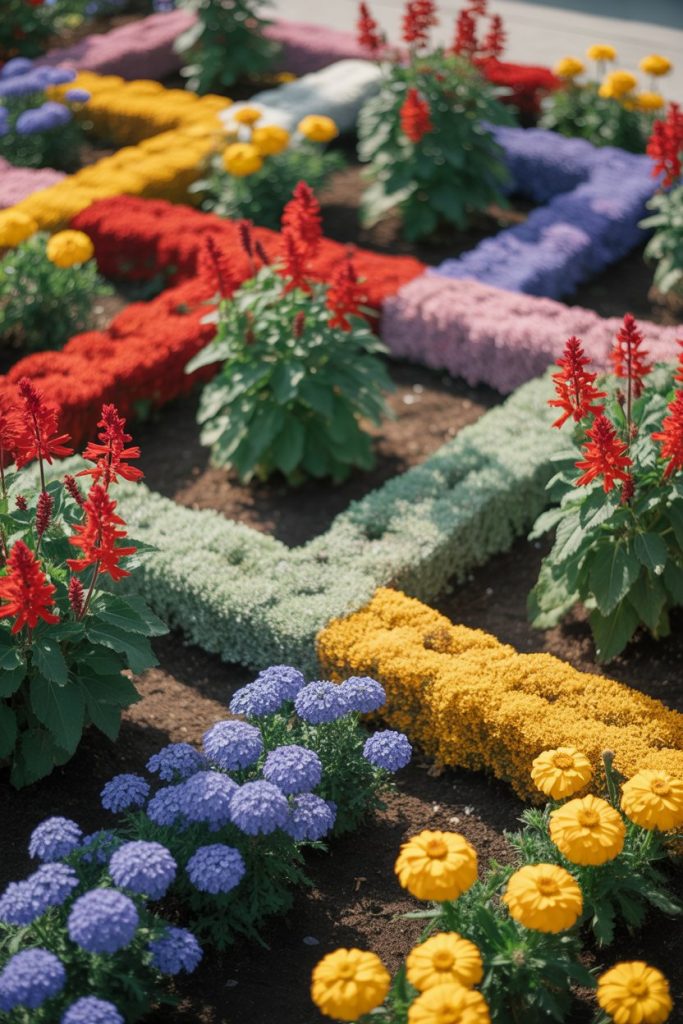
For families with Minecraft-obsessed kids, designing a flower bed in a blocky, pixelated style is a fun way to merge gaming with gardening. Use plants in distinct color blocks—red salvia, yellow marigolds, blue ageratum—to create simple patterns or even recognizable game icons. This design idea is surprisingly popular in suburban neighborhoods where parents are looking for projects that get kids excited about outdoor time. The grid layout also makes planning and planting easier for beginners. 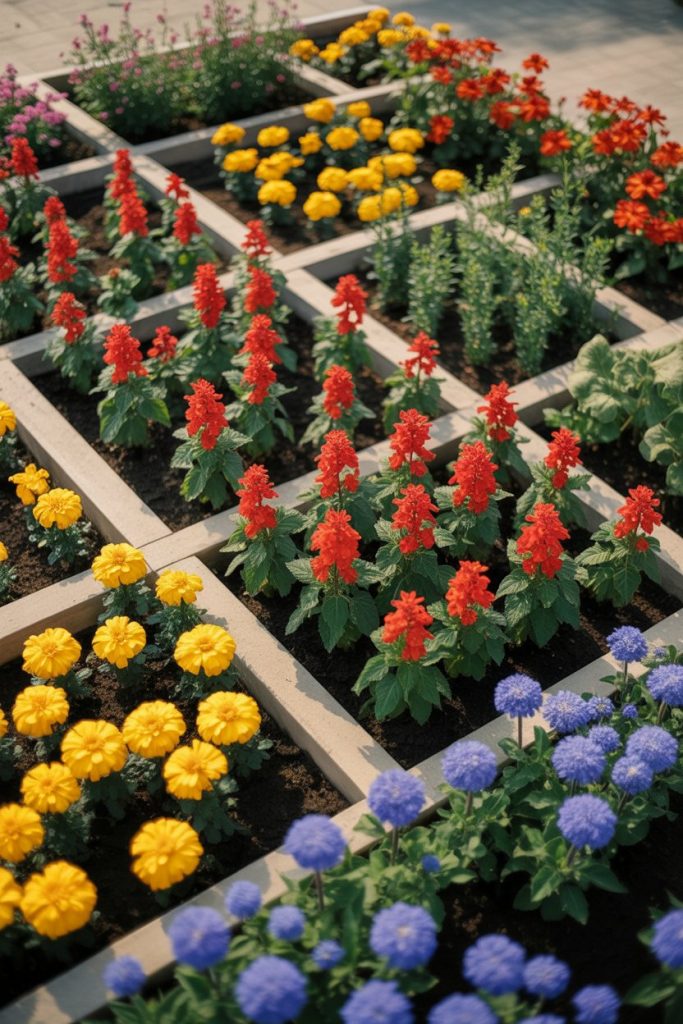
Budget-wise, this can be done with annuals that cost $2–$4 per six-pack, making it an affordable family project. Sketch the design on graph paper first, then mark the bed with stakes and string to keep lines sharp. Kids can help plant and maintain it, and the visual payoff is immediate—no waiting years for a tree to mature. It’s also a great conversation starter with neighbors.
13. Painted Flower Garden Mural Background
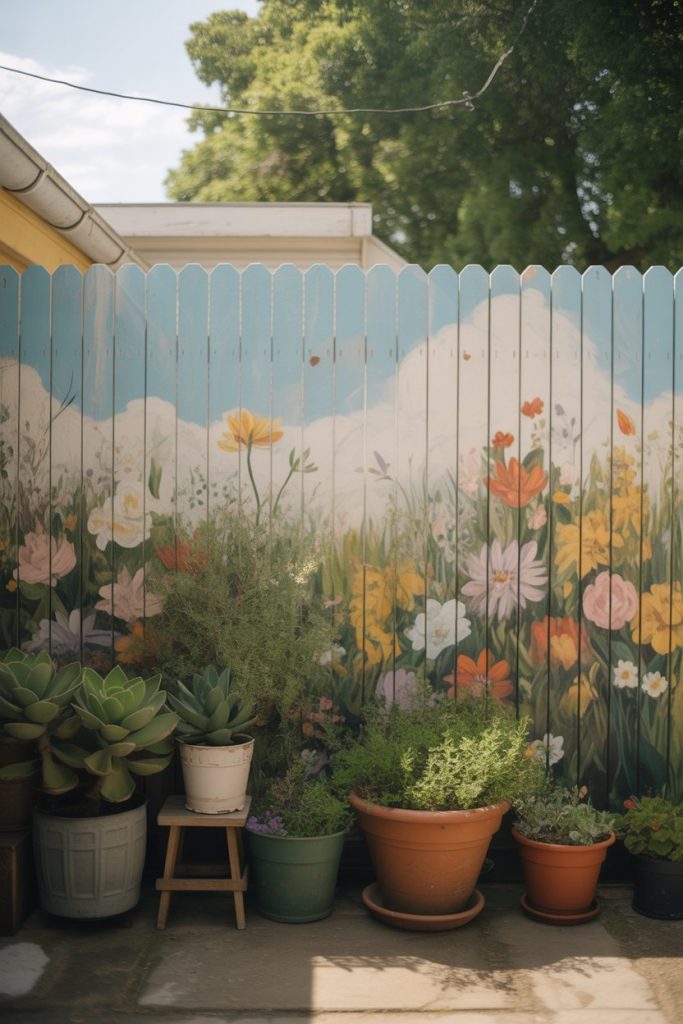
For renters or those with limited planting space, consider a painting-style mural on a fence or wall as a backdrop for container gardens. Commission a local artist or DIY with outdoor paint to create a floral scene that complements your real blooms. This trend is catching on in urban areas where yard space is tight but creativity is limitless. The background adds color and interest year-round, even when plants are dormant. Pair it with potted flowers in similar hues for a cohesive, layered look. 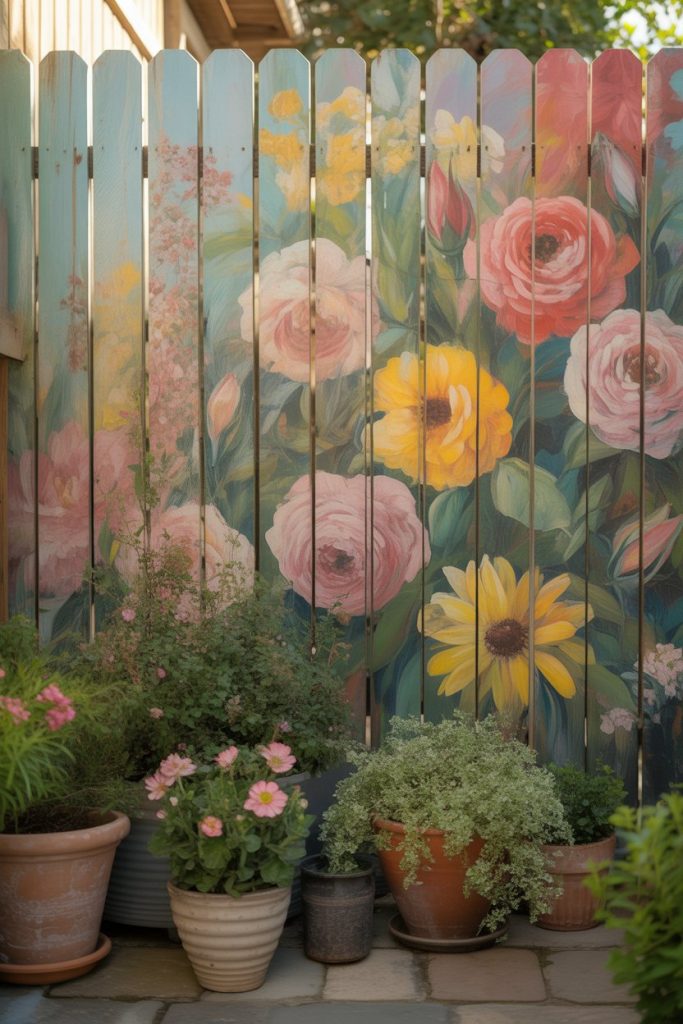
One apartment dweller in Brooklyn told me her painted fence mural transformed a drab courtyard into a space she actually wanted to spend time in—she spent about $150 on supplies and did it over a weekend. Check with your landlord first if you’re renting, or use removable outdoor wallpaper as an alternative. This approach works especially well in shaded yards where real flowers struggle, giving you “blooms” that never fade.
14. Wildflower Painting Reference Garden
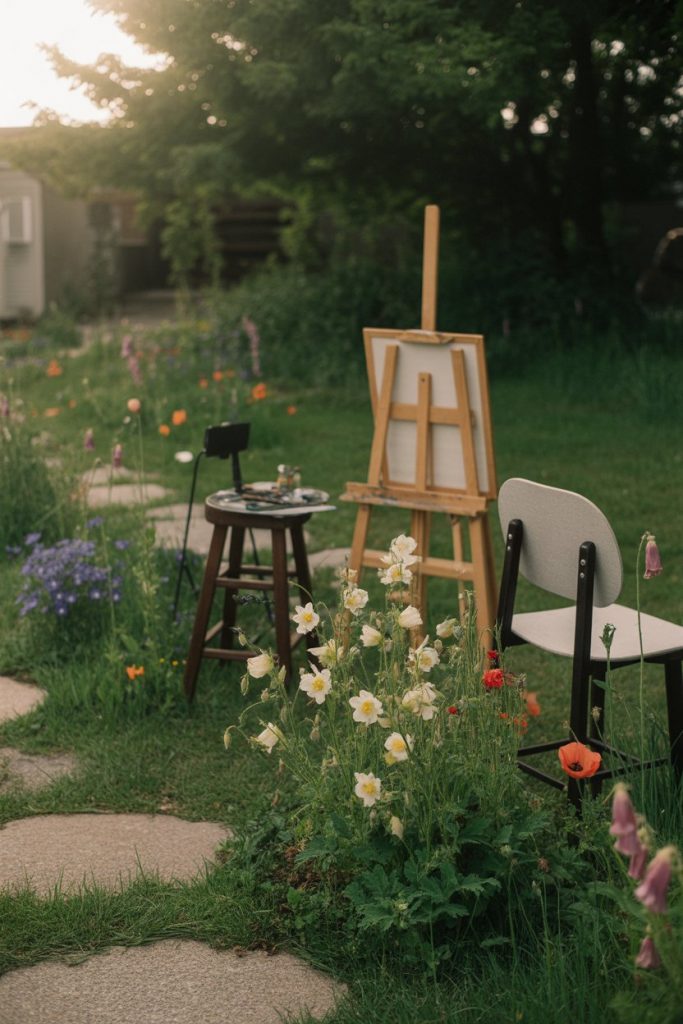
If you’re an artist or hobbyist painter, plant a small wild reference garden specifically for sketching and painting studies. Include a mix of native wildflowers with interesting forms—columbine, poppies, foxglove—that you can observe and capture throughout the season. This idea appeals to anyone who values the intersection of art and nature. Keep the garden close to a window or patio where you can easily set up an easel, and choose flowers with long bloom periods so you have multiple chances to work from life. 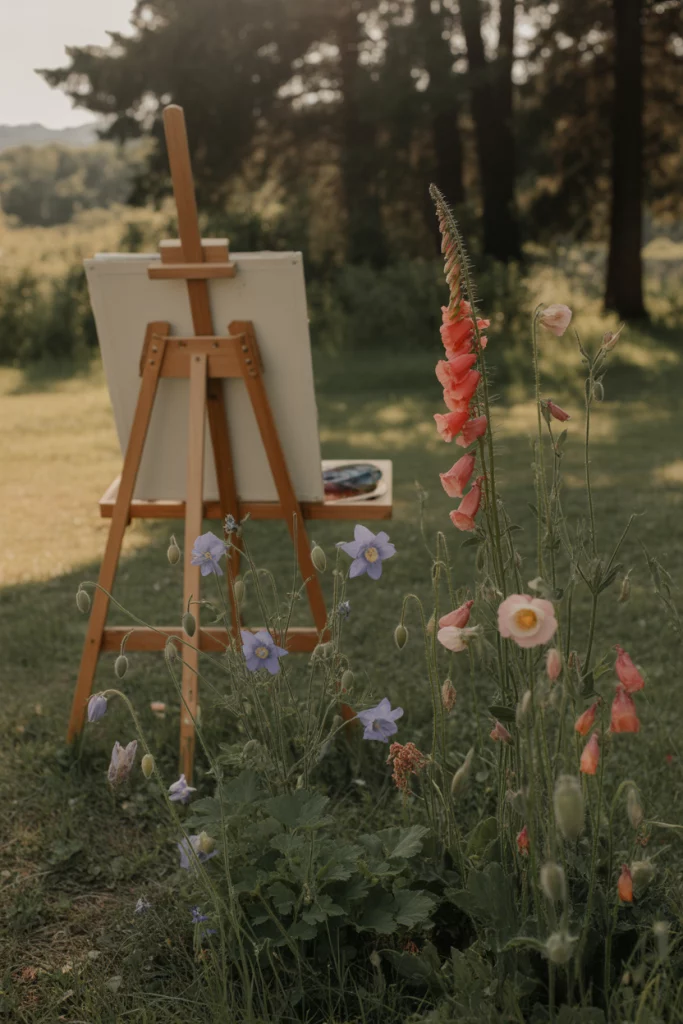
Where this works best is in a corner of the garden that gets consistent morning light—artists often prefer the cooler, bluer light for color accuracy. Plant in drifts rather than singles so you have variety in one sightline, and don’t deadhead obsessively; seed pods and fading blooms are just as interesting to paint. It’s also a meditative practice that slows you down and deepens your connection to the garden.
15. Flower Garden Ideas Board Come to Life
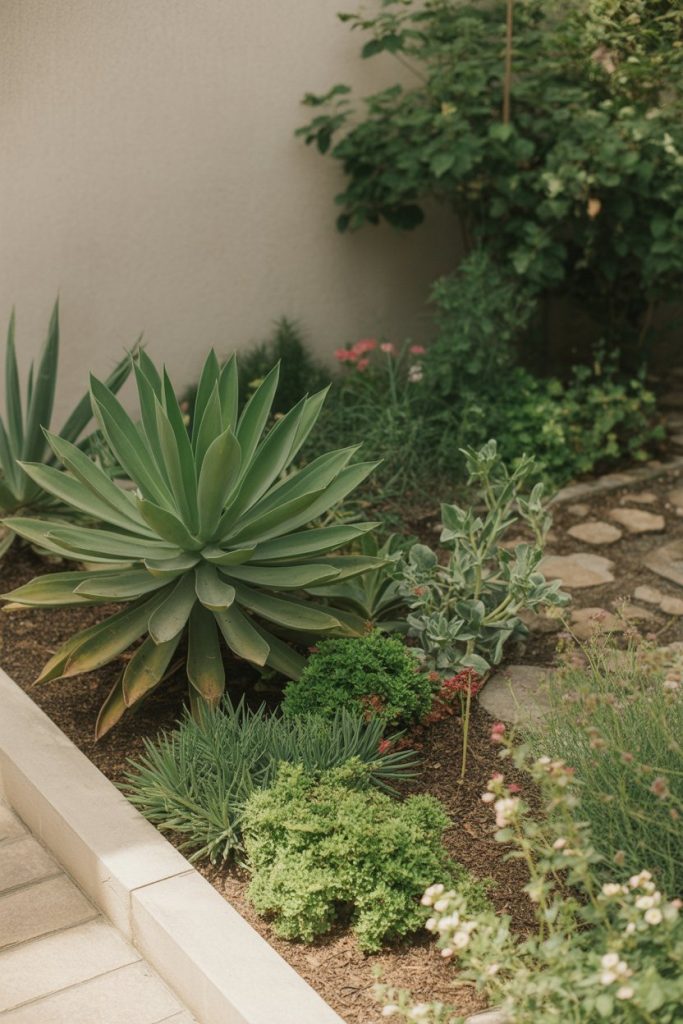
Many gardeners start with a Pinterest board full of ideas, but struggle to translate those images into reality. The key is to identify common threads—color palettes, plant types, hardscape materials—and build a plan around those rather than trying to replicate a single photo. This approach acknowledges that your soil, climate, and budget are different from the gardens you’re admiring. Focus on the feeling you want to create—romantic, modern, cottage-style—and choose plants that deliver that vibe in your specific conditions. 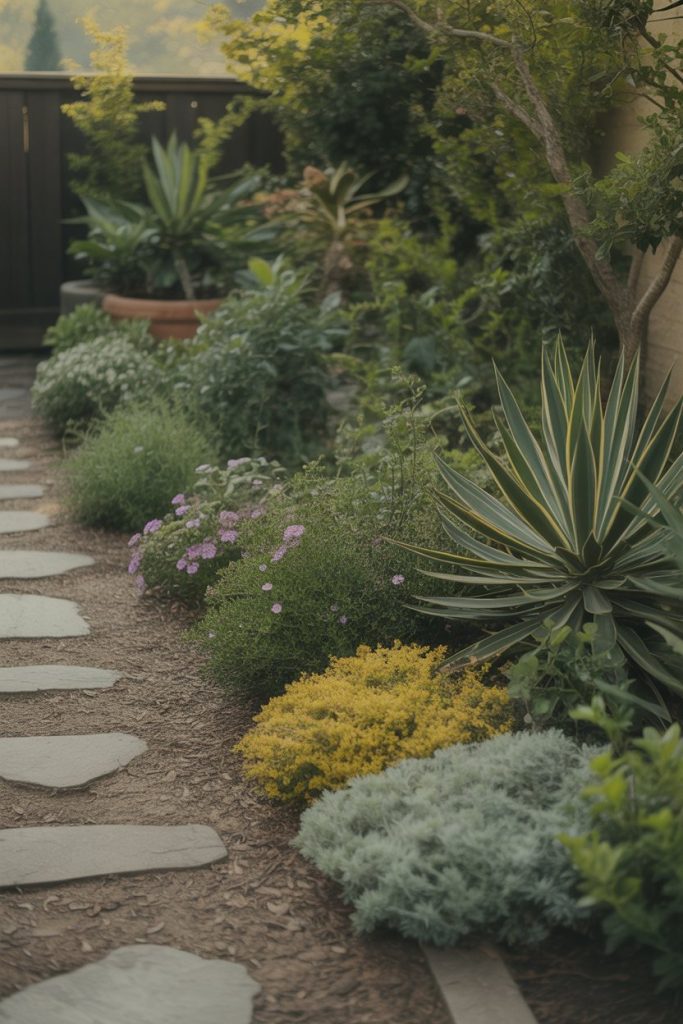
A practical insight here: start with three “anchor” plants that appear repeatedly in your saved images, then fill in around them with locally available options. This prevents the frustration of hunting for rare cultivars that may not even thrive in your area. It’s also helpful to save images by season—spring inspiration, summer goals, fall palette—so you can plan for year-round interest rather than one peak moment.
16. Klimt-Inspired Dahlia and Sunflower Mix
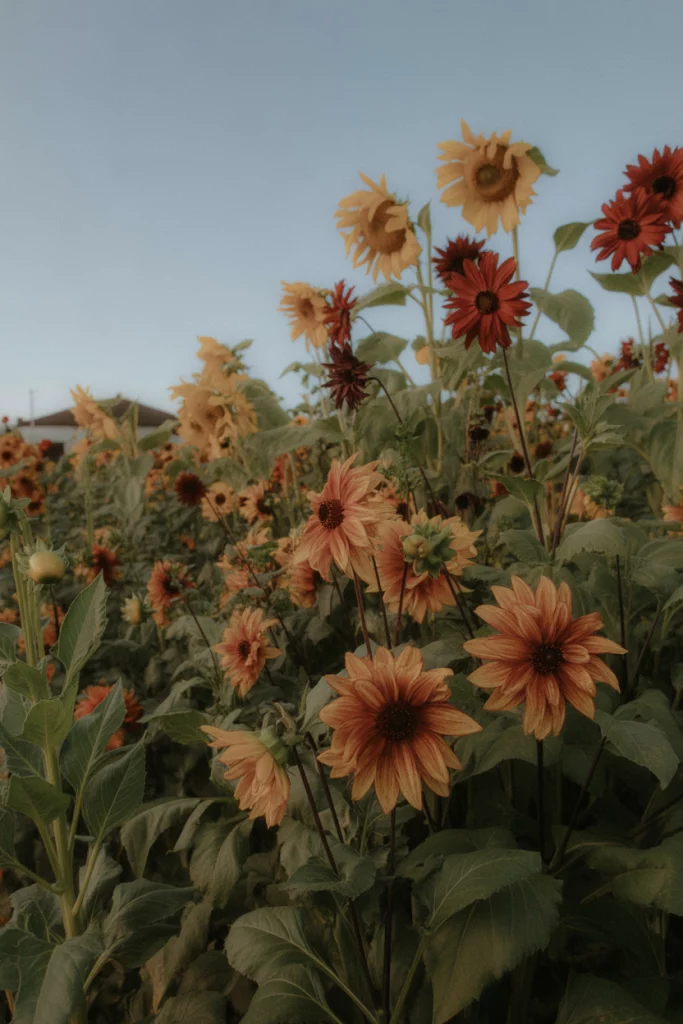
Pair dahlia and sunflowers for a combination that echoes the rich, golden warmth of Klimt’s work—think “The Kiss” translated into flora. Choose burnt orange and deep red dahlias alongside bronze and mahogany sunflowers for a palette that feels both opulent and grounded. This is a favorite among gardeners in the Mountain West and high desert, where these plants thrive in full sun and dry heat. The contrast in flower size and form adds visual drama without requiring a complicated planting scheme. 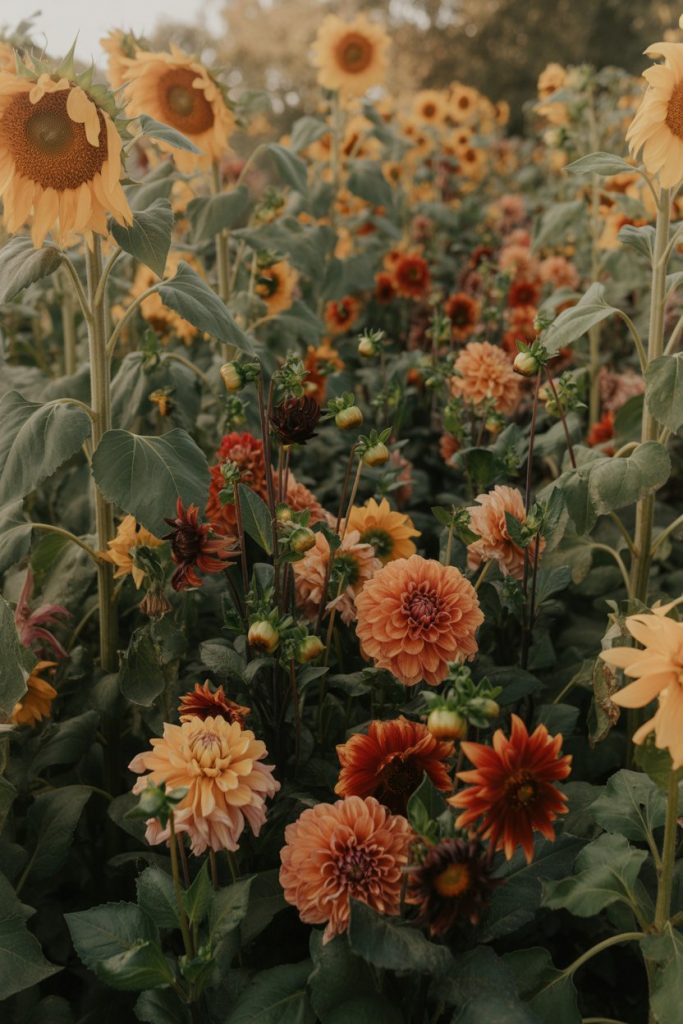
Common mistakes include planting sunflowers too close together or forgetting to support heavy dahlia stems—both need elbow room and staking. Sunflowers are also allelopathic, meaning they can inhibit the growth of nearby plants, so give them space or plant them at the back of a border. Harvest sunflower heads in fall for birdseed or replanting, and dig dahlia tubers before the first hard freeze if you’re in zones 7 or colder.
17. Spring Bulb Layering for Continuous Bloom
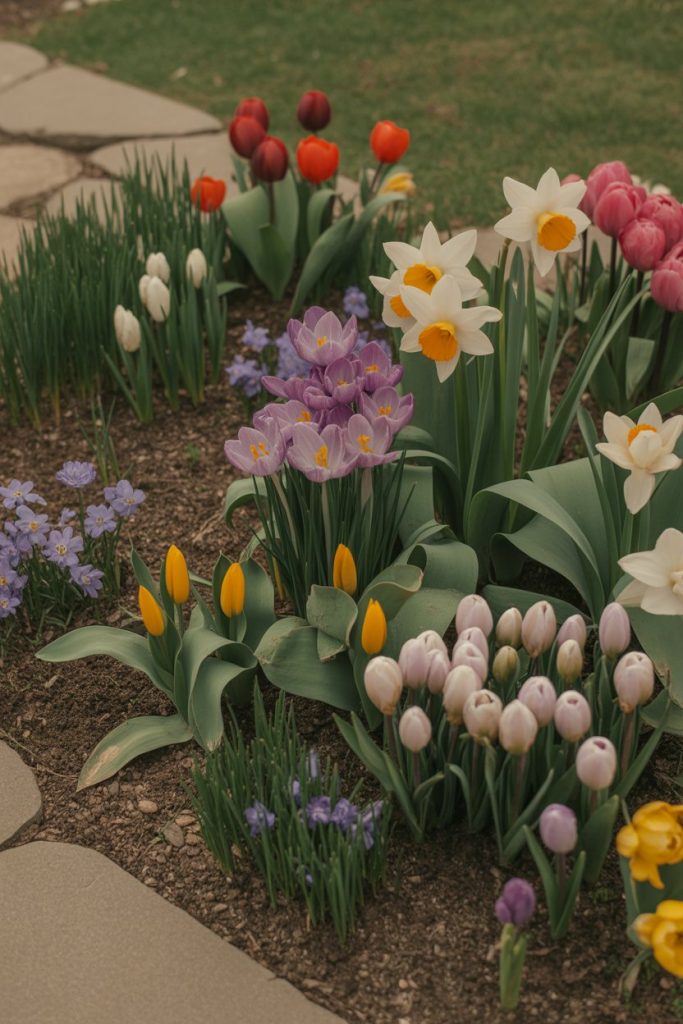
The secret to a spring garden that blooms for months instead of weeks is bulb layering—planting early, mid, and late-season varieties in the same bed. Start with crocuses and snowdrops, layer in tulips and daffodils, then finish with alliums and late tulips. This beautiful technique, sometimes called “lasagna planting,” maximizes space and keeps color rotating through the season. It’s particularly effective in zones 5–7 where spring is long and cool, giving bulbs time to shine. 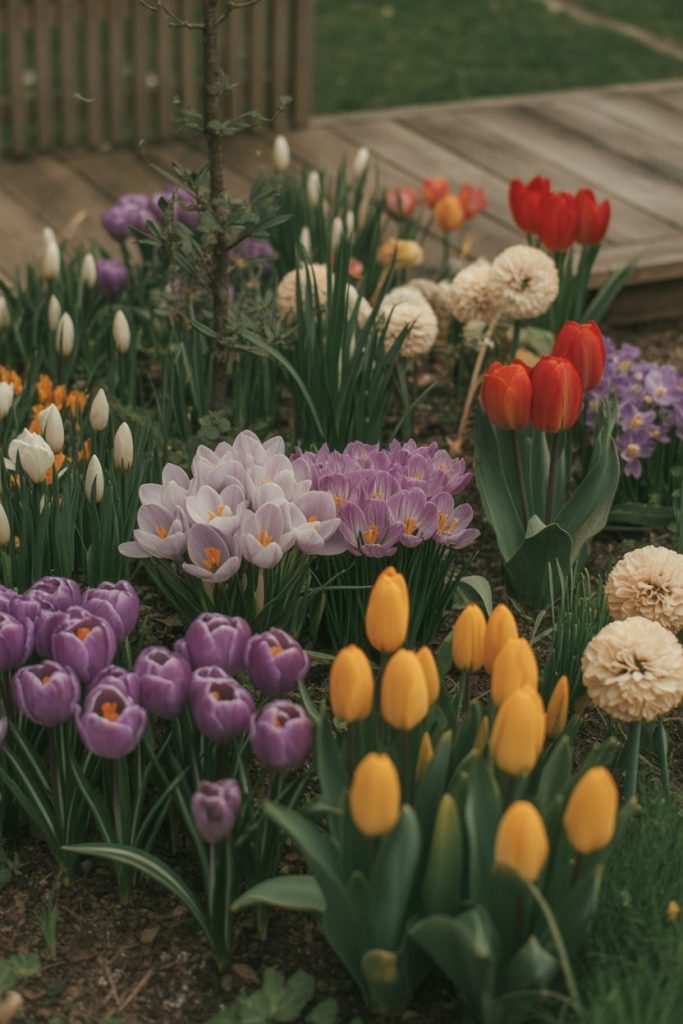
Expert gardeners recommend planting bulbs at three different depths—shallow for small early bulbs, medium for tulips, and deep for alliums—in the same hole or trench. This creates a stacked effect where something is always blooming from March through May. After the show is over, interplant with annuals or let perennials fill in the gaps. It’s a small upfront investment—about $50–$80 for a well-layered bed—that delivers outsized impact.
18. Container Flower Garden for Renters
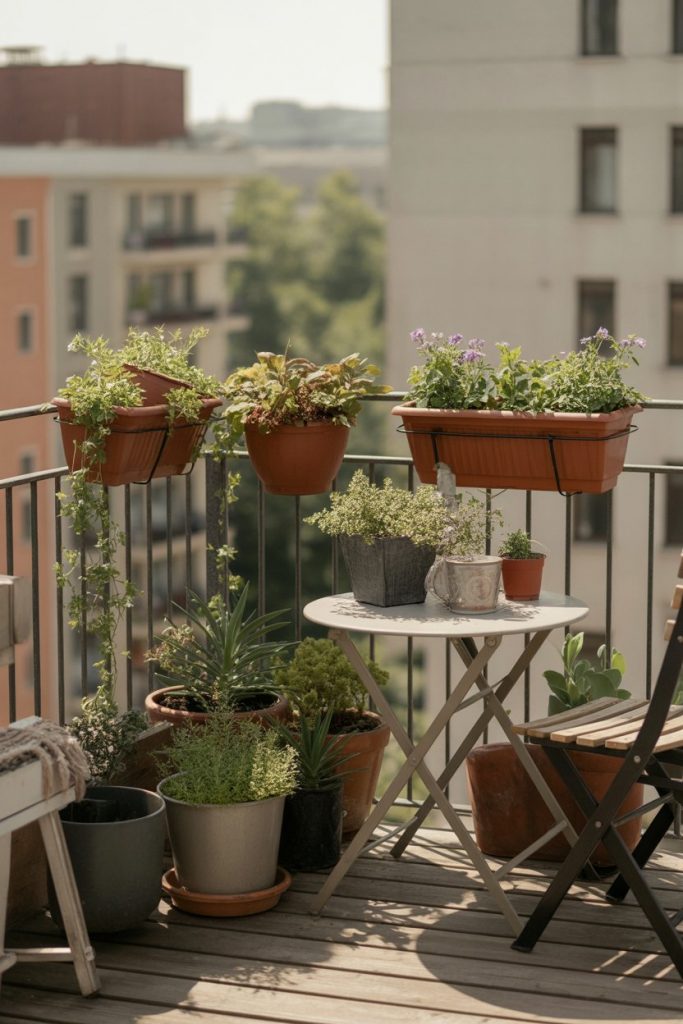
Renters don’t have to sacrifice the joy of a flower garden—container gardening offers flexibility and mobility without altering the property. Choose lightweight resin or fabric pots that can move with you, and focus on potted annuals or perennials that tolerate root restriction. This idea is especially popular in cities and college towns where outdoor space is limited to balconies or shared courtyards. Group containers by height and color for a cohesive look, and don’t forget trailing plants like ivy or sweet potato vine to soften edges. 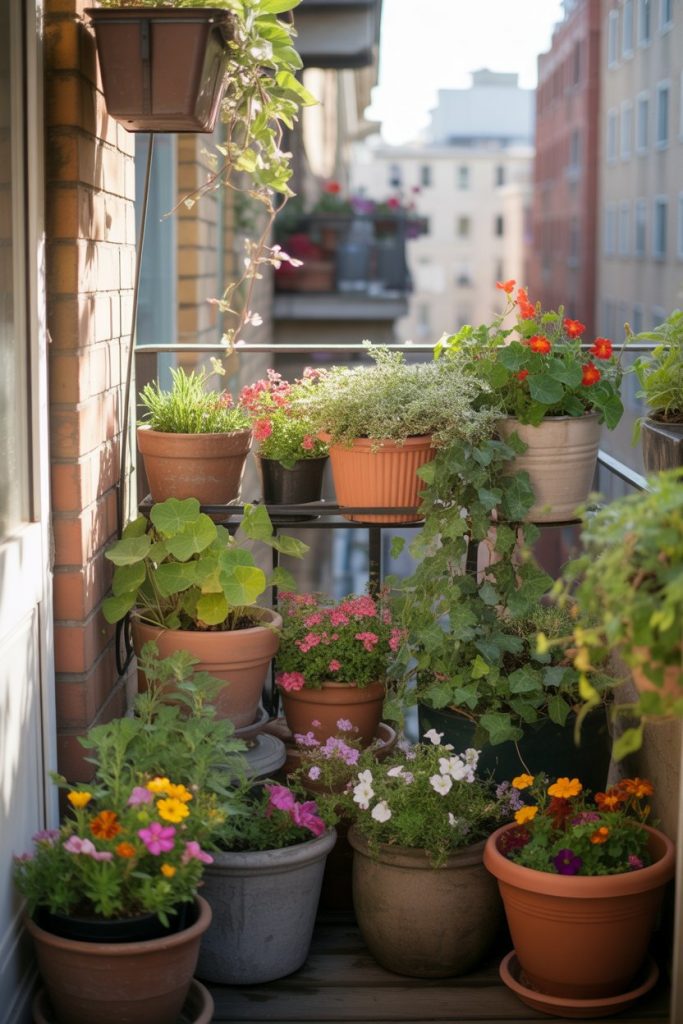
Real renters often make the mistake of choosing pots that are too small—plants dry out quickly and require constant watering. Go larger than you think you need, and invest in self-watering containers if you travel often. At the end of a lease, you can simply pack up the pots and take your garden with you. It’s a low-commitment way to enjoy flowers without worrying about landlord restrictions or losing your investment when you move.
19. Cottage Garden Cutting Bed
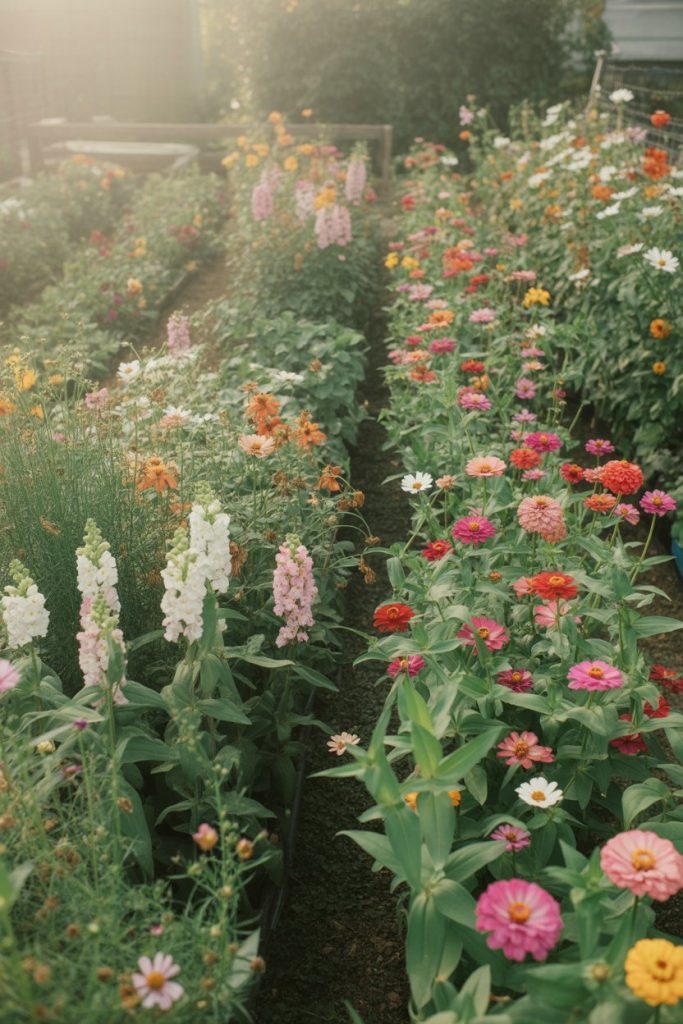
A cottage-style cutting garden is all about abundance—rows of zinnias, snapdragons, and cosmos planted closely for easy harvesting. Unlike ornamental beds, this setup prioritizes productivity over aesthetics, though it often ends up looking charming in a messy, overflowing way. The inspiration comes from English cottage gardens, but the plant choices can be adapted to any American climate. This is perfect for anyone who loves fresh bouquets and wants to reduce grocery store flower bills. 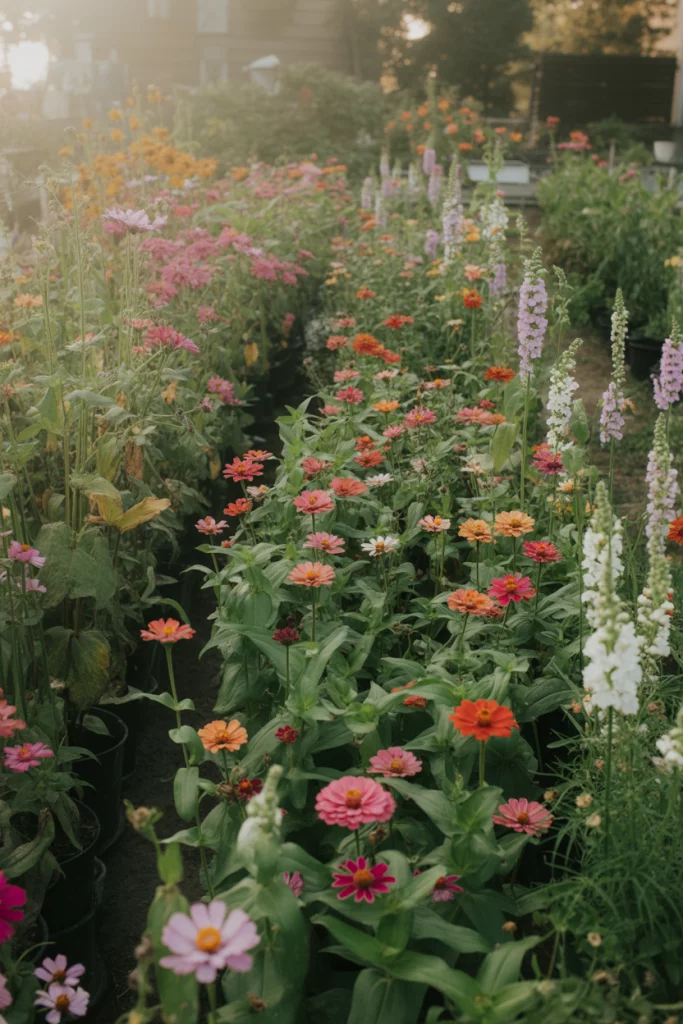
This works best in a side yard or back corner where you can access it easily but don’t need it to be a focal point. Plant in rows about 18 inches apart, and succession-sow every two weeks for continuous blooms. The more you cut, the more flowers these plants produce, so don’t be shy about harvesting. Add a simple gravel path down the center for easy access, and consider drip irrigation to keep watering manageable during peak summer heat.
20. Front Yard Pollinator Garden with Flowering Natives
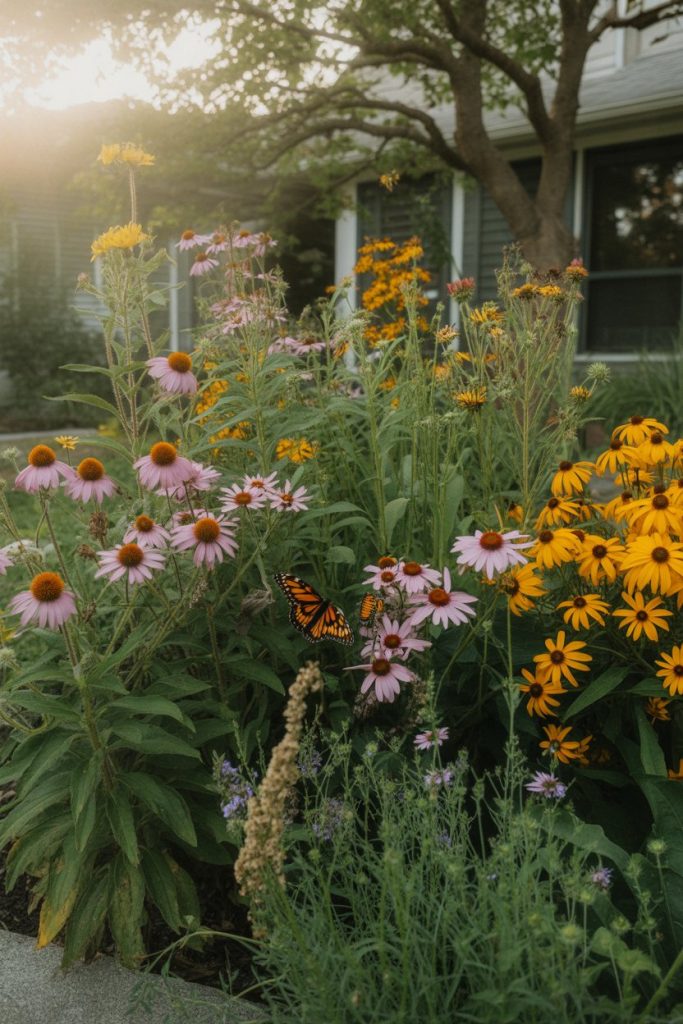
Transform the typical in front of house lawn into a flowering native pollinator haven that’s low-maintenance and high-impact. Choose region-appropriate plants like purple coneflower, milkweed, and black-eyed Susan that feed bees, butterflies, and hummingbirds. This trend is gaining traction nationwide as homeowners wake up to the ecological benefits—and cost savings—of replacing turf with natives. The beautiful bonus is that these gardens look stunning while requiring a fraction of the water and chemical inputs of traditional landscaping. 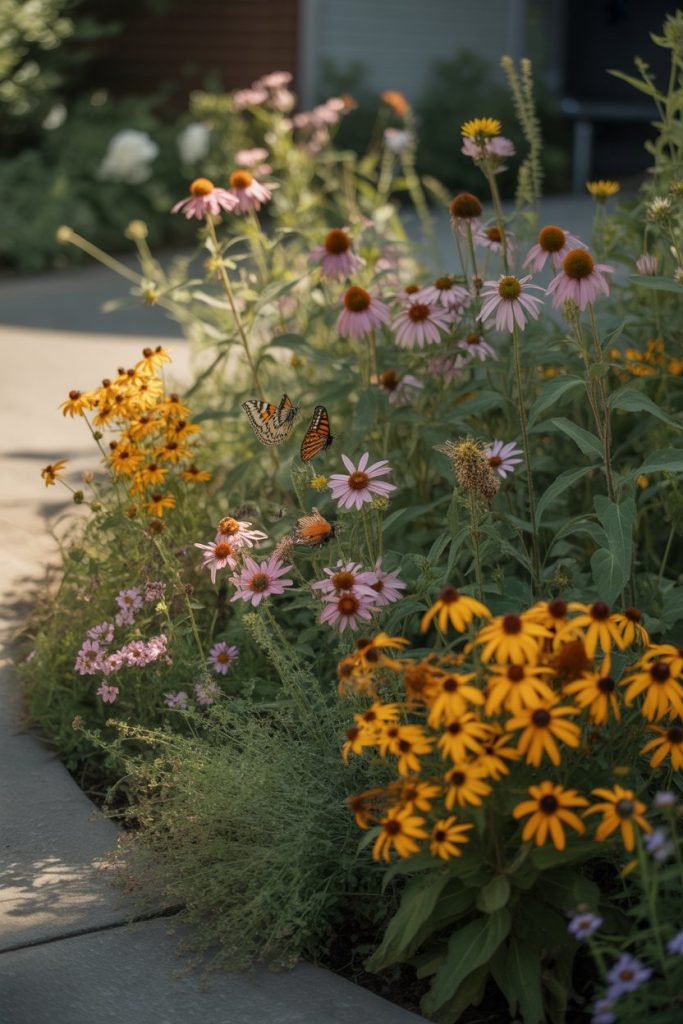
Where this works best is in neighborhoods with relaxed HOA rules or no restrictions—some communities still require traditional lawns, so check first. Start small with a test bed if you’re nervous about neighbors’ reactions, and add signage explaining the ecological benefits. Within a year, you’ll likely see increased bird and butterfly activity, and your water bill will drop noticeably. Many municipalities now offer rebates for turf removal, making this an economically smart choice as well.
21. Flower Garden Journaling and Documentation
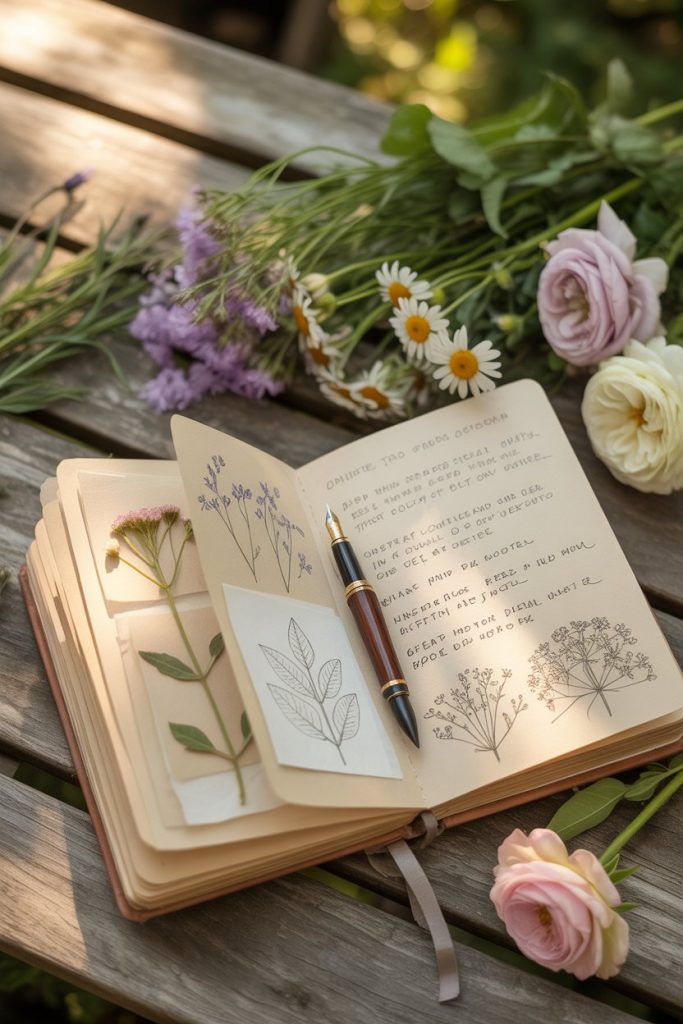
Finally, commit to documenting your garden through journaling, sketching, or photography—not for social media, but for your own learning and enjoyment. Track what blooms when, which combinations worked, and what failed spectacularly. This practice, whether in a simple notebook or a dedicated app, transforms gardening from a series of disconnected tasks into a coherent design evolution. It’s particularly valuable for new gardeners who want to learn from their mistakes and repeat their successes.
One gardener in Vermont shared that her multi-year journals became the most valuable resource she owned—more useful than any book because they were tailored to her exact conditions. Include weather notes, pest problems, and bloom dates so you can identify patterns over time. Take monthly photos from the same spot to see how the garden evolves, and don’t forget to note failures alongside successes. This practice deepens your connection to the garden and turns every season into a learning opportunity rather than a do-over.
Conclusion
Whether you’re sketching your first garden plan or refining a space you’ve tended for years, these 21 ideas offer a roadmap to a flower garden that’s both personally meaningful and visually stunning. The best gardens aren’t perfect—they’re alive, evolving, and deeply reflective of the people who create them. Drop a comment below with your favorite idea or share what’s blooming in your own yard this season—we’d love to hear what’s working for you.