Dining chairs are having a major moment in 2026, and it’s about more than just finding a place to sit. American homeowners are rethinking their dining spaces with intention, seeking chairs that blend comfort, style, and personality in ways that feel fresh and lived-in. Whether you’re drawn to the warmth of natural materials, the drama of bold colors, or the charm of mixing and matching styles, this year’s trends offer something for every taste and budget. Pinterest searches for dining chair inspiration have surged as people look to create spaces that feel both curated and welcoming. In this guide, we’re exploring inspiring ideas that capture the spirit of dining chair design in 2026, from timeless classics to unexpected updates that make a statement.
1. Luxe Velvet Dining Chairs in Jewel Tones
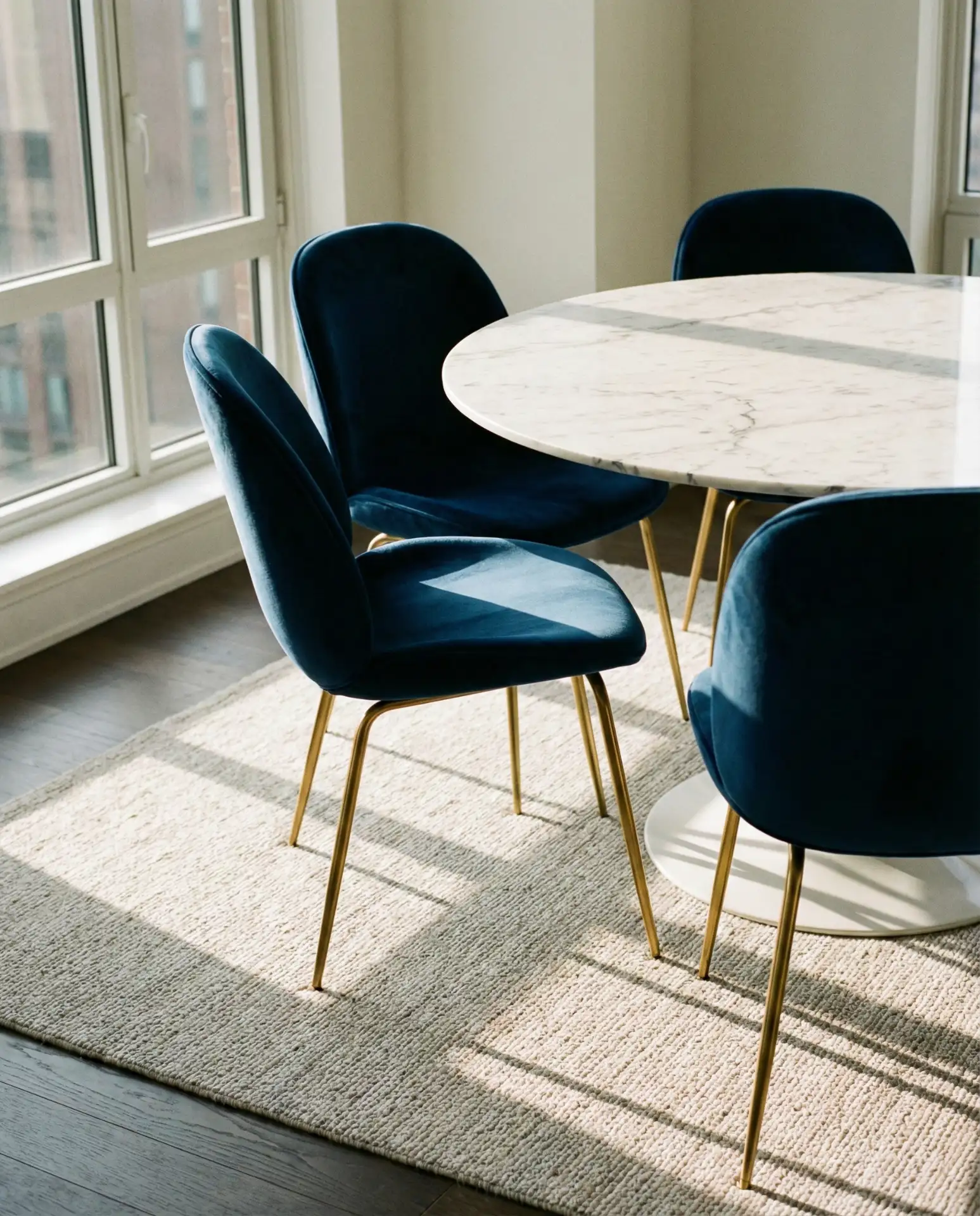
There’s something undeniably elegant about velvet dining chairs that instantly elevates a space. In 2026, jewel tones like emerald green, sapphire blue, and deep ruby red are dominating dining rooms across the country. These luxury pieces catch the light beautifully and add a sense of occasion to everyday meals. The tactile softness of velvet invites guests to linger at the table, making dinner parties feel more intimate and special.
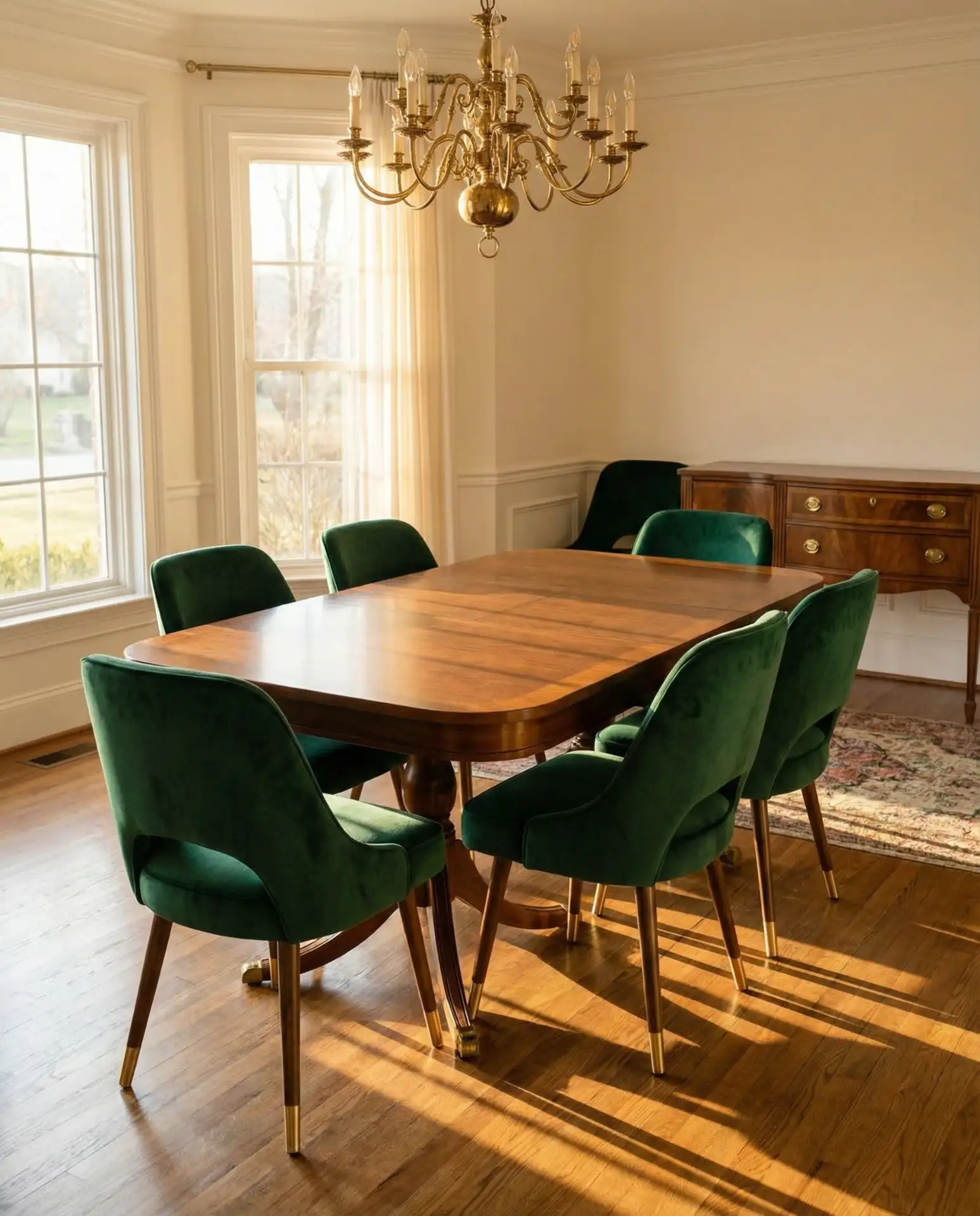
One common mistake homeowners make is pairing velvet chairs with overly casual table settings, which can create visual discord. Instead, lean into the formality with quality linens, interesting centerpieces, and thoughtful lighting. Velvet works best in homes where the dining area feels like a destination rather than just a pass-through space. If you’re worried about maintenance, modern performance velvets resist staining far better than their vintage counterparts, making them surprisingly practical for families.
2. Mismatched Chairs with Intentional Cohesion
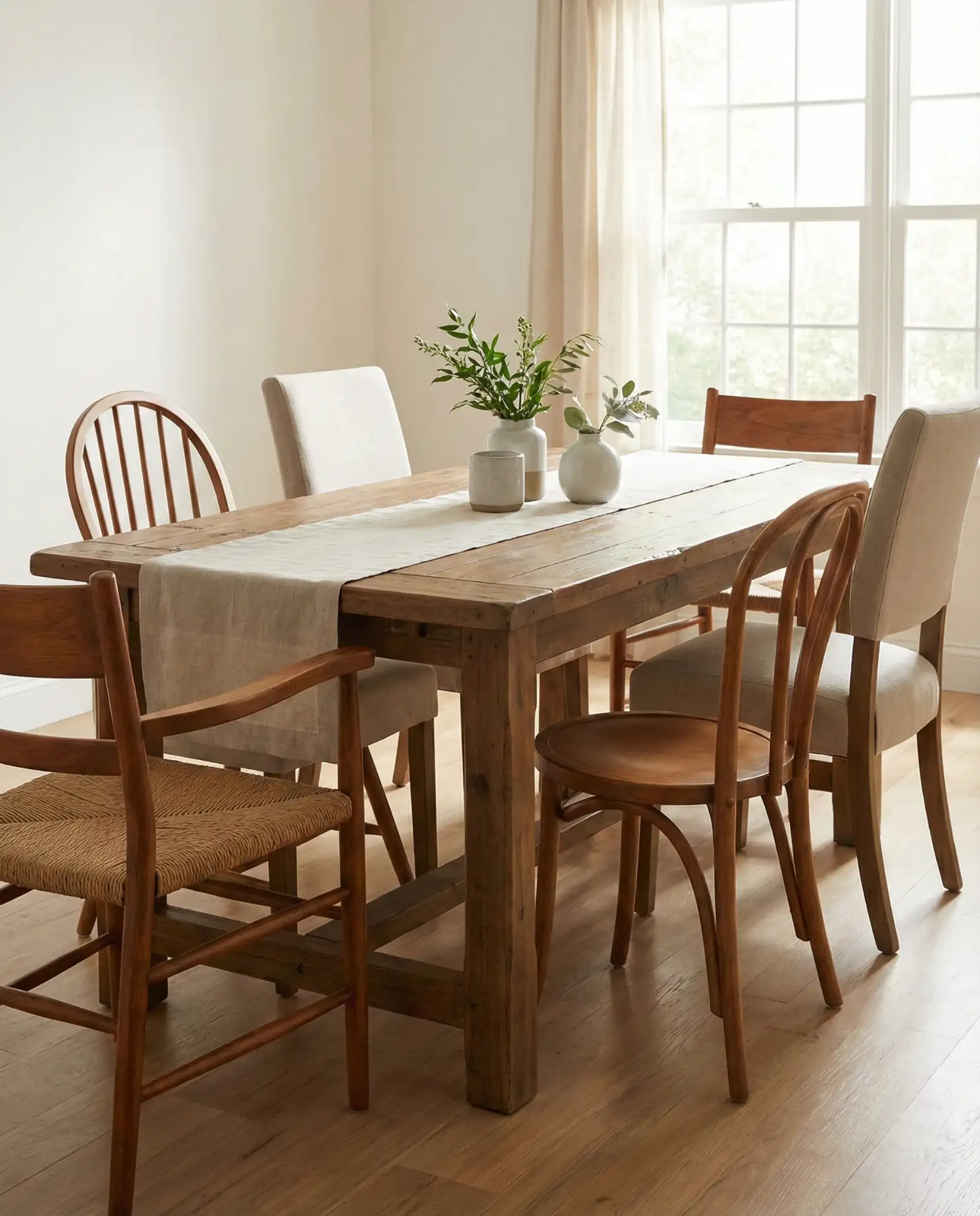
The mismatched chair trend has evolved from a bohemian afterthought to a calculated design strategy. Rather than randomly throwing together whatever’s available, today’s approach involves selecting chairs that share a common thread—whether that’s color family, material, or era. This creates visual interest without feeling chaotic. You might pair mid-century modern dining chairs in varying wood tones or mix upholstered seats in complementary neutrals with different silhouettes.
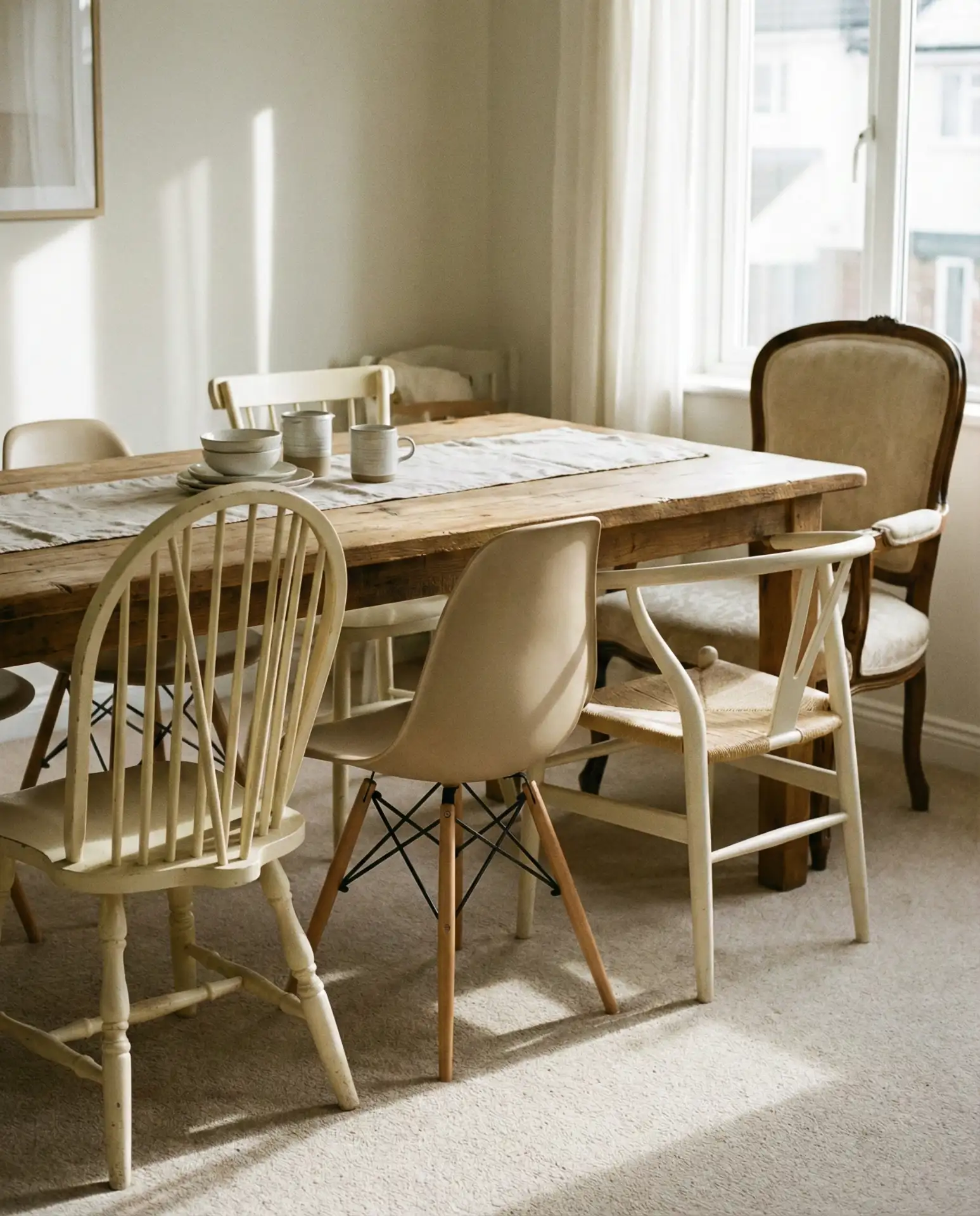
This approach works especially well in homes where personal history matters—combining inherited pieces with new finds tells a story that perfectly matched sets simply can’t. Many American families are embracing this as a way to honor heirloom furniture while refreshing their spaces. The key is limiting your palette to two or three colors and ensuring seat heights remain consistent for practical comfort. It’s a forgiving style that grows with you as your taste evolves and you discover new pieces at flea markets or estate sales.
3. Sculptural Black Dining Chairs as Art Pieces
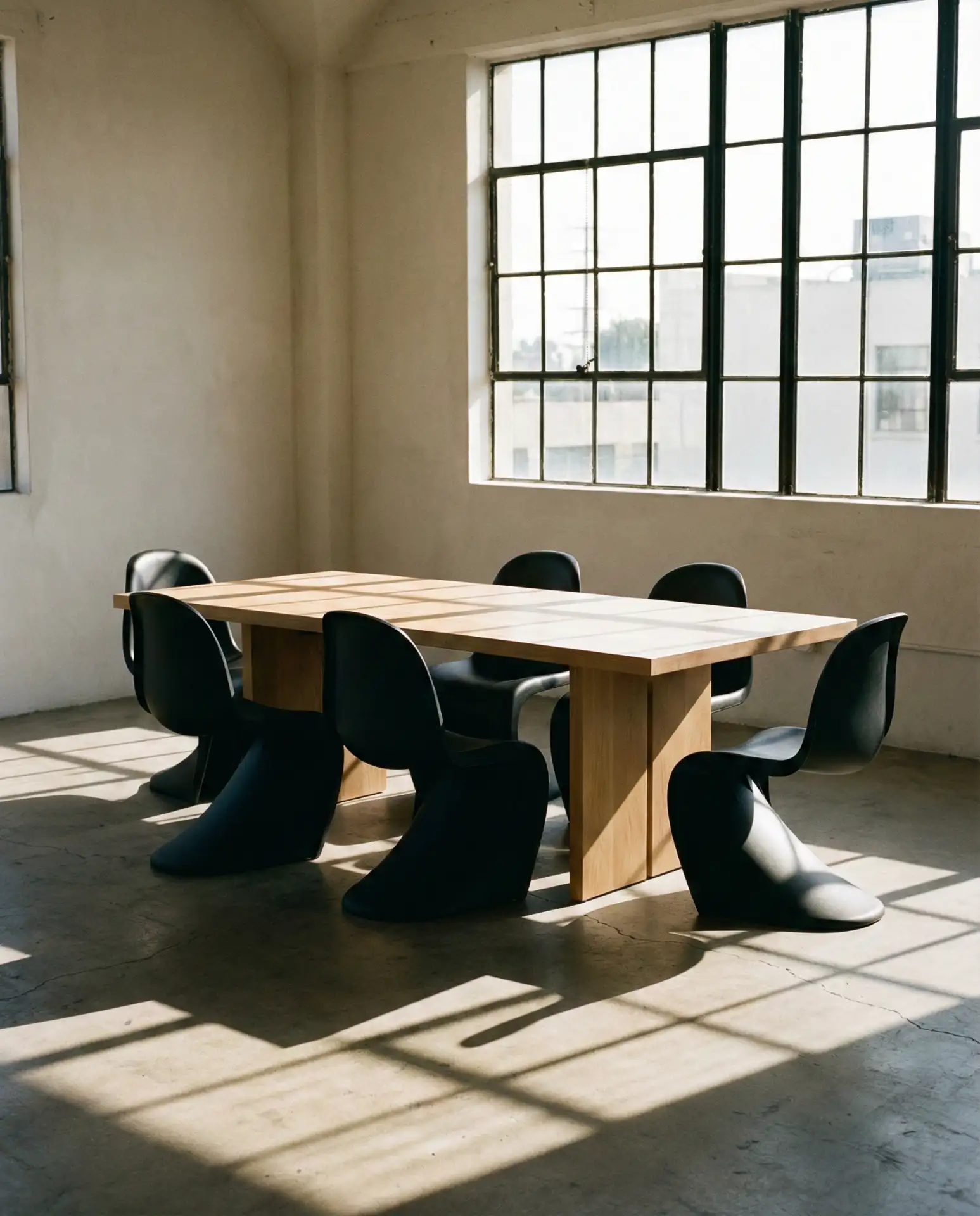
Black dining chairs with dramatic silhouettes are becoming the focal point of modern dining rooms rather than background players. These statement pieces feature architectural curves, interesting negative space, and forms that challenge traditional chair design. Whether crafted from molded plastic, bent wood, or powder-coated metal, they transform dining areas into gallery-like spaces. The monochromatic color allows the form itself to shine without competing visual elements.
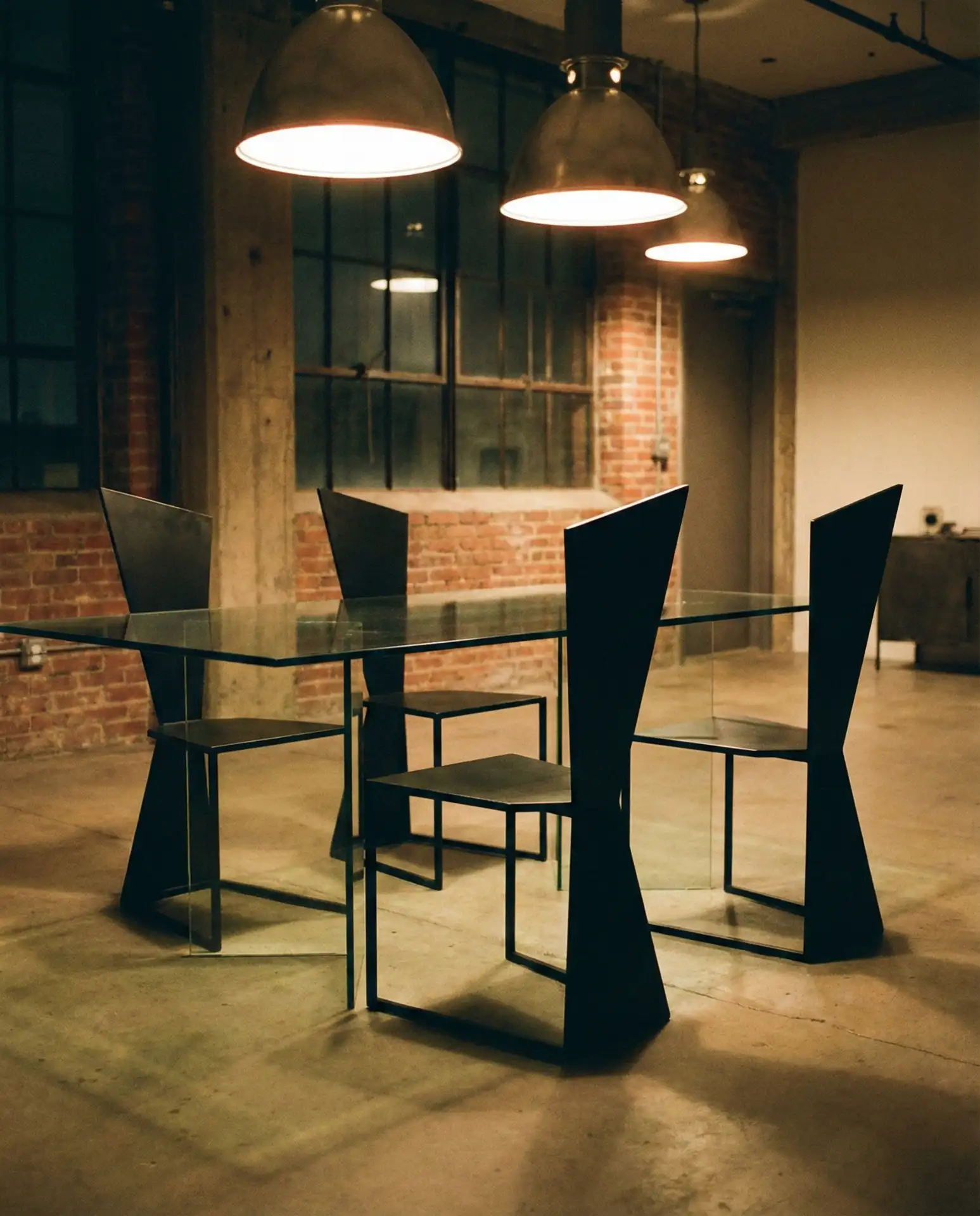
These chairs work best in open-concept homes with high ceilings and plenty of natural light, where their bold forms can be appreciated from multiple angles. They’re particularly popular in urban lofts and contemporary suburban homes where homeowners want one show-stopping element that anchors the space. At a mid-range price point of $250-$400 per chair, they’re an accessible way to bring designer-level impact without a full renovation. They pair beautifully with simple tables that don’t compete for attention.
4. Natural Rattan for Coastal and Transitional Spaces
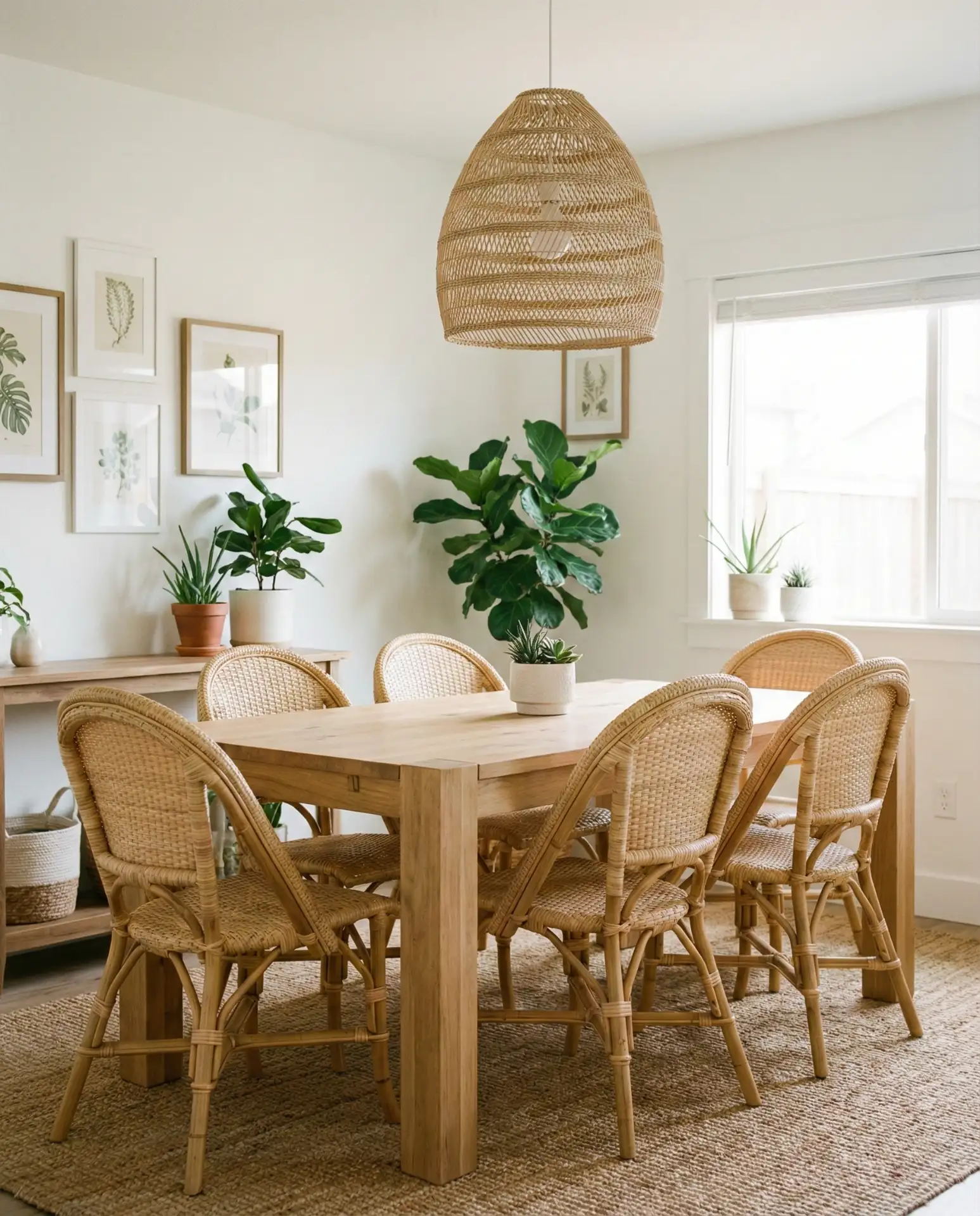
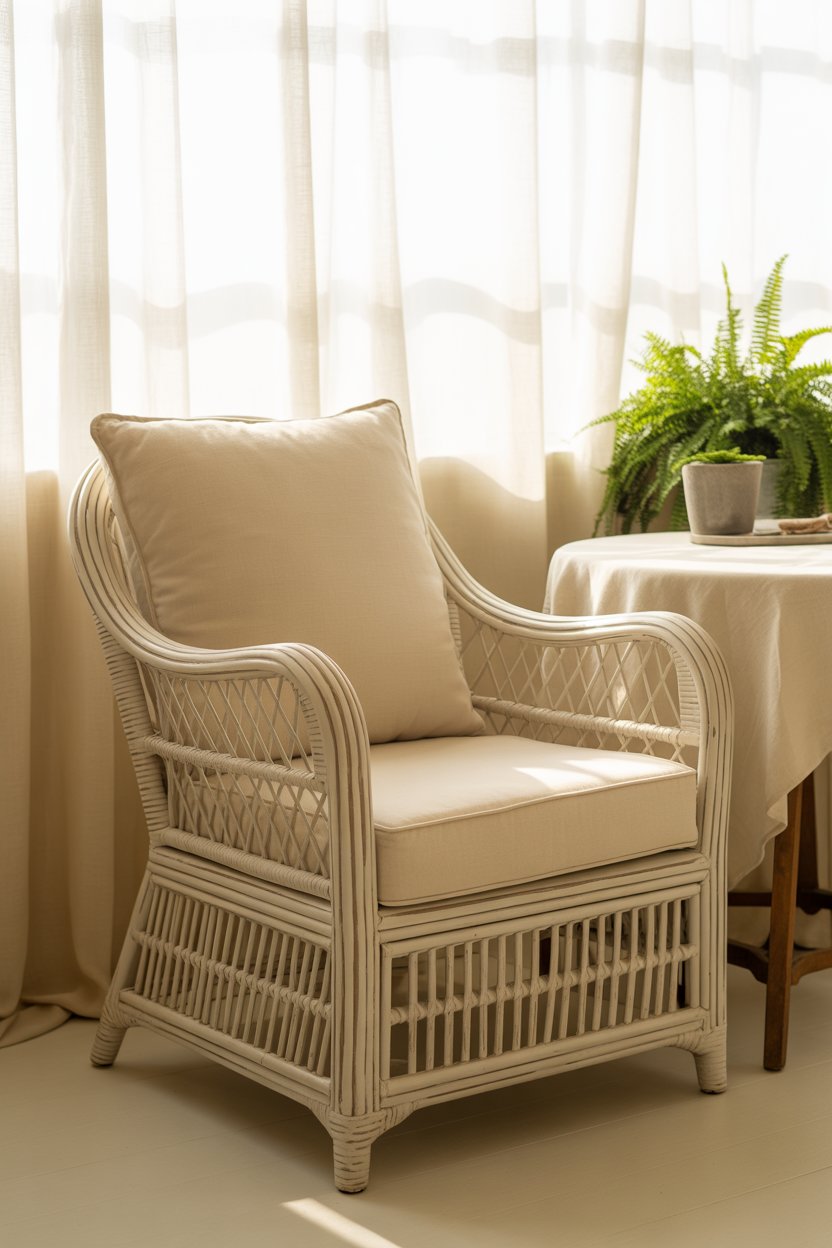
Rattan dining chairs continue their reign as the perfect bridge between casual and refined. The woven texture adds warmth and dimension to dining spaces without feeling heavy or formal. In 2026, we’re seeing rattan used in more streamlined, modern silhouettes rather than just traditional wicker styles. These chairs bring an organic, breathable quality that works year-round, making rooms feel connected to the outdoors even in the depths of winter.
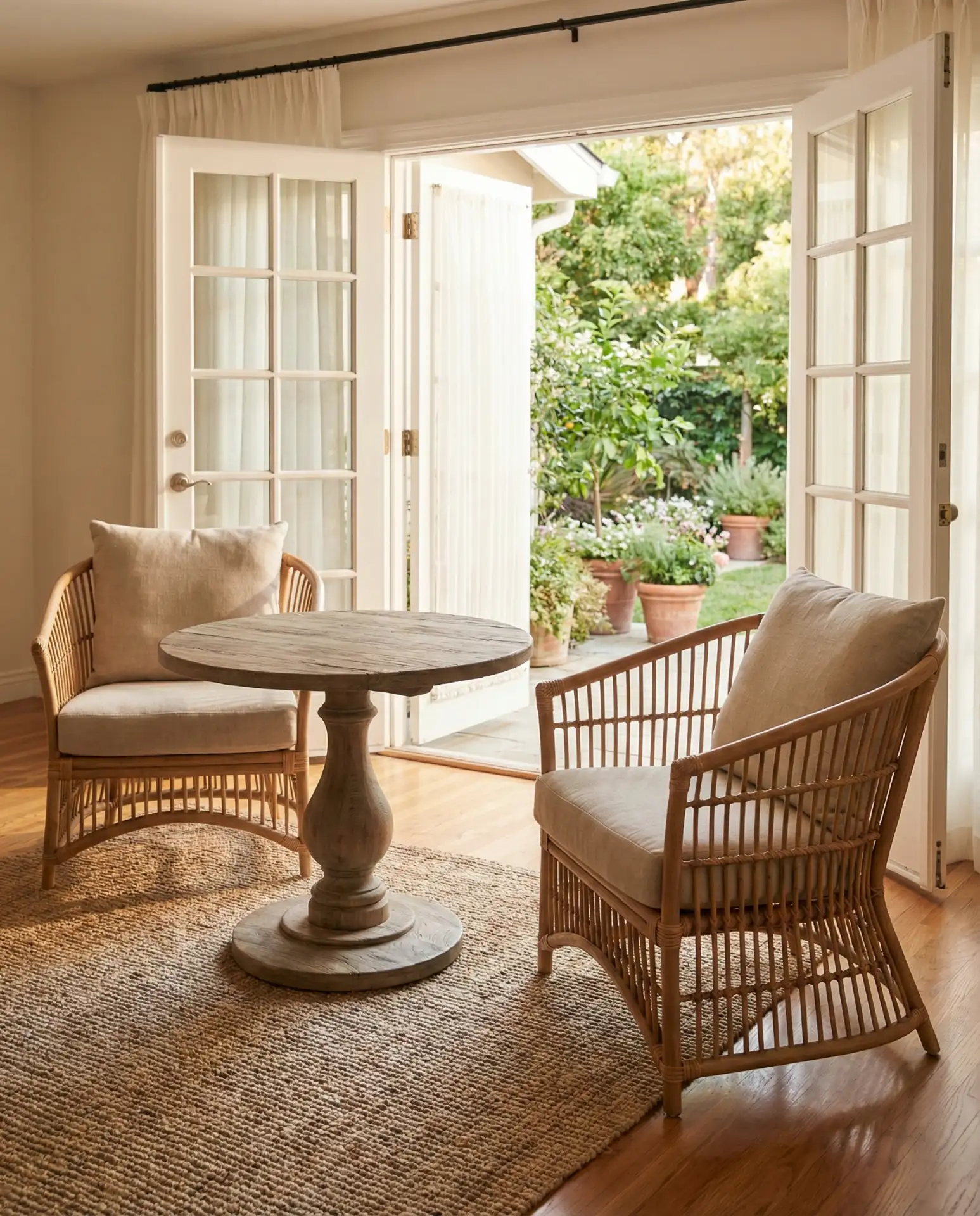
Rattan performs exceptionally well in humid climates like the Southeast and coastal regions, where its natural material actually benefits from moisture in the air. I’ve noticed that families with young children gravitate toward rattan because it’s forgiving—small scratches and dings blend into the texture rather than standing out like they would on solid wood or painted surfaces. Adding cushions in washable fabrics makes them as practical as they are beautiful, creating that relaxed elegance Americans crave in their everyday spaces.
5. Plush Upholstered Chairs for Maximum Comfort
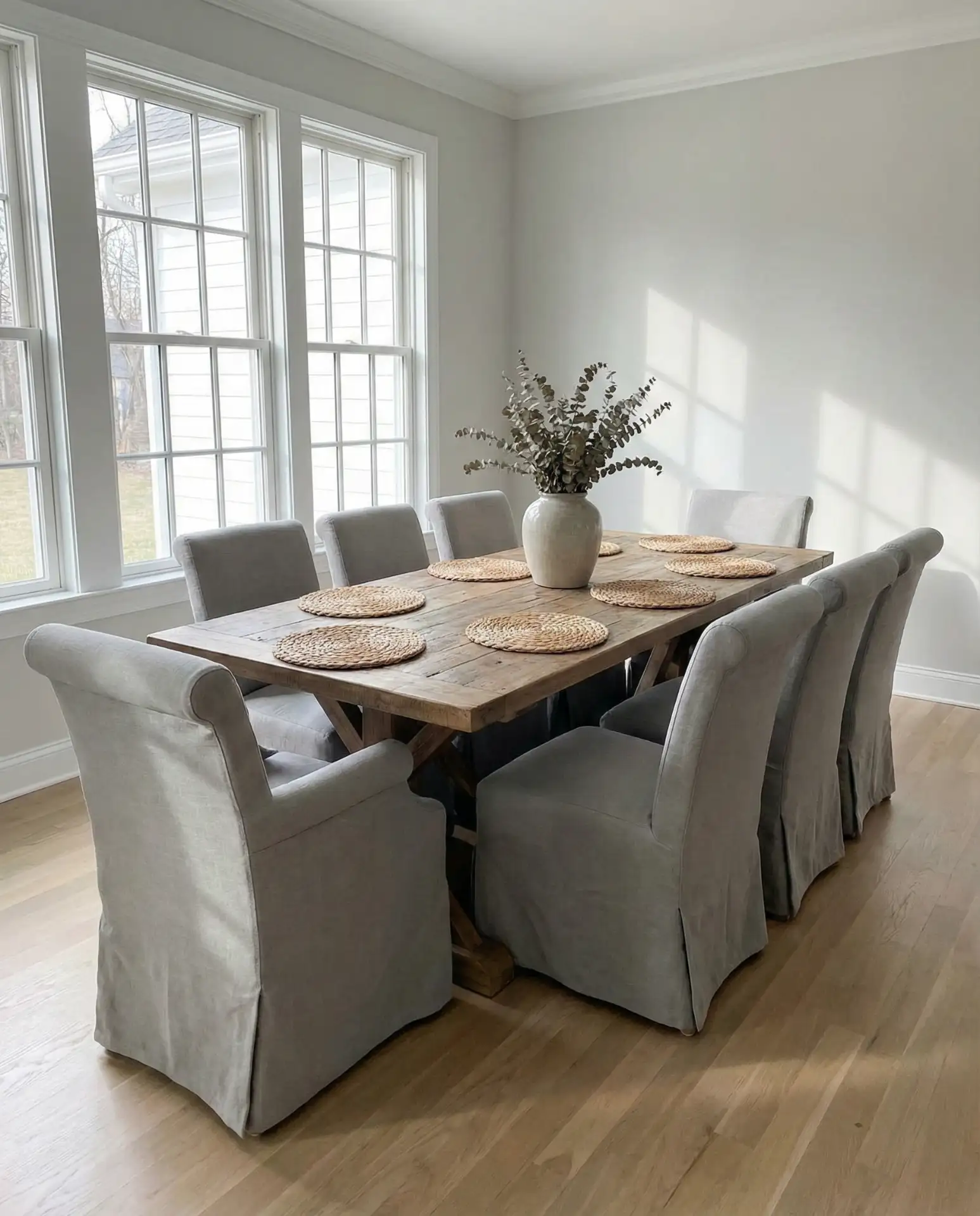
When comfort is the priority, fully upholstered dining chairs with generous padding are the answer. These comfy seats encourage long conversations that stretch well past dessert. In 2026, we’re moving away from stiff, formal dining chairs toward pieces that feel like they belong in a living room. Performance fabrics in bouclé, linen, and textured weaves offer both softness and durability, addressing the practical needs of households where the dining table serves multiple purposes throughout the day.
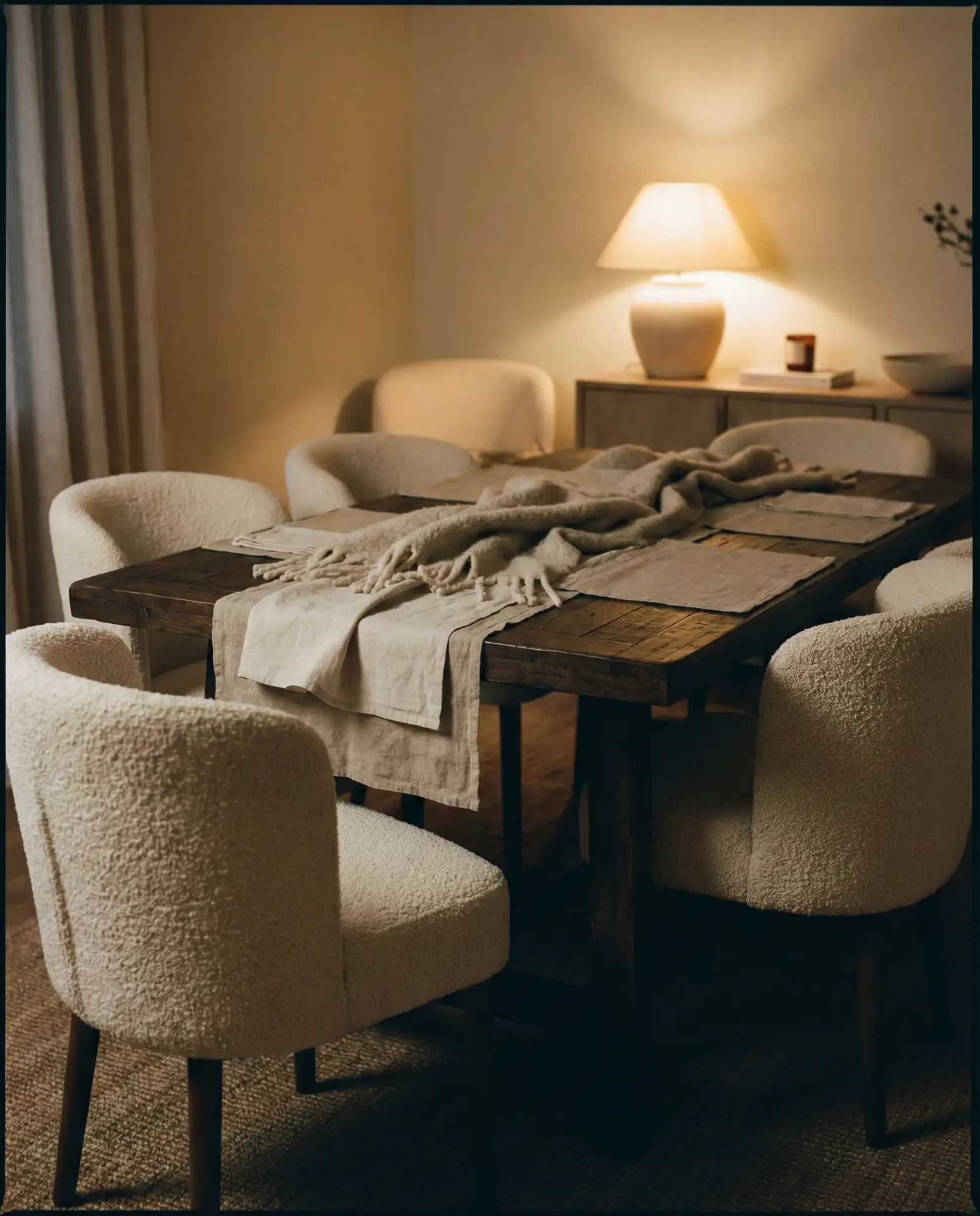
Real homeowners are choosing these chairs specifically for homes where the dining table doubles as homework central, a work-from-home headquarters, or a game night venue. The extra cushioning makes hours of sitting genuinely comfortable rather than just tolerable. Look for chairs with removable, washable covers if you have kids or pets—this single feature can extend the life of your chairs by years and remove the anxiety around inevitable spills and stains.
6. Warm Wooden Chairs with Live Edge Details
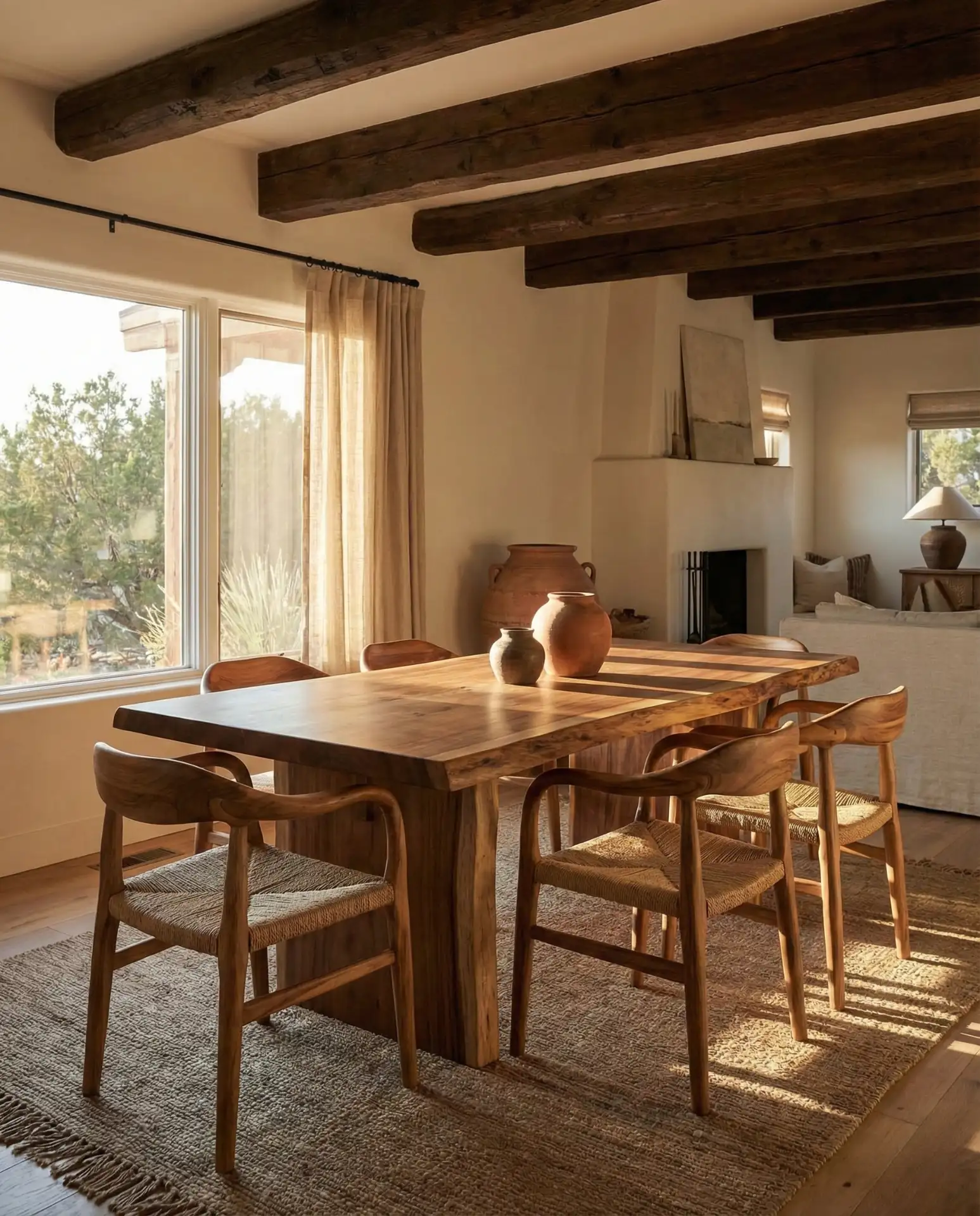
Wooden dining chairs are getting a refresh with live-edge elements and visible grain patterns that celebrate the material’s natural beauty. Rather than uniform, polished finishes, today’s wood chairs showcase knots, color variation, and organic edges. This approach aligns with the broader movement toward authenticity in home design. American craftspeople are creating unique pieces that feel connected to the forests where the timber originated.
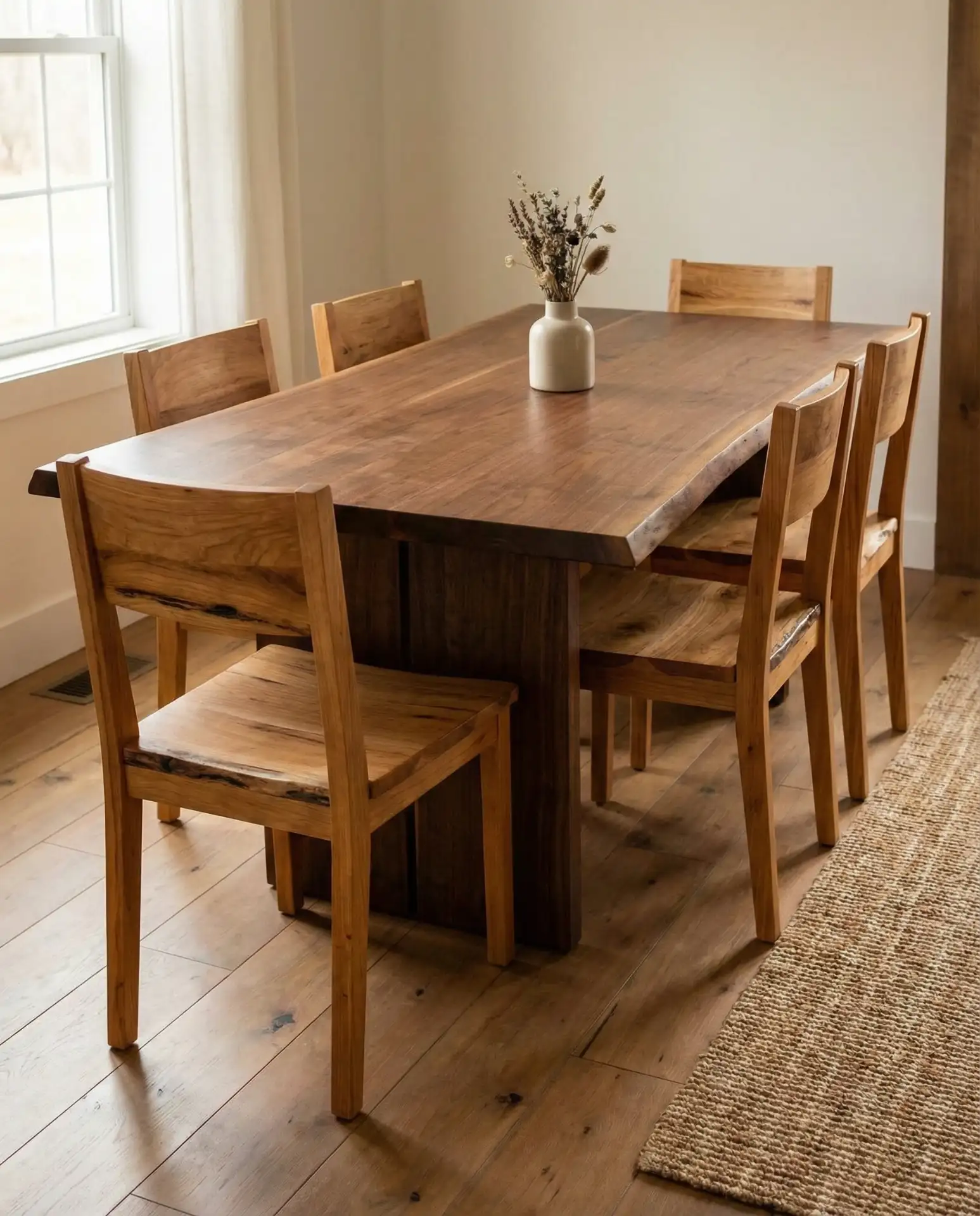
From a practical standpoint, these chairs work beautifully in mountain homes, ranches, and anywhere that embraces a connection to nature. They’re also surprisingly at home in modern urban settings, where they provide much-needed warmth against concrete and steel. Expect to invest $300-$600 per chair for quality craftsmanship from regional makers—these are heirloom pieces designed to be passed down. The natural oils in the wood deepen over time, meaning your chairs actually become more beautiful with age and use.
7. Painted Vintage Chairs for Personality
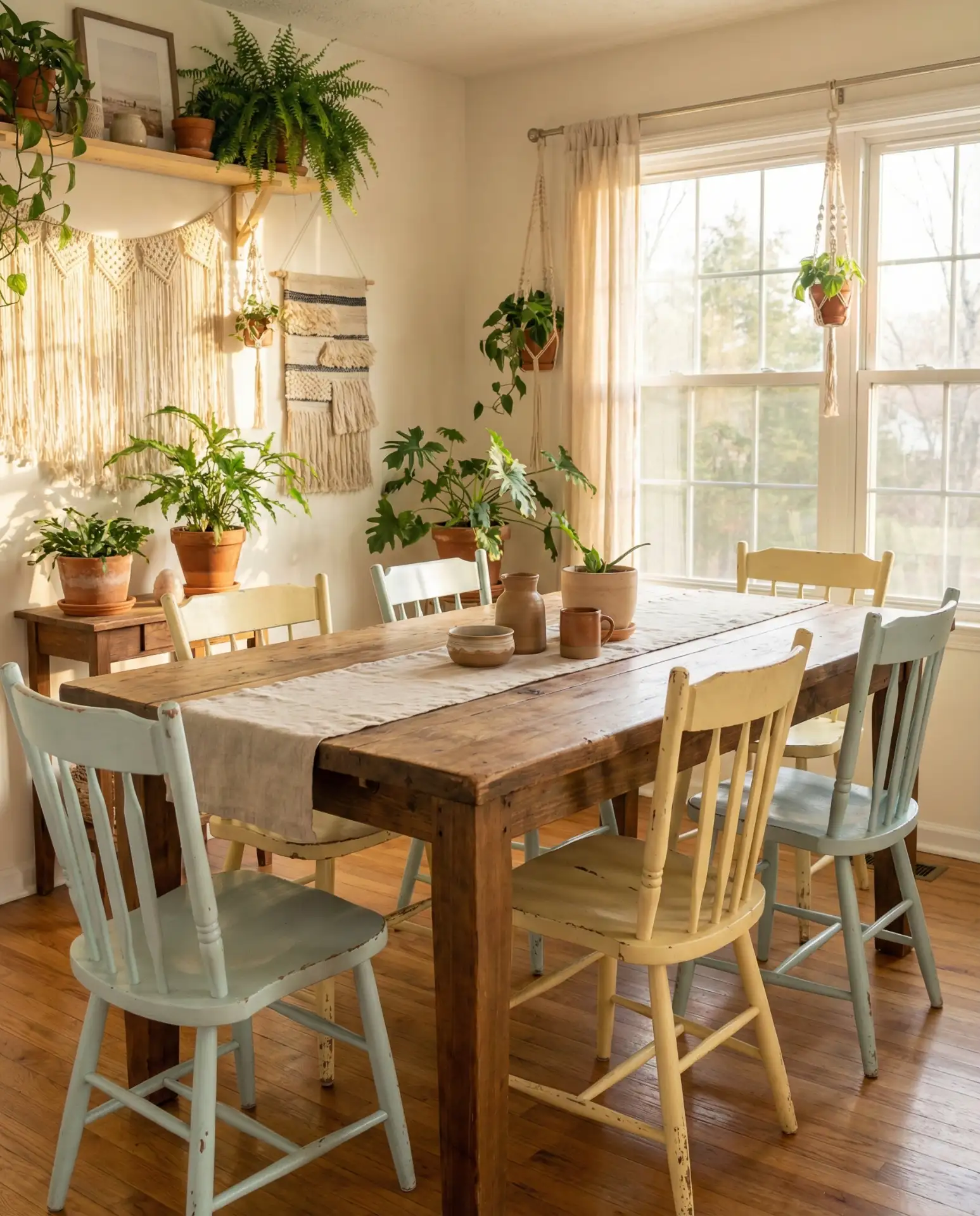
Rescuing vintage chairs and giving them new life with painted finishes has become a beloved DIY project and a way to create truly one-of-a-kind dining spaces. Whether you choose a single bold color or paint each chair differently, this approach celebrates imperfection and history. Chalk paint and milk paint offer forgiving finishes that enhance rather than hide the character of older wood. It’s sustainable, budget-friendly, and results in dining areas with genuine personality.
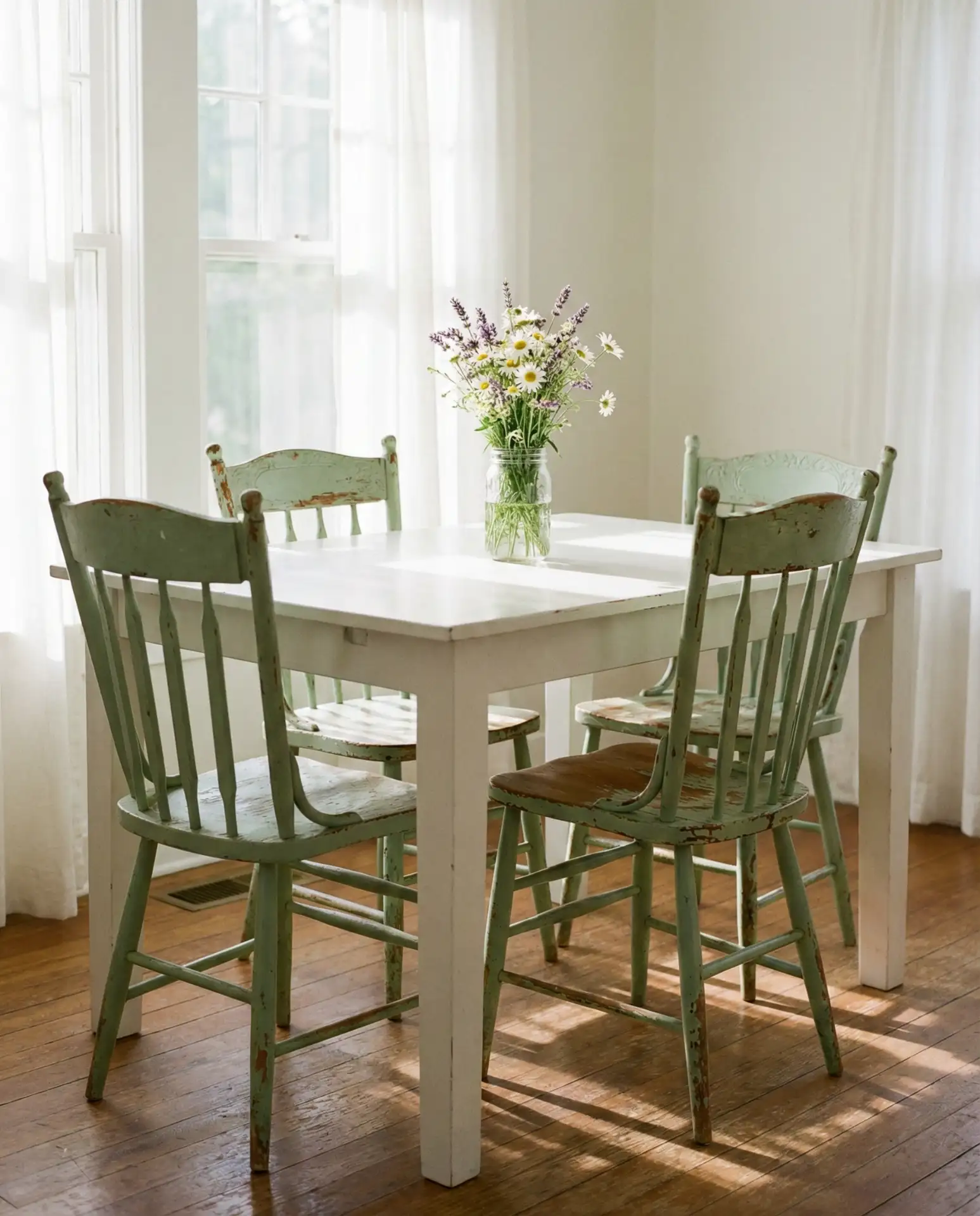
A neighbor of mine transformed her grandmother’s mismatched dining chairs with a soft robin’s egg blue, and the result became the most talked-about element of her home. The beauty of this approach is that it’s accessible to anyone willing to invest a weekend and minimal supplies. Painted chairs work especially well in cottages, bungalows, and homes with a collected-over-time aesthetic. They add color without the commitment of painting walls, and if you tire of the shade, you can always repaint.
8. Sleek Mid-Century Modern Classics
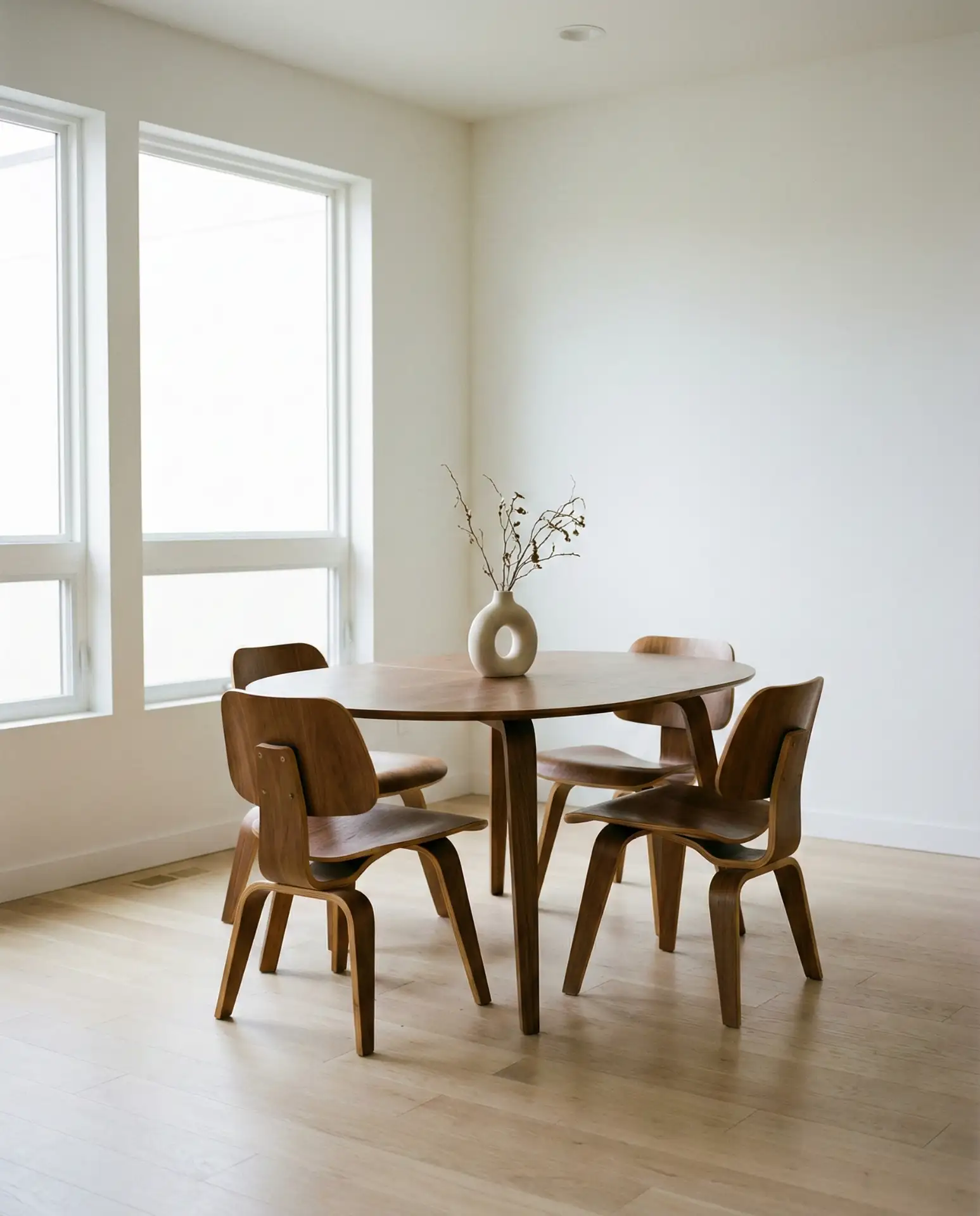
The enduring appeal of mid-century modern dining chairs shows no signs of fading in 2026. Clean lines, tapered legs, and ergonomic curves define this style that originated in the 1950s and 60s. These design classics work because they were created with both form and function in mind—they’re genuinely comfortable despite their minimal appearance. Whether you choose authentic vintage pieces or quality reproductions, they bring an understated sophistication that complements rather than dominates a space.
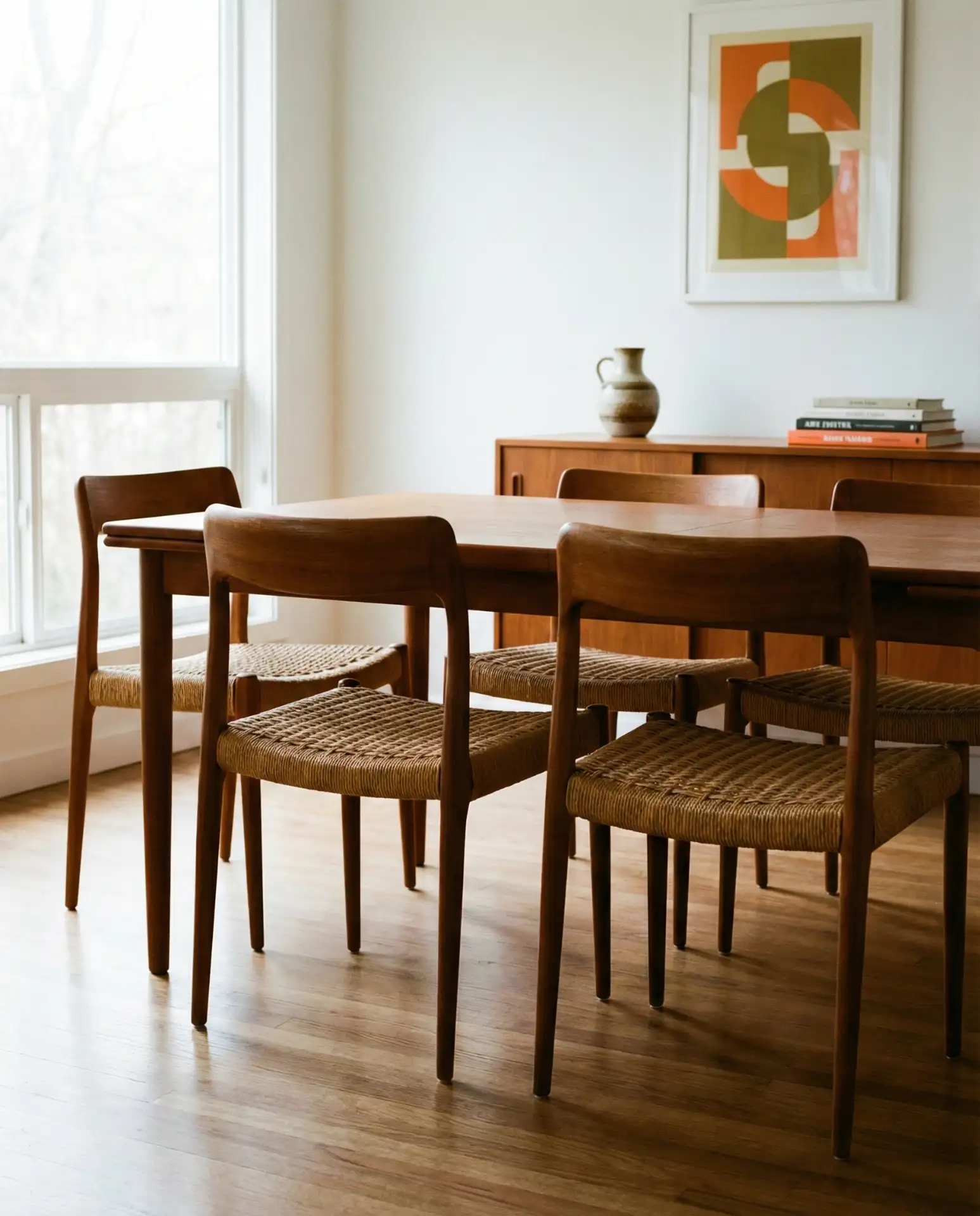
These chairs shine in open-concept homes where their light visual weight prevents spaces from feeling cluttered or heavy. They’re particularly popular in the Pacific Northwest and California, where the style originated in America. From an investment perspective, authentic vintage MCM chairs have actually appreciated in value, making them both functional furniture and collectibles. Even well-made reproductions in the $150-$300 range deliver quality construction and timeless style that transcends passing trends.
9. Rich Leather Dining Chairs with Aged Patina
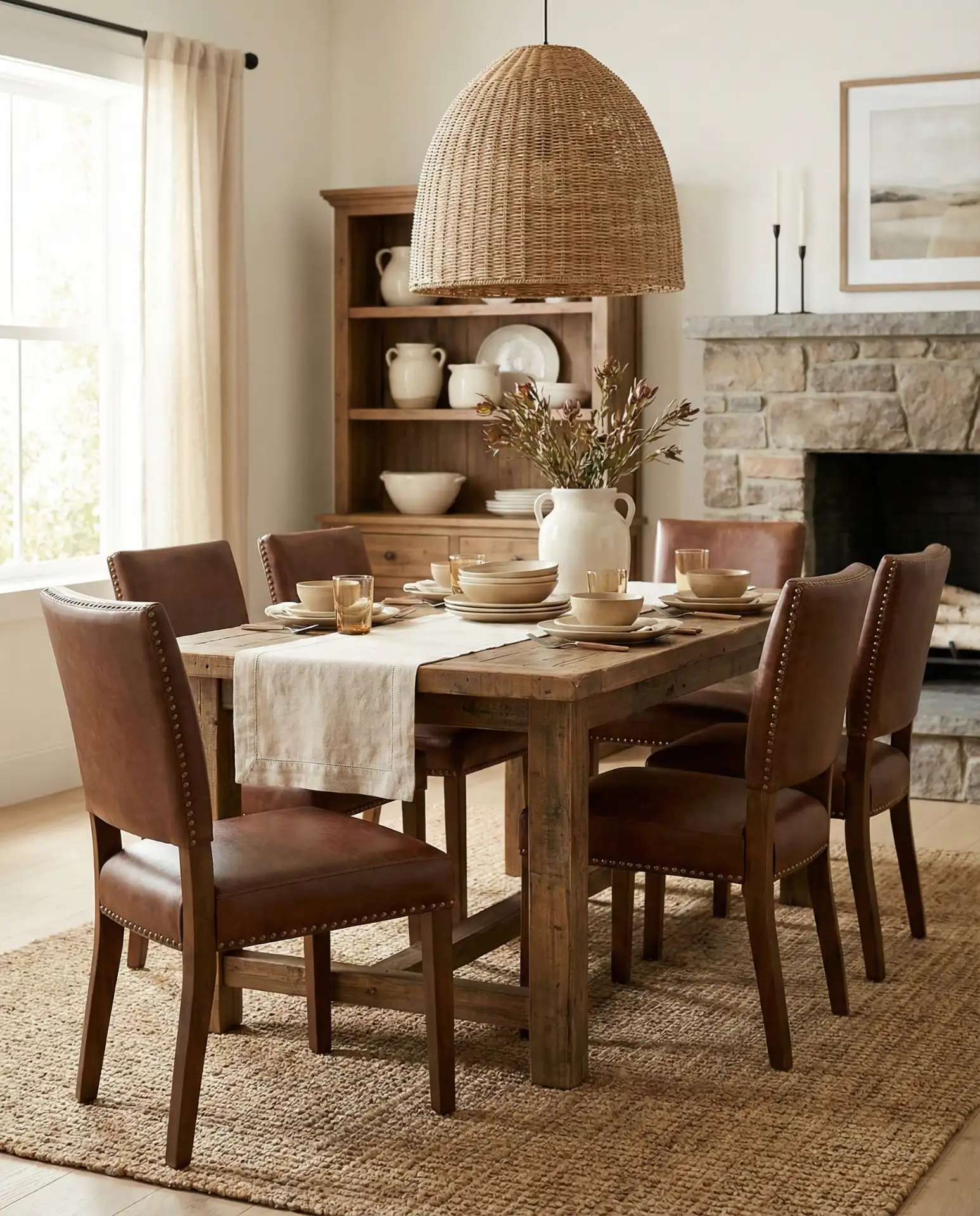
Leather dining chairs are being embraced for their ability to develop character over time. In 2026, homeowners are specifically seeking out full-grain leather that shows natural variations and will patina beautifully with use. These aren’t the stiff, formal leather chairs of decades past—today’s versions are supple, inviting, and designed for real living. Cognac, tobacco, and espresso tones dominate, bringing warmth and a sense of timeless luxury to dining spaces.
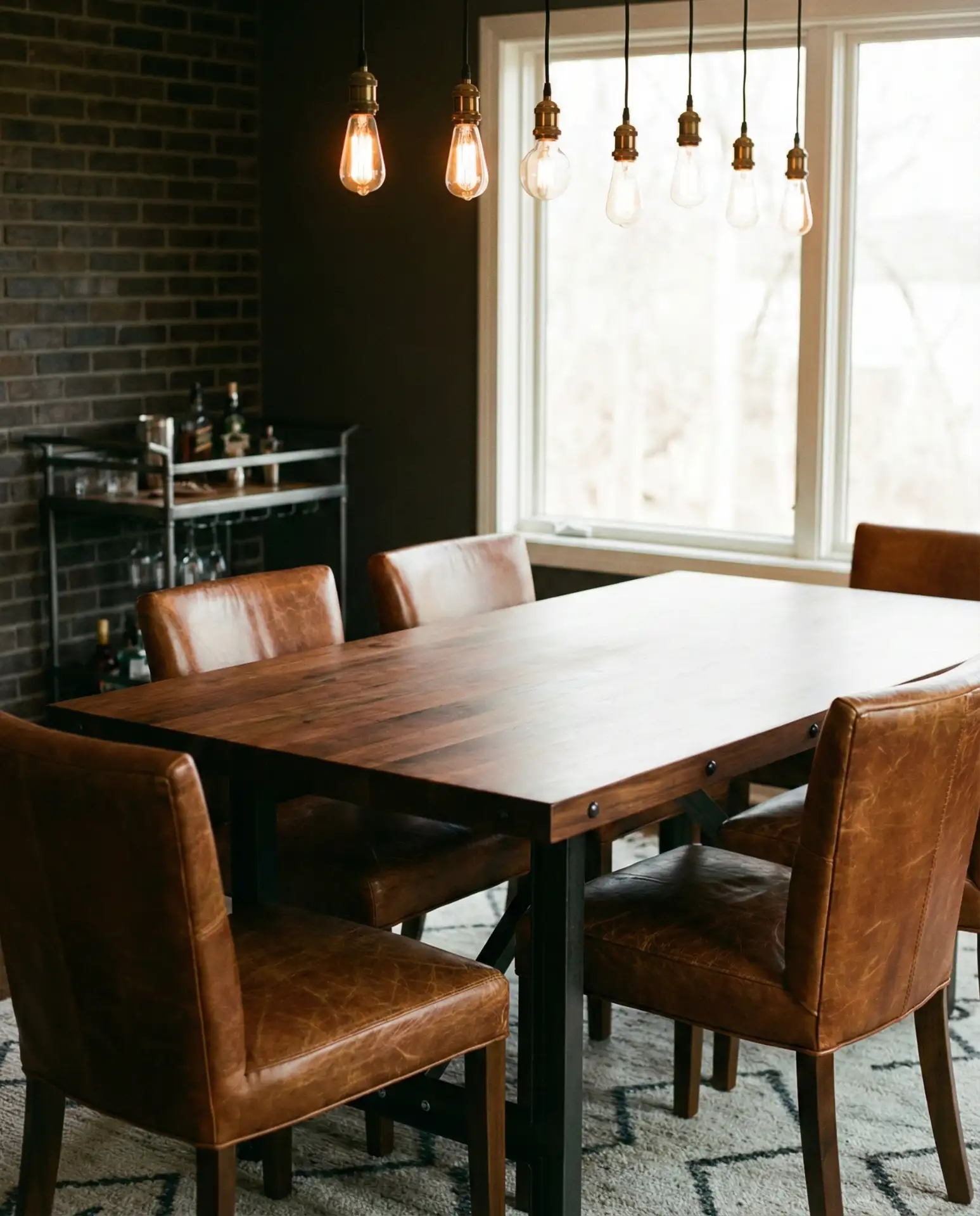
Expert designers point out that leather is one of the most practical upholstery choices for dining chairs—spills wipe clean easily, and unlike fabric, it doesn’t trap food particles or absorb odors. The initial investment is higher, typically $400-$800 per chair for quality leather, but they often outlast fabric chairs by decades. Leather also regulates temperature naturally, staying cool in summer and warm in winter, which contributes to comfort during long meals.
10. Weatherproof Outdoor Dining Chairs
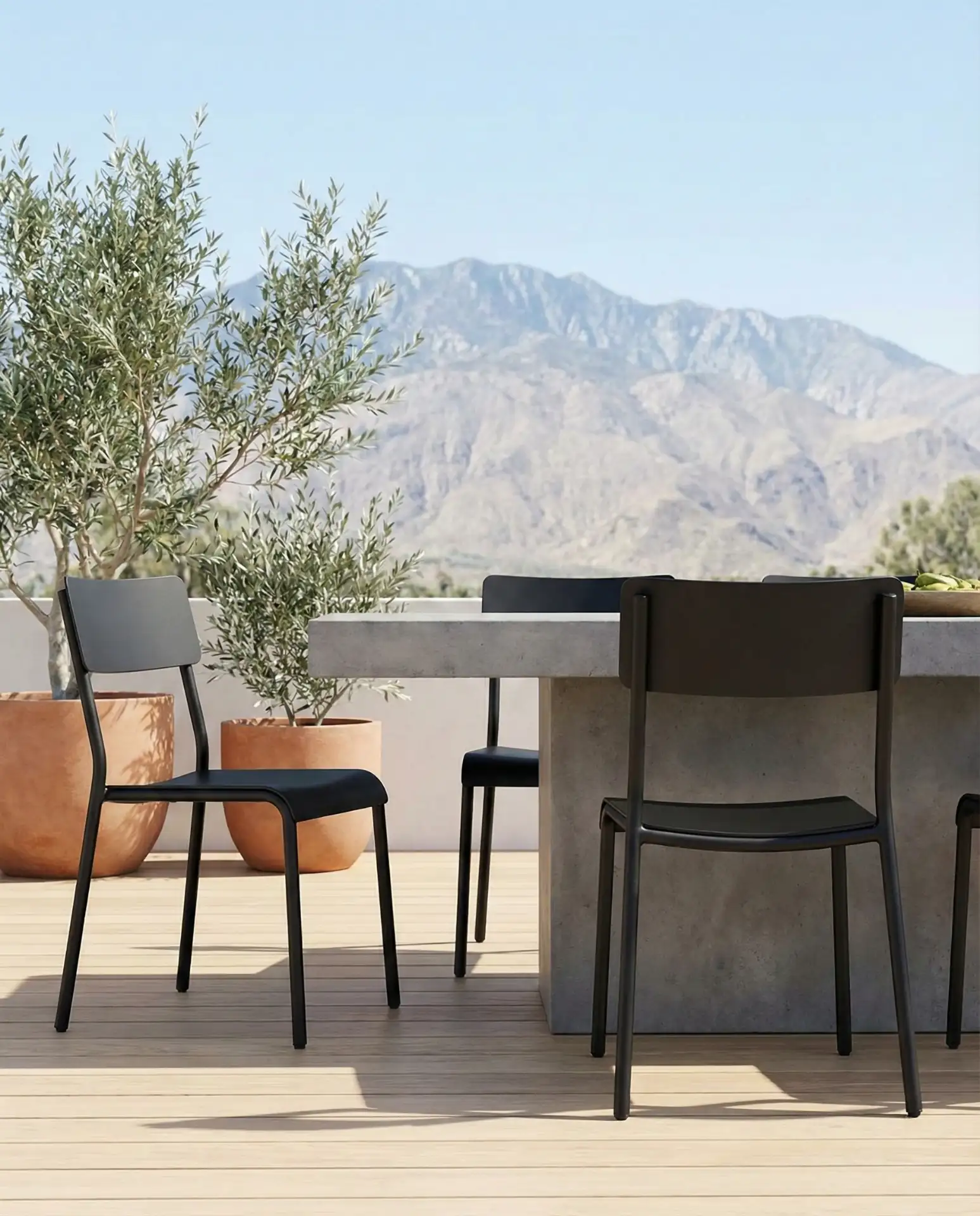
Outdoor dining has become a year-round affair in many American homes, driving demand for dining chairs that can withstand the elements without sacrificing style. Modern materials like powder-coated aluminum, all-weather wicker, and marine-grade rope create comfortable seating that looks refined rather than purely utilitarian. These chairs blur the line between outdoor and indoor furniture, with designs sophisticated enough to bring inside during colder months.
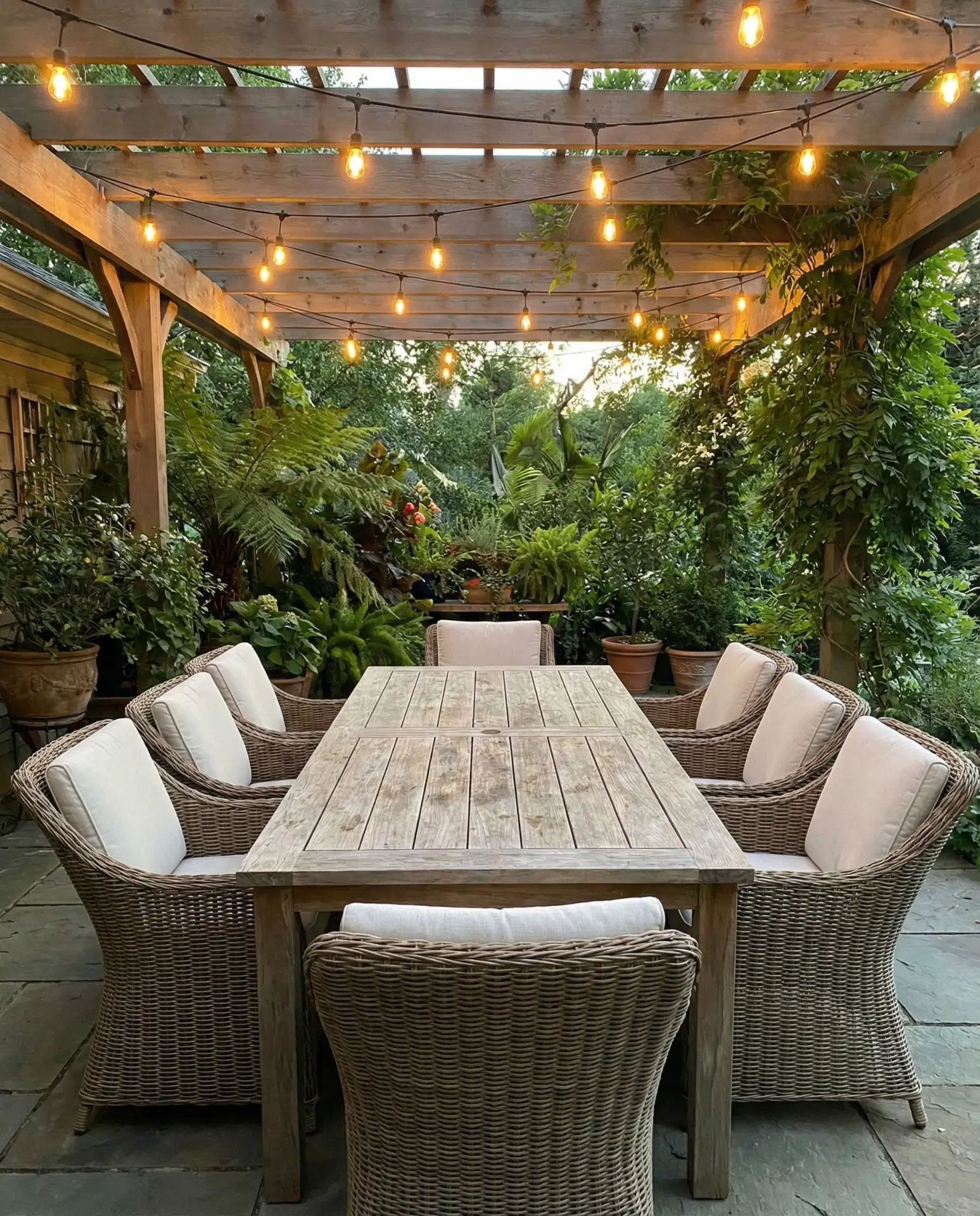
These work best in homes with dedicated outdoor living areas—covered patios in the South, decks in the Pacific Northwest, and screened porches throughout the Midwest. Americans are investing in quality outdoor furniture as they recognize these spaces as extensions of their homes rather than afterthoughts. Look for chairs with UV-resistant finishes and quick-drying cushions if you live in rainy climates. The best outdoor chairs now rival indoor seating for comfort while requiring minimal maintenance beyond occasional hosing down.
11. Graceful Green Dining Chairs
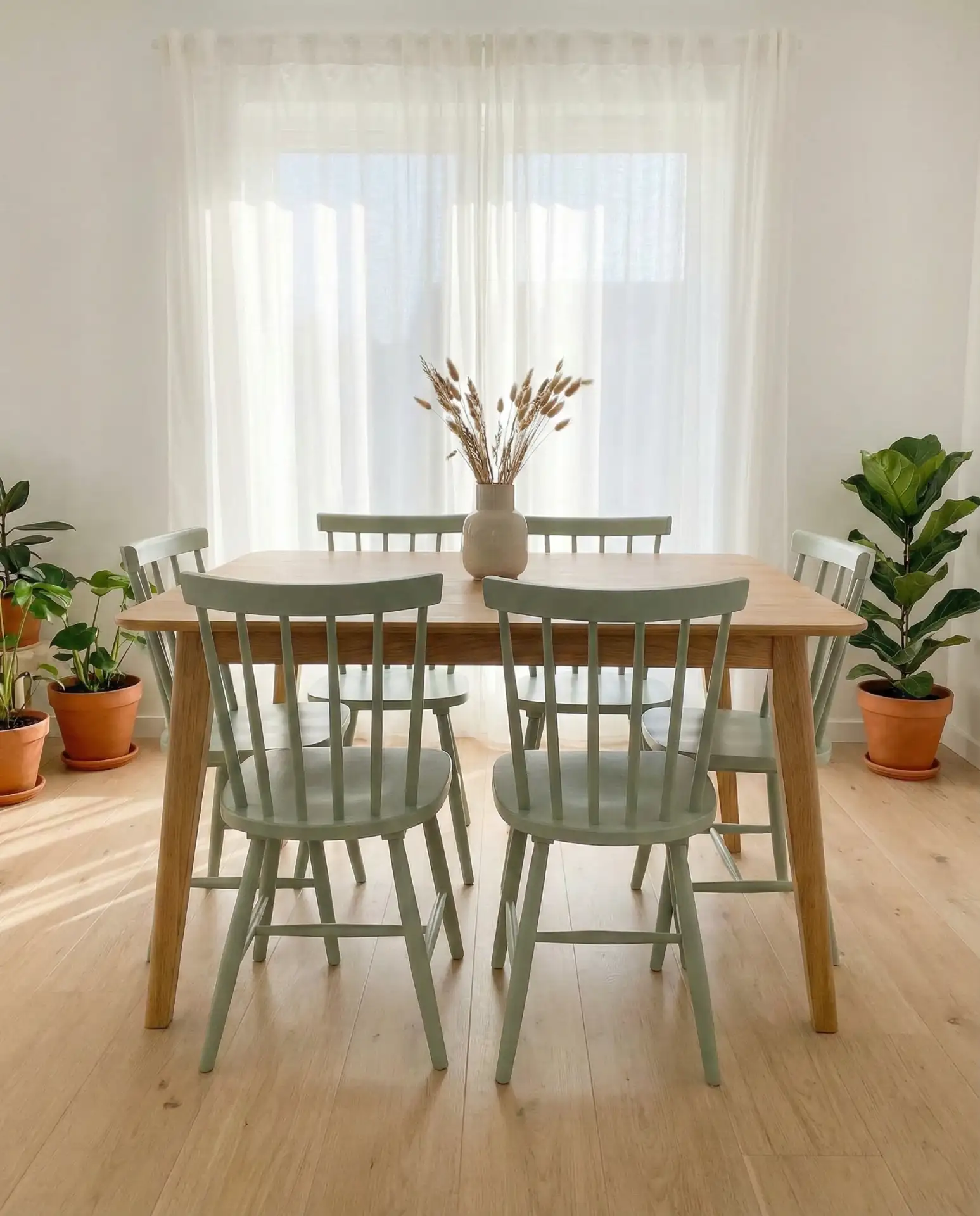
Green has emerged as the color of the moment for dining chairs, ranging from soft sage to deep forest hues. This color family brings the calming qualities of nature indoors while making a statement that’s both current and timeless. Green dining chairs work beautifully with natural wood tables, creating a connection to the outdoors that feels especially relevant in 2026. Whether in velvet, painted wood, or upholstered linen, green chairs add depth and sophistication without overwhelming a space.
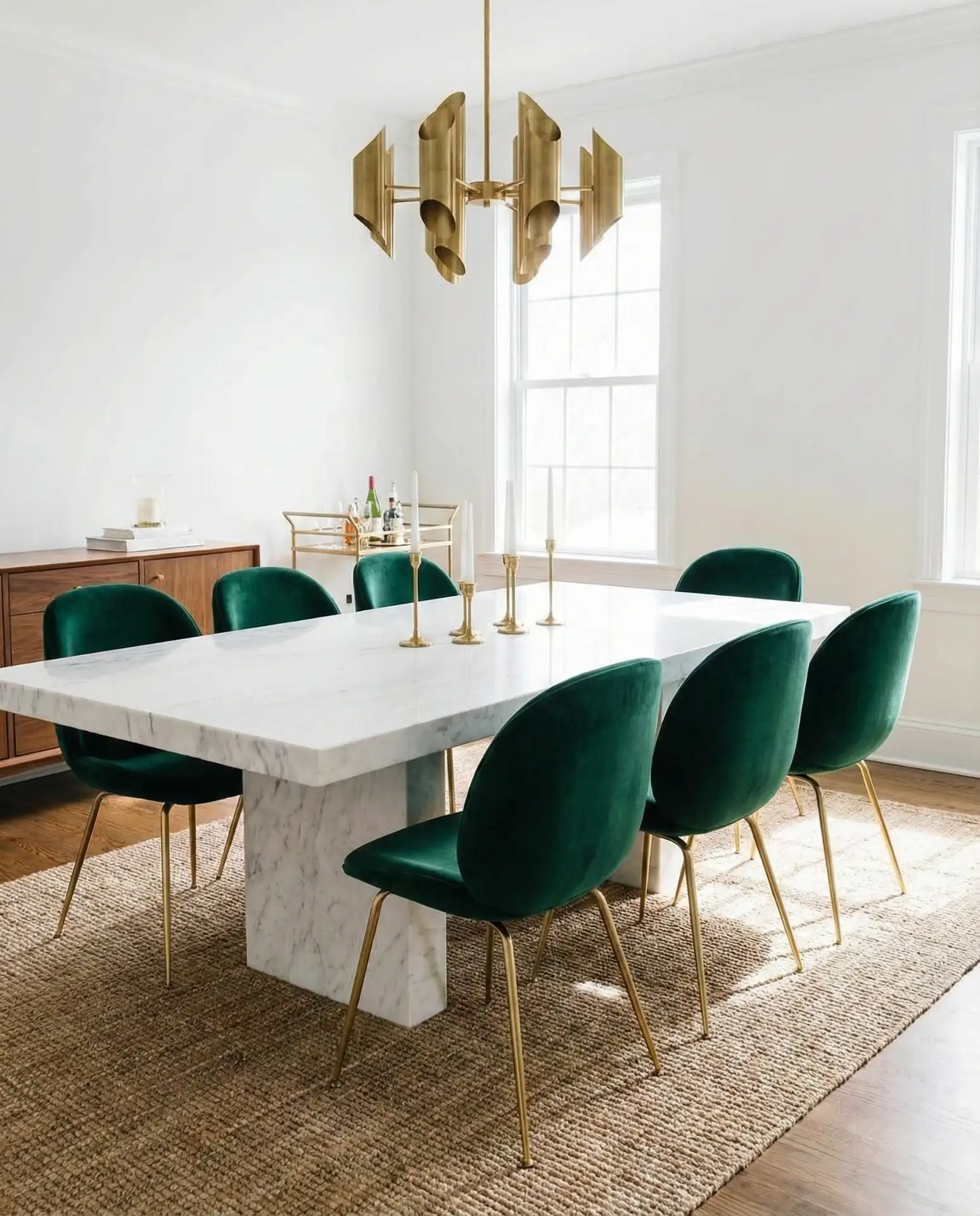
Green chairs are particularly popular in Southwestern homes, where they echo desert vegetation, and in Pacific Northwest interiors, where they reflect the lush outdoor environment. A common mistake is pairing green chairs with green walls, which can feel monotonous—instead, let the chairs be the color moment against neutral walls. This shade works across styles from traditional to contemporary, making it a versatile choice that won’t feel dated in a few years. It’s especially effective in dining rooms with limited natural light, where the color brings energy without requiring bright sunshine.
12. Statement-Making Red Dining Chairs
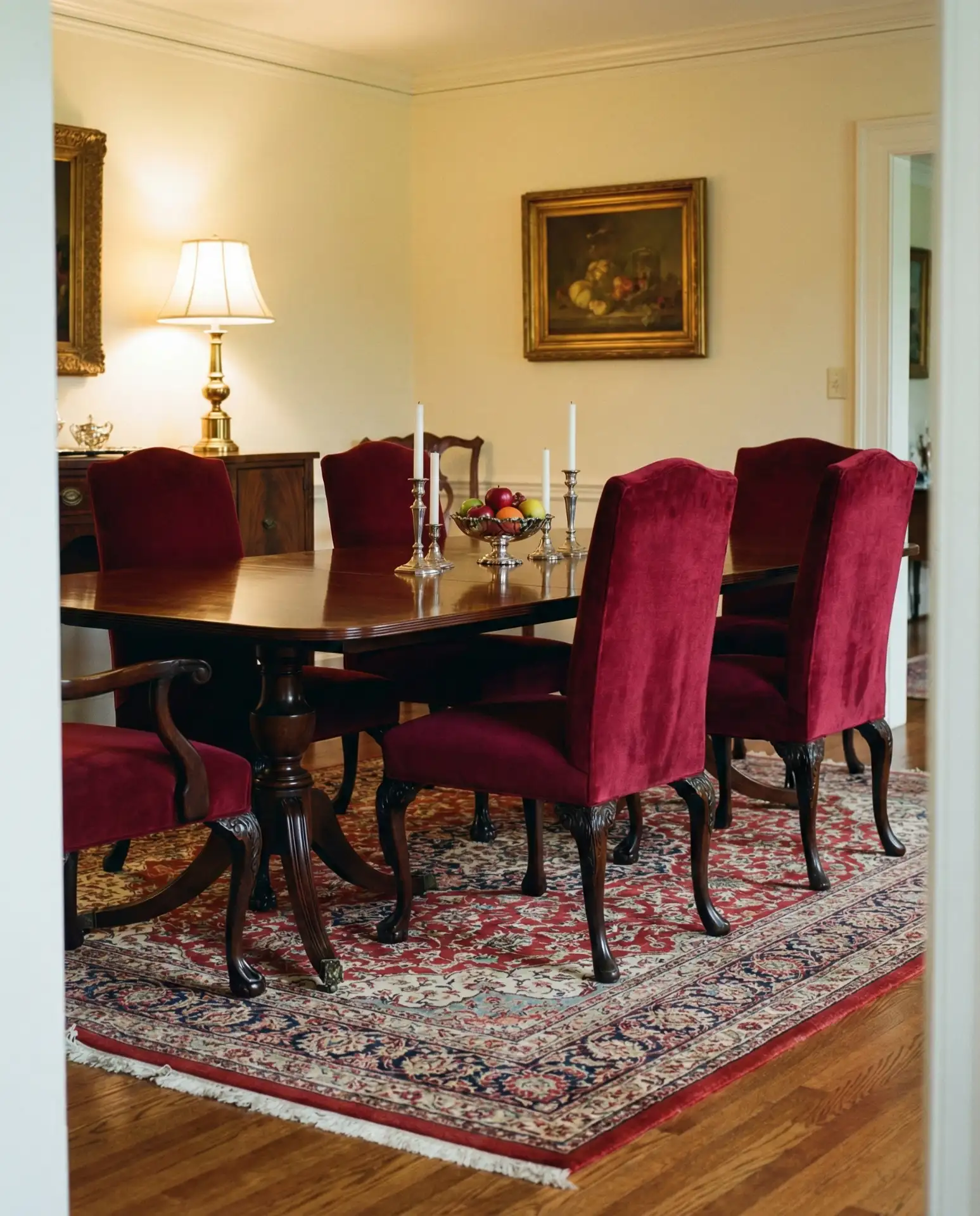
For homeowners ready to make a bold move, red dining chairs deliver instant drama and energy. From brick red to crimson, this color family stimulates appetite and conversation—perfect for a gathering space. In 2026, we’re seeing red used more confidently, with designers embracing its power rather than trying to soften it. These chairs work best as the primary color statement in a room, paired with neutral surroundings that let them truly shine.
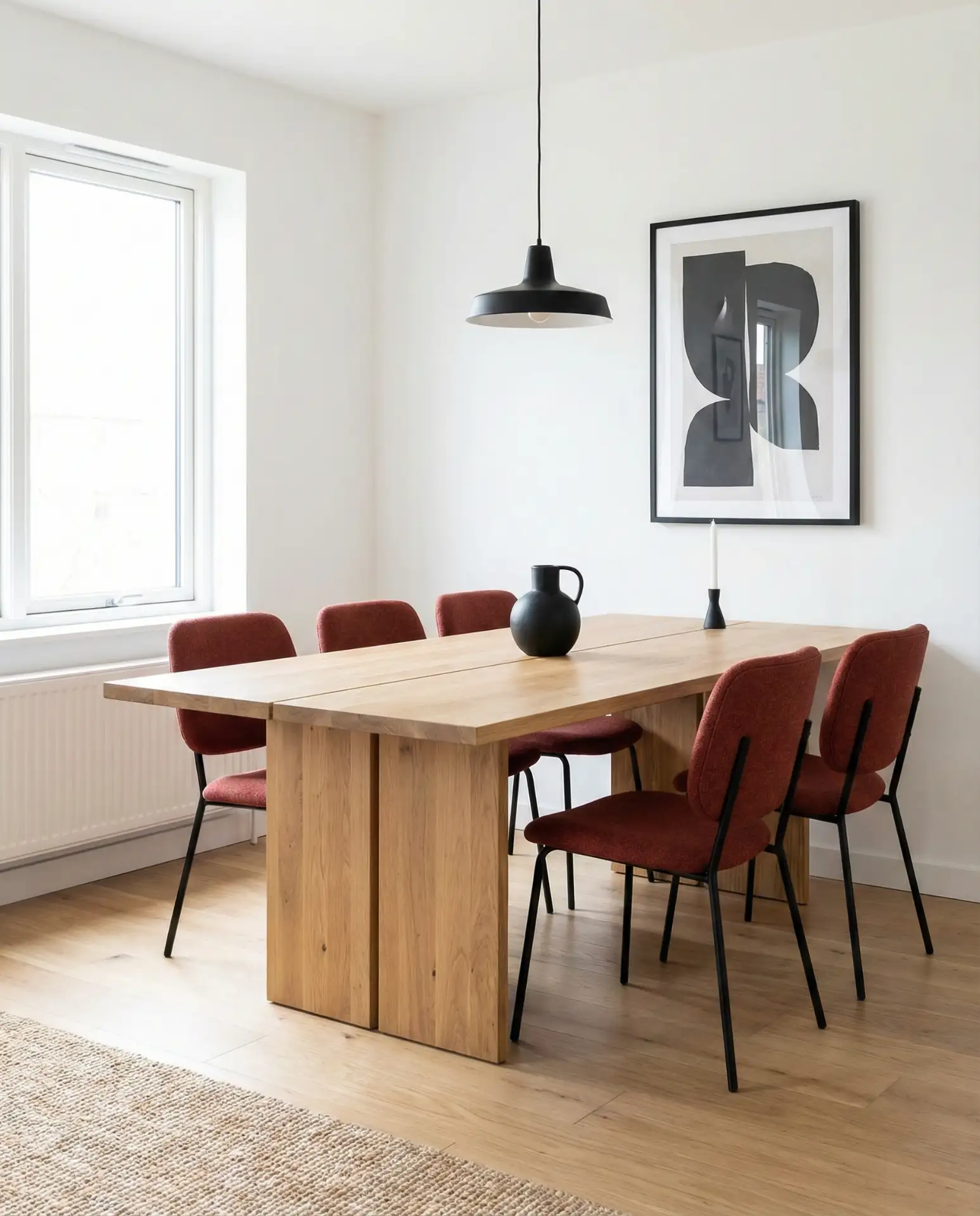
Red dining chairs are showing up in both traditional colonial homes in New England and modern lofts in cities like Chicago and Denver. They work particularly well in homes with large windows and abundant natural light, where the color can shift beautifully throughout the day. Homeowners sometimes hesitate with red, worrying it’s too bold, but in dining spaces where people gather for limited periods, a strong color creates a memorable impact without overwhelming daily life. The key is committing fully rather than second-guessing the choice.
13. Serene Blue Upholstered Chairs
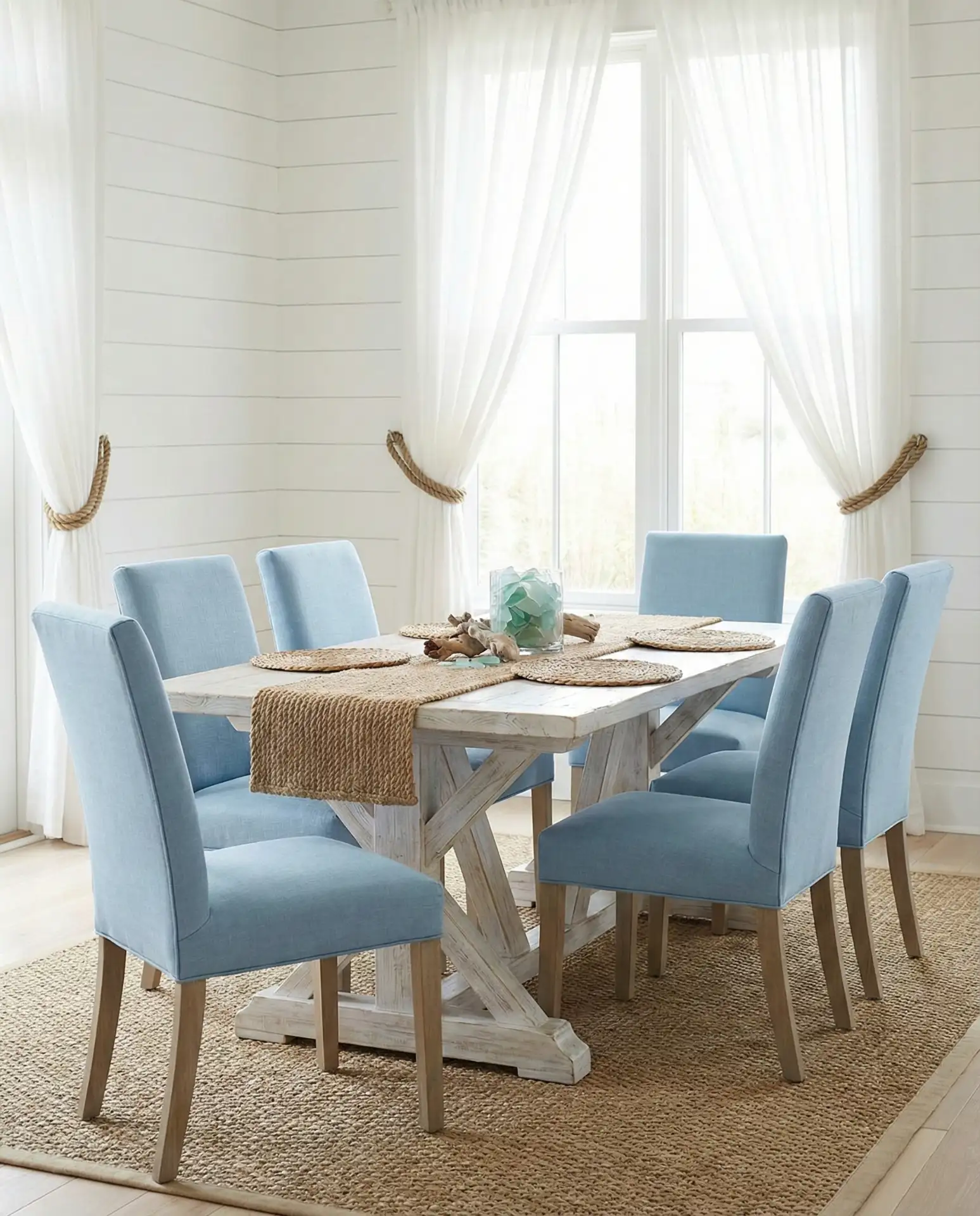
Blue upholstered dining chairs offer a calming alternative to more energetic colors while still providing visual interest. Shades from powder blue to navy create a sense of tranquility that makes dining spaces feel like retreats. Blue has broad appeal across American regions, working equally well in coastal cottages and inland suburban homes. The color pairs beautifully with natural materials and metallics, offering flexibility in styling.
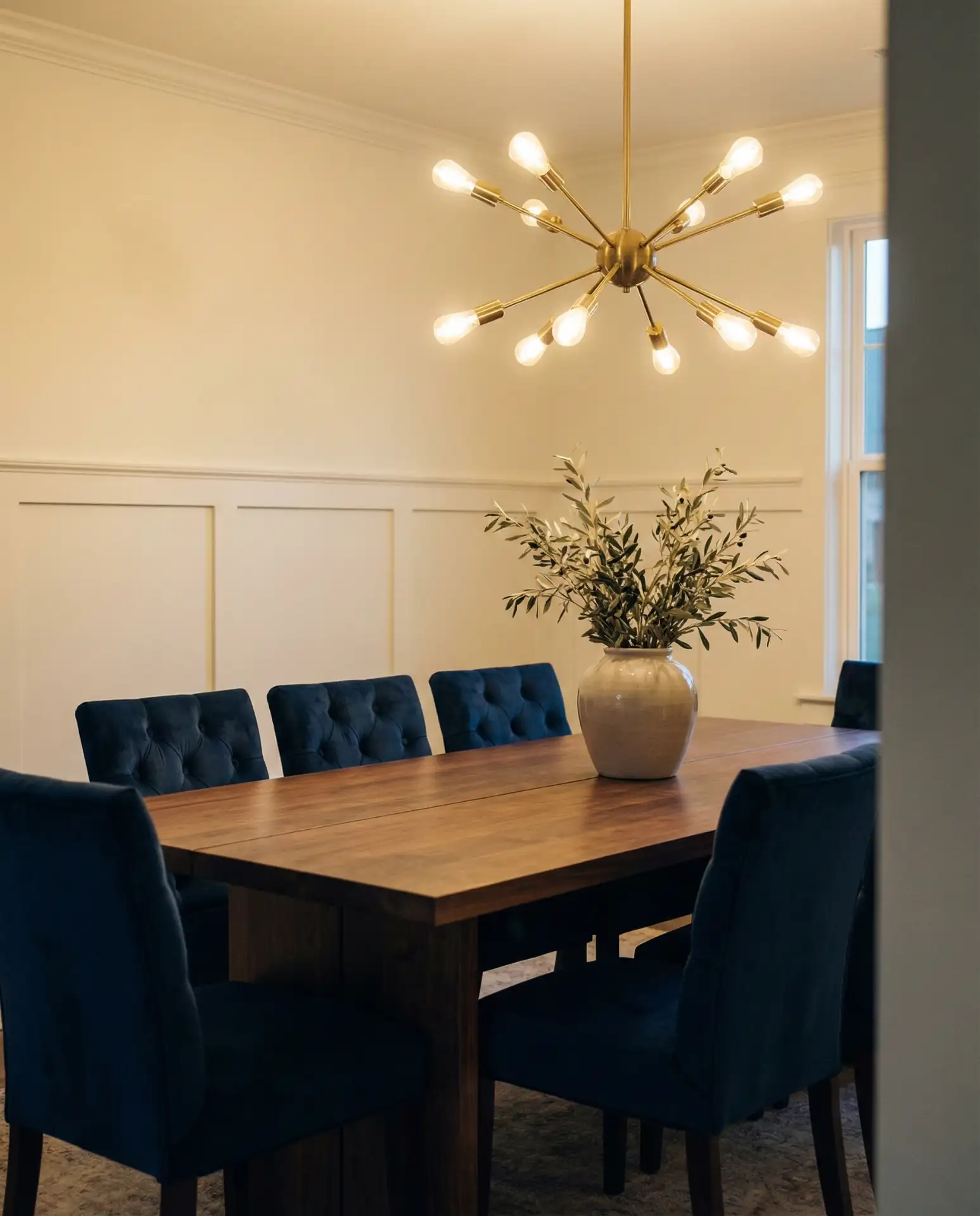
Blue works especially well in homes where the dining area flows into living spaces, as it’s a color that feels both special and livable. Many homeowners choose blue when they want color but need something more forgiving than white or cream in terms of showing stains and wear. Performance fabrics in blue tones hide minor spills better than lighter colors while maintaining an elegant appearance. This is particularly valuable in households with kids or frequent entertainers who want style without constant stress about maintenance.
14. Creative Dining Chair Covers for Seasonal Updates
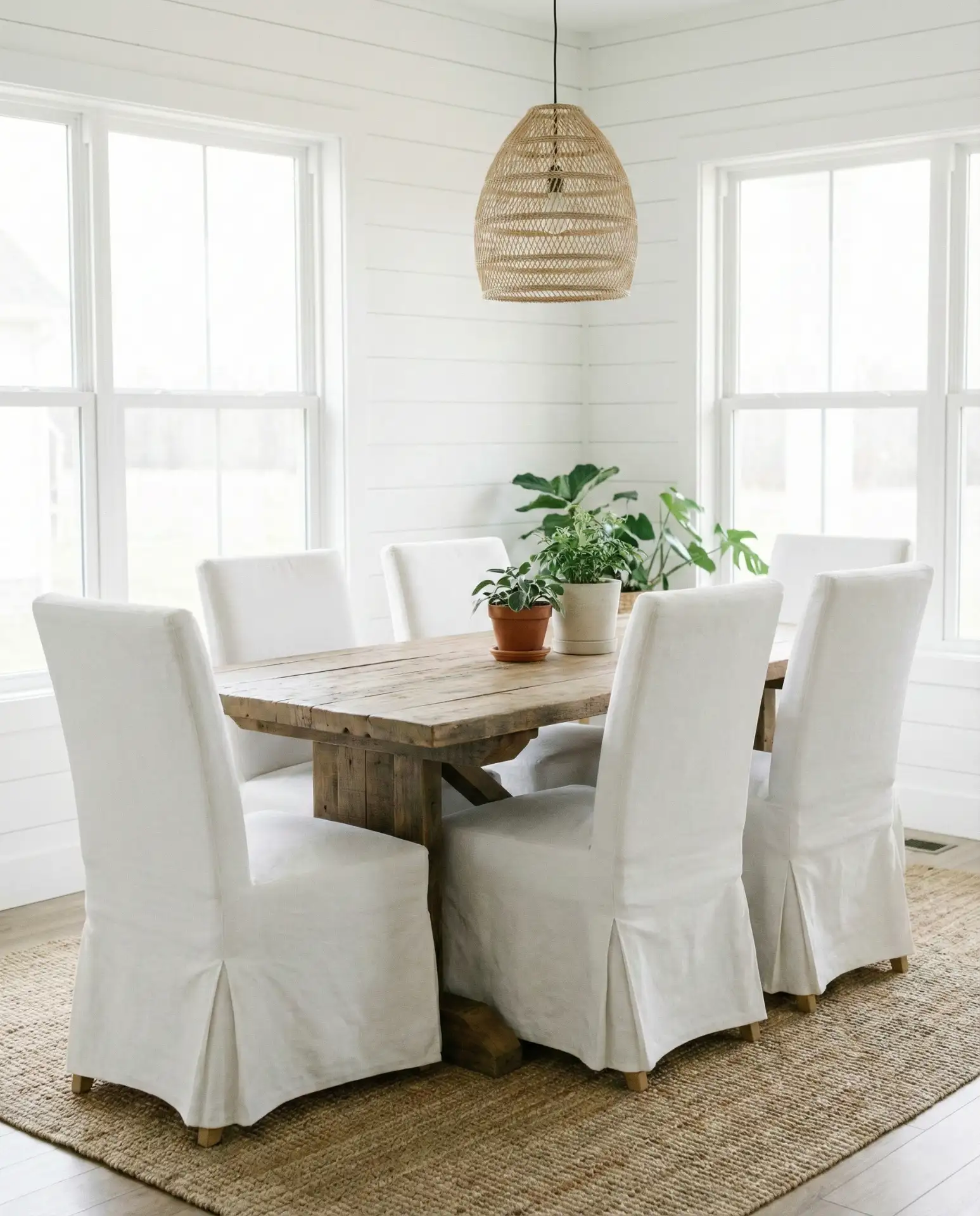
Dining chair covers have evolved from purely protective items to design elements that allow for seasonal refreshes without buying new furniture. Slipcovers in quality fabrics can completely transform the look of a dining space. In 2026, tailored covers with clean lines are replacing frilly, gathered versions. This approach offers incredible versatility—switch from linen in summer to velvet in winter, or change colors to match holiday decor.
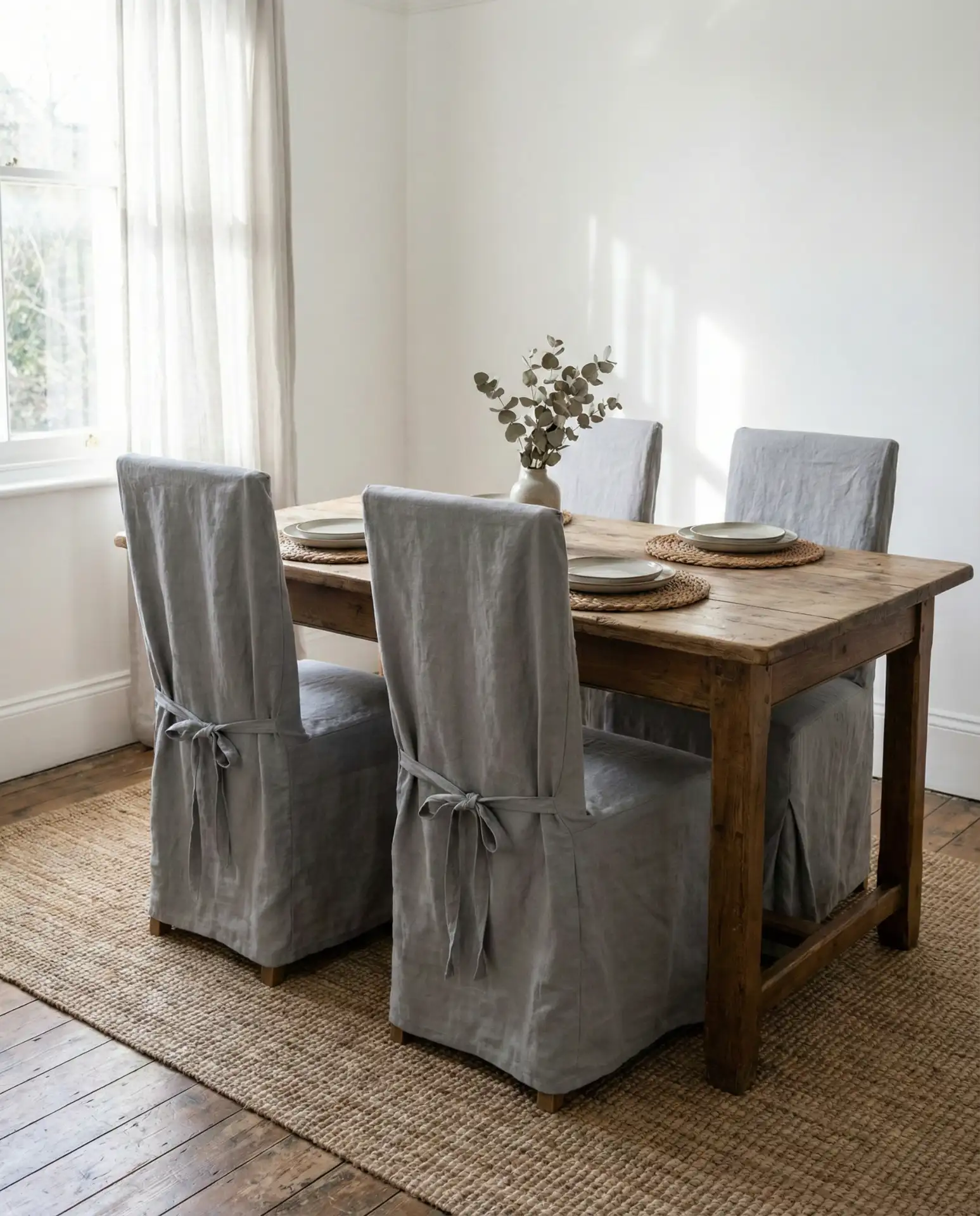
This is one of the most budget-conscious approaches on this list—investing $30-$60 per cover allows you to protect and update chairs you already own. Covers are especially practical for families with young children, protecting the original upholstery from the inevitable spills and stains of daily life. Machine-washable options make maintenance simple. Many people keep multiple sets: everyday covers in durable cotton and special occasion covers in more luxurious fabrics. It’s a strategy that maximizes both practicality and style flexibility.
15. Innovative Upholstery Ideas with Pattern and Texture
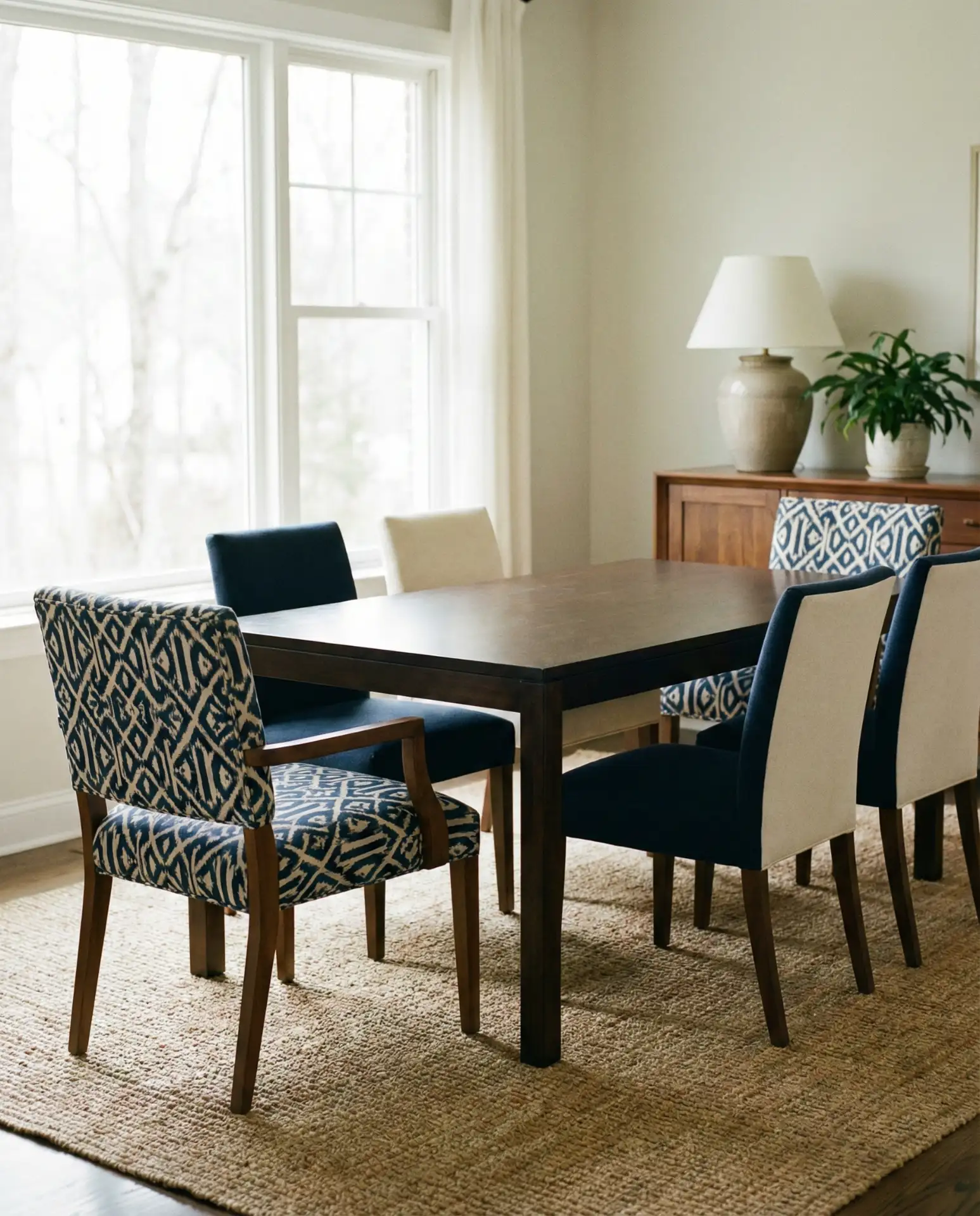
Adventurous upholstery ideas are giving dining chairs personality through unexpected fabrics and patterns. From bold geometrics to subtle textures, the fabric becomes the focal point. In 2026, we’re seeing more willingness to mix patterns—perhaps geometric seats with solid backs, or alternating between two complementary prints. Textured fabrics like bouclé, chenille, and cut velvet add dimension that catches light and creates visual interest even in solid colors.
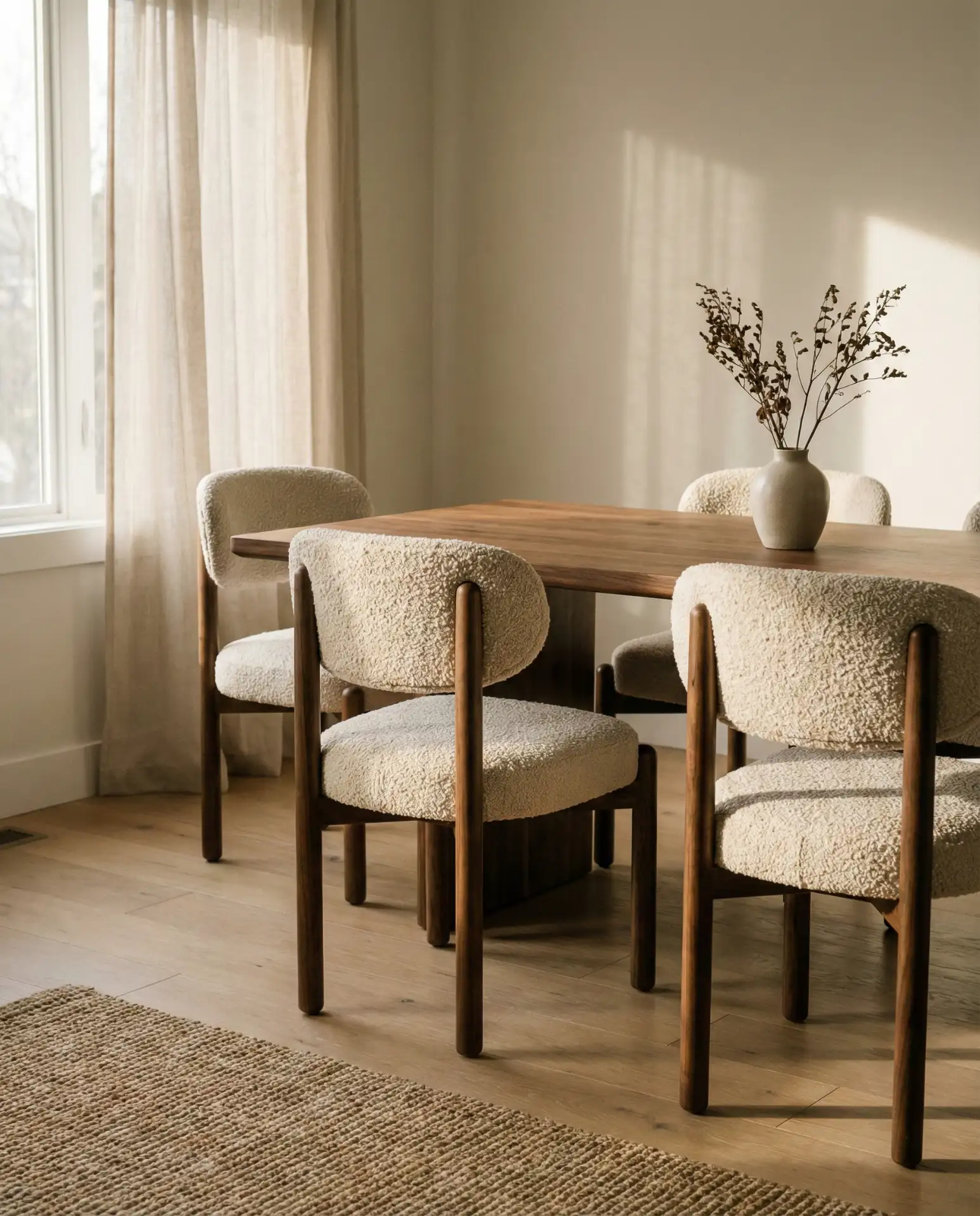
When reupholstering existing chairs, look for performance fabrics that can withstand daily use—this allows you to be bold with patterns without worrying excessively about maintenance. The cost to reupholster dining chairs typically runs $100-$200 per chair for labor plus fabric, making it worthwhile for quality frames but potentially not for budget chairs. Many DIY enthusiasts are tackling this project themselves using staple guns and online tutorials. It’s a meaningful way to customize mass-produced chairs or update inherited pieces to fit your current aesthetic.
16. Distinctive Unique Finds from Artisans
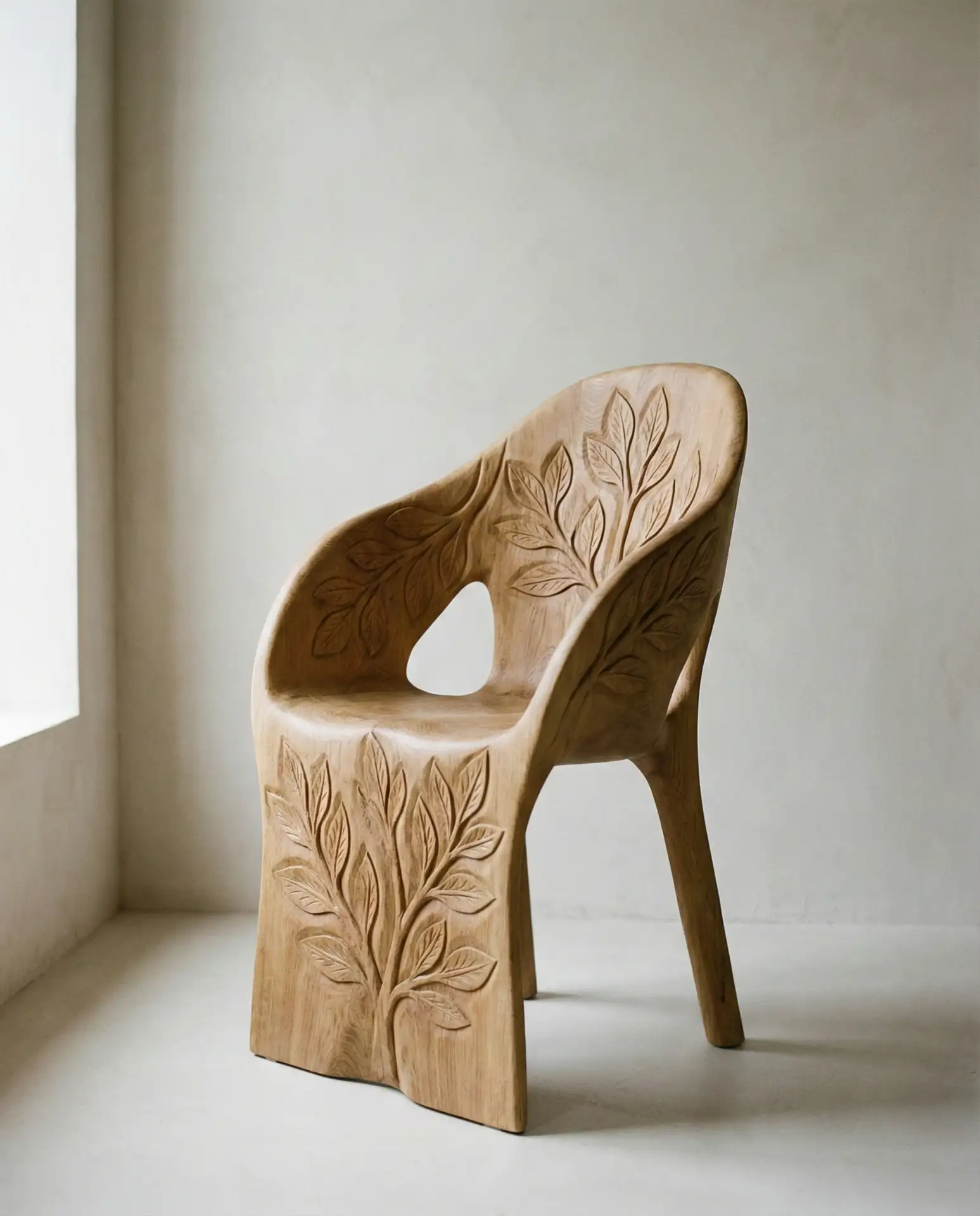
The hunger for unique dining chairs that tell a story is driving interest in artisan-made and custom pieces. These chairs often feature hand-carved details, unusual joinery, or unconventional materials that mass production can’t replicate. Supporting local craftspeople and small studios results in dining furniture with genuine character. Each chair becomes a conversation piece with a narrative about where it came from and who made it.
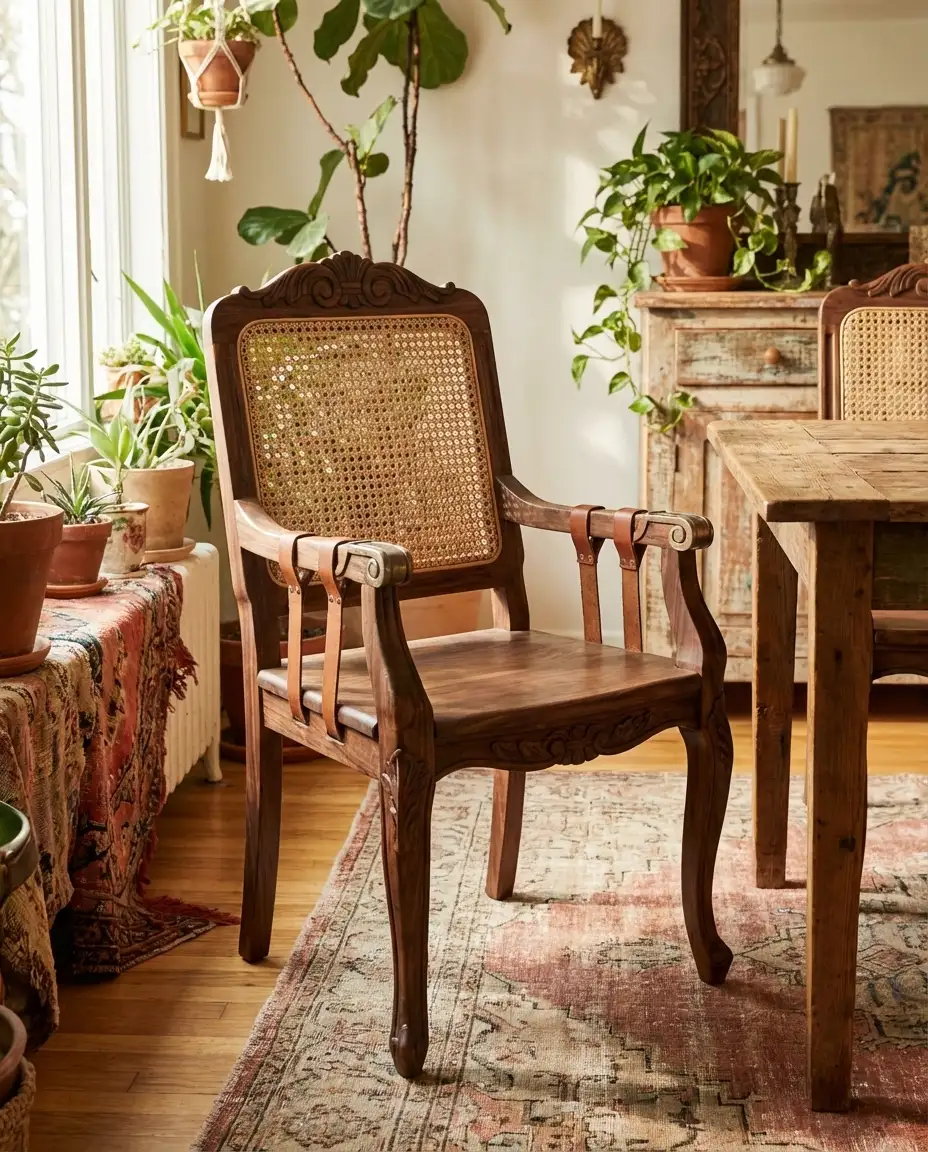
Across America, from Portland to Asheville, maker communities are thriving and producing furniture that reflects regional aesthetics and materials. These chairs typically command premium prices—$500-$1,200 per chair—but represent an investment in quality and individuality that factory furniture can’t match. Many artisans work on commission, allowing customization of dimensions, finishes, and details. This approach appeals to homeowners who see furniture as more than functional objects but as expressions of values around sustainability, craftsmanship, and supporting independent makers.
17. Comfortable Dining Chairs with Ergonomic Design
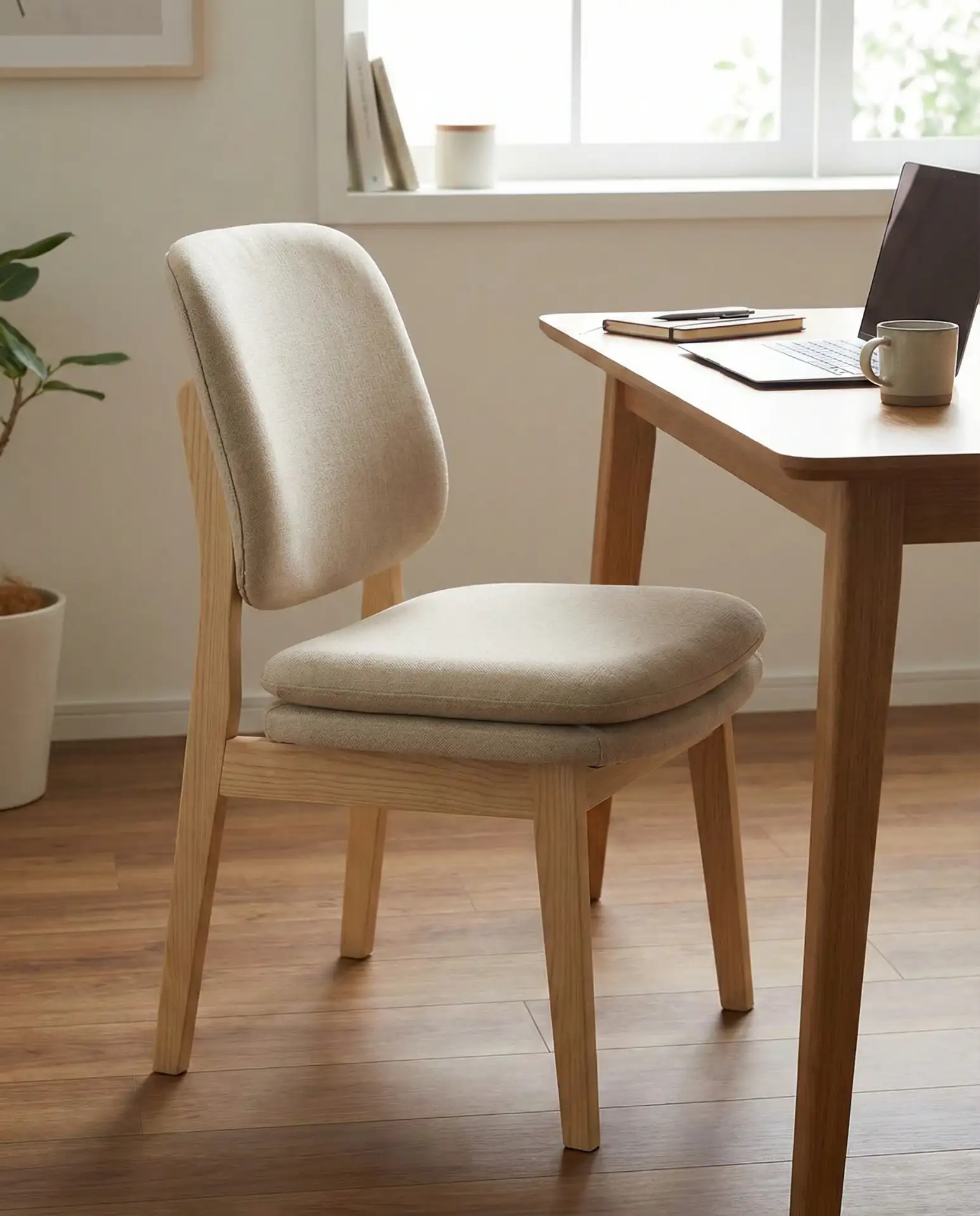
As dining spaces serve multiple functions beyond meals, truly comfortable seating has become essential. Ergonomically designed chairs with proper lumbar support, waterfall seat edges, and appropriate seat depth make hours at the table sustainable. In 2026, comfort isn’t sacrificed for style—chairs can be both beautiful and genuinely supportive. Look for comfy features like contoured backs, slight reclines, and seats that don’t cut off circulation.
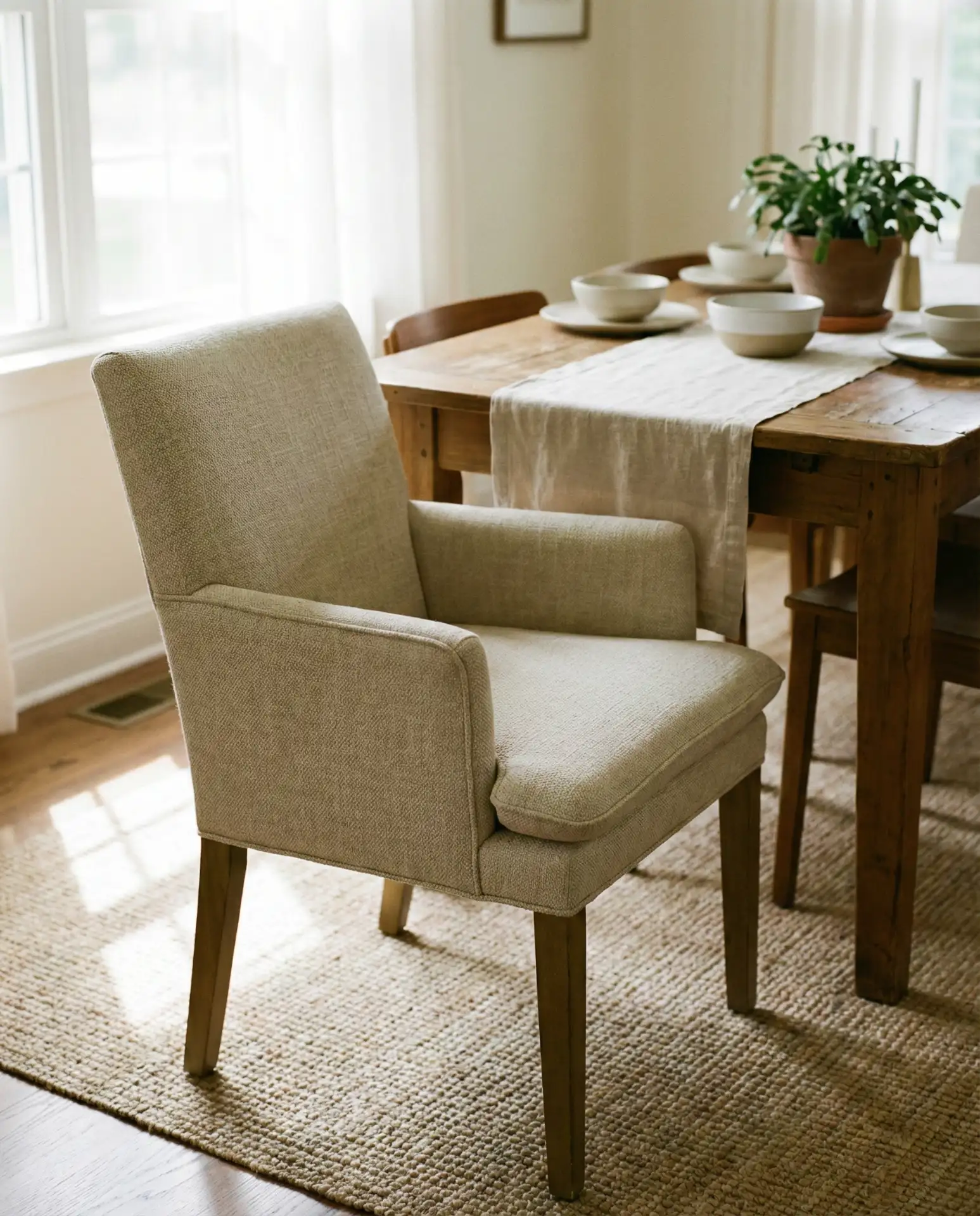
Families working and learning from home discovered that uncomfortable dining chairs cause real problems when used for extended periods. I’ve watched this shift happen in real time—people who once prioritized looks above all now test chairs thoroughly before buying, actually sitting in them for several minutes to assess true comfort. Chairs with armrests are making a comeback after years of being dismissed as too bulky, as people recognize the support they provide during long Zoom calls or homework sessions. The ideal seat height is 18-20 inches with seats around 16-18 inches deep for most adults.
18. Inspiring Dining Chair Ideas for Every Style
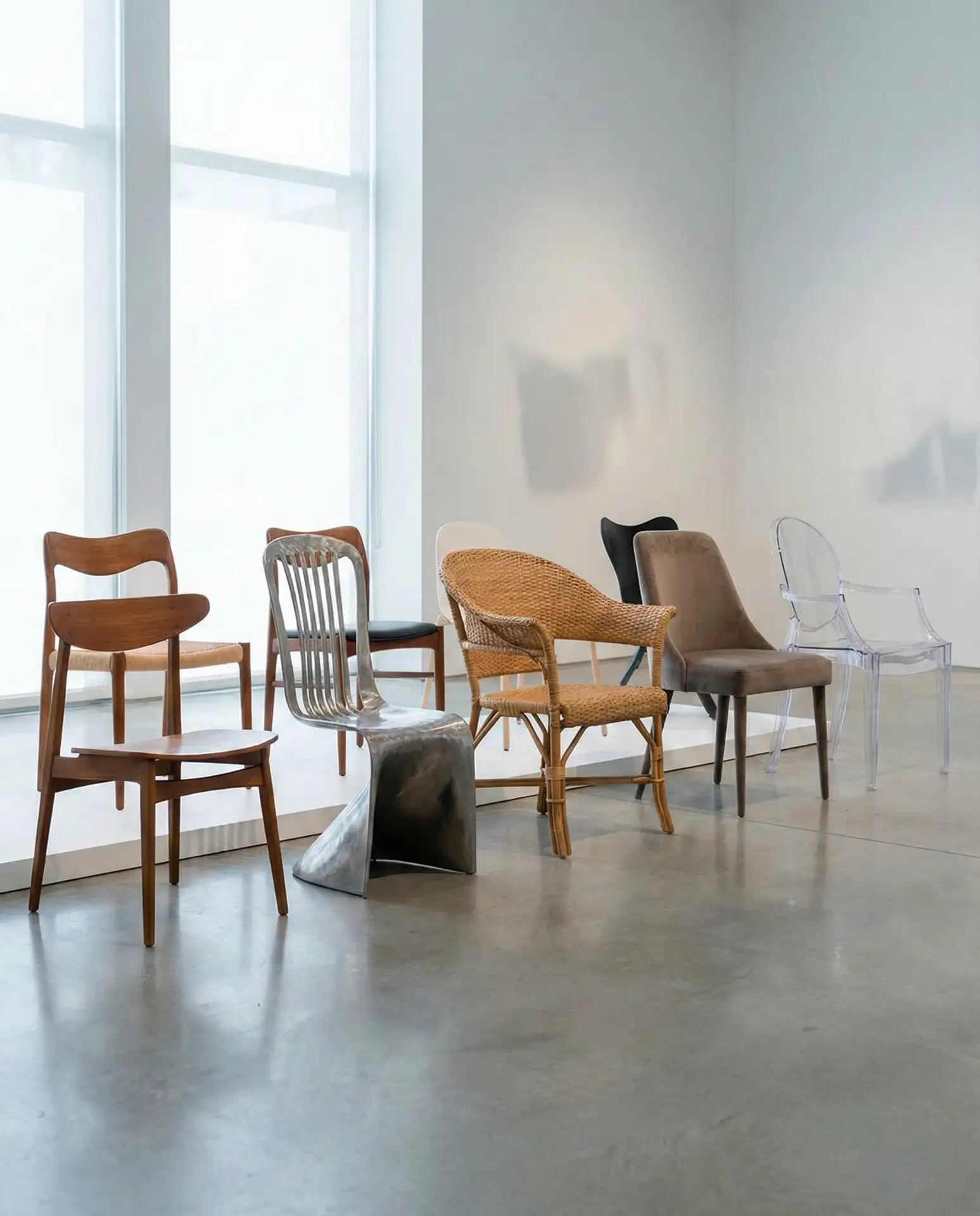
The beauty of dining chairs in 2026 is that there are compelling ideas for every aesthetic preference. Whether your home skews traditional, contemporary, eclectic, or somewhere in between, today’s market offers options that can elevate your dining space. The key is choosing chairs that resonate with your personal style while meeting practical needs. Design isn’t about following trends blindly but finding pieces that make your space feel authentically yours.
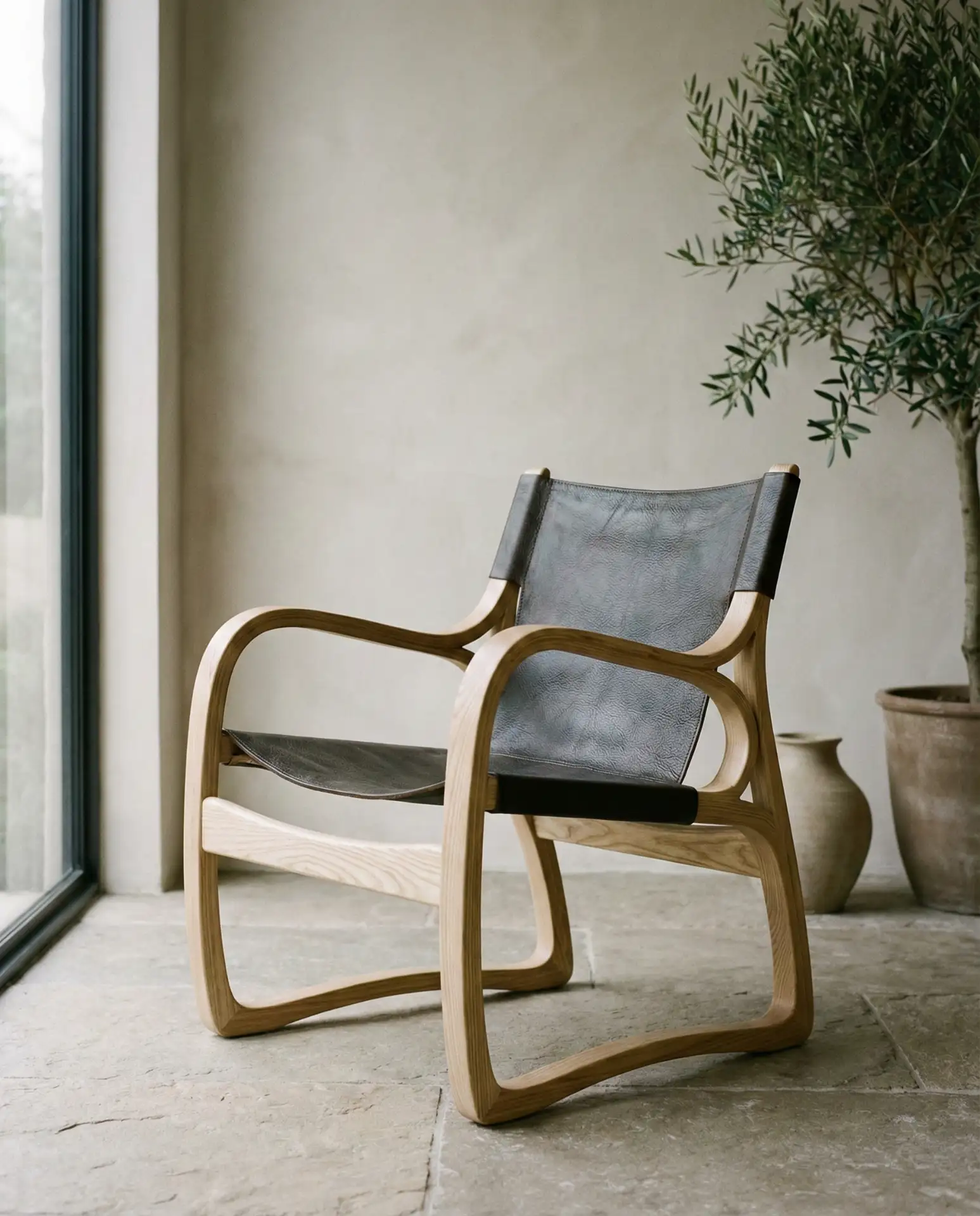
Regional style differences across America influence chair choices—Southwest homes often embrace earth tones and natural materials, while urban lofts lean toward industrial metals and leathers. The mistake many make is choosing chairs in isolation rather than considering how they’ll work with their existing table, flooring, and overall space. Take photos of your dining area and try visualizing different chair styles before committing. Pinterest boards and mood boards help clarify what you’re drawn to before making the investment. Remember that chairs should serve your life first and look good second.
19. Luxurious Details in Everyday Dining Chairs
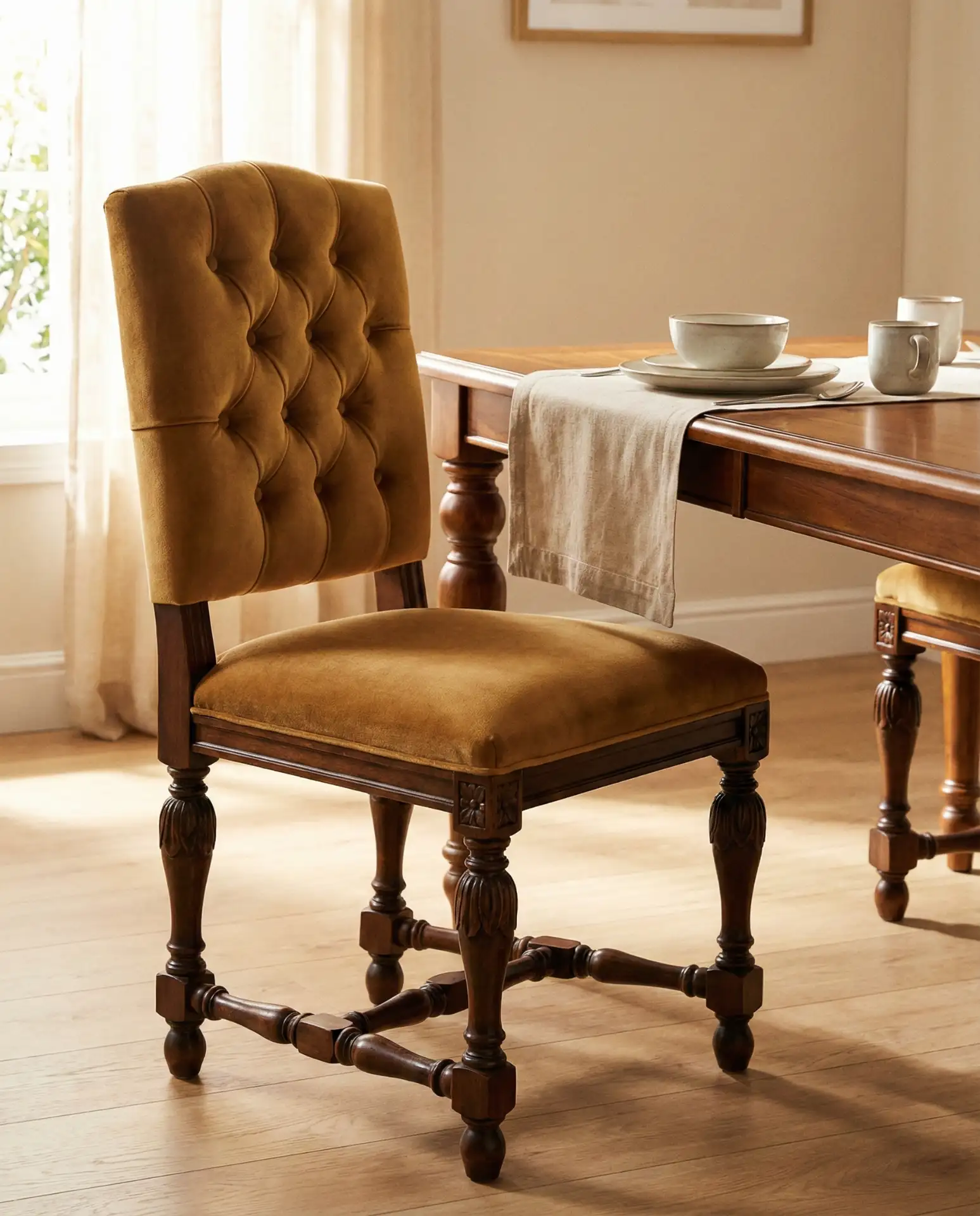
Small luxury details are elevating ordinary dining chairs into special pieces. Brass nailhead trim, hand-tied springs, tufted backs, and turned legs add refinement without pushing chairs into formal territory. These thoughtful touches make everyday dining feel more elevated. In 2026, there’s an emphasis on quality craftsmanship that’s visible and tactile—details you can see and feel that justify the investment.
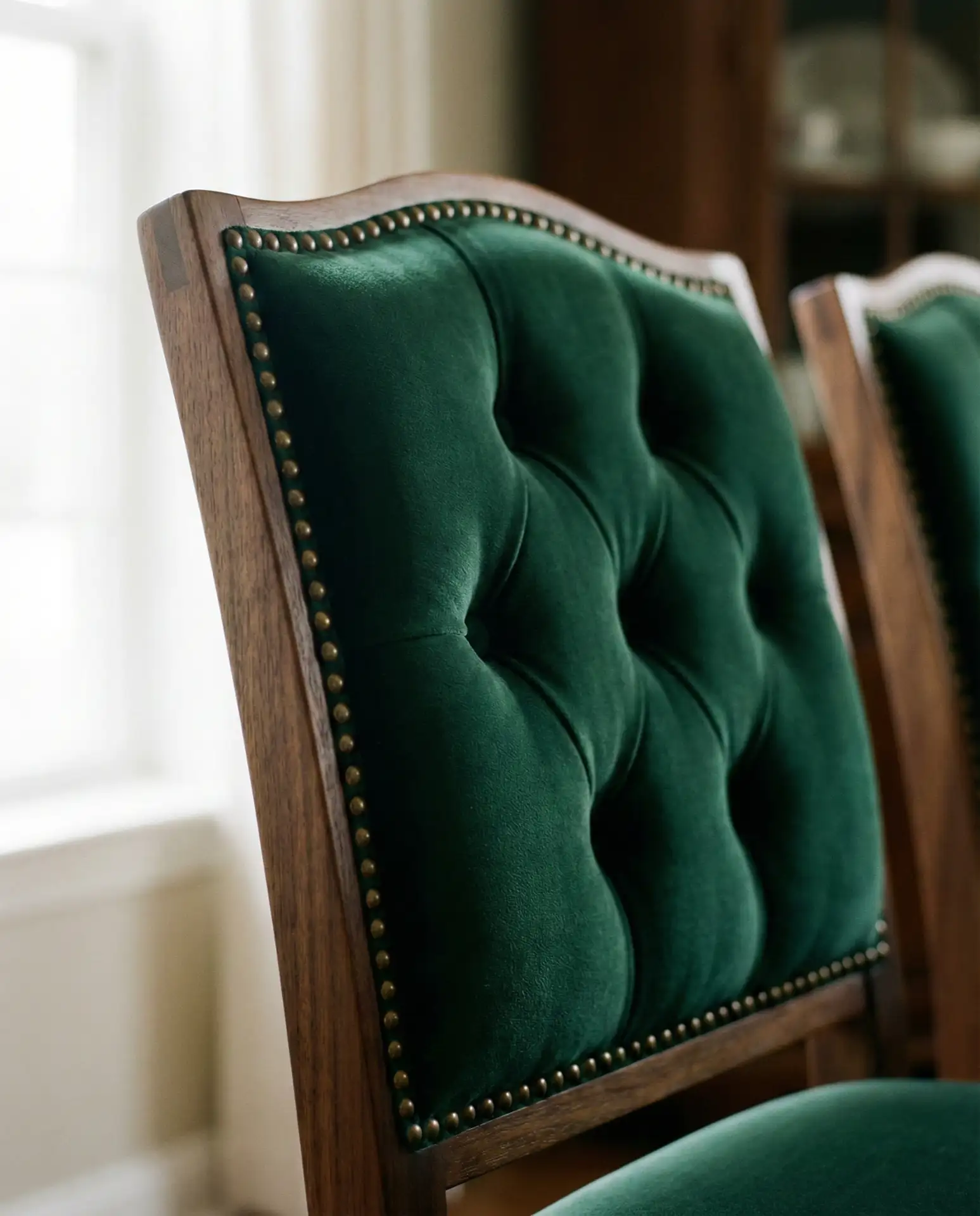
These details typically add $100-$300 to the cost per chair compared to basic versions, but the perceived value increase is significant. Guests notice quality touches even if they can’t articulate exactly what makes a chair feel more special. From a longevity perspective, chairs with these features are built to last—the same construction methods that allow for decorative details also indicate overall quality. They’re investments that pay dividends in daily satisfaction and years of use.
20. Airy Designs with Open Backs and Light Frames
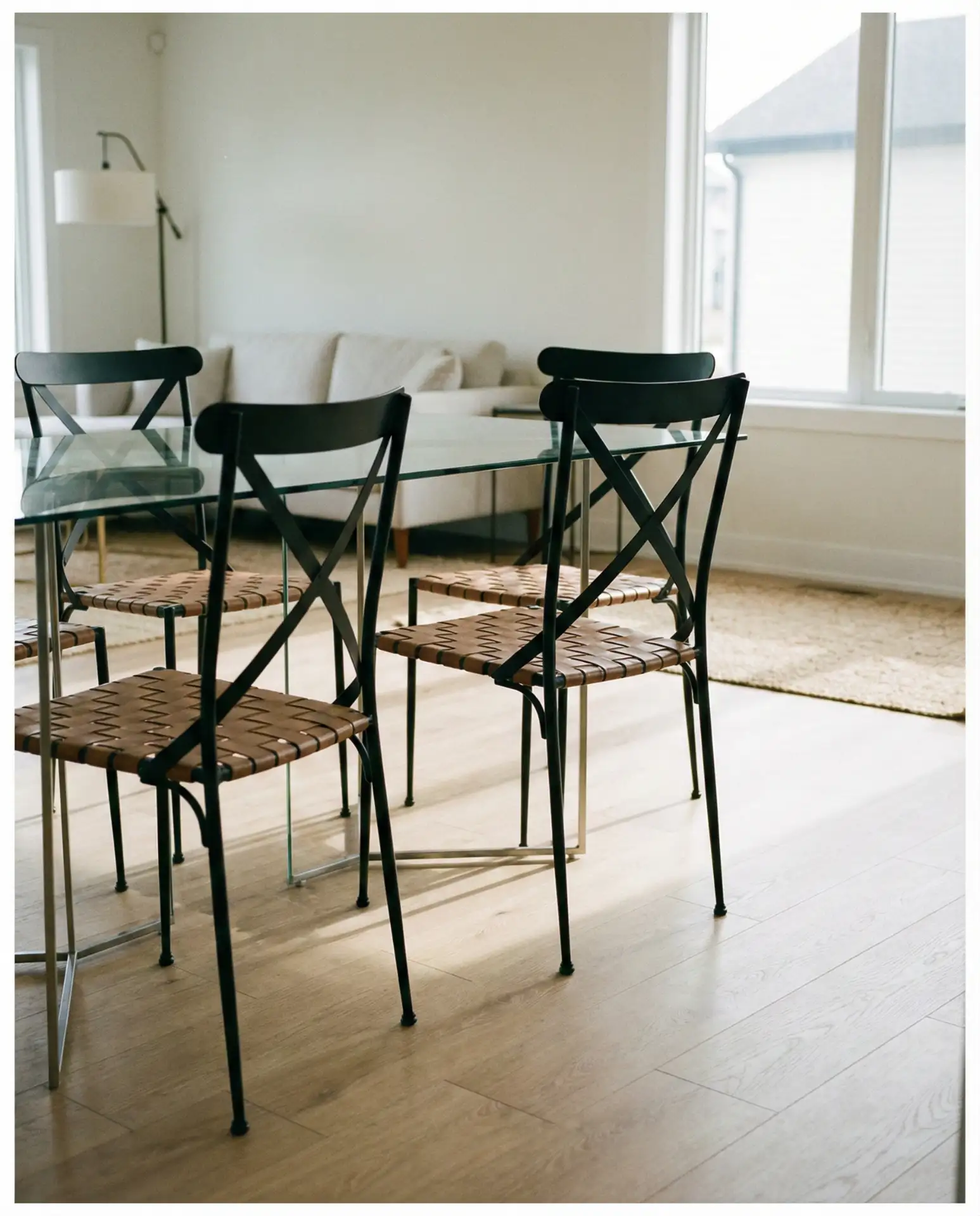
In smaller dining spaces or open-concept homes, chairs with open backs and slender frames prevent rooms from feeling crowded. These design choices maintain visual flow and allow light to pass through, making spaces feel larger. Modern interpretations of ladder-backs, X-backs, and spindle designs offer this airiness while providing adequate support. The light visual weight makes them ideal for spaces that serve multiple functions.
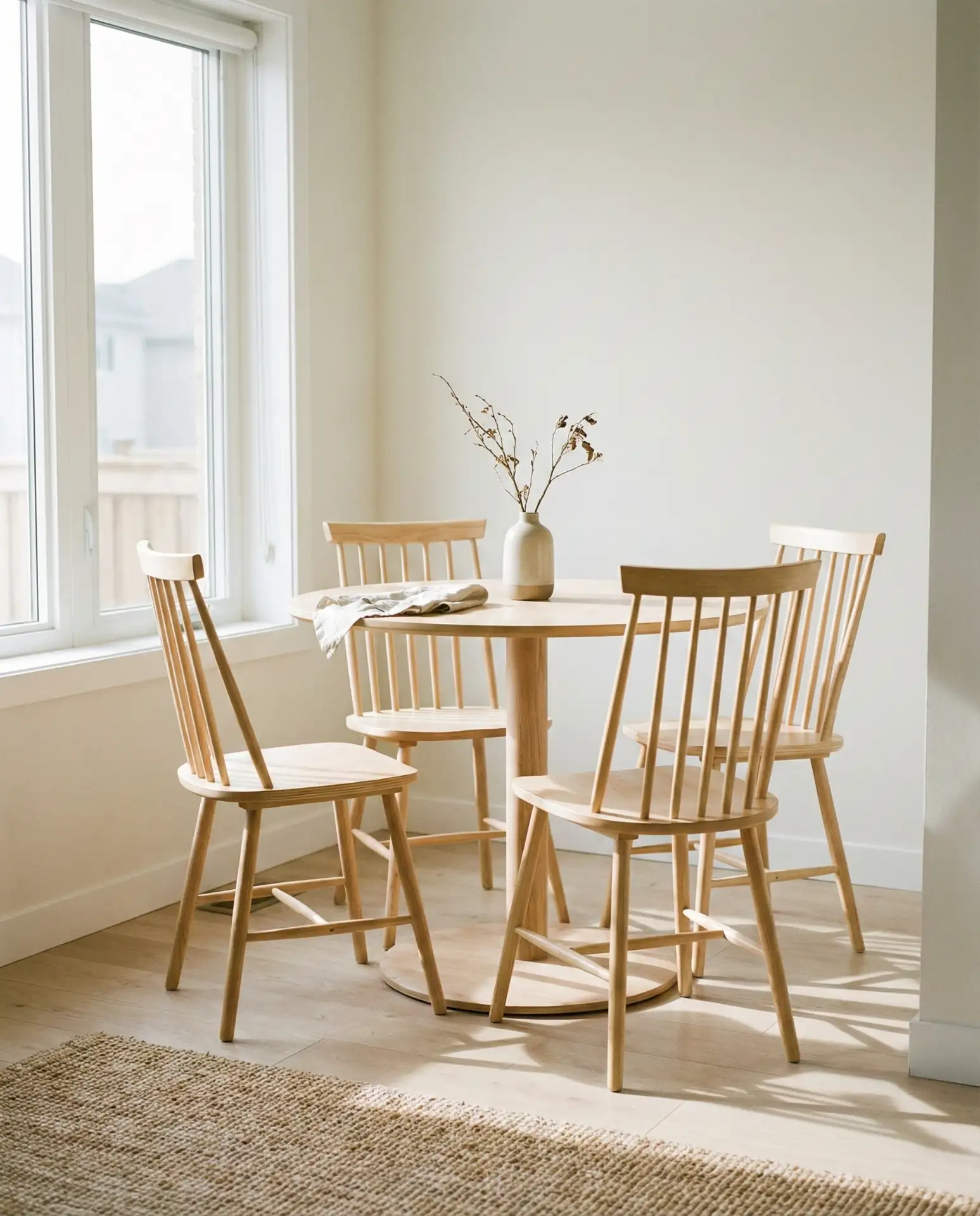
These chairs work particularly well in apartments, condos, and smaller suburban homes where dining areas are part of larger rooms. They’re popular in cities like San Francisco and New York, where square footage comes at a premium. The open design also makes cleaning easier—no crevices for crumbs to hide, and vacuum attachments reach everywhere without hassle. For families with toddlers who enthusiastically throw food, this practical advantage shouldn’t be underestimated.
21. Bold Industrial Style with Metal and Leather
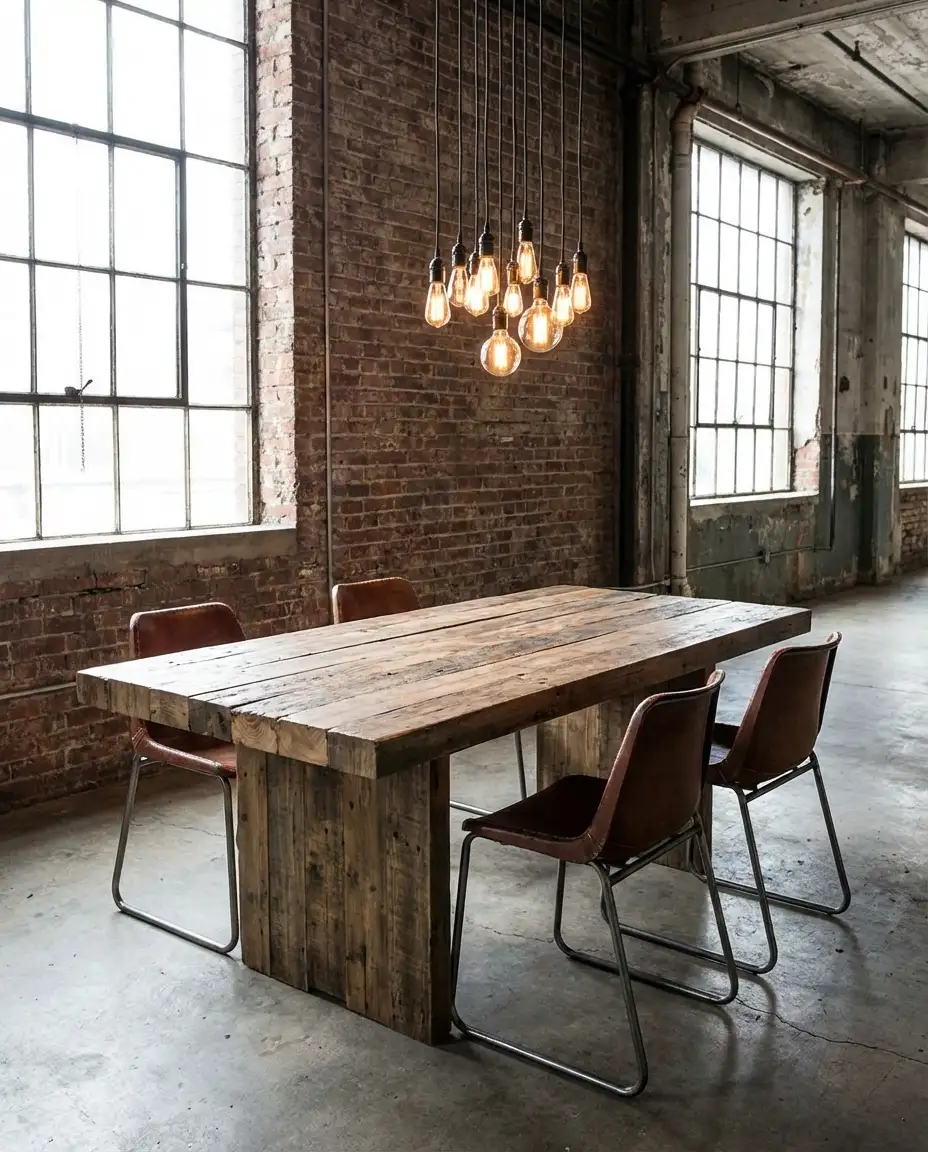
Industrial-inspired dining chairs combining metal frames with leather seats bring edge and character to dining spaces. The raw, unfussy aesthetic appeals to those who appreciate honest materials and straightforward design. Exposed welds, visible rivets, and matte black finishes celebrate the construction rather than hiding it. These chairs work in lofts, warehouse conversions, and surprisingly well in farmhouse settings, where they add contrast.
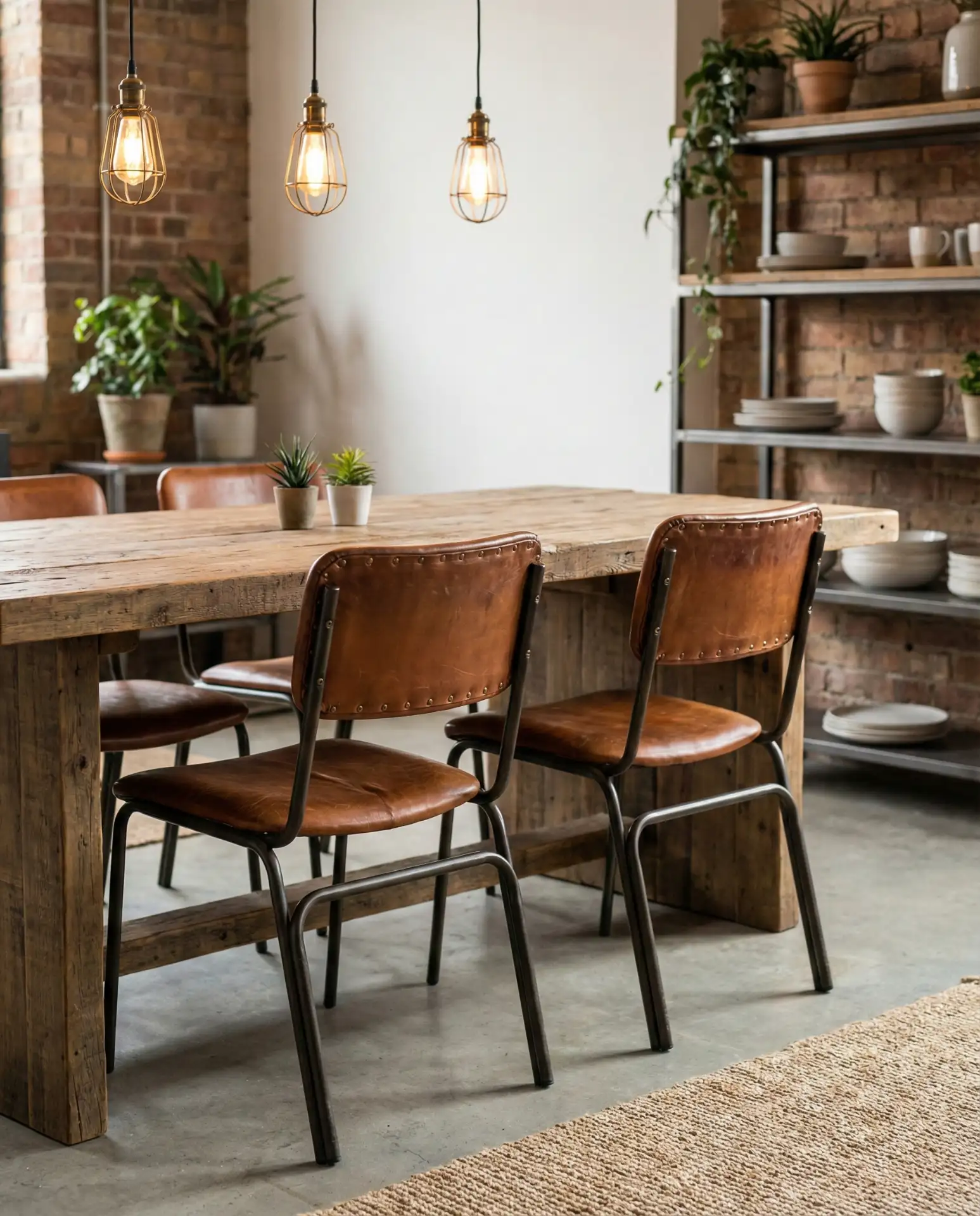
What makes these chairs practical beyond their good looks is their incredible durability—metal doesn’t chip or dent easily, and leather improves with age. They’re virtually indestructible for households with kids or large dogs. The combination also happens to be relatively affordable, with quality versions available in the $150-$250 range. They stack or tuck completely under tables, maximizing space when not in use. For anyone who moves frequently, metal-framed chairs survive the journey better than delicate wooden or heavily upholstered options.
22. Timeless Windsor-Style Chairs Reimagined
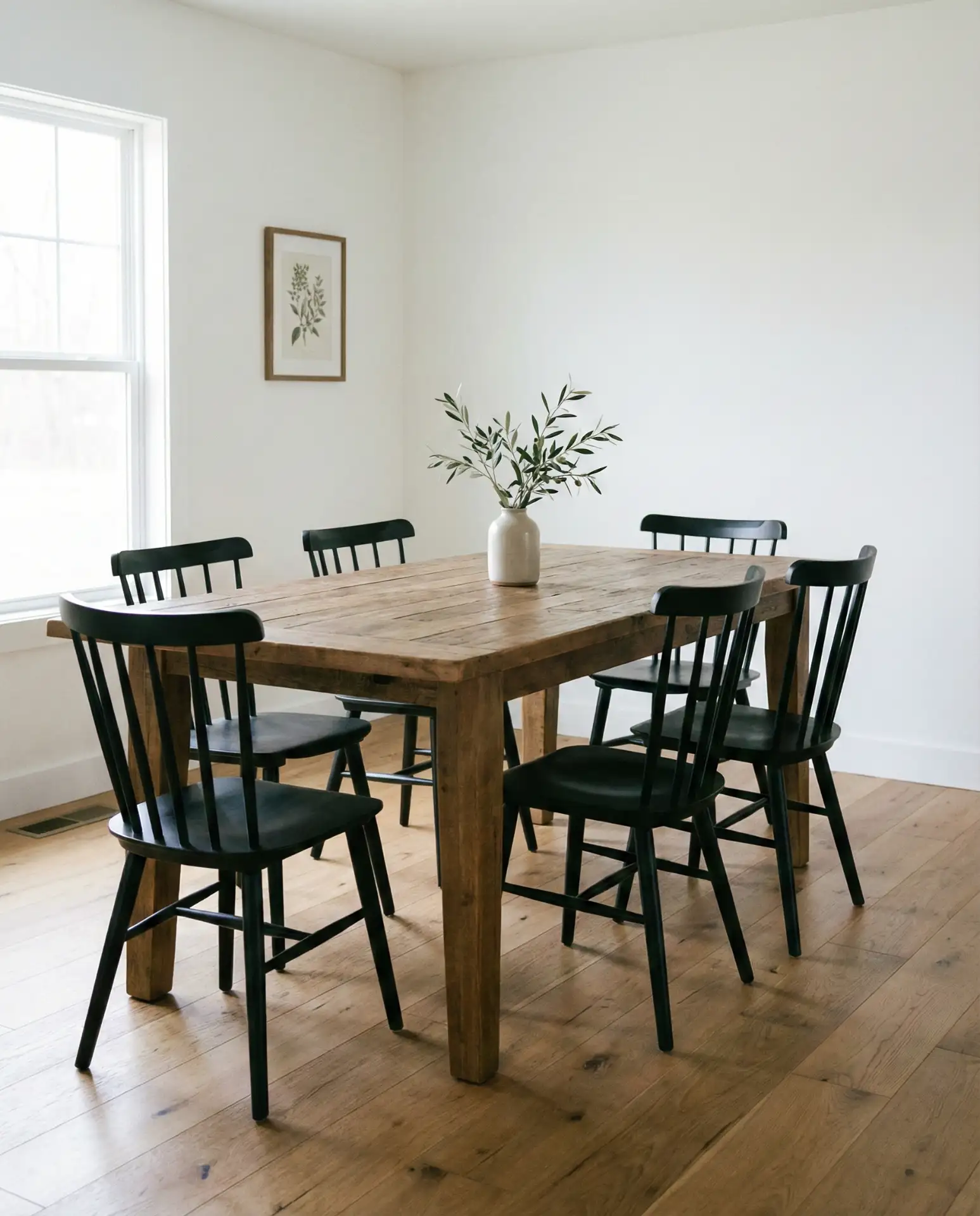
The classic Windsor chair is experiencing a renaissance with contemporary updates that honor tradition while feeling current. Streamlined spindles, painted finishes in unexpected colors, and mixed materials bring this centuries-old form into 2026. These chairs bridge traditional and modern sensibilities, working in both colonial homes and contemporary spaces. The comfortable back support and proven ergonomics explain why this design has endured for generations.
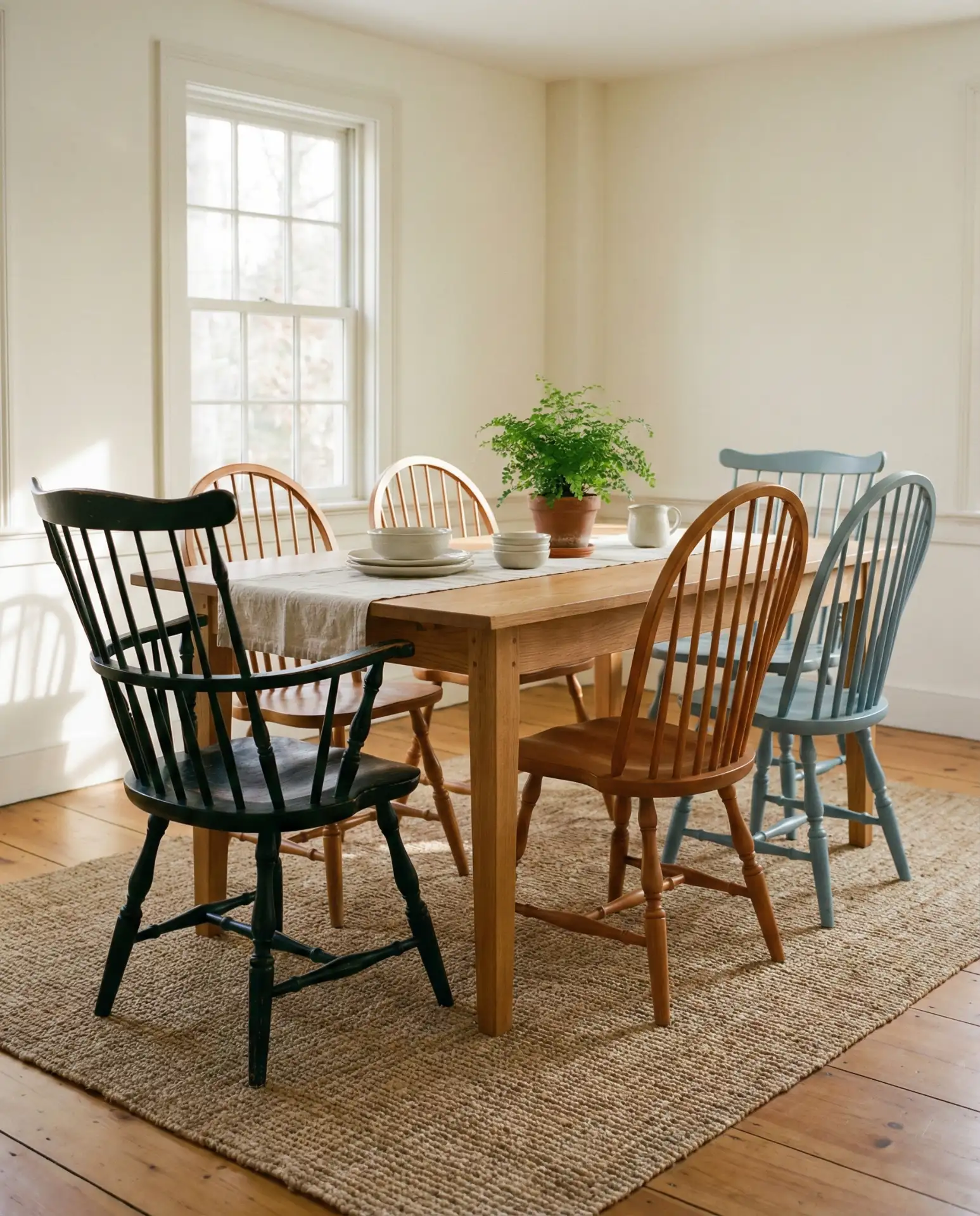
Windsor chairs hold particular appeal for those furnishing historic homes or anyone drawn to American heritage design. They’re experiencing renewed popularity in New England and the Mid-Atlantic, though their appeal is nationwide. The beauty of this style is its adaptability—paint them for a fresh look, keep them natural for warmth, or mix both approaches. They’re also widely available at various price points from $80 to $400 per chair, making the style accessible. Their straightforward construction means local furniture makers often produce them, supporting regional craftspeople while getting a quality product.
Conclusion
Dining chairs in 2026 offer more possibilities than ever before, from sustainable materials to bold colors, and from artisan craftsmanship to time-tested classics reimagined for modern living. The best choice depends on how you actually use your dining space, what feels authentic to your personal style, and what makes your daily life more comfortable and beautiful. Whether you’re drawn to the drama of velvet, the practicality of leather, or the character of mismatched vintage finds, there’s never been a better time to create a dining area that truly reflects who you are. What dining chair idea resonates most with your space? Share your thoughts and projects in the comments below.