Bunk beds aren’t just for kids anymore. In 2026, they’ve evolved into some of the smartest space-saving solutions for modern American homes—from compact urban apartments to mountain cabins and renovated RVs. Pinterest boards are overflowing with creative takes that blend function with style, proving that stacked sleeping can be as design-forward as it is practical. Whether you’re furnishing a guest room, outfitting a vacation rental, or maximizing a tiny bedroom, this year’s bunk bed ideas offer something for every aesthetic and every square footage challenge. Here are fresh approaches that reflect where American home design is heading right now.
1. Minimalist Built-In Bunks for Small Bedrooms
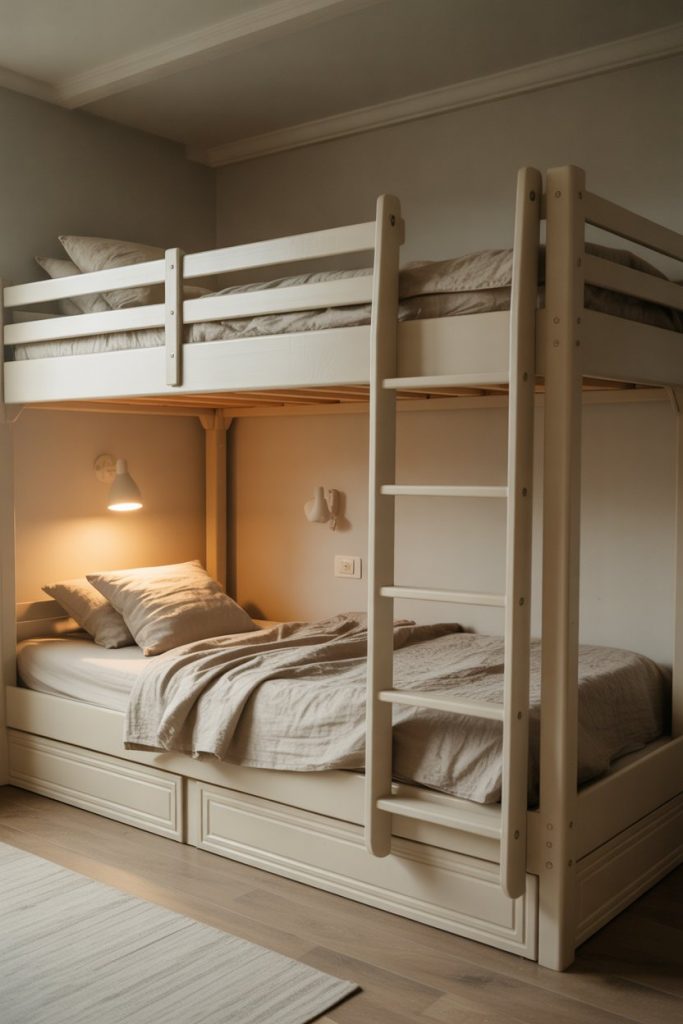
When floor space is tight, built-in bunk beds become architectural features rather than furniture afterthoughts. These custom units hug the walls of a small bedroom, often incorporating ladder storage, reading lights, and even USB ports directly into the frame. The result is a modern sleeping solution that feels intentional and cohesive, not cramped. Painted to match trim or left in natural wood, they’re particularly popular in renovated brownstones and new-construction condos where every inch counts. 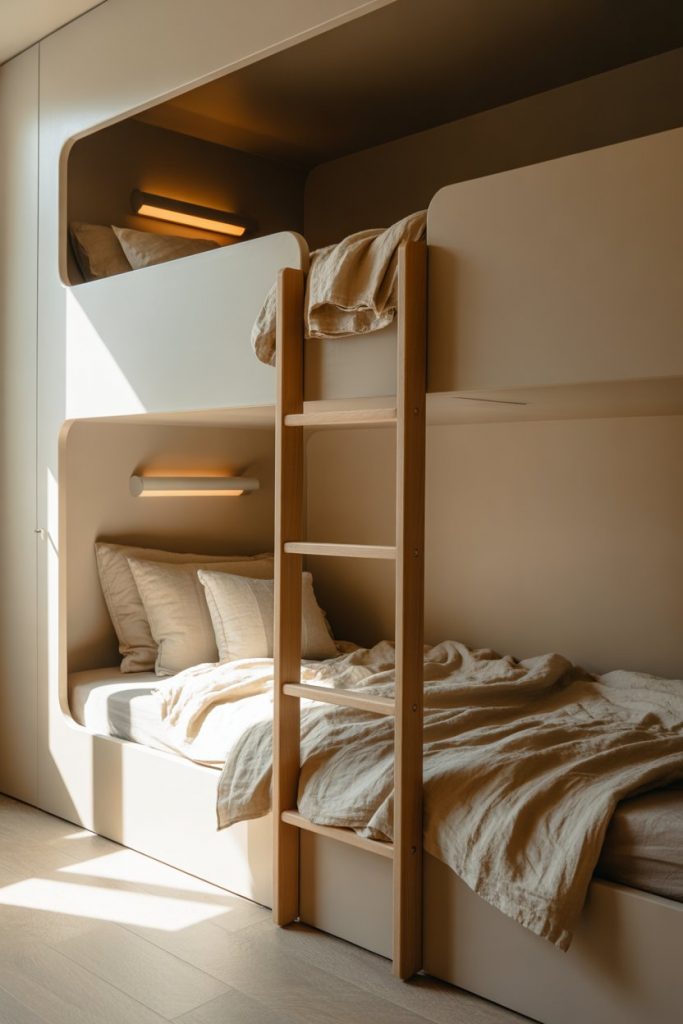
One common mistake is skipping the mattress thickness test—built-ins are permanent, so you need to confirm your preferred mattress depth before construction starts. Otherwise, you risk bunks that feel too shallow or headroom that’s uncomfortably tight. Measure twice, build once, and you’ll have a feature that adds value to the home for years.
2. Scandinavian-Style Loft Bed Over Workspace
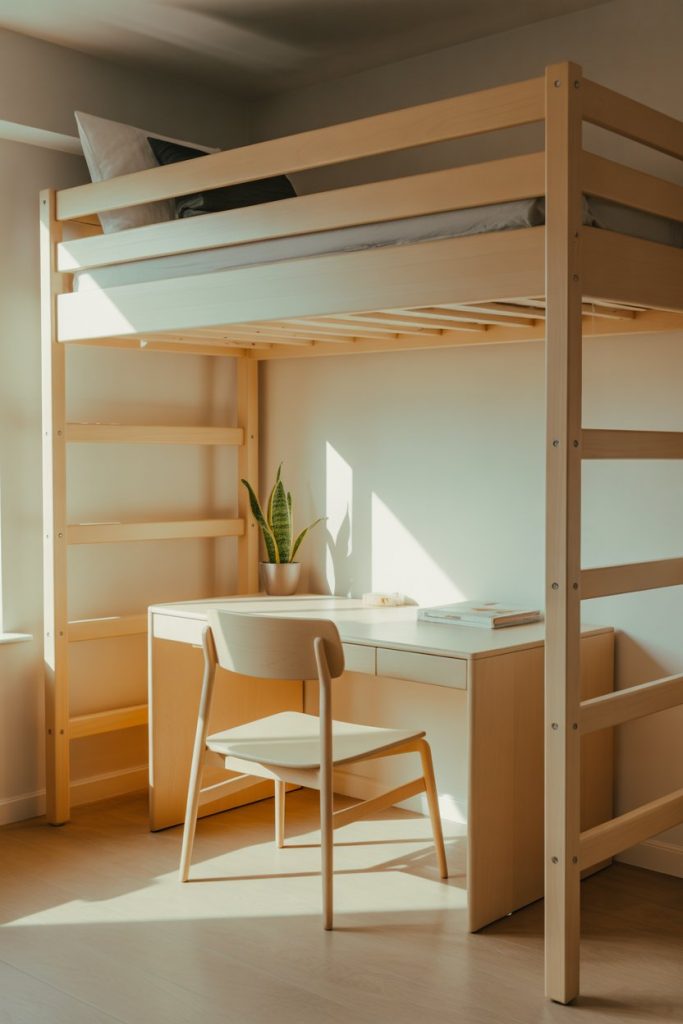
The loft bed has become a staple in small rooms where vertical space is the only real estate left to claim. Elevated sleeping platforms free up the floor below for a desk, reading nook, or compact wardrobe. This setup is especially common in studio apartments and dorm settings, where one room needs to serve multiple functions. Scandinavian design principles—light wood, white walls, minimal clutter—make these arrangements feel airy rather than cramped. 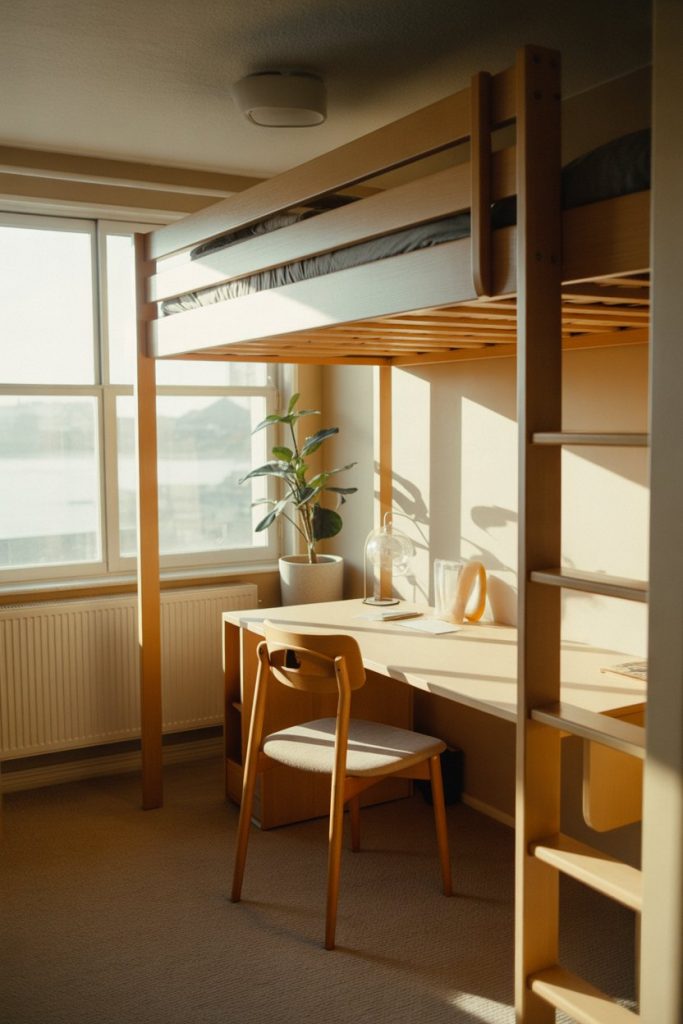
Where it works best: Cities like Seattle, Portland, and Boston, where rent per square foot makes every layer of space valuable. Renters love that many loft frames are freestanding, meaning no landlord permission required. Just make sure ceiling height allows you to sit up comfortably in bed—eight feet minimum is ideal.
3. Boho Bunk Nook with Layered Textiles

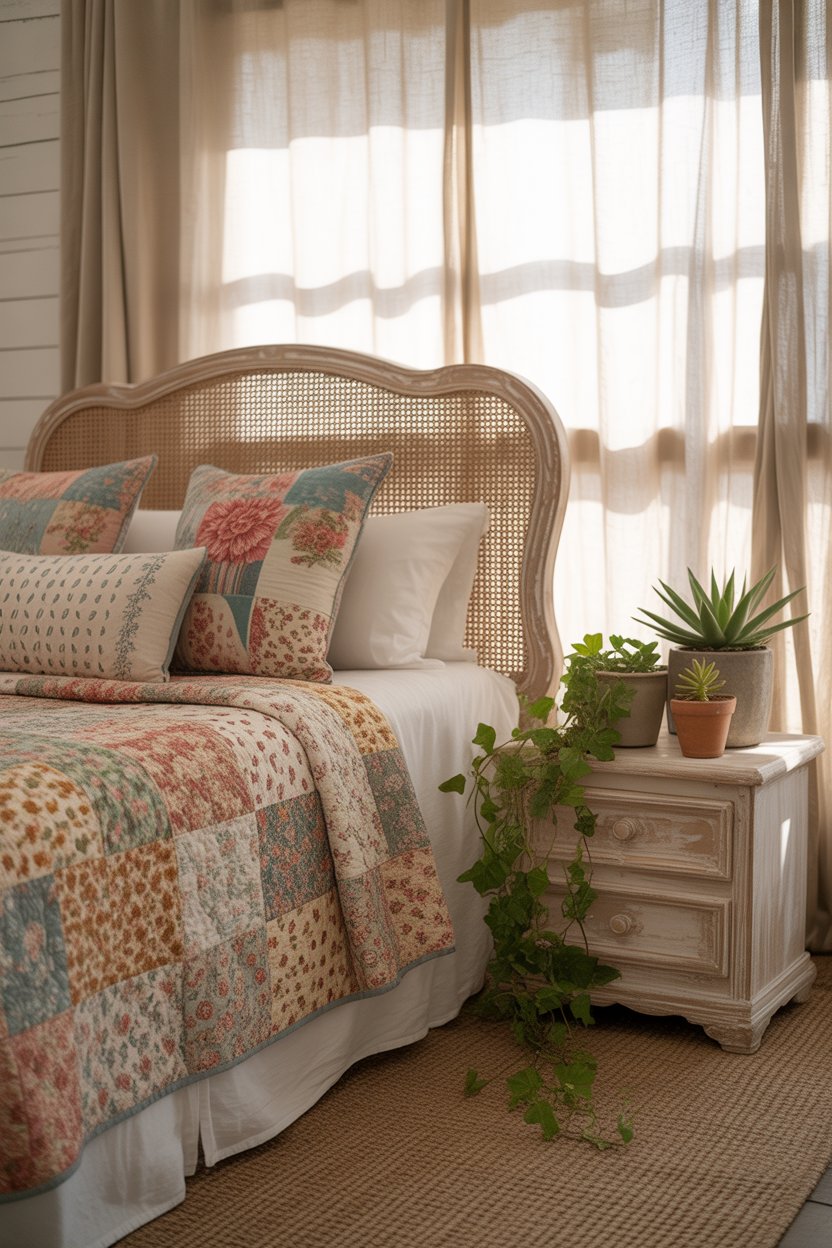
A boho bunk setup leans into texture and warmth, layering quilts, macramé hangings, and woven rugs to create a cozy retreat. These designs often appear in guest room settings or vacation rentals, where the goal is to make visitors feel like they’ve stepped into a curated, collected space. Mismatched pillows, rattan accents, and soft pendant lights above each bunk add personality without rigidity. 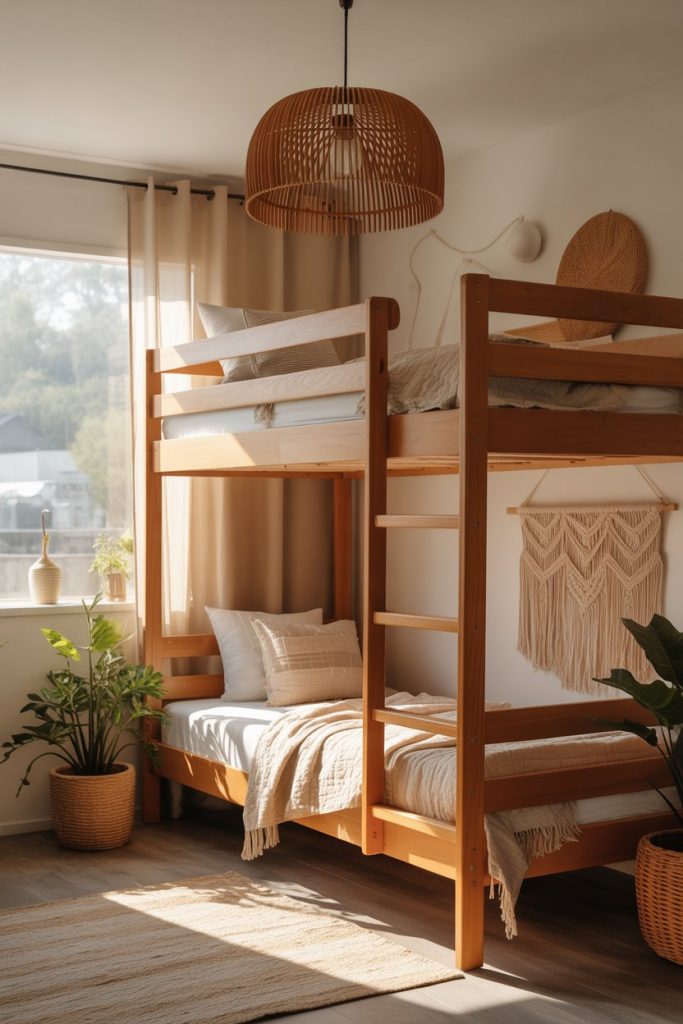
Real homeowner behavior: Many people start with matching bedding sets and then gradually swap in vintage finds from flea markets or Etsy. The imperfect, lived-in look is part of the charm. Just avoid overloading the upper bunk with heavy textiles—safety rails should stay visible and functional.
4. Triple Bunk Layout for Large Families
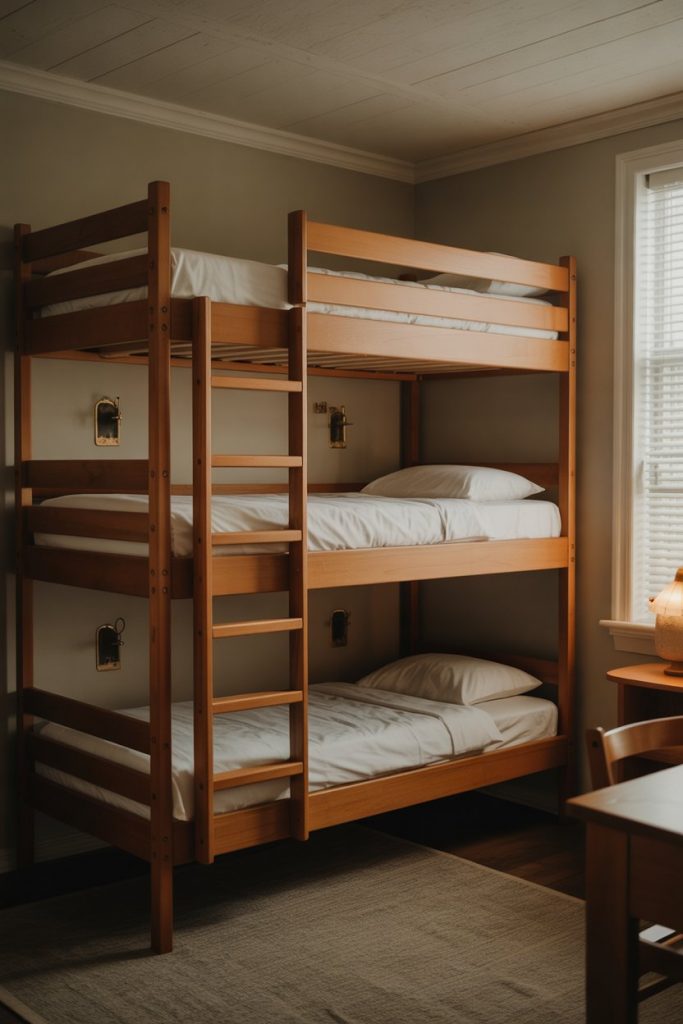
When you need sleeping for three or more, triple bunks maximize vertical real estate in a single footprint. These are increasingly common in vacation homes, RV renovations, and shared bedroom setups where siblings or cousins rotate through. The key is sturdy construction—look for solid hardwood or welded metal frames rated for adult weight, even if kids are the primary users. 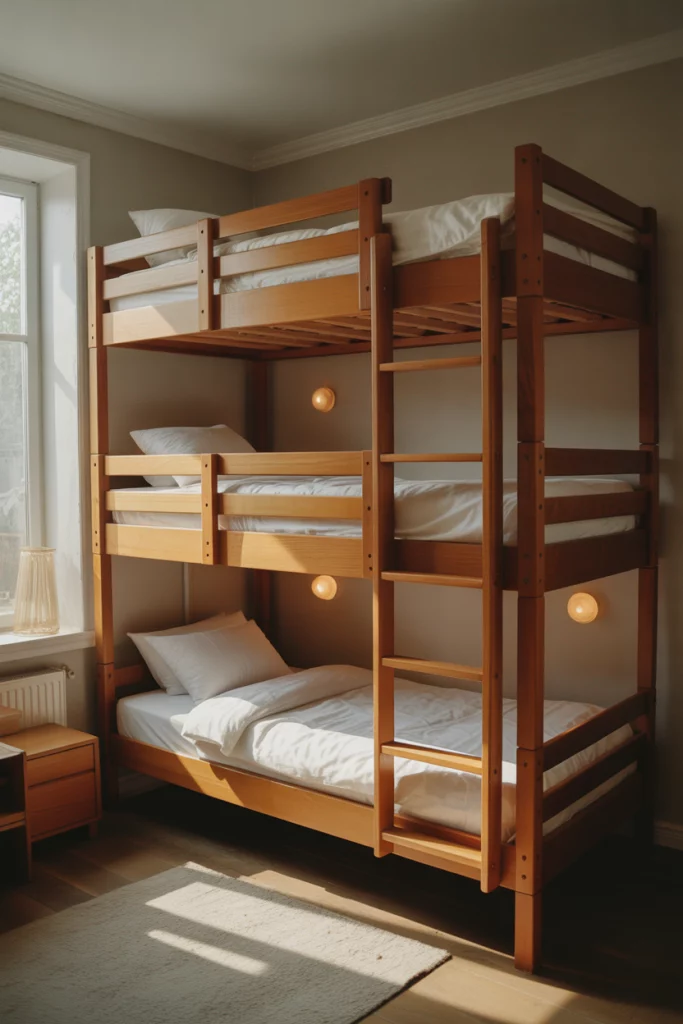
Expert-style commentary: Designers recommend staggering bunk widths—full on bottom, twin on top—so the lowest sleeper doesn’t feel boxed in. It’s also smart to install individual reading lights and USB outlets at each level, turning what could feel like a stack into three distinct, personalized zones.
5. IKEA Hack Bunks with Custom Paint
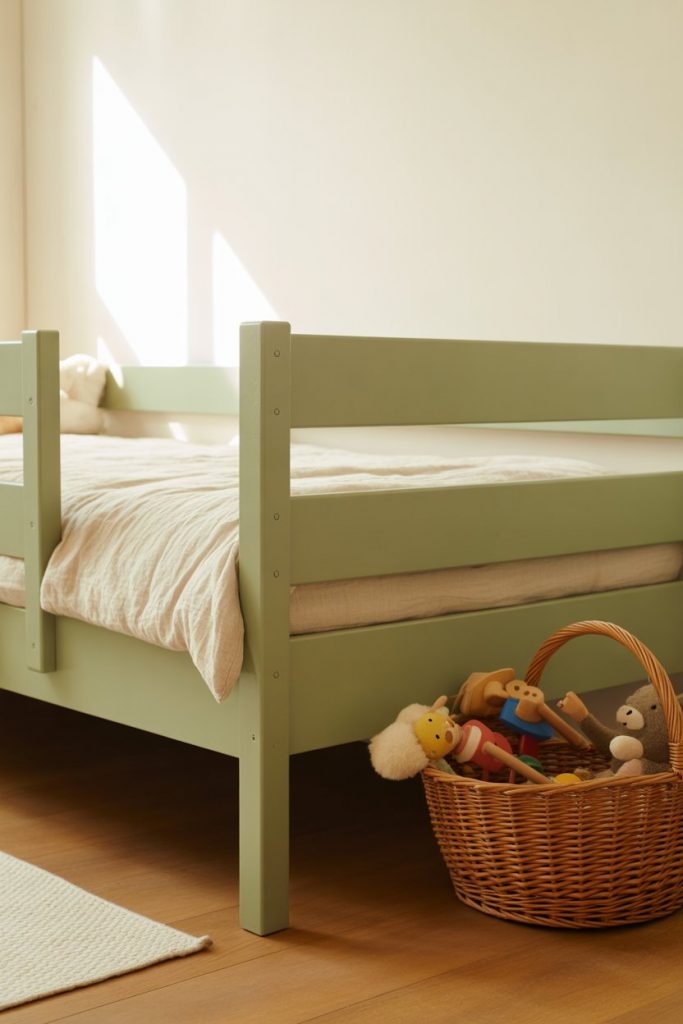
The IKEA Kura bed remains one of the most repurposed frames in the DIY world, thanks to its reversible design and hackable structure. Parents and renters paint it in bold colors, add canopy rods, or flip it into a low loft configuration. It’s a budget-friendly entry point into bunk living, especially in small bedroom scenarios where buying custom isn’t feasible.
A micro anecdote: One Chicago-based mom shared on a design forum that she’d painted her daughter’s Kura frame to match the room’s accent wall, then added peel-and-stick wallpaper inside the lower bunk to create a “secret hideout.” The whole project cost under $150 and became the room’s focal point.
6. Full-Over-Full Bunks for Guest Rooms
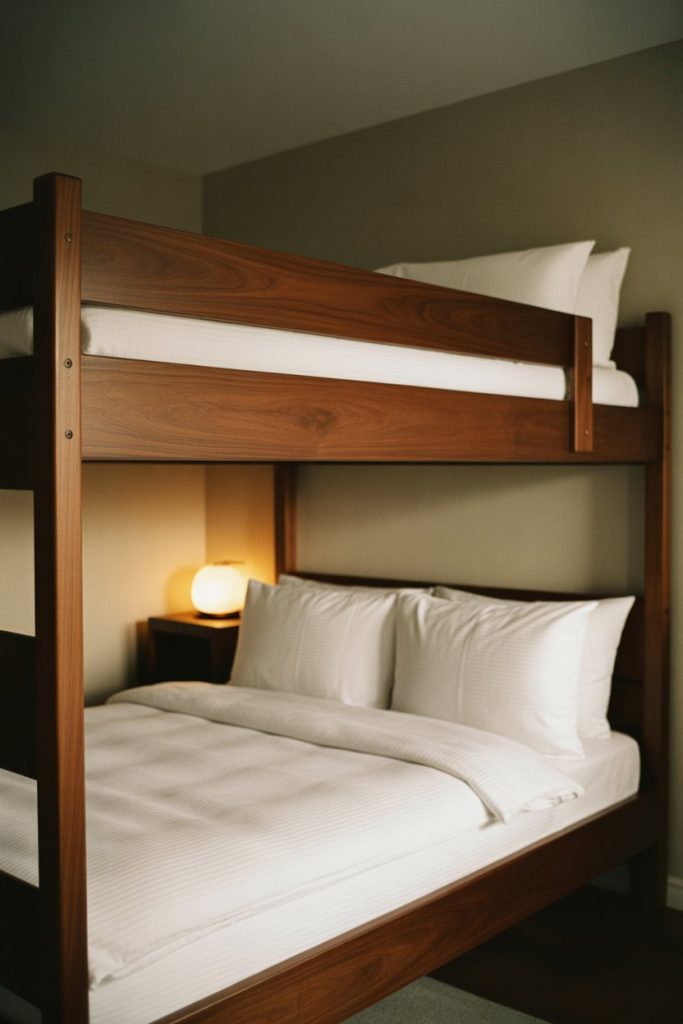
Upgrading to full or even queen bunks makes a guest room far more versatile, accommodating couples or solo sleepers who need more width than a twin provides. These larger configurations work especially well in basement guest suites or lake houses where space allows for heftier frames. The proportions read more grown-up, and visitors appreciate the comfort. 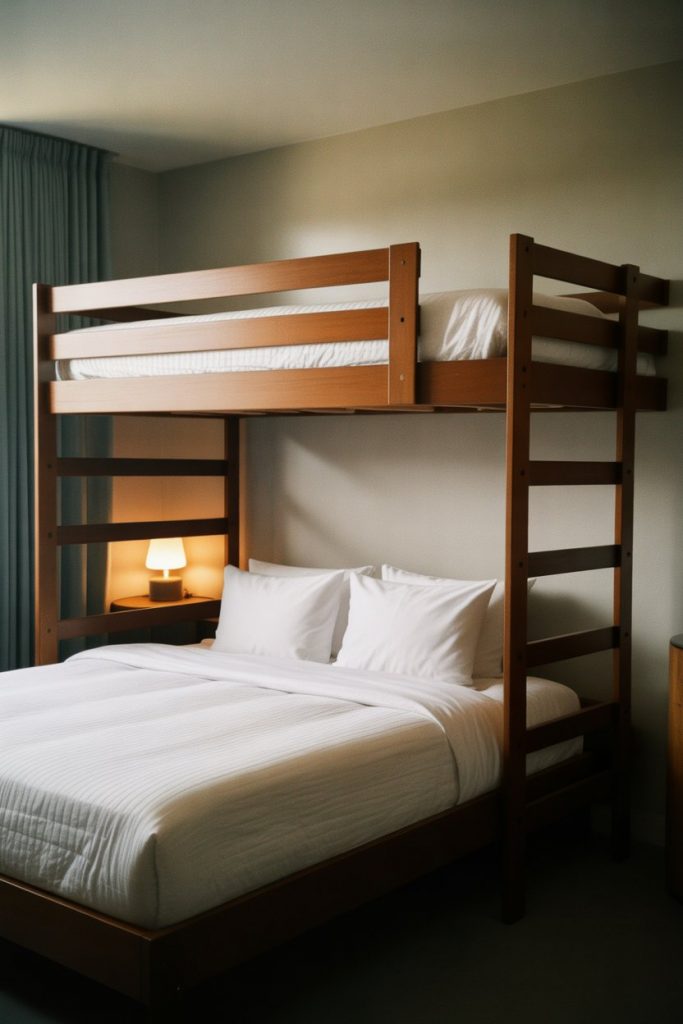
Budget angle: Full-over-full frames typically start around $800 for solid wood construction, but the investment pays off in hosting flexibility. You can sleep four adults comfortably, which is a game-changer for holiday gatherings or Airbnb setups. Just confirm your ceiling height can handle the stacked mattresses—nine feet is a safer minimum here.
7. Camper Bunk Revival with Vintage Charm
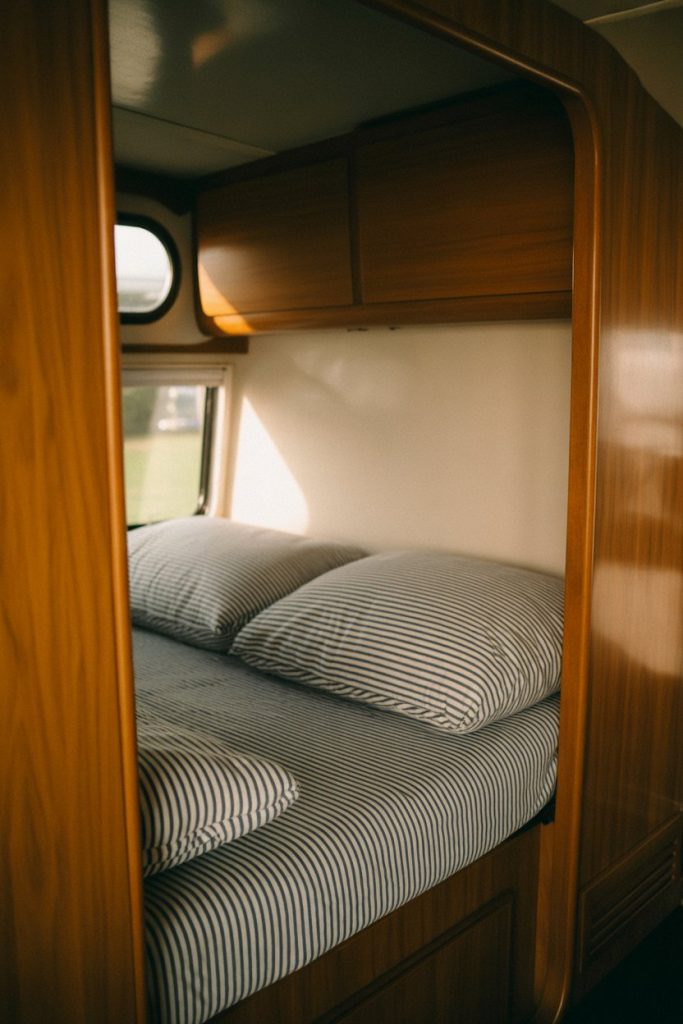
Renovated camper interiors are having a moment, and the built-in bunks are often the starting point for the entire design scheme. Vintage Airstreams and Winnebagos feature narrow, cozy sleeping nooks that designers enhance with fresh paint, modern bedding, and clever lighting. The compact scale forces creativity, resulting in highly functional, aesthetic spaces. 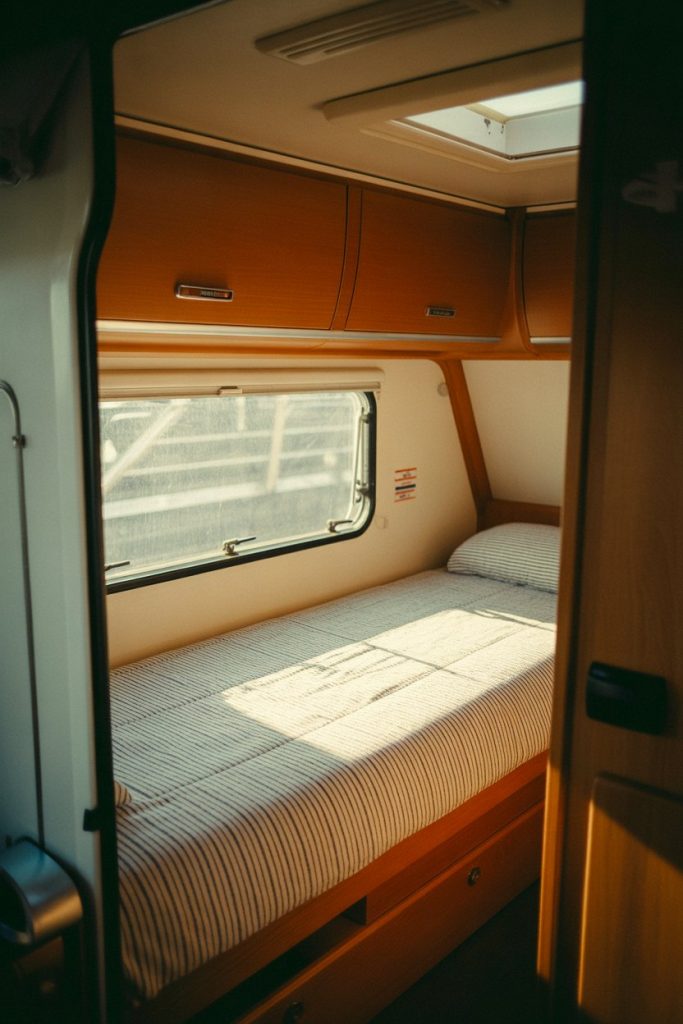
Where it works best: The Pacific Northwest, the Southwest, and anywhere van life culture thrives. Owners often add curtains for privacy, upgrade to memory foam mattresses cut to exact dimensions, and install battery-powered puck lights. The result is a bunk that feels more like a sleeping berth on a boat—snug, intentional, and surprisingly comfortable.
8. Double-Duty Bunks with Storage Drawers
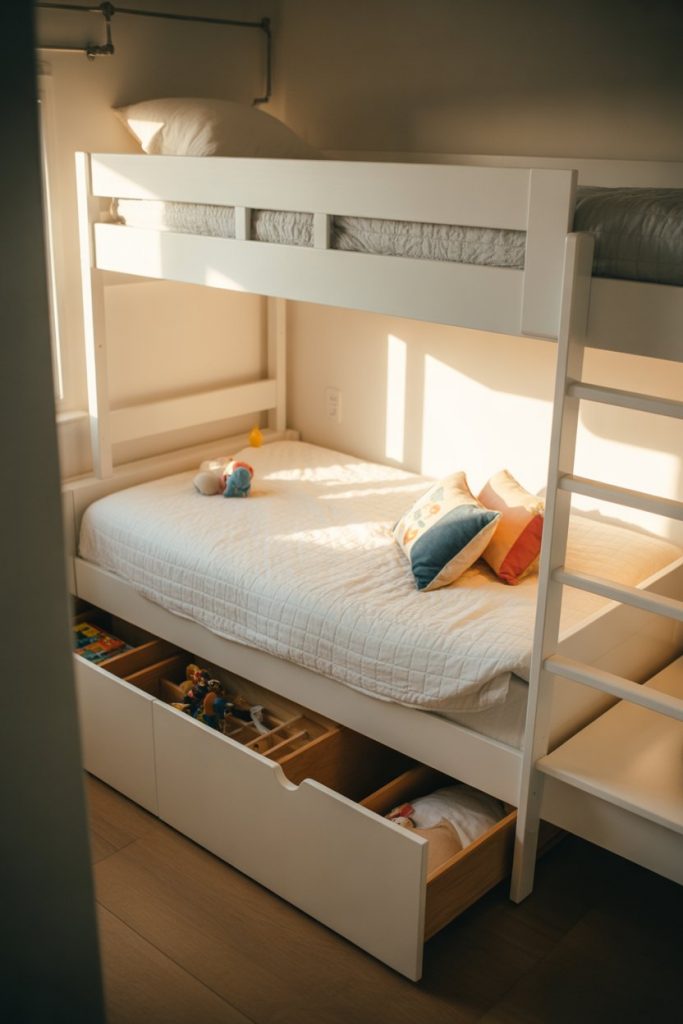
Integrating storage directly into the bunk frame is one of the smartest moves for a small bedroom or dorm room. Built-in drawers under the lower bunk or staircases with cubbies eliminate the need for separate dressers, freeing up floor space and reducing visual clutter. This approach is especially popular in homes where closets are minimal or nonexistent. 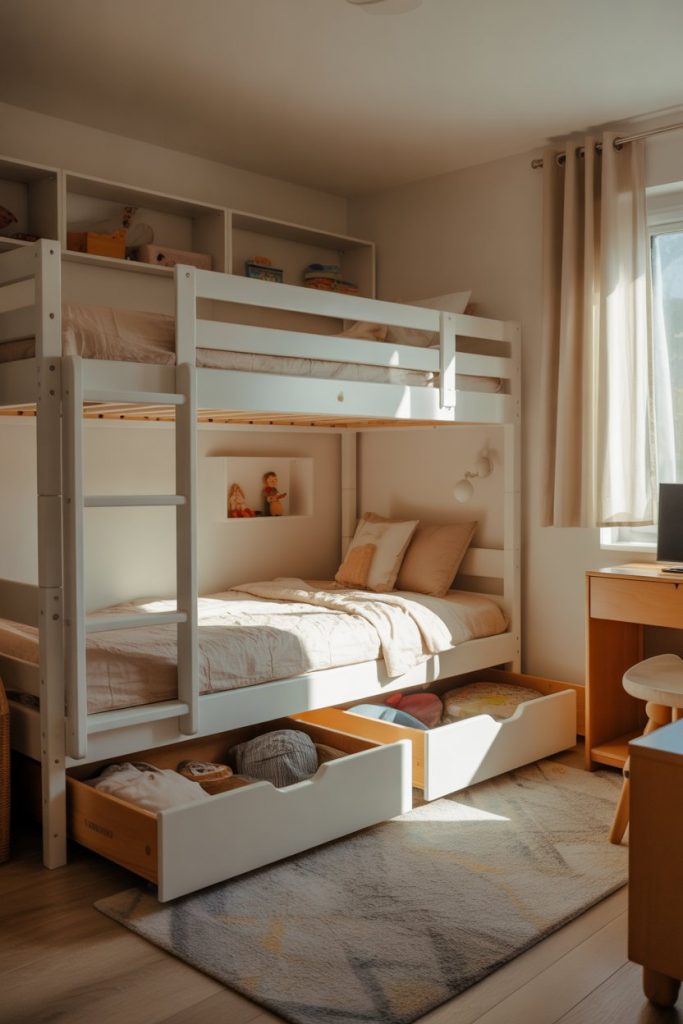
Practical insight: When shopping for storage bunks, measure your existing bins, baskets, or folded linens first. Some models have shallow drawers that look great but hold almost nothing. Deep, full-extension drawers are worth the extra cost, especially if you’re outfitting a kid’s room or a seasonal guest space.
9. Industrial Metal Bunks for Urban Lofts
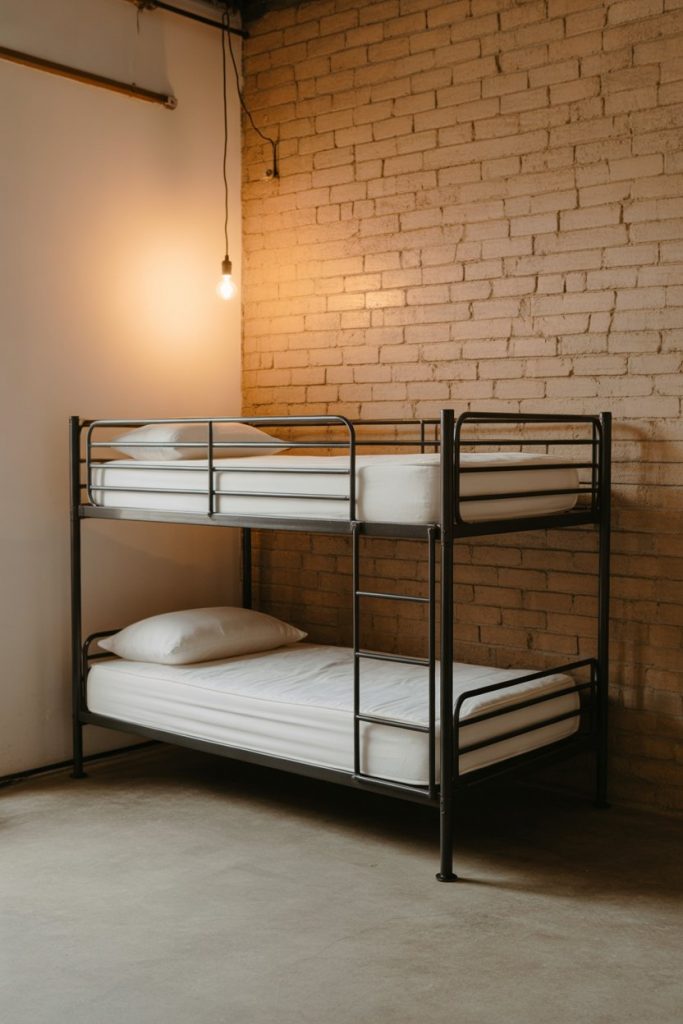
Exposed metal frames bring an industrial edge to modern interiors, especially in converted warehouses or loft apartments with high ceilings and concrete floors. These bunks often feature matte black or brushed steel finishes, paired with simple mattresses and minimal bedding. The look is utilitarian but stylish, fitting right into Brooklyn or downtown LA aesthetic trends. 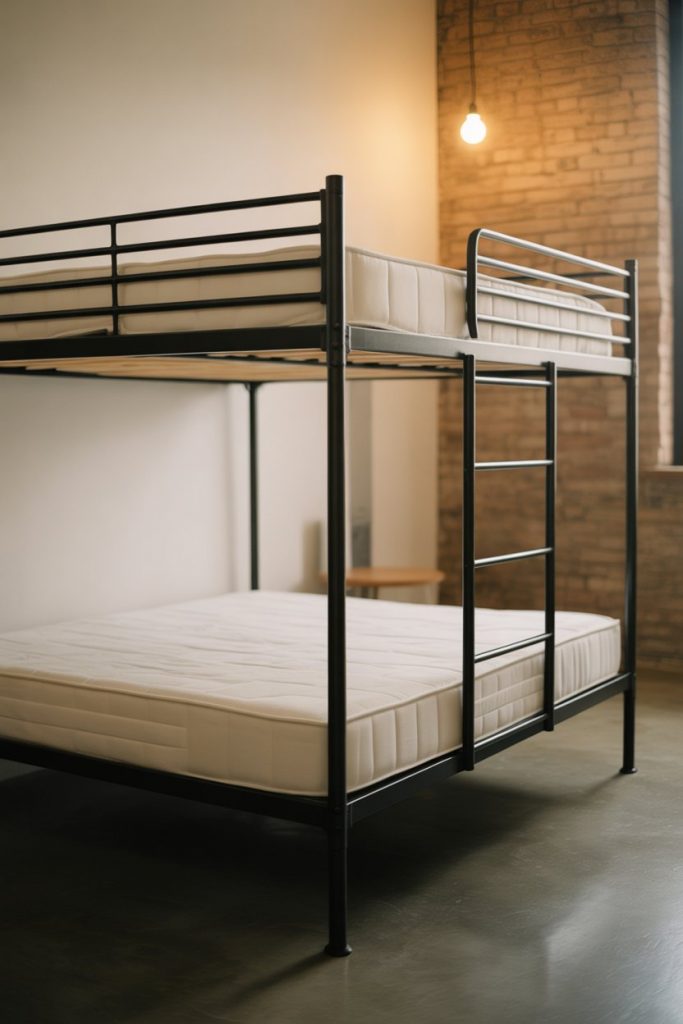
Expert-style commentary: Metal bunks are durable and low-maintenance, but they can feel cold without the right styling. Add wool blankets, sheepskin throws, or woven rugs to soften the hard edges. Also, check for welded joints rather than bolted ones—they’re quieter and more stable over time.
10. Coastal White Bunks with Nautical Touches
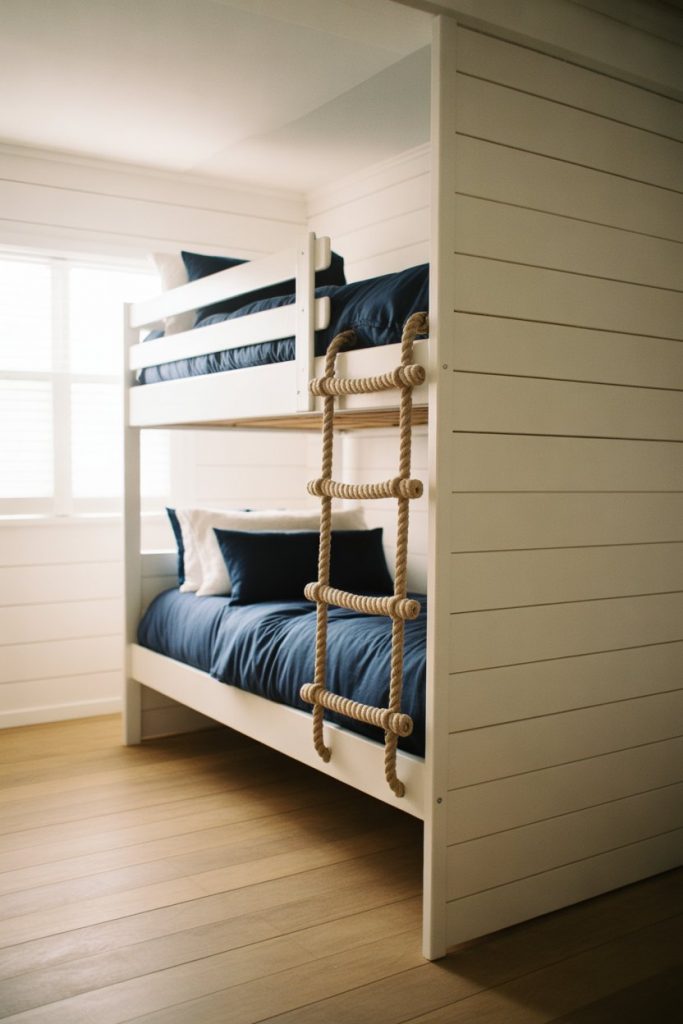
In beach towns from Cape Cod to Southern California, white-painted bunks with rope ladders, navy striped bedding, and porthole-style mirrors evoke a cute, maritime vibe. These setups are a staple in coastal guest room designs, where the goal is to maximize sleep capacity without sacrificing the breezy, vacation-home feel. Shiplap walls and driftwood accents complete the look. 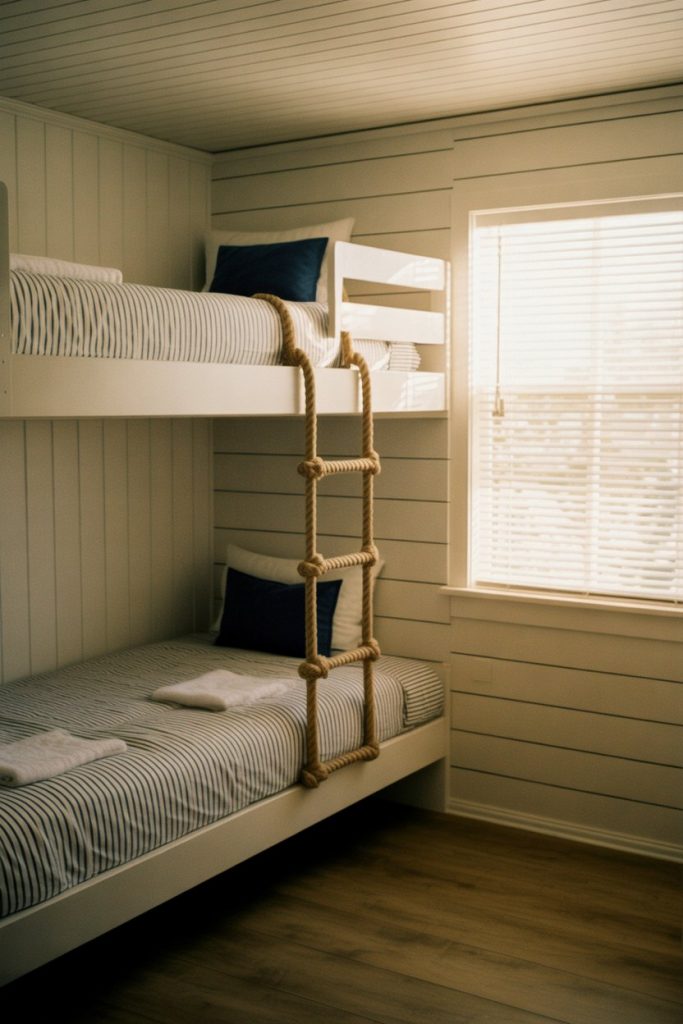
American lifestyle context: Families with vacation properties often furnish these rooms to sleep as many people as possible without feeling institutional. The nautical theme makes the density feel intentional and fun, especially for kids who treat the bunks like ship berths. It’s a design move that turns necessity into charm.
11. Minecraft-Inspired Bunks for Kids’ Rooms
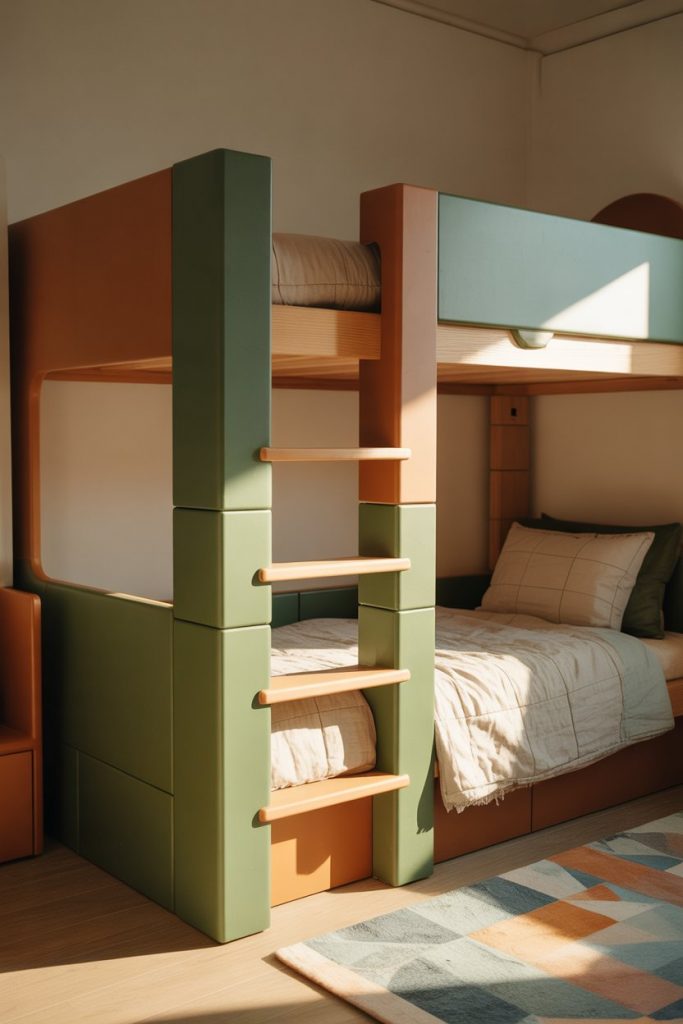
Parents decorating for Minecraft fans have embraced blocky, geometric bunk designs that echo the game’s pixelated world. Think square frames, bold color blocking, and DIY headboards made from foam tiles or painted wood panels. These bedroom setups are playful and immersive, turning sleep space into an extension of the game kids already love. 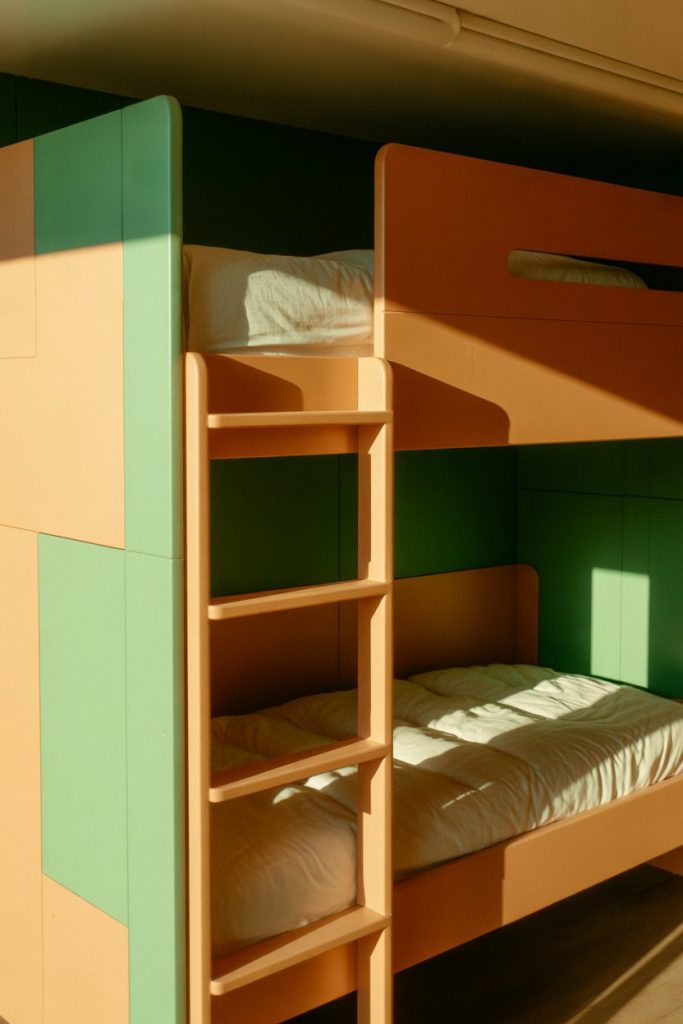
Real homeowner behavior: Many parents start with a standard bunk frame and add custom touches—vinyl decals, painted accent panels, or even LED strips under each bunk to mimic the game’s glowing blocks. The key is keeping it subtle enough that the room doesn’t feel like a theme park, but distinct enough that kids feel ownership over the space.
12. Bloxburg-Style Aesthetic Bunks for Teens
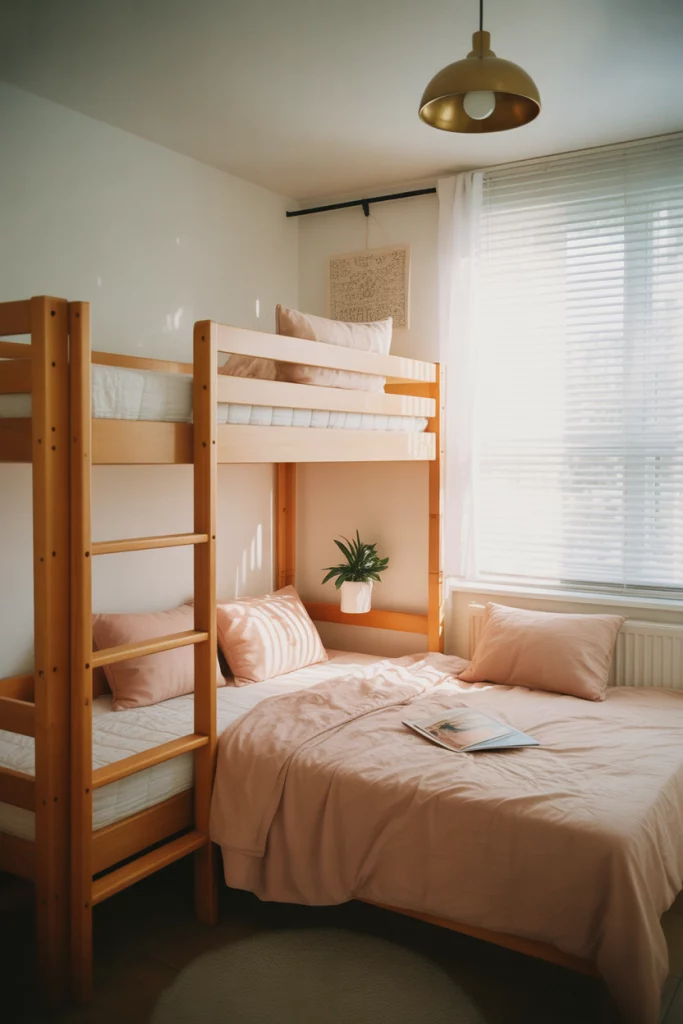
The Bloxburg design aesthetic—clean lines, pastel palettes, and Instagram-ready styling—has influenced real-world teen bedroom setups. Bunks in this style often feature light wood or white frames, paired with blush or sage bedding, gold hardware, and minimalist decor.The look is polished and photo-ready, which matters to a generation that documents everything. 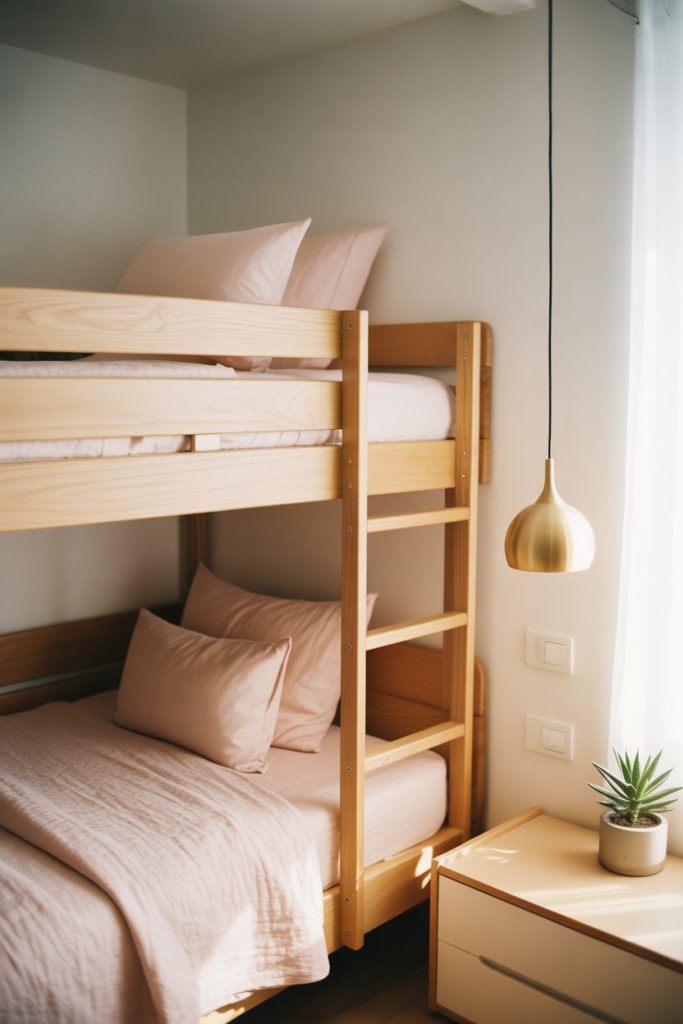
Where it works best: Suburban homes where teens want to host sleepovers or share a room with siblings without sacrificing personal style. The Bloxburg influence encourages cohesive color stories and curated accessories, which actually makes shared spaces easier to organize. Just avoid overcrowding—these rooms thrive on negative space.
13. RV Bunks Reimagined with Modern Textiles
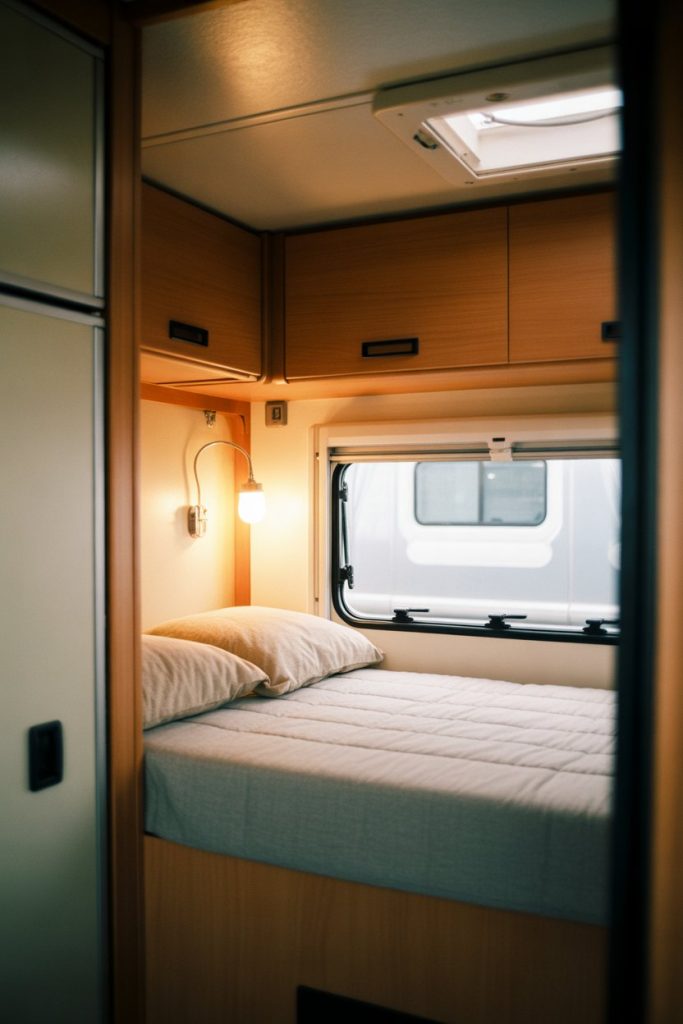
Inside an RV, bunks are often cramped and utilitarian, but a textile refresh can transform them into surprisingly comfortable sleeping quarters. Swapping out dated fabrics for cozy linen or cotton blends, adding memory foam toppers, and installing clip-on reading lights makes a huge difference. These small upgrades are especially popular among full-time RVers who need every space to feel livable. 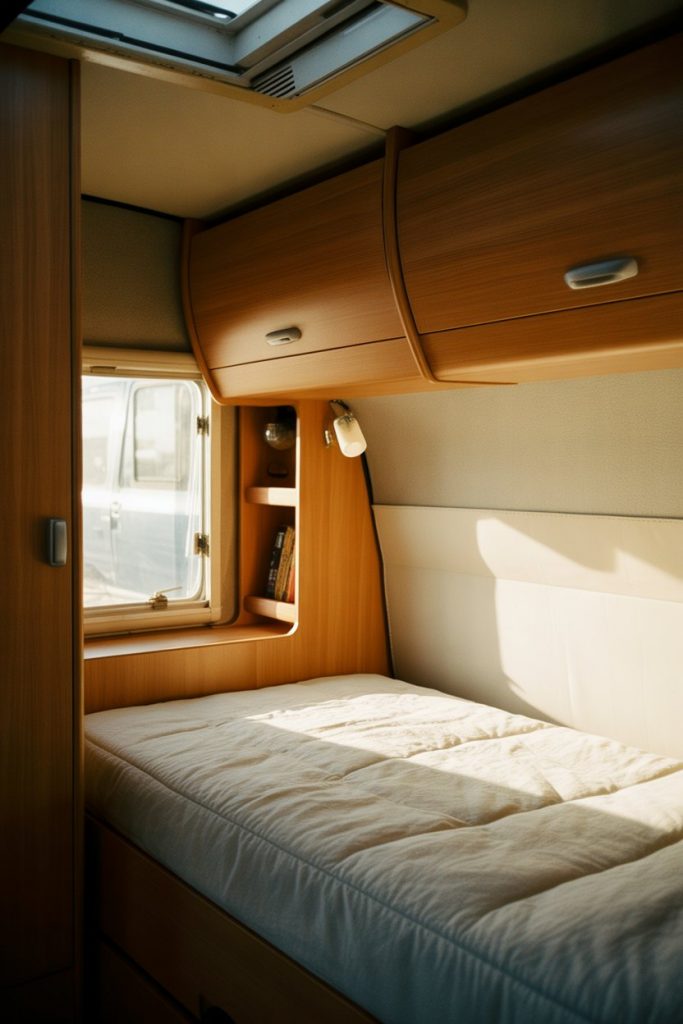
Practical insight: Measure your RV bunk dimensions before ordering bedding—many are non-standard sizes. Custom-cut sheets or youth-sized bedding often fit better than trying to force a twin set into a 30-inch-wide berth. Also, consider moisture-wicking fabrics if you’re traveling in humid climates.
14. Dorm Room Bunks with Privacy Curtains
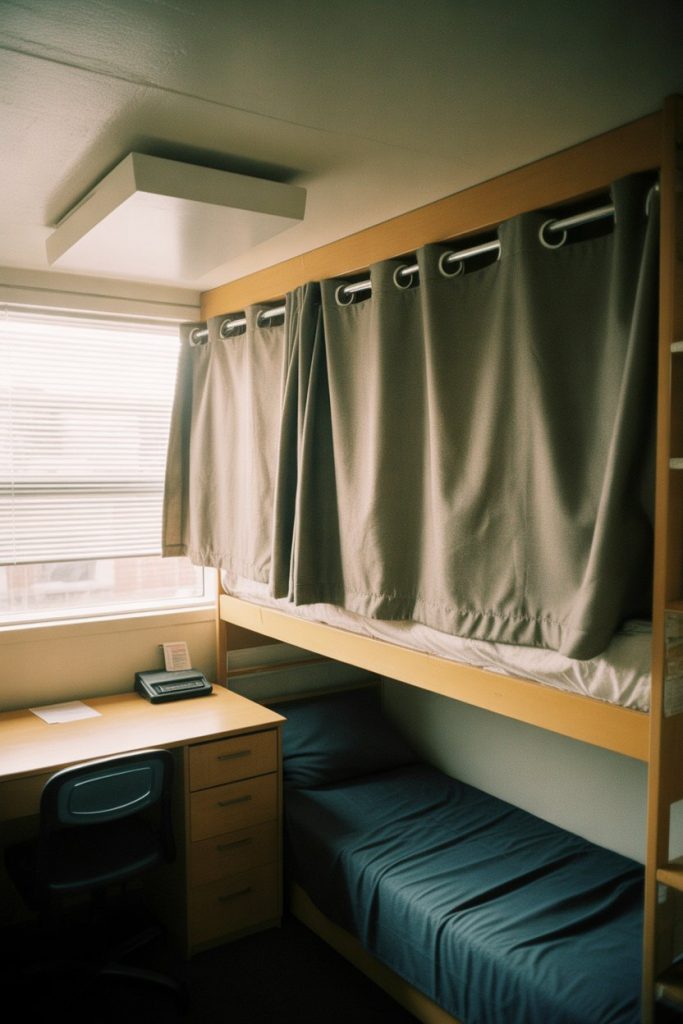
In dorm room settings, privacy is a premium, and curtains around each bunk provide a simple, effective solution. Tension rods and blackout panels create individual sleeping zones, helping roommates coexist without constant negotiations over lights and noise. This setup is also popular in shared guest room scenarios where multiple families or friends are staying together. 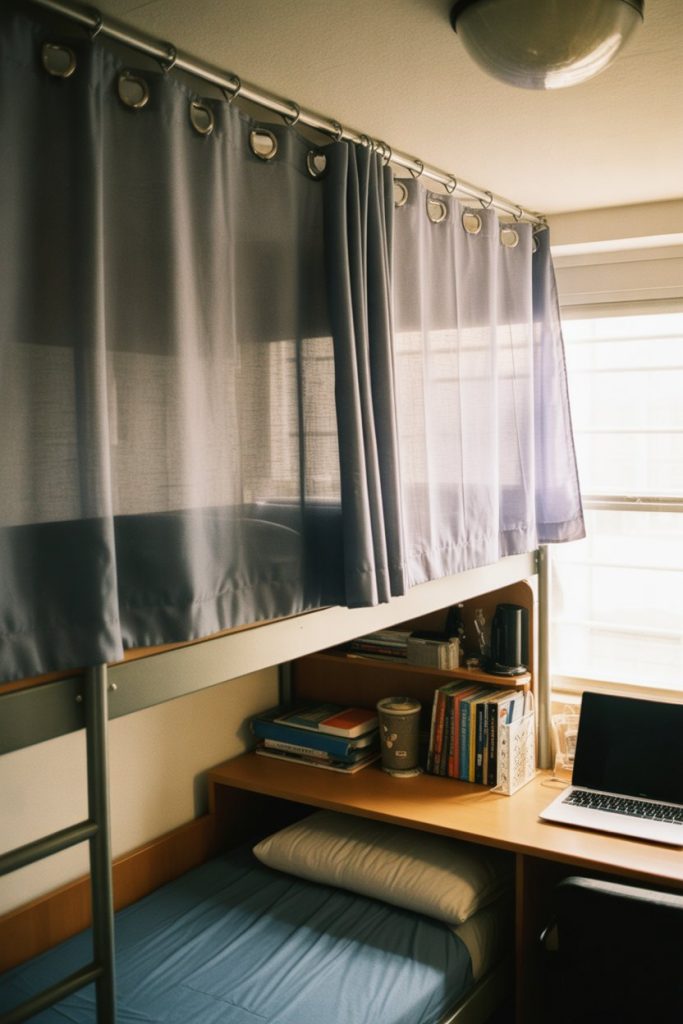
Common mistakes and how to avoid them: Cheap tension rods sag or fall after a few weeks. Invest in adjustable rods rated for heavier fabrics, and use clip rings instead of rod pockets so you can easily remove curtains for washing. Also, choose lighter-colored fabrics to avoid making the bunk feel like a cave.
15. Top Bunk Reading Nook with Shelf and Light
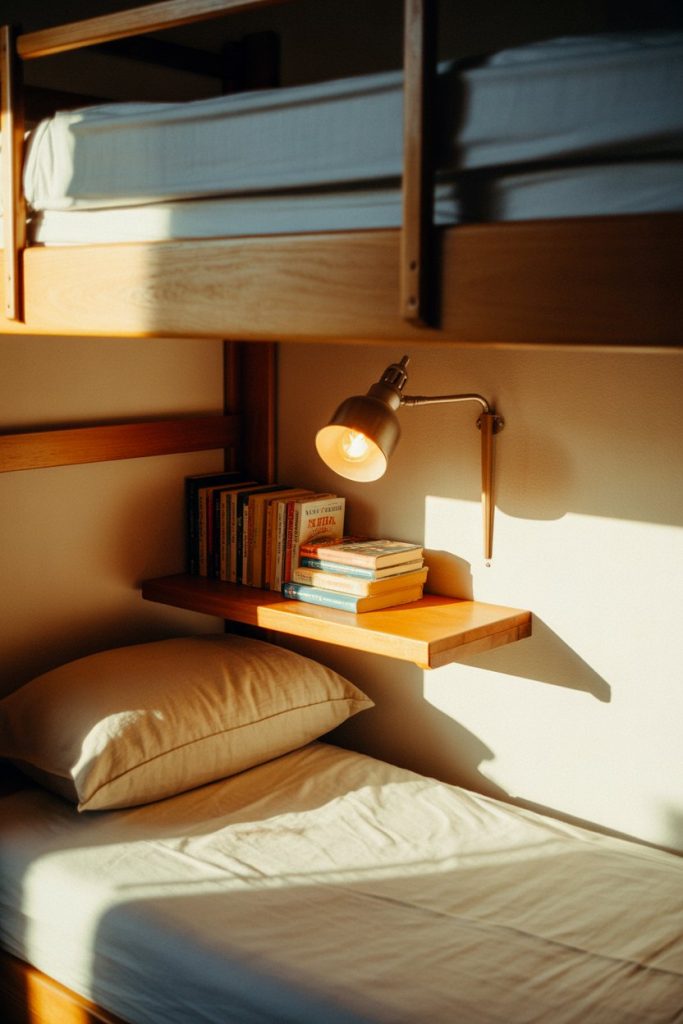
The top bunk can be more than just a place to sleep—adding a narrow shelf and a flexible reading light turns it into a private retreat. This idea works especially well in kids’ or teens’ room setups, where the elevated position already feels special. A few favorite books, a small plant, or a framed photo make the space feel personal and intentional. 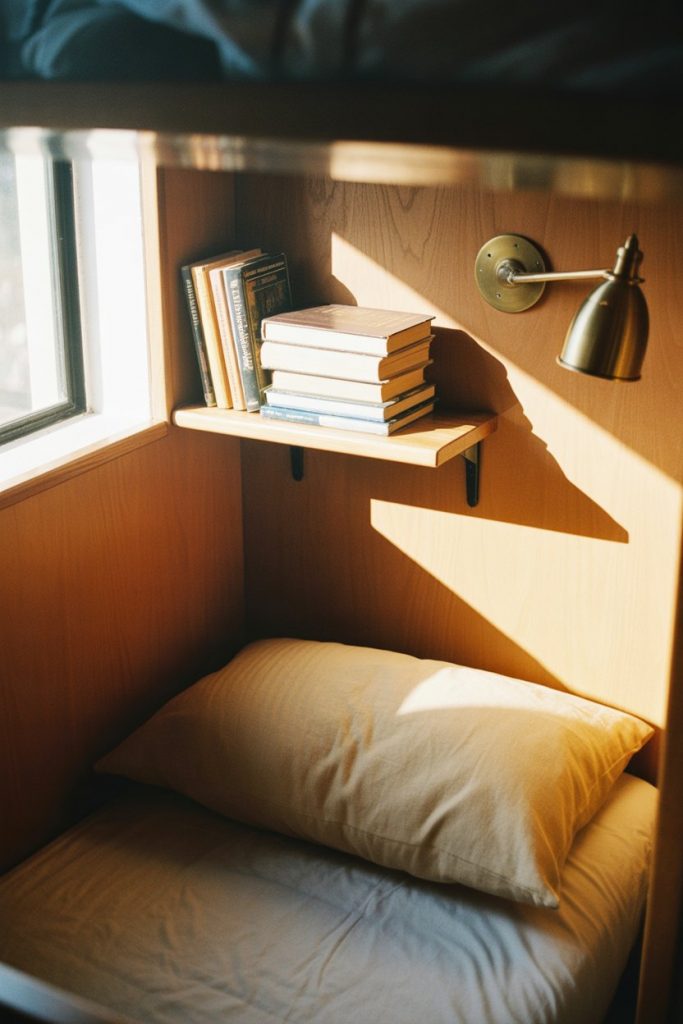
A micro anecdote: A Seattle-based parent mentioned that after installing a small bookshelf on their son’s top bunk, bedtime resistance dropped dramatically. The eight-year-old now climbs up early to read before lights-out, treating the bunk like a clubhouse. Small interventions can shift how kids experience their sleep spaces.
16. Queen-Size Loft Bed Over Lounge Area
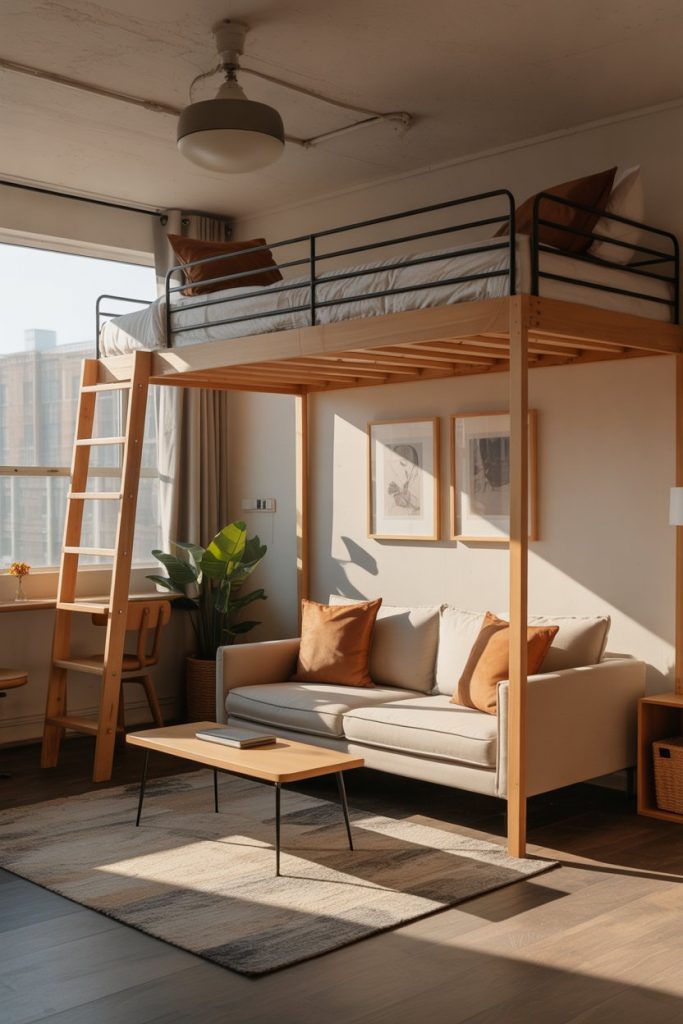
For studio dwellers or those converting a small bedroom into a multipurpose space, a queen loft bed creates room for a full seating area below. This layout is common in cities like San Francisco and New York, where every square foot counts. A loveseat, coffee table, and floor lamp underneath make the space feel like a true living room rather than just a bedroom with furniture crammed in. 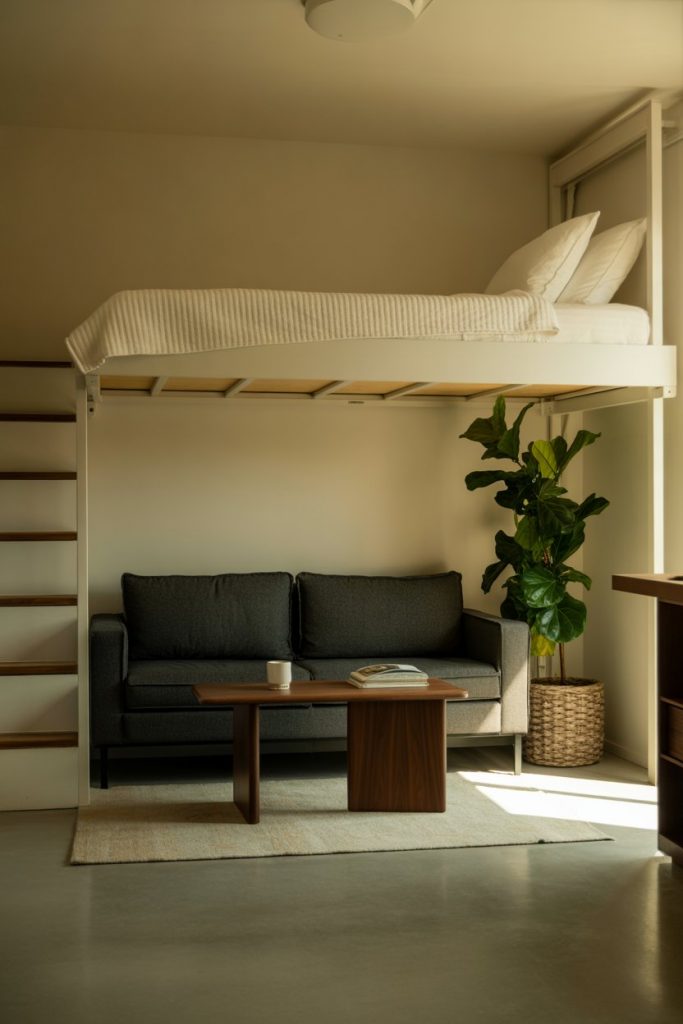
Budget angle: Custom loft beds for queen mattresses can run $1,500 to $3,000, depending on materials and complexity. For renters, freestanding options are safer bets than built-ins, and they hold resale value. Just make sure the frame is rated for the combined weight of mattress, bedding, and sleepers—some models max out around 500 pounds.
17. Cozy Corner Bunks with Built-In Bench
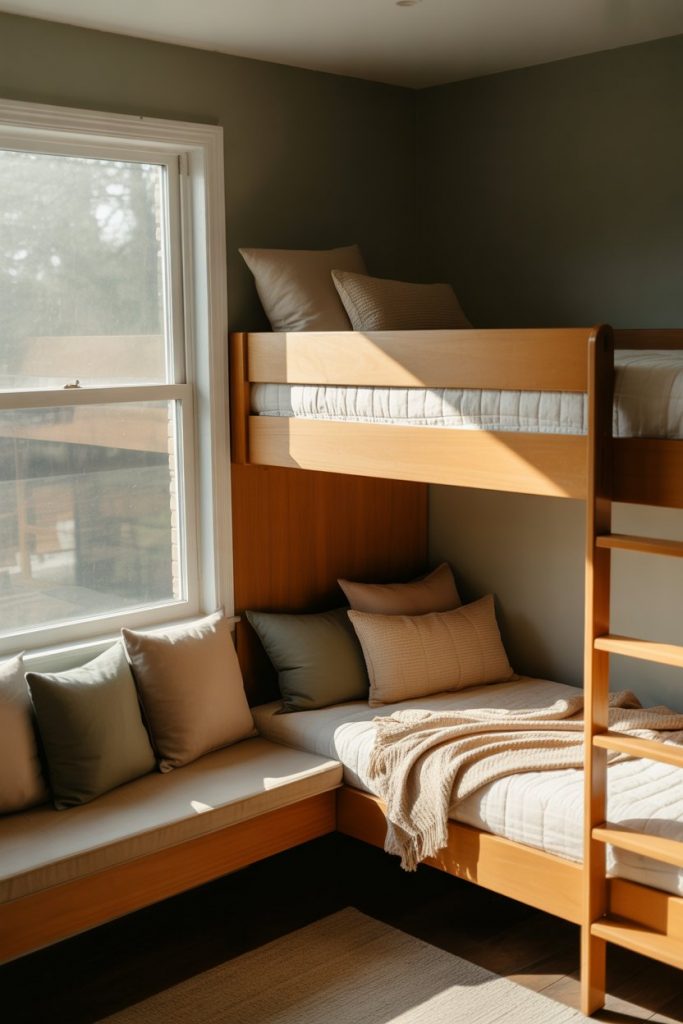
Tucking bunks into a corner and adding a built-in bench or window seat at the foot creates a cozy, contained sleeping zone. This configuration is popular in bedroom renovations where the goal is to make a small footprint feel intimate rather than cramped. The bench doubles as storage, seating, or a place to toss extra pillows. 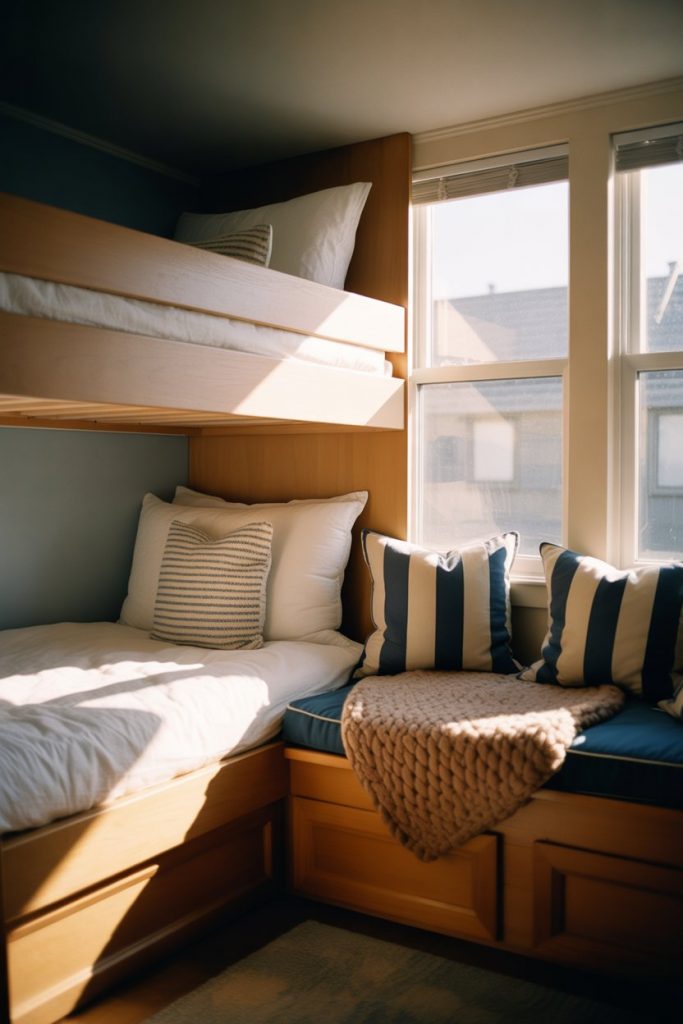
Where it works best: Cottage-style homes, renovated farmhouses, or any space with architectural charm that deserves highlighting. The built-in bench visually anchors the bunks, making them feel like part of the home’s bones rather than an add-on. Paint everything the same color for a cohesive, custom look.
18. Repurposed Crib Parts into Toddler Bunk
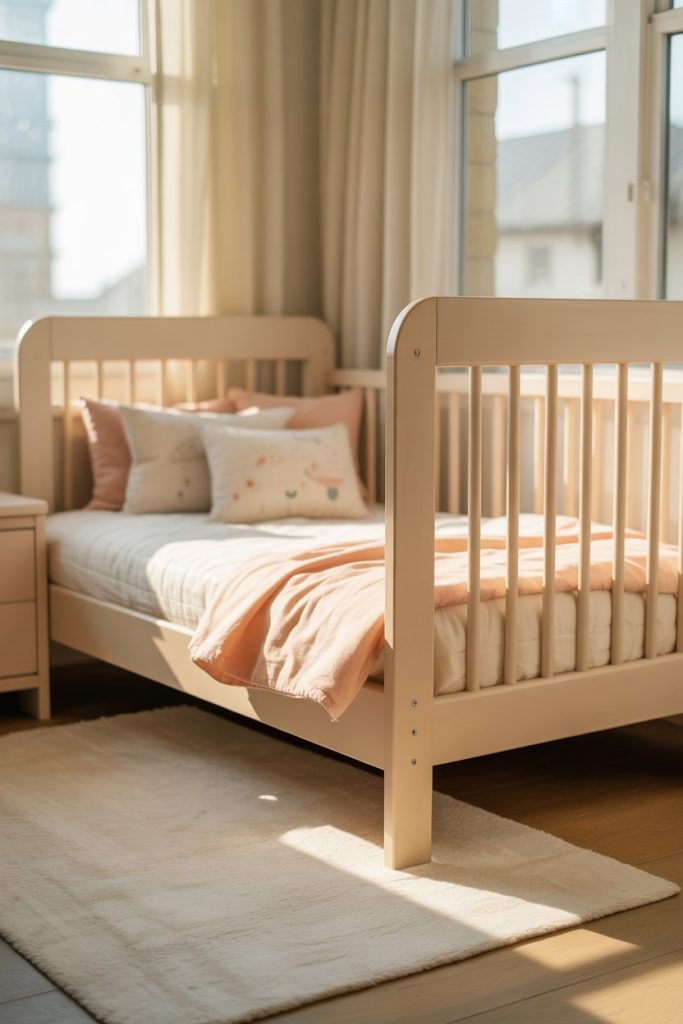
Creative parents are repurposed old crib rails and headboards into low-profile cute bunks for toddlers transitioning out of cribs. These DIY projects keep materials out of landfills and create one-of-a-kind pieces with sentimental value. The lower height is safer for younger kids, and the familiar crib parts can ease the transition to a new bed.
Practical insight: Before starting a crib conversion, check that all hardware is still intact and safe—worn-out bolts or cracked slats are deal-breakers. Also, add a guardrail to the top bunk even if it’s low, since toddlers roll unpredictably. With the right precautions, this can be a charming, budget-friendly solution.
19. Neutral Palette Bunks for Grown-Up Spaces
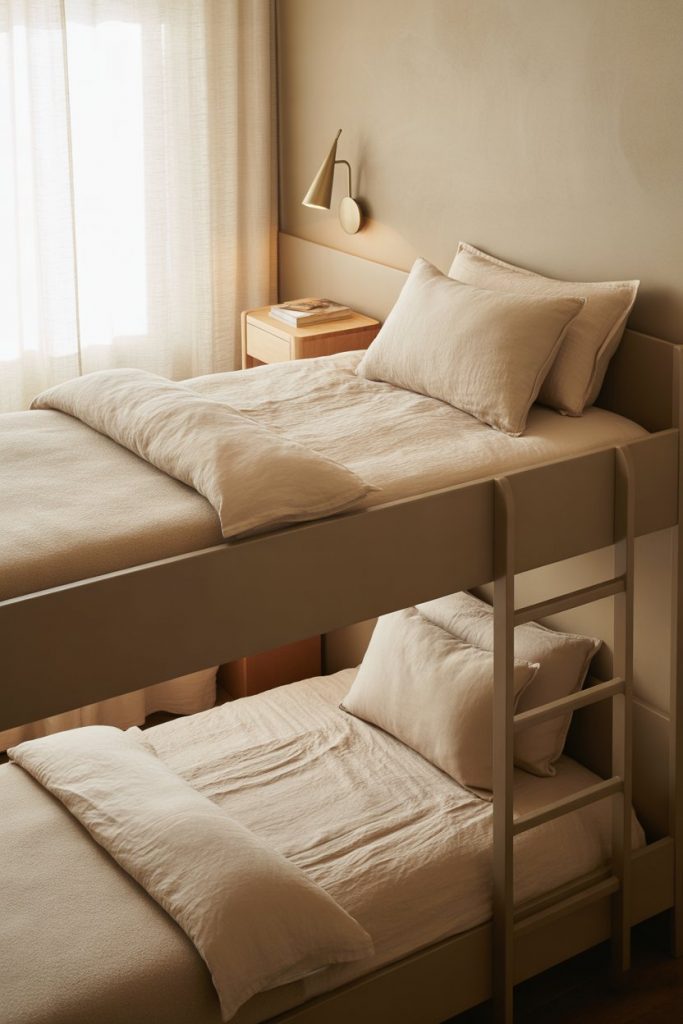
Not all bunks are for kids—grown-up versions in taupe, charcoal, and cream are showing up in guest room and vacation rental designs. These aesthetic setups use high-quality linens, matching nightstands, and sophisticated lighting to create a hotel-like experience. The result is a space that feels generous and thoughtful, even with stacked sleeping. 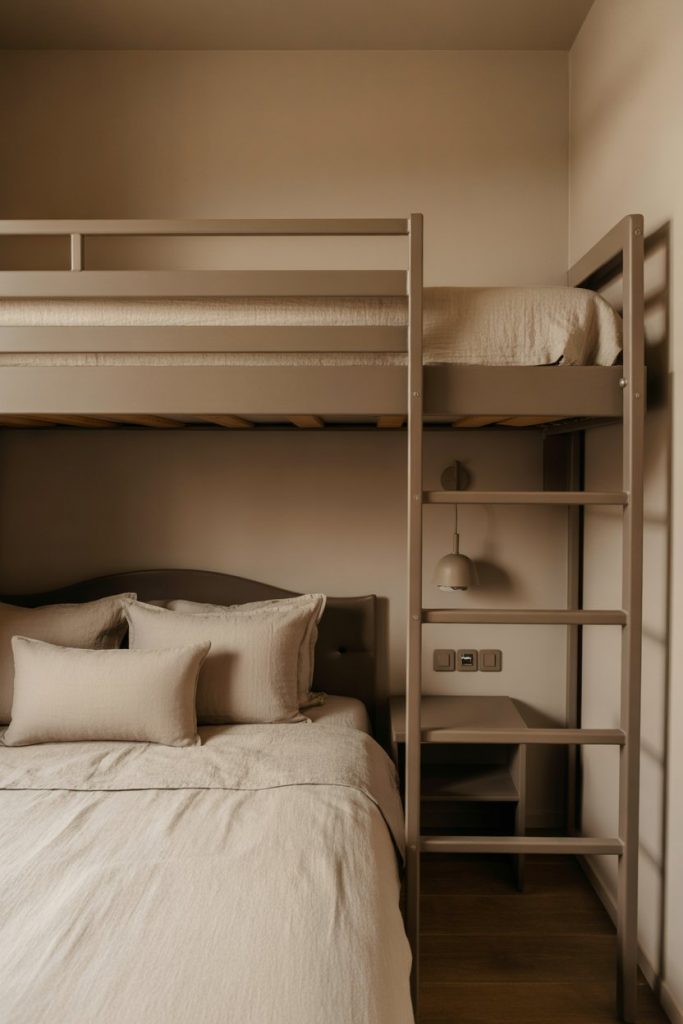
Expert-style commentary: The key to adult-friendly bunks is avoiding anything that reads as juvenile—skip the bright colors, cartoon bedding, and plastic accessories. Stick to natural materials, invest in good mattresses, and provide each bunk with its own light and outlet. Guests will appreciate the attention to detail.
20. Double Bunk Setup in Shared Home Office
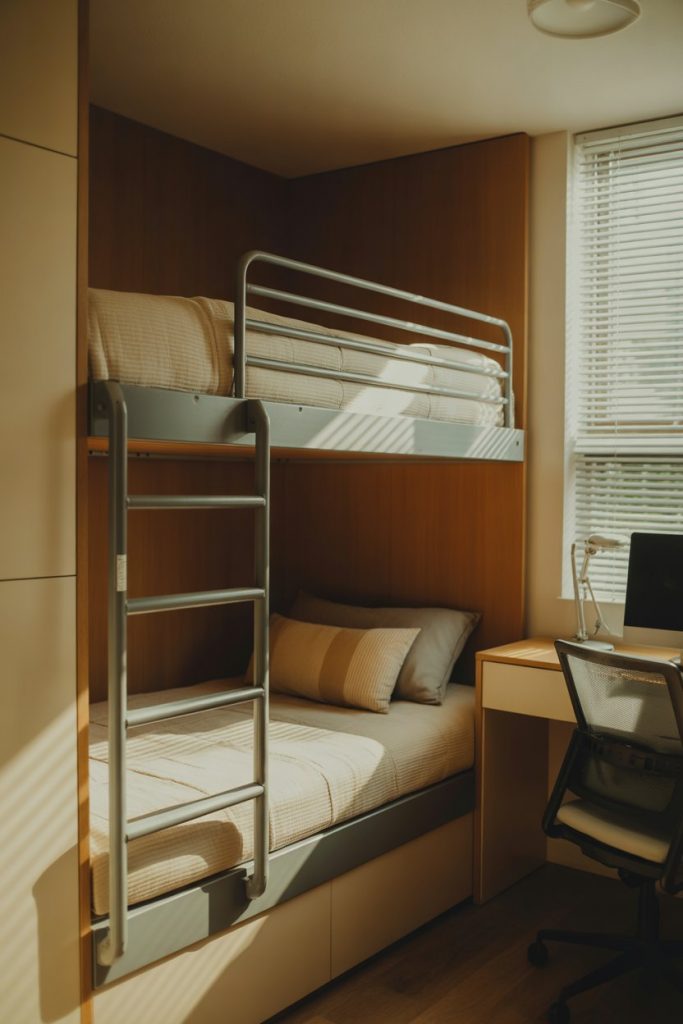
As more Americans work from home, the double bunk has found a new application: overnight workspace conversions. A room that functions as an office during the day can sleep two guests at night, especially if the bunks fold up or tuck into a closet. Murphy-style bunk systems are pricey but solve the dual-use challenge elegantly. 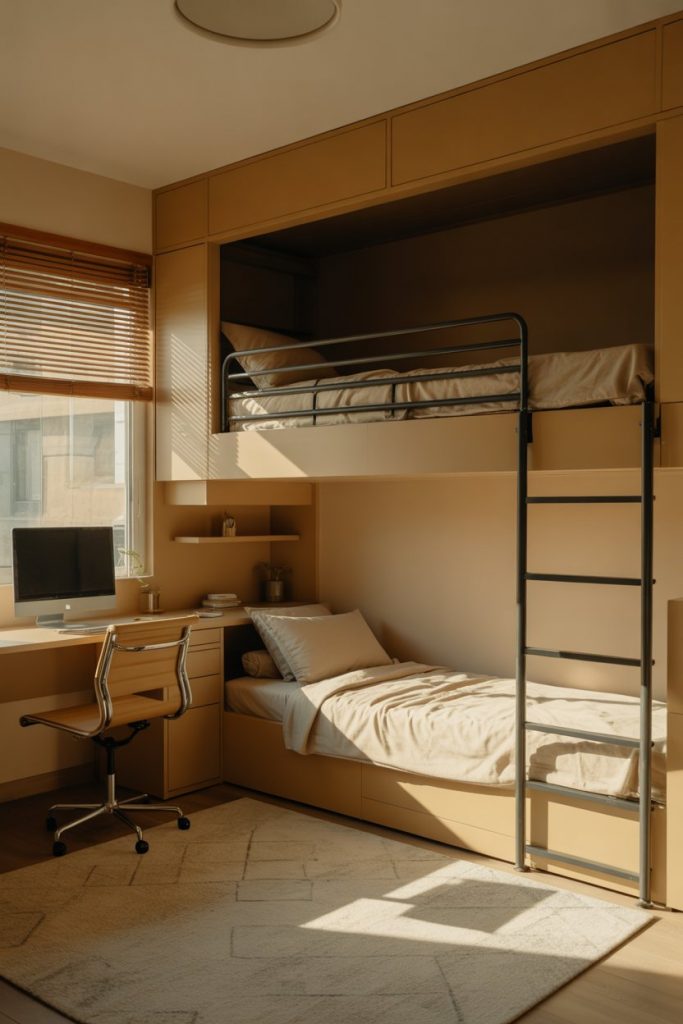
Budget angle: Murphy bunk beds start around $2,500 installed, but they’re worth considering if you’re in a high-cost housing market where adding a dedicated guest room isn’t feasible. The space savings and flexibility can justify the upfront cost, especially if you host frequently or run an Airbnb.
21. Farmhouse Bunks with Shiplap Accent Wall
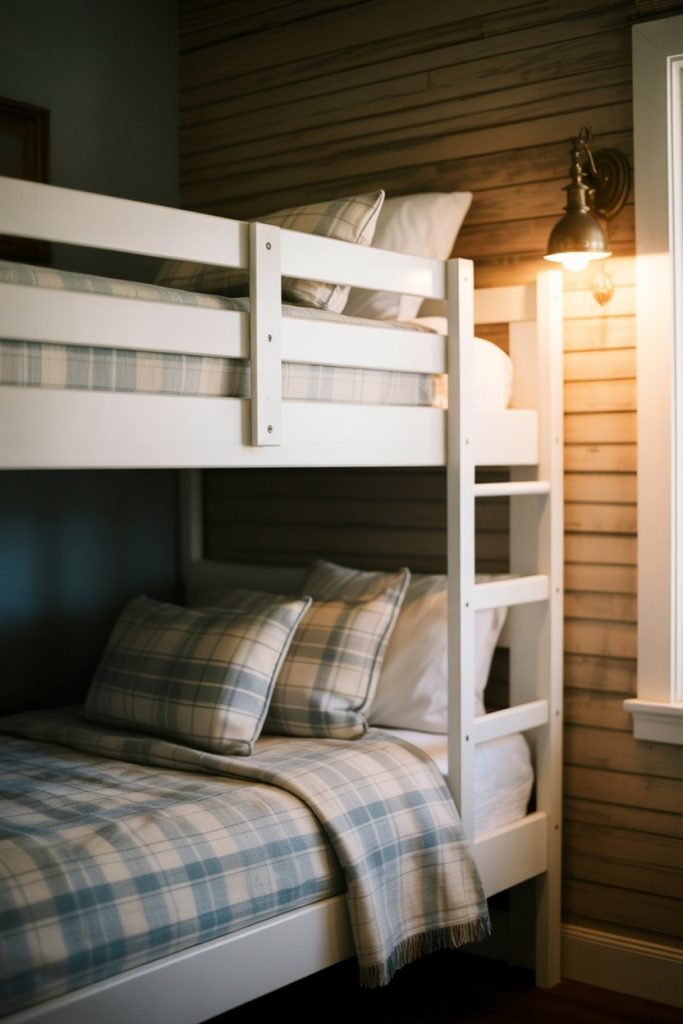
The farmhouse aesthetic remains strong in Middle America, and bunks are no exception. White or light gray frames paired with a shiplap accent wall, vintage-inspired lighting, and cozy plaid bedding create a warm, welcoming bedroom or guest room. These spaces feel curated but approachable, balancing style with function. 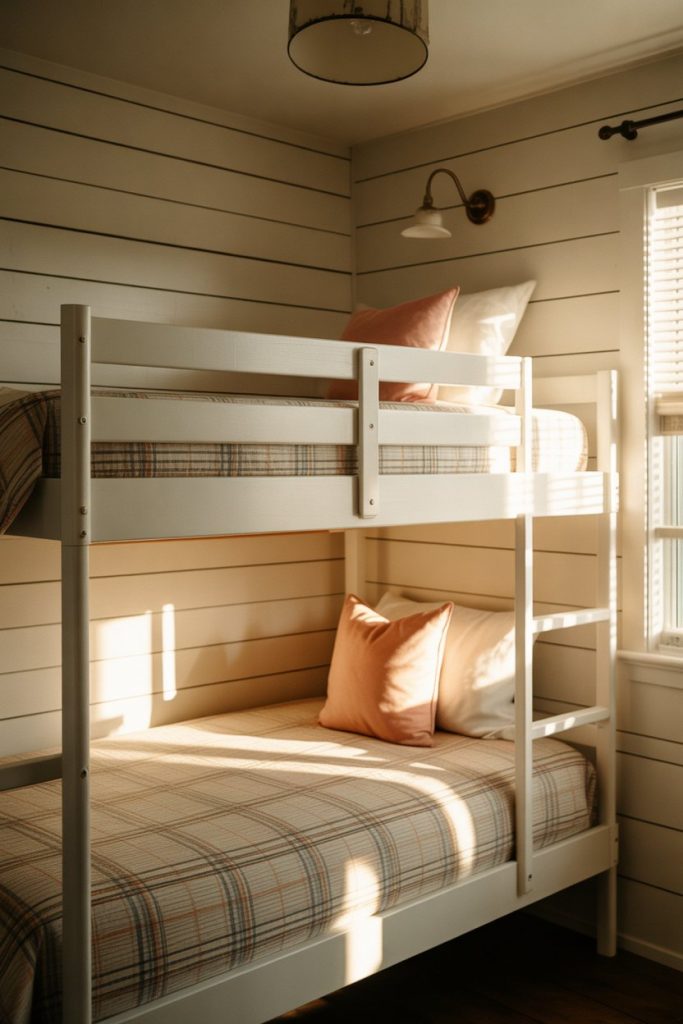
Real homeowner behavior: Many people install shiplap themselves using pre-primed panels from big-box stores, keeping costs under $300 for an average-sized wall. It’s a manageable weekend project that instantly elevates the room. Pair it with wrought iron or bronze hardware for an authentic farmhouse touch.
22. Modern Platform Bunks with Floating Design

The latest modern bunk trend involves floating platforms—beds cantilevered from the wall with hidden supports, creating a sleek, gravity-defying look. These high-design pieces are showing up in contemporary homes where architecture matters as much as function. The minimal footprint and clean lines make even small rooms feel spacious.
Common mistakes and how to avoid them: Floating bunks require serious wall reinforcement—they’re not DIY-friendly unless you’re experienced with structural carpentry. Hire a professional to ensure the installation is safe and up to code. Also, confirm your studs are appropriately spaced; drywall anchors won’t cut it here. Done right, though, these bunks are showstoppers.
Conclusion
Whether you’re working with a compact city apartment or a sprawling family lake house, the right bunk bed setup can solve real space challenges while adding character to your home. From repurposed vintage finds to sleek modern builds, there’s never been more variety in how we think about stacked sleeping. Which idea resonates with your space? Drop a comment and let us know what you’re planning—or share a photo of a bunk setup you’ve already tackled.