Bathroom renovations are at the top of home improvement searches in 2026, especially among Americans looking for fresh, functional spaces that blend style with practicality. Whether you’re updating a tiny powder room or transforming a full family bath, Pinterest is overflowing with inspiring ideas that range from budget-friendly DIYs to spa-like retreats. This year’s trends emphasize natural materials, clever storage, and timeless design that works across different home styles—from modern apartments to classic Victorian houses. In this guide, you’ll find thoughtfully curated bathroom renovation ideas that address real challenges, offer visual inspiration, and help you create a space you’ll love for years to come.
1. Simple White Subway Tile Refresh
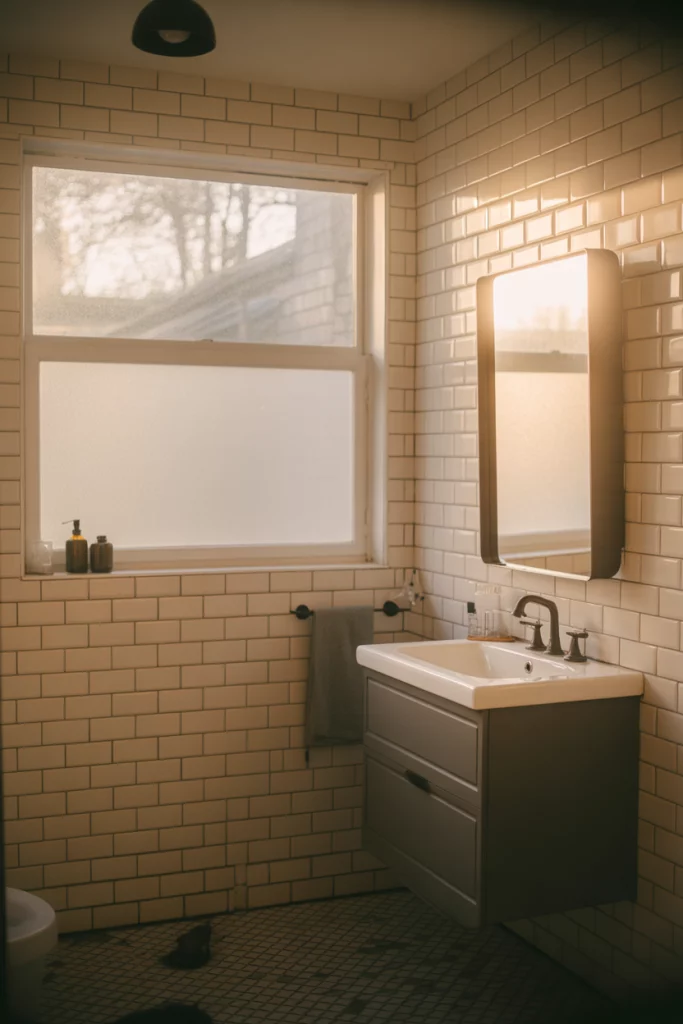
One of the most enduring bathroom renovation ideas is the classic white subway tile, which works beautifully in small spaces and delivers a clean, modern aesthetic without overwhelming the room. This approach is perfect for homeowners who want a timeless look that won’t feel dated in five years, and it’s especially popular in apartment bathrooms where neutrality appeals to a wide range of tastes. The simplicity of white tile also makes it a go-to choice for resale value. 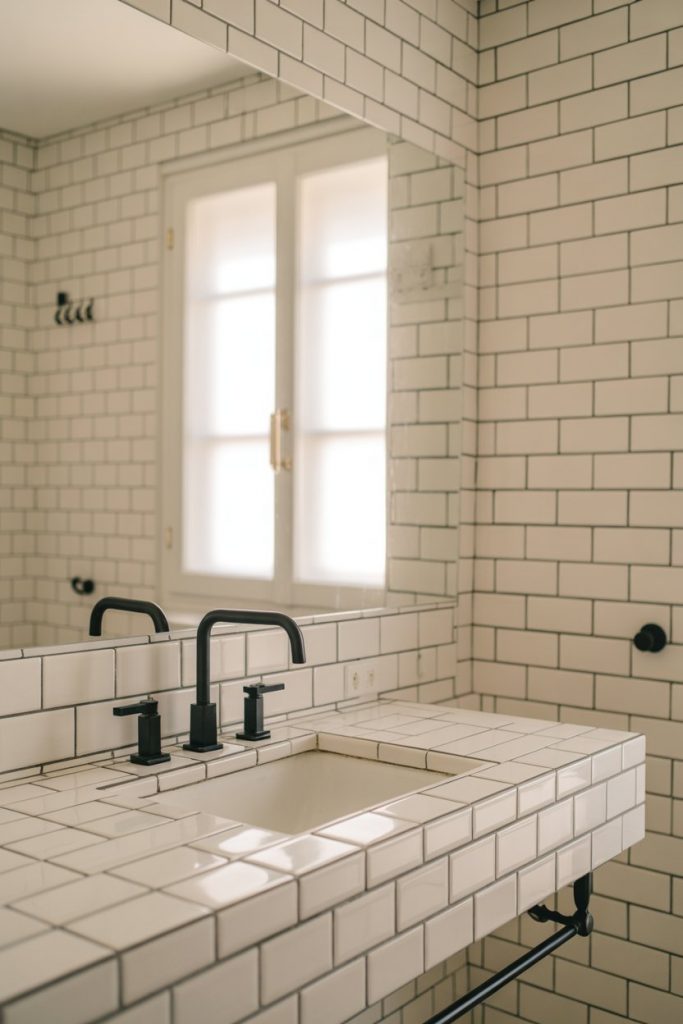
Where it works best: Urban apartments, starter homes, and rental properties where you need maximum appeal with minimal risk. Subway tile is also forgiving during installation, which makes it ideal for DIY renovations if you’re comfortable with basic tiling techniques. Pair it with contrasting grout—like charcoal or light gray—to add subtle visual interest without breaking the clean lines.
2. Budget-Friendly Peel-and-Stick Flooring
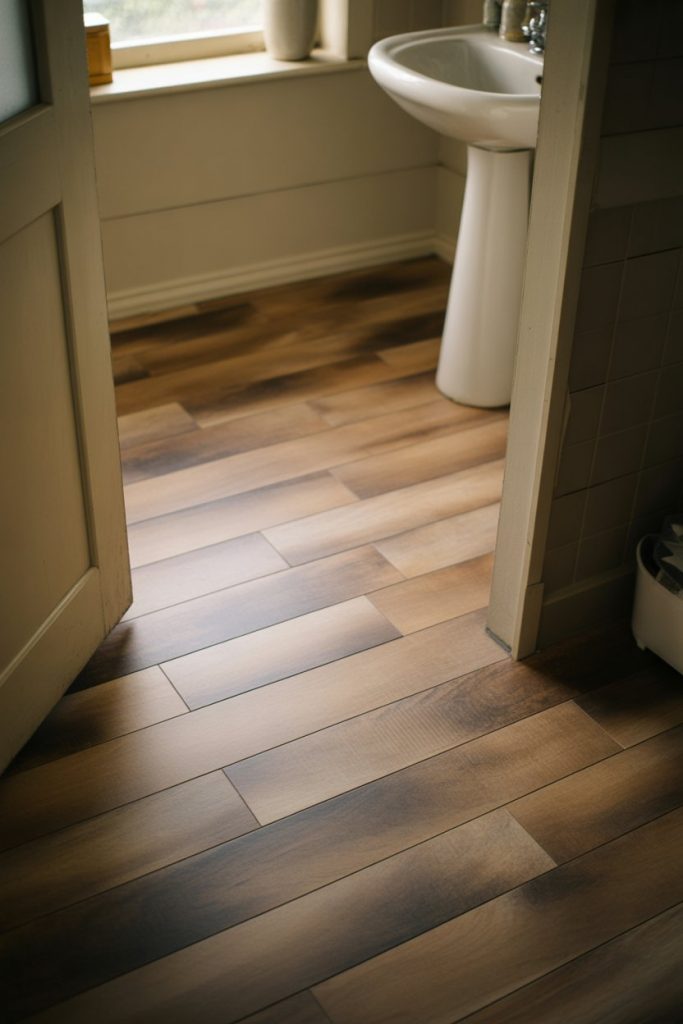
For renters or homeowners working on a budget, peel-and-stick vinyl flooring has evolved into a surprisingly stylish option that mimics everything from natural stone to farmhouse-style wood planks. This DIY-friendly solution requires no special tools and can be installed in a single afternoon, making it one of the most accessible bathroom renovation ideas on a budget. It’s also water-resistant and easy to replace if you want to update the look down the road. 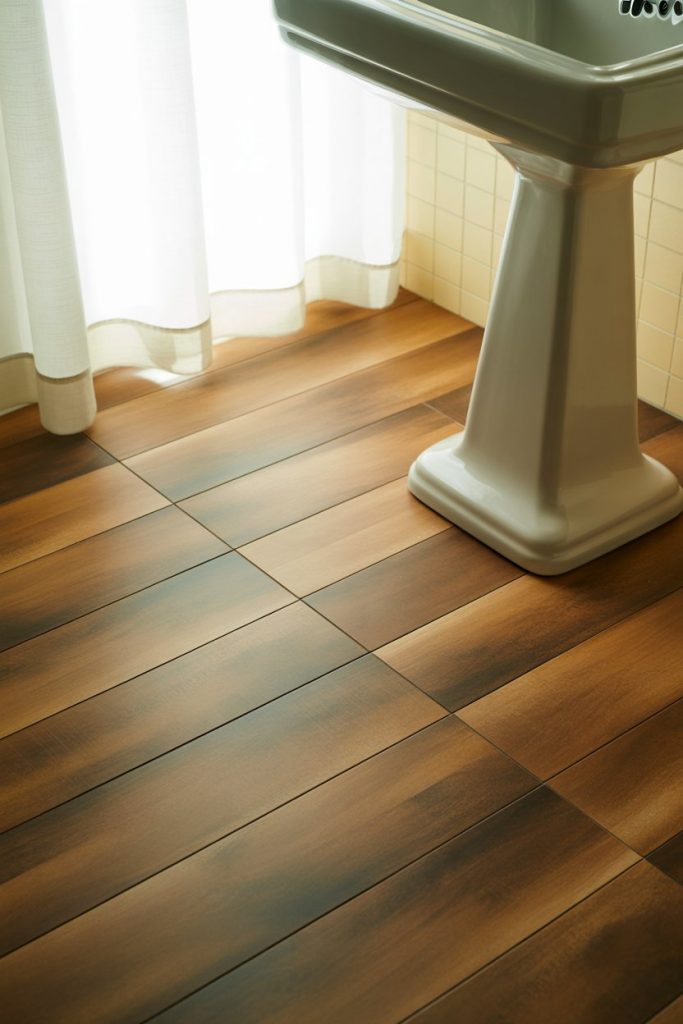
Real homeowner behavior shows that people often start with the floor when renovating on a tight budget, since it’s one of the most noticeable changes. The key is choosing a pattern that doesn’t look too trendy—neutral tones and natural textures tend to age better than bold geometric prints. Make sure to prep the subfloor properly; any bumps or debris will show through the vinyl.
3. Open Shelving for Tiny Bathrooms
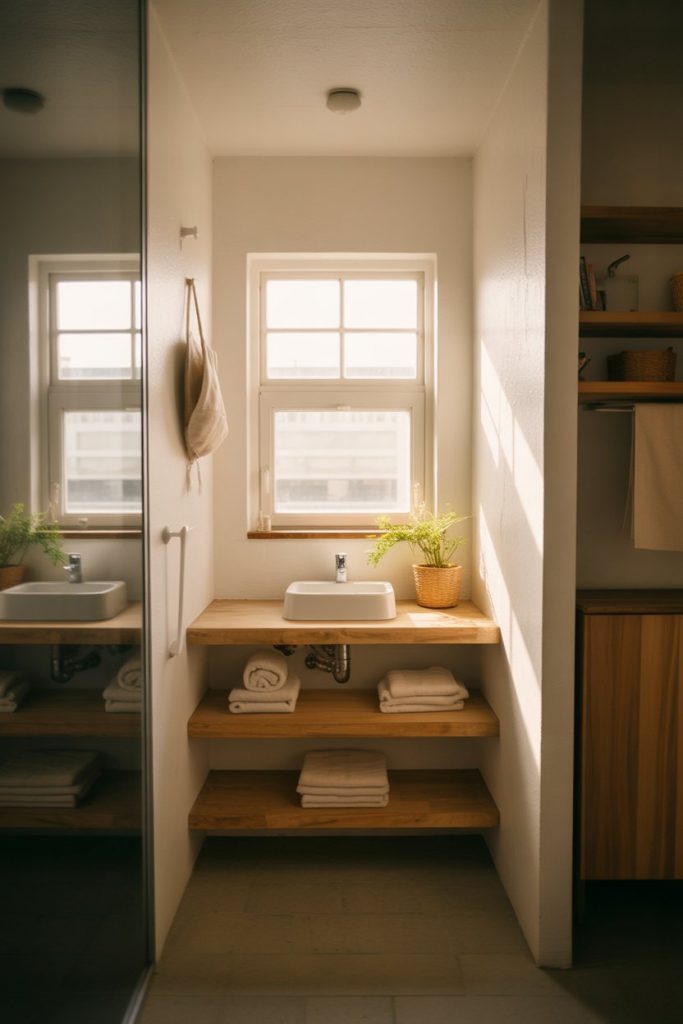
In tiny bathrooms where every inch counts, replacing a bulky cabinet with open shelving creates the illusion of more space while keeping essentials within reach. This simple design move works especially well in modern renovations where minimalism is the goal, and it gives you the flexibility to display attractive baskets, folded towels, or cheap thrifted décor. The visual lightness of open shelves can make even the smallest powder room feel more breathable. 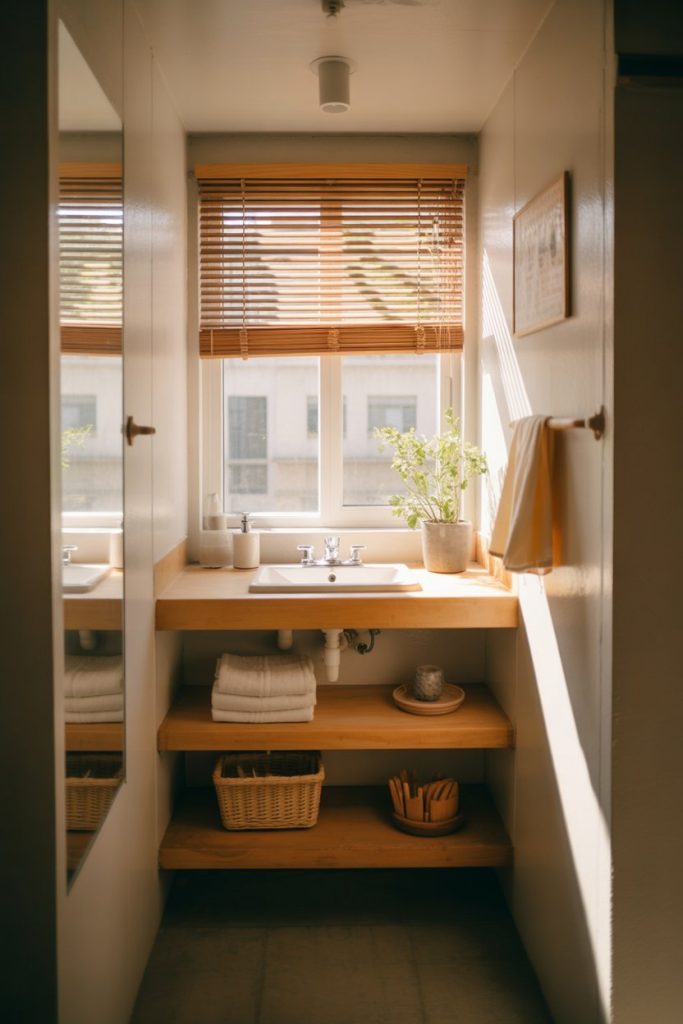
A practical insight: open shelving only works if you’re willing to keep things tidy—it’s not a forgiving storage solution for visual clutter. Use uniform containers or baskets to create a cohesive look, and limit the number of items on display. This approach is especially popular in Scandinavian-inspired bathrooms, where function and simplicity go hand in hand.
4. Walk-In Shower with Glass Enclosure
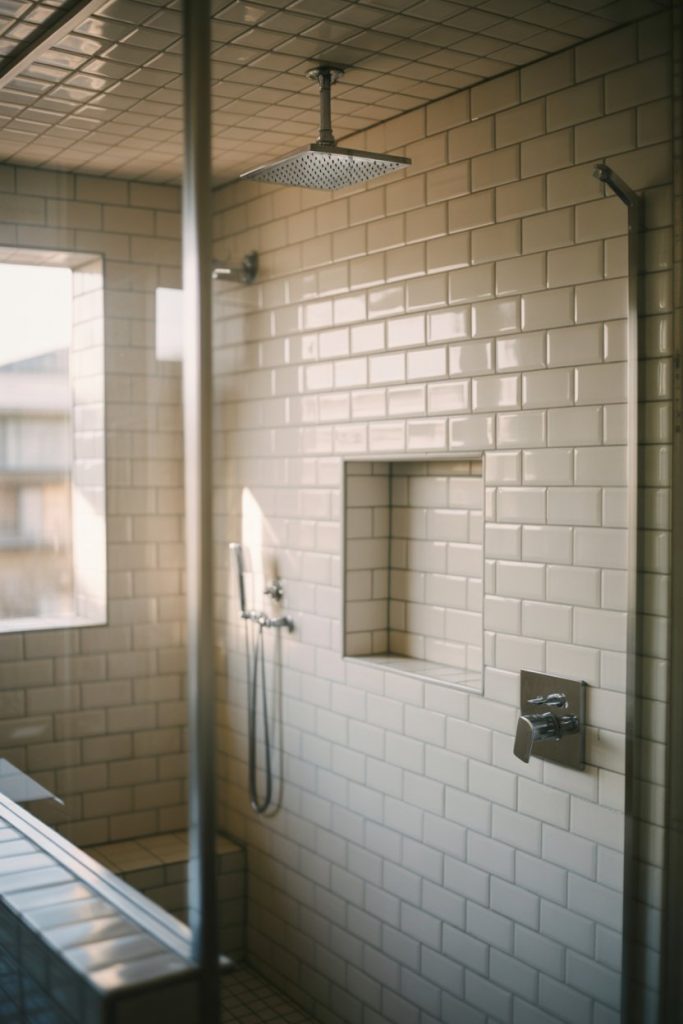
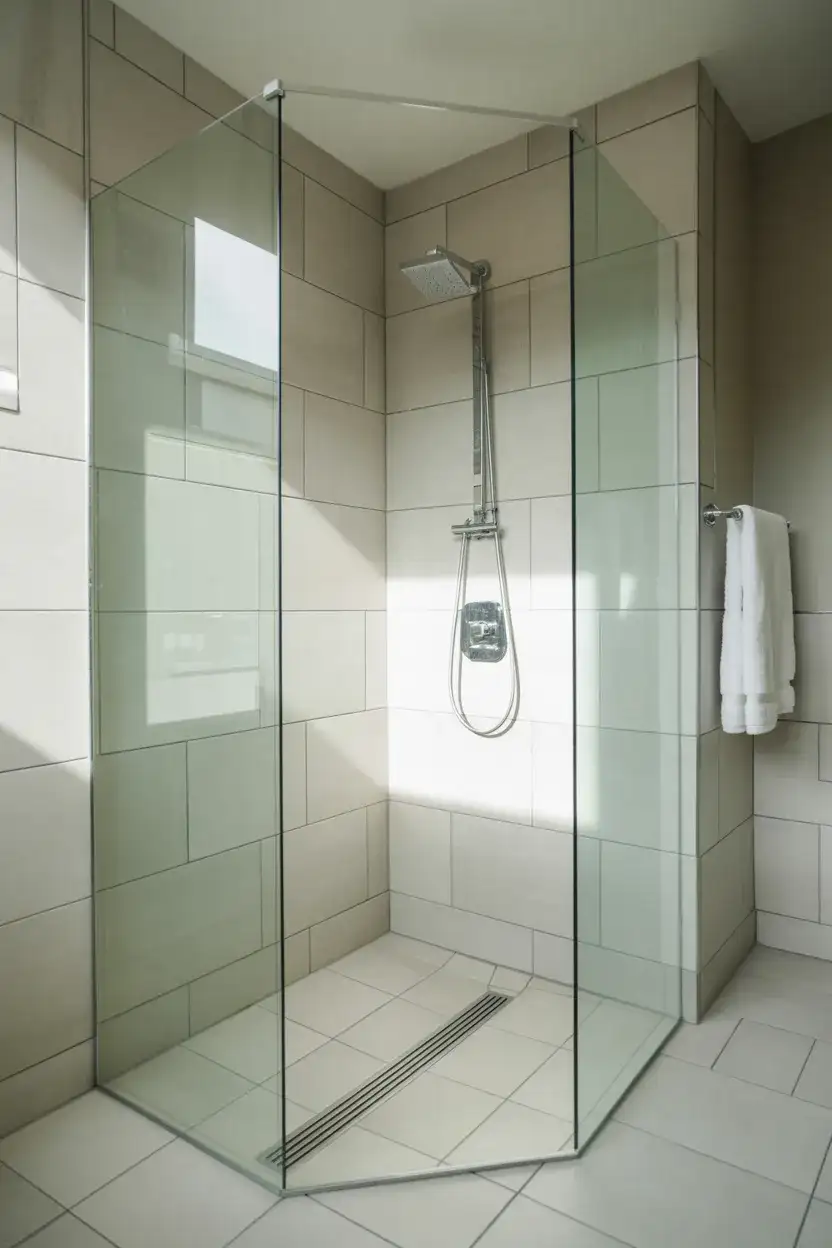
Replacing a dated bathtub with a spacious walk-in shower is one of the most requested bathroom renovation projects in American homes, especially among empty nesters and buyers looking for accessible, low-maintenance design. A frameless glass enclosure keeps sightlines open, making even a small full bathroom feel more expansive and modern. This upgrade also increases home value in markets where luxury showers are expected. 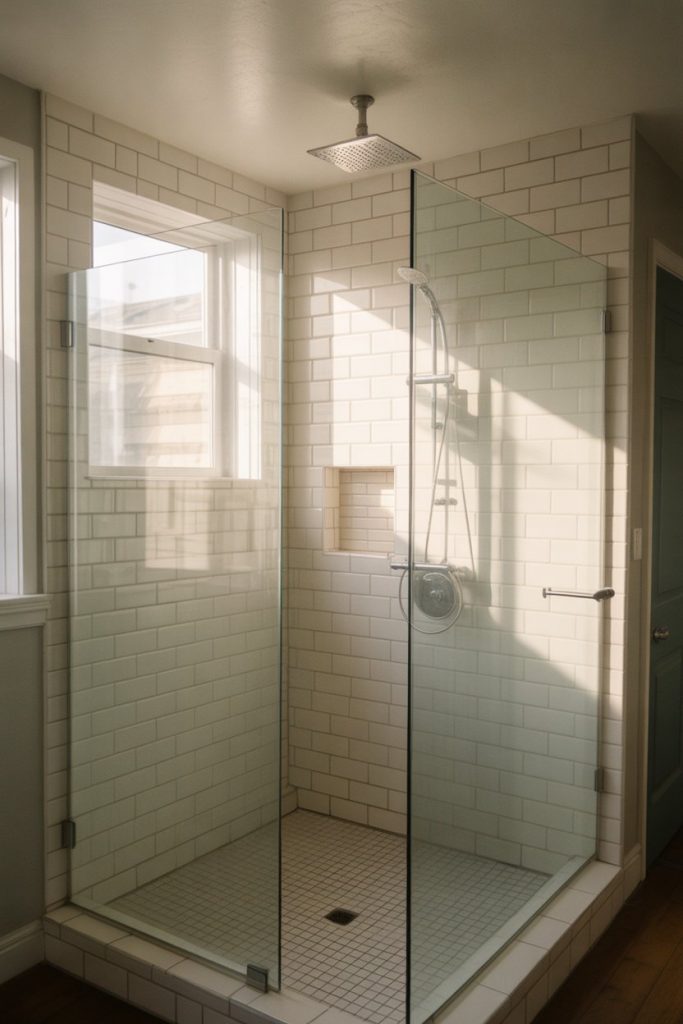
In the Midwest and suburban East Coast, this type of renovation is especially common in master bathrooms where aging homeowners prioritize ease of entry over soaking tubs. Budget for professional installation of the glass door—it’s not a DIY project—and consider adding a bench seat if space allows. Heated floors are a popular add-on that turns a practical shower into a true retreat.
5. Vintage Clawfoot Tub Restoration

For Victorian-era homes or anyone drawn to vintage charm, restoring or installing a freestanding clawfoot tub brings character and inspiration into the bathroom without requiring a full gut renovation. This idea works beautifully in homes with original architectural details, where a modern tub would feel out of place. Refinishing an existing tub is often more budget-friendly than replacing it, and the result is a one-of-a-kind centerpiece. 
A micro anecdote: One homeowner in Portland refinished a salvaged clawfoot tub for under $400 and made it the focal point of an otherwise simple renovation. The key is balancing the vintage tub with updated fixtures and finishes—think modern faucets and crisp white walls—so the space feels collected rather than stuck in the past.
6. Microcement Walls and Floors
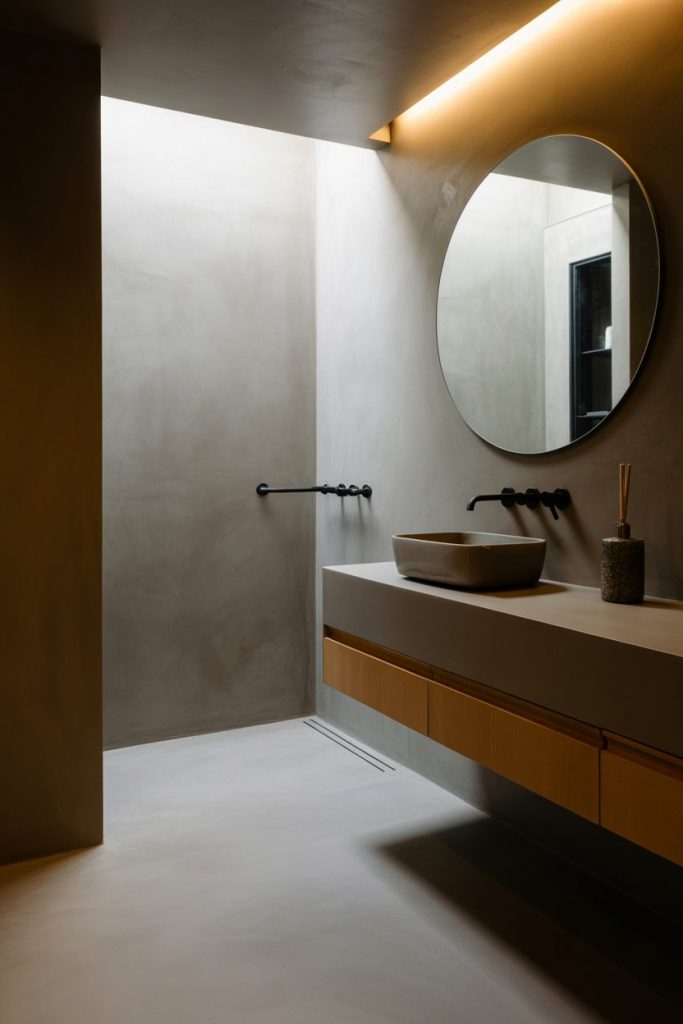
One of the freshest bathroom renovation trends is microcement, a seamless, durable material that creates a sleek, contemporary look across walls and floors without grout lines. Popular in European design and now gaining traction in U.S. modern homes, microcement offers a spa-like aesthetic that’s perfect for simple minimalist bathrooms. It’s water-resistant, easy to clean, and works in both small spaces and larger master suites. 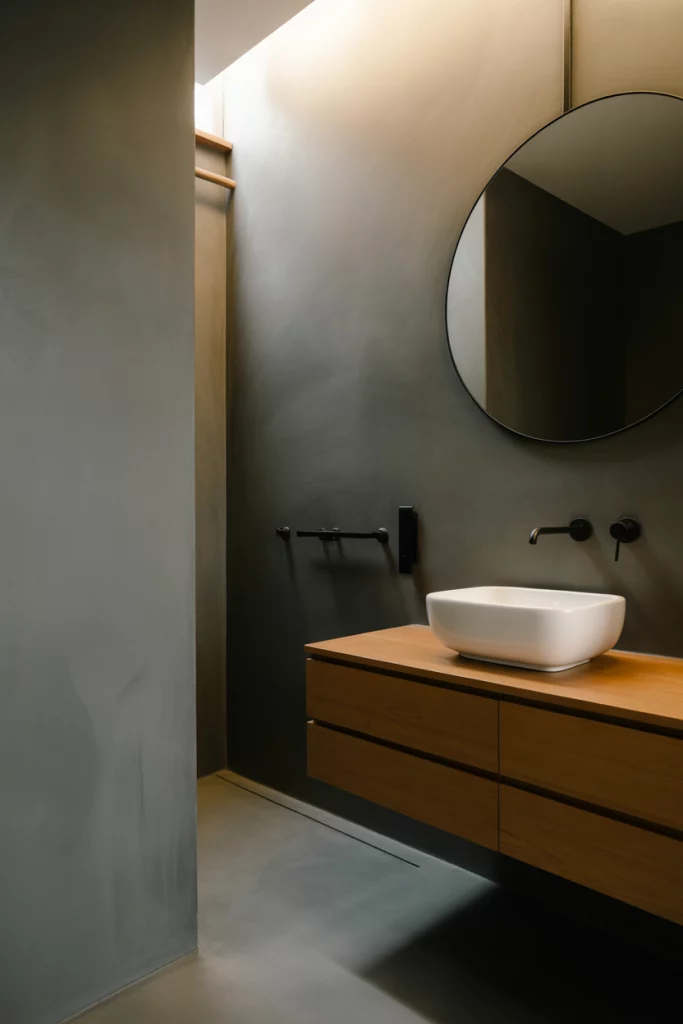
Expert-style commentary suggests that microcement is best installed by professionals, as the application technique requires precision to achieve that seamless finish. While the upfront cost is higher than tile, the lack of grout means less maintenance over time—no scrubbing mildew or resealing. It’s especially stunning in open-concept designs where the bathroom flows into a bedroom or dressing area.
7. Farmhouse Vanity with Apron Sink
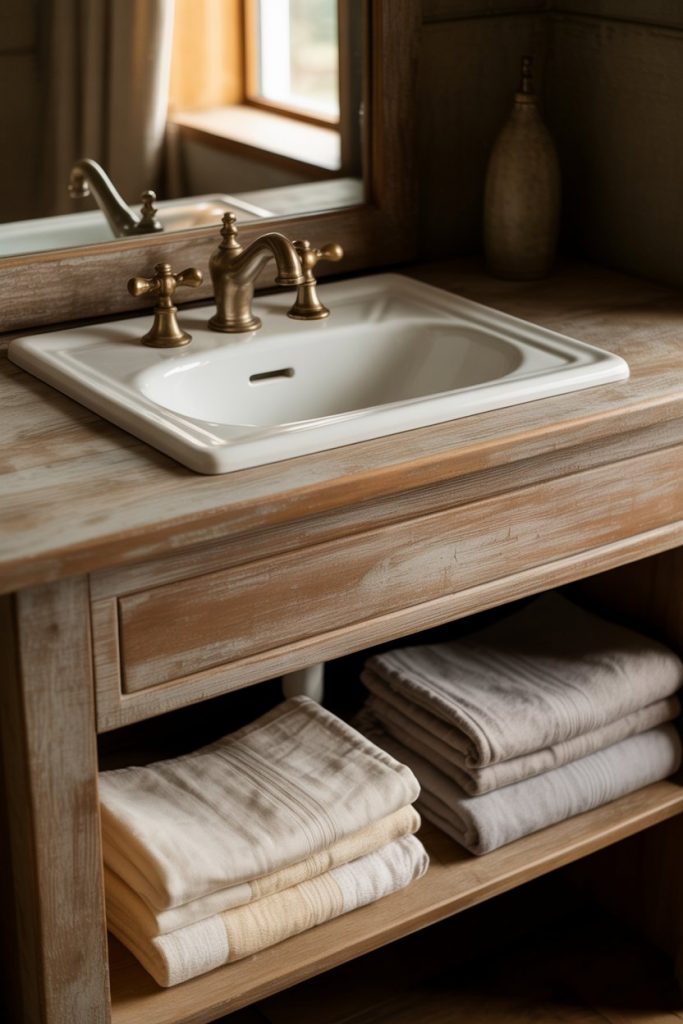
A farmhouse-style vanity with an apron-front sink brings warmth and rustic charm into the bathroom, making it a favorite inspiration for homeowners renovating older homes or those seeking a cozy, lived-in aesthetic. This idea pairs beautifully with shiplap walls, vintage mirrors, and antique-style hardware, creating a space that feels collected over time rather than designed overnight. It’s also surprisingly versatile, working in both guest bathrooms and primary suites. 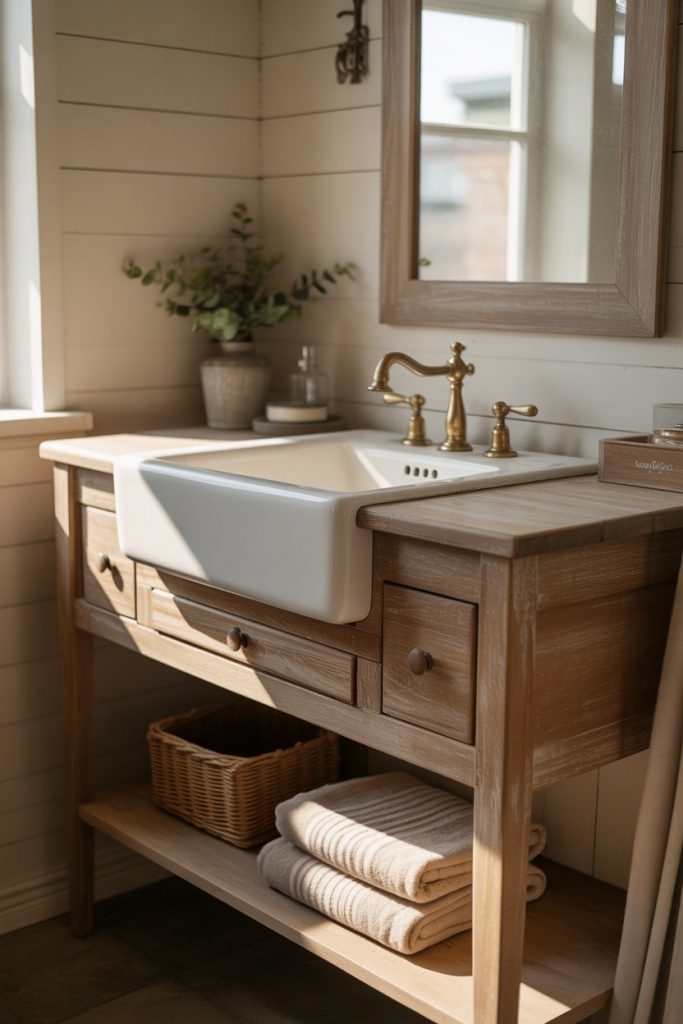
Budget angle: You can source reclaimed wood vanities or DIY a base using salvaged furniture, which keeps costs down while adding authentic character. Many homeowners paint old dressers and cut out the top to accommodate a sink—a creative, cheap alternative to buying new. Just make sure to seal the wood properly to handle moisture, especially around the sink area.
8. Black Matte Fixtures for Modern Contrast
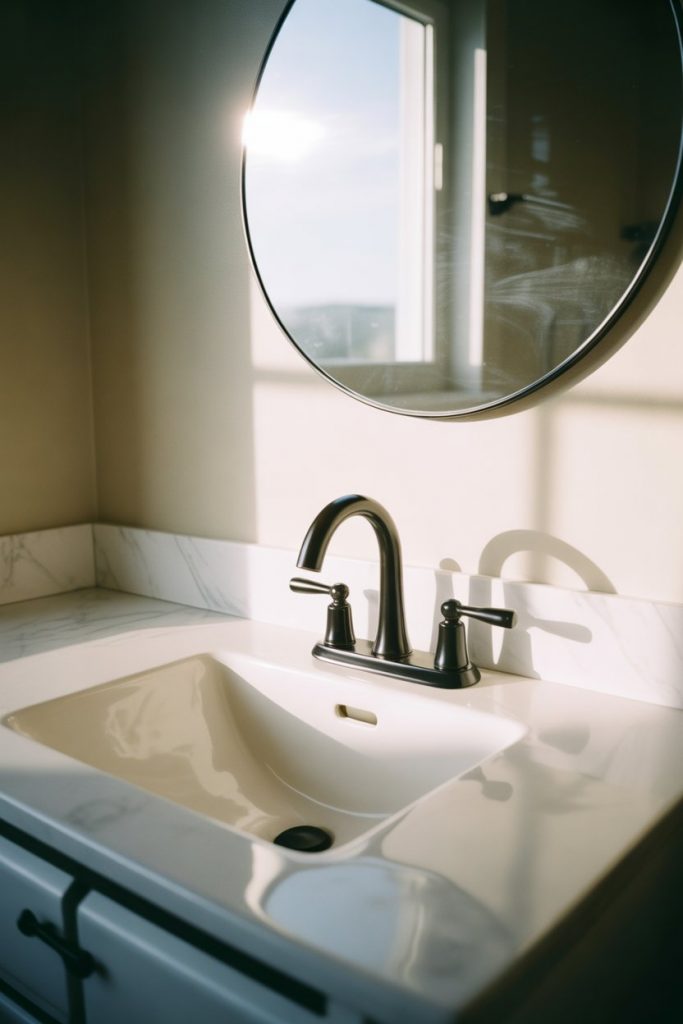
Swapping chrome or brushed nickel for black matte fixtures is an easy and relatively cheap way to give any bathroom a modern edge, and it’s one of the most pinned ideas among design-savvy Americans. This trend works in everything from tiny powder rooms to spacious master baths, adding drama without overwhelming the space. Black fixtures also hide water spots better than polished finishes, making them a practical choice for busy households. 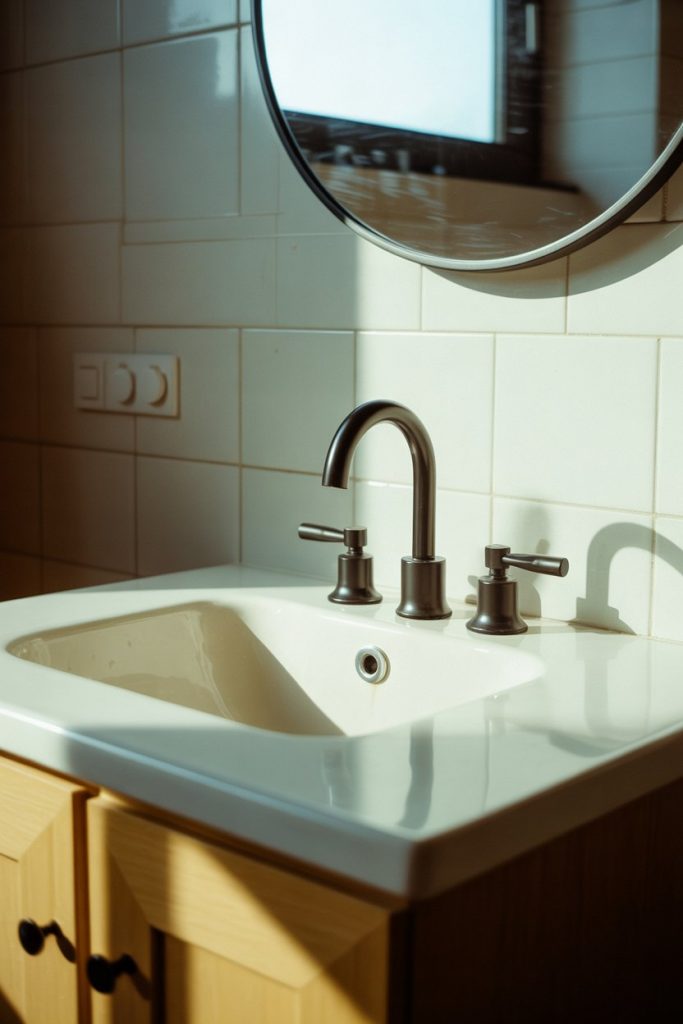
Common mistakes include mixing too many metal finishes in one bathroom, which can look chaotic rather than curated. Stick to one or two finishes throughout the space—black matte for faucets, showerheads, and towel bars, and perhaps brass or brushed gold as an accent. This restraint creates a cohesive, intentional look that feels professionally designed.
9. RV Bathroom Space-Saving Hacks
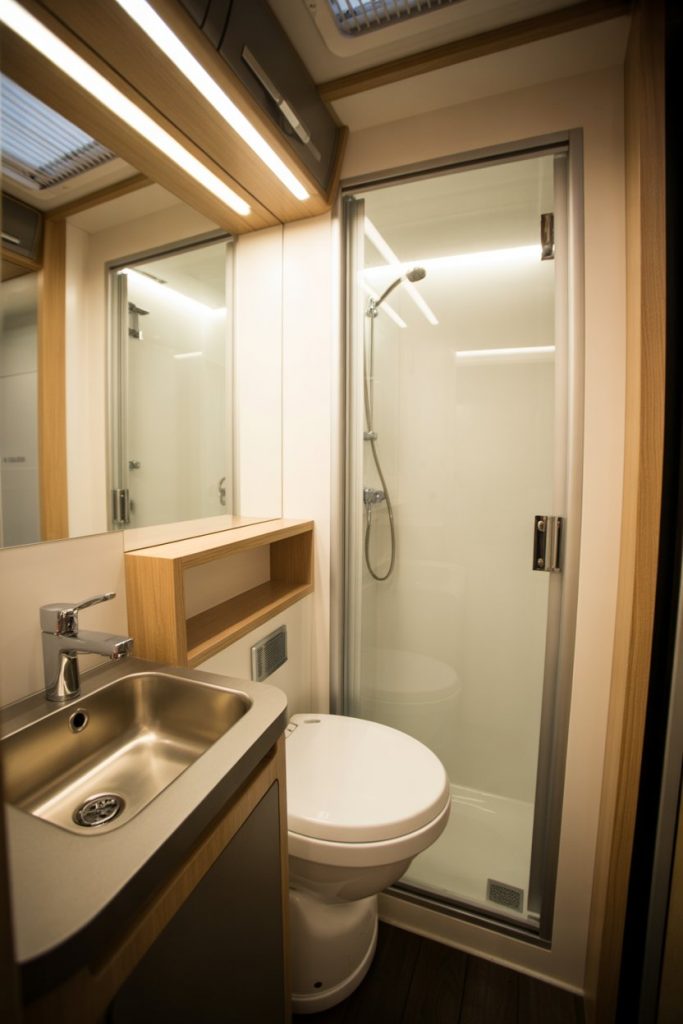
Renovating an RV or caravan bathroom requires creative thinking about small spaces, and many of the DIY solutions—like corner sinks, wall-mounted toilets, and compact shower stalls—translate beautifully into tiny home bathrooms or urban apartment powder rooms. The key is maximizing vertical storage and choosing fixtures specifically designed for tight quarters. This approach has inspired a whole genre of inspo on Pinterest focused on micro living. 
Where it works best: Mobile homes, accessory dwelling units, and basement bathrooms where square footage is limited. Invest in multi-functional pieces like mirrored medicine cabinets with built-in lighting, or shower caddies that hang from the showerhead. Every inch counts, so measure twice and choose fixtures that are scaled appropriately for the space.
10. Queenslander-Inspired Ventilation and Airflow
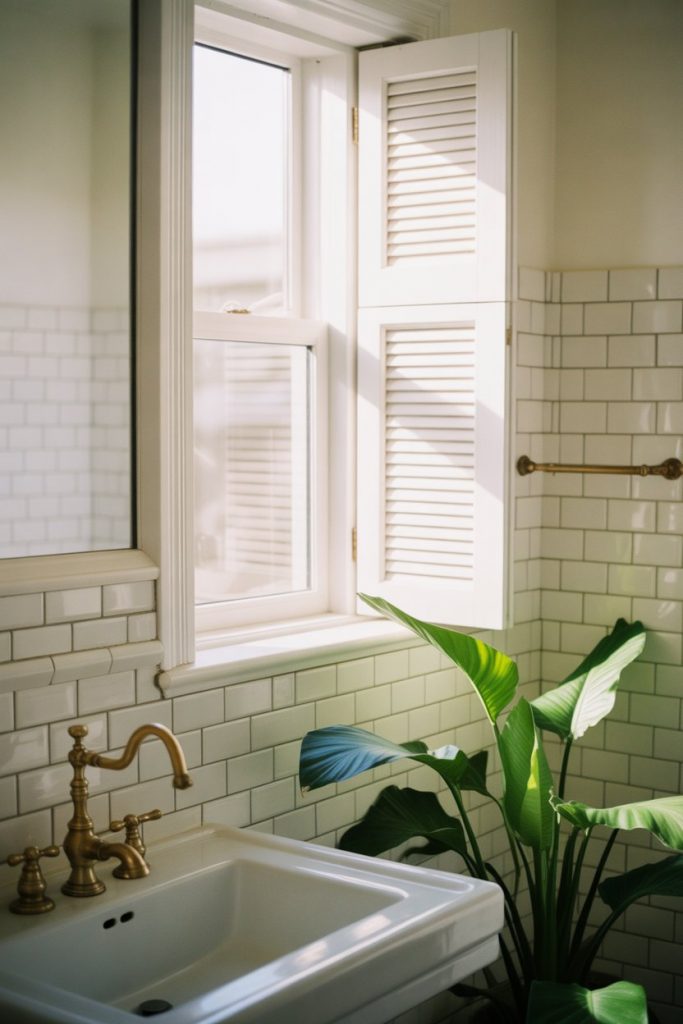
Drawing inspiration from traditional Queenslander homes in Australia, incorporating louvered windows or transom vents into your bathroom renovation improves airflow and reduces moisture buildup—a challenge in many American climates, especially the humid South. This simple design feature adds architectural interest while serving a practical function, and it’s a smart addition to guest bathrooms or basic powder rooms that lack mechanical ventilation. It’s a detail that feels both classic and functional. 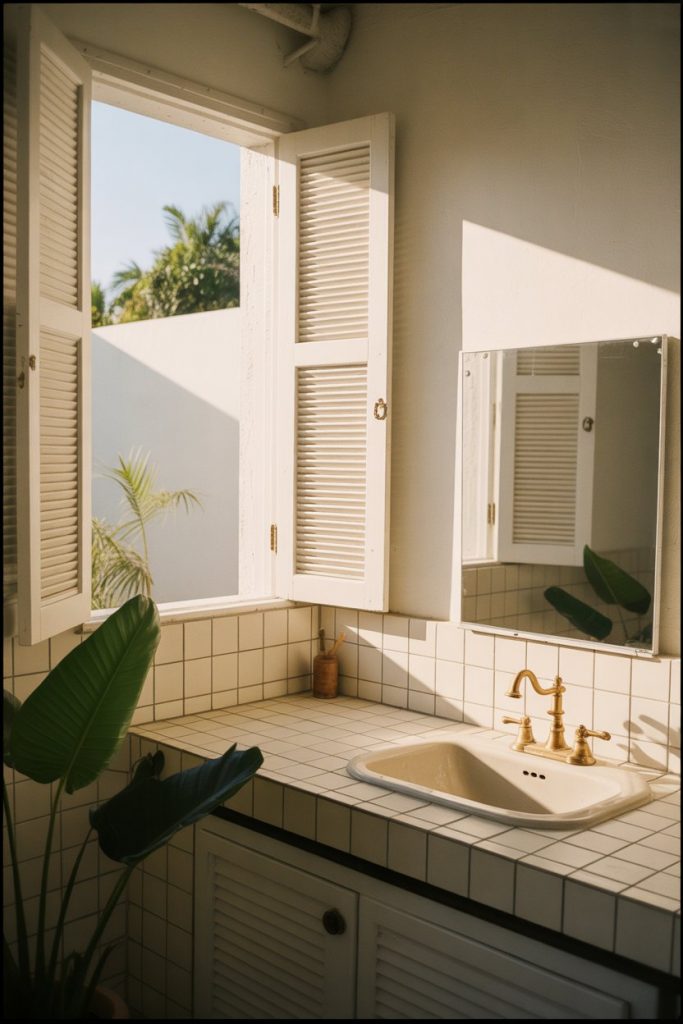
In Gulf Coast states and the Southeast, proper ventilation is critical to preventing mold and mildew. Adding a transom window above the door or installing adjustable louvers allows steam to escape naturally, reducing reliance on exhaust fans. This detail is especially charming in heritage homes where preserving original character is important, but it works just as well in new builds aiming for a breezy, coastal vibe.
11. Statement Wallpaper in a Powder Room
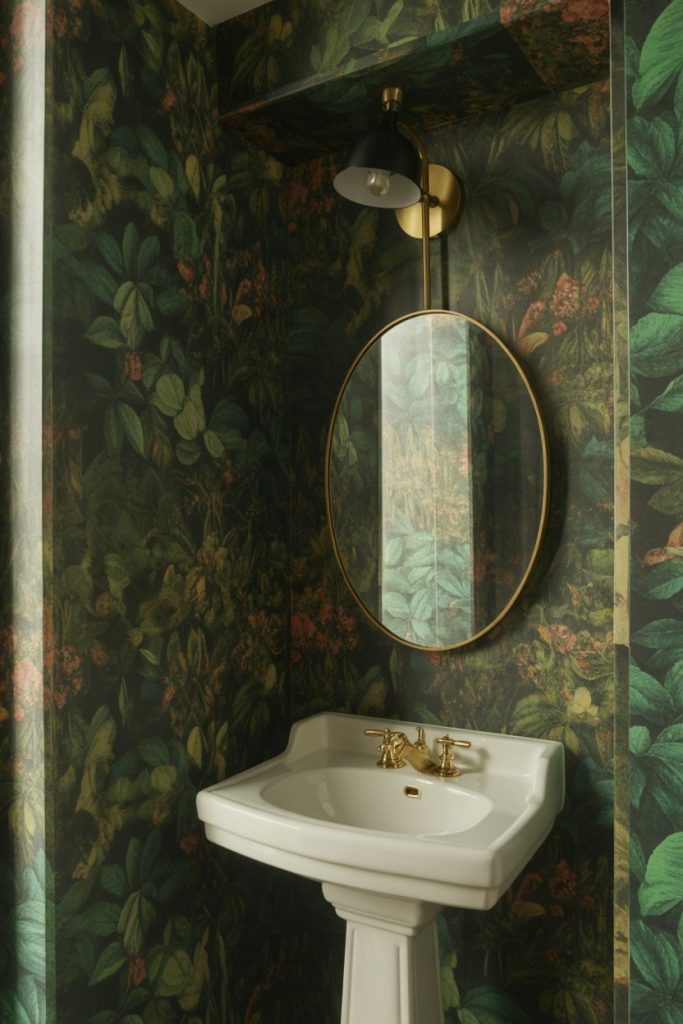
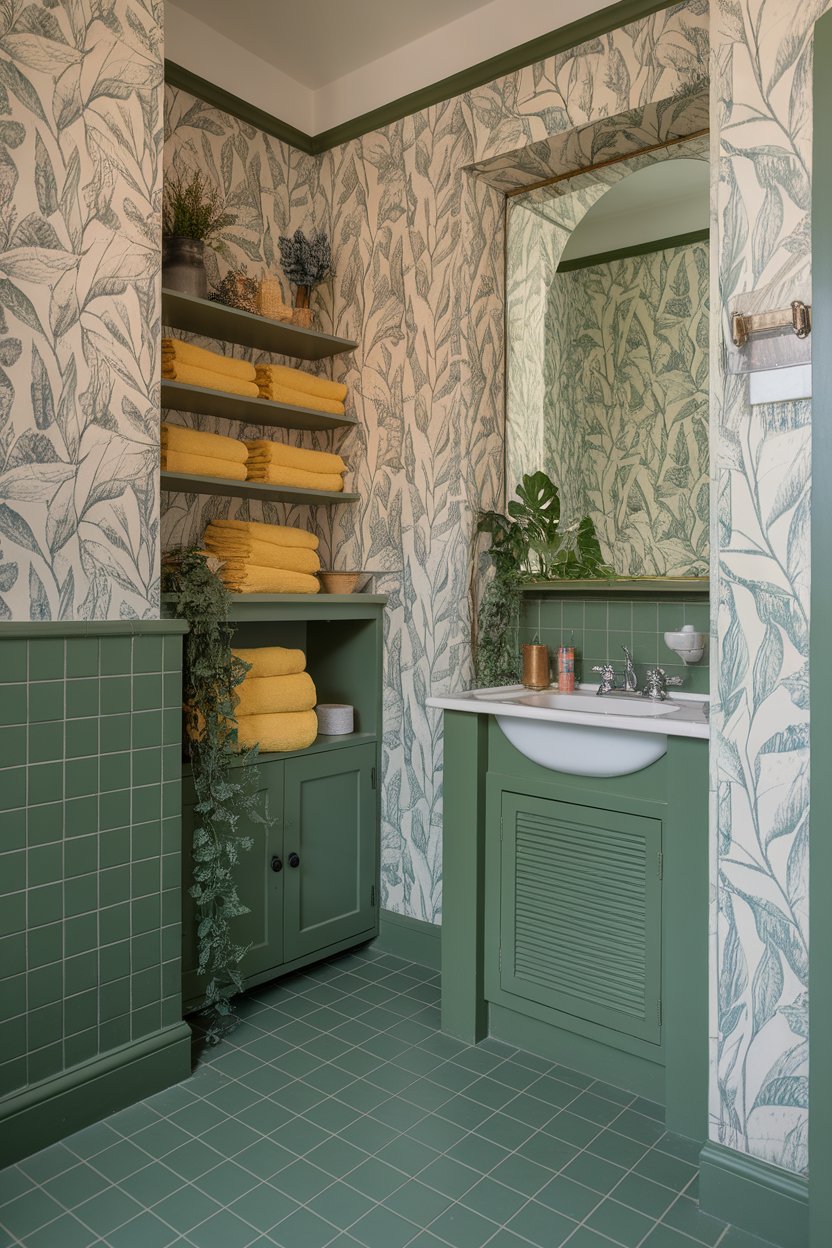
A guest bathroom or powder room is the perfect place to experiment with bold wallpaper, turning a small utilitarian space into a memorable design moment without committing to pattern throughout the entire home. This idea is especially popular among Americans who want inspiration from high-end design magazines but aren’t ready for a full renovation. Peel-and-stick options make this a DIY-friendly project that can be completed in a weekend. 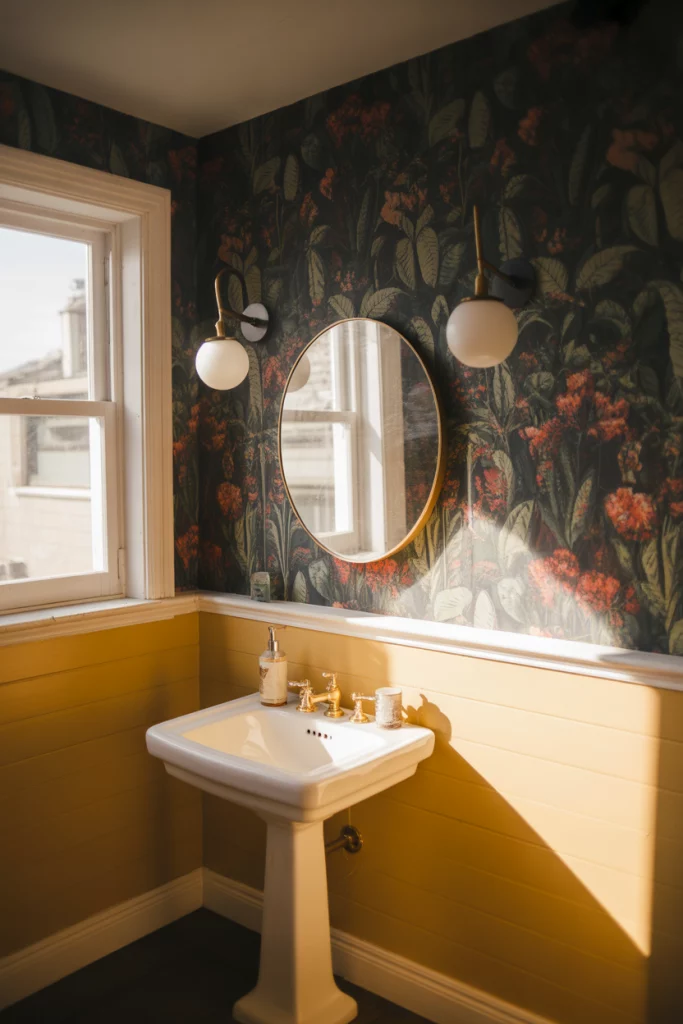
Real homeowner behavior shows that people are more adventurous in powder rooms because guests see them for only a few minutes—there’s less risk of pattern fatigue. Choose a wallpaper with a smaller repeat if the room is truly tiny, as large-scale patterns can overwhelm. And remember: if you’re renting, removable wallpaper is your friend. Just test a small section first to make sure it adheres well to your wall texture.
12. Built-In Niche Storage in the Shower
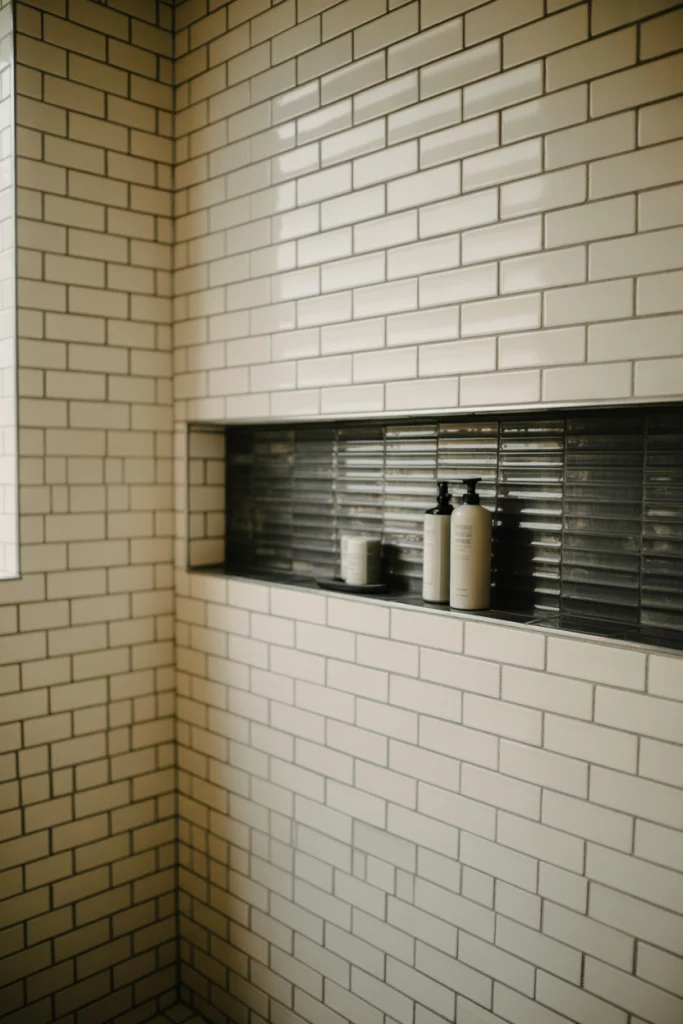
Adding a built-in tile niche during a shower renovation is a simple yet transformative upgrade that eliminates the need for hanging caddies or corner shelves, creating a streamlined, modern look. This detail is especially valued in small full bathrooms where visual clutter makes the space feel even tighter. A well-placed niche keeps shampoo and soap within reach without interrupting the clean lines of your tile work. 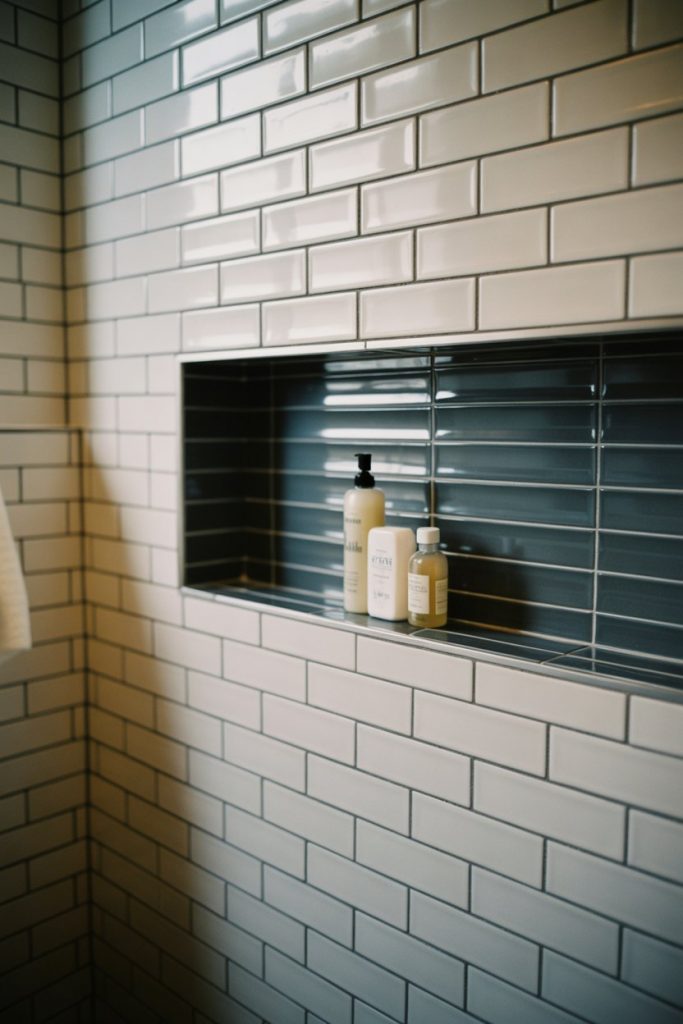
A practical insight: plan the niche location at the beginning of your tile layout, ideally between studs to avoid cutting into framing. Position it at chest height for easy access, and consider lining it with a contrasting tile or adding a bullnose edge for a polished look. Waterproofing is critical—use a foam niche insert or membrane to prevent water from seeping into the wall cavity.
13. Terrazzo Flooring for Bold Color
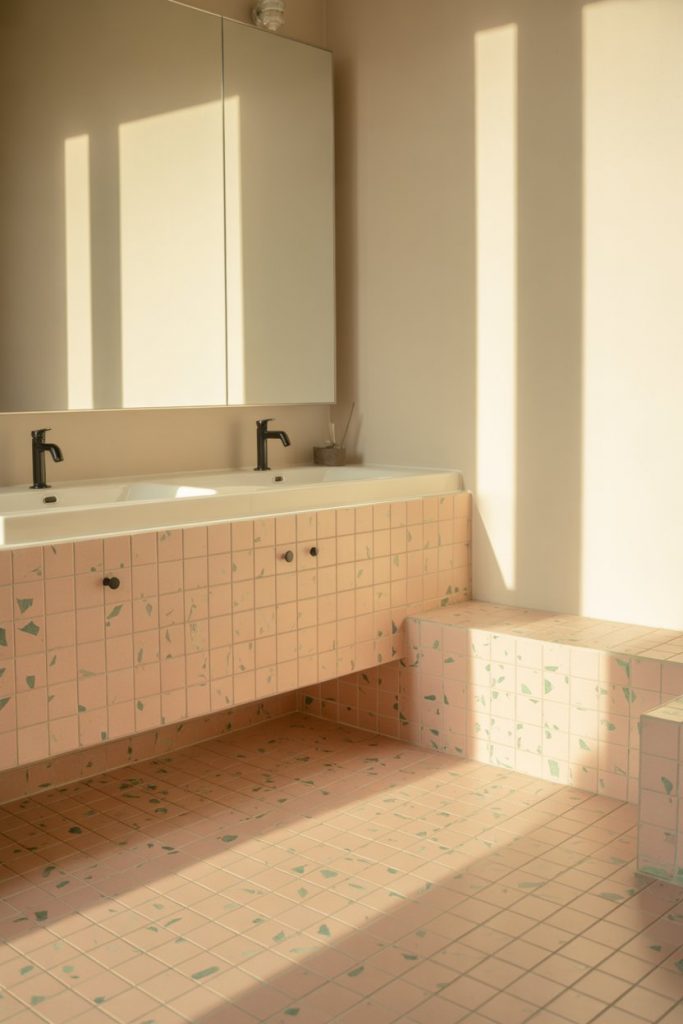
Terrazzo is making a major comeback in bathroom renovation projects, offering a playful, durable alternative to plain tile that works in everything from modern lofts to retro-inspired apartment bathrooms. The speckled surface hides dirt and water spots, making it a low-maintenance choice for high-traffic spaces. Whether you choose pre-made terrazzo tiles or poured-in-place terrazzo, this material brings color and texture without feeling too busy. 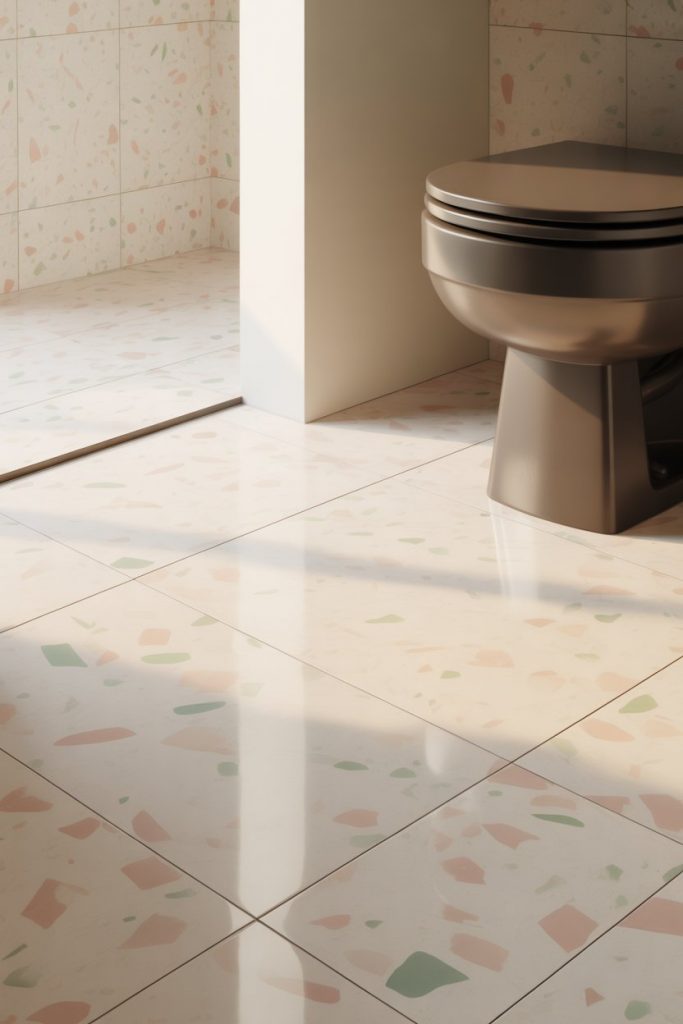
Expert-style commentary notes that terrazzo pairs beautifully with simple, solid-colored walls and fixtures—let the floor be the star. It’s especially popular in mid-century modern renovations and 1980s throwback designs, where nostalgic materials are being reimagined with fresh palettes. Budget-conscious renovators can achieve a similar look with terrazzo-look porcelain tiles, which are easier to install and more affordable than true terrazzo.
14. Heated Floors for Year-Round Comfort
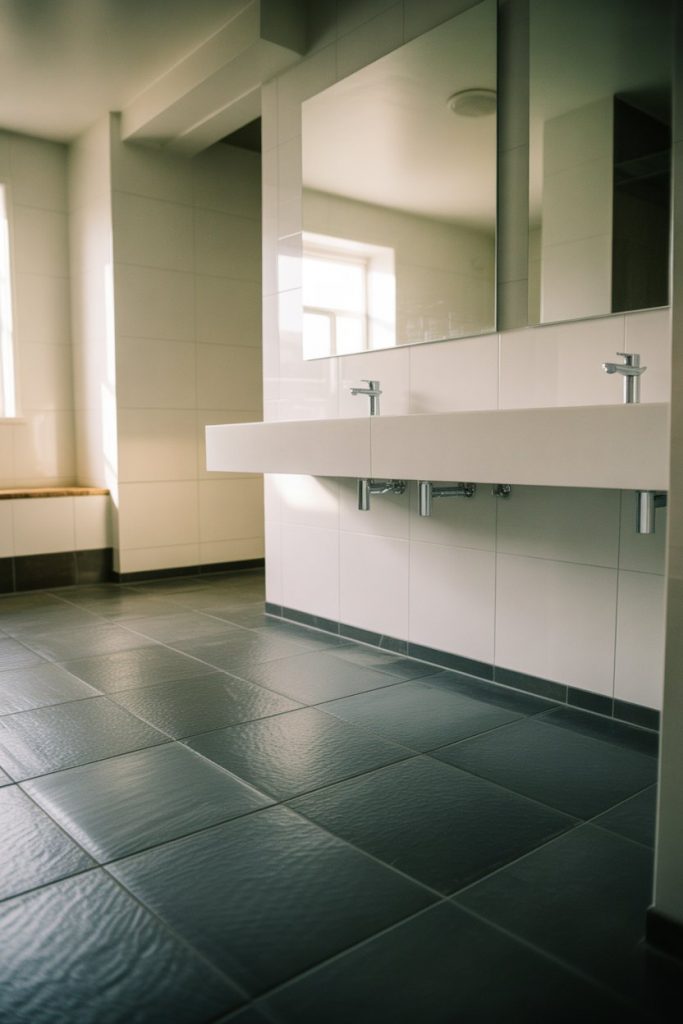
Radiant floor heating is one of those bathroom renovation ideas that seems like a splurge until you experience stepping onto a warm floor on a cold morning—then it becomes non-negotiable. Popular in northern states and mountain regions, heated floors are increasingly common in modern bathrooms where comfort and luxury are priorities. The system can be installed under tile, stone, or even luxury vinyl, making it adaptable to various budgets and styles.
American lifestyle context: In states like Minnesota, Colorado, and Vermont, heated floors are considered a must-have rather than a luxury. Installation costs have come down significantly with the rise of electric mat systems that DIYers can install before laying tile. The operating cost is minimal—most homeowners run them only in the morning and evening—and the warmth makes tile or stone flooring much more comfortable underfoot.
15. Freestanding Tub as a Focal Point
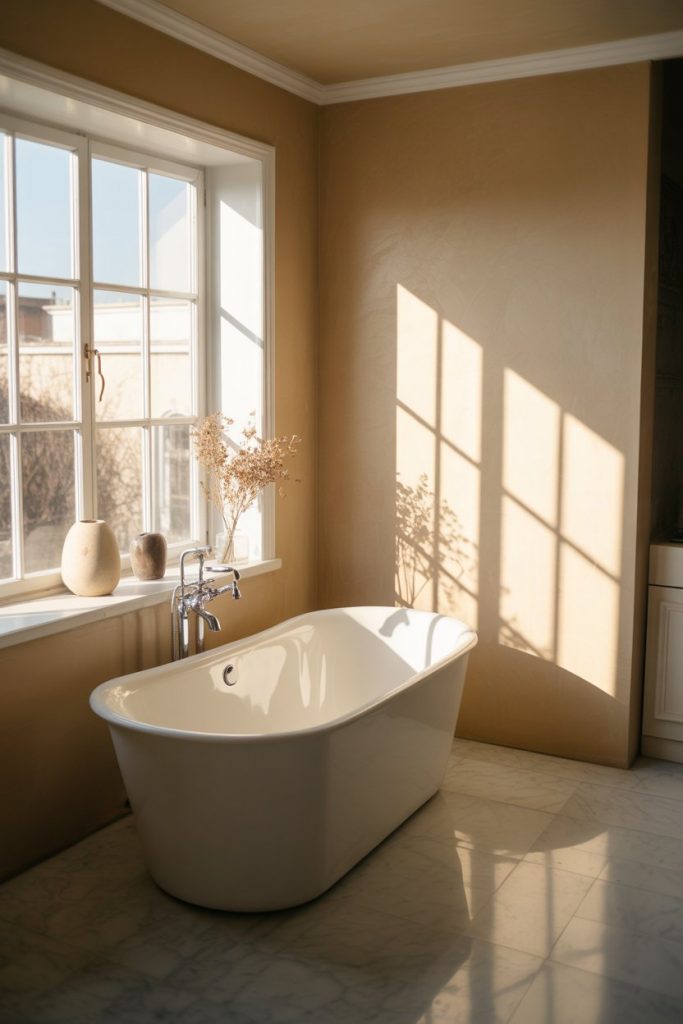
A freestanding tub anchors the room and creates a spa-like atmosphere, making it a top inspiration for homeowners renovating primary bathrooms withenough square footage to accommodate one. Unlike built-in tubs, freestanding versions come in a range of styles—from sleek modern ovals to vintage slipper tubs—allowing you to customize the look to match your home’s aesthetic. This is a statement piece that immediately elevates the entire space. 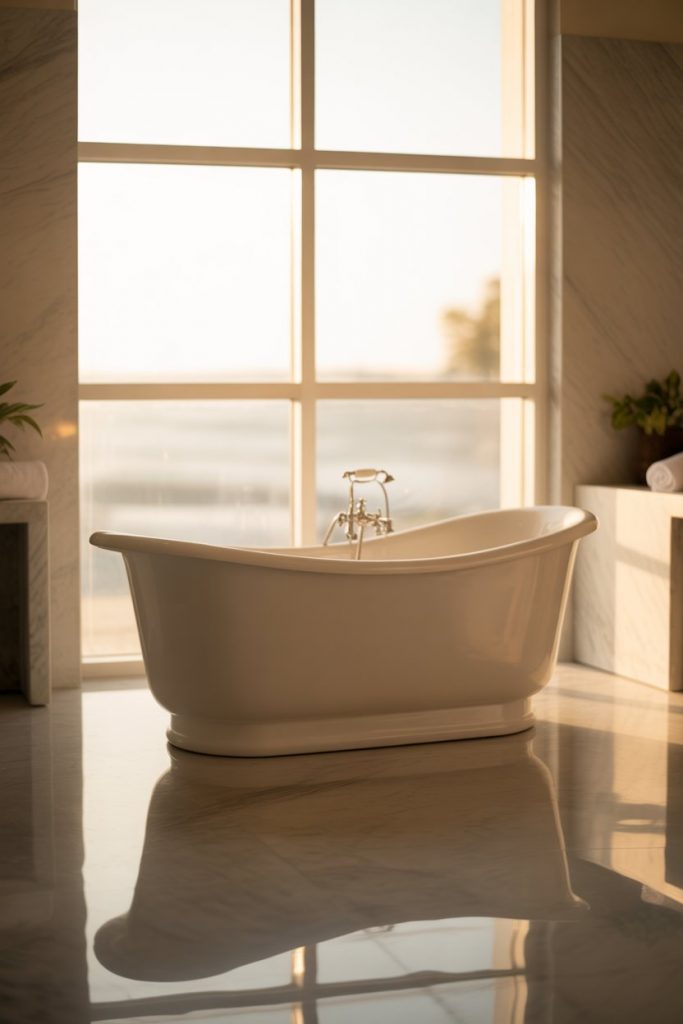
Budget and price angle: Freestanding tubs range from $500 to $5,000+ depending on material and finish, but you can find quality acrylic models in the $800–$1,200 range that offer great value. Installation is more complex than a built-in tub since you need to run plumbing across the floor, so budget for professional help unless you’re experienced with plumbing. The payoff is a bathroom that feels more like a retreat than a utilitarian space.
16. Vintage Medicine Cabinet with Mirror
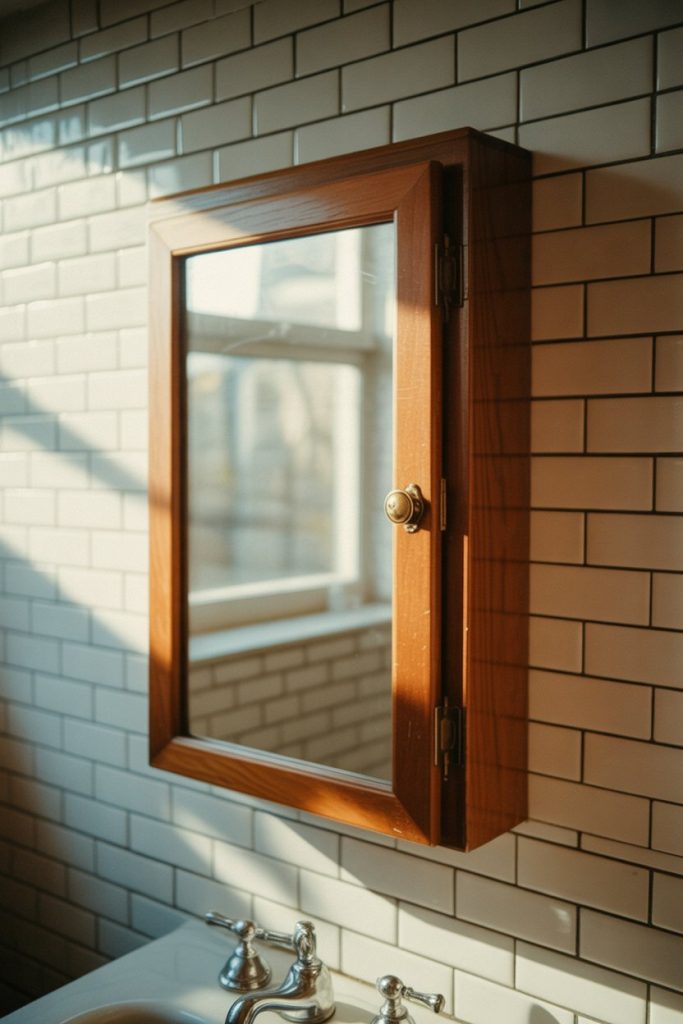
Reclaimed vintage medicine cabinets bring character and hidden storage into small spaces, and they’re a favorite DIY find for homeowners scouring salvage yards and estate sales. These cabinets often feature charming details like etched glass, beveled mirrors, and solid wood construction that’s hard to find in modern reproductions. Installing one is an easy, cheap way to add personality while solving the perennial bathroom storage problem. 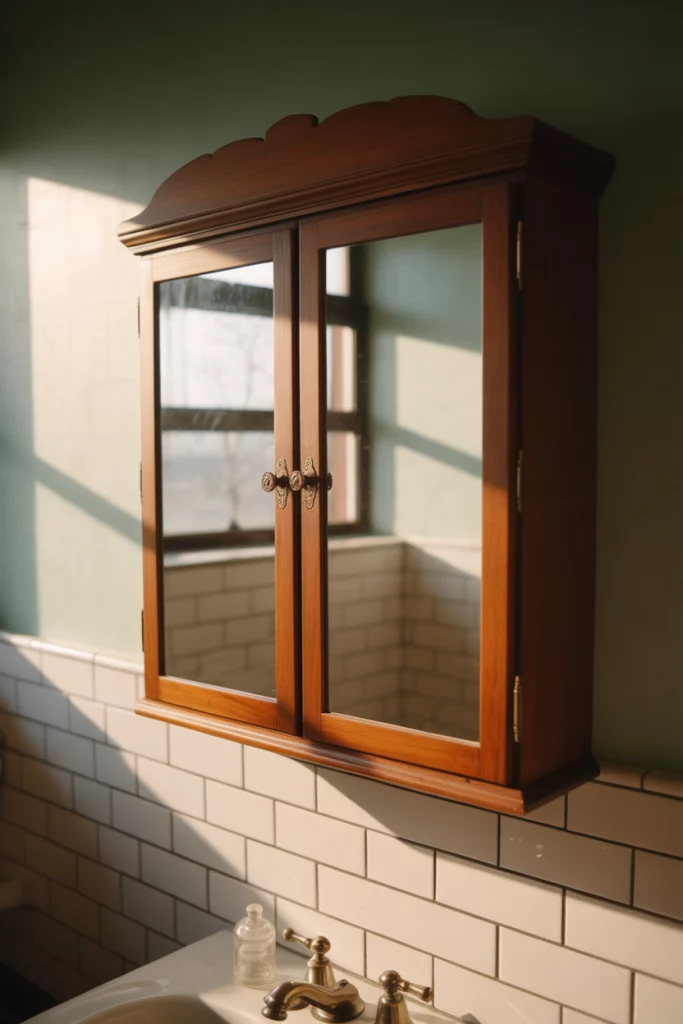
A micro anecdote: A homeowner in Nashville found a 1940s medicine cabinet at a flea market for $35, cleaned it up, and made it the centerpiece of her powder room renovation. The trick is making sure the cabinet is properly sealed and that any rust or damaged areas are repaired before installation. Pair it with period-appropriate fixtures, or go for an eclectic mix—vintage cabinet with modern black matte faucets can look surprisingly fresh.
17. Sliding Barn Door for Space Efficiency
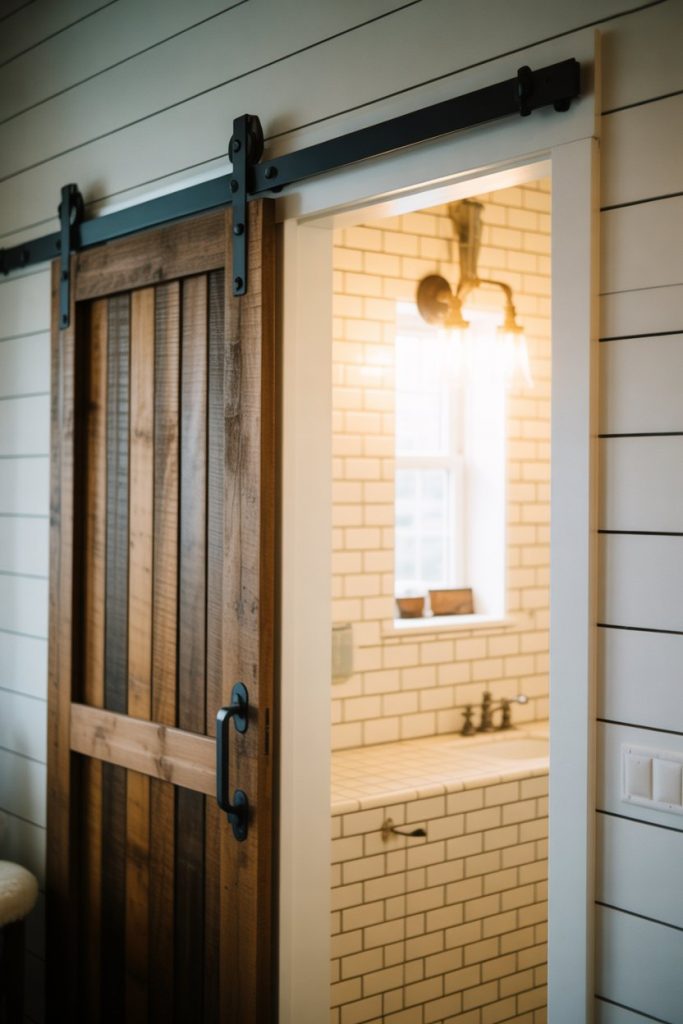
In tiny bathrooms where a swinging door eats up precious floor space, a sliding barn door offers a simple, stylish solution that’s become especially popular in farmhouse-style renovations and RV conversions. The barn door hardware is widely available, relatively cheap, and can be installed as a DIY project in a single afternoon. It also adds texture and visual interest to what’s often a blank wall. 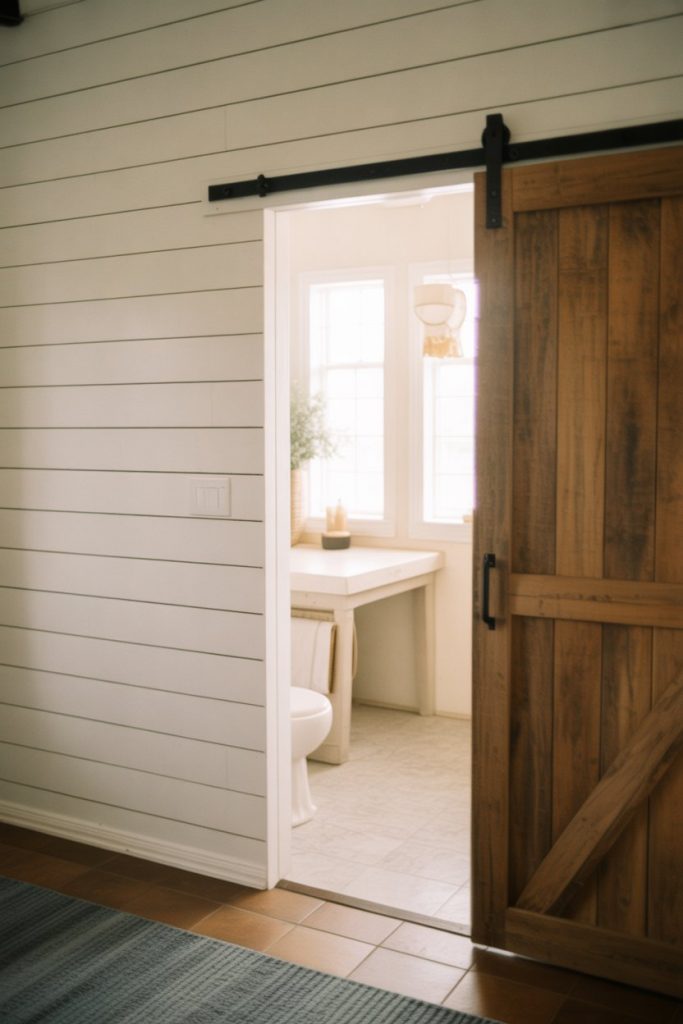
Where it works best: Narrow hallways, basement bathrooms, or any space where door swing clearance is an issue. Just keep in mind that barn doors don’t seal as tightly as traditional doors, so they’re not ideal if sound privacy is a top concern. Use soft-close hardware to prevent slamming, and consider adding a small privacy lock if the bathroom will be used by guests.
18. Mosaic Tile Accent Wall

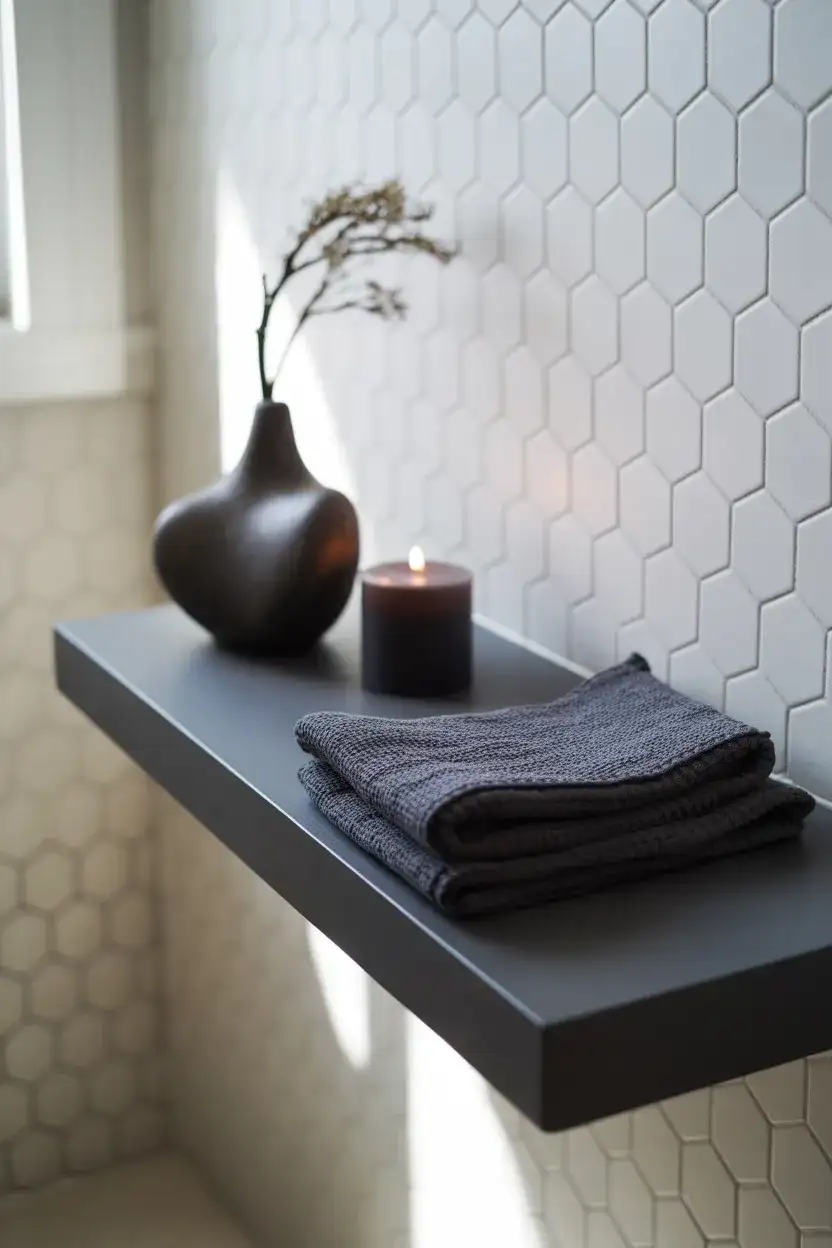
Creating a mosaic tile accent wall behind the vanity or in the shower is a way to inject color and pattern into an otherwise basic bathroom, and it’s a popular inspo for homeowners who want a custom look without renovating the entire room. Small-format tiles like penny rounds, hexagons, or glass mosaics add texture and visual interest while still feeling cohesive when paired with neutral field tiles. This idea works beautifully in both modern and traditional settings. 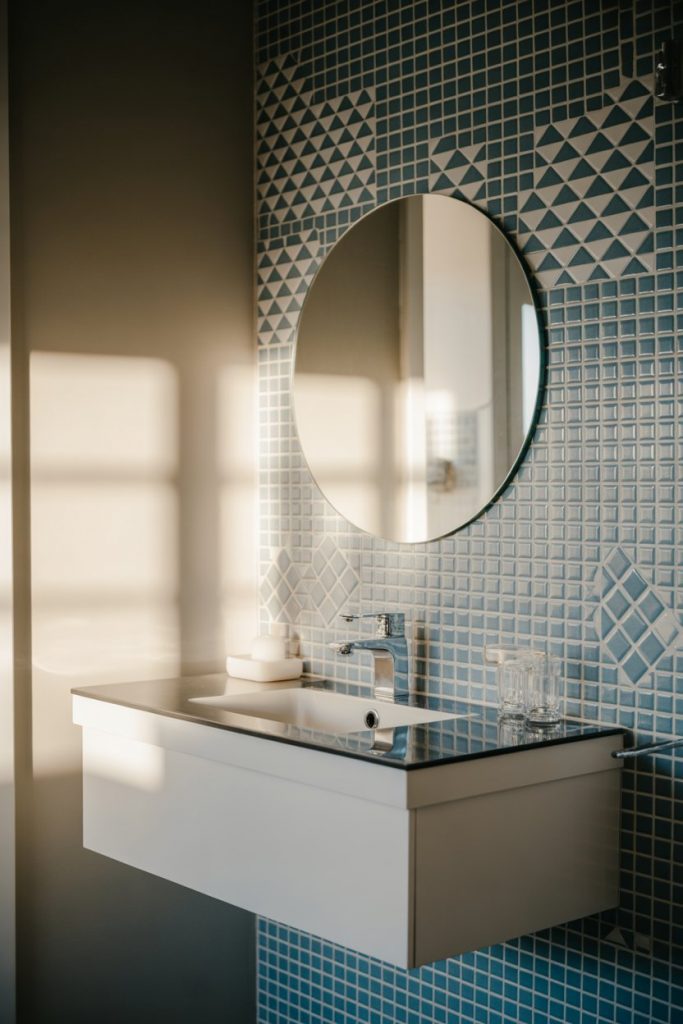
Common mistakes include using too many colors or patterns in one small bathroom, which can feel chaotic rather than intentional. Limit your mosaic to one wall and keep everything else simple—white or neutral tiles, minimal hardware, clean lines. This restraint allows the mosaic to shine without overwhelming the space. Pre-mounted mosaic sheets make installation much easier and ensure consistent spacing.
19. Concrete Countertops for Industrial Style
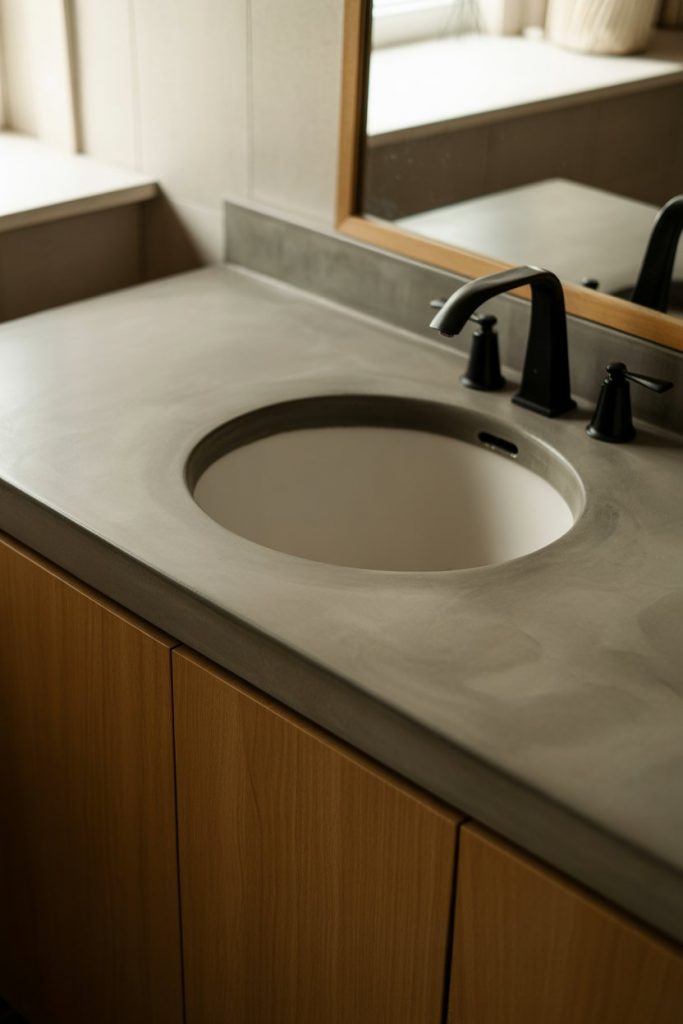
Poured concrete countertops bring an industrial, modern edge to bathroom vanities, and they’re surprisingly customizable in terms of color, finish, and edge detail. This idea has gained traction among homeowners renovating loft-style apartments or contemporary homes where raw materials are celebrated rather than concealed. Concrete is durable, heat-resistant, and can be sealed to resist water and stains, making it practical as well as stylish. 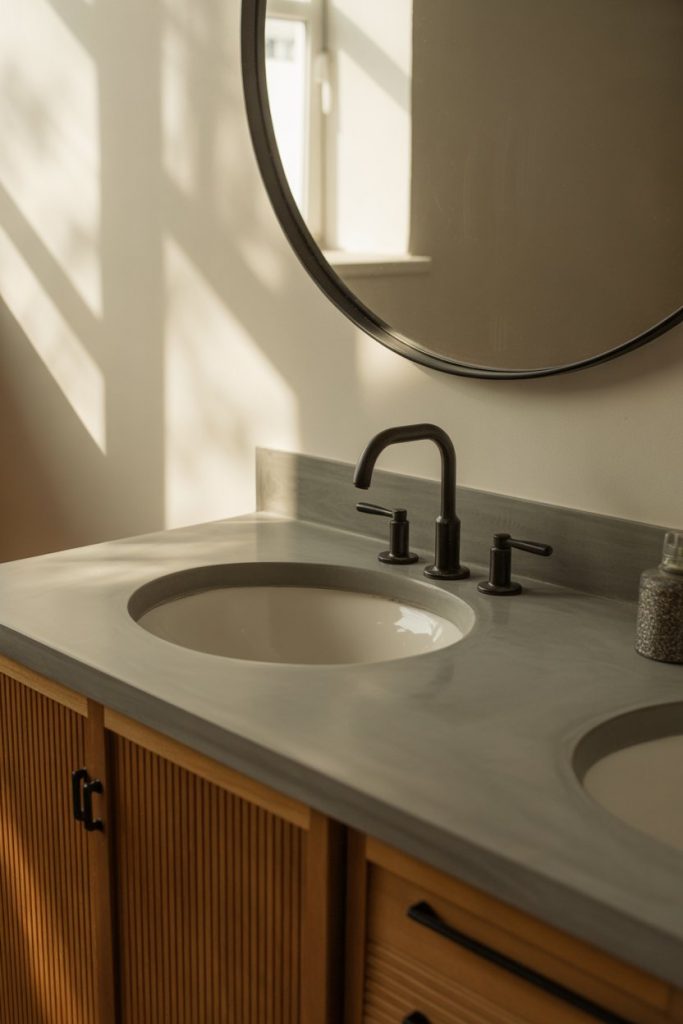
Budget angle: DIY concrete countertops are possible with pre-mixed kits, but getting a professional finish requires patience and attention to detail. Expect to spend $50–$100 per square foot for professionally poured and sealed concrete, which is competitive with high-end quartz or marble. The key is proper sealing—reapply every year or two to maintain water resistance and prevent staining, especially around the sink area.
20. Skylight for Natural Light
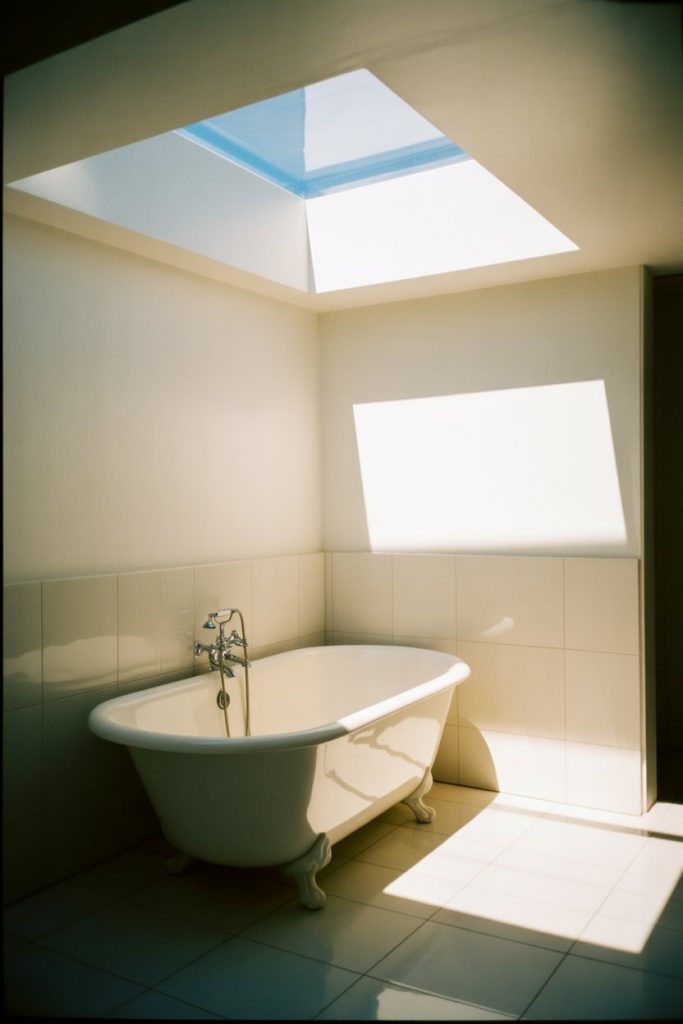
Adding a skylight to a bathroom is one of the most transformative bathroom renovation ideas for small spaces that lack windows, flooding the room with natural light and making it feel dramatically larger. This upgrade is especially impactful in Victorian or older homes where original bathrooms were often landlocked in the center of the house. A skylight also provides ventilation when opened, which is a bonus in humid climates or bathrooms without exterior walls. 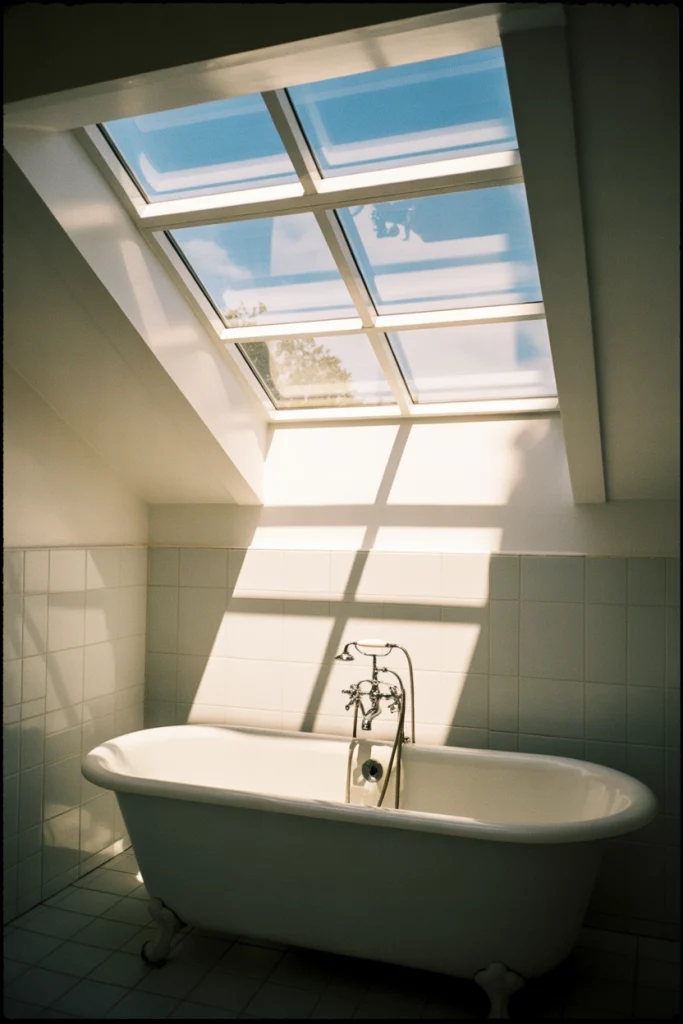
Real homeowner behavior shows that skylights are often the final piece of a renovation puzzle, installed after other updates are complete. Professional installation is essential to ensure proper flashing and waterproofing—this isn’t a DIY project. In snowy climates, choose a skylight rated for heavy snow loads, and consider adding a shade or blind to control light and heat during summer months.
21. Colorful Grout for Subtle Pop
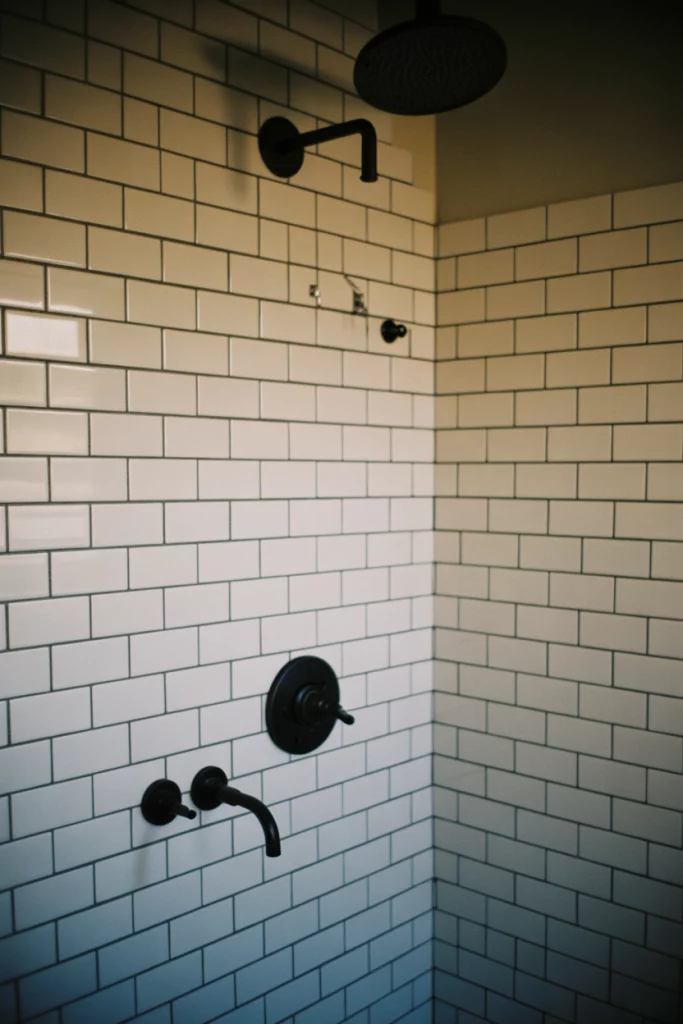
While white grout is the safe, simple choice, using colored grout—charcoal, navy, or even terracotta—adds dimension and personality without the commitment of patterned tile. This easy, relatively cheap trick is a favorite among DIY renovators who want to make a statement in a small bathroom or powder room. Darker grout also hides dirt and staining better than white, making it a practical choice for families or high-traffic guest bathrooms. 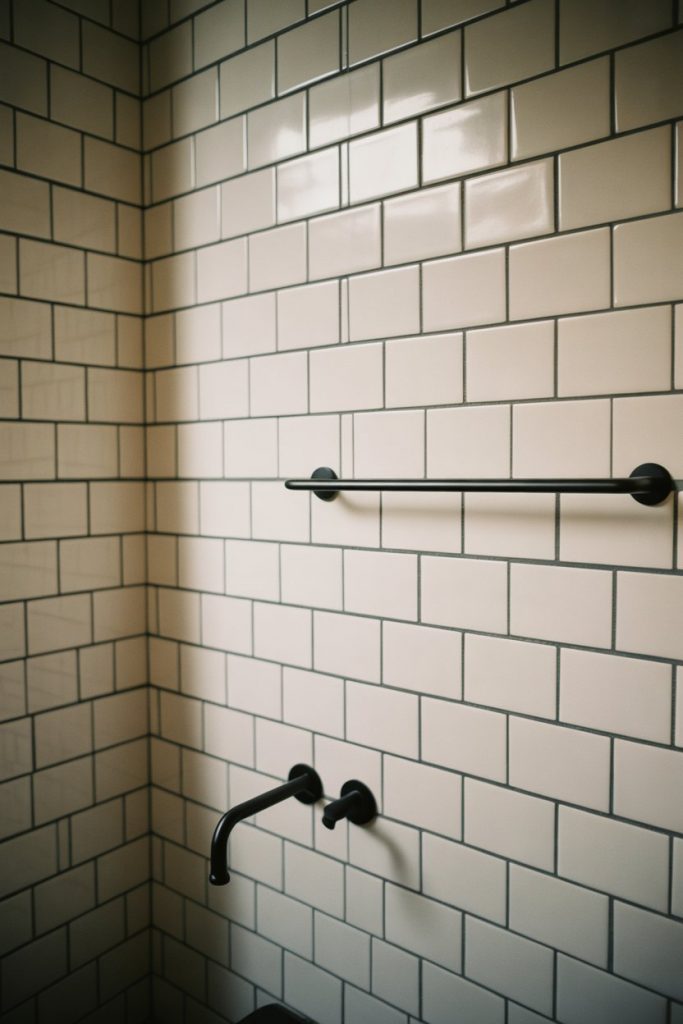
Expert-style commentary notes that colored grout can make even basic white tile look custom and intentional. The key is choosing a grout color that complements your fixtures and overall palette—gray or black for modern bathrooms, warm tan or beige for farmhouse styles. Sanded grout works best for wider grout lines (1/8″ or more), while unsanded is ideal for tight joints. Seal it properly to maintain color and prevent staining.
22. Floating Vanity for Modern Minimalism
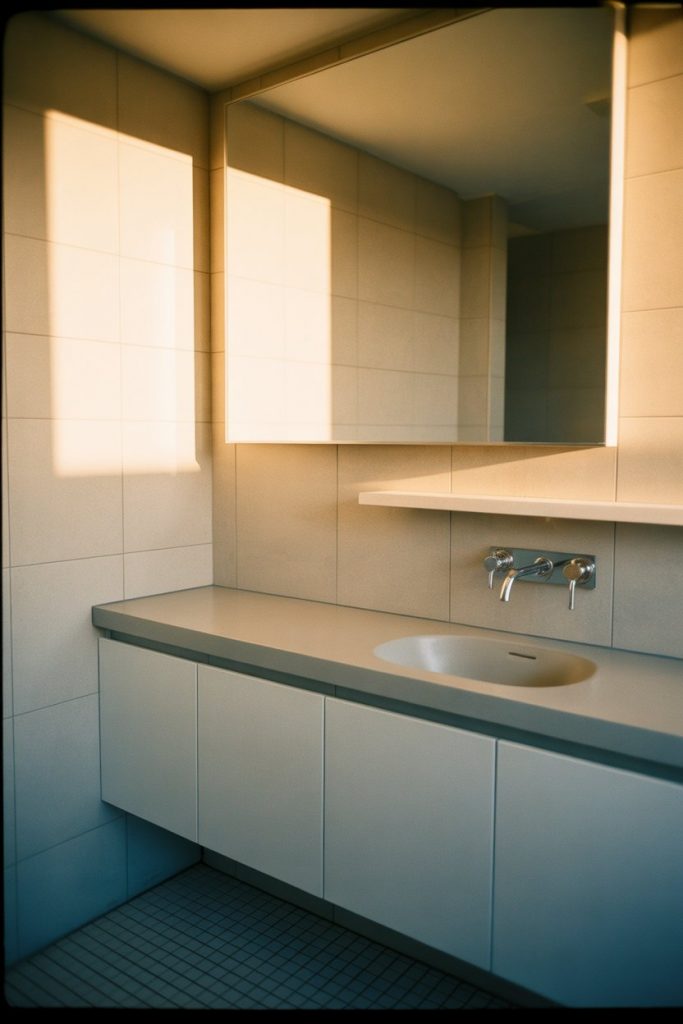
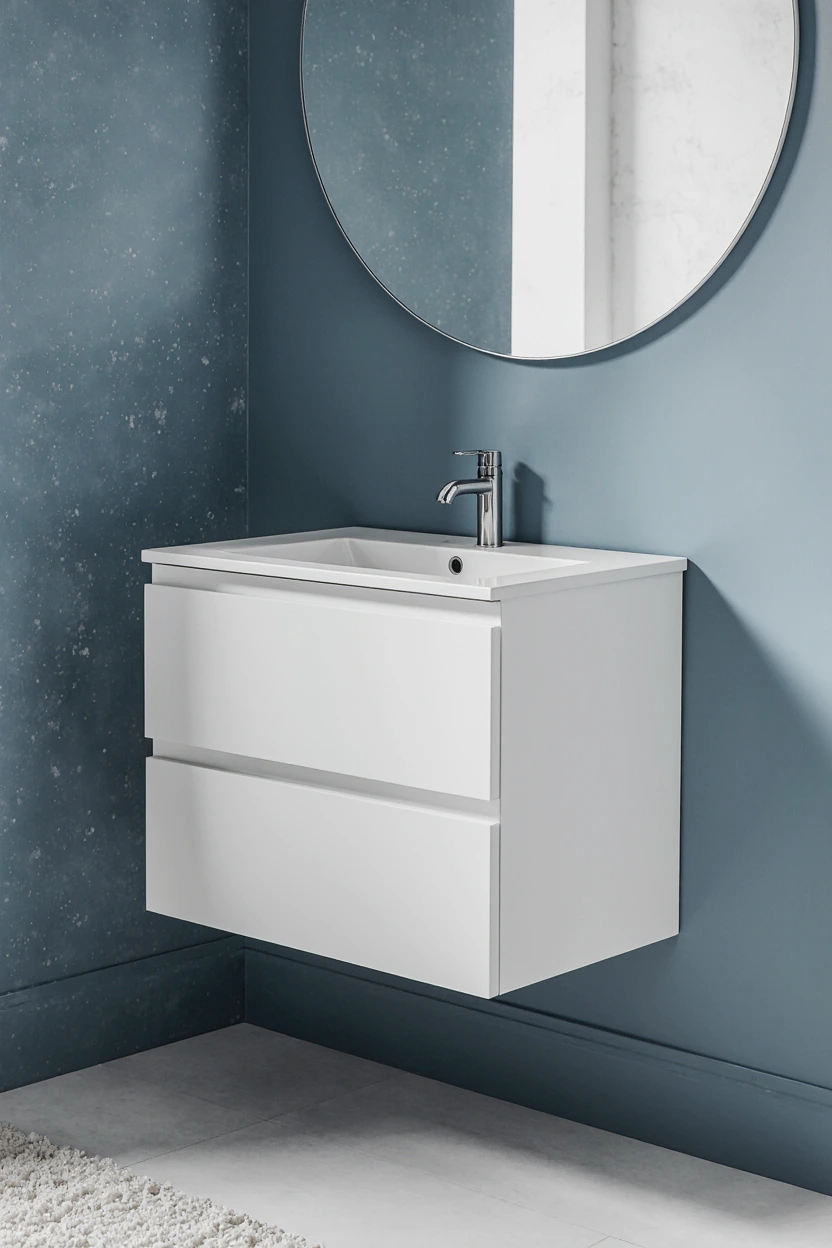
Wall-mounted floating vanities create the illusion of more floor space in small bathrooms, and they’re a staple of modern design that’s become increasingly popular in American apartment renovations and new construction. The open space beneath makes cleaning easier and allows you to tuck a small stool or basket underneath. This idea also showcases beautiful flooring—whether it’s tile, hardwood, or luxury vinyl—by keeping it visible from wall to wall. 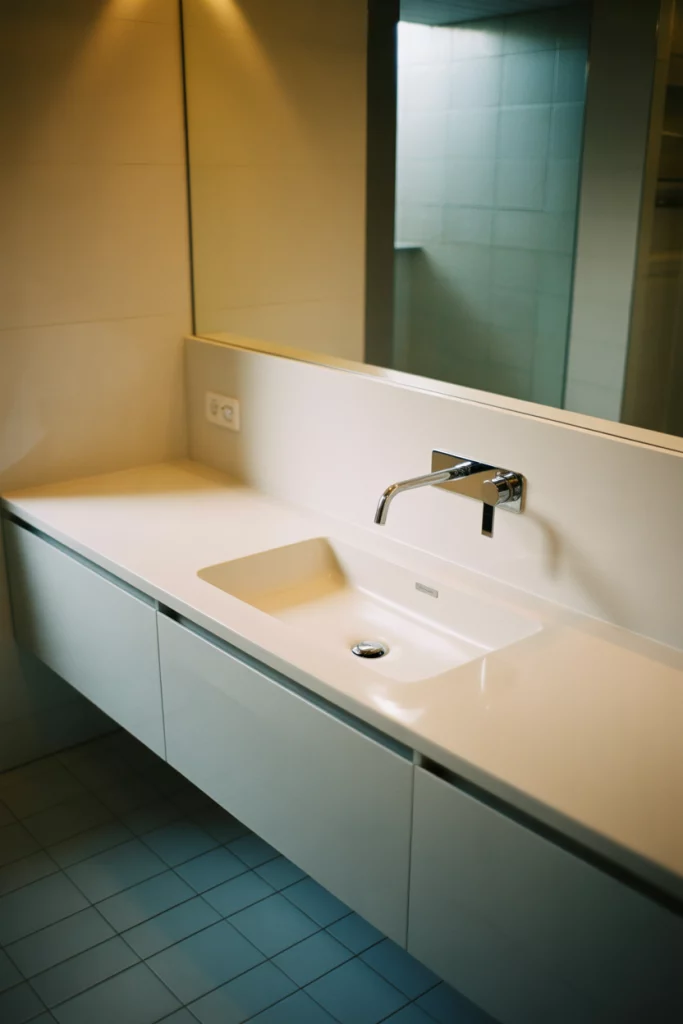
Practical insight: Floating vanities require solid wall anchoring—make sure to locate studs or use appropriate wall anchors rated for the weight of the cabinet plus countertop and sink. Storage is more limited than with a traditional vanity, so this works best for minimalists or in powder rooms where you don’t need to store much. Pair it with a mirrored medicine cabinet to make up for lost storage space.
23. Natural Wood Accents for Warmth
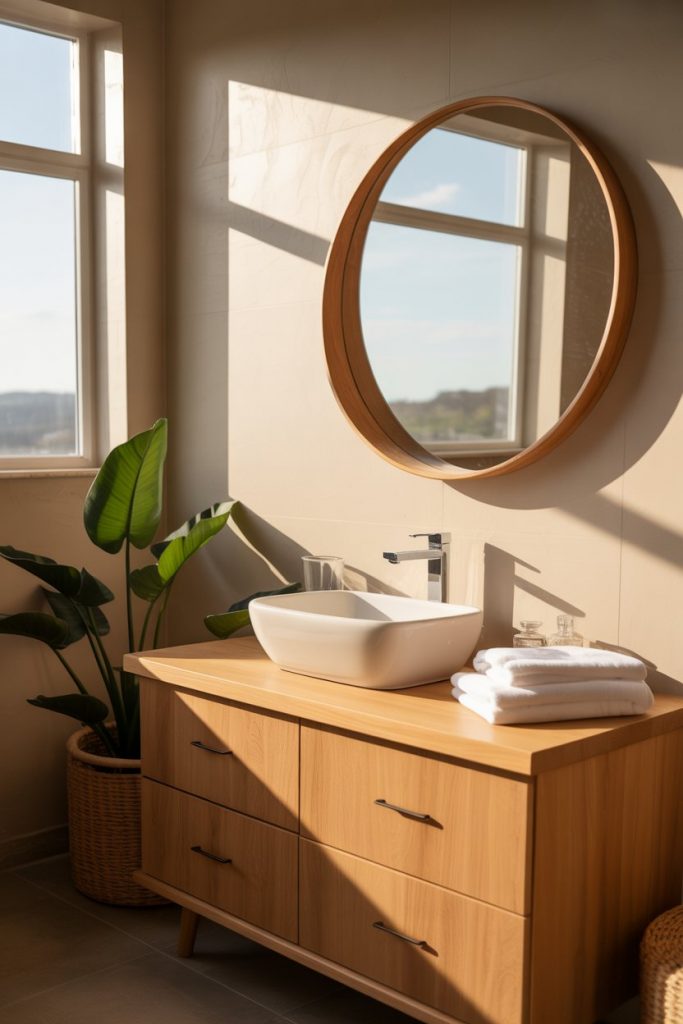
Incorporating natural wood—whether through a vanity, shelving, or mirror frame—brings warmth and organic texture into bathrooms that might otherwise feel cold or sterile. This approach is especially popular in modern farmhouse, Scandinavian, and coastal-inspired bathroom renovation projects where the goal is to create a calming, spa-like retreat. Wood adds a human element that balances hard surfaces like tile and stone, making the space feel inviting and lived-in. 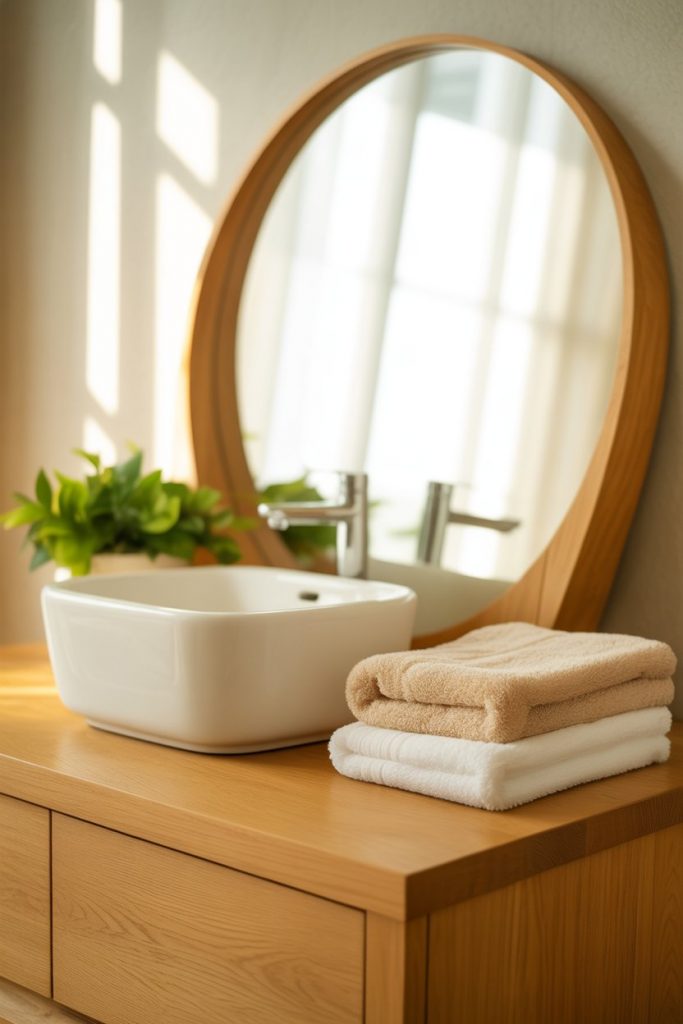
American lifestyle context reveals that homeowners in the Pacific Northwest, New England, and mountain regions gravitate toward wood accents as a way to bring the outdoors in and create a cozy, cabin-like feel. The key is choosing wood that’s been properly sealed for bathroom use—look for water-resistant finishes or naturally moisture-resistant species like teak or cedar. Even small touches, like a wooden stool or floating shelf, can transform the entire mood of the room.
Conclusion
These bathroom renovation ideas offer a range of styles, budgets, and approaches to help you create a space that’s both beautiful and functional in 2026. Whether you’re tackling a full remodel or just refreshing a few details, the key is choosing updates that reflect your personal style and meet your daily needs. We’d love to hear which ideas resonate with you—drop a comment below and share your favorite bathroom inspiration or any tips from your own renovation journey.