The living room has always been the heart of the American home, but in 2026, it’s evolving into something far more personal and intentional. From Pinterest boards flooded with cozy textures to searches for Bali-style serenity and modern minimalism, homeowners are seeking spaces that reflect their values, lifestyles, and aesthetic dreams. Whether you’re drawn to the refined elegance of Ralph Lauren interiors or the curated warmth of Anthropologie, this year is about creating living rooms that feel like sanctuaries. In this guide, we’re exploring 22 inspiring ideas that capture the most searched-for trends, from tiny apartment solutions to dream designs that make a statement.
1. Ralph Lauren Aesthetic Elegance
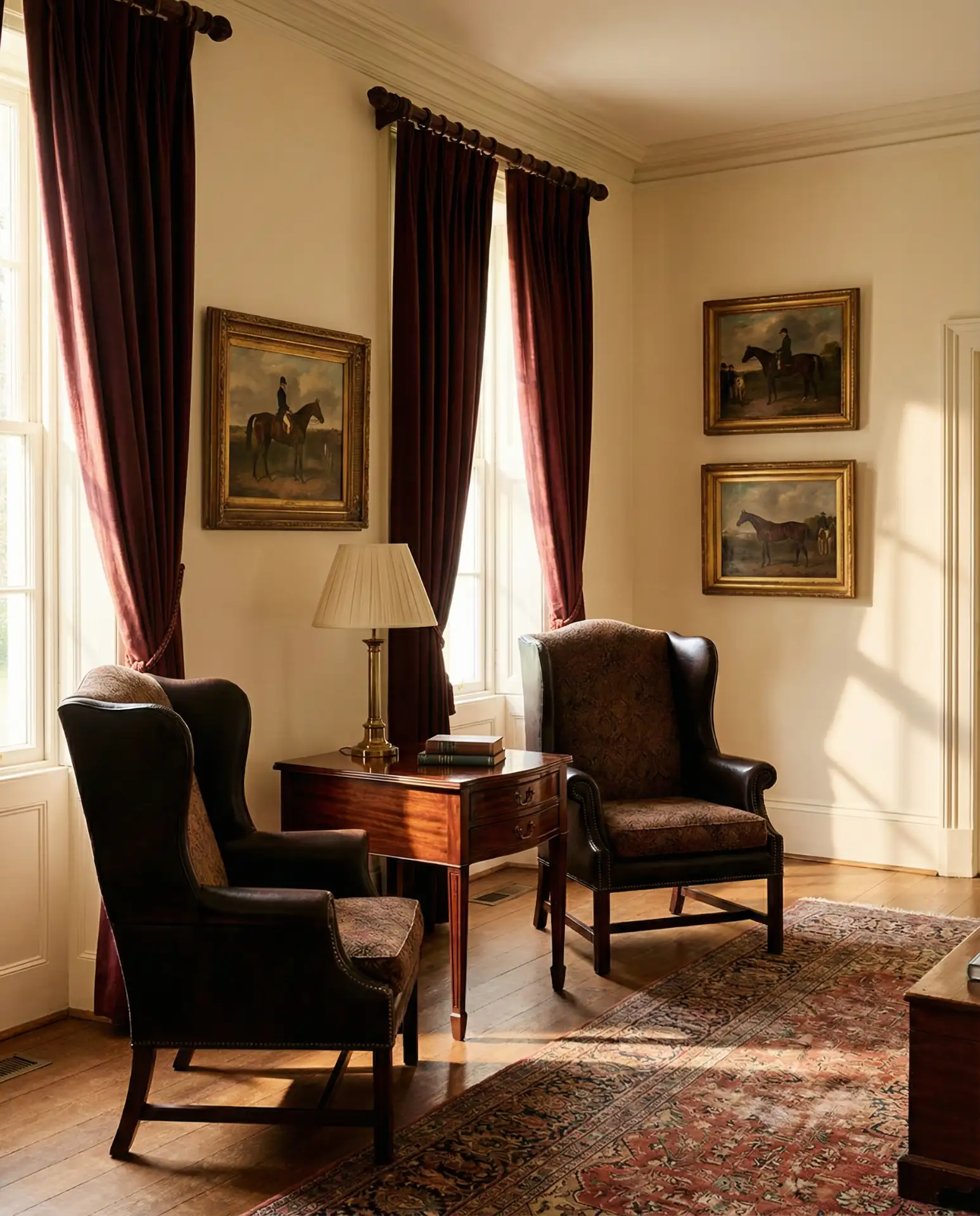
The Ralph Lauren aesthetic brings timeless sophistication to the living room with rich leather seating, equestrian-inspired accents, and layered textiles in deep greens, navy, and cognac. This style celebrates classic American luxury—think club chairs, brass lamps, and shelves lined with vintage books. It’s the kind of interior design that feels both curated and lived-in, perfect for anyone who wants their home to exude quiet confidence and heritage charm.
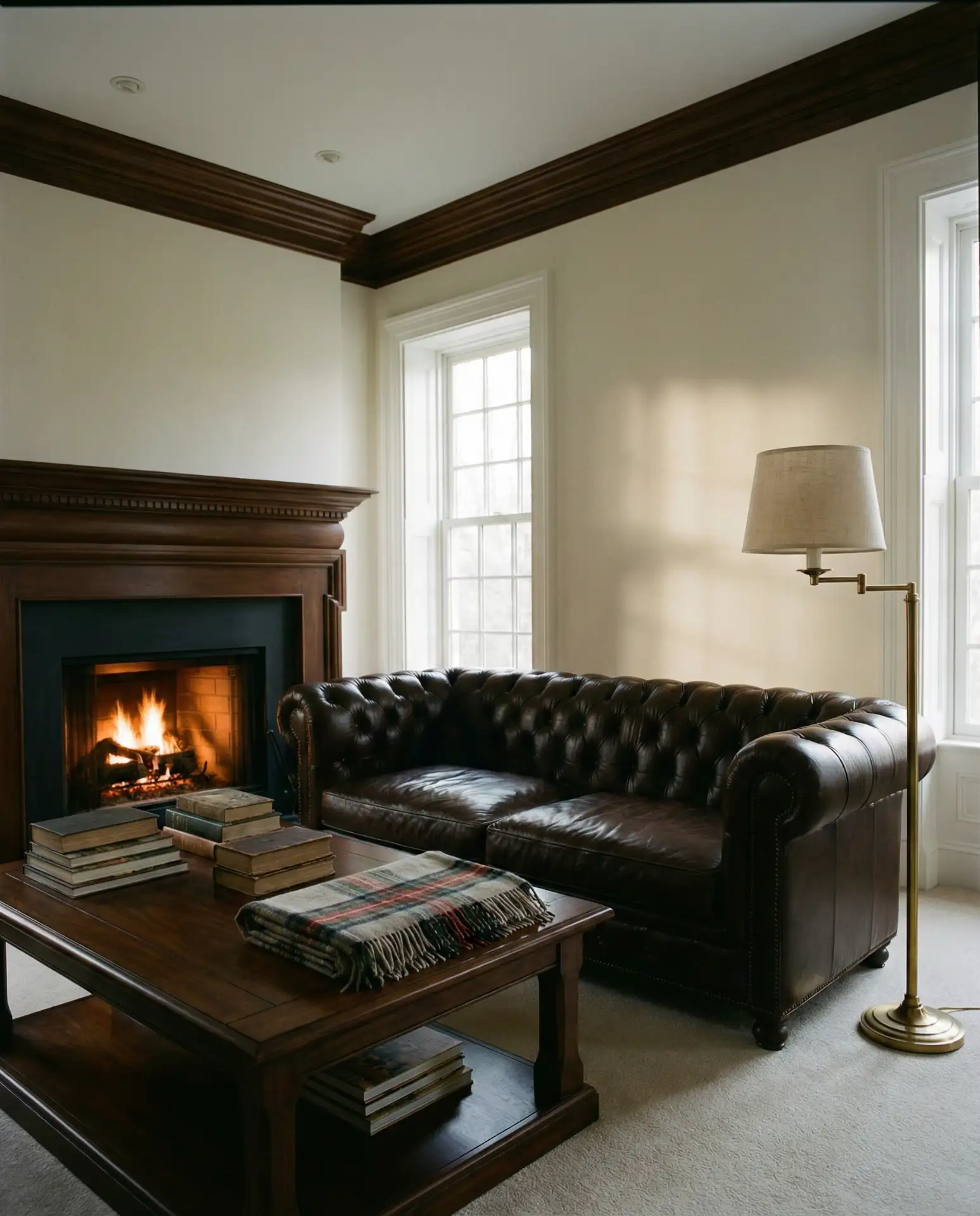
This look works best in homes with architectural character—older builds with wood trim, built-ins, or fireplaces. The key is restraint: avoid over-styling, and let each piece speak for itself. A common mistake is buying everything new; instead, hunt for vintage finds at estate sales or antique shops to achieve that authentic, collected-over-time feel that makes Ralph Lauren interiors so compelling.
2. Bali-Style Serenity
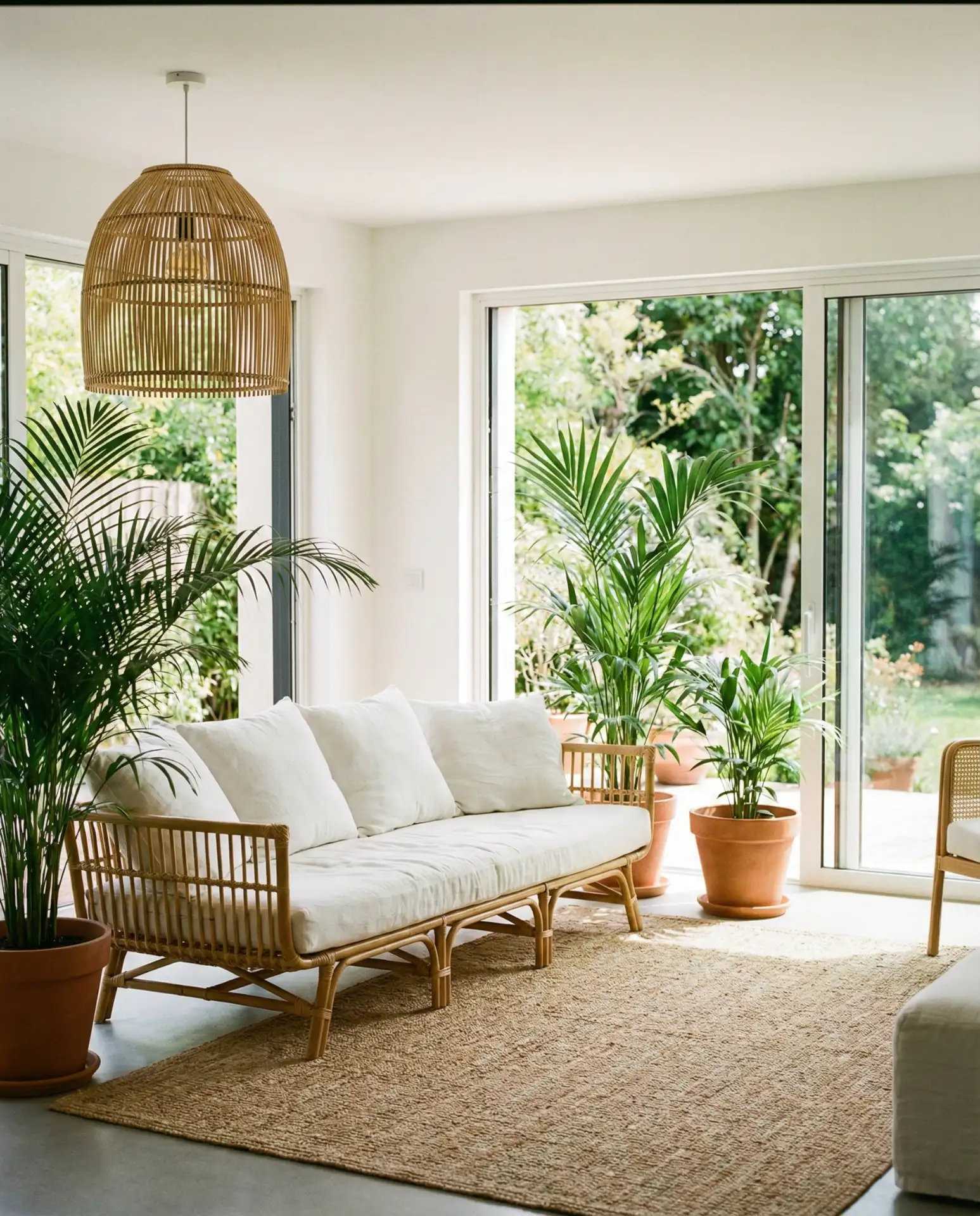
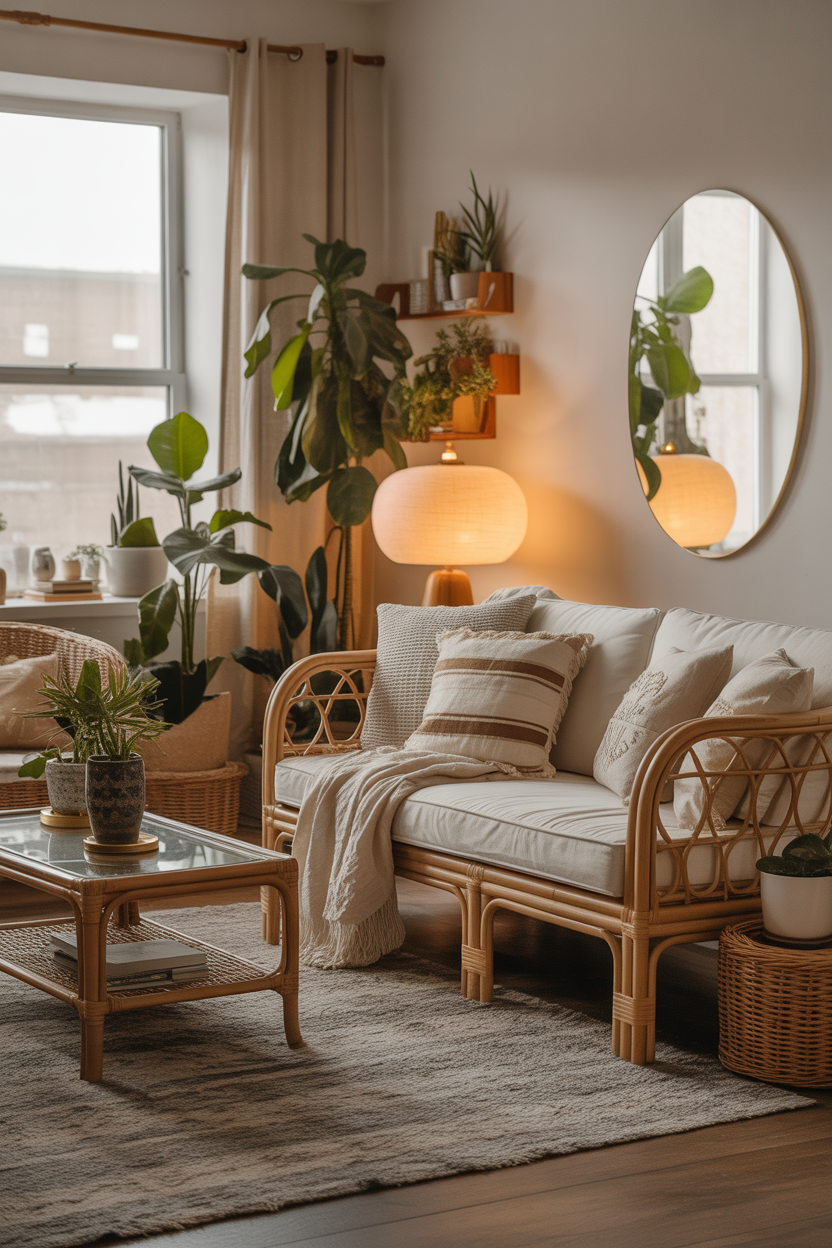
Bringing Bali style into your living room means embracing natural materials, open layouts, and a connection to nature. Rattan furniture, woven pendants, and teak wood accents create a tropical yet sophisticated vibe that feels effortlessly calming. This approach to interior design prioritizes airiness and organic textures, making it ideal for homes in warmer climates or anyone craving a vacation-like atmosphere year-round.
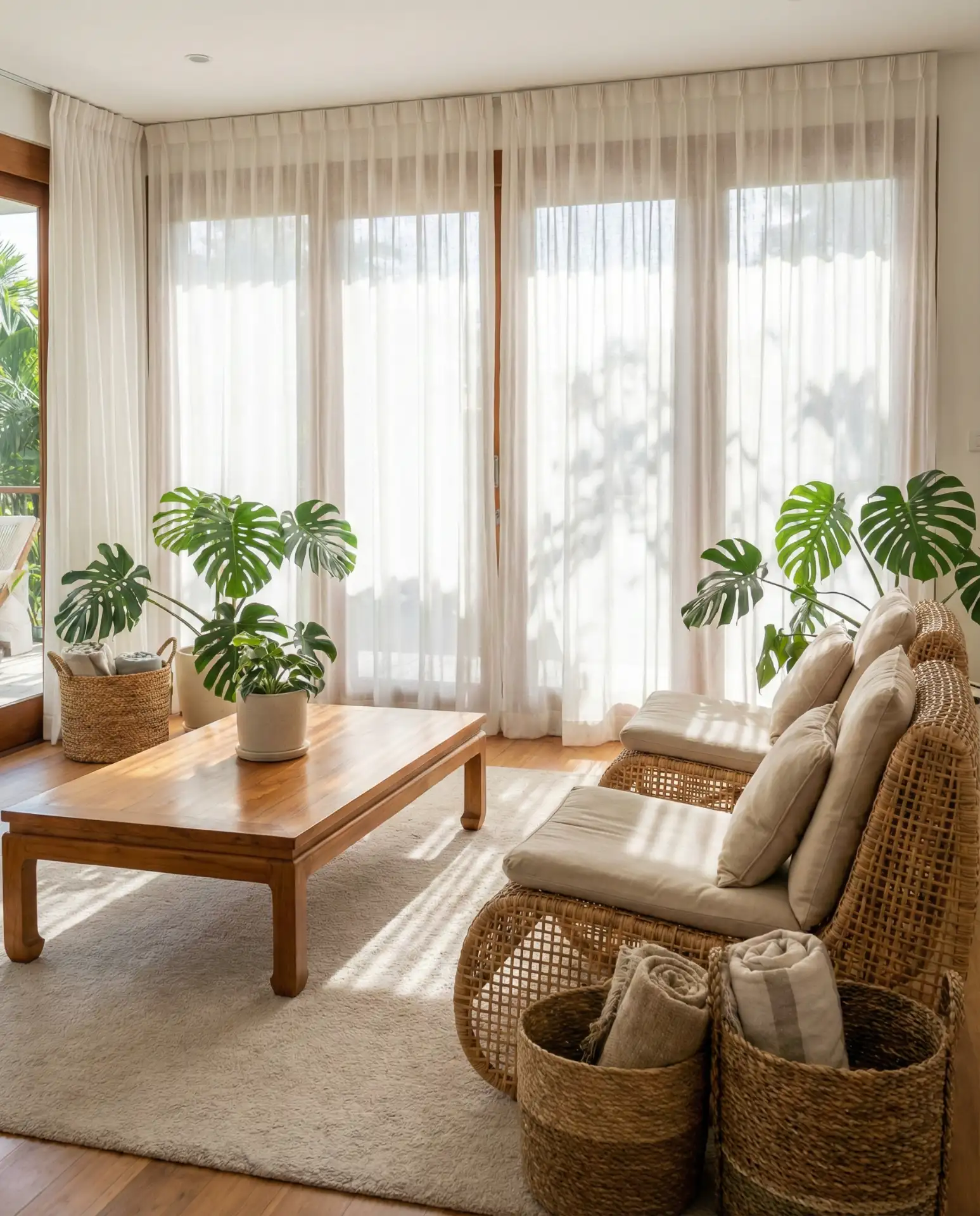
In Southern California and Florida, this style has gained traction among homeowners looking to blur indoor-outdoor boundaries. A neighbor in San Diego recently transformed her living room with just a few key swaps—adding a banana leaf plant, switching to linen slipcovers, and installing a rattan ceiling fan—and the space instantly felt like a beachside retreat without a full renovation.
3. Cozy Layered Textures
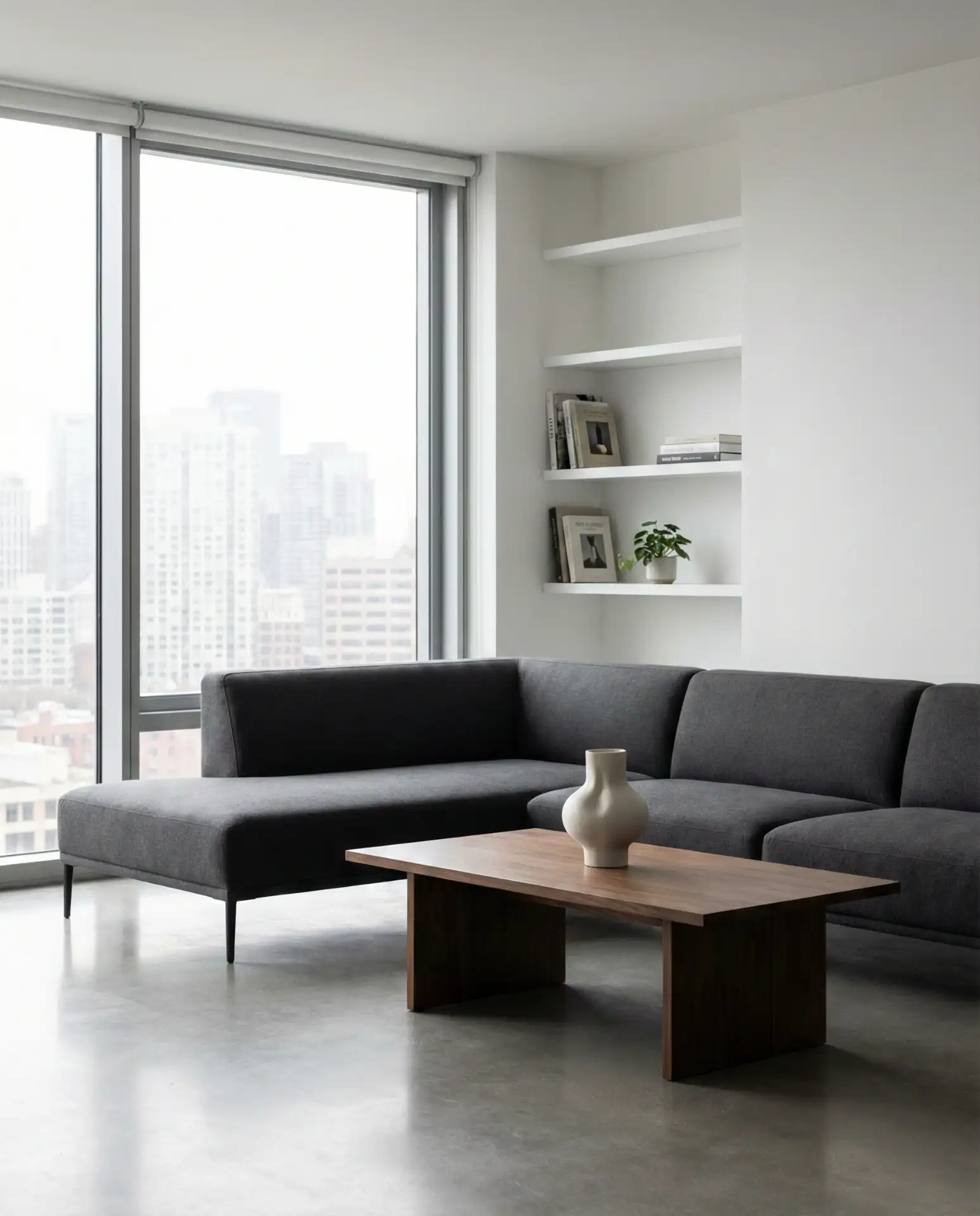
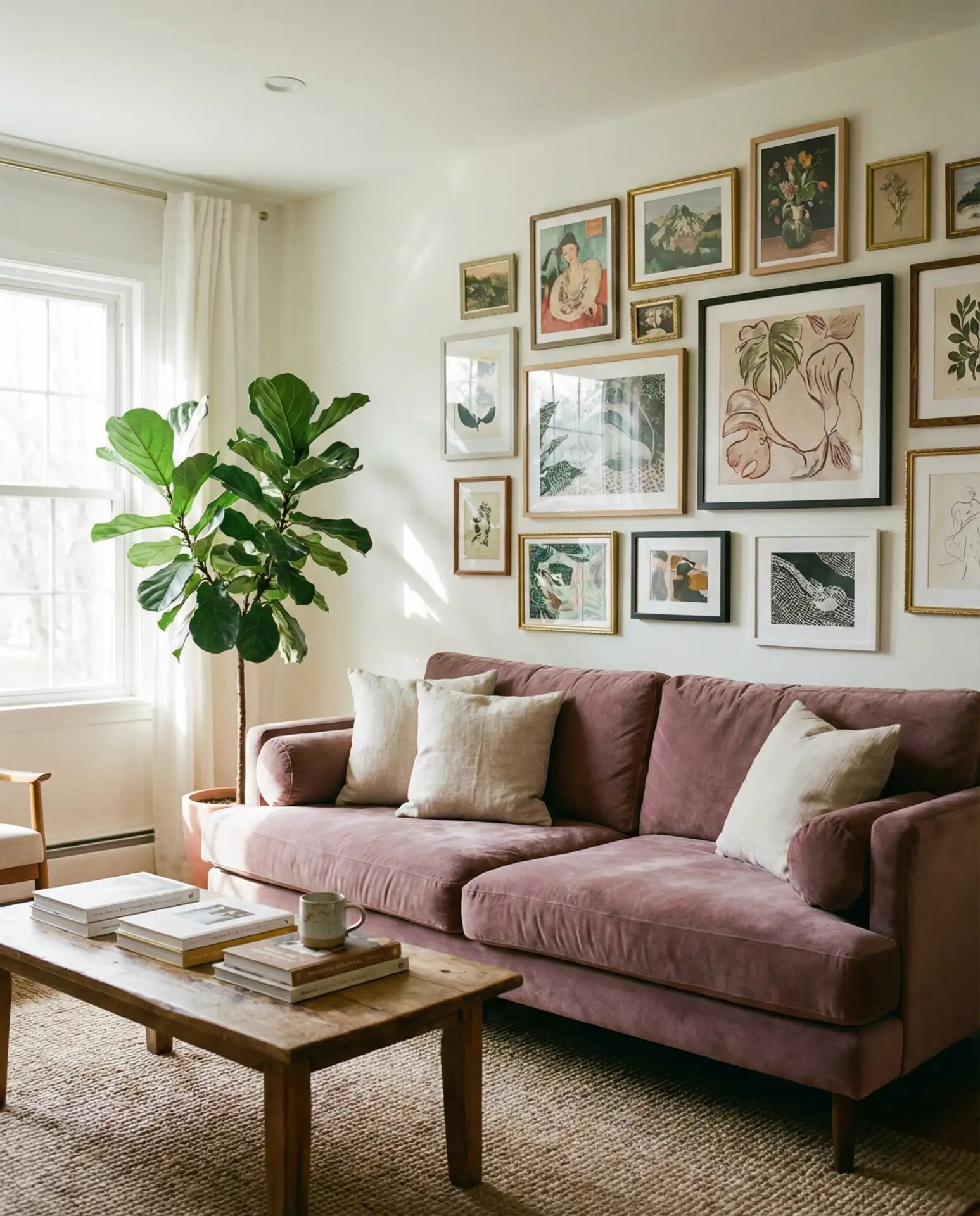
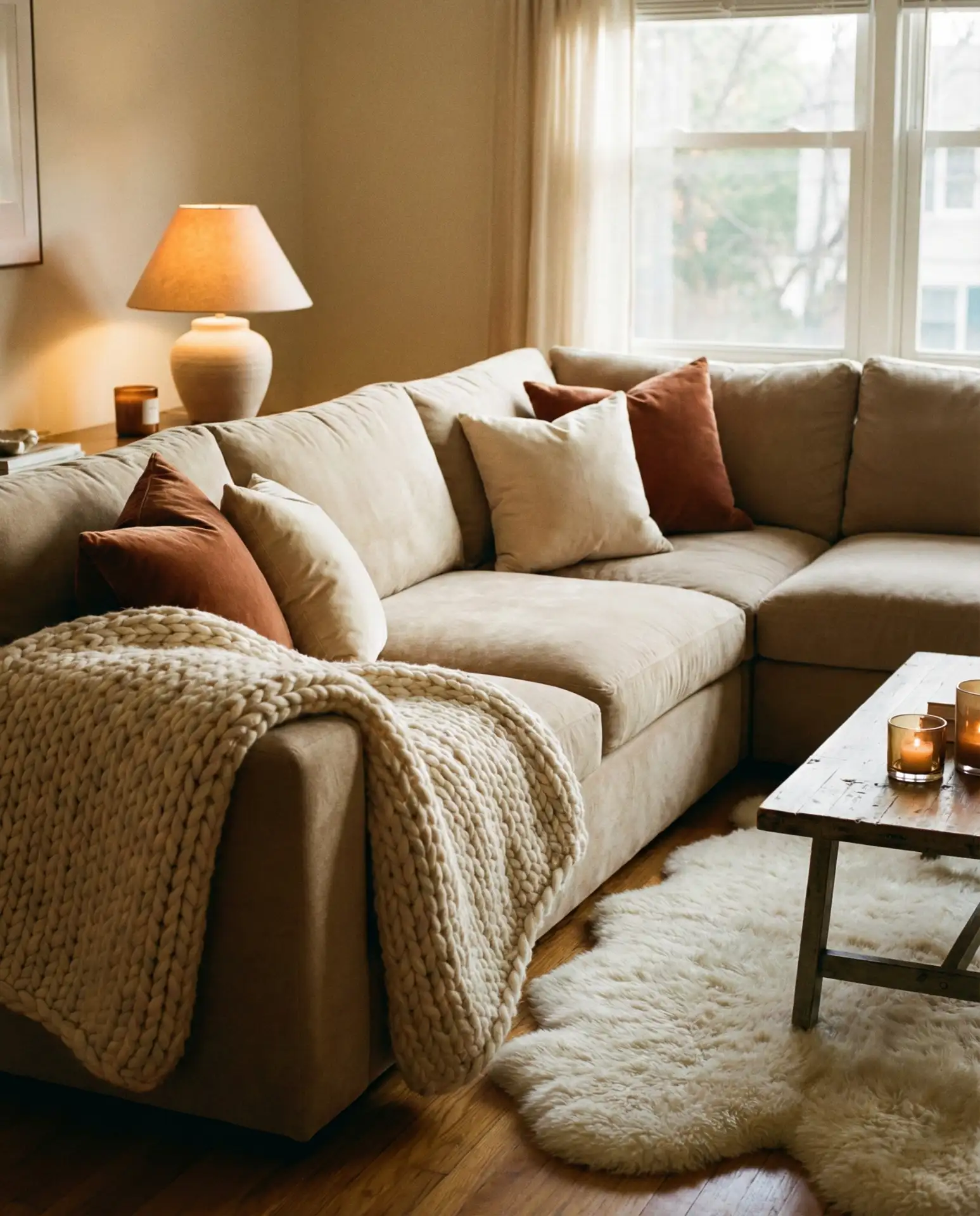
The search for cozy living rooms continues to dominate Pinterest, and it’s all about tactile layering. Chunky knit throws, velvet pillows, sheepskin rugs, and linen drapes create warmth without clutter. This approach to decor works in any climate but especially resonates in regions with harsh winters—think the Midwest, New England, and mountain towns where homes need to feel like cocoons against the cold.
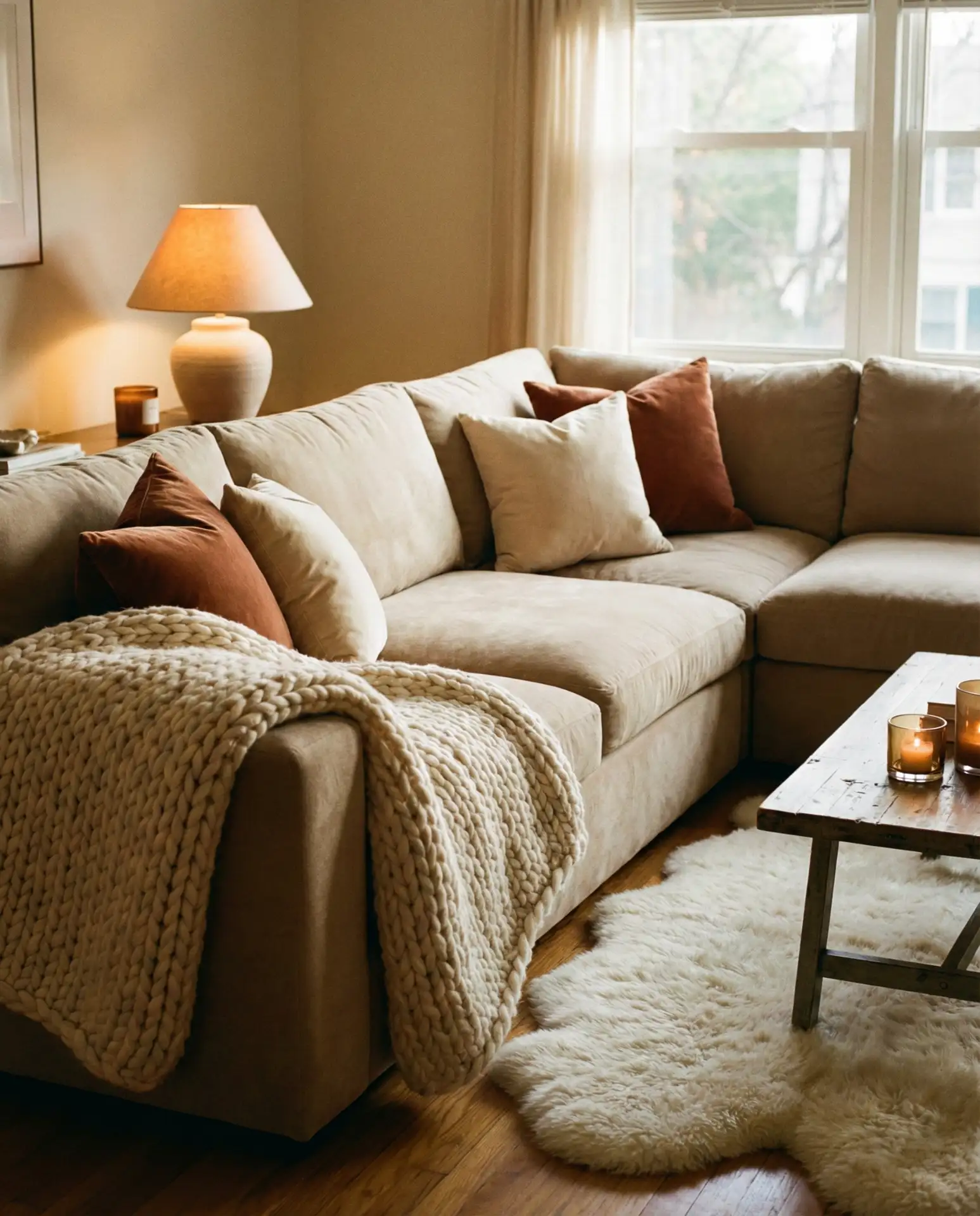
The budget for achieving this look can be surprisingly low. Many homeowners start by thrifting vintage quilts or buying affordable knit throws from Target or H&M Home. The trick is mixing high and low—pair a splurge-worthy velvet sofa with budget-friendly pillows, and no one will know the difference. Layering is forgiving and lets you build the look over time.
4. Modern Minimalist Lines
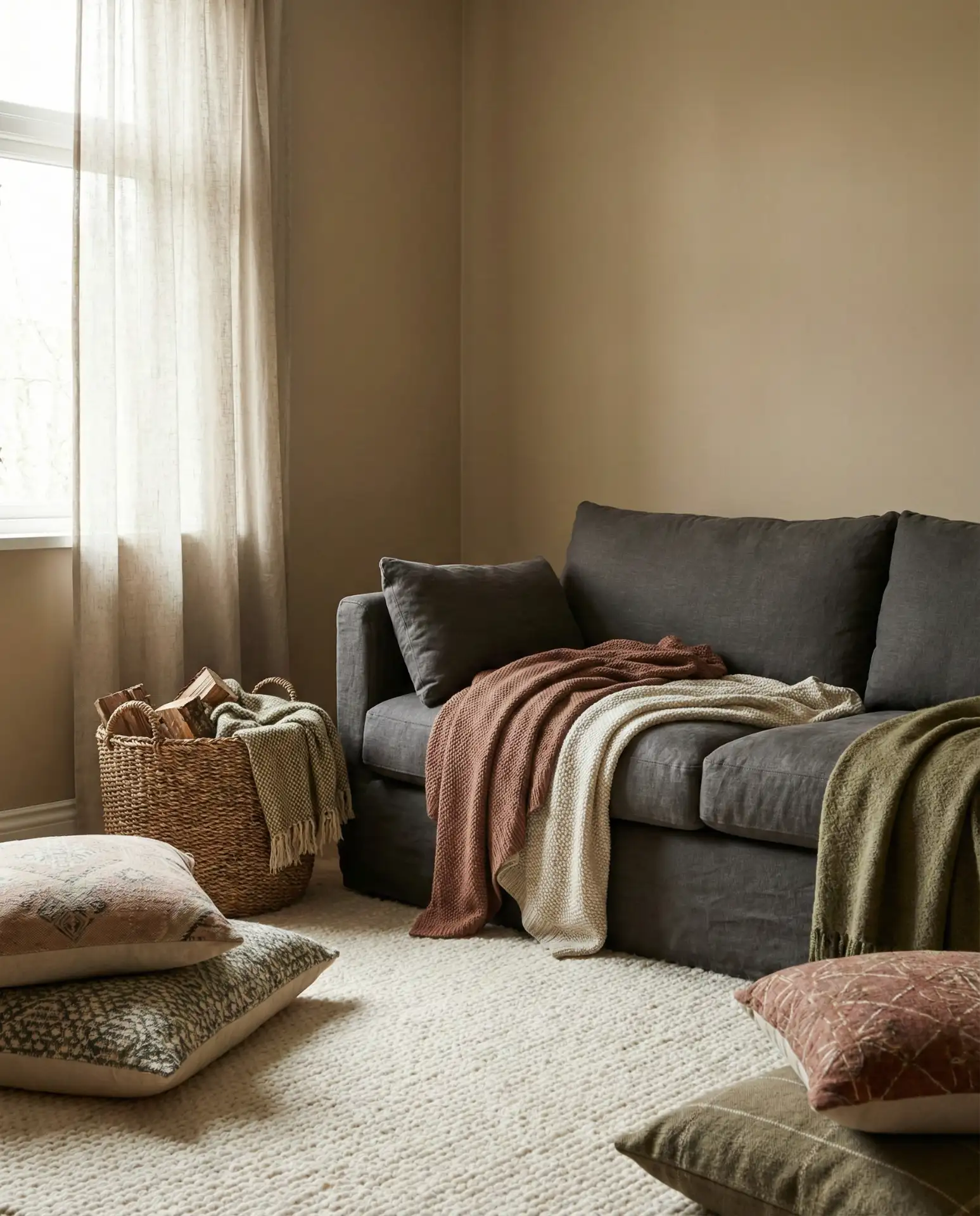
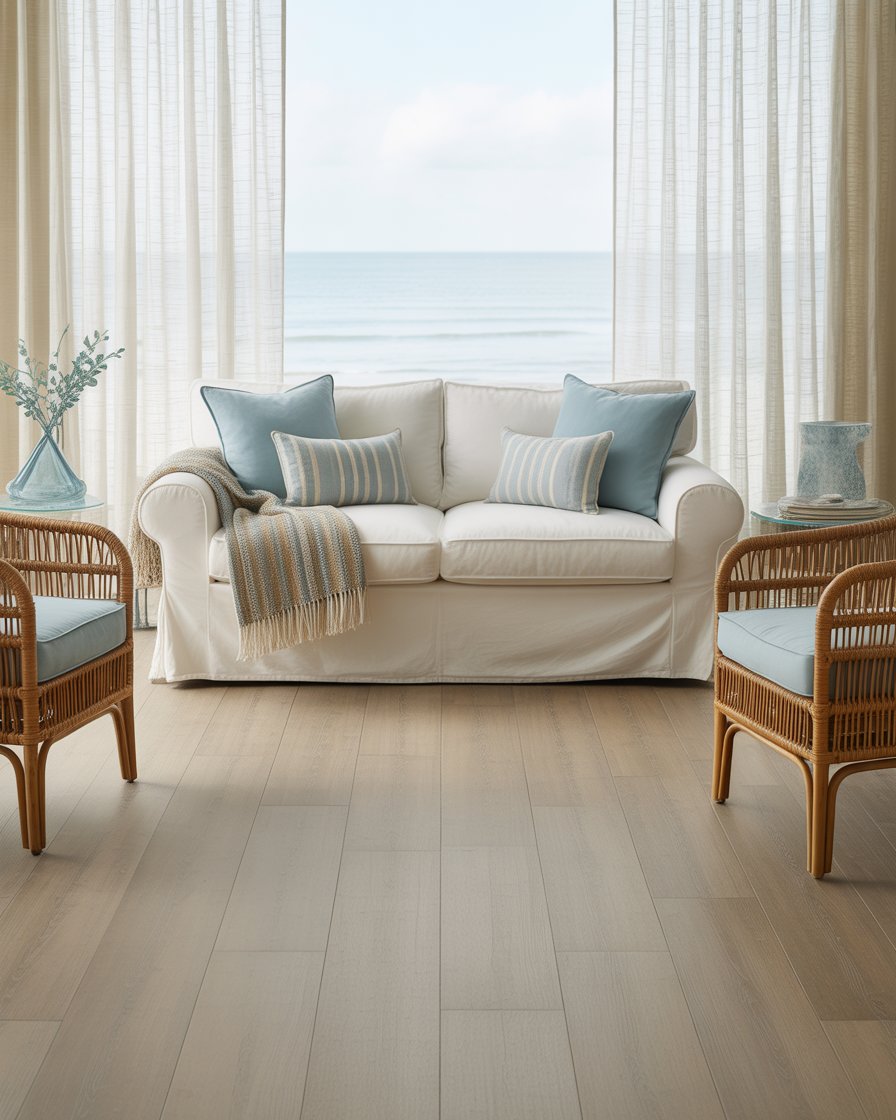
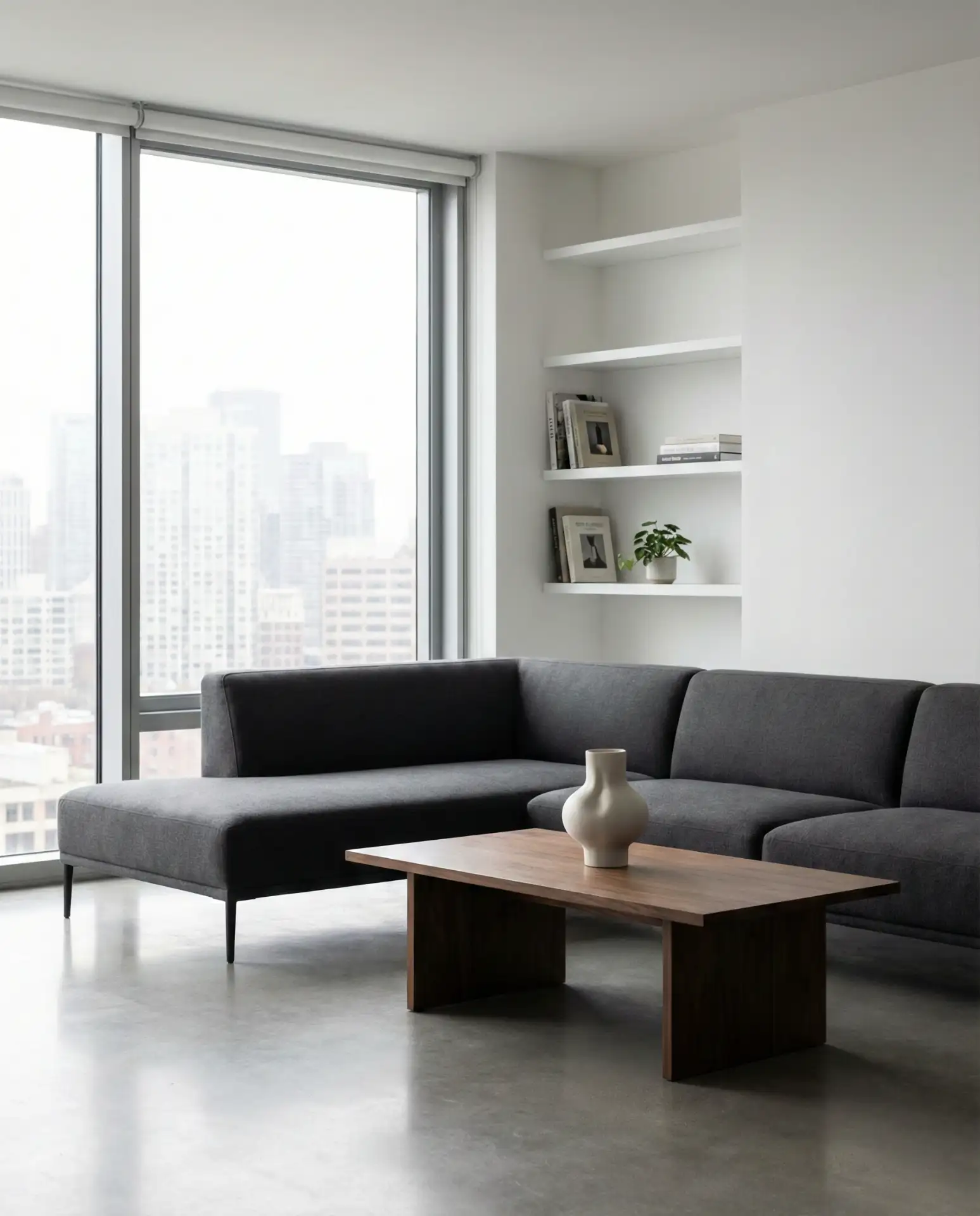
The modern minimalist living room strips away excess and focuses on clean lines, neutral palettes, and functional beauty. This style has become especially popular in urban apartments where space is limited and every piece needs to earn its place. Think low-profile sofas, floating shelves, and a restrained color palette of whites, grays, and warm woods that create calm without feeling sterile.
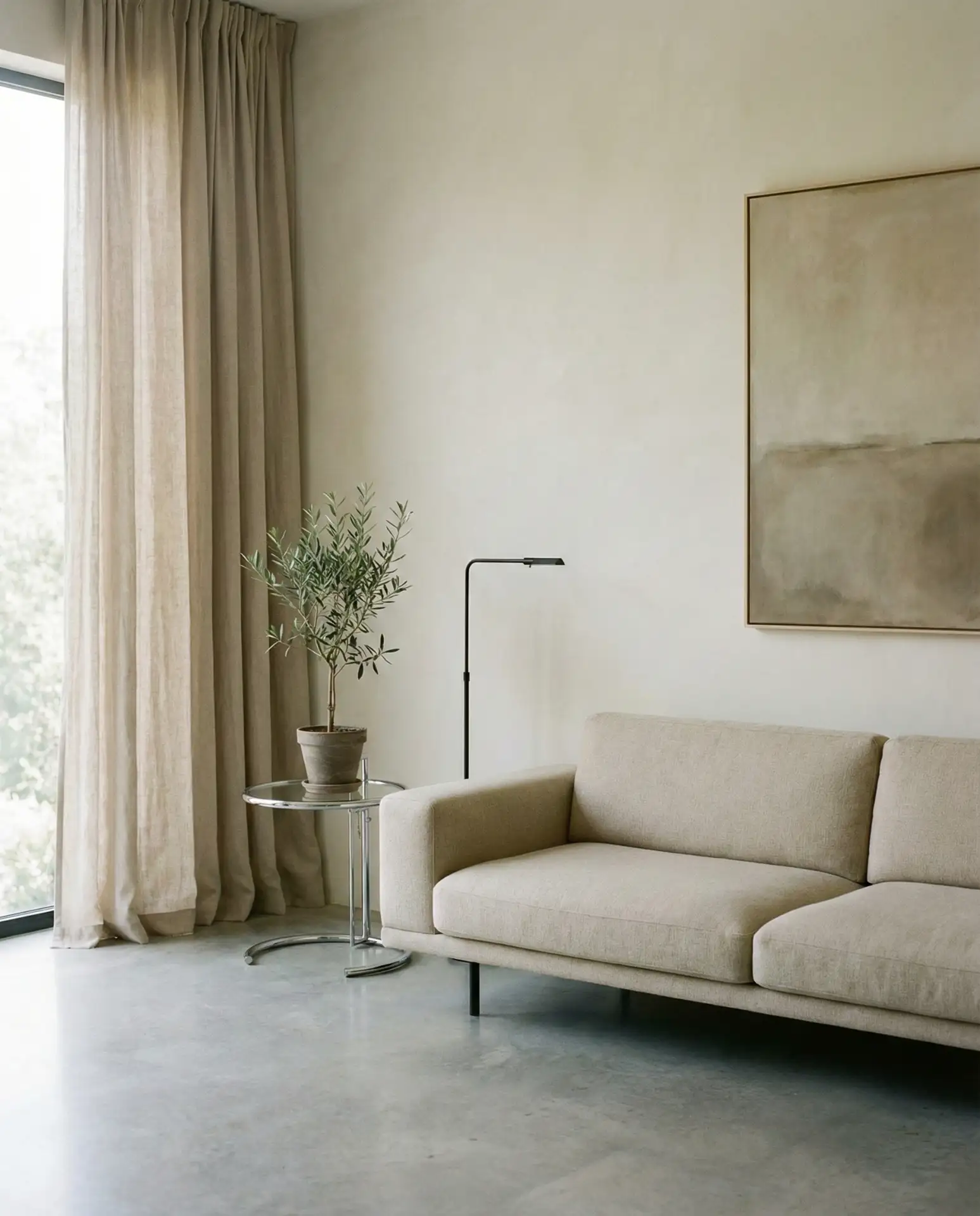
Where this style works best: condos in cities like Chicago, Seattle, and Austin, where young professionals want sophistication without clutter. Expert designers often recommend the “one in, one out” rule—before adding anything new, remove something old. This keeps the space from drifting into cold austerity and maintains the intentional, curated feel that defines true minimalism.
5. Anthropologie Bohemian Mix
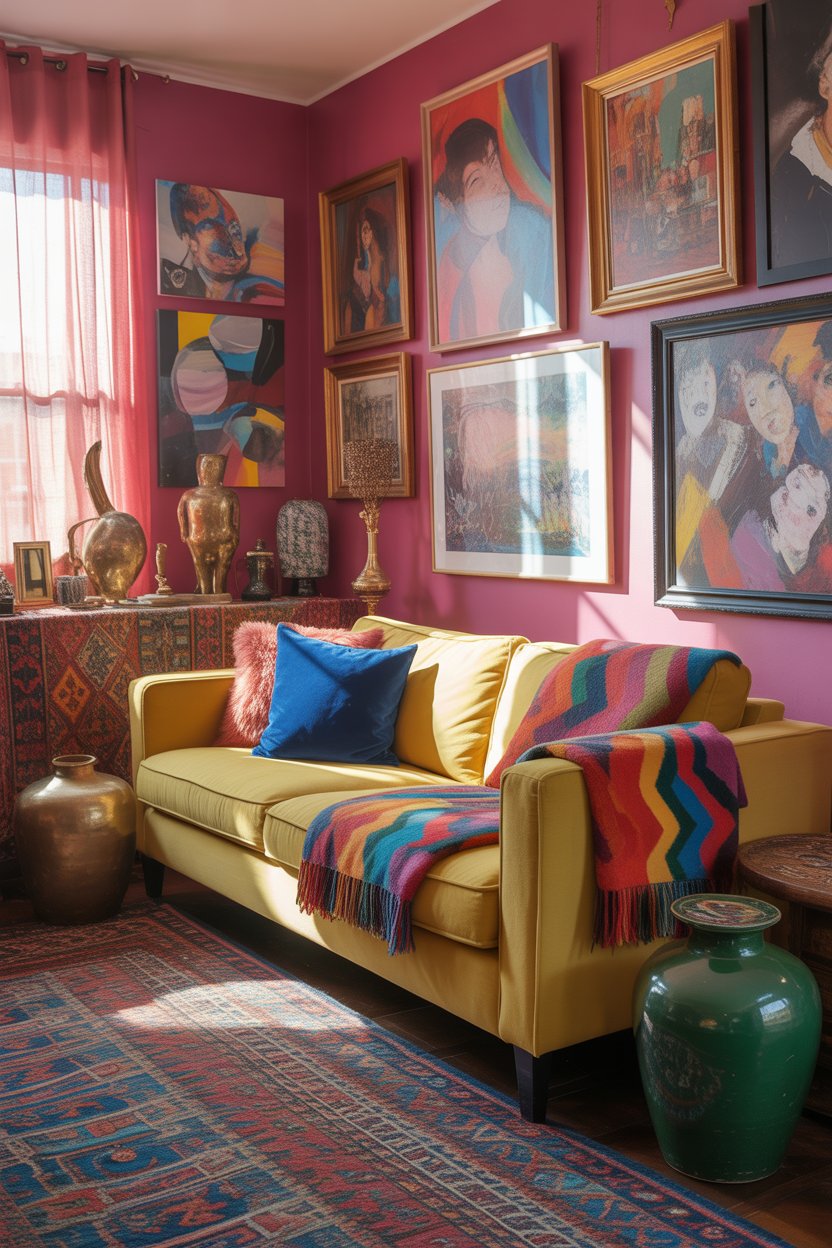
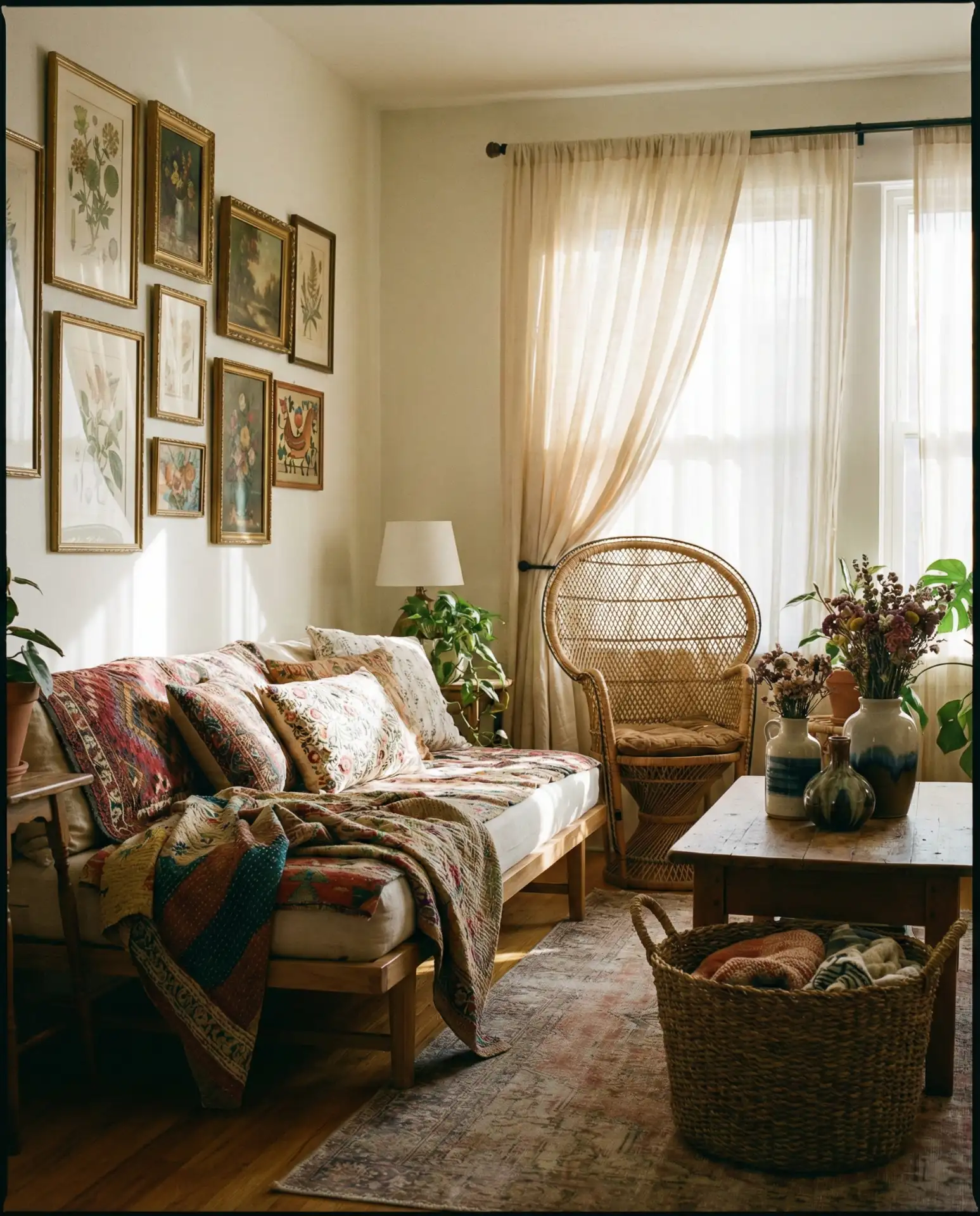
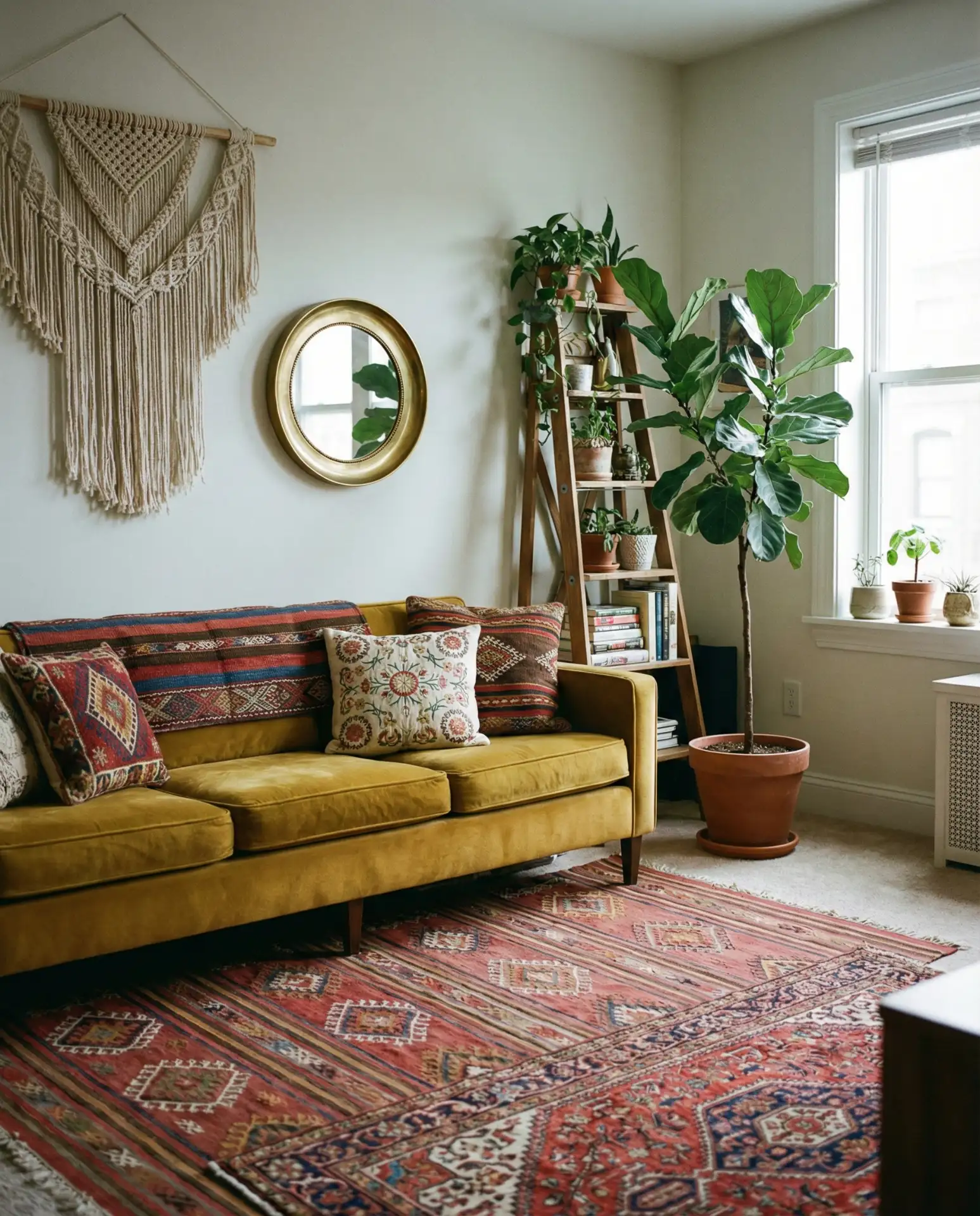
The Anthropologie aesthetic is all about collected charm—vintage finds, global textiles, and a relaxed approach to pattern mixing. This decor style appeals to creative types who want their living rooms to feel personal and eclectic rather than showroom-perfect. Expect jewel tones, velvet seating, Moroccan rugs, and shelves filled with ceramics, books, and curiosities that tell a story.
Real homeowners embracing this style often start small—adding a single statement rug or swapping out throw pillows—before gradually building the layered look. In Brooklyn and Portland, this aesthetic thrives in older apartments with character, where mismatched vintage pieces feel right at home. It’s forgiving, flexible, and lets you evolve the space as your tastes change.
6. Tiny Living Room Solutions
Living in a tiny space doesn’t mean sacrificing style or comfort. Smart furniture choices—like modular sofas, nesting tables, and wall-mounted shelves—maximize every square inch while keeping the room functional. This approach to decorating ideas for small spaces has become essential in cities where rent is high and square footage is precious, from New York studios to San Francisco micro-apartments.
A practical insight: avoid pushing all furniture against the walls. Floating a small sofa slightly away from the wall can actually make the room feel larger by creating depth. Also, invest in multipurpose pieces—an ottoman that opens for storage, a coffee table that lifts to dining height—so you’re not constantly rearranging to accommodate different activities.
7. Diwali Decorations Celebration
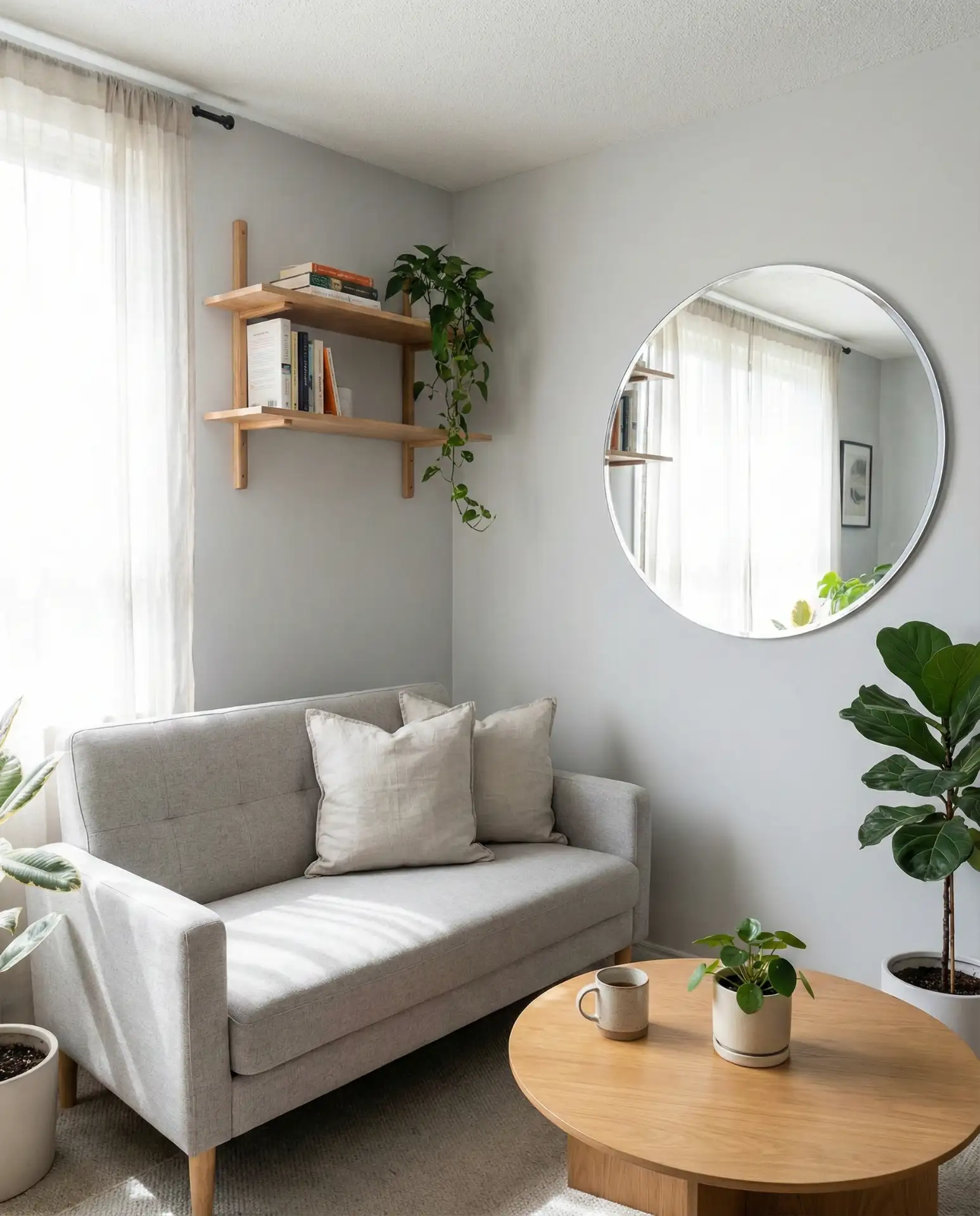
For Indian-American families, the living room becomes a focal point during Diwali decorations, filled with diyas, marigold garlands, rangoli patterns, and vibrant textiles. This celebratory decor transforms the space into a warm, welcoming gathering spot that honors tradition while fitting into contemporary homes. The challenge is balancing festive elements with everyday functionality, especially in open-plan layouts.
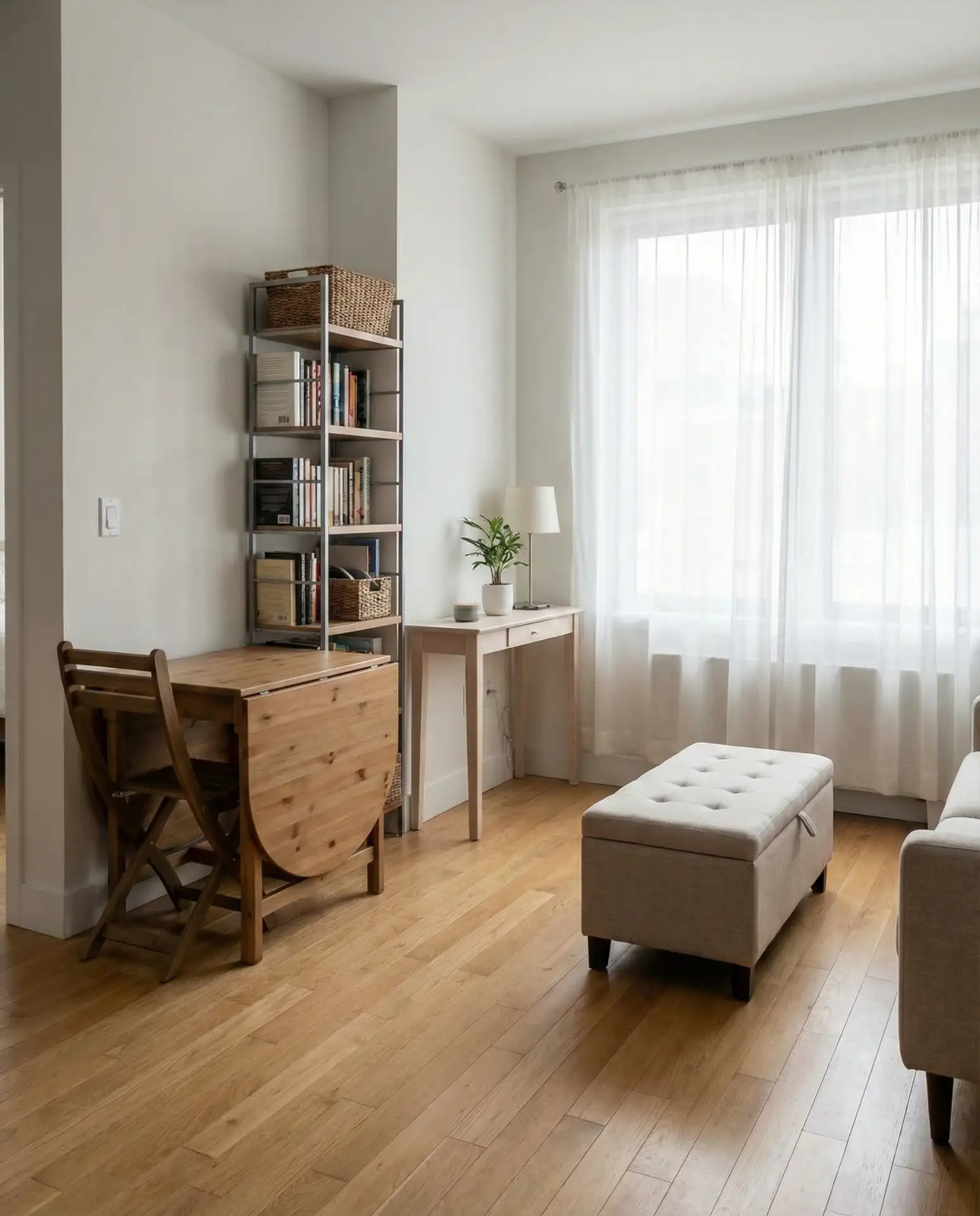
In communities across New Jersey, California, and Texas with large South Asian populations, families often keep decorative elements year-round—brass accents and vibrant throw pillows—that can be easily amplified during Diwali. This way, the living room doesn’t require a complete overhaul each year, just thoughtful layering of seasonal touches that feel authentic and joyful.
8. Mountain Cabin Warmth
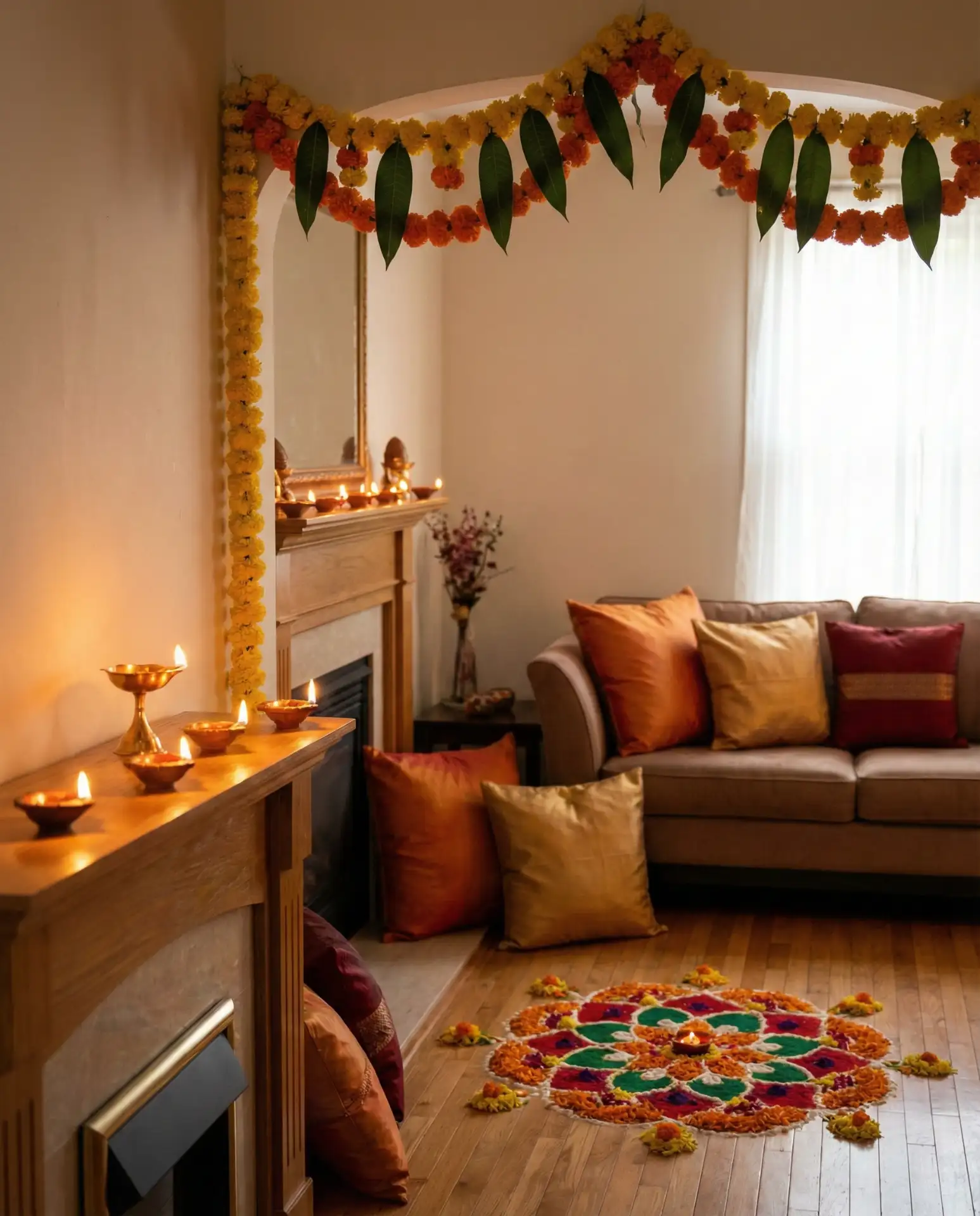
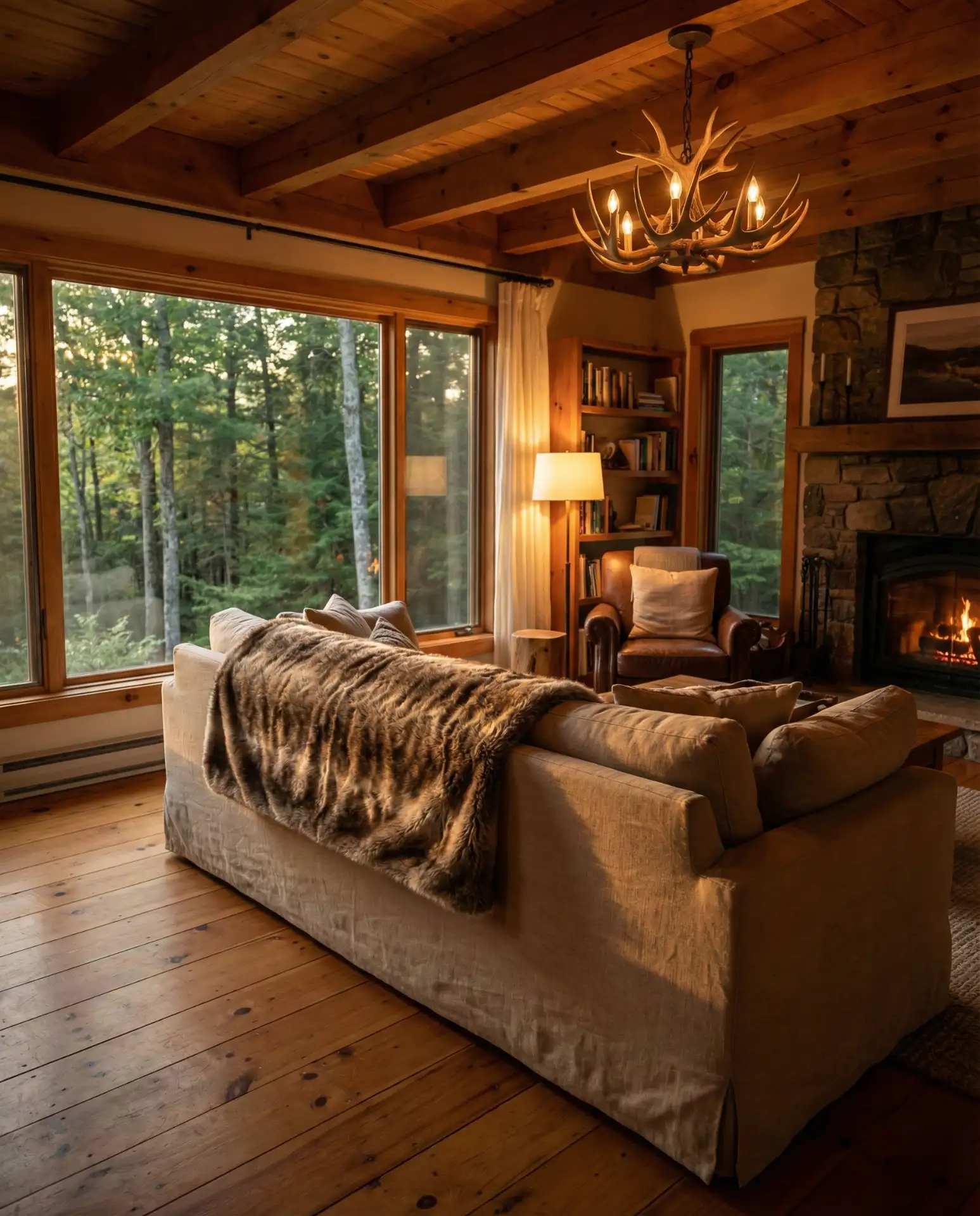
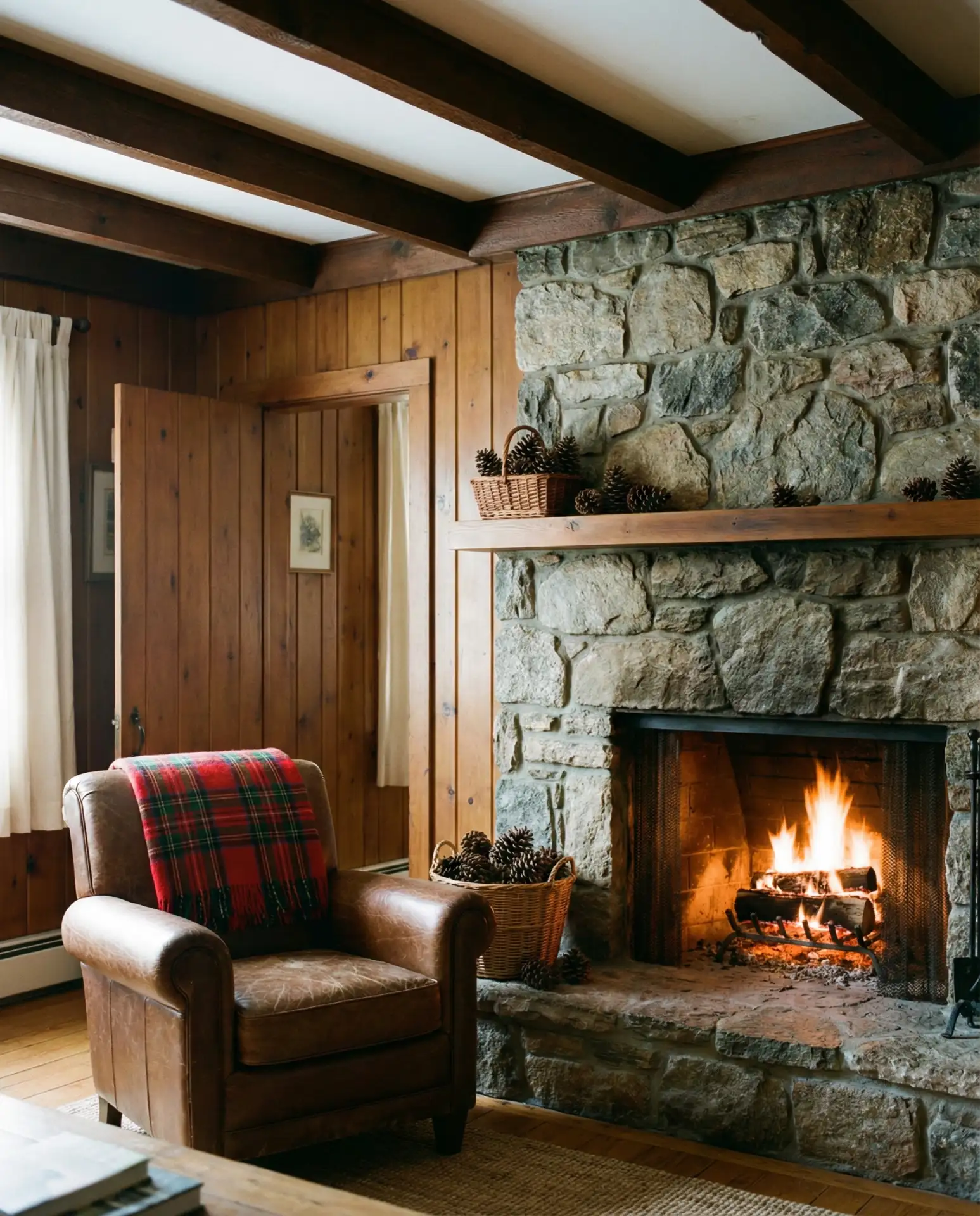
The mountain cabin living room channels rustic charm with exposed wood beams, stone fireplaces, and plaid textiles that evoke alpine retreats. This style works beautifully in actual mountain homes but has also been adapted for suburban houses where homeowners crave that lodge-like cozy feeling. Leather seating, antler accents, and woolen throws complete the look, creating a space that feels rugged yet refined.
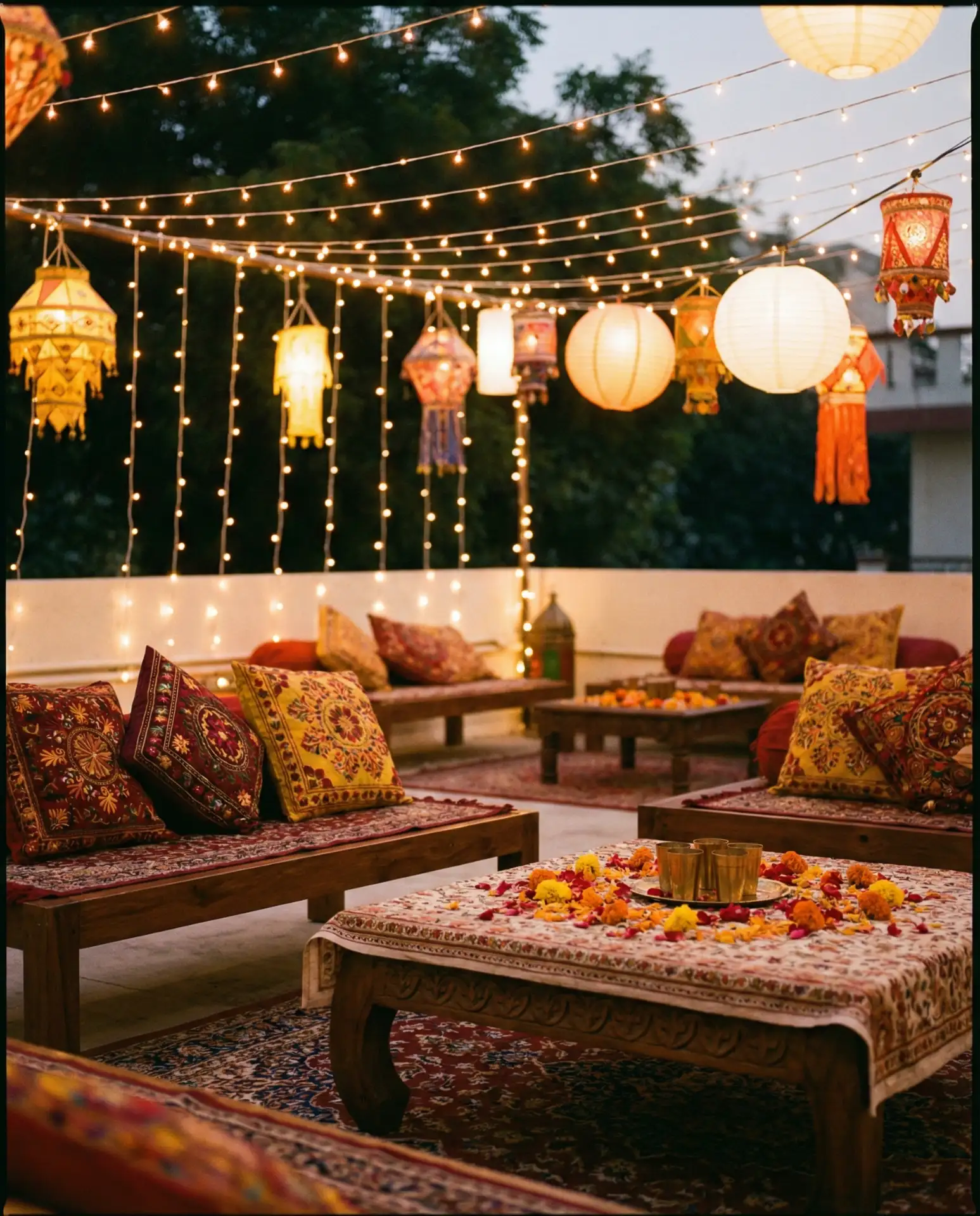
This aesthetic thrives in Colorado, Montana, and the Pacific Northwest, but even urban dwellers in places like Denver or Salt Lake City adopt elements to bring nature indoors. A friend in Boulder added reclaimed wood shelving and a faux fur rug to her condo, instantly making the space feel like a weekend getaway—proof that you don’t need a cabin to capture the vibe.
9. Country Farmhouse Charm
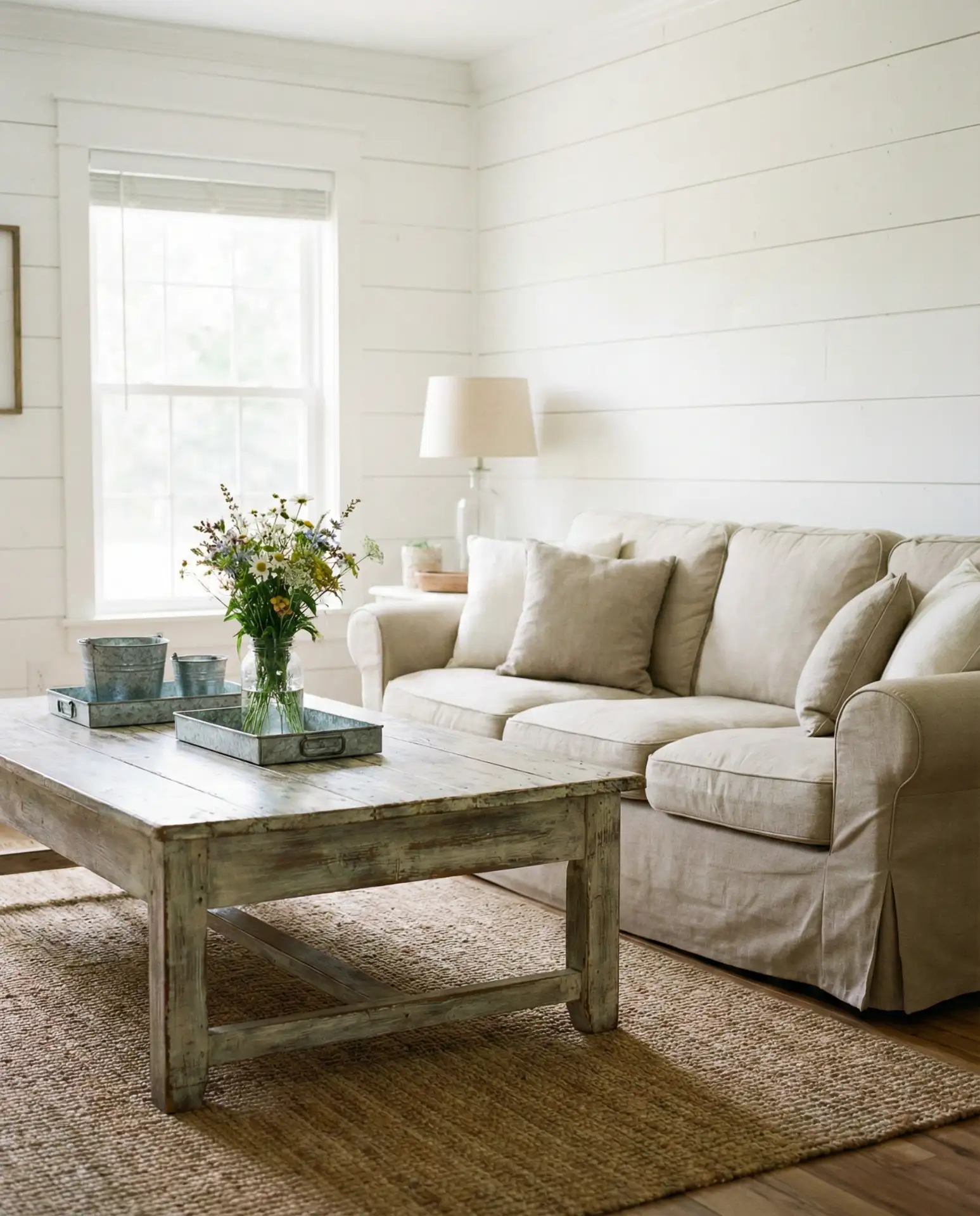
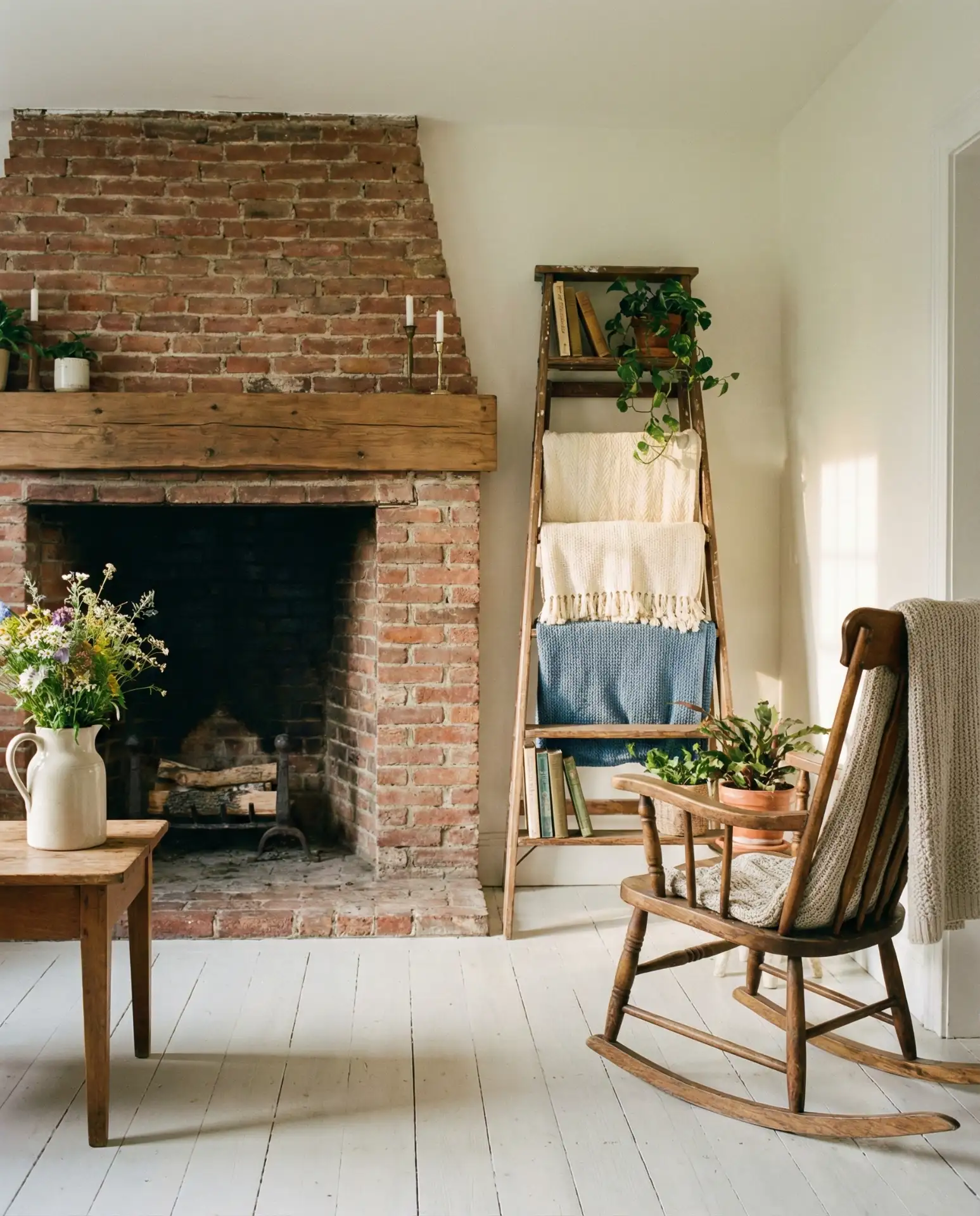
The country farmhouse style brings vintage simplicity and handcrafted details into the living room. Shiplap walls, distressed wood furniture, and cotton slipcovers create a lived-in, welcoming feel that’s especially popular in rural areas and suburbs across the South and Midwest. This interior design approach celebrates imperfection—worn finishes, mismatched chairs, and heirloom pieces passed down through generations.
A common mistake is going overboard with the “shabby chic” look—too many distressed pieces can feel more thrift store than farmhouse. Balance is key: pair one or two vintage finds with cleaner, simpler pieces to keep the space feeling fresh. Real homeowners in Tennessee and North Carolina often mix in modern lighting or sleek hardware to prevent the style from feeling dated.
10. Dream Living Room Vision
The dream living room isn’t about following trends—it’s about creating a space that reflects your ideal lifestyle. Whether that means a library wall of floor-to-ceiling books, a conversation pit with built-in seating, or a statement chandelier that stops guests in their tracks, this is where personal vision takes center stage. These ideas often start as Pinterest boards and evolve into real-world spaces that feel uniquely yours.
Where this works best: homes with architectural potential—high ceilings, interesting angles, or generous square footage. But even in modest spaces, one bold choice can transform the entire room. A Seattle couple invested in a single custom built-in instead of multiple furniture pieces, and it became the defining feature that made their living room feel truly special.
11. Soho Loft Industrial Edge
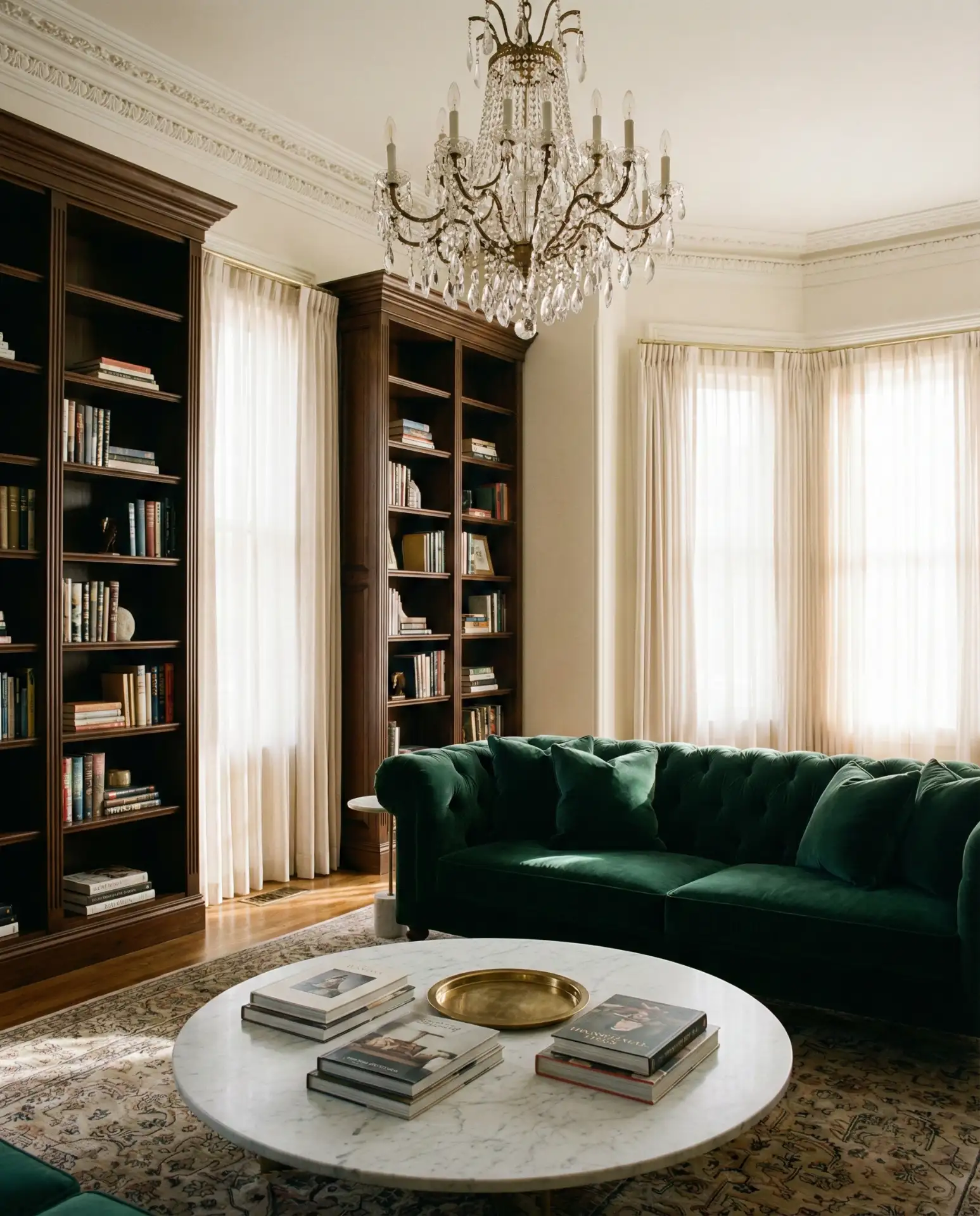
The Soho loft aesthetic embraces raw materials—exposed brick, metal beams, and concrete floors—paired with refined furnishings for a look that’s both gritty and sophisticated. This modern industrial style works best in converted warehouses or buildings with original architectural bones, though it’s been adapted for newer construction that mimics the loft feel. Oversized windows, open layouts, and a mix of vintage and contemporary pieces define the look.
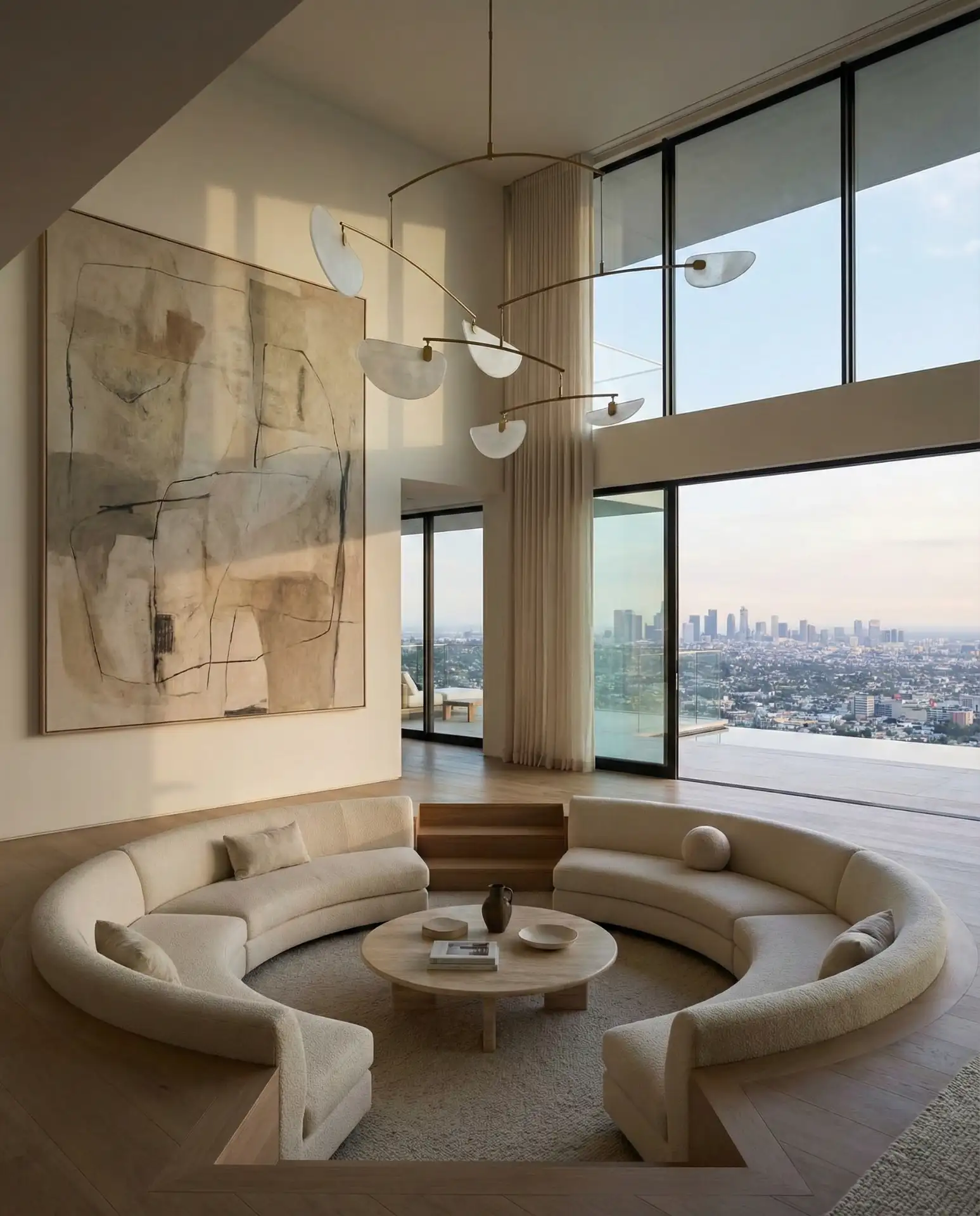
This style is most authentic in cities with a history of industrial conversion—New York, Philadelphia, and Detroit—where original loft spaces still exist. However, homeowners in newer developments often add industrial touches like metal shelving, Edison bulbs, or a single exposed brick wall to capture the essence. The key is restraint: too many industrial elements can feel cold and unwelcoming.
12. Temple Design Serenity
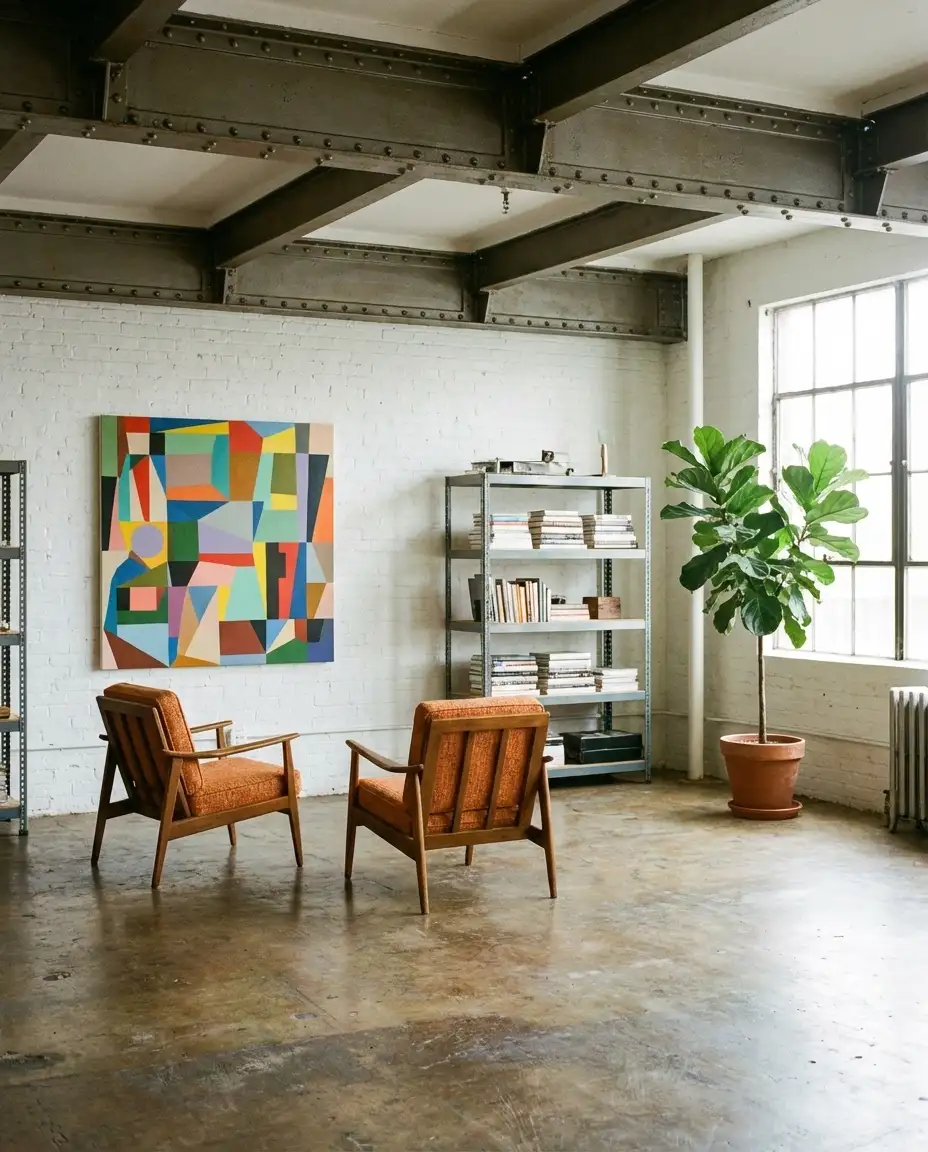
Incorporating temple design elements into the living room creates a peaceful sanctuary inspired by sacred spaces. This might mean a dedicated meditation corner, carved wooden screens, brass accents, or a low seating area with floor cushions. For Hindu, Buddhist, or other spiritual households, this approach to decor blends cultural heritage with modern living, creating a space that supports both daily life and contemplative practice.
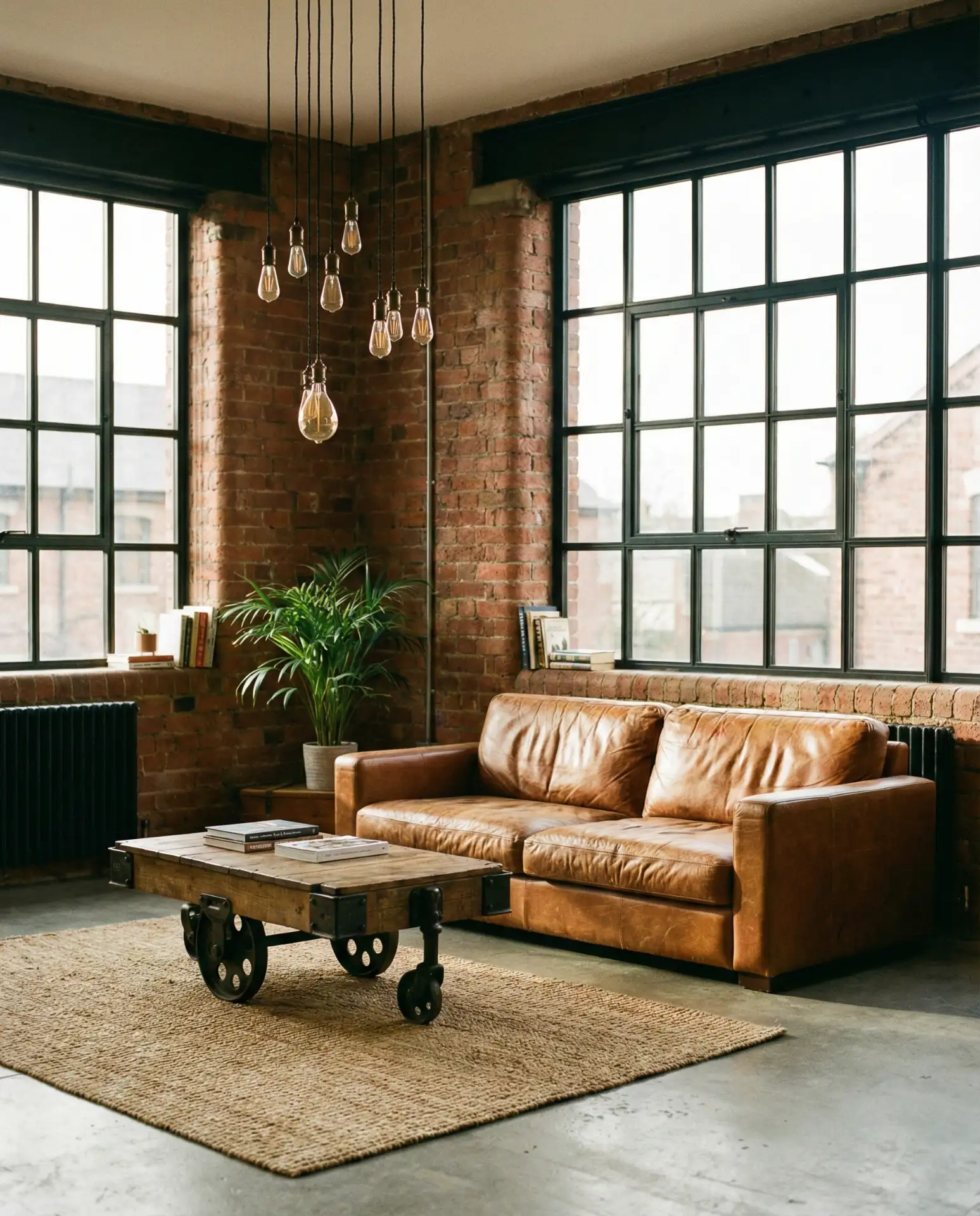
In areas with significant South Asian or Buddhist communities—like the Bay Area, New York, and parts of Texas—families often designate a corner of the living room for prayer or meditation. The beauty is in the simplicity: a single carved screen or brass vessel can anchor the space without overwhelming it, allowing the room to serve multiple purposes while honoring spiritual traditions.
13. Zara Home Sophistication
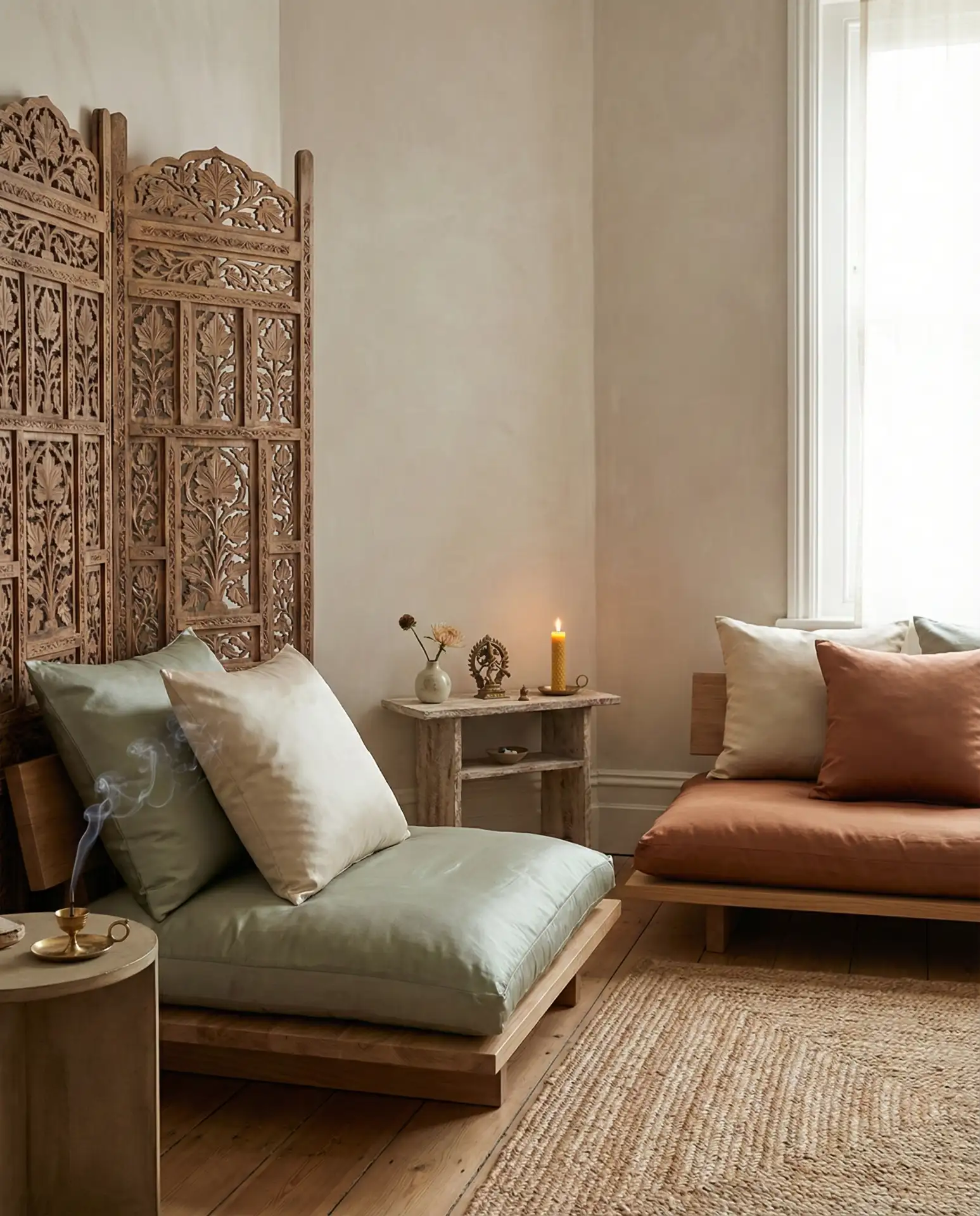
The Zara Home aesthetic brings European minimalism and affordable luxury to the living room. Expect muted color palettes, linen everything, sculptural ceramics, and a refined simplicity that feels polished without being precious. This decor style appeals to young professionals who want a sophisticated look on a moderate budget, blending high-end sensibility with accessible price points.
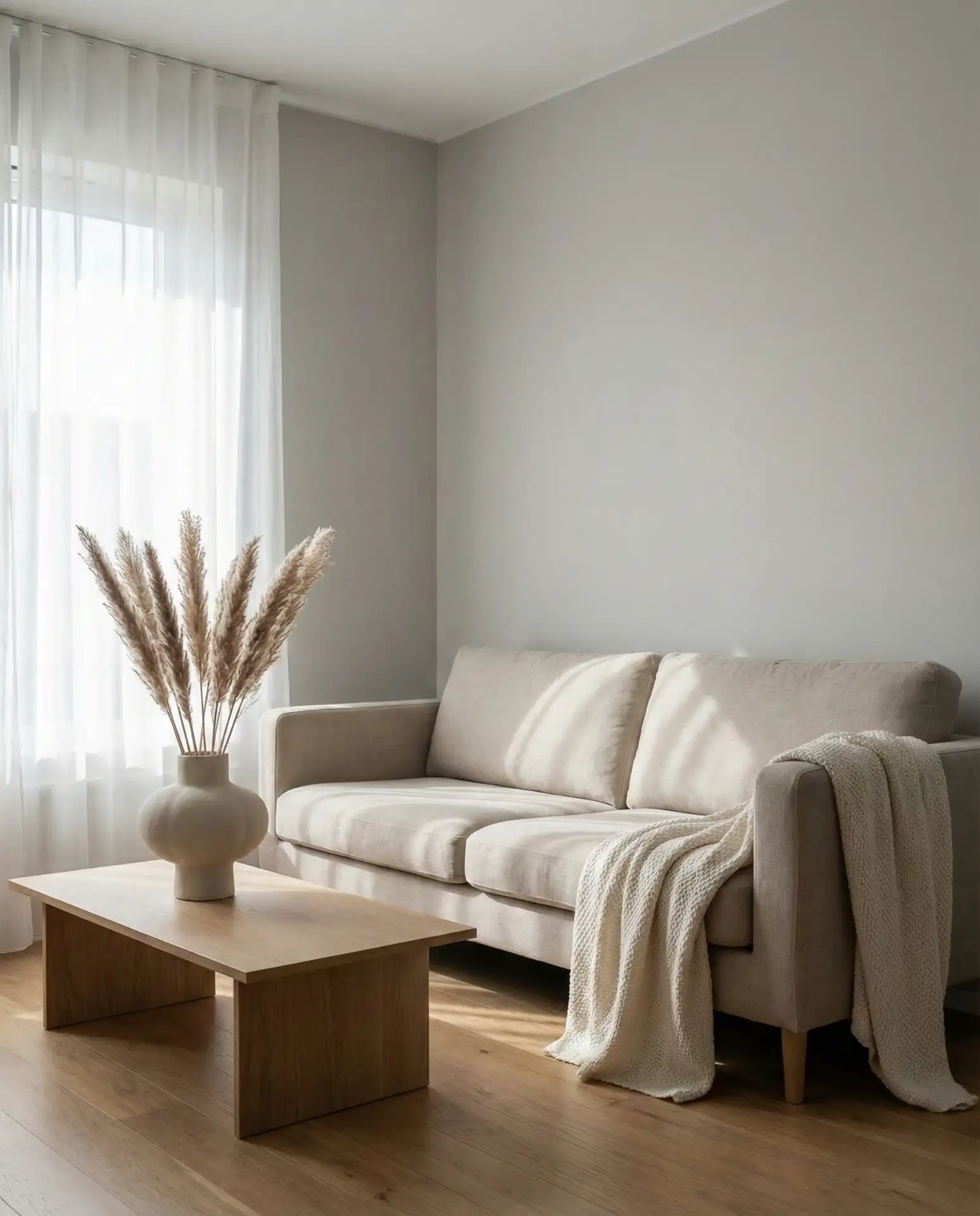
Budget-wise, this look is surprisingly achievable. Zara Home’s seasonal collections offer trend-forward pieces at accessible prices, making it easy to refresh your living room without a major investment. The trick is editing ruthlessly—buy fewer pieces, but choose ones with interesting textures or sculptural shapes that add visual interest without clutter. This approach works especially well in small apartments where every item needs to justify its place.
14. Color Combinations Impact
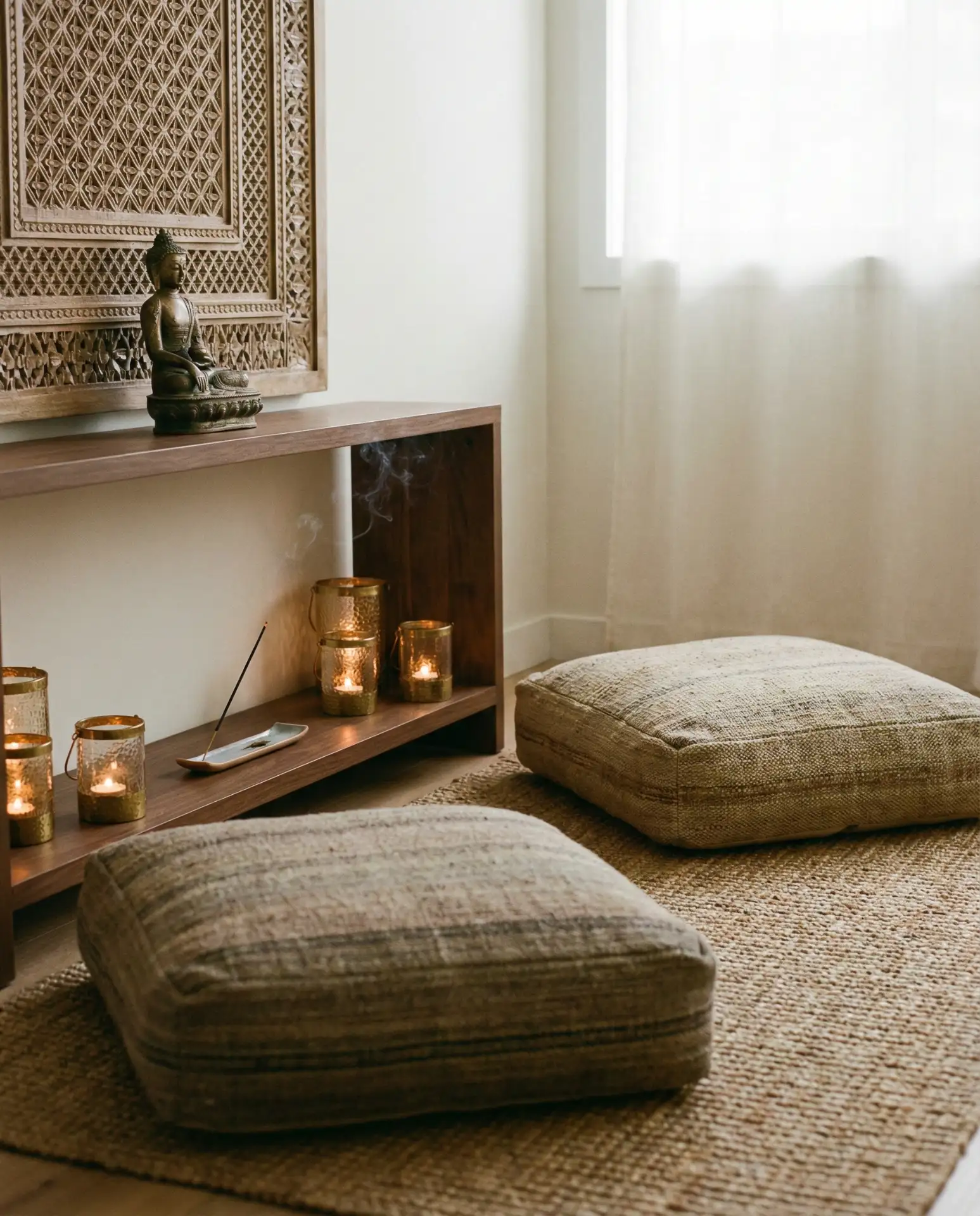
Smart color combinations can completely transform a living room’s mood and personality. Whether it’s the drama of navy and gold, the freshness of sage and cream, or the warmth of terracotta and ochre, intentional color pairing creates cohesion and visual interest. These ideas go beyond paint—think about how upholstery, rugs, artwork, and accessories work together to create a harmonious palette that reflects your style.
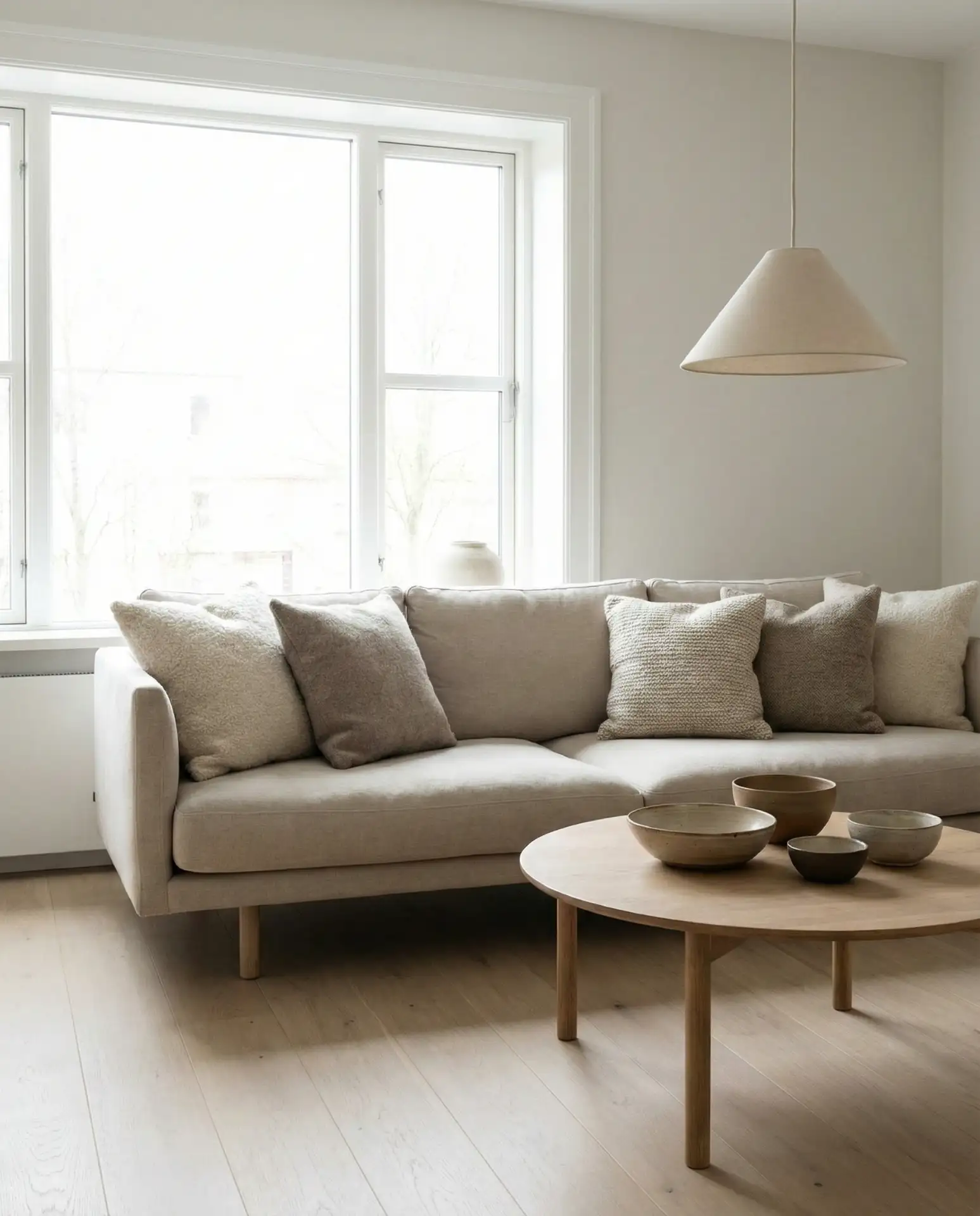
Expert designers often recommend the 60-30-10 rule: 60% dominant color (walls, large furniture), 30% secondary color (upholstery, rugs), and 10% accent color (pillows, art, accessories). This formula prevents overwhelm while ensuring the space feels intentional. A common mistake is choosing all colors at once—instead, start with your largest piece (usually the sofa) and build the palette around it.
15. Paints for Living Spaces
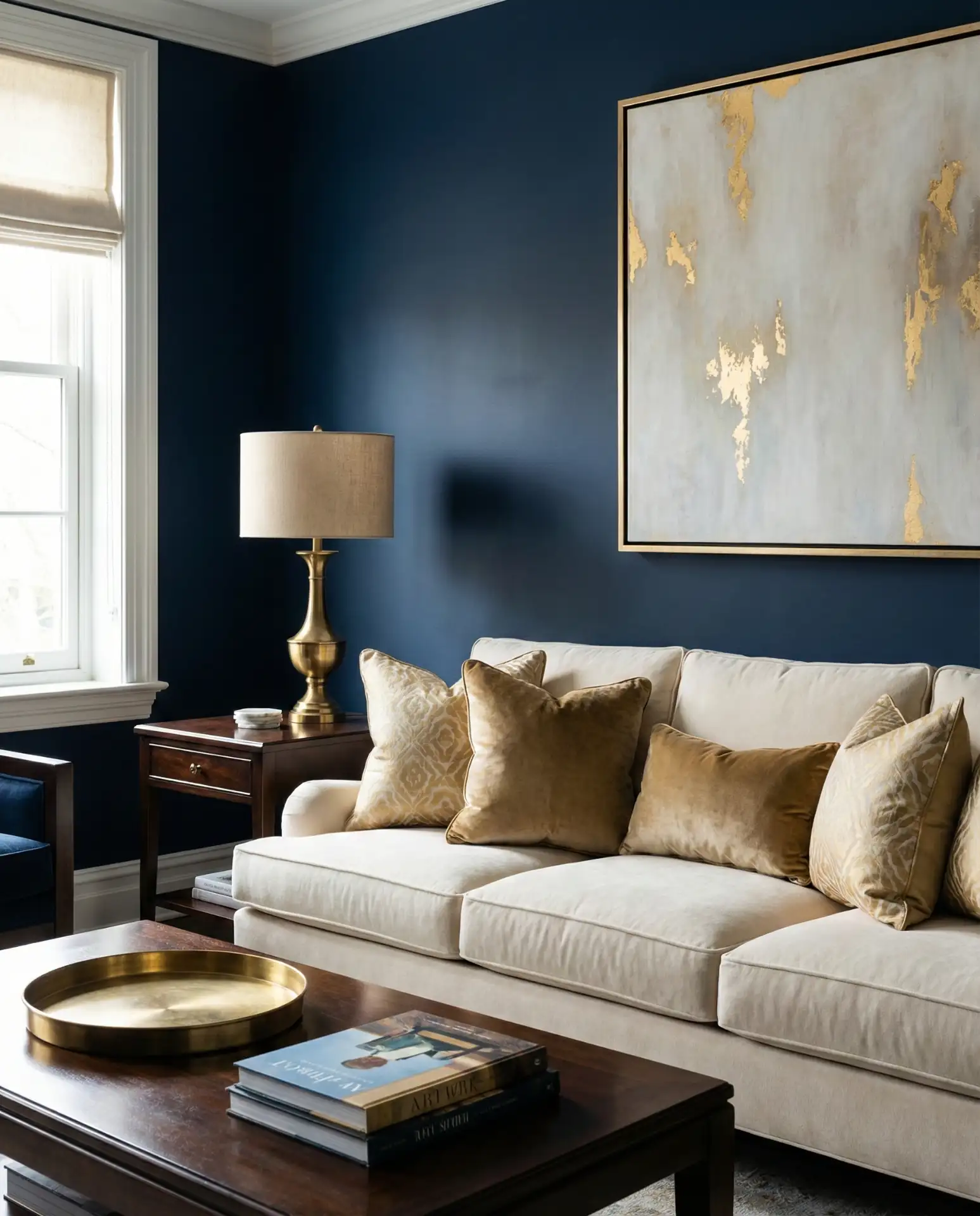
Choosing the right paints for your living room goes beyond picking a pretty swatch—lighting, room size, and existing furnishings all impact how color reads in the space. In 2026, warm neutrals like greige, soft terracotta, and creamy whites dominate, replacing the stark grays of previous years. These modern shades create a welcoming backdrop that works with various decor styles while making rooms feel larger and brighter.
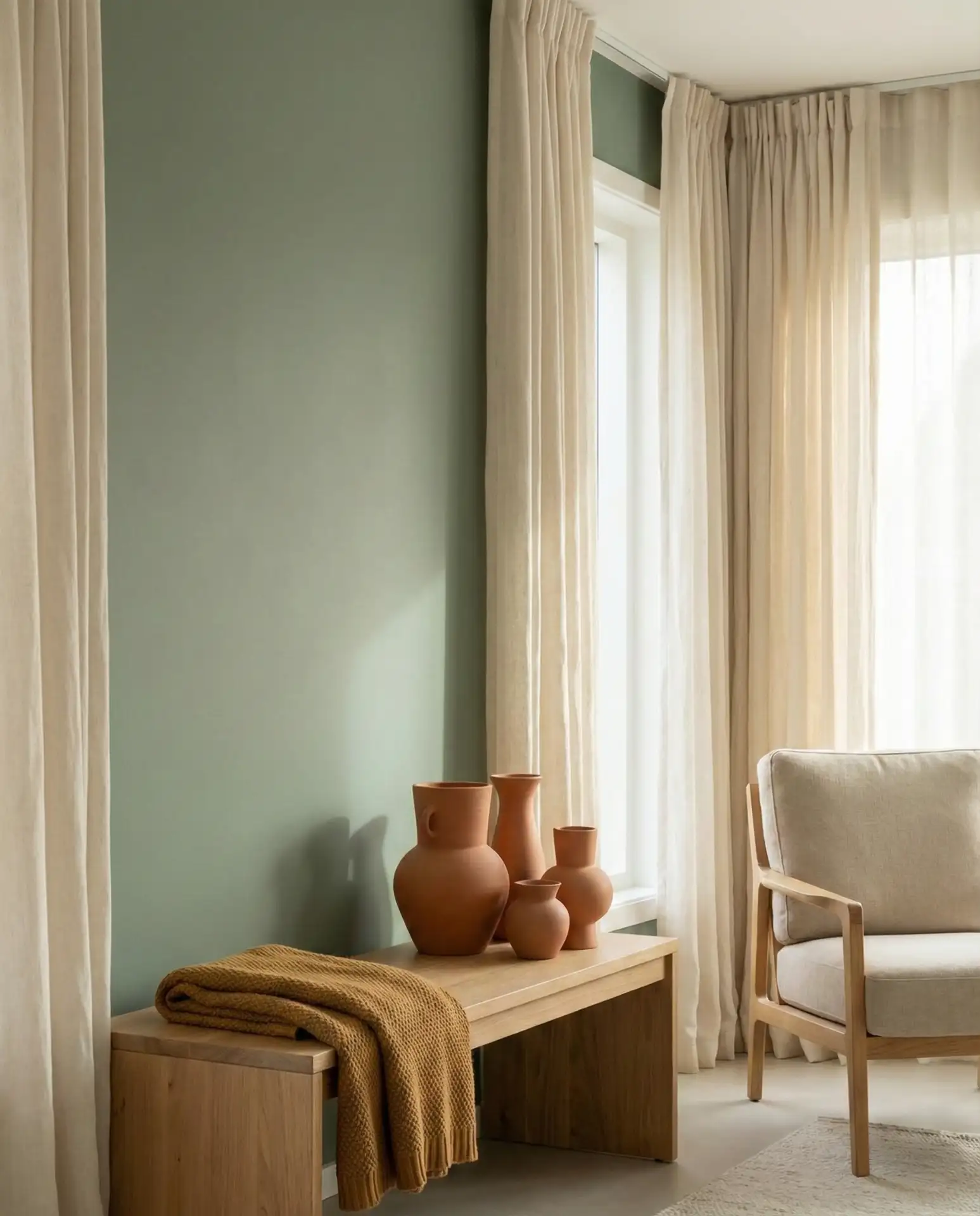
Practical insight: always test paint samples on multiple walls and observe them at different times of day. North-facing rooms need warmer tones to compensate for cooler light, while south-facing rooms can handle cooler colors without feeling cold. Many homeowners make the mistake of judging color by the tiny chip alone—paint large poster boards instead and move them around the room for several days before committing.
16. Table Decorations Focal Point
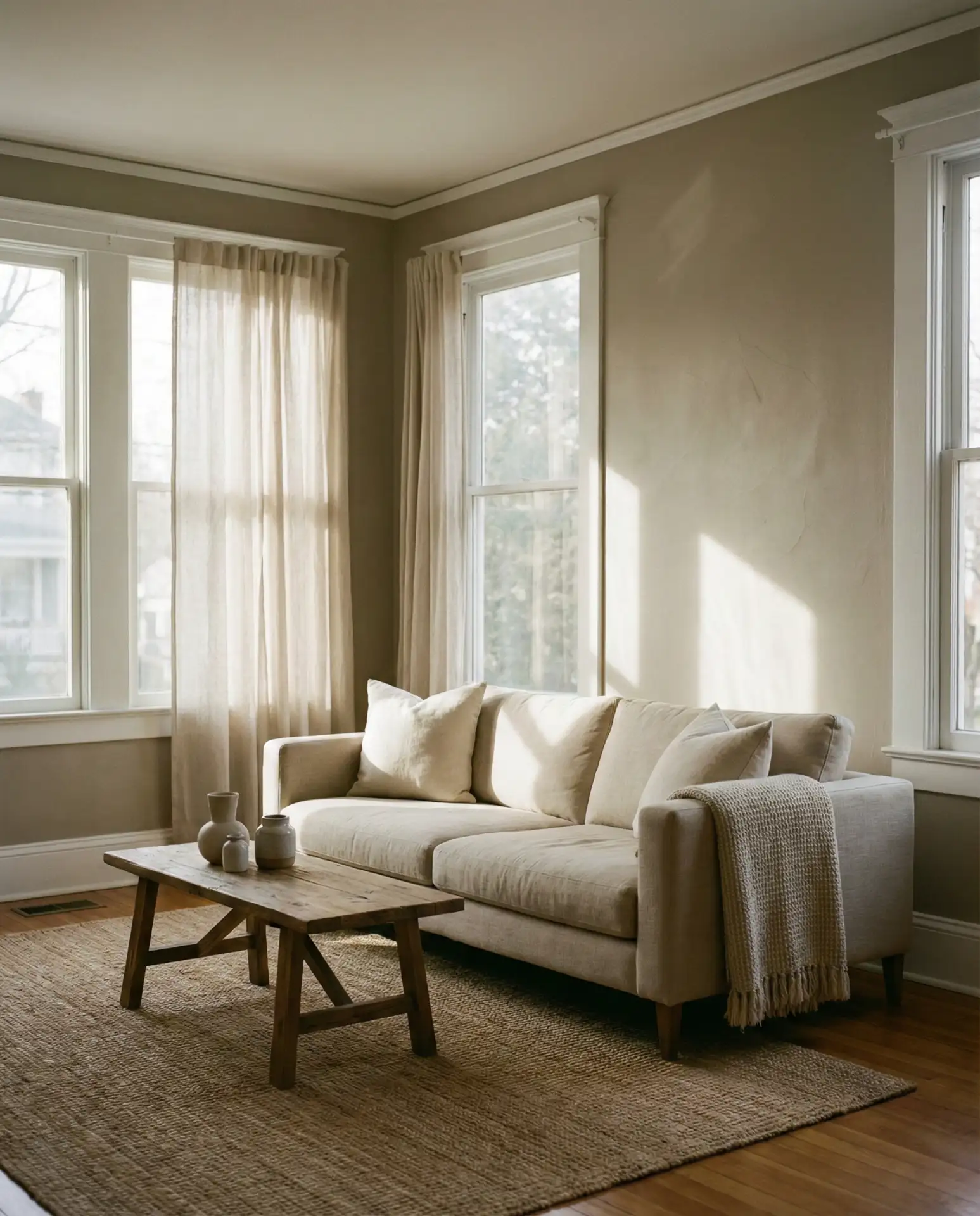
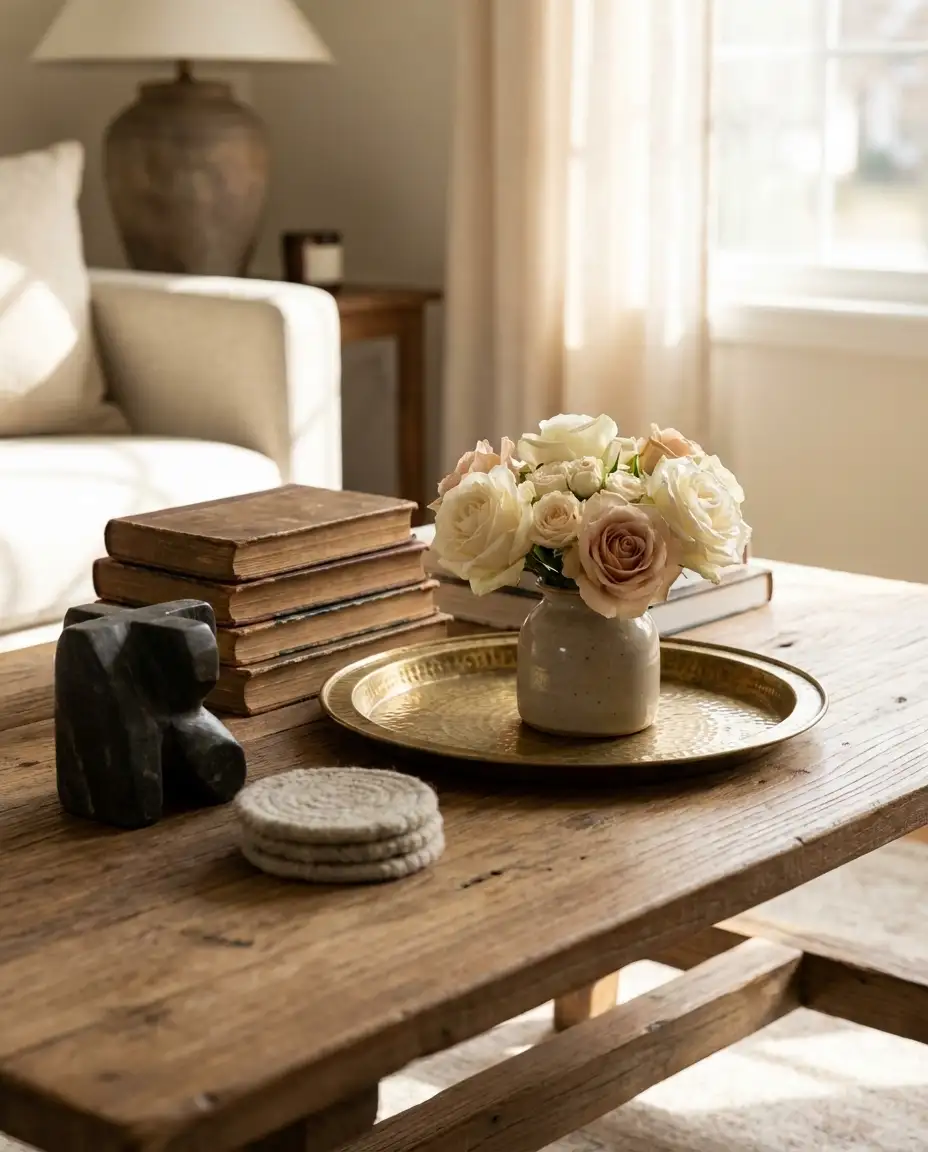
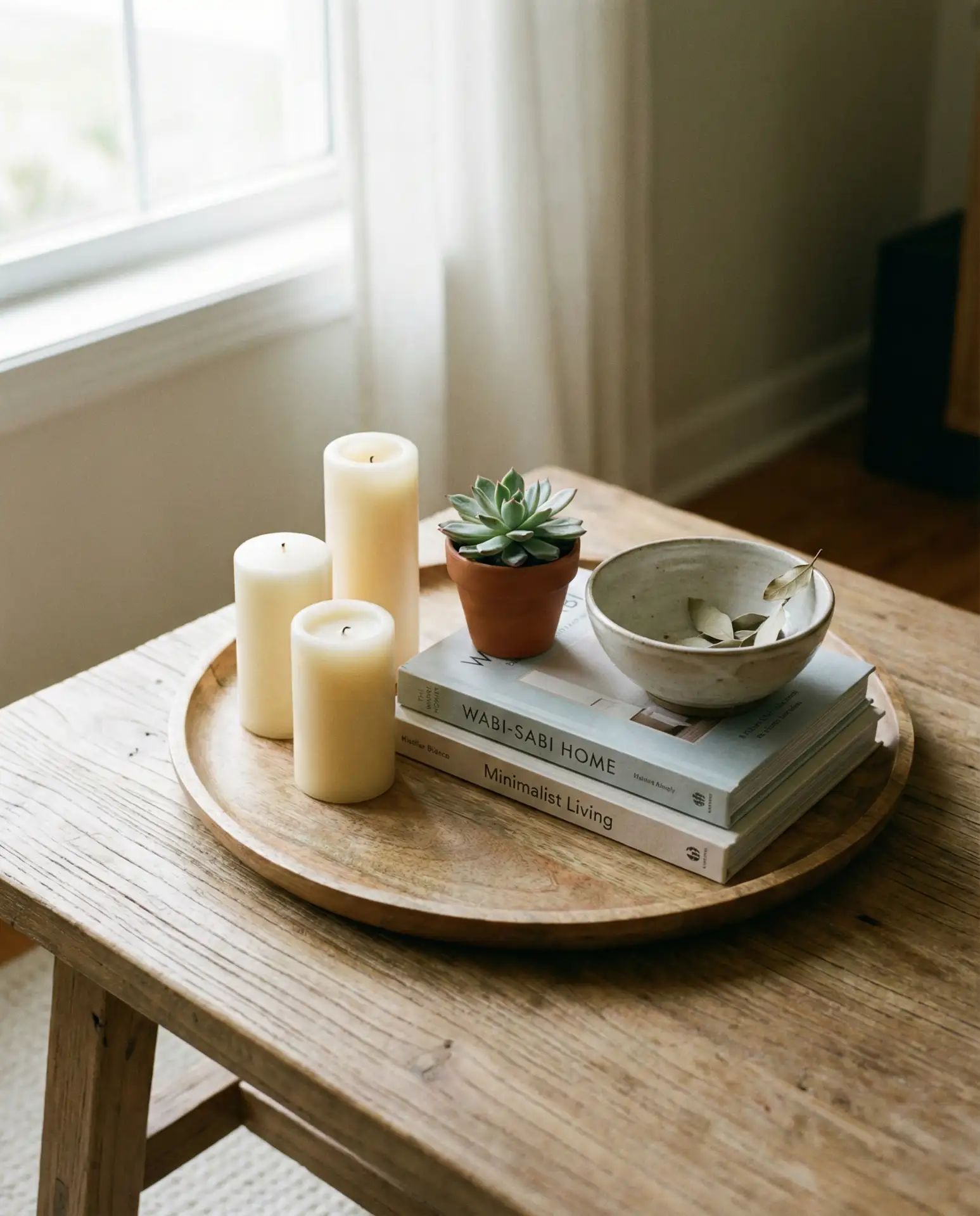
Coffee table decorations anchor the living room and offer an easy way to refresh the space seasonally. A styled tray with candles, a small plant, and a few favorite books creates visual interest without clutter. This approach to decorating ideas for surfaces has become an art form on Pinterest, where curated coffee table vignettes showcase personality while keeping the space functional for everyday use.
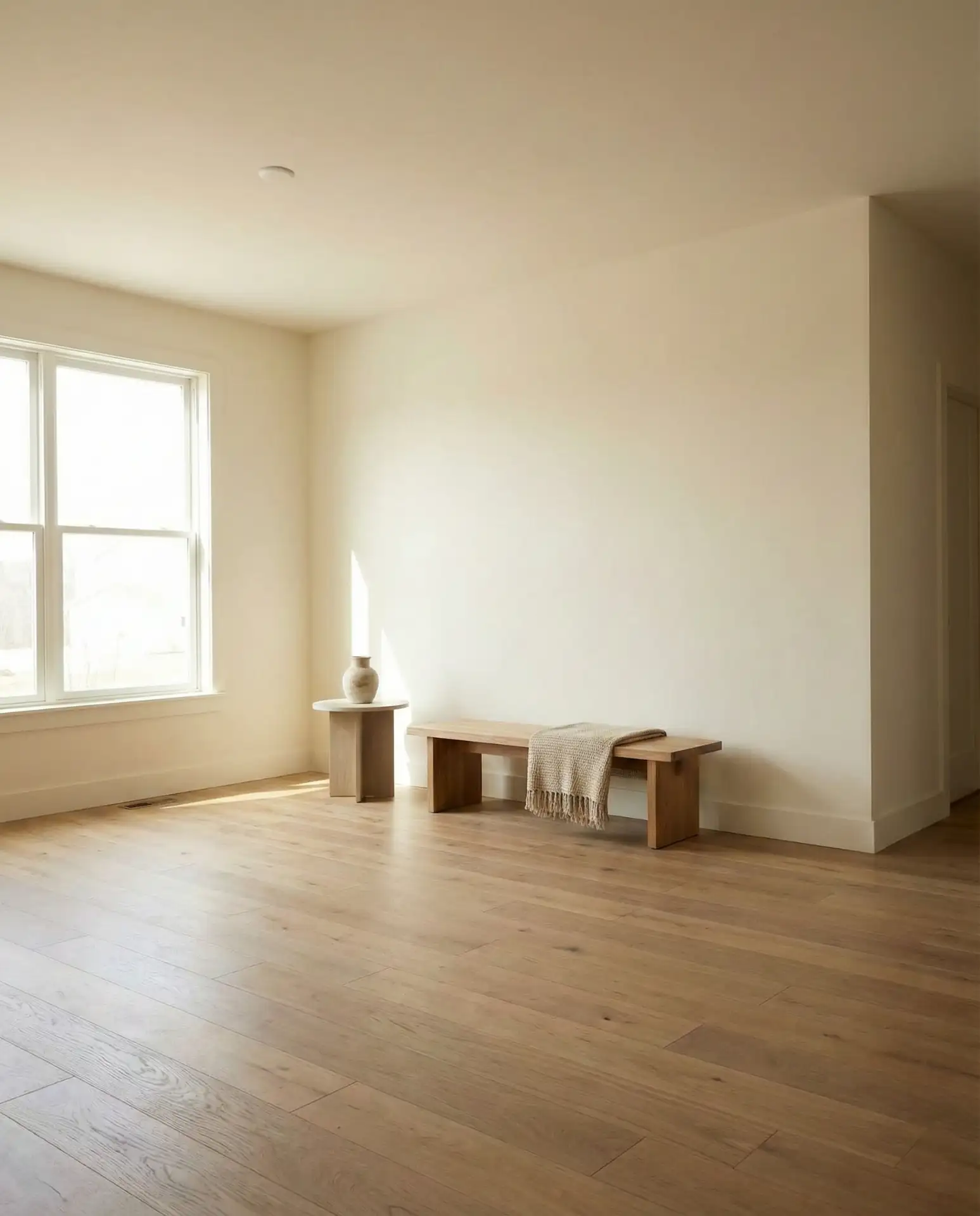
Real homeowners with kids or pets often struggle with keeping coffee tables styled—things get moved, knocked over, or covered in daily life. The solution is to create flexible arrangements using heavier items that won’t topple easily and keep decorative elements to one corner or tray, leaving the rest of the surface free for actual use. It’s about finding the balance between beautiful and livable.
17. Log Cabin Rustic Retreat
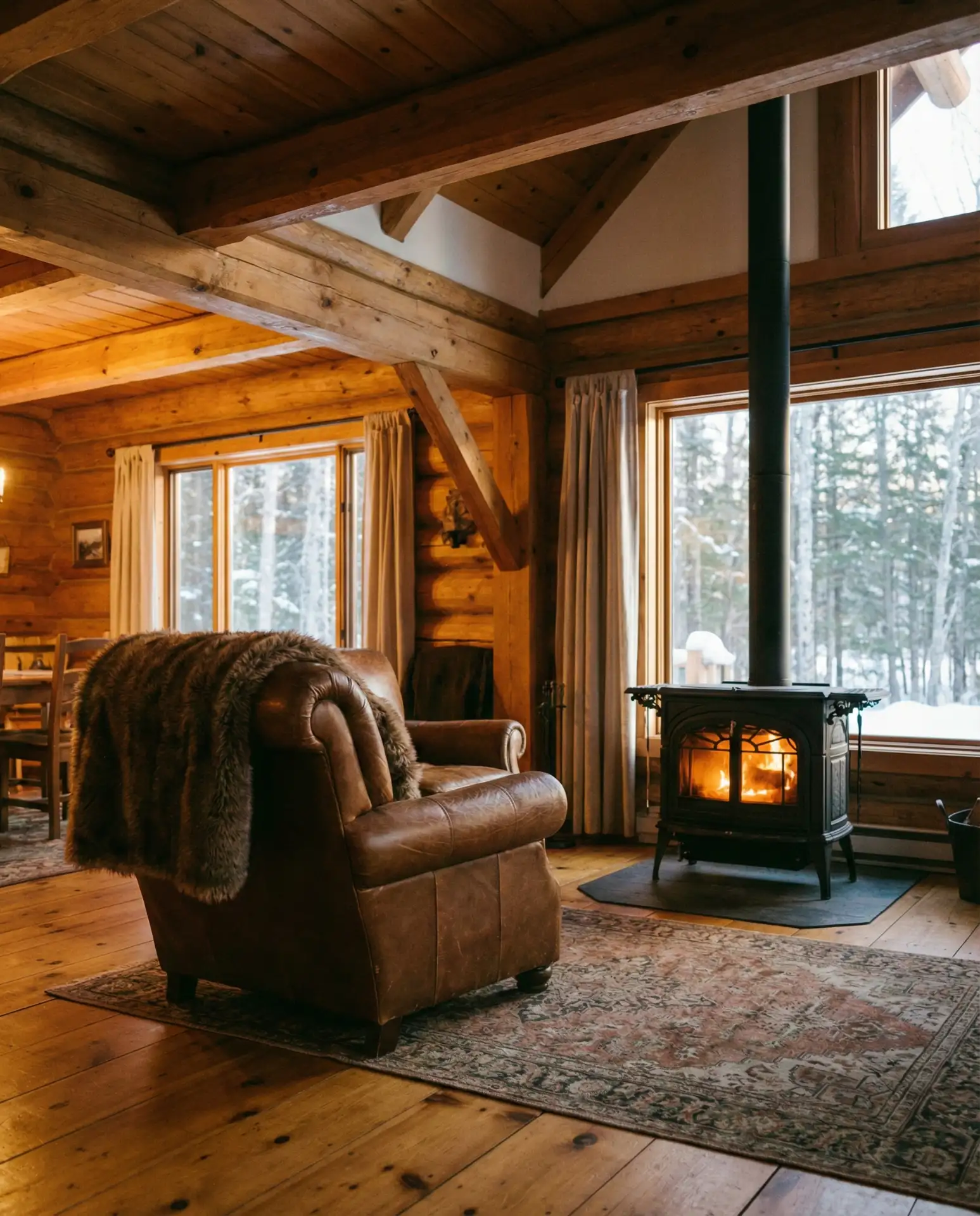
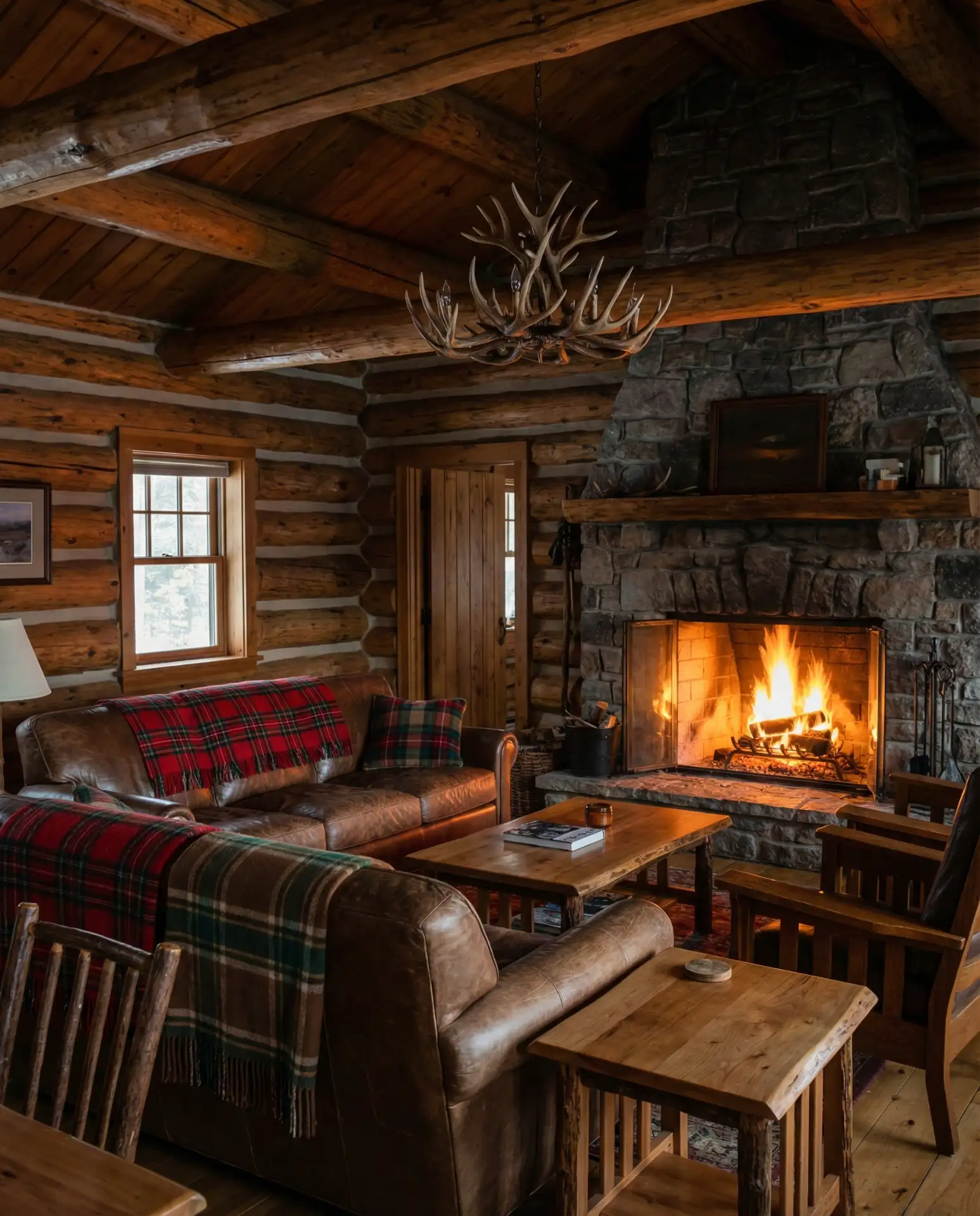
The log cabin living room celebrates natural wood in its most authentic form—exposed log walls, timber beams, and furniture crafted from reclaimed wood. This style is most genuine in actual cabin settings in the Rockies, Appalachians, or Pacific Northwest, where the architecture itself dictates the interior design. The challenge is keeping it warm and inviting rather than dark and heavy, which requires thoughtful lighting and textile choices.
A friend who owns a cabin in Wyoming learned the hard way that all-wood interiors can feel oppressive. She added white linen curtains, cream-colored rugs, and plenty of lamps to lighten the space, transforming it from dark and cave-like to warm and welcoming. The wood still stands out, but the lighter elements prevent it from overwhelming the room and make the space feel more livable year-round.
18. Mobile Design Flexibility
Creating a mobile living room layout—with furniture on casters, modular seating, and lightweight pieces—gives renters and frequent movers ultimate flexibility. This approach to interior design has gained popularity in cities where people relocate often or live in spaces that need to serve multiple functions. The key is choosing quality pieces that can adapt to different room sizes and configurations without feeling temporary or cheap.
Where this works best: apartments in cities like Boston, Washington, DC, and San Francisco, where young professionals move frequently for work. One couple in Chicago furnished their entire living room with modular pieces and, when they relocated to a smaller apartment two years later, simply reconfigured the same furniture into a new layout. The investment in quality, flexible pieces paid off in both moves and daily adaptability.
19. House Ideas: Toca Boca Playfulness
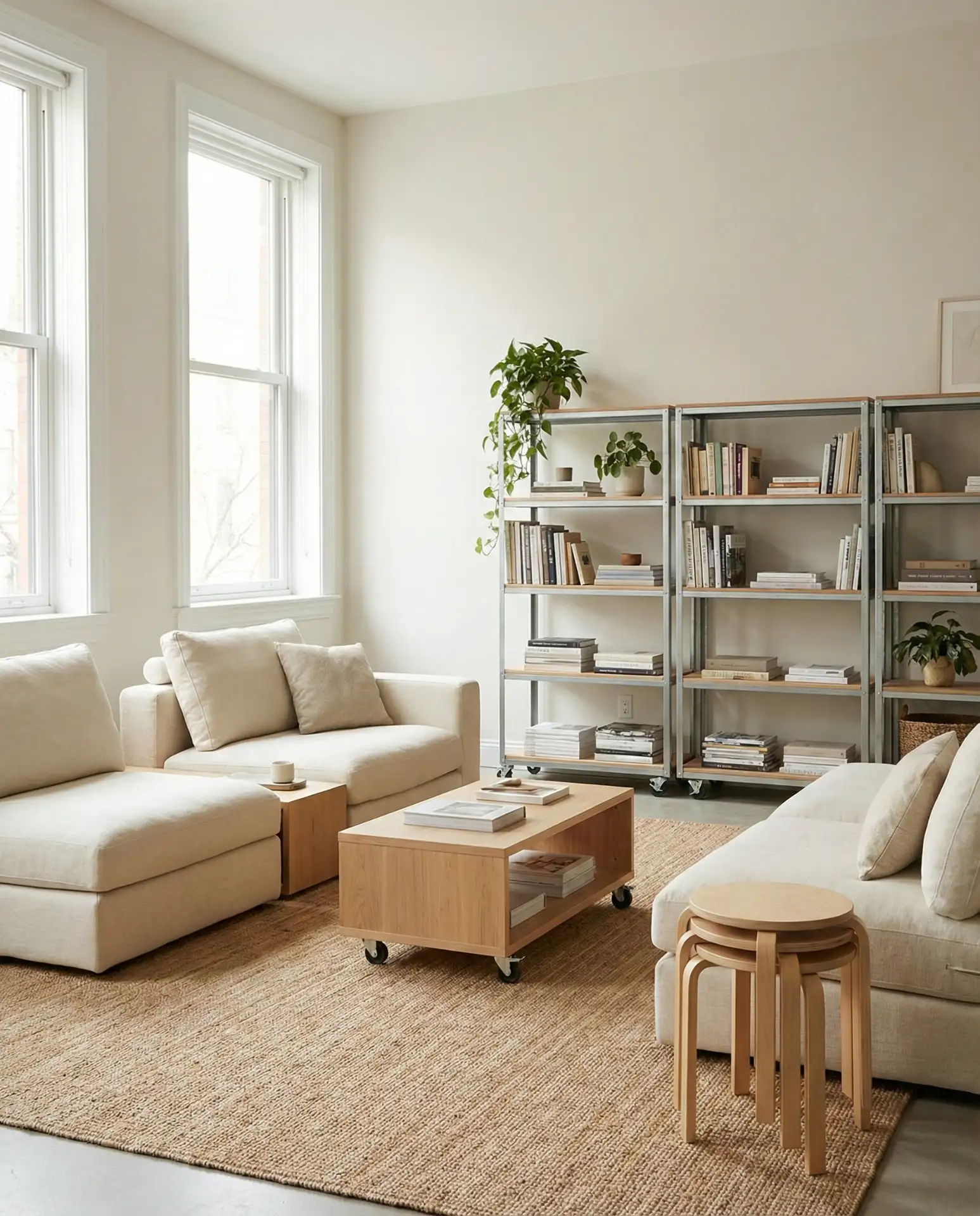
Inspired by the whimsical aesthetics of games like Toca Boca, the house ideas of Toca Boca Big Family translate into living rooms that embrace color, fun, and family-friendly design. This style works for households with children who want spaces that feel joyful and creative while still being functional for adult living. Think bright accent walls, playful patterns, durable furniture, and designated zones where kids can play without taking over the entire room.
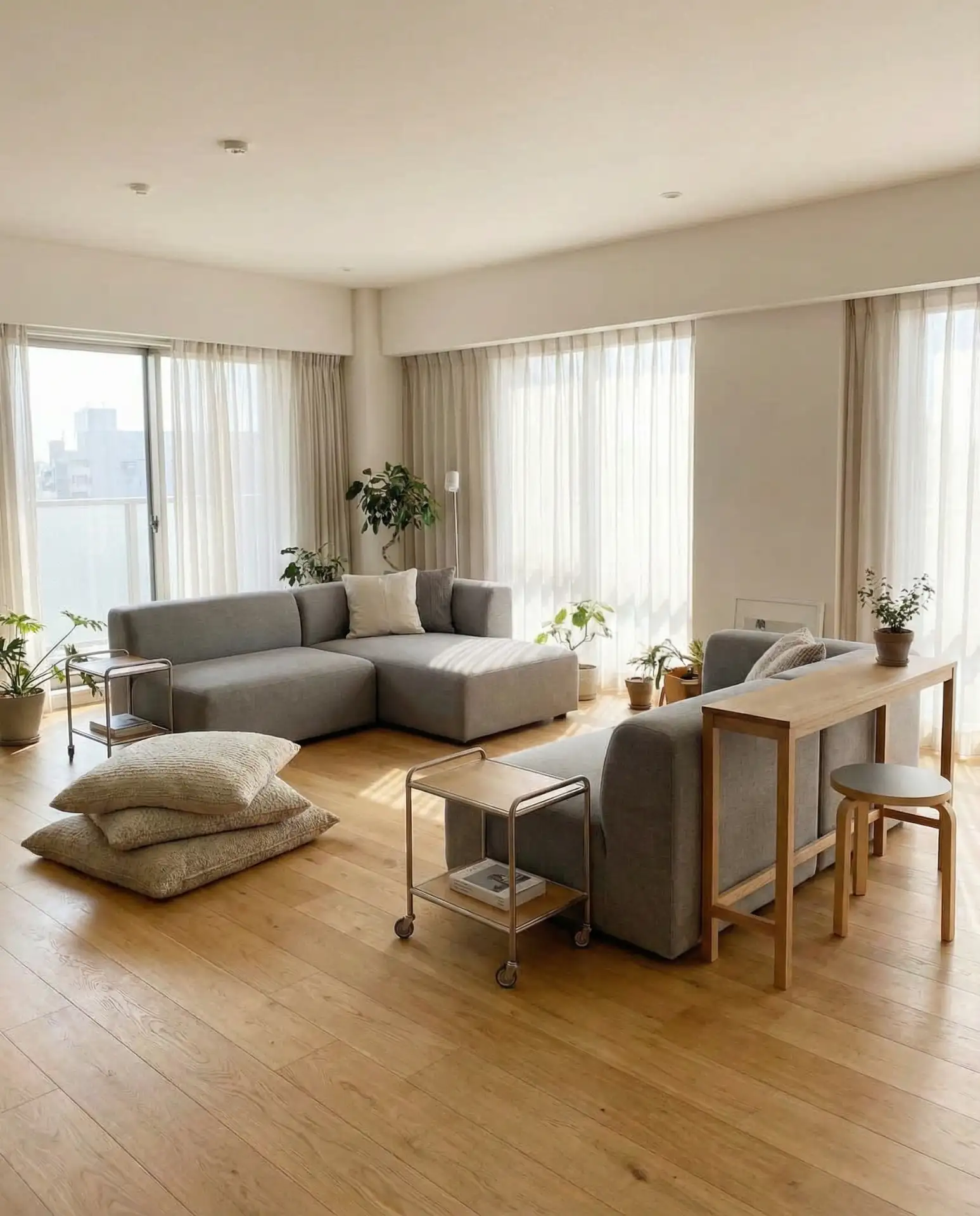
American families increasingly want living rooms that don’t sacrifice style for functionality. The solution is choosing performance fabrics that look good but can handle spills, opting for round coffee tables with no sharp corners, and creating low storage that kids can access independently. In suburbs from Dallas to Denver, this approach lets parents maintain an adult aesthetic while accommodating the reality of family life.
20. Decorating Ideas for Personalization
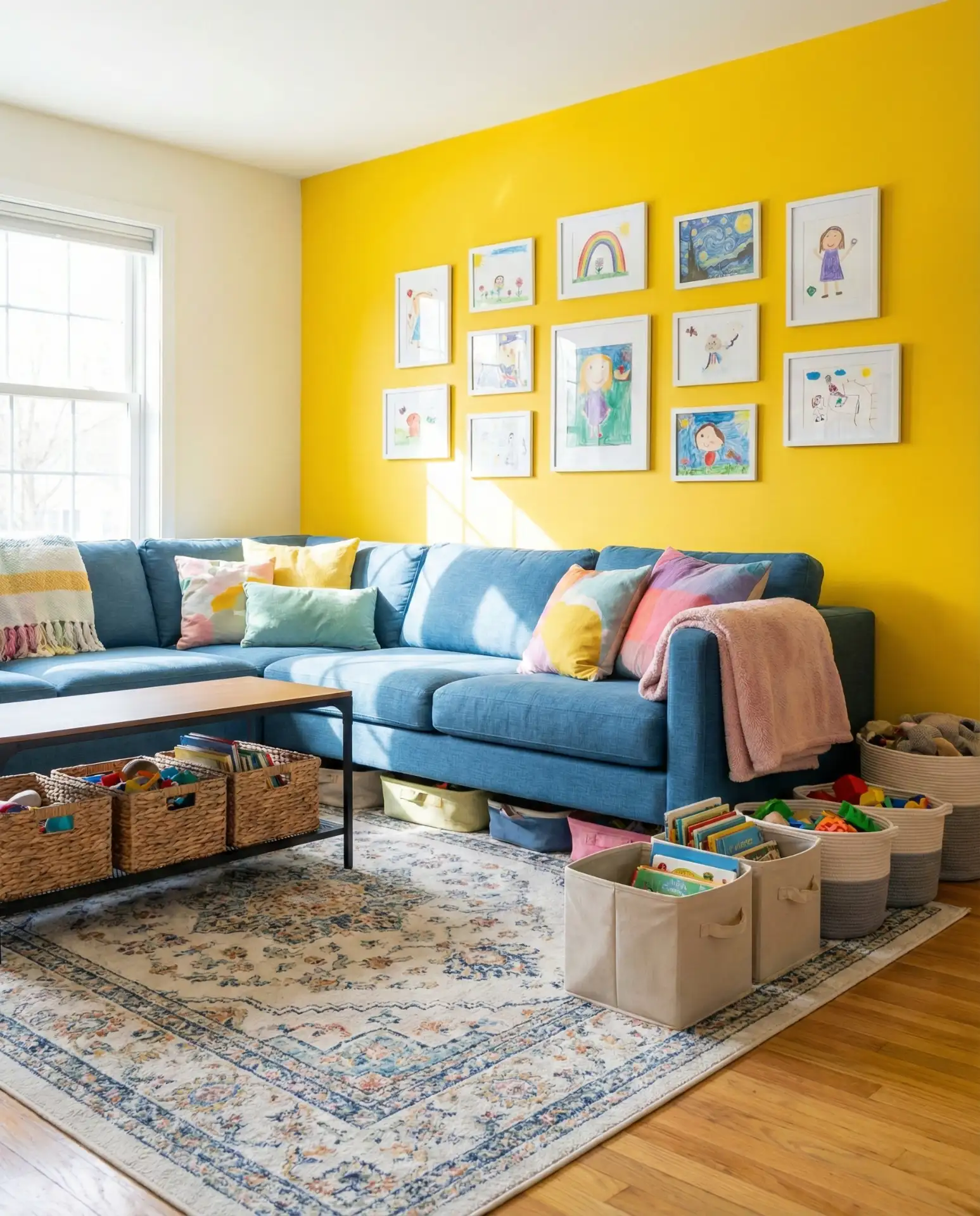
The best decorating ideas for living rooms are the ones that reflect who you actually are—not just what’s trending on Pinterest. This means displaying collections that matter to you, whether that’s vintage cameras, travel souvenirs, or family photographs. Personal touches transform generic spaces into homes, and in 2026, authenticity trumps perfection. The most memorable living rooms tell stories through curated objects and meaningful decor choices.
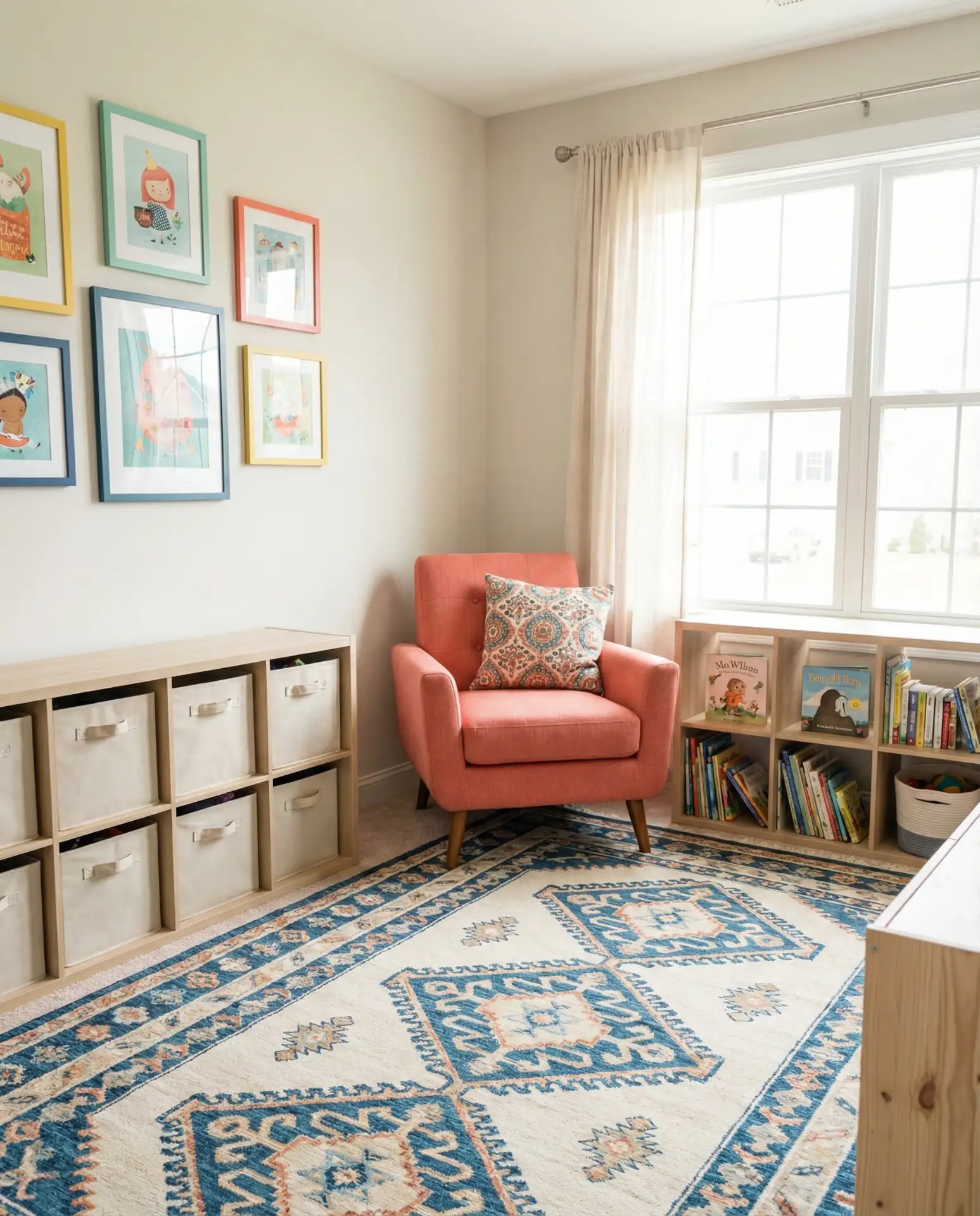
A common mistake is waiting until everything is “perfect” before adding personal items. Real homes evolve over time—that inherited chair from your grandmother, the art you bought on vacation, and the quirky lamp you found at a flea market. These pieces give a room soul and make it uniquely yours. Don’t hide them in favor of catalog-perfect styling; embrace the imperfect, personal elements that make your living room tell your story.
21. Cozy Decor Ideas: Layering
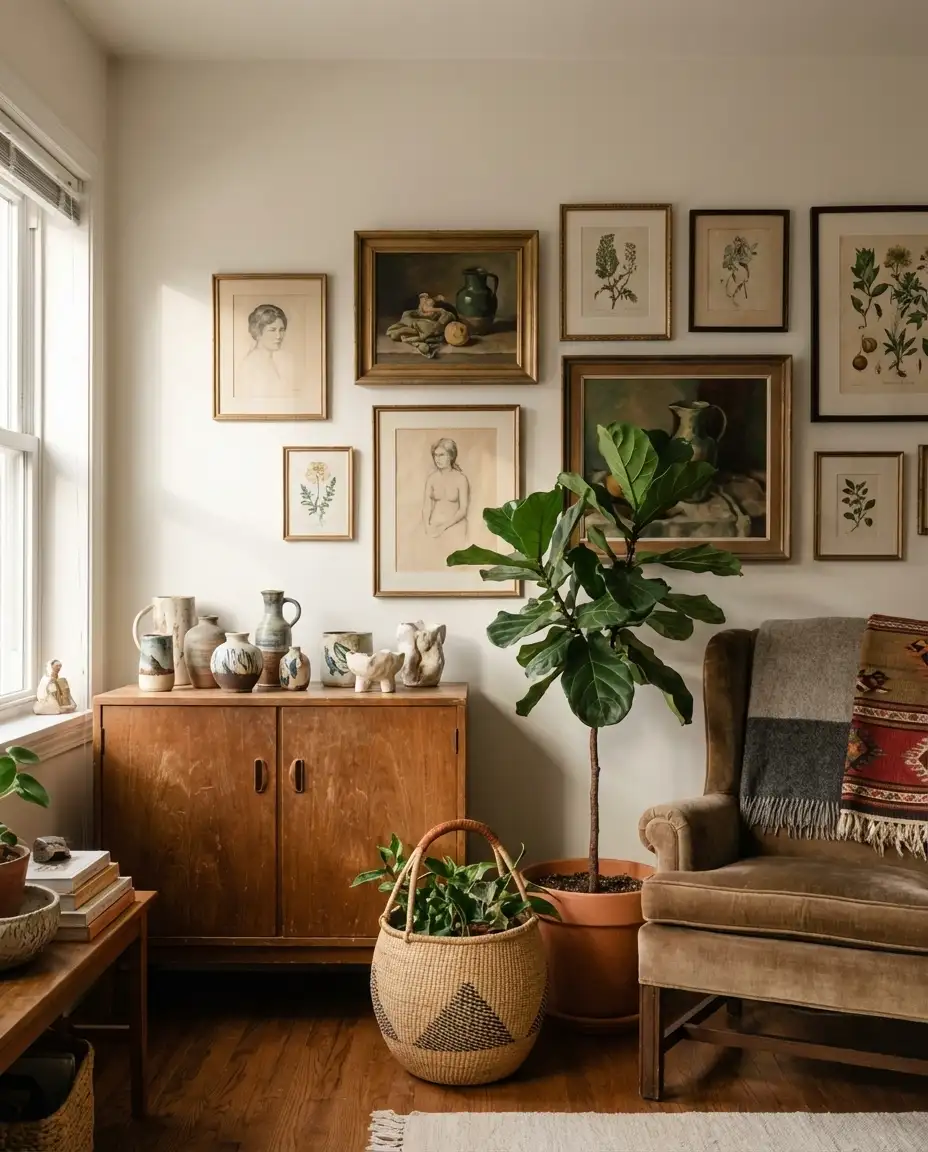
Achieving cozy decor ideas means mastering the art of layering—textiles, lighting, and accessories that build warmth incrementally. Start with a plush rug, add throw blankets in varying textures, include multiple light sources at different heights, and finish with cushions that invite you to sink in. This approach works across all design styles, from modern to farmhouse, because coziness is about sensory comfort rather than any particular aesthetic.
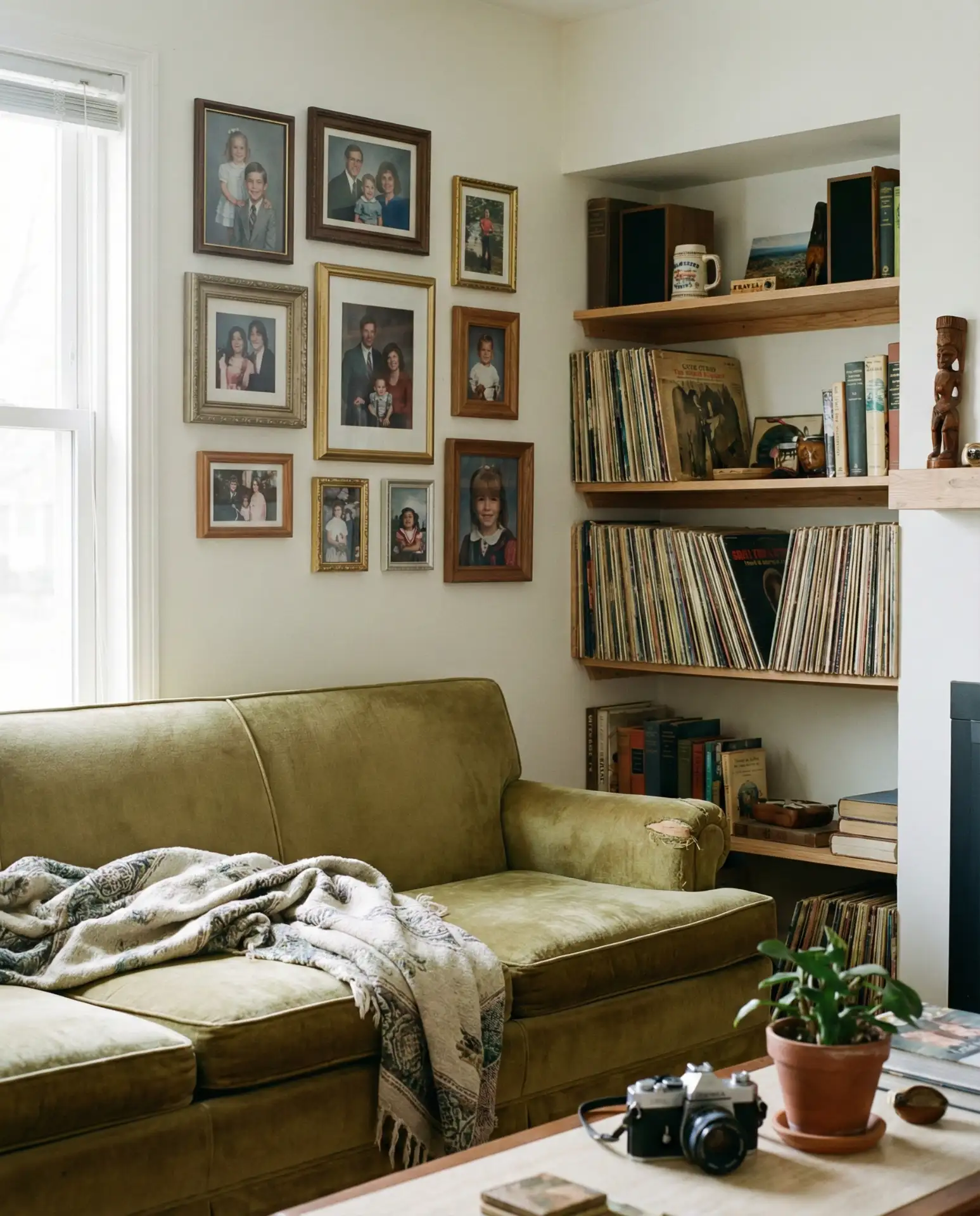
Expert designers suggest creating “cozy zones” within the living room—a reading chair with its own lamp and side table and a corner with floor cushions for casual conversation. This micro-zoning makes the room feel more intimate and usable. Budget-conscious homeowners can achieve this look by shopping secondhand for blankets and pillows, then washing and restuffing them—instant coziness for a fraction of retail prices.
Conclusion
These living room ideas capture the diverse ways Americans are reimagining their spaces in 2026—from cultural celebrations to sustainable futures, from tiny apartments to dream designs. The common thread is intentionality: creating rooms that truly reflect how we live, what we value, and who we are. We’d love to hear which ideas resonate with you most and how you’re planning to transform your own living room this year. Share your thoughts and experiences in the comments below.