Wedding decor in 2026 is shaping up to be a brilliant mix of intentional nostalgia, thoughtful sustainability, and deeply personal storytelling. American couples are moving away from cookie-cutter templates and diving into Pinterest boards that reflect their actual lives—vintage finds from family estates, DIY projects that double as keepsakes, and outdoor settings that honor the natural world. Whether you’re planning a backyard celebration or a destination ceremony, this year’s trends favor warmth, texture, and meaning over perfection. Below, you’ll find twenty-two ideas that capture the spirit of what’s resonating right now, each one designed to inspire your own vision.
1. Dried Floral Arches for Outdoor Ceremonies
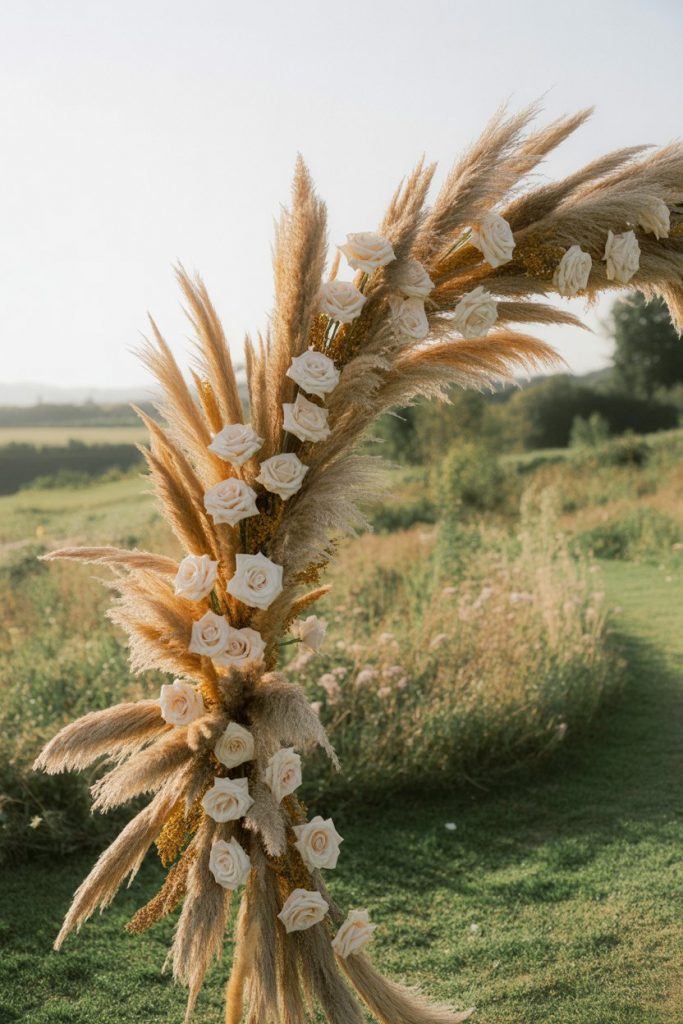
Dried florals have become a staple for couples seeking outdoor and rustic wedding aesthetics that feel both timeless and low-maintenance. These arches work beautifully in garden settings or open-air venues, where pampas grass, wheat stalks, and preserved roses create soft, sculptural backdrops without the worry of wilting in summer heat. The muted tones—cream, taupe, blush—photograph gorgeously in natural light and require far less coordination with florists than fresh arrangements. 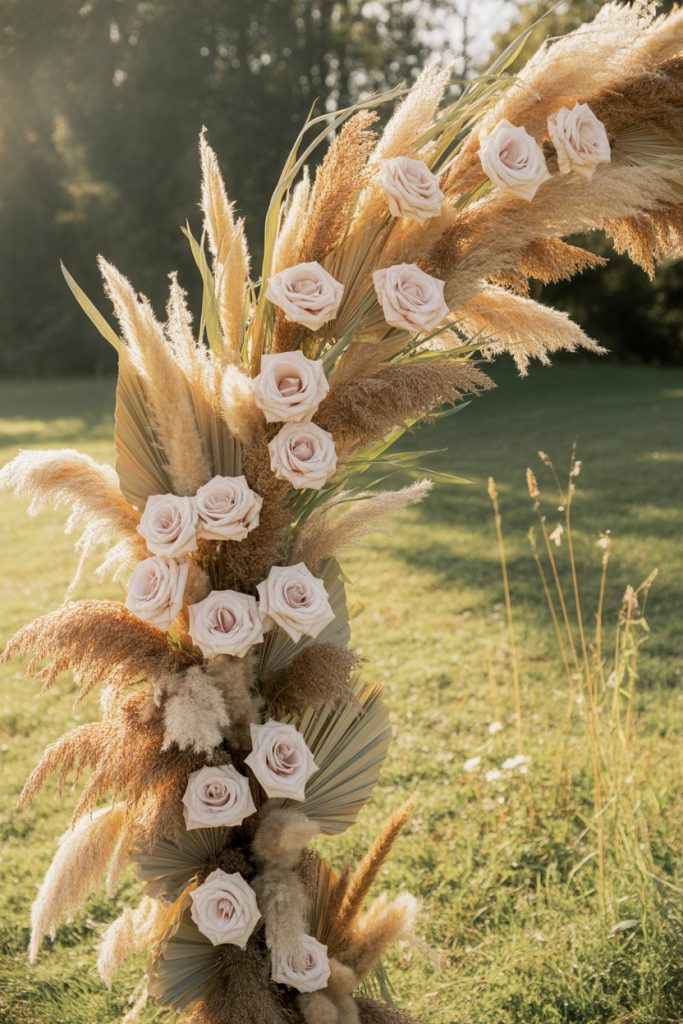
One major advantage is longevity—these installations can be assembled days in advance and repurposed as home decor afterward, which appeals to budget-conscious couples. They also travel well, making them ideal for destination weddings where fresh flowers might not survive the journey. If you’re working with a planner, ask about locally sourced dried botanicals to cut down on shipping costs and support regional growers.
2. Intimate Round Table Dining Under String Lights
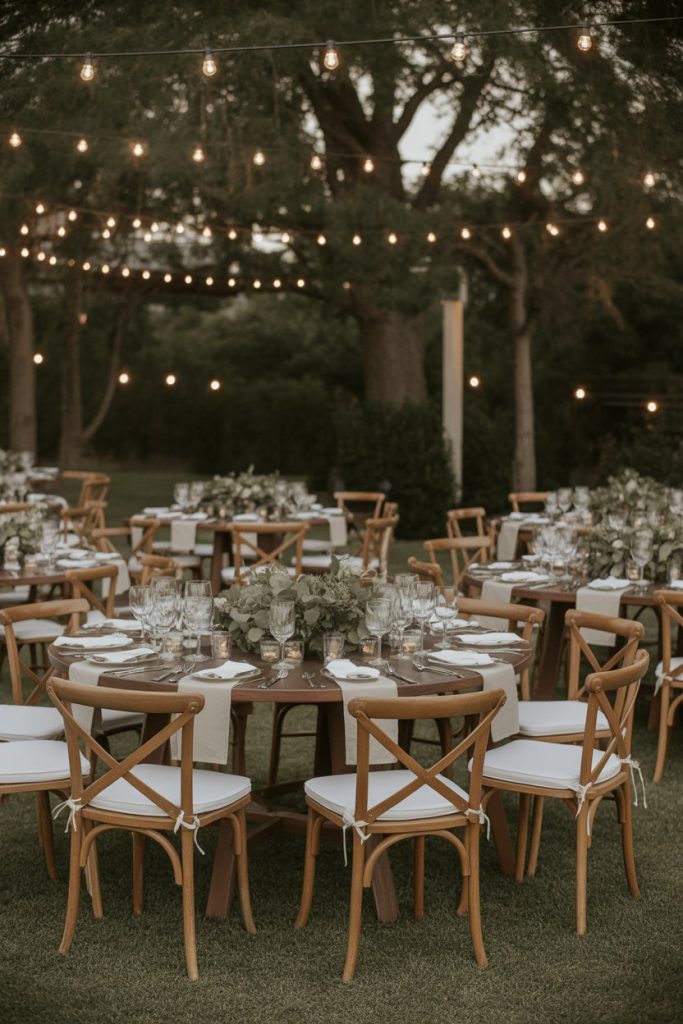
Round tables have made a major comeback, especially for backyard and indoor elegant receptions where conversation and connection matter more than formality. Unlike long banquet setups, round table arrangements encourage guests to interact across the full circle, creating a warmer, more inclusive atmosphere. Paired with low Edison bulb string lights overhead, the effect is both relaxed and refined—perfect for couples who want their wedding to feel like a gathering among close friends rather than a staged production. 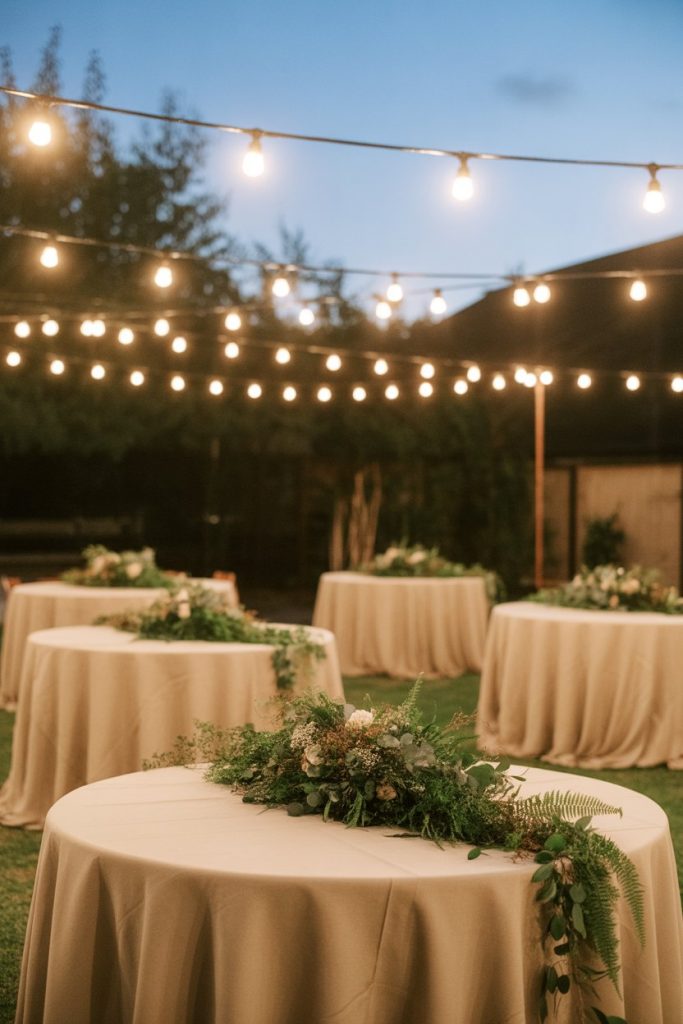
This setup works particularly well in smaller venues or home gardens where space is limited but ambiance is crucial. A common mistake is overcrowding the tables—leave at least eight inches per guest and avoid tall centerpieces that block sightlines. Many couples also underestimate how much lighting they need once the sun sets; layering string lights with candles ensures the space stays warm and visible without relying on harsh overhead fixtures.
3. Vintage Glassware and Mismatched Tableware
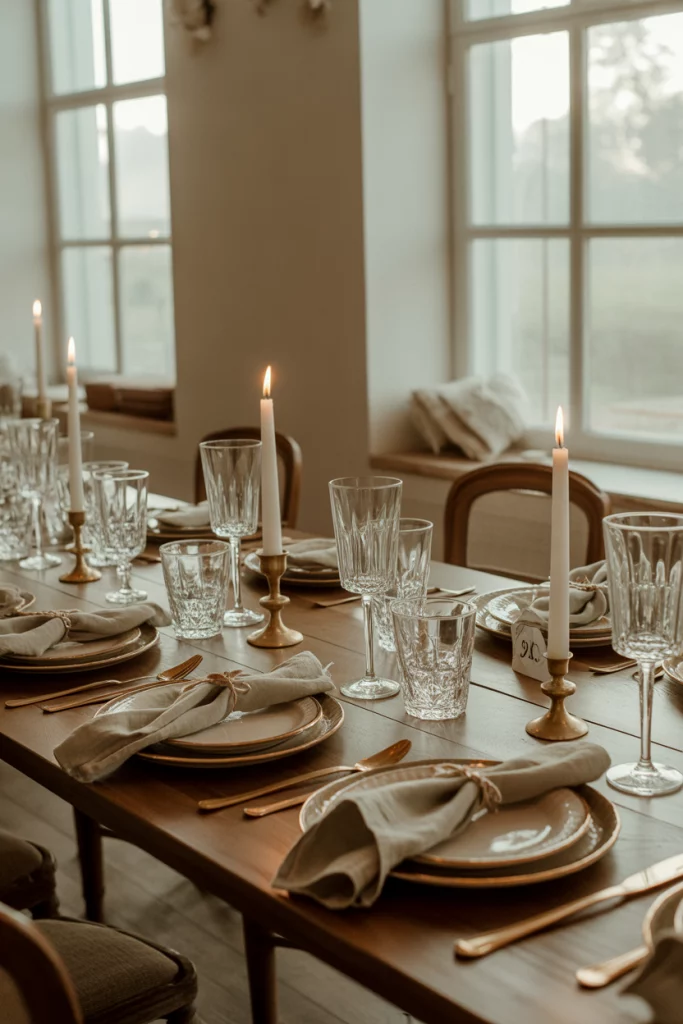
Thrifted glassware and vintage china have become the hallmark of weddings that prioritize character over uniformity. Couples are scouring estate sales and antique markets for Depression glass goblets, milk glass vases, and hand-painted plates—each piece telling a small story. This approach fits naturally into rustic and country themes, but it also adds unexpected charm to more formal settings when styled with intention and a cohesive color palette. 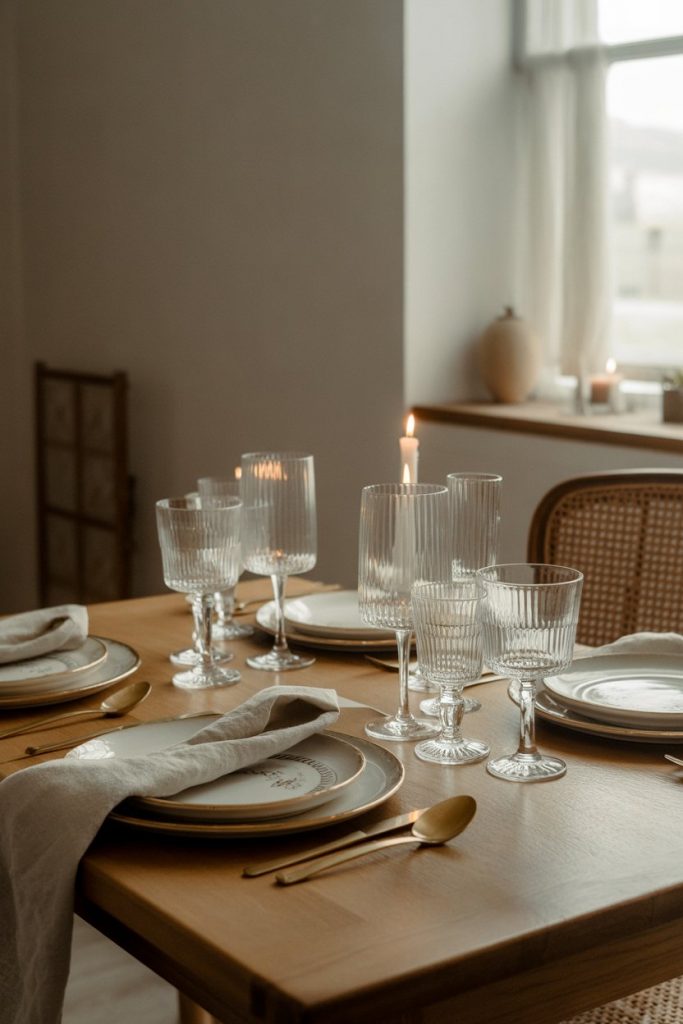
In the South and Midwest, this trend has caught on especially fast—many couples inherit pieces from grandparents and incorporate them into their tablescapes as a way to honor family history. Start collecting early if you’re going this route; building a full set takes time, and rental companies now offer curated vintage collections if you prefer a turnkey option. Just be mindful of fragility—vintage glass can chip easily, so have a few extras on hand.
4. Fabric Draping for Indoor Ceremony Backdrops
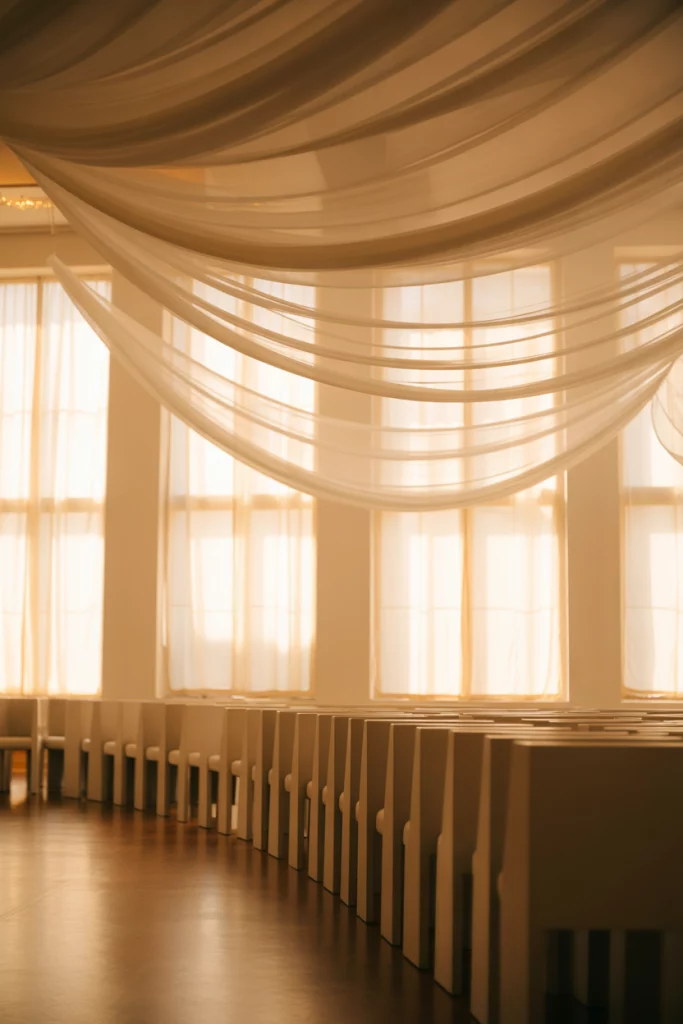
Ceiling drapes and fabric installations have become a go-to solution for transforming plain indoor spaces into something ethereal and romantic. Sheer voile, muslin, or even dyed cotton can be gathered and swooped across beams or rigging to create soft, cloudlike canopies. This works especially well in community halls, barns, or hotel ballrooms where the architecture is functional but not particularly beautiful. The result is a dreamy, elegant atmosphere that feels intimate despite potentially large square footage. 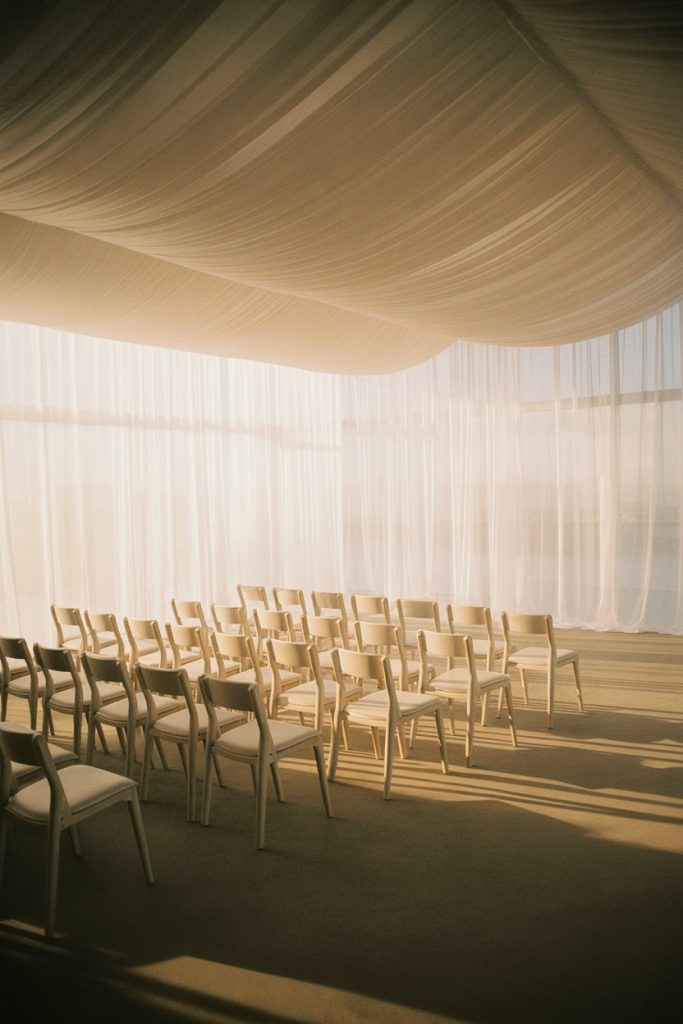
Fabric draping is also surprisingly affordable compared to elaborate floral installations—many couples rent the textiles and hire a day-of team to install them. It’s a smart choice if you’re working with a tight budget but still want a high-impact visual. One tip from planners: avoid synthetic fabrics that photograph shiny or stiff; natural fibers like cotton and linen catch light more beautifully and photograph with more texture.
5. Wildflower Meadow Centerpieces
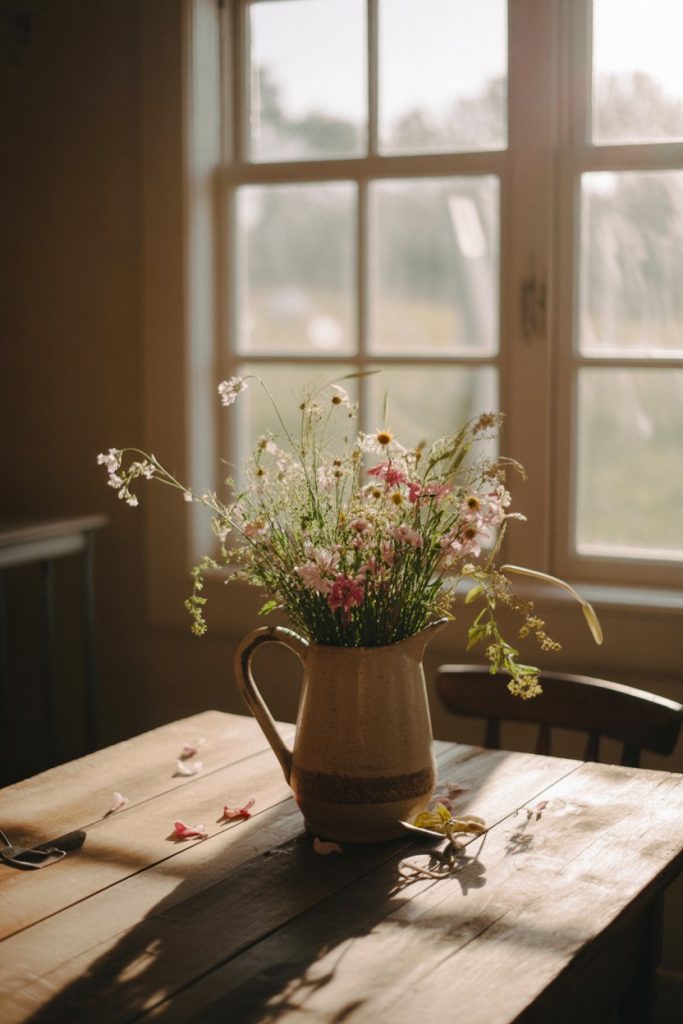
Loose, unstructured wildflower arrangements have replaced the tightly wound bouquets of years past, especially for spring and summer weddings. These centerpieces evoke the feeling of walking through a meadow—Queen Anne’s lace, black-eyed Susans, cosmos, and daisies spilling casually from ceramic pitchers or vintage milk cans. The beauty is in the imperfection, which aligns perfectly with the current shift toward authenticity and away from overly polished, Pinterest-perfect aesthetics. 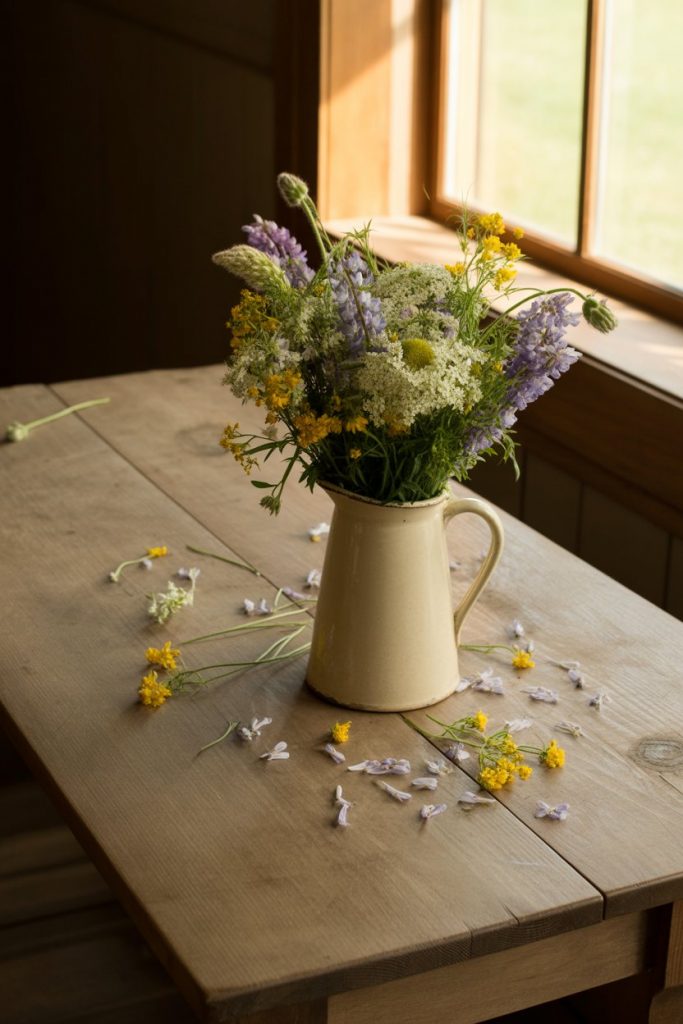
Where it works best: outdoor tented receptions, barn venues, and garden parties where the decor echoes the surrounding landscape. Wildflowers are also budget-friendly—many couples buy in bulk from local farms or even forage from family property. If you’re DIYing, arrange them the morning of the wedding and keep them in a cool spot; they’re hardier than hothouse blooms but still benefit from proper hydration.
6. Macramé Hanging Installations
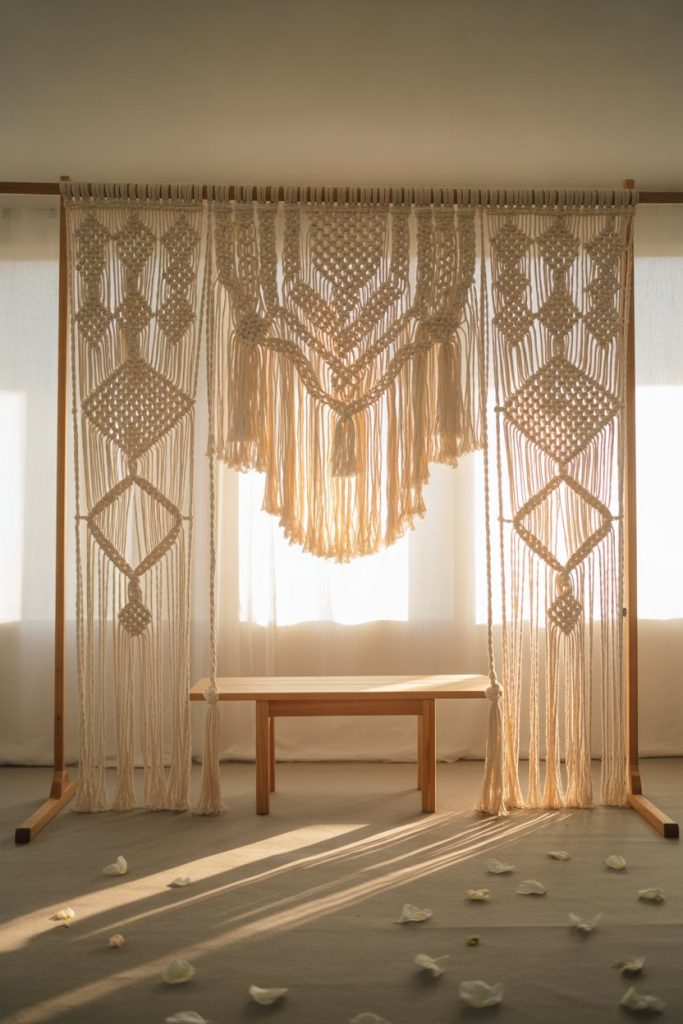
Macramé has evolved from boho cliché to sophisticated statement piece, particularly when used as a hanging backdrop or suspended art installation. These fiber pieces add unique texture and dimension to both indoor and outdoor venues, casting intricate shadows in natural light. Couples are commissioning custom pieces that incorporate their initials, wedding dates, or symbolic patterns, turning what could be simple decor into a meaningful focal point that can later live in their home. 
Expert designers suggest pairing macramé with cleaner, more modern elements to avoid veering into overly bohemian territory—think sleek acrylic signage, monochromatic florals, or industrial metal accents. The beauty of macramé is its versatility; it reads equally well in desert settings, beach venues, and urban lofts. Just make sure it’s securely hung—natural fiber is heavier than it looks, and improper rigging can be a safety issue.
7. Candlelit Pathways and Aisles
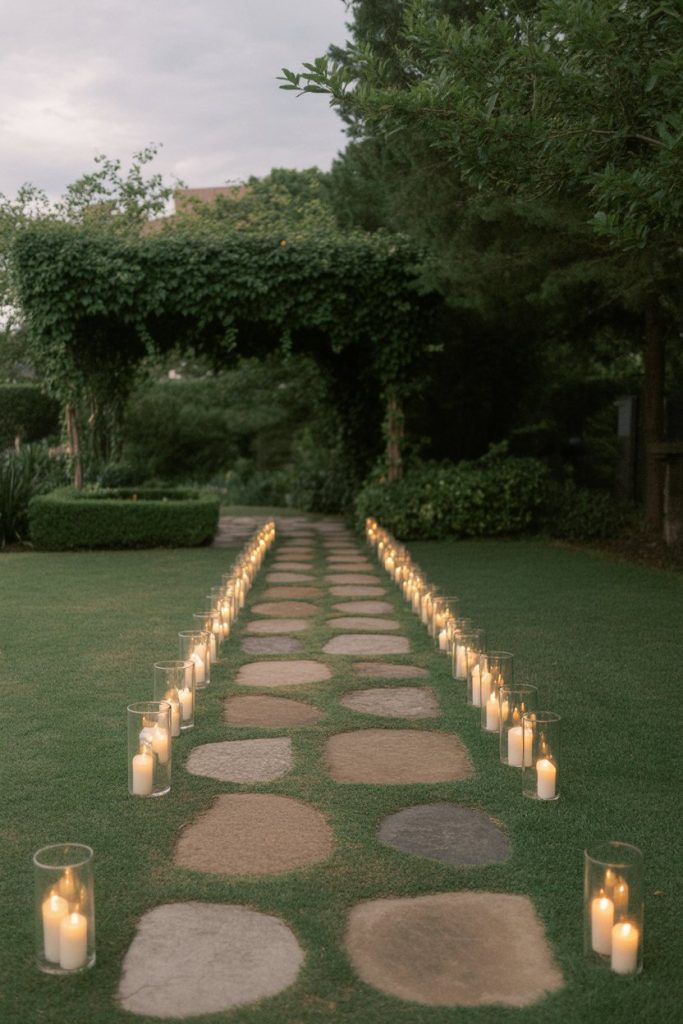
Nothing creates romance quite like a pathway lined with flickering candles, particularly for evening ceremonies in garden or outdoor settings. Pillar candles in glass hurricanes, votive clusters on stone ledges, or even paper lanterns with LED tea lights can transform a simple walkway into something cinematic. This decor choice works beautifully for destination weddings on beaches or vineyards, where the natural landscape provides the structure and the candles provide the intimacy. 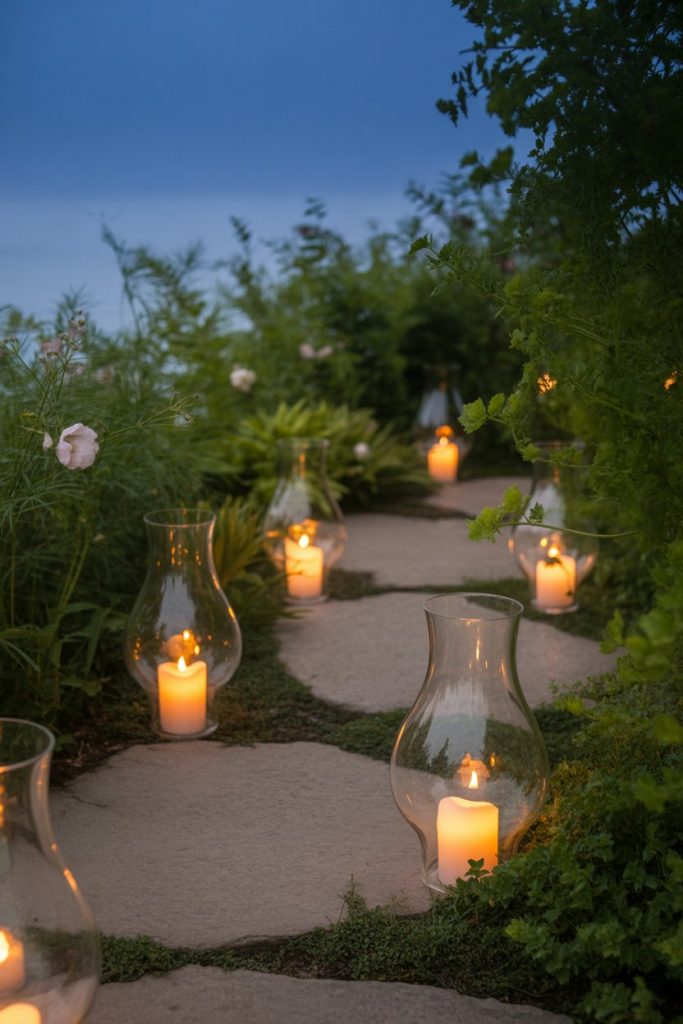
A practical insight: always check your venue’s open flame policy before committing to this idea. Many parks and historic sites prohibit real candles, but battery-operated options have improved dramatically and now offer realistic flicker effects. If you’re going with real flames, assign someone to light them just before guests arrive and extinguish them immediately after the ceremony—it’s a small task that makes a huge difference in both safety and ambiance.
8. Repurposed Wooden Crates and Barrels
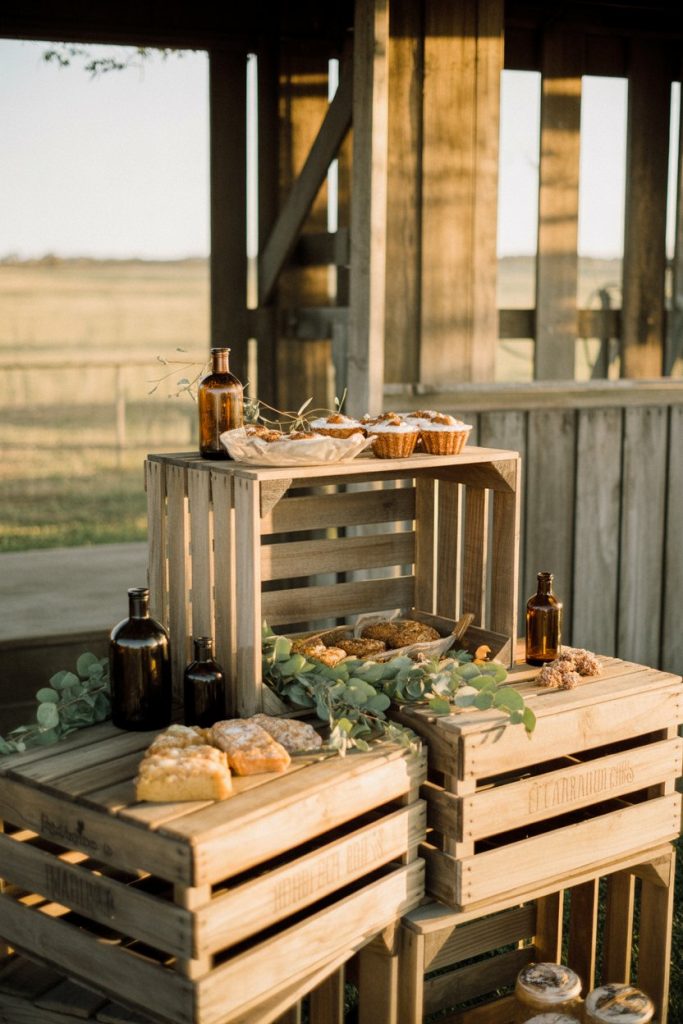
Rustic wooden crates and wine barrels have become the scaffolding of DIY and cheap wedding decor, serving as everything from dessert displays to gift table bases. These pieces are widely available at thrift stores, farm supply shops, and online marketplaces, making them accessible for couples working with limited budgets. Stacked, stained, or left raw, they add instant texture and a handmade quality that feels personal and grounded—especially in barn or country venues. 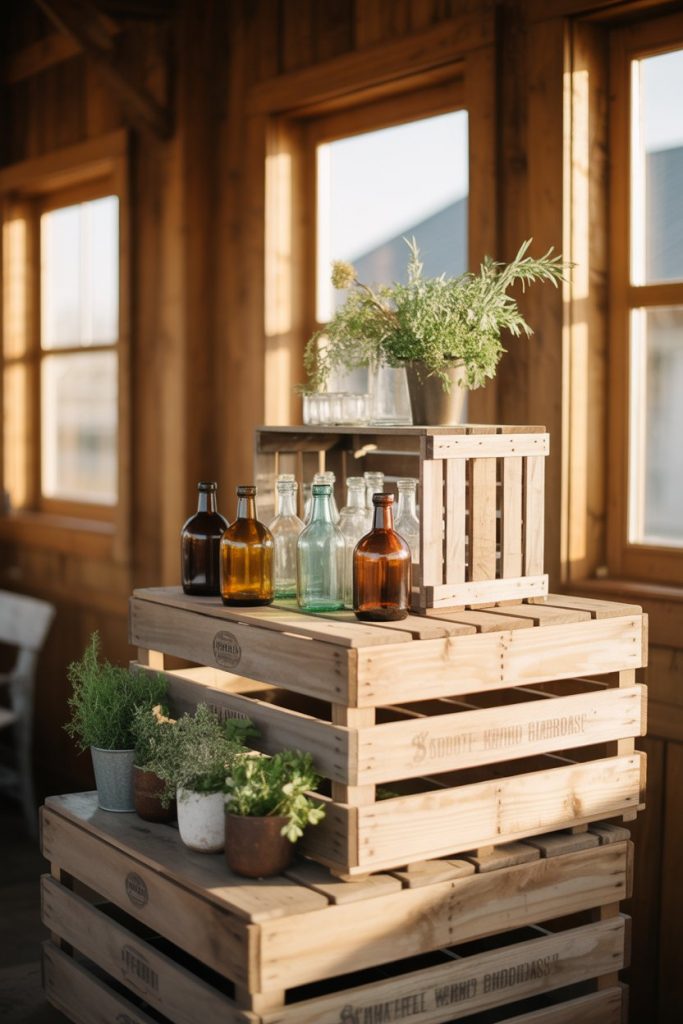
Real homeowner behavior: many couples buy these items secondhand and resell them after the wedding, essentially renting them for free. If you’re going this route, clean and treat the wood beforehand—splinters and dirt are common issues with older pieces. Crates also make excellent planters for live herb centerpieces, which guests can take home as favors, extending the life and value of the decor well beyond the event itself.
9. Hanging Greenery Installations Above Tables
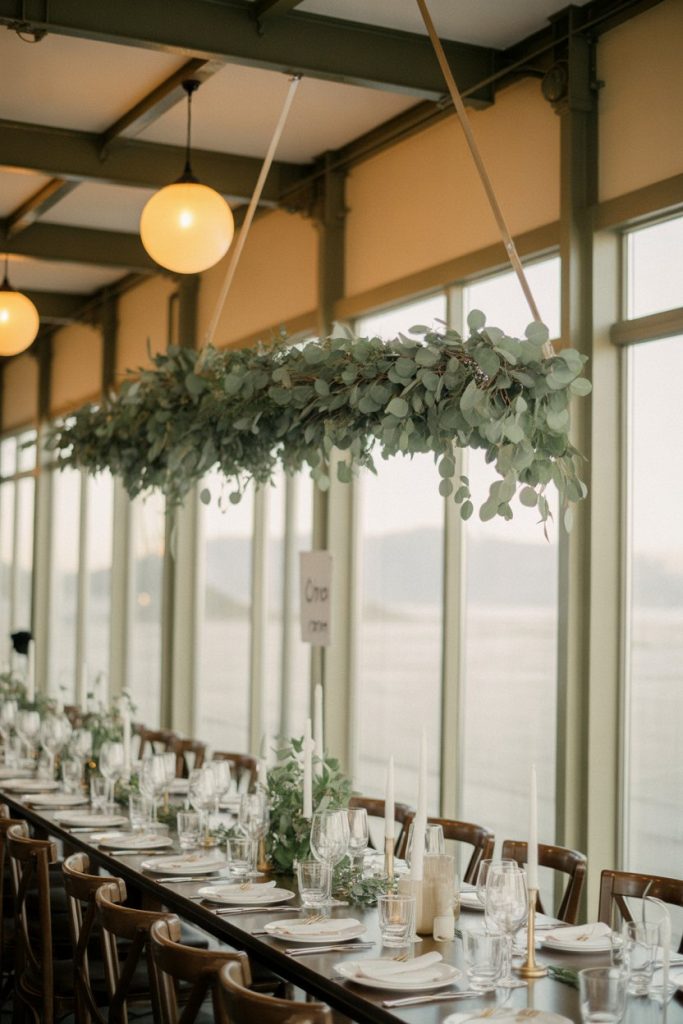
Suspended greenery—think eucalyptus garlands, ivy strands, or olive branches—has become a defining feature of elegant receptions, particularly in venues with high ceilings or exposed beams. These installations draw the eye upward, making spaces feel grander and more immersive. They also photograph exceptionally well, creating layered compositions that add depth to both professional and guest snapshots. This trend works across seasons but feels especially fitting for spring and summer celebrations. 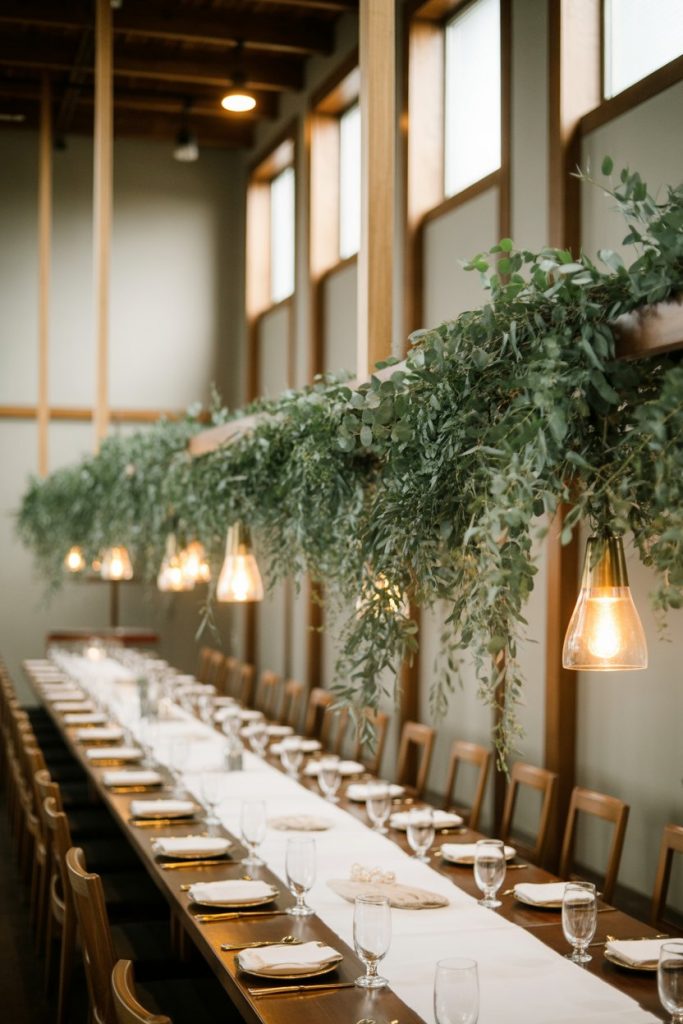
Budget-conscious couples can often source greenery locally and assemble installations themselves with the help of friends and fishing line or floral wire. The key is balance—too much greenery overhead can feel heavy and oppressive, while too little won’t have the desired impact. Work with your florist or designer to determine the right density for your space, and always do a test hang a day or two before the event to troubleshoot any structural issues.
10. Hand-Painted Signage and Welcome Boards
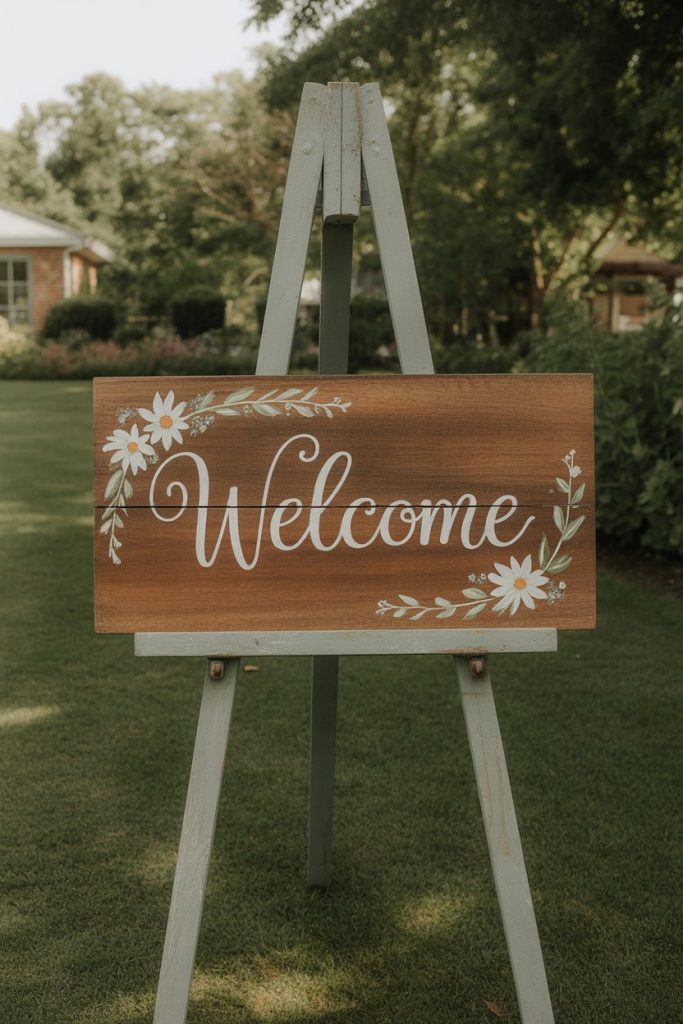
Custom hand-painted signs have become a beloved detail for couples who want to inject personality into their traditional or simple weddings without going overboard. These might include welcome boards, seating charts, directional signs, or even menu displays—each one painted on reclaimed wood, canvas, or acrylic. The handmade quality signals care and thoughtfulness, and many couples commission local artists or tackle the project themselves as a way to personalize their day. 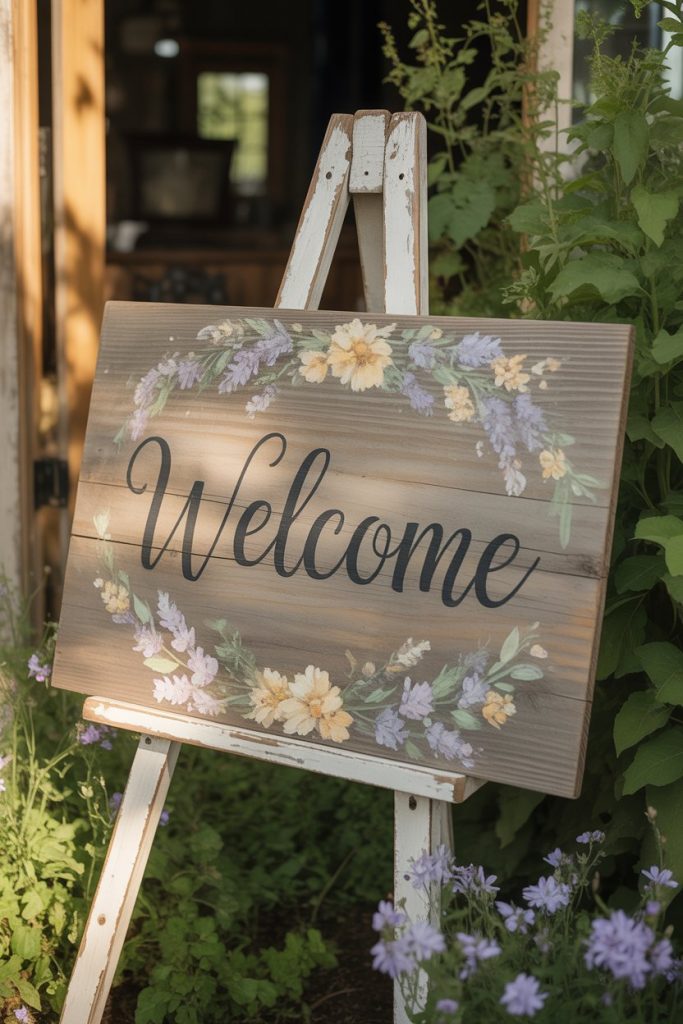
Where it works best: entrance areas, cocktail hour spaces, and gift tables where guests naturally pause and take in details. If you’re DIYing, practice your lettering on paper first and use a projector to trace outlines onto the final surface—it’s a trick many “hand-painted” signs use to ensure clean, professional-looking results. Seal the finished piece with a weatherproof varnish if it’ll be outdoors, especially in humid or rainy climates.
11. Metallic Accents and Copper Fixtures
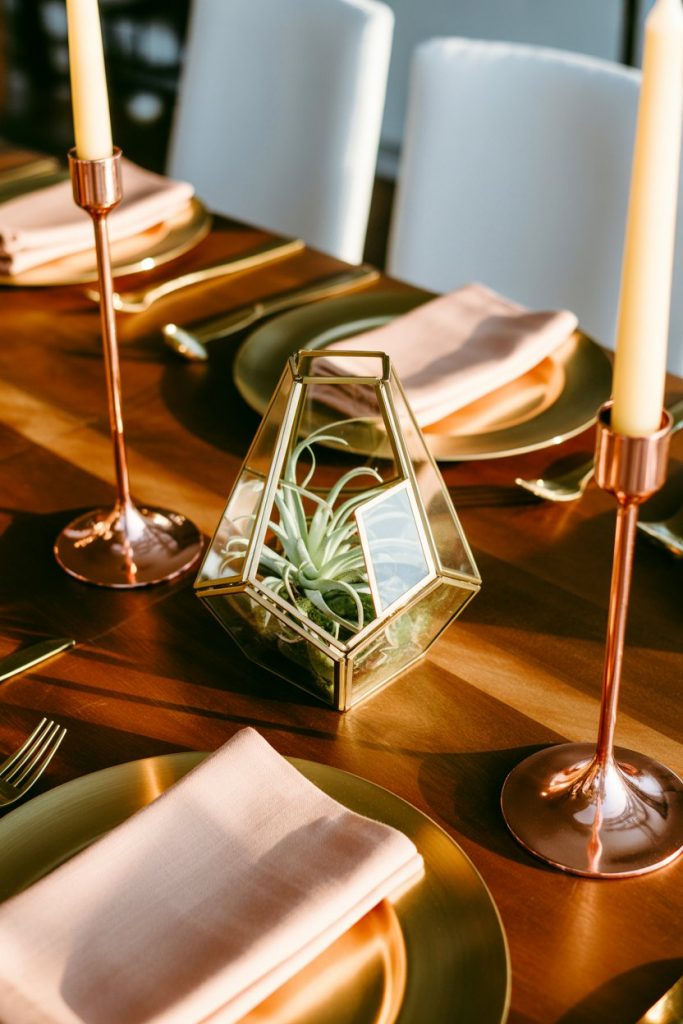
Copper, brass, and rose gold accents have brought warmth and sophistication to modern and elegant weddings, offering a softer alternative to the starkness of silver or the formality of gold. These metallic tones pair beautifully with blush, sage, and ivory palettes, and they show up in everything from flatware and candlesticks to geometric terrariums and hanging lanterns. The effect is refined without being stuffy, making it ideal for couples who want polish but not pretense. 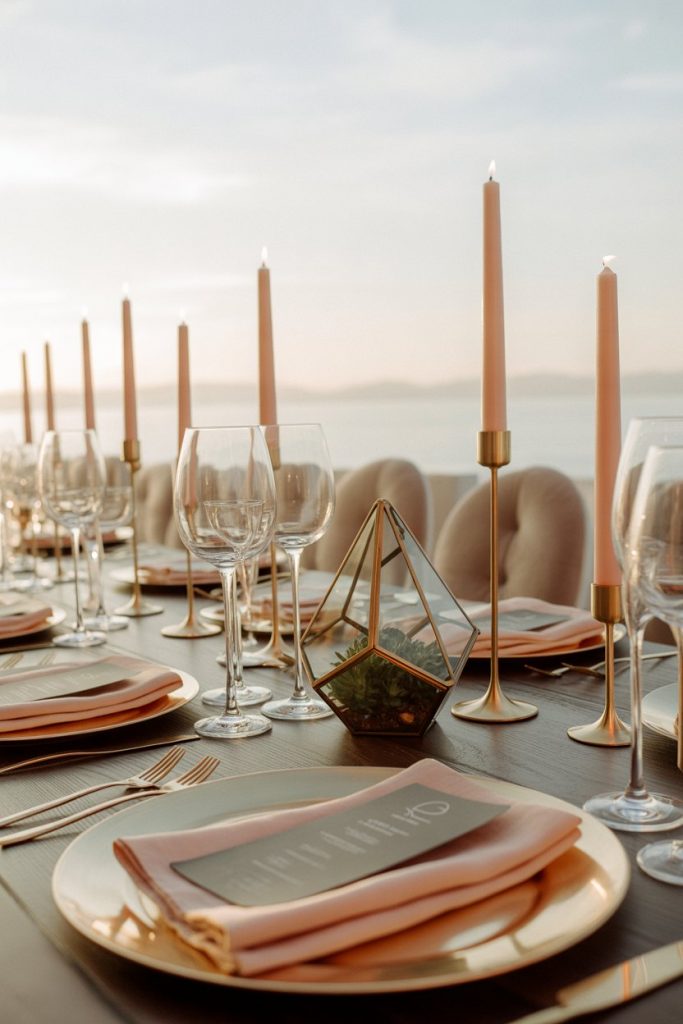
In the Pacific Northwest and parts of California, this trend has become especially popular for vineyard and industrial loft weddings where the metal catches natural light beautifully. One mistake to avoid: mixing too many metallic finishes in one space. Stick to one or two tones and let them anchor the design rather than compete. Copper, in particular, can tarnish quickly, so if you’re using vintage pieces, polish them a day or two before the event.
12. Living Walls and Moss Backdrops
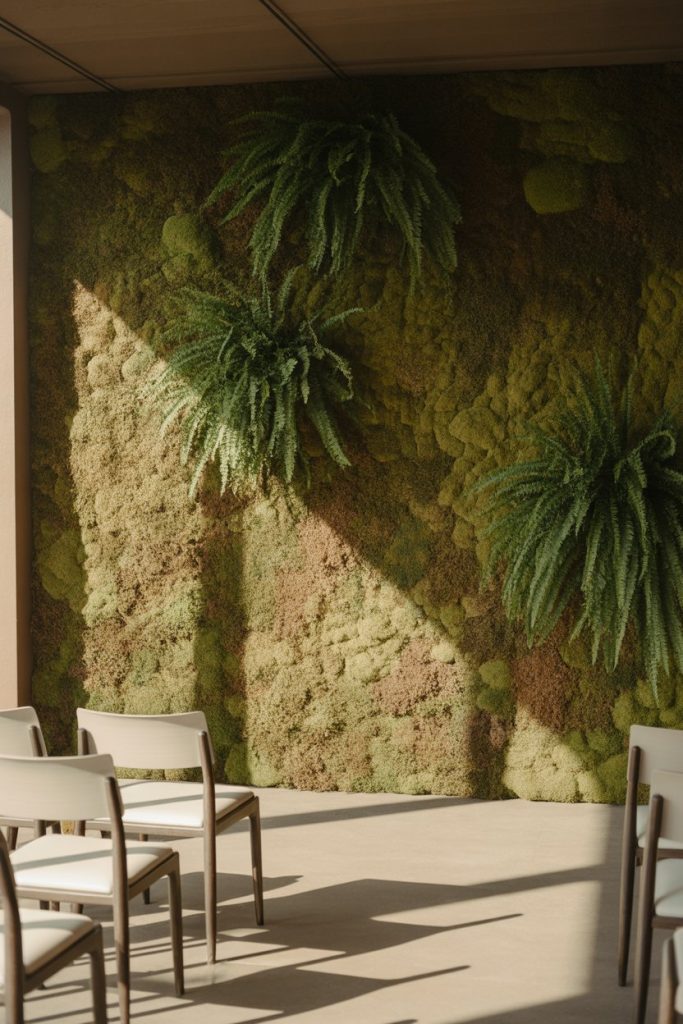
Living walls—vertical gardens made of moss, ferns, succulents, or tropical foliage—have become a striking alternative to traditional floral backdrops. These installations are particularly popular for indoor ceremonies and photo booths, where they create a lush, biophilic environment that feels fresh and modern. The texture and depth they provide make for stunning photography, and they work across a range of themes, from rustic to contemporary minimalist. 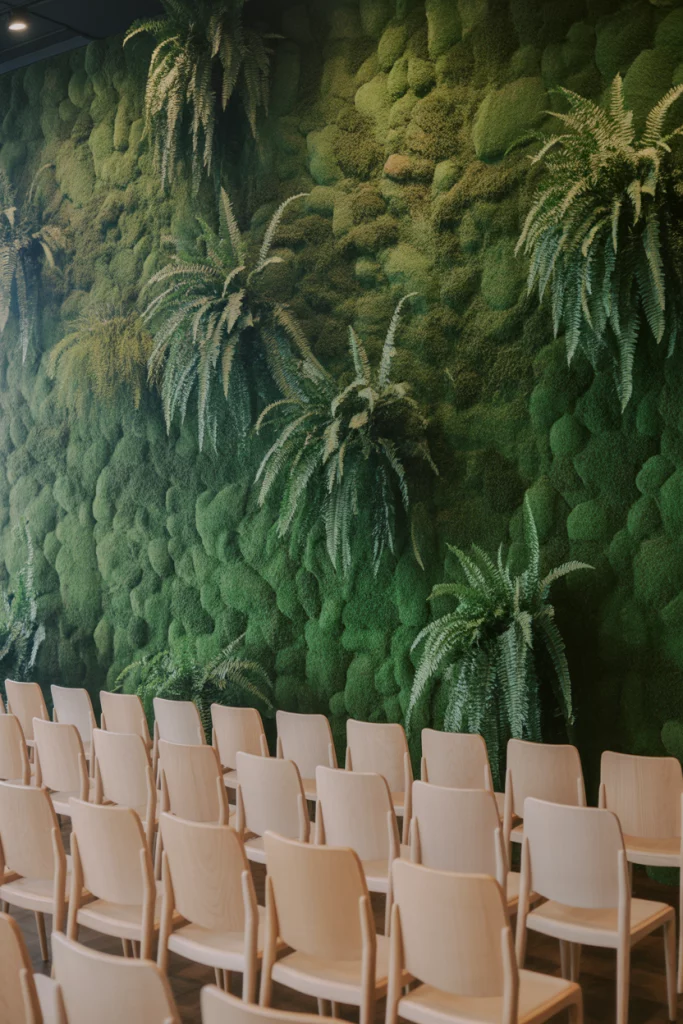
Expert commentary: living walls require professional installation and ongoing maintenance, so they’re best suited for venues with climate control and access to water. If you’re working with a budget, consider a moss panel or preserved greenery wall, which offers a similar visual impact without the upkeep. These can often be rented from event companies and returned after the wedding, making them a more practical choice for one-day use.
13. Vintage Rugs for Outdoor Ceremonies
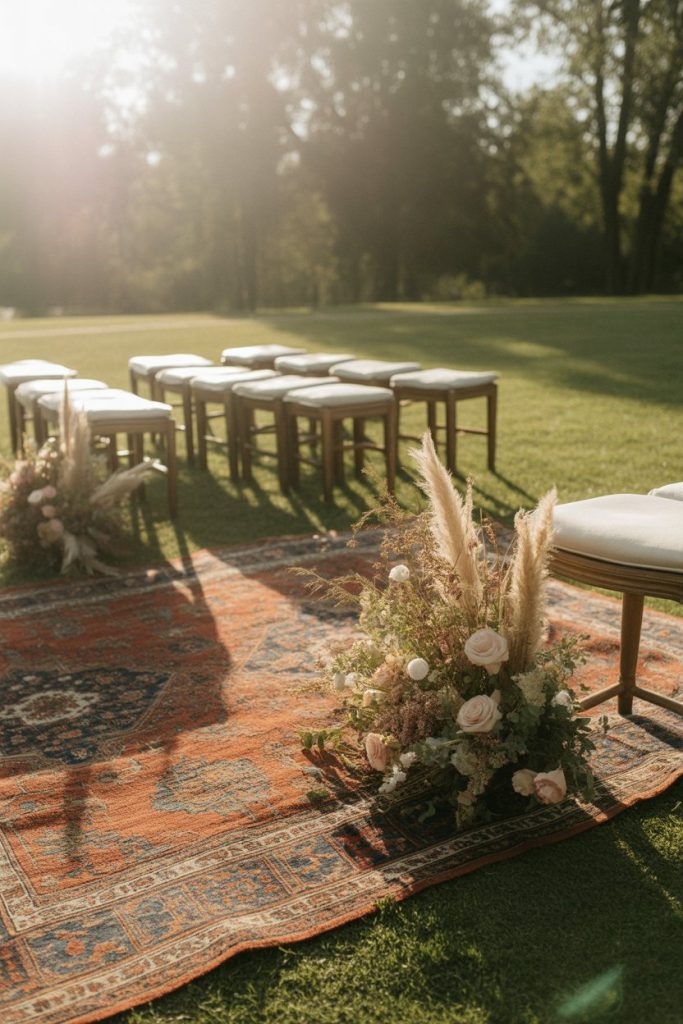
Layering vintage Persian or Turkish rugs over grass or dirt has become a defining element of outdoor bohemian and rustic weddings. These rugs add warmth, color, and a sense of coziness to open-air ceremonies, transforming a patch of lawn into something that feels more like a living room. The patterns and faded hues photograph beautifully, and they provide a practical solution for uneven terrain or muddy ground.
A friend who planned her own backyard wedding in Vermont shared that she bought five mismatched rugs from a local thrift shop for under two hundred dollars, used them for the ceremony, and later sold three of them online—essentially breaking even while creating a memorable visual moment. Just be prepared for some wear and tear; outdoor rugs will pick up dirt and moisture, so choose pieces you’re comfortable getting a little rough around the edges.
14. Edison Bulb Chandeliers and Statement Lighting
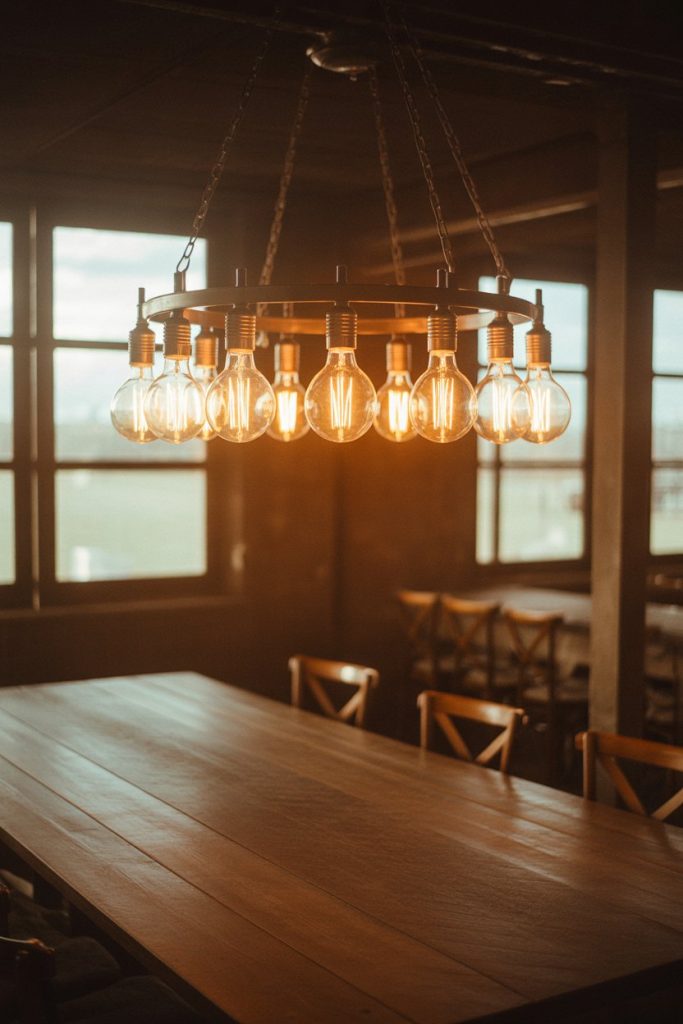
Oversized Edison bulb chandeliers have become a signature element of rustic and industrial weddings, particularly in barn and warehouse venues. These fixtures cast a warm, amber glow that feels nostalgic and inviting, and their exposed filaments add a sculptural quality that reads as both vintage and contemporary. Paired with natural wood tables and greenery, they create a balanced contrast between raw and refined. 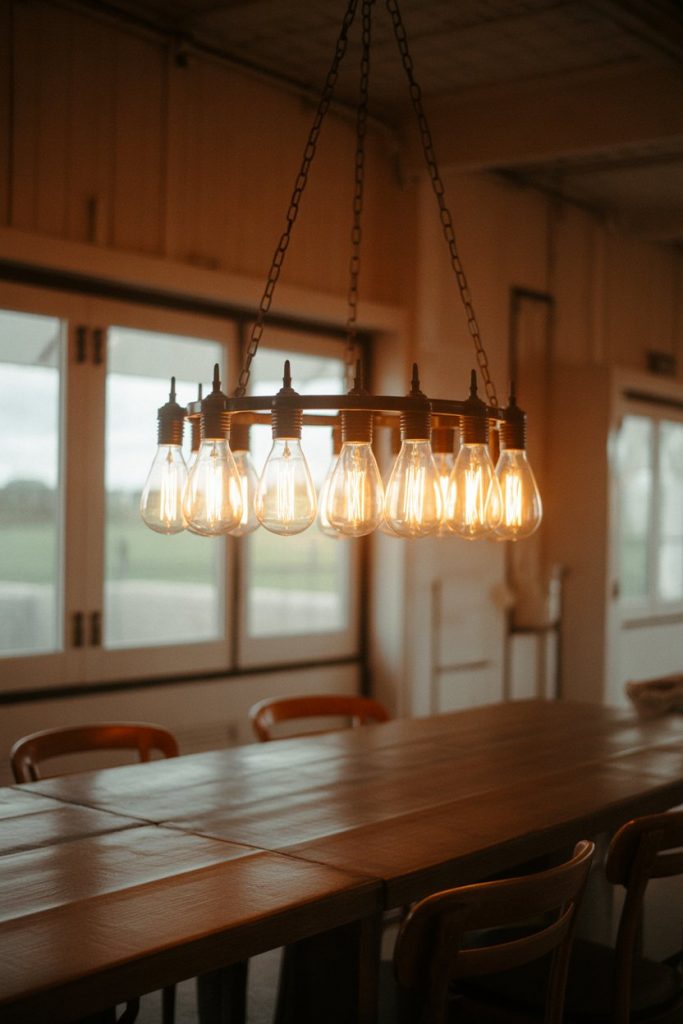
This type of lighting is especially effective in spaces with high ceilings or open floor plans, where it can serve as both functional illumination and a design focal point. Many rental companies now offer custom-built chandeliers that can be scaled to fit specific venues. One common mistake is underestimating the electrical requirements—make sure your venue can support the wattage, and always hire a licensed electrician to install and manage the setup to avoid safety issues.
15. Terrarium Centerpieces and Succulent Displays
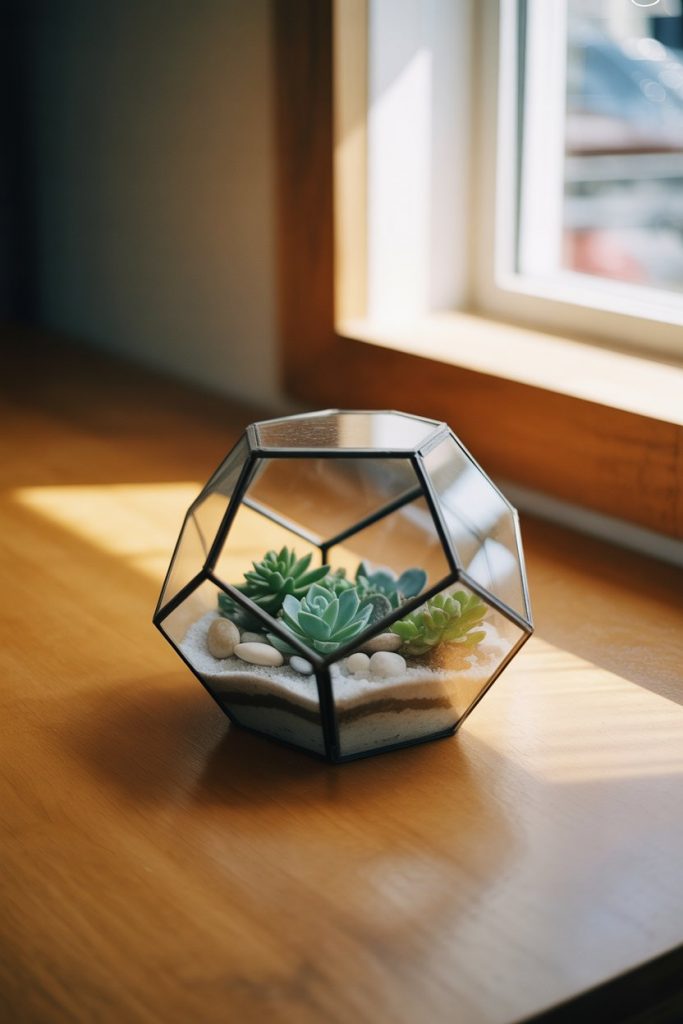
Glass terrariums filled with succulents, air plants, and decorative stones have become a favorite for simple and budget -friendly weddings. These miniature ecosystems are easy to assemble, require minimal maintenance, and double as guest favors—people love taking home a living keepsake. They fit seamlessly into modern , rustic , and even beach themes, and their geometric glass frames add a contemporary edge to otherwise organic materials. 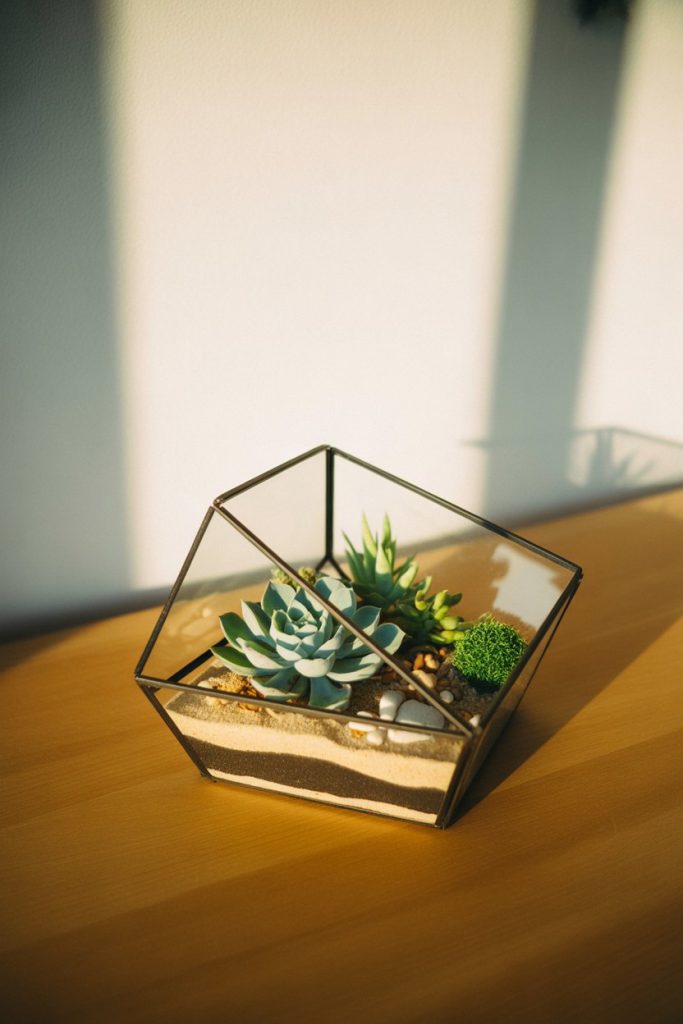
Real homeowner behavior: many couples buy terrarium kits in bulk and host a pre-wedding crafting session with their wedding party, turning decor prep into a social event. Succulents are forgiving and can be assembled days or even weeks in advance, which takes pressure off the final timeline. Just keep them out of direct sun on the wedding day—they can scorch quickly, especially in summer heat or under tent canopies.
16. Paper Lantern and Balloon Installations
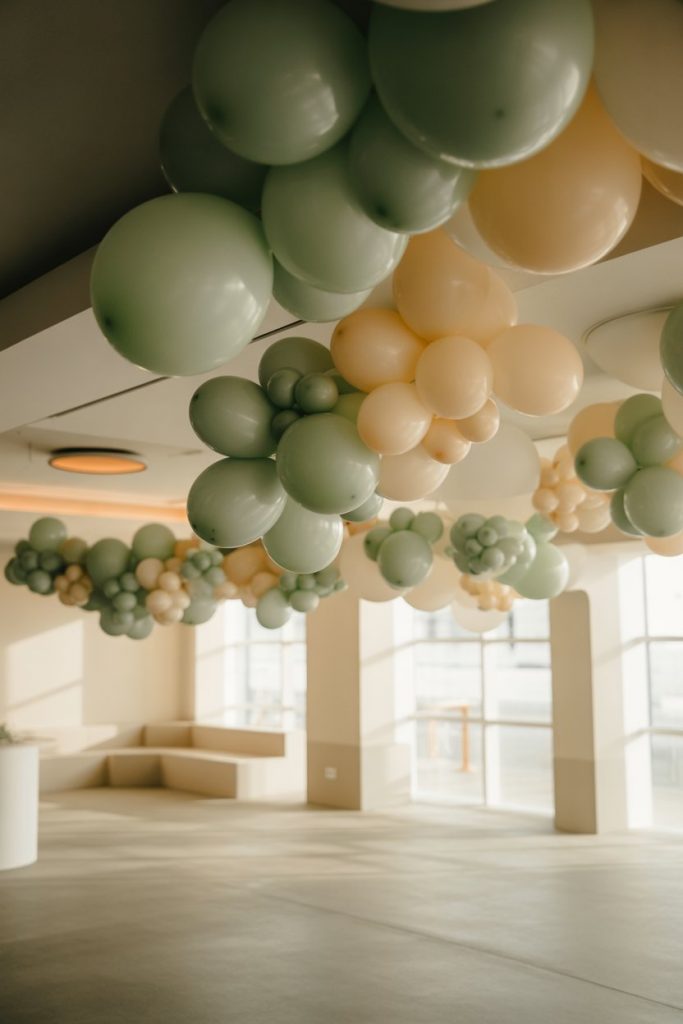
Paper lanterns and balloon garlands have shed their reputation as purely whimsical or childlike decor and are now being used in sophisticated, high-design ways. Large-scale balloon installations in muted tones—sage, terracotta, ivory—can define spaces, frame archways, or create dramatic photo backdrops. Similarly, oversized paper lanterns in varying sizes and heights add soft, sculptural interest to indoor receptions without the weight or cost of heavy florals. 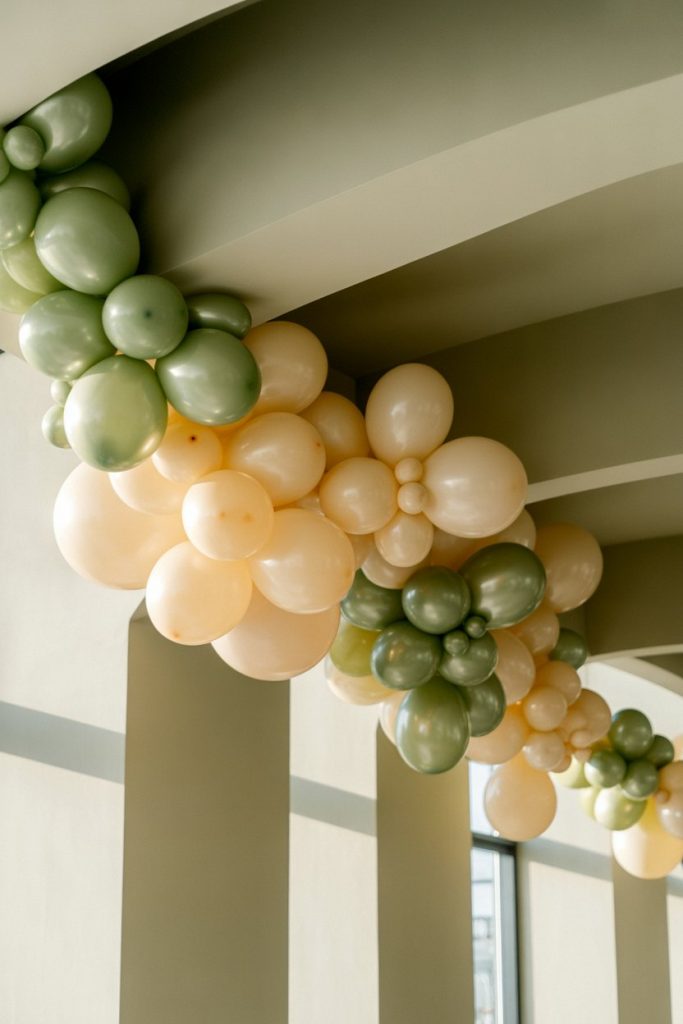
This trend has taken off in urban markets like Brooklyn, Austin, and Portland, where couples are experimenting with installations that blur the line between decor and art. Balloon garlands are surprisingly affordable to DIY—many tutorials exist online, and supplies are easy to find. However, they’re also time-sensitive; latex balloons start to oxidize and lose their luster after about twelve hours, so plan your installation timeline carefully and consider hiring a professional if your event is longer than a single evening.
17. Farm Table Feasts with Family-Style Dining

Long farm tables set for family-style dining have become synonymous with rustic and country weddings that prioritize community and connection. Platters of food passed hand-to-hand, shared bottles of wine, and conversations that flow naturally across the table create an atmosphere that feels more like a Sunday supper than a formal event. This setup works especially well in barn venues, outdoor tents, and private estates where the space allows for linear arrangements. 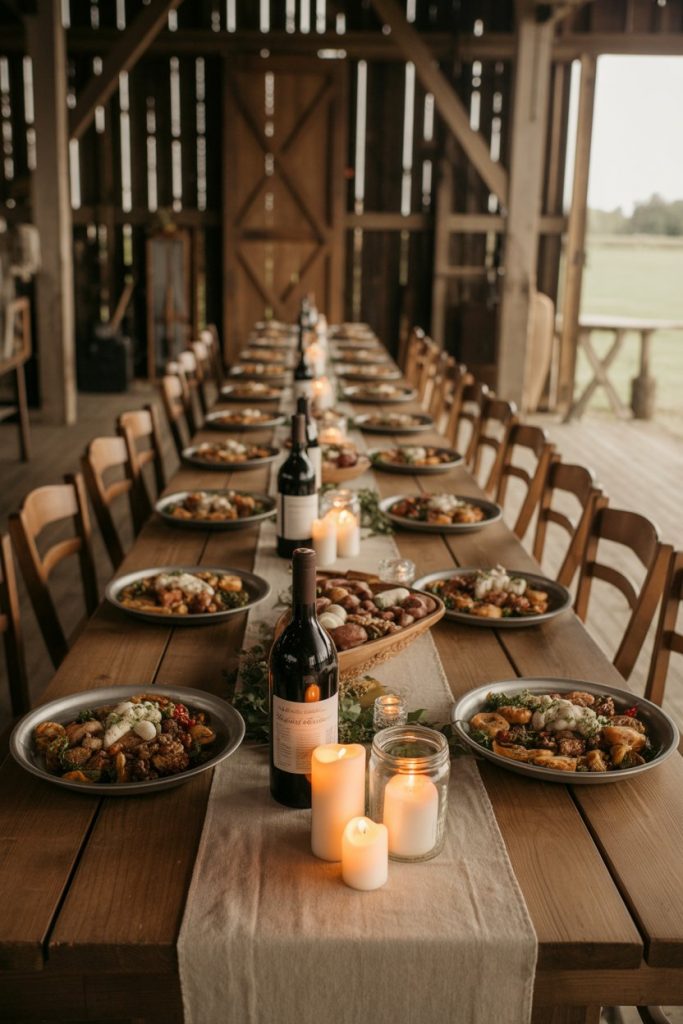
Where it works best: intimate weddings with fewer than one hundred guests, where the logistics of passing dishes and coordinating service are manageable. Family-style dining also tends to be more cost-effective than plated meals, as it requires less formal staffing and allows for simpler menu execution. One tip: always have a few vegetarian or allergy-friendly platters clearly marked to avoid guests having to ask or hunt for safe options.
18. Neon Signs and Modern Typography
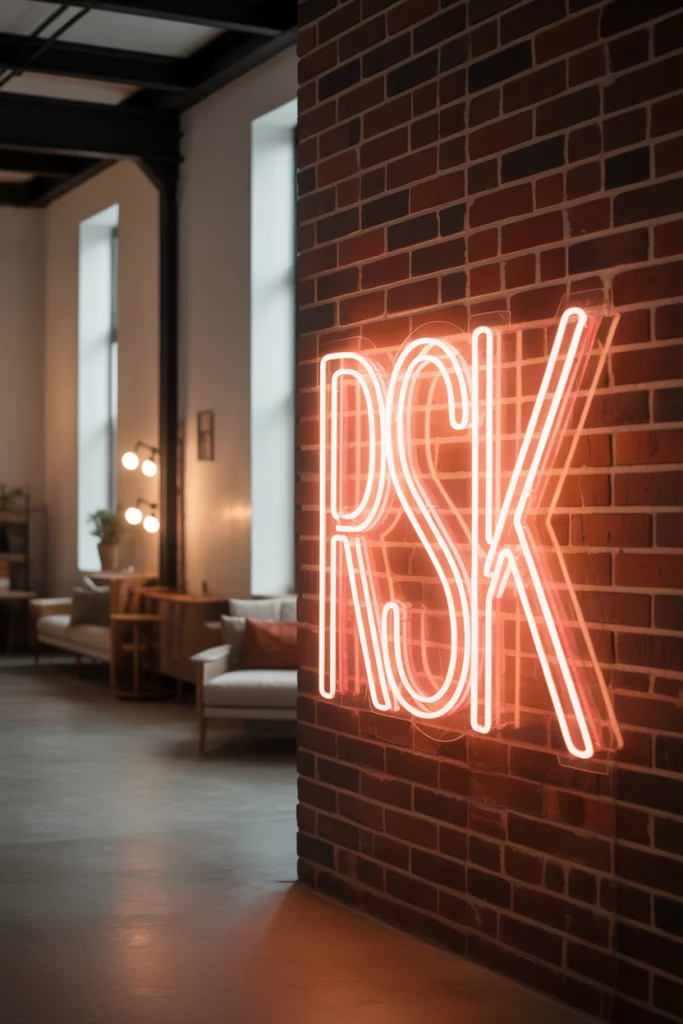
Custom neon signs have become a playful, contemporary way to inject personality into modern and unique weddings. Whether it’s the couple’s last name, a favorite phrase, or a tongue-in-cheek message, neon adds an unexpected pop of color and light that photographs beautifully—especially at night or in dimly lit venues. These signs work in a range of settings, from industrial lofts to beach clubs, and they’re increasingly being rented rather than purchased, making them more accessible than ever.
In cities like Los Angeles, Miami, and Nashville, neon has become a staple of the wedding aesthetic, often used as both decor and a photo booth backdrop. If you’re considering this, think about where the sign will live after the wedding—many couples hang them in their homes as a permanent reminder of the day. Just be aware that neon requires access to electricity and can generate heat, so placement matters both for safety and for keeping the space comfortable.
19. Seasonal Fruit and Vegetable Displays
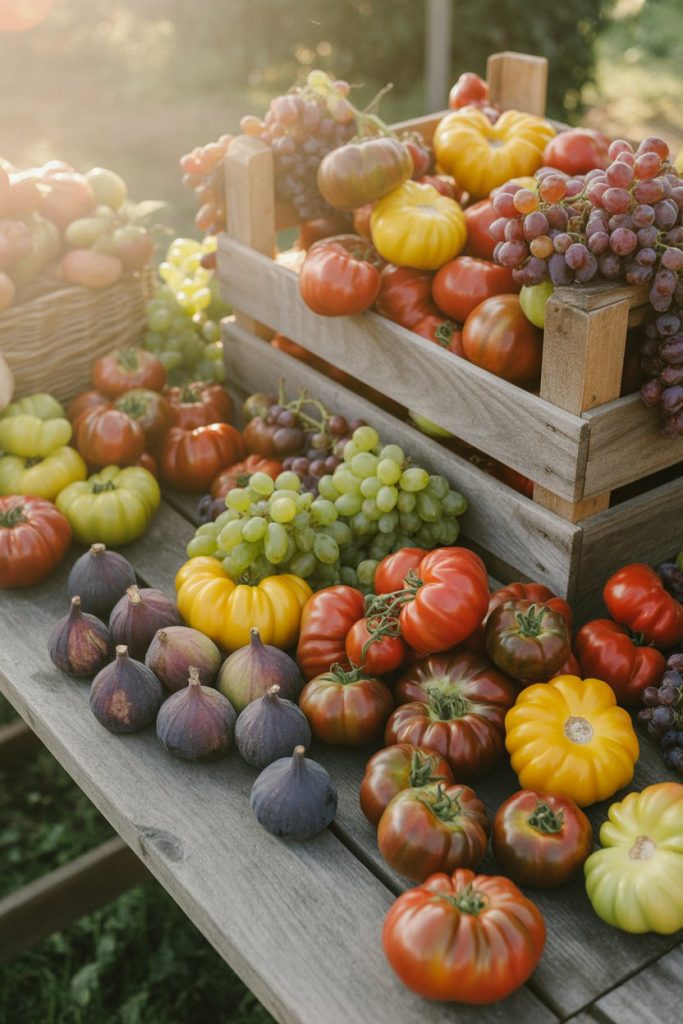
Edible installations—think pyramids of citrus, bowls of heirloom tomatoes, or clusters of grapes spilling across a table—have become a beautiful and practical way to decorate summer and fall weddings. These displays add color, texture, and a sense of abundance, and they’re often repurposed into cocktails, salads, or take-home gifts for guests. The approach feels grounded and generous, reflecting a growing interest in farm-to-table values and sustainable design. 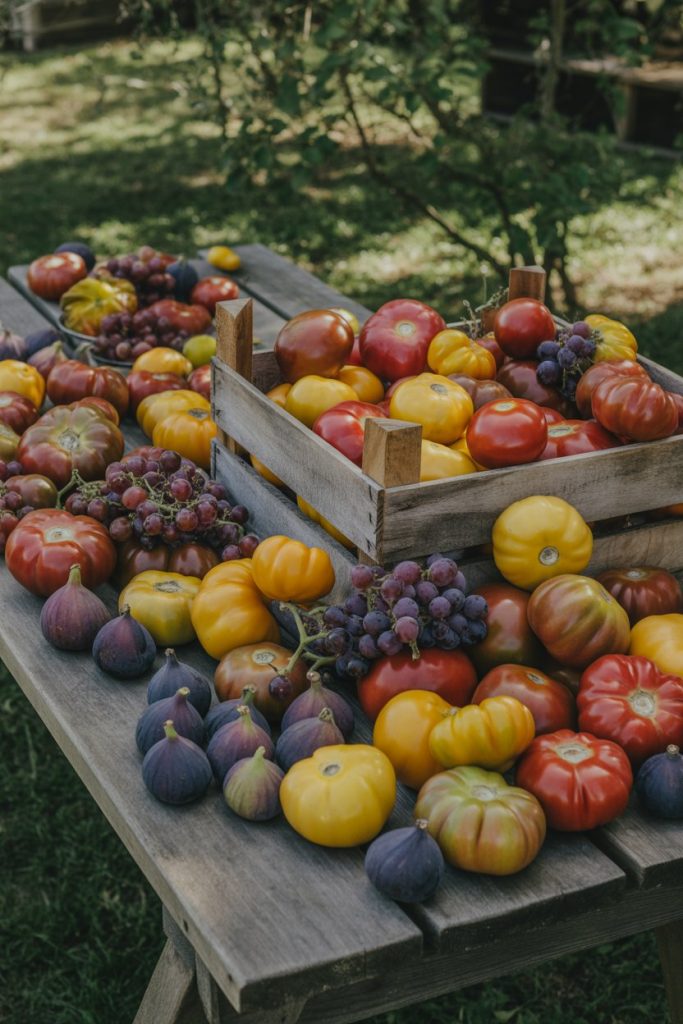
This works particularly well at vineyard weddings, orchard venues, or any event with a strong regional food component. One real-world example: a couple in Sonoma used crates of peaches and plums from a local farm as both cocktail hour decor and the base for a build-your-own Bellini bar. It was memorable, delicious, and required minimal additional styling. Just make sure to source fruit that’s in season and locally available—importing out-of-season produce defeats the purpose and inflates costs.
20. Draped Canopy Lounges and Cozy Seating Areas
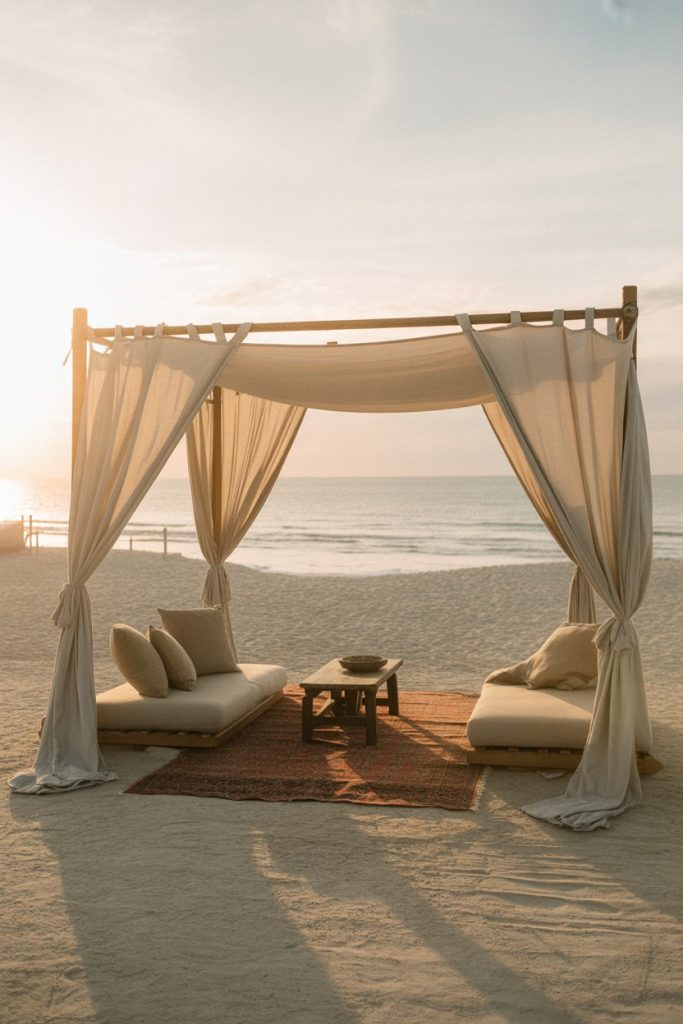
Fabric-draped canopies with low seating—floor cushions, poufs, vintage sofas—have become a signature element of destination and beach weddings, creating intimate lounge areas where guests can relax away from the main reception. These spaces feel luxurious and inviting, offering a visual and physical break from traditional table seating. Sheer curtains billowing in the breeze add movement and romance, and the overall effect is transportive—like stepping into a Moroccan souk or a dreamy coastal hideaway. 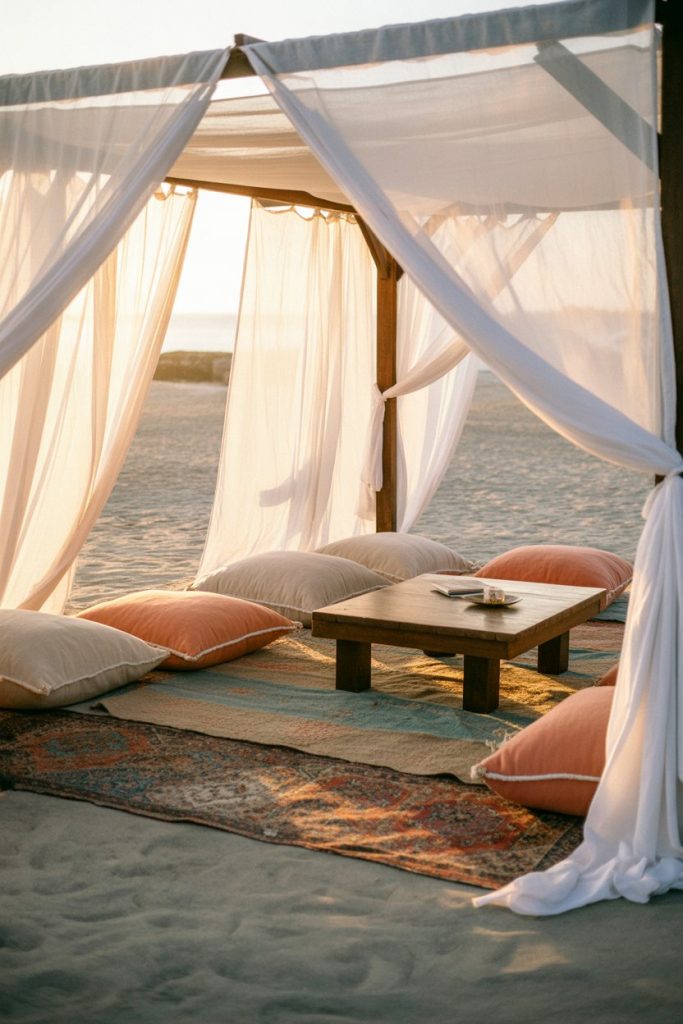
Expert designers recommend these setups for cocktail hours or late-night hangout zones, where the vibe is more relaxed and the formality has loosened. They also work beautifully for smaller, multi-day celebrations where guests move between different areas and activities. One logistical note: if you’re setting this up outdoors, weight everything down properly—wind can turn billowing curtains into tangled messes quickly, and loose cushions have a way of ending up in the pool.
21. Handwritten Calligraphy and Personal Touches
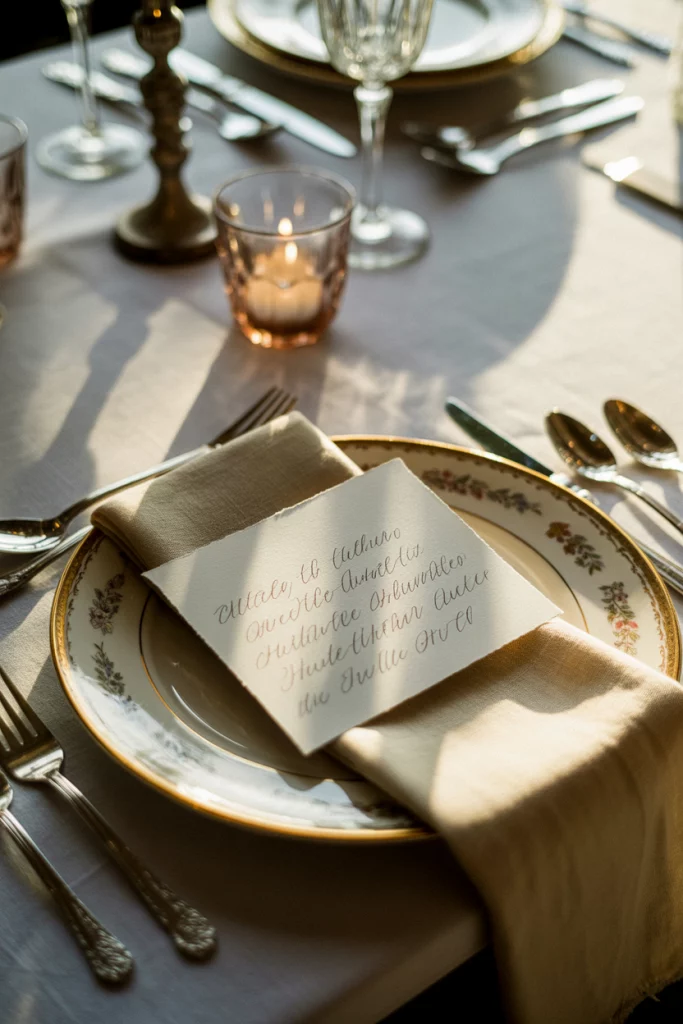
Handwritten calligraphy has experienced a resurgence as couples seek ways to make traditional and elegant weddings feel more personal and less mass-produced. From envelope addressing to place cards, menu designs, and vow booklets, the presence of real handwriting signals care and intentionality. Many couples are learning basic calligraphy themselves or commissioning local artists, turning paper goods into keepsakes that guests actually want to hold onto.
In Southern states, where hospitality and tradition run deep, this practice has become almost expected—guests notice and appreciate the extra effort. If you’re DIYing, start practicing months in advance; consistent, legible calligraphy takes time to develop. Alternatively, many stationery designers now offer semi-custom templates that mimic hand lettering at a fraction of the cost, which can be a smart middle ground if your guest list is large or your timeline is tight.
22. Indian-Inspired Textiles and Vibrant Color Palettes
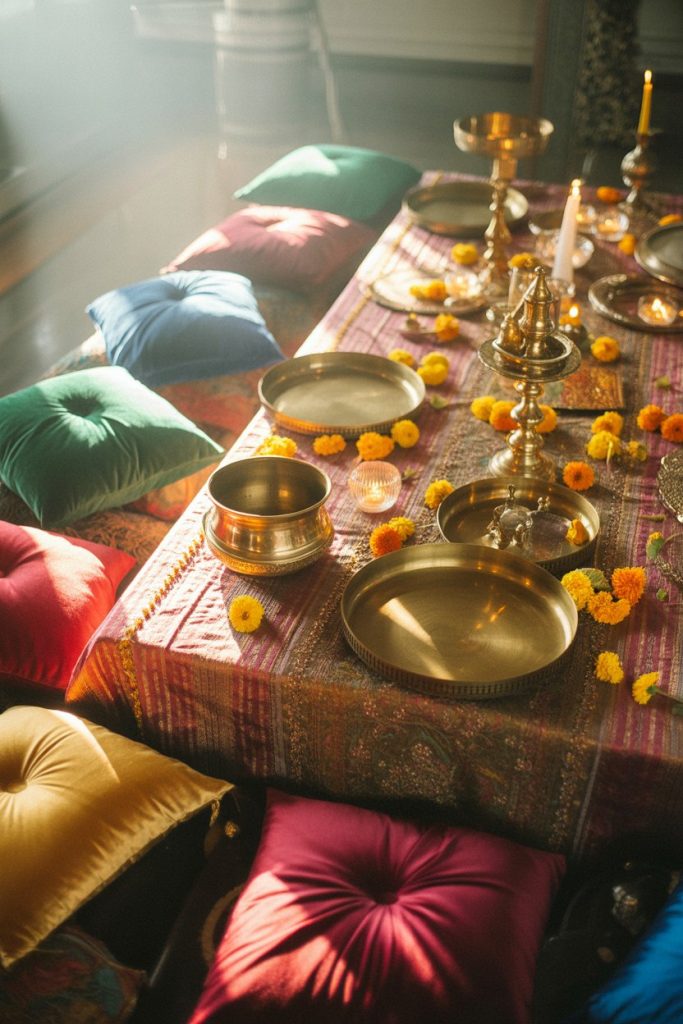
Couples are increasingly drawing inspiration from Indian weddings, incorporating rich textiles, bold color palettes, and intricate patterns into Western celebrations. Think embroidered table runners, jewel-toned cushions, hanging silk saris, and marigold garlands—elements that bring warmth, vibrancy, and a sense of global festivity. This trend reflects a broader cultural appreciation for maximalism and the rejection of the muted, Scandinavian-minimalist aesthetic that dominated the past decade. 
Common mistakes include cultural appropriation or surface-level mimicry without understanding the significance of certain symbols or practices. If you’re incorporating elements from another culture, do so thoughtfully—work with vendors who specialize in that aesthetic, credit your sources, and avoid reducing rich traditions to mere decor. When done with respect and intention, cross-cultural design can create weddings that are visually stunning and deeply meaningful, honoring both heritage and the couple’s personal story.
Conclusion
These twenty-two ideas are just the beginning—your wedding should ultimately reflect who you are as a couple, the places you love, and the people you’re celebrating with. Mix and match, adapt to your venue and budget, and don’t be afraid to break a few rules along the way. What decor ideas are you most excited to try, or have you seen something at a recent wedding that stopped you in your tracks? Share your thoughts in the comments—we’d love to hear what’s inspiring you.