Video game rooms have evolved far beyond a dusty console tucked in the corner of a basement. In 2026, American homes are embracing gaming spaces as legitimate design opportunities—blending comfort, technology, and personal style into rooms that feel as curated as any living area. Pinterest searches for gaming room inspiration have surged as millennials and Gen X gamers invest in their hobbies with intention, seeking setups that balance immersive play with adult aesthetics. Whether you’re converting a garage, carving out a cozy nook, or designing a full luxury gaming lounge, the possibilities are as varied as the players themselves. In this article, you’ll discover fresh ideas that prove gaming spaces can be stylish, functional, and entirely your own.
1. Retro Arcade Corner with Neon Accents
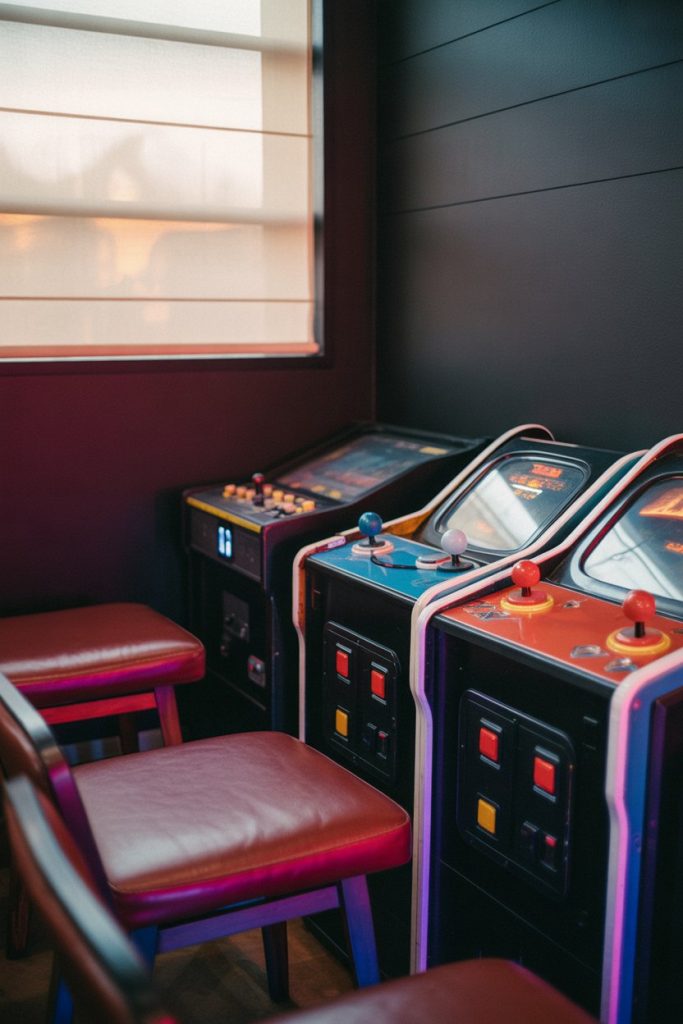
A retro-inspired gaming nook brings the golden age of arcades into your home, complete with vintage cabinets, neon signs, and pixelated wall decor. This style works beautifully in basements or garages where you can lean into bold colors and nostalgic energy without worrying about clashing with the rest of your home’s aesthetic. Pair original or replica arcade machines with LED strips in magenta and cyan for that authentic ’80s glow. It’s a design choice that appeals to adults who grew up feeding quarters into Pac-Man machines and want to recapture that magic in a space that’s entirely their own. 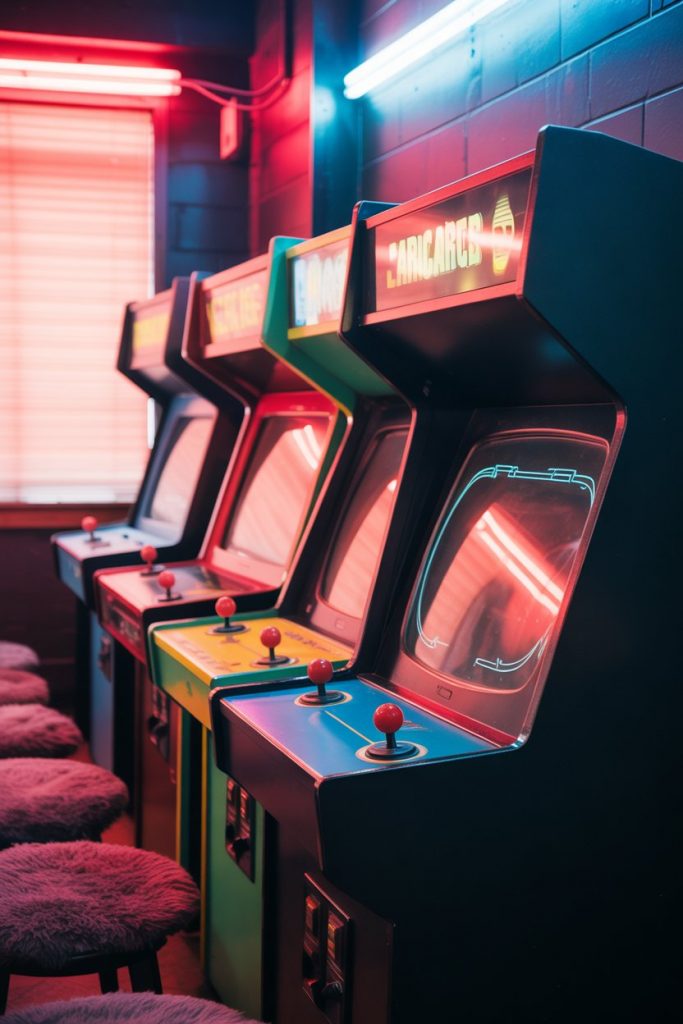
The beauty of this setup is its flexibility—you can start with a single statement piece and build out over time as you hunt down machines at estate sales or online marketplaces. Keep the surrounding furniture minimal: a low stool or bean bag for comfortable marathon sessions. The neon accents provide ambient lighting that’s easy on the eyes during long play sessions, and the whole space becomes a conversation starter when friends visit. This approach works best in rooms with limited natural light, where the glow from screens and neon truly shines.
2. Minimalist PS5 Entertainment Center
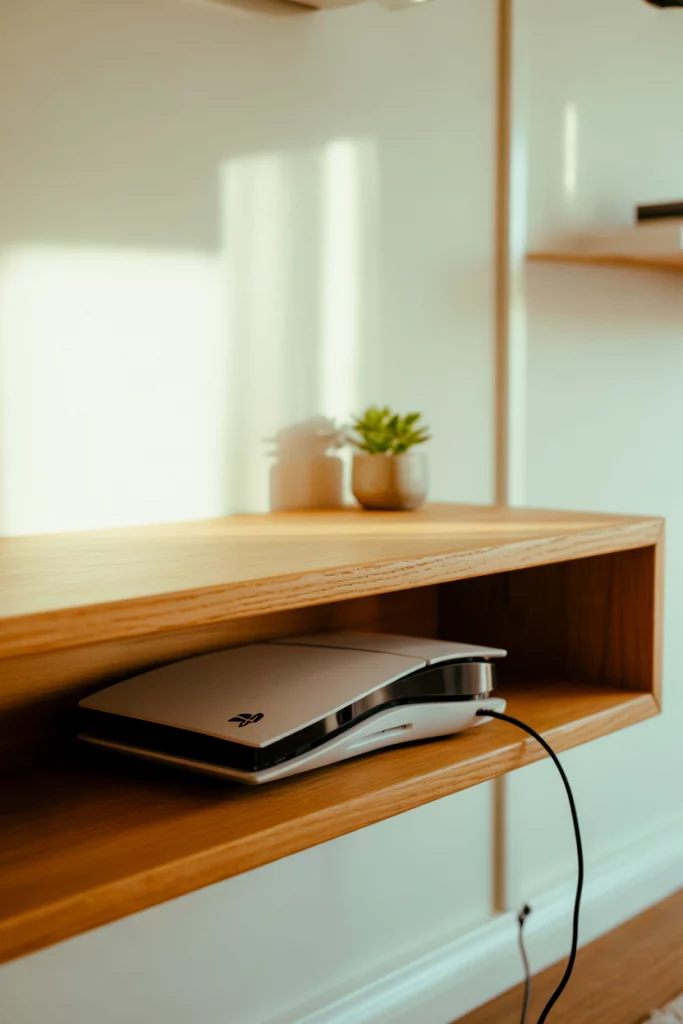
Clean lines and hidden cable management define the modern design ps5 entertainment center, where the console becomes part of a sleek, gallery-worthy display. Built-in shelving in white or natural wood keeps controllers, headsets, and game cases organized without visual clutter. This office-adjacent style works particularly well in open-concept apartments where your gaming area shares space with work or living zones. By treating the PS5 as a design object rather than something to hide, you create a modern space that respects both form and function, appealing to adults who value aesthetic cohesion throughout their homes. 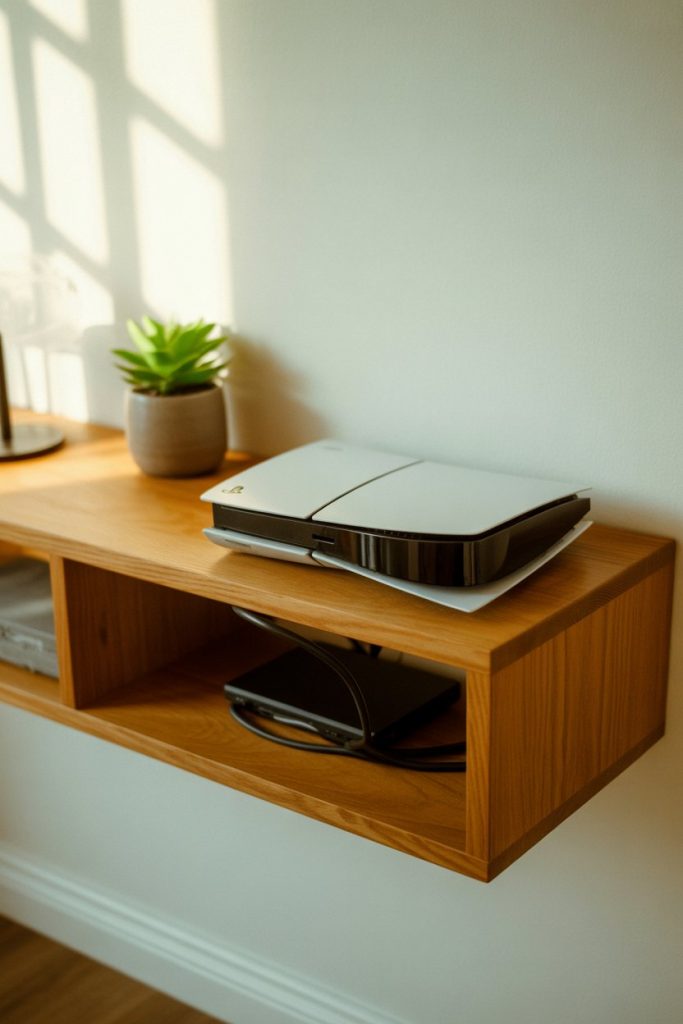
Invest in a floating media console to maintain that airy, uncluttered feel—brands like West Elm and CB2 offer options that hide wires through clever back panels. The key mistake to avoid here is overcrowding the shelves with collectibles or clutter. Stick to a few curated items: a single art book, a small plant, perhaps one framed print. This restraint keeps the space feeling intentional rather than chaotic, and it’s easier to maintain when dust inevitably settles. The minimalist approach also makes the room feel larger, a crucial consideration in smaller American apartments where square footage comes at a premium.
3. Cozy Reading Nook Meets Gaming Alcove
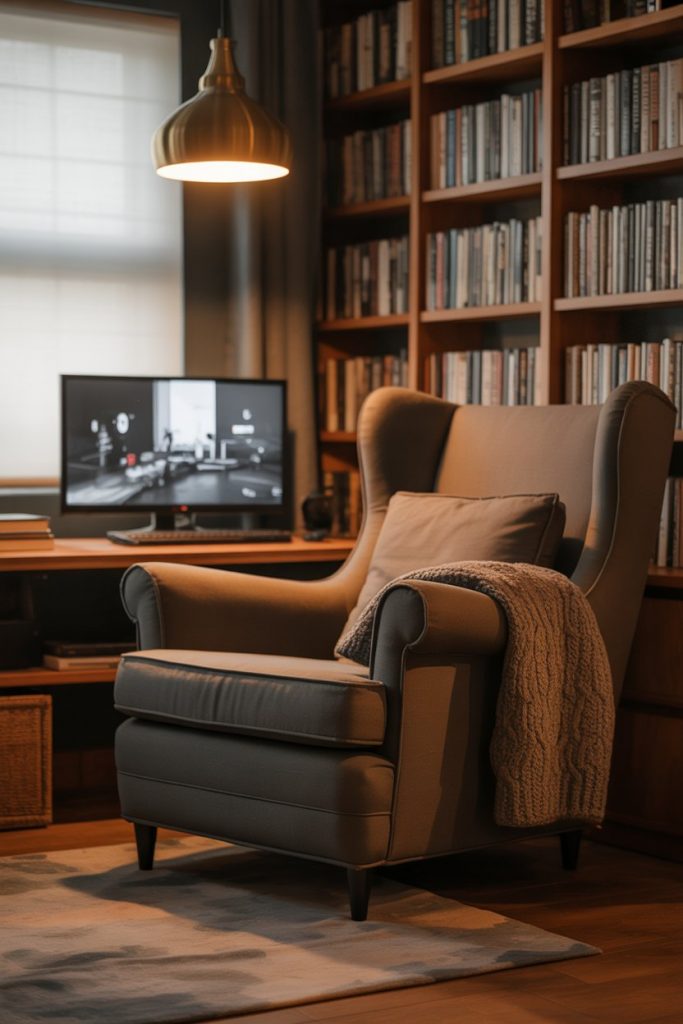
Blending a cozy reading corner with a compact gaming setup creates a multipurpose retreat perfect for both story-driven RPGs and actual novels. A plush armchair or small loveseat anchors the space, with a swing-arm lamp positioned for optimal lighting whether you’re holding a controller or a paperback. This hybrid approach appeals to gamers who appreciate narrative experiences and want a room that supports multiple forms of escapism. Soft throws, a small side table for coffee or snacks, and warm paint ideas in sage green or muted terracotta complete the inviting atmosphere. 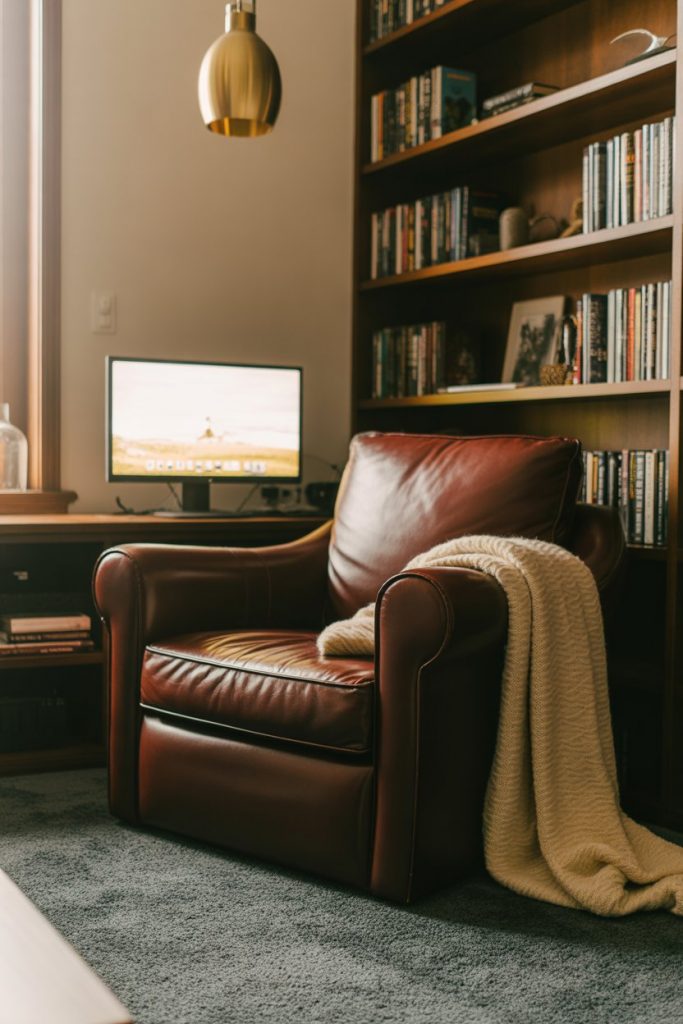
A friend in Portland converted her spare bedroom this way and found it became her favorite spot in the house—the setup accommodates Switch gaming on the small mounted screen while keeping the space calm enough for actual relaxation. The trick is choosing furniture that doesn’t scream “gaming”—look for comfortable seating that could easily belong in a traditional living room. Wall-mounting a smaller monitor (24-27 inches) keeps the tech presence low-key. This works best in spare bedrooms or bonus rooms where you want flexibility, and it’s particularly popular in the Pacific Northwest where cozy, den-like spaces feel especially appealing during rainy months.
4. Industrial Garage Conversion with Exposed Elements
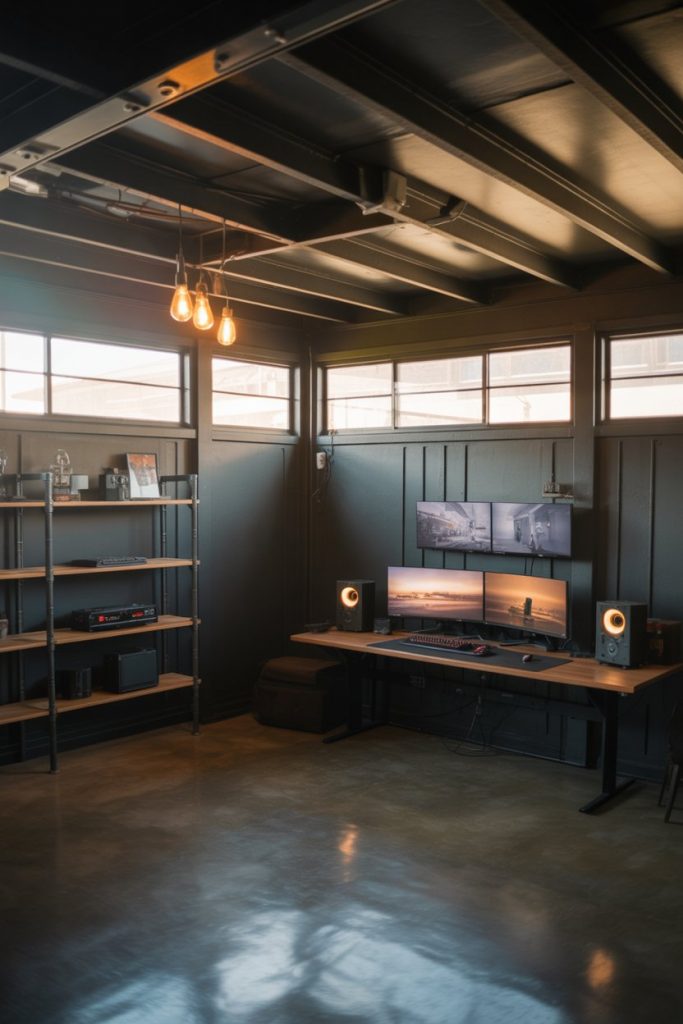
Transforming a garage into a gaming haven lets you embrace raw, industrial aesthetics—exposed beams, concrete floors, and metal shelving create an edgy backdrop for serious gaming gear. This approach works particularly well for adults modern gamers who want a space that feels distinct from the main house, a true retreat where the rougher textures and utilitarian vibe enhance rather than detract from the experience. Add rubber floor tiles in dark gray for comfort underfoot, and use pegboards or slat walls to organize cables, controllers, and accessories in a visually interesting way. 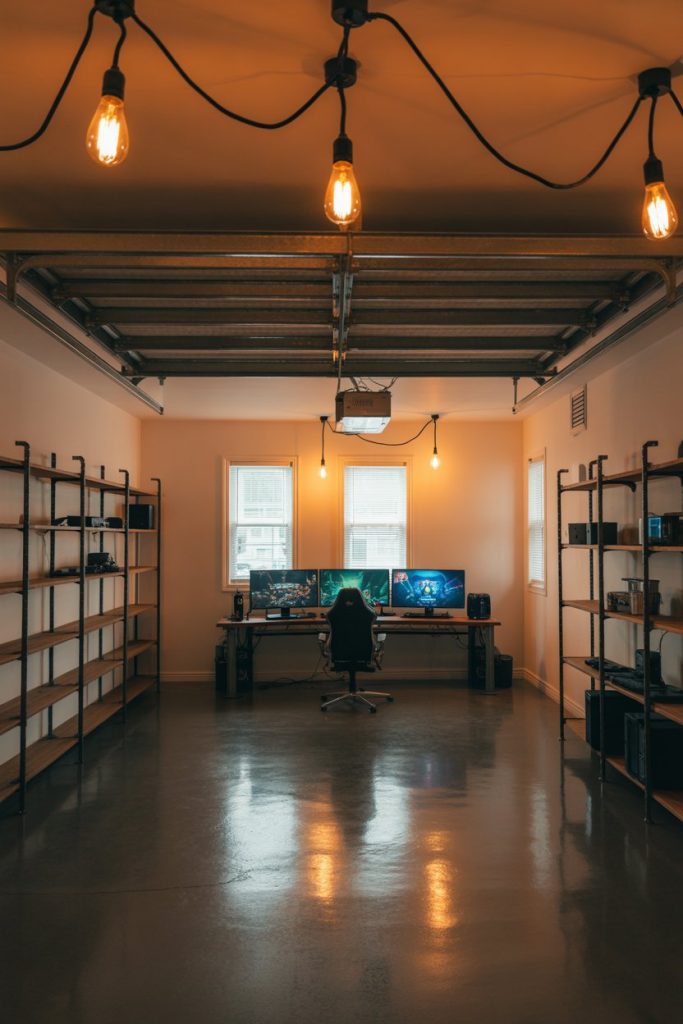
Garage conversions offer significant square footage at a lower cost per foot than adding rooms, making them popular across Texas and the Southwest where garages are often oversized and underutilized. Insulate properly and add climate control—this isn’t optional in most American regions. The industrial look actually benefits from the space’s origins; lean into it with rolling tool chests repurposed as storage, metal stools, and track lighting. One common mistake is leaving the space too cold and echo-prone. Add fabric elements like heavy curtains, acoustic panels disguised as art, or even a vintage rug to warm things up and improve sound quality during multiplayer sessions.
5. Family-Friendly Multi-Station Setup
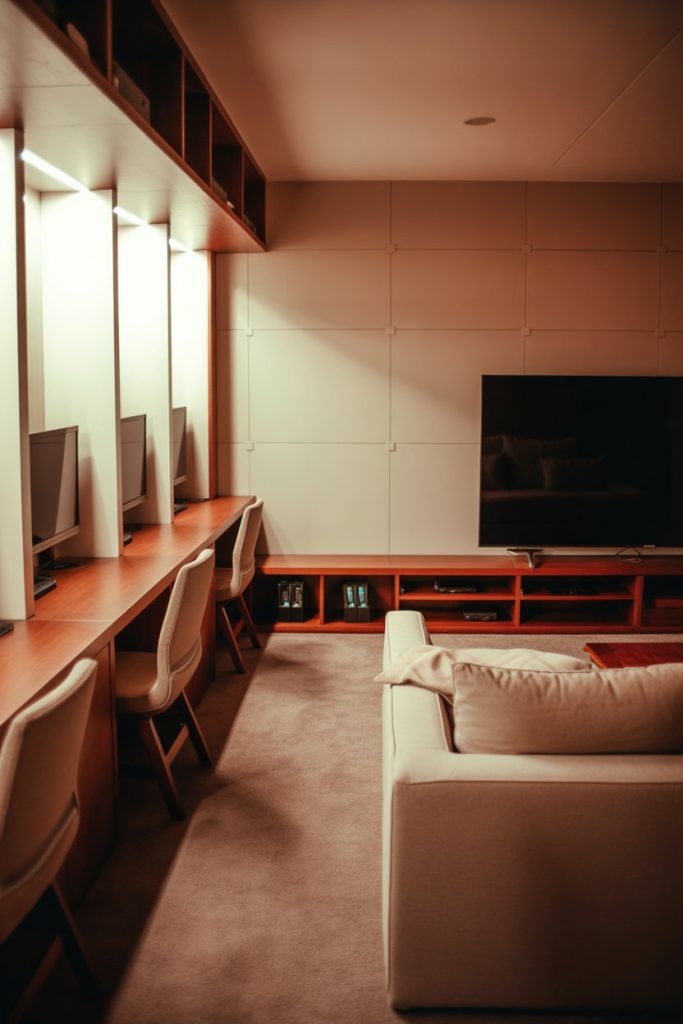
A family-oriented gaming room acknowledges that multiple people want screen time, so it features separate stations that allow parents and kids to game simultaneously without fights over the TV. Built-in desk areas with individual monitors create personal zones while keeping everyone in the same room, fostering connection even during solo play. This design entertainment center approach works beautifully in finished basements or bonus rooms, where you can dedicate serious square footage to shared hobbies. Include varied seating—office chairs for PC gamers, a sectional for console players—and ensure each station has adequate outlets and cable management. 
Where this works best: suburban homes with larger footprints, particularly in the Midwest and South where basement spaces are common and real estate prices allow for generous square footage. The multi-station setup prevents the “whose turn is it” arguments that plague single-screen households. Include a small fridge stocked with drinks and a cabinet for snacks to minimize trips upstairs during weekend gaming sessions. Smart storage for different console generations—labeled bins for Switch games, shelves for PS5 titles—keeps the space functional as your family’s gaming library grows. This layout also ages well as kids grow; what starts as a parent-supervised space becomes a teen hangout, then eventually an adult entertainment area.
6. Classy Library-Style Gaming Lounge
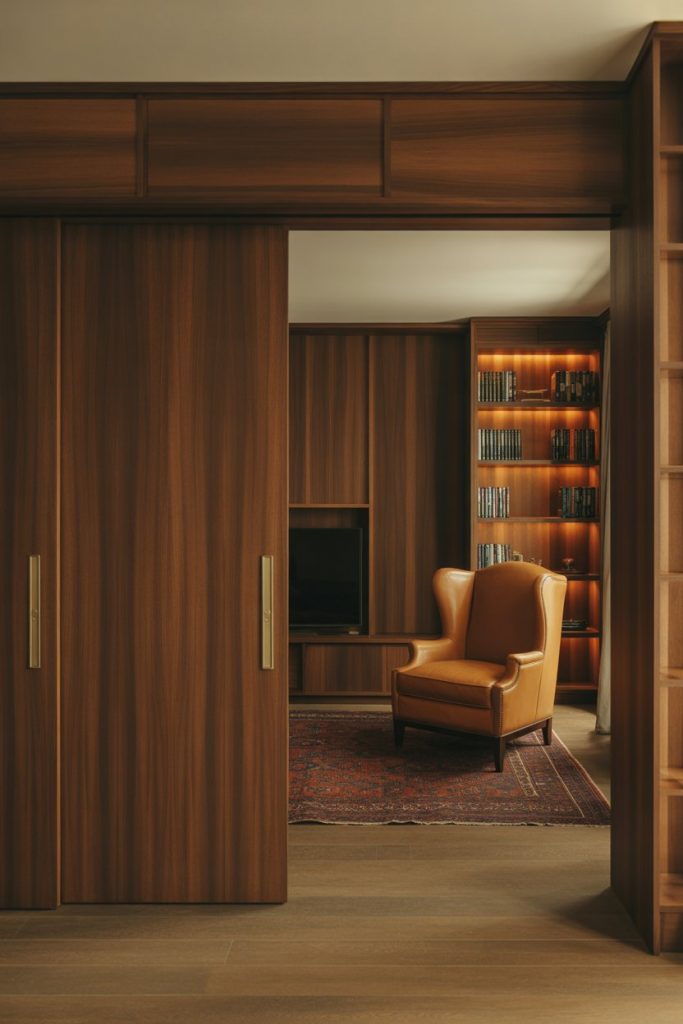
For gamers who want sophistication, a classy library-inspired setup elevates the medium by treating it with the same respect as literature or cinema. Dark wood paneling, leather seating, and built-in bookshelves create an environment that happens to include gaming rather than being defined by it. This luxury approach appeals to older gamers (typically 40+) who have disposable income and want a space that impresses guests while serving personal passions. A large Oriental rug, brass table lamps, and perhaps a bar cart complete the gentlemen’s club atmosphere where gaming feels like a refined pursuit. 
This style represents a growing trend where gaming technology is hidden when not in use—motorized cabinets that conceal screens, wireless charging stations disguised as decorative boxes, controllers stored in leather cases that resemble antique book collections. It’s particularly popular in urban brownstones and historic homes where maintaining period-appropriate aesthetics matters. Budget for this look runs higher, typically $8,000-15,000 for a full room conversion including custom cabinetry, but it adds genuine value to your home in a way that more obviously “nerdy” setups might not. The common mistake here is going too theme-park with it; subtlety is key to pulling off genuine sophistication.
7. Neon-Lit Cyberpunk Command Center

Embracing maximalist tech aesthetics, a cyberpunk-inspired gaming room features RGB lighting, hexagon wall panels, and futuristic wall decor that transforms the space into something between a sci-fi movie set and a high-end gaming lounge. This design heavily appeals to younger adults (20s-30s) who grew up with games like Cyberpunk 2077 and want their physical space to reflect the digital worlds they inhabit. Multiple monitors in curved arrays, LED strips synchronized to gameplay, and cable management that doubles as design elements create a space that feels genuinely cutting-edge. Black walls with strategic neon accents make the glowing elements pop. 
The practical insight here is that good RGB lighting is programmable and can shift with your mood or the time of day—Philips Hue and Nanoleaf systems let you create scenes that range from energetic for competitive gaming to mellow purple for late-night sessions. Don’t cheap out on the lighting; budget options flicker on camera and have limited color accuracy. This aesthetic works best in smaller dedicated rooms where the intensity doesn’t bleed into shared living spaces. Also consider blackout curtains or no windows at all, as the neon impact diminishes significantly in daylight. Used properly, the lighting actually reduces eye strain compared to gaming in a dark room with only screen brightness.
8. Scandinavian-Minimal Gaming Office
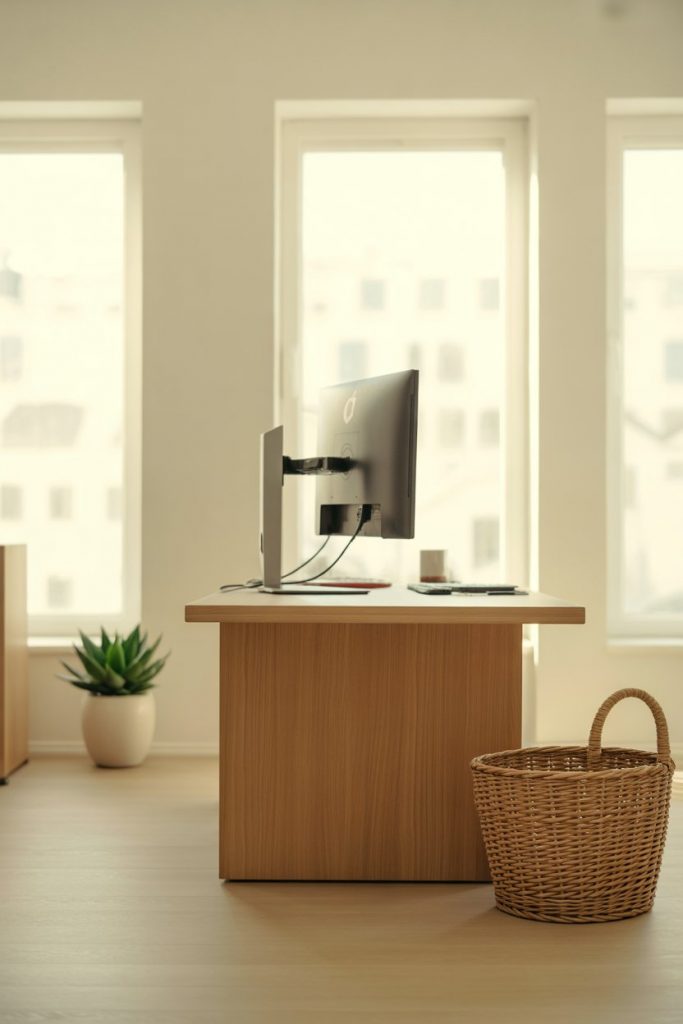
The Scandinavian approach to gaming spaces prioritizes natural materials, clean lines, and the concept of “lagom”—not too much, not too little. A simple birch desk, white walls with one accent in soft blue or gray, and intentional negative space create a modern gaming office that feels calm rather than chaotic. This style resonates with professionals who work from home and need their gaming setup to coexist peacefully with their productivity space. A single monitor on an adjustable arm, wireless peripherals, and hidden cable channels maintain the uncluttered aesthetic that defines Nordic design philosophy. 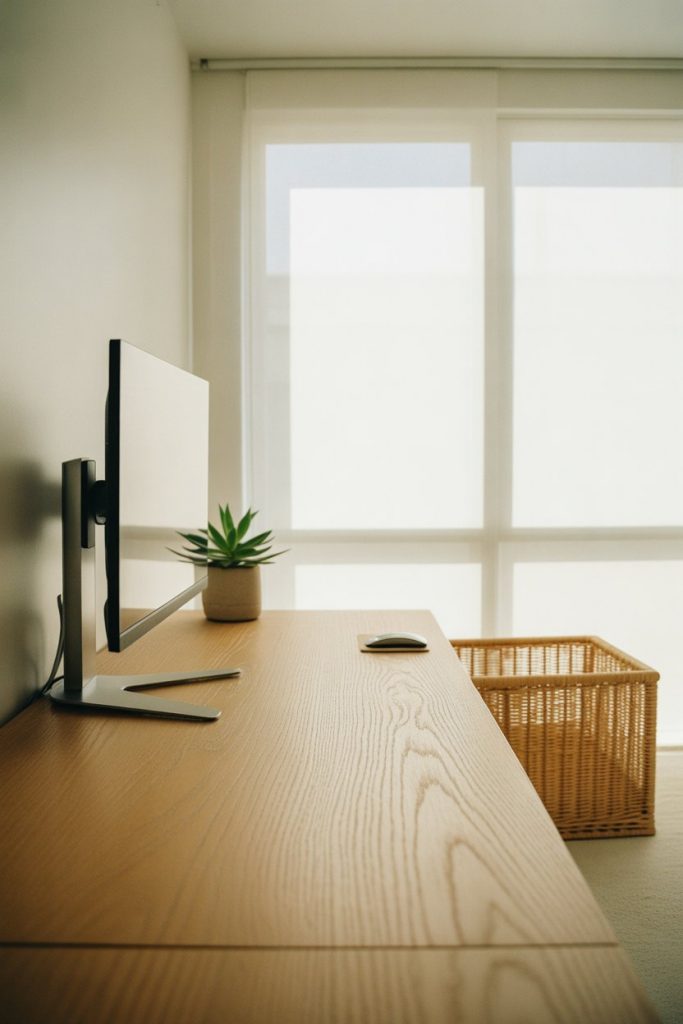
Expert designers note that Scandinavian spaces succeed because they’re sustainable and adaptable—when you tire of gaming, the room easily transitions to a home office or study without major changes. Choose multipurpose furniture like a desk that’s beautiful enough for video calls but functional for gaming peripherals. The color palette should lean toward whites, grays, and natural wood tones with perhaps one muted accent color. This works beautifully in condos and apartments, particularly in cities like Seattle or Minneapolis where Nordic design aesthetics already permeate local culture. Storage is hidden but accessible—think drawer organizers and closed cabinets rather than open shelving that collects dust.
9. Basement Bar and Gaming Hybrid
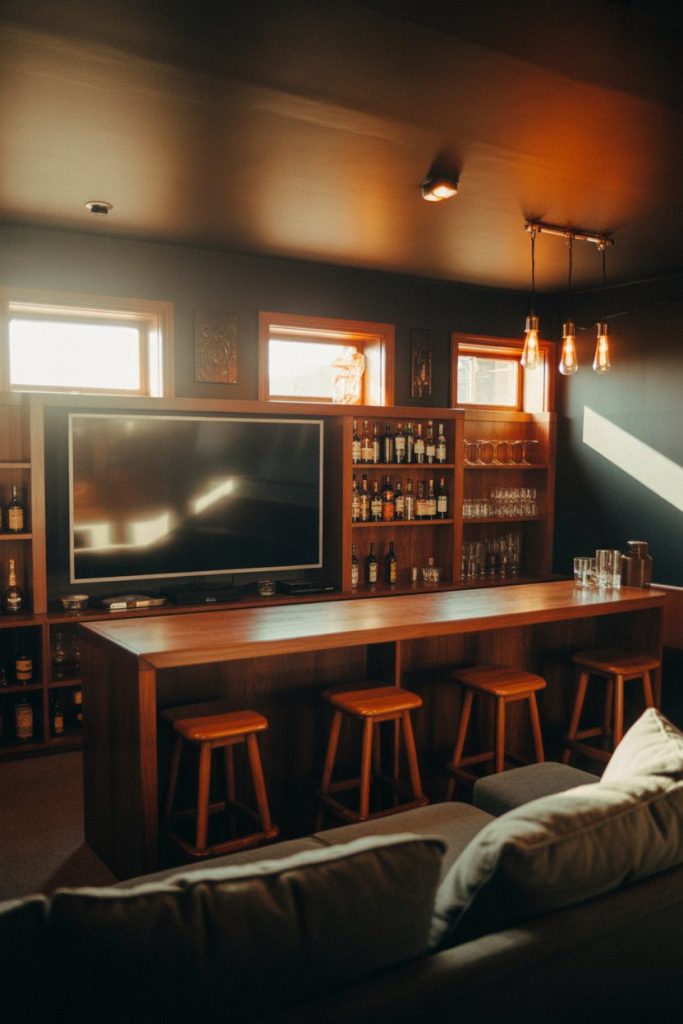
Combining a home bar with a gaming area creates a social hub perfect for man caves or entertainment spaces where friends gather for game nights and sports viewing. A dedicated bar counter with seating, a wall-mounted TV for console gaming, and comfortable lounge seating in a conversation pit layout make the space versatile for different activities. This decor approach is especially popular in suburban homes with finished basements, where homeowners in their 30s-50s want a space that feels adult and welcoming rather than adolescent. Include a mini fridge, proper glassware storage, and good acoustics for trash talk during competitive matches. 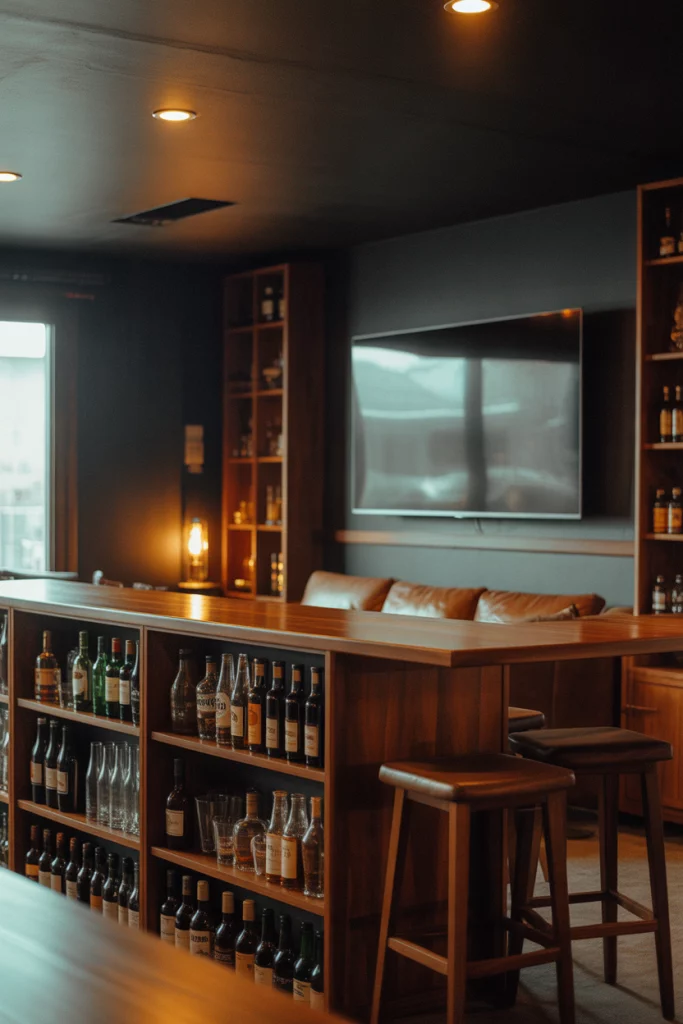
Real homeowner behavior shows that these hybrid spaces get used far more than single-purpose game rooms—the flexibility matters. When not gaming, it’s where you watch Sunday football; when not drinking, the kids might use it for Mario Kart tournaments. Budget around $5,000-12,000 depending on whether you’re doing a bar DIY or hiring out. The common mistake is making the bar too small or too fancy; aim for functional and approachable rather than trying to recreate a craft cocktail lounge. Stock it with crowd-pleasers, include a beer tap if you’re ambitious, and make sure there’s room for several people to gather without crowding. Dark paint colors—charcoal, navy, forest green—help create that den-like atmosphere while hiding wear and tear better than light walls.
10. Bright and Airy Kids Gaming Playroom
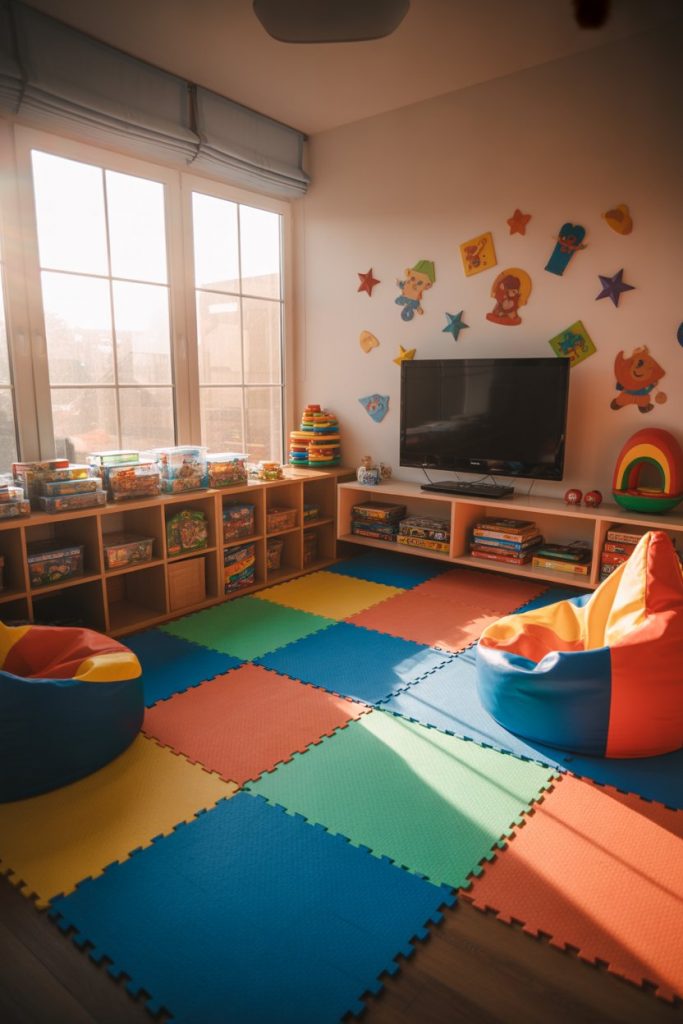
A gaming space designed for boys or younger children should prioritize safety, organization, and flexibility as their interests evolve. Soft foam flooring, low shelving accessible to small hands, and bright paint ideas in primary colors or cheerful pastels create an environment that’s playful and age-appropriate. Include bean bags or floor cushions instead of rigid furniture, and use clear bins with picture labels so kids can help with cleanup. This family-friendly approach works best in spare bedrooms or playrooms where you can dedicate space entirely to children’s activities without worrying about maintaining adult aesthetics. 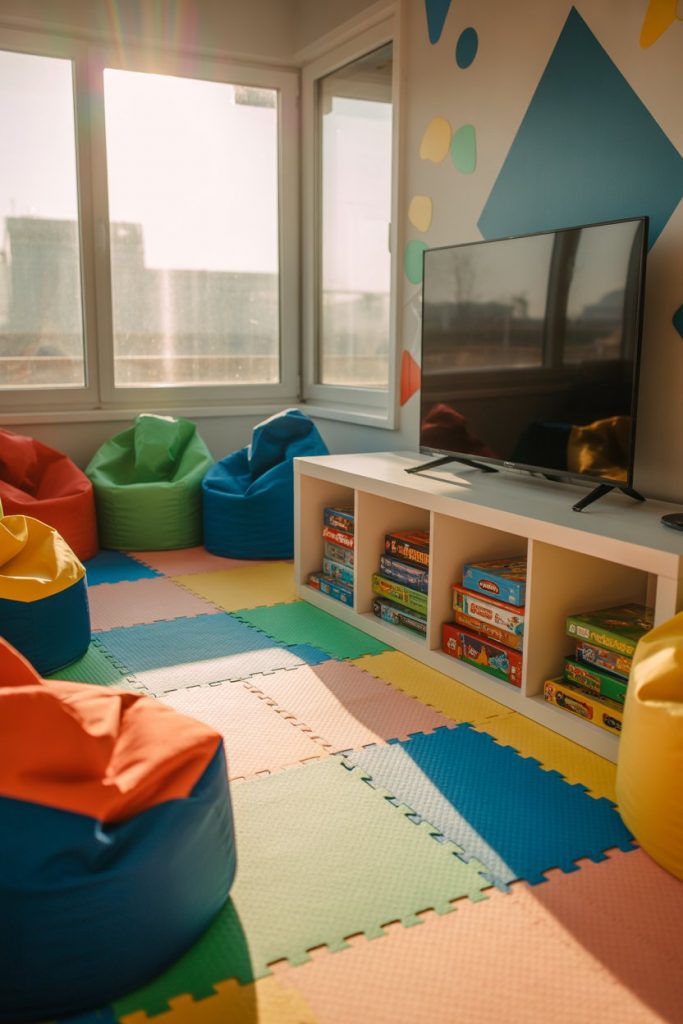
Where this works best: homes with multiple children who share gaming time, particularly in the suburbs where dedicated playrooms are more feasible. Keep the TV mounted securely and at a height where it’s visible from floor seating but won’t be grabbed or knocked over. Nintendo Switch consoles are ideal here—portable, age-appropriate game libraries, and durable. Avoid glass furniture or sharp corners entirely. The room should be easy to clean since spills and messes are inevitable. As kids age into teens, you can swap out primary colors for more mature palettes and upgrade furniture, but the storage and layout fundamentals remain useful. One practical tip: include a small table for snacks and drinks away from the electronics to minimize accidents.
11. DIY Pallet Wall Gaming Backdrop
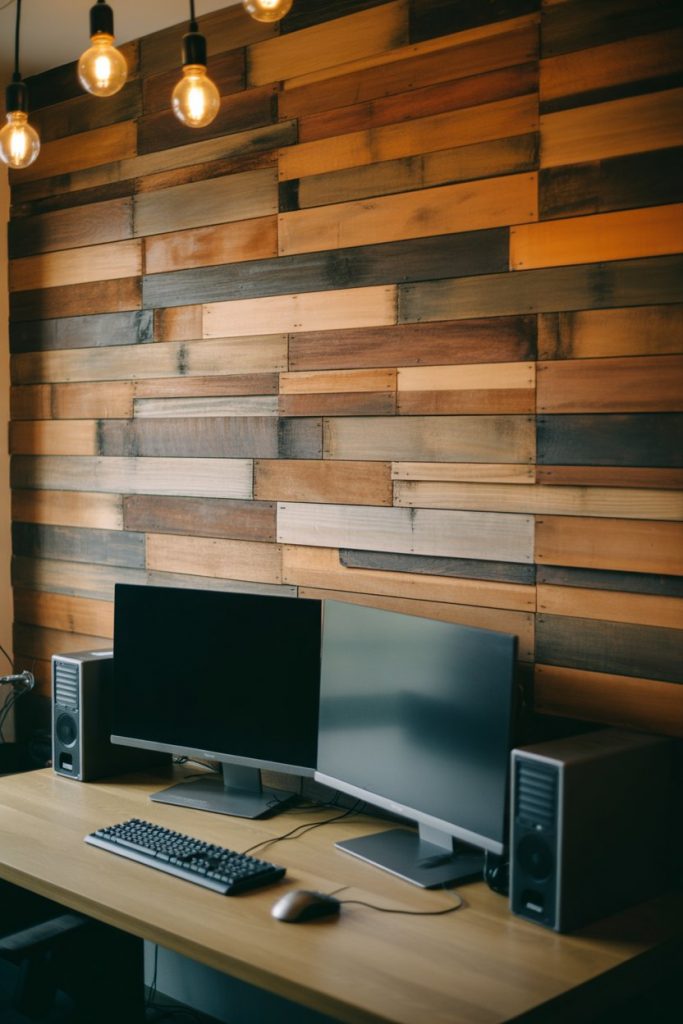
A DIY pallet wood accent wall creates dramatic texture and visual interest behind your gaming setup without breaking the budget. Reclaimed or new pallet boards in varied wood tones can be mounted horizontally or in a herringbone pattern, providing a warm, rustic backdrop that photographs beautifully for streaming or social media. This wall decor approach appeals to hands-on homeowners who enjoy weekend projects and want customization that reflects personal effort. The natural wood also provides acoustic benefits, softening sound in a room where voice chat and game audio might otherwise echo off bare walls. 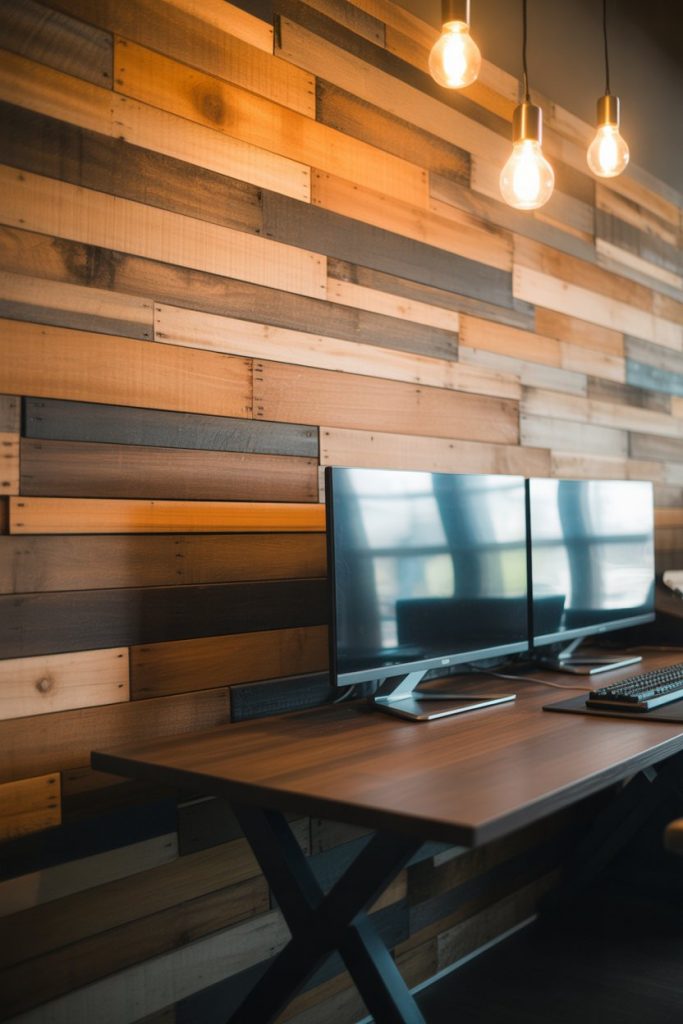
Cost for materials typically runs $100-250 depending on whether you source free pallets or buy pre-cut accent boards from home improvement stores. Sand everything thoroughly to avoid splinters, and consider a clear sealant to prevent dust accumulation in the wood grain. This project takes a weekend for beginners and requires minimal tools—a saw, drill, level, and construction adhesive or brad nailer. Common mistakes include not checking pallets for chemical treatments (avoid anything stamped “MB”) and failing to account for outlet locations before mounting. The finished wall works in nearly any style from industrial to farmhouse, making it one of the most versatile DIY gaming room upgrades. It’s particularly popular in rental-heavy cities where renters do one wall knowing they can replicate it in their next place.
12. Luxe Home Theater Gaming Hybrid
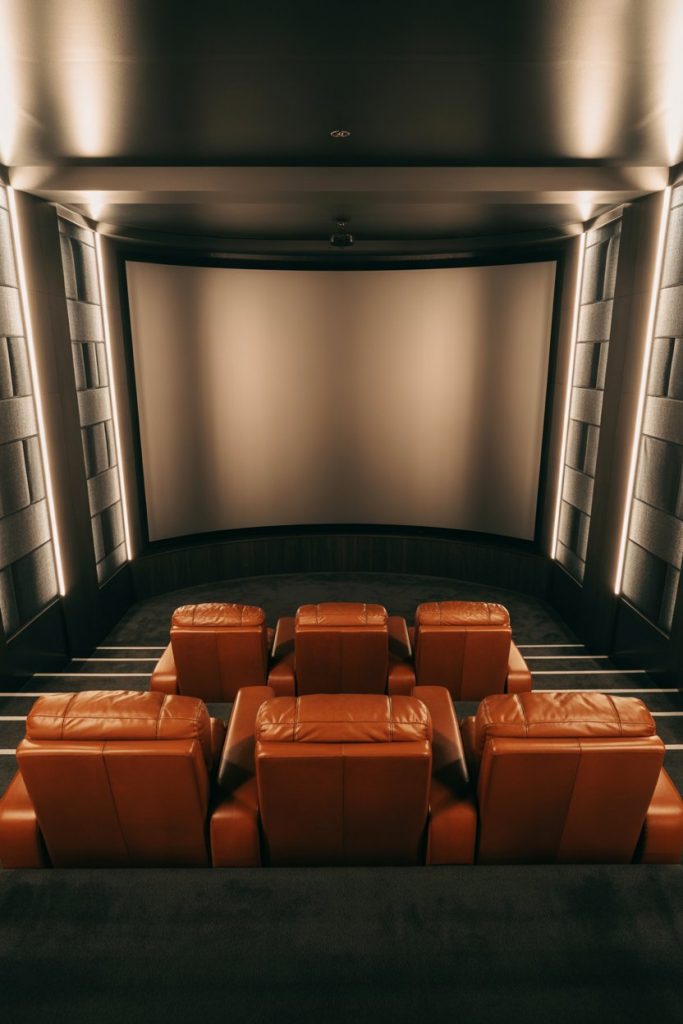
A true luxury gaming experience merges home theater elements with gaming capabilities—think tiered theater seating with built-in subwoofers, a projection screen or massive OLED TV, and acoustic paneling disguised as fabric art. This classy approach costs significantly more (often $20,000+) but creates a space where AAA games feel cinematic and movies provide theater-quality entertainment. Automated lighting that dims with gameplay, a rack-mounted equipment closet to hide all components, and individual power recliners with charging ports make this the ultimate entertainment space for serious enthusiasts with room in the budget. 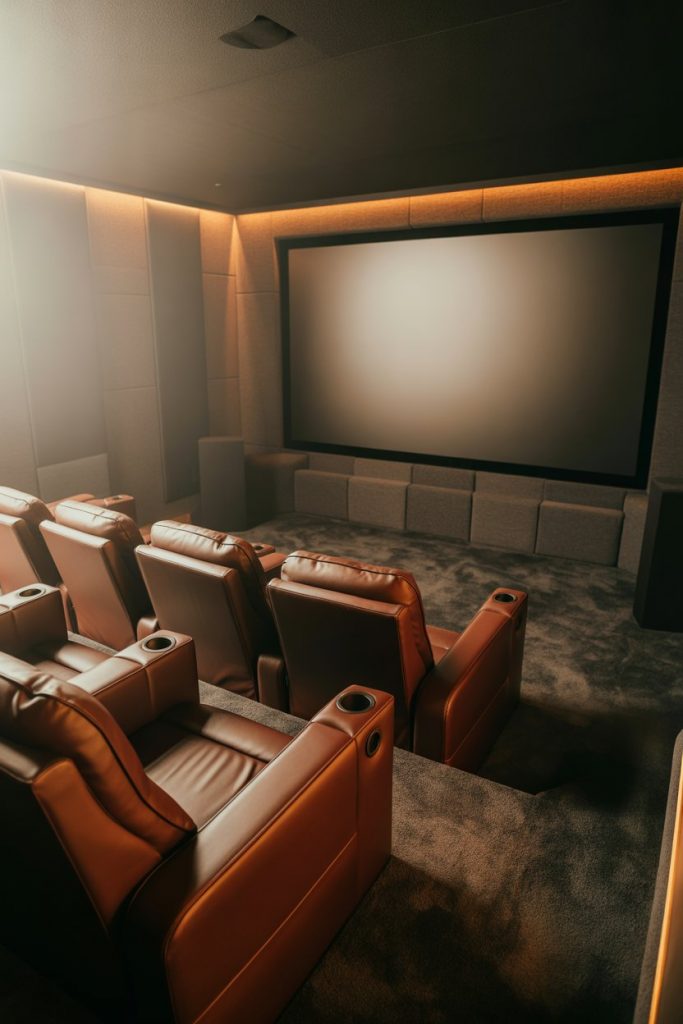
This setup is most common in custom-built homes in affluent suburbs, particularly in California, Texas, and Florida where new construction frequently includes dedicated media rooms. Work with an AV integrator rather than DIYing this—proper acoustic treatment, projector calibration, and system integration require expertise. The beauty is that this space serves multiple purposes: family movie nights, serious gaming sessions, sports viewing parties, and even remote work presentations on a grand scale. Common mistakes include undersizing the room (you need at least 12×16 feet for comfortable tiered seating) or overspending on features you won’t use. Focus budget on the screen, speakers, and seating comfort before adding smart home automation bells and whistles.
13. Compact Closet Gaming Nook
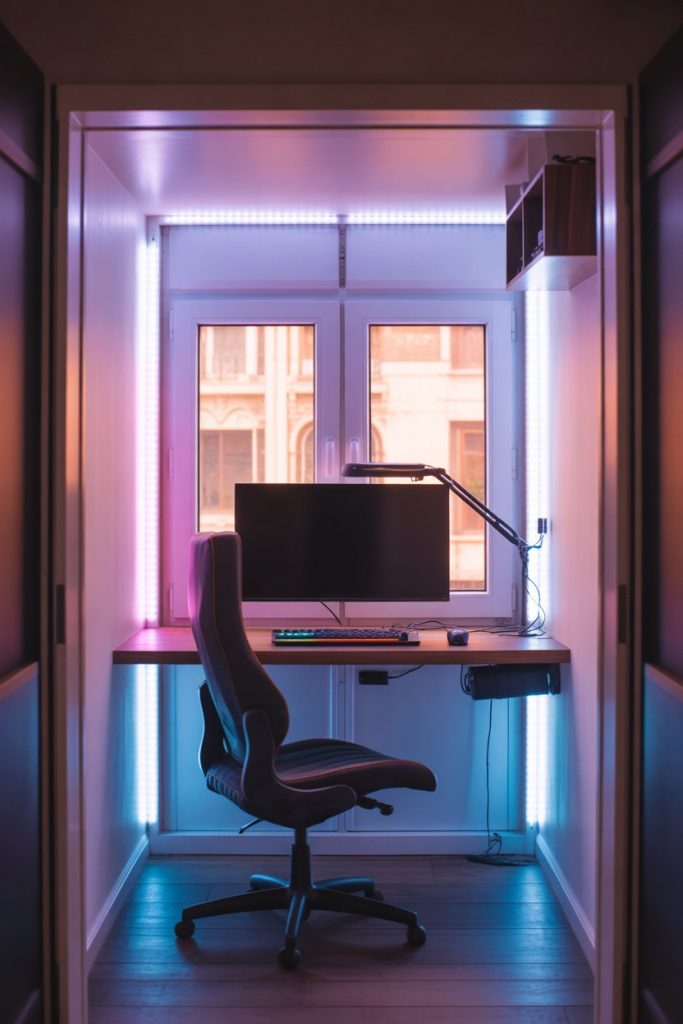
Converting a cozy closet into a micro gaming station proves you don’t need a full room to create a dedicated play space. Remove the doors, add a floating desk shelf, and mount a monitor to the wall for a surprisingly functional setup that tucks into square footage you’re already paying for. This clever design solution appeals to apartment dwellers and homeowners with limited space whostill want a defined gaming area separate from their bed or living room. LED strips along the interior edges create ambient glow, and the enclosed feeling can actually be calming—like a high-tech reading nook. 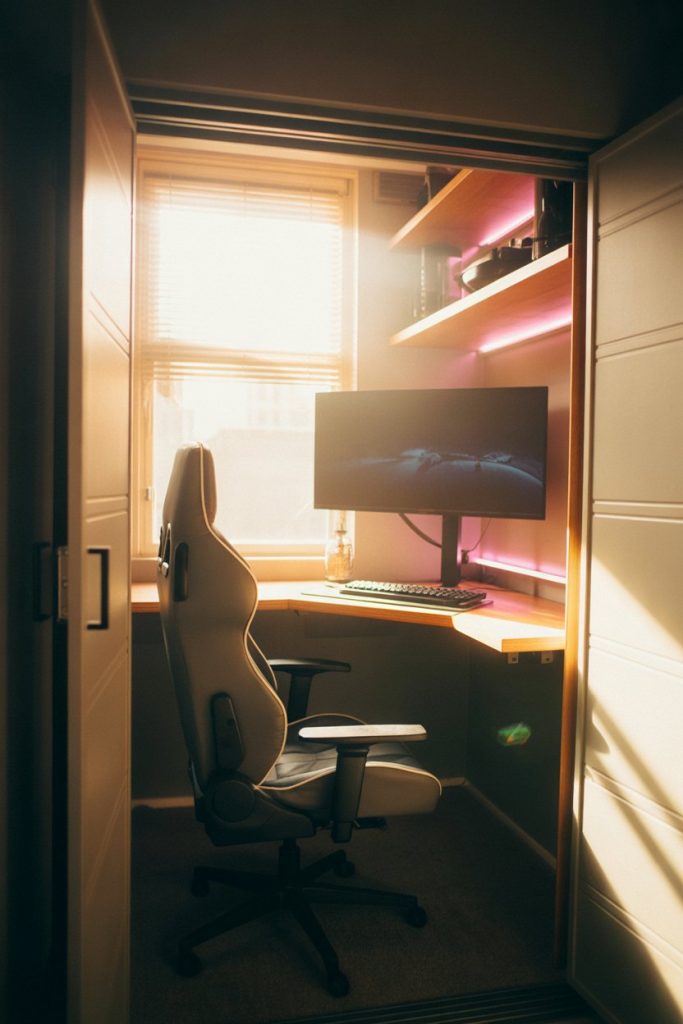
A neighbor in Brooklyn did this with a barely-used coat closet and gained a functional workspace that doubles as a gaming spot in his studio apartment—the defined boundaries actually help him separate work time from play time psychologically. Ensure adequate ventilation since closets weren’t designed for heat-generating electronics; a small USB fan can make a surprising difference. This works best with smaller monitors (24-27 inches) and wireless peripherals to maximize the limited desk space. You’ll need to be thoughtful about cable management since they’ll be more visible in the confined space. It’s one of the most budget-friendly conversions at under $500 including the monitor mount, desk shelf, and cosmetic upgrades like paint and lighting.
14. Vintage Sports Themed Man Cave
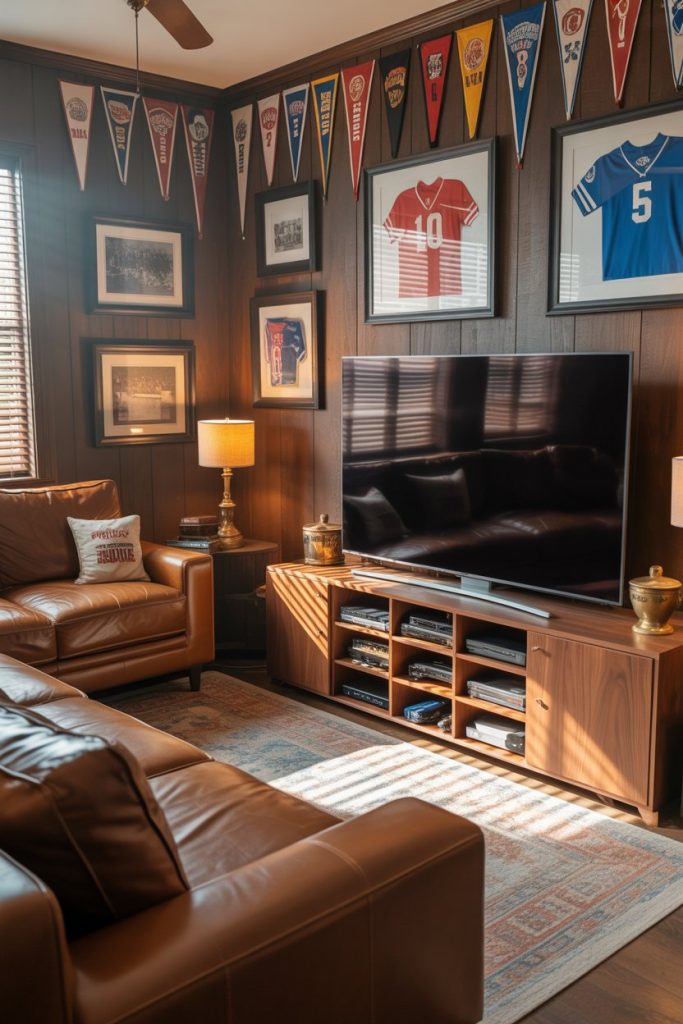
Blending gaming with classic sports memorabilia creates a nostalgic man caves atmosphere where vintage pennants, signed jerseys, and retro sports equipment share wall space with modern gaming tech. This style resonates with older millennials and Gen X gamers who grew up playing both real and digital sports and want their space to honor both passions. A leather couch facing a large TV, vintage sports photography in frames, and a color scheme pulled from favorite team colors (carefully chosen to not be overwhelming) create a welcoming environment that’s personal and conversation-rich. 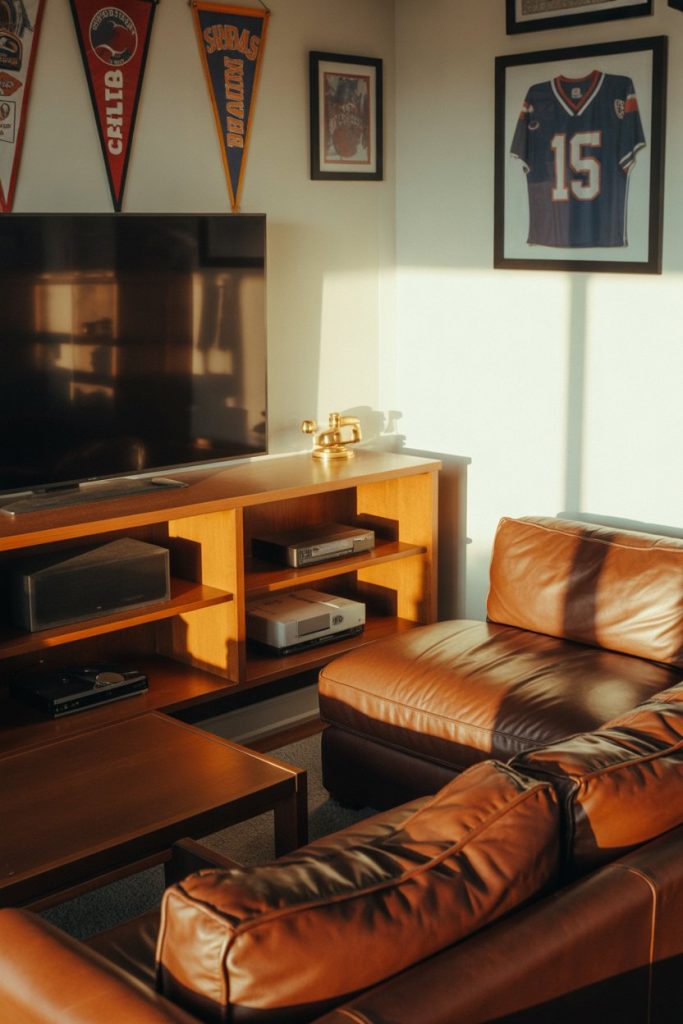
This approach is especially popular in the Northeast and Midwest where sports culture runs deep and multi-generational fandom is common. The key is balancing memorabilia with function—too much stuff and it becomes cluttered and dated. Select your best pieces and frame them properly; a single well-lit signed jersey beats a dozen cheap posters. Gaming here tends toward sports titles, racing games, and classic arcade collections that complement the theme. Include a small fridge for game day, and if you’re really committed, mount a scoreboard clock that you can program for dramatic countdowns during close matches. The room serves triple duty: gaming, sports viewing, and general hangout space with friends.
15. Bohemian Eclectic Gaming Lounge
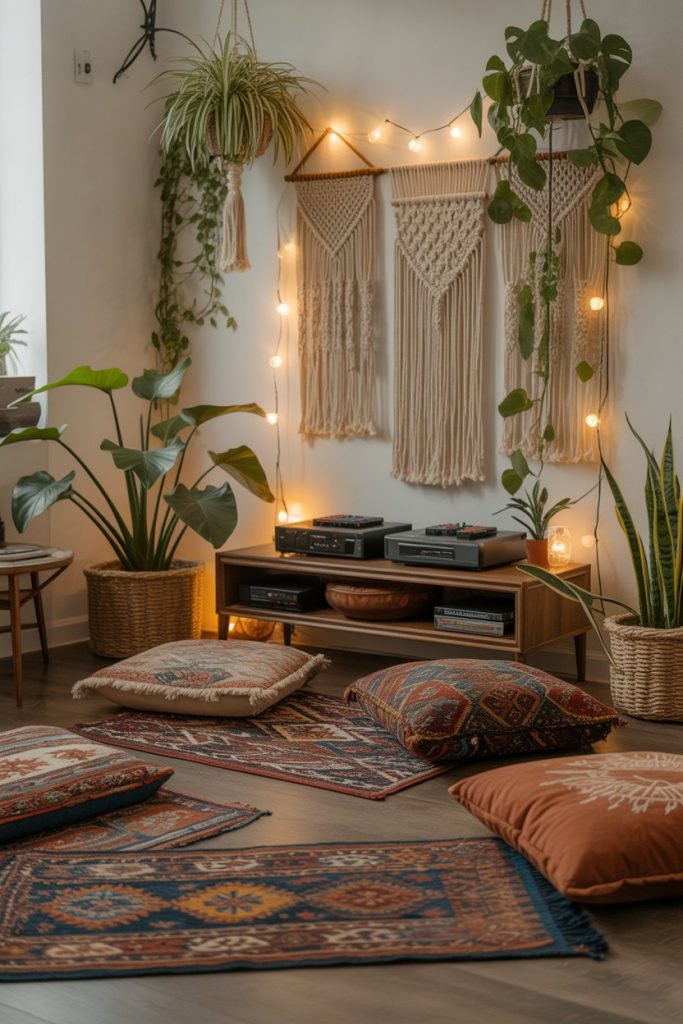
A bohemian approach to gaming spaces layers textures, plants, and warm cozy elements to create an environment that feels artistic and personal rather than tech-focused. Macramé wall hangings, patterned rugs, floor cushions, and hanging plants soften the hard edges of gaming equipment and create a space that appeals to creative types who want their surroundings to feel lived-in and expressive. This design particularly attracts gamers who also value aesthetics and want a space that could as easily host a reading circle as a raid night. The electronics are present but not the focal point—they’re integrated into a broader lifestyle aesthetic. 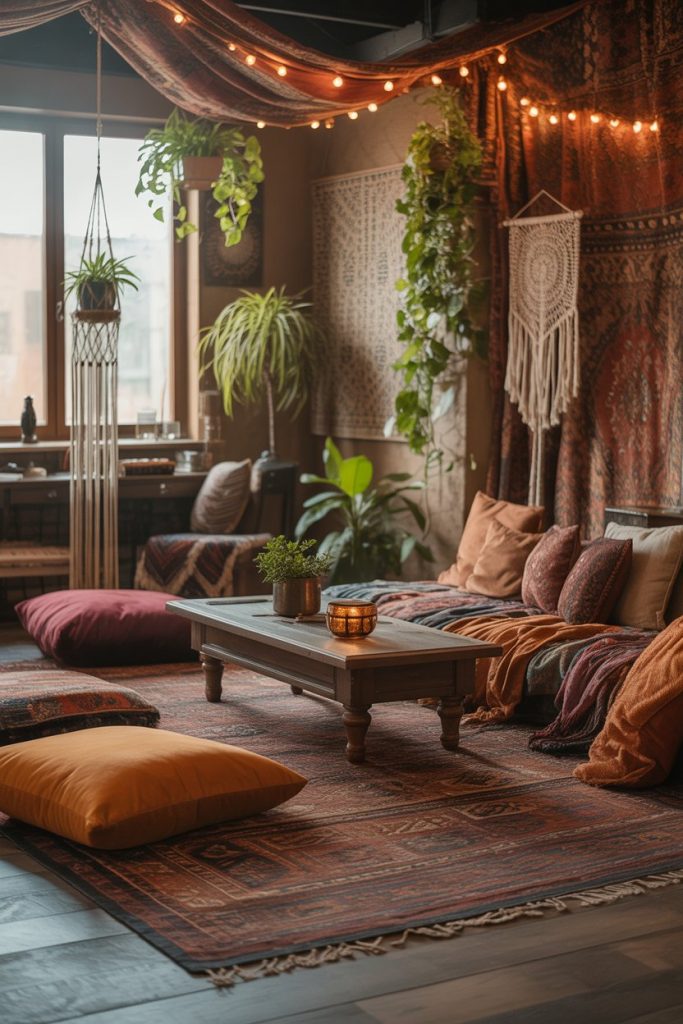
Where this works best: urban apartments and homes in creative-leaning cities like Portland, Austin, and parts of Los Angeles where bohemian and mid-century aesthetics are already prevalent. The practical advantage is that this style ages well and adapts easily as tastes change—swap out a few textiles and plants, and the space feels fresh without major renovation. Keep plants away from direct heat sources (consoles, PCs) and choose low-maintenance varieties like pothos or snake plants that thrive in indirect light. The common mistake is creating so much visual interest that the space feels chaotic; even boho style needs intentional editing. Stick to a cohesive color palette—typically warm earth tones with pops of jewel colors—and let patterns mix but not compete.
16. Minimalist Wall-Mounted Setup
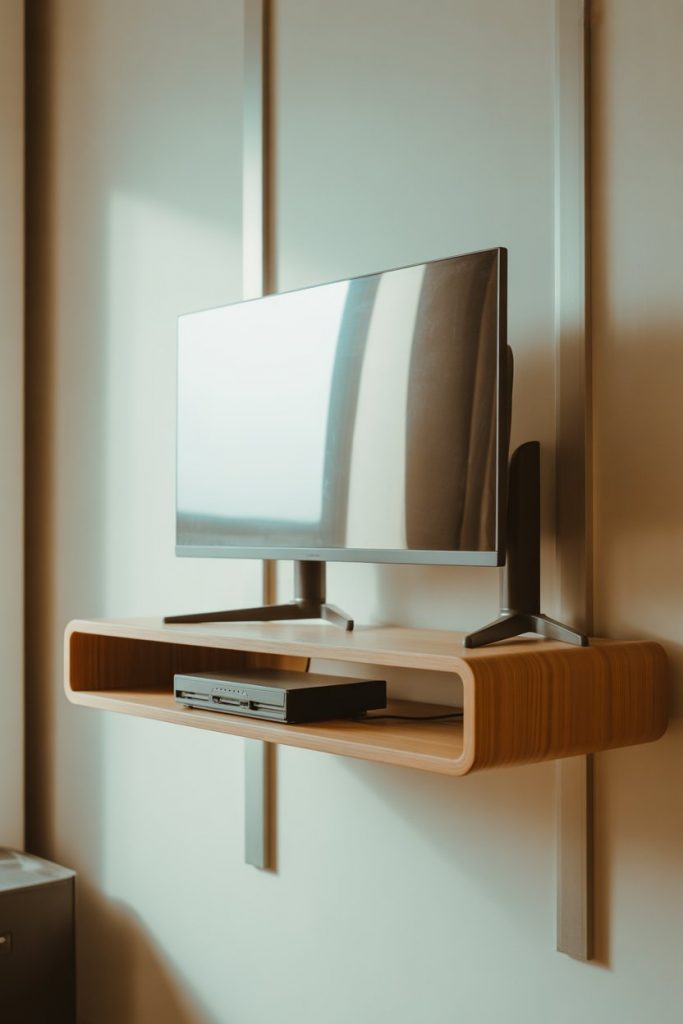
Floating everything—desk, monitor, shelving—creates an ultra-clean modern gaming area that’s easy to vacuum under and visually expands small spaces. This minimalist design entertainment center approach eliminates furniture legs and floor clutter, creating the illusion of more square footage while keeping all necessary equipment accessible and organized. Wall-mounted cable channels hide wires completely, and the streamlined look appeals to gamers who get anxious in cluttered environments. A single floating desk shelf, a monitor arm, and minimalist floating shelves for a console and few accessories deliver full functionality in a package that could fit in a 6×8 foot space. 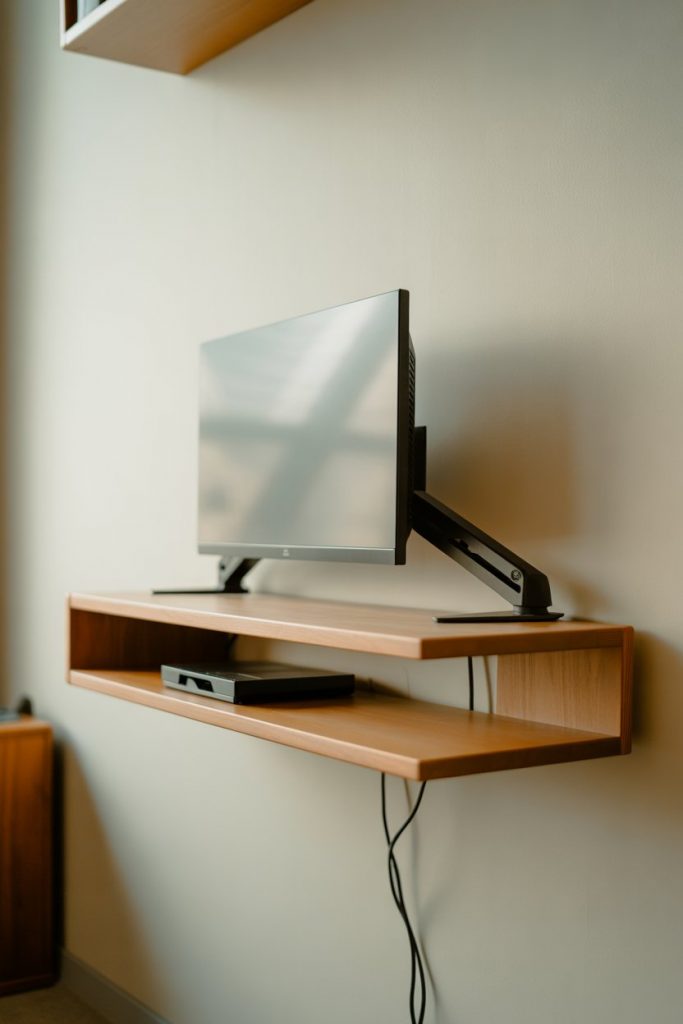
This configuration is increasingly popular in expensive urban markets where every square foot counts—think San Francisco, New York, Boston. Renters appreciate that the setup can be installed with minimal damage (use heavy-duty wall anchors and studs) and removed relatively easily. Budget around $300-600 for quality mounting hardware, cable management, and a proper floating desk. The common mistake is using inadequate anchors; gaming equipment is heavier than it looks, and collapsed shelves are heartbreaking. Hire a handyman if you’re not confident in your installation skills. The payoff is a room that feels spacious and modern, where cleaning takes minutes instead of the furniture-shuffling marathon traditional setups require.
17. Rustic Cabin Gaming Retreat
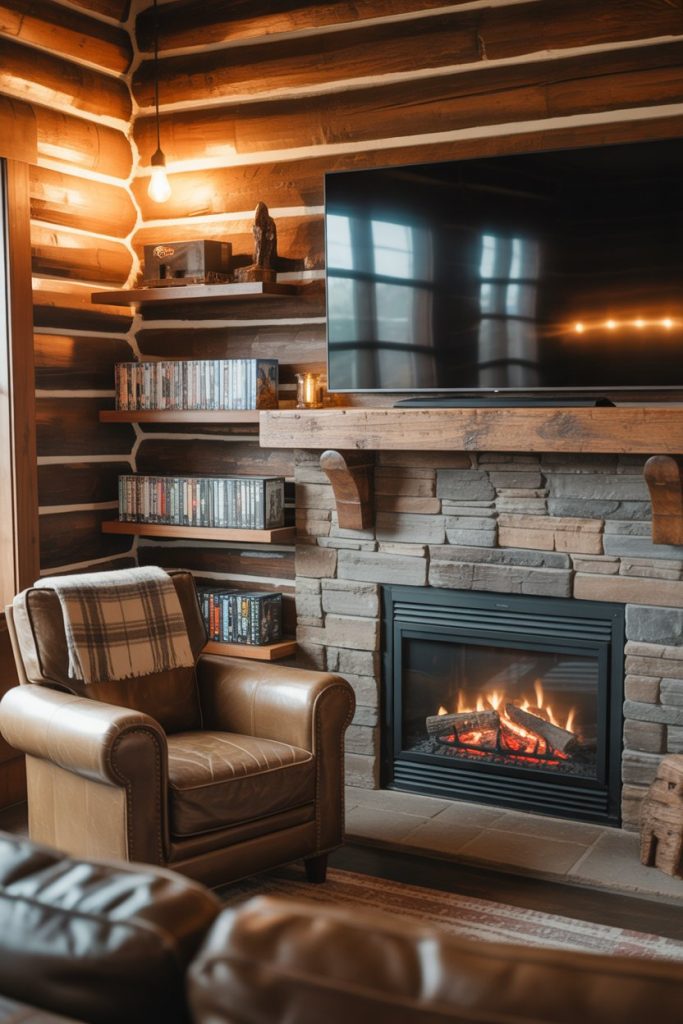
Log walls, exposed timber, and warm lighting transform a gaming space into a mountain retreat that blends technology with natural comfort. This cozy aesthetic works beautifully in actual cabins or homes built with rustic architecture, where gaming equipment is integrated into a space that already celebrates wood and natural materials. A stone fireplace (gas or electric for safety), leather furniture, and warm paint ideas in deep reds or forest greens complete the lodge-like atmosphere. The gaming tech is there but doesn’t dominate—it’s part of a larger embrace of comfort and retreat from urban life. 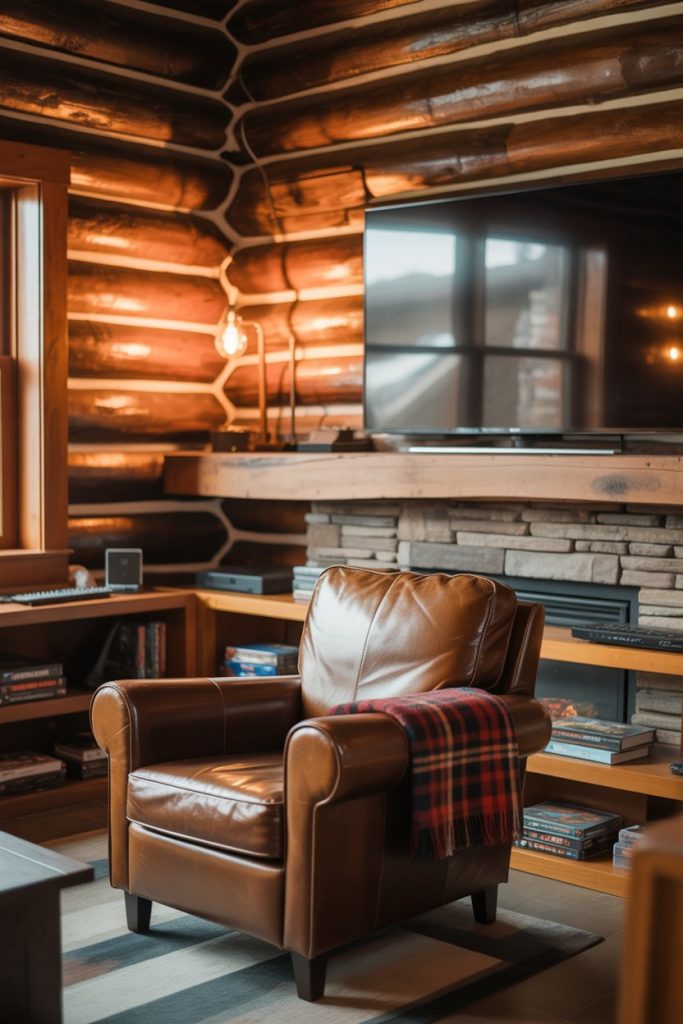
This style is authentically popular in mountain states—Colorado, Montana, upstate New York—where cabin architecture is common and the aesthetic matches the surrounding environment. Even in suburban settings, a basement or bonus room can adopt these elements through wood paneling and deliberate material choices. The key is keeping technology discreet: consider a TV frame that disguises the screen as art when not in use, or built-in cabinets that close to hide equipment. The space should feel like a place to decompress and escape rather than a high-energy gaming arena. It’s particularly appealing to gamers who favor slower-paced, narrative-driven games and want their environment to support that contemplative mood. Budget varies widely based on how much is cosmetic versus structural, but even paint and decor shifts can suggest cabin vibes for under $1,000.
18. Multi-Purpose Guest Room Gaming Space
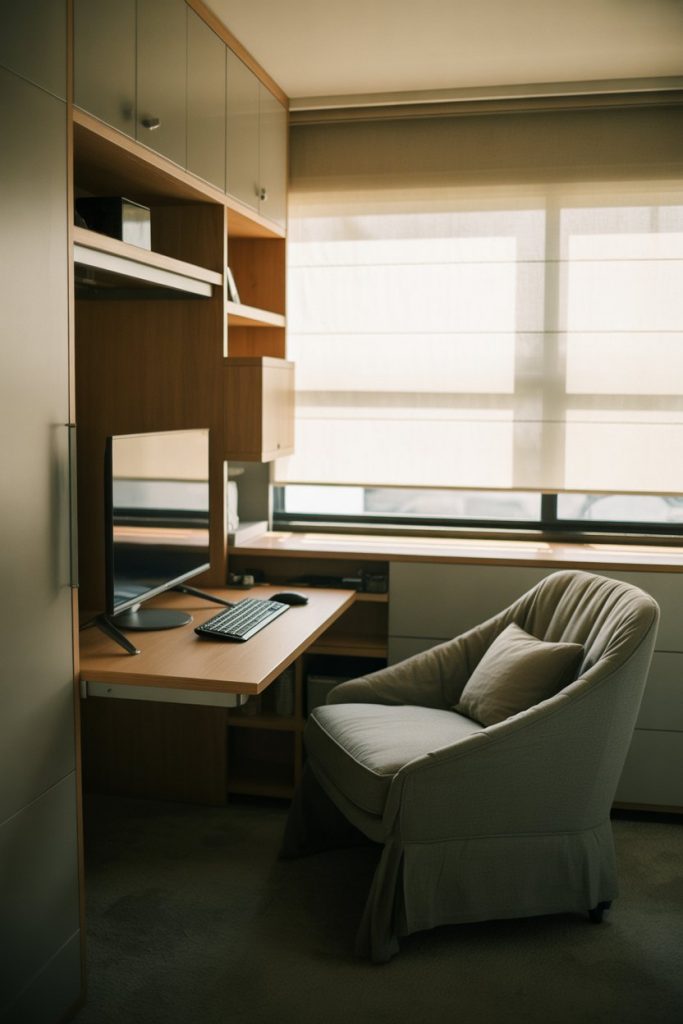
Designing a family-friendly gaming area that doubles as a functional guest room requires furniture and layouts that serve both purposes without compromise. A murphy bed or high-quality sofa bed provides sleeping space when needed, while a compact gaming desk and wall-mounted TV maintain entertainment functionality the rest of the time. This practical design solution appeals to homeowners who can’t justify a dedicated gaming room but want more than a corner of the living room. Neutral colors, comfortable seating that doesn’t scream “gaming,” and smart storage that hides controllers and cables when guests arrive keep the space versatile. 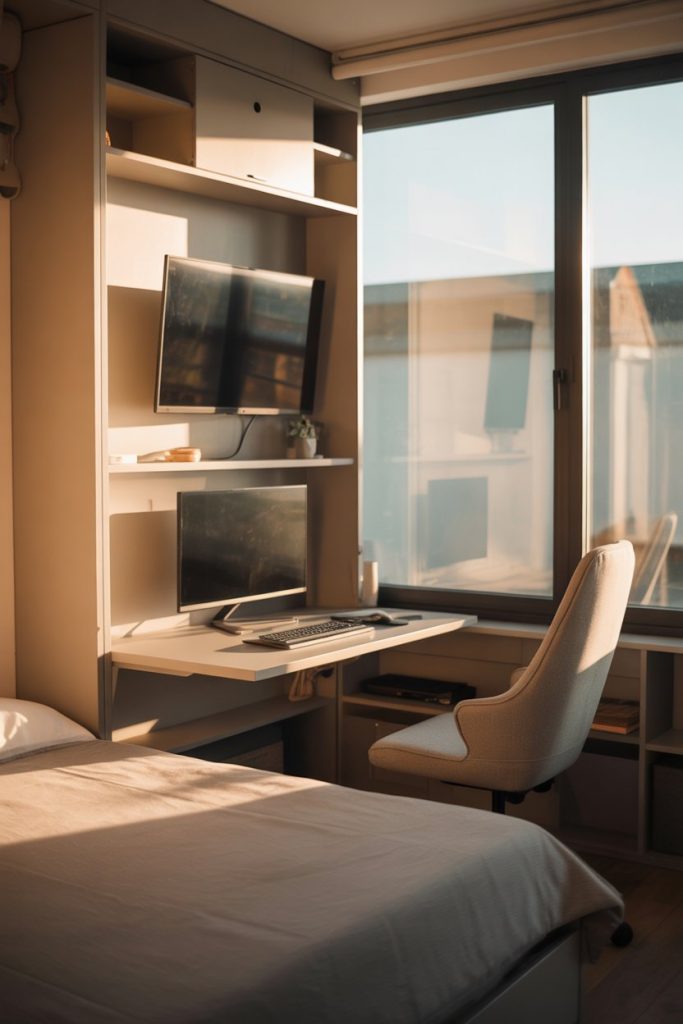
This setup is common in suburban three-bedroom homes where one room needs to flex between hosting overnight guests and serving family gaming needs. The murphy bed is the key investment (quality models run $1,200-3,000), but it opens up floor space dramatically when stowed. Choose a gaming desk that doesn’t look aggressively “gamer”—simple wood or metal designs work better than RGB-lit battlestations. Keep guest amenities accessible: a cleared closet for hanging clothes, bedside tables that emerge when the bed is down. Real homeowners report this configuration gets more total use than either a pure gaming room or pure guest room would independently, making it a smart allocation of space in homes where square footage is precious.
19. Moody Dark Academia Study
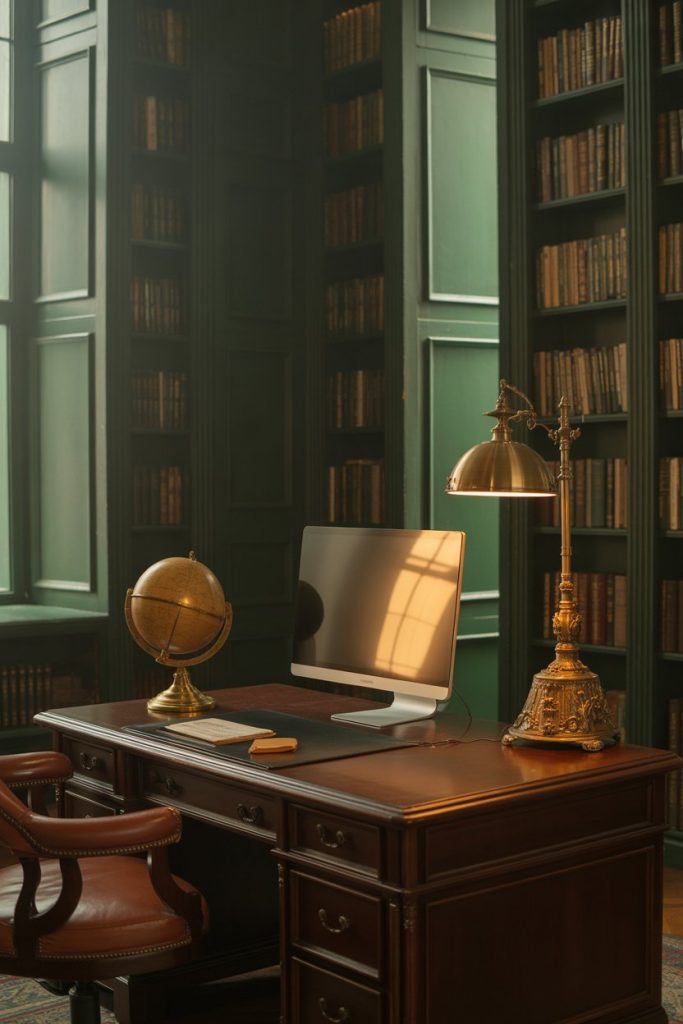
Dark walls, rich wood tones, and vintage-inspired furniture create a gaming space with the gravitas of a university library—a classy approach that treats gaming as intellectual pursuit alongside reading and study. Deep green or charcoal paint ideas, brass accents, and leather-bound books (functional or decorative) on floor-to-ceiling shelves establish an environment that’s scholarly and immersive. This aesthetic appeals to gamers drawn to strategy titles, complex RPGs, and narrative experiences who want their physical space to reflect the thoughtfulness they bring to their hobby. 
This look works beautifully in older homes with architectural character—Victorian townhouses, Craftsman bungalows, pre-war apartments—where the room’s bones already suggest history and permanence. You’re not fighting the space’s character but enhancing it. Budget for quality dark paint (Farrow & Ball “Railings” or Benjamin Moore “Wrought Iron” are popular choices) and thrift or estate sale furniture to get authentic aged pieces. The gaming equipment should be as unobtrusive as possible: a sleek monitor that doesn’t clash with the vintage aesthetic, wireless peripherals, all cables completely hidden. Include a bar cart with whiskey or quality tea to complete the scholarly ambiance. The mistake to avoid is going too costume-y; this should feel like an authentic lived-in study, not a Harry Potter theme park.
20. Bright Pastel Streaming Studio
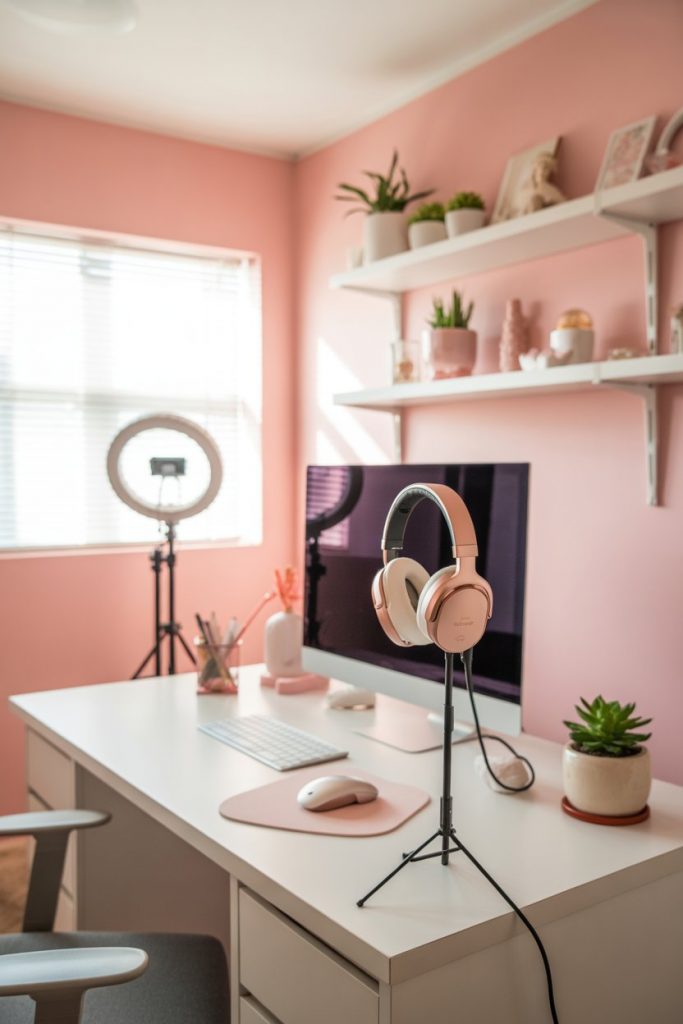
Content creators need gaming spaces that look good on camera, which has driven a trend toward bright, pastel-colored design setups optimized for streaming and recording. Soft pinks, mint greens, and lavender walls photograph beautifully and create an inviting, approachable aesthetic that stands out in the sea of dark RGB setups. This style particularly appeals to younger streamers and DIY content creators who want their background to feel personality-driven and visually distinct. Key lighting, a ring light or softbox setup, and intentional wall decor create a space that’s functional for both gaming and content creation. 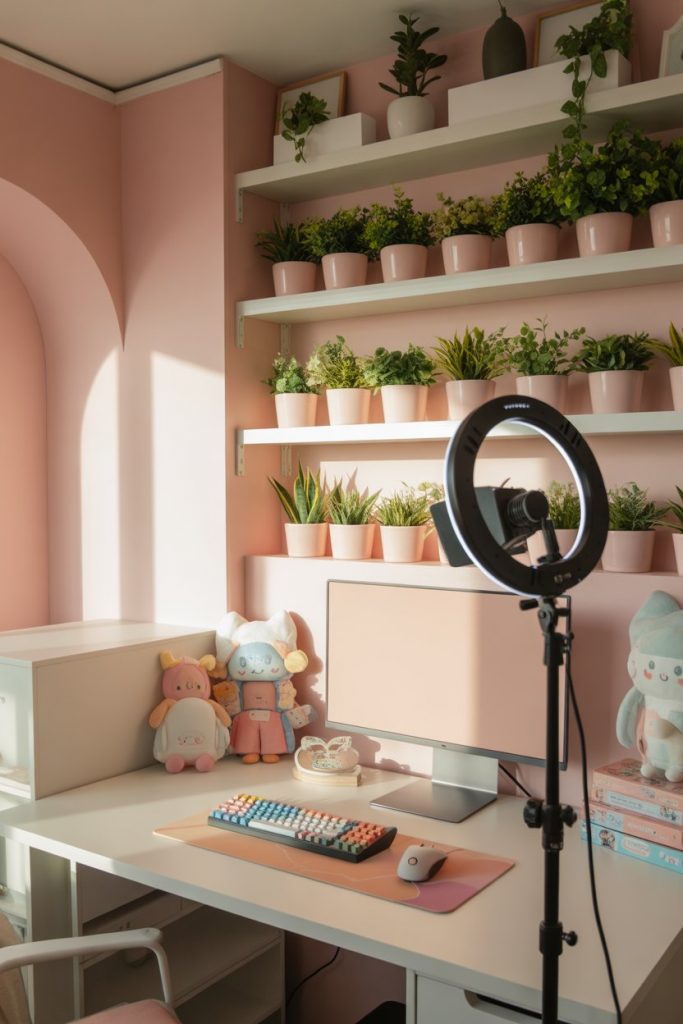
Practical insight: invest in good lighting before camera equipment. A well-lit space with average cameras beats great cameras with poor lighting every time. Three-point lighting setups can be achieved for under $200 with LED panels from Amazon or B&H. The pastel backdrop works because it’s soft on viewers’ eyes during long streams and provides good contrast with most skin tones. Keep the decor somewhat minimal in frame—you want visual interest but not distraction from your face and gameplay. This aesthetic is especially common among streamers in creative fields (artists, crafters) who want their gaming content to align with their broader brand. Acoustic treatment matters here too; foam panels can be spray-painted to match your color scheme while serving their sound-dampening function.
21. Outdoor Gaming Pavilion
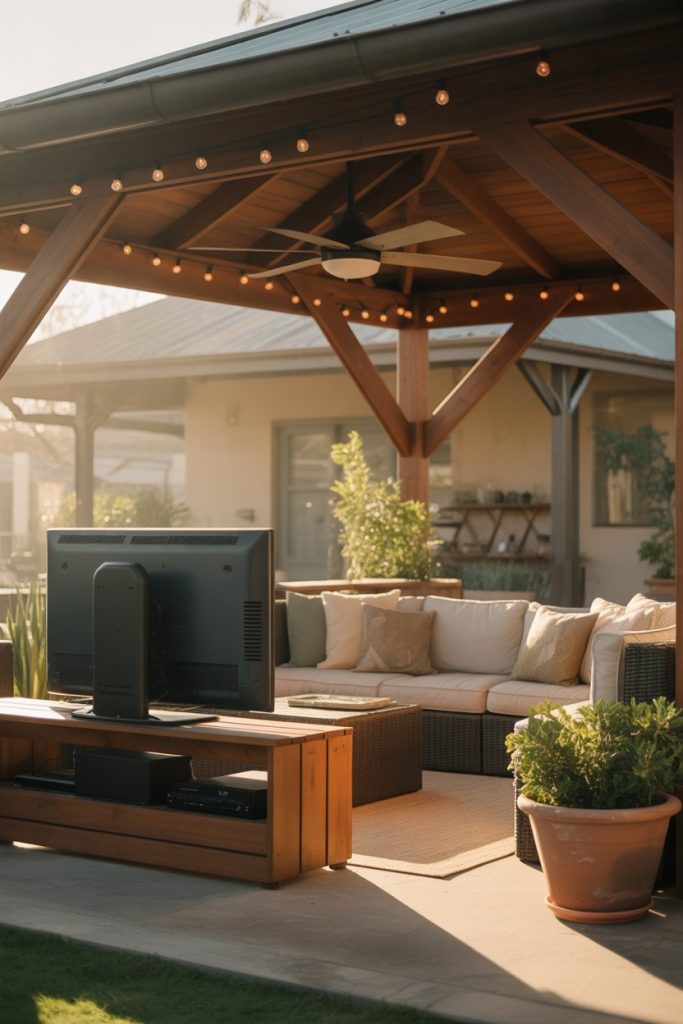
For homeowners in mild climates, a covered patio or garage-style outdoor structure can become a unique gaming space that brings fresh air to screen time. Weather-resistant TV covers, outdoor-rated furniture, and ceiling fans create an environment where gaming happens in a breezier, less claustrophobic setting than typical indoor spaces. This unconventional design approach works in California, Arizona, Florida, and parts of Texas where year-round outdoor living is feasible. The key is protecting electronics from humidity and ensuring adequate shade to prevent screen glare while maintaining good ventilation that indoor spaces can’t match. 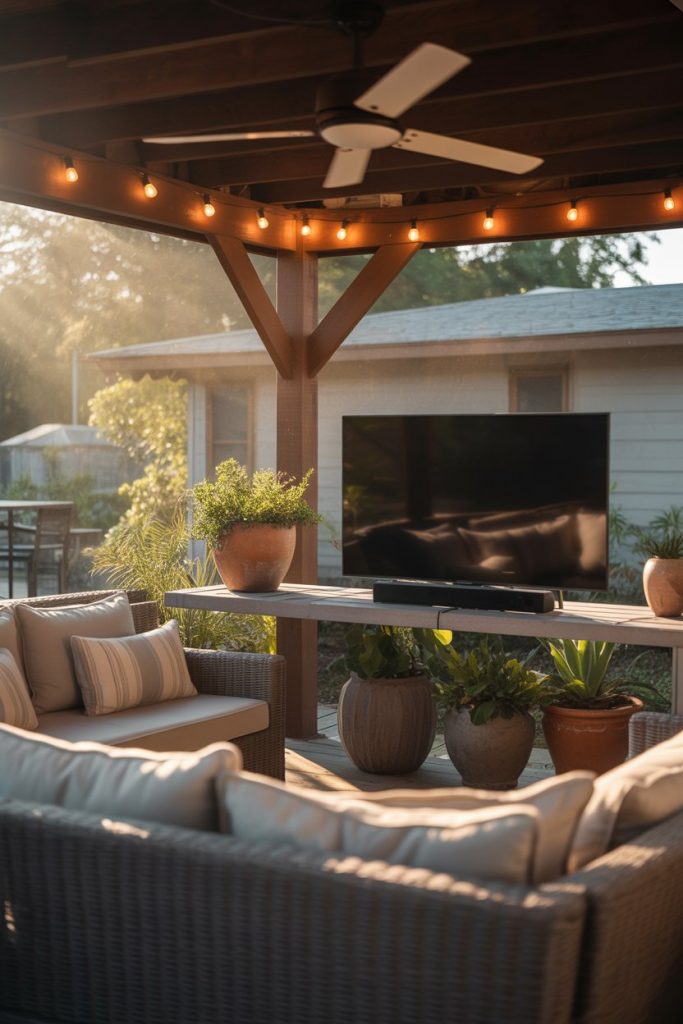
A family in San Diego converted their pool house into a summer gaming pavilion and found it became the most-used space on their property from May through October—the novelty of outdoor gaming combined with the comfort of not being cooped up indoors made it a hit with their teenagers and adult friends alike. Invest in a weatherproof TV cover that goes on between sessions, and consider mounting equipment on a rolling cart that can be wheeled into a garage or shed overnight. Wi-Fi range extenders ensure solid connectivity at distance from your router. This works best for casual console gaming rather than competitive PC setups where milliseconds matter. The common mistake is underestimating morning dew and evening humidity; electronics and moisture don’t mix, so storage protocols are non-negotiable.
22. High-Tech Racing Simulator Bay

Dedicated racing simulator setups with full cockpits, force feedback wheels, and curved ultra-wide monitors create an immersive experience that goes beyond typical gaming—it’s a luxury hobby that demands appropriate space and investment. A racing seat rig with monitor mount, tactile feedback system, and proper cable management transforms racing games into something approaching actual driving experiences. This specialty design appeals to enthusiasts who take sim racing seriously, whether for practice, competition, or pure enjoyment. The setup typically occupies a 6×6 foot footprint minimum and works best in dedicated spaces rather than shared rooms. 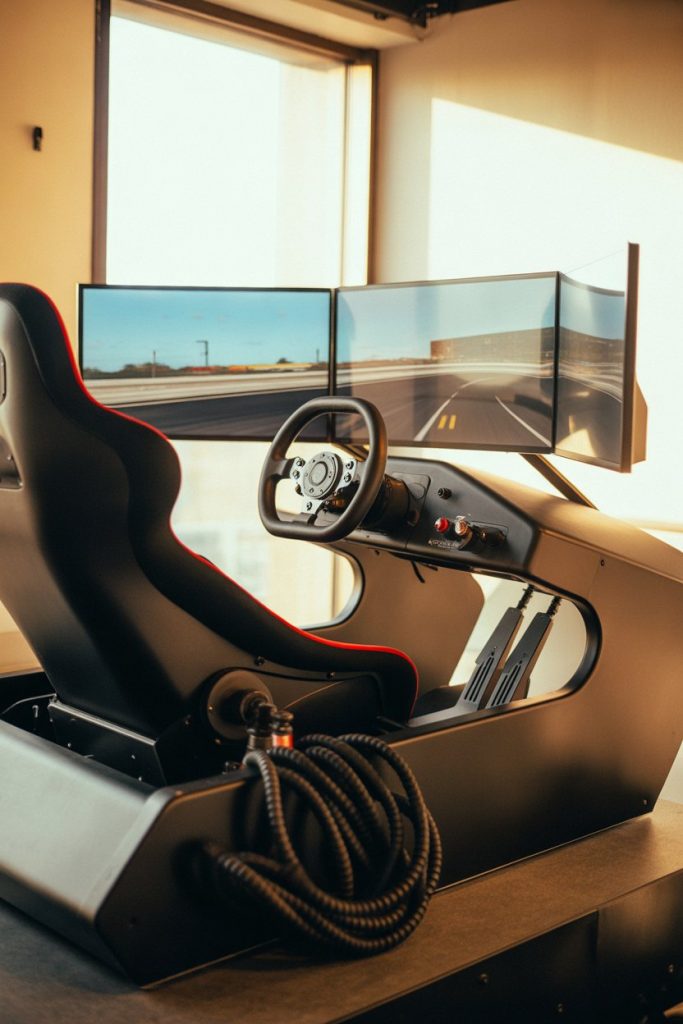
The sim racing community has grown dramatically, with rigs ranging from $1,500 entry-level setups to $10,000+ professional-grade installations. Companies like Next Level Racing and Sim-Lab offer modular systems that can grow with your interest. The key considerations are sturdy construction (the rig must not flex during aggressive driving) and proper ergonomics since sessions can last hours. This hobby intersects with both gaming and motorsport communities, making it popular among car enthusiasts who want year-round “track time” regardless of weather or season. It works best in climate-controlled garages or bonus rooms where the dedicated equipment doesn’t need to be moved. Common mistakes include under-investing in the wheelbase (the single most important component) or neglecting proper mounting—a wobbly rig destroys immersion immediately. Budget heavily for the wheel and pedals before aesthetic upgrades.
23. Adaptable Modular Gaming System
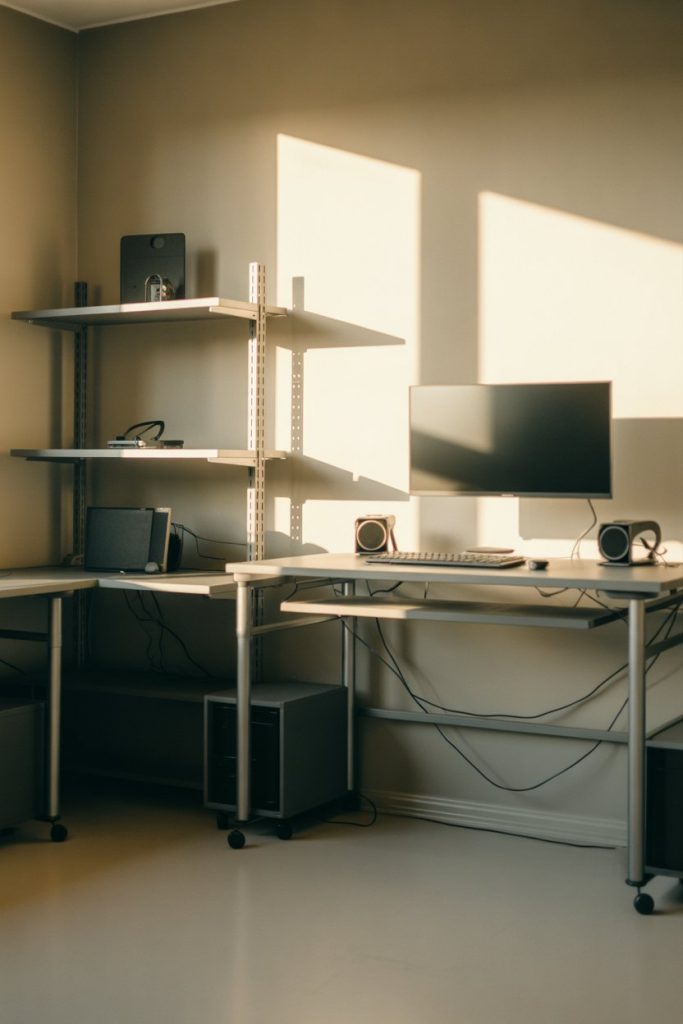
Modular furniture systems that reconfigure for different gaming modes create ideas for adults modern who want flexibility above all else. Rolling carts, adjustable shelving, and furniture on casters let the space transform from solo PC gaming to console multiplayer to VR play area depending on the day’s needs. This design philosophy recognizes that gaming itself is diverse—sometimes you need a desk, sometimes open floor space, sometimes theater seating—and the room should adapt rather than force compromise. It’s particularly valuable for family gaming spaces where different household members have different preferences and playing styles. 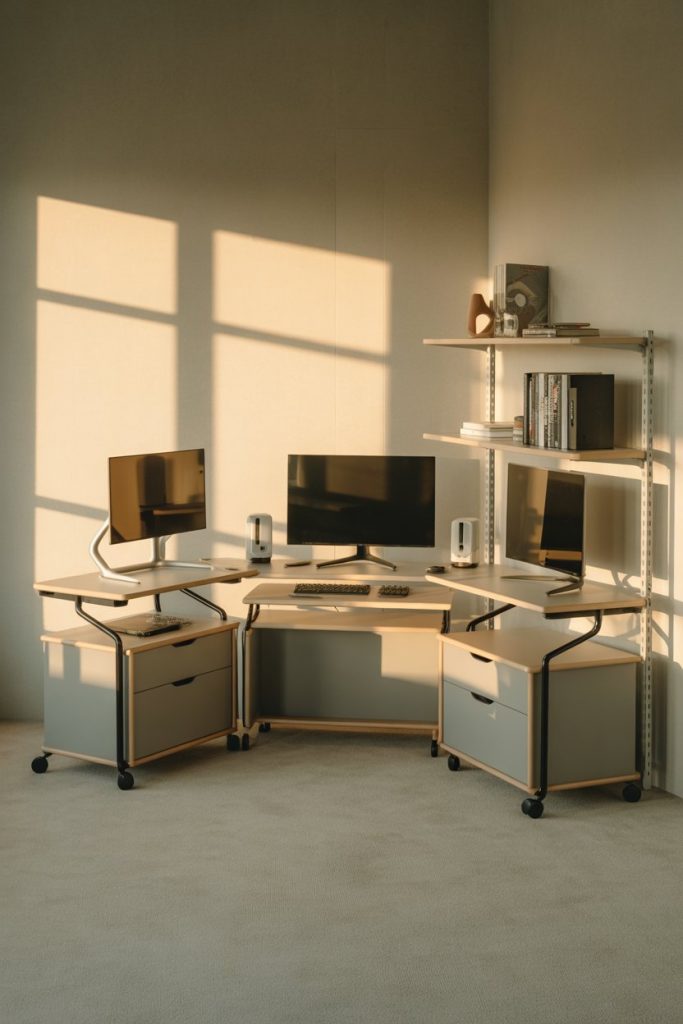
Expert commentary from interior designers increasingly emphasizes flexibility in home spaces post-pandemic, as rooms serve multiple functions and households want maximum utility from limited square footage. This modular approach costs slightly more upfront (quality rolling furniture isn’t cheap) but pays dividends in satisfaction as gaming trends evolve. A setup that’s perfect for today’s battle royale obsession might feel wrong when you discover a love for rhythm games that need open floor space. Good casters, cable management sleeves that accommodate movement, and wireless peripherals where possible keep the reconfiguration process quick rather than a major production. This works across home types but shines in urban apartments where a room genuinely needs to flex between gaming, guests, exercise, and work throughout the week.
Conclusion
Your gaming room should reflect who you are as much as what you play—these ideas are starting points, not prescriptions. The best spaces emerge when you combine practical considerations with personal style, creating an environment where hours disappear and you look forward to coming home. Whether you’re working with a closet-sized nook or a full basement, the key is making intentional choices about lighting, storage, and comfort that support how you actually game. We’d love to hear what you’re planning or what’s already working in your space—drop a comment below with your gaming room wins or the challenges you’re trying to solve. What’s your dream setup look like?