Stair railings are no longer just a safety feature—they’re a design statement that can completely transform the look and feel of your home. As we move into 2026, homeowners across America are searching Pinterest for fresh ways to elevate their staircases, whether it’s a modern update in a city loft, a rustic farmhouse touch in a countryside home, or a bold contemporary look that turns heads. From glass panels that open up small spaces to metal balusters that add industrial charm, the options are endless and exciting. In this article, you’ll discover inspiring stair railing ideas that blend style, function, and personality—perfect for every taste and budget.
1. Sleek Glass Panel Railings for Open Concepts
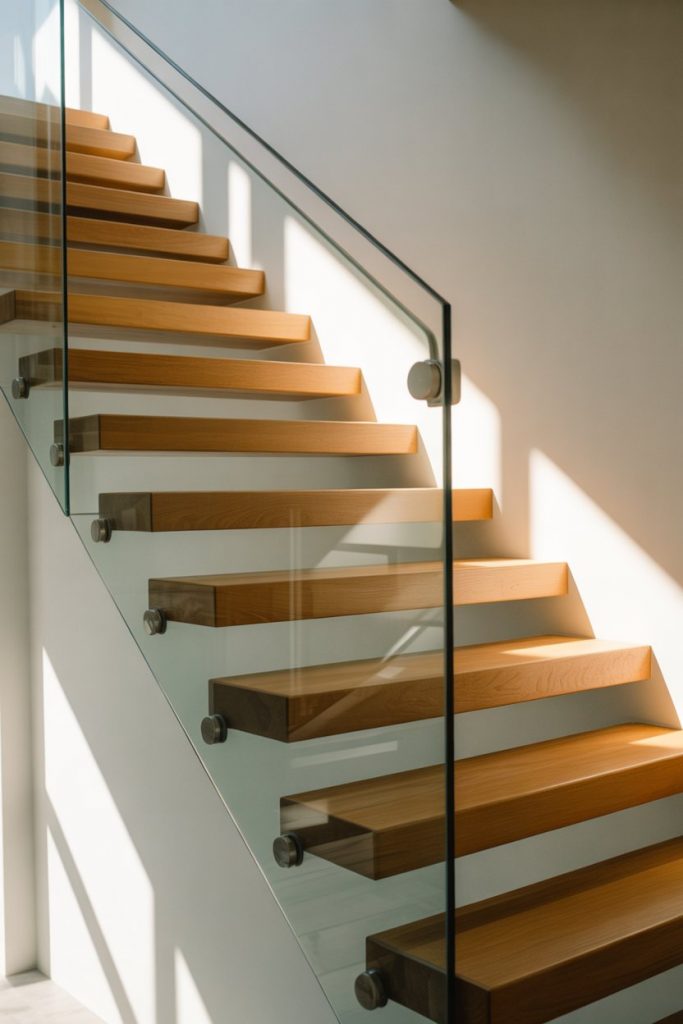
If you’re working with a modern home that values open sightlines and natural light, glass panel railings are a game-changer. These frameless or minimally framed systems create an almost invisible barrier, allowing your staircase to feel like part of the room rather than a divider. They’re especially popular in loft spaces and two-story living areas where you want to maintain visual flow without sacrificing safety. 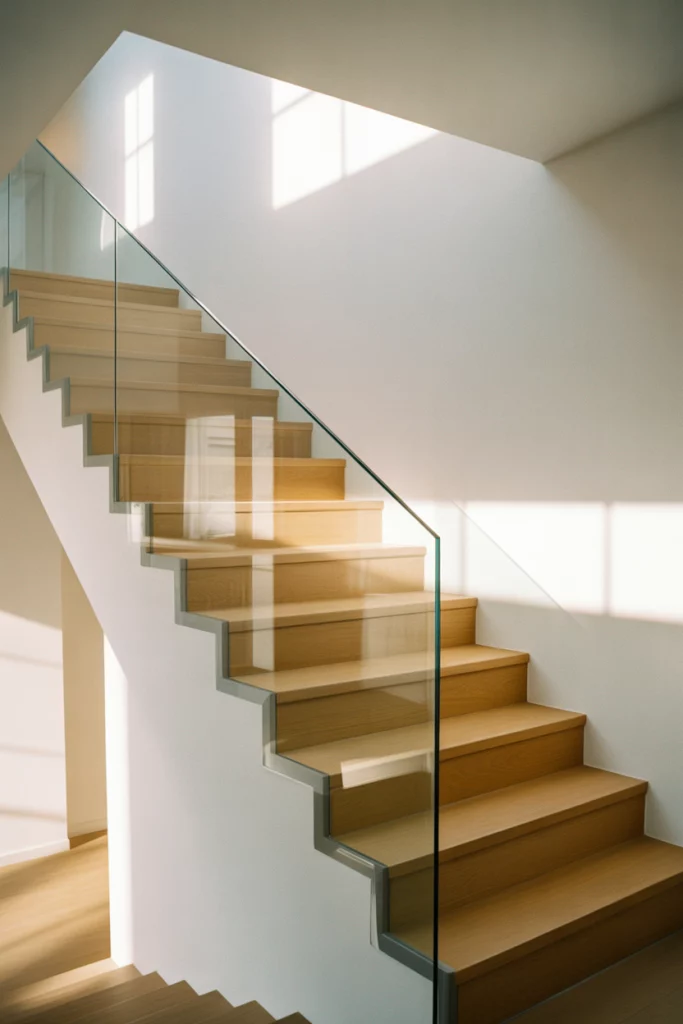
Glass railings work best in homes where you’re already committed to a clean, uncluttered look—think neutral palettes, natural wood tones, and plenty of white or soft gray. One common mistake? Skipping the anti-smudge coating. Fingerprints show up fast, especially if you have kids, so invest in treated glass or plan to wipe it down weekly. It’s a small step that keeps the look pristine.
2. Horizontal Cable Railings for Coastal Vibes
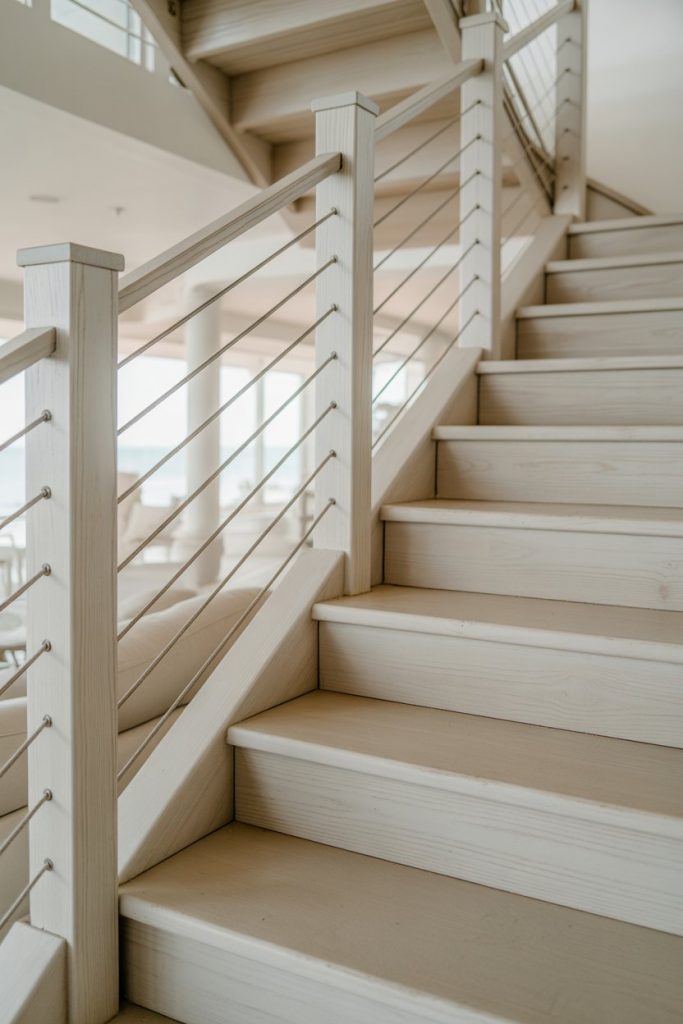
Nothing says coastal living quite like horizontal cable railings. These thin stainless steel cables run parallel to the staircase, creating a nautical, breezy feel that’s perfect for beachside homes or any space that wants to channel that relaxed, ocean-inspired energy. The design is simple, sleek, and lets light and views pass through effortlessly—ideal for homes with water views or large windows. 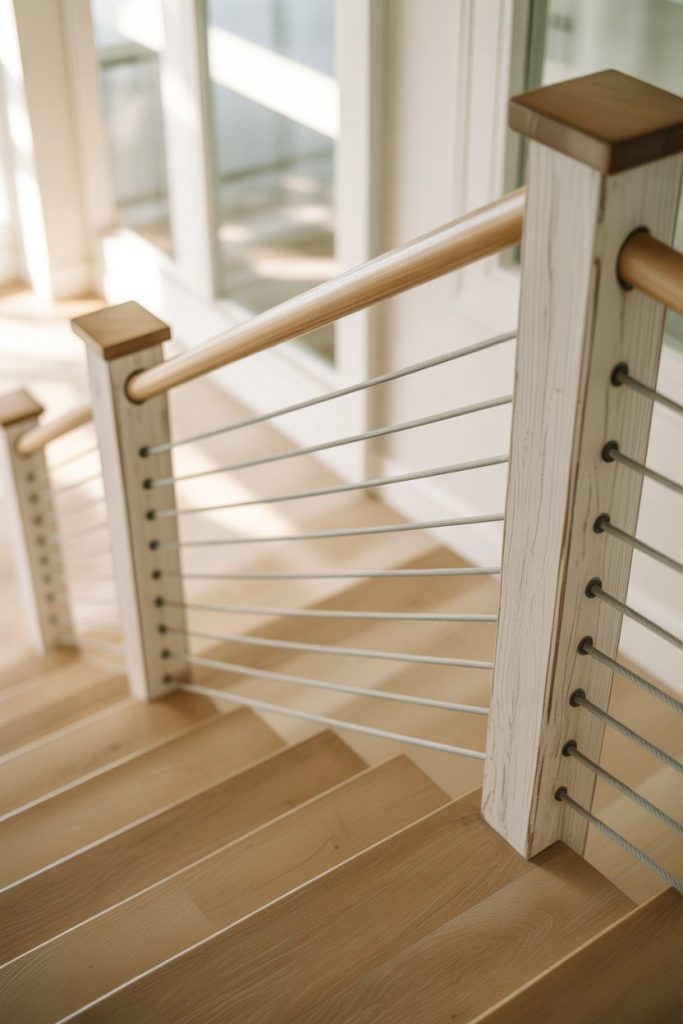
Horizontal cable systems are surprisingly affordable compared to custom metal or glass options, with DIY kits starting around $50 per linear foot. They’re also low-maintenance—just an occasional wipe-down to remove dust. In coastal areas, stainless steel is a must to resist salt air corrosion. Many homeowners pair these railings with painted white posts for a classic nautical look, or go darker with black metal for a more contemporary twist.
3. Black Metal Balusters with Wood Handrails
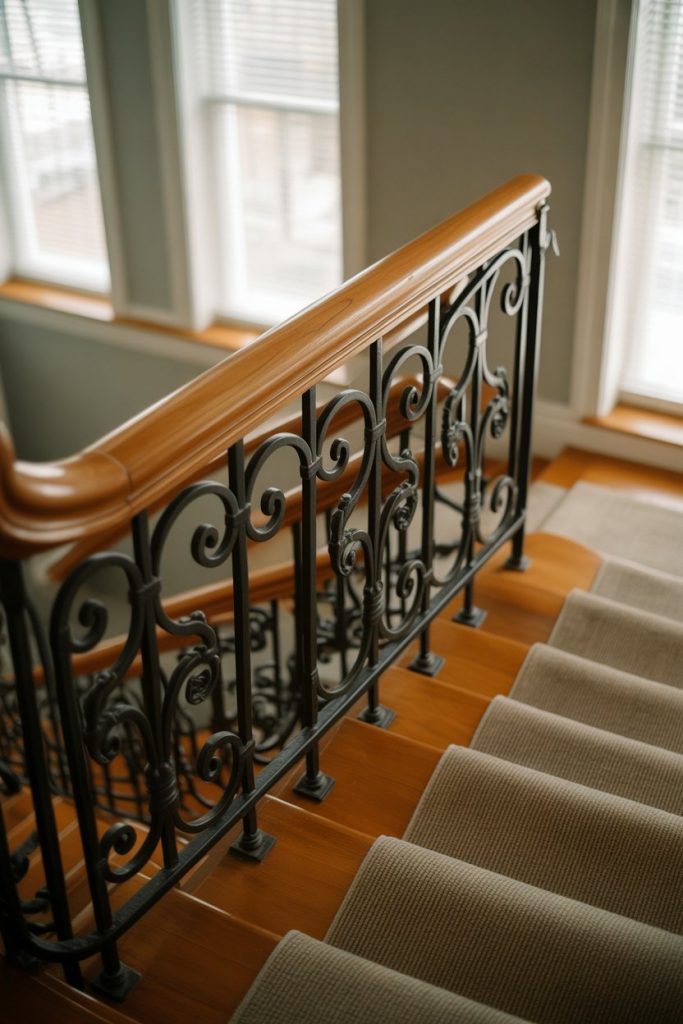
The pairing of black metal balusters and a warm wood handrail has become a Pinterest favorite for good reason—it’s versatile, timeless, and works in nearly every style, from farmhouse to contemporary. The contrast between dark iron and natural wood grain adds depth and visual interest, and the combination feels both traditional and fresh at the same time. 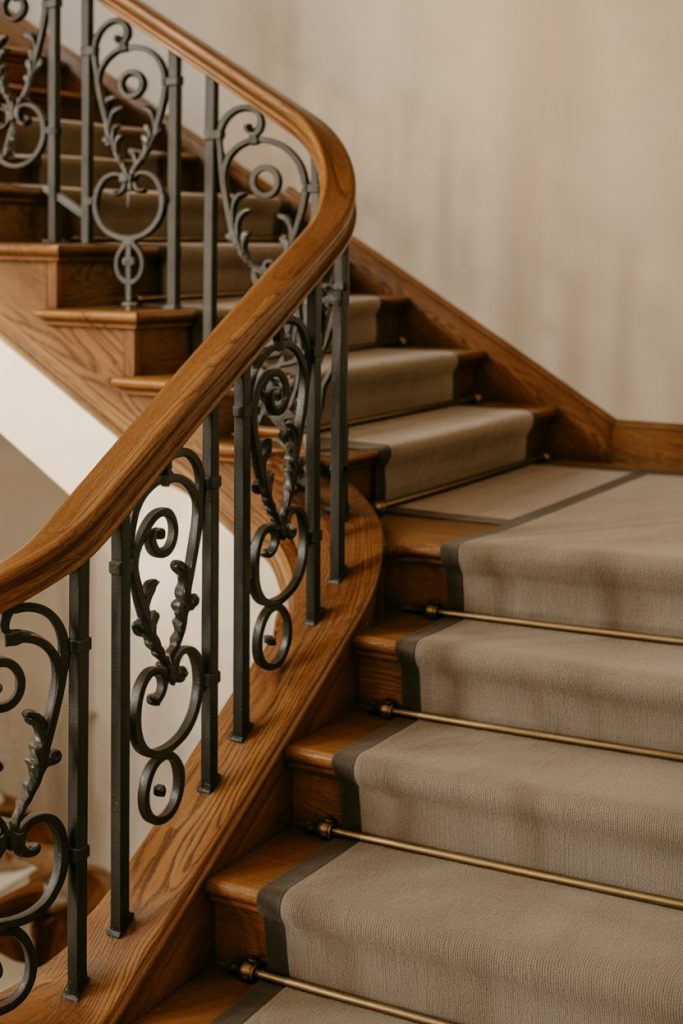
This is one of the most popular upgrades for homeowners replacing dated wood spindles. The switch instantly modernizes a staircase without feeling trendy or over-the-top. Most pros recommend powder-coated metal for durability and a matte finish that hides minor scratches. Where it works best: traditional two-story homes, split-levels, and any space where you want to honor classic architecture while giving it a subtle update.
4. Rustic Wood Railings for Cabin Charm
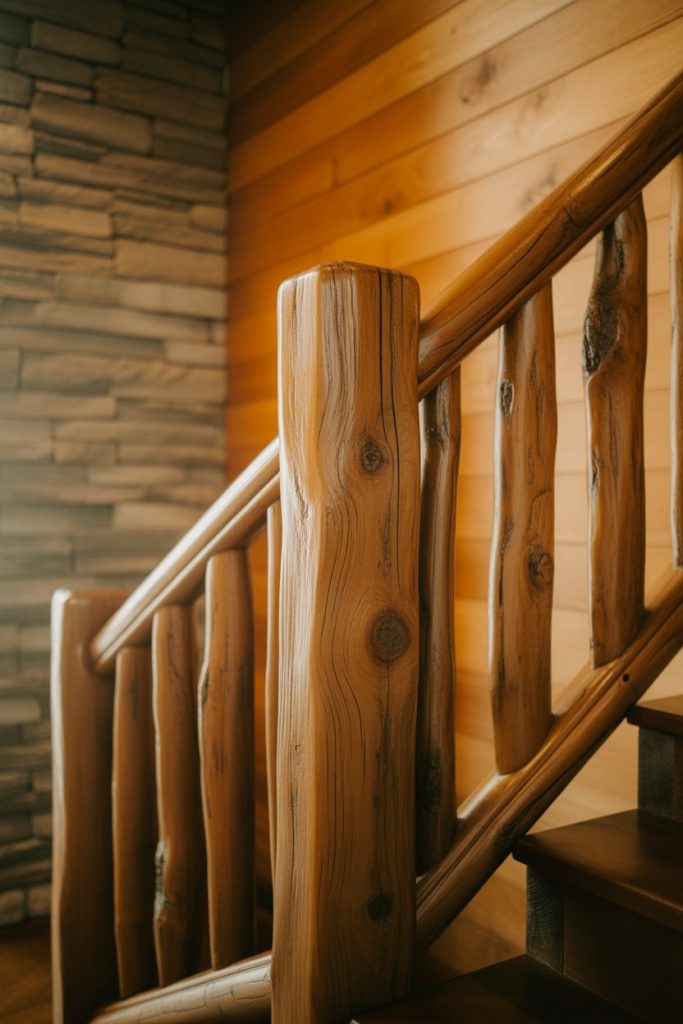
If you’re drawn to the warmth of a cabin retreat or a rustic mountain home, natural wood railings with visible grain and texture are the way to go. Think chunky posts, hand-hewn beams, and finishes that highlight knots and imperfections rather than hiding them. These railings feel grounded, organic, and perfectly at home in spaces surrounded by nature. 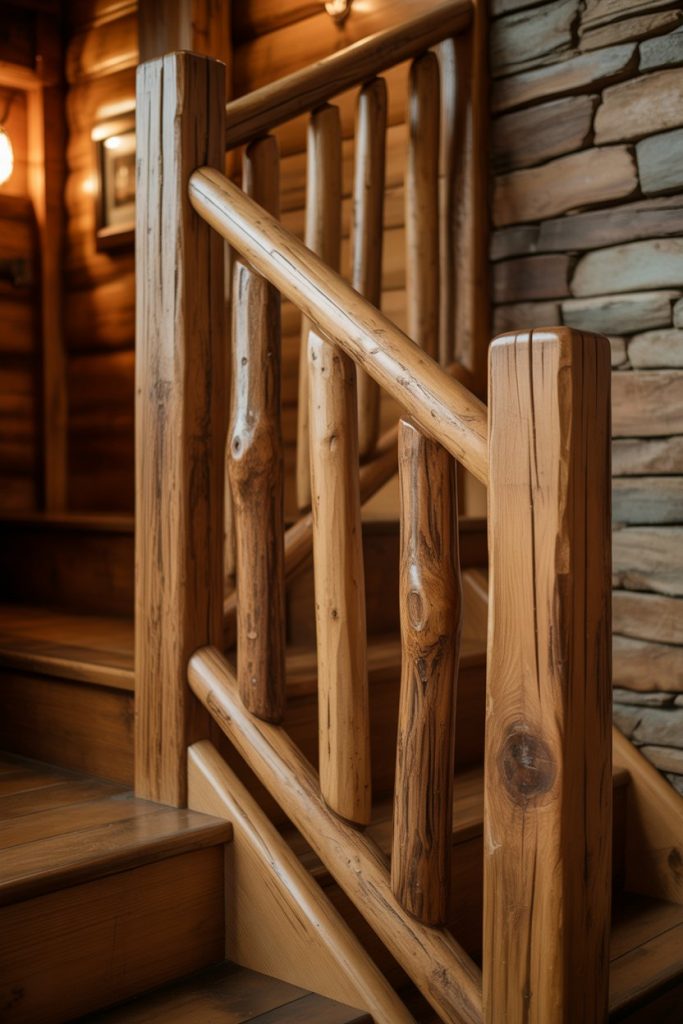
One practical insight: if you’re going for a rustic look, don’t over-sand or over-stain. The beauty is in the raw, slightly rough texture. Many builders use reclaimed barn wood or Douglas fir, which ages beautifully and adds character. Pair with wrought iron accents or simple rope details for extra visual interest. This style thrives in homes with exposed beams, stone fireplaces, and lots of natural materials.
5. Minimalist Floating Stairs with No Visible Railing

For the ultimate minimalist statement, floating stairs with a recessed or wall-mounted handrail offer a clean, almost sculptural look. These designs eliminate bulky posts and balusters entirely, relying instead on structural support hidden within the wall or beneath each tread. The result is anairy, open aesthetic that feels almost gravity-defying.
This style is most common in urban lofts, modern new builds, and homes with an architectural edge. A micro anecdote: one designer I know installed floating stairs in a Brooklyn townhouse, and the homeowners said it completely changed how they experienced the space—suddenly, the entry felt twice as large. Keep in mind that floating stairs require serious structural support and aren’t a DIY project. Budget at least $10,000 for professional installation, but the visual impact is unmatched.
6. Painted White Railings for Classic Elegance
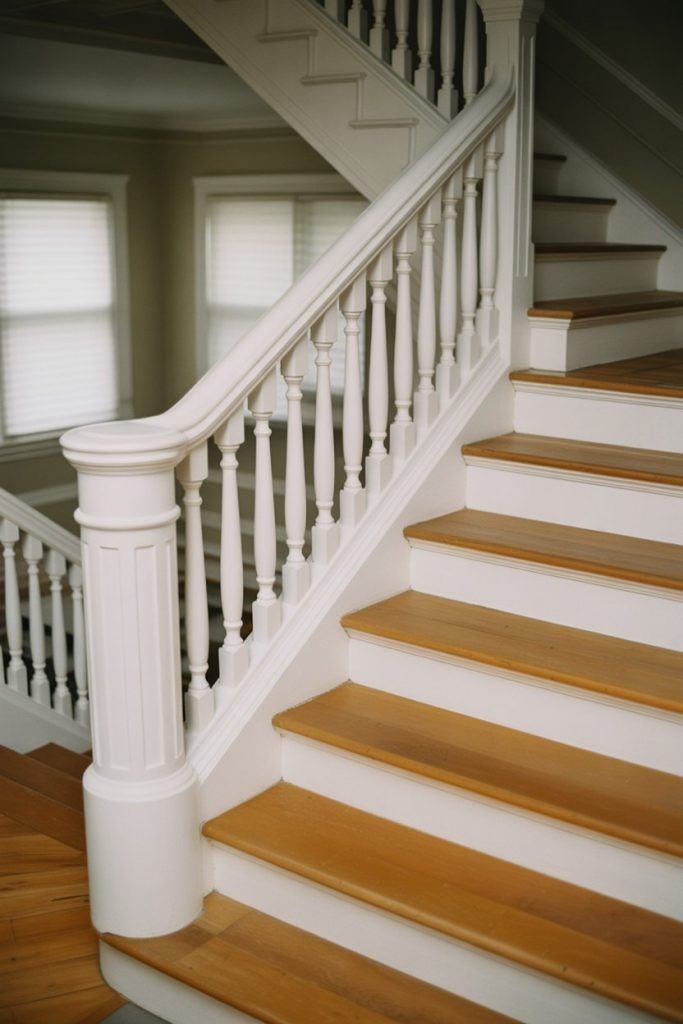
A painted white railing is a classic choice that never goes out of style, especially in traditional American homes. Whether you’re working with turned balusters, simple square posts, or beadboard panels, a crisp white finish brightens the space and pairs beautifully with just about any wall color or flooring. It’s clean, fresh, and timelessly elegant. 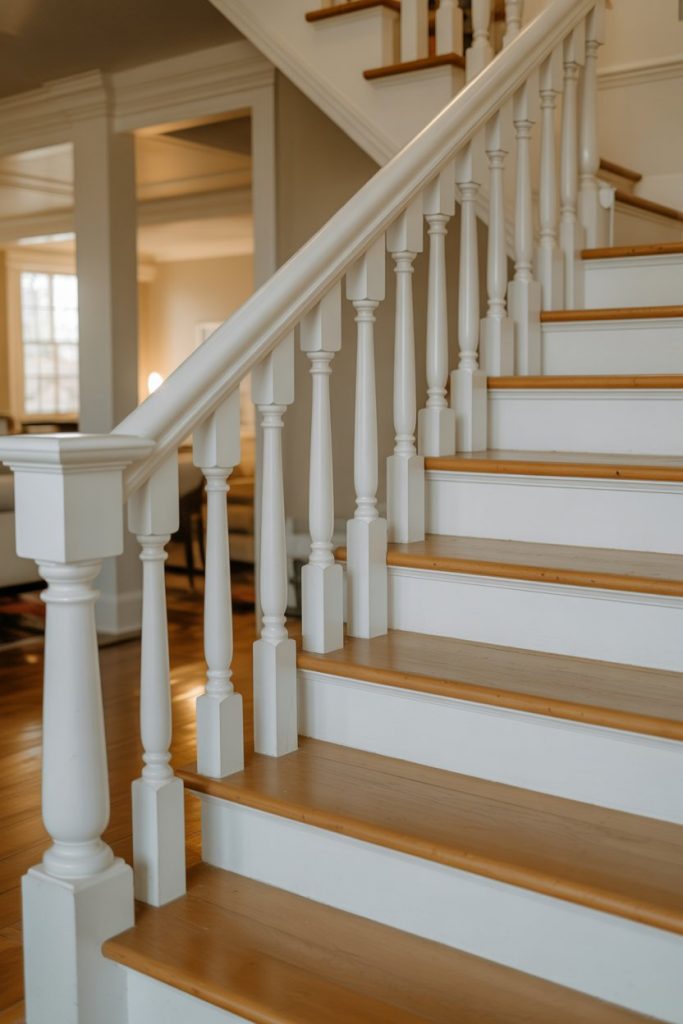
Real homeowner behavior: many people paint their railings white when updating their home before selling, as it’s an affordable refresh that appeals to a broad audience. Use a durable semi-gloss or satin finish that can handle the wear from hands and cleaning. One common mistake is skipping primer—raw wood needs it, or you’ll see bleed-through and uneven color. This look thrives in Colonial, Cape Cod, and craftsman-style homes.
7. Industrial Metal Pipe Railings
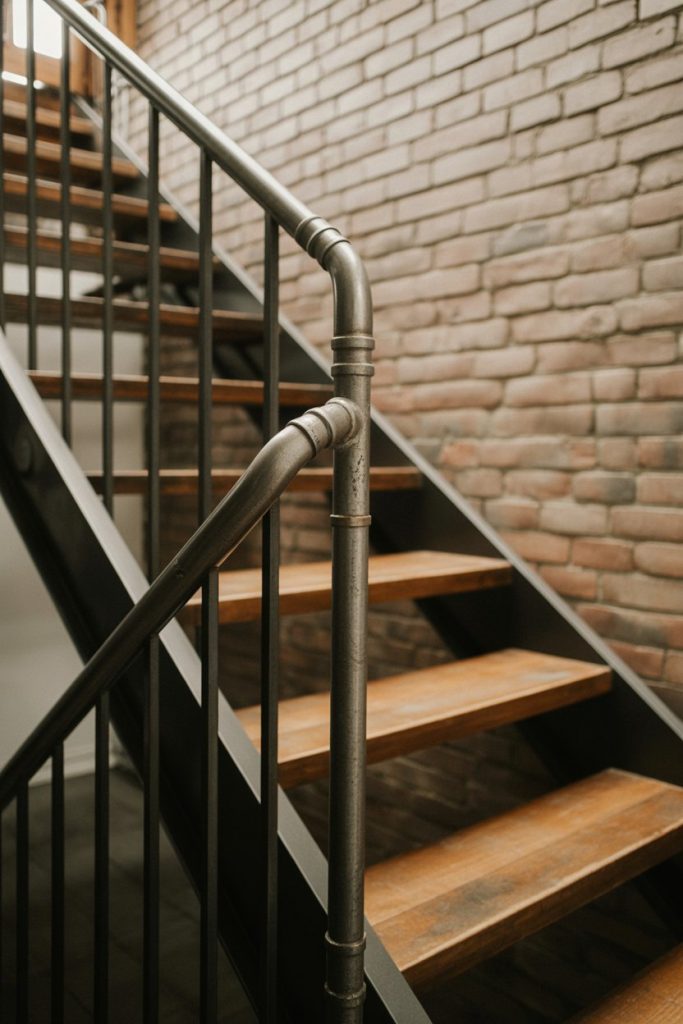
Industrial-style metal pipe railings bring an edgy, urban feel to any staircase. Using galvanized or black iron pipes with visible fittings, this DIY-friendly design is perfect for loft spaces, converted warehouses, or anyone who loves the raw, unfinished aesthetic. It’s bold, functional, and surprisingly easy to customize. 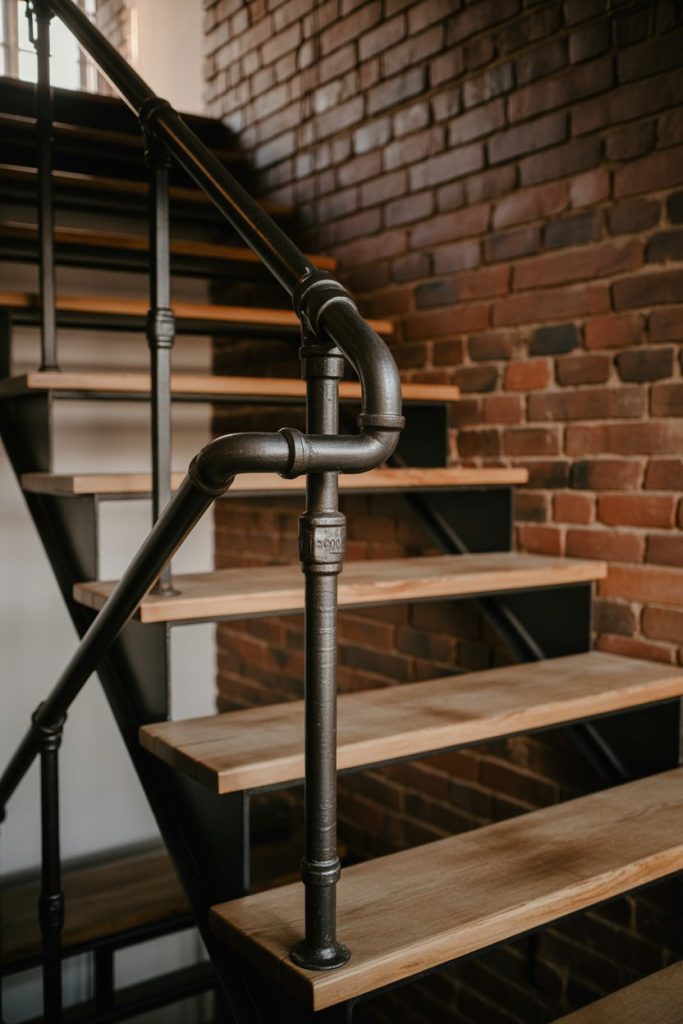
From a budget angle, pipe railings are one of the most affordable custom options—you can source materials from a hardware store for $3–$8 per foot and assemble them yourself with basic tools. The unfinished look is part of the charm, so don’t worry about perfection. Where it works best: urban apartments, basements converted into hangout spaces, and homes with exposed ductwork or concrete floors. The style embraces imperfection and feels authentically lived-in.
8. Farmhouse-Style Half Wall Railings
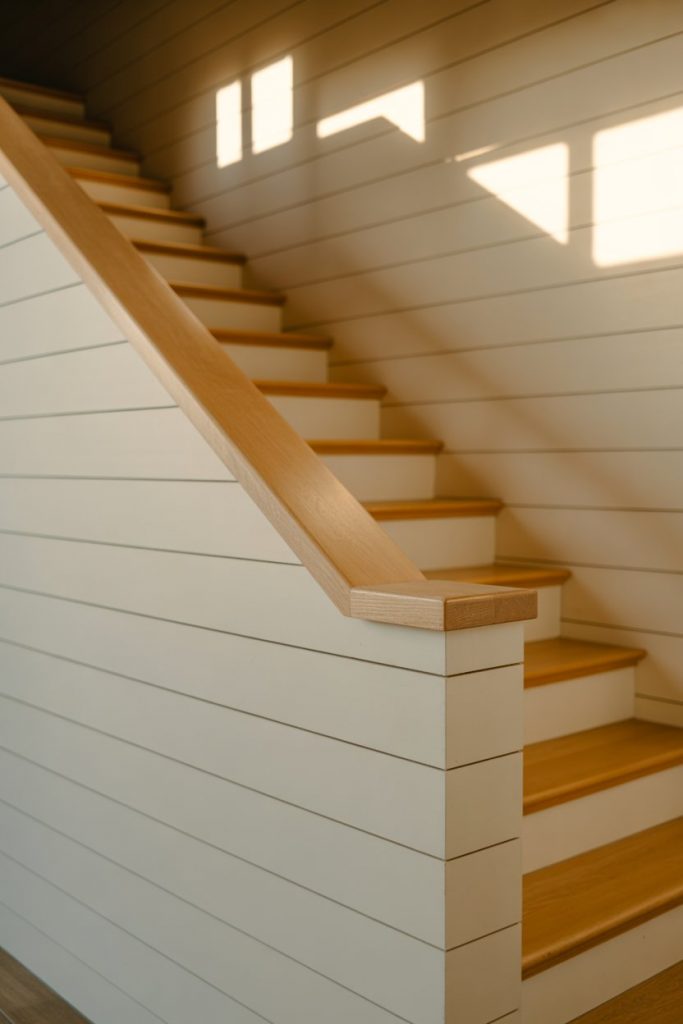
If you love the cozy, grounded feel of farmhouse design, consider half walls instead of traditional balusters. These solid knee walls—often topped with a wood cap rail—create a more enclosed, intimate feel while still maintaining safety. They’re especially popular in open-concept homes where you want a bit of separation without blocking sightlines entirely. 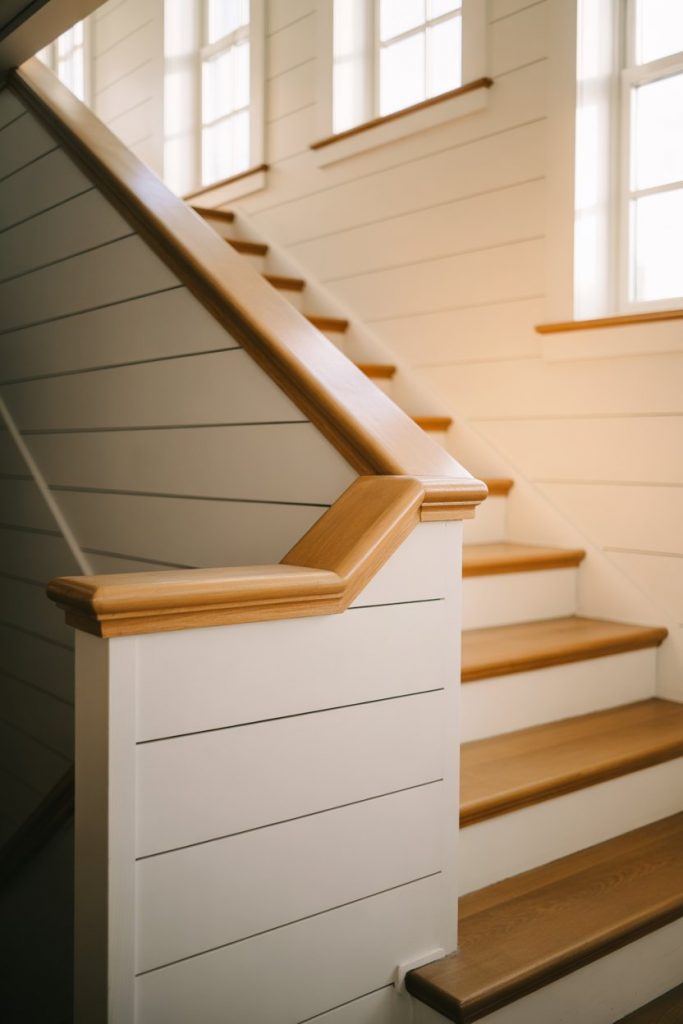
Half walls are fantastic for families with young kids or pets—they prevent toys, bottles, and small items from falling through gaps. Many homeowners finish them with shiplap, beadboard, or simple drywall painted white or soft gray. Expert-style commentary: if you’re adding a half wall, make sure it’s at least 36 inches high to meet most local building codes. Pair with vintage-inspired lighting and reclaimed wood accents for a cohesive farmhouse vibe.
9. Outdoor Stair Railings with Weather-Resistant Finishes
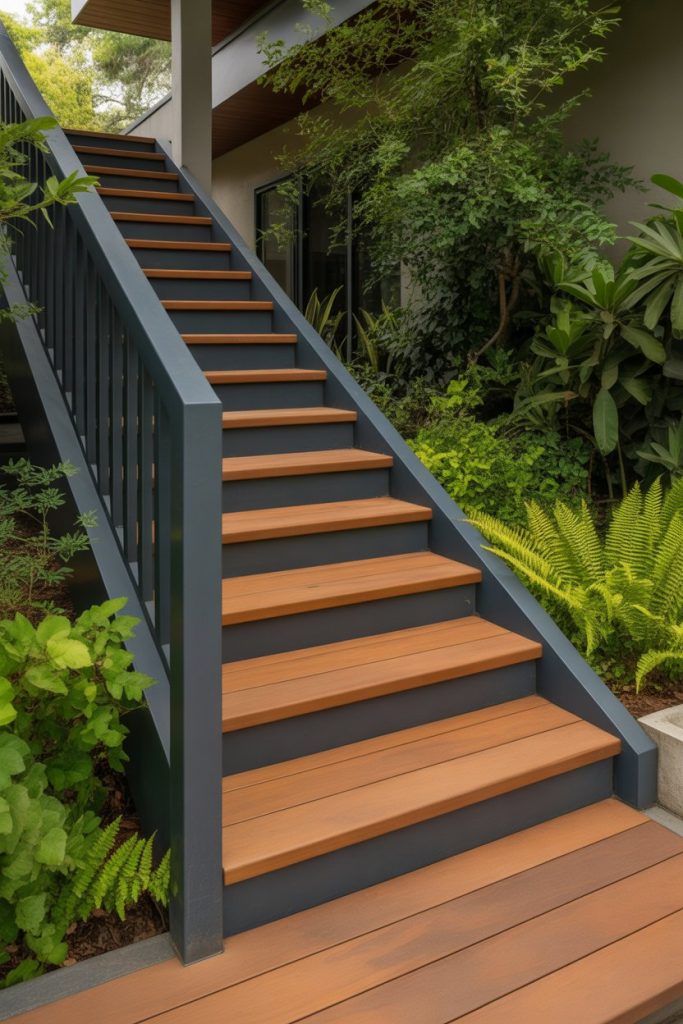
When it comes to outdoor staircases—whether leading to a deck, porch, or garden path—durability is just as important as style. Look for materials like powder-coated aluminum, stainless steel cables, or composite wood that can withstand rain, snow, and UV exposure without warping, rusting, or fading. The right railing keeps your exterior stairs safe and looking great year-round. 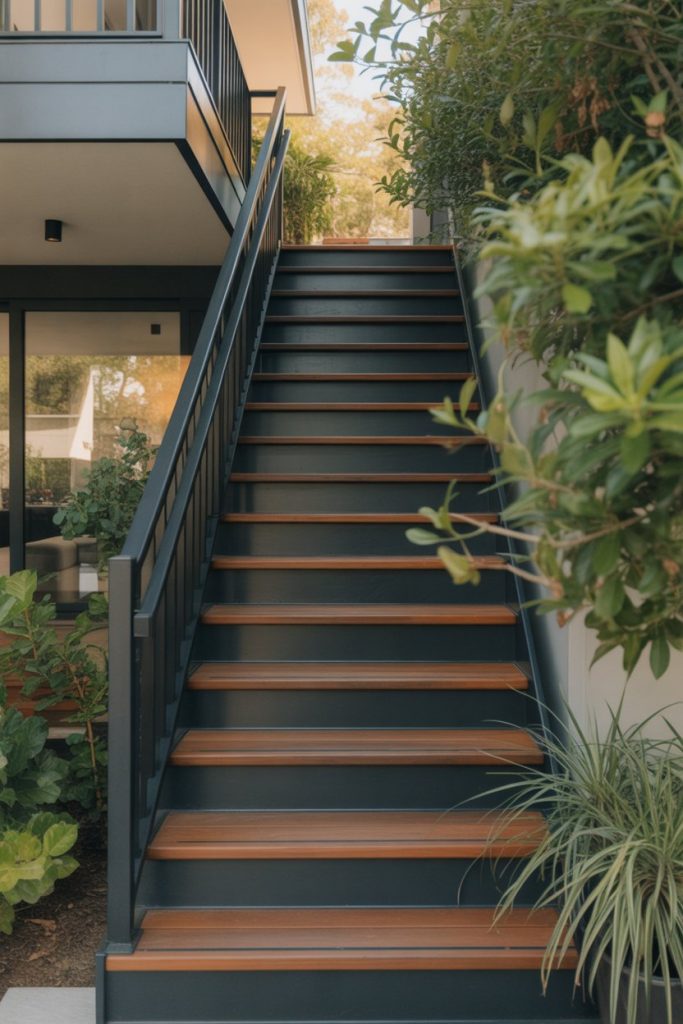
In the Midwest and Northeast, where freeze-thaw cycles are brutal, composite or metal options outperform wood every time. A common mistake is choosing untreated wood for outdoor railings—it looks great at first but splits and rots within a few years. If you prefer a wood look, go with pressure-treated lumber or a composite that mimics wood grain. Regional context matters: coastal homes need corrosion-resistant hardware, while desert climates demand UV-stable finishes.
10. Basement Stair Railings with Space-Saving Design
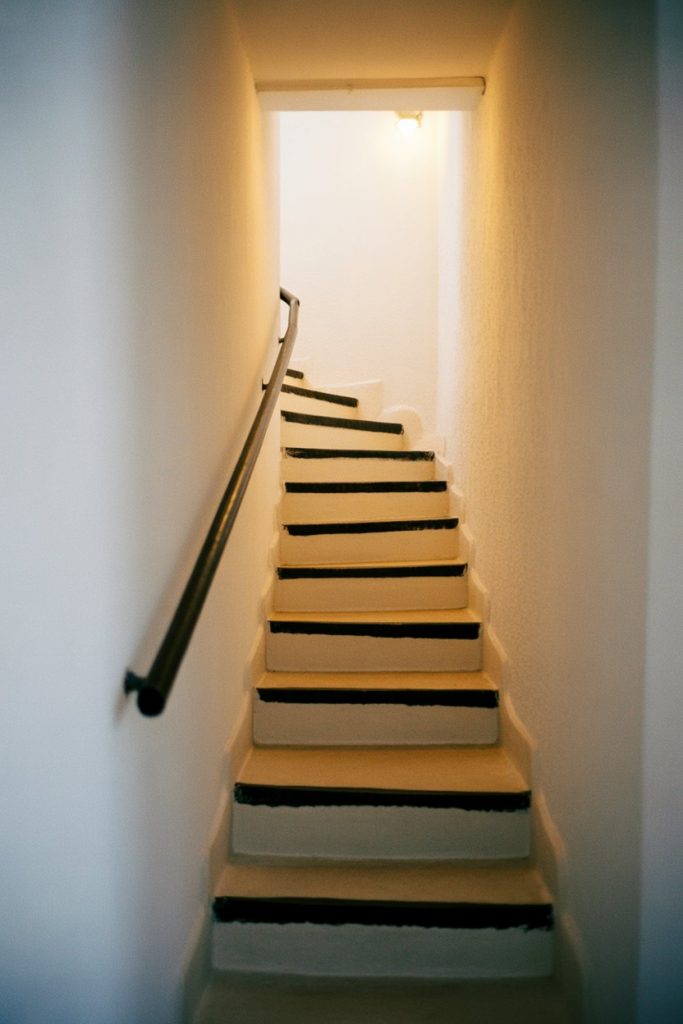
Basement stairs often feel tight and dark, so choosing the right railing can make a huge difference in how open and inviting the space feels. Horizontal cables, slim metal balusters, or even a simple wall-mounted handrail can maximize sightlines and keep the area from feeling claustrophobic. Smart design here turns a utilitarian staircase into a welcoming entry to a finished basement. 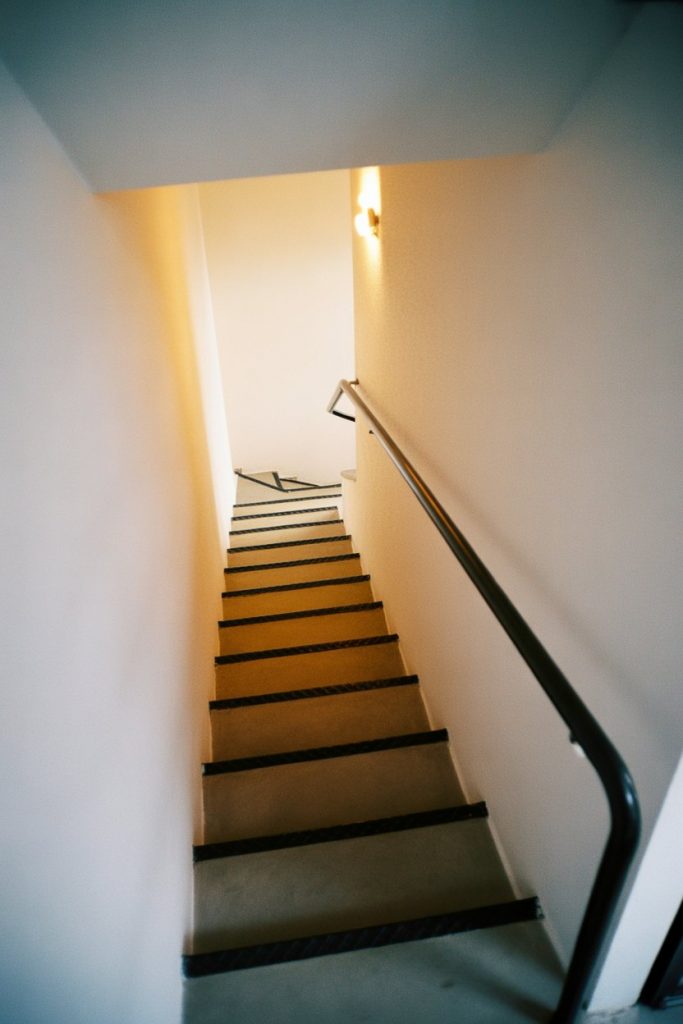
Basements are where homeowners often cut corners, but a well-designed railing actually increases usable space and improves safety—especially if the stairs are steep. One practical insight: add LED strip lighting under the handrail or along the treads for visibility at night. It’s a small upgrade that makes a big difference for families with kids or elderly relatives. Skip heavy, ornate balusters—they make narrow stairs feel even tighter.
11. Unique Artistic Railing Designs
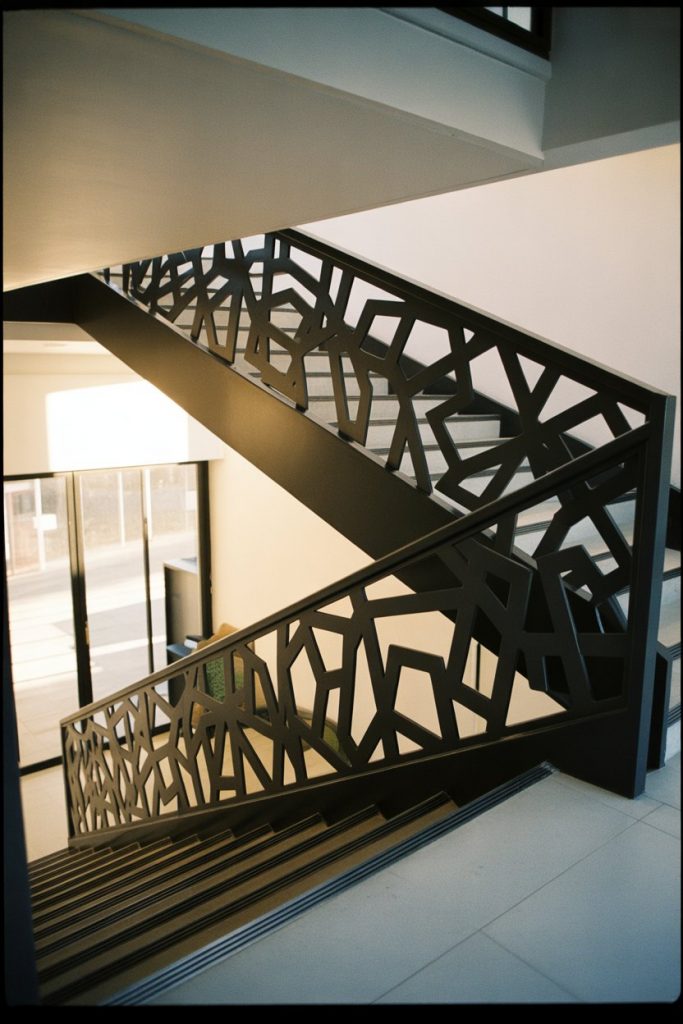
For homeowners who see their staircase as a canvas, unique artistic designs offer endless possibilities. Think custom laser-cut metal panels with geometric patterns, sculptural wood carvings, or mixed-material installations that double as functional art. These railings are conversation starters and perfect for anyone who wants their home to reflect personal style and creativity. 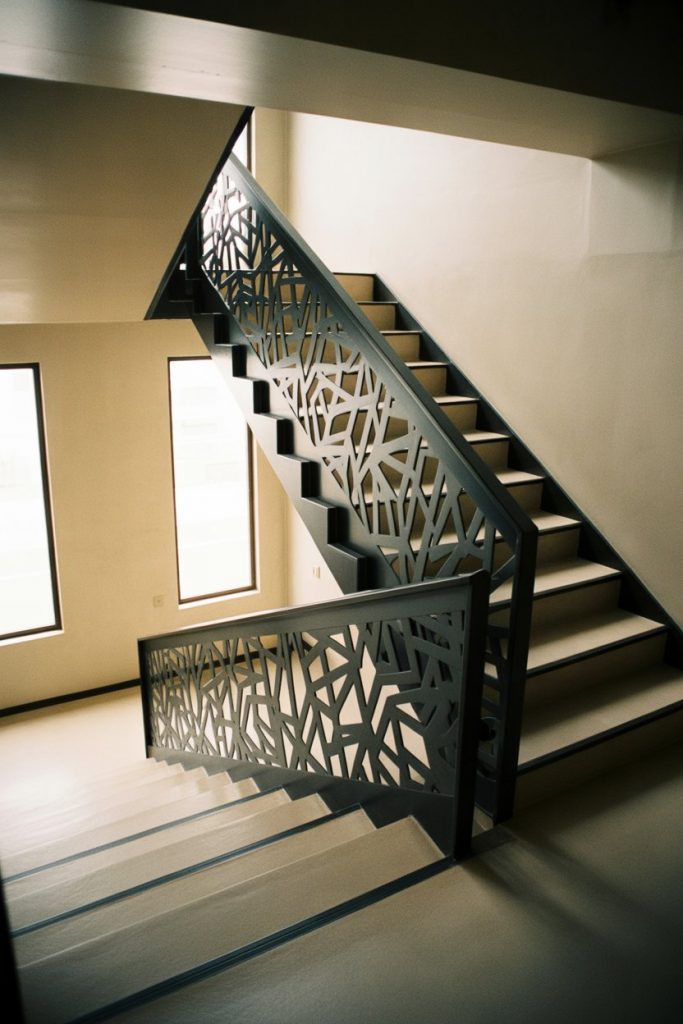
Where it works best: contemporary homes, urban lofts, and any space where design is a priority. A micro anecdote: a friend commissioned a local metalworker to create a railing inspired by tree branches, and it became the focal point of her entire home—every guest asks about it. Budget-wise, custom work starts around $200 per linear foot, but the result is truly one-of-a-kind. If you’re going this route, work with a fabricator who understands both aesthetics and structural requirements.
12. Christmas Decor-Friendly Railings
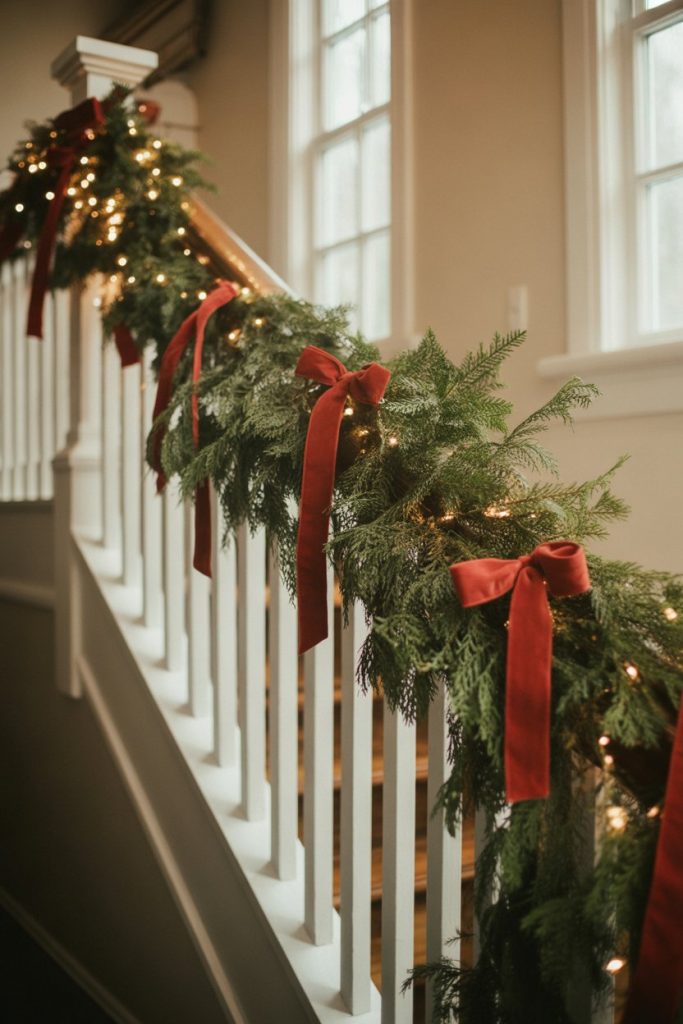
If you love going all out with Christmas decor, your stair railing can be a stunning display space for garland, lights, ribbons, and ornaments. Traditional wood balusters and painted white railings provide the perfect backdrop for seasonal styling—secure attachment points make it easy to drape greenery without damaging the finish, and the classic look complements holiday aesthetics beautifully. 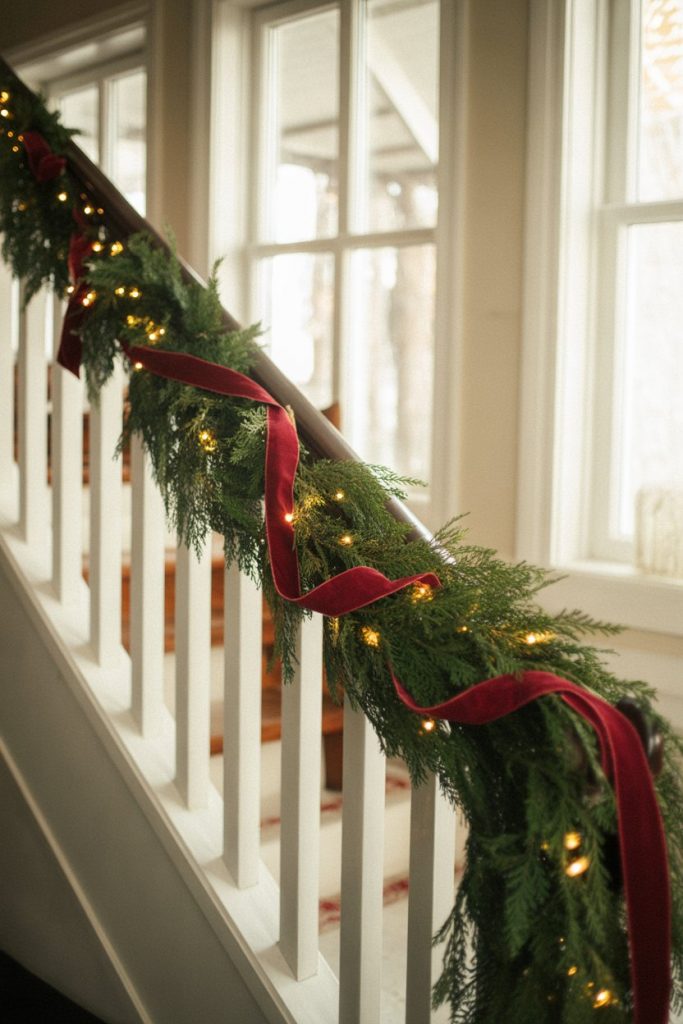
Real homeowner behavior: many people choose white or natural wood railings specifically because they’re easy to decorate seasonally. Avoid ultra-modern glass or cable railings if you’re a big decorator—there’s nowhere to attach garland, and zip ties look tacky. Instead, look for posts and handrails with enough surface area to wrap, tie, or clip decor securely. Pro tip: use floral wire instead of tape to avoid residue, and invest in battery-powered LED lights to avoid cord clutter.
13. Contemporary Mixed-Material Railings
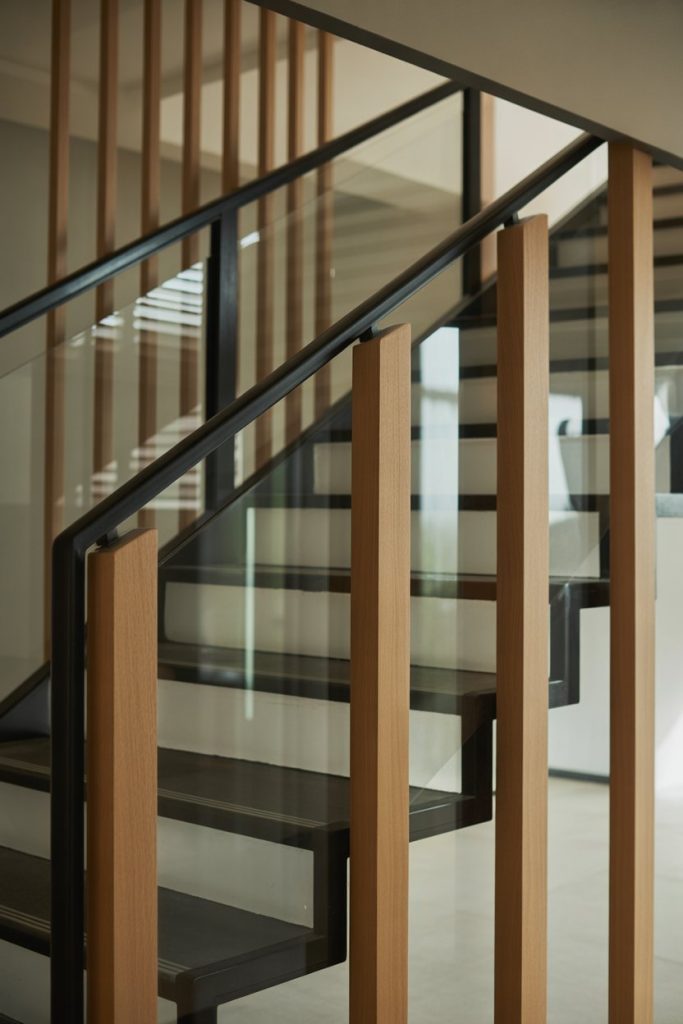
Mixing materials—like pairing wood, metal, and glass—creates a layered, contemporary look that feels curated and intentional. You might combine a sleek metal handrail with wood posts and glass infill panels, or blend horizontal cables with a chunky wood cap. The key is balancing textures and finishes so each material shines without competing. 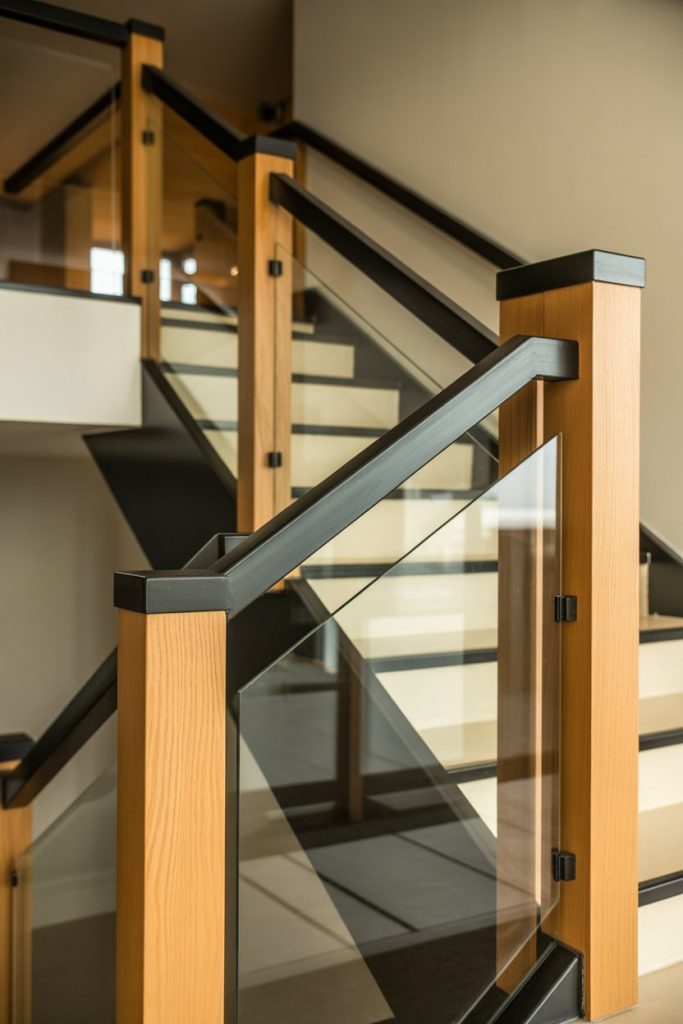
This approach works beautifully in new builds and major renovations where you’re starting from scratch. One common mistake is mixing too many finishes—stick to two or three materials max, and let them complement rather than clash. Expert-style commentary: when mixing materials, tie them together by repeating them elsewhere in the home—use the same wood tone for trim, or echo the metal finish in light fixtures. It creates visual continuity and feels professionally designed.
14. Rustic Farmhouse Railings with Reclaimed Wood
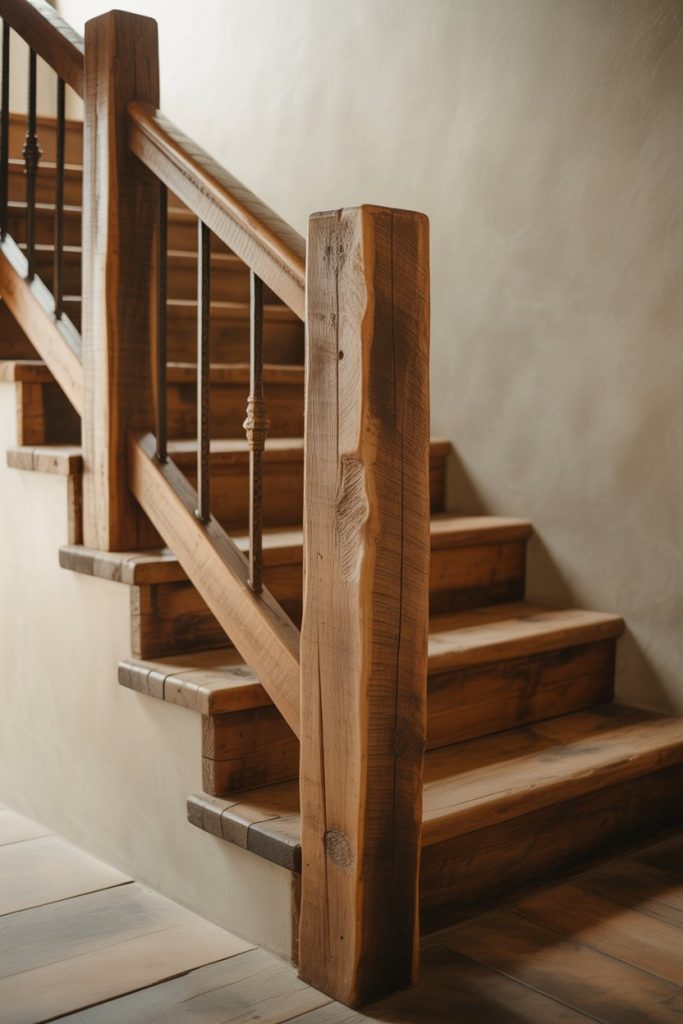
For a true rustic farmhouse aesthetic, nothing beats reclaimed wood railings. Weathered barn wood, salvaged beams, or distressed lumber bring history and character to your staircase, and every scratch, nail hole, and grain pattern tells a story. Pair with simple iron brackets or rope details for a look that’s rugged, authentic, and deeply rooted in American country traditions. 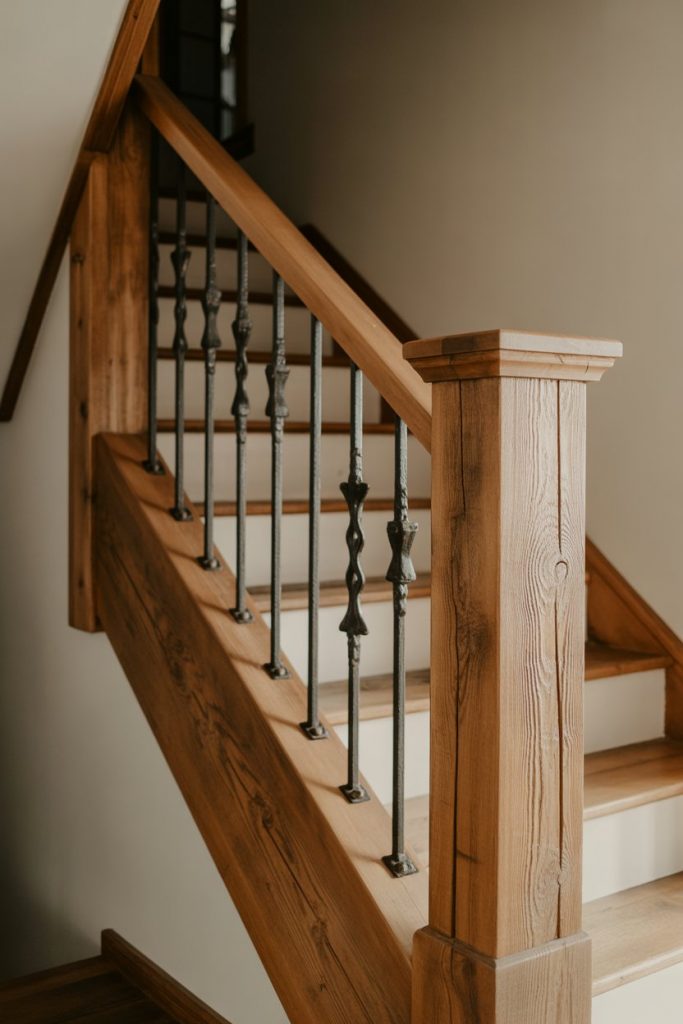
Reclaimed wood isn’t just about looks—it’s also an eco-friendly choice that reduces waste and adds soul to your home. Where it works best: farmhouses, country homes, and suburban builds aiming for that modern-rustic blend. Expect to pay $8–$15 per linear foot for quality reclaimed material, though prices vary by region and availability. Many homeowners seal the wood with a matte finish to preserve the weathered look while protecting against splinters.
15. Inside Stair Railings with Built-In Storage
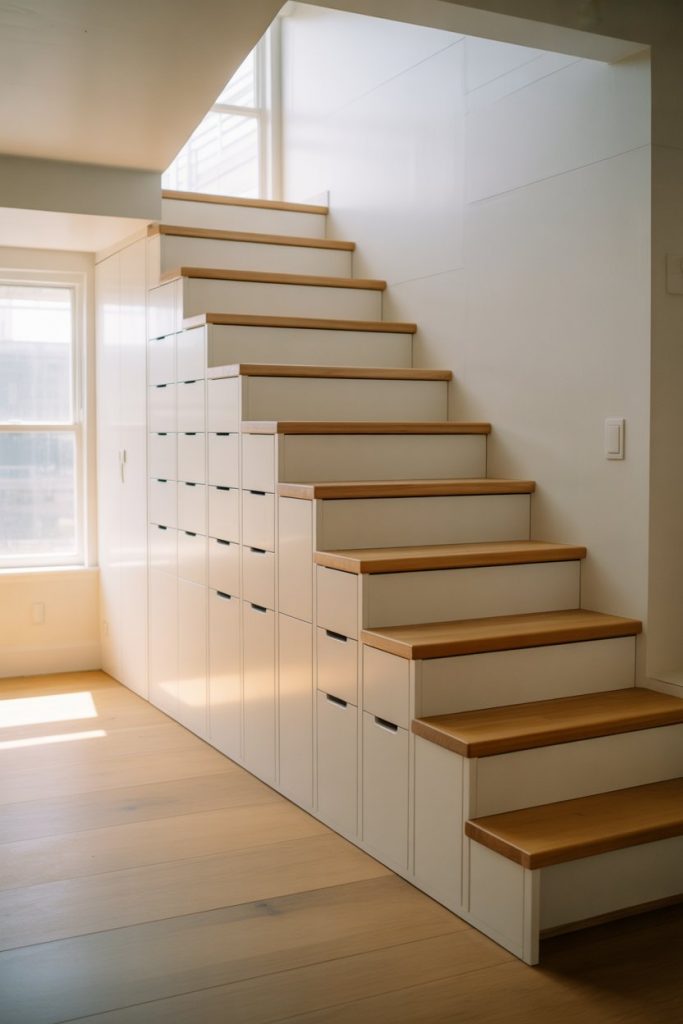
If you’re working with limited square footage, inside stair railings that incorporate built-in storage can be a brilliant space-saving solution. Think drawers tucked beneath treads, shelves integrated into half walls, or cabinets built into the staircase structure itself. It’s functional, clever, and perfect for small homes where every inch counts. 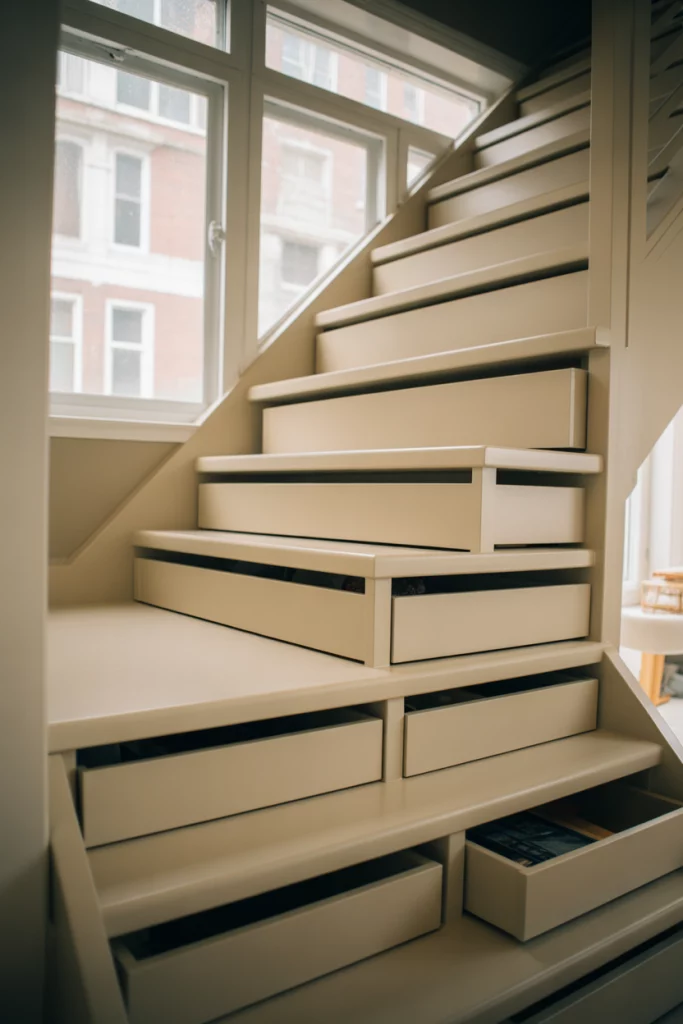
This idea is especially popular in tiny homes, city apartments, and bungalows where closet space is scarce. A micro anecdote: one homeowner I know stored seasonal shoes, craft supplies, and holiday decor in drawers under her stairs, freeing up an entire closet elsewhere. The key is working with a carpenter who understands both structural integrity and cabinetry—poorly built storage can weaken the staircase. Budget around $3,000–$7,000 depending on complexity, but the added function is worth it.
16. Traditional Turned Balusters with Stained Wood
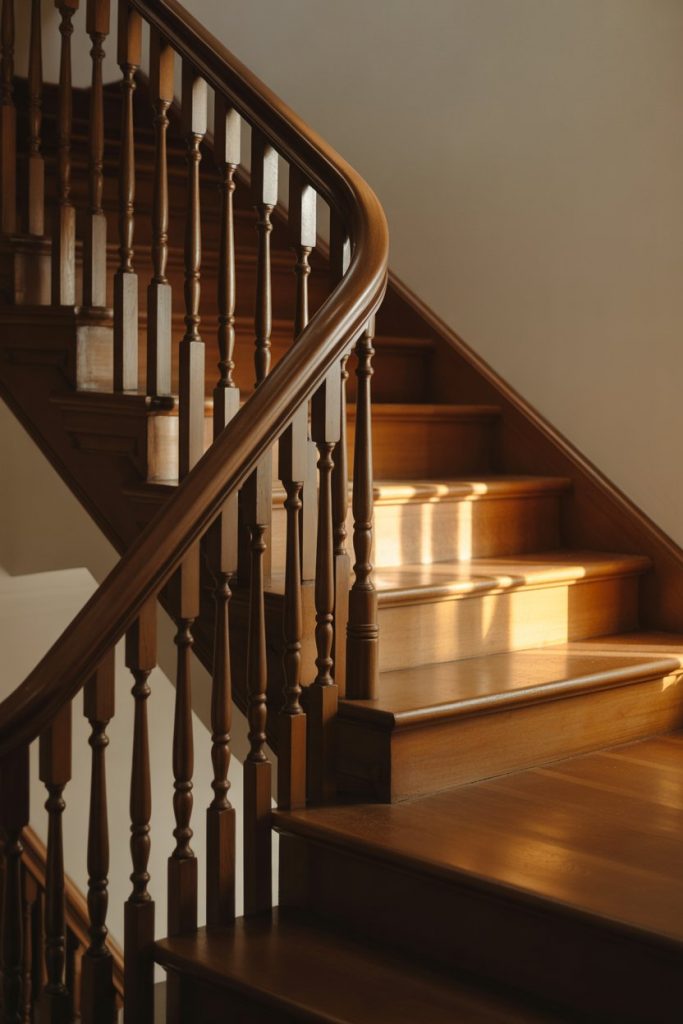
For a timeless, elegant look that honors traditional American architecture, you can’t go wrong with classic turned balusters and a rich, stained wood handrail. These detailed spindles—often featuring decorative curves and profiles—bring a sense of craftsmanship and history to your home. Pair with warm wood tones like cherry, walnut, or mahogany for a sophisticated, old-world feel. 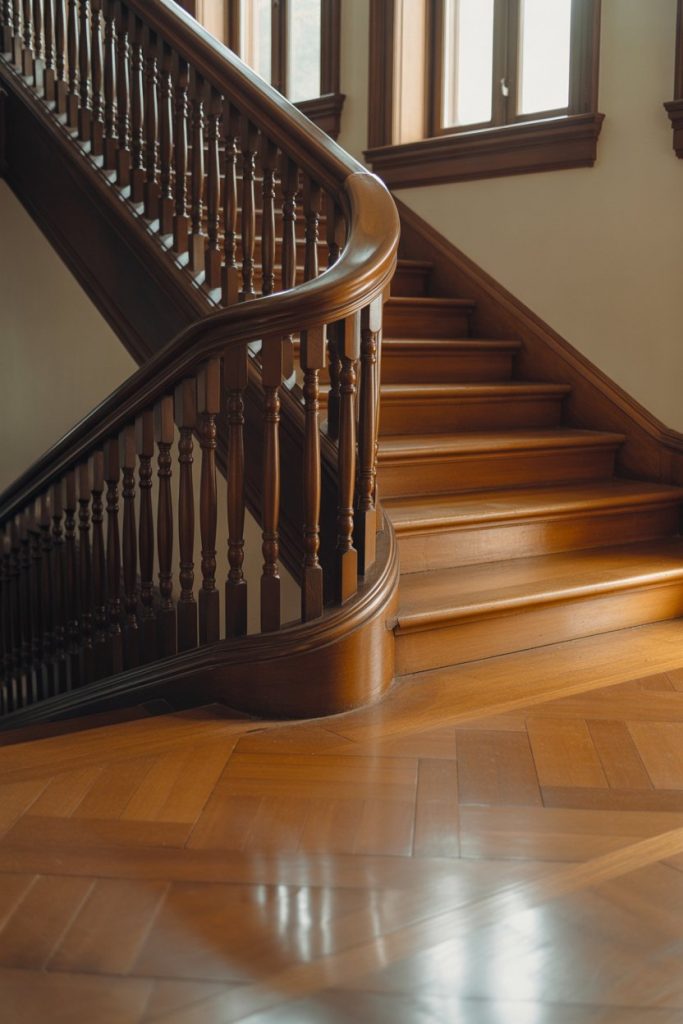
This style thrives in Colonial, Victorian, and Craftsman homes where architectural detail matters. Real homeowner behavior: many people who inherit these railings want to paint them white or replace them entirely, but refinishing the wood and embracing the original design often yields a more beautiful, authentic result. A common mistake is using a glossy polyurethane that looks plasticky—opt for satin or matte finishes that let the wood grain shine without excessive shine.
17. Modern Vertical Slat Railings
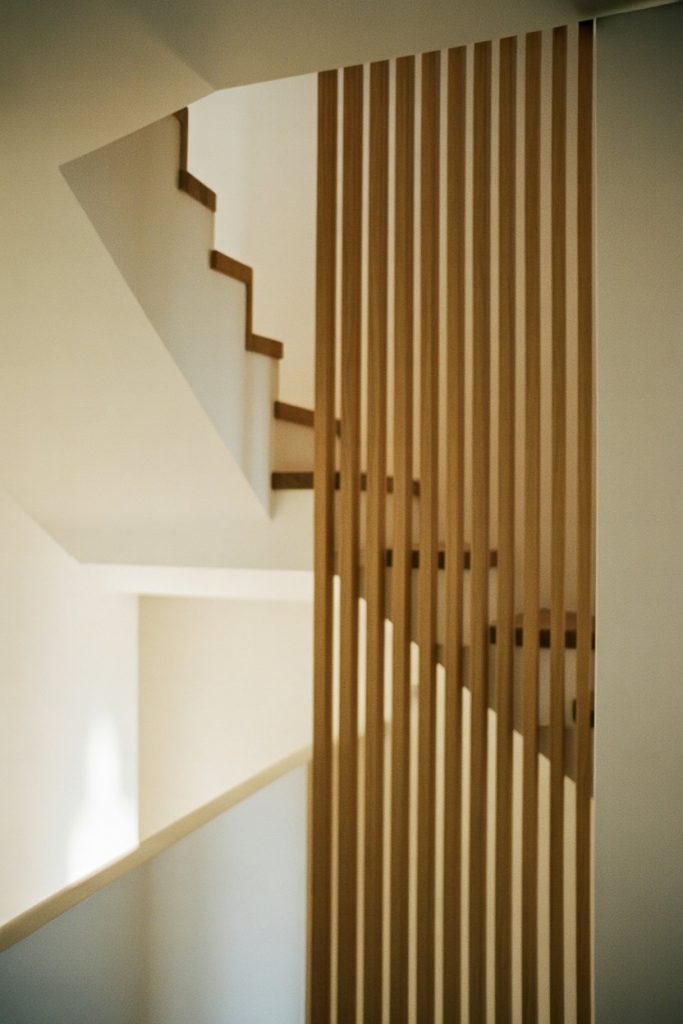
Vertical slat railings—featuring evenly spaced wood or metal slats running perpendicular to the staircase—offer a clean, modern look with strong geometric appeal. The vertical lines draw the eye upward, making ceilings feel higher and spaces more open. Choose light wood for Scandinavian vibes or go dark for a bold, dramatic statement. 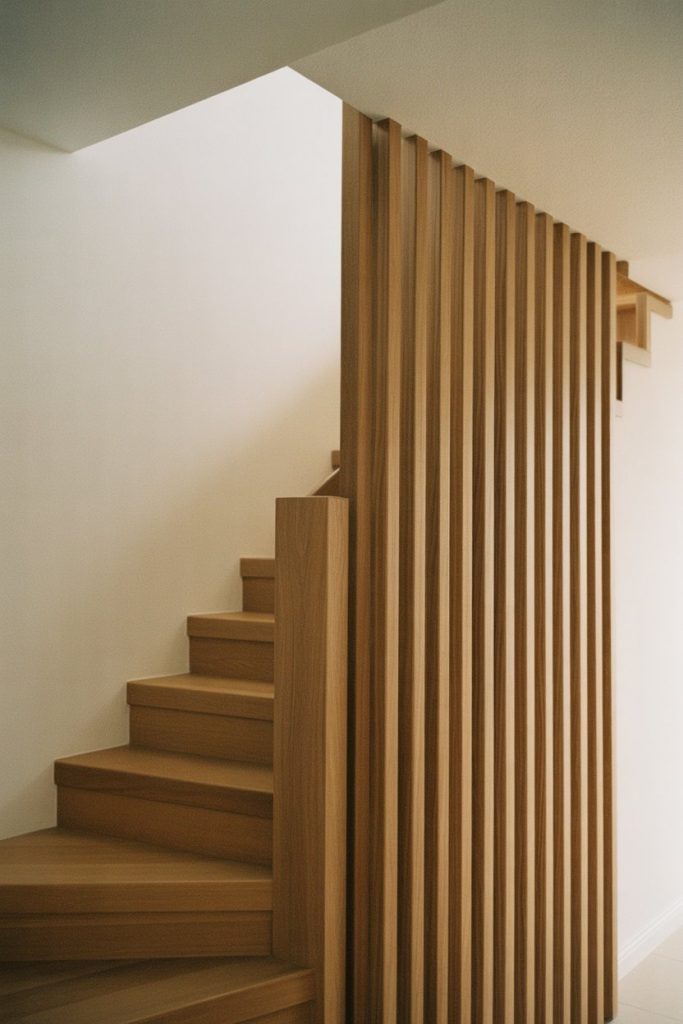
Vertical slats are a favorite in mid-century modern and contemporary homes, and they’re also surprisingly pet- and kid-friendly since the narrow spacing prevents small bodies or toys from slipping through. From a budget angle, vertical slat railings are often more affordable than custom metalwork or glass panels, with material costs starting around $40 per linear foot for wood. They work best in open-plan homes where you want to define space without blocking light or views.
18. Horizontal Wood Plank Railings
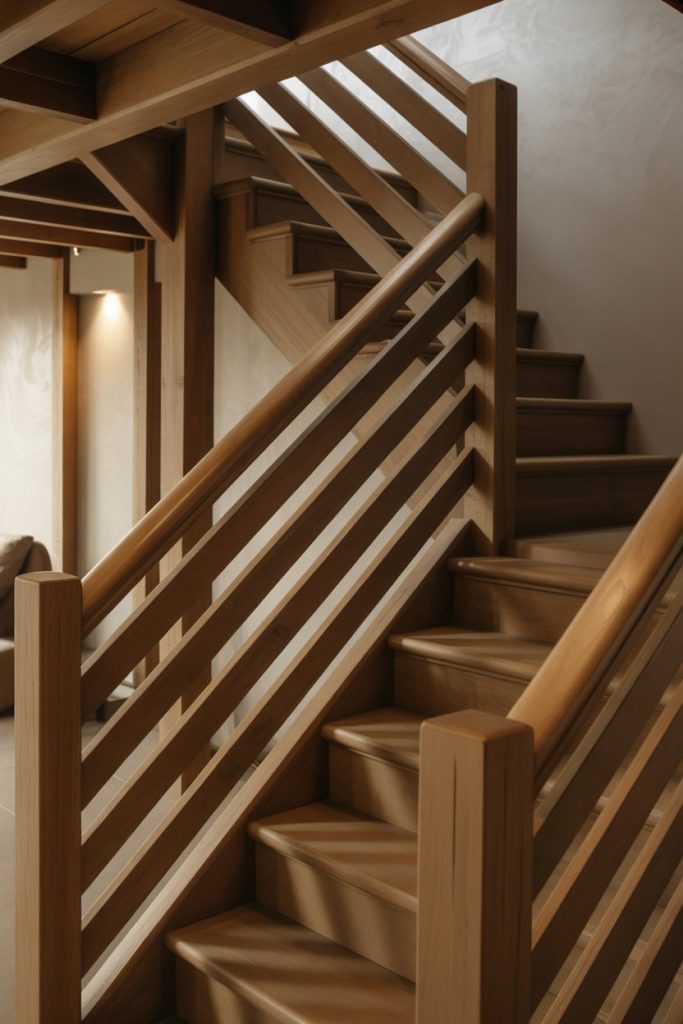
If vertical slats feel too busy, horizontal wood plank railings offer a simpler, more grounded alternative. Wide planks running parallel to the stairs create a contemporary or rustic look, depending on your finish choice. Pair with a chunky wood handrail for a cohesive, natural aesthetic that feels warm and approachable. 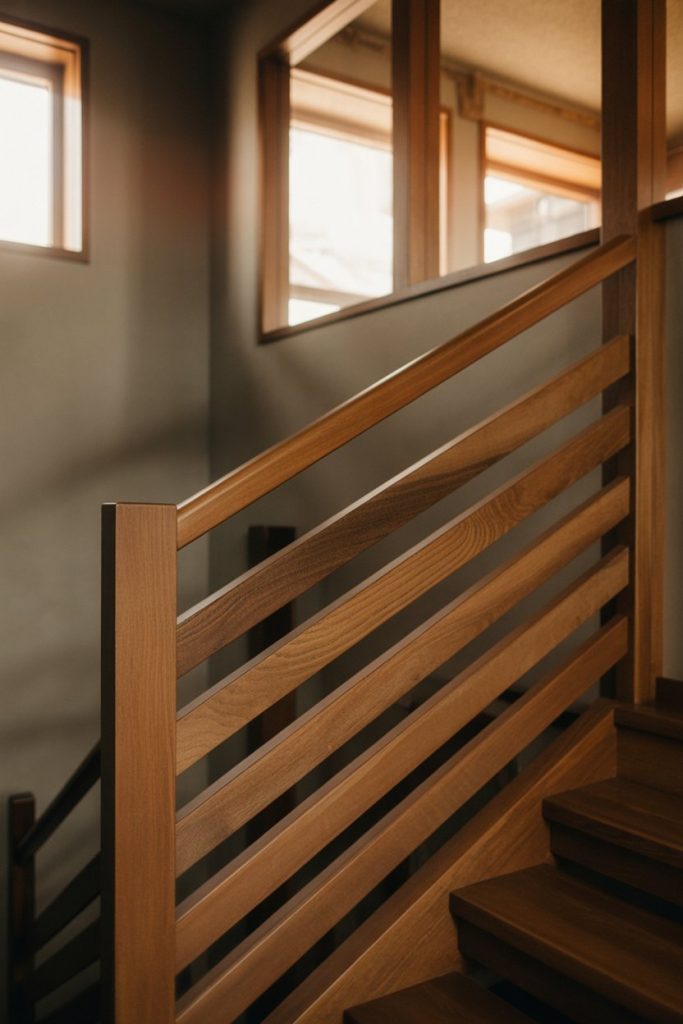
This style is particularly popular in ranch-style homes, mountain cabins, and modern builds that want to bring in natural materials without going full rustic. Where it works best: spaces with high ceilings and open layouts where horizontal lines help ground the room and create visual balance. One practical insight: seal the wood properly if your home has high humidity—untreated planks can warp over time, especially in kitchens or bathrooms with nearby moisture.
19. Minimalist Single-Cable Railings
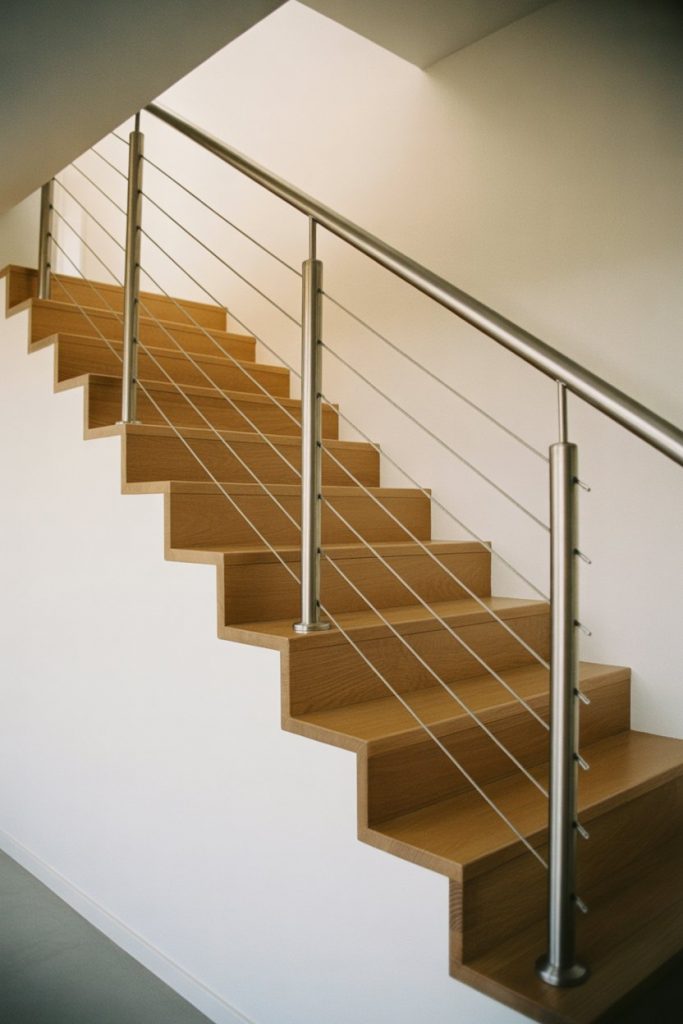
For an ultra-minimalist approach, single-cable railings use just one or two horizontal cables stretched taut between posts. The result is a nearly invisible barrier that maintains safety while keeping the focus on your stairs, architecture, and surrounding decor. It’s sleek, modern, and perfect for design purists who want function without visual clutter. 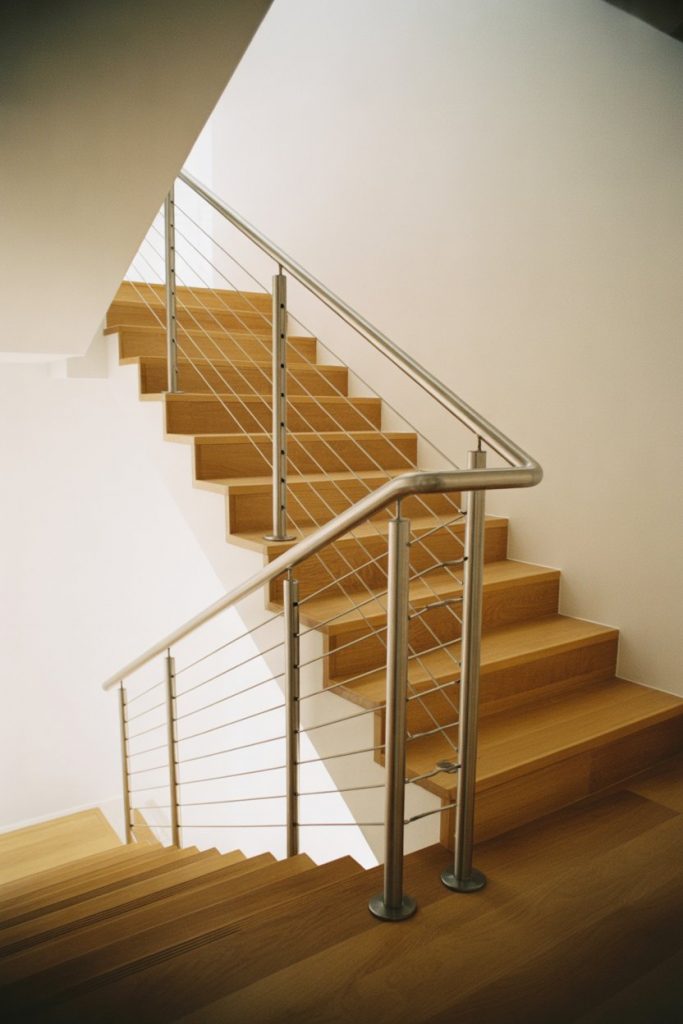
Single-cable systems are a bit more niche and work best in homes where building codes allow for wider spacing—always check local regulations before installation. Real homeowner behavior: this is a popular choice for design-forward homeowners who prioritize aesthetics and are willing to sacrifice a bit of child or pet safety for a cleaner look. If you have young kids, consider waiting a few years or opting for double or triple cables instead. Cost-wise, expect to spend $30–$60 per linear foot for materials and labor.
20. Black Horizontal Metal Railings
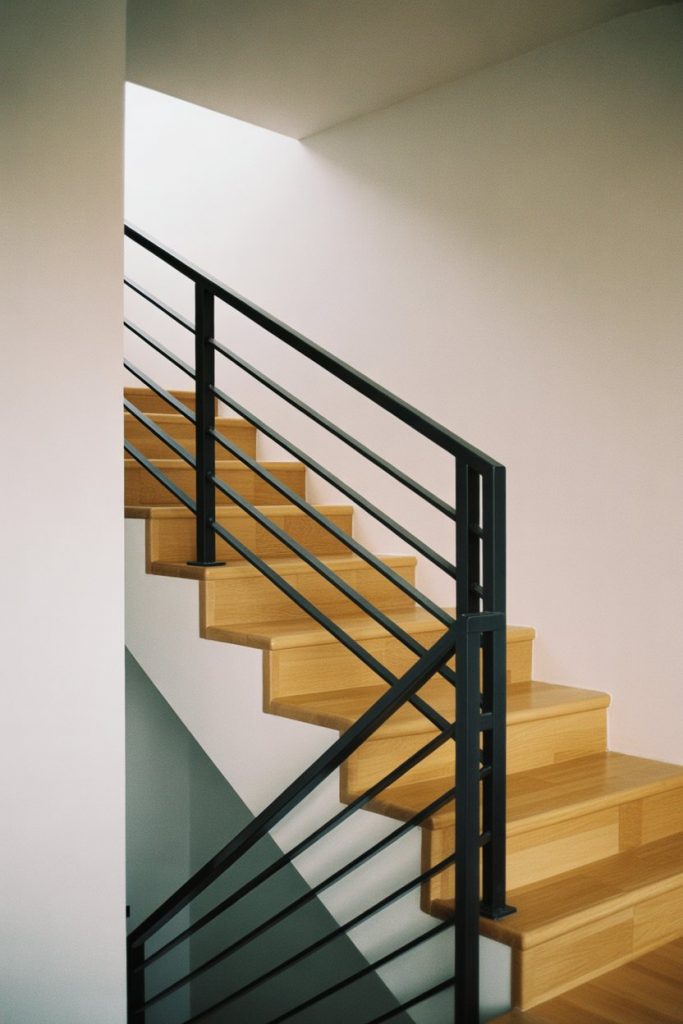
The combination of black horizontal metal railings is a modern classic that works in nearly any setting. Whether you choose flat bar steel, round tubing, or powder-coated aluminum, the horizontal orientation paired with a matte black finish creates a sleek, architectural look that’s both bold and understated. It’s clean, contemporary, and highly versatile. 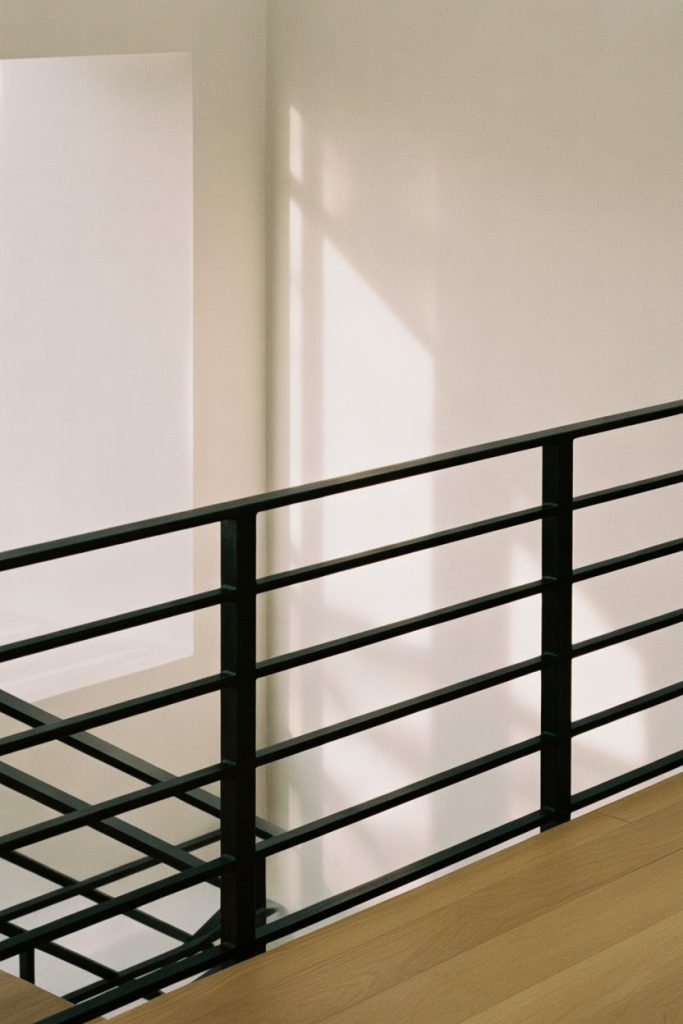
This look is a favorite among architects and designers for its ability to blend into various styles—it works in industrial lofts, Scandinavian-inspired homes, and even softened farmhouse interiors. One common mistake is choosing glossy black instead of matte—the sheen shows fingerprints and dust, while matte stays cleaner-looking longer. Expert-style commentary: black railings are a smart choice if you want to add contrast without introducing color. Pair with light walls and floors to keep the space feeling open and balanced.
21. Outdoor Deck Railings with Integrated Lighting
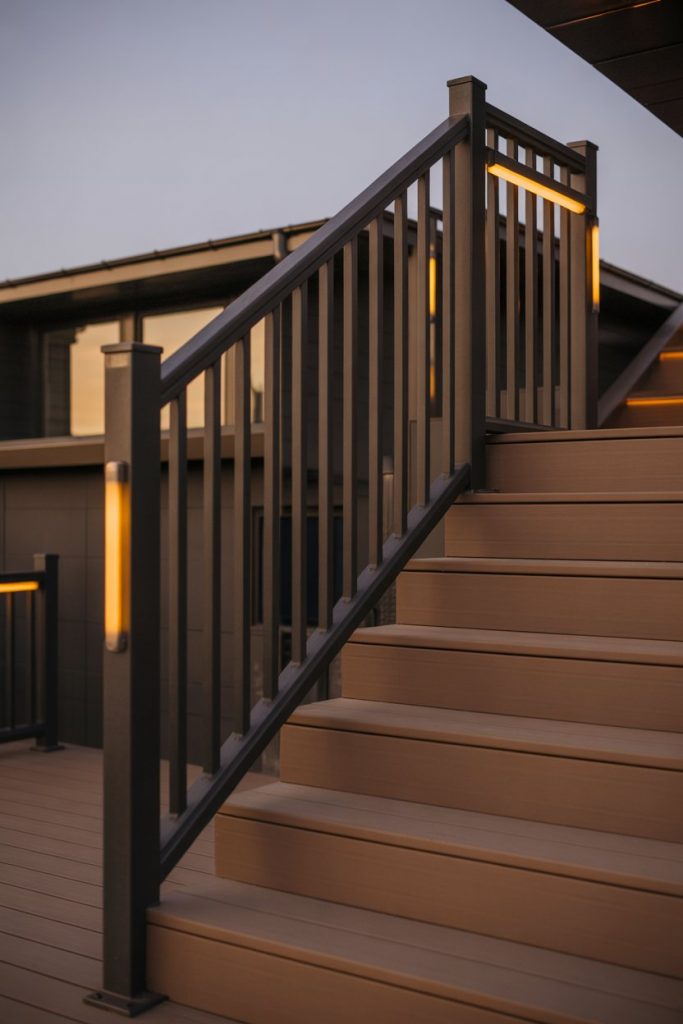
If you’re designing an outdoor staircase leading to a deck, patio, or garden, consider railings with integrated LED lighting. These systems illuminate each step and the handrail itself, creating a safe, welcoming path after dark while adding a beautiful glow to your exterior space. It’s practical, stylish, and perfect for homes where outdoor entertaining is a priority. 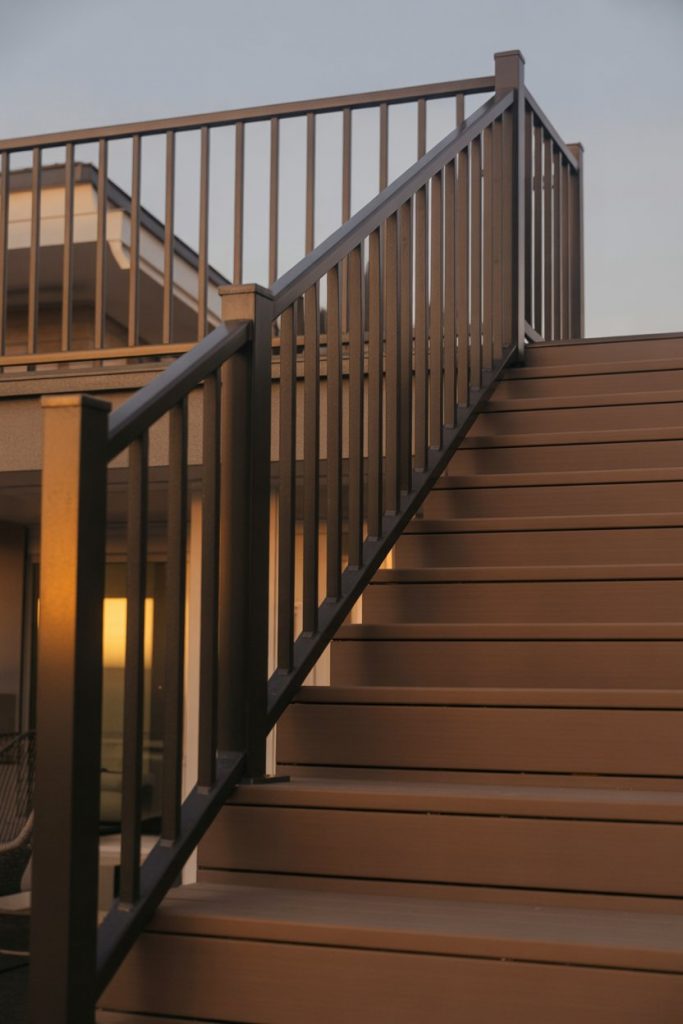
From a budget angle, integrated lighting systems add $50–$100 per post depending on the quality, but they eliminate the need for separate landscape lighting and reduce tripping hazards at night. Many homeowners in suburban and rural areas install these for safety during winter months when daylight hours are short. Choose warm white LEDs for a welcoming feel, or cooler tones for a more modern look. Solar-powered options are also available for eco-conscious buyers.
22. Artistic Stair Railings with Custom Metalwork
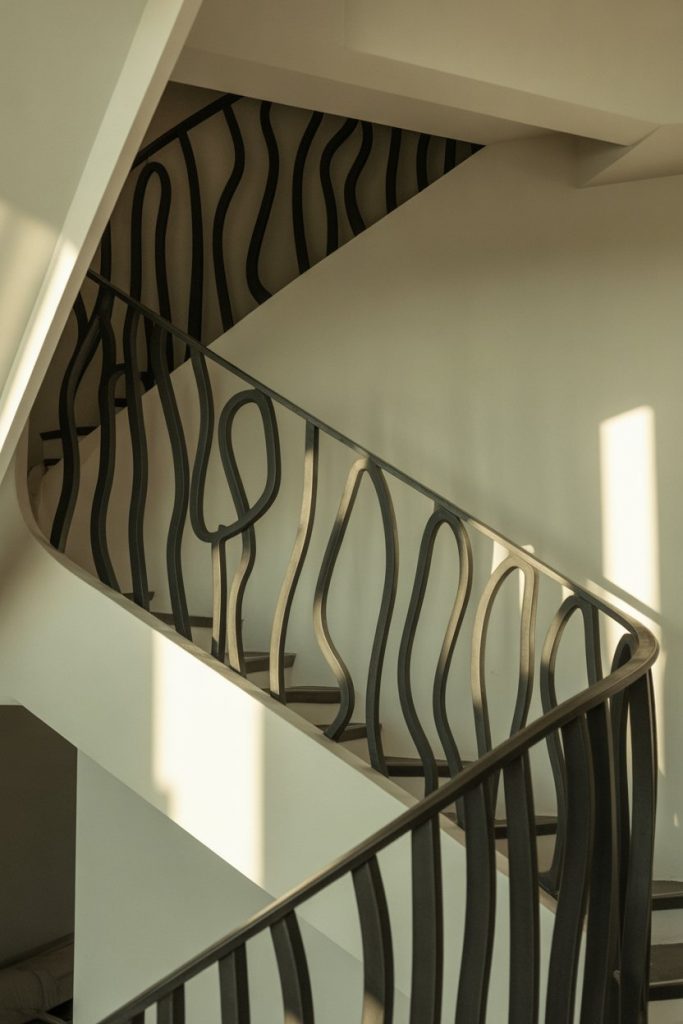
If you want a railing that’s truly one-of-a-kind, custom artistic designs in metal can transform your staircase into a sculptural centerpiece. From organic, flowing curves inspired by nature to bold geometric patterns that feel futuristic, a skilled metalworker can bring your vision to life. These railings are perfect for homeowners who see their staircase as an opportunity to make a personal design statement. 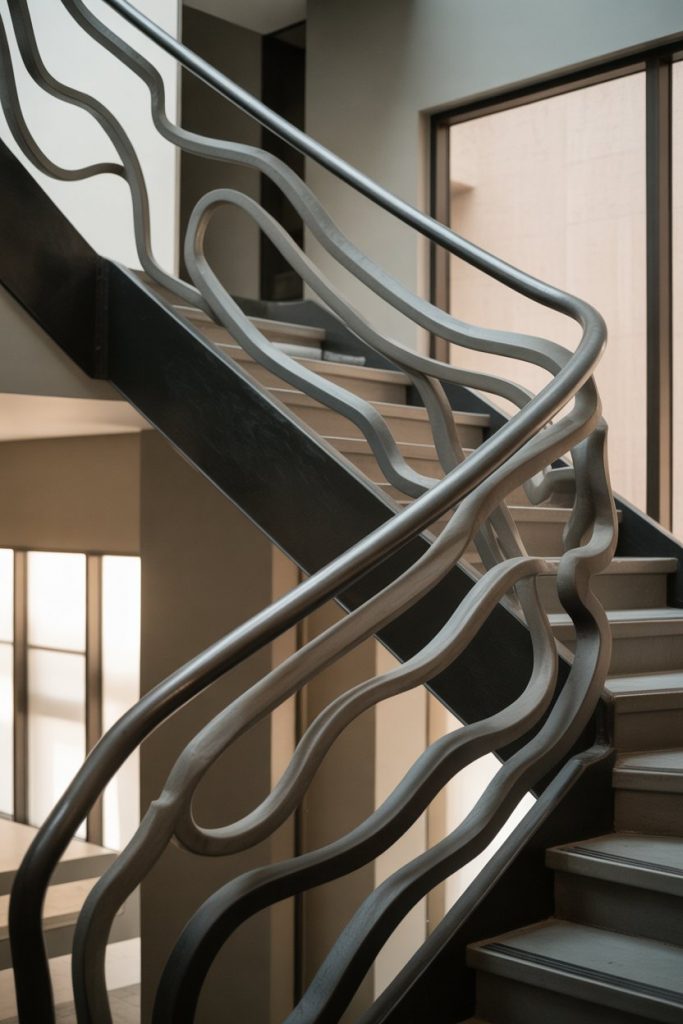
This is where craftsmanship meets art, and it’s most common in high-end homes, galleries, and spaces where design is paramount. A micro anecdote: one architect I know collaborated with a blacksmith to create a railing that mimics waves, and it became a defining feature of a coastal home—guests still talk about it years later. Expect to invest $250–$500+ per linear foot for custom work, but the result is a functional piece of art that elevates your entire home.
23. Painted Two-Tone Railings

Two-tone painted railings—where posts and balusters are one color and the handrail is another—offer a playful, customizable look that’s easy to achieve on a budget. Classic combos include white posts with a natural wood or stained handrail, or black balusters with a white handrail. It’s a simple way to add visual interest and tie your staircase into your home’s overall color palette. 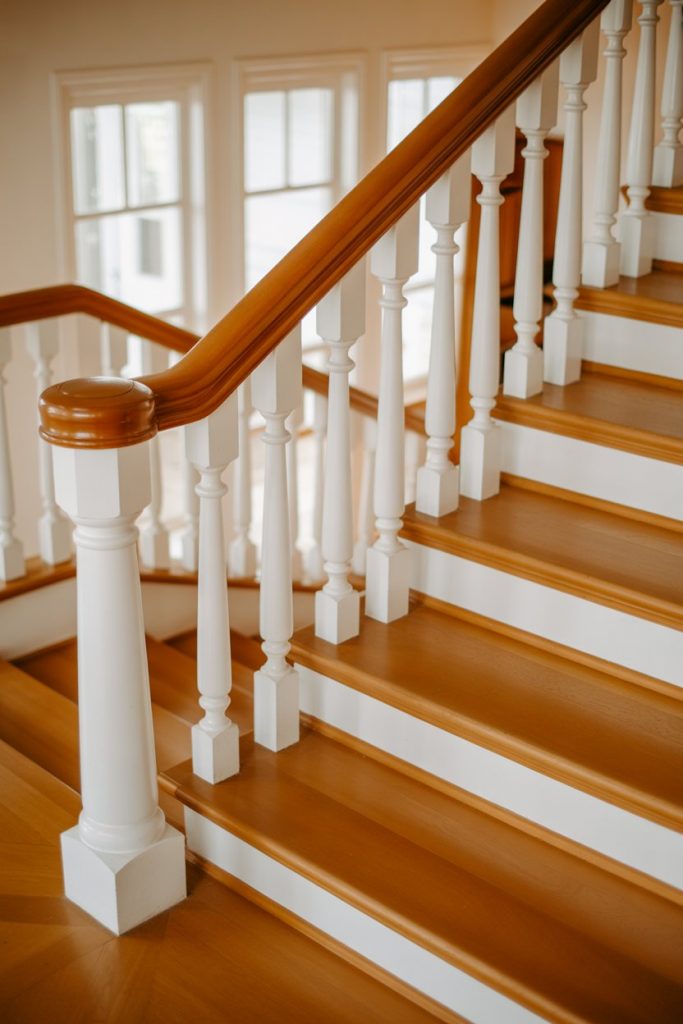
This approach is hugely popular in DIY circles because it’s forgiving—if you don’t love the color combo, you can always repaint. Real homeowner behavior: many people start with an all-white railing and later add a wood or contrasting handrail for warmth. Use high-quality paint and primer for durability, especially on high-touch surfaces like handrails. Where it works best: traditional, farmhouse, and transitional homes where you want a timeless look with a hint of personality.
24. Loft-Style Open Tread Stairs with Minimal Railings

In loft spaces and modern urban homes, open tread stairs with minimal or floating railings create an airy, industrial feel that maximizes light and sightlines. These staircases often feature exposed steel stringers, no risers, and a simple metal handrail—sometimes just a slim rod or cable. The look is edgy, architectural, and unapologetically contemporary. 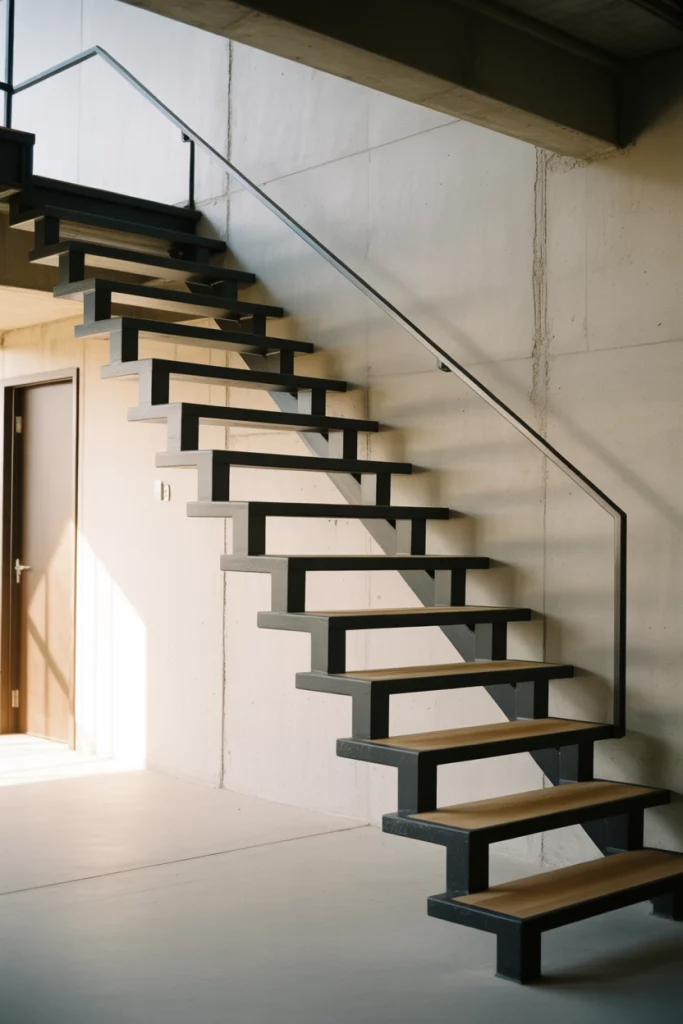
Open tread stairs aren’t for everyone—they can feel intimidating if you’re afraid of heights, and they’re less ideal for families with small kids or pets. But in the right space, they’re a showstopper. Expert-style commentary: if you’re considering this style, make sure your structural engineer signs off on the design—floating stairs require precise engineering to support weight safely. Budget at least $8,000–$15,000 for professional installation, but the result is a stunning, gallery-like staircase that defines your home’s aesthetic.
Conclusion
Whether you’re drawn to the clean lines of glass panels, the warmth of rustic farmhouse wood, or the bold drama of black metal balusters, your stair railing is a chance to infuse your home with personality and style. The best part? Many of these ideas are achievable on a range of budgets, from simple DIY updates to custom artistic installations. Take inspiration from these designs, think about what suits your lifestyle and space, and don’t be afraid to mix materials or try something unexpected. We’d love to hear which idea resonates with you—drop a comment below and share your favorite stair railing style or any questions you have as you plan your project!