Office spaces in 2026 are moving away from the cold, corporate environments of the past and embracing warmth, personality, and wellness. As more Americans return to traditional workplaces or refine their home offices, Pinterest has become flooded with searches for ideas that blend professionalism with personal style. Whether you’re outfitting a shared workspace, refreshing a home office, or reimagining a cubicle, the possibilities are endless. This guide offers creative, practical ideas to help you design an office that inspires productivity, reflects your personality, and feels genuinely welcoming every single day.
1. Softly Lit Workspace with Warm Tones and Personal Accents
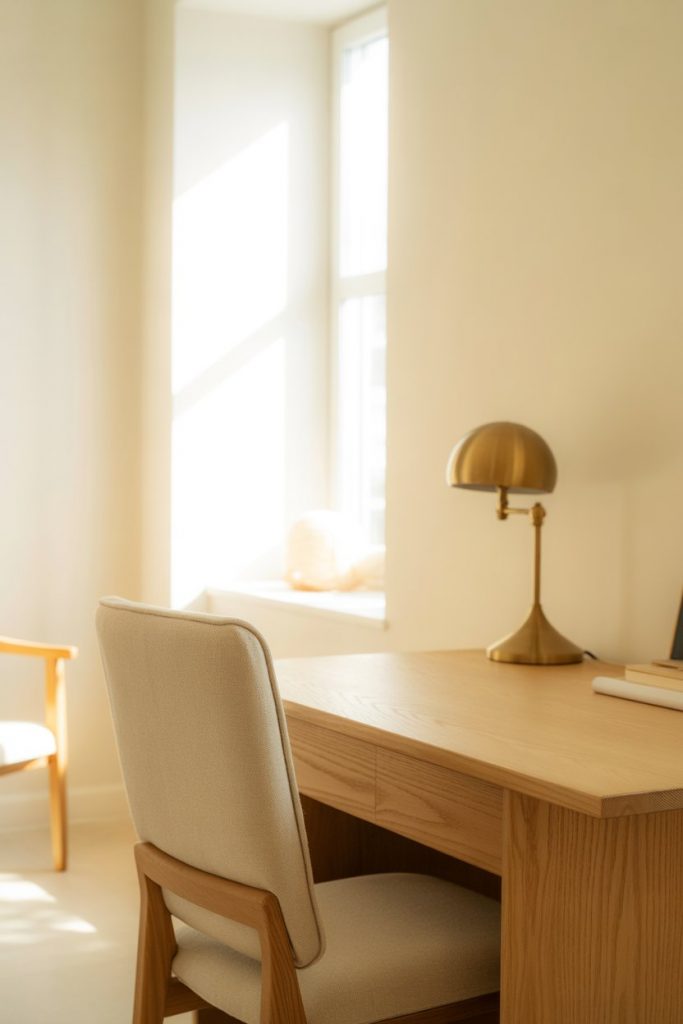
A professional modern workspace doesn’t have to feel sterile. Instead, consider a setup that uses warm wood tones, soft neutral fabrics, and layered lighting to create a calming yet focused environment. This works especially well for professional women and men who want a refined look without sacrificing comfort. Choose a clean-lined desk paired with a linen upholstered chair, and add a small brass lamp for task lighting that feels intentional and elevated. 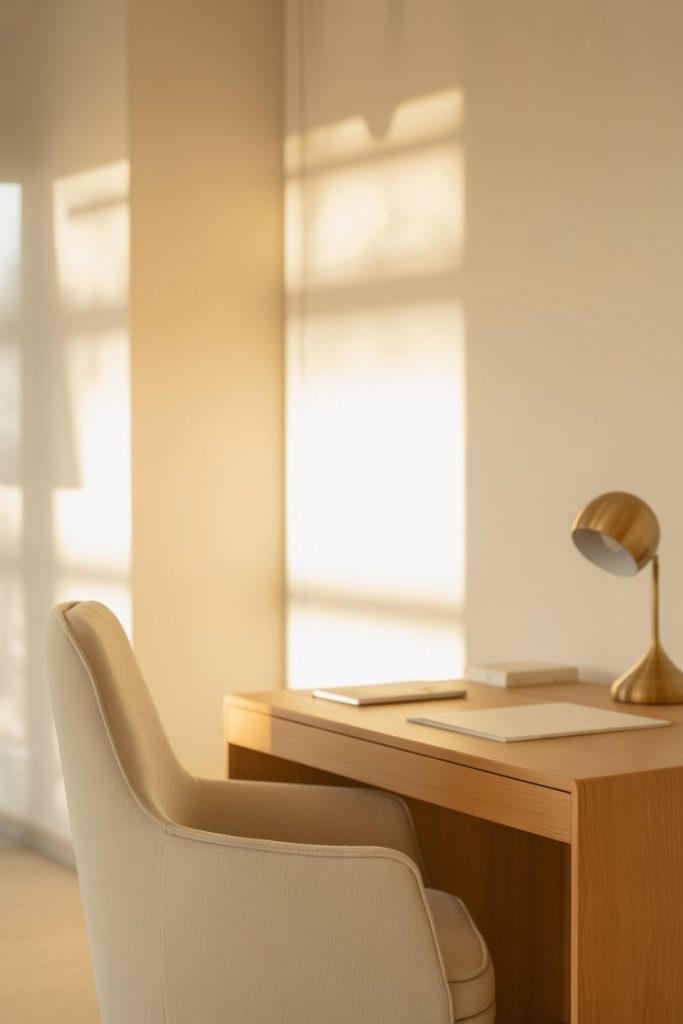
This type of setup is popular in converted bedrooms and guest rooms across suburban homes in the South and Midwest. A common mistake is overloading the desk with decor, which can distract from work. Keep surfaces clean and reserve styling for one or two meaningful items, like a framed photo or a small ceramic dish for desk supplies.
2. Greenery-Forward Desk Setup with Trailing Plants
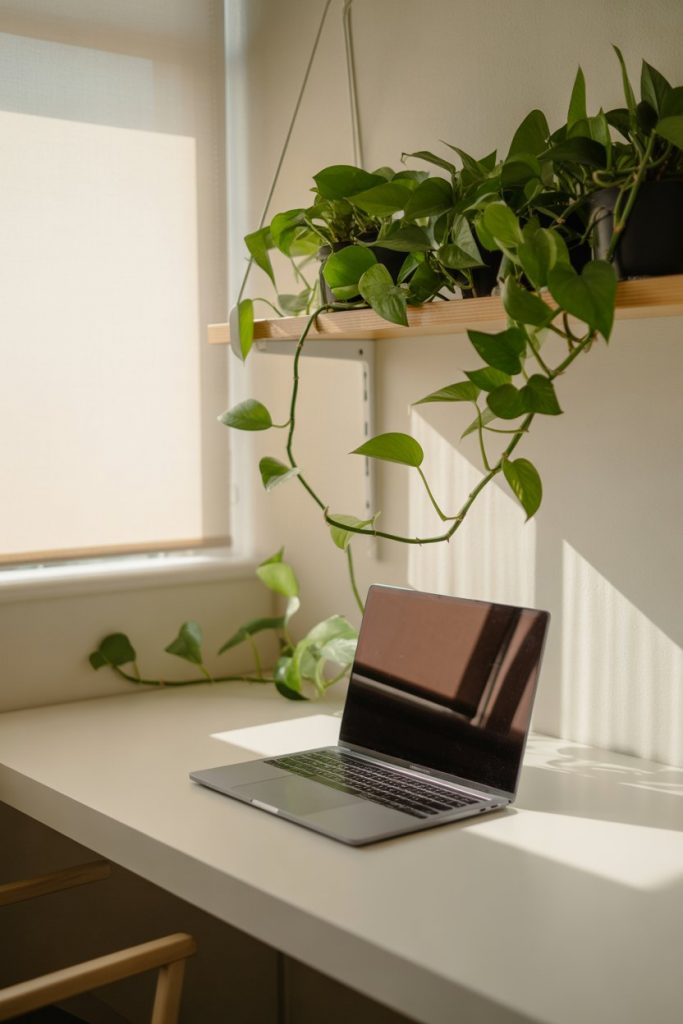
Bringing plants into your workspace isn’t just trendy—it’s backed by research showing they reduce stress and improve air quality. A desk lined with pothos, philodendron, or string of pearls adds life and softness to any business environment. Position trailing varieties on floating shelves above your monitor or let them cascade from a nearby bookcase for a lush, organic feel that still looks polished and intentional. 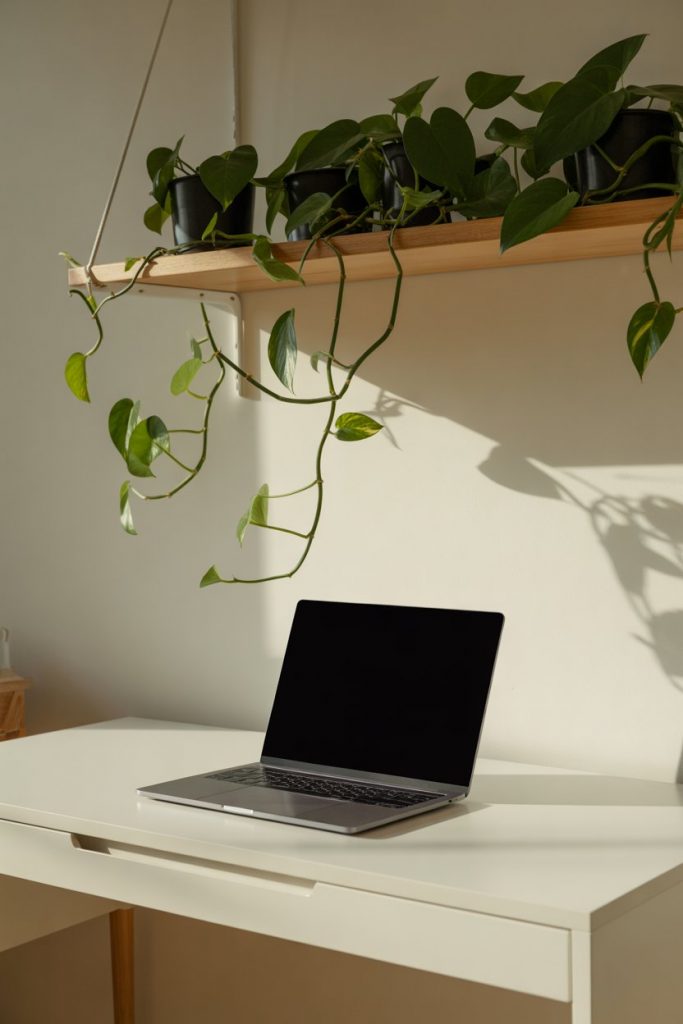
In cities like Portland and Seattle, where biophilic design is especially popular, this approach works beautifully in lofts and apartments with large windows. Budget-conscious workers often propagate cuttings from a single plant, turning one $15 pothos into a full collection over a few months. It’s a low-cost way to transform a sterile corner into something restorative.
3. Blush and Brass Feminine Office Corner
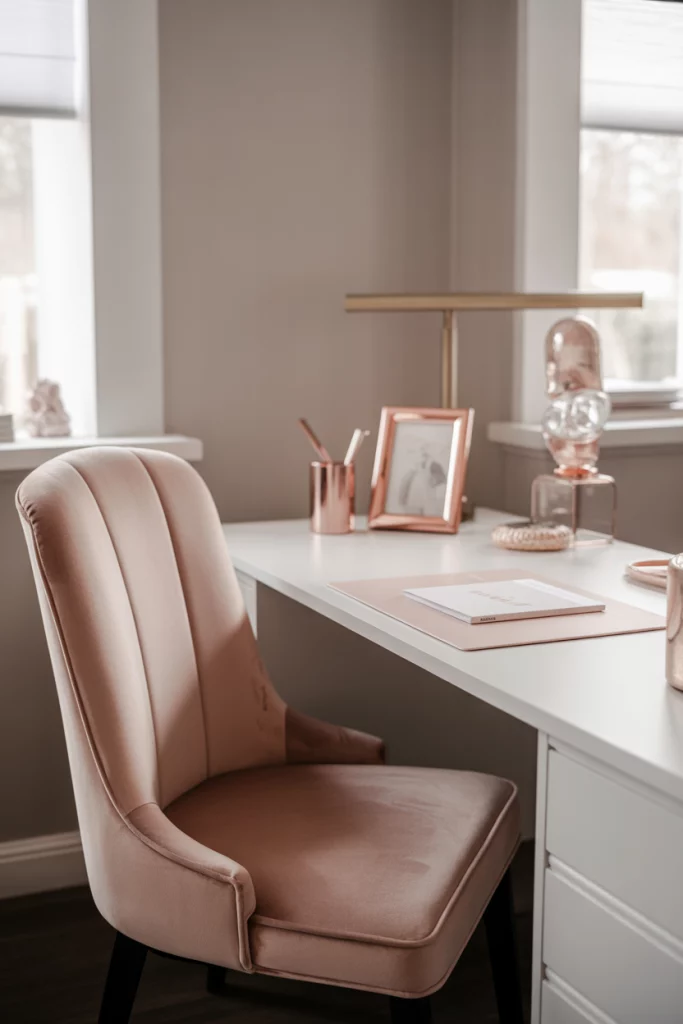
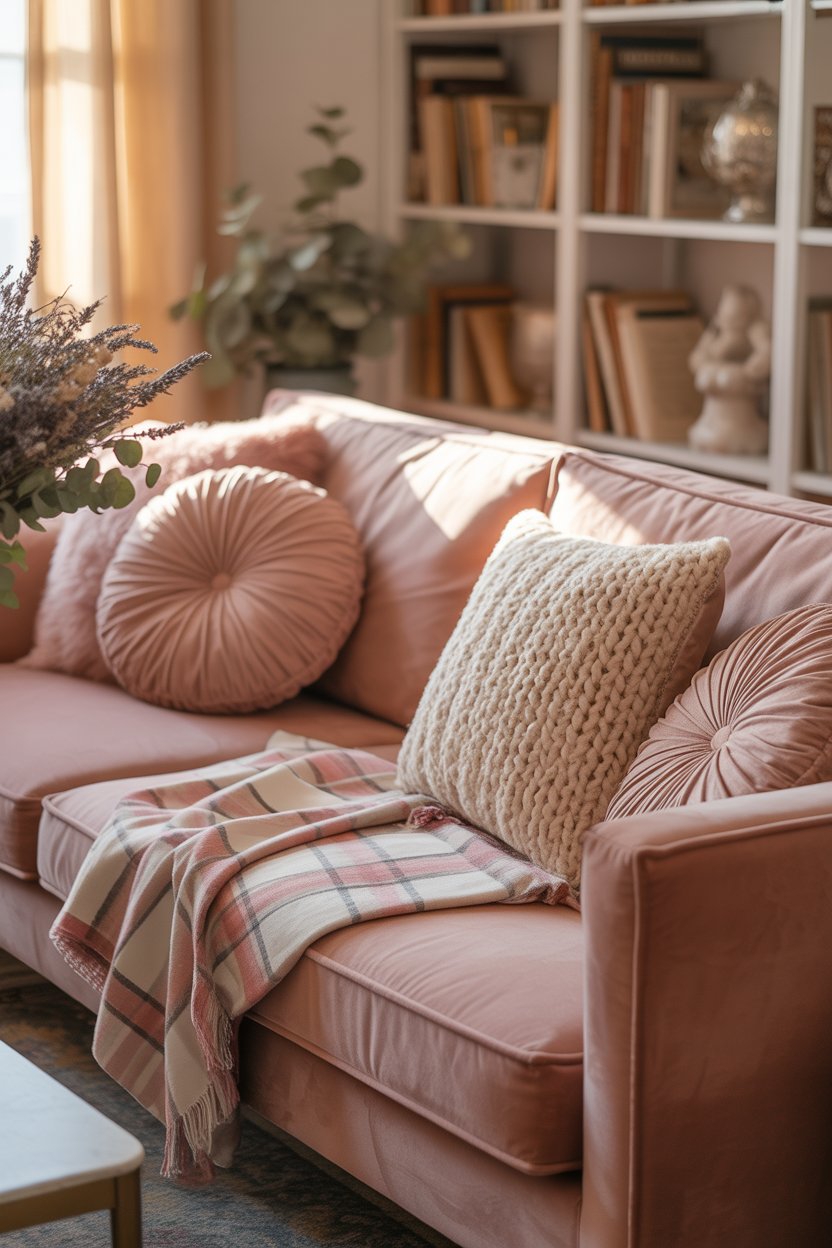
For those drawn to softer aesthetic choices, a pink-accented workspace can feel both sophisticated and energizing. Think blush velvet chairs, rose gold organizers, and matte brass hardware that catches the light beautifully. Pair these with white or light gray walls to keep the look modern rather than overly sweet. This style resonates especially with younger professional women who want their workspace to reflect personality without compromising professionalism. 
This setup works best in natural light. Position your desk near a window and let morning sun warm the blush tones. If your space lacks windows, use warm LED bulbs to avoid the clinical feel of cool white lighting, which can make soft colors look washed out.
4. Compact Cubicle Refresh with Fabric Panels and Organizers
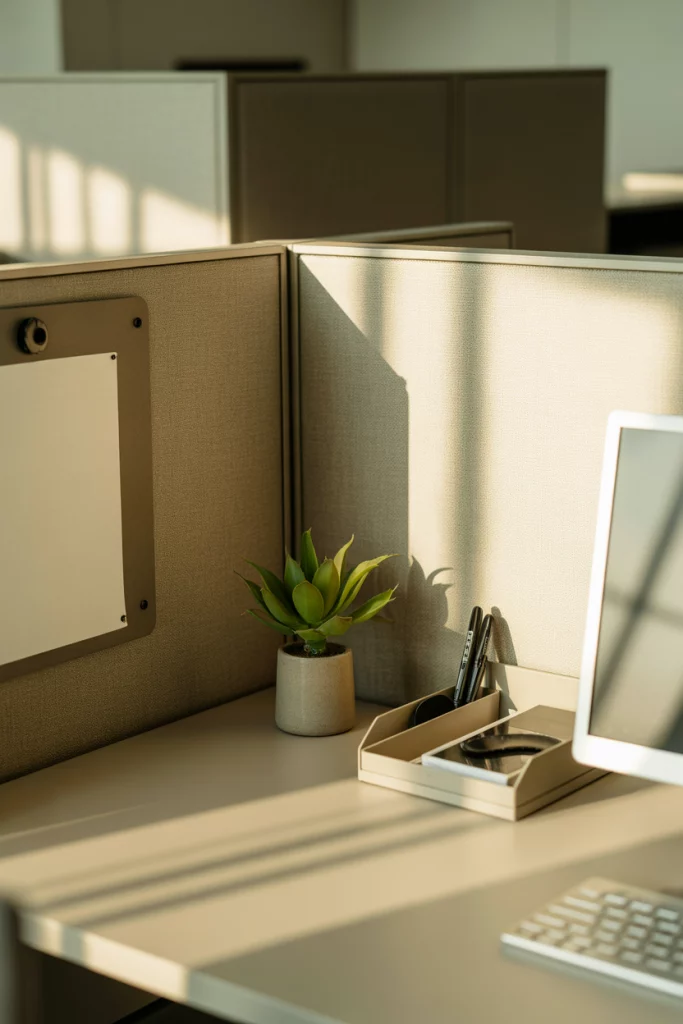
Transforming a cubicle from bland to personal doesn’t require permission to paint. Start with fabric-covered bulletin boards in warm neutrals or muted greens that you can pin directly to existing wall panels. Add a small organizer caddy, swap out the standard mouse pad for something textured, and introduce a desktop succulent. These small changes make a significant impact without violating workplace policies or requiring tools. 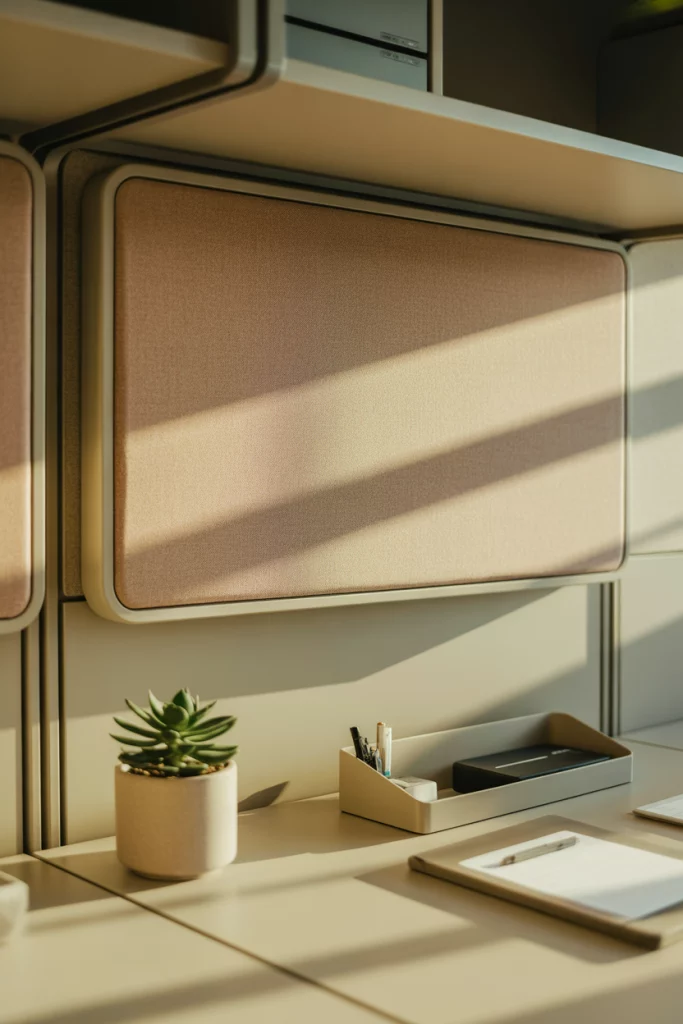
A design editor once mentioned that cubicle workers often underestimate the power of vertical space. Use magnetic hooks, adhesive shelves, or fabric pockets to maximize what’s available on cubicle walls. This keeps your desk clear and makes the space feel more open, even within a six-by-six footprint.
5. Monochrome Minimalist Desk with Statement Art
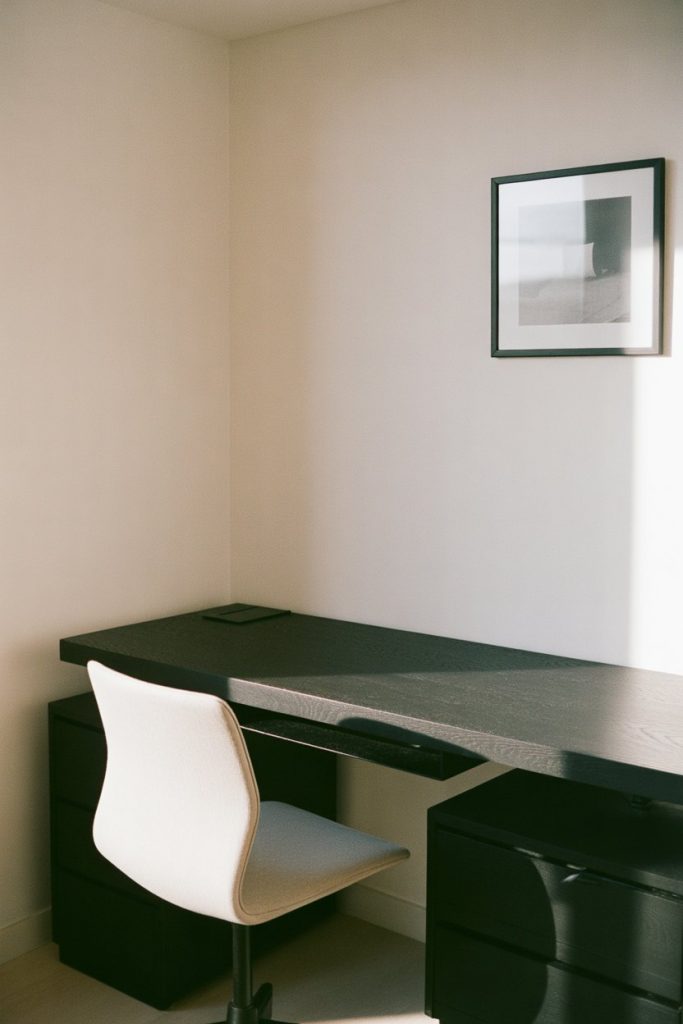
A sleek black-and-white workspace appeals to those who value clarity and focus. Choose a matte black desk, a white ergonomic chair, and a single piece of bold line art or typography print as your focal point. This professional modern aesthetic is especially popular among professional men in tech and finance who want their environment to feel sharp, uncluttered, and distraction-free. 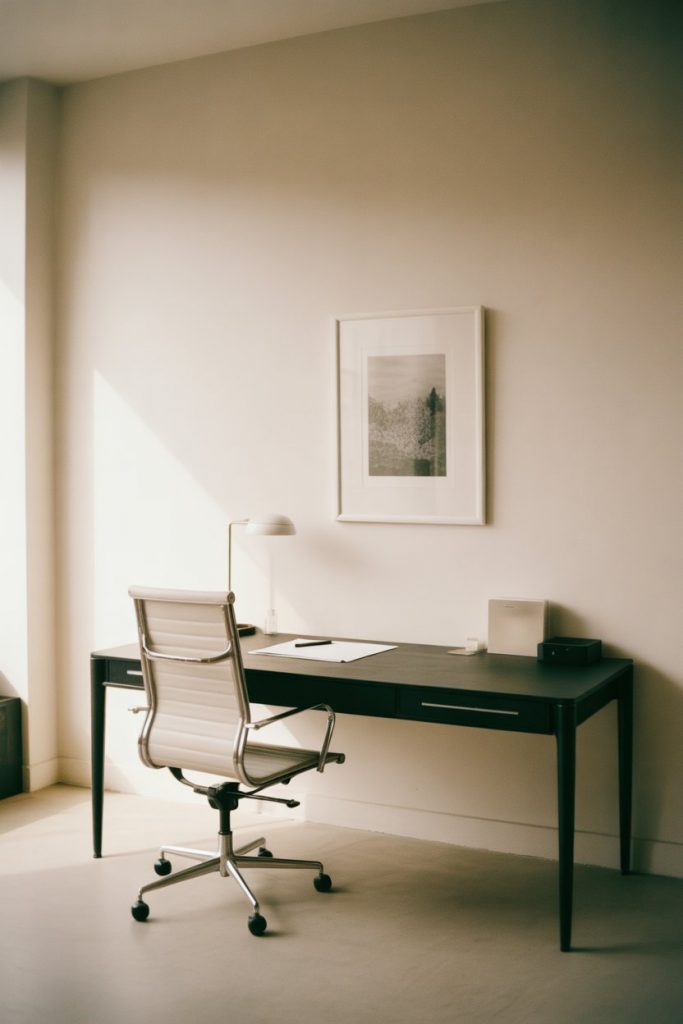
This approach works best in smaller home offices or studio apartments where visual simplicity prevents the space from feeling cramped. One common mistake is choosing furniture that’s too heavy or dark, which can make a small room feel cave-like. Balance black furniture with white walls and plenty of light to keep the energy lifted.
6. DIY Pegboard Wall for Creative Storage
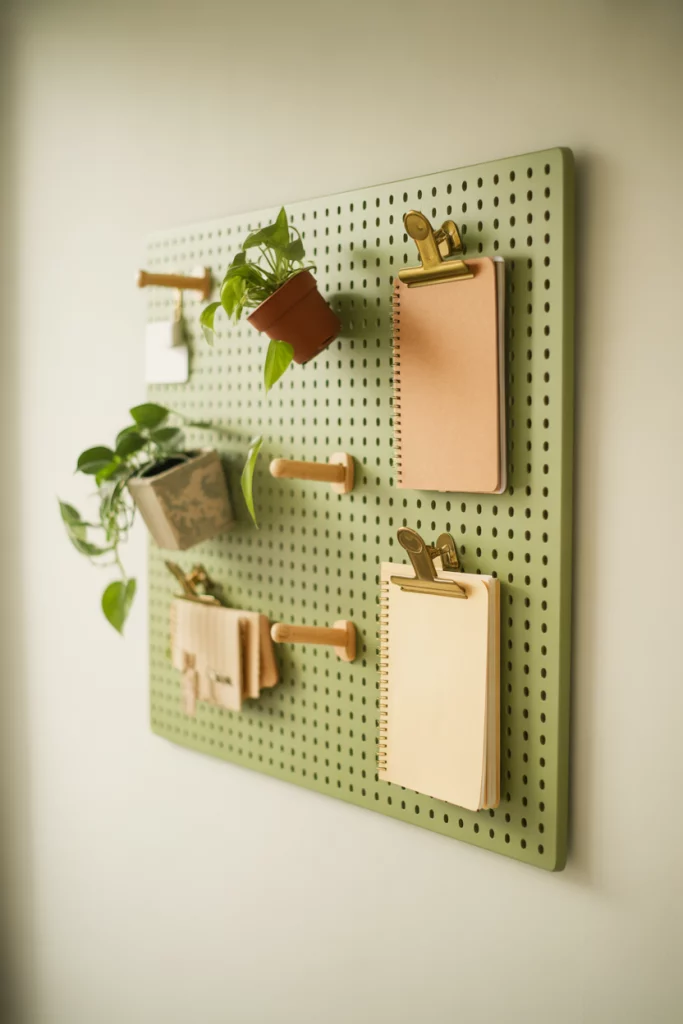
A painted pegboard offers endless flexibility for organizing supplies, notebooks, and decor in a way that feels both functional and creative. This DIY project is budget-friendly and can be completed in an afternoon with basic tools. Choose a color that complements your walls—sage green, terracotta, or even a soft charcoal—and arrange hooks, small shelves, and clips to hold everything from headphones to a calendar.
Pegboards are especially popular in craft rooms and creative studios across the Pacific Northwest and Northeast, where renters appreciate that they can be removed without damaging walls. Install yours with French cleats for easy removal, and avoid overloading it with too many items, which can make the wall feel chaotic rather than curated.
7. Natural Wood Desk with Open Shelving Above
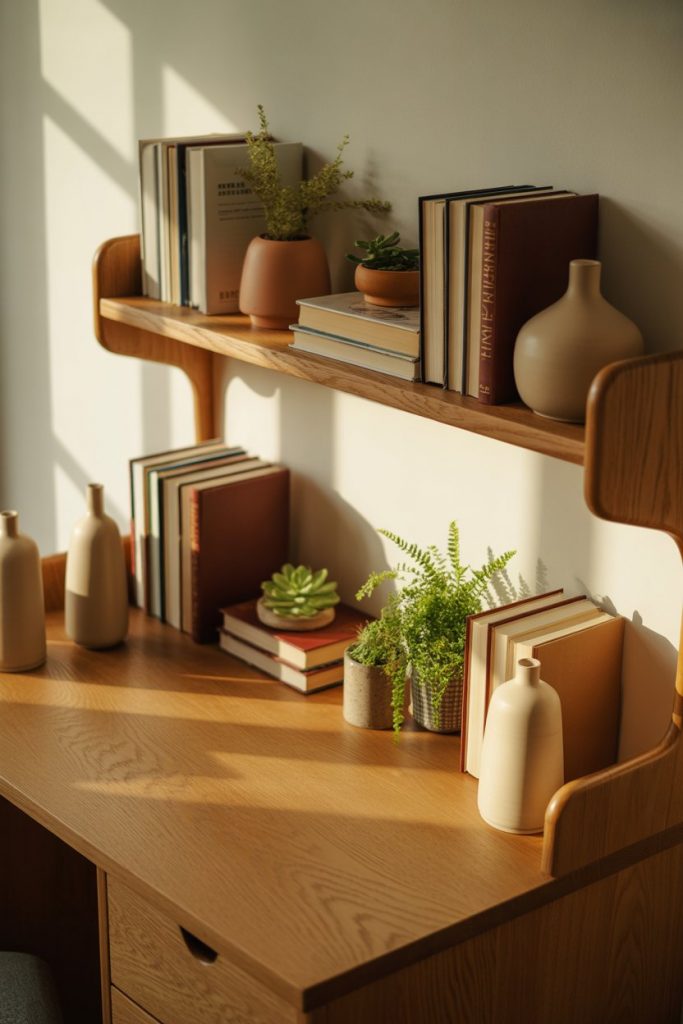
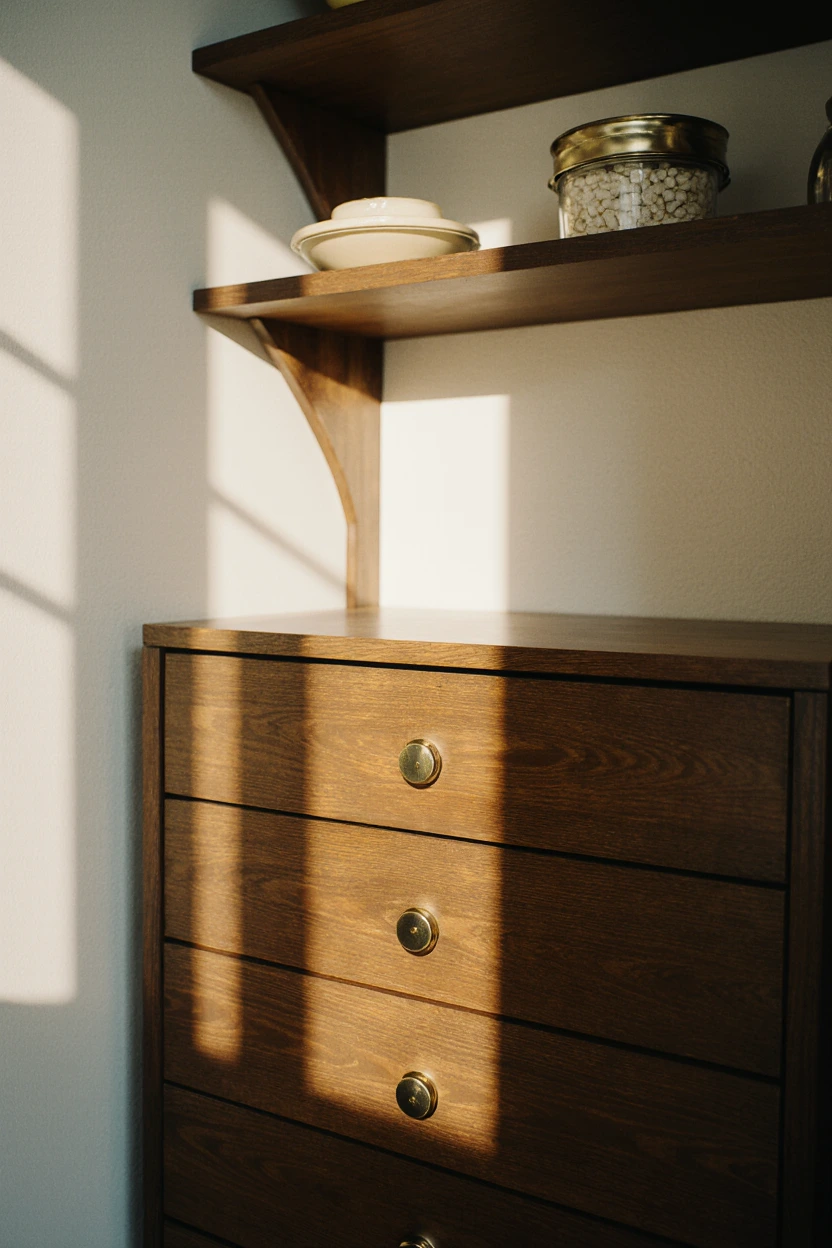
Open shelving paired with a solid wood desk creates a workspace that feels grounded and intentional. This style suits those who want to display books, ceramics, or framed photos while keeping the overall vibe warm and professional modern. Choose shelves in the same wood tone as your desk to create visual continuity, and style them with a mix of practical items and a few personal touches.
In open-concept homes, this setup works beautifully as a dedicated office nook that doesn’t feel closed off from the rest of the living space. One real homeowner noted that open shelving forced her to stay organized, since clutter is always on display. If that feels intimidating, use woven baskets or linen boxes to conceal less photogenic supplies.
8. Vintage-Inspired Office with Mid-Century Furniture

A mid-century modern desk paired with a leather chair and brass accents brings warmth and character to any office. This aesthetic has staying power because it balances nostalgia with clean lines. Look for vintage pieces at estate sales or online marketplaces, and pair them with modern tech accessories to keep the space functional. This works especially well for business owners who meet clients at home and want to project both style and credibility.
This style is most common in older homes in cities like Austin, Denver, and Brooklyn, where vintage furniture markets are thriving. A practical tip: when buying used furniture, check drawer slides and chair mechanisms before committing. A $200 chair that wobbles isn’t a deal, and repairs can cost more than buying new.
9. Bright White Office with Pops of Color
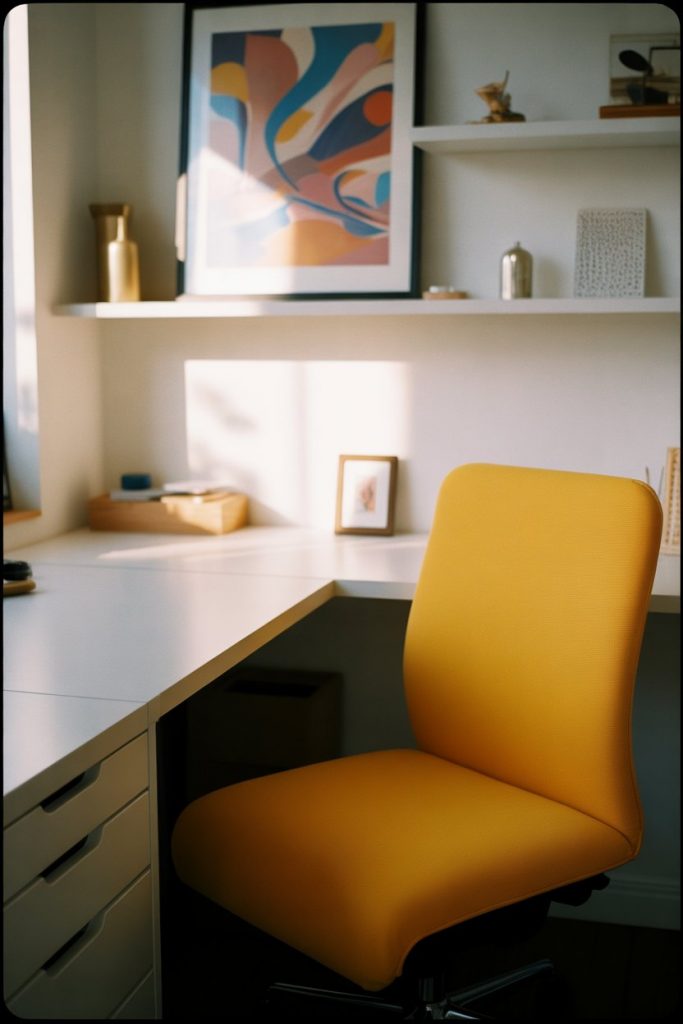
An all-white workspace feels fresh and expansive, especially when accented with small bursts of color. Consider a white desk and shelving, then introduce a bold chair in mustard, cobalt, or coral. Add a vibrant desk mat or a colorful print to tie the look together. This approach appeals to those who love a clean aesthetic but don’t want their office to feel too clinical or cold.
This setup works best in rooms with abundant natural light, where the white surfaces reflect brightness throughout the day. In dimmer spaces, white can feel flat or even dingy. If your office lacks windows, consider warm-toned white paint rather than stark cool white, and use layered lighting to maintain the airy vibe.
10. Cozy Corner Office with Built-In Window Seat
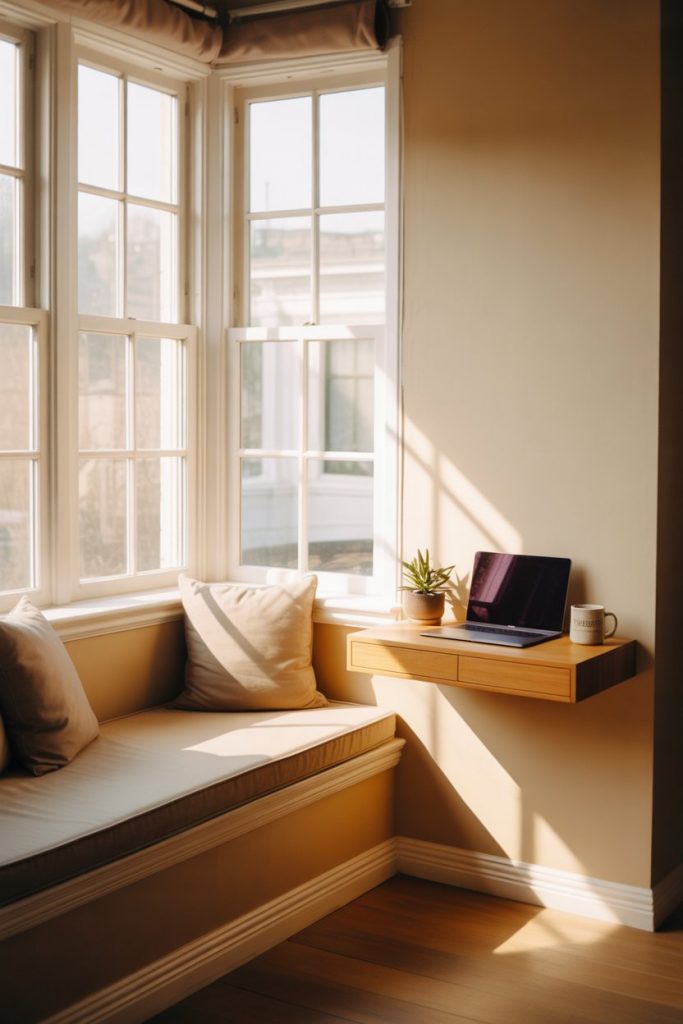
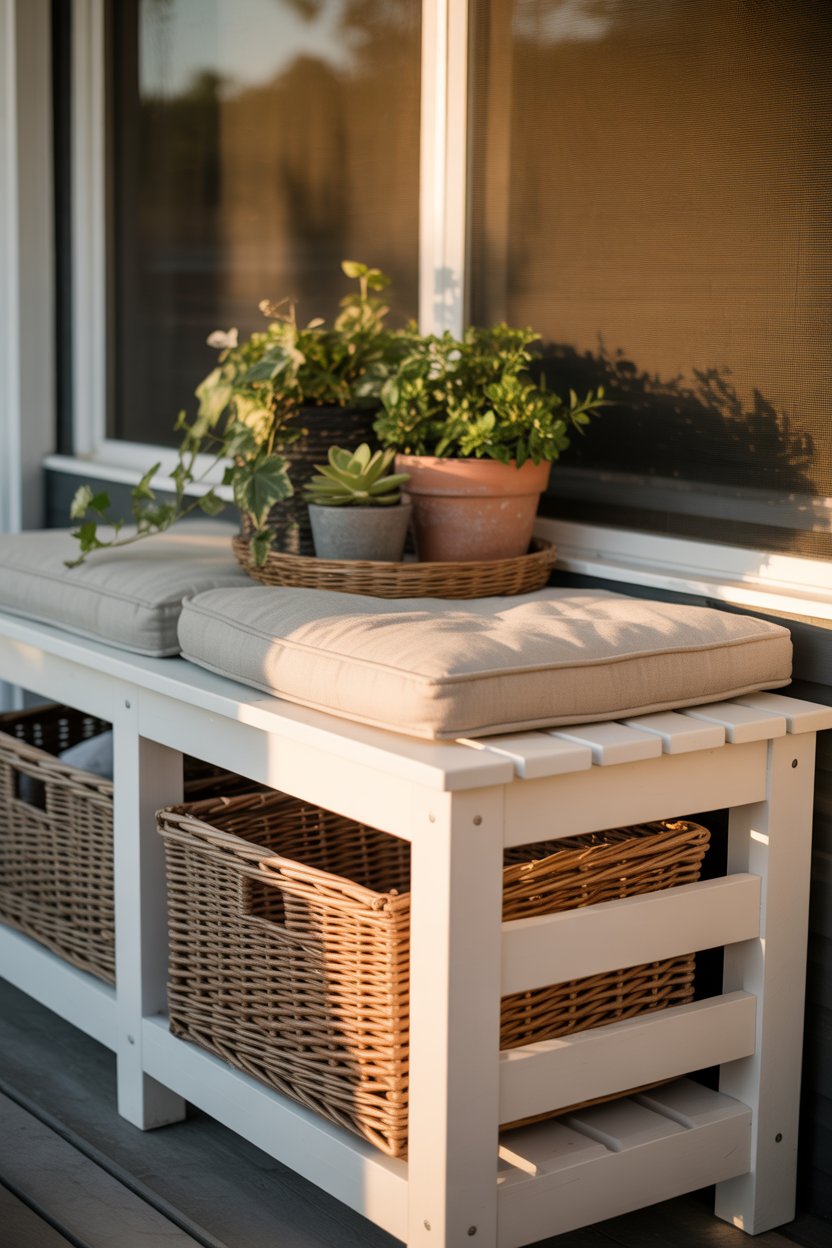
If your home has an alcove or bay window, consider transforming it into a multifunctional workspace with a built-in seat and a floating desk. Add cushions in neutral tones, a small side table for coffee, and a sleek wall-mounted desk that doesn’t obstruct the view. This is a favorite for professional women working from home who want a space that feels both productive and restful.
This works especially well in older Colonial or Craftsman-style homes common in the Midwest and New England. One homeowner mentioned that she uses the window seat for reading breaks, which helps her mentally separate work time from rest. That kind of dual functionality is key in smaller homes where space is at a premium.
11. Industrial Chic Office with Metal and Concrete Accents
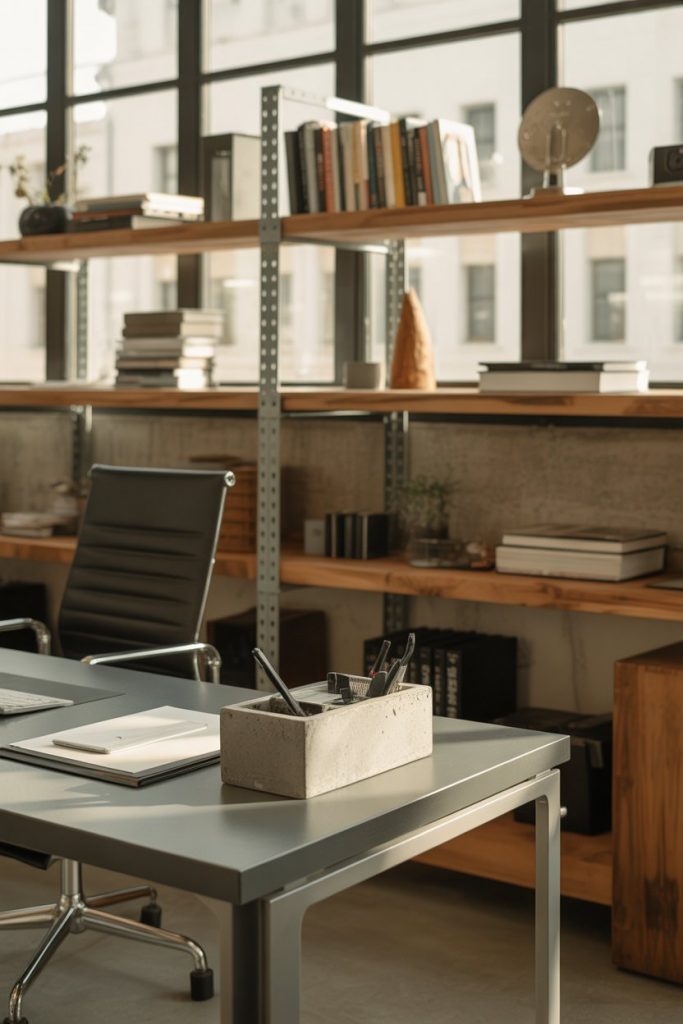
An industrial-style workspace uses raw materials like metal, concrete, and reclaimed wood to create a bold, urban feel. Think a steel-framed desk, exposed shelving, and a concrete desktop organizer. This look is especially popular among professional men in creative fields like architecture and design who want their office to feel edgy and purposeful without being overly decorated.
This aesthetic thrives in loft apartments and converted warehouses in cities like Chicago, Detroit, and Los Angeles. A budget-friendly tip: concrete planters and organizers can be made at home using molds from craft stores. Mixing DIY elements with a few high-quality metal pieces keeps the look authentic without overspending.
12. Scandinavian-Inspired Workspace with Light Woods and Whites
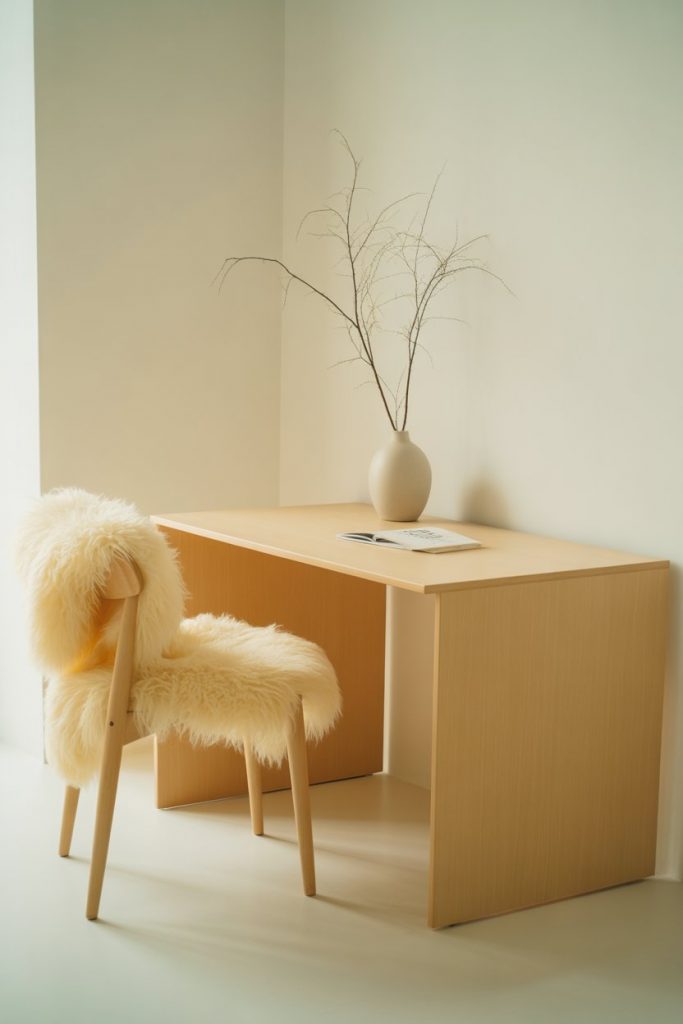
Scandinavian design emphasizes light, simplicity, and natural materials. A light birch or ash desk paired with white walls and minimal decor creates a calm, airy environment perfect for focus. Add a sheepskin throw on your chair and a single ceramic vase with fresh branches for a touch of warmth. This professional modern style is endlessly adaptable and never feels dated.
This approach is especially popular in colder climates like Minnesota, Wisconsin, and the Pacific Northwest, where residents seek warmth and light during long winters. One common mistake is overdoing the white, which can make a space feel sterile. Balance it with wood tones, textiles, and a few organic elements to keep the room feeling lived-in.
13. Bold Accent Wall Behind Desk
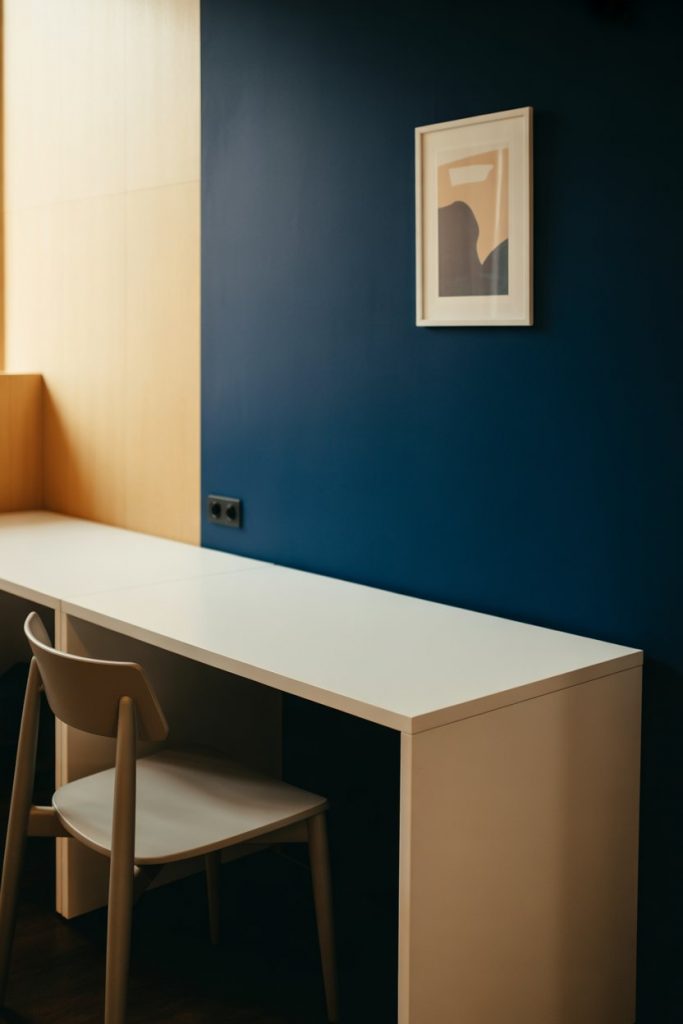
A single painted wall in a rich color—navy, forest green, or charcoal—can instantly elevate a simple desk setup. This works especially well if your workspace is in a corner or alcove where the accent wall frames the desk like a backdrop. Pair the bold color with light furniture and minimal accessories to let the wall do the talking. It’s a favorite trick among business owners who want their Zoom backgrounds to look polished and professional.
This design choice works best in rooms with natural light, where the dark wall won’t make the space feel heavy. In basement offices or interior rooms, consider using a lighter jewel tone like sage or dusty rose instead. A designer once noted that accent walls fail when they’re too small—aim for at least eight feet wide to create real impact.
14. Holiday-Ready Office with Subtle Christmas Touches
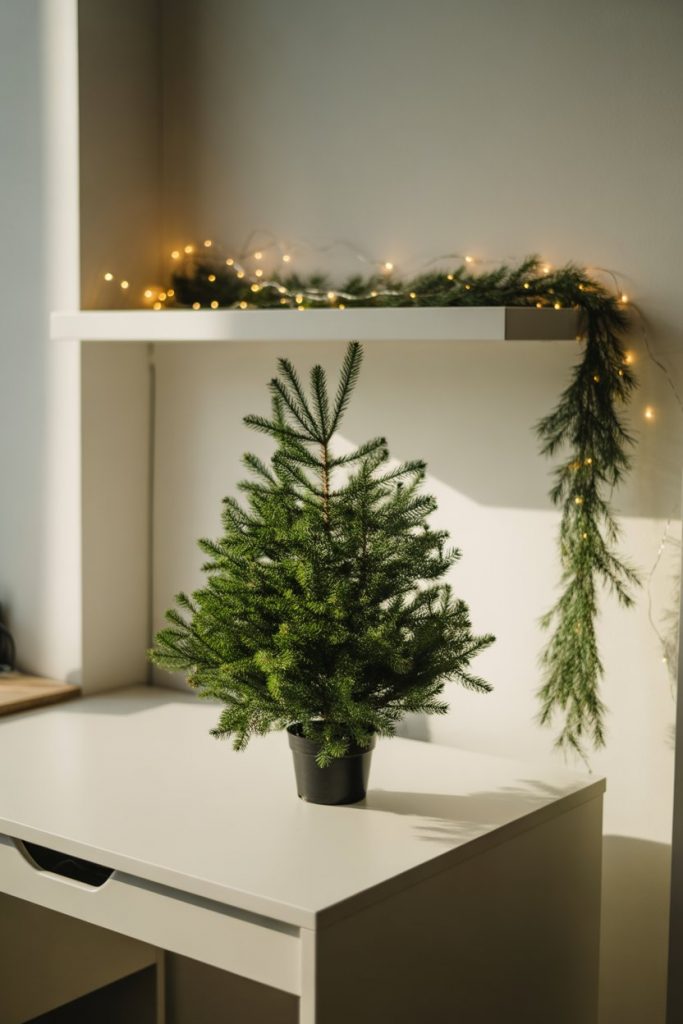
Bringing Christmas into your workspace doesn’t mean covering your desk in tinsel. Instead, opt for subtle seasonal touches: a small potted pine, a garland draped over a bookshelf, or a string of warm white lights tucked behind your monitor. Keep the palette neutral with whites, greens, and natural wood to maintain a professional modern feel that’s festive without being distracting.
This approach is popular among remote workers who want to enjoy the holidays without sacrificing productivity. One common mistake is over-decorating, which can make your workspace feel cluttered and chaotic. Stick to two or three elements, and remove them by early January to start the new year with a fresh, uncluttered desk.
15. Gallery Wall Above Desk with Mixed Frames
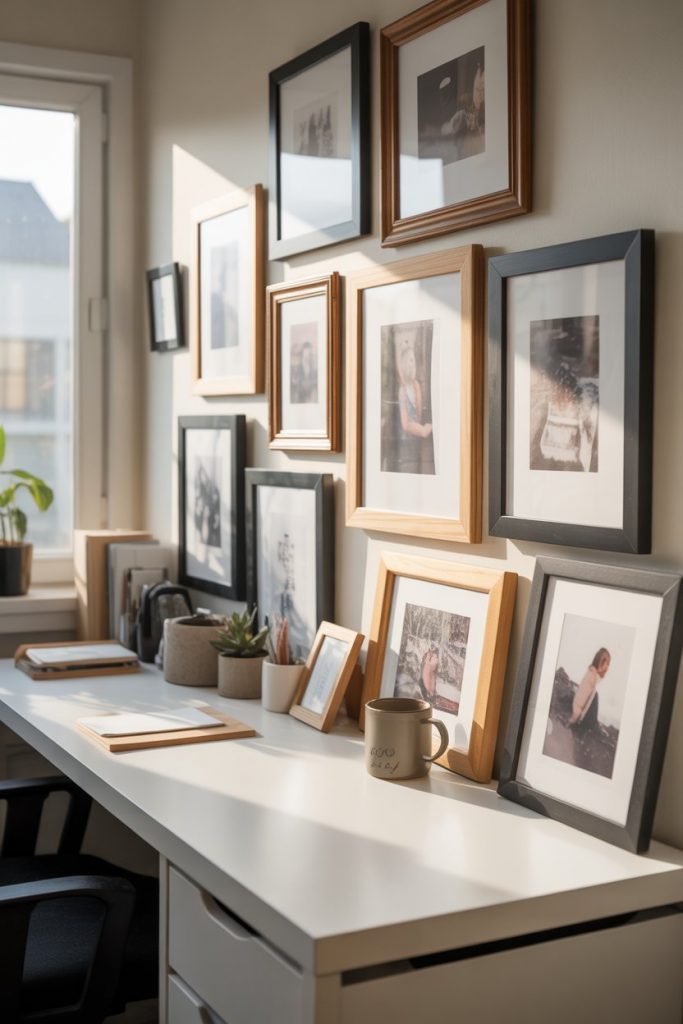
A curated gallery wall behind your desk adds personality and visual interest without taking up desk space. Mix frame sizes and styles—black, brass, natural wood—and include a combination of art prints, photos, and inspirational quotes. This is especially effective for professional women and men who work in creative fields and want their environment to reflect their interests and values.
Gallery walls work best when there’s a unifying element—whether that’s a consistent color palette, mat style, or frame finish. Lay your arrangement on the floor first to test spacing before committing to nails. In rental spaces, use adhesive strips designed for frames to avoid wall damage when you eventually move.
16. Standing Desk Setup with Minimalist Accessories
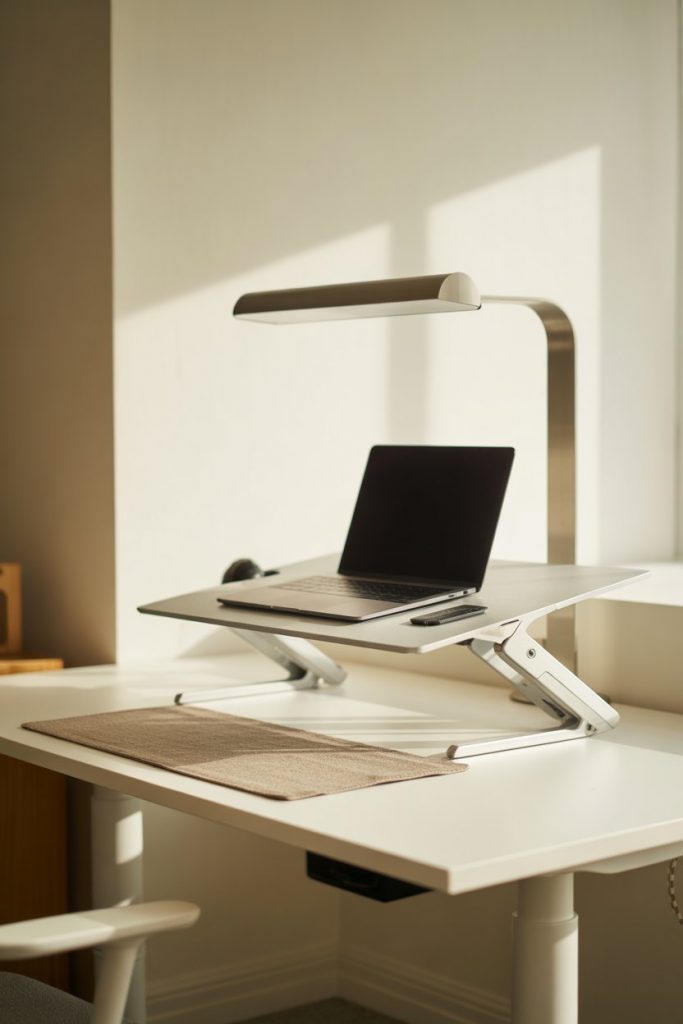
Standing desks have become a staple in modern business environments, and styling them well means keeping accessories minimal and functional. Choose a sleek standing desk in white or light wood, add an anti-fatigue mat in a neutral tone, and keep your desktop clear except for a laptop stand and a single task light. This setup appeals to health-conscious professionals who want a workspace that supports movement and focus.
This style is especially common in tech hubs like San Francisco, Austin, and Seattle, where wellness culture is strong. A practical insight: standing desks work best when you alternate between sitting and standing throughout the day. Invest in a good stool or adjustable chair so you’re not locked into one position, which can be just as uncomfortable as sitting all day.
17. Textured Wallpaper Accent for Visual Depth
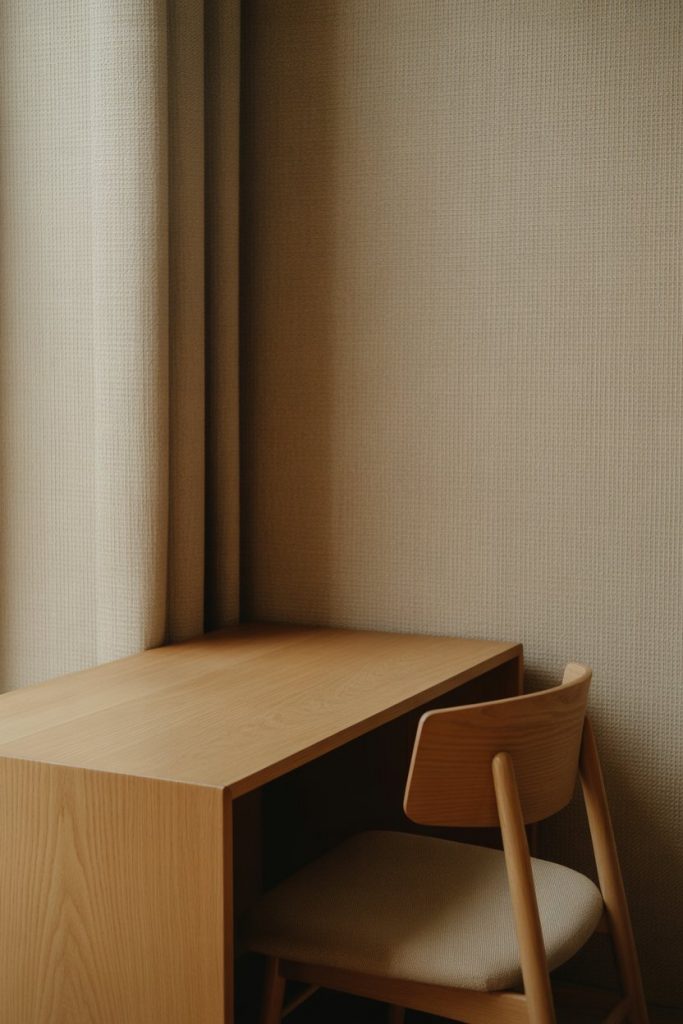
Textured wallpaper—think grasscloth, linen, or subtle geometric patterns—adds warmth and dimension to a workspace without overwhelming it. Apply it to a single wall behind your desk or on the wall your desk faces. This approach is especially popular among those who want a polished aesthetic but don’t want the commitment of bold paint colors. The texture catches light beautifully and makes even a small office feel more considered.
Textured wallpaper works particularly well in older homes with dated paneling or uneven walls, where it can mask imperfections while adding style. One real homeowner shared that she installed peel-and-stick grasscloth in a rental, and it came off cleanly when she moved. For a temporary solution, look for high-quality removable options that won’t damage your walls.
18. Dual Monitor Setup with Clean Cable Management
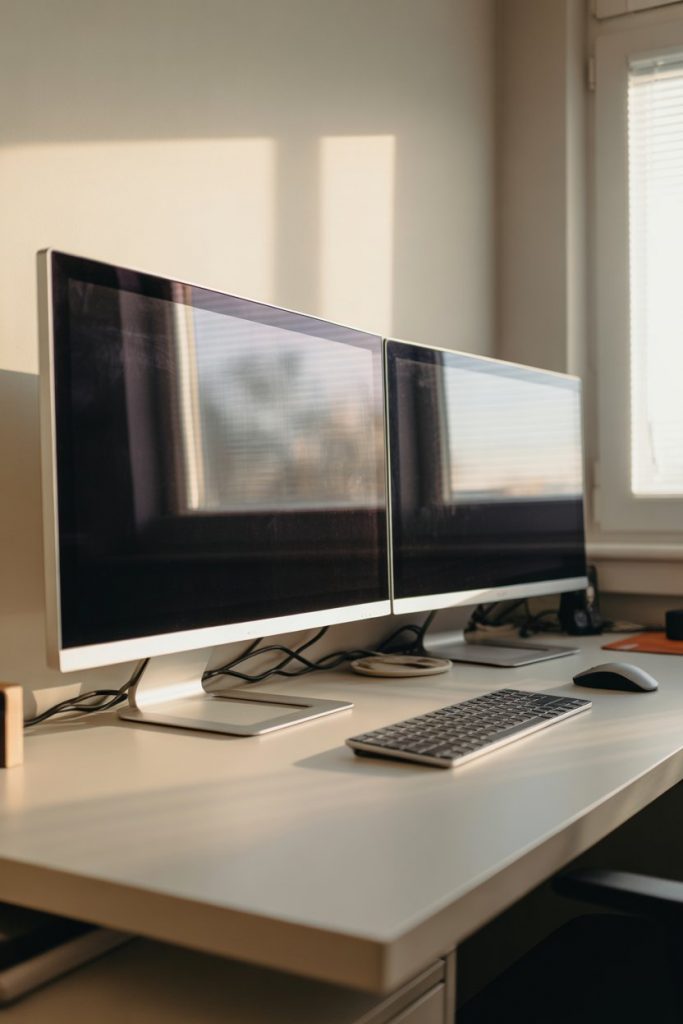
For professional men and women working in tech, finance, or design, a dual monitor setup is often essential. Keeping it looking clean requires smart cable management: use under-desk trays, velcro ties, and sleeves to hide wires. Choose monitors with slim bezels and matching stands for a cohesive look. This setup maximizes productivity while maintaining a sleek, professional modern appearance.
Cable management is often overlooked until it becomes a problem. A tech consultant once mentioned that messy cables not only look bad—they can also create tripping hazards and make it harder to clean your workspace. Spend an hour organizing wires when you first set up your desk, and you’ll thank yourself every day after.
19. Compact Closet Office for Small Spaces
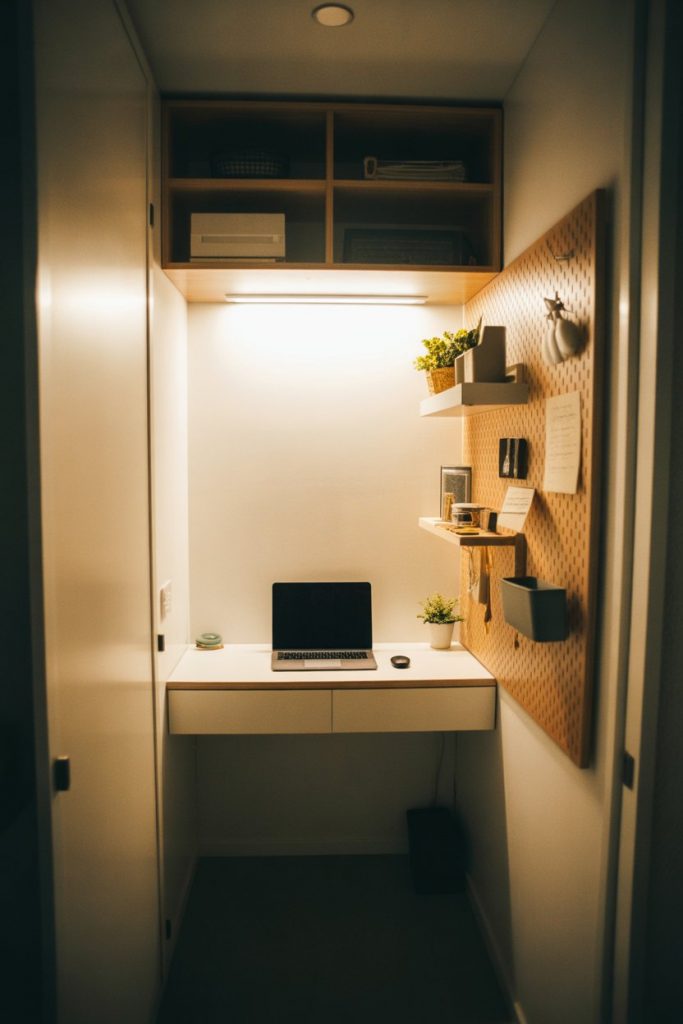
Transforming a closet into a DIY office is a smart solution for small apartments or homes without dedicated office space. Remove the closet doors, install a narrow desk or floating shelf, and add task lighting above. Use the existing closet walls for pegboards or shelving to maximize vertical storage. This is especially popular in urban areas where every square foot counts, and it allows you to close off your workspace at the end of the day.
Closet offices work best when you can maintain good posture—measure carefully to ensure your desk height allows for ergonomic seating. In cities like New York, San Francisco, and Boston, where space is limited, this approach has become increasingly common. One homeowner noted that she added a curtain rod to close off the space visually when not in use, which helped her mentally separate work from home life.
20. Japandi Office Blending Japanese and Scandinavian Styles
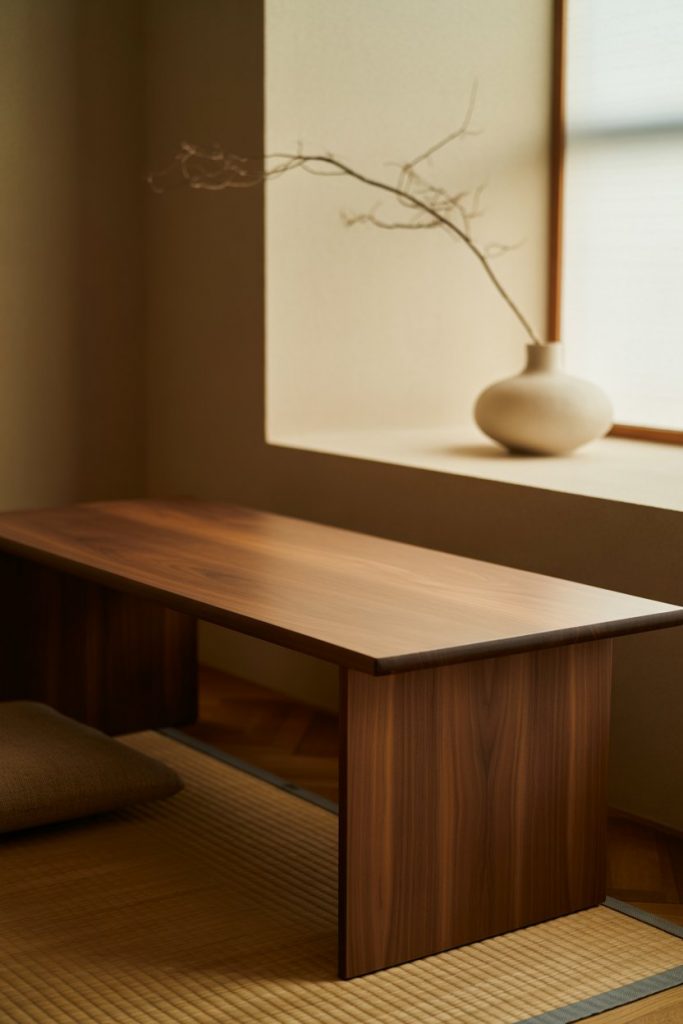
Japandi design combines Japanese minimalism with Scandinavian warmth, resulting in a workspace that feels serene and purposeful. Choose low-profile furniture in natural woods, incorporate handmade ceramics, and keep decor sparse but meaningful. A tatami mat under your desk or a shoji-inspired room divider can add subtle cultural references without feeling forced. This aesthetic appeals to those who value mindfulness and simplicity in their work environment.
This style is especially popular on the West Coast, where Japanese design influence is strong. One common mistake is adding too many decorative elements, which dilutes the minimalist intention. In Japandi spaces, every item should serve a purpose or bring joy—if it doesn’t, leave it out.
21. Layered Lighting for Functionality and Ambiance
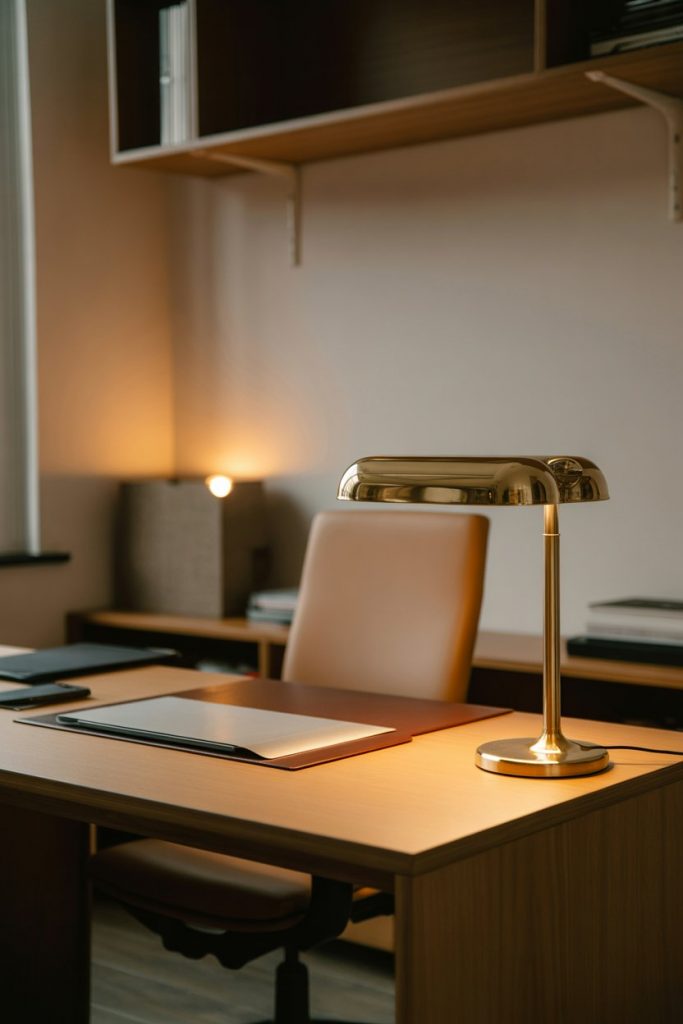
Good lighting is one of the most important—and most overlooked—elements of office design. Combine overhead lighting with task lamps and ambient floor or shelf lights to create a layered effect. Choose warm LED bulbs to reduce eye strain, and position your desk lamp to eliminate screen glare. This approach works for any business setup, whether you’re in a cubicle or a home office.
Lighting makes a dramatic difference in how a space feels and how productive you are in it. In windowless offices or basements, layered lighting is essential to avoid the dreary, cave-like atmosphere that overhead fluorescents create. An interior designer once noted that most people underlight their offices—don’t be afraid to add an extra lamp if your space feels dim.
22. Personal Touches That Make It Yours
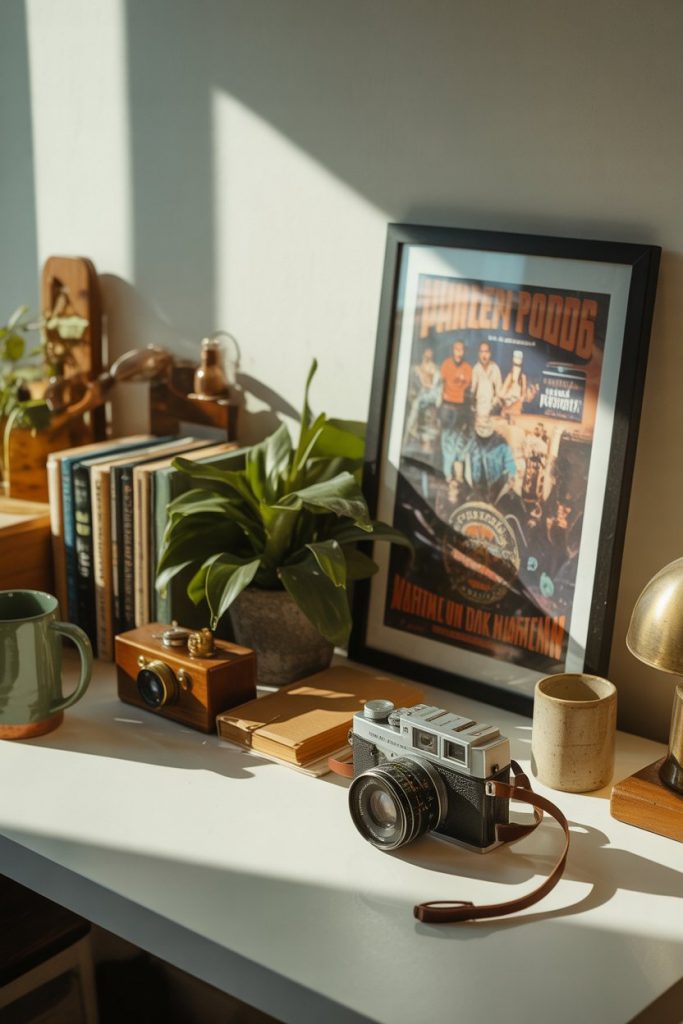
The most successful offices are those that reflect the person working in them. Whether it’s a framed concert poster, a vintage typewriter, a collection of plants, or a pink velvet chair, the details matter. Don’t be afraid to break the rules and bring in items that make you happy, even if they don’t fit a specific design aesthetic. A workspace that feels authentically yours will always be more inspiring than one that’s perfectly styled but impersonal.
This is where real life happens. A writer once shared that she keeps a small dish of her grandmother’s buttons on her desk—it has nothing to do with work, but it grounds her. Those kinds of personal anchors make a workspace feel less like a set and more like a place where real work and real life intersect.
Conclusion
Your office should be a place where you actually want to spend time. Try one or two of these ideas, share your results in the comments, and let us know what’s working in your space. The best offices aren’t the ones that look perfect—they’re the ones that feel right.