Modern bathroom decoration in 2026 is all about blending timeless design with fresh, personal touches that reflect how we actually live. Americans are searching Pinterest for bathroom ideas that feel calm, stylish, and effortlessly functional—spaces that work for busy mornings and quiet evenings alike. Whether you’re drawn to clean-lined minimalism, warm organic textures, or bold statement moments, this year’s trends offer something for every style and budget. From small powder rooms to spacious master baths, the focus is on creating bathrooms that don’t just look beautiful but truly enhance your daily routine. Here are inspiring ideas to help you transform your space.
1. Warm Minimalist Organic Retreat
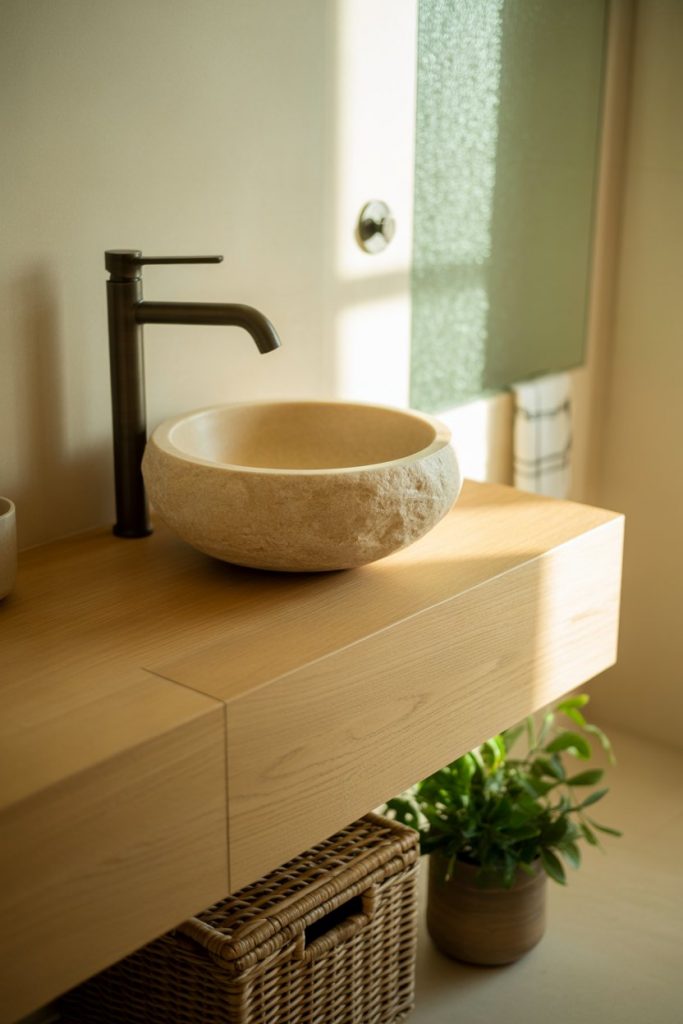
This approach pairs modern restraint with organic warmth, using natural wood vanities, stone vessel sinks, and soft linen textures. It’s ideal for homeowners who want a spa-like feel without the cold, sterile vibe that minimalism can sometimes bring. Think honey-toned oak floating shelves, matte black fixtures, and a single sculptural plant. The palette stays neutral—cream, beige, warm gray—so the materials themselves become the focal point. 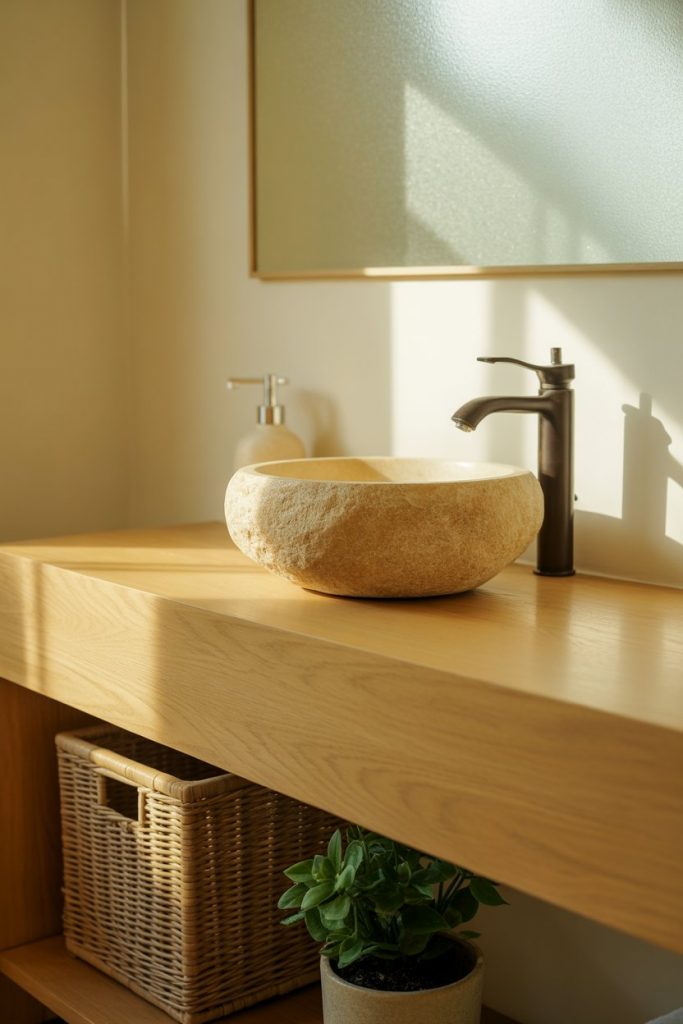
This style works particularly well in suburban homes and modern condos where natural light is abundant. Pair it with underfloor heating and you’ve got a space that feels indulgent year-round. The key is restraint—every element should earn its place. A common mistake is overloading with too many textures; stick to two or three natural materials and let them shine.
2. Bold Black Statement Walls
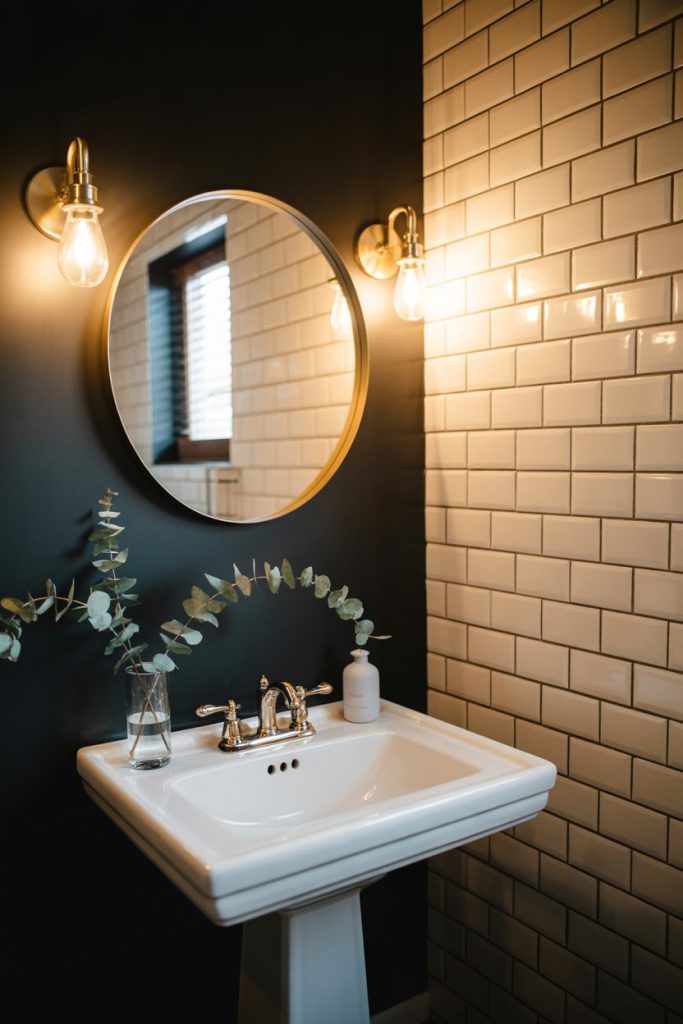
Painting one or more walls in deep black creates instant drama and sophistication. This modern bathroom decoration trend works surprisingly well in smaller spaces, where the dark hue adds depth rather than shrinking the room. Pair it with brass or gold fixtures, white marble countertops, and plenty of warm lighting to keep the space from feeling cave-like. The contrast is striking and very Instagram-worthy. 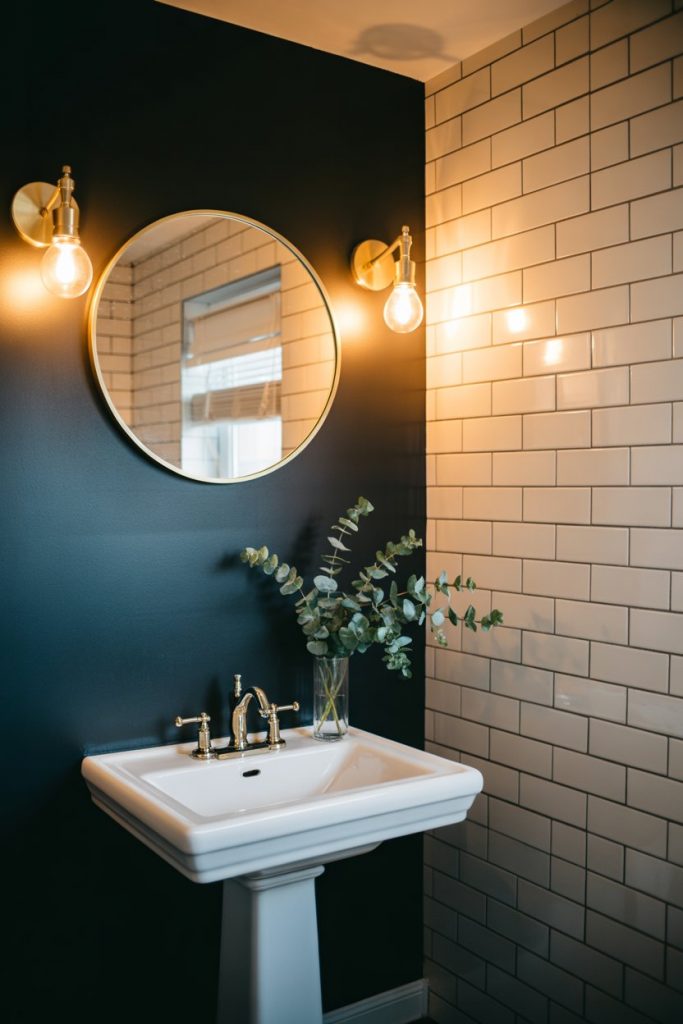
Black walls are particularly popular in urban apartments and loft-style homes where industrial edges are celebrated. They photograph beautifully, which explains their popularity on Pinterest. Just make sure your lighting is layered—overhead, task, and accent—to prevent shadows from overwhelming the space. Budget-conscious renovators love this trick because a gallon of paint delivers maximum impact for minimal cost.
3. Midcentury Modern Wood Accents

The midcentury aesthetic continues to thrive, characterized by teak vanities, geometric tile patterns, and tapered wooden legs on furniture. In bathrooms, this translates to warm walnut cabinetry, round mirrors with thin brass frames, and playful pops of mustard yellow or burnt orange in towels and accessories. It’s a nostalgic yet timeless look that appeals to design lovers across generations. 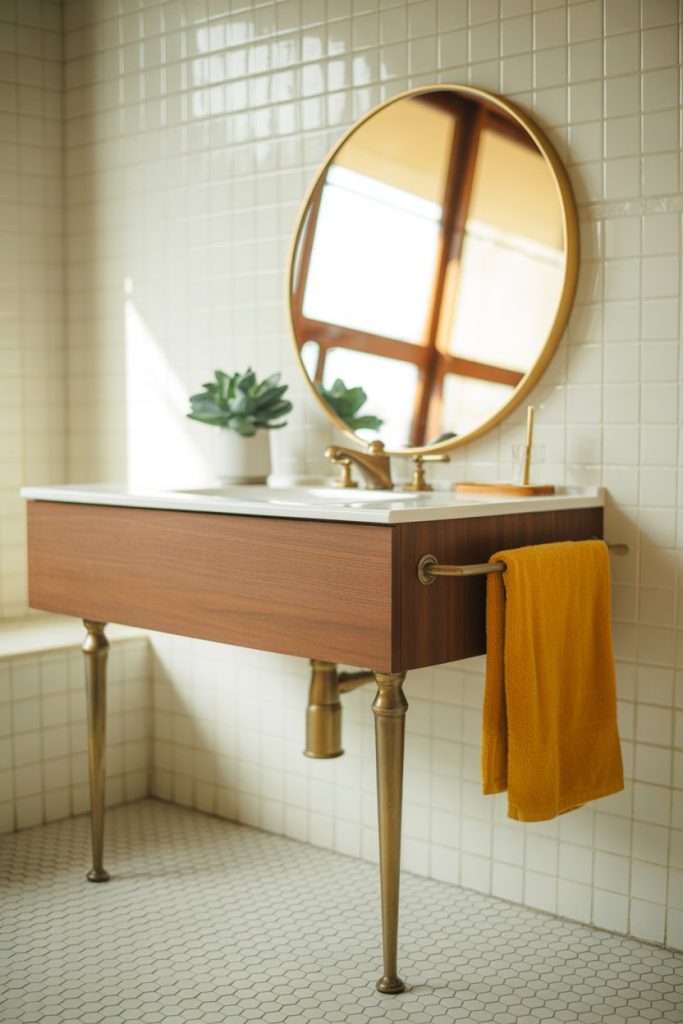
Where it works best: homes built in the 1950s–70s undergoing authentic restorations, or newer builds aiming for that Mad Men charm. The beauty of midcentury design is its flexibility—you can go full vintage or just sprinkle in a few key pieces. Avoid mixing too many eras; stick to the midcentury palette and silhouettes for a cohesive look.
4. Coastal Calm with Soft Blues
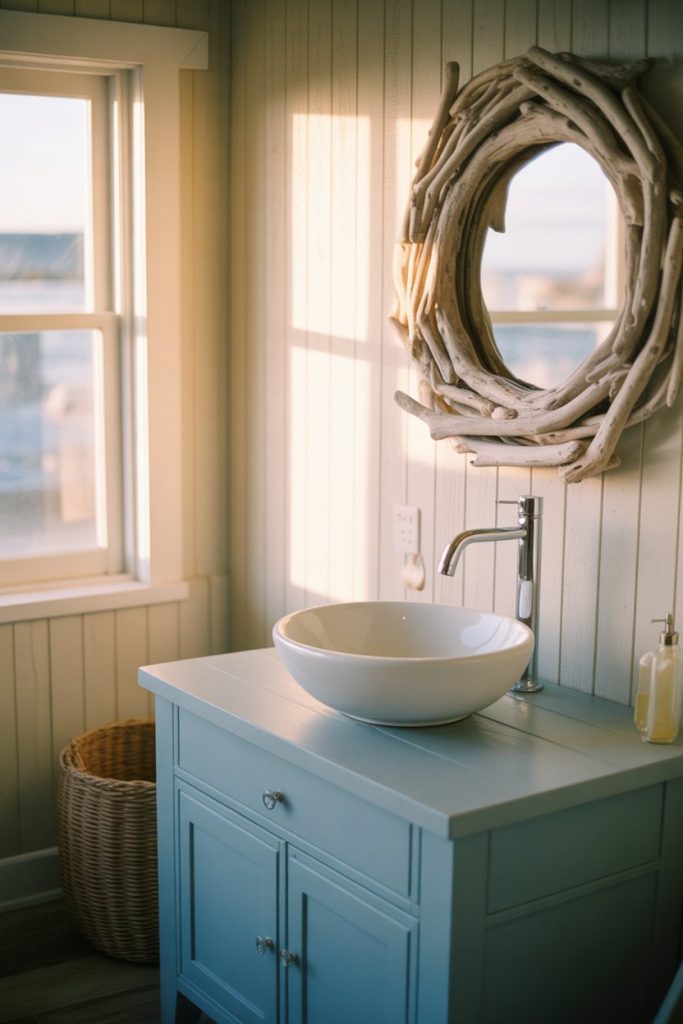
A coastal bathroom brings beachy tranquility indoors with soft blues, sandy beiges, and natural rope or driftwood details. Think whitewashed shiplap walls, sea glass-inspired tiles, and airy cotton curtains. This style is especially loved in coastal states—California, Florida, the Carolinas—but works anywhere you want to evoke vacation vibes. The goal is effortless relaxation. 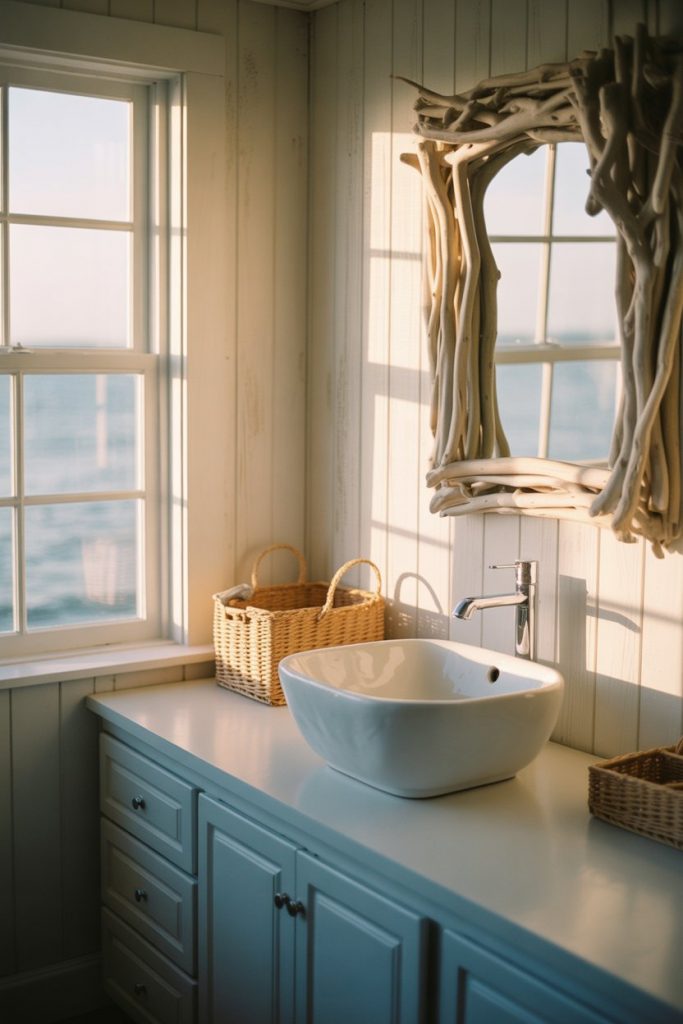
Many homeowners choose coastal style because it feels inherently clean and optimistic. It’s also forgiving—imperfections in paint or wood feel intentional rather than sloppy. A practical insight: use semi-gloss or satin finishes on coastal-painted surfaces to handle humidity better. And don’t overdo the nautical motifs; a single rope detail or shell accent is plenty.
5. Earthy Terracotta and Clay Tones
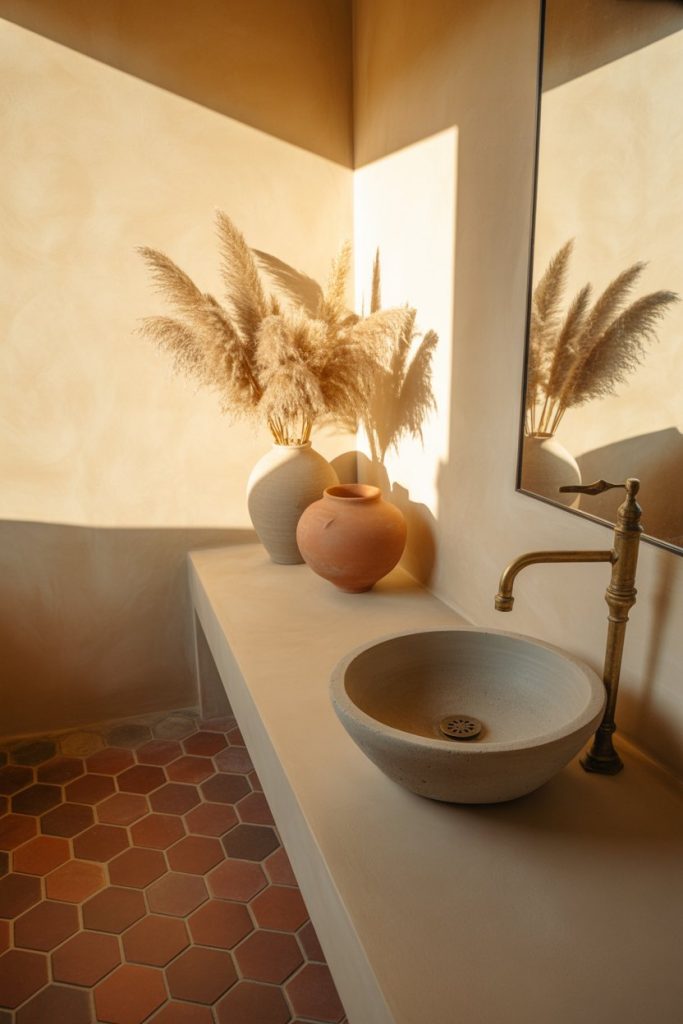
Warm earthy tones—terracotta, rust, clay, ochre—are having a major moment in bathroom design. These hues bring grounding warmth and pair beautifully with natural stone, concrete, and aged brass. Consider terracotta floor tiles, a rust-colored accent wall, or clay pottery holding bath salts. This palette feels both ancient and contemporary, connecting us to natural landscapes. 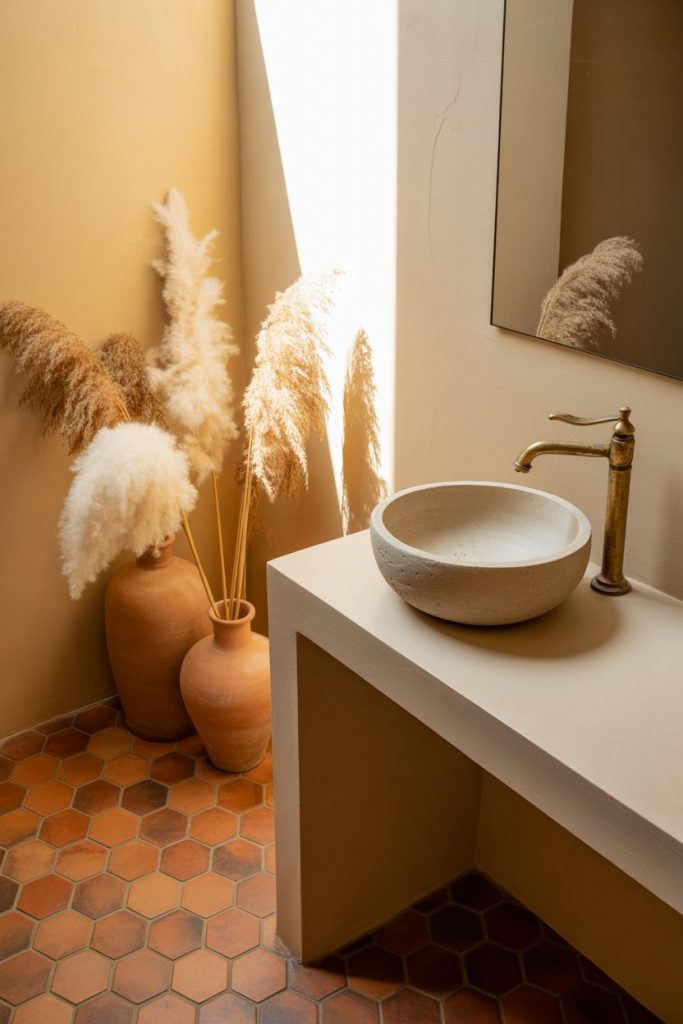
This trend resonates strongly in the Southwest—Arizona, New Mexico, Southern California—where desert aesthetics are part of the cultural fabric. But it’s spreading nationwide as people seek warmth and authenticity. One common mistake is pairing these tones with cool grays or stark whites; instead, lean into warm neutrals like cream, sand, and caramel for a harmonious look.
6. Simple White and Wood Serenity
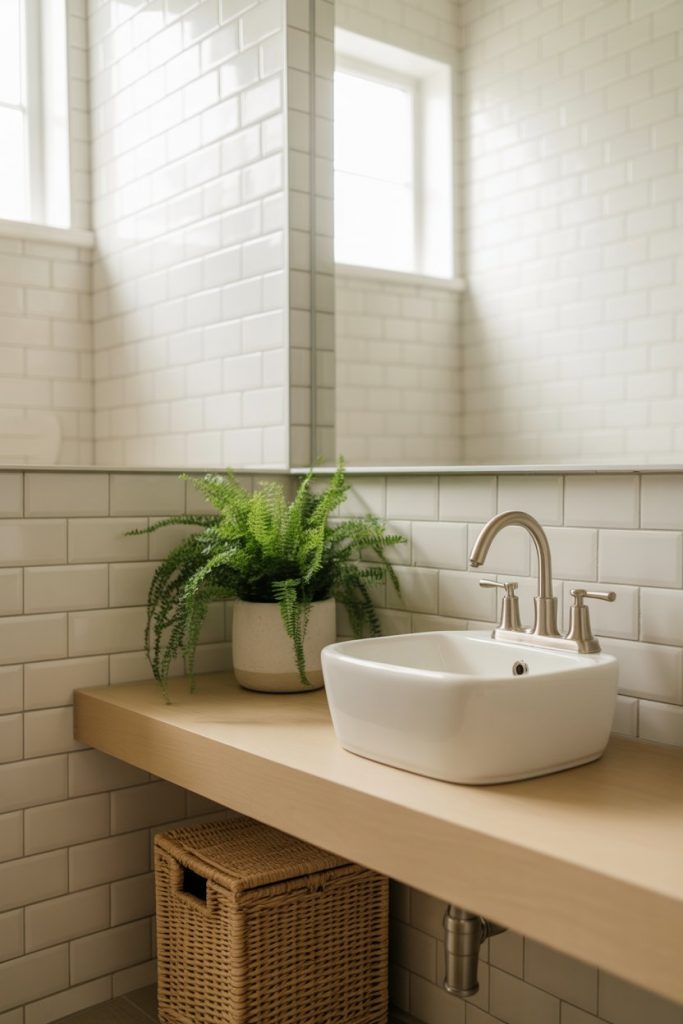
Sometimes simple is exactly what’s needed. A crisp white bathroom with light wood accents—blonde oak, birch, or maple—creates a clean, serene backdrop that never goes out of style. White subway tiles, a pale wood vanity, and brushed nickel fixtures form the foundation. Add texture through woven baskets, linen towels, and a single green plant. It’s universally appealing and easy to maintain. 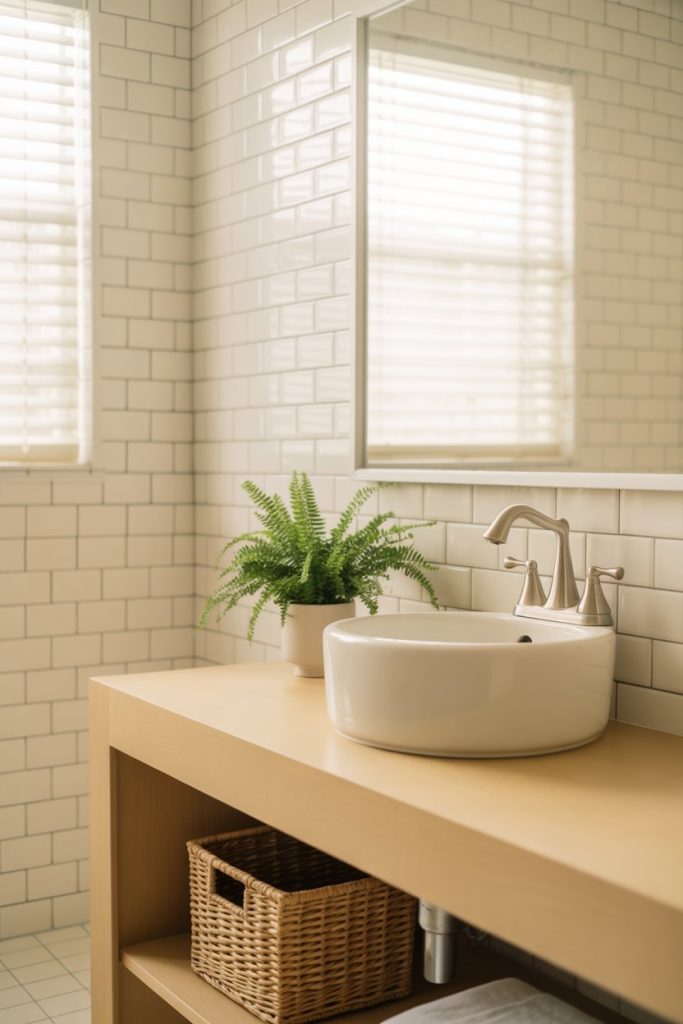
Real homeowner behavior: people who choose this style often update it seasonally with small swaps—different towels, candles, or artwork—keeping the space feeling fresh without major renovations. It’s a smart strategy for renters or anyone planning to sell soon, since the neutral palette appeals to nearly everyone. Budget-friendly and timeless, this is a safe bet that still feels current.
7. Boho Layered Textures
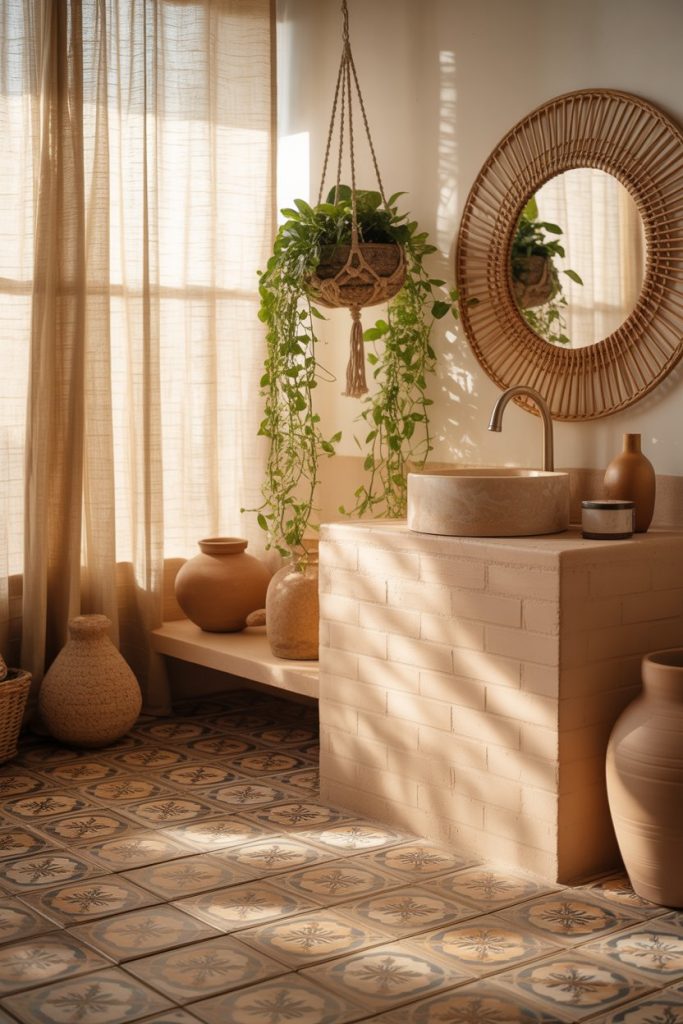
A boho bathroom embraces layered textures, patterns, and global-inspired details. Think macramé wall hangings, patterned cement tiles, rattan mirrors, and lots of greenery. The vibe is eclectic and personal, reflecting travel and collected treasures. Colors are warm and varied—terracotta, mustard, sage green, dusty pink. It’s perfect for free spirits who reject rigid design rules. 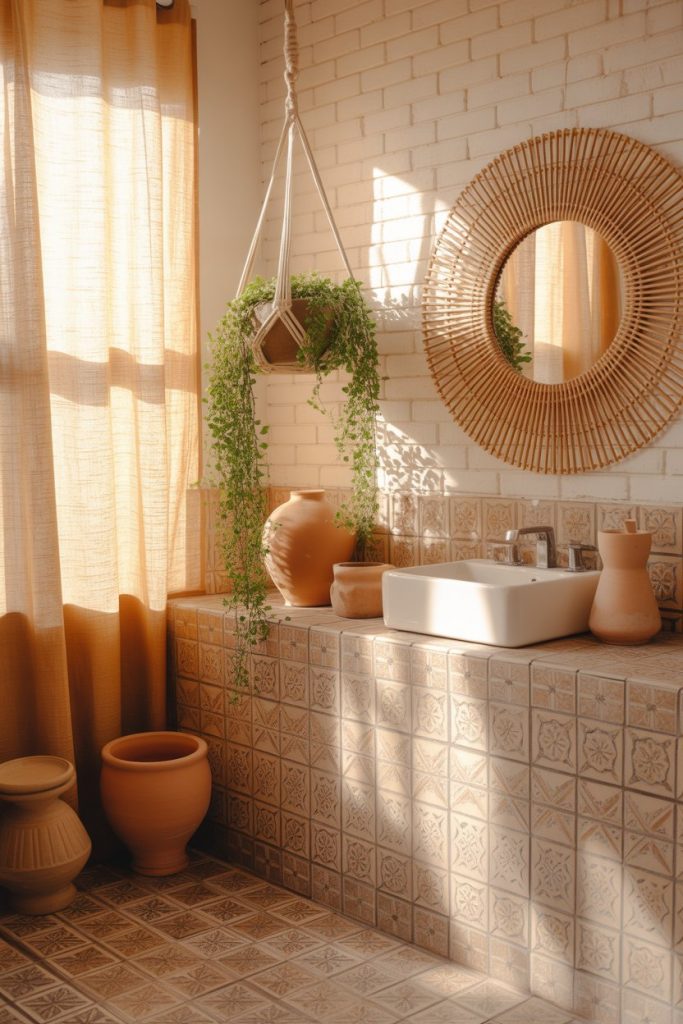
Where it works best: apartments and homes where personality matters more than resale value, or spaces where you want the bathroom to feel like an extension of a well-traveled life. The challenge is avoiding clutter; curate carefully and give each piece room to breathe. A micro anecdote: one designer friend swears by the “rule of odd numbers”—grouping accessories in threes or fives creates visual harmony without overthinking.
8. Vintage Pastel Charm
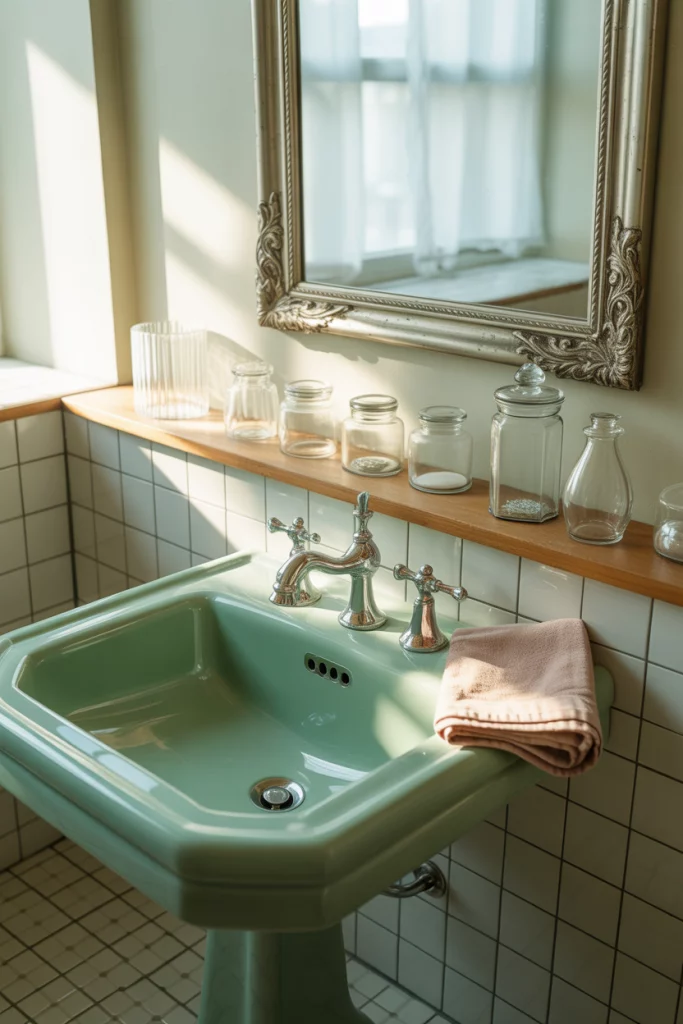
Soft vintage pastels—mint green, blush pink, powder blue—are making a comeback, especially in homes with original 1920s–50s fixtures. If you’re lucky enough to have a pink or blue vintage tub, celebrate it rather than replace it. Pair with white hexagon floor tiles, chrome fixtures, and vintage-inspired mirrors. The result is nostalgic, sweet, and surprisingly sophisticated when styled with restraint. 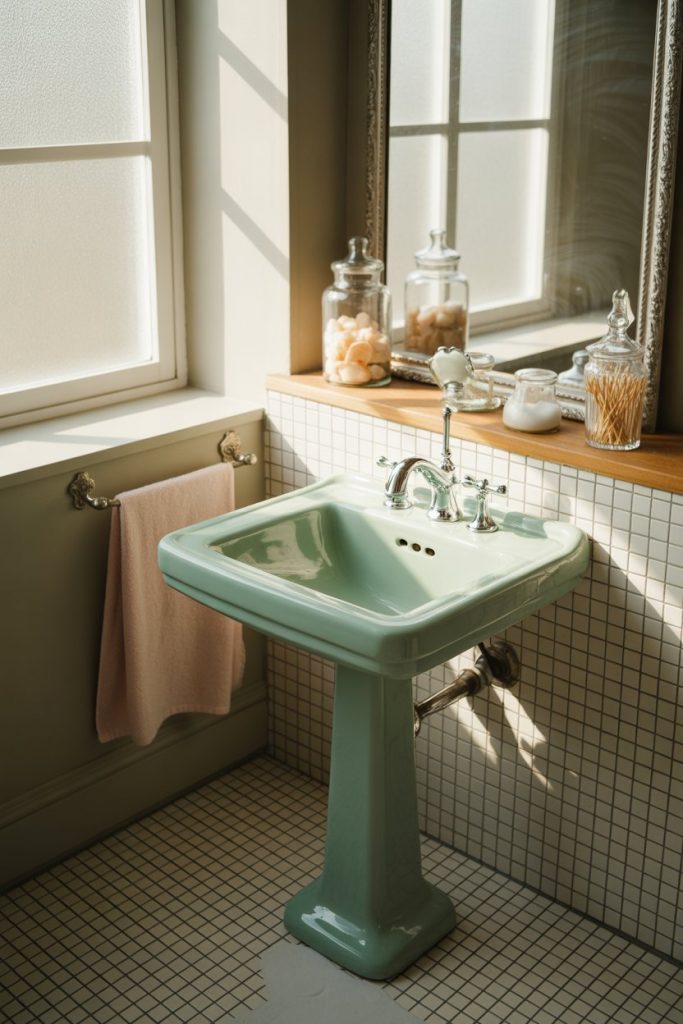
Vintage bathrooms are having a Pinterest moment as people embrace character over sterile perfection. Expert-style commentary: if your fixtures are dated but not vintage-charming (think builder-grade almond from the 90s), paint or replace them—not everything old is worth keeping. But true vintage pieces in good condition are irreplaceable and add instant personality.
9. Black and White Graphic Contrast

Black and white remains a classic, but 2026 interpretations lean graphic and bold. Think large-format black tiles with white grout, zebra-striped accent walls (via paint or wallpaper), or a checkerboard floor. Add matte black fixtures and white porcelain for high contrast. The look is clean, timeless, and endlessly versatile—you can shift the mood with accessories alone. 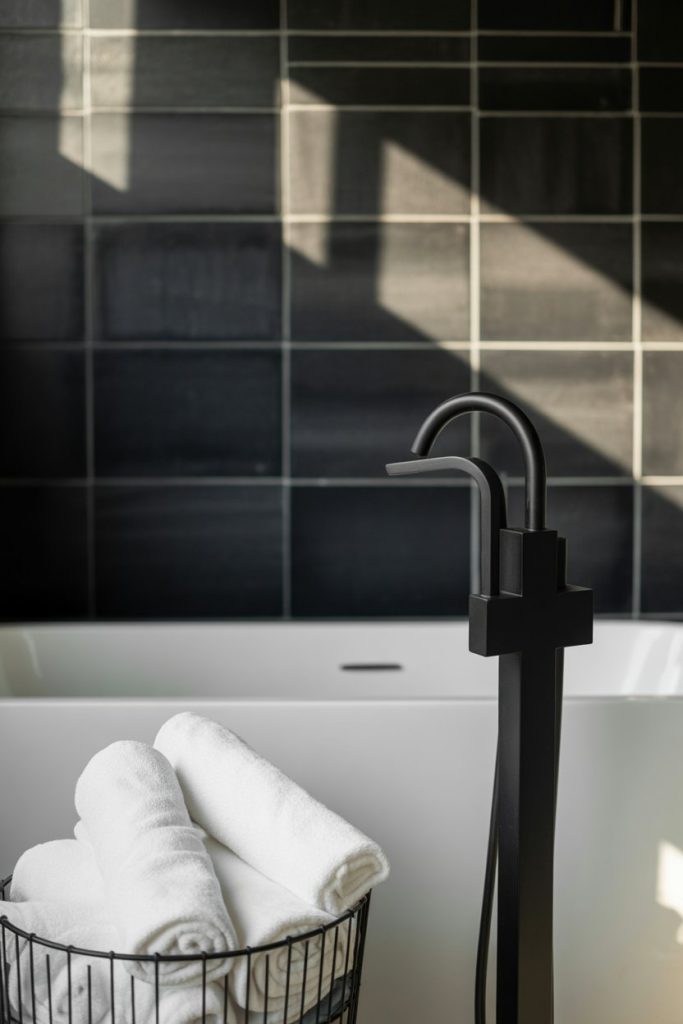
This scheme works beautifully in both small powder rooms (where the contrast adds energy) and spacious master baths (where it creates architectural drama). A common mistake is forgetting to warm it up—add wood tones, brass accents, or soft textiles to prevent the space from feeling too stark. Price angle: black and white tiles are widely available at every price point, making this look accessible for any budget.
10. Luxury Marble and Brass
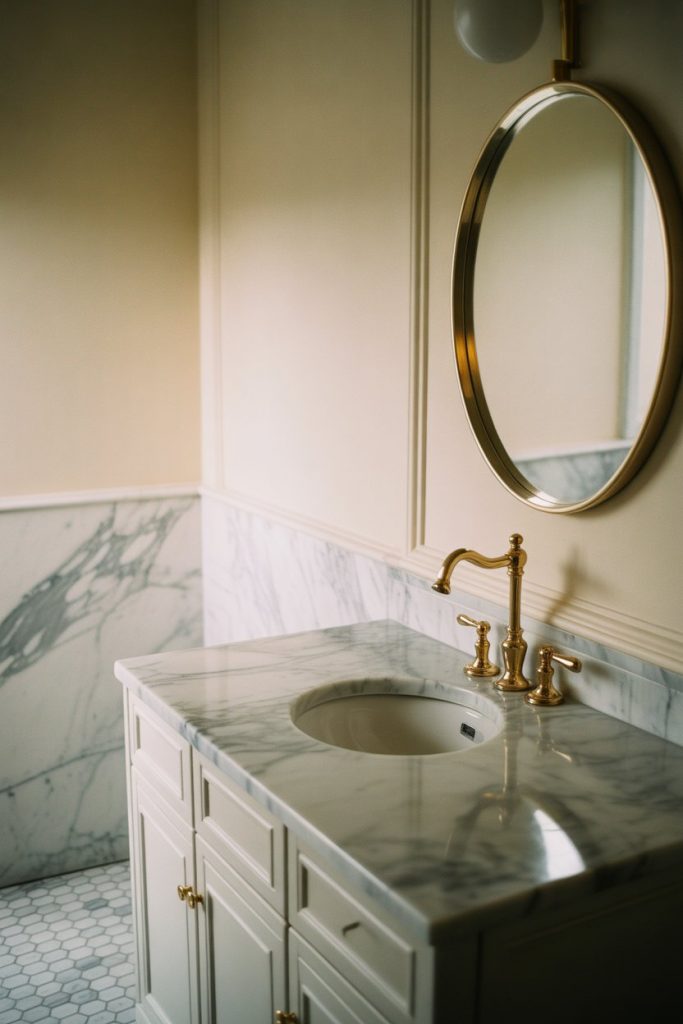
For a truly luxury feel, nothing beats the combination of white or gray marble and warm brass fixtures. Marble slabs on walls or floors, a marble vanity top, brass faucets, brass mirror frames, and brass towel bars create an opulent yet refined aesthetic. The natural veining in marble ensures no two bathrooms look exactly alike, adding exclusivity to the design.
This style is most common in high-end urban condos and suburban master suites where homeowners are investing in forever homes. Practical insight: marble requires sealing and careful maintenance, so consider porcelain that mimics marble if you want the look with less upkeep. Pair with heated floors and a rain showerhead to complete the spa-like experience.
11. Farmhouse Shiplap and Apron Sinks
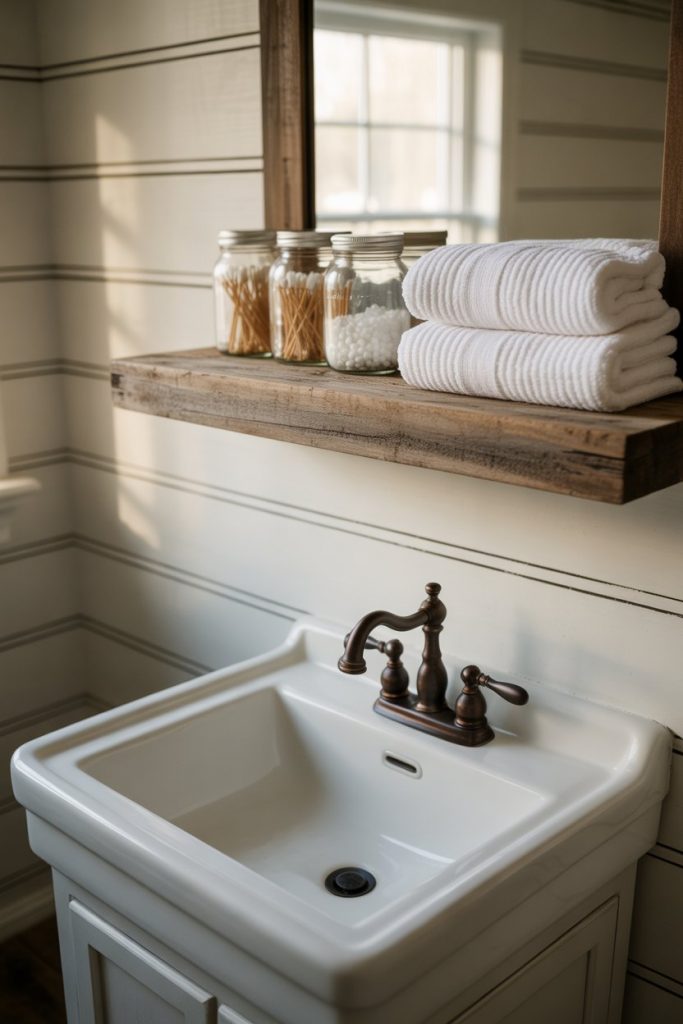
The farmhouse bathroom aesthetic remains beloved, characterized by white shiplap walls, apron-front sinks, oil-rubbed bronze fixtures, and rustic wood shelving. It’s cozy, unpretentious, and feels like home. Add vintage-inspired lighting, galvanized metal accents, and plenty of white or cream linens. This style thrives in rural areas and suburbs where modern farmhouse architecture dominates. 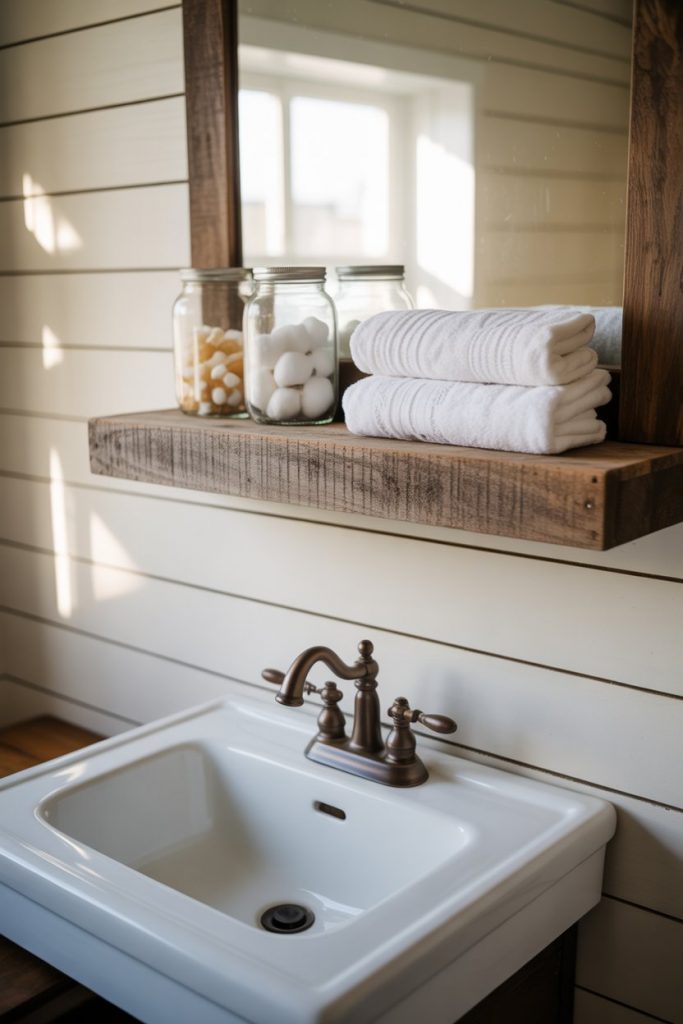
Where it works best: homes with open floor plans, exposed beams, or barn doors—spaces where farmhouse elements are already present. The key is balancing rustic and refined; too much distressed wood can feel cluttered. Real homeowner behavior: many farmhouse fans DIY their shiplap and shelving, keeping costs down while adding personal pride to the project.
12. Rustic Stone and Wood Cabin Vibes
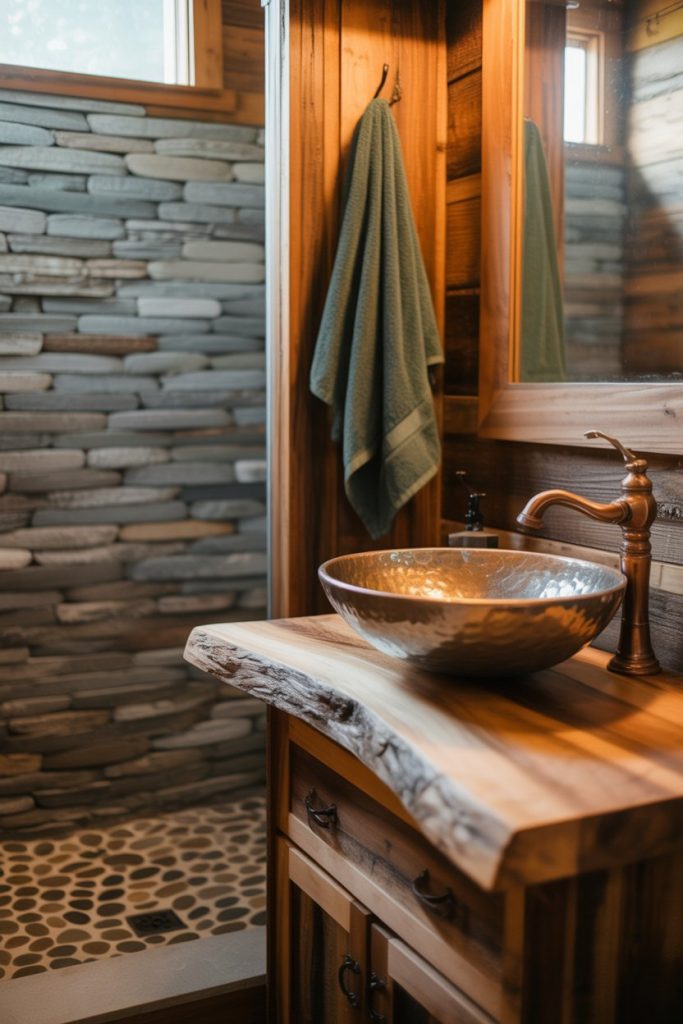
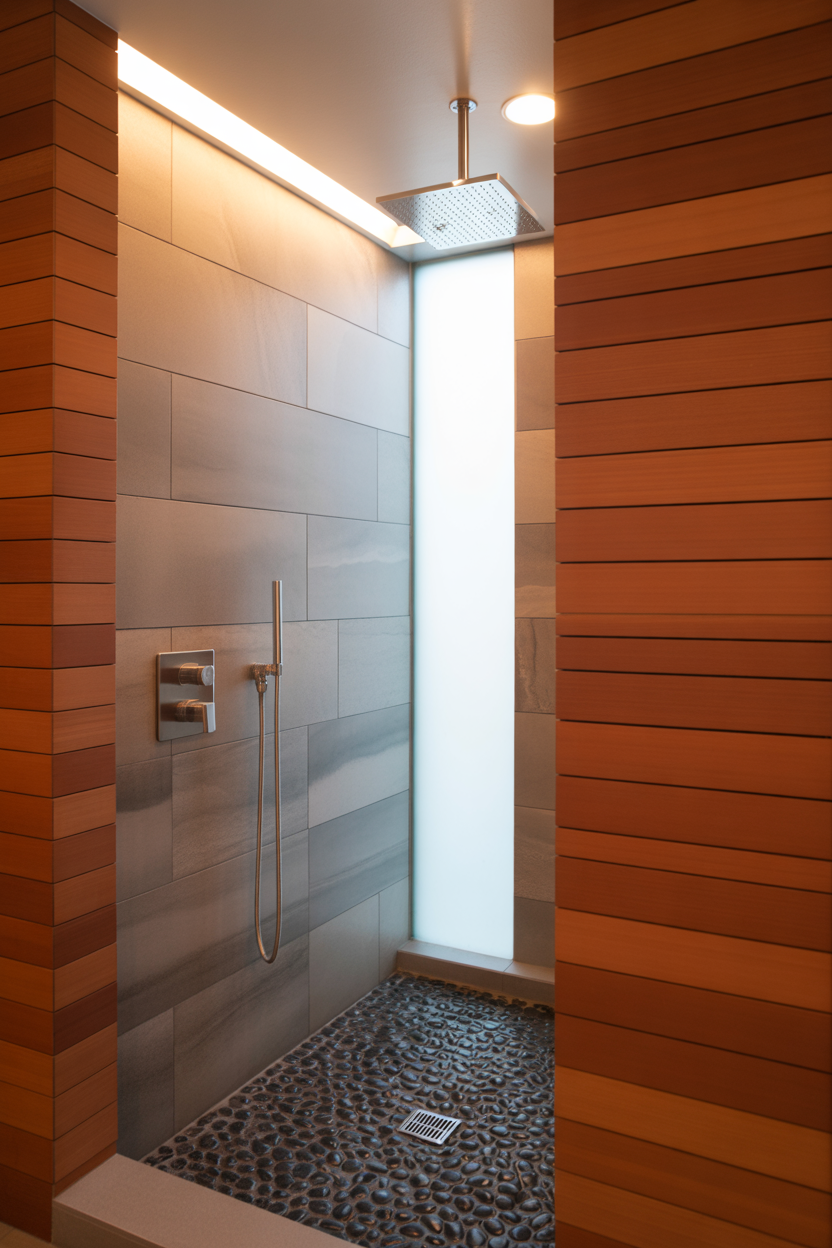
A rustic bathroom brings the outdoors in with rough-hewn wood beams, stacked stone accent walls, and natural slate or pebble flooring. Bronze or copper fixtures add warmth, and forest green or deep brown accents ground the palette. It’s perfect for mountain homes, lake cabins, or anyone craving that lodge-in-the-woods feeling. The aesthetic is rugged yet refined. 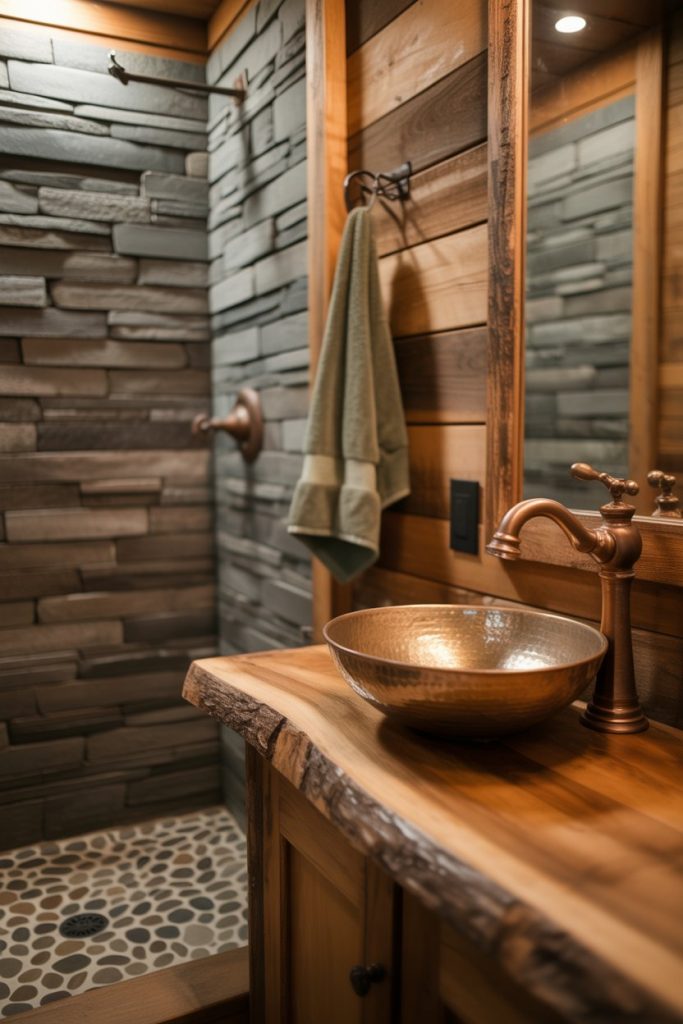
This style is most authentic in mountainous regions—Colorado, Montana, the Pacific Northwest—but rustic elements can work anywhere if styled thoughtfully. One common mistake is over-theming with antler chandeliers and too much plaid; subtlety keeps it sophisticated. Budget angle: salvaged wood and stone can often be sourced locally for less than manufactured materials, making rustic design surprisingly affordable.
13. Small Space Smart Storage Solutions
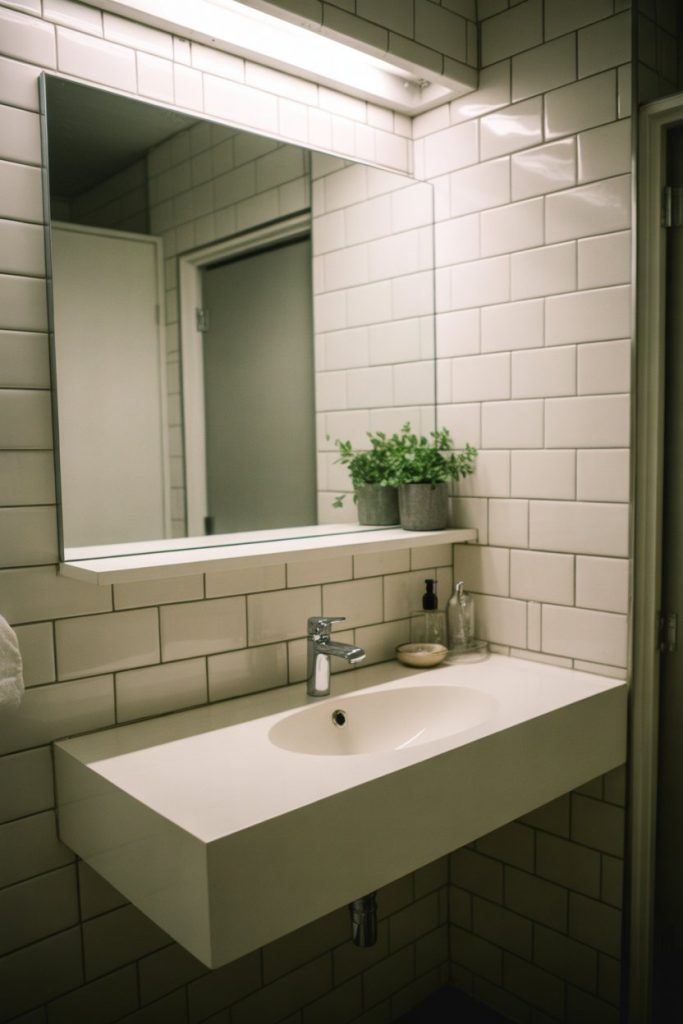
Designing for small spaces requires creativity and intention. Floating vanities create the illusion of more floor space, wall-mounted toilets do the same, and recessed medicine cabinets maximize storage without protruding. Use large mirrors to reflect light, and choose light colors to keep things airy. Every inch must work hard, but that doesn’t mean sacrificing style. 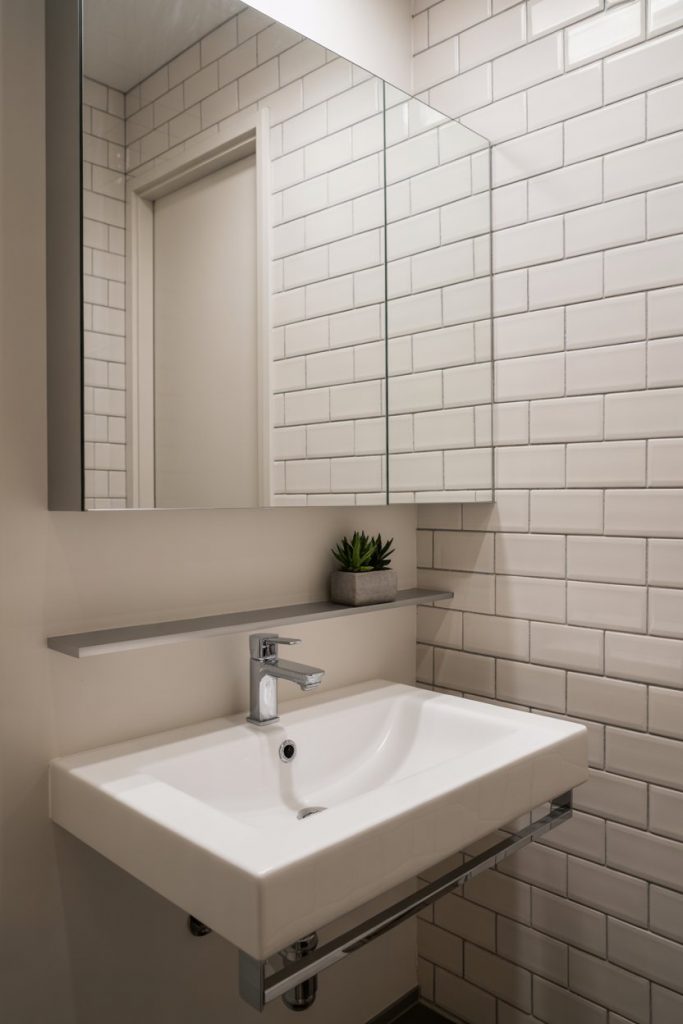
Small bathrooms are incredibly common in American apartments and older homes, making smart design essential. A practical insight: corner sinks and toilets can free up surprising amounts of space in awkward layouts. Glass shower doors (rather than curtains) also help the room feel larger. Don’t underestimate the power of good lighting—well-lit small spaces feel far more spacious.
14. Retro Mid Century Color Pops
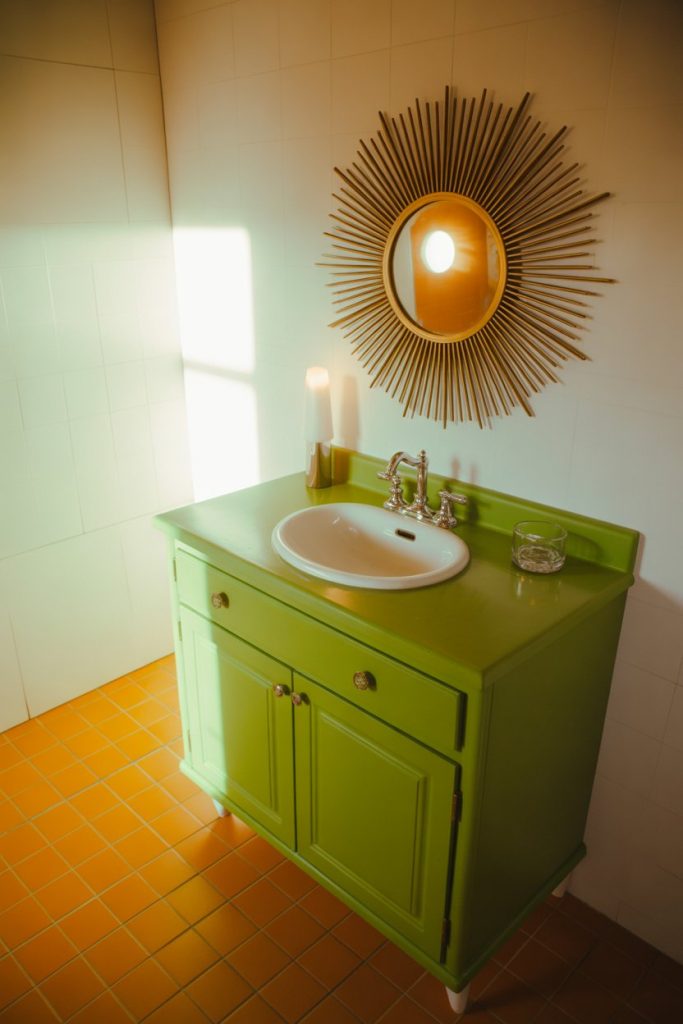
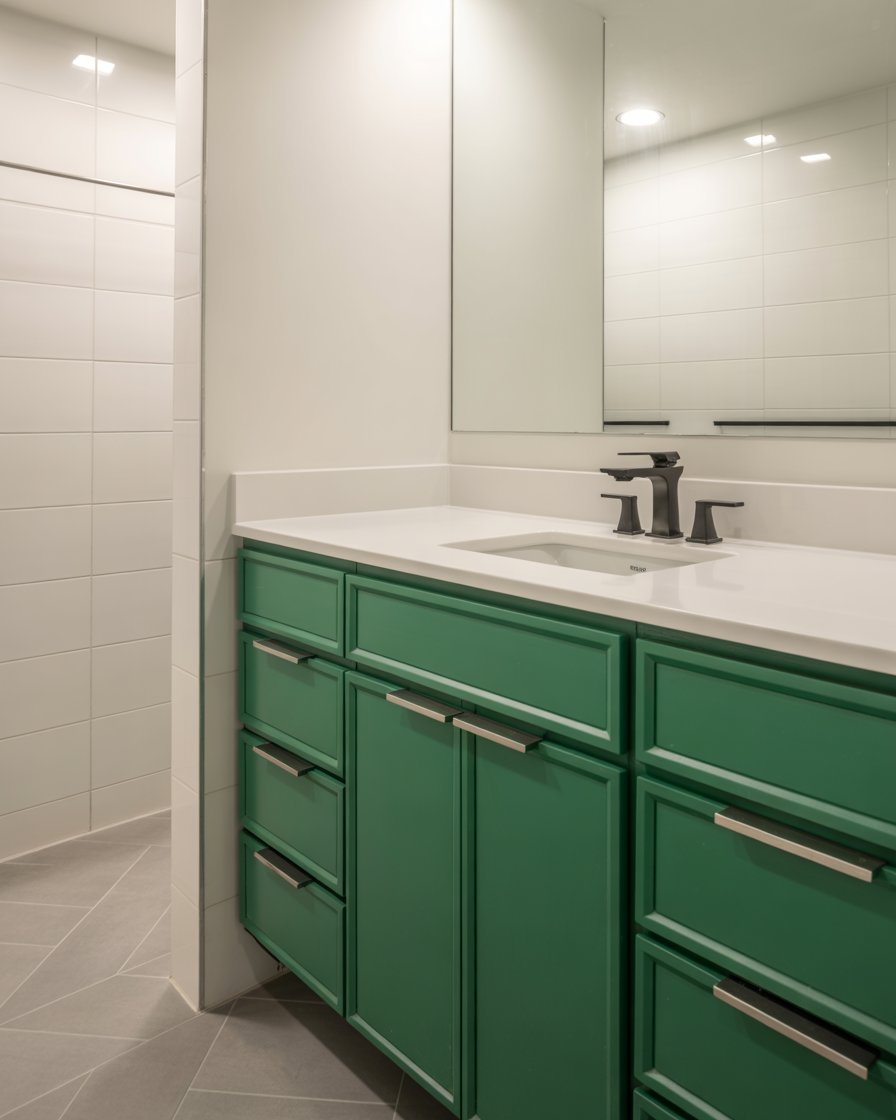
Retro mid century bathrooms embrace bold color—think avocado green vanities, burnt orange accent tiles, or a goldenrod feature wall. Pair these saturated hues with white or cream bases to keep them from overwhelming. Geometric patterns, starburst mirrors, and atomic-era light fixtures complete the time-capsule vibe. It’s playful, optimistic, and unapologetically fun. 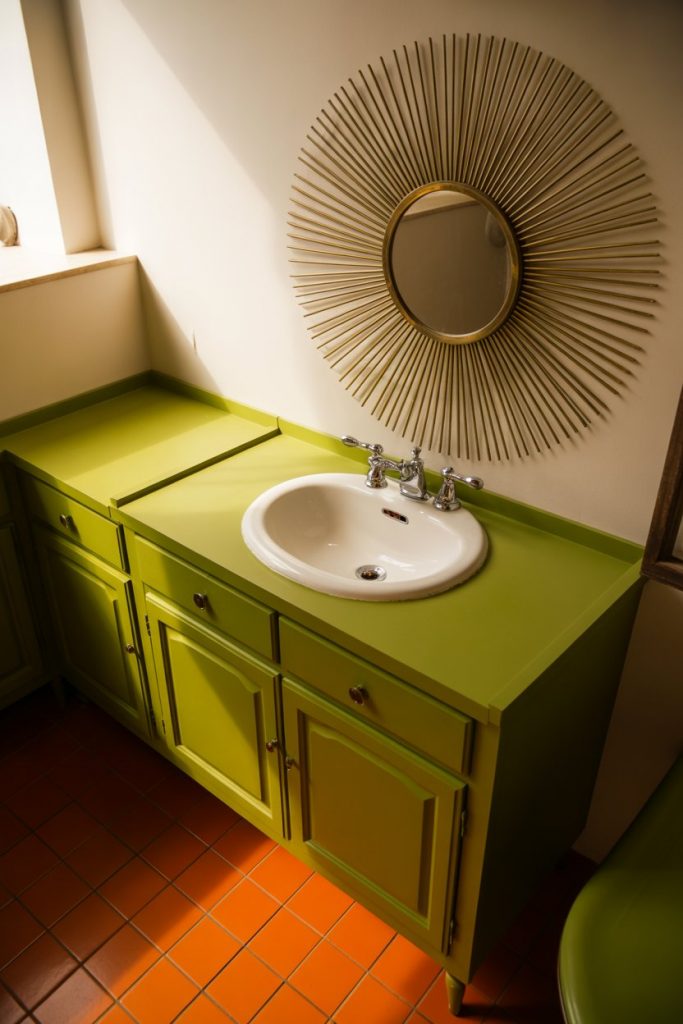
This trend is popular among design-forward homeowners willing to take risks and commit to a vision. Expert-style commentary: if you’re nervous about bold color, start with a powder room—a small, low-stakes space where you can experiment. Retro doesn’t mean tacky; quality materials and thoughtful styling elevate the look. And remember, trends cycle—what feels daring now may become classic.
15. Shower Curtains as Statement Pieces
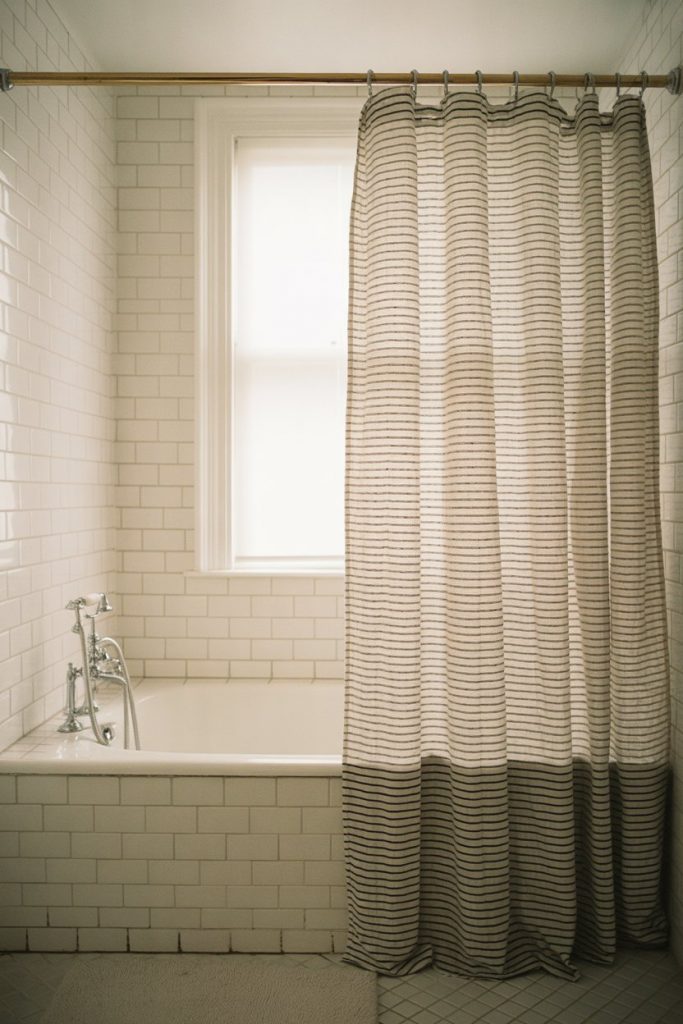
Don’t overlook the power of a great shower curtain. In 2026, these aren’t afterthoughts—they’re focal points. Look for bold patterns (stripes, florals, abstracts), rich textures (linen, waffle weave), or unexpected colors. A striking shower curtain can transform a builder-grade bathroom without any permanent changes, making it ideal for renters or commitment-phobes. It’s the easiest, most affordable update you can make. 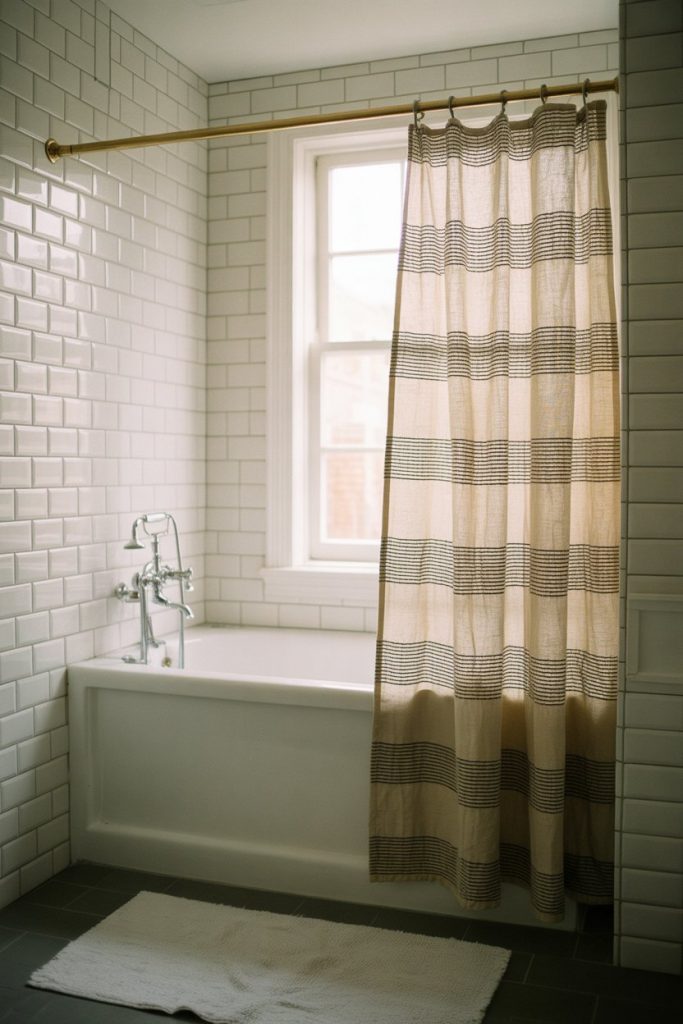
Real homeowner behavior: many people change their shower curtains seasonally, swapping in florals for spring or cozy plaids for fall. It’s a low-commitment way to refresh the space and follow your mood. Practical insight: invest in a quality liner (fabric or mildew-resistant) and wash the curtain regularly—nothing ruins a bathroom’s vibe faster than a dingy curtain.
16. Apartment-Friendly Non-Permanent Updates
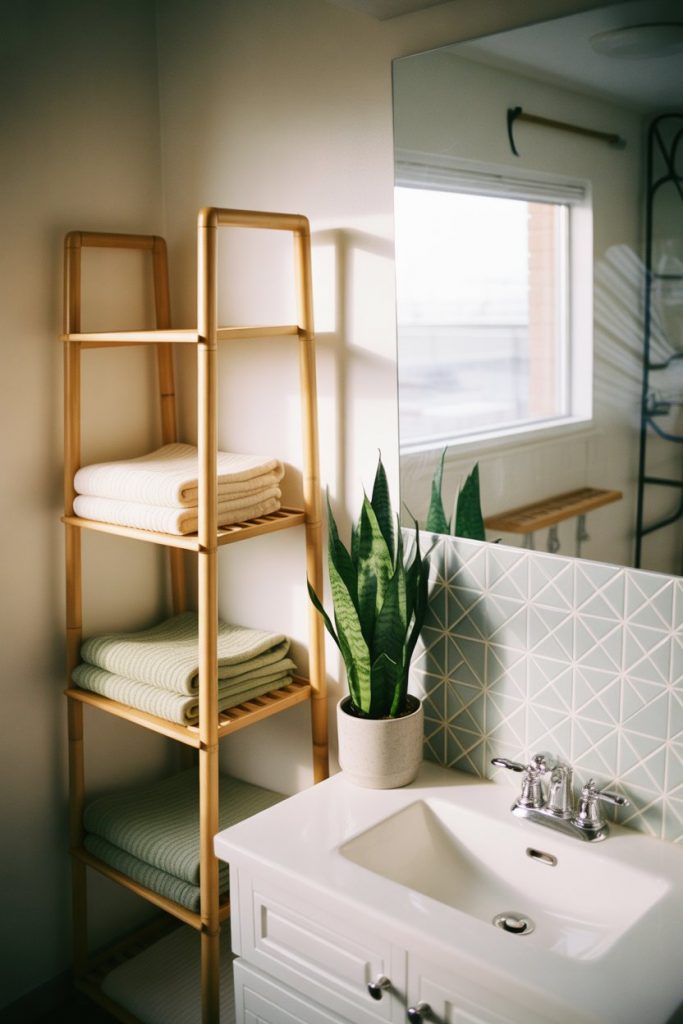
Apartment dwellers face unique constraints, but there are plenty of ways to personalize without losing your security deposit. Peel-and-stick wallpaper, removable tile decals, over-the-toilet storage, adhesive hooks, and freestanding furniture all allow you to make your mark temporarily. Focus on accessories—mirrors, artwork, plants, rugs—that travel with you. Style doesn’t require ownership. 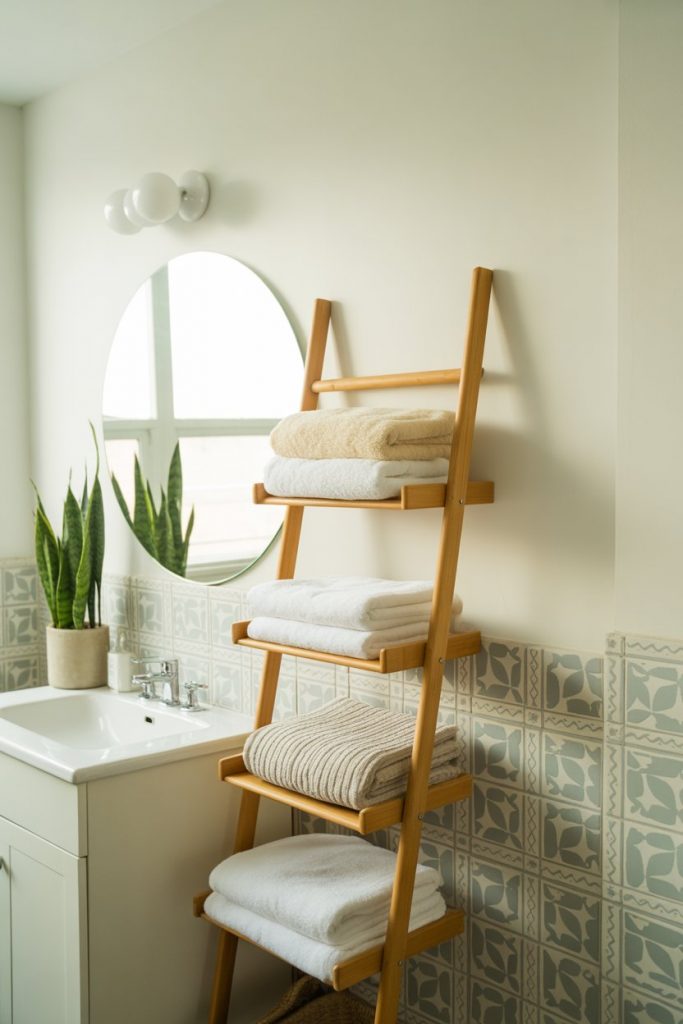
This approach is especially popular in urban areas where renting is the norm—New York, San Francisco, Chicago, Seattle. A micro anecdote: one renter I know uses command strips to hang a vintage rug as wall art—it adds color and texture without a single nail hole. Budget angle: most of these updates cost under $100 total, making them accessible even on tight budgets.
17. Inspiration from Nature’s Palette
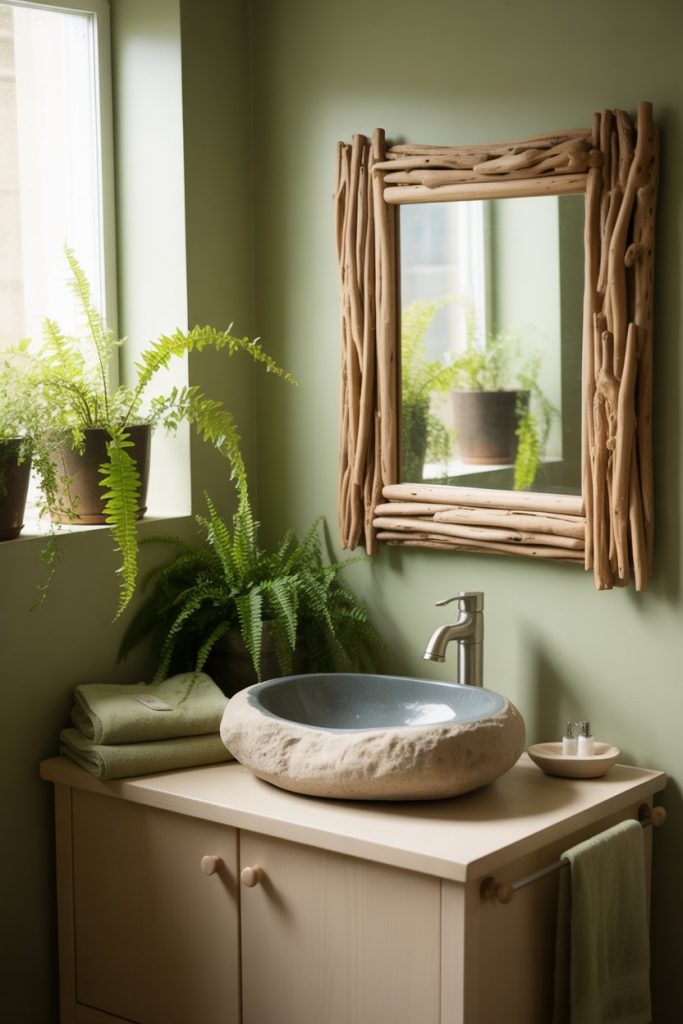
Drawing ideas inspiration directly from nature means using colors and textures found outdoors—moss green, sky blue, sandy beige, weathered gray. Natural materials like river rocks, driftwood, live-edge wood, and stone reinforce the connection. This approach creates bathrooms that feel grounding and restorative, like stepping into a forest clearing or onto a quiet beach. It’s design that nurtures. 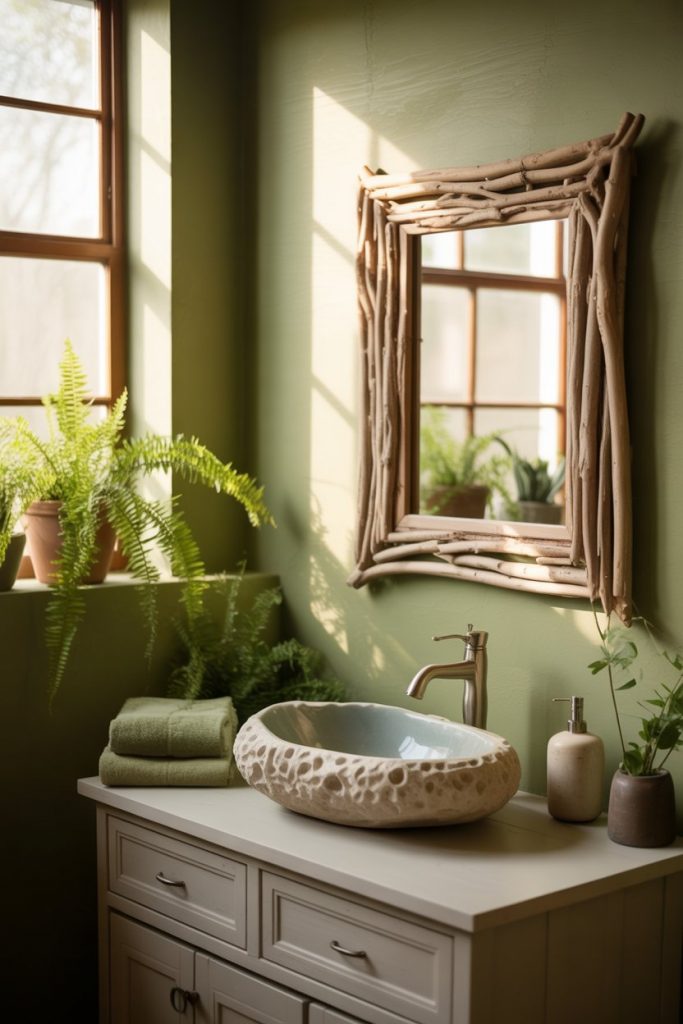
Where it works best: suburban homes with garden views, or urban spaces where residents crave a nature connection they can’t get outside. The palette is inherently calming, making it ideal for master baths meant for relaxation. Avoid artificial plants—real greenery, even low-maintenance varieties like pothos or snake plants, makes all the difference in authenticity.
18. Master Bath Interior Design Luxury
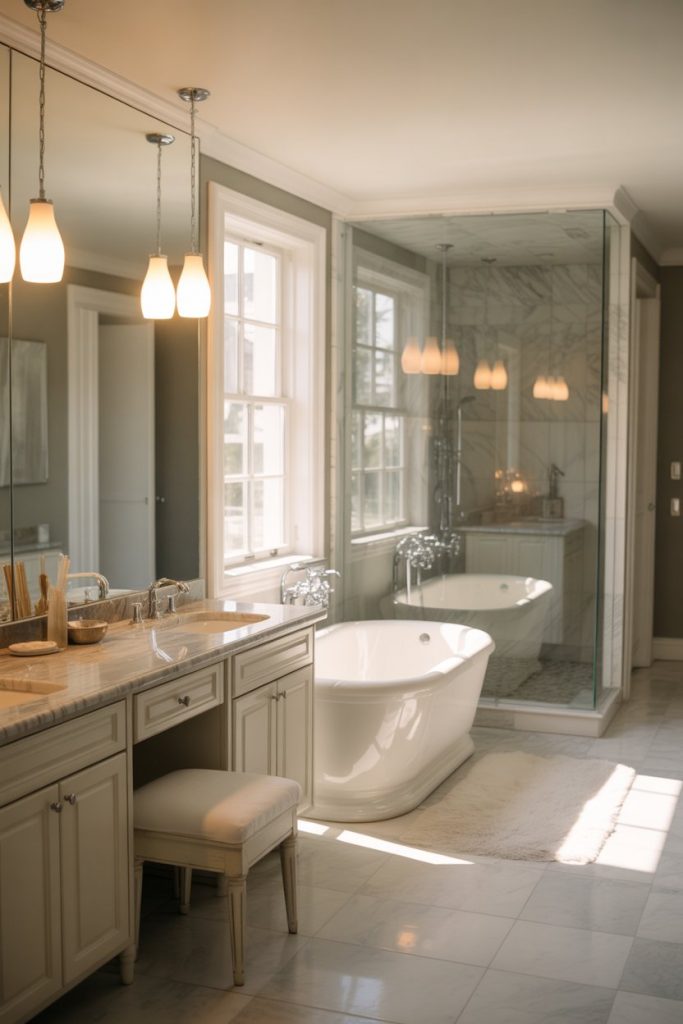
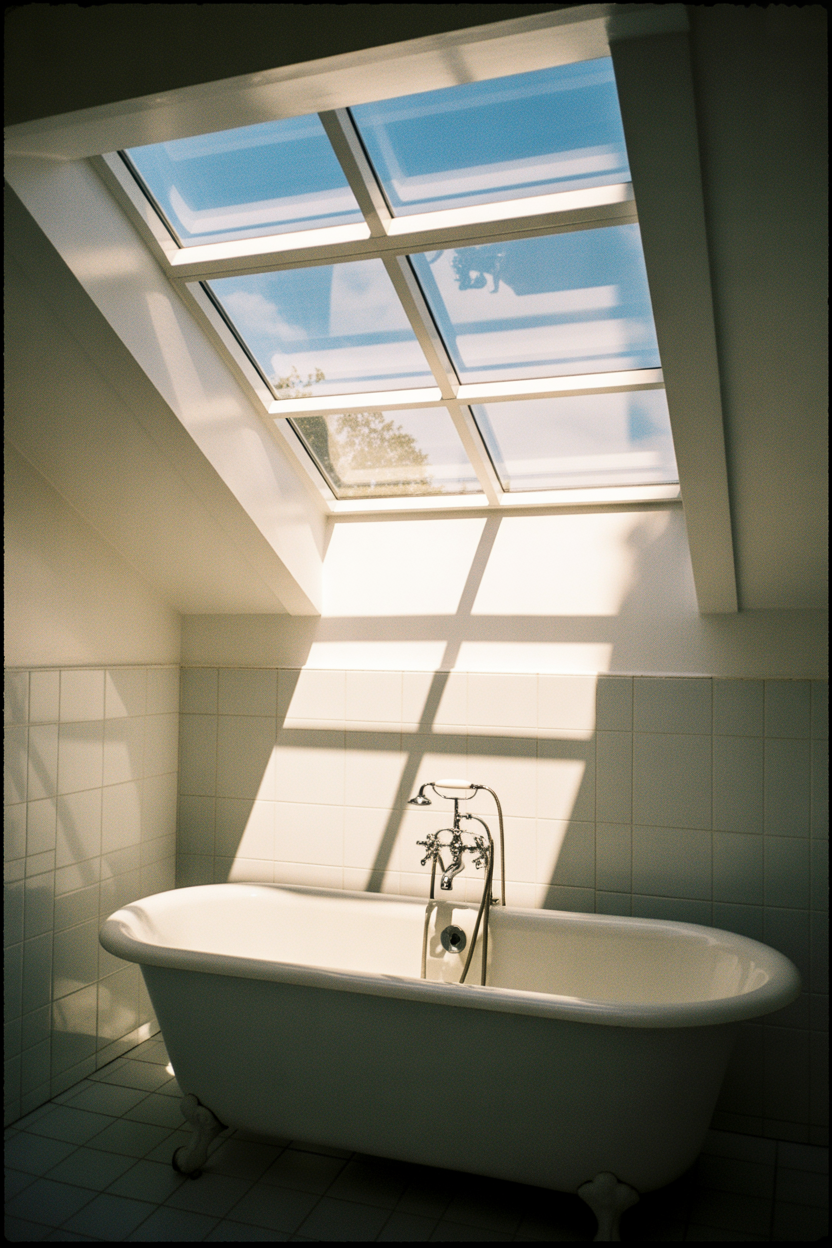
When designing an ideas interior design master bath, think about creating distinct zones—bathing, showering, grooming—each with its own lighting and purpose. A freestanding tub positioned near a window, a spacious walk-in shower with multiple showerheads, dual vanities with ample counter space, and perhaps a seating area or built-in bench. This is your private retreat, so every detail should serve relaxation and function. 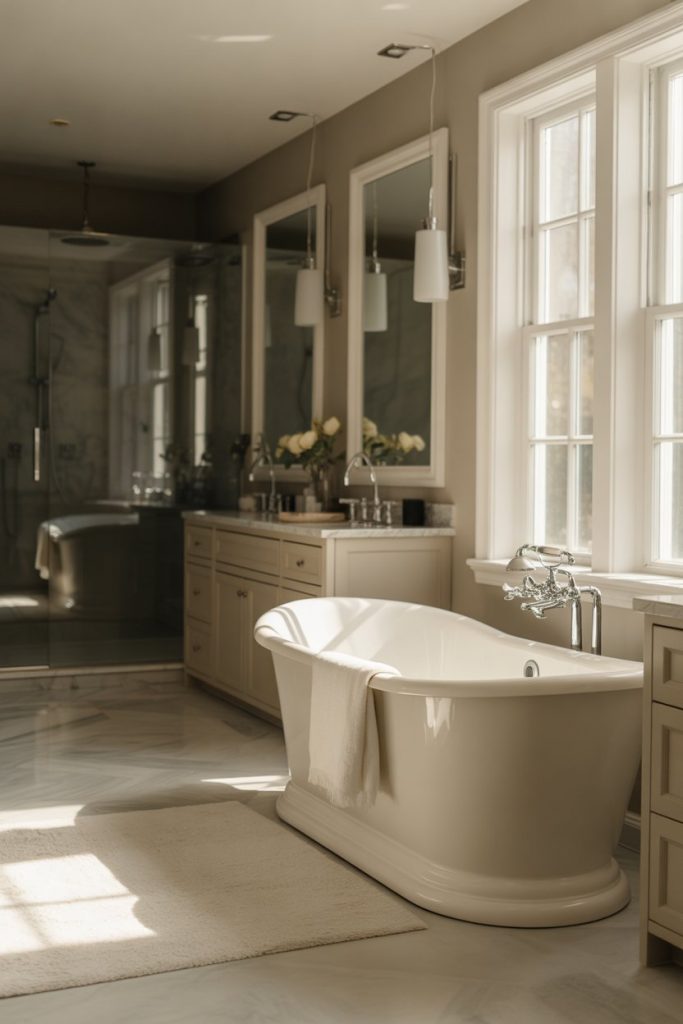
Master bath renovations are major investments, often running $15,000–$50,000 or more depending on finishes and fixtures. Practical insight: prioritize good ventilation and waterproofing—these aren’t glamorous but prevent costly damage down the line. Many homeowners splurge on a heated floor, which feels indulgent but adds real daily value, especially in colder climates.
19. Toilet Area Design Considerations
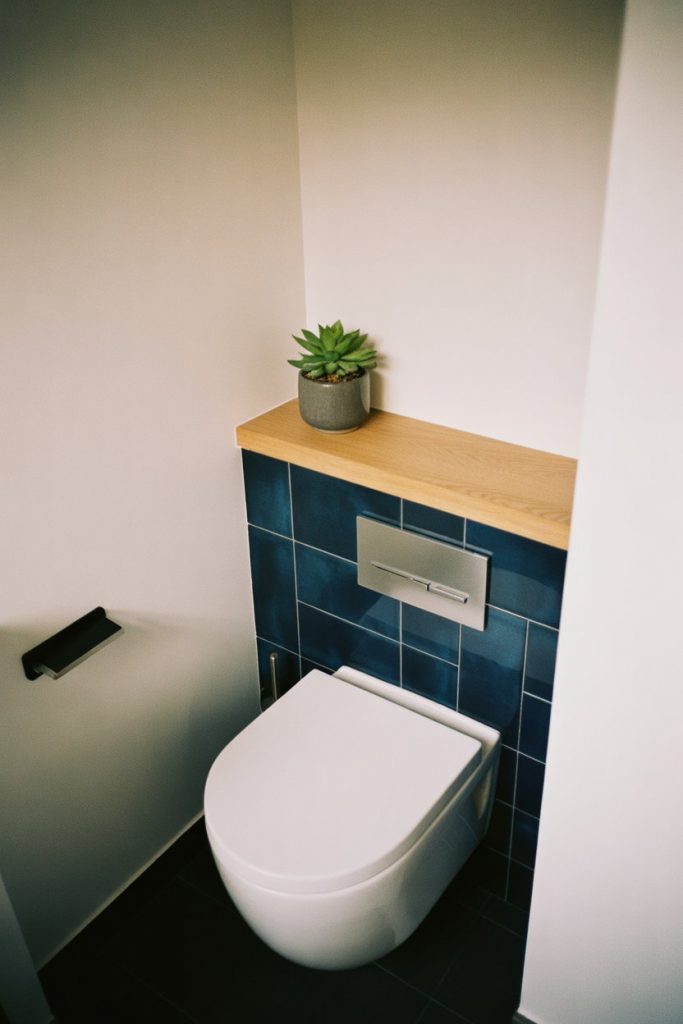
The ideas inspiration toilets area deserves thoughtful design too. In larger bathrooms, consider a separate water closet for privacy. In smaller spaces, use visual tricks—a plant on a shelf above, framed art, or decorative tile behind the toilet—to make this functional zone feel intentional. Wall-hung toilets save space and simplify cleaning. Don’t neglect this corner just because it’s utilitarian. 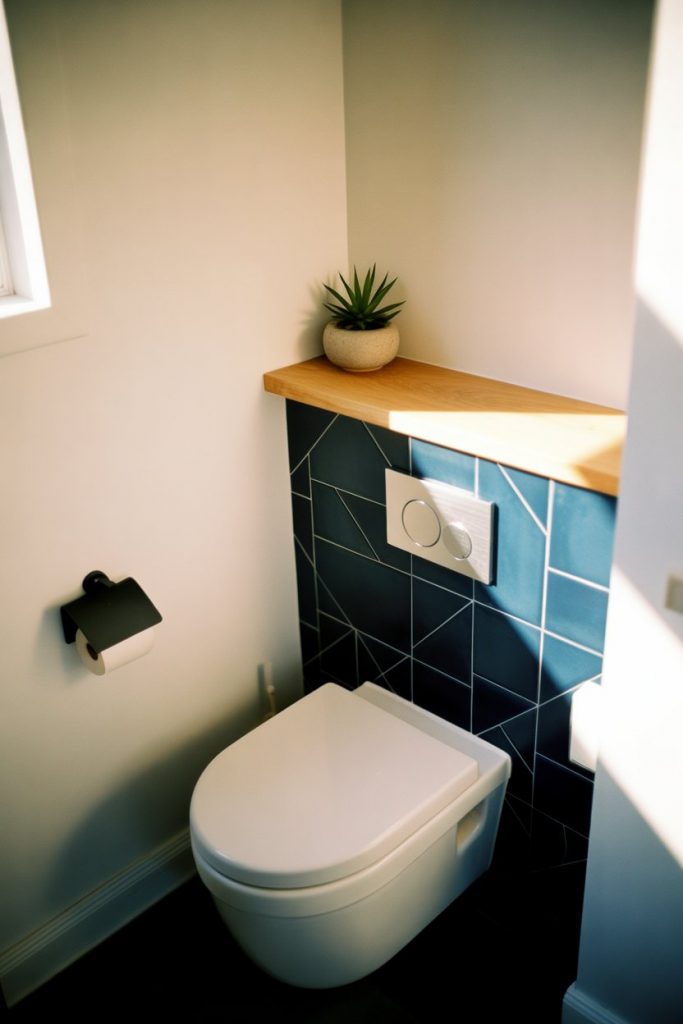
Where it works best: master suites where a separate toilet room adds privacy, or powder rooms where the toilet is the main fixture and deserves aesthetic attention. Real homeowner behavior: people increasingly want bidet seats or integrated bidet functions—it’s a comfort upgrade that’s becoming standard in new builds and renovations. A common mistake is neglecting lighting in this area; a small sconce or recessed light makes a big difference.
20. Layered Lighting for Ambiance
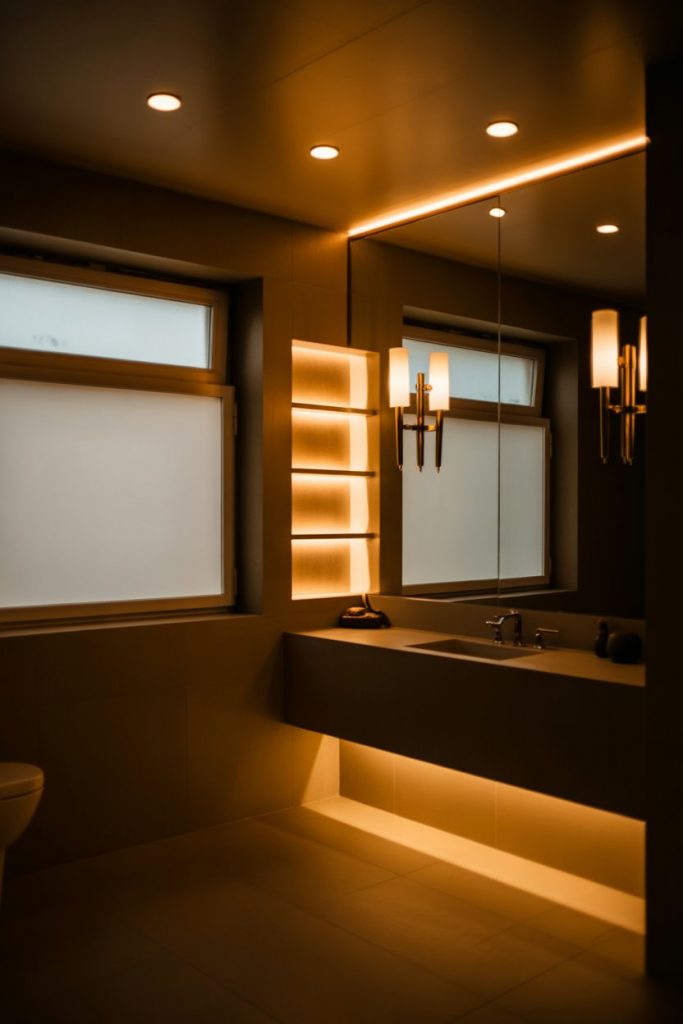
Great bathroom lighting isn’t one overhead fixture—it’s layered. Combine ambient (overhead or ceiling-mounted), task (flanking the mirror at eye level), and accent (under-cabinet, in niches, or highlighting art). Dimmers allow you to adjust mood from bright and functional for morning routines to soft and spa-like for evening baths. Lighting transforms not just visibility but the entire feel of the space. 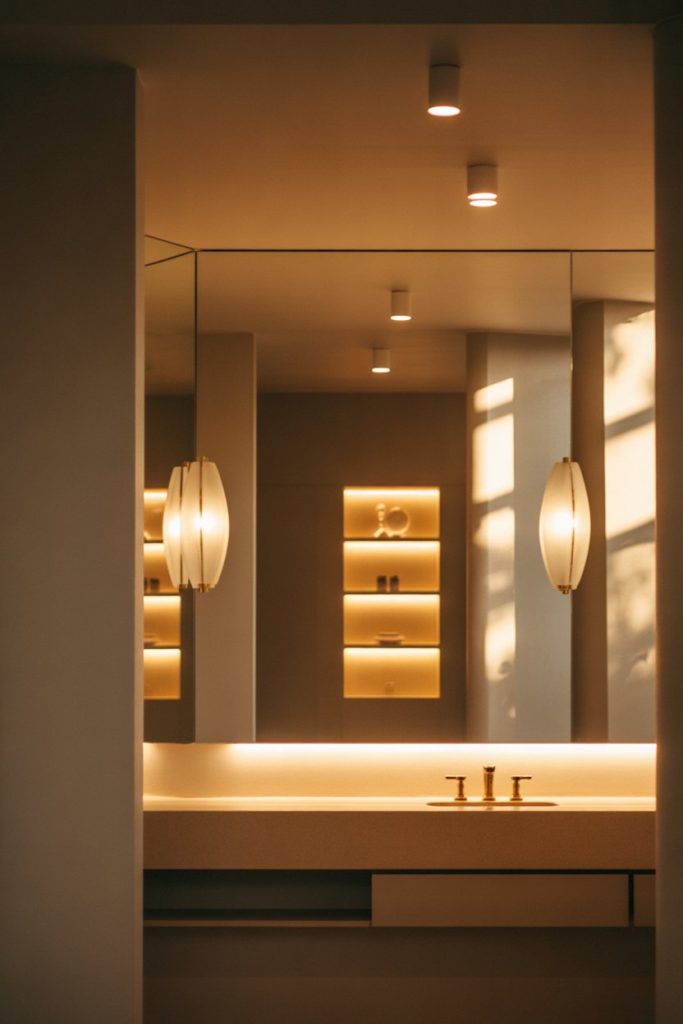
Expert-style commentary: many DIYers skimp on lighting or place it incorrectly, ending up with shadows on their faces while applying makeup or shaving. The rule of thumb: mirror lights should be at eye level (around 65–70 inches from the floor) and spaced 36–40 inches apart for dual sconces. Invest in quality LED bulbs with high CRI (color rendering index) for true color accuracy.
21. Mixing Metals with Confidence
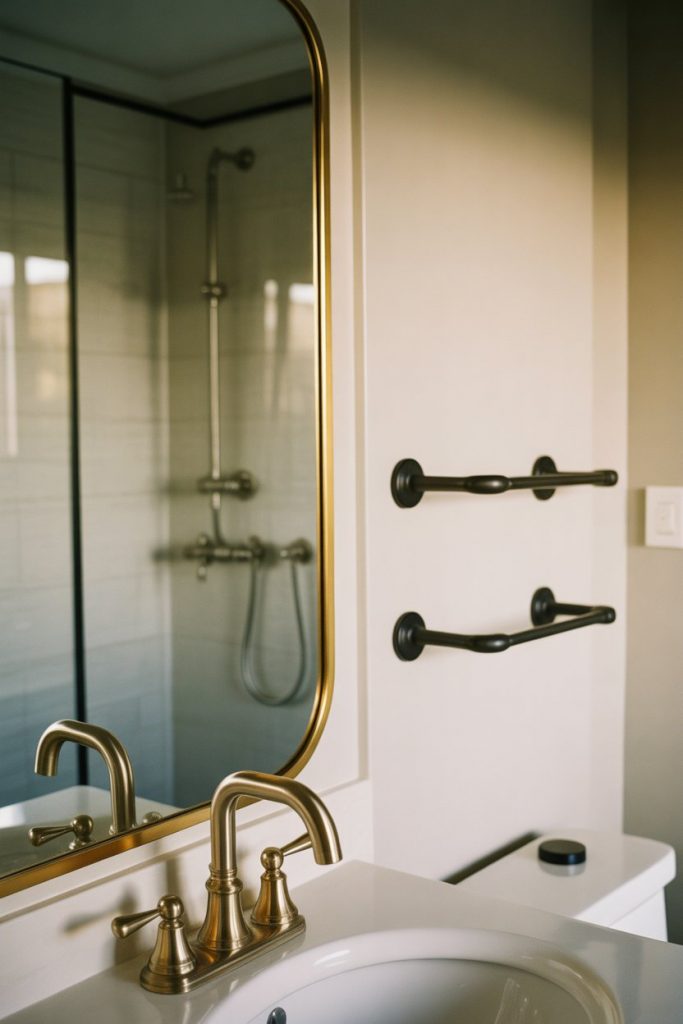
Gone are the days of matching every fixture. Mixing metals—say, brass faucets with matte black towel bars and chrome light fixtures—adds depth and visual interest. The key is choosing a dominant metal (60–70% of fixtures) and using others as accents. This trend reflects a more collected, less matchy-matchy approach to design that feels organic and personal rather than showroom-stiff. 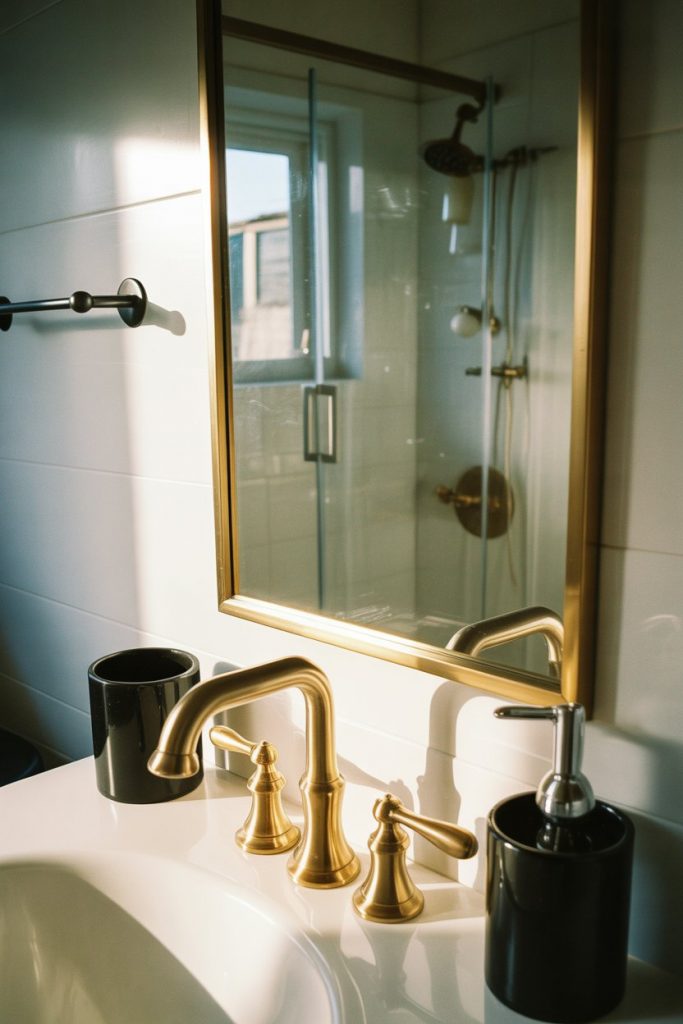
This approach works in nearly any style—modern, traditional, transitional—as long as you maintain some visual cohesion through finish temperature (all warm metals, or all cool, or intentionally mixed). A common mistake is mixing too many metals; stick to two or three max. Budget angle: you don’t have to replace everything at once—swap out the most visible fixtures first (faucets, mirrors) and update smaller hardware gradually.
22. Greenery and Biophilic Design
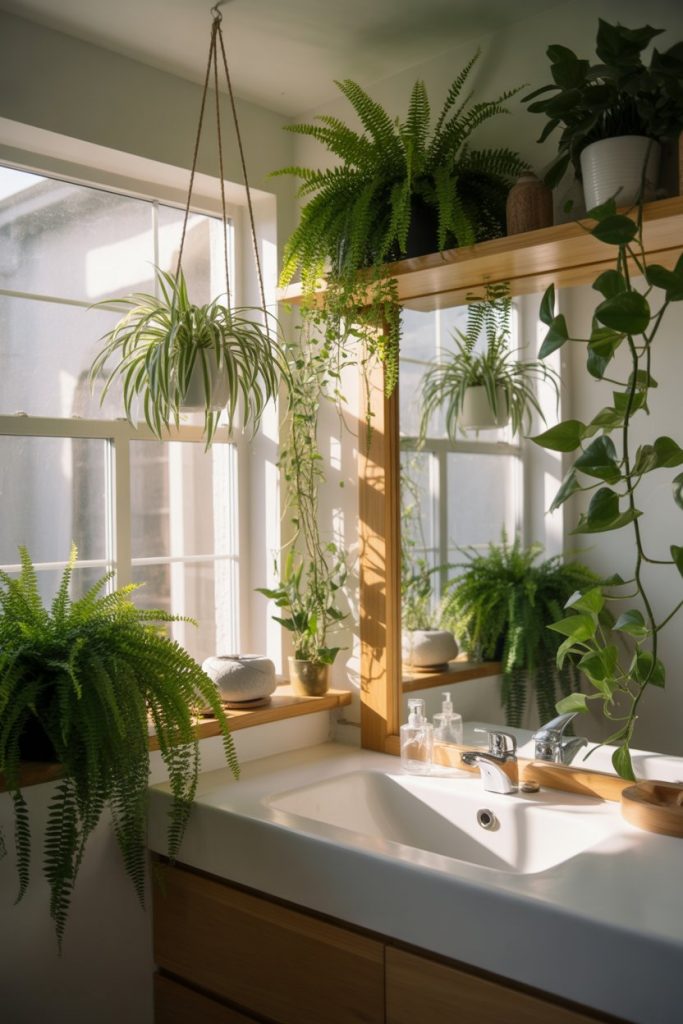
Incorporating plants and natural elements—what designers call biophilic design—makes bathrooms feel alive and healthful. Choose humidity-loving plants like ferns, pothos, snake plants, or orchids. Place them on windowsills, floating shelves, or in hanging planters. Beyond aesthetics, plants improve air quality and create a sense of calm. It’s a simple addition that pays outsized dividends in mood and atmosphere. 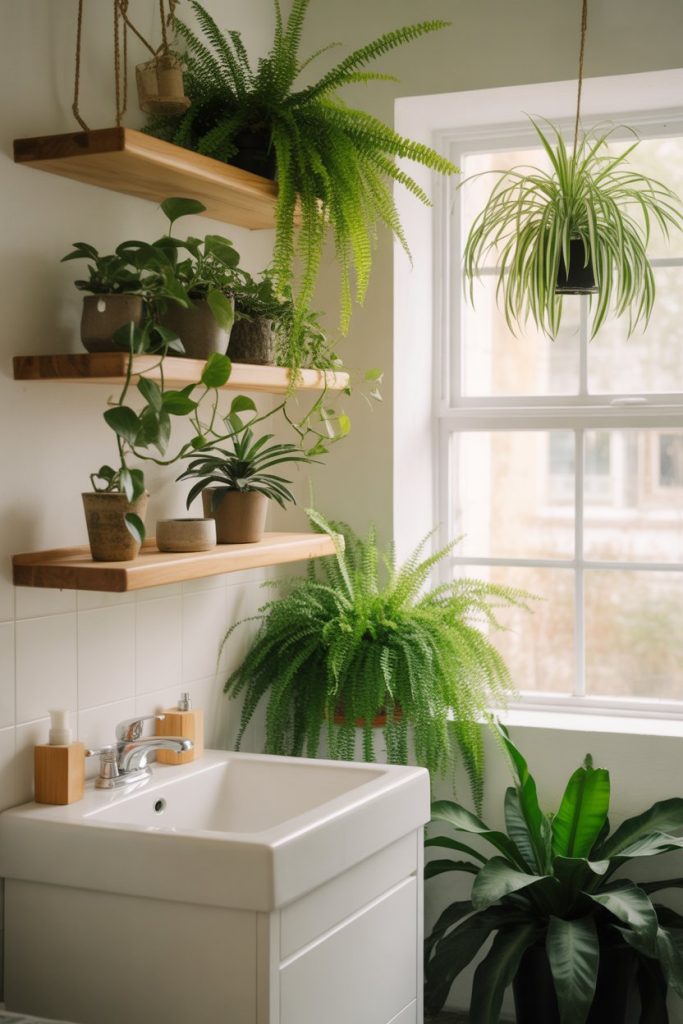
Practical insight: bathrooms are naturally humid, which most tropical plants love, but they do need adequate light. If your bathroom lacks natural light, choose low-light varieties or invest in a small grow light. Real homeowner behavior: many people start with one plant and gradually add more as they gain confidence—it’s an evolving process. And don’t worry about perfection; even a single thriving plant transforms the energy of a space.
Conclusion
Which of these modern bathroom ideas resonates most with your style? Whether you’re planning a full renovation or just looking for small updates, there’s inspiration here for every space and budget. Drop a comment below and share which trend you’re excited to try—or tell us about your own bathroom transformation. We’d love to hear how you’re making your space feel like home.