Kitchen sinks have evolved far beyond their functional roots—they’re now statement pieces that anchor the heart of the home. As we move into 2026, American homeowners are searching for sinks that blend cutting-edge design with everyday practicality, and Pinterest boards are overflowing with inspiration ranging from minimalist undermounts to showstopping farmhouse basins. Whether you’re renovating a compact city apartment or designing a sprawling suburban kitchen, the right sink can transform your space from ordinary to extraordinary. This walks you through fresh ideas that reflect the latest trends, materials, and styles shaping kitchens across the country.
1. Sleek Undermount Modern Marvel
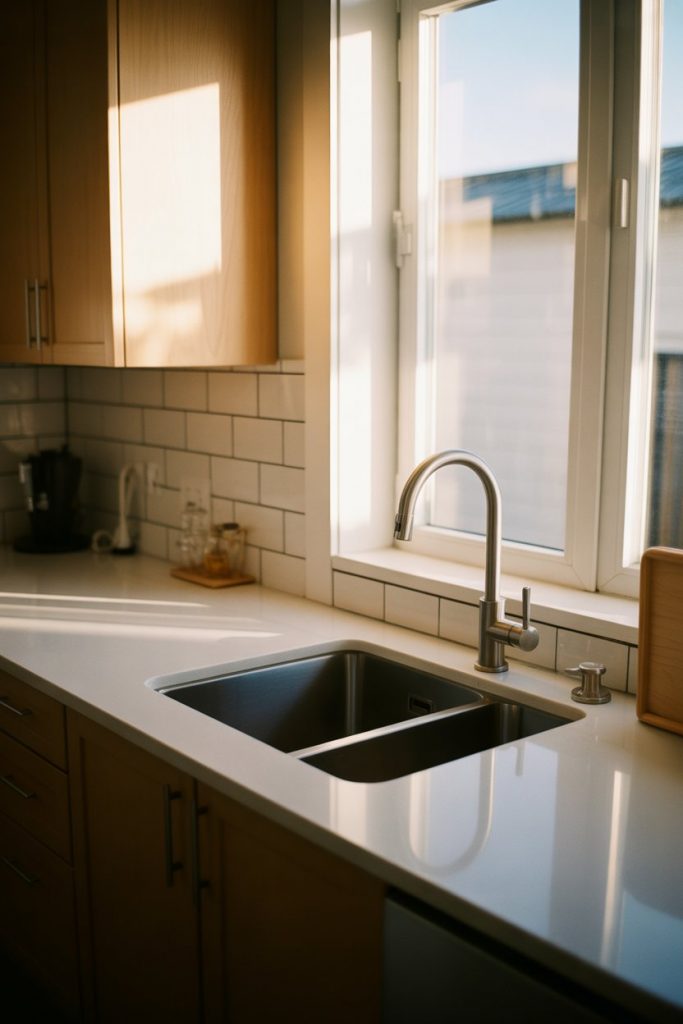
An undermount sink disappears seamlessly beneath the countertop, creating a clean, uninterrupted surface that’s perfect for modern kitchens. This style works beautifully with quartz or granite, allowing you to wipe crumbs directly into the basin without a raised rim catching debris. 2026 designs emphasize extra-deep bowls and sound-dampening pads that reduce noise when washing dishes. The streamlined look pairs especially well with white or neutral countertops, letting the material’s veining take center stage. 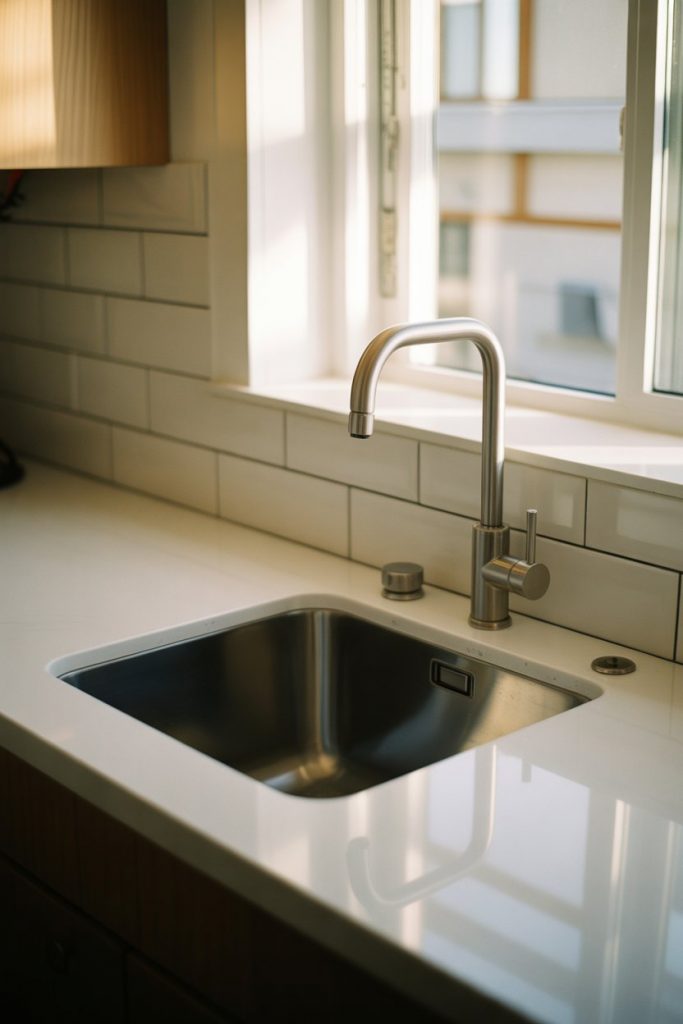
This style works best in open-concept layouts where the kitchen island becomes a visual focal point. Guests naturally gather around islands, and an undermount sink keeps sight lines clear while you prep or rinse vegetables. The lack of a visible rim also makes it easier to maintain—no gunk buildup in crevices. If you’re hosting frequently or have young kids who lean against counters, the smooth transition from surface to basin prevents spills from pooling at the edge.
2. Farmhouse Apron-Front Statement
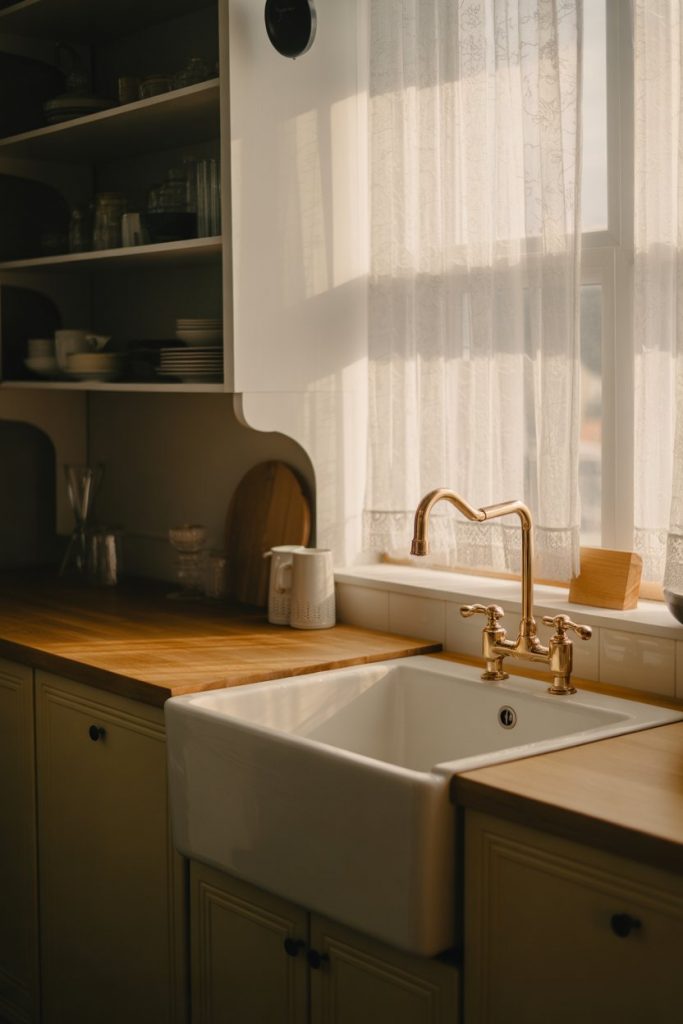
The farmhouse sink remains a top choice for homeowners craving warmth and character, with its exposed front panel adding architectural interest to any kitchen. Originally designed for agrarian life, these deep basins now anchor modern farmhouse kitchens across suburbs and countryside alike. Pair one with a gold faucet for a luxe twist, or keep it classic with oil-rubbed bronze. The generous depth accommodates oversized pots and baking sheets, making it as practical as it is photogenic. 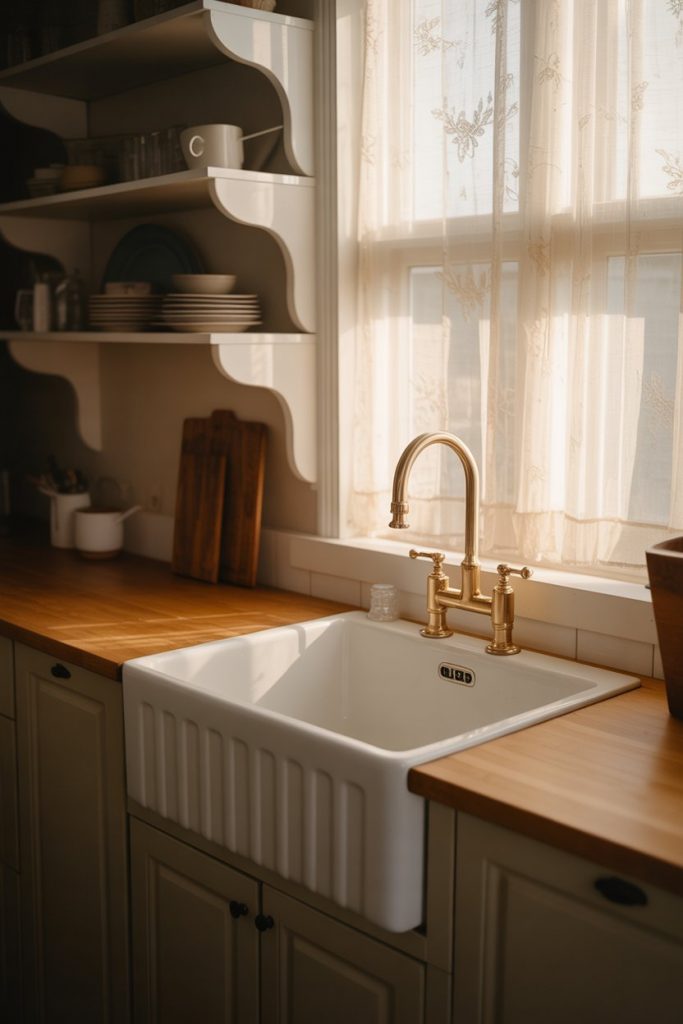
A designer friend once mentioned that clients often underestimate how much counter space a farmhouse sink consumes—the apron extends forward, so you lose a few inches of cabinet depth. Plan your base cabinets carefully, especially if you’re working with a galley layout. But the tradeoff is worth it: that iconic curved front instantly elevates the room’s charm and becomes a conversation starter at every dinner party.
3. Bold Black Composite Drama
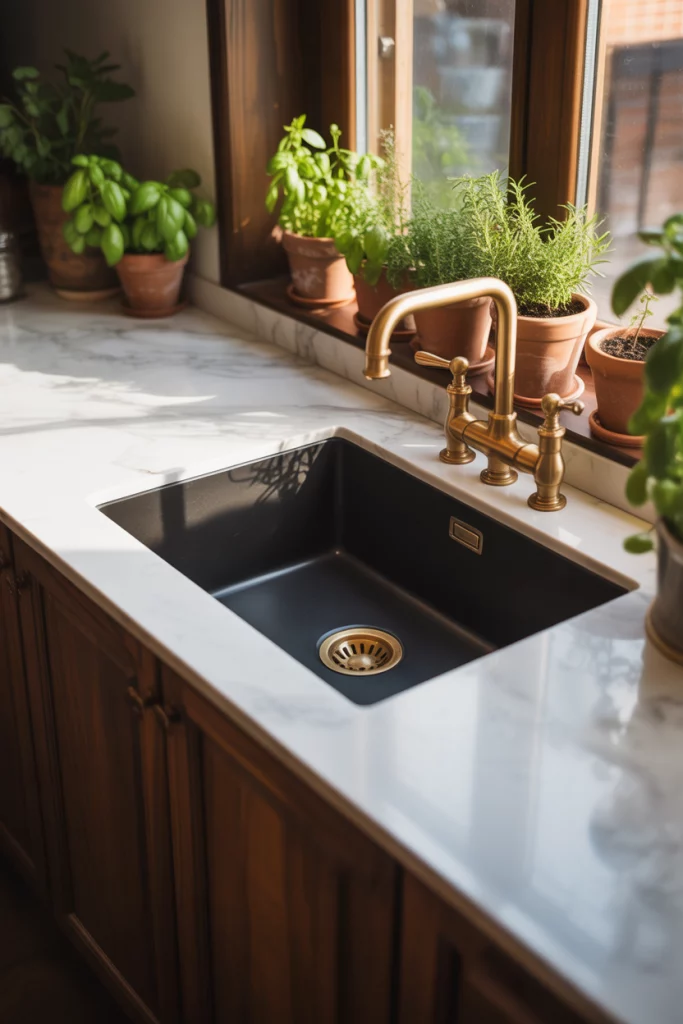
A black sink in matte composite or granite makes an instant statement, especially when contrasted against lighter cabinetry or countertops. This trend has surged in 2026 as homeowners seek alternatives to traditional stainless steel, and the dark finish hides water spots and minor scratches beautifully. Composite materials like quartz blend resemble natural stone but resist chips and stains better than porcelain. Consider an undermount style to keep the focus on the dramatic color rather than the hardware. 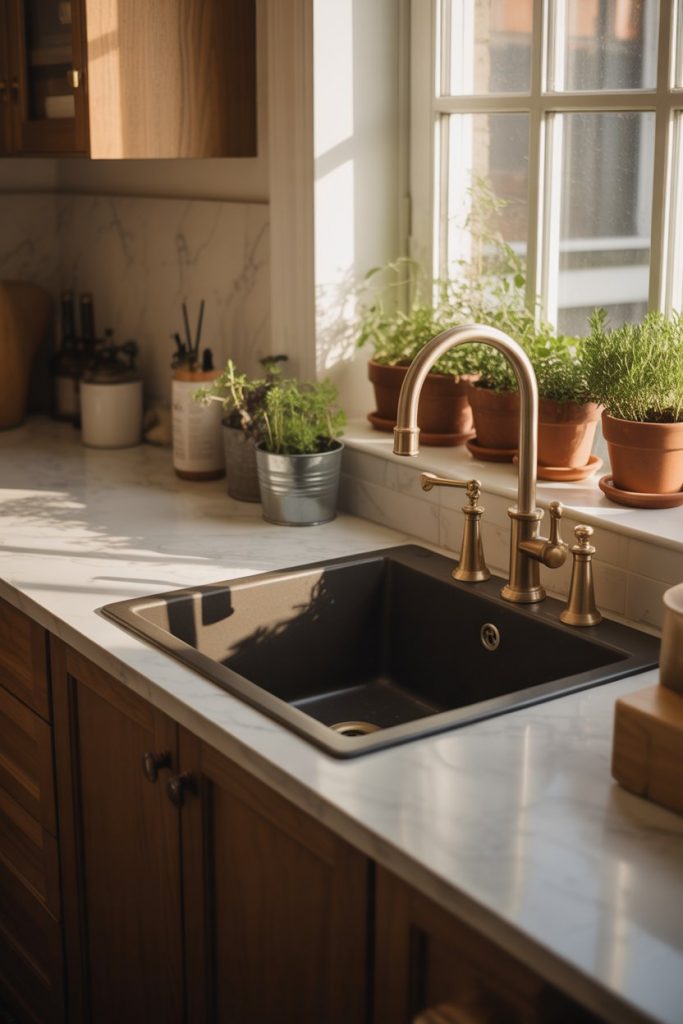
Black sinks pair exceptionally well with Scandinavian or industrial aesthetics, where contrast is key. In the Pacific Northwest, where moody interiors are popular, designers often combine black basins with exposed wood beams and plenty of greenery. Just remember to wipe them down regularly—hard water deposits show up as white residue, though a quick buff with a microfiber cloth keeps them looking pristine. It’s a small maintenance step for a big visual payoff.
4. Double Bowl Efficiency Hub
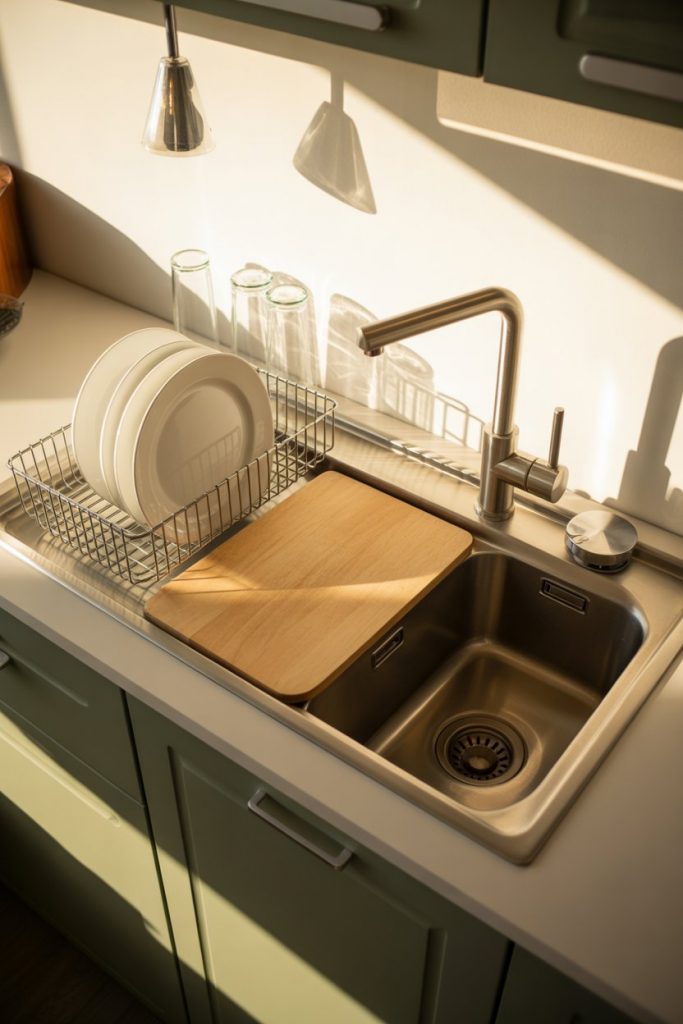
The double bowl sink remains a workhorse for busy families, offering one side for washing and another for rinsing or air-drying dishes. Stainless steel versions dominate this category, prized for their durability and easy integration with most kitchen styles. In 2026, look for models with offset bowls—one slightly larger than the other—to maximize flexibility. A modern take might include color-matched grids and cutting boards that sit flush over each basin, transforming your sink into a multifunctional prep station. 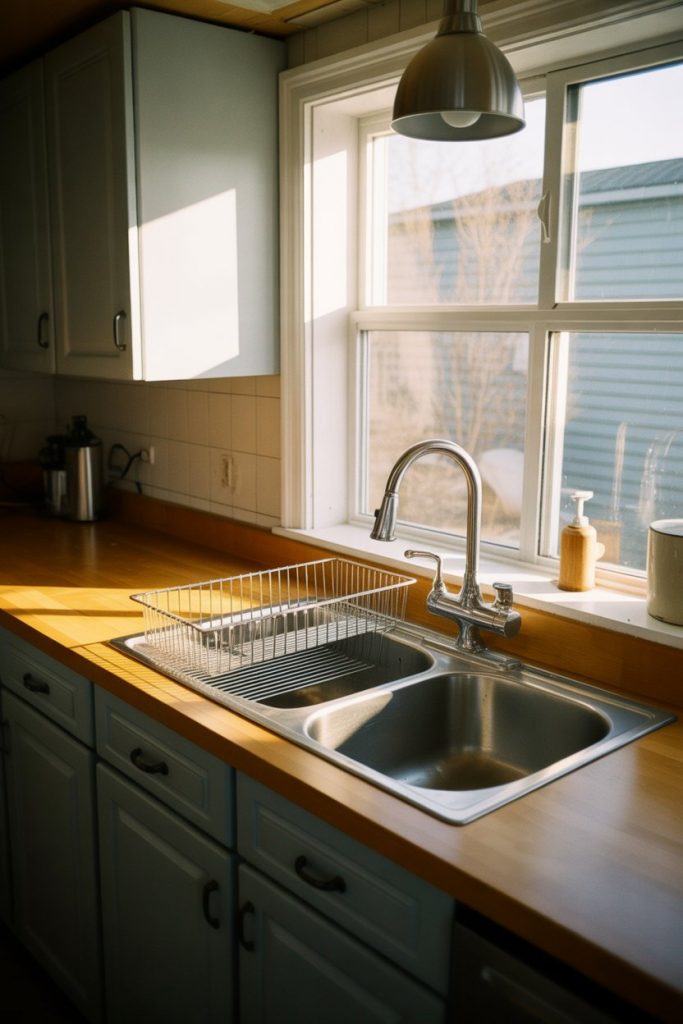
Where this setup truly shines is in households where multiple people cook together—one person can wash vegetables while another rinses pasta. It’s also ideal if you prefer hand-washing delicate glassware and need a separate space for soaking. The common mistake? Choosing two equal-sized bowls when one oversized basin would better accommodate large roasting pans. Measure your biggest cookware before ordering to avoid frustration later.
5. Corner Space Maximizer
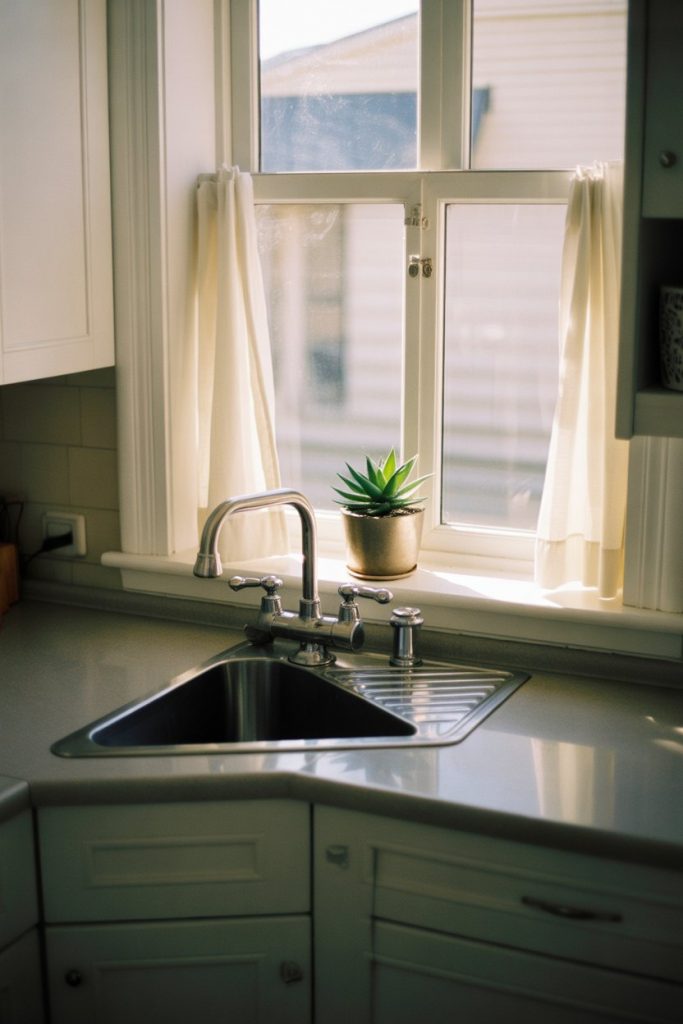
A corner sink transforms an awkward dead zone into a functional hub, especially in small spaces where every square inch counts. This layout works beautifully in L-shaped kitchens, freeing up valuable wall runs for appliances or prep areas. Modern corner sinks often feature angled fronts that make them easier to access, and pairing one with a window above creates a bright, inviting workspace. Urban apartments in cities like Boston and San Francisco have embraced this solution to maximize compact footprints. 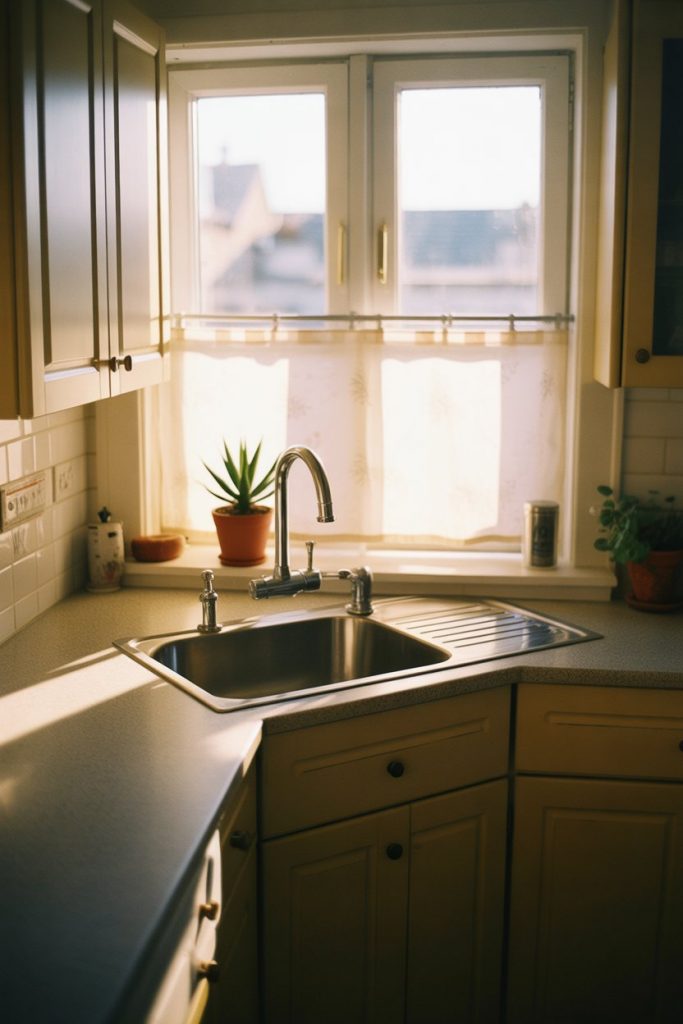
Corner sinks are surprisingly budget-friendly—they typically require less countertop material than a traditional setup, and standard base cabinets can be adapted without custom carpentry. The key is ensuring you have adequate clearance on both sides for comfortable use. If you’re installing a disposal or filtration system, confirm your plumber can route pipes around the corner without issues. When done right, this layout opens up the kitchen in ways you didn’t think possible.
6. Outdoor Kitchen Oasis
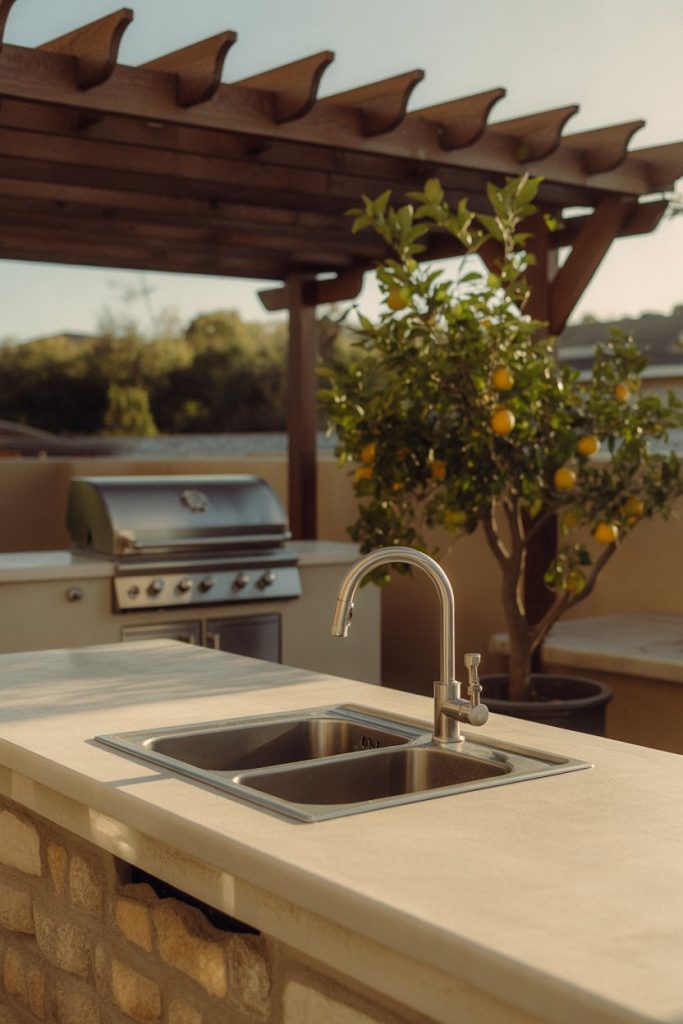
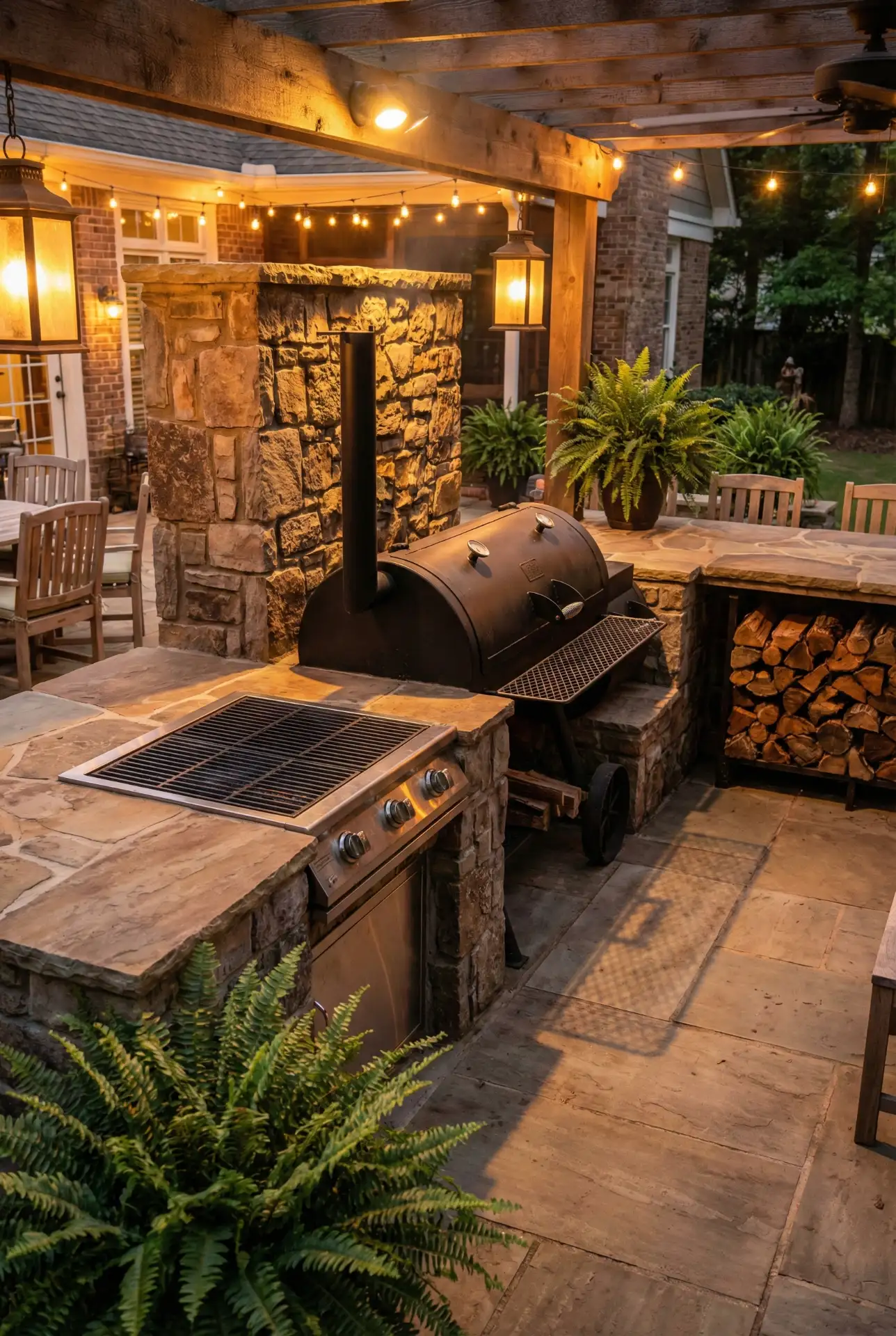
An outdoor sink elevates backyard entertaining from casual cookouts to full-scale culinary experiences, letting you rinse produce, fill pots, and clean up without trekking indoors. Stainless steel is the gold standard here, resisting rust and weathering through seasons of sun and rain. 2026 trends favor compact, bar-style sinks tucked into stone or tile counters, often paired with a side burner or grill. A modern pergola or covered patio keeps the workspace shaded during summer months. 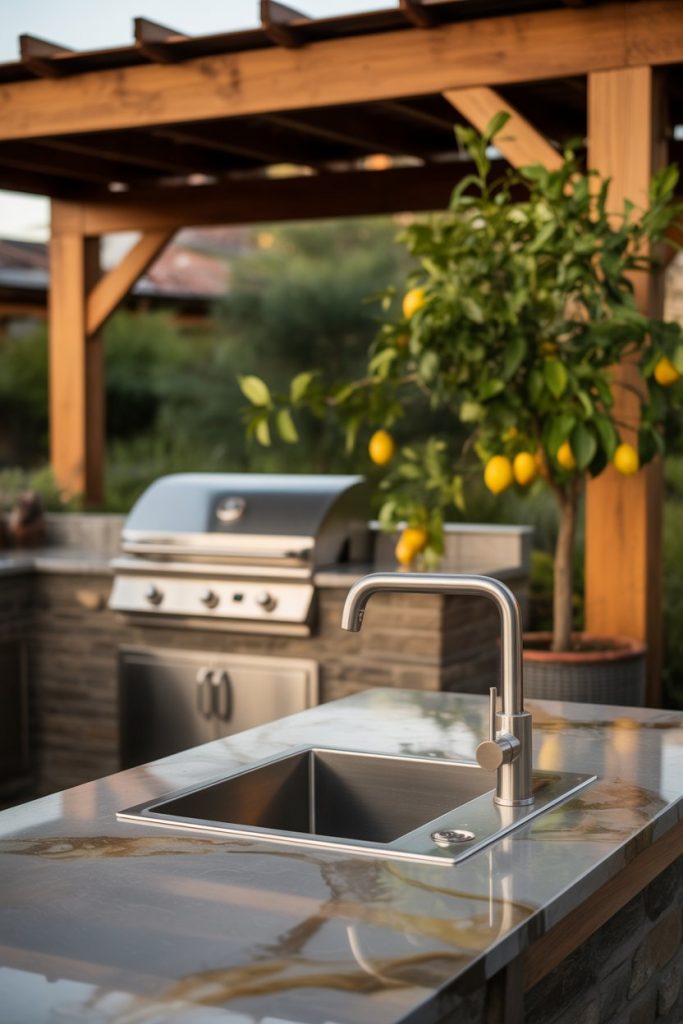
Practical insight: Always install a dedicated shut-off valve for outdoor plumbing before winter hits, especially in the Midwest or Northeast where freeze-thaw cycles can crack pipes. Many homeowners also add a small cabinet below the sink to store dish soap, sponges, and trash bags—keeping everything weatherproof and organized. If your outdoor space doubles as a kid zone, a sink becomes invaluable for washing muddy hands before anyone steps inside.
7. Vintage Porcelain Revival
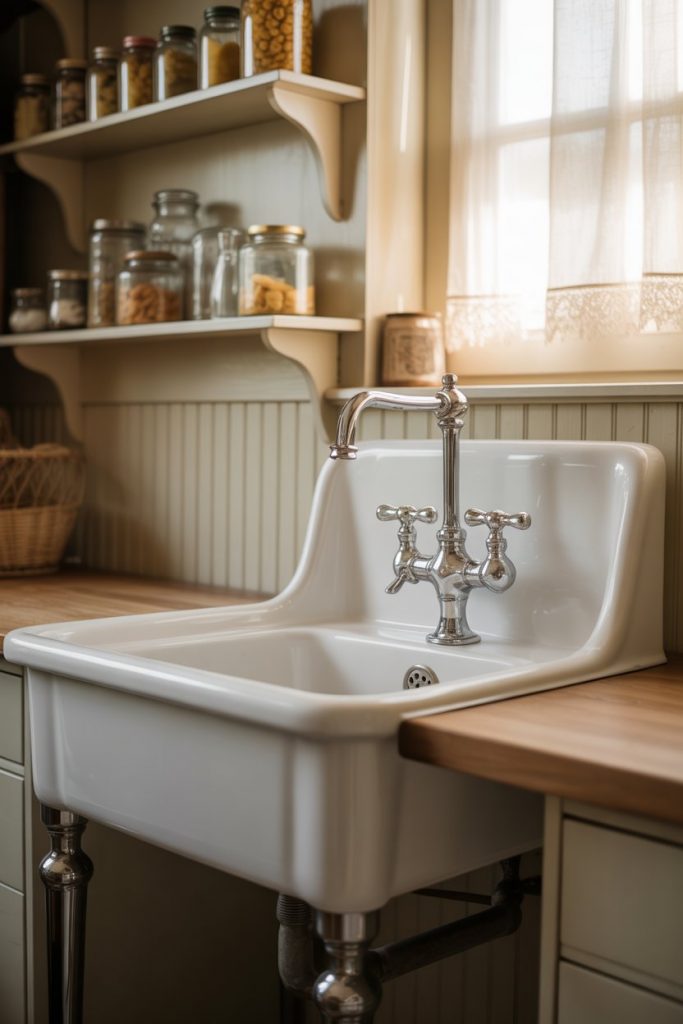
A vintage porcelain sink brings nostalgic charm to kitchens that celebrate history, whether you’re restoring a 1920s bungalow or simply love the look of yesteryear. These sinks often feature high-back splashes, integrated drainboards, and iconic cast-iron construction beneath the glossy finish. Farmhouse styles overlap here, but vintage models lean into curves, chrome legs, and decorative aprons. Pair one with a gold faucet or antique brass hardware to complete the time-travel effect, and don’t shy away from colored porcelain like soft blue or mint green. 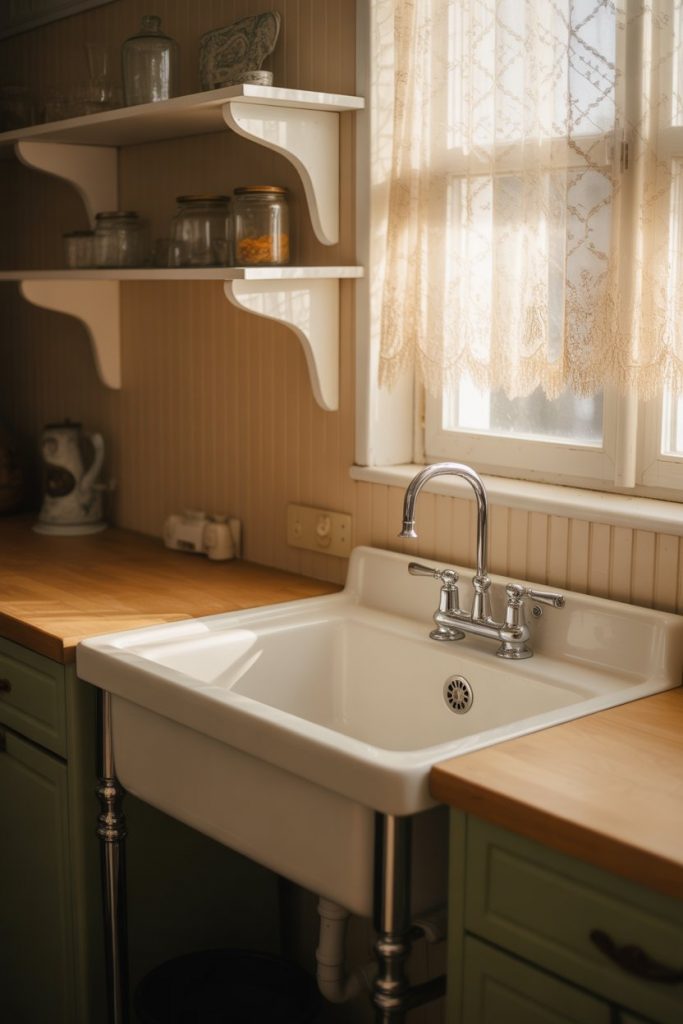
Real homeowners hunting for vintage sinks often scour salvage yards, estate sales, and online marketplaces—authentic pieces carry patina and character that reproductions can’t quite match. If you find a bargain with minor chips, professional re-enameling can restore it to glory. Just be aware that these sinks are heavy; reinforcing your base cabinet and ensuring proper support is non-negotiable. The effort pays off when you have a showpiece that anchors your entire kitchen aesthetic.
8. Smart Sensor-Activated Convenience
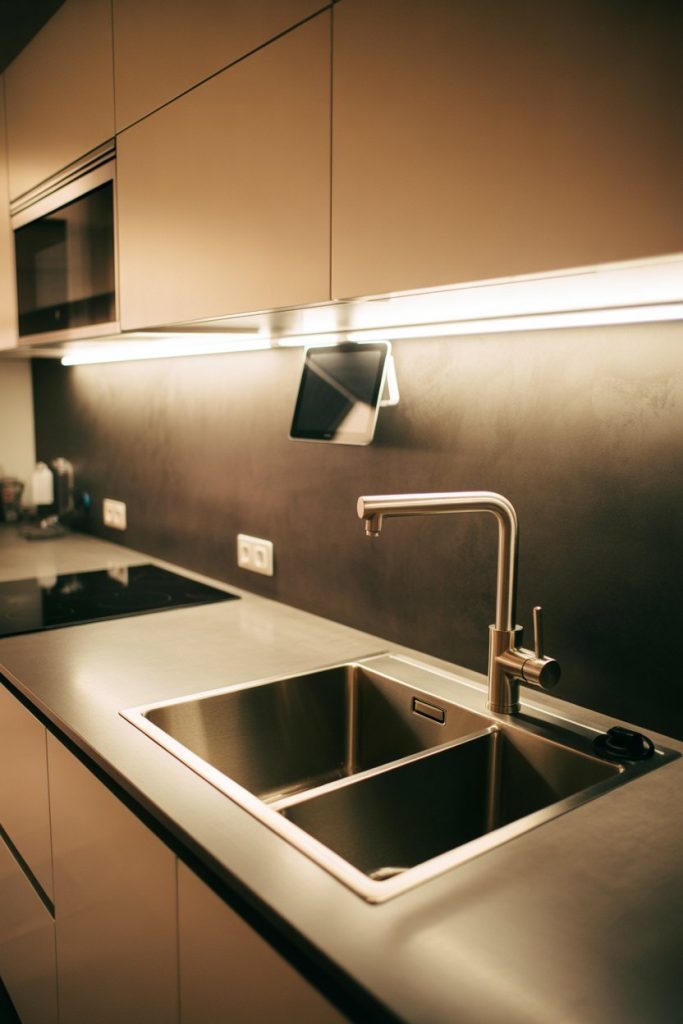
A smart sink with touchless faucets and integrated sensors represents the future of kitchen hygiene and efficiency. Wave your hand to start or stop water flow, eliminating cross-contamination when handling raw meat or messy dough. Some 2026 models even include LED temperature indicators that shift from blue to red as water heats, plus voice-activation compatibility with home systems. Pair this tech with an undermount modern basin in stainless steel for a cohesive, high-function workspace that feels effortlessly cutting-edge. 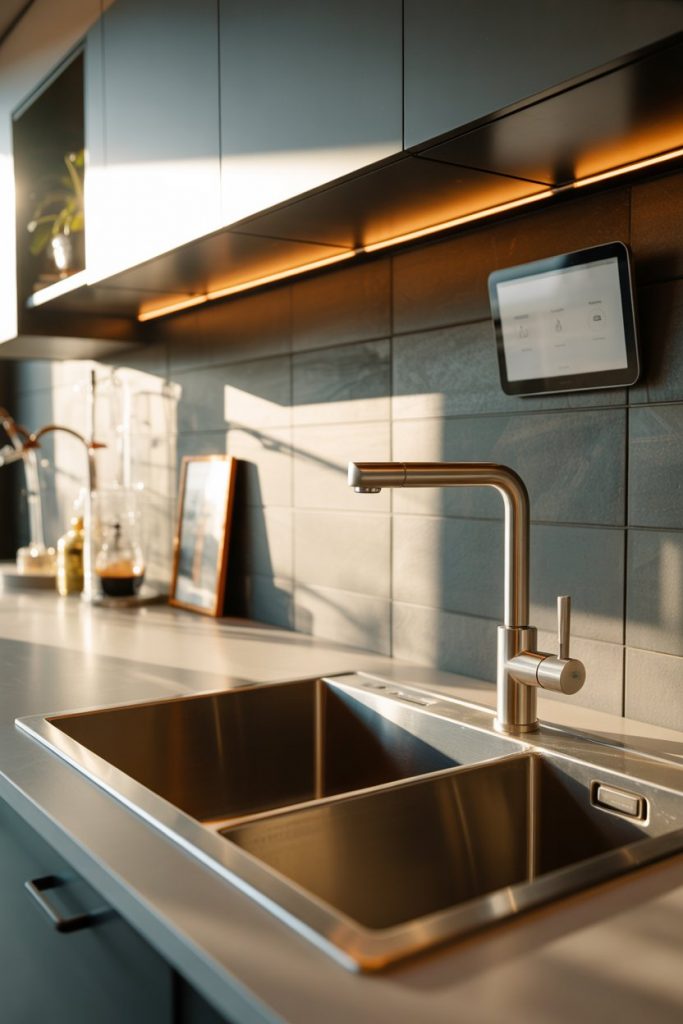
Expert designers note that smart sinks reduce water waste by as much as 30% compared to traditional faucets—users tend to leave handles running less often when activation requires a deliberate gesture. Installation does require an electrical outlet near the sink, so factor that into your renovation budget. Families with young children especially appreciate the touchless feature during potty-training years or when little hands are covered in paint or mud.
9. Rustic Copper Warmth
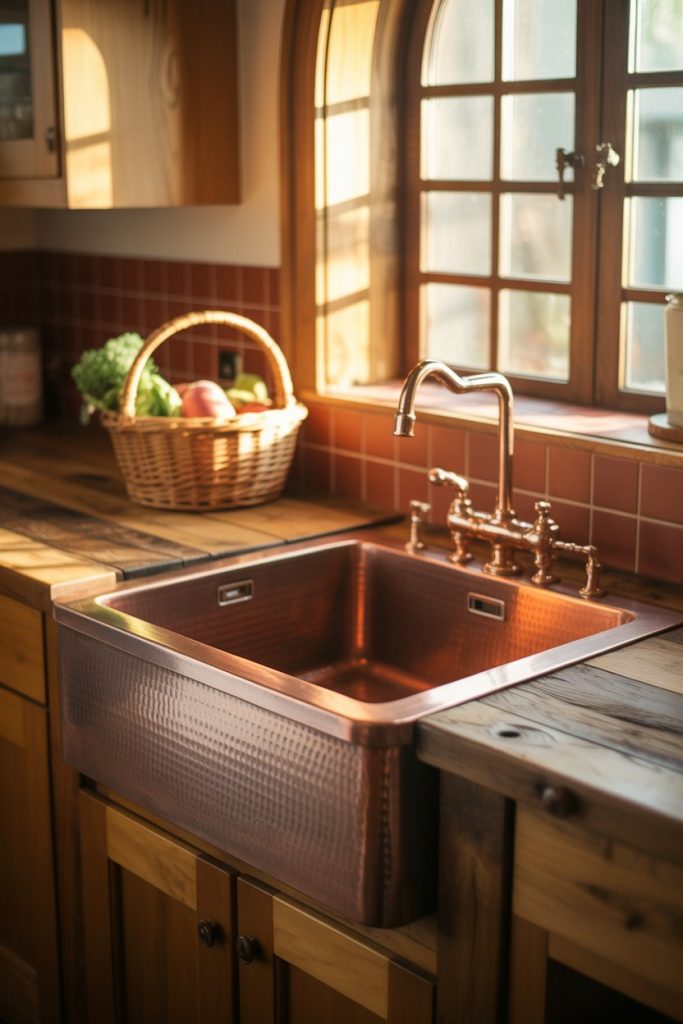
A rustic copper sink infuses your kitchen with Old-World elegance and a living finish that deepens over time, developing a rich patina unique to your home. These sinks suit farmhouse and Southwestern aesthetics beautifully, often handcrafted with hammered textures that catch light in mesmerizing ways. Copper’s natural antimicrobial properties make it a surprisingly hygienic choice, and the material pairs gorgeously with gold faucet fixtures or aged bronze. Expect to pay a premium—quality copper is an investment, but the character it brings is unmatched. 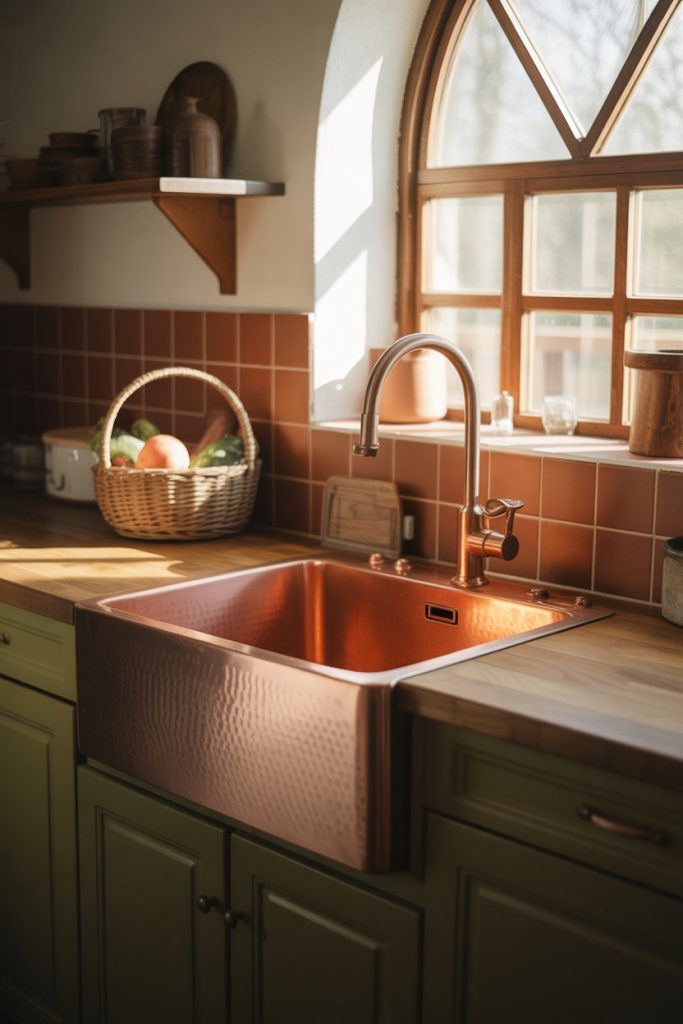
In the Southwest—Arizona, New Mexico, Southern California—copper sinks are practically a regional signature, complementing adobe walls and desert color palettes. One common mistake is treating copper like stainless steel: avoid abrasive cleaners and acidic foods sitting in the basin for long periods, as they can strip the protective patina. Instead, rinse promptly and wipe with a soft cloth. The gentle care routine becomes part of the sink’s story, and many homeowners grow attached to the evolving finish.
10. Large Single Basin Simplicity
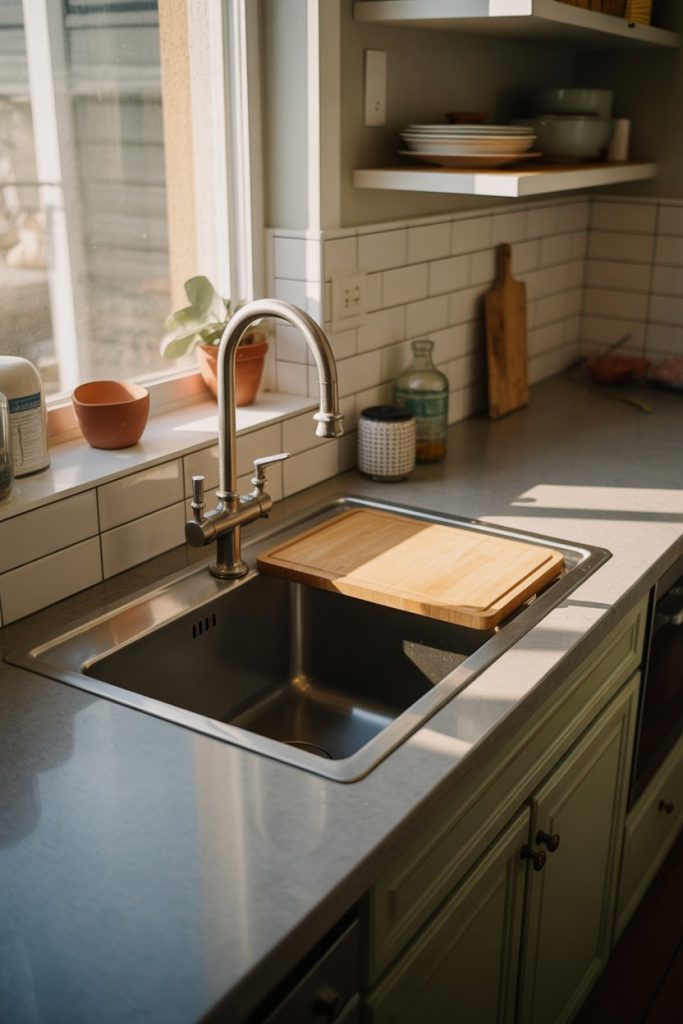
A large single-bowl sink offers unrivaled flexibility, easily accommodating oversized stockpots, baking sheets, and even small furniture pieces during refinishing projects. Undermount installation keeps the profile sleek, while materials like stainless steel or composite granite ensure durability. Modern kitchens often choose extra-deep models—10 inches or more—to prevent splashing and provide ample workspace. This style thrives in households where serious cooking happens, from weekend bakers to home chefs prepping multi-course dinners. 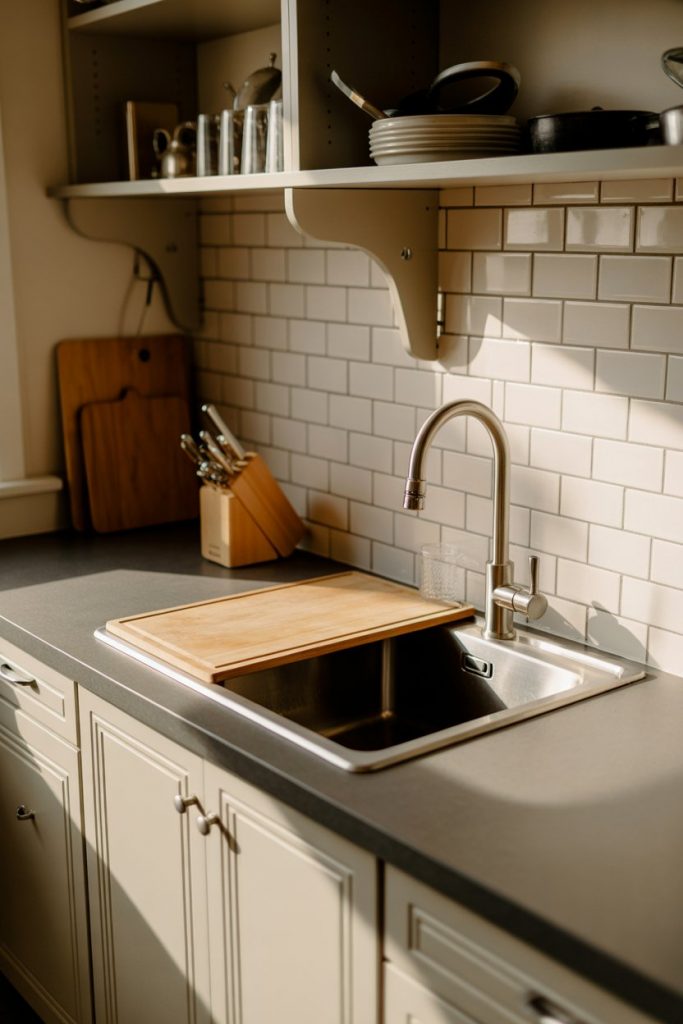
Where this design excels is in new construction or full gut renovations where you control cabinet dimensions. The downside? You sacrifice the ability to multitask like you would with a double bowl—no simultaneous washing and rinsing. But for many, the tradeoff is worth it. Budget-wise, a quality single bowl often costs less than a comparable double, and you’ll spend less on faucet configurations since you only need one primary fixture.
11. Window Over the Sink Delight
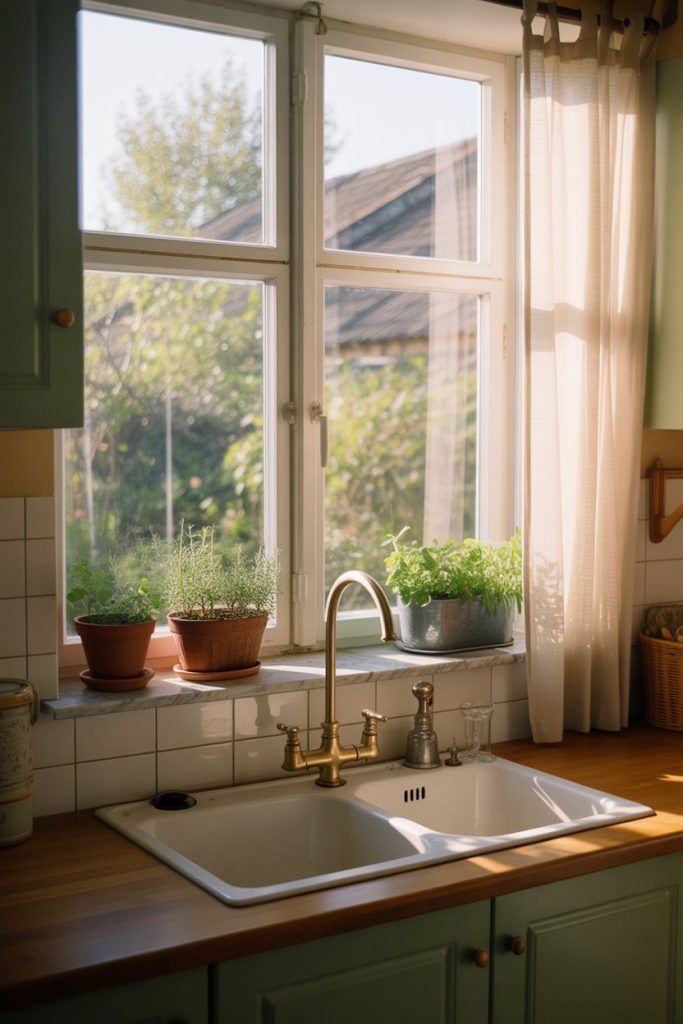
Positioning your sink beneath a window transforms dishwashing from a chore into a moment of zen, offering views of gardens, streets, or skylines while you scrub. This classic layout floods the workspace with natural light and creates a visual anchor that draws the eye. Modern homes often pair this setup with a sleek undermount basin and minimal window treatments—think café curtains or simple Roman shades. If you’re lucky enough to have this orientation, lean into it with potted herbs on the sill and a stylish faucet that doesn’t block the view. 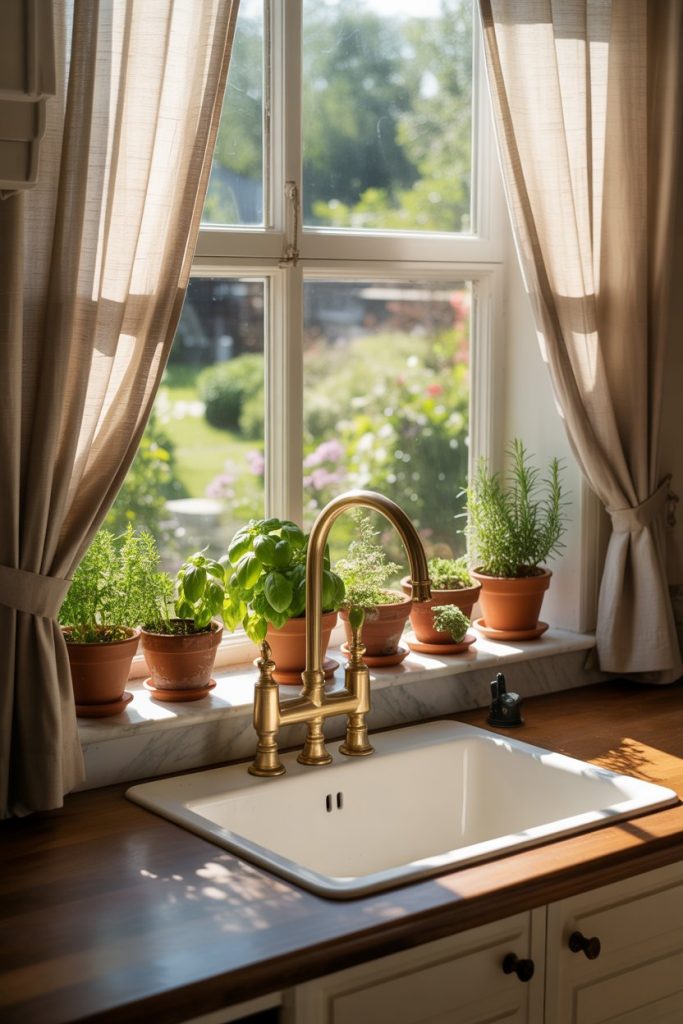
American lifestyle tip: Suburban homes often orient kitchens toward backyards for exactly this reason, creating a connection between indoor cooking and outdoor living. In urban settings, a window over the sink might overlook a courtyard or neighboring buildings, but the natural light alone justifies the placement. Just remember to choose a faucet with a low profile if you have a casement window that swings inward—high-arc spouts can interfere with opening and closing.
12. Unique Concrete Industrial Edge
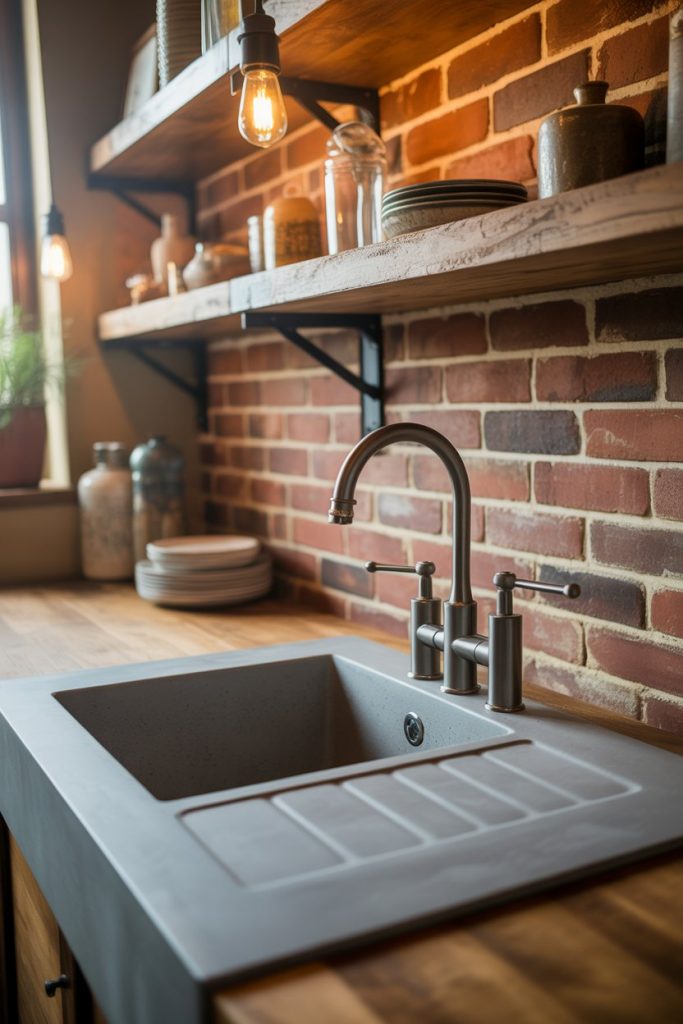
A unique concrete sink brings raw, industrial beauty to modern kitchens, with custom molds allowing for shapes and sizes that off-the-shelf options can’t match. These sinks are sealed to resist stains and water damage, though they do require periodic resealing to maintain protection. The material’s weight means solid cabinetry and countertop support is mandatory, but the payoff is a one-of-a-kind centerpiece that anchors lofts, converted warehouses, and contemporary homes. Pair with black or matte metal fixtures to emphasize the utilitarian aesthetic. 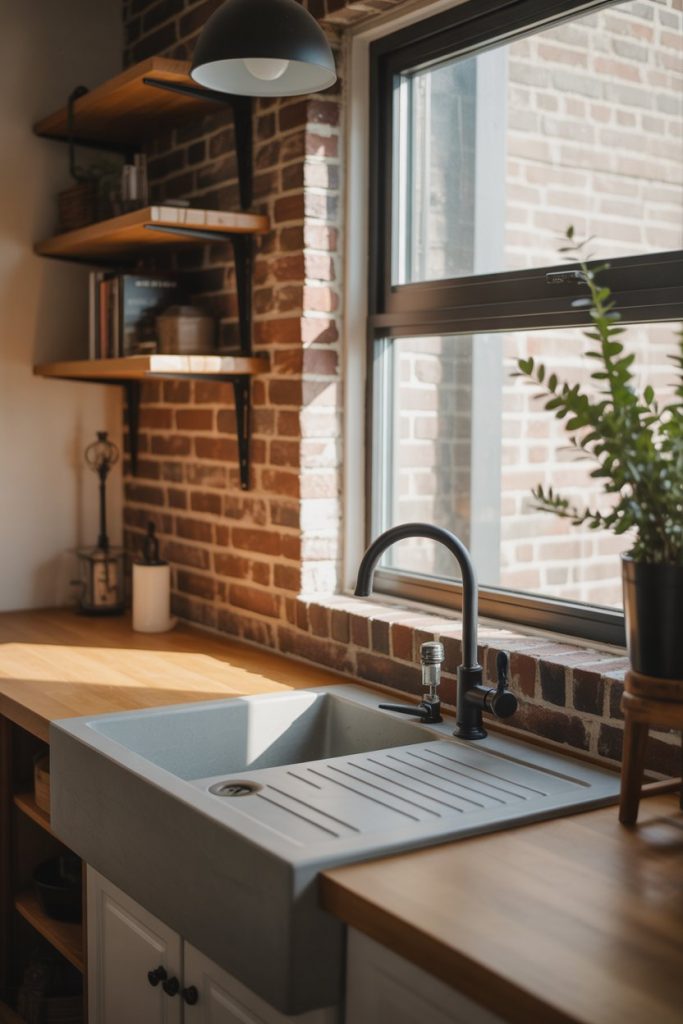
Concrete sinks have become a favorite among DIY enthusiasts who purchase pre-cast basins or even attempt poured-in-place installations. The process isn’t for beginners—achieving a smooth, bubble-free finish takes practice—but the result feels deeply personal. Where it works best is in kitchens that already embrace mixed materials: steel appliances, wood accents, and metal hardware. The concrete grounds all those elements, tying them together with its understated, earthy presence.
13. Indian-Inspired Brass Beauty

Drawing from Indian design traditions, a hammered brass or copper sink adds global flair and artisan craftsmanship to your kitchen. These sinks often feature intricate patterns or embossed motifs that reflect centuries-old metalworking techniques. The warm metallic finish pairs beautifully with gold faucet fixtures and jewel-toned tiles, creating a space that feels both exotic and welcoming. As brass ages, it develops a natural patina that enhances its character, making each sink a living work of art. 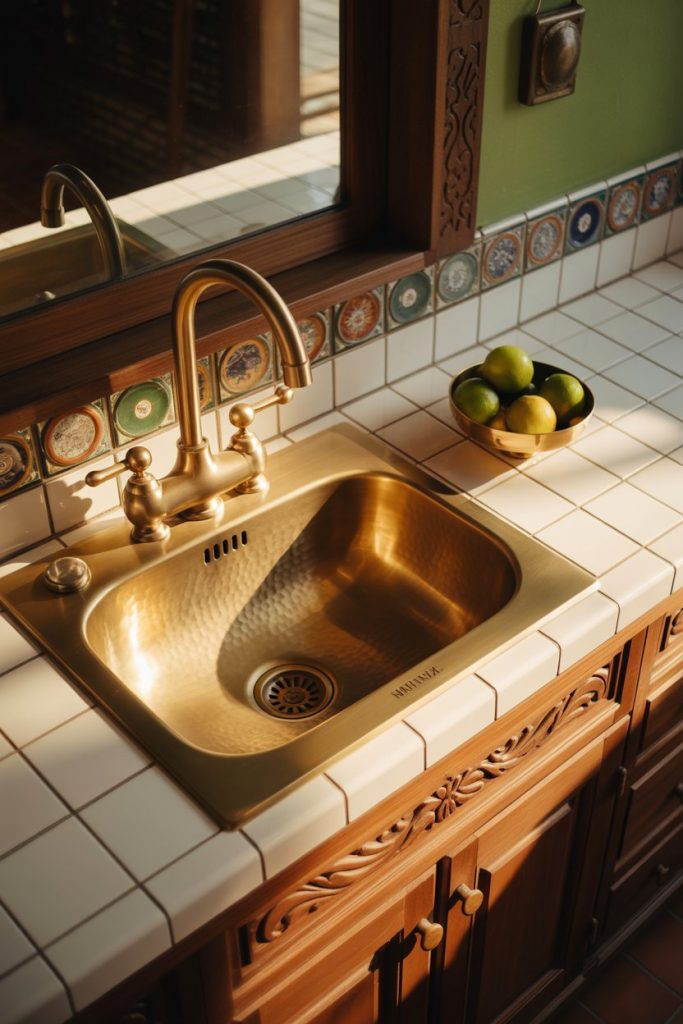
This style resonates with homeowners who’ve traveled extensively or want to honor cultural heritage in their design choices. It’s particularly stunning in eclectic kitchens that mix vintage and modern elements, where the brass becomes a unifying thread. Care is similar to copper—avoid harsh chemicals and embrace the evolving finish. A designer I know once installed one in a Brooklyn brownstone, pairing it with Moroccan zellige tile and open shelving stocked with spices in glass jars. The result felt curated yet livable, proof that global influences can ground a space rather than overwhelm it.
14. Decor-Forward Vessel Sink Statement
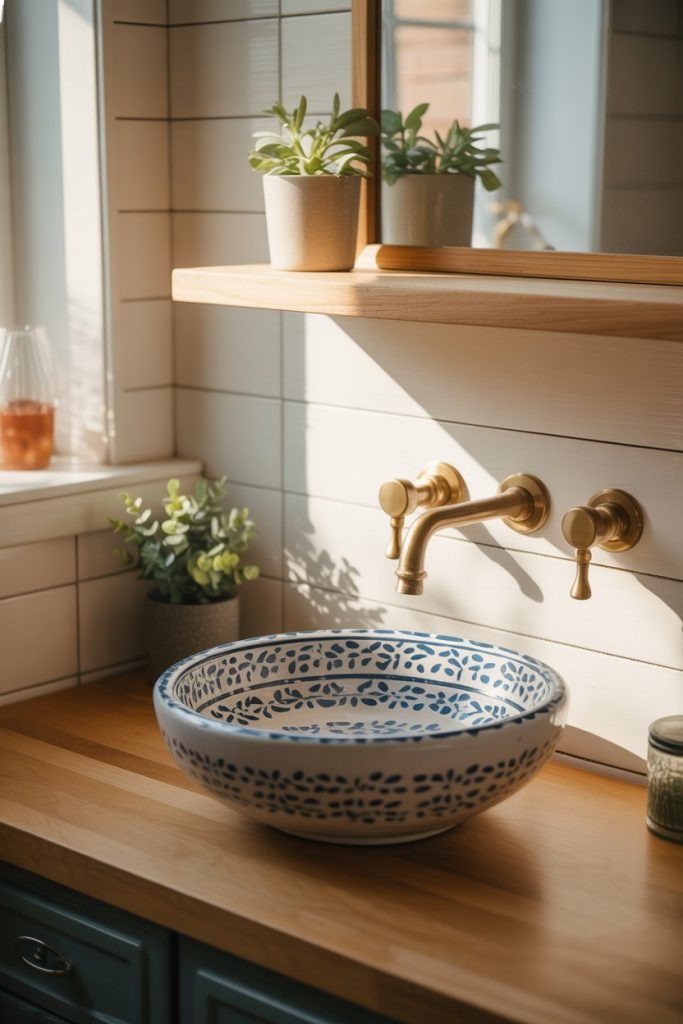
Treating your kitchen sink as decor rather than mere utility opens up creative possibilities, especially with vessel-style basins that sit atop the counter like sculptural objects. These sinks work best in powder rooms or secondary prep sinks within larger kitchens, where function takes a backseat to aesthetics. Materials range from hand-painted ceramic to natural stone, each option turning the sink into a focal point. Pair with a gold faucet or wall-mounted fixture to keep the countertop uncluttered and let the basin shine. 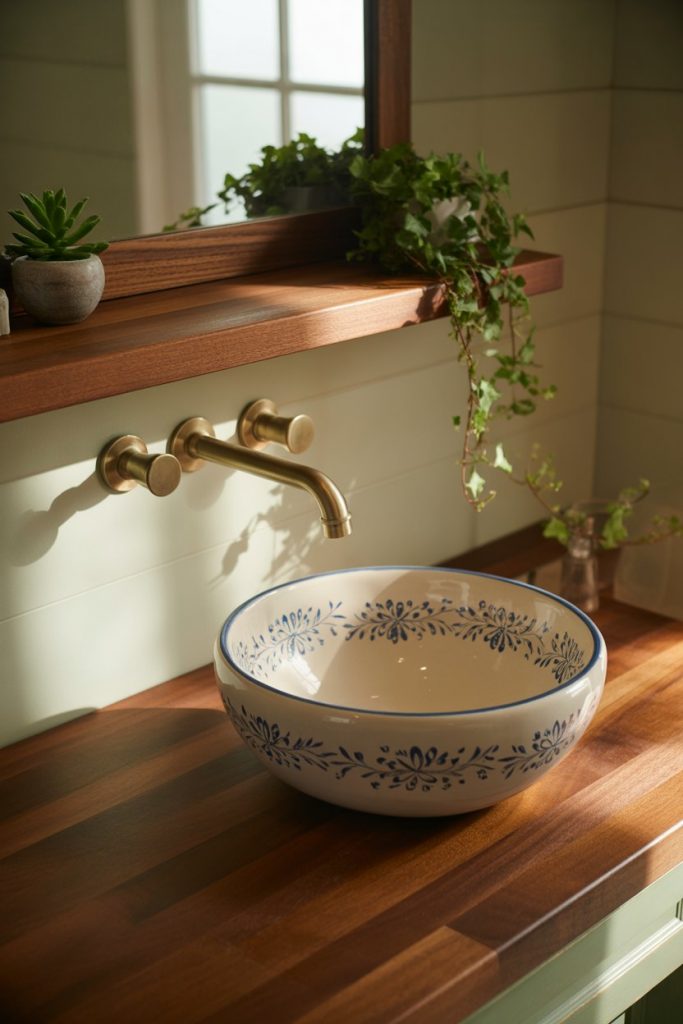
Expert commentary: Interior designers often reserve vessel sinks for spaces where guests will admire them—a butler’s pantry, bar area, or even a dedicated coffee station. They’re less practical for heavy-duty dishwashing but excel at making a visual statement. The common mistake is choosing a basin that’s too tall or too wide for the counter depth, creating awkward proportions. Measure carefully and consider how much splash the design will generate before committing.
15. Windowless Kitchen Brightening Trick
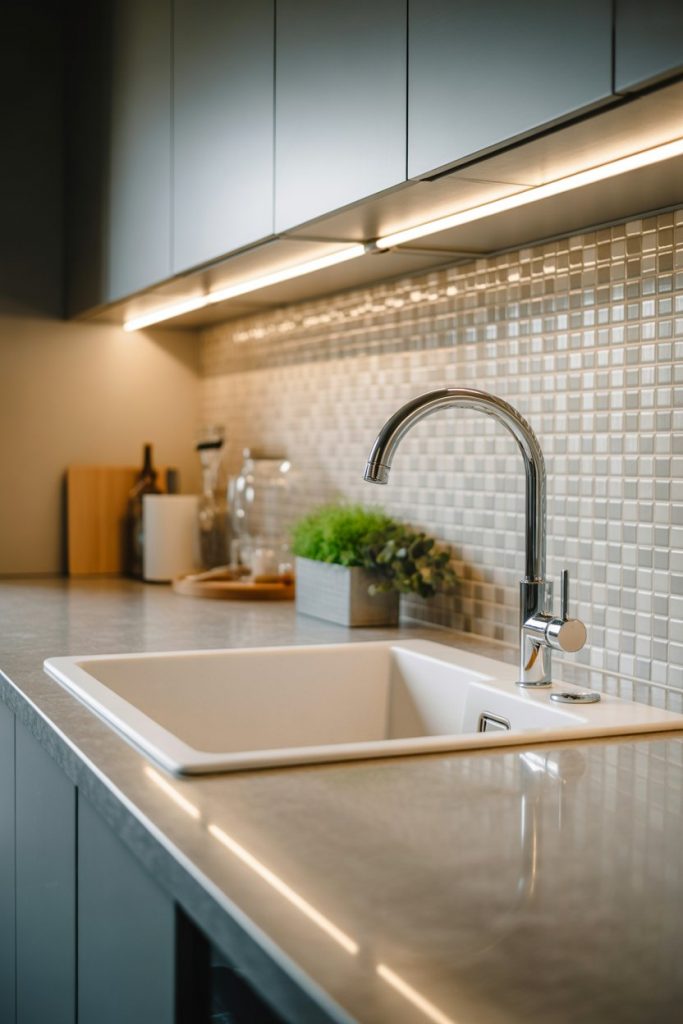
A windowless kitchen benefits enormously from a white or light-colored sink that reflects available light, preventing the space from feeling cave-like. White porcelain or composite materials bounce ambient illumination around the room, while under-cabinet LED strips and pendant fixtures compensate for the lack of natural daylight. An undermount modern style keeps the look streamlined, and pairing it with glossy or glass tile backsplashes further amplifies brightness. Many city apartments and basement kitchens face this challenge, making thoughtful material choices critical. 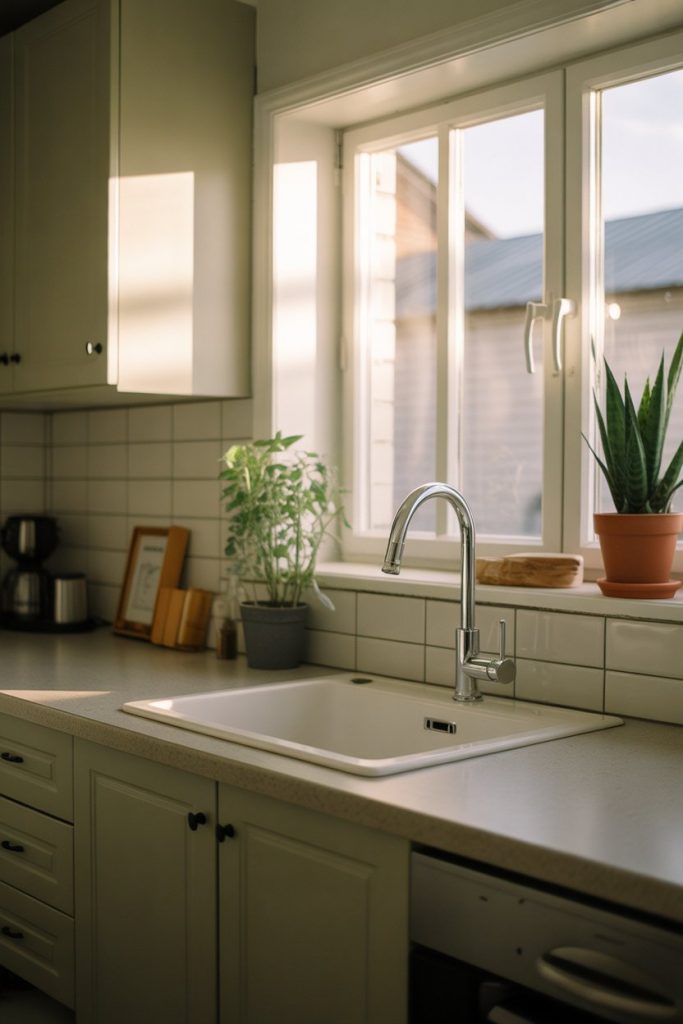
Real homeowners in garden-level units or interior-facing condos often share that strategic lighting transforms the kitchen from gloomy to inviting. Add a mirror or reflective surface opposite the sink area to create the illusion of depth. If you’re renovating, consider installing a skylight or solar tube above the sink—even a small amount of natural light makes a dramatic difference. Budget-conscious? A simple coat of high-gloss paint on cabinets can mimic the reflective quality of pricier materials.
16. Small Spaces Compact Solution
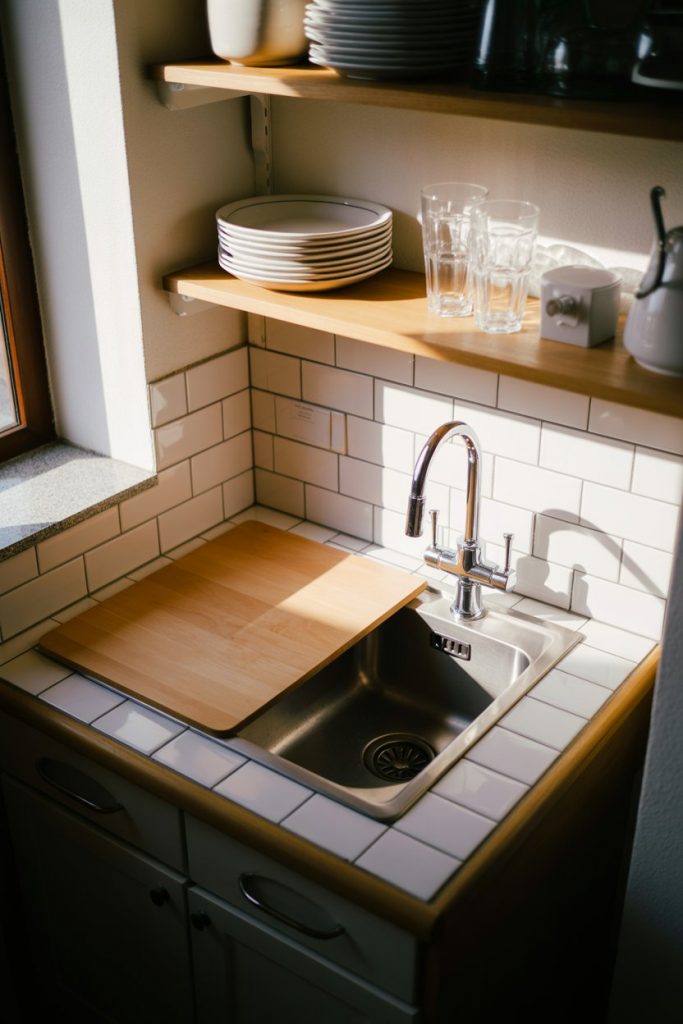
In small spaces, every inch matters, making compact sinks a non-negotiable for maintaining functionality without sacrificing precious counter area. Look for narrow single bowls or bar-style basins that measure 15 to 24 inches wide—just enough for washing dishes and prepping meals. Undermount installation maximizes usable surface, while wall-mounted faucets free up even more room. Urban studio apartments, tiny homes, and galley kitchens across cities like New York and Seattle have perfected this approach, proving that small doesn’t mean compromised. 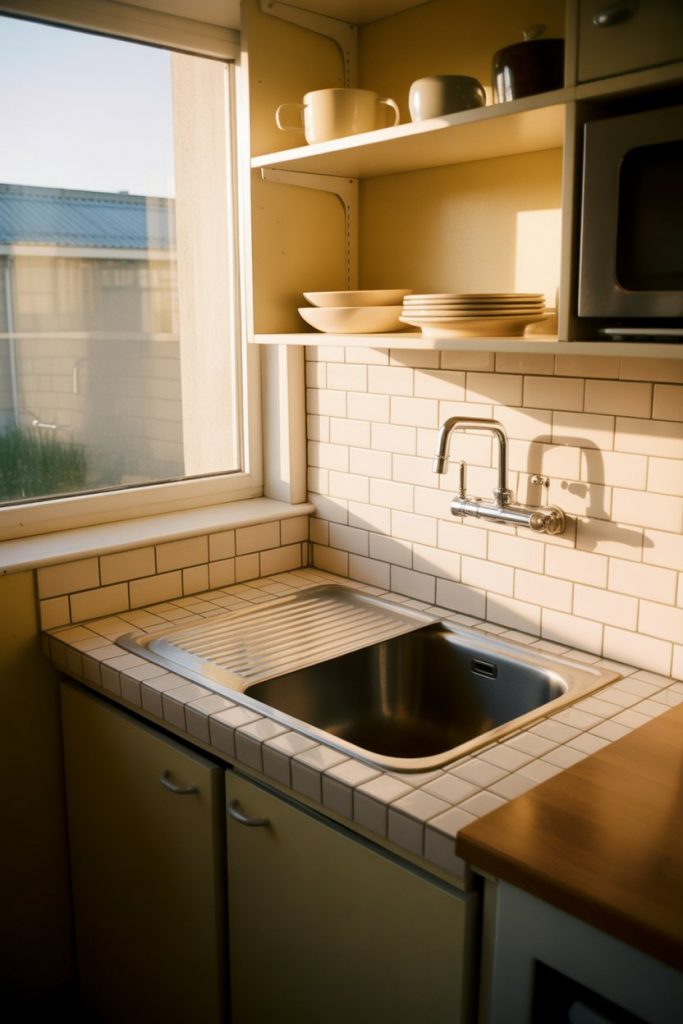
Where this works best is in spaces where cooking is light—think coffee, toast, salads—rather than elaborate multi-course dinners. If you’re an avid home chef squeezed into a small footprint, prioritize basin depth over width so you can at least wash a stockpot. The mistake many make is going too small: a 12-inch bar sink might look cute, but it becomes impractical fast. Aim for the largest size your layout allows without crowding adjacent work zones.
17. Stainless Steel Workhorse Classic
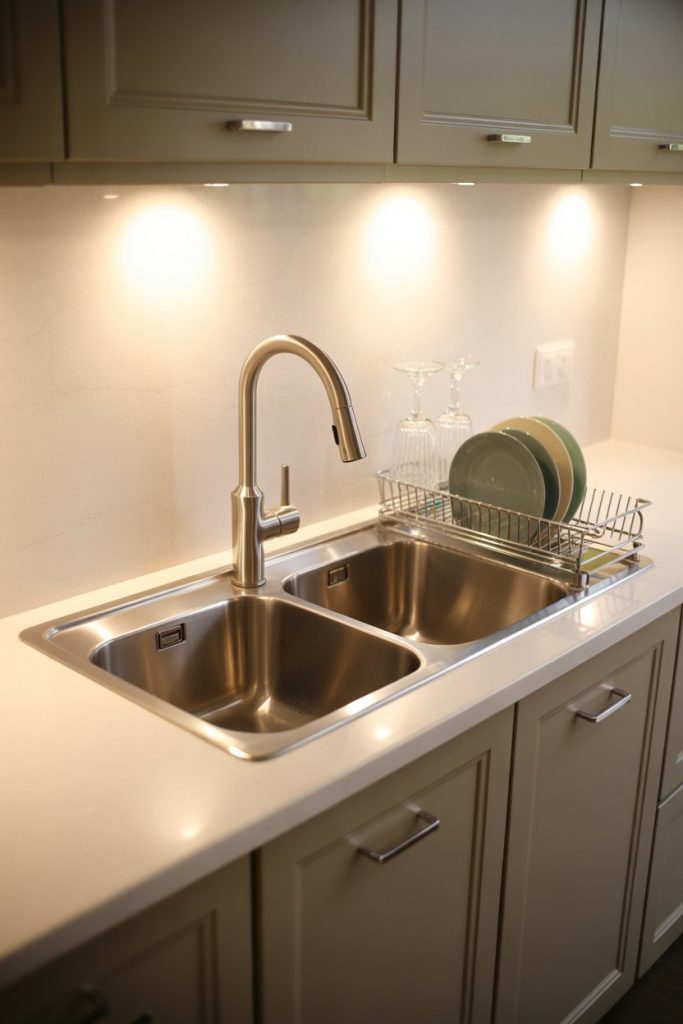
Stainless steel remains the go-to material for kitchens prioritizing durability, hygiene, and timeless appeal, with undermount and drop-in models fitting virtually any design. The gauge matters—16- or 18-gauge steel is thicker and quieter than cheaper alternatives—and sound-dampening pads are essential to minimize the metallic clang of pots and dishes. Modern finishes now include brushed, satin, and even matte black PVD coatings that resist fingerprints. Pair with a gold faucet for a touch of warmth, or keep it industrial with matching chrome. 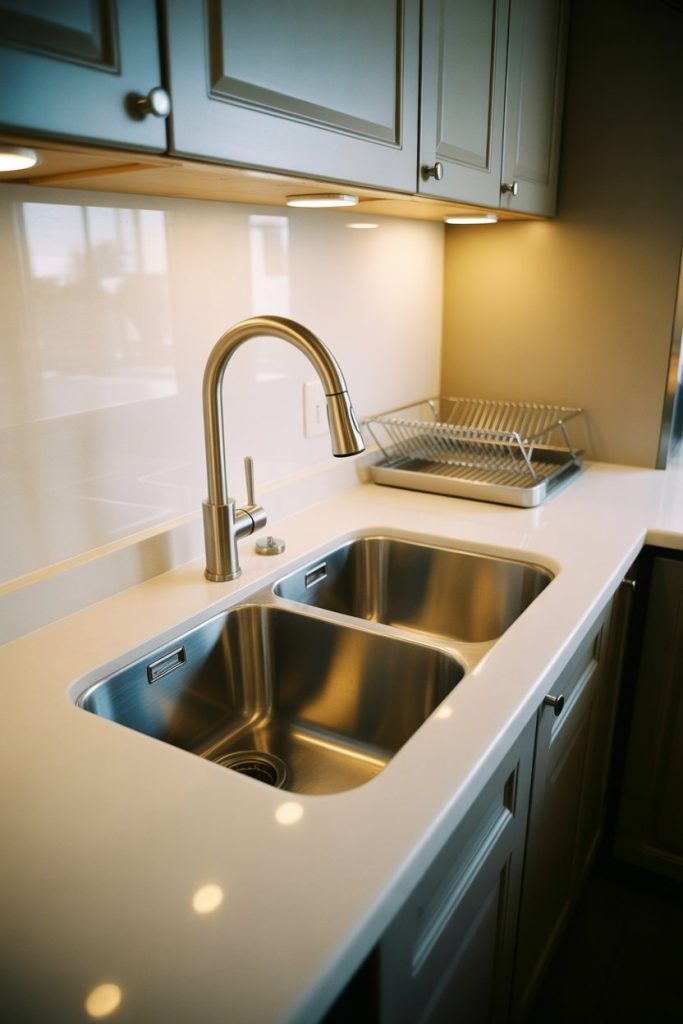
Budget angle: Stainless steel offers the best value across all price points, from builder-grade models under $200 to pro-style sinks exceeding $1,000. Mid-range options ($300–$600) deliver excellent performance for most households, balancing noise reduction, durability, and aesthetics. If you’re renovating on a tight budget, this is one area where you can save without compromising quality—just stick with reputable brands and proper gauge thickness.
18. Gold Faucet Luxe Upgrade
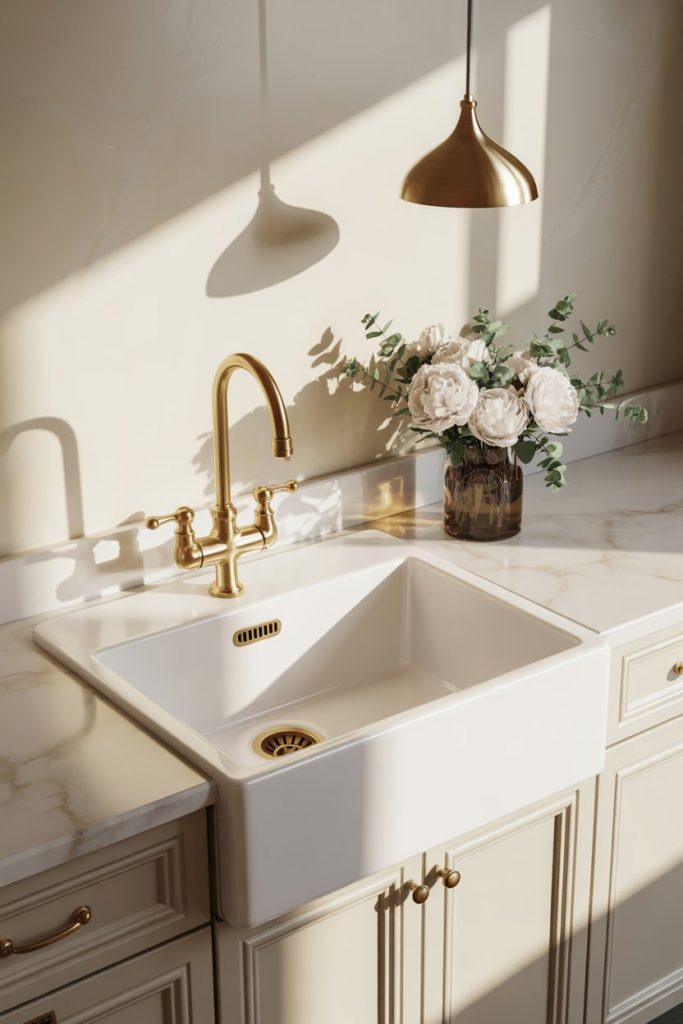
A gold faucet transforms even a basic sink into a luxurious statement piece, with finishes ranging from brushed brass to champagne bronze and polished gold. This hardware trend dominates 2026 design, pairing beautifully with white or black basins to create high-contrast drama. The warm metallic tones soften modern kitchens and add richness to traditional spaces, bridging styles with ease. Look for PVD-coated options that resist tarnishing and maintain their luster through years of use. 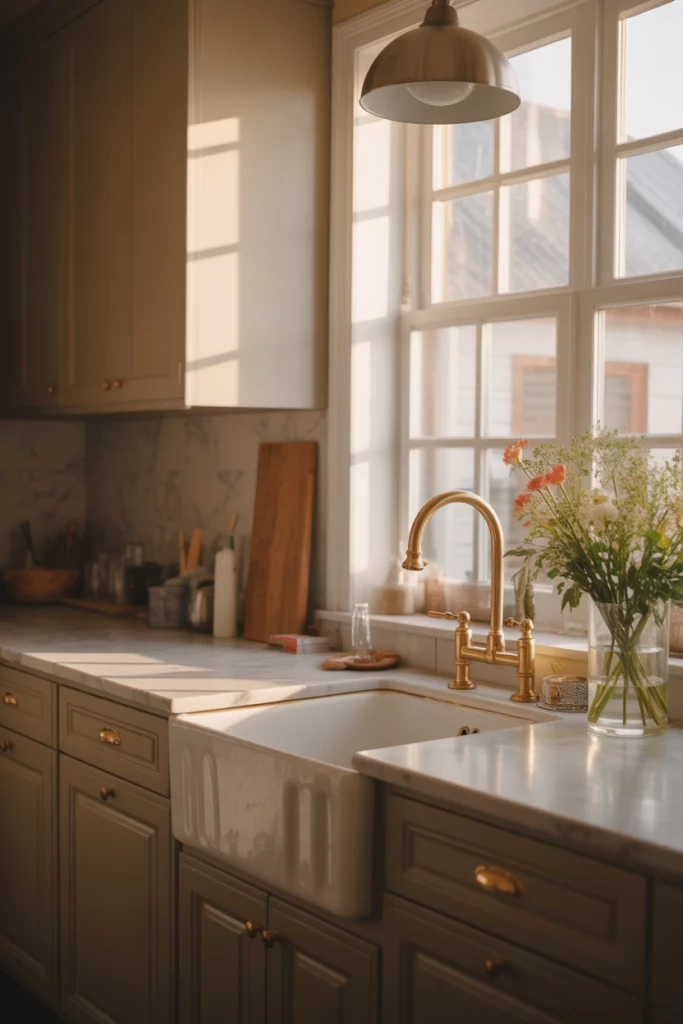
Common mistake: Homeowners sometimes mix too many metal finishes—gold faucet, chrome cabinet pulls, nickel light fixtures—creating visual chaos. Stick to two finishes maximum, letting the gold anchor the palette. If you already have stainless appliances, a gold faucet provides just enough contrast without clashing. And don’t worry about trends; quality brass and gold finishes have been kitchen staples for centuries and will remain elegant long after other fads fade.
19. Double Bowl Undermount Efficiency
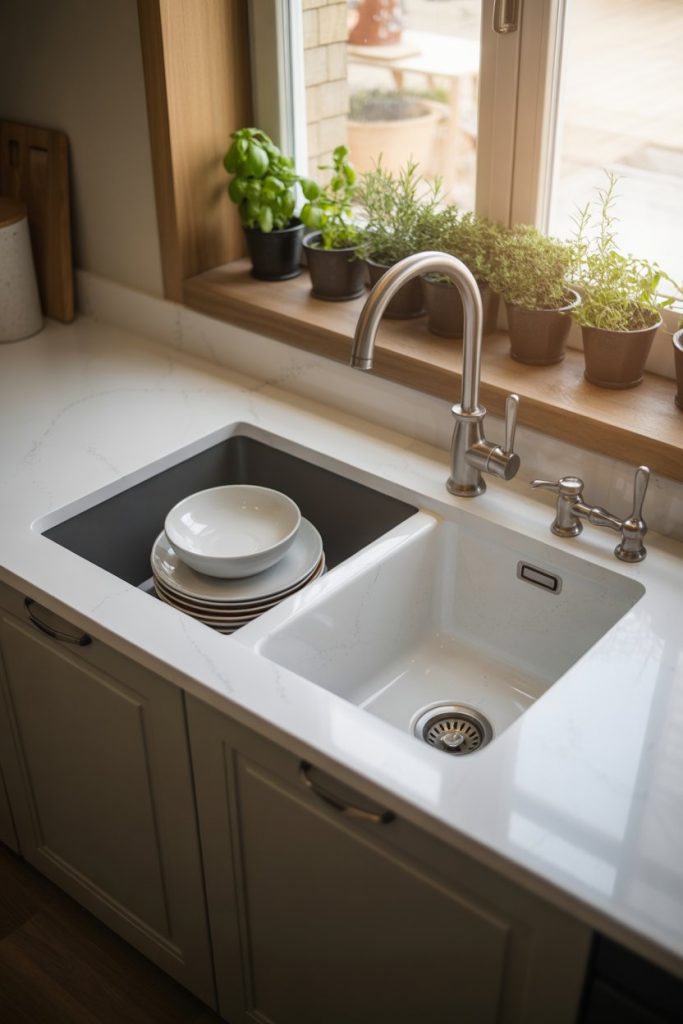
Merging the practicality of a double bowl with the sleek profile of an undermount design creates the ultimate workhorse for busy kitchens. This combination shines in modern spaces where clean lines and hidden hardware reign, and the lack of a rim makes wiping down counters effortless. Opt for a low-divide model where the center wall sits lower than traditional sinks, allowing you to wash larger items while still maintaining separate basins. Stainless steel or composite materials suit this style, offering both resilience and contemporary aesthetics. 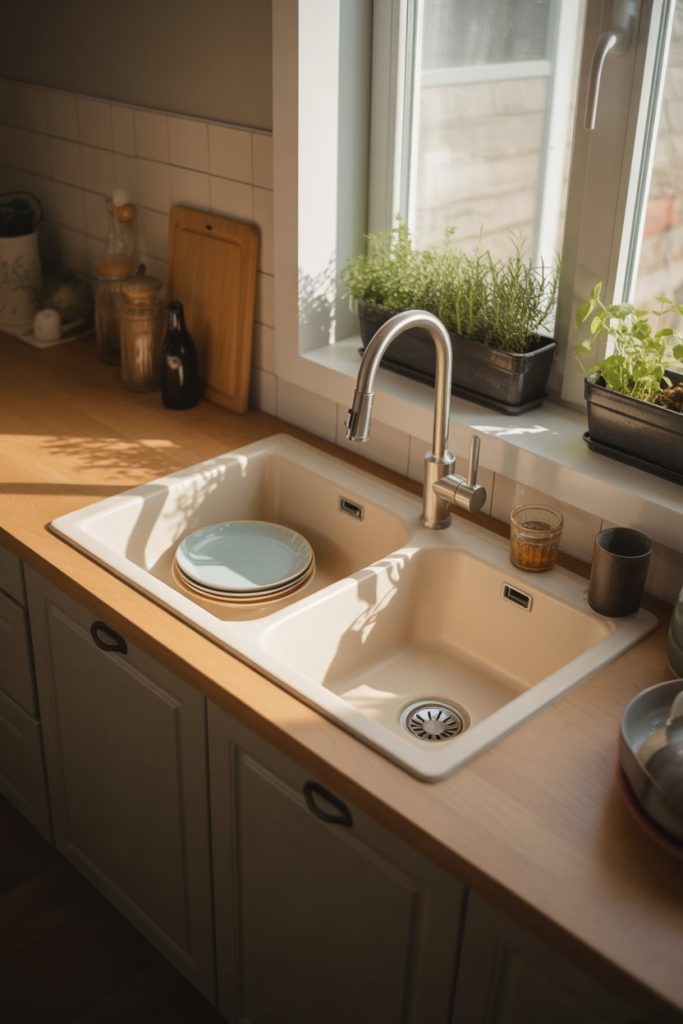
This setup thrives in households with distinct workflows—one person preps while another cleans, or you designate one bowl for vegetarian dishes and the other for meat. The low-divide feature has become increasingly popular because it doesn’t force you to choose between bowl size and functionality. Installation does require precise countertop cuts, so hire an experienced fabricator to ensure the basin sits flush and secure.
20. Vintage Charm Meets Modern Plumbing
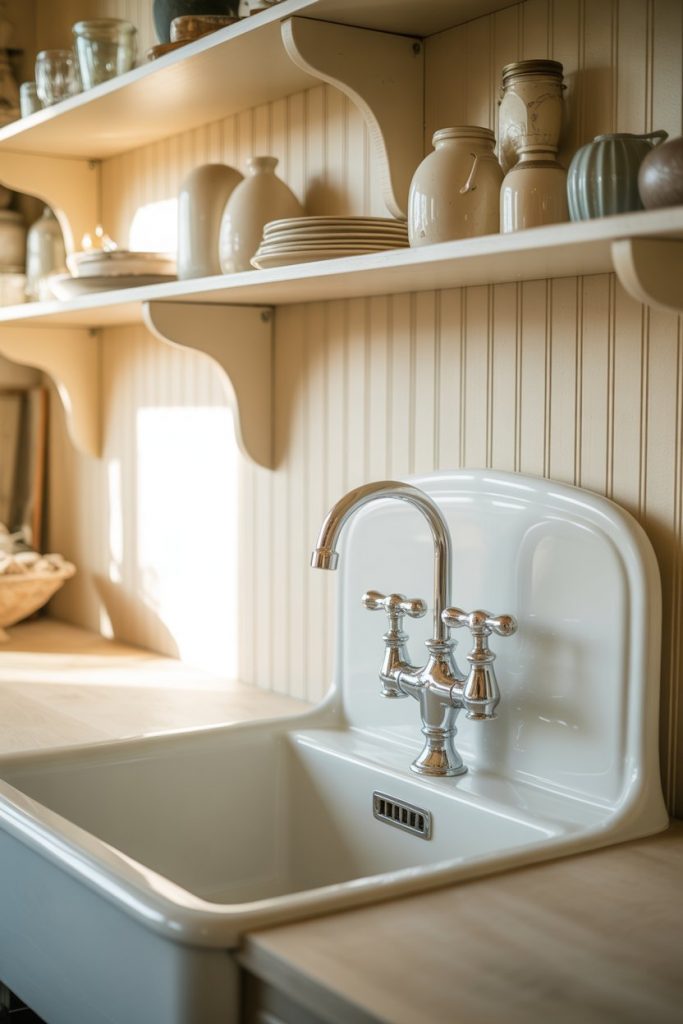
Blending vintage aesthetics with contemporary plumbing technology gives you the best of both worlds—character-rich design without sacrificing performance. Reproduction sinks styled after early 20th-century models now include modern drains, efficient spray nozzles, and sound-dampening features. A white enameled cast-iron basin with a high-back splash evokes nostalgia, while updated internal components ensure reliability. Pair with gold faucet fixtures or cross-handle chrome for an authentic period look that functions seamlessly in 2026 homes. 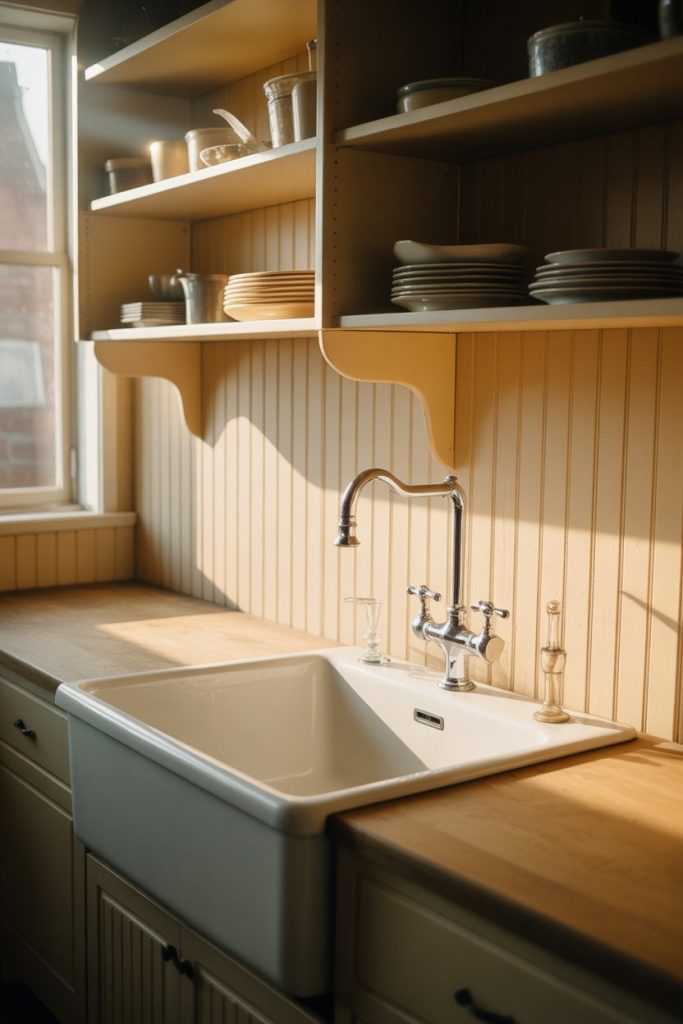
Where this works best is in restoration projects or new builds designed to honor historical styles—think Craftsman bungalows, Victorian revivals, or farmhouse-inspired new construction. The key is balancing authenticity with practicality: modern spray heads, pull-down features, and efficient aerators hide inside classic-looking hardware. Real homeowners renovating century-old properties often discover that updated plumbing behind a vintage façade prevents the headaches of truly old systems while preserving the home’s soul.
21. Above-Counter Artisan Showcase
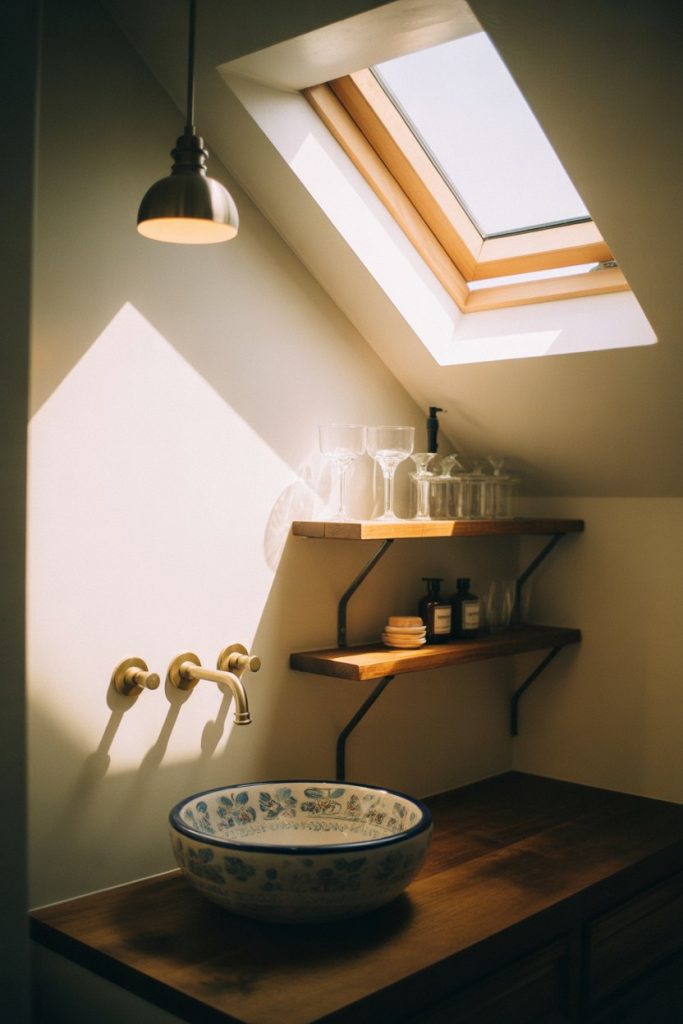
An above-counter sink, where the basin rests entirely atop the counter surface, turns the fixture into sculptural art that redefines kitchen design. These vessel-style sinks work best in unique, high-end spaces where form rivals function—think handcrafted ceramic, hammered copper, or carved stone. The decor potential is limitless, with artisan makers offering custom colors, patterns, and finishes that reflect personal style. Pair with a wall-mounted or vessel-style faucet to keep the counter clear and emphasize the basin’s craftsmanship. 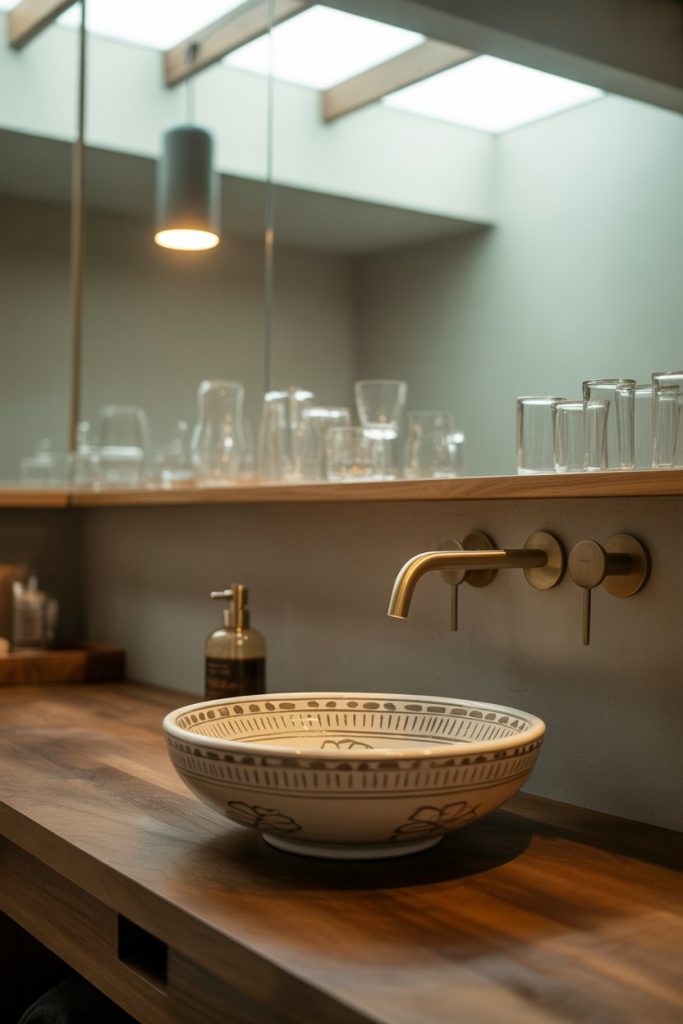
This approach suits secondary sinks in butler’s pantries, wet bars, or dedicated prep zones rather than primary kitchens where practicality reigns. The elevated position can cause more splashing, so plan for a taller faucet spout and adequate counter depth. Budget-wise, artisan sinks range from a few hundred dollars to several thousand depending on materials and craftsmanship. If you’re investing in one, make sure the surrounding design elements—counters, backsplash, hardware—let the sink be the undisputed star.
Conclusion
From sleek undermounts that disappear into countertops to bold farmhouse basins that command attention, your kitchen sink choice shapes how you interact with the heart of your home every single day. Whether you’re drawn to the warm patina of copper, the crisp efficiency of stainless steel, or the nostalgic charm of vintage porcelain, there’s a design that fits your lifestyle and aesthetic. Which of these ideas resonates most with your vision? Drop a comment below and let’s keep the conversation flowing—we’d love to hear how you’re reimagining your kitchen for 2026 and beyond.