If you’ve been scrolling Pinterest lately, you already know—the kitchen is having a moment. Heading into 2026, Americans aren’t just updating countertops or swapping cabinet hardware. They’re rethinking the entire way their kitchens feel, function, and flow. Whether you’re working with a sprawling suburban layout or a compact city condo, this year’s remodel trends lean toward warmth, personality, and practicality over cold perfection. In this roundup, we’ve gathered fresh kitchen remodel ideas that span every style, budget, and footprint—from farmhouse charm to midcentury sleekness, tiny RV galleys to split-level transformations. Pin what speaks to you, bookmark the rest, and let’s get into it.
1. Warm Walnut Galley Kitchen With Brass Details
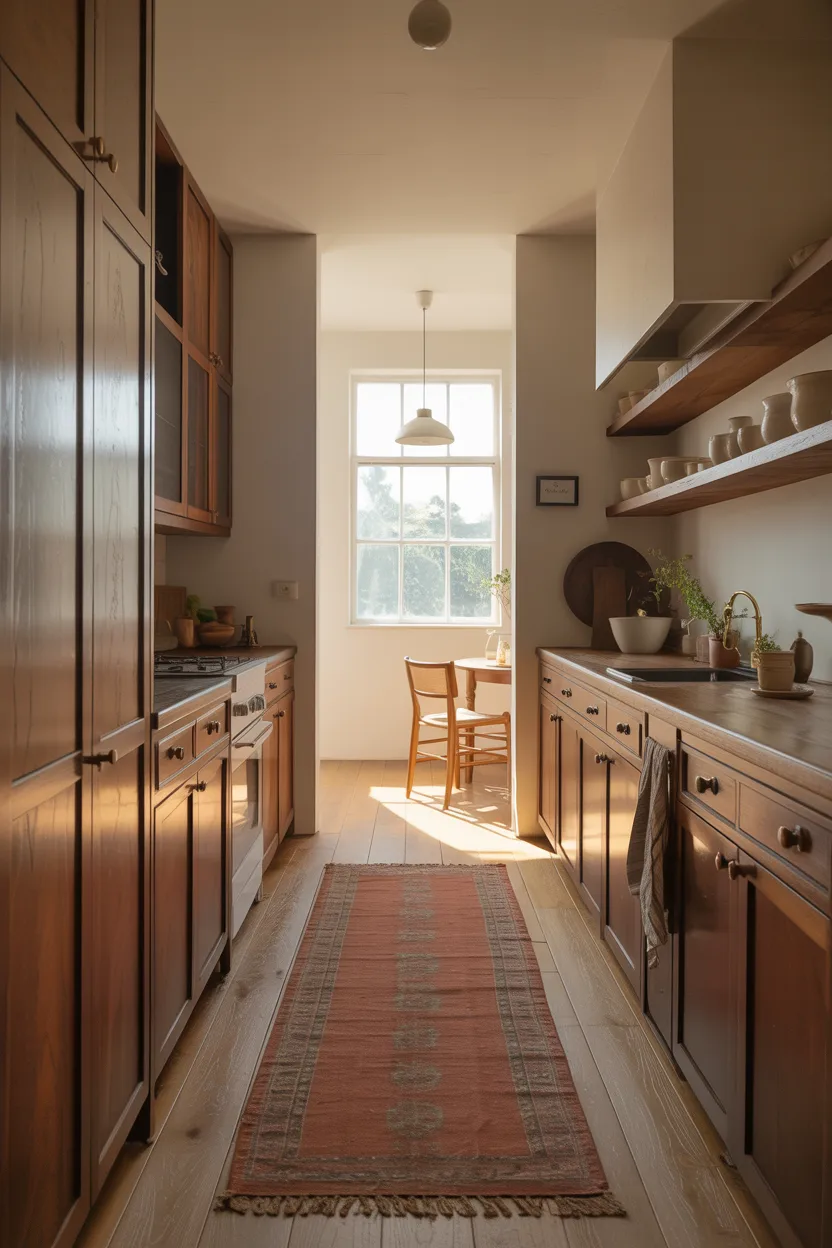
The galley layout has always been a smart choice for narrow spaces, but in 2026 it’s getting a serious glow-up. Picture deep walnut cabinetry lining both walls, punctuated by unlacquered brass pulls that will patina beautifully over time. This is a small galley idea that trades the clinical white-box look for something genuinely inviting. A slim runner rug in a muted terracotta adds warmth underfoot, and open shelving on one side keeps the corridor from feeling closed in. It’s proof that tight dimensions don’t have to mean tight style.
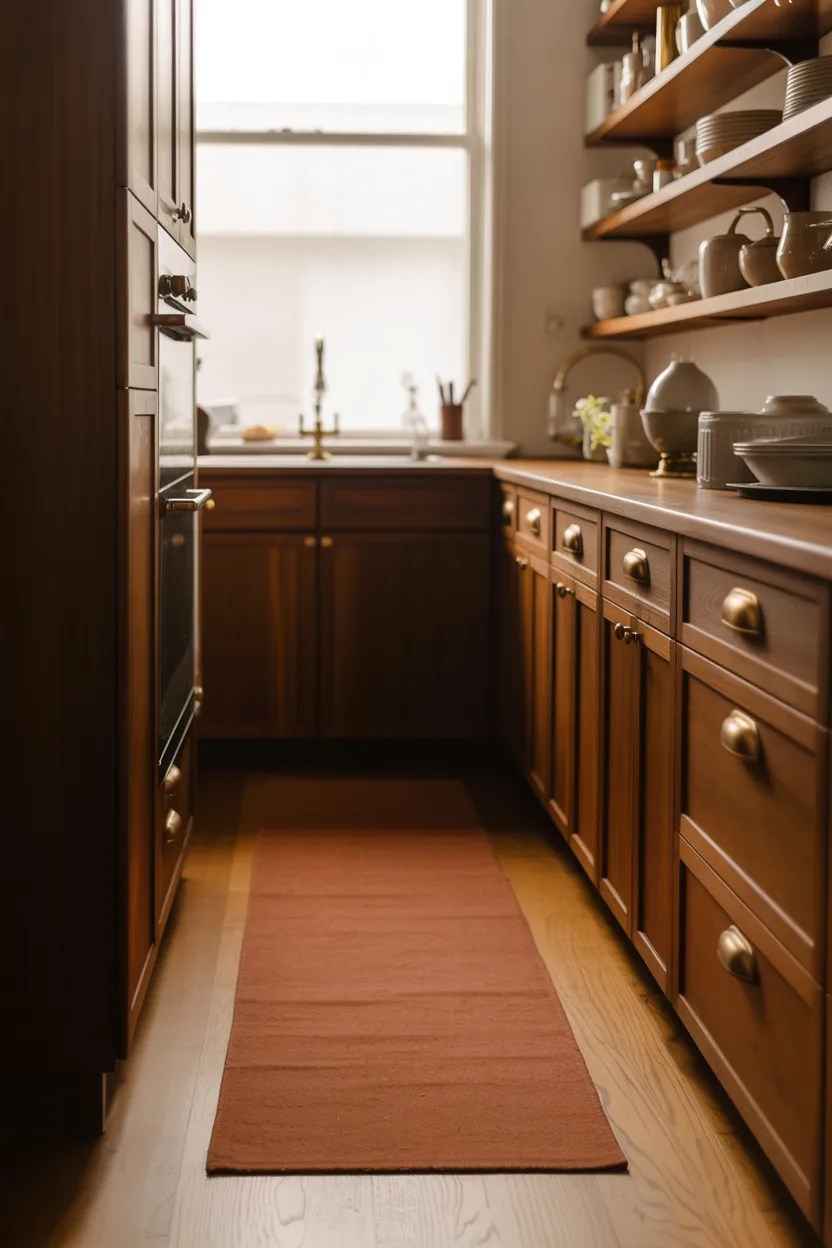
Where this layout really shines is in older homes—think 1940s bungalows and postwar Capes—where the kitchen was never designed to be a gathering space. Instead of fighting the footprint, lean into it. A galley remodel in these homes typically runs between $15,000 and $30,000 depending on finishes, and the return on investment is strong because you’re maximizing every square inch. The key mistake to avoid here is going too dark on both walls without enough lighting; always layer at least three light sources (under-cabinet, pendant, and recessed) to keep walnut tones from swallowing the room.
2. Budget-Friendly Painted Cabinet Refresh
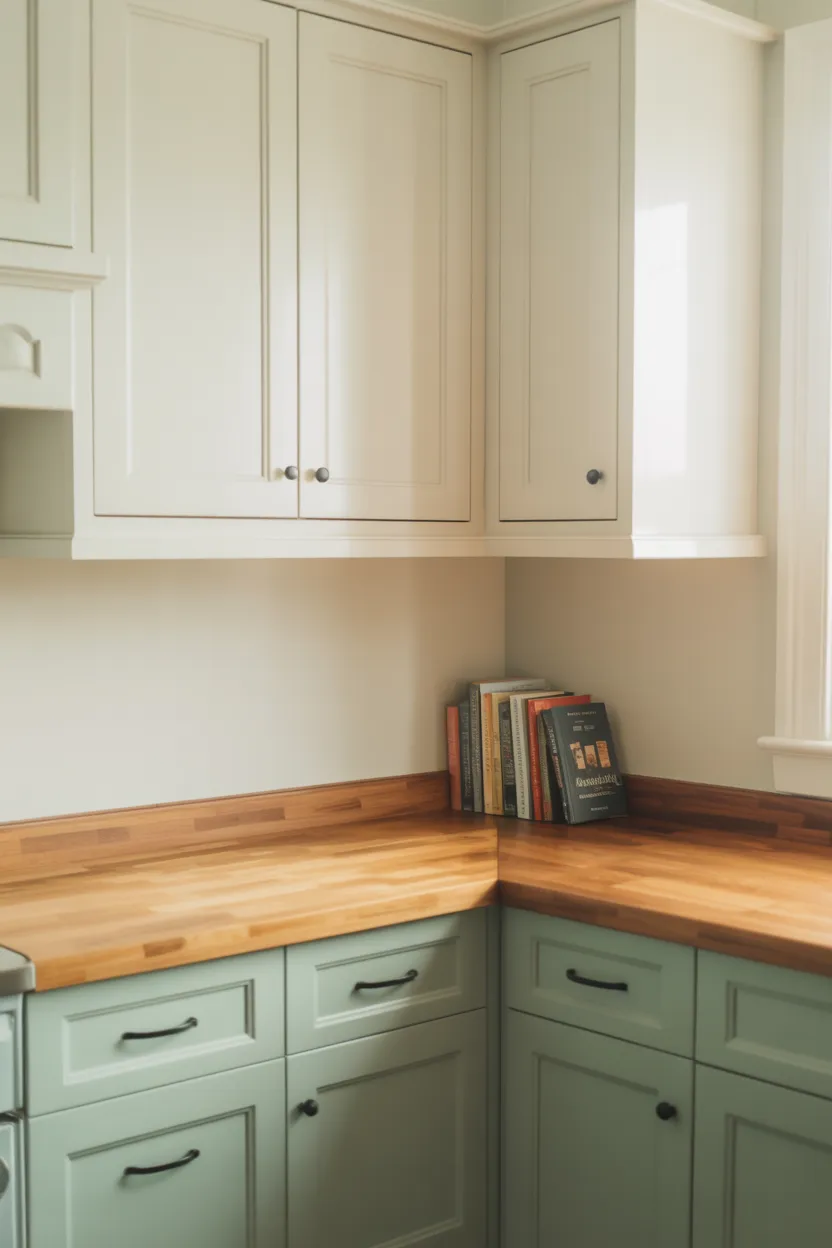
Not every kitchen remodel requires a sledgehammer. One of the most satisfying budget ideas this year is a full cabinet repaint paired with updated hardware—a project that can transform a dated kitchen for under $800 if you do the prep work yourself. Sage green, dusty blue, and warm clay are leading the color conversation in 2026, and they all photograph beautifully for your inspiration boards. The trick is in the sanding and priming; skip those steps, and you’ll be peeling within a year. But do it right, and this simple weekend project punches way above its weight.
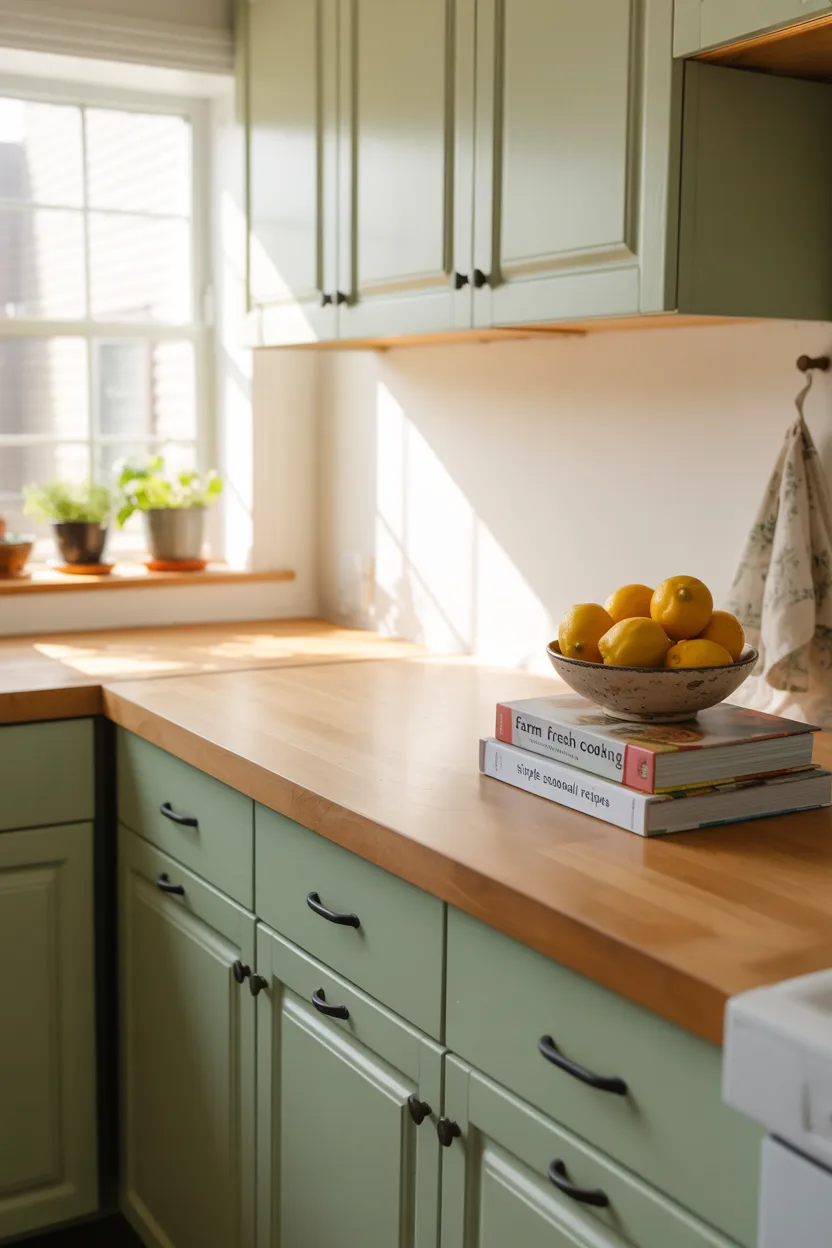
A friend of mine in Raleigh repainted her oak cabinets a soft mushroom tone last spring, swapped the hinges for concealed European-style ones, and added a peel-and-stick marble backsplash. The total cost came in around $620. Her neighbor assumed she’d spent five figures. That’s the power of a well-executed paint job—it changes the entire energy of the room without touching the layout or plumbing. If you’re renting or just not ready for a gut renovation, this is where to start.
3. Midcentury Modern Open-Concept Kitchen
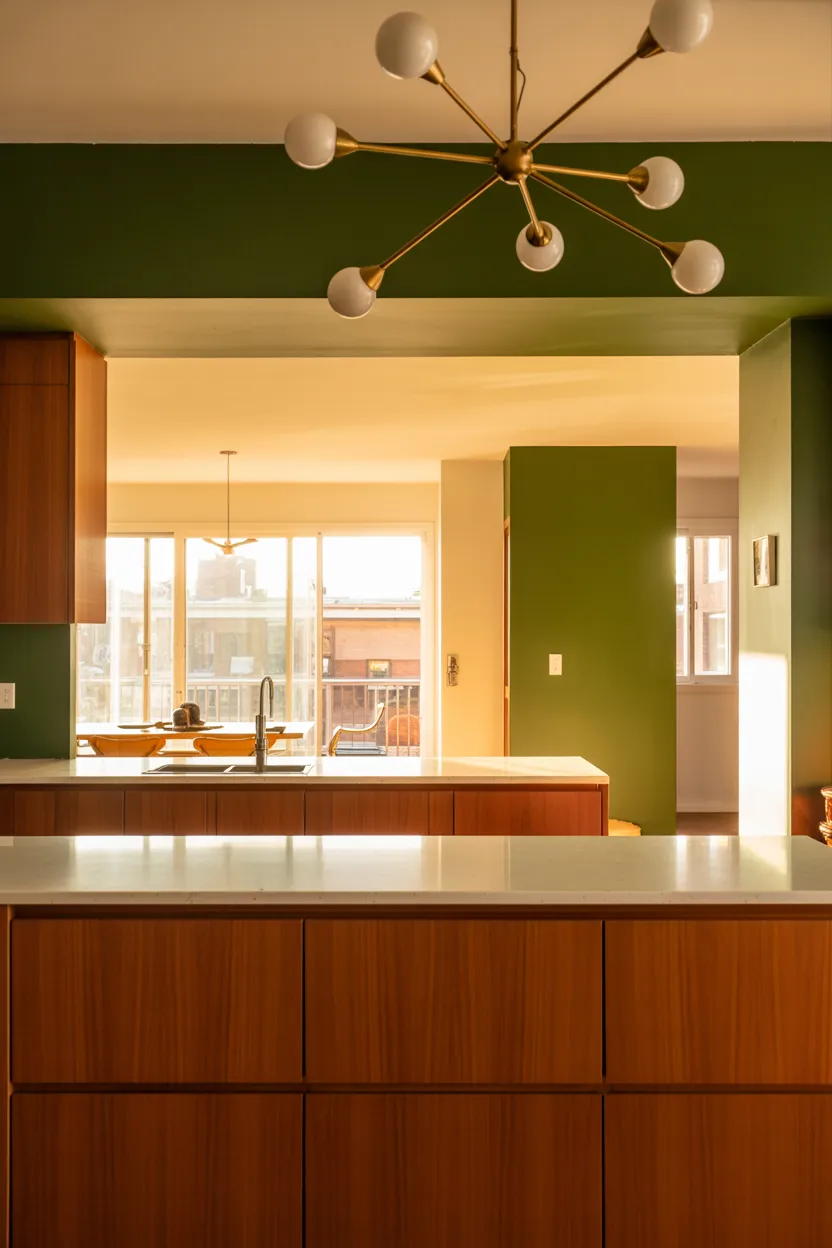
The midcentury revival shows no signs of slowing down, and kitchens are the latest room to get the full midcentury modern treatment. Think flat-panel cabinetry in teak or white oak, clean horizontal lines, and a restrained palette of cream, olive, and burnt orange. What makes this MCM approach feel fresh for 2026 rather than retro-kitschy is the integration of modern appliances behind panel-ready fronts. The dishwasher disappears, the fridge blends in, and the overall effect is architecture-forward—like the kitchen was always meant to look this way.
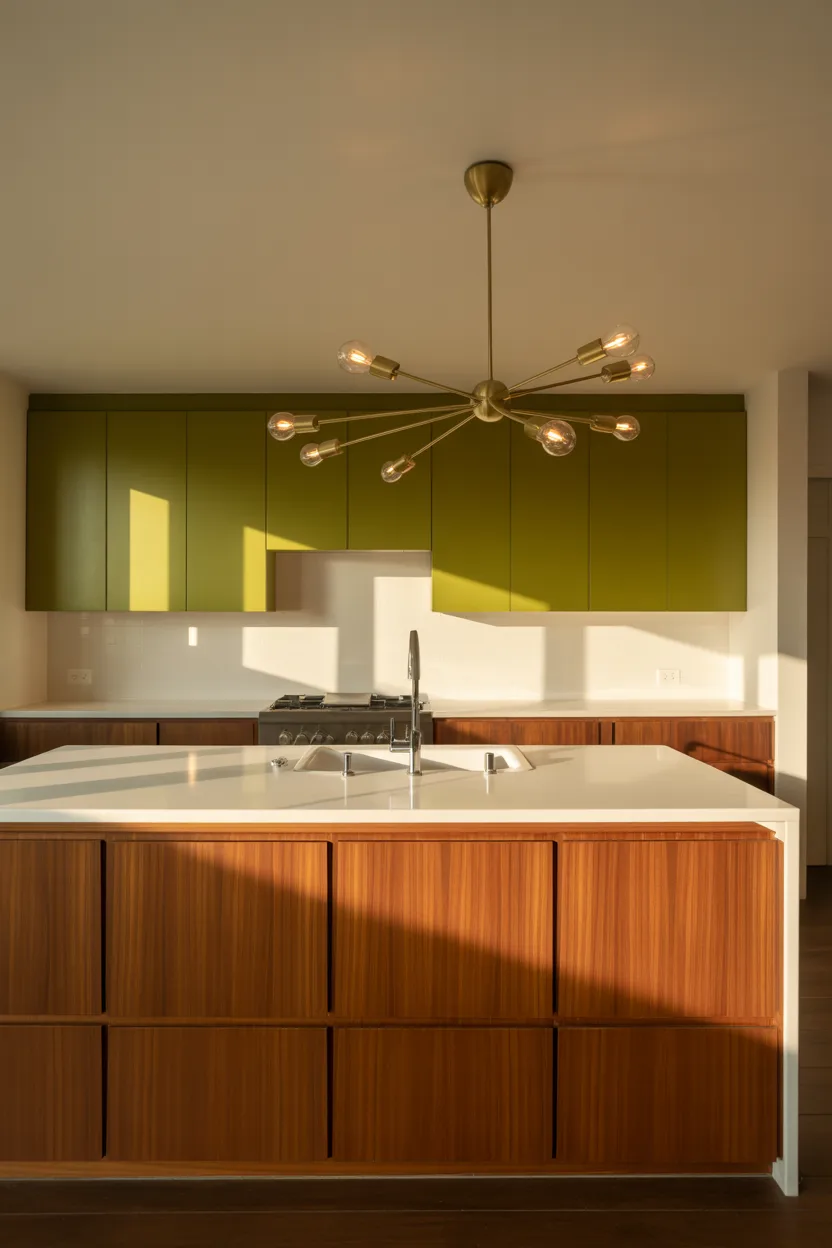
This style works best in ranch homes and split-levels built between 1950 and 1975 — the bones are already there. In cities like Palm Springs, Portland, and parts of the Twin Cities, MCM kitchen remodels have become almost a rite of passage for new homeowners. The design philosophy rewards restraint: keep the countertop uncluttered, let the wood grain do the talking, and choose one bold accent color rather than competing patterns. It’s a look that feels both nostalgic and decisively modern at the same time.
4. Farmhouse Kitchen With Modern Edge
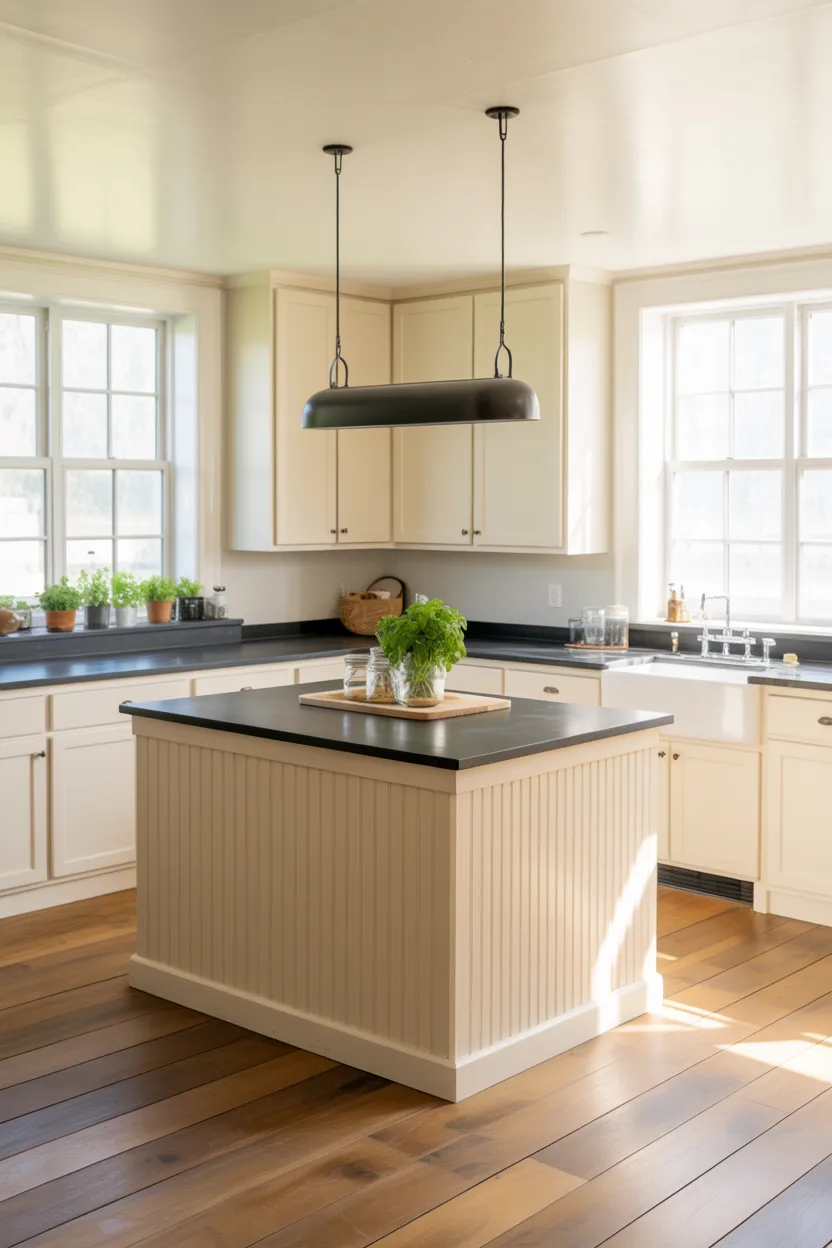
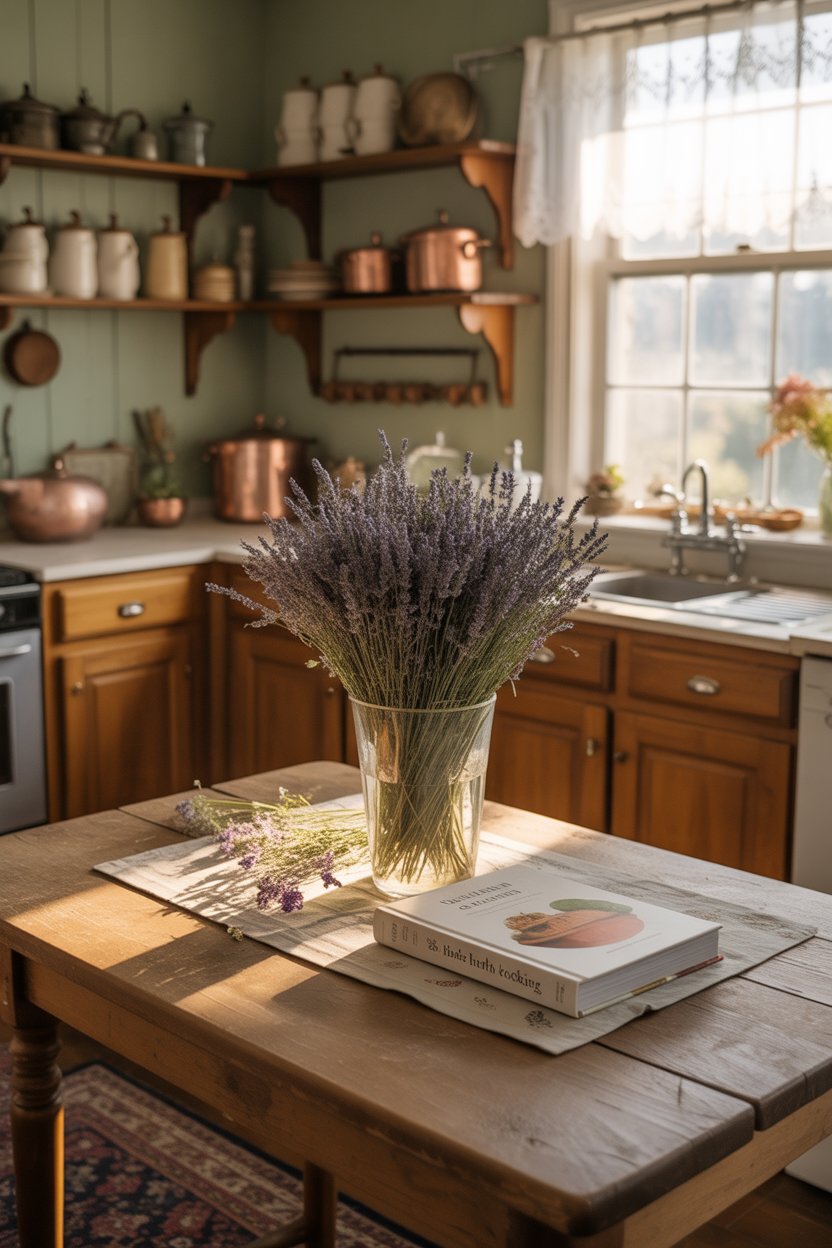
The farmhouse kitchen has been a Pinterest darling for years, but the 2026 version has grown up. Gone are the overly distressed finishes and the shiplap-on-every-surface approach. This year’s take mixes traditional farmhouse warmth—an apron-front sink, beadboard on the island base, open shelving with ironstone—with sharper modern details like thin-profile countertops and matte black linear lighting. The result is a kitchen that feels collected and personal rather than themed. It’s the kind of space where a cast-iron skillet and a sleek induction cooktop coexist happily.
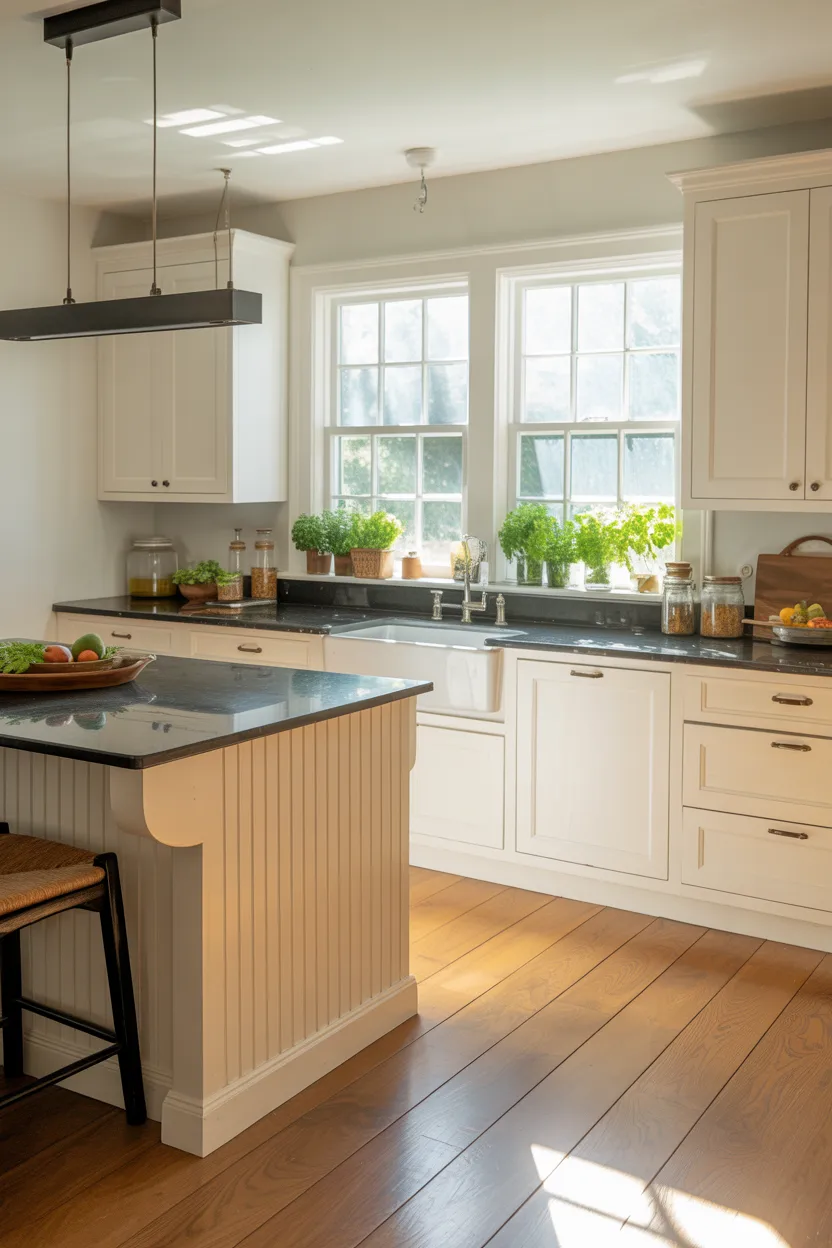
Interior designers across the Midwest and South are noting that clients still love the farmhouse spirit—the sense of abundance, the idea that the kitchen is the heart of the home—but they want it to feel less like a catalog and more like real life. The expert advice? Pick two or three genuinely vintage elements (a salvaged barn beam, a flea market light fixture, hand-thrown pottery) and let everything else be clean and contemporary. That tension between old and new is exactly what keeps the farmhouse kitchen from feeling overdone.
5. Compact Condo Kitchen Maximizer
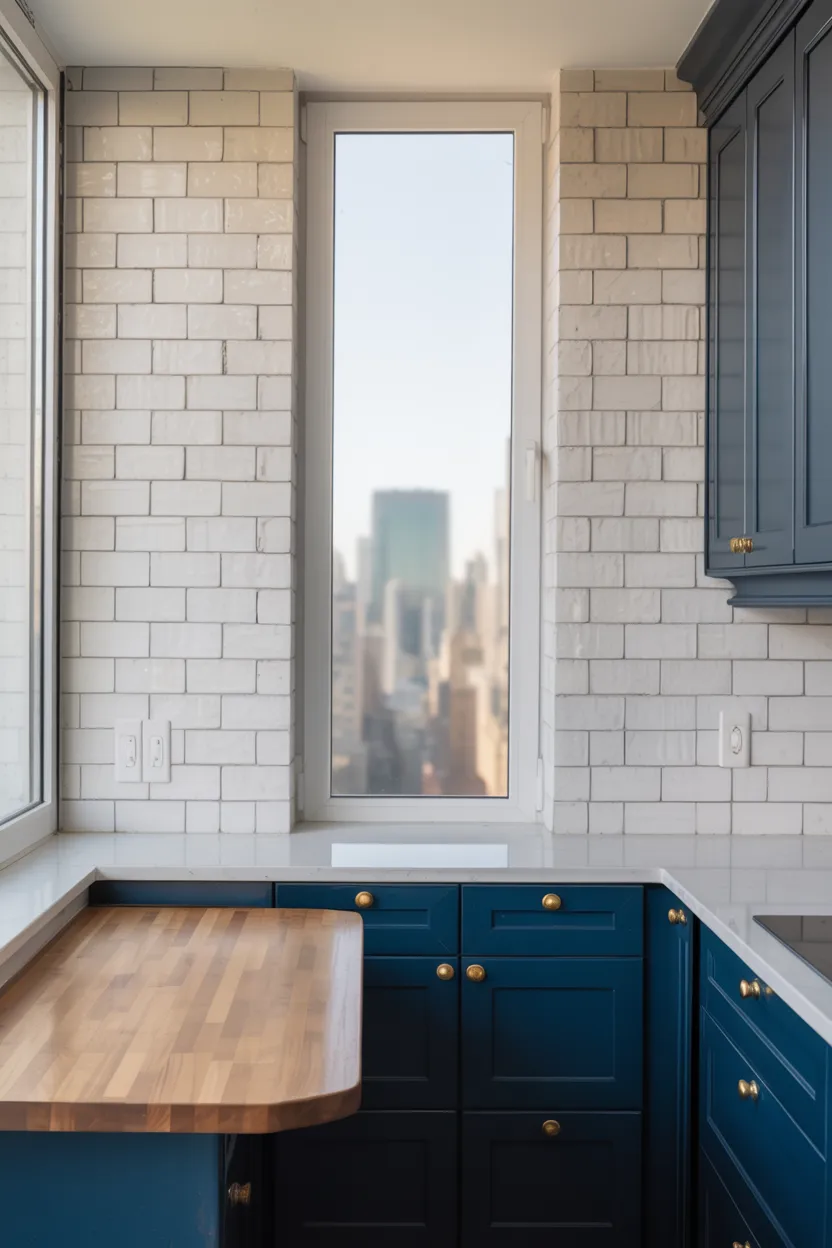
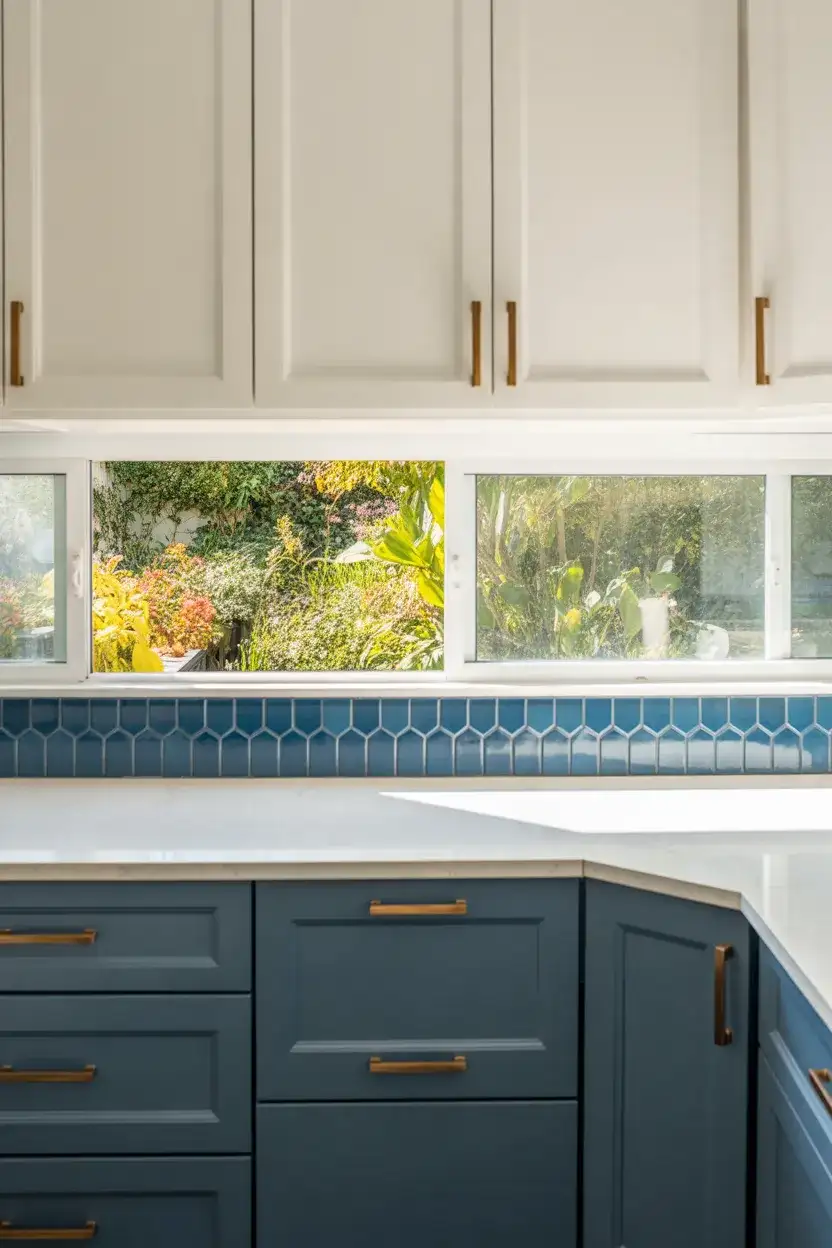
Living in a condo means every inch of your kitchen has to earn its place. The best ideas for small spaces in 2026 focus on vertical storage, integrated appliances, and a surprisingly bold use of color. A narrow galley or L-shaped condo kitchen doesn’t have to be white and boring—deep navy lowers with brass hardware, a full-height tile backsplash, and a fold-down breakfast bar can make eighty square feet feel genuinely luxurious. The goal isn’t to pretend you have more space; it’s to make the space you have feel intentional and well-edited.
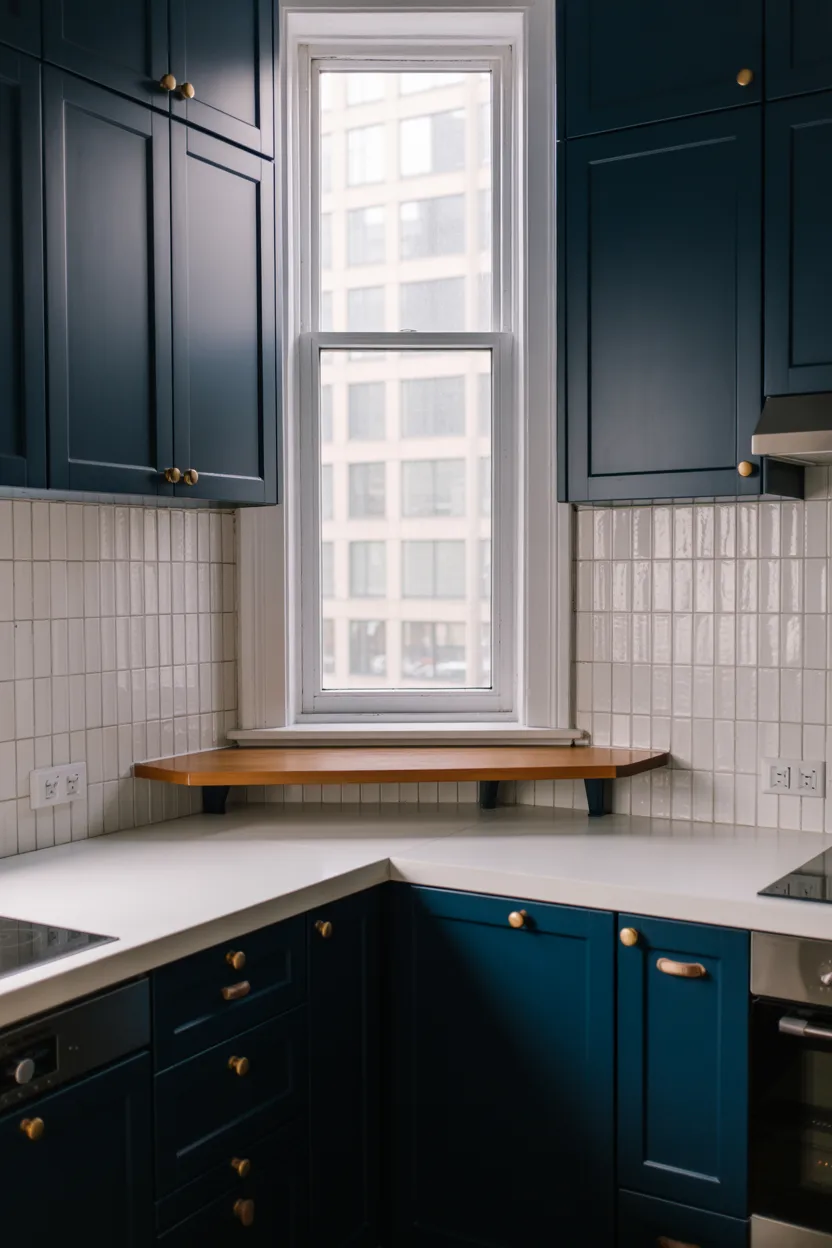
Real homeowners in high-rise buildings from Chicago to Seattle are increasingly investing in custom pull-out pantry inserts and appliance garages that hide the toaster and coffee maker behind closed doors. These small upgrades—usually $2,000 to $4,000 installed—dramatically reduce visual clutter and make a compact kitchen feel twice its size. The homeowners who get the best results are the ones who audit every single item in their kitchen before the remodel begins, keeping only what they use weekly and finding a new home for everything else.
6. DIY Peel-and-Stick Backsplash Transformation
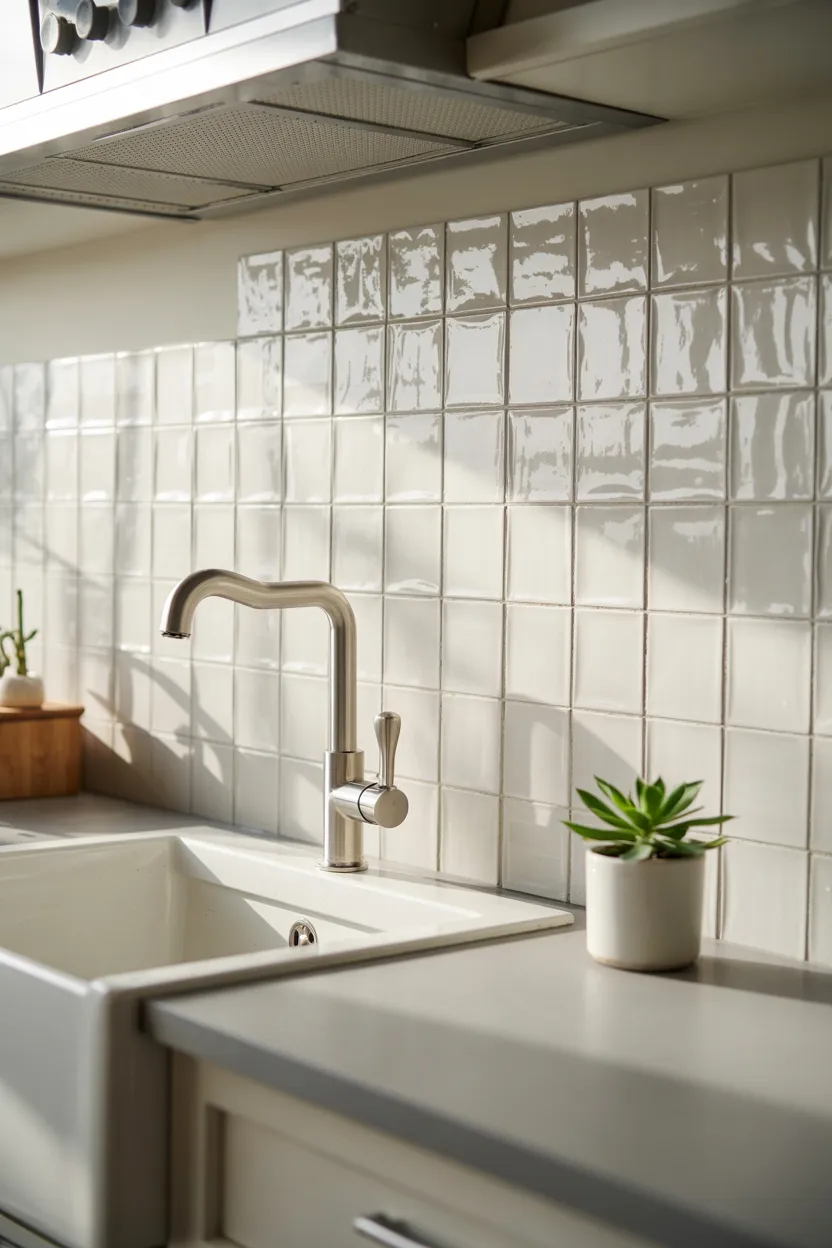
For renters and first-time homeowners watching their wallets, a DIY backsplash project remains one of the highest-impact, lowest-risk kitchen upgrades you can tackle in a weekend. The peel-and-stick tile market has exploded in quality since even two years ago—today’s options mimic Carrara marble, hand-glazed zellige, and even fluted stone with startling accuracy. This is a simple approach that pairs beautifully with a cabinet repaint for a complete visual overhaul. The best part? If you change your mind in a year, it peels right off without damaging the wall underneath.
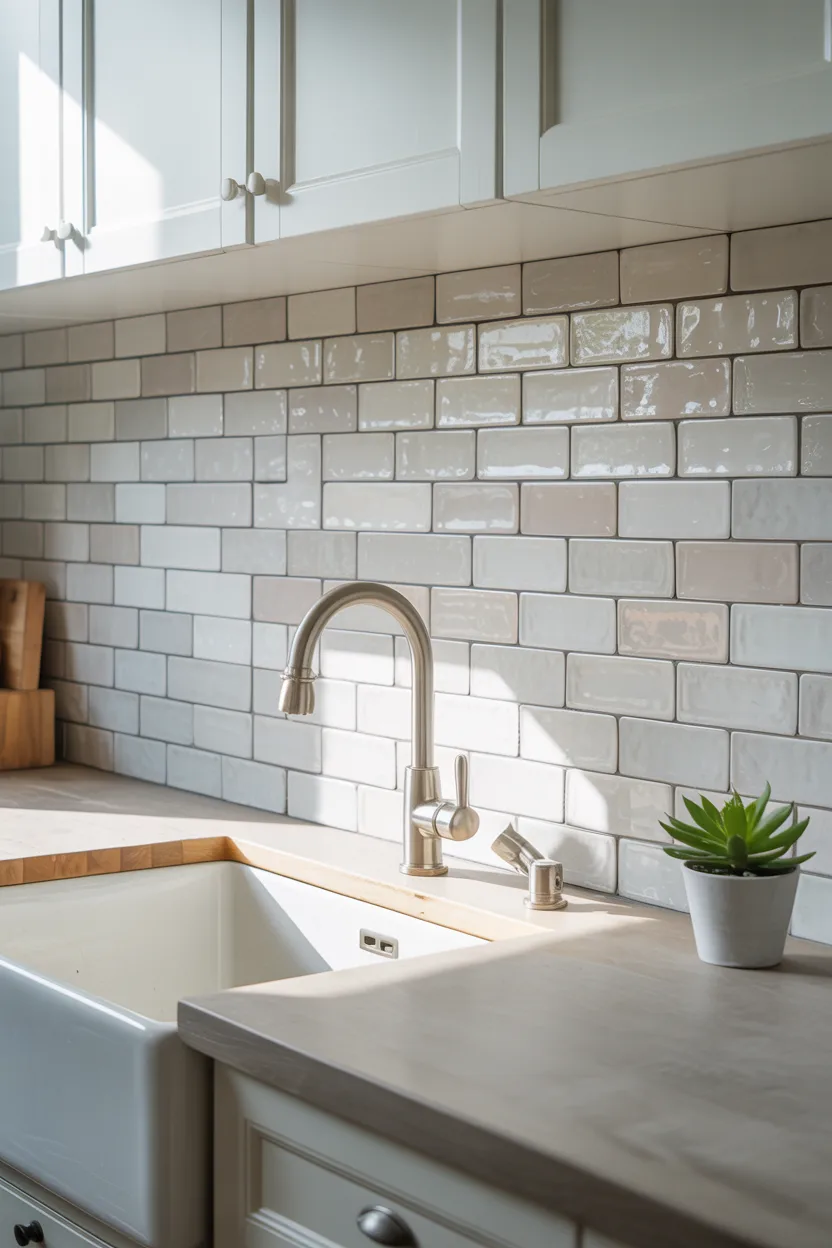
The most common mistake with peel-and-stick tile is skipping surface prep. You need a clean, dry, smooth wall—any grease, dust, or texture will compromise the adhesive within weeks. Wipe the entire area with rubbing alcohol, let it dry fully, and start your first row along a level line, not along the countertop edge (which is almost never perfectly level). Budget around $150 to $300 for materials to cover a standard backsplash area. It’s the kind of project that makes you feel like you’ve unlocked a cheat code for home improvement.
7. Split-Level Kitchen With Open Sightlines
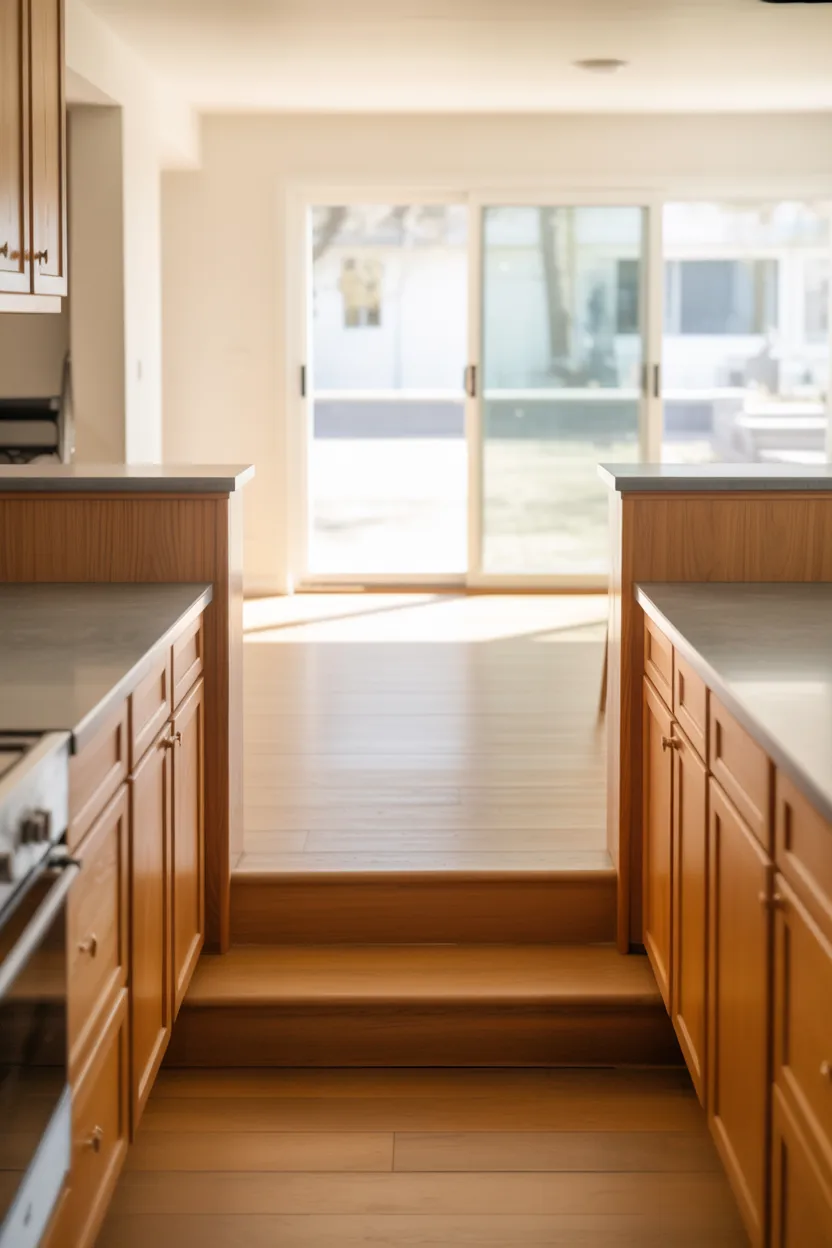
Split-level homes have a reputation for feeling choppy and compartmentalized, but a thoughtful kitchen remodel can completely change that narrative. The 2026 approach is to open the wall between the kitchen and the adjacent living or dining area—even a partial removal with a structural header—to create visual flow between levels. Pair that with consistent flooring and a cohesive color palette, and your split level suddenly feels like a deliberate architectural statement rather than a builder’s afterthought. This is one of the most dramatic ideas for improving resale value in suburban markets.
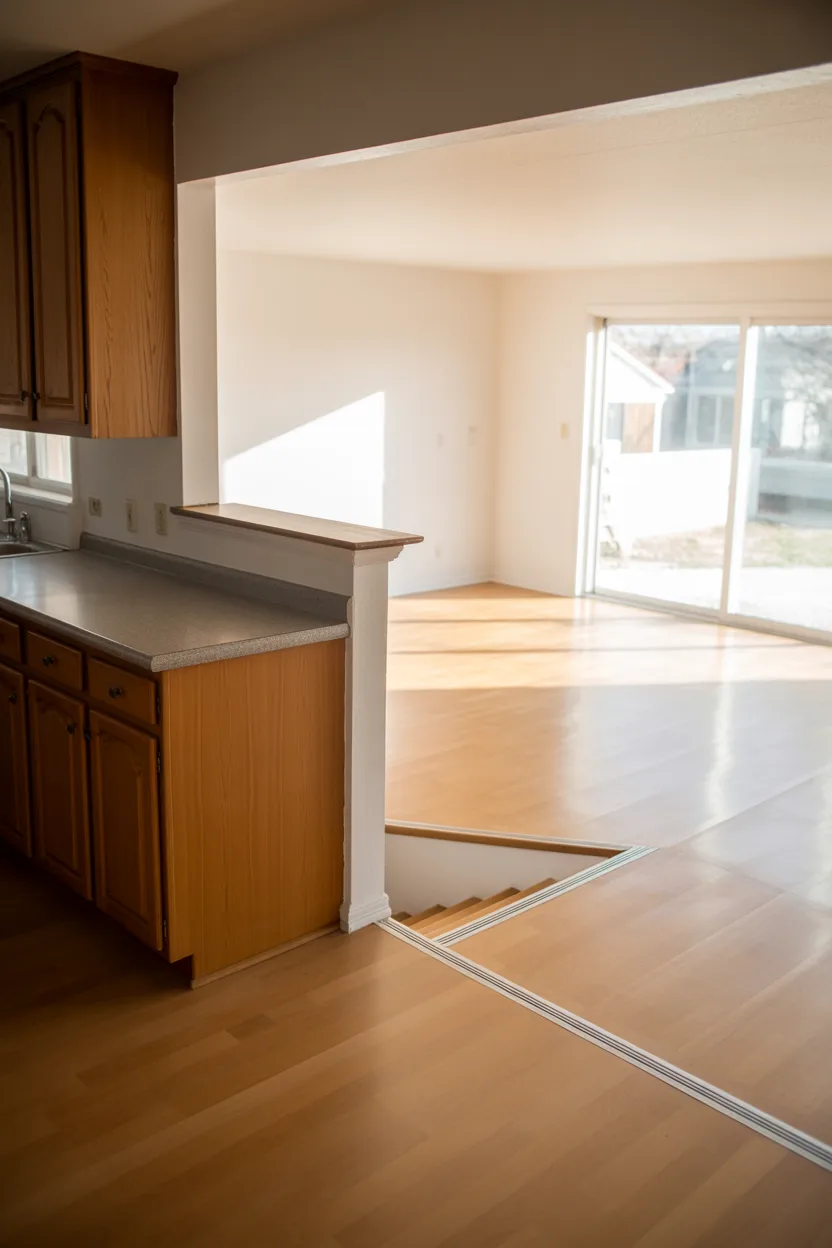
Across the Northeast and upper Midwest—where split-levels were built by the thousands in the 1960s and ’70s—this kind of remodel is becoming one of the most requested projects among contractors. The half-wall removal alone typically costs $3,000 to $8,000 depending on whether it’s load-bearing. But homeowners who’ve done it report that the kitchen instantly feels like a completely different house. The connected sightline from the cooking area down to the family room below makes the home feel larger, brighter, and far more social for everyday living.
8. RV Kitchen Upgrade With Residential Finishes
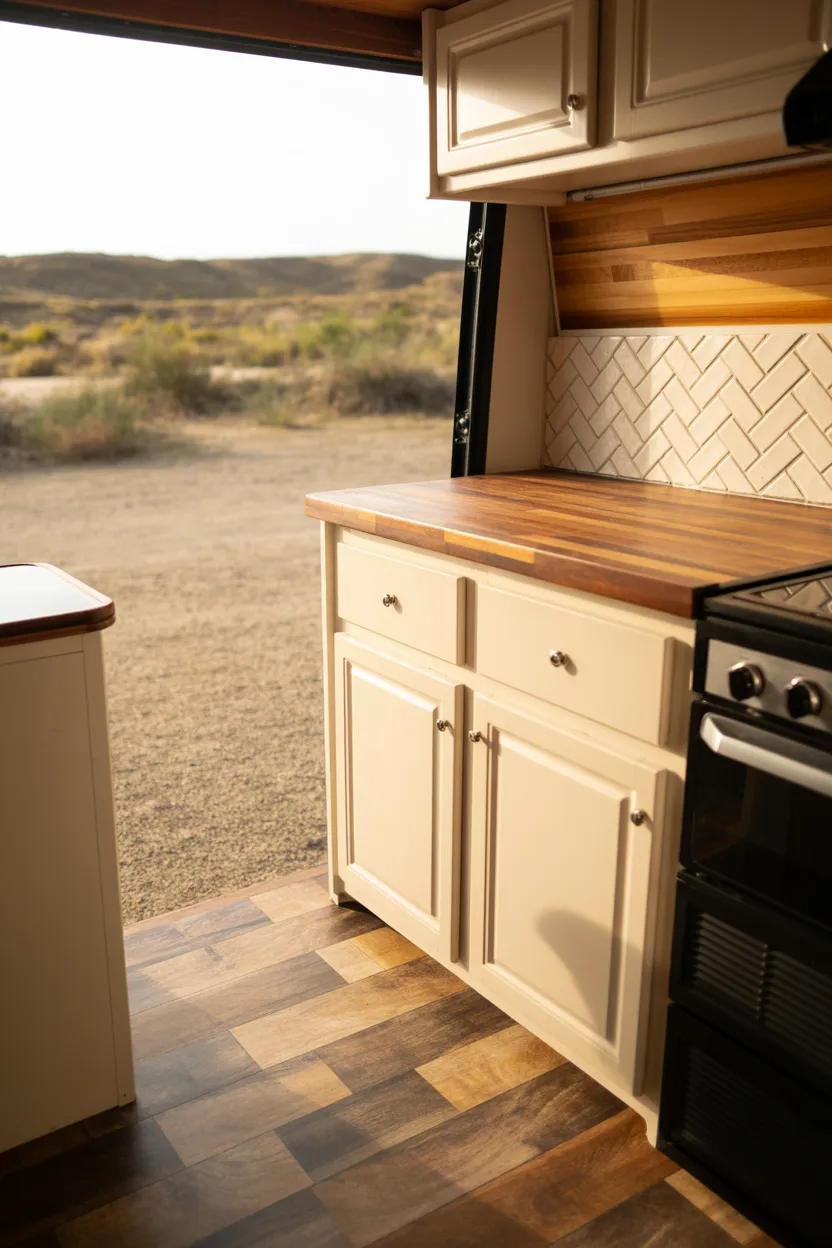
The RV lifestyle keeps growing, and so does the desire to make those rolling kitchens feel less like a vehicle and more like home. The trend for 2026 is applying residential-grade finishes—real wood veneer, solid surface countertops, ceramic tile backsplashes—to the compact camper kitchen layout. Even a Class C motorhome can benefit from a butcher block counter replacement and peel-and-stick stone-look flooring. These upgrades transform the cooking area from a plastic-and-laminate afterthought into something that is genuinely inspiration-worthy, the kind of space you’d actually want to post on Instagram from a campsite in Sedona.
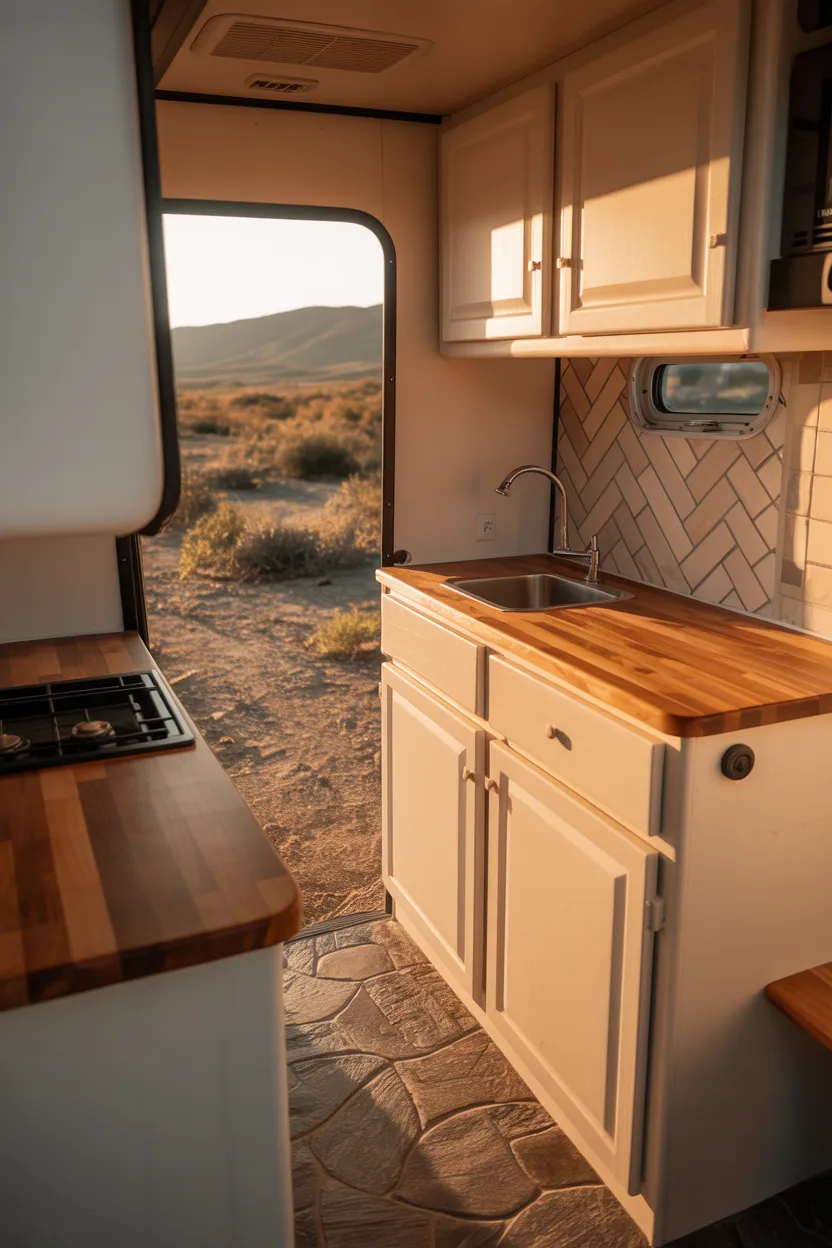
Weight is the number one concern when upgrading an RV kitchen—every material choice has to balance aesthetics against pounds on the road. Real granite is out; lightweight quartz composites and butcher block are in. Solid hardwood cabinet doors can be swapped for wood-veneer-over-MDF to save significant weight while still looking and feeling like the real thing. Budget between $1,500 and $5,000 depending on scope, and always weigh your rig before and after. It’s a practical consideration that residential remodelers never have to think about, but it’s everything on wheels.
9. Craftsman Kitchen With Built-In Character
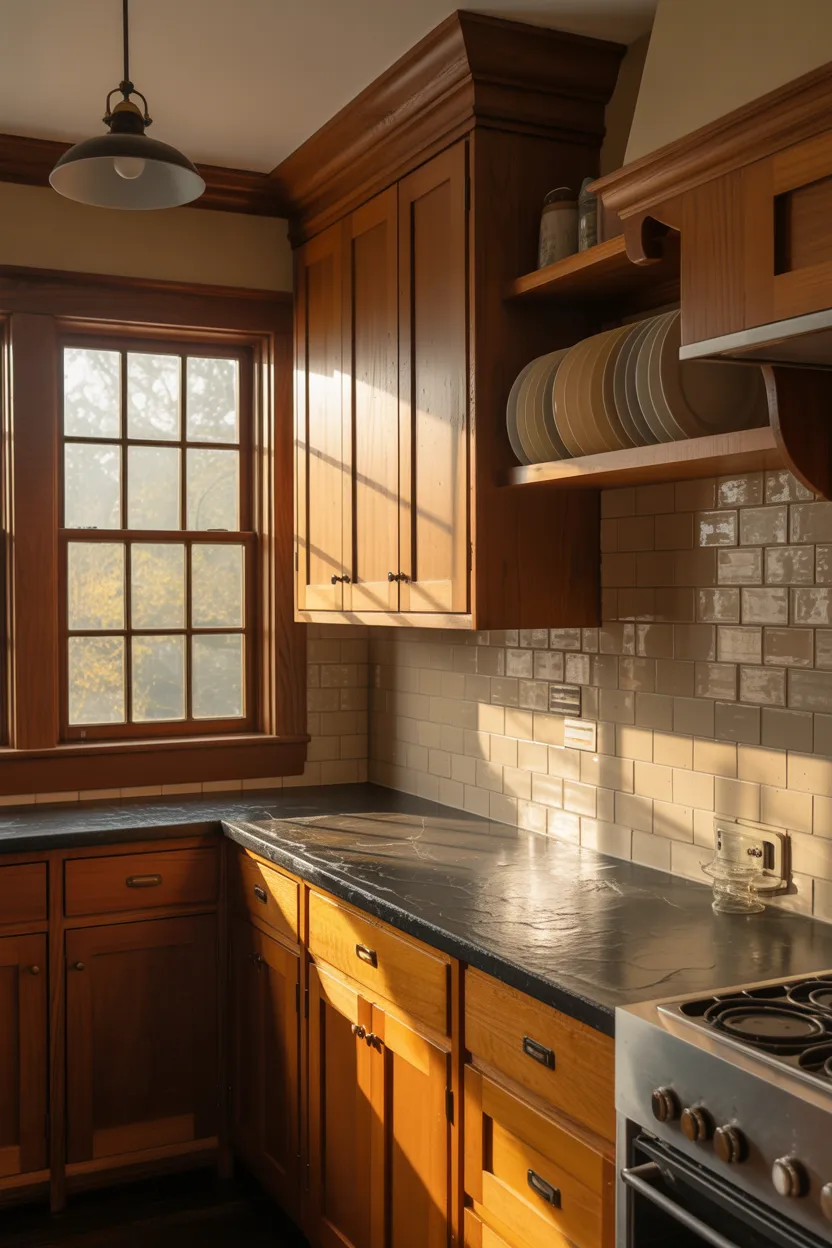
There’s a reason Craftsman homes remain among the most beloved in American residential architecture—every detail is purposeful, and the kitchen should honor that legacy. A Craftsman kitchen remodel in 2026 leans into quarter-sawn white oak cabinetry, handmade subway tile in warm ivory, and period-appropriate lighting like schoolhouse pendants or aged-brass sconces. The beauty of this style is that it rewards quality materials and careful joinery over trendy finishes. If you live in a Craftsman bungalow anywhere from Pasadena to Buffalo, this approach will feel like the kitchen your house always deserved.
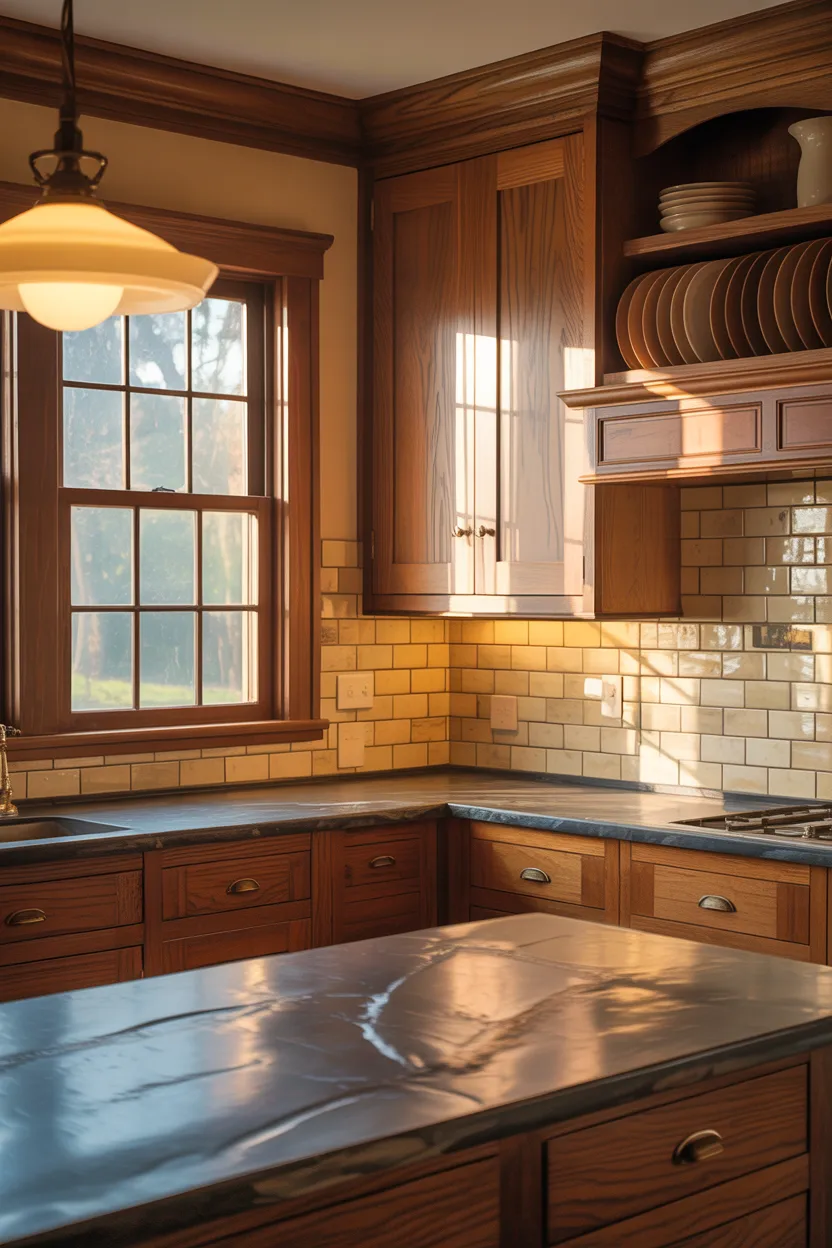
Designers who specialize in period homes consistently say the biggest mistake in Craftsman kitchen remodels is mixing in contemporary elements that clash with the home’s DNA — waterfall-edge quartz, ultra-modern hardware, or flat-slab doors. The style has its own internal logic: rectilinear proportions, visible craftsmanship, and natural materials. Stay within that language and you’ll create something timeless. Stray too far and you’ll end up with a kitchen that looks like it belongs in a different house. When in doubt, study original Craftsman kitchens from the early 1900s for proportional cues.
10. Tiny Kitchen Big on Storage
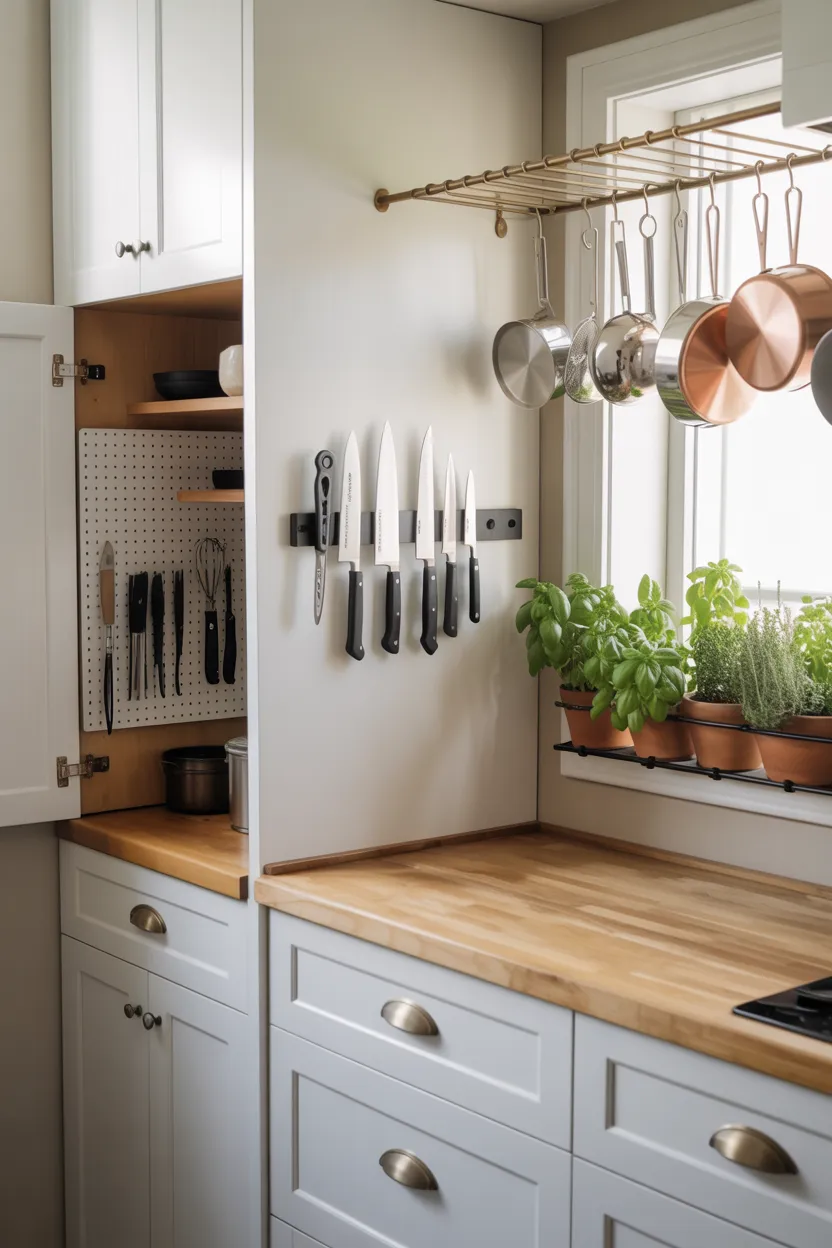
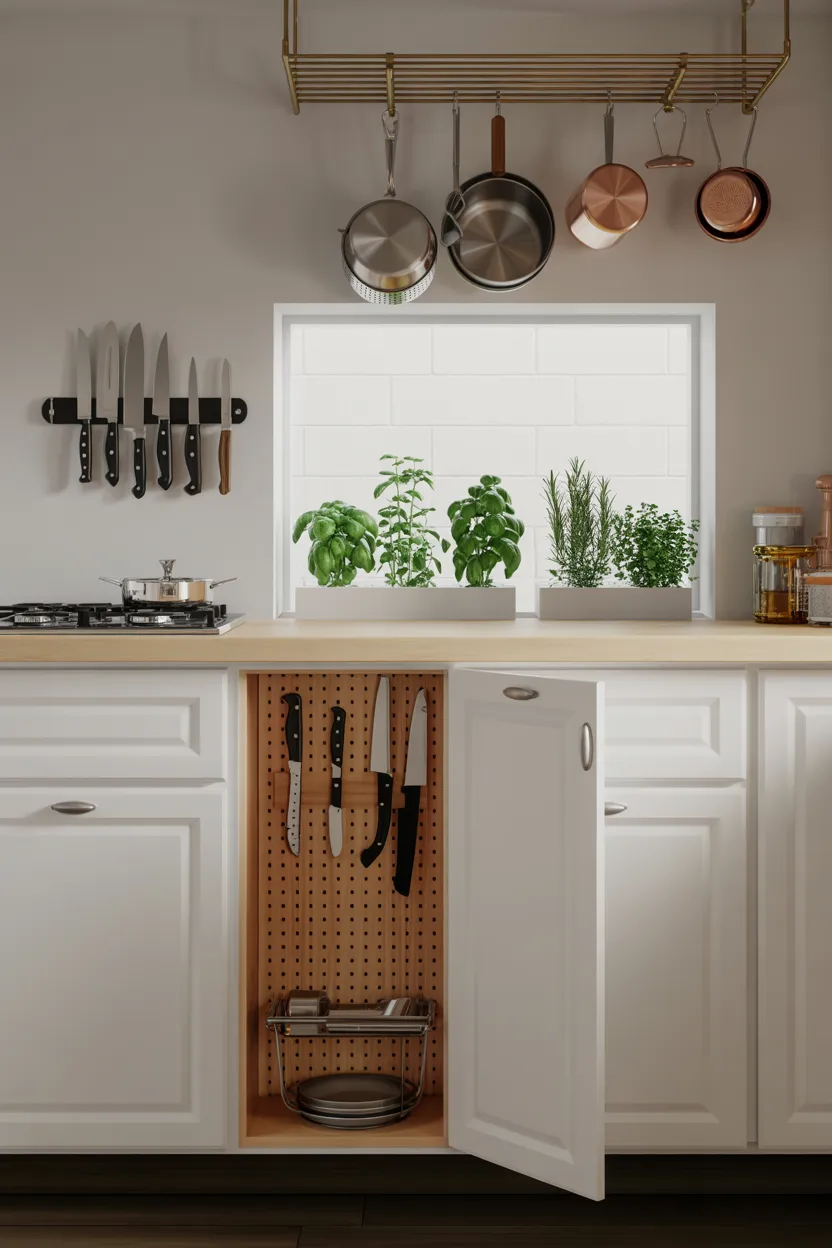
When your kitchen measures under sixty square feet, every cabinet door and drawer becomes prime real estate. Tiny kitchen remodels in 2026 are all about engineered storage—magnetic knife strips, pegboard interiors on cabinet doors, toe-kick drawers beneath base cabinets, and ceiling-mounted pot racks that free up precious counter space. This is the kind of small-space thinking that turns a frustrating galley into a surprisingly functional cooking zone. Pair these smart storage solutions with a light, reflective palette, and you’ll trick the eye into seeing a bigger room than actually exists.
Here’s what real homeowners in tiny kitchens consistently report: the remodel that made the biggest difference wasn’t a layout change or a countertop upgrade—it was adding interior cabinet organizers. Pull-out spice racks, lazy Susans for corner cabinets, and stackable shelf risers can double your usable storage for under $500 total. It’s not glamorous, and it won’t make your Pinterest board pop, but it will change your daily experience of cooking in a small space more than almost anything else you could do.
11. Double-Wide Mobile Home Kitchen Overhaul
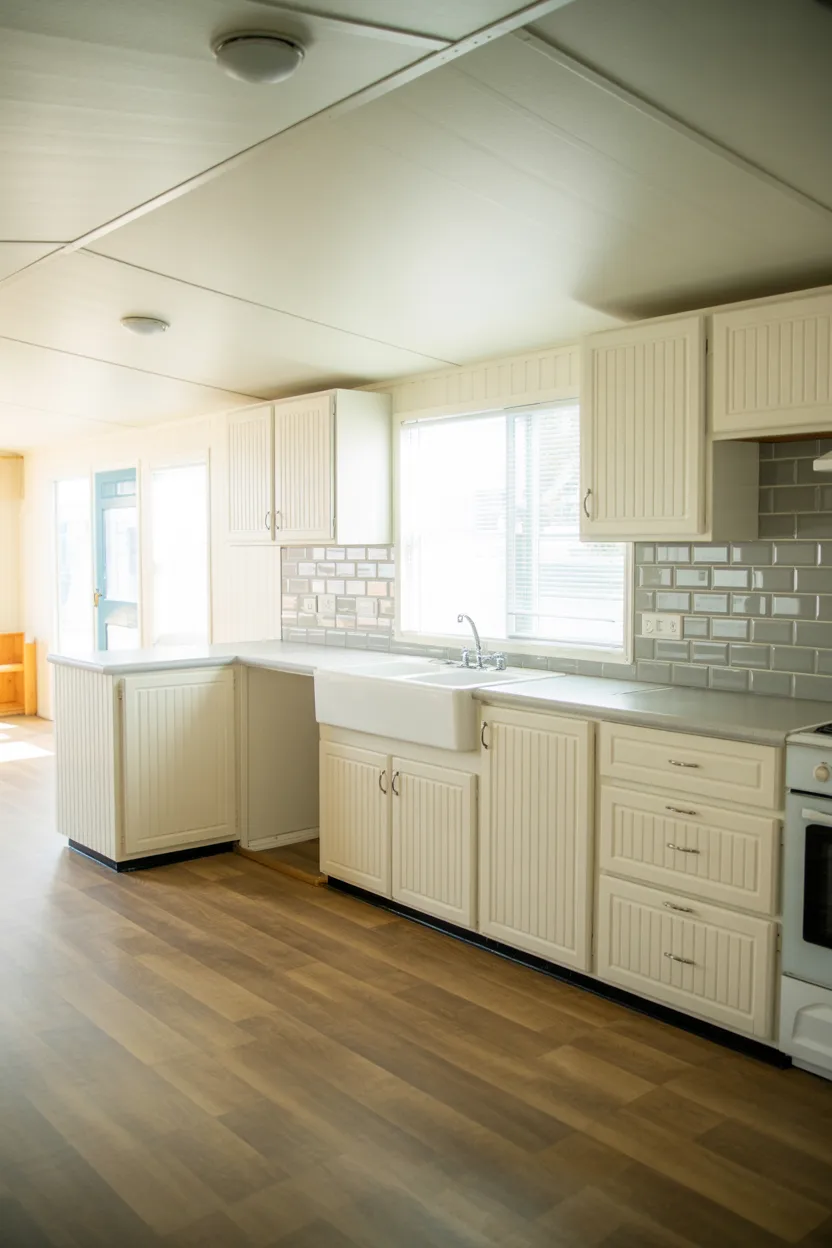
There’s a quiet revolution happening in mobile home kitchens across America, and the double-wide format is leading the charge. These homes often come with generous kitchen square footage—sometimes more than a typical apartment—but the stock finishes rarely do the space justice. A 2026 mobile home remodel focuses on replacing particleboard cabinetry with painted MDF shaker-style doors, installing a real tile backsplash, and upgrading to a farmhouse sink that anchors the room. The bones are good; the finishes just need to catch up to the homeowner’s taste.
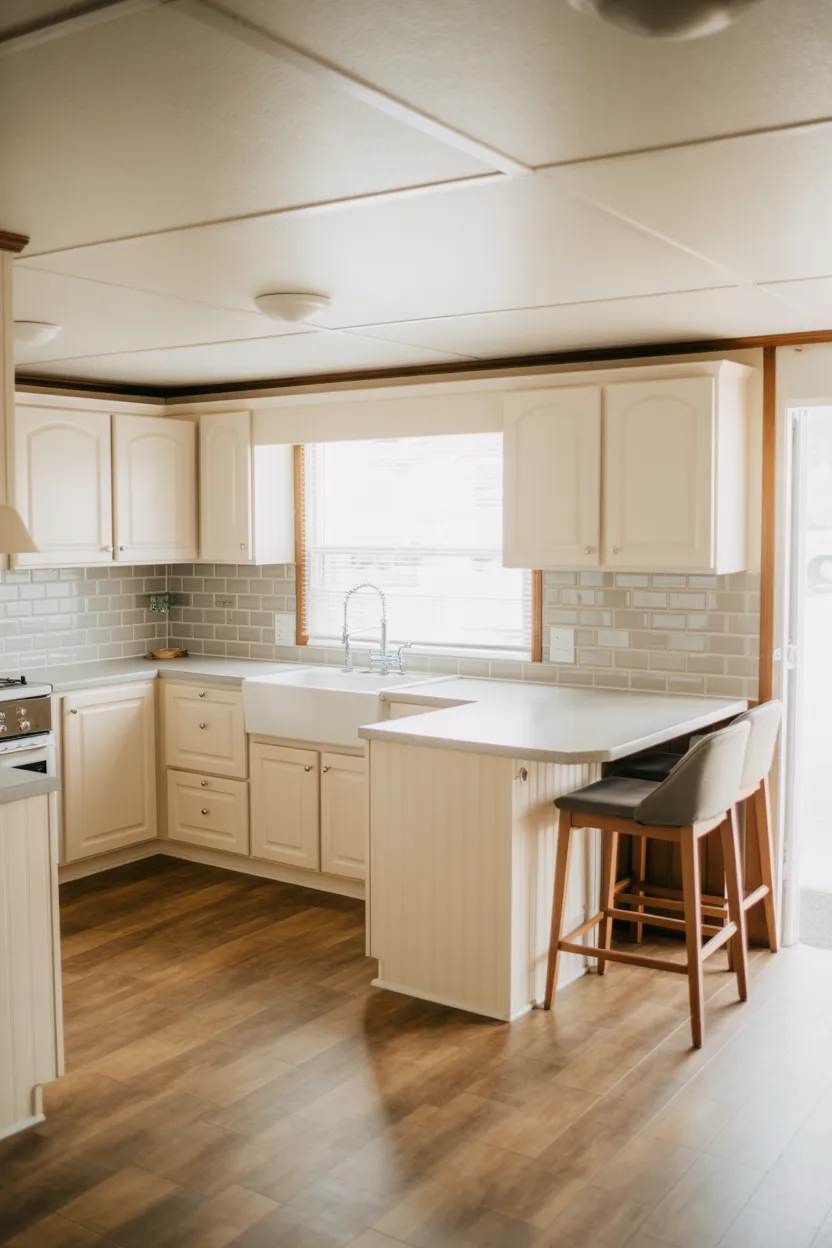
Budget is often the driving factor in manufactured home kitchens, and the good news is that dollar-for-dollar, these remodels deliver enormous visual impact. Because mobile home cabinets use standard sizing that’s slightly different from site-built homes, many homeowners opt for refacing existing boxes and adding new doors—a move that costs roughly $2,500 to $5,000 versus $10,000-plus for full replacement. Add a $300 peel-and-stick backsplash and a $400 faucet upgrade, and the transformation is genuinely remarkable for the investment.
12. Island-Centered Entertainer’s Kitchen
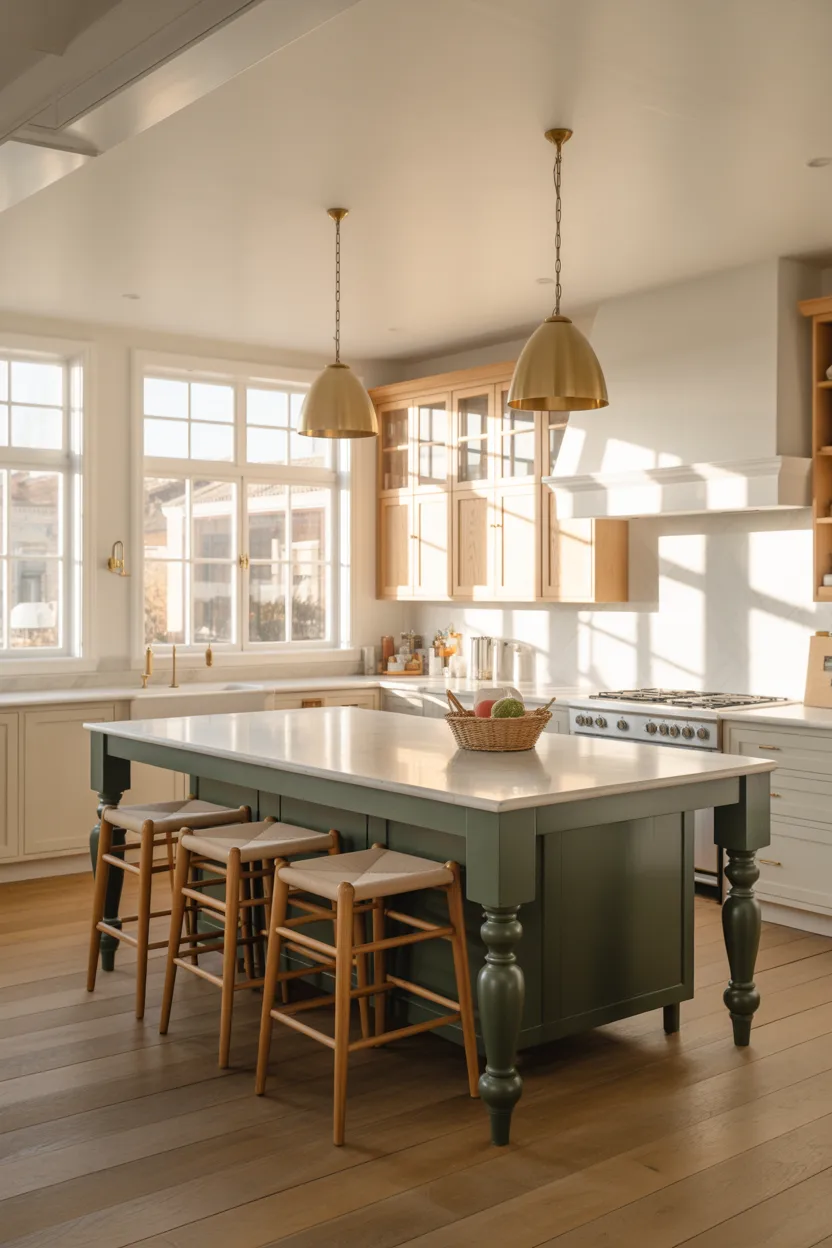
If you have the floor space for it, a well-designed island can become the single most used surface in your home—prep station, homework desk, wine-and-cheese bar, and breakfast counter all in one. Ideas with island layouts continue to dominate kitchen design in 2026, but this year the trend is toward islands that look like freestanding furniture rather than built-in monoliths. Think turned legs, a contrasting paint color, or a reclaimed wood base that gives the piece its own identity in the room. It should feel like something you chose, not something the contractor poured in place.
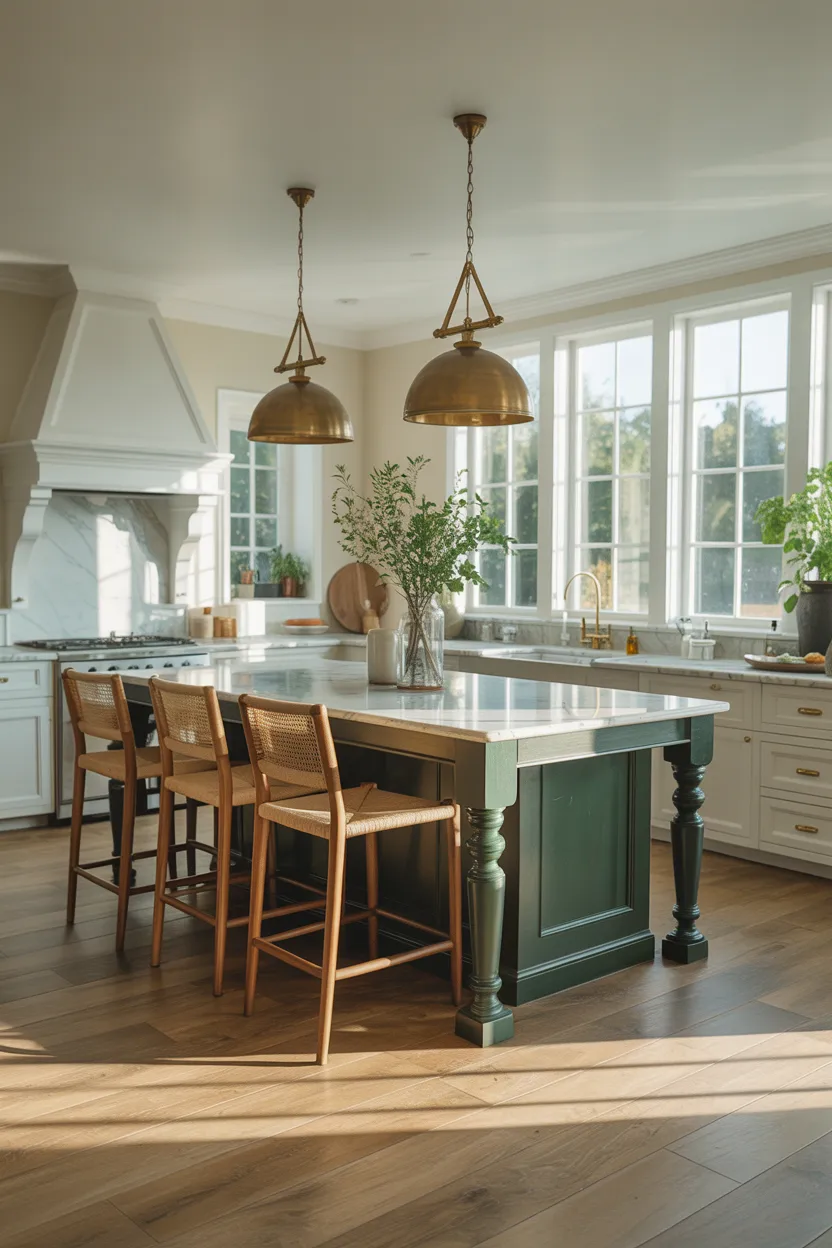
Across American suburbs, the kitchen island has essentially replaced the formal dining room as the place where real life happens. Families eat weeknight dinners there, kids do homework on one end while a parent preps dinner on the other, and on weekends it becomes a buffet staging area. The practical insight worth noting: always ensure at least 42 inches of clearance on all working sides of the island. Go below 36 inches and you’ll create a traffic jam every time you open the dishwasher. It’s a detail that’s easy to overlook on paper but impossible to ignore in daily use.
13. Modern Minimalist All-White Kitchen
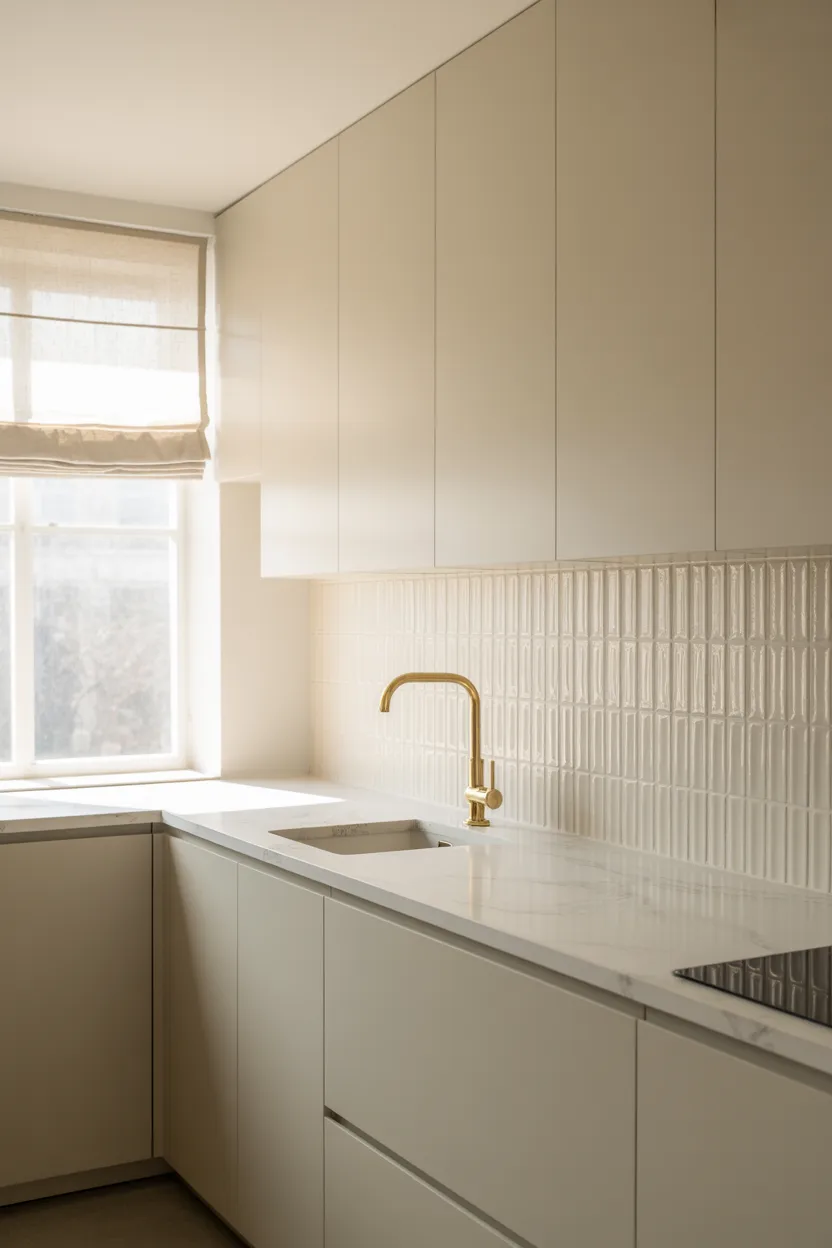
The all-white kitchen has been declared dead more times than anyone can count, yet here it is again—still gorgeous, still wildly popular on inspiration 2026 boards. The difference this year is texture. Instead of flat white slabs everywhere, the modern minimalist approach layers matte white cabinets against a fluted white tile backsplash, a honed marble countertop, and linen curtains over a window shelf. Everything is white, but nothing is the same. It’s a masterclass in monochrome depth, and it photographs like a dream—which explains why it continues to dominate Pinterest feeds across the country.
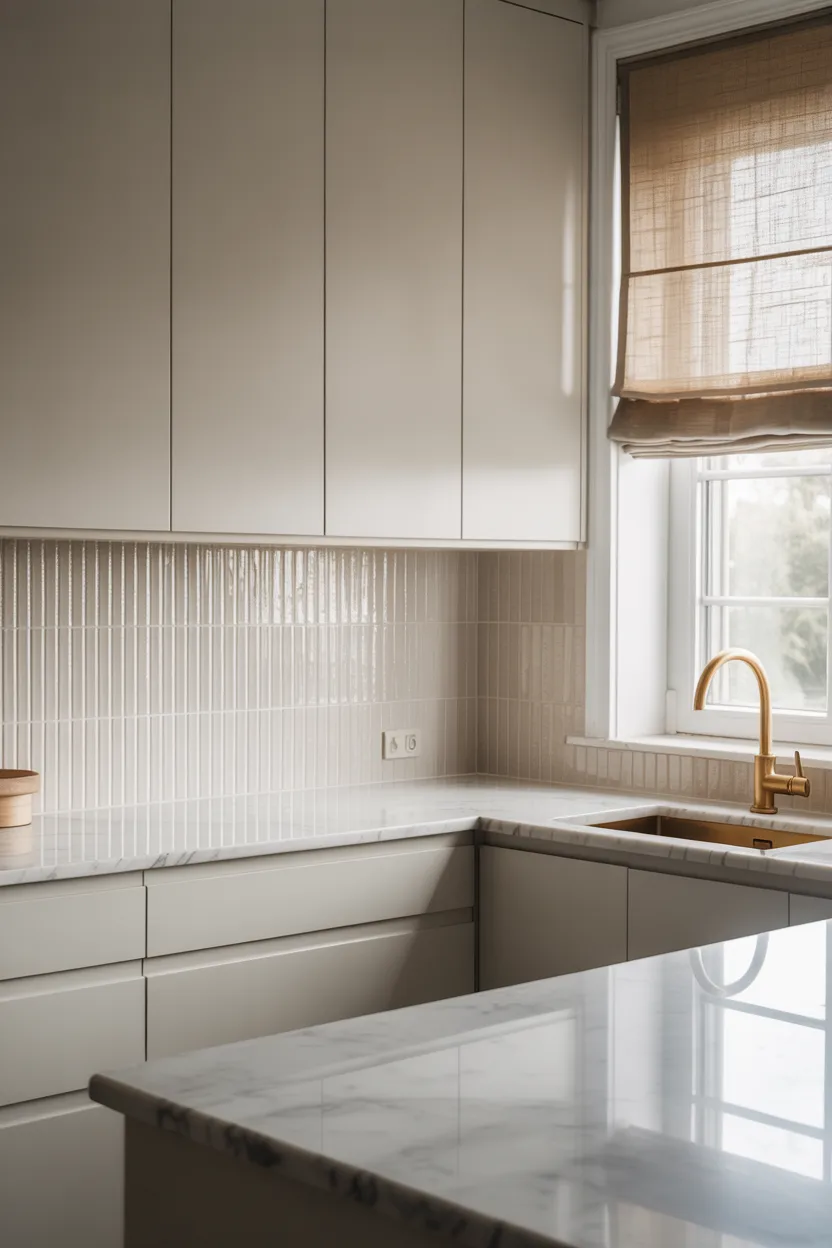
The one mistake that sinks an all-white kitchen every time is choosing the wrong white. It sounds absurd, but there are hundreds of whites—cool blue-whites, warm cream-whites, gray-whites, and pink-whites—and if your cabinets, countertop, backsplash, and walls aren’t in the same tonal family, the whole room looks disjointed. Always test large swatches of everything together in your actual kitchen light at multiple times of day. A white that looks perfect at noon in a south-facing room can turn purple under LED downlights at night.
14. Moody Dark-Toned Kitchen Retreat
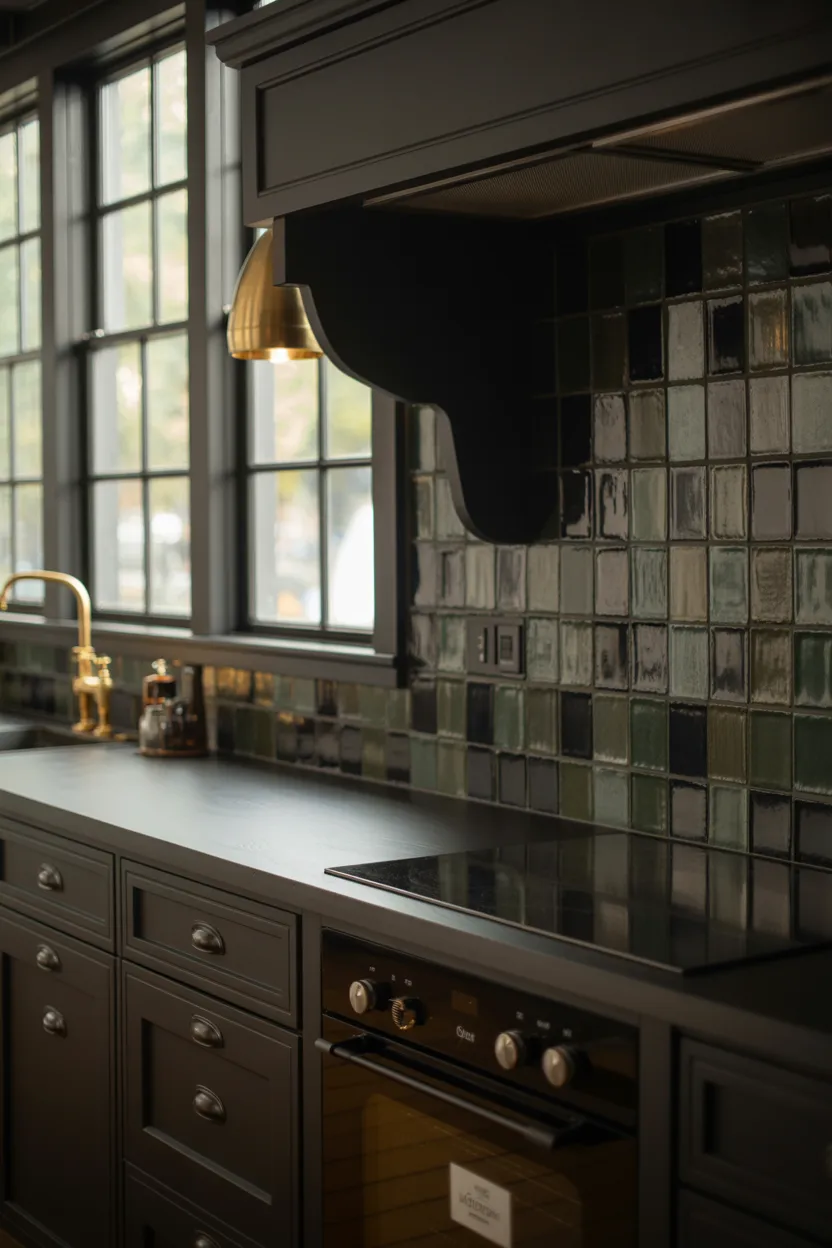
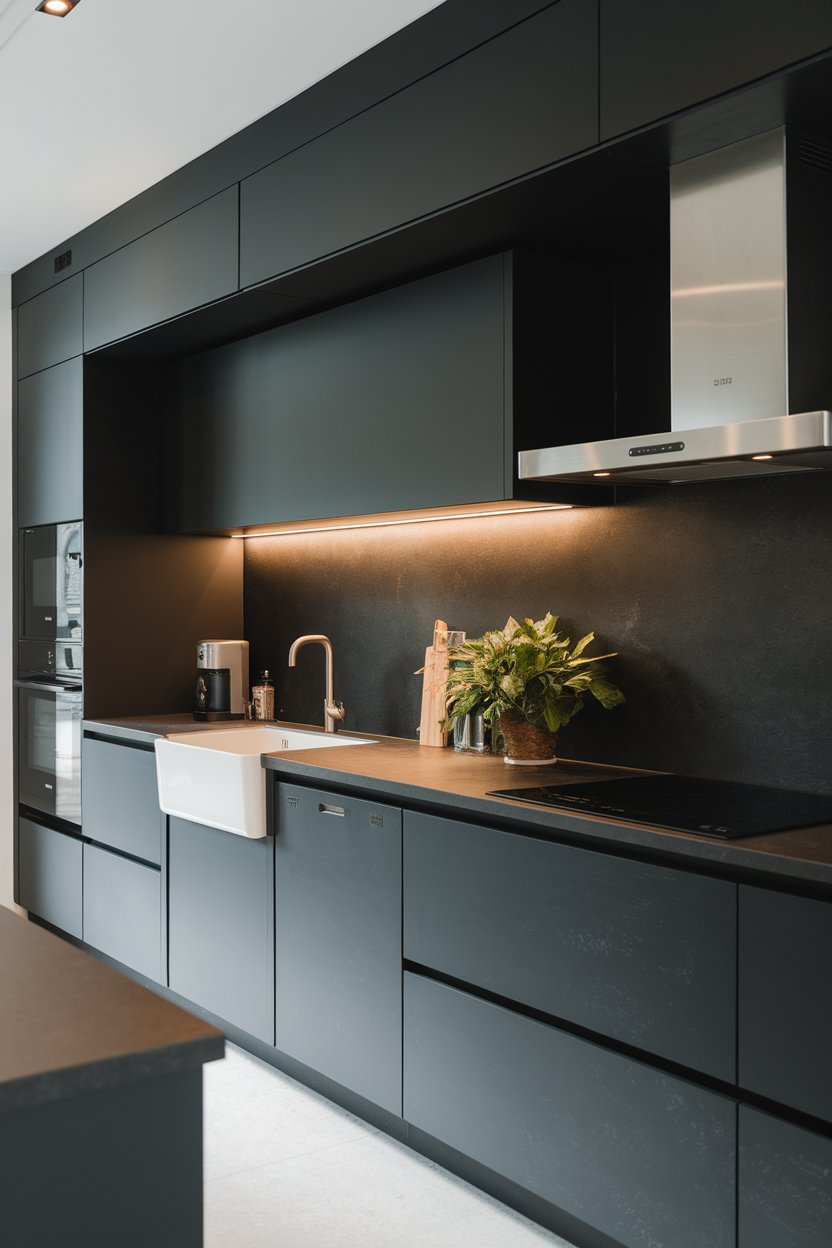
Not every kitchen needs to be bright and airy. The moody, dark-toned kitchen is gaining serious traction in 2026, especially among homeowners who want their cooking space to feel like a cocoon—intimate, dramatic, and a little unexpected. Deep charcoal cabinets, black soapstone countertops, and dark bronze hardware create a sense of richness that light kitchens simply can’t achieve. This is a bold idea that works especially well in homes with generous natural light, where the dark tones absorb sunshine beautifully during the day and glow warmly under pendant lights at night.
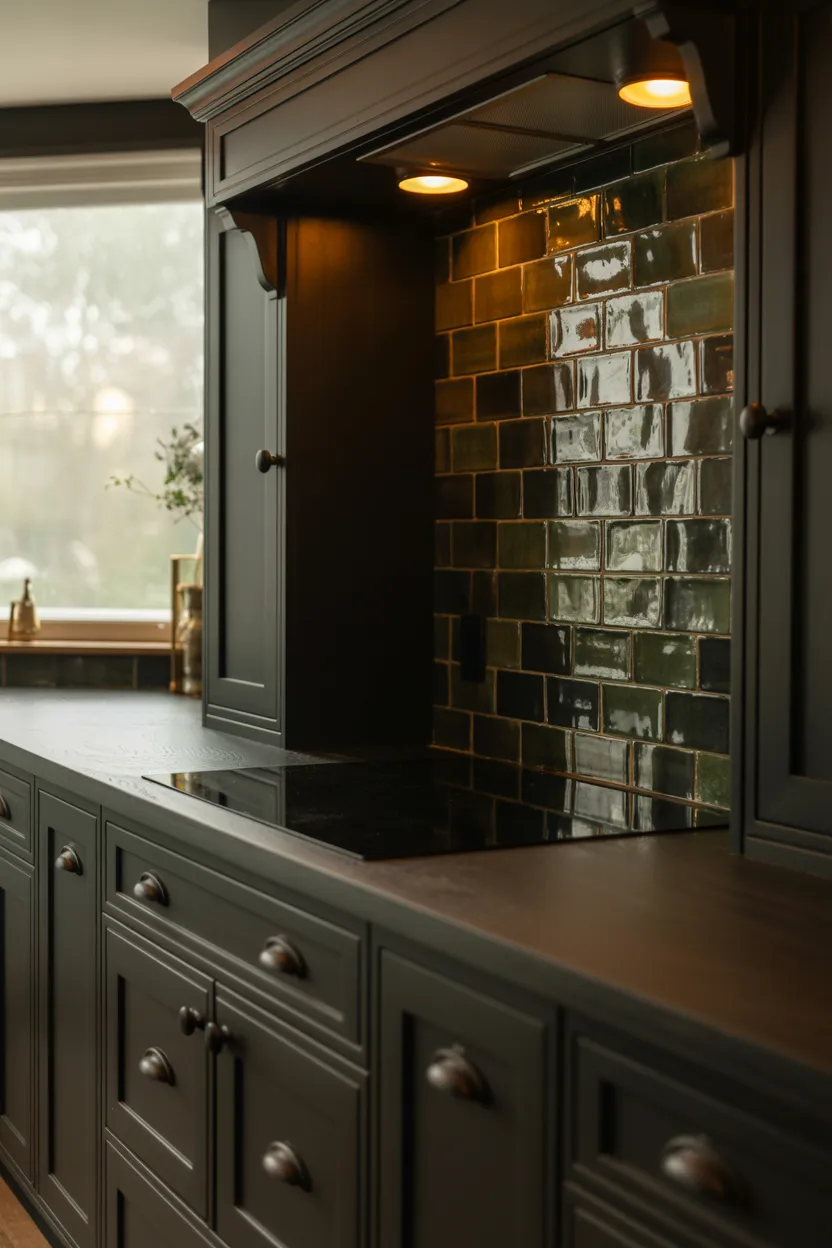
Dark kitchens work best in homes where the kitchen receives at least one window of strong, direct light. Without it, the room can feel oppressive rather than moody. The sweet spot is a space that gets good morning or afternoon sun—the dark surfaces absorb and soften the light rather than bouncing it around, creating what designers call a “glow from within” effect. If you’re nervous about committing fully, start with dark lower cabinets and keep the uppers light or open. It’s a safe way to test the waters before going all-in on the dark side.
15. L-Shaped Kitchen With Breakfast Nook
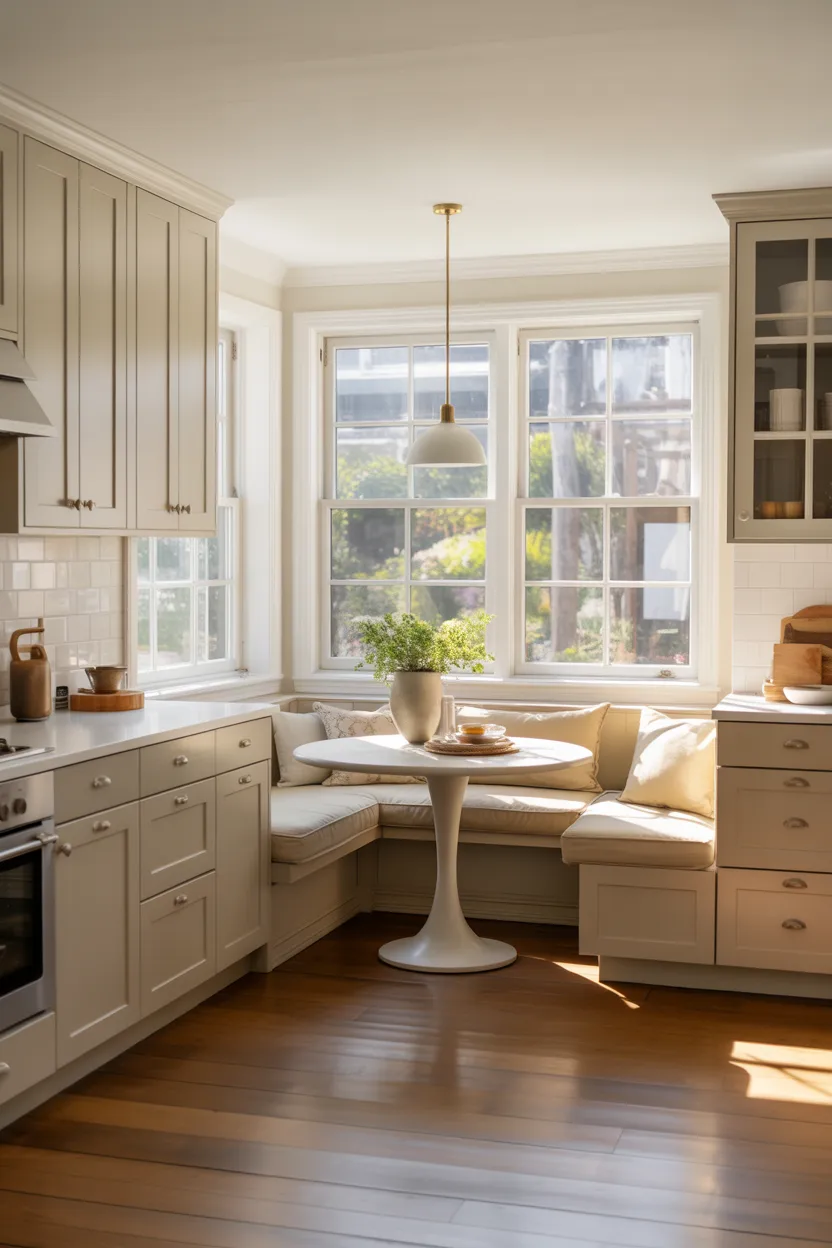
The L-shaped layout is one of the most versatile in kitchen design, and when you tuck a built-in breakfast nook into the corner, you get a space that handles both cooking and casual dining without needing a separate room. This budget-conscious approach is surging on Pinterest in 2026, particularly among young families who want to keep the kitchen as a self-contained hub. Banquette seating with hidden storage underneath turns dead corner space into something functional and surprisingly charming—the kind of detail that makes a house feel like it was designed specifically for the way you actually live.
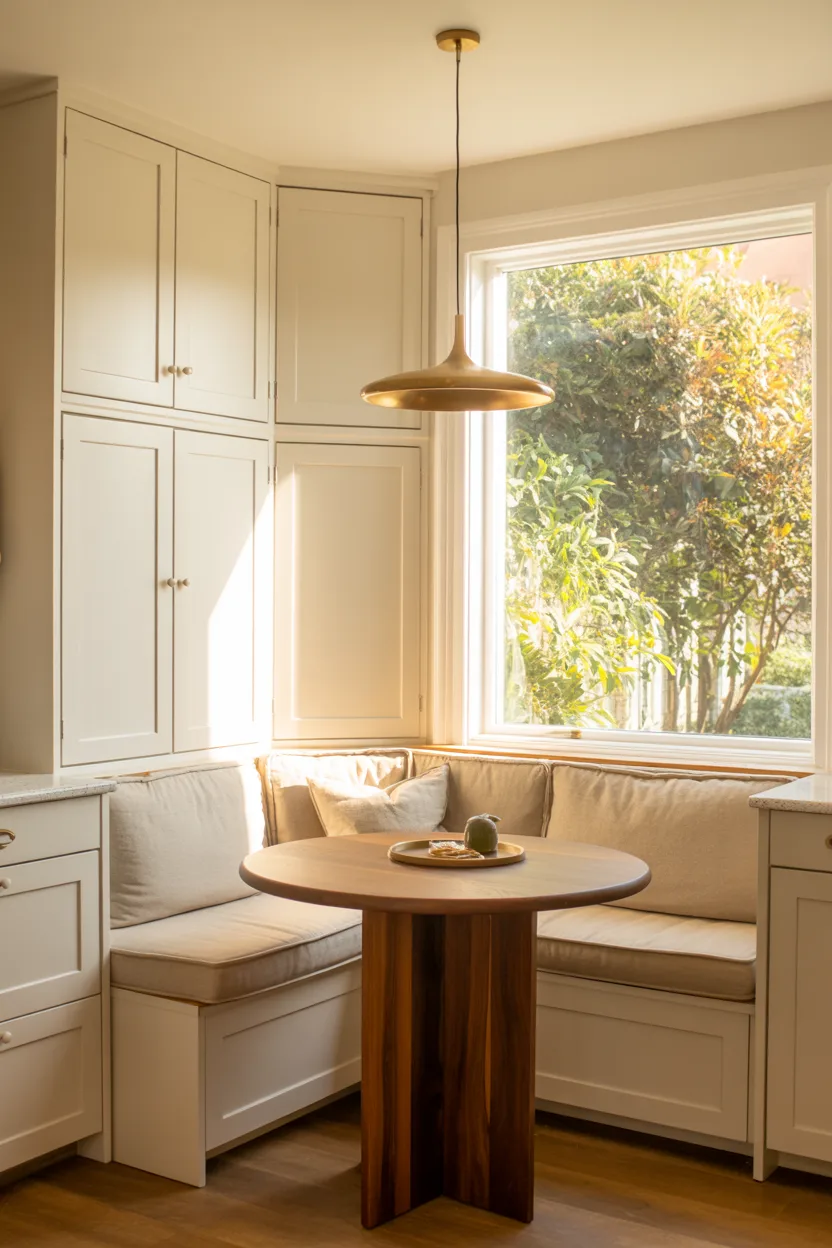
This layout is particularly popular in homes built from the 1970s through the 1990s, where L-shaped kitchens are already standard but the adjacent eating area feels like wasted space. Building a custom banquette typically costs $1,200 to $3,000 depending on upholstery and storage features, and it’s the kind of project a skilled DIYer can tackle in a long weekend with basic woodworking tools. The hidden storage below the seats is a game-changer for families—it’s the perfect spot for tablecloths, board games, and all those serving platters you only use twice a year.
16. Camper Van Kitchen With Fold-Away Everything
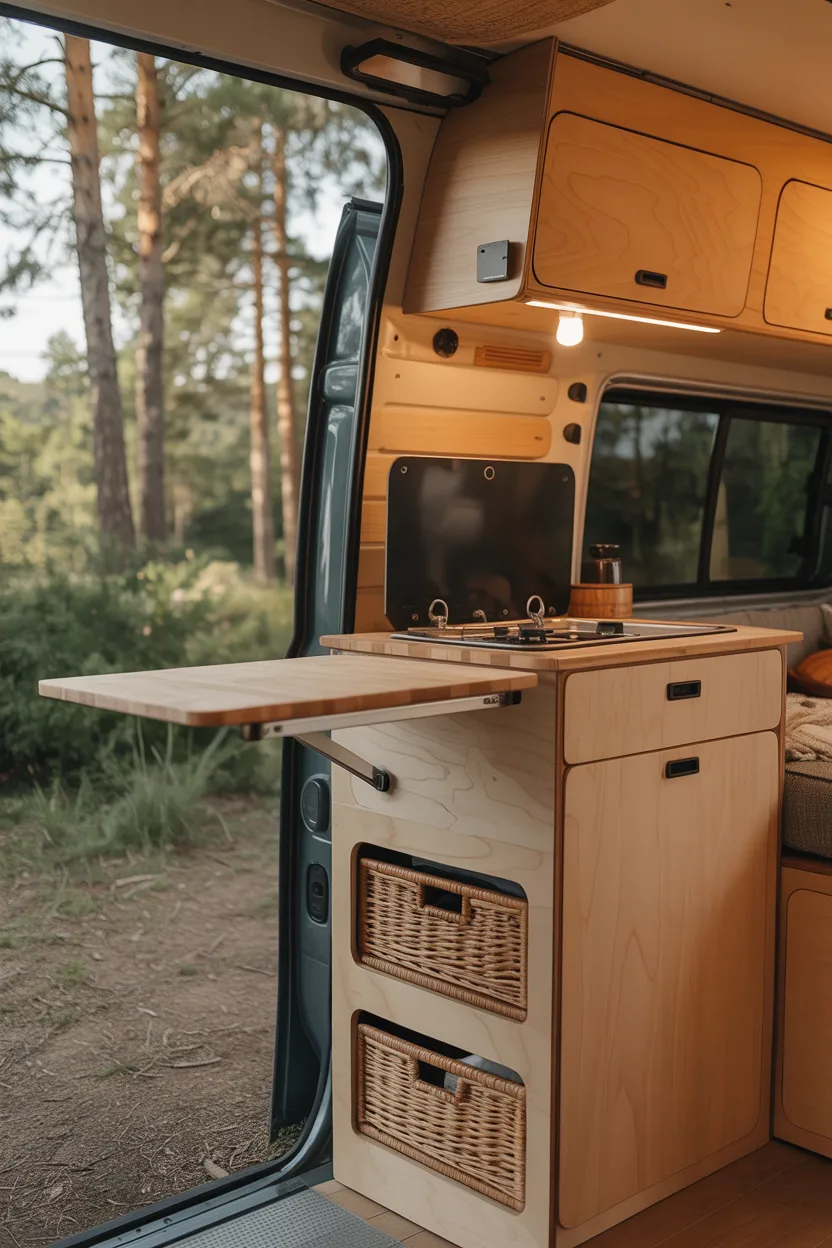
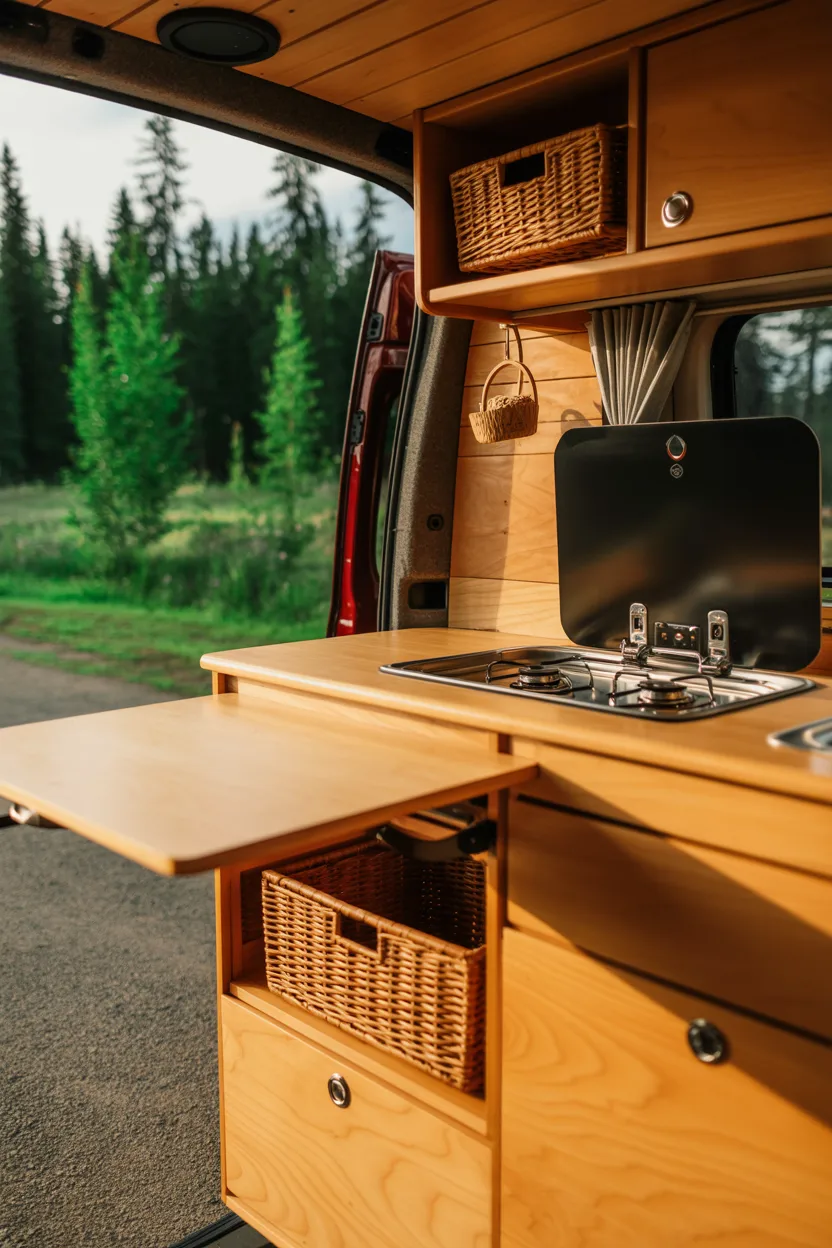
The van life movement has matured, and so have camper kitchens. Gone are the bare plywood builds of five years ago—today’s van kitchen conversions feature fold-down counters, slide-out cooktops, and custom cabinetry that rivals a tiny apartment in both style and function. Birch plywood with a matte finish is the material of the moment, offering warmth and durability without excessive weight. The DIY community has gotten incredibly sophisticated about these builds, with detailed plans available online that turn a Sprinter or Transit cargo van into a legitimately beautiful rolling kitchen.
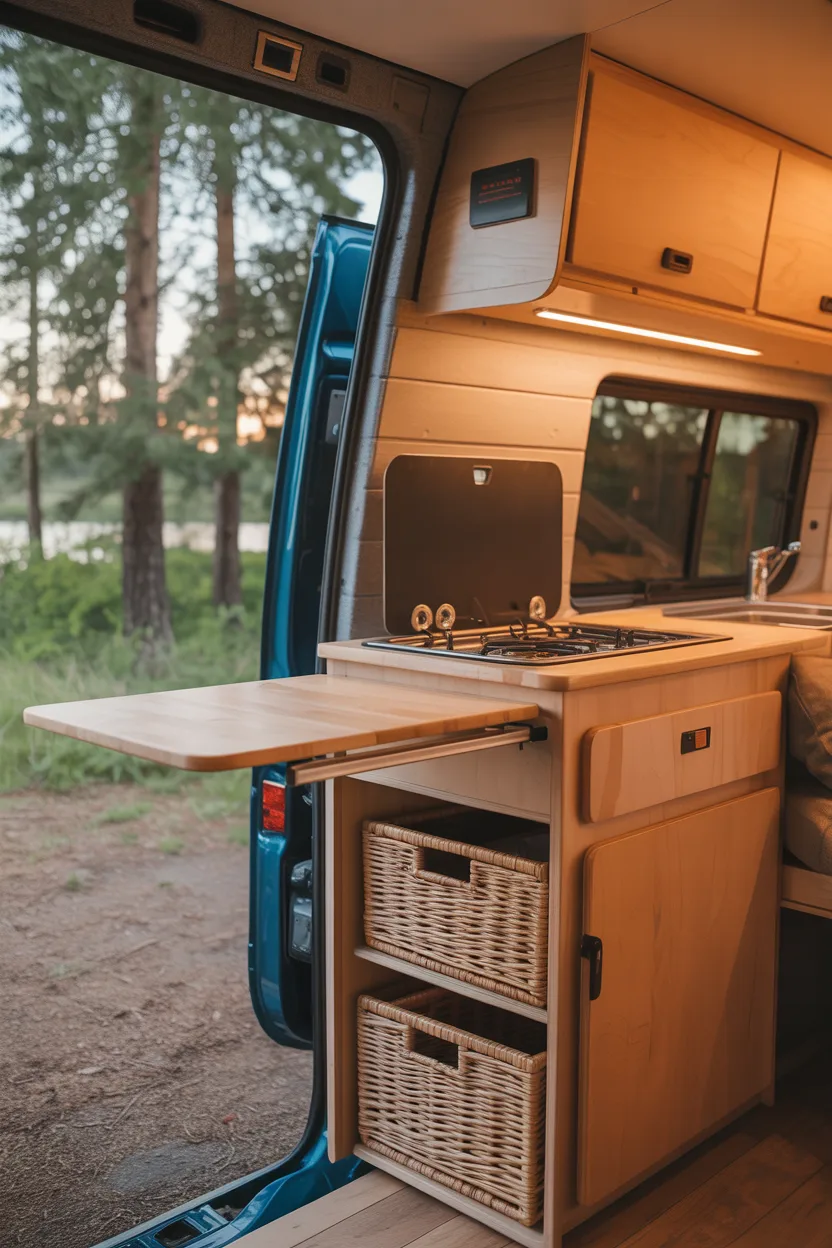
The fold-away approach isn’t just aesthetic—it’s essential. In a vehicle that’s also your bedroom, living room, and sometimes your office, every surface has to serve multiple roles. The smartest van builders design their kitchens so the counter folds flush against the wall during transit, the cooktop stores in a drawer, and even the sink has a cutting board cover that creates extra prep space. It’s design thinking at its most distilled, and there’s something genuinely satisfying about a kitchen where every element has been considered down to the millimeter.
17. Coastal-Inspired Kitchen With Natural Textures
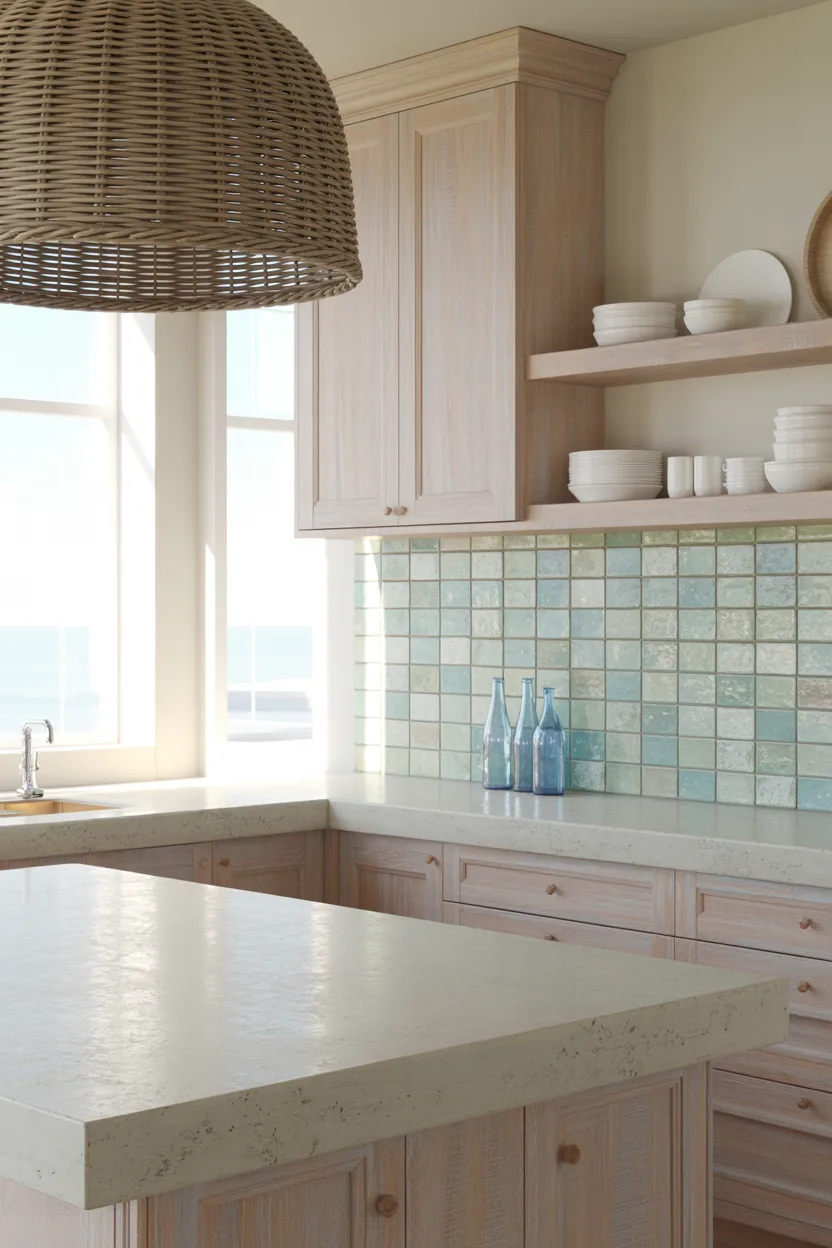
You don’t have to live near the ocean to bring coastal energy into your kitchen. The 2026 version of the coastal kitchen has moved well beyond the seashell-and-rope clichés into something more refined—think whitewashed oak cabinets, a backsplash in soft seafoam handmade tile, rattan pendant lights, and concrete countertops that evoke weathered seaside stone. This is inspiration that translates beautifully whether you’re in Malibu or landlocked Missouri. The palette stays calm—whites, warm grays, pale blues, and sandy neutrals—but the textures do all the talking.
The coastal kitchen has enduring appeal in the American market because it taps into something emotional—vacation mode, relaxation, and the memory of slow mornings with coffee and no agenda. From the Gulf Coast to the Jersey Shore, and increasingly in inland states where people just want that vibe, this look consistently ranks among the most-pinned kitchen styles. The expert take: keep hardware minimal and organic-shaped (think rounded brass knobs or leather pulls), and avoid anything too polished or industrial. The whole point is that it should feel effortless and a little sun-bleached.
18. Smart Kitchen With Hidden Tech
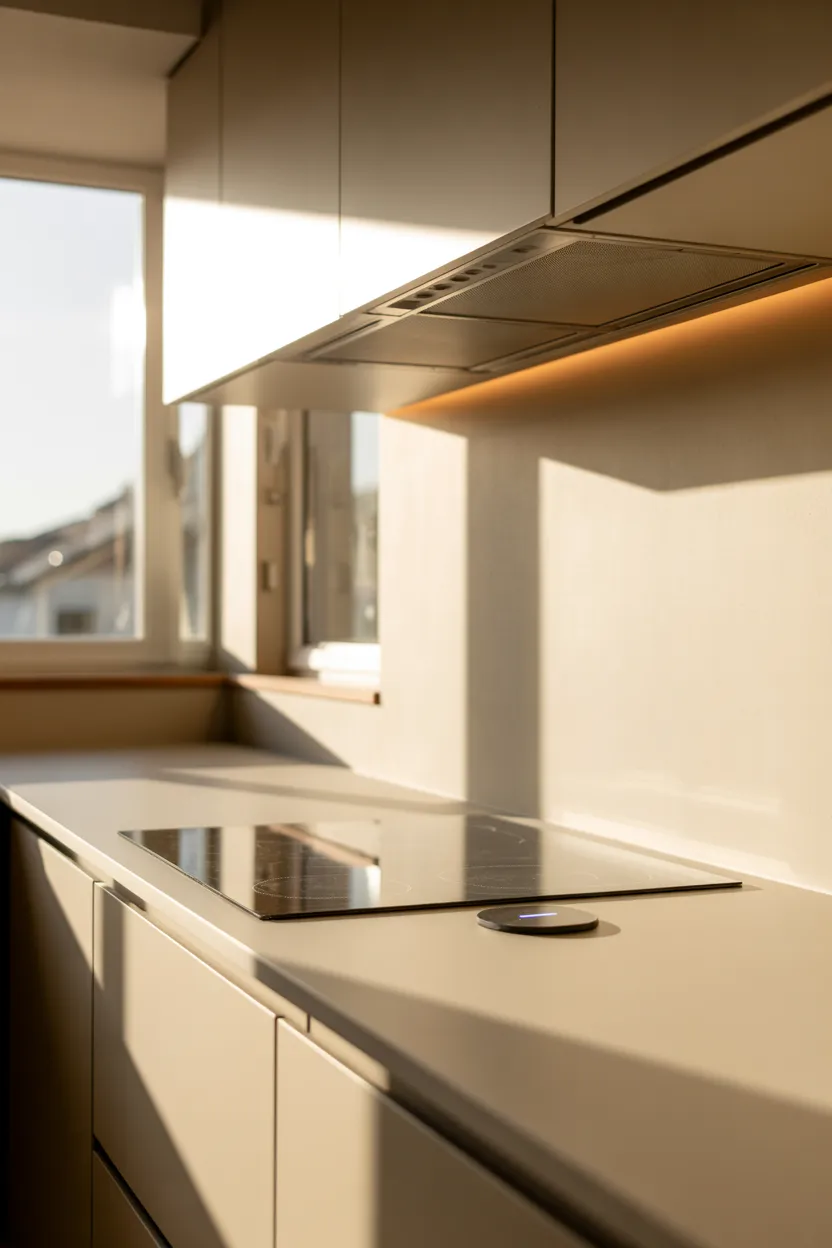
Technology in the kitchen has finally gotten subtle enough to be truly useful without screaming for attention. The modern smart kitchen of 2026 integrates wireless charging pads into the countertop surface, motion-sensor cabinet lighting, and induction cooktops that double as counter space when not in use. What makes these ideas feel genuinely new is that the tech is invisible—there are no visible screens mounted to cabinets, no robot arms, and nothing that looks like it belongs at a trade show. It’s the kind of thoughtful budget investment that you appreciate every single day rather than showing off to guests.
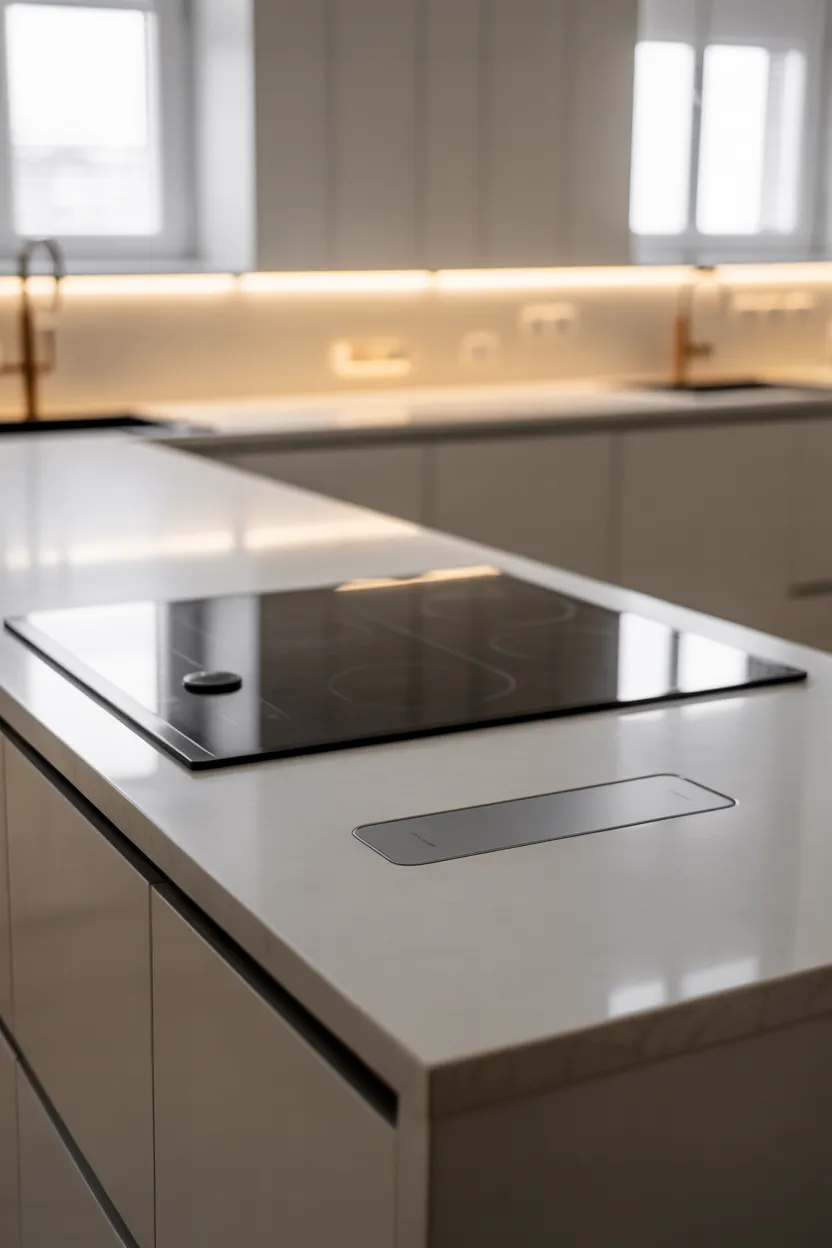
The homeowners getting the most out of smart kitchen tech are the ones who plan the infrastructure during the remodel—running extra circuits, adding USB-C outlets inside drawers, and pre-wiring for under-cabinet sensors—rather than trying to retrofit later. Motion-sensor lighting under wall cabinets, which turns on when you approach the counter and off when you leave, is the single most universally loved upgrade among people who’ve done it. It costs about $200 to $400 in materials for a full kitchen run, and once you have it, you’ll wonder how you ever cooked without it.
19. Earthy Terracotta and Olive Kitchen
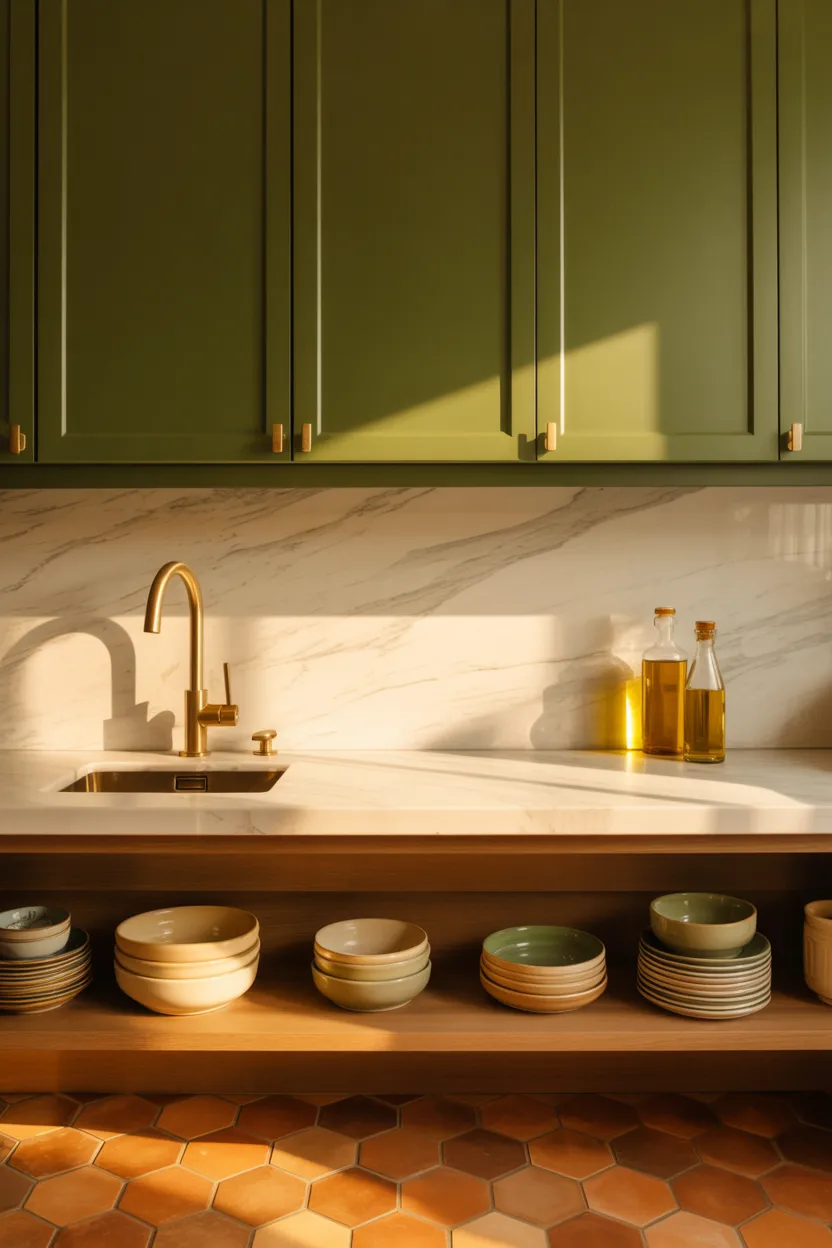
Color is back in the kitchen, and the pairing that’s turning the most heads in 2026 is terracotta and olive. It’s warm without being sweet, earthy without feeling heavy, and it photographs with the kind of richness that stops mid-scroll on any inspiration board. Olive-toned upper cabinets paired with terracotta floor tiles and warm brass fixtures create a kitchen that feels like it could be in a Tuscan farmhouse or a restored brownstone in Brooklyn—that’s the range of this palette. A simple white countertop keeps things grounded and prevents the warm tones from becoming overwhelming.
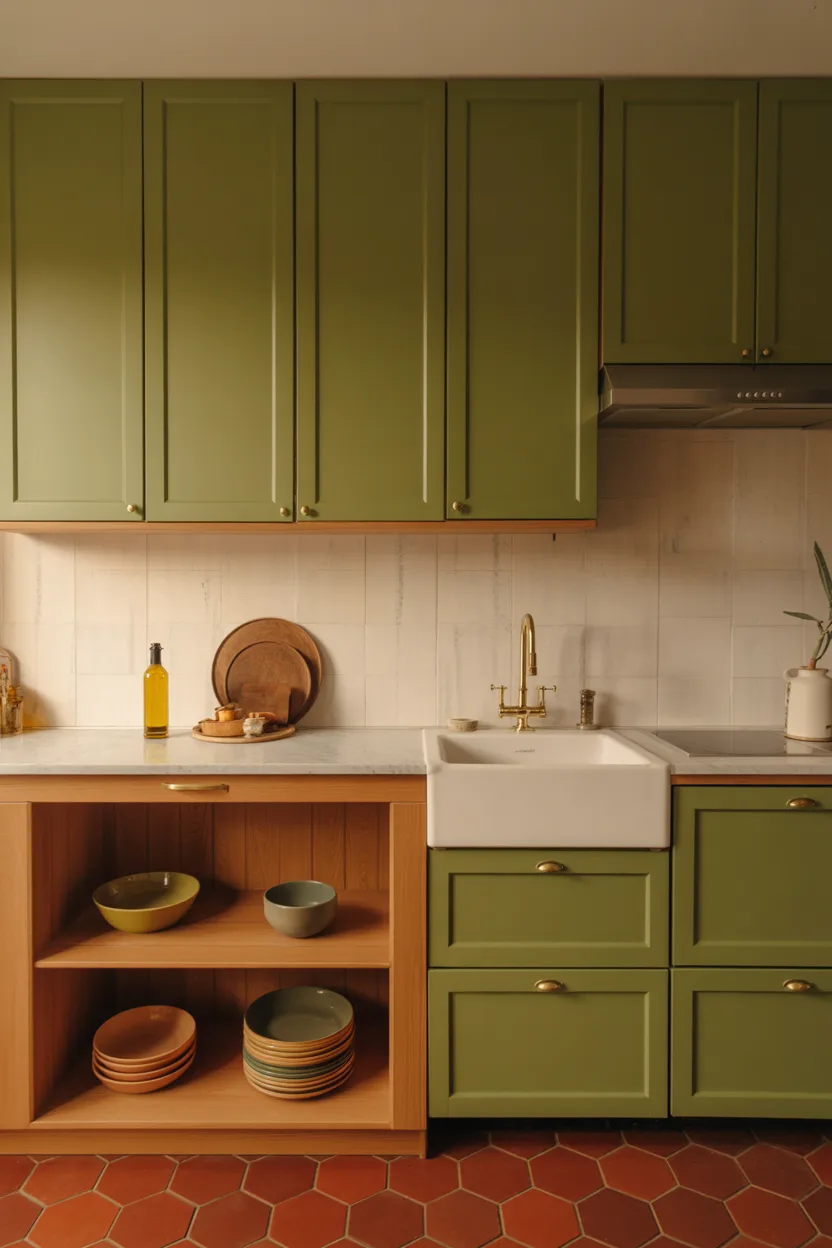
This color combination works particularly well in homes with warm-toned natural light—south- and west-facing kitchens in the Southwest, California, and the Mid-Atlantic region eat this palette alive in the best way. But it’s also showing up in cooler climates where homeowners want their kitchen to feel like a warm hug during long gray winters. The key is keeping the olive muted (think army surplus, not lime) and the terracotta genuine (real clay tile ages beautifully; faux terracotta laminate tends to look flat). Invest in the floor tile if nothing else—it’s the foundation of the entire mood.
20. Open Shelving Statement Kitchen
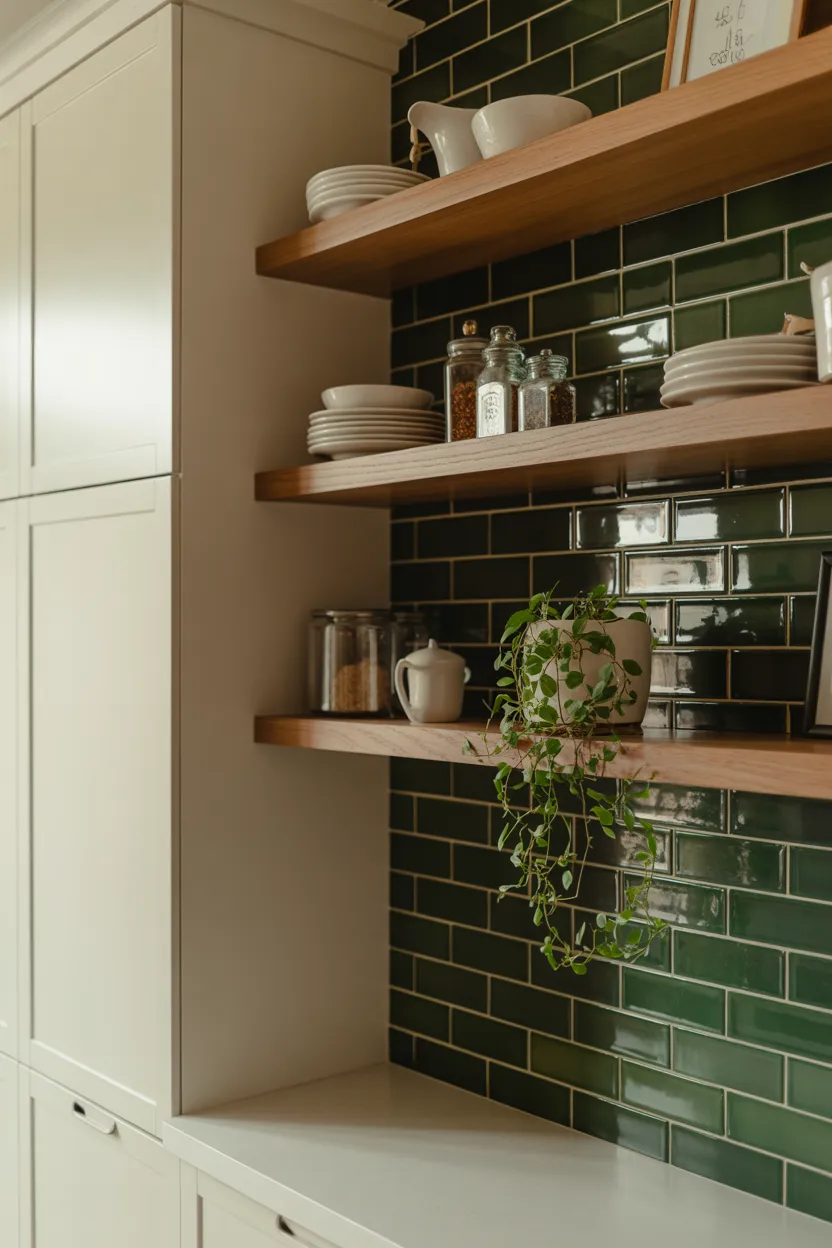
Open shelving remains one of the most debated topics in kitchen design, and in 2026 the verdict is clear: do it on one wall, do it beautifully, and leave the rest as closed storage. This balanced approach gives you the visual lightness and modern editorial look that open shelves provide—the curated stack of handmade bowls, the row of spice jars, the single trailing plant—without the dust-and-clutter anxiety of going fully exposed. It’s a budget-friendly move too, since floating shelves cost a fraction of upper cabinetry. For a condo or apartment kitchen, it can be transformative.
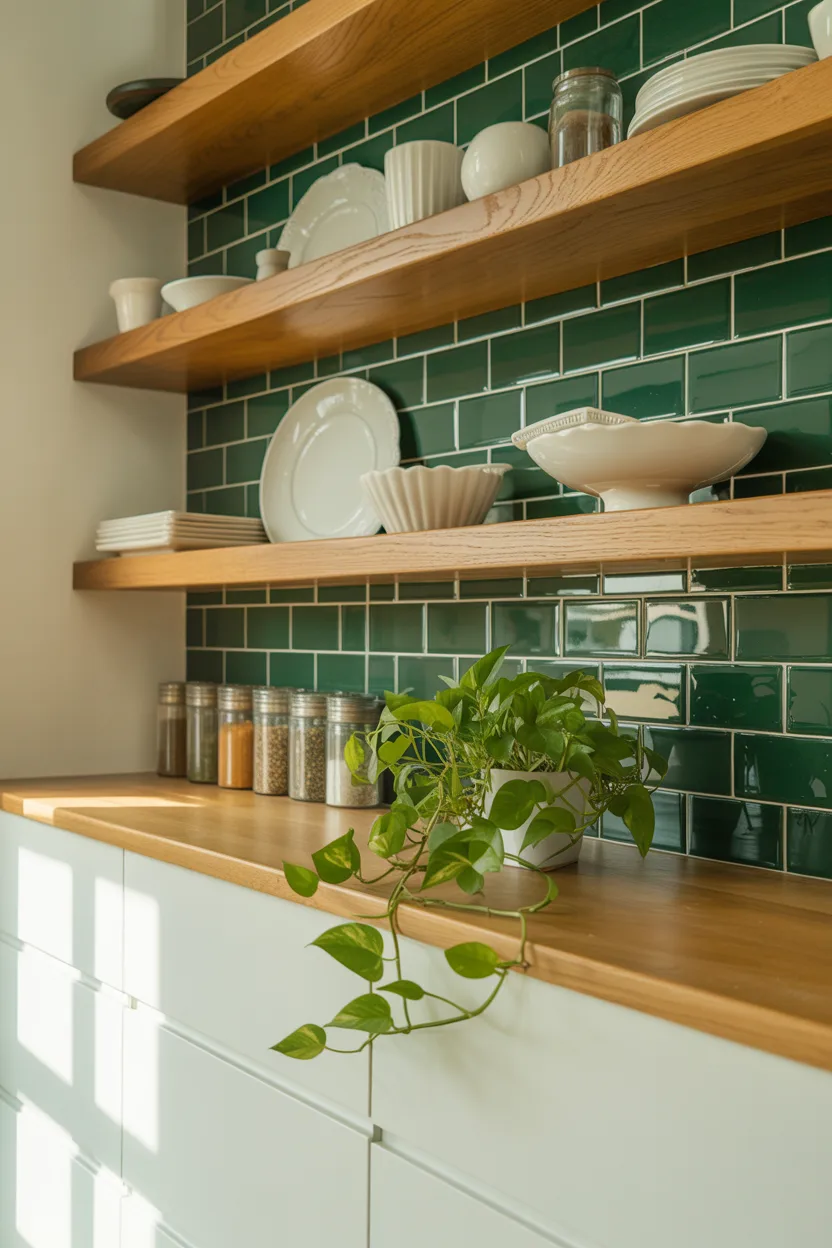
The people who make open shelving work long-term—not just for the Instagram photo but for actual daily living—follow one simple rule: only display items you use at least weekly. The moment your shelves become a repository for dusty decorative objects you never touch, the look falls apart. Edit ruthlessly. Keep your everyday plates, your favorite mugs, your cooking oils, and your salts. Store everything else behind closed doors. This is the difference between open shelving that looks like a magazine and open shelving that looks like a yard sale mounted on your wall.
21. Vintage-Inspired Kitchen With Color-Blocked Cabinets
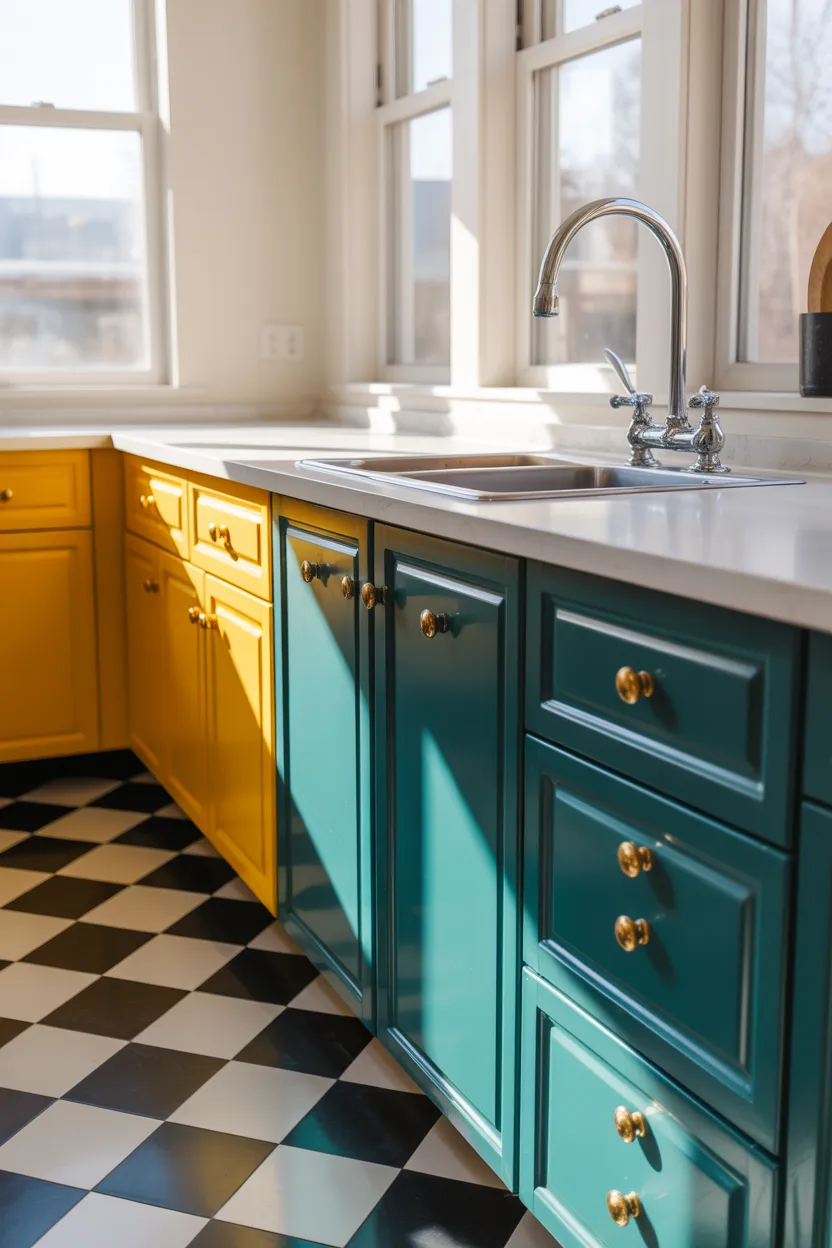
Two-tone cabinets have been trending for a while, but the 2026 version pushes further into genuine color-blocking—think mustard yellow lowers and deep teal uppers, or blush pink beside forest green. The look draws directly from midcentury color palettes and vintage appliance advertisements, giving the kitchen a sense of playfulness that’s been missing from the all-neutral era. This is a standout idea for anyone who wants their kitchen to have personality and isn’t afraid of bold, saturated hues. Pair the bold cabinets with simple white countertops and brass or chrome hardware to keep the overall composition from feeling chaotic.
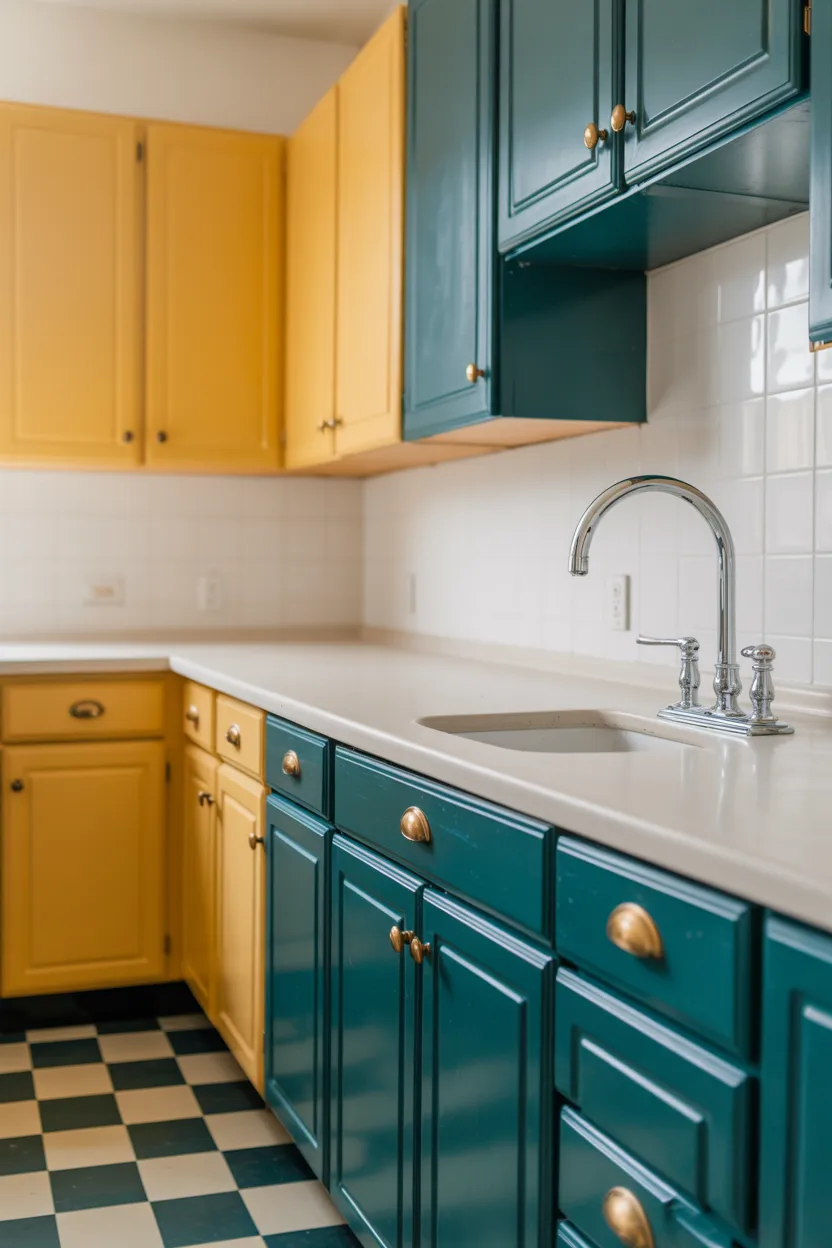
Color-blocking in the kitchen is essentially a confidence move, and the homeowners who pull it off best tend to be the ones who commit fully rather than hedging. A common mistake is choosing colors that are too close in value—if both tones are equally muted or equally bright, the effect reads as indecisive rather than intentional. The strongest combinations pair one saturated, dominant color with a lighter or warmer accent. Test with large painted poster boards taped to your cabinet fronts for at least a week before committing. Live with it in morning light, evening light, and under your overhead fixtures before you pick up a paintbrush.
Conclusion
There’s no single right way to remodel a kitchen—and that’s exactly what makes the process so exciting. Whether you’re drawn to moody dark tones, midcentury warmth, or the clever ingenuity of a camper van conversion, the best kitchen is the one that fits the way you actually cook, gather, and live. We’d love to hear which of these ideas sparked something for you. Drop a comment below and tell us what you’re planning—or what you’ve already tackled. Your story might just be the inspiration someone else needs to finally start their own remodel.