Galley kitchens are having a moment in 2026, and it’s easy to see why. Once considered a compromise for small spaces, these efficient corridor-style kitchens are now celebrated for their smart use of every inch, streamlined workflow, and surprising design flexibility. American homeowners—especially those renovating urban apartments, older cottages, or narrow ranch houses—are turning to Pinterest for fresh inspiration on how to make galley layouts work harder and look better. Whether you’re dealing with a cramped rental or planning a full-scale remodel, the galley kitchen offers a canvas for creativity, function, and style. Here are ideas that prove this layout can be as beautiful as it is practical.
1. Streamlined White Galley with Open Shelving
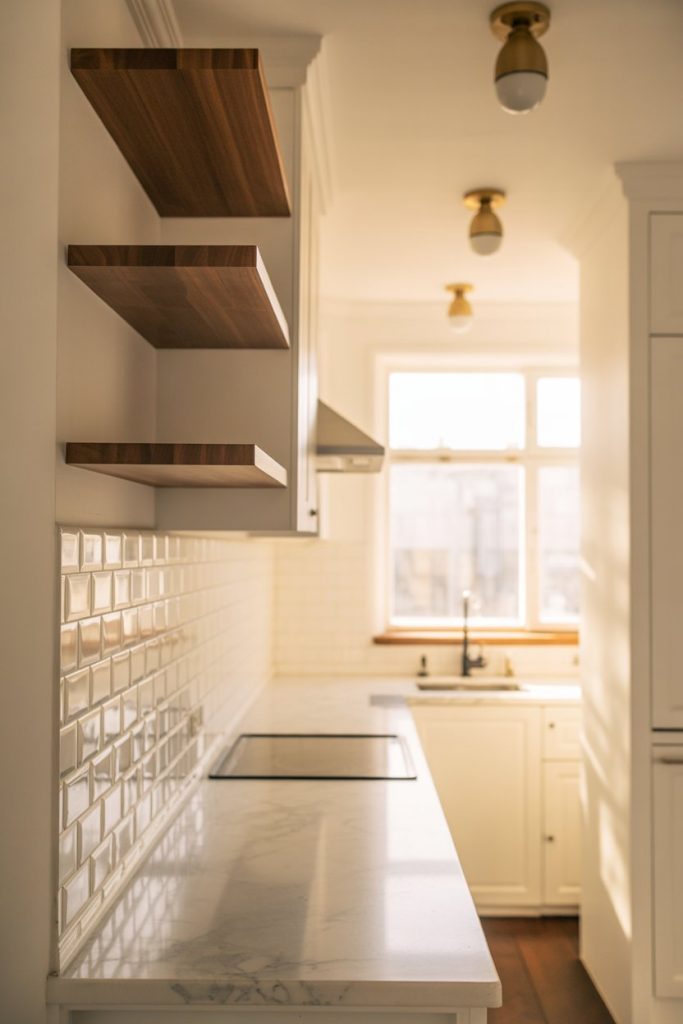
A white galley kitchen with open shelving is a timeless choice that maximizes light and visual space. This design works especially well in narrow spaces where upper cabinets can make walls feel heavy. Floating shelves in light wood or metal brackets keep the look airy while offering accessible storage for everyday dishes and glassware. Pair this approach with a simple subway tile backsplash and matte white countertops for a clean, Scandinavian-inspired aesthetic. 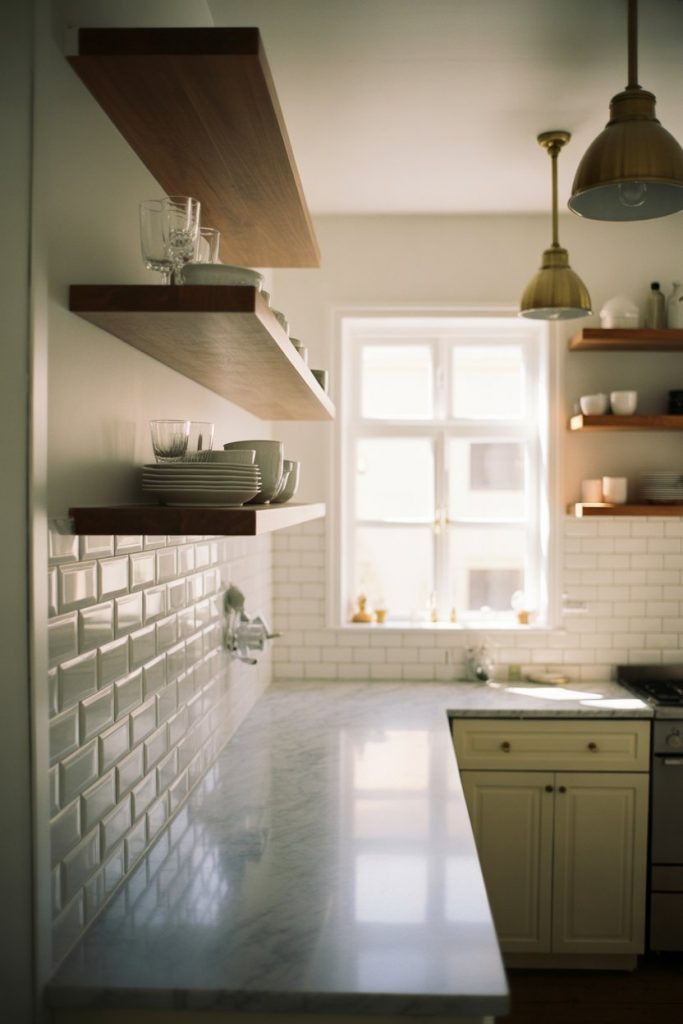
Open shelving encourages you to keep only what you use, which naturally reduces clutter. It’s also a budget-friendly alternative to custom cabinetry, especially if you’re working with a contractor who charges per linear foot. Just be prepared to dust more often—displayed dishes collect kitchen grease faster than you’d think, particularly near the stove.
2. Double Galley with Symmetrical Layout
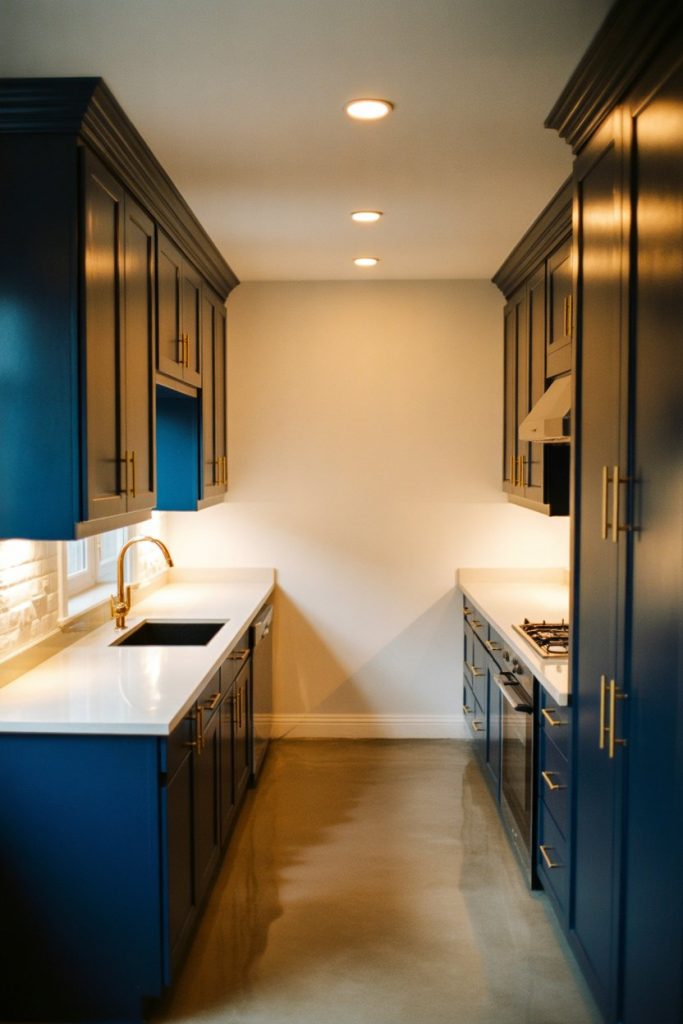
A double galley kitchen features parallel countertops on both sides, creating a highly efficient work triangle. This layout is ideal for serious home cooks who want everything within arm’s reach. The symmetry also lends itself to balanced design, with matching cabinetry, mirrored appliances, and coordinated hardware. It’s a layout floor plan that works best when the corridor is at least four feet wide, allowing two people to pass comfortably. 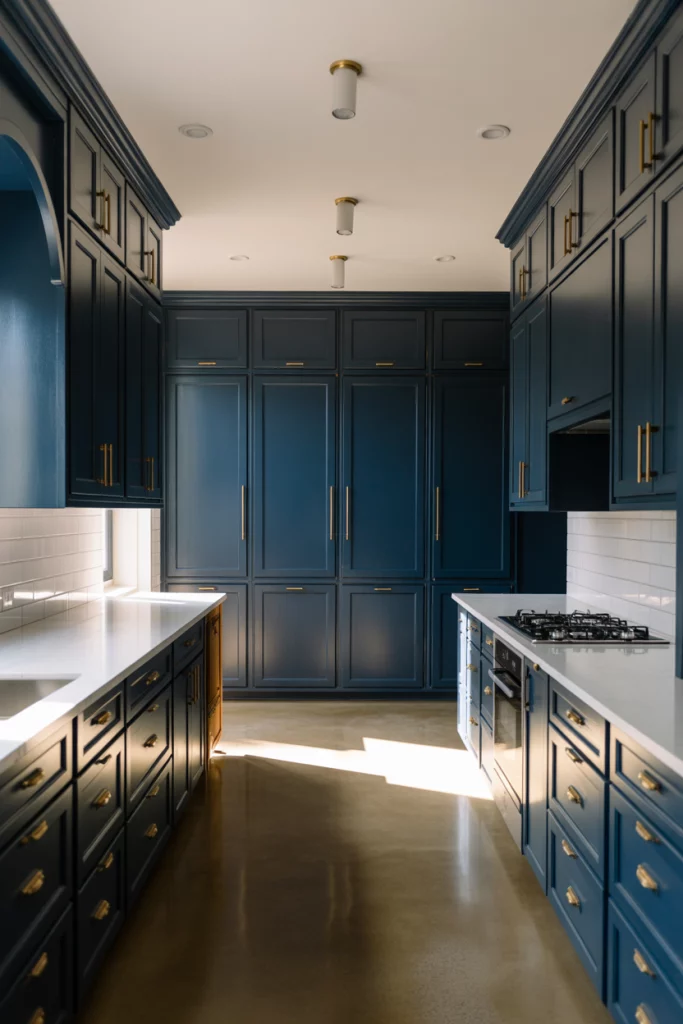
In the Midwest, where many postwar homes feature this setup, homeowners often add a small breakfast nook at one end to soften the tunnel effect. A built-in banquette with storage underneath turns dead space into a cozy dining spot without sacrificing the galley’s efficiency.
3. Galley Kitchen with Peninsula Extension
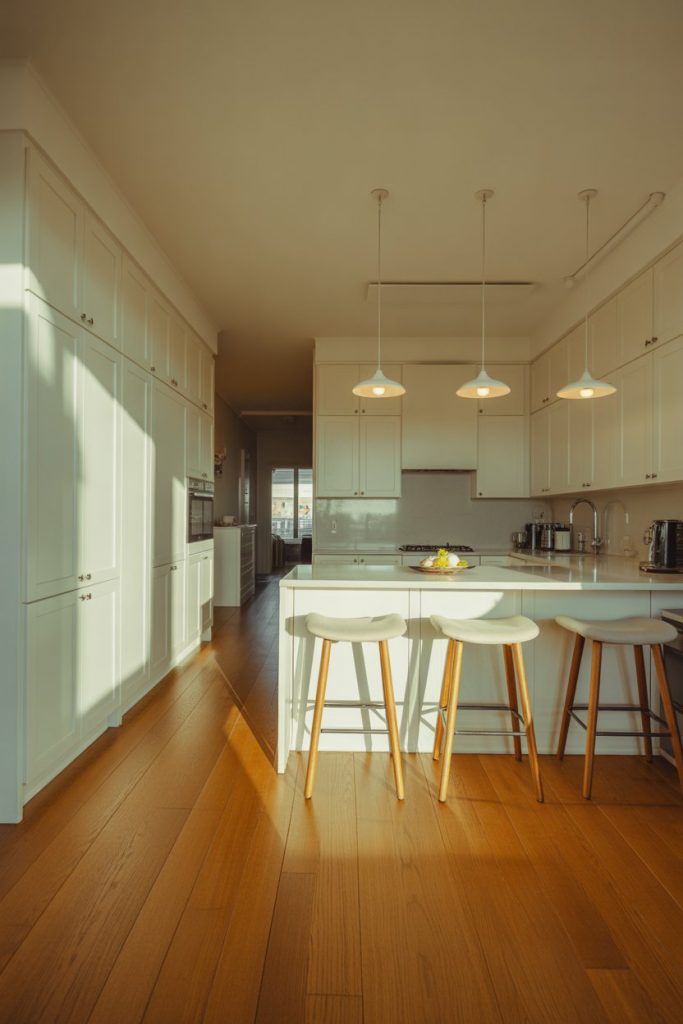
Adding a peninsula to a galley transforms the space into a more social zone. The peninsula acts as a natural divider between the kitchen and an adjacent living or dining area, while providing extra counter space and seating. This remodel idea is especially popular in open floor plans where you want to maintain sightlines but still define the kitchen boundary. It’s also a clever way to incorporate a breakfast bar without the footprint of a full island. 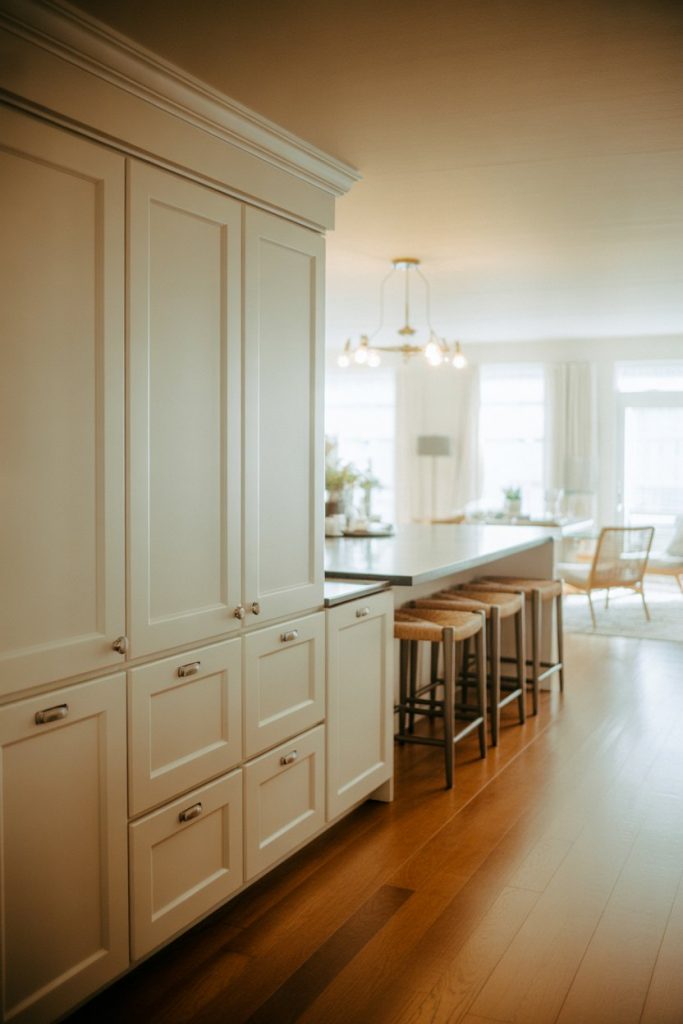
One common mistake is making the peninsula too deep, which can block foot traffic. Aim for a 15-inch overhang on the seating side and leave at least 36 inches of clearance behind the stools. This keeps the flow comfortable and prevents the peninsula from feeling like an obstacle.
4. Tiny Galley with Mirrored Backsplash
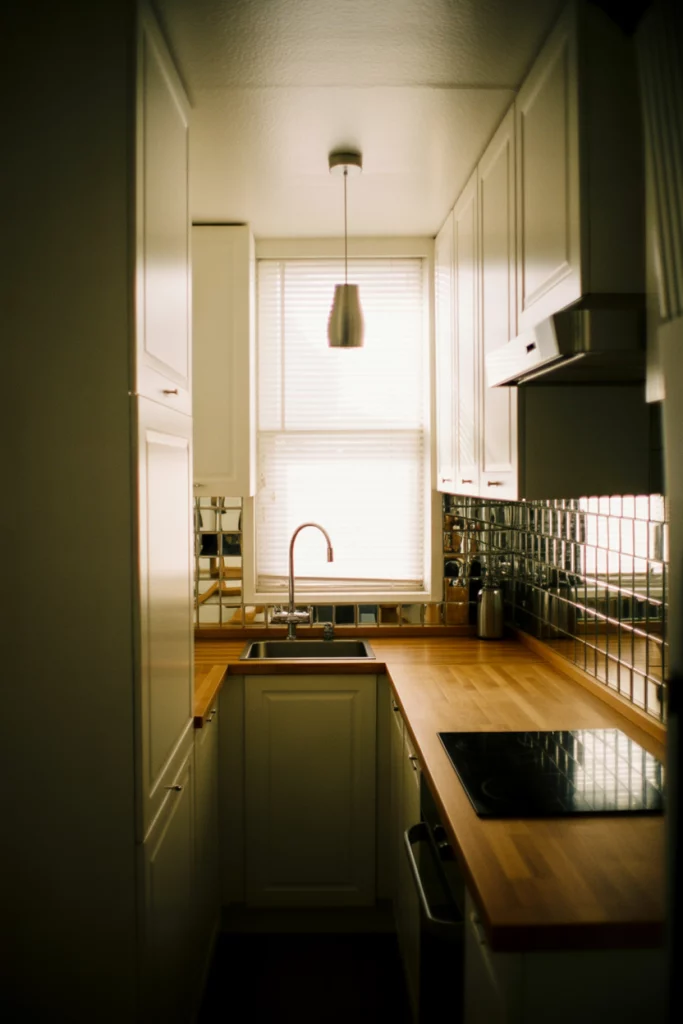
In a tiny galley, every trick matters. A mirrored backsplash reflects light and visually doubles the space, making even the narrowest kitchen feel less claustrophobic. This design choice works best in rentals or condos where you can’t change the footprint but want to maximize the illusion of openness. Pair it with under-cabinet lighting to amplify the effect, and keep countertops as clear as possible to maintain the sense of breathing room. 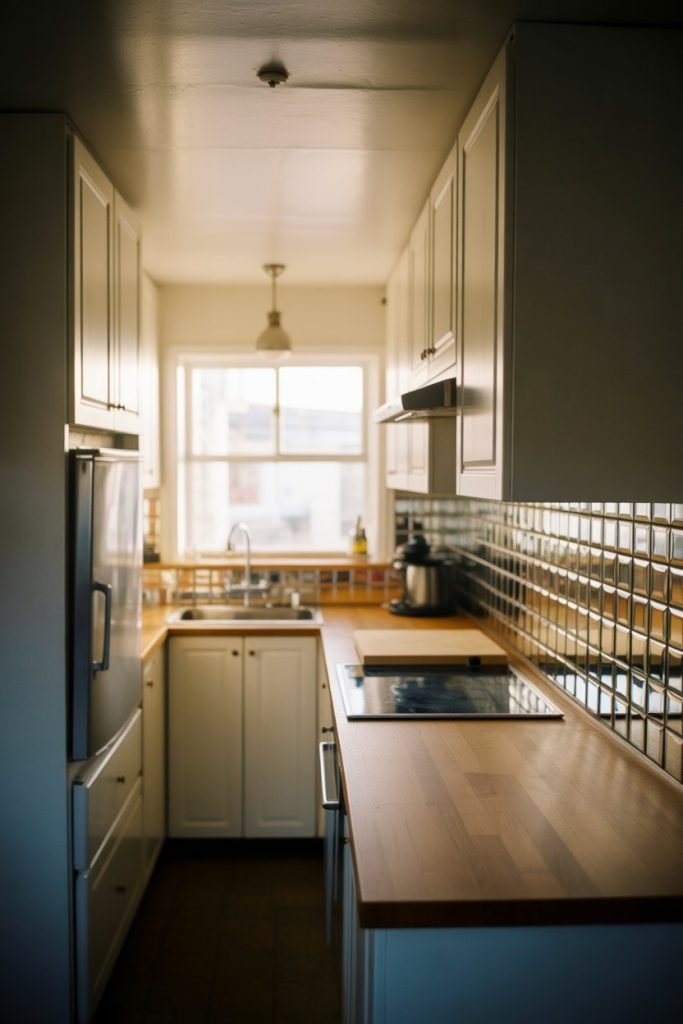
Mirrored backsplashes can show smudges and splatters more than tile, so they’re best suited for light-duty cooks or those willing to wipe down surfaces daily. In a rental where you’re not doing heavy frying, it’s a low-commitment upgrade that delivers serious visual impact.
5. Farmhouse Galley with Shiplap Walls

A farmhouse galley brings rustic warmth to a compact footprint. Horizontal shiplap walls, open shelving made from reclaimed wood, and a farmhouse sink anchor the look. This cottage-inspired design is especially popular in New England and the South, where homeowners want cozy, lived-in spaces that still feel clean and organized. Add vintage-style faucets and matte black hardware to complete the aesthetic without overwhelming the narrow space. 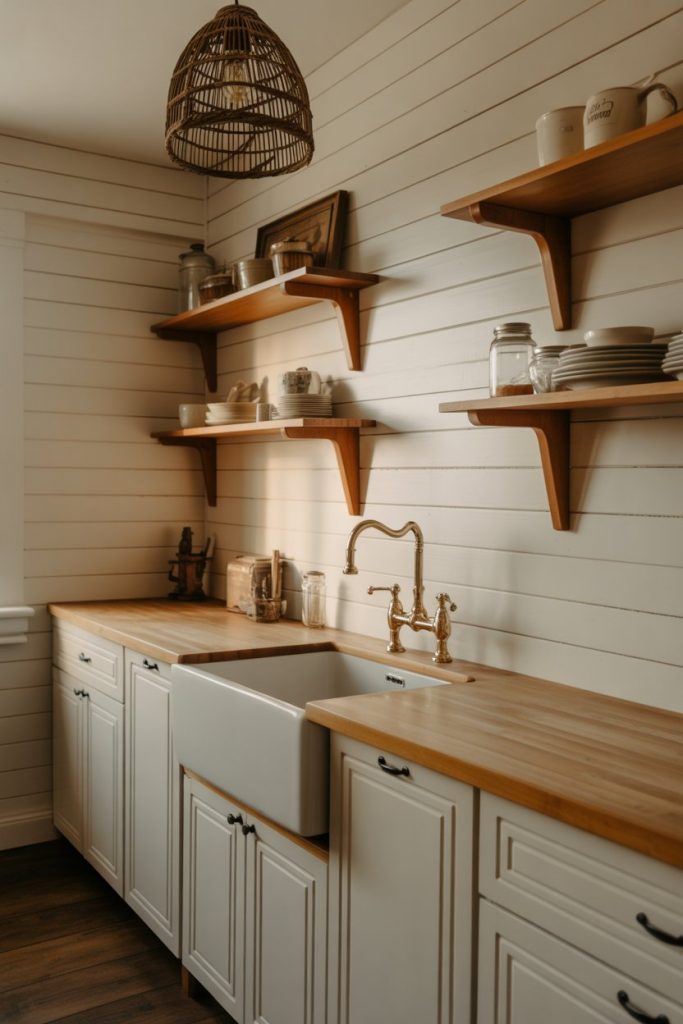
Shiplap can visually widen a galley if installed horizontally, drawing the eye along the length of the room. It’s also forgiving of minor wall imperfections, making it a good choice for older homes where plaster walls have settled unevenly over the decades.
6. Modern Galley with Slab Cabinets
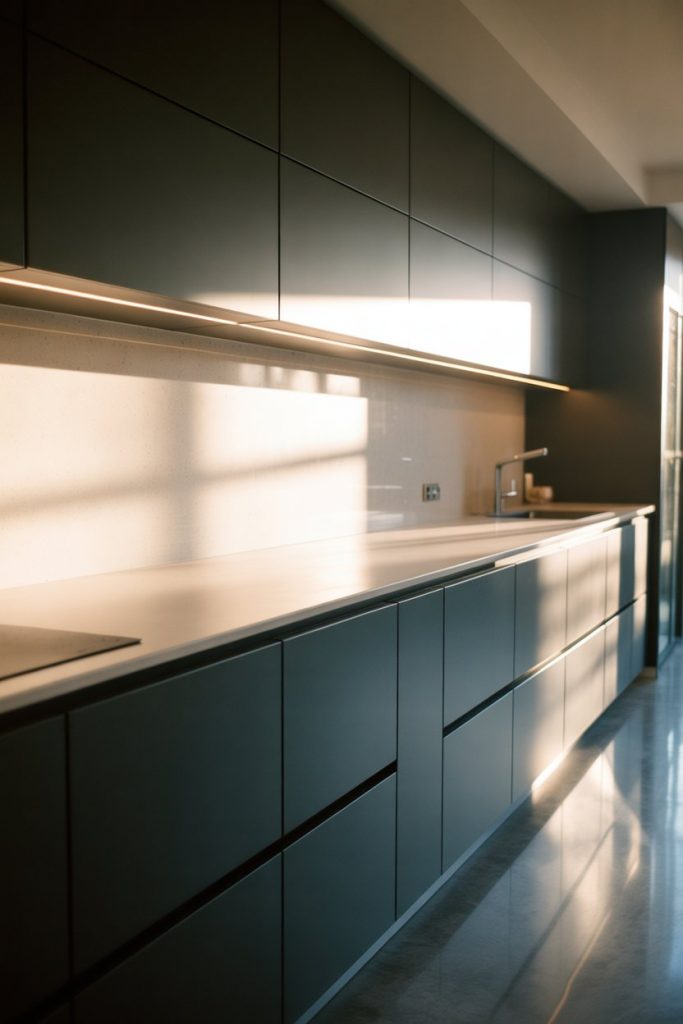
Flat-front slab cabinets define the modern galley, offering a sleek, handleless look that emphasizes clean lines. This minimalist design works beautifully in narrow spaces because it reduces visual noise. Choose matte finishes in charcoal, navy, or forest green to add depth without clutter. Pair with integrated appliances and a simple stone or quartz counter to let the architecture speak for itself. 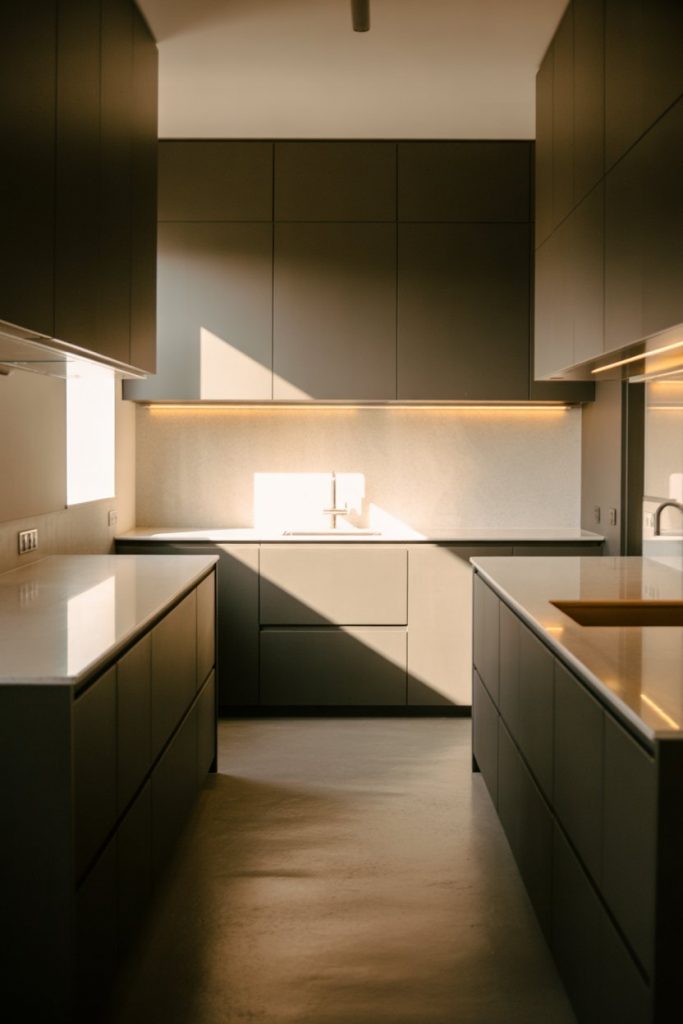
Slab cabinets are often 10–15% more affordable than traditional raised-panel styles, since there’s less machining involved. If you’re budget-conscious but want a high-end look, this is one of the smartest moves you can make during a remodel.
7. Galley Kitchen Opened to Living Room
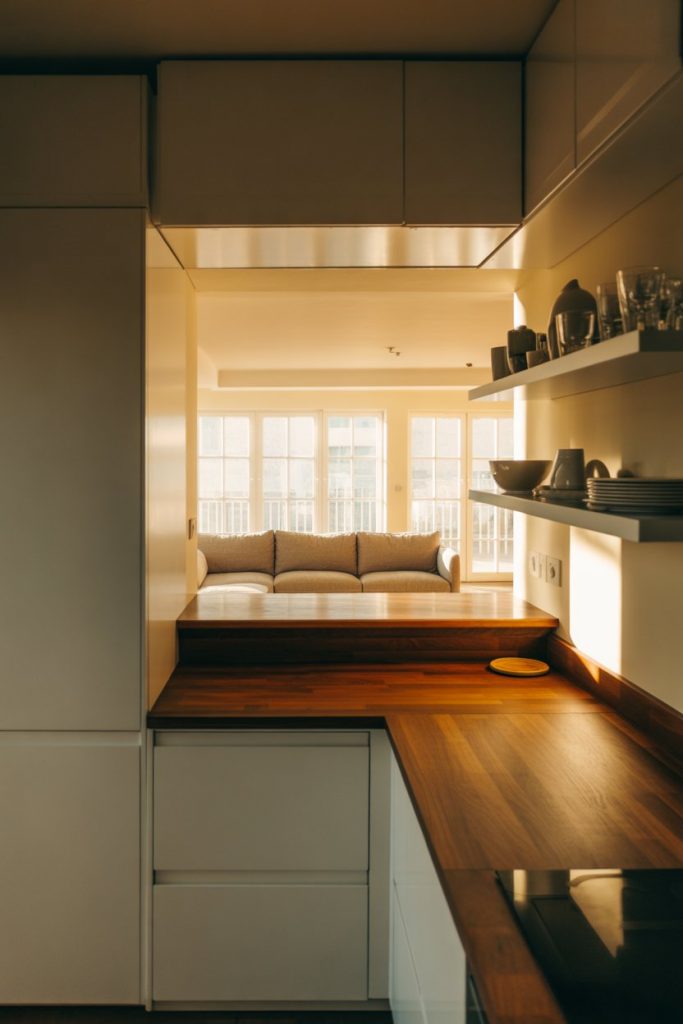
Opening up a galley to an adjacent room is one of the most requested remodel ideas in 2026. By removing a non-load-bearing wall or creating a wide pass-through, you gain sightlines, natural light, and a sense of connection. This approach is especially effective in older homes where the kitchen was originally closed off. The result is a more social, family-friendly space that still retains the efficiency of the galley layout. 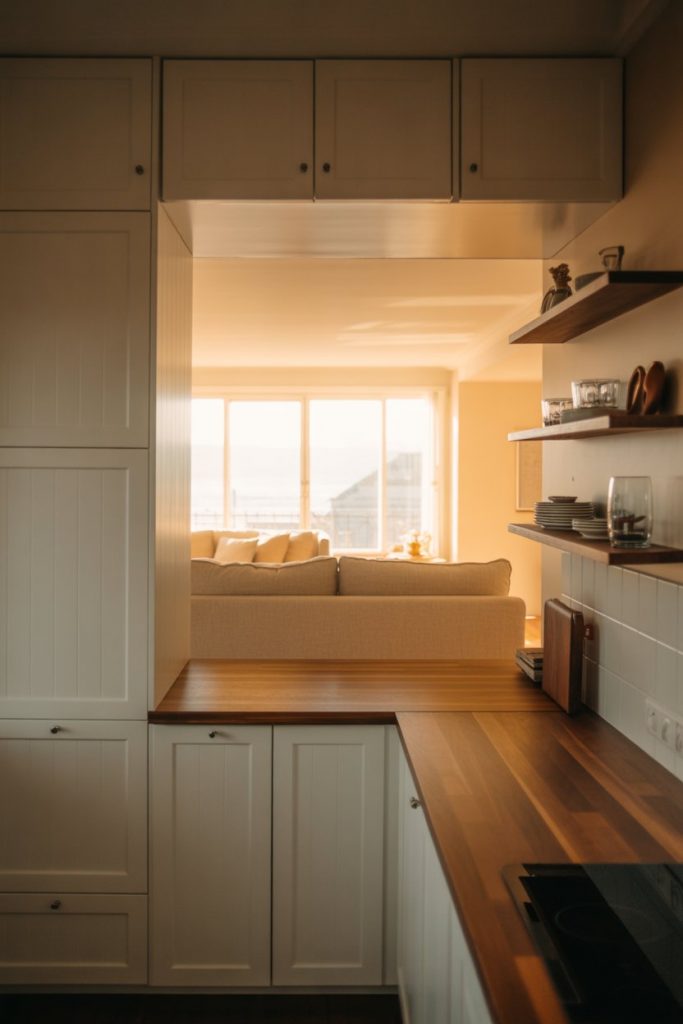
A client in Portland removed the wall between her galley and dining room, adding a structural beam overhead. The kitchen felt twice as large, and she could finally keep an eye on her kids while prepping dinner. It cost about $3,000 for demo and the beam, but the transformation was worth every dollar.
8. Long Galley with Skylight
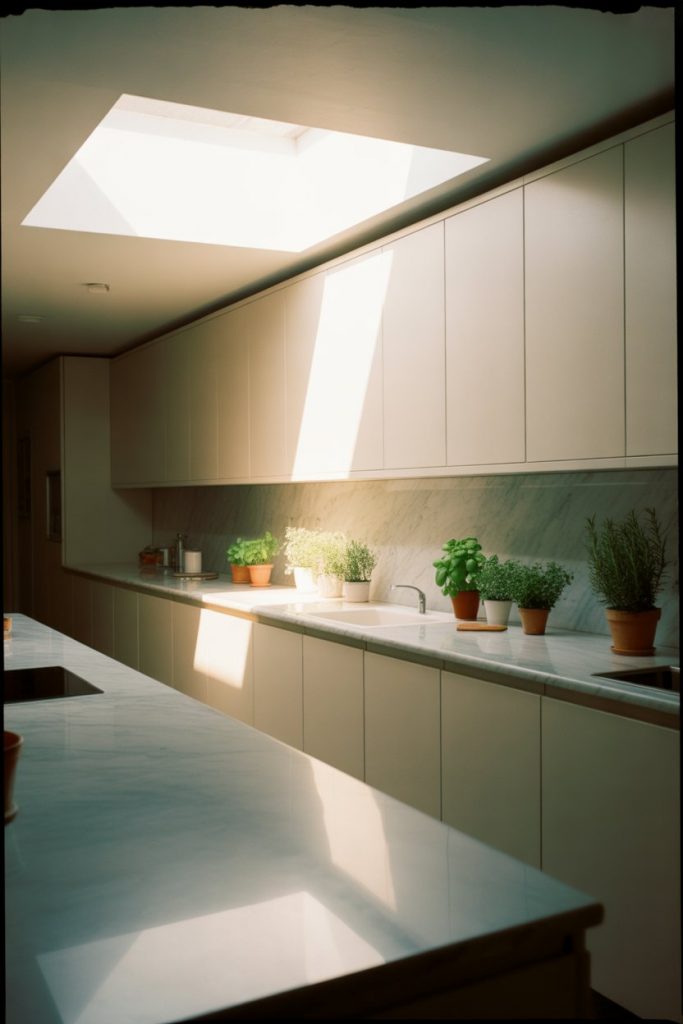
A long galley can feel like a tunnel without adequate lighting. Adding a skylight or two dramatically changes the mood, flooding the space with natural light and making it feel taller and airier. This is particularly effective in single-story homes or top-floor apartments where roof access is straightforward. Pair the skylight with light-colored cabinets and reflective surfaces to maximize the effect. 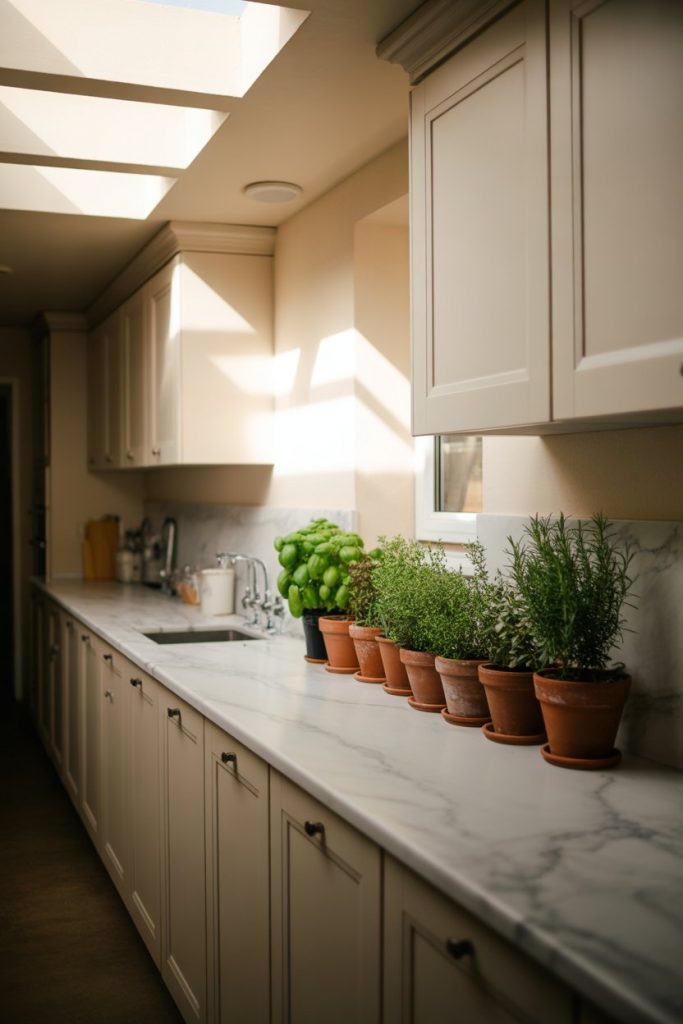
Skylights work best in climates with moderate sun exposure. In Arizona or Southern California, you’ll want to add UV-filtering glass or shades to prevent heat gain and fading. In Seattle or Boston, a skylight can be a mood-lifter during gray winter months, bringing in precious daylight when you need it most.
9. Wide Galley with Center Island
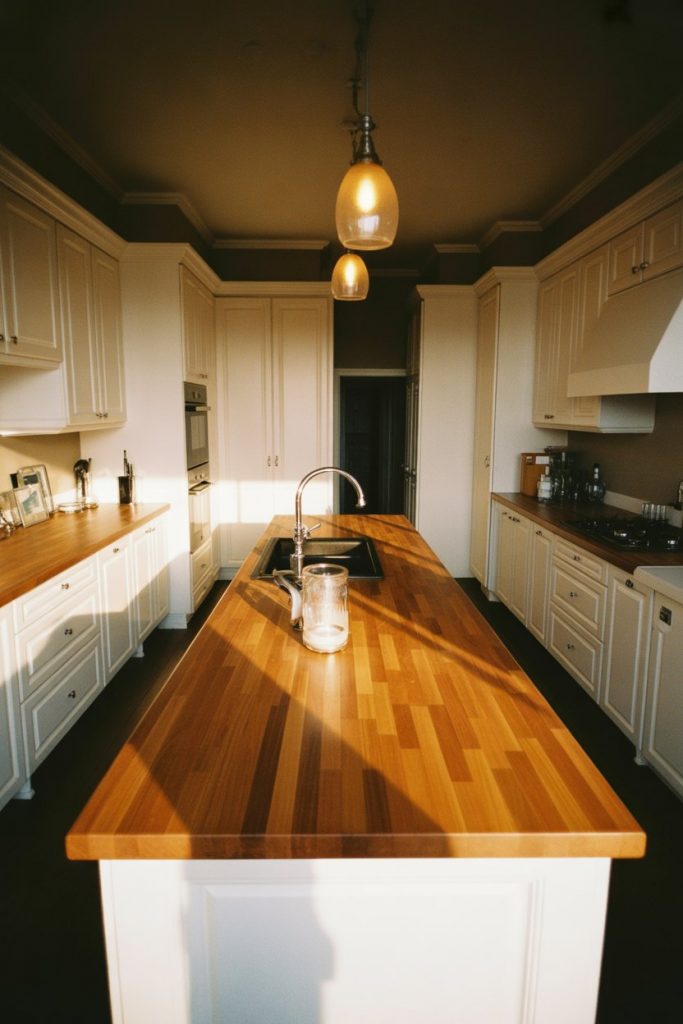
If you have a wide galley—say, 10 feet or more—you can often fit a small island down the center without sacrificing flow. This hybrid layout gives you the efficiency of a galley with the social and prep advantages of an island. Keep the island narrow (24 to 30 inches) and reserve it for tasks like chopping, plating, or casual dining. It’s a remodel move that works especially well in renovated lofts or homes with generously sized kitchens. 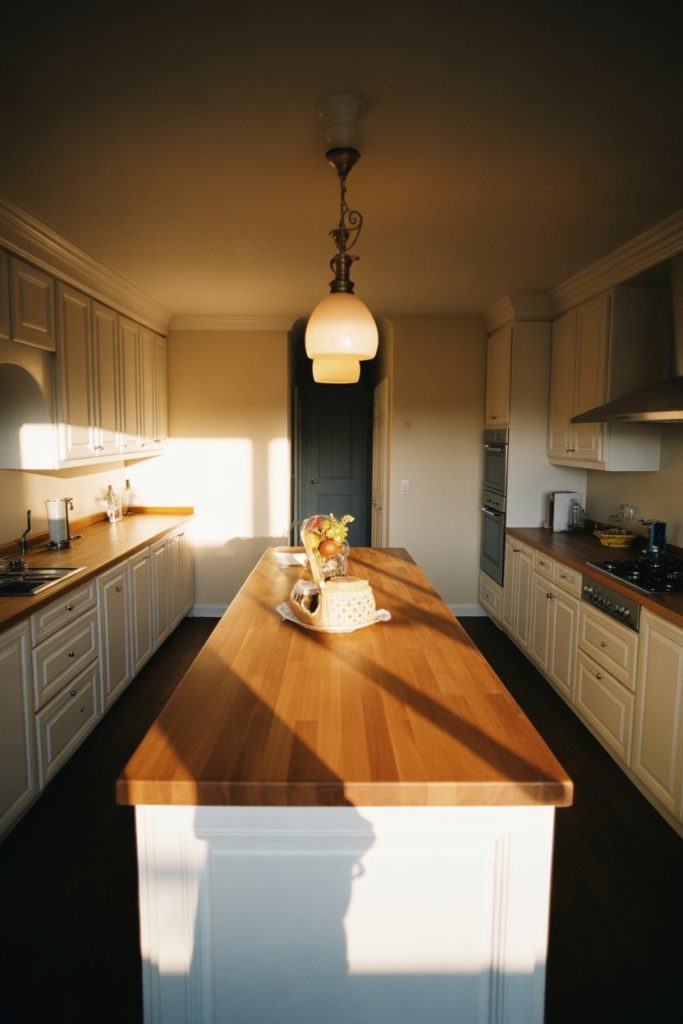
In Texas and Colorado, where open floor plans dominate new construction, this setup is becoming the default. Homeowners appreciate the ability to prep on the island while keeping the perimeter counters clear for appliances and storage. Just make sure to leave at least 42 inches of clearance on each side of the island for comfortable movement.
10. Galley Kitchen with Floor-to-Ceiling Cabinets
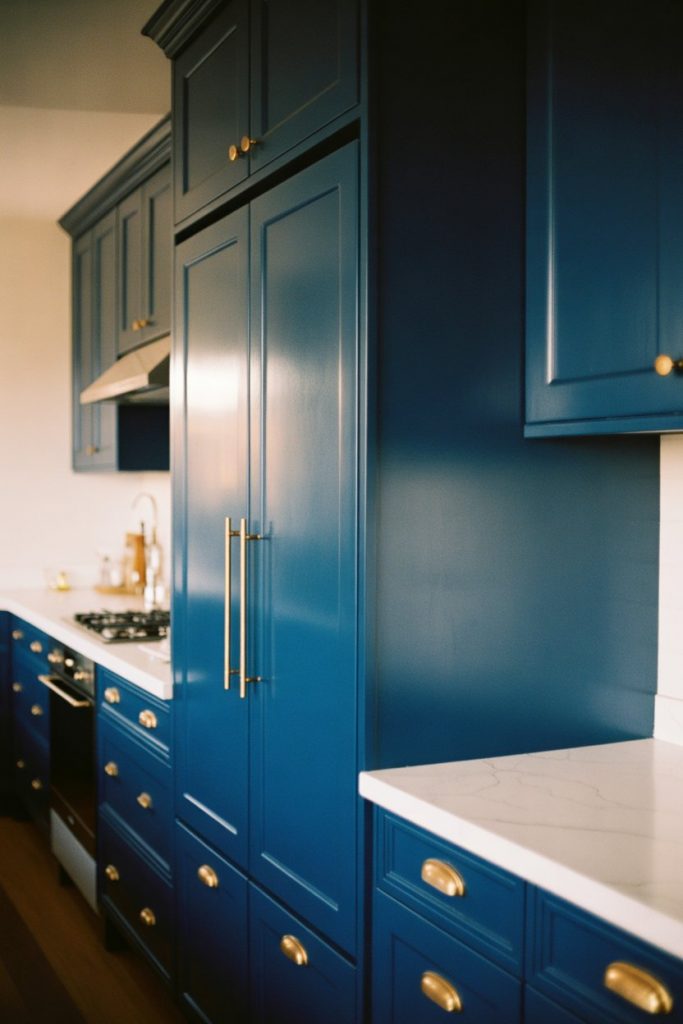
Maximizing vertical space is essential in a galley, and floor-to-ceiling cabinets deliver serious storage without expanding the footprint. This design choice makes the room feel taller and more custom, especially when cabinets are painted in a cohesive color. Use the upper shelves for seasonal items or rarely used appliances, keeping everyday essentials at waist height. It’s a smart remodel idea for anyone dealing with a narrow or tiny kitchen. 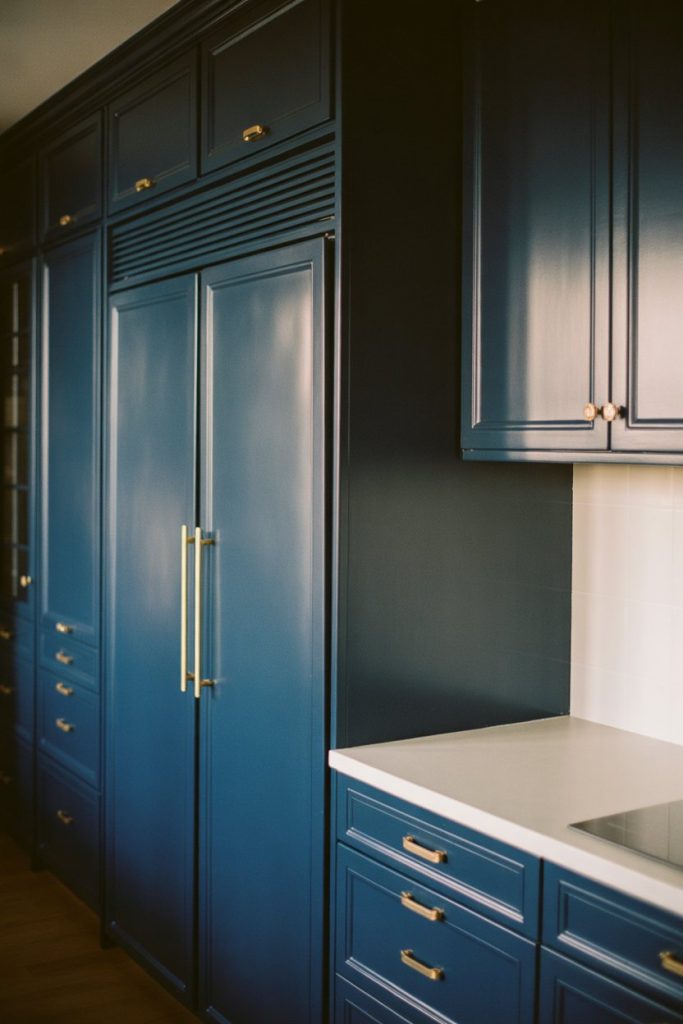
This approach is especially popular in urban markets like New York and San Francisco, where every cubic inch counts. A step stool or library ladder becomes a practical necessity, but the payoff is a kitchen that punches above its weight in terms of storage capacity.
11. Cottage Galley with Beadboard and Pastels
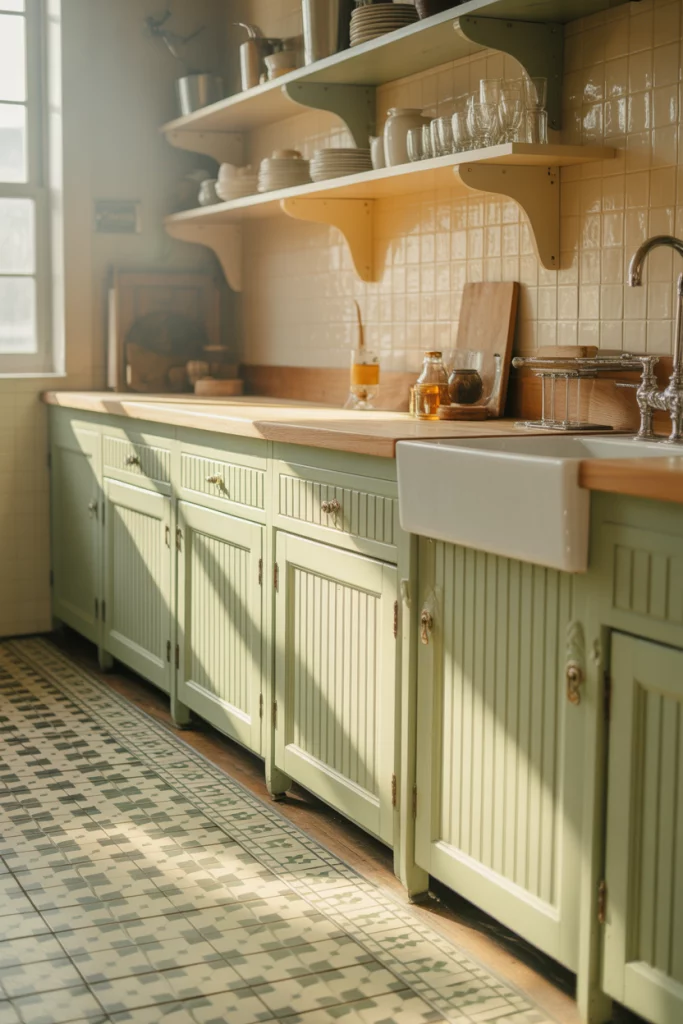
A cottage galley embraces soft colors, vintage details, and charming textures. Beadboard paneling on the lower cabinets, open shelves with scalloped edges, and pastel hues like mint green or powder blue create a welcoming, nostalgic vibe. This design works beautifully in coastal or rural homes where the goal is comfort over sleekness. Add vintage-inspired hardware and a patterned floor tile to complete the look. 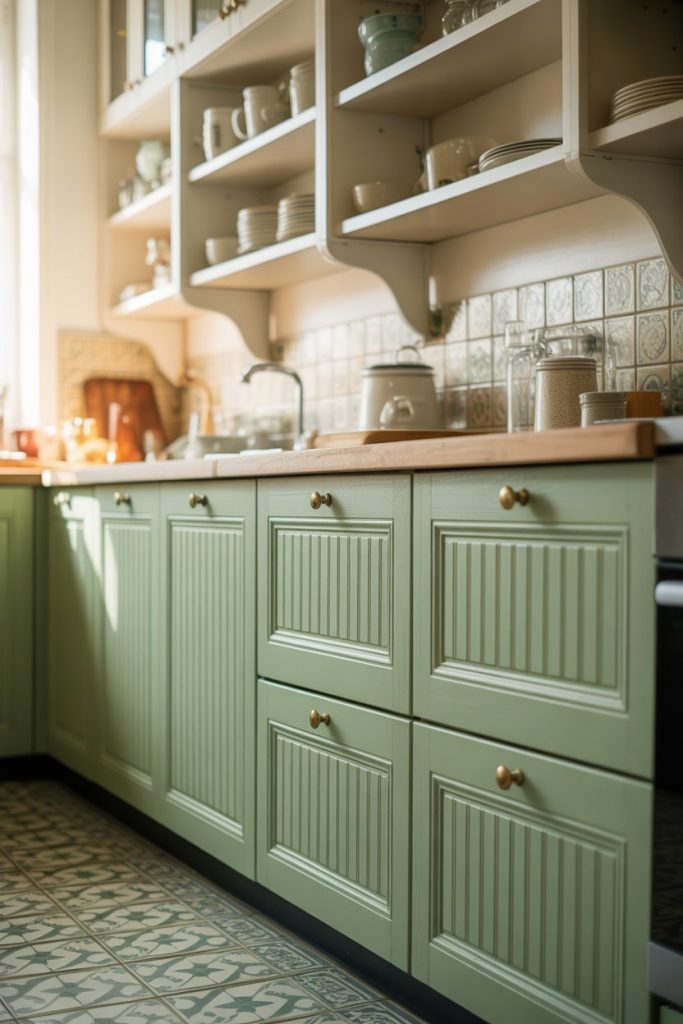
Pastel colors are making a comeback in 2026, especially among younger homeowners who want spaces that feel personal and joyful. Unlike stark white, these softer tones add personality without overwhelming a small room. They’re also easier to live with over time, hiding minor wear and tear better than high-contrast schemes.
12. Galley Kitchen with Industrial Touches
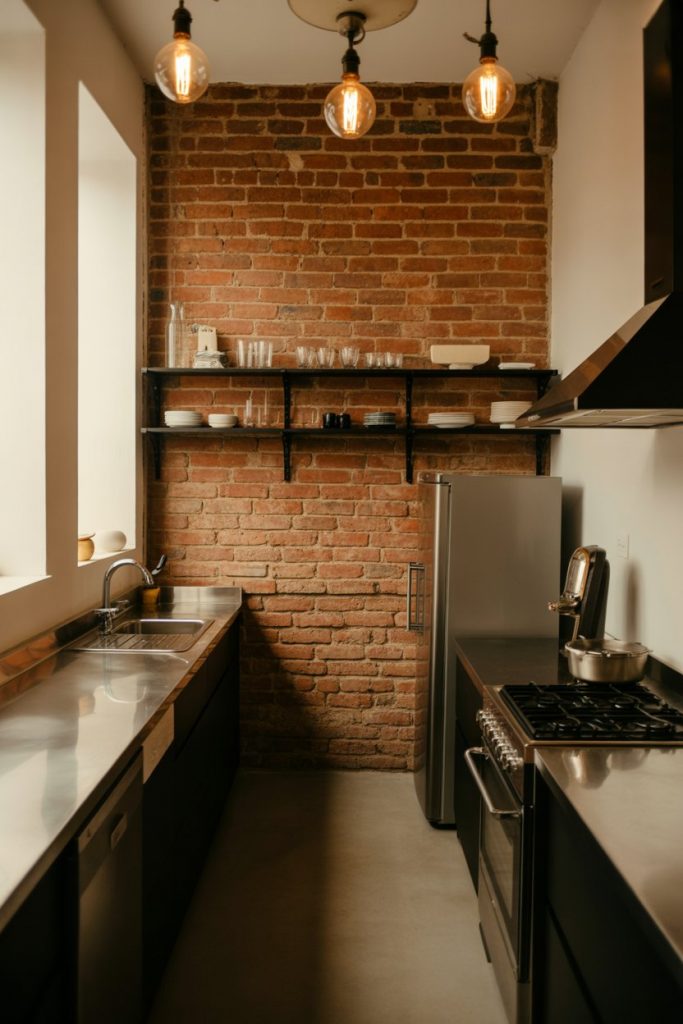
An industrial galley mixes raw materials like exposed brick, metal shelving, and concrete counters with modern appliances. This design is ideal for loft conversions or urban apartments where you want to preserve architectural character while adding function. Use Edison-bulb pendants for lighting, open metal shelves for storage, and stainless steel accents to reinforce the aesthetic. The narrow footprint actually enhances the industrial vibe, making the space feel more intentional and curated. 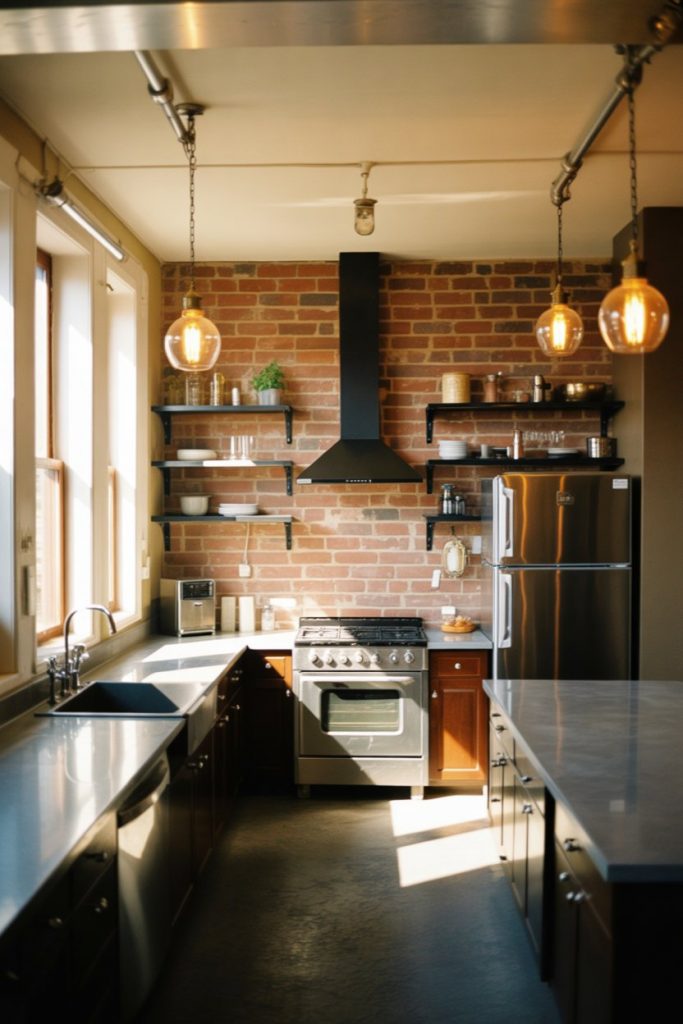
This style works best in cities like Chicago, Brooklyn, and Portland, where exposed brick and ductwork are celebrated rather than hidden. It’s also a forgiving look for renters, since industrial finishes can handle wear and tear without looking tired or dated.
13. Narrow Galley with Bold Wallpaper
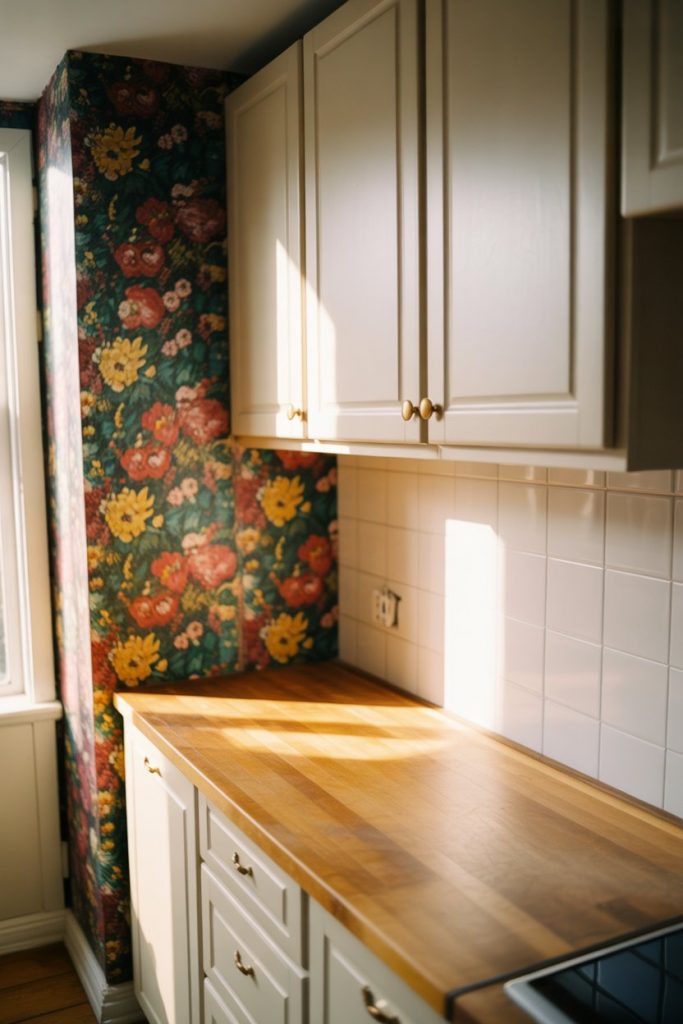
Don’t shy away from pattern in a narrow galley—bold wallpaper can actually make the space feel more intentional and designed. Choose a large-scale print or geometric pattern for one wall, keeping the rest of the design simple with white or neutral cabinets. The wallpaper draws the eye and adds personality without the commitment of paint. This is a low-cost remodel idea that delivers maximum impact, especially in rentals where you can use peel-and-stick options.
Wallpaper is having a major moment in 2026, with Pinterest searches up nearly 40% year-over-year. Homeowners are realizing it’s a fast, affordable way to add character, especially in spaces where custom tile or millwork would blow the budget. Just make sure to choose a vinyl or washable option for easy maintenance.
14. Large Galley with Double Windows
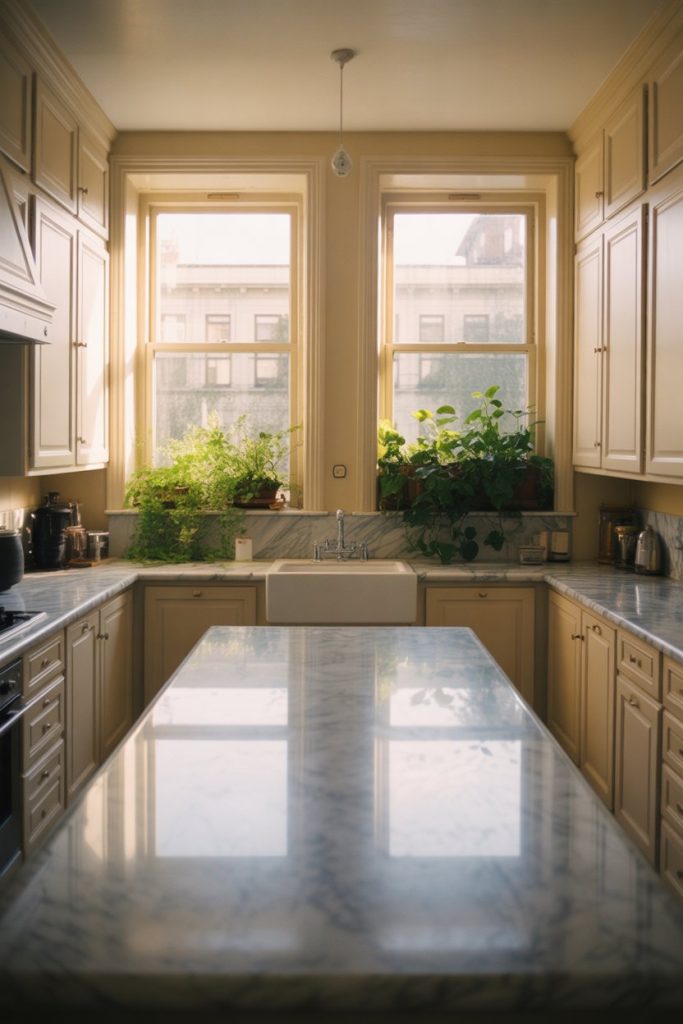
A large galley with windows at both ends feels more like a garden passage than a cramped corridor. Natural light from two directions eliminates shadows and makes the space feel expansive. This layout is common in older colonial and craftsman homes, where kitchens were often positioned to catch cross-breezes. Emphasize the view with minimal window treatments—Roman shades or café curtains work well—and keep counters clear to maintain the open feel. 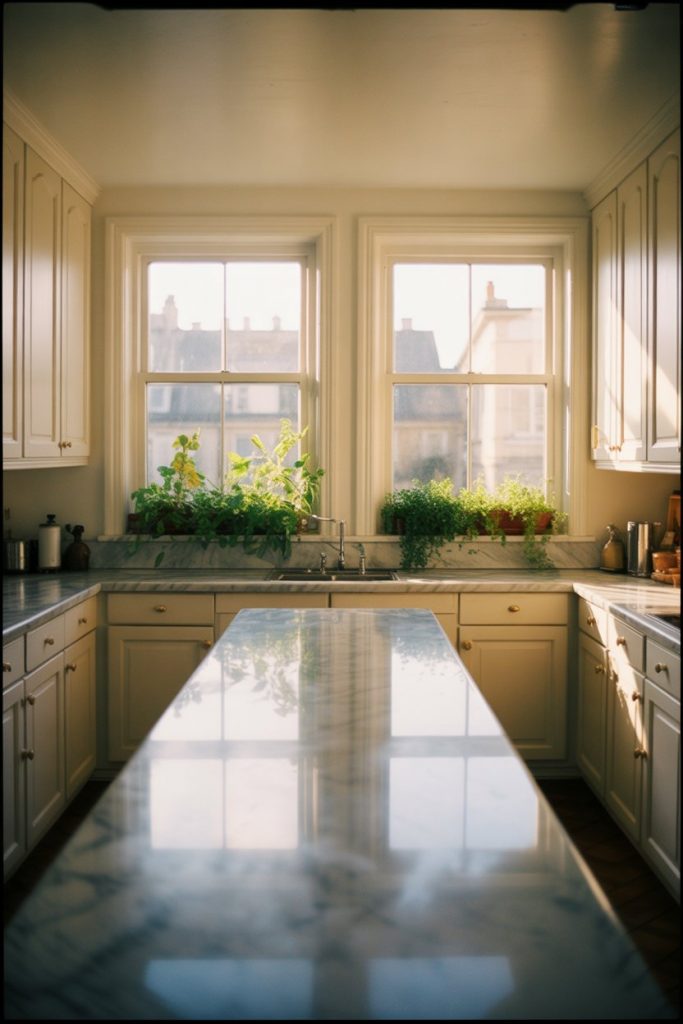
This setup works best in suburban or rural areas where you have control over exterior landscaping. Planting greenery outside the windows—boxwoods, ferns, or flowering shrubs—creates a living backdrop that changes with the seasons, making the kitchen feel connected to the outdoors.
15. Galley Kitchen with Butcher Block Counters
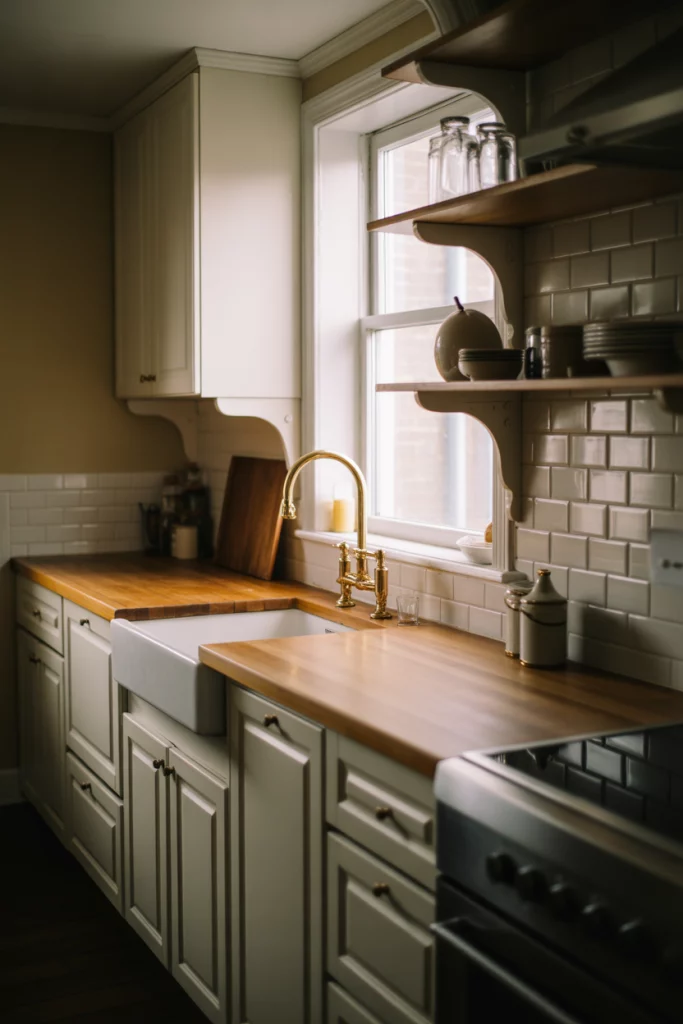
Butcher block counters bring warmth and texture to a galley without overwhelming the space. The natural wood grain pairs beautifully with white or painted cabinets, and the surface is both practical and forgiving. This is a design choice that appeals to home cooks who want a work surface that can handle heavy use. Butcher block is also more affordable than stone, making it a smart pick for budget-conscious remodel ideas.
Real homeowners love butcher block for its warmth, but many don’t realize it requires regular oiling to prevent drying and cracking. Set a reminder to treat it with food-safe mineral oil every 4–6 weeks, especially in dry climates. The maintenance is minimal, but it makes a huge difference in longevity.
16. Galley Kitchen with Dark Lower Cabinets
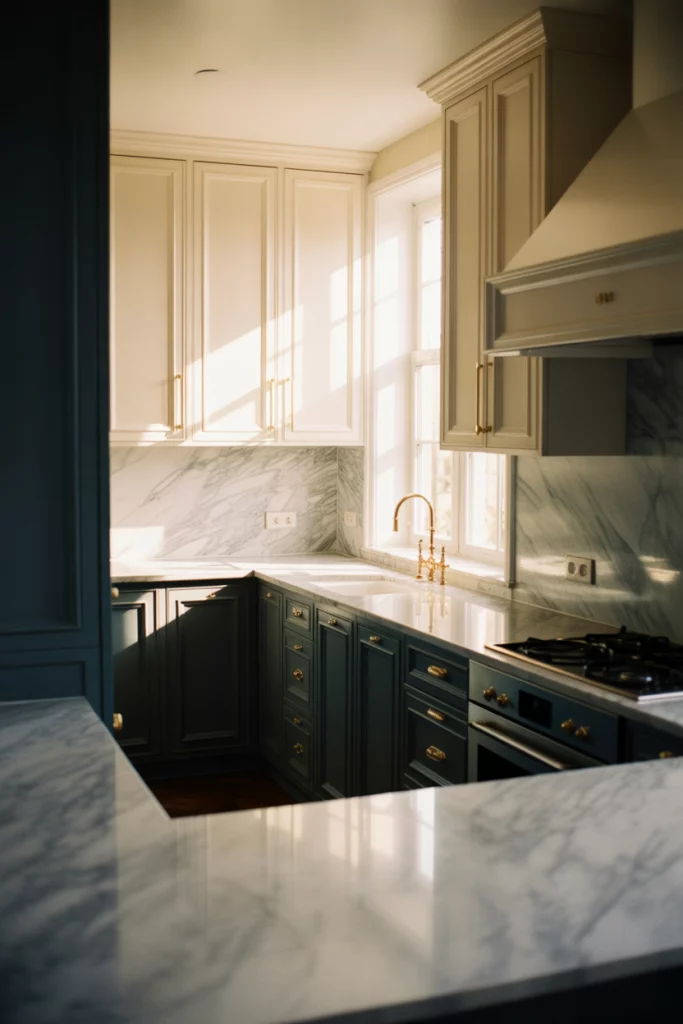
Two-toning a galley by using dark lower cabinets and white or light uppers creates visual interest without closing in the space. Navy, charcoal, or forest green on the bottom anchors the design, while lighter tones above keep the room feeling open. This layout trick is especially effective in narrow galleys where you want depth without darkness. Add brass or matte black hardware to tie the two tones together. 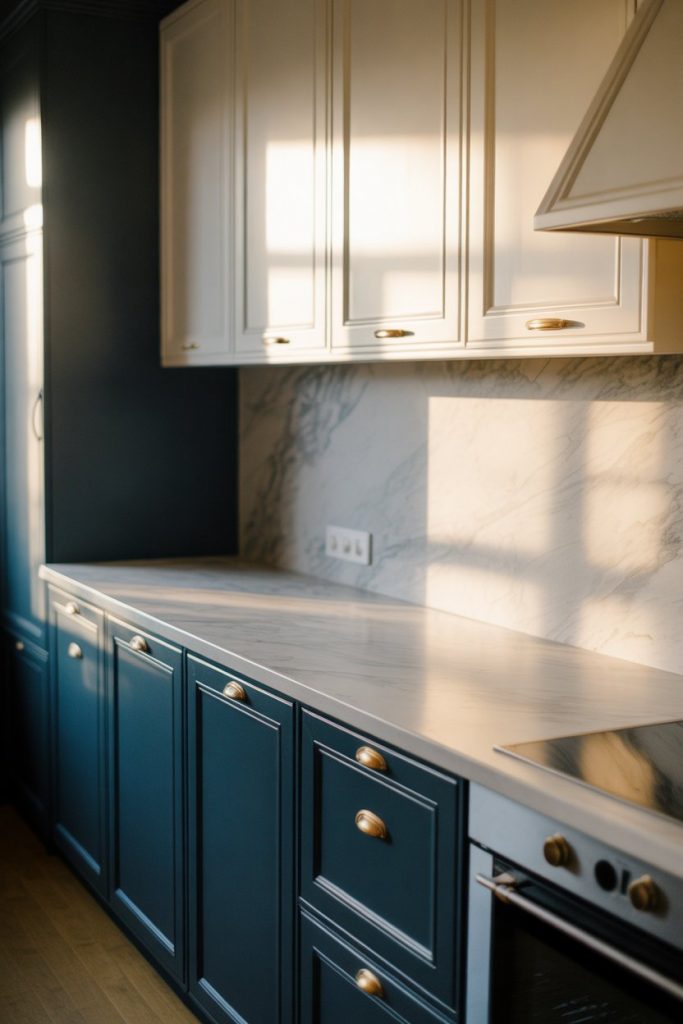
This color-blocking approach is practical too. Lower cabinets see more wear from kicks, spills, and handling, so darker finishes hide scuffs and fingerprints better than all-white. It’s a low-maintenance choice that still looks polished and intentional.
17. Galley Kitchen with Breakfast Nook at End
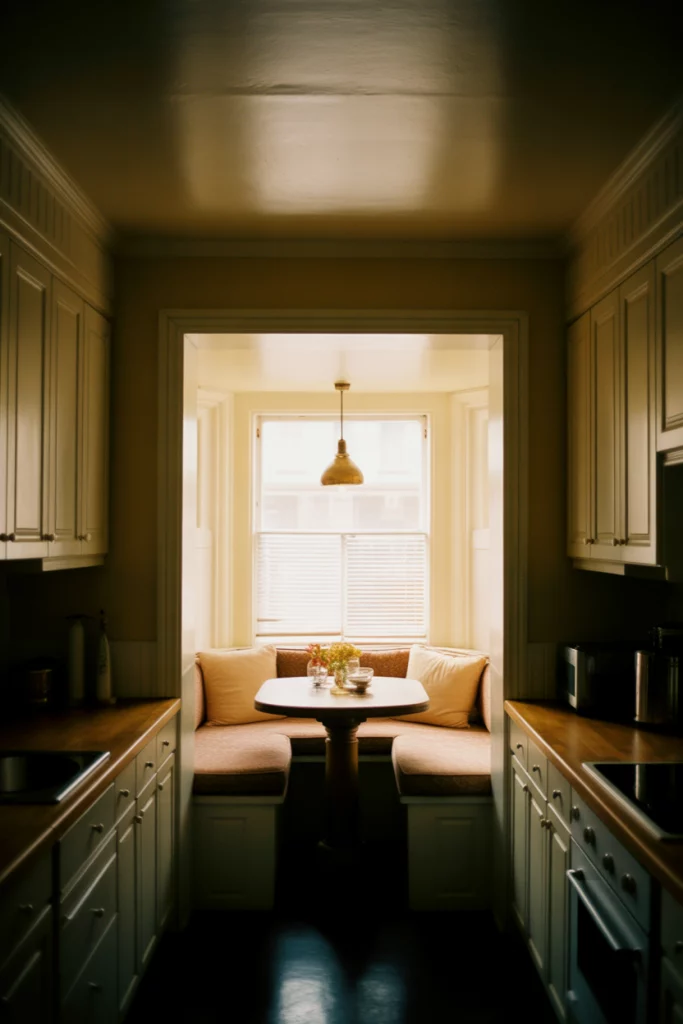
Adding a breakfast nook at the end of a galley transforms it from a pass-through into a destination. A built-in banquette with storage underneath, a small table, and a pendant light create a cozy dining spot without requiring a separate room. This layout floor plan works especially well in homes where the galley opens onto a bay window or bump-out, giving you natural light and a view. It’s a remodel idea that adds both function and charm. 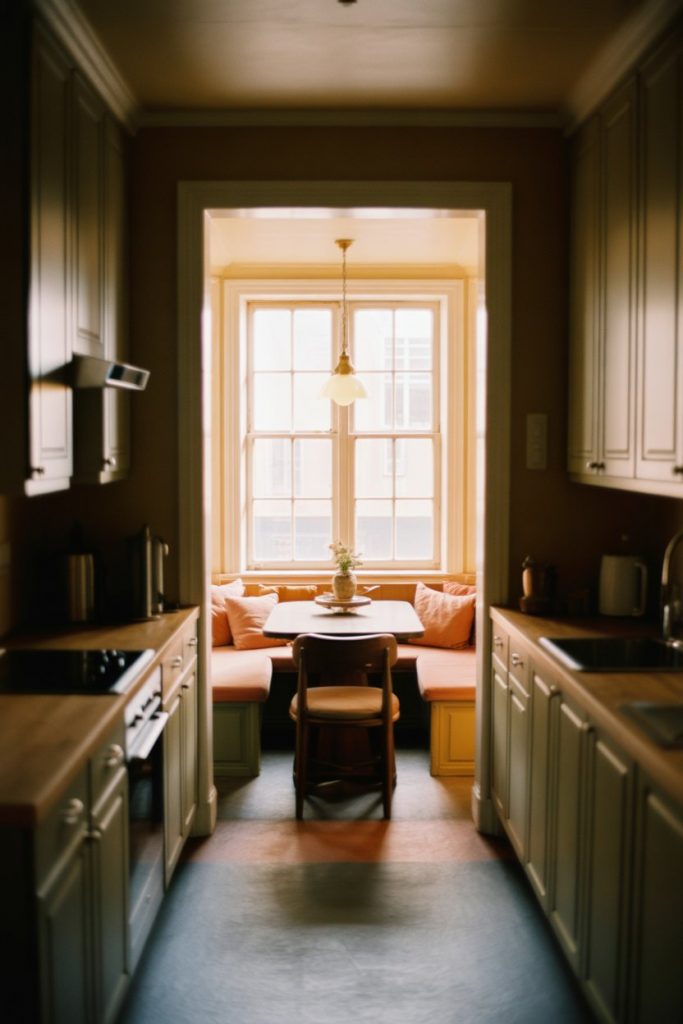
In the Midwest and South, where breakfast nooks are a family staple, this setup is a major selling point. Buyers love the idea of casual family meals in a sunlit corner, and the built-in seating adds value by maximizing space without clutter.
18. Minimalist Galley with Concrete Floors
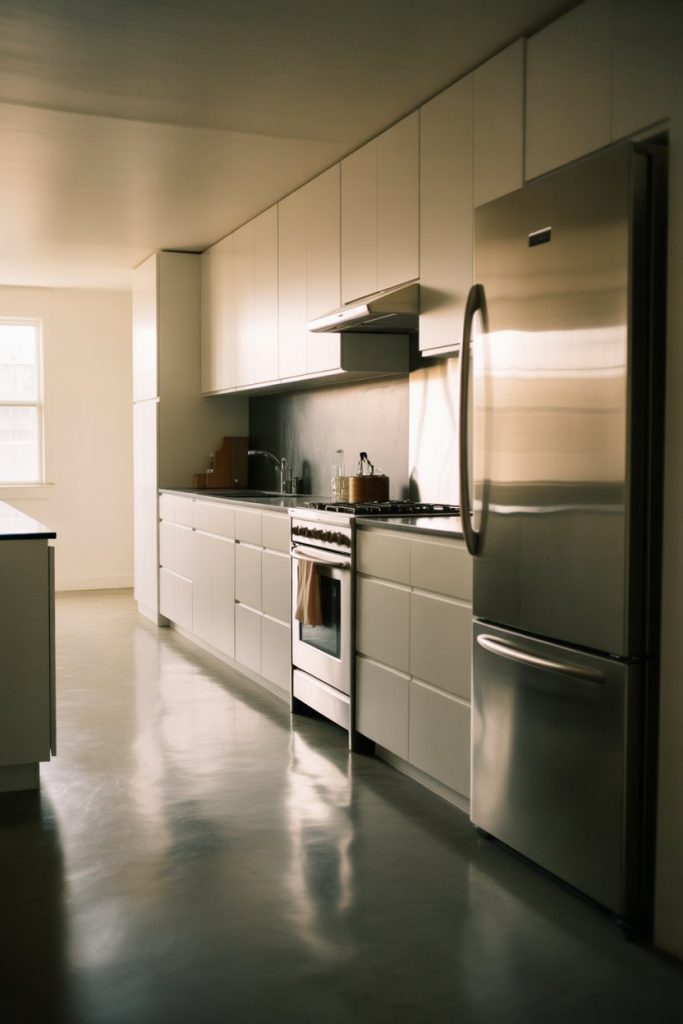
Polished or stained concrete floors are a durable, modern choice for a galley, especially in homes with radiant heating or where you want an industrial edge. The seamless surface makes the room feel longer and less interrupted, and concrete is incredibly low-maintenance—just sweep and mop. Pair it with minimalist cabinets and simple hardware to let the floor be a quiet anchor. This design is popular in new builds and loft conversions across the West Coast. 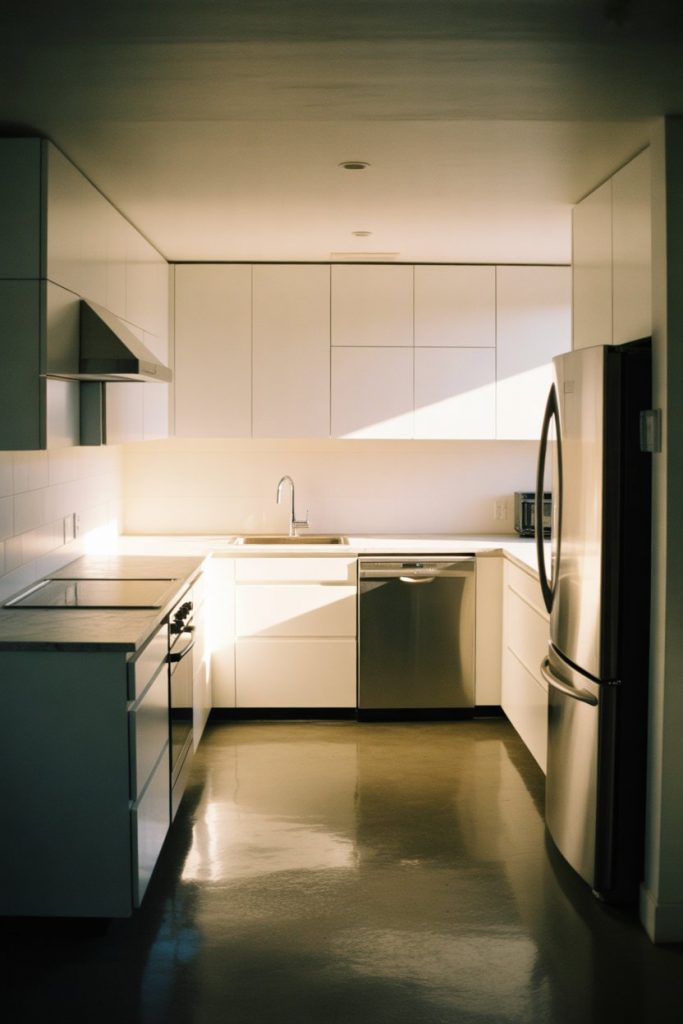
Concrete floors can feel cold underfoot in winter, so they’re best suited for warm climates or homes with in-floor heating. In colder regions, layering a durable runner down the center of the galley adds warmth without sacrificing the sleek look.
19. Galley Kitchen with Glass-Front Upper Cabinets
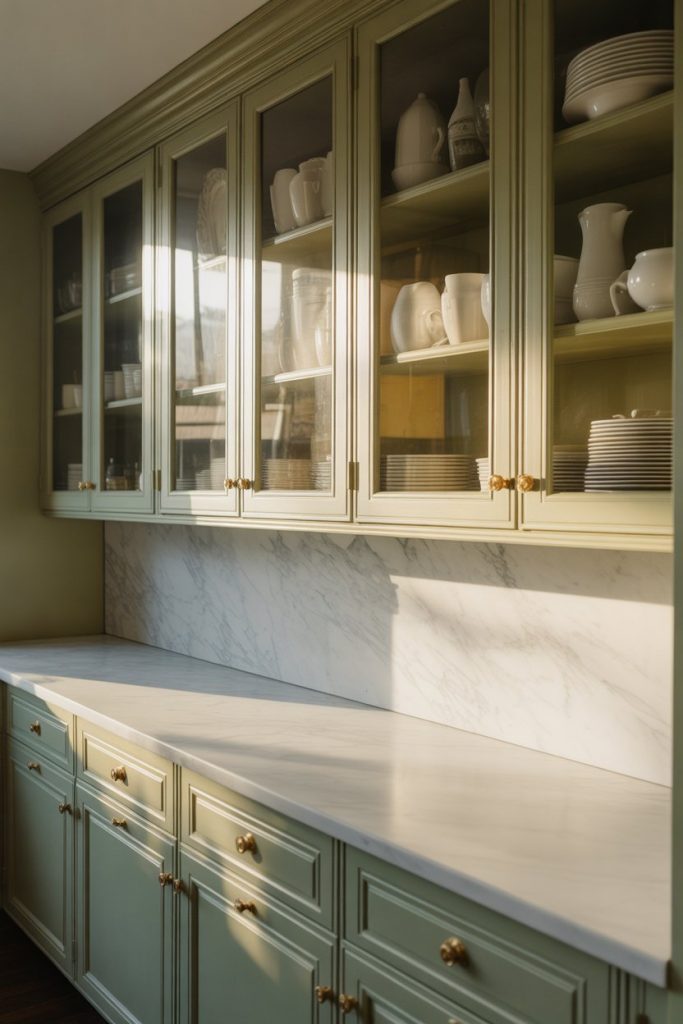
Glass-front upper cabinets add a layer of transparency that visually expands a narrow galley. The glass reflects light and gives you a reason to keep dishes organized and attractive. This design works beautifully in cottage or traditional kitchens where you want to display heirloom china or colorful dishware. Pair with painted lower cabinets and simple hardware for a balanced, curated look. 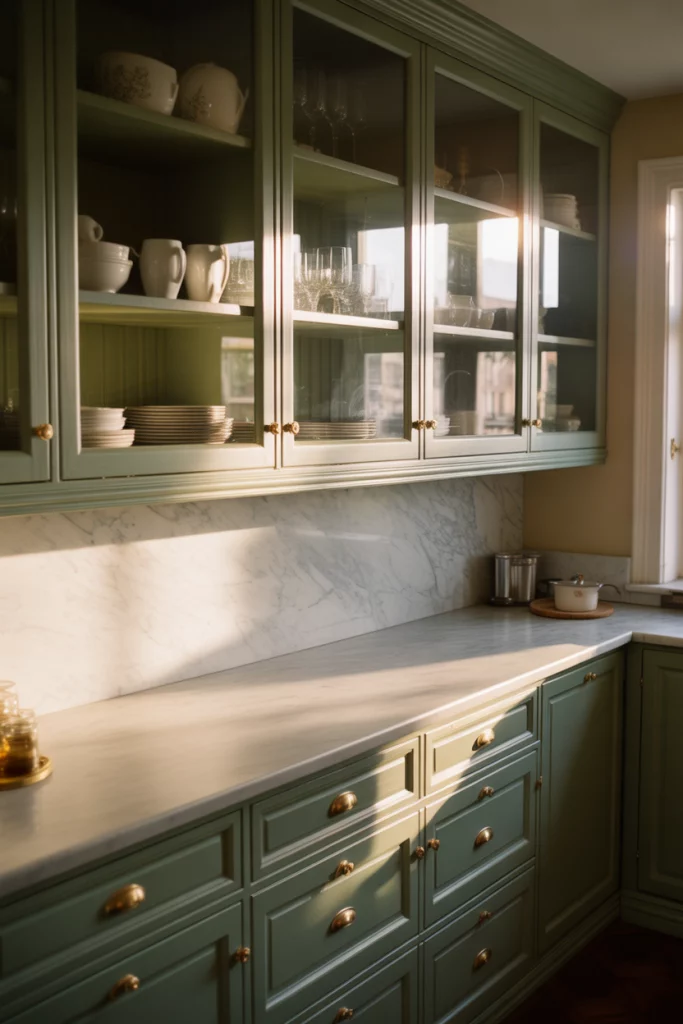
One expert tip: install interior cabinet lighting to make glass fronts glow at night. It’s a small upgrade—usually under $200—but it turns your cabinets into a design feature and makes the kitchen feel restaurant-quality.
20. Galley Kitchen with Herringbone Tile Floor
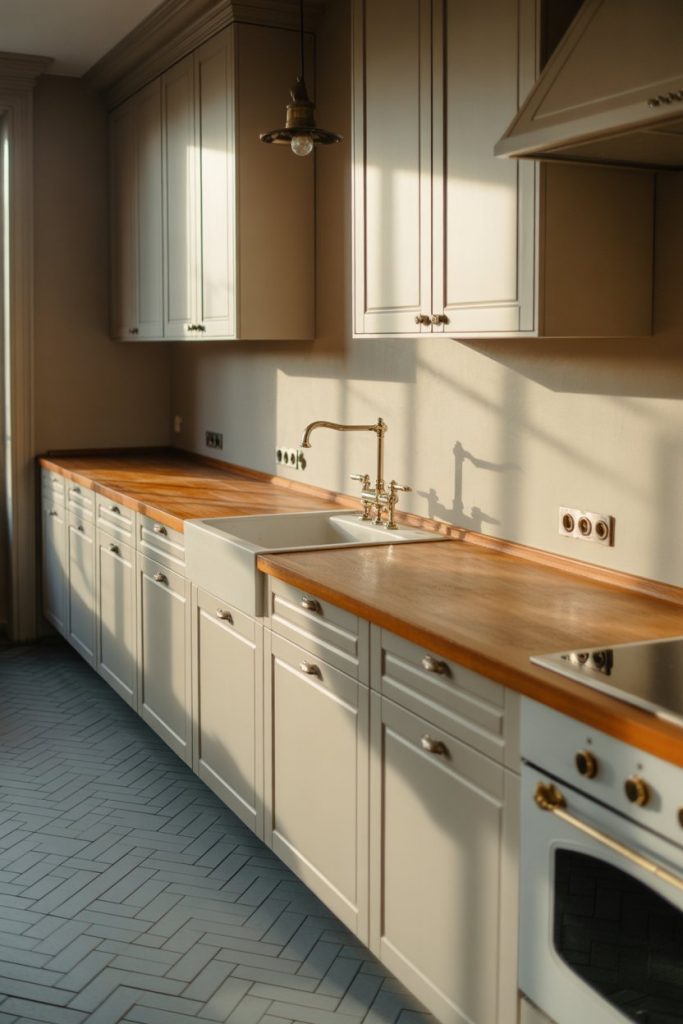
A herringbone tile floor draws the eye lengthwise, making a long galley feel even more gracious. The diagonal pattern adds movement and visual interest without overwhelming the space. Choose classic black-and-white, soft gray, or warm terracotta depending on your overall design direction. This flooring choice pairs well with both modern and traditional cabinetry, making it a versatile remodel pick.
Herringbone is labor-intensive to install, which means it typically costs 20–30% more than straight-lay tile. But the payoff is a floor that looks custom and high-end, adding resale value and visual sophistication that standard tile just can’t match.
21. Galley Kitchen with Open-Ended Layout
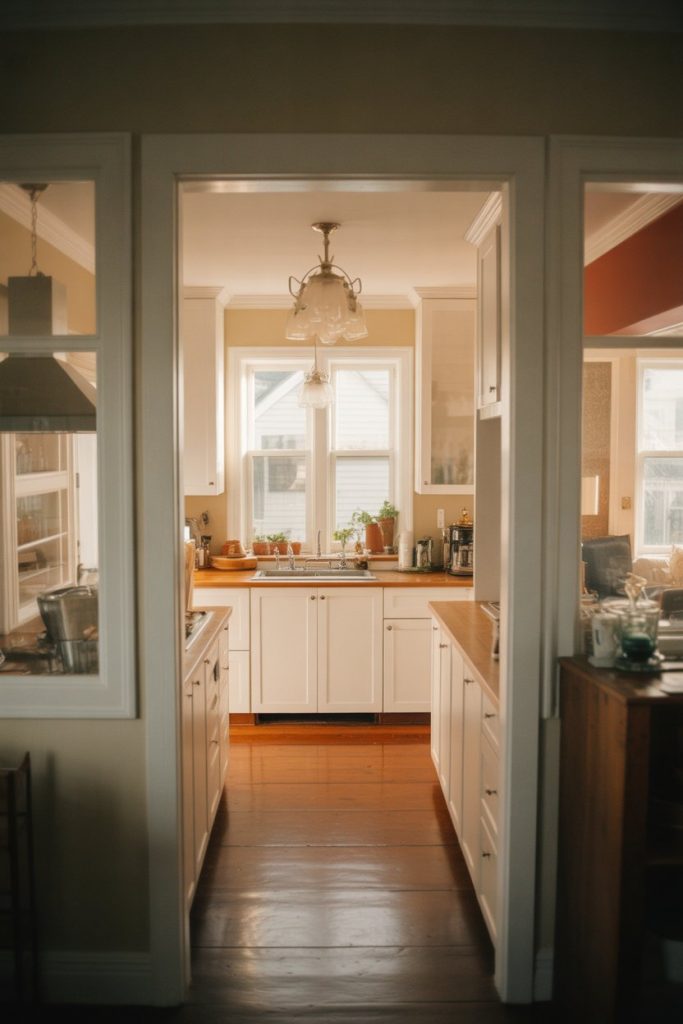
An open-ended galley, where both ends connect to other rooms, creates a natural flow through the home. This layout is ideal for households with kids or pets, as it eliminates dead-ends and keeps movement easy. The challenge is ensuring the kitchen doesn’t become a hallway—use a runner or change in flooring material to subtly define the space. This layout floor plan is common in ranches and split-levels built in the 1960s and 70s, and it’s making a comeback as homeowners embrace opening up their floor plans.
In Southern California and Florida, where indoor-outdoor living is prized, this setup often connects a kitchen to both a dining room and a patio door, creating a seamless entertaining circuit. It’s less about cooking in isolation and more about being part of the action.
22. Galley Kitchen with Under-Cabinet LED Lighting
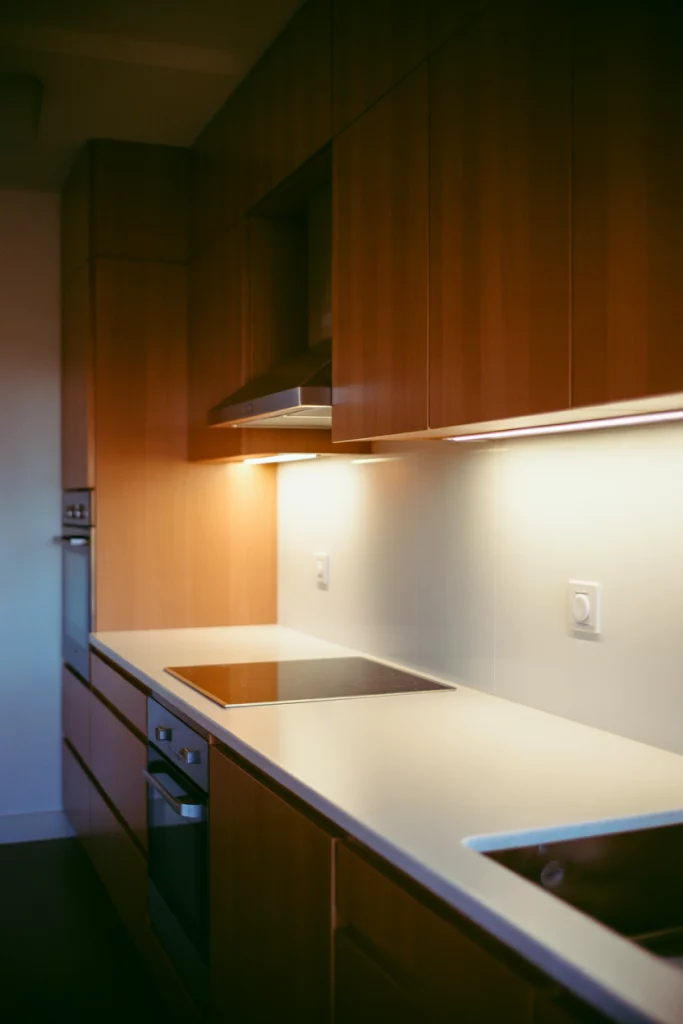
Proper lighting transforms a galley from dim and cramped to bright and functional. Under-cabinet LED strips eliminate shadows on the counter, making prep work easier and the space feel larger. This is a low-cost upgrade—often under $150 for a full galley—that delivers outsized impact. Pair it with a few well-placed pendant lights or a flush-mount ceiling fixture for layered illumination. It’s one of the simplest remodel ideas that immediately improves daily use. 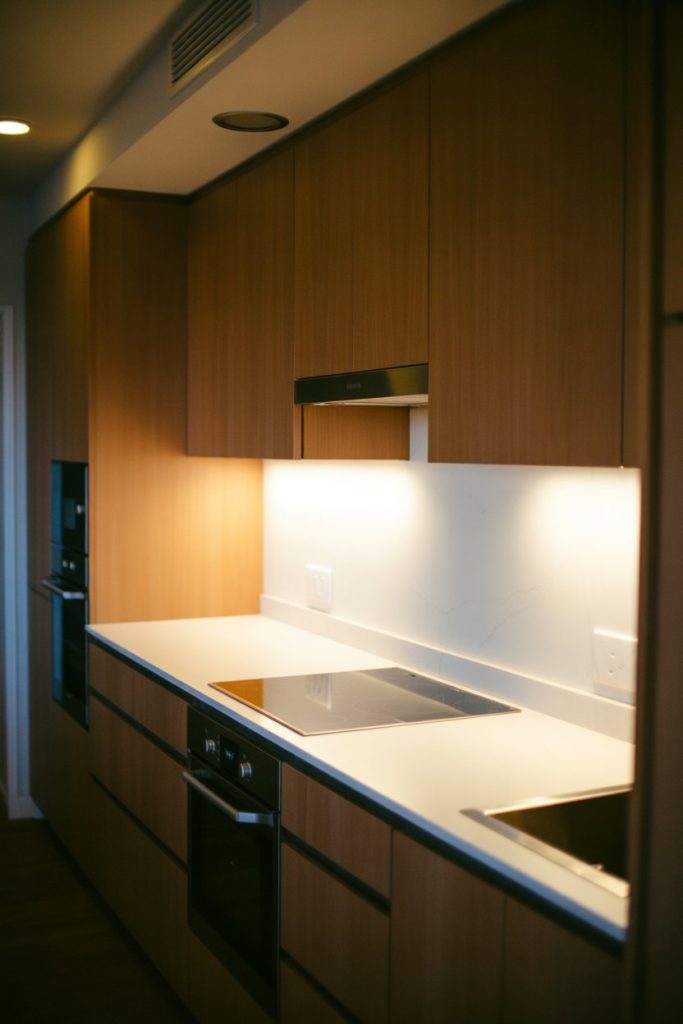
Many homeowners underestimate how much difference good lighting makes until they install it. One reader in Michigan added LEDs under her upper cabinets and said it felt like she’d gotten a whole new kitchen for $100. The warm glow made the space more inviting, and prep tasks became noticeably easier in the evening.
Conclusion
Galley kitchens in 2026 are proof that small spaces can be just as stylish and functional as sprawling layouts. Whether you’re drawn to modern minimalism, farmhouse charm, or something in between, there’s a galley design that fits your home and lifestyle. Which of these ideas speaks to you? Let us know in the comments—we’d love to hear how you’re making your galley work.