French country living rooms are having a serious moment in 2026, and it’s easy to see why. American homeowners are craving spaces that feel warm, lived-in, and effortlessly elegant—a far cry from the sterile minimalism that dominated the past decade. Pinterest feeds are overflowing with images of soft linen sofas, weathered wood beams, and muted color palettes that whisper rather than shout. This style blends Old World charm with modern comfort, making it perfect for anyone who wants a home that feels collected over time rather than designed overnight. In this guide, you’ll discover fresh takes on French country living rooms that work beautifully in American homes, from compact apartments to sprawling farmhouses.
1. Modern French Country with Clean Lines
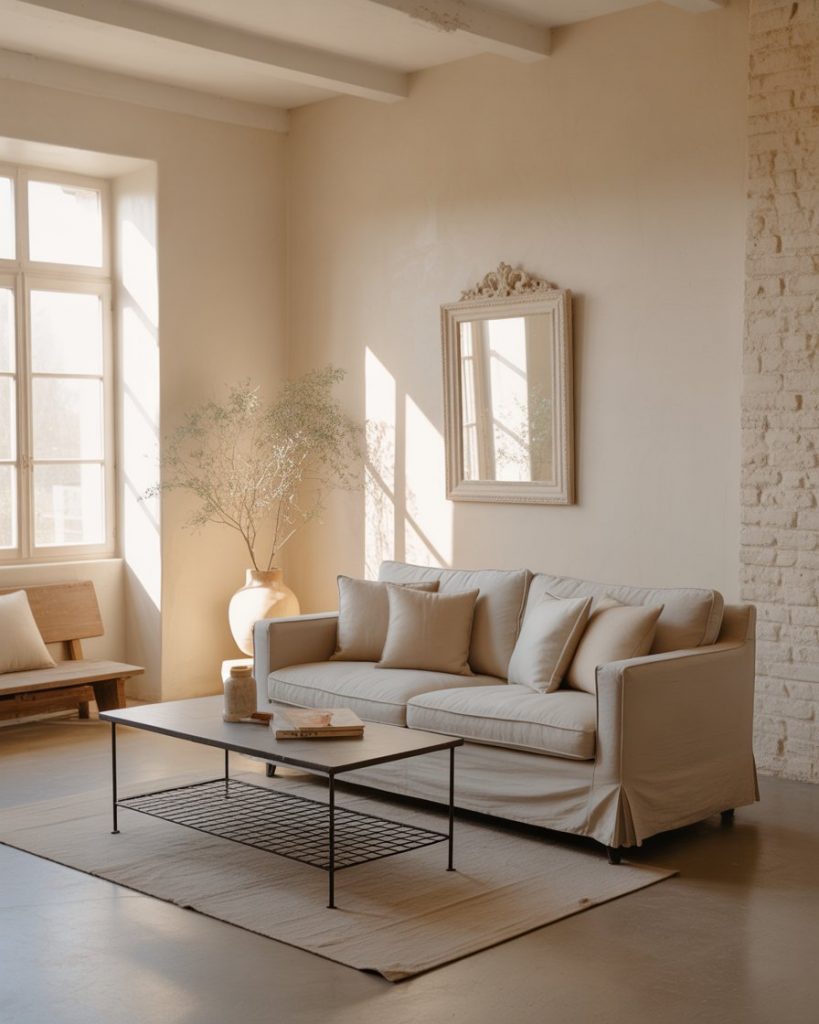
The traditional French country aesthetic gets a sleek update when you strip away the fussier elements and focus on modern silhouettes. Think tailored linen sofas in oatmeal tones, simple iron coffee tables, and streamlined cabinetry that nods to provincial roots without the ornate carvings. This approach works especially well in open-concept homes where you want cozy warmth without visual clutter. Pair white plaster walls with just a few statement antiques—maybe a carved mirror or a single rush-seat chair—and let the architecture breathe. 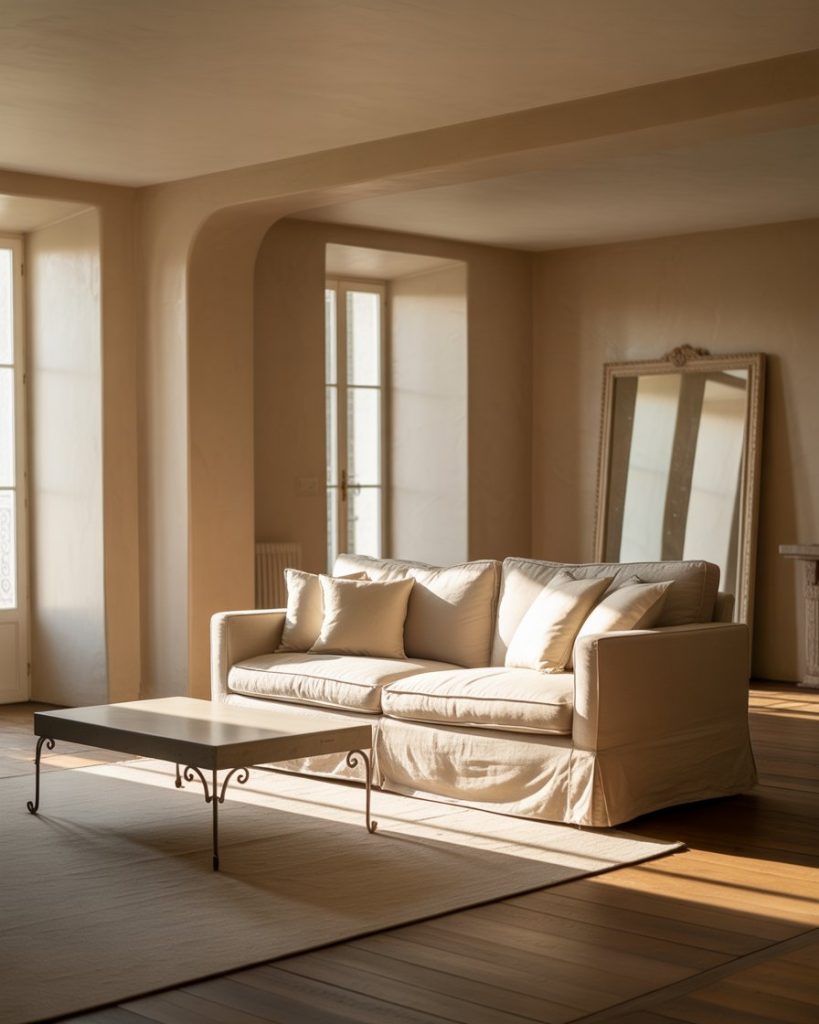
This style works best in newer construction or recently renovated homes where you’re starting with a blank slate. You avoid the common mistake of over-layering—too many toile pillows, too many urns, too many distressed finishes. Instead, you’re curating a collection of pieces that each earn their place, which ultimately saves you money because you’re not buying every charming thing you see at the antique mall.
2. Rustic Beams and Stone Fireplace Anchor
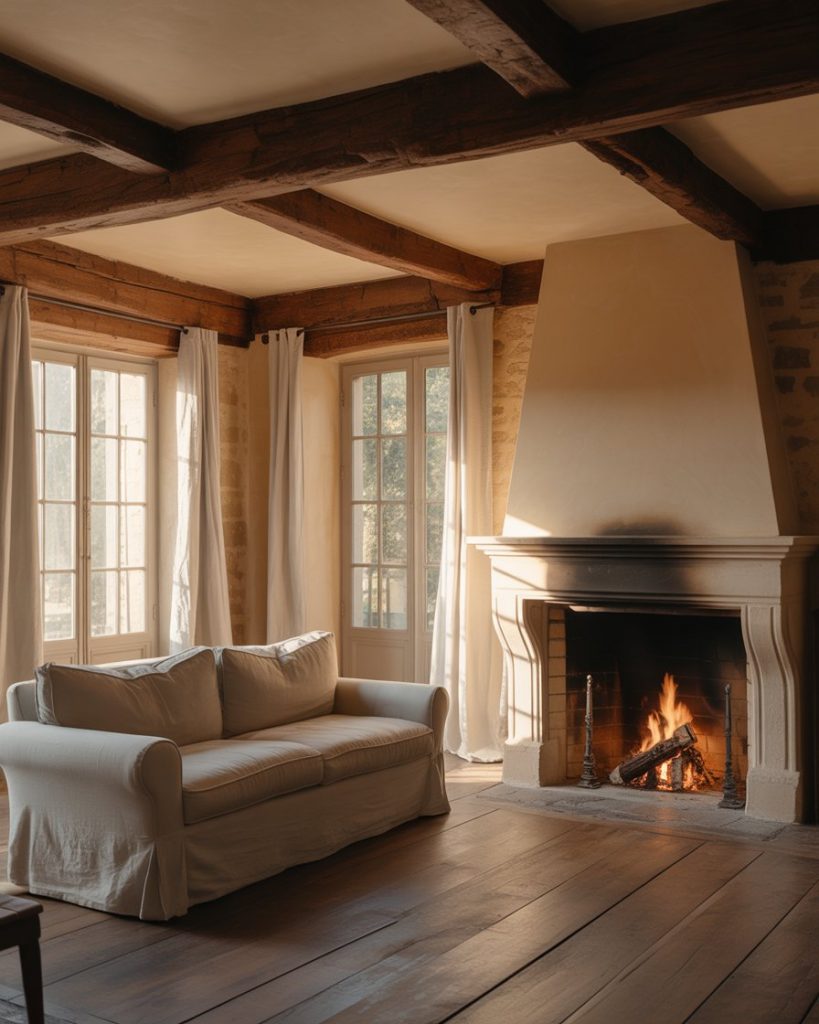
Nothing says French countryside quite like exposed rustic ceiling beams paired with a chunky stone fireplace that anchors the entire room. These architectural elements create instant character and give you a foundation to build around. The key is balancing the heaviness of wood and stone with lighter textiles—think gauzy linen curtains and slipcover seating that keeps the space from feeling like a medieval tavern. Traditional French homes often featured these materials out of necessity, and they’ve aged beautifully over centuries. 
In the Pacific Northwest and Northeast, where winters are long and cozy fires are a lifestyle staple, this setup becomes the heart of daily living. A friend in Vermont told me her stone fireplace was the reason she bought her house—it made every room feel like an extension of the hearth. Just make sure your contractor properly vents any gas insert if you’re adding a fireplace rather than working with an existing one.
3. Sage Green Built-Ins Flanking TV and Fireplace
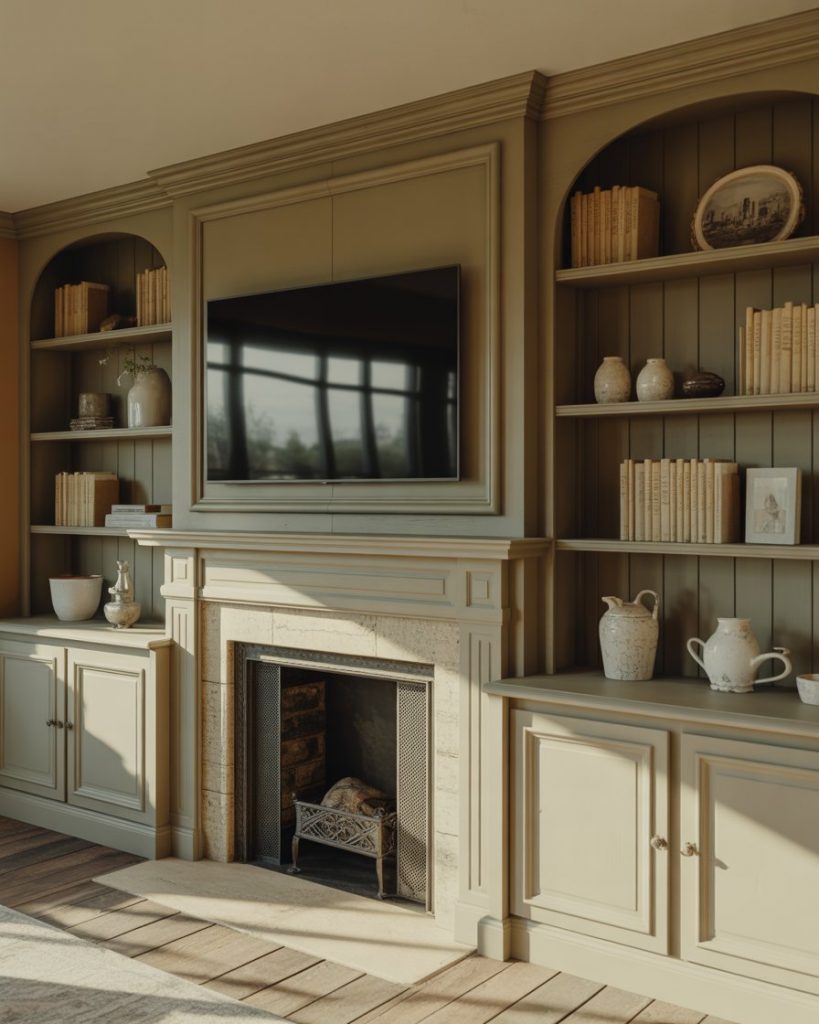
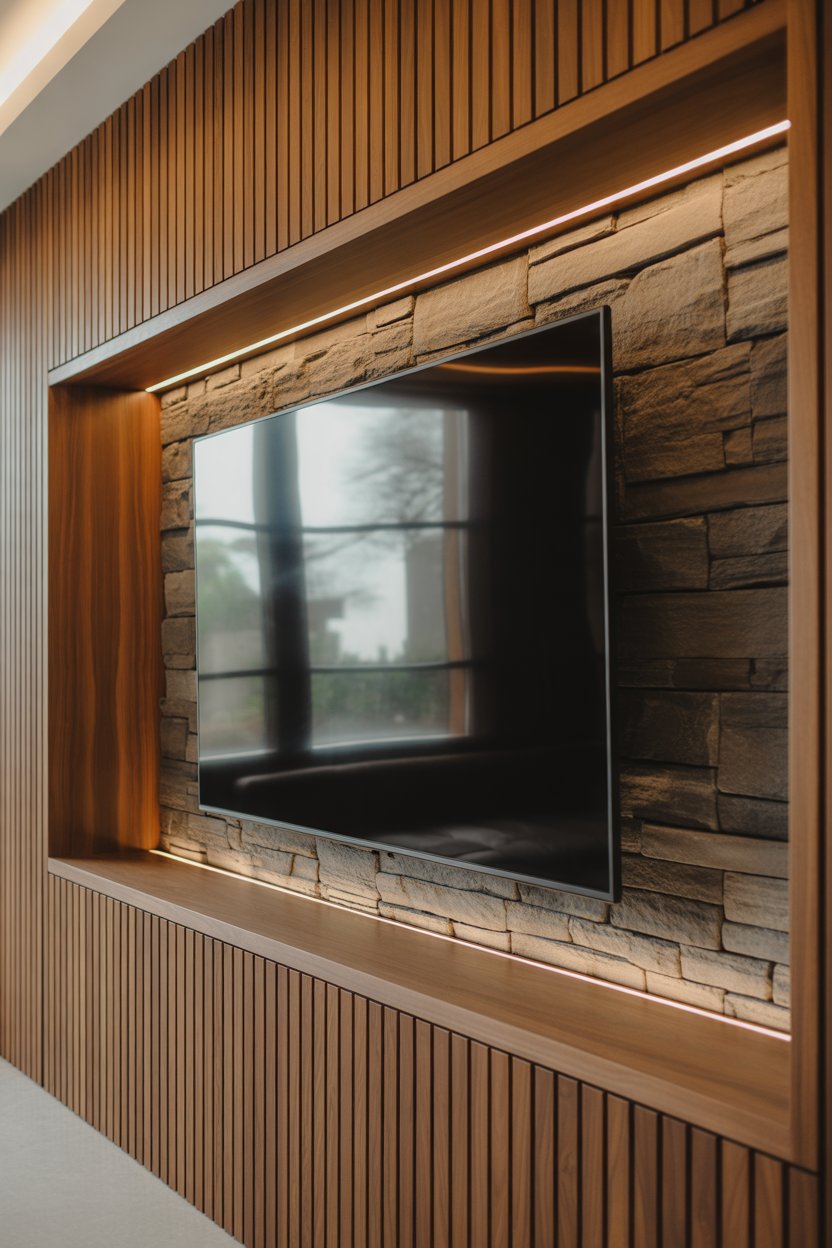
Custom built ins with tv fireplace arrangements solve the eternal problem of where to put the television without sacrificing style. When you paint these cabinets in a soft sage green, they become a design feature rather than just functional storage. The muted green reads as sophisticated and natural, echoing the French love of bringing garden tones indoors. Open shelving on either side lets you display ironstone pitchers, stacks of linen-bound books, and a few carefully chosen ceramics. 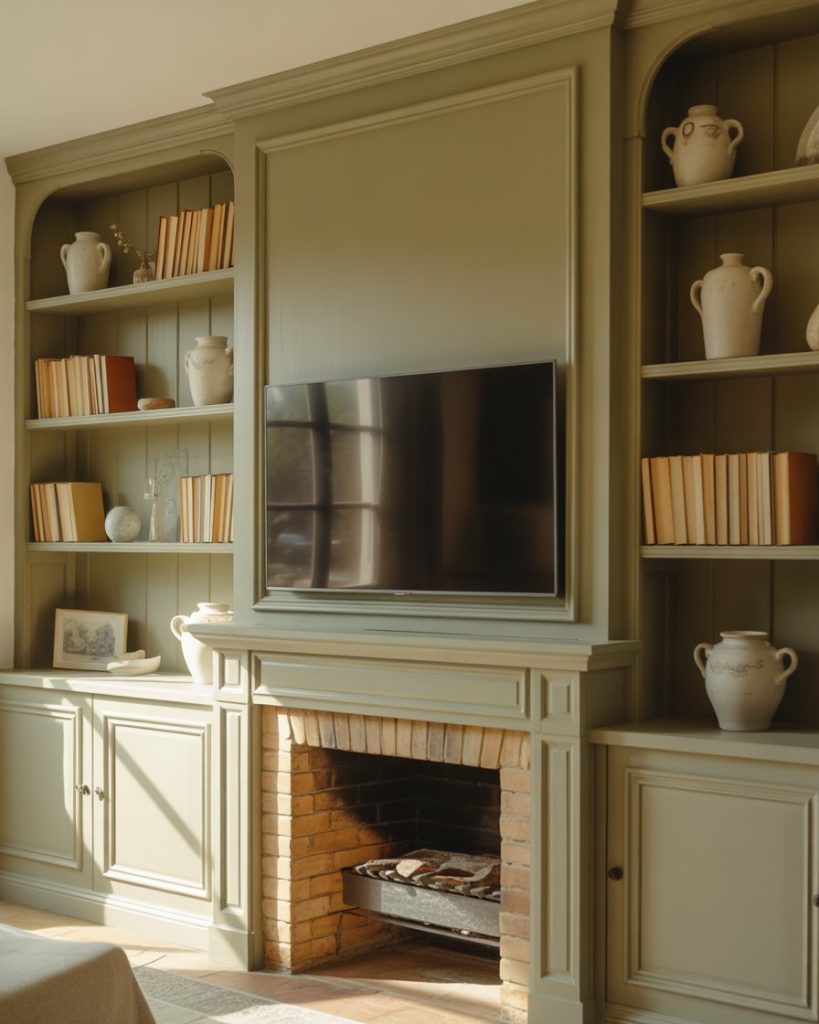
This is a smart budget move if you’re renovating—built-ins add significant resale value and maximize storage in smaller homes. The sage green also hides dust and fingerprints better than white, which matters if you have kids or pets. Many American homeowners paint these units themselves using quality cabinet paint, saving thousands compared to custom lacquer finishes.
4. Moody Blue Walls with Warm Wood Accents
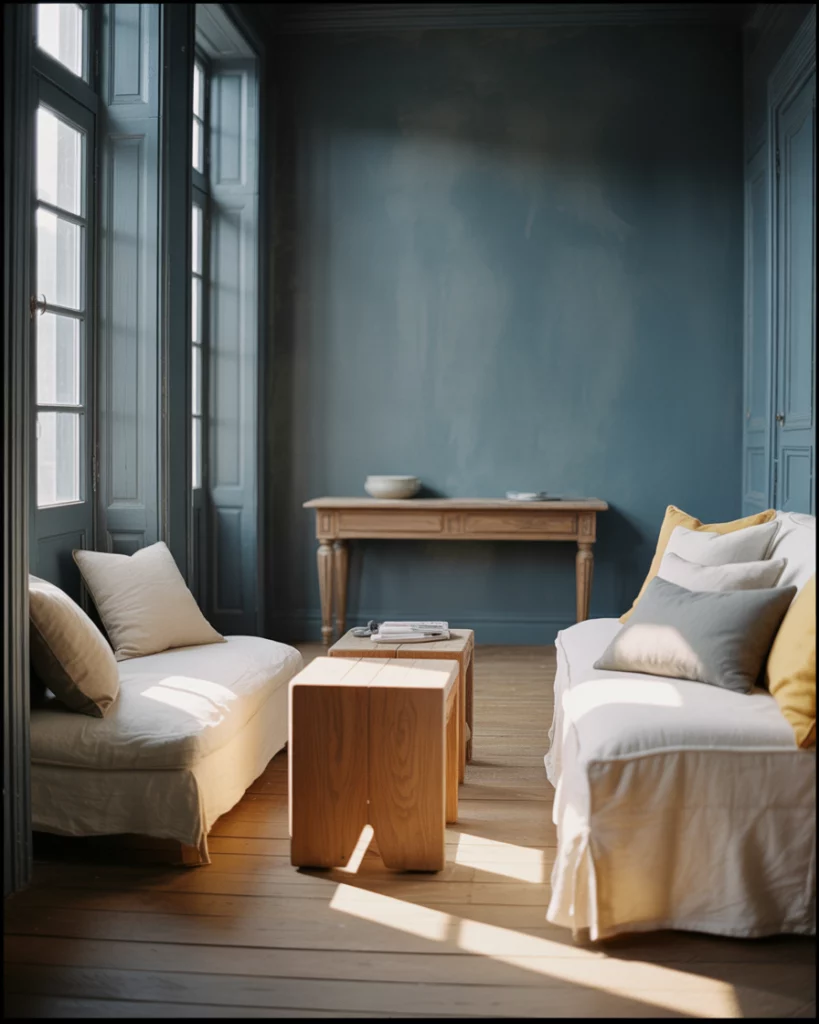
For a more dramatic take on French country, try moody blue walls that evoke twilight in Provence. This isn’t the bright cerulean you see in coastal spaces—think deeper, dustier blues like faded denim or stormy skies. Balance the intensity with plenty of warm wood tones in furniture pieces: a walnut console, oak side tables, maybe a fruitwood armoire. The contrast between cool walls and warm wood creates depth and keeps the room from feeling one-note. 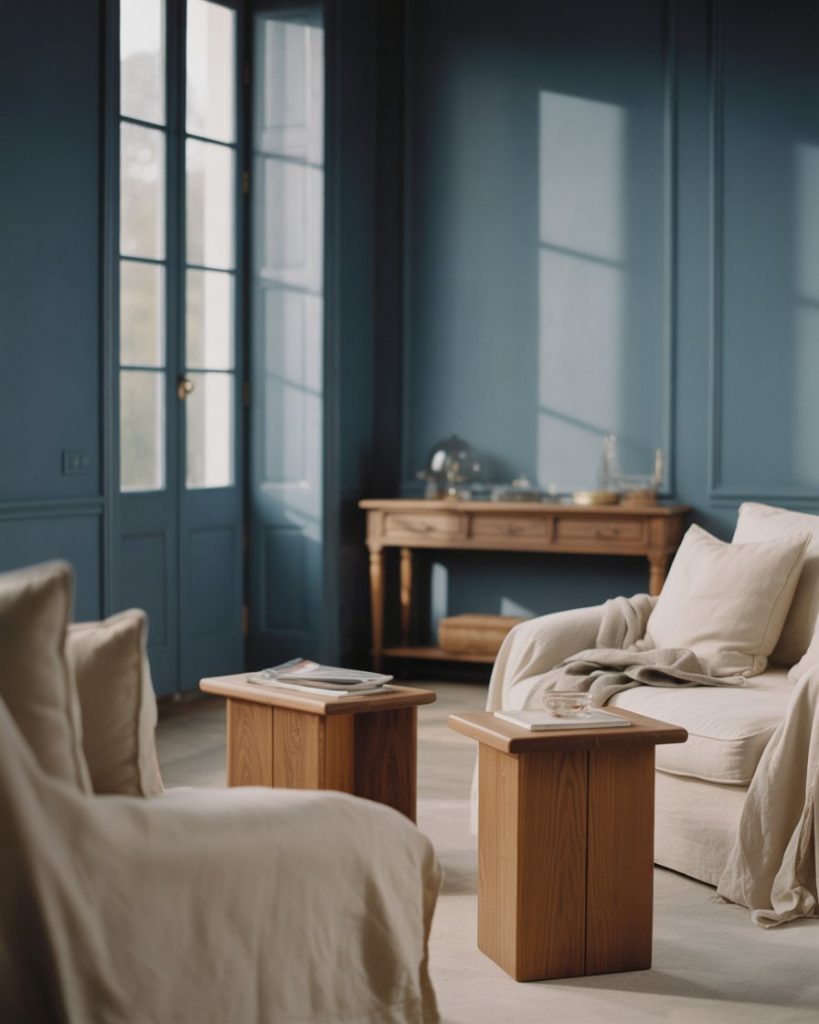
Where it works best: rooms with excellent natural light, especially those with southern exposure. The blue can feel oppressive in darker spaces, but when sunlight hits it throughout the day, it shifts from stormy to serene. Consider testing paint samples in your actual room for at least three days before committing—blue reads differently in morning versus afternoon light.
5. Vintage Finds Mixed with New Upholstery
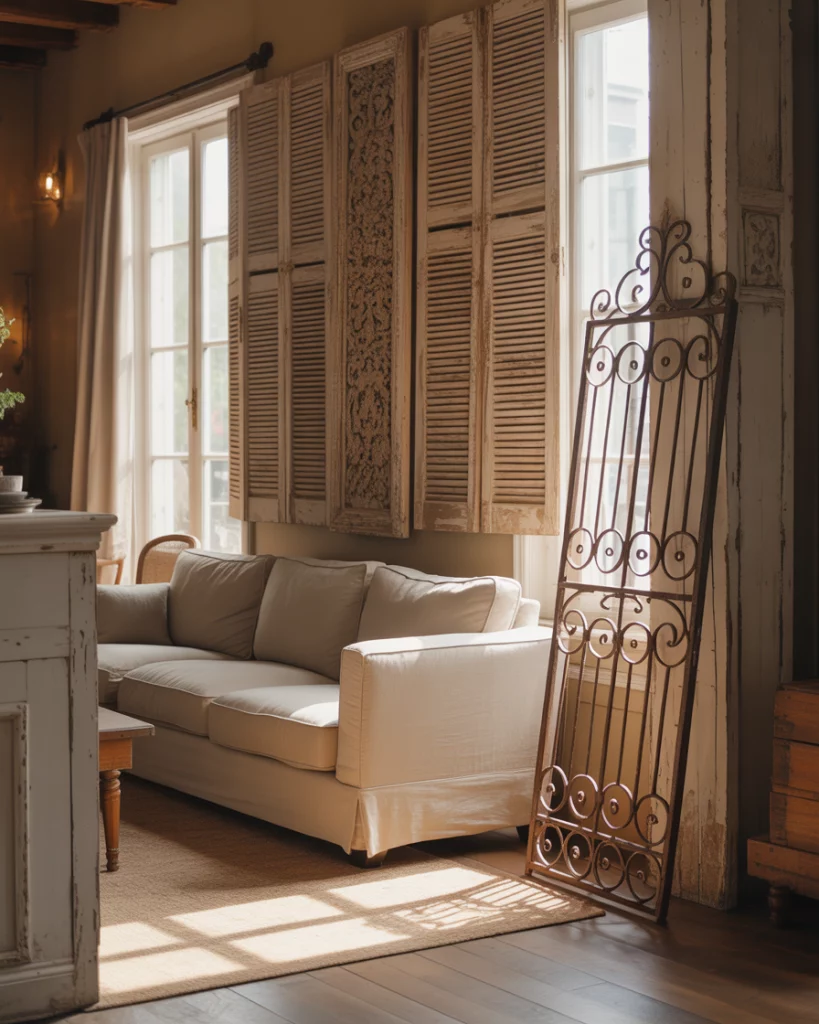
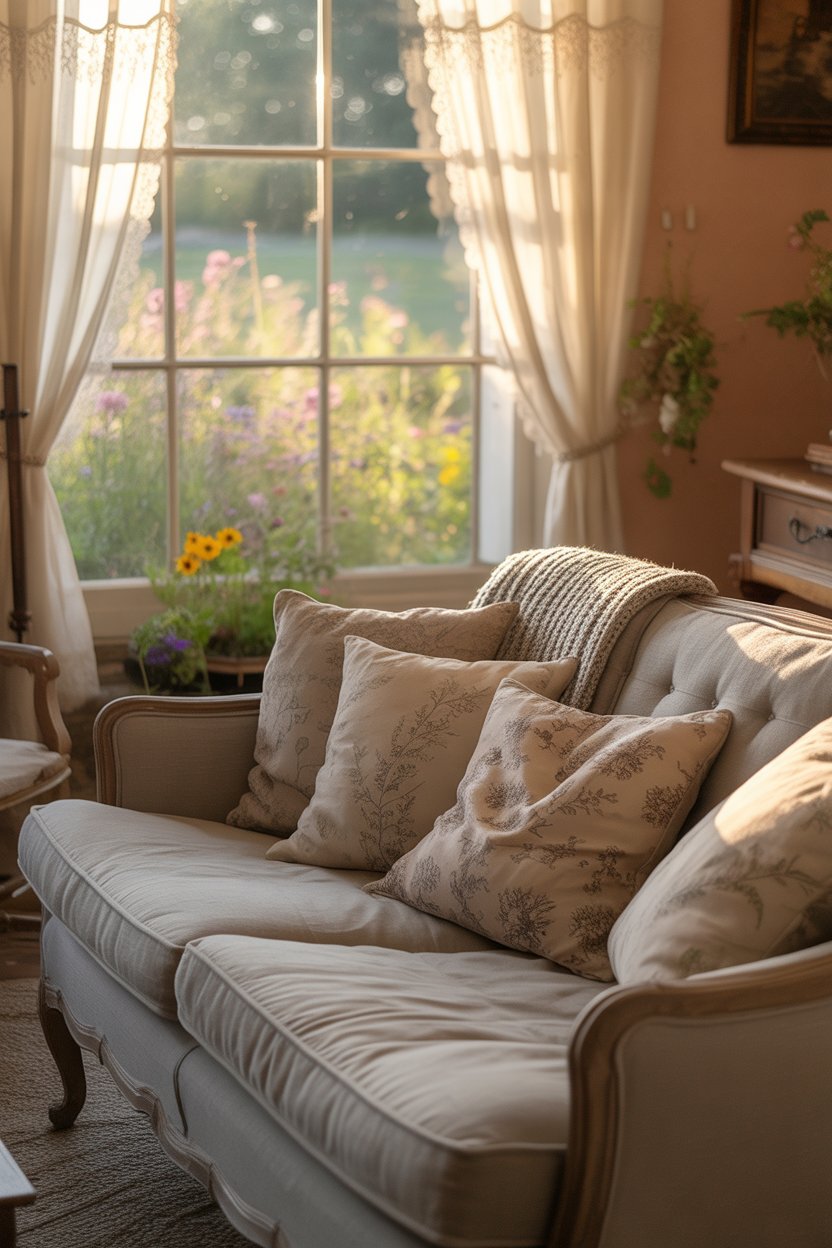
The soul of French country design lies in the mix of old and new, and nowhere is this more apparent than when you pair vintage architectural salvage with freshly upholstered seating. Hunt for antique decor pieces at estate sales—carved brackets, iron gates, weathered shutters—and use them as art. Then ground the room with a new sofa in durable linen or Belgian cotton that can withstand daily life. This approach gives you the patina of age where it matters most while ensuring comfort where you actually sit.
Real homeowners often make the mistake of buying everything vintage, which can look like a museum rather than a living space. Your sofa gets sat on every single day—invest in new here. Save the vintage hunting for items that don’t need to perform structurally, like mirrors, frames, and decorative objects. This strategy also spreads your budget more effectively across the room.
6. Leather Couch as the Unexpected Anchor
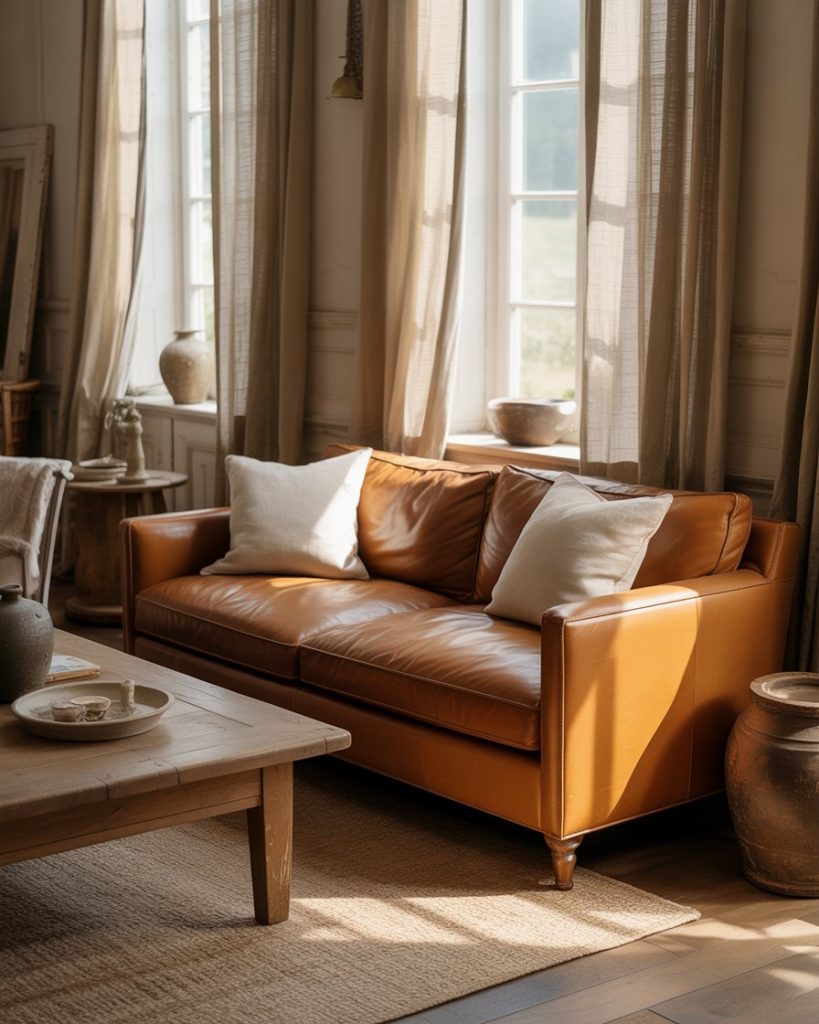
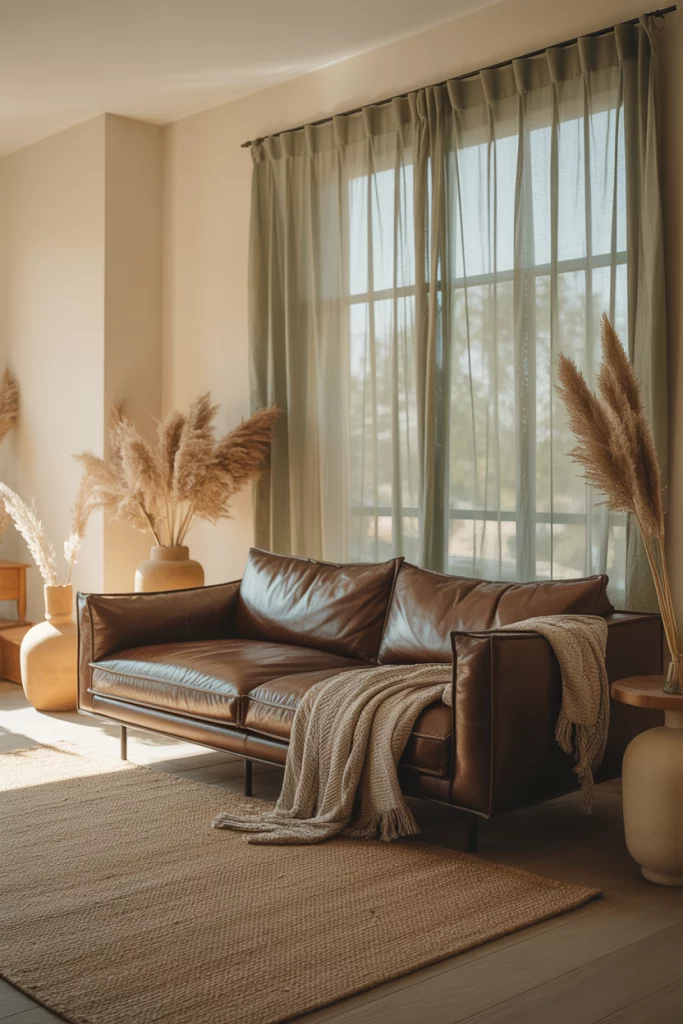
While linen gets all the glory in French country rooms, a quality leather couch can be equally at home in this aesthetic. Choose caramel or cognac tones that age beautifully and develop character over time. The leather adds a masculine edge that balances out softer elements like ruffled curtains or floral pillows. This is particularly smart in homes with kids and dogs, where white linen would be a daily stress rather than a design choice. 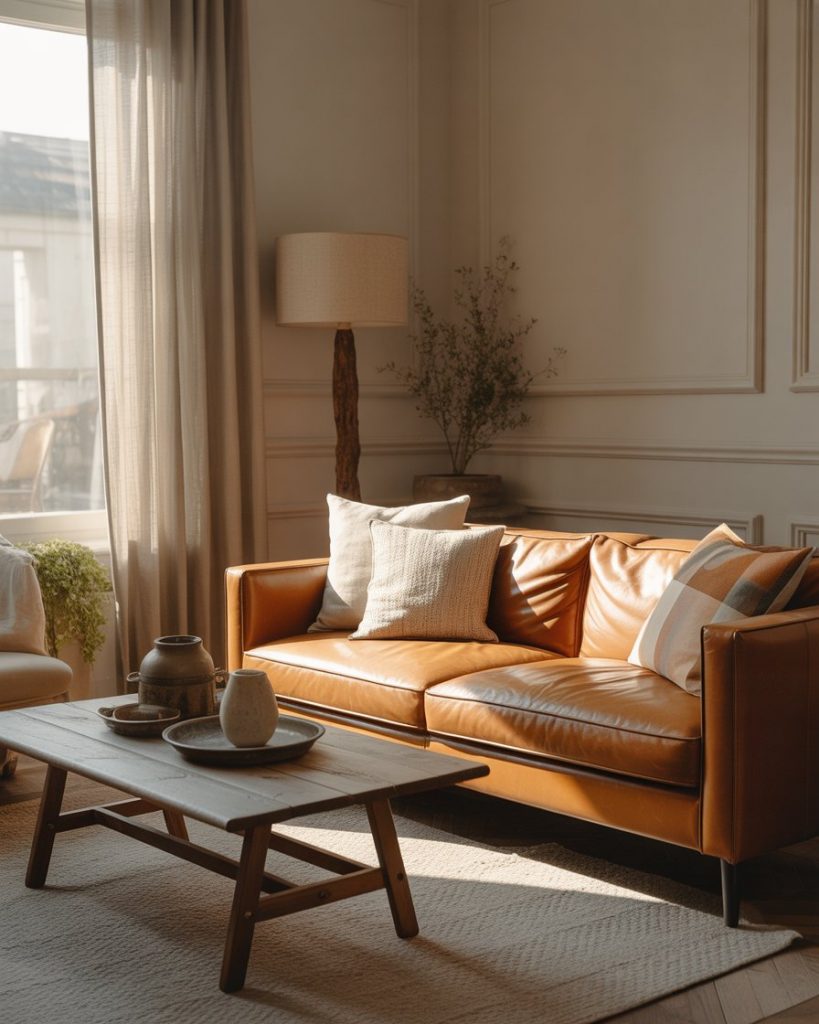
In Texas and the Southwest, where ranch influences meet French provincial, this combination feels especially natural. The leather connects to Western heritage while the French details keep it refined. Expert designers often recommend leather in high-traffic family rooms where durability matters more than perfection—the scratches and wear become part of the story rather than something to hide.
7. All-White Palette with Textural Layers
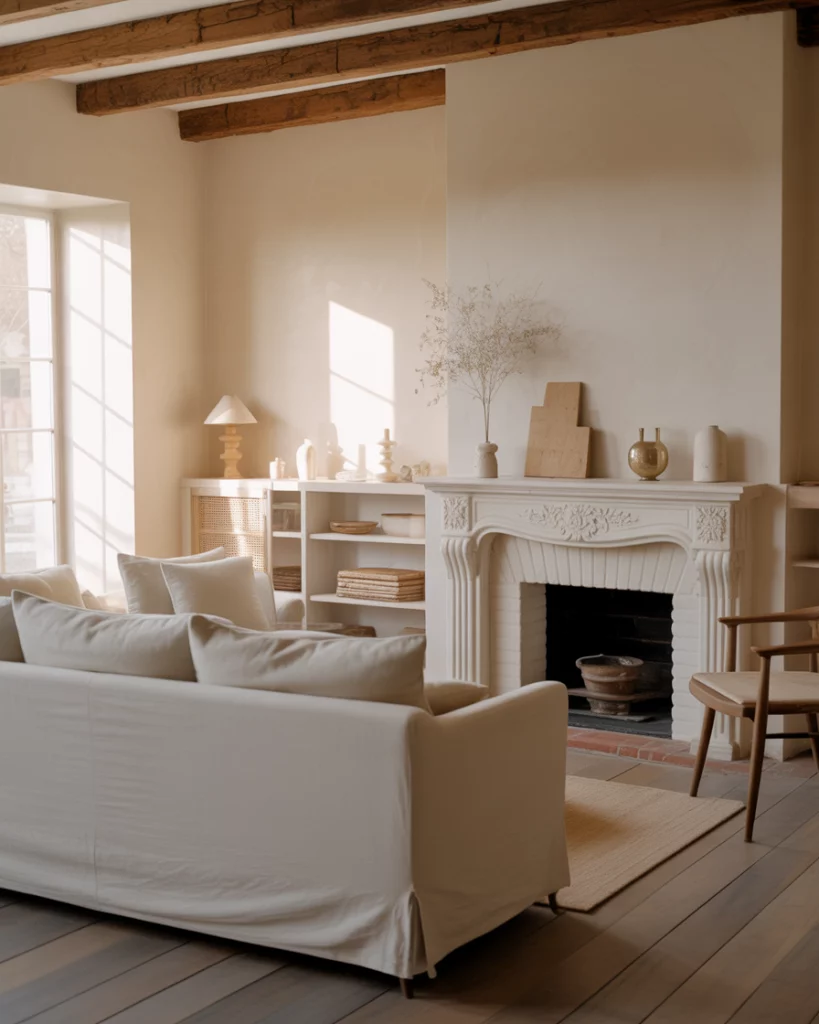
An all-white French country living room works when you build in enough textural contrast to keep it interesting. Layer different whites—cream, ivory, ecru, bone—and vary the materials from nubby linen to smooth plaster to rough-hewn wood. Add architectural interest through decor elements like chunky corbels, carved mantels, or paneled walls. The result feels fresh and airy while still honoring the layered, collected nature of French interiors. 
This palette is especially popular in coastal California and Florida, where the white echoes beach tones while the French details add sophistication. One common pitfall is making everything too bright and sterile—you need those warmer cream tones to prevent the room from feeling cold. Natural fiber rugs in jute or sisal add warmth underfoot and break up all that white visually.
8. Cottage-Style Decor with Garden Influences
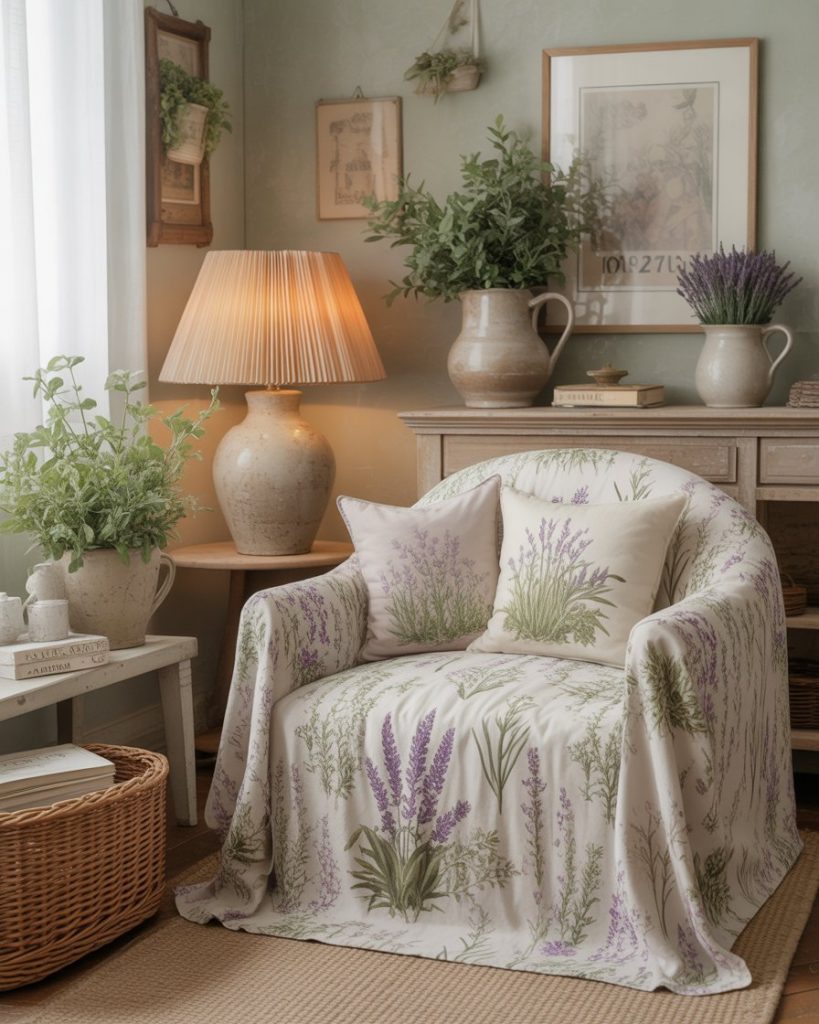
French country naturally overlaps with cottage style when you emphasize garden-inspired decor ideas cottage style elements. Think botanical prints in simple frames, ceramic pitchers filled with lavender or olive branches, and fabrics that reference the natural world. The colors should echo a kitchen garden: soft greens, dusty purples, warm terracottas. This approach works beautifully in smaller homes where you want charm without grandeur. 
Where it works best: sunrooms, breakfast nooks converted to sitting areas, or any space with direct garden access. The style feels most authentic when you can actually see growing things through the windows. A Michigan homeowner I know keeps potted herbs on her windowsill year-round, and the living herbs tie directly into her dried lavender arrangements—it’s garden living even in January.
9. Coastal French with Bleached Woods
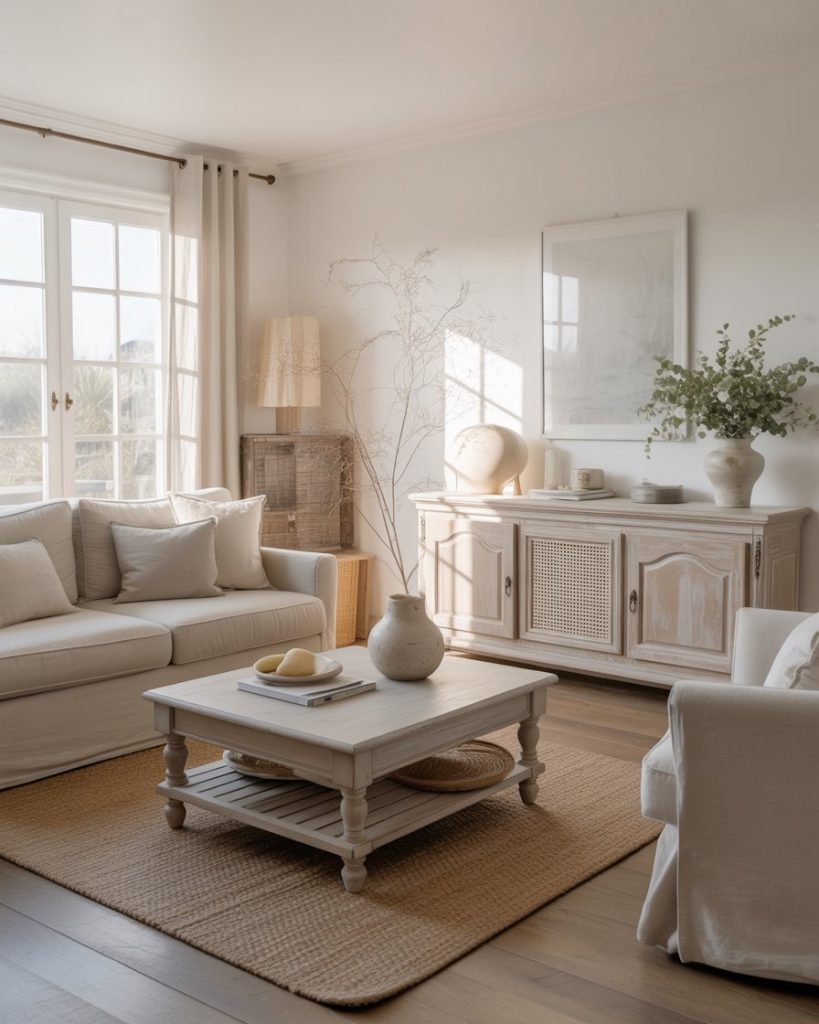
Marry French country with coastal influences by focusing on bleached, weathered wood tones that suggest sun and salt air. This isn’t about nautical stripes or anchors—it’s about the natural aging process of furniture exposed to elements. Choose pieces in driftwood gray or whitewashed oak, and pair them with the same linen and neutral palette you’d use in classic French country. The effect is lighter and more relaxed than traditional versions. 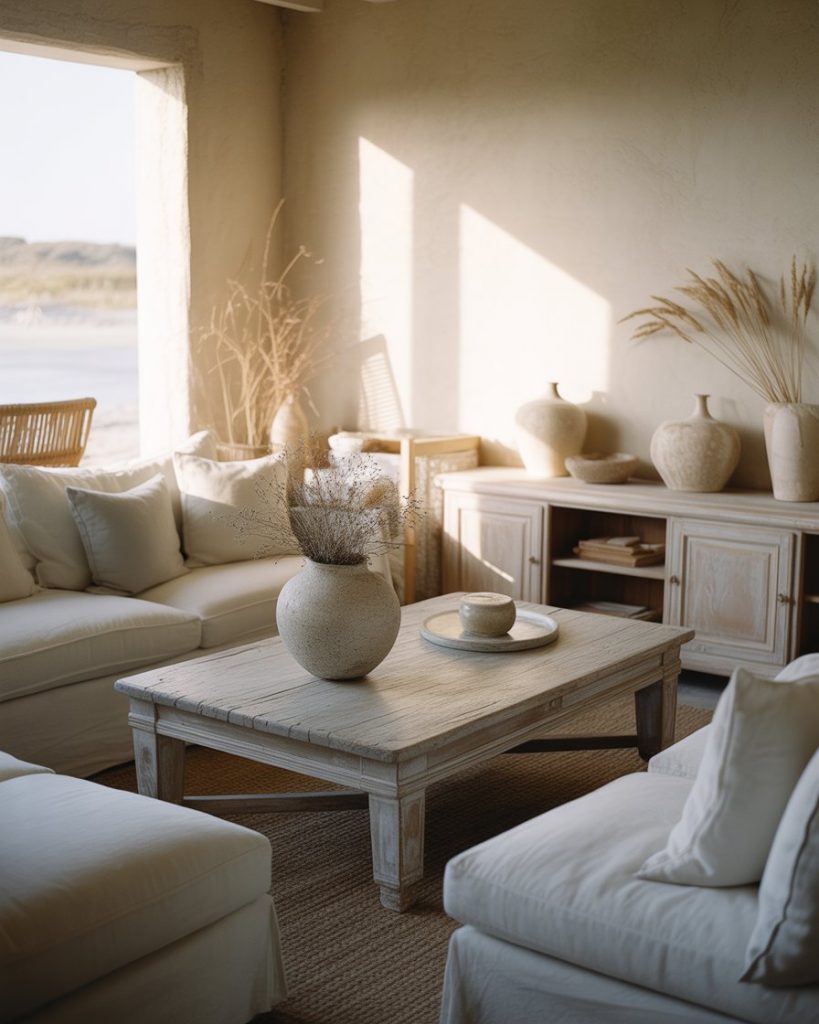
This hybrid style is hugely popular in Atlantic coast states from Maine to the Carolinas, where French elegance meets beach-house ease. The practical advantage is that bleached woods hide dust and wear better than dark finishes, making them ideal for sandy vacation homes or houses with constant foot traffic from the outdoors. Just avoid anything too distressed or artificially weathered—you want subtle patina, not theme-park aging.
10. Dark Wood Furniture Against Light Walls
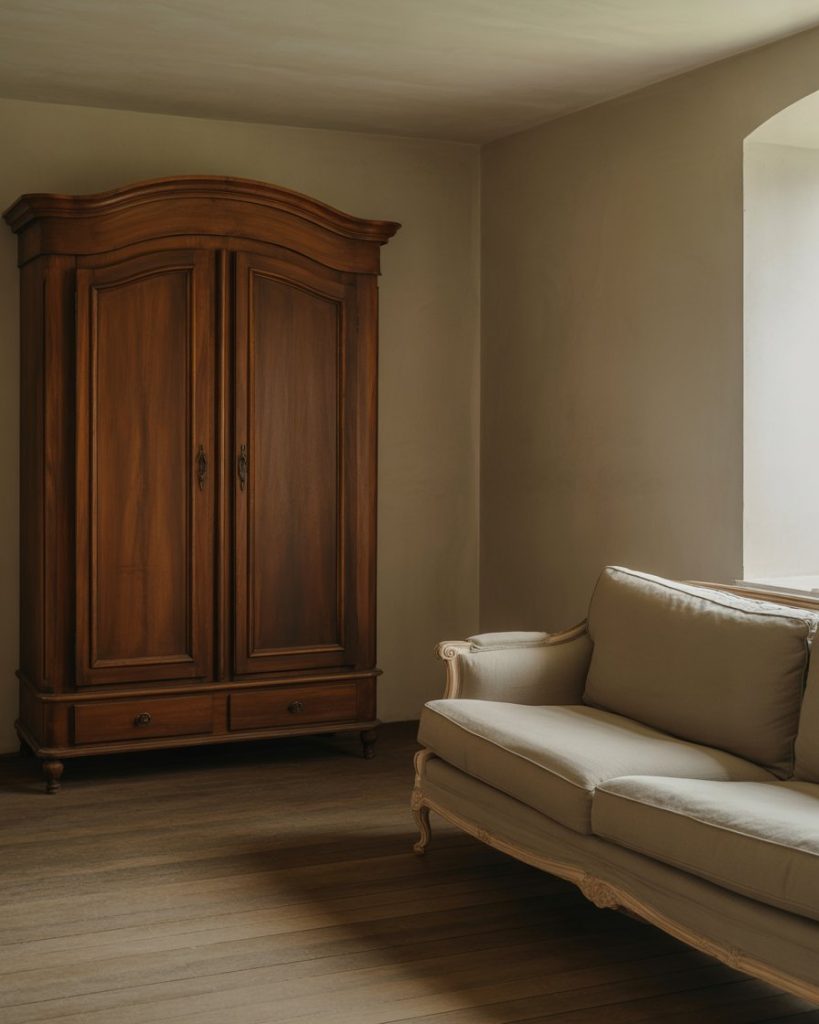
Create drama by pairing dark wood furniture—walnut, mahogany, or ebonized oak—against pale plaster walls. This high-contrast approach feels grounded and sophisticated, anchoring the room with substantial pieces that suggest heirloom quality. The traditional French armoire or buffet becomes a focal point rather than blending into the background. Balance the darkness with plenty of natural light and lighter upholstery so the room doesn’t feel heavy. 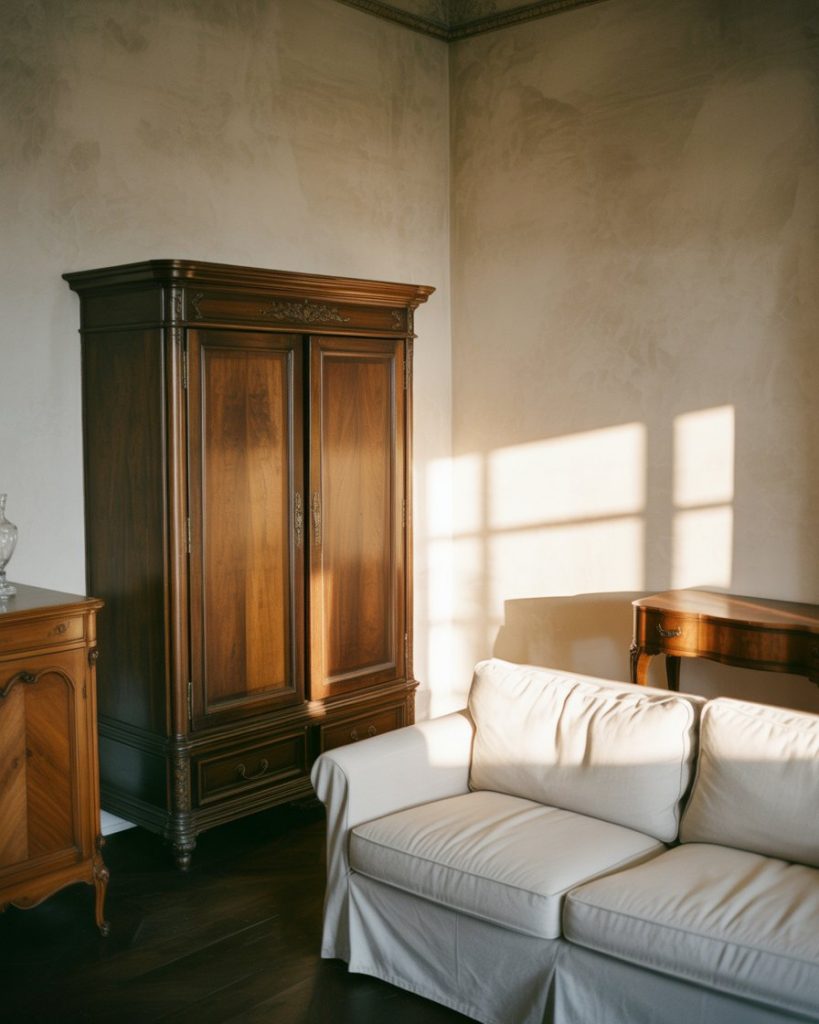
From an expert’s perspective, dark wood furniture is actually easier to maintain than lighter finishes because it doesn’t show every scratch and water ring. It also photographs beautifully, which matters if you’re the type to share your home on social media. The investment pieces—armoires, sideboards, dining tables—hold their value better in darker woods, making this a smart long-term decorating strategy.
11. Soft Pink Accents in Neutral Rooms
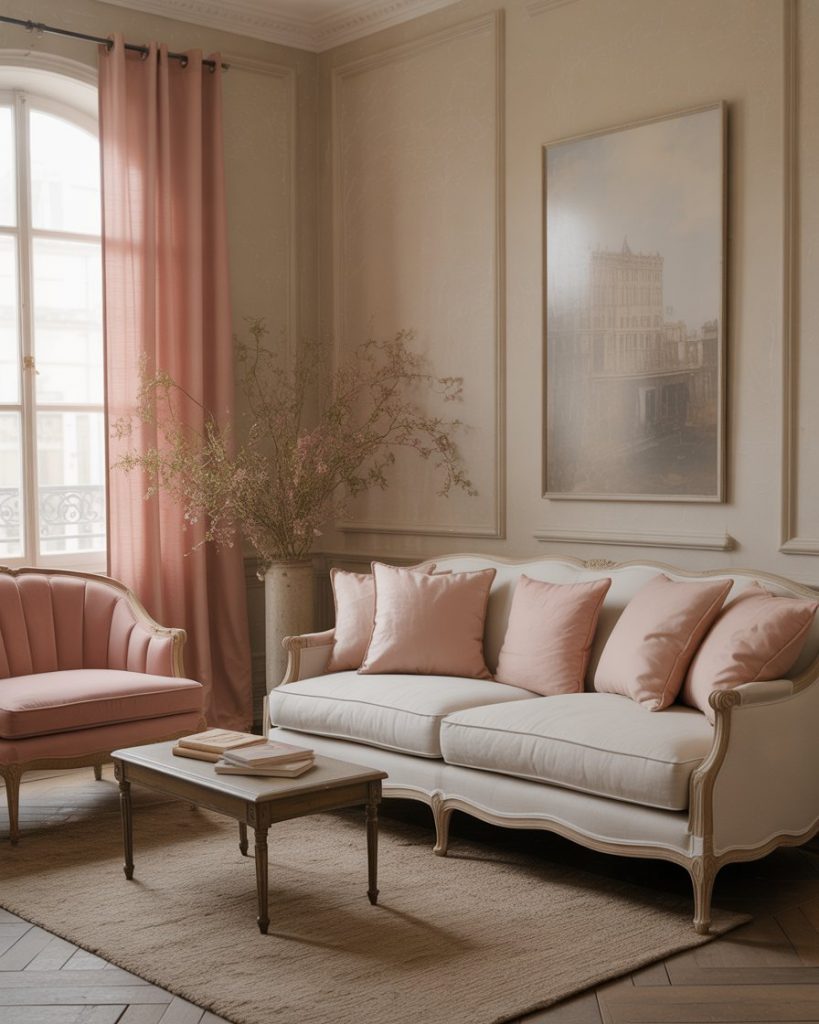
French country embraces subtle pink tones that feel romantic without being overtly feminine. Think blush linen pillows, faded rose-print curtains, or a single upholstered chair in dusty pink velvet. These soft colors add warmth and gentleness to neutral rooms dominated by beige, cream, and gray. The key is keeping the pink muted and dusty—you’re channeling antique textiles and aged roses, not bubblegum or Barbie. 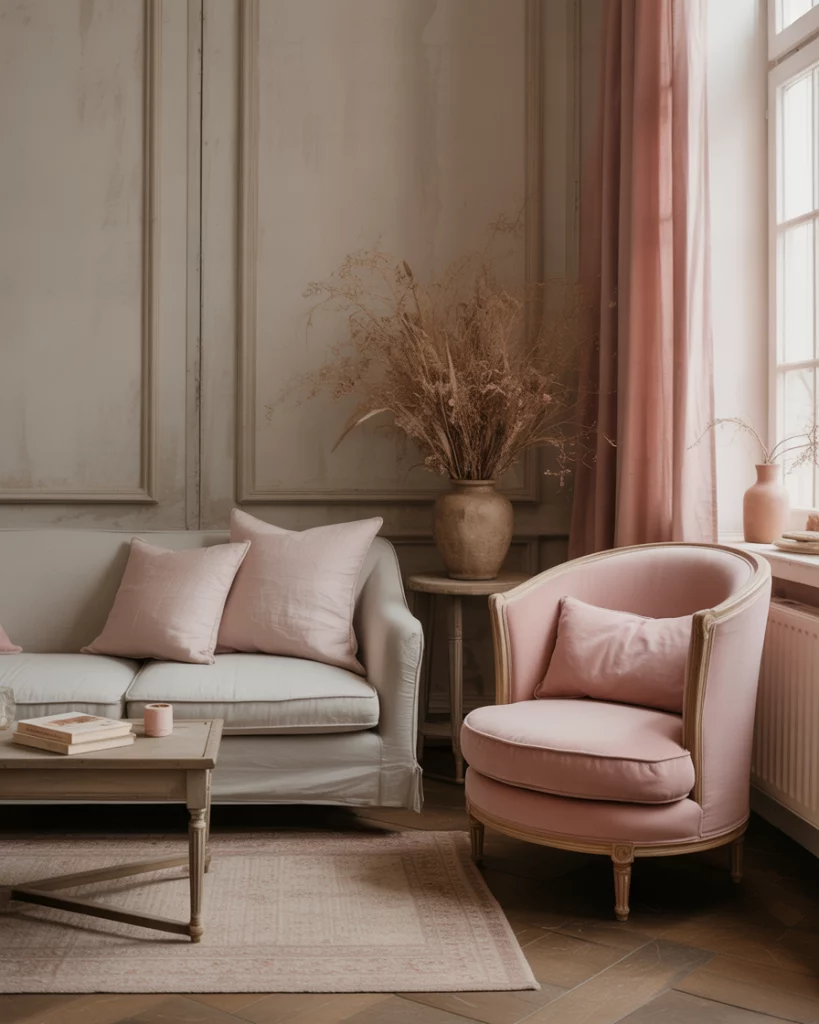
This color approach works surprisingly well in urban apartments and modern homes where you want to soften hard edges and contemporary architecture. The pink reads as sophisticated rather than sweet when you keep it to small doses and pair it with plenty of neutrals. It’s also a budget-friendly update—swapping out pillows and throws is much cheaper than repainting or buying new furniture.
12. Green Velvet Seating for Rich Texture
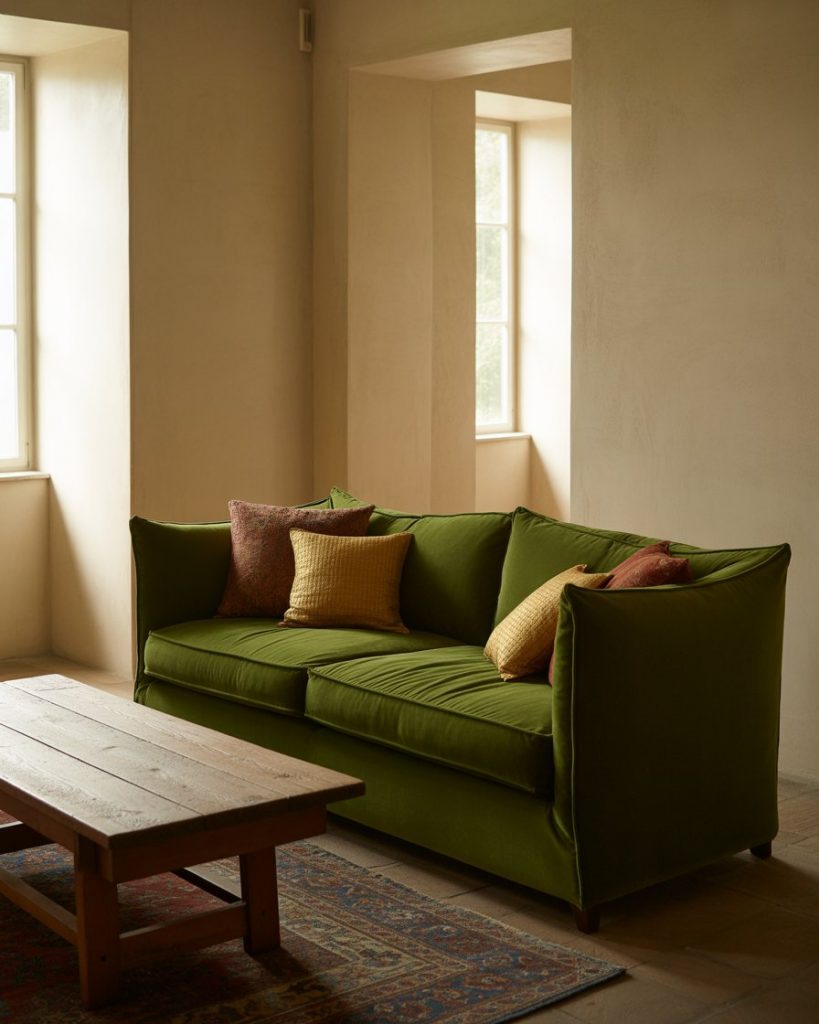
Introduce green through luxurious velvet upholstery that adds immediate texture and depth. Choose forest green, olive, or moss tones that connect to the natural world without being literal. A velvet sofa or pair of armchairs becomes jewelry for the room, catching light and creating visual interest even when the rest of the space is fairly simple. This works especially well in decor schemes where you want one standout element rather than lots of competing details. 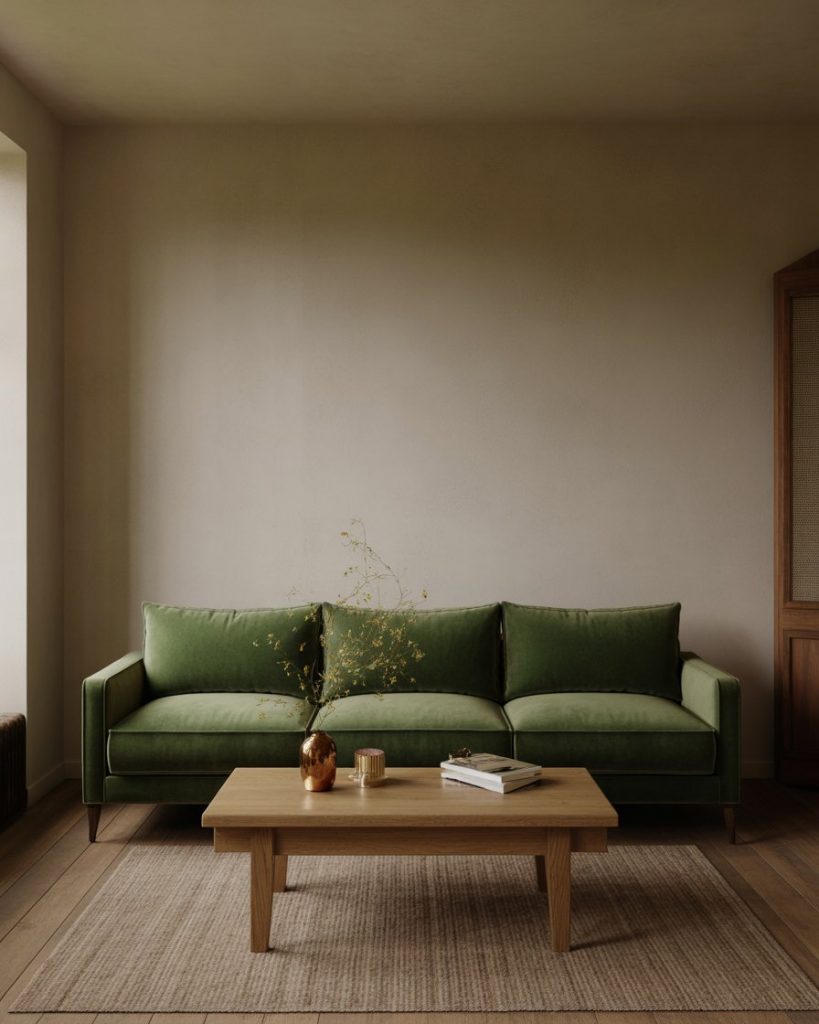
One common mistake is treating velvet as too precious for daily life, but modern performance velvets are remarkably durable and stain-resistant. They’re actually practical choices for living rooms that see real use. The green also works year-round—it feels fresh in summer and cozy in winter, giving you more mileage than seasonal colors that need constant updating.
13. Wall Decor Above Couch Using Architectural Salvage
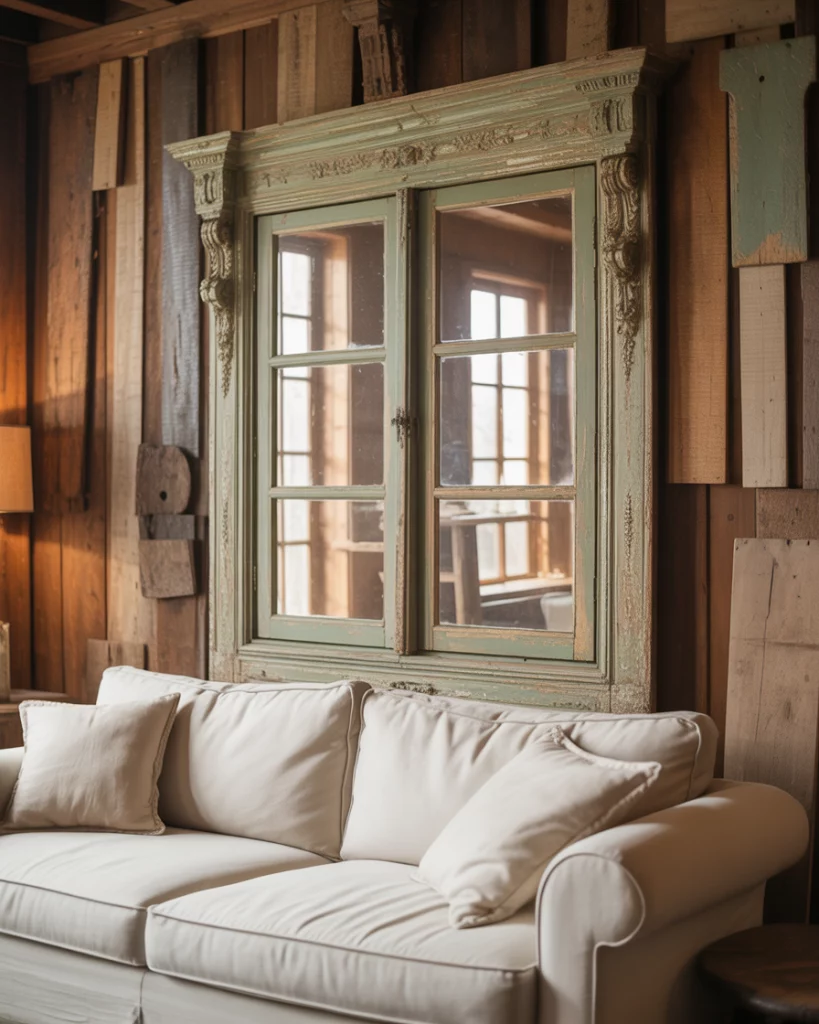
Solve the perennial question of wall decor ideas above couch by mounting architectural salvage pieces instead of traditional art. An antique window frame, carved wood panel, or wrought iron gate creates instant impact and connects to French country’s love of repurposed materials. These pieces have presence and scale that fill large walls without requiring a gallery of smaller frames. The three-dimensional quality adds depth that flat art can’t achieve.
This approach is popular across the Midwest and South, where architectural salvage yards are treasure troves of affordable finds. A salvaged piece often costs less than custom framing would for a comparable size, and you get something truly unique. Just make sure anything mounted above seating is securely anchored—use proper wall anchors rated for the weight, especially in drywall.
14. Color Schemes Built Around Natural Materials
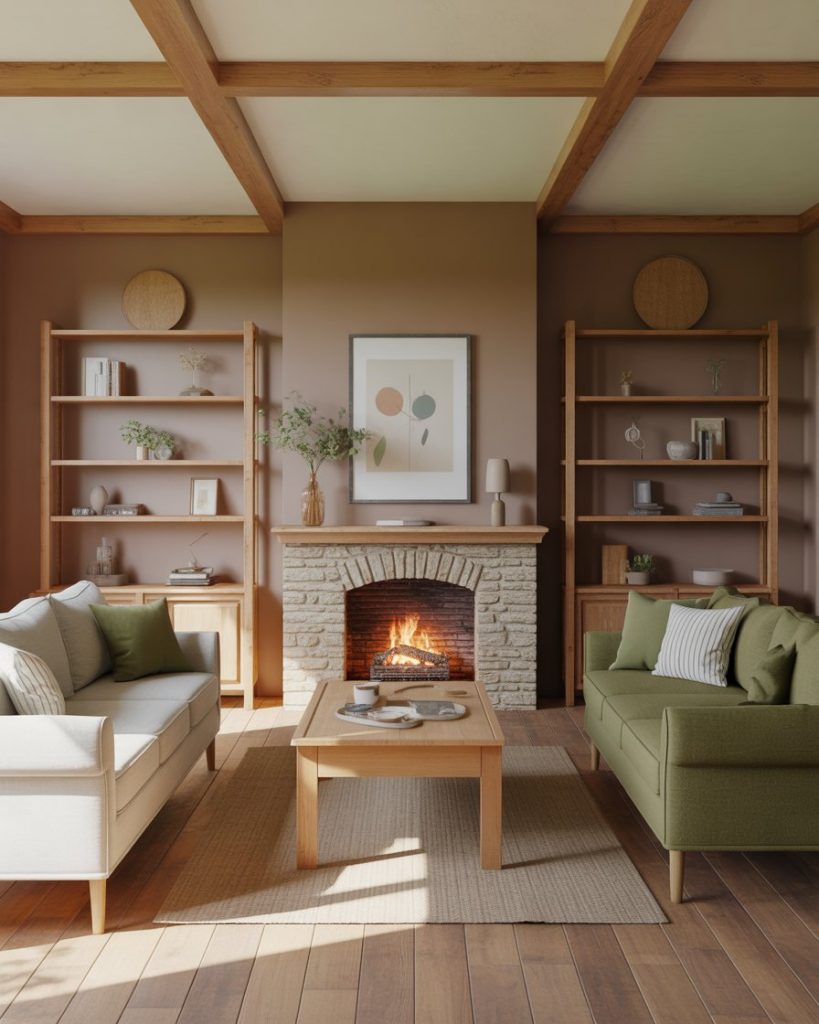
The most successful French country color schemes aren’t chosen from paint chips—they’re derived from natural materials in the room. Start with your wood tones, stone fireplace, or exposed brick, then pull colors that harmonize: warm taupes that echo stone, soft greens that complement oak, dusty blues that contrast with terracotta. This organic approach creates cohesion because everything relates back to actual materials rather than arbitrary colors. 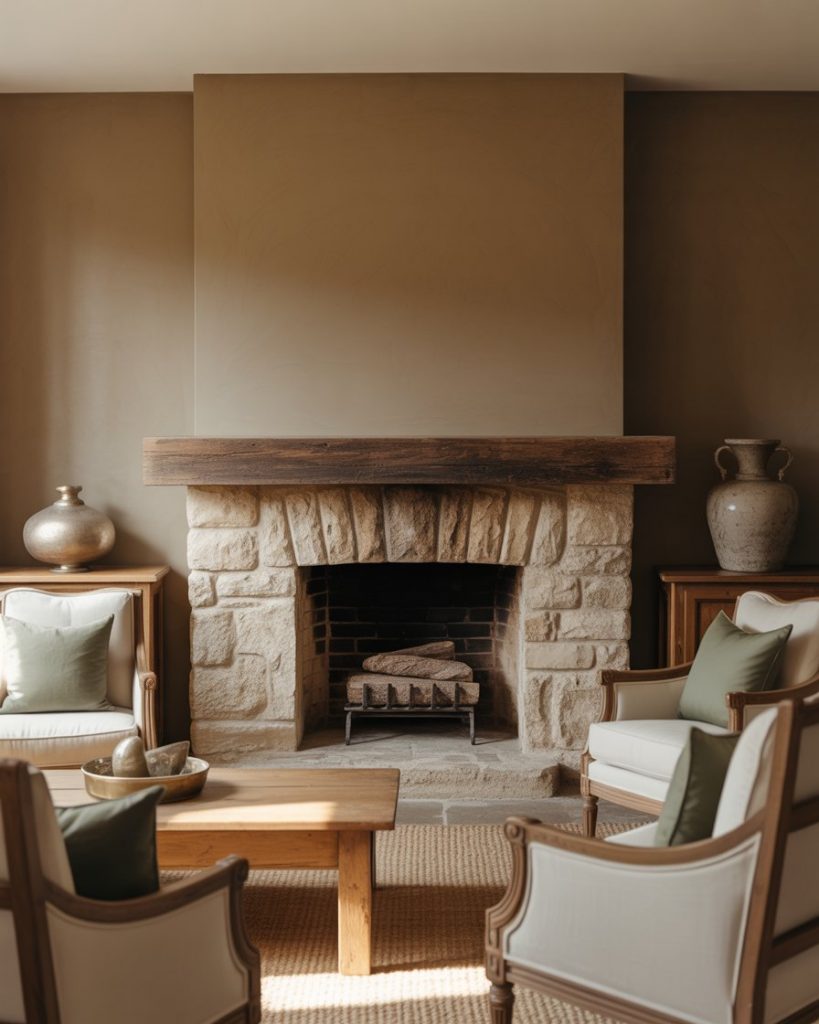
Interior designers often recommend this strategy because it’s nearly foolproof—you can’t really clash when everything refers back to the same natural source. It also means your color scheme adapts naturally as lighting changes throughout the day, since the materials themselves shift in tone. This is particularly valuable in open-concept homes where the living room needs to flow into adjacent spaces.
15. Linen Curtains in Natural Tones
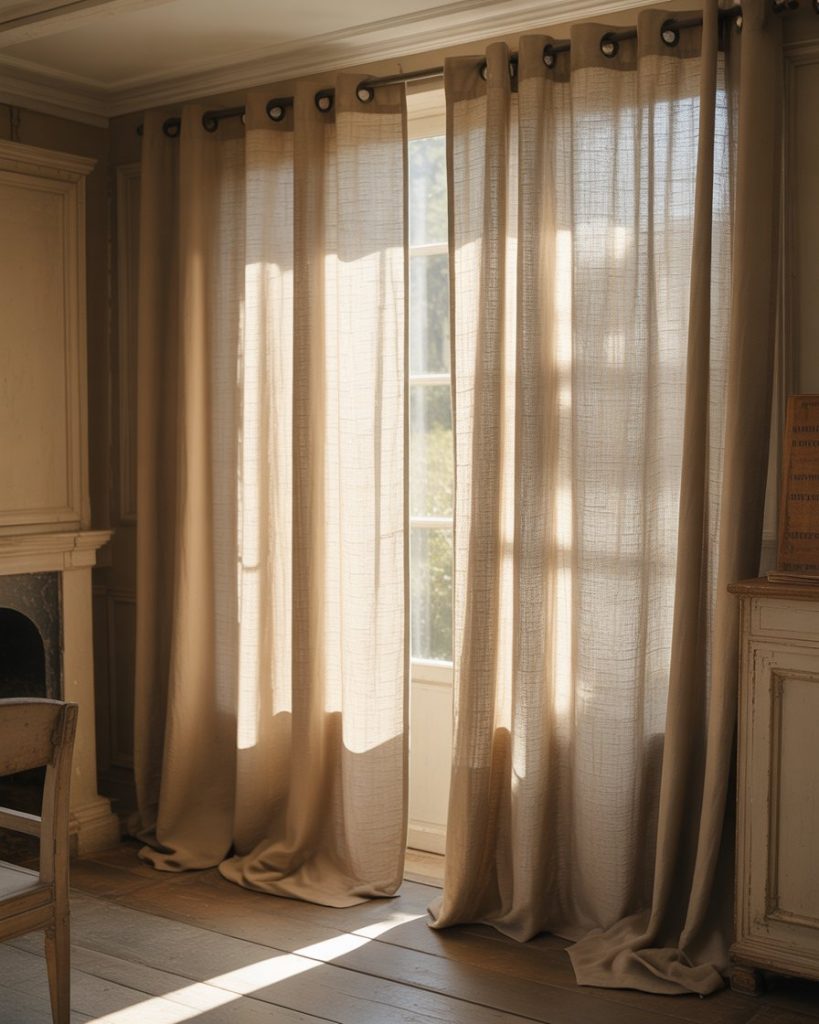
Floor-to-ceiling linen curtains in natural, undyed tones add softness and privacy while maintaining the airy quality French country rooms need. The fabric should have enough body to drape beautifully but enough transparency to let light filter through. Avoid fussy tiebacks or elaborate headers—simple rod pockets or tabs keep the look relaxed. White or oatmeal linen works in nearly every scheme and gets softer with washing. 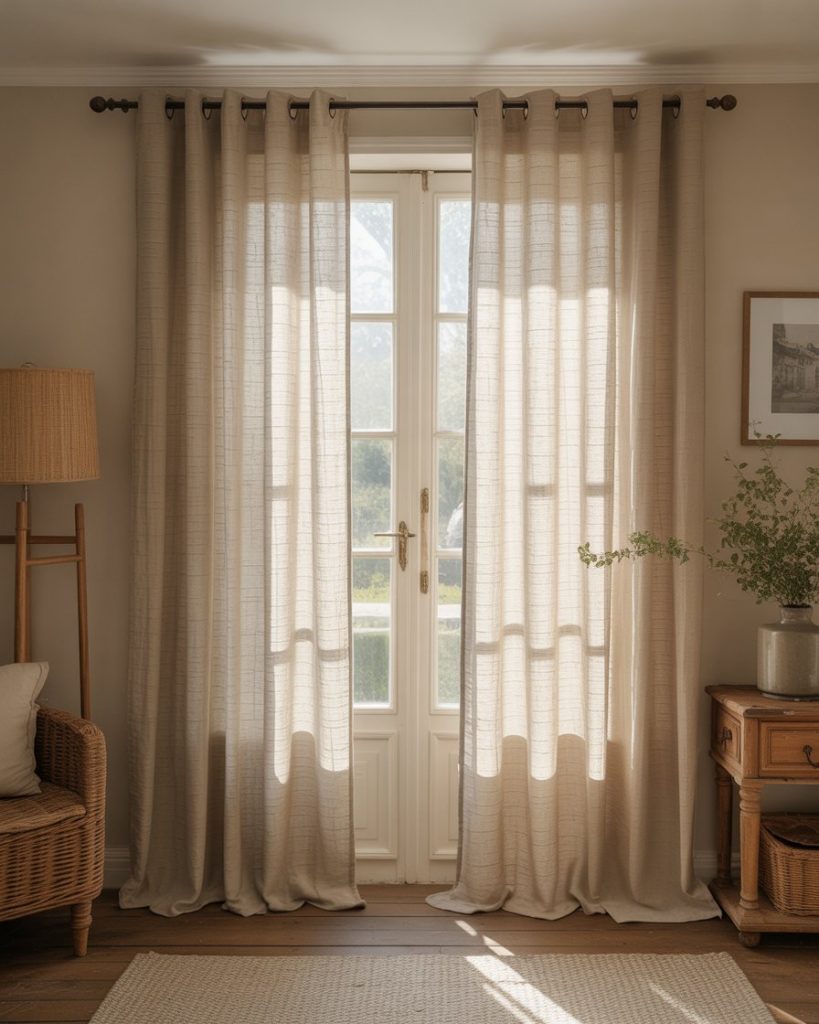
A practical insight: ready-made linen curtains are now widely available at reasonable prices, but measure carefully—you want them to puddle slightly on the floor for that relaxed French look. If you’re budget-conscious, even IKEA makes respectable linen panels that you can customize with subtle details like grosgrain ribbon trim or hand-stitched hems for an elevated feel.
16. Ideas for Small Spaces with Big Impact
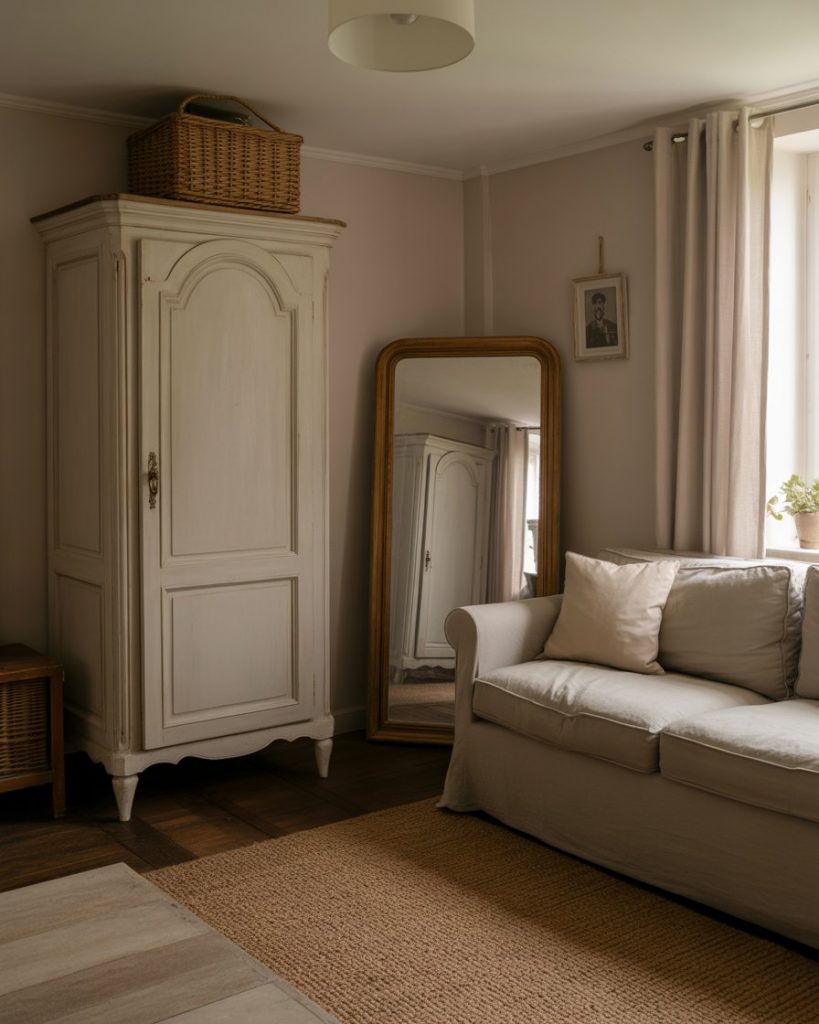
French country ideas scale beautifully to compact apartments and smaller homes when you focus on a few high-impact elements. Choose one substantial piece—maybe that rustic armoire or a statement chandelier—and keep everything else simple and streamlined. Use mirrors to amplify light, stick to a tight color palette, and resist the urge to cram in every charming detail. The French understand that restraint is its own form of elegance. 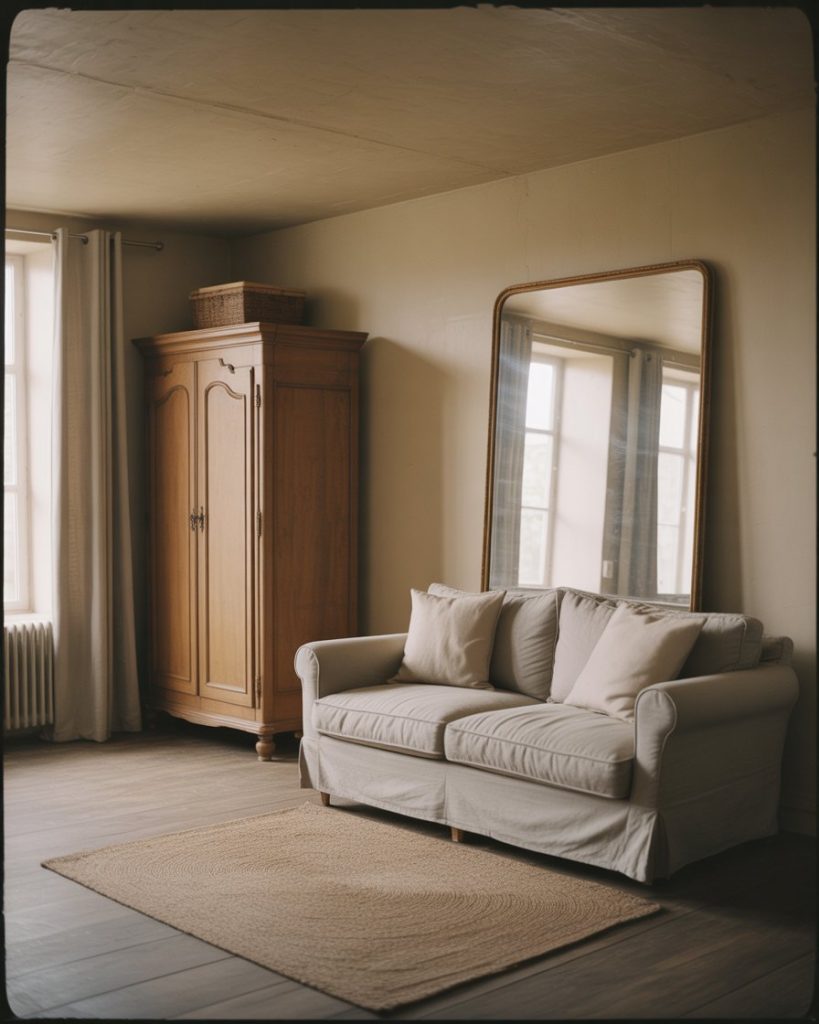
In New York City and San Francisco, where square footage comes at a premium, this edited approach is essential. A young designer in Brooklyn told me she chose one amazing antique piece—a carved buffet—and built her entire small living room around it, keeping everything else quiet. The result felt curated rather than cramped, proving that French country isn’t just for sprawling farmhouses.
17. Mixing Decor Styles with French Country Base
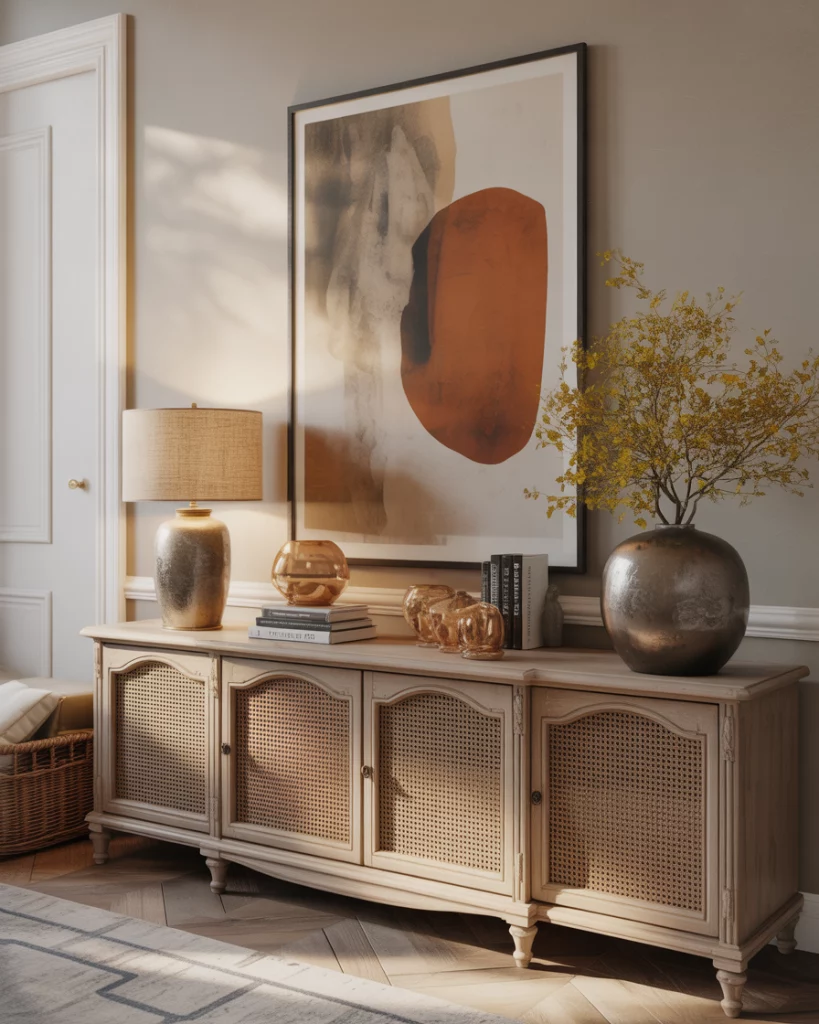
Use French country as your foundation and layer in other decor ideas for a more personal, eclectic result. Add a modern abstract painting above a traditional console, or place a sleek leather chair beside a distressed farm table. The neutral palette and natural materials of French country make it surprisingly compatible with other styles. This approach prevents the room from feeling like a showroom or a literal recreation of a Loire Valley château. 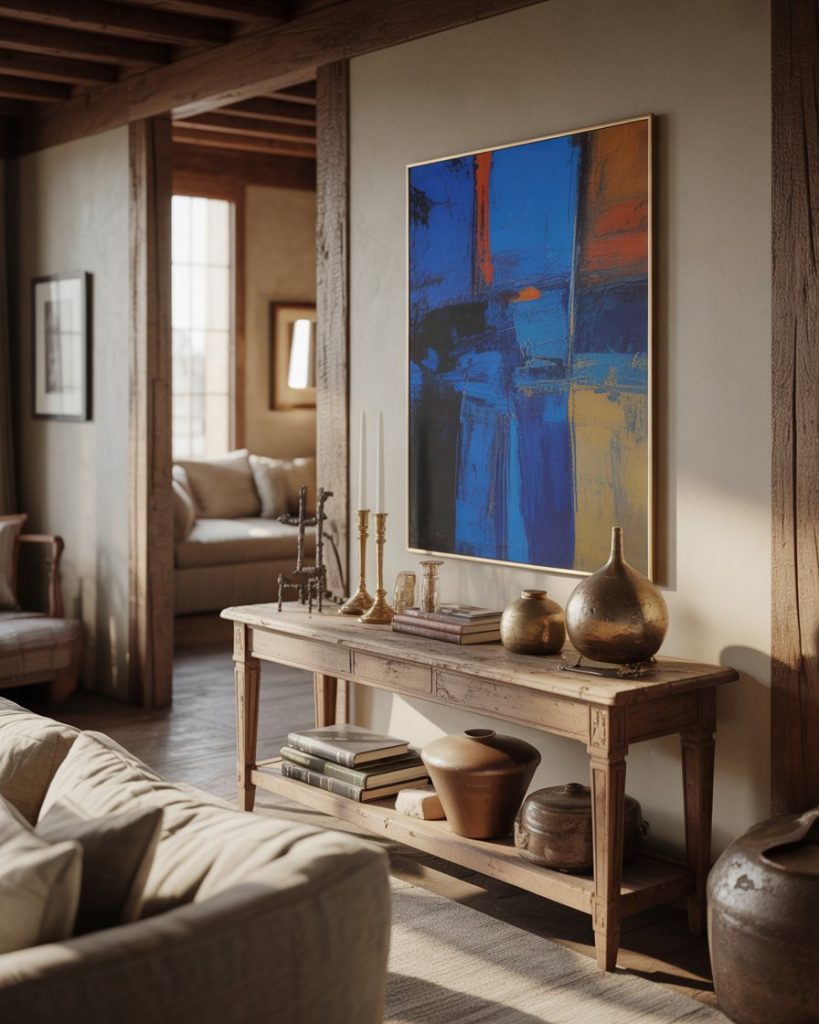
Where it works best: homes where multiple people with different tastes share the space. The French country elements provide visual continuity while letting everyone contribute pieces they love. It’s also more forgiving of inherited furniture and family pieces that might not fit a strict design scheme—that midcentury chair from your grandmother can coexist beautifully with French country if the overall vibe is intentionally mixed.
18. Cozy Reading Nooks with French Details
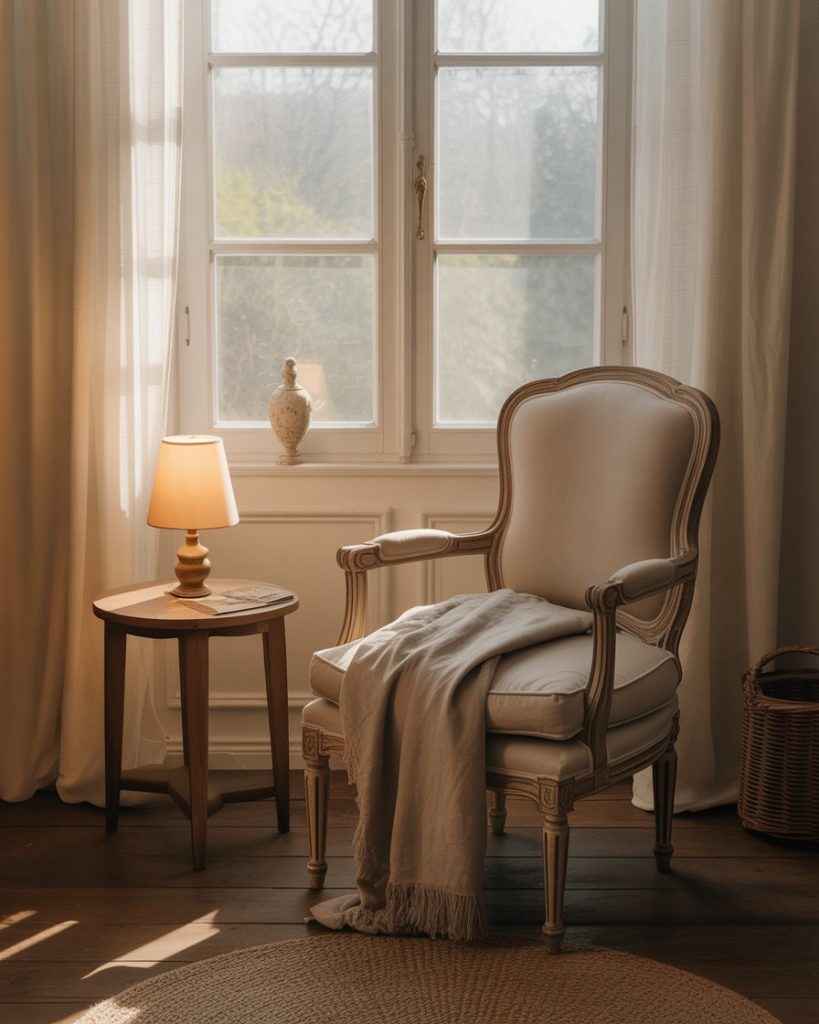
Create cozy reading corners within your living room by carving out intimate zones with French country elements. Position an upholstered bergère chair near a window, add a small side table with a vintage lamp, and layer a soft throw over the arm. These micro-environments make larger rooms feel more inviting and give you dedicated spots for different activities. The French excel at creating distinct zones without actual walls. 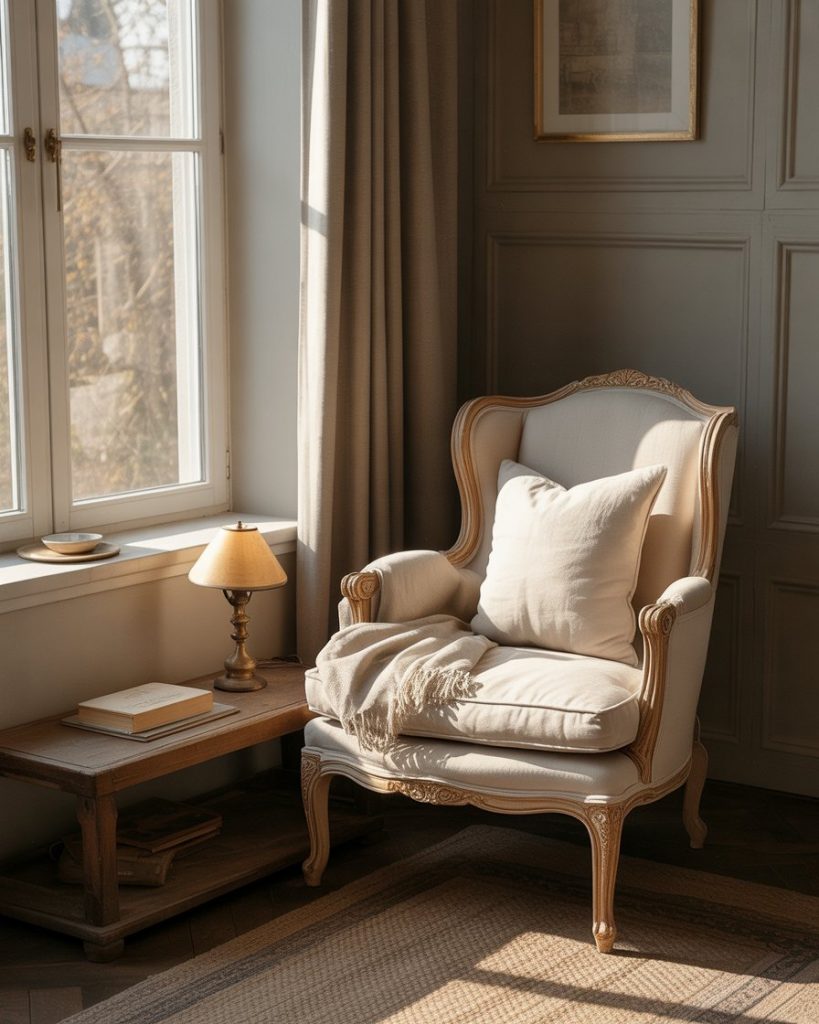
Real homeowner behavior reveals that people gravitate toward these defined spots rather than always using the main seating area. A reading chair by a window gets used far more than you’d expect, especially in households where multiple people want to share the living room simultaneously. The investment in a quality reading chair and good task lighting pays dividends in actual daily comfort.
19. Fireplace as Command Center with Symmetrical Styling
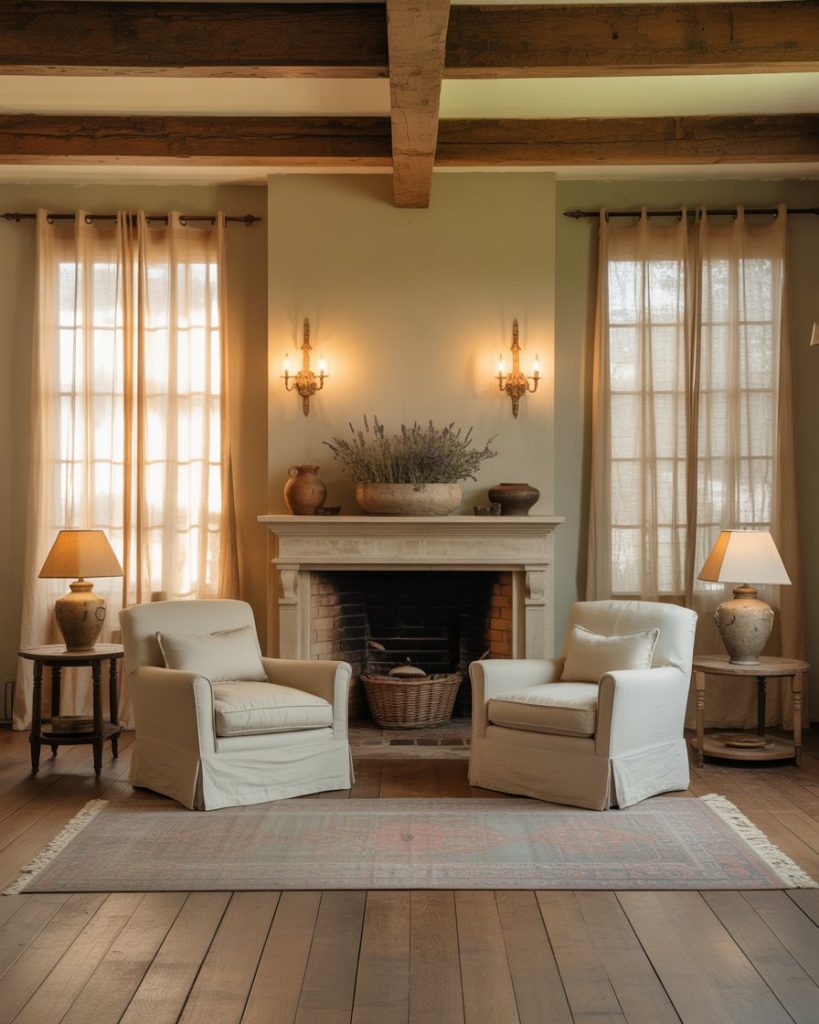
Treat your fireplace as the room’s command center and arrange everything symmetrically around it for classic French balance. Matching sconces flank the mantel, identical chairs face each other across a coffee table, and the sofa centers on the firebox. This formal arrangement feels grounded and intentional, creating visual calm in busy households. The symmetry is forgiving—it helps even mismatched furniture pieces feel cohesive. 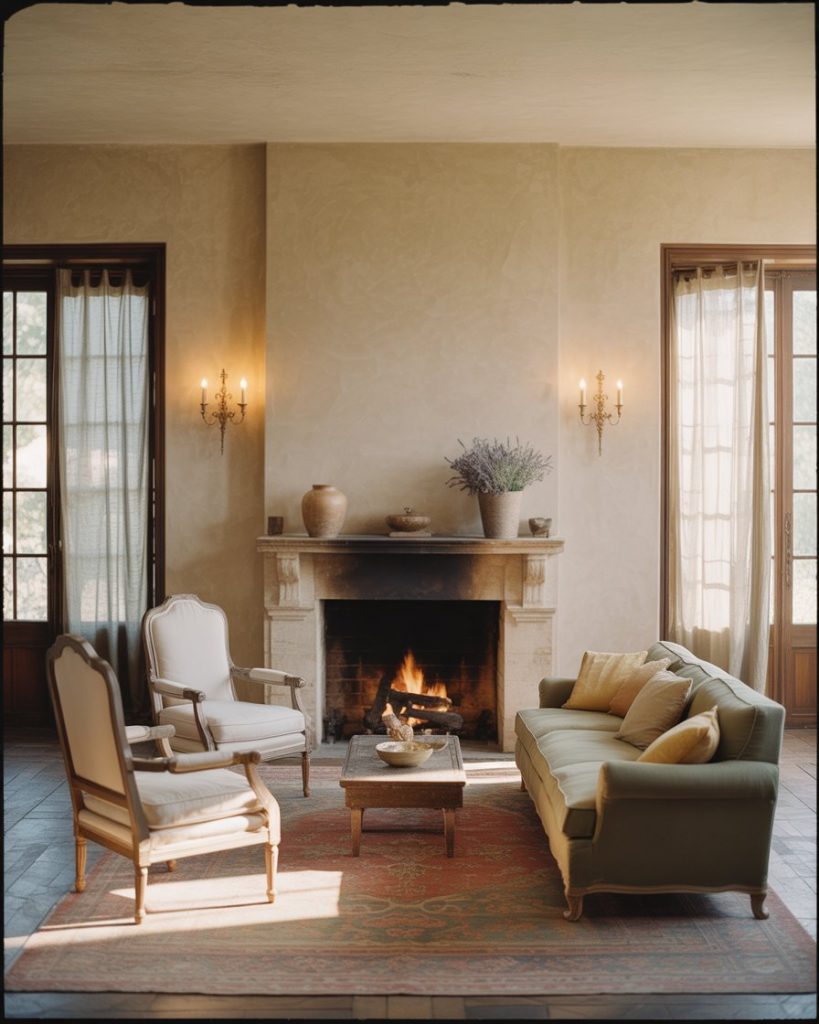
This layout principle comes from French formal gardens and classical architecture, where balance creates harmony. In practice, it also makes furniture arrangement much easier—you have clear guidelines rather than endless trial and error. The symmetry photograph beautifully too, which matters if you’re trying to create an Instagram-worthy space or simply want a room that feels finished and thoughtful.
20. Textural Contrast Between Smooth and Rough
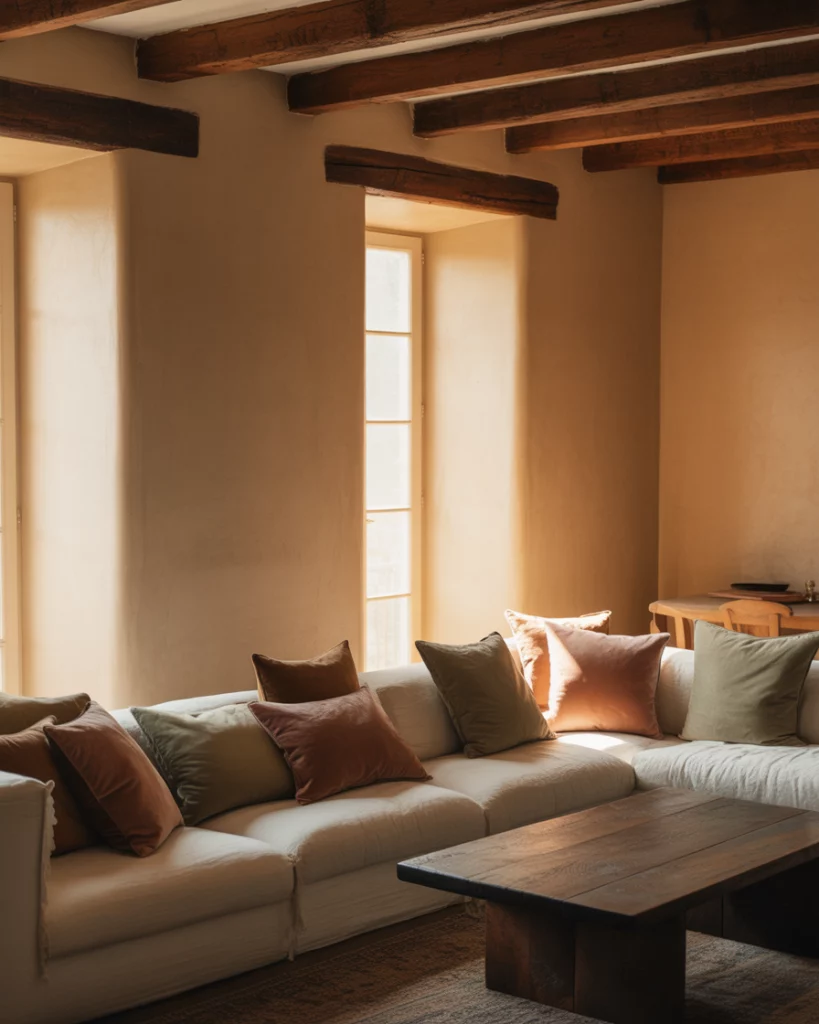
The secret to making French country feel dynamic rather than flat is deliberately contrasting smooth and rough textures throughout the room. Pair sleek plaster walls with rough rustic beams, or set smooth velvet pillows against nubby linen furniture. This push-and-pull creates visual interest and prevents any single material from dominating. Think of it as a conversation between refined and raw, polished and natural. 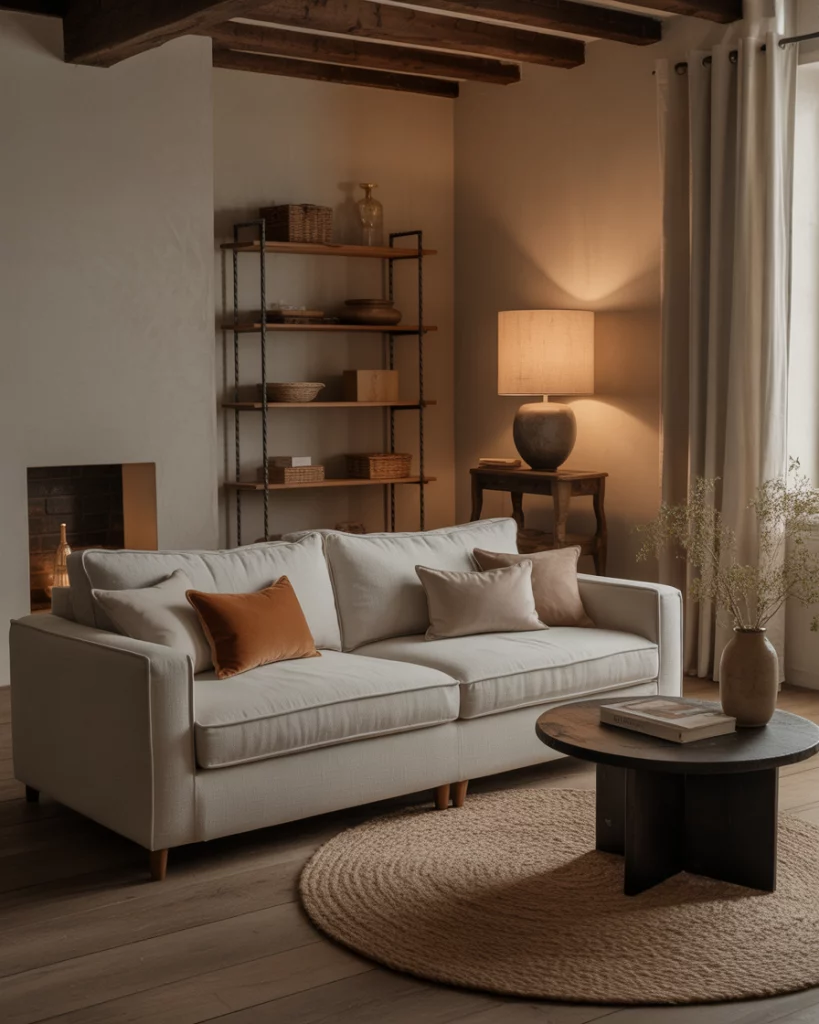
From an expert design standpoint, textural contrast does heavy lifting in neutral rooms where color isn’t providing the drama. It’s also forgiving of budget constraints—a rough jute rug costs far less than a fine Persian, but it adds just as much visual value when placed thoughtfully. The key is being intentional about it rather than letting it happen by accident.
21. Layered Lighting for Warmth and Flexibility
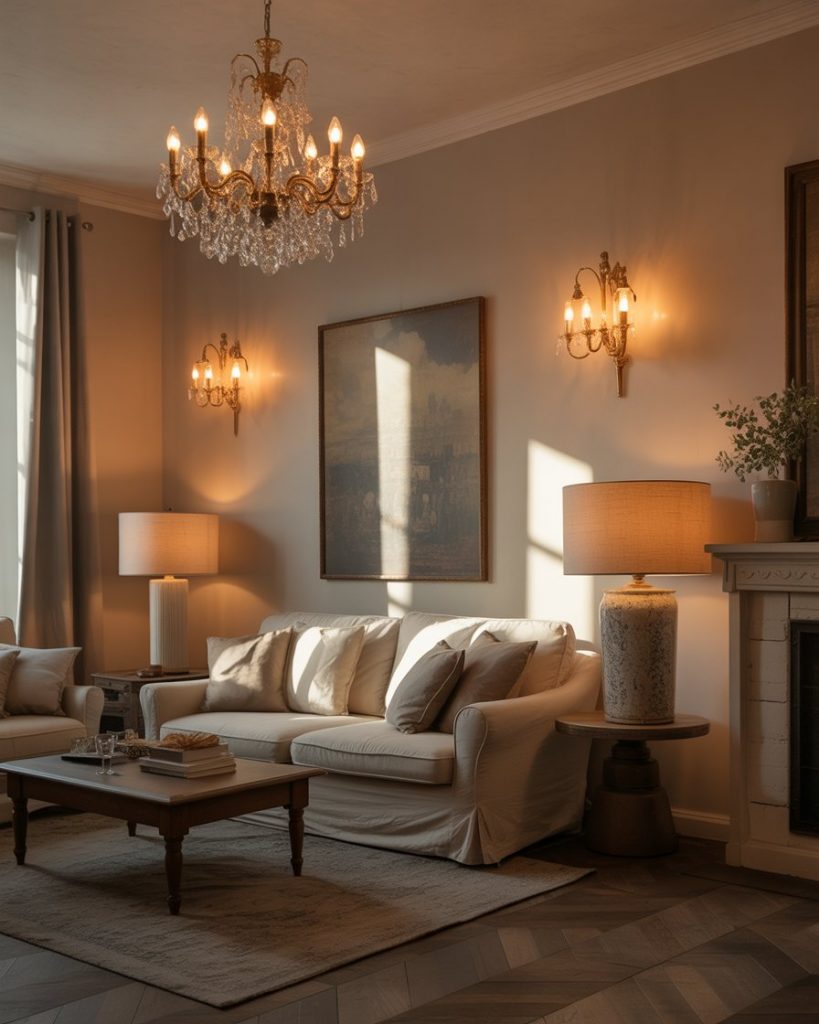
French country lighting should be layered and warm, avoiding the single harsh overhead fixture. Combine a statement chandelier with table lamps, sconces, and even candles for multiple light sources at different heights. Use warm-toned bulbs that mimic firelight, and put everything on dimmers so you can adjust the mood. This creates the same gentle, flattering light you’d find in actual French homes, where overhead lighting is minimal and ambient light rules. 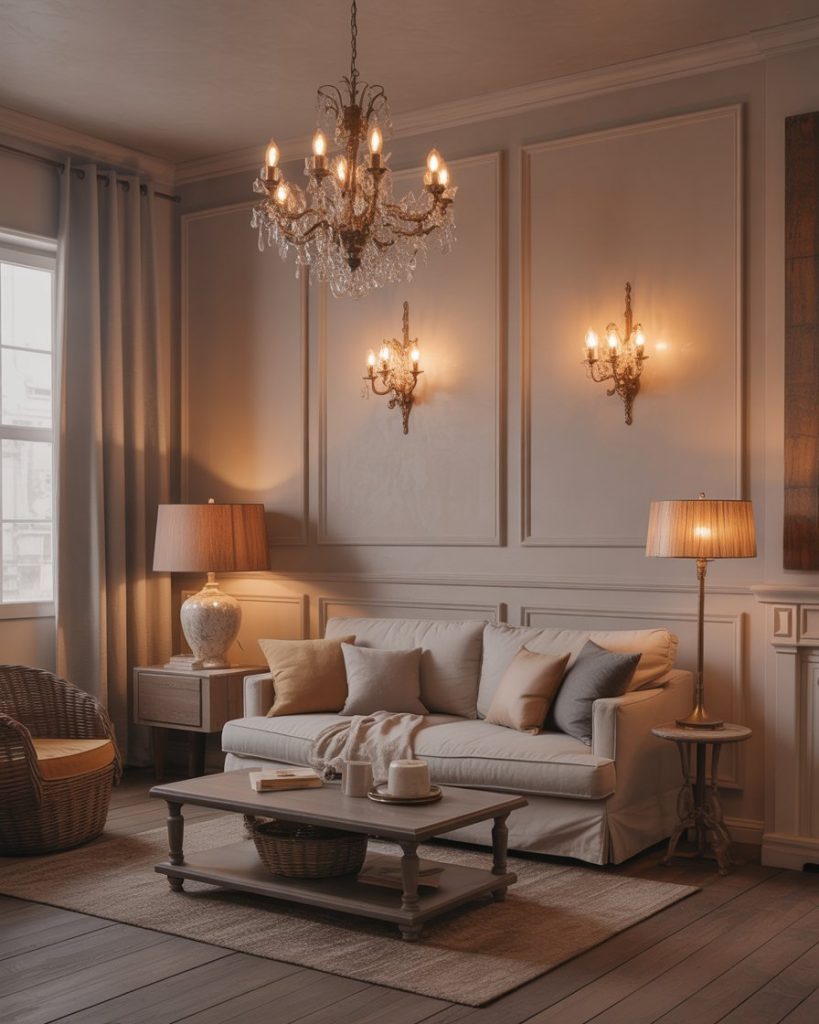
This is where Americans often struggle because we’re trained to flood rooms with bright light from above. But proper French country lighting is about creating pools of warmth and shadow, not eliminating all darkness. The practical benefit is significant energy savings since you’re using targeted task lighting instead of lighting the entire ceiling, and dimmers on every circuit let you fine-tune exactly the mood you want for different times of day.
Conclusion
Now that you’ve explored these approaches to French country living rooms, which ones speak to your own space and lifestyle? Whether you’re drawn to moody blues or sun-bleached coastal tones, the beauty of this style is how it adapts to American homes while keeping that essential warmth and character. Share your favorite ideas or your own French country inspirations in the comments below—we’d love to see how you’re making this timeless look work in 2026.