Contemporary living rooms in 2026 are where design meets real life—spaces that balance sleek minimalism with warmth, function with beauty, and personal expression with timeless appeal. Americans are turning to Pinterest more than ever to discover how to create living rooms that feel both modern and inviting, blending clean lines with textures, colors, and comfort. Whether you’re working with a compact apartment or a sprawling suburban home, the contemporary aesthetic adapts to your lifestyle, not the other way around. In this article, you’ll find fresh ideas that capture the essence of modern living—each one rooted in practical design choices, current trends, and real-world inspiration. Let’s explore what makes a living room feel truly contemporary in 2026.
1. Layered Neutrals with Textured Accents
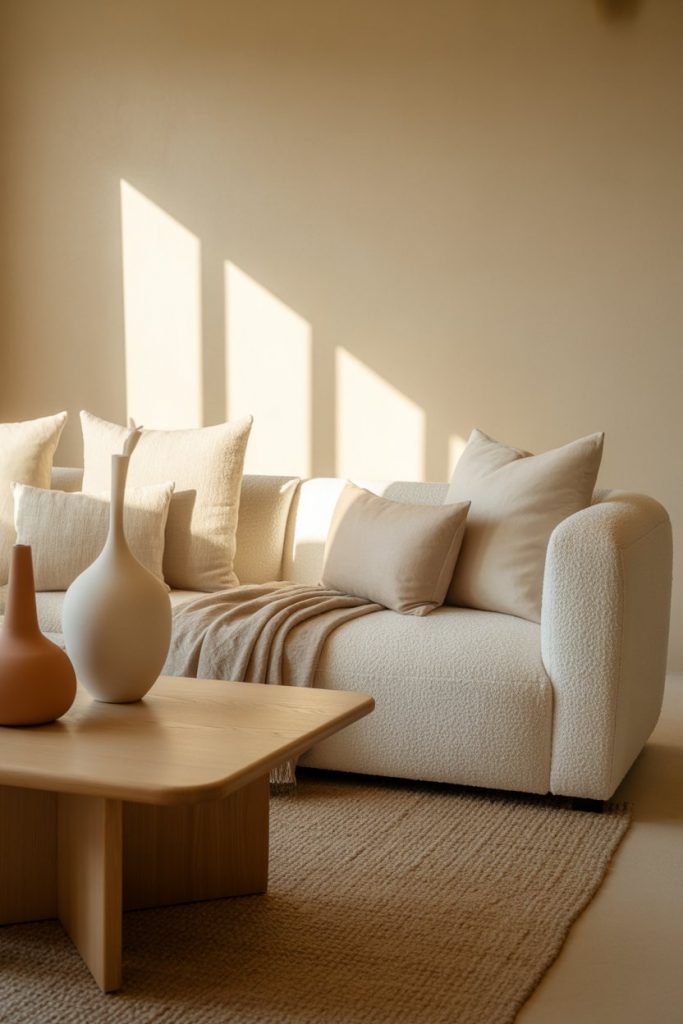
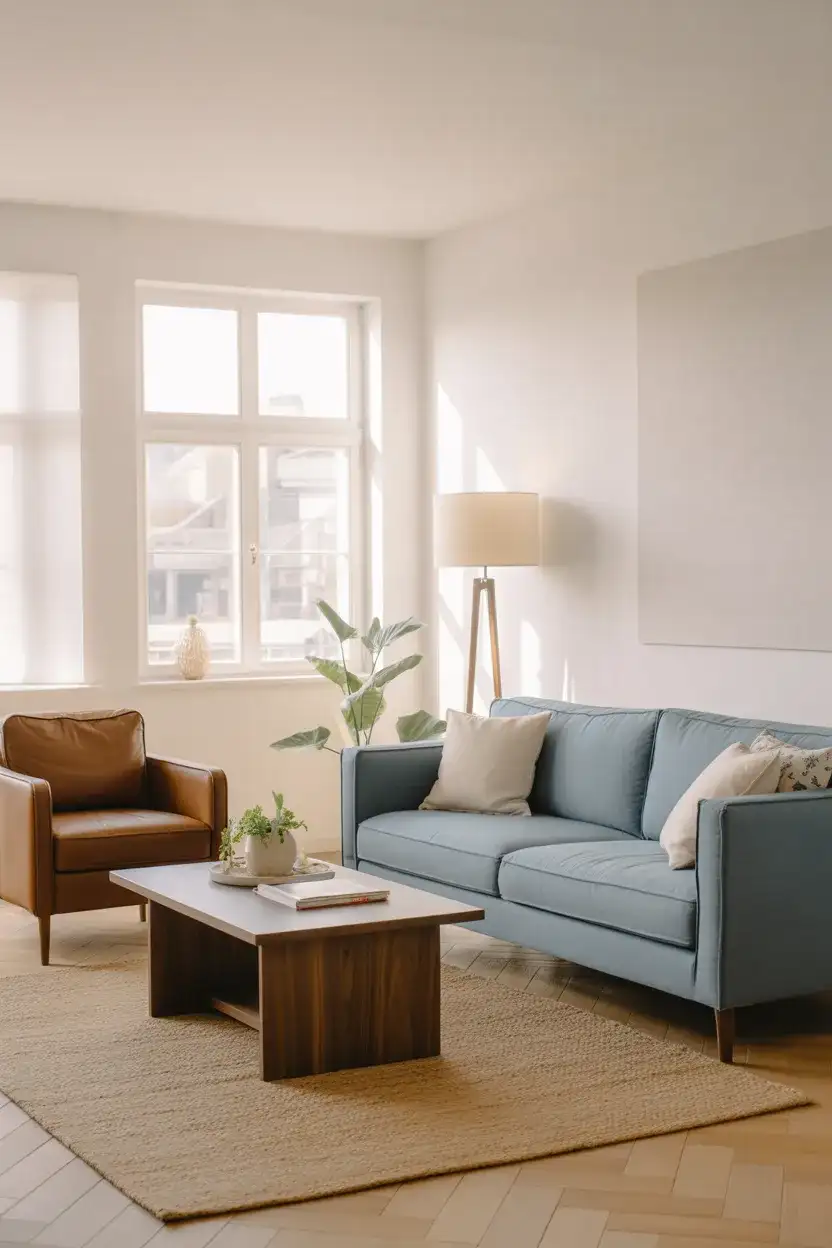
This approach transforms a neutral palette from flat to dynamic by layering materials like linen, bouclé, and wool. A modern minimalist foundation—think white walls and light oak furniture—becomes deeply inviting when you add a chunky knit throw, a jute rug, and matte ceramic vases. The key is mixing tones: cream, taupe, warm gray, and soft beige all work together to create depth without visual clutter. 
Where it works best: open-concept homes where the living room flows into the kitchen or dining area. The neutral backdrop unifies the space, while textured accents add just enough contrast to define the seating zone. This style is especially popular in the Midwest and Pacific Northwest, where homeowners favor warmth over starkness.
2. Statement Arches and Architectural Drama
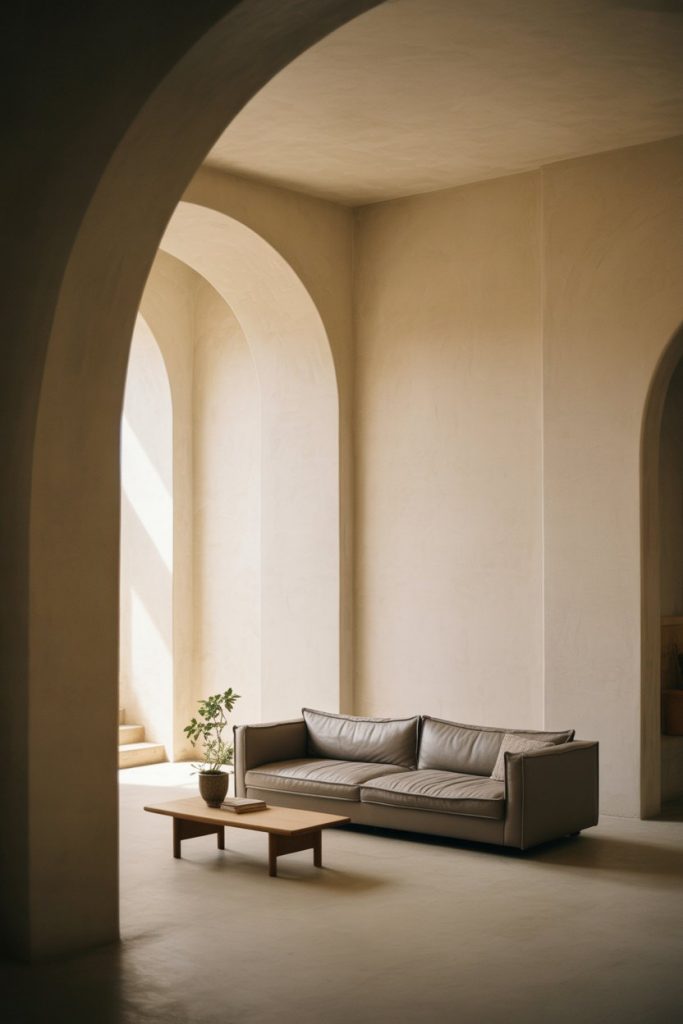
Curved doorways and arched alcoves are making a strong comeback, softening the rigidity of modern interiors. These architectural details work beautifully in contemporary living room 2026 designs, adding a sense of craftsmanship and flow. Pair an arched entryway with white plaster walls and a low-profile sectional to let the architecture shine without competing for attention. 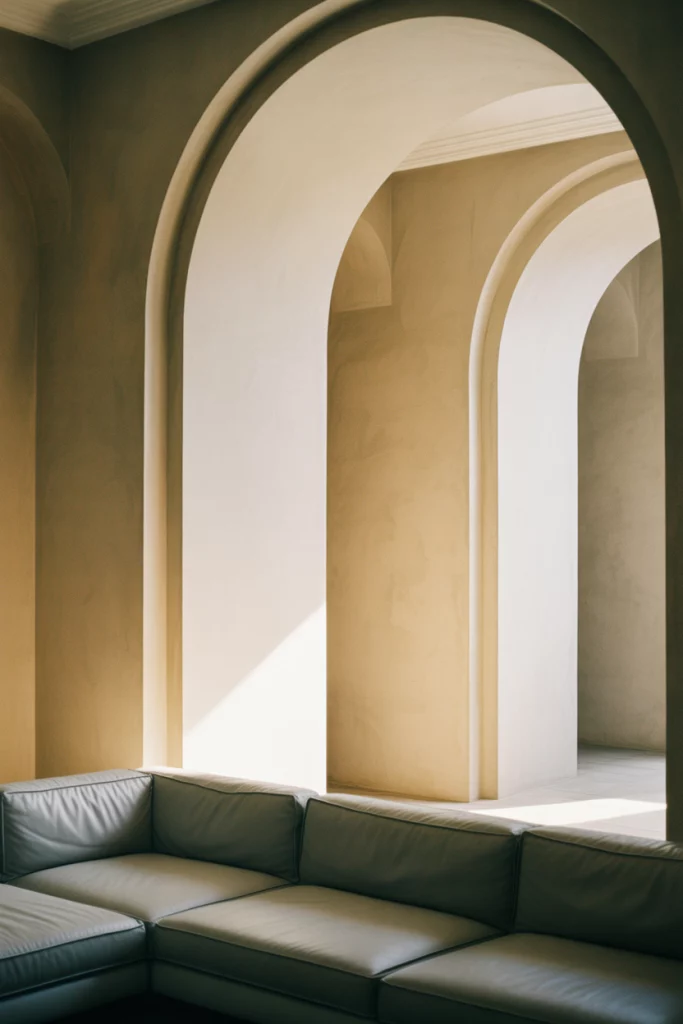
A designer once shared that arches subtly guide the eye and create natural “frames” within a room, making even modest spaces feel more intentional. If you’re renovating, consider adding a single arched passageway—it’s a surprisingly affordable upgrade that elevates the entire aesthetic.
3. Earthy Terracotta and Warm Wood Tones
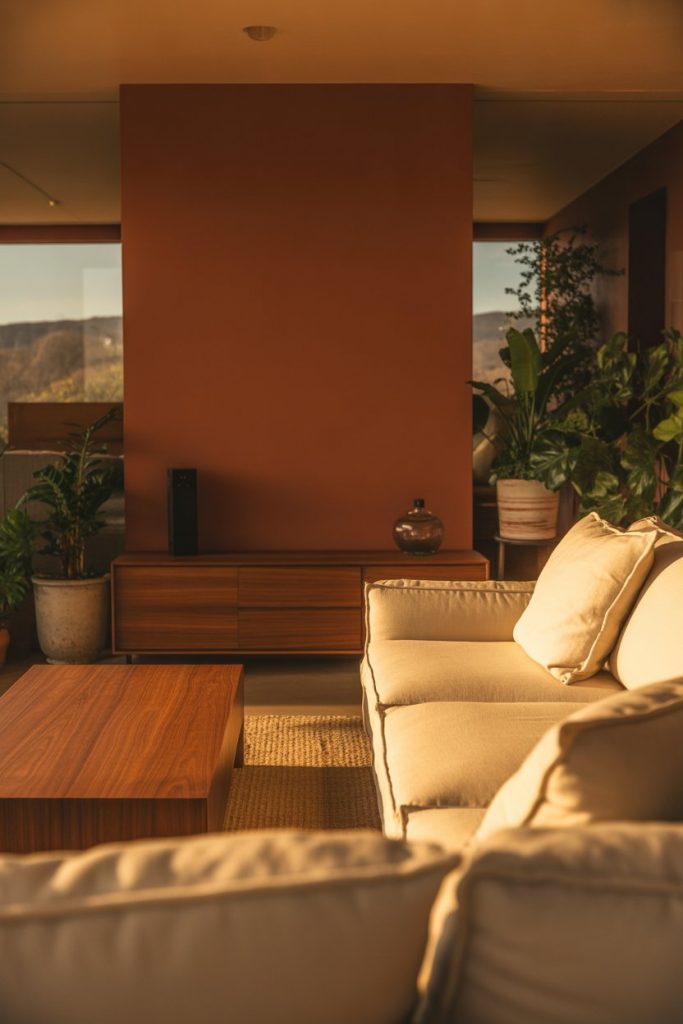
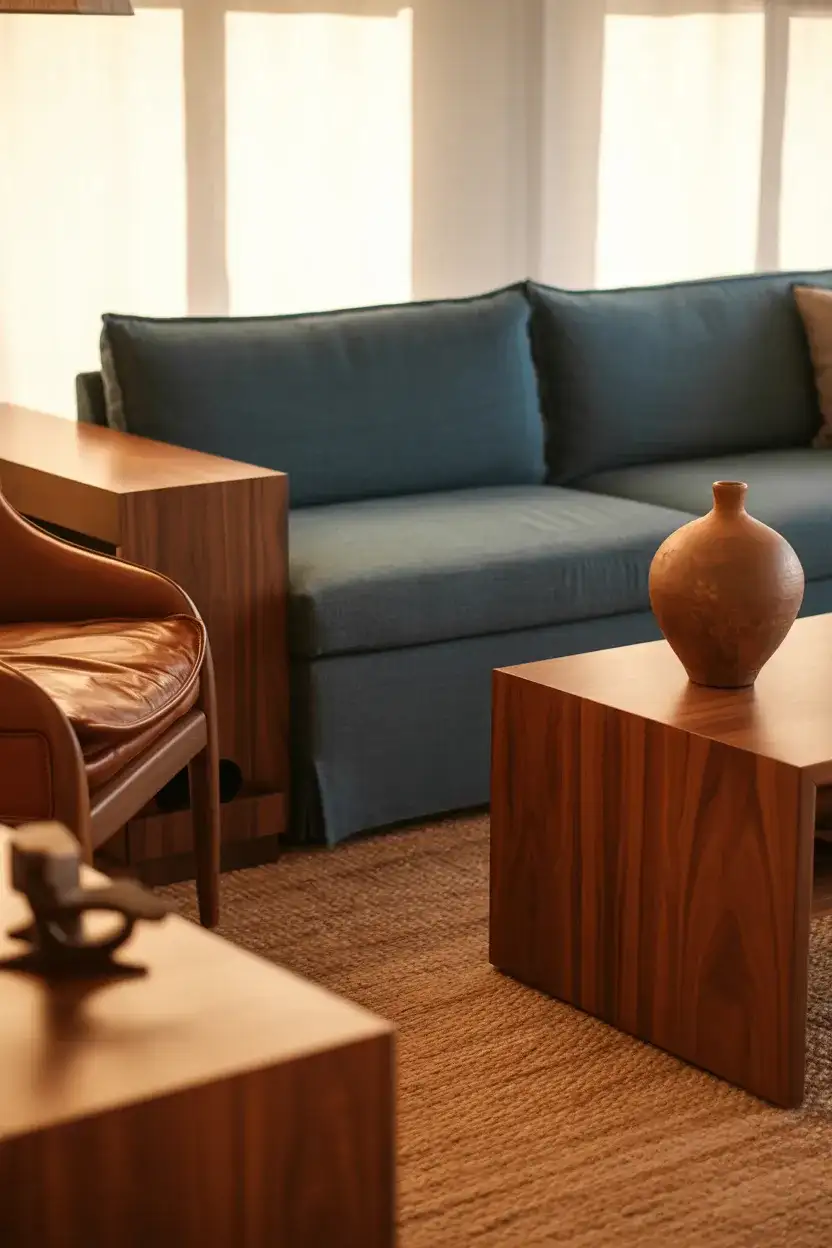
Terracotta accents—whether in pottery, throw pillows, or a feature wall—bring grounded warmth to a contemporary living room 2026 space. Combine this earthy hue with honey-toned wood furniture, like a walnut media console or teak side table, and you’ll achieve a look that feels both modern and timeless. The palette is forgiving, layering beautifully with cream, sage, and charcoal. 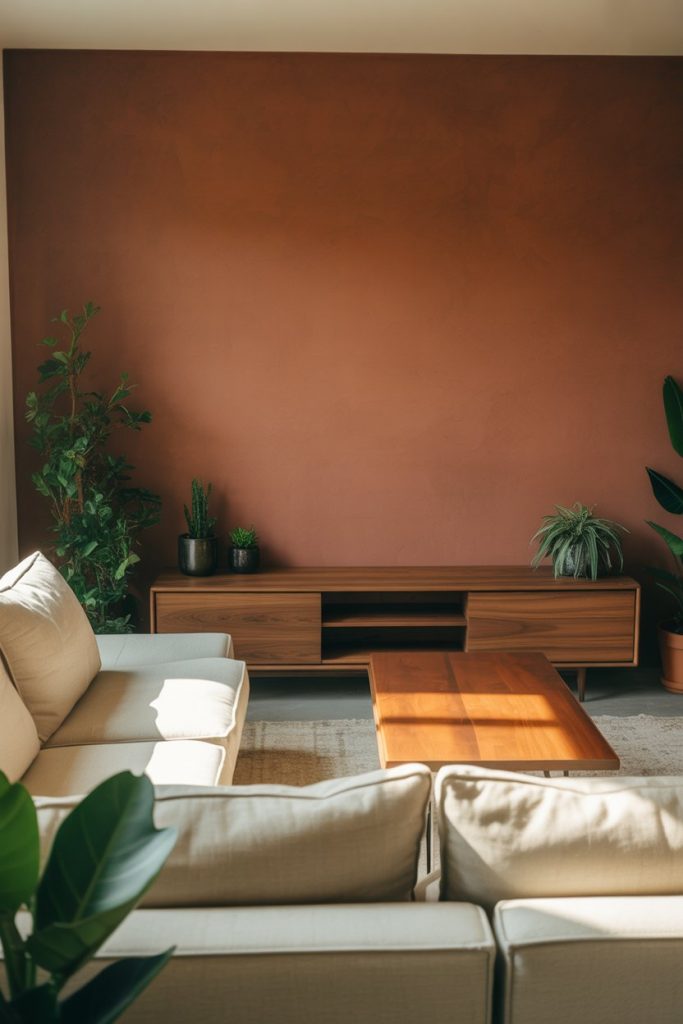
This palette is a favorite in Arizona, New Mexico, and Southern California, where the desert landscape influences interior color choices. Homeowners often mix in vintage terracotta pottery from local markets, adding layers of authenticity and history to their contemporary spaces.
4. Low-Profile Furniture for Visual Calm
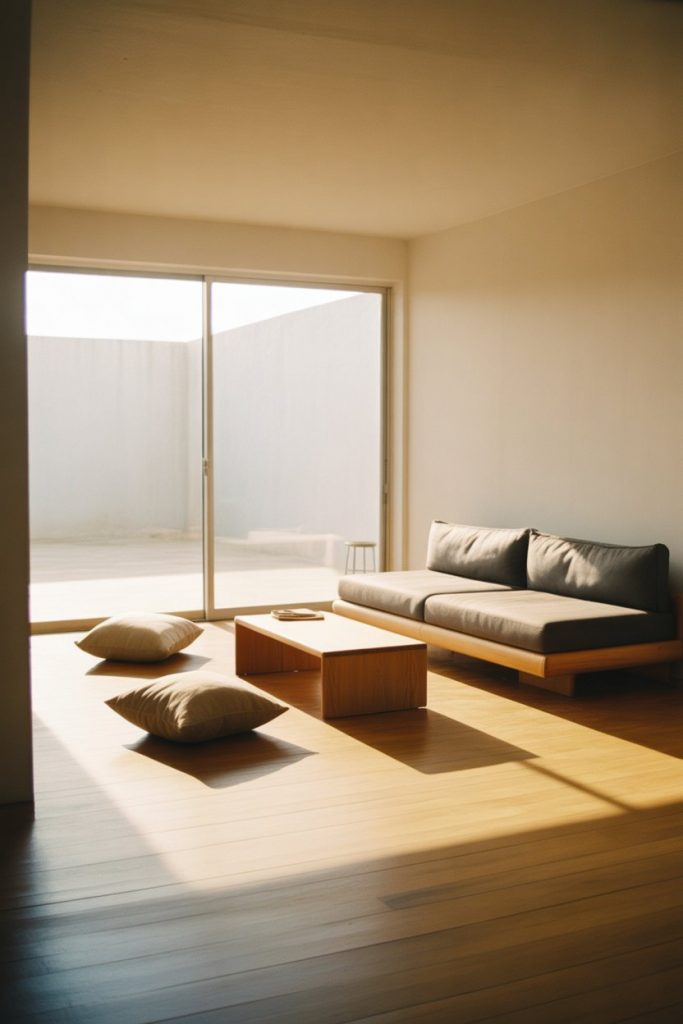
Furniture that sits closer to the ground creates an illusion of height and openness, a principle borrowed from Japandi design. Think platform sofas, low coffee tables, and floor cushions that encourage relaxed, informal seating. This approach works especially well in apartment settings where maximizing perceived space is essential.
Budget tip: You don’t need to replace your entire sofa. Start with a low coffee table and add floor seating—poufs or large cushions—to shift the visual weight downward. This incremental approach costs under $300 and still delivers the aesthetic impact.
5. Curved Sofas as the Focal Point
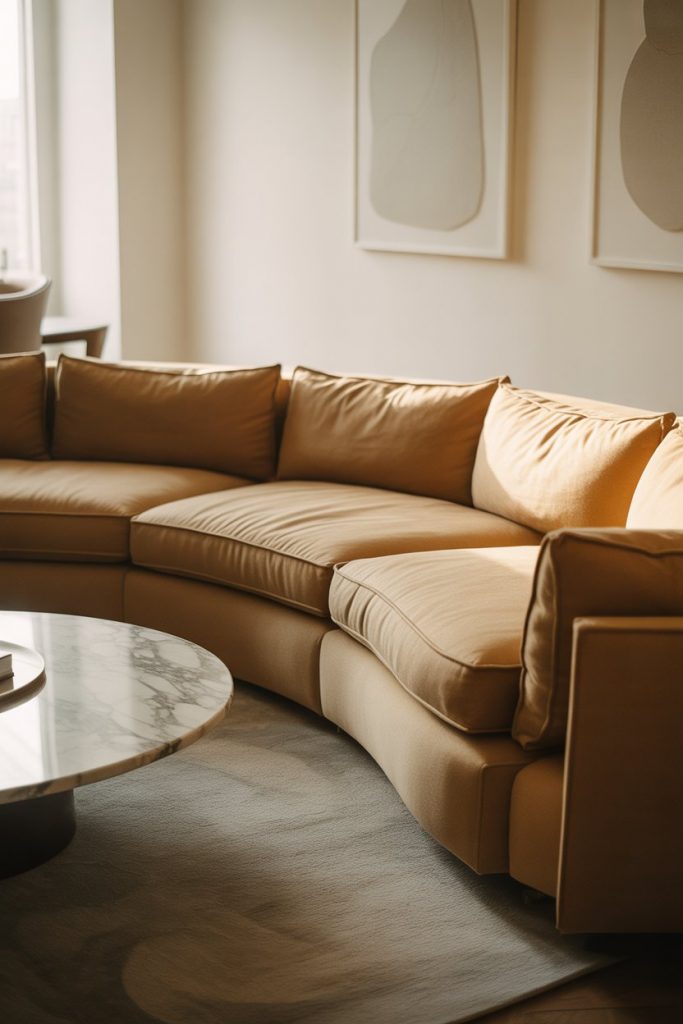
The curved sofa trend continues to dominate contemporary living room 2026 interiors, offering both style and function. These sculptural pieces soften angular rooms and naturally encourage conversation, making them ideal for entertaining. Upholstered in neutral tones like oatmeal or dove gray, they become timeless anchors rather than trendy statements. 
Common mistake: Pairing a curved sofa with too many other rounded elements. Balance the softness with angular accents—a rectangular media console, square artwork, or linear shelving—to avoid a space that feels too whimsical or ungrounded.
6. Integrated Shelving and Display Niches

Built-in shelving, especially when painted in a contrasting dark tone, adds architectural interest and functional storage. These recessed niches are perfect for displaying books, ceramics, or small plants, turning everyday objects into curated decor ideas. Flanking a fireplace or framing a TV unit, they create symmetry and balance. 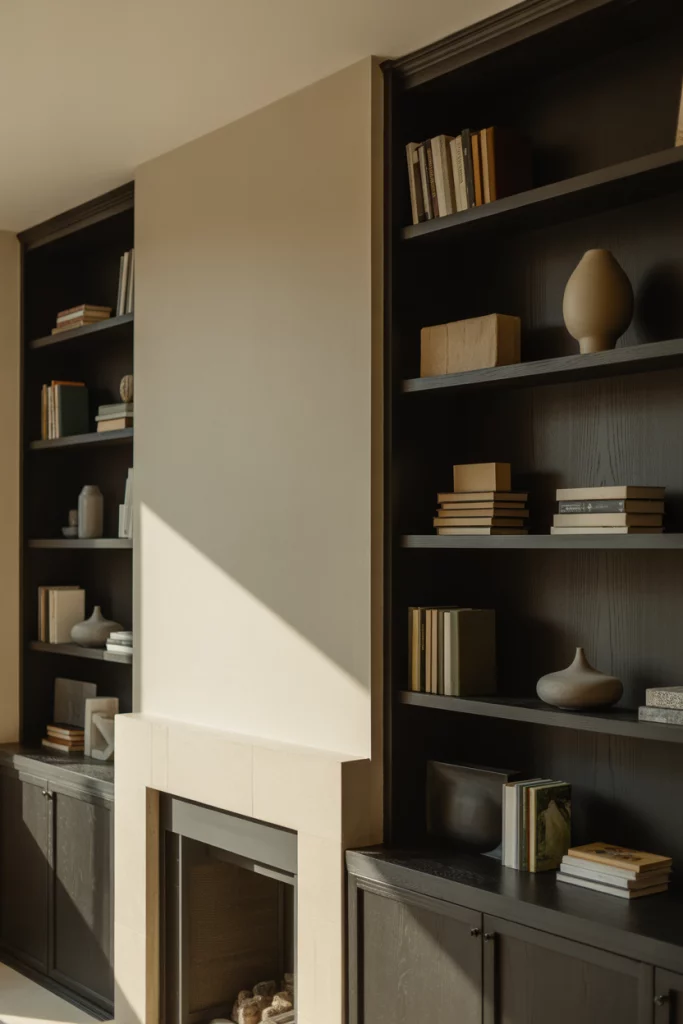
Where it works best: homes with awkward alcoves or unused wall space. Custom built-ins may seem expensive, but prefab modular systems from retailers like IKEA or West Elm offer a similar look at a fraction of the cost, often under $1,000 installed.
7. Monochromatic Schemes with Tonal Variation
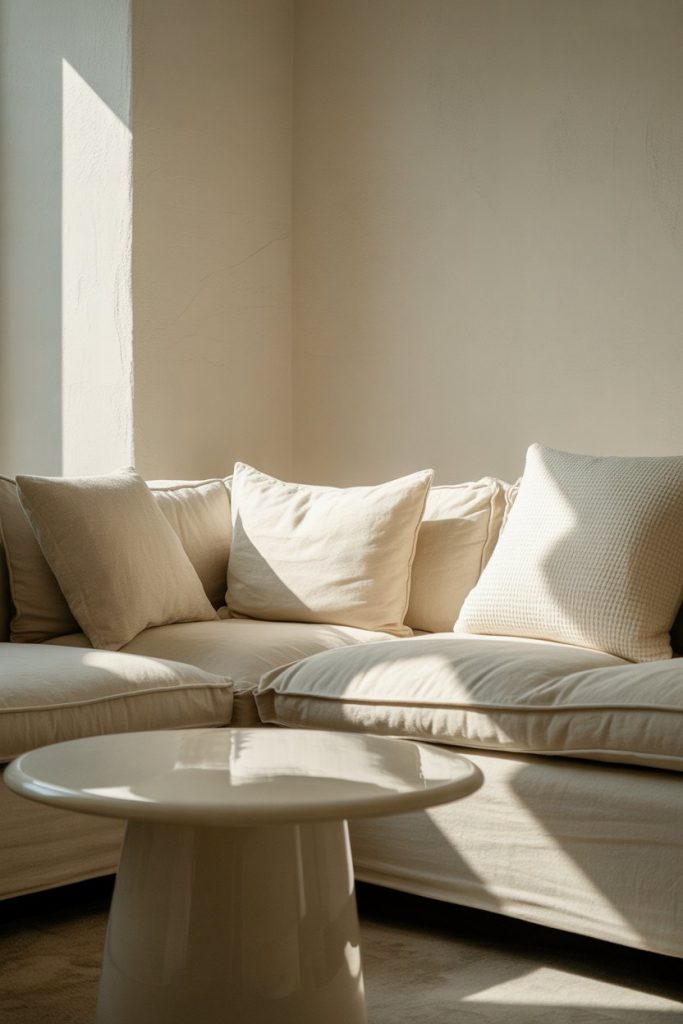
A single color family—say, shades of white, cream, and ivory—can create a sophisticated, cohesive look when you vary the textures and finishes. Matte paint, glossy ceramics, nubby linen, and smooth leather all reflect light differently, adding richness without introducing new hues. This is modern minimalist design at its most refined. 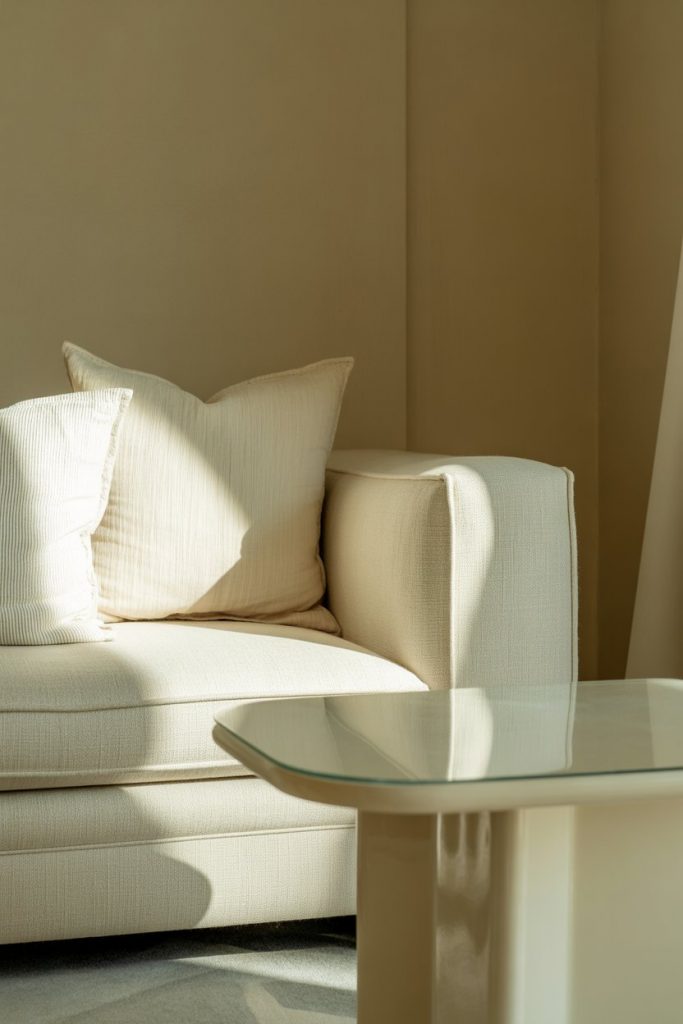
Real homeowner behavior: Many people start with a neutral base and slowly introduce a single accent color—like rust or sage—through pillows and throws. This allows for easy seasonal updates without a full redesign, keeping the space fresh and adaptable.
8. Large-Scale Art as the Anchor

A single oversized piece of art commands attention and sets the tone for the entire room. Whether abstract, photographic, or minimalist, it serves as the visual anchor around which you build your decor ideas. In contemporary living room 2026 spaces, the art often dictates the color palette, with furniture and accessories pulled from its tones. 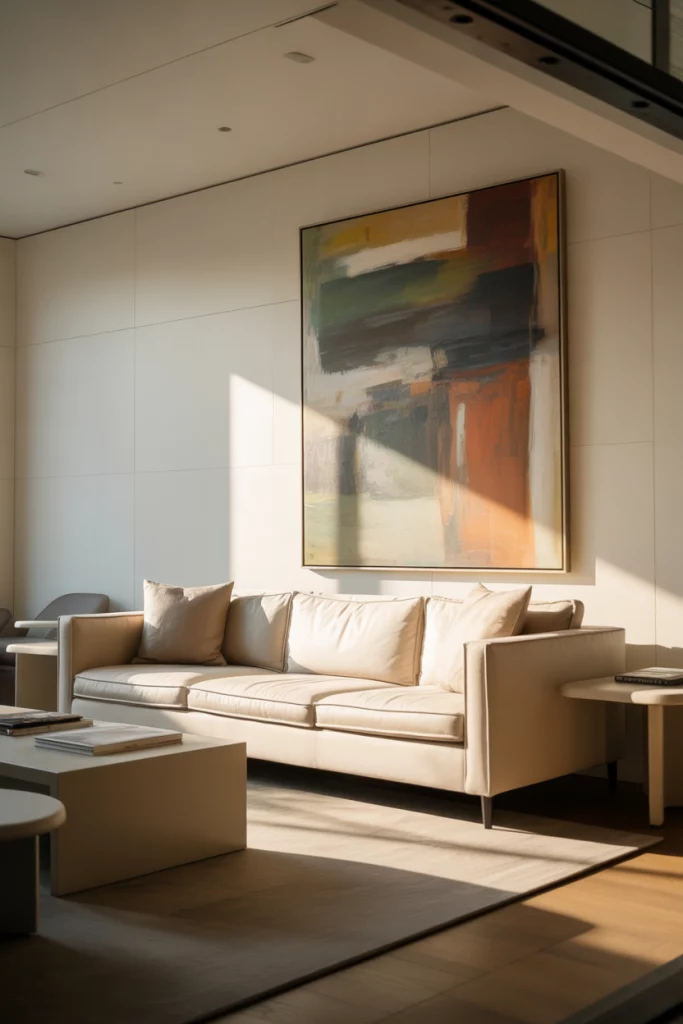
Budget angle: Original art can be pricey, but sites like Minted, Saatchi Art, and even Etsy offer affordable prints and commissions. Frame it yourself with a simple black or oak frame from a craft store, and you’ll achieve the designer look for under $200.
9. Natural Light Maximization with Sheer Layers
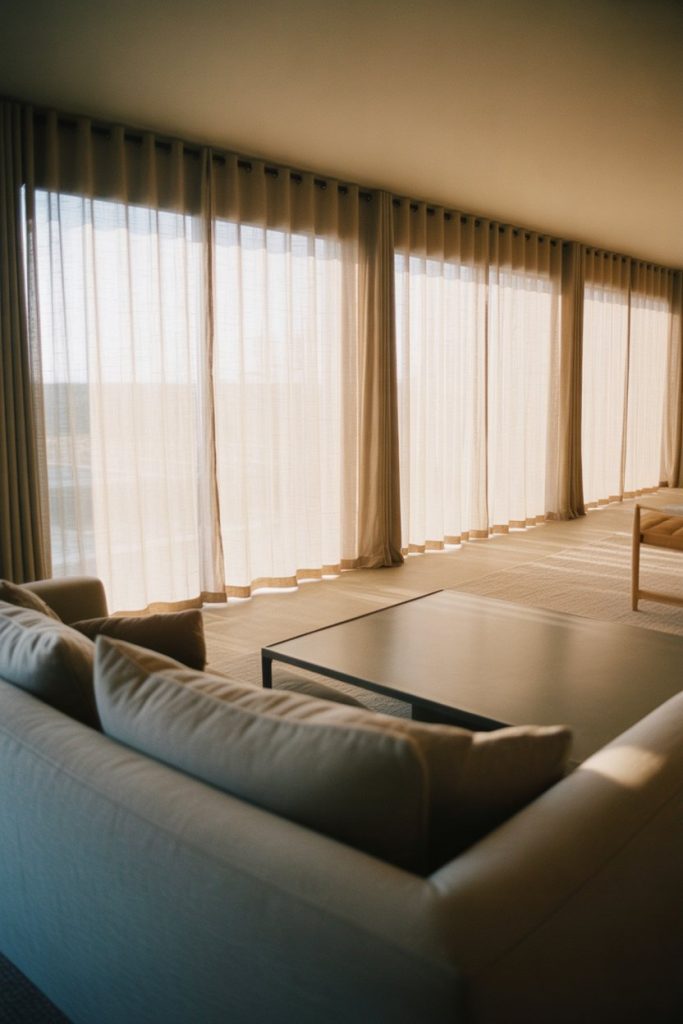
Floor-to-ceiling windows paired with sheer linen curtains flood a room with light while maintaining privacy. This approach is central to coastal and modern aesthetics alike, creating an airy, open feel. The key is hanging curtains high and wide—mount them just below the ceiling and extend the rod beyond the window frame. 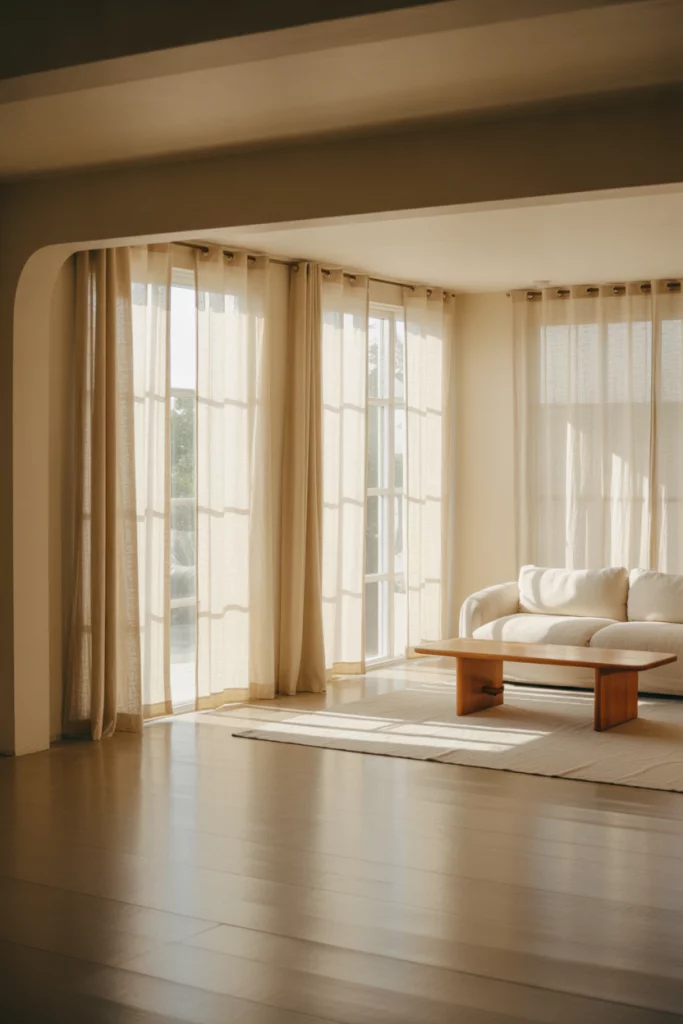
Where it works best: homes in sunny climates like Florida, Texas, or coastal California, where natural light is abundant year-round. The sheer fabric diffuses harsh midday sun, preventing glare while preserving the view and the connection to the outdoors.
10. Mixed Metals for Subtle Contrast
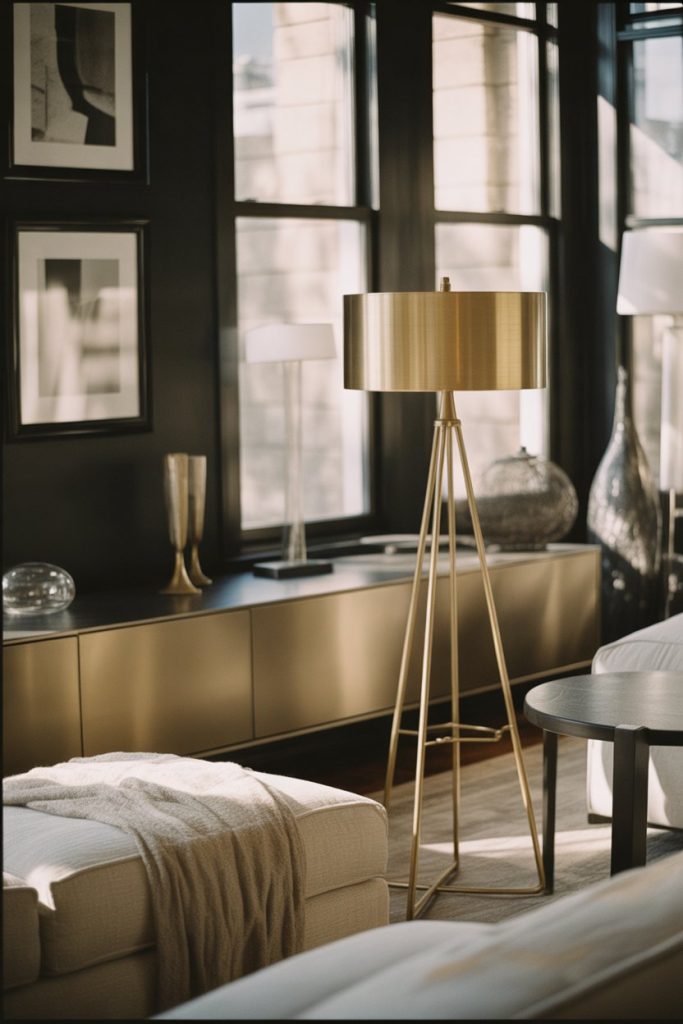
Combining brass, matte black, and brushed nickel in light fixtures, hardware, and accessories adds dimension without disrupting the neutral palette. This layering technique is a hallmark of transitional design, bridging modern and classic sensibilities. A brass floor lamp, black picture frames, and nickel cabinet pulls can coexist beautifully when dispersed throughout the room. 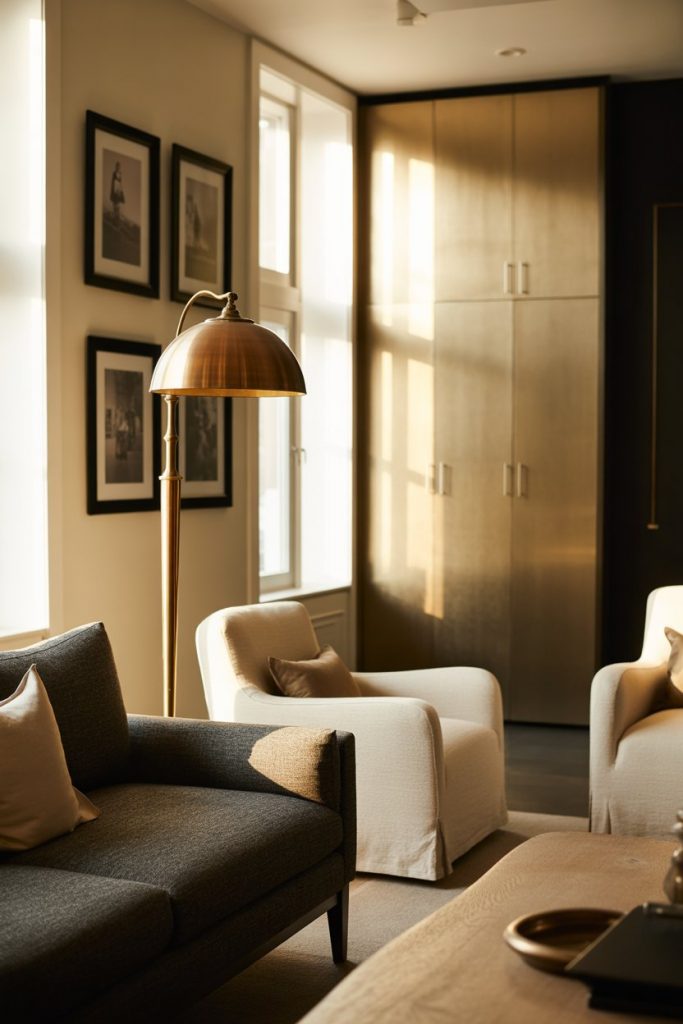
Expert-style commentary: Interior designers often call this the “80/20 rule”—choose one dominant metal (usually brushed nickel or matte black) for 80% of the finishes, then accent with 20% brass or gold for warmth. This keeps the mix intentional rather than chaotic.
11. Sunken Seating for Cozy Conversation
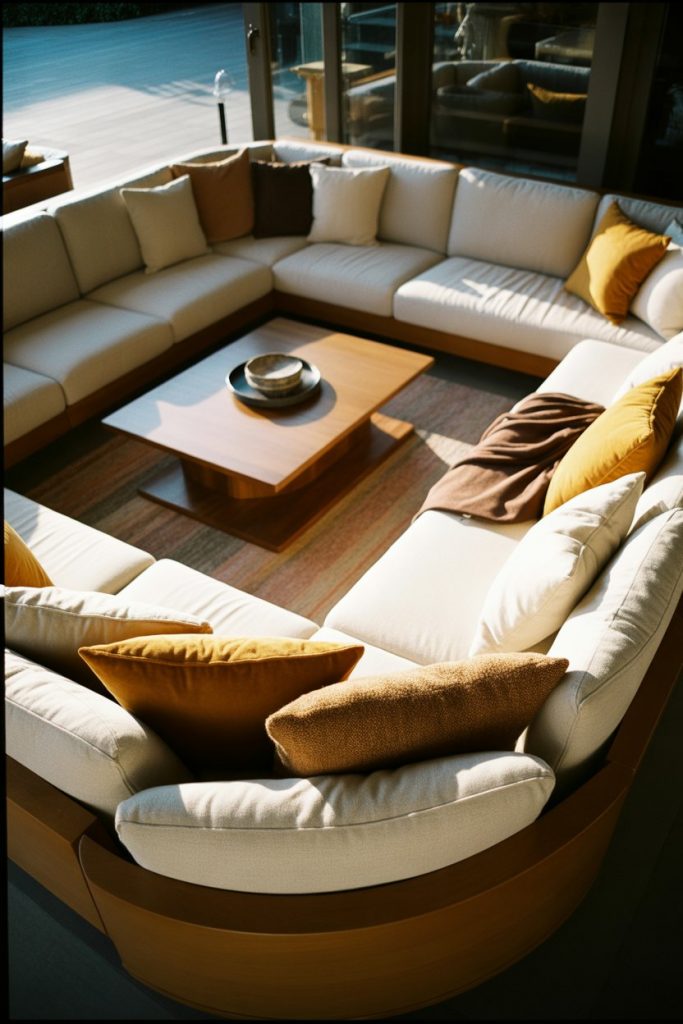
Inspired by mid century design, sunken living rooms create an intimate, lounge-like atmosphere. While true sunken floors aren’t feasible in most homes, you can mimic the effect with a large sectional arranged in a U-shape, paired with a low coffee table and plush area rug. The goal is to create a defined “pit” that feels separate from the rest of the space. 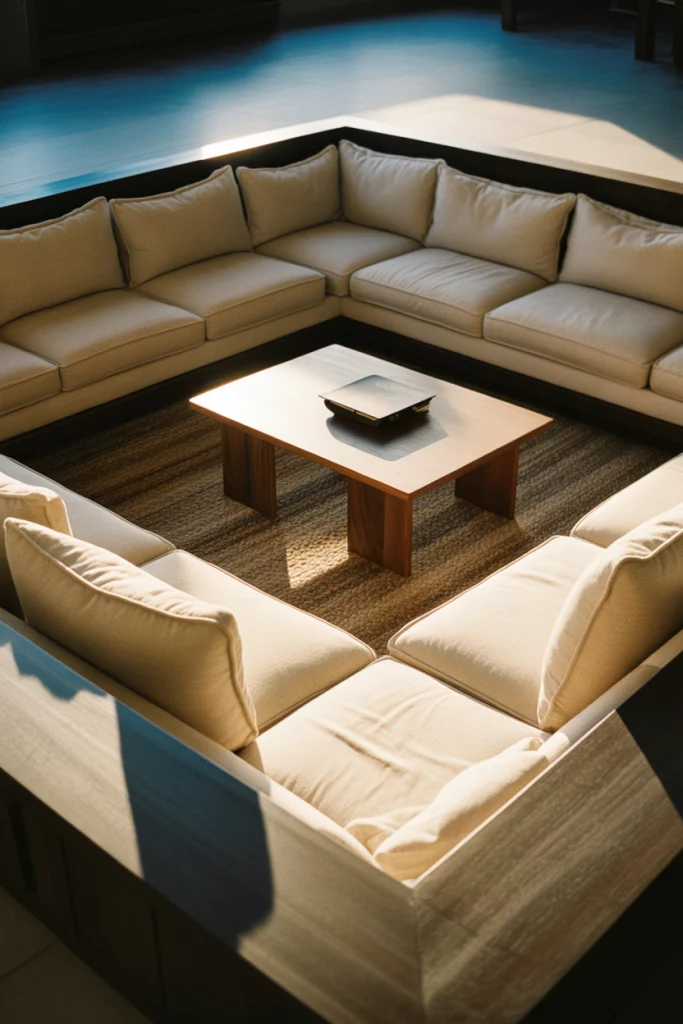
This layout is especially popular in suburban homes with open floor plans, where defining the living area without walls is key. In Chicago and Denver, where winters are long, homeowners love this setup for its cocoon-like quality—it’s a natural gathering spot for family movie nights.
12. Statement Lighting as Sculptural Art
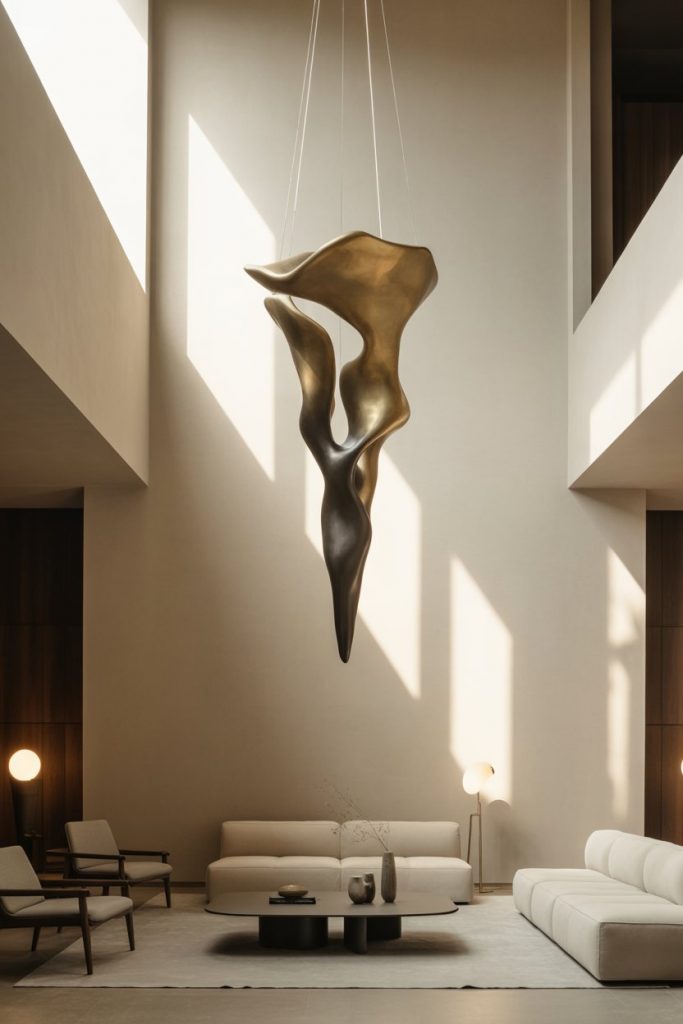
A bold pendant or chandelier doubles as functional art, especially in rooms with high ceilings. Whether it’s a brass orb, a woven rattan fixture, or a geometric metal design, the right light fixture transforms a contemporary living room 2026 from ordinary to extraordinary. Hang it low over a coffee table or seating area for maximum impact. 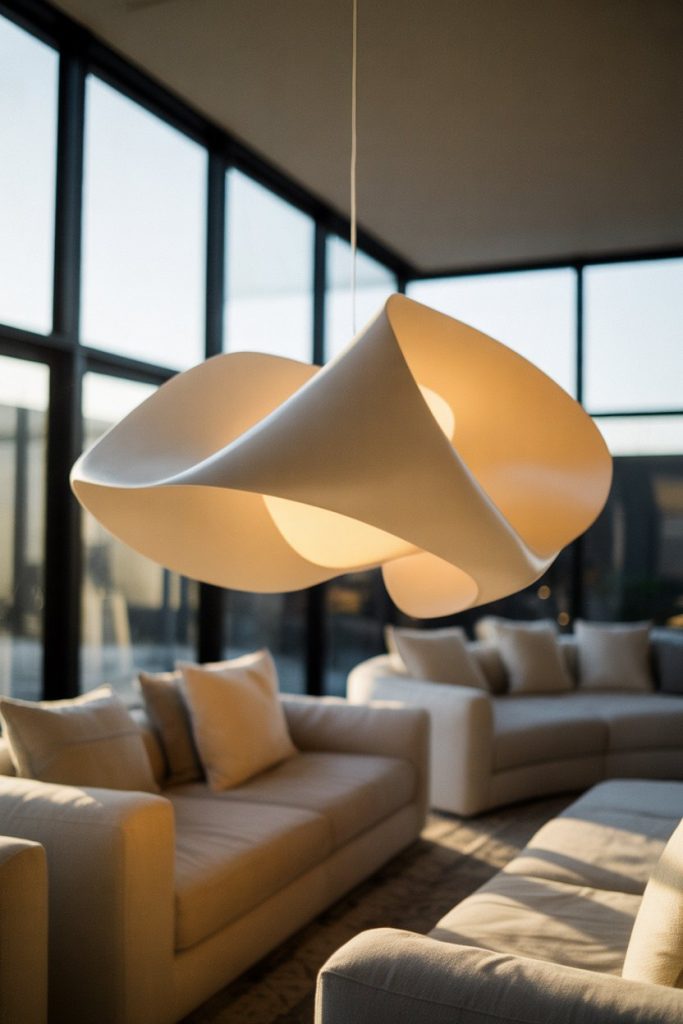
Common mistake: Choosing a fixture that’s too small. For a living room, aim for a diameter of at least 24–30 inches. Measure your space, add the length and width in feet, and convert that sum to inches—that’s your ideal fixture diameter.
13. Earthy Greens and Botanical Touches
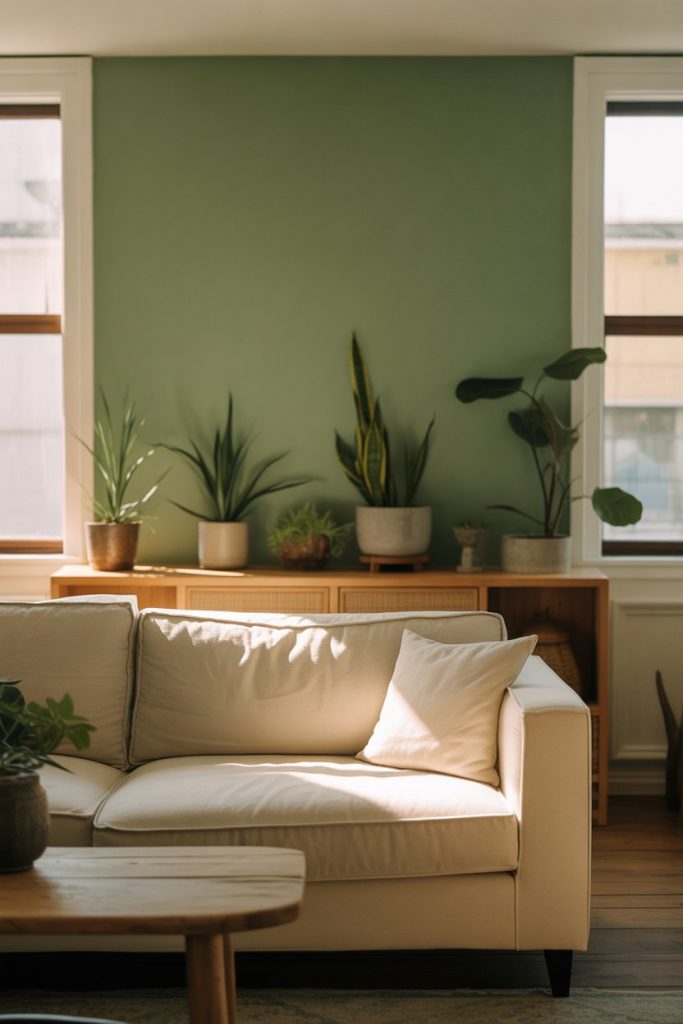
Sage, olive, and moss green are replacing the cooler grays of the past decade, bringing a cozy, organic vibe to contemporary living room 2026 spaces. Pair these hues with natural wood furniture and live plants—fiddle leaf figs, snake plants, or potted ferns—to reinforce the connection to nature. Even a single green accent wall can shift the entire mood. 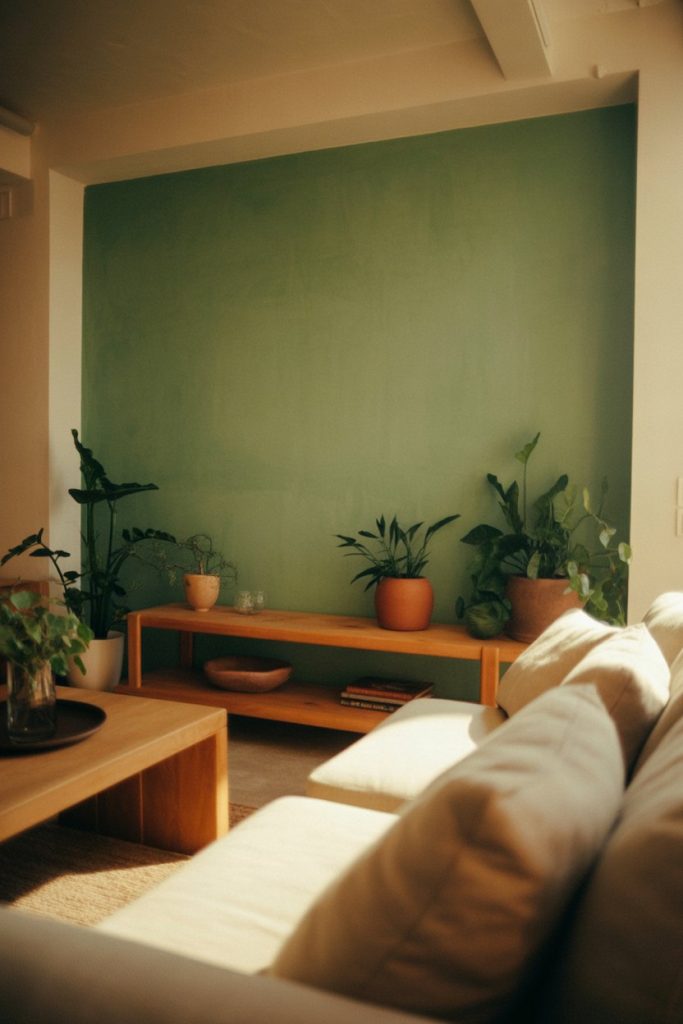
Practical insight: If painting an entire wall feels like too much commitment, start with green velvet pillows, a throw blanket, or a piece of botanical art. These smaller touches let you test the color in your space before making a larger investment.
14. Floating Media Consoles for Airiness
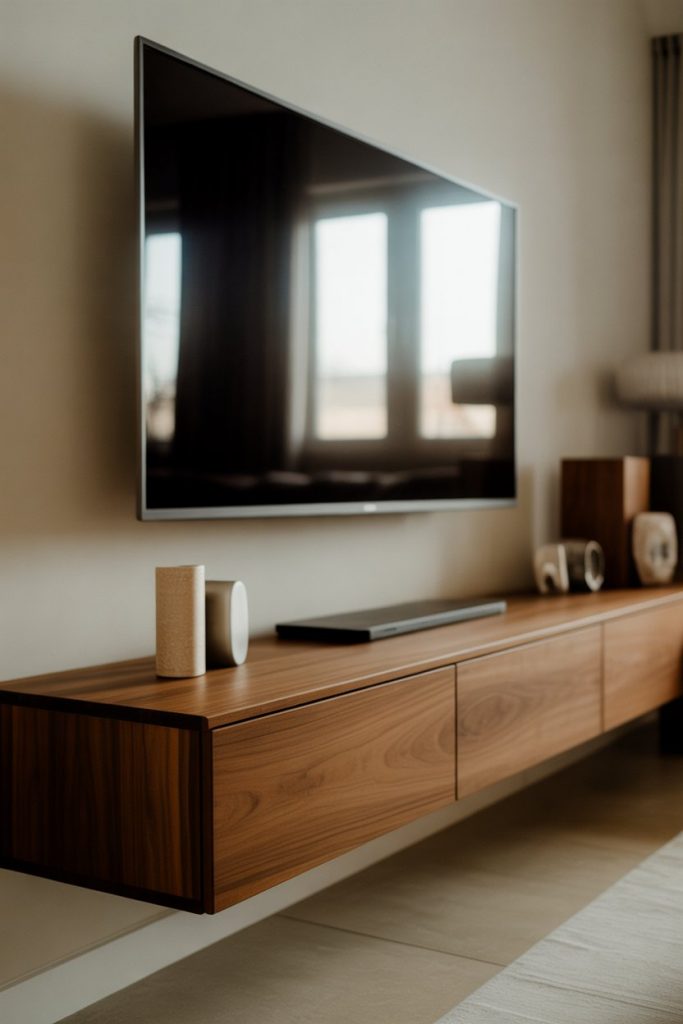
Wall-mounted TV unit designs free up floor space and create a clean, streamlined look. By lifting the console off the ground, you maintain sight lines and allow light to flow underneath, making the room feel larger. Pair it with hidden cable management and minimalist styling for a truly modern minimalist effect. 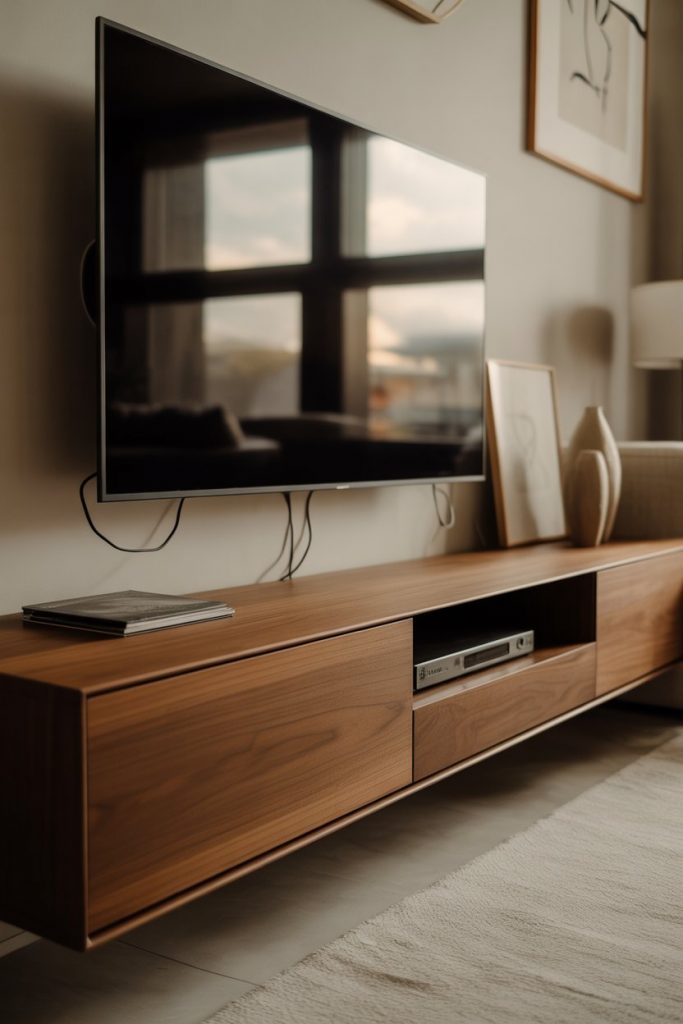
Where it works best: apartments and smaller homes where every square foot counts. The floating effect tricks the eye into perceiving more space, and the area beneath can be left open or styled with a few low-profile baskets for hidden storage.
15. Vintage Rugs in Modern Settings
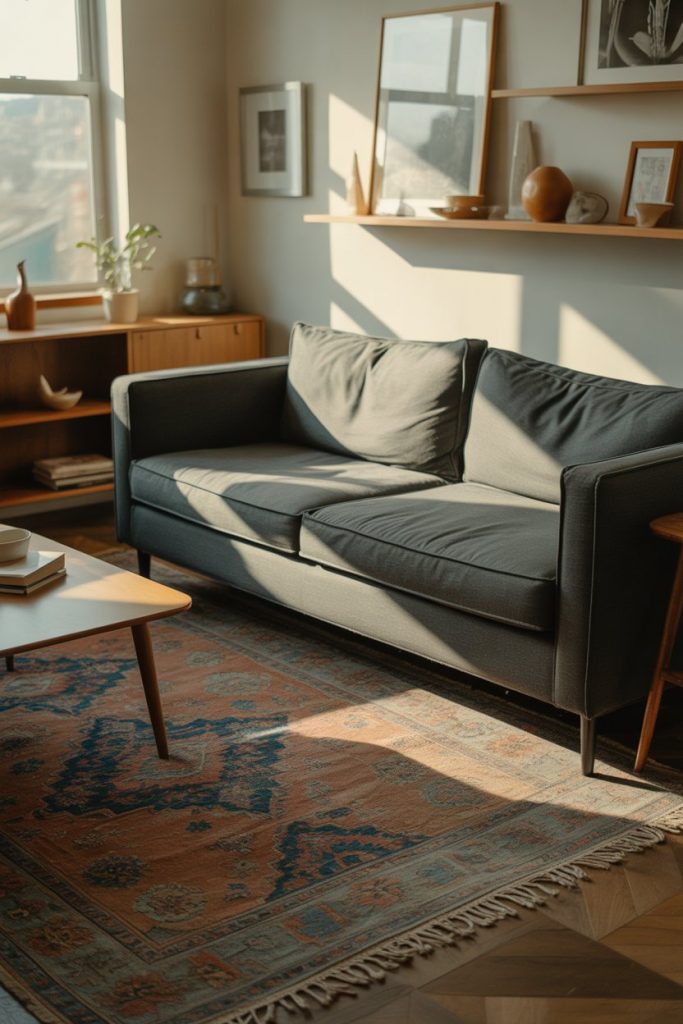
A vintage Persian or Turkish rug grounds a contemporary space with history and character. The faded colors and intricate patterns contrast beautifully with sleek modern furniture, preventing the room from feeling too sterile. This mix of old and new is a defining feature of transitional and eclectic styles. 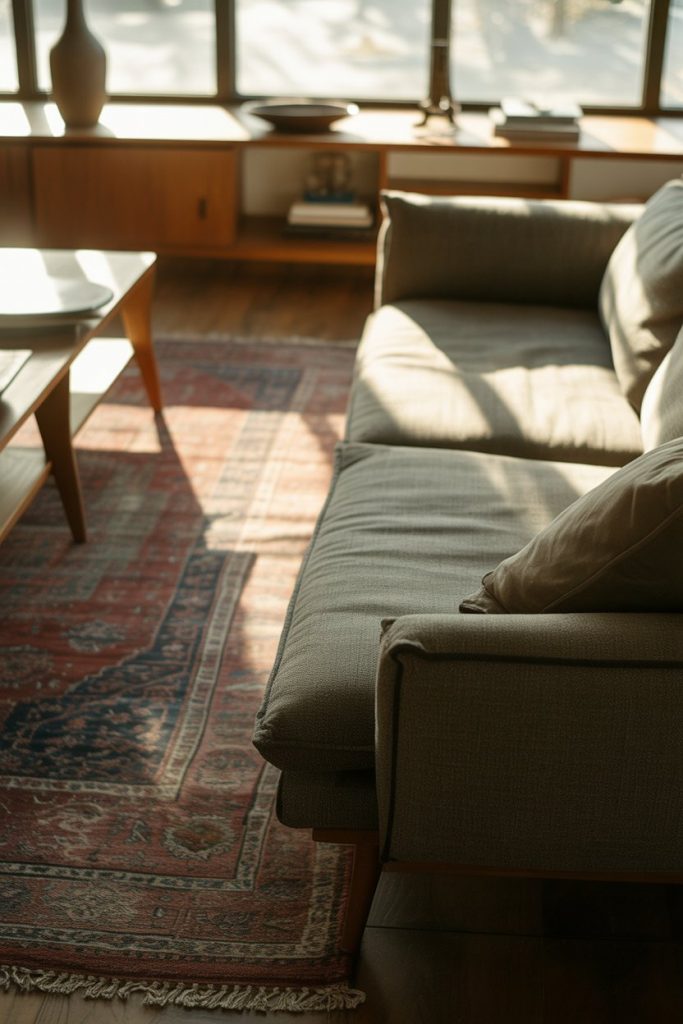
Real homeowner behavior: Many people inherit rugs from family or find them at estate sales, making this a budget-friendly way to add warmth and personality. If the rug is worn, consider layering it over a neutral jute or sisal rug for added texture and durability.
16. Open Shelving for Curated Display
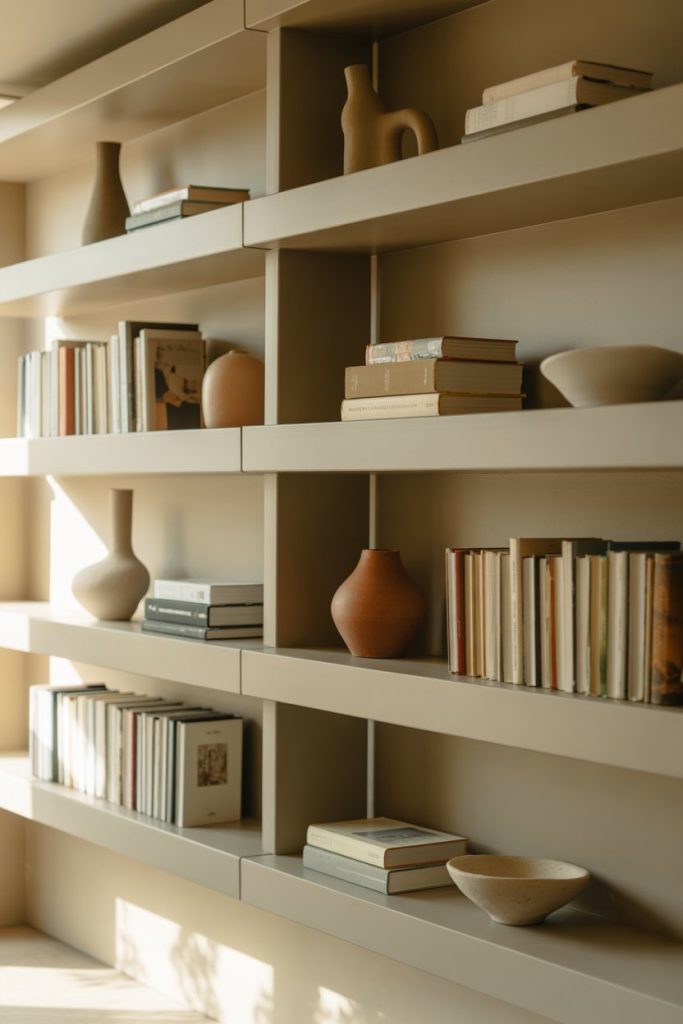
Floating shelves or open furniture units invite you to showcase favorite books, ceramics, and travel finds. The key is curation—less is more. Leave some shelves partially empty to avoid visual clutter, and group objects in odd numbers (threes or fives) for a balanced, designs luxury feel that still feels approachable.
Expert-style commentary: Designers often call this the “rule of thirds”—fill only two-thirds of each shelf, leaving the rest open. This negative space is just as important as the objects themselves, giving the eye a place to rest and preventing the display from feeling crowded.
17. Warm Metallics and Brass Accents

Brass and gold-toned metals inject warmth into modern and contemporary living room 2026 designs, especially when paired with neutral or white palettes. Side tables, picture frames, and lamp bases in warm metallics reflect light beautifully, adding a subtle glow without overwhelming the space. This is a softer alternative to the cooler silvers and chromes of the past.
Budget tip: You don’t need solid brass to achieve this look. Many affordable retailers offer brass-plated pieces that deliver the same aesthetic at a fraction of the cost. A single brass floor lamp can elevate an entire corner for under $150.
18. Textured Walls for Depth
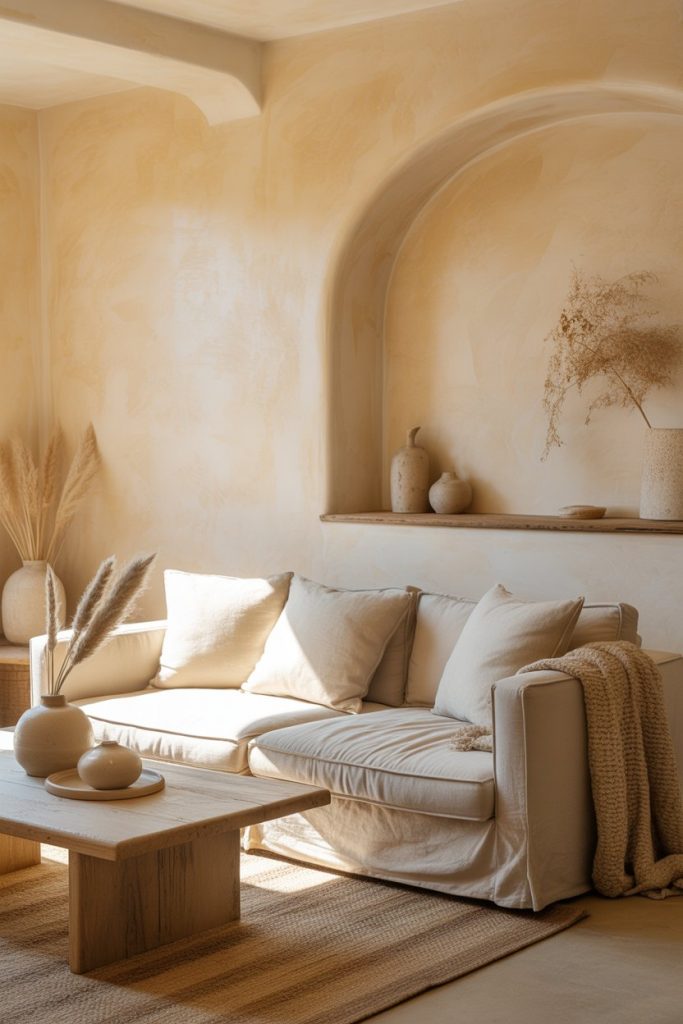
Limewash paint, Venetian plaster, or even textured wallpaper adds tactile interest to walls, transforming them from flat backdrops into design features. This technique is especially popular in cozy and rustic contemporary spaces, where imperfection and handcrafted details are celebrated. The subtle variations in tone and texture catch the light throughout the day.
Where it works best: homes in regions like New England or the Pacific Northwest, where a sense of warmth and coziness is prized. The matte, irregular finish also hides minor wall imperfections, making it a practical choice for older homes.
19. Bold Accent Chairs for Personality
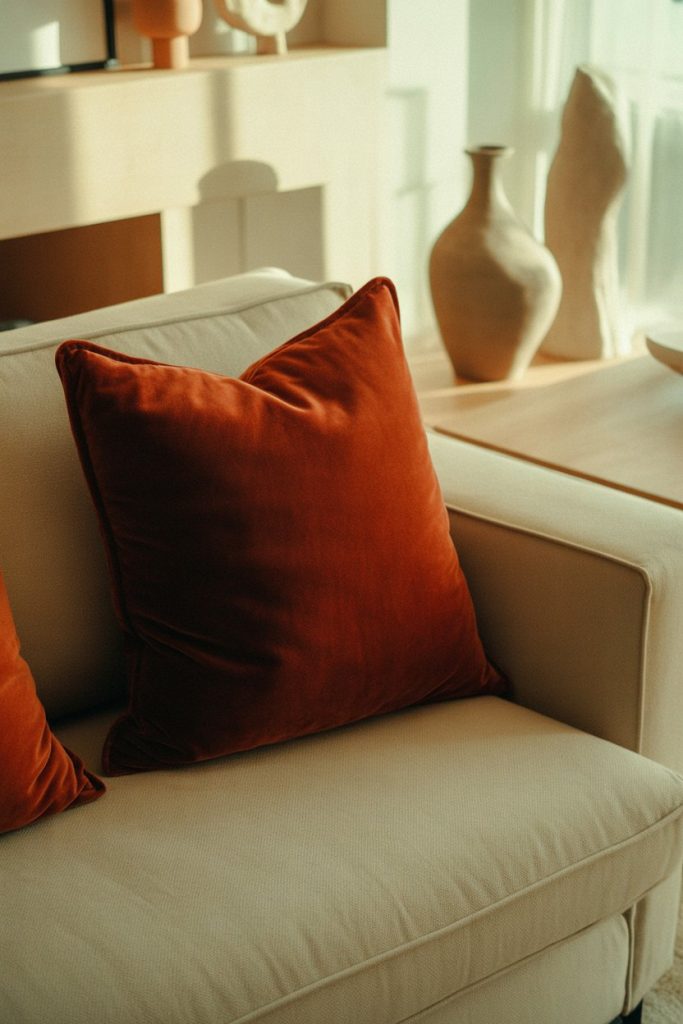
A pair of sculptural chairs in a bold color or pattern introduces personality without overwhelming the room. Whether it’s a colorful velvet club chair or a mid century leather lounger, these accent pieces break up the monotony of a large sectional and offer flexible seating for guests. They’re especially effective when positioned at an angle to the main seating area. 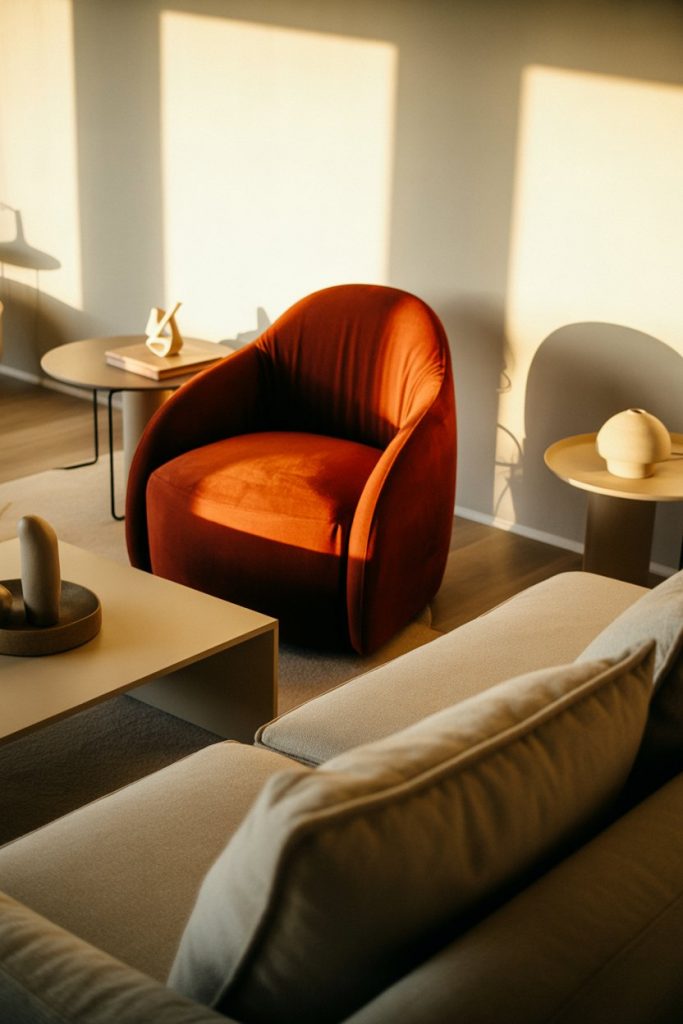
Common mistake: Choosing accent chairs that are too large or too small for the space. They should be proportional to the sofa but distinct enough to stand out. Measure your room and visualize the chair’s footprint before purchasing—many stores offer AR apps to help with this.
20. Cozy Reading Nooks Within the Living Room
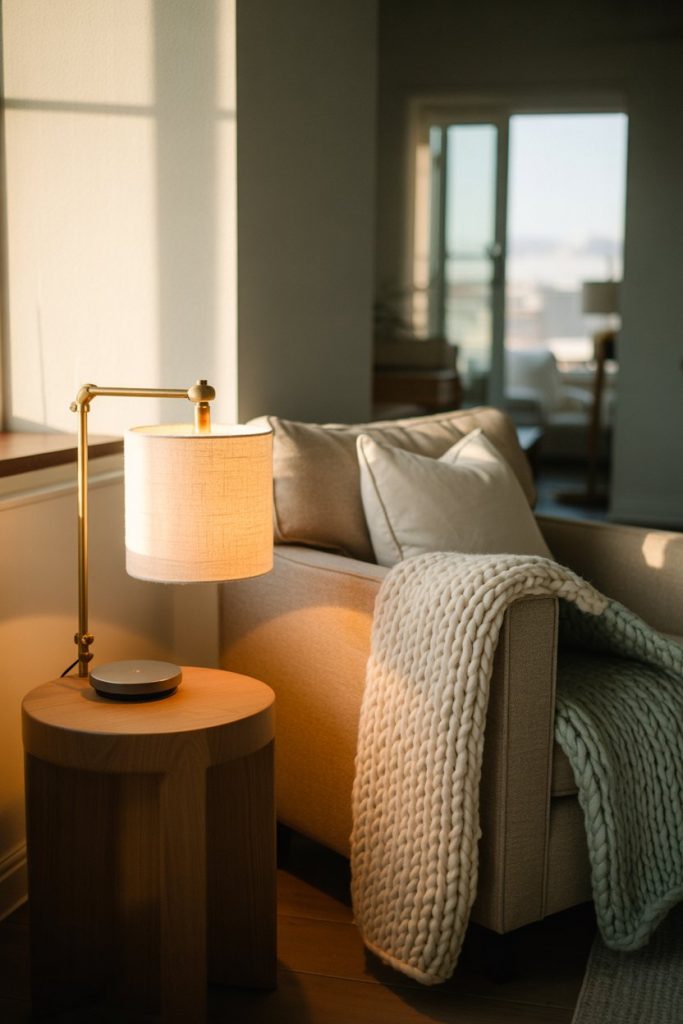
Carving out a dedicated corner for reading—complete with a comfortable chair, a small side table, and a task lamp—adds function and charm. This micro-zone works beautifully in apartment settings or larger living rooms where you want to create multiple activity areas. A cozy throw blanket and a small bookshelf complete the vignette. 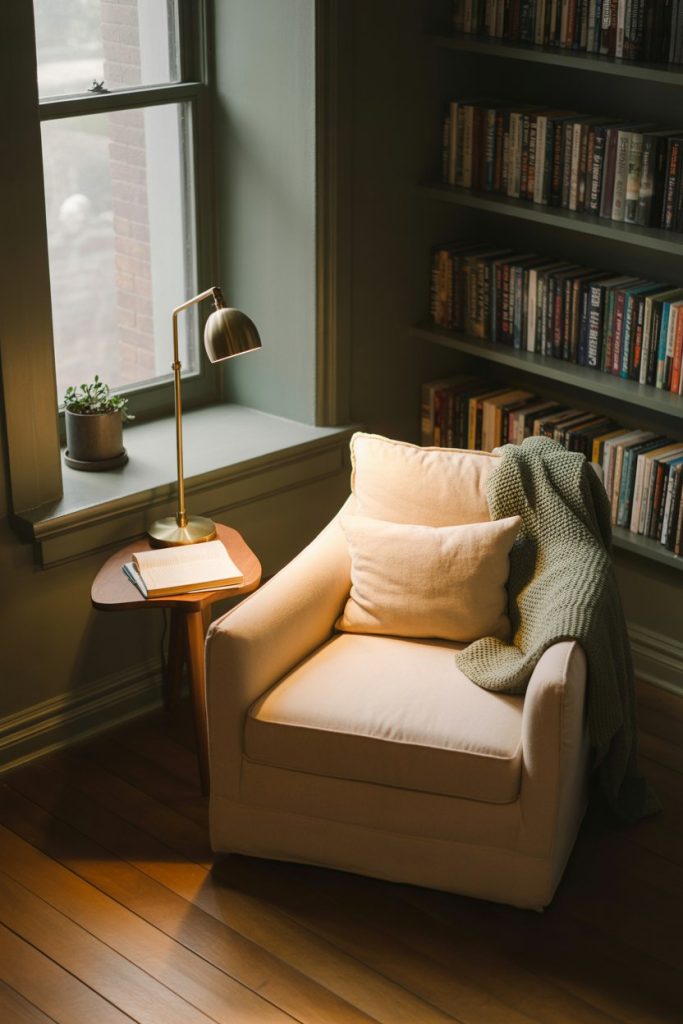
Micro anecdote: A Brooklyn homeowner shared that her reading nook became the most-used spot in her apartment—not just for books, but for morning coffee and evening phone calls. It’s proof that small, intentional spaces can shape how we live.
21. Neutral Palettes with Warm Undertones
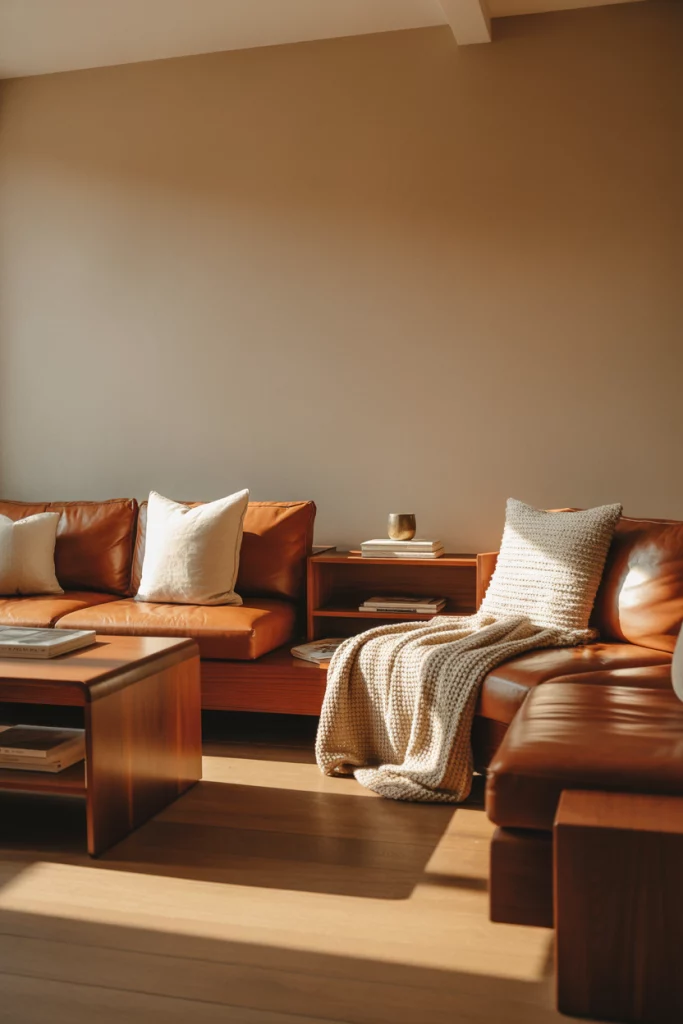
Choosing neutral colors with warm undertones—think greige, sand, and warm taupe—prevents a contemporary living room 2026 from feeling cold or sterile. These hues pair effortlessly with wood, leather, and natural fibers, creating a backdrop that feels both sophisticated and inviting. They also adapt well to seasonal decor changes.
Real homeowner behavior: Many people switch out throw pillows and blankets seasonally—linen and cotton in summer, wool and velvet in winter—while keeping the base palette constant. This approach keeps the space feeling fresh without requiring a full redesign.
22. Boho Accents in Contemporary Frames
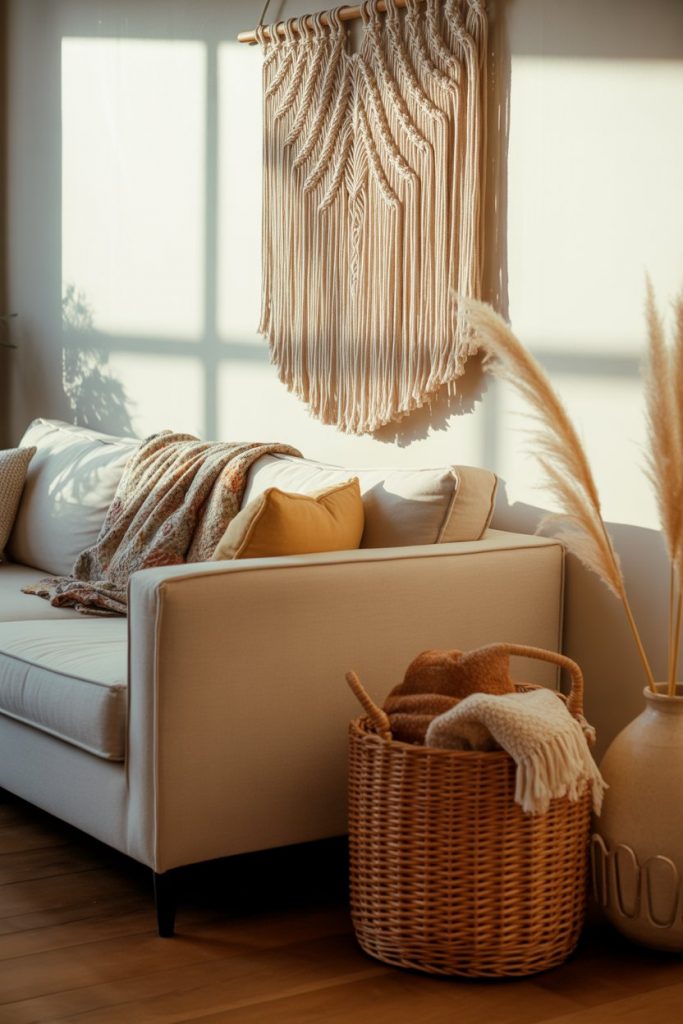
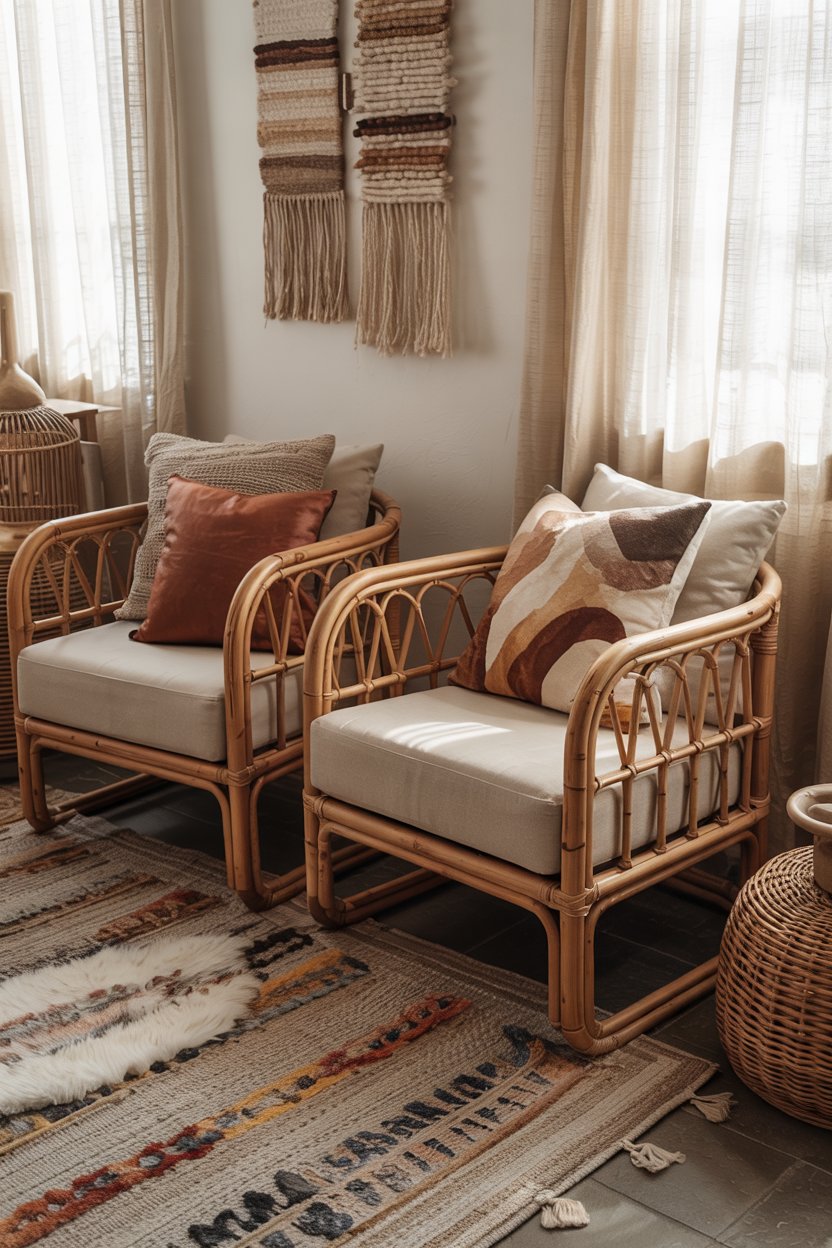
Incorporating boho elements—like macramé wall hangings, rattan baskets, or woven poufs—into a modern framework softens the aesthetic and adds global, handcrafted appeal. The trick is restraint: choose one or two boho pieces and let them shine against a clean, neutral backdrop. This blend is especially popular among younger homeowners seeking warmth and individuality.
Where it works best: homes in creative hubs like Portland, Austin, or Los Angeles, where eclectic, expressive interiors are celebrated. The boho accents add a lived-in, personal quality that counterbalances the sleekness of contemporary design.
23. Layered Lighting for Ambiance and Function
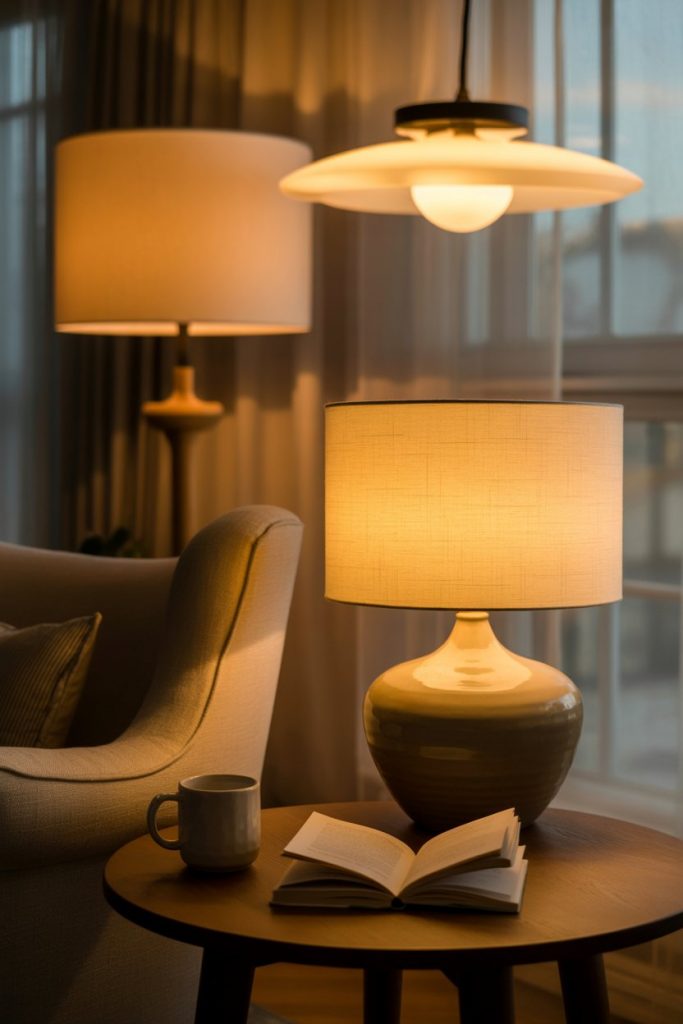
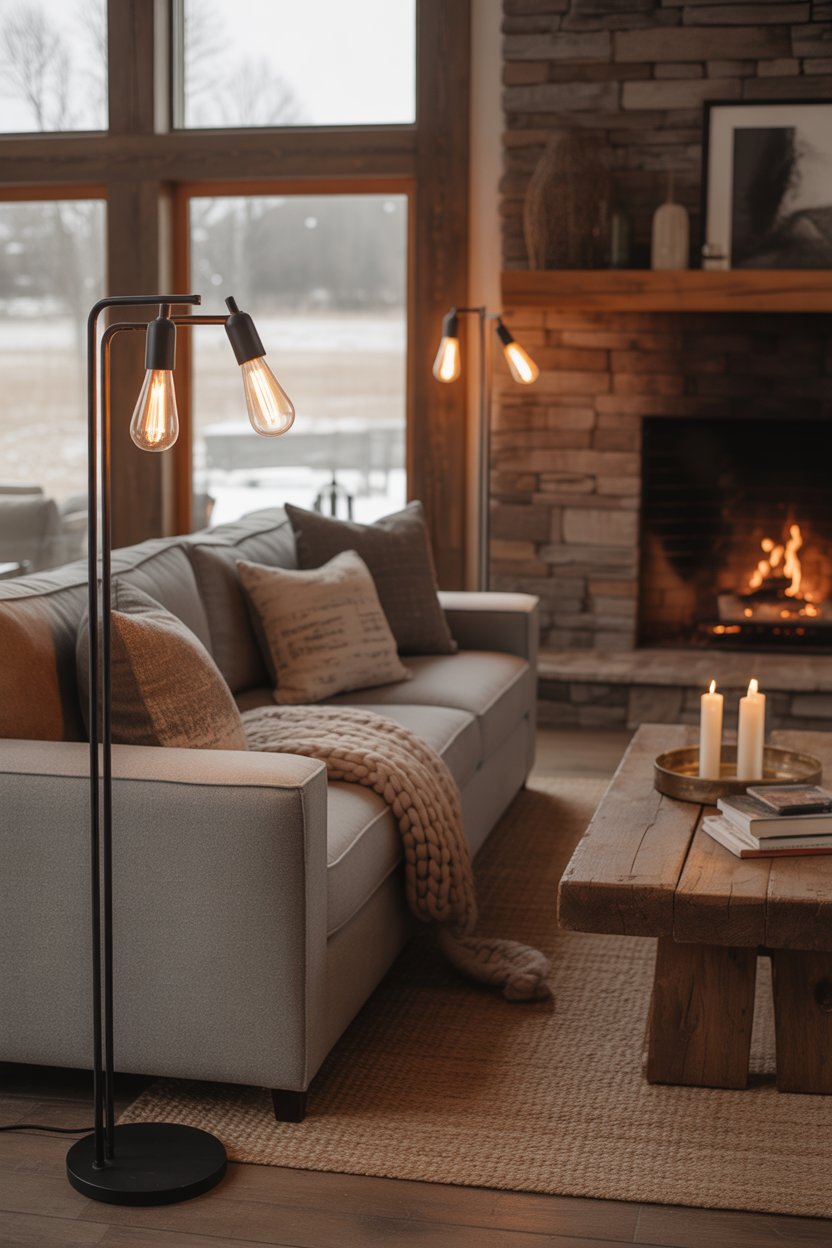
A successful contemporary living room 2026 relies on multiple light sources—overhead fixtures, floor lamps, table lamps, and even candles—to create flexibility and mood. Layering light allows you to adjust the ambiance throughout the day, from bright and energizing in the morning to soft and intimate in the evening. Dimmers are a simple, affordable addition that amplify this effect.
Practical insight: Designers recommend at least three light sources per room. Start with an overhead fixture for general illumination, add a floor lamp for reading or tasks, and finish with a table lamp or candles for ambiance. The total cost can be under $400, and the impact is transformative.
Conclusion
These ideas offer a starting point for creating a living room that feels current, personal, and livable—one that reflects your lifestyle while embracing the best of contemporary design. Whether you’re drawn to minimalist simplicity or layered, eclectic warmth, the key is choosing elements that resonate with you and your home. Which idea are you most excited to try? Share your thoughts in the comments below—we’d love to hear what inspires you.