If your bathroom has been on the “someday” list for a while, someday is officially now. Search trends show that bathroom renovations are one of the top home improvement projects Americans are pinning, saving, and budgeting for heading into the new year—and it makes total sense. Whether you’re eyeing a sleek spa-worthy retreat or just trying to squeeze smarter storage into a tiny powder room, the options in 2026 are more exciting (and more doable) than ever. From farmhouse charm to mid-century modern updates, this guide covers 22 fresh ideas that span every budget, every room size, and every design personality. Consider this your visual roadmap—the kind you’ll want to bookmark and return to before a single tile gets laid.
1. The Budget-Smart Refresh That Actually Looks Expensive
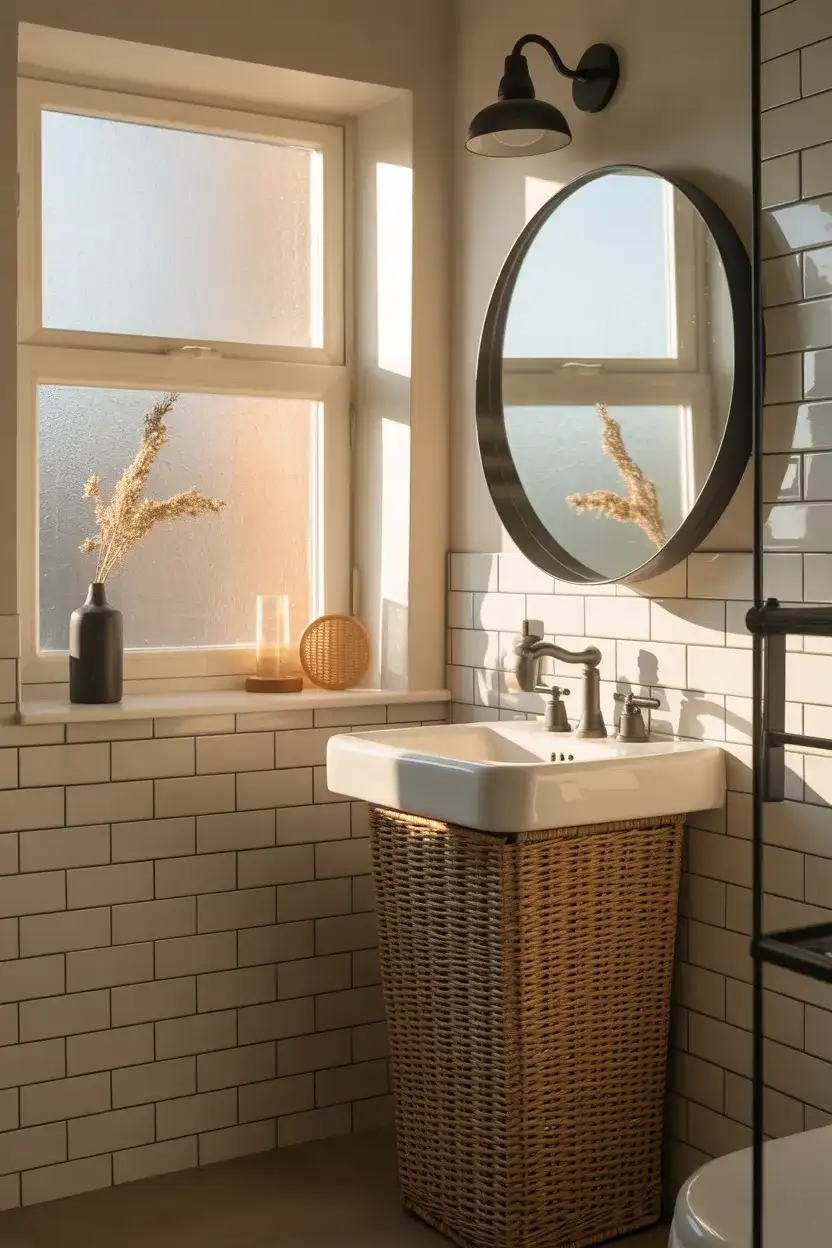
You don’t have to gut your bathroom to make it feel brand new—and that’s the whole beauty of a budget bathroom remodel done right. The trick is focusing your dollars on the details that draw the eye: swapping out dated hardware, adding a statement mirror, and layering in texture with an inexpensive woven basket or two. These targeted upgrades cost a fraction of a full renovation but deliver the same visual punch. For anyone in a rental or working with a cheap bathroom remodel budget under $500, this approach is genuinely life-changing.
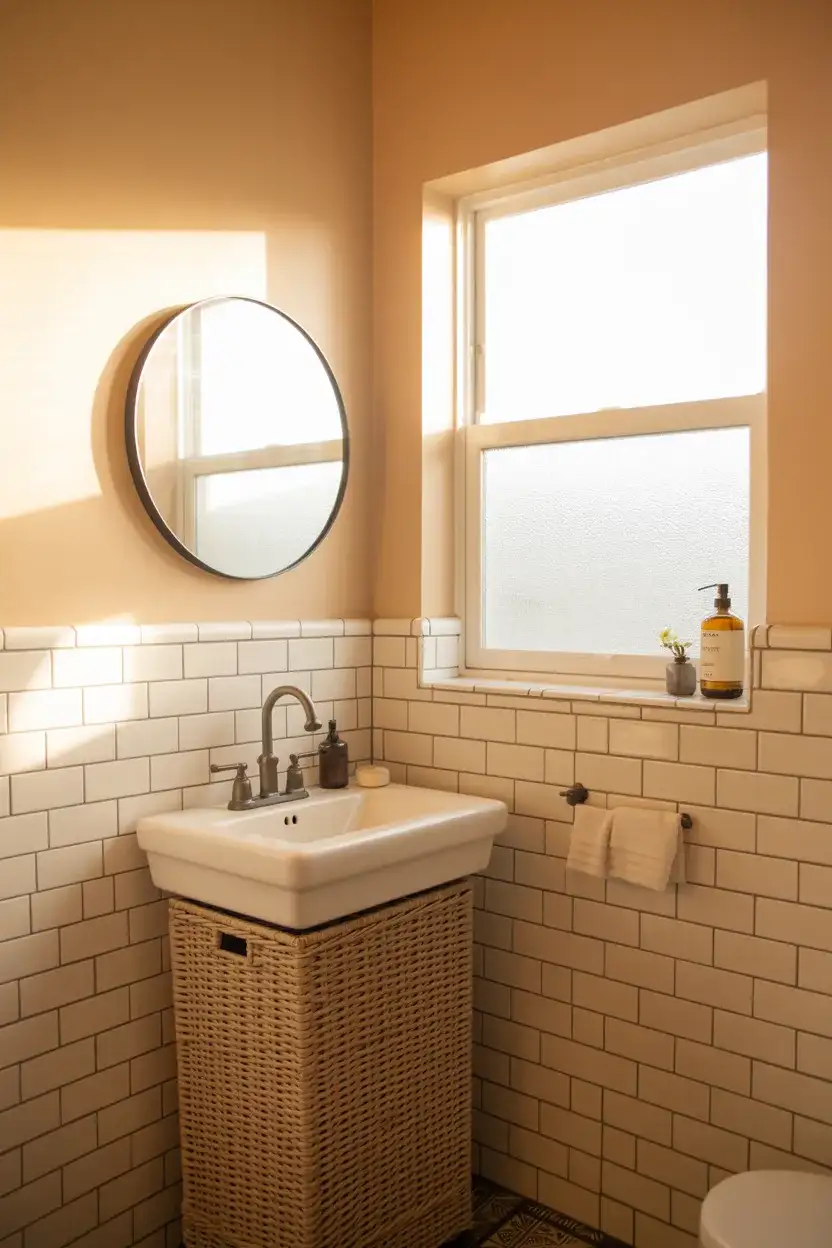
Here’s a practical insight worth saving: the biggest bang-for-buck upgrade in any bathroom is the lighting. Replacing a builder-grade bar light with a well-chosen fixture—even one from a big-box store—instantly elevates the entire room. Pair that with a fresh coat of paint in a warm greige or a soft sage, and most guests will assume you spent triple what you actually did. The secret is coherence: pick one finish (matte black, brushed brass, or polished nickel) and commit to it across every hardware piece in the room.
2. Tiny Bathroom, Towering Style
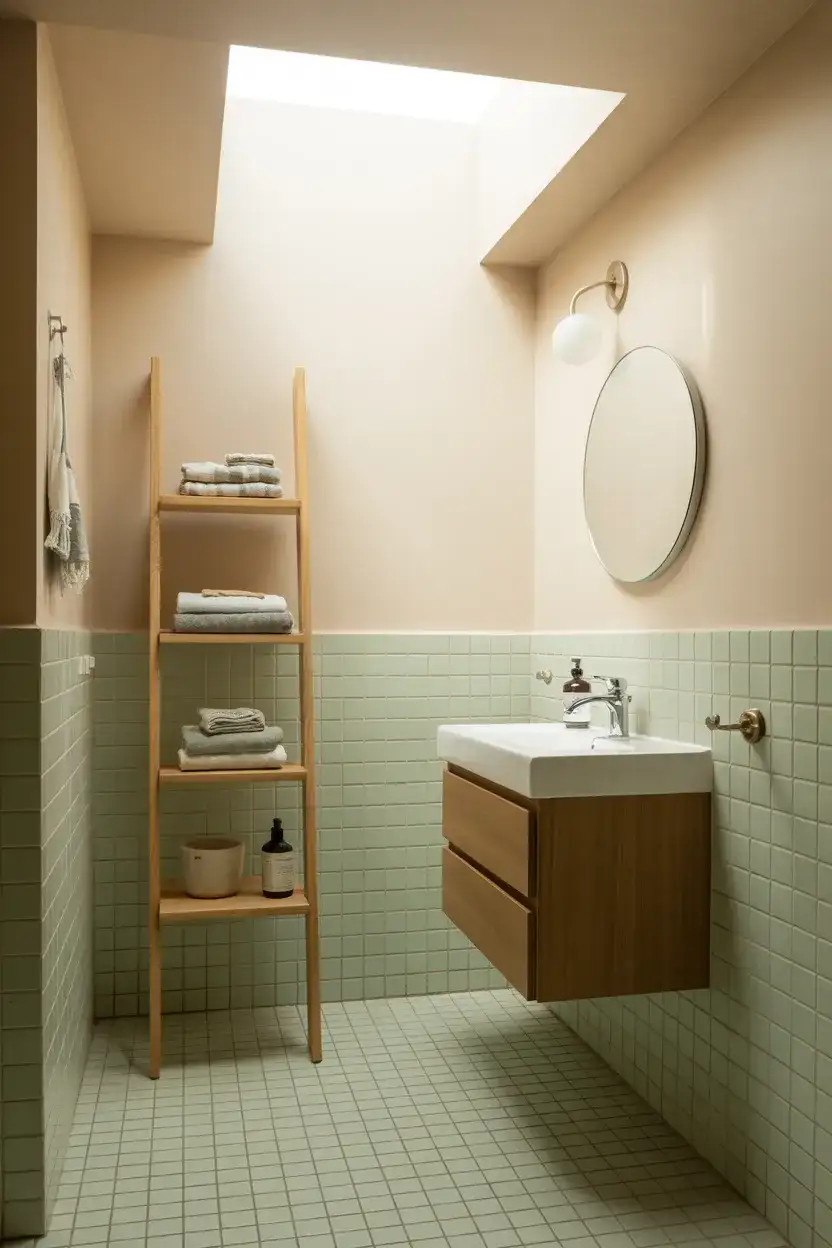
Working with a tiny bathroom or a small space layout doesn’t mean settling for less—it just means designing smarter. Vertical storage is your best friend here: think ladder shelves, wall-mounted cabinets that reach toward the ceiling, and floating vanities that create the illusion of a larger floor area. Color plays a huge role, too. A monochromatic palette—walls, grout, and tiles all in the same family of tones—visually expands the room in a way that breaks between colors simply can’t.
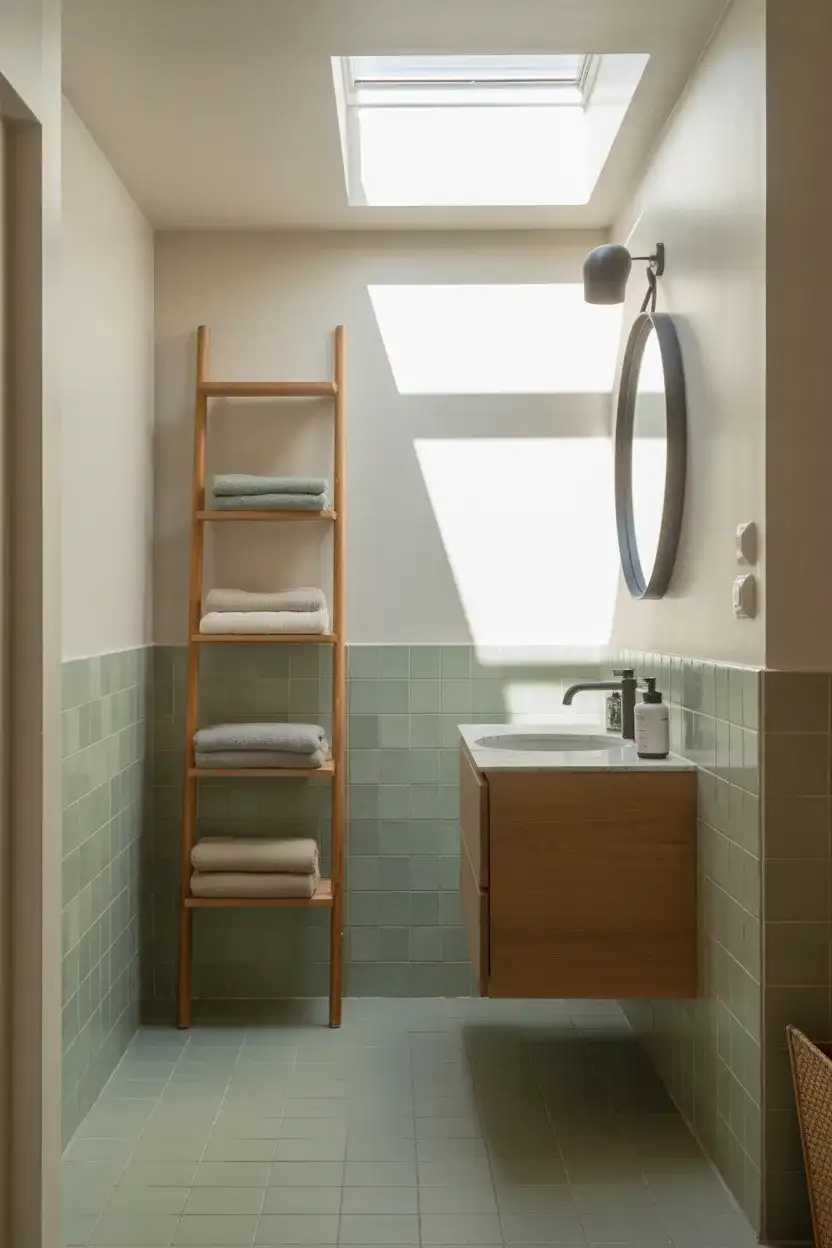
This works best in older homes and apartments where square footage was simply never part of the plan. Interior designers working in New York City brownstones and San Francisco Victorians have long mastered the art of the petite bathroom—and the key principle they return to again and again is “light and reflect.” A well-placed mirror opposite a window, light-toned tilework, and a single pendant light can make a 40-square-foot bathroom feel almost airy. Almost.
3. DIY Bathroom Makeover: What You Can Actually Do Yourself
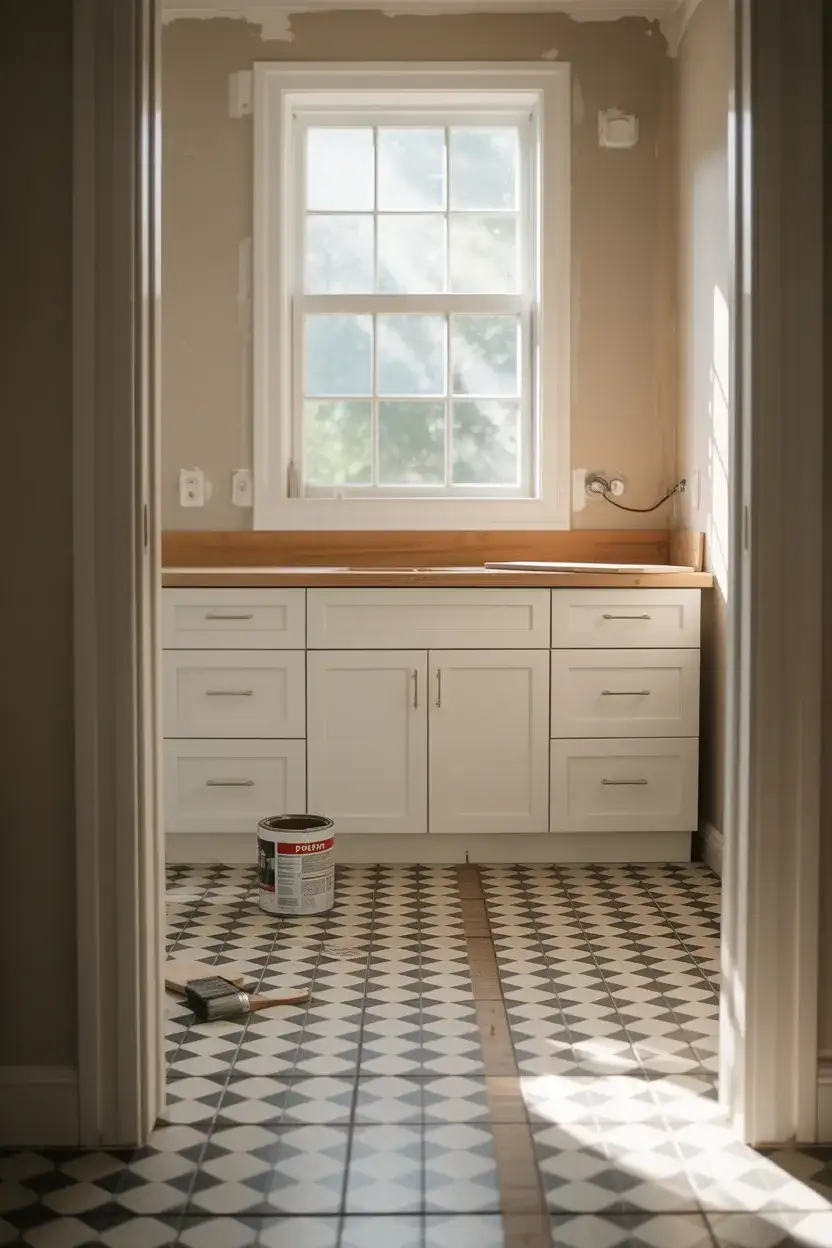
The DIY bathroom remodel is having a serious moment, and platforms like YouTube and Pinterest have made it easier than ever for everyday homeowners to tackle projects that used to require a contractor. Painting cabinets, installing peel-and-stick tile, refinishing a tub, swapping out a faucet—these are all genuinely manageable weekend projects for someone with basic tools and a healthy dose of patience. For simple bathroom remodel upgrades especially, the DIY route can cut costs by 40 to 60 percent.
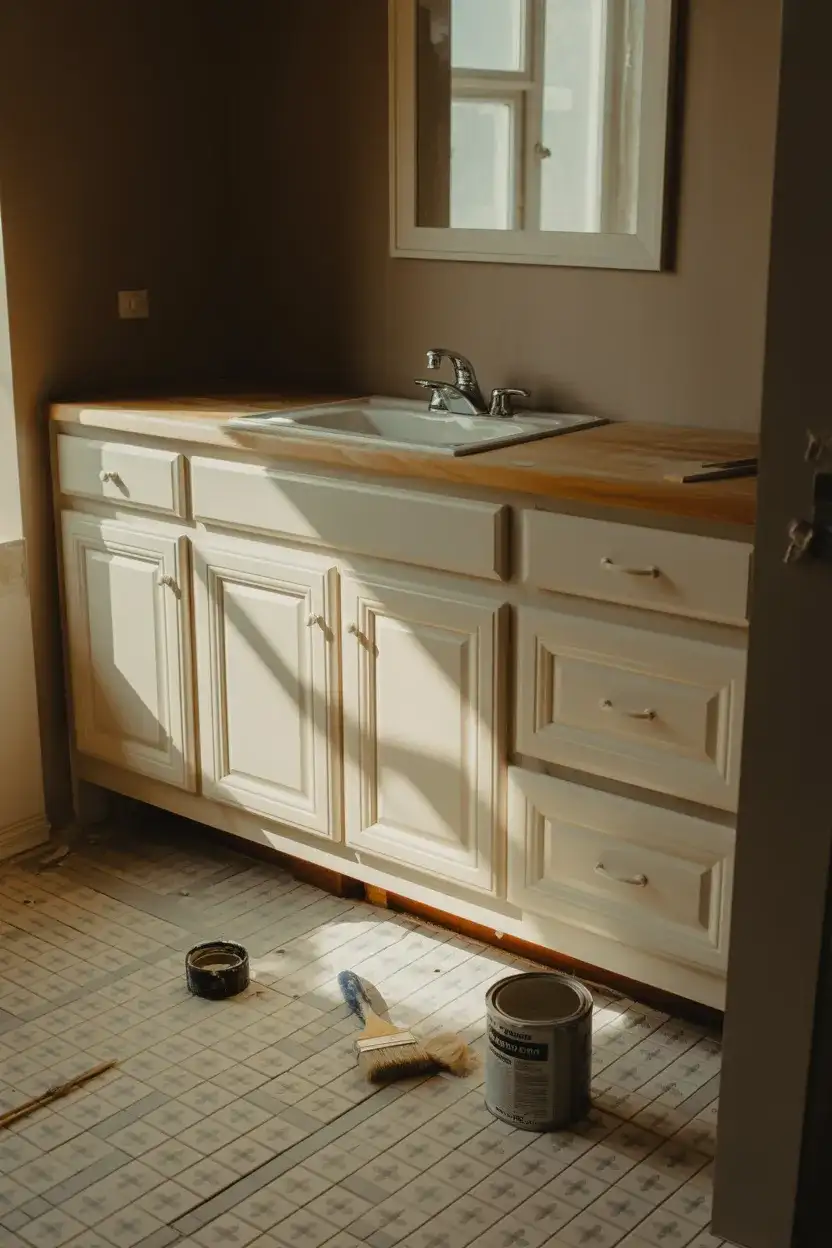
One common mistake to avoid: skipping the prep work. The number one reason DIY tile jobs and cabinet paint projects fail is inadequate surface preparation. Grease, soap residue, and old paint need to come off completely before anything new goes on. Sand, clean, prime—and only then apply. Another pitfall is buying just enough material. Always order 10 to 15 percent more tile or peel-and-stick panels than you think you need, because cuts, cracks, and pattern-matching will eat into your supply faster than you expect.
4. Master Bathroom as a Personal Retreat
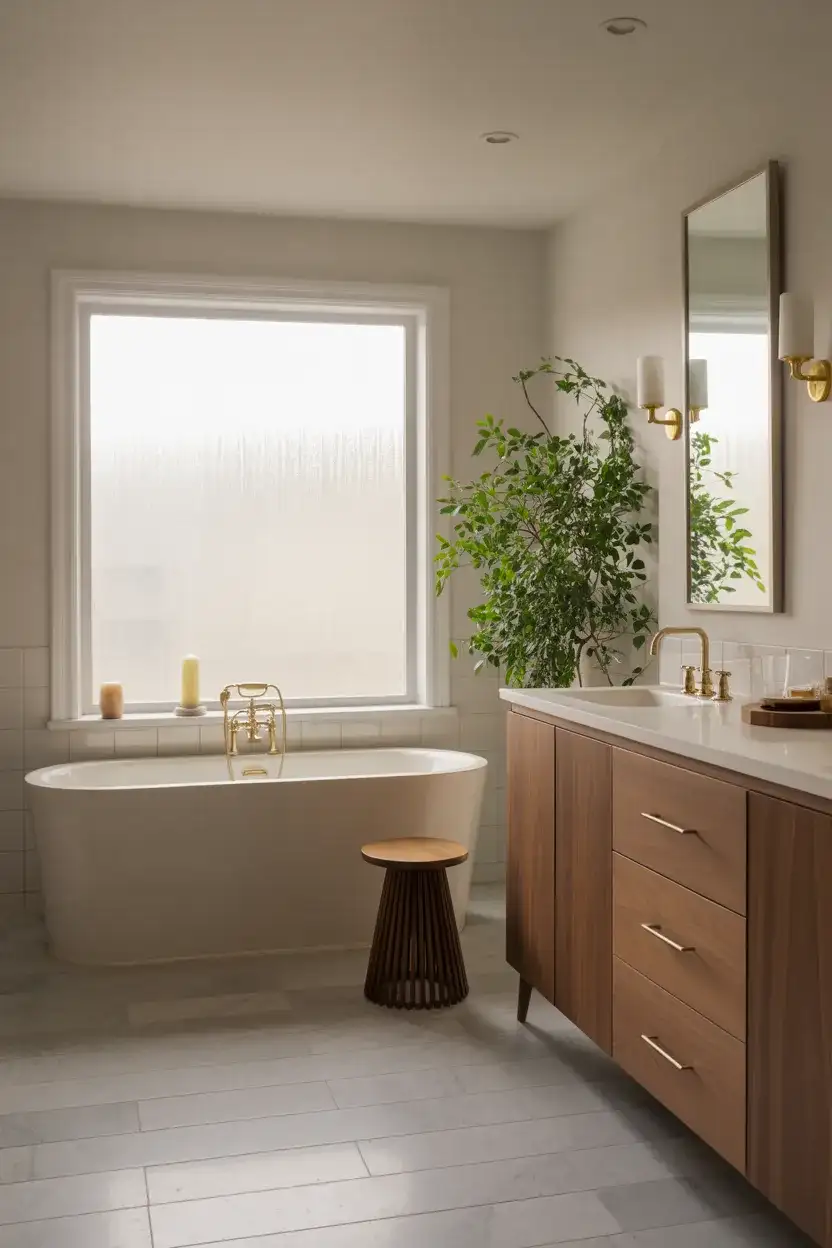
The master bathroom remodel is the one project where most American homeowners agree: it’s worth spending a little more. This is your daily sanctuary—the place you start and end every day—and treating it as a true retreat pays dividends in both lifestyle quality and resale value. Think heated floors, a freestanding tub, a walk-in shower with a rain head, and double vanities with ample mirror space. These aren’t luxuries anymore; they’re the baseline of what today’s buyers and homeowners expect from a primary bathroom remodel.
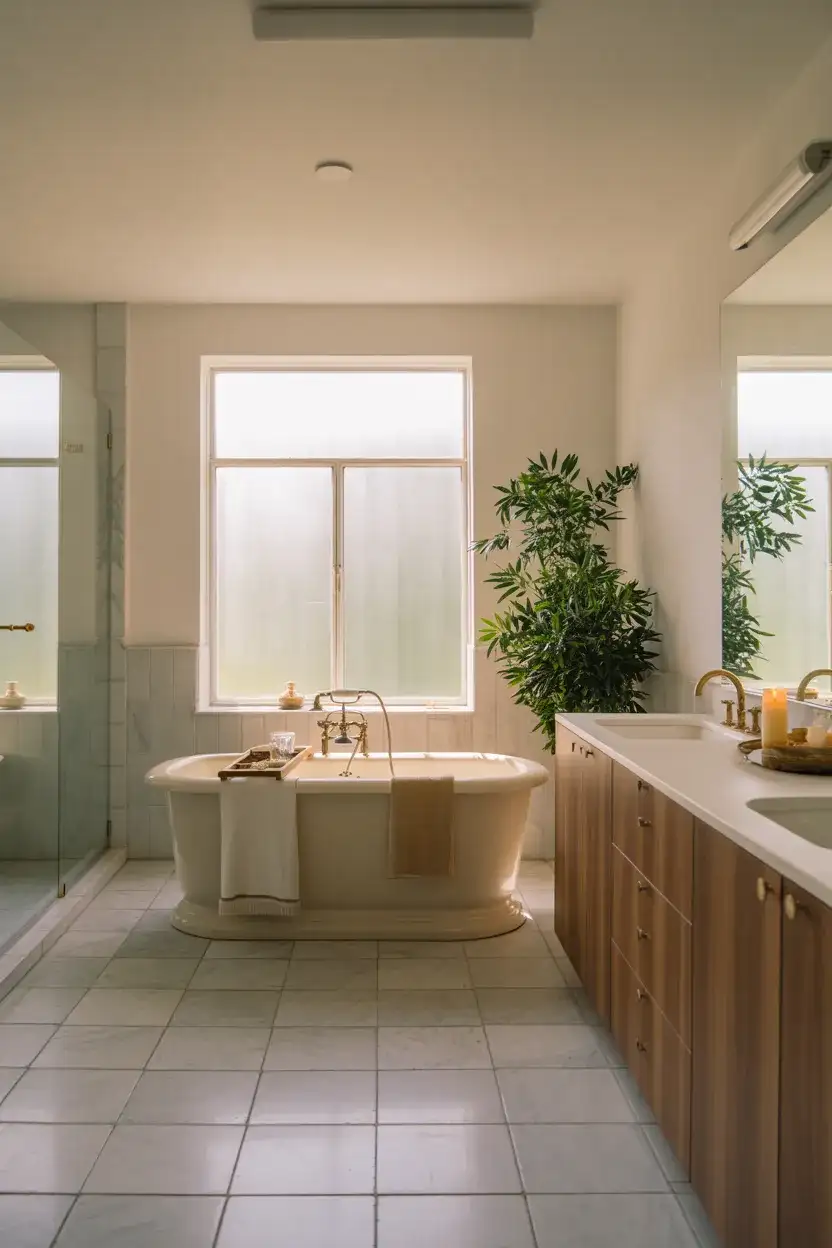
A micro anecdote that captures this well: a couple in suburban Nashville recently told a home design blog that the first morning they used their newly remodeled master bath—with its steam shower, double sinks, and heated towel bar—they both arrived at work in noticeably better moods. Their coworkers asked if they’d been on vacation. That’s the power of a well-designed bathroom. It’s not vanity (no pun intended). It’s genuinely how you begin your day.
5. The Full Bathroom Remodel: Planning It Right from the Start
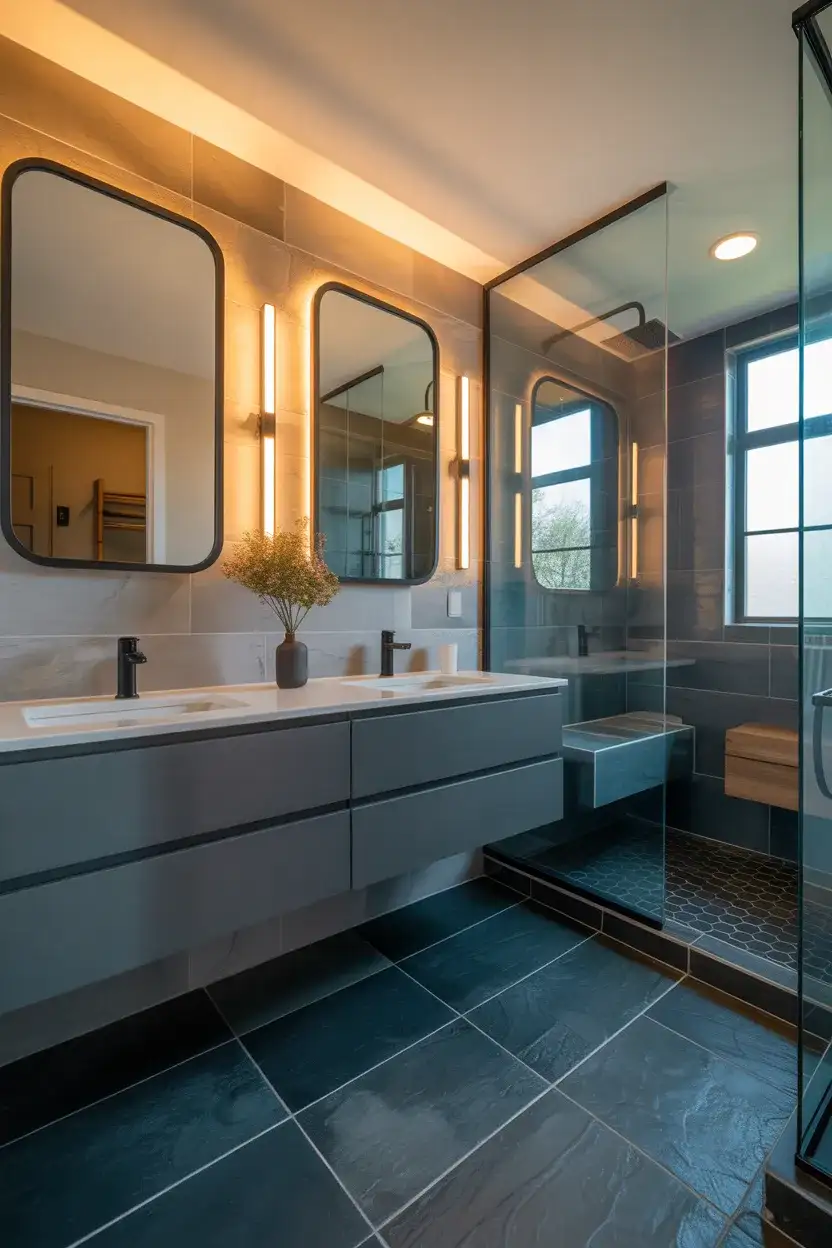
Taking on a full bathroom remodel is one of the most significant home improvement projects you can undertake—and the planning phase is everything. Before a single fixture is ordered or a contractor is hired, you need a clear vision of the layout, plumbing constraints, and finish selections. The decisions you make in week one will determine whether the project finishes on budget or spirals. A well-planned full bathroom remodel with new tile, a new vanity, updated fixtures, and fresh plumbing typically runs between $10,000 and $25,000 in most American markets.
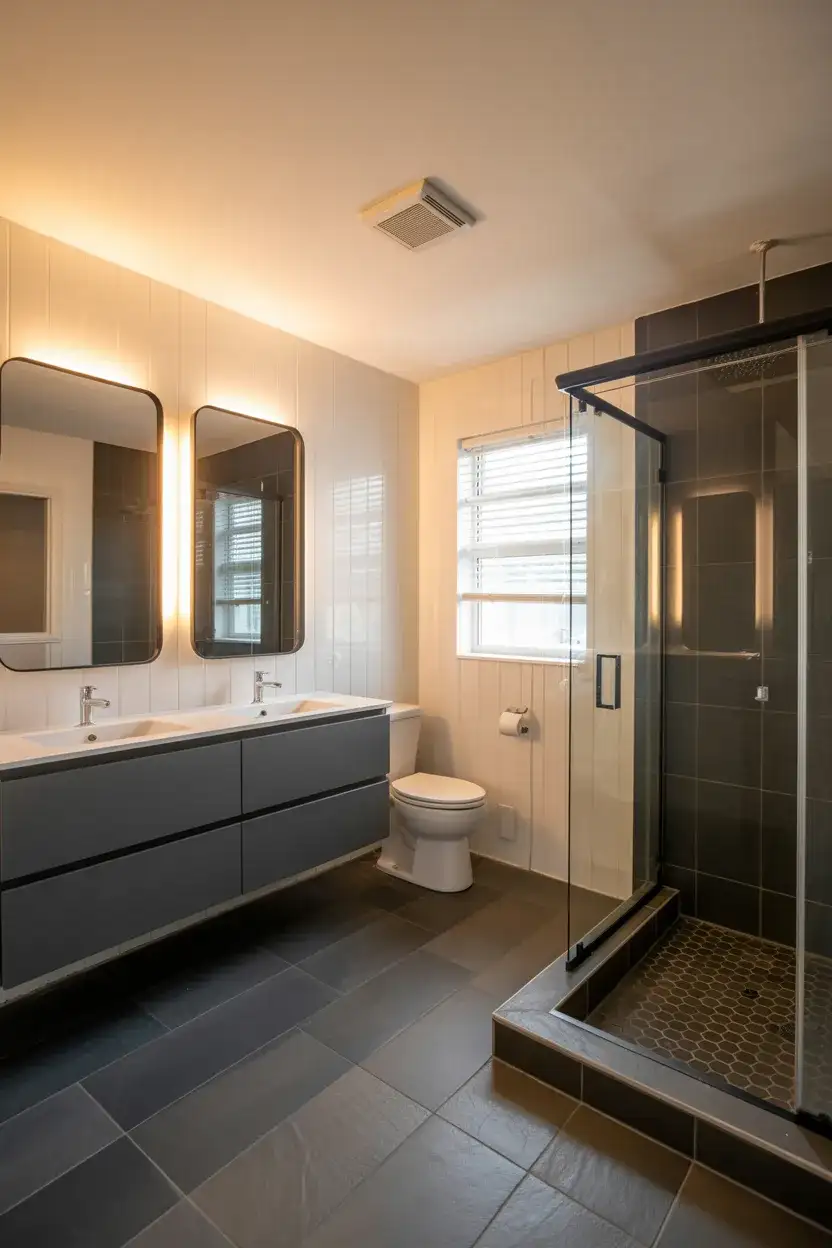
Budget and price angle worth knowing: the biggest cost driver in any full remodel is moving plumbing. If you can keep your toilet, shower, and sink in the same footprint, you’ll save thousands. Relocating even one drain line can add $1,500 to $3,000 to a project quickly. Work with your contractor to explore layout options that keep existing drain and water supply lines in place—you can still achieve a completely transformed look without touching a single pipe.
6. Walk-In Shower Ideas That Steal the Show
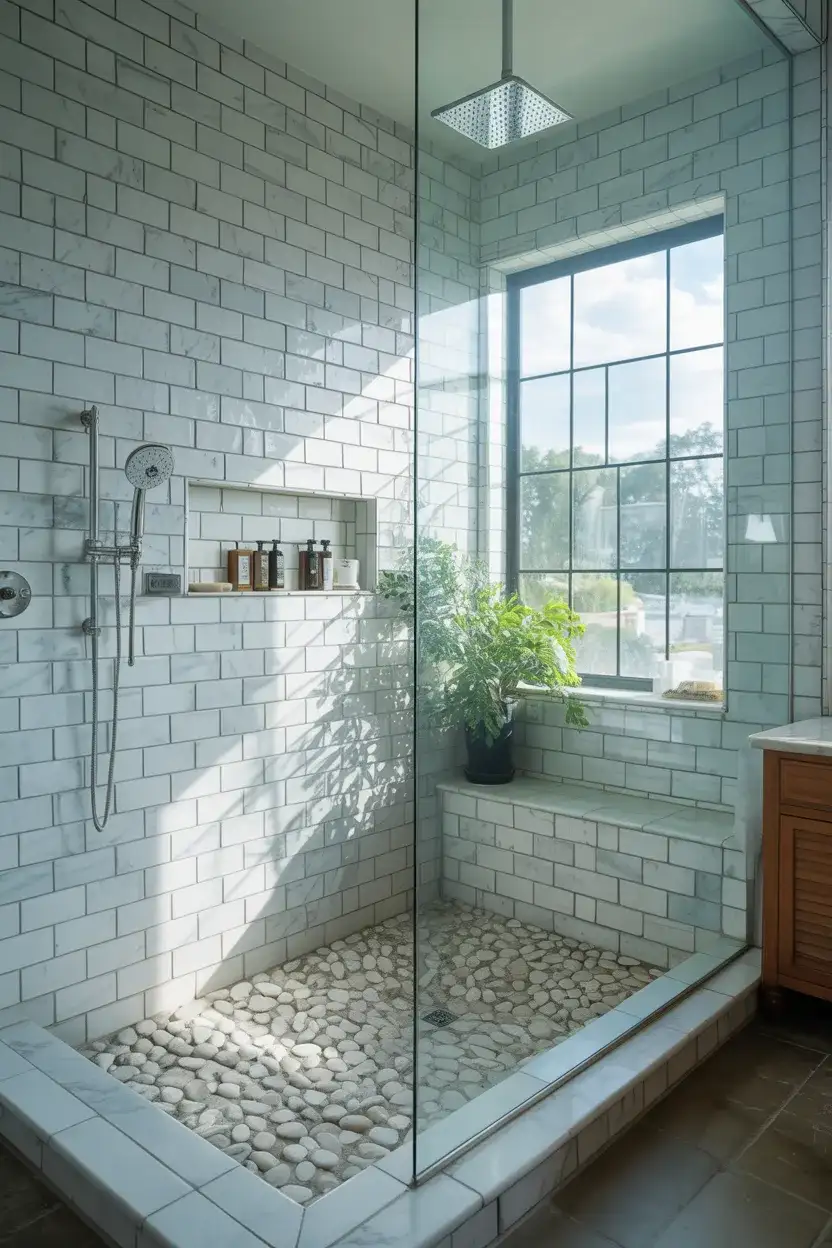
The shower remodel is, for many homeowners, the single upgrade that delivers the most joy per dollar. And in 2026, the design options are extraordinary. Frameless glass enclosures, niche shelving built directly into tile walls, bench seating, and multi-function shower systems with body sprays and handheld heads—a well-executed shower remodel can turn a purely functional space into something you actually look forward to every morning. Even a simple swap from a standard showerhead to a rainfall fixture makes a surprising psychological difference.
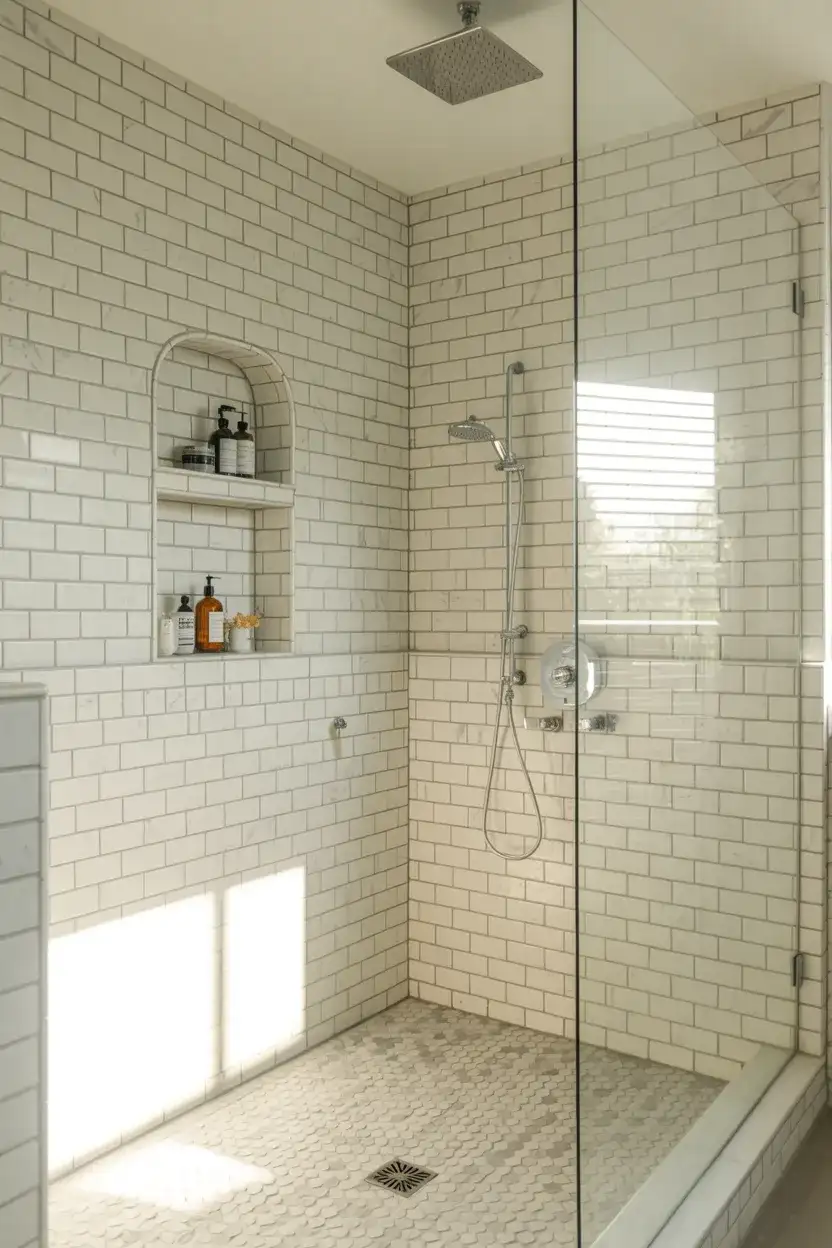
Expert-style commentary: tile selection inside the shower is one area where going cheap almost always backfires. Low-quality ceramic tiles can absorb moisture at the grout lines over time, leading to mold and eventual structural issues behind the wall. Porcelain tiles with a PEI rating of 3 or higher are the industry-recommended minimum for shower walls, and rectified tiles—which have precise, factory-cut edges—allow for thinner grout lines that are both more attractive and easier to keep clean long-term.
7. Soaking Tub Designs for the Bathroom That Deserves a Moment
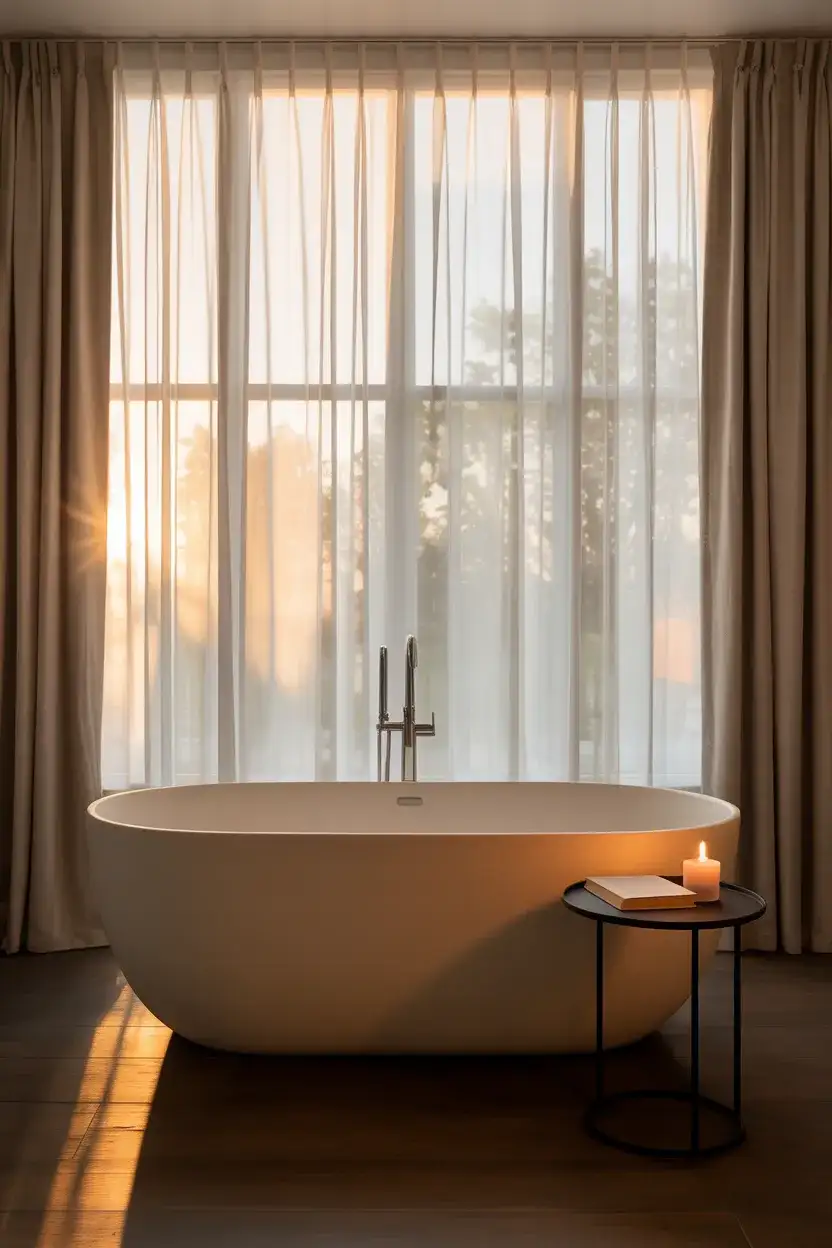
There’s something almost ritualistic about a deep soaking tub, and the tub remodel is making a strong comeback in 2026 after years of homeowners ripping them out in favor of showers. Freestanding oval tubs, Japanese-style soaking tubs, and built-in platform tubs with tiled surrounds are all having a cultural moment—largely because Americans are increasingly investing in home-based wellness routines. A beautifully placed tub near a window with natural light is arguably the most pinned image in bathroom design today.
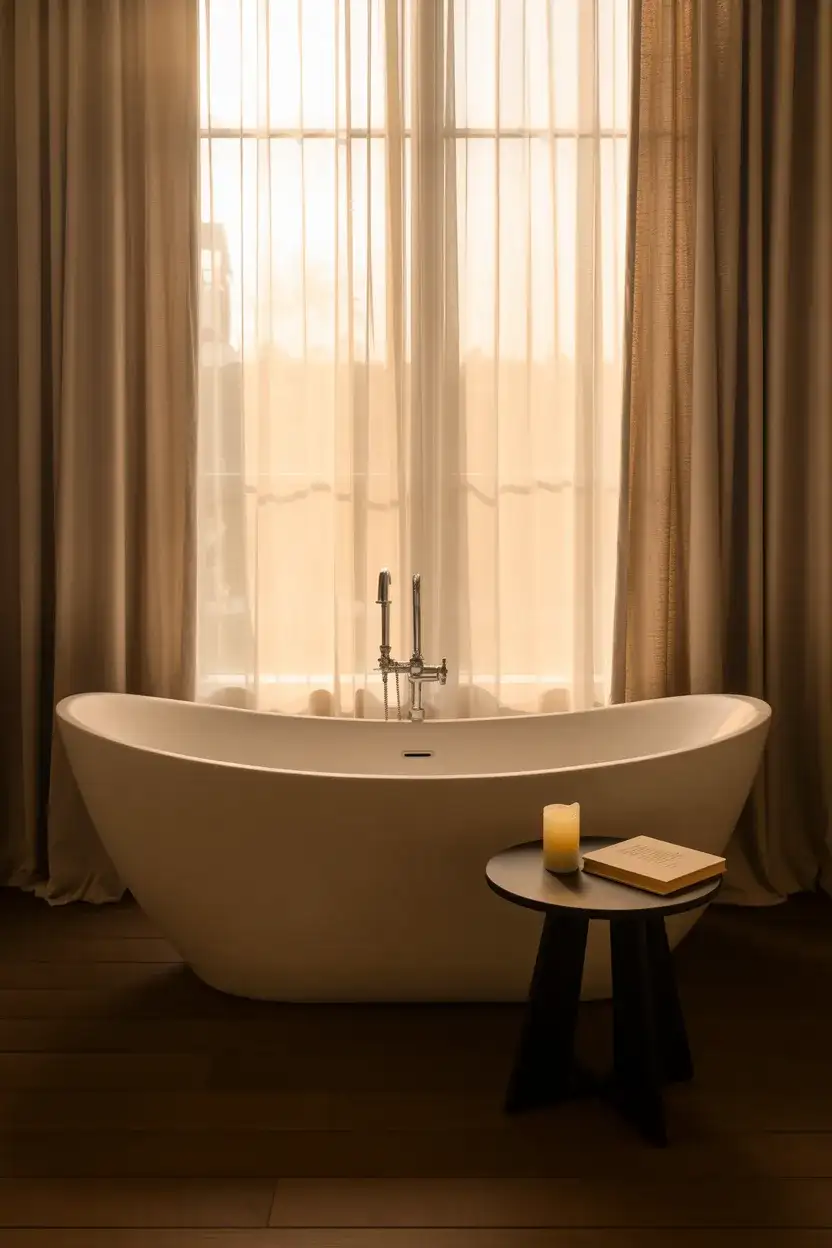
Where it works best: freestanding tubs are ideal for larger primary bathrooms with at least 60 square feet of open floor space. In tighter rooms, a built-in alcove tub with a tiled surround gives you the soaking-tub experience without requiring as much clearance. One thing real homeowners often don’t anticipate: freestanding tubs require floor-mounted faucets, which are a separate (and sometimes pricey) purchase. Factor that into your budget before you fall in love with a specific tub style online.
8. Guest Bathroom Glow-Up: Impress Without Overspending
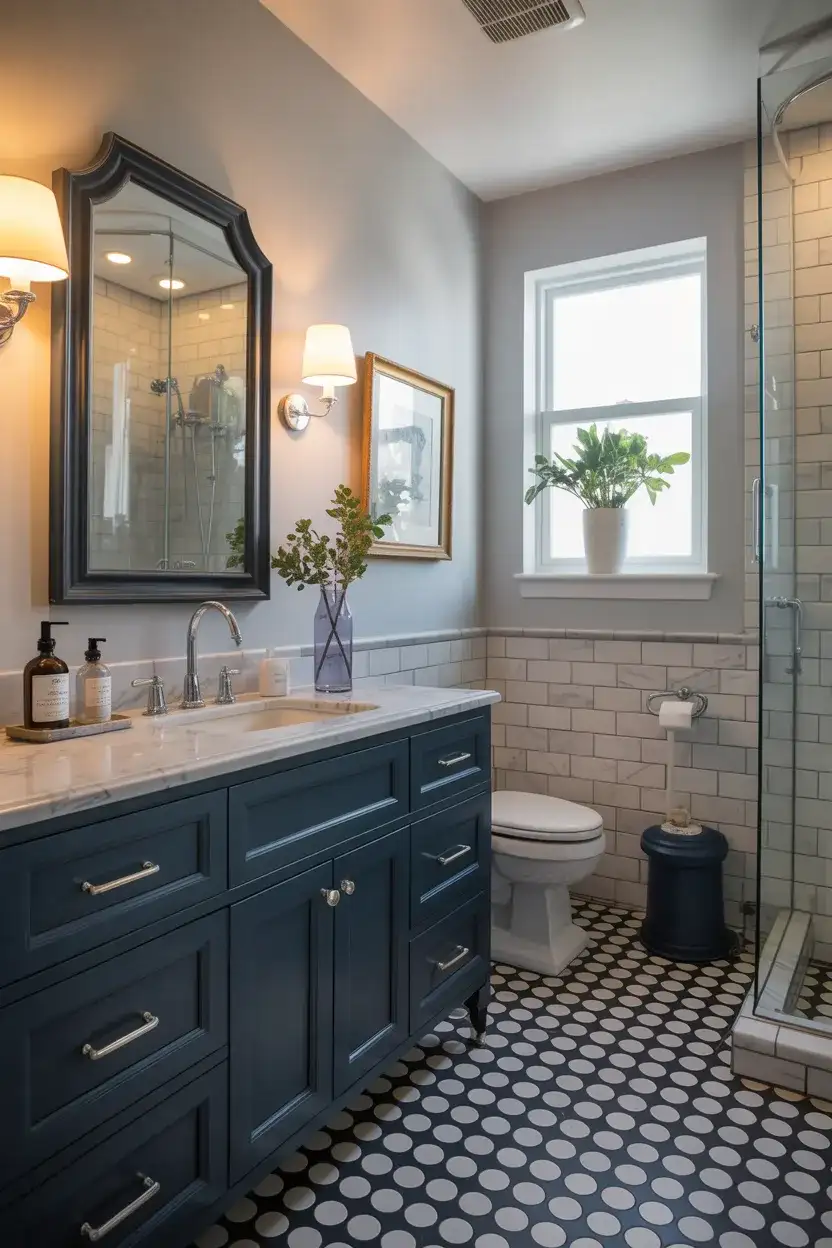
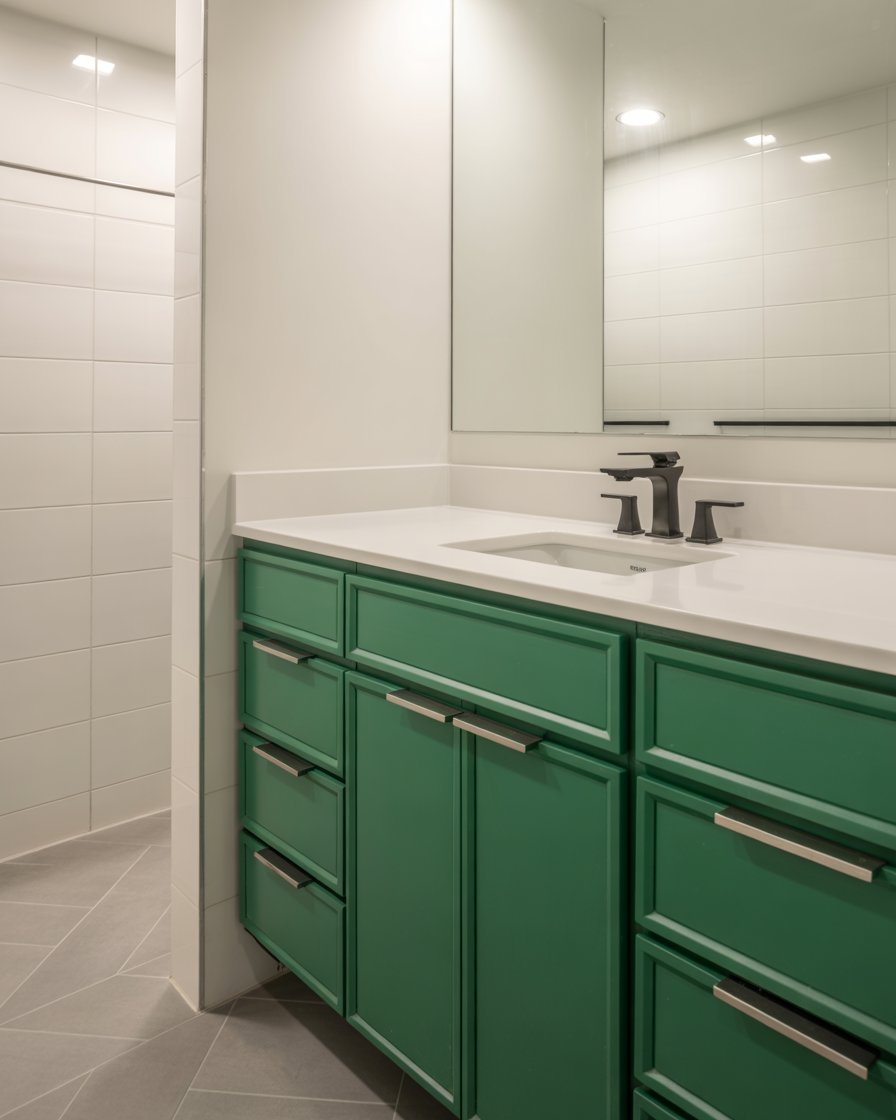
The guest bathroom remodel is a fascinating design challenge: it needs to look polished and considered, but you’re not the one living in it every day—so the pressure is slightly different. This is actually a great space to take a design risk you might not commit to in your own primary bath. A bold wallpaper, a deep jewel-toned vanity, or a dramatic patterned floor tile can shine in a guest bath precisely because the exposure is brief and intentional. Guests notice these rooms. Make it memorable.
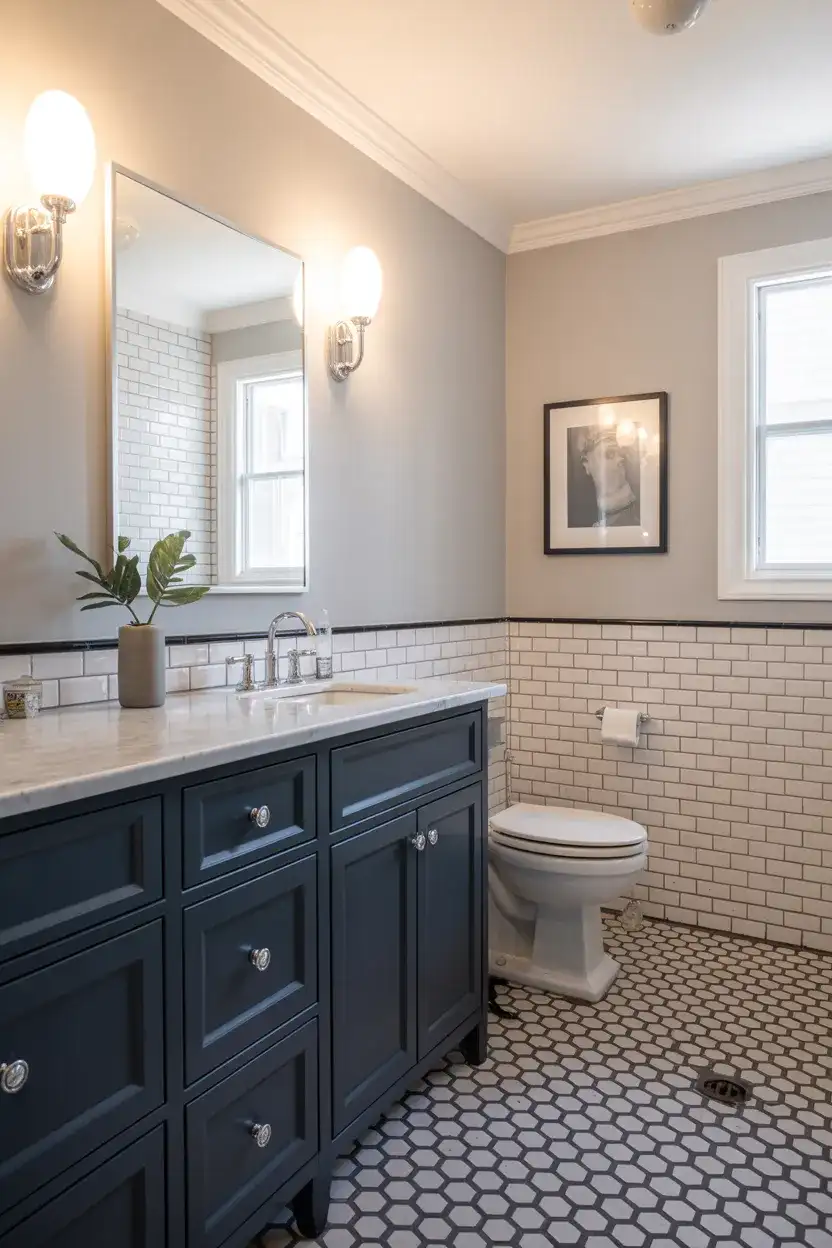
Real homeowner behavior tends to reveal something interesting here: most people spend significantly less time planning their guest bathroom than their own, then regret it when they see how much impact the space has on visitors. A simple trick used by experienced home stagers is to treat the guest bath like a boutique hotel room. Stock it with coordinated towels, a small tray of amenities, a candle, and a real plant. These soft touches cost almost nothing but create an experience guests genuinely remember and compliment.
9. RV Bathroom Remodel: Tiny Upgrades, Big Impact on the Road
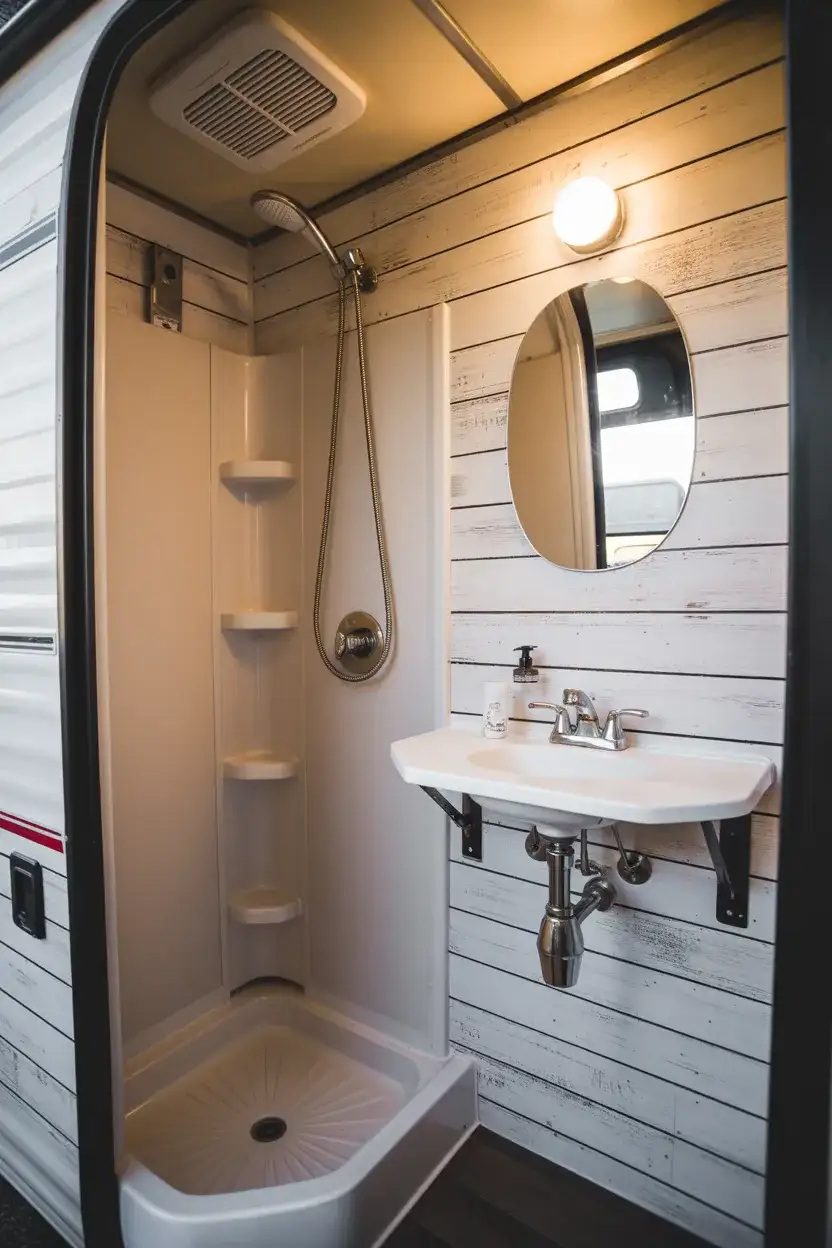
An RV bathroom remodel operates under a completely different set of constraints than a home renovation—weight limits, moisture exposure, vibration from the road, and the need for everything to be compact and secure. But that doesn’t mean it can’t look incredible. The key materials for a successful small RV bathroom upgrade are lightweight: peel-and-stick vinyl tile, rigid foam paneling, thin-profile fixtures, and acrylic or ABS shower surrounds. These materials are not only road-trip-ready but also genuinely stylish in the right combinations.
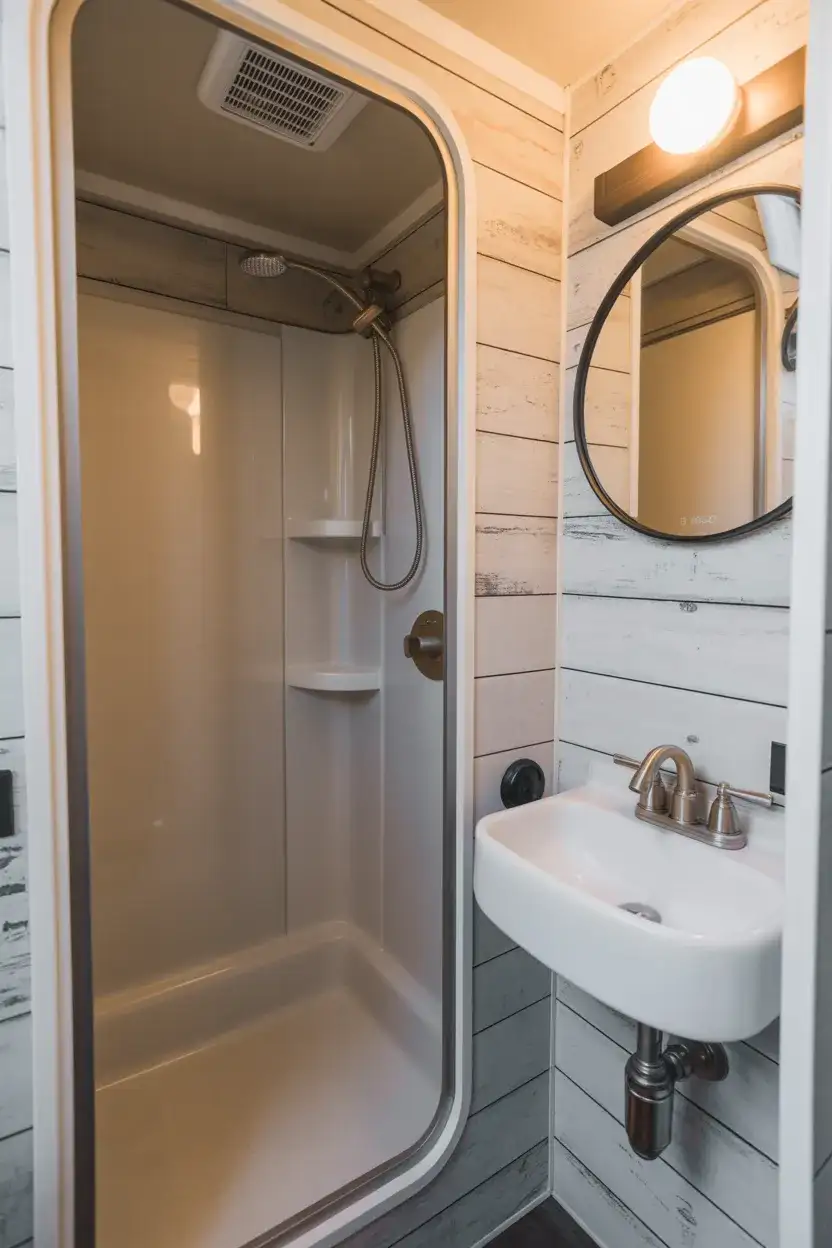
American lifestyle context: the RV and van-life movement has accelerated dramatically, and with it, the expectation that mobile living spaces should feel genuinely designed—not just functional. Communities on Reddit, Instagram, and TikTok dedicated to RV renovation have amassed millions of followers who share before-and-afters of bathroom transformations completed on shoestring budgets. The shared consensus? Even $200 worth of wallpaper liner, new hardware, and a fresh shower curtain can transform an RV bathroom from depressing to downright charming.
10. Camper Bathroom Refresh: Charm in the Smallest Spaces
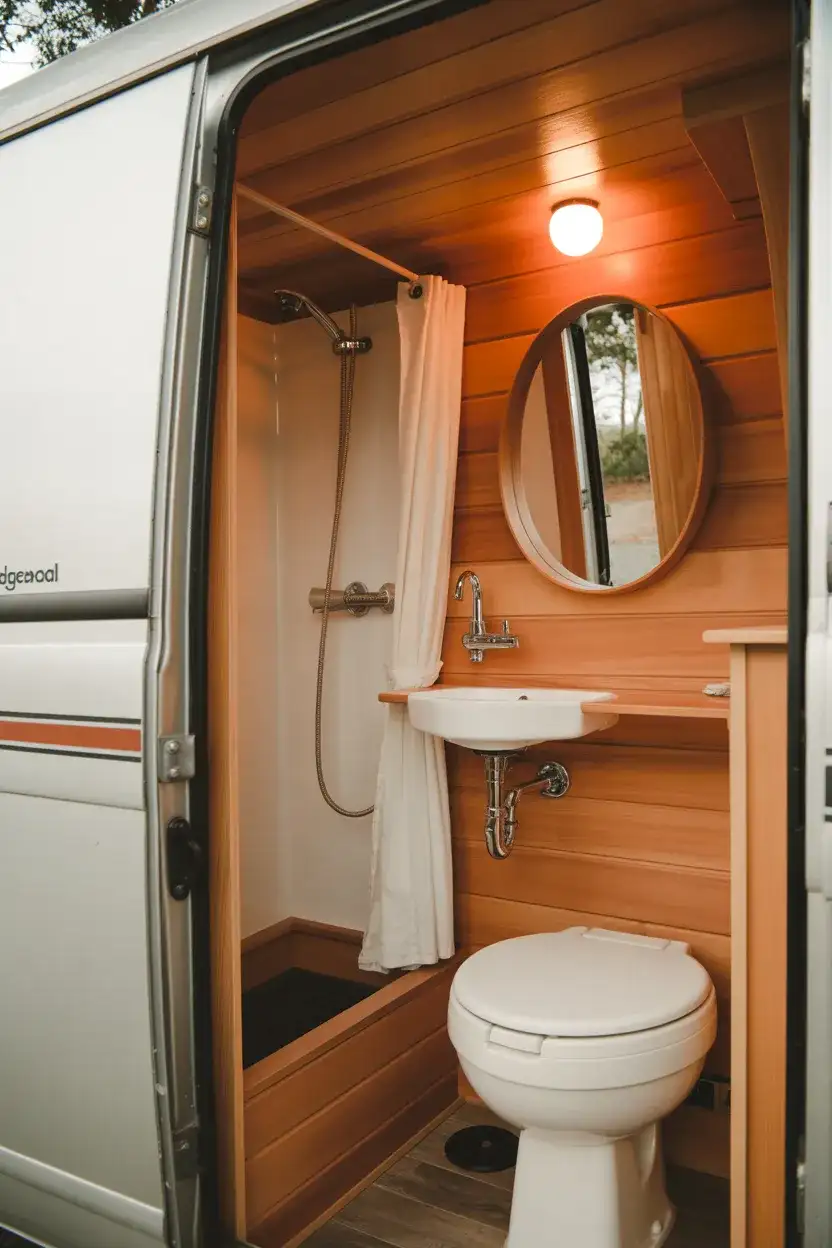
A camper bathroom remodel is one of the most rewarding small-scale renovation projects out there—partly because the scale is so manageable and partly because the transformation is so visible. In a camper wet bath (where the toilet, shower, and sink share the same tight space), every single material choice matters. Moisture-resistant boards, marine-grade finishes, and vinyl flooring that can handle real humidity are non-negotiable. But within those constraints, you can absolutely create something that feels cozy, personal, and genuinely designed.
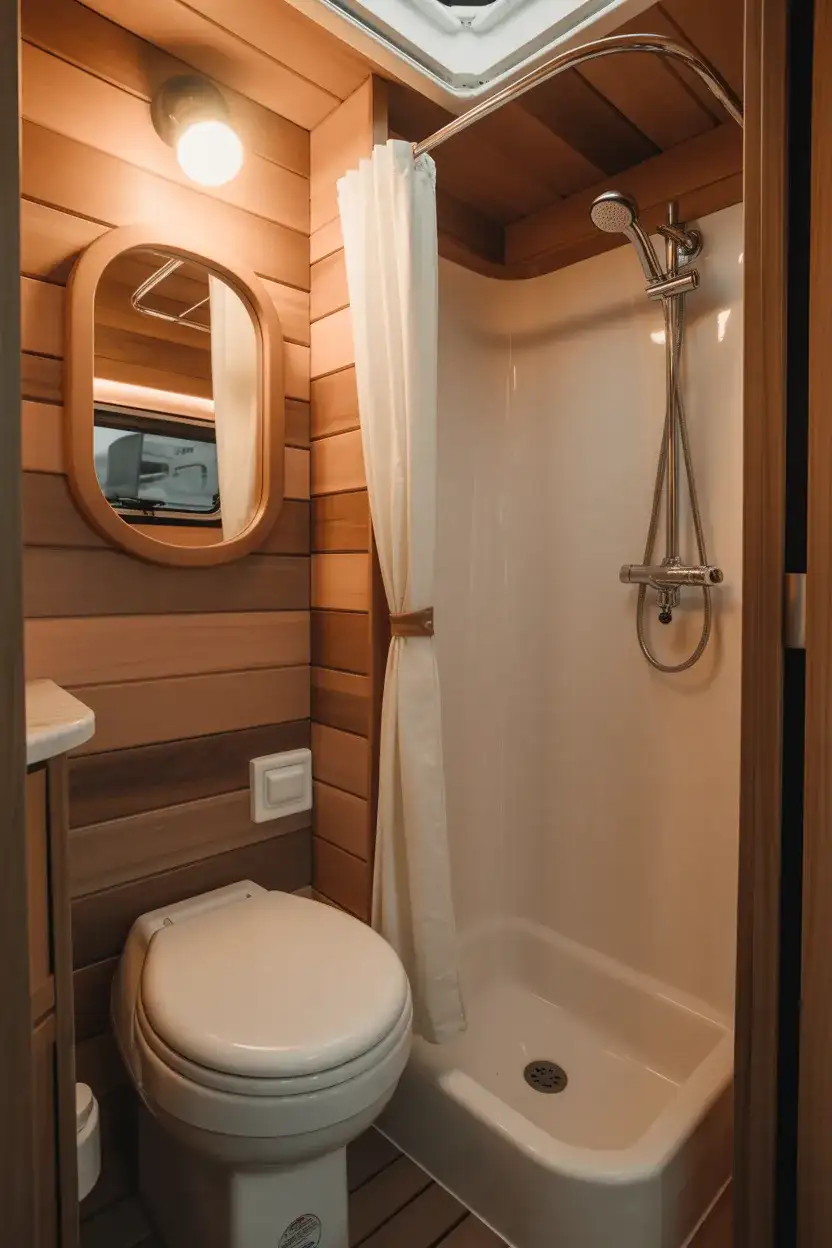
Practical insight that camper renovators often learn the hard way: never skip the vapor barrier. In a camper wet bath, moisture is relentless. Even “waterproof” materials can degrade if moisture seeps behind them and has nowhere to escape. A proper vapor barrier behind your wall panels and beneath your flooring adds maybe two hours of labor and $30 in materials, but it’s the difference between a renovation that lasts five years and one that starts showing mold within twelve months.
11. Mobile Home Bathroom Remodel on a Real-World Budget
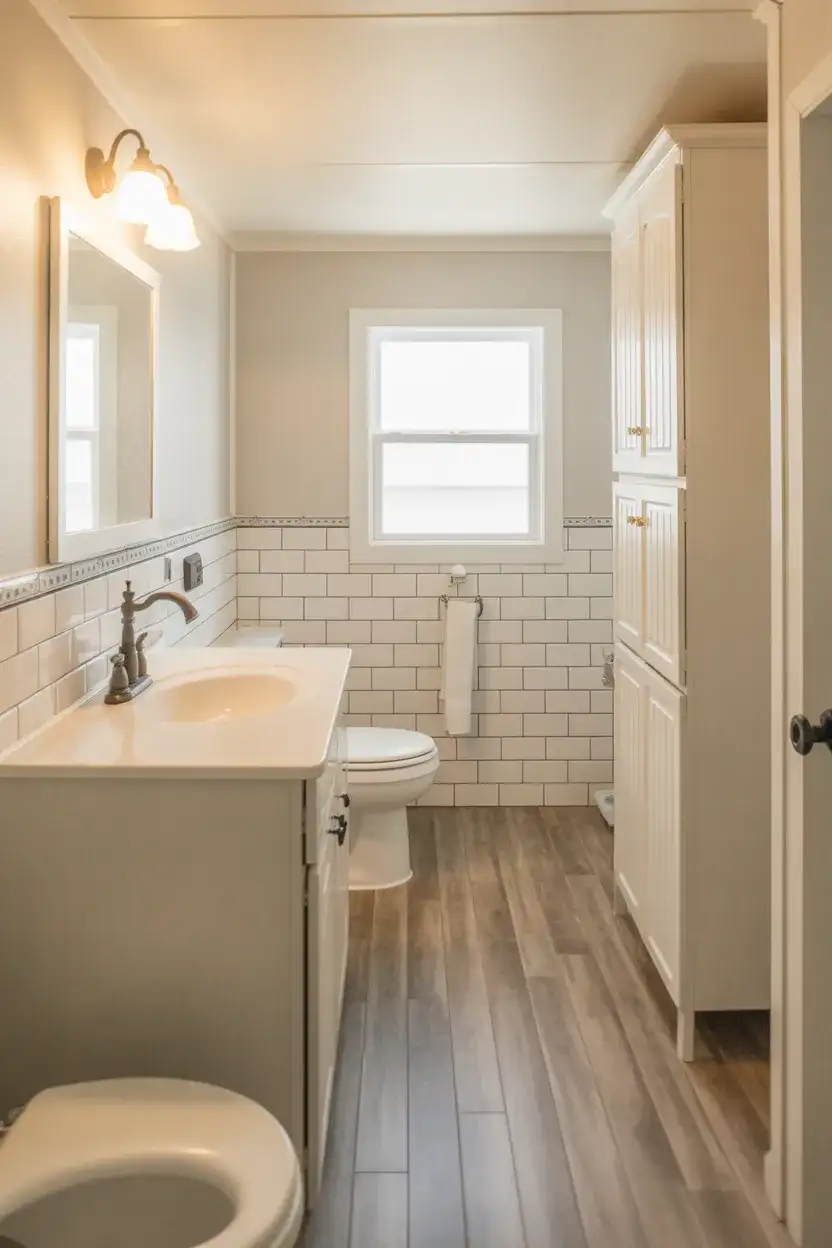
The mobile home bathroom remodel comes with its own unique set of challenges—and its own community of incredibly resourceful renovators. Mobile and manufactured homes often have bathroom fixtures, flooring, and walls that differ from standard construction, which means standard remodeling advice doesn’t always apply. But the Pinterest communities dedicated specifically to mobile home design have exploded with creative solutions: peel-and-stick backsplash panels, lightweight floating shelves, and acrylic tub surround kits that work perfectly with the existing plumbing footprint.
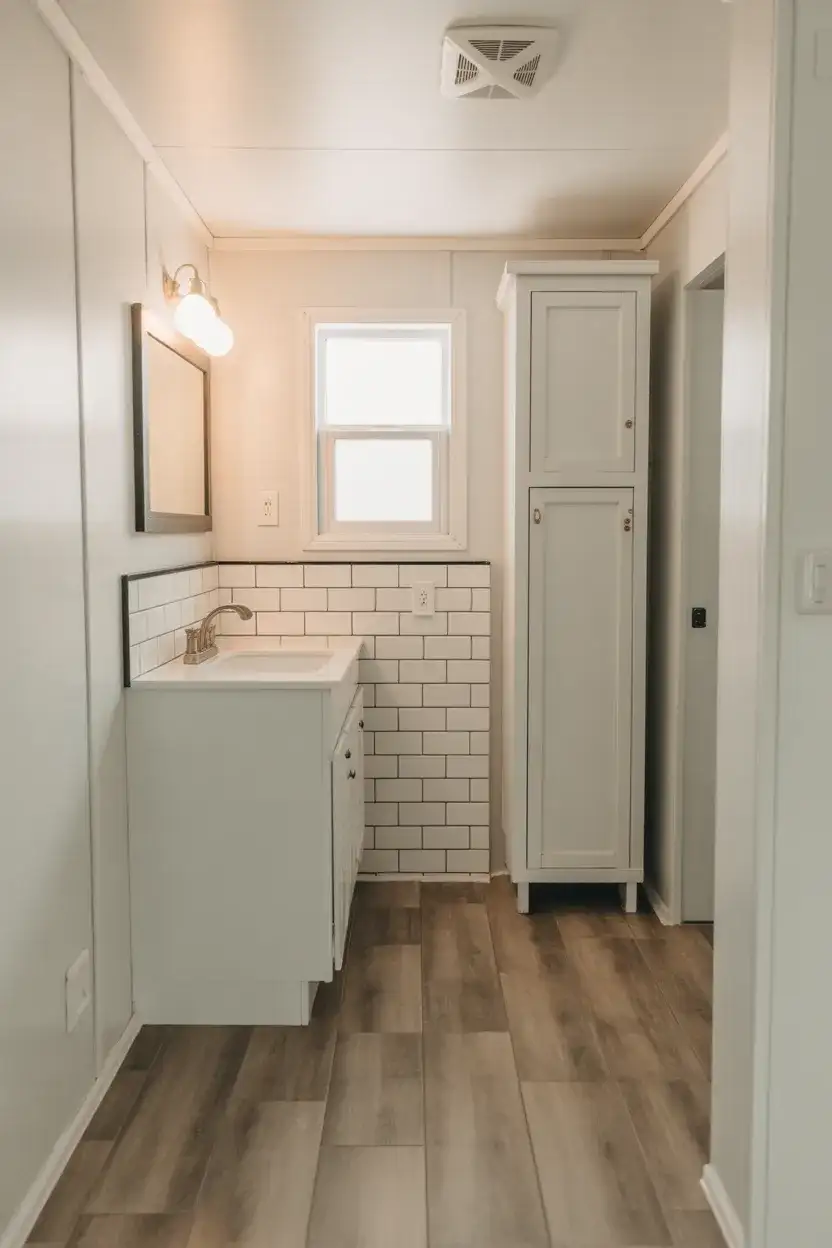
Where it works best: the most impactful mobile home bathroom upgrades are the ones that address the visual “markers” of mobile construction—the hollow-feeling walls, the builder-grade fixtures, and the lack of architectural detail. Adding beadboard wainscoting (lightweight, easy to install, and completely transformative) is a favorite fix. Painting the existing vanity rather than replacing it, and updating the faucet and mirror, delivers a lot of fresh energy for very little investment in a space where a full replacement isn’t always structurally feasible.
12. Farmhouse Bathroom Style: Warmth with Every Fixture
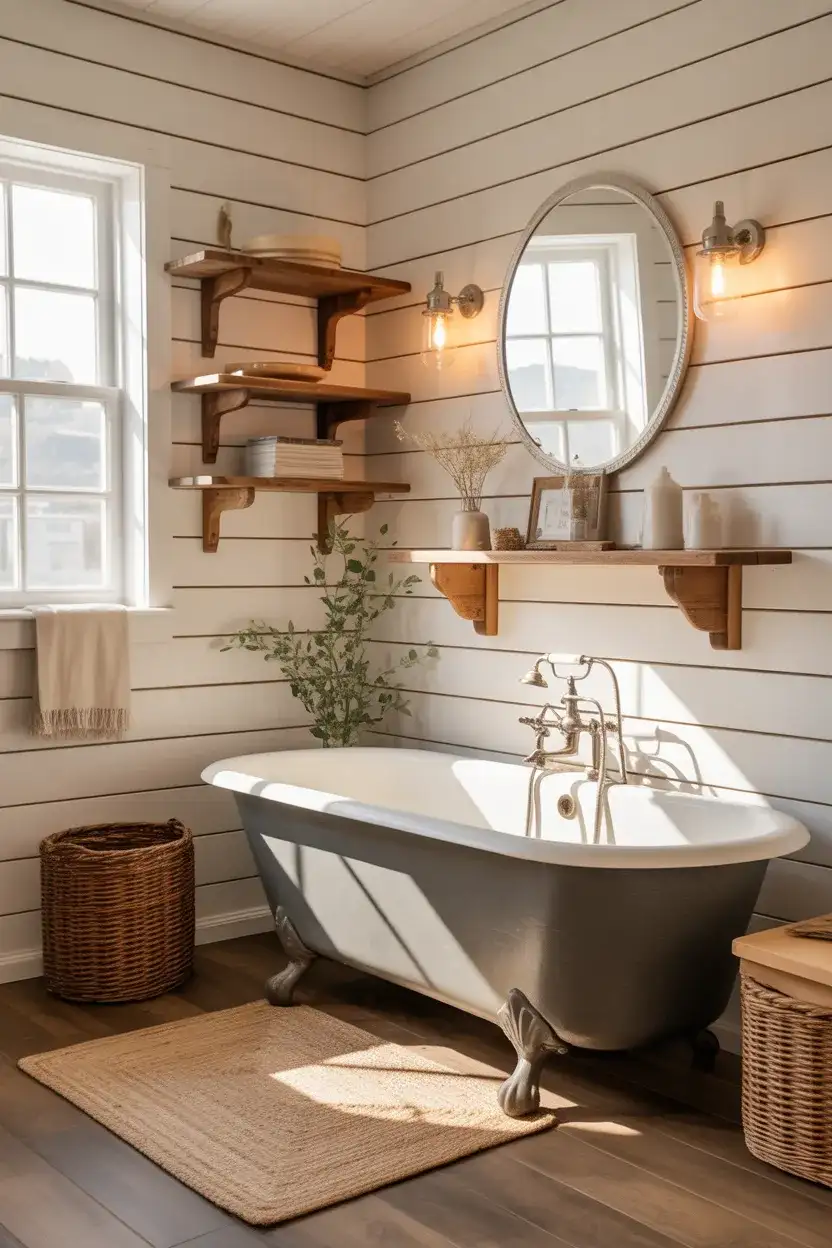
The farmhouse bathroom remodel aesthetic has proven remarkably durable in American home design—and in 2026, it’s evolving from the shiplap-and-mason-jar era into something richer and more layered. Think reclaimed wood accents, aged brass fixtures, unlacquered bronze hardware, and vintage-inspired clawfoot or apron-front tubs. The new farmhouse bathroom pairs these warm, organic elements with more refined tiles and clean-lined vanities to keep the look from veering into full-on rustic. It’s cozy without being kitschy, and that balance is everything.
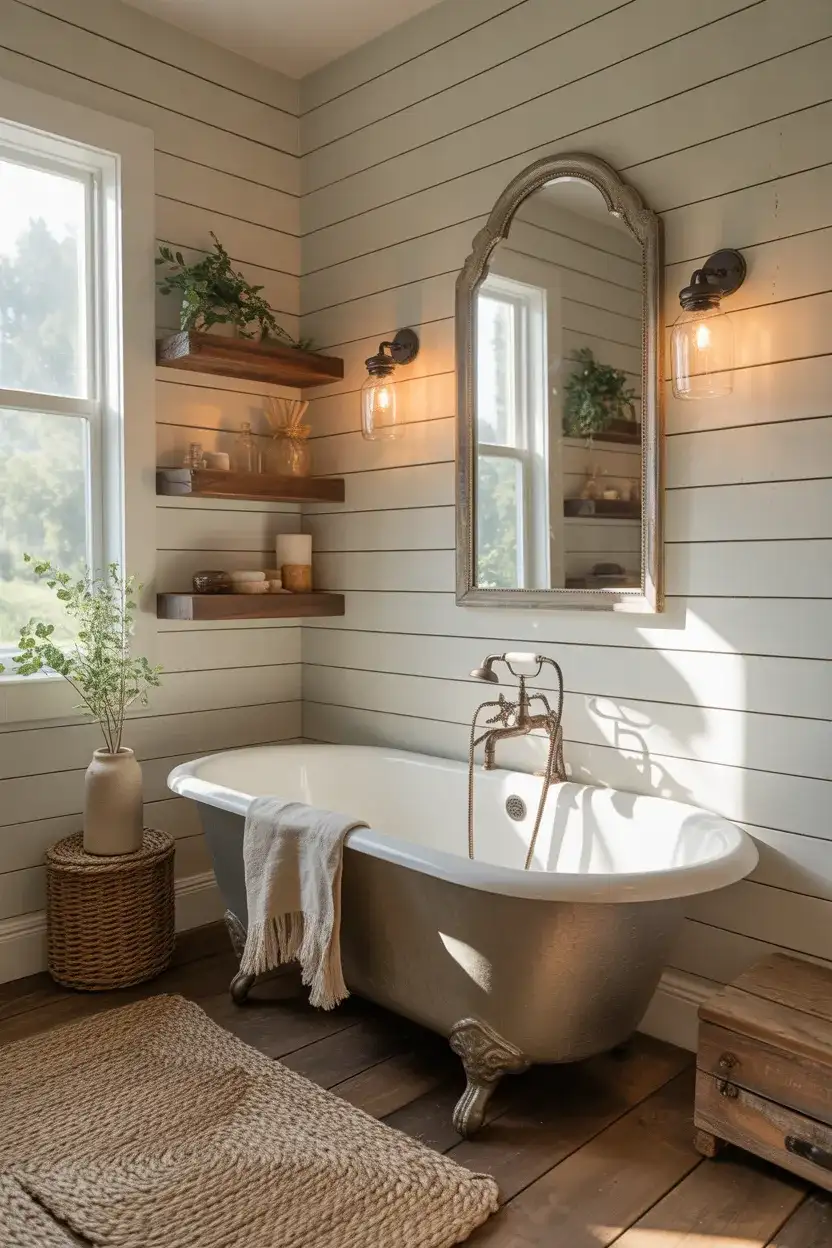
Regional context worth noting: farmhouse style resonates most strongly in the American South, Midwest, and rural Northeast—areas where agrarian roots are part of the cultural identity. But it has also found devoted fans in urban settings, where the warmth and texture of farmhouse design offer a deliberate counterpoint to city life’s hard edges. Designers working in places like Austin, Nashville, and Denver consistently cite farmhouse-influenced bathrooms as among their most requested projects, regardless of whether the home is actually in the country.
13. Bathroom Design Ideas That Go Beyond the Basics
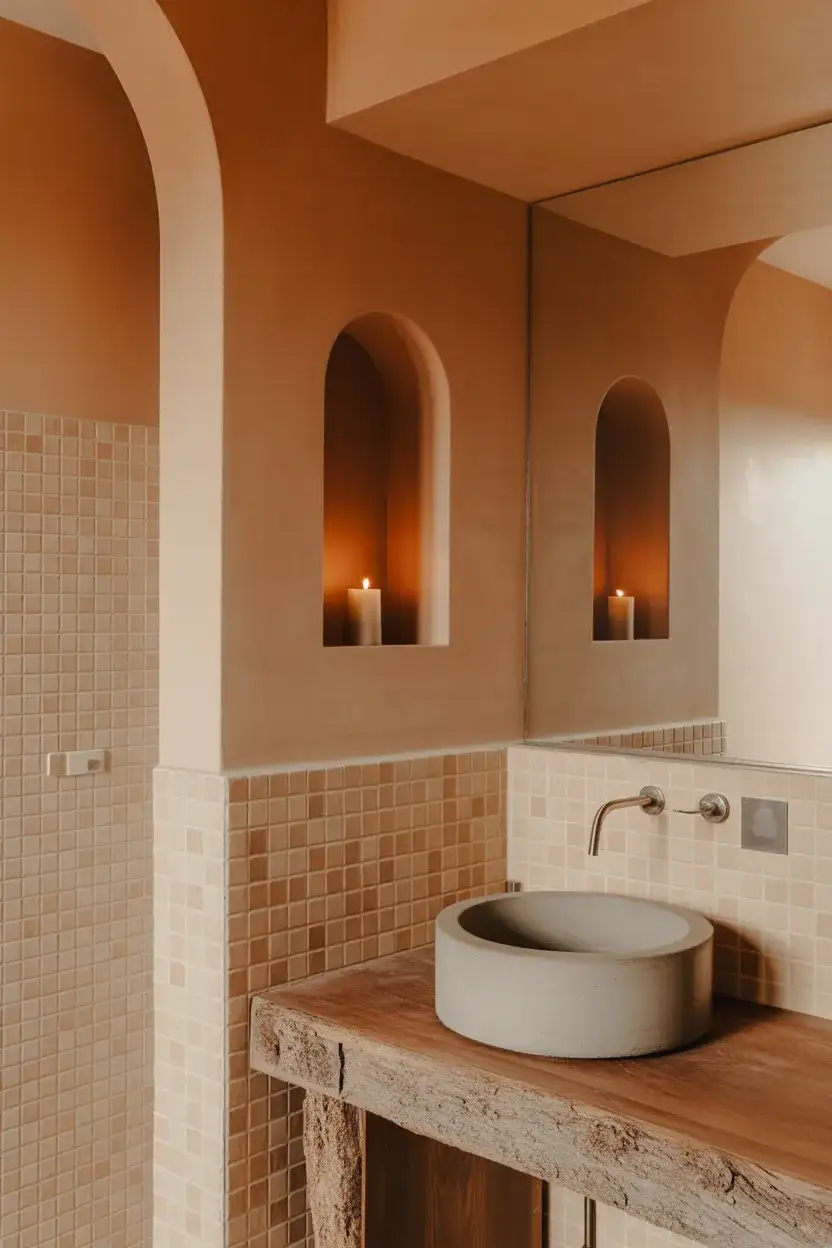
When you’re ready to move beyond safe and predictable, the most exciting bathroom designs of 2026 lean into personality: arched niches, zellige handmade tiles, limewash walls, terrazzo floors, and color-drenched ceilings that match the walls for an enveloping, cocoon-like effect. These are the bathroom remodel ideas you see on Pinterest that make you stop mid-scroll and think, “I want that.” They’re achievable—often with a focused budget—but they require a confident design vision and the willingness to commit fully to the concept.
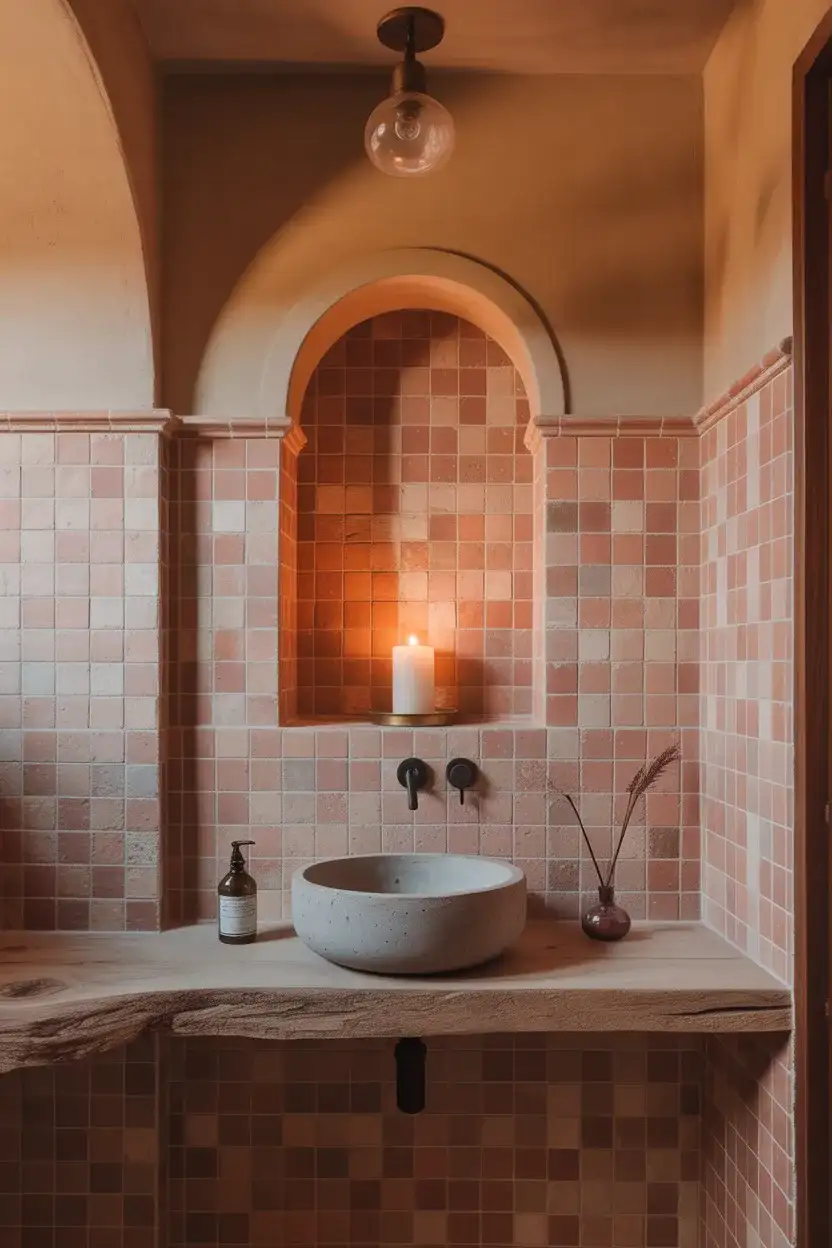
Expert-style commentary: one principle that separates good bathroom design from truly great bathroom design is the intentional use of negative space. Rooms that try to do too much—too many patterns, too many finish types, too many decorative elements competing for attention—always feel chaotic. The bathrooms that stop people in their tracks tend to have one dominant statement (a tile, a color, a fixture) and everything else quietly supporting it. Restraint is the mark of confidence in design.
14. The Half Bathroom That Punches Way Above Its Weight
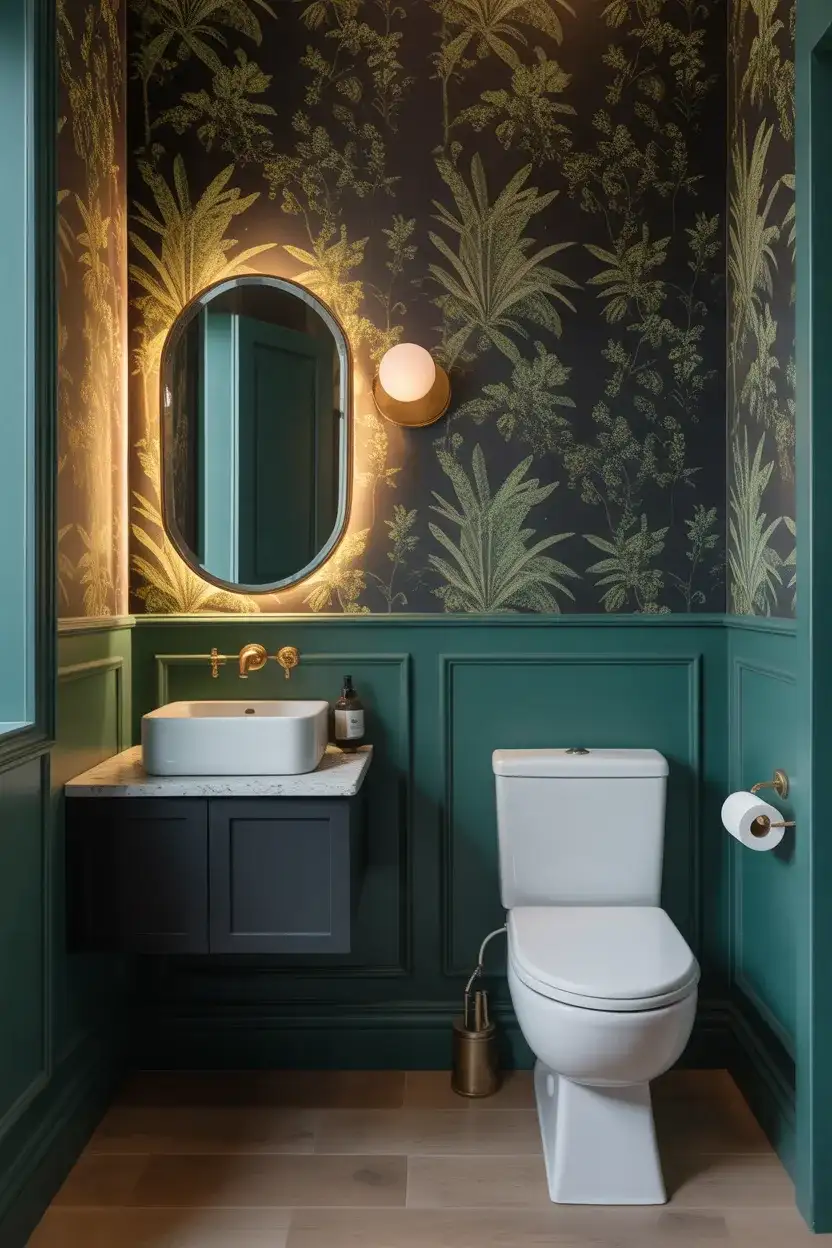
The half bathroom remodel—just a toilet and a sink, no tub or shower—is secretly one of the best design opportunities in any home. Because the footprint is tiny and the investment is relatively low, you can go bolder here than almost anywhere else. Dramatic wallpaper, a statement vessel sink, an unexpected vanity color, and a hand-painted tile floor—these choices that might feel too risky in a primary bath are perfectly sized for a powder room. A well-executed small half bathroom is often the room guests remember most.
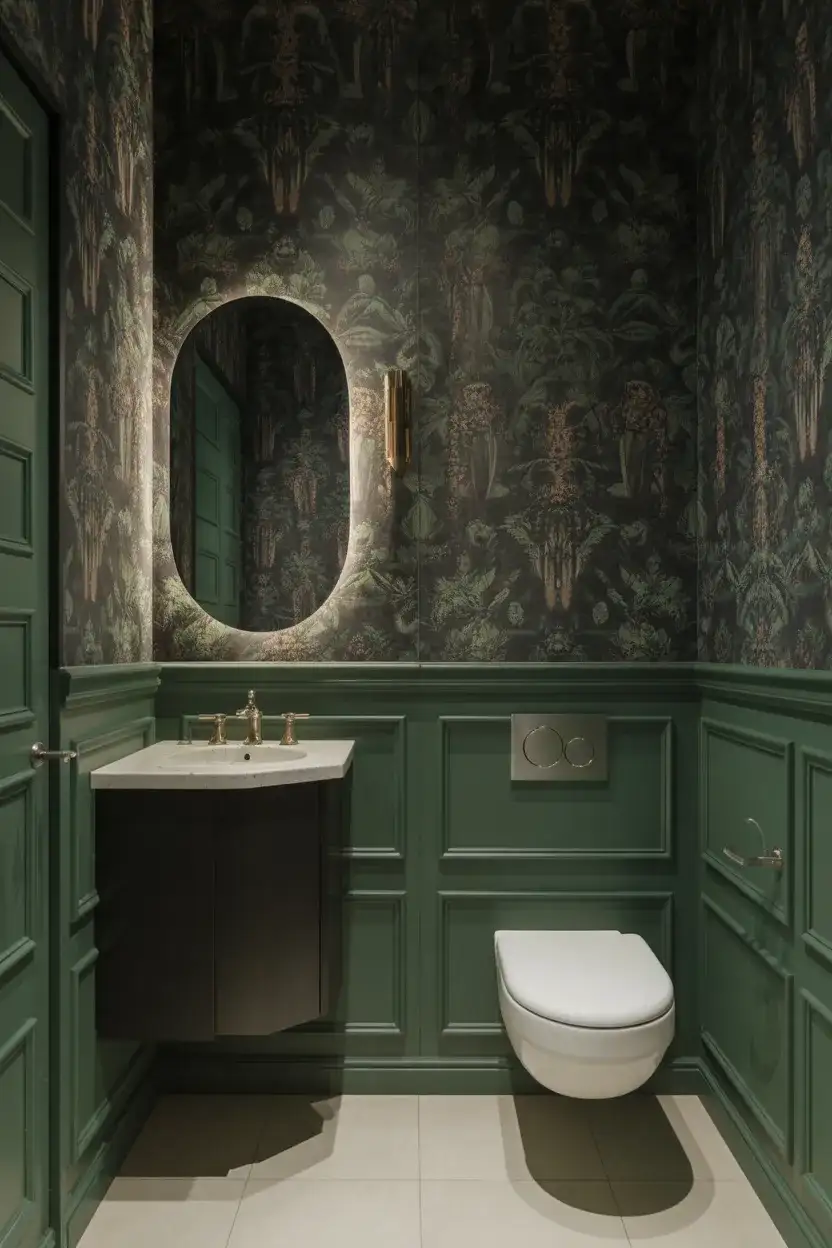
Budget and price angle: the powder room is where many interior designers recommend clients spend a bit more on wallpaper or tile—precisely because the quantities involved are so small. A roll of stunning $90-per-roll wallpaper might cost you $180 total in a powder room, where it would cost $900 in a full bedroom. The same math applies to handmade tile, statement fixtures, and specialty finishes. The smaller the room, the more you can afford to go luxurious.
15. Small Full Bathroom: Making Every Inch Count
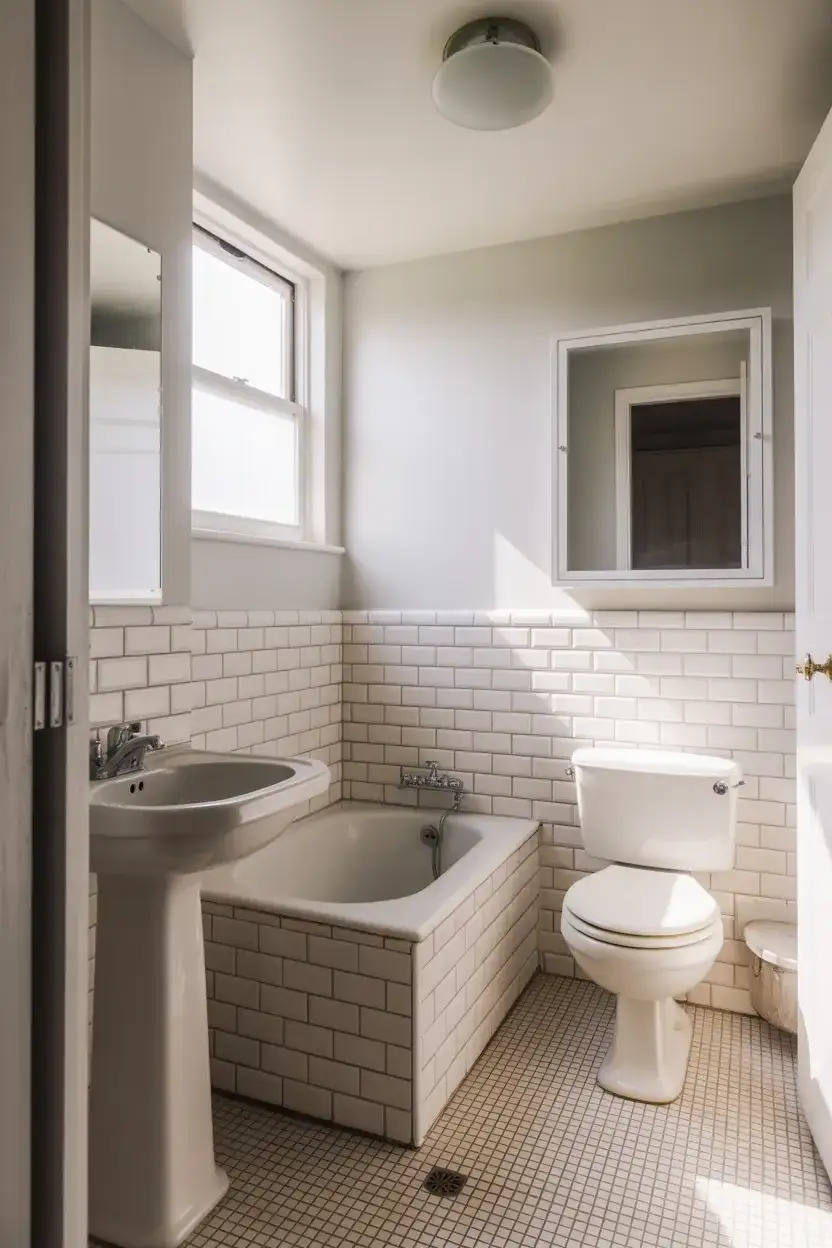
A small full bathroom remodel—one that fits a tub, toilet, and sink in under 50 square feet—is a masterclass in intentional design. Every product choice needs to earn its place. A corner sink frees up floor space. A pocket door eliminates the swing radius of a standard door. A tub-shower combo with a well-chosen curtain gives you the functionality of both without requiring square footage you don’t have. This is where small space problem-solving becomes genuinely creative rather than just limiting.
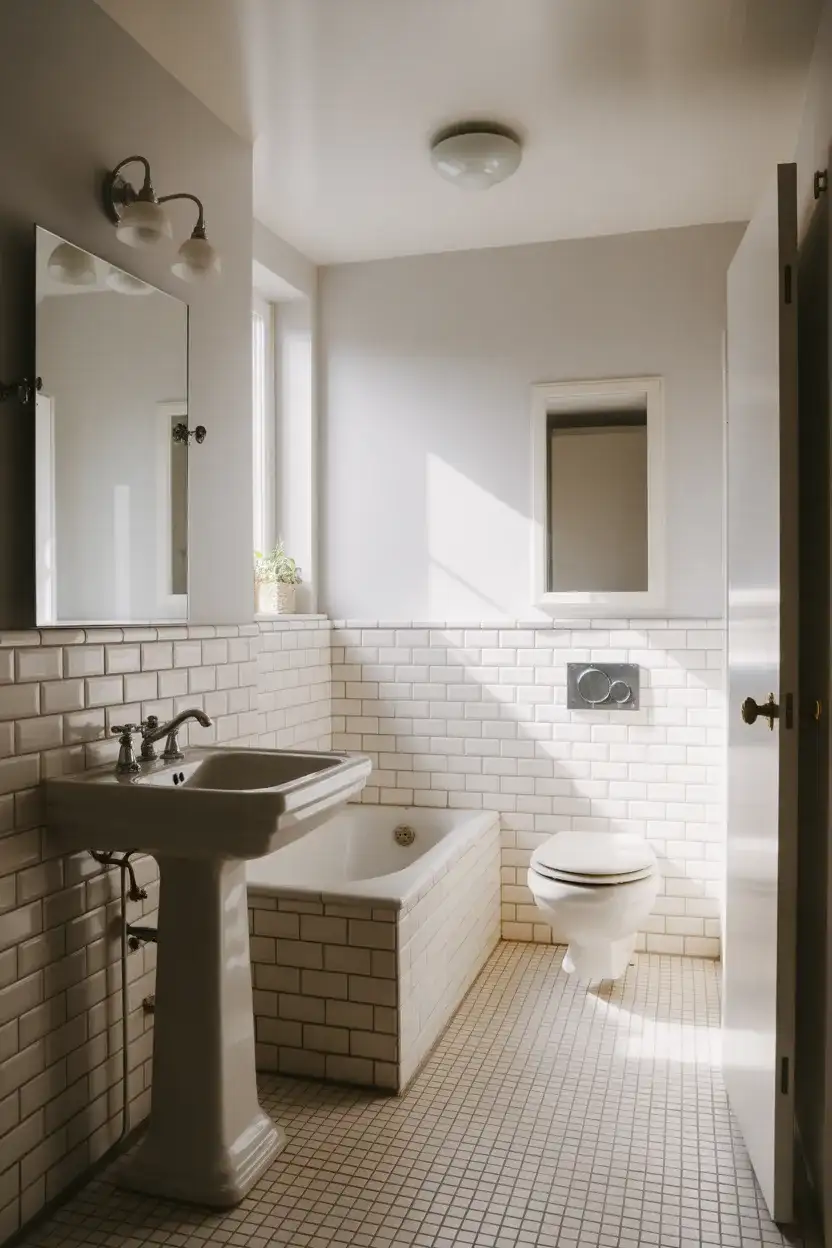
Practical insight: in very small bathrooms, the shower curtain or door is a surprisingly powerful design tool. A transparent or semi-sheer curtain (or frameless glass door) lets your eye travel through the space without stopping at a visual barrier, which makes the room feel significantly larger. Conversely, a bold printed curtain can be a deliberate focal point—but only if the rest of the room stays quiet and neutral enough to support it.
16. Cheap Bathroom Remodel Ideas That Don’t Look Cheap
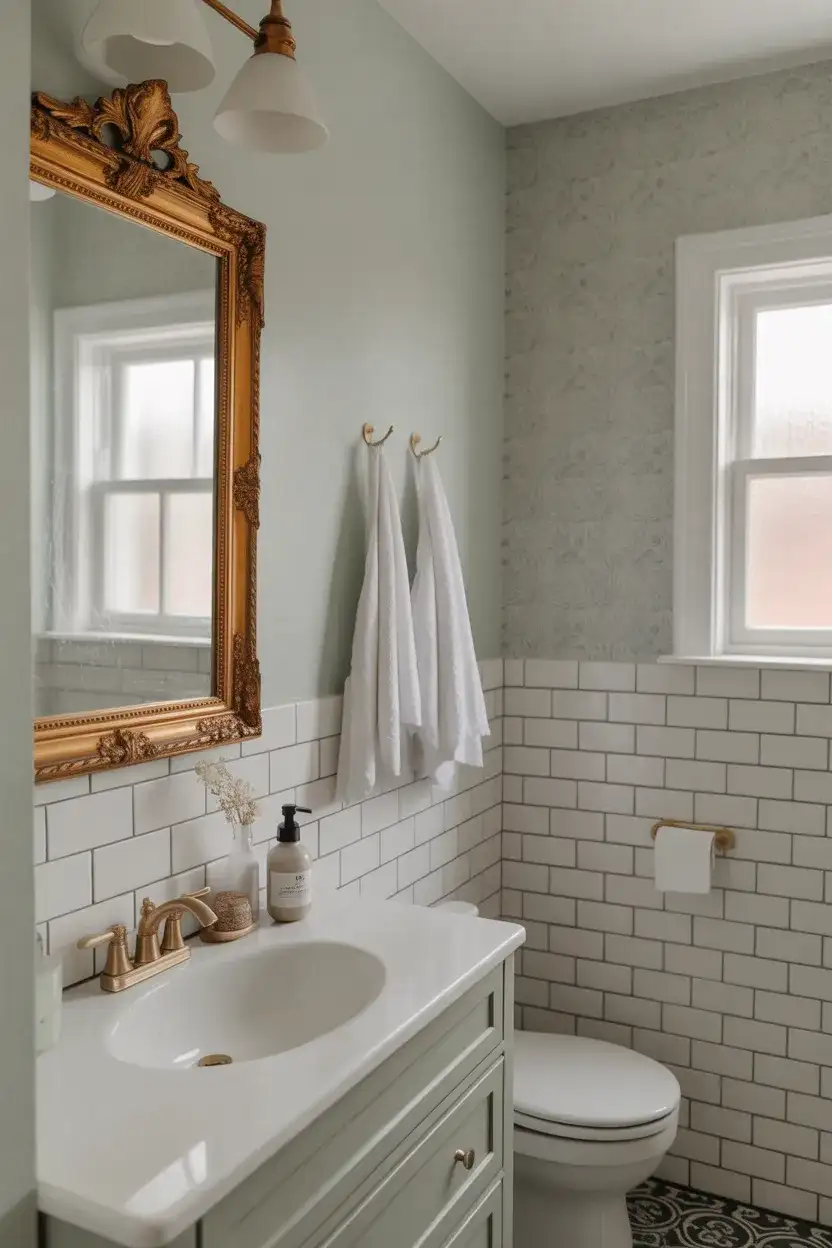
Let’s be direct: a cheap bathroom remodel is absolutely achievable, and it doesn’t require any visual sacrifice if you’re strategic. The best low-cost moves include painting existing tile (yes, with the right epoxy primer, this works), replacing a builder-grade mirror with a framed one from a thrift store, installing peel-and-stick wallpaper, and swapping out a plastic toilet seat for a soft-close version. These projects collectively cost under $200 and can make a bathroom feel like it had thousands spent on it—because the changes are psychological as much as physical.
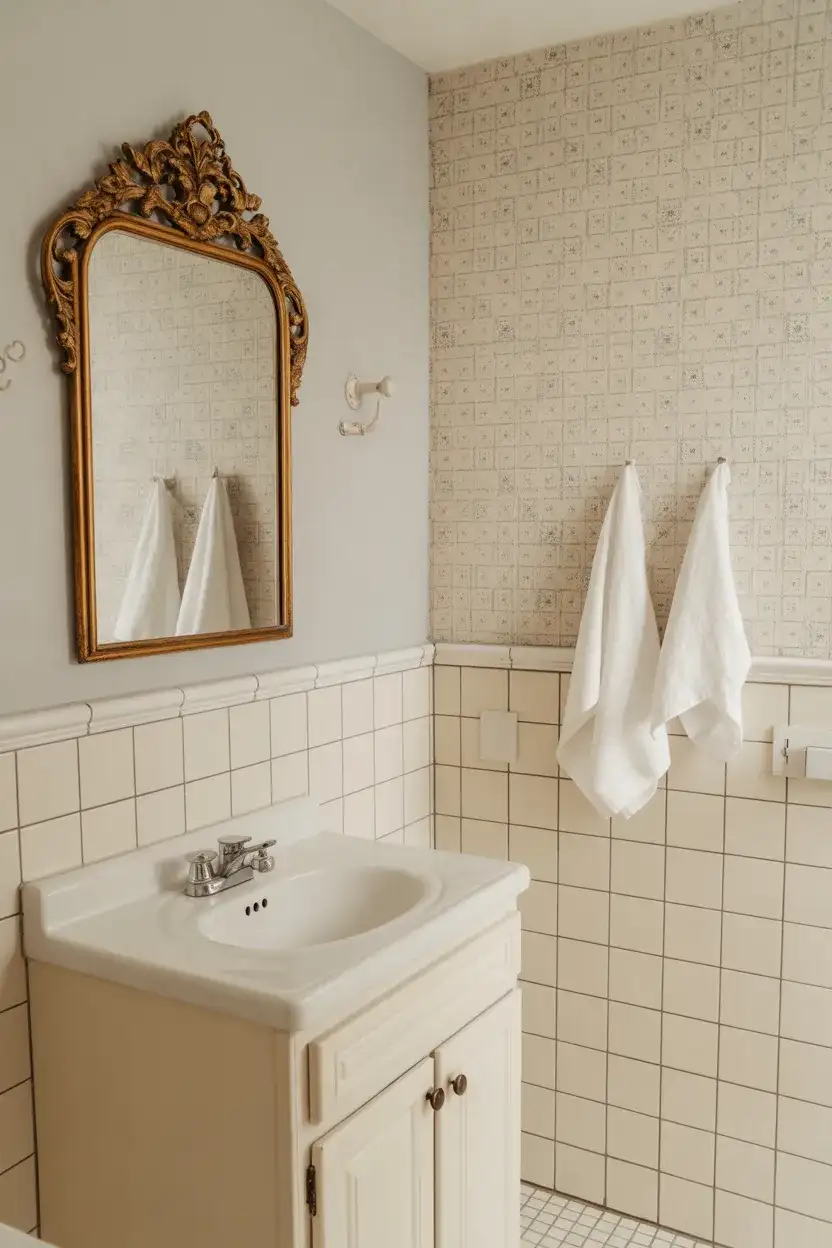
Real homeowner behavior tends to confirm that the biggest hesitation before a cheap remodel is not the money—it’s the fear that the result will look cheap. The antidote is focus. Pick one thing to do really well. Whether it’s a perfectly painted accent wall, a beautifully organized open shelf, or a flawlessly installed peel-and-stick floor, commit to executing it with care and precision. A single well-done element signals intention and taste in a way that a dozen mediocre updates never will.
17. Bathroom Remodel with Pictures: Designing for the Visual Age
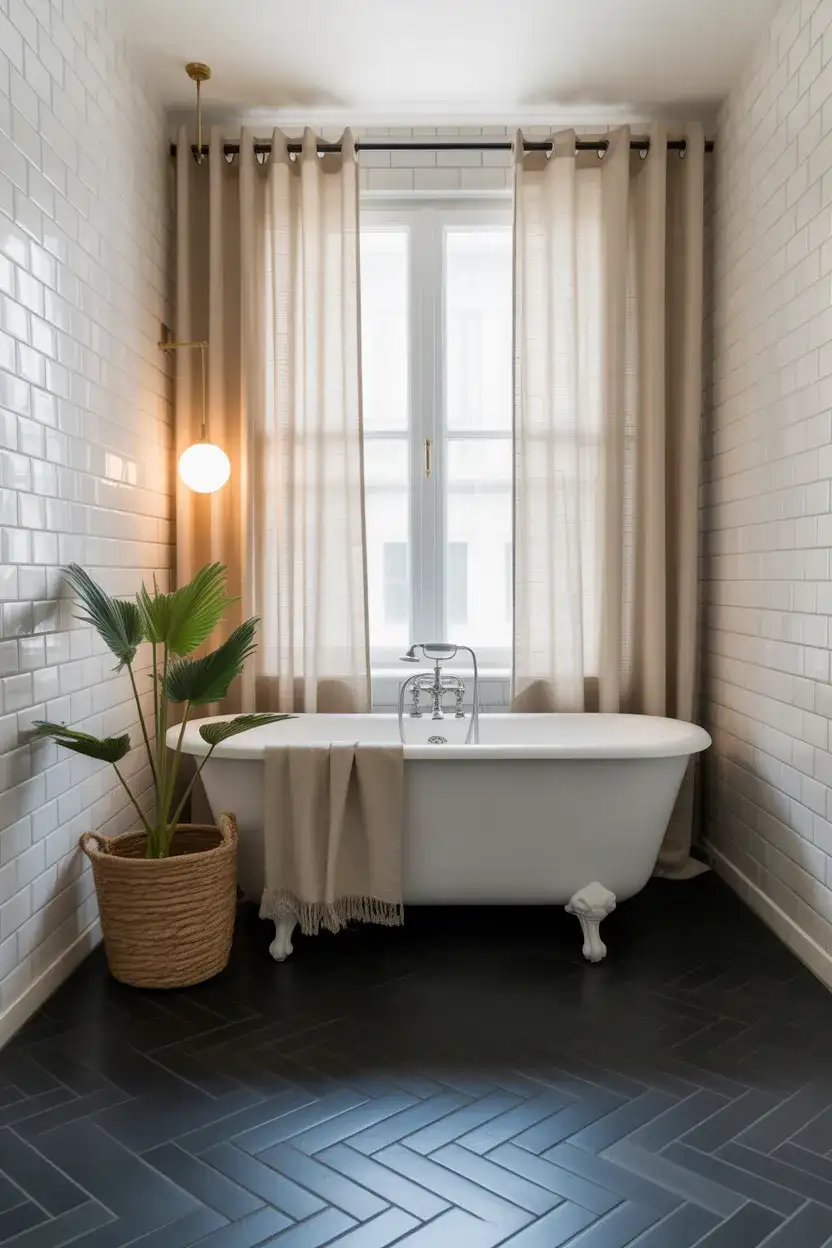
In 2026, one of the most important things to consider when planning a bathroom remodel is how the space photographs. This isn’t vanity—it’s smart design thinking. The bathrooms that go viral on Pinterest, Instagram, and TikTok share common visual qualities: strong natural light, a clear focal point, thoughtful styling, and a sense of cohesion. Understanding what makes a bathroom beautiful in pictures also makes it beautiful in person, because the underlying principles are the same: proportion, light, contrast, and intentional material selection.
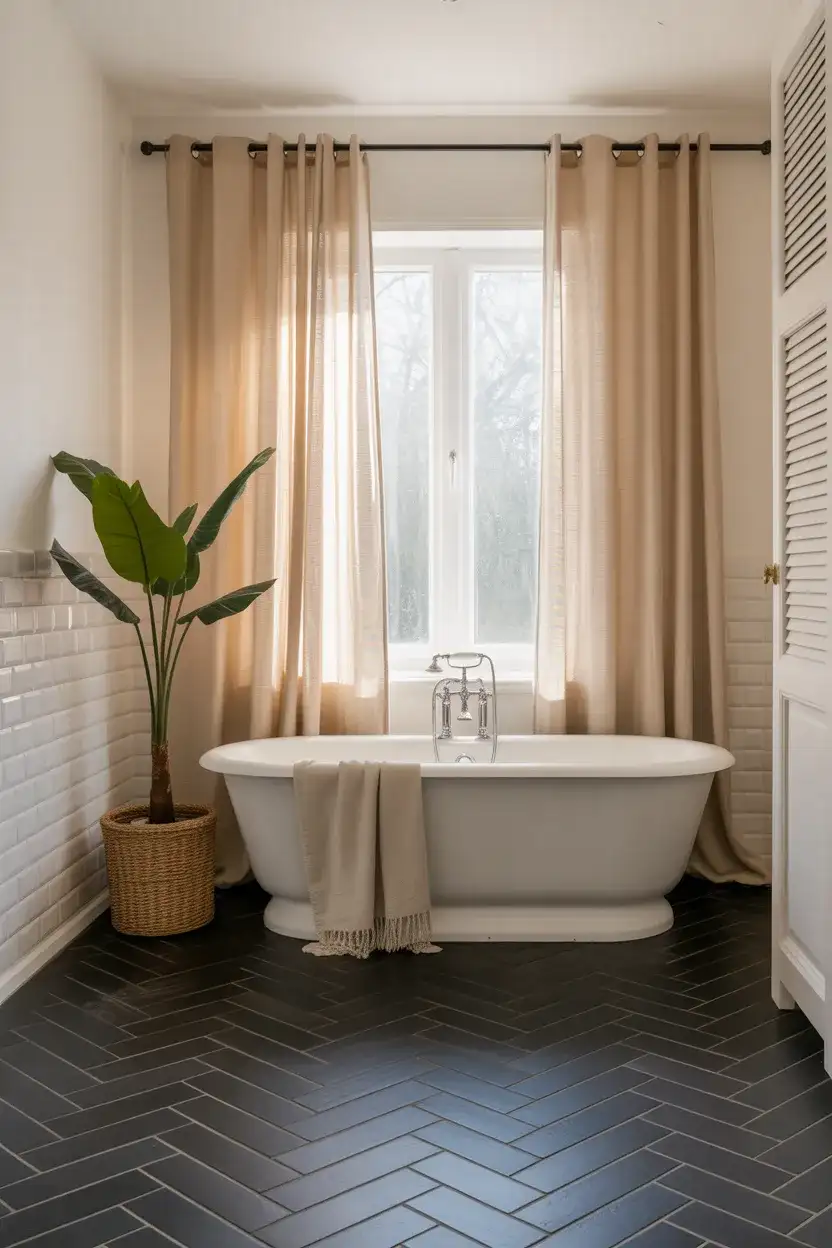
Micro anecdote: a Nashville homeowner who renovated her hall bathroom specifically with Pinterest in mind shared that the single biggest photographic upgrade she made was removing the light fixture above the vanity and replacing it with two wall sconces flanking the mirror. The new sconces cast a warm, even light that photographed beautifully—and made her feel like she was getting ready in a boutique hotel every morning. The fixture change cost $180 total, and her bathroom photos were repinned over 4,000 times.
18. Small Half Bathroom: Big Personality in Two Feet
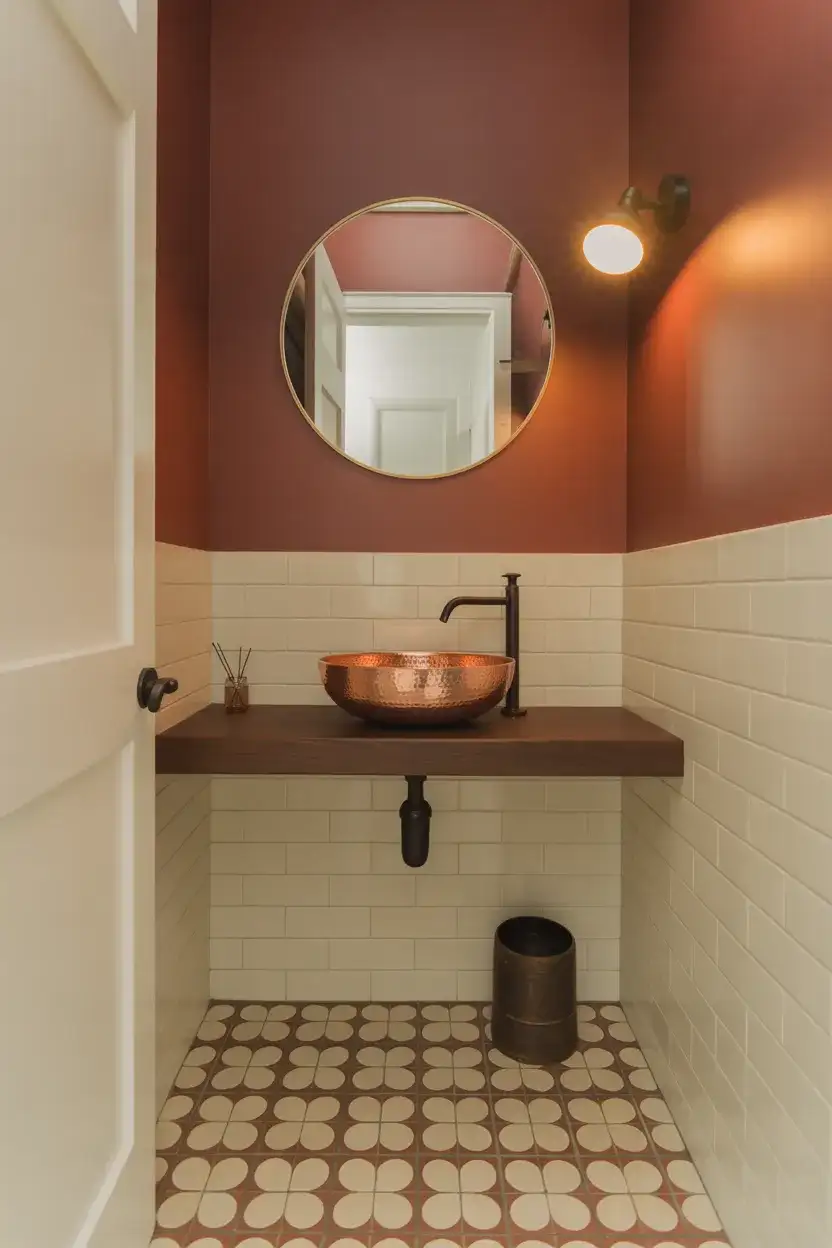
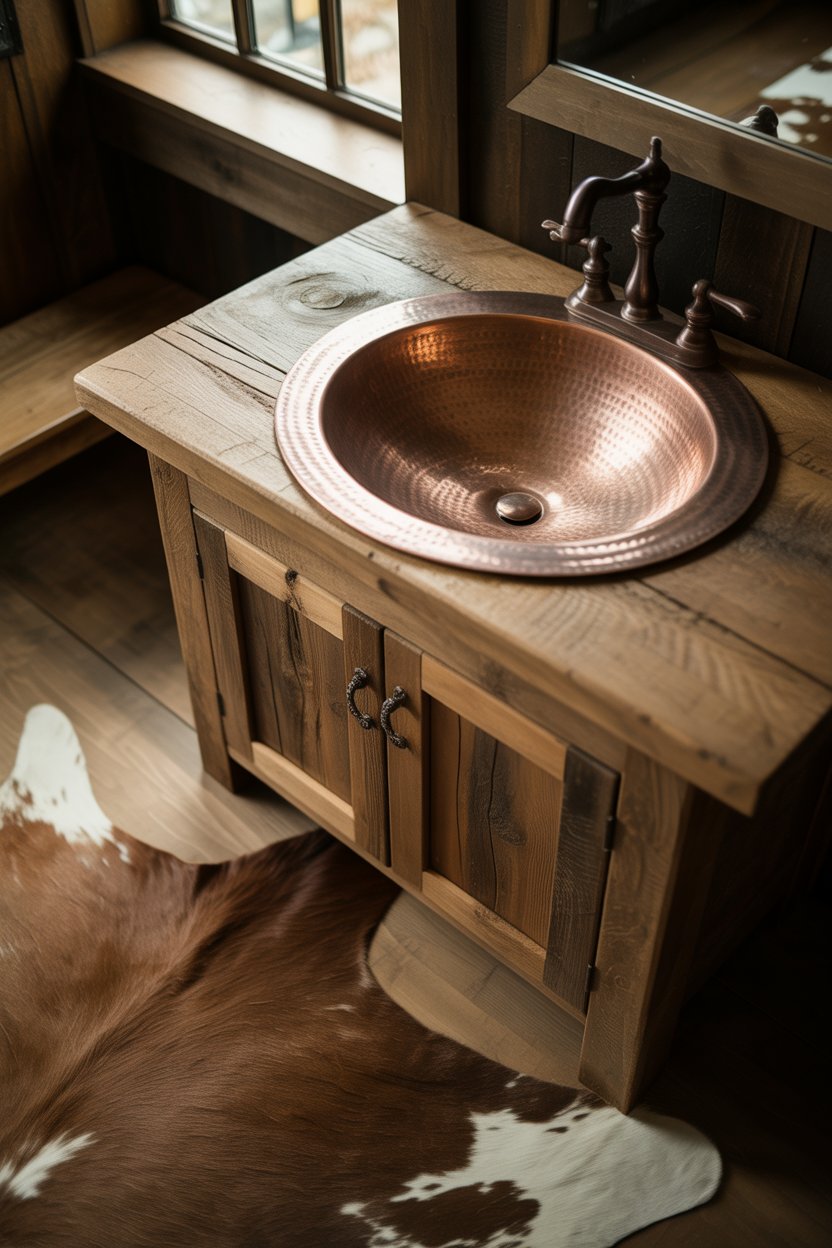
The small half-bathroom remodel is the design world’s version of a short story—tight, precise, and all the more powerful for its constraints. In a space that might be just 18 to 20 square feet, you have very few surfaces to work with, which means each one has to carry serious weight. The floor tile, the wall treatment, the mirror, and the sink are your entire palette. Choosing even one of these with real intention—an encaustic tile floor, a hand-hammered copper sink, or a floor-to-ceiling bold-colored wall—transforms the whole experience for anyone who steps inside.
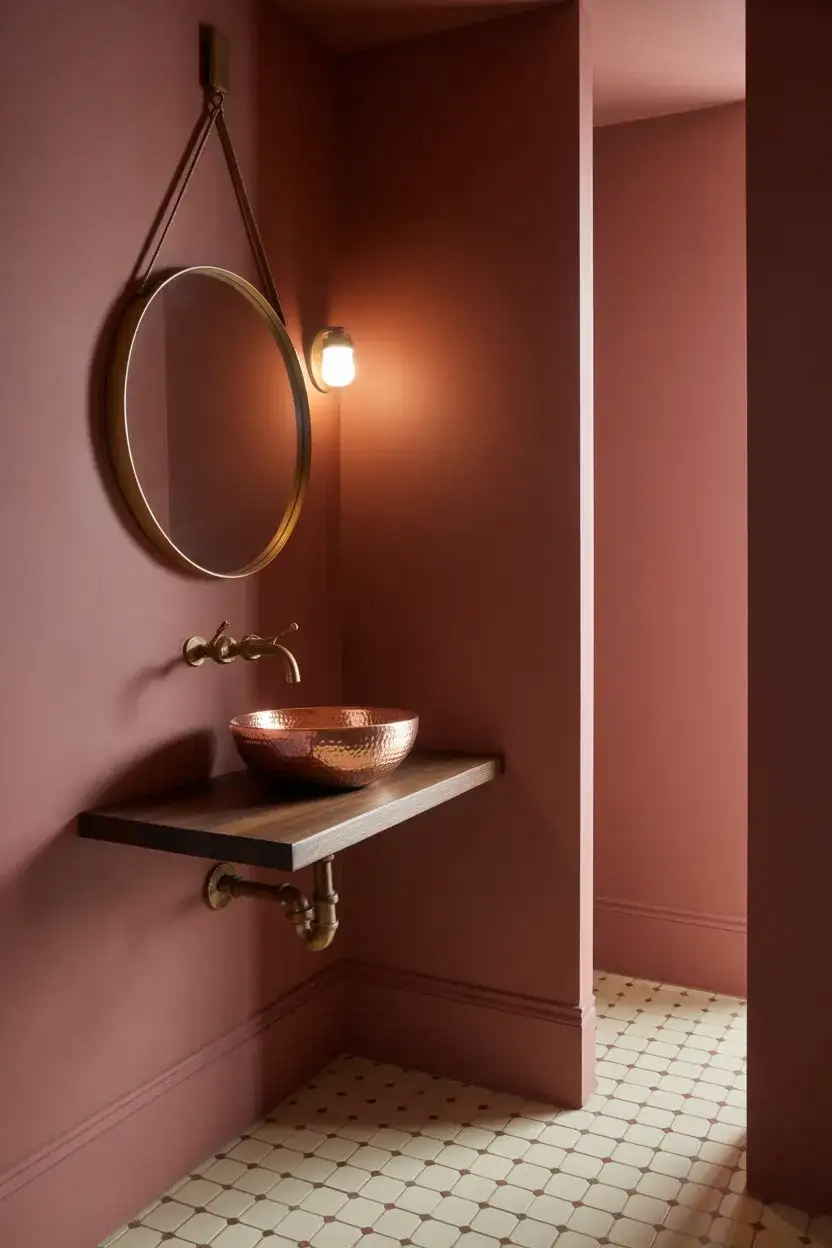
Common mistakes and how to avoid them: the most frequent error in small half bathrooms is trying to lighten and brighten the space reflexively—defaulting to white walls, a white toilet, and a white vanity. This approach often results in a space that feels clinical rather than intimate. In a powder room, dark and dramatic actually works better than light and airy, because the enclosure becomes intentional rather than accidental. Lean into the smallness. Make it feel like a jewel box, not a closet.
19. Mid-Century Modern Bathroom: Clean Lines, Warm Soul
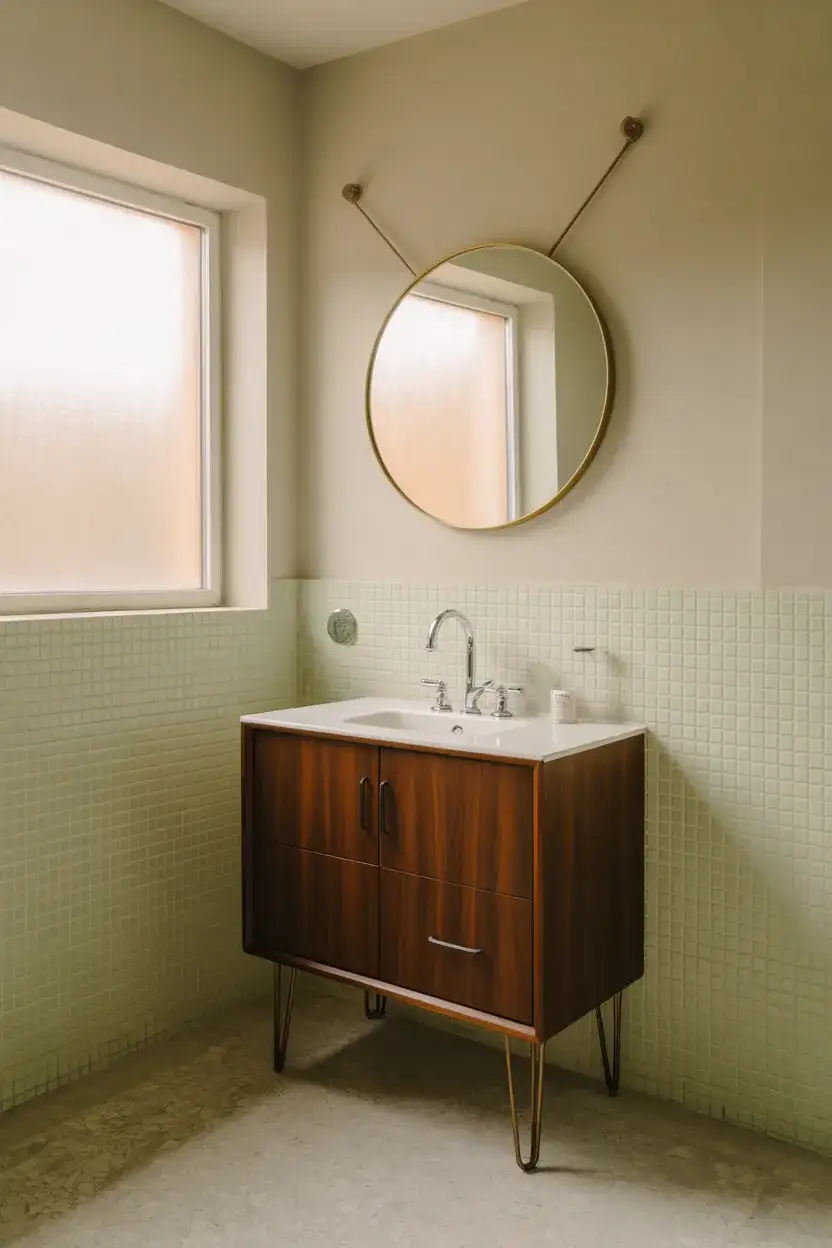
The mid-century modern bathroom revival shows absolutely no sign of slowing down, and in 2026 it’s getting a thoughtful refresh that honors the originals while incorporating contemporary materials and conveniences. Think walnut-grain vanities with tapered legs, mosaic tile in olive or avocado green, rounded mirrors, and retro-inspired hardware in matte black or brushed brass. The hallmark of authentic mid-century bathroom design is the integration of organic forms with precision—curves meet straight lines, warm wood meets cool tile, and the result feels grounded and timeless.
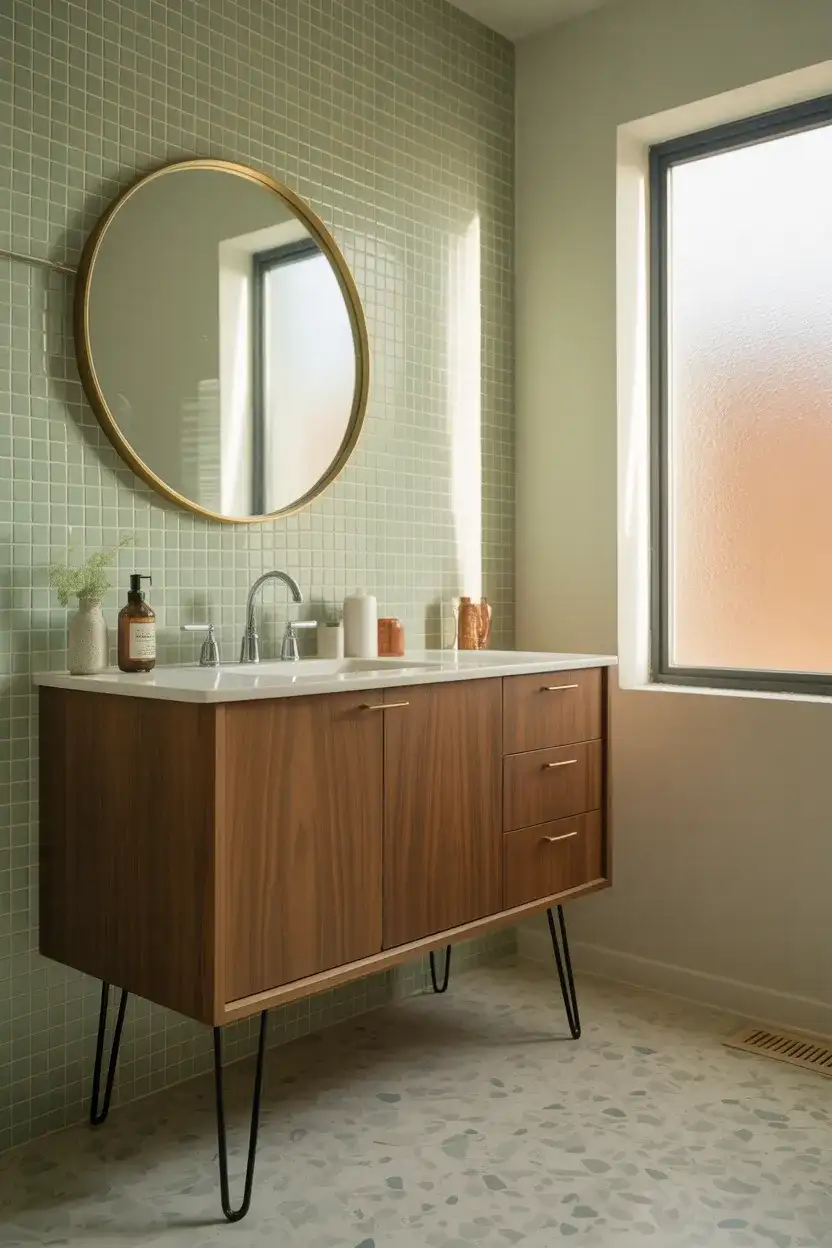
Where it works best: mid-century modern bathroom design is a natural fit for homes built between the 1950s and 1970s—ranches, split-levels, and post-war colonials where the architecture itself already speaks the language. But it’s equally compelling as a deliberate counterpoint in newer construction, where the warmth and personality of MCM design push back against the sterility of generic contemporary finishes. If your home has decent bones but zero personality, mid-century modern is one of the most reliable ways to inject character that feels earned rather than imposed.
20. Rustic Bathroom Remodel: Raw Beauty That Lasts
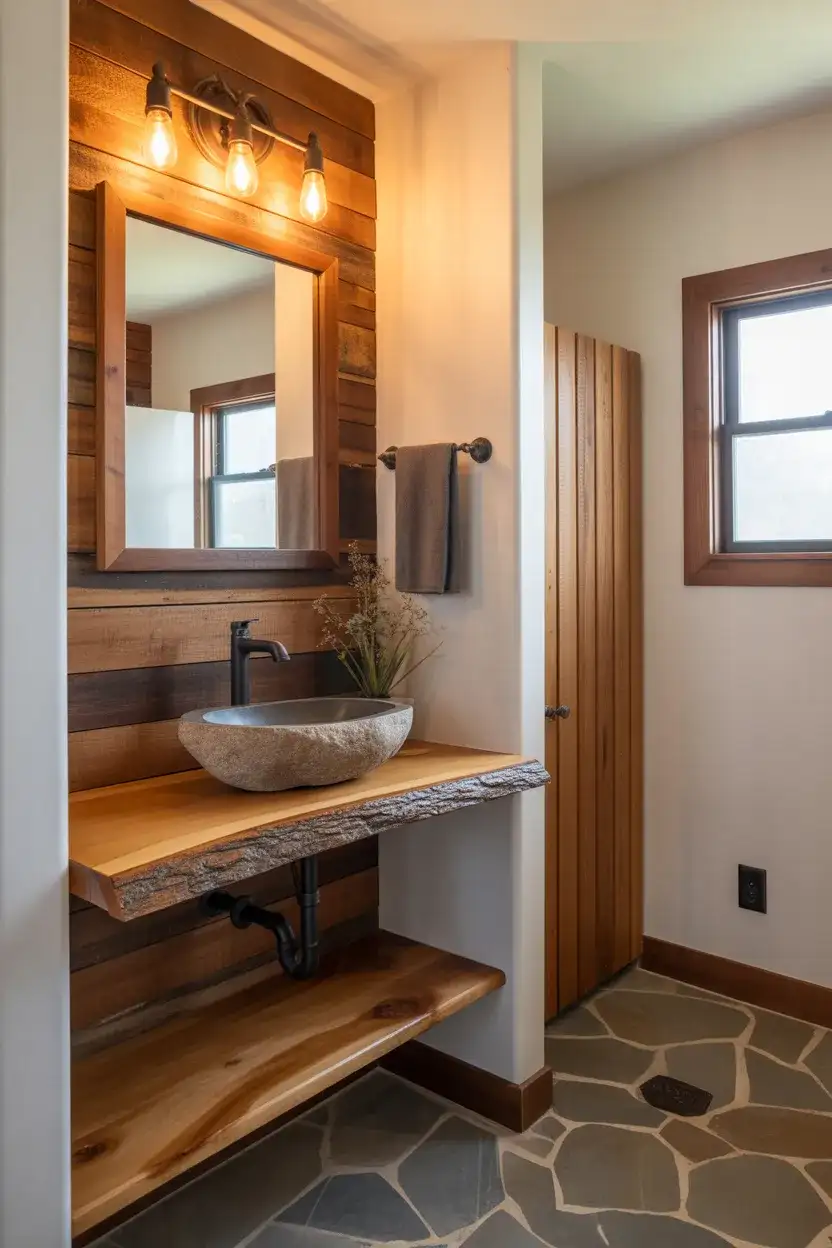
A rustic bathroom remodel celebrates imperfection—knotted wood, rough stone, aged metal, and textured surfaces that tell a story. Unlike the farmhouse aesthetic, which tends to be cleaner and more refined, rustic design leans into the raw and unfinished. Live-edge wood vanity tops, exposed pipe plumbing in black iron, stone vessel sinks, and reclaimed barn wood accent walls are all hallmarks of this earthy, grounded style. It works beautifully in mountain homes, lakeside cabins, and any space where the surrounding landscape is part of the design vocabulary.
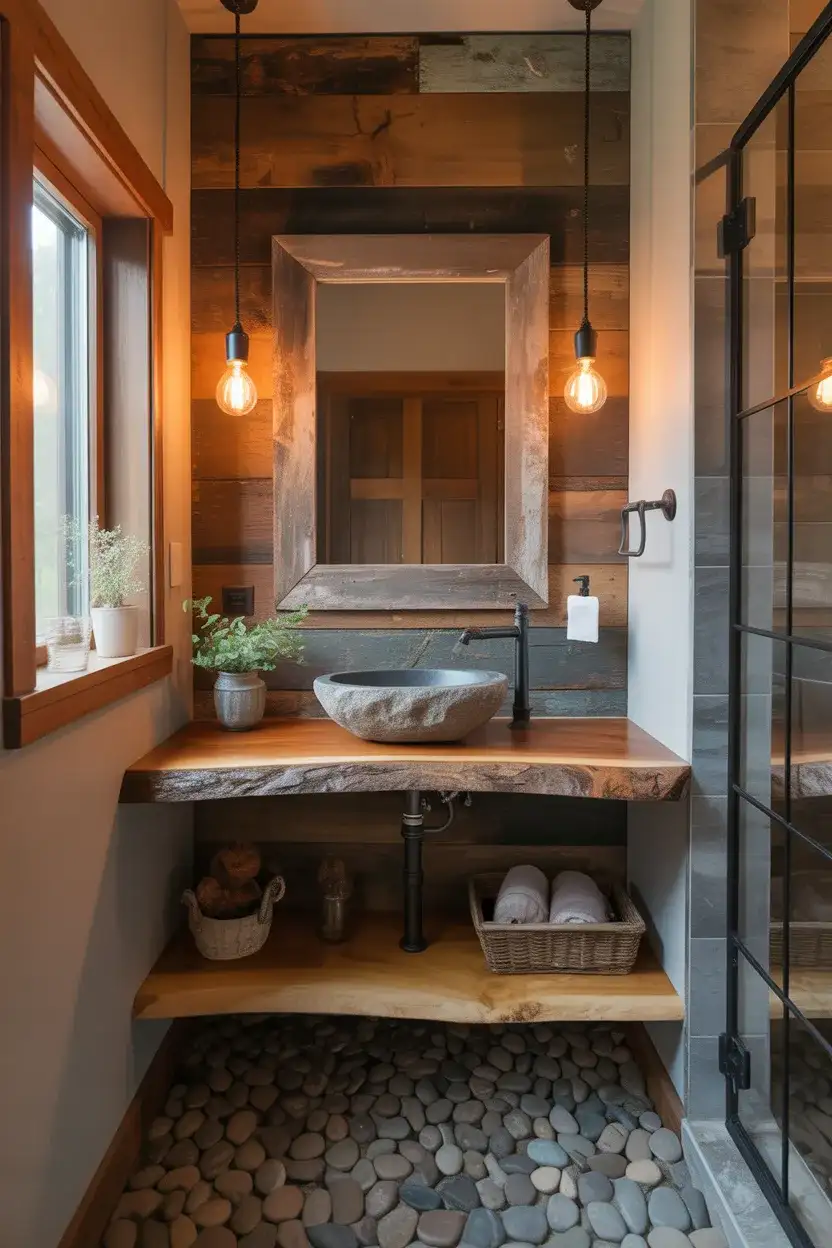
Expert-style commentary: one of the most common errors in rustic bathroom design is overcrowding the space with too many “raw” elements competing for attention simultaneously. Stone, wood, iron, and natural fiber are all beautiful—but using all four in the same small bathroom creates visual noise rather than visual warmth. The most successful rustic bathrooms choose a primary material (usually stone or wood) and let the others play supporting roles. The restraint is what allows each texture to breathe.
21. Small RV Bathroom: Maximizing Function in Minimal Feet
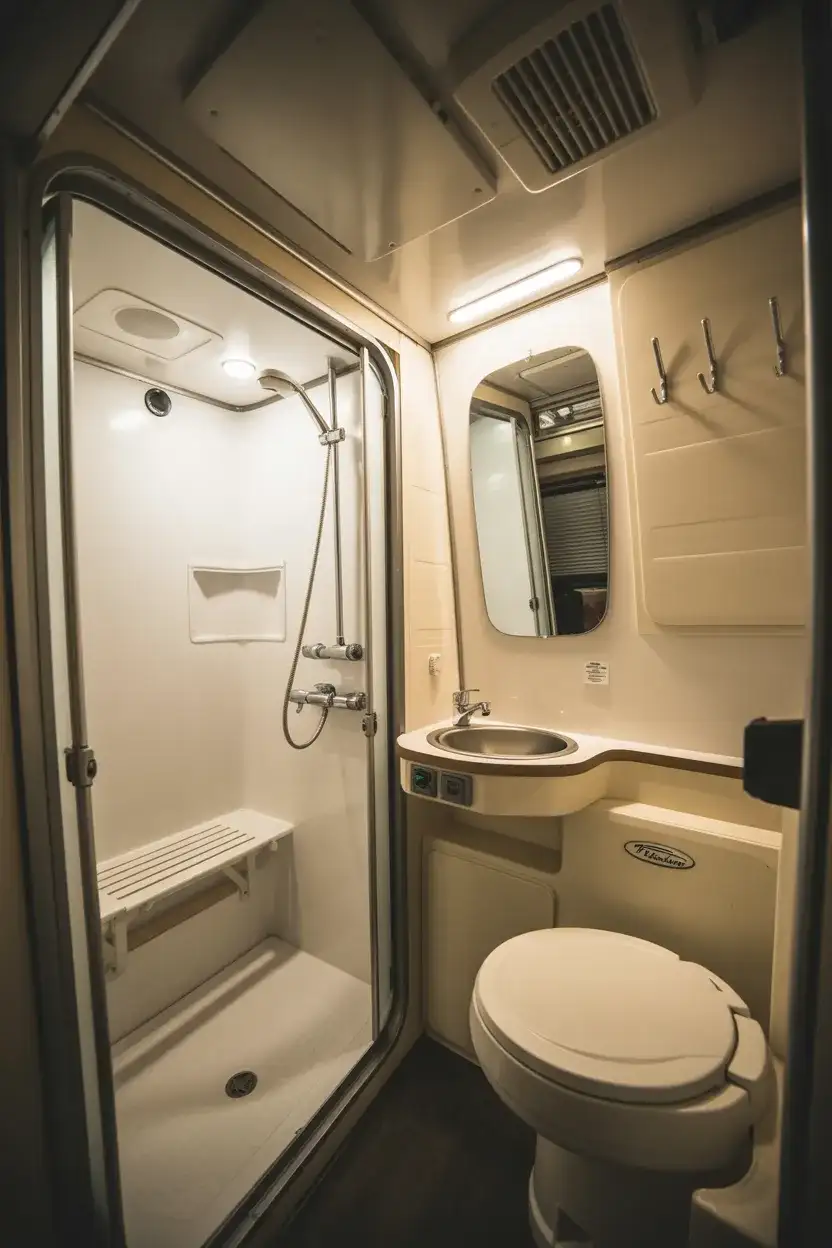
The small RV bathroom presents what might be the most technically demanding design challenge in the entire residential renovation world. You’re working with sometimes fewer than 15 square feet, materials must be lightweight and vibration-resistant, everything must be secured against road movement, and the plumbing system operates on entirely different principles than a house. Yet people on the full-time RV circuit have cracked this code in remarkably stylish ways—and the key is almost always the same: commit to a single, simple design direction and execute it flawlessly rather than trying to pack in every convenience.
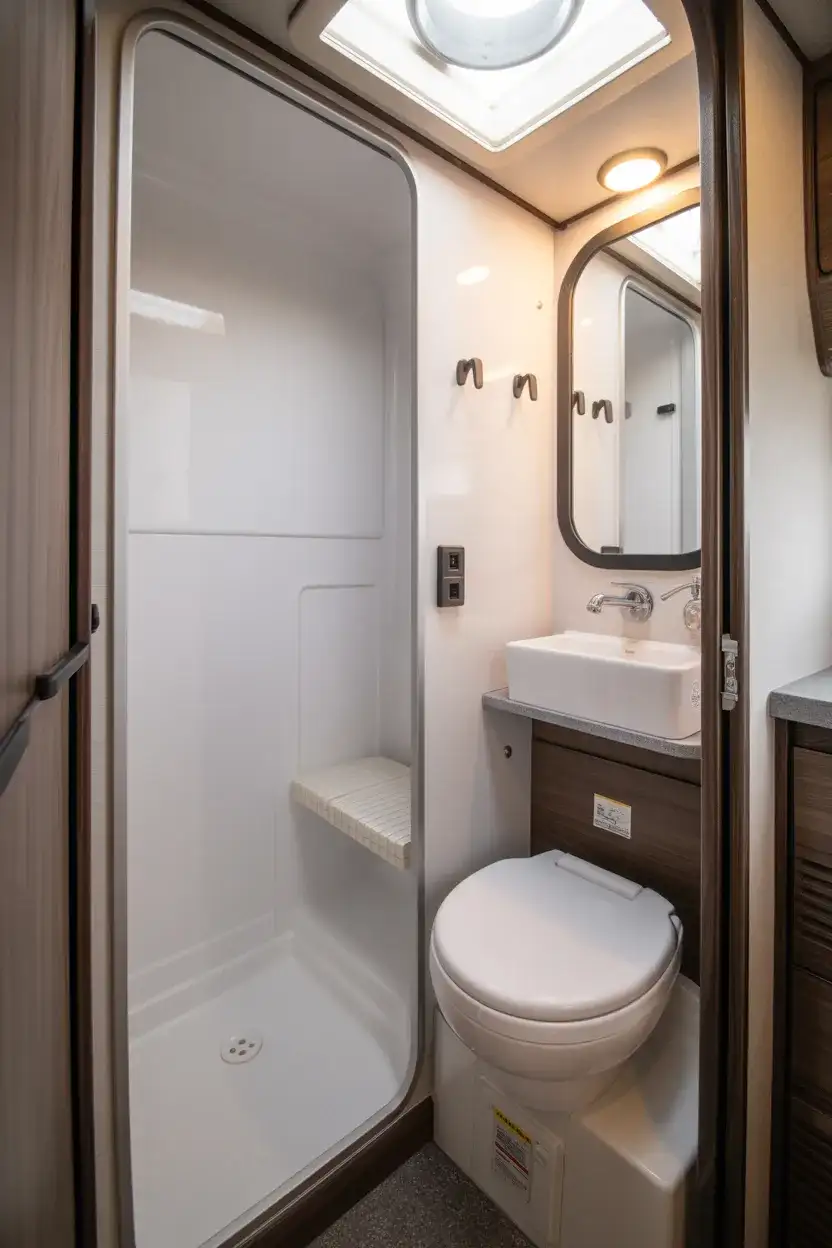
American lifestyle context: the growing community of remote workers who’ve embraced full-time RV living has fundamentally changed expectations for what a mobile bathroom should look and feel like. What used to be purely a utilitarian space is now expected to mirror, at least in spirit, the quality of a well-designed home bath. The RV renovation community has responded with increasingly sophisticated solutions—cassette toilet conversions, tankless water heaters, and shower systems with real pressure—proving that small doesn’t have to mean sacrificed.
22. Primary Bathroom Remodel: Investing in the Space That’s Truly Yours
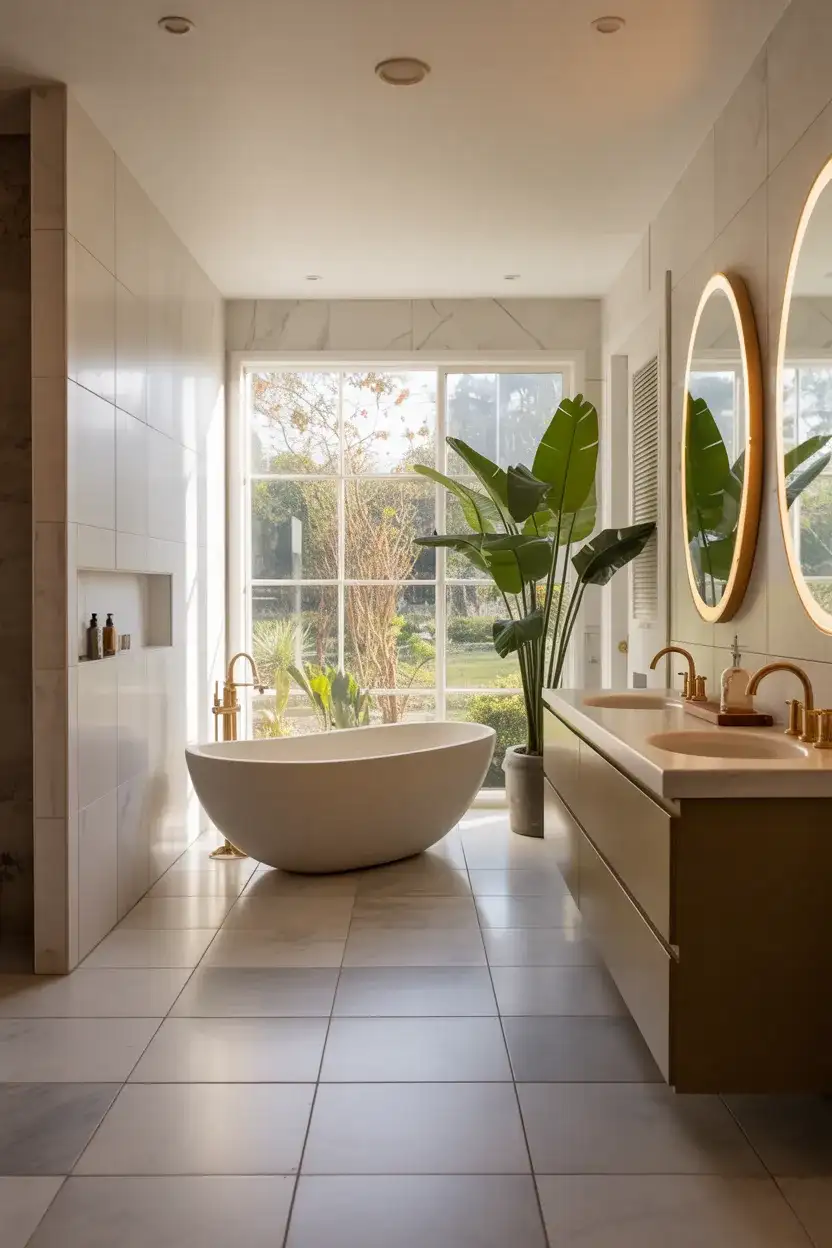
The primary bathroom remodel represents something bigger than just a renovation—it’s an investment in how you experience your home every single day. This is the bathroom that’s uniquely yours, and the design choices here should reflect that completely. Whether your vision is a sculptural soaking tub overlooking a garden, a steam shower with built-in seating, or a vanity long enough to accommodate two people with genuine ease, the primary bath is where personal preference should override every generic trend. This is not the room to be conservative in.
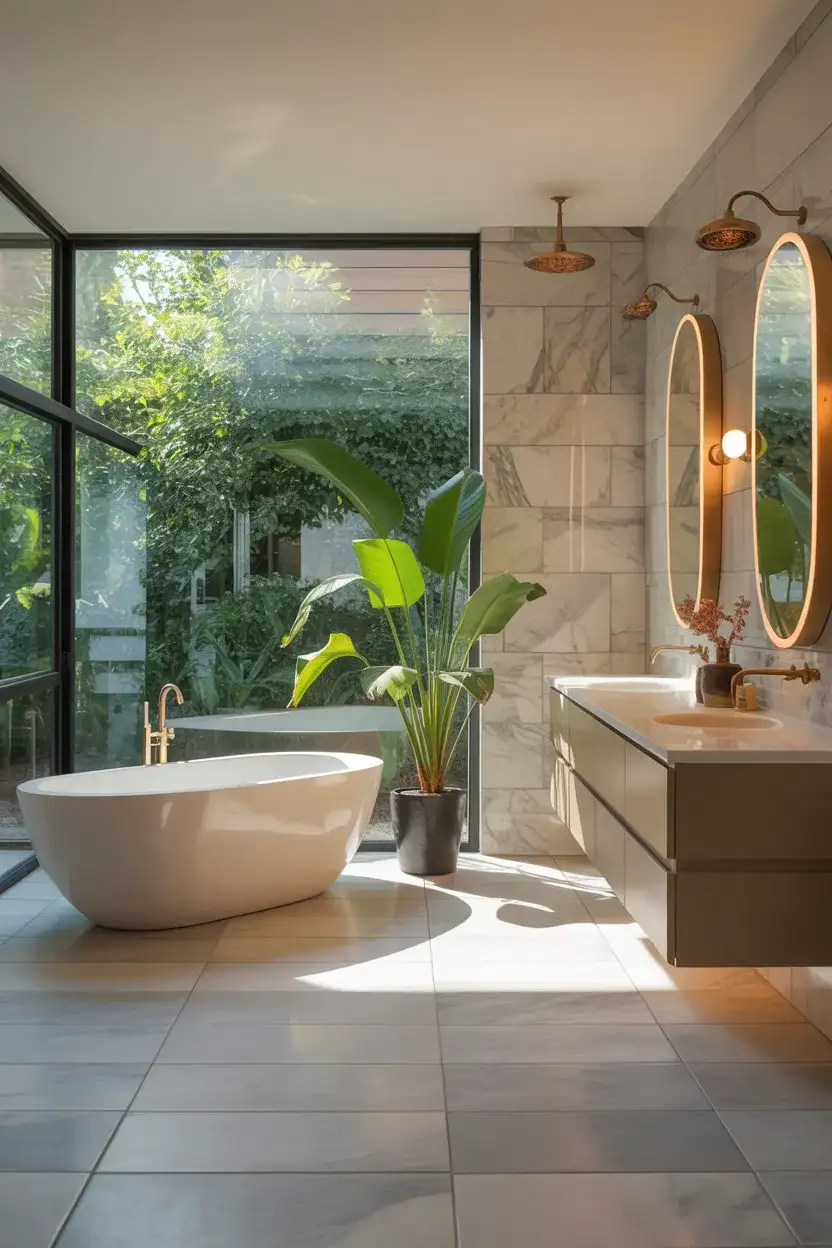
Practical insight that homeowners often only learn after the fact: the primary bathroom adds more to resale value than almost any other room in the house—but only when the renovation aligns with the overall quality of the home. Over-improving a primary bath in an entry-level neighborhood rarely returns full dollar-for-dollar value. In mid-range to upper-tier markets, however, a thoughtfully renovated primary bath consistently returns 60 to 80 percent of its cost in added home value—while delivering 100 percent of its joy every single morning you use it.
Conclusion
Whether you’re dreaming of a full gut renovation or just a few meaningful upgrades this weekend, there’s a bathroom remodel idea here that fits exactly where you are right now. The most important step is simply starting—with a clear vision, a realistic budget, and a willingness to trust your own taste. If any of these ideas sparked something for you, we’d love to hear about it in the comments below. Which design direction are you most drawn to, and what’s the one bathroom change you’ve been putting off that you’re finally ready to tackle?